

As a forest therapy guide, I spend a lot of time listening. Not just to birds and wind, but to the quiet wisdom that surfaces when life slows down. Recently, while listening to the Follow Him podcast with guest Dr. John Hilton III, I was struck by how clearly their insights mirrored what I see every day in nature-based healing.
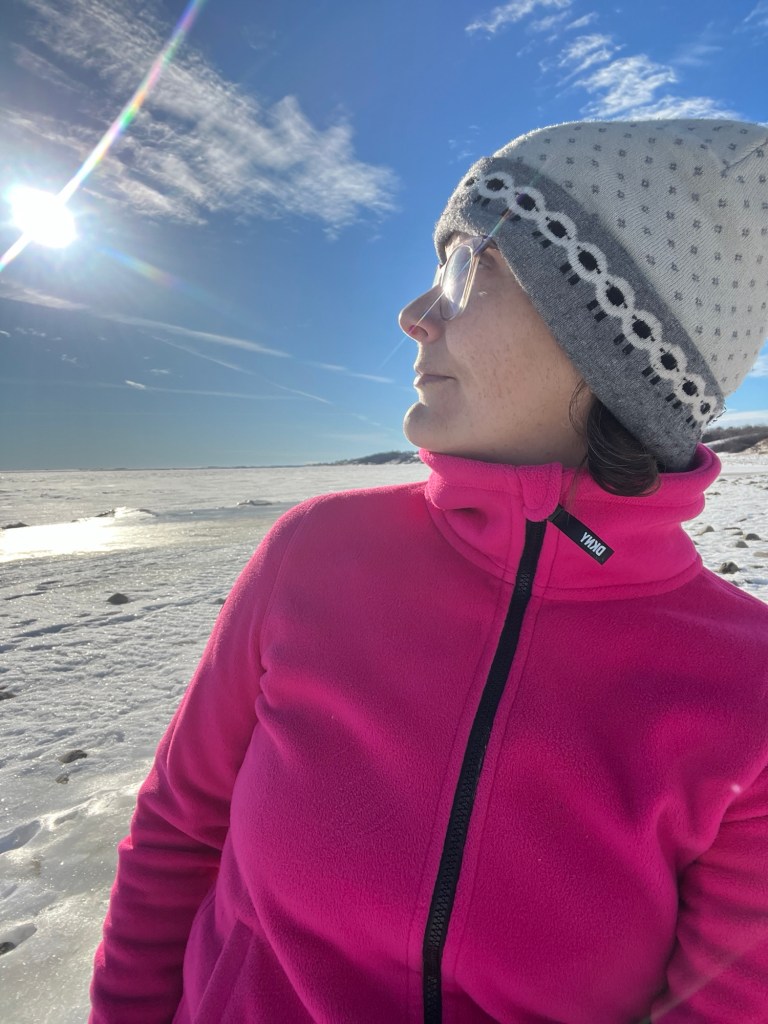
The Silent Saboteur of Greatness: Settling for “Good Enough”
Dr. Hilton shared a story Warren Buffett once told about his pilot, Mike Flint. Buffett asked Flint to list his 25 most important goals, then circle the top five. Flint assumed the remaining 20 would simply be addressed later, as time allowed.
But Buffett surprised him.
Those other 20 goals, he said, were not “later” goals. They were avoid-at-all-costs goals. Why? Because what most often pulls us away from our very best work isn’t something bad. It’s something good. Interesting. Worthy. Pretty good.
And that’s the danger. Pretty good competes quietly. It distracts us without alarming us. It drains time and energy while convincing us we’re still doing something valuable.
Choosing Wisely: Balancing Big and Small in a Limited Jar

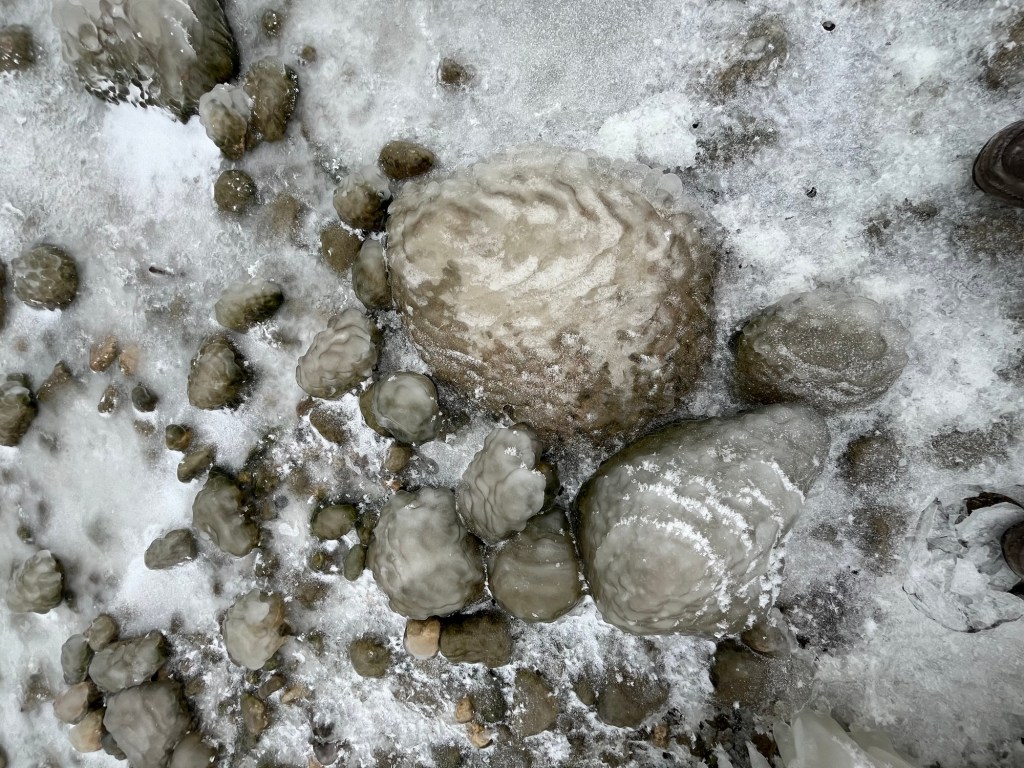
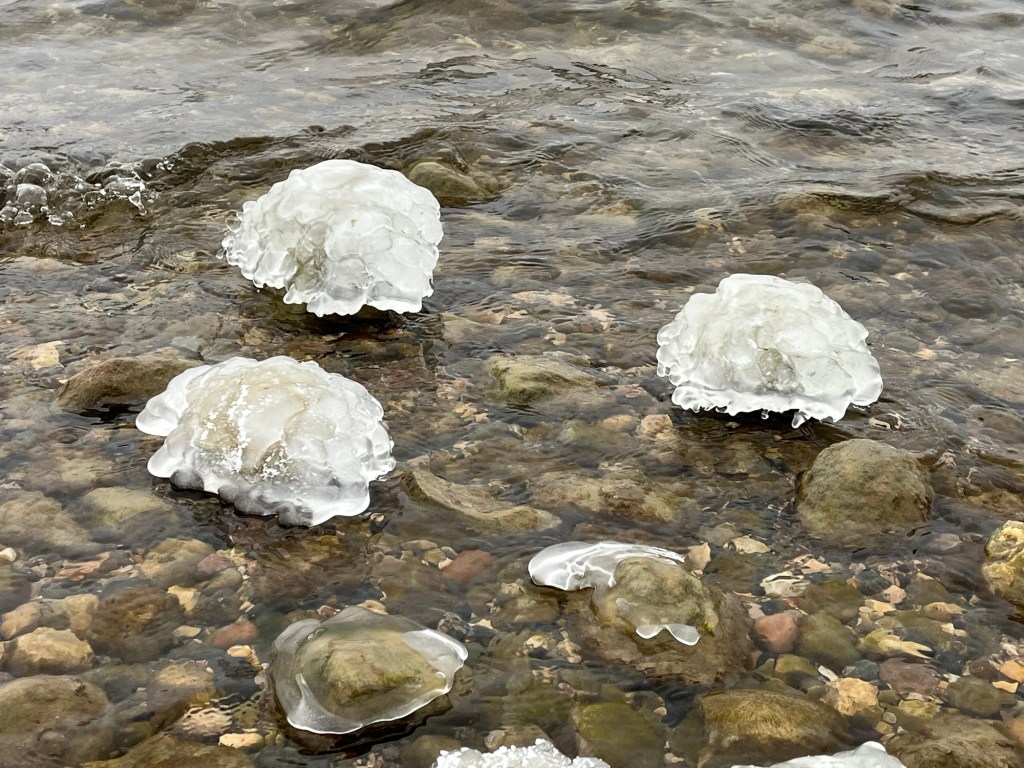
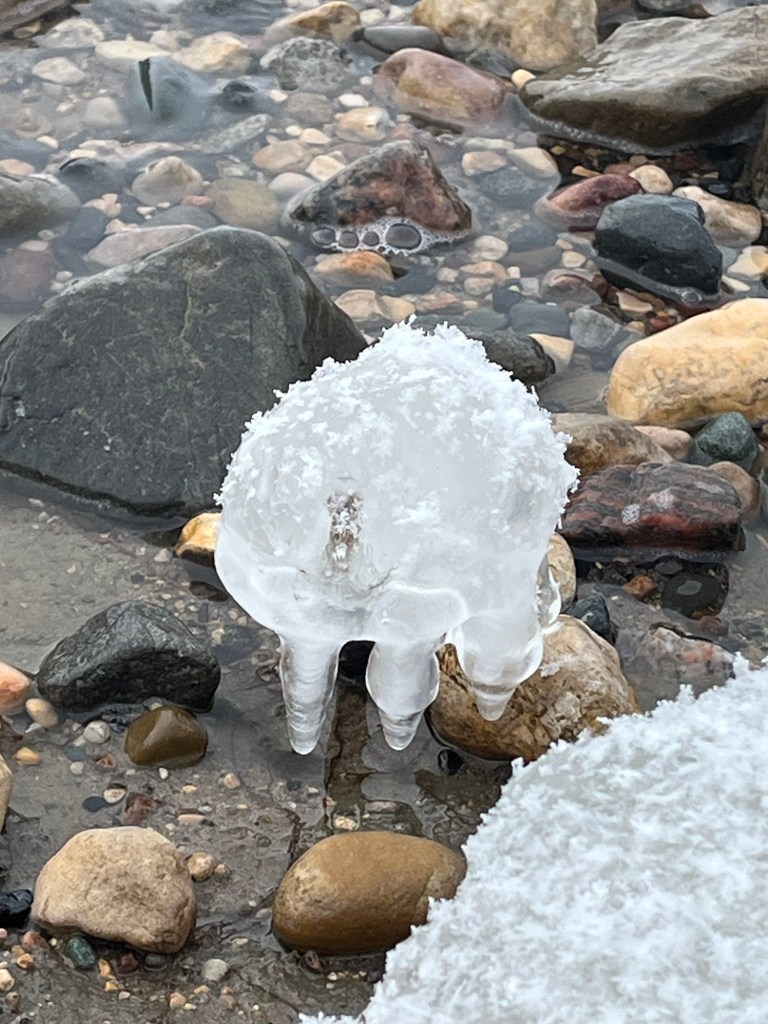
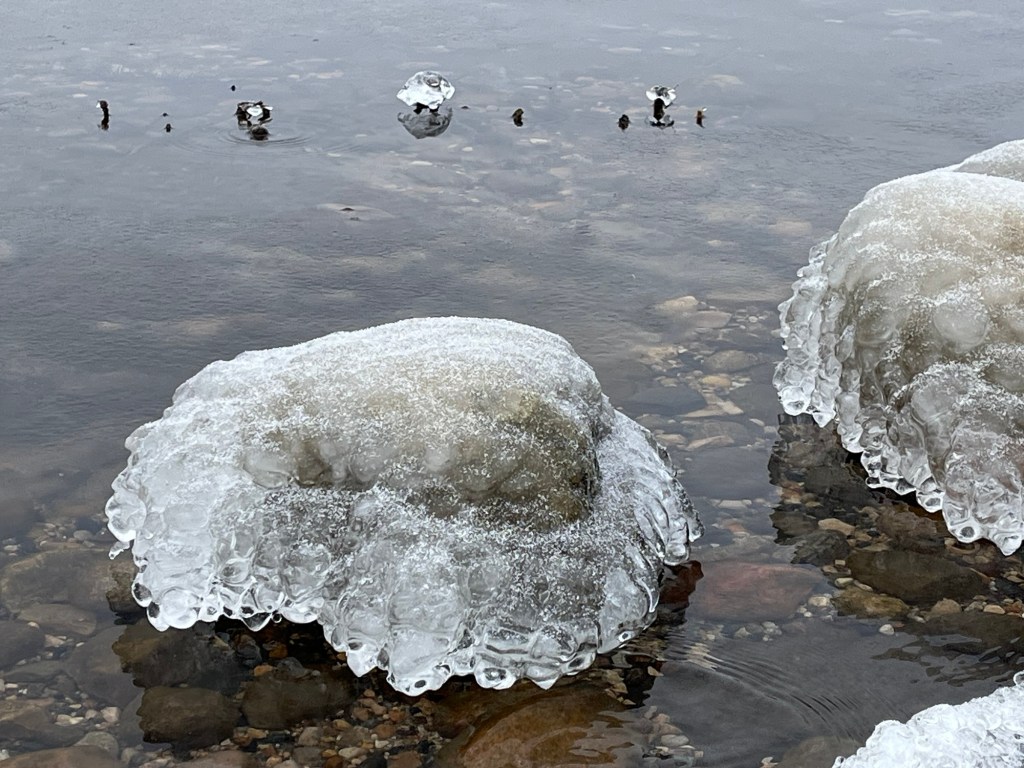
You’ve probably heard the “big rocks” analogy: if you put the big rocks in the jar first, then the small rocks, then the sand, everything fits. It’s a powerful visual reminder to prioritize what matters most. In a day. In a year. In a life.
But Dr. Hilton pointed out something that often gets overlooked. In real life, no one measures out the rocks and dirt ahead of time so it all fits. Neat and tidy. Many of us simply have too many big rocks.
The daily work.
The self care.
The appointments.
The responsibilities we can’t opt out of.
At some point, the work becomes less about fitting everything in and more about asking a braver question:
Which rock is the biggest?
And then: Which one comes next?
For those of us living with chronic pain or limited energy, this question isn’t philosophical. It’s survival.
The real work is not to prioritize what’s on your schedule, but to schedule your priorities.
— Stephen Covey
Near Enemies: The Perils of Almost Right
Psychologist Kristin Neff teaches about near enemies. Qualities or choices that look helpful on the surface but quietly undermine what we actually need.
In compassion practice, for example, self‑compassion’s near enemy is self‑pity. In mindfulness, it might be zoning out instead of being present. Near enemies are dangerous not because they are wrong, but because they are convincing.
They imitate wisdom.
They borrow the language of care.
They feel responsible.
And yet, they subtly pull us away from what truly nourishes us.

Familiar Foes: Chronic Pain’s Close Encounters
When you live with chronic pain or chronic illness, near enemies show up everywhere:
- Filling your day with “useful” tasks instead of the few essential ones that protect your health.
- Trying every therapy instead of committing energy to the one or two that truly help.
- Positive thinking that bypasses your body’s real signals.
- Staying busy so you don’t have to feel how tired you actually are
Even healing practices can become near enemies when they cost more energy than they restore.
In these seasons, discernment matters more than discipline.
Unearthing Clarity: The Truth of Forest Therapy
Nature has a way of clarifying what belongs and what doesn’t.
In the stillness of the forest, the nervous system softens. The noise quiets. And without effort, priorities begin to rearrange themselves.
Here, the biggest rocks often reveal themselves as simple, foundational truths:
- Enough sleep
- Nourishing food
- Gentle, appropriate movement
- Nervous system regulation
- Emotional safety
These are not optional extras. They are the largest rocks.
From there, we can begin to see the next biggest rocks. Helpful therapies, meaningful connection, creative expression, without confusing them for the foundation itself.
And finally, with compassion, we can begin to sift out what simply does not fit in this season of life. Not forever. Just for now.
Arabic proverb: Sunshine all the time creates a desert.
Perhaps, in the storms, roots deepen and rain helps us grow.
The Significance of Near Enemies
Near enemies are dangerous because they:
- Masquerade as wisdom
- Drain limited energy
- Keep us busy instead of well
- Pull focus from what truly supports healing
For those living with chronic pain, the cost of mistaking a near enemy for a true ally is high. Energy is precious. Attention is finite. Choosing the wrong “good thing” can mean losing access to the best thing.
You can do anything, but not everything.
Letting Go
There was a season when I was frantically searching for a diagnosis. Searching not just for answers, but for validation. I was living with constant, invisible pain that no one could see and few seemed to understand. And so I chased understanding wherever I thought it might live.
I pursued every avenue. Every referral. Every therapy that sounded even remotely promising. I read, researched, pushed, argued, advocated. Believing that if I just searched hard enough, fought clearly enough, or proved my case convincingly enough, I would arrive at the answer. A conclusion. A resolution. A moment where someone would finally say, “Yes. This is real.”
What I didn’t recognize at the time was my near enemy.
On the surface, what I was doing looked responsible. Even admirable. I was being proactive. Informed. Determined. But underneath it all, my hope had quietly become tangled up in outcomes, test results, and external validation. The search itself, though it looked like healing, was slowly exhausting me.
I needed to let go of the illusion that my life might have been different.
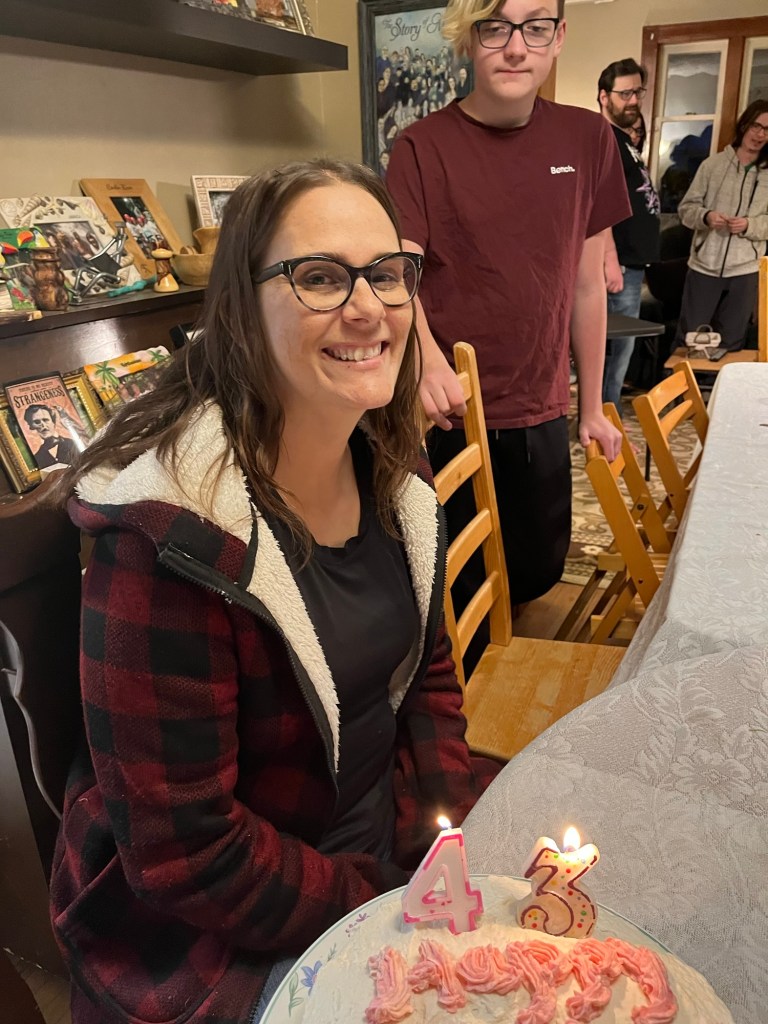
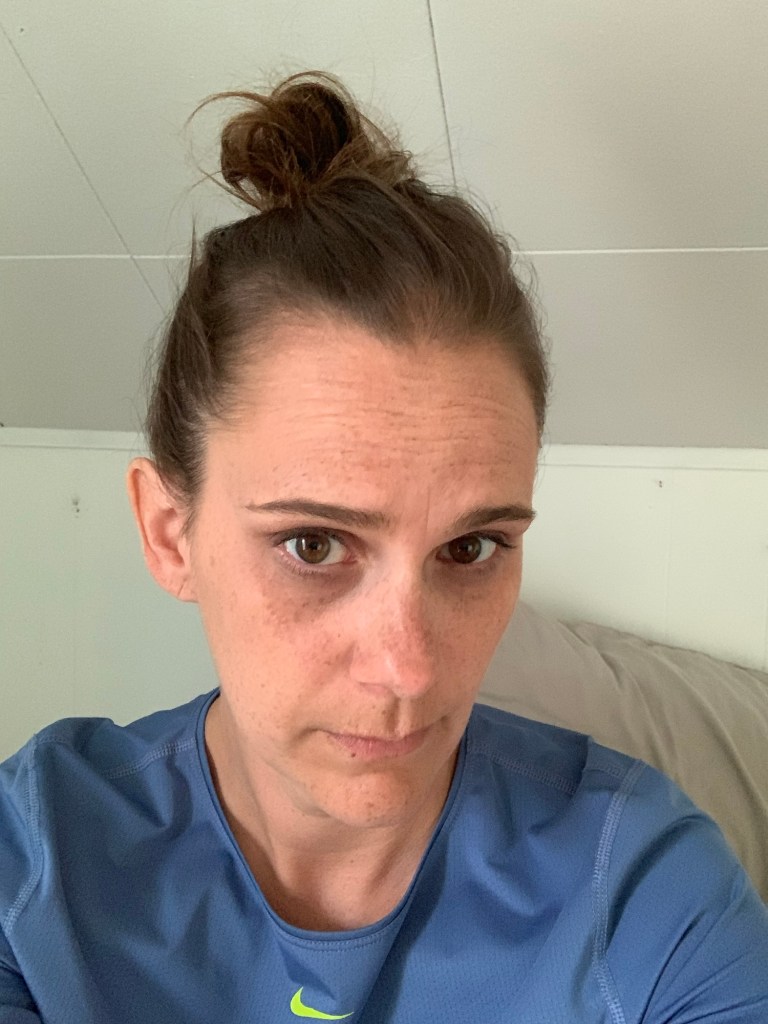
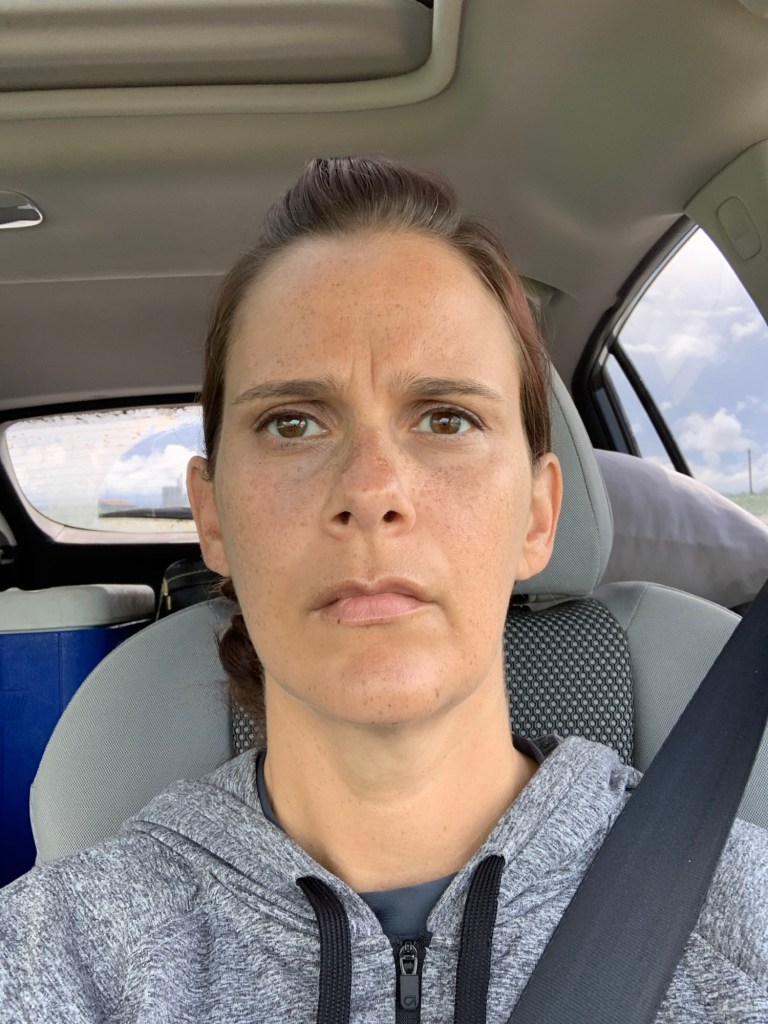

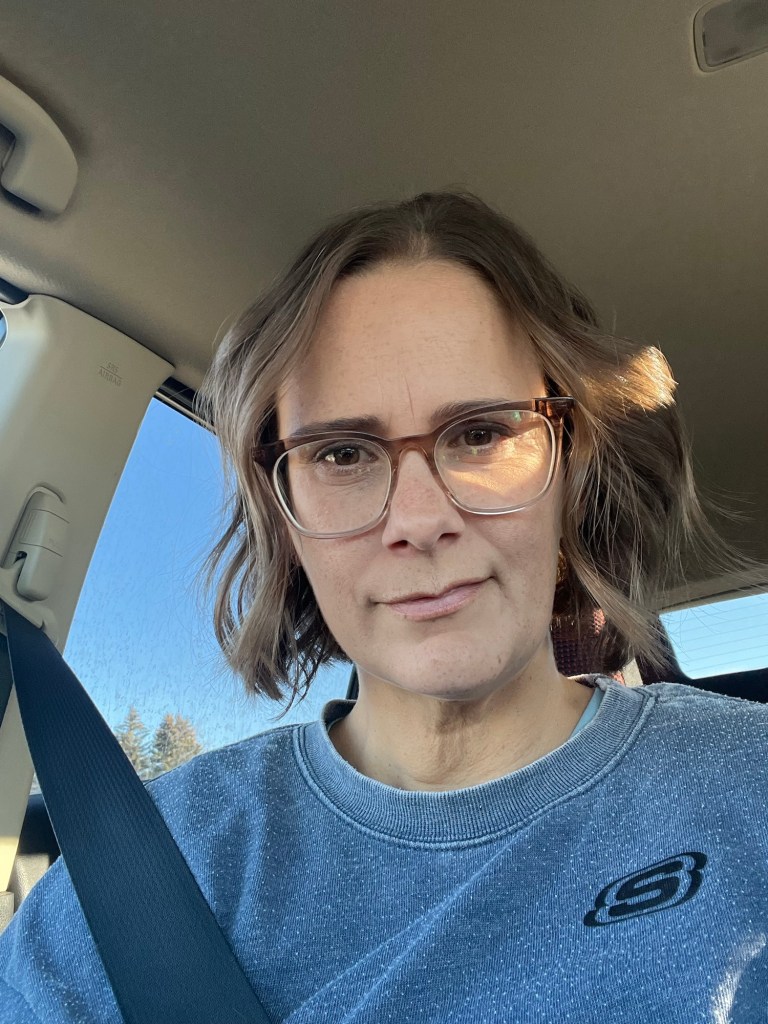
It’s in my eyes. I tried to hide it. But I see now I was not overly successful in that attempt. Through that time, I could best be explained. By these words someone wrote, “she’s got the hospitality of a Southern belle and the emotional stability of a raccoon in a Dollar General.” Or these accurate words, “I’m currently looking for a moisturizer that hides the fact I’ve been exhausted since 2019.”
Each clear test result landed not as relief, but as another erosion of trust. My pain was getting worse, not better. And I suspect my medical charts were, too. Notes growing heavier, more complicated, perhaps less in my favor as frustration mounted on both sides.
Still, I kept searching. Because stopping felt like giving up.
Eventually, I had to face the truth. This relentless pursuit wasn’t leading me toward healing. It was pulling me away from it.
I still don’t have clean answers or a tidy diagnosis. But something essential has shifted. I no longer outsource my validation. It doesn’t come from a test, a label, or a professional conclusion. It comes from listening to my own lived experience.
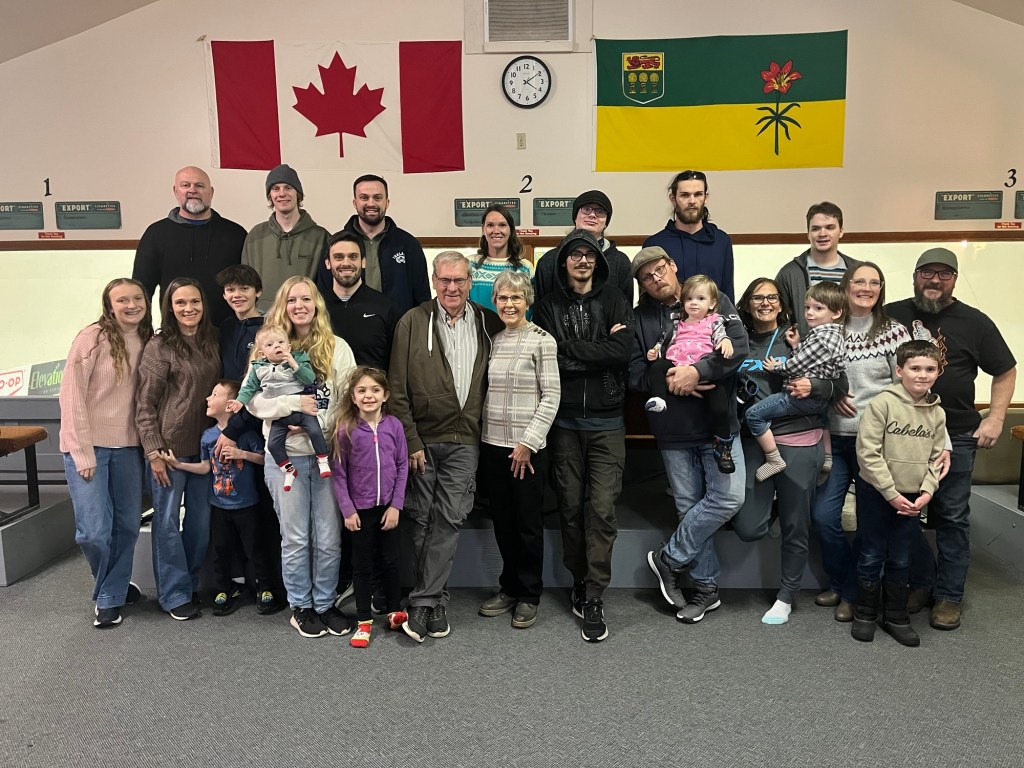
I’m deeply grateful for the people in my life who try to understand my pain, even when they can’t see it. They may not witness the pain itself, but they see me. And that has mattered more than I once believed possible.
Some answers have arrived gently, settling on me soft as a sunbeam. Others have been harder, more confronting. But I no longer search frantically.
That frantic searching. The good‑looking, well‑intentioned chase for certainty was my near enemy. And laying it down made space for something quieter, truer, and far more healing.
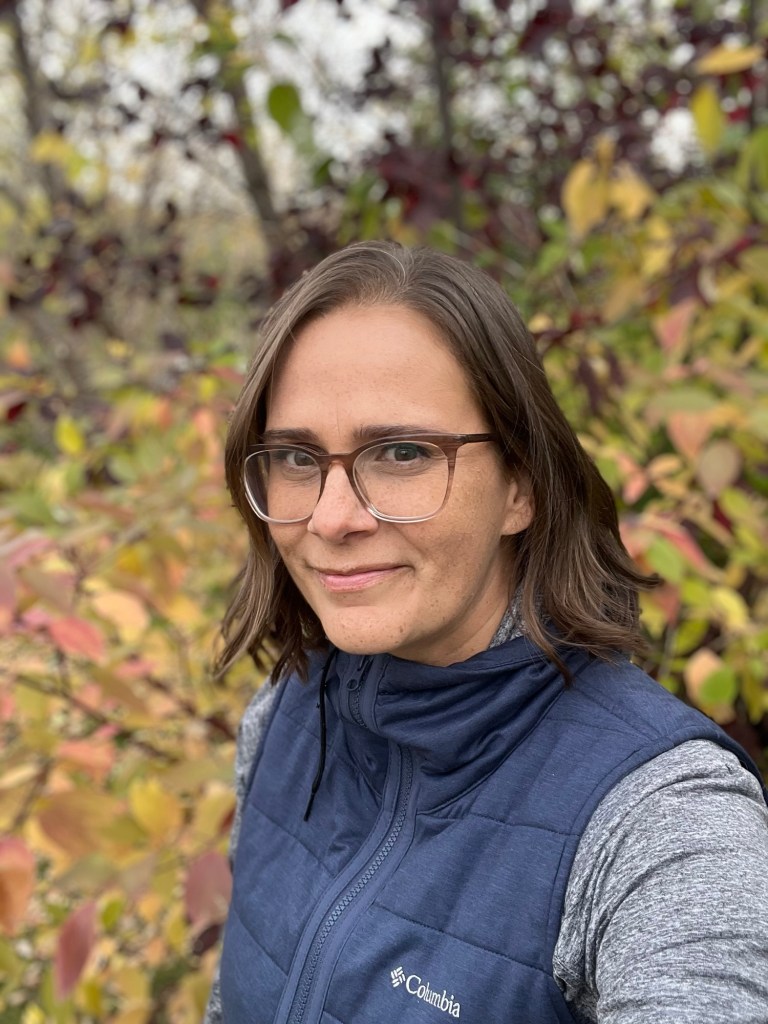
What you tend grows. What you ignore fades.
Forest Reflections
Near enemies are not mistakes. They are invitations to deepen our discernment.
When we learn to tell the difference between the important and the essential. Between the helpful and the healing. We begin to live with greater integrity toward our bodies and our limits.
And often, it is the forest. Quiet, patient, and uncompromising that helps us remember which rock truly belongs in our hands today.
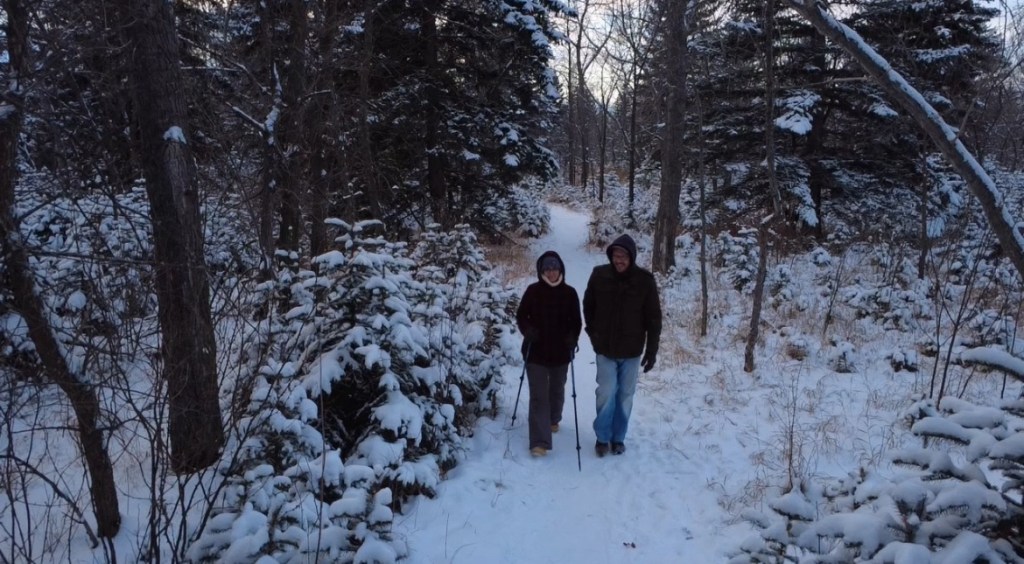
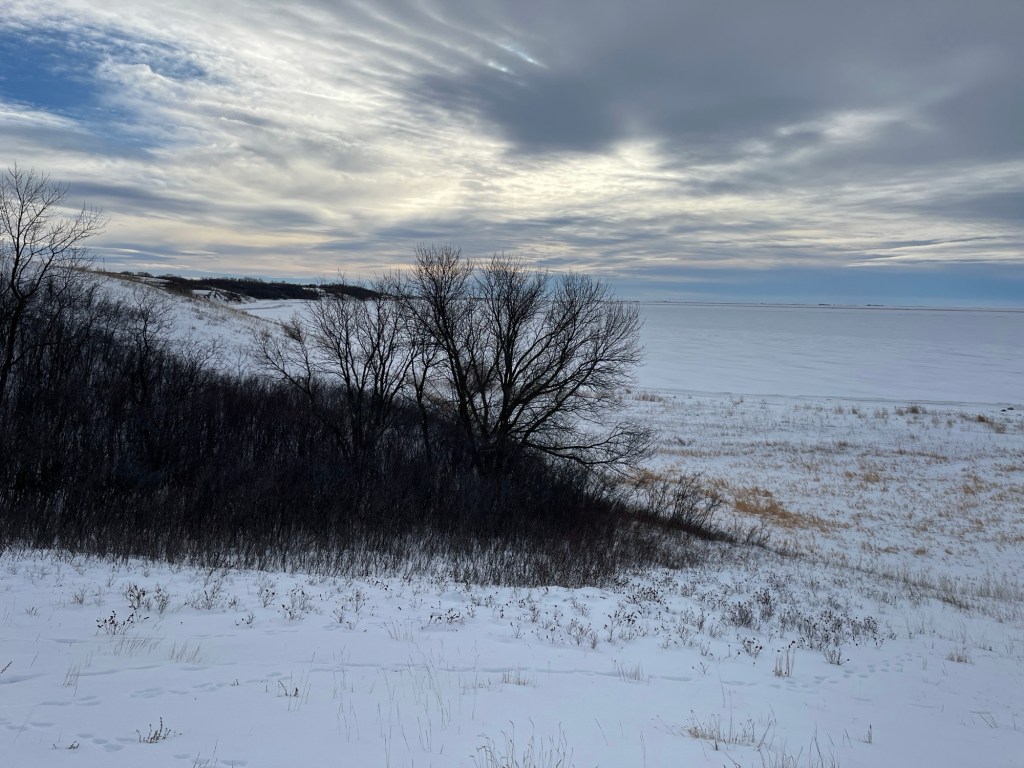

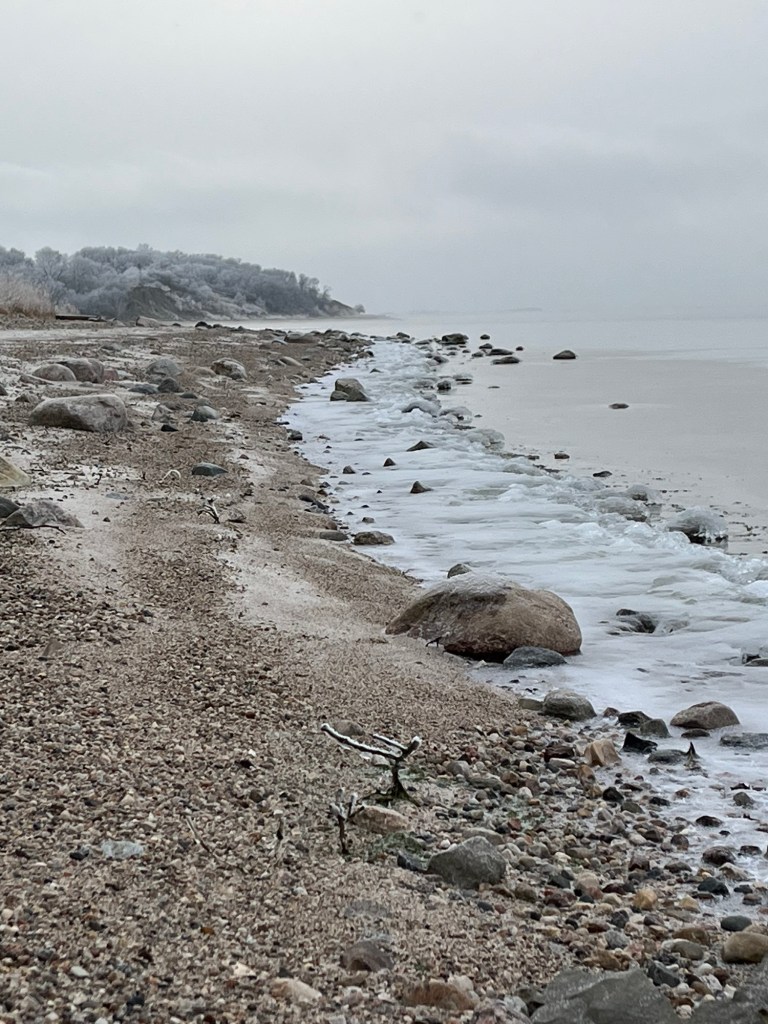
Rest is not idleness. Sometimes lying on the grass under trees on a summer’s day… is hardly a waste of time.
— John Lubbock

 SUNBEAM ACRES