
Men and women range themselves into three classes or orders of intelligence; you can tell the lowest class by their habit of always talking about persons; the next by the fact that their habit is always to converse about things; the highest by their preference for the discussion of ideas.
-Henry Thomas Buckle
I read that quote in The Parasitic Mind by Gad Saad. I want to be a discusser of ideas.
I want to take the things happening in my life and turn them over a little.
What is this teaching me? What am I noticing that I didn’t notice before? What has changed? What matters?
And maybe most importantly:
How do I want to live inside the life I’ve actually been given?
I saw an Instagram post this week from a woman who lives with chronic pain. She talked about how difficult it can be to do the everyday tasks that support her family.
I could genuinely relate to her story. 💔
She ended her post by talking about what she was learning her life could be from this space.
Learning to manage her condition.
Finding meaning and hope in the mundane happenings of everyday life.
And loving on her family.
Without really meaning to, that’s what I’ve been doing with my moments and my days, too.
Learning to manage.
Learning to notice.
Learning to love.
And those three things have become much bigger ideas than I would have expected them to be.
Learning to Manage
Learning to manage a condition that comes without a handbook of instructions is tricky.
There is no little binder sitting on the kitchen counter that says:
When your body does this, do this.
When you have a good day, here is exactly how much you are allowed to do before tomorrow becomes a problem.
If you accidentally overestimate your energy, please proceed directly to the couch.
I would buy that binder. If someone wants to publish one, I would be happy to review the manuscript.
Instead, I am learning my own body.
Learning when to move. When to stop. That rest isn’t something I have to earn by becoming completely depleted or completing all the tasks first.
Learning that yesterday’s capacity doesn’t guarantee today’s. And that something can be good for me and still be too much for me today.
Those have been difficult lessons.
We live in a world that loves improvement.
More steps. More strength. More productivity. More goals. More pushing through.
But managing my life means asking a very different question:
What does my body need from me today?
Not what did it do yesterday. Or what do I wish it could do. Definitely not what would be convenient.
What does it need today? There is humility in that lesson. (And some irritation.)
Because I would occasionally like my body to consult my calendar before making executive decisions.
But learning to manage isn’t giving up. It is paying attention. And learning the language of my own body instead of continually arguing with it.
And if I’m going to slow down anyway, perhaps I could learn to notice what is here.
Learning to Notice
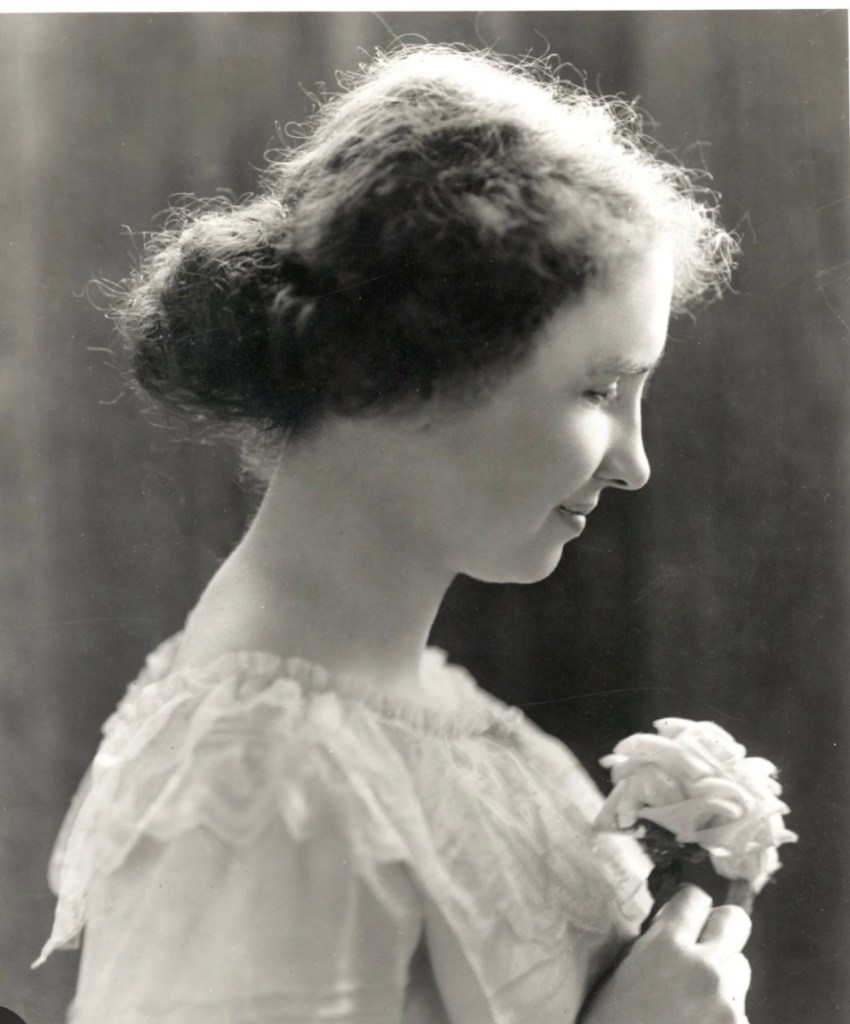
Helen Keller wrote in 1933:
“I, who cannot see, find hundreds of things to interest me through mere touch. I feel the delicate symmetry of a leaf. I pass my hands lovingly about the smooth skin of a silver birch, or the rough shaggy bark of a pine.

I feel the delightful velvety texture of a flower, and discover its remarkable convolutions, and something of the miracle of nature is revealed to me. Occasionally, if I am very fortunate, I place my hand gently on a small tree, and feel the happy quiver of a bird in full song. At times my heart cries out with longing to see all these things.

If I can get so much pleasure from mere touch, how much more beauty must be revealed by sight? Yet, those who have eyes apparently see little. The panorama of colour and action which fills the world is taken for granted.

It is a great pity that in the world of light, the gift of sight is used only as a mere convenience rather than as a means of adding fullness to life.”
Those who have eyes apparently see little.
Ouch. 😣
I used to be very good at getting somewhere.
Getting the groceries. Getting the laundry done. Getting through the day. Getting where I needed to go. Getting the thing crossed off the list so I could move on to the next thing.
Chronic pain has interfered rather dramatically with my relationship with getting somewhere.
Sometimes my body simply says, We’re not doing that today.
So I have been forced to slow down.
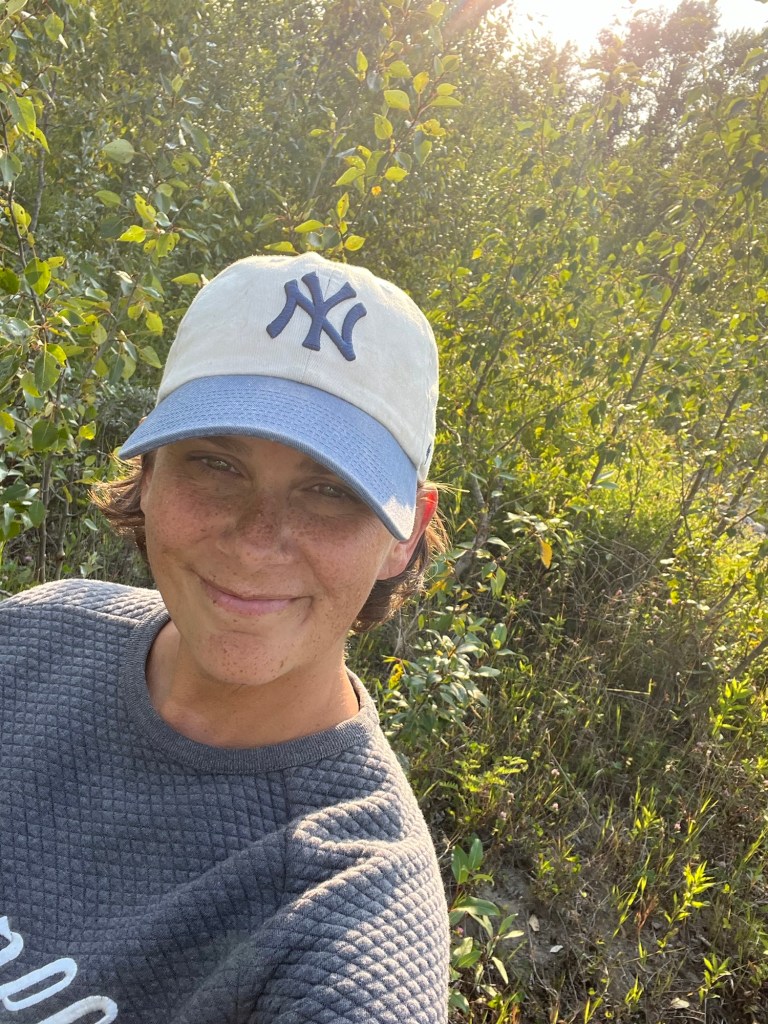
At first, I didn’t particularly appreciate this arrangement. But slowing down has done something unexpected.
It has made me notice.
The light coming through the trees.
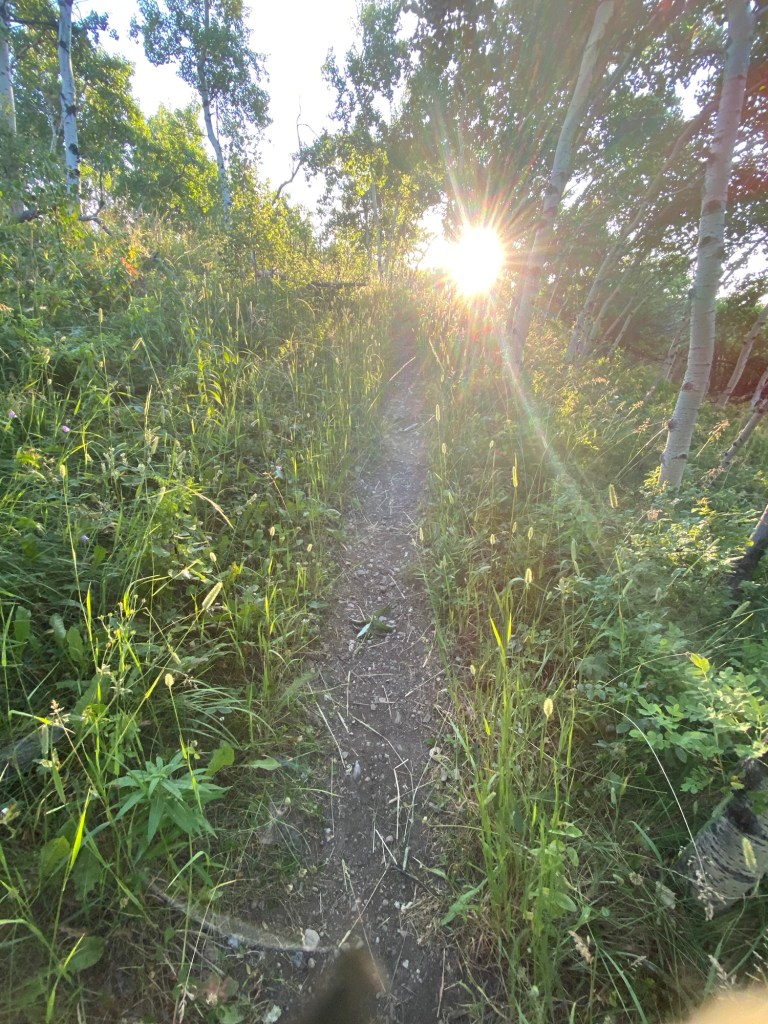
The way a breeze moves one kind of tree differently than another.
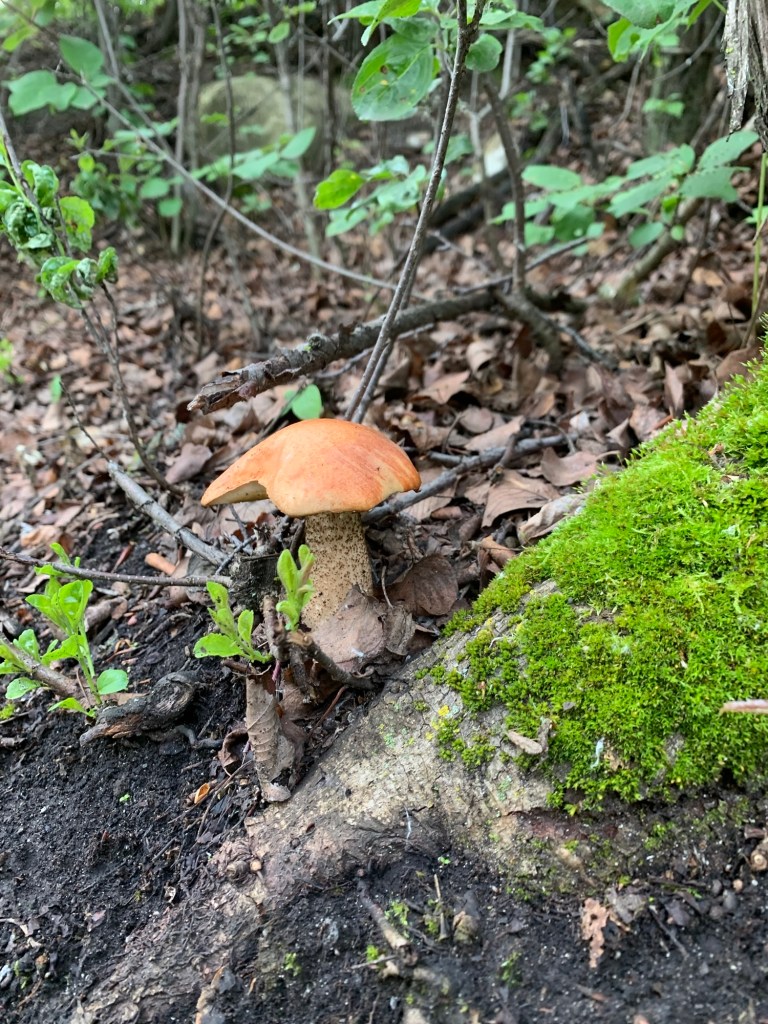
A tiny mushroom tucked beside the trail.
The ridiculous personality of a crooked tree.
The smell of damp earth.
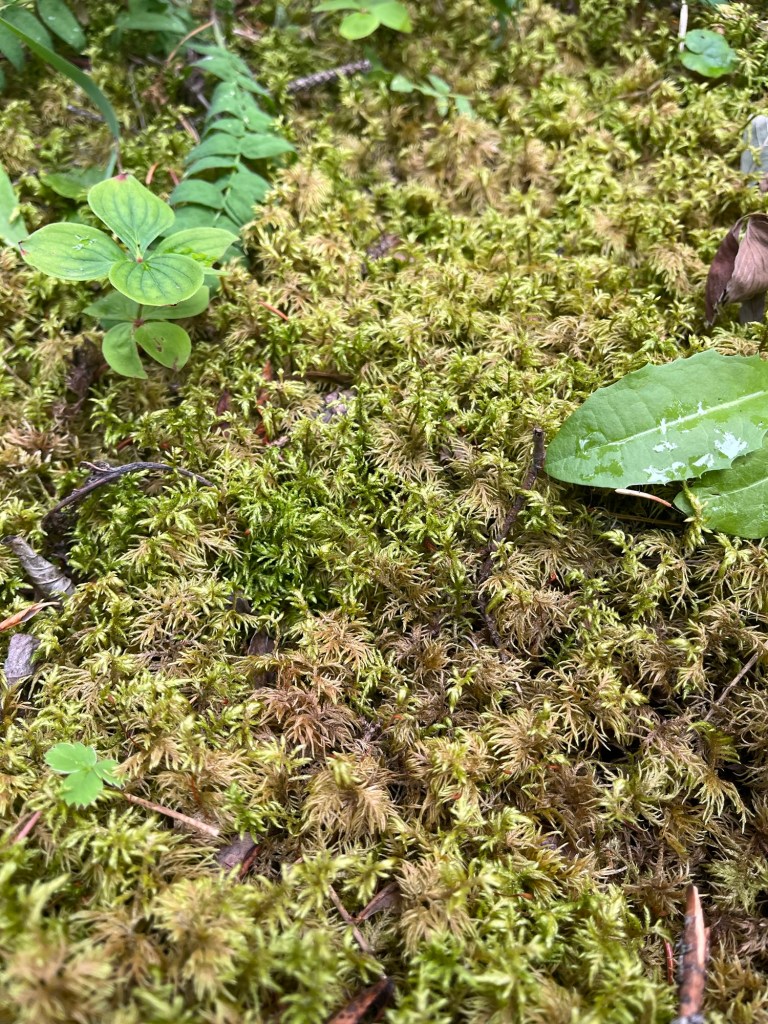
The sound of a bird I can’t identify.
The feeling of bark underneath my hand.
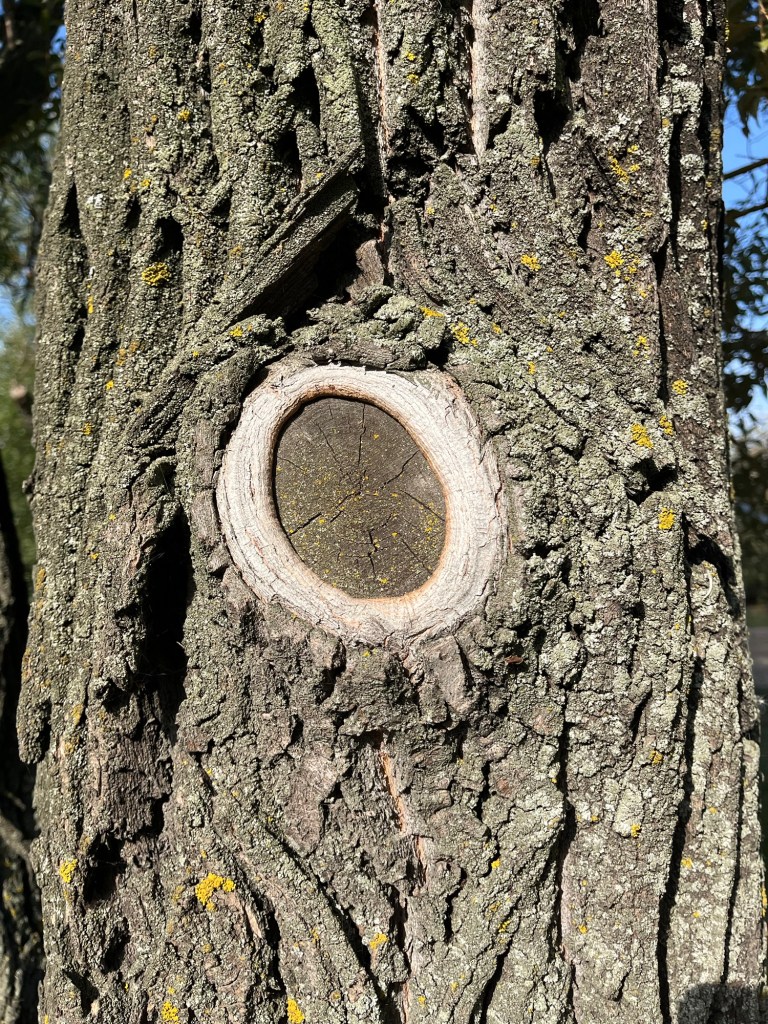
The tiny things growing in places I would have walked straight past.
The forest didn’t suddenly become more interesting.
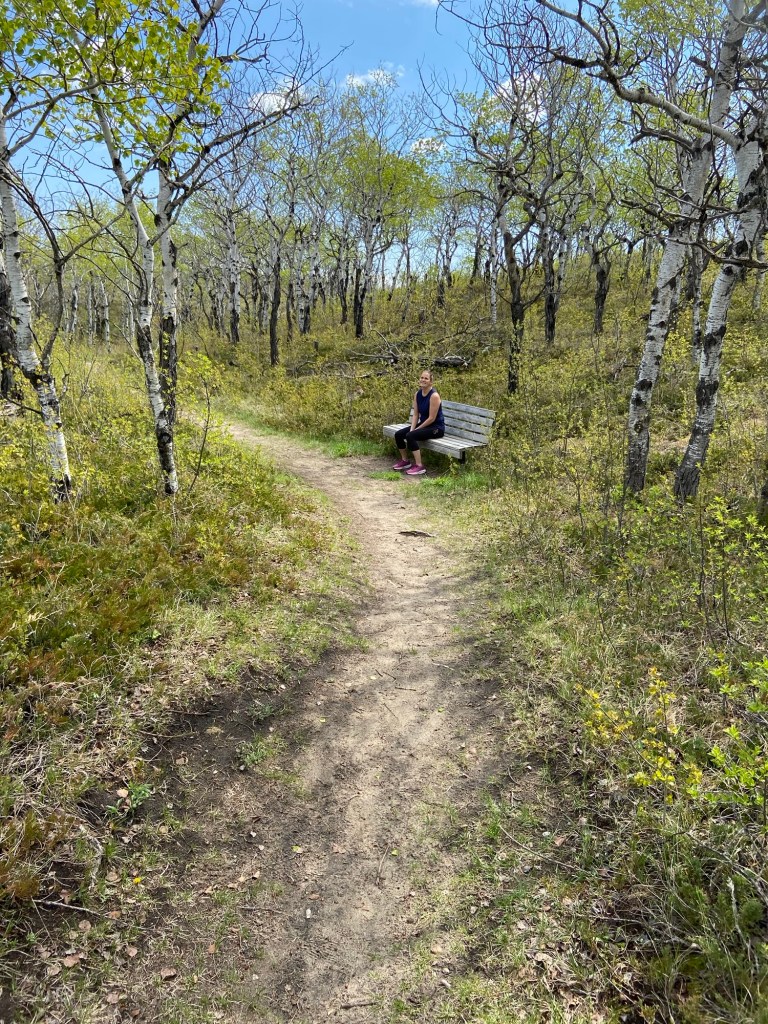
I became available to more of it.
Mary Oliver wrote,
Attention is the beginning of devotion.
I think that’s true of more than forests. Attention changes things.
When I pay attention to my body, I begin to understand it.
When I pay attention to the forest, I begin to notice what is alive around me.
And when I pay attention to the people I love, I begin to see things I might otherwise miss.
A tiredness behind someone’s irritability.
A worry hiding underneath a question.
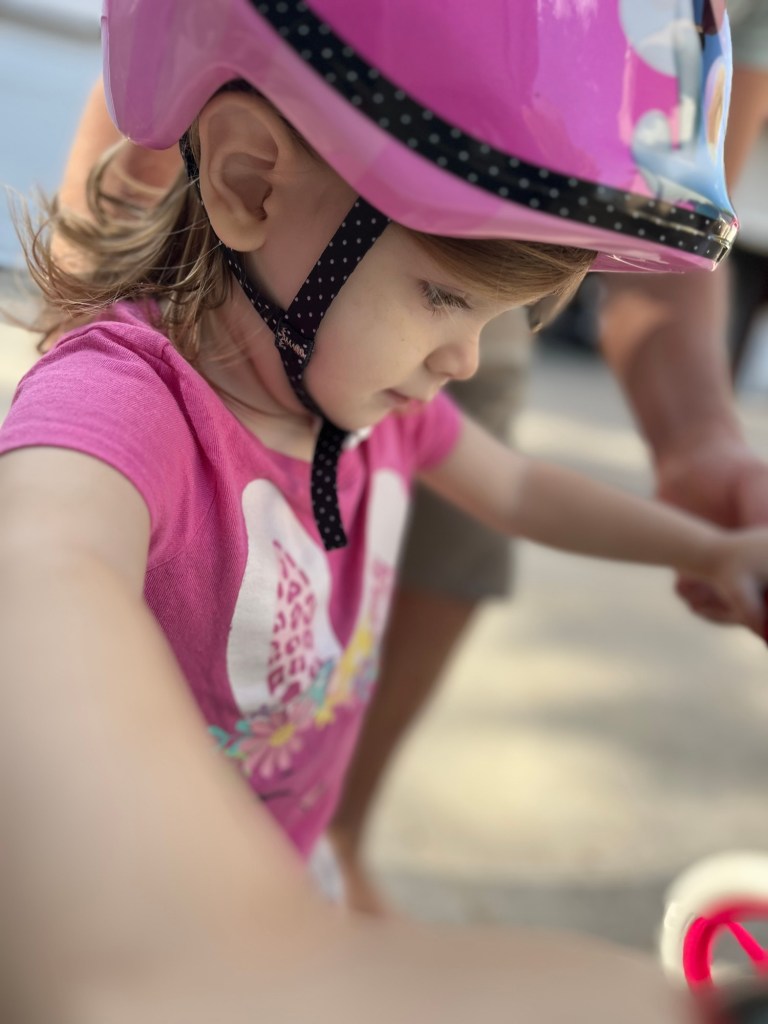
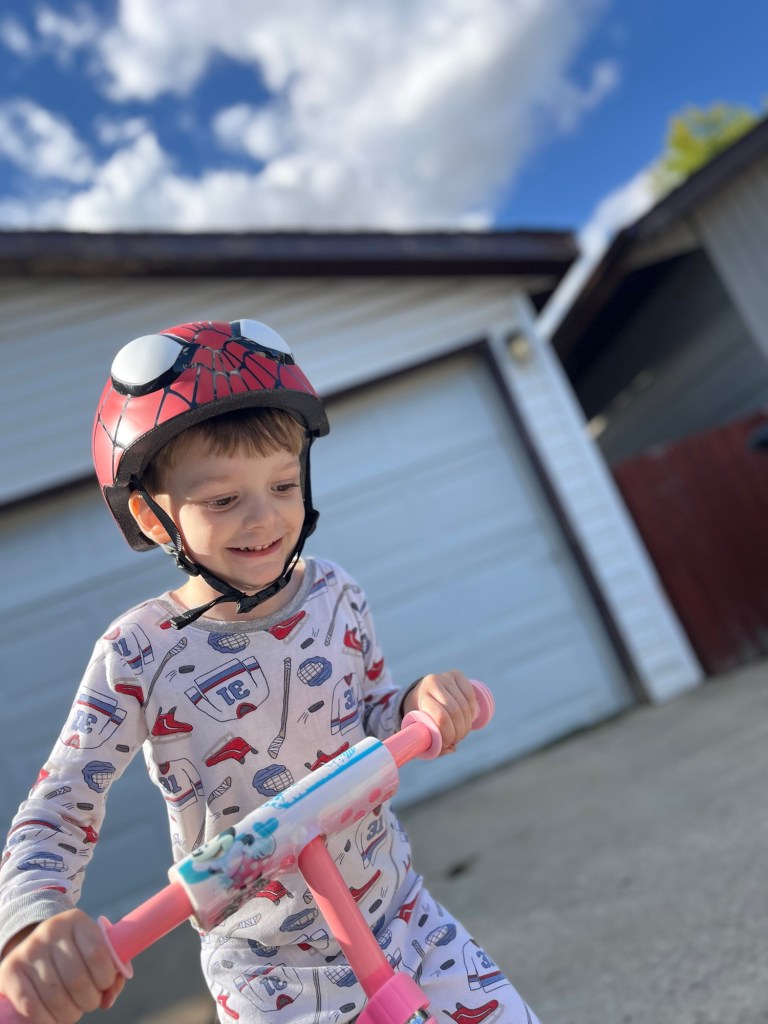
A child becoming more independent.
A grandchild changing almost overnight.
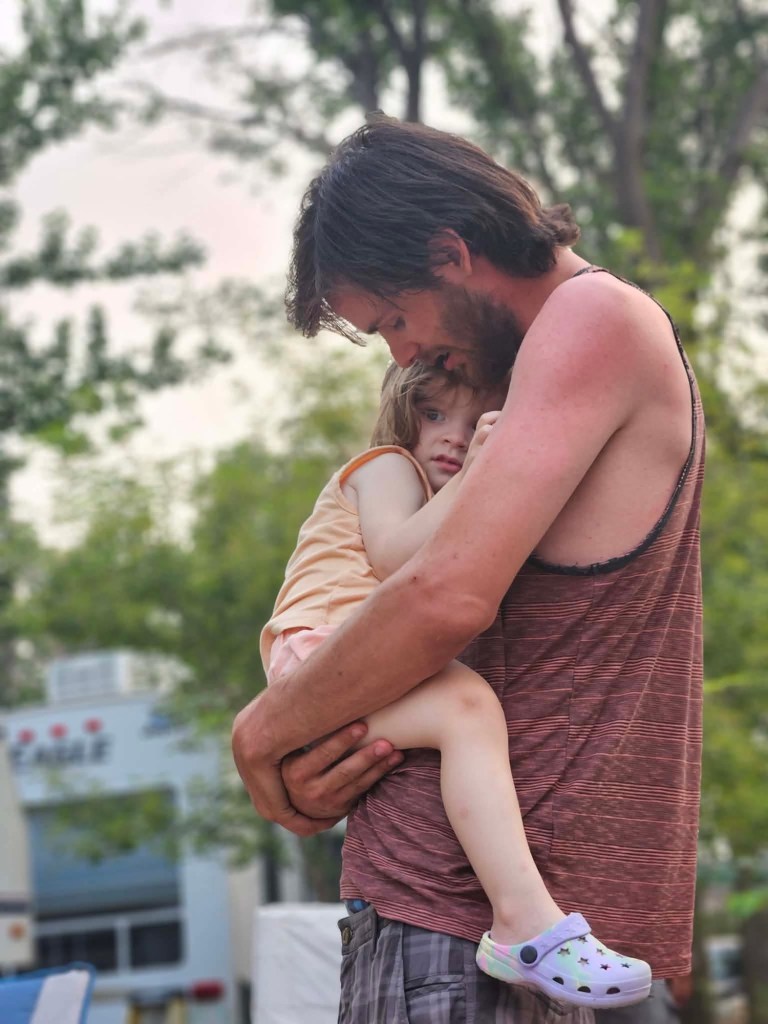
A husband who doesn’t need me to solve anything. He might just need me to sit beside him.
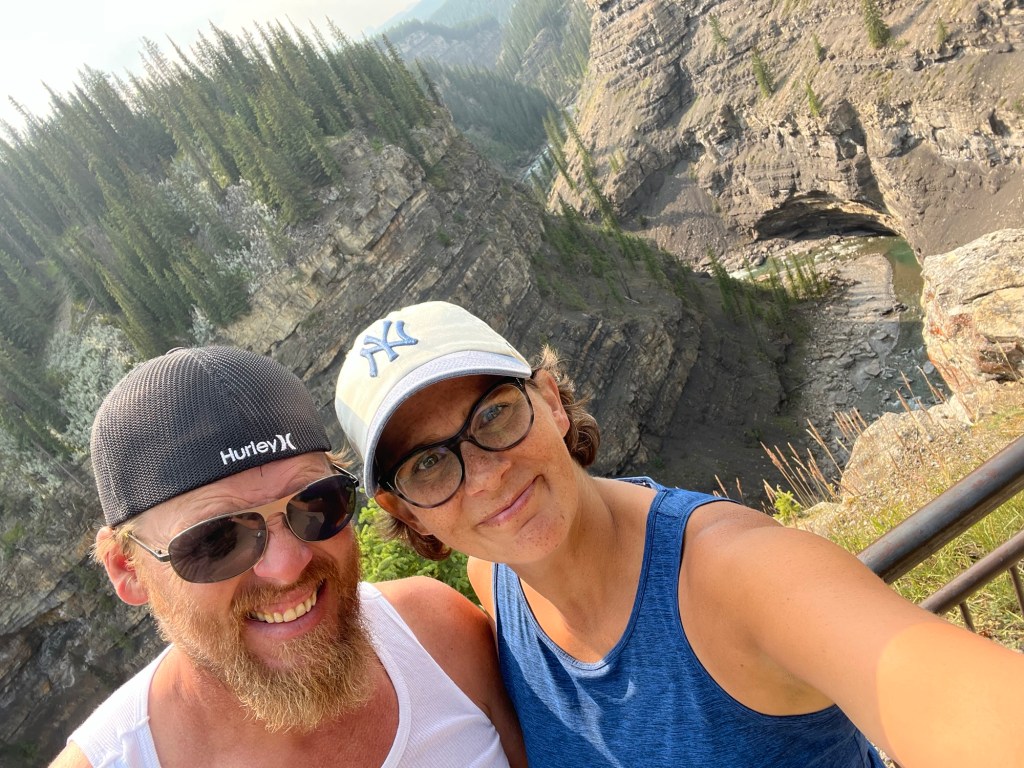
Sometimes love isn’t another thing to do.
Sometimes love is simply being there long enough to notice.
Learning to Love
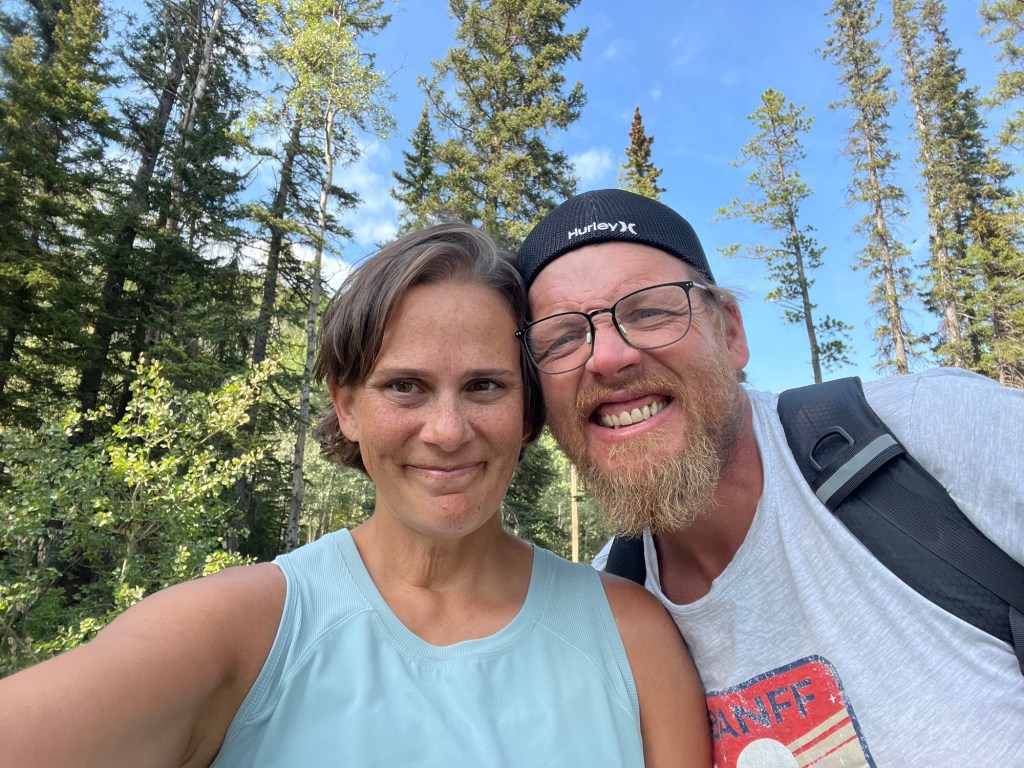
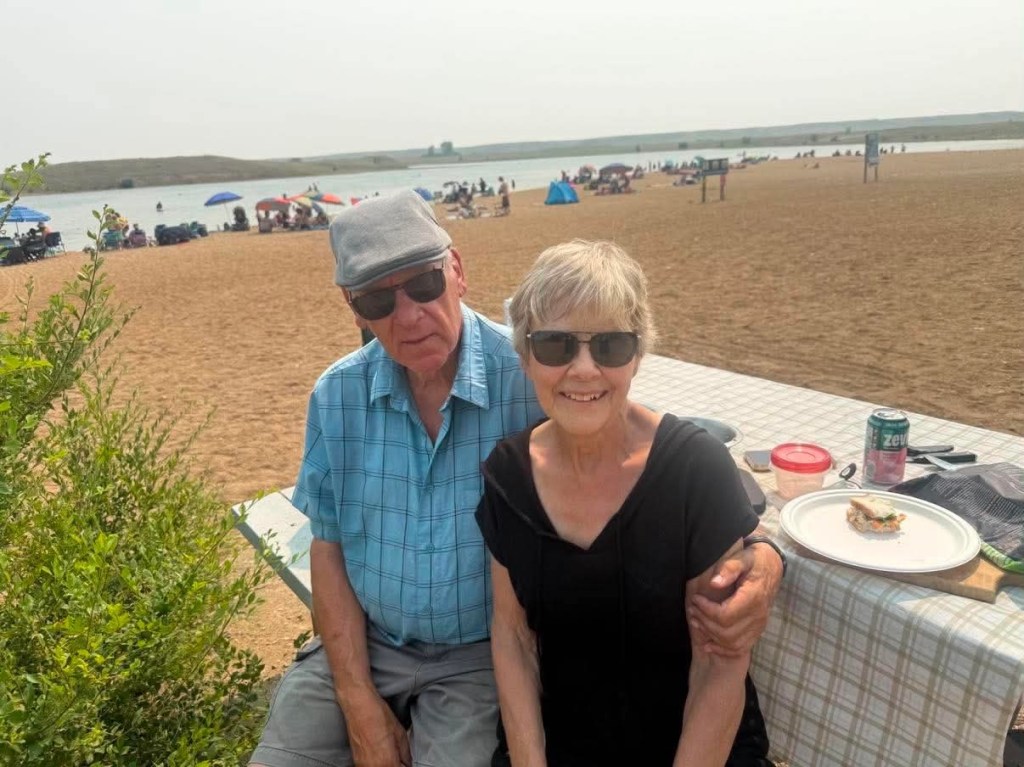
My husband, my children and my grandchildren are my greatest joys.
And my greatest trials.
Apparently loving people means occasionally watching them make choices you would not have made.
Who knew?
I want to protect them. I want to help them. I want to make their lives easier. I want to spare them pain. I want to offer advice.
And sometimes I want to offer advice so badly that I can practically feel it forming in my mouth before anyone has asked for it.
But love is teaching me.
I can support them without taking over.
I can be available without being responsible for every outcome.
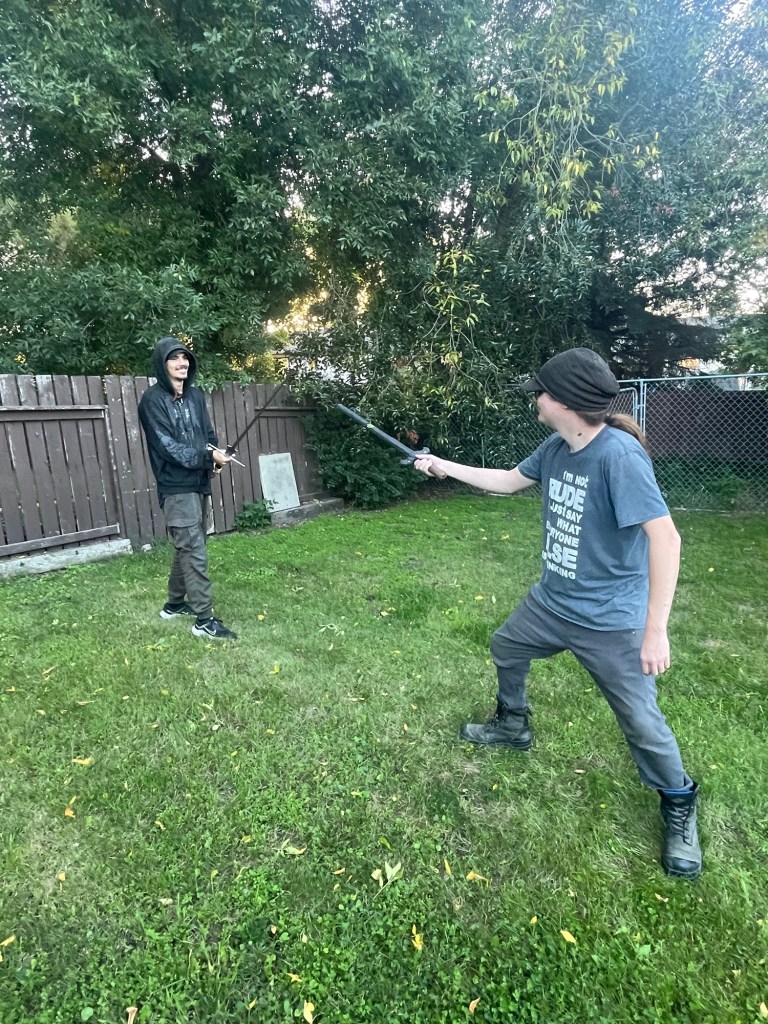
I can pray for them without trying to write the ending of their story.
These people are precious to me. Their hurts hurt me. Their mistakes make me nervous. Their happiness makes me ridiculously happy.
Sometimes their choices make me want to grab the steering wheel from the passenger seat.
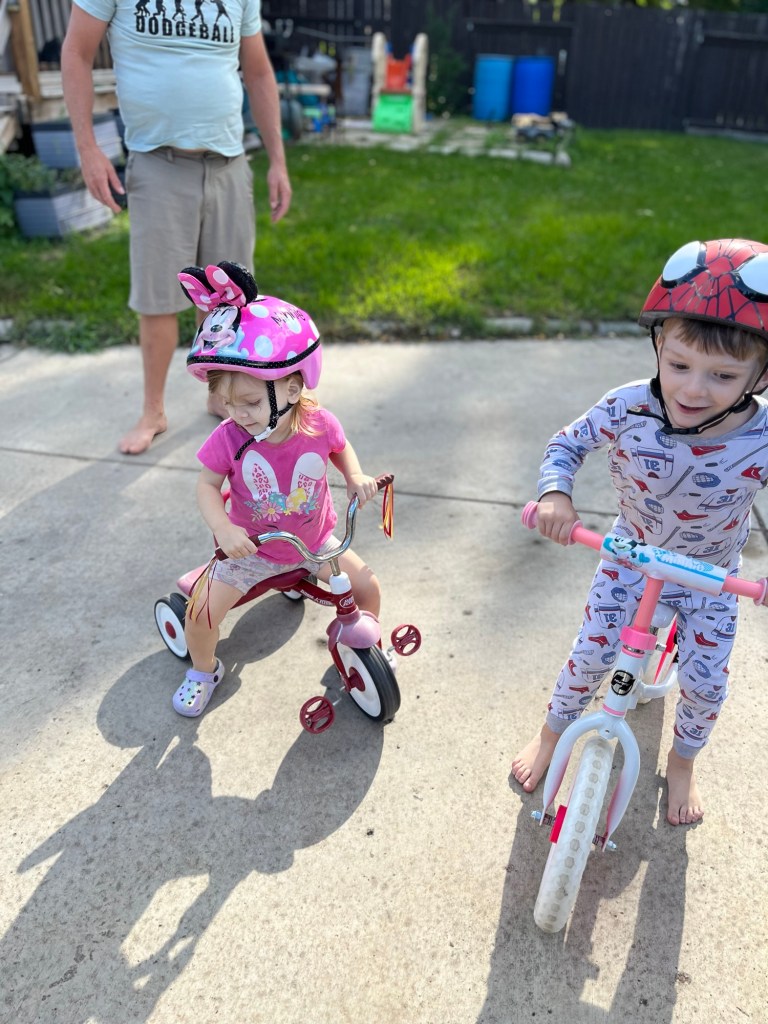
Motherhood: the lifelong study of how to live with your heart walking around outside your body.
But then I remember:
They are not mine to control. They are mine to love.
And as I pray for them, I often find myself seeing more clearly where to step in and where to step back.
It feels like a dance. Except the dance floor keeps moving. And the steps keep changing.
Some days I’m pretty sure I’m doing the dance equivalent of stepping on everyone’s toes while insisting I’m helping.
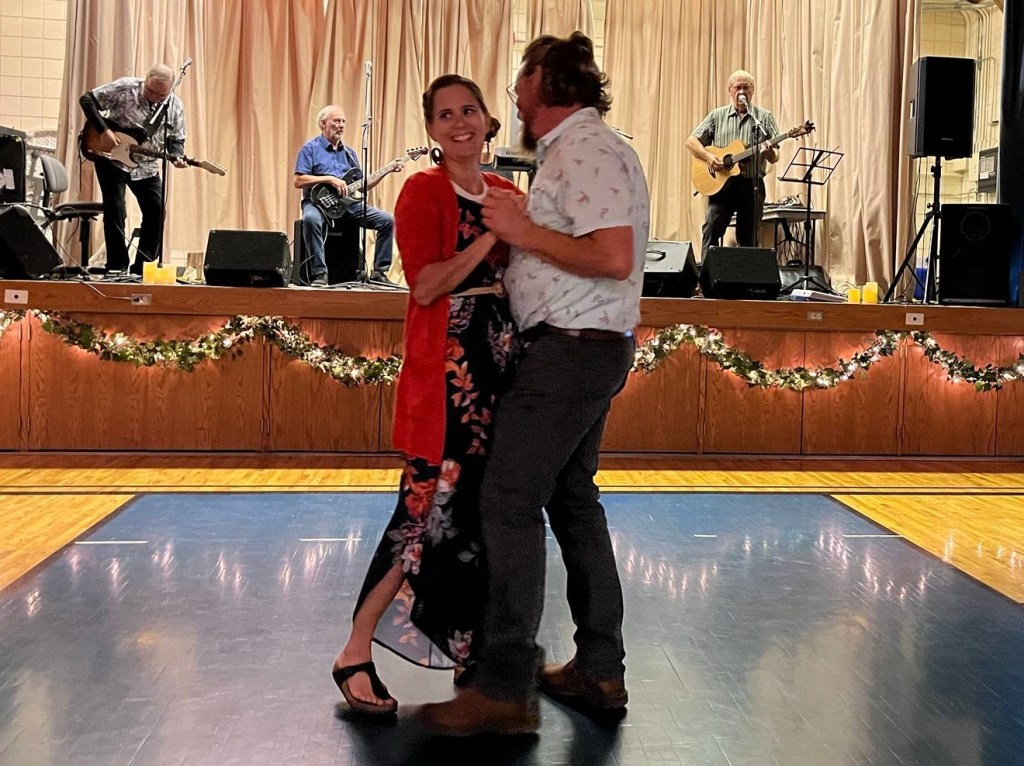
Just when I think I’ve finally figured out this particular part… the music changes.
Someone grows. Someone struggles. Someone needs something different. Someone doesn’t need me in the same way anymore.
Relationships change shape. And I have to learn the steps again.
I don’t think the goal is to memorize the dance. Maybe the goal is to stay present enough to notice when the music changes.
The Forest Knows
I see this same lesson in the forest.
A forest is not a collection of things that have successfully figured out how to stay the same.
It is constantly changing.
Trees grow.
Branches break.
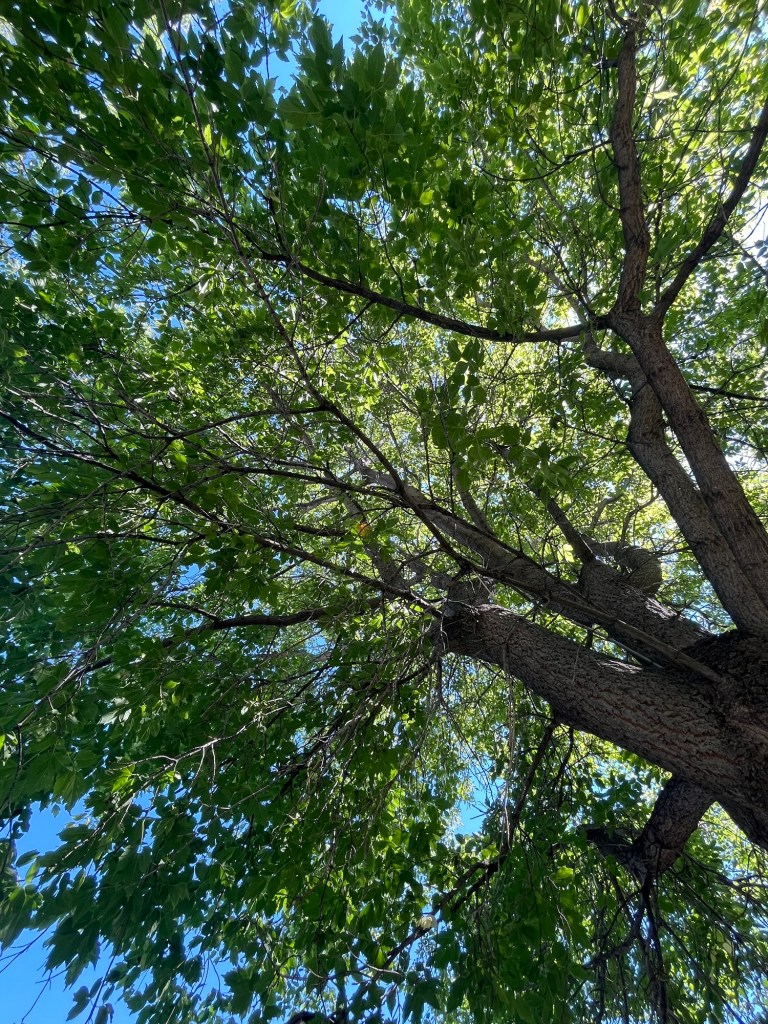
Leaves fall.
New plants appear.
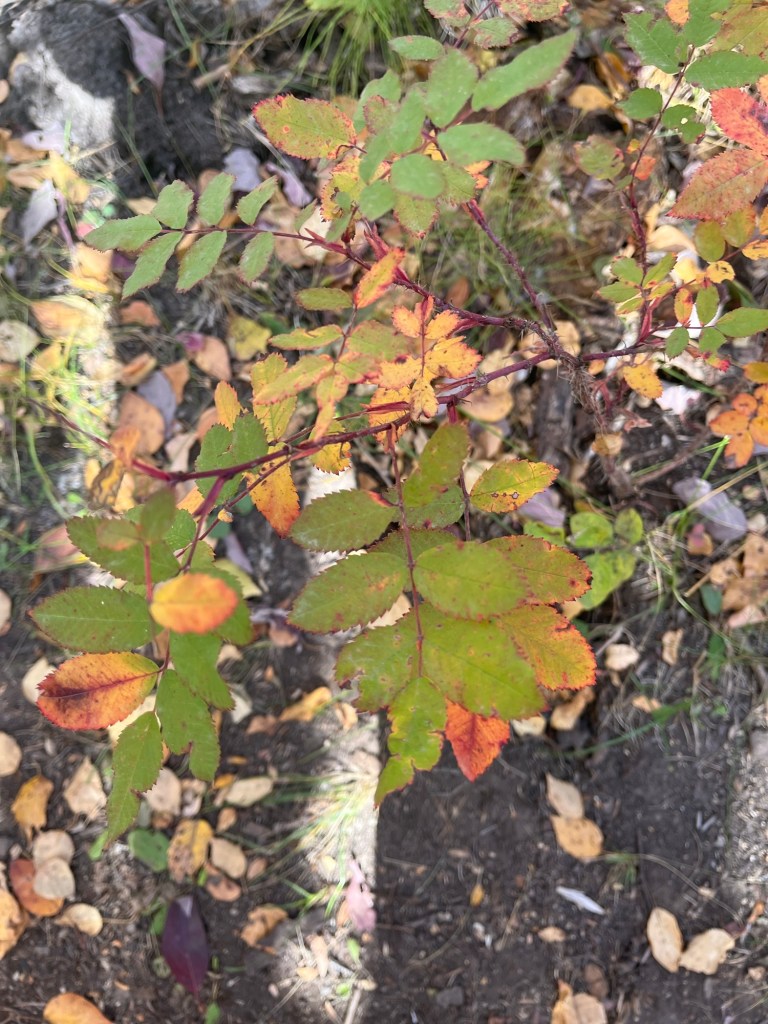
Old trees become habitat for other things.
A fallen log becomes food, shelter and eventually soil.
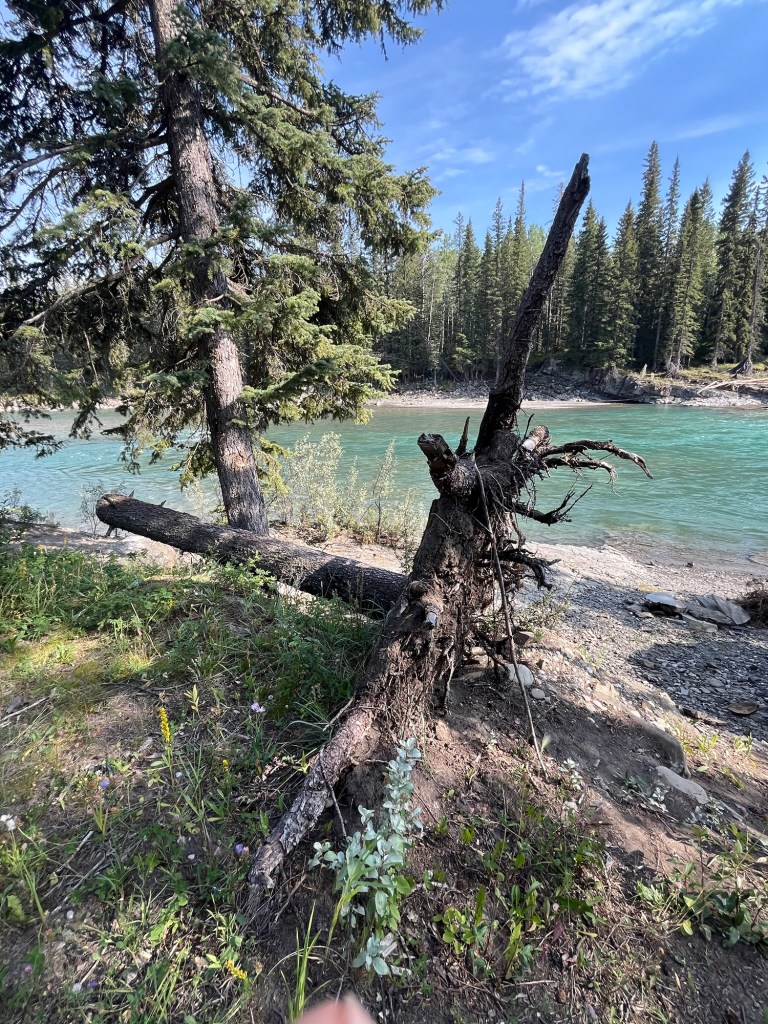
Nothing is standing still.
And yet, it all belongs.
There is no frantic attempt to force everything back into its previous shape.
The forest adapts. It makes room. It lets go. It grows around obstacles. It responds to what is happening.
Maybe people need some of that wisdom, too.
Maybe I do.
A Forest Therapy Practice: Notice What Changes
One of the simplest practices I use in forest therapy is a sit spot.
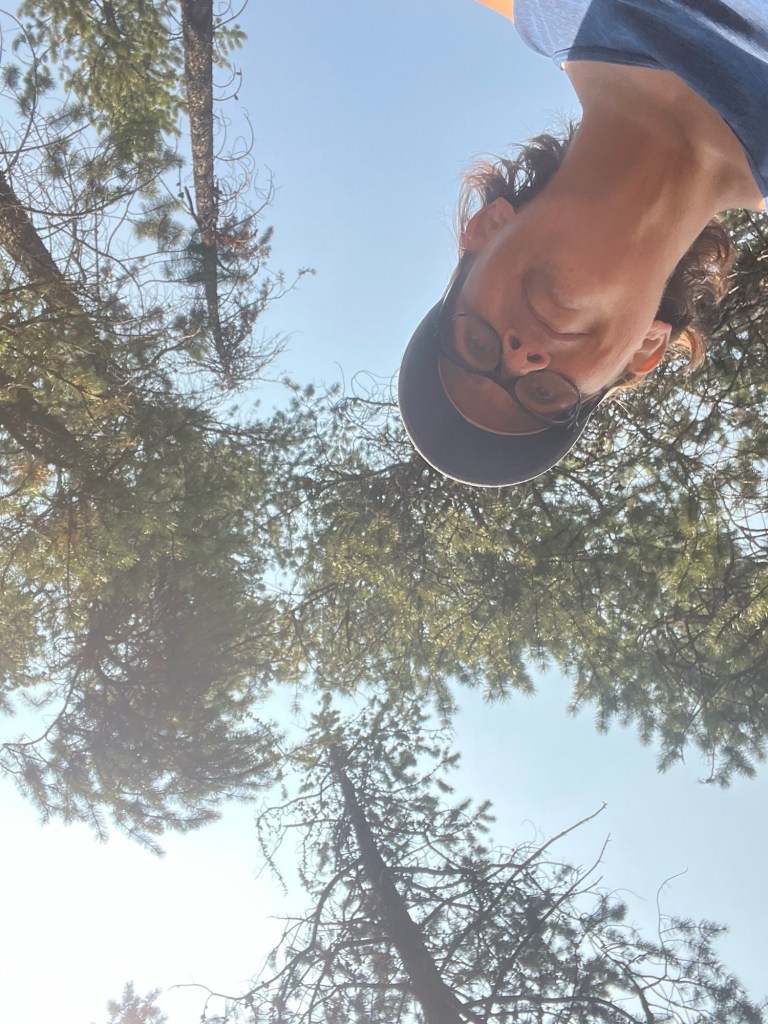
Find a place where you can sit comfortably.
Then stay.
Not to accomplish anything.
Not to identify every plant.
Not to take the perfect photograph.
Not to have a profound spiritual experience.
Just stay long enough for your attention to settle.
Start with your senses.
What can you see?
What can you hear?
What can you feel?
What can you smell?
Then ask:
What changed while I was sitting here?
Maybe the light moved.
Maybe the wind shifted.
Maybe a bird appeared.
Maybe something that seemed ordinary at first became interesting when you looked longer.
And sometimes the biggest change isn’t in the forest. It’s in you!
You arrived thinking about everything you needed to do. You leave having noticed that you were actually here.
That is the practice I keep needing in the rest of my life, too.
Notice.
Before fixing. Before advising. Before reacting. Before deciding that I already know what is happening.
Notice.
Perhaps This is the Point
It’s hard not to think a meaningful life is defined by what I can accomplish and accumulate. Prepare for the future. Save. Invest. That’s the focus of so many people. It’s not a bad focus. But it’s not mine. Not for now anyway.
I need to remember a meaningful life has far more to do with what I give my attention to.
What I notice. What I make room for. Who I love. How willing I am to keep learning when the instructions change.
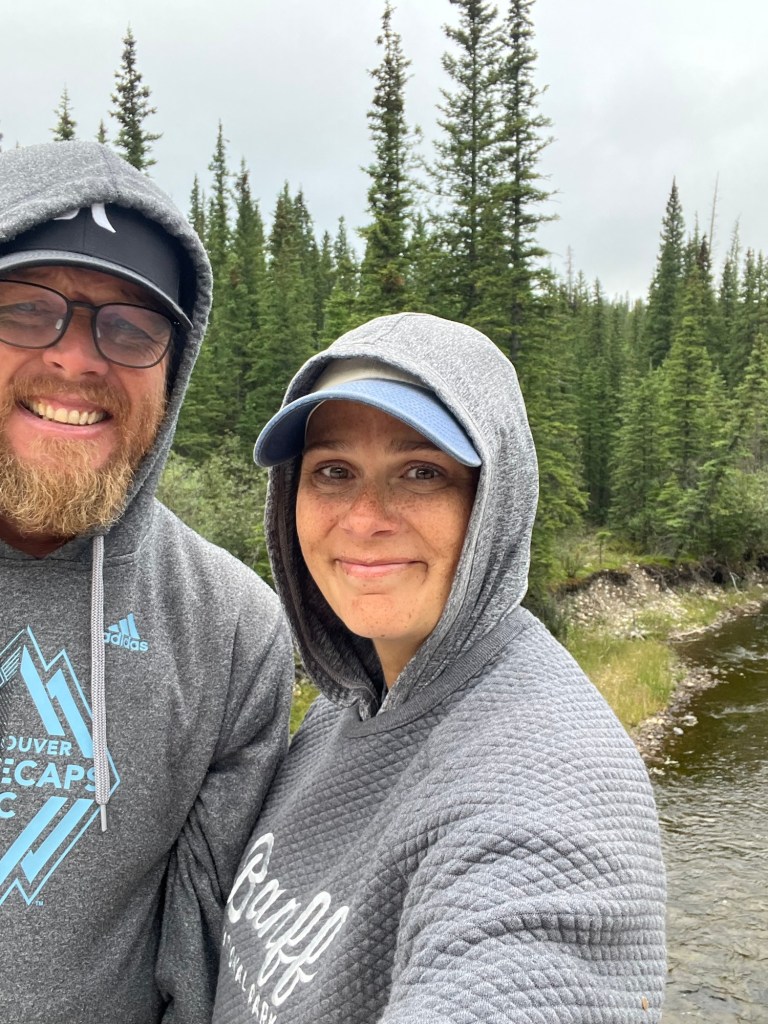
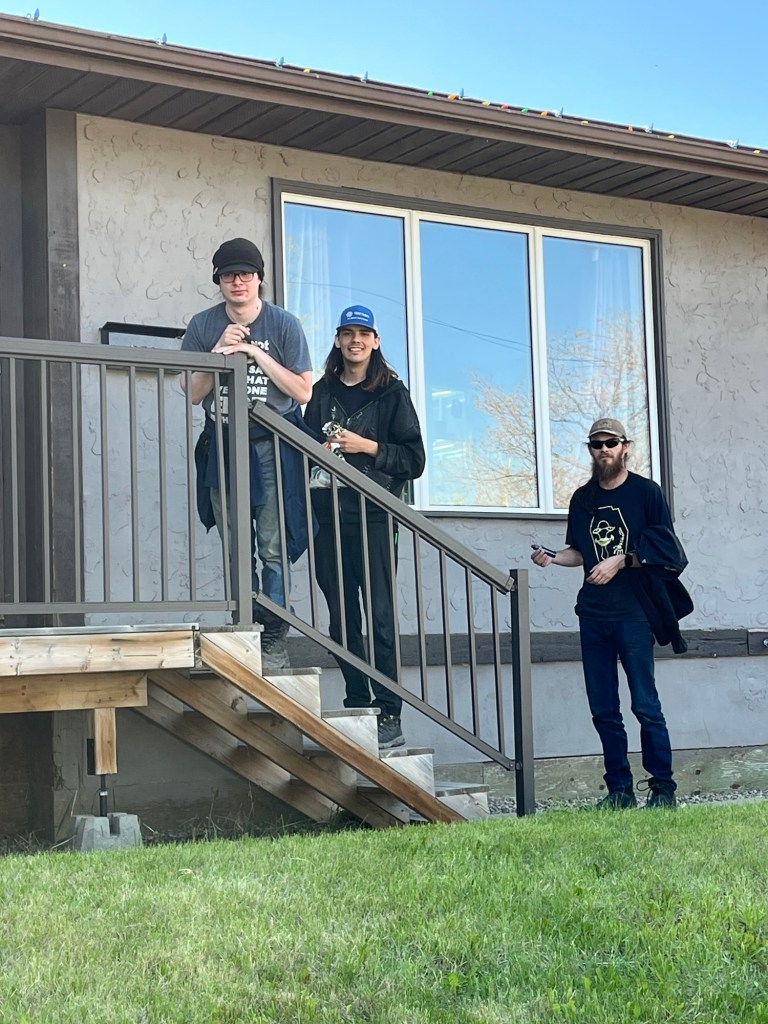
I don’t want to romanticize chronic pain.
There are still days when pain takes up far too much space. When I am frustrated with my body. Days when resting feels less like a peaceful spiritual practice and more like being grounded by a particularly unreasonable parent.
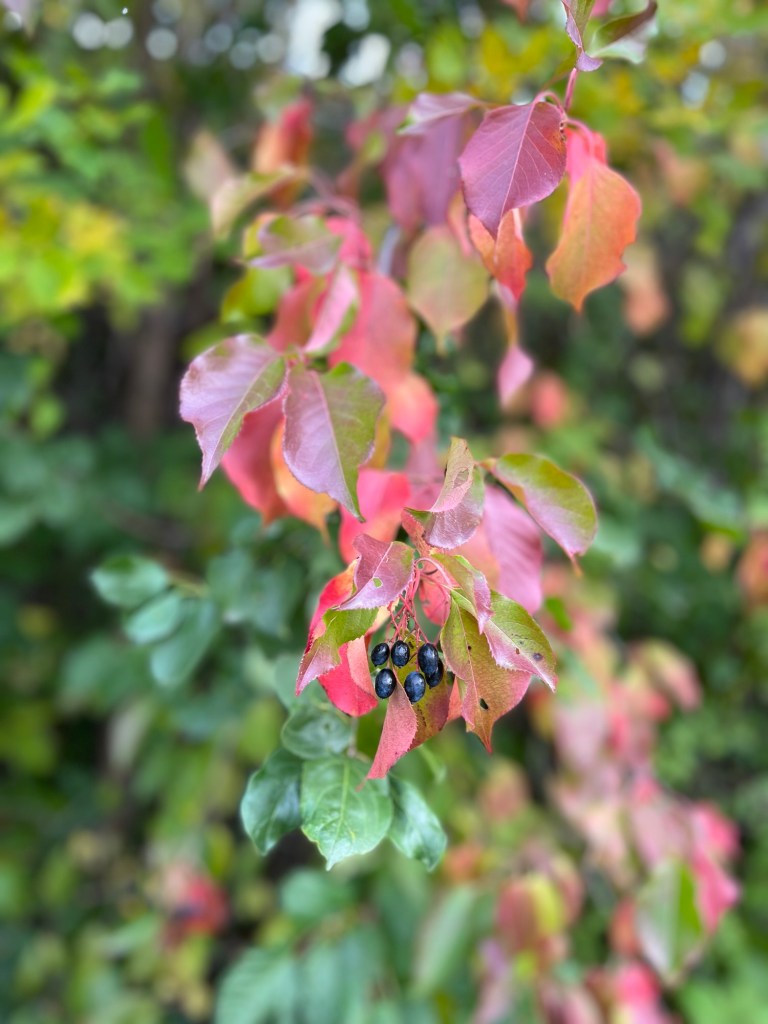
But there are also leaves.
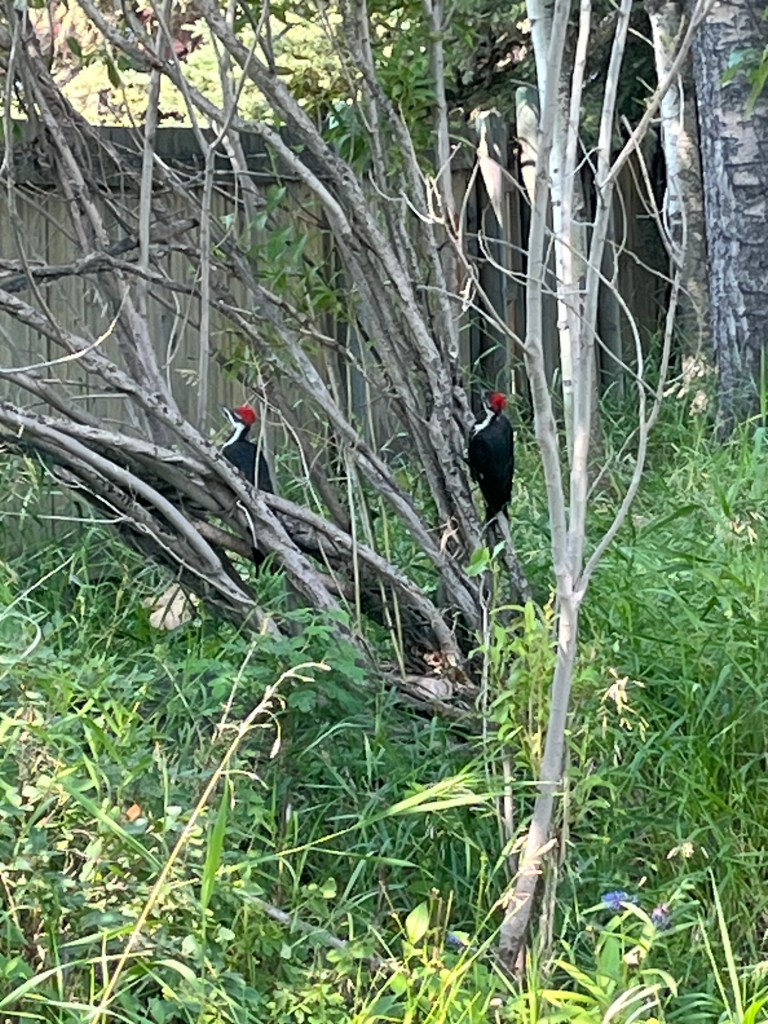
Birds.
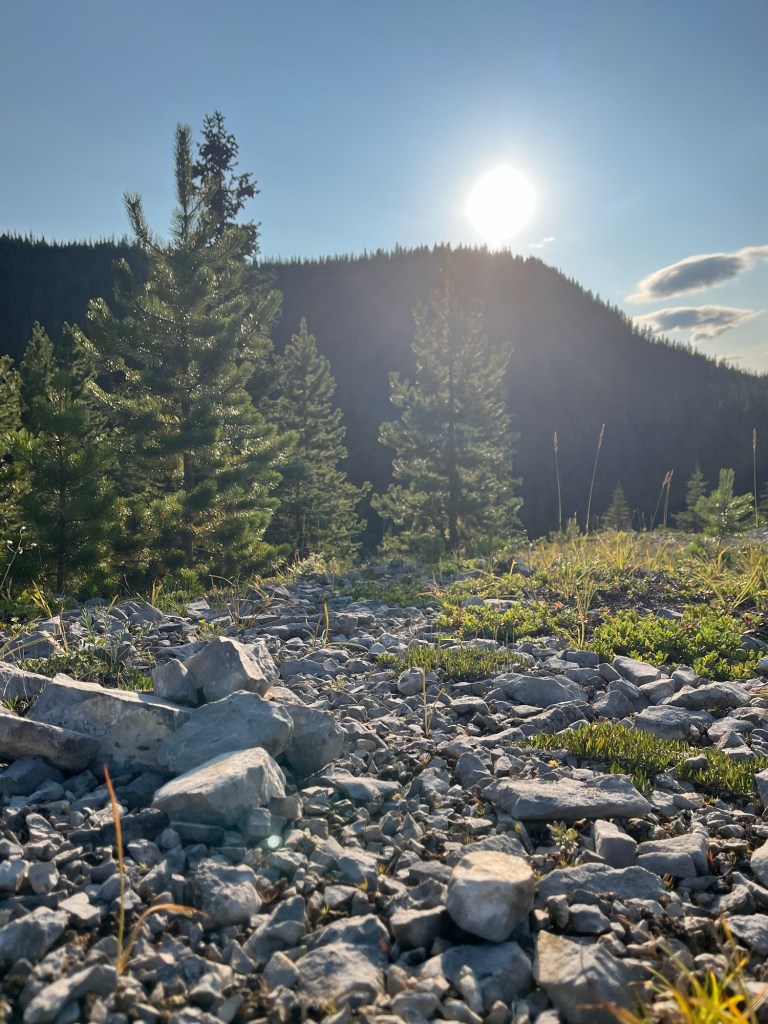
Sunlight.
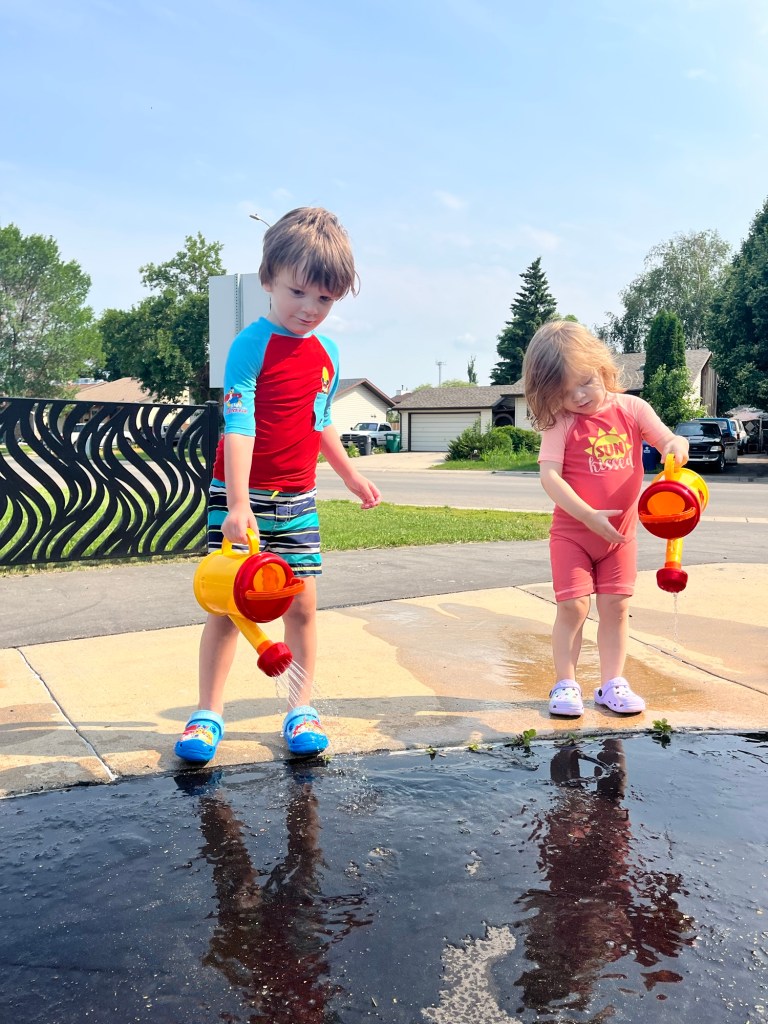
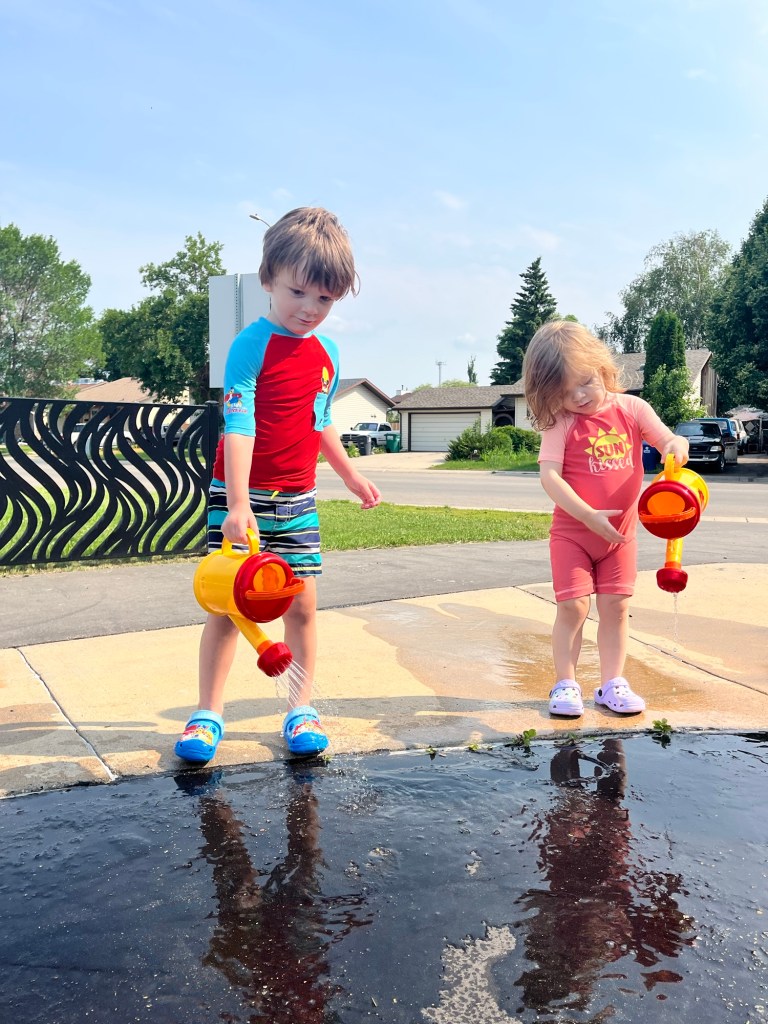
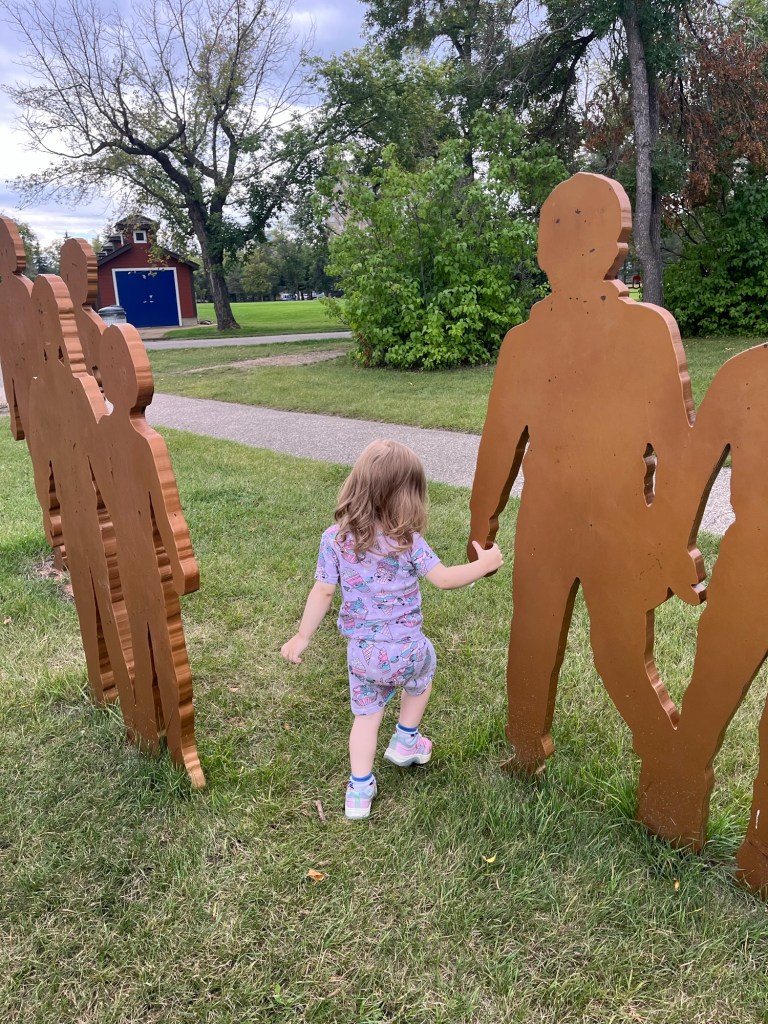
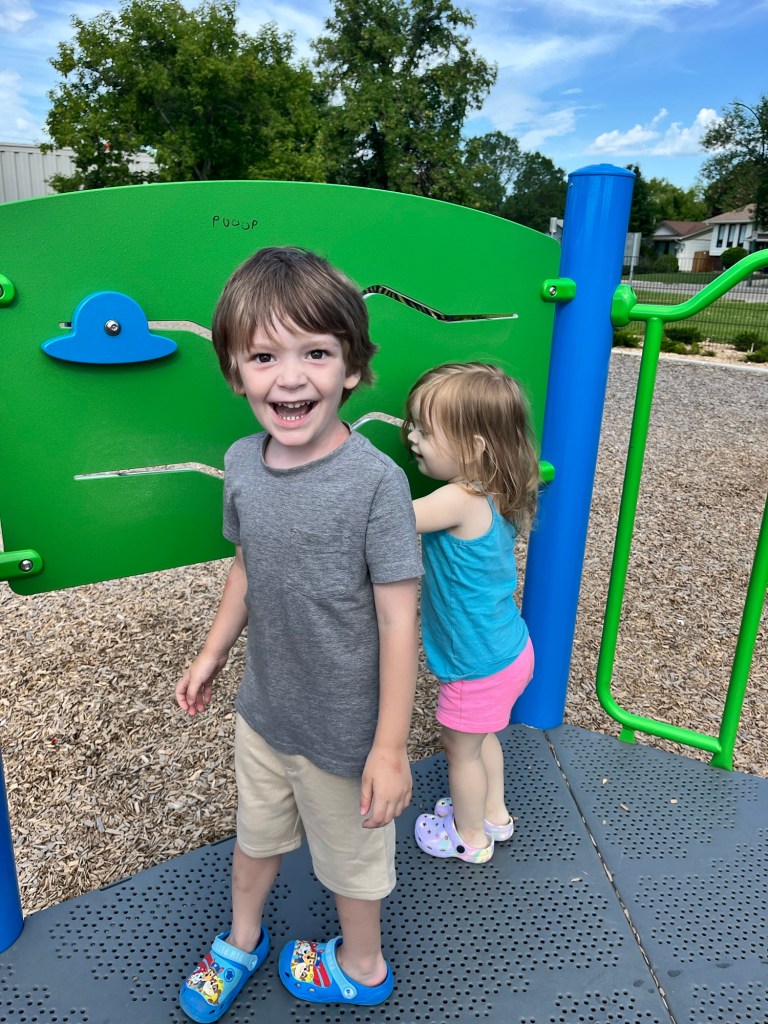
Grandchildren.
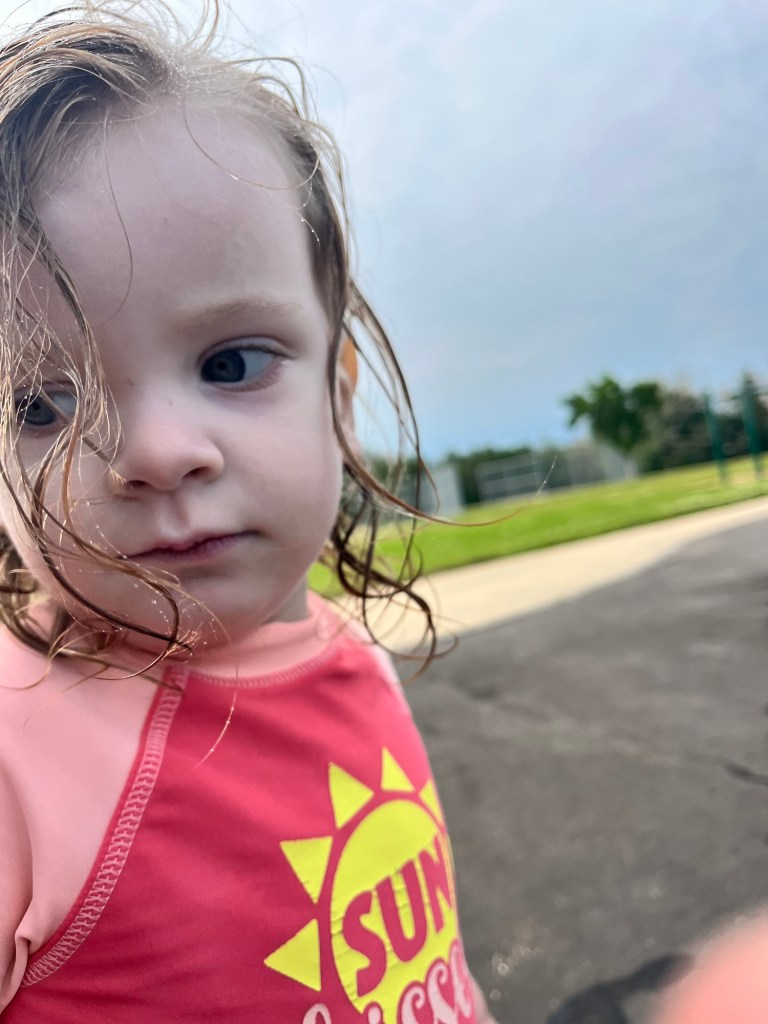
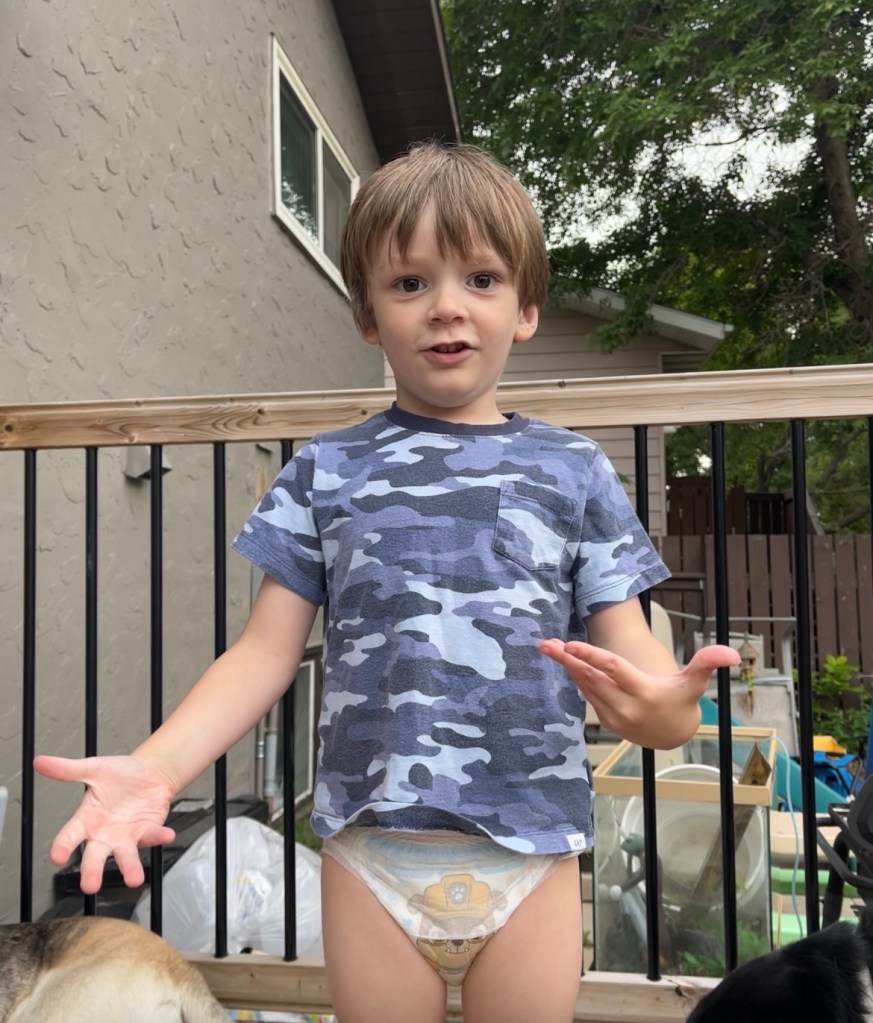
My husband’s hand in mine.
Family dinners.
Conversations.
Ordinary moments that somehow become the moments I remember.
Maybe the gift isn’t that pain taught me something. I don’t need to call pain a gift. That’s going a little too far.
The gift is that, because of it, I have learned to look differently at the life happening around me.
To manage what I can.
To notice what I might have missed.
To love the people I cannot control.
When I learn to manage myself, I have more room to notice. When I learn to notice, I see more clearly what matters. And when I see what matters, I can love it better.
I don’t need to figure out every step. I don’t need to control the dance floor. I don’t even need to know what’s coming next.
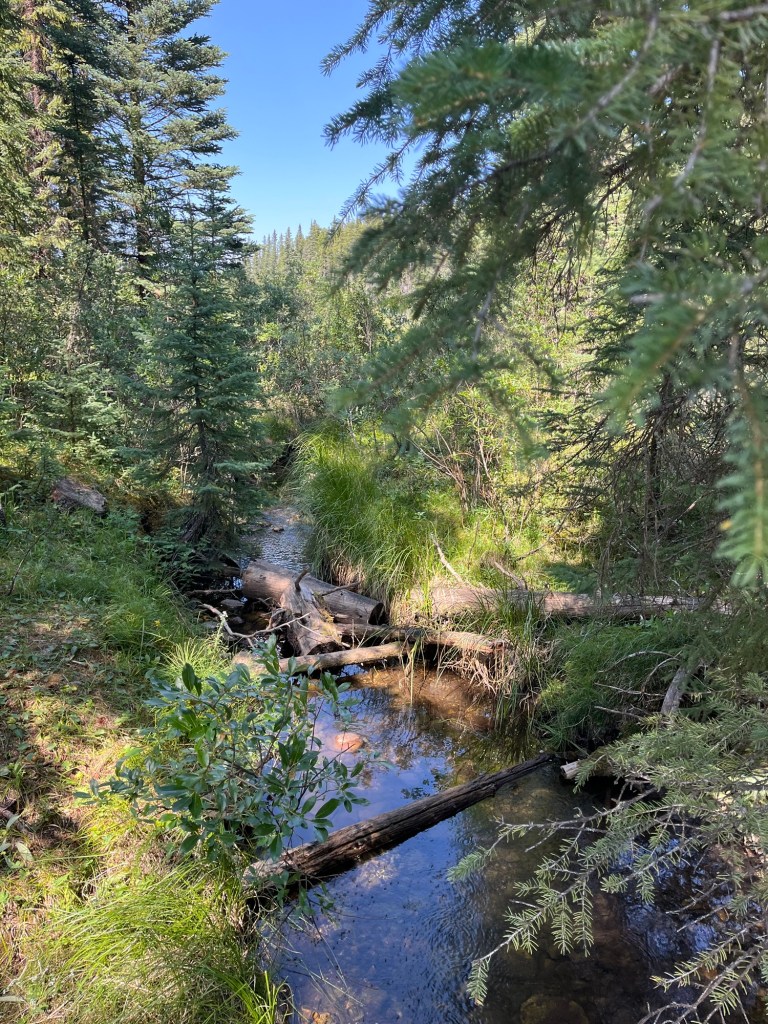
I just need to listen for the music.
And when it changes, pay attention.
The antidote to exhaustion is not necessarily rest but wholeheartedness.
-David Whyte


