


Fibromyalgia Overview and Symptoms
According to the The Mayo Clinic website, fibromyalgia is a disorder characterized by widespread musculoskeletal pain. This pain is accompanied by fatigue, sleep, memory, and mood issues.
Researchers believe that fibromyalgia amplifies painful sensations by affecting the way your brain and spinal cord process painful and nonpainful signals. More women are affected than men. People with fibro may also have tension headaches, TMJ, IBS, anxiety and depression.
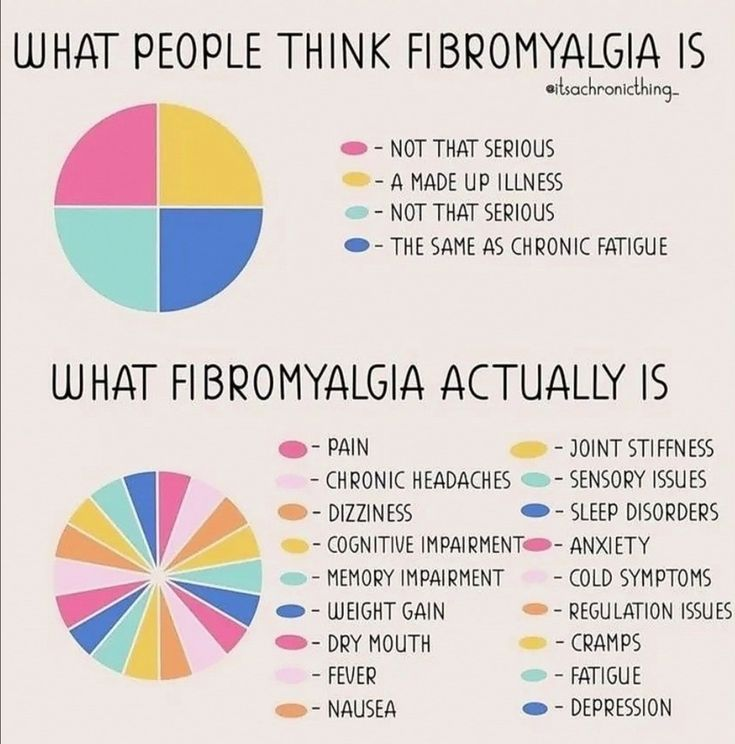
Fibromyalgia is like many other disorders. It is on a spectrum and people can develop varying symptoms to varying degrees. These may include (but are not limited to) fatigue, stomach issues, brain fog, restless legs, painful periods, chronic pain, non restorative sleep, headaches and migraines, poor temperature control, swelling in the feet, poor concentration, dry eyes, rashes and itching, bladder problems, trouble staying alert, stiffness, light, sound and heat sensitivity, pain in the jaw, insomnia and IBS. My worst symptom (other than the burning pain under the skin) is twitching and itchy phantom nerve sensations. I feel them most in my nose and cheeks.
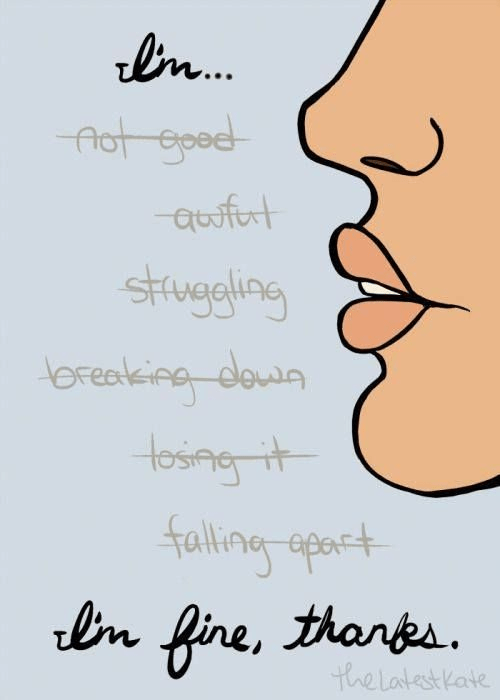
These types of symptoms vary from day to day. This variability makes it hard to answer the question, ‘How are you?’.
Less Known Symptoms
Then there’s the symptoms that are not as recognized for being related to fibromyalgia. Dizziness, weight gain, nausea, sensory issues, debilitating coccyx tail bone pain. Sharp or stabbing, burning or tingling sensation. Muscle spasms, aches, cramps, inability to relax. Intense, deep and gnawing bone pain. Feeling spatially disoriented, balance difficulty, staggering gait, dropping things frequently, not quite seeing what you are looking at, and difficulty judging distances. I don’t like driving at night. I find my light sensitivity and difficulty judging distances makes it challenging. It makes me wonder if that’s the reason I would start running into walls as I got tired when I was younger.
And the cold! My body does not like to get cold. It gets into my bones and takes me a long time to warm up. It makes any existing pain worse and the muscles that were already rigid, tighten up a little more. The cold makes skin hurt. Since our thermostats are always off, our bodies think it is 3x colder than what it actually is. Making living in a cold climate a challenge. Although, Saskatchewan seems to be a particularly poor choice on where to live. My chronic comrades will also understand that energy is limited. The cold siphons whatever you have left out of you. All of which can trigger a flare.
Flares
What else causes pain to flare? Everything! Weather changes, emotions, medication changes, severe fatigue, lack of sleep, sunlight, hormone changes, depression, travelling, anxiety, stress, diet, illness, medical tests, overexertion, illness, doctor’s appointments, medical procedures, lack of activity, temperature, injury, etc.
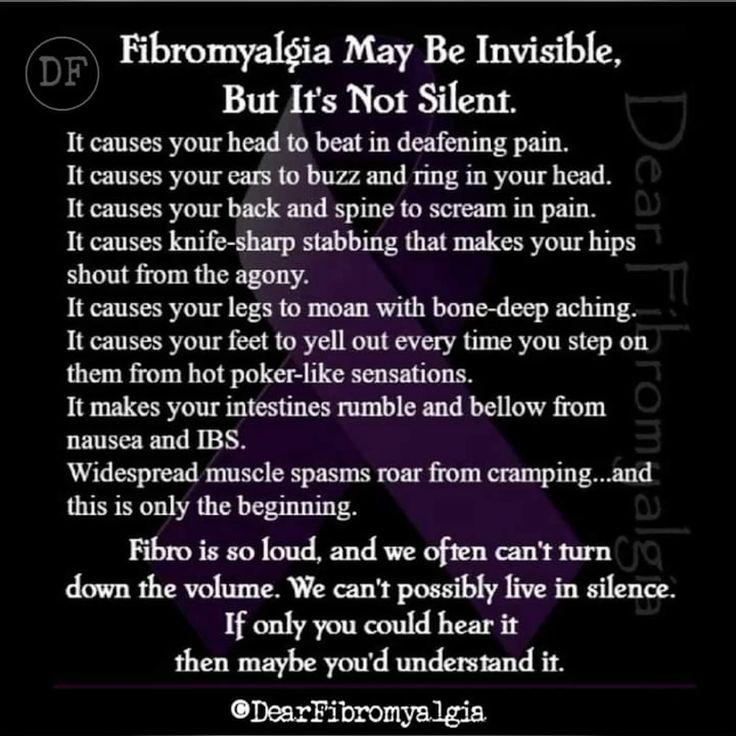
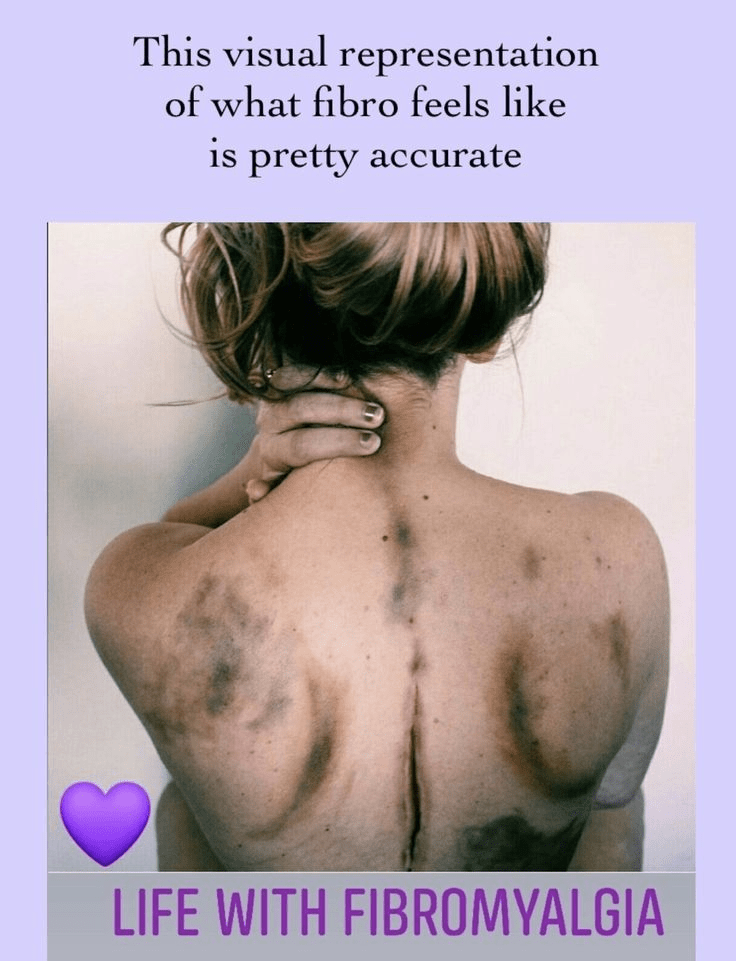
But that all happens on the insides. There are no indicators on the outside.
I Miss Being Me
And then there is the loss of self. Living with fibro often makes me feel extremely useless. I worry about making plans and then needing to cancel them. I worry that any time I do anything it will cause a flare. I can only handle living life a few hours a day. Within that time I need to fit in my exercise and food and therapies. That leaves little other time to achieve anything. It is difficult not to compare my limited life to those who live a normal number of hours per day. I was a mover and doer before. If there was more left to do I would just stay up and get it done. What is wrong with me? is the question on a never ending loop in my mind. Why am I incapable of pushing through?
I run out of energy long before the list is done. Everyday, forever. I fear being left behind, left out and forgotten because I can’t socialize often. It is lonely and it must be hard for others to see me and remember what I am going through. Because it is invisible. My life is not what I had hoped or planned for it to be.
There is so much waiting for us chronic comrades. Waiting to see a doctor. Waiting for a diagnosis. Waiting for meds to work. Once I knew I had fibromyalgia and had done the research I wondered, what I am waiting for now. This is it. This is fibro. I will never be well again. There is no reason left to hope to get well anymore. This is a depressing thought.


Validation for Chronic Comrades
Do you experience any of these symptoms? I believe you. I know that you are not making it up. I am acquainted with your grief. If we were going to make up an illness, wouldn’t we pick something cool? Or, at the very least, pick something that people would believe?
Forest Therapy as a Tool
This all sounds super doom and gloom. But never fear. Forest therapy is here. Forest therapy has been proven to calm overactive nerves. A key indicator in fibromyalgia.
We know the best medicine has always been what nature gives us. Sunlight, sleep, real food, natural movement and exercise, grounding, meditation, laughter and FORESTS! But there’s no time for such things! we say. Until it’s all we are capable of. Then we come back to what has been best for us all along.
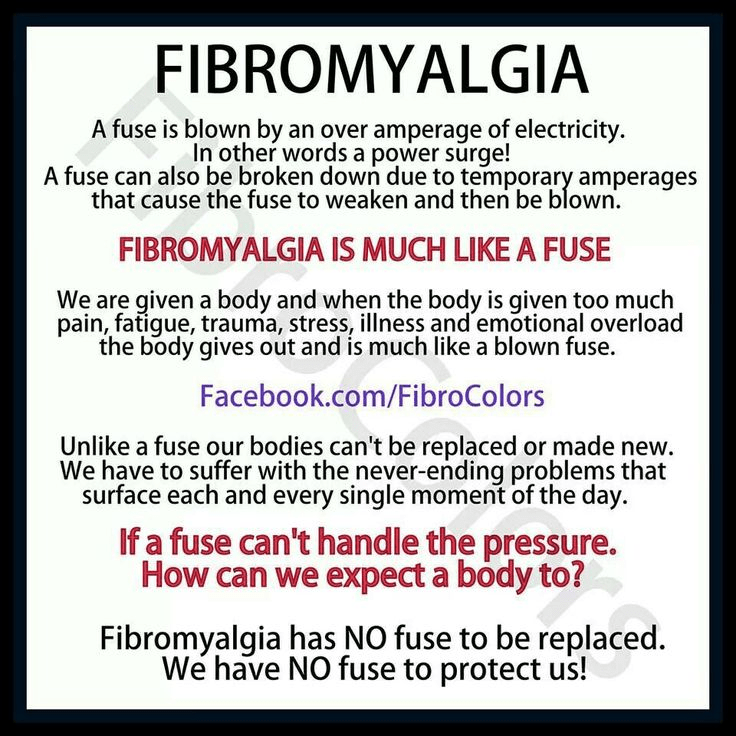
So if we have already blown the fuse, here’s what you need to know: The Association of Nature and Forest Therapy Guides and Programs (ANFT) says, “Levels of the stress hormone cortisol decreased in test subjects after a walk in the forest, when compared with a control group of subjects who engaged in walks within a laboratory setting”.
Adds ANFT, “Forest bathing catalyzes increased parasympathetic nervous system activity which prompts rest, conserves energy, and slows down the heart rate while increasing intestinal and gland activity.”
Forest therapy uses immersion in nature through the five senses to help soothe frayed nerves. Frayed nerves are present in fibro. If we can calm them, it will bring our overall stress down. This reduction in stress supports our ability to manage this lifelong illness.
Forest therapy helps restore a sense of mental well-being as well.. It has even been shown to boost our immune systems. This practice can help us recover faster from physical maladies. And manage our chronic illness.
The modern forest therapy movement is rooted in the Shinrin-yoku “forest bathing” practice. This practice was developed in Japan in the 1980s. It has since become a central part of preventative health care and healing in Japanese medicine.
Should we be doing more of the same in western society? I think so!
I am waiting again. But for good things. I have hope in good things to come despite my chronic illness. I know I am developing the tools that will help me not only survive but thrive. I don’t need to compare myself to others. I am building my next self. She is strong and courageous and she knows how to support others.
If you enjoyed the post or if you think you know someone that could benefit from it please like, share or subscribe.
If you’re going through hell, keep going. Why would you stop in hell?
-Steve Harvey

 SUNBEAM ACRES