
Two Steps Forward, One Laundry Basket Back

Taking the good with the bad, recognizing progress, and staying on your healing path.

There are some days when life gives you more than you could have asked for. And then there are days when your laundry basket gives you a new injury.

Apparently it’s a package deal.

This past Sunday, I became a grandma again 🥰 🥰 🥰. A beautiful new grandson arrived, and he is absolutely perfect.


But the gift of last weekend went beyond meeting our newest little family member.

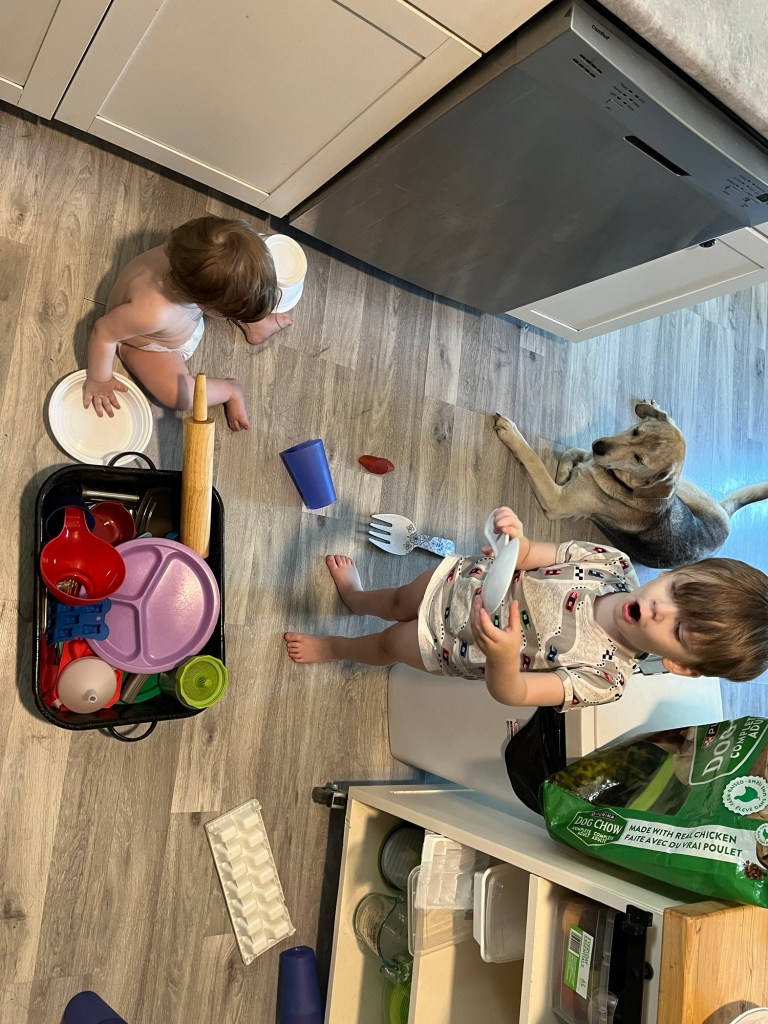
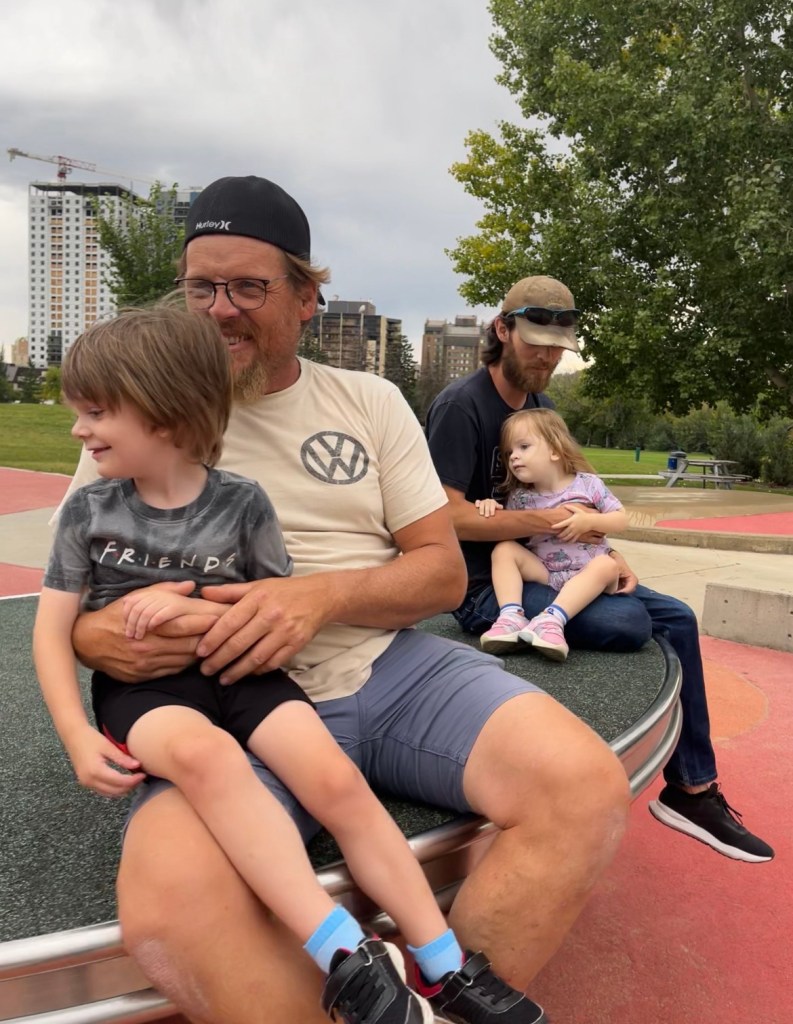
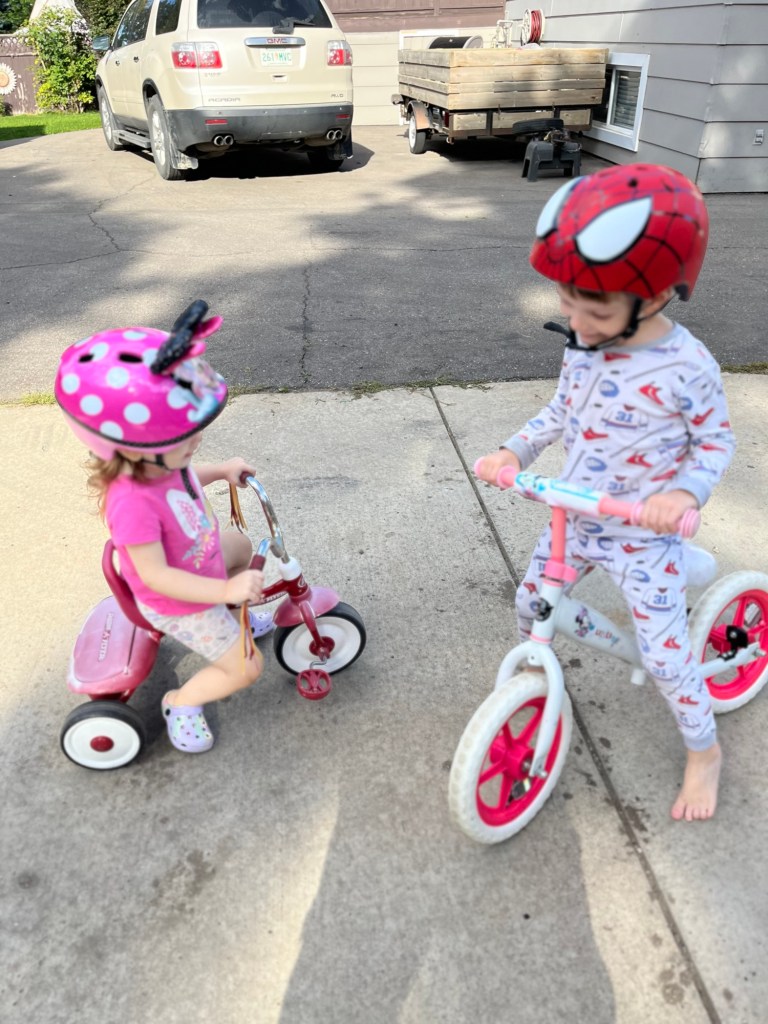
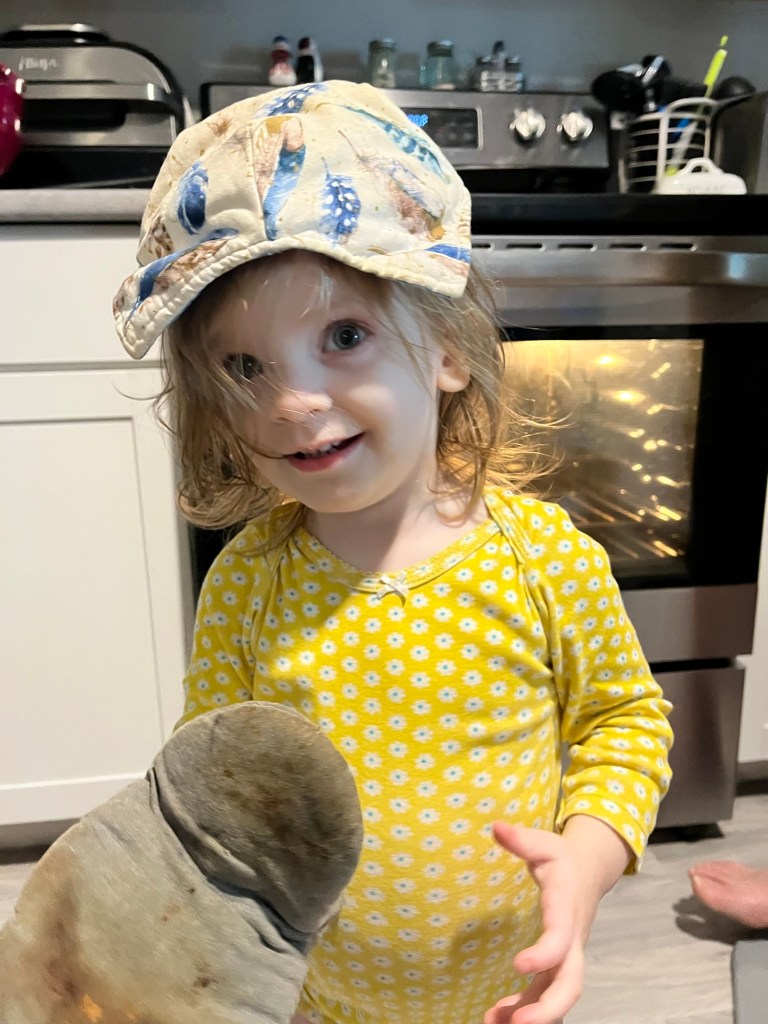
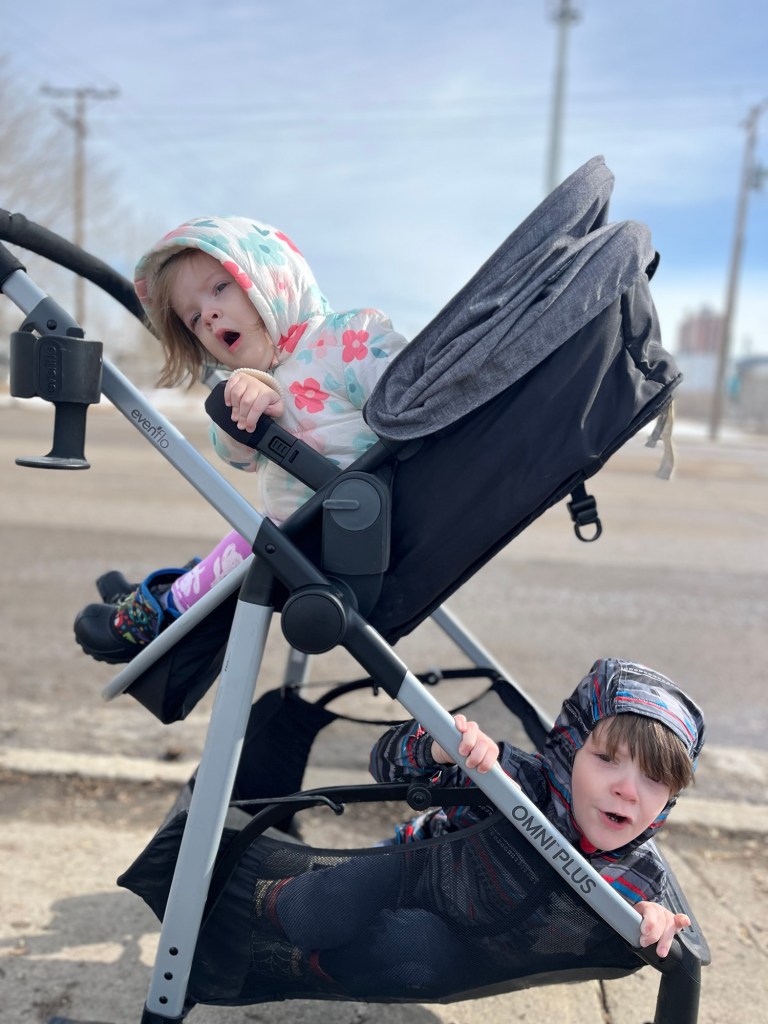
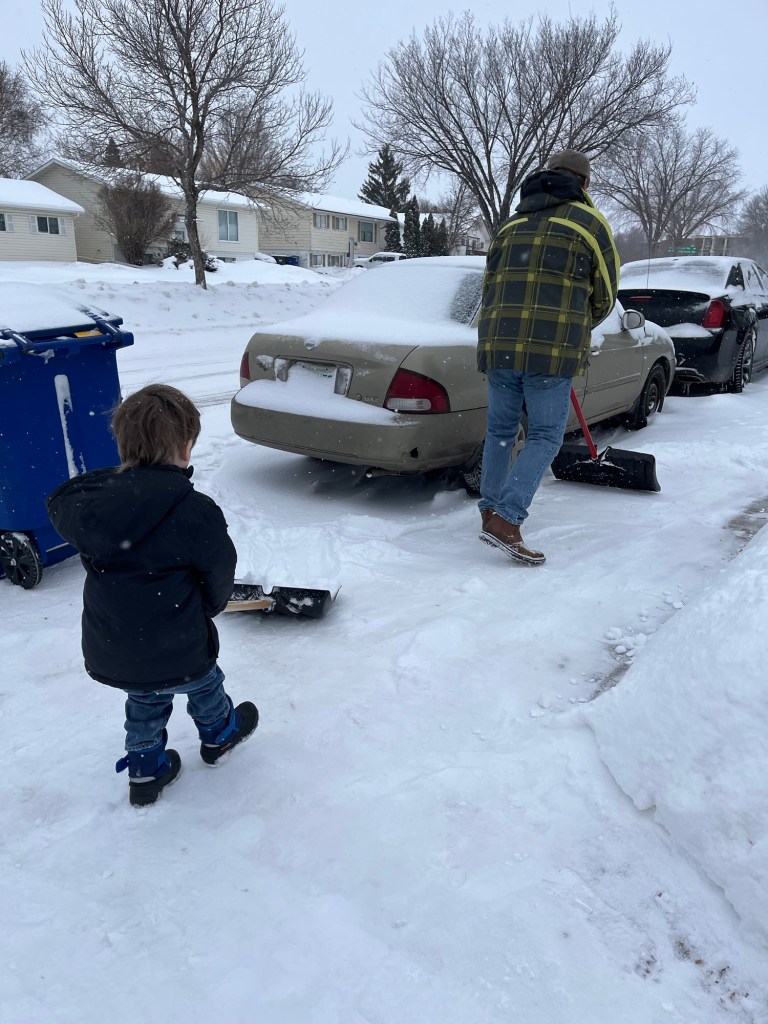
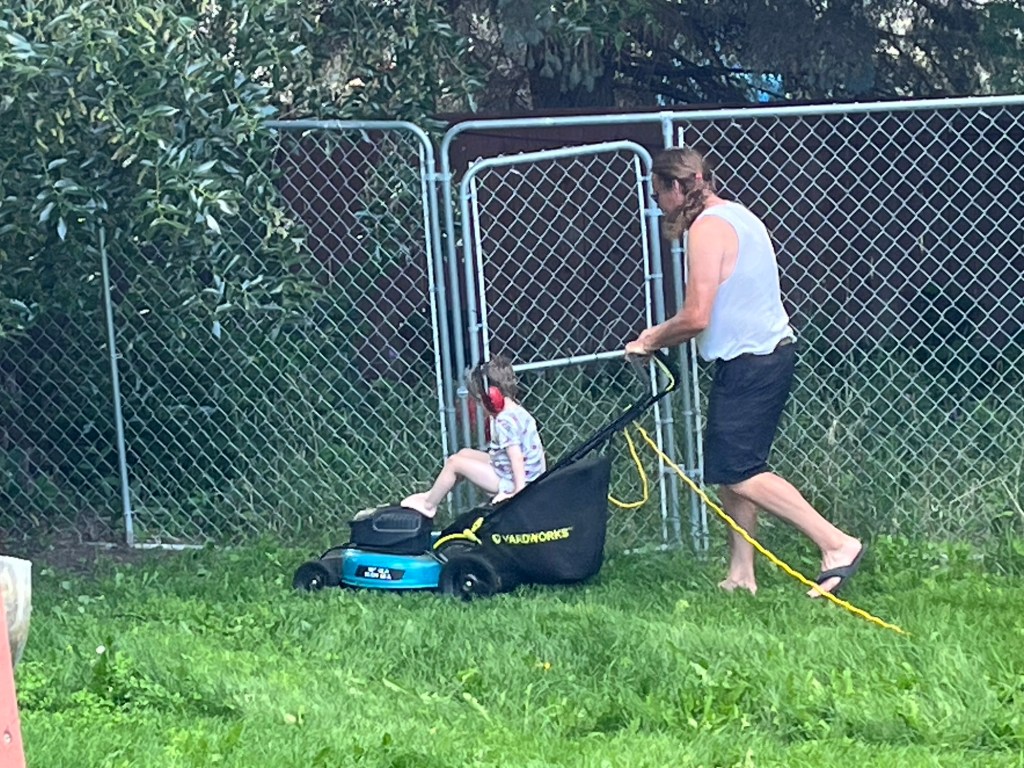
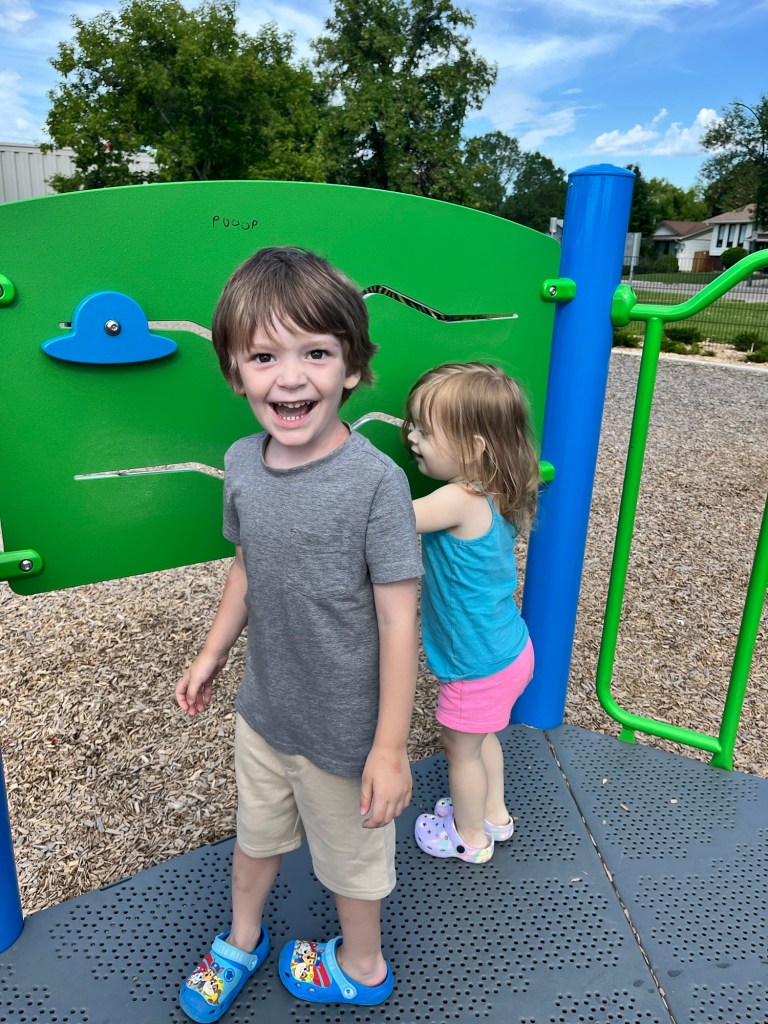
I got to look after his four-year-old and two-year-old siblings for 24 hours while their mom and dad were in the hospital. I got to be there when they met their new baby brother. I got to share in their excitement, their questions, their little personalities, and that very special moment when a family grows.
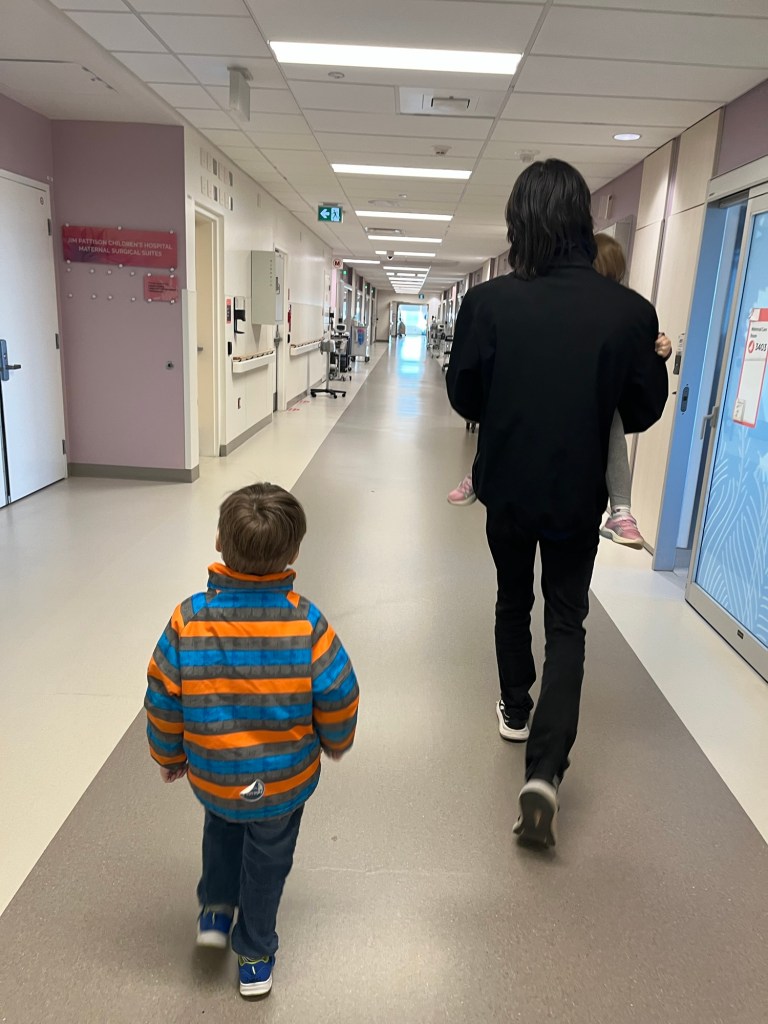
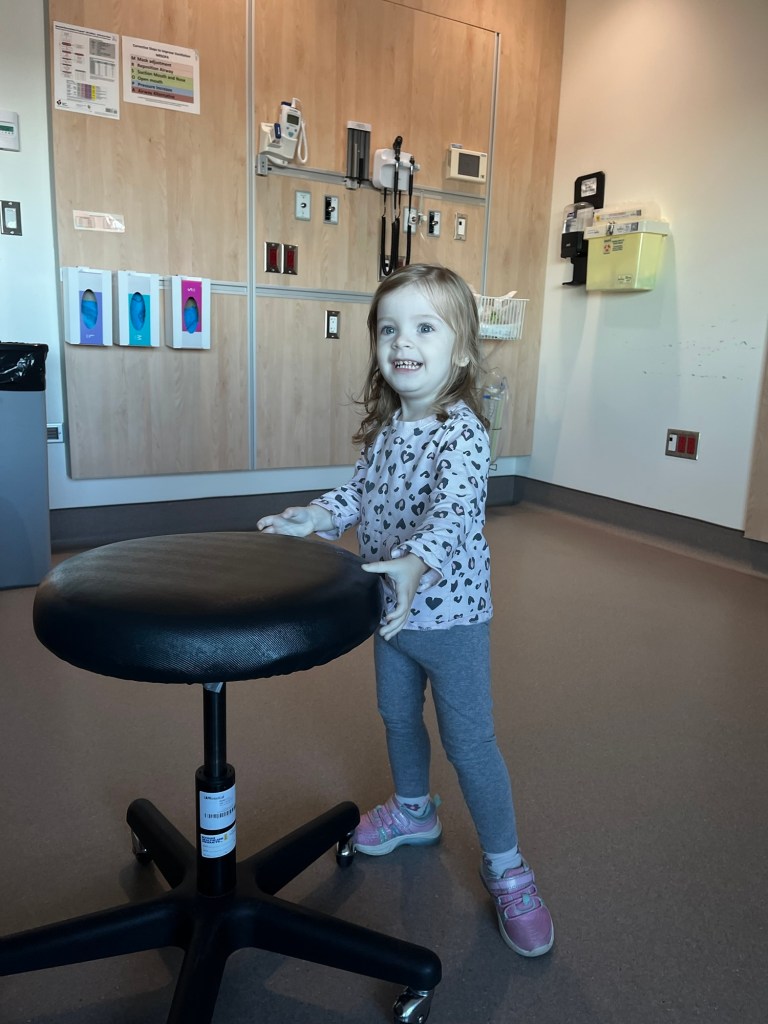
I am privileged to be their grandma. Even more so, I feel blessed to have such a close relationship with them.

I wouldn’t trade those hours for anything.

Although, perhaps I would have negotiated a slightly different physical payment plan.

Because while my heart was having one of those enormous, overflowing, grateful experiences, my body was preparing to send me an invoice.

The good days

Have you ever been given strength beyond your own?

I have.

I believe I was sustained so that I could sustain these little people for those 24 hours. I know who sustains me. It is Jesus Christ. And I felt that strength when I needed it.

It was a little like the adrenaline rush people describe when a mother somehow finds the strength to lift a car off her child. Except considerably less dramatic. Nobody was lifting a car. Nobody was performing a miracle of automotive proportions.

It was more of a time-release adrenaline rush.

I had the energy to do what mattered. I could be present. I could play, feed, comfort, entertain, and help two little people navigate the excitement of becoming big siblings. I could be there for a moment that I will remember for the rest of my life.

These are the good days.

And then there is the other side of the story.

The bad days

I am currently in a lot of pain.

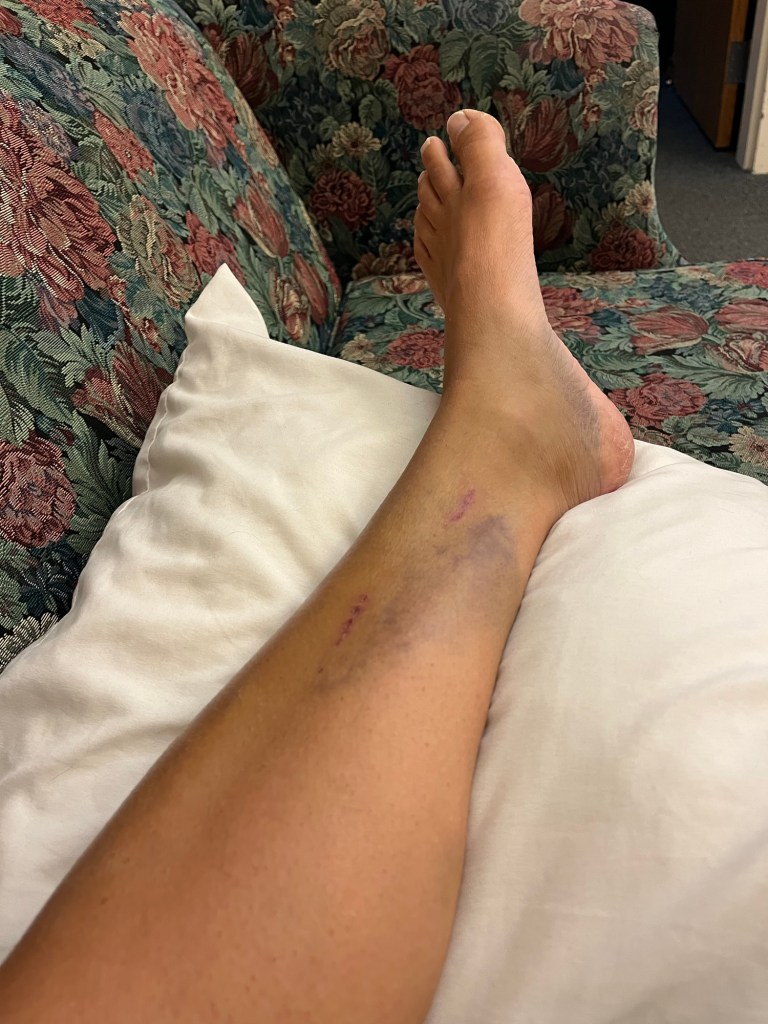
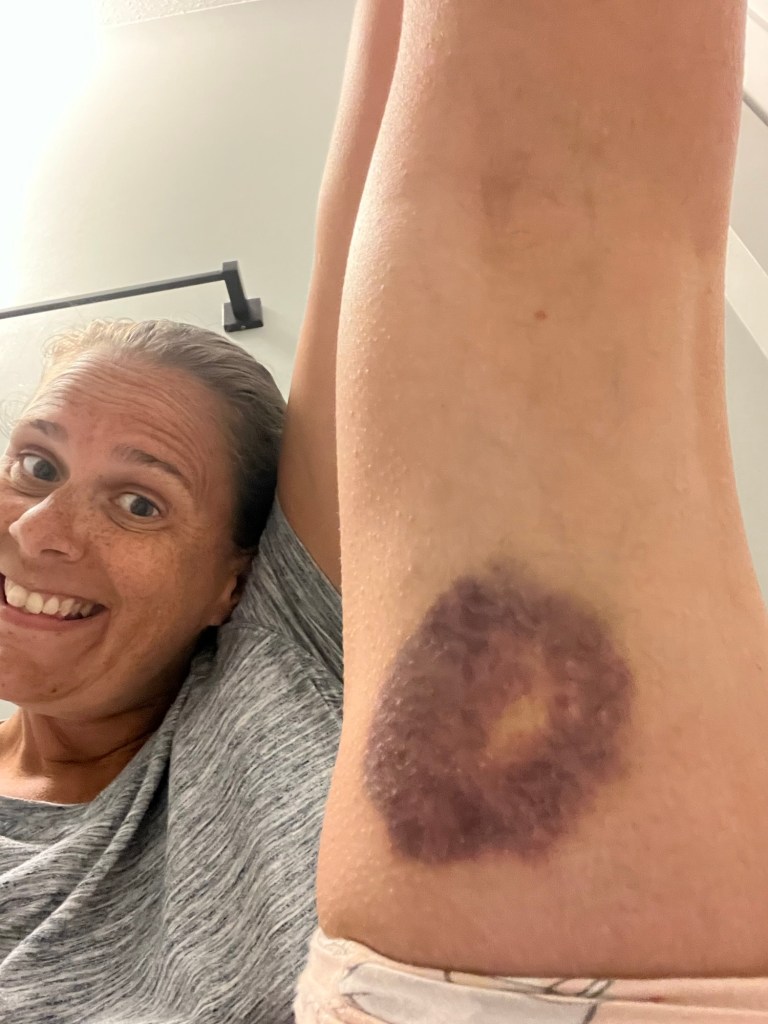
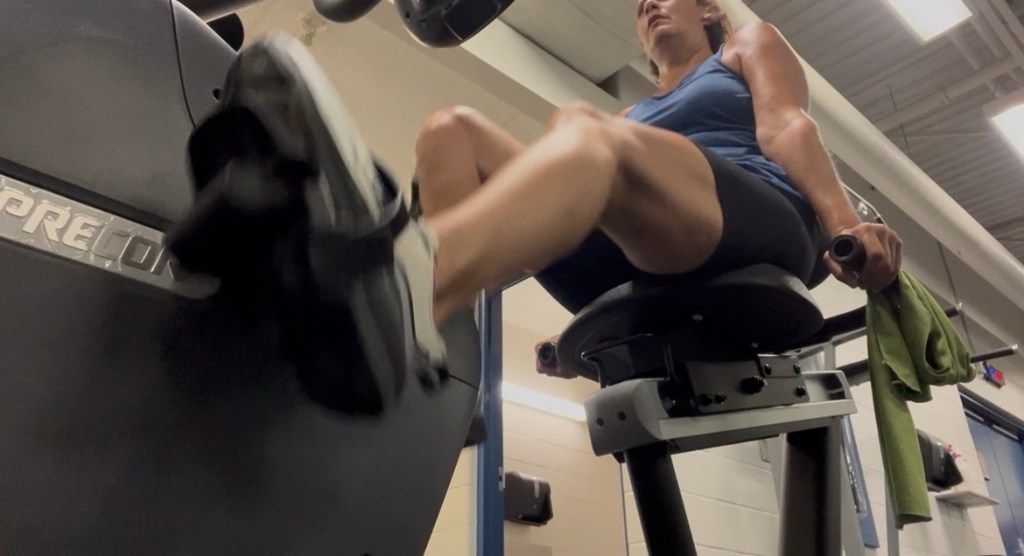
On the same day I had just seen my physiotherapist, who corrected my major subluxations for the month, I sat down beside a laundry basket.

The top of the basket touched my rib.

I felt my rib slip.

I wish I were exaggerating. Imagine having your physiotherapist put everything back where it belongs, only to have a laundry basket undo some of the work. There is a certain indignity in being physically outmanoeuvred by a common household item.

This is a familiar cycle for me.

I go to physio. I get some relief. Things are back where they should be. I come home and try to be careful. I exercise to keep things strong enough to stay in place.

Then something happens.

A dog steps on my foot. I slip on the ice. A toddler elbows me. I move the wrong way. Or, apparently, a laundry basket performs an unsolicited manipulation of my rib.

And I wait for the next physiotherapy appointment.

The hardest part of this cycle is often the few days before that next physio appointment. As my joints slip out of place, the surrounding muscles work harder and harder to compensate. They tighten, protect, and try to hold everything together. Eventually, the pain builds, the nerves become more reactive, and my body is working overtime just to keep me upright.

Sunday was one of those days.

And the price of those 24 hours of beautiful memories?

Temperature fluctuations. Worse tremors. More reactive nerves. Exhaustion that hangs around. And pain.

These are the bad days.

But I have learned. A body living with chronic illness can hold both the good and the bad at the same time.

Most days, there is a mixture of both.

I can be incredibly grateful for the weekend and still be hurting. I can celebrate the new baby and acknowledge that my body is struggling. I can recognize how much progress I have made without pretending that I am suddenly well.

Gratitude does not cancel pain. And pain does not cancel gratitude.

Both things are true.

Measuring progress when the results aren’t always obvious

When I look back at 2020, I can see just how far I have come.

I was living with severe ME/CFS (myalgic encephalomyelitis/chronic fatigue syndrome), which developed in the context of my chronic pain. My world had become very small. My energy was almost nonexistent, and ordinary daily activities could take more out of me than I could reasonably afford.

Over time, I have moved through the stages of recovery to what I would now describe as moderate ME/CFS.

That is significant progress.
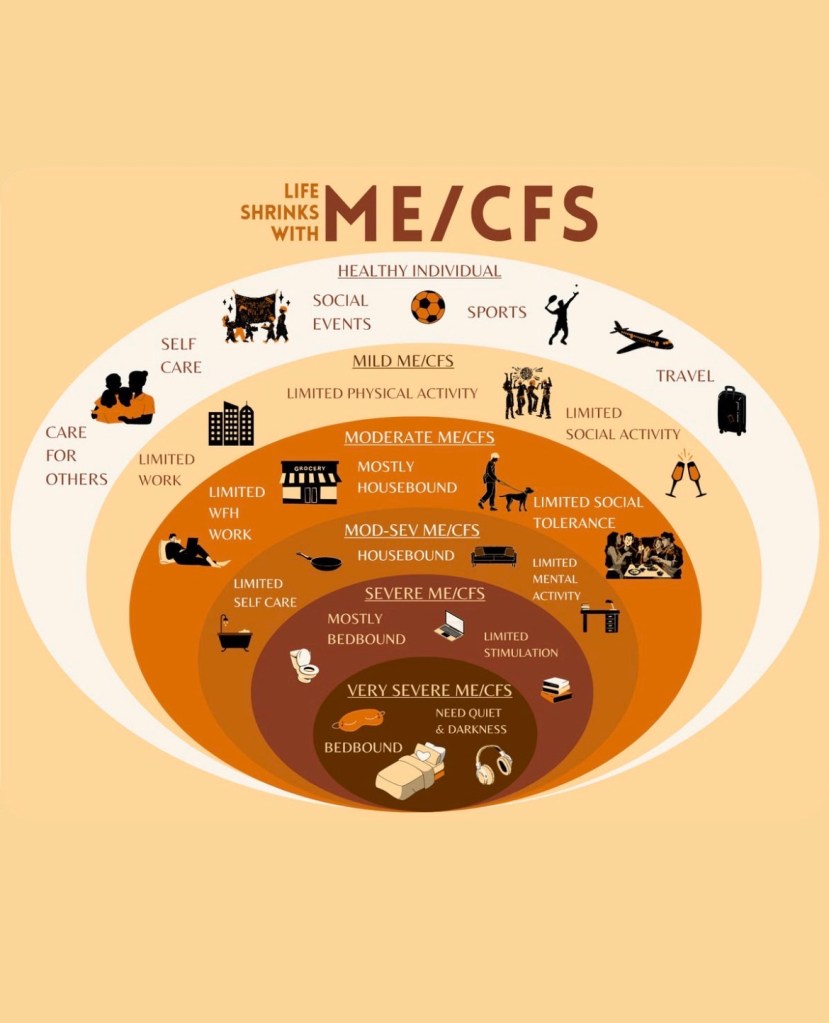
But here’s the tricky part about chronic illness: improvement doesn’t always look like a steady upward line.

Sometimes you make progress for months and then have a setback. Sometimes you accomplish something wonderful and spend days recovering. Sometimes you feel stronger, only to discover that your body has a very different opinion about what you should be doing.

If I judged my progress by how I felt on the day my rib slipped, I might conclude that I was right back where I started.

But I am not.

My current bad day is not the same as my bad days in 2020. I have more capacity, more tools, more understanding, and a much better idea of how to work with my body.
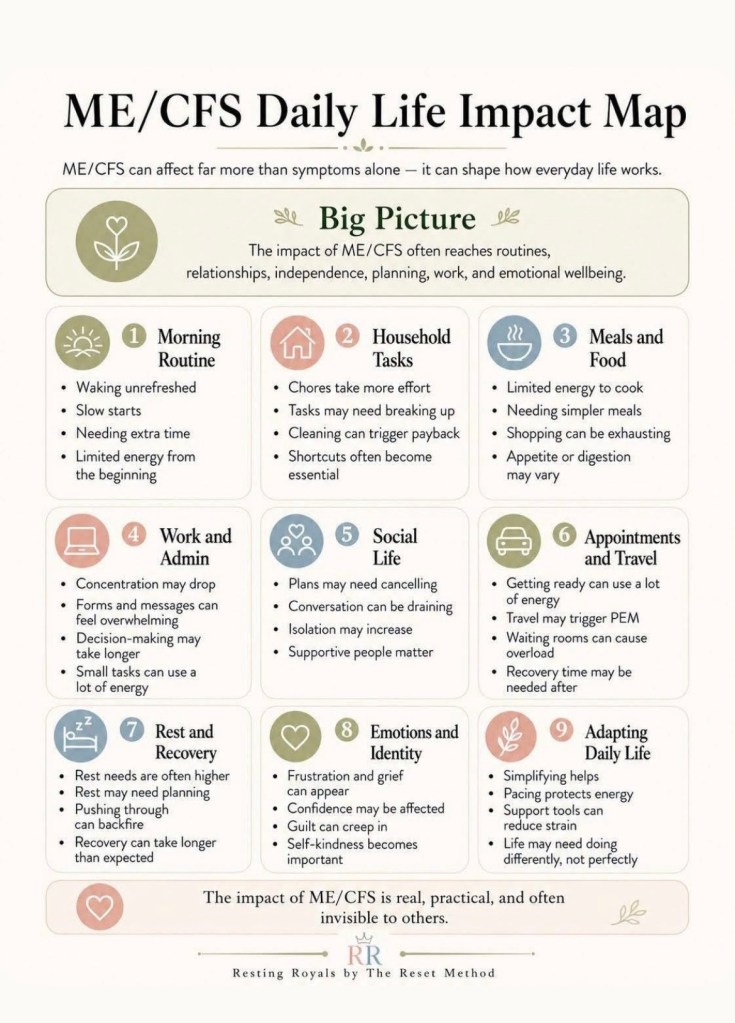
There hasn’t been one magical herb, expensive supplement, or single therapy that fixed everything. There hasn’t been a miraculous morning when I woke up and my body announced that it had reconsidered its terms of employment.

It has been much slower and less glamorous than that.

It has come through years of caring for myself in body, mind, and spirit. Learning my limits. Making changes. Resting when I need to. Finding appropriate movement. Getting medical and therapeutic support. Paying attention to my nervous system. Making room for faith, nature, relationships, and the things that make life meaningful.

Healing has been slow and consistent.

I want to be clear that I am not suggesting everyone with ME/CFS can recover through lifestyle changes. These conditions are complex, and there is no one-size-fits-all treatment.

But improvement is possible, and it deserves to be acknowledged.

As Helen Keller wrote:

“Although the world is full of suffering, it is also full of the overcoming of it.”

I don’t think overcoming always means defeating an illness. Sometimes it means learning how to make meaningful progress within the circumstances we have.
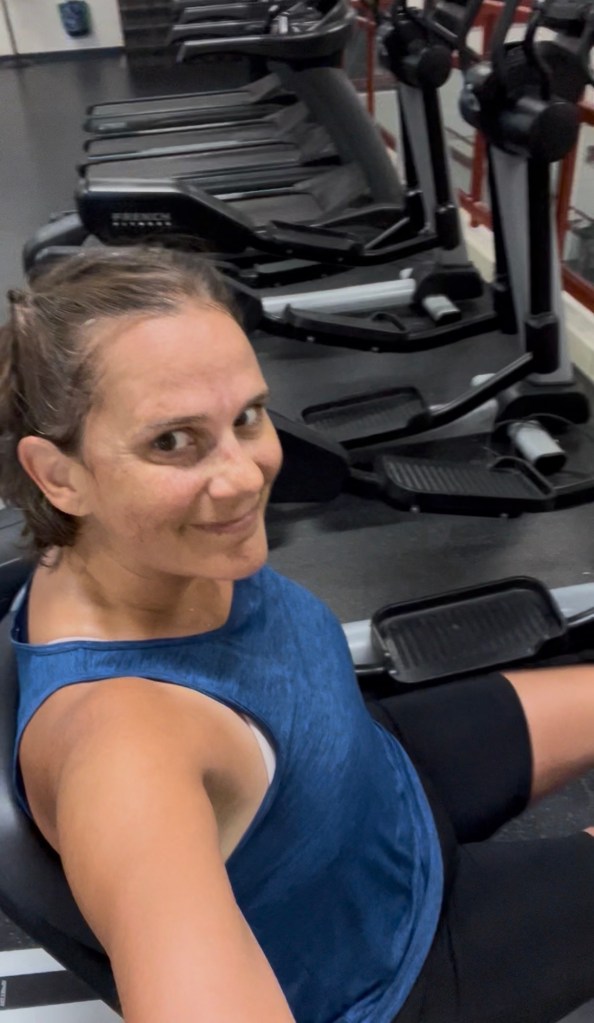
Three ways to stay focused on your healing journey

When you live with chronic illness, it is easy to let the latest setback become the whole story. We can become so focused on what hurts today that we lose sight of what has changed over the last year.

Here are three practices that help me keep perspective.

1. Keep track of the progress you might otherwise forget

Our memories are not always reliable records of our health.

We tend to remember the difficult days. Especially when we’re in the middle of one.

That makes it important to keep some kind of record of improvement.

Not an elaborate spreadsheet that becomes another job. Just a simple journal or occasional note about what is changing.

Consider recording:

  • How much activity you can tolerate compared with six months ago.
  • How long it takes to recover after an outing or activity.
  • Changes in sleep, stamina, concentration, and pain management.
  • Things you can do now that were difficult or impossible a year ago.
  • Improvements in how you recognize and respond to early warning signs.
  • How often you are able to participate in the activities that matter to you.

Don’t measure only what you accomplish. Measure how your body responds afterward, too.

For someone living with ME/CFS, pacing and avoiding post-exertional symptom exacerbation are particularly important. Feeling capable in the moment doesn’t necessarily mean your body has the capacity to sustain that activity without consequences.
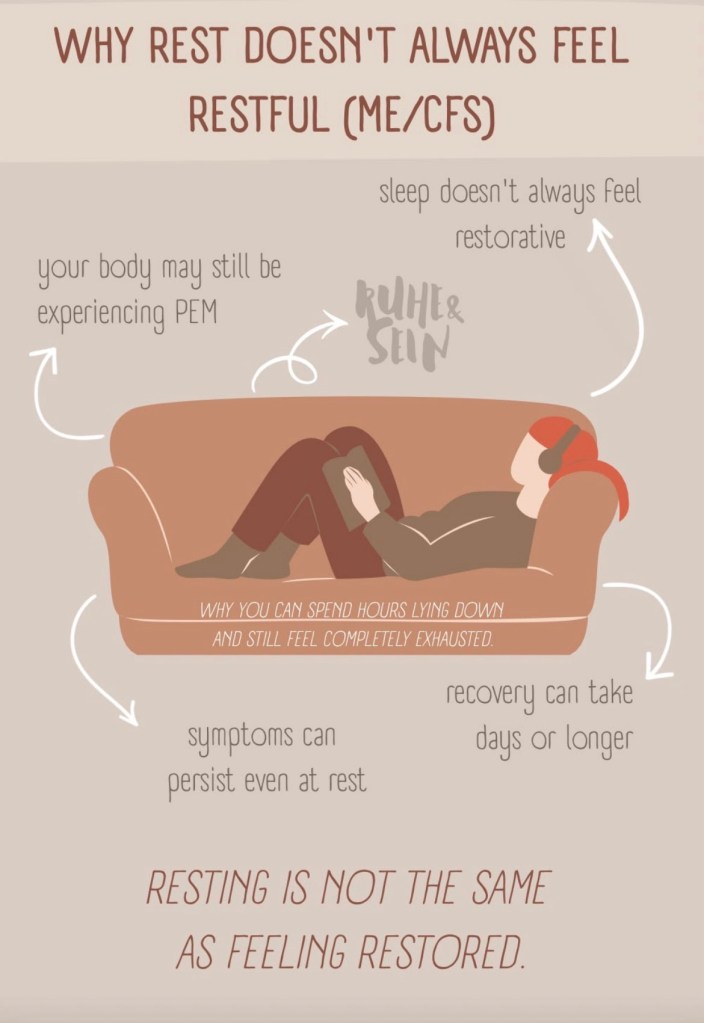
Sometimes the win is doing something and recovering well. Sometimes the win is recognizing that you need to stop.

Both deserve a place in your progress journal.

And don’t forget to record the ordinary things. They may not seem significant today, but looking back can reveal just how much has changed.

2. Have a plan for the good days, not just the bad ones
This is something I have had to learn the hard way.

When a good day arrives, it is tempting to make up for everything you haven’t been able to do.

The laundry! The groceries! The house! The phone calls! The people you’ve been meaning to see!

Suddenly, you have become a highly motivated productivity machine.

Until you aren’t.

One of the challenges of chronic illness is learning that having the energy to do something doesn’t always mean you have the resources to recover from it.

This is especially important with ME/CFS, where pushing beyond your energy limits can lead to post-exertional symptom exacerbation.

I try to think about what I am spending my energy on and what I need to reserve for recovery.

That means making choices.

I might have energy for one big thing or a few smaller things. I need to decide what is worth spending it on.

Sometimes the answer is housework. Sometimes it’s a family gathering. Sometimes it’s a walk outside. And sometimes the best investment is doing absolutely nothing.
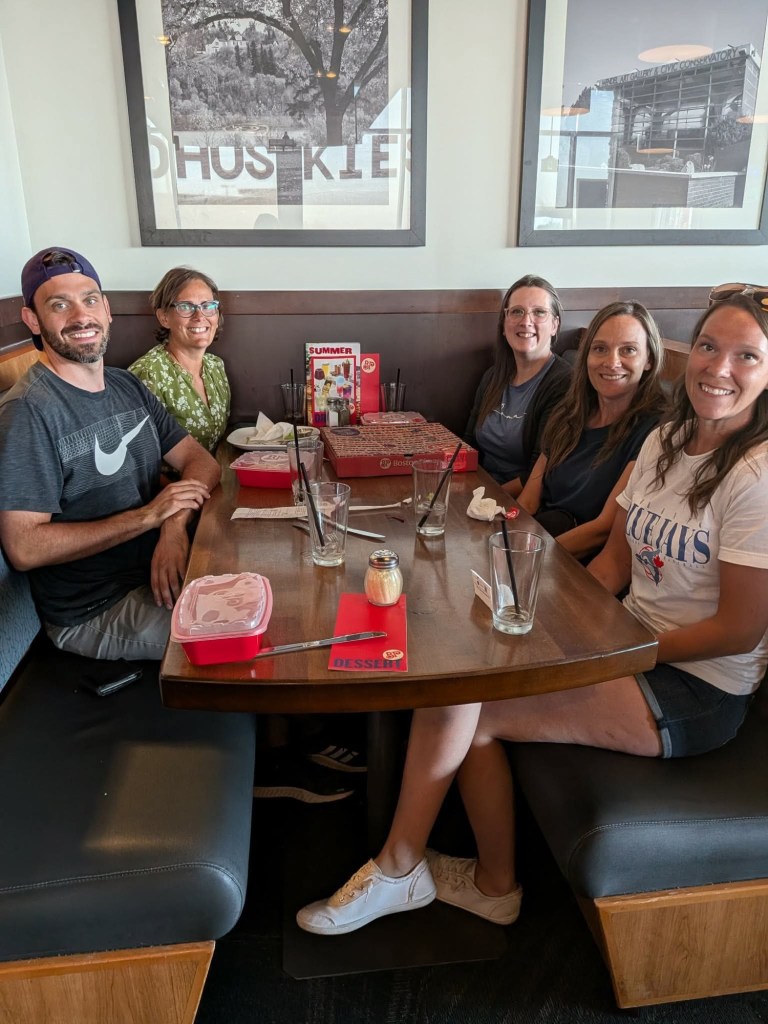
I also try to leave room for the unexpected. Life doesn’t always arrive according to my carefully prepared energy budget. Sometimes a new grandson does.

The point isn’t to avoid everything that might make you tired. It’s to make informed decisions about what matters, understand your body’s responses, and avoid repeatedly pushing past your limits.

A good day doesn’t need to become a competition to see how much you can accomplish.

You don’t have to earn your rest.

3. Develop a regular practice that keeps you connected to your direction

I find it helpful to have a meditation practice that brings me back to what I am working toward.

Not a meditation about fixing myself. Not one where I visualize a perfect, pain-free future and then feel disappointed when I open my eyes.

A practice about staying on my path.

A few minutes to settle, reconnect with my values, acknowledge where I am today, and remember what matters.

This can be especially helpful when a setback makes you question whether all your efforts are accomplishing anything.

You don’t have to solve your entire health situation during meditation. You don’t need to find the answer to every symptom or discover the secret to perfect health.

You simply need to make a little space to remember that your healing journey is bigger than today’s symptoms.

Here’s a simple practice to try.

A meditation for staying on your healing path

Find a comfortable position. You don’t need to sit cross-legged on a cushion or achieve some extraordinary level of spiritual enlightenment. A comfortable chair, a bed, or a quiet spot outdoors will do just fine.

Close your eyes if that feels comfortable.

Take a few gentle breaths. Don’t force deep breathing. Simply notice the breath moving in and out.

Now ask yourself:

  • Where am I today, physically, mentally, and emotionally?
  • What has improved, even a little?
  • What have I learned about caring for myself?
  • What is one thing I can do today that supports my well-being?
  • What matters most to me?

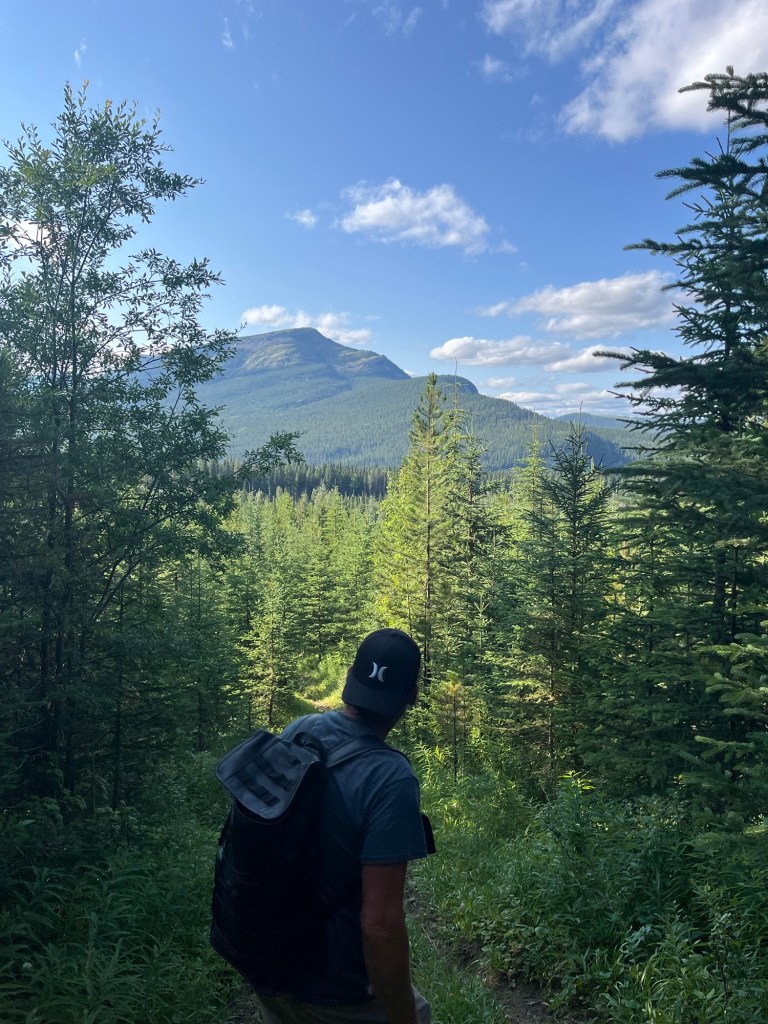
Imagine yourself walking along a path through the forest.

You don’t need to see the entire trail. You don’t need to know how far it goes. You only need to be aware of the next step.

Some days the path is easy. Some days it is steep. Some days you need to sit down and rest.

Resting doesn’t mean you have left the path.

Take a moment to acknowledge that you are doing the best you can with the resources available to you today.

Remind yourself:

I don’t need to rush my healing. I don’t need to compare my journey with anyone else’s. I can acknowledge my progress, respect my limitations, and keep moving toward the life I want to live.

When you are ready, gently bring your attention back to the room.

You can return to this practice whenever you feel discouraged or disconnected from your goals.

A little forest therapy: Taking the next step

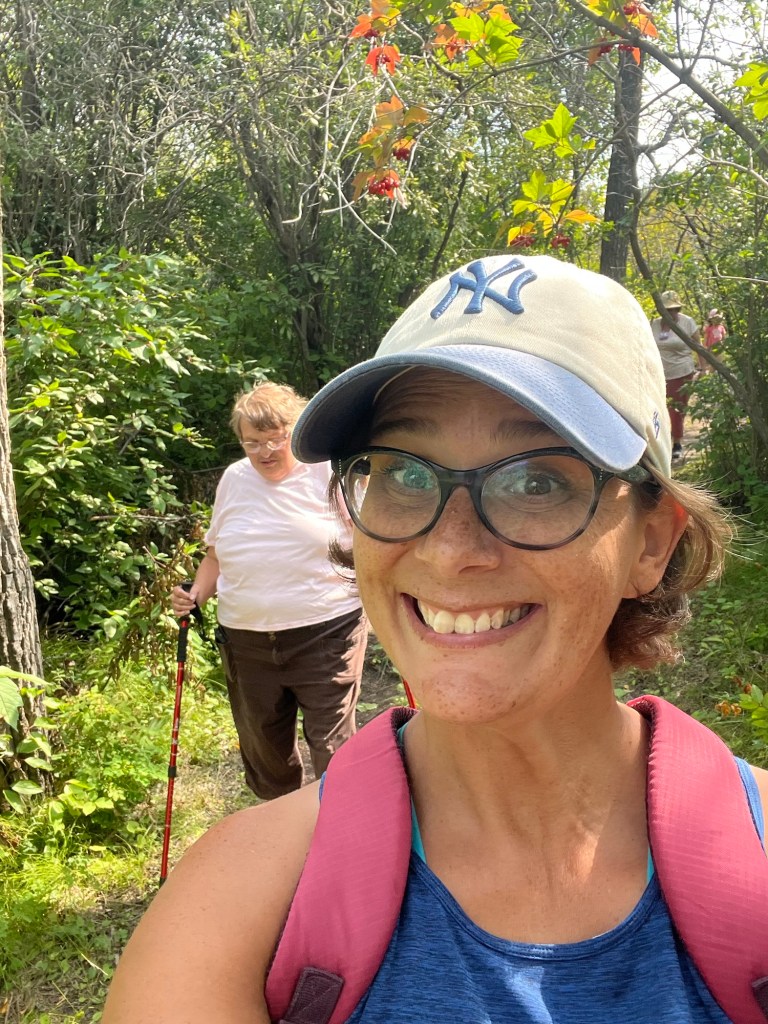
One of my favourite ways to support my own well-being is through forest therapy.
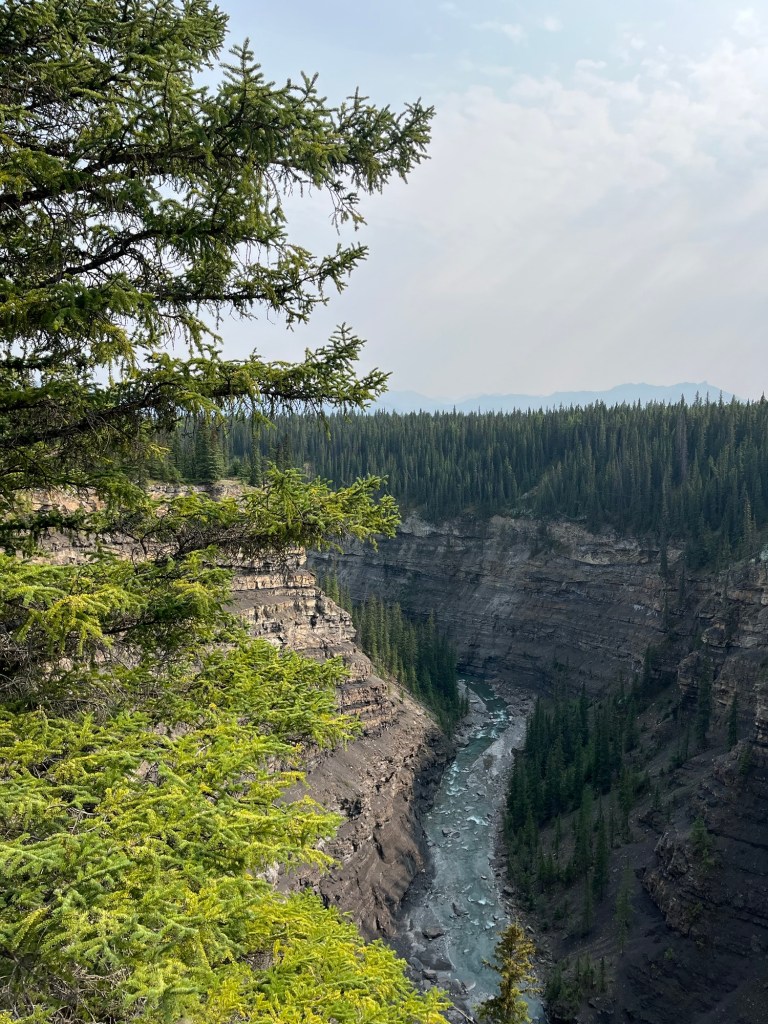
There is something about spending time in nature that gives me an opportunity to slow down and change where I place my attention.

I have written before about the relationship between chronic stress, cortisol, and time in nature in Cortisol Control: The Benefits of Nature.

I have also explored how sensory connection with nature can support nervous system regulation in Mending Your Nervous System With Forest Therapy.

Neither is a cure for chronic illness. But nature can be one useful part of a broader approach to caring for ourselves.

Here is a simple forest therapy invitation that connects with the meditation above.

The next-step forest practice

Find a comfortable place outdoors. If walking is difficult, choose a bench, a chair, or a spot where you can simply sit and observe.

You don’t need to hike anywhere impressive. Your backyard counts.

  1. Notice: Look around and find three things that catch your attention. Perhaps a tree, a patch of moss, or sunlight moving across the ground.
  2. Listen: Notice the sounds around you. Birds, wind, leaves, distant traffic. There is no need to identify every sound. Just listen.
  3. Feel: Notice the temperature of the air on your skin. If comfortable, touch a tree trunk, a leaf, or the surface of a rock.
  4. Breathe: Take a few gentle breaths and allow your attention to settle.
  5. Reflect: Ask yourself, “What is the next small thing I can do to support my well-being?”

Don’t try to solve your entire life while sitting under a tree.

Just be there.

Then spend a few minutes with the guided meditation I’ve recorded for you.

[Listen to the guided forest meditation here]

You can return to this practice whenever you need a reminder that you don’t have to figure everything out today.

The good, the bad, and the life in between

I think one of the most important things we can learn when living with chronic illness is to stop judging our entire recovery by how we feel on any one particular day.
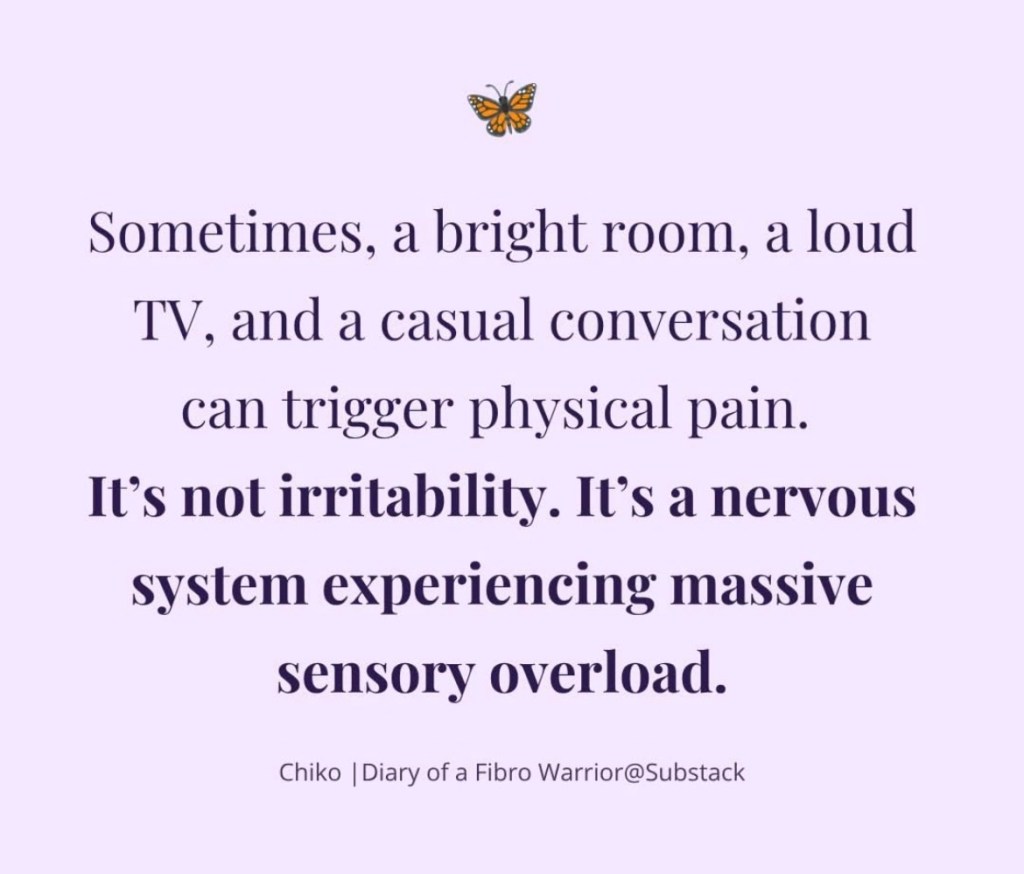
A bad day doesn’t mean you’ve lost all your progress.

A good day doesn’t mean you’re suddenly cured.

And a setback doesn’t mean you’ve failed.

We need to be able to recognize improvement without expecting perfection. We need to celebrate the small wins while taking the difficult days seriously.

I know that Sunday will cost me. I know there will be days of pain, exhaustion, temperature fluctuations, and nerves that seem to have their own agenda.

But I also know that I got to hold a beautiful new grandson. I got to love on his big brother and sister. I got to be part of a family moment that I will treasure.

And for those 24 hours, I had what I needed to be there.

That is worth celebrating.

It doesn’t have to be grand.

Sometimes it is raising a family. Sometimes it is building a business. Sometimes it is walking through the forest. Sometimes it is simply getting through a difficult day with a little more kindness toward yourself.

And sometimes it is sitting beside a laundry basket, wondering how an inanimate household object managed to become your latest physiotherapy referral.

I am not going to let the bad days convince me that I haven’t made progress.

My body has limitations. My energy has limits. My healing is ongoing.

But I am not where I was in 2020.

I will keep paying attention to the things that are improving. I will keep learning how to care for myself. I will celebrate the wins, however small they may seem.

And I will keep making room for the things that matter.

Because the goal isn’t just to have more good days.

The goal is to make sure that even on the bad days, there is still a life worth living.

And there is.
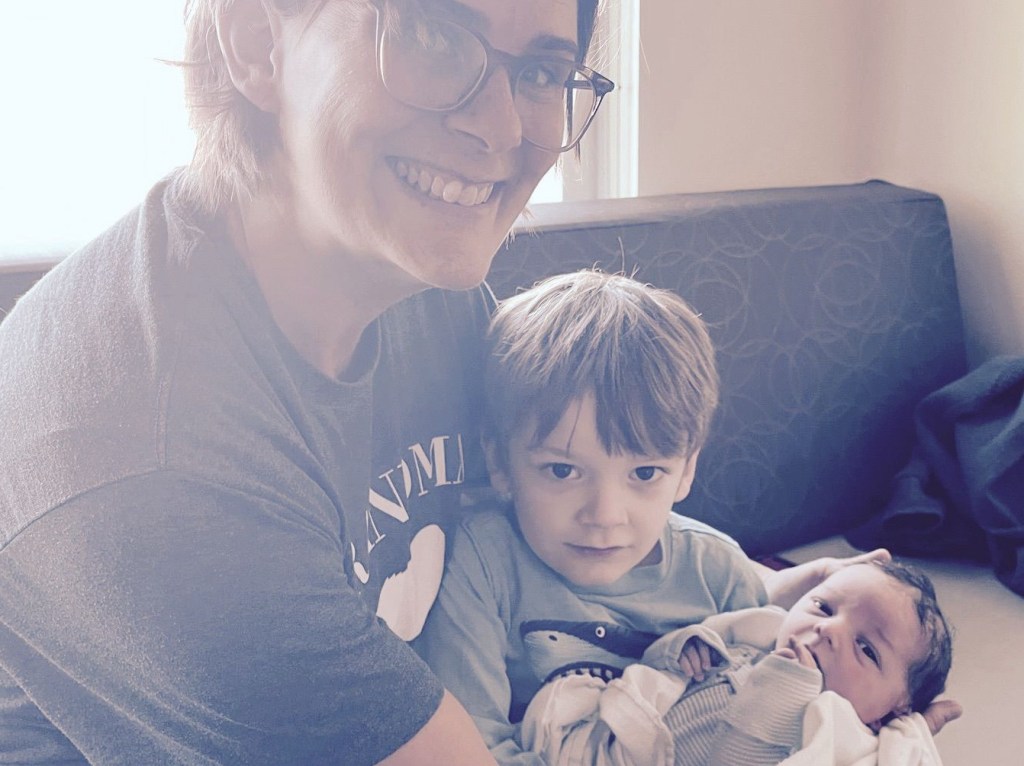
Bruadarach

(Scottish) Dreamy; Prone to daydreaming. A spirit alive with imagination, a mind naturally inclined toward wonder, possibility and beauty.
A Lesson in Survival from an October Forest

Instructions for living a life:
Pay attention.
Be astonished.
Tell about it

-Mary Oliver, “Sometimes”

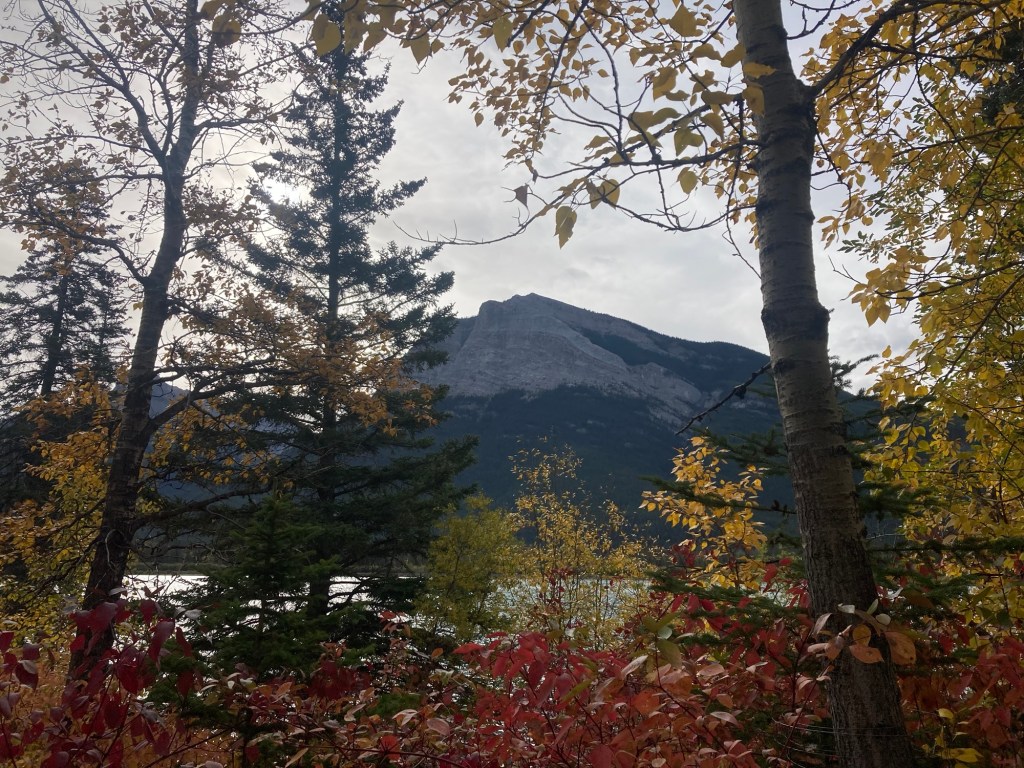
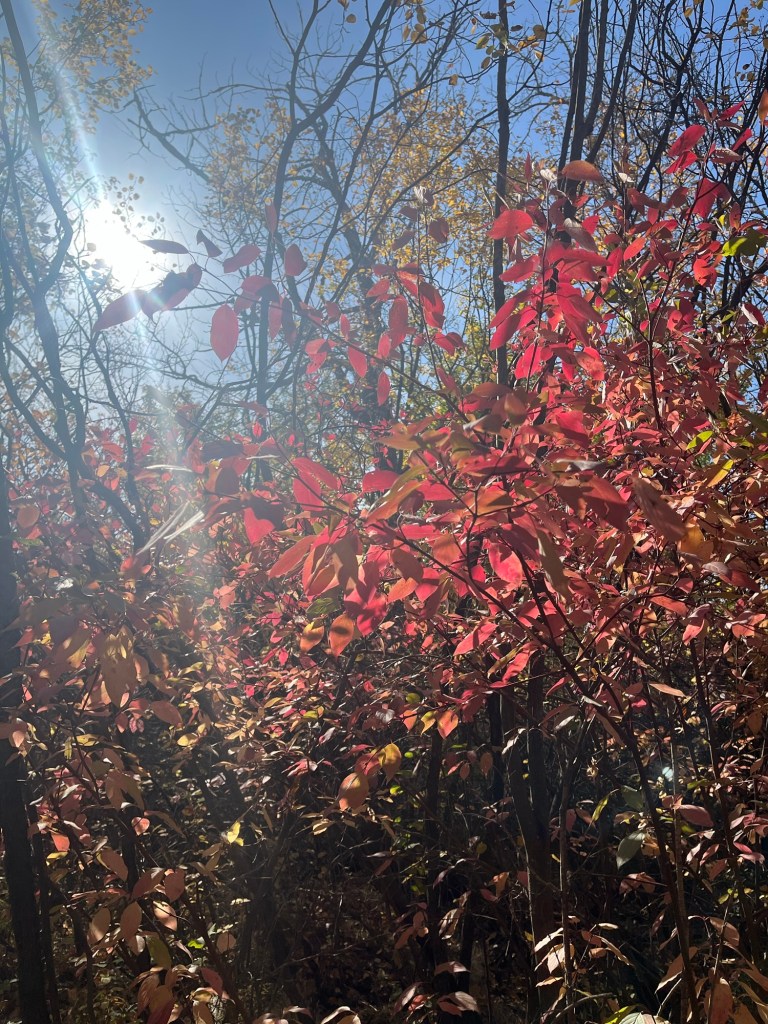
A glorious Saskatchewan October makes me want to slow down.

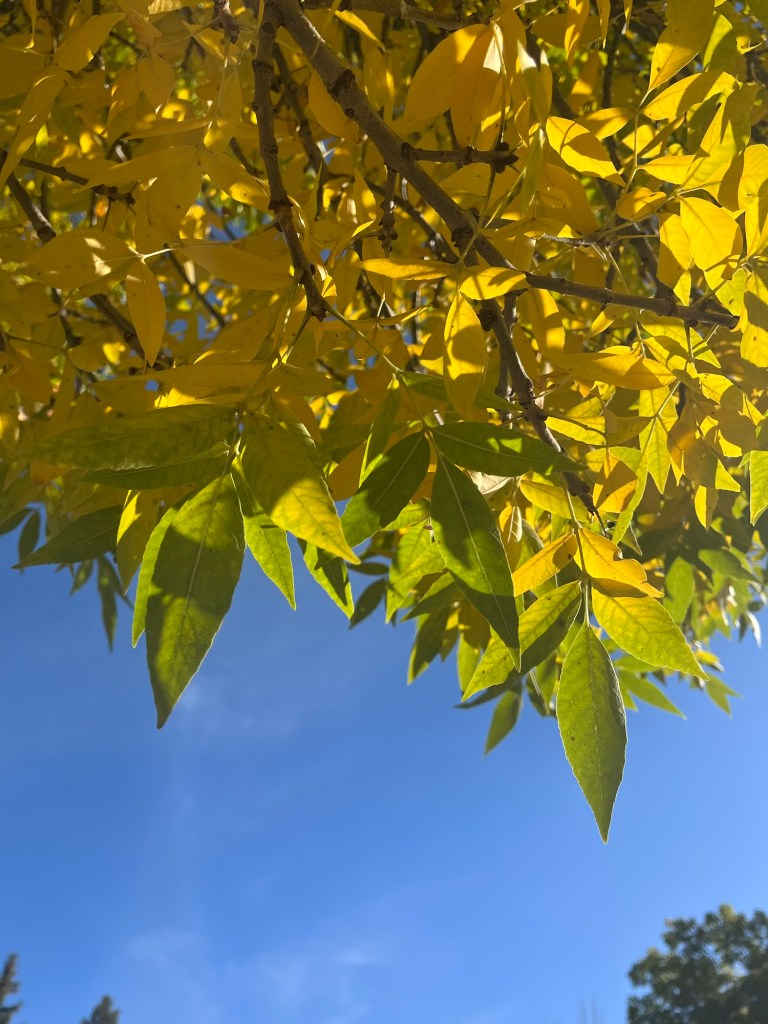
The mornings are cooler. The air has that sharpness to it that makes you take a deeper breath. The leaves are turning dazzling shades of yellow, orange and red (the trees have determined subtlety is overrated.)

And then there are the trees themselves. They are preparing for winter. But they aren’t panicking about it. At least, as far as I know.

They aren’t standing in the forest thinking:

I should probably be handling this better.

Why am I not recovering faster?

They simply respond to what is happening around them. The temperature changes. The light changes. The seasons change. And the tree changes with them.

I have been thinking about that.

Our bodies are remarkably good at responding to stress. They were built to handle it.

The problem isn’t stress itself.

It’s what happens when the stress doesn’t end.

Your body knows how to handle stress

Dr. Robert Sapolsky has spent decades studying the physiology of stress, and one of the distinctions in his work that I find particularly helpful is the difference between acute stress and chronic stress.

Acute stress is the short-term kind.

Something happens. Your body responds. You get through it. And then, ideally, you recover.

That kind of stress isn’t necessarily harmful. In fact, it’s part of being human.

It’s what helps you react when your grandchild suddenly runs toward the road.

It’s what gives you that burst of energy when you need to perform.

It’s the nervous energy before speaking in front of people.

A little stress can sharpen us. To help us focus and respond.

The problem comes when the alarm system doesn’t get to turn off. When there is constantly something setting it off.

When stress becomes chronic. When the body remains activated without enough opportunity for recovery, it can begin to affect sleep, immune function, cognition, metabolism and many other systems.

Our bodies aren’t designed to live indefinitely in emergency mode.

And yet…

So many of us do.

I admit this has become my default. I notice it when I find myself standing in the kitchen with my personal version of the Windows loading screen. Everything is technically running, but nothing is responding properly.

Long term stress physiology is associated with a wide range of health problems. And when I look at my own personal health history, I can’t help but wonder how much my body has been asked to carry for far too long.

What happens when the system never gets to stand down?

I’ve spent a lot of time thinking about this because chronic pain has taught me something I wish I had learned much earlier:

Your body can be working incredibly hard even when you’re doing absolutely nothing.

Someone looking at me sitting on the couch might think I’m resting. And on the outside, I am.

But if my nervous system is still responding to pain as though something is wrong, I am not resting or recovering. Rest isn’t necessarily the same thing as recovery.

An important distinction.

Stress physiology is complicated. Cortisol and the sympathetic nervous system are not villains. We need them. They help us wake up, respond to challenges, regulate energy and survive.

But a system that is repeatedly activated without adequate recovery can become strained.

Sleep can suffer. The immune system can be affected. Hormonal regulation can become disrupted. Concentration can become harder.

The brain can become more focused on immediate survival and less able to access the thoughtful, flexible parts of itself.

And eventually, you may start wondering:

Why does everything feel harder than it should?

Think about a forest

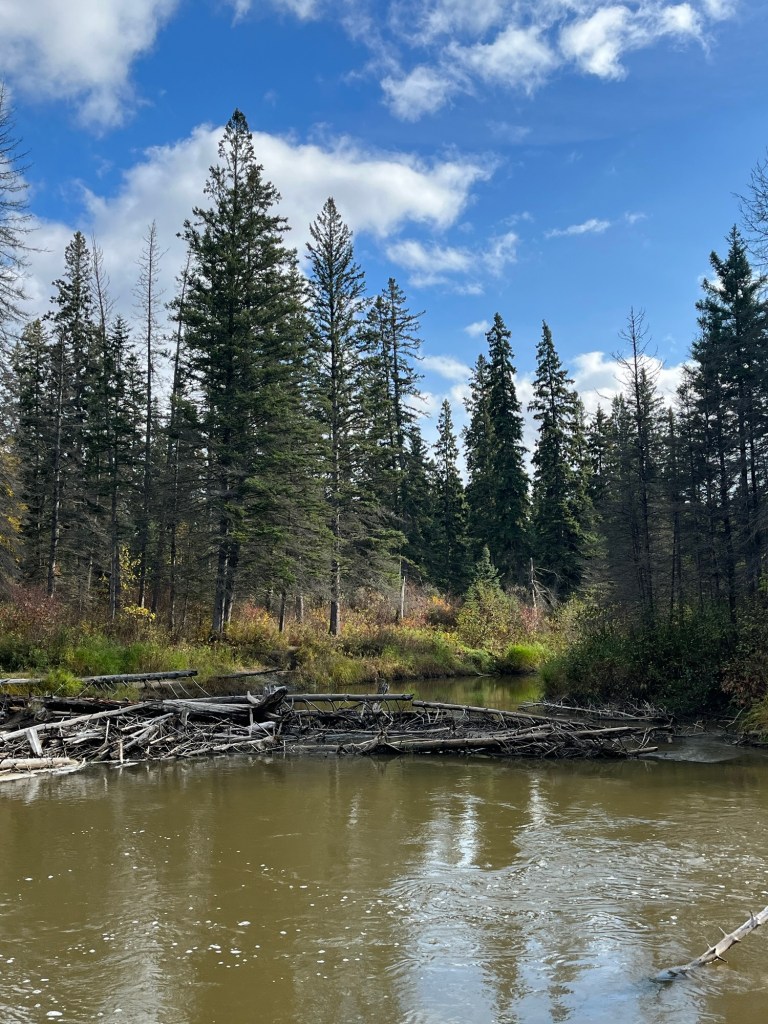
Imagine a tree in a Saskatchewan forest.

It has to withstand wind. Heat. Drought. Snow. Ice. Insects. Storms.

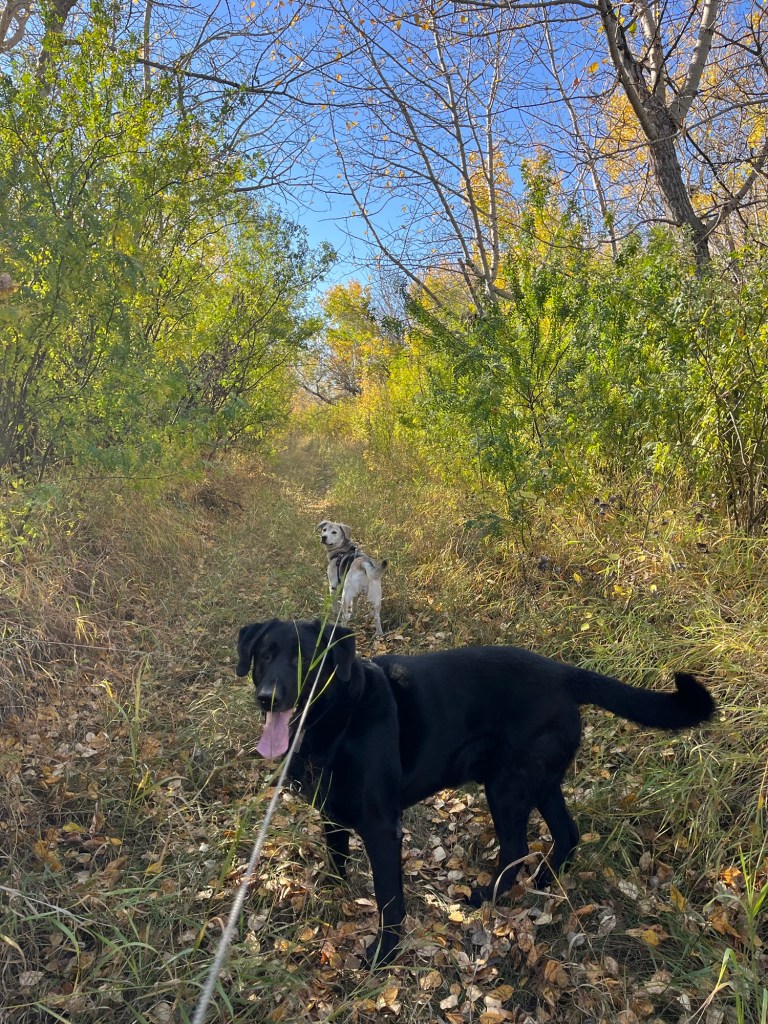
And sometimes a dog. Then another dog. And another.

The tree doesn’t avoid every stressor. It can’t.

Instead, it has systems that allow it to respond and recover.

There are periods of growth. Periods of dormancy. Periods when resources are plentiful. Periods when resources are scarce.

The whole system changes depending on what is happening around it.

Now imagine that tree experiencing a Saskatchewan windstorm…

…every single day…

…without ever getting a calm day.

Eventually, the problem wouldn’t simply be the wind.

It would be the lack of recovery between the winds.

Do we spend all our energy trying to eliminate every source of stress when what our bodies may desperately need is something else:

more opportunities to come back down? Is this something that can be done while experiencing pain?

Clinophile

A lover of going to bed 🙋‍♀️

Recovery isn’t something you earn

This is where I have had to change my thinking.

I used to treat things like sleep, healthy food, movement, hydration and time outside as things I would get around to when everything else was done.

You know.

I’ll drink more water when I’m less busy.

I’ll get outside tomorrow.

I’ll start eating better when things settle down.

I’ll exercise when I know how to do it without hurting.

I’ll prioritize sleep when I finally get caught up.

Which is a fascinating strategy.

We all know the “when things settle down” portion of life never actually arrives.

I’ve discovered that these things aren’t rewards for finishing everything else.

They’re part of the maintenance.They’re part of supporting the system.

Drink the water.💦

Not because water is going to magically cure your problems.

But because your body needs it. Down to the cellular level.

Eat food that actually supports you. 🍗 🥗

Not perfectly. Not Instagram post worthy.

Not twelve ingredients you’ve never heard of and a smoothie that costs $19.

Just real, nourishing food more often.

Move your body in ways your body can tolerate. 🏃‍♀️ 🚶‍♀️ 🏋️‍♀️ 🏊‍♀️

A walk.

Gentle stretching.

Mobility work.

Dancing in your kitchen.

Whatever movement is appropriate for you.

Movement doesn’t have to mean punishing yourself at the gym. Unless that’s your thing. Then go for it.

Protect your sleep. 🛌

Sleep isn’t wasted time.

It’s recovery time.

Get outside. 🌲 🌺 ☀️

Especially when you can.

Feel the cooler air.

Notice the trees.

Let your eyes move farther than the four walls you’ve been staring at.

And create actual pauses. 🧘‍♀️ 😮‍💨

Not scrolling pauses.

Not answering emails while planning your next move pauses.

Not I’m technically sitting down but mentally fighting multiple battles pauses.

Real pauses.

Your nervous system needs some evidence that the emergency is over.

Even when the pain is not.

I don’t want to put the medical world on the shelf

I also want to be clear about something.

I’m not suggesting that we replace medicine with nature.

Or medication with supplements.

Or doctors with trees.

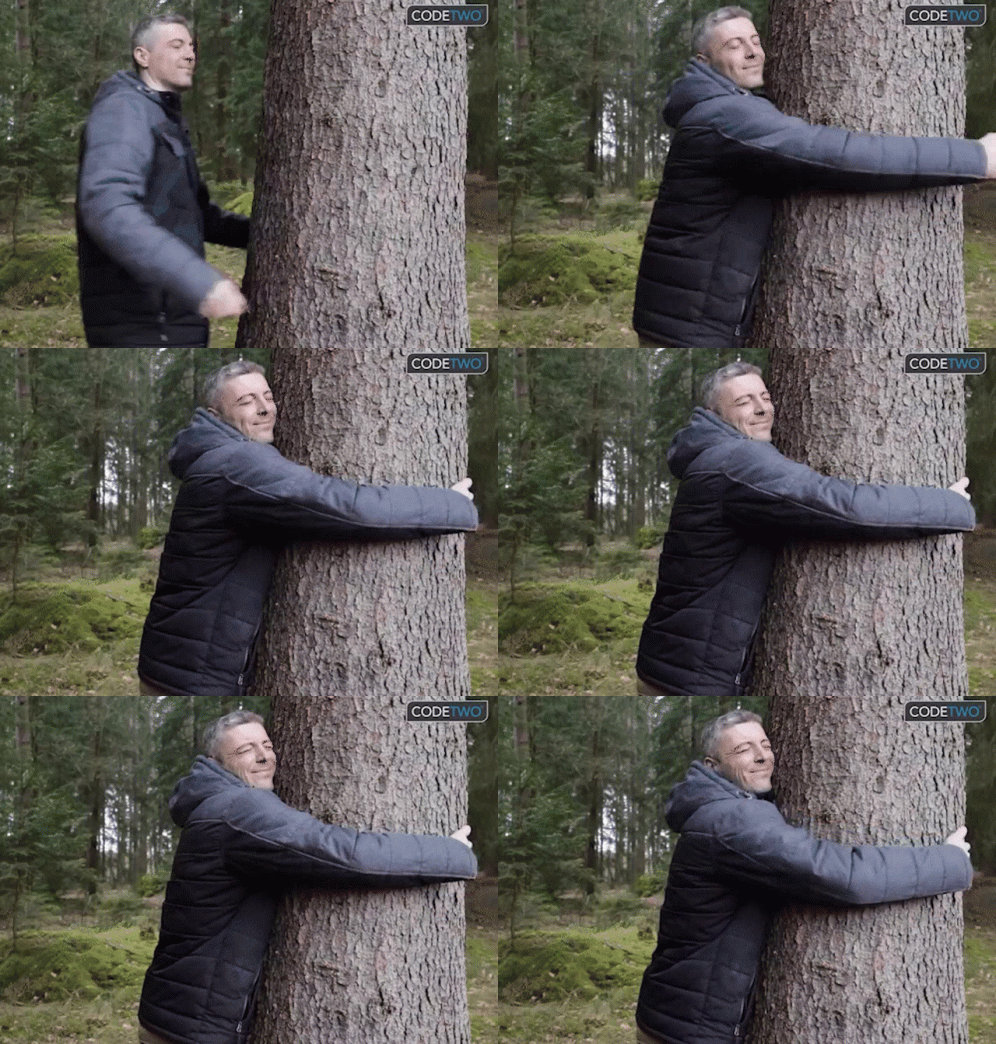
Please don’t fire your doctor because I told you to go hug a tree.

I’m suggesting something slightly different.

What if we stopped expecting medicine to carry the entire load?

What if we used the medical world as one part of our support system rather than waiting until our bodies are screaming before we do anything to support them?

There is room for both.

There is room for medication.

There is room for physiotherapy.

There is room for testing, specialists and evidence-based treatment.

And there is also room for sleep. Food. Water. Movement. Connection. Fresh air. Sunlight. Stillness. Nature. Breathing.

And learning to notice what our bodies are actually telling us. Past the noise of pain.

Those things don’t have to compete.

They can work together.

A little forest therapy for a body that has been holding on

One of my favourite practices for this idea would be a simple “storm and stillness” sit spot.

Find a place outside where you can sit comfortably for 10–15 minutes.

You don’t have to hike anywhere impressive. Your backyard counts. A park counts.

No majestic mountain vista required. A Saskatchewan ditch with a sapling and the distant call of a magpie will do.

Sit down.

For the first few minutes, simply notice signs of movement around you.

Leaves moving.

Branches swaying.

Birds flying.

Clouds crossing the sky.

People walking.

Your own thoughts.

Notice how much movement exists around you.

Then look for something that is not moving.

A trunk.

A rock.

A patch of earth.

A branch that isn’t moving even though everything around it is.

Spend a few minutes noticing the contrast.

Then ask yourself:

Where am I carrying the storm?

Don’t try to fix it.

Don’t analyze it.

Just notice.

Then ask:

Where could I create a little more stillness?

Maybe it’s ten minutes outside.

Maybe it’s going to bed half an hour earlier.

Maybe it’s saying no.

Maybe it’s asking someone else to do something.

Maybe it’s putting your phone down.

Maybe it’s letting yourself rest before you have completely emptied the tank.

You don’t have to solve your whole life.

That would be very ambitious.

Just notice.

The leaves aren’t failing because they’re changing

This might be my favourite part of autumn.

The trees don’t hold onto summer because they’re afraid of what comes next.

They let go.

One leaf at a time.

The colours are not evidence that something has gone wrong.

They’re evidence that something is changing.

And maybe our bodies deserve some of that same compassion.

Maybe needing rest doesn’t mean we’re lazy.

Maybe slowing down doesn’t mean we’ve failed.

Maybe a body that has been under strain for a long time needs more recovery, not more criticism.

I don’t think the answer is to eliminate every stressor from our lives. That’s impossible. Life is going to life.

There will be deadlines. Pain. Children. Grandchildren. Bills. Appointments. Bad news. Good news. Things breaking at precisely the wrong moment. People saying things that make us wonder if they have ever met another human being before.

Stress is part of being alive. But so is recovery.

So this fall, when I walk through Saskatchewan and see those brilliant trees letting go of their leaves, I’m going to try to remember:

I don’t have to be productive every minute to be valuable.

I don’t have to push through every signal my body gives me.

And I don’t have to wait until I’m completely depleted before I start taking care of the system carrying me through this life.

The trees aren’t trying to avoid winter. They’re preparing for it. I can too.

Not to eliminate the hard seasons. Just learning how to give my body enough recovery to meet them.

And maybe today, that means stepping outside.

Taking a breath.

Feeling the cool Saskatchewan air on my face.

And noticing that, for this moment…

there is no emergency.

Pain is the signal. Not an emergency. Take time to rest and recover. Even if that recovery isn’t always perfect.

When despair for the world grows in me
and I wake in the night at the least sound
in fear of what my life and my children’s lives may be,
I go and lie down where the wood drake
rests in his beauty on the water, and the great heron feeds.
I come into the peace of wild things
who do not tax their lives with forethought
of grief. I come into the presence of still water.
And I feel above me the day-blind stars
waiting with their light. For a time
I rest in the grace of the world, and am free.

-Wendell Berry, “The Peace of Wild Things”

When the Future Feels Too Heavy

Inside me, the Protector, the Wounded Child, the Survivor, and the Healer all dance in a quiet circle. Each one longs to be seen, to be heard, to be held. And when I finally stop to witness them, their chaos becomes a rhythm… and their rhythm becomes my healing. 
-recoverytrauma.ltd

I heard something recently that has been rolling around in my head. It was a conversation about worry versus wisdom.

The idea was that worry keeps us stuck, while wisdom keeps us moving.

One of the concepts was this, sometimes we feel stuck because we want two things that can’t exist at the same time.

  • I want to be healthy, but I don’t want to change anything.
  • I want to feel better, but I don’t want to slow down.
  • I want to have more energy, but I don’t want to give anything up.
  • I want my nervous system to settle, but I keep filling every available minute.

And with chronic pain, there can be a whole extra layer of this.

  • I want to do the things I used to do, but my body can’t always do them.
  • I want to feel better, but I can’t control whether I have a good pain day or a terrible one.
  • I want answers, but sometimes there are no tidy solutions.

So I worry. I think. I analyze. I replay. I predict. (I’m actually a delight. But you wouldn’t know it because I’m so tired and irritated all the time.)

I consider every possible scenario until my brain has apparently opened approximately 47 tabs, and none of them are helpful.

And somewhere in all of that thinking, I can become very, very stuck.

But then I look at my grandkids.

They might know something I have forgotten.

They don’t spend nearly as much time worrying about what happened yesterday or what might happen tomorrow.

They deal with right now.

If they’re hungry, they eat.

If they’re tired, they lie down.

If they see a bug, suddenly that bug is the most fascinating creature on Earth.

If someone says something funny, they laugh.

If they fall down, they may cry. And then, remarkably, five minutes later they’re deeply invested in something completely unrelated.

They don’t seem to spend a lot of time thinking:

I really shouldn’t have fallen down yesterday.

Or:

What if I fall down again tomorrow?

They are busy being where their feet are. Kids have a PhD in being where their feet are. (Wise little beings.)

Not because the past doesn’t matter. Not because the future doesn’t matter.

But because this moment is the only one I can actually do anything with.

And I think that is part of the difference between worry and wisdom.

Worry keeps asking:

What if?

Wisdom asks:

What now?

What if I stopped trying to solve tomorrow?

One of the things I love about forest therapy is that nature gives me a place to practice being present.

Not by sitting perfectly still and trying to empty my mind.

My brain 🧠- Director of Unnecessary Mental Load 🪪

Instead, I can go outside and let my attention wander.

I call this a sensory wander.

Rather than walking with a destination in mind, I slow down and follow whatever catches my attention.

Maybe it’s the shape of a leaf.

The sound of something moving in the grass.

The smell of wet earth.

A tree with strange bark.

The way sunlight hits one little patch of moss.

A bird I can’t identify.

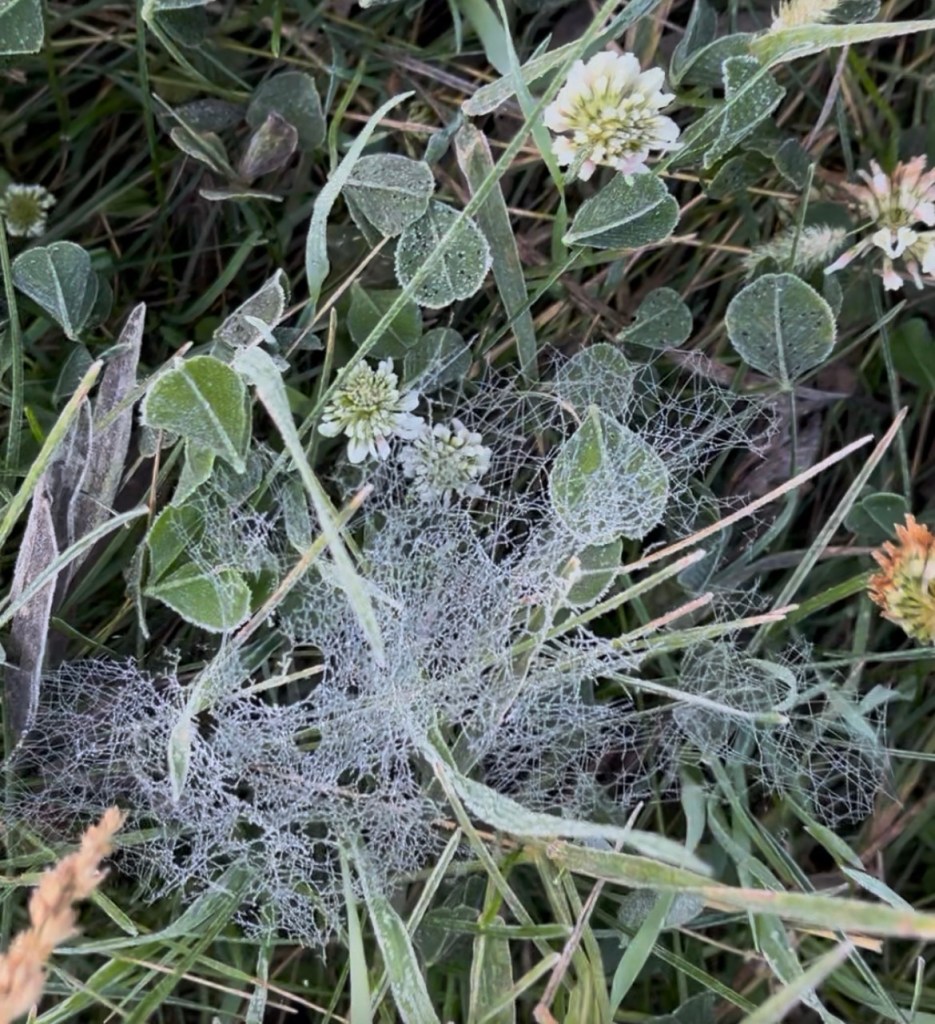
A spider web I would have walked right past.

I don’t have to figure anything out.

I don’t have to make the experience meaningful.

I don’t have to turn it into a lesson.

I just notice.

What has my attention right now?

Then I follow that.

And when something else catches my attention, I follow that instead.

It’s quite simple.

I don’t have to live three days ago. I don’t have to live three weeks from now.

I can live right here.

With the trees.

With whatever happens to be in front of me.

Wisdom doesn’t mean having it all figured out

I don’t think the podcast was suggesting that wisdom means knowing exactly what to do.

Sometimes we don’t know.

Especially with chronic pain.

There is a lot of trial and error.

What helped yesterday might not help today.

Something that works beautifully for one person might make another person’s body stage a small coup.

There isn’t always a clear answer.

But wisdom doesn’t necessarily require a complete plan.

It can be much smaller.

One thing I know I can do is this.

  • I can drink some water 💦
  • I can rest before I completely crash. 😴
  • I can step outside 👣
  • I can notice what my body is telling me 👂
  • I can take a short walk instead of deciding I need to complete a 5km hike or not bother going at all 🚶‍♀️
  • I can spend ten minutes among the trees 🌲 🌲
  • I can stop arguing with the reality of today long enough to actually experience today 🧘‍♀️

That last one is hard.

Because sometimes I want today to be different. But wanting it to be different doesn’t change what it is.

And accepting what is happening right now doesn’t mean I like it. It means I stop spending all my energy fighting a moment I can’t change.

Maybe that’s where wisdom starts. Not with a solution. With noticing.

Maybe the kids have it partly right

My grandkids aren’t worried about whether they’re making enough progress in life.

They aren’t measuring the day by how productive they were.

They aren’t wondering whether they should have made a different choice three years ago. (One of them wasn’t even here three years ago.)

They aren’t lying awake thinking about everything that could possibly go wrong tomorrow.

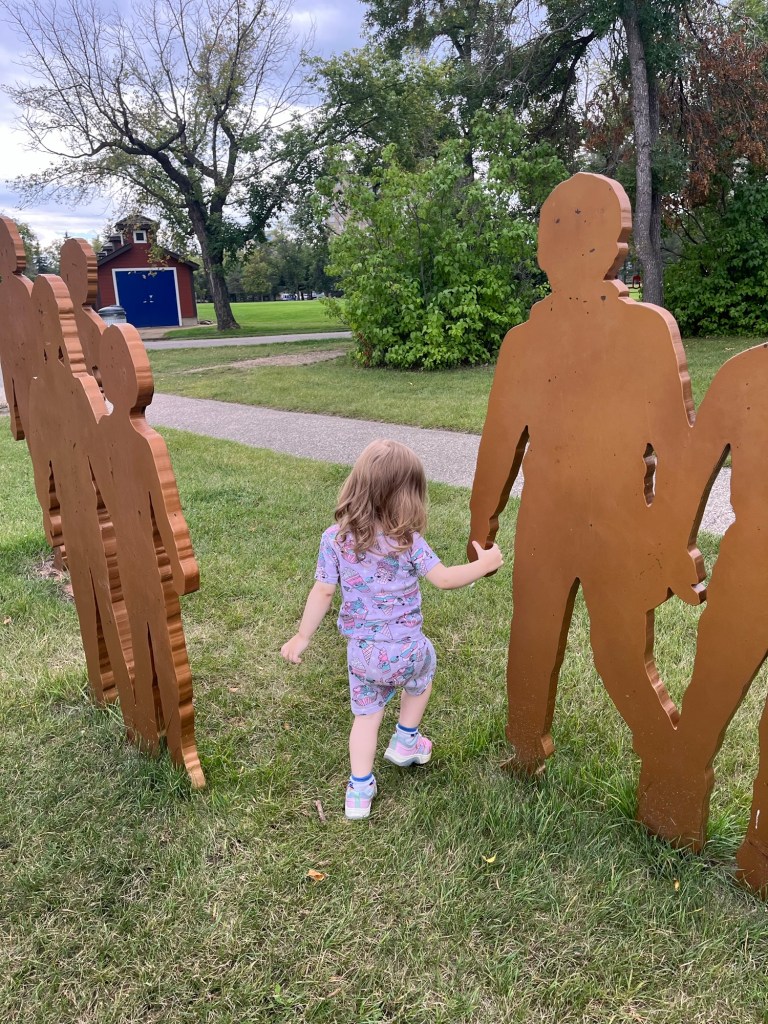
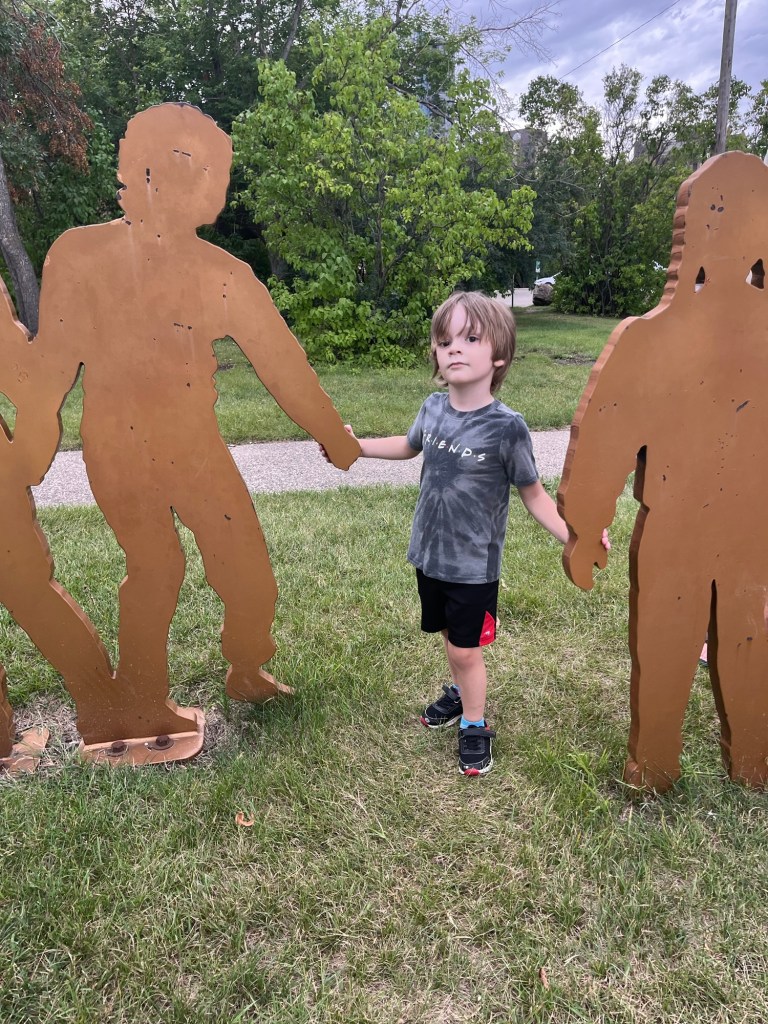
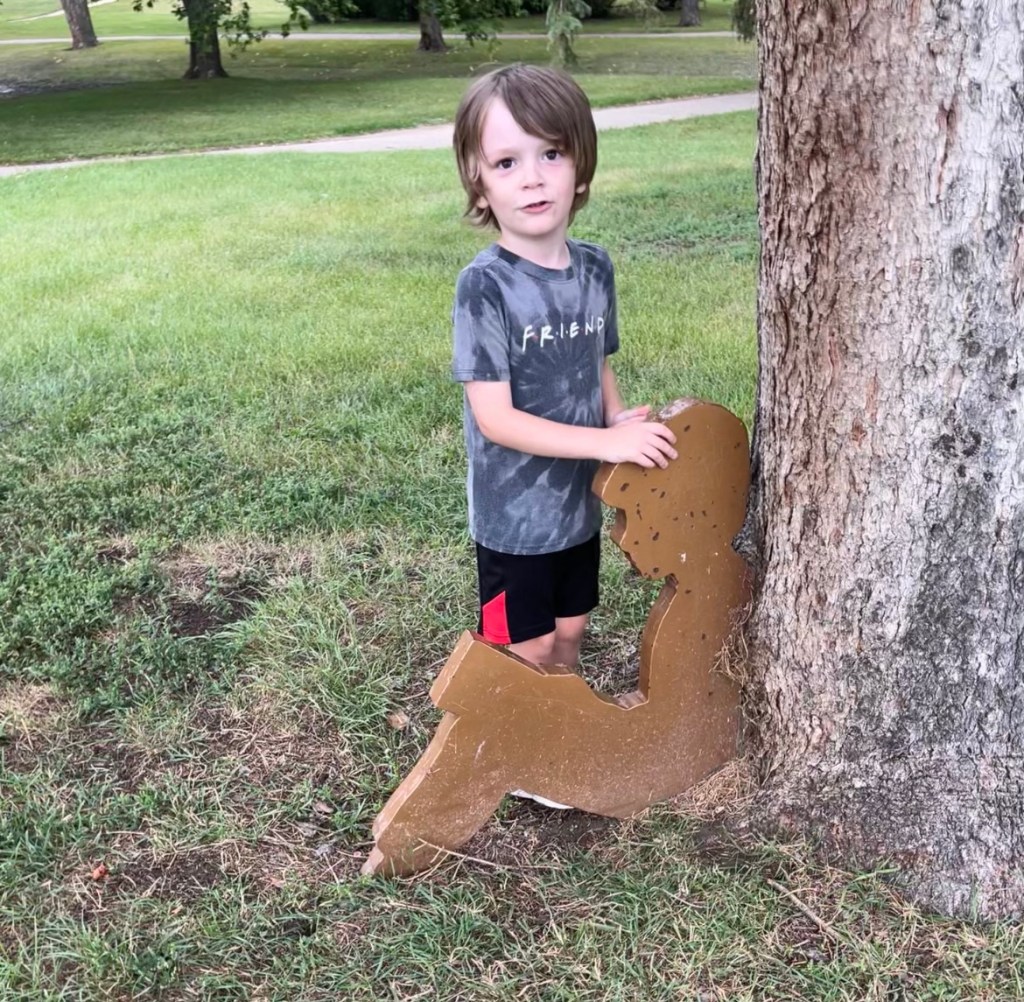
They are here. Reading a book. Talking to a wooden cutout.

And maybe I don’t need to become a child again to learn from them.

I can become child-like without becoming childish. And remember something children seem to know naturally:

Pay attention to what’s happening right now.

“Christopher Robin, what day is it?”
“Today”
“My favourite day”

There will be time for tomorrow when tomorrow gets here.

There will be things to learn from yesterday when yesterday needs to teach me something.

But right now?

There is a tree.

There is wind moving through the leaves.

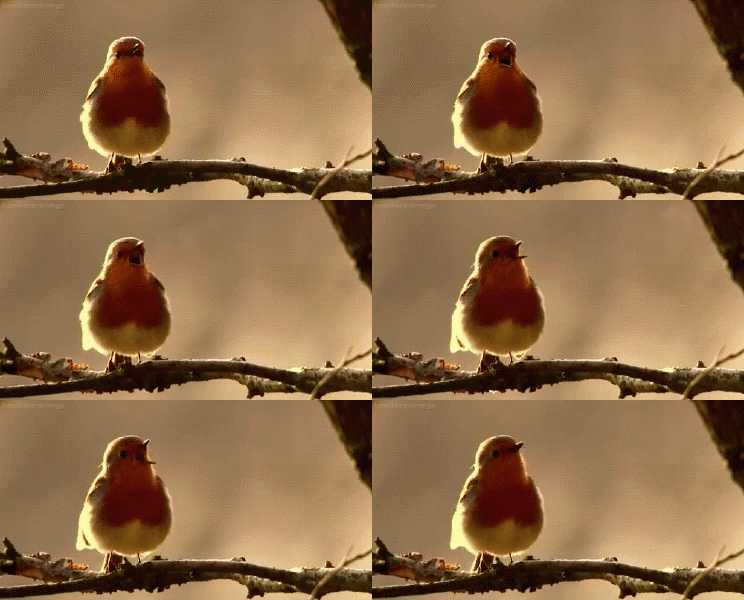
There is a bird making an extremely confident noise.

There is this breath.

There is this moment.

And for today, maybe wisdom is simply noticing that I’m here.

Then taking the next small step. We are all walking miracles. Let us strut accordingly.

Valemor

(n.) The quiet pride of knowing you survived something without becoming cruel, loud, or bitter. 🙌

The ideas about worry, wisdom and being stuck were inspired by the podcast Better Than Happy: “Don’t Worry” Is Terrible Advice, August 27, 2026

Chronic Willpower: The Cost of Being the Woman Who Always Pushes Through

The curious paradox is that when I accept myself as I am, then I can change.

–Carl Rogers

For most of my life, I thought willpower was the answer.

Tired? Push through.

In pain? Push through.

Overwhelmed? Push through.

Running on fumes? Push through harder (and question what my problem is. Everyone else can do it all!)

Our culture practically hands out gold stars for overriding our bodies. We admire grit, determination, hustle, and resilience. We celebrate the people who keep going no matter what.

But what if chronic willpower isn’t a strength?

What if it’s a survival strategy?

And what if the very thing you’ve relied on for decades is now contributing to your exhaustion, burnout, brain fog, chronic symptoms, and sense that your body has become the river overflowing its banks after years of holding everything in?

I am learning that hormones play a major role in mid life. Learn more about hormones and their effects in this past post. Female Hormones: Our Fickle Fairweather Friend

The Problem With “Just Try Harder”

I recently listened to an episode of the  Success Genius podcast⁠ hosted by Neill Williams, a master certified coach. Her podcast focuses on helping ambitious women work with their brains and bodies rather than constantly pushing against them. A message that feels particularly relevant to my own journey with chronic willpower.

Williams suggests willpower is often a withdrawal, not a strategy. It is what we use when we don’t have access to regulation. Instead of listening to the body, we override it. Instead of responding to its signals, we silence them. Instead of resting, we push harder.

At first, this works remarkably well.

You become productive.

Dependable.

Capable.

The person everyone can count on.

The person who somehow manages to keep all the plates spinning.

Until one day the plates start spinning you.

It’s amazing how long you can juggle flaming torches before realizing you are the one on fire.

When Willpower Becomes a Withdrawal

One of the most eye-opening ideas Williams proposes is this:

Willpower is not a strategy. It is a withdrawal.

Using willpower occasionally isn’t a problem.

Life happens. Deadlines happen. Emergencies happen.

Sometimes we need to dig deep and do hard things.

The trouble begins when overriding ourselves becomes our default operating system.

When every day looks like:

“I’m exhausted, but I’ll push through.”

“I’m overwhelmed, but I’ll push through.”

“My body is asking for rest, but I’ll push through.”

A withdrawal isn’t necessarily noticeable at first.

Just like spending a little extra on a credit card doesn’t feel like a crisis.

But eventually the bill arrives.

And like every credit card company, our nervous systems charge interest.

I once heard a doctor describe it this way:

“It starts as a whisper. Then it becomes a shout. Then it becomes a scream. If you keep ignoring it, eventually it shuts you down.”

I suspect many women reading this know exactly what that feels like.

Listen to your body when it whispers so you don’t have to hear it scream.

What Happens Physiologically?

Your nervous system is constantly gathering information about whether you’re safe.

When you repeatedly ignore fatigue, stress, grief, overwhelm, pain, or emotional needs, those signals don’t simply disappear.

They get louder.

The body begins turning up the volume in an attempt to get your attention. What started as mild fatigue becomes crushing exhaustion. A little tension becomes chronic pain. Occasional anxiety becomes a constant background hum.

Symptoms are often the falling leaves, not the falling trees. They’re early signs that something needs attention.

The Physiological Cost of Chronic Willpower

It is not stress that kills us, it is our reaction to it.

–Hans Selye

We are designed for stress.

Contrary to what social media might have us believe, stress itself is not the enemy.

The stress of giving a presentation.

The stress of learning something new.

The stress of tackling a challenge.

Those are normal.

Healthy even.

The problem is chronic stress without sufficient recovery.

When we continually override our body’s signals and never allow the system to recover, we remain stuck in a state of ongoing activation.

Over time that can contribute to:

  • Elevated cortisol
  • Disrupted sleep
  • Increased emotional reactivity
  • Brain fog and reduced cognitive function
  • Immune system suppression
  • Hormone disruption
  • Burnout
  • Chronic fatigue
  • Increased vulnerability to illness

Many women eventually find themselves working harder than ever and accomplishing less.

Not because they’re lazy.

Not because they’re undisciplined.

Not because they suddenly lost their motivation.

Because their nervous system has been carrying a debt load for years.

I, myself, believed rest was something you earned after finishing everything. Unfortunately, everything is never finished.

Determination Is the Fuel. Regulation Is the Engine.

You cannot solve a problem from the same consciousness that created it.

–Albert Einstein

One of the most helpful concepts Williams shared,

Determination is the fuel. Regulation is the engine.

Fuel matters.

But pouring premium gasoline onto a broken engine won’t get you very far.

Many of us have spent years trying to compensate for a dysregulated nervous system by adding more determination.

More discipline. More motivation. More supplements. More planners. More productivity hacks. More caffeine.

At some point the engine needs attention.

Regulation is what allows the nervous system to move between effort and recovery. It is the body’s ability to activate when needed and settle when the challenge has passed. Without regulation, determination eventually becomes expensive fuel burned inefficiently.

Why We Keep Doing It Anyway

Because overriding ourselves works.

At least temporarily.

When we push through exhaustion and finish the project, check off the list, save the day, or meet the deadline, we get a reward.

That reward is often dopamine.

Dopamine isn’t simply the “pleasure chemical.” It’s deeply involved in motivation, anticipation, reward, and learning what behaviors matter. Our brains remember what helped us survive and succeed.

So the pattern becomes:

🏁Ignore body. ➡️ Push harder. ➡️ Get result. ➡️ Receive dopamine hit. ➡️ Repeat. 🔄 😵‍💫 😵

Soon, productivity itself can become a form of self-medication.

The nervous system learns that overriding discomfort equals reward.

No wonder it’s hard to stop.

The Chemical We May Actually Need More Of

While dopamine drives pursuit, serotonin is associated with feelings of contentment, safety, stability, and well-being.

Dopamine is the Labrador chasing the tennis ball.

Serotonin is the golden retriever napping in a sunbeam.

Many chronic willpower users have spent decades chasing the first while starving the second.

We become experts at striving but beginners at simply being.

And that’s where nature has something remarkable to teach us.

The Forest Doesn’t Care About Your To-Do List

One of the reasons forest therapy feels so restorative is that it gently shifts us toward a state of regulation.

No notifications. No deadlines. No performance reviews.

No one asking whether you’ve earned your rest. Whether you’re keeping up. If you’re winning at life or whether your worth is keeping pace with your to-do list. No one asking whether you’ve justified your existence through accomplishment.

The forest would NE-ver. Trees are refreshingly difficult to impress.

And somehow that’s exactly what makes them healing.

In the forest, many people experience what feels like a serotonin bath. 🛁

A quiet sense that everything is okay.

Not perfect. Just okay. Perfectly imperfect.

The more often we experience that state, the more familiar it becomes. Eventually regulation starts feeling less like a vacation and more like home.

A Forest Therapy Practice for Chronic Willpower

If you recognize yourself in this article, try this simple practice.

Step 1: Walk Slowly

Spend 10 to 15 minutes walking without a destination.

Not hiking. Not exercising. Not trying to get your steps.

Simply walk.

Notice colours. Textures. Movement. Bird sounds. Wind. Light.

Whenever your mind starts solving problems, gently return attention to your surroundings.

Step 2: Sit

Find a place to sit for 10 to 20 minutes.

Allow yourself to do absolutely nothing.

No journaling. No podcasts. No meditation app.

Simply sit.

Notice what emerges. At first you may feel restless.

That’s normal.

Many chronic willpower users experience sitting still the same way a Labrador experiences being told not to chase a tennis ball.

Step 3: Listen

Ask yourself:

“What is my body trying to tell me?”

Then resist the urge to answer immediately.

Wait.

The nervous system often speaks in sensations before it speaks in words.

Step 4: Walk Again

Take a slow walk again.

Notice whether anything feels different.

You are not trying to force an answer.

You are creating conditions where answers can arise.

The body always leads us home if we can simply learn to trust sensation and stay with it long enough for it to reveal its wisdom.

–Pat Ogden

Going Upstream

There is a somewhat unsettling, but well-known parable about a group of adults standing beside a river.

Suddenly they see a child floating downstream and jump in to save them.

Then another child appears.

And another.

And another.

Everyone becomes frantically occupied rescuing children.

Finally someone leaves.

“Where are you going? How could you possibly leave at a time like this?” the others shout.

“Upstream,” they reply. “To find out why they’re falling into the river.”

Chronic willpower is often what happens downstream.

Parts of your self are drowning in the river upstream.

Those adults frantically jumping in are your chronic willpower, your nervous system desperately trying to manage the consequences.

But you can go upstream.

You can find the calm your body has been asking for.

You can stop overriding the system long enough to hear what it has been trying to say.

And the day came when the risk to remain tight in a bud was more painful than the risk it took to blossom.

–Anaïs Nin

My body budget got so far in the red it was basically applying for bankruptcy protection.

Looking back, I wonder how many so-called midlife crises are actually the moment the bill for decades of nervous system debt comes due. The strategies that helped us survive and succeed for years suddenly stop working.

What feels like falling apart may actually be the beginning of a profound transformation. I explored that idea more deeply in Midlife Crisis to Chrysalis.

When you can access a place of peace, something surprising often happens. The answers you’ve been chasing become easier to see. The next step becomes clearer.

Not because you forced it.

Because you finally became quiet enough to hear it.

Sometimes healing isn’t found in pushing harder.

Sometimes it’s found wandering through a lush, green forest, realizing your body wasn’t fighting you all along.

It was actually trying to draw your attention upstream, where the real answers were waiting. Guiding you away from the noise. To a place of stillness. Back to who you were before the push. Your natural self.

Hormone Disruptors: Hidden Toxins That May Be Affecting Your Health

Adopt the pace of nature: her secret is patience.

-Ralph Waldo Emerson

When you’re living with chronic pain, migraines, fatigue, hormonal changes, or an autoimmune condition, every ounce of energy matters.

So it can be frustrating to discover that many of the products we use every day may be working against us.

The reality is that we live in a world filled with chemicals, pollutants, and environmental stressors. While our bodies are remarkably resilient, they weren’t exactly designed for a daily cocktail of synthetic fragrances, plastics, pesticides, and mystery ingredients with names that sound like they belong in a chemistry textbook.

I recognize that in speaking on this topic, I now resemble a kooky, woo woo spokeswoman for all things unconventional. But stick with me.

If you’ve ever looked at an ingredient label and thought, “I have no idea what any of these words mean, but I’m about to put them directly on my skin,” you’re not alone.

I’ve reached the age where reading labels is apparently one of my hobbies.

Welcome to the wacky world of hormone disruptors.

What Are Hormone Disruptors?

Hormone disruptors, also called endocrine disruptors, are chemicals that interfere with your body’s endocrine system, the network responsible for producing, transporting, and regulating hormones.

Think of hormones as your body’s communication system. They send messages that help regulate everything from sleep and metabolism to mood, reproduction, energy, and immune function.

Hormone disruptors can interfere with those messages by:

  • Mimicking natural hormones
  • Blocking hormone receptors
  • Altering hormone production
  • Affecting how hormones are transported or eliminated

In other words, they’re the equivalent of someone repeatedly hitting “reply all” on emails that were never meant for them.

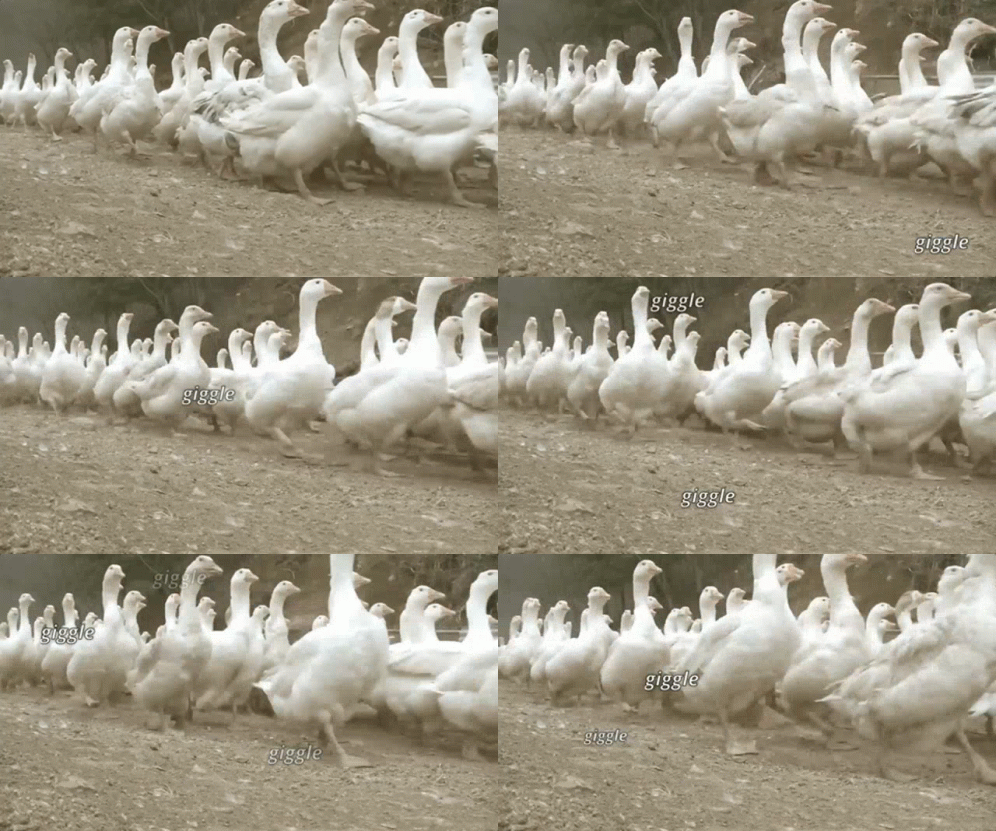
My hormones wake up everyday and choose unpredictability. They have the organizational structure of a flock of startled geese.

Why Does This Matter?

For years, many people with chronic conditions have been told that their bloodwork is normal, their tests look fine, and everything appears to be functioning as expected.

Meanwhile, they’re exhausted.

They’re in pain.

They’re dealing with migraines, inflammation, brain fog, sleep disturbances, mood changes, or symptoms that don’t fit neatly into a box.

Hormone disruptors aren’t necessarily the cause of these conditions.

But if your body is already managing chronic inflammation, pain, migraines, fatigue, hormonal changes, or autoimmune symptoms, reducing unnecessary stressors may give your system one less thing to deal with.

It’s not a cure.

But every little bit of support matters.

Symptoms That May Be Linked to Hormone Disruption

Hormone disruption can show up in many different ways
Some common symptoms include:

  • Fatigue
  • Brain fog
  • Sleep disturbances
  • Mood changes
  • Anxiety
  • Weight gain or difficulty losing weight
  • Headaches and migraines
  • Skin issues
  • Fertility challenges
  • Irregular menstrual cycles
  • Low libido
  • Increased inflammation

The challenge is that many of these symptoms overlap with chronic illnesses, making hormone disruption difficult to identify.

Which is somewhat rude, if you ask me.

My Experience

When I first started learning about hormone disruptors, I had two reactions.

First:

“Well, that’s concerning.”

Second:

“There is absolutely no way I can afford to replace everything I own, let alone find the time and energy to make everything!” (mentally checks out of this topic)

Thankfully, I’ve since learned that reducing exposure isn’t about perfection.

It’s about making practical choices that support a body that’s already working hard.

Because if the wellness industry had its way, I’d be replacing every item I own by Tuesday. And while I appreciate the enthusiasm, my budget and my sanity have other things to do.

Where Are Hormone Disruptors Hiding?

Unfortunately, they’re not hiding very hard.

Personal Care Products

  • Shampoo
  • Conditioner
  • Hair products
  • Lotions
  • Makeup
  • Perfumes
  • Deodorants
  • Nail polish

Household Products

  • Air fresheners
  • Scented candles
  • Dryer sheets
  • Fabric softeners
  • Cleaning products

Food Storage and Packaging

  • Plastic food containers
  • Plastic water bottles
  • Plastic wrap
  • Certain canned food linings
  • Some non-stick cookware

Environmental Sources

  • Pesticides
  • Herbicides
  • Some furniture treatments
  • Certain stain-resistant coatings

One of the most common concerns is simply the ingredient listed as:

Fragrance

That single word can represent dozens. Or sometimes hundreds of undisclosed ingredients.

The goal is reducing your overall toxic burden where you reasonably can.

Some labels contain enough syllables to qualify as a spelling bee challenge. At what point does an ingredient list stop feeling informative and start feeling mildly threatening?

A Gentle Approach to Reducing Exposure

Put your garbage bags down.

You don’t need to throw everything away and start making your own soap from dandelions and determination.

You cannot eliminate every toxin.

You cannot control every environmental exposure.

And honestly, trying to do so would probably create more stress than benefit.

The goal isn’t perfection.

Small, sustainable changes tend to be far more effective than dramatic overhauls.

Start with one product.

Then another.

And keep going at a pace that feels manageable.

Homemade Alternatives

One reason many people choose homemade products is because the ingredients are simple, familiar, and transparent.

When you know exactly what’s in something, there’s less mystery.

You may also reduce your exposure to fragrances, preservatives, and other unnecessary additives.

Here are a few of my favourite homemade recipes:

Homemade Deodorant

Recipe @ healthylifetrainer Note: Unlike antiperspirants, which block sweat glands, this recipe functions as a deodorant. It helps control odour while allowing your body to sweat naturally. The other thing to be aware of is its ability to turn into deodorant soup when stored above room temperature. Store it in the cooler if you go camping!⛺️

Homemade All-Purpose Cleaner

Recipe @ lifelovelarson

Homemade Eye Makeup Cleaner

Recipe @ wholenewmom

Homemade Face Wash

Recipe @ Pinterest

A Forest Therapy Practice for Simplifying Your Routine

One of the biggest challenges with reducing hormone disruptors is deciding where to start.

Forest therapy offers a different approach.

Rather than creating a long list of things you have to change immediately, begin with awareness.

Take a slow walk in nature.

Leave your phone in your pocket.

Notice what catches your attention.

Listen to the sounds around you.

Feel the ground beneath your feet.

Allow your nervous system to settle.

When you find a place that feels inviting, sit quietly for a few minutes.

Ask yourself:

  • What products do I use every day?
  • Which products spend the most time on my skin?
  • Which products do I inhale regularly?
  • Which product would be easiest to replace?
  • Which change feels supportive rather than stressful?

Then ask:

“If I could change one thing this month, what would make the biggest difference?”

Forest therapy reminds us that healing doesn’t always happen through doing more.

Sometimes it begins by slowing down enough to notice what our bodies have been trying to tell us.

When I started forest therapy the trees and I got along immediately. Unlike my hormones 😖 😡.

Perimenopause

Slowly losing every chemical that was helping me tolerate people.

Health Is More Than Avoiding Toxins

Removing unnecessary exposures can be helpful.

But building health is equally important.

Sometimes we become so focused on what we should eliminate that we forget what we need to add.

The foundations matter.

Prioritize Sleep

Sleep is when your body repairs, regulates hormones, supports immunity, and recovers from daily stress. Clean up your sleep routine.

Eat Nourishing Foods

Focus on foods that support your body rather than aiming for perfection. Slowly move towards the diet your body needs.

Move in Ways That Work for You

The best exercise is the one your body can recover from. That answer looks different for everyone.

Get Outside

Sunlight helps regulate circadian rhythms, mood, and overall wellbeing. Get out in the first minutes of your day.

Nelipot

English; a rare and poetic word that refers to someone who walks barefoot, one who feels than earth beneath their feet, often implying a connection with nature or a simple, grounded lifestyle.

Put Your Feet on the Ground

Whether you call it grounding, earthing, or simply standing barefoot in the grass, many people report feeling calmer and more connected afterward. I concur.

Spend Time in Nature

Nature lowers stress, restores attention, and creates opportunities for rest and reflection. More than getting outside it is connecting with the natural world.

The forest continues to offer something many modern products can’t: simplicity. The more time I spend in nature, the more I understand why my body keeps asking me to return. The message is clear.

Less fragrance. More forests.

My nervous system is a strong advocate for sunshine, birdsong, and not reading every ingredient.

Why Forest Therapy Matters

Forest therapy isn’t about replacing medicine, specialists, or common sense.

It’s about creating conditions that support healing.

I’ve seen it support people who were struggling.

I’ve also seen it elevate people who were already doing well.

Nature doesn’t ask us to be healthy before we show up.

It simply offers an environment that encourages restoration, resilience, and connection.

Whether you’re managing chronic illness or simply trying to feel your best, time in nature can be one of the simplest and most accessible forms of self-care available.

Turns out one of the healthiest things I can do is wander through the forest looking slightly lost.

Final Thoughts

Nature has never pulled me aside to discuss my skincare routine. I don’t have to be a perfect version of myself before I can join.

It simply reminds me to take the next step.

Sometimes that’s all healing requires.

We can’t control every toxin, every chemical exposure, or every challenge life throws our way. But we can support our bodies through simple, consistent practices.

Sleep. Movement. Nutritious food. Sunshine. Fresh air. Time in nature. Small choices made repeatedly over time often have the greatest impact

Not because they’re dramatic. But because they’re sustainable.

And unlike the mystery bottle hiding under your bathroom sink since 2014, those habits never expire.

Maybe living your best life just means slowing down enough to see how good it already is.

Female Hormones: Our Fickle Fairweather Friend

My hormones and I are in a “situationship.”

Years ago, I became convinced I was getting less intelligent.

I would walk into a room and forget why. Lose all my trains of thought mid-sentence. Derailed. No coming back.

I’d constantly search for words that had wandered off unsupervised. They would come back hours later, long after it was needed and with no apology whatsoever.

I blamed stress.

I blamed being busy.

I blamed getting older.

In reality, it was probably all of those things, mixed with hormonal changes I didn’t fully understand yet.

Female hormones are funny. They’re a bit like a Saskatchewan summer storm. One minute the sky is clear, the sun is shining, and life feels manageable. The next, the wind picks up, the clouds roll in, and you’re wondering if you should have brought a jacket, umbrella and storm cellar.

The weather didn’t become bad.

It changed.

Our hormones do too.

Female hormones are a bit like Saskatchewan weather. If you don’t like what’s happening right now, wait ten minutes.

Most of us think of hormones as reproductive messengers, but they influence far more than our cycles. They affect sleep, memory, focus, mood, energy, and even how connected we feel to the people around us.

One of the most interesting ideas I encountered from a recent podcast interview with Dr. Anna Cabeca. While estrogen, progesterone, and testosterone get most of the attention, hormones like cortisol and oxytocin may have an even bigger impact on how we experience daily life.

Oxytocin is often called the love hormone. It’s associated with connection, belonging, trust, laughter, affection, friendship, pets, nature, and community.

Likewise, oxytocin and cortisol tend to pull in opposite directions.

But the story doesn’t end there. The plot thickens.

As any prairie girl knows, sunshine and thunderstorms often share the same forecast.

When stress becomes chronic, such as in a body dealing with chronic pain, connection often suffers.

Many of us don’t just feel tired. We feel disconnected.

From ourselves.

From others.

From the things that once brought us joy.

Progesterone plays a role too. It supports sleep, cognition, brain health, and nervous system regulation.

Testosterone contributes to motivation, confidence, energy, and focus. Both naturally decline as we age, and both can be influenced by chronic stress.

Side note: I would like to point out that aging naturally isn’t nearly as freaky as whatever is happening with the people trying desperately to avoid it. Also, at what age do we start meeting for Bingo? Because I’m ready.

Progesterone naturally declines in women, typically beginning in the mid-thirties as ovarian function gradually changes.

My body got the memo that the warranty has expired. All systems started responding the way you’d expect at the end of a warranty. (despite the fact that I was built in the 70s and should have been made to last)

Looking back at my own health journey, I spent years trying to solve individual symptoms.

If I could just stop the migraines.

If I could just overcome the fatigue.

If I could just break the insomnia.

What I eventually learned is that the body doesn’t divide itself into neat little boxes the way we often do.

Sleep affects stress.

Stress affects hormones.

Hormones affect mood.

Mood affects relationships.

Relationships affect wellbeing.

Pull one thread and the whole thing unravels.

That’s why healing often requires support from multiple directions.

👏 Good food.

👏 Movement.

👏 Sleep.

👏 Stress management.

👏 Connection.

👏 Time outdoors.

The podcast also reinforced something I’ve known for years: nature has a remarkable way of helping us regulate.

Not because it magically solves our problems, but because it reminds our nervous systems what calm feels like.

Like sitting quietly in warm sunshine after a long winter.

Like hearing nothing but leaves rustle in the breeze.

The Practice

One simple forest therapy practice is this:

  • Stop
  • Notice 5 things moving around you (leaves, clouds, grass, insects, birds)
  • Listen for 3 sounds
  • Notice 2 scents
  • Take one slow breath

It’s amazing how quickly the nervous system responds when we give it the chance.

The body benefits from movement, and the mind benefits from stillness.

–Sakyong Mipham

Ways To Support Oxytocin Naturally

The good news is that many of the things that support oxytocin are surprisingly simple.

  • Hug someone you love.
  • Spend time with a pet.
  • Get outside.
  • Sit around a table with friends.
  • Laugh.
  • Touch grass. Literally.
  • Watch a sunrise.
  • Watch a sunset.
  • Practice gratitude.
  • Connect with people who make you feel safe and seen.

None of these things are revolutionary.

But maybe that’s the point.

Sometimes healing isn’t found in adding another supplement.

Sometimes it’s found in adding another conversation.

Almost everything will work again if you unplug it for a few minutes, including you.

Anne Lamont

Your Most Important Appointment

One idea I loved from another podcast was the concept of holding regular wellness meetings with yourself.

Not a performance review. Not a guilt session.

A wellness meeting.

Three times a week, ask yourself this:

What do I need today?

Maybe it’s a walk.

Maybe it’s strength training.

Maybe it’s sitting outside with your morning tea and watching the sunrise.

The goal isn’t perfection.

The goal is paying attention before your body starts communicating through burnout, brain fog, anxiety, or exhaustion.

My ultimate goal isn’t to control every hormone. It’s to stop being blindsided by them.

Because hormones may be fickle.

But they’re also messengers.

And sometimes they’re simply asking us to listen.

The greatest wealth is health.

–Virgil

This is the first post in a hormone series. Next week we’ll look at hormone disruptors: where the biggest offenders are hiding, and what to use instead.

🤍The Hidden Struggles of Connective Tissue Disorders🤍

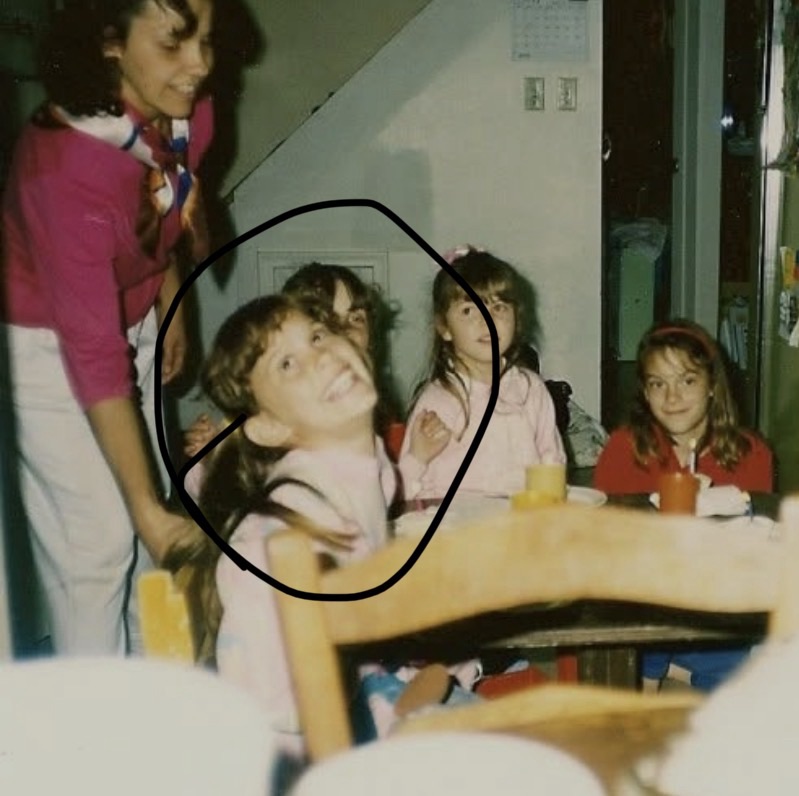
Back in my day, some kids brought hockey cards and sticker collections to school. I brought an alarming range of ligament-based entertainment.

Sometimes hypermobility first appears as a child who seems unusually bendy or clumsy, often both at once. 🙋‍♀️

The child who sits in a W position on the floor because it feels natural.
The one who, without pausing to question it, contorts themselves into strange positions during movie night.

What they may not see is the child constantly running into walls because their body struggles to map itself properly in space. Bruises appearing mysteriously across shins. Ankles rolling on flat ground. Sleeves chewed because pain and overstimulation are difficult to explain at seven years old.

And then there are the “growing pains.”

Except many children with connective tissue disorders experience pain far beyond the occasional ache adults remember from childhood.

Deep bone pain at night.
Legs throbbing so intensely sleep becomes impossible.
Crying after gym class.
Exhaustion after seemingly normal activities.

Many hypermobile children become experts at masking early. They laugh while joints slip. They keep playing while hurting because they assume everyone else feels this too.

Some become the “dramatic” child.
Others become the “tough” one.

Honestly, I was the child trying to survive in a body I did not yet have language for.

What am I even doing bending my neck like that?

The thumb that bends too far backward.
The knees that point in unusual directions.
The shoulder that clicks when slipping in and out.
Being crazy talented in a yoga class my first day.

What people don’t see is that connective tissue is not merely a few loose ligaments behaving badly.

Connective tissue is infrastructure.

It is the architecture holding the body together. The webbing woven through blood vessels, skin, organs, fascia, tendons, heart valves, lungs, digestive systems, pelvic floor, eyes, nerves, and joints. It is scaffolding. Suspension bridge. Packaging tape. Elastic waistband. Shock absorber.

And when connective tissue is faulty, life can begin to feel like living in a house where every screw has loosened itself by half a turn.

Not enough to collapse all at once.
Enough that everything creaks. And left unchecked, more and more areas become unstable, then require constant repairs. Eventually some rooms just become unusable.

A Sad Commentary: AKA My Brush with Organized Sports

My joints approached organized sports with more enthusiasm than stability. More optimism than skill.

In a small town, everybody played volleyball or there simply wasn’t a volleyball team.

So I played volleyball.

I hated it.

Looking back now, I wonder why I stayed in as long as I did. Every practice left my forearms covered in bruises. Big ones, tiny ones, overlapping ones. I looked part Dalmatian. Nobody else seemed to bruise like that, so naturally the conclusion was that I was doing it wrong.

Turns out my connective tissue was doing it wrong. Not me.

I was terrible at volleyball. Not for lack of trying, either. I could picture exactly what my body was supposed to do, but the execution never matched the image in my head. It always felt like there was a lag between my brain and my limbs, like someone had replaced my coordination with an unreliable Wi-Fi signal.

The only part of volleyball practice I excelled at was stretching.

That should maybe have been a clue.

I could also run forever, but the muscle fatigue before, during, and after was brutal. My legs and ribs constantly felt tight and overworked, like my muscles were trying to compensate for a body that refused to stabilize itself properly.

The solution offered to me was always the same:
“Practice more.”
“You just need to focus, Pam.”
“Try harder.”
“Don’t give up so easily all the time.”

My P.E. teacher, who was also my coach, and I were not exactly compatible personalities. I suspect I ranked fairly high on his “lazy kid” list. My feelings toward him and his teaching style don’t need to be discussed for the purpose of this post. Perhaps he was doing the best he knew how 🤷‍♀️.

What hurt most was that I wasn’t used to being bad at things.

I excelled in music. Dance. Academics. If I tried something, I usually became good at it eventually. But anything involving proprioception. Balance, coordination, spatial awareness, reaction time, exposed a kind of weakness I couldn’t outwork.

No matter how hard I tried, my body never responded the way everyone else’s seemed to. I felt like I was being asked to build a stable life with elastic bands where other people were given rope.

After enough years of that experience, something in me quietly stopped trying.

Not everywhere. Just there.

I realized I could put in enormous effort and still end up with roughly the same P.E. grade as the kid half-heartedly wandering laps around the gym. So eventually, I became that kid instead. The one at the back of the class who didn’t seem invested. The one teachers assumed didn’t care whether they passed.

Stemming from humiliation in trying my hardest while looking like a fool and as though I wasn’t trying at all.

It’s an incredibly discouraging place for a young person to live.

Some kids are exhausted.
Discouraged.
In pain.
Disconnected from bodies that refuse to cooperate. In retrospect, my body had all the stability of a shopping cart with one bad wheel.

The whole point of physical education is supposedly to encourage lifelong movement and confidence in your body.

Ironically, I now walk everywhere, go to the gym regularly, and deeply value movement. I suspect that may not be the case for those classmates that achieved gold stars for gym class back in the day.

Children are often graded on visible performance without anyone asking what invisible barriers may exist underneath it. 🍌 🍌 🍌

And maybe that experience is part of why I later felt drawn toward educational support work. Because I remember exactly what it feels like to be misunderstood in a classroom. To be trying harder than anyone realizes while appearing like you are trying the least.

Some kids are not lazy.

Sometimes what looks like apathy is actually years of silent defeat.

So Much More Than Loose Joints

My body has taught me that fragility and resilience are not opposites. Sometimes they exist in the very same tissue.

People often imagine connective tissue disorders as orthopedic inconveniences.

A sore knee.
An ankle sprain.
Being exceptionally bendy.

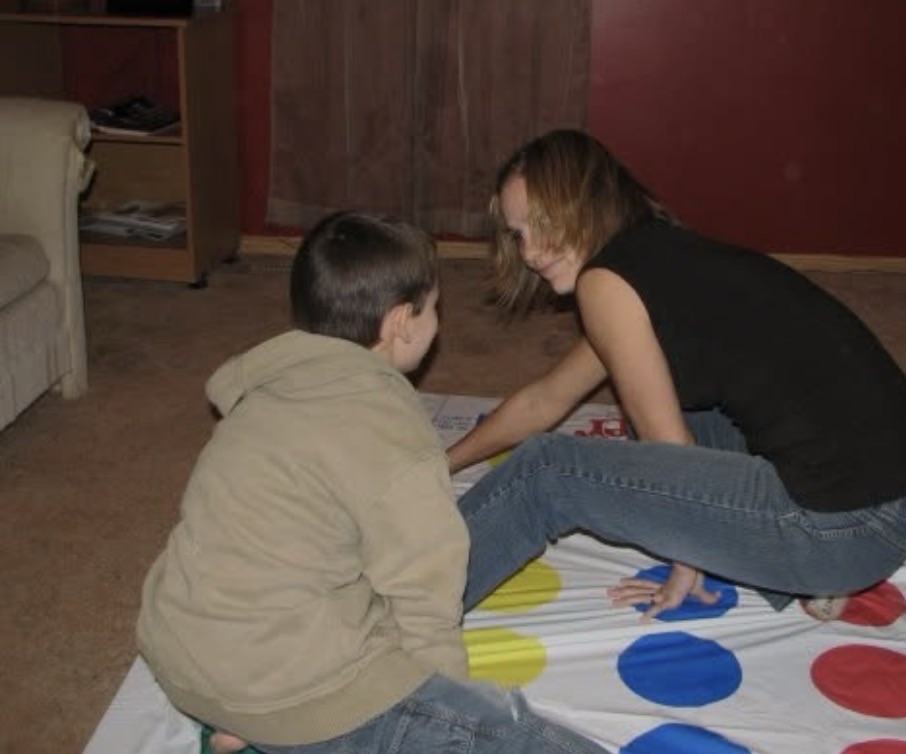
Playing twister with my now-26-year-old. Not to brag, but I was very good.

But connective tissue does not politely stay in one department.

It influences how blood vessels constrict and relax. Why standing up can feel like gravity suddenly doubled. Why heart rates race while brushing teeth. Why exhaustion arrives not after effort, but before and during it.

It influences the skin. Fragile, stretchy, slow to heal, easily bruised.

It influences digestion. Because the digestive tract also depends on connective tissue and smooth coordination. Meals become negotiations instead of nourishment.

It influences breathing. Because the rib cage, diaphragm, and tiny structures supporting the lungs are all part of the same interconnected story.

It influences pain. Not only through injuries, but through a nervous system constantly adapting to instability. Muscles tighten to compensate. Fascia braces. The body learns vigilance.

Even sleep can become difficult when the body spends the entire night trying to hold itself together. Some people wake up refreshed. My body wakes up looking like I’ve been assembled with spare parts in low lighting. Like sleep happened near me but not directly to me.

There is loneliness in illness that hides in plain sight.

You may look healthy while internally calculating:

Can my hips handle this chair?
Will my spine tolerate the drive?
How long before the fatigue crashes in?
Is today the day I sustain an injury that sets me back a year?

People see the smile at the gatherings.
They do not see the cost afterward.

The Forest Never Demands Symmetry

One of the reasons forest therapy can feel so healing for those with any type of disorders is because the forest does not care about perfection.

Trees twist toward light.
Branches split and regrow.
Moss softens fallen things instead of condemning them.

In the forest, support is collaborative.

Roots intertwine underground. Fungi trade nutrients between struggling trees. Fallen logs become nourishment for future life. Nothing survives entirely alone.

For people living in bodies that require adaptation, slowness, pacing, and care, the forest offers a radically compassionate model of existence.

Nature does not measure worth.

Walking Practice: “Borrowing Stability”

This forest therapy practice can be done slowly while walking a trail, sidewalk, park path, or even your backyard.

As you walk, notice what in the landscape appears stable.

Perhaps it is:

  • the rootedness of a tree
  • the reliability of stone
  • the rhythm of wind
  • the resolution of moss growing over rough surfaces

Without forcing positivity, simply observe.

Now begin walking more slowly.

As each foot touches the ground, imagine you are borrowing steadiness from the earth beneath you.

Not fixing yourself.
Not overcoming your body.
Borrowing support.

You may silently repeat:

Supported.
Held.
Connected.

If your body hurts while walking, let the practice include that truth instead of resisting it.

Forest therapy is not about pretending discomfort away. It is about allowing yourself to belong exactly as you are.

Pause occasionally and place a hand on a tree trunk, railing, stone wall, or your own chest.

Notice:

  • What supports you physically?
  • What supports you emotionally?
  • What support have you been refusing because you are used to surviving alone?

Continue walking without rushing toward insight.

Sometimes healing begins the moment we stop arguing with our pace.

The Grief No One Talks About

There is grief in becoming intimate with limitation.

Grief when your mind has cheques your connective tissue cannot cash.

Grief when symptoms multiply like unwanted groupies:
fatigue, dysautonomia, chronic pain, migraines, digestive problems, instability, inflammation, sensory overwhelm.

Many connective tissue disorders do not travel alone. They tend to arrive in flocks.

Even a wounded world is feeding us.

–Robin Wall Kimmerer

Hold fast. There is still beauty here.

Not the polished beauty of wellness culture that insists healing should look photogenic and triumphant. Complete. Universal.

But a quieter beauty.
The beauty of learning to listen deeply to others.
The beauty of noticing small joys because large ones became inaccessible.
The beauty of becoming tender toward bodies. Your own and others’.
The beauty of discovering that a meaningful life was never dependent on being free from pain.

The forest teaches this continually.

Decay feeds growth.
Broken branches house birds.
Burned landscapes bloom again.

I spent years believing my body’s limitations were character flaws. Turns out that limiting belief was false. Those limitations have helped me become the person I am.

To be rooted is perhaps the most important and least recognized need of the human soul.

–Simone Weil

Why Forest Therapy Helps

Forest therapy is not merely getting outside.

Research continues to show time in forests can help regulate the nervous system, reduce stress hormones, lower heart rate, and support emotional well-being. But for those living with connective tissue disorders, the benefits often go deeper than measurable metrics.

Forest therapy gives permission to:

  • move slowly
  • rest without guilt
  • reconnect with sensory pleasure
  • soften hypervigilance
  • leave productivity behind temporarily
  • remember you are more than symptoms

When the nervous system lives in a constant state of adaptation, gentle sensory experiences matter.

The sound of leaves moving overhead.
The coolness of shade on inflamed skin.
Birdsong interrupting anxious thoughts.
The visual softness of green.

None of these cure a connective tissue disorder.

But they can create moments where the body feels less at war with itself.

And moments matter.

Especially when stitched together over time.

A Beautiful Life Can Still Grow Here

Instructions for living a life: Pay attention. Be astonished. Tell about it.
— Mary Oliver

Living with a connective tissue disorder may mean your life unfolds differently than expected.

More pauses.
More recalculating.
More adaptation.

But different is not lesser.

Some of the most compassionate people are those whose bodies taught them interdependence.

Some of the most observant souls are those forced to slow down enough to notice life carefully.

The forest reminds us that resilience is not hardness.

Resilience is flexibility.
Relationship.
Return.

And perhaps that is fitting for people made of connective tissue. Those who understand, more than most, that life is ultimately about connection.

Not perfect strength.
Not endless endurance.

Connection.

To the earth.
To one another.
To moments of beauty that still arrive, even here.

What is to give light must endure burning.

-Viktor Frankl

Embracing Presence: The Passage Towards Healing Together

But first I share some holiday humor,

Frost upon a windowpane 
and softly falling snow,
Warmth beside a crackling fire
while biting north winds blow
Books and blankets, steaming tea ,
The soft glow of an ember,
Candlelight and cozy nights~
The magic of December

-Laura Jaworski

Especially when you live with chronic pain. Spending time in nature is good. Spending time in nature with people. Held in a shared experience of presence and permission. Now that, is something else entirely.

When you live with chronic pain, connection can feel complicated.

I am happy, hurting and healing at the same time. It is the bravest version of me I have ever been.

–healing meme therapy

You long for meaningful connection. But you don’t have the time or strength to find, let alone nurture it.

Bodies are unpredictable. Energy is rationed. Calendars fill with medical appointments instead of casual plans.

Even when we long for community, there’s often a quiet question humming underneath it all.

Will I be able to keep up?

Will I have to explain myself?

This is where group forest therapy offers something different.

Connection on a forest therapy walk doesn’t come from conversation or comparison. It doesn’t require sharing your story or proving how much you hurt.

It emerges slowly, almost indirectly, through shared pacing and shared permission.

It happens when the group naturally slows because one person needs to slow.

When silence is allowed without awkwardness.

When someone names an experience you thought was yours alone.

I’ve watched shoulders drop the moment someone realizes they don’t have to explain why they’re moving slowly.

That moment matters.

There are many things that can only be seen through the eyes that have cried.

-Oscar A Romero

From a physiological perspective, safe connection is not just emotionally comforting. It is biologically regulating. When we feel seen, believed, and accepted without pressure to perform, the nervous system receives a powerful message.

I am safe enough right now.

Stress hormones like cortisol begin to ease. The breath deepens. Muscles soften. Pain doesn’t vanish, but it often becomes less consuming.

Nature does part of this work.

But shared experience completes it.

AD ASTRA PER AMOREM (latin): To the stars through love.

During the holidays, many of us are preparing, with excitement, (hopefully not with dread) for connection.

Family gatherings. Traditions. Empty chairs. Expectations.

For those living with chronic pain, this season can heighten both longing and fatigue. Wanting closeness while knowing how much it costs the body to participate.

Group forest therapy offers another way of being together. A quieter way. One where connection is rooted in presence rather than endurance.

One of my favorite practices for larger groups is something I call Shared Noticing.

Participants are invited to wander slowly and find one small thing that reflects how they are arriving. A stone, a leaf, a texture, a sound.

We must not allow the clock and the calendar to blind us to the fact that each moment of life is a miracle and a mystery.

-H.G. Wells

Later, we gather in a wide circle. Each person is invited (never required) to show what they found and complete the sentence,

“I’m arriving like this…”

There is no fixing. No interpreting. Just witnessing.

Again and again, what emerges is relief. A realization that our internal landscapes are not as isolated as they feel.

Faith includes noticing the mess, the emptiness and discomfort, and letting it be there until some light returns.

–Anne Lamott

Poet David Whyte writes,

Belonging is not something we negotiate; it is something we remember.

Forest therapy helps us remember. Not by erasing pain, but by holding it gently within a living community. Trees overhead, earth beneath us, and others beside us who understand without needing all the details.
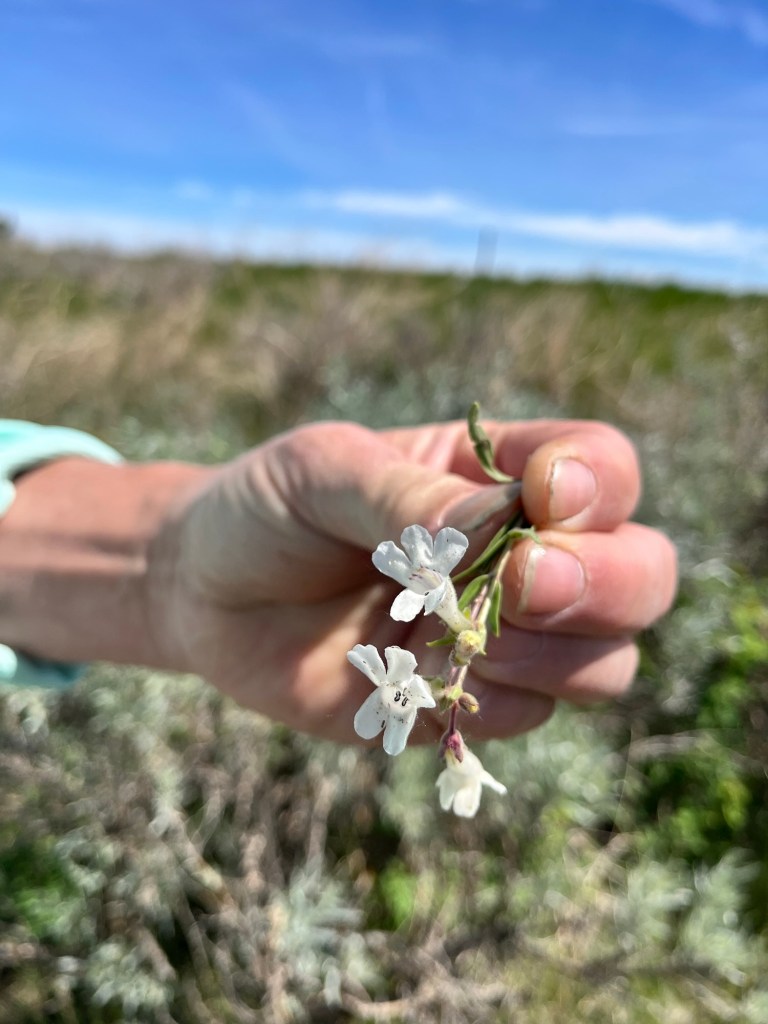
As the season of gathering approaches, I find myself wondering,

Where do you feel most allowed to be exactly as you are? Without explanation, without apology?

Share in the comments 👇🏼

As this season asks many of us to gather, I offer this as an alternative kind of togetherness. One rooted in presence, patience, and permission.

If you’re navigating chronic pain and longing for connection that honors your limits, group forest therapy may be a gentle place to land. I’d love to walk alongside you.

To love at all is to be vulnerable.

–C.S, Lewis

Harnessing Nature’s Power Through Forest Therapy

😂👆🏼

For years my body lived in a storm of chronic pain. Caught between relentless tension, inflammation, and exhaustion. Traditional therapies weren’t making a dent. Something profound shifted only when I began practicing forest therapy. Intentionally slowing down in nature to activate the body’s parasympathetic nervous system, the calming rest-and-digest branch that supports healing.
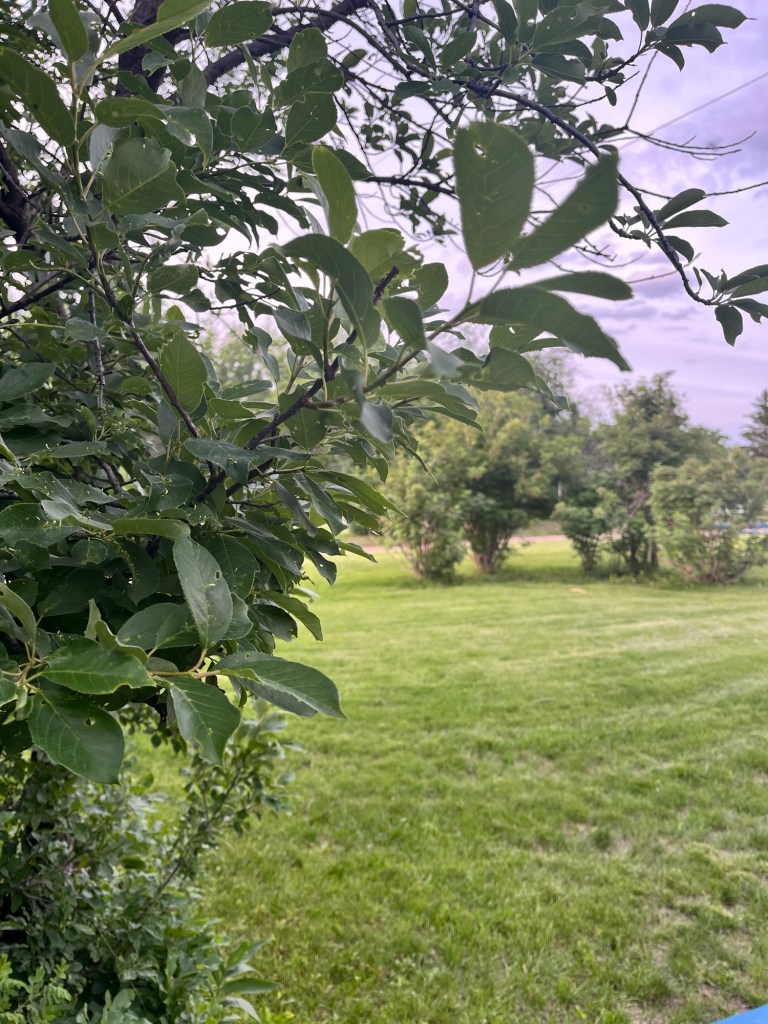
Today, as a forest therapy guide, I’ve watched this shift happen not just in myself, but others around me. In people carrying chronic pain, anxiety, grief, and burnout. Research confirms it and nature continually demonstrates it.

This post explores how parasympathetic activation through forest therapy aids recovery, why it’s especially valuable in chronic pain, and how to practice it even in winter months. When we often need it most.

Having a chronic illness is like looking both ways before you cross the street and then getting hit by an aeroplane.

-my take on quote by Nitya Prakash

FOREWALLOWED: overwhelmed, exhausted, or worn out, often due to excessive effort or difficulty.

🌿 Woods & Wellness: The Science of Forest Therapy

Chronic pain keeps the body stuck in a prolonged sympathetic fight-or-flight state.

Research shows that forest environments:

  • 🌿 Lower cortisol levels
  • 🌿 Reduce muscle tension
  • 🌿 Lower blood pressure and heart rate
  • 🌿 Increase heart rate variability (HRV) (a strong indicator of parasympathetic activation)
  • 🌿 Decrease activity in the prefrontal cortex, easing mental fatigue
  • 🌿 Boost immune function through phytoncides, natural compounds released by trees

Shinrin-yoku (forest bathing) studies from Japan indicate a significant increase in parasympathetic activity after as little as 15–20 minutes in a natural space.

This activation signals the body:

You are safe. You can repair.

Chronic pain often cycles when the body cannot access this safety. Forest therapy helps gently turn that switch.

Break often- not like porcelain, but like waves.

–Scherezade Siobhan

🌱 The Power of Pause: Healing with Parasympathetic Rest

There was a stretch of my life when going to sleep hurt. Waking up hurt. Every day just hurt. Fibromyalgia flares, migraines, and exhaustion deep into my bones, left me swollen with frustration.

My healing didn’t happen all at once. It began with moments.

Moments of pausing on a beach.

Moments of feeling my breath match the trees. A slow and ancient pace.

Moments of letting myself not push. Easing into instead of always rushing to take the next step.

Forest therapy didn’t cure my chronic pain. But it gave my nervous system something I didn’t know it was starving for. Permission to soften!

And in that softening my symptoms eased. My hope returned. And my body began recalibrating.

Nature gave me a place where healing didn’t feel forced. It unfolded.

Forest Therapy checks so many of these boxes and aids in checking the others. In FT we practice breathing exercises, sometimes chanting or humming. We meditate. Depending on the season we are exposed to cold &/or sun. Music can be part of the practice. Social connection and exercise are built in. The gag reflex and ability to sleep are supported after the practice.

🍃 The Icy Veil: A River’s Progression Beneath the Freeze

Winter teaches us about quiet healing. The kind that hides but never stops working.

Imagine a river in Saskatoon in January.

On the surface, it looks frozen, still, unmoving. But beneath the ice, water continues flowing. Deliberately, purposefully.

This is what happens when the parasympathetic nervous system activates in chronic pain.

Outwardly you might still feel limited and slow.

But beneath the surface, healing begins to flow again:

  • inflammation decreases
  • muscles release
  • circulation improves
  • your mind stops bracing for the next wave of pain

Forest therapy is the gentle sunlight that softens the ice, allowing your inner river to move again. Not rushed, just returned to its natural rhythm.

For me, being quiet and slow is being myself, and that is my gift.

–Fred Rogers ❤

❄️ Embracing the Chill: Winter Forest Therapy for Chronic Pain

Are we 100% sure we are meant to be awake in the winter?

–Jordanne Brown @Perry7Platypus7

Winter can be challenging when you live with chronic pain:

  • colder temperatures increase stiffness
  • shorter daylight affects mood
  • energy dips
  • motivation wavers

But winter also offers something summer can’t:

an environment that naturally encourages slowness, stillness, and reflection- key conditions for parasympathetic restoration

When practiced intentionally, winter forest therapy becomes a deeply comforting, grounding practice.

🧣 How to Practice Forest Therapy in Winter (Without Freezing or Flaring)

1. Take Slow Sensory Walks (10–20 minutes is enough)

The cold naturally slows your pace. Let it. Pay attention to textures, sounds, and the muted winter palette.

2. Use “Micro Moments” of Nature

If going far feels impossible, try parasympathetic nature moments:

  • sit by a window and watch wind move branches
  • listen to a crackling fire or light a pine-scented candle
  • stand on your porch and notice a single tree
  • touch cold bark and notice grounding sensations

Even 3–5 minutes helps reset your nervous system.

3. Practice Breathwork with Nature

Try the “tree breath”:

Imagine your exhale traveling into the roots of a nearby tree. Slow, steady, grounding.

4. Bring Nature Indoors

Winter healing doesn’t require wilderness:

  • evergreen branches
  • natural scents (cedar, spruce, pine)
  • smooth stones
  • indoor plants
  • nature soundscapes

Your parasympathetic system responds to cues of safety, not location. Are you ready to commit to this statement?👇🏼

🌲 Cozy Winter Connections: Nature’s Embrace Awaits

Here’s your winter-friendly, chronic pain safe list:

🔥 1. Warm beverages as grounding tools

Tea, broth, hot cider. Wrap your hands around warmth while practicing stillness.

🧤 2. Layer with intention

  • Merino wool layers
  • Heated socks
  • Hand warmers
  • A thermos tucked in your coat

Warmth = reduced pain and more parasympathetic access.

🌲 3. Bring texture

A soft scarf, wool blanket, or mittens can become sensory anchors.

✨ 4. Choose wind sheltered routes

Forest edges, dense evergreens, or local parks with natural windbreaks reduce the cold’s impact on pain.

🌞 5. Use pockets of sun

Even 5 minutes of winter sunlight boosts serotonin and eases the nervous system.

🧘 6. Gentle seated practices. You don’t have to hike.

Sit on an insulated pad, lean on a tree, and let your body settle.

🌿 Healing from Within: Nature’s Cradle for Chronic Pain Relief

Forest therapy doesn’t eliminate chronic pain, but it helps the body access what pain often steals:

a state of rest, repair, and deep nervous system safety.

When nature cues your parasympathetic system:

  • your muscles unclench
  • catastrophizing thoughts settle
  • your breath deepens
  • your pain becomes less sharp
  • your resilience grows.

In this softened place, healing becomes possible again.

When you do things from your soul, you have a river moving in you, a joy.

-Rumi

🌿 Winter Is Not the Enemy, Merely a Difficult Friendship

“The trees may sleep, but they are never dead.” — Edwin Way Teale

Winter offers these quiet, tender invitations:

Slow down. Notice. Receive what nature offers.

Even when life feels frozen, your healing can still flow beneath the surface.

Your body is not failing you. It is waiting for safety.

And the forest, still, patient and ancient, knows how to offer it.

We are the granddaughters of the grandmas your reindeer couldn’t run over.

We are resilient! We are strong! We are SISU!!!

Wrap Your Authentic Self in Nature

Winter reminds us that everyone and everything needs some quiet time.

–Katrina Mayer

A boy of six years old, was asked what he wanted to be when he grew up. He looked up, small and certain, and said,

“I think I’ll just have to be myself. I’ve tried to be like someone else, but I’ve mucked it up each time.”

It has taken me a lifetime and years of chronic pain, illness, and discouragement, to finally understand the wisdom in that little answer.

Your spiritual gifts aren’t found by striving, hustling, or contorting yourself into someone else’s shape. They are revealed through presence. Through making space for the soft truth that’s been whispering inside you since childhood.

I have spent seasons feeling like a waste of space, a waste of skin, wondering what good I could possibly offer the world from where I am. But like that child, after repeated failures at being anyone but myself, I am learning to return to who I truly am.

What are your spiritual gifts and how do you use them?

Seek the Soulful Intersection of Nature and Spirit

I go to the forest when I need quiet, peace, and centering. In the hush of pines and the steadiness of ancient stones, I hear truths I’ve forgotten. I feel wings embrace me. A sacred embrace. Wings lifting me into what I can still become.

This is where forest therapy, spiritual reflection, and divine connection come together.

Roman emporer and philosopher, Marcus Aurelius wrote,

Look within. Within is the fountain of good, and it will ever bubble up if thou wilt dig.

Forest therapy teaches us exactly that. The digging and the returning to the well within.

In forest therapy, we practice the art of noticing our inner landscape with the same compassionate curiosity.

We explore:

  • What comes naturally to me?
  • What brings me alive?
  • What do others feel when they’re in my presence?
  • Where do I feel like myself without effort?

These are the compass points of spiritual gifting.

Illuminate Your Life

KOVA

(n) Hungarian- a massive hard dark quartz that produces a spark when struck by steel

Perhaps the steel or trials that come to us also produces a bright spark.

One of my favourite people, Emily Belle Freeman shared this idea in her podcast, Inklings. S5E111. Elder Dieter F. Uchtdorf: Do Your Part with All Your Heart. She suggests we ask ourselves,

What is my gifting?

As Freeman points out, as humans, we are masters at listing everything wrong with us. But what if, for today, you wrote out what you’re really good at? What comes naturally? What others thank you for?

Freeman prompts us, A spiritual gift answers yes to even one of these questions:

  • Has it touched someone?
  • Has it blessed someone?
  • Has it saved someone?

When we recognize our gifts, we increase them. They grow the way all living things grow: slowly, in seasons, with practice, not perfection.

Perfection discourages.

Practice expands.

Practice invites grace. Leaving space to improve each day.

This is where affirmations come in. Write down what is true for you today. Then recite it. Write who you are and who you are meant to be.

Even if that truth begins as tiny as a mustard seed, it can one day become a great sheltering tree.

Reflect on the Wisdom of Your Creator

I have found strength in beginning my day by thanking the Creator. Whether that be God, Spirit, or angels for you. I thank my gracious Father in Heaven. He is the One who planted these gifts in me. Thanking Him helps me see the ways they grow, mature, and take root.

Another idea Freeman has shared in her podcast, with which I firmly agree,

I believe God’s love for us is high.

I believe His expectations for us are high.

I believe His trust in us is high.

His trust in us is His faith.

His expectations for us are His hope.

His love for us despite our weaknesses is His charity.

And when I see His faith in, hope in and charity towards me, I can offer these gifts to others. These divine principles bring a trust in my ability back into my story. Because of what He offers me.

Joseph Campbell said,

Your sacred space is where you find yourself again and again.

For me, that space is always the forest.

The Shift from Work to Success

Freeman shared a story from Leo Tolstoy’s, Anna Karenina. Tolstoy writes of a man named Levin. Levin decides one day to join the peasants in mowing hay. At first, all he can feel are the blisters forming and the ache in his bent back. The rows feel endless. He fears he cannot keep up.

But then something shifts:

Another row, and yet another row, followed… Levin lost all sense of time. A change began to come over his work, which gave him immense satisfaction. In the midst of his toil there were moments during which he forgot what he was doing, and it all came easy to him.

There is a kind of magic in becoming so present in a task that you relish the process itself. Some people call this, flow.

So why do we question ourselves? Why do we doubt the gifts planted in us? Why not enter the flow, like Levin, and accomplish what we were meant for?

A Truer Perspective

Melissa Wei-Tsing Inouye, a long time associate of The Maxwell Institue wrote,

For some reason it is easier to have faith in other people’s faith than in my own.

Can you relate? A goldfish doesn’t even know it’s swimming. It simply lives within the water it doesn’t recognize is there. He is a product of his surroundings without having any idea.

When we step outside ourselves through quiet, through curiosity, we finally see our inherent spiritual gifts.

This next block of photos is meant to be scrolled through quickly. It’s not about me or how I look, it is the expressions on my face. I encourage you to look through your photos. Which ones make you look the most alive?

Therein may lie a clue to your giftedness. After inspection, I am persuaded that my giftedness includes noticing and sharing the benefits of nature.

Begin with even a desire to believe.

Then start:

🌱 Practice affirmations

🌱 Practice gratitude

🌱 Practice perspective– stepping outside yourself to see your capacity

🌱 Practice noticing your gifts in real time

Watch them expand, like light through branches, like seeds breaking open. They will bring healing, clarity and spiritual confidence.

I’m the kind of girl who actually wishes on dandelions and shooting stars. With so much madness in the world, we have to be the magic.

-Anonymous

Try this simple practice the next time you’re in nature:

  • Find a quiet place to sit or stand.
  • Let your body settle.
  • Notice one element in the forest that draws your attention. A leaf, a stone, a breeze.
  • Ask, What gift is this offering me right now?
  • Then ask, What gift do I offer the world in the same quiet, natural way?

Don’t force an answer. Let it arrive like sunlight between branches. Slow and sure.

Discover the Revolutionary Benefits of Forest Therapy

The forest is the place where our inner and outer landscapes meet. It’s where these spiritual practices grow deeper roots. Sit among the trees and write your affirmations. Walk slowly and speak gratitude aloud. Let the wind, water, and stillness remind you that you are becoming, gently and steadily.

Your spiritual gifts were planted in you long before you knew their names. They show up in the way you comfort others without thinking… the way you see beauty where others see ordinary… the way your presence shifts a room.

Like that wise six-year-old, you don’t need to become anything other than yourself.

You simply need to return.

Right now, I am watching the lake “go to sleep,” as my mom says. The water moves slowly, ice forms at the edges. Fog drifts over the surface in thin, damp wisps. And in this quiet, I find myself again. I feel my gifts stirring. Small. Tender. Wanting to grow and expand as I lean into them.

Wisdom comes with winters.

-Oscar Wilde

✨ Subscribe to follow my journey, and comment 🌊 if you too are standing at the edge of your frozen lake, trying to find your purpose again.