Tiny Humans, Big Love and Limited Battery Life

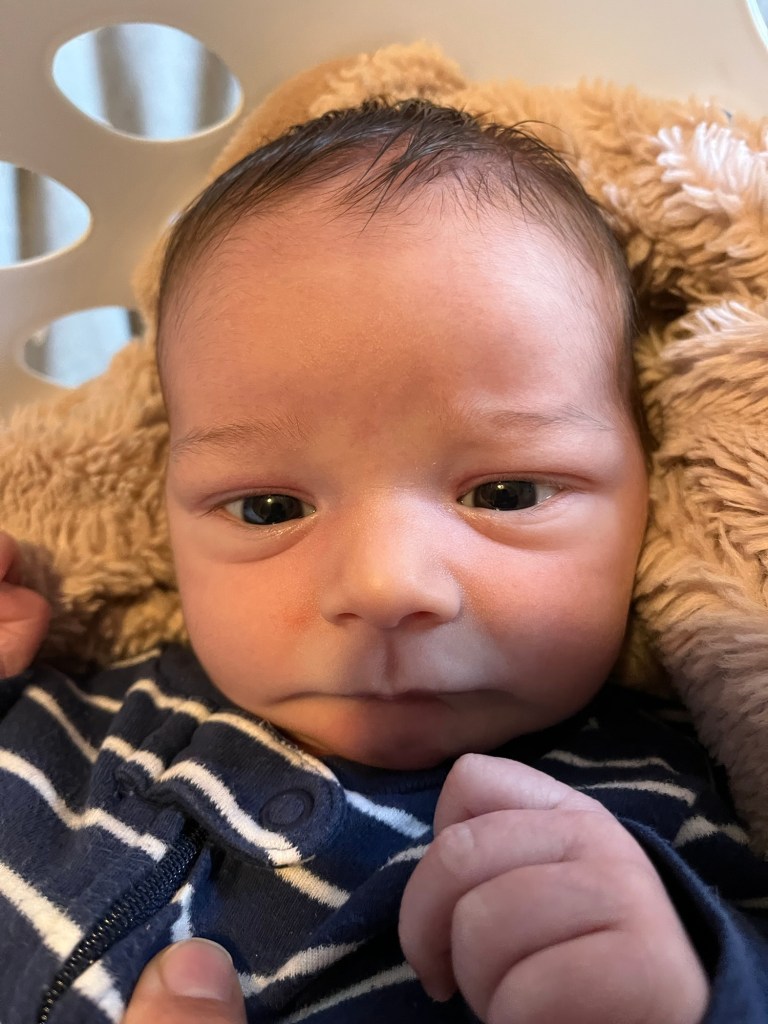
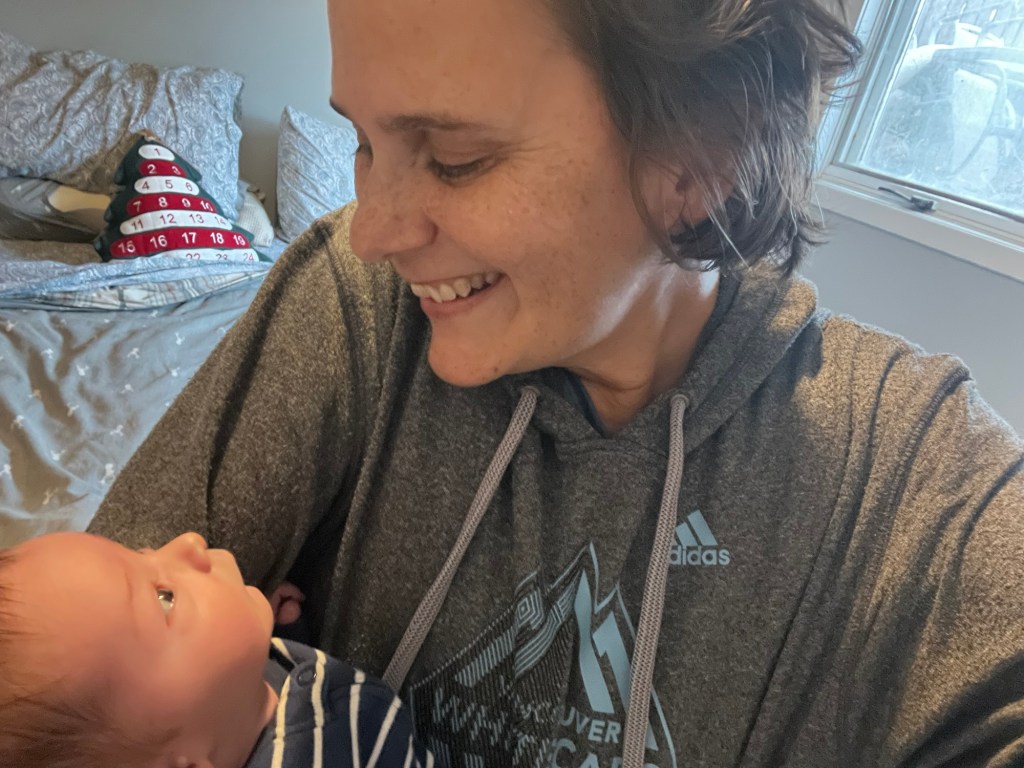
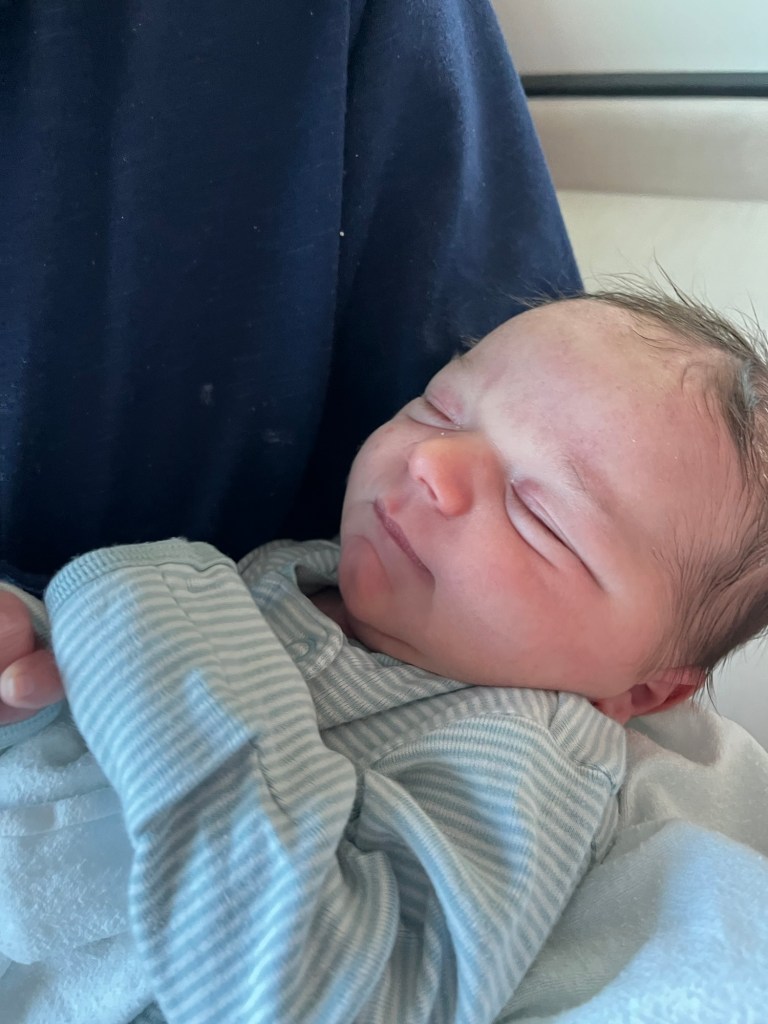
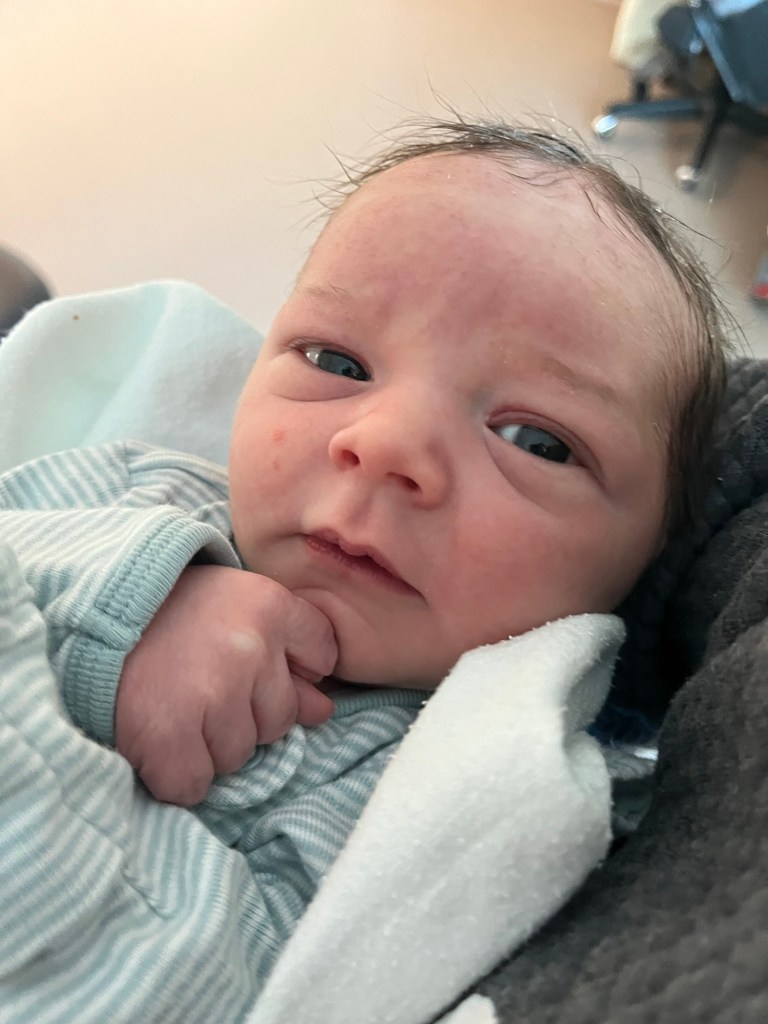
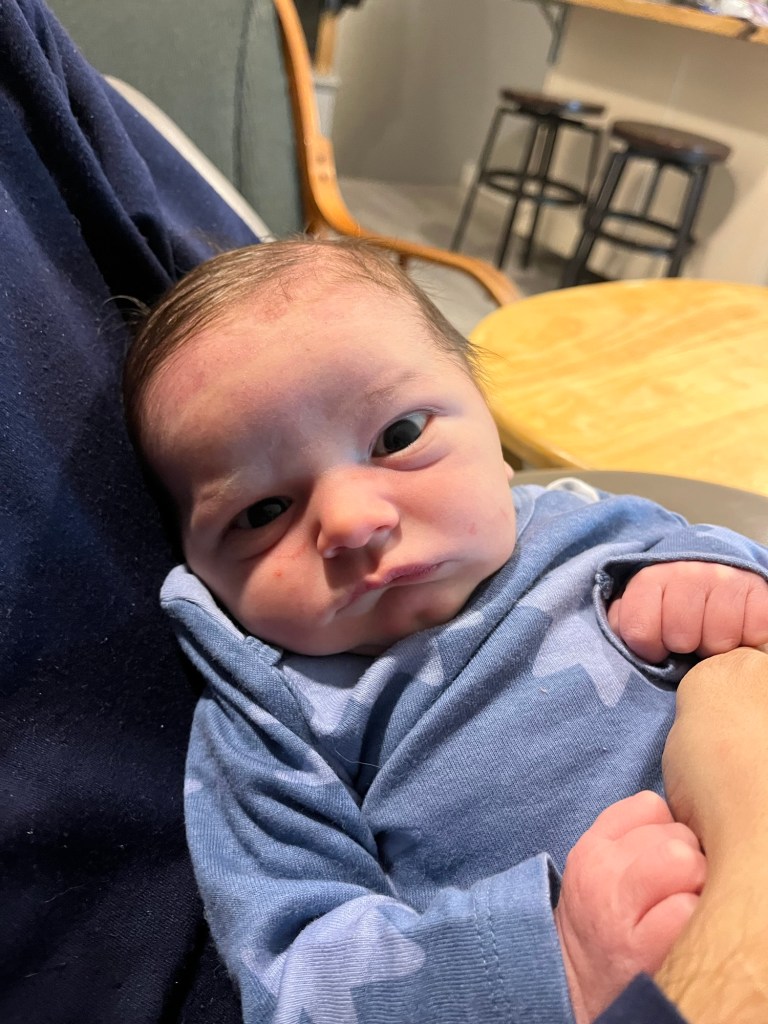
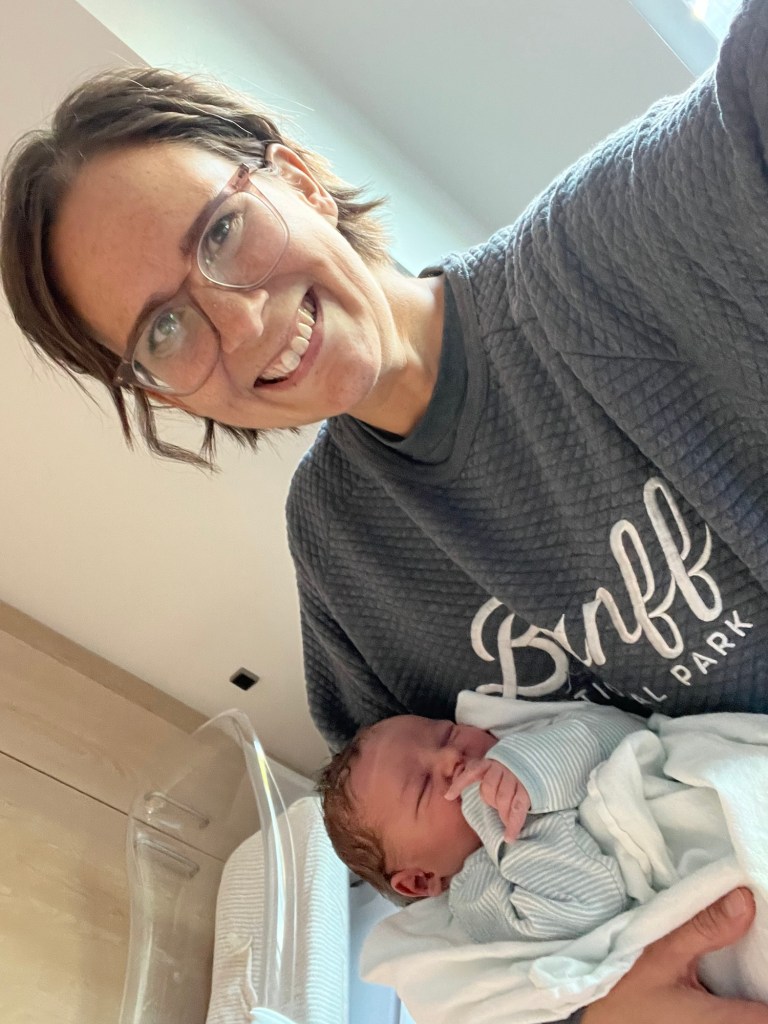
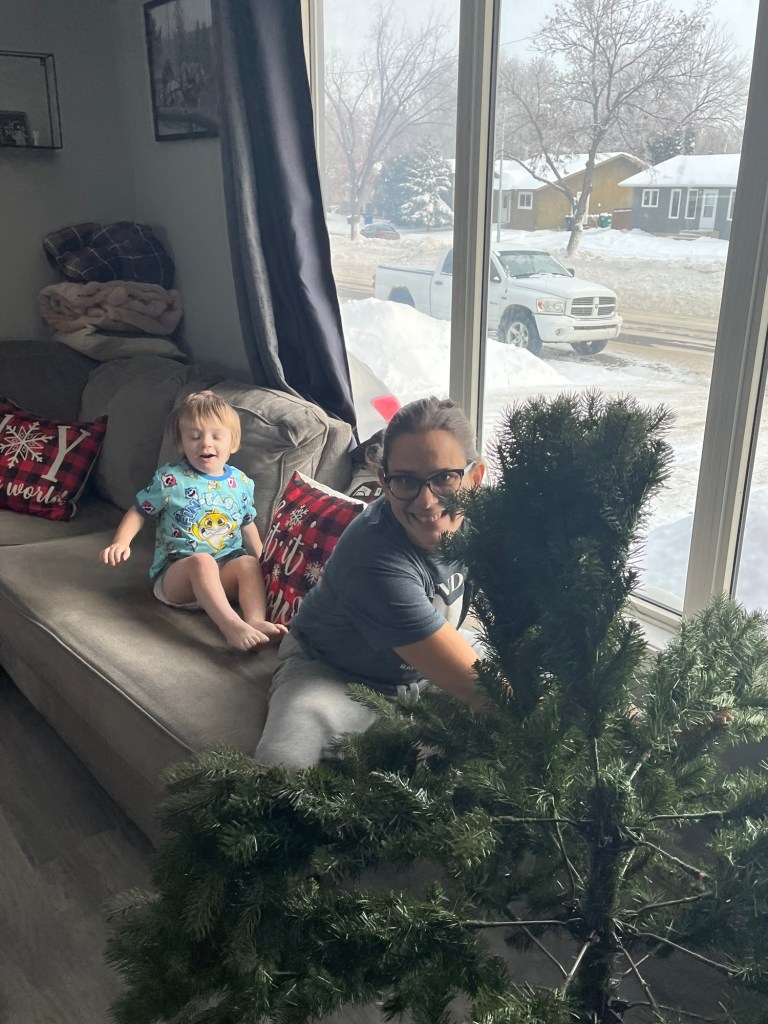
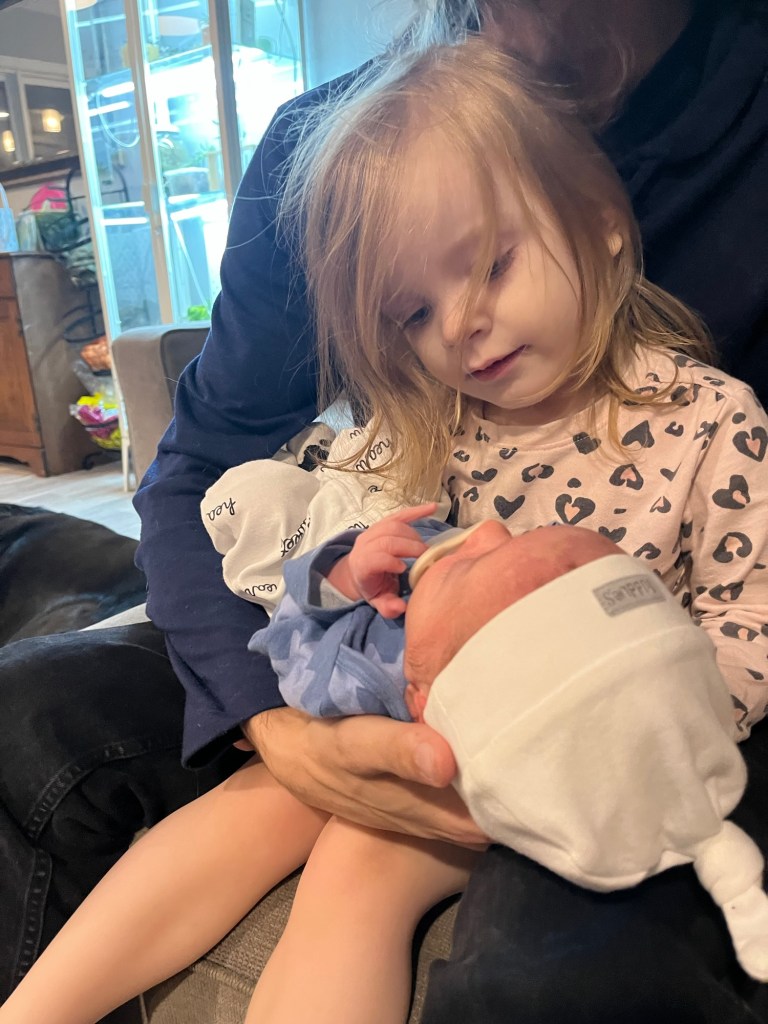
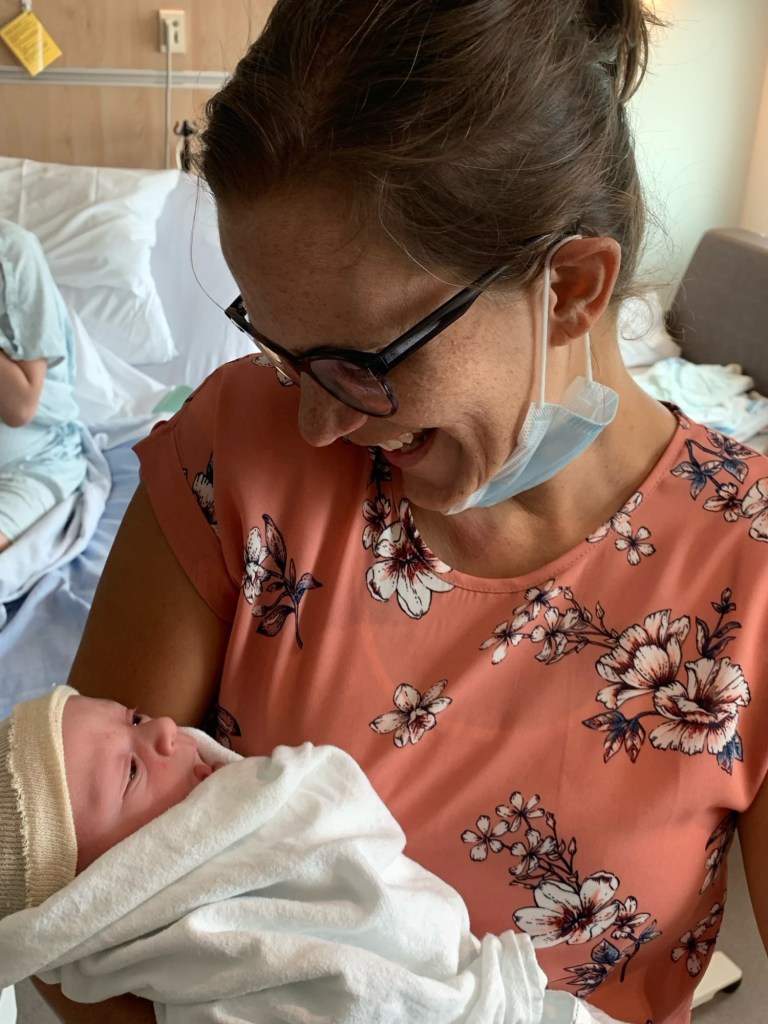
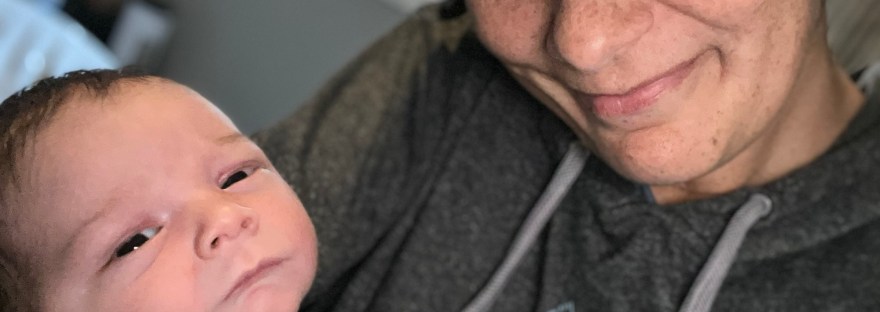
There is a new little man in our house. And I am completely smitten.

He has brought a whole new kind of love into our home. And a whole new kind of chaos. There are more little noises, more tiny clothes, more snuggles, more diapers the size of an envelope, more interruptions and considerably less predictability.

I wouldn’t trade him for anything. Although I might occasionally trade a few of the interruptions for a nap.
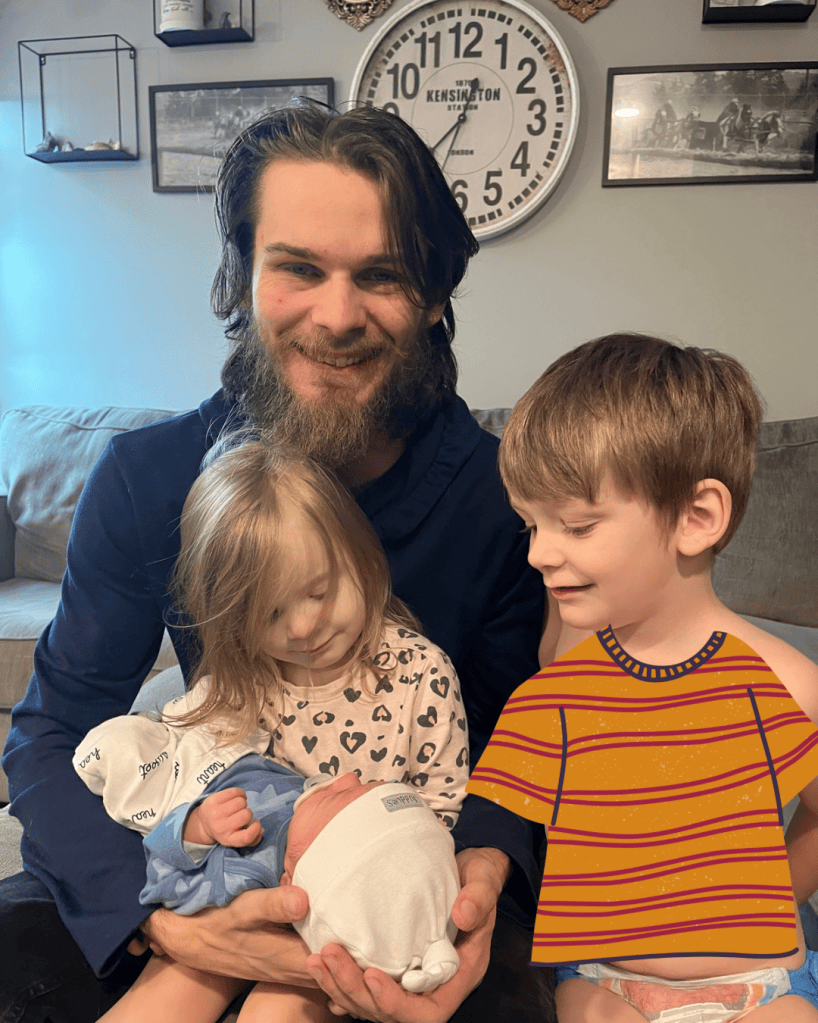
Our home was already a busy place. Add a newborn, two other grandchildren, their parents, appointments, meals, visitors and the general business of keeping this ship running, and things get interesting rather quickly.

Our household has become less of a well-oiled machine and more of a shopping cart with one wonky wheel.
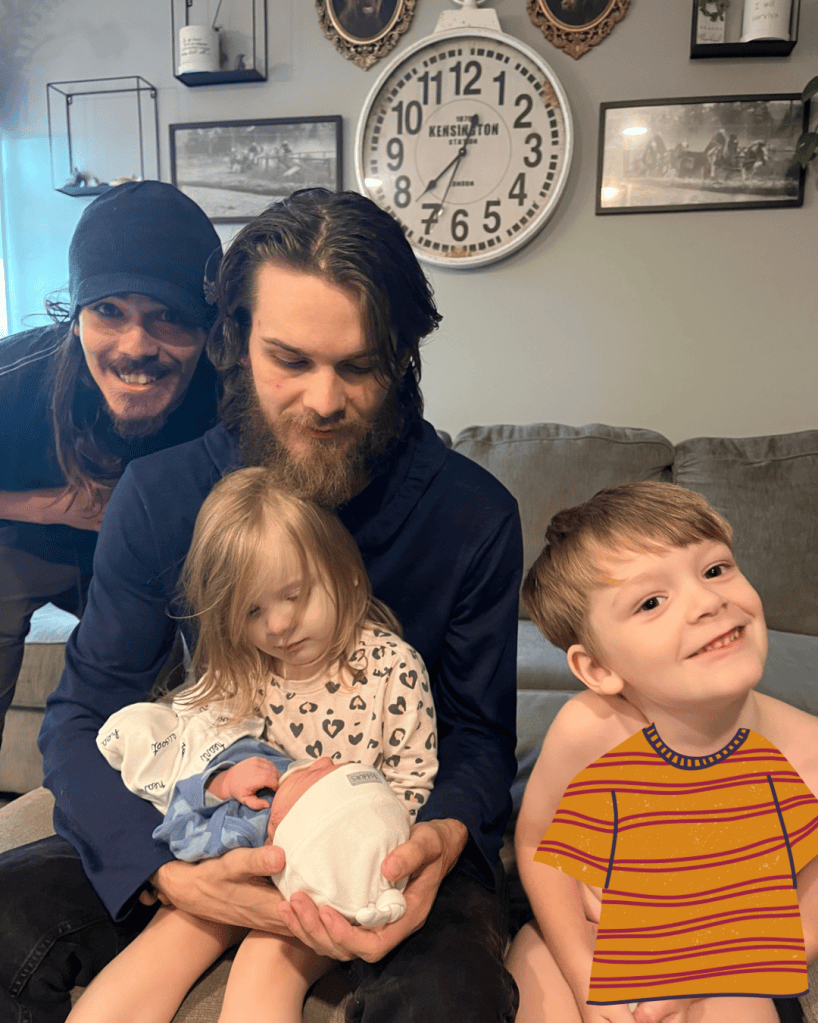
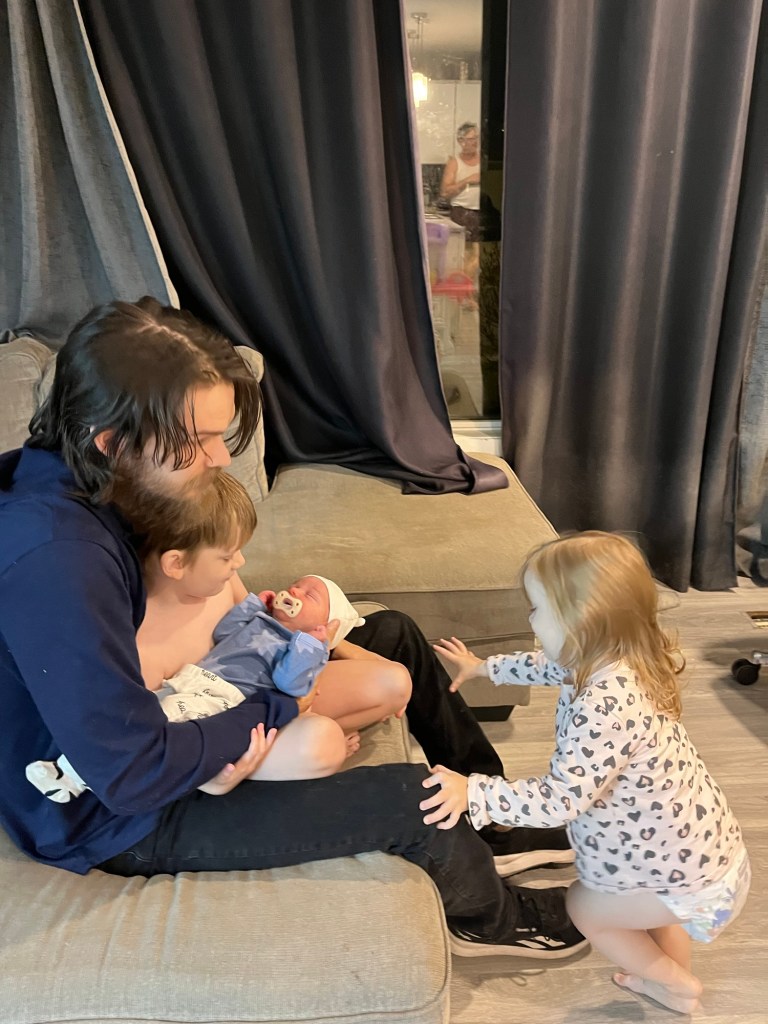
And then there’s me. Trying to manage chronic health conditions while keeping all these little plates spinning.

I’m trying to balance making meals with remembering to rest my back. Helping with the other grandkids while making sure I don’t overdo it. Helping my family with what they need while still making time to visit and serve the other people I care about.

There’s babysitting, appointments, dishes, laundry, grocery shopping and all the little interrupted moments that somehow multiply when there are children in the house.

And somewhere in there, I’m supposed to fit in looking after myself. Because:
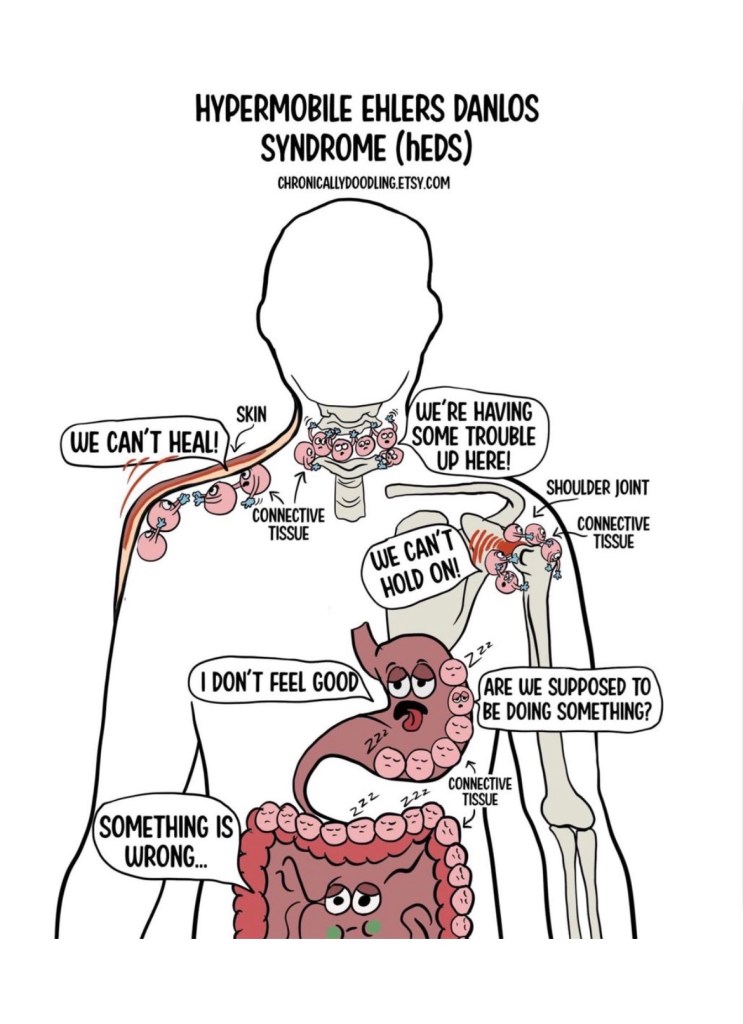
Things may look fine on the surface, but underneath, we are not okay.

Apparently, I am also supposed to remember everything, keep track of conversations, answer texts, return phone calls and know where I put things.

Let’s just say that department is experiencing some staffing shortages.
Life is a balancing act for most people. But the weight of some things is considerably heavier when your body comes with limitations.

Most days lately, the scale gets ignored altogether because there is simply more to do than I am physically able.

I find myself being more than my usual mess. Add in the hot flashes and I’m literally a hot mess.

I drop things. I forget things. I lose track of conversations, information and memories. I walk into a room and have absolutely no idea why I’m there. Not just often, but every dang time.

Sometimes I can’t remember what I was supposed to remember, even when I know it was important. That one is scary. 😨

I can lose something while I’m still holding it.

My brain and my body seem to have entered into an agreement to keep me humble.

But underneath the humour, there is a concern.
When do I start sliding backwards?

I know what it feels like to lose ground. I know what happens when I’ve asked too much of my body for too long. And sliding backwards is a scary place to be.

The thing is that once it starts, it’s hard to catch yourself. A slippery slope, if you will. Don’t expect an immediate response when you start to treat the symptoms. These things take time to turn around.

And, as always with these kinds of chronic conditions, there is never a clear treatment plan. Generally speaking, you don’t want to rock the boat if things are on an even keel. It can be hard to find that ability to be upright once you’ve lost it.

Our tiny gentleman, has definitely rocked the boat. All 7 lbs of him. 🛶 🫨
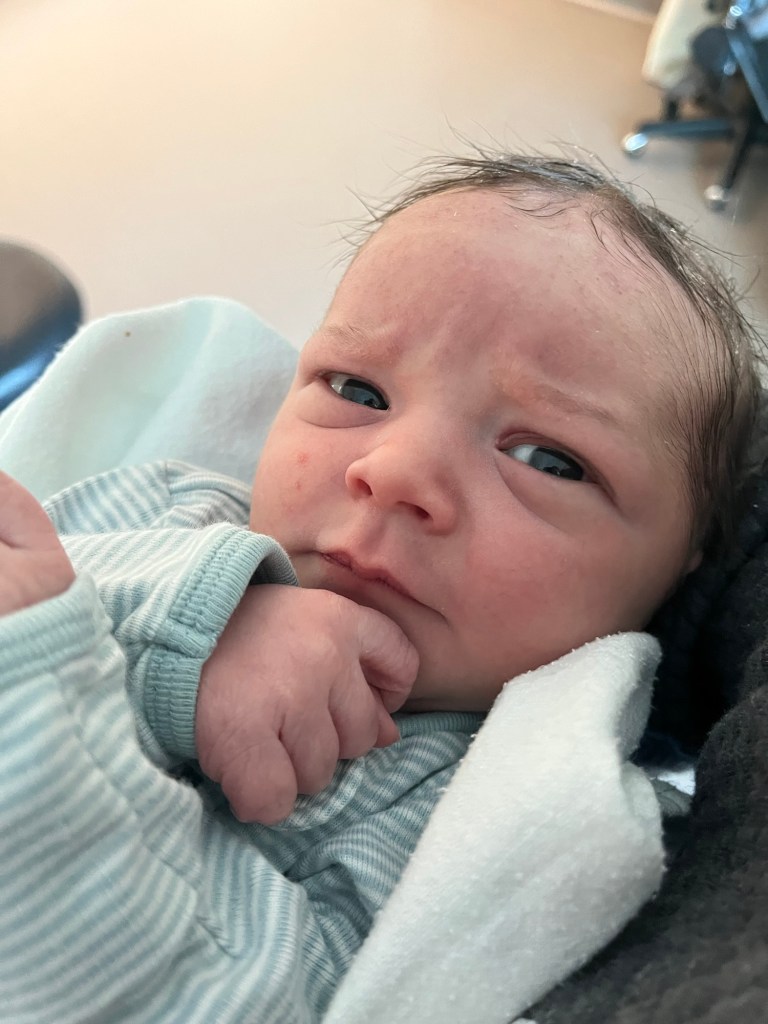
He’s concerned about the trouble he’s caused.

Life always takes over. You get tired, but you rest a little less because there are things to do. You hurt more, but you push through because people are counting on you. Your sleep gets disrupted, your brain gets foggier, your energy disappears and your recovery time gets longer.

But life doesn’t necessarily slow down to accommodate any of that.

In fact, sometimes the busier life gets, the less attention we pay to the very things that keep us functioning.

A little something for the high-functioning women

I think a challenge exists for women living with chronic illness who have spent much of their lives being the capable ones.

We’re the planners, the organizers, the helpers, the caregivers and the ones people depend on. We are accustomed to showing up. We adapt, compensate, find workarounds and figure things out.

We become very good at functioning despite how we feel.

Sometimes we’re so good at it that other people don’t realize how much we’re struggling. And sometimes we don’t fully recognize it ourselves.


Many women with autoimmune and chronic conditions know what it is to keep putting one foot in front of the other until their bodies finally force them to stop.

Some of us have gone from being the people who care for everyone else to needing round-the-clock care ourselves. Before realizing just how far past our limits we’ve gone.

It can be dangerous, being so accustomed to looking after everyone else that we forget we’re also someone who needs looking after. Being able to keep going doesn’t necessarily mean we should.

I don’t want to find myself in the position of depletion ever again. I want to keep moving in a positive direction.
I don’t want to stop living. I don’t want to withdraw from the people I love or turn down every opportunity to be involved in their lives. And confined to bed.

I just don’t want to confuse living with constantly pushing myself past my limits.

So how do we recognize when we’re slipping back into that familiar pattern?

Here are five things I’m trying to pay attention to despite the squishy distractions.

Five ways to catch yourself before you crash:

1. Pay attention to the whispers. Don’t wait until your body has to shout.

More pain, less sleep, increased fatigue, brain fog, irritability, sensory overload or needing longer to recover are all worth noticing. These little changes matter. Don’t wait until you’re completely flattened to acknowledge that something isn’t working.

2. Stop making rest conditional.

Rest isn’t a reward for finishing the list. The list will always find something else to add. There will always be another dish, another load of laundry, another phone call or another person who needs something. You don’t have to earn the right to sit down.

Rest! 👆

3. Separate wanting to help from being able to help.

They’re not always the same thing. Just because someone needs you doesn’t mean you have the physical capacity to meet every need. It’s okay to love someone, want to help them and still recognize that today isn’t the day you can do it.

4. Let other people carry some of the weight.

This can be particularly difficult for those of us accustomed to being the dependable ones. But allowing other people to figure things out or solve their own problems isn’t letting them down. It might actually be good for them.

5. Believe your body the first time.

If your body is asking for a break, listen. Don’t negotiate with exhaustion, pain and warning signs. Not one more thing, one more appointment, one more favour or one more task. Sometimes the answer has to be no, even when you really want it to be yes.

I’m still learning this. And if I’m being honest, I’m not always particularly good at it. I forget:
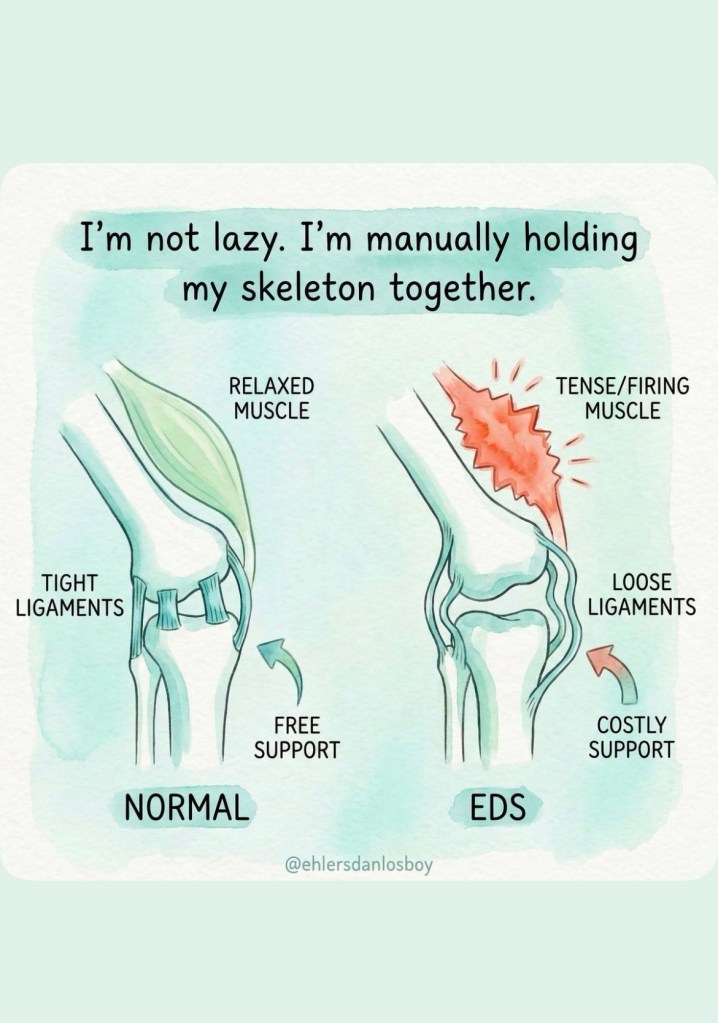
I refer you to:

Solomon’s Paradox

The observation that people can give reasonable advice to others, but fail to apply this advice to their own situation. 😳

The beautiful weight of a full house

The truth is, I have a beautiful little life here.

I love my other two grandkids to pieces. I adore my children and their partners. And now I have this tiny new person to love on, too.
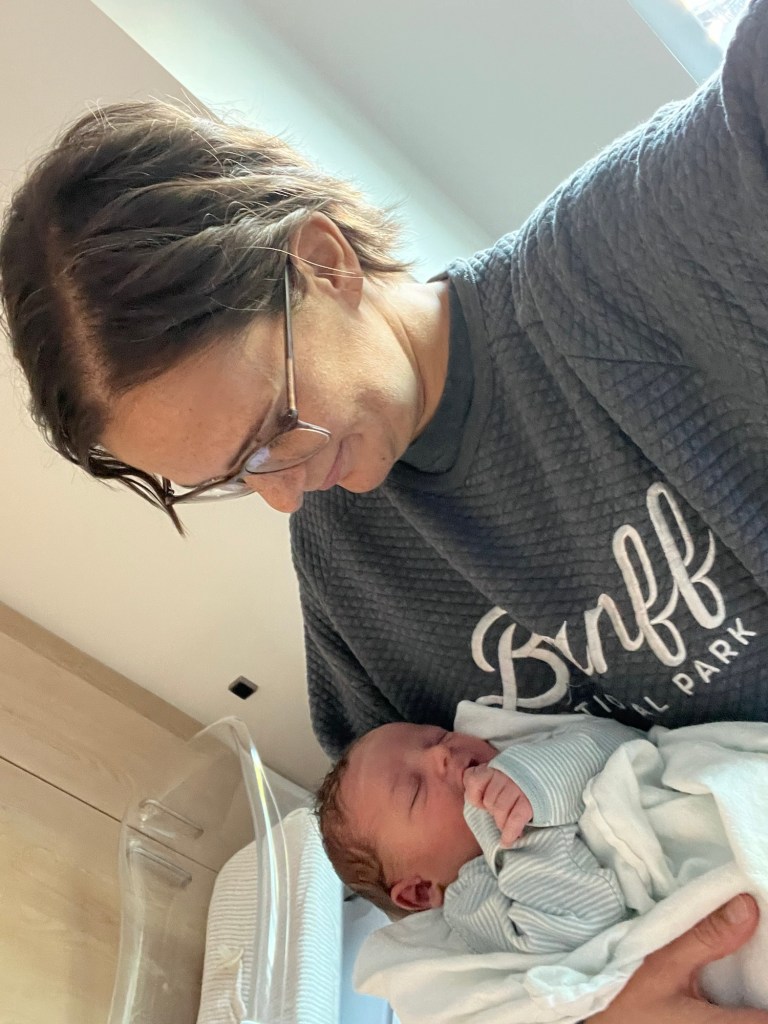
I have my greatest treasures together for this little stretch of time. What a blessing!

I know it won’t last forever. Babies grow, children get bigger, schedules change and eventually everyone will have their own homes. There will be a day when my house is quieter and I might actually be able to hear myself think.

Although, given my current memory situation, I’m not entirely sure the quiet will make any difference to keeping track of those thoughts.

I will be so lonely!

I want to use all the minutes and all the days I have with them. I want the cuddles, the silly games, the books, the songs, the adventures and the memories. I want to be there for the ordinary little moments that become the things we remember most.

But I also need to pay attention to the signals my body is sending me.

And sometimes that means the dishes, laundry and dog hair pile up. The texts and phone calls get missed and then promptly forgotten. The kids and kidlets have to figure a few things out on their own.

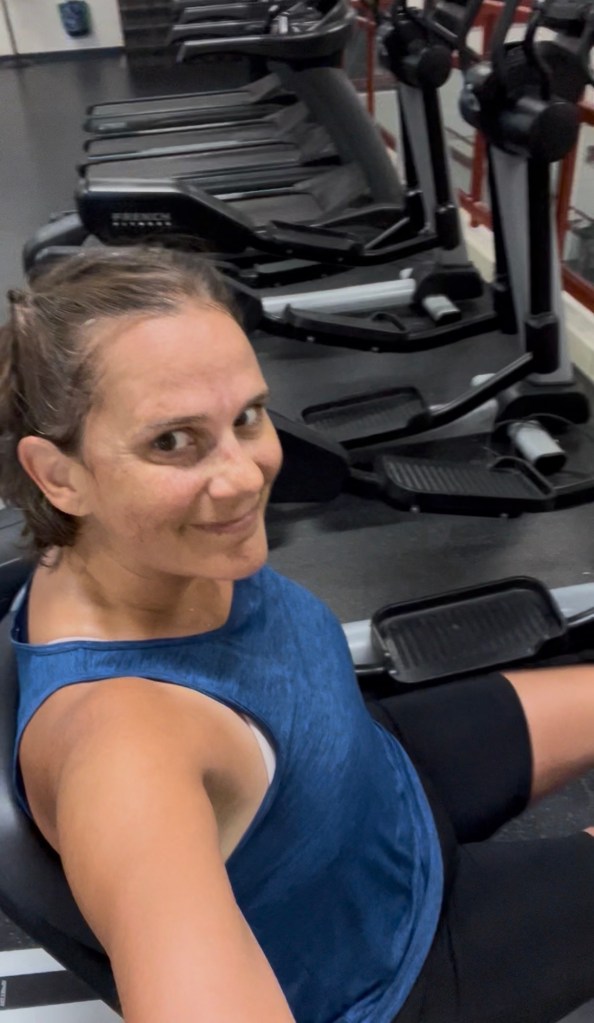
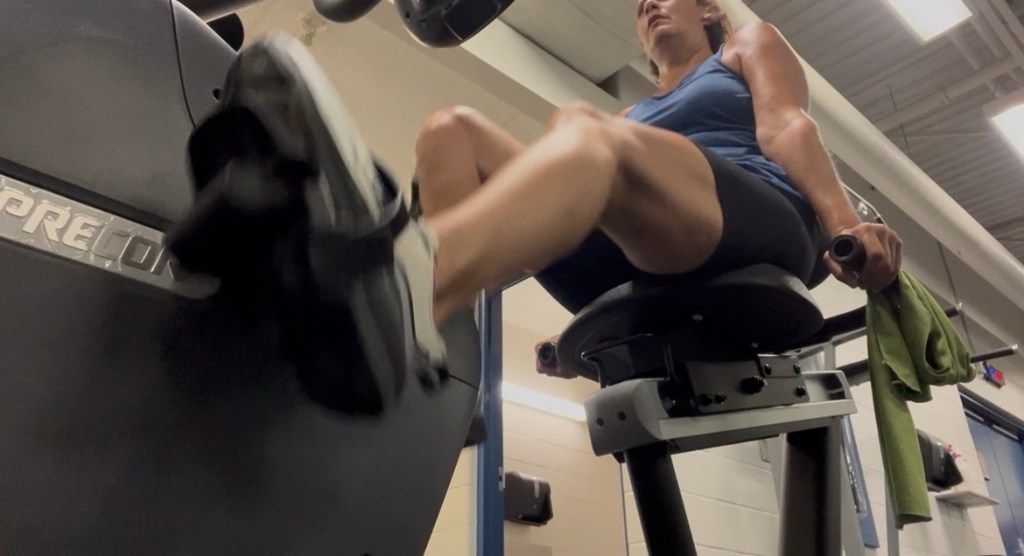
Because Grandma needs to do her detoxes, get to the gym, and rest, rest, rest.

Forest therapy is one of the ways I’m trying to give my body and mind a little breathing room. It doesn’t mean going out and conquering a trail or adding another activity to an already full schedule.

Sometimes it’s simply getting outside, slowing down, noticing the trees, listening to the birds and letting myself be still for a while.

Nature reminds me that everything has its own pace. I don’t have to be productive every minute to make my time worthwhile.

The dollies and trucks will have to wait.
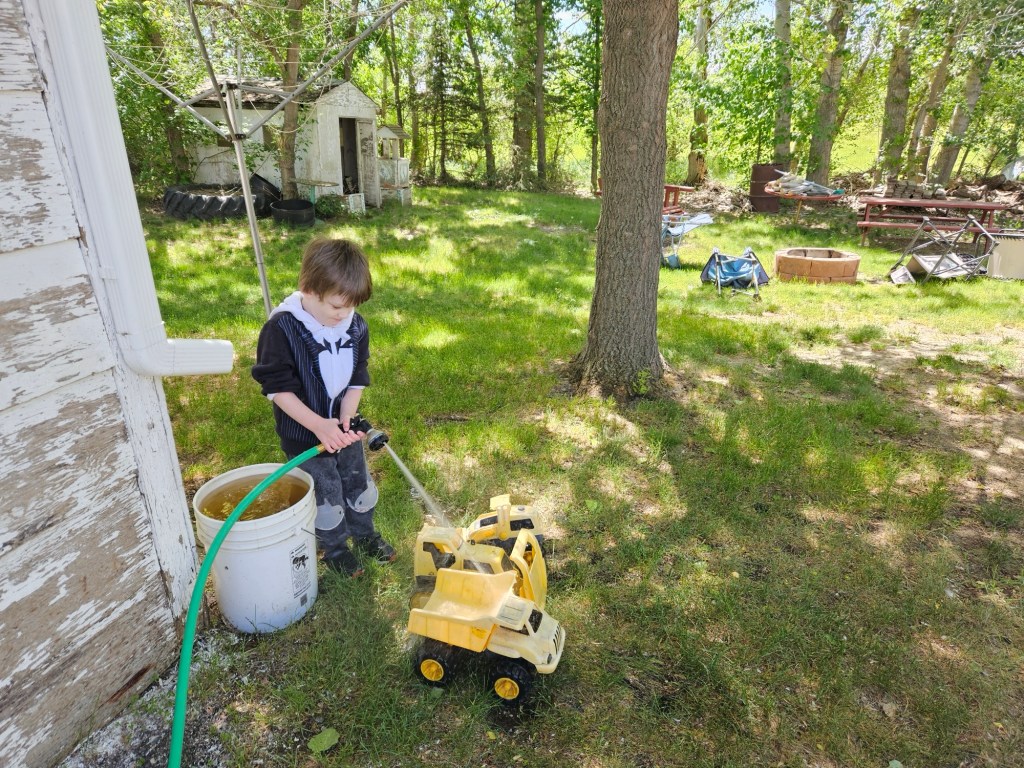
Hungry Hippos and Pop-Up Pirates, can be still. 🤫
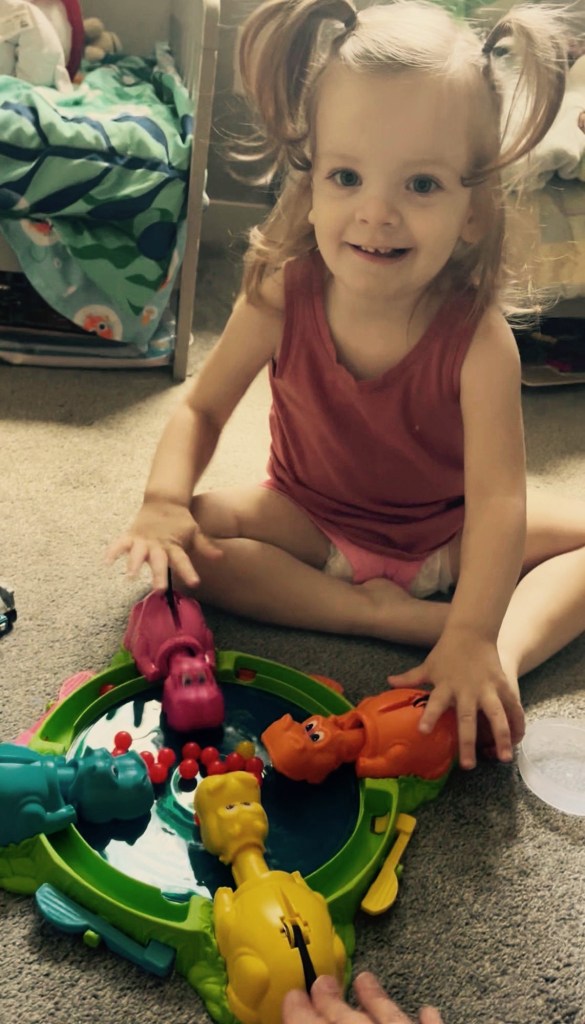
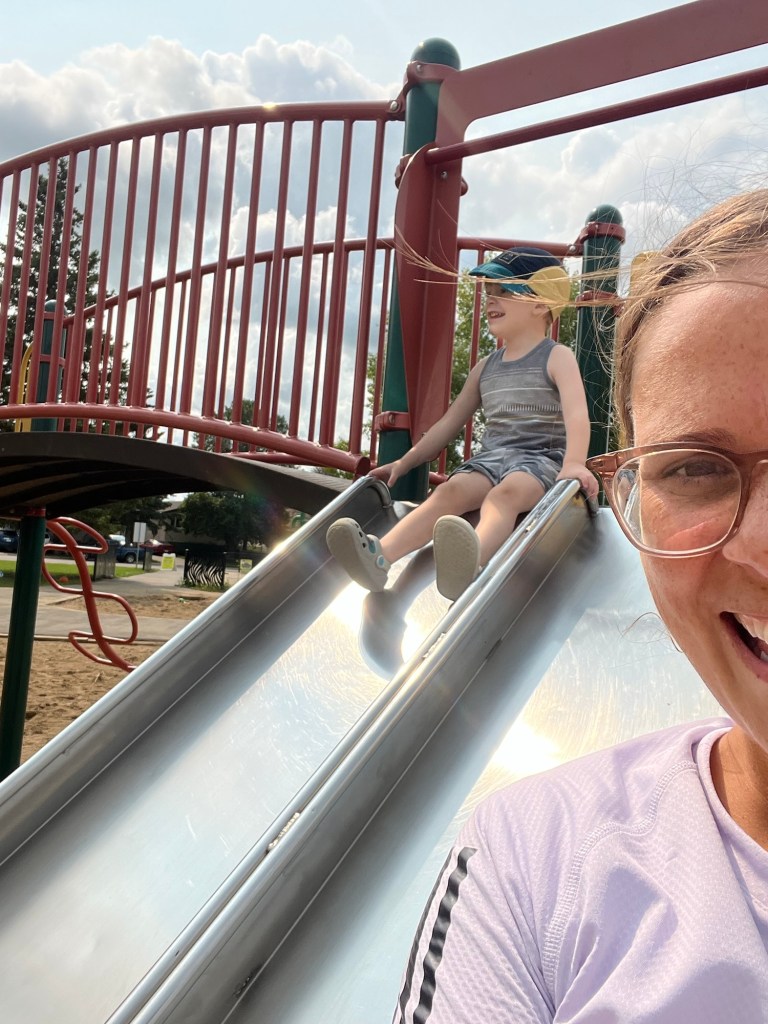
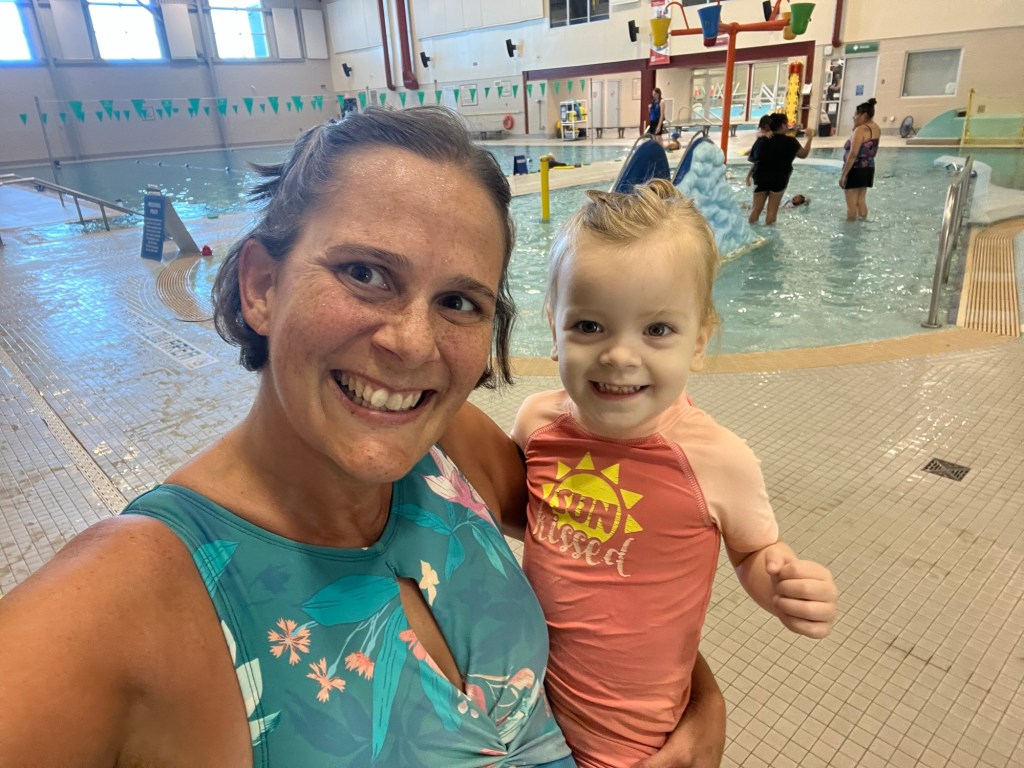
There will be more time to read books and sing songs. More time to play playdough, go to the park, the pool and the play place. More opportunities to make memories and enjoy all the beautiful chaos of having little people around. I so enjoy it!
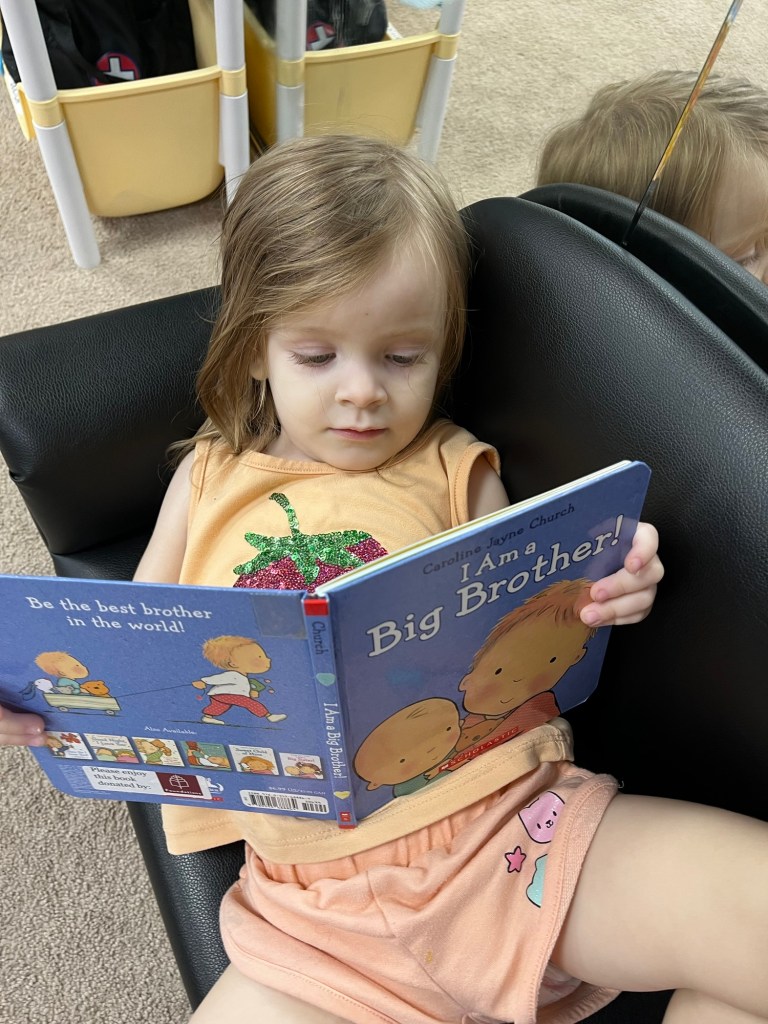
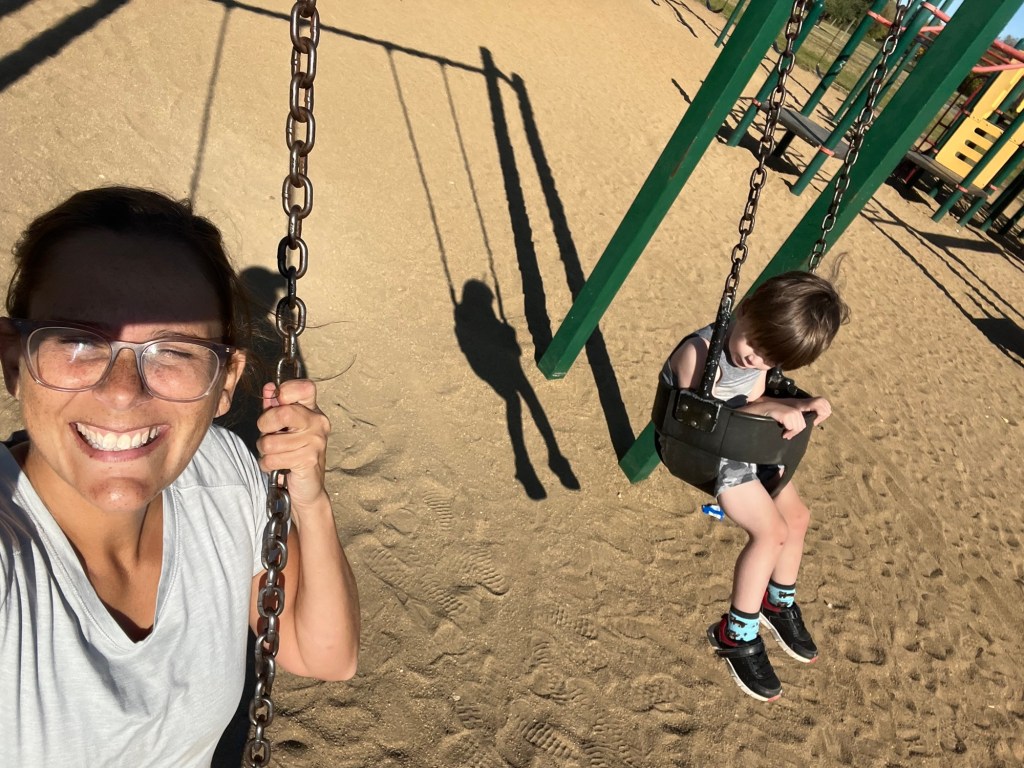
But right now, Grandma needs to rest.

And here’s what I’m trying to remind myself:

I don’t have to be available every minute to be a good mother, grandmother, wife or friend. I don’t have to demonstrate my love by exhausting myself.

I can put the dishes in the sink, leave the laundry in the basket and let the dog hair continue its ambitious expansion across the floor.

I can say no today and say yes another day.

Because I want to be the grandma who reads the books, sings the songs, pushes the swings and gets down on the floor to play.

I also want to be the grandma who can get back up again.

I want to enjoy this beautiful little season without sacrificing the health I need to enjoy the seasons that follow.

I don’t want to spend so much of my health trying to support my family that I don’t have enough left to enjoy them.
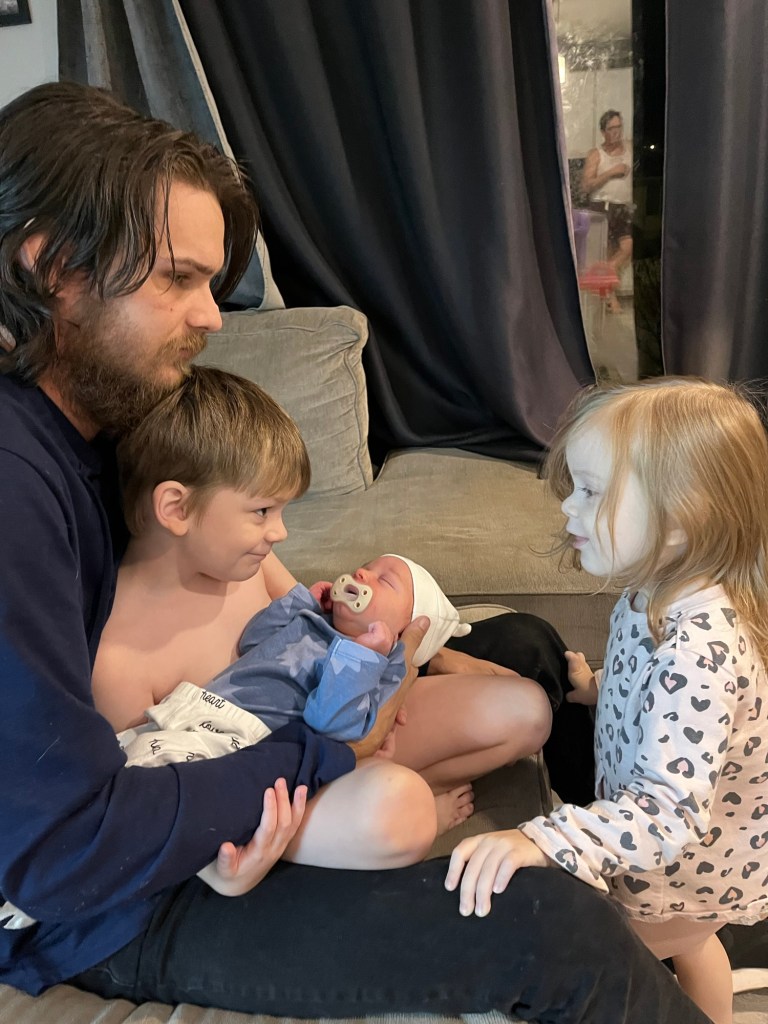
That’s the balance I’m working towards. ⚖️

Not doing it all. Not getting it all right. Just learning when to put something down so I can keep holding on to what matters most.
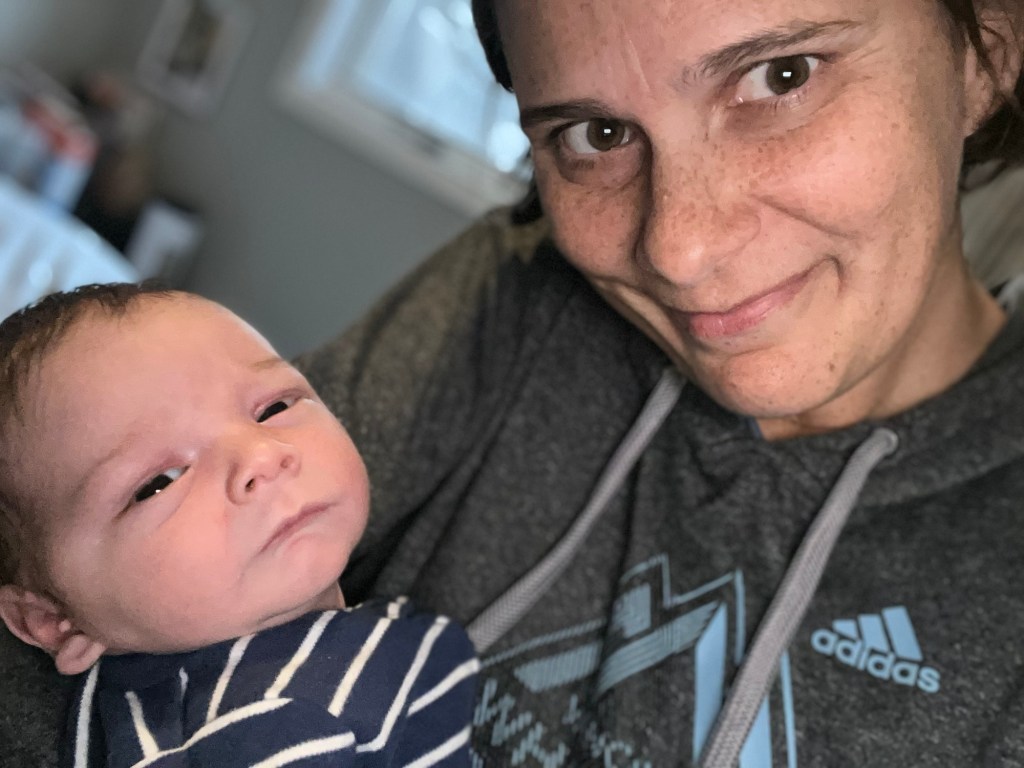
And right now, what matters most is a beautiful little baby, two very special grandchildren, a family I adore and a Grandma who is going to need a nap.

Preferably before I put the baby in the laundry basket and the laundry in the crib. 🤭

Pam Munkholm | Sunbeam Acres 🌿

Two Steps Forward, One Laundry Basket Back

Taking the good with the bad, recognizing progress, and staying on your healing path.

There are some days when life gives you more than you could have asked for. And then there are days when your laundry basket gives you a new injury.

Apparently it’s a package deal.

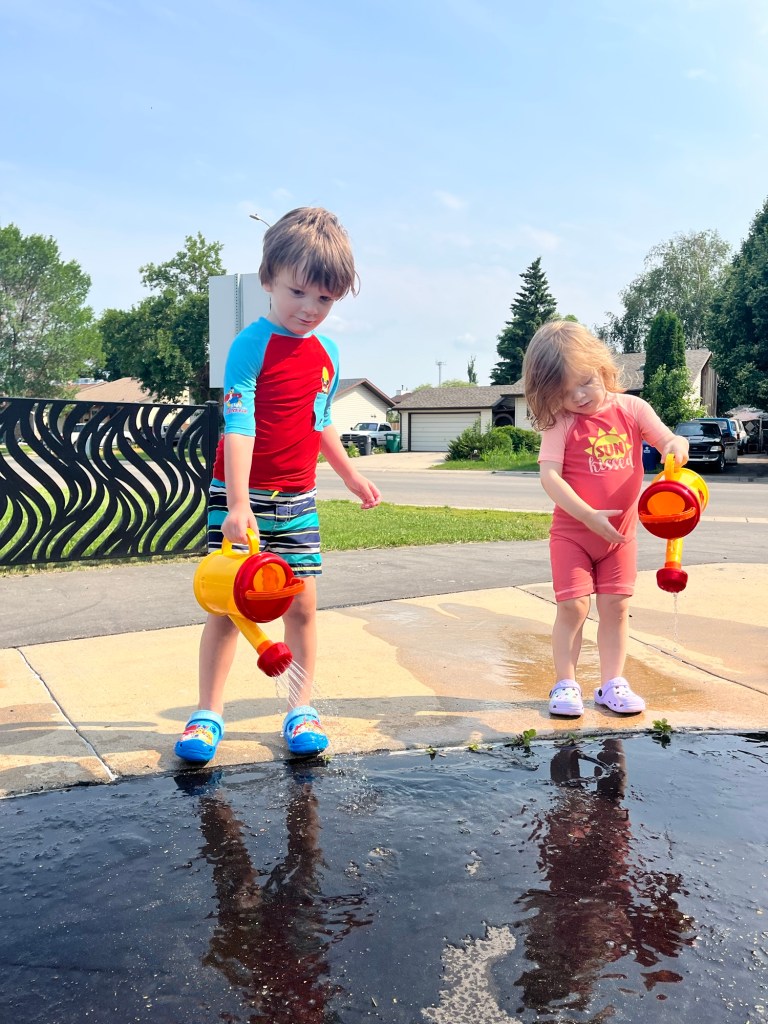
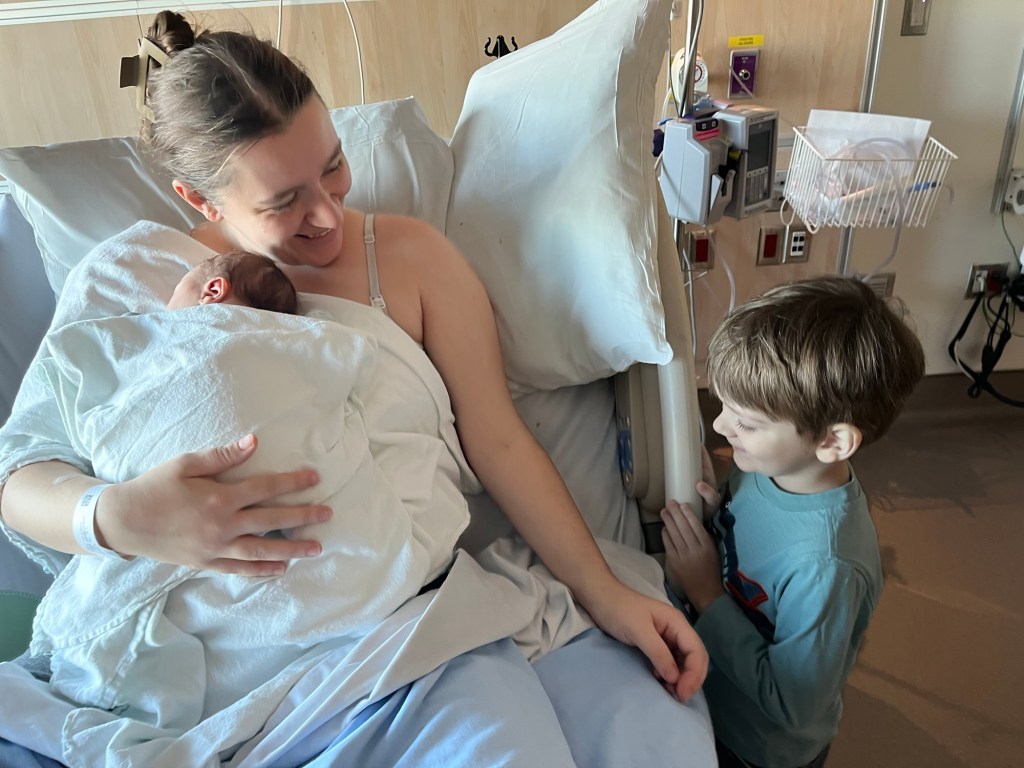
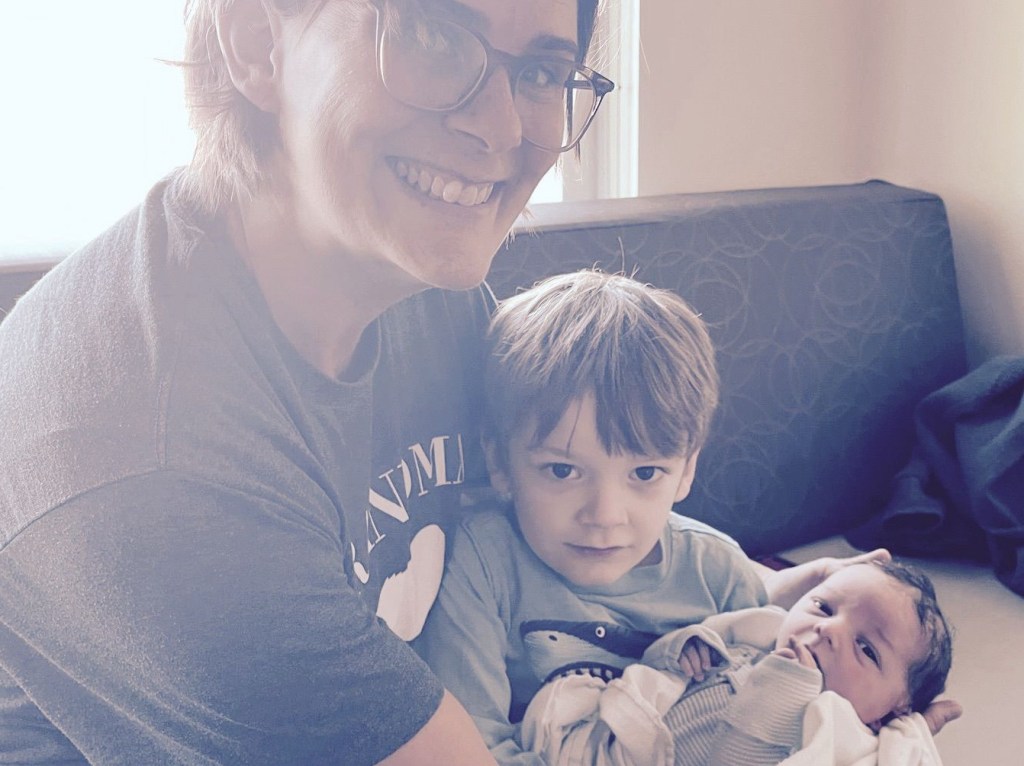
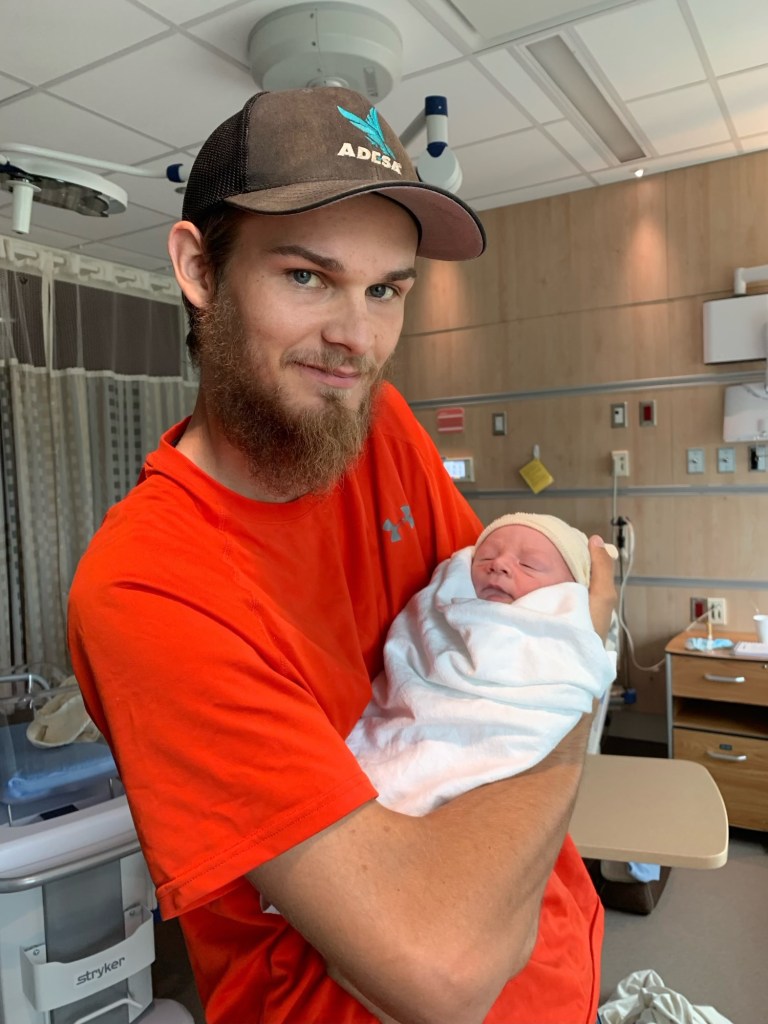
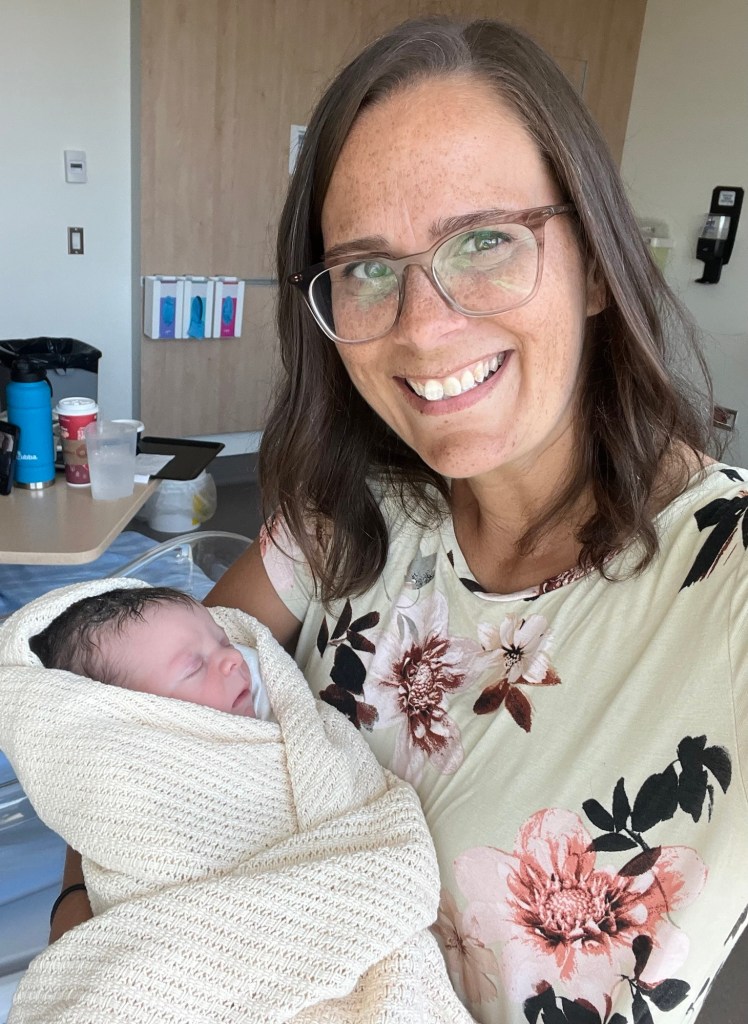
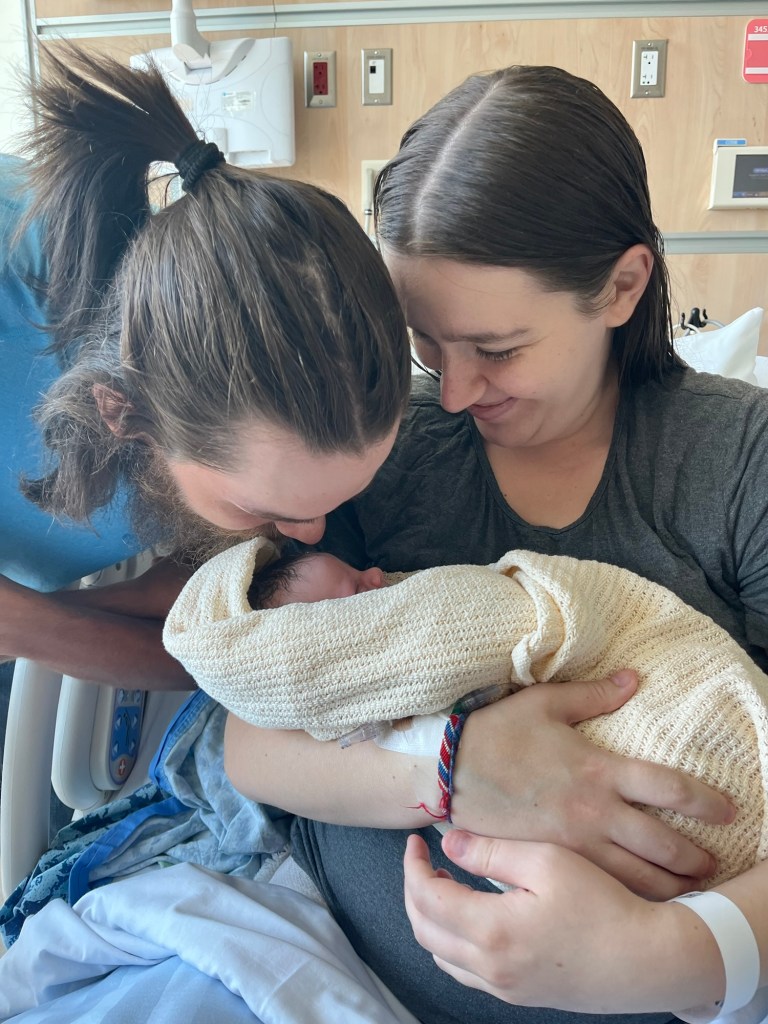
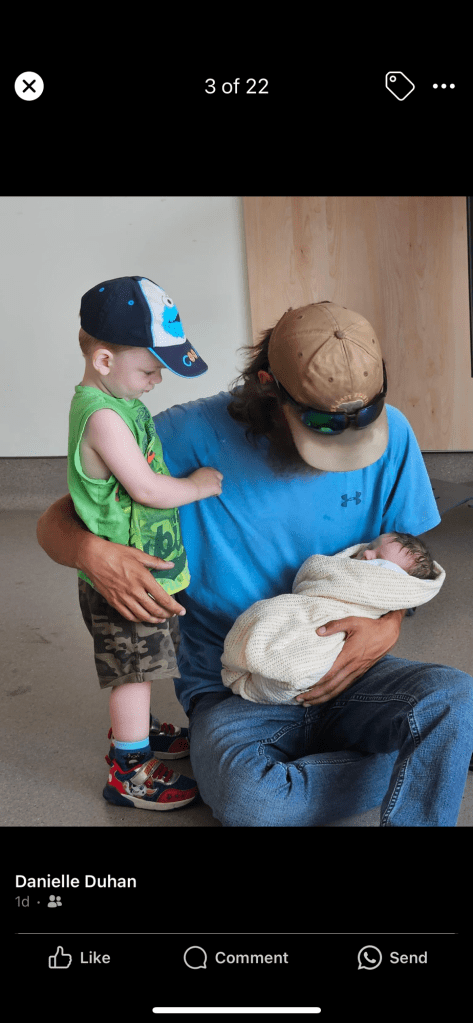
This past Sunday, I became a grandma again 🥰 🥰 🥰. A beautiful new grandson arrived, and he is absolutely perfect.

But the gift of last weekend went beyond meeting our newest little family member.

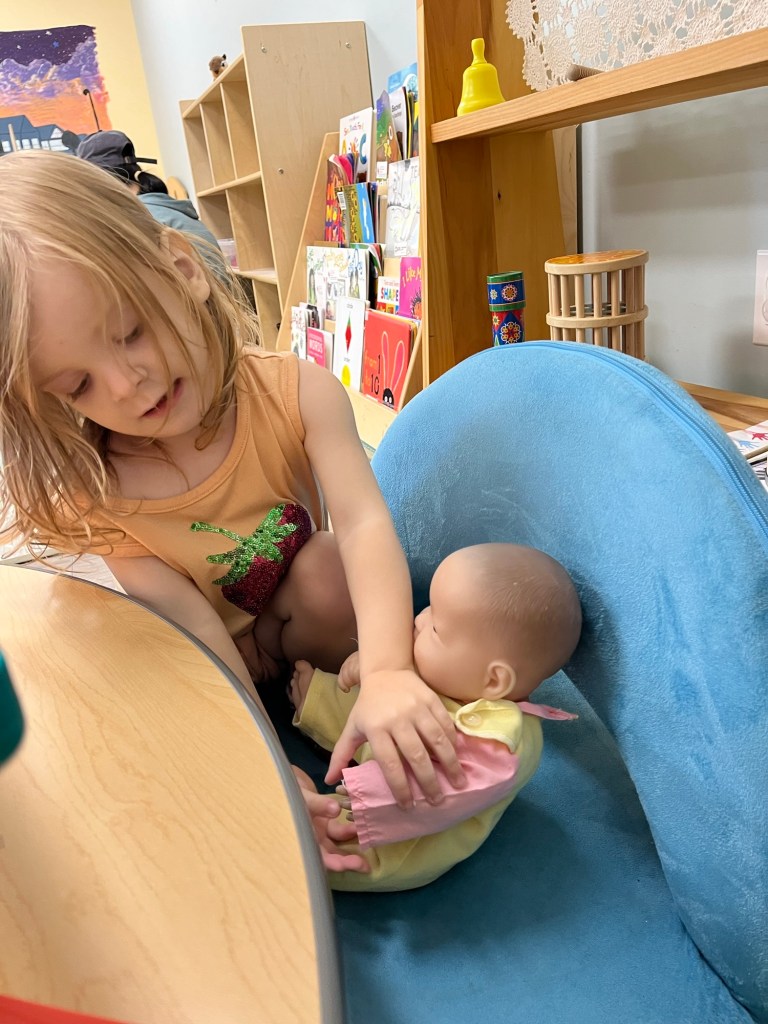
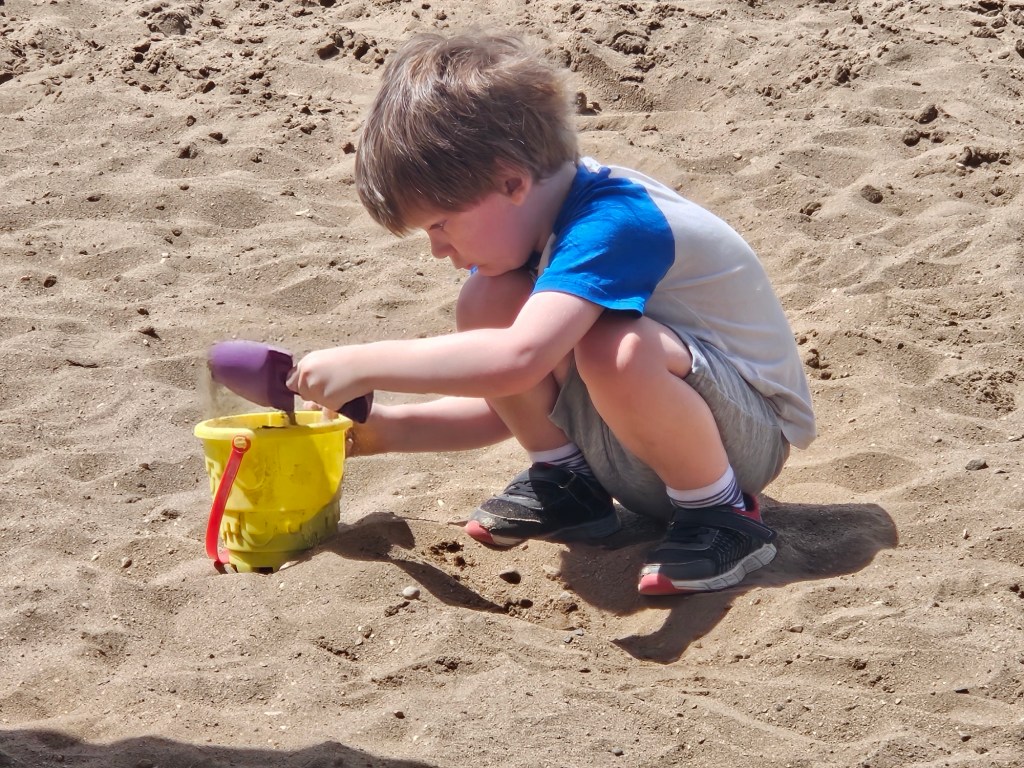
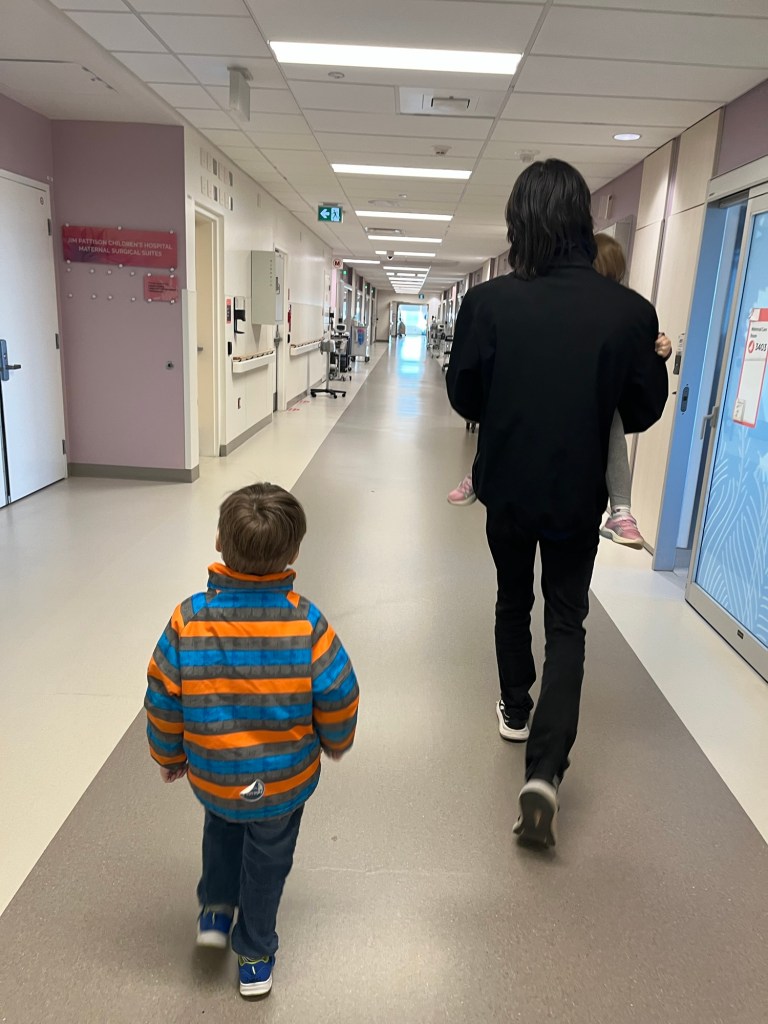
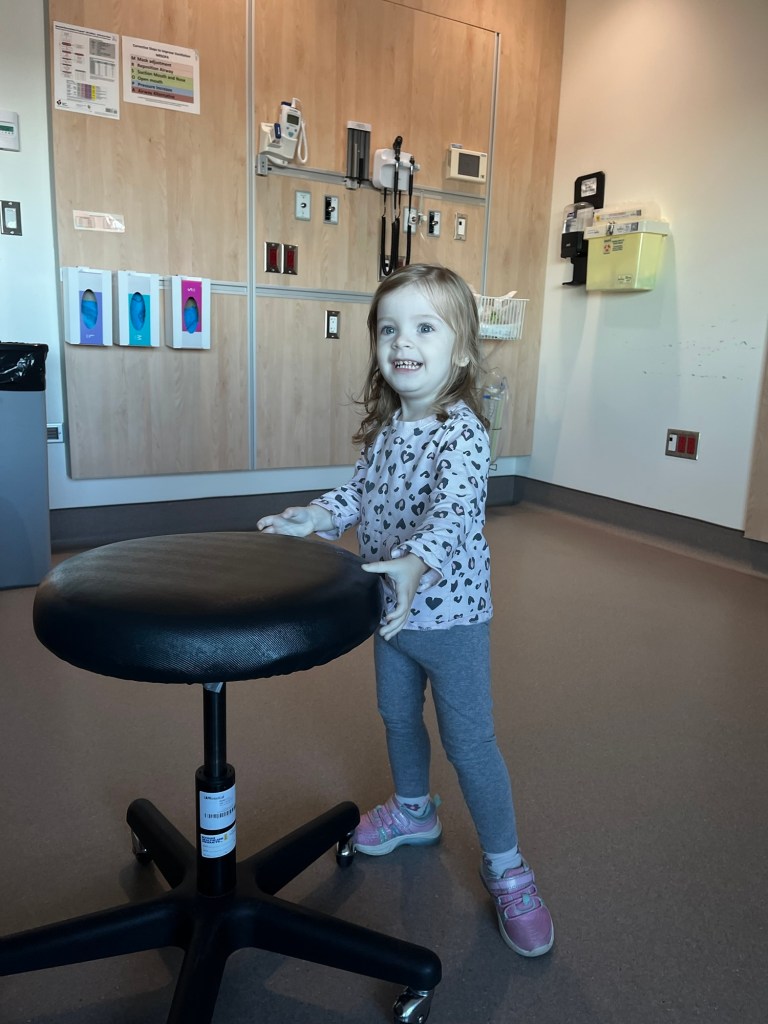
I got to look after his four-year-old and two-year-old siblings for 24 hours while their mom and dad were in the hospital. I got to be there when they met their new baby brother. I got to share in their excitement, their questions, their little personalities, and that very special moment when a family grows.

I am privileged to be their grandma. Even more so, I feel blessed to have such a close relationship with them.

I wouldn’t trade those hours for anything.

Although, perhaps I would have negotiated a slightly different physical payment plan.

Because while my heart was having one of those enormous, overflowing, grateful experiences, my body was preparing to send me an invoice.

The good days

Have you ever been given strength beyond your own?

I have.

I believe I was sustained so that I could sustain these little people for those 24 hours. I know who sustains me. It is Jesus Christ. And I felt that strength when I needed it.

It was a little like the adrenaline rush people describe when a mother somehow finds the strength to lift a car off her child. Except considerably less dramatic. Nobody was lifting a car. Nobody was performing a miracle of automotive proportions.

It was more of a time-release adrenaline rush.

I had the energy to do what mattered. I could be present. I could play, feed, comfort, entertain, and help two little people navigate the excitement of becoming big siblings. I could be there for a moment that I will remember for the rest of my life.

These are the good days.

And then there is the other side of the story.

The bad days

I am currently in a lot of pain.

On the same day I had just seen my physiotherapist, who corrected my major subluxations for the month, I sat down beside a laundry basket.

The top of the basket touched my rib.

I felt my rib slip.

I wish I were exaggerating. Imagine having your physiotherapist put everything back where it belongs, only to have a laundry basket undo some of the work. There is a certain indignity in being physically outmanoeuvred by a common household item.

This is a familiar cycle for me.

I go to physio. I get some relief. Things are back where they should be. I come home and try to be careful. I exercise to keep things strong enough to stay in place.

Then something happens.

A dog steps on my foot. I slip on the ice. A toddler elbows me. I move the wrong way. Or, apparently, a laundry basket performs an unsolicited manipulation of my rib.

And I wait for the next physiotherapy appointment.

The hardest part of this cycle is often the few days before that next physio appointment. As my joints slip out of place, the surrounding muscles work harder and harder to compensate. They tighten, protect, and try to hold everything together. Eventually, the pain builds, the nerves become more reactive, and my body is working overtime just to keep me upright.

Sunday was one of those days.

And the price of those 24 hours of beautiful memories?

Temperature fluctuations. Worse tremors. More reactive nerves. Exhaustion that hangs around. And pain.

These are the bad days.

But I have learned. A body living with chronic illness can hold both the good and the bad at the same time.

Most days, there is a mixture of both.

I can be incredibly grateful for the weekend and still be hurting. I can celebrate the new baby and acknowledge that my body is struggling. I can recognize how much progress I have made without pretending that I am suddenly well.

Gratitude does not cancel pain. And pain does not cancel gratitude.

Both things are true.

Measuring progress when the results aren’t always obvious

When I look back at 2020, I can see just how far I have come.

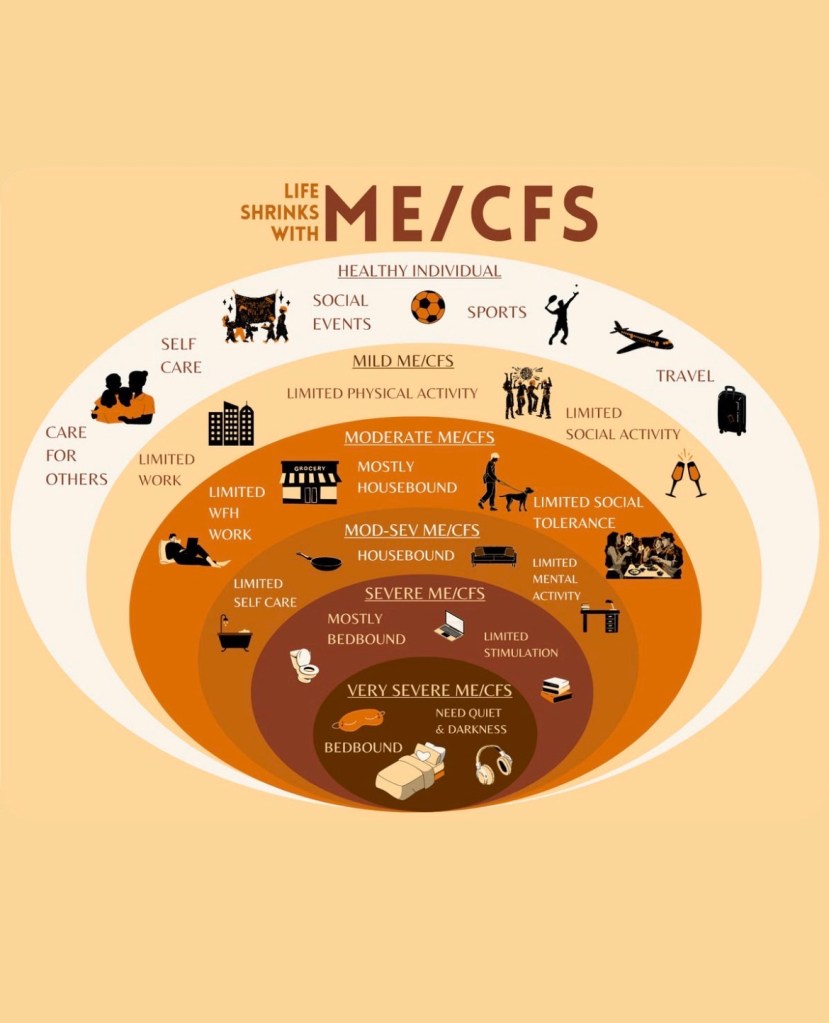
I was living with severe ME/CFS (myalgic encephalomyelitis/chronic fatigue syndrome), which developed in the context of my chronic pain. My world had become very small. My energy was almost nonexistent, and ordinary daily activities could take more out of me than I could reasonably afford.

Over time, I have moved through the stages of recovery to what I would now describe as moderate ME/CFS.

That is significant progress.

But here’s the tricky part about chronic illness: improvement doesn’t always look like a steady upward line.

Sometimes you make progress for months and then have a setback. Sometimes you accomplish something wonderful and spend days recovering. Sometimes you feel stronger, only to discover that your body has a very different opinion about what you should be doing.

If I judged my progress by how I felt on the day my rib slipped, I might conclude that I was right back where I started.

But I am not.

My current bad day is not the same as my bad days in 2020. I have more capacity, more tools, more understanding, and a much better idea of how to work with my body.

There hasn’t been one magical herb, expensive supplement, or single therapy that fixed everything. There hasn’t been a miraculous morning when I woke up and my body announced that it had reconsidered its terms of employment.

It has been much slower and less glamorous than that.

It has come through years of caring for myself in body, mind, and spirit. Learning my limits. Making changes. Resting when I need to. Finding appropriate movement. Getting medical and therapeutic support. Paying attention to my nervous system. Making room for faith, nature, relationships, and the things that make life meaningful.

Healing has been slow and consistent.

I want to be clear that I am not suggesting everyone with ME/CFS can recover through lifestyle changes. These conditions are complex, and there is no one-size-fits-all treatment.

But improvement is possible, and it deserves to be acknowledged.

As Helen Keller wrote:

“Although the world is full of suffering, it is also full of the overcoming of it.”

I don’t think overcoming always means defeating an illness. Sometimes it means learning how to make meaningful progress within the circumstances we have.

Three ways to stay focused on your healing journey

When you live with chronic illness, it is easy to let the latest setback become the whole story. We can become so focused on what hurts today that we lose sight of what has changed over the last year.

Here are three practices that help me keep perspective.

1. Keep track of the progress you might otherwise forget

Our memories are not always reliable records of our health.

We tend to remember the difficult days. Especially when we’re in the middle of one.

That makes it important to keep some kind of record of improvement.

Not an elaborate spreadsheet that becomes another job. Just a simple journal or occasional note about what is changing.

Consider recording:

  • How much activity you can tolerate compared with six months ago.
  • How long it takes to recover after an outing or activity.
  • Changes in sleep, stamina, concentration, and pain management.
  • Things you can do now that were difficult or impossible a year ago.
  • Improvements in how you recognize and respond to early warning signs.
  • How often you are able to participate in the activities that matter to you.

Don’t measure only what you accomplish. Measure how your body responds afterward, too.

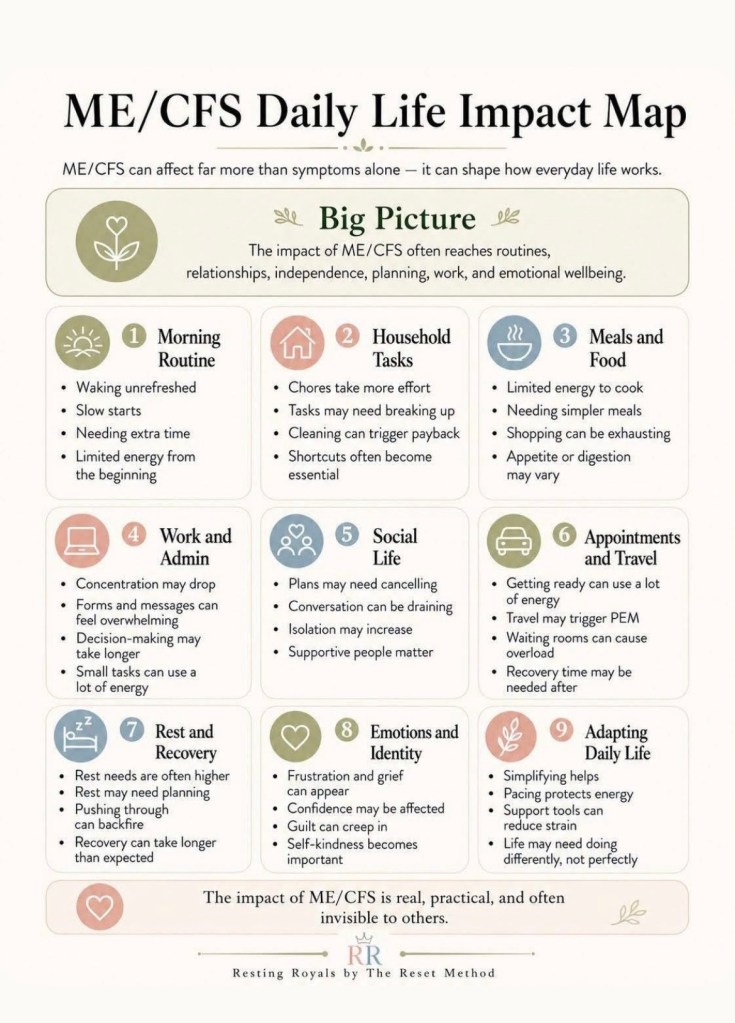
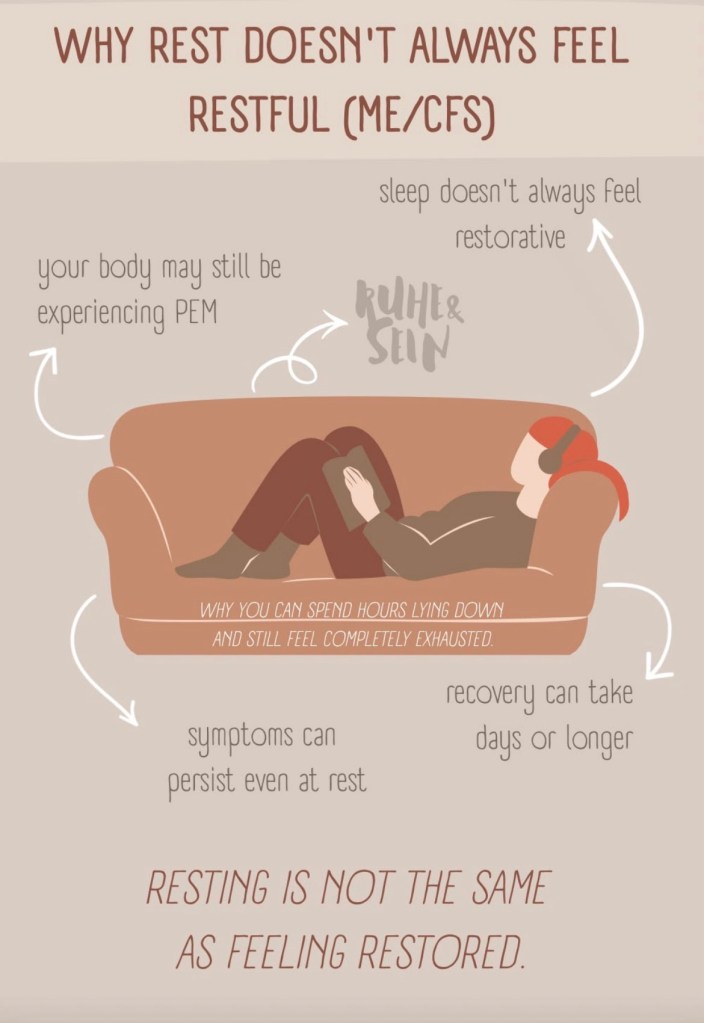
For someone living with ME/CFS, pacing and avoiding post-exertional symptom exacerbation are particularly important. Feeling capable in the moment doesn’t necessarily mean your body has the capacity to sustain that activity without consequences.

Sometimes the win is doing something and recovering well. Sometimes the win is recognizing that you need to stop.

Both deserve a place in your progress journal.

And don’t forget to record the ordinary things. They may not seem significant today, but looking back can reveal just how much has changed.

2. Have a plan for the good days, not just the bad ones

This is something I have had to learn the hard way.

When a good day arrives, it is tempting to make up for everything you haven’t been able to do.

The laundry! The groceries! The house! The phone calls! The people you’ve been meaning to see!

Suddenly, you have become a highly motivated productivity machine.

Until you aren’t.

One of the challenges of chronic illness is learning that having the energy to do something doesn’t always mean you have the resources to recover from it.

This is especially important with ME/CFS, where pushing beyond your energy limits can lead to post-exertional symptom exacerbation.

I try to think about what I am spending my energy on and what I need to reserve for recovery.

That means making choices.

I might have energy for one big thing or a few smaller things. I need to decide what is worth spending it on.

Sometimes the answer is housework. Sometimes it’s a family gathering. Sometimes it’s a walk outside. And sometimes the best investment is doing absolutely nothing.

I also try to leave room for the unexpected. Life doesn’t always arrive according to my carefully prepared energy budget. Sometimes a new grandson does.

The point isn’t to avoid everything that might make you tired. It’s to make informed decisions about what matters, understand your body’s responses, and avoid repeatedly pushing past your limits.

A good day doesn’t need to become a competition to see how much you can accomplish.

You don’t have to earn your rest.

3. Develop a regular practice that keeps you connected to your direction

I find it helpful to have a meditation practice that brings me back to what I am working toward.

Not a meditation about fixing myself. Not one where I visualize a perfect, pain-free future and then feel disappointed when I open my eyes.

A practice about staying on my path.

A few minutes to settle, reconnect with my values, acknowledge where I am today, and remember what matters.

This can be especially helpful when a setback makes you question whether all your efforts are accomplishing anything.

You don’t have to solve your entire health situation during meditation. You don’t need to find the answer to every symptom or discover the secret to perfect health.

You simply need to make a little space to remember that your healing journey is bigger than today’s symptoms.

Here’s a simple practice to try.

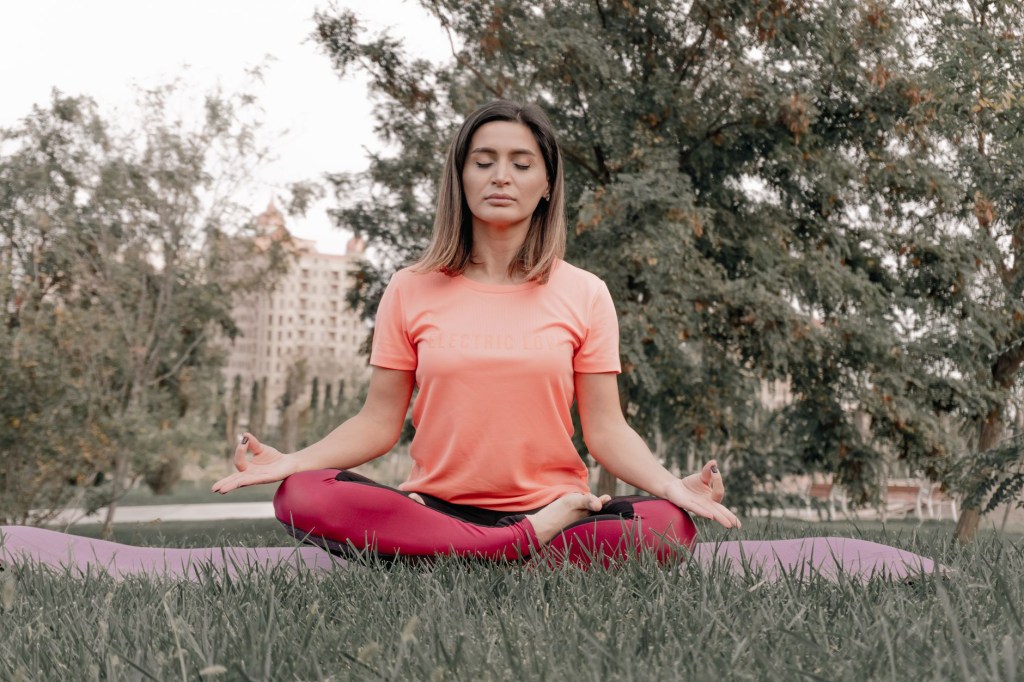
A meditation for staying on your healing path

Find a comfortable position. You don’t need to sit cross-legged on a cushion or achieve some extraordinary level of spiritual enlightenment. A comfortable chair, a bed, or a quiet spot outdoors will do just fine.

Close your eyes if that feels comfortable.

Take a few gentle breaths. Don’t force deep breathing. Simply notice the breath moving in and out.

Now ask yourself:

  • Where am I today, physically, mentally, and emotionally?
  • What has improved, even a little?
  • What have I learned about caring for myself?
  • What is one thing I can do today that supports my well-being?
  • What matters most to me?

Imagine yourself walking along a path through the forest.

You don’t need to see the entire trail. You don’t need to know how far it goes. You only need to be aware of the next step.

Some days the path is easy. Some days it is steep. Some days you need to sit down and rest.

Resting doesn’t mean you have left the path.

Take a moment to acknowledge that you are doing the best you can with the resources available to you today.

Remind yourself:

I don’t need to rush my healing. I don’t need to compare my journey with anyone else’s. I can acknowledge my progress, respect my limitations, and keep moving toward the life I want to live.

When you are ready, gently bring your attention back to the room.

You can return to this practice whenever you feel discouraged or disconnected from your goals.

A little forest therapy: Taking the next step

One of my favourite ways to support my own well-being is through forest therapy.

There is something about spending time in nature that gives me an opportunity to slow down and change where I place my attention.

I have written before about the relationship between chronic stress, cortisol, and time in nature in Cortisol Control: The Benefits of Nature.

I have also explored how sensory connection with nature can support nervous system regulation in Mending Your Nervous System With Forest Therapy.

Neither is a cure for chronic illness. But nature can be one useful part of a broader approach to caring for ourselves.

Here is a simple forest therapy invitation that connects with the meditation above.

The next-step forest practice

Find a comfortable place outdoors. If walking is difficult, choose a bench, a chair, or a spot where you can simply sit and observe.

You don’t need to hike anywhere impressive. Your backyard counts.

  1. Notice: Look around and find three things that catch your attention. Perhaps a tree, a patch of moss, or sunlight moving across the ground.
  2. Listen: Notice the sounds around you. Birds, wind, leaves, distant traffic. There is no need to identify every sound. Just listen.
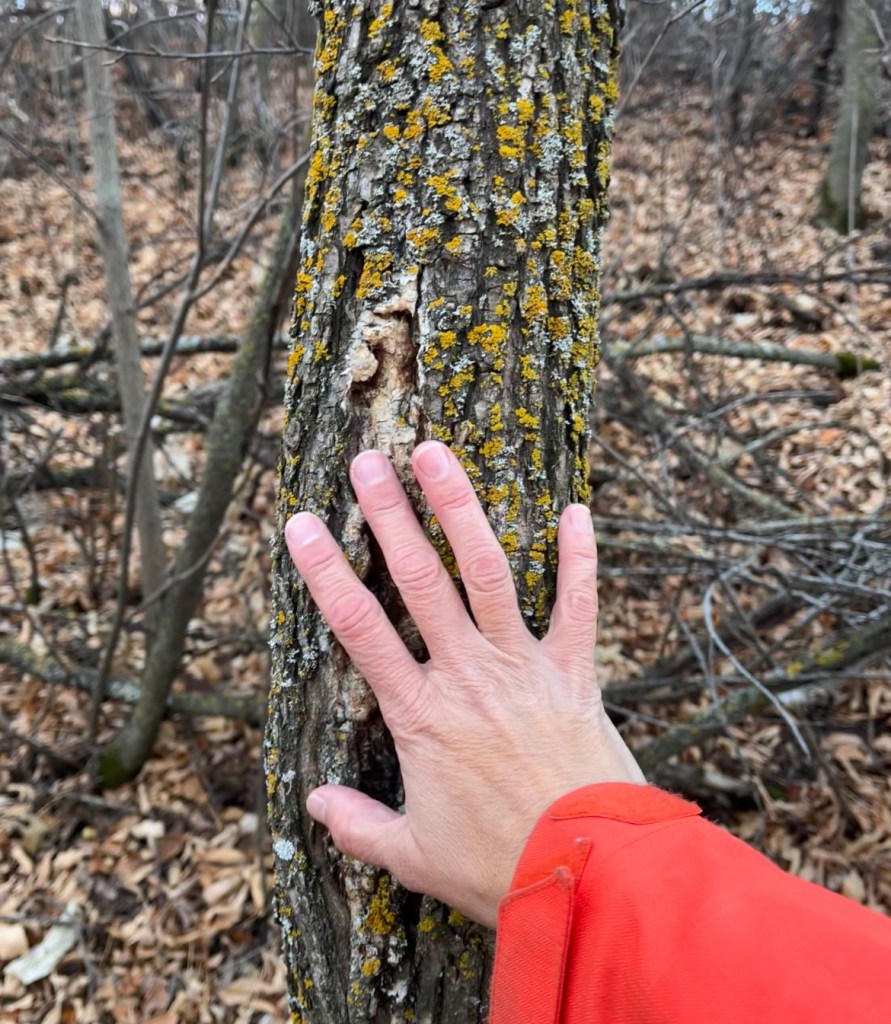
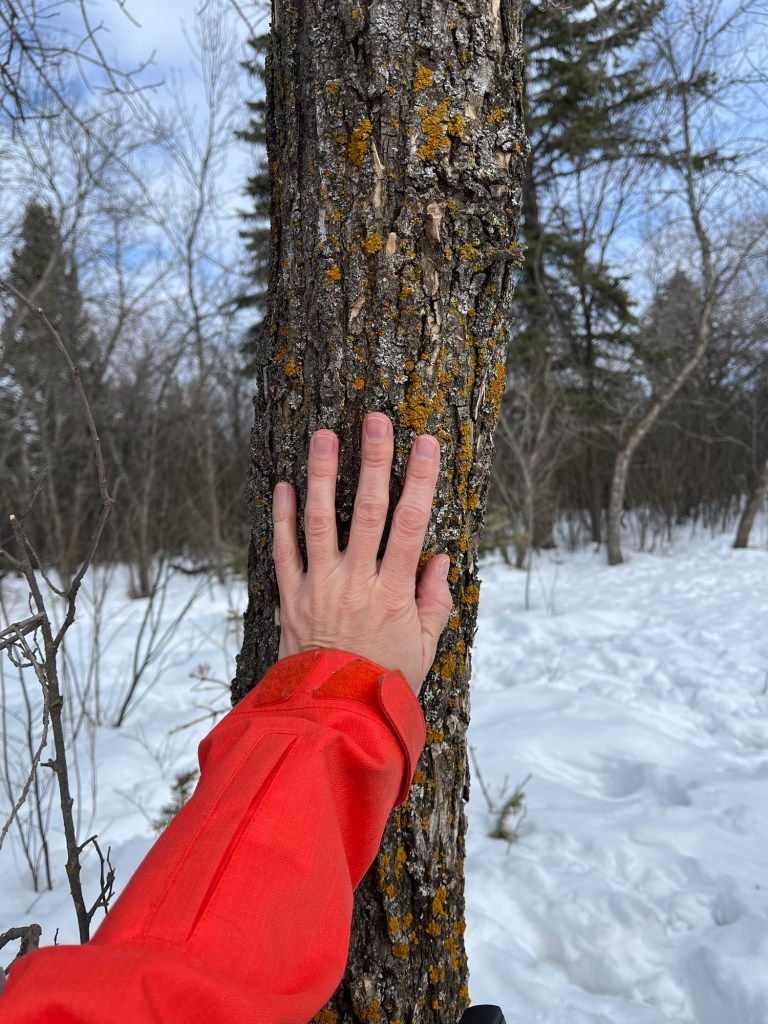
  3. Feel: Notice the temperature of the air on your skin. If comfortable, touch a tree trunk, a leaf, or the surface of a rock.
  4. Breathe: Take a few gentle breaths and allow your attention to settle.
  5. Reflect: Ask yourself, “What is the next small thing I can do to support my well-being?”

Don’t try to solve your entire life while sitting under a tree.

Just be there.

Then spend a few minutes with the guided meditation I’ve recorded for you.

[Listen to the guided forest meditation here]

You can return to this practice whenever you need a reminder that you don’t have to figure everything out today.

The good, the bad, and the life in between

I think one of the most important things we can learn when living with chronic illness is to stop judging our entire recovery by how we feel on any one particular day.

A bad day doesn’t mean you’ve lost all your progress.

A good day doesn’t mean you’re suddenly cured.

And a setback doesn’t mean you’ve failed.

We need to be able to recognize improvement without expecting perfection. We need to celebrate the small wins while taking the difficult days seriously.

I know that Sunday will cost me. I know there will be days of pain, exhaustion, temperature fluctuations, and nerves that seem to have their own agenda.

But I also know that I got to hold a beautiful new grandson. I got to love on his big brother and sister. I got to be part of a family moment that I will treasure.

And for those 24 hours, I had what I needed to be there.

That is worth celebrating.

It doesn’t have to be grand.

Sometimes it is raising a family. Sometimes it is building a business. Sometimes it is walking through the forest. Sometimes it is simply getting through a difficult day with a little more kindness toward yourself.

And sometimes it is sitting beside a laundry basket, wondering how an inanimate household object managed to become your latest physiotherapy referral.

I am not going to let the bad days convince me that I haven’t made progress.

My body has limitations. My energy has limits. My healing is ongoing.

But I am not where I was in 2020.

I will keep paying attention to the things that are improving. I will keep learning how to care for myself. I will celebrate the wins, however small they may seem.

And I will keep making room for the things that matter.

Because the goal isn’t just to have more good days.

The goal is to make sure that even on the bad days, there is still a life worth living.

And there is.

Bruadarach

(Scottish) Dreamy; Prone to daydreaming. A spirit alive with imagination, a mind naturally inclined toward wonder, possibility and beauty.

Finding Your Way Back to the Land of the Living

There is a passage in the Gospel According to Thomas.

The Gospel of Thomas is one of the ancient texts discovered near Nag Hammadi in Egypt in 1945. It is not part of the traditional biblical canon, but it contains some thought-provoking teachings attributed to Jesus.

One translation reads:

If you bring forth what is within you, what you bring forth will save you. If you do not bring forth what is within you, what you do not bring forth will destroy you.

How does this apply to women who live with chronic pain?

Then this quote from Jennifer Finlayson-Fife that seems to fit right alongside it:

A woman totally alive in her gifts is not competing with God. She is collaborating with Him.

I think sometimes we forget that the gifts we have been given aren’t meant to sit quietly inside us while we spend our lives trying to meet everyone else’s expectations.

They are meant to be used. They are meant to bring light into our own lives and into the lives of others.

But there’s a problem when you’re a woman living with chronic pain.

You can spend an awful lot of time trying to fit everything into a day that simply doesn’t have enough room for everything your body can manage.

You want to be a good wife, mother, grandmother, friend, neighbour and member of your community. You have projects you want to work on, people you want to spend time with, and things you want to contribute.

You have gifts you’d like to share.

And somewhere along the way, you start treating your own needs as the thing that can wait.

Until they can’t.

Sometimes the body makes the decision for you

There comes a point when your body may decide that it has had quite enough of your excellent time management skills.

You can make lists, rearrange schedules, push through and convince yourself that tomorrow will be better.

But chronic pain doesn’t usually cooperate with a calendar.

Eventually, you may find yourself having to shut everything down just to heal. Sometimes that decision is made for you by your physical body.

Other times, you begin to recognize the pattern. You notice that every time you say yes to something that depletes you, you have less left for the things that matter.

And eventually, you make a different choice.

You step off the carousel. 🚶‍♀️🎠 🎠

Not because you’ve stopped caring about people or because you’ve given up on contributing something meaningful to the world. You step off because you finally recognize that you cannot keep pouring from an empty cup and expect to have anything left to give.

I believe God loves us enough to care about what happens to us in that process.

I don’t believe He wants us depleted, exhausted and running on empty. I believe He wants us to care for the bodies we’ve been given. I believe He can use the quiet, the pauses and even the difficult physical limitations in our lives to help us recognize when something needs to change.

Our symptoms aren’t a measure of our worth, and I wouldn’t presume to know the reason behind every illness or flare. But I do believe we can invite God into our healing and allow Him to help us find a healthier way forward.

Sometimes the most faithful thing we can do is stop.

Stop filling every available space. Stop measuring our worth by how much we accomplish. Stop believing that everyone else’s needs automatically outrank our health.

And start paying attention.

What feeds us? What depletes us?

This is where healing can begin.

The tricky part: Finding your way back

When you have spent a considerable amount of time shutting out the world because you need to heal, getting back into it can be surprisingly difficult.

You have learned to protect your energy. You’ve become selective about where you go, who you see and what you commit to. You’ve discovered that a quieter life can be a much healthier life.

But eventually, you might want to do more than simply protect yourself from the world. You want to participate in it again.

You want to share your gifts. You want to laugh with people, work on something meaningful and feel useful in a way that brings you joy.

You want to be alive, not just managing your symptoms.

The challenge is learning how to open the door again without inviting all the things that made you sick back inside.

As I came back to life, I peeked outside and the world came at me like I’d been holding up the entire operation

I have three suggestions for finding your way back.

1. Find the gifts that fill you

Start by figuring out what makes you feel alive.

Not what you’re supposed to be doing. What genuinely feeds you?

Maybe it’s creating something. Writing, gardening, teaching, serving, spending time with your grandchildren, exploring the outdoors or having a meaningful conversation with someone who makes you laugh.

Maybe it’s something you’ve always wanted to do but haven’t made room for.

Your gifts don’t have to be extraordinary by anyone else’s standards. They don’t have to generate income, receive recognition or make a significant contribution to society.

They just have to be yours.

Using your gifts doesn’t mean using yourself up.

If writing fills you with joy but leaves you physically exhausted after three hours, perhaps the answer isn’t to stop writing. Perhaps it’s to write for twenty minutes and then rest.

If spending time in nature feeds your soul, you don’t necessarily need to hike ten kilometres to experience it. Sometimes sitting under a tree is enough.

There is no prize for doing the most.

I love the idea that a woman fully alive in her gifts is collaborating with God. It changes the way I think about the things I have to offer.

Rather than seeing my gifts as something I need to squeeze into whatever energy I have left, I can begin to see them as part of how I participate in the life God has given me.

And when I make room for those things, I have more light to share.

Not because I have unlimited energy, but because I’m spending some of the energy I do have on things that nourish me.

2. Be careful what you let back through the door

When you begin returning to the world, remember that not everything deserves an invitation.

This is especially important when you’ve spent a long time learning to protect your energy.

There will be people and situations that genuinely nourish you. There will also be people who seem to have an uncanny ability to find the exact moment you’ve recovered enough energy to need something from you.

It’s almost a talent.

Some people are drawn to those who are generous, compassionate and willing to help. Those qualities are beautiful, but they can also make you vulnerable to people who are more interested in what you can give than in who you are.

You don’t need to become suspicious of everyone. You don’t need to build a fortress around yourself and install a security system.

But you do need discernment.

Pay attention to how you feel after spending time with someone. Do you feel encouraged, appreciated and connected? Or do you feel exhausted, guilty and responsible for fixing something that was never yours to fix?

Notice which commitments bring you joy and which ones leave you negotiating with your body for the next 3-5 business days.

And remember, you are allowed to say no without providing a detailed medical report and a doctor’s note.

You can love people without being available for everything.

You can be generous without being endlessly accessible.

You can serve without sacrificing your health.

Protecting your energy doesn’t mean you have less love to give.

It means you’re learning to give from a place that doesn’t require you to abandon yourself.

3. Bring forth the things that will save you

This brings me back to the words in the Gospel of Thomas.

Bring forth what is within you.

I don’t interpret this as meaning that we have to produce something extraordinary or that failing to use our talents will somehow bring illness upon us.

I think of it as an invitation to stop burying the parts of ourselves that need expression.

The creativity. The compassion. The wisdom we’ve gained through difficult experiences. The desire to connect, to learn, to serve and to make something meaningful.

Bring those things into the world.

But also bring forth the things that will save you in the everyday sense of the word.

Bring forth your boundaries.

Bring forth your courage to change direction.

Bring forth the willingness to ask for help.

Bring forth the ability to recognize when enough is enough.

Bring forth the part of you that knows rest is not laziness and that your value has never depended on your productivity.

Rest isn’t something we have to earn by first exhausting ourselves. We don’t have to prove that we’ve done enough to deserve it.

We can come to God tired.

We can come to Him struggling.

We can come to Him with bodies that don’t cooperate and lives that don’t look the way we imagined.

And we can ask for help finding our way forward.

A little forest therapy: Let go and make room

One of the things I love about spending time in nature is that it gives us an opportunity to practise letting go without having to solve everything first.

You don’t have to arrive in the forest with a five-year plan, a positive attitude or even a fully functioning nervous system.

You can simply arrive as you are.

Numinous

The quiet awe that fills you when you’re standing in something sacred, like mist rising over water, light breaking through the canopy, a deer pausing at the edge of a meadow, you can’t explain it, but you feel it.

Here’s a little practice you can try. Find a comfortable place outdoors. Choose a place that works with your body’s needs. Sitting down absolutely counts.

First, notice what you’re carrying.

Take a few moments to become aware of the things you’ve brought with you emotionally.

The expectations. The unfinished projects. The guilt. The conversations you keep replaying. The things you think you should be doing.

You don’t need to judge any of it. Just acknowledge it.

Next, practise letting go.

Find something in nature that represents release. Perhaps it’s a fallen leaf, a seed floating away in the breeze or water moving along a stream.

As you breathe gently, imagine yourself releasing some of the energy you’ve been carrying that doesn’t belong to you.

You might silently say:

I release what is not mine to carry.

I release the expectation that I must do everything.

I release the guilt of needing to rest.

You don’t have to force anything. Let the words settle.

Now, welcome something in.

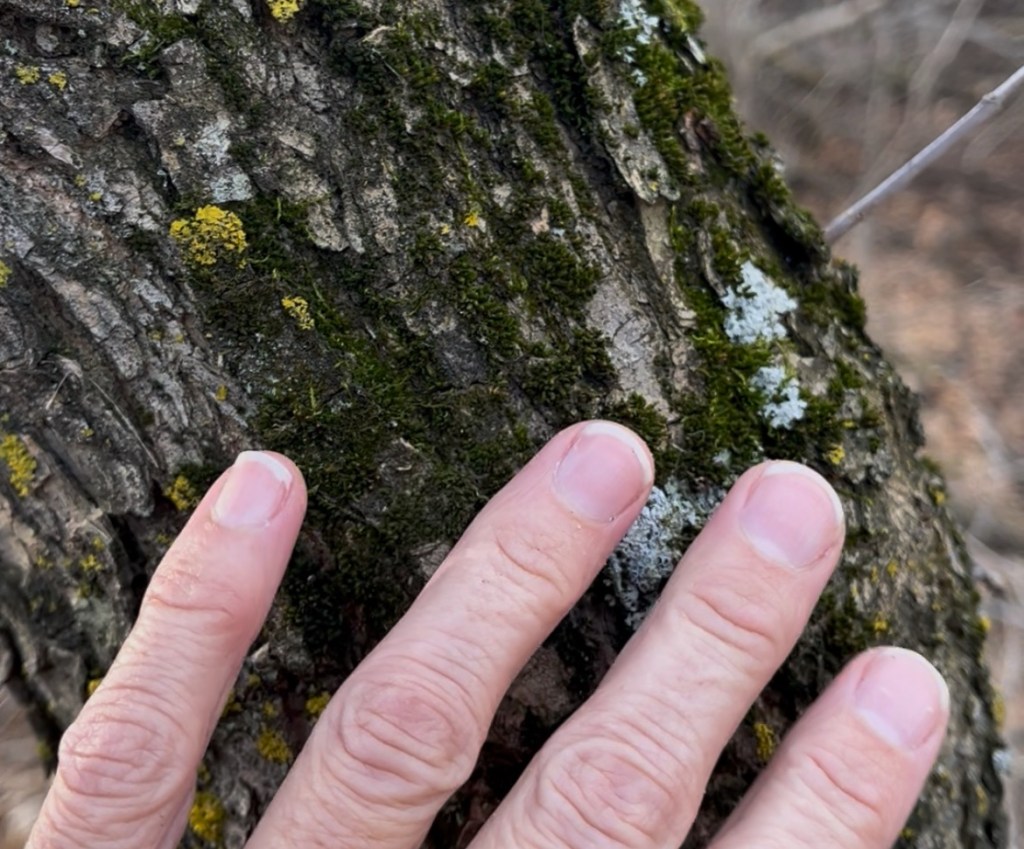
Look around and find something that represents renewal to you. Perhaps it’s a new leaf, a patch of sunlight, a sturdy tree or the quiet persistence of moss growing on a rock.

Notice its qualities.

The tree doesn’t apologize for growing slowly. The moss doesn’t compete with the flowers. The sunlight doesn’t ask permission to shine.

Allow yourself to imagine welcoming some of those qualities into your own life.

As you breathe, you might say:

I welcome peace.

I welcome the things that nourish me.

I welcome the gifts God has placed within me.

I make room for the good things I want to bring into the world.

Take a final moment to notice how you feel.

You haven’t solved your problems. Your pain may still be there. Your to-do list hasn’t magically disappeared (I checked; nature is not currently offering that particular service).

But perhaps you’ve created a little space between yourself and everything that has been demanding your attention.

And sometimes that’s a very good place to begin.

Coming back doesn’t mean going back

I think there’s an important distinction between returning to the world and returning to the way you used to live.

We don’t need to recreate the life that depleted us.

We don’t need to prove that we’re better by taking on everything we once did. We don’t need to fill every empty space just because we finally have a little energy again.

I think the goal is to build a different kind of life.

One where our gifts have room to grow, but our bodies have room to rest.

One where we can love people without taking responsibility for everything they feel.

One where we can contribute without constantly sacrificing our own well-being.

One where we recognize that God didn’t give us gifts so that we could spend our lives exhausted trying to be everything to everyone.

I want to be a woman who is alive in her gifts. I want to create, contribute, love, learn and experience the world. I want to share what I’ve learned through the difficult things I’ve lived through.

But I also want to recognize when I need to step away, sit under a tree and let my body catch up with the rest of me.

Maybe that’s part of collaborating with God too.

Not just bringing our gifts into the world, but allowing Him to help us care for the person who carries them.

So if you’ve been away from the world for a while, don’t feel that you need to rush back.

Start small.

Find the things that fill you. Be thoughtful about what you allow back in. And don’t bury the gifts that are waiting to come out.

You don’t have to do everything.

You don’t have to be everything.

But you do have something within you worth bringing forth.

And the world doesn’t need you depleted.

It needs you alive.

You Are a Success Story

My physiotherapist, “J,” has been with me through it all.

She has seen me on some of my best days over the past 15 years of working with her.

  • The day I told her I was finally pregnant with the baby I had tried nearly a decade to conceive.
  • The day I said, “I’m running again.” After years of pain making even the thought of it feel impossible. My body has approached physical activity like a suspicious cat approaches a cucumber in the past.
  • She heard me process the long, exhausting teenage years of push and pull with my oldest child. And then my second. Followed by my third. The painful years that felt like emotional whiplash and then she celebrated with me when they all graduated. She understood firmly the mentality of, We did it! On each occasion.
  • She walked alongside me through buying and selling homes.
  • When Kenzie got engaged. Jamie transitioned. Riley moved in with his girlfriend.
  • When all three times I found out I was going to be a grandma, she was one of the first people to know.
  • When I started a forest therapy business and dared to believe healing could become something I offered others.

She has witnessed joy. Growth. Milestones.

We have laughed together as I walked around in a body that behaved like it’s been assembled from spare parts with vague instructions and one missing screw.

Proof that life can still bloom in hard soil.

And she has also sat with me on some of my worst days.

  • The day I fell off a boat and we both knew recovery would not be quick.
  • The years I fought to be taken seriously by medical professionals before finally getting the MRI that revealed my bone spur. Disappointing specialist appointments. Medical gaslighting.
  • Family job losses.
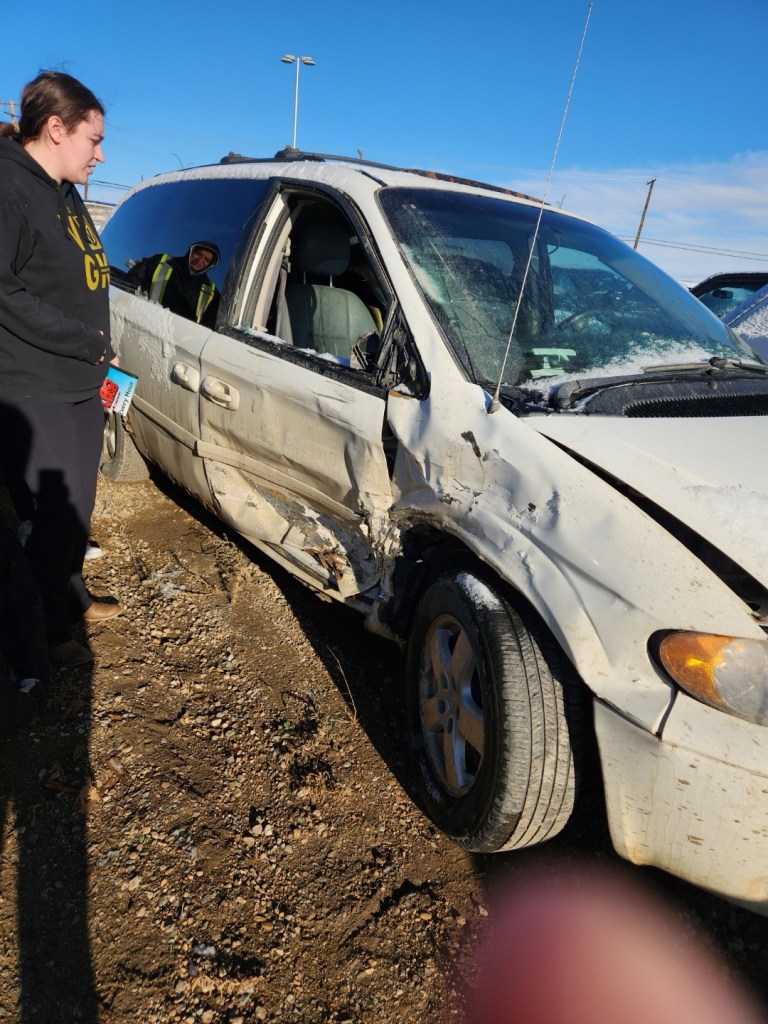
  • Kids in car crashes.
  • The miscarriage of the baby I had fought so hard to conceive. She cried with me that day. And the day I told her I was going ahead with the hysterectomy that closed that door entirely. We were so hopeful that would help my overall health.
  • Surgeries that did not go well.
  • The passing of dear friends.
  • The painful decision to close my business and then Brent’s and eventually to stop working.
  • Leaving the farm and grieving all that move represented. She understood, she’s a farm girl.
  • And the appointment Christmas Eve where she examined me and realized something was deeply wrong. I had almost no muscle mass. I was so weak and felt so broken, useless, a waste of skin.

I could write pages about what J and I have discussed over the years. At some point, she became more than someone treating my body. She became someone quietly witnessing my life story unfold.

The size of my kids when I started seeing J
The size of my kids today.

And then one ordinary appointment changed how I saw myself.

It started like any other. I explained where the pain was. What had shifted in my workouts. What stress was doing to my body. What daily life had looked like since we last met.

She examined me, worked through familiar areas of tension, and after a moment of silence she said something I think applies to all my chronic comrades:

“You’re a success story. Do you know that?”

My first instinct is always to deflect a compliment.

I think you have me confused with someone whose joints aren’t held together by determination and prayer alone.

But it felt true. It felt like the most true diagnosis I’d ever been given.

She continued, (and I want you to see yourself in this,)

When you look at where you’ve been on your lowest days and where you are now. This is a success story.

You could have closed the doors on life. Stayed in bed. Turned inward. Leaned into fear of the future. You could choose to live frustrated and depressed. White-knuckling your way through existence.

But instead, you keep rebuilding. You keep getting stronger. No matter what knocks you down, you come back.

Like one of those punching balloons from childhood. The ones you smack into the floor and somehow they pop right back up, mildly annoying and aggressively optimistic.

I have a core memory of my cousin’s party. They had one of those balloons in the backyard. As I played with it I wondered what was inside that made it keep popping up.

If resilience had a mascot, I might nominate a half-inflated punching balloon and a woman with heating pads.

J was right though. That’s me. That’s you.

What is it that’s inside us that keeps us popping up, time after time?

Not graceful. Not elegant. Occasionally leaking air. But still coming back up.

Again. And again. And again.

J encouraged me to start writing it down. My story. To let others read it. And that is where this blog began.

A success story, heavily disguised as a challenging life story.

Chronic Pain Does Not Stay in One Box

If you live with chronic pain, you understand this. Pain does not politely stay in your shoulder. Or your spine. Or your hips. Or your joints.

It leaks. It spreads.

It enters your sleep, your patience, your relationships, your finances, your confidence, your work, your parenting, and your identity.

It is never just physical.

The dis-ease spreads just like disease. Not because we are weak. But because pain is invasive.

Scars are not signs of weakness, they are signs of survival.

Yet many people living with chronic pain quietly continue. They raise children. Show up to work. Try to exercise. Cook supper. Pay bills. Care for aging parents. Smile through appointments (and cry after.) Fold laundry while wondering why their body feels like it was assembled by a distracted Ikea employee.

And still… they continue.

That is not failure. That is resilience. That is success.

Rock bottom became the solid foundation on which I rebuilt my life.

–JK Rowling

The Exhaustion of Not Being Believed

One of the hardest parts of chronic pain is not always the pain itself. Sometimes it is the disbelief. Unfortunately, this can include close family members. Friends. Employers.

And yes, medical professionals.

When symptoms are invisible, people often assume they are exaggerated. If scans are unclear, they question your tolerance. If you “look fine,” they assume you must be fine.

And so many of us become defenders. Explainers. Evidence gatherers.

Trying desperately to prove that our pain is real. Trying to earn validation. Trying to convince others that suffering exists even when they cannot see it.

But constant defense is exhausting.

As Dallin H. Oaks said:

When attacked by error, truth is better served by silence than by a bad argument.

That quote hit me.

We do not need to defend ourselves from every misunderstanding. Not every person deserves access to our explanations. Not every accusation needs a rebuttal. Not every skeptical glance deserves our emotional energy.

There is a time to inform. And there is a time to walk away.

Never wrestle with pigs. You both get dirty and the pig likes it.

–George Bernard Shaw

Silence is not surrender. Sometimes silence is strength. Sometimes it is peace. Sometimes it is refusing to spend precious energy proving your pain to people committed to misunderstanding it.

Do not explain. Your friends do not need it, and your enemies will not believe you.

–Elbert Hubbard

You Are a Success Story Too

If you live with chronic pain and still carry on…

You are a success story.

If you’ve had to explain your pain as a weird hip or angry neck. Here is your medal in interpretive medicine 🏅…

And you are a success story.

If, like my friend described it, you have been blindsided at a medical appointment and you keep seeking your answers…

You are a success story.

If you got out of bed today and every day, despite exhaustion…

You are a success story.

If you parent through pain…

You are a success story.

If you grieve what your body once was while still learning to care for the body you have now…

You are a success story.

If you feel misunderstood. Lesser. Frustrated. Invisible. You are still a success story.

Do not let anyone take that from you.

You never know how strong you are until being strong is your only choice.

–Bob Marley

A Forest Therapy Practice: Seeing Yourself in the Landscape

One of the most grounding practices I return to comes from forest therapy.

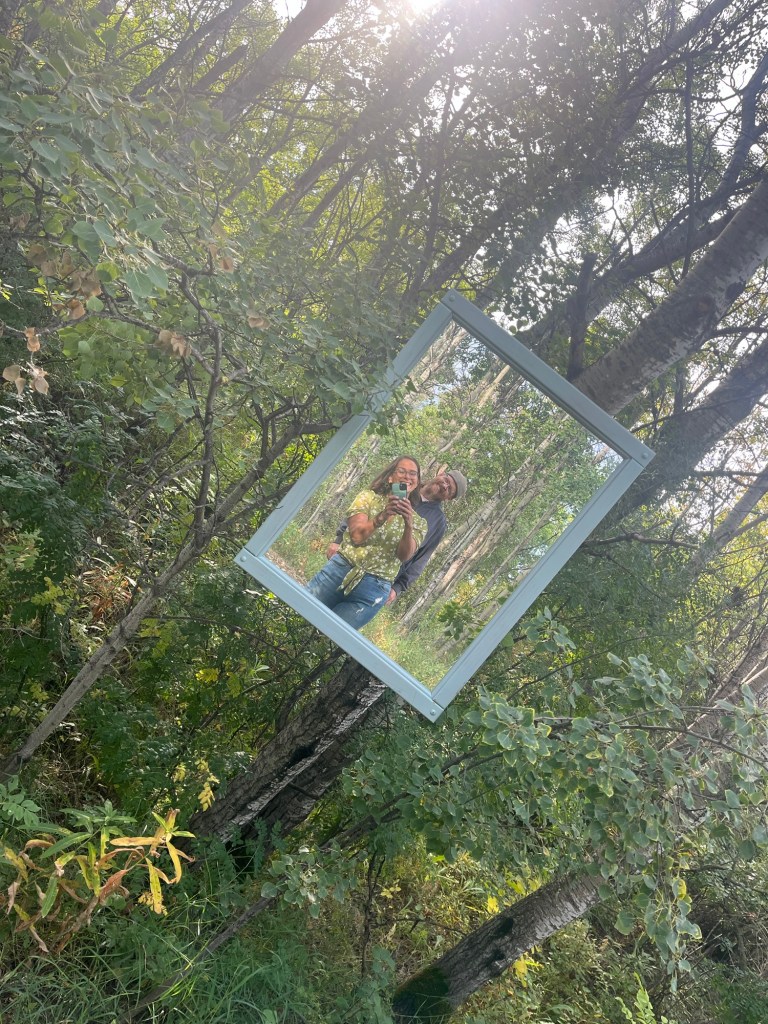
Take a small mirror with you into nature.

Stand among trees.

Or beneath open sky.

Hold the mirror so your reflection appears framed by branches, clouds, leaves, or light.

Look at yourself. Really look. See your face inside the larger landscape. Notice how you are not separate from nature. You belong here too.

Then ask yourself:

Where was I a year ago?

What have I survived?

How far have I come?

What strength still exists in me?

Appreciate where you are now. Not because healing is complete. But because progress deserves to be witnessed. And because you still have what it takes to continue.

Rivers don’t apologize for moving slowly at some points on their path.

Seasons do not shame themselves for resting.

Maybe we shouldn’t either.

My Success Story Is Still Being Written

I used to think success had to look polished. Strong. Linear. Easy to explain. Now I know better.

Sometimes success looks like rebuilding muscle. Sometimes it looks like surviving grief. Sometimes it looks like asking for help. Sometimes it looks like walking instead of running. Sometimes it looks like closing one chapter when life forces your hand. Sometimes it looks like bouncing back up like an emotionally exhausted inflatable clown with stubborn determination.

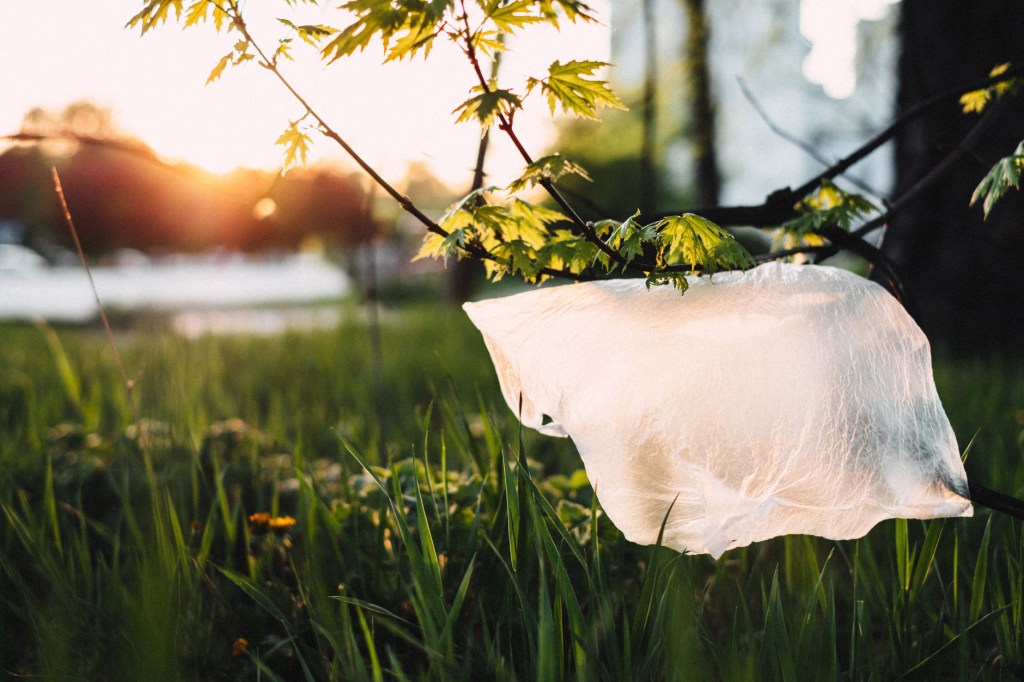
I have bounced back like a plastic bag caught in a prairie wind.

Messy. Crooked. Still rising. Still trying.

And maybe that is enough.

Actually

Maybe that is extraordinary.

You are a success story.

If pain has tried to rewrite your life and you still continue…

🫵 You are a success story.

And don’t you forget it. 😉

🌲 The Science Behind Forest Therapy’s Immune Benefits

The human body is not designed to be constantly alert. It is designed to return, again and again, to states of rest.

–Esther Sternberg

Have you ever noticed that your shoulders drop the moment you step under trees?

That your breath deepens without effort?

That your body seems to say, “Ahhh. That’s better.”

When I was starting out, I knew I’d find something wonderful in forest therapy. But I didn’t expect it to be the answer I desperately needed for my chronic condition.

Rimesong- English (n) (rhyme song)- the gentle sound the world makes on frozen mornings. Branches cracking softly, frost shifting, ice whispering under light winds.

-@everglowwords

That’s not imagination. Or placebo.

That’s physiology.

Long before supplements, ice baths, or wearable tech, the human immune system evolved in relationship with forests. And modern science is finally catching up to what our bodies have always known, nature doesn’t just soothe the mind. It actively regulates inflammation and supports immune function. Read about that research here.

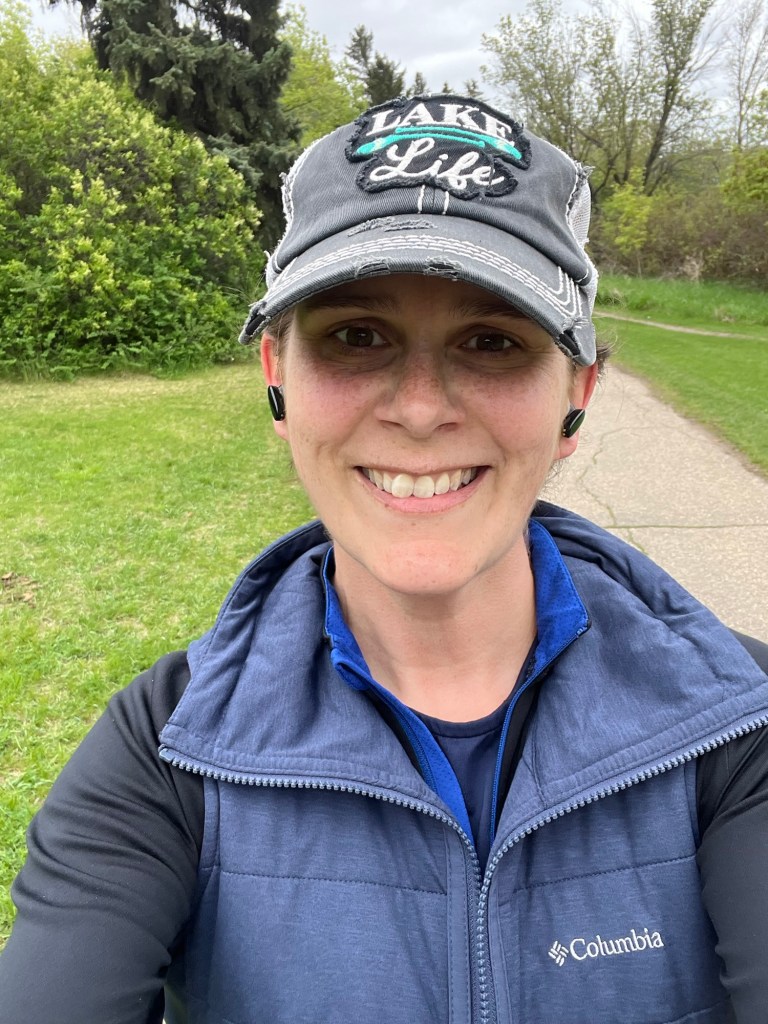
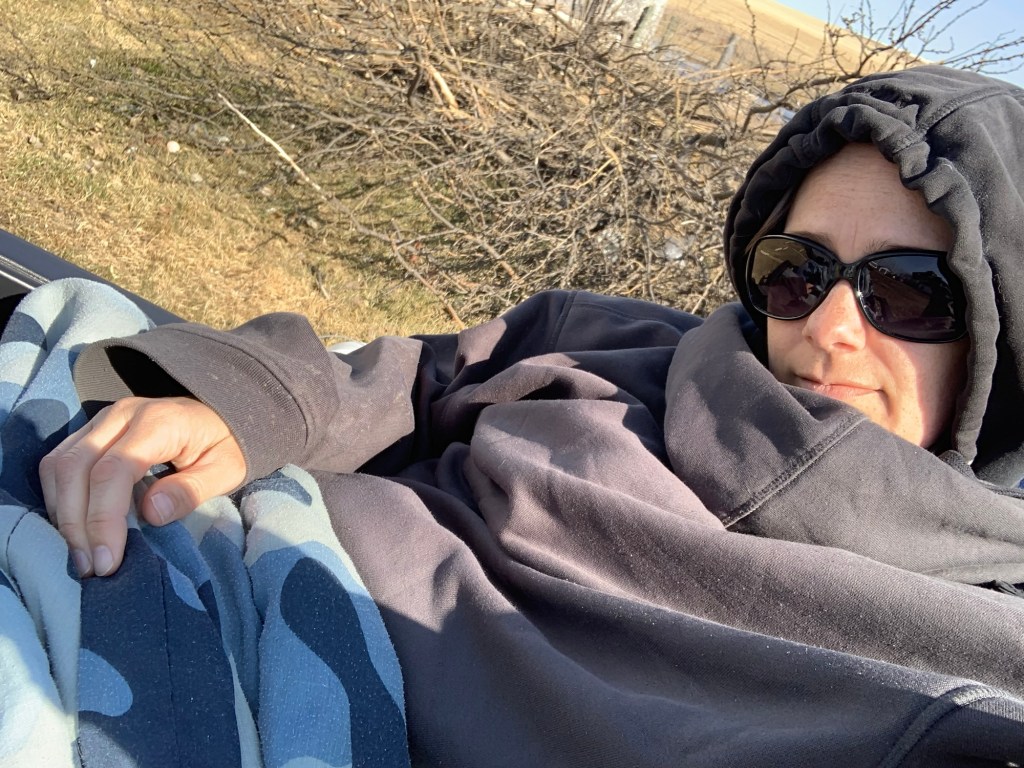
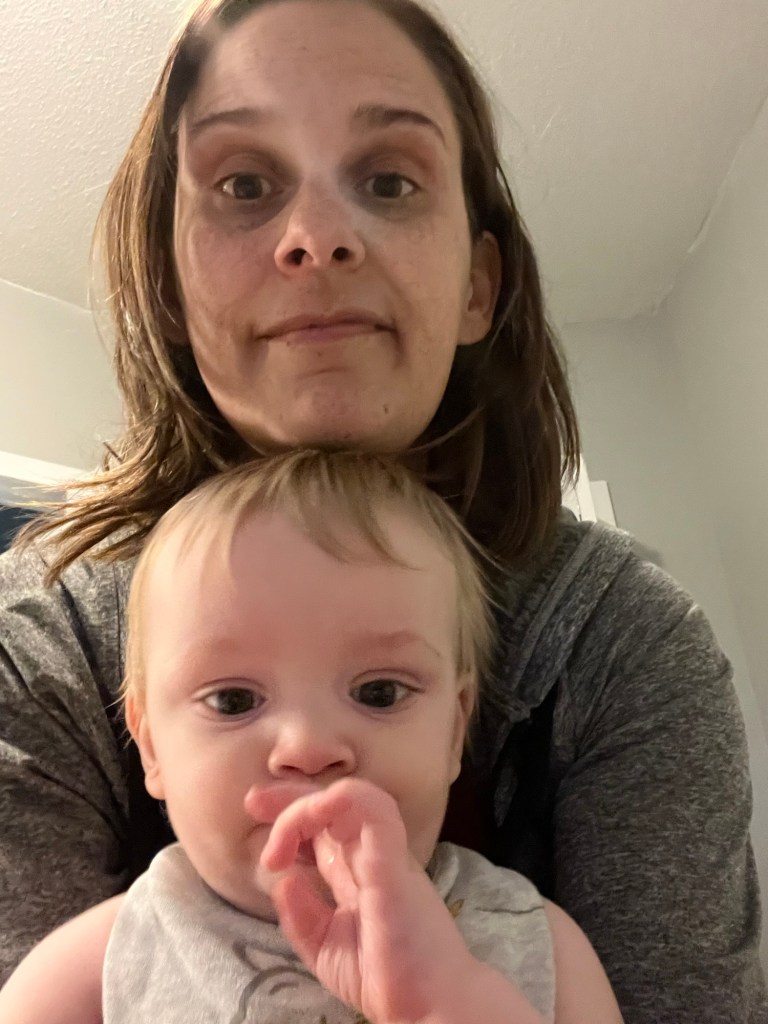
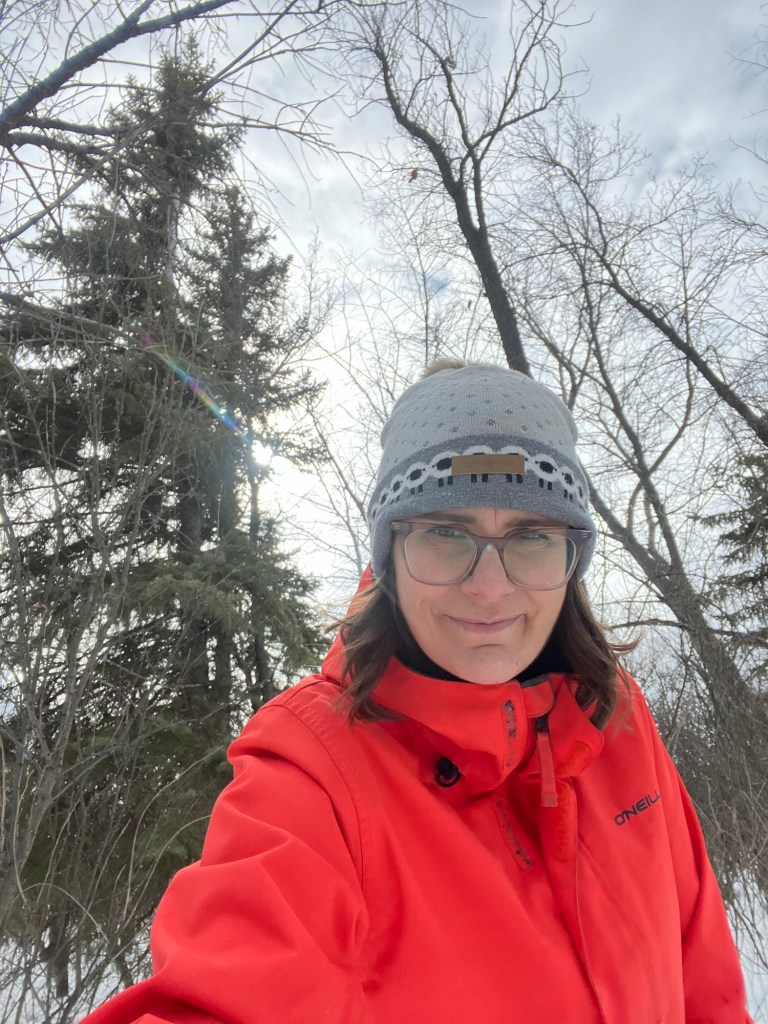
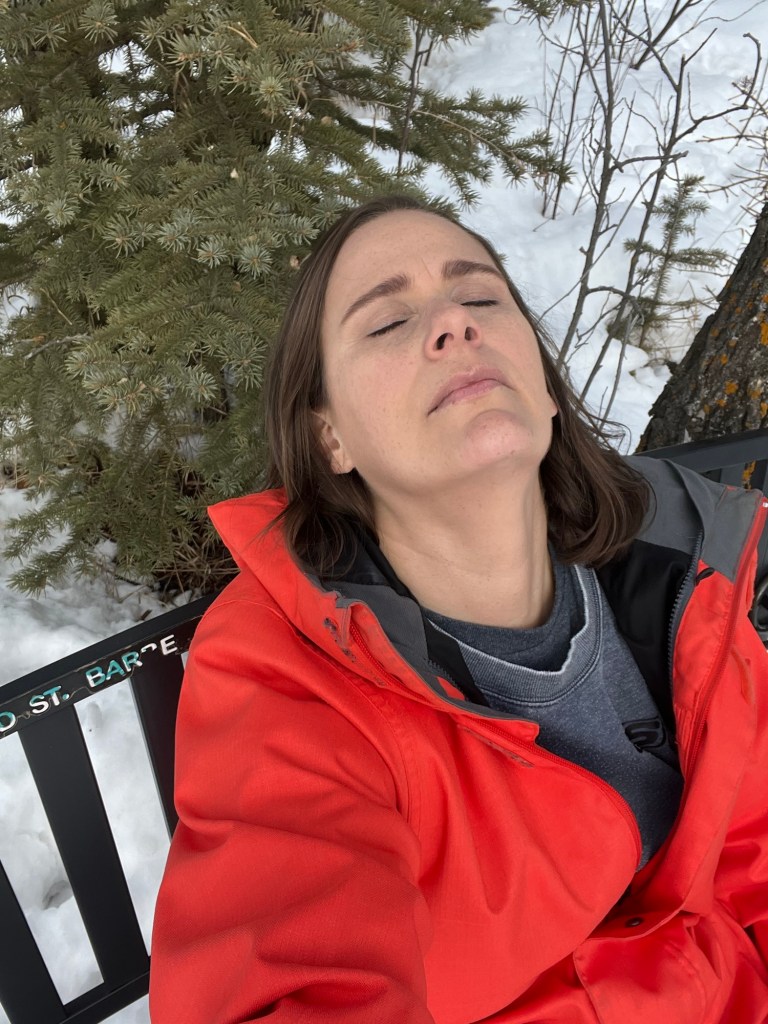
My face before a forest therapy walk.☝🏼

As a forest therapy guide, I experience this recalibration often. We arrive tense, inflamed, fatigued. And leave softer, warmer, steadier. Regulated.

Let’s talk about why.

(I don’t always share the research but it does exist. Follow the links through the post to learn more if you are interested.)

🔥 How Nature Cools the Flames of Inflammation

Inflammation isn’t the enemy. It’s a protective response.

But when stress, illness, or modern life keeps inflammation switched on for too long, the body pays the price. Joint pain, fatigue, brain fog, autoimmune flares, lowered immunity.

You can’t see it. But this is a picture of brain fog,
joint pain, fatigue and flares.
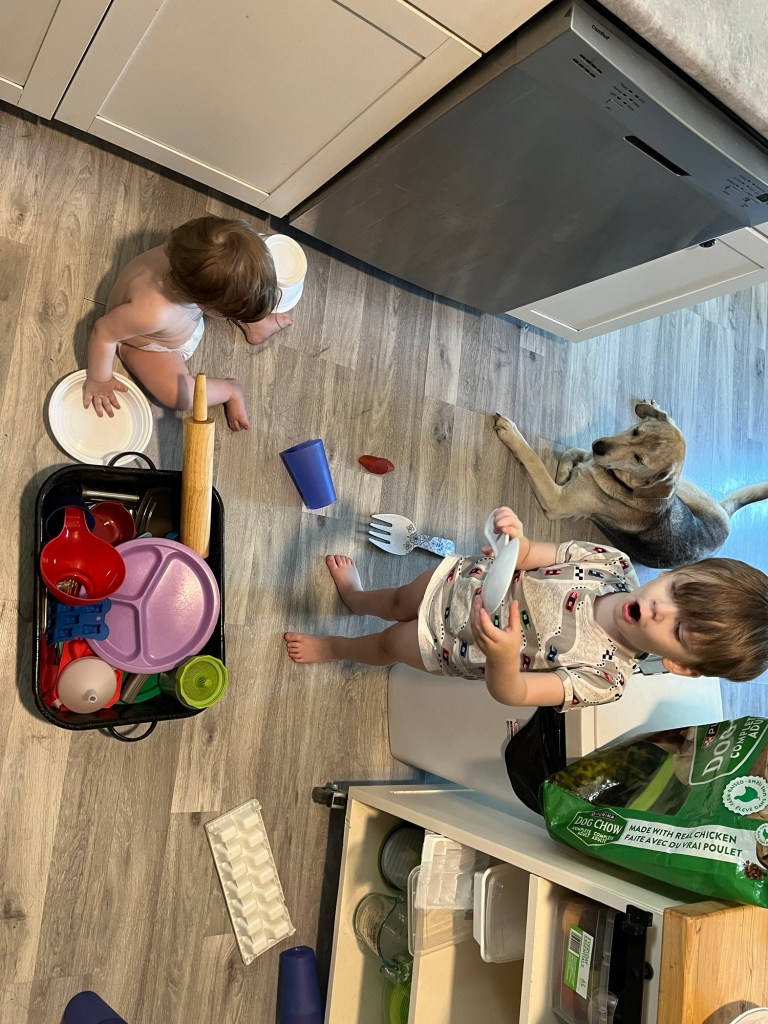
Grandbabies such as this little booger are wonderful!
But they are also 🦠 germ factories 🦠

Nature helps flip that switch back toward balance.

🍃 Forest Breaths: Nature’s Prescription

Trees release volatile organic compounds called phytoncides. The aromatic oils that protect the trees from disease and insects. When humans breathe them in, something remarkable happens:

  • Natural Killer (NK) cell activity increases. Read more here.
  • Stress hormones like cortisol decrease
  • Pro-inflammatory cytokines are reduced

NK cells are a critical part of your immune system. They identify and destroy virus-infected and abnormal cells. Research by Dr. Qing Li shows these immune benefits can last up to 7 days after a forest visit! Read about that research here.

Nature isn’t passive.

It’s interacting with you.

🌬️ Tune Your Nervous System for Optimal Immunity

Here’s the part most people miss.

Inflammation is deeply tied to the nervous system.

When your body is stuck in fight-or-flight, immune responses become exaggerated and inefficient. Forest environments consistently activate the parasympathetic nervous system. Research on that here. The “rest, digest, and repair” state.

Studies show that time in forests is associated with:

  • Lower C-reactive protein (CRP) Read about that here.
  • Improved heart rate variability
  • Increased salivary immunoglobulin A (sIgA), a key immune defense

In simple terms:

Your body repairs better when it feels safe.

Forests and other natural environments create that safety signal.

🌲 Embracing the Woods: Nature’s Anti-Inflammatory Escape

This is not exercise.

This is not a hike.

This is an invitation to regulation.

In wildness is the preservation of the world.

-Henry David Thoreau

🌿 The Practice (45–75 minutes)

1. Arrival — Let the Body Catch Up (5 minutes)

Stand still. Place one hand on your chest, one on your belly.

Breathe slowly through your nose.

Say quietly, “I don’t need to fix anything right now.”

2. Slow Sensory Walking (15 minutes)

Walk at half your normal speed.

Let your eyes soften.

Notice textures, temperature, sound.

This sensory input tells your nervous system it’s safe to stand down.

3. Tree Contact (10 minutes)

Rest your back or hands against a tree.

Notice its steadiness.

Imagine excess heat or tension draining from your body into the ground.

4. Immune Breath (10 minutes)

Inhale forest air slowly.

Exhale longer than you inhale.

This extended exhale directly reduces inflammatory stress signals.

5. Closing Reflection (5 minutes)

Ask yourself: What feels different in my body right now?

No analysis. Just noticing.

💬 Words That Echo the Science

The immune system is exquisitely sensitive to our environment.

-Dr Candace Pert, neuroscientist

And from scripture:

The leaves of the tree were for the healing of the nations. -Revelation 22:2

How many are your works, LORD! In wisdom you made them all; the earth is full of your creatures. -Psalm 104: 24-25

A reminder that nature’s design supports life, health, and resilience.

Healing in nature has always been part of the human story. Both scientific and sacred.

💗 A Story of Healing

There was a season when my body felt constantly inflamed. Sore joints, heavy fatigue, a nervous system that never seemed to settle.

I was doing all the ‘right’ things. But what helped most wasn’t something I added. It was somewhere I went.

A slow walk among trees to capture pictures of my first forest therapy walk. Standing still in winter air. Letting my body remember how to downshift.

The forest didn’t cure me but it gave my immune system room to breathe.

When I was starting out, I knew I’d find something wonderful in forest therapy. But I didn’t expect it to be the answer I desperately needed for my chronic condition.

❄️ Grounding Your Soul: Embracing Earthing in a Saskatchewan Winter

Frozen ground doesn’t mean disconnection.

🌲 Outdoor Winter Grounding

  • Hands on trees or snow. Bark and damp earth still conduct energy. Research here.
  • Lean your back against a tree (a favorite forest therapy posture)
  • Grounding Footwear or Socks. Leather-soled or grounding-compatible footwear can help conduct Earth energy while keeping feet warm. More on that here.
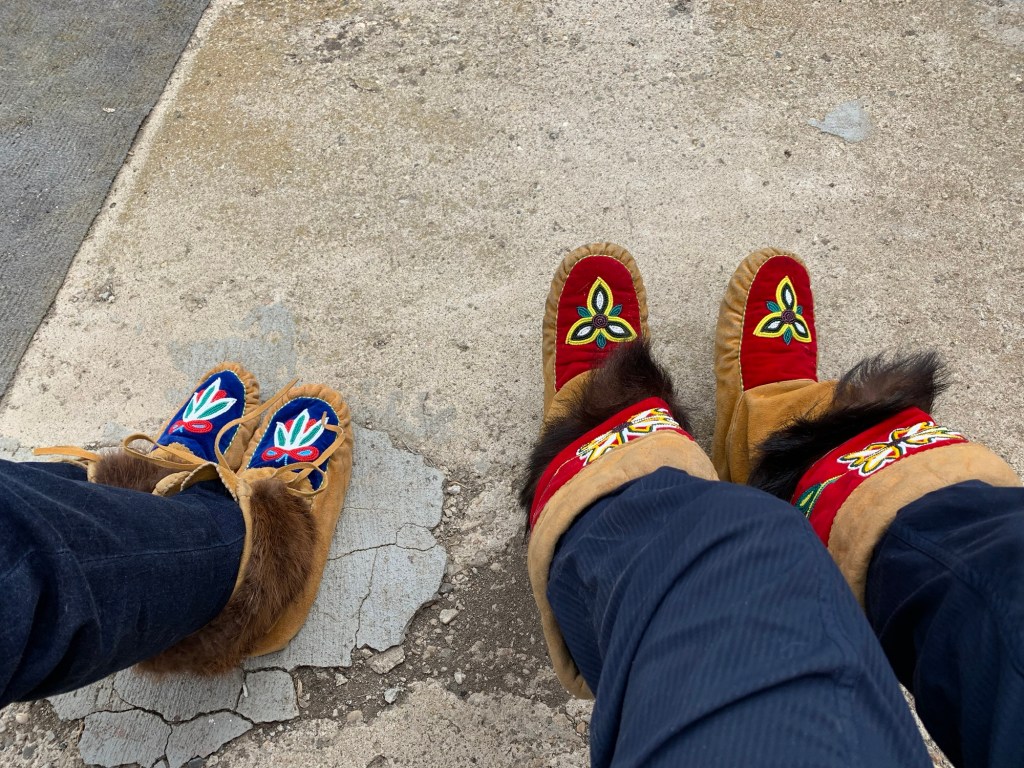
  • If you are lucky enough to have authentic mukluks with a leather sole they are a perfect alternative. (Word to the wise- 🦉 walk to your outdoor earthing spot in your regular boots with a non-slip sole, sit and then put on your super slidey footwear)

🏡 Indoor & Cold-Weather Options

  • Grounding mats under feet while reading or stretching. Learn more here.
  • Warm baths with sea salt and natural stones. More here.
  • Sitting near open windows to breathe cold, fresh air (powerfully regulating)

Grounding is less about bare feet and more about intentional contact with the natural world.

The earth has music for those who listen.

-George Santayana

🌿 Final Thoughts: Nature’s Wisdom Unveiled
Nature doesn’t override your immune system.

It reminds it how to work.

In a world that keeps us inflamed, overstimulated, and disconnected, the forest offers something radical.

Regulation. Relationship. Repair. Without asking anything from you!

Your body remembers this language.

Sometimes it just needs to hear it again.

Embracing Presence: The Passage Towards Healing Together

But first I share some holiday humor,

Frost upon a windowpane 
and softly falling snow,
Warmth beside a crackling fire
while biting north winds blow
Books and blankets, steaming tea ,
The soft glow of an ember,
Candlelight and cozy nights~
The magic of December

-Laura Jaworski

Especially when you live with chronic pain. Spending time in nature is good. Spending time in nature with people. Held in a shared experience of presence and permission. Now that, is something else entirely.

When you live with chronic pain, connection can feel complicated.

I am happy, hurting and healing at the same time. It is the bravest version of me I have ever been.

–healing meme therapy

You long for meaningful connection. But you don’t have the time or strength to find, let alone nurture it.

Bodies are unpredictable. Energy is rationed. Calendars fill with medical appointments instead of casual plans.

Even when we long for community, there’s often a quiet question humming underneath it all.

Will I be able to keep up?

Will I have to explain myself?

This is where group forest therapy offers something different.

Connection on a forest therapy walk doesn’t come from conversation or comparison. It doesn’t require sharing your story or proving how much you hurt.

It emerges slowly, almost indirectly, through shared pacing and shared permission.

It happens when the group naturally slows because one person needs to slow.

When silence is allowed without awkwardness.

When someone names an experience you thought was yours alone.

I’ve watched shoulders drop the moment someone realizes they don’t have to explain why they’re moving slowly.

That moment matters.

There are many things that can only be seen through the eyes that have cried.

-Oscar A Romero

From a physiological perspective, safe connection is not just emotionally comforting. It is biologically regulating. When we feel seen, believed, and accepted without pressure to perform, the nervous system receives a powerful message.

I am safe enough right now.

Stress hormones like cortisol begin to ease. The breath deepens. Muscles soften. Pain doesn’t vanish, but it often becomes less consuming.

Nature does part of this work.

But shared experience completes it.

AD ASTRA PER AMOREM (latin): To the stars through love.

During the holidays, many of us are preparing, with excitement, (hopefully not with dread) for connection.

Family gatherings. Traditions. Empty chairs. Expectations.

For those living with chronic pain, this season can heighten both longing and fatigue. Wanting closeness while knowing how much it costs the body to participate.

Group forest therapy offers another way of being together. A quieter way. One where connection is rooted in presence rather than endurance.

One of my favorite practices for larger groups is something I call Shared Noticing.

Participants are invited to wander slowly and find one small thing that reflects how they are arriving. A stone, a leaf, a texture, a sound.

We must not allow the clock and the calendar to blind us to the fact that each moment of life is a miracle and a mystery.

-H.G. Wells

Later, we gather in a wide circle. Each person is invited (never required) to show what they found and complete the sentence,

“I’m arriving like this…”

There is no fixing. No interpreting. Just witnessing.

Again and again, what emerges is relief. A realization that our internal landscapes are not as isolated as they feel.

Faith includes noticing the mess, the emptiness and discomfort, and letting it be there until some light returns.

–Anne Lamott

Poet David Whyte writes,

Belonging is not something we negotiate; it is something we remember.

Forest therapy helps us remember. Not by erasing pain, but by holding it gently within a living community. Trees overhead, earth beneath us, and others beside us who understand without needing all the details.

As the season of gathering approaches, I find myself wondering,

Where do you feel most allowed to be exactly as you are? Without explanation, without apology?

Share in the comments 👇🏼

As this season asks many of us to gather, I offer this as an alternative kind of togetherness. One rooted in presence, patience, and permission.

If you’re navigating chronic pain and longing for connection that honors your limits, group forest therapy may be a gentle place to land. I’d love to walk alongside you.

To love at all is to be vulnerable.

–C.S, Lewis

Harnessing Nature’s Power Through Forest Therapy

😂👆🏼

For years my body lived in a storm of chronic pain. Caught between relentless tension, inflammation, and exhaustion. Traditional therapies weren’t making a dent. Something profound shifted only when I began practicing forest therapy. Intentionally slowing down in nature to activate the body’s parasympathetic nervous system, the calming rest-and-digest branch that supports healing.

Today, as a forest therapy guide, I’ve watched this shift happen not just in myself, but others around me. In people carrying chronic pain, anxiety, grief, and burnout. Research confirms it and nature continually demonstrates it.

This post explores how parasympathetic activation through forest therapy aids recovery, why it’s especially valuable in chronic pain, and how to practice it even in winter months. When we often need it most.

Having a chronic illness is like looking both ways before you cross the street and then getting hit by an aeroplane.

-my take on quote by Nitya Prakash

FOREWALLOWED: overwhelmed, exhausted, or worn out, often due to excessive effort or difficulty.

🌿 Woods & Wellness: The Science of Forest Therapy
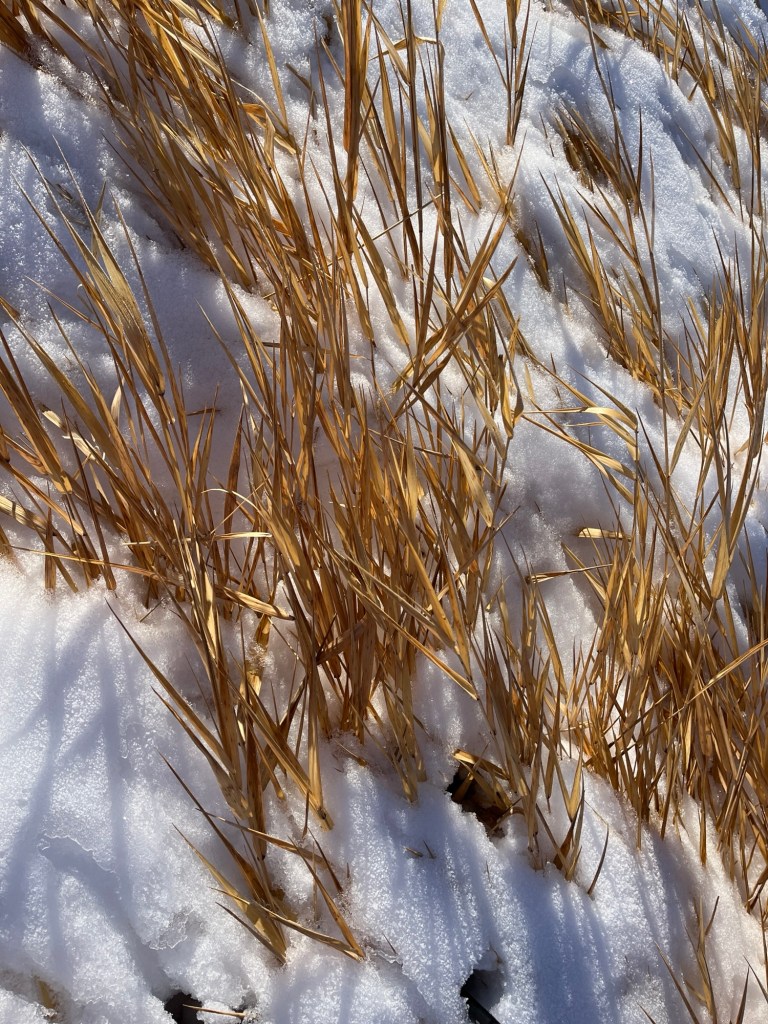
Chronic pain keeps the body stuck in a prolonged sympathetic fight-or-flight state.

Research shows that forest environments:

  • 🌿 Lower cortisol levels
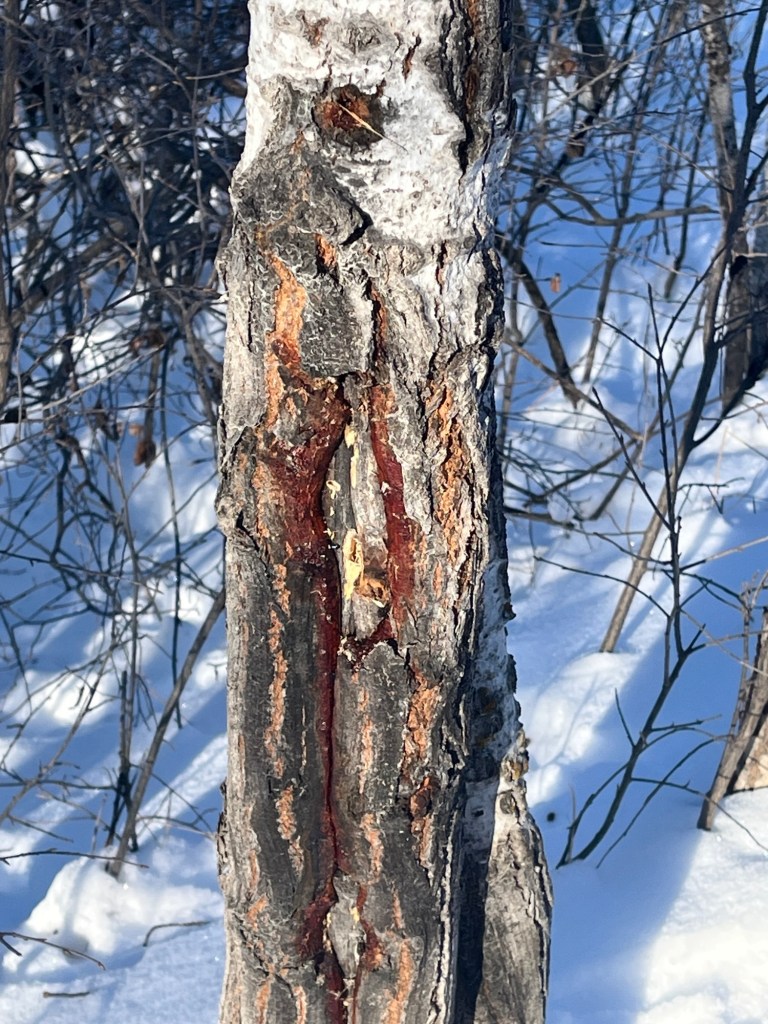
  • 🌿 Reduce muscle tension
  • 🌿 Lower blood pressure and heart rate
  • 🌿 Increase heart rate variability (HRV) (a strong indicator of parasympathetic activation)
  • 🌿 Decrease activity in the prefrontal cortex, easing mental fatigue
  • 🌿 Boost immune function through phytoncides, natural compounds released by trees

Shinrin-yoku (forest bathing) studies from Japan indicate a significant increase in parasympathetic activity after as little as 15–20 minutes in a natural space.

This activation signals the body:

You are safe. You can repair.

Chronic pain often cycles when the body cannot access this safety. Forest therapy helps gently turn that switch.

Break often- not like porcelain, but like waves.

–Scherezade Siobhan

🌱 The Power of Pause: Healing with Parasympathetic Rest

There was a stretch of my life when going to sleep hurt. Waking up hurt. Every day just hurt. Fibromyalgia flares, migraines, and exhaustion deep into my bones, left me swollen with frustration.

My healing didn’t happen all at once. It began with moments.

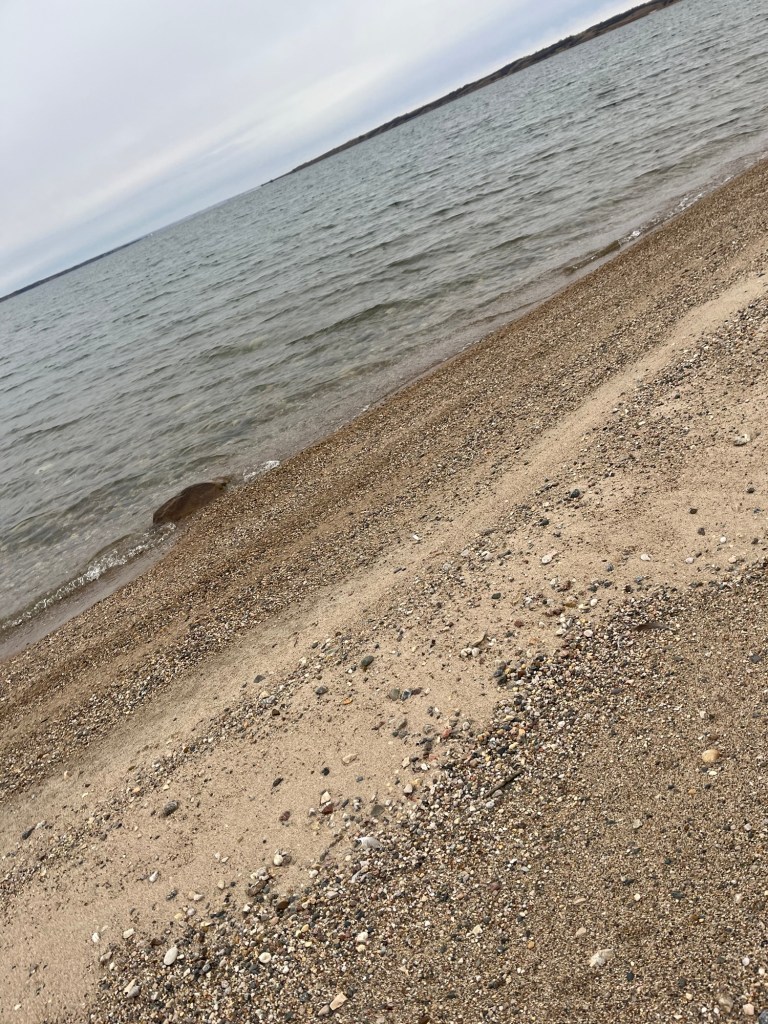
Moments of pausing on a beach.

Moments of feeling my breath match the trees. A slow and ancient pace.

Moments of letting myself not push. Easing into instead of always rushing to take the next step.

Forest therapy didn’t cure my chronic pain. But it gave my nervous system something I didn’t know it was starving for. Permission to soften!

And in that softening my symptoms eased. My hope returned. And my body began recalibrating.

Nature gave me a place where healing didn’t feel forced. It unfolded.

Forest Therapy checks so many of these boxes and aids in checking the others. In FT we practice breathing exercises, sometimes chanting or humming. We meditate. Depending on the season we are exposed to cold &/or sun. Music can be part of the practice. Social connection and exercise are built in. The gag reflex and ability to sleep are supported after the practice.

🍃 The Icy Veil: A River’s Progression Beneath the Freeze

Winter teaches us about quiet healing. The kind that hides but never stops working.

Imagine a river in Saskatoon in January.

On the surface, it looks frozen, still, unmoving. But beneath the ice, water continues flowing. Deliberately, purposefully.

This is what happens when the parasympathetic nervous system activates in chronic pain.

Outwardly you might still feel limited and slow.

But beneath the surface, healing begins to flow again:

  • inflammation decreases
  • muscles release
  • circulation improves
  • your mind stops bracing for the next wave of pain

Forest therapy is the gentle sunlight that softens the ice, allowing your inner river to move again. Not rushed, just returned to its natural rhythm.

For me, being quiet and slow is being myself, and that is my gift.

–Fred Rogers ❤

❄️ Embracing the Chill: Winter Forest Therapy for Chronic Pain

Are we 100% sure we are meant to be awake in the winter?

–Jordanne Brown @Perry7Platypus7

Winter can be challenging when you live with chronic pain:

  • colder temperatures increase stiffness
  • shorter daylight affects mood
  • energy dips
  • motivation wavers

But winter also offers something summer can’t:

an environment that naturally encourages slowness, stillness, and reflection- key conditions for parasympathetic restoration

When practiced intentionally, winter forest therapy becomes a deeply comforting, grounding practice.

🧣 How to Practice Forest Therapy in Winter (Without Freezing or Flaring)

1. Take Slow Sensory Walks (10–20 minutes is enough)

The cold naturally slows your pace. Let it. Pay attention to textures, sounds, and the muted winter palette.

2. Use “Micro Moments” of Nature

If going far feels impossible, try parasympathetic nature moments:

  • sit by a window and watch wind move branches
  • listen to a crackling fire or light a pine-scented candle
  • stand on your porch and notice a single tree
  • touch cold bark and notice grounding sensations

Even 3–5 minutes helps reset your nervous system.

3. Practice Breathwork with Nature

Try the “tree breath”:

Imagine your exhale traveling into the roots of a nearby tree. Slow, steady, grounding.

4. Bring Nature Indoors

Winter healing doesn’t require wilderness:

  • evergreen branches
  • natural scents (cedar, spruce, pine)
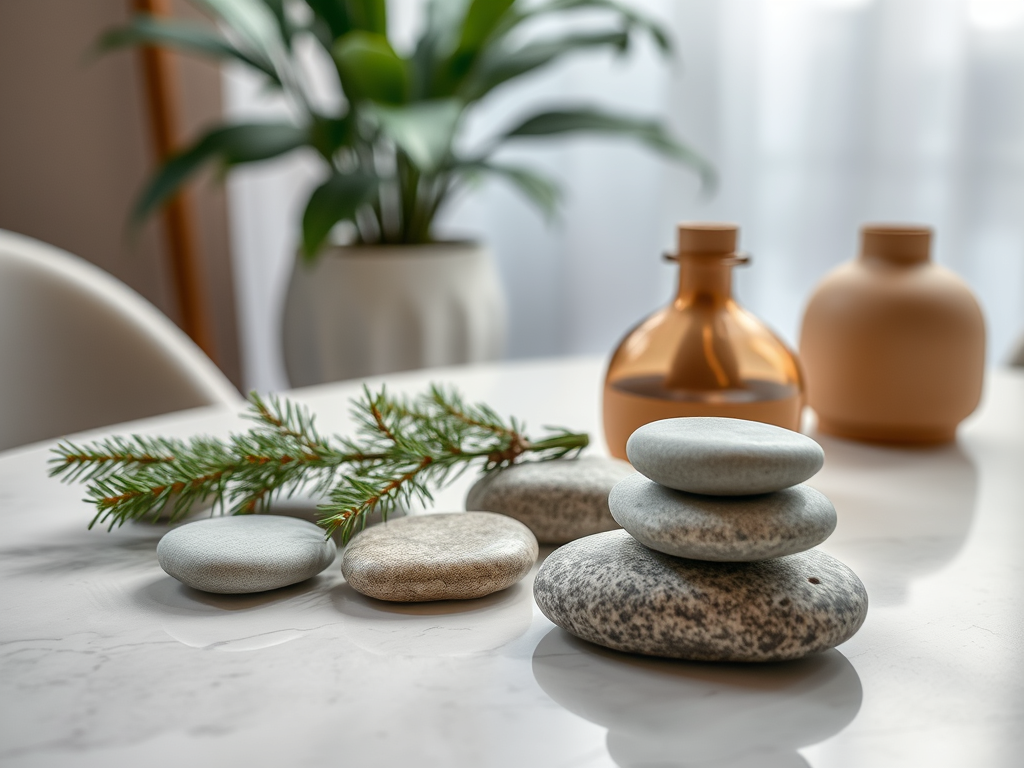
  • smooth stones
  • indoor plants
  • nature soundscapes

Your parasympathetic system responds to cues of safety, not location. Are you ready to commit to this statement?👇🏼

🌲 Cozy Winter Connections: Nature’s Embrace Awaits

Here’s your winter-friendly, chronic pain safe list:

🔥 1. Warm beverages as grounding tools

Tea, broth, hot cider. Wrap your hands around warmth while practicing stillness.

🧤 2. Layer with intention

  • Merino wool layers
  • Heated socks
  • Hand warmers
  • A thermos tucked in your coat

Warmth = reduced pain and more parasympathetic access.

🌲 3. Bring texture

A soft scarf, wool blanket, or mittens can become sensory anchors.

✨ 4. Choose wind sheltered routes

Forest edges, dense evergreens, or local parks with natural windbreaks reduce the cold’s impact on pain.

🌞 5. Use pockets of sun

Even 5 minutes of winter sunlight boosts serotonin and eases the nervous system.

🧘 6. Gentle seated practices. You don’t have to hike.

Sit on an insulated pad, lean on a tree, and let your body settle.

🌿 Healing from Within: Nature’s Cradle for Chronic Pain Relief

Forest therapy doesn’t eliminate chronic pain, but it helps the body access what pain often steals:

a state of rest, repair, and deep nervous system safety.

When nature cues your parasympathetic system:

  • your muscles unclench
  • catastrophizing thoughts settle
  • your breath deepens
  • your pain becomes less sharp
  • your resilience grows.

In this softened place, healing becomes possible again.

When you do things from your soul, you have a river moving in you, a joy.

-Rumi

🌿 Winter Is Not the Enemy, Merely a Difficult Friendship

“The trees may sleep, but they are never dead.” — Edwin Way Teale

Winter offers these quiet, tender invitations:

Slow down. Notice. Receive what nature offers.

Even when life feels frozen, your healing can still flow beneath the surface.

Your body is not failing you. It is waiting for safety.

And the forest, still, patient and ancient, knows how to offer it.

We are the granddaughters of the grandmas your reindeer couldn’t run over.

We are resilient! We are strong! We are SISU!!!

Wrap Your Authentic Self in Nature

Winter reminds us that everyone and everything needs some quiet time.

–Katrina Mayer

A boy of six years old, was asked what he wanted to be when he grew up. He looked up, small and certain, and said,

“I think I’ll just have to be myself. I’ve tried to be like someone else, but I’ve mucked it up each time.”

It has taken me a lifetime and years of chronic pain, illness, and discouragement, to finally understand the wisdom in that little answer.

Your spiritual gifts aren’t found by striving, hustling, or contorting yourself into someone else’s shape. They are revealed through presence. Through making space for the soft truth that’s been whispering inside you since childhood.

I have spent seasons feeling like a waste of space, a waste of skin, wondering what good I could possibly offer the world from where I am. But like that child, after repeated failures at being anyone but myself, I am learning to return to who I truly am.

What are your spiritual gifts and how do you use them?

Seek the Soulful Intersection of Nature and Spirit

I go to the forest when I need quiet, peace, and centering. In the hush of pines and the steadiness of ancient stones, I hear truths I’ve forgotten. I feel wings embrace me. A sacred embrace. Wings lifting me into what I can still become.

This is where forest therapy, spiritual reflection, and divine connection come together.

Roman emporer and philosopher, Marcus Aurelius wrote,

Look within. Within is the fountain of good, and it will ever bubble up if thou wilt dig.

Forest therapy teaches us exactly that. The digging and the returning to the well within.

In forest therapy, we practice the art of noticing our inner landscape with the same compassionate curiosity.

We explore:

  • What comes naturally to me?
  • What brings me alive?
  • What do others feel when they’re in my presence?
  • Where do I feel like myself without effort?

These are the compass points of spiritual gifting.

Illuminate Your Life

KOVA

(n) Hungarian- a massive hard dark quartz that produces a spark when struck by steel

Perhaps the steel or trials that come to us also produces a bright spark.

One of my favourite people, Emily Belle Freeman shared this idea in her podcast, Inklings. S5E111. Elder Dieter F. Uchtdorf: Do Your Part with All Your Heart. She suggests we ask ourselves,

What is my gifting?

As Freeman points out, as humans, we are masters at listing everything wrong with us. But what if, for today, you wrote out what you’re really good at? What comes naturally? What others thank you for?

Freeman prompts us, A spiritual gift answers yes to even one of these questions:

  • Has it touched someone?
  • Has it blessed someone?
  • Has it saved someone?

When we recognize our gifts, we increase them. They grow the way all living things grow: slowly, in seasons, with practice, not perfection.

Perfection discourages.

Practice expands.

Practice invites grace. Leaving space to improve each day.

This is where affirmations come in. Write down what is true for you today. Then recite it. Write who you are and who you are meant to be.

Even if that truth begins as tiny as a mustard seed, it can one day become a great sheltering tree.

Reflect on the Wisdom of Your Creator

I have found strength in beginning my day by thanking the Creator. Whether that be God, Spirit, or angels for you. I thank my gracious Father in Heaven. He is the One who planted these gifts in me. Thanking Him helps me see the ways they grow, mature, and take root.

Another idea Freeman has shared in her podcast, with which I firmly agree,

I believe God’s love for us is high.

I believe His expectations for us are high.

I believe His trust in us is high.

His trust in us is His faith.

His expectations for us are His hope.

His love for us despite our weaknesses is His charity.

And when I see His faith in, hope in and charity towards me, I can offer these gifts to others. These divine principles bring a trust in my ability back into my story. Because of what He offers me.

Joseph Campbell said,

Your sacred space is where you find yourself again and again.

For me, that space is always the forest.

The Shift from Work to Success

Freeman shared a story from Leo Tolstoy’s, Anna Karenina. Tolstoy writes of a man named Levin. Levin decides one day to join the peasants in mowing hay. At first, all he can feel are the blisters forming and the ache in his bent back. The rows feel endless. He fears he cannot keep up.

But then something shifts:

Another row, and yet another row, followed… Levin lost all sense of time. A change began to come over his work, which gave him immense satisfaction. In the midst of his toil there were moments during which he forgot what he was doing, and it all came easy to him.

There is a kind of magic in becoming so present in a task that you relish the process itself. Some people call this, flow.

So why do we question ourselves? Why do we doubt the gifts planted in us? Why not enter the flow, like Levin, and accomplish what we were meant for?

A Truer Perspective

Melissa Wei-Tsing Inouye, a long time associate of The Maxwell Institue wrote,

For some reason it is easier to have faith in other people’s faith than in my own.

Can you relate? A goldfish doesn’t even know it’s swimming. It simply lives within the water it doesn’t recognize is there. He is a product of his surroundings without having any idea.

When we step outside ourselves through quiet, through curiosity, we finally see our inherent spiritual gifts.

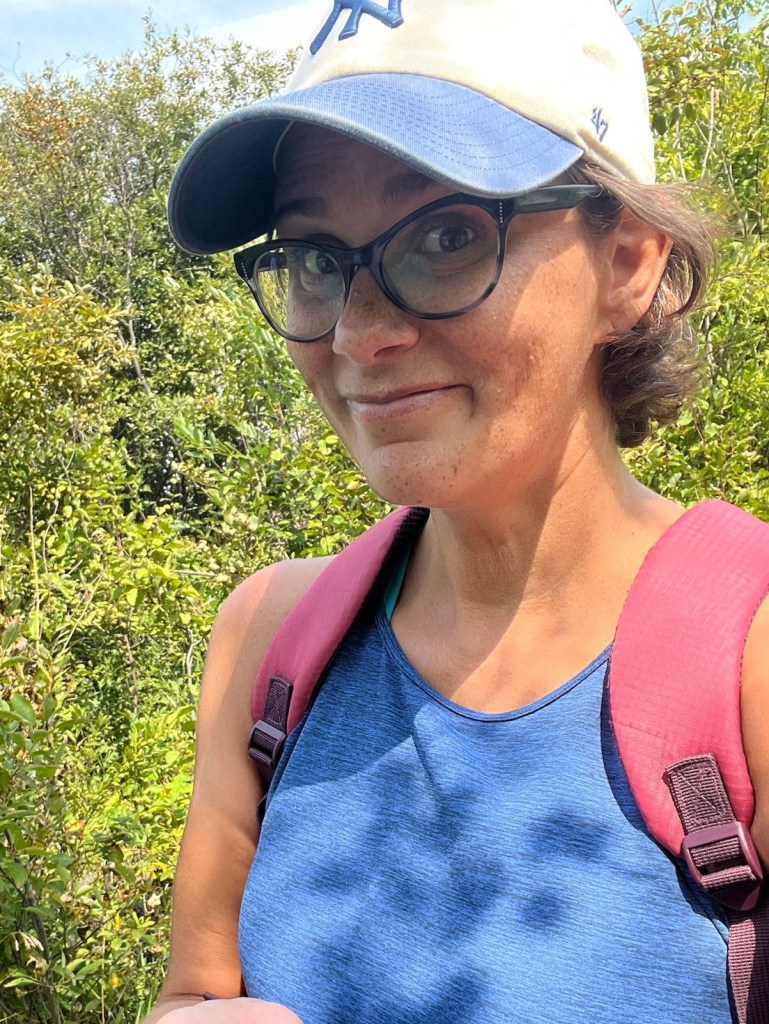
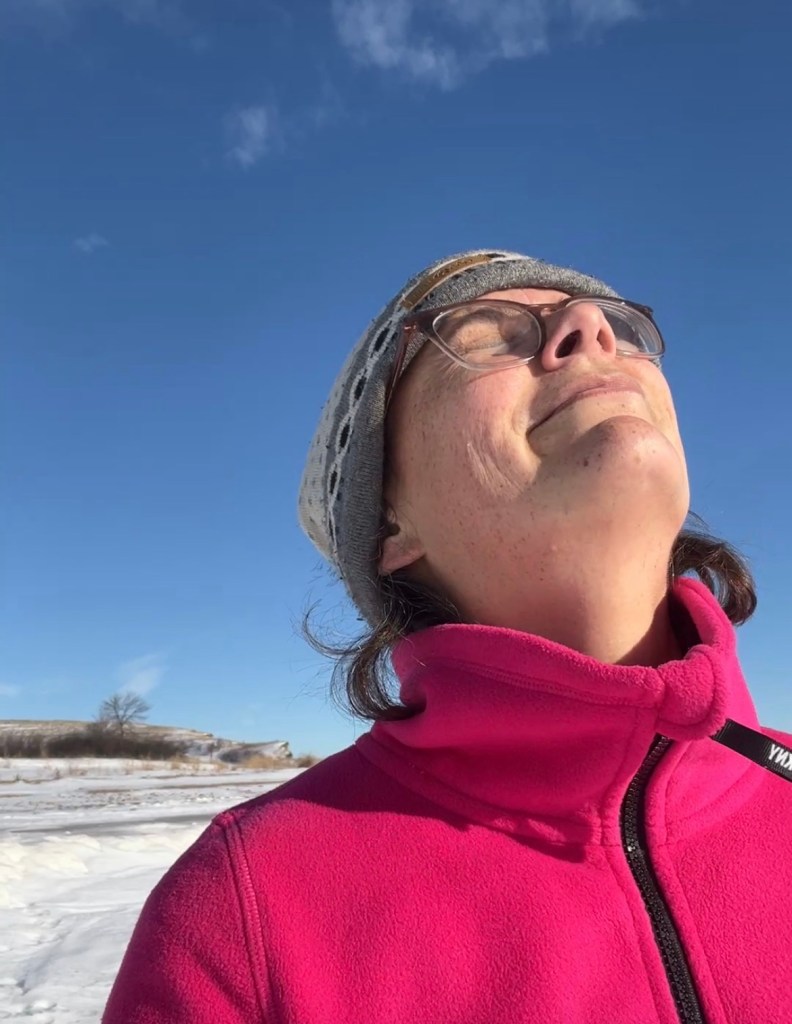
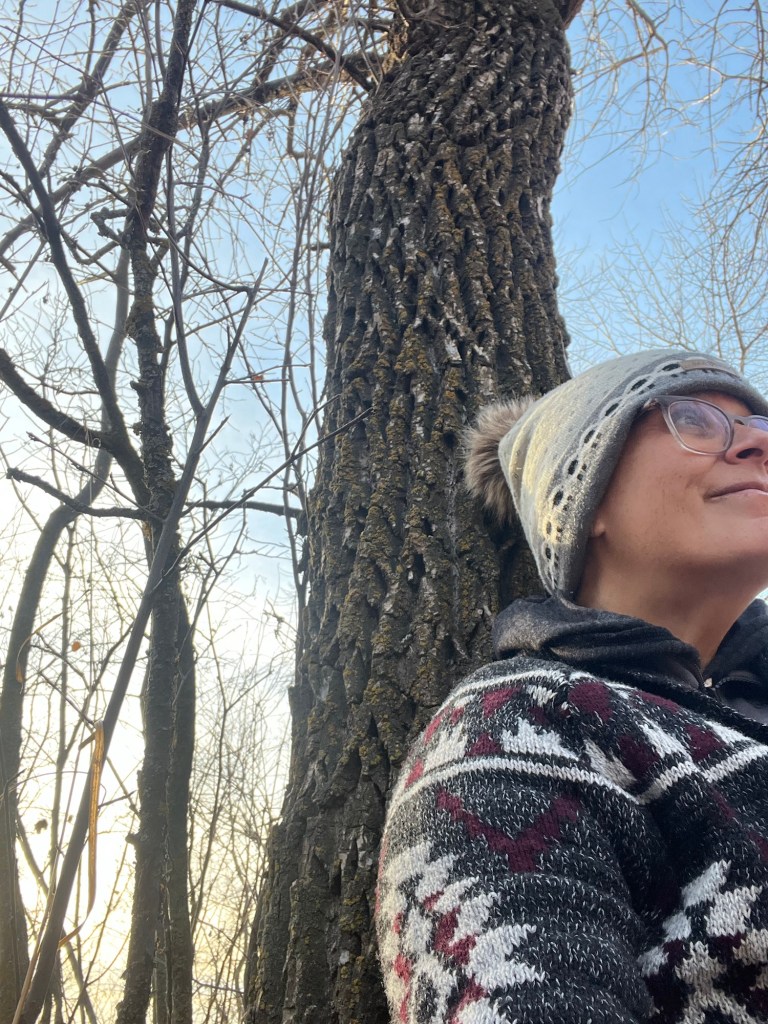
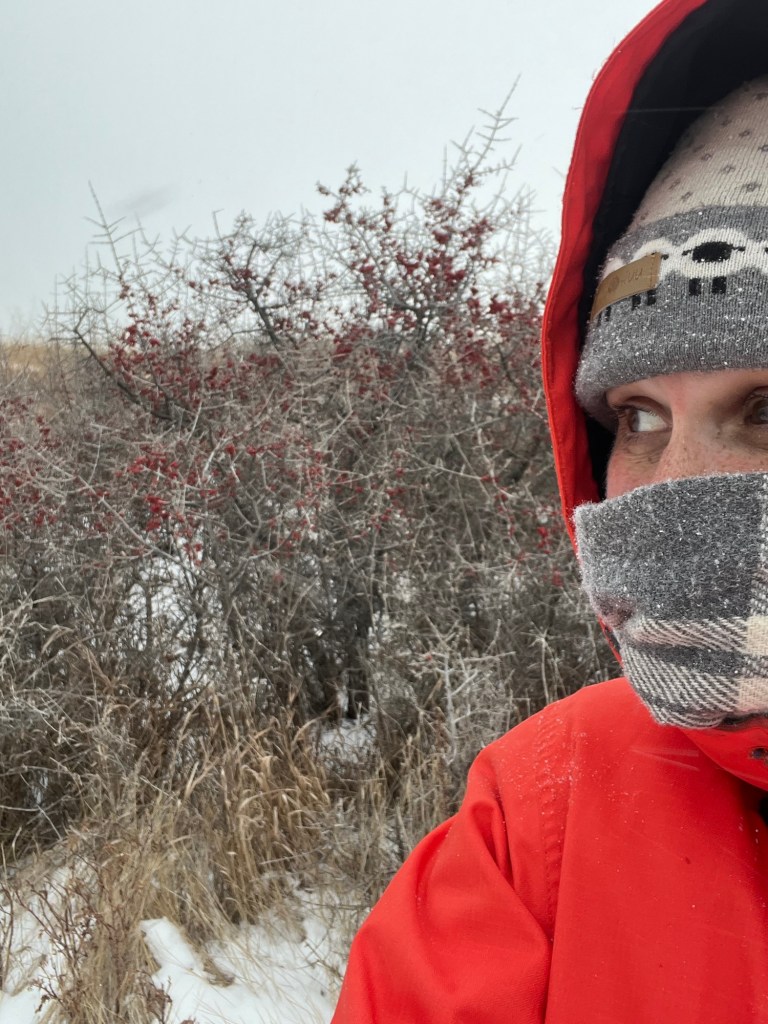
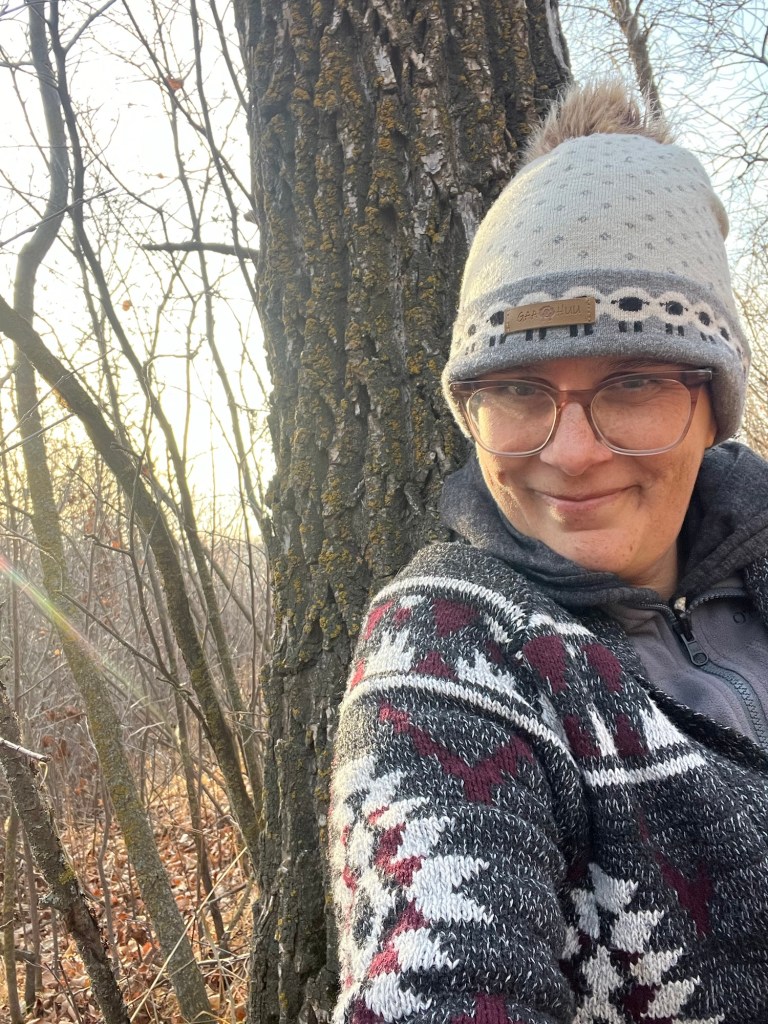
This next block of photos is meant to be scrolled through quickly. It’s not about me or how I look, it is the expressions on my face. I encourage you to look through your photos. Which ones make you look the most alive?

Therein may lie a clue to your giftedness. After inspection, I am persuaded that my giftedness includes noticing and sharing the benefits of nature.

Begin with even a desire to believe.

Then start:

🌱 Practice affirmations

🌱 Practice gratitude

🌱 Practice perspective– stepping outside yourself to see your capacity

🌱 Practice noticing your gifts in real time

Watch them expand, like light through branches, like seeds breaking open. They will bring healing, clarity and spiritual confidence.

I’m the kind of girl who actually wishes on dandelions and shooting stars. With so much madness in the world, we have to be the magic.

-Anonymous

Try this simple practice the next time you’re in nature:

  • Find a quiet place to sit or stand.
  • Let your body settle.
  • Notice one element in the forest that draws your attention. A leaf, a stone, a breeze.
  • Ask, What gift is this offering me right now?
  • Then ask, What gift do I offer the world in the same quiet, natural way?

Don’t force an answer. Let it arrive like sunlight between branches. Slow and sure.

Discover the Revolutionary Benefits of Forest Therapy

The forest is the place where our inner and outer landscapes meet. It’s where these spiritual practices grow deeper roots. Sit among the trees and write your affirmations. Walk slowly and speak gratitude aloud. Let the wind, water, and stillness remind you that you are becoming, gently and steadily.

Your spiritual gifts were planted in you long before you knew their names. They show up in the way you comfort others without thinking… the way you see beauty where others see ordinary… the way your presence shifts a room.

Like that wise six-year-old, you don’t need to become anything other than yourself.

You simply need to return.

Right now, I am watching the lake “go to sleep,” as my mom says. The water moves slowly, ice forms at the edges. Fog drifts over the surface in thin, damp wisps. And in this quiet, I find myself again. I feel my gifts stirring. Small. Tender. Wanting to grow and expand as I lean into them.

Wisdom comes with winters.

-Oscar Wilde

✨ Subscribe to follow my journey, and comment 🌊 if you too are standing at the edge of your frozen lake, trying to find your purpose again.

The Messy Middle: Finding Hope When Life Refuses to Be Tidy

I am in the messy middle of my life.

Not the beginning, when everything still feels like clay. Wet, moldable, brimming with possibility. And not the end, when threads have been tied off and stories are stitched into something you can finally make sense of. I’m here, in the thick of it. In the in between. Healing from chronic pain and somehow learning to live with chronic fatigue, trying to shape what might be next.

Trying to find purpose in pain when the path ahead feels tender and unfinished.

She cleared out all of her old ideas of things, until she could hear her own joy with almost no effort at all.

-Sara Avant Stover, The Way of The Happy Woman

As I have talked about previously on here. I had a hysterectomy after years of fighting hormones that felt like they were clawing their way through my insides. Endometriosis pain stretched across entire seasons of my life.

And then there was my business. It was finally thriving, finally fun. Something my mom built with her hands and heart. But my body whispered then shouted then raged to get me to listen to its unmistakable limits.

Even sitting at the piano. The place that once felt like oxygen became something my body could no longer hold. Notes I used to float through now feel heavy, unsteady, often impossible.

Chronic pain doesn’t just take.

It rearranges.

It remodels.

It forces you into corners you didn’t see coming.

And here I am again, in this messy middle. Sorting out the parts of me that remain. Trying to decide what pieces go where, and to whom, and how much. Because there is only so much of me to go around.

My days are short. My energy is rationed. I can’t just “get up earlier” or “push harder” or “stretch the day.” Those tricks don’t work in this body.

I have learned, painfully, that pushing past limits costs me days, sometimes weeks, of recovery. I don’t slip gently into tired. I crash into a wall of pain with no warning and no buffer. There is no bouncing back.

I don’t have a reserve tank anymore.

I remember when I did.

I remember using an entire day to make snacks and treats for my family, cleaning the house, bathing my littles, tucking them into bed.

I remember being so tired, but feeling full. Like life had weight and meaning and movement. I loved looking at what I had accomplished.

Now?

I can get that same level of bone deep exhaustion from five minutes of washing the dishes.

And that, sadly, is not an exaggeration.

This isn’t “just midlife.”

This is chronic pain. And chronic fatigue. And chronic limitation.

But here’s the truth I’m holding onto-

The messy middle is still a valuable place. A real place. A sacred place of hope. A place worth tending.

And I’ve learned that healing isn’t found in the before or the after.

It’s found right here.

In the slow, intentional steps we take when life has to narrow down.

I have never experienced walking on sand in my winter boots before. Weird!

For me, one of those steps is forest therapy.

Where Forest Therapy Meets Healing Journey

In this season, forest therapy has become one of the few places where my body and my motivation find agreement.

It isn’t hiking. It isn’t performance. It isn’t even about movement.

It’s a return to your own breath. It is nature therapy in its gentlest form.

A soft doorway into emotional healing, grounded presence, and quiet hope.

A reclaiming of the parts of yourself that pain has tried to scatter.

A gentle companionship in the places of life that feel undone.

In the forest, I don’t have to be anything for anyone.

The trees don’t ask me to push. The moss doesn’t question my intentions. The forest simply holds space.

And in that space, I remember that even when life feels broken, I’m not.

I think healing is like that.

Quiet. Nonlinear. Messy.

More felt than understood.

And every time I enter the forest, I feel like I step onto a “ladder of hope.”

The Ladder of Hope by me

You climb it not in leaps
But in breaths.
You rise not by strength
But by softness.
The rungs are made of moments—
A bird call,
A sunbeam,
A place to sit.
And every rung you step on
Whispers the same truth:
You’re still rising.

These are small moment that lift me enough to keep going. Not giant steps. Not perfect healing. Not having everything sorted.

The middle is messy. But it’s also alive. It’s also becoming. It’s also sacred ground.

And maybe, purpose isn’t something we chase.

Perhaps it is something that can grow. Slowly, gently, sturdily. If we let it.

“Hope” is the thing with feathers, that perches in the soul. And sings the tune without the words. And never stops— at all.

-Emily Dickinson

Wherever you find yourself today, whether you’re living your own messy middle or standing at the edge of it, may you find one small rung of hope. One quiet moment. One breath of space.

Chronic pain has rerouted my life more times than I can count. It has taken me down roads I never meant to travel.

It’s like my GPS is stuck on the back roads setting as I travel cross country. Not quite the way I’d planned. A lot bumpier. Requiring a slower pace. And focused attention. It is often lonely. And misunderstood.

Sometimes a path calls for you to walk alone. And still, it is beautiful.

-Angie Weiland- Crosby

There are places where the forest tends us and our own breath begins to feel like a home again.

Let the air touch your face. Let the light filter in.

Climb one rung of your ladder of hope.

Just one. This will look different for each one of us. Rightly so.

We are still rising.

And that matters.

Winter, come rest your soul on autumn’s weary head. Twirl, shimmer, soften, before tucking fall into bed.

-Angie Weiland-Crosby

Diefenbaker Lake: A Childhood Sanctuary

Let the waters settle and you will see the moon and stars mirrored in your own being.

-Rumi

There are places that shape us before we’re even old enough to understand what’s happening. Places that imprint themselves on the soles of our feet, in the rhythm of our breath, in the part of our memory that feels more like home than any house ever could.

For me, that place has always been Diefenbaker Lake.

Some places are so deep inside us that we carry their shoreline in our bones.

-John O’Donohue

I’ve been coming here since I was tiny. Even before I had words for belonging, but somehow already knew I belonged here. Grandpa always made sure of that.

My grandparents had a cabin and a sailboat tucked along these windswept shores. Some of my earliest memories are stitched together with the smell of woodsmoke from backyard fires, the sweetness of my grandpa’s violin, and the rowdy chorus of siblings and cousins running wild between the cabin and the water. With the constant reminder to “wash the sand off your feet before you come in!”

And then there were the cozy, indoor moments that stitched themselves into my heart just as tightly as the beach days. Evenings around the table playing Phase 10, some of us a little too competitive for their own good. And we watched Bedknobs and Broomsticks over and over and over again. Never questioning why, just letting the magic and music wash over us like it was brand new every time.

Mornings were their own kind of ritual. Waking up to Grandma making bacon and something (it didn’t matter what, it’s the bacon that mattered) and the smell of fresh coffee drifting through the cabin. To this day, I associate the scent of coffee with pure happiness, because it always meant family, warmth, and the safe little world we built at the lake.

Teenage awkwardness made an appearance here too, because of course it did. Blushing, fumbling romances that felt monumental at the time. Even with his hair plastered to his face. Perhaps this was done by those winds that could have knocked over a small cow 🤔.

Speaking of cows. They are a regular feature of this lake that is surrounded by pasture land. Two rules. Don’t use a cow as a landmark when giving directions. They tend to move eventually. And don’t pick a beach with a cow path into the water. You can guarantee there’s a few cow pies in there.

Swimming lessons were basically an extreme sport back in my day. With waves bigger than me, wind that felt like knives, and instructors yelling cheerful encouragement while I questioned all of my mom’s life decisions that brought me to this point.

Still, I kept going back.

I lived for the days Uncle David would haul out the power boat. Kneeboarding, tubing, laughing so hard my face hurt. Those were the moments that made childhood feel endless. We’d tear down the path to the beach, towels flying behind us, younger siblings and cousins trailing like joyful chaos. We swam, we snacked, we visited, we repeated. Every day was an epic saga of sunshine and soggy towels.

Sailing days were their own kind of magic. My mom loves to retell the story of my sister and me being so little our feet didn’t touch the floor as we sat at the table down below. Meanwhile grandpa and dad were tacking hard and smiling harder. Every time the sailboat leaned, we’d just… slide helplessly under the table like tiny bewildered penguins. Apparently we were adorable. At the time, I remember thinking, Is this normal? Are we sinking? Should I be able to see the lake out that window?

Dad and grandpa were always smiling so I took that to mean we were safe.

As I grew older I loved sitting at the very front of the sailboat, facing forward, wind whipping around me, I felt like I was flying. When the water was calm, the spinnaker would make an appearance billowing out like a living thing. My grandpa worked the ropes and held the tiller with the easy smile that only comes from loving a place so much. Those are memories I hold like treasures.

And now seems like the appropriate moment to confess something to my parents…

I did, in fact, steal the keys and “borrow” the cabin for one weekend as a teenager 😬. I had “a few friends” over. I threw exactly one party in my entire life. And I was so sick with worry the entire time that I basically grounded myself for the rest of my adolescent years. Lesson learned. Sorry. Mostly. It’s been a good story over the years.

I spent my honeymoon at the lake- 26 ½ years ago. We fished, built sandcastles, and solved the great riddle of rural Saskatchewan: there are no gas stations open on Sundays. (At least, not back then.)

About five years ago, my parents bought their own place by my lake It took a some time but something inside me reconnected. Something long since silent woke back up.

I listen excitedly to hear about the ice breaking in the spring. The booming, cracking, shifting sound like the earth stretching after a long sleep. Then, in an instant it seems, the ice is gone. Summer brings shimmering waves, familiar laughter, and barefoot days that always feel too short. Fall arrives in gold and red and farewell winds. Winter… winter brings a darker, quieter beauty. A solemn stillness that somehow feels honest. Vulnerable.

The older I get, the more I find that the quiet places are the ones that speak the loudest.

-Unknown

We’ve camped along these beaches. We’ve laid in the sun. And now, when I head out on my power boat with our next generation, I think of Uncle David. I feel him in the hum of the engine, in the ripple of the wake, in the bright splash of joy that comes with speed and water and family.

The pinnacle of our lake experiences has to be when we helped save our friend’s boat from sinking. When the bladder around the leg came off and they started taking on water, they quickly headed to the boat launch. Seeing they wouldn’t make it, they beached the boat. Then with two other power boats and a cacophony of helpers, they managed to get two boat tubes under the leg and the front of the boat. One of the support boats towed. Two people bailed. People sat on the tubes to balance. And in this ridiculous state we slowly made our way through the marina and up the launch. To the laughter and cheers of watchers nearby.

I have found beauty in the whimsically ordinary.

-Elissa Gregoire

These days I walk the trail by my lake often. I slow down. I breathe.

And somewhere along the way, I realized,

This place has become part of my healing.

Chronic pain forces you to live differently. More slowly, more intentionally, more gently. Forest therapy taught me to seek connection with the natural world, to let my nervous system rest in the presence of trees, water, sky. And here, wrapped in the sounds and rhythms of my lake, something in me softens. Pain quiets. My body remembers safety.

When the heart is overwhelmed, the earth invites us to rest.

-Unknown

My parents host endlessly now, filling their summers with family, friends, neighbours. Anyone who needs a taste of peace.

They are the sailboat owners. And they love it just as much as my grandpa did.

The legacy continues, like wind passing from one generation to the next.

My lake is healing. This home of my parents is healing.

And after all these years, I am still finding new ways to belong here.

There are days the lake knows my story better than I do.

-Unknown

Fluctuat nec mergitur (latin phrase):

She is tossed by the waves but does not sink.

An Ode to My Lake

O Lake of my childhood, keeper of my summers,

You who taught me courage in cold waves

and laughter in the spray of speeding boats

I return to you again with a heart that remembers.

You cradle my earliest joys.

Grandpa’s violin threading through evening air,

firelight warming our faces,

cousins tumbling down the path like wild things set free.

You were witness to awkward teenage hopes,

to frozen swimming lessons and winds that stole my breath,

to stolen keys and the single party I regretted

before it even began.

You held my honeymoon,

my young love learning its way,

and you held me still years later

as chronic pain reshaped my life.

Now I walk your trails slowly,

letting forest therapy guide my weary body

back into rhythm with the world.

Your waves teach me presence.

Your ice teaches me patience.

Your seasons teach me trust.

Grandparents gone on, Uncle David gone on,

Memories gone on,

yet their echoes remain in your wind.

In every sail that fills,

in every motor that roars to life,

I hear them.

My lake,

always changing, always faithful,

you have become a sanctuary,

a place where the ache eases

and beauty remains.

Thank you for holding my childhood.

Thank you for holding my healing.

Thank you for holding me still.

My lake.

Some memories are not moments at all, but places.

Victoria Erickson