What if the goal isn’t to eliminate pain? But to change your relationship with it.
Not by forcing positivity. Not by chasing the next miracle cure. But by learning how to stand in a forest, breathe, and gently step outside the storm long enough to see it clearly.
That’s where mindfulness in the forest becomes powerful. Not as an escape from pain, but as a way to interrupt the pain cycle itself.
Benefits don’t emerge from merely experiencing mindfulness as a state. Instead they happen when we cultivate mindfulness as a personal trait.
Chronic pain is never only physical. It is neurological, emotional, and deeply shaped by our stress response.
This is not to say that you don’t experience actual, real, physical, deep pain. Only that our pain experience can be altered according to how we choose to interpret it. Which is especially important in chronic pain when so often there are no answers or treatments.
Pain feeds on:
Fear of what’s coming next
Hyper-vigilance in the body
Frustration over what we’ve lost
The endless search for a fix
This creates a familiar loop.
Pain → tension → fear → more pain.
Mindfulness, especially when practiced in nature, doesn’t deny this cycle.
It teaches us how to step out of it.
Don’t stress the ‘could haves’, if it should have, it would have.
MINDFULNESS (n):
“The practice of being aware of your body, mind and feelings in your present moment, thought to create a feeling of calm.”
Finding Harmony: In Nature’s Whispering Wisdom
Mindfulness anywhere can help.
Mindfulness in a forest does something more.
Natural environments gently regulate the nervous system without any concentrated effort on our part:
Heart rate slows
Breathing deepens
Muscles soften
The brain shifts from threat mode to restoration mode
Research on shinrin-yoku (forest bathing) shows that time in forests lowers cortisol, reduces blood pressure, and increases parasympathetic nervous system activity (the part of us responsible for rest, repair, and emotional balance.)
In other words, the forest doesn’t erase pain.
It loosens pain’s grip.
Captaining the Currents of Our Existence
Mindfulness helps us understand the waters in which we are swimming.
If you live with chronic pain, the pain is not you.
It is the water around you.
Some days you can float on your back.
Some days you need the survival position.
Some days you just enjoy swimming. (But those days are few and far between.)
Some days you simply tread water and keep breathing.
Mindfulness helps us step just far enough back to see,
This is the water. This is not my identity.
That small shift changes everything.
Untangling Hope: Innovative Lessons for a Brighter Tomorrow
In the podcast Untangle: What Does it Mean to Live a Good, Meaningful Life? Despite the (really) Hard Stuff, philosopher Kieran Setiya reflects on living with chronic pain and the trap many of us fall into. Hoping only for a cure. His story resonates with me. Because it is also my story. Is it yours too?
For years, he moved from doctor to doctor thinking, maybe this one will fix it. When he stopped, something unexpected happened. He felt freedom. Less frustrated. More grounded in how he would actually live his life.
At first, he thought he had rejected hope.
Later, he realized he had simply changed what he hoped for.
Not hope for a magic solution.
Hope for a life that would still feel meaningful. Even if pain remained in the background.
He describes the exhausting seesaw many of us live on:
hope → despair → hope → despair.
And suggests something radical. Getting off the seesaw altogether! That doesn’t mean stop seeing doctors or looking for answers. What it does mean is this.
The real question isn’t:
Should I hope or despair?
It’s,
What is realistic to hope for right now?
Mindfulness in the forest supports exactly this shift. Grounding hope in lived possibility instead of fantasy cures.
Choosing Joy in a Body That Hurts
It’s been said that one person’s joy ride is another person’s panic.
I love riding on the back of my husband’s motorcycle. Joy.
I love sitting at the front of a sailboat as it bounces across the water. Joy.
Someone else might question my sanity.
I don’t like roller coasters that go upside down. Panic.
I have no desire to drive an F1 car. Panic.
I question the sanity of people who enjoy those things. Which made me wonder.
What influences our desires? Our thoughts? Our emotions?
Are we just born joyful or grouchy? And that is how we have to live out our days?
Or do we choose? Can we choose our thoughts, our desires and thereby influence our emotions?
What if, even in a tangled mess of pain, emotions, relationships, and loss, we are allowed to choose joy?
Not reckless joy.
Not denial.
But brave joy.
The kind that says:
I will still step into wonder.
I will still feel exhilaration.
I will still live.
That is what mindfulness in the forest has given me.
I get to decide.
And honestly?
There’s no need for recreational anxiety around here. There’s enough regular anxiety to go around.
Inward Insights: The Wisdom Within
Look within. Within is the fountain of good, and it will ever bubble up, if thou wilt ever dig.
-Marcus Aurelius
The forest helps us dig. Quietly, gently, without force.
Mindfulness reduces activity in brain networks that amplify pain through rumination and emotional reactivity, lowering perceived suffering even when pain remains.
Attention is the rarest and purest form of generosity.
-Simone Weil
When we give attention to our own experience. Without judgment. We change how pain lives in us.
Nature’s Cradle: A Forest Therapy Practice
Interrupting the Pain Cycle (7 minutes)
You can do this in a forest, park, or anywhere you can sense the natural world.
1. Arrive (1 minute)
Stand or sit comfortably. Let your eyes soften. Notice three natural textures. Bark, stone, leaf, snow, or water.
2. External Anchor Practice (2 minutes)
Choose one steady element in the landscape. A tree trunk, rock, horizon line, or patch of ground.
Let your attention rest there. Softly.
When your mind drifts toward pain or worry, gently return your awareness to that anchor.
This shifts the nervous system from internal threat scanning to external safety awareness. Especially helpful if breath-focused practices feel uncomfortable.
3. Name the Water (2 minutes)
Silently say:
This is pain. This is not me.
Notice sensation as experience, not identity.
4. Choose Your Stroke (2 minutes)
Ask yourself:
Do I need to float, swim, or rest today?
Let your body answer.
Mindfully Brave
For a long time, I thought mindfulness meant becoming calmer.
What I didn’t expect was that it would make me braver. Braver about feeling, braver about choosing joy, braver about living fully even when my body hurts.
The forest didn’t take away my pain.
It gave me back my choice.
Key Takeaways
Mindfulness in the forest teaches us:
Pain is real. Suffering is optional. Hope doesn’t have to live on a seesaw.
We can step out of the waters long enough to see them clearly. And then choose how to move within them.
Or as one forest therapy guide once said quietly on a trail,
We don’t come to the woods to escape life. We come to remember how to live it.
Trek Into the Frosty Adventure
If this spoke to you, you may also enjoy my post on finding connection through group forest therapy walks, where I explore how shared presence in nature reduces isolation and builds resilience for people living with pain and fatigue.
Faeloria (n):
The beauty that comes from the wounds you thought would destroy you.
Research at a Glance: Why This Works
Bottom line.
Mindfulness in the forest doesn’t cure pain. But it interrupts the feedback loop that keeps pain amplified by fear, stress, and resistance.
For those interested in the research, check out the following links. Let me know what you think in the comments.
1️⃣ Forest environments reduce stress hormones and activate relaxation responses
The 2010 Shinrin-yoku studies show forests lower cortisol, pulse rate, blood pressure, and increase parasympathetic nervous system activity (relaxation response).
A recent systematic review shows forest bathing decreases negative effects and enhances mindfulness and introspection. Key components of emotional regulation and pain resilience.
5️⃣ Mindfulness meditation itself has measurable effects on pain perception
Comprehensive reviews of mindfulness meditation include clinical and experimental insights into how it reduces pain intensity and unpleasantness across conditions:
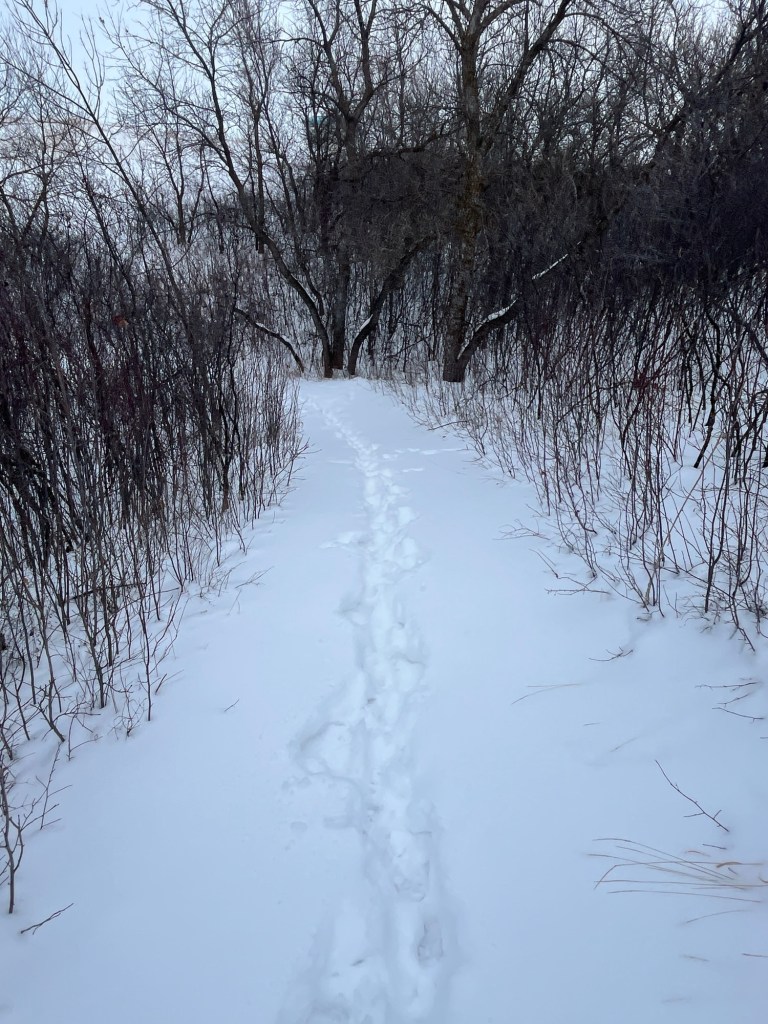
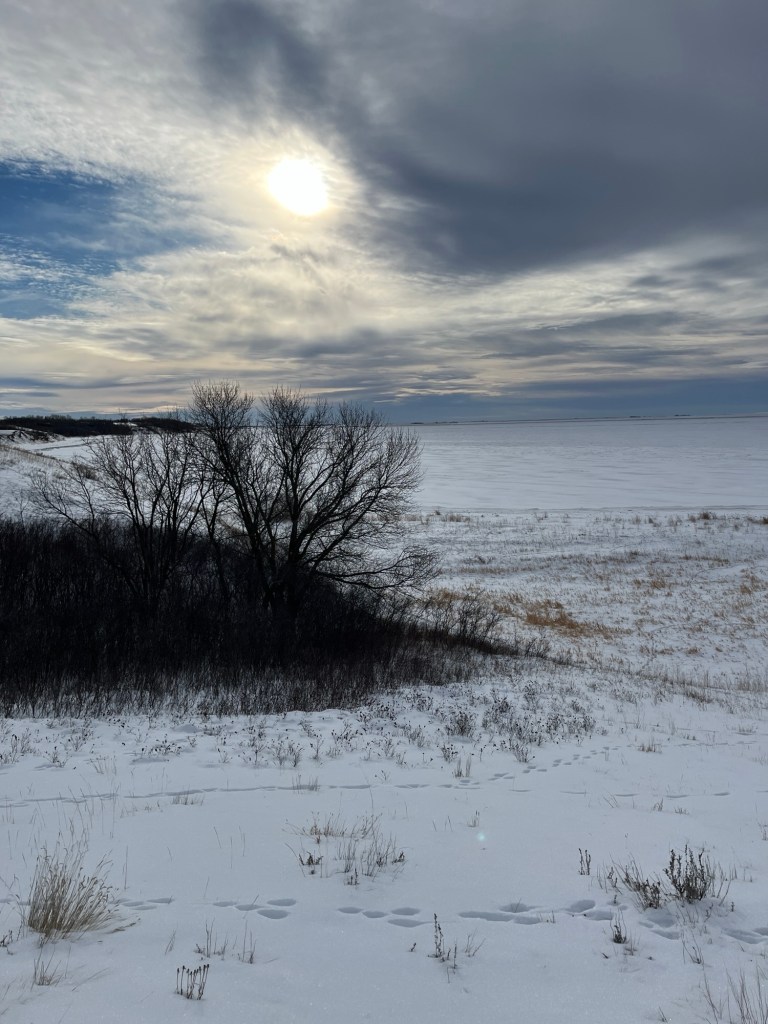
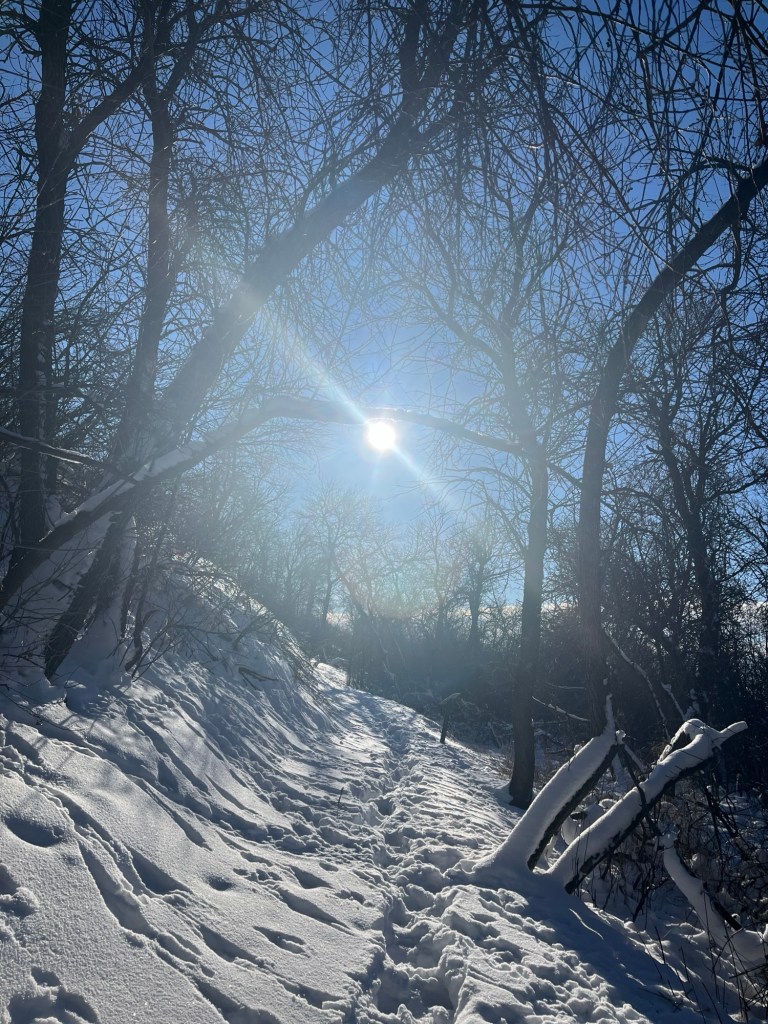
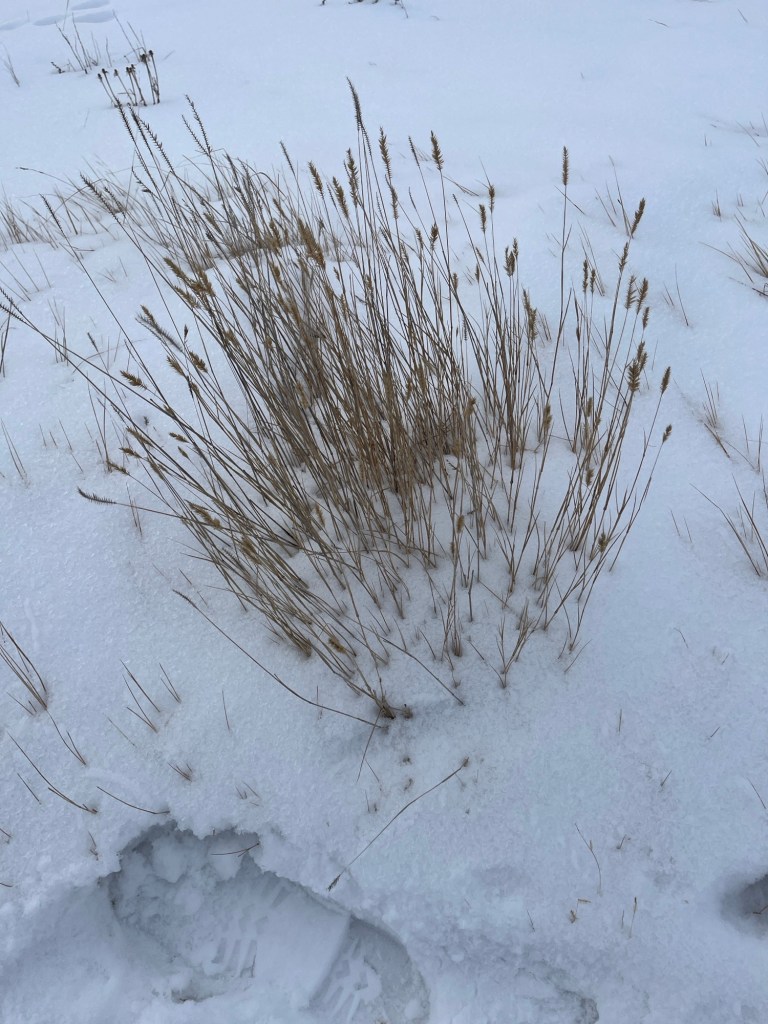
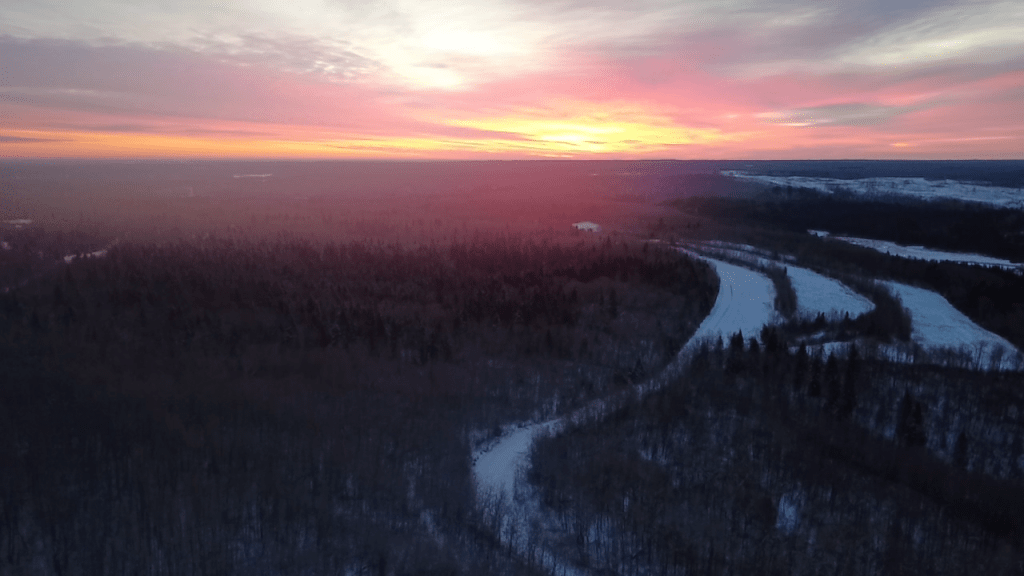
Sight: late morning and early evening light on bright, blue clear days
Sound: shushing of steps in the snow
Taste: hot teas with honey
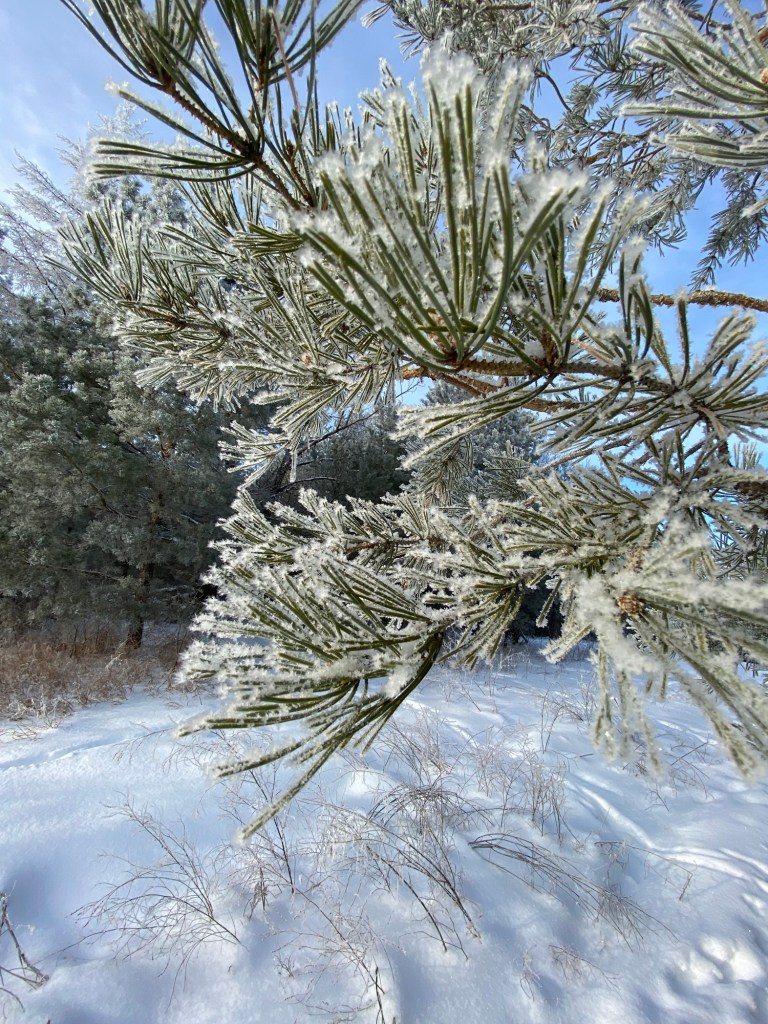
Smell: evergreen trees
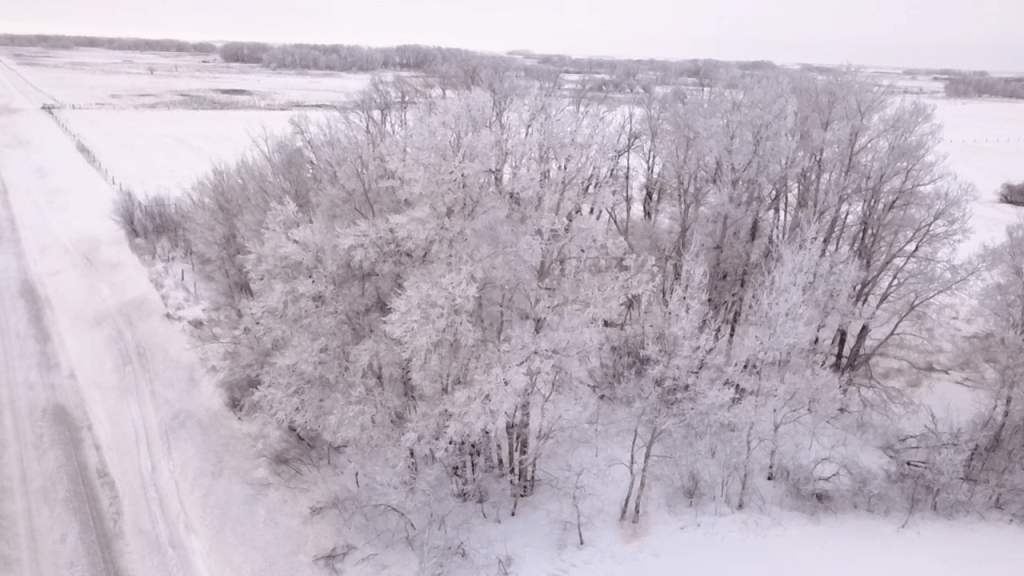
Feel: the touch of cold noses and toes





 SUNBEAM ACRES