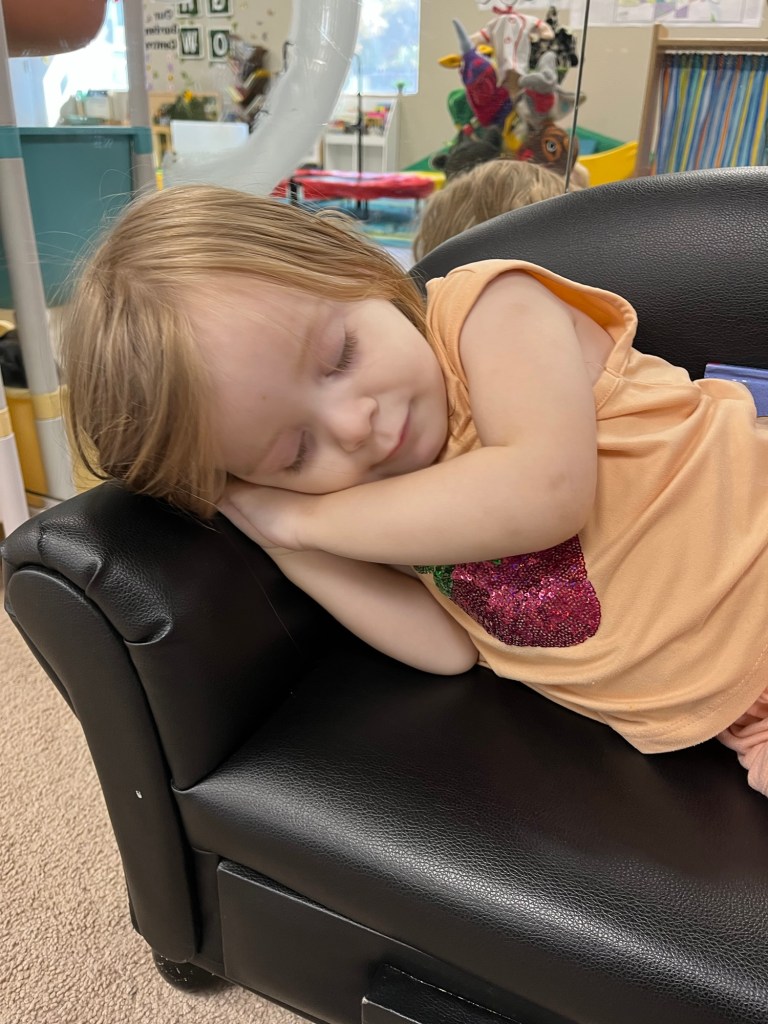
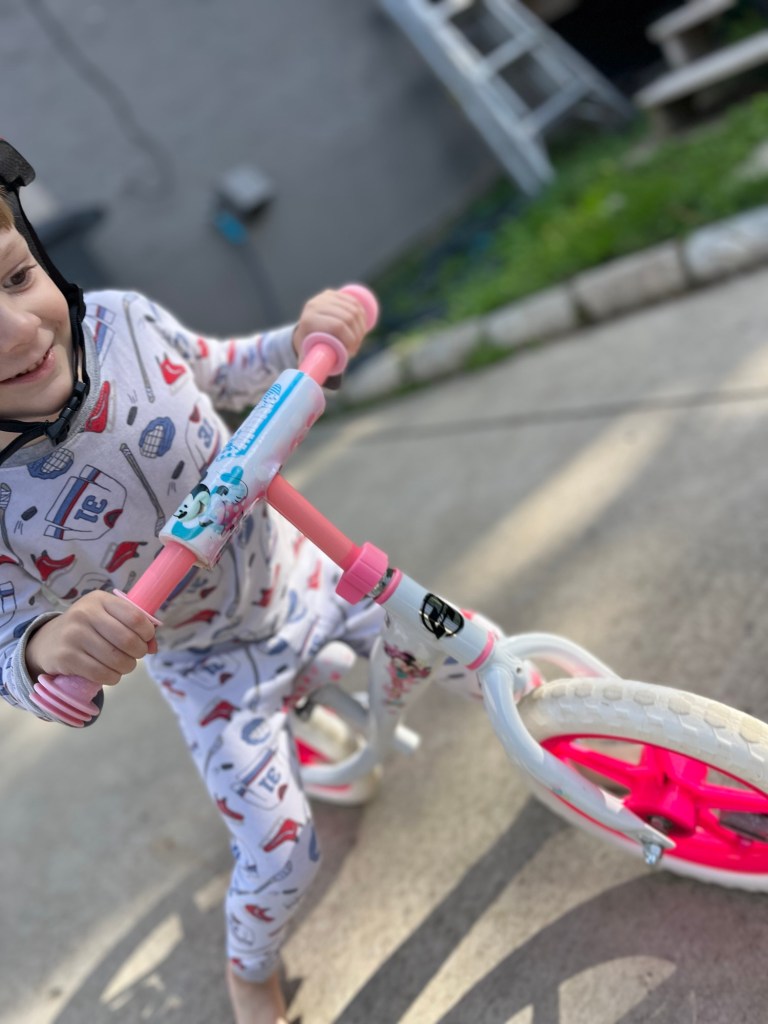
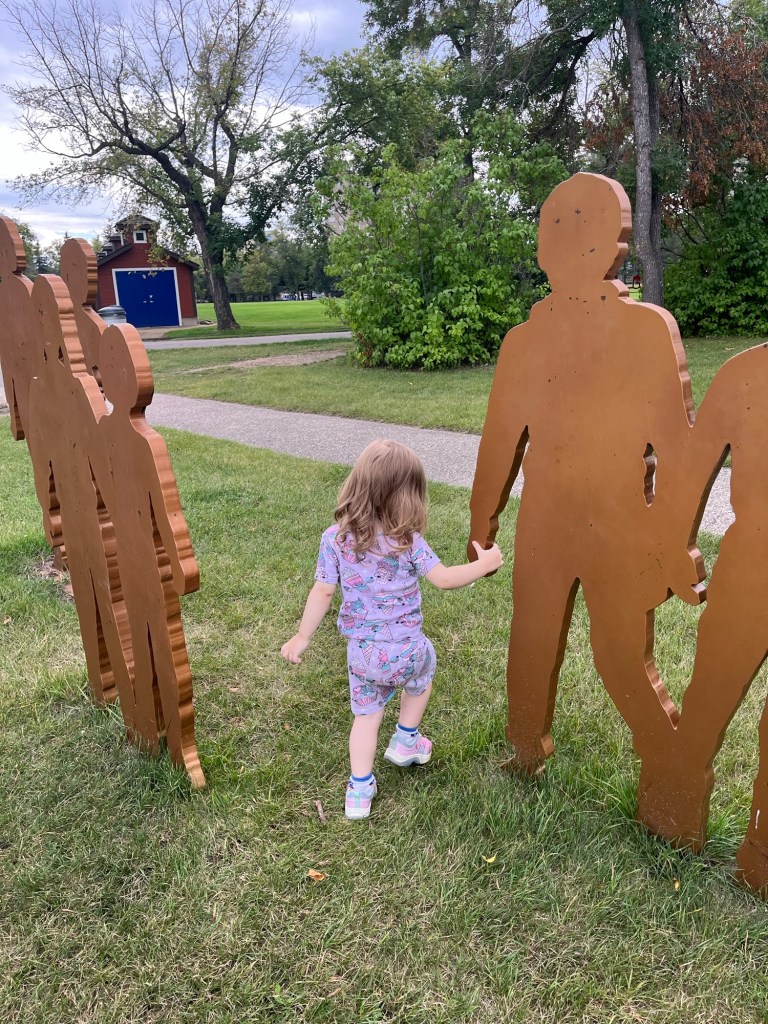
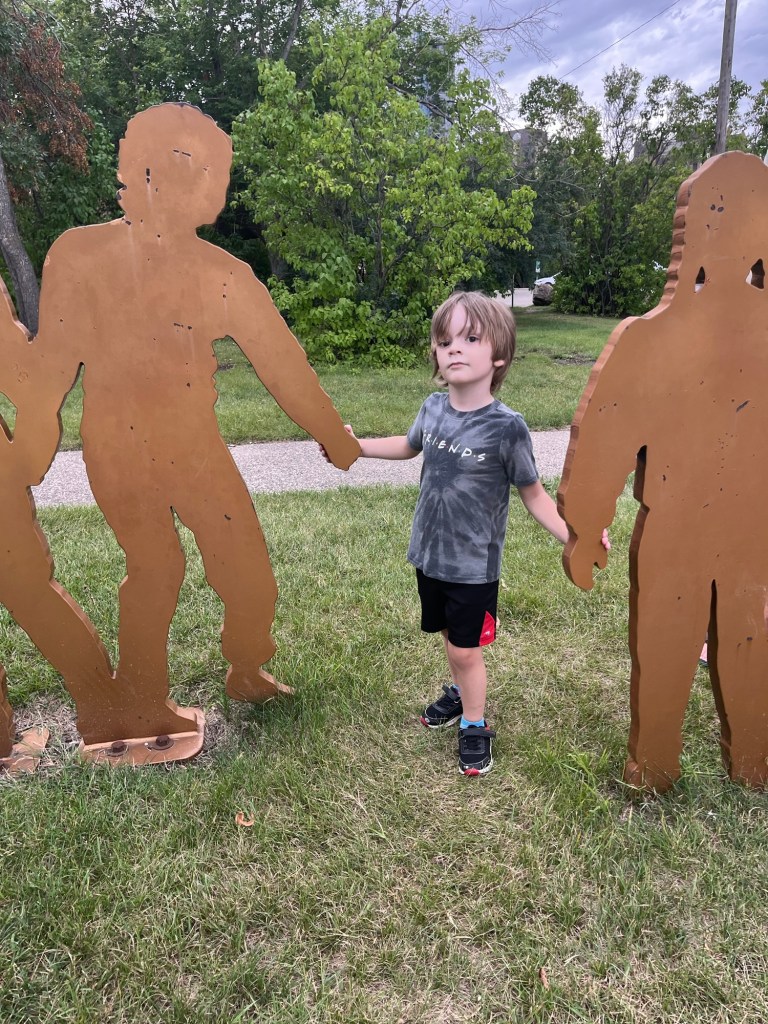
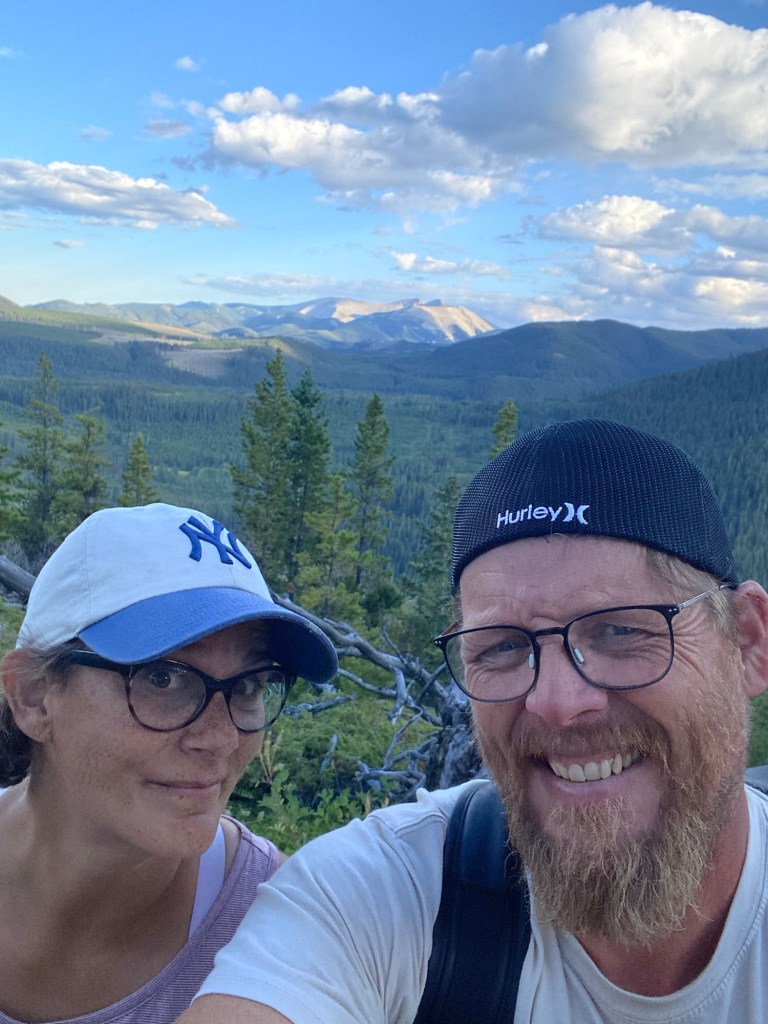
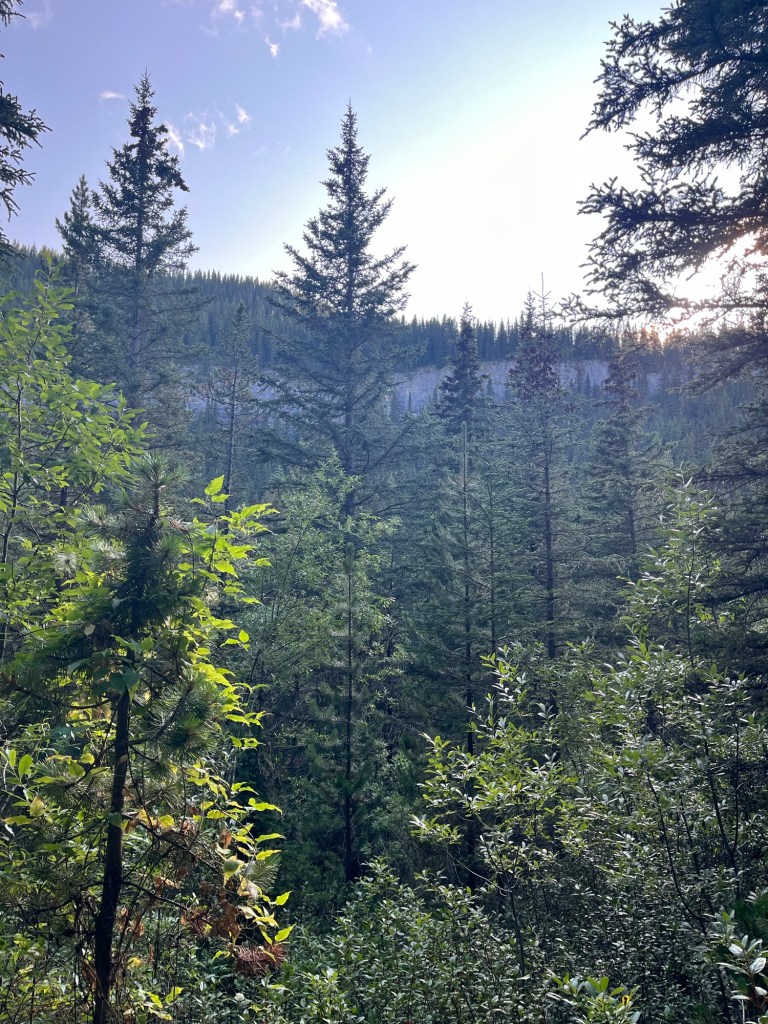
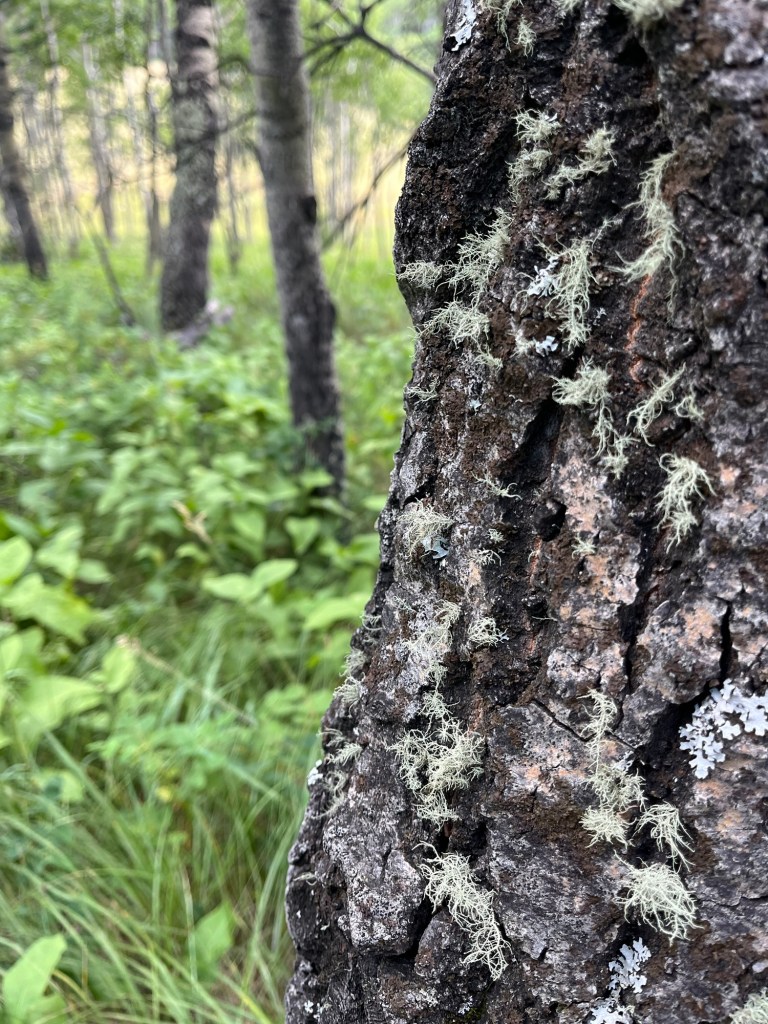
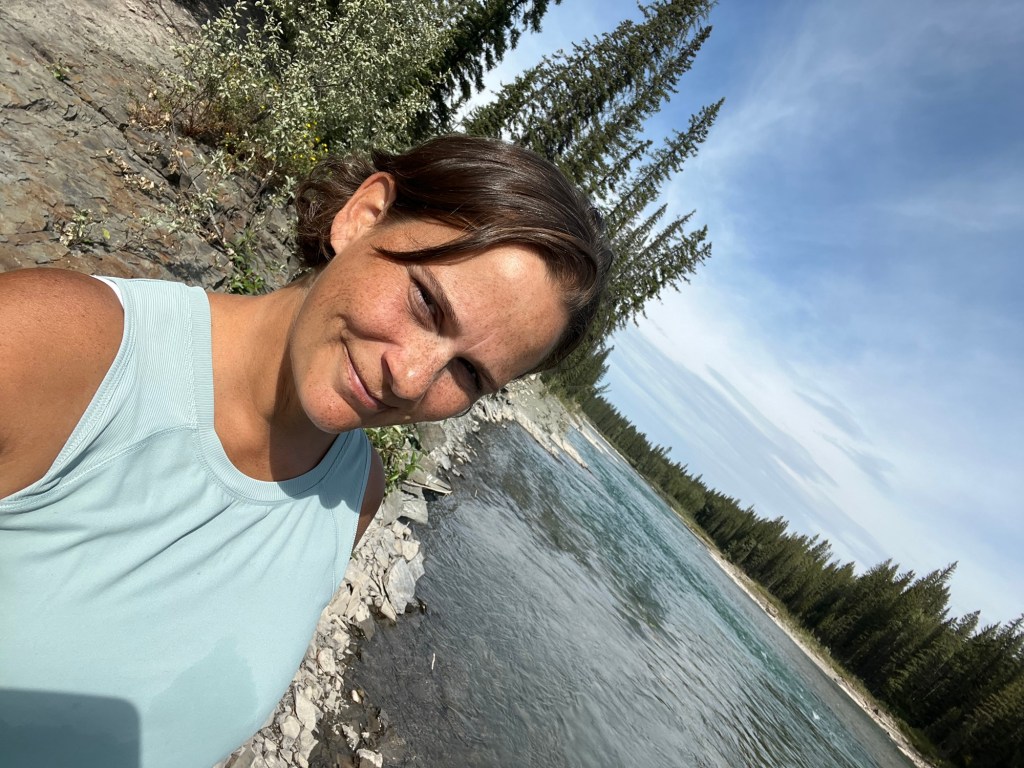
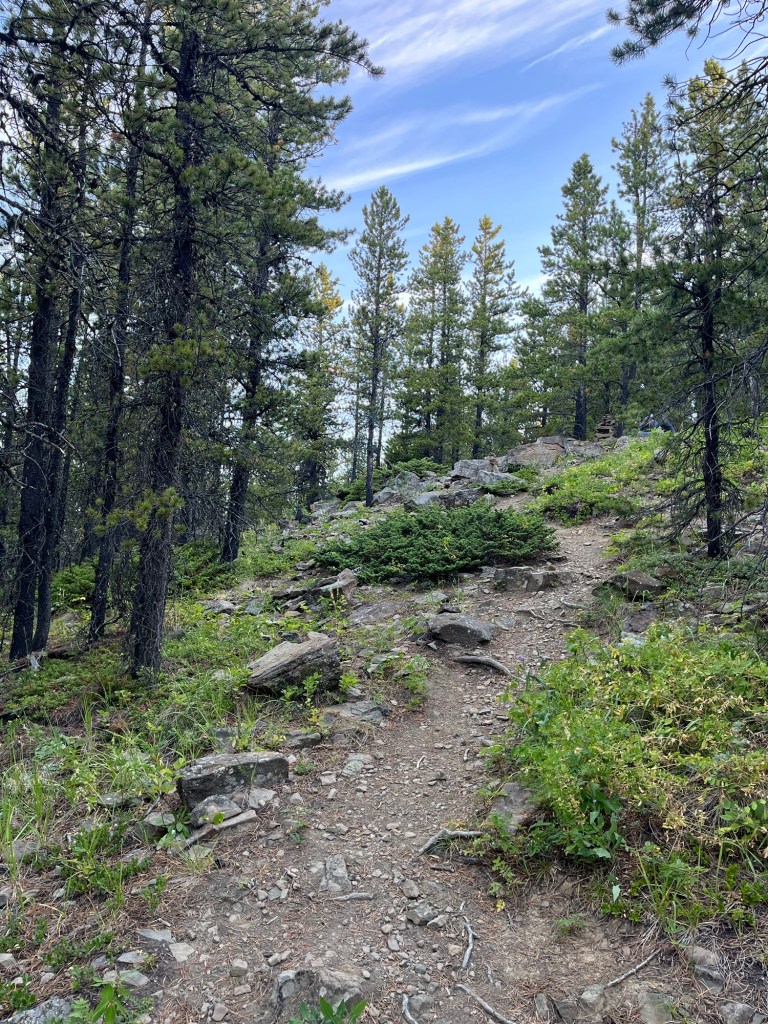
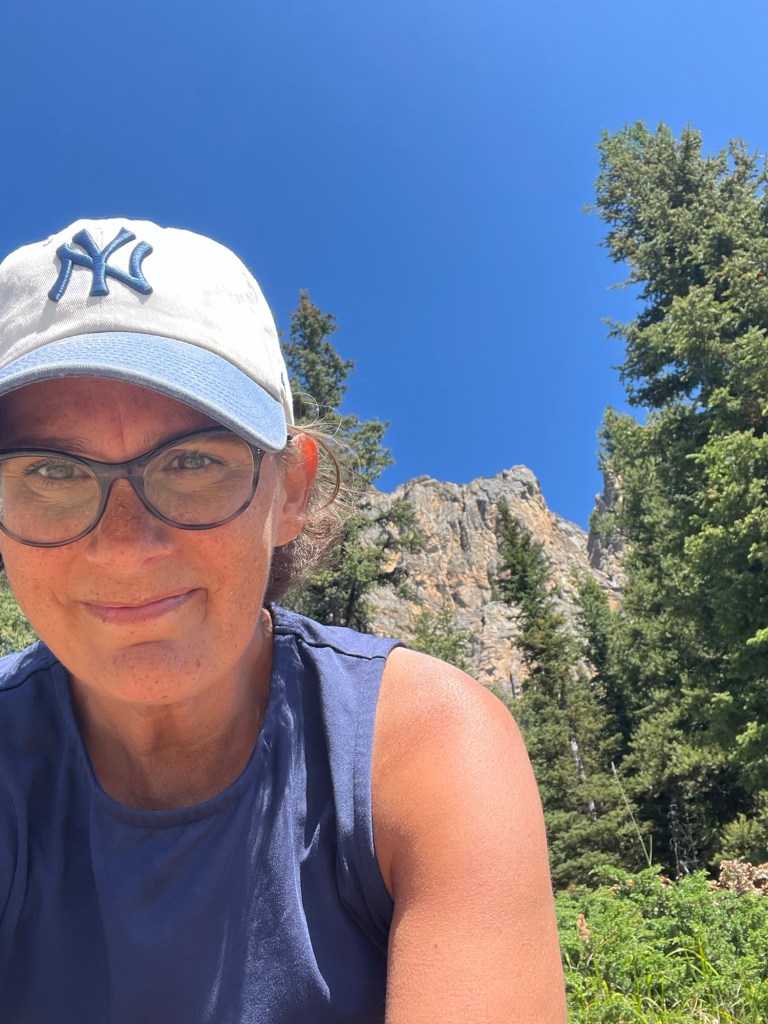
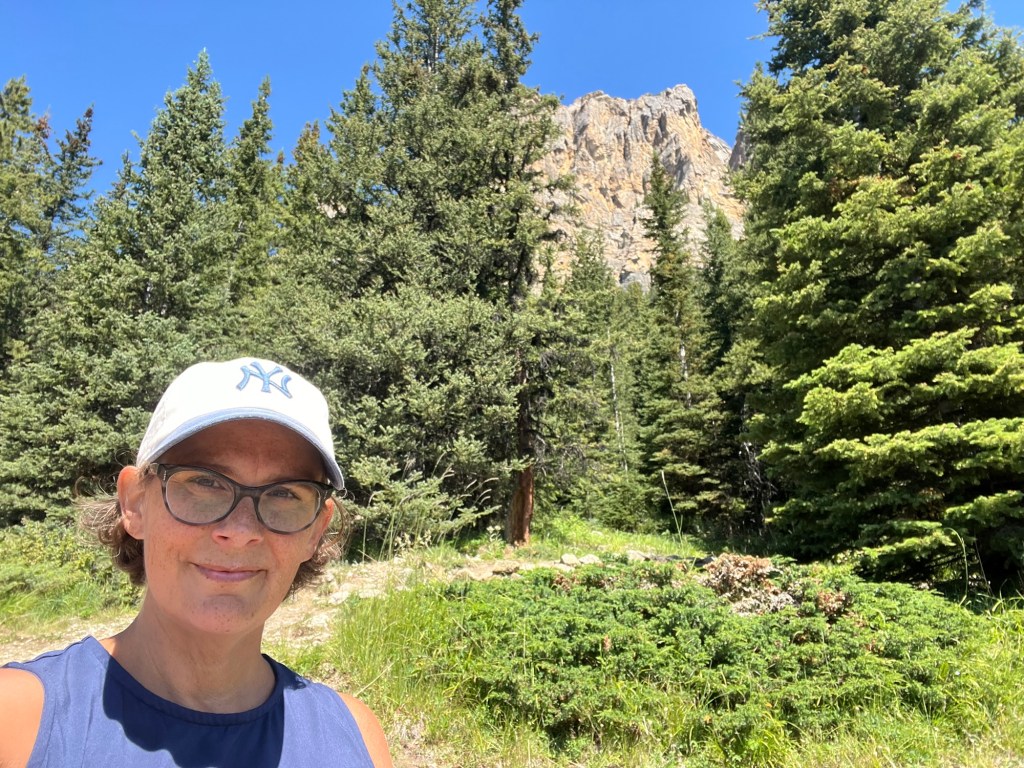
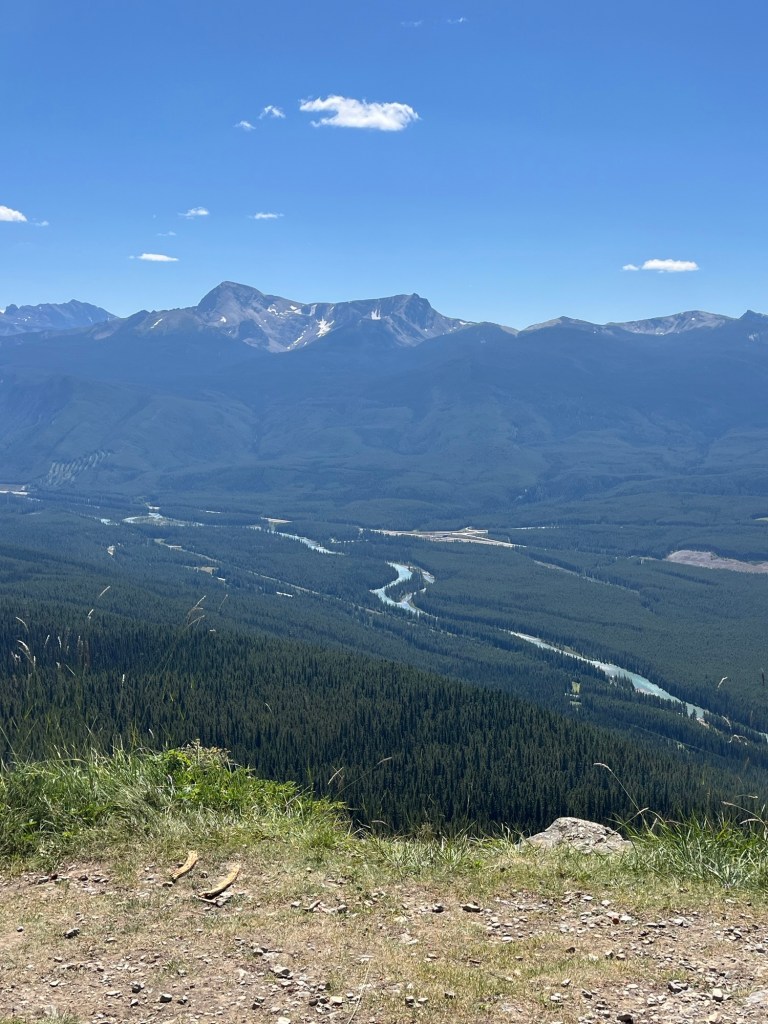
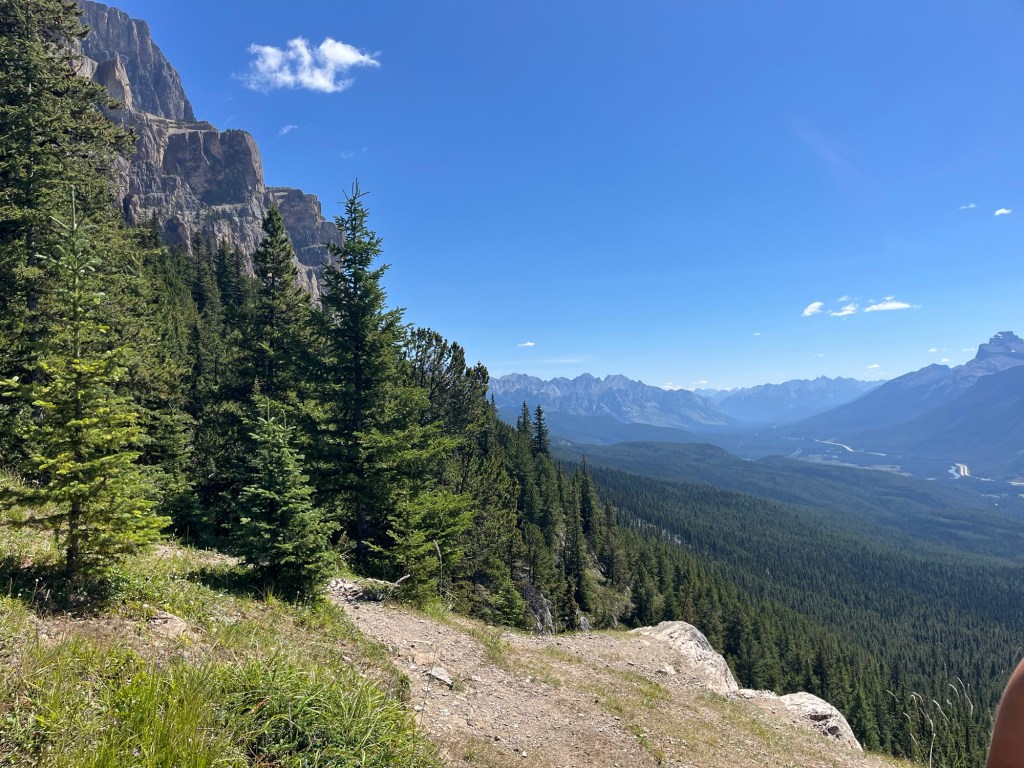
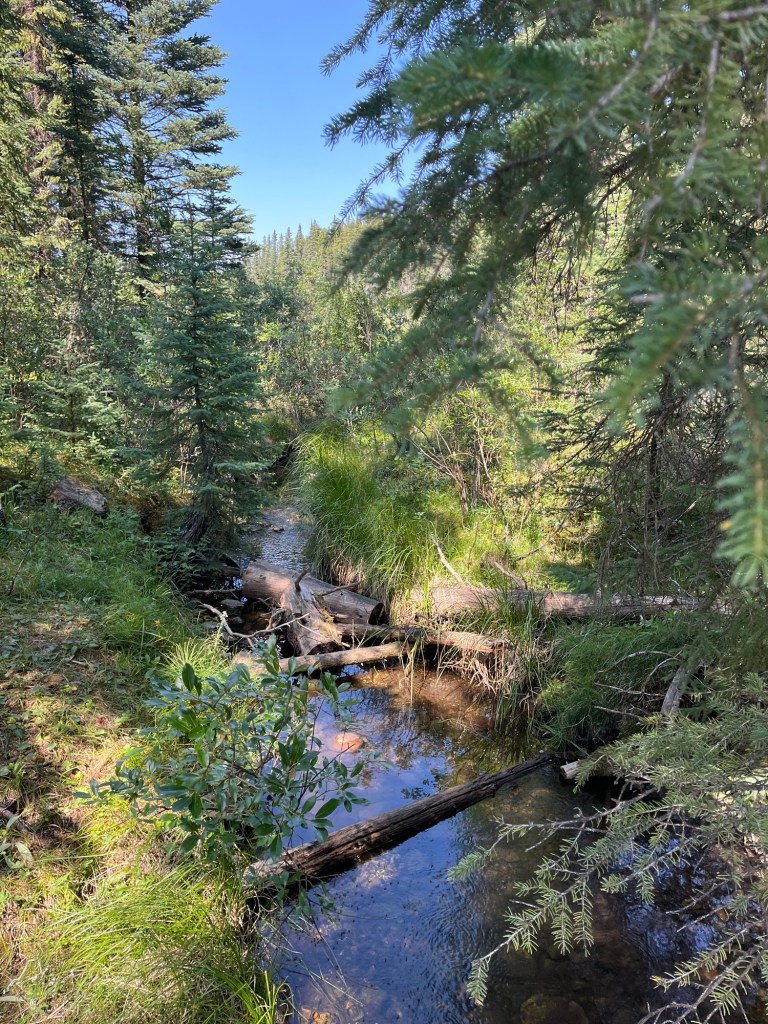
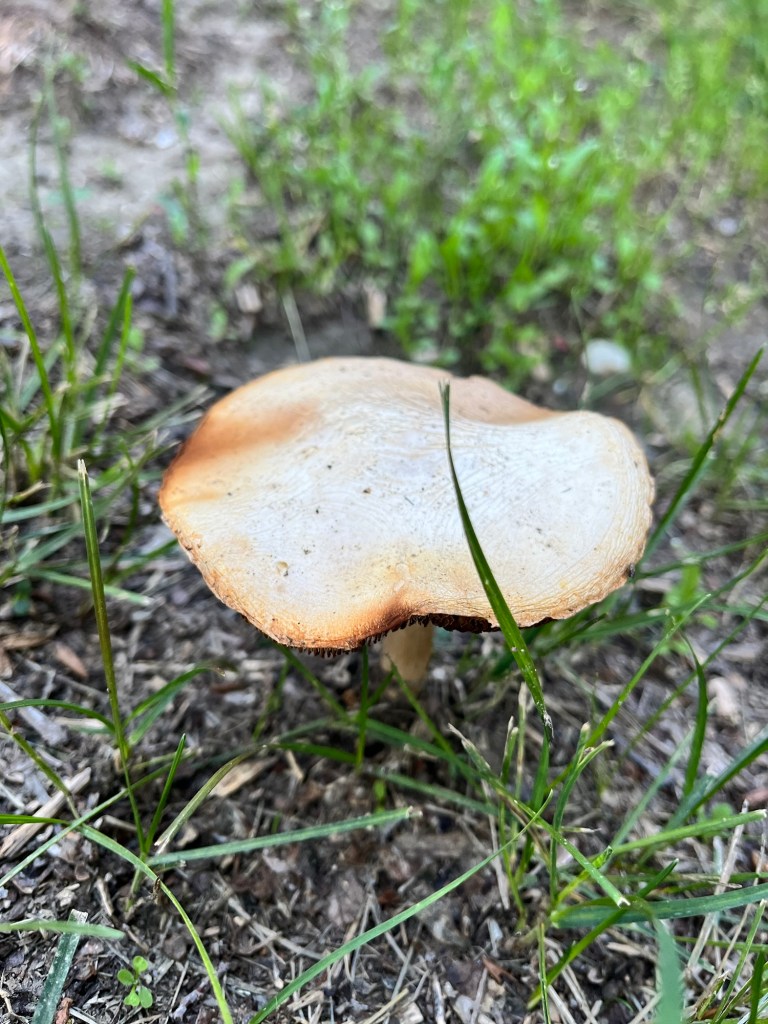
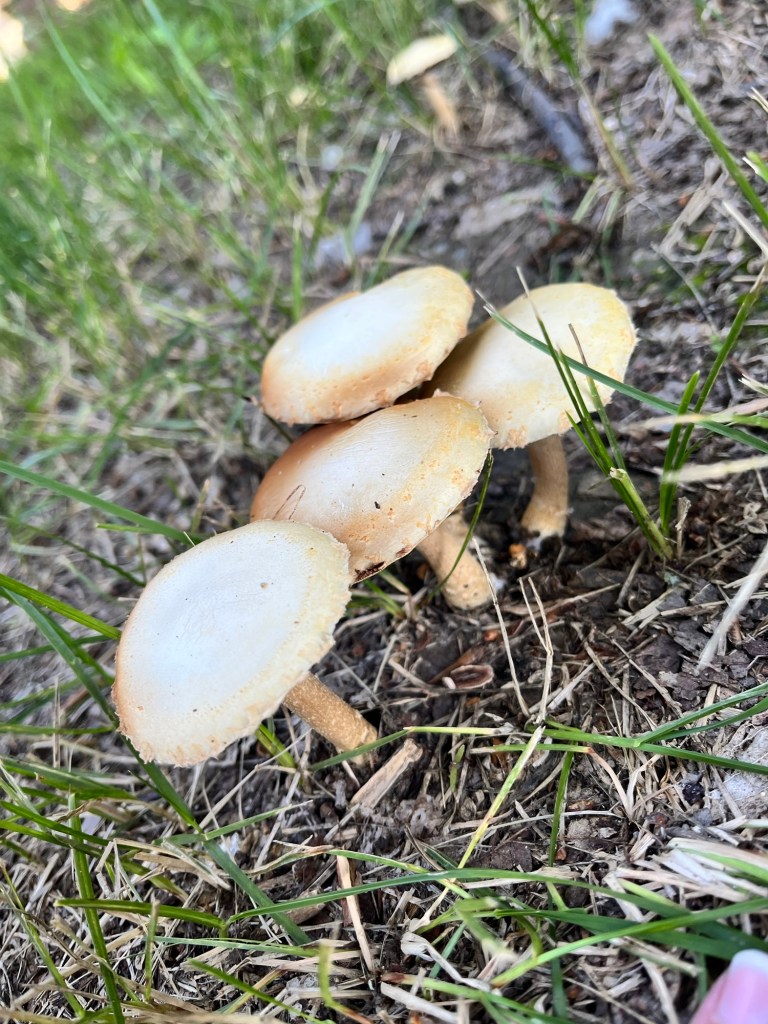
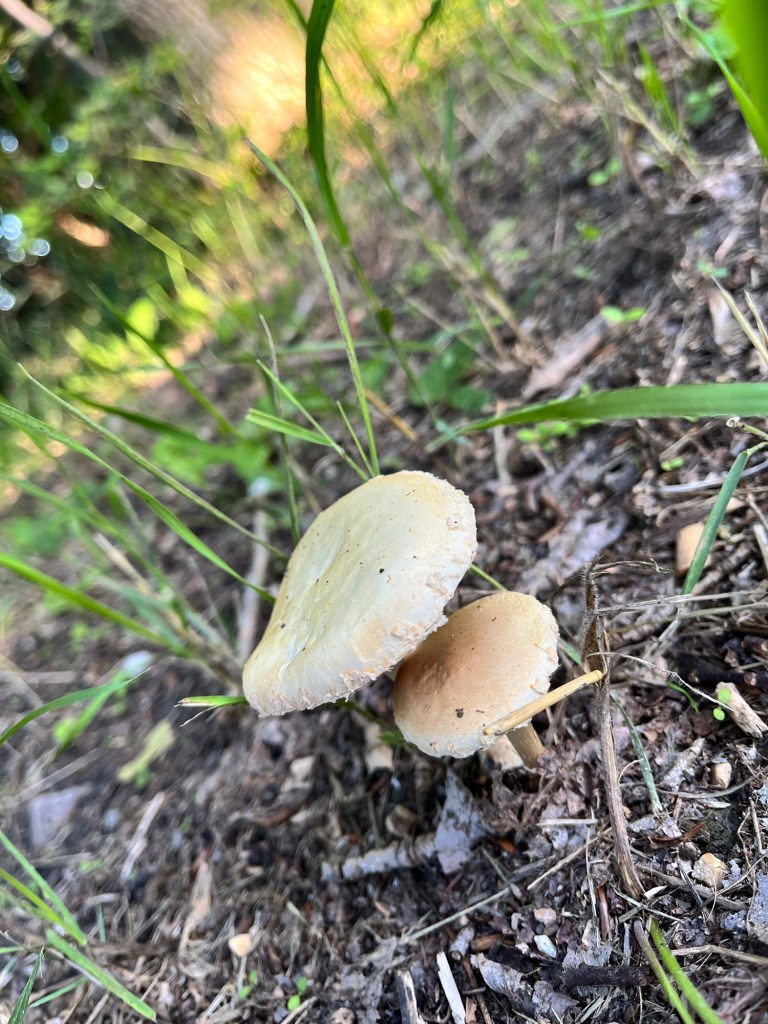
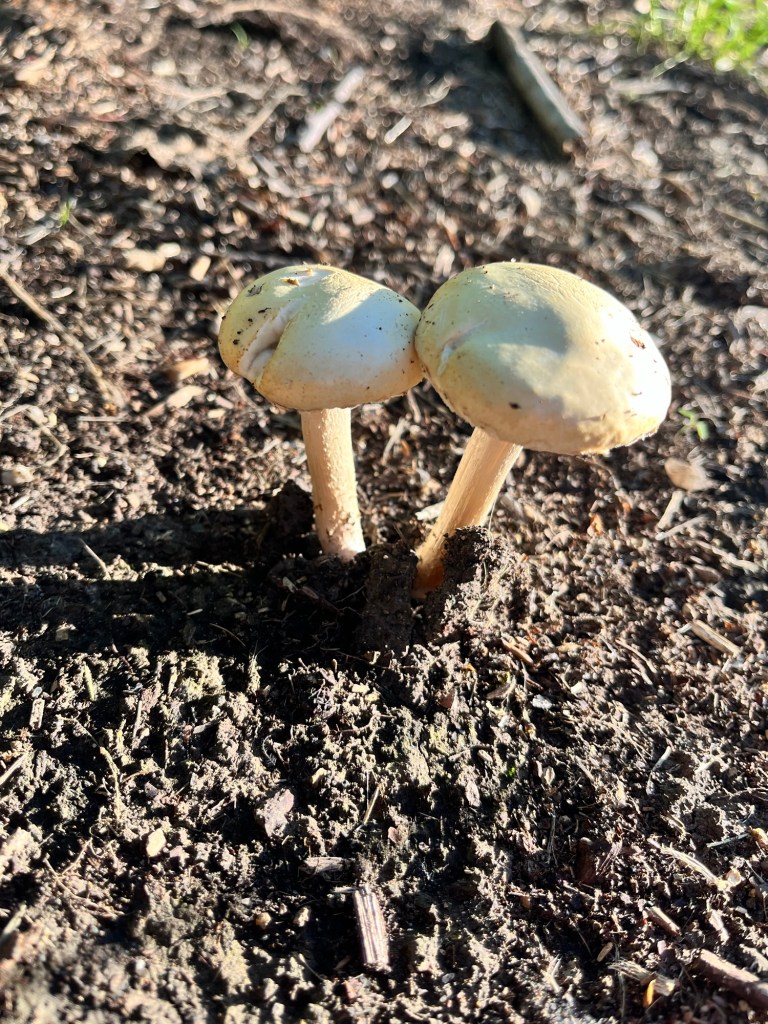
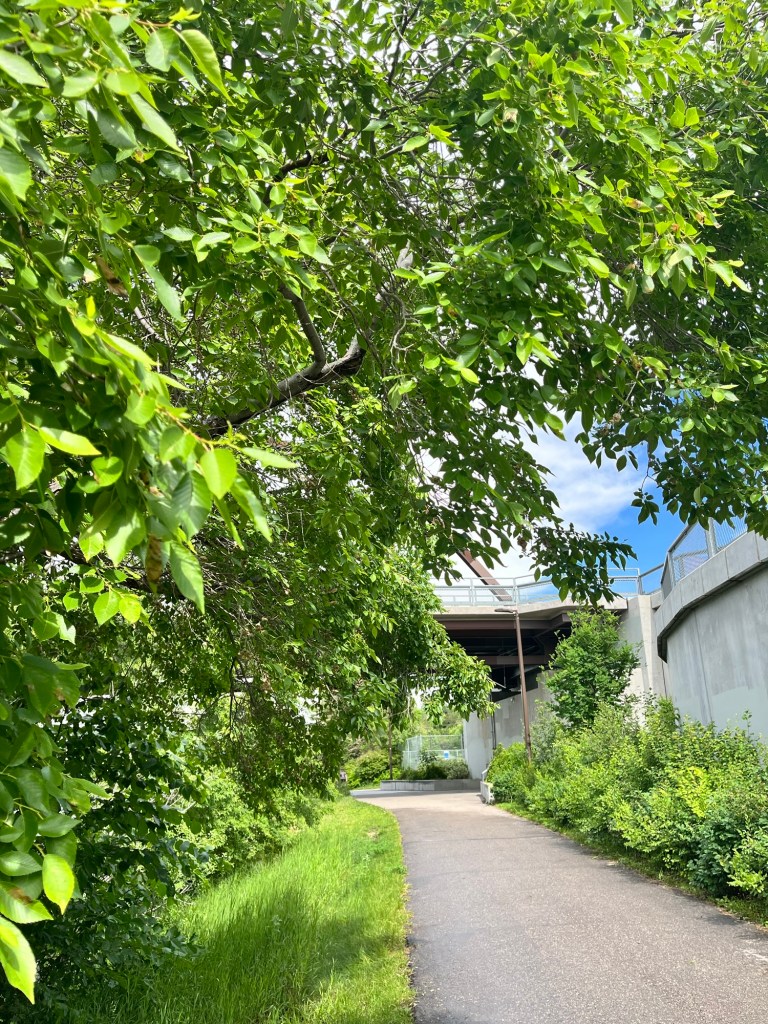
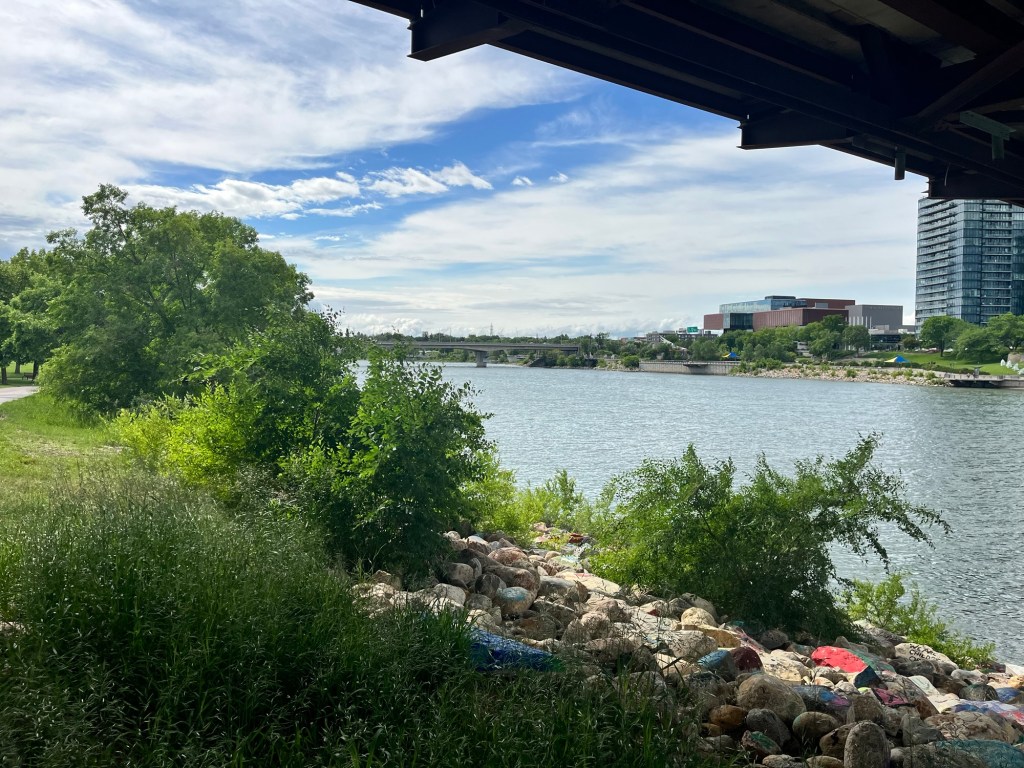
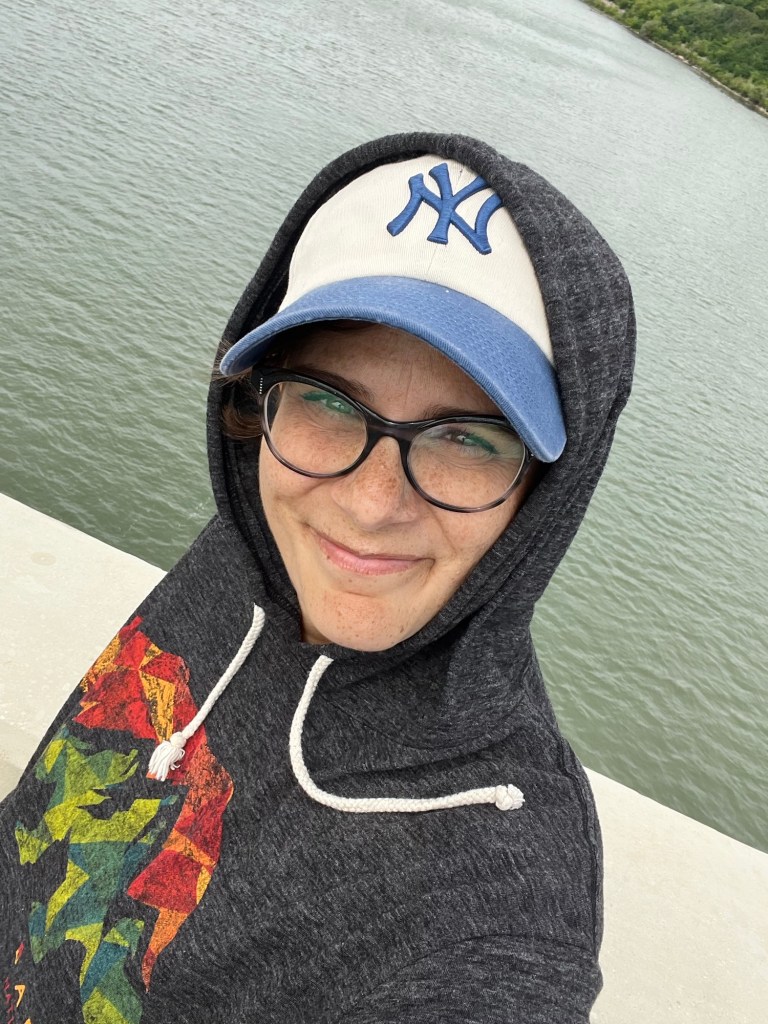
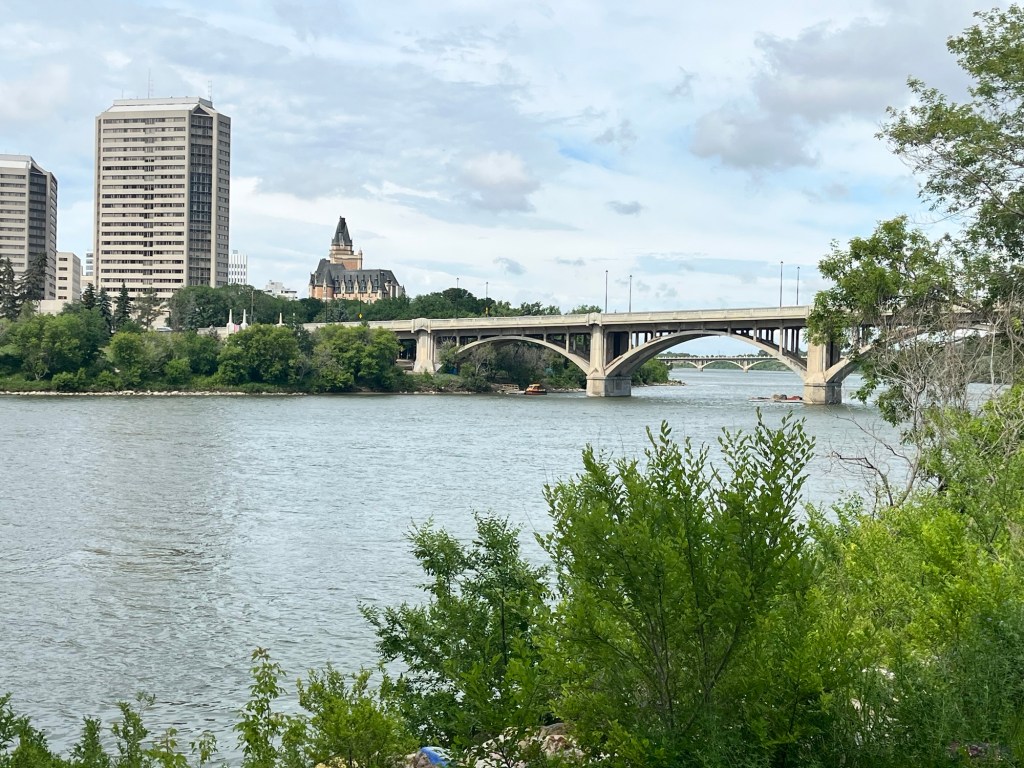
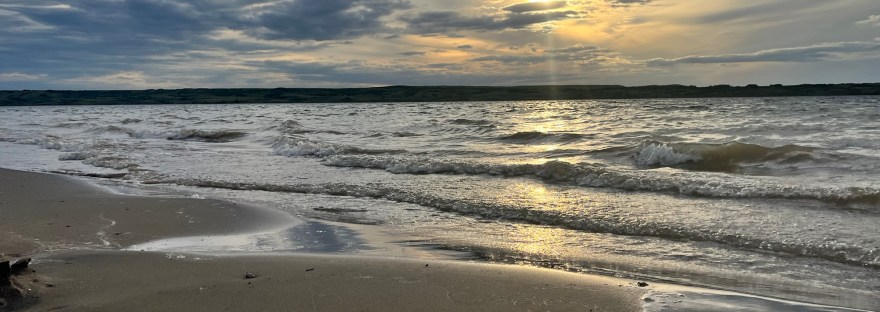
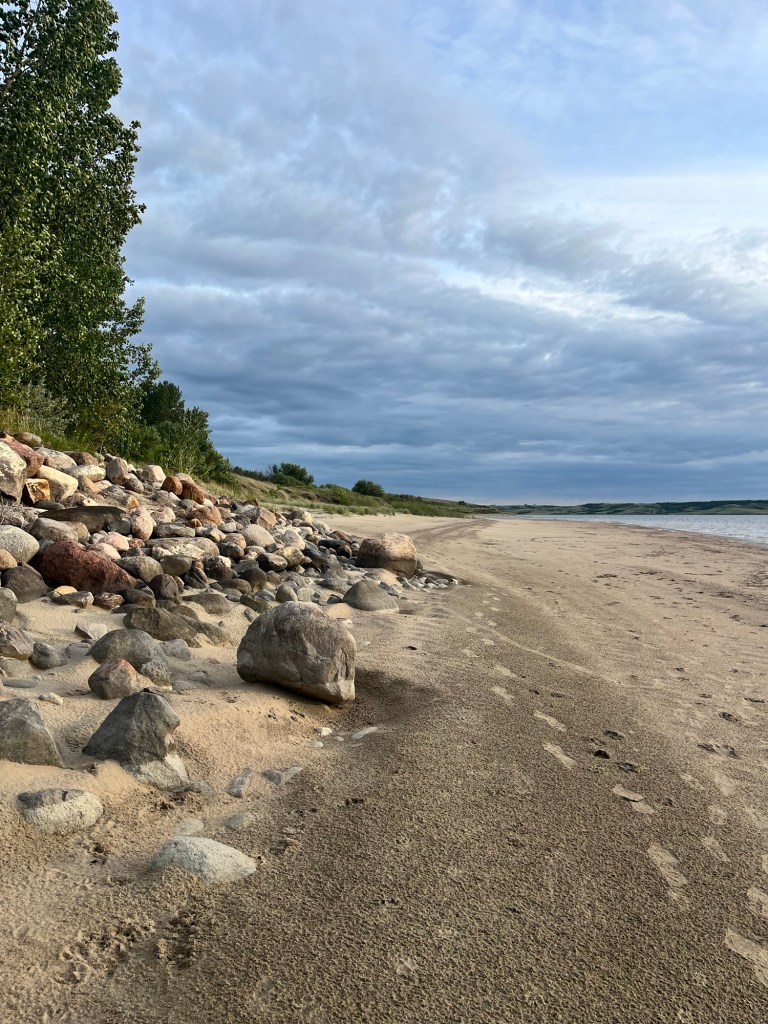
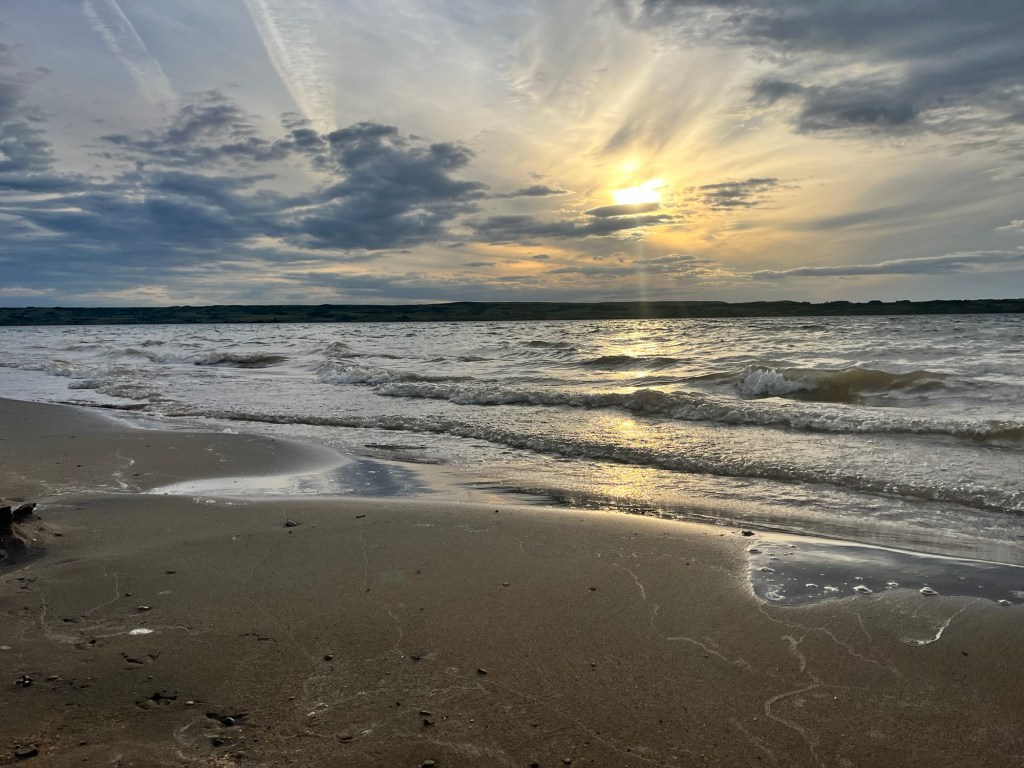
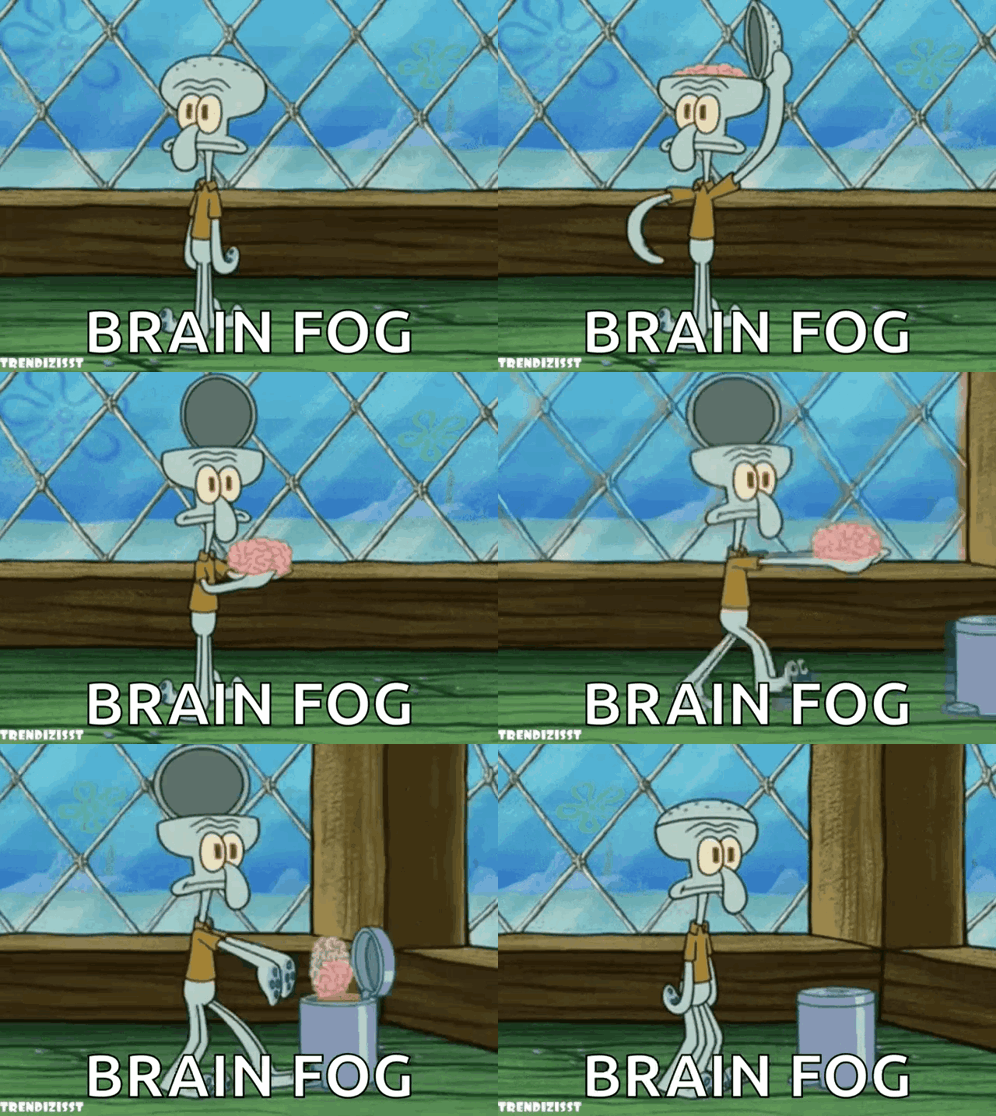
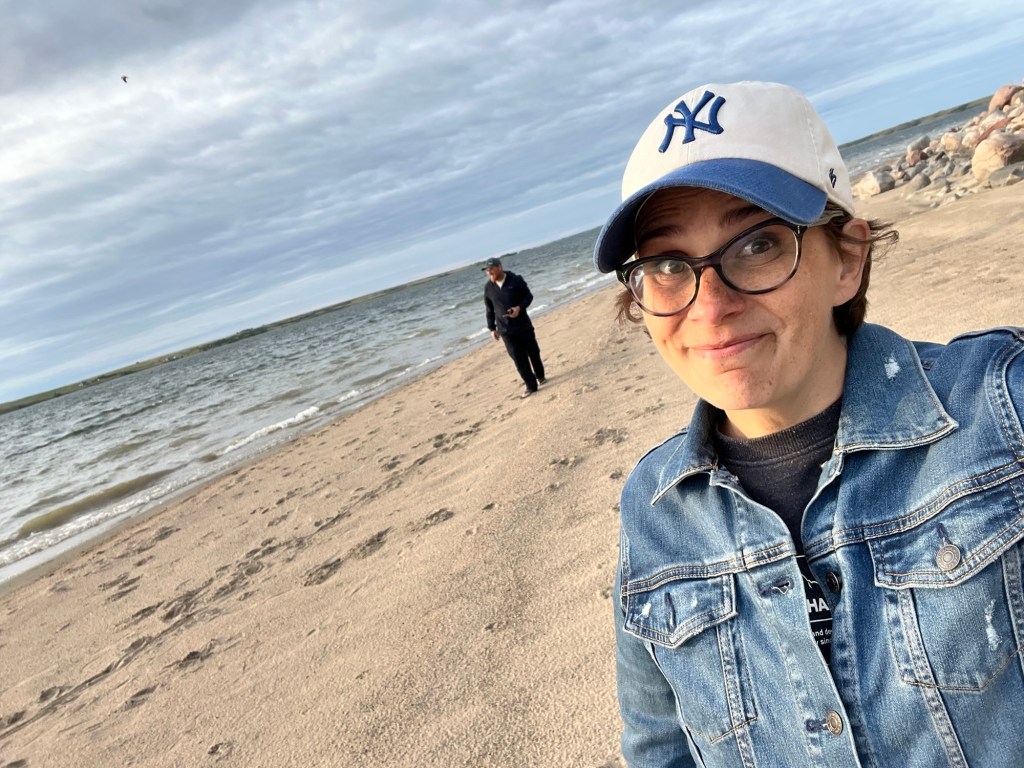
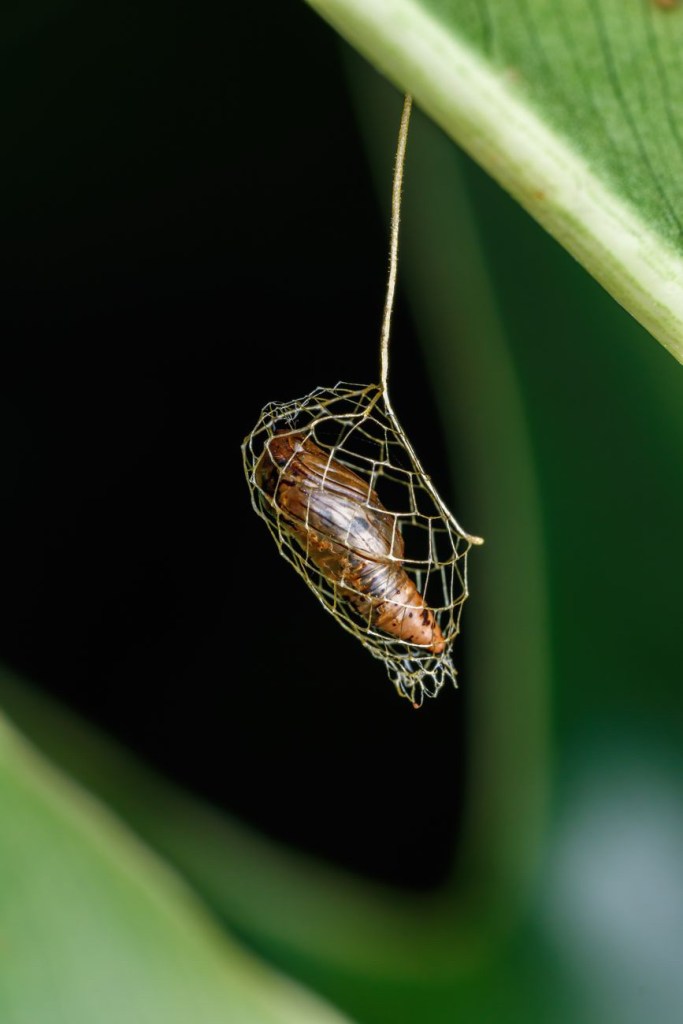
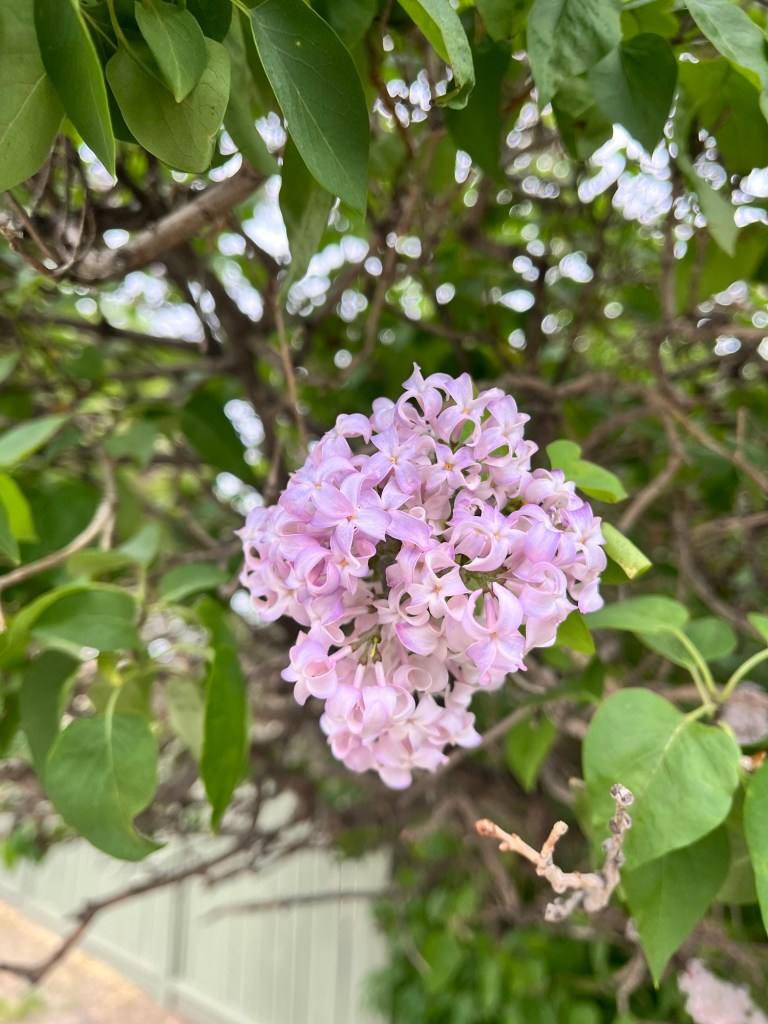
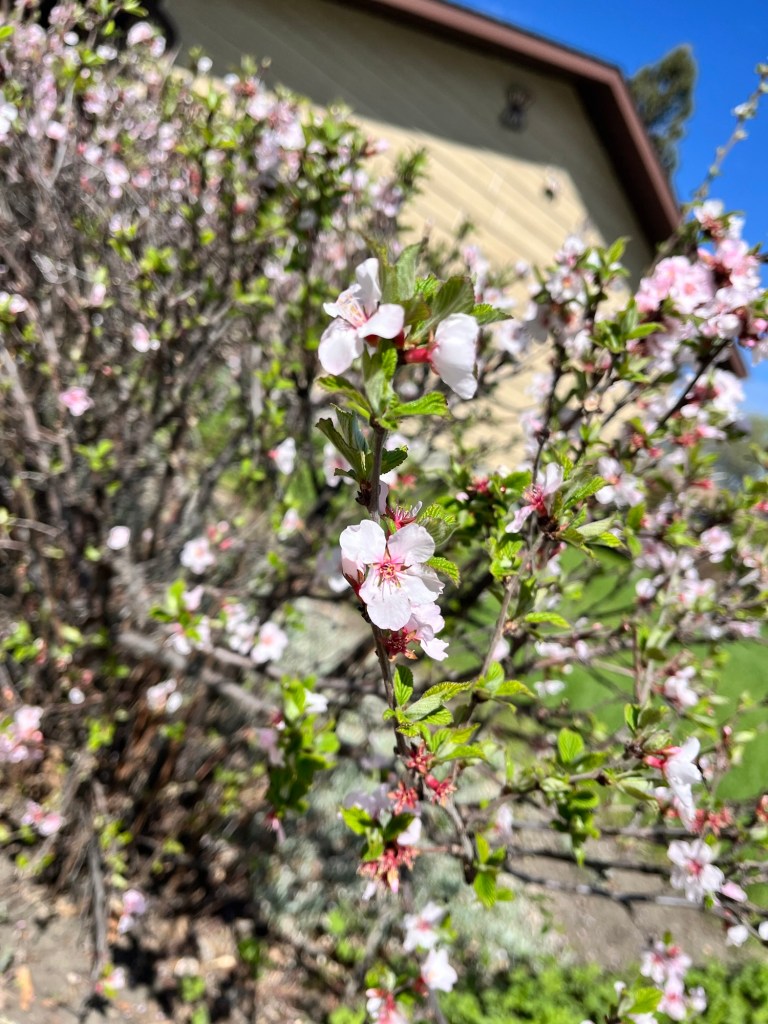
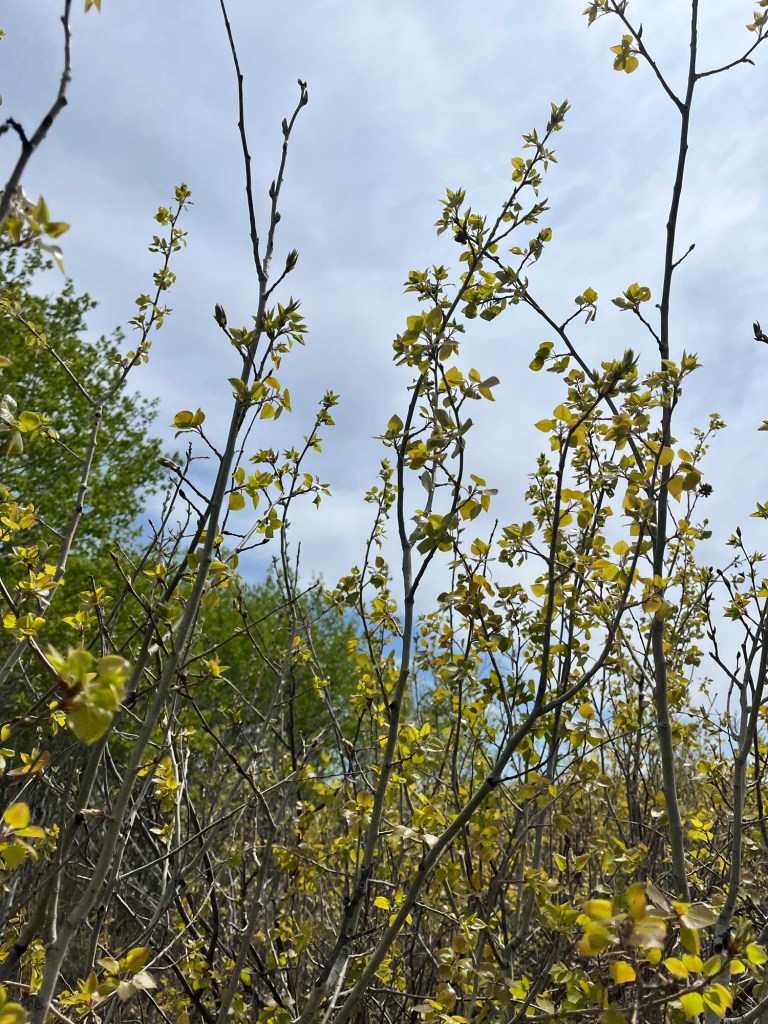
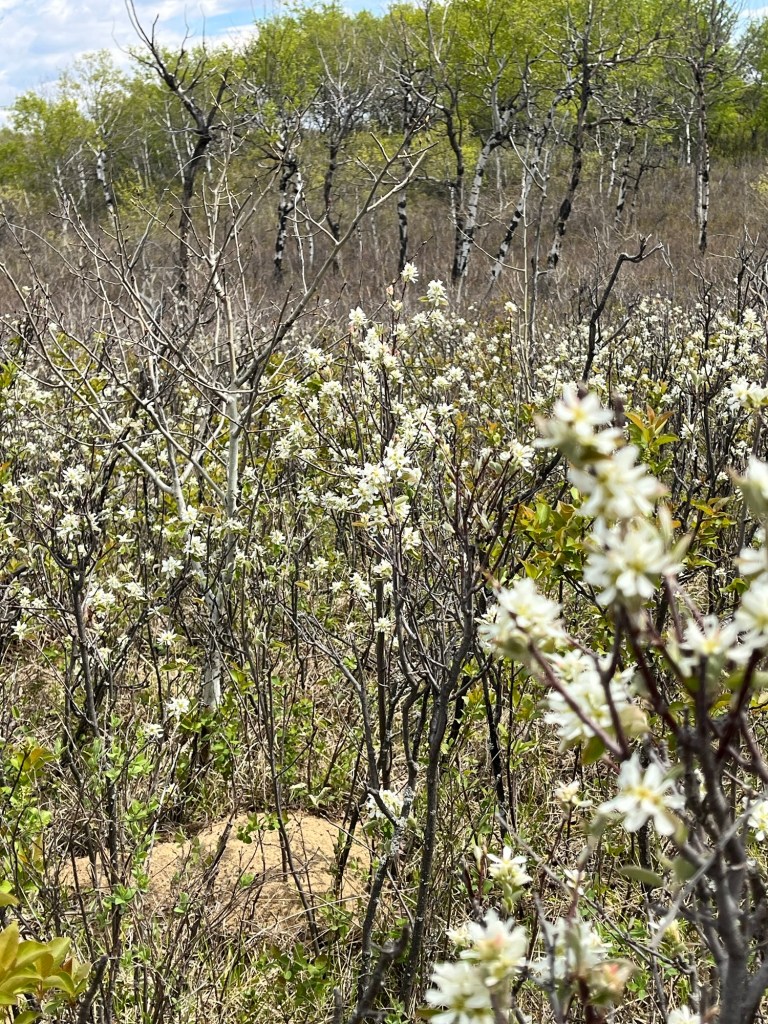
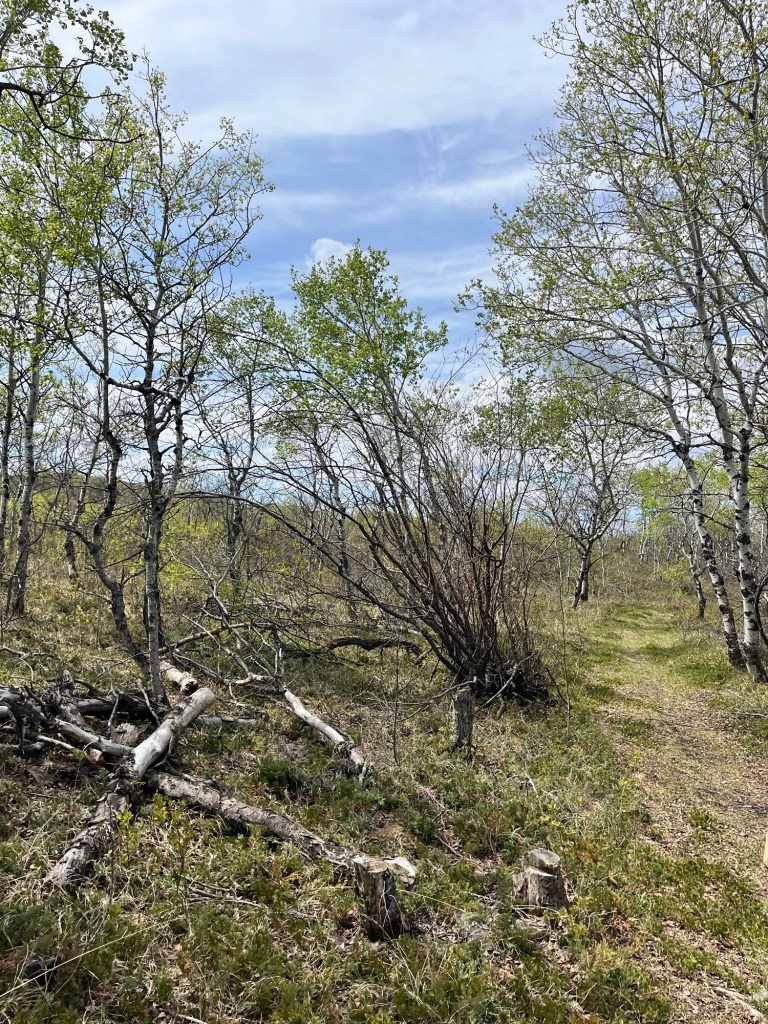
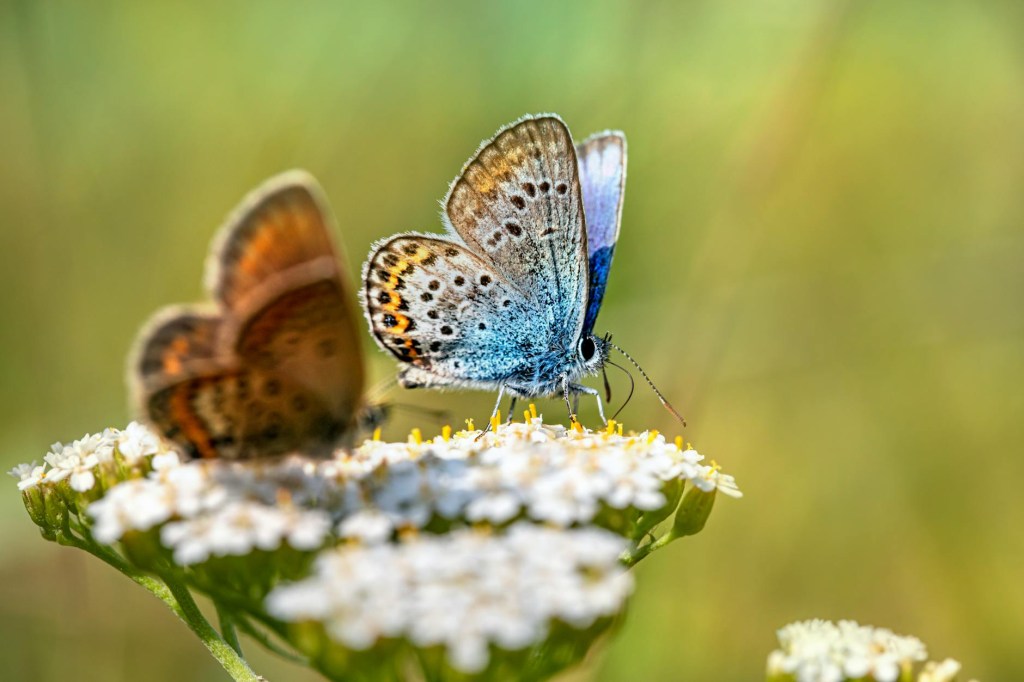
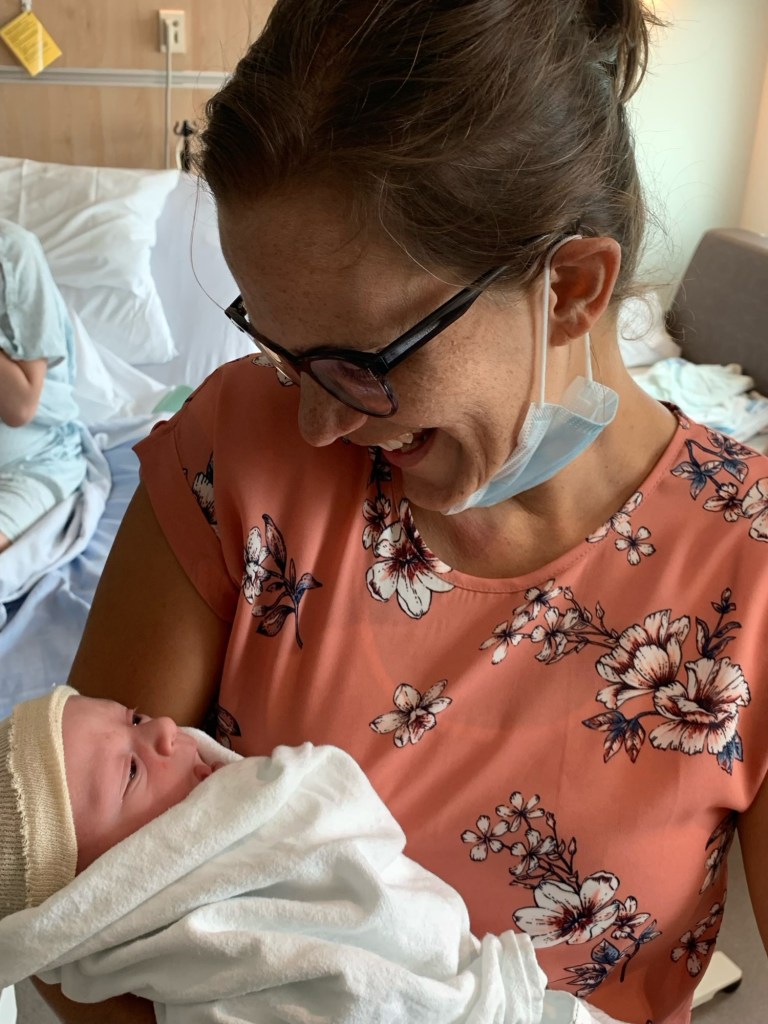
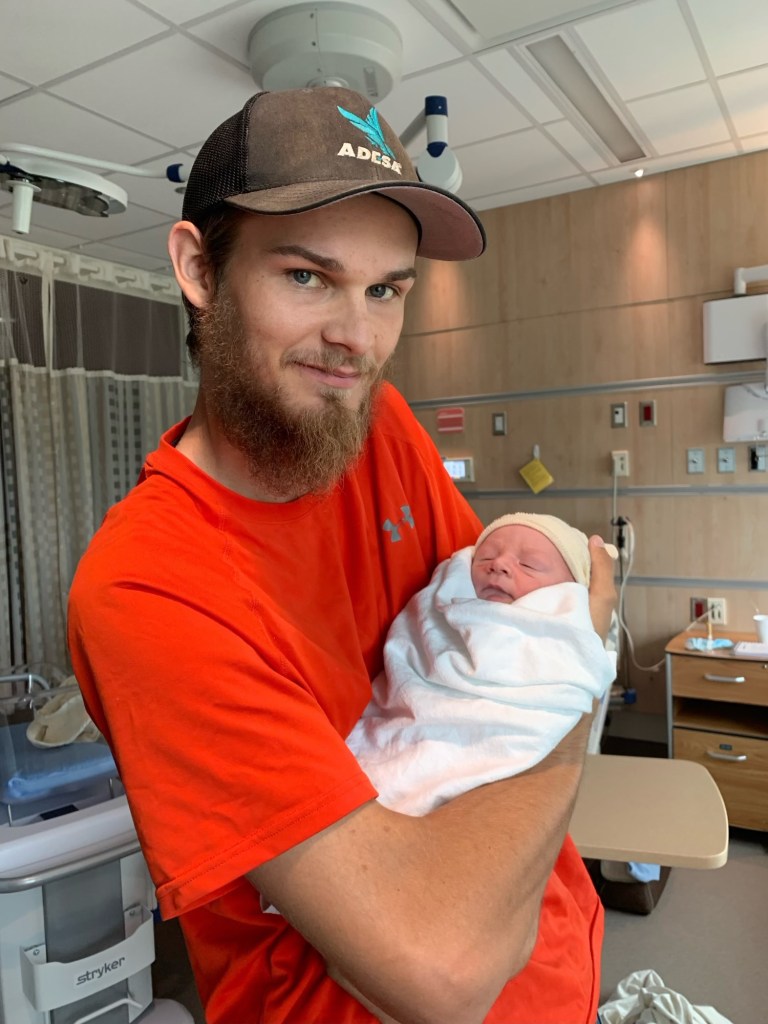
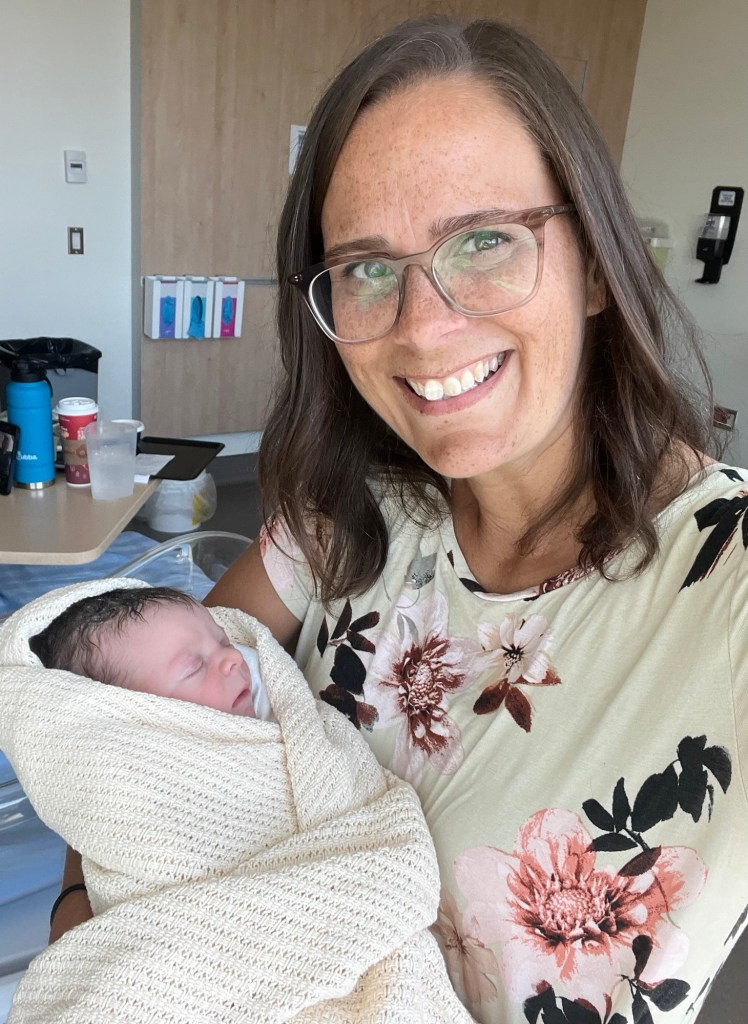
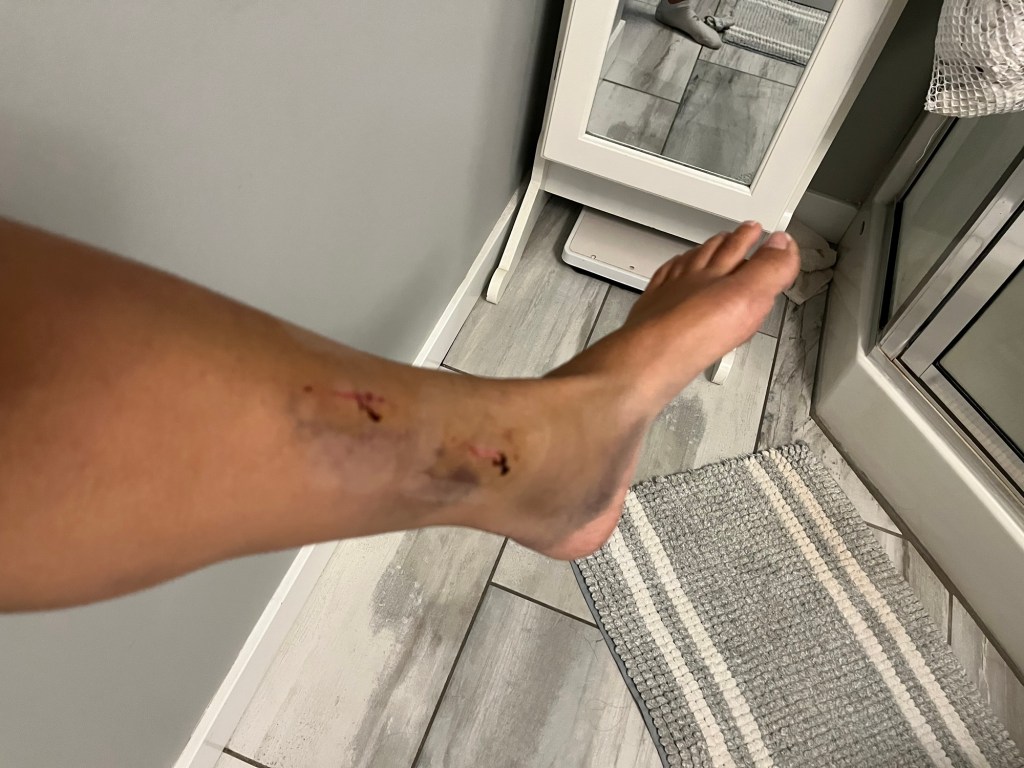
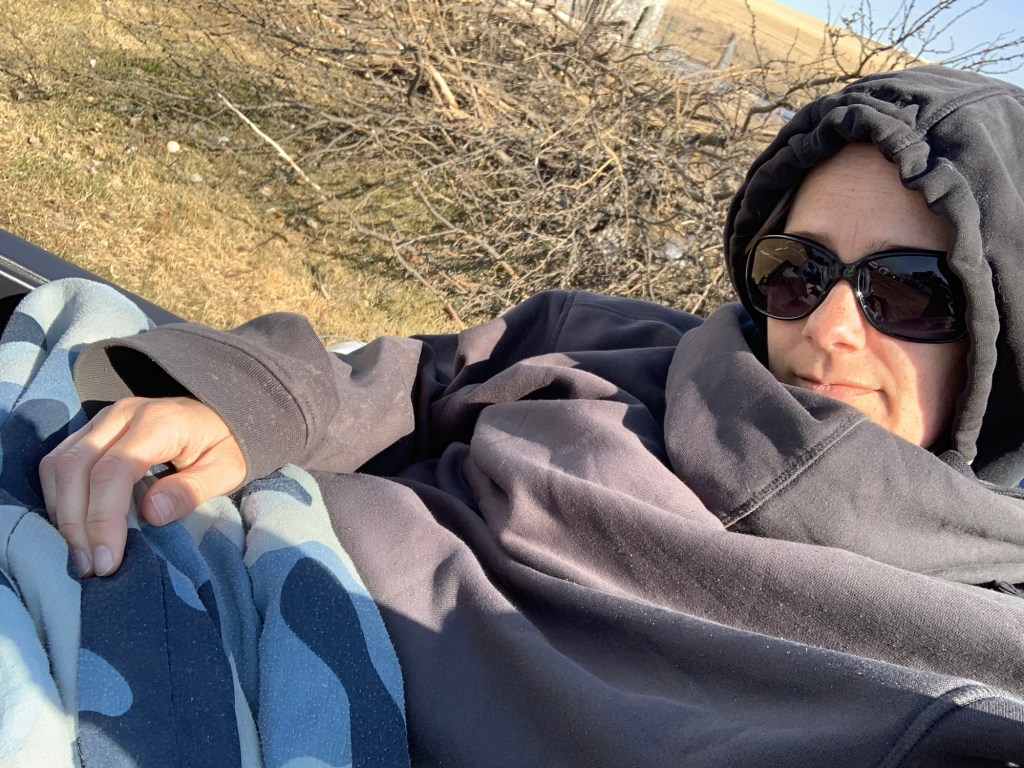
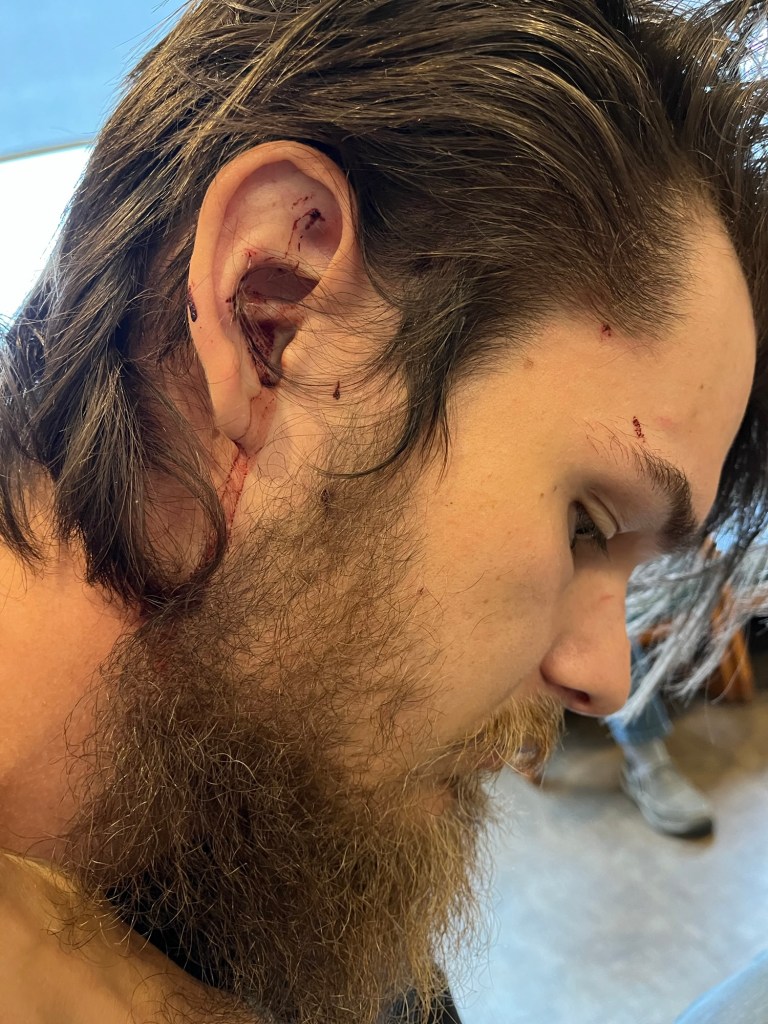
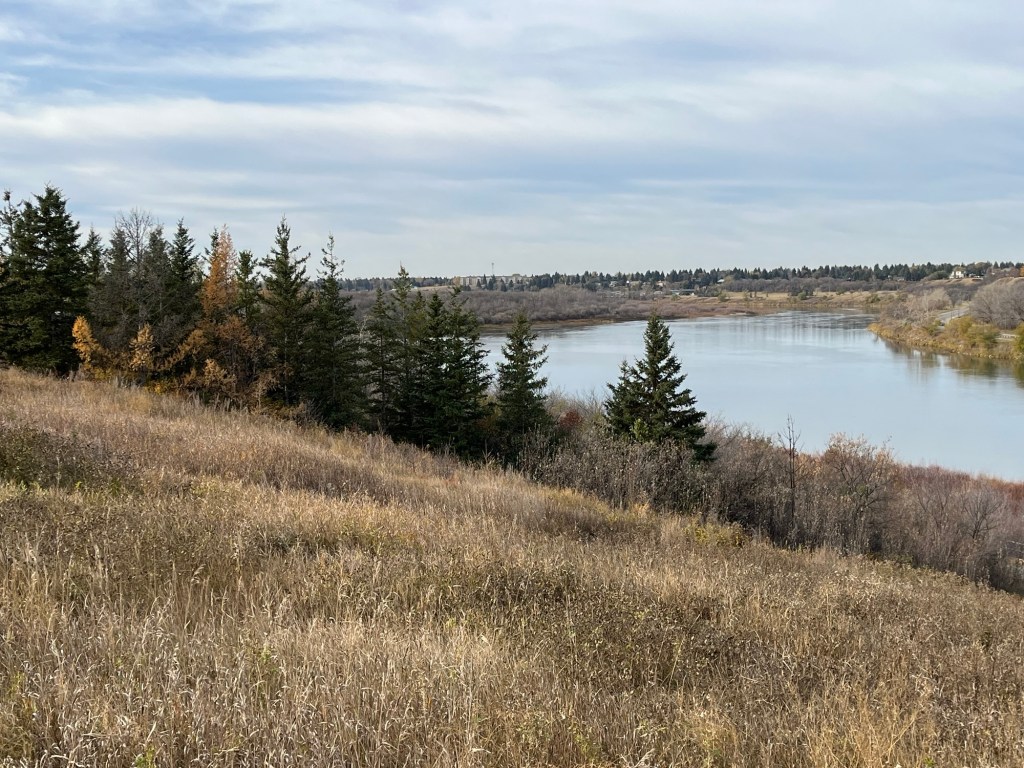
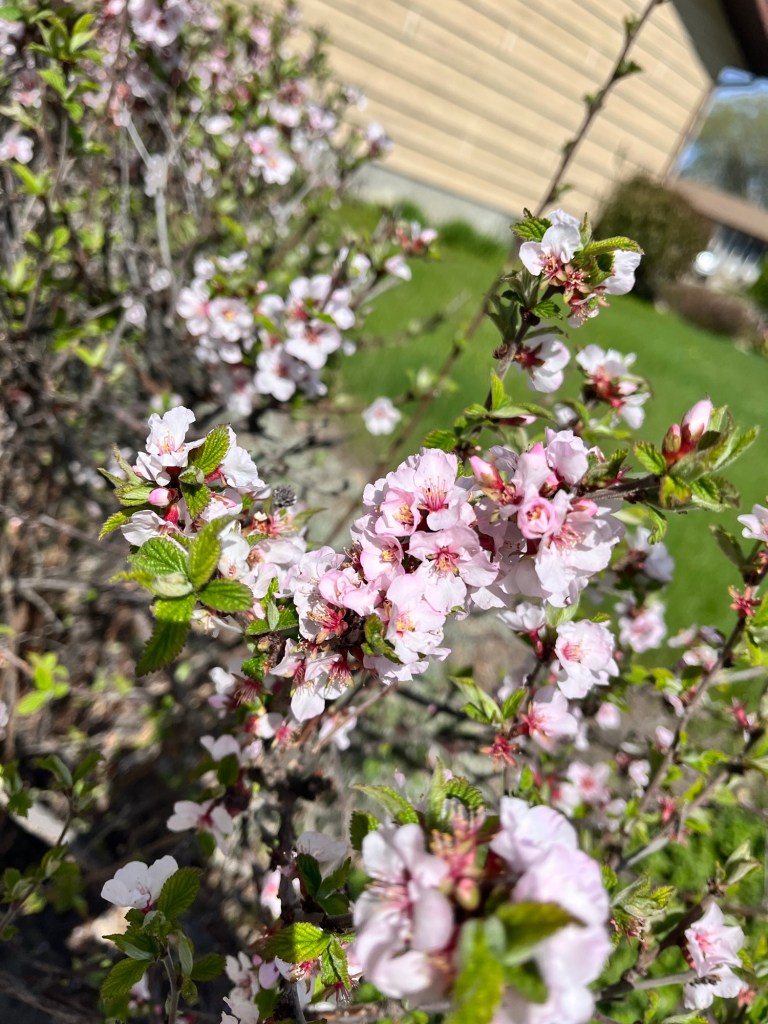
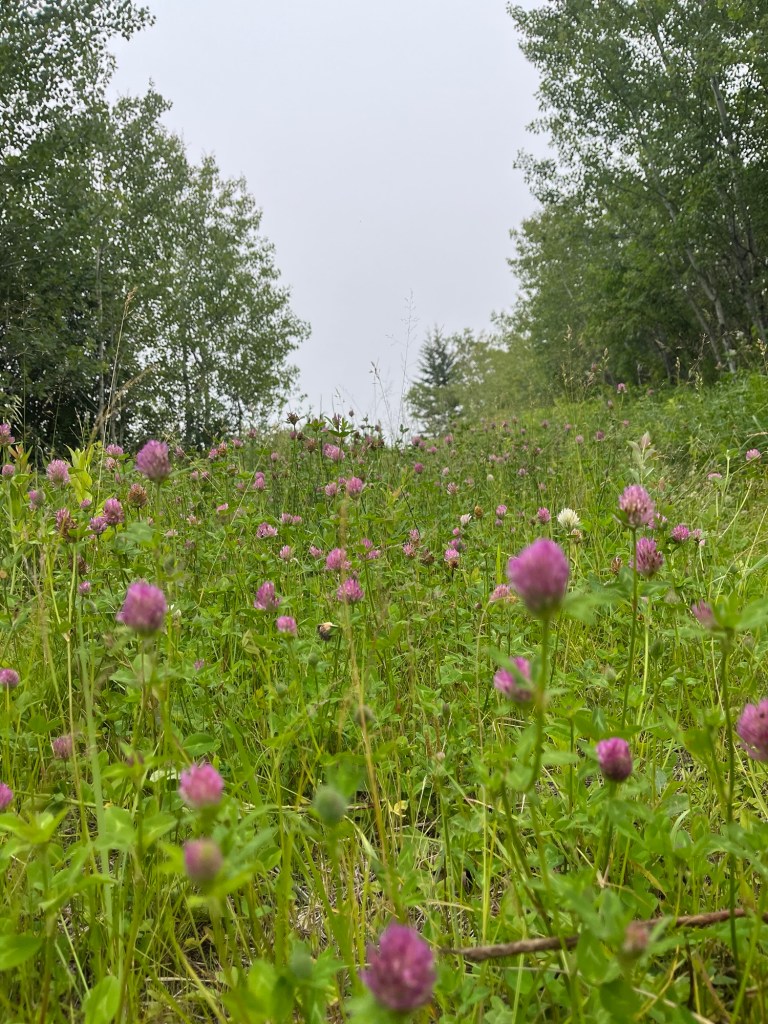
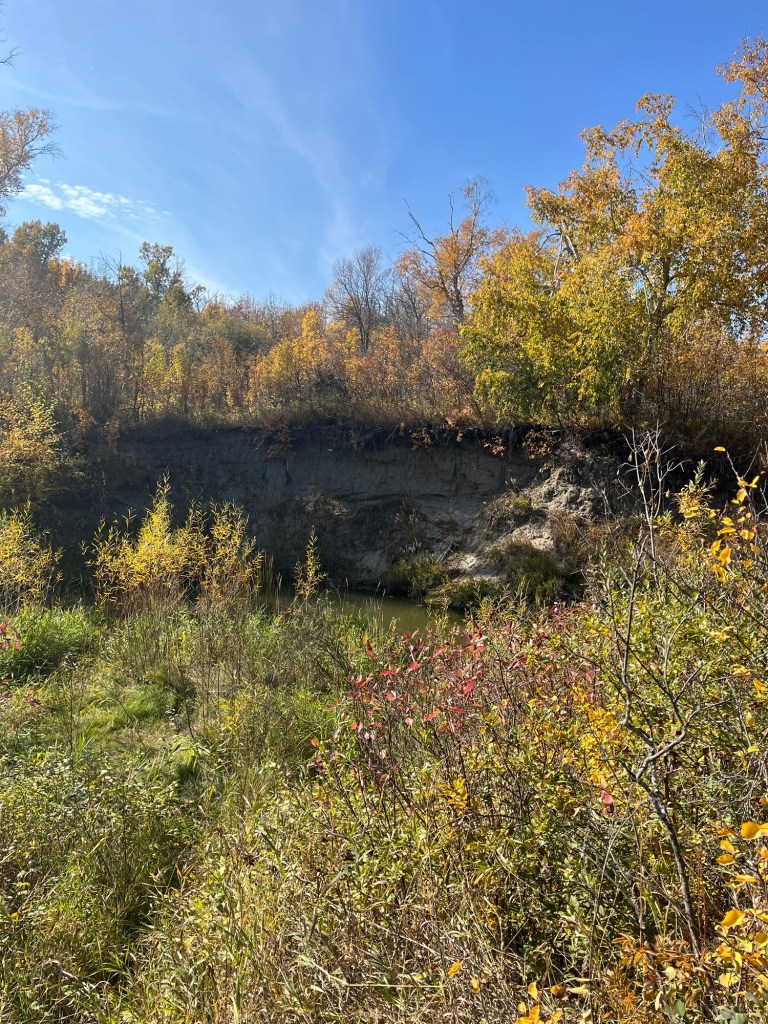
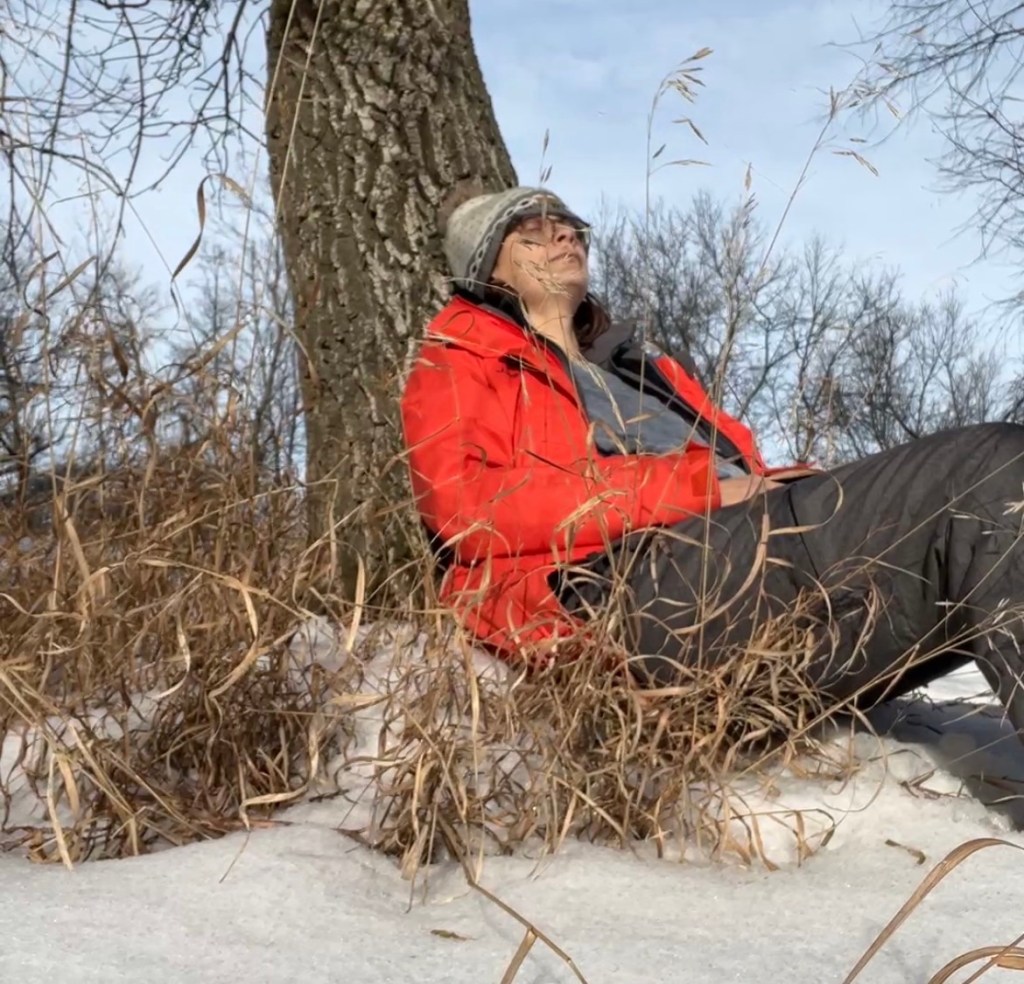
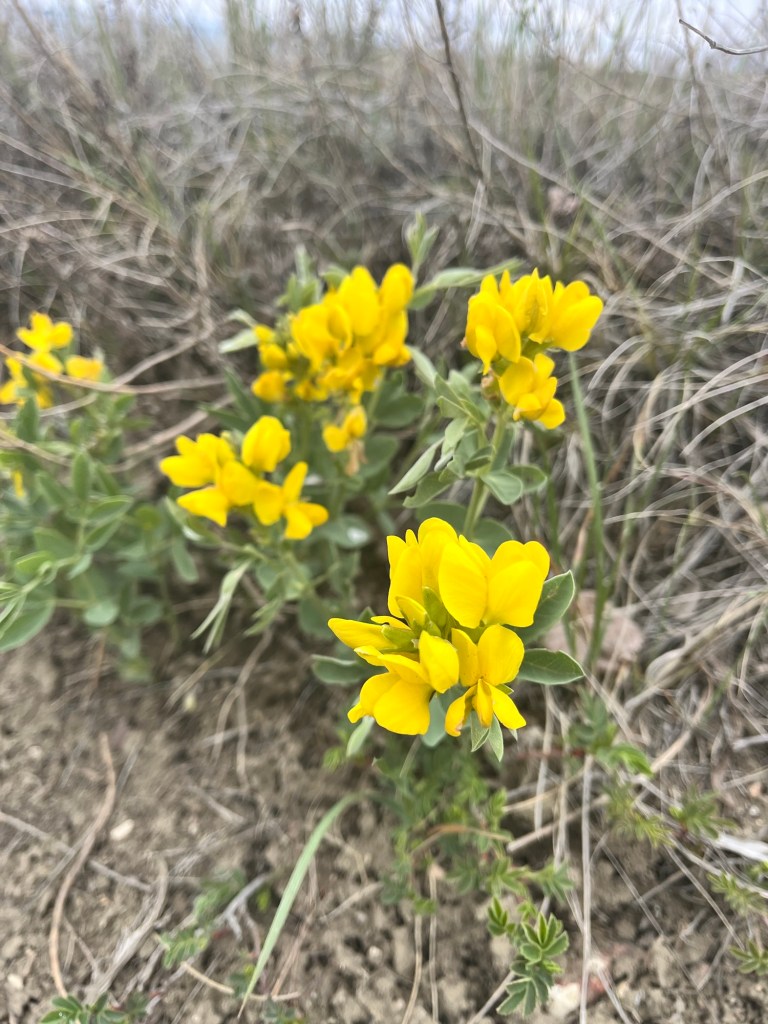
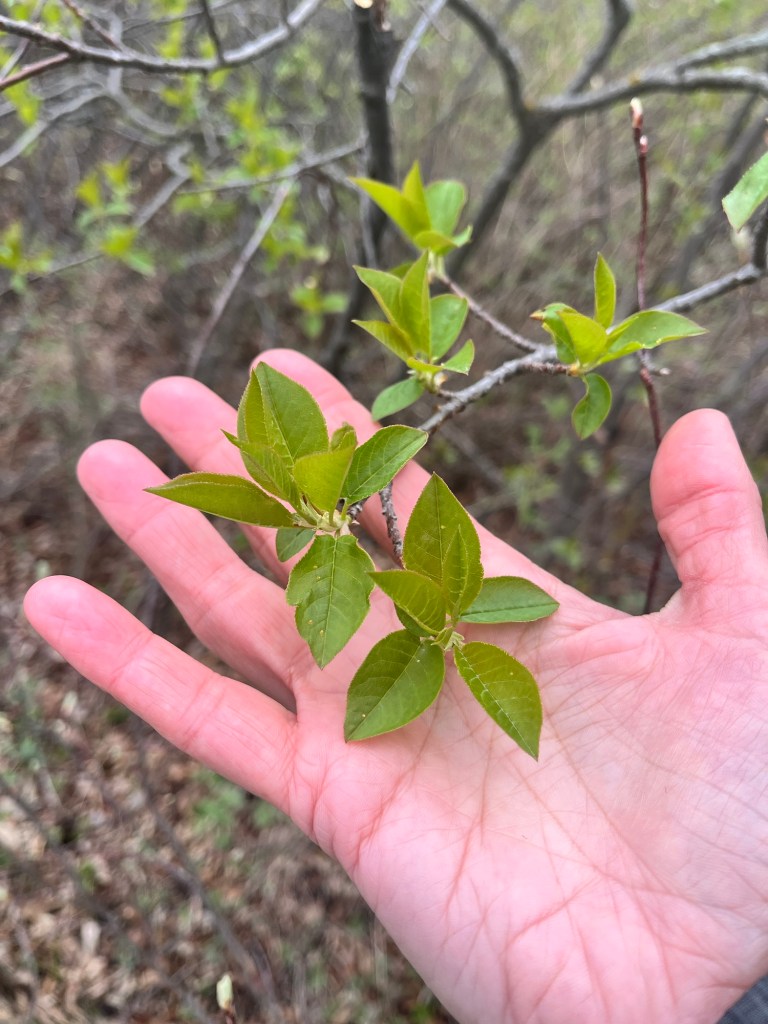
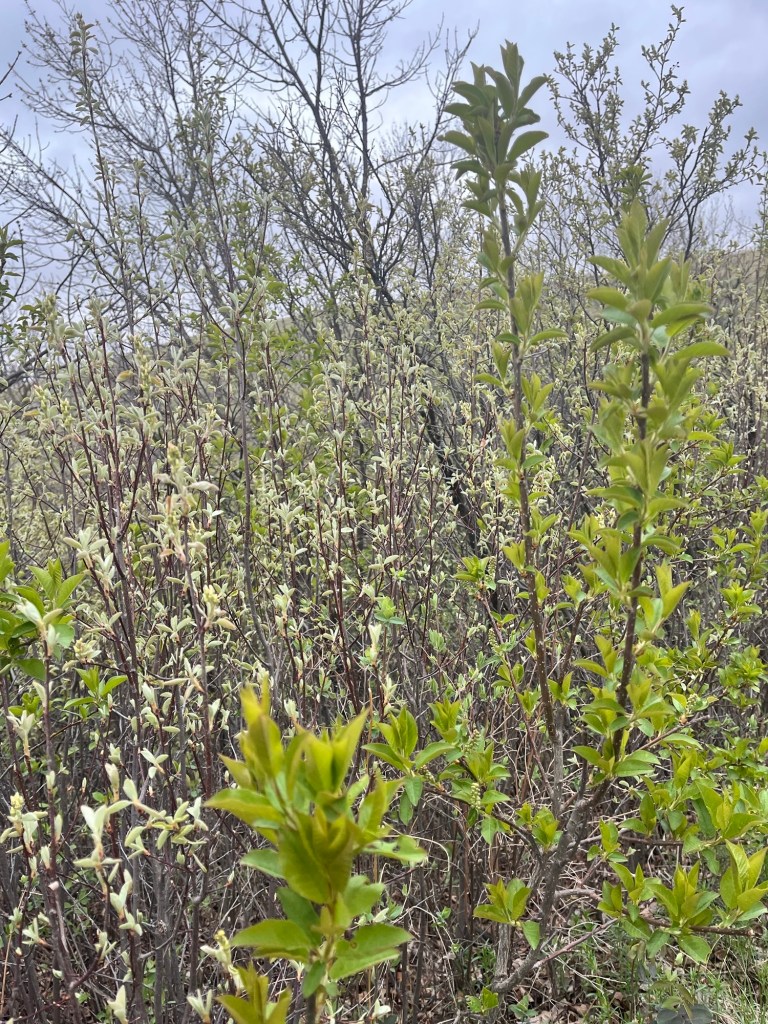
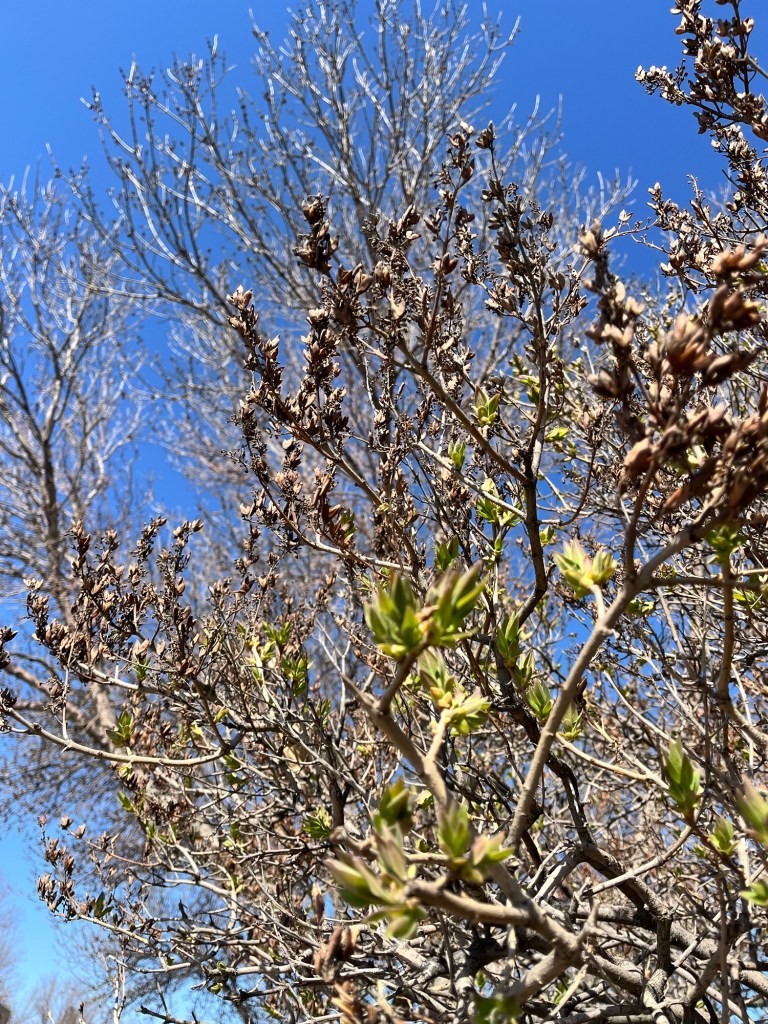
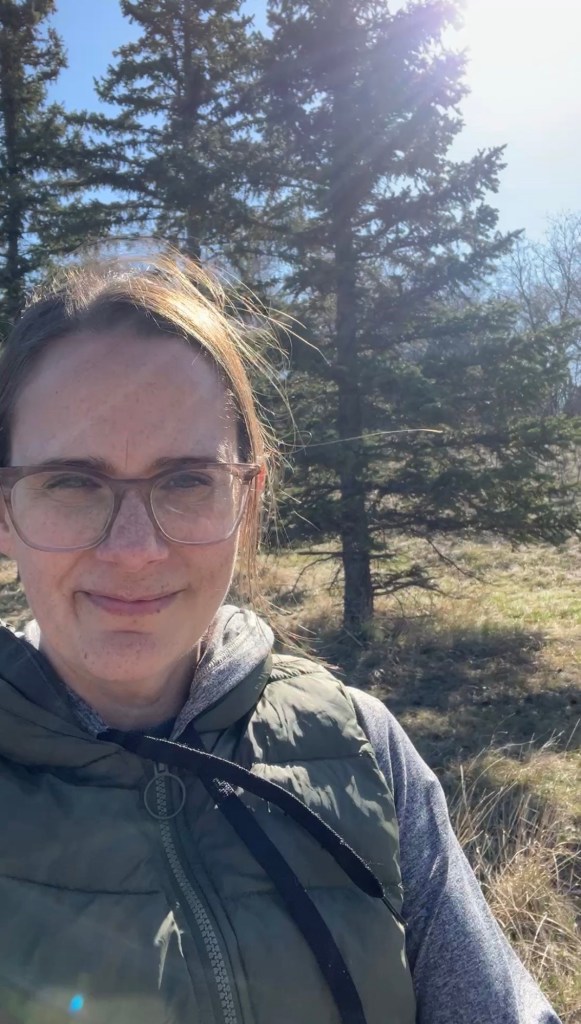
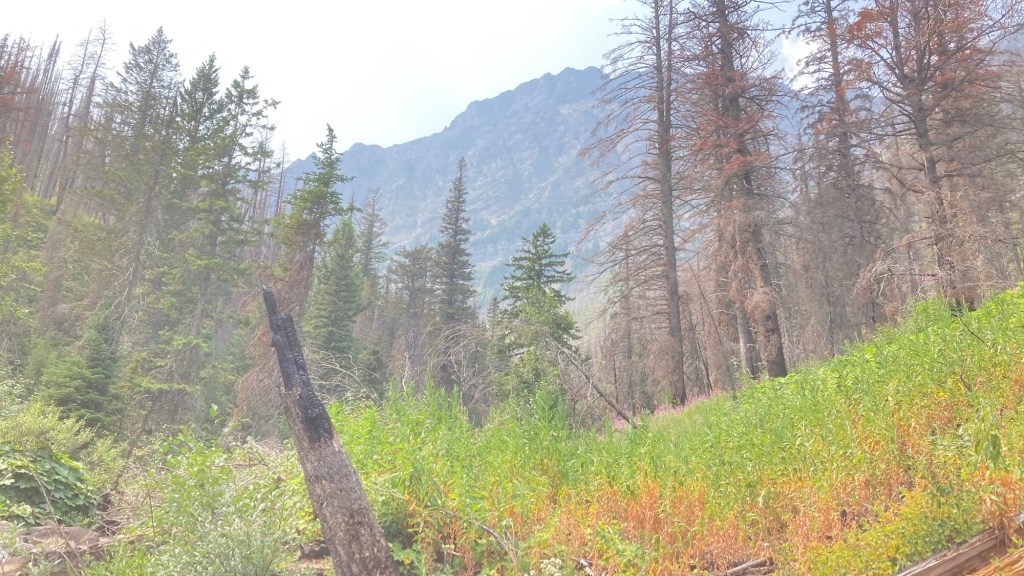
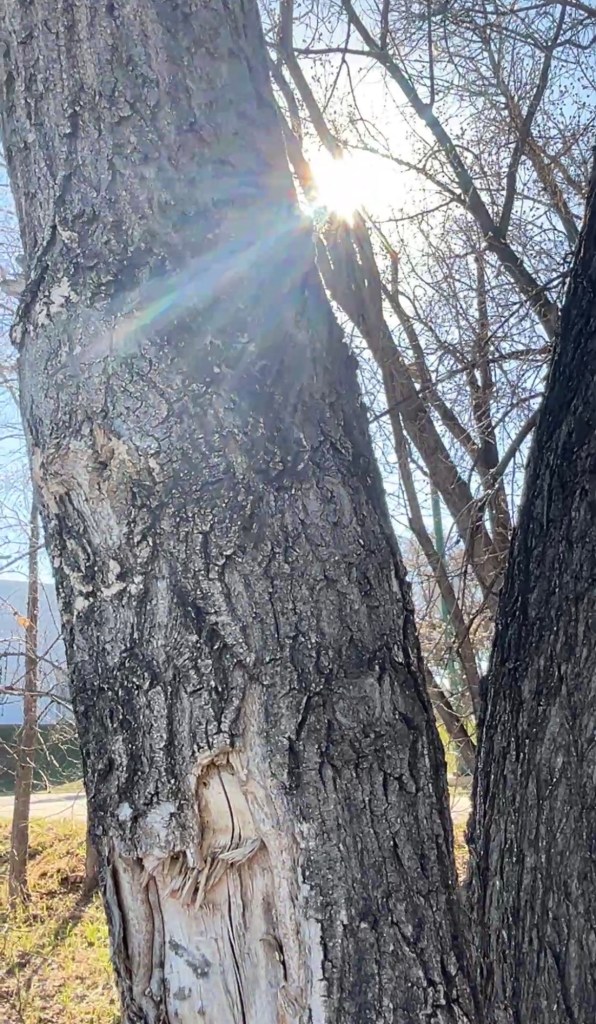
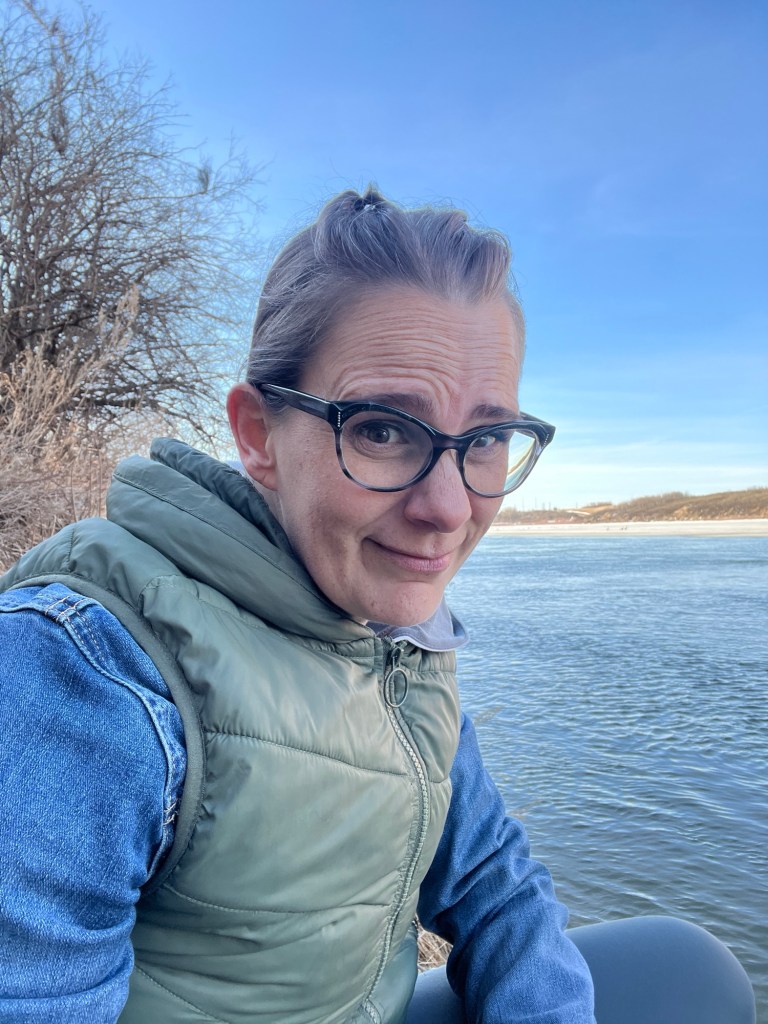
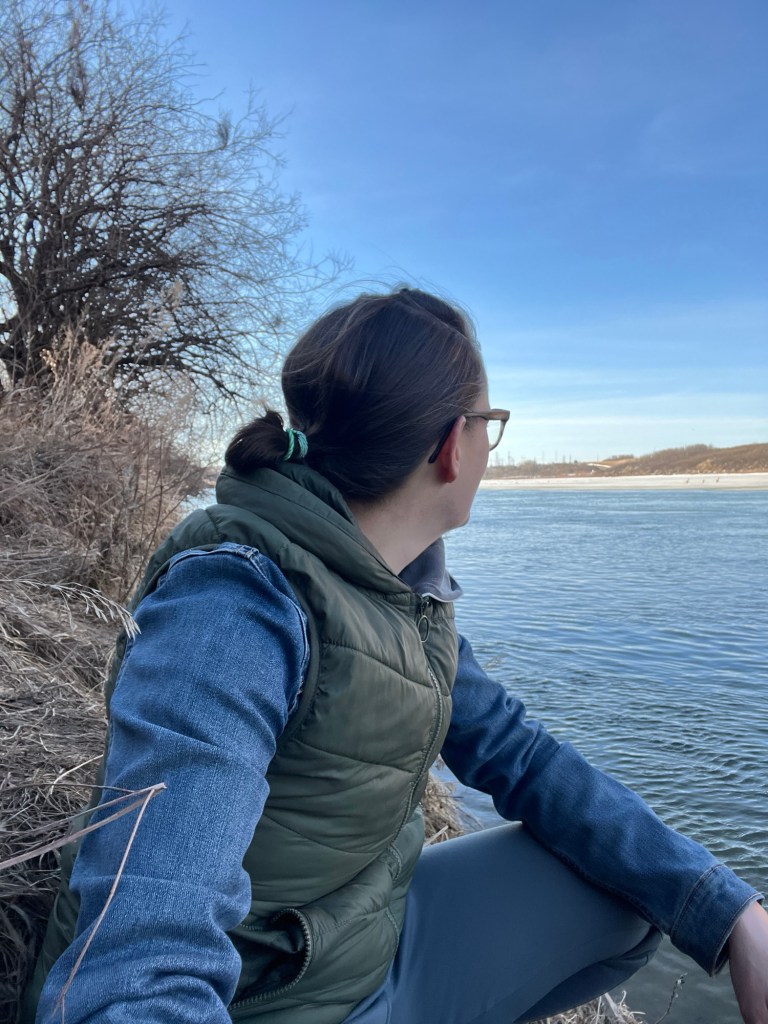
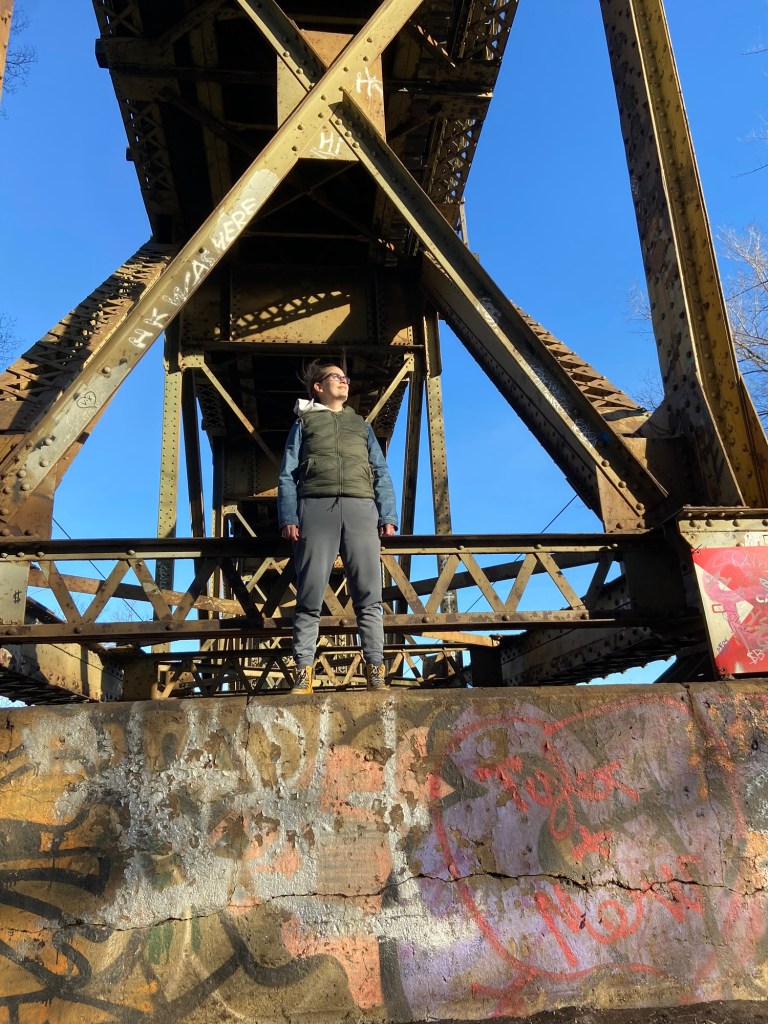
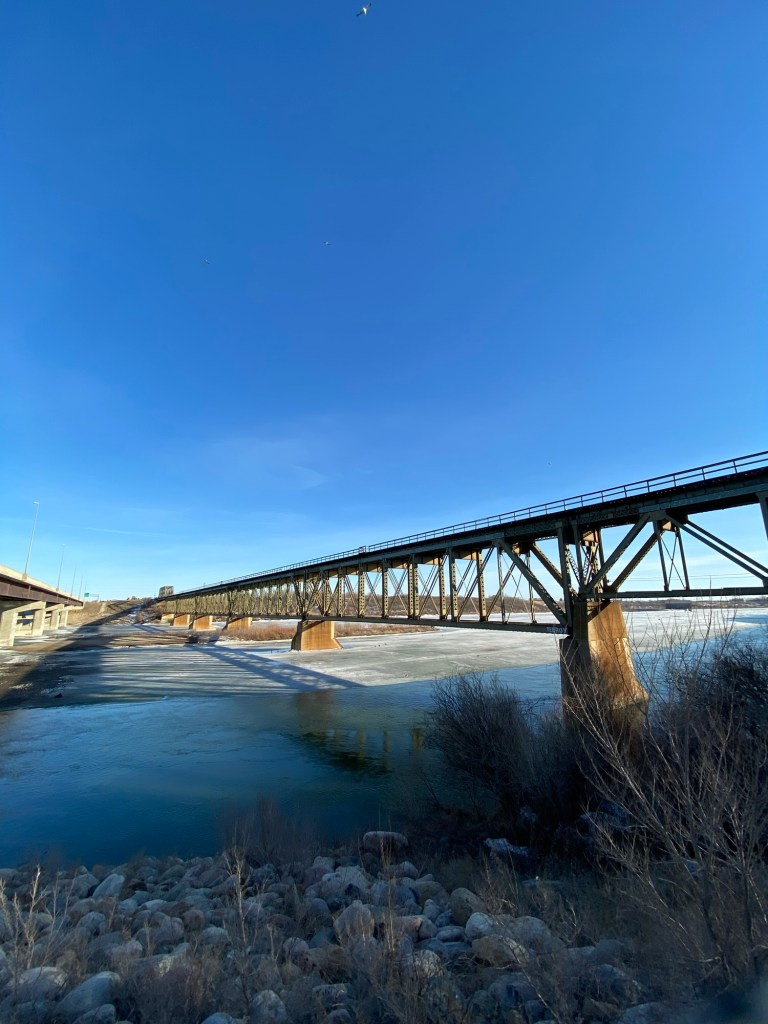
Inside me, the Protector, the Wounded Child, the Survivor, and the Healer all dance in a quiet circle. Each one longs to be seen, to be heard, to be held. And when I finally stop to witness them, their chaos becomes a rhythm… and their rhythm becomes my healing.
-recoverytrauma.ltd
I heard something recently that has been rolling around in my head. It was a conversation about worry versus wisdom.
The idea was that worry keeps us stuck, while wisdom keeps us moving.
One of the concepts was this, sometimes we feel stuck because we want two things that can’t exist at the same time.
I want to be healthy, but I don’t want to change anything.
I want to feel better, but I don’t want to slow down.
I want to have more energy, but I don’t want to give anything up.
I want my nervous system to settle, but I keep filling every available minute.
And with chronic pain, there can be a whole extra layer of this.
I want to do the things I used to do, but my body can’t always do them.
I want to feel better, but I can’t control whether I have a good pain day or a terrible one.
I want answers, but sometimes there are no tidy solutions.
So I worry. I think. I analyze. I replay. I predict. (I’m actually a delight. But you wouldn’t know it because I’m so tired and irritated all the time.)
I consider every possible scenario until my brain has apparently opened approximately 47 tabs, and none of them are helpful.
And somewhere in all of that thinking, I can become very, very stuck.
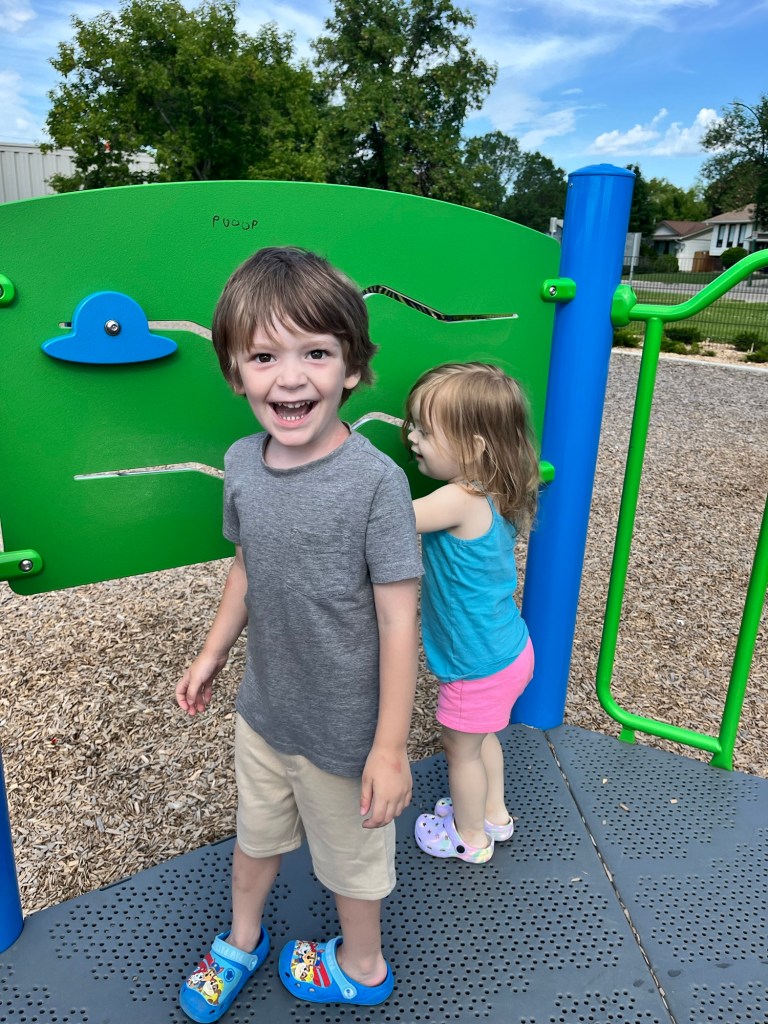
But then I look at my grandkids.
They might know something I have forgotten.
They don’t spend nearly as much time worrying about what happened yesterday or what might happen tomorrow.
They deal with right now.
If they’re hungry, they eat.
If they’re tired, they lie down.
If they see a bug, suddenly that bug is the most fascinating creature on Earth.
If someone says something funny, they laugh.
If they fall down, they may cry. And then, remarkably, five minutes later they’re deeply invested in something completely unrelated.
They don’t seem to spend a lot of time thinking:
I really shouldn’t have fallen down yesterday.
Or:
What if I fall down again tomorrow?
They are busy being where their feet are. Kids have a PhD in being where their feet are. (Wise little beings.)
Not because the past doesn’t matter. Not because the future doesn’t matter.
But because this moment is the only one I can actually do anything with.
And I think that is part of the difference between worry and wisdom.
Worry keeps asking:
What if?
Wisdom asks:
What now?
What if I stopped trying to solve tomorrow?
One of the things I love about forest therapy is that nature gives me a place to practice being present.
Not by sitting perfectly still and trying to empty my mind.
My brain 🧠- Director of Unnecessary Mental Load 🪪
Instead, I can go outside and let my attention wander.
I call this a sensory wander.
Rather than walking with a destination in mind, I slow down and follow whatever catches my attention.
Maybe it’s the shape of a leaf.
The sound of something moving in the grass.
The smell of wet earth.
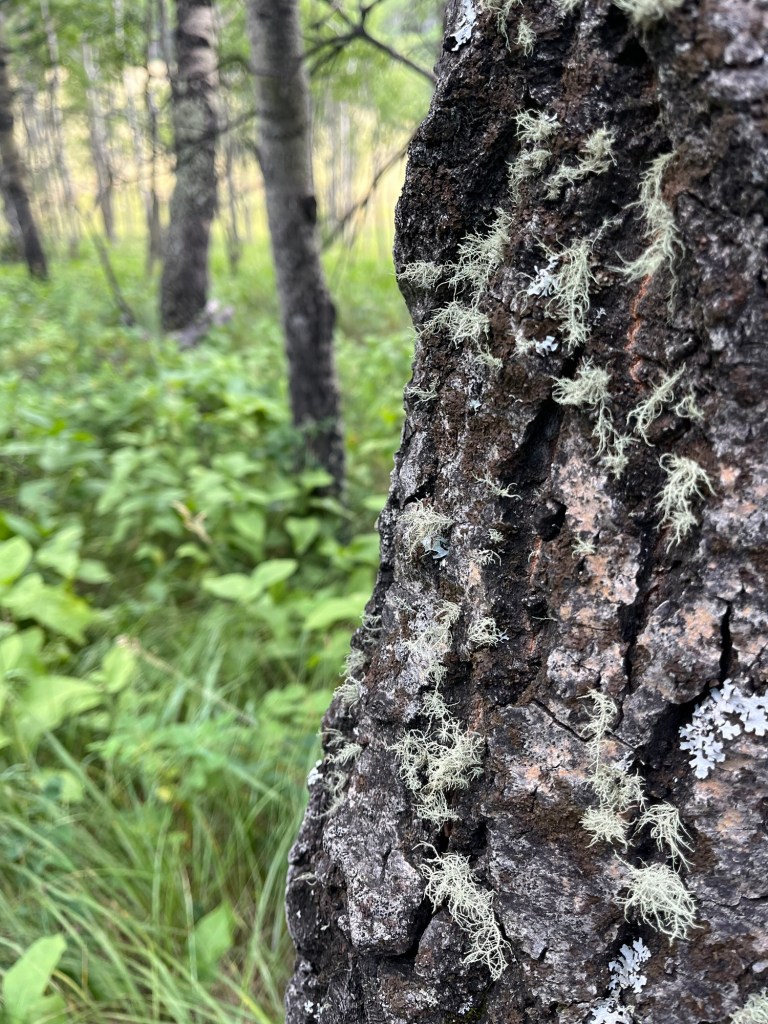
A tree with strange bark.
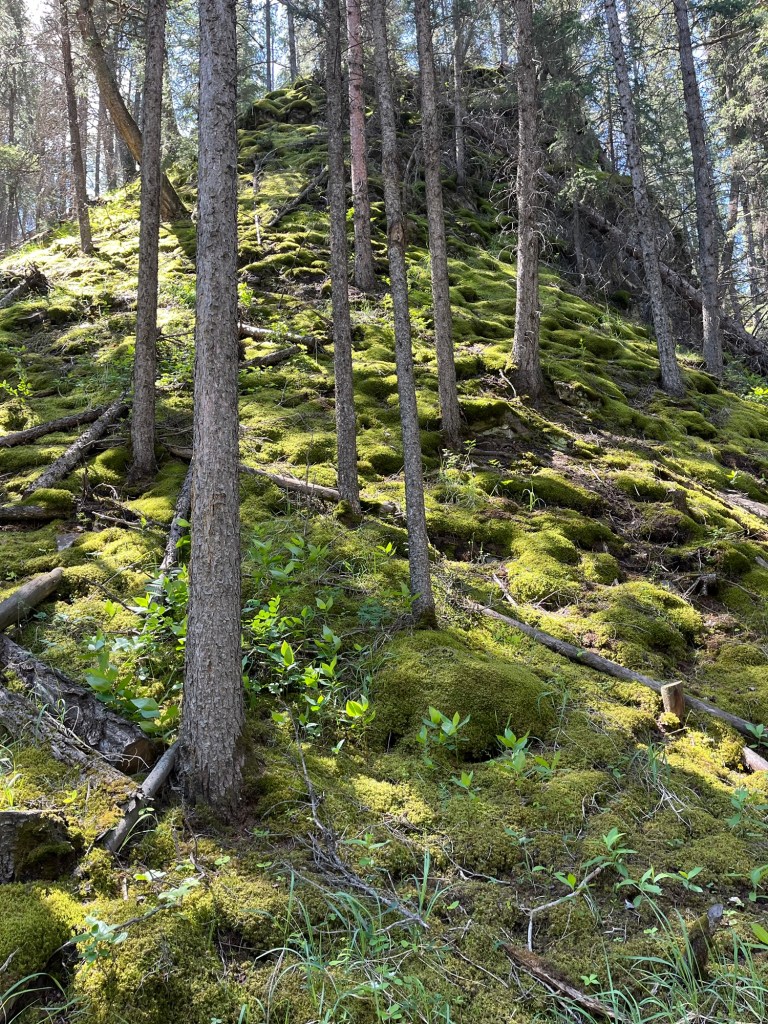
The way sunlight hits one little patch of moss.
A bird I can’t identify.
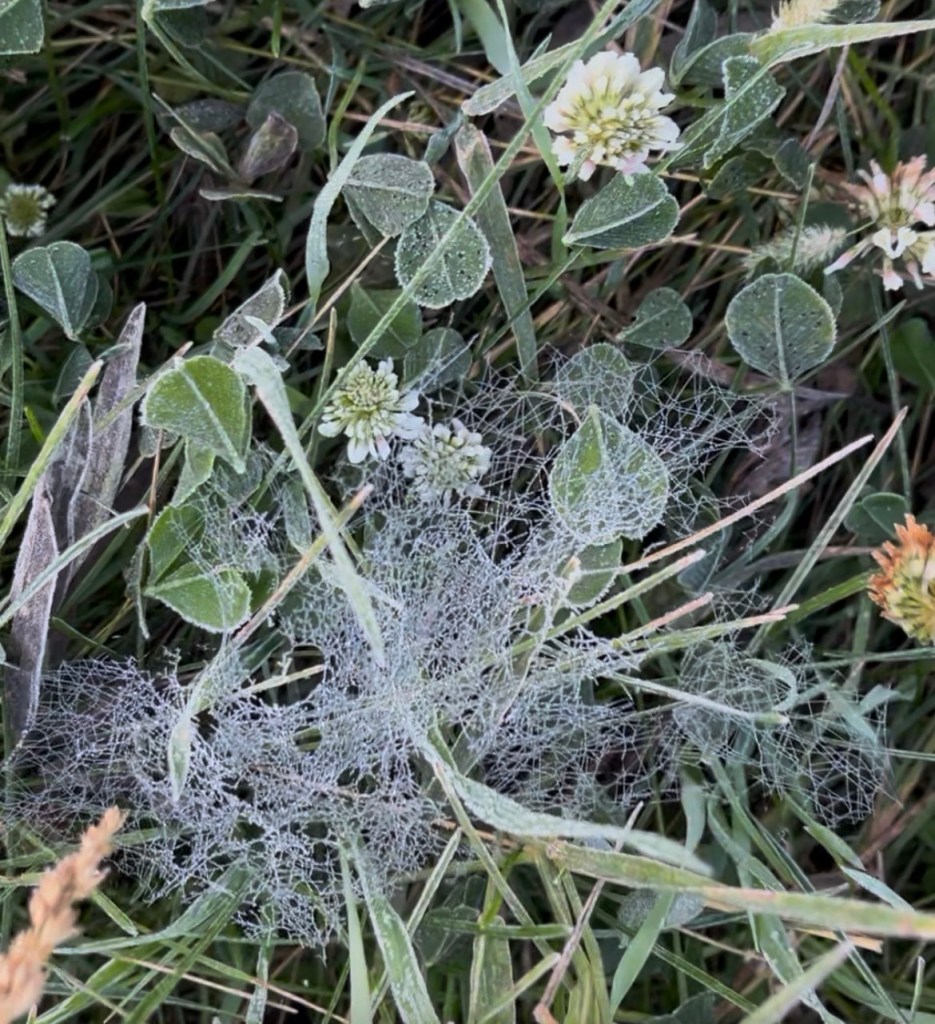
A spider web I would have walked right past.
I don’t have to figure anything out.
I don’t have to make the experience meaningful.
I don’t have to turn it into a lesson.
I just notice.
What has my attention right now?
Then I follow that.
And when something else catches my attention, I follow that instead.
It’s quite simple.
I don’t have to live three days ago. I don’t have to live three weeks from now.
I can live right here.
With the trees.
With whatever happens to be in front of me.
Wisdom doesn’t mean having it all figured out
I don’t think the podcast was suggesting that wisdom means knowing exactly what to do.
Sometimes we don’t know.
Especially with chronic pain.
There is a lot of trial and error.
What helped yesterday might not help today.
Something that works beautifully for one person might make another person’s body stage a small coup.
There isn’t always a clear answer.
But wisdom doesn’t necessarily require a complete plan.
It can be much smaller.
One thing I know I can do is this.
I can drink some water 💦
I can rest before I completely crash. 😴
I can step outside 👣
I can notice what my body is telling me 👂
I can take a short walk instead of deciding I need to complete a 5km hike or not bother going at all 🚶♀️
I can spend ten minutes among the trees 🌲 🌲
I can stop arguing with the reality of today long enough to actually experience today 🧘♀️
That last one is hard.
Because sometimes I want today to be different. But wanting it to be different doesn’t change what it is.
And accepting what is happening right now doesn’t mean I like it. It means I stop spending all my energy fighting a moment I can’t change.
Maybe that’s where wisdom starts. Not with a solution. With noticing.
Maybe the kids have it partly right
My grandkids aren’t worried about whether they’re making enough progress in life.
They aren’t measuring the day by how productive they were.
They aren’t wondering whether they should have made a different choice three years ago. (One of them wasn’t even here three years ago.)
They aren’t lying awake thinking about everything that could possibly go wrong tomorrow.
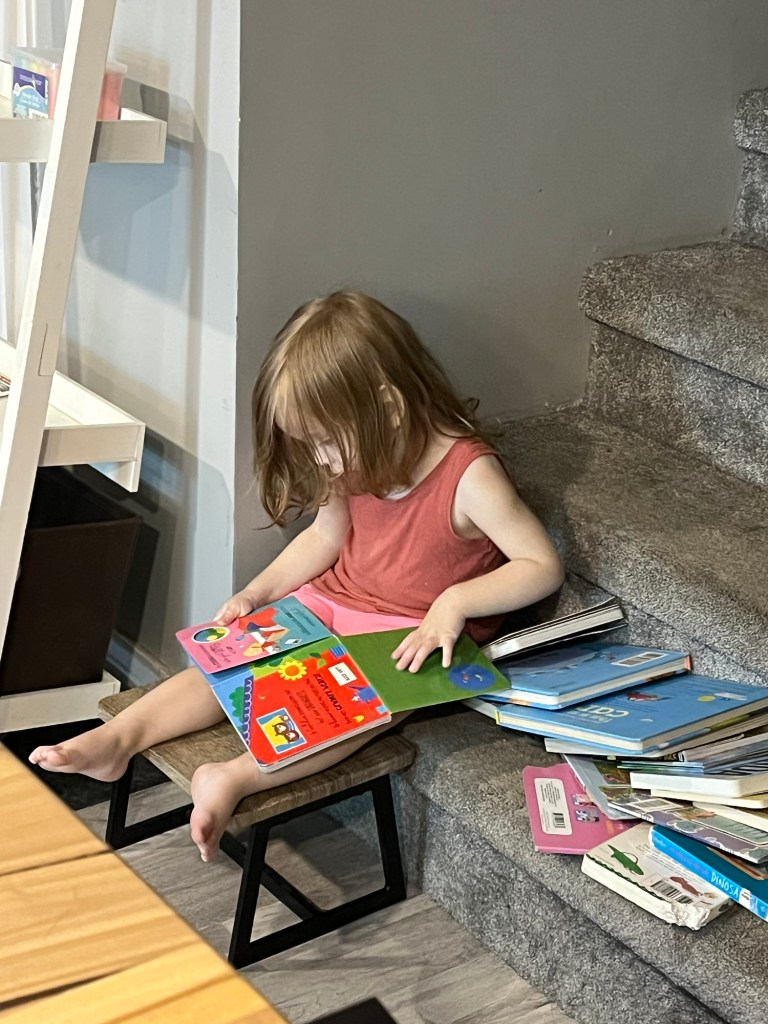
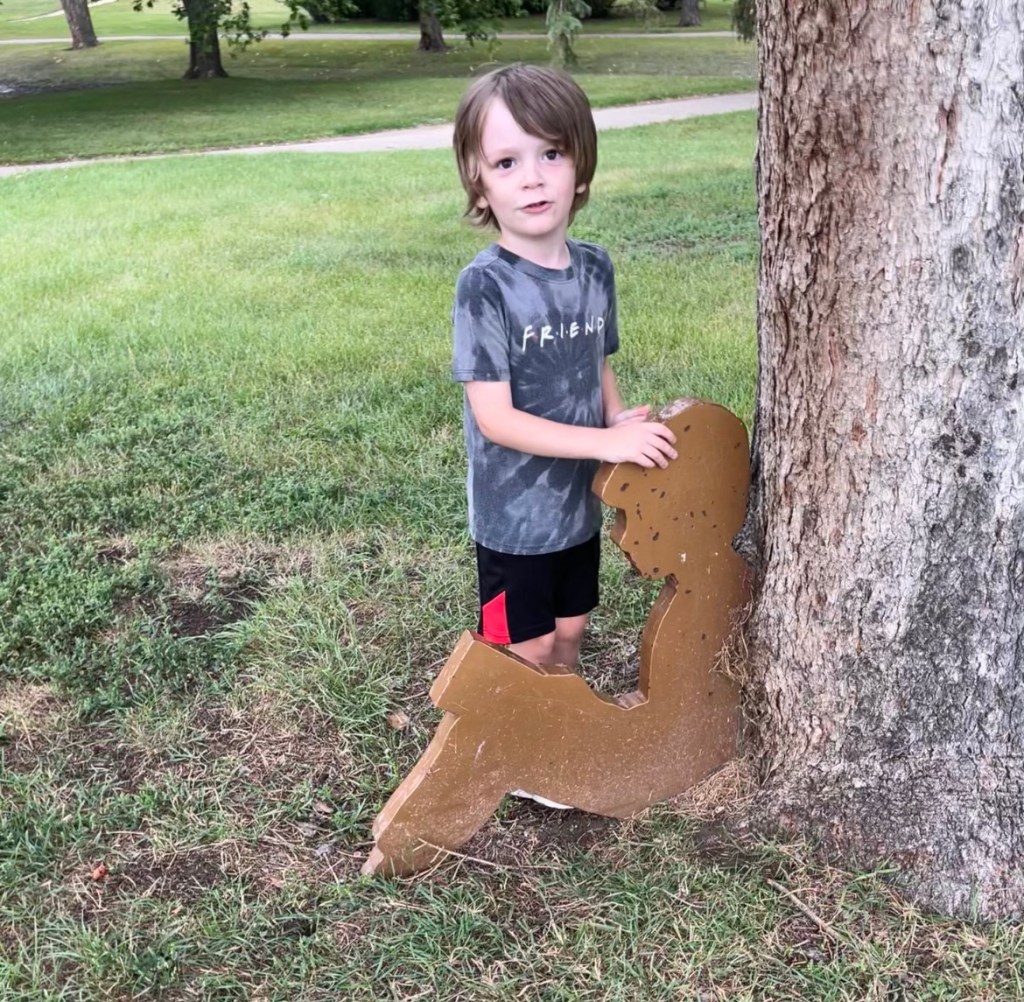
They are here. Reading a book. Talking to a wooden cutout.
And maybe I don’t need to become a child again to learn from them.
I can become child-like without becoming childish. And remember something children seem to know naturally:
Pay attention to what’s happening right now.
“Christopher Robin, what day is it?” “Today” “My favourite day”
There will be time for tomorrow when tomorrow gets here.
There will be things to learn from yesterday when yesterday needs to teach me something.
But right now?
There is a tree.
There is wind moving through the leaves.
There is a bird making an extremely confident noise.
There is this breath.
There is this moment.
And for today, maybe wisdom is simply noticing that I’m here.
Then taking the next small step. We are all walking miracles. Let us strut accordingly.
Valemor
(n.) The quiet pride of knowing you survived something without becoming cruel, loud, or bitter. 🙌
The ideas about worry, wisdom and being stuck were inspired by the podcast Better Than Happy: “Don’t Worry” Is Terrible Advice, August 27, 2026
There is a specific genre of complaining that I have become suspicious of. 🕵️♀️
Not the legitimate kind.
Not the “I have been awake since 3:17 a.m. because my nervous system is holding a fire drill” kind.
Not the “Why does getting showered and dressed feel like an Olympic event?” kind.
And definitely not the “Who designed this world without considering people who have pain?” kind.
Some things are a genuine bummer.
Chronic pain is hard. Fatigue is hard. Having a body that doesn’t always cooperate is hard. Watching other people casually do things that require me to carefully plan and then recover, can be hard.
My body doesn’t always recognize my authority. There’s a department. A committee. Tons of red tape. It’s a whole thing.
I am not talking about pretending those things aren’t hard.
I’m talking about what happens when complaining slowly becomes the neighbourhood we live in. And we didn’t even know we moved!
Because sometimes I wonder if complaining is one of the ways we get duped by the lies of this world.
Sneaky lies.
The kind that slip in wearing sensible shoes.
E.g.
Busy means productive
More is always better
Everyone else has it better than me
Your worth is measured by what you accomplish or have
You should be able to do it all
Other people should behave the way I think they should
Some lies show up more in certain arenas. In the arena of chronic pain I have narrowed down to two societal lies that are at the top of my list.
The first lie of chronic pain sufferers: Life is supposed to be easier than this.
Somewhere along the way, I absorbed the idea that if I worked hard enough, made good choices, took care of myself, tried to be positive and generally behaved like a reasonably responsible adult, life would eventually cooperate.
🤭 Cute.
I have since learned that life comes with considerably more fine print.
And chronic pain has a particularly efficient way of magnifying those terms and conditions 🔎 .
You can eat well. You can exercise within your abilities. You can rest. You can take your medication. You can go to appointments.
You can stretch and strengthen and meditate and breathe and try every reasonable suggestion known to humanity.
And then Tuesday morning shows up, completely ignoring the fact that I had a lovely little breakthrough on Monday. My body still hurts. The dust is still judging me from across the room. The laundry has continued breeding. Nothing has been resolved, healed, folded, or otherwise put right.
That doesn’t mean you failed.
It means you’re human.
The second lie of chronic pain sufferers: If I can’t have the life I wanted, I can’t have a good life.
This one is considerably more dangerous.
Because chronic pain can shrink our world.
First we stop doing something because it hurts.
Then we stop doing something because we’re afraid it will make things hurt worse.
Then we stop making plans because we don’t know how we’ll feel and we are tired of cancelling.
Then we start thinking about everything we’ve lost.
And eventually our attention becomes almost completely occupied by what isn’t possible.
The thing is, nothing has to be invented. The losses are real.
But the brain can take a real loss and turn it into a much larger story.
I can’t live like I used to becomes:
I can’t do anything.
I’m having a terrible pain day becomes:
I’m always in unmanageable pain.
I can’t make plans reliably becomes:
My life is completely out of my control.
That’s where I think complaining can become a trap.
We’re no longer simply describing our circumstances.
We’re rehearsing them.
Over and over.
And our brains are remarkably good at getting better at whatever we repeatedly practice.
But here’s where I need to be careful.
Because there is another lie that can sneak into this conversation.
“If people are tired of hearing about my pain, I should just tuck that thought back in the vault where it belongs.”
No.
Absolutely not.
I have chronic pain.
This is not a part-time hobby.
If something hurts every single day, pretending it doesn’t hurt so that everyone around me can have a more comfortable afternoon isn’t healthy either.
Sometimes I need to say:
“Today really hurts.”
Sometimes I need somebody to know that I’m struggling.
Sometimes I need to be able to say, “This is really hard, especially today,” without having to immediately follow it with something inspirational so nobody gets uncomfortable.
I don’t need a motivational quote.
I need a witness.
And sometimes the person we need to hear us is the person who is tired of hearing it.
This is one of the hardest parts of chronic pain.
Because pain doesn’t take weekends or holidays off.
It doesn’t understand that those closest to you have already heard about it yesterday. And the day before that. And the day before that. For what seems infinity.
It doesn’t care that your family has had a long day.
It doesn’t politely wait until everyone is emotionally available.
And the person who loves you may eventually reach a point where they think:
I know you’re hurting. I know. But I don’t know what else to say.
And sometimes that comes out as:
“That sucks.”
Then they go back to whatever they were doing.
Ouch 😣
Because when you’re hurting badly enough to finally say something, “That sucks” can land less like validation and more like:
Please stop talking about this 🙄 .
But there is another possibility.
Maybe they’re not saying:
Your pain doesn’t matter.
Maybe they’re saying:
I don’t know how to fix something I can’t fix 🔧.
Maybe they’re exhausted too.
Maybe they have heard about your pain so often that they have become emotionally numb. Not because they don’t love you, but because human beings aren’t particularly good at repeatedly witnessing something they can’t make better.
And here’s an inconvenient truth:
Both people can be hurting.
The person with chronic pain can need to be heard.
And the person who loves them can need a break from pain being the centre of the room.
Those two things can be true at the same time.
So how do we complain in a healthy way?
Maybe the answer isn’t don’t complain.
Maybe it’s learn how to communicate the need underneath the complaint.
Because sometimes what I’m really asking isn’t:
“Would you like to hear the latest installment of Everything That Hurts?”
Sometimes I’m asking:
“Can you please just acknowledge that this is hard?”
That’s a different request.
Instead of:
“Everything hurts today. My back is killing me, my hips are aching, I barely slept, my hands hurt, and I don’t know how I’m supposed to get anything done…”
I might try:
“I’m having a really bad pain day. I don’t need you to fix it. I just need you to hear me for a minute.”
Or:
“Can I have two minutes to complain without you trying to solve it?”
Or even:
“I need a little reassurance right now. Can you tell me you understand that this is hard?”
That gives the other person a job they can actually do.
They don’t have to cure chronic pain.
They don’t even have to have the perfect response.
They just have to be present.
And I think we can give them permission to tell us when their tank is empty.
This one is tricky.
Because if someone says, “I can’t listen to this right now,” it can feel devastating.
Especially when you already feel like your pain is an inconvenience.
But perhaps we can build a different language around it.
“I love you. I believe you. I just don’t have the capacity to talk about pain right now. Can we come back to this later?”
(Hold them to talking about it later, or they are just avoiding the issue)
That is very different from:
“I’m sick of hearing you complain.”
One establishes a boundary.
The other makes the person feel like the problem.
And research on chronic pain couples backs up the importance of this distinction. Validation communicates that the person’s experience is real and understood, while invalidation can interfere with emotional and pain regulation. At the same time, studies also suggest that very frequent pain-related disclosure can wear down supportive responses. (PubMed)
So perhaps healthy communication lives somewhere in the middle.
Tell the truth.
Don’t catastrophize the truth.
Ask for what you actually need.
Give the other person permission to have limits.
And don’t make one person your entire emotional support system.
Because that’s a lot to ask of one human being.
Even if that human being is married to you.
Your brain is listening to you.
Our brains don’t simply receive information from our bodies like a receptionist taking messages.
They’re constantly interpreting what is happening.
Attention, emotion, memory, expectation and perceived threat can all influence the experience of pain.
Chronic pain isn’t simply a matter of damaged tissue sending an identical pain signal over and over again. The nervous system can become sensitized and change the way sensations are processed.
And repetitive negative thinking (ruminating about pain, what it means, what might happen, how unfair it is) can add another layer of distress.
In very simple terms:
What we repeatedly pay attention to gets easier for the brain to notice.
That does NOT mean chronic pain is imaginary.
It does NOT mean positive thinking cures illness.
And it absolutely does NOT mean that if you’re still hurting, you just aren’t trying hard enough.
Puh-lease. ✋
I have enough on my plate without wondering whether I’m handling my suffering correctly.
But it does mean there may be a difference between:
“This hurts.”
and
“This hurts, this always happens, this is never going to change, I can’t do anything, my life is terrible, nobody understands, and why does everyone else get to have a normal body?”
The first is information.
The second is a story.
And stories can either help us carry reality or make reality heavier.
Validation isn’t the same thing as agreement.
This is an important distinction.
If I say:
“I’m scared this pain will never get better.”
You don’t have to get in the pit with me and say:
“Yes. The dumpster fires persist but so do we.”
You can say:
“I can understand why you’re scared. You’ve been dealing with this for a long time.”
That’s validation.
You’re not agreeing with the prediction. You are not forecasting something different.
You’re acknowledging the experience.
Researchers studying chronic pain couples have found that empathic and validating responses are generally associated with better emotional and relationship outcomes, while invalidating responses tend to be associated with worse outcomes. A 2025 systematic review of chronic pain couples reached a similar overall conclusion. ((PMC)PubMed Central)
And interestingly, even brief training in validation has been shown to improve validating responses from spouses and reduce negative affect in partners living with chronic pain. (PubMed)
Which means perhaps we don’t need our loved ones to become pain experts.
Maybe we just need to teach each other a few life-saving sentences.
🛟 “I believe you.”
🛟 “That sounds really hard.”
🛟 “I’m sorry you’re hurting.”
🛟 “Do you want me to listen, help, or give you some space?”
Sometimes I need help.
Sometimes I need someone to sit beside me while I have spectacular pity party.
And sometimes I need everyone to leave me alone.
Which brings me to the forest.
The forest is a third party in the conversation.
One of the reasons I love forest therapy is that it gives me somewhere else to take my pain.
Not to hide it. Not to deny it. Just to put it down for a little while.
The forest doesn’t say:
“Again with the pain?”
It doesn’t say:
“You’ve already told me this.”
It doesn’t say:
“That sucks.”
It simply gives me something else to notice.
The sound of wind moving through branches.
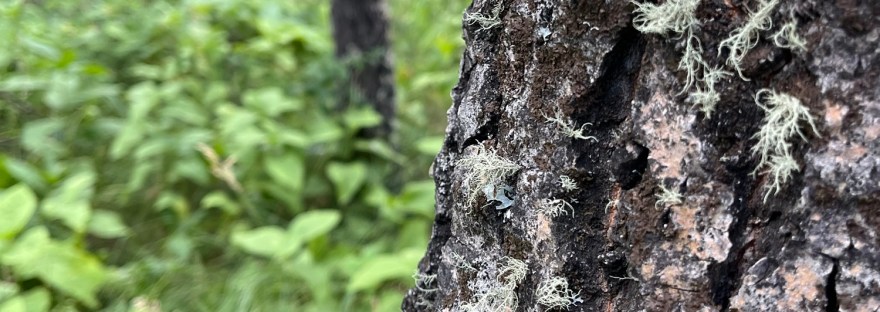
The texture of bark.
Birdsong.
The smell of damp earth.
Bosky
Covered with bushes, shrubs, and small trees, or having a woody and shady appearance. (Dictionary.com)
Light moving through leaves.
My feet touching the ground.
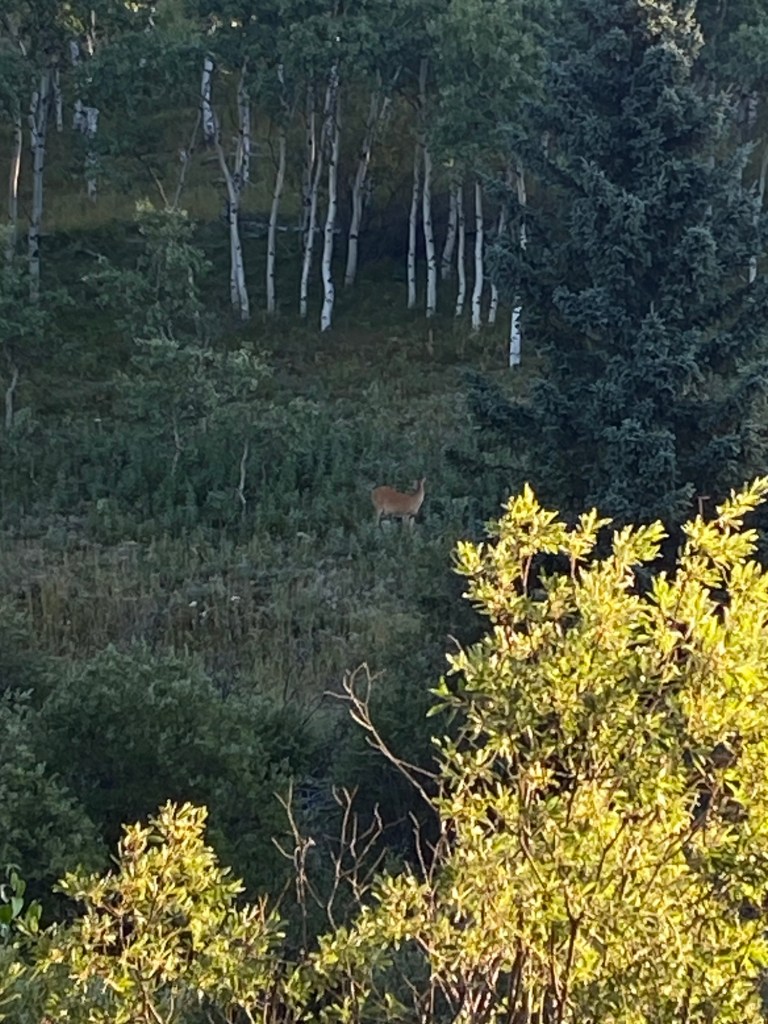
My breath silent as I watch the deer across the ravine and she watches me.
And suddenly my attention isn’t completely occupied with the running commentary in my head.
Nature exposure has been associated with reduced stress, and research on forest therapy has found changes in measures such as cortisol, heart rate and parasympathetic activity.
The evidence isn’t perfect, and the forest isn’t a cure for chronic pain. But it can offer the nervous system a different kind of input. Slower, safer, less demanding.
Sometimes that is enough to interrupt the loop.
Try this the next time you catch yourself complaining.
Don’t shame yourself.
That’s just complaining about your complaining. You’ve now created a sequel nobody asked for 🤦♀️.
Instead, pause.
Ask:
What am I actually needing right now?
Am I needing to be heard? practical help? reassurance? rest? Am I feeling lonely? frightened? angry?
Am I simply needing someone to say:
“That really sucks.”
Because sometimes that is enough.
Then ask yourself:
Who is the right person to give me that support right now?
Maybe it’s your spouse.
Maybe it’s a friend who understands.
Maybe it’s a support group.
Maybe it’s a therapist.
Maybe it’s a journal.
Maybe it’s the forest.
And maybe sometimes it’s you.
I’m not trying to become a person who never complains.
Frankly, that sounds exhausting.
I still complain.
But I’m trying to notice when complaining stops being a way of expressing something and starts becoming a way of seeing everything.
And I’m also trying to remember that needing to talk about my pain doesn’t make me a burden.
I can tell the truth about what hurts. I can ask to be seen. I can let someone say, “I love you, but I don’t have the capacity for this conversation right now.”
I can find more than one place to put my pain.
And I can learn the difference between telling the truth and allowing the pain to tell me the story of my entire life.
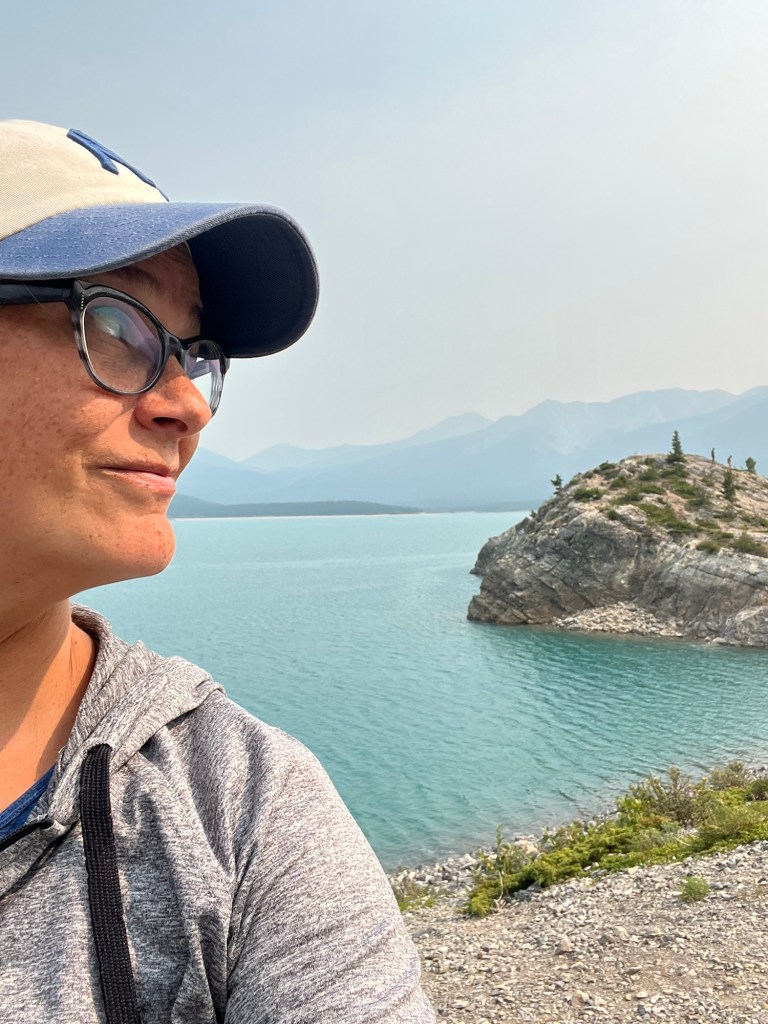
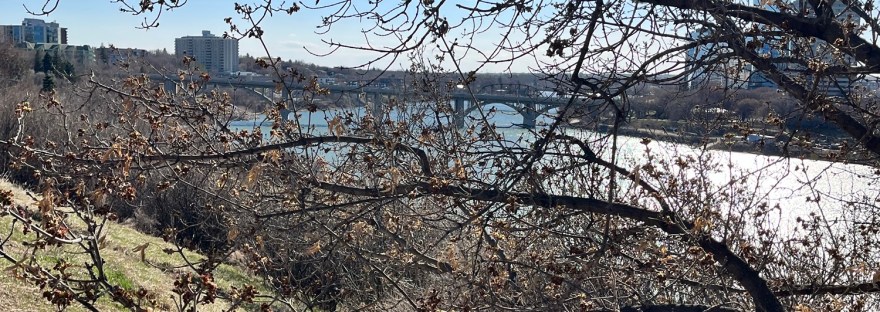
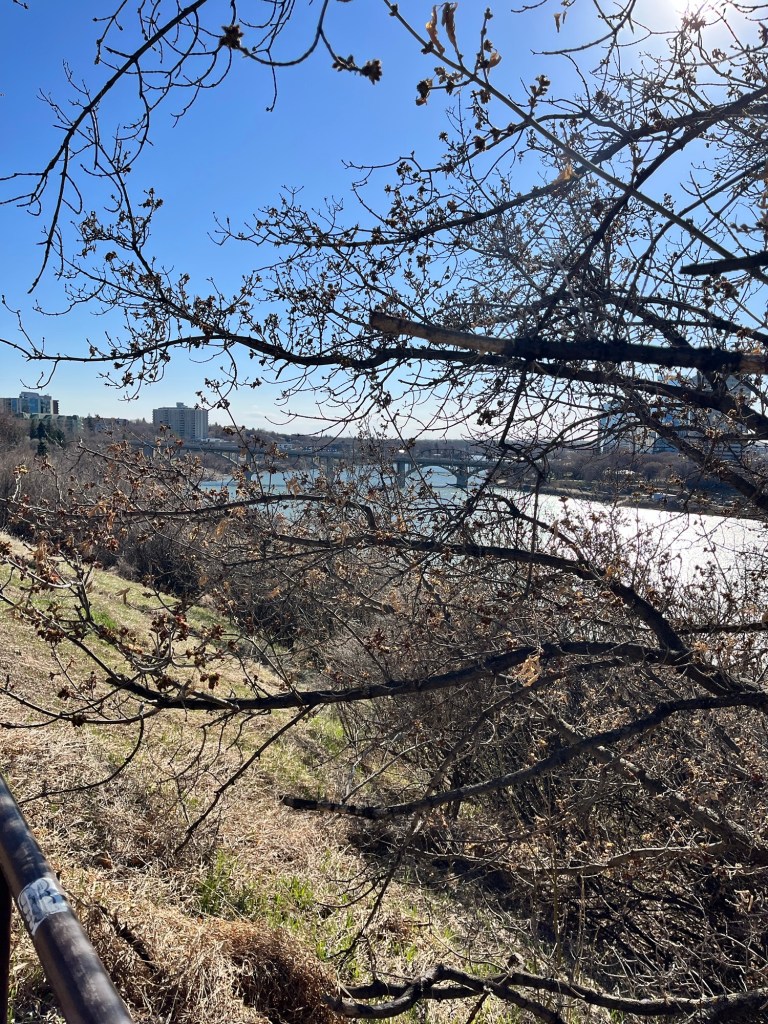
So many views from one sit spot. Depending on where I point the lens.
Because maybe that’s one of the great tricks of this life:
The lie isn’t always that our circumstances aren’t difficult.
Sometimes the lie is that our circumstances are all there is.
Pain is part of my life. It isn’t the whole of it.
Fatigue is part of my life. It isn’t the whole of it.
The things I can’t do are part of my life. They aren’t the whole of it.
And when I walk into the forest, I get reminded of something my occasional complaining brain conveniently forgets:
There is still a world happening outside my symptoms.
There is still beauty. There is still laughter. There are still surprises.
Maybe I don’t have to fight my life into becoming the one I thought I was promised.
Maybe I can stop complaining about the moment long enough to find a life well-lived.
It feels like we’re all moving through life with our shoulders somewhere around our ears. Chronic illness, fear of aging, financial stress, uncertainty, bad news on an endless loop. Some people are simply trying to get through Tuesday with enough energy to make supper 🙋♀️ .
It doesn’t take much to tip us over.🐄
A few days ago, mine came in the form of a boat launch.
Anyone who’s spent time around a busy boat launch knows it’s a fascinating social experiment.
An overabundance of strong opinions and egos exists.
There are no rules. Written or unwritten.
Just enough ambiguity transpires, that everyone believes they’re right.
I’ve been launching boats for about fifteen years. I know the rhythm. I stay out of people’s way, wait until my truck is actually in the water before moving, and do my best to keep things safe and efficient.
Apparently one gentleman decided I’d “cut the line.”
Boat launches really do produce fascinating specimens of humanity.
I’ve learned that confidence can be surprisingly unsettling to some people. Especially when it arrives in the form of a woman who knows how to load the boat on the trailer without making a production of it.
It’s funny how a little perceived competition can bring out our inner third-grader.
The equipment may have six-figure price tags, but occasionally the conflict resolution skills still come from recess days gone by.
When I calmly explained why I was waiting where I was. And how the process normally works. He didn’t want an explanation.
He began clapping sarcastically.
The world doesn’t just wear us down through tragedy. Sometimes it does it one sarcastic clap at a time.
A man is rowing through thick fog when he notices another boat heading directly toward him.
The other boat is bigger. He should have the right of way.
He shouts. No response.
He waves. Nothing.
The other boat keeps coming.
His frustration turns to anger.
“Move!”
Just before the collision, he swerves.
As the fog clears, he realizes…
The boat is empty. No one was steering.
Instantly, his anger disappears.
Who was he angry with?
No one.
Since first hearing that story, I’ve asked myself this question.
Is the boat empty?
Not literally.
But is this personal?
Or am I assigning intention where there may be none?
Maybe they’re exhausted. Grieving. Terrified.
Maybe they simply don’t know any better.
Or maybe they’re carrying hurts I can’t see.
None of those possibilities excuse poor behaviour.
But they completely change where I direct my emotional energy.
Sometimes, seeing clearly dissolves the anger.
Pronoia
The opposite of paranoia. it is the belief that people or the world are secretly working in your favour. That events, people and circumstaces are somehow conspiring to help you.
That’s different from stuffing feelings down or pretending they don’t exist.
You can’t bypass emotions.
You can’t slap a positive quote over a nervous system that’s sounding the alarm.
But sometimes the alarm quiets on its own because you suddenly realize…
There isn’t actually an enemy here.
Just another imperfect human.
When the boat is empty, compassion often becomes easier than combat.
How will this feel next week?Next month? Next year?
It’s amazing how many mountains quietly shrink into molehills when viewed from a little distance.
Then she takes it even further.
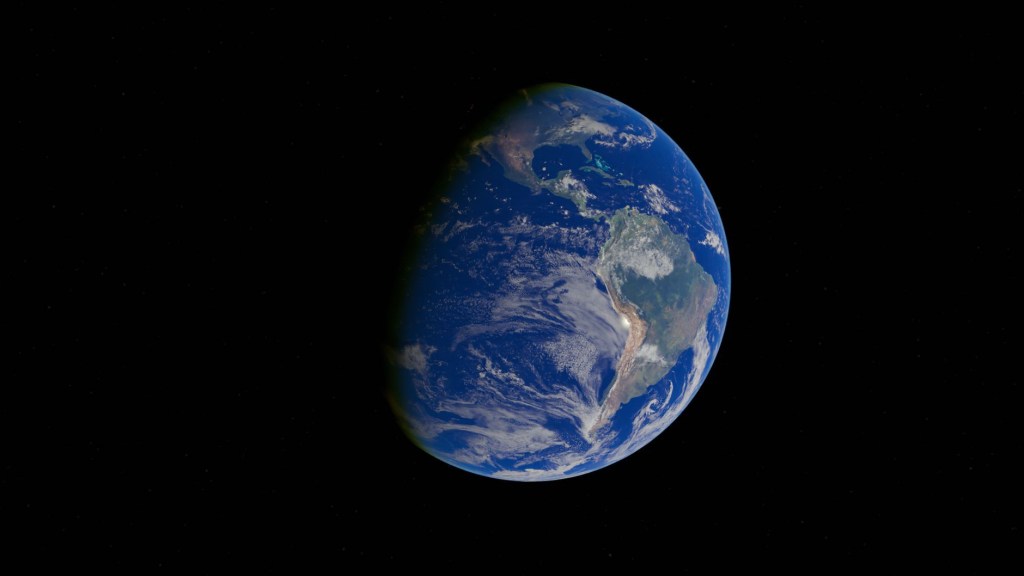
She talks about astronauts experiencing the Overview Effect. Seeing Earth from space and returning with an entirely different understanding of what matters.
Imagine grandmother’s wisdom. Now multiply it by the view from orbit.
Our arguments. Our bruised egos. Our need to be right.
They suddenly become very small compared with this astonishing little blue planet we’re all sharing.
That doesn’t make our feelings unimportant.
It simply gives them context.
Another surprisingly effective tool?
Humour. Humour interrupts the story we’re telling ourselves.
We’ve all done it.
We become convinced we’ve been wronged in the most spectacular fashion imaginable.
Our spouse is over there admiring a duck while we have mentally drafted the closing argument for a trial that nobody else even knows is happening.
Sometimes all it takes is one ridiculous observation from them to break the spell.
I wish I could say I found “the funny” at the boat launch.
I wasn’t there yet.
Maybe next time.
One tool that has helped me far more consistently is asking:
Am I living this moment according to my values?
Not theirs. Mine.
I can’t control sarcasm.
I can’t control mockery.
I can’t control who decides to clap sarcastically at a stranger.
But I can decide whether I respond with kindness.
Integrity. Respect. Compassion.
Those are mine to keep.
The more our daily lives align with our values, the steadier we become.
Peace stops being something we chase and starts becoming somewhere we live.
The idea of felt safety is something we’ll explore more in the next post.
Felt safety isn’t the absence of fear.
It isn’t the absence of challenge.
It’s your nervous system recognizing that you have enough capacity to face what’s in front of you.
That you are enough.
That you can survive this moment.
Forest therapy has become one of the places where I practice exactly that.
The forest rarely requires me to react in the moment.
It stretches time. It expands perspective.
It reminds me that not everything deserves my nervous system’s full emergency response.
When someone steals my peace…
I take it to the woods.
There, I remember that I’m part of something much older than a rude exchange at a boat launch.
Much bigger than today’s frustration.
And much more beautiful than the story my anxious brain was writing five minutes earlier.
Eventually I remember that peace is a terrible thing to hand over to someone you’ve never met.
A Forest Therapy Invitation
If you’re new here and want to learn more about forest therapy and how it works, check out this page. The Gist
The next time something rattles you, resist the urge to replay it over and over.
Instead, head outside.
Find one tree that catches your attention.
Stand with it for five slow breaths.
Now ask yourself:
Is the boat empty?
Will this matter next year?
What would this look like from space?
What response best reflects my values?
How can I become the tenderness this moment needs?
Don’t force an answer.
Just notice what changes.
Sometimes the forest doesn’t solve the problem.
It simply reminds us that we are far bigger than it.
Forest therapy doesn’t help me escape the world. It helps me return to it without becoming like it.
Margaret Cullen ends her book Quiet Strength with words I borrow:
May each of us find a way to bring balance and tenderness to this floating world, moment by moment, drop by drop.
I can’t think of a better response to a world that is hard on beautiful things.
Let’s become one of the beautiful things that refuses to grow hard.
The world may be hard on beautiful things. That doesn’t mean beautiful things have to become hard.
For most of my life, I thought willpower was the answer.
Tired? Push through.
In pain? Push through.
Overwhelmed? Push through.
Running on fumes? Push through harder (and question what my problem is. Everyone else can do it all!)
Our culture practically hands out gold stars for overriding our bodies. We admire grit, determination, hustle, and resilience. We celebrate the people who keep going no matter what.
But what if chronic willpower isn’t a strength?
What if it’s a survival strategy?
And what if the very thing you’ve relied on for decades is now contributing to your exhaustion, burnout, brain fog, chronic symptoms, and sense that your body has become the river overflowing its banks after years of holding everything in?
I recently listened to an episode of the Success Genius podcast hosted by Neill Williams, a master certified coach. Her podcast focuses on helping ambitious women work with their brains and bodies rather than constantly pushing against them. A message that feels particularly relevant to my own journey with chronic willpower.
Williams suggests willpower is often a withdrawal, not a strategy. It is what we use when we don’t have access to regulation. Instead of listening to the body, we override it. Instead of responding to its signals, we silence them. Instead of resting, we push harder.
At first, this works remarkably well.
You become productive.
Dependable.
Capable.
The person everyone can count on.
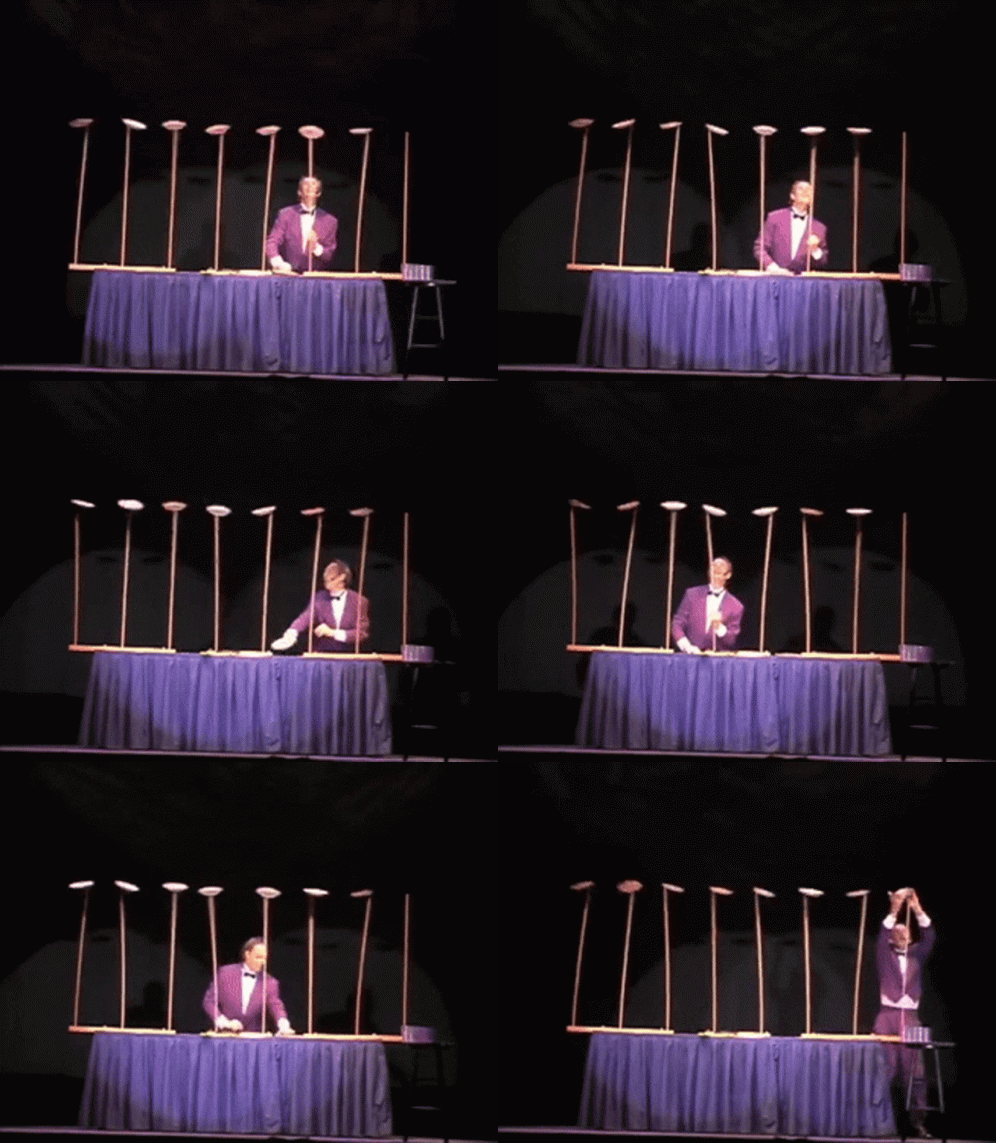
The person who somehow manages to keep all the plates spinning.
Until one day the plates start spinning you.
It’s amazing how long you can juggle flaming torches before realizing you are the one on fire.
When Willpower Becomes a Withdrawal
One of the most eye-opening ideas Williams proposes is this:
Willpower is not a strategy. It is a withdrawal.
Using willpower occasionally isn’t a problem.
Life happens. Deadlines happen. Emergencies happen.
Sometimes we need to dig deep and do hard things.
The trouble begins when overriding ourselves becomes our default operating system.
When every day looks like:
“I’m exhausted, but I’ll push through.”
“I’m overwhelmed, but I’ll push through.”
“My body is asking for rest, but I’ll push through.”
A withdrawal isn’t necessarily noticeable at first.
Just like spending a little extra on a credit card doesn’t feel like a crisis.
But eventually the bill arrives.
And like every credit card company, our nervous systems charge interest.
I once heard a doctor describe it this way:
“It starts as a whisper. Then it becomes a shout. Then it becomes a scream. If you keep ignoring it, eventually it shuts you down.”
I suspect many women reading this know exactly what that feels like.
Listen to your body when it whispers so you don’t have to hear it scream.
What Happens Physiologically?
Your nervous system is constantly gathering information about whether you’re safe.
When you repeatedly ignore fatigue, stress, grief, overwhelm, pain, or emotional needs, those signals don’t simply disappear.
They get louder.
The body begins turning up the volume in an attempt to get your attention. What started as mild fatigue becomes crushing exhaustion. A little tension becomes chronic pain. Occasional anxiety becomes a constant background hum.
Symptoms are often the falling leaves, not the falling trees. They’re early signs that something needs attention.
The Physiological Cost of Chronic Willpower
It is not stress that kills us, it is our reaction to it.
Determination is the fuel. Regulation is the engine.
Fuel matters.
But pouring premium gasoline onto a broken engine won’t get you very far.
Many of us have spent years trying to compensate for a dysregulated nervous system by adding more determination.
More discipline. More motivation. More supplements. More planners. More productivity hacks. More caffeine.
At some point the engine needs attention.
Regulation is what allows the nervous system to move between effort and recovery. It is the body’s ability to activate when needed and settle when the challenge has passed. Without regulation, determination eventually becomes expensive fuel burned inefficiently.
Why We Keep Doing It Anyway
Because overriding ourselves works.
At least temporarily.
When we push through exhaustion and finish the project, check off the list, save the day, or meet the deadline, we get a reward.
That reward is often dopamine.
Dopamine isn’t simply the “pleasure chemical.” It’s deeply involved in motivation, anticipation, reward, and learning what behaviors matter. Our brains remember what helped us survive and succeed.
Soon, productivity itself can become a form of self-medication.
The nervous system learns that overriding discomfort equals reward.
No wonder it’s hard to stop.
The Chemical We May Actually Need More Of
While dopamine drives pursuit, serotonin is associated with feelings of contentment, safety, stability, and well-being.
Dopamine is the Labrador chasing the tennis ball.
Serotonin is the golden retriever napping in a sunbeam.
Many chronic willpower users have spent decades chasing the first while starving the second.
We become experts at striving but beginners at simply being.
And that’s where nature has something remarkable to teach us.
The Forest Doesn’t Care About Your To-Do List
One of the reasons forest therapy feels so restorative is that it gently shifts us toward a state of regulation.
No notifications. No deadlines. No performance reviews.
No one asking whether you’ve earned your rest. Whether you’re keeping up. If you’re winning at life or whether your worth is keeping pace with your to-do list. No one asking whether you’ve justified your existence through accomplishment.
The forest would NE-ver. Trees are refreshingly difficult to impress.
And somehow that’s exactly what makes them healing.
In the forest, many people experience what feels like a serotonin bath. 🛁
A quiet sense that everything is okay.
Not perfect. Just okay. Perfectly imperfect.
The more often we experience that state, the more familiar it becomes. Eventually regulation starts feeling less like a vacation and more like home.
A Forest Therapy Practice for Chronic Willpower
If you recognize yourself in this article, try this simple practice.
Step 1: Walk Slowly
Spend 10 to 15 minutes walking without a destination.
Not hiking. Not exercising. Not trying to get your steps.
My body budget got so far in the red it was basically applying for bankruptcy protection.
Looking back, I wonder how many so-called midlife crises are actually the moment the bill for decades of nervous system debt comes due. The strategies that helped us survive and succeed for years suddenly stop working.
What feels like falling apart may actually be the beginning of a profound transformation. I explored that idea more deeply in Midlife Crisis to Chrysalis.
When you can access a place of peace, something surprising often happens. The answers you’ve been chasing become easier to see. The next step becomes clearer.
Not because you forced it.
Because you finally became quiet enough to hear it.
Sometimes healing isn’t found in pushing harder.
Sometimes it’s found wandering through a lush, green forest, realizing your body wasn’t fighting you all along.
It was actually trying to draw your attention upstream, where the real answers were waiting. Guiding you away from the noise. To a place of stillness. Back to who you were before the push. Your natural self.
Years ago, I became convinced I was getting less intelligent.
I would walk into a room and forget why. Lose all my trains of thought mid-sentence. Derailed. No coming back.
I’d constantly search for words that had wandered off unsupervised. They would come back hours later, long after it was needed and with no apology whatsoever.
I blamed stress.
I blamed being busy.
I blamed getting older.
In reality, it was probably all of those things, mixed with hormonal changes I didn’t fully understand yet.
Female hormones are funny. They’re a bit like a Saskatchewan summer storm. One minute the sky is clear, the sun is shining, and life feels manageable. The next, the wind picks up, the clouds roll in, and you’re wondering if you should have brought a jacket, umbrella and storm cellar.
The weather didn’t become bad.
It changed.
Our hormones do too.
Female hormones are a bit like Saskatchewan weather. If you don’t like what’s happening right now, wait ten minutes.
Most of us think of hormones as reproductive messengers, but they influence far more than our cycles. They affect sleep, memory, focus, mood, energy, and even how connected we feel to the people around us.
One of the most interesting ideas I encountered from a recent podcast interview with Dr. Anna Cabeca. While estrogen, progesterone, and testosterone get most of the attention, hormones like cortisol and oxytocin may have an even bigger impact on how we experience daily life.
Oxytocin is often called the love hormone. It’s associated with connection, belonging, trust, laughter, affection, friendship, pets, nature, and community.
Likewise, oxytocin and cortisol tend to pull in opposite directions.
But the story doesn’t end there. The plot thickens.
As any prairie girl knows, sunshine and thunderstorms often share the same forecast.
When stress becomes chronic, such as in a body dealing with chronic pain, connection often suffers.
Many of us don’t just feel tired. We feel disconnected.
From ourselves.
From others.
From the things that once brought us joy.
Progesterone plays a role too. It supports sleep, cognition, brain health, and nervous system regulation.
Testosterone contributes to motivation, confidence, energy, and focus. Both naturally decline as we age, and both can be influenced by chronic stress.
Side note: I would like to point out that aging naturally isn’t nearly as freaky as whatever is happening with the people trying desperately to avoid it. Also, at what age do we start meeting for Bingo? Because I’m ready.
Progesterone naturally declines in women, typically beginning in the mid-thirties as ovarian function gradually changes.
My body got the memo that the warranty has expired. All systems started responding the way you’d expect at the end of a warranty. (despite the fact that I was built in the 70s and should have been made to last)
Looking back at my own health journey, I spent years trying to solve individual symptoms.
If I could just stop the migraines.
If I could just overcome the fatigue.
If I could just break the insomnia.
What I eventually learned is that the body doesn’t divide itself into neat little boxes the way we often do.
Sleep affects stress.
Stress affects hormones.
Hormones affect mood.
Mood affects relationships.
Relationships affect wellbeing.
Pull one thread and the whole thing unravels.
That’s why healing often requires support from multiple directions.
👏 Good food.
👏 Movement.
👏 Sleep.
👏 Stress management.
👏 Connection.
👏 Time outdoors.
The podcast also reinforced something I’ve known for years: nature has a remarkable way of helping us regulate.
Not because it magically solves our problems, but because it reminds our nervous systems what calm feels like.
Like sitting quietly in warm sunshine after a long winter.
Like hearing nothing but leaves rustle in the breeze.
The Practice
One simple forest therapy practice is this:
Stop
Notice 5 things moving around you (leaves, clouds, grass, insects, birds)
Listen for 3 sounds
Notice 2 scents
Take one slow breath
It’s amazing how quickly the nervous system responds when we give it the chance.
The body benefits from movement, and the mind benefits from stillness.
This is the first post in a hormone series. Next week we’ll look at hormone disruptors: where the biggest offenders are hiding, and what to use instead.
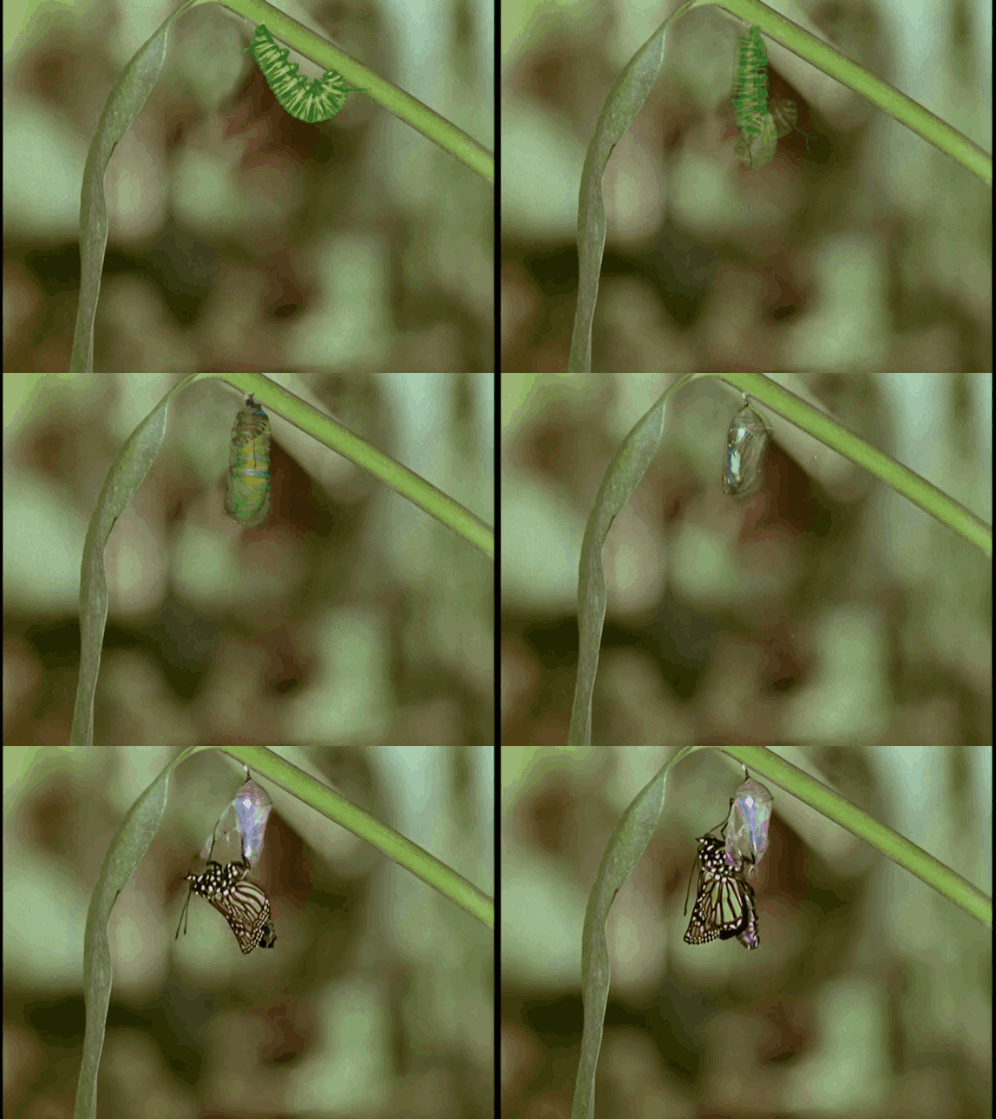
That, perhaps, is the difference between a crisis and a chrysalis. One keeps us frozen in fear. The other slowly reshapes us.
Technically, I’m not even fully in my midlife years yet.
And yet my body arrived early to the party.
A complete hysterectomy fast-tracked me into conversations I thought I still had years to prepare for.
Ironically, some circles don’t allow me in to the conversation because I’m “far too young” to know what menopause is.
It seems my reproductive system retired before society was emotionally prepared to handle it. Medically, I pass the test but I always get ID’d at the door.
I was medically launched into menopause with all the glamorous perks.
Hot flashes. Joint pain. An increasingly fragile relationship with sleep. And the deeply humbling realization that apparently your underarms and mid range can become flabby despite hours of working out at the gym.
(Nothing prepares you for sneezing incorrectly in your 40s.)
My body has adopted the classic expired warranty strategy, catastrophic synchronized failure. I’ve entered the ‘everything squeaks, leaks, or spasms unexpectedly’ chapter of ownership. My body has moved beyond ‘minor repairs’ and into ‘have you considered replacing the whole unit?’ territory.
Which is why a phrase I recently heard on the podcast Hello Menopause! grabbed my attention.
“Midlife chrysalis.”
Not midlife crisis. Midlife chrysalis.
The episode featured Chip Conley talking about reinvention, and I chose to listen to this episode because crisis sounds like collapse. Losing control. Becoming less.
Like panic bangs and plans to live “off-grid” and taking up emotional support hobbies. Sourdough starter anyone?
But chrysalis?
That sounds like transformation.
Messy. Strange. Hidden. Uncomfortable. Necessary.
A chrysalis says. You are not falling apart. You are simply changing form.
I think many of us who have experienced chronic illness, disability, grief, loss, burnout, etc. arrive at this transformation long before the culture expects us to.
Some of us are forced into reinvention before we even finish becoming who we thought we would be.
The Crisis
Be patient toward all that is unsolved in your heart.
Sometimes crayon. When I need a little more whimsy in my days.
There were years where survival became the main objective. Years where my nervous system felt like a shaken vending machine full of stress hormones. Years where I thought resilience meant pushing harder instead of listening deeper.
And then came the hysterectomy.
One of those dividing-line experiences where life becomes Before and After.
Before, I still secretly believed if I tried hard enough I might someday return to the old version of myself.
After, I slowly began realizing there may not be a way back. Emotional landslides and experiential cave-ins had blocked that passage way.
Forward and through became my only options. Through self-realizations. Humbling concessions. Constant negotiations between mind and body.
And maybe that is where the chrysalis begins.
The Chrysalis
And the day came when the risk to remain tight in a bud was more painful than the risk it took to blossom.
A chrysalis does not look impressive from the outside.
It looks still. Inactive. Even broken down.
But inside? An extraordinary reorganization is happening.
And I think that’s what midlife (or medically-induced midlife-adjacent existentialism) can become.
Not a crisis to survive. But a transformation to participate in. Whole-heartedly.
Chip Conley talked about how the first half of life is often about accumulation.
We gather. Relationships. Responsibilities. Possessions. Roles. Expectations. Obligations. Dreams that once fit.
And eventually we become emotionally overstuffed.
He described midlife as “a great midlife edit.”
As I listened I considered the fact that chronic illness forces the edit whether you volunteer readily or not.
You simply cannot carry everything forever when your body already feels like it’s carrying a weighted backpack full of loose cutlery.
At some point you must ask important questions.
What still fits?
What actually matters?
What has become lukewarm in my life?
Do you know what a lukewarm life looks like? One of the lines from the podcast,
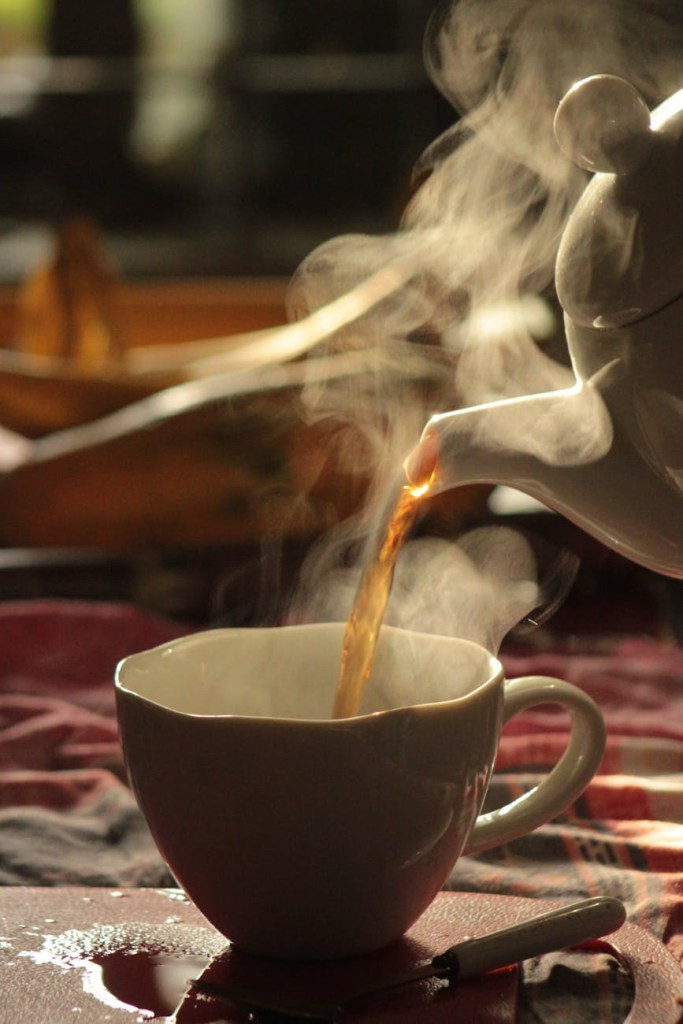
Pouring out part of your tea allows you to pour some hot new tea into the cup.
Because some things are not meant to last forever. Not every friendship. Not every role. Not every expectation you once had for yourself.
And maybe releasing those things is not failure. Maybe it’s pruning.
The forest understands this better than we do.
The Forest
One of the reasons forest therapy has become so meaningful to me is because the forest never panics about transformation.
Forest therapy has taught me that stillness is not the same thing as stagnation. Sometimes what appears dormant is actually becoming. I wrote more about that in this post, Nourish Your Nervous System: Forest Therapy Insights
Deadfall becomes nourishment. Burned places grow new life. Trees release entire branches to survive harsh seasons. These changes that seem negative are essential to a healthy forest.
Humans also require those experiences that appear negative and are actually essential for a healthy life.
In the forest, decay and renewal, soft and hard, smooth and sharp are all happening simultaneously.
And honestly, that feels like midlife too.
Especially for those of us living in bodies that have known pain.
We have experienced days where tears of pain rolled down the left cheek while tears of joy rolled down the right.
We know how to hold grief and gratitude at the same time.
That depth changes a person.
We know what it is to laugh in waiting rooms. To find beauty in tiny victories. To feel gratitude and grief sharing the same chair.
I have learned that emotional pain cannot simply be numbed away the same way physical pain can. There is no ibuprofen for identity loss. No heating pad for disappointment. No prescription for becoming someone new.
And while suffering itself is not noble, I do think deep experiences deepen people.
My chronic comrades know this.
Pain can also make people bitter, stuck, isolated, hardened.
That, perhaps, is the difference between a crisis and a chrysalis. One keeps us frozen in fear. The other slowly reshapes us.
If we allow ourselves to learn from it. We can become more compassionate. Tender. Wise. Present. Better able to sit beside someone else’s suffering without looking away.
As they said in the podcast,
Our painful life lessons are the raw material for our future wisdom.
I believe that in my soul.
The Offering
Sometimes our culture subtly teaches that the people worth listening to are the successful ones. The polished ones. The credentialed ones. The endlessly productive ones
What can we do about this imbalance? If you ever deem somebody less than you… ask yourself what they can teach you.
Because some of the wisest people I know have had their lives interrupted.
Some had to abandon dreams they loved. Some never got the education they were capable of and deserved. Some are rebuilding lives with parts and pieces they never would have chosen.
And still. They carry wisdom.
Do not think less of yourself because your life required adaptation. You are not behind because your path bent unexpectedly.
Some of us have earned emotional depth the hard way.
And if you cannot live the exact life you once pictured?
Find something to run toward anyway.
Even if your pace looks different now. Even if you have to limp toward it some days. Even if your dream has changed shape entirely.
A chrysalis does not become what it originally was.
That is the whole point!
A Forest Therapy Invitation: Chrysalis Walk
The next time you’re in a forest, park, or tree-lined path, try this:
Walk slowly and notice signs of transition.
What is decomposing?
What is emerging?
What is shedding?
What is adapting?
What still carries beauty despite visible damage?
Then ask yourself:
What version of myself am I grieving?
What no longer fits?
What wants to emerge now?
What if this season is transformation instead of failure?
You do not need immediate answers.
The forest is always becoming new. Slowly. Over time.
The Question
One question from the podcast we can all ask ourselves,
Ten years from now, what will I regret if I don’t learn or do now?
Conley called anticipated regret a form of wisdom. Chronic illness teaches you that later is not guaranteed. Perfect timing is imaginary. And someday can become never surprisingly fast.
So maybe this chapter is not about trying to reclaim who we once were.
Maybe it is about becoming more fully ourselves.
Hot flashes. Heating pads. Existential growth. And all.
What the caterpillar calls the end of the world, the master calls a butterfly.
My physiotherapist, “J,” has been with me through it all.
She has seen me on some of my best days over the past 15 years of working with her.
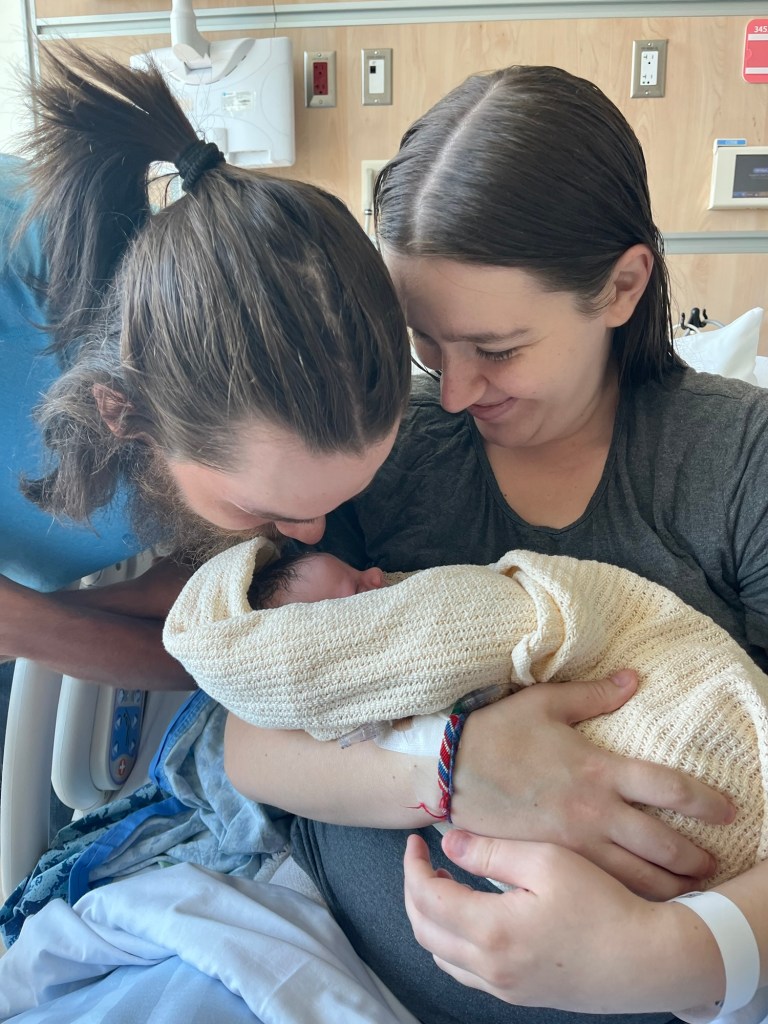
The day I told her I was finally pregnant with the baby I had tried nearly a decade to conceive.
The day I said, “I’m running again.” After years of pain making even the thought of it feel impossible. My body has approached physical activity like a suspicious cat approaches a cucumber in the past.
She heard me process the long, exhausting teenage years of push and pull with my oldest child. And then my second. Followed by my third. The painful years that felt like emotional whiplash and then she celebrated with me when they all graduated.She understood firmly the mentality of, We did it! On each occasion.
She walked alongside me through buying and selling homes.
When Kenzie got engaged. Jamie transitioned. Riley moved in with his girlfriend.
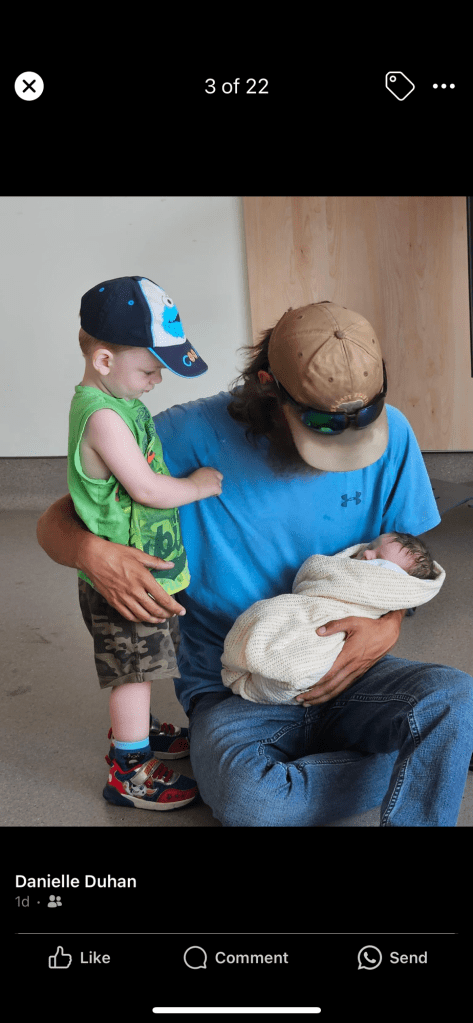
When all three times I found out I was going to be a grandma, she was one of the first people to know.
When I started a forest therapy business and dared to believe healing could become something I offered others.
She has witnessed joy. Growth. Milestones.
Baby #4Grandbaby #1I’m running outside!Grandbaby #2Riley and GreyGraduation #1Graduation #2Engagement #1Home sale #2
We have laughed together as I walked around in a body that behaved like it’s been assembled from spare parts with vague instructions and one missing screw.
Proof that life can still bloom in hard soil.
And she has also sat with me on some of my worst days.
The day I fell off a boat and we both knew recovery would not be quick.
The years I fought to be taken seriously by medical professionals before finally getting the MRI that revealed my bone spur. Disappointing specialist appointments. Medical gaslighting.
Family job losses.
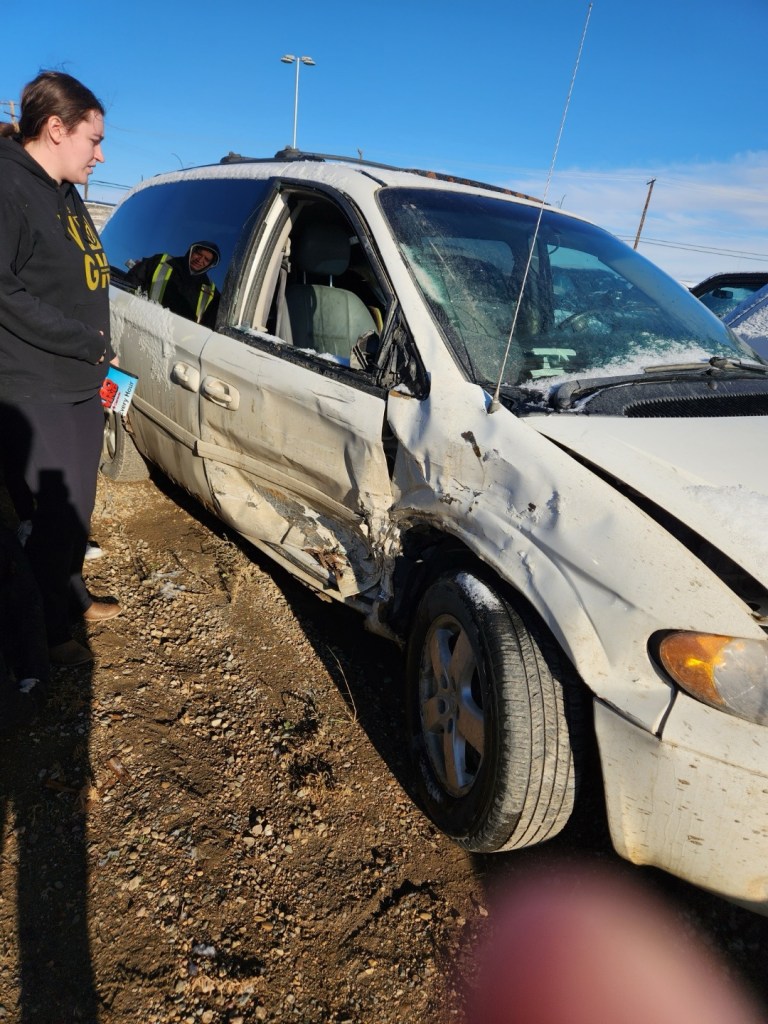
Kids in car crashes.
The miscarriage of the baby I had fought so hard to conceive. She cried with me that day. And the day I told her I was going ahead with the hysterectomy that closed that door entirely. We were so hopeful that would help my overall health.
Surgeries that did not go well.
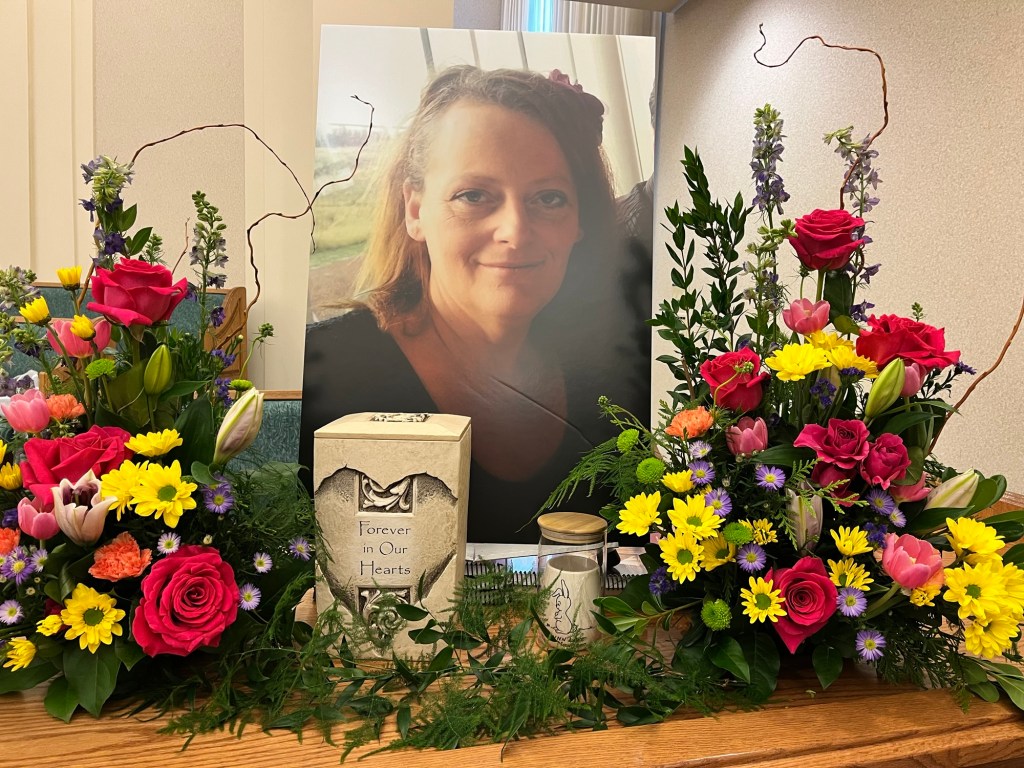
The passing of dear friends.
The painful decision to close my business and then Brent’s and eventually to stop working.
Leaving the farm and grieving all that move represented. She understood, she’s a farm girl.
And the appointment Christmas Eve where she examined me and realized something was deeply wrong. I had almost no muscle mass. I was so weak and felt so broken, useless, a waste of skin.
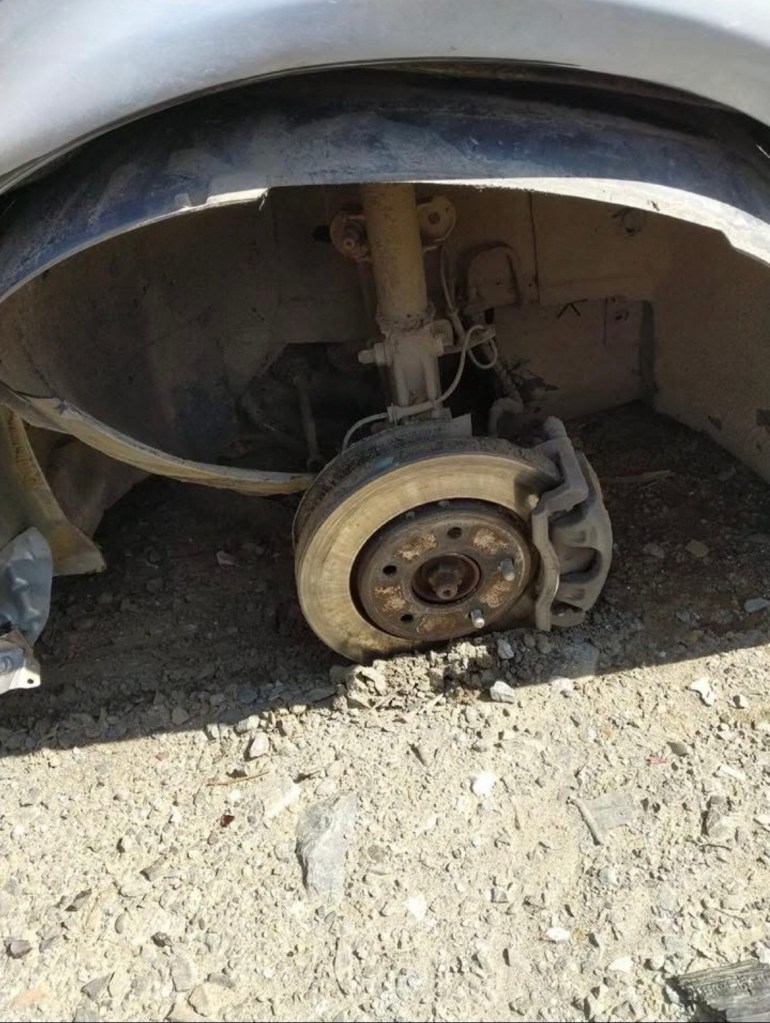
Car crash #1Fell off the boat An MRI changed everything Following surgeryCar crash #3Car crash #2Farm life
I could write pages about what J and I have discussed over the years. At some point, she became more than someone treating my body. She became someone quietly witnessing my life story unfold.
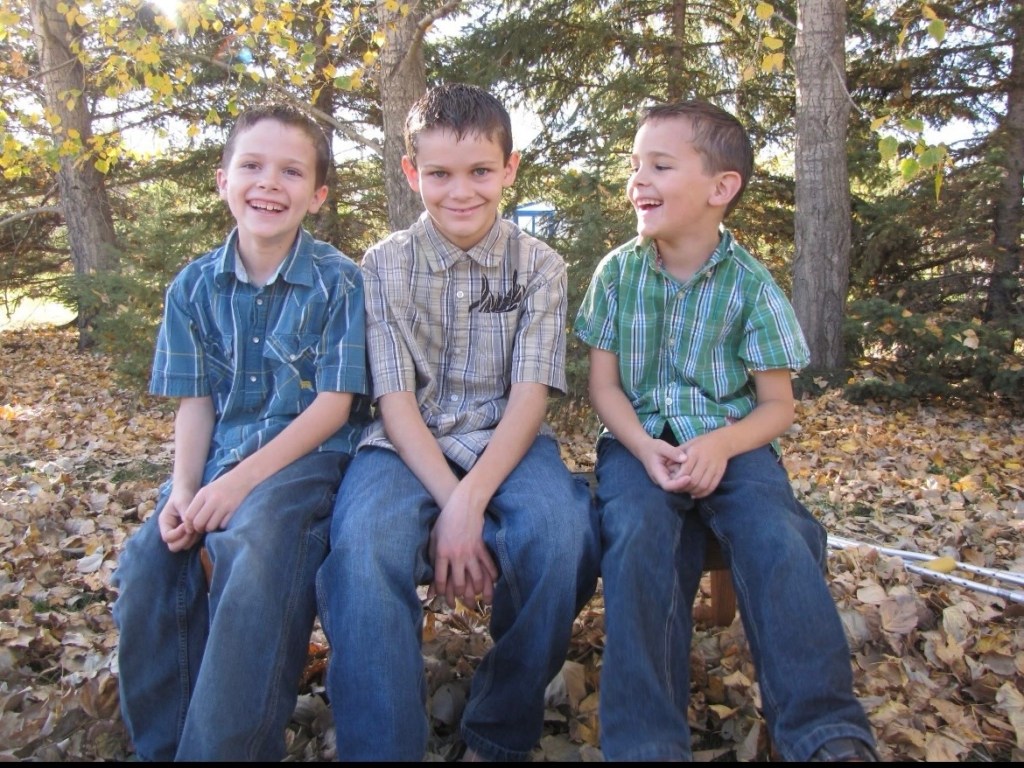
The size of my kids when I started seeing J
The size of my kids today.
And then one ordinary appointment changed how I saw myself.
It started like any other. I explained where the pain was. What had shifted in my workouts. What stress was doing to my body. What daily life had looked like since we last met.
She examined me, worked through familiar areas of tension, and after a moment of silence she said something I think applies to all my chronic comrades:
“You’re a success story. Do you know that?”
My first instinct is always to deflect a compliment.
I think you have me confused with someone whose joints aren’t held together by determination and prayer alone.
But it felt true. It felt like the most true diagnosis I’d ever been given.
She continued, (and I want you to see yourself in this,)
When you look at where you’ve been on your lowest days and where you are now. This is a success story.
You could have closed the doors on life. Stayed in bed. Turned inward. Leaned into fear of the future. You could choose to live frustrated and depressed. White-knuckling your way through existence.
But instead, you keep rebuilding. You keep getting stronger. No matter what knocks you down, you come back.
Like one of those punching balloons from childhood. The ones you smack into the floor and somehow they pop right back up, mildly annoying and aggressively optimistic.
I have a core memory of my cousin’s party. They had one of those balloons in the backyard. As I played with it I wondered what was inside that made it keep popping up.
If resilience had a mascot, I might nominate a half-inflated punching balloon and a woman with heating pads.
J was right though. That’s me. That’s you.
What is it that’s inside us that keeps us popping up, time after time?
Not graceful. Not elegant. Occasionally leaking air. But still coming back up.
Again. And again. And again.
J encouraged me to start writing it down. My story. To let others read it. And that is where this blog began.
A success story, heavily disguised as a challenging life story.
Chronic Pain Does Not Stay in One Box
If you live with chronic pain, you understand this. Pain does not politely stay in your shoulder. Or your spine. Or your hips. Or your joints.
It leaks. It spreads.
It enters your sleep, your patience, your relationships, your finances, your confidence, your work, your parenting, and your identity.
It is never just physical.
The dis-ease spreads just like disease. Not because we are weak. But because pain is invasive.
Scars are not signs of weakness, they are signs of survival.
Yet many people living with chronic pain quietly continue. They raise children. Show up to work. Try to exercise. Cook supper. Pay bills. Care for aging parents. Smile through appointments (and cry after.) Fold laundry while wondering why their body feels like it was assembled by a distracted Ikea employee.
And still… they continue.
That is not failure. That is resilience. That is success.
Rock bottom became the solid foundation on which I rebuilt my life.
One of the hardest parts of chronic pain is not always the pain itself. Sometimes it is the disbelief. Unfortunately, this can include close family members. Friends. Employers.
And yes, medical professionals.
When symptoms are invisible, people often assume they are exaggerated. If scans are unclear, they question your tolerance. If you “look fine,” they assume you must be fine.
And so many of us become defenders. Explainers. Evidence gatherers.
Trying desperately to prove that our pain is real. Trying to earn validation. Trying to convince others that suffering exists even when they cannot see it.
When attacked by error, truth is better served by silence than by a bad argument.
That quote hit me.
We do not need to defend ourselves from every misunderstanding. Not every person deserves access to our explanations. Not every accusation needs a rebuttal. Not every skeptical glance deserves our emotional energy.
There is a time to inform. And there is a time to walk away.
Never wrestle with pigs. You both get dirty and the pig likes it.
Silence is not surrender. Sometimes silence is strength. Sometimes it is peace. Sometimes it is refusing to spend precious energy proving your pain to people committed to misunderstanding it.
Do not explain. Your friends do not need it, and your enemies will not believe you.
A Forest Therapy Practice: Seeing Yourself in the Landscape
One of the most grounding practices I return to comes from forest therapy.
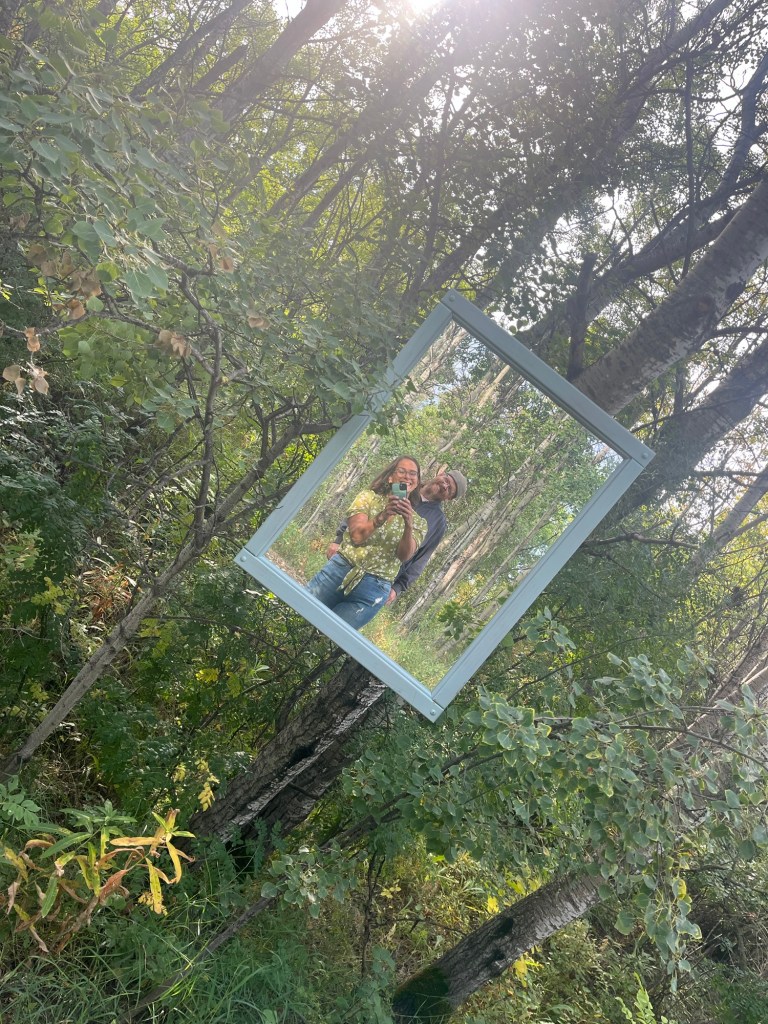
Take a small mirror with you into nature.
Stand among trees.
Or beneath open sky.
Hold the mirror so your reflection appears framed by branches, clouds, leaves, or light.
Look at yourself. Really look. See your face inside the larger landscape. Notice how you are not separate from nature. You belong here too.
Then ask yourself:
Where was I a year ago?
What have I survived?
How far have I come?
What strength still exists in me?
Appreciate where you are now. Not because healing is complete. But because progress deserves to be witnessed. And because you still have what it takes to continue.
Rivers don’t apologize for moving slowly at some points on their path.
Seasons do not shame themselves for resting.
Maybe we shouldn’t either.
My Success Story Is Still Being Written
I used to think success had to look polished. Strong. Linear. Easy to explain. Now I know better.
Sometimes success looks like rebuilding muscle. Sometimes it looks like surviving grief. Sometimes it looks like asking for help. Sometimes it looks like walking instead of running. Sometimes it looks like closing one chapter when life forces your hand. Sometimes it looks like bouncing back up like an emotionally exhausted inflatable clown with stubborn determination.
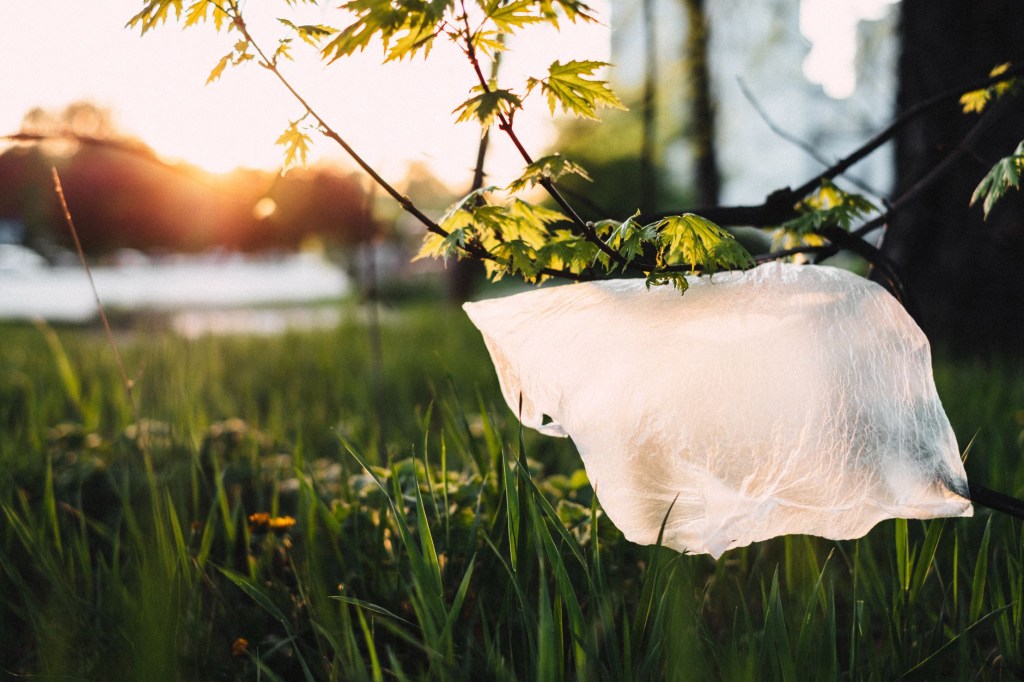
I have bounced back like a plastic bag caught in a prairie wind.
Messy. Crooked. Still rising. Still trying.
And maybe that is enough.
Actually
Maybe that is extraordinary.
You are a success story.
If pain has tried to rewrite your life and you still continue…
A forest therapy reflection on burnout, surrender, and learning to live gently inside your own life.
There was a period of time where my nervous system was running entirely on stress and outrage. I was carrying so much tension I could feel it humming beneath my skin. I wore it like an armour.
I was teaching piano almost full time. Helping my children survive school systems that did not know how to support kids with ADHD. Trying to advocate for a child who had endured years of bullying only to be treated like he was the problem once he finally reacted.
There were meetings. Emails. Phone calls. Policies. Assessments. Endless explanations.
And somewhere in there, I was also managing a farm, a household, meal planning, grocery shopping, appointments, chronic pain, surgeries, inflammation, and a body that kept submitting maintenance requests I could no longer ignore. Sound familiar?
Outer chaos eventually becomes inner weather.
Then there was the car.
Oh, the car.
Marketed as “off-road capable,” apparently as long as your idea of off-roading was driving over a decorative gravel patch at a golf resort once annually.
When our Saskatchewan roads started dismantling it piece by piece, we were informed it wasn’t actually built for daily gravel roads. Then every winter the same part broke because it apparently also wasn’t designed for… winter?
I remember thinking, Well neither am I, but you don’t see me breaking down.
(foreshadowing 😳)
This felt a little too intentional of a design flaw for something sold in Saskatchewan.
At the time, I was angry at everything.
The educational system. The medical system. The government. Corporations. World events. Every injustice. Every failure. Every person who made life harder than it needed to be.
And underneath all of it was one desperate belief:
If I fight hard enough, maybe I can force the world to become safe.
So I fought.
And every phone call tightened my muscles more. Every conflict wound my nervous system tighter. Every injustice became another brick in the emotional dam I was trying to hold together.
Even now, writing about it, I can feel traces of that tension in my body.
My nerves were tight. My jaw was tight. My shoulders were tight. My thoughts were tight.
My energy felt dark and electric and sharp. Warnings were everywhere:
Do Not Touch: Load Bearing Delusions Ahead.
Eventually, the dam broke.
Not in some poetic, graceful collapse. More like a nervous system mutiny. Everything in my body was operating like an emergency broadcast system.
Everything I had stuffed down flooded upward at once: bad information, bad coping, bad core beliefs, fear, grief, anger, exhaustion.
It was physically excruciating. I’d been on my last straw for like 300 straws, and finally I ran out of straws.
After the initial effects subsided, I remember lying in bed unable to function. A puddle of a human being. All the fight inside me still existed but now it lived in a body that couldn’t move and a brain that couldn’t think.
I didn’t know it at the time but this would become my new beginning.
You can’t go back and change the beginning, but you can start where you are and change the ending.
One of the greatest gifts forest therapy gave me was this:
Nature does not spend its energy resisting its own seasons.
The forest does not panic because decay exists beside growth.
Yet so many women live as though rest is failure.
We push through pain. Push through exhaustion. Push through grief. Push through our intuition. Push through limits our bodies are desperately trying to communicate.
We fight every battle. Carry every burden. Solve every crisis.
And then we wonder why we are chronically exhausted, inflamed, anxious, disconnected, and burned out.
I see it everywhere.
Women who are always tired. Always hurting. Always “fine.” Always one more obligation away from collapse.
Forest therapy taught me something radical.
Stillness is not laziness. Stillness is regulation.
Outer stillness creates the conditions for inner calm.
Not because the world becomes peaceful. But because you stop feeding every storm.
A Forest Therapy Practice: The Sit Spot
One of the simplest and most powerful forest therapy practices is called a sit spot.
You choose one place outdoors and return to it regularly.
That’s it.
No performance. No hiking goals. No fitness tracker congratulating you for elevated heart rates. No optimizing your experience into a competitive sport.
Your only job is to sit and notice.
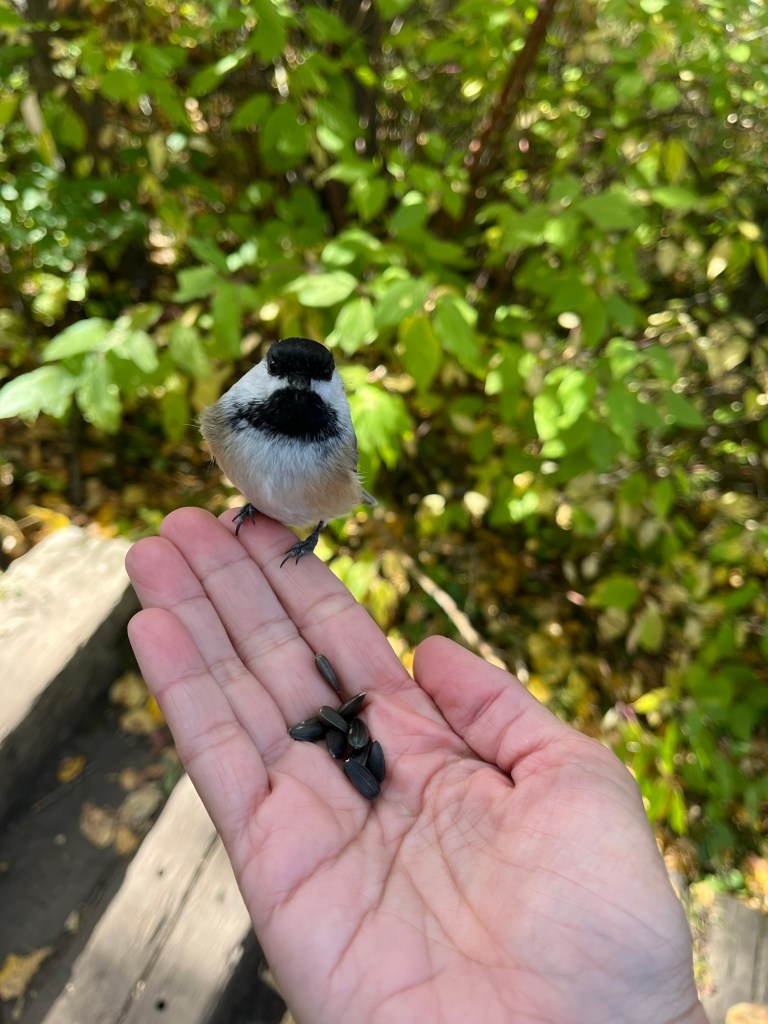
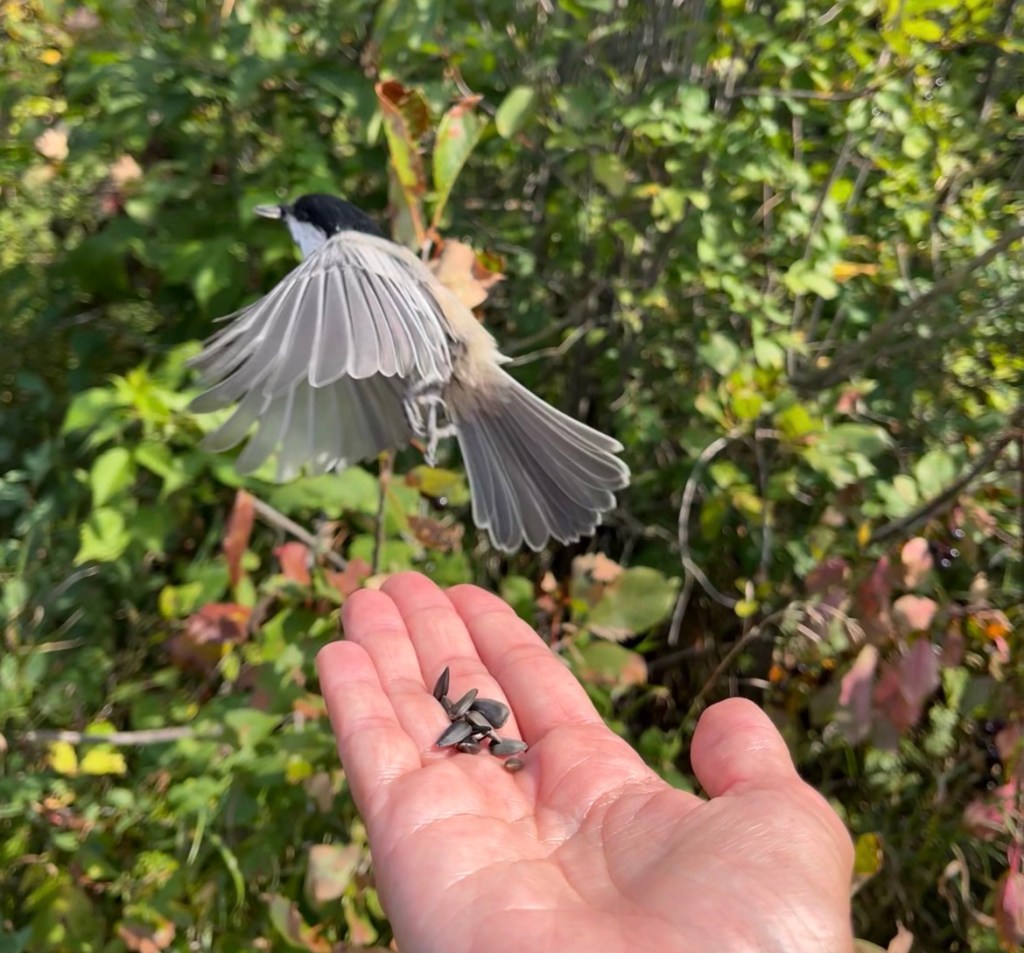
(The chickadees remain unimpressed by productivity culture)
How To Practice
Find a place outdoors where you feel safe and comfortable.
A forest trail. A park bench. A tree in your yard.
Then:
Sit quietly for 10–20 minutes.
Notice what moves and what remains still.
Listen farther away than you normally do.
Feel where your body touches the earth or chair.
Allow your nervous system to settle before asking anything of yourself.
You do not need to “achieve” calm.
The forest does not demand that from you.
It simply offers regulation through rhythm, repetition, sensory softness, and presence.
Over time, your body begins remembering something it forgot. It does not have to remain in survival mode forever.
From Fighting Everything To Tending Something
It has taken me years to pare down my list of fights to zero.
Not because I stopped caring.
But because I realized anger was consuming the very life I was trying to protect.
Now, instead of fighting constantly, I create spaces of calm.
I meditate. I practice energy work. I use affirmations. I spend time in the forest like it is medicine because for me, it is.
Despite the chaos that can still exist around me, I guard my energy carefully.
From this space, I choose where I can genuinely be of service.
I try to listen when my body whispers instead of waiting until it screams through symptoms. I create rituals that bring me back to myself when I wander too far into fear or overwhelm. I practice gratitude daily because gratitude softens the nervous system’s constant scanning for danger.
And when concerns arise, I do my best to voice them clearly and compassionately.
Then I let them go.
Not because they do not matter. But because I matter too.
Become a possibilitarian. No matter how dark things seem to be or actually are, raise your sights and see possibilities. Always see them, for they’re always there.
Forest therapy helped me understand this deeply.
Possibility exists everywhere in nature.
A burned forest regenerates. A fallen tree becomes nourishment. A cracked open pinecone releases seeds. Life keeps finding ways forward.
And humans can too.
Not always by forcing harder. Sometimes by softening enough to notice another path entirely.
What Makes A Good Life
There’s a quote from Donald Miller that has stayed with me for years. In it, he imagines sitting with God under a tree outside heaven, remembering the story of his life together.
And what moves me most is this idea:
That God would have favourite parts of our story.
Not just the successful moments. But the moments we grew. The moments we softened. The moments we overcame. The moments we kept loving despite pain.
The moments we learned how to become fully human.
To me, this is what a good life looks like.
Not a perfectly optimized one. Not one where we won every fight. Not one where we proved ourselves endlessly useful.
But one we could sit down and talk about with tenderness.
A life where our soul is no longer thirsty.
A meaningful life is not built through perfection but presence.
People tell me it’s wonderful that I’ve turned my pain into something useful or helpful. And I appreciate the kindness in that.
But honestly, sometimes purpose looks less glamorous than people imagine.
Sometimes it’s simply this:
If you do it wrong, you know how to tell somebody else what to avoid. If I walk into an invisible wall, I’m going to let others know about it. This wall is invisible and solid!
If I can help someone avoid walking into walls or burning themselves to the ground trying to hold up the entire world, then my pain served a purpose.
If I can help another woman understand that rest is not weakness… that stillness is healing… that her nervous system deserves gentleness… that she is allowed to stop fighting every battle…
Then maybe this story matters.
An Invitation To The Forest
So if you are exhausted…
If your body hurts all the time… If your mind never stops spinning… If your nervous system is tight as a fence wire in January…
Come to the forest.
Not to fix yourself. Not to become more productive.
Back in my day, some kids brought hockey cards and sticker collections to school. I brought an alarming range of ligament-based entertainment.
Sometimes hypermobility first appears as a child who seems unusually bendy or clumsy, often both at once. 🙋♀️
The child who sits in a W position on the floor because it feels natural. The one who, without pausing to question it, contorts themselves into strange positions during movie night.
What they may not see is the child constantly running into walls because their body struggles to map itself properly in space. Bruises appearing mysteriously across shins. Ankles rolling on flat ground. Sleeves chewed because pain and overstimulation are difficult to explain at seven years old.
And then there are the “growing pains.”
Except many children with connective tissue disorders experience pain far beyond the occasional ache adults remember from childhood.
Deep bone pain at night. Legs throbbing so intensely sleep becomes impossible. Crying after gym class. Exhaustion after seemingly normal activities.
Many hypermobile children become experts at masking early. They laugh while joints slip. They keep playing while hurting because they assume everyone else feels this too.
Some become the “dramatic” child. Others become the “tough” one.
Honestly, I was the child trying to survive in a body I did not yet have language for.
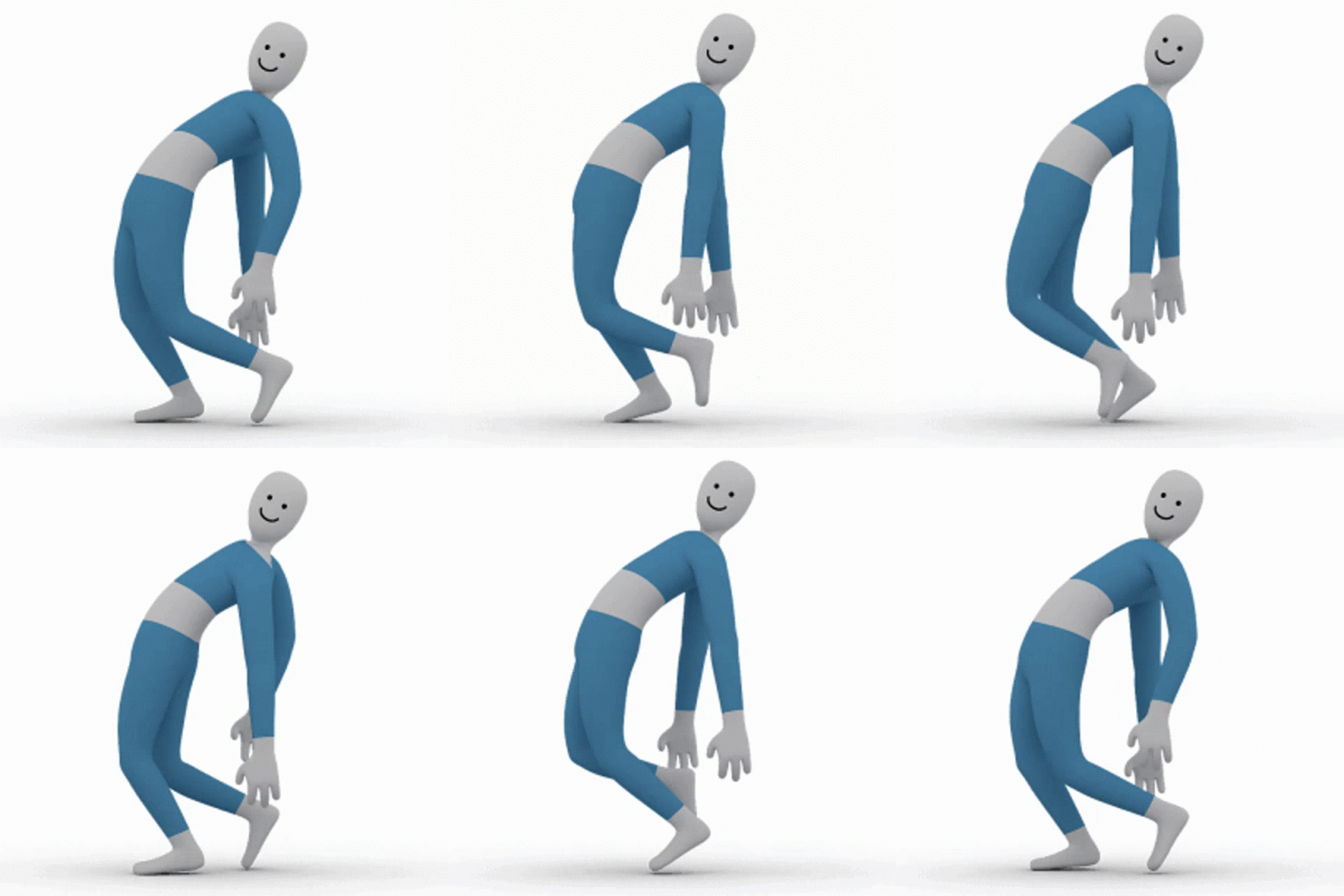
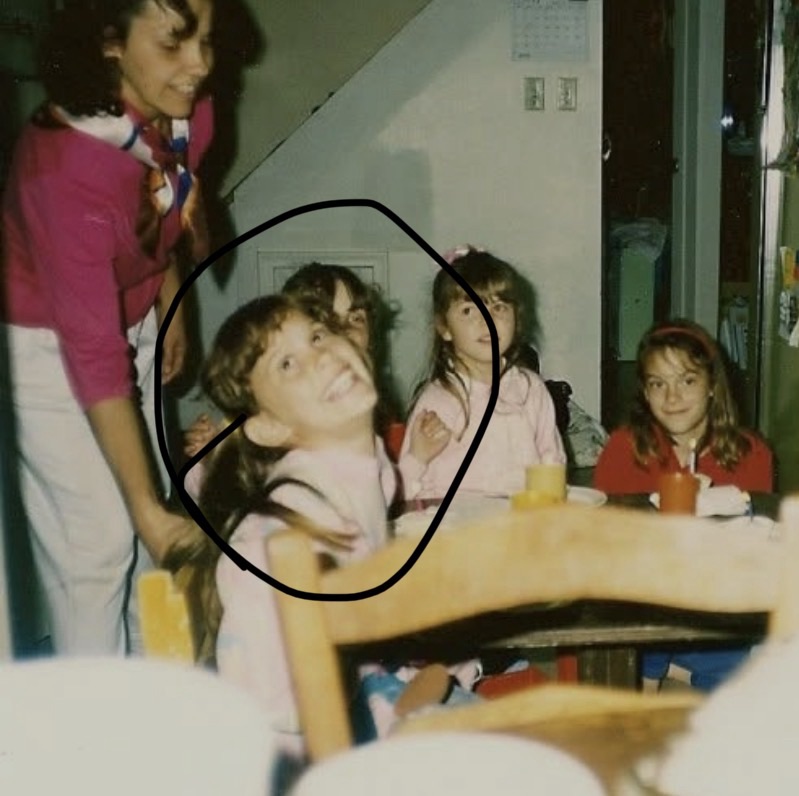
What am I even doing bending my neck like that?
The thumb that bends too far backward. The knees that point in unusual directions. The shoulder that clicks when slipping in and out. Being crazy talented in a yoga class my first day.
What people don’t see is that connective tissue is not merely a few loose ligaments behaving badly.
Connective tissue is infrastructure.
It is the architecture holding the body together. The webbing woven through blood vessels, skin, organs, fascia, tendons, heart valves, lungs, digestive systems, pelvic floor, eyes, nerves, and joints. It is scaffolding. Suspension bridge. Packaging tape. Elastic waistband. Shock absorber.
And when connective tissue is faulty, life can begin to feel like living in a house where every screw has loosened itself by half a turn.
Not enough to collapse all at once. Enough that everything creaks. And left unchecked, more and more areas become unstable, then require constant repairs. Eventually some rooms just become unusable.
A Sad Commentary: AKAMy Brush with Organized Sports
My joints approached organized sports with more enthusiasm than stability. More optimism than skill.
In a small town, everybody played volleyball or there simply wasn’t a volleyball team.
So I played volleyball.
I hated it.
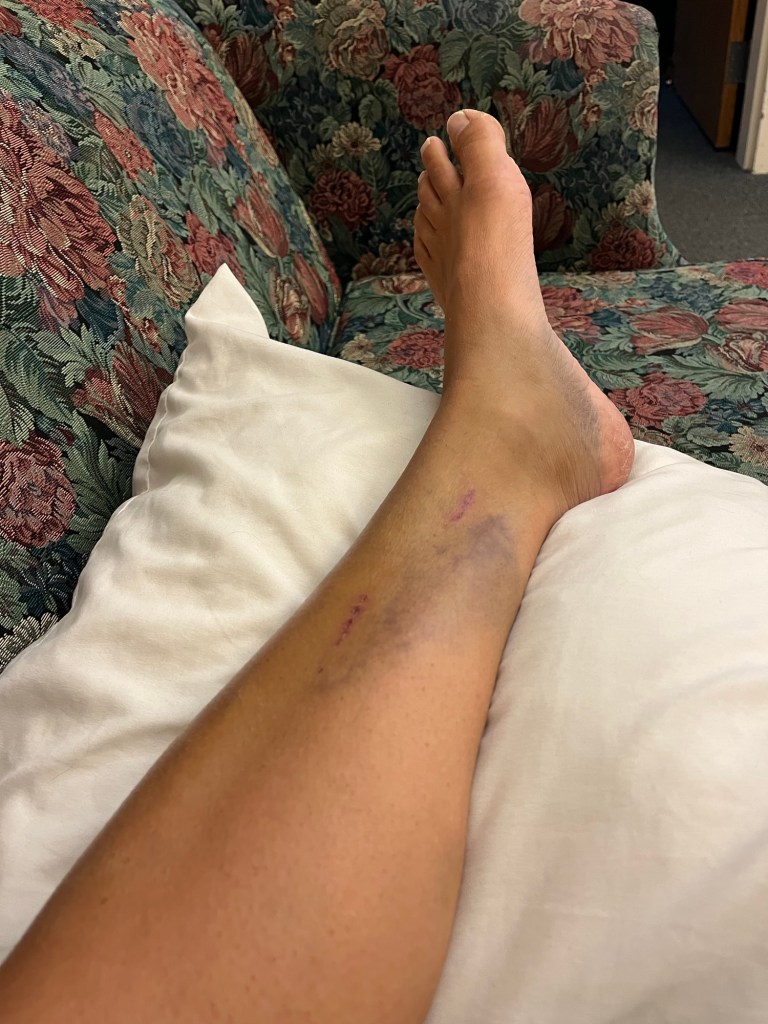
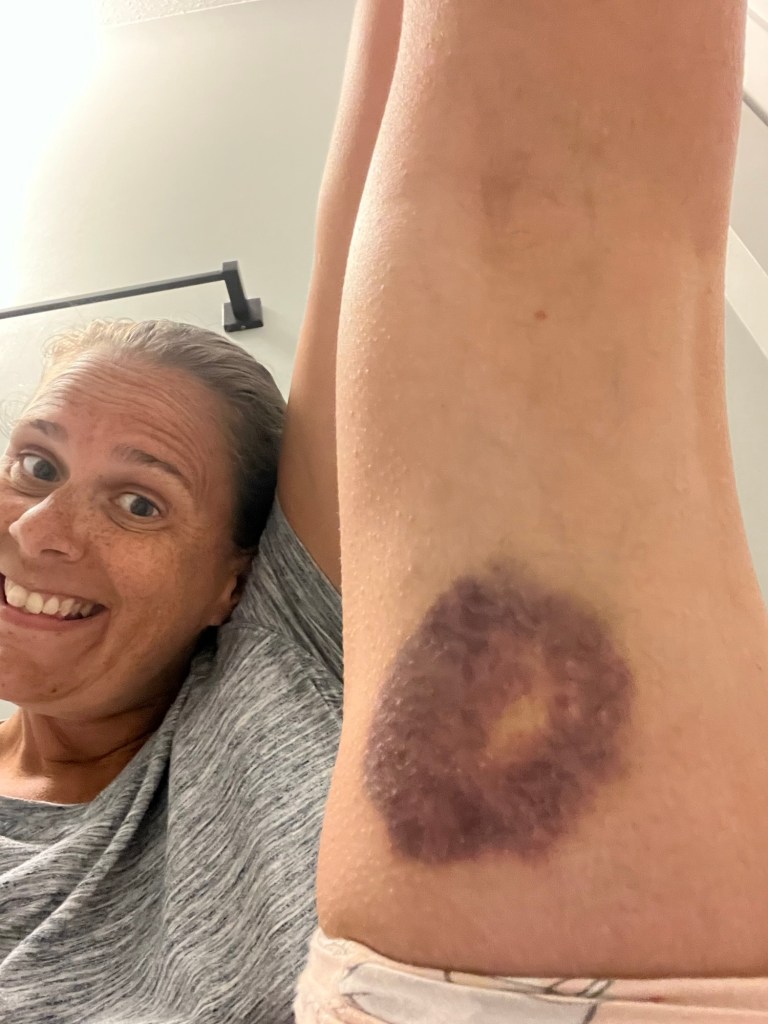
Looking back now, I wonder why I stayed in as long as I did. Every practice left my forearms covered in bruises. Big ones, tiny ones, overlapping ones. I looked part Dalmatian. Nobody else seemed to bruise like that, so naturally the conclusion was that I was doing it wrong.
Turns out my connective tissue was doing it wrong. Not me.
I was terrible at volleyball. Not for lack of trying, either. I could picture exactly what my body was supposed to do, but the execution never matched the image in my head. It always felt like there was a lag between my brain and my limbs, like someone had replaced my coordination with an unreliable Wi-Fi signal.
The only part of volleyball practice I excelled at was stretching.
That should maybe have been a clue.
I could also run forever, but the muscle fatigue before, during, and after was brutal. My legs and ribs constantly felt tight and overworked, like my muscles were trying to compensate for a body that refused to stabilize itself properly.
The solution offered to me was always the same: “Practice more.” “You just need to focus, Pam.” “Try harder.” “Don’t give up so easily all the time.”
My P.E. teacher, who was also my coach, and I were not exactly compatible personalities. I suspect I ranked fairly high on his “lazy kid” list. My feelings toward him and his teaching style don’t need to be discussed for the purpose of this post. Perhaps he was doing the best he knew how 🤷♀️.
What hurt most was that I wasn’t used to being bad at things.
I excelled in music. Dance. Academics. If I tried something, I usually became good at it eventually. But anything involving proprioception. Balance, coordination, spatial awareness, reaction time, exposed a kind of weakness I couldn’t outwork.
No matter how hard I tried, my body never responded the way everyone else’s seemed to. I felt like I was being asked to build a stable life with elastic bands where other people were given rope.
After enough years of that experience, something in me quietly stopped trying.
Not everywhere. Just there.
I realized I could put in enormous effort and still end up with roughly the same P.E. grade as the kid half-heartedly wandering laps around the gym. So eventually, I became that kid instead. The one at the back of the class who didn’t seem invested. The one teachers assumed didn’t care whether they passed.
Stemming from humiliation in trying my hardest while looking like a fool and as though I wasn’t trying at all.
It’s an incredibly discouraging place for a young person to live.
Some kids are exhausted. Discouraged. In pain. Disconnected from bodies that refuse to cooperate. In retrospect, my body had all the stability of a shopping cart with one bad wheel.
The whole point of physical education is supposedly to encourage lifelong movement and confidence in your body.
Ironically, I now walk everywhere, go to the gym regularly, and deeply value movement. I suspect that may not be the case for those classmates that achieved gold stars for gym class back in the day.
Children are often graded on visible performance without anyone asking what invisible barriers may exist underneath it. 🍌 🍌 🍌
And maybe that experience is part of why I later felt drawn toward educational support work. Because I remember exactly what it feels like to be misunderstood in a classroom. To be trying harder than anyone realizes while appearing like you are trying the least.
Some kids are not lazy.
Sometimes what looks like apathy is actually years of silent defeat.
So MuchMore Than Loose Joints
My body has taught me that fragility and resilience are not opposites. Sometimes they exist in the very same tissue.
People often imagine connective tissue disorders as orthopedic inconveniences.
A sore knee. An ankle sprain. Being exceptionally bendy.
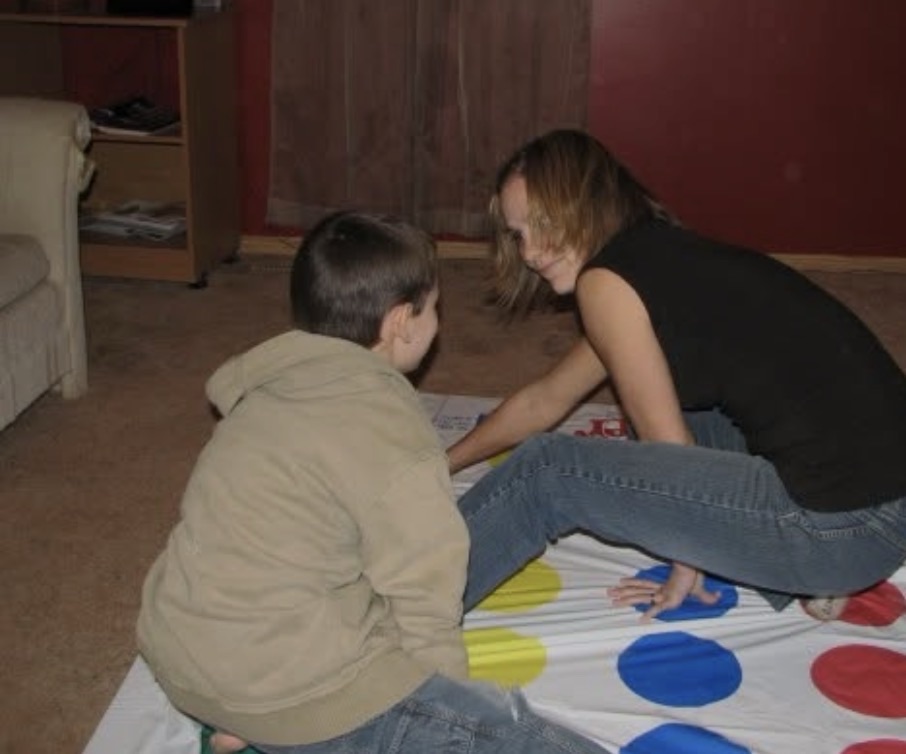
Playing twister with my now-26-year-old. Not to brag, but I was very good.
But connective tissue does not politely stay in one department.
It influences how blood vessels constrict and relax. Why standing up can feel like gravity suddenly doubled. Why heart rates race while brushing teeth. Why exhaustion arrives not after effort, but before and during it.
It influences the skin. Fragile, stretchy, slow to heal, easily bruised.
It influences digestion. Because the digestive tract also depends on connective tissue and smooth coordination. Meals become negotiations instead of nourishment.
It influences breathing. Because the rib cage, diaphragm, and tiny structures supporting the lungs are all part of the same interconnected story.
It influences pain. Not only through injuries, but through a nervous system constantly adapting to instability. Muscles tighten to compensate. Fascia braces. The body learns vigilance.
Even sleep can become difficult when the body spends the entire night trying to hold itself together. Some people wake up refreshed. My body wakes up looking like I’ve been assembled with spare parts in low lighting. Like sleep happened near me but not directly to me.
There is loneliness in illness that hides in plain sight.
You may look healthy while internally calculating:
Can my hips handle this chair? Will my spine tolerate the drive? How long before the fatigue crashes in? Is today the day I sustain an injury that sets me back a year?
People see the smile at the gatherings. They do not see the cost afterward.
The Forest Never Demands Symmetry
One of the reasons forest therapy can feel so healing for those with any type of disorders is because the forest does not care about perfection.
Trees twist toward light. Branches split and regrow. Moss softens fallen things instead of condemning them.
In the forest, support is collaborative.
Roots intertwine underground. Fungi trade nutrients between struggling trees. Fallen logs become nourishment for future life. Nothing survives entirely alone.
For people living in bodies that require adaptation, slowness, pacing, and care, the forest offers a radically compassionate model of existence.
Nature does not measure worth.
Walking Practice: “Borrowing Stability”
This forest therapy practice can be done slowly while walking a trail, sidewalk, park path, or even your backyard.
As you walk, notice what in the landscape appears stable.
Perhaps it is:
the rootedness of a tree
the reliability of stone
the rhythm of wind
the resolution of moss growing over rough surfaces
Without forcing positivity, simply observe.
Now begin walking more slowly.
As each foot touches the ground, imagine you are borrowing steadiness from the earth beneath you.
Not fixing yourself. Not overcoming your body. Borrowing support.
You may silently repeat:
Supported. Held. Connected.
If your body hurts while walking, let the practice include that truth instead of resisting it.
Forest therapy is not about pretending discomfort away. It is about allowing yourself to belong exactly as you are.
Pause occasionally and place a hand on a tree trunk, railing, stone wall, or your own chest.
Notice:
What supports you physically?
What supports you emotionally?
What support have you been refusing because you are used to surviving alone?
Continue walking without rushing toward insight.
Sometimes healing begins the moment we stop arguing with our pace.
The Grief No One Talks About
There is grief in becoming intimate with limitation.
Grief when your mind has cheques your connective tissue cannot cash.
Grief when symptoms multiply like unwanted groupies: fatigue, dysautonomia, chronic pain, migraines, digestive problems, instability, inflammation, sensory overwhelm.
Many connective tissue disorders do not travel alone. They tend to arrive in flocks.
Not the polished beauty of wellness culture that insists healing should look photogenic and triumphant. Complete. Universal.
But a quieter beauty.
The beauty of learning to listen deeply to others. The beauty of noticing small joys because large ones became inaccessible. The beauty of becoming tender toward bodies. Your own and others’. The beauty of discovering that a meaningful life was never dependent on being free from pain.
I spent years believing my body’s limitations were character flaws. Turns out that limiting belief was false. Those limitations have helped me become the person I am.
To be rooted is perhaps the most important and least recognized need of the human soul.
Research continues to show time in forests can help regulate the nervous system, reduce stress hormones, lower heart rate, and support emotional well-being. But for those living with connective tissue disorders, the benefits often go deeper than measurable metrics.
Forest therapy gives permission to:
move slowly
rest without guilt
reconnect with sensory pleasure
soften hypervigilance
leave productivity behind temporarily
remember you are more than symptoms
When the nervous system lives in a constant state of adaptation, gentle sensory experiences matter.
The sound of leaves moving overhead. The coolness of shade on inflamed skin. Birdsong interrupting anxious thoughts. The visual softness of green.
None of these cure a connective tissue disorder.
But they can create moments where the body feels less at war with itself.
And moments matter.
Especially when stitched together over time.
A Beautiful Life Can Still Grow Here
Instructions for living a life: Pay attention. Be astonished. Tell about it. — Mary Oliver
Living with a connective tissue disorder may mean your life unfolds differently than expected.
More pauses. More recalculating. More adaptation.
But different is not lesser.
Some of the most compassionate people are those whose bodies taught them interdependence.
Some of the most observant souls are those forced to slow down enough to notice life carefully.
The forest reminds us that resilience is not hardness.
Resilience is flexibility. Relationship. Return.
And perhaps that is fitting for people made of connective tissue. Those who understand, more than most, that life is ultimately about connection.
Not perfect strength. Not endless endurance.
Connection.
To the earth. To one another. To moments of beauty that still arrive, even here.
Your ability to hold vision, hope, and belief is not just a mindset. It’s a nervous system state.
When your body is overwhelmed, depleted, or in pain, the part of your brain responsible for vision and forward-thinking struggles to stay online. You can journal, visualize, and set goals all you want but if your body feels unsafe, your mind will keep pulling you back.
And if you live with chronic illness, chronic pain, or burnout, this is not new information.
You’ve probably had moments where:
• You want to feel hopeful, but can’t access it
• You know what mindset would help, but it feels out of reach
• You try to think positively, but your body feels tense, guarded, or braced
That’s not failure. As if our bodies are just waiting for us to say the right affirmation in the right font.
That’s actually physiology.
⸻
The Body Test: A Different Way to Measure Alignment
Here’s something simple but surprisingly powerful to try:
When you imagine the life you want. The healing, the work, the relationships, the version of yourself you’re moving toward,
Does your body soften… or does it brace?
That response is important information. That brace could be your body essentially replying: ‘Respectfully, no.’
Sometimes what we think we should want was actually handed to us by fear, pressure, or comparison. And chasing those things can give us the energy of pursuit but not the peace of arrival.
There’s a quieter, truer kind of vision.
One that comes from a regulated, grounded body.
And your body knows the difference.
⸻
Why Mindset Feels So Hard with Chronic Conditions
Most of us were taught that results come first, and mindset follows.
“When I get healthier, then I’ll feel good.”
“When I have more energy, then I’ll be more positive.”
But if you’ve ever made progress on a health journey, you know the truth.
You had to start treating your body with care before it changed. You had to practice compassion before you believed it.
Mindset doesn’t come after results. It creates the conditions for them.
And when you’re living with chronic symptoms, this becomes even more important. Because your external results often change slowly. And beyond your control.
Big, dramatic efforts such as new routines, strict plans, sudden bursts of energy don’t sustain us. Sadly, healing is rarely impressed by one heroic Tuesday.
Especially not when our bodies are already working hard just to function.
What changes us is the steady trickle. Small, repeatable moments of regulation.
Tiny habits that teach the body. We are safe, we are supported, we can keep going.
Because in the end,
You don’t rise to the level of your goals. You fall to the level of your habits.
But in creating a body that feels safe enough to hope again.
In choosing small, steady practices over dramatic change.
In building habits that nourish instead of deplete.
In letting your body have a vote in the life you’re creating.
Because when your body believes it’s possible your mind doesn’t have to work so hard to convince it.
⸻
I taught piano lessons for years. I enjoyed working with kids. I enjoyed the lesson prep. I even enjoyed some of the music!
But in 2020 my body said, ‘no more.’ It could no longer do outward smiles and inward screams.
It said no to early mornings. And busy days. And constant focus. And sitting or standing. It said ‘stop!’
Eventually I chose to set aside my business. Then close it. I often consider, after having a couple of good days in a row, about teaching again.
Sometimes I start to think of how much I miss it and think perhaps I could just take a few students. I get excited thinking about it.
When I slow down my thinking enough to see how my body feels about this idea. It braces. It feels drained.
I see myself leaning forward over and over to show the place in the music I am referring to. The repetitive motion getting more and more painful.
I picture my fingers that can’t play more than a few minutes. And only simple songs. No reaching. No pressure. And how frustrating that can be when trying to demonstrate.
I think of the days I didn’t get any sleep and had to go to work anyway. And drag myself through the day. How can one person be so bad at both sleeping AND staying awake?
I have good days. That is true. But only because I’m not forcing my body and mind to work day in and day out in ways that do not support its healing.
I need time for exercise. And rest. And listening to my body. As hard as it is to listen to it at times. It really does know best.
i hope you know you aren't broken glass you are sea glass shaped by the tides softened by the waves that once felt like they'd shatter you what you've been through hasn't made you less it has made you rare and luminous
even the toughest waters can create something beautiful and that's what you are... a reminder that survival can turn into art