There is a specific genre of complaining that I have become suspicious of. 🕵️♀️
Not the legitimate kind.
Not the “I have been awake since 3:17 a.m. because my nervous system is holding a fire drill” kind.
Not the “Why does getting showered and dressed feel like an Olympic event?” kind.
And definitely not the “Who designed this world without considering people who have pain?” kind.
Some things are a genuine bummer.
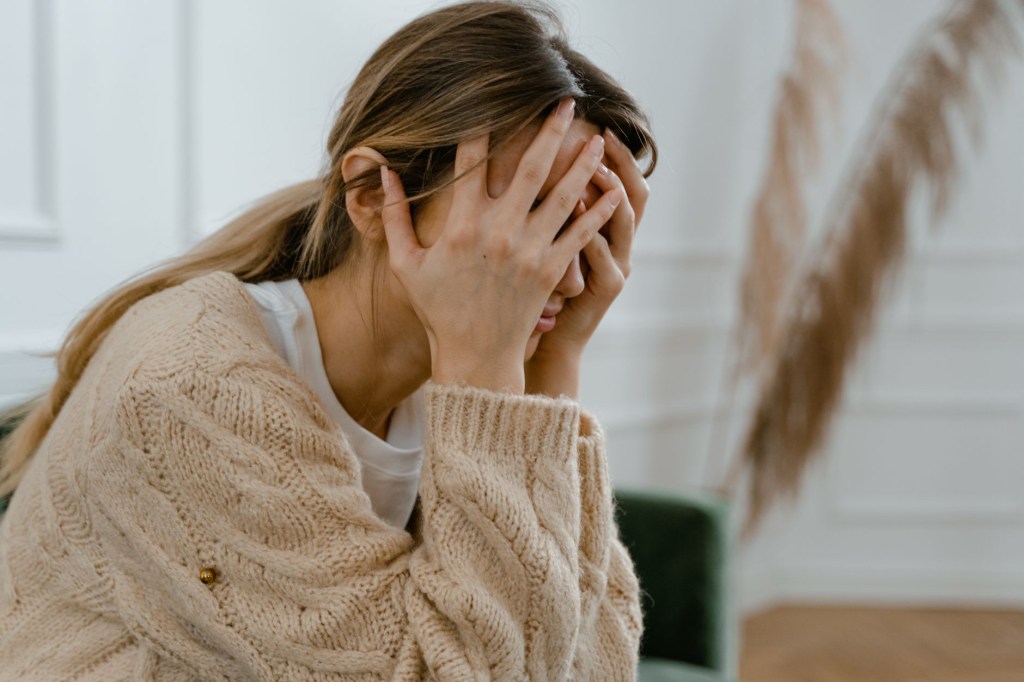
Chronic pain is hard. Fatigue is hard. Having a body that doesn’t always cooperate is hard. Watching other people casually do things that require me to carefully plan and then recover, can be hard.
My body doesn’t always recognize my authority. There’s a department. A committee. Tons of red tape. It’s a whole thing.
I am not talking about pretending those things aren’t hard.
I’m talking about what happens when complaining slowly becomes the neighbourhood we live in. And we didn’t even know we moved!
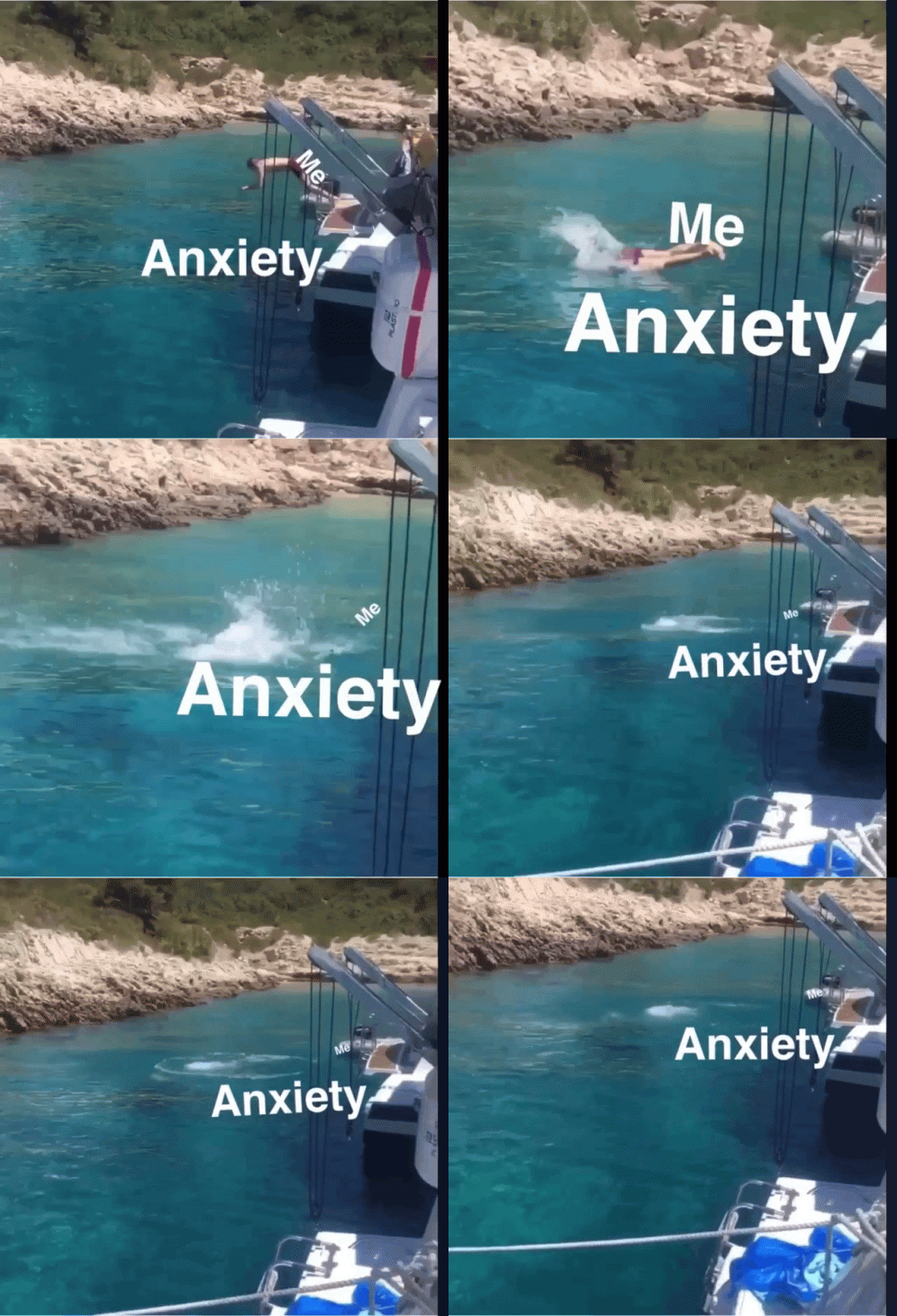
Because sometimes I wonder if complaining is one of the ways we get duped by the lies of this world.
Sneaky lies.
The kind that slip in wearing sensible shoes.
E.g.
- Busy means productive
- More is always better
- Everyone else has it better than me
- Your worth is measured by what you accomplish or have
- You should be able to do it all
- Other people should behave the way I think they should
Some lies show up more in certain arenas. In the arena of chronic pain I have narrowed down to two societal lies that are at the top of my list.
The first lie of chronic pain sufferers: Life is supposed to be easier than this.

Somewhere along the way, I absorbed the idea that if I worked hard enough, made good choices, took care of myself, tried to be positive and generally behaved like a reasonably responsible adult, life would eventually cooperate.
🤭 Cute.
I have since learned that life comes with considerably more fine print.
And chronic pain has a particularly efficient way of magnifying those terms and conditions 🔎 .
You can eat well. You can exercise within your abilities. You can rest. You can take your medication. You can go to appointments.
You can stretch and strengthen and meditate and breathe and try every reasonable suggestion known to humanity.
And then Tuesday morning shows up, completely ignoring the fact that I had a lovely little breakthrough on Monday. My body still hurts. The dust is still judging me from across the room. The laundry has continued breeding. Nothing has been resolved, healed, folded, or otherwise put right.
That doesn’t mean you failed.
It means you’re human.
The second lie of chronic pain sufferers: If I can’t have the life I wanted, I can’t have a good life.
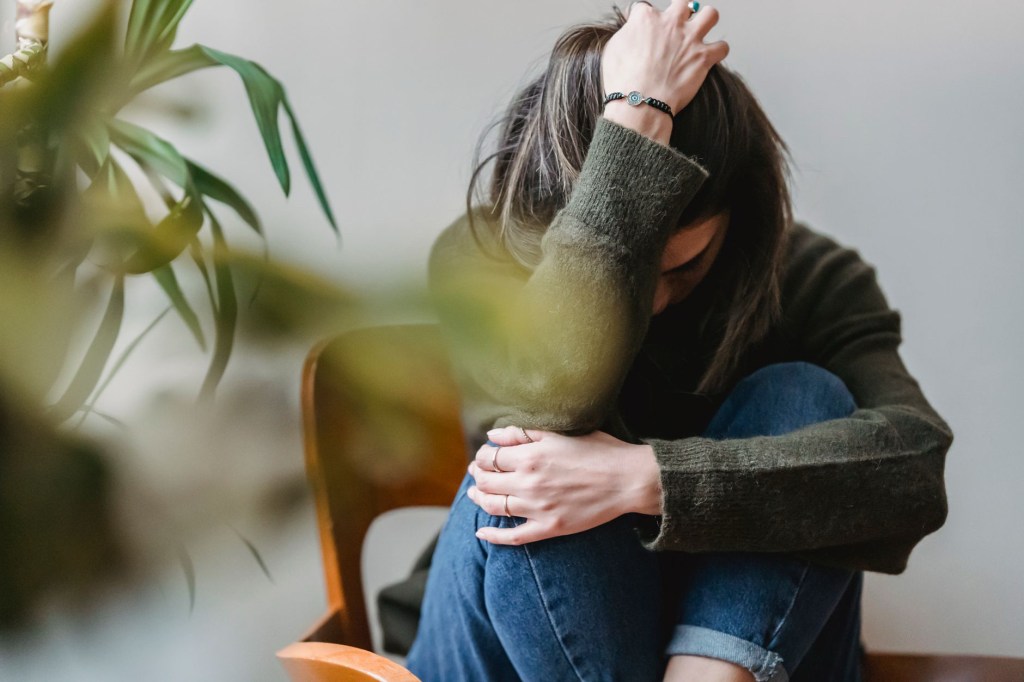
This one is considerably more dangerous.
Because chronic pain can shrink our world.
First we stop doing something because it hurts.
Then we stop doing something because we’re afraid it will make things hurt worse.
Then we stop making plans because we don’t know how we’ll feel and we are tired of cancelling.
Then we start thinking about everything we’ve lost.
And eventually our attention becomes almost completely occupied by what isn’t possible.
The thing is, nothing has to be invented. The losses are real.
But the brain can take a real loss and turn it into a much larger story.
I can’t live like I used to becomes:
I can’t do anything.
I’m having a terrible pain day becomes:
I’m always in unmanageable pain.
I can’t make plans reliably becomes:
My life is completely out of my control.
That’s where I think complaining can become a trap.
We’re no longer simply describing our circumstances.
We’re rehearsing them.
Over and over.
And our brains are remarkably good at getting better at whatever we repeatedly practice.
But here’s where I need to be careful.
Because there is another lie that can sneak into this conversation.
“If people are tired of hearing about my pain, I should just tuck that thought back in the vault where it belongs.”
No.
Absolutely not.
I have chronic pain.
This is not a part-time hobby.
If something hurts every single day, pretending it doesn’t hurt so that everyone around me can have a more comfortable afternoon isn’t healthy either.
Sometimes I need to say:
“Today really hurts.”
Sometimes I need somebody to know that I’m struggling.
Sometimes I need to be able to say, “This is really hard, especially today,” without having to immediately follow it with something inspirational so nobody gets uncomfortable.
I don’t need a motivational quote.
I need a witness.
And sometimes the person we need to hear us is the person who is tired of hearing it.
This is one of the hardest parts of chronic pain.
Because pain doesn’t take weekends or holidays off.
It doesn’t understand that those closest to you have already heard about it yesterday. And the day before that. And the day before that. For what seems infinity.
It doesn’t care that your family has had a long day.
It doesn’t politely wait until everyone is emotionally available.
And the person who loves you may eventually reach a point where they think:
I know you’re hurting. I know. But I don’t know what else to say.

And sometimes that comes out as:
“That sucks.”
Then they go back to whatever they were doing.
Ouch 😣
Because when you’re hurting badly enough to finally say something, “That sucks” can land less like validation and more like:
Please stop talking about this 🙄 .
But there is another possibility.
Maybe they’re not saying:
Your pain doesn’t matter.
Maybe they’re saying:
I don’t know how to fix something I can’t fix 🔧.
Maybe they’re exhausted too.
Maybe they have heard about your pain so often that they have become emotionally numb. Not because they don’t love you, but because human beings aren’t particularly good at repeatedly witnessing something they can’t make better.
And here’s an inconvenient truth:
Both people can be hurting.
The person with chronic pain can need to be heard.
And the person who loves them can need a break from pain being the centre of the room.
Those two things can be true at the same time.
So how do we complain in a healthy way?
Maybe the answer isn’t don’t complain.
Maybe it’s learn how to communicate the need underneath the complaint.
Because sometimes what I’m really asking isn’t:
“Would you like to hear the latest installment of Everything That Hurts?”
Sometimes I’m asking:
“Can you please just acknowledge that this is hard?”
That’s a different request.
Instead of:
“Everything hurts today. My back is killing me, my hips are aching, I barely slept, my hands hurt, and I don’t know how I’m supposed to get anything done…”
I might try:
“I’m having a really bad pain day. I don’t need you to fix it. I just need you to hear me for a minute.”
Or:
“Can I have two minutes to complain without you trying to solve it?”
Or even:
“I need a little reassurance right now. Can you tell me you understand that this is hard?”
That gives the other person a job they can actually do.
They don’t have to cure chronic pain.
They don’t even have to have the perfect response.
They just have to be present.
And I think we can give them permission to tell us when their tank is empty.
This one is tricky.
Because if someone says, “I can’t listen to this right now,” it can feel devastating.
Especially when you already feel like your pain is an inconvenience.
But perhaps we can build a different language around it.
“I love you. I believe you. I just don’t have the capacity to talk about pain right now. Can we come back to this later?”
(Hold them to talking about it later, or they are just avoiding the issue)
That is very different from:
“I’m sick of hearing you complain.”
One establishes a boundary.
The other makes the person feel like the problem.
And research on chronic pain couples backs up the importance of this distinction. Validation communicates that the person’s experience is real and understood, while invalidation can interfere with emotional and pain regulation. At the same time, studies also suggest that very frequent pain-related disclosure can wear down supportive responses. (PubMed)
So perhaps healthy communication lives somewhere in the middle.
Tell the truth.
Don’t catastrophize the truth.
Ask for what you actually need.
Give the other person permission to have limits.
And don’t make one person your entire emotional support system.
Because that’s a lot to ask of one human being.
Even if that human being is married to you.
Your brain is listening to you.
Our brains don’t simply receive information from our bodies like a receptionist taking messages.
They’re constantly interpreting what is happening.
Attention, emotion, memory, expectation and perceived threat can all influence the experience of pain.
Chronic pain isn’t simply a matter of damaged tissue sending an identical pain signal over and over again. The nervous system can become sensitized and change the way sensations are processed.
And repetitive negative thinking (ruminating about pain, what it means, what might happen, how unfair it is) can add another layer of distress.
In very simple terms:
What we repeatedly pay attention to gets easier for the brain to notice.
That does NOT mean chronic pain is imaginary.
It does NOT mean positive thinking cures illness.
And it absolutely does NOT mean that if you’re still hurting, you just aren’t trying hard enough.
Puh-lease. ✋
I have enough on my plate without wondering whether I’m handling my suffering correctly.
But it does mean there may be a difference between:
“This hurts.”
and
“This hurts, this always happens, this is never going to change, I can’t do anything, my life is terrible, nobody understands, and why does everyone else get to have a normal body?”
The first is information.
The second is a story.
And stories can either help us carry reality or make reality heavier.
Validation isn’t the same thing as agreement.
This is an important distinction.
If I say:
“I’m scared this pain will never get better.”
You don’t have to get in the pit with me and say:
“Yes. The dumpster fires persist but so do we.”
You can say:
“I can understand why you’re scared. You’ve been dealing with this for a long time.”
That’s validation.
You’re not agreeing with the prediction. You are not forecasting something different.
You’re acknowledging the experience.
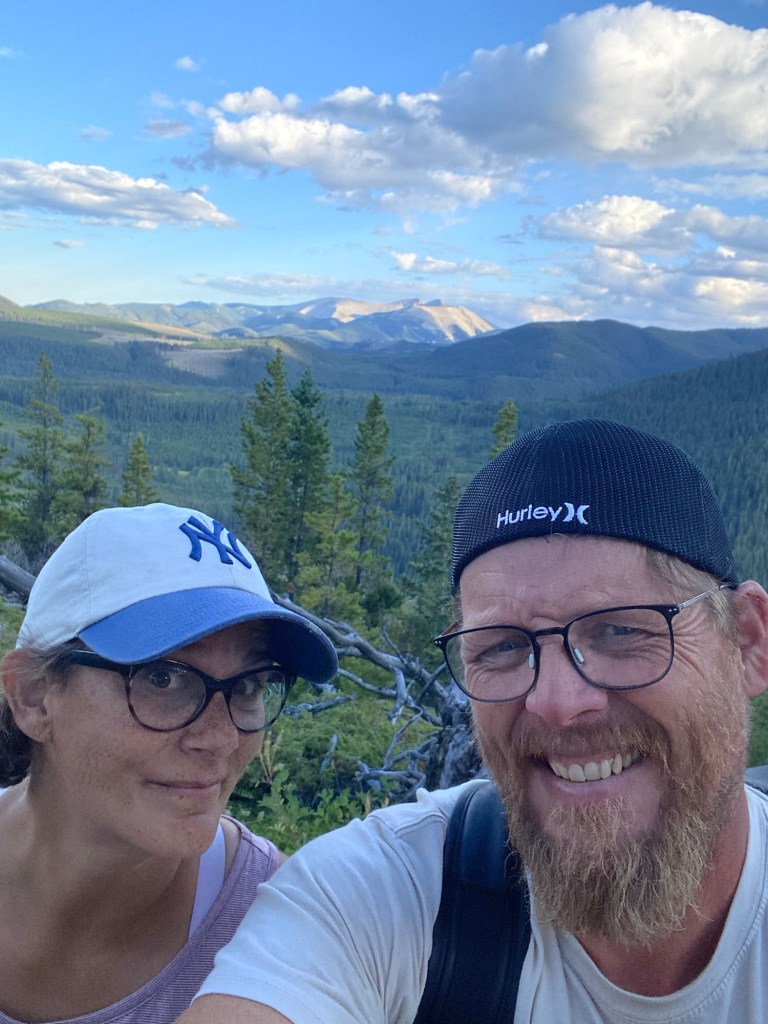
Researchers studying chronic pain couples have found that empathic and validating responses are generally associated with better emotional and relationship outcomes, while invalidating responses tend to be associated with worse outcomes. A 2025 systematic review of chronic pain couples reached a similar overall conclusion. ((PMC)PubMed Central)
And interestingly, even brief training in validation has been shown to improve validating responses from spouses and reduce negative affect in partners living with chronic pain. (PubMed)
Which means perhaps we don’t need our loved ones to become pain experts.
Maybe we just need to teach each other a few life-saving sentences.
🛟 “I believe you.”
🛟 “That sounds really hard.”
🛟 “I’m sorry you’re hurting.”
🛟 “Do you want me to listen, help, or give you some space?”
Sometimes I need help.
Sometimes I need someone to sit beside me while I have spectacular pity party.
And sometimes I need everyone to leave me alone.
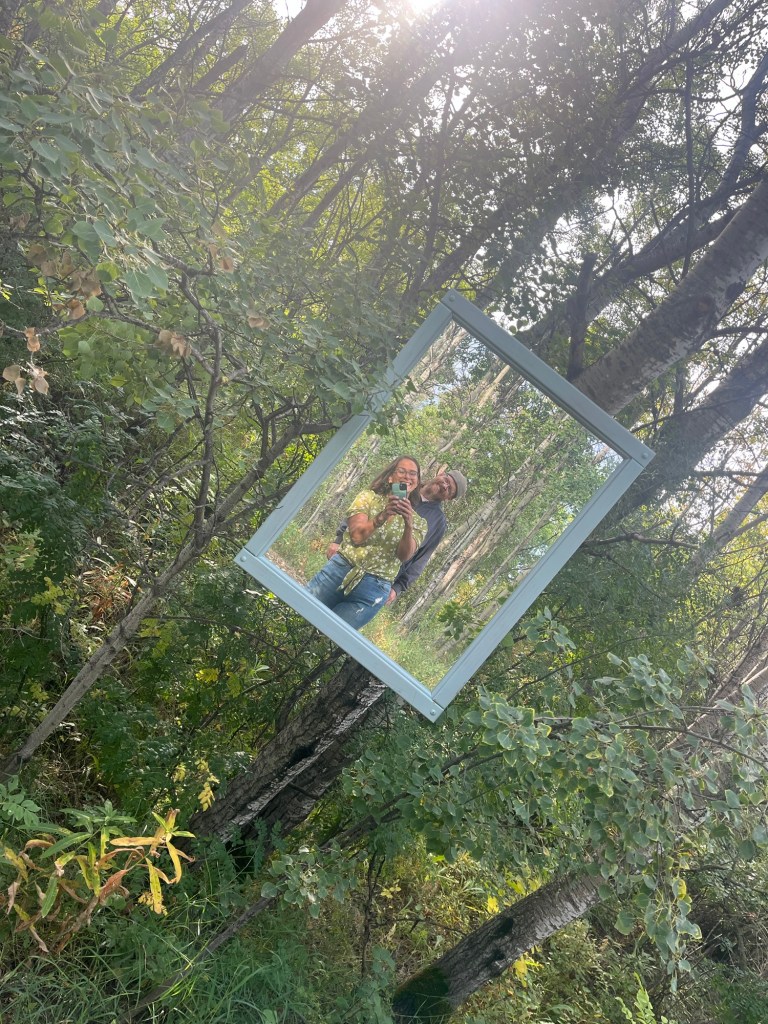
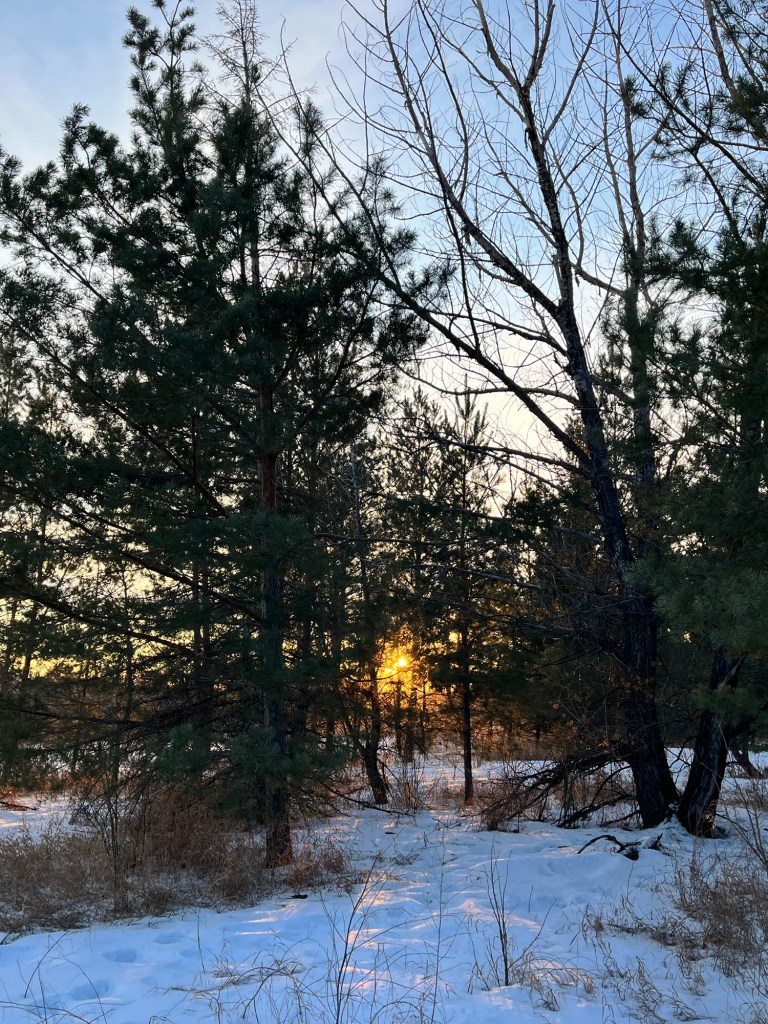
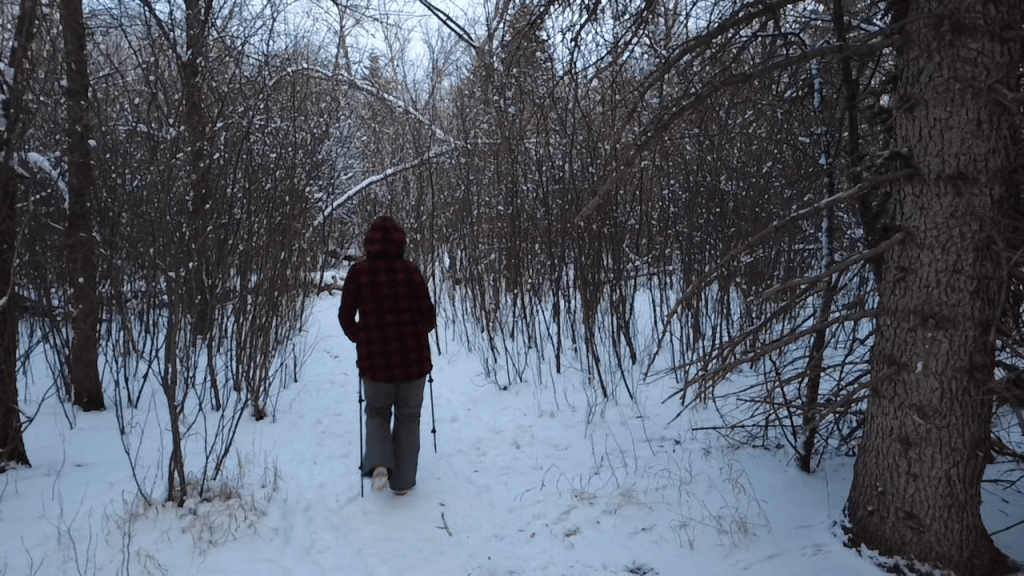
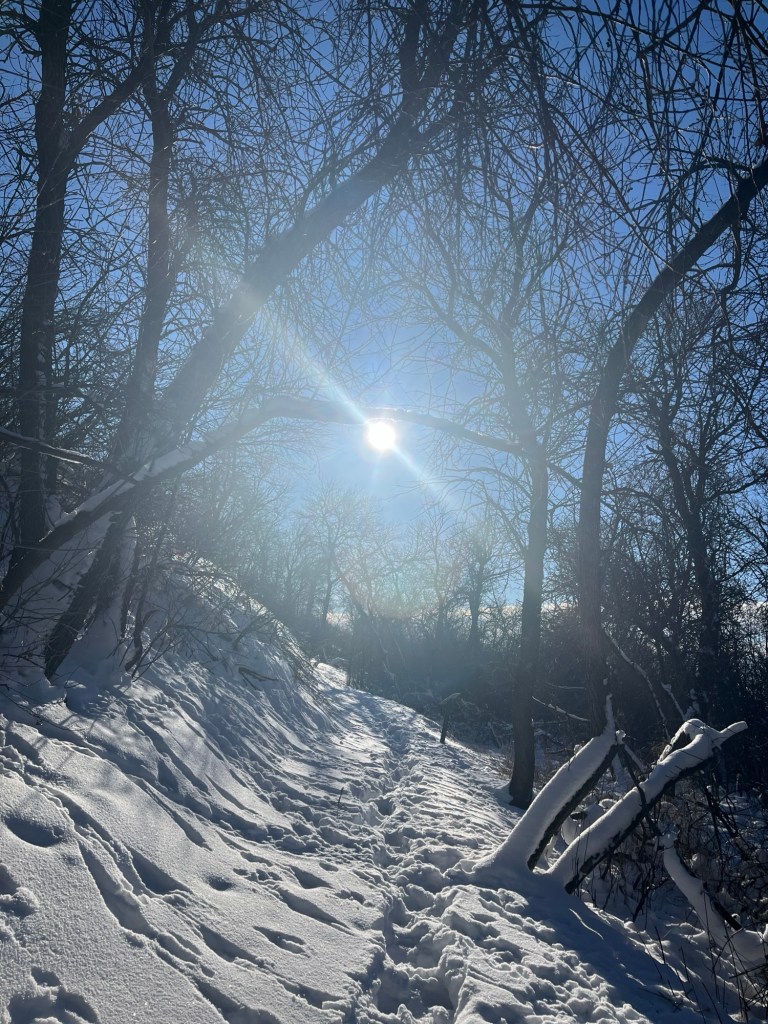
Which brings me to the forest.
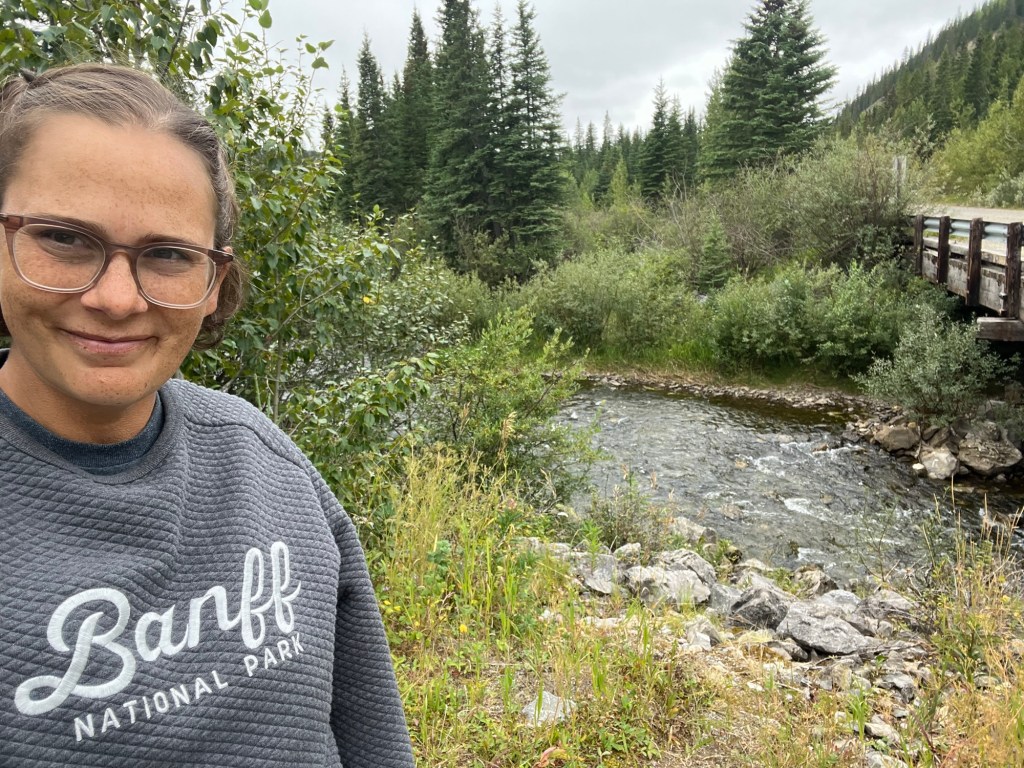
The forest is a third party in the conversation.
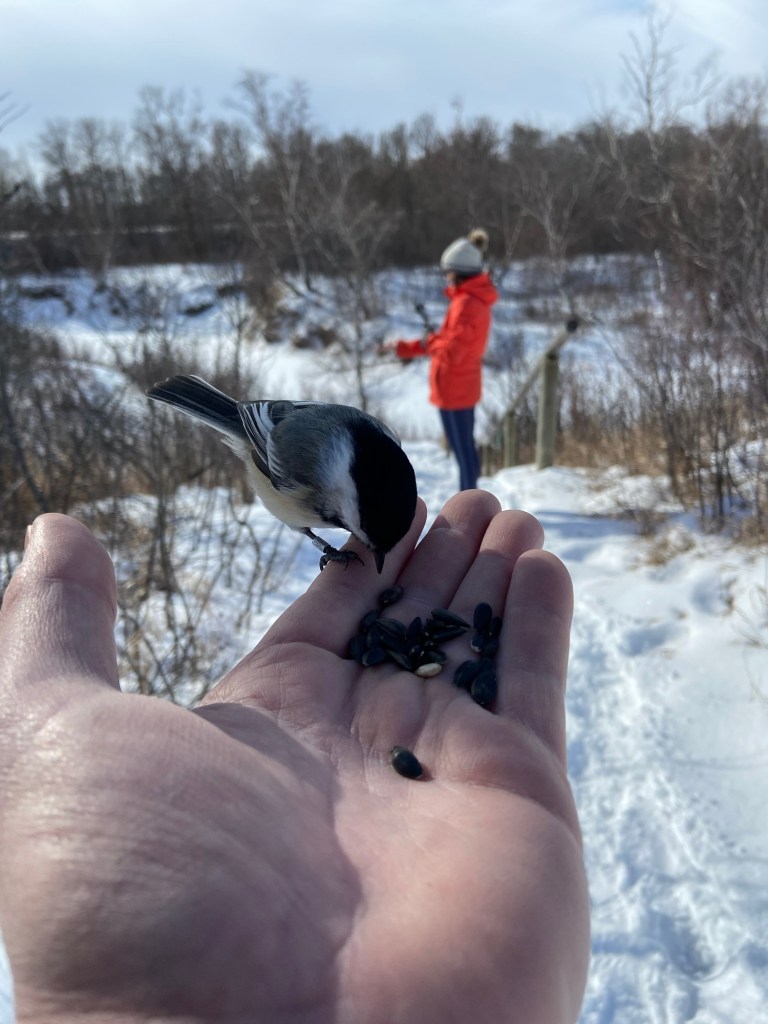
One of the reasons I love forest therapy is that it gives me somewhere else to take my pain.
Not to hide it. Not to deny it. Just to put it down for a little while.
The forest doesn’t say:
“Again with the pain?”
It doesn’t say:
“You’ve already told me this.”
It doesn’t say:
“That sucks.”
It simply gives me something else to notice.
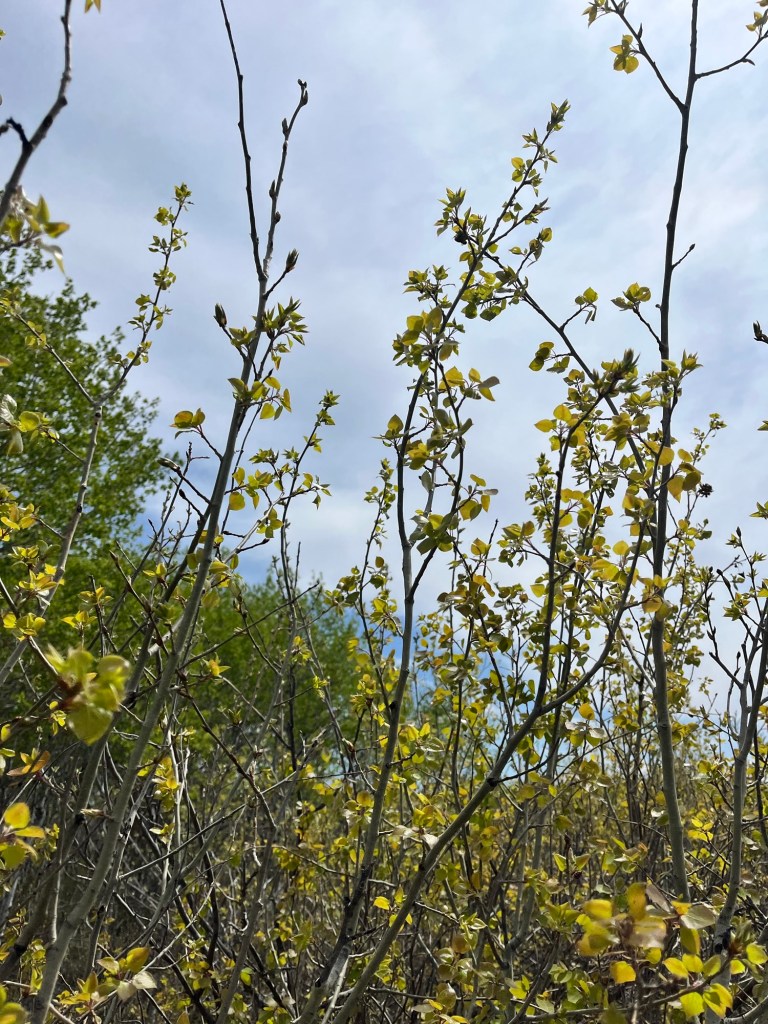
The sound of wind moving through branches.
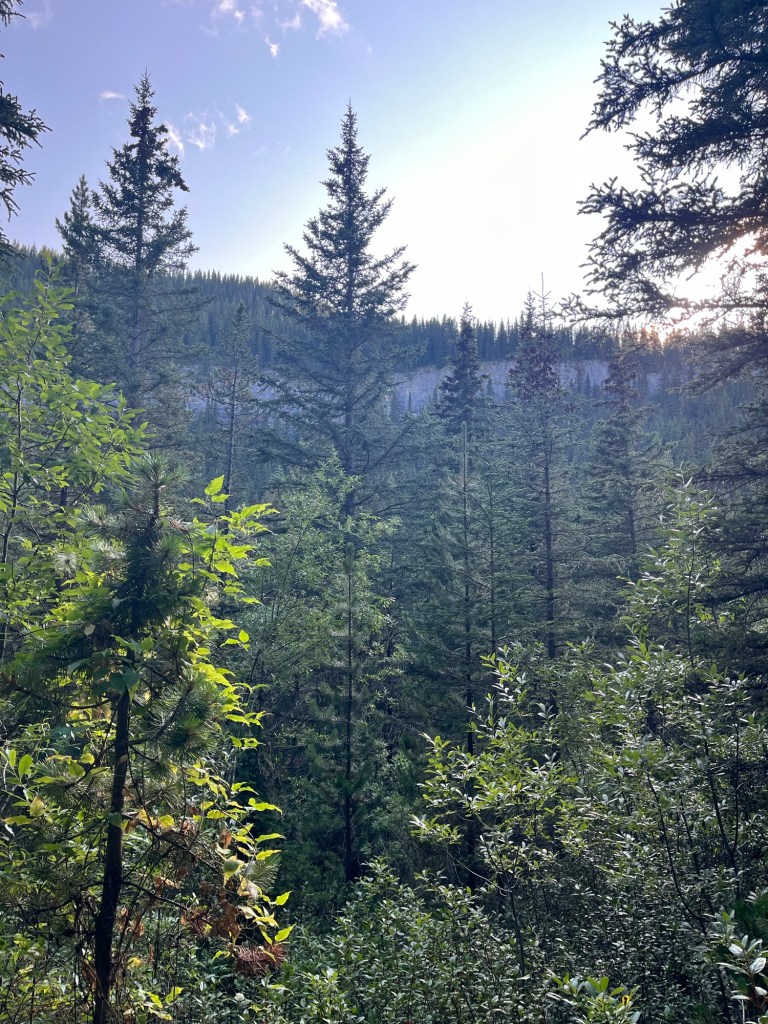
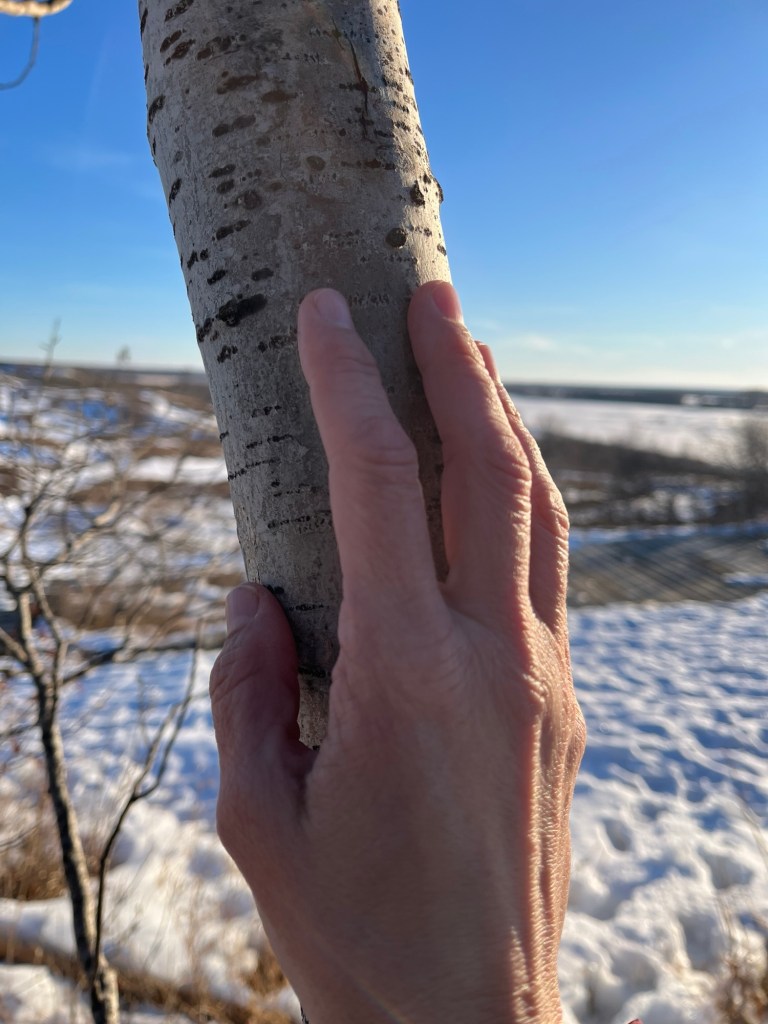
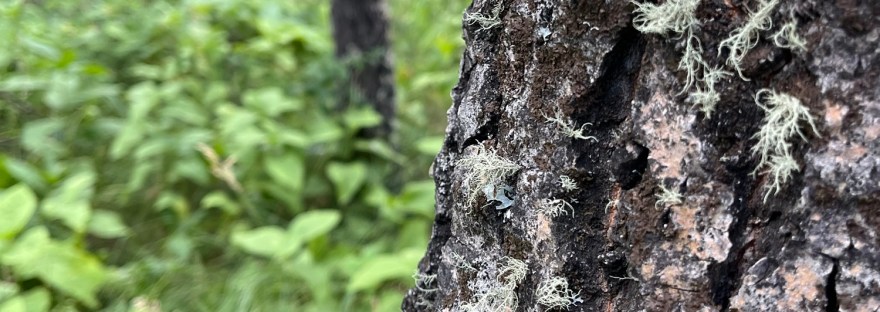
The texture of bark.
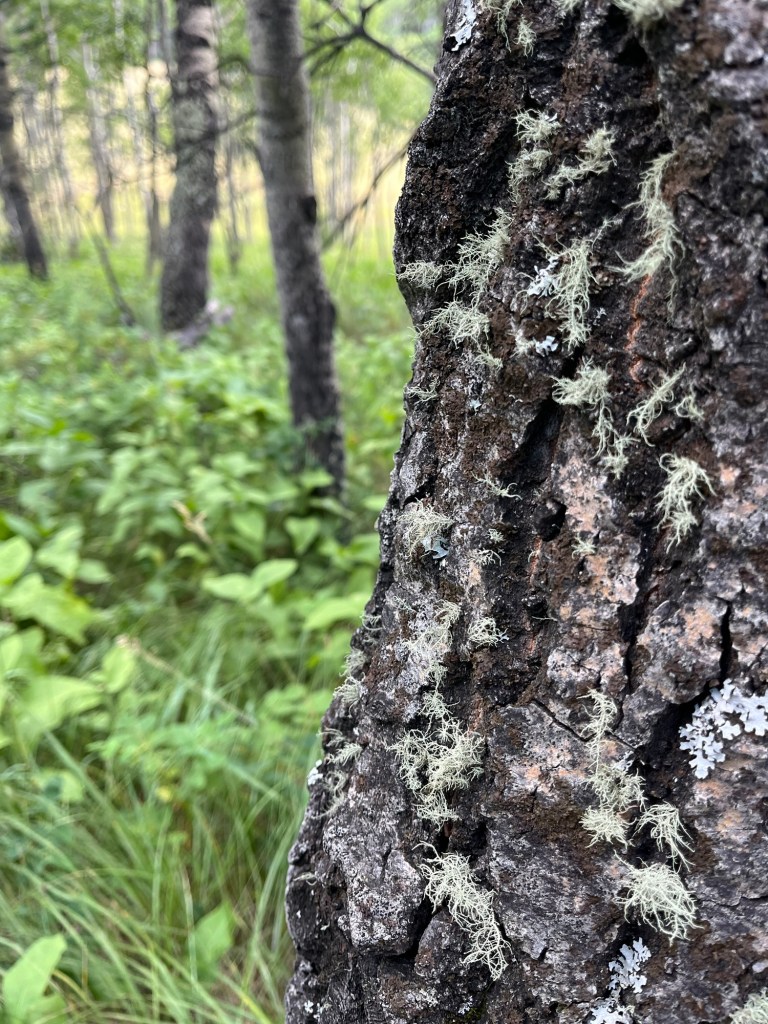
Birdsong.
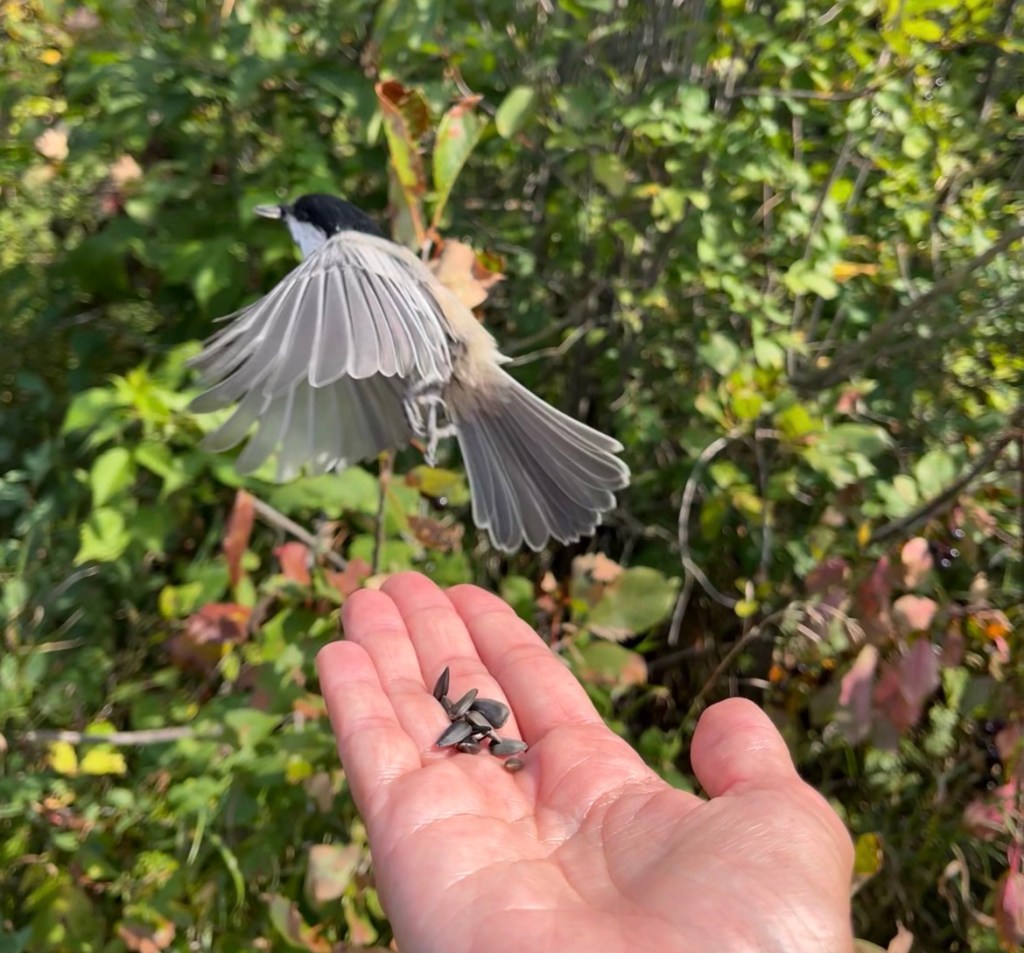
The smell of damp earth.
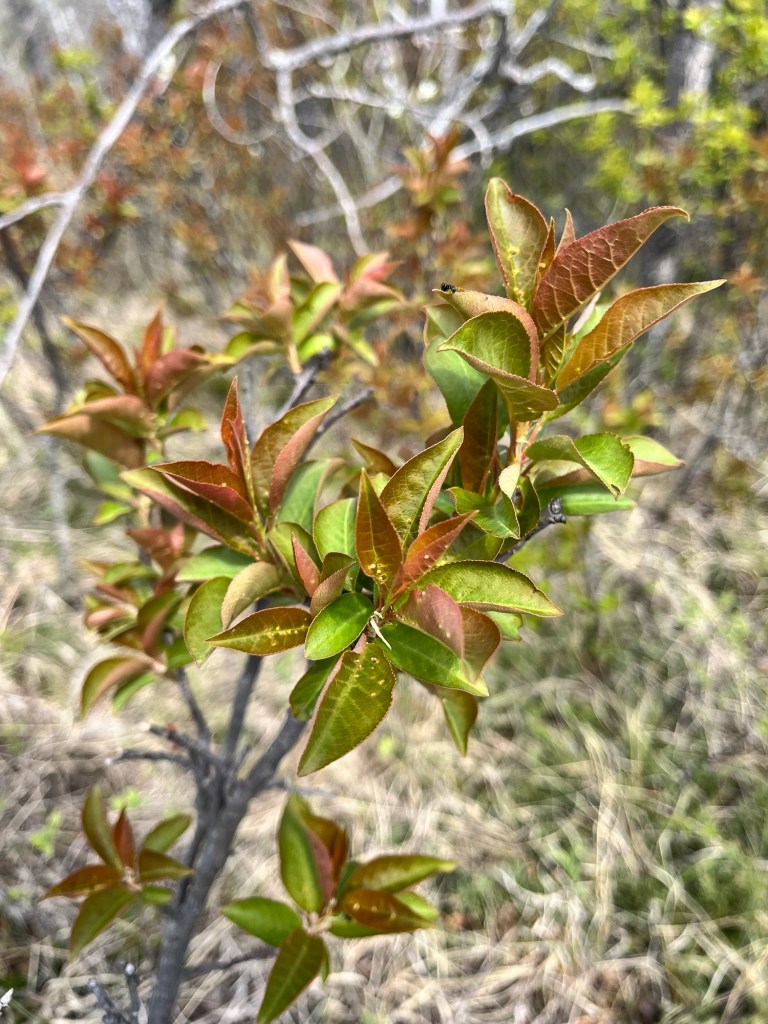
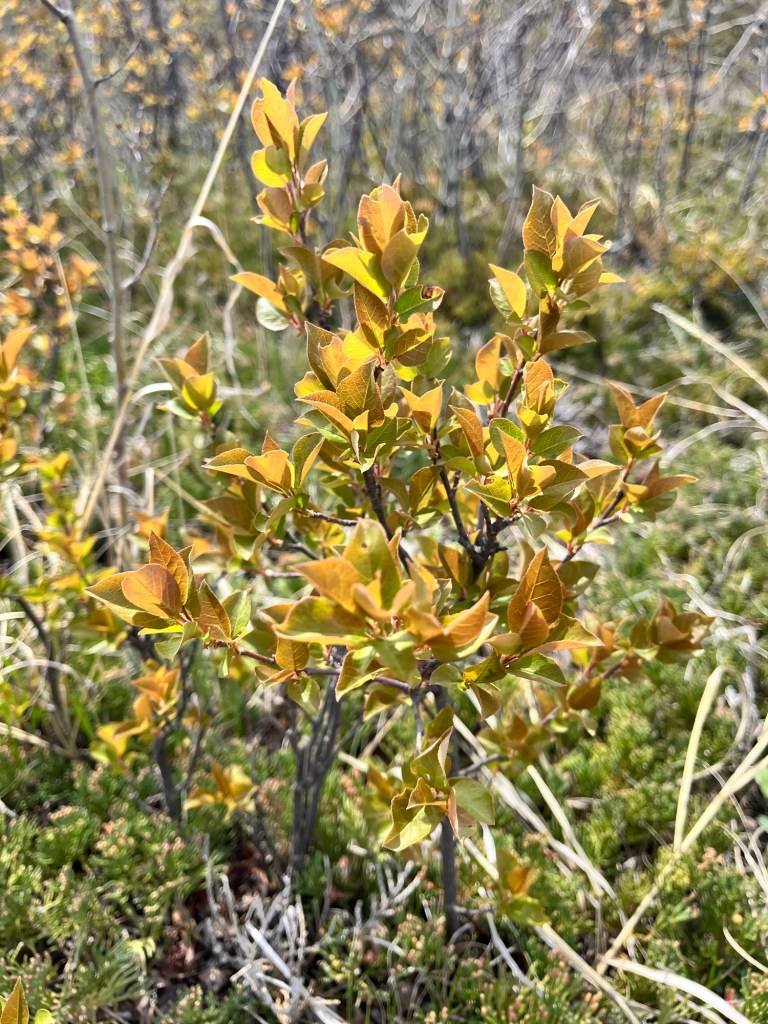
Bosky
Covered with bushes, shrubs, and small trees, or having a woody and shady appearance. (Dictionary.com)

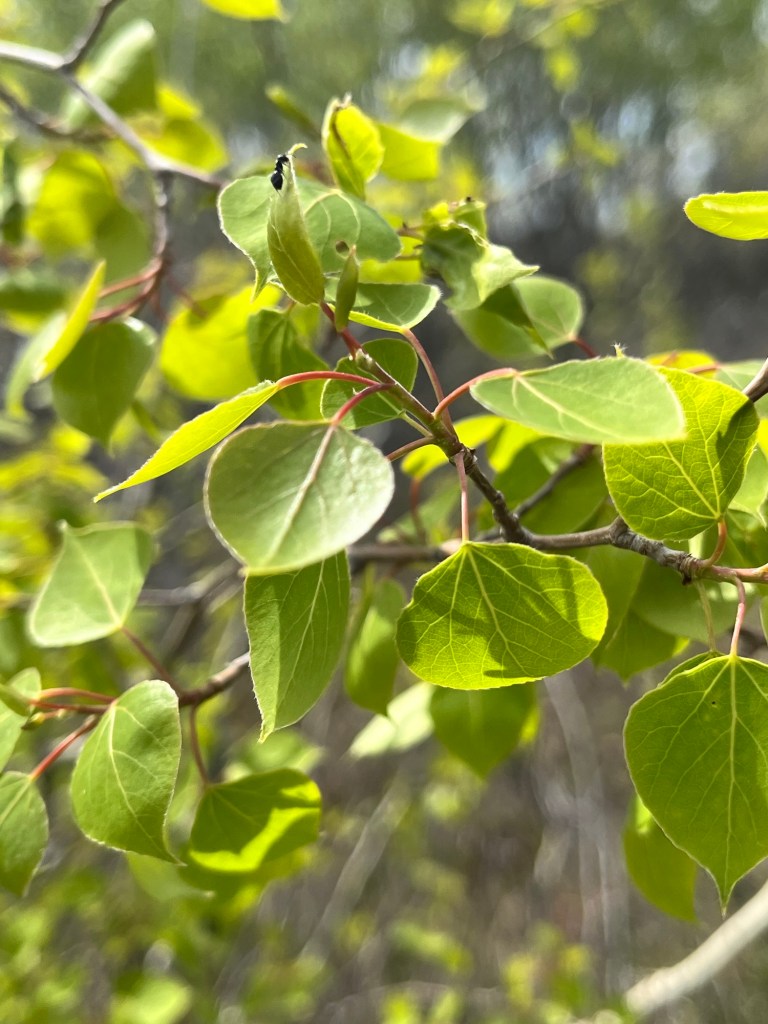
Light moving through leaves.
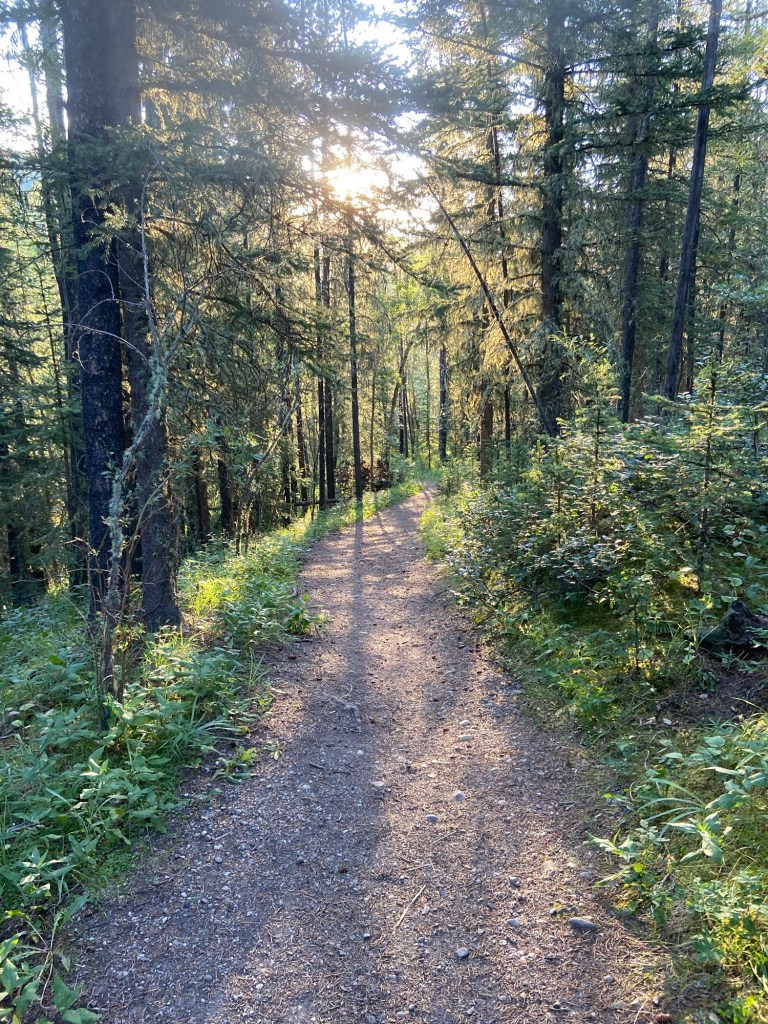
My feet touching the ground.
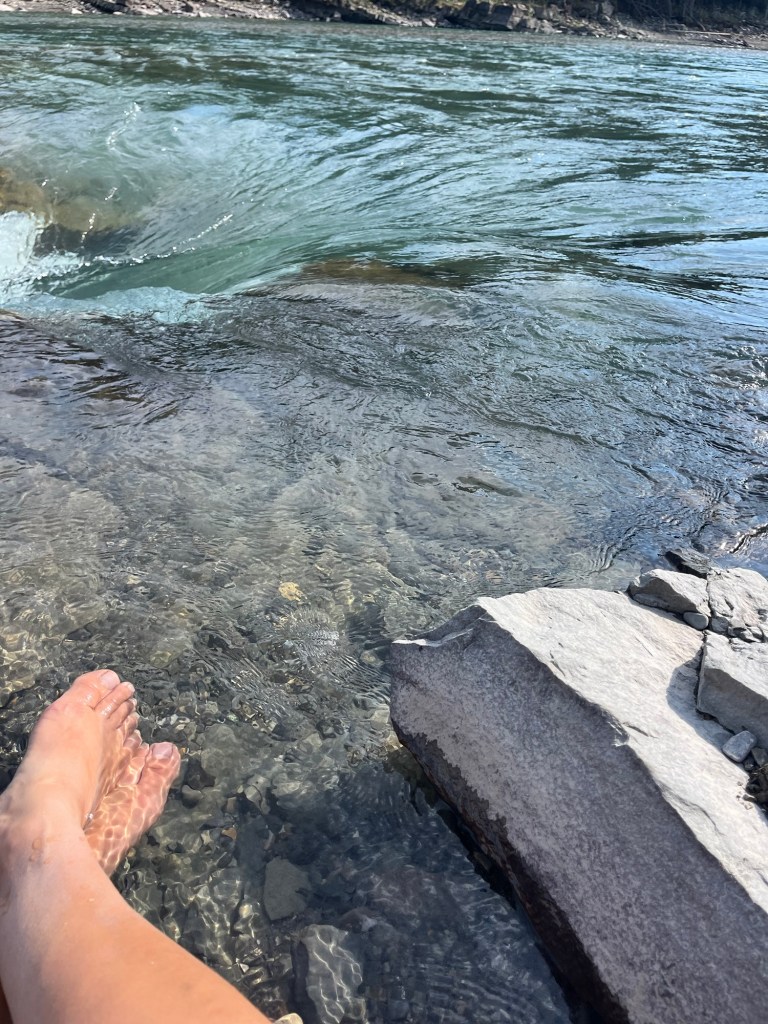
My breath silent as I watch the deer across the ravine and she watches me.

And suddenly my attention isn’t completely occupied with the running commentary in my head.
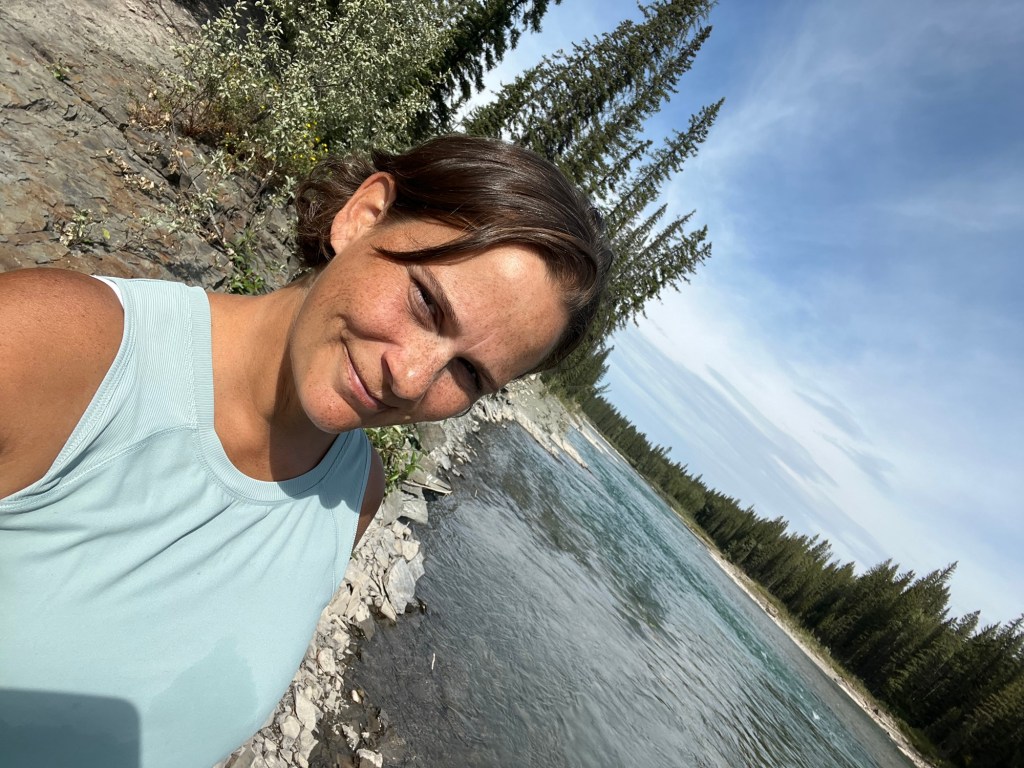
Nature exposure has been associated with reduced stress, and research on forest therapy has found changes in measures such as cortisol, heart rate and parasympathetic activity.
The evidence isn’t perfect, and the forest isn’t a cure for chronic pain. But it can offer the nervous system a different kind of input. Slower, safer, less demanding.
Sometimes that is enough to interrupt the loop.
Try this the next time you catch yourself complaining.
Don’t shame yourself.
That’s just complaining about your complaining. You’ve now created a sequel nobody asked for 🤦♀️.
Instead, pause.
Ask:
What am I actually needing right now?
Am I needing to be heard? practical help? reassurance? rest? Am I feeling lonely? frightened? angry?
Am I simply needing someone to say:
“That really sucks.”
Because sometimes that is enough.
Then ask yourself:
Who is the right person to give me that support right now?
Maybe it’s your spouse.
Maybe it’s a friend who understands.
Maybe it’s a support group.
Maybe it’s a therapist.
Maybe it’s a journal.
Maybe it’s the forest.

And maybe sometimes it’s you.
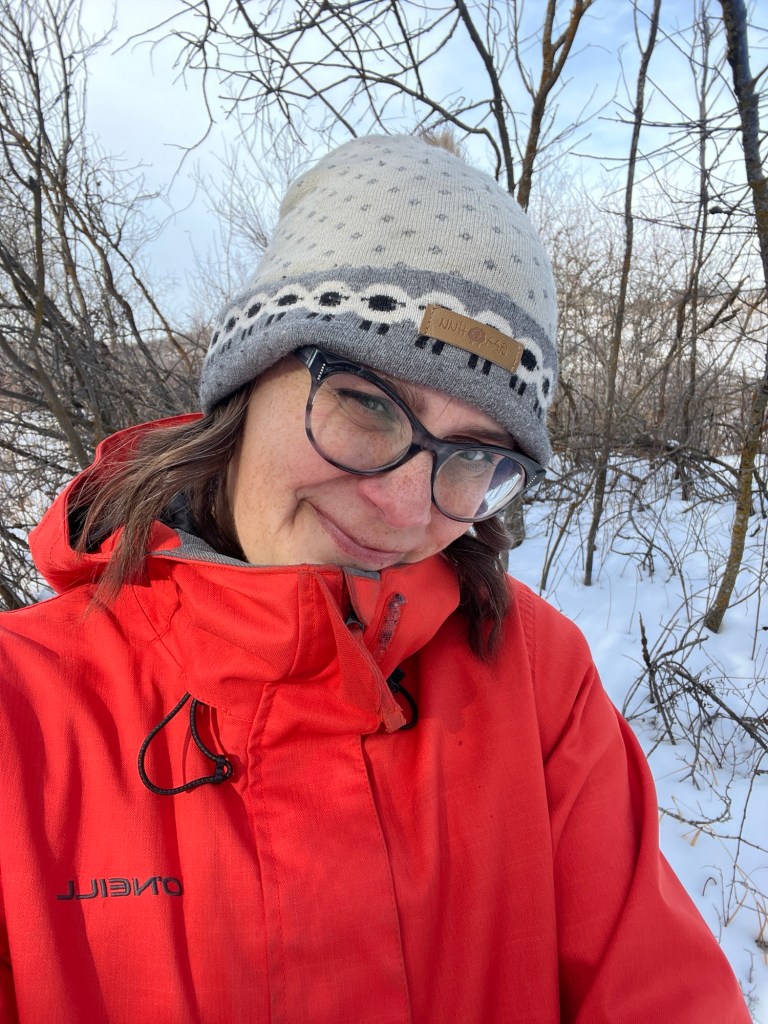
I’m not trying to become a person who never complains.
Frankly, that sounds exhausting.
I still complain.
But I’m trying to notice when complaining stops being a way of expressing something and starts becoming a way of seeing everything.
And I’m also trying to remember that needing to talk about my pain doesn’t make me a burden.
I can tell the truth about what hurts. I can ask to be seen. I can let someone say, “I love you, but I don’t have the capacity for this conversation right now.”
I can find more than one place to put my pain.
And I can learn the difference between telling the truth and allowing the pain to tell me the story of my entire life.
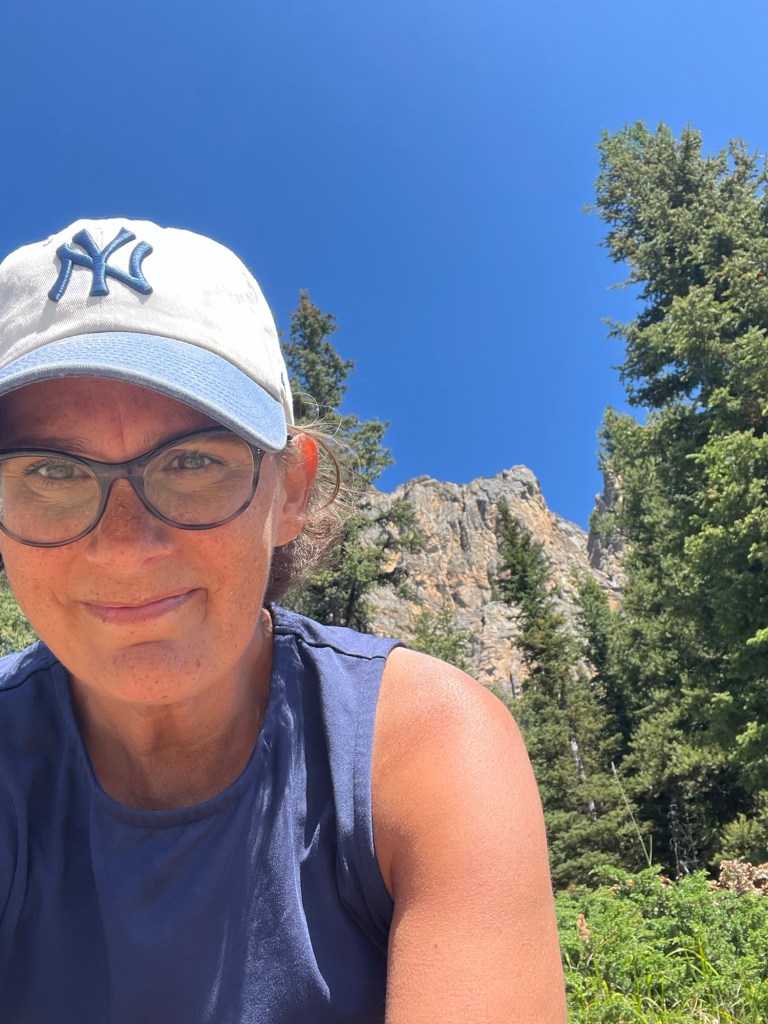
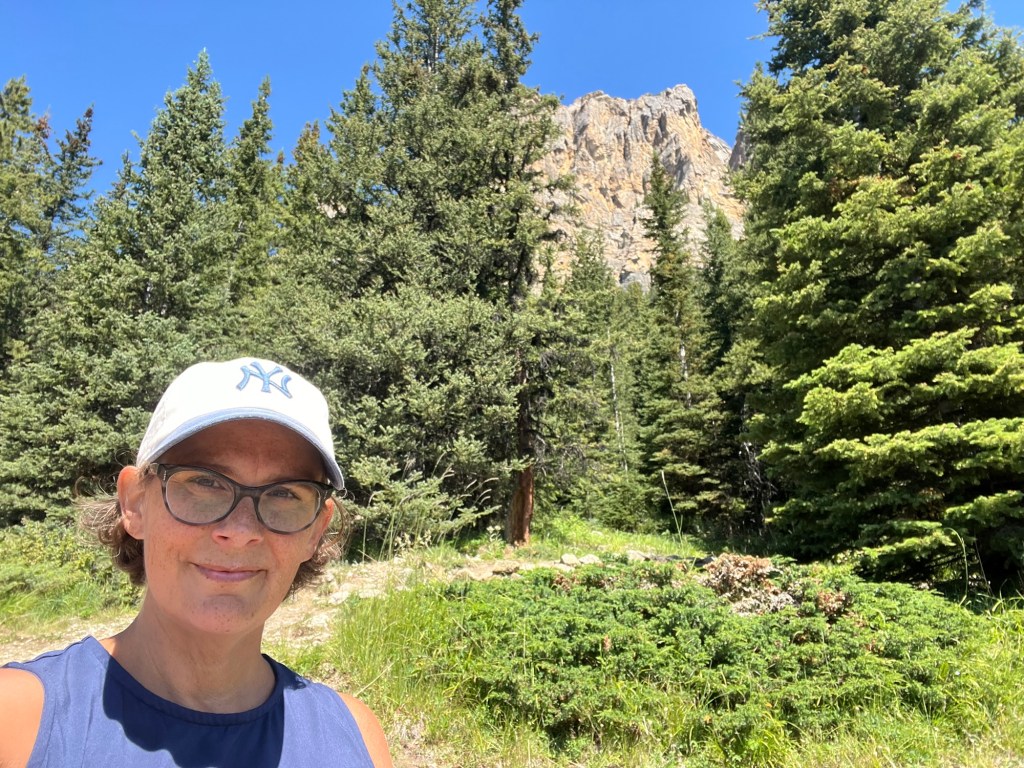

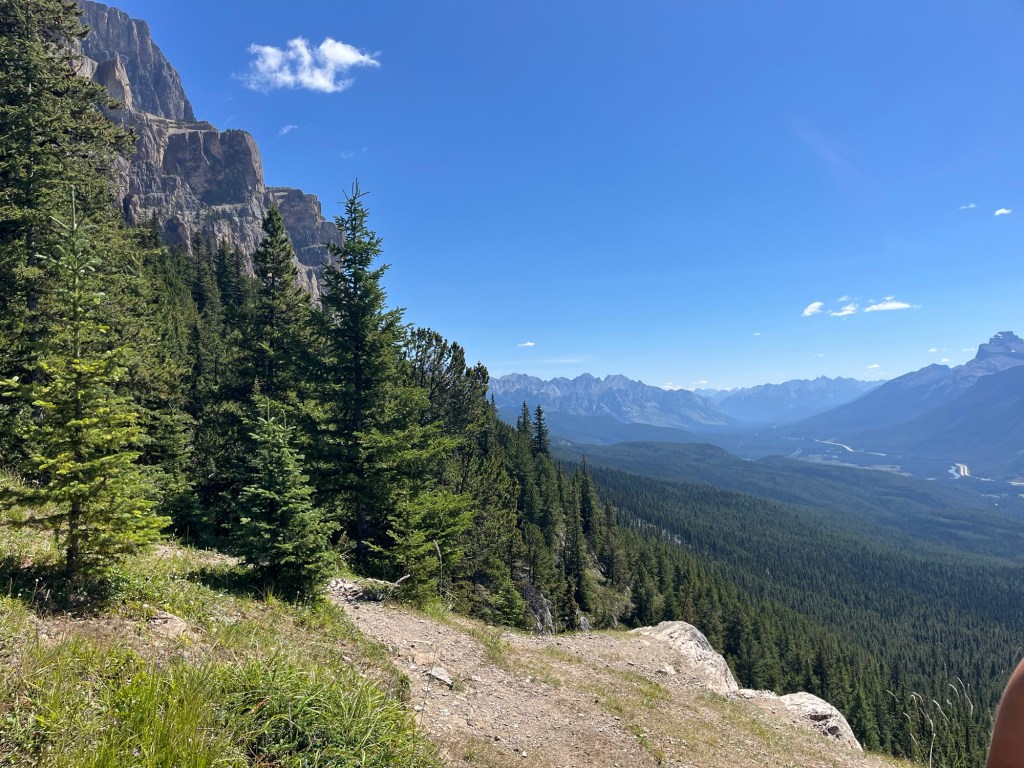
Because maybe that’s one of the great tricks of this life:
The lie isn’t always that our circumstances aren’t difficult.
Sometimes the lie is that our circumstances are all there is.
Pain is part of my life. It isn’t the whole of it.
Fatigue is part of my life. It isn’t the whole of it.
The things I can’t do are part of my life. They aren’t the whole of it.
And when I walk into the forest, I get reminded of something my occasional complaining brain conveniently forgets:
There is still a world happening outside my symptoms.
There is still beauty. There is still laughter. There are still surprises.
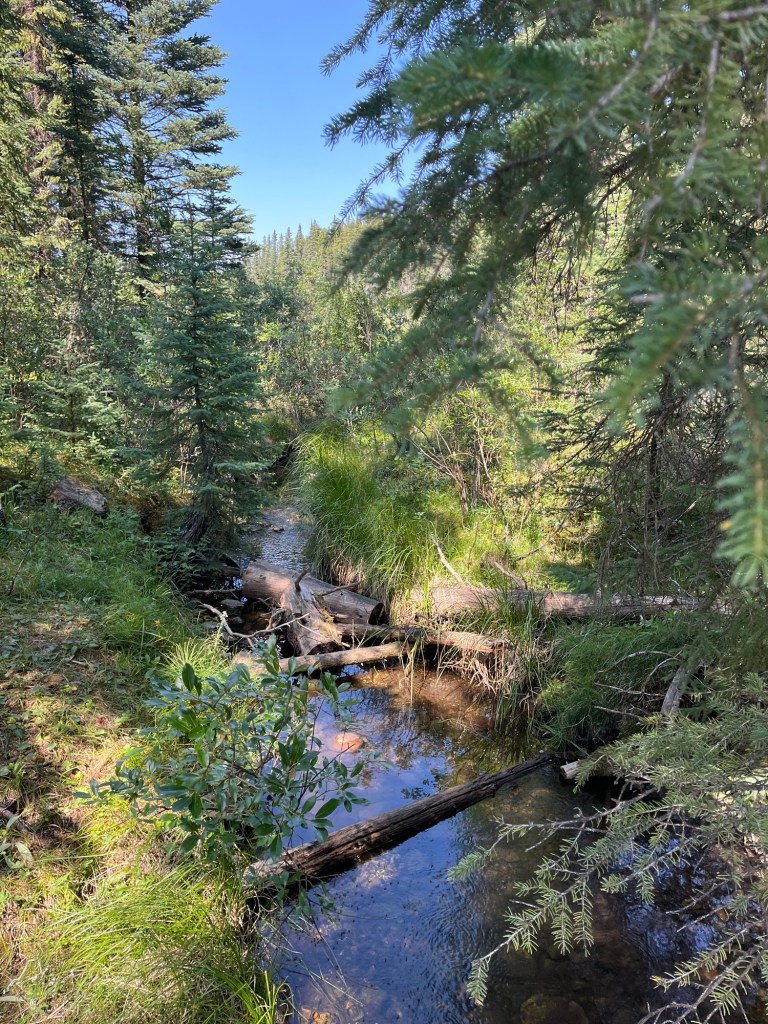
Maybe I don’t have to fight my life into becoming the one I thought I was promised.
Maybe I can stop complaining about the moment long enough to find a life well-lived.
Even if it hurts. Especially then.