
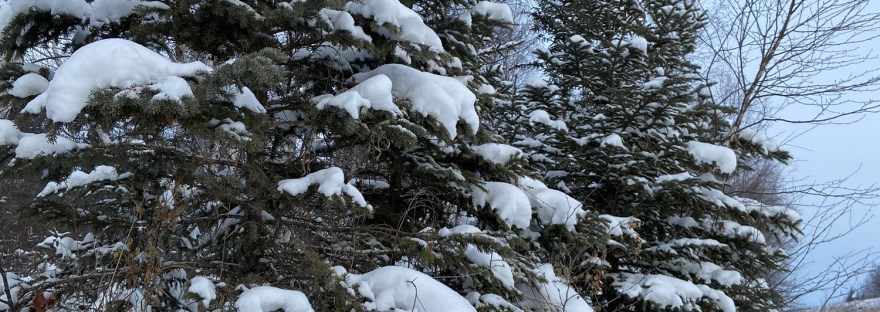
By a Forest Therapy Guide Practitioner
I am made of words & rivers & winds & wildflowers. I am part grief & part hope & all love.
-Victoria Erickson
From the outside, my life still looks mostly the same.
I still show up. I still smile. I still walk in the woods.
What people don’t see is the calculation behind every choice. The energy budgeting, the quiet bargaining with my body, the grief that comes when the answer is no again. Chronic pain didn’t just change what I can do. It changed how I think, how I hope, and how I understand myself.
I didn’t lose my old self all at once.
She left in pieces. First the bounce in my step, then the spontaneity, then the confidence that tomorrow would feel better. Chronic pain has a way of rearranging your life while pretending nothing has changed. And somehow, you’re expected to adapt quietly and keep smiling like you didn’t just lose someone important.

There is a quiet kind of grief that comes with chronic pain. Those of us who know can see it in the eyes. In the bouncing leg when sitting too long. In the little noises and facial expressions that most people miss.
This is not a grief that comes with casseroles or sympathy cards. Not the kind people know how to name.
It’s the grief of losing someone very important. You.
The body you trusted. The energy you assumed would always return. The way ordinary days felt doable.
Back in the day when your consequences had actions. Now it takes nothing to set that pain- train in motion.
Chronic pain doesn’t just hurt. It rearranges your identity. Like a Mr Potato Head put together by a little one. Totally unfamiliar from what it’s “supposed to be.”
Purpose feels unfamiliar. Hope has to be redefined. Can one even set goals anymore? And from the outside, nothing looks different at all.
You still look like you.
But internally, everything has changed.
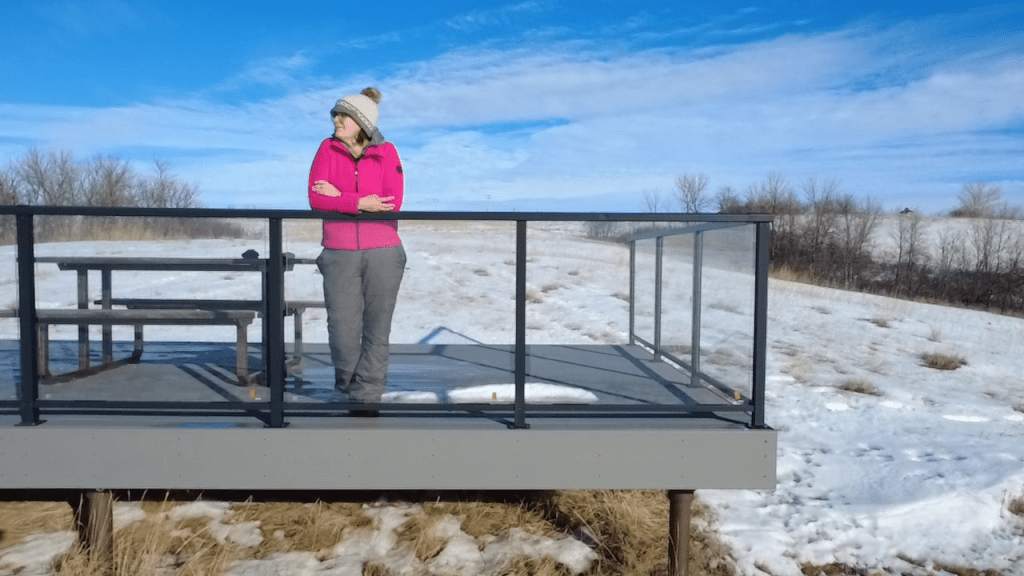
That’s why community matters more than advice.
What a fragile, tender gift it is to be invited into another’s wounds.
Advice tends to arrive loudly and unsolicited. (Often with links. 🤭)
What actually helps is something quieter. 🤫
Not people who argue your reality. (😳 “I’m surprised you feel comfortable saying that out loud” 🤣)
Not people who say, “Have you tried…?” like they’ve just cracked the code. (😨 As though the slightest change in your world will not usher in all of your chronic megadons! 🤯 )
Not people who look sideways at your therapy choices. (👋 “Be gone, foul thing” 🙃)
But people who,
- Cheer when something finally settles back into place 🙌
- Take your call when you have nothing left 🤙
- Help recalibrate the distorted lens pain creates 🔎
- Invite you in without being offended when you decline 🫴
- Don’t judge your sleep, your limits, or your pace 🙂↔️
They understand one sacred truth:
You are the only person who lives in this body.
And when you reach out, they show up.
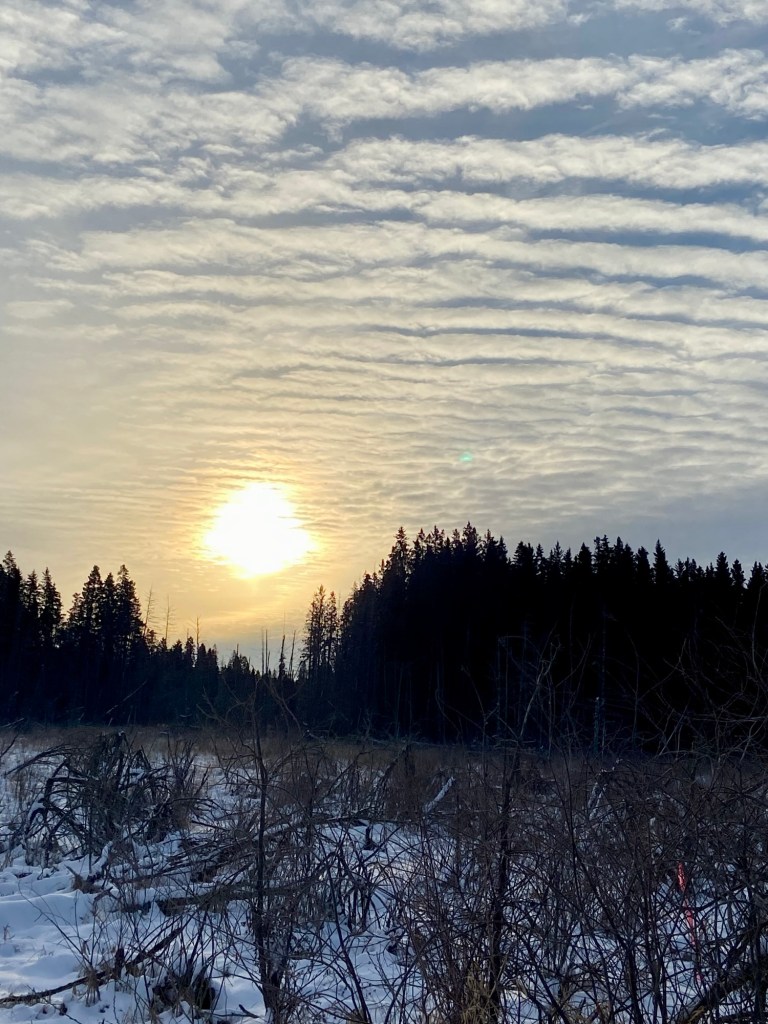
Trees of Solace: Earth’s Embrace in Times of Grief
Forest therapy doesn’t try to fix you.
Which is refreshing, to be honest.
It doesn’t rush the process or demand improvement. No gold stars. No timelines.
It simply offers a place where you can grieve. Because this life is tough.
Trees don’t ask who you used to be. They have been pretty quiet during a conversation, in my experience.
They don’t compare you to your past. They are really good at living in the now.
They don’t need you to be productive. Their progress is very slow. They respect your pace as well.
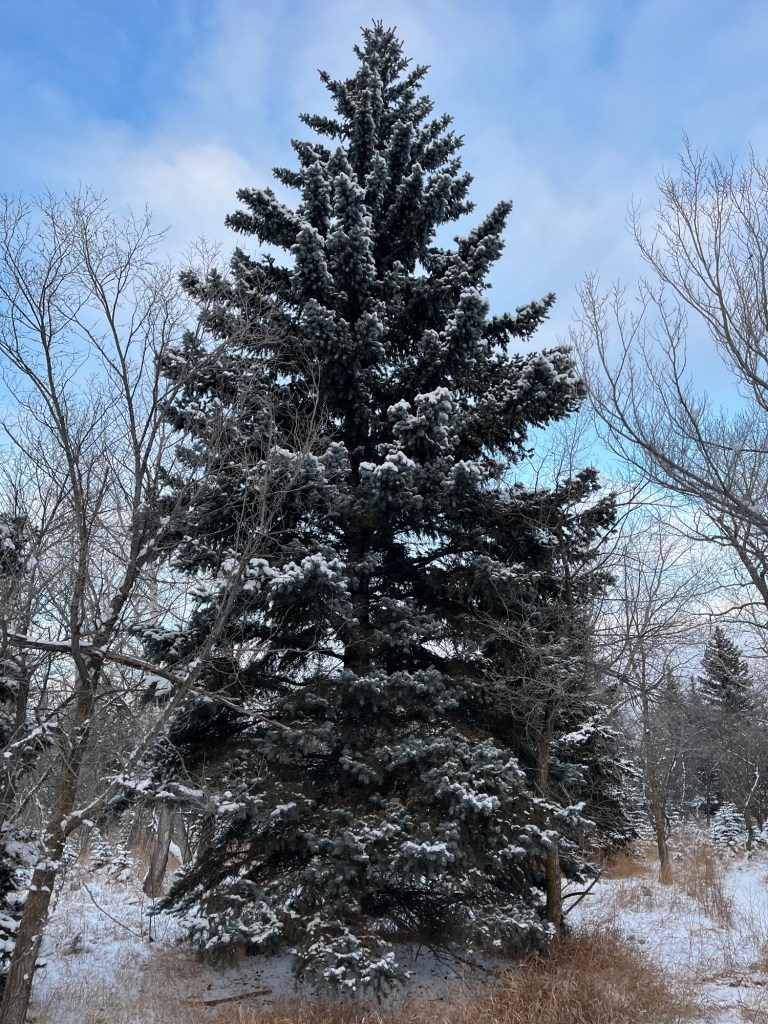
They just let you be you. Whatever version of you that may be.
And when you’re grieving your old self, that is the miracle worker you need.
To be idle is a short road to death; to be contemplative is a short road to life.
— Unknown, attributed to early monastic writings
Stillness is not stagnation. In the forest, stillness becomes listening.
The Garden Path: Shedding the Old Self to Bloom Anew
1. Hold a “Letting Go” Walk
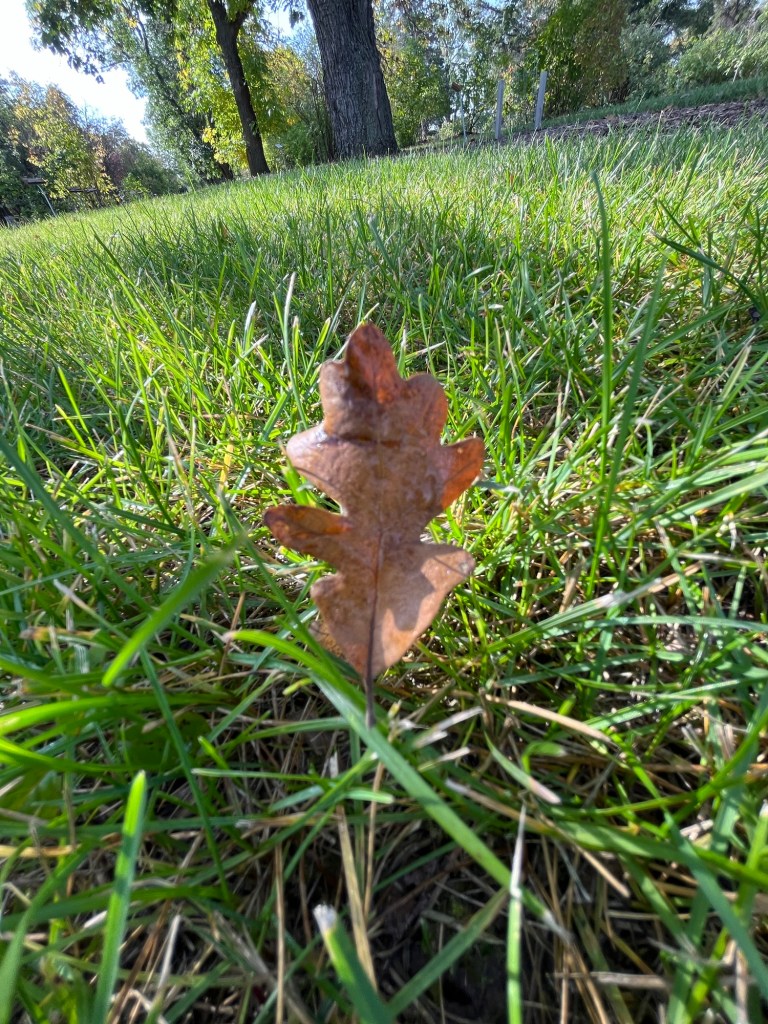
Walk slowly and name (quietly or aloud) what you are releasing. Old expectations, former timelines, borrowed definitions of success.
Leave something symbolic behind. A stone, a leaf, a breath, writing in the snow.
Grief likes ceremony. Even small, slightly awkward ones.
2. Practice Observing Instead of Fixing
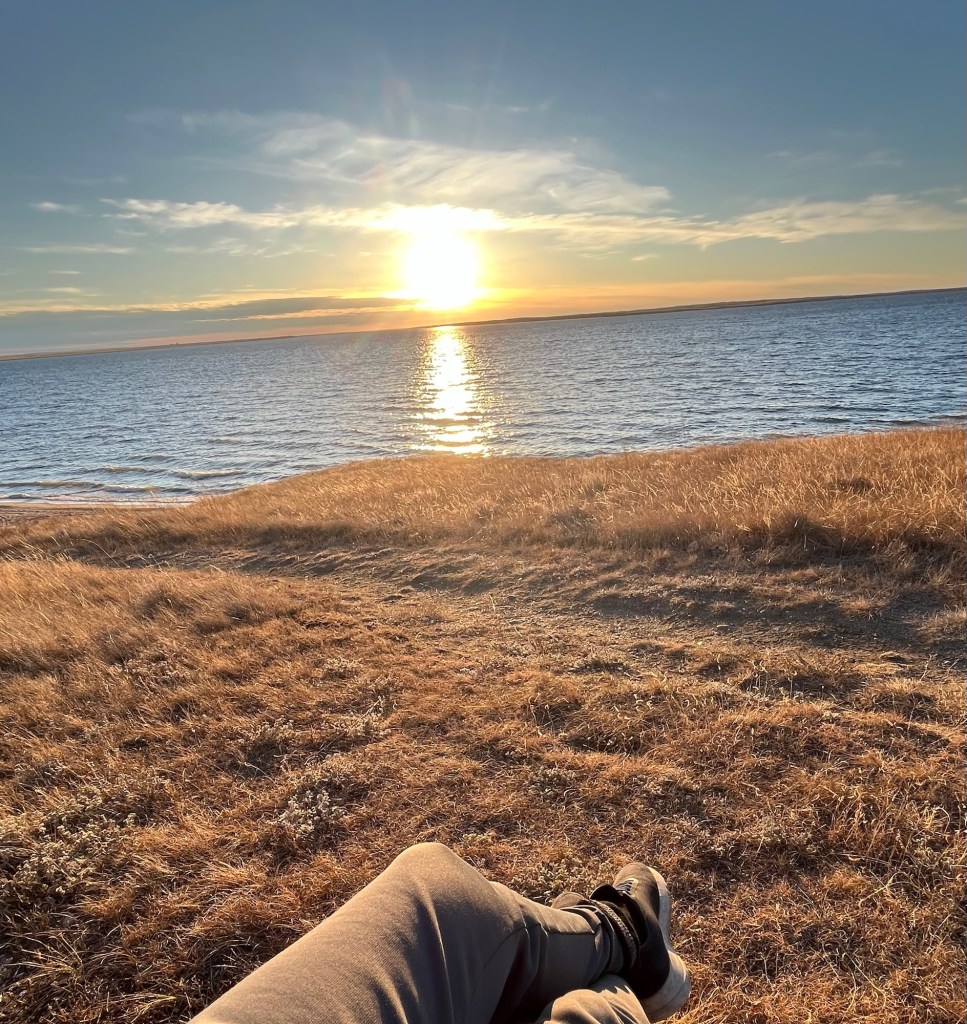
Sit and observe without correcting your thoughts.
Notice what hurts.
Notice what doesn’t.
Notice what still feels alive.
This is harder than it sounds. Most of us are very committed to fixing ourselves.
Do not ask what the world needs. Ask what makes you come alive, and go do that.
— Howard Thurman
3. Let the Landscape Mirror Change

Forests are experts in adaptation.
Storm damage. Regrowth. Fallen trees feeding new life.
Your body is not failing. It is reorganizing.
Messy? Yes.
Meaningless? Not even close.
4. Replace Focusing on the Yield with Yielding
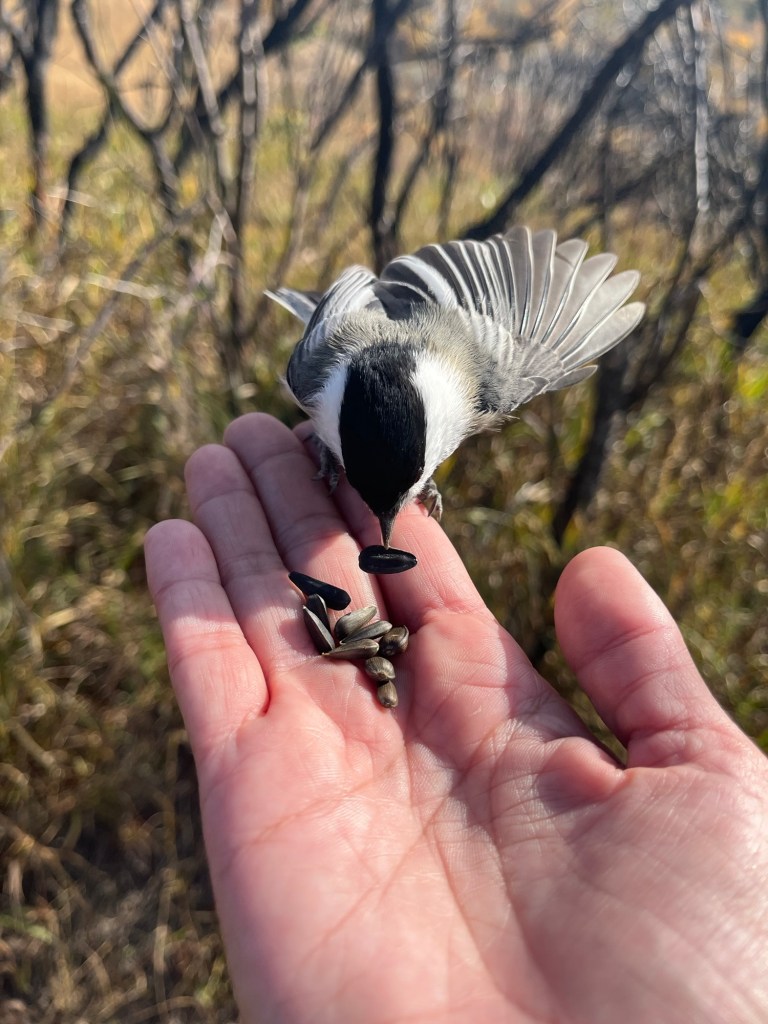
Some days the win is sitting.
Some days it’s noticing birdsong instead of pain for ten whole seconds.
That counts.
It all counts.
Celebrate small victories shamelessly. Pain already takes enough. Don’t let it take joy too.
5. Create a New Self Narrative
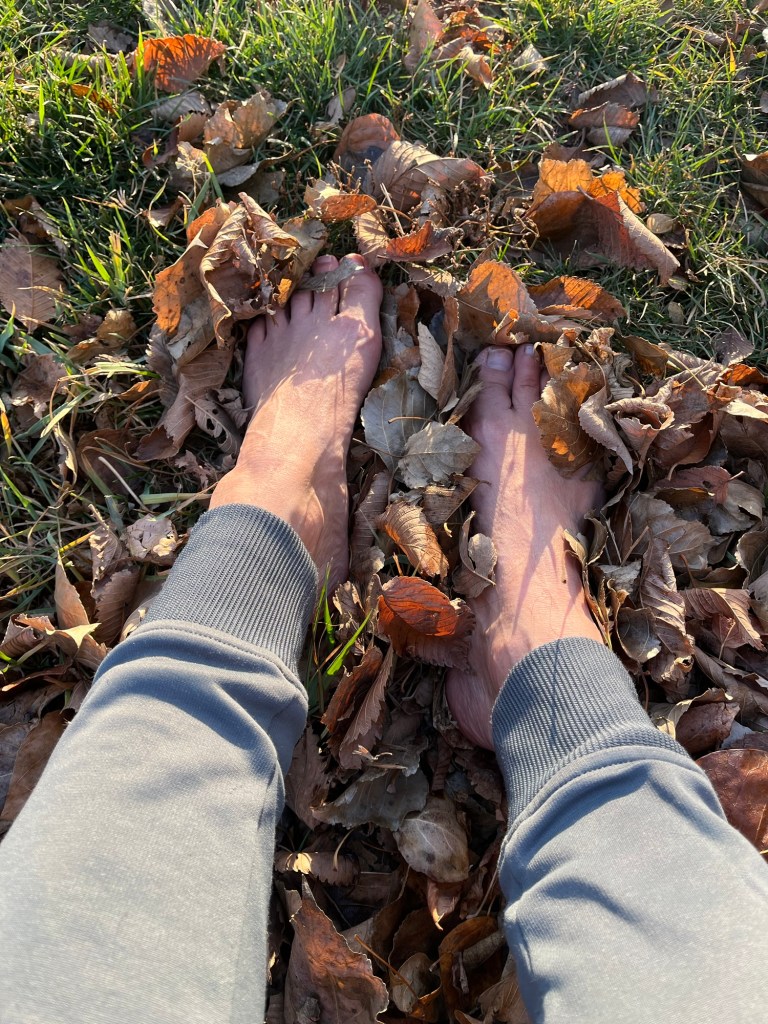
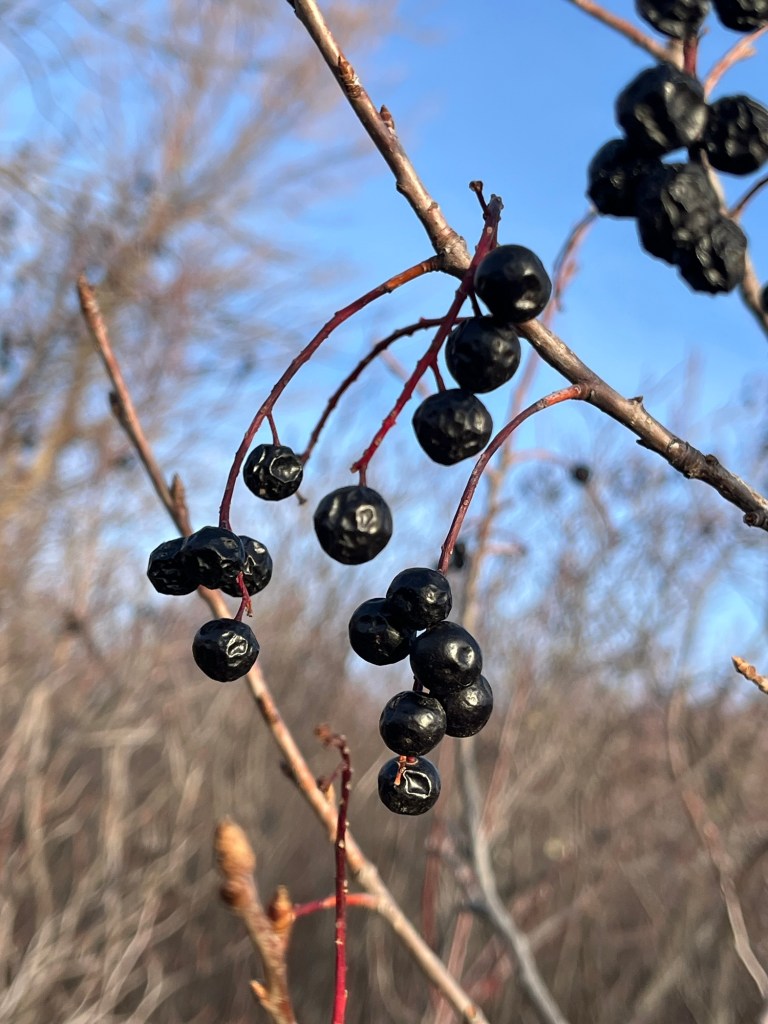
The old self doesn’t disappear. It composts.
Strength becomes discernment.
Speed becomes awareness.
Achievement becomes alignment.
And occasionally, dark humour becomes a coping skill. (Highly recommended.)
Because if you can laugh when your body sends mixed signals, you’re still very much alive.
You Are Not Becoming Less
You are becoming different.
And different doesn’t mean diminished.
The forest reminds us that worth is not measured by output, endurance, or even consistency.
It’s measured by belonging. By heart beats. By the current of our perceived experience.
You belong here.
In this body.
On this path.
And when you’re ready, the forest will help you meet the version of yourself that knows how to live well. Within the limits. Without shame.
This January,
if you feel low and heavy
and unready-
please remember that
in nature,
the new year begins in spring.
January is not nature's reset.
March is.
In a few months' time,
temperatures will rise
and the days will be
long enough to actually
do things.
Nature is still unwinding.
It's okay if you are, too.
-srwpoetry
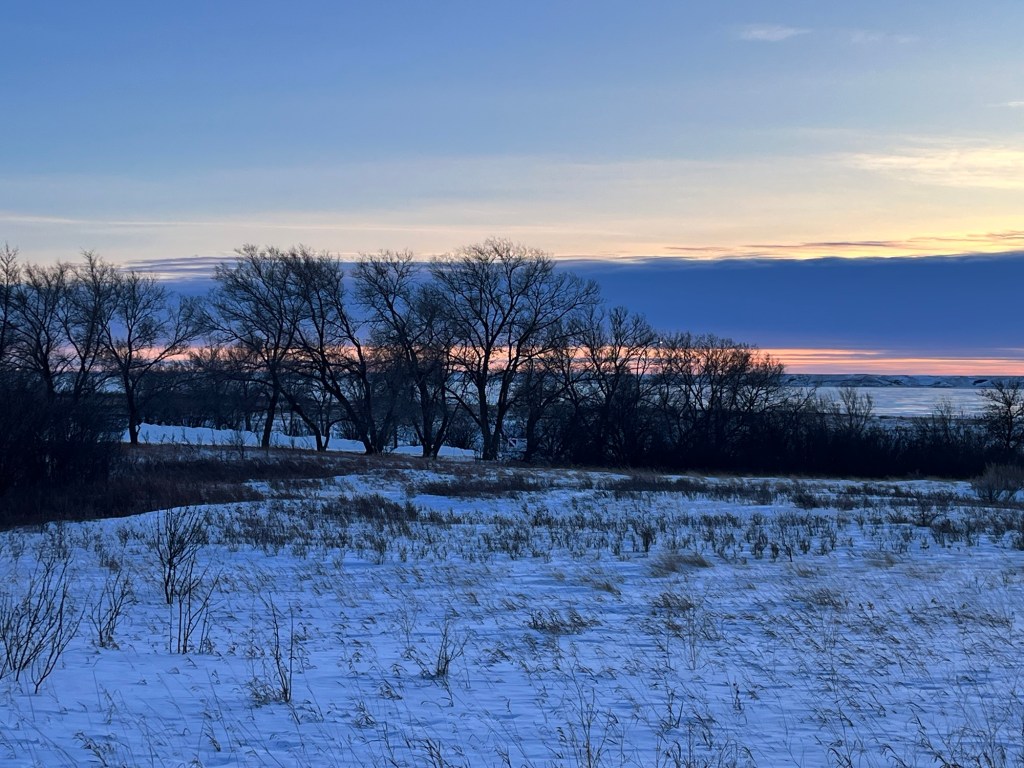
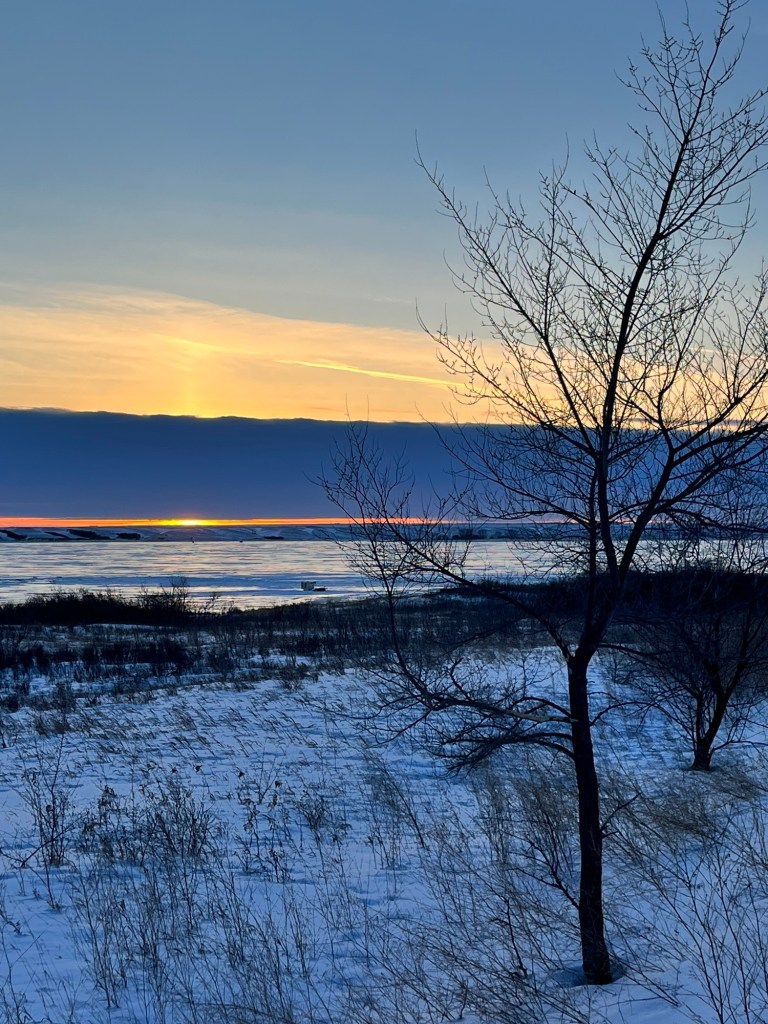
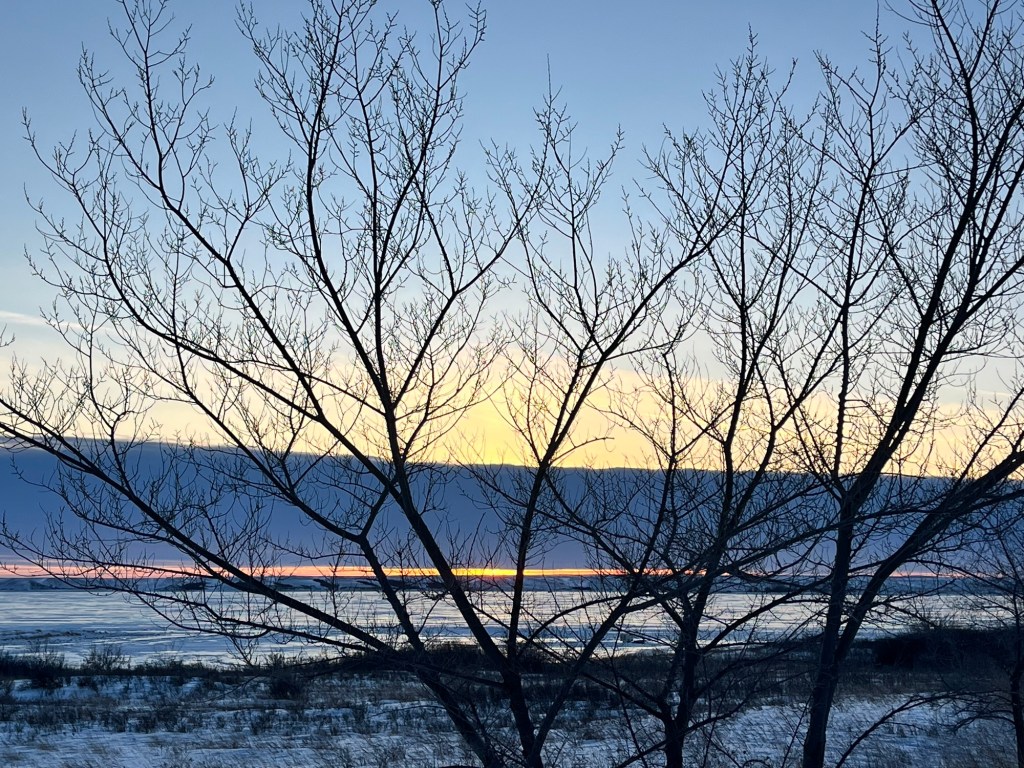
Opacarophile
(n) someone who finds deep comfort, solace and profound peace in sunsets

 SUNBEAM ACRES