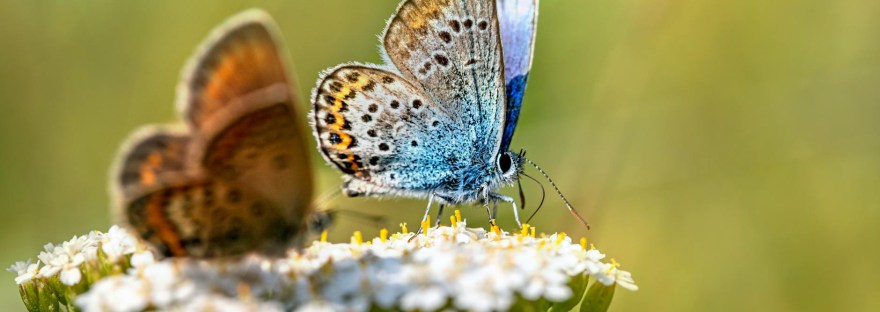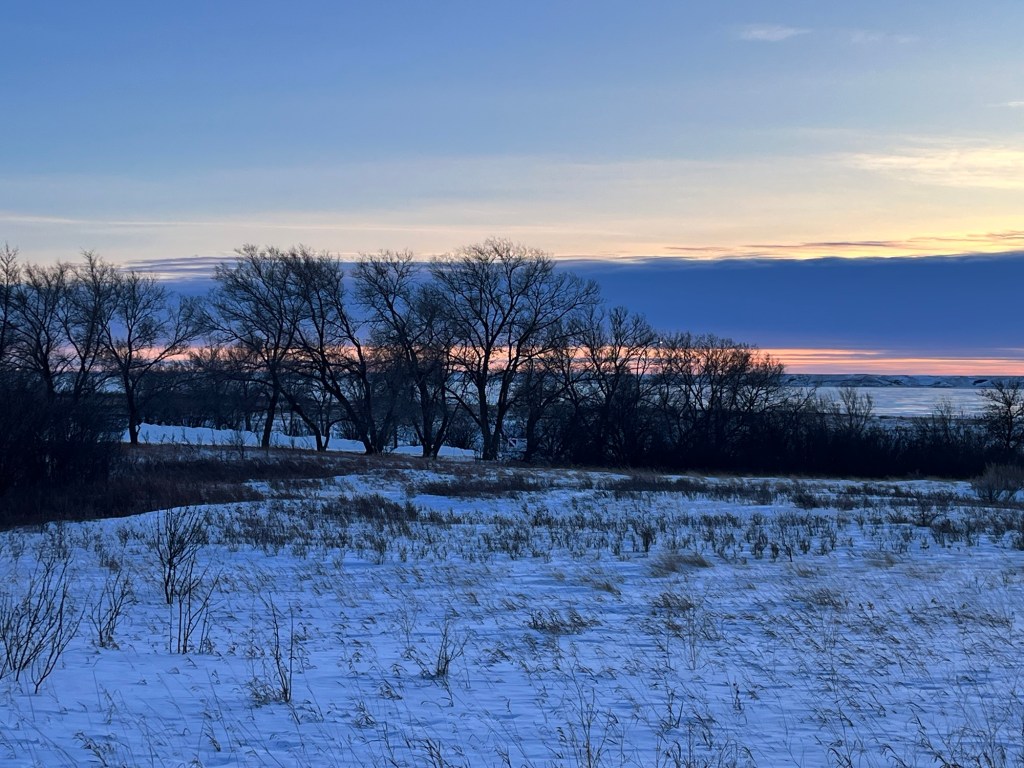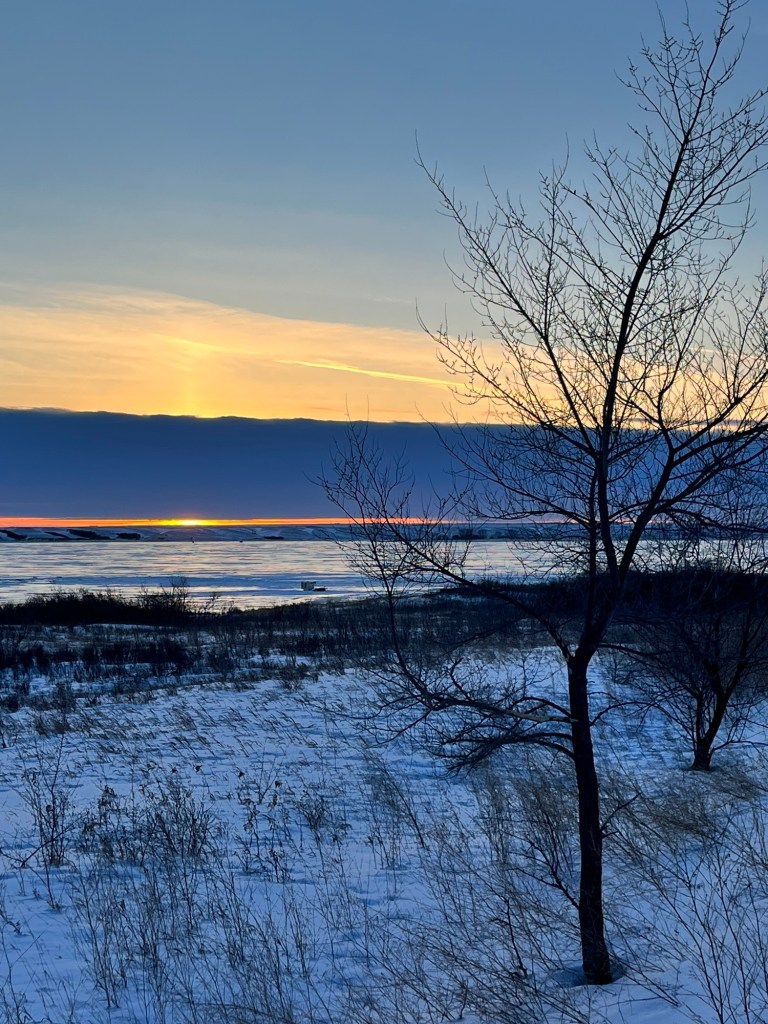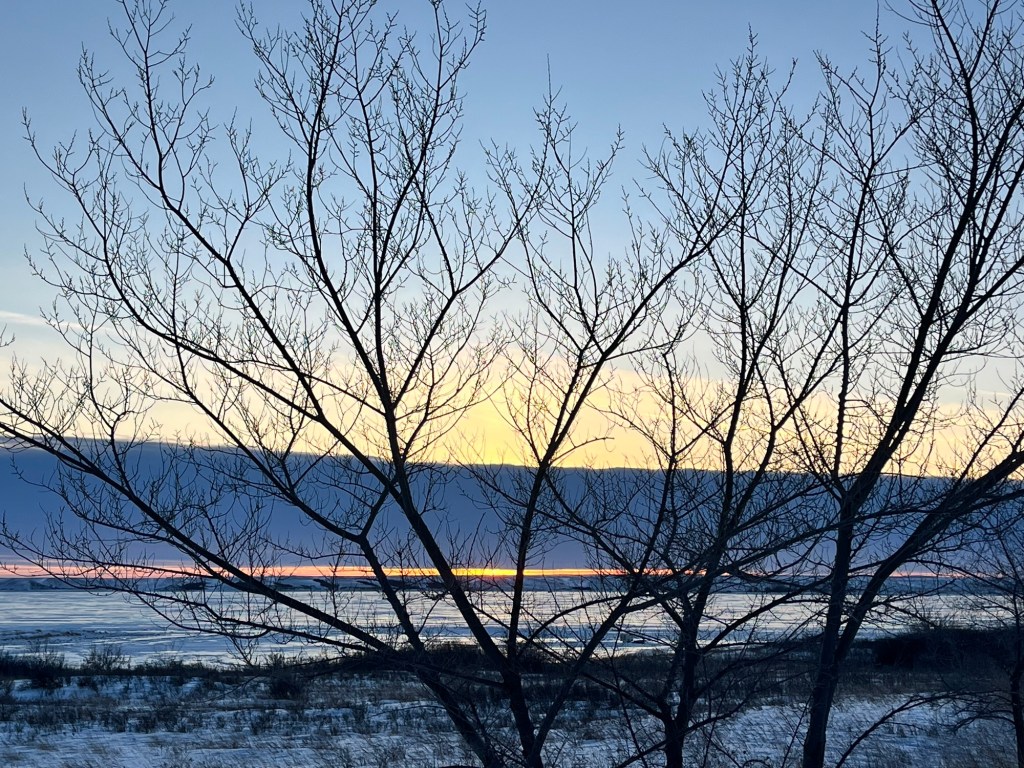

From Midlife Crisis to Midlife Chrysalis

That, perhaps, is the difference between a crisis and a chrysalis. One keeps us frozen in fear. The other slowly reshapes us.

Technically, Iโ€™m not even fully in my midlife years yet.

And yet my body arrived early to the party.

A complete hysterectomy fast-tracked me into conversations I thought I still had years to prepare for.

Ironically, some circles donโ€™t allow me in to the conversation because Iโ€™m โ€œfar too youngโ€ to know what menopause is.

It seems my reproductive system retired before society was emotionally prepared to handle it. Medically, I pass the test but I always get IDโ€™d at the door.

I was medically launched into menopause with all the glamorous perks.

Hot flashes. Joint pain. An increasingly fragile relationship with sleep. And the deeply humbling realization that apparently your underarms and mid range can become flabby despite hours of working out at the gym.

(Nothing prepares you for sneezing incorrectly in your 40s.)

My body has adopted the classic expired warranty strategy, catastrophic synchronized failure. Iโ€™ve entered the โ€˜everything squeaks, leaks, or spasms unexpectedlyโ€™ chapter of ownership. My body has moved beyond โ€˜minor repairsโ€™ and into โ€˜have you considered replacing the whole unit?โ€™ territory.

Which is why a phrase I recently heard on the podcast Hello Menopause! grabbed my attention.

โ€œMidlife chrysalis.โ€

Not midlife crisis. Midlife chrysalis.

The episode featured Chip Conley talking about reinvention, and I chose to listen to this episode because crisis sounds like collapse. Losing control. Becoming less.

Like panic bangs and plans to live โ€œoff-gridโ€ and taking up emotional support hobbies. Sourdough starter anyone?

But chrysalis?

That sounds like transformation.

Messy. Strange. Hidden. Uncomfortable. Necessary.

A chrysalis says. You are not falling apart. You are simply changing form.

I think many of us who have experienced chronic illness, disability, grief, loss, burnout, etc. arrive at this transformation long before the culture expects us to.

Some of us are forced into reinvention before we even finish becoming who we thought we would be.

The Crisis

Be patient toward all that is unsolved in your heart.

Rainer Maria Rilke

There absolutely was a crisis season.

Not just medically.

Existentially.

There is something disorienting about realizing your body is not going to cooperate with the original blueprint for your life.

You grieve things.

Energy. Ease. Predictability. The version of yourself who thought she could plan her future in permanent marker.

Iโ€™ve written before about the strange ache of living in a body that refuses to follow the original architectural plans. This season feels deeply connected to that journey. An All-Too-Familiar Tale in Misdiagnosed/ Underdiagnosed Female Chronic Pain: This Is My Story

Now I write my plans lightly in pencil.

Sometimes crayon. When I need a little more whimsy in my days.

There were years where survival became the main objective. Years where my nervous system felt like a shaken vending machine full of stress hormones. Years where I thought resilience meant pushing harder instead of listening deeper.

And then came the hysterectomy.

One of those dividing-line experiences where life becomes Before and After.

Before, I still secretly believed if I tried hard enough I might someday return to the old version of myself.
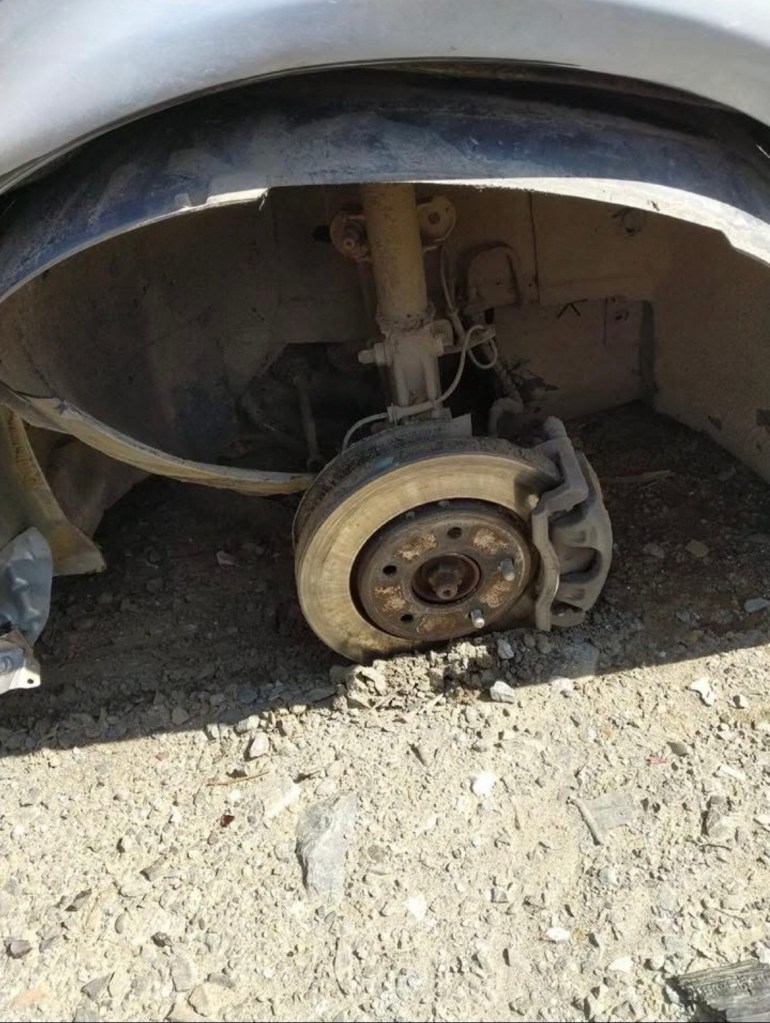
After, I slowly began realizing there may not be a way back. Emotional landslides and experiential cave-ins had blocked that passage way.

Forward and through became my only options. Through self-realizations. Humbling concessions. Constant negotiations between mind and body.

And maybe that is where the chrysalis begins.

The Chrysalis

And the day came when the risk to remain tight in a bud was more painful than the risk it took to blossom.

Anaรฏs Nin

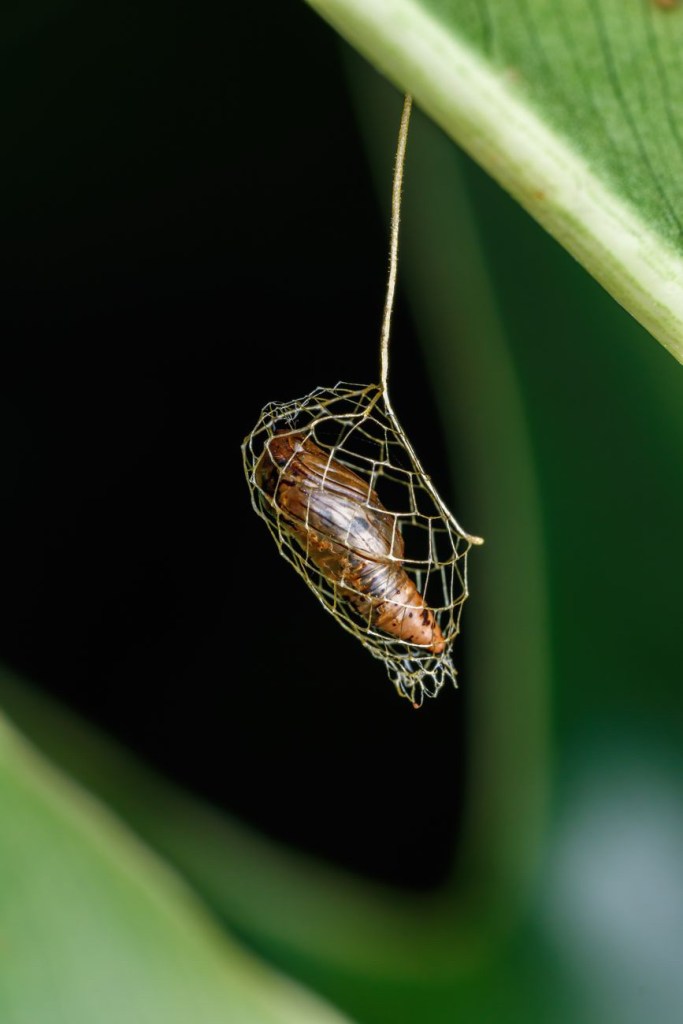
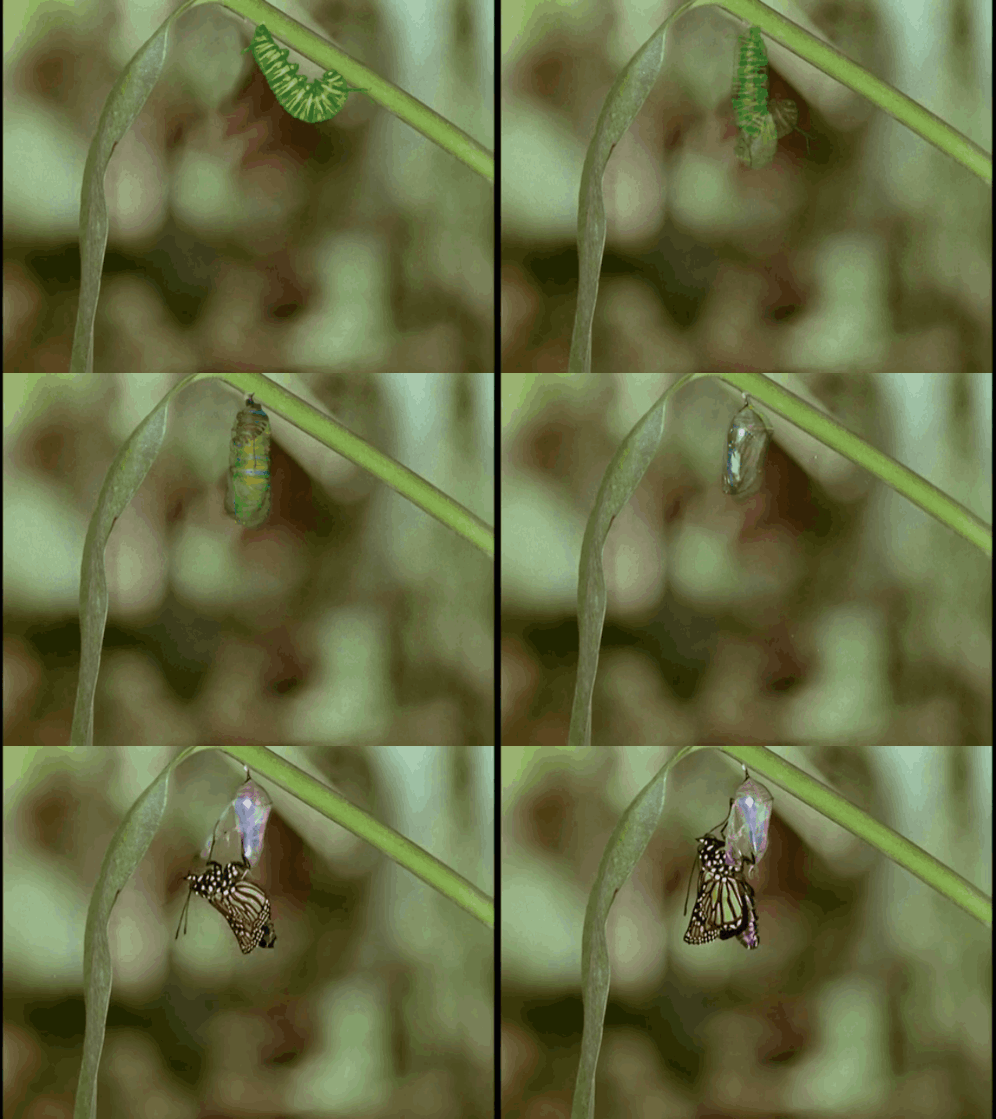
A chrysalis does not look impressive from the outside.

It looks still. Inactive. Even broken down.

But inside? An extraordinary reorganization is happening.

And I think thatโ€™s what midlife (or medically-induced midlife-adjacent existentialism) can become.

Not a crisis to survive. But a transformation to participate in. Whole-heartedly.

Chip Conley talked about how the first half of life is often about accumulation.

We gather. Relationships. Responsibilities. Possessions. Roles. Expectations. Obligations. Dreams that once fit.

And eventually we become emotionally overstuffed.

He described midlife as โ€œa great midlife edit.โ€

As I listened I considered the fact that chronic illness forces the edit whether you volunteer readily or not.

You simply cannot carry everything forever when your body already feels like itโ€™s carrying a weighted backpack full of loose cutlery.

At some point you must ask important questions.

  • What still fits?
  • What actually matters?
  • What has become lukewarm in my life?

Do you know what a lukewarm life looks like? One of the lines from the podcast,

Pouring out part of your tea allows you to pour some hot new tea into the cup.

Because some things are not meant to last forever. Not every friendship. Not every role. Not every expectation you once had for yourself.
And maybe releasing those things is not failure. Maybe itโ€™s pruning.

The forest understands this better than we do.

The Forest

One of the reasons forest therapy has become so meaningful to me is because the forest never panics about transformation.

Forest therapy has taught me that stillness is not the same thing as stagnation. Sometimes what appears dormant is actually becoming. I wrote more about that in this post, Nourish Your Nervous System: Forest Therapy Insights

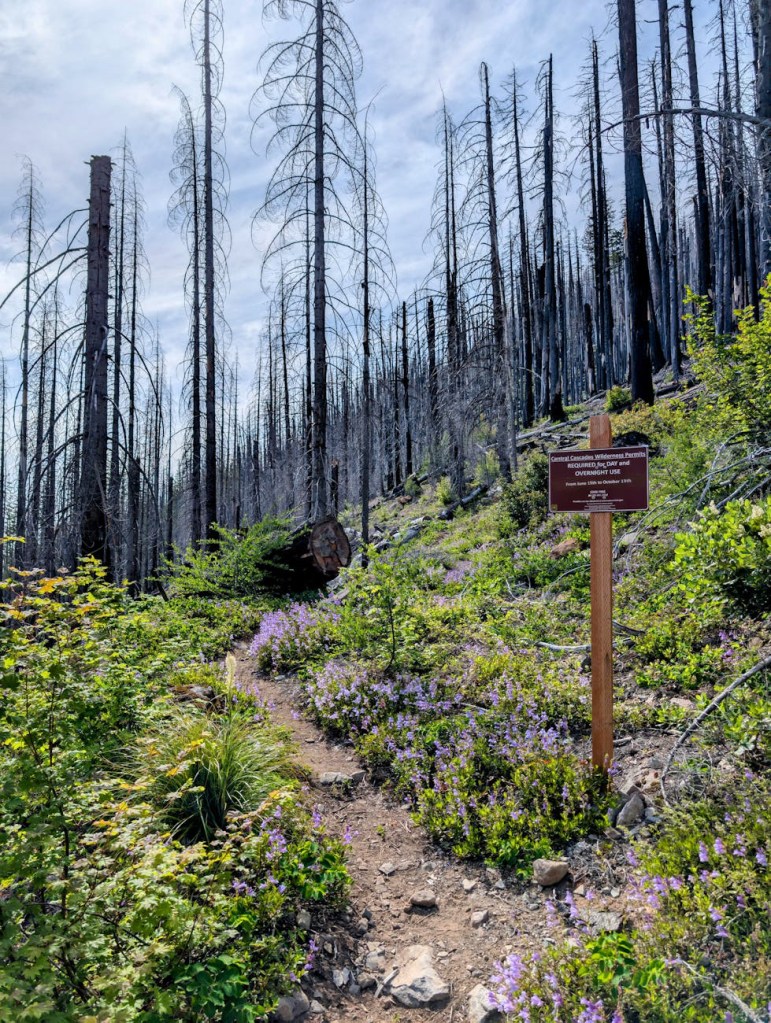
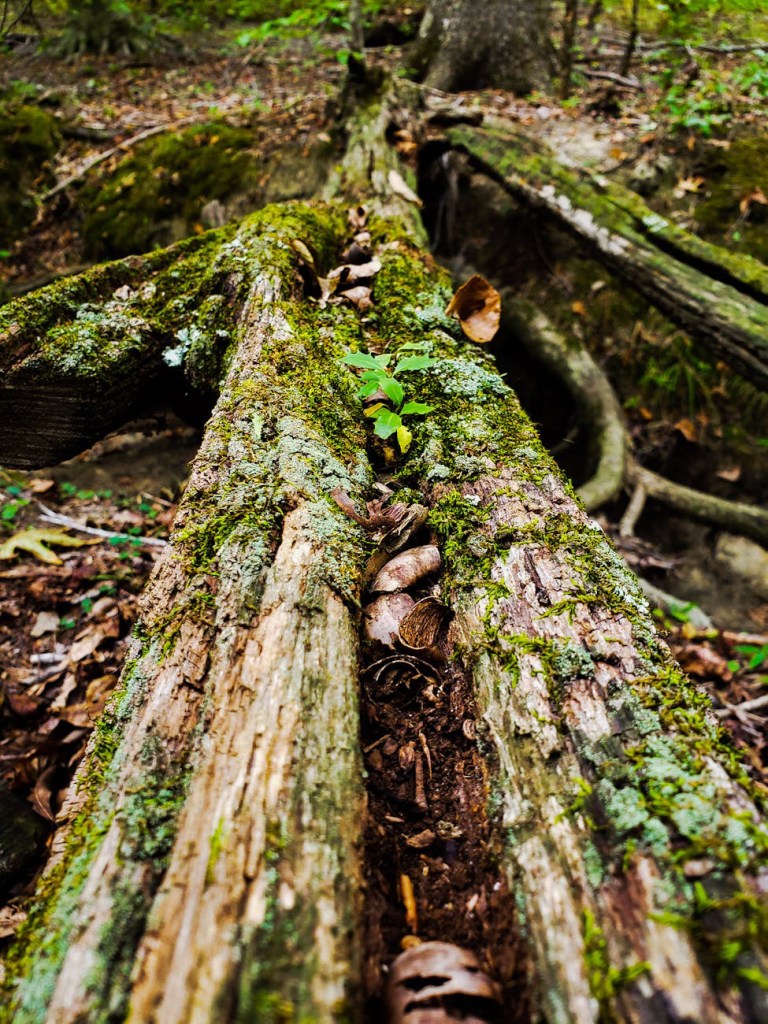
Deadfall becomes nourishment. Burned places grow new life. Trees release entire branches to survive harsh seasons. These changes that seem negative are essential to a healthy forest.

Humans also require those experiences that appear negative and are actually essential for a healthy life.

In the forest, decay and renewal, soft and hard, smooth and sharp are all happening simultaneously.

And honestly, that feels like midlife too.

Especially for those of us living in bodies that have known pain.

We have experienced days where tears of pain rolled down the left cheek while tears of joy rolled down the right.

We know how to hold grief and gratitude at the same time.

That depth changes a person.

We know what it is to laugh in waiting rooms. To find beauty in tiny victories. To feel gratitude and grief sharing the same chair.

I have learned that emotional pain cannot simply be numbed away the same way physical pain can. There is no ibuprofen for identity loss. No heating pad for disappointment. No prescription for becoming someone new.

And while suffering itself is not noble, I do think deep experiences deepen people.

My chronic comrades know this.

Pain can also make people bitter, stuck, isolated, hardened.

That, perhaps, is the difference between a crisis and a chrysalis. One keeps us frozen in fear. The other slowly reshapes us.

If we allow ourselves to learn from it. We can become more compassionate. Tender. Wise. Present. Better able to sit beside someone elseโ€™s suffering without looking away.

As they said in the podcast,

Our painful life lessons are the raw material for our future wisdom.

I believe that in my soul.

The Offering

Sometimes our culture subtly teaches that the people worth listening to are the successful ones. The polished ones. The credentialed ones. The endlessly productive ones

What can we do about this imbalance? If you ever deem somebody less than youโ€ฆ ask yourself what they can teach you.

Because some of the wisest people I know have had their lives interrupted.

Some had to abandon dreams they loved. Some never got the education they were capable of and deserved. Some are rebuilding lives with parts and pieces they never would have chosen.

And still. They carry wisdom.

Do not think less of yourself because your life required adaptation. You are not behind because your path bent unexpectedly.

Some of us have earned emotional depth the hard way.

And if you cannot live the exact life you once pictured?

Find something to run toward anyway.

Even if your pace looks different now. Even if you have to limp toward it some days. Even if your dream has changed shape entirely.

A chrysalis does not become what it originally was.

That is the whole point!

A Forest Therapy Invitation: Chrysalis Walk

The next time youโ€™re in a forest, park, or tree-lined path, try this:

Walk slowly and notice signs of transition.

  • What is decomposing?
  • What is emerging?
  • What is shedding?
  • What is adapting?
  • What still carries beauty despite visible damage?

Then ask yourself:

  • What version of myself am I grieving?
  • What no longer fits?
  • What wants to emerge now?
  • What if this season is transformation instead of failure?

You do not need immediate answers.

The forest is always becoming new. Slowly. Over time.

The Question

One question from the podcast we can all ask ourselves,

Ten years from now, what will I regret if I donโ€™t learn or do now?

Conley called anticipated regret a form of wisdom. Chronic illness teaches you that later is not guaranteed. Perfect timing is imaginary. And someday can become never surprisingly fast.

So maybe this chapter is not about trying to reclaim who we once were.

Maybe it is about becoming more fully ourselves.

Hot flashes.
Heating pads.
Existential growth.
And all.

What the caterpillar calls the end of the world, the master calls a butterfly.

Richard Bach

You Are a Success Story

My physiotherapist, โ€œJ,โ€ has been with me through it all.

She has seen me on some of my best days over the past 15 years of working with her.

  • The day I told her I was finally pregnant with the baby I had tried nearly a decade to conceive.
  • The day I said, โ€œIโ€™m running again.โ€ After years of pain making even the thought of it feel impossible. My body has approached physical activity like a suspicious cat approaches a cucumber in the past.
  • She heard me process the long, exhausting teenage years of push and pull with my oldest child. And then my second. Followed by my third. The painful years that felt like emotional whiplash and then she celebrated with me when they all graduated. She understood firmly the mentality of, We did it! On each occasion.
  • She walked alongside me through buying and selling homes.
  • When Kenzie got engaged. Jamie transitioned. Riley moved in with his girlfriend.
  • When all three times I found out I was going to be a grandma, she was one of the first people to know.
  • When I started a forest therapy business and dared to believe healing could become something I offered others.

She has witnessed joy. Growth. Milestones.

We have laughed together as I walked around in a body that behaved like itโ€™s been assembled from spare parts with vague instructions and one missing screw.

Proof that life can still bloom in hard soil.

And she has also sat with me on some of my worst days.

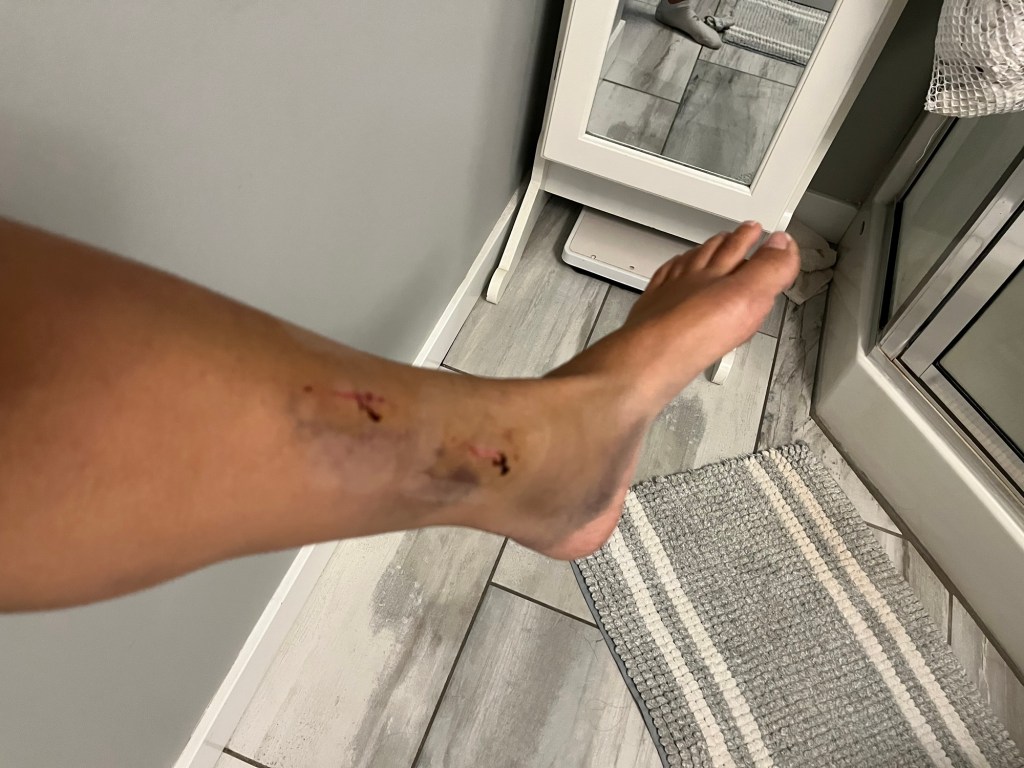
  • The day I fell off a boat and we both knew recovery would not be quick.
  • The years I fought to be taken seriously by medical professionals before finally getting the MRI that revealed my bone spur. Disappointing specialist appointments. Medical gaslighting.
  • Family job losses.
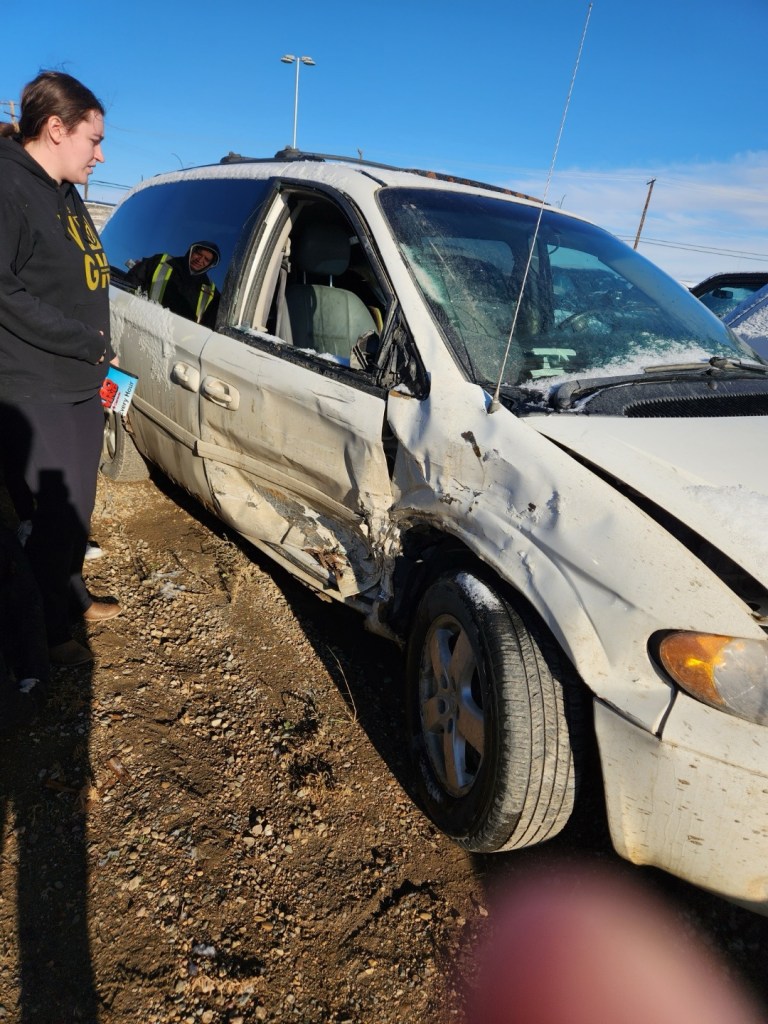
  • Kids in car crashes.
  • The miscarriage of the baby I had fought so hard to conceive. She cried with me that day. And the day I told her I was going ahead with the hysterectomy that closed that door entirely. We were so hopeful that would help my overall health.
  • Surgeries that did not go well.
  • The passing of dear friends.
  • The painful decision to close my business and then Brentโ€™s and eventually to stop working.
  • Leaving the farm and grieving all that move represented. She understood, sheโ€™s a farm girl.
  • And the appointment Christmas Eve where she examined me and realized something was deeply wrong. I had almost no muscle mass. I was so weak and felt so broken, useless, a waste of skin.

I could write pages about what J and I have discussed over the years. At some point, she became more than someone treating my body. She became someone quietly witnessing my life story unfold.

The size of my kids when I started seeing J
The size of my kids today.

And then one ordinary appointment changed how I saw myself.
It started like any other. I explained where the pain was. What had shifted in my workouts. What stress was doing to my body. What daily life had looked like since we last met.

She examined me, worked through familiar areas of tension, and after a moment of silence she said something I think applies to all my chronic comrades:

โ€œYouโ€™re a success story. Do you know that?โ€

My first instinct is always to deflect a compliment.

I think you have me confused with someone whose joints arenโ€™t held together by determination and prayer alone.

But it felt true. It felt like the most true diagnosis Iโ€™d ever been given.

She continued, (and I want you to see yourself in this,)

When you look at where youโ€™ve been on your lowest days and where you are now. This is a success story.

You could have closed the doors on life. Stayed in bed. Turned inward. Leaned into fear of the future. You could choose to live frustrated and depressed. White-knuckling your way through existence.

But instead, you keep rebuilding. You keep getting stronger. No matter what knocks you down, you come back.

Like one of those punching balloons from childhood. The ones you smack into the floor and somehow they pop right back up, mildly annoying and aggressively optimistic.

I have a core memory of my cousinโ€™s party. They had one of those balloons in the backyard. As I played with it I wondered what was inside that made it keep popping up.

If resilience had a mascot, I might nominate a half-inflated punching balloon and a woman with heating pads.

J was right though. Thatโ€™s me. Thatโ€™s you.

What is it thatโ€™s inside us that keeps us popping up, time after time?

Not graceful. Not elegant. Occasionally leaking air. But still coming back up.

Again. And again. And again.

J encouraged me to start writing it down. My story. To let others read it. And that is where this blog began.

A success story, heavily disguised as a challenging life story.

Chronic Pain Does Not Stay in One Box

If you live with chronic pain, you understand this. Pain does not politely stay in your shoulder. Or your spine. Or your hips. Or your joints.

It leaks. It spreads.

It enters your sleep, your patience, your relationships, your finances, your confidence, your work, your parenting, and your identity.

It is never just physical.

The dis-ease spreads just like disease. Not because we are weak. But because pain is invasive.

Scars are not signs of weakness, they are signs of survival.

Yet many people living with chronic pain quietly continue. They raise children. Show up to work. Try to exercise. Cook supper. Pay bills. Care for aging parents. Smile through appointments (and cry after.) Fold laundry while wondering why their body feels like it was assembled by a distracted Ikea employee.

And stillโ€ฆ they continue.

That is not failure. That is resilience. That is success.

Rock bottom became the solid foundation on which I rebuilt my life.

JK Rowling

The Exhaustion of Not Being Believed

One of the hardest parts of chronic pain is not always the pain itself. Sometimes it is the disbelief. Unfortunately, this can include close family members. Friends. Employers.


And yes, medical professionals.

When symptoms are invisible, people often assume they are exaggerated. If scans are unclear, they question your tolerance. If you โ€œlook fine,โ€ they assume you must be fine.

And so many of us become defenders. Explainers. Evidence gatherers.

Trying desperately to prove that our pain is real. Trying to earn validation. Trying to convince others that suffering exists even when they cannot see it.

But constant defense is exhausting.

As Dallin H. Oaks said:

When attacked by error, truth is better served by silence than by a bad argument.

That quote hit me.

We do not need to defend ourselves from every misunderstanding. Not every person deserves access to our explanations. Not every accusation needs a rebuttal. Not every skeptical glance deserves our emotional energy.

There is a time to inform. And there is a time to walk away.

Never wrestle with pigs. You both get dirty and the pig likes it.

George Bernard Shaw

Silence is not surrender. Sometimes silence is strength. Sometimes it is peace. Sometimes it is refusing to spend precious energy proving your pain to people committed to misunderstanding it.

Do not explain. Your friends do not need it, and your enemies will not believe you.

Elbert Hubbard

You Are a Success Story Too

If you live with chronic pain and still carry onโ€ฆ

You are a success story.

If youโ€™ve had to explain your pain as a weird hip or angry neck. Here is your medal in interpretive medicine ๐Ÿ…โ€ฆ

And you are a success story.

If, like my friend described it, you have been blindsided at a medical appointment and you keep seeking your answersโ€ฆ

You are a success story.

If you got out of bed today and every day, despite exhaustionโ€ฆ

You are a success story.

If you parent through painโ€ฆ

You are a success story.

If you grieve what your body once was while still learning to care for the body you have nowโ€ฆ

You are a success story.

If you feel misunderstood. Lesser. Frustrated. Invisible. You are still a success story.

Do not let anyone take that from you.

You never know how strong you are until being strong is your only choice.

Bob Marley

A Forest Therapy Practice: Seeing Yourself in the Landscape

One of the most grounding practices I return to comes from forest therapy.

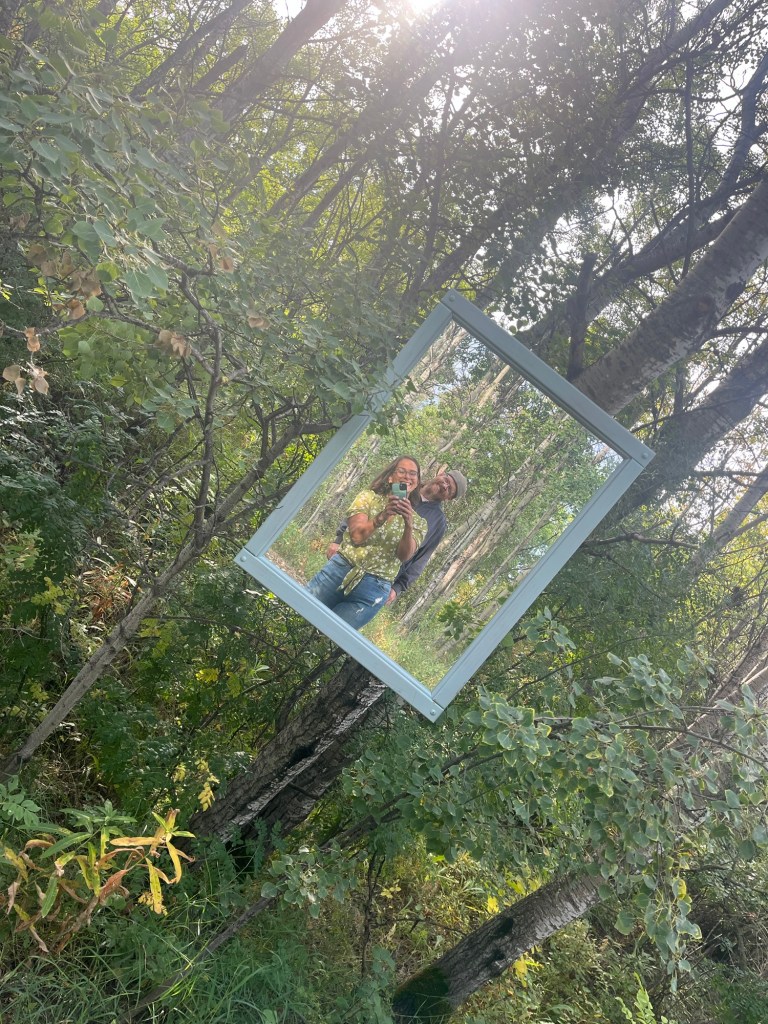
Take a small mirror with you into nature.

Stand among trees.

Or beneath open sky.

Hold the mirror so your reflection appears framed by branches, clouds, leaves, or light.

Look at yourself. Really look. See your face inside the larger landscape. Notice how you are not separate from nature. You belong here too.

Then ask yourself:

Where was I a year ago?

What have I survived?

How far have I come?

What strength still exists in me?

Appreciate where you are now. Not because healing is complete. But because progress deserves to be witnessed. And because you still have what it takes to continue.

Rivers donโ€™t apologize for moving slowly at some points on their path.

Seasons do not shame themselves for resting.

Maybe we shouldnโ€™t either.

My Success Story Is Still Being Written

I used to think success had to look polished. Strong. Linear. Easy to explain. Now I know better.

Sometimes success looks like rebuilding muscle. Sometimes it looks like surviving grief. Sometimes it looks like asking for help. Sometimes it looks like walking instead of running. Sometimes it looks like closing one chapter when life forces your hand. Sometimes it looks like bouncing back up like an emotionally exhausted inflatable clown with stubborn determination.

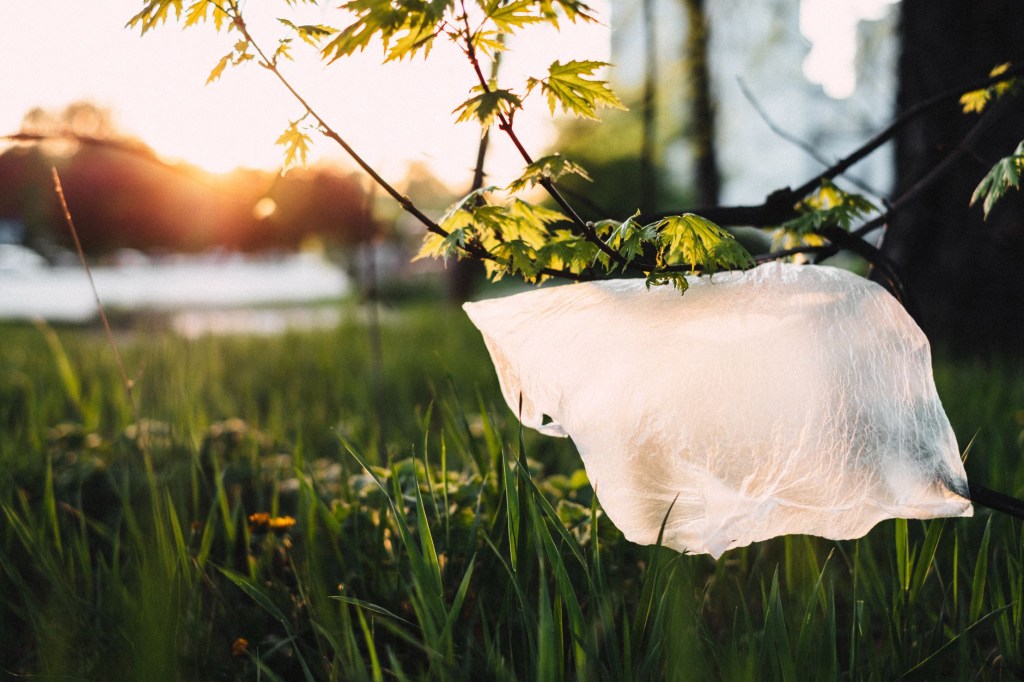
I have bounced back like a plastic bag caught in a prairie wind.

Messy. Crooked. Still rising. Still trying.

And maybe that is enough.

Actually

Maybe that is extraordinary.

You are a success story.

If pain has tried to rewrite your life and you still continueโ€ฆ

๐Ÿซต You are a success story.

And donโ€™t you forget it. ๐Ÿ˜‰

Healing from Burnout: Lessons from Forest Therapy

A forest therapy reflection on burnout, surrender, and learning to live gently inside your own life.

There was a period of time where my nervous system was running entirely on stress and outrage. I was carrying so much tension I could feel it humming beneath my skin. I wore it like an armour.

I was teaching piano almost full time.
Helping my children survive school systems that did not know how to support kids with ADHD.
Trying to advocate for a child who had endured years of bullying only to be treated like he was the problem once he finally reacted.

There were meetings. Emails. Phone calls. Policies. Assessments. Endless explanations.

And somewhere in there, I was also managing a farm, a household, meal planning, grocery shopping, appointments, chronic pain, surgeries, inflammation, and a body that kept submitting maintenance requests I could no longer ignore. Sound familiar?

Outer chaos eventually becomes inner weather.

Then there was the car.

Oh, the car.

Marketed as โ€œoff-road capable,โ€ apparently as long as your idea of off-roading was driving over a decorative gravel patch at a golf resort once annually.

When our Saskatchewan roads started dismantling it piece by piece, we were informed it wasnโ€™t actually built for daily gravel roads. Then every winter the same part broke because it apparently also wasnโ€™t designed forโ€ฆ winter?

I remember thinking, Well neither am I, but you donโ€™t see me breaking down.

(foreshadowing ๐Ÿ˜ณ)

This felt a little too intentional of a design flaw for something sold in Saskatchewan.

At the time, I was angry at everything.

The educational system.
The medical system.
The government.
Corporations.
World events.
Every injustice.
Every failure.
Every person who made life harder than it needed to be.

And underneath all of it was one desperate belief:

If I fight hard enough, maybe I can force the world to become safe.

So I fought.

And every phone call tightened my muscles more.
Every conflict wound my nervous system tighter.
Every injustice became another brick in the emotional dam I was trying to hold together.

Even now, writing about it, I can feel traces of that tension in my body.

My nerves were tight.
My jaw was tight.
My shoulders were tight.
My thoughts were tight.

My energy felt dark and electric and sharp. Warnings were everywhere:

Do Not Touch: Load Bearing Delusions Ahead.

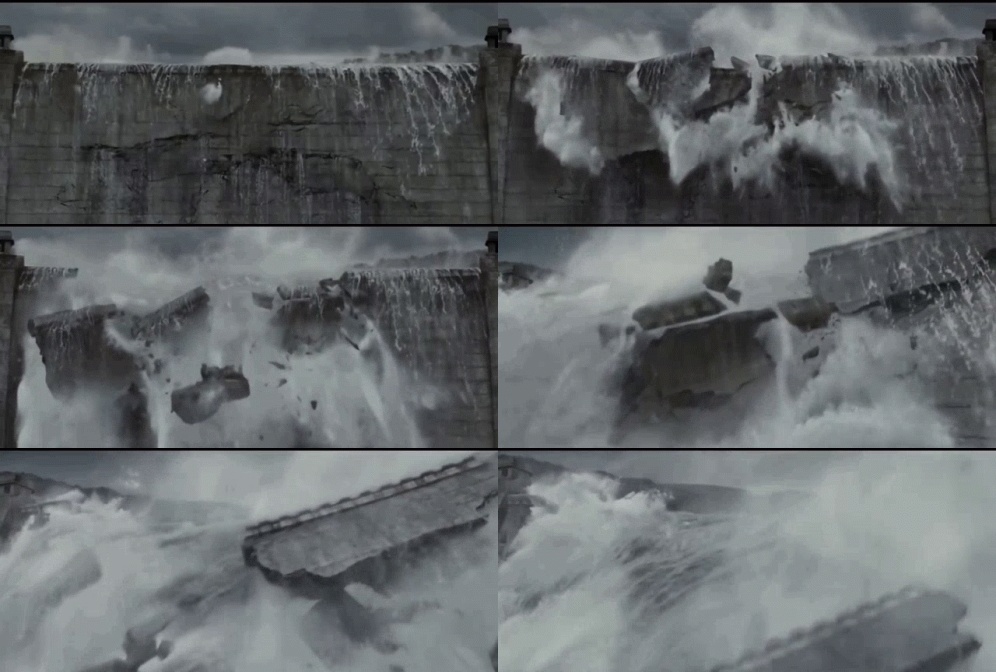
Eventually, the dam broke.

Not in some poetic, graceful collapse.
More like a nervous system mutiny. Everything in my body was operating like an emergency broadcast system.

Everything I had stuffed down flooded upward at once:
bad information, bad coping, bad core beliefs, fear, grief, anger, exhaustion.

It was physically excruciating. I’d been on my last straw for like 300 straws, and finally I ran out of straws.

After the initial effects subsided, I remember lying in bed unable to function. A puddle of a human being. All the fight inside me still existed but now it lived in a body that couldnโ€™t move and a brain that couldnโ€™t think.

I didnโ€™t know it at the time but this would become my new beginning.

You can’t go back and change the beginning, but you can start where you are and change the ending.

-C S Lewis


Echoes of Stillness in the Forest

Nature welcomes us before we are healed.

John Burroughs

One of the greatest gifts forest therapy gave me was this:

Nature does not spend its energy resisting its own seasons.

The forest does not panic because decay exists beside growth.

Yet so many women live as though rest is failure.

We push through pain.
Push through exhaustion.
Push through grief.
Push through our intuition.
Push through limits our bodies are desperately trying to communicate.

We fight every battle. Carry every burden. Solve every crisis.

And then we wonder why we are chronically exhausted, inflamed, anxious, disconnected, and burned out.

I see it everywhere.

Women who are always tired.
Always hurting.
Always โ€œfine.โ€
Always one more obligation away from collapse.

Forest therapy taught me something radical.

Stillness is not laziness.
Stillness is regulation.

Outer stillness creates the conditions for inner calm.

Not because the world becomes peaceful.
But because you stop feeding every storm.


A Forest Therapy Practice: The Sit Spot

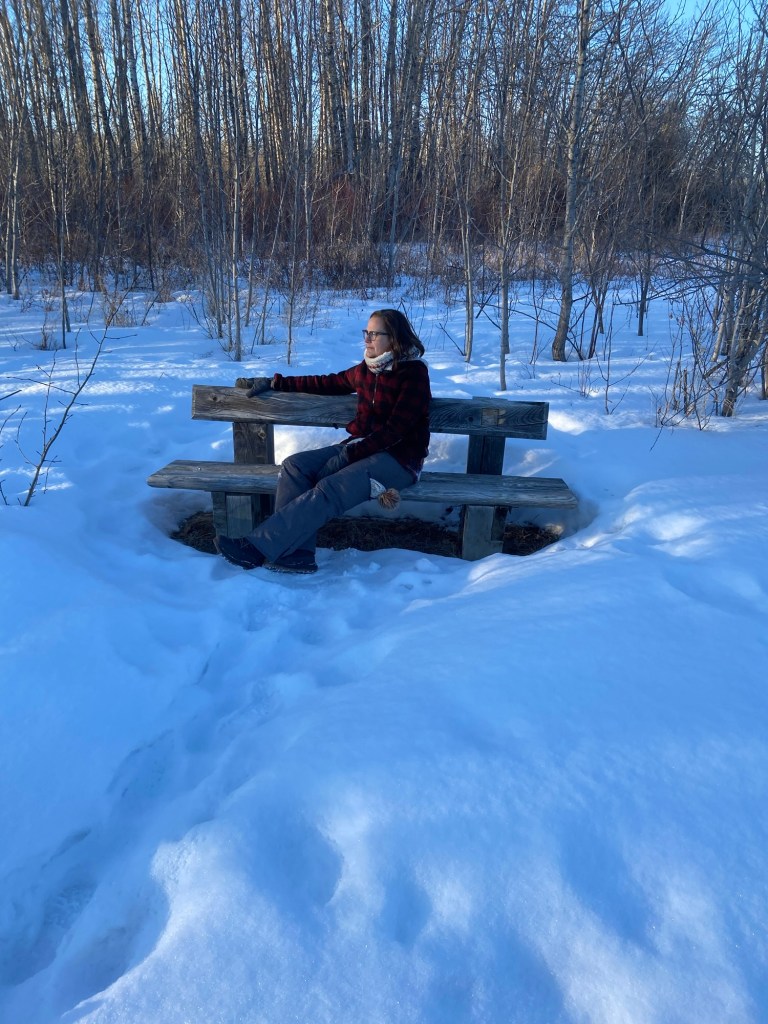
One of the simplest and most powerful forest therapy practices is called a sit spot.

You choose one place outdoors and return to it regularly.

Thatโ€™s it.

No performance.
No hiking goals.
No fitness tracker congratulating you for elevated heart rates.
No optimizing your experience into a competitive sport.

Your only job is to sit and notice.

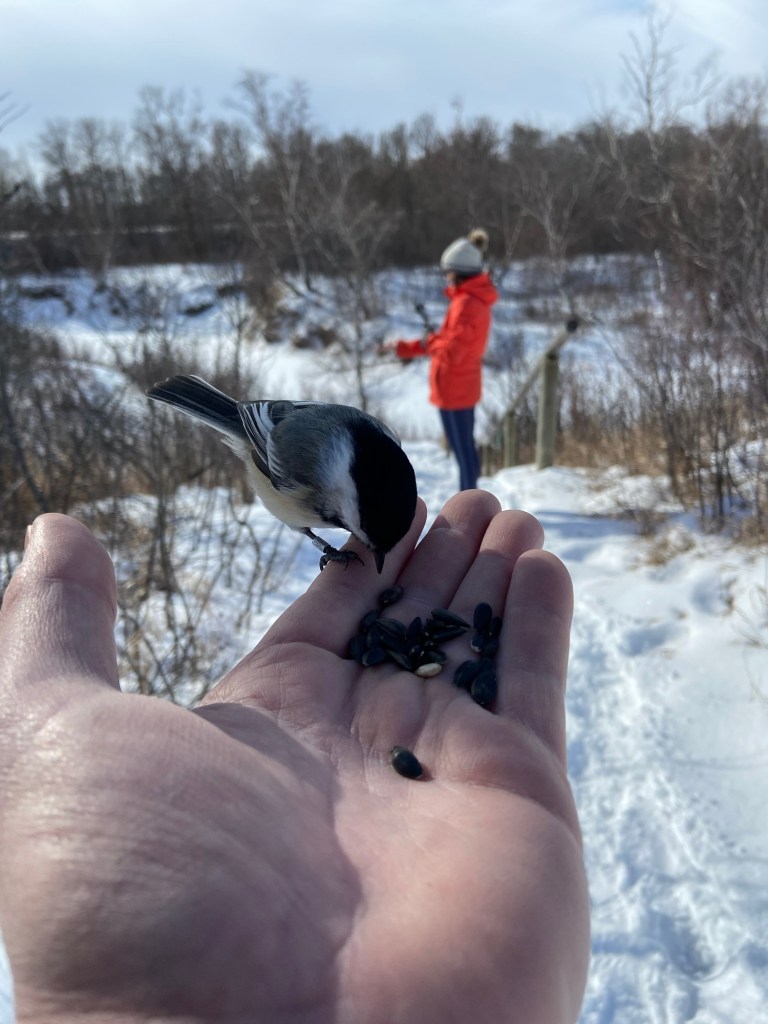
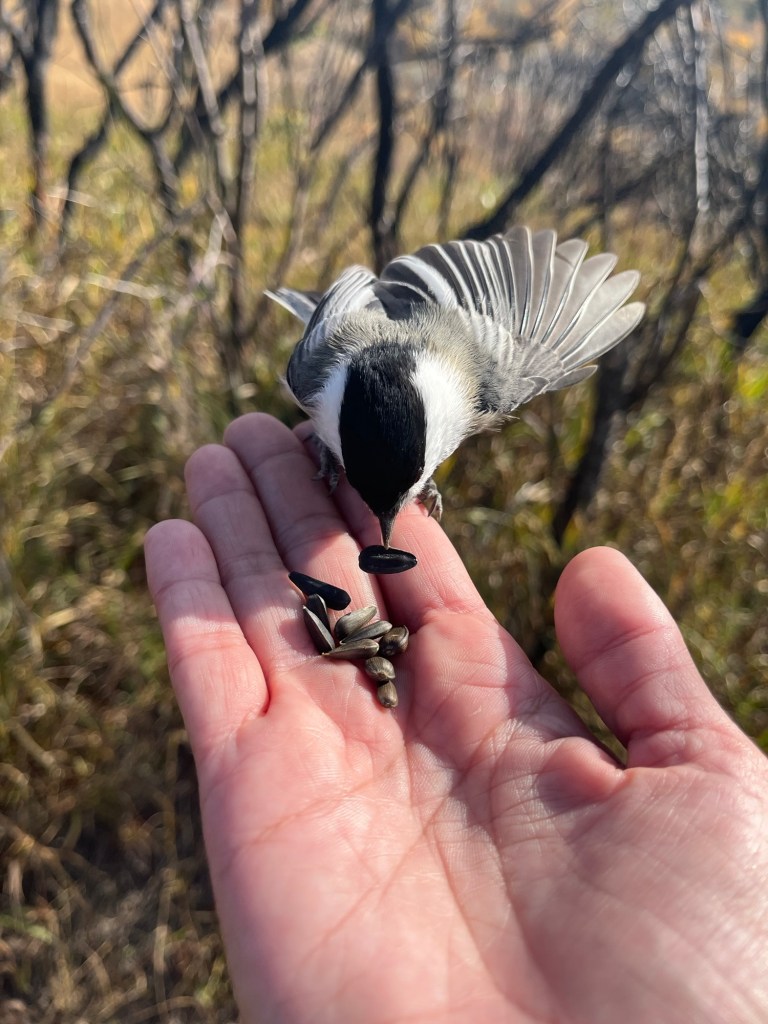
(The chickadees remain unimpressed by productivity culture)

How To Practice

Find a place outdoors where you feel safe and comfortable.

A forest trail.
A park bench.
A tree in your yard.

Then:

  • Sit quietly for 10โ€“20 minutes.
  • Notice what moves and what remains still.
  • Listen farther away than you normally do.
  • Feel where your body touches the earth or chair.
  • Allow your nervous system to settle before asking anything of yourself.

You do not need to โ€œachieveโ€ calm.

The forest does not demand that from you.

It simply offers regulation through rhythm, repetition, sensory softness, and presence.

Over time, your body begins remembering something it forgot. It does not have to remain in survival mode forever.


From Fighting Everything To Tending Something

It has taken me years to pare down my list of fights to zero.

Not because I stopped caring.

But because I realized anger was consuming the very life I was trying to protect.

Now, instead of fighting constantly, I create spaces of calm.

I meditate.
I practice energy work.
I use affirmations.
I spend time in the forest like it is medicine because for me, it is.

Despite the chaos that can still exist around me, I guard my energy carefully.

From this space, I choose where I can genuinely be of service.

I try to listen when my body whispers instead of waiting until it screams through symptoms.
I create rituals that bring me back to myself when I wander too far into fear or overwhelm.
I practice gratitude daily because gratitude softens the nervous systemโ€™s constant scanning for danger.

And when concerns arise, I do my best to voice them clearly and compassionately.

Then I let them go.

Not because they do not matter.
But because I matter too.


There Is Possibility Everywhere

Norman Vincent Peale once said:

Become a possibilitarian. No matter how dark things seem to be or actually are, raise your sights and see possibilities. Always see them, for theyโ€™re always there.

Forest therapy helped me understand this deeply.

Possibility exists everywhere in nature.

A burned forest regenerates.
A fallen tree becomes nourishment.
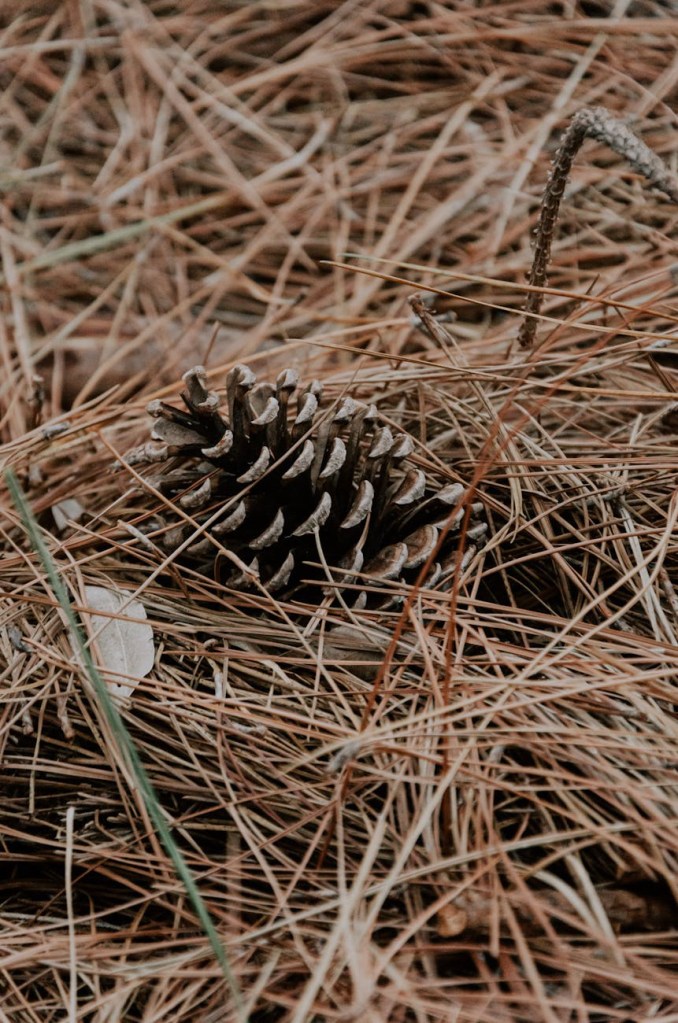
A cracked open pinecone releases seeds.
Life keeps finding ways forward.

And humans can too.

Not always by forcing harder.
Sometimes by softening enough to notice another path entirely.


What Makes A Good Life

Thereโ€™s a quote from Donald Miller that has stayed with me for years. In it, he imagines sitting with God under a tree outside heaven, remembering the story of his life together.

And what moves me most is this idea:

That God would have favourite parts of our story.

Not just the successful moments.
But the moments we grew.
The moments we softened.
The moments we overcame.
The moments we kept loving despite pain.

The moments we learned how to become fully human.

To me, this is what a good life looks like.

Not a perfectly optimized one.
Not one where we won every fight.
Not one where we proved ourselves endlessly useful.

But one we could sit down and talk about with tenderness.

A life where our soul is no longer thirsty.

A meaningful life is not built through perfection but presence.

John Oโ€™Donohue


Turning Pain Toward Purpose

People tell me itโ€™s wonderful that Iโ€™ve turned my pain into something useful or helpful. And I appreciate the kindness in that.

But honestly, sometimes purpose looks less glamorous than people imagine.

Sometimes itโ€™s simply this:

If you do it wrong, you know how to tell somebody else what to avoid. If I walk into an invisible wall, I’m going to let others know about it. This wall is invisible and solid!

If I can help someone avoid walking into walls or burning themselves to the ground trying to hold up the entire world, then my pain served a purpose.

If I can help another woman understand that rest is not weaknessโ€ฆ
that stillness is healingโ€ฆ
that her nervous system deserves gentlenessโ€ฆ
that she is allowed to stop fighting every battleโ€ฆ

Then maybe this story matters.


An Invitation To The Forest

So if you are exhaustedโ€ฆ

If your body hurts all the timeโ€ฆ
If your mind never stops spinningโ€ฆ
If your nervous system is tight as a fence wire in January…

Come to the forest.

Not to fix yourself.
Not to become more productive.

Just come back to being human.

The forest remembers how.

And slowly, patiently, you may remember too.

Feeling It All: Big Emotions, Chronic Pain, and Finding Your Ground in the Forest

Thereโ€™s a moment. Itโ€™s often quiet, sometimes overwhelming. When emotion first arrives in the body.

It might feel like a tightening in the chest. A wave of heat. A heaviness behind the eyes. A sudden drop in the stomach.

Something Iโ€™m learning? When this happens, nothing has gone wrong. My body is simply giving me information.

Experiencing big emotions is not a failure of regulation, character, or strength. It is part of being human.

Especially for those living with chronic pain, where the body is already speaking loudly, emotions often arrive amplified and harder to ignore, harder to name, harder to hold.

But after that first signal comes something powerful.

Choice.

Not whether you feel the emotion. But how you respond to it.

As Daniel Chidiac teaches, Not every emotion needs a reactionโ€”but every emotion deserves acknowledgment.

โธป

The Story We Tell After the Feeling

On the Better Than Happy podcast, Jody Moore offers a perspective that can feel both freeing and confronting.

Anger is optional. 

Disappointment is optional.

Embarrassment is optional.

Humiliation is optional.

Not because we can simply turn emotions off. But because these emotions are often shaped by the meaning we assign to our experiences. Have you experienced any of the following?
  • You have been dismissed by a medical professional, again. 
  • You didnโ€™t reach the goal.
  • Someone saw you struggle.
  • Something didnโ€™t go as planned.

Those are just events. Although they feel huge in the moment. 

Disappointment enters when the mind adds the story.

โ€œThis means something is wrong with me.โ€

Embarrassment grows when the thoughts spiral into shame.

โ€œThey must be judging me.โ€

โ€œI look foolish.โ€

โ€œI am foolish.โ€

And hereโ€™s the important nuance.

These emotions are optional. But not wrong.

Youโ€™re allowed to feel them. Youโ€™re also allowed to question them.

The feeling is real. The story is optional

John Delony

โธป

A Simple Task: A Heavy Story

Hereโ€™s how that looks in my life. 

I set out to do a little spring cleaning.

Nothing ambitious. Just a smidgen at a time. Slow and steady. The way Iโ€™ve learned my body needs things to be. Experience has taught me that enthusiasm and capacity are not the same thing.

But then life showed up.

The everyday mess. The dishes. The door in my room that was in desperate need of a good wipe down. The quiet realization that I couldnโ€™t do both.

I had to choose. My body, which had just clocked in was now requesting a lunch break.

And then the grandkids came to โ€œhelp.โ€ Which, as you can imagine, added more chaos than progress. At this point the mess was winning. And multiplying.

The vacuum stopped working. My arms started to burn.

And just like that, the thoughts came rushing in.

Iโ€™ll never catch up.

My house will always feel like this.

Why canโ€™t I just keep up like everyone else?

Because, obviously, one unfinished chore means a lifetime of failure. ๐Ÿ˜ฃ

I could see it happening, the spiral. I wasnโ€™t unaware.

But stopping it? That took effort. A surprising amount of effort.

Excuse me while I parent my dramatic inner narrator.

Because even as part of me recognized what was happening, another part was pushing me harder.

Just keep going.

Finish what you started.

If you donโ€™t do it now, it will never get done.

False. What was actually true was much simpler and much harder to accept in the moment.

I was tired. I was in pain. I needed to stop. 

My body wasnโ€™t failing me. It was asking me to listen.

And the real choice in that moment wasnโ€™t about dishes or doors.

But this.

Do I keep pushing to meet an expectation I set for myselfโ€ฆ or do I take care of myself?

Eventually, I chose to stop.

Not because everything was done. But because I was.

And that shift didnโ€™t magically clean my house. But it did something more important. It brought me back to myself and my priorities.

โ€”โ€” 

Chronic Pain and Emotional Amplification

Pain is loud. But it is not the only voice.

Liz Newman 

If you live with chronic pain, this truth lands differently. (You might also find this helpful -> How Forest Therapy Can Transform Your Pain Experience)

Because your nervous system is already working overtime. Because your body has taught you that signals matter and often signal threat. ( If you want to learn how forest therapy supports the nervous system, check this out -> Mending Your Nervous System With Forest Therapy)

Pain doesnโ€™t just exist in isolation. It interacts with emotion, memory, and meaning.

A flare-up can quickly become:

โ€œIโ€™ll never get better.โ€

โ€œMy body is failing me.โ€

โ€œI canโ€™t live the life I want.โ€

This is where emotional dysregulation can take hold, much like how Brenรฉ Brown describes it:

Being overwhelmed by feelings that are hard to name and contain, driving behaviors and thinking that donโ€™t align with who we want to be.

And suddenly, weโ€™re not just in pain.

Weโ€™re in a story about what that pain means.

Your body speaks in sensation. Your mind speaks in meaning. Learn to tell the difference.

Deb Shapiro 

โธป

Disconnection: When the Body Becomes Unfamiliar

Brenรฉ Brown shares a powerful story about recovering from injury and trying to engage muscles that simply wouldnโ€™t respond. Her therapist kept reminding her to โ€œfind your ground.โ€

But she couldnโ€™t feel it. She couldnโ€™t even find her lats. 

She was using her body while being disconnected from it.

That disembodiment, that moving without understanding, existing without connection, is deeply familiar for those with chronic pain.

You expect your body to respond one way. It betrays your expectations. Every time.

And over time, many people stop listening to their bodies with curiosity and start bracing against them with resistance.

Until one simple but profound instruction emerges.

Find your ground.

Not just physically. Energetically. Emotionally. Spiritually.

If youโ€™re trying to find your way back to yourself, back into your body, the answer isnโ€™t usually one big solution.

Itโ€™s small, grounding practices.

Journalling. Meditation. Art. Spiritual connection. Time in nature.

Each one opens a door.

Forest therapy is where those doors meet, creating a space that supports not just awareness, but true reconnection. 

โธป

The Tree as Teacher

In The Secret Therapy of Trees, Marco Mencagli and Marco Nieri describe the trunk of a tree as something remarkably similar to the human core.

It is a channel of connection. A stabilizing structure. A vital center.

If damaged, the whole system struggles.

Like the human torso, home to breath, circulation, and strength, the treeโ€™s trunk is both anchor and conduit.

And yet, trees do something we often forget to do. They remain rooted while experiencing everything.

Wind. Storm. Drought. Seasonal loss.

They do not avoid conditions. They adapt within them.

โธป

What Actually Matters (Hint: Itโ€™s Not the Dishes)

Another truth worth holding onto.

You cannot overestimate the unimportance of practically everything.

John C Maxwell 

So much of what consumes our emotional energy, what people think, whether we looked polished, whether everything went perfectly, is, in the grand arc of a life, remarkably small.

Jody Moore offers a striking reflection.

Imagine your tombstone reads:

โ€œAt least the dishes and laundry were always done.โ€

โ€œShe really stayed on top of the laundry.โ€

โ€œAt least no one had a reason to judge her.โ€

Thatโ€™s not the legacy most of us want.

What we want is something closer to this.

She lived fully. She went all in. She gave her whole heart.

Not perfection. Participation.

Because the real tragedy isnโ€™t failure. Itโ€™s not trying at all.

โธป

Vulnerability, Courage, and the Nervous System

Brenรฉ Brown reminds us:

There is no courage without vulnerability.

And vulnerability means feeling.

It means stepping into uncertainty.

Risk.

Emotional exposure.

For those with chronic pain, vulnerability can feel even riskier. The body already feels unpredictable. Why add emotional exposure on top of that?

But avoiding emotion doesnโ€™t create safety.

It creates disconnection.

And disconnection pulls us further from our โ€œground.โ€

EMBERLIN: (n) the small unbreakable flame inside you that refuses to go out, even on your darkest days.

โธป

A Forest Therapy Practice: Finding Your Trunk

Hereโ€™s a simple forest therapy invitation you can try.

The Trunk and the Story

1. Arrive

Find a tree that draws your attention. Stand or sit near it.

2. Observe

Notice the trunk. Its thickness. Its texture. Its steadiness.

3. Connect

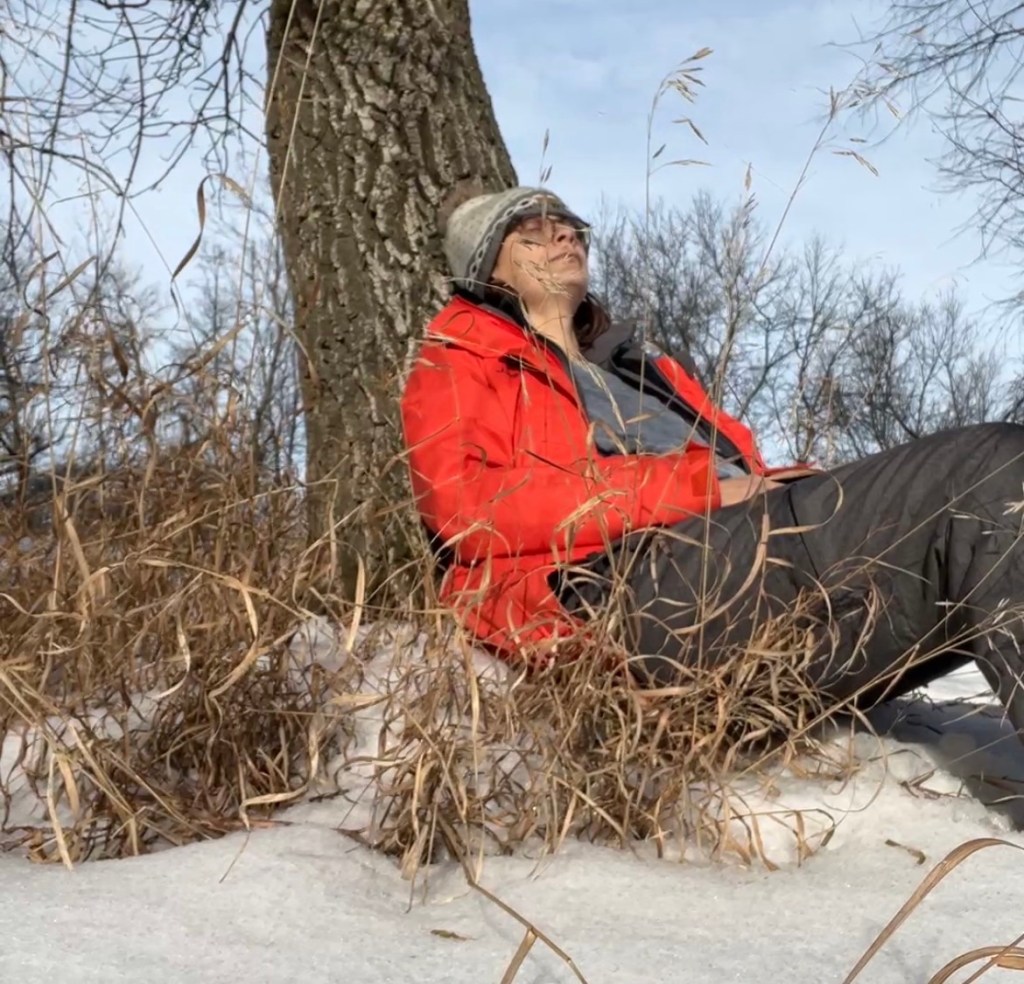
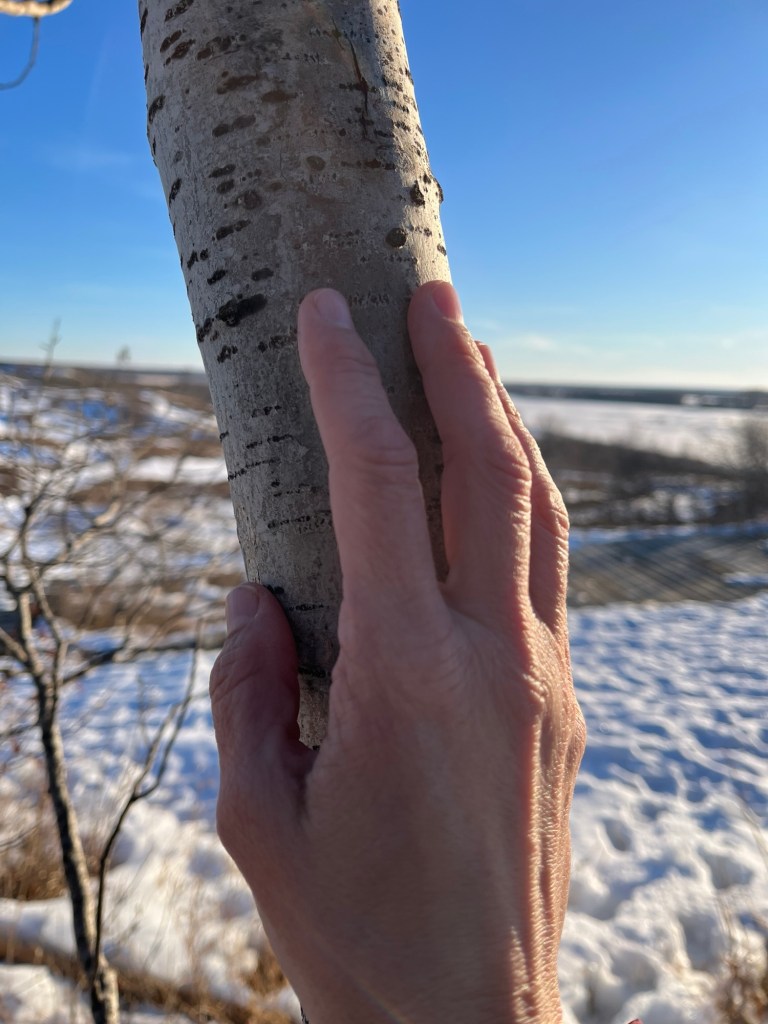
Place a hand gently on the tree (or simply sit close if touch isnโ€™t accessible).

Bring awareness to your own torso.

  • Your breath
  • Your chest
  • Your core

4. Journal

Bring a journal or write in the dirt with your finger or a stick. Answer these questions,ย 

What emotion is present in you right now?

Not the story, just the sensation.

Where is it in your body?

5. Separate Sensation from Story

Gently answer this,

  • What am I feeling?
  • What am I making this mean?

Draw a line between the two answers. Let those be two different things.

6. Root

Imagine your body like the tree. 

  • Grounded below
  • Supported in the center
  • Responsive, but not uprooted

7. Choose

Without forcing anything, ask this,

How do I want to respond to this feeling in this moment?

Write your answer. 

โธป

Final Thought: Feel First, Then Choose

You are not meant to bypass emotion.

You are meant to experience it, fully, honestly, humanly.

And then, from a grounded place, choose your next step.

Not from fear. Not from the story that says you are failing.

But from the deeper truth that you are still here, still rooted, still capable of living a meaningful life.

Even with pain.

Even with uncertainty.

Even with a door that still needs cleaning. ๐Ÿงผ ๐Ÿšช

Why Winter Trails are Terrifying For the Hypermobile: Through Pain and Pines

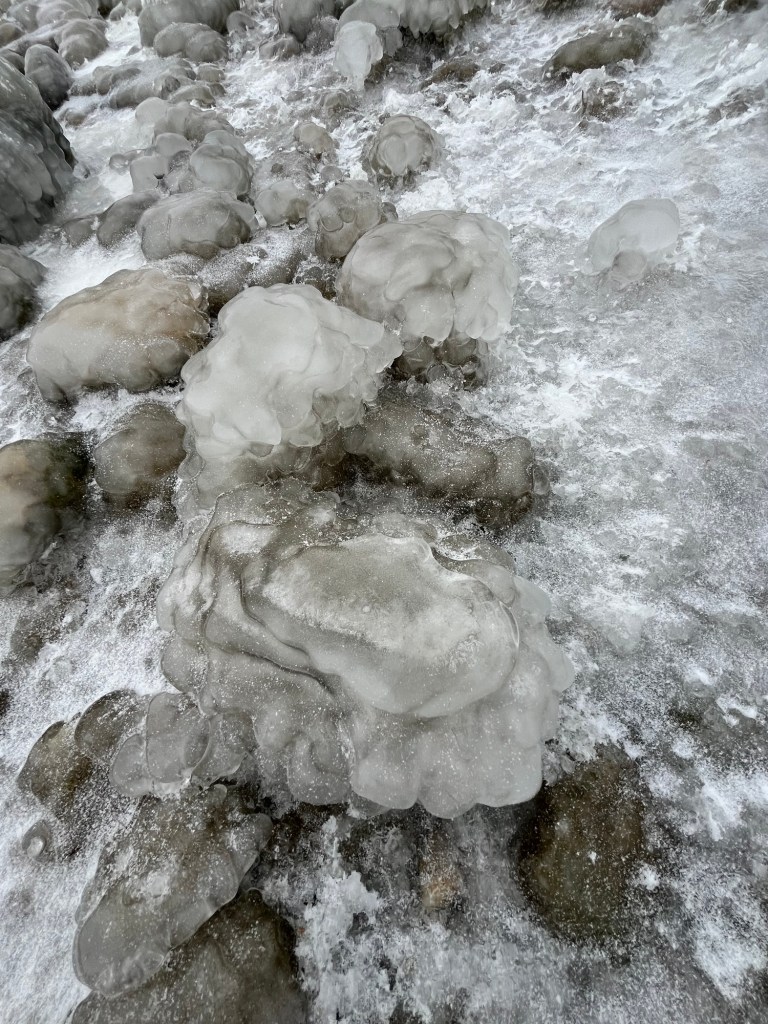
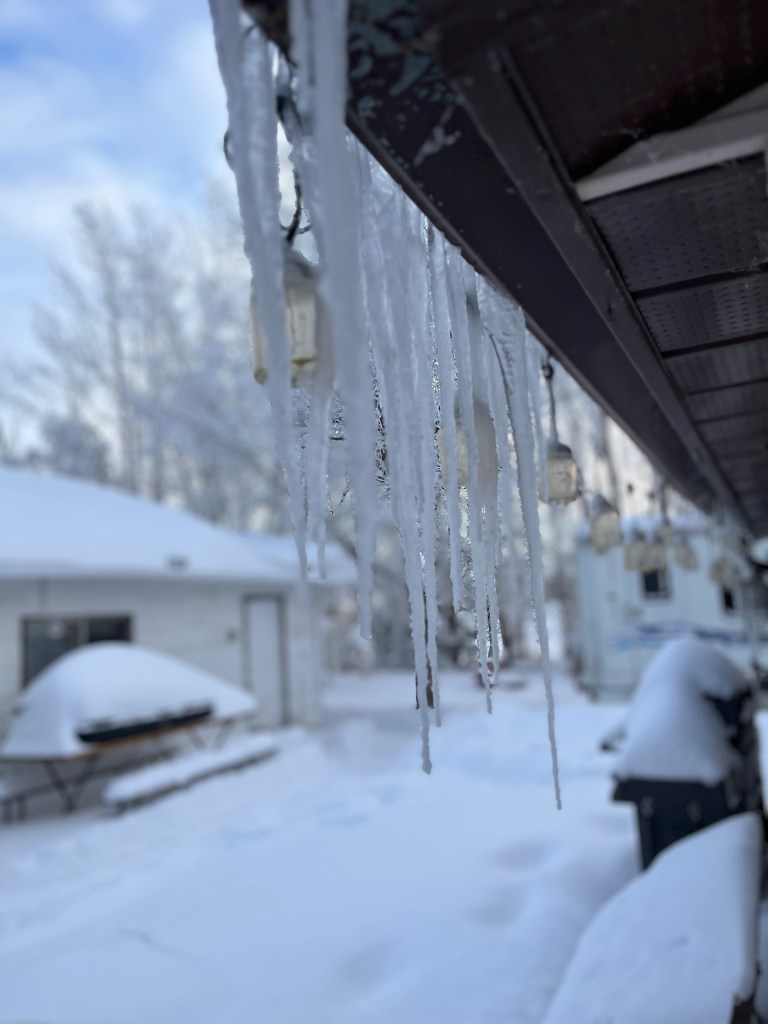
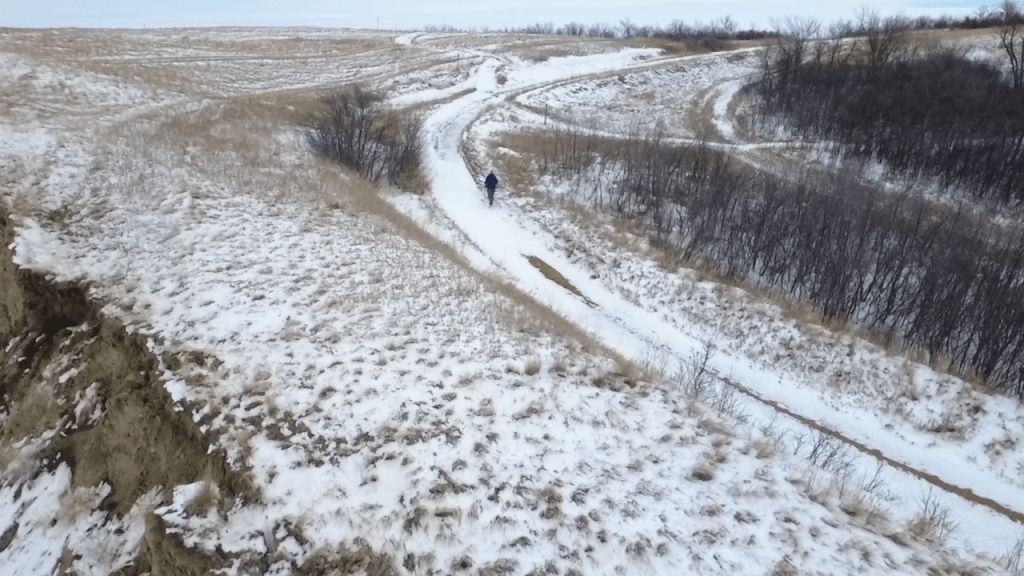
Many trails in Saskatchewan are shimmering. Beautifully. Treacherously.

I’m pretty sure they are trying to kill me.

Sparkling snow is magical. Sparkling frost is beautiful.

But sparkling ice on a forest trail?

Thatโ€™s a different category entirely. โ€œBe gone foul thing!โ€

When you live with hypermobility, ice is less of a winter decoration and more of a full-contact sport.

For most people, a slip on an icy trail means a flail of the arms, a laugh, and maybe a comment. “Watch out for the icy patch!”.

For someone with hypermobility, that same moment can mean:

  • a rib that determines it would rather live somewhere other than its intended slot
  • a shoulder that doth protest too much (because the shoulder blade is sliding down your back)
  • muscles that grip like overprotective bodyguards
  • and a new entry in the ever-growing logbook titled โ€œWellโ€ฆ that escalated quickly.โ€

A small jolt or an awkward catch. And suddenly a split second wobble becomes three months of physiotherapy, muscle protecting and pain with every movement.

Winter walking becomes less like a casual stroll and more like a strategic mission.

Our hypermobile bodies clearly have a different set of rules.

Living with hypermobility also means developing a surprisingly intimate relationship with your physiotherapist.

Years ago I realized I owned an entire library of tiny resistance bands in colours that sounded deceptively cheerful.

Coral. Mint. Lavender. Suggesting relaxation and beach vacations.

In reality they represented fifteen very specific exercises. Each designed to convince my shoulder, hip, or rib that staying in place is actually an excellent idea.

In more recent years, overall strengthening through running has become my greatest hope against hope.

Thankfully those resistance bands are now packed away. They were the bane of my existence for years. Strengthen the shoulder, put out the elbow, wrist, and fingers. Strengthen the hip, put out the knee, ankle and toes.

If you live with chronic pain, you also know the strange pleasure of telling people:

โ€œYes, I injured myself sneezing.โ€

And then watching them try to politely hide their confusion. ๐Ÿ˜•

Enigmatic Equations Await

People with chronic pain develop a special kind of mental math.

Before leaving the house, the brain quietly runs a checklist:

  • How icy is it?
  • How far is the trail?
  • What muscles are already staging a coup today?
  • What are the odds Iโ€™ll slip, twist, or do the worldโ€™s slowest accidental yoga pose?
Slipping into something a little more comfortable (psychosis)

These calculations happen constantly.

Because when joints are extra flexible, the body relies heavily on muscles to hold everything together.

If those muscles get surprised by a sudden slip on ice, they react like overcaffeinated security guards.

We donโ€™t even have to experience a crash landing. A slight โ€œwhoopโ€. Everything tightens. Followed shortly by, everything hurts. Sometimes for a very long time.

And yetโ€ฆ Staying inside is not the answer.

Inside Out: The Hidden Dangers of Staying Indoors

My soul was not designed for indefinite indoor storage.

After a few days of being cooped up, something starts to happen.

First a restlessness.

Then a longing.

Then a slightly dramatic moment standing at the window staring outside like a Victorian character under quarantine.

Because the body may be complicated. But the soul is surprisingly clear about what it needs.

Trees. Sky. Fresh air. The quiet company of chickadees who seem perpetually delighted with life.

Naturalist John Burroughs once wrote:

I go to nature to be soothed and healed, and to have my senses put in order.

And when chronic pain is part of your life, your nervous system spends a lot of time: out of order.

Pain keeps the brain alert. Guarded. Scanning.

But the forest gently invites something else.

A slower rhythm. A softer focus.

Donโ€™t let perfect get in the way of good enough.

“Break!!”- Dancing Through the Meadow

Hypermobility changes the way you move through the world.

Especially in winter.

Walking on icy trails becomes a very particular style of locomotion that could best be described as:

โ€œCautious woodland creature.โ€

Short steps.

Careful weight shifts.

Occasional pauses to test the ground.

One wrong move and suddenly you find yourself soft launching a new form of dance.

Anyone watching from a distance might assume you were practicing some form of extreme slow-motion flamenco ๐Ÿ’ƒ .

But really, youโ€™re simply trying to avoid becoming an accidental case study in sidewalk face implants.

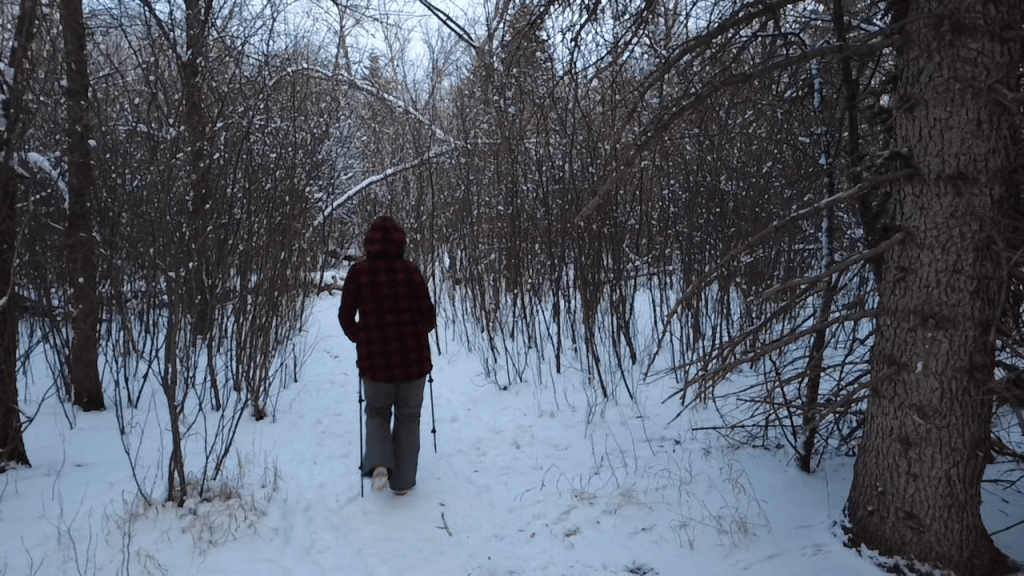
Oddly enough, this cautious way of walking mirrors a core forest therapy practice. Slow walking.

Forest therapy guides often invite people to slow down enough to truly notice the forest.

Hypermobility justโ€ฆ adds extra motivation.

A Little Winter Guiding Advice

I have learned a few things from my winter days on the trail this year.

  1. Boots with ICE FX technology soles are the way to go. I started using them this year. I had two slips in the first couple weeks of winter. I got the boots and I havenโ€™t had a slip since. They are like winter tires. I still have to be careful but they have saved me.
  2. Hiking poles are this girlโ€™s best friend. I am learning when to use them and when to leave them in the car. Days I canโ€™t see the trail under the snow or when the trail is glistening with ice, they are essential. Days the trail is packed with snow and my balance feels good they can stay back.
  3. Some days you just have to stay home. The boots and poles open your world. There are still times when staying home is the safest and best option. It is not worth the risk of a fall. Or a tweak. Walking in a mall or other large indoor space can meet some of your physical movement needs. As the snow melts, you can extend outdoor Earthing sessions in a safe, seated position until the ice is gone.

Nervous Systems: A Unified Network

There is another layer to chronic pain that people donโ€™t see.

The nervous system becomes watchful.

When pain appears often enough, the brain begins to scan constantly for the next signal. Muscles tighten sooner. Reflexes fire faster. The body becomes protective.

Itโ€™s not weakness. Itโ€™s survival.

But a nervous system that spends too much time in protection mode eventually forgets how to settle.

This is one of the quiet gifts of time in nature. Not just for enjoyment but for nervous system survival.

As Japanese physician Yoshifumi Miyazaki, one of the pioneers of forest bathing research, observed:

The forest environment allows the nervous system to shift from vigilance to restoration.

For someone managing chronic pain, that shift is not small. It is validating.

Research into forest environments has shown that simply being among trees can lower cortisol, calm heart rate, and shift the nervous system out of constant vigilance.

In other words, the forest gently persuades the body:

You are safe enough to soften.

And for someone living with chronic pain, that reminder can be profoundly healing.

Frosty Therapy: Nature’s Icy Embrace for the Soul

If winter trails feel risky but your spirit still needs the forest, try this gentle practice.

Practice: Borrowing Stability

  1. Find a tree nearby and place one hand against the trunk.
  2. Feel the firmness of the bark under your palm. Trees have been practicing stability for a very long time.
  3. Take three slow breaths.
  4. Notice your feet inside your boots.
  5. Notice the ground supporting you.
  6. Then take three very slow steps. With each step, quietly ask: What does stability feel like right now?

You might be surprised how much calmer the nervous system becomes when movement slows down.

Winter walking with hypermobility includes both beauty and risk. Moments of deep solace among the trees and occasional grievances to file with a body that requires extra grit.

The poet Rainer Maria Rilke once wrote,

Let everything happen to you: beauty and terror. Just keep going. No feeling is final.

Perhaps winter forest walks teach that same wisdom.

Conscientious step by conscientious step.

The Whispers of Accord

Living with chronic pain sometimes feels like a negotiation between the body and the soul.

The body says: Please be wary.

The soul says: Please go outside.

The forest, thankfully, doesnโ€™t insist on perfect joints or pain-free muscles.

It simply offers a place to breathe.

Scottish nature writer Nan Shepherd wrote about being in the mountains:

The thing to be known grows with the knowing.

Perhaps the same is true of our bodies.

The more we learn their quirks and their quiet wisdom, the more gently we can move through the world. Even when the trail shimmers with ice and every step requires a little forethought.

Because sometimes healing isnโ€™t about conquering the path. Sometimes itโ€™s simply about finding a way to keep walking among the trees.

So yes, SK winter trails sometimes feel like obstacle courses designed specifically for people with hypermobile joints to fail.

And yes, the body occasionally protests the whole arrangement. Of having any movement at all. Yet consider another quote by Nan Shepherd that leads us back to what matters,

It is a grand thing to get leave to live.

Perhaps that is what these mindful winter walks really are.

A quiet permission to keep living fully, even if the steps are slow and deliberate.

Careful steps. Even slightly wobbly steps.

Keep walking when and where you can. Surrender when called for. We are so close Prairies friends! We have almost made it to Spring! We’ve got this.

Mending Woods: A Journey of Self-Discovery

By a Forest Therapy Guide Practitioner

I am made of words & rivers & winds & wildflowers. I am part grief & part hope & all love.

-Victoria Erickson

From the outside, my life still looks mostly the same.

I still show up. I still smile. I still walk in the woods.

What people donโ€™t see is the calculation behind every choice. The energy budgeting, the quiet bargaining with my body, the grief that comes when the answer is no again. Chronic pain didnโ€™t just change what I can do. It changed how I think, how I hope, and how I understand myself.

I didnโ€™t lose my old self all at once.

She left in pieces. First the bounce in my step, then the spontaneity, then the confidence that tomorrow would feel better. Chronic pain has a way of rearranging your life while pretending nothing has changed. And somehow, youโ€™re expected to adapt quietly and keep smiling like you didnโ€™t just lose someone important.

There is a quiet kind of grief that comes with chronic pain. Those of us who know can see it in the eyes. In the bouncing leg when sitting too long. In the little noises and facial expressions that most people miss.

This is not a grief that comes with casseroles or sympathy cards. Not the kind people know how to name.

Itโ€™s the grief of losing someone very important. You.

The body you trusted. The energy you assumed would always return. The way ordinary days felt doable.

Back in the day when your consequences had actions. Now it takes nothing to set that pain- train in motion.

Chronic pain doesnโ€™t just hurt. It rearranges your identity. Like a Mr Potato Head put together by a little one. Totally unfamiliar from what itโ€™s โ€œsupposed to be.โ€

Purpose feels unfamiliar. Hope has to be redefined. Can one even set goals anymore? And from the outside, nothing looks different at all.

You still look like you.

But internally, everything has changed.

Thatโ€™s why community matters more than advice.

What a fragile, tender gift it is to be invited into another’s wounds.

@thesoftword

Advice tends to arrive loudly and unsolicited. (Often with links. ๐Ÿคญ)

What actually helps is something quieter. ๐Ÿคซ

Not people who argue your reality. (๐Ÿ˜ณ โ€œIโ€™m surprised you feel comfortable saying that out loudโ€ ๐Ÿคฃ)

Not people who say, โ€œHave you triedโ€ฆ?โ€ like theyโ€™ve just cracked the code. (๐Ÿ˜จ As though the slightest change in your world will not usher in all of your chronic megadons! ๐Ÿคฏ )

Not people who look sideways at your therapy choices. (๐Ÿ‘‹ โ€œBe gone, foul thingโ€ ๐Ÿ™ƒ)

But people who,

  • Cheer when something finally settles back into place ๐Ÿ™Œ
  • Take your call when you have nothing left ๐Ÿค™
  • Help recalibrate the distorted lens pain creates ๐Ÿ”Ž
  • Invite you in without being offended when you decline ๐Ÿซด
  • Donโ€™t judge your sleep, your limits, or your pace ๐Ÿ™‚โ€โ†”๏ธ

They understand one sacred truth:

You are the only person who lives in this body.

And when you reach out, they show up.

Trees of Solace: Earth’s Embrace in Times of Grief

Forest therapy doesnโ€™t try to fix you.

Which is refreshing, to be honest.

It doesnโ€™t rush the process or demand improvement. No gold stars. No timelines.

It simply offers a place where you can grieve. Because this life is tough.

Trees donโ€™t ask who you used to be. They have been pretty quiet during a conversation, in my experience.

They donโ€™t compare you to your past. They are really good at living in the now.

They donโ€™t need you to be productive. Their progress is very slow. They respect your pace as well.

They just let you be you. Whatever version of you that may be.

And when youโ€™re grieving your old self, that is the miracle worker you need.

To be idle is a short road to death; to be contemplative is a short road to life.

โ€” Unknown, attributed to early monastic writings

Stillness is not stagnation. In the forest, stillness becomes listening.

The Garden Path: Shedding the Old Self to Bloom Anew

1. Hold a โ€œLetting Goโ€ Walk

Walk slowly and name (quietly or aloud) what you are releasing. Old expectations, former timelines, borrowed definitions of success.

Leave something symbolic behind. A stone, a leaf, a breath, writing in the snow.

Grief likes ceremony. Even small, slightly awkward ones.

2. Practice Observing Instead of Fixing

Sit and observe without correcting your thoughts.

Notice what hurts.

Notice what doesnโ€™t.

Notice what still feels alive.

This is harder than it sounds. Most of us are very committed to fixing ourselves.

Do not ask what the world needs. Ask what makes you come alive, and go do that.

โ€” Howard Thurman

3. Let the Landscape Mirror Change

Forests are experts in adaptation.

Storm damage. Regrowth. Fallen trees feeding new life.

Your body is not failing. It is reorganizing.

Messy? Yes.

Meaningless? Not even close.

4. Replace Focusing on the Yield with Yielding

Some days the win is sitting.

Some days itโ€™s noticing birdsong instead of pain for ten whole seconds.

That counts.

It all counts.

Celebrate small victories shamelessly. Pain already takes enough. Donโ€™t let it take joy too.

5. Create a New Self Narrative

The old self doesnโ€™t disappear. It composts.

Strength becomes discernment.

Speed becomes awareness.

Achievement becomes alignment.

And occasionally, dark humour becomes a coping skill. (Highly recommended.)

Because if you can laugh when your body sends mixed signals, youโ€™re still very much alive.

You Are Not Becoming Less

You are becoming different.

And different doesnโ€™t mean diminished.

The forest reminds us that worth is not measured by output, endurance, or even consistency.

Itโ€™s measured by belonging. By heart beats. By the current of our perceived experience.

You belong here.

In this body.

On this path.

And when youโ€™re ready, the forest will help you meet the version of yourself that knows how to live well. Within the limits. Without shame.

This January, 
if you feel low and heavy
and unready-
please remember that
in nature,
the new year begins in spring.
January is not nature's reset.
March is.

In a few months' time,
temperatures will rise
and the days will be
long enough to actually
do things.
Nature is still unwinding.
It's okay if you are, too.
-srwpoetry
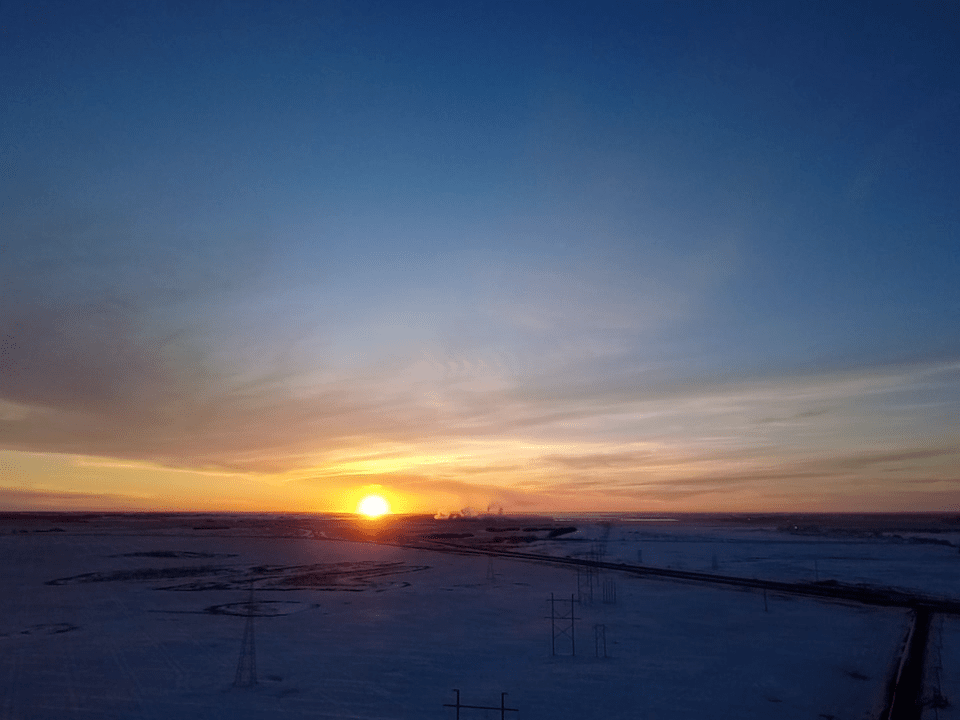
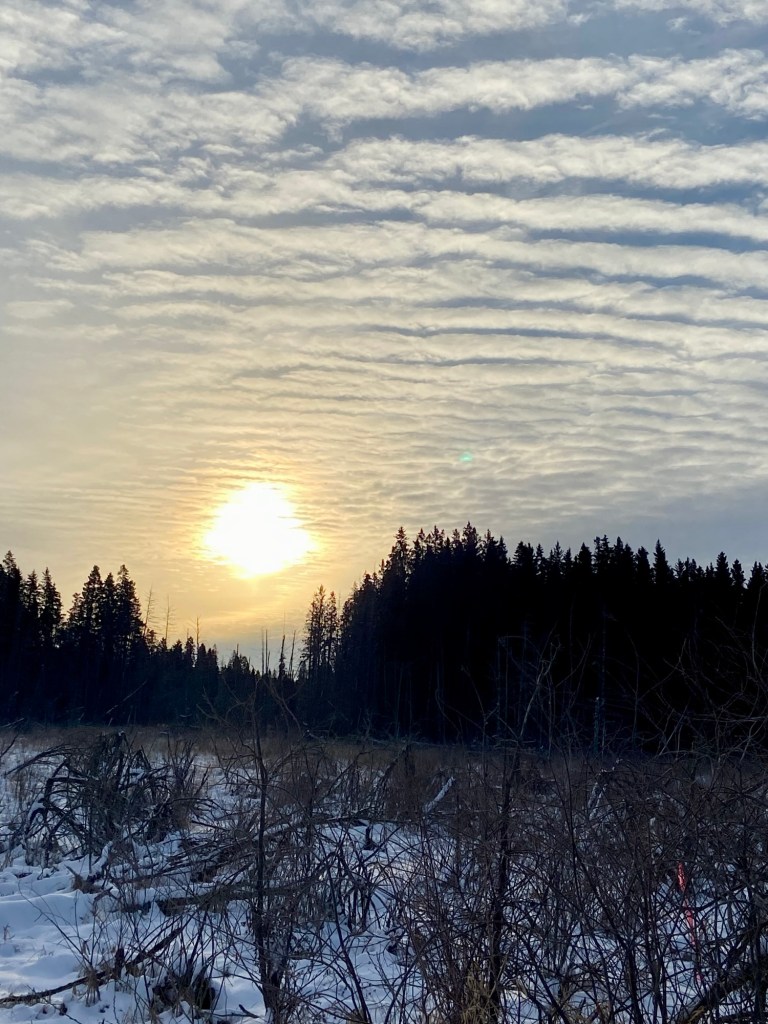
Opacarophile

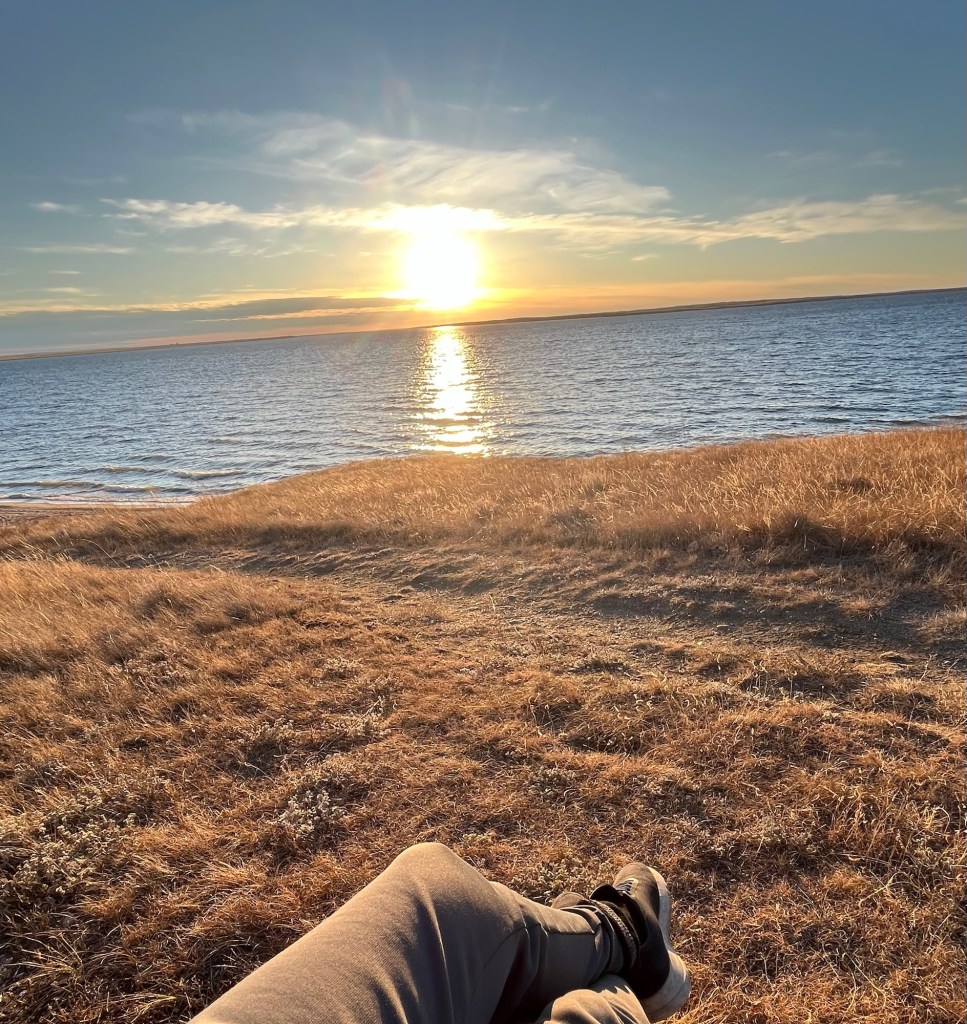
(n) someone who finds deep comfort, solace and profound peace in sunsets