
Harnessing Nature’s Power Through Forest Therapy

😂👆🏼

For years my body lived in a storm of chronic pain. Caught between relentless tension, inflammation, and exhaustion. Traditional therapies weren’t making a dent. Something profound shifted only when I began practicing forest therapy. Intentionally slowing down in nature to activate the body’s parasympathetic nervous system, the calming rest-and-digest branch that supports healing.

Today, as a forest therapy guide, I’ve watched this shift happen not just in myself, but others around me. In people carrying chronic pain, anxiety, grief, and burnout. Research confirms it and nature continually demonstrates it.

This post explores how parasympathetic activation through forest therapy aids recovery, why it’s especially valuable in chronic pain, and how to practice it even in winter months. When we often need it most.

Having a chronic illness is like looking both ways before you cross the street and then getting hit by an aeroplane.

-my take on quote by Nitya Prakash

FOREWALLOWED: overwhelmed, exhausted, or worn out, often due to excessive effort or difficulty.

🌿 Woods & Wellness: The Science of Forest Therapy

Chronic pain keeps the body stuck in a prolonged sympathetic fight-or-flight state.

Research shows that forest environments:

  • 🌿 Lower cortisol levels
  • 🌿 Reduce muscle tension
  • 🌿 Lower blood pressure and heart rate
  • 🌿 Increase heart rate variability (HRV) (a strong indicator of parasympathetic activation)
  • 🌿 Decrease activity in the prefrontal cortex, easing mental fatigue
  • 🌿 Boost immune function through phytoncides, natural compounds released by trees

Shinrin-yoku (forest bathing) studies from Japan indicate a significant increase in parasympathetic activity after as little as 15–20 minutes in a natural space.

This activation signals the body:

You are safe. You can repair.

Chronic pain often cycles when the body cannot access this safety. Forest therapy helps gently turn that switch.

Break often- not like porcelain, but like waves.

Scherezade Siobhan

🌱 The Power of Pause: Healing with Parasympathetic Rest

There was a stretch of my life when going to sleep hurt. Waking up hurt. Every day just hurt. Fibromyalgia flares, migraines, and exhaustion deep into my bones, left me swollen with frustration.

My healing didn’t happen all at once. It began with moments.

Moments of pausing on a beach.

Moments of feeling my breath match the trees. A slow and ancient pace.

Moments of letting myself not push. Easing into instead of always rushing to take the next step.

Forest therapy didn’t cure my chronic pain. But it gave my nervous system something I didn’t know it was starving for. Permission to soften!

And in that softening my symptoms eased. My hope returned. And my body began recalibrating.

Nature gave me a place where healing didn’t feel forced. It unfolded.

Forest Therapy checks so many of these boxes and aids in checking the others. In FT we practice breathing exercises, sometimes chanting or humming. We meditate. Depending on the season we are exposed to cold &/or sun. Music can be part of the practice. Social connection and exercise are built in. The gag reflex and ability to sleep are supported after the practice.

🍃 The Icy Veil: A River’s Progression Beneath the Freeze

Winter teaches us about quiet healing. The kind that hides but never stops working.

Imagine a river in Saskatoon in January.

On the surface, it looks frozen, still, unmoving. But beneath the ice, water continues flowing. Deliberately, purposefully.

This is what happens when the parasympathetic nervous system activates in chronic pain.

Outwardly you might still feel limited and slow.

But beneath the surface, healing begins to flow again:

  • inflammation decreases
  • muscles release
  • circulation improves
  • your mind stops bracing for the next wave of pain

Forest therapy is the gentle sunlight that softens the ice, allowing your inner river to move again. Not rushed, just returned to its natural rhythm.

For me, being quiet and slow is being myself, and that is my gift.

Fred Rogers

❄️ Embracing the Chill: Winter Forest Therapy for Chronic Pain

Are we 100% sure we are meant to be awake in the winter?

Jordanne Brown @Perry7Platypus7

Winter can be challenging when you live with chronic pain:

  • colder temperatures increase stiffness
  • shorter daylight affects mood
  • energy dips
  • motivation wavers

But winter also offers something summer can’t:

an environment that naturally encourages slowness, stillness, and reflection- key conditions for parasympathetic restoration

When practiced intentionally, winter forest therapy becomes a deeply comforting, grounding practice.

🧣 How to Practice Forest Therapy in Winter (Without Freezing or Flaring)

1. Take Slow Sensory Walks (10–20 minutes is enough)

The cold naturally slows your pace. Let it. Pay attention to textures, sounds, and the muted winter palette.

2. Use “Micro Moments” of Nature

If going far feels impossible, try parasympathetic nature moments:

  • sit by a window and watch wind move branches
  • listen to a crackling fire or light a pine-scented candle
  • stand on your porch and notice a single tree
  • touch cold bark and notice grounding sensations

Even 3–5 minutes helps reset your nervous system.

3. Practice Breathwork with Nature

Try the “tree breath”:

Imagine your exhale traveling into the roots of a nearby tree. Slow, steady, grounding.

4. Bring Nature Indoors

Winter healing doesn’t require wilderness:
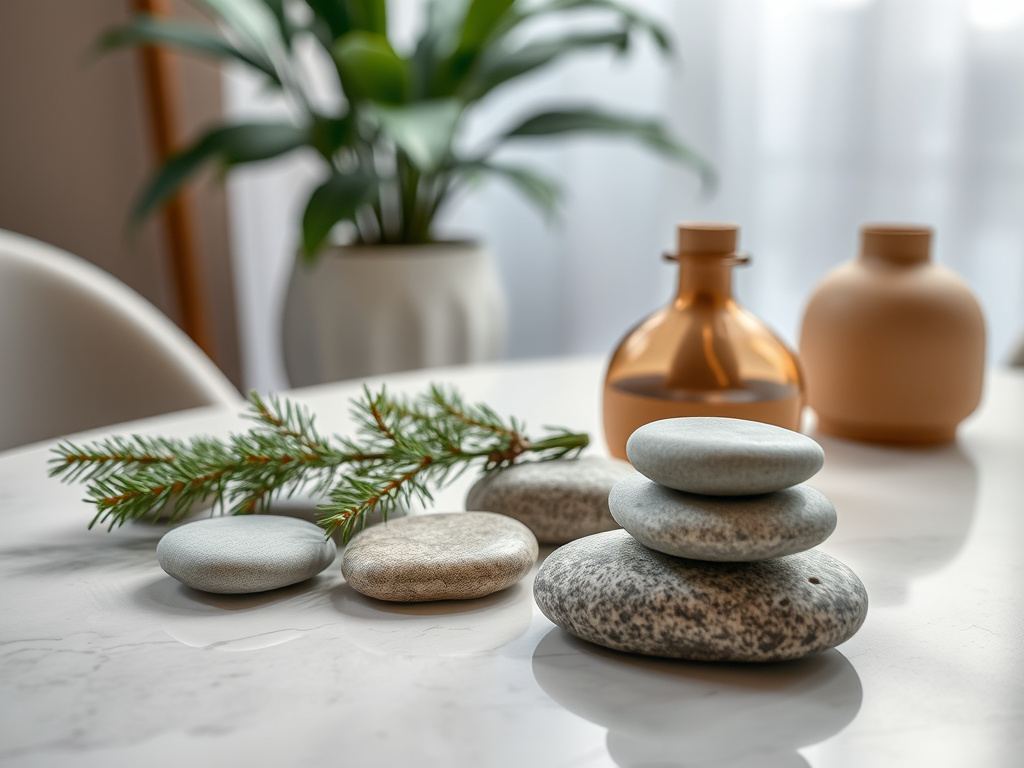
  • evergreen branches
  • natural scents (cedar, spruce, pine)
  • smooth stones
  • indoor plants
  • nature soundscapes

Your parasympathetic system responds to cues of safety, not location. Are you ready to commit to this statement?👇🏼

🌲 Cozy Winter Connections: Nature’s Embrace Awaits

Here’s your winter-friendly, chronic pain safe list:

🔥 1. Warm beverages as grounding tools

Tea, broth, hot cider. Wrap your hands around warmth while practicing stillness.

🧤 2. Layer with intention

  • Merino wool layers
  • Heated socks
  • Hand warmers
  • A thermos tucked in your coat

Warmth = reduced pain and more parasympathetic access.

🌲 3. Bring texture

A soft scarf, wool blanket, or mittens can become sensory anchors.

 4. Choose wind sheltered routes

Forest edges, dense evergreens, or local parks with natural windbreaks reduce the cold’s impact on pain.

🌞 5. Use pockets of sun

Even 5 minutes of winter sunlight boosts serotonin and eases the nervous system.

🧘 6. Gentle seated practices. You don’t have to hike.

Sit on an insulated pad, lean on a tree, and let your body settle.

🌿 Healing from Within: Nature’s Cradle for Chronic Pain Relief

Forest therapy doesn’t eliminate chronic pain, but it helps the body access what pain often steals:

a state of rest, repair, and deep nervous system safety.

When nature cues your parasympathetic system:

  • your muscles unclench
  • catastrophizing thoughts settle
  • your breath deepens
  • your pain becomes less sharp
  • your resilience grows.

In this softened place, healing becomes possible again.

When you do things from your soul, you have a river moving in you, a joy.

-Rumi

🌿 Winter Is Not the Enemy, Merely a Difficult Friendship

“The trees may sleep, but they are never dead.” — Edwin Way Teale

Winter offers these quiet, tender invitations:

Slow down. Notice. Receive what nature offers.

Even when life feels frozen, your healing can still flow beneath the surface.

Your body is not failing you. It is waiting for safety.
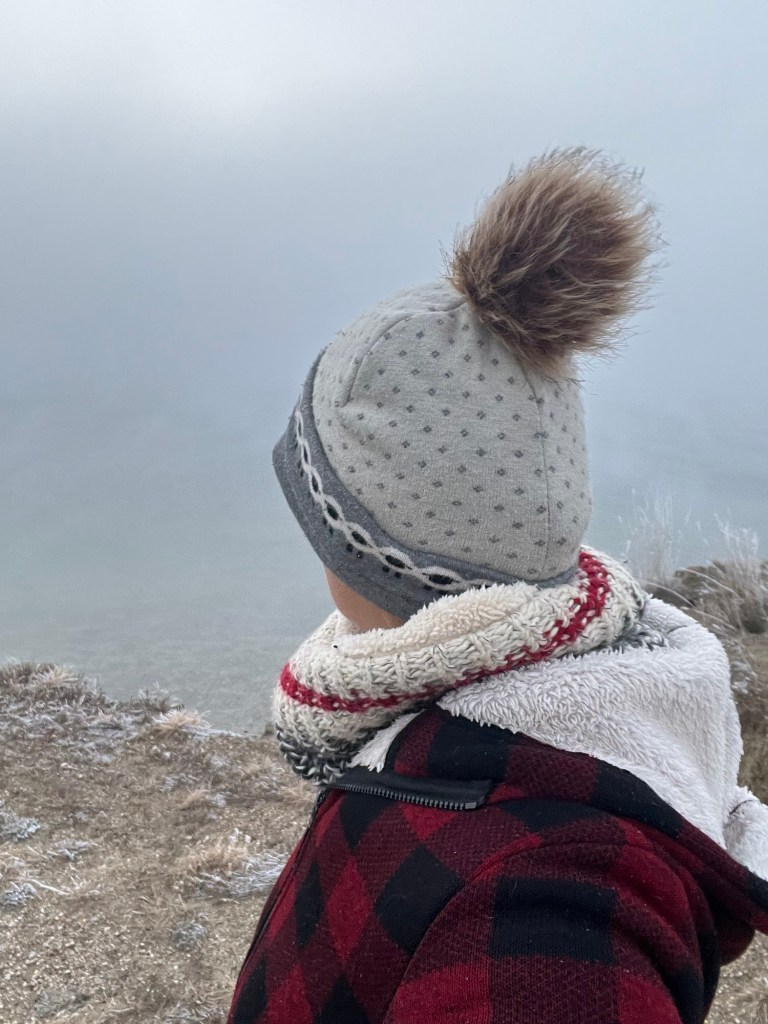
And the forest, still, patient and ancient, knows how to offer it.

We are the granddaughters of the grandmas your reindeer couldn’t run over.

We are resilient! We are strong! We are SISU!!!

Winter Wellness: Recharge Your Battery This Season

The forest guides you deep within, to find your soul, to live again.

-Angie Weiland- Crosby

I’ve been feeling the cold of winter. In my body and in my soul. I’m trying to find ways to reintroduce warmth to my bones and into my spirit.

Has anyone felt a little depleted lately? Winter can be hard on us. What do you do to experience warmth in January? Tell me about it in the comments!

A Tale of Two Winters

It is easy to feel the cold outside in Saskatchewan these days.

As soon as you take a breath outside your lungs cease to function. And your nose tingles with the sneeze that will never fully arrive. One can sense the eyelashes freezing together and the eyeballs taking on a thin sheet of ice. Any portion of skin unfortunate enough to be facing the elements seems to scream, ‘Why?’. Muscles tense. All mental function goes to figuring out why we live here. Eyes scan for a safe place to step. Spoiler alert: there isn’t one. Ears are attuned for the screeching of brakes and sliding tires. Everyone is in a constant hunch of grouchiness and feeble attempts to keep a portion of body heat.

On the other hand;

Can you smell snow? According to Lorelai on Gilmore Girls you can. Picture the night sky lit with stars. My favourite snow scene is still. But for the falling snow. I can almost hear the soft gentle sound of the falling snowflakes. I feel them as they land then melt on my face. The chill barely touches my nose and toes. I feel myself wrapped in cozy layers of blankets.

These are two vastly different perceptions of this time of year. It can be a stretch to feel the second description when we have things to get done. But when there is a moment to do so, slow down.

So much joy can be found in slowing down

-Emily Ley

Unique and Elegant

I’m disappointed that the term snowflake has come to be used in such a derogatory way. I want to take a moment to acknowledge that it is not okay. As we discuss snowflakes here, can we go back to what the word is supposed to suggest? And not anything that demeans or belittles any person or group of people?

I love snowflakes. I love that they are different. Uniquely and individually perfect. I love their gentle and fragile state. It makes them more beautiful (take note, my chronic comrades). I love the way that when they fall they do so gracefully. They allow their circumstance to choose where they land. When they land they blend with those around them creating a blanket of exquisite elegance.

How can you take on the qualities of a gracefully falling or resting sliver of snow?

Lessons of the Changing Seasons

Furthermore, what lessons can you learn from this season? Here are four of the lessons I have learned recently,

  1. Even the longest, darkest night will end. Even the coldest, loneliest winters turn to spring. Dawn surely will come. Summer will bring sand and sun again. Is there anything dark or lingering in your life that makes you question if this tunnel actually has an end? Your chronic illness may not end; but the pain of having one can. Your pain may not end; but the sense of loss that has come from it can. You may not be able to do the things you used to do. However, there is still greatness in you. The world needs your greatness. Keep working and spring will come.
  2. We have reached our turning point. We will survive. The night is turning over its hours to the day. Our marker. The land and animals have endured thus far. So have we. Think back. What have you had to endure in the past? Did you survive it? How? Can you apply those principles to this season? Winter is a good time to ponder. Write things down. Ingest learning. Our time to be out in the dirt and sun is coming.
  3. A lesson I am taking, in particular, this season, is that sunshine and cold can exist at the same time. Often we think of sunshine and warmth as going together. It is happier that way. But sunshine can be burning bright even on the coldest of days. I experience pain. That is true. But I feel joy. They can exist at the same time. This is a lesson that has been hard fought. I hold it like a white flag of surrender in my hand. Surrender to the pain, to what is. And also surrender to the joy.
  4. We talk about wintering. A time to rest for longer. To move a little slower. Take the offering. Use it wisely. Recharge your batteries that have fallen out. So when you put them back in, they are energizing.

From Focus to Burnout

Where is your battery sitting today? Our battery affects our physical, mental and spiritual self.

The lowest point of the battery is burnout. Physically that will look like having trouble sleeping, exhaustion, more pain than usual, such as headaches. Emotionally you may feel numb, lost, empty and depressed. Spiritually you don’t feel drawn to practice, a submission to despair and loss of connection to your higher spiritual power.

The highest point on the battery is focused. Physically there is a feeling of calm and steady while maintaining normal sleeping and eating habits. Emotionally one feels positive, creative and a sense that they are thriving. Spiritually will look like higher connection and trust. A deep desire to practice and engage in holy rituals.

There are many points on the battery between these. Most days we will fall somewhere along the middle. Where are you sitting today? Take note.

Where do you want your battery reading to be? The power to change is in your hands. The secret is to take patterns and seasons to rest. Then you can live closer to the top end of those readings.

Is your battery focused? functioning? overworked? depleted? or burned out? Be aware of your battery reading and act accordingly. What can you do to further recharge during these winter months?

How about some moments of koeslig to snuggle up in.

Koeslig (koosh-lee)- a warm and cozy atmosphere of togetherness in a pleasant setting.

And remember our track record for surviving winter so far is 100%. So our odds of making it this year are pretty good. The only question is which of the opening statements about two winters will describe how you survive it.

I heard it said, some people drink deeply from the well of knowledge. Others rinse and spit.

Thank you for the time you take to join me here. I hope there is some bit of knowledge that refreshes you. That you feel you benefit in the reading of this blog. (even if you choose to rinse and spit)

If you are enjoying it please like, subscribe &/or share this post with someone who would enjoy it.

👀 Keep your eyes open here and on my social media to see what I have coming up in the spring. 👀 Exciting things are happening behind the scenes. You won’t want to miss it.