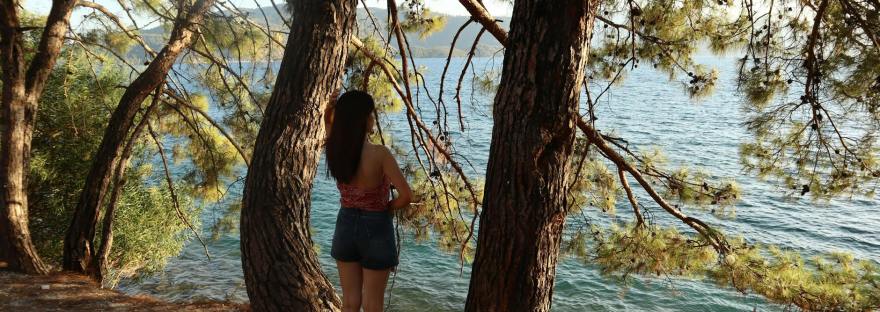
I got saved by the beauty of the world.
-Mary Oliver
A dear friend once said something to me that I can’t get out of my head: chronic pain has its own economy. She suggested I write a post on it. So here we are. (@soulfullifebyamanda)
For anyone under the impression that disability payments and medications cover everything in chronic pain, this quote is for you.
Illusion is the dust the devil throws in the eyes of the foolish.
-Mina Antrim
For anyone suffering financially and energetically, let this post be your validation. And don’t worry. “Whatever doesn’t kill us only makes us weirder and harder to relate to.”
Does anyone else feel like their body’s ‘check engine’ light has been on for months and you’re still driving like, “it’ll be fiiiiine,” because you can’t afford to do anything about it anyway?
When I think of the economy of chronic pain. I picture myself stepping into the forest with only a small shopping basket. Every choice I make—financial or physical—has to fit inside that basket. There’s no room for waste, no luxury of tossing in extra. Just like in the forest, every twig, every step, every breath matters.
For those of us living with chronic pain, our baskets are small. They hold both our financial and our energy reserves—and both run out faster than a knife fight in a phone booth.
In Canada, disability payments exist, but they are like shafts of sunlight that barely break through a dense canopy. They aren’t enough to warm the forest floor.
And so, we ration. We stretch. We weigh every step carefully. And in the process provoke our fussy nerves into an outraged uproar over and over again.
Surviving the Price Tag
Here’s one example from my own life: every month, I spend about $600 on medication for pain relief. There’s no coverage for it. It’s outrageously expensive, but it’s what allows me to keep moving through the forest at all.

Others I know make different choices. Some decide not to medicate, and instead spend their limited resources on healthier food, therapy sessions, or simply keeping a roof overhead.
There is no right way. Each of us is navigating our own overgrown path, deciding what can fit in the basket we carry.
Even those of us diagnosed with chronic pain conditions may not see the myriad of options. Of what could go in the basket. Given the resources. More frustrating is the knowledge that some therapies, while proven extremely effective, will not be financially viable. In some cases, not even offered in my area.
- counseling sessions; the cost coming out of pocket (no job=no benefits) is high, yet the benefits of CBT and ACT psychotherapy for pain have been shown to be impressive, marriage support is also much needed in the case of ongoing pain and illness
- therapies; acupuncture, Reiki and other energy healing work, physiotherapy, massage, chiropractor, aqua therapy, hypnotherapy, the list can seem limited for your specific needs, but there are always new options coming available
- medications; these are also ever evolving, I believe in a combination of medicine and natural therapies, this is a personal decision
- lifestyle changes; Saskatchewan winters call for a gym pass to stay active, these are not free
- dieticians; can support with ongoing needs
- stress reduction therapies; FOREST THERAPY!!, meditation courses and classes, yoga, tai chi, music, art or pet therapy,
The Grove of Dilemmas
When you live in this economy, everything has a cost. The pressure keeps me marvelously productive. I entered the kitchen to do the dishes, but saw the pile of laundry on the floor, so I watered a plant, while looking for my phone to make the doctor’s appointment. To sum up, I couldn’t find it in time and now my leg is swelling and I have to put it up again. I accomplished nothing. 😤
Given the choice, where are you willing to “pay” extra?
Do you get help with your home to attend to the piling dishes, laundry and dog hair, or put on blinders to the mess because there are no funds for such frivolity as clean dishes, clothes and floors?
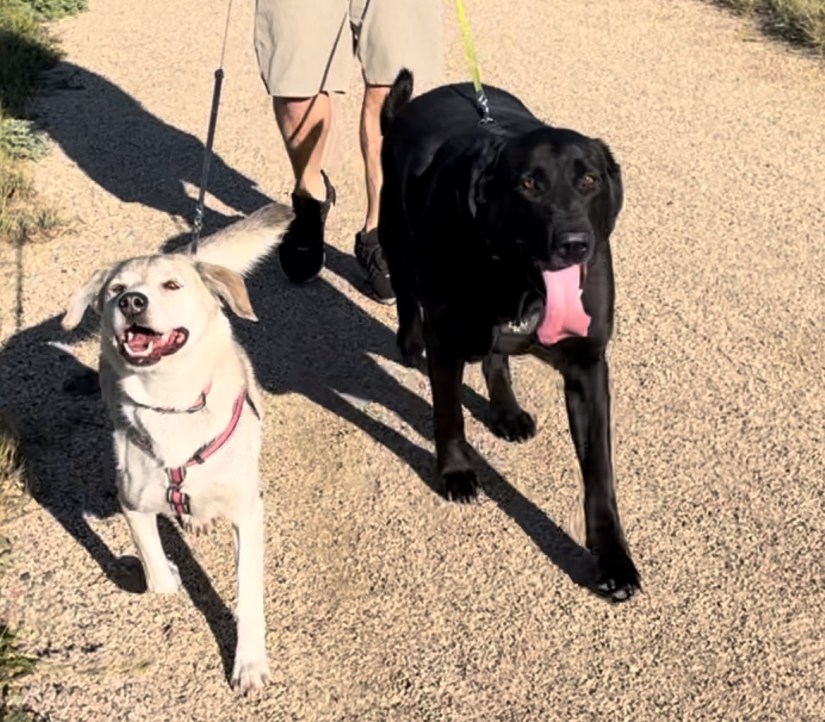
Do you take the shorter trail to an appointment (closer parking) or save money by forcing your body down the longer route?
Do you use precious energy to cook a nourishing meal, or save your strength and spend more money on convenience?
Do you go out to meet a friend, knowing it will mean a day of recovery afterward, or do you stay home and bear the weight of loneliness?
The forest is full of paths, and each one demands a toll.
Costs That Lurk Beneath the Canopy
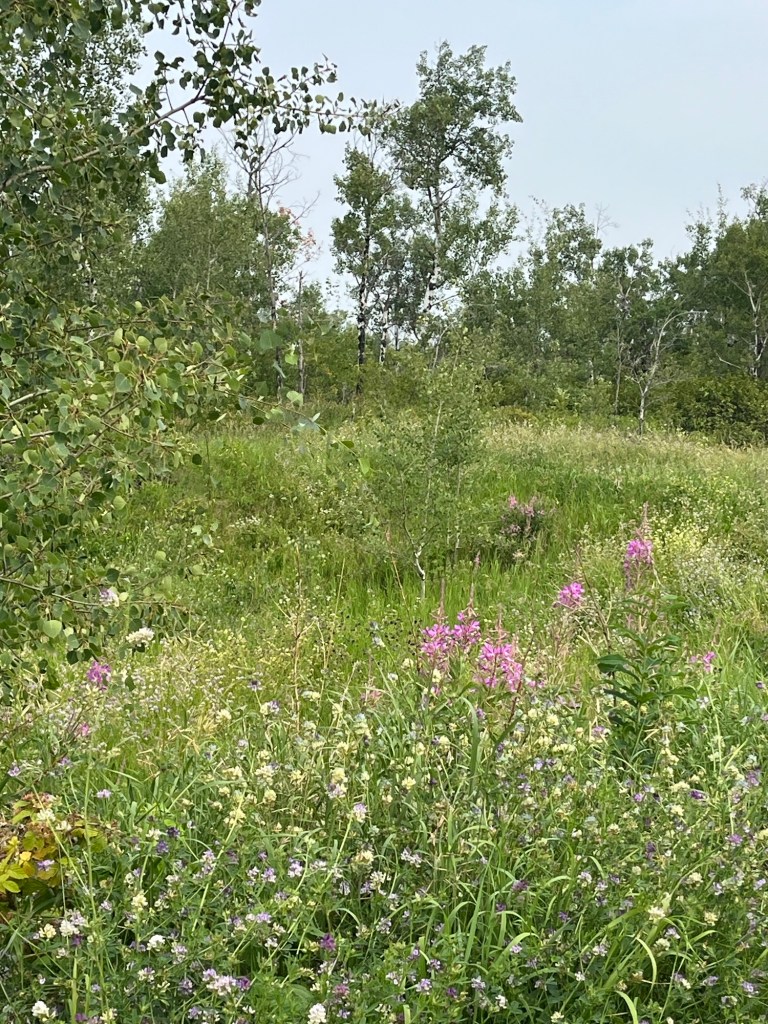
The cost of connection. Friendship and belonging are like wildflowers in the undergrowth. But they don’t bloom without effort. They often require money for transportation, or the strength to leave the house, or both. Yet the cost of isolation can feel heavier than any of it.
The cost of time. Chronic pain asks us to wait. Waiting for appointments. Waiting for medications to maybe work. Waiting for healing that never seems to come. Time here drips slowly, like water from moss after rain, and once it’s gone, it cannot be gathered again.
“The hardest thing about illness is that it teaches patience by stealing time.
-Unknown
Both remind me that even in this strange economy, even in this forest of loss and trade-offs, there is still gentleness. There is still strength in being here, still roots growing quietly beneath the soil.
Forest Therapy: A Rich Investment in Well-Being
And this is where forest therapy becomes not just a metaphor, but a lifeline.
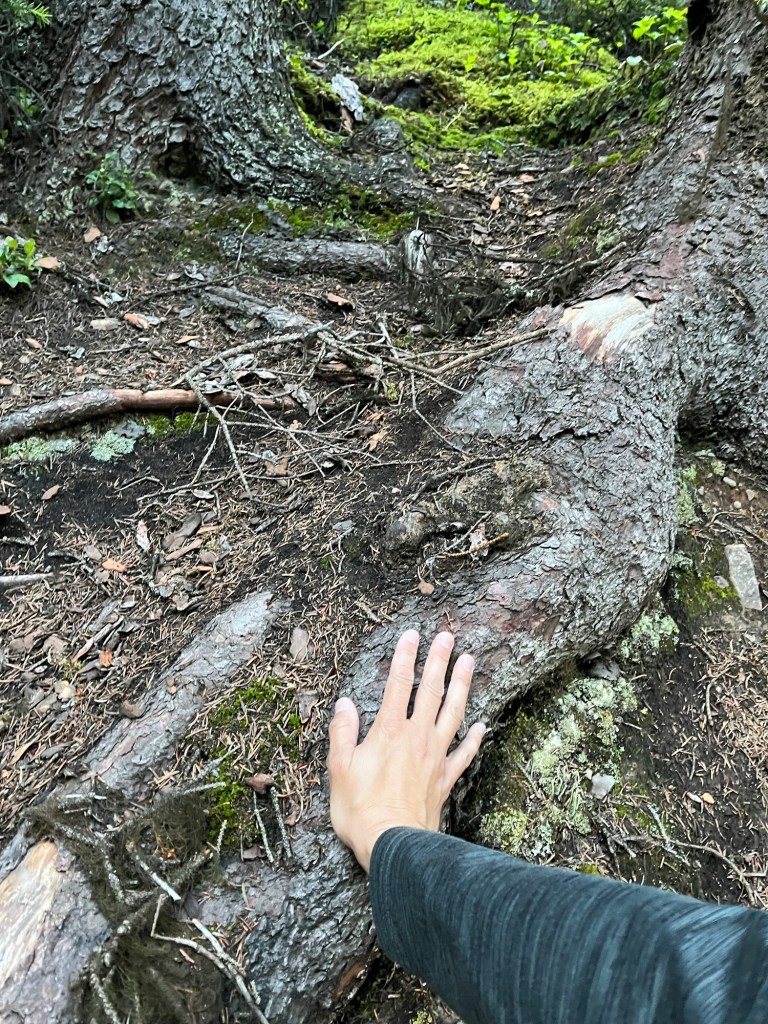
When my basket is empty, when my reserves are gone, the forest offers a kind of wealth that doesn’t demand dollars or energy I don’t have. Sitting under the trees, breathing in the scent of pine, listening to the rustle of leaves—these are exchanges that give more than they take.
Forest therapy reminds me that not everything of value is bought or measured. The forest doesn’t charge for its healing. It simply offers. It allows us to rest, to breathe, to remember that even when our budgets—financial and energetic—are painfully small, there is still abundance to be found.
The economy of chronic pain is harsh and unrelenting. But the forest’s economy is different. It trades in stillness, in breath, in presence. It offers shade when the sun is too much, and quiet when the noise of survival is too loud.

This is why I keep returning to the trees. Because while the world asks me to spend what I don’t have, the forest reminds me: here, you are enough, just as you are.
The forest hides more than it reveals, yet what it reveals, sustains us.
-Unknown
The True Currency: Compassion
To those supporting people with chronic pain, we love you and we thank you. Please remember to lead with compassion. Your person is not lazy or careless, but living within an economy most cannot imagine. Lead with compassion and the way forward can be made clear.
We do not see nature with our eyes, but with our understandings and our hearts.
-William Hazlitt

To recap, I caution against developing chronic pain and illness. It is terribly expensive and inconvenient for others. 😏
September you are promising. The beginning of a gorgeous and necessary decay. The edge of triumph before the deep rest.
-Victoria Erickson

 SUNBEAM ACRES