Everything Hurts, Now What?

There is a specific genre of complaining that I have become suspicious of. 🕵️‍♀️

Not the legitimate kind.

Not the “I have been awake since 3:17 a.m. because my nervous system is holding a fire drill” kind.

Not the “Why does getting showered and dressed feel like an Olympic event?” kind.

And definitely not the “Who designed this world without considering people who have pain?” kind.

Some things are a genuine bummer.

Chronic pain is hard. Fatigue is hard. Having a body that doesn’t always cooperate is hard. Watching other people casually do things that require me to carefully plan and then recover, can be hard.

My body doesn’t always recognize my authority. There’s a department. A committee. Tons of red tape. It’s a whole thing.

I am not talking about pretending those things aren’t hard.

I’m talking about what happens when complaining slowly becomes the neighbourhood we live in. And we didn’t even know we moved!

Because sometimes I wonder if complaining is one of the ways we get duped by the lies of this world.

Sneaky lies.

The kind that slip in wearing sensible shoes.

E.g.

  • Busy means productive
  • More is always better
  • Everyone else has it better than me
  • Your worth is measured by what you accomplish or have
  • You should be able to do it all
  • Other people should behave the way I think they should

Some lies show up more in certain arenas. In the arena of chronic pain I have narrowed down to two societal lies that are at the top of my list.

The first lie of chronic pain sufferers: Life is supposed to be easier than this.

Somewhere along the way, I absorbed the idea that if I worked hard enough, made good choices, took care of myself, tried to be positive and generally behaved like a reasonably responsible adult, life would eventually cooperate.

🤭 Cute.

I have since learned that life comes with considerably more fine print.

And chronic pain has a particularly efficient way of magnifying those terms and conditions 🔎 .

You can eat well. You can exercise within your abilities. You can rest. You can take your medication. You can go to appointments.

You can stretch and strengthen and meditate and breathe and try every reasonable suggestion known to humanity.

And then Tuesday morning shows up, completely ignoring the fact that I had a lovely little breakthrough on Monday. My body still hurts. The dust is still judging me from across the room. The laundry has continued breeding. Nothing has been resolved, healed, folded, or otherwise put right.

That doesn’t mean you failed.

It means you’re human.

The second lie of chronic pain sufferers: If I can’t have the life I wanted, I can’t have a good life.

This one is considerably more dangerous.

Because chronic pain can shrink our world.

First we stop doing something because it hurts.

Then we stop doing something because we’re afraid it will make things hurt worse.

Then we stop making plans because we don’t know how we’ll feel and we are tired of cancelling.

Then we start thinking about everything we’ve lost.

And eventually our attention becomes almost completely occupied by what isn’t possible.

The thing is, nothing has to be invented. The losses are real.

But the brain can take a real loss and turn it into a much larger story.

I can’t live like I used to becomes:

I can’t do anything.

I’m having a terrible pain day becomes:

I’m always in unmanageable pain.

I can’t make plans reliably becomes:

My life is completely out of my control.
That’s where I think complaining can become a trap.

We’re no longer simply describing our circumstances.

We’re rehearsing them.

Over and over.

And our brains are remarkably good at getting better at whatever we repeatedly practice.

But here’s where I need to be careful.

Because there is another lie that can sneak into this conversation.

“If people are tired of hearing about my pain, I should just tuck that thought back in the vault where it belongs.”

No.

Absolutely not.

I have chronic pain.

This is not a part-time hobby.

If something hurts every single day, pretending it doesn’t hurt so that everyone around me can have a more comfortable afternoon isn’t healthy either.

Sometimes I need to say:

“Today really hurts.”
Sometimes I need somebody to know that I’m struggling.

Sometimes I need to be able to say, “This is really hard, especially today,” without having to immediately follow it with something inspirational so nobody gets uncomfortable.

I don’t need a motivational quote.

I need a witness.

And sometimes the person we need to hear us is the person who is tired of hearing it.

This is one of the hardest parts of chronic pain.

Because pain doesn’t take weekends or holidays off.

It doesn’t understand that those closest to you have already heard about it yesterday. And the day before that. And the day before that. For what seems infinity.

It doesn’t care that your family has had a long day.

It doesn’t politely wait until everyone is emotionally available.

And the person who loves you may eventually reach a point where they think:

I know you’re hurting. I know. But I don’t know what else to say.

And sometimes that comes out as:

“That sucks.”

Then they go back to whatever they were doing.

Ouch 😣

Because when you’re hurting badly enough to finally say something, “That sucks” can land less like validation and more like:

Please stop talking about this 🙄 .

But there is another possibility.

Maybe they’re not saying:

Your pain doesn’t matter.

Maybe they’re saying:

I don’t know how to fix something I can’t fix 🔧.

Maybe they’re exhausted too.

Maybe they have heard about your pain so often that they have become emotionally numb. Not because they don’t love you, but because human beings aren’t particularly good at repeatedly witnessing something they can’t make better.

And here’s an inconvenient truth:

Both people can be hurting.

The person with chronic pain can need to be heard.

And the person who loves them can need a break from pain being the centre of the room.

Those two things can be true at the same time.

So how do we complain in a healthy way?
Maybe the answer isn’t don’t complain.

Maybe it’s learn how to communicate the need underneath the complaint.

Because sometimes what I’m really asking isn’t:

“Would you like to hear the latest installment of Everything That Hurts?”

Sometimes I’m asking:

“Can you please just acknowledge that this is hard?”

That’s a different request.

Instead of:

“Everything hurts today. My back is killing me, my hips are aching, I barely slept, my hands hurt, and I don’t know how I’m supposed to get anything done…”

I might try:

“I’m having a really bad pain day. I don’t need you to fix it. I just need you to hear me for a minute.”

Or:

“Can I have two minutes to complain without you trying to solve it?”

Or even:

“I need a little reassurance right now. Can you tell me you understand that this is hard?”

That gives the other person a job they can actually do.

They don’t have to cure chronic pain.

They don’t even have to have the perfect response.

They just have to be present.

And I think we can give them permission to tell us when their tank is empty.

This one is tricky.

Because if someone says, “I can’t listen to this right now,” it can feel devastating.

Especially when you already feel like your pain is an inconvenience.

But perhaps we can build a different language around it.

“I love you. I believe you. I just don’t have the capacity to talk about pain right now. Can we come back to this later?”

(Hold them to talking about it later, or they are just avoiding the issue)

That is very different from:

“I’m sick of hearing you complain.”

One establishes a boundary.

The other makes the person feel like the problem.
And research on chronic pain couples backs up the importance of this distinction. Validation communicates that the person’s experience is real and understood, while invalidation can interfere with emotional and pain regulation. At the same time, studies also suggest that very frequent pain-related disclosure can wear down supportive responses. (PubMed)

So perhaps healthy communication lives somewhere in the middle.

Tell the truth.

Don’t catastrophize the truth.

Ask for what you actually need.

Give the other person permission to have limits.

And don’t make one person your entire emotional support system.

Because that’s a lot to ask of one human being.

Even if that human being is married to you.

Your brain is listening to you.
Our brains don’t simply receive information from our bodies like a receptionist taking messages.

They’re constantly interpreting what is happening.

Attention, emotion, memory, expectation and perceived threat can all influence the experience of pain.

Chronic pain isn’t simply a matter of damaged tissue sending an identical pain signal over and over again. The nervous system can become sensitized and change the way sensations are processed.

And repetitive negative thinking (ruminating about pain, what it means, what might happen, how unfair it is) can add another layer of distress.

In very simple terms:

What we repeatedly pay attention to gets easier for the brain to notice.

That does NOT mean chronic pain is imaginary.

It does NOT mean positive thinking cures illness.

And it absolutely does NOT mean that if you’re still hurting, you just aren’t trying hard enough.
Puh-lease. ✋

I have enough on my plate without wondering whether I’m handling my suffering correctly.

But it does mean there may be a difference between:

“This hurts.”

and

“This hurts, this always happens, this is never going to change, I can’t do anything, my life is terrible, nobody understands, and why does everyone else get to have a normal body?”

The first is information.

The second is a story.

And stories can either help us carry reality or make reality heavier.

Validation isn’t the same thing as agreement.

This is an important distinction.

If I say:

“I’m scared this pain will never get better.”

You don’t have to get in the pit with me and say:

“Yes. The dumpster fires persist but so do we.”

You can say:

“I can understand why you’re scared. You’ve been dealing with this for a long time.”

That’s validation.

You’re not agreeing with the prediction. You are not forecasting something different.

You’re acknowledging the experience.
Researchers studying chronic pain couples have found that empathic and validating responses are generally associated with better emotional and relationship outcomes, while invalidating responses tend to be associated with worse outcomes. A 2025 systematic review of chronic pain couples reached a similar overall conclusion. ((PMC)PubMed Central)

And interestingly, even brief training in validation has been shown to improve validating responses from spouses and reduce negative affect in partners living with chronic pain. (PubMed)

Which means perhaps we don’t need our loved ones to become pain experts.

Maybe we just need to teach each other a few life-saving sentences.

🛟 “I believe you.”

🛟 “That sounds really hard.”

🛟 “I’m sorry you’re hurting.”

🛟 “Do you want me to listen, help, or give you some space?”

Sometimes I need help.

Sometimes I need someone to sit beside me while I have spectacular pity party.

And sometimes I need everyone to leave me alone.

Which brings me to the forest.
The forest is a third party in the conversation.

One of the reasons I love forest therapy is that it gives me somewhere else to take my pain.

Not to hide it. Not to deny it. Just to put it down for a little while.

The forest doesn’t say:

“Again with the pain?”

It doesn’t say:

“You’ve already told me this.”

It doesn’t say:

“That sucks.”

It simply gives me something else to notice.

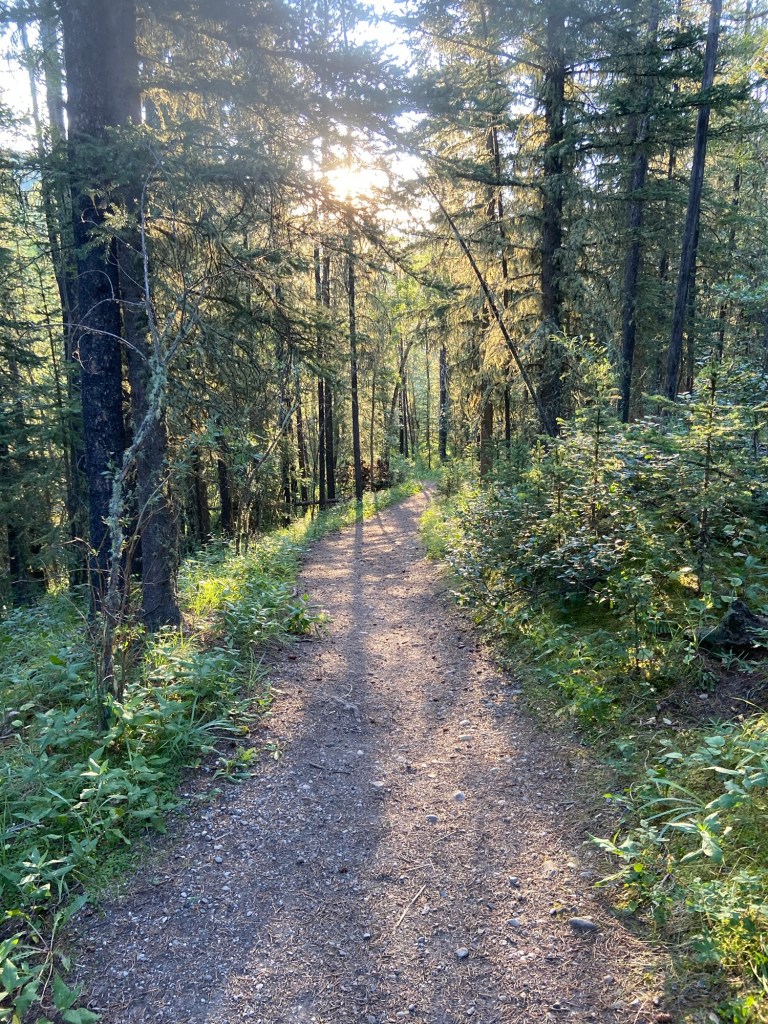
The sound of wind moving through branches.
The texture of bark.
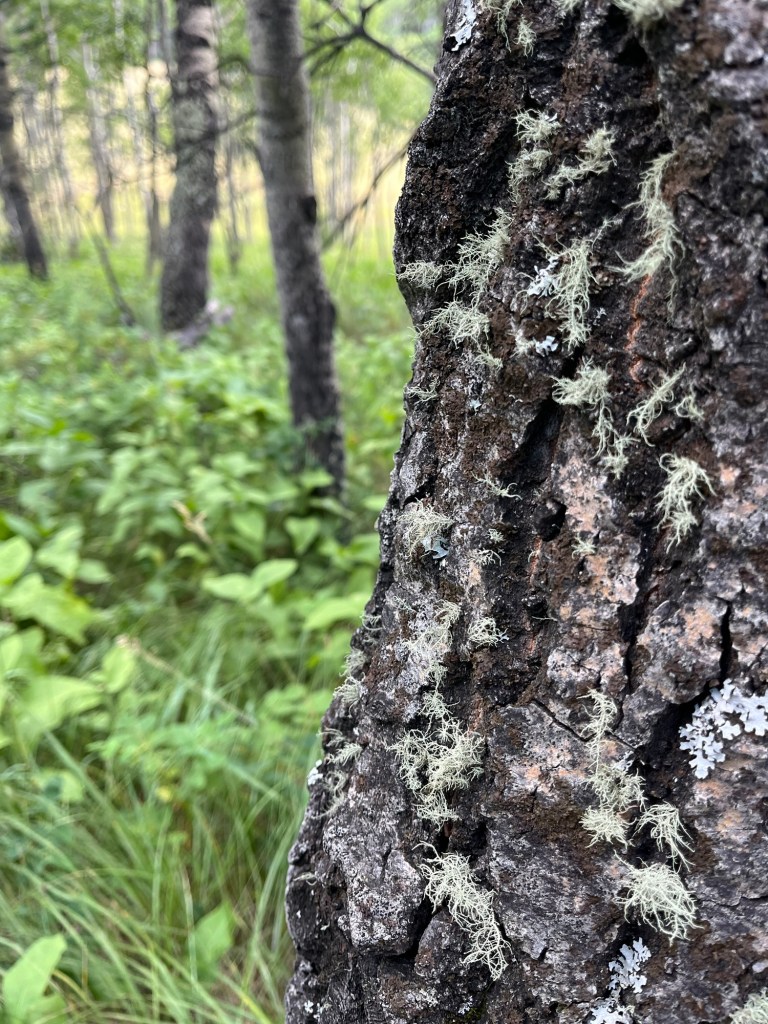
Birdsong.
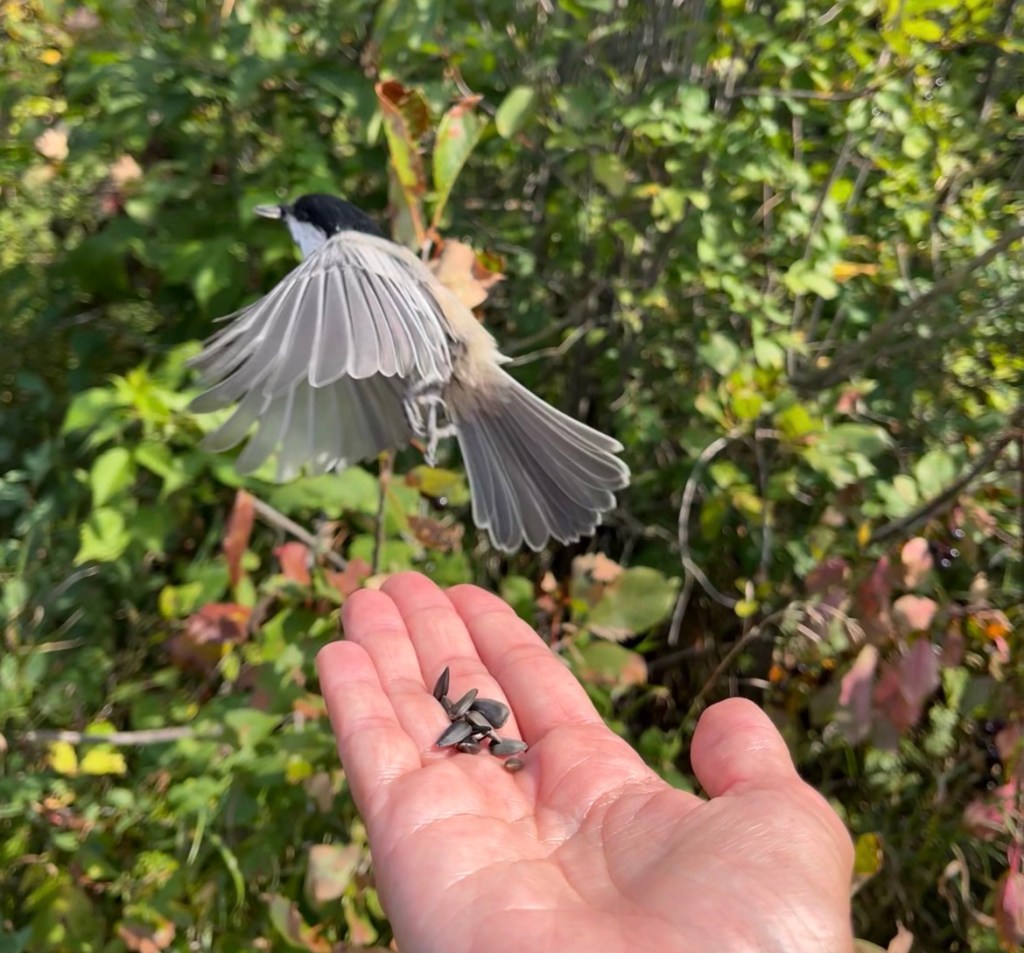
The smell of damp earth.

Bosky

Covered with bushes, shrubs, and small trees, or having a woody and shady appearance. (Dictionary.com)
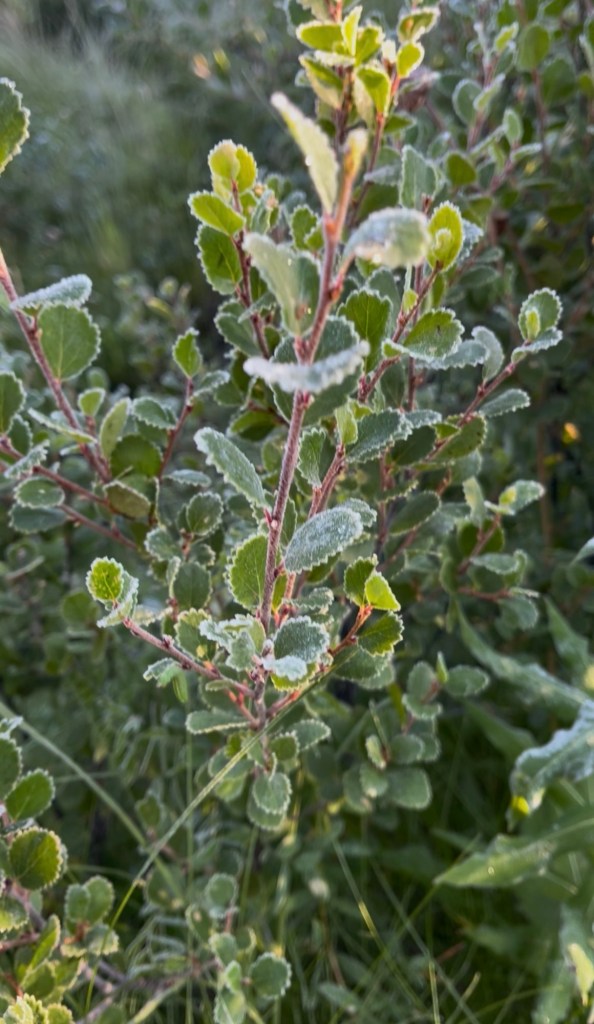
Light moving through leaves.
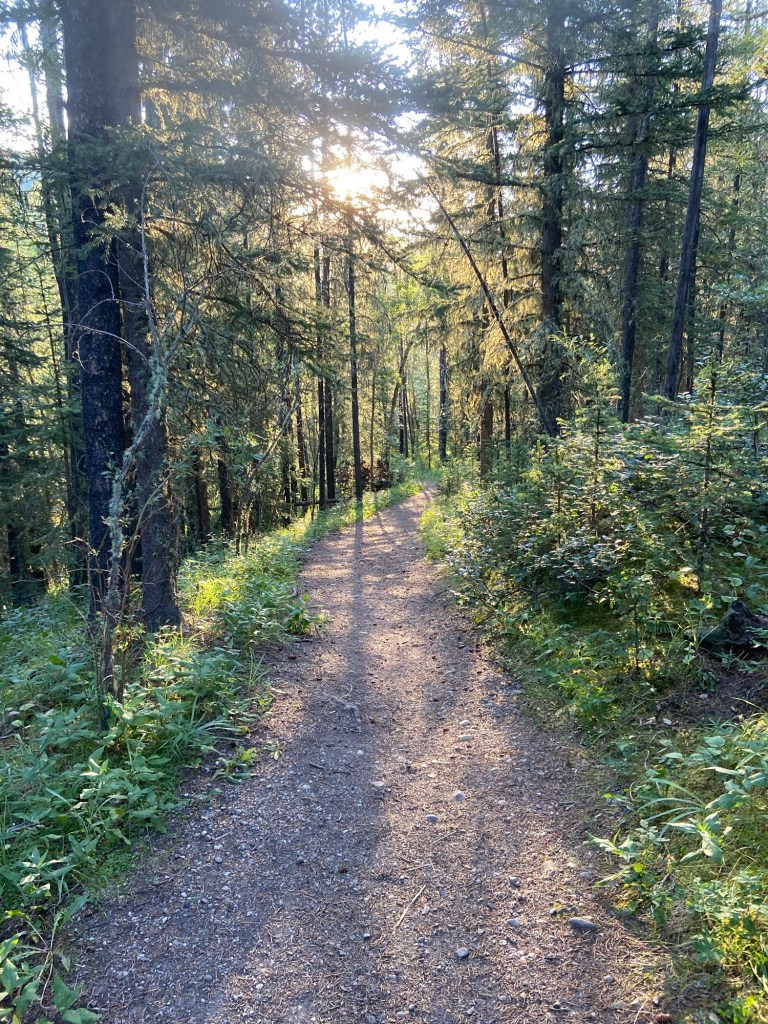
My feet touching the ground.
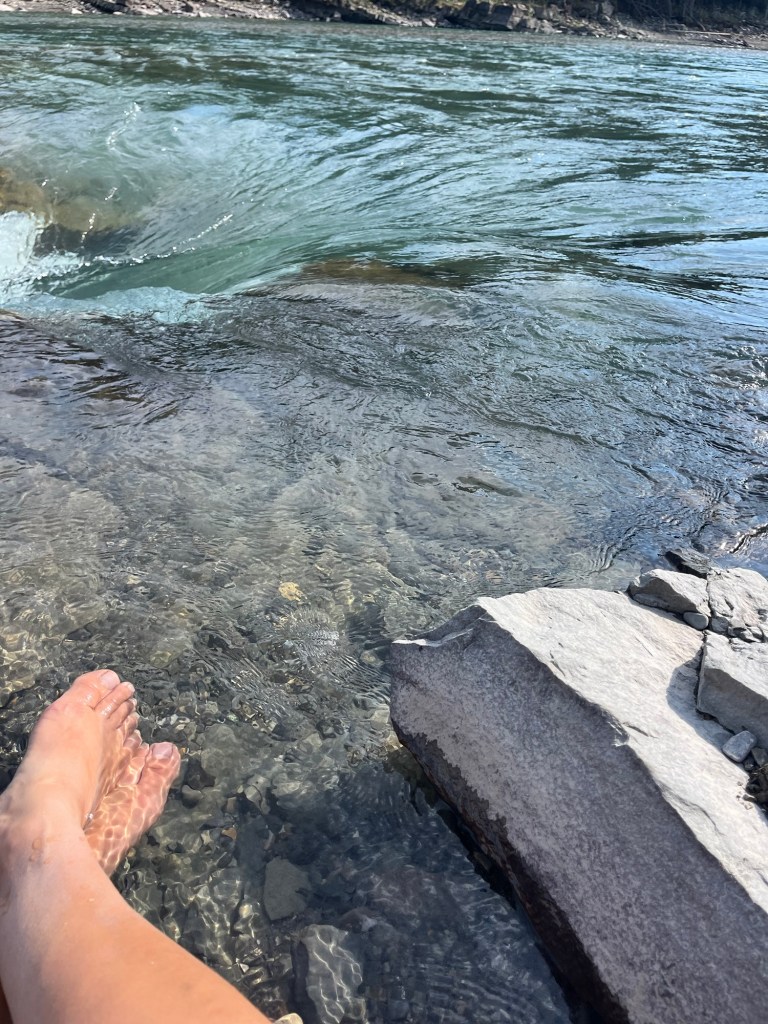
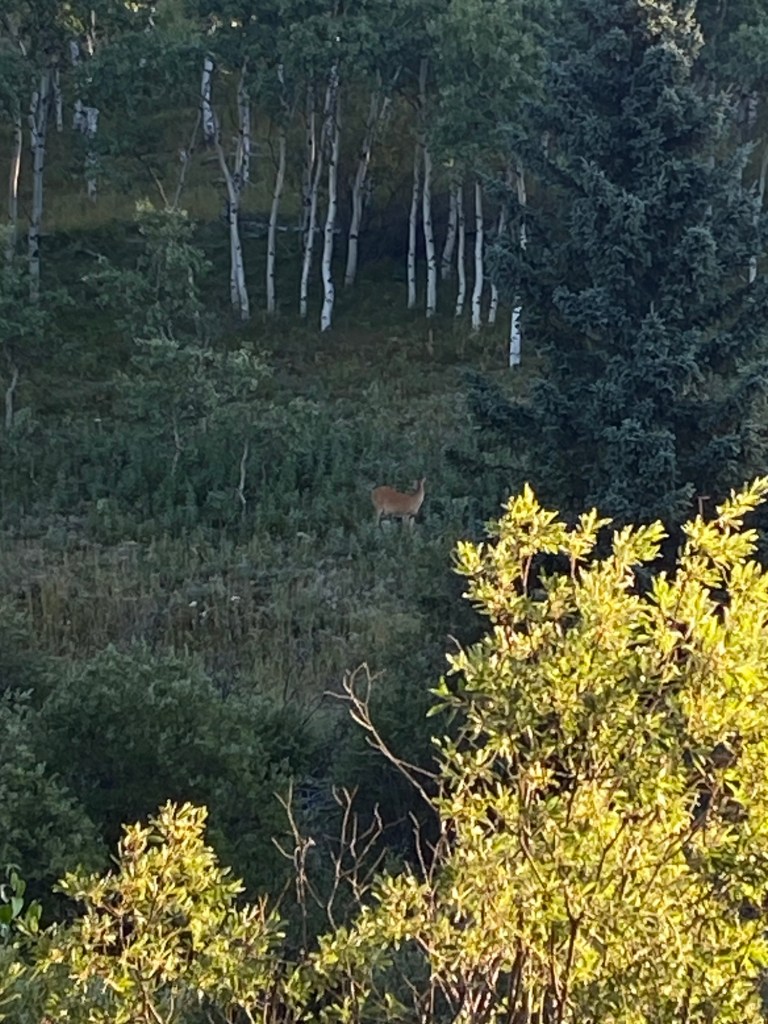
My breath silent as I watch the deer across the ravine and she watches me.
And suddenly my attention isn’t completely occupied with the running commentary in my head.
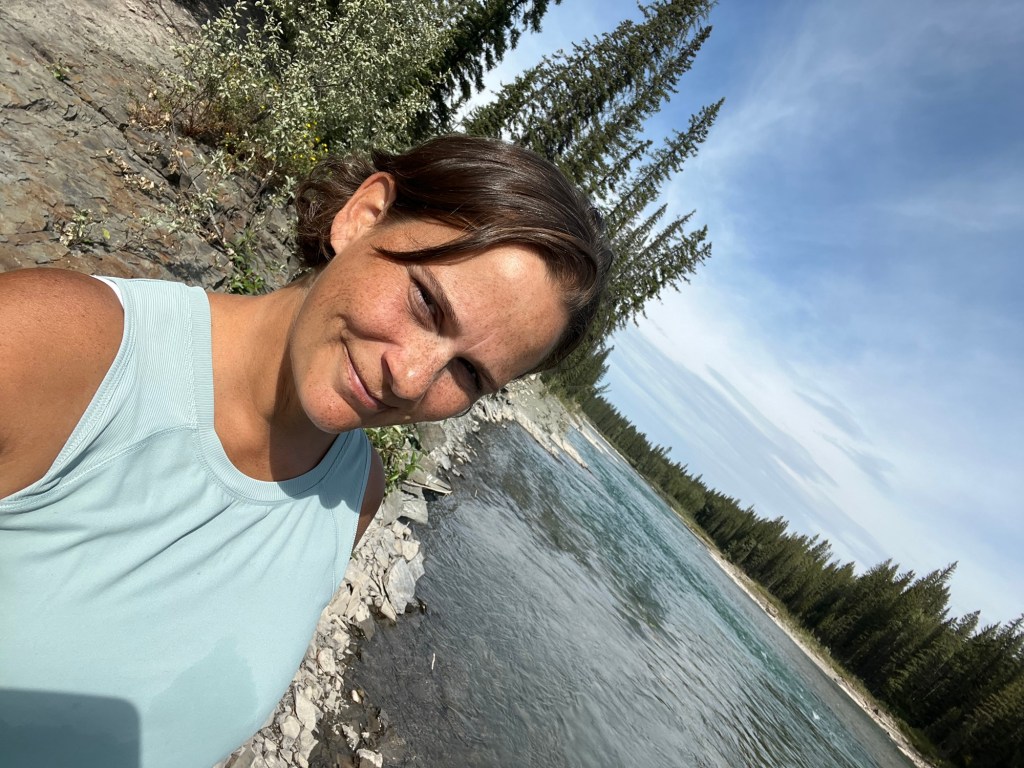
Nature exposure has been associated with reduced stress, and research on forest therapy has found changes in measures such as cortisol, heart rate and parasympathetic activity.

The evidence isn’t perfect, and the forest isn’t a cure for chronic pain. But it can offer the nervous system a different kind of input. Slower, safer, less demanding.

Sometimes that is enough to interrupt the loop.

Try this the next time you catch yourself complaining.

Don’t shame yourself.

That’s just complaining about your complaining. You’ve now created a sequel nobody asked for 🤦‍♀️.

Instead, pause.

Ask:

What am I actually needing right now?

Am I needing to be heard? practical help? reassurance? rest? Am I feeling lonely? frightened? angry?

Am I simply needing someone to say:

“That really sucks.”

Because sometimes that is enough.

Then ask yourself:

Who is the right person to give me that support right now?

Maybe it’s your spouse.

Maybe it’s a friend who understands.

Maybe it’s a support group.

Maybe it’s a therapist.

Maybe it’s a journal.

Maybe it’s the forest.
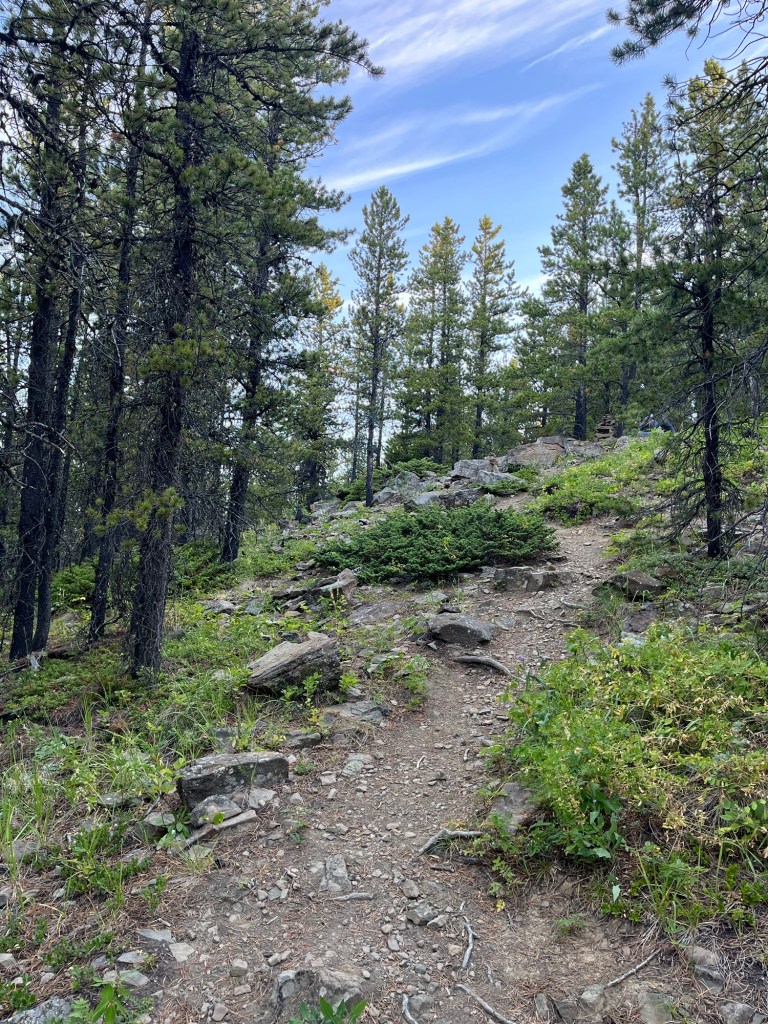
And maybe sometimes it’s you.

I’m not trying to become a person who never complains.

Frankly, that sounds exhausting.

I still complain.

But I’m trying to notice when complaining stops being a way of expressing something and starts becoming a way of seeing everything.

And I’m also trying to remember that needing to talk about my pain doesn’t make me a burden.

I can tell the truth about what hurts. I can ask to be seen. I can let someone say, “I love you, but I don’t have the capacity for this conversation right now.”

I can find more than one place to put my pain.

And I can learn the difference between telling the truth and allowing the pain to tell me the story of my entire life.
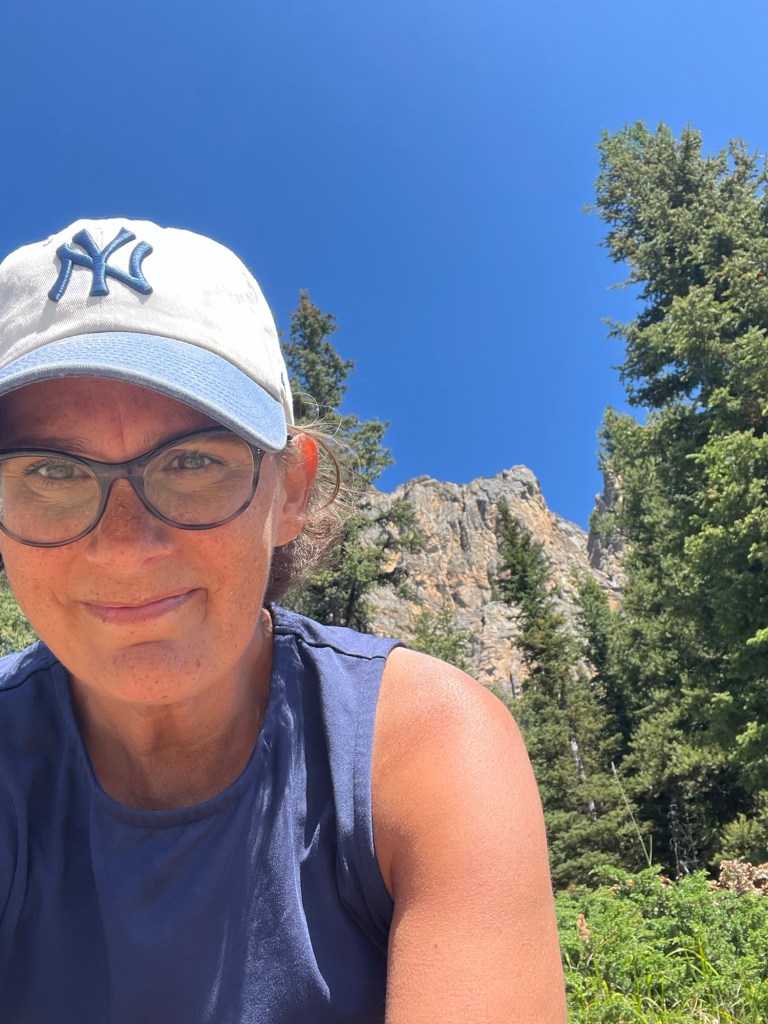
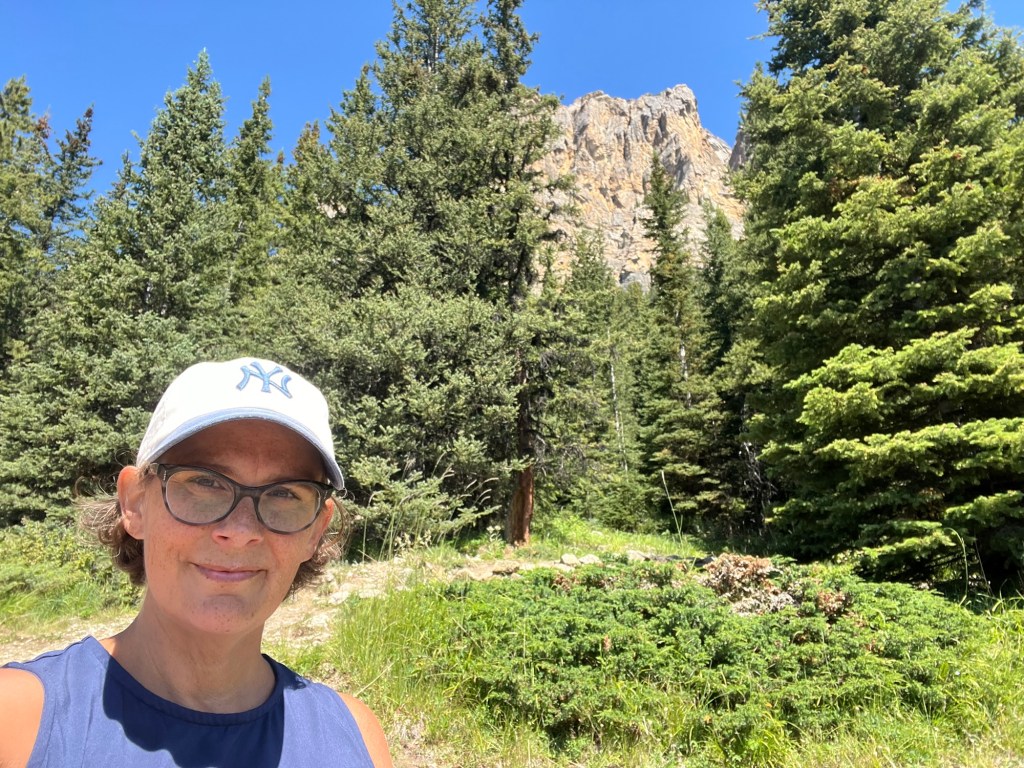
Because maybe that’s one of the great tricks of this life:

The lie isn’t always that our circumstances aren’t difficult.

Sometimes the lie is that our circumstances are all there is.

Pain is part of my life. It isn’t the whole of it.

Fatigue is part of my life. It isn’t the whole of it.

The things I can’t do are part of my life. They aren’t the whole of it.

And when I walk into the forest, I get reminded of something my occasional complaining brain conveniently forgets:

There is still a world happening outside my symptoms.

There is still beauty. There is still laughter. There are still surprises.
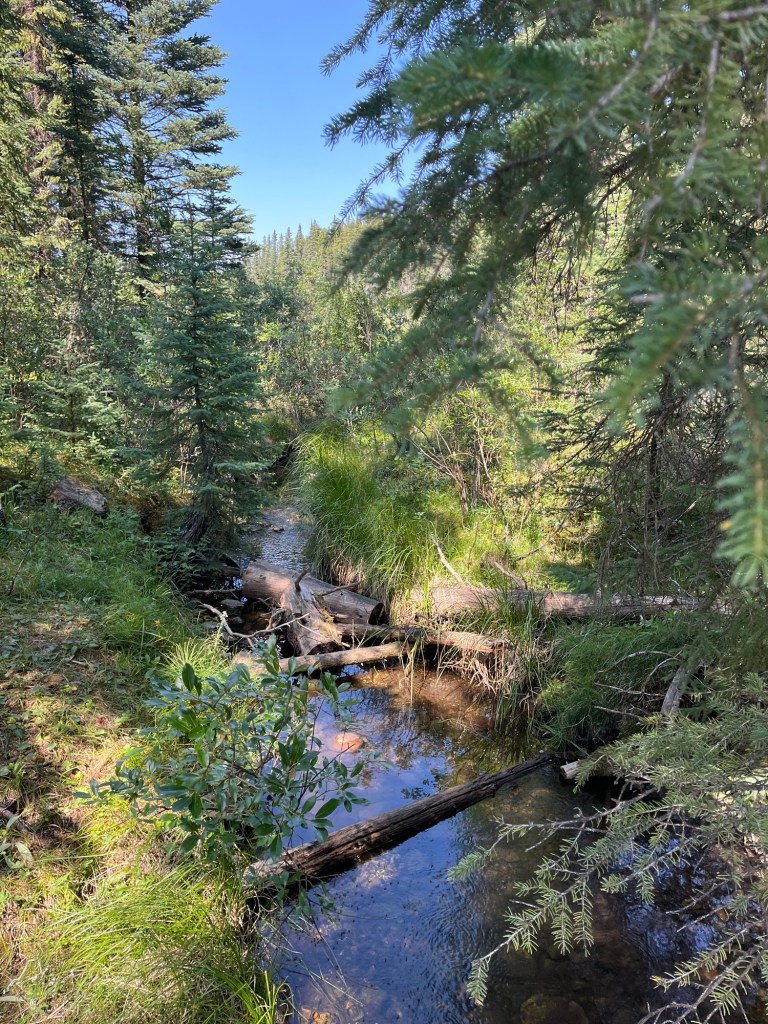
Maybe I don’t have to fight my life into becoming the one I thought I was promised.

Maybe I can stop complaining about the moment long enough to find a life well-lived.

Even if it hurts. Especially then.
Living in the Pause

“The music is not in the notes, but in the silence between.”
—often attributed to Wolfgang Amadeus Mozart

I’ve been thinking about the pause. The spaces between the things we think make a life important.

We live in a culture obsessed with the notes.

The promotion.
The house.
The vacay.
The degree.
The business.
The six-figure salary.
The awards.
The followers.
The accomplishments we can put on a résumé.

More. More. More.

More recognition.
More experiences.
More things.

These things absolutely have their place and purpose. But somewhere along the way, we started measuring ourselves and others by those notes. What if, hear me out, the music is actually in the silence between? In the pause.

A forest is never truly silent. There is wind moving through the branches, birds calling, insects buzzing, leaves rustling, footsteps on the trail.

But there are pauses between the sounds. If you notice them, those pauses make you notice the sounds that much more.

Maybe life works the same way. Maybe the pause isn’t empty. Maybe it is where we hear what we would otherwise miss.

I don’t have the wealth or notoriety or conventional accomplishments that can make a life look impressive from the outside.

And often, I’ll admit, I struggle with that.

I want to work. I want to contribute. I want to be useful. I want to afford to live. I want nice things. I want to go fun places.

I want to get groceries without having to figure out which ones I can afford to put back (calculus- level grocery shopping.)

I want to say yes to things without factoring in the 2-3 business days of recovery. I don’t want to be a burden on others.

And when I look around and see everyone else accomplishing things, building careers, travelling, buying houses, starting businesses and living their lives, comparison can sneak in.

And comparison has never once left me somewhere good. It usually leaves me grieving the life I thought I was “supposed to have.”

Maybe I’m not missing the music. Maybe I’m living in the pause.

That reoccurring thought has changed some neural pathways in my brain.

Billy Graham once said, “You’ve never seen a hearse with a U-Haul behind it.”

We don’t take our houses. We don’t take our bank accounts. We don’t take our titles. We don’t take the things we’ve accumulated. We don’t even take our accomplishments.

People sometimes leave a legacy through museums, buildings, scholarships, roads and schools named after them. (And there is nothing wrong with that.)

But I’ve started asking myself a different question:

What if the most important legacy isn’t what has my name on it?

What if it’s who I became while I was here? And whose name I have written on my heart at the end of it all?

What if the real question isn’t, “What did you accomplish?”

But:

“Who did you become?”

Did I become kinder? More compassionate? More patient? More generous? More loving?

And, if you believe as I do, “Do you pause to recognize this is who you have become with God’s help?”

That changes the way I look at my days.

I believe the only things I ultimately get to take with me when I leave this life are my relationships with the people I love and what I have become in the process of living it.

So if this is the pause, I don’t want to waste it.

I want to live here intentionally.

Interruptible-y.

I’ve spent a lot of my life focusing on productivity.

What’s next? What needs to get done? What am I accomplishing? How do I fit everything in?

But what happens when I build my life so tightly around my plans that there is no room for interruption?

What if the interruption is the point?

I still have a loose outline for each day. Things I want to accomplish.

But I want to be interruptible. I want to leave room for God.

For people. For a conversation. For a need. For beauty. For a compassionate detour.

What does living in the pause look like for me?

I’ve started organizing my life around four areas.

Not perfectly.

But intentionally.

1. Spiritual growth

I start with God. I pause to pray to speak to Him. Then I read scripture to listen.
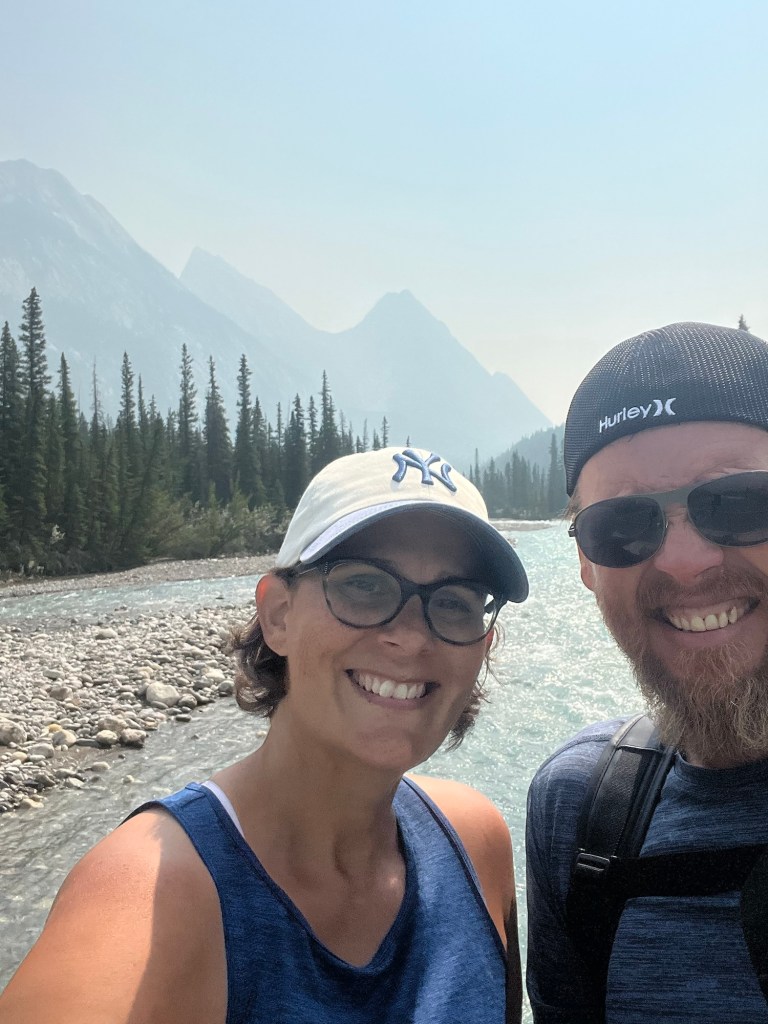
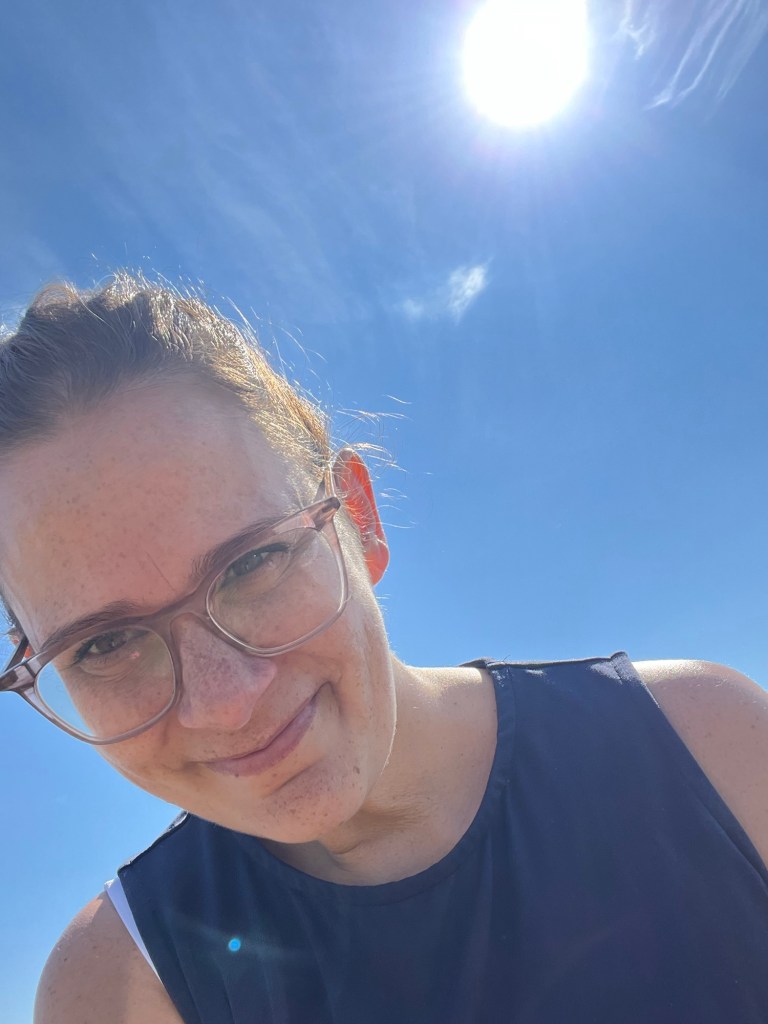
Sometimes I’ll sit in the sunshine while I pray. There’s something about feeling the warmth of the sun on my face, noticing the light, and remembering that I’m part of something much bigger than whatever is happening inside my own head. Or my body.

Soulucence

A coined spiritual and artistic term meaning the radiant, unarmored light of your true soul, shining to the world.

I try to carry that awareness with me through the day. That light. That connection.
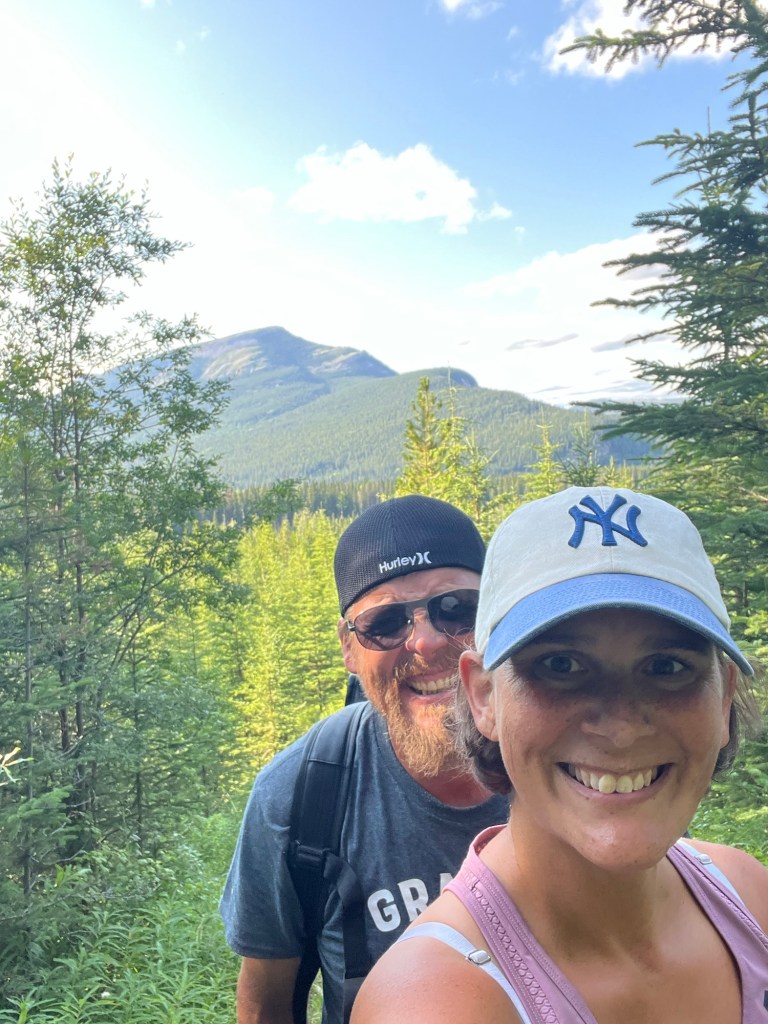
The reminder that my life has a purpose beyond what I can accomplish.
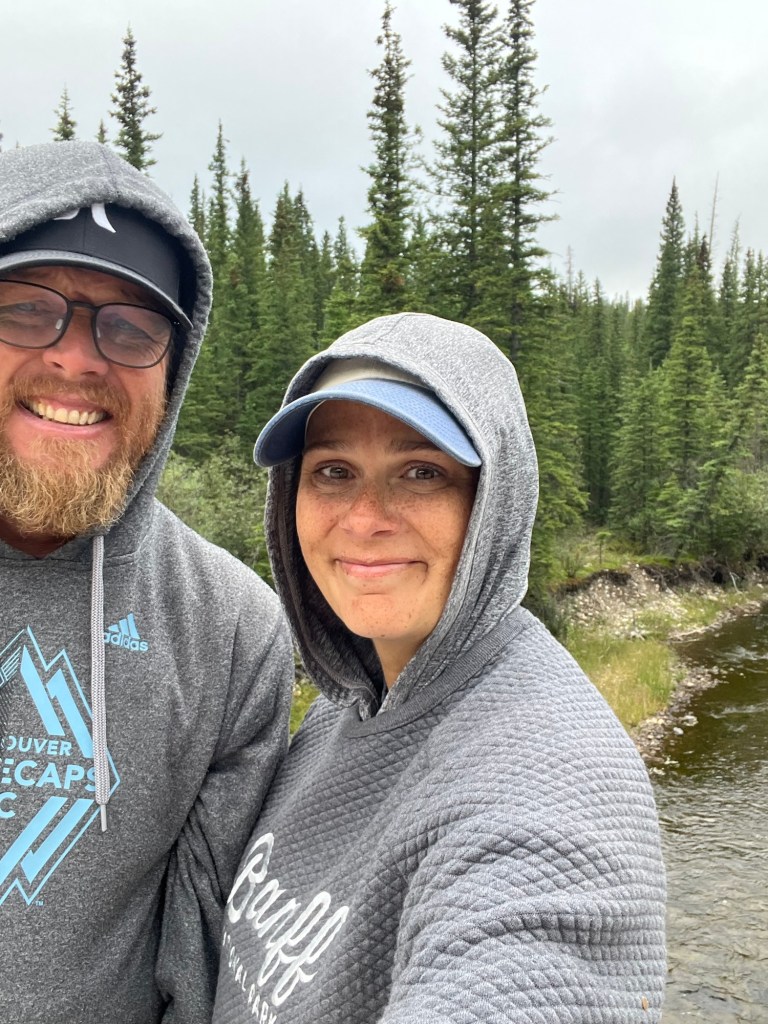
Because if I spend all my energy trying to build a life that looks successful but neglect the person I’m becoming, I’ve missed the point.

I don’t have to earn my worth by being useful.

I can simply be His.

And from that place, I can become more interruptible. More available. More attentive.

More willing to notice what He might be putting in front of me.

2. Physical health

My body gets a significant portion of my attention these days.

I go to the gym three days a week. I have a routine for each visit.

I generally walk there, which means going to the gym can consume a surprisingly large portion of my day.

Not much keeps me home.

Ribs out? Still going.

Bone structure held together by ligaments there more for decoration than integrity? Still going.

Bad weather? Still going.

The people who were supposed to meet me there cancel? Still going.

Apparently I have become that person.

Until. Ice. Then I stay home.

I also spend time trying to support my body in other ways. Light therapy, castor packs, and other things that have become part of my detox routine.

I’m working toward an anti-inflammatory way of eating. Let’s just say this is a work in progress.

I can make a beautiful, healthy breakfast and then my good intentions meet a snack.

My next goal is finding healthy lunches I actually enjoy and snacks that don’t make my inner snack gremlin revolt.

I’m also working on drinking more water. If you have a solution for this other than “just drink more water 🙄,” I’m listening 👂.

I make homemade body products and cleaning products too. One day a week is usually devoted to refilling whatever is running low.

It’s not glamorous. But it is part of caring for the body I’ve been given. And I’m learning that caring for my physical health isn’t about forcing my body to perform like it used to.

It’s about listening to it. Respecting it. Working with it. And sometimes, that means adjusting the plan.

Which brings me back to:

Being Interruptible.

A healthy life isn’t necessarily a perfectly executed schedule. Sometimes it’s knowing when the schedule needs to change.

3. Intellectual and creative growth

“Live as if you were to die tomorrow. Learn as if you were to live forever.”

— often attributed to Mahatma Gandhi

A mind is a terrible thing to waste.

I don’t want to stop learning just because my life doesn’t look the way I once imagined it would.

So I read. I listen to books and podcasts. Not mindless gibber-jabber. I want to learn things. Understand things. Try things.

I’m interested in how people work, how the brain works, how the body works, how nature affects us, how faith shapes us, how we can live better.

And then I try to do something with what I’m learning. I recognize it’s about more than just taking in. Our output of that knowledge benefits us and others.

I write. I blog. I create. I try new skills. I play. I experiment. I make room for curiosity.

And I’m trying to bring meditation back into my routine this fall. That one has fallen somewhat spectacularly off the summer wagon schedule.

Maybe summer isn’t the season for stillness for me. Maybe it’s the season for gathering enough light to carry me into the winter pause.

Living in the pause doesn’t mean creating another impossible list of things I must accomplish in time.

It means paying attention and following what works for the day. Or pursuing a completely unplanned thought.

Such as taking a compassionate detour.

Which brings me to the fourth part.

4. Relationships

This might be the most important one.

I start my day with a loose outline.

But I try to remain interruptible.

If a friend needs to talk, I want to have room for that.

If someone needs support I can give, I want to be available.

If my husband and I have an opportunity to go for a walk or grab a treat, I don’t want to be so committed to my schedule that I miss it.

I intentionally build visits with friends into my week. Sometimes we go for a walk. Lay on the beach. Or we just sit and talk.

Some people leave me energized. Some people deplete my energy.

I’m learning to recognize the difference, being mindful without judging either one. Because relationships are not an optional extra to a healthy life. They are part of a healthy life.

I believe that the people I love are part of what I take with me into eternity, so investing in those relationships isn’t time away from my purpose.

It is part of my purpose.

Being interruptible means leaving enough room in my life for another human being to matter.

I still have days when I desperately want the notes.

I want the accomplishments. I want the freedom. I want to contribute more. I want to travel more. I want to buy something without having to calculate whether it’s practical.

I want a life that feels bigger sometimes.

But I don’t want wanting them to blind me to the life I’m already living.

The pause isn’t wasted time.

I used to think of the spaces between accomplishments as empty.

Waiting. Stuck. Behind.

I’m starting to see them differently.

Maybe this is where the music is. Where I learn to listen to God. Where I learn what matters. Where I become.

And maybe the pause isn’t the part of my life that happens while I’m waiting to get back to the real thing.

Maybe this is the real thing.

So I’m going to try to live here. In the pause.

To pray. To learn. To care for my body. To create. To laugh. To love my people. To take compassionate detours. To notice the rain. To sit in the sunshine. To walk through the forest.

And to become the kind of person I hope to be when all the notes have finally ended.

Because perhaps the music was never in the accomplishments.

Perhaps it was always in the silence between them.

And maybe that’s one of the reasons I keep coming back to the forest.

Forest therapy teaches that you don’t have to force a forest to perform for you. You simply enter it, slow down, notice what is already there, and become receptive to what you might otherwise miss.

The wind between the trees. The birdsong between the sounds. The light between the branches. The breath between one moment and the next.

The pause. I’m due for another sit beside the rushing water beneath the tall trees. A lay down under clear, bright, starry skies.

So here’s a question for you:

What would change in your life if you stopped seeing the pause as wasted time and started asking what it might be teaching you?

Be led by joy. It’s the whole point.

-Mike Dooley

You Are a Success Story

My physiotherapist, “J,” has been with me through it all.

She has seen me on some of my best days over the past 15 years of working with her.

  • The day I told her I was finally pregnant with the baby I had tried nearly a decade to conceive.
  • The day I said, “I’m running again.” After years of pain making even the thought of it feel impossible. My body has approached physical activity like a suspicious cat approaches a cucumber in the past.
  • She heard me process the long, exhausting teenage years of push and pull with my oldest child. And then my second. Followed by my third. The painful years that felt like emotional whiplash and then she celebrated with me when they all graduated. She understood firmly the mentality of, We did it! On each occasion.
  • She walked alongside me through buying and selling homes.
  • When Kenzie got engaged. Jamie transitioned. Riley moved in with his girlfriend.
  • When all three times I found out I was going to be a grandma, she was one of the first people to know.
  • When I started a forest therapy business and dared to believe healing could become something I offered others.

She has witnessed joy. Growth. Milestones.

We have laughed together as I walked around in a body that behaved like it’s been assembled from spare parts with vague instructions and one missing screw.

Proof that life can still bloom in hard soil.

And she has also sat with me on some of my worst days.

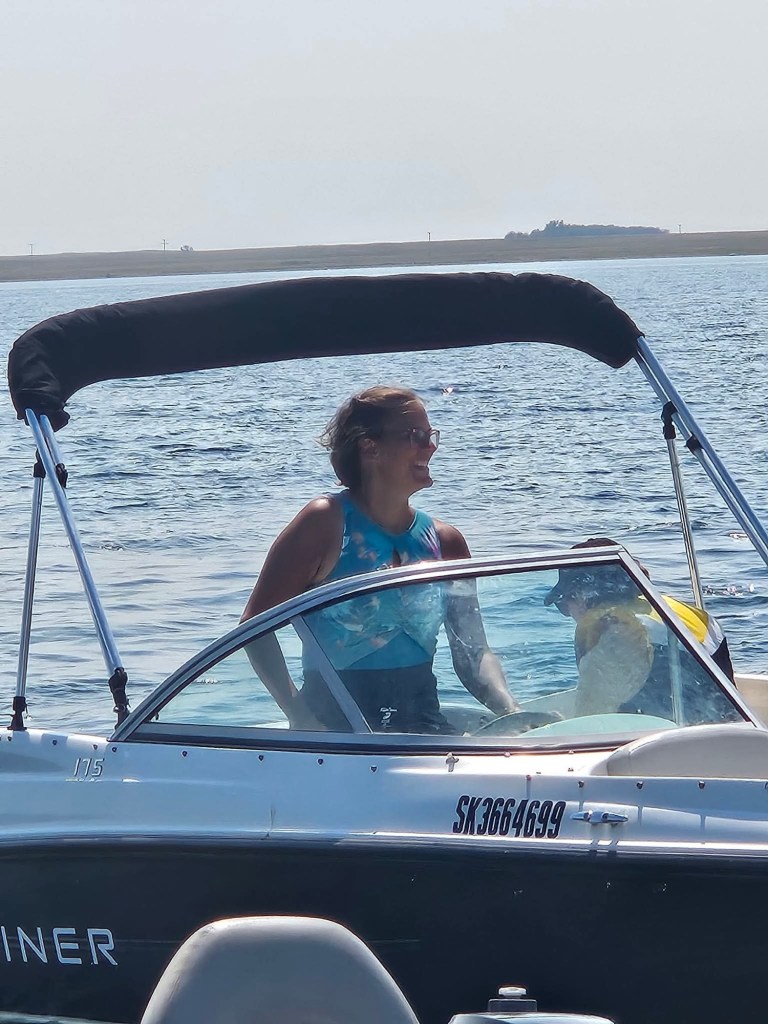
  • The day I fell off a boat and we both knew recovery would not be quick.
  • The years I fought to be taken seriously by medical professionals before finally getting the MRI that revealed my bone spur. Disappointing specialist appointments. Medical gaslighting.
  • Family job losses.
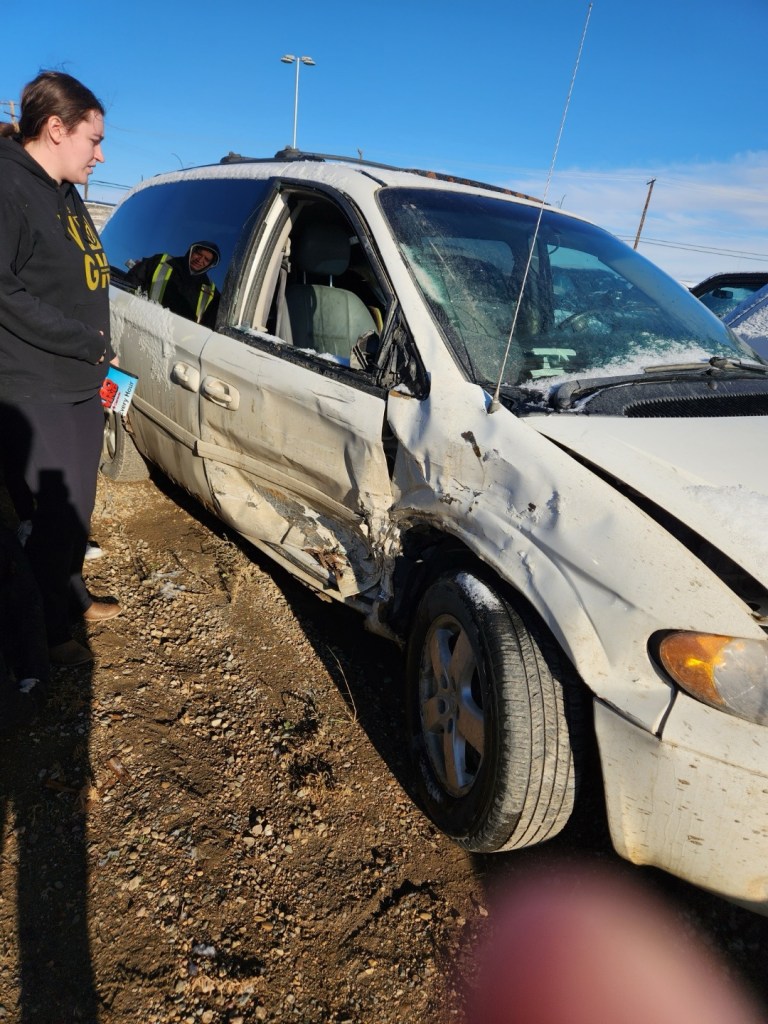
  • Kids in car crashes.
  • The miscarriage of the baby I had fought so hard to conceive. She cried with me that day. And the day I told her I was going ahead with the hysterectomy that closed that door entirely. We were so hopeful that would help my overall health.
  • Surgeries that did not go well.
  • The passing of dear friends.
  • The painful decision to close my business and then Brent’s and eventually to stop working.
  • Leaving the farm and grieving all that move represented. She understood, she’s a farm girl.
  • And the appointment Christmas Eve where she examined me and realized something was deeply wrong. I had almost no muscle mass. I was so weak and felt so broken, useless, a waste of skin.

I could write pages about what J and I have discussed over the years. At some point, she became more than someone treating my body. She became someone quietly witnessing my life story unfold.

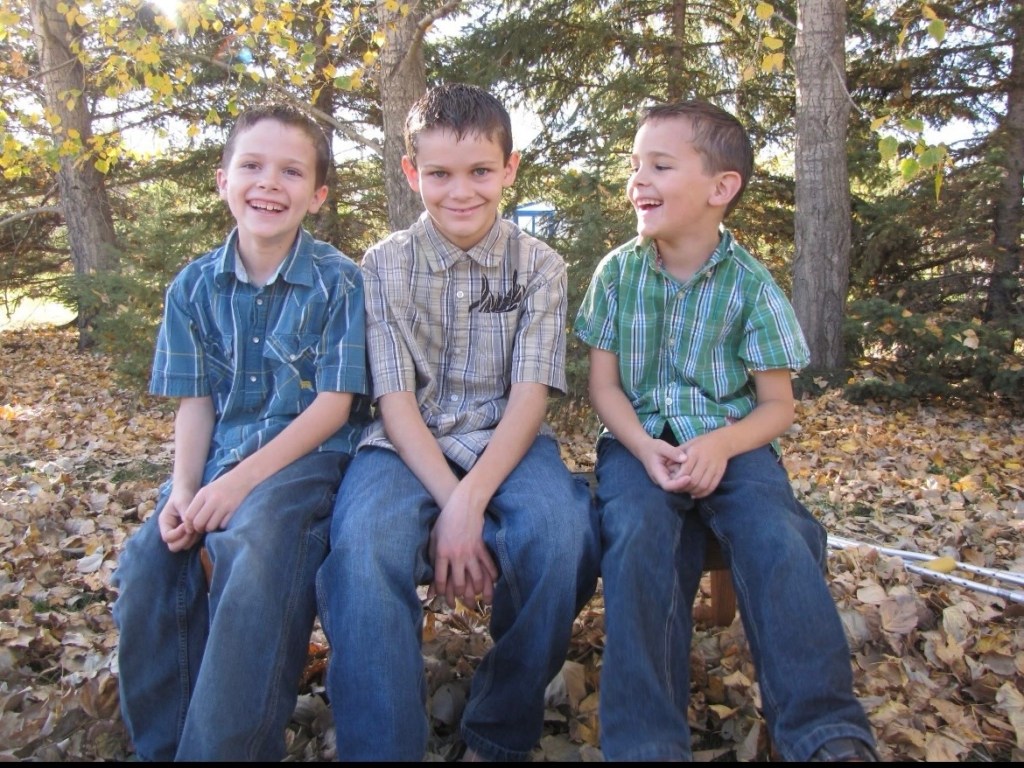
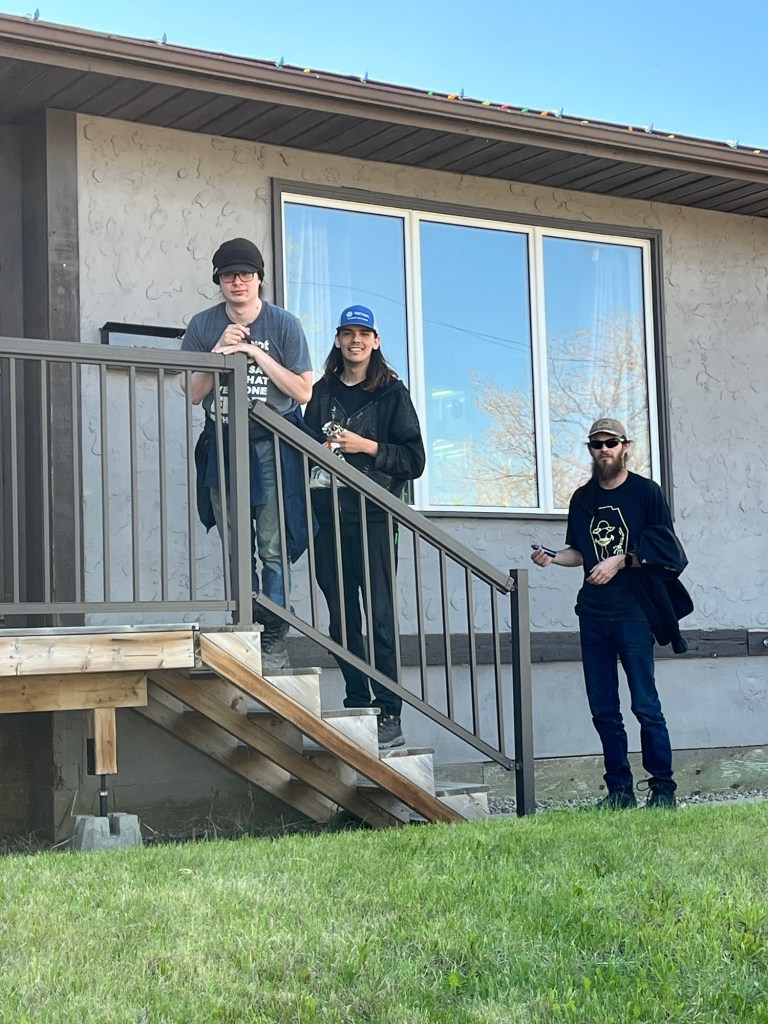
The size of my kids when I started seeing J
The size of my kids today.

And then one ordinary appointment changed how I saw myself.

It started like any other. I explained where the pain was. What had shifted in my workouts. What stress was doing to my body. What daily life had looked like since we last met.

She examined me, worked through familiar areas of tension, and after a moment of silence she said something I think applies to all my chronic comrades:

“You’re a success story. Do you know that?”

My first instinct is always to deflect a compliment.

I think you have me confused with someone whose joints aren’t held together by determination and prayer alone.

But it felt true. It felt like the most true diagnosis I’d ever been given.

She continued, (and I want you to see yourself in this,)

When you look at where you’ve been on your lowest days and where you are now. This is a success story.

You could have closed the doors on life. Stayed in bed. Turned inward. Leaned into fear of the future. You could choose to live frustrated and depressed. White-knuckling your way through existence.

But instead, you keep rebuilding. You keep getting stronger. No matter what knocks you down, you come back.

Like one of those punching balloons from childhood. The ones you smack into the floor and somehow they pop right back up, mildly annoying and aggressively optimistic.

I have a core memory of my cousin’s party. They had one of those balloons in the backyard. As I played with it I wondered what was inside that made it keep popping up.

If resilience had a mascot, I might nominate a half-inflated punching balloon and a woman with heating pads.

J was right though. That’s me. That’s you.

What is it that’s inside us that keeps us popping up, time after time?

Not graceful. Not elegant. Occasionally leaking air. But still coming back up.

Again. And again. And again.

J encouraged me to start writing it down. My story. To let others read it. And that is where this blog began.

A success story, heavily disguised as a challenging life story.

Chronic Pain Does Not Stay in One Box

If you live with chronic pain, you understand this. Pain does not politely stay in your shoulder. Or your spine. Or your hips. Or your joints.

It leaks. It spreads.

It enters your sleep, your patience, your relationships, your finances, your confidence, your work, your parenting, and your identity.

It is never just physical.

The dis-ease spreads just like disease. Not because we are weak. But because pain is invasive.

Scars are not signs of weakness, they are signs of survival.

Yet many people living with chronic pain quietly continue. They raise children. Show up to work. Try to exercise. Cook supper. Pay bills. Care for aging parents. Smile through appointments (and cry after.) Fold laundry while wondering why their body feels like it was assembled by a distracted Ikea employee.

And still… they continue.

That is not failure. That is resilience. That is success.

Rock bottom became the solid foundation on which I rebuilt my life.

–JK Rowling

The Exhaustion of Not Being Believed

One of the hardest parts of chronic pain is not always the pain itself. Sometimes it is the disbelief. Unfortunately, this can include close family members. Friends. Employers.

And yes, medical professionals.

When symptoms are invisible, people often assume they are exaggerated. If scans are unclear, they question your tolerance. If you “look fine,” they assume you must be fine.

And so many of us become defenders. Explainers. Evidence gatherers.

Trying desperately to prove that our pain is real. Trying to earn validation. Trying to convince others that suffering exists even when they cannot see it.

But constant defense is exhausting.

As Dallin H. Oaks said:

When attacked by error, truth is better served by silence than by a bad argument.

That quote hit me.

We do not need to defend ourselves from every misunderstanding. Not every person deserves access to our explanations. Not every accusation needs a rebuttal. Not every skeptical glance deserves our emotional energy.

There is a time to inform. And there is a time to walk away.

Never wrestle with pigs. You both get dirty and the pig likes it.

–George Bernard Shaw

Silence is not surrender. Sometimes silence is strength. Sometimes it is peace. Sometimes it is refusing to spend precious energy proving your pain to people committed to misunderstanding it.

Do not explain. Your friends do not need it, and your enemies will not believe you.

–Elbert Hubbard

You Are a Success Story Too

If you live with chronic pain and still carry on…

You are a success story.

If you’ve had to explain your pain as a weird hip or angry neck. Here is your medal in interpretive medicine 🏅…

And you are a success story.

If, like my friend described it, you have been blindsided at a medical appointment and you keep seeking your answers…

You are a success story.

If you got out of bed today and every day, despite exhaustion…

You are a success story.

If you parent through pain…

You are a success story.

If you grieve what your body once was while still learning to care for the body you have now…

You are a success story.

If you feel misunderstood. Lesser. Frustrated. Invisible. You are still a success story.

Do not let anyone take that from you.

You never know how strong you are until being strong is your only choice.

–Bob Marley

A Forest Therapy Practice: Seeing Yourself in the Landscape

One of the most grounding practices I return to comes from forest therapy.

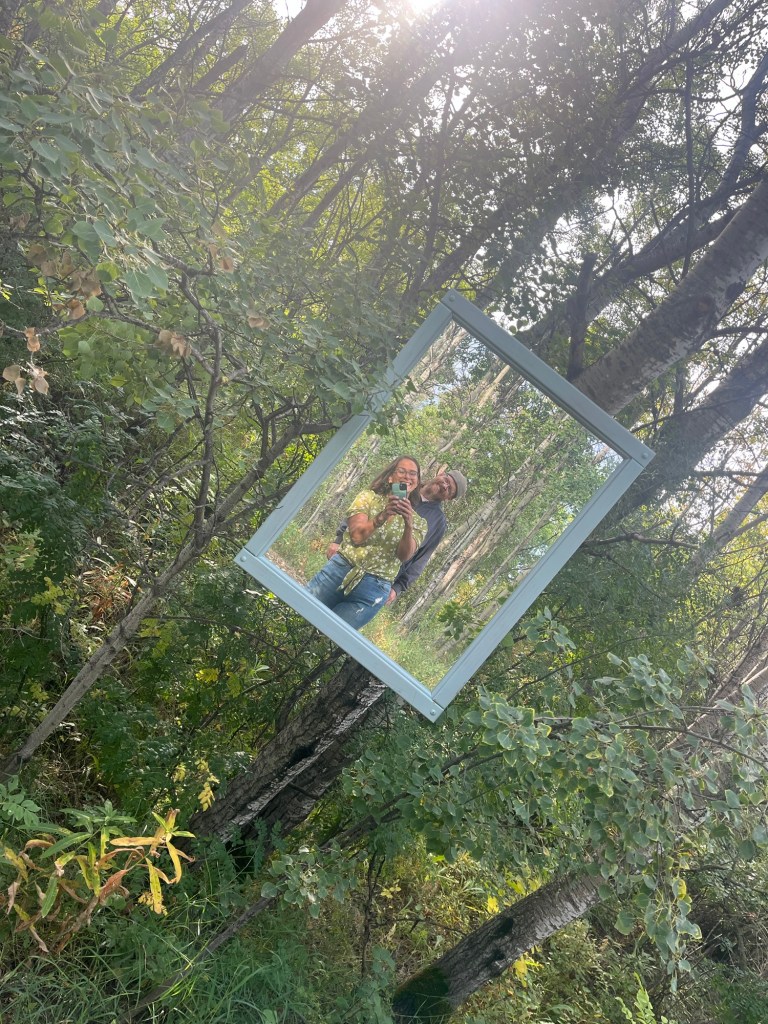
Take a small mirror with you into nature.

Stand among trees.

Or beneath open sky.

Hold the mirror so your reflection appears framed by branches, clouds, leaves, or light.

Look at yourself. Really look. See your face inside the larger landscape. Notice how you are not separate from nature. You belong here too.

Then ask yourself:

Where was I a year ago?

What have I survived?

How far have I come?

What strength still exists in me?

Appreciate where you are now. Not because healing is complete. But because progress deserves to be witnessed. And because you still have what it takes to continue.

Rivers don’t apologize for moving slowly at some points on their path.

Seasons do not shame themselves for resting.

Maybe we shouldn’t either.

My Success Story Is Still Being Written

I used to think success had to look polished. Strong. Linear. Easy to explain. Now I know better.

Sometimes success looks like rebuilding muscle. Sometimes it looks like surviving grief. Sometimes it looks like asking for help. Sometimes it looks like walking instead of running. Sometimes it looks like closing one chapter when life forces your hand. Sometimes it looks like bouncing back up like an emotionally exhausted inflatable clown with stubborn determination.

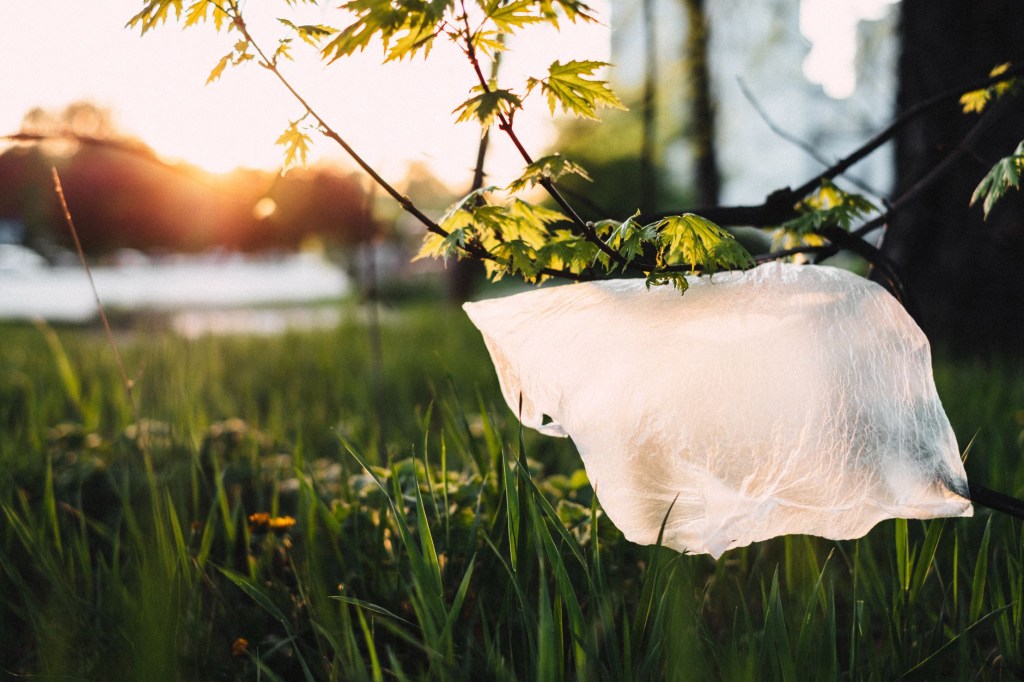
I have bounced back like a plastic bag caught in a prairie wind.

Messy. Crooked. Still rising. Still trying.

And maybe that is enough.

Actually

Maybe that is extraordinary.

You are a success story.

If pain has tried to rewrite your life and you still continue…

🫵 You are a success story.

And don’t you forget it. 😉

The Messy Middle: Finding Hope When Life Refuses to Be Tidy

I am in the messy middle of my life.

Not the beginning, when everything still feels like clay. Wet, moldable, brimming with possibility. And not the end, when threads have been tied off and stories are stitched into something you can finally make sense of. I’m here, in the thick of it. In the in between. Healing from chronic pain and somehow learning to live with chronic fatigue, trying to shape what might be next.

Trying to find purpose in pain when the path ahead feels tender and unfinished.

She cleared out all of her old ideas of things, until she could hear her own joy with almost no effort at all.

-Sara Avant Stover, The Way of The Happy Woman

As I have talked about previously on here. I had a hysterectomy after years of fighting hormones that felt like they were clawing their way through my insides. Endometriosis pain stretched across entire seasons of my life.

And then there was my business. It was finally thriving, finally fun. Something my mom built with her hands and heart. But my body whispered then shouted then raged to get me to listen to its unmistakable limits.

Even sitting at the piano. The place that once felt like oxygen became something my body could no longer hold. Notes I used to float through now feel heavy, unsteady, often impossible.

Chronic pain doesn’t just take.

It rearranges.

It remodels.

It forces you into corners you didn’t see coming.

And here I am again, in this messy middle. Sorting out the parts of me that remain. Trying to decide what pieces go where, and to whom, and how much. Because there is only so much of me to go around.

My days are short. My energy is rationed. I can’t just “get up earlier” or “push harder” or “stretch the day.” Those tricks don’t work in this body.

I have learned, painfully, that pushing past limits costs me days, sometimes weeks, of recovery. I don’t slip gently into tired. I crash into a wall of pain with no warning and no buffer. There is no bouncing back.

I don’t have a reserve tank anymore.

I remember when I did.

I remember using an entire day to make snacks and treats for my family, cleaning the house, bathing my littles, tucking them into bed.

I remember being so tired, but feeling full. Like life had weight and meaning and movement. I loved looking at what I had accomplished.

Now?

I can get that same level of bone deep exhaustion from five minutes of washing the dishes.

And that, sadly, is not an exaggeration.

This isn’t “just midlife.”

This is chronic pain. And chronic fatigue. And chronic limitation.

But here’s the truth I’m holding onto-

The messy middle is still a valuable place. A real place. A sacred place of hope. A place worth tending.

And I’ve learned that healing isn’t found in the before or the after.

It’s found right here.

In the slow, intentional steps we take when life has to narrow down.

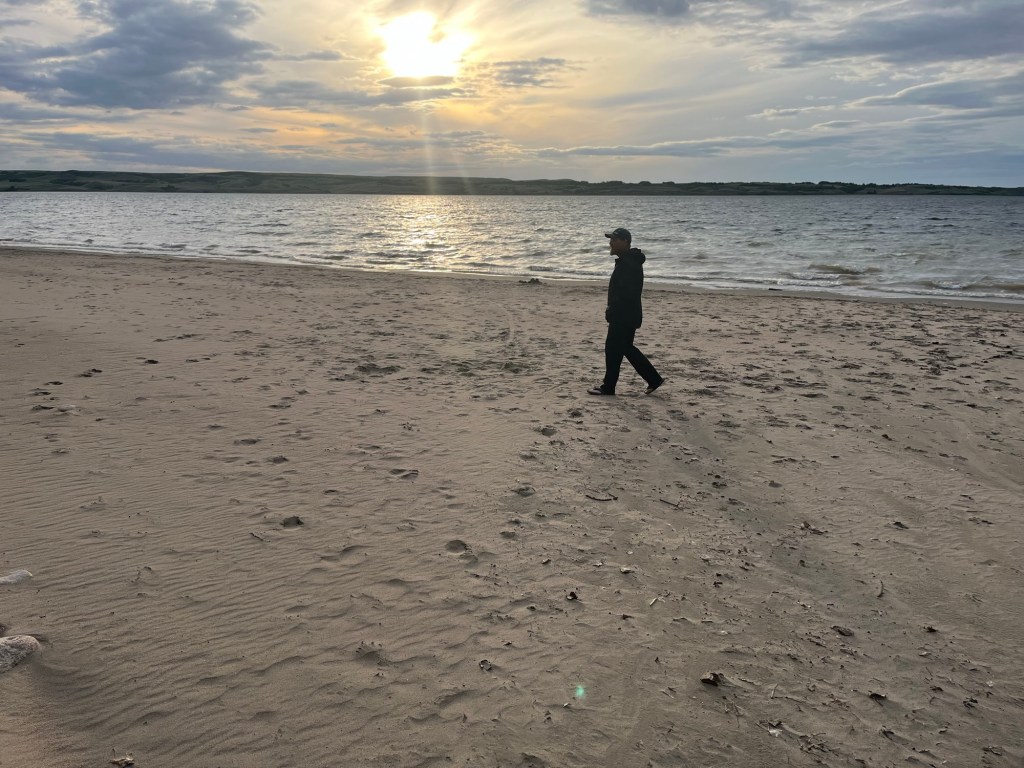
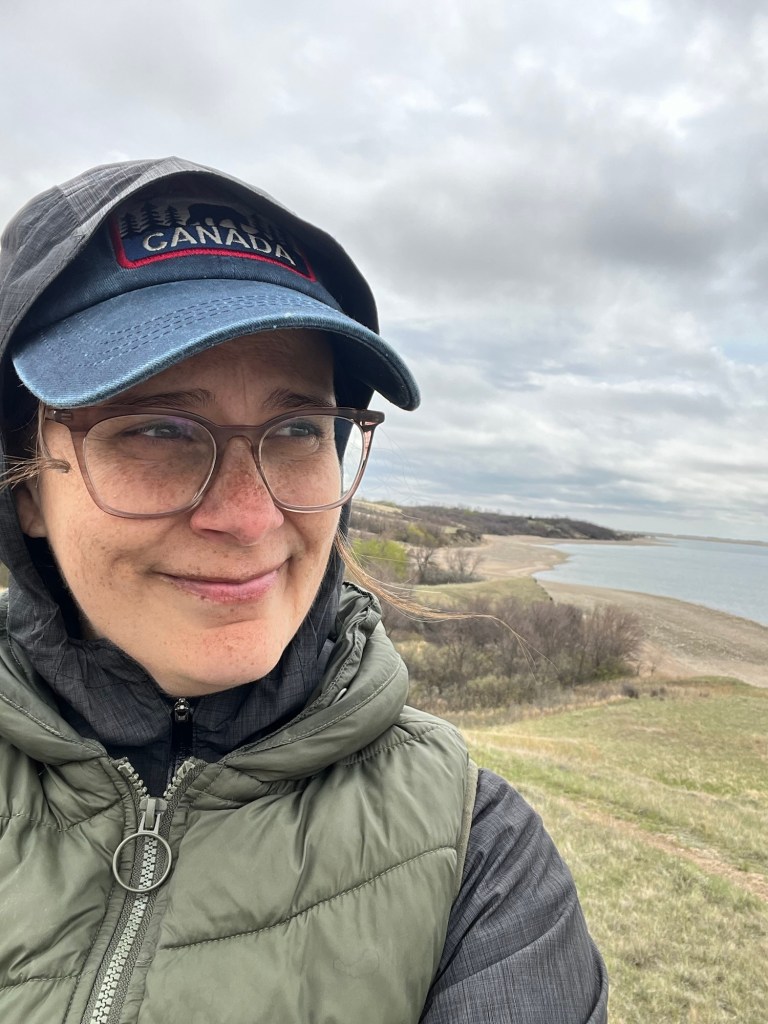
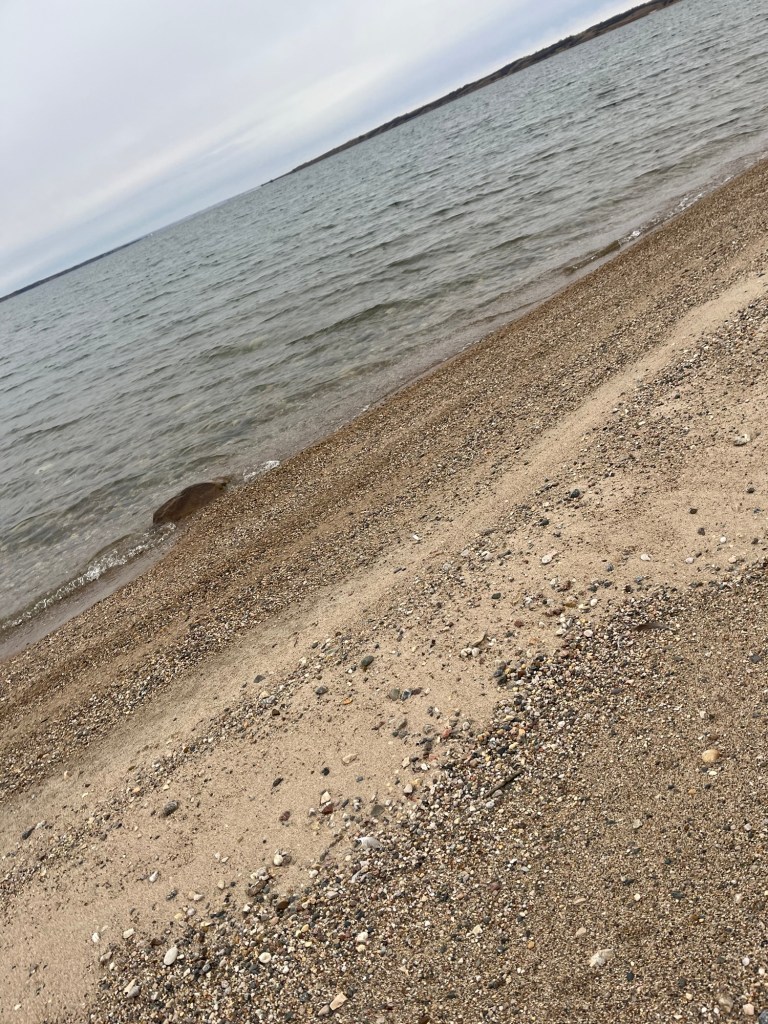
I have never experienced walking on sand in my winter boots before. Weird!

For me, one of those steps is forest therapy.

Where Forest Therapy Meets Healing Journey

In this season, forest therapy has become one of the few places where my body and my motivation find agreement.

It isn’t hiking. It isn’t performance. It isn’t even about movement.

It’s a return to your own breath. It is nature therapy in its gentlest form.

A soft doorway into emotional healing, grounded presence, and quiet hope.

A reclaiming of the parts of yourself that pain has tried to scatter.

A gentle companionship in the places of life that feel undone.

In the forest, I don’t have to be anything for anyone.

The trees don’t ask me to push. The moss doesn’t question my intentions. The forest simply holds space.

And in that space, I remember that even when life feels broken, I’m not.

I think healing is like that.

Quiet. Nonlinear. Messy.

More felt than understood.

And every time I enter the forest, I feel like I step onto a “ladder of hope.”

The Ladder of Hope by me

You climb it not in leaps
But in breaths.
You rise not by strength
But by softness.
The rungs are made of moments—
A bird call,
A sunbeam,
A place to sit.
And every rung you step on
Whispers the same truth:
You’re still rising.

These are small moment that lift me enough to keep going. Not giant steps. Not perfect healing. Not having everything sorted.

The middle is messy. But it’s also alive. It’s also becoming. It’s also sacred ground.

And maybe, purpose isn’t something we chase.

Perhaps it is something that can grow. Slowly, gently, sturdily. If we let it.

“Hope” is the thing with feathers, that perches in the soul. And sings the tune without the words. And never stops— at all.

-Emily Dickinson

Wherever you find yourself today, whether you’re living your own messy middle or standing at the edge of it, may you find one small rung of hope. One quiet moment. One breath of space.

Chronic pain has rerouted my life more times than I can count. It has taken me down roads I never meant to travel.

It’s like my GPS is stuck on the back roads setting as I travel cross country. Not quite the way I’d planned. A lot bumpier. Requiring a slower pace. And focused attention. It is often lonely. And misunderstood.

Sometimes a path calls for you to walk alone. And still, it is beautiful.

-Angie Weiland- Crosby

There are places where the forest tends us and our own breath begins to feel like a home again.

Let the air touch your face. Let the light filter in.

Climb one rung of your ladder of hope.

Just one. This will look different for each one of us. Rightly so.

We are still rising.

And that matters.

Winter, come rest your soul on autumn’s weary head. Twirl, shimmer, soften, before tucking fall into bed.

-Angie Weiland-Crosby

Finding Purpose and Beauty Amid Limitation: Healing Through Forest Therapy

It was November- the month of crimson sunsets and parting birds, deep, sad hymns of the sea, passionate wind- songs in the pines. Anne roamed through the pineland alleys in the park and, as she said, let that great sweeping wind blow the fogs out of her soul.

–L.M. Montgomery

When chronic pain changes how you move through the world, finding purpose can feel impossible. Discover how forest therapy helps you reconnect with beauty, peace, and meaning amid limitation.

When the World Doesn’t Understand

This week, I’ve run into that old ache of being misunderstood.

A well-meaning friend said, “If someone is important, you find time to visit them.”

Another person offered me a job, a kind gesture, but one that didn’t see what my body needs right now. Despite having had this conversation with her. Recently.

I wanted to explain that my hours in a day are not the same as theirs. That every decision I make comes with the quiet calculation of energy, pain, and recovery. But I get tired of trying to convince people. That I have a nerve condition, that my life requires peace, that my healing depends on rest.

So instead of explaining, I go where I don’t need to explain.

To the forest.

To the lake.

To the soft company of trees who ask for nothing.

Sophistication in Life’s Constraints

There’s a strange grace in limitation. It strips away the noise. It forces you to listen closely to what truly matters.

Silfira (noun)

“silent fire” an inner quiet confidence that doesn’t need to be loud to be powerful

In chronic pain, the world becomes smaller. But sometimes that’s where beauty hides. The simple act of breathing deeply, the sound of wind in pine branches, the reflection of light on water. These moments remind me that purpose doesn’t disappear when your capacity does. It shifts.

Sometimes you have to let go of the picture of what you thought life would be like & learn to find joy in the story you are actually living.

–Rachel Marie Martin

Every visit to the woods rewires something inside me. It doesn’t erase pain, but it helps me hold it differently, with more compassion, less resistance.

Revitalize Your Soul: The Healing Power of Forest Therapy

In November the trees are standing all sticks and bones. Without their leaves, how lovely they are, spreading their arms like dancers.

-Cynthia Rylant, In November

Forest therapy, or shinrin-yoku, the Japanese practice of “forest bathing”, invites us to slow down and let the natural world do what it’s always done: heal.

When I walk among the trees, I don’t have to perform or explain. I can simply be. The forest doesn’t need me to be productive. It asks only that I show up, open, present, and willing to listen.

Science continues to affirm what our bodies already know. Time in nature lowers cortisol, reduces pain perception, and restores emotional balance. For those of us living with chronic illness, that’s not a luxury, it’s medicine.

Unleashing True Intent

Purpose used to look like productivity, working, helping, showing up for everyone else. Now, it looks like protecting my peace.

It looks like saying no when my body whispers, rest.

It looks like walking slowly among through the trees and realizing that healing is still a form of doing.

Living with chronic pain doesn’t mean my life is smaller. It means my purpose has changed shape, quieter, more deliberate, rooted in stillness.

But I am still connected with society. The kindergarten rules that apply to everyone else still apply to me. It just looks a little different. How do these rules apply to you?

  1. Share everything
  2. Play fair
  3. Clean up your own mess
  4. Say you’re sorry when you hurt somebody
  5. Don’t take things that aren’t yours
  6. Put things back where you found them
  7. Flush
  8. When you go out in the world, watch out for traffic
  9. Hold hands and stick together
  10. Be aware of wonder

And it is this final rule that I want focus on now.

Discovering Hidden Beauty in Your Everyday Surroundings

This is my life. And I can either accept it and find joy in every day, or I can let it ruin me.

-Unknown

Not every day feels beautiful. Some days, it takes effort to see beyond the ache. But the forest teaches patience. It reminds me that seasons change. That even the barest branch carries life within it.

I learned to know the love of bare November days.

–Robert Frost

Healing isn’t a straight path; it’s a spiral. And every time I return to the forest, I find another piece of myself waiting there grounded, calm, and whole enough to keep going.

Dancing with Discomfort

If you, too, are learning to live inside limitation, may you know this: your life is still rich with purpose.

You are not falling behind.

You are not invisible.

You are simply living at the rhythm your body requires.

Step outside. Breathe the air that has touched leaves and sky. Let the forest hold what words cannot.

Because sometimes the most powerful healing happens not when we push harder, but when we finally allow ourselves to be held by something greater.

Please never forget how brave it is to continue to show up in a story that looks so different than what you thought it’d be.

–Liz Newman

Finding Calm in Fibromyalgia: The Power of Forest Therapy

fibromyalgia- noun, the feeling of being run over by a bus, dipped into a bucket of acid, and repeatedly thrown off a cliff without any physical evidence

So fibromyalgia,

This tale began long before the word fibromyalgia ever entered the room.

Before the angry bees. Before the heat waves. Before the exhaustion that made my bones hum.

Back then, my body was already waving a white flag.

Endometriosis had long been the ringleader of chaos, and hypermobility joined the act with its own flair for the dramatic. My hormones seemed to operate on a “scorched-earth” policy, every cycle left me depleted in every possible way: physically, mentally, spiritually, energetically.

So, after years of living in that internal thunderstorm, I made the decision to have a hysterectomy. It felt like clearing the undergrowth and removing what was fueling the fires, hoping sunlight could finally reach the forest floor. The surgery did bring relief. No more monthly hormonal hurricanes, no more monthly pain to the degree it pulled joints out of place. In this body that closely resembles a badly fastened tent in a windstorm.

But when the dust settled, I was left with a forest that had already burned.

Attending to the Aftermath: When Your Body Refuses to Cooperate

Recovery was supposed to be a time of healing, but my body apparently missed that memo. Surgery, anesthesia, medications, they left their residue. And to top it off, I woke up to find I’d been dropped unceremoniously into menopause.

My body and I have had a complicated relationship, but menopause turned it into a full-on standoff. Hormone therapy was off the table after one tiny patch sent my muscles on an extended vacation. No postcard, no warning, just gone 👋🏼.

So I turned to holistic treatments. Some soothed the edges, helped me sleep, softened the emotional rage that had been living rent-free in my chest. But nothing touched the furnace within. Every thirty minutes, like clockwork, my body would light up with that internal combustion that seems to come from the bowels of Hell itself. Heart racing. Skin buzzing. Brain short-circuiting.

Then came the chills. The kind that made you question every life choice that led to this point.

This cycle of heat, sweat, freeze, repeat, went on for a year. Every. Half. Hour.

But also this 👇🏼

It’s hard to heal when your body never stops sounding the alarm.

Tuirse

(Irish/gaelic) a deep sense of tiredness, weariness or fatigue that can refer to both physical and emotional or spiritual exhaustion. Soul- level weariness, melancholy, or the emotional heaviness of enduring life’s struggles. (gaeilgeoir.ai)

Buzzed and Bothered Bees

Fibromyalgia had been sitting quietly on my medical chart for years. Alongside its equally mysterious companion, Myalgic Encephalomyelitis. I used to think they were just polite placeholders for the doctors to say 🤷🏼‍♀️🤷🏼‍♂️ “we don’t actually think you have anything.”

But after the hysterectomy, I learned what they really meant.

It started in my forearms, this sharp tingling that grew into what I now call the angry bees. I picked that up from somewhere. That’s not my analogy.

A swarm of bees that lives under my skin, buzzing, burning, twitching. Eventually, the bees migrated up my arms, into my neck, sometimes triggering migraines that feel like the entire hive moved into my skull.

I’ve come to learn the bees are mood-driven. They thrive on stress and pain but mellow out in sunshine and rest. On a good day, when my toes are buried in natural elements, the bees hum instead of sting.

Fibromyalgia is like that. Unpredictable, wild, and buzzing with sensations that don’t make sense but demand attention.

Contemplating my Clearing

Somewhere in all of that chaos, I found forest therapy.

It didn’t happen with a grand epiphany. It started with a slow walk. A quiet pause. A breath that finally reached the bottom of my lungs.

I began to notice how the forest holds its own balance. Even when trees are damaged as storms tear through, life finds a way to reorganize itself. The underbrush grows back differently. Sometimes softer, sometimes stronger, always intentional.

So I began to clear my own underbrush. The overgrown “shoulds.” The tangles of perfectionism. The toxic patterns that had wrapped themselves around my worth.

As the poet John O’Donohue wrote,

When the mind is festering with trouble or the heart torn, we can find healing among the silence of mountains or fields, or listen to the simple, steadying rhythm or waves.

In the woods, I let myself unravel a little. My body could buzz, twitch, and ache but surrounded by green, the bees didn’t seem so angry. The forest became a mirror, showing me that healing isn’t about erasing pain, it’s about learning to live among it, gently.

The Healing Continues…

“The forest is not merely an expression or representation of sacredness, nor a place to invoke the sacred; the forest is sacredness itself.” – Richard Nelson

The bees still visit. The heat still flares. The fatigue still sneaks up like fog rolling in uninvited.

But now, I have a clearing to return to. A place both within and around me, where my nervous system can remember what calm feels like.

Fibromyalgia taught me that healing isn’t a straight path. It’s more like a winding forest trail that keeps surprising you. Some days you stumble. Some days you sit on a log and cry. And some days—miraculously—you dance with the bees instead of fighting them.

So I keep walking. Slowly. Barefoot when I can. Listening for birdsong between the buzzing.

And when I feel the swarm rising, I head for the trees asap.

Because out there, among the whispering leaves and mossy ground, my body remembers what peace feels like. Even if just for a breath.

I pray this winter be gentle and kind- a season of rest from the wheel of the mind.

-John Geddes

How Forest Therapy Can Transform Your Pain Experience

Through my chronic pain saga, I’ve tried it all.

I’ve ignored the pain, pretending if I just kept busy enough, it would slip quietly away.

I’ve focused on it, making it my full-time job to “fix” it.

Neither worked.

Today, I practice something else. I notice.

I name what I feel and where it lives in my body.

I soften toward it, rather than tighten around it.

I work with my pain instead of trying to conquer it.

It sounds simple, but it’s a lifelong apprenticeship. This learning to befriend the body instead of managing it like a disobedient child.

When we honestly ask ourselves which person in our lives means the most to us, we often find that it is those who, instead of giving advice, solutions, or cures, have chosen rather to share our pain and touch our wounds with a warm and tender hand.

— Henri Nouwen

Can we learn to do that for ourselves?

That’s what forest therapy has become for me: a quiet companion that doesn’t try to fix me. The forest listens. It holds space. It teaches me to listen, too.

A few weeks ago, one of my grands fell on my pinky finger. Such a small thing. My hand was resting on a toy, and when I yanked it back, it twisted and pulled. A teeny tiny trauma, I told myself. But that little pinky has been aching for weeks now. Every time I use my left hand to hold a phone, lift a spoon, or pick up that same grand, there’s an internal ow! 😣 And of course I am left handed. Isn’t that the way it always goes?

When I ignore it, I finish the day with an inflamed, angry pinky.

When I overprotect it, the rest of my hand rebels from overuse.

So today, I notice.

I hold space for that poor sweet pinky.

I breathe.

I ask, What do you need today? Not verbally, not out loud. But an internal question. My body always has an answer when I listen long enough.

Until my physiotherapist can put it back together, I do what I can: soften, listen, and allow.

And if that were all I had to do in a day, it would be enough. But these teeny traumas are always happening. For all of us, physical, emotional, spiritual. So I hold space for how hard my life with chronic pain is. I notice and name the struggles it creates. I practice compassion toward myself, the way I would with a friend.

It takes time. And it takes being in the right energy.

The forest helps me remember how to do that. To remember that some years hold questions. And other years will hold answers.

When I walk among the trees, I’m reminded that healing isn’t a straight line, it’s a spiral. The forest doesn’t rush its growth. It doesn’t apologize for the slow work of roots. It knows that rest and renewal are part of the same rhythm.

Autumn embraces change, even as she is falling to pieces.

— Angie Weilland- Crosby

Perhaps I can too.

If you rush it you will ruin it. Pause, pray and be patient.

— Success Minded

My body, similarly, doesn’t like to be rushed.

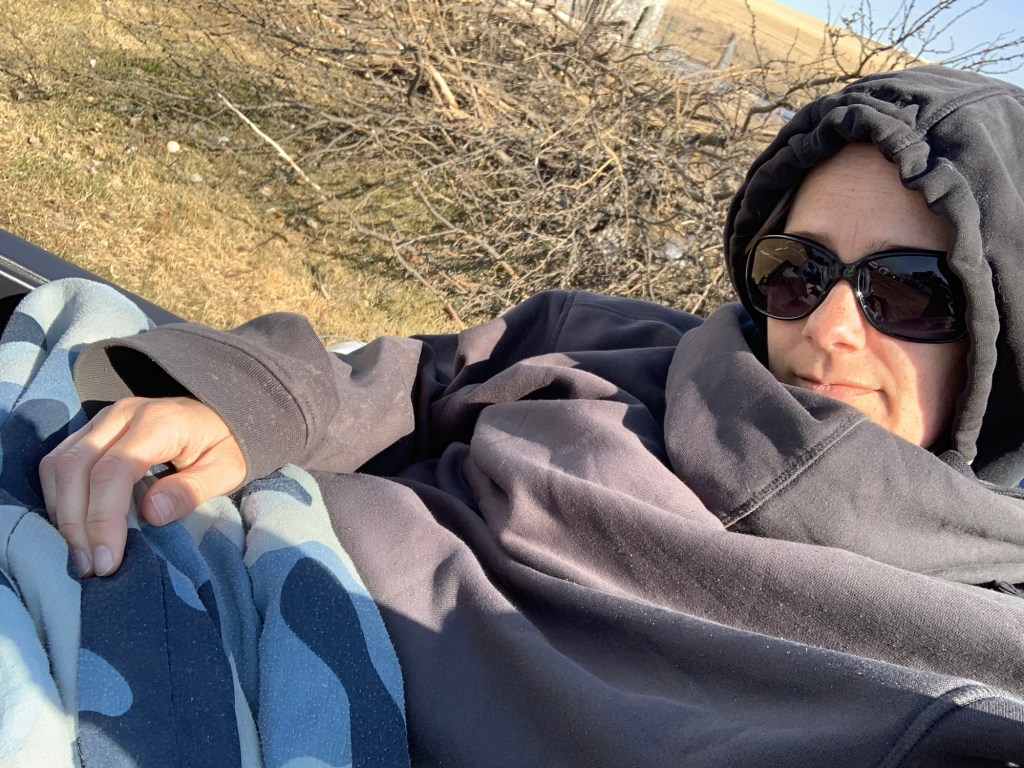
It doesn’t like to be cold, so as we edge toward winter, I keep a fuzzy blanket in the car.

It needs rest, so I try. Really try! To make sleep a priority.

And I often have to remind myself: this is not selfish.

Spending time in nature isn’t indulgence, it’s maintenance. It’s what can give you the strength to change another diaper, to wipe another snotty nose. To meet the demands of work, to hold the people who need holding. Or in my case to listen to my body. And find the strength to face another day of pain.

JOGAYOP (is this a thing? if it isn’t, it should be)

Joy of going at your own pace. Staying in your lane and adopting the rhythm and speed of living and working that feels just right for you. Letting go of societal pressure to be where everyone else is at.

When we live in any type of deficit, meaning in lack or shortage, we feel it. No system can continue to function long when it is continually experiencing a deficiency.

When our finances are in deficit, there’s pressure. A business that does not bring in sufficient income for its expenses will have no choice but to close.

When our spiritual life is in deficit, there’s darkness. Someone that is experiencing spiritual darkness and refuses to do the things that invite light to their life cannot expect anything to change. And even their light parts will become dim.

When our physical health is in deficit, there’s pain that grows louder and harder to ignore. We forget that this system will also eventually face breakdown if left unchecked.

After time in nature I can turn down the volume of my pain. I can see it in the broader perspective of life. Just like this jack-o’-lantern. Often things are actually smaller than they appear. Try taking a step back.

So I keep returning to the forest to notice, to soften, to reconnect. To see the bigger picture.

Not to fix.

Not to control.

But to listen.

Because the body, like the forest, is always whispering the way home.

There are four natural sanctuaries in life and nature holds them all. Silence. Solitude. Stillness. Simplicity.

Seek healing in these sanctuaries. It is available. It is real.

Perhaps the truth depends on a walk around the lake.

— Wallace Stevens

Cortisol Control: The Benefits of Nature

You know that moment when your brain starts buffering? Like a spinning wheel of doom, but for your entire nervous system? That’s where I found myself recently—somewhere between “I’ve got this” and “please send snacks and an ambulance.”

Today’s yoga pose? Downward spiral.

The Story So Far

In 2020, body was in full rebellion. Pain, exhaustion, confusion, everything hurt, inside and out.

Since then, I’ve been clawing my way back by working on my physical, mental, social, and spiritual health. Like it’s a full-time job. There have been peaks and valleys (and maybe a few deep, dark sinkholes). Working on myself used to take all my time and energy.

But lately? I’ve felt strong. Strong enough to take on more.

More housework. More meals. More people to serve. More responsibilities. More friendships. More everything. The more I took on, the more I was given.

And I love all of it.

But herein lies the problem:

I will take care of everyone and everything until it dang near kills me.

The Wall: From Fortress to Fragments

I thought I was doing great. Managing the stress. Juggling the busyness. Feeling like a semi-functional adult again.

Then, I hit my wall.

And boy, was it a humdinger!. That wall came crumbling down on top of me like an emotional mega Jenga tower. Now I’m lying under the rubble of all my well-intentioned choices, beaten, broken, and weak.

But nobody saw the wall. Or the impact. Or the consequences. It can’t be seen. It can only be felt.

Acedia

A deep inner fatigue where one feels detached from purpose, overwhelmed by meaninglessness, and resistant to both spiritual and worldly engagement

I want to be dependable and capable. But having an invisible illness complicates things. The better I look, the more people assume I must be better.

Here’s the true list of things I am handling well right now:

So I push harder. Because I want to help. I want to contribute. It’s easier to push through the pain than defend my need to slow down.

{ “you’re looking so strong” “thanks, I can’t wait to cry tonight” }

But the harder I push, the higher my cortisol climbs. Until it’s practically coming out my nose and ears.

The Marvels of Scientific Wonder

Chronic stress and chronic pain are the best of friends 😀! The kind that make each other worse 😟.

When you live with chronic pain, your body is already in fight-or-flight mode. Add stress to that, and your nervous system goes full drama queen.

Cortisol, your main stress hormone, floods your system. Muscles tense. Inflammation rises. Pain intensifies.

And then, because pain is a stressor, your body releases more cortisol 😞.

It’s a vicious, exhausting, cortisol-fueled merry-go-round that no one in their right mind would sign up for.

So when I talk about being under the rubble, it’s not just a metaphor. My body feels it. My pain spikes. My thoughts spiral. My patience with humanity plummets to record lows.

I feel pointless, expendable, futile.

Exploring the Heart of the Forest

When I finally stop long enough to realize I’m drowning in stress hormones. I know exactly where I need to be: the forest.

Not just in it. But IN it.

That’s the difference forest therapy makes for me. It’s not a hike. It’s not exercise. It’s a slow, sensory, presence-filled practice that invites my body to exhale.

When my cortisol drops, which research shows it actually does in the forest (you can find such research here 👉 PubMed and here 👉 Frontiers), everything softens. My mind clears. The lines between “too much” and “just enough” come into focus. I can see my path ahead, appearing gently on my mind like drops of morning dew.

The forest is a hallowed place for me. It is one of the places I find my strength from heaven. I am reminded that I don’t have to hold everything up all the time. There is strength other than mine available for that. I picture the trees taking the weight. They can handle it. They’ve been doing it for centuries.

Beyond the Horizon

The stress of life is intense. The stress of life with chronic pain is compounded. Like someone hit “multiply by 100” on your degree of difficulty button.

There’s the financial tightening. The grief of the life you lost. Watching others live out dreams you’ve had to let go of.

And always, always, the judgment (spoken or not.)

“If you’re broke, go get a job!”

(Maybe it’s just the echo in my head but it’s really loud! 😳)

Then these words from Brene Brown come to mind,

You are imperfect, you are wired for struggle, but you are worthy of love and belonging.

Yet shame and uselessness that come with not being able to work the way I used to… those feelings are heavy. They sit on my chest like an invisible refrigerator tipped over on my ribcage, unexpected, ridiculous, and very hard to explain to anyone passing by.

But here’s the thing I keep learning:

My worth doesn’t live in what I produce. I need to write that again. My worth doesn’t live in what I produce!

It lives in my presence. In the stillness. In the way I can connect with the world around me, even when my body protests.

And when I take myself to the forest, when I let the cortisol fall and the moss do its quiet task,

I remember that I am still healing. And that’s holy work.

I’m so glad I live in a world where there are Octobers. It would be terrible if we just skipped from September to November, wouldn’t it?

-Anne Shirley

Mastering the Art of Getting Back Up

If you’ve hit your wall (again), maybe this is your reminder that you don’t have to climb out of the rubble all at once. It’s okay to have days when your illness and pain win. But chronic illness also means I don’t have the luxury of waiting until I ‘feel better’ to participate in life.

Start by finding one quiet, living thing.

A tree. A bird. The wind.

Let it hold space for you until you can hold space for yourself.

Honored are the ones who hum back at bees, clap for rain, and admire the architecture of spider webs.

–Earthy Herbs

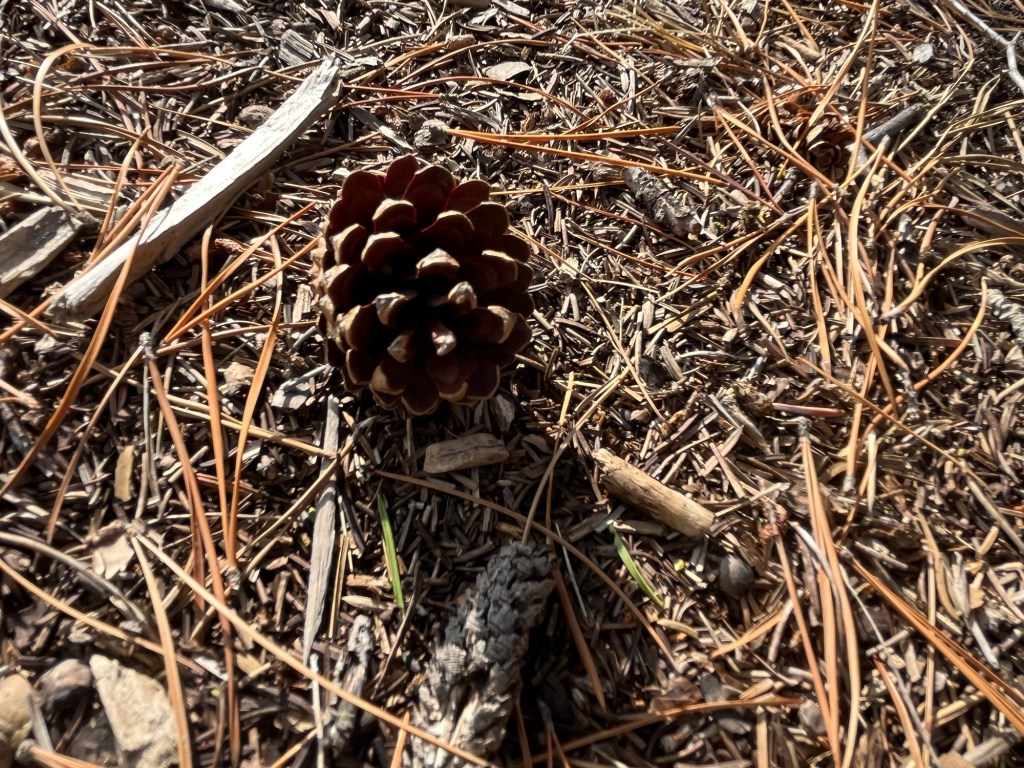
And if you happen to cry on a pinecone…

well, that’s just free aromatherapy. Shine bright darlings. The world needs your light.

October is about trees revealing colors they’ve hidden all year. People have an october as well.

–JM Storm

Mind-Body Connection: Nature’s Soothing Benefits

Your body is not a machine, it’s a conversation.

-Jennifer Perrine

I remember a morning in spring. There was still a noticeable chill in the air. I slipped outside, to the sights and sounds of my summer second home.

My muscles were tight, my mind crowded with worry and pain—nothing dramatic, just persistent soreness that has become my constant companion.

I wandered toward the trees, the sound of the wind through the leaves soft but insistently present. I closed my eyes. I felt my breath slow. My shoulders dropped. And, almost imperceptibly at first, the ache that had built over a winter, within me softened.

That moment wasn’t some mystical escape. It was evidence of something real: the mind-body connection responding to something ancient: nature.

This post is a little more technical than some of my others. In this post, I want to walk you through the science behind how nature calms the nervous system, lowers pain perception, and gives the body a chance to remember how to rest.

This is not just a nice idea or a self-help quip. I see it working in my life, and the research backs it. I share some of that research in the links provided. Feel free to check it out or to give those links a hard pass.

Mind Meets Body: A Dialogue of Perspectives

Healing is not forcing the body into a state of ‘perfection.’ It’s listening to what it has been trying to say.

-Dr Joe Dispenza

First: we are not two separate things. The nervous system is constantly sensing, interpreting, and “talking” to our organs, muscles, immune system, and even to our thoughts and memories. That internal sensing is called interoception — our body’s ability to monitor its own internal state (heart rate, gut sensation, breathing, tension) and for the brain to make meaning of it. 

When we live under chronic stress or chronic pain, that conversation becomes distorted. The sympathetic branch of our autonomic nervous system (fight-or-flight) is persistently overactivated. Our brain becomes hypervigilant to threats, amplifying pain signals, even in places that may no longer need it. 

But there is a counterbalance: the parasympathetic state (rest-and-digest) — a state where the body repairs, digests, heals, breathes deeply.

Engaging that side is essential for true resilience. And nature offers a powerful entry point into that parasympathetic realm.

Querencia

{Spanish concept}(n) a place where one feels emotionally safe, a place from which one’s strength of character is drawn.

Nature’s Remedy: Calming the Nervous System

The forest is not merely an escape, it’s a return — a remembering of who we are.

-Unknown

Here is where the “nice idea” begins to feel like a compelling method.

1. Visual contact with nature calms brain & autonomic activity

This overview demonstrates that simply viewing natural elements—flowers, green plants, wood—induces shifts in the brain and the autonomic nervous system, compared with urban or non-natural environments. Link

More recently, neuroscientists have shown through brain imaging that exposure to nature lowers pain perception by reducing neural signals associated with pain processing. Link

In one study, subjects viewed virtual nature scenes while receiving mild pain stimuli, and the brain’s “pain network” lit up less strongly than when viewing urban scenes. Link

2. Nature reduces physiological stress markers

Time outdoors helps shift us from sympathetic arousal toward parasympathetic. Essentially, nature helps us “come out of our heads and into our bodies.” Link

Forest bathing (shinrin-yoku), for example, has been associated with lowered cortisol, reduced blood pressure, decreased heart rate, and improved immune function. Link

3. Attention restoration & easing mental fatigue

One pillar in environmental psychology is the Attention Restoration Theory (ART), which states that when we gaze at nature’s “soft fascinations”—rustling leaves, flowing water, birdsong—we can rest our directed attention (the kind used to suppress distractions) and recover cognitive capacity. Link

When our cognitive resources are less taxed, the brain has more “bandwidth” to regulate our threat systems and lower baseline arousal.

4. Pain modulation is emotional & contextual

Pain is never just a signal from tissues; it is affected by context, anticipation, emotion, and attention. One fMRI study found that anticipation of pain modulates how strongly sympathetic nervous responses occur, and that the brain’s anticipatory circuitry has a top-down influence on peripheral responses. Link

In simple terms, if your brain predicts threat, your body braces for it — heart rate rises, muscles tense, and pain signals grow louder. But when your mind learns to recognize what’s happening without adding fear, it begins to change that loop.

This is exactly what happened to me.

After my hysterectomy, I wasn’t able to take any hormone replacement treatments — they aggravated my other conditions. My body still struggles today to regulate temperature. I hot flash every thirty minutes. Down to a minute. I’ve timed it.

After about a year of this, my body simply couldn’t keep up. The constant swing from sweltering heat to shivering cold became unbearable. There was no rest. No pause between storms.

Then I started to notice the toll — not just physically, but mentally. My nervous system was on edge all the time, anticipating the next wave. I realized that the dread itself — the bracing — was its own kind of suffering.

So I tried an experiment. When I felt that familiar rush rising, I paused. I prepared but didn’t brace. I reached for my water, turned on the fan, maybe sat down if possible. I still remind myself in those moments: this will pass. The less weight I give it — but the more gentle attention I offer — the easier it is to ride out.

These days, my hot flashes still come every thirty minutes. But they are not as draining. They are little blips on the screen — reminders that my body is doing its best to find balance. And in meeting that discomfort with compassion rather than panic, I’ve discovered something powerful: the way we feel our pain changes the way we experience it.

A Walk on the Healing Side

The wound is the place where the Light enters you.

-Rumi

Not long ago, back pain had eaten away my joy. I was down to minimal movement, scared of flare-ups, medicated, trying every therapy that sounded promising. Yet my life was shrinking.

I decided on a small experiment: every morning for two weeks, I would walk down the lane of our farm (or sit quietly under a tree if I couldn’t walk). I would try to notice one thing—perhaps a bird’s call, the play of light on water, a soft breeze. No goal, no agenda.

Day 1: I came back discouraged — I didn’t feel anything.

Day 4: My back still hurt, but I felt… calmer. My breathing was softer.

Day 8: The pain seemed less urgent. The thoughts around it quieter.

By day 14, I don’t know if the pain was less in absolute measure, but I am less ‘in it.’ I have more distance. More space.

Over months, I was able to move farther, sit longer. The pain never vanished, but its domination receded.

My story is not unique. What I was discovering is that the mind-body conversation can shift — the “volume” of pain need not always be maxed out.

The Secret Sauce: How This Works for Me and You

If you have felt that creeping tightness, that locked jaw, that ache that feels like both body and memory. When I walk through forested trails, when I sit by a lakeshore, when I simply stare at mossy bark and inhale the green air, I feel a shift. The chatter quiets. My breath lengthens. My internal tension softens. The pain, though still there, becomes less commanding.

The science shows these are not placebo effects. They are biological responses rooted in ancient neural circuits. We evolved in natural worlds. Our nervous systems know these landscapes. They remember how to open.

If you struggle with chronic pain, anxiety, overthinking, or tension, nature may be a tool you undervalue — not a luxury, but a medicine written into our being.

How to Make the Mind-Body & Nature Practice Relatable, Real, and Sustainable

Here are some practical suggestions (adapt to your pace):

  • Start small. Even 5 minutes of forest view, or stepping outside to touch grass, can activate calming circuits.
  • Engage the senses. Smell, listen, feel textures, watch movement. Let nature draw you back from rumination.
  • Use “indirect nature.” If you’re indoors, look out a window, use nature audio, or view images/videos of nature — these have shown measurable benefit. 
  • Pair movement & stillness. Walking in nature is stronger than walking elsewhere. 
  • Be consistent. The cumulative effect matters. Some studies suggest 120 minutes per week in nature correlates with better well-being.  Link
  • Watch your attitude. Let go of “must heal fast” thinking. Allow nature to be patient, gentle.
  • Journal your experience. Track tension, mood, pain before and after nature time. Over weeks, patterns can emerge.

Epiphanies and Reflections: To Our Journey’s End

Nature does not hurry, yet everything is accomplished.

-Lao Tzu

We live in an era of constant stimuli, complications, and demands. Our nervous systems were not built for perpetual alarms. The ancient pulse of wind through leaves, water over stones, soil underfoot — these are languages the body still knows. Nature asks us lowly: come back. Listen. Breathe.

So next time the ache presses, try this: walk quietly through green, or sit beneath trees, allow your senses to soften, invite rest. You may find that pain loosens its grip, that your nervous system sighs, that mind and body remember their trust.

Peace is this moment without judgment. That is all.

-Dorothy Hunt

Perhaps part of the answer is: to slow down. To open to nature. To let the body learn again.

🌲When Comparison Becomes a Thorn in Your Forest 🌳

Sometimes my life feels like a forest—dense, shadowed, and uneven.

Everyone else seems to walk a wide, sunlit path: their maps are clear, their steps steady, their packs light.

Meanwhile, I carry heavy bundles of pain and medicine, stumbling often, wondering if I’ll ever catch up.

~Cue the tiny violins 🎻 🤭~

Beyond the Familiar: Embracing a Different Forest

My therapist keeps telling me to stop comparing myself to other people – that life’s not a competition. Which, to be fair, is exactly what I’d say to someone I was trying to beat, too.

-from 22 Quotes About Chronic Pain

Comparison is never useful. It’s like measuring trees by how tall they look in someone else’s forest, forgetting that soil, roots, storms, and sunlight differ wildly. 

Or like judging an oak tree by how quickly the wildflowers around it bloom. Different roots, different seasons, different reasons for being.

And yet I fall into it—measuring my path against someone else’s trail, forgetting we are not even walking in the same terrain.

Comparing … is a waste of time and effort; we are all different people, experiencing and feeling things differently.

San Diego Prepare Yourself: Sisterhood Adventures Await

Next month, my sisters will gather in San Diego. I am so excited for them. And to hear about their adventures. Sunshine, laughter, time to connect. It’ll be fabulous.

I would love to be there. But the cost of my monthly medicine is about the same as what that trip would take.

I live in a different economy—the economy of pain management. So instead of boarding a plane, I stay home.

~Poor lil’ me 🥲👉👈 🤣 ~

It’s hard not to compare. Their togetherness, my absence. Their momentum, my stillness. I remind myself that longing is not failure—but it still stings.

Screenshots of a Life I Don’t Live: Family Call, Personal Spiral

On a recent morning: my sister called from her vacation in London. On a family video call. At 9 a.m., I was still coaxing my muscles awake.

I listened to the bagpipes she was sharing and checked out the sights in the background. I marvelled at what she has been able to accomplish and see in her life. I joy in her success.

Inevitably another emotion starts to rise. As on the screen, this is what I see:

  • One sister in her home office, thriving in a job that suits her perfectly.
  • Another in her kitchen, caring for her family and home.
  • A sister-in-law outdoors, likely at the park or on a walk with her two littles.
  • My parents smiling in their living room, enjoying retirement and seeing their family.
  • And then there was me—tired, clearly still in bed, clearly accomplishing nothing.

That’s how I saw it. In truth, no one said that. But comparison painted me useless in bold letters across the screen.

~Woe is meee 🐌💤 😜 ~

A Sermon I Couldn’t Speak

At church, I tried to answer a question on a bad pain day after a sleepless night. My words came tangled, incomplete.

I saw my husband’s face and thought, I’m taking too long. I gave up. Without tying my random thoughts together. And I gave him the microphone. He expertly gave a clear, concise answer that was perfectly on point. My effort looked weak next to his polish.

Comparison whispered: why even try?

Fredrik Backman once wrote:

“My brain and I, we are not friends. My brain and I, we are classmates doing a group assignment called Life. And it’s not going great.”

But here’s the truth: trying counts. Even stumbling words are a kind of courage.

The Math of Measuring Up Never Works: The Broken Ruler I Keep Using

Comparison is a thief. It always leaves you with less than you started.

It’s like weighing a feather against a stone and expecting the scale to balance it out. It demands a sameness life never promised. It blinds us to the worth in our own story.

As a people, we tend to magnify the strengths and blessings another person receives. But minimize our own gifts, talents and opportunities. Social media is as helpful as a screen on a submarine when it comes to perpetuating this problem.

There’s no hierarchy of pain. Suffering shouldn’t be ranked, because pain is not a contest.

No one truly wins the “Pain Olympics”.

–Lori Gottlieb

Living with chronic pain means my days will never look like someone else’s. But that doesn’t mean they’re lesser—it just means they’re different.

Brene Brown says:

Fear and scarcity trigger comparison and we start to rank our own suffering.

Brown calls this comparative suffering. She goes on to say,

The opposite of scarcity is not abundance; the opposite of scarcity is simply enough.

Empathy is not finite, and compassion is not a pizza with eight slices. When you practice empathy and compassion with someone, there is not less of these qualities to go around. There’s more. Love is the last thing we need to ration in this world

This toxic pattern of comparison blocks emotional processing and prevents genuine empathy, creating isolation rather than connection. 

My worth is not judged by what I do in comparison to others, but by what I do with what I have—what love, what compassion, what presence I can offer. Even just in showing up.

Measuring By Love, Not Ladders

I’ve decided to measure my life by something else: in every conversation, I want the other person to leave feeling better about themselves than when we started.

If they do, then I’ve accomplished something real. It may not be a promotion, a trip abroad, or a picture-perfect moment. But it’s love, and it’s within my reach.

In such a headspace there should be no time for shame and comparing. Only felicitations and adulation.

Broken But Still Moving

Mandy Harvey is a singer/ songwriter. I saw her on an America’s Got Talent clip. Mandy lost her hearing when she was 18. Interestingly enough she has EDS which is similar to my connective tissue disorder.

On the show, she spoke about initially going to dark places. And when she decided she wanted more for her life, she wrote this song. And performed it in front of a live audience and judges and cameras.

She beautifully sings,

“I don’t feel the way I used to / The sky is grey much more than it is blue / But I know one day I’ll get through/ And I’ll take my place again… So I will try…

There is no one for me to blame/ Cause I know the only thing in my way/ Is me…

I don’t live the way I want to/ That whole picture never came into view/ But I’m tired of getting used to/ The day

So I will try..

Those words hold me when comparison tries to unravel me.

Forest Therapy: A Way Forward

If comparison is a thorn, forest therapy can be a balm.

The forest floor is messy. Layers of leaf litter, moss, dead wood. It doesn’t pretend to be clean and perfect. It is rich because of its imperfections.

Your struggles, limitations, pain give richness and texture to your life story—not flaws to hide.

Walking a path in woods, you may have to step over roots, navigate mud and stray branches. But each step gives you awareness, grounding, breathing space.

Comparison often makes us spin like leaves in the wind; forest therapy anchors us.

When comparison grabs tight, I go to the woods.

The forest does not compare:

  • Trees don’t measure their height against one another.
  • Moss doesn’t resent the ferns.
  • Streams don’t ask why the river runs faster.

Each element grows where it is, as it is. That is enough.

Roots, Rituals and Small Resets

Here are ways the forest has supported me:

Leaning against a tree and letting its rootedness remind me that I, too, belong.

Listening to the birds until my thoughts soften.

Sitting by water and imagining my comparisons floating downstream.

From Forest Floor to Open Sky

Yes, I still compare. Yes, it still hurts. But when I remember that comparison steals joy, I find space to choose something else.

I may not be in San Diego, or London, or even fully awake at 9 a.m. (to those who are, Have as good a time as possible, given that I’m not there. Heehee 😊)

~Life said nope 🙃🍋~

I can still offer kindness, presence, and love.

And maybe that is enough.

I want to feel good about my life. Not in the sense of “as good as anyone else,” but as my life, full of the shape I have.

Chronic pain is part of the soil I grow in. It’s changed what I can do, yes—but also deepened what I can feel, what I can appreciate.

If everyone else seems to be walking on sunlit paths, I may be walking in dappled shade, or in a different time of day. But my path is still mine, and still worthy. Because even in the shaded parts of the forest, light still filters through.