
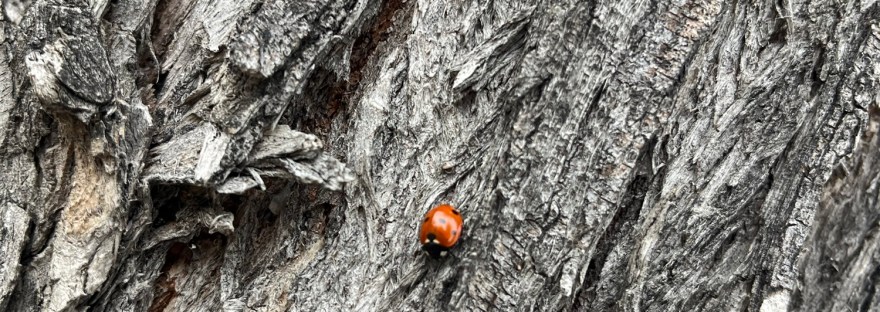
This Spring is literally that friend who always says they’re, ‘on their way’ but hasn’t even left the house yet.
As a forest therapy guide, I spend my days watching the silent, slow-motion choreography of the woods. I see trees that have been bent by storms, scarred by fire, or crowded by neighbors. Yet, in the quiet of the understory, there is a profound truth that the forest whispers to those who listen.
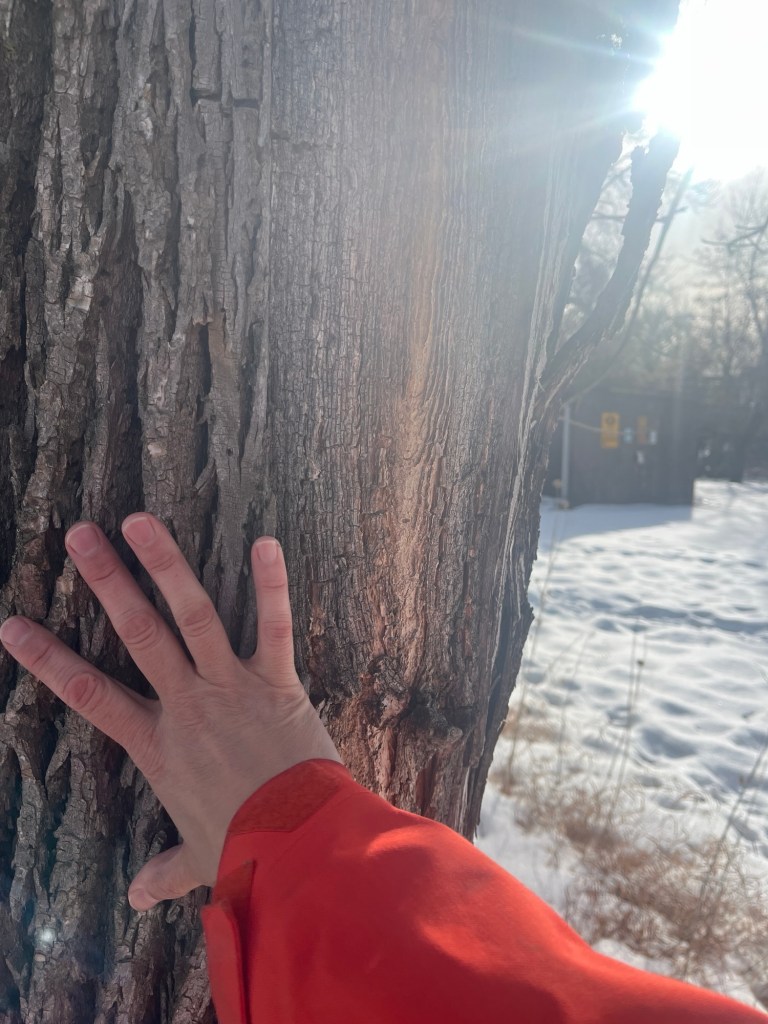
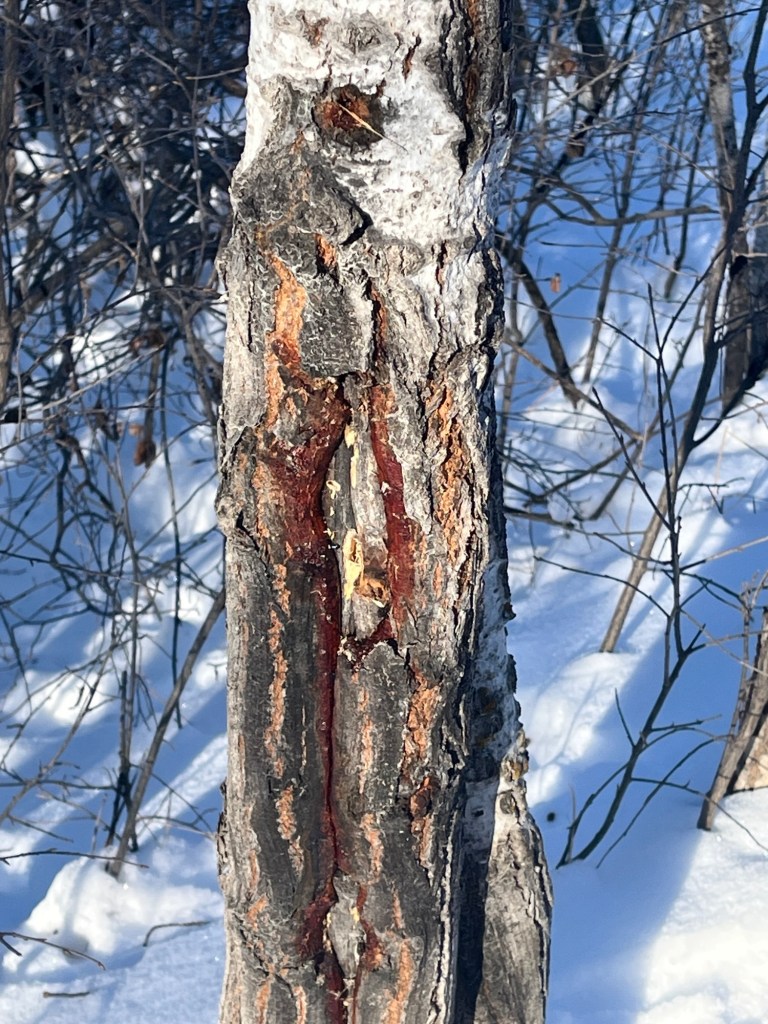
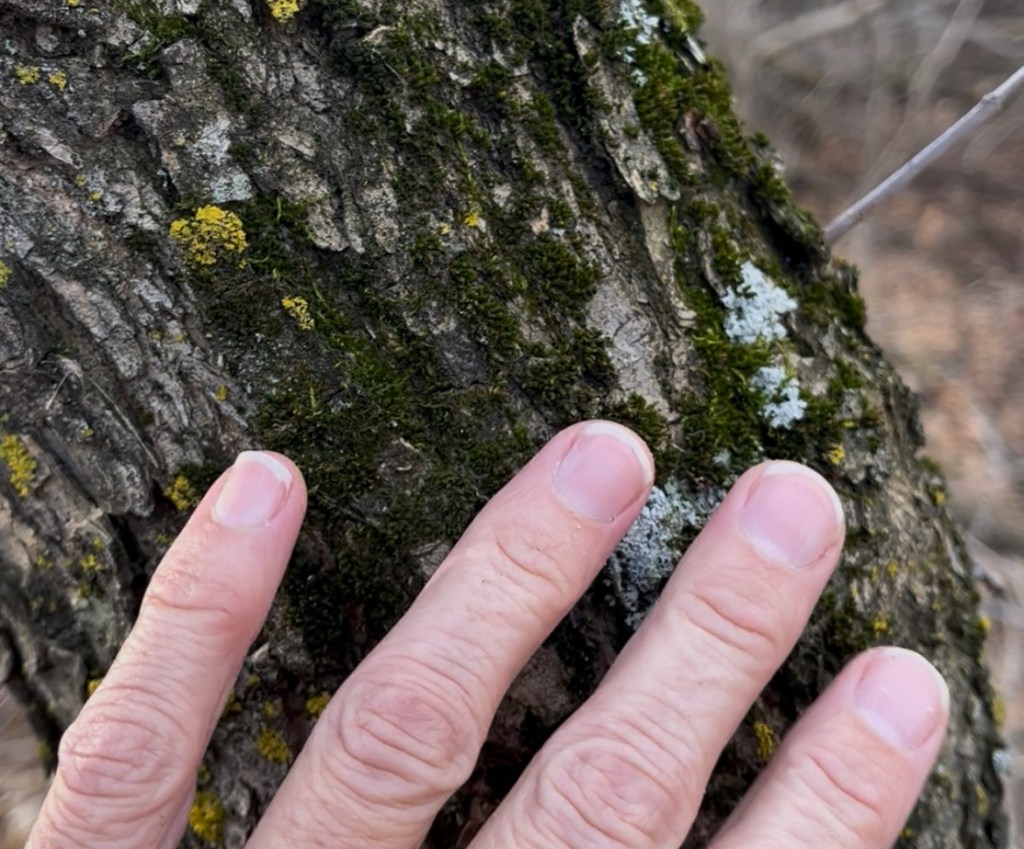
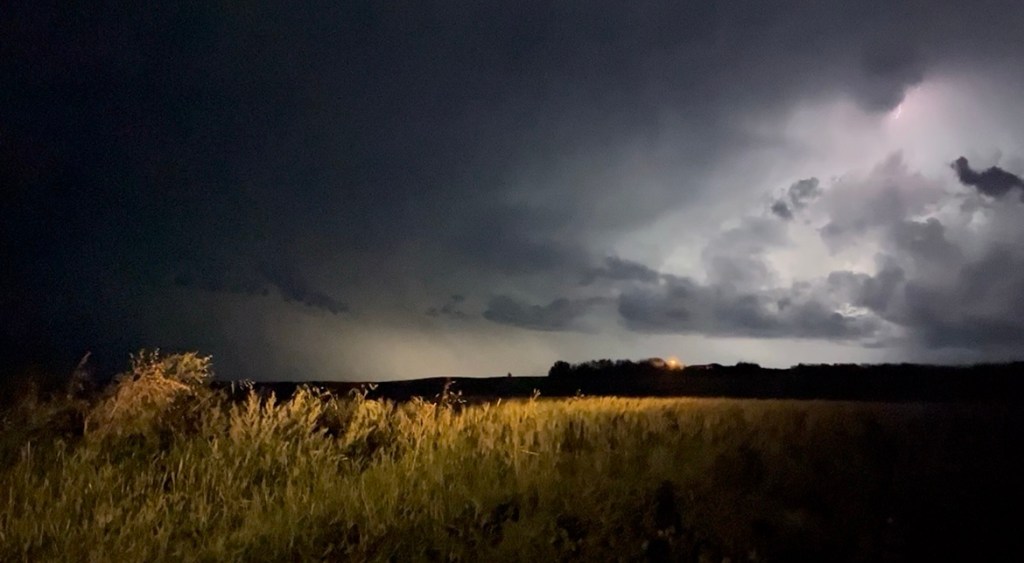
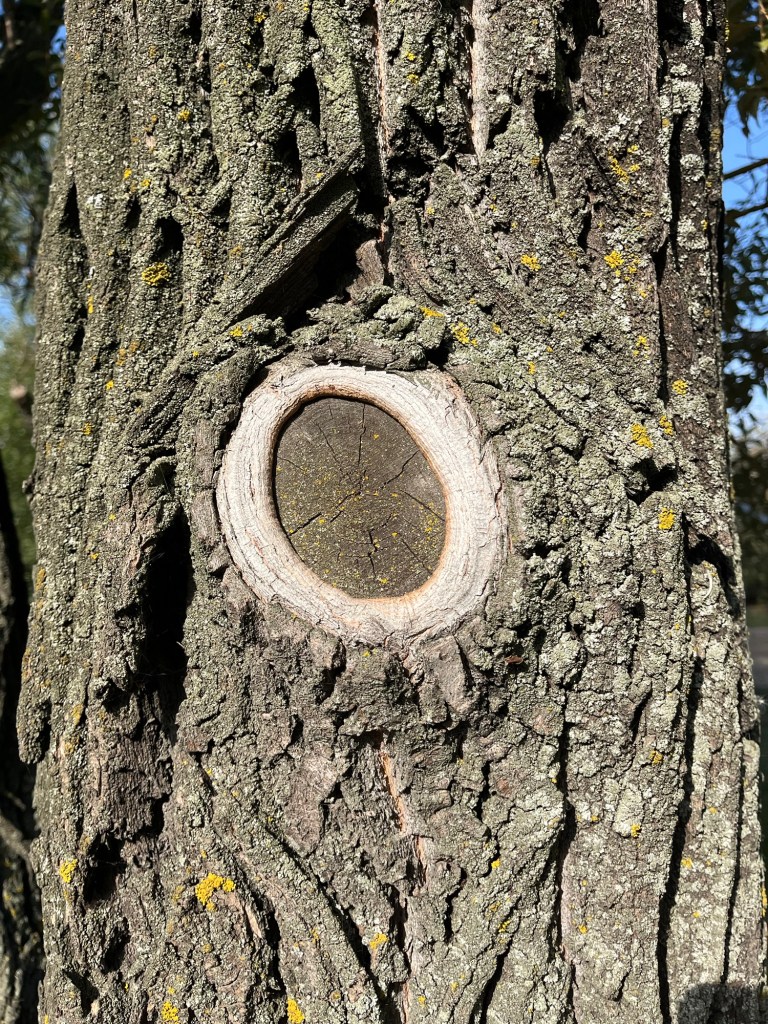
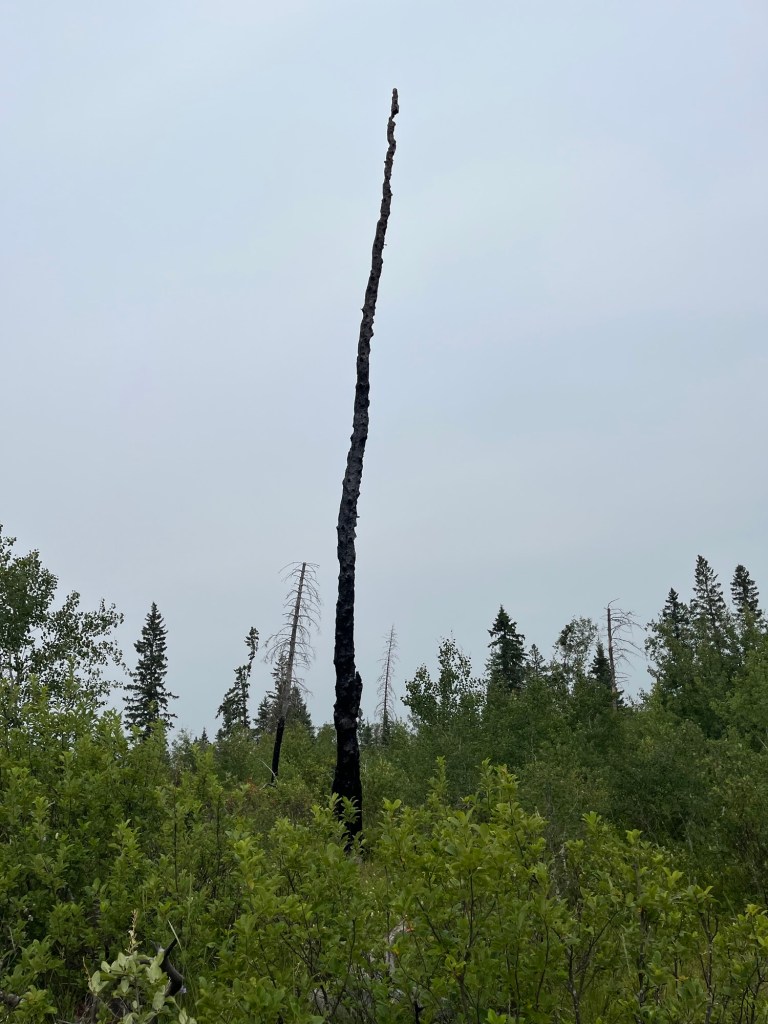
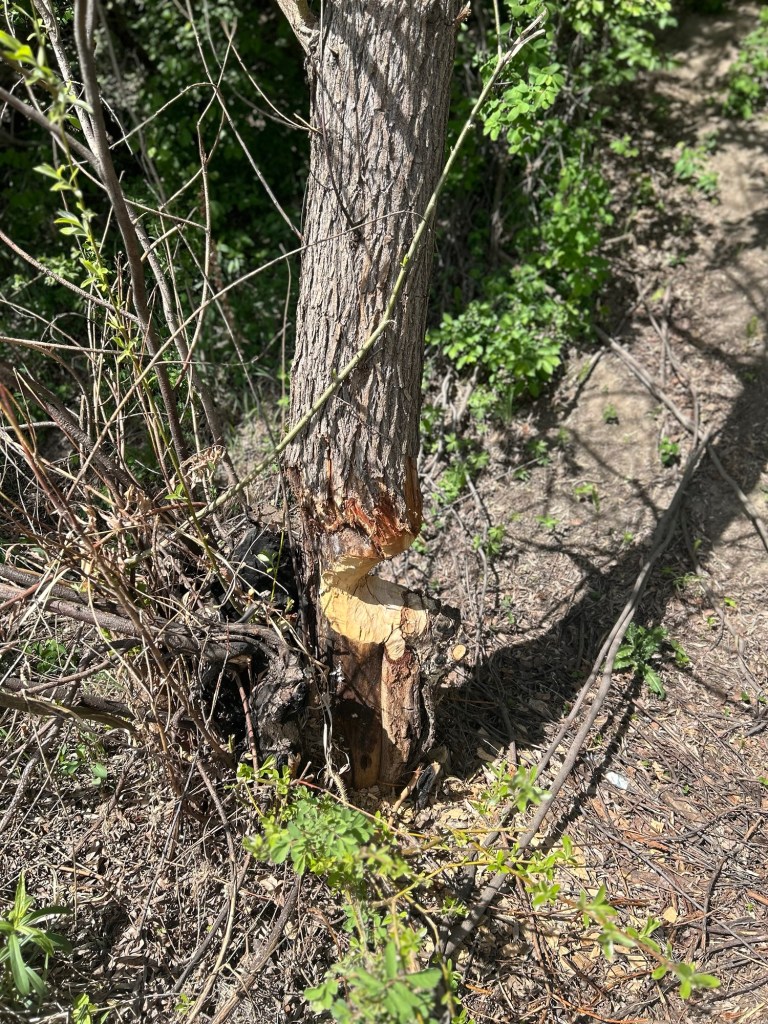
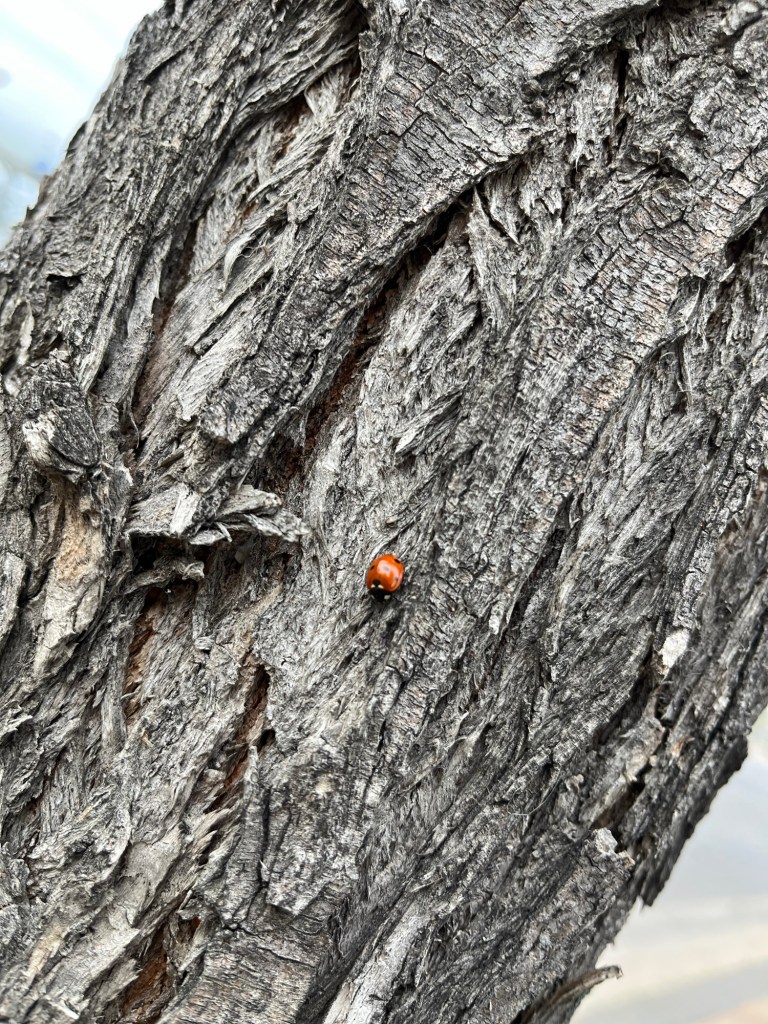
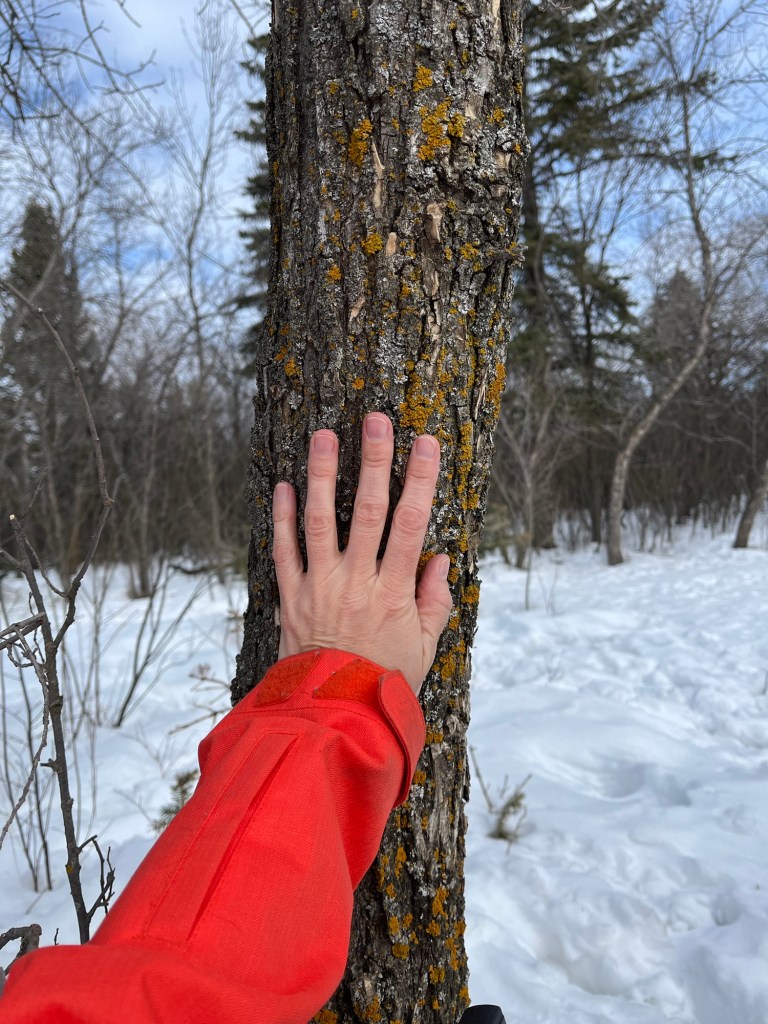
A tree does not blame the wind for its lean; it simply grows where the light is.
In our human lives, we often find ourselves stuck in a thicket of blame. When we face chronic pain, illness, or the heavy consequences of past decisions, it is easy to retreat into a victim narrative.
We point to our circumstances, our upbringing, or our luck as the sole architects of our current reality.
But staying in that space is like a sapling trying to grow in the permanent shadow of a fallen log. It is exhausting, and eventually, it leads to stagnation.
The Forest of Our Making
Even when we are navigating the complex terrain of chronic conditions, we must recognize that our current reality is, in part, a map of the choices we have made. This is not about shame or self-flagellation. In fact, it is the opposite. To own our choices is to reclaim our agency.
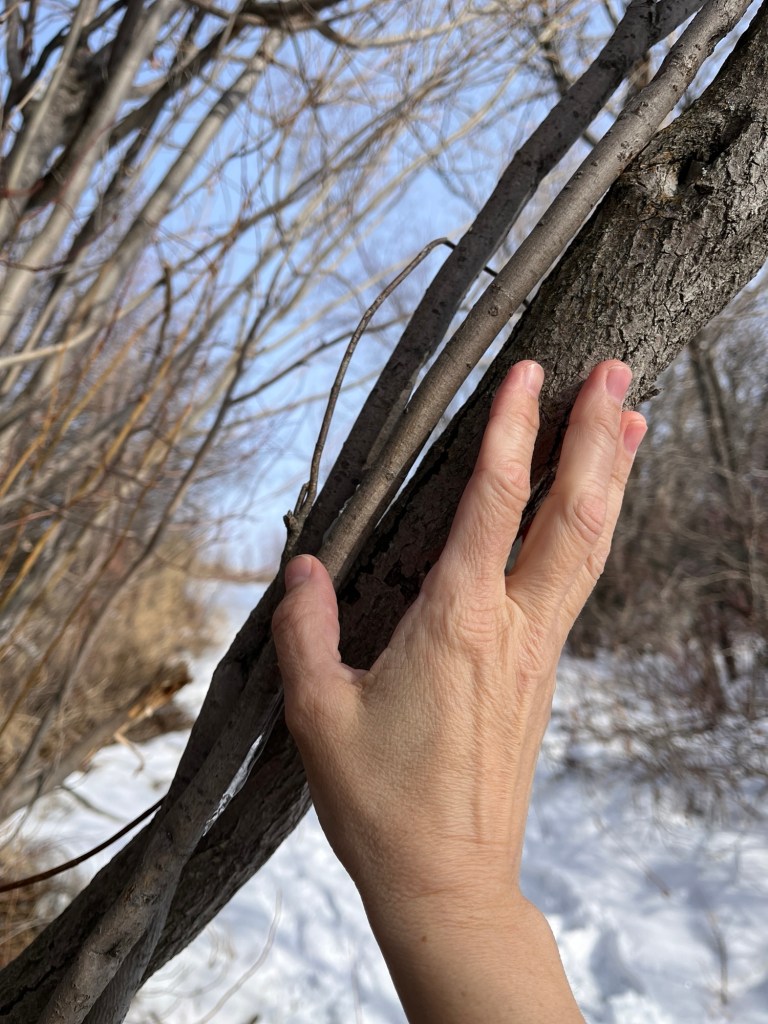
To be clear. This is not to say that our choices have caused our chronic condition. (Despite what medical professionals tell us.) There is a level of listening to our bodies that leads to health and healing. But the way you have lived life is not always the answer to why your body has chosen this course of action. Often this is out of our hands.
Or as the 17th-century Dutch philosopher Baruch Spinoza noted:
The more you struggle to live, the less you live. Give up the notion that you must be sure of what you are doing. Instead, surrender to what is real within you.
This “saving of circumstance” begins with the radical act of ownership. When we look back and see the moments where we acted to the best of our ability, even if those actions led to mistakes, we begin to see our humanity not as a flaw, but as a shared condition. We have all stumbled. We have all misread the trail. But there is no medicine in shame, and there is no repair in blame.
Rooted Connections: The Nervous System as Fertile Ground
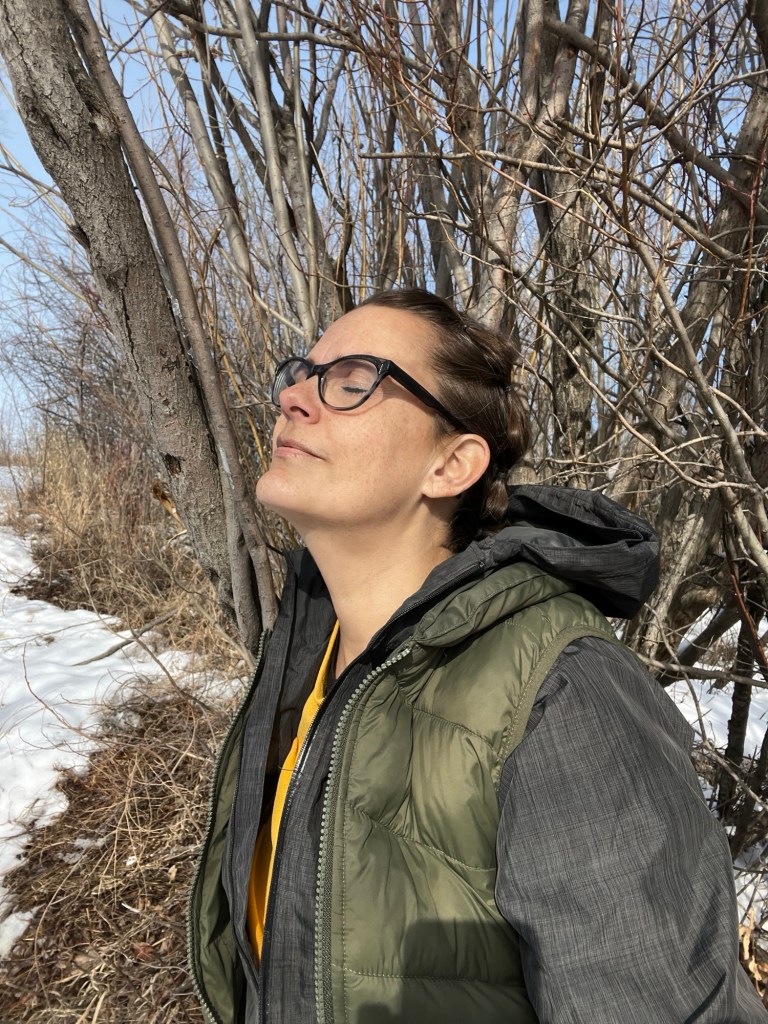
For those living with chronic pain, this shift from victimhood to ownership is more than a psychological pivot; it is a physiological necessity. Our nervous systems are like the forest floor. A complex, sensitive network that requires the right conditions to repair and thrive.
When we are stuck in blame or victim mode, our system remains in a state of high alert (the sympathetic “fight or flight” response). This internal friction creates a “noisy” environment where the body cannot easily access its natural repair mechanisms. By owning our choices, we create a clearing. We allow the “rest and digest” (parasympathetic) system to take the lead.
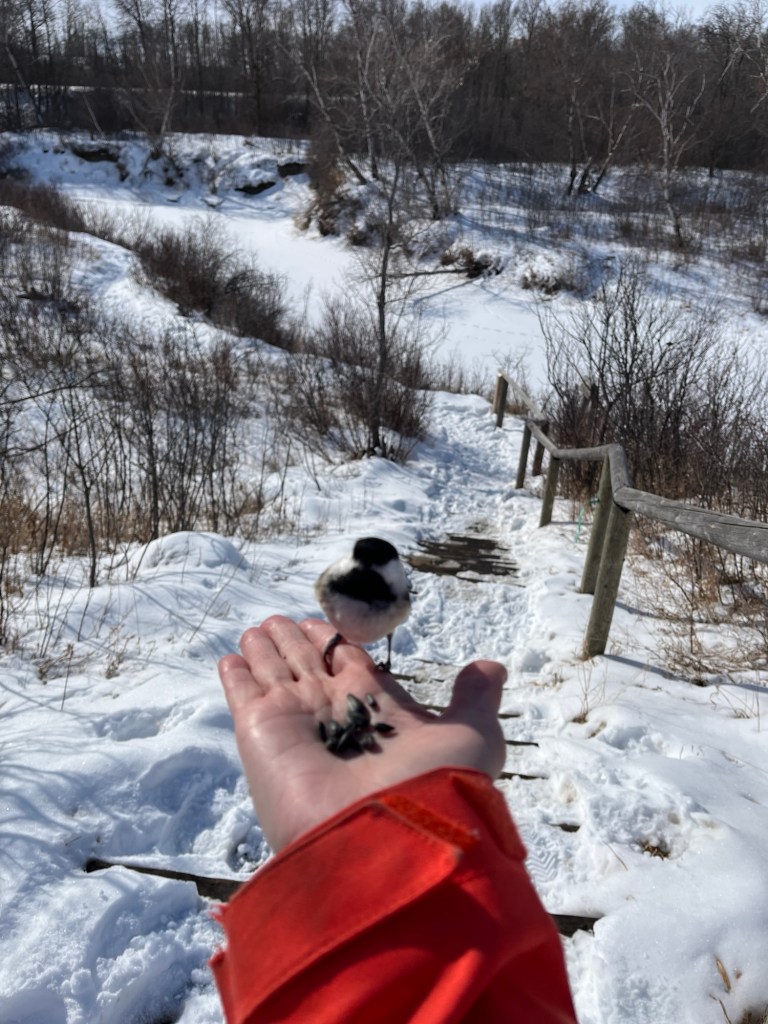
Just as the forest brings our nervous systems to a natural state of regulation through phytoncides and fractal patterns, the act of self-forgiveness and ownership brings our internal landscape to rest. It provides the space required for the nervous system to settle and begin the slow work of repair.
A Forest Therapy Practice
The “Stone and Stream” Invitation
To help move through these human emotions with strength and confidence, I invite you to try this practice, whether you are in a literal forest or simply sitting by a window.
1. Find Your Anchor: Find a place where you can sit or stand comfortably. Notice the weight of your body.
2. The Stone of Choice: Pick up a small stone (or imagine one). Hold it in your hand. Let this stone represent a choice you have made that you currently carry with weight. Perhaps one you have blamed yourself or others for. Feel its texture, its coldness, its reality.
3. The Stream of Time: Look at a moving part of nature. A stream, the wind in the leaves, or even the movement of clouds. Recognize that like the water, time has moved on. The choice happened, but you are here now.
4. The Offering: Place the stone down. Not with a sense of getting rid of it, but with a sense of placing it in the landscape. Say to yourself: “This was my choice. I acted with the knowledge I had. I am human, and I am here.”
5. The New Growth: Notice a small sign of life. This is your next action. Trust in your experience. Trust that you can act again, informed by the past but not imprisoned by it.

Embracing the Quest
As Baruch Spinoza noted in his correspondence:
All things excellent are as difficult as they are rare.
Owning our lives is an excellent thing. It is difficult because it requires us to look at our mistakes without blinking. But it is rare because it is the only path to true strength. And not everybody finds it.
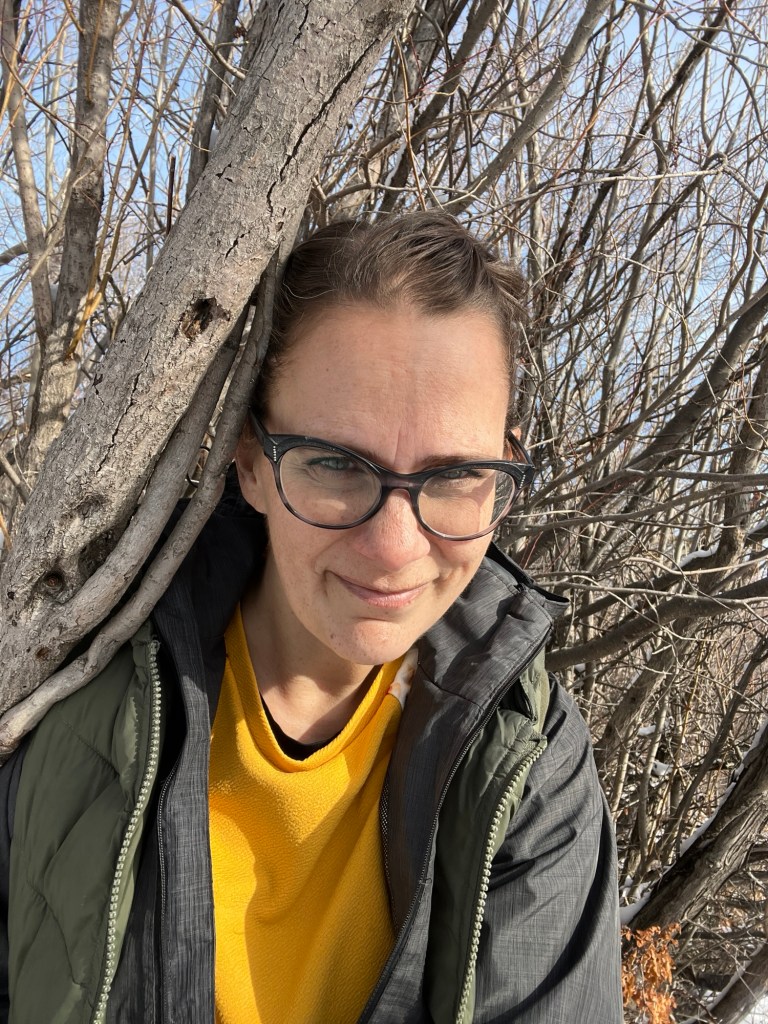
When we own our choices, we stop fighting the terrain and start walking it. We move from a place of “why is this happening to me?” to “this is where I am, and this is how I choose to grow.” In that shift, the nervous system finally finds the quiet it has been searching for. Just like the forest, we are always in a state of becoming.
Trust your roots. Reach for the light.



1 thought on “Nourish Your Nervous System: Forest Therapy Insights”