
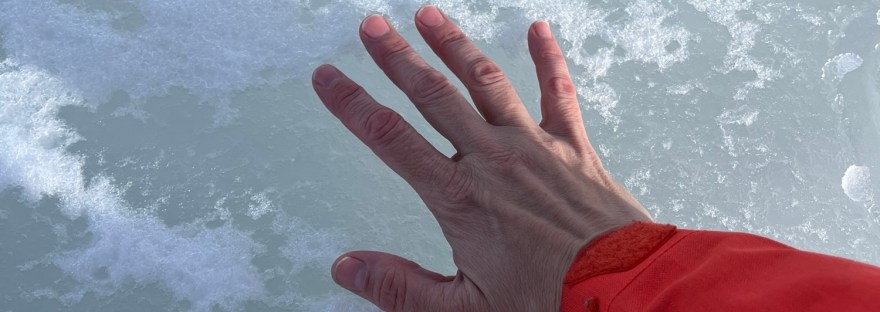
Many trails in Saskatchewan are shimmering. Beautifully. Treacherously.
I’m pretty sure they are trying to kill me.
Sparkling snow is magical. Sparkling frost is beautiful.
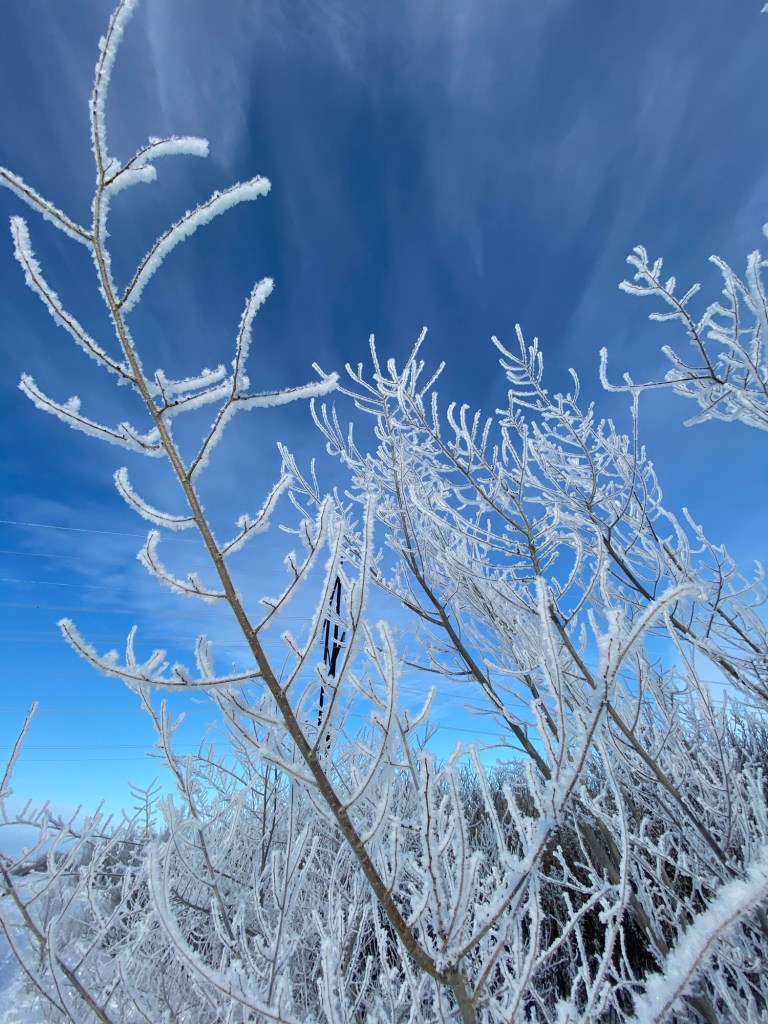
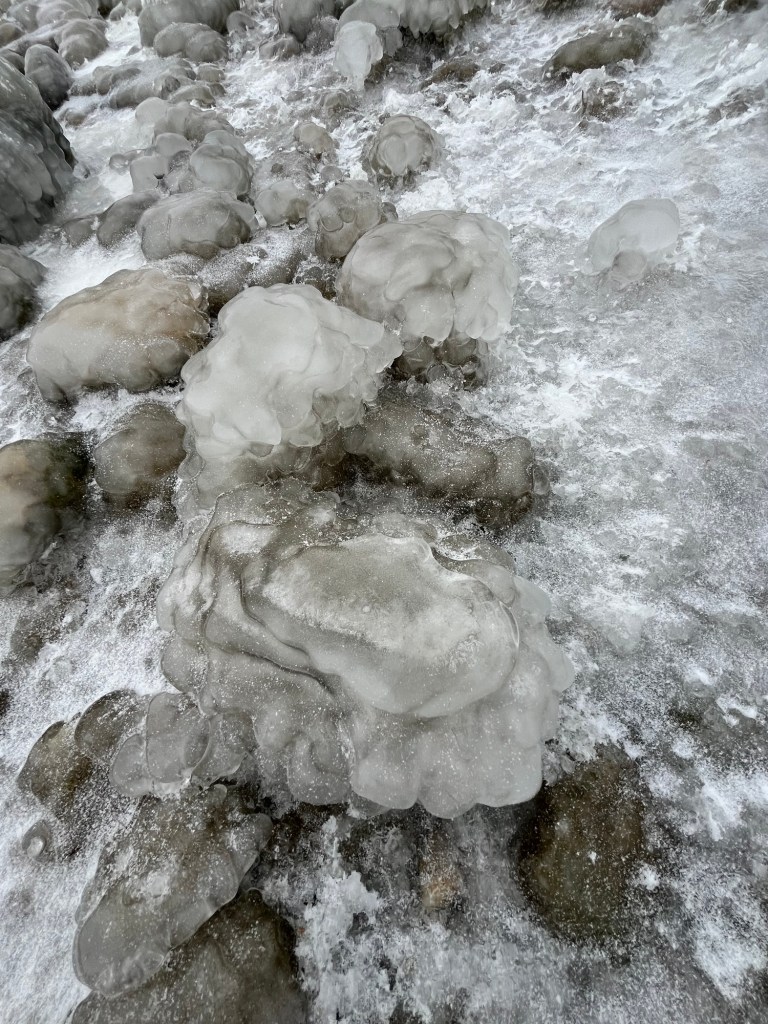
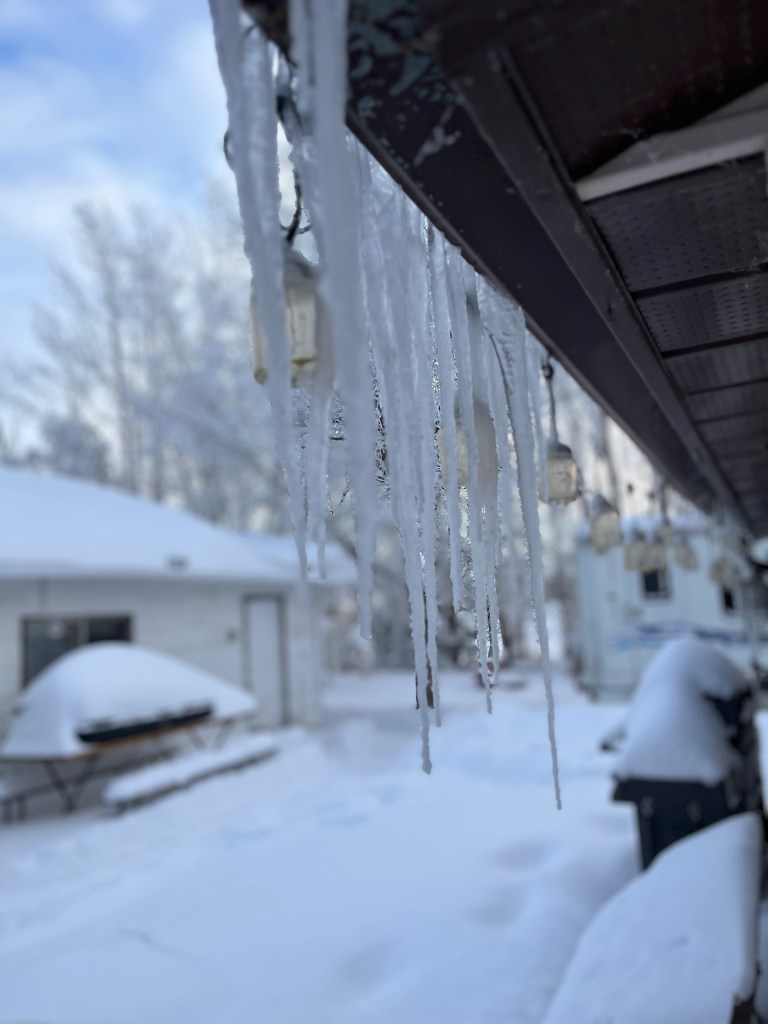
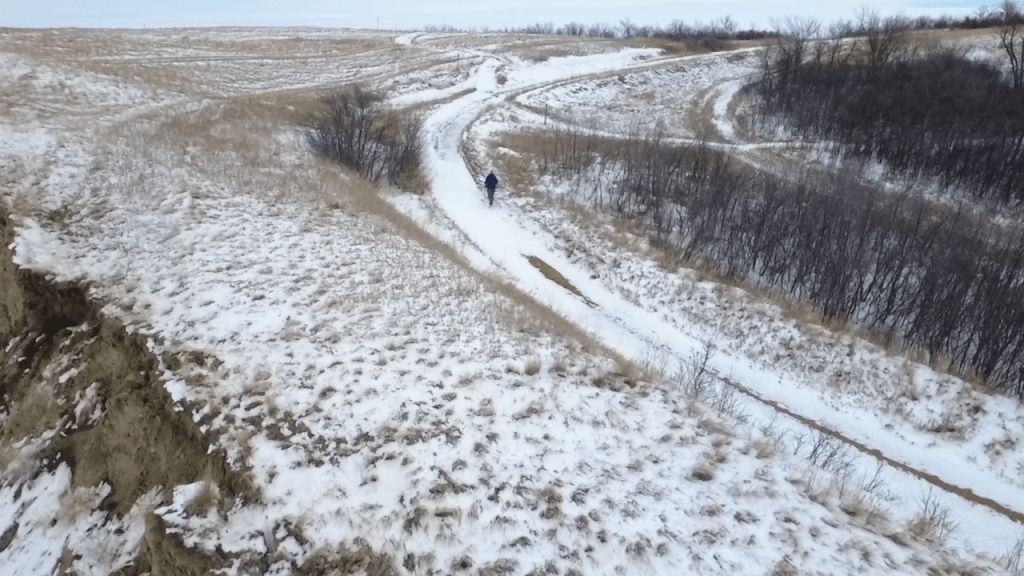
But sparkling ice on a forest trail?
That’s a different category entirely. “Be gone foul thing!”
When you live with hypermobility, ice is less of a winter decoration and more of a full-contact sport.
For most people, a slip on an icy trail means a flail of the arms, a laugh, and maybe a comment. “Watch out for the icy patch!”.
For someone with hypermobility, that same moment can mean:
- a rib that determines it would rather live somewhere other than its intended slot
- a shoulder that doth protest too much (because the shoulder blade is sliding down your back)
- muscles that grip like overprotective bodyguards
- and a new entry in the ever-growing logbook titled “Well… that escalated quickly.”
A small jolt or an awkward catch. And suddenly a split second wobble becomes three months of physiotherapy, muscle protecting and pain with every movement.
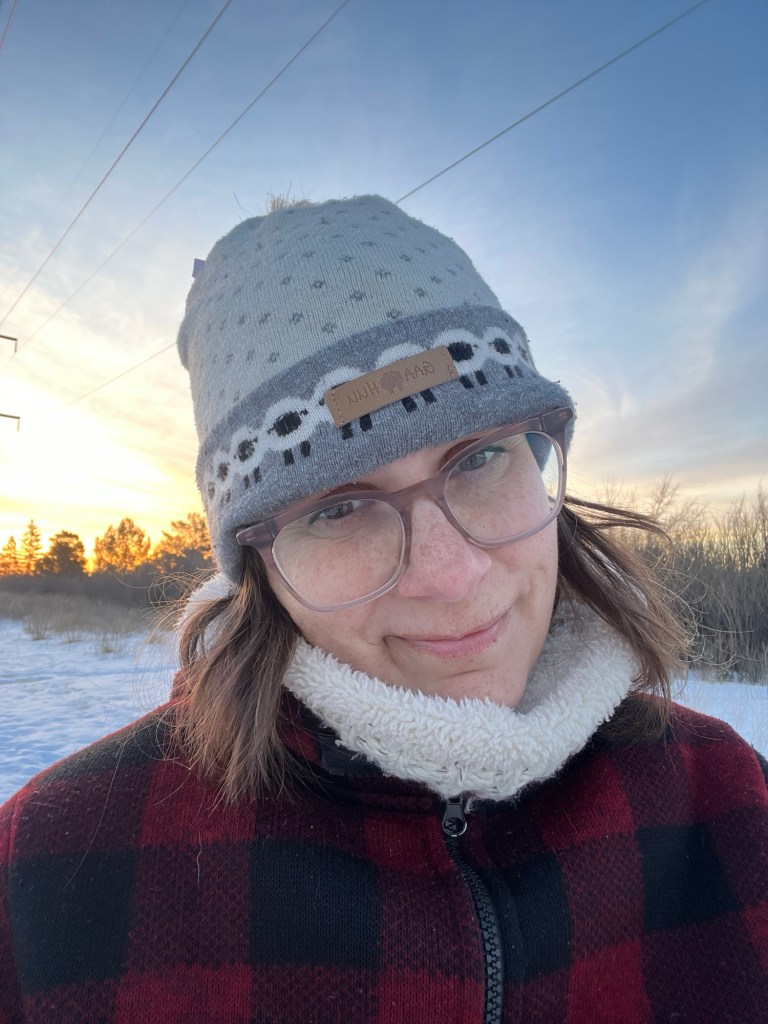
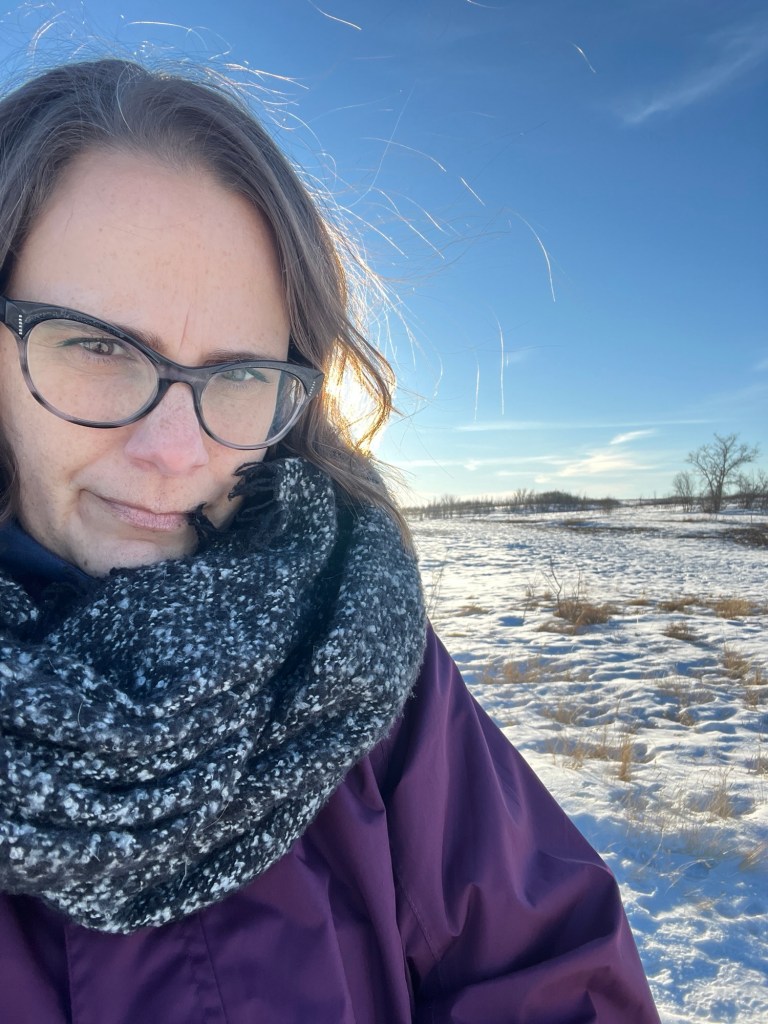


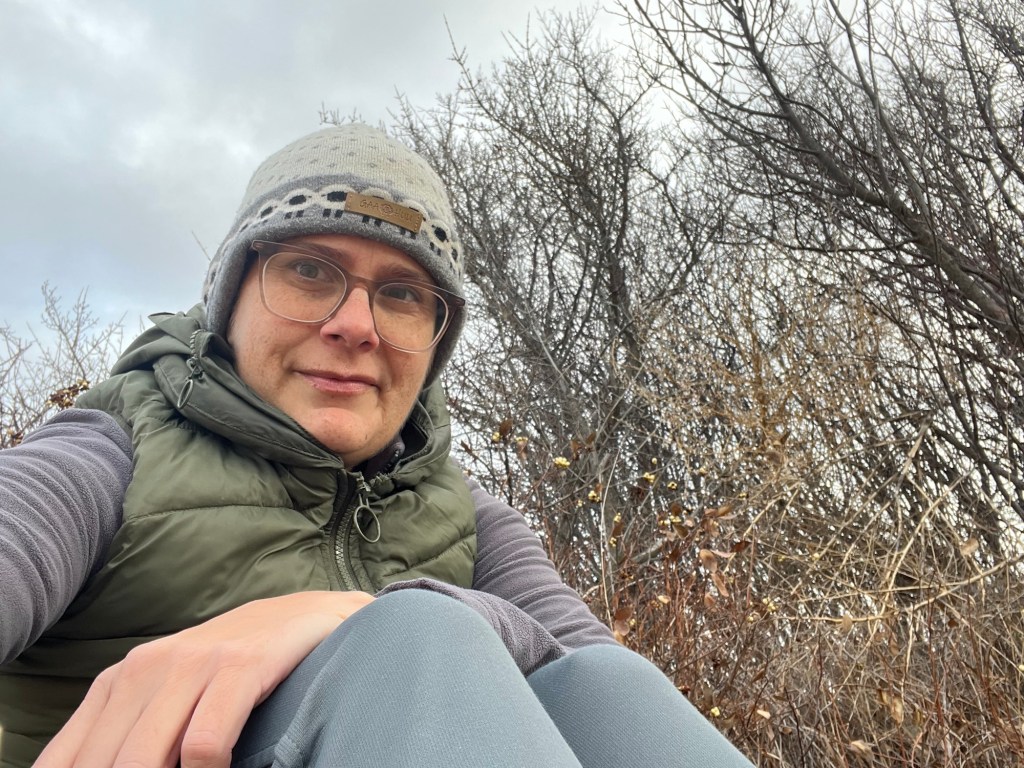
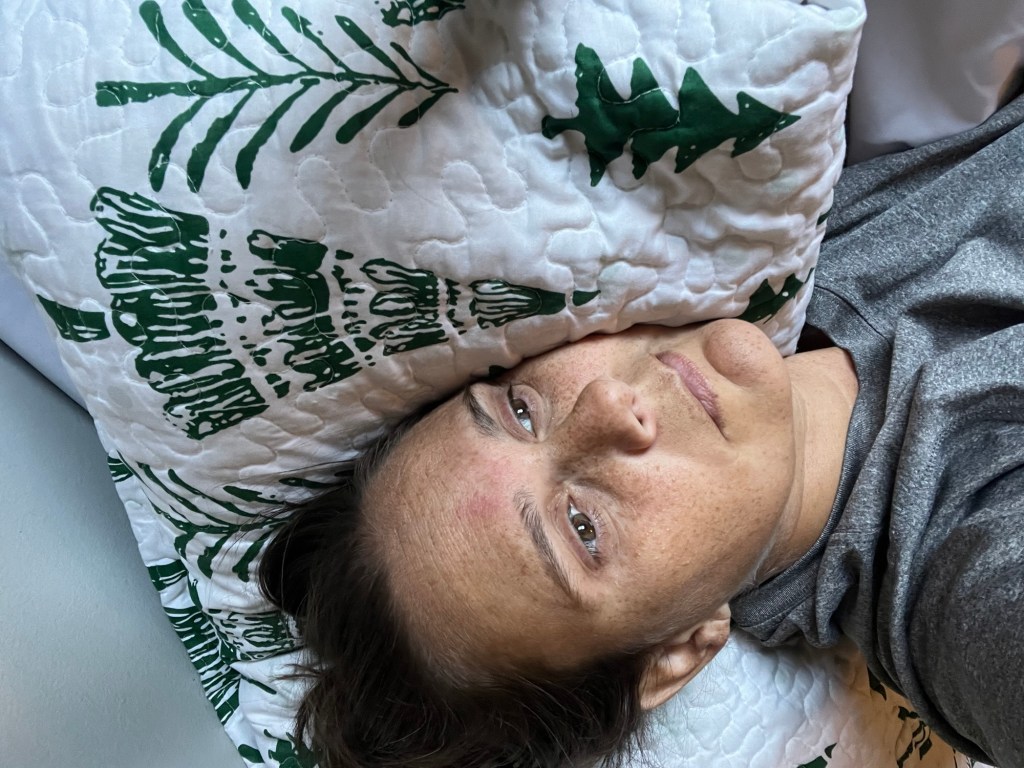
Winter walking becomes less like a casual stroll and more like a strategic mission.
Our hypermobile bodies clearly have a different set of rules.
Living with hypermobility also means developing a surprisingly intimate relationship with your physiotherapist.
Years ago I realized I owned an entire library of tiny resistance bands in colours that sounded deceptively cheerful.
Coral. Mint. Lavender. Suggesting relaxation and beach vacations.
In reality they represented fifteen very specific exercises. Each designed to convince my shoulder, hip, or rib that staying in place is actually an excellent idea.
In more recent years, overall strengthening through running has become my greatest hope against hope.
Thankfully those resistance bands are now packed away. They were the bane of my existence for years. Strengthen the shoulder, put out the elbow, wrist, and fingers. Strengthen the hip, put out the knee, ankle and toes.
If you live with chronic pain, you also know the strange pleasure of telling people:
“Yes, I injured myself sneezing.”

And then watching them try to politely hide their confusion. 😕
Enigmatic Equations Await
People with chronic pain develop a special kind of mental math.
Before leaving the house, the brain quietly runs a checklist:
- How icy is it?
- How far is the trail?
- What muscles are already staging a coup today?
- What are the odds I’ll slip, twist, or do the world’s slowest accidental yoga pose?

These calculations happen constantly.
Because when joints are extra flexible, the body relies heavily on muscles to hold everything together.
If those muscles get surprised by a sudden slip on ice, they react like overcaffeinated security guards.
We don’t even have to experience a crash landing. A slight “whoop”. Everything tightens. Followed shortly by, everything hurts. Sometimes for a very long time.
And yet… Staying inside is not the answer.
Inside Out: The Hidden Dangers of Staying Indoors
My soul was not designed for indefinite indoor storage.
After a few days of being cooped up, something starts to happen.
First a restlessness.
Then a longing.
Then a slightly dramatic moment standing at the window staring outside like a Victorian character under quarantine.
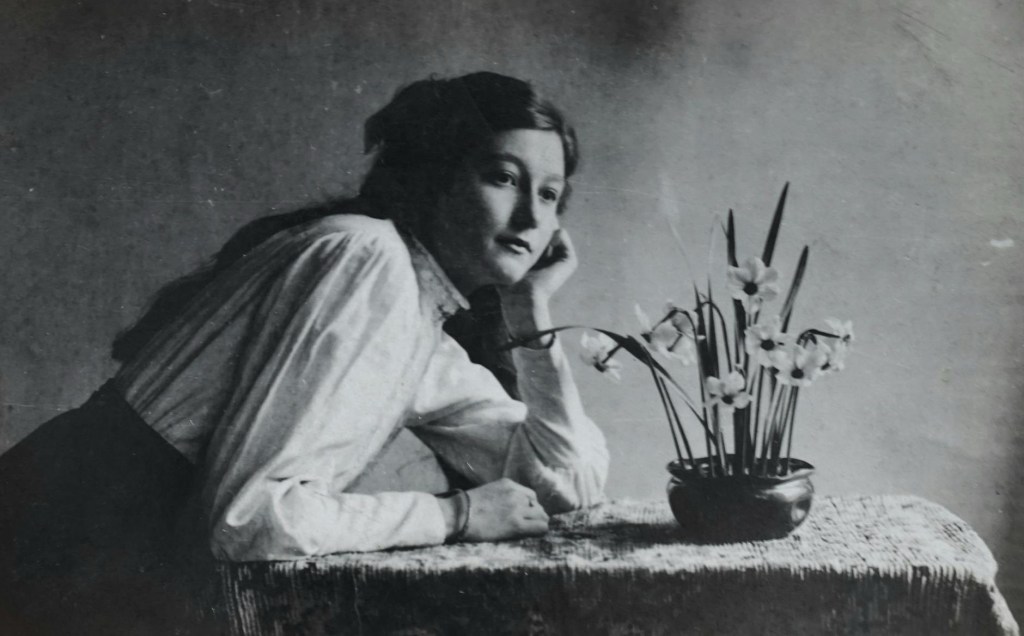
Because the body may be complicated. But the soul is surprisingly clear about what it needs.
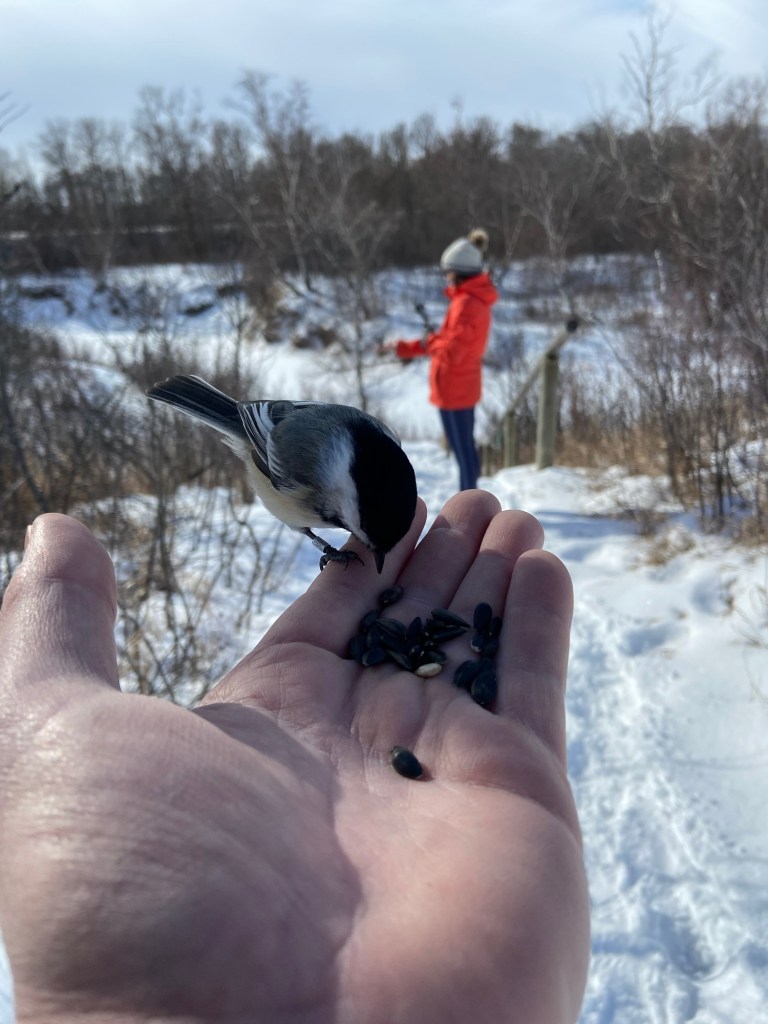
Trees. Sky. Fresh air. The quiet company of chickadees who seem perpetually delighted with life.
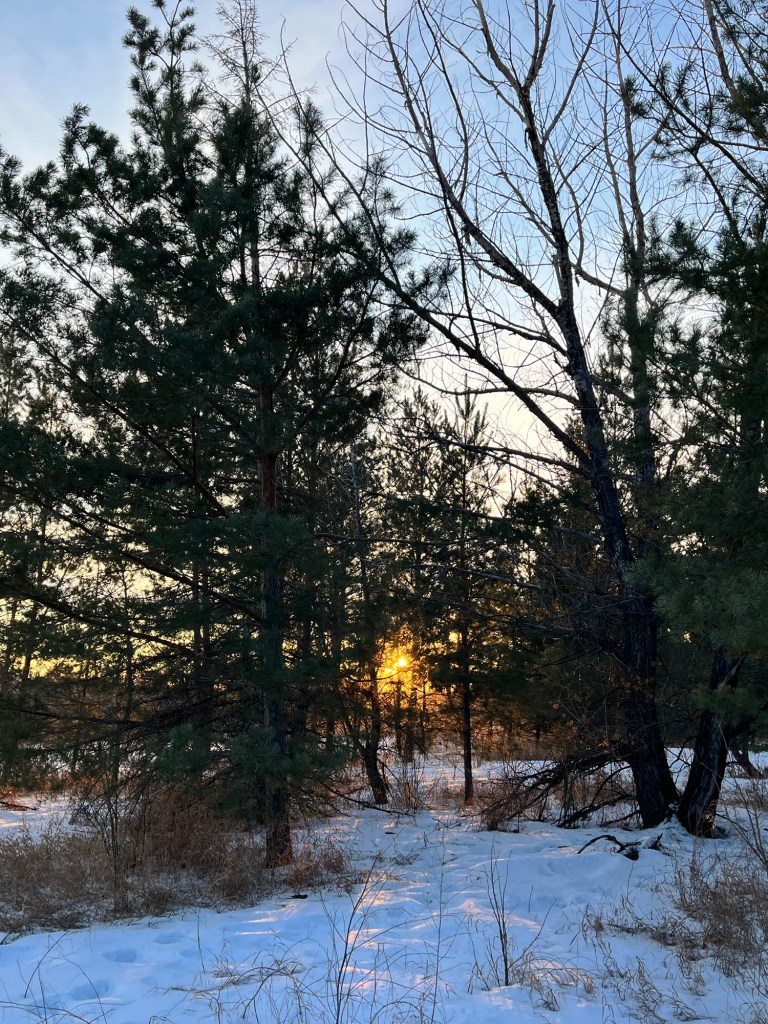
Naturalist John Burroughs once wrote:
I go to nature to be soothed and healed, and to have my senses put in order.
And when chronic pain is part of your life, your nervous system spends a lot of time: out of order.
Pain keeps the brain alert. Guarded. Scanning.
But the forest gently invites something else.
A slower rhythm. A softer focus.
Don’t let perfect get in the way of good enough.
“Break!!”- Dancing Through the Meadow
Hypermobility changes the way you move through the world.
Especially in winter.
Walking on icy trails becomes a very particular style of locomotion that could best be described as:
“Cautious woodland creature.”
Short steps.
Careful weight shifts.
Occasional pauses to test the ground.
One wrong move and suddenly you find yourself soft launching a new form of dance.

Anyone watching from a distance might assume you were practicing some form of extreme slow-motion flamenco 💃 .
But really, you’re simply trying to avoid becoming an accidental case study in sidewalk face implants.
Oddly enough, this cautious way of walking mirrors a core forest therapy practice. Slow walking.
Forest therapy guides often invite people to slow down enough to truly notice the forest.
Hypermobility just… adds extra motivation.
A Little Winter Guiding Advice
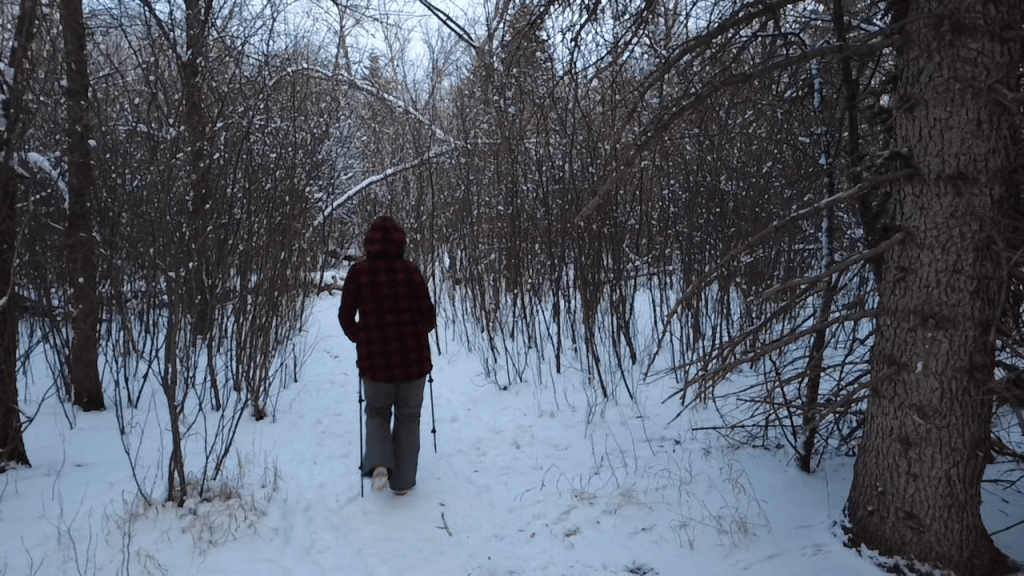
I have learned a few things from my winter days on the trail this year.
- Boots with ICE FX technology soles are the way to go. I started using them this year. I had two slips in the first couple weeks of winter. I got the boots and I haven’t had a slip since. They are like winter tires. I still have to be careful but they have saved me.
- Hiking poles are this girl’s best friend. I am learning when to use them and when to leave them in the car. Days I can’t see the trail under the snow or when the trail is glistening with ice, they are essential. Days the trail is packed with snow and my balance feels good they can stay back.
- Some days you just have to stay home. The boots and poles open your world. There are still times when staying home is the safest and best option. It is not worth the risk of a fall. Or a tweak. Walking in a mall or other large indoor space can meet some of your physical movement needs. As the snow melts, you can extend outdoor Earthing sessions in a safe, seated position until the ice is gone.
Nervous Systems: A Unified Network
There is another layer to chronic pain that people don’t see.
The nervous system becomes watchful.
When pain appears often enough, the brain begins to scan constantly for the next signal. Muscles tighten sooner. Reflexes fire faster. The body becomes protective.

It’s not weakness. It’s survival.
But a nervous system that spends too much time in protection mode eventually forgets how to settle.
This is one of the quiet gifts of time in nature. Not just for enjoyment but for nervous system survival.
As Japanese physician Yoshifumi Miyazaki, one of the pioneers of forest bathing research, observed:
The forest environment allows the nervous system to shift from vigilance to restoration.
For someone managing chronic pain, that shift is not small. It is validating.
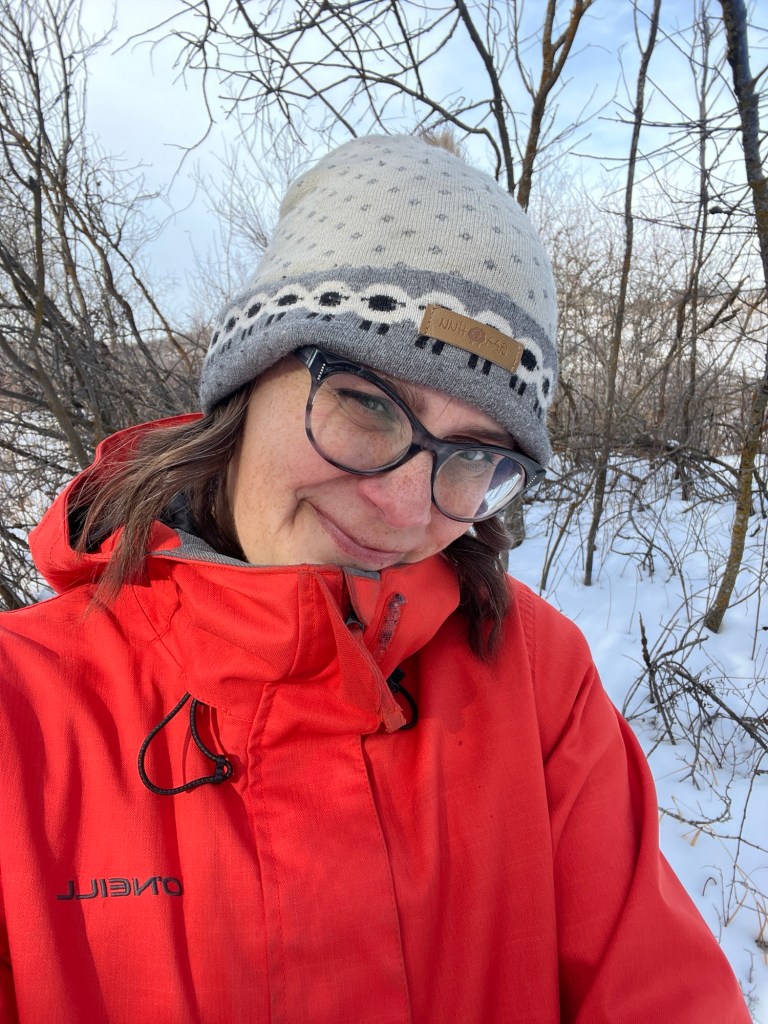
Research into forest environments has shown that simply being among trees can lower cortisol, calm heart rate, and shift the nervous system out of constant vigilance.
In other words, the forest gently persuades the body:
You are safe enough to soften.
And for someone living with chronic pain, that reminder can be profoundly healing.
Frosty Therapy: Nature’s Icy Embrace for the Soul
If winter trails feel risky but your spirit still needs the forest, try this gentle practice.
Practice: Borrowing Stability
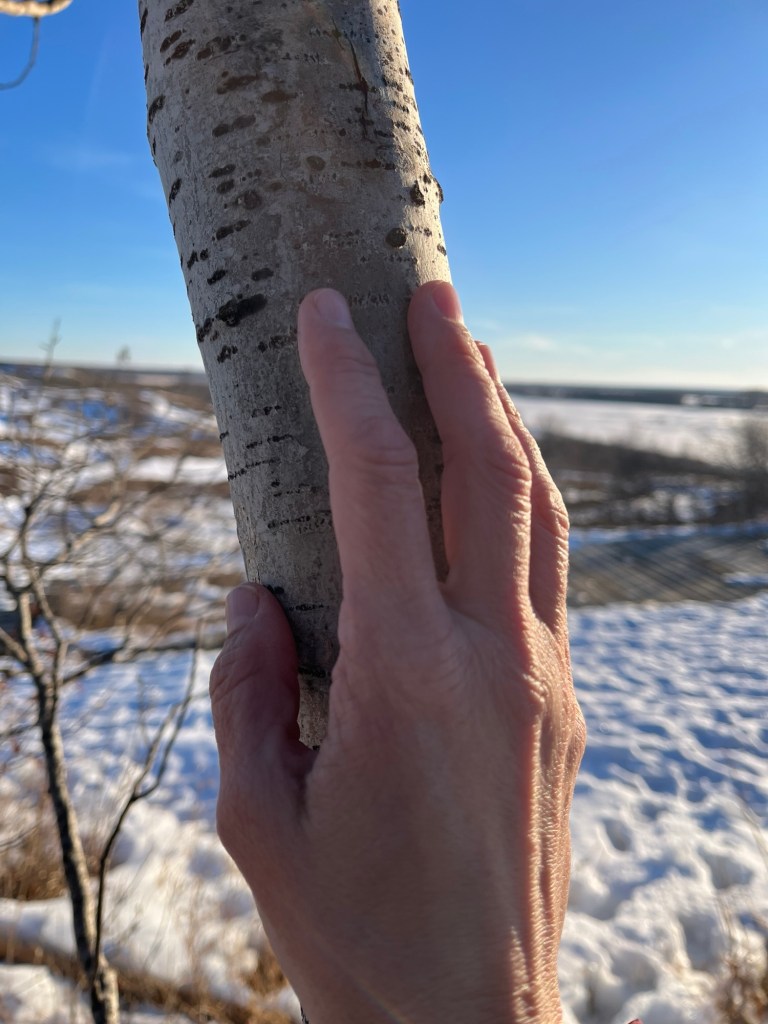
- Find a tree nearby and place one hand against the trunk.
- Feel the firmness of the bark under your palm. Trees have been practicing stability for a very long time.
- Take three slow breaths.
- Notice your feet inside your boots.
- Notice the ground supporting you.
- Then take three very slow steps. With each step, quietly ask: What does stability feel like right now?
You might be surprised how much calmer the nervous system becomes when movement slows down.
Winter walking with hypermobility includes both beauty and risk. Moments of deep solace among the trees and occasional grievances to file with a body that requires extra grit.
The poet Rainer Maria Rilke once wrote,
Let everything happen to you: beauty and terror. Just keep going. No feeling is final.
Perhaps winter forest walks teach that same wisdom.
Conscientious step by conscientious step.
The Whispers of Accord
Living with chronic pain sometimes feels like a negotiation between the body and the soul.
The body says: Please be wary.
The soul says: Please go outside.
The forest, thankfully, doesn’t insist on perfect joints or pain-free muscles.
It simply offers a place to breathe.
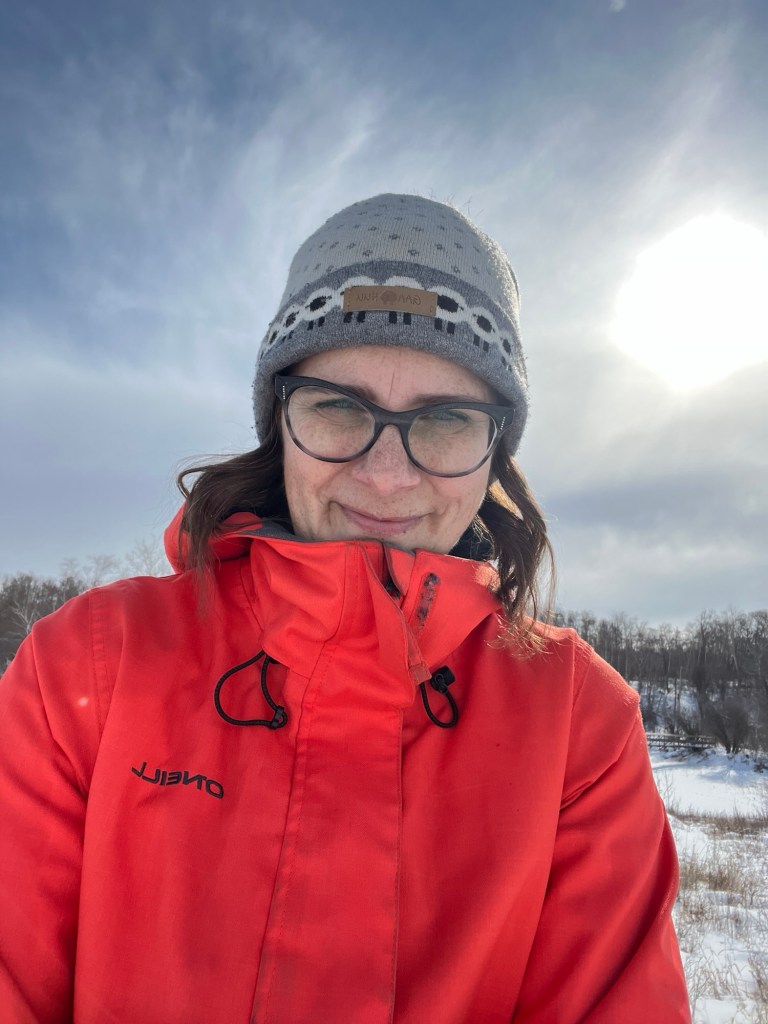
Scottish nature writer Nan Shepherd wrote about being in the mountains:
The thing to be known grows with the knowing.
Perhaps the same is true of our bodies.
The more we learn their quirks and their quiet wisdom, the more gently we can move through the world. Even when the trail shimmers with ice and every step requires a little forethought.
Because sometimes healing isn’t about conquering the path. Sometimes it’s simply about finding a way to keep walking among the trees.
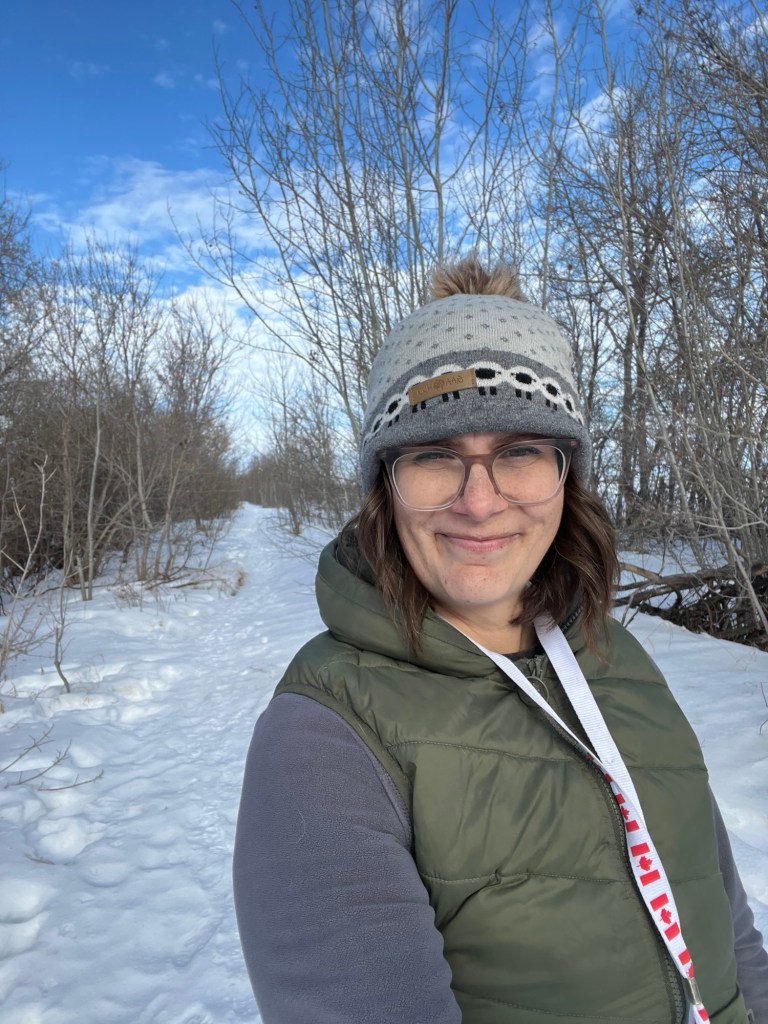
So yes, SK winter trails sometimes feel like obstacle courses designed specifically for people with hypermobile joints to fail.
And yes, the body occasionally protests the whole arrangement. Of having any movement at all. Yet consider another quote by Nan Shepherd that leads us back to what matters,
It is a grand thing to get leave to live.
Perhaps that is what these mindful winter walks really are.
A quiet permission to keep living fully, even if the steps are slow and deliberate.
Careful steps. Even slightly wobbly steps.
Keep walking when and where you can. Surrender when called for. We are so close Prairies friends! We have almost made it to Spring! We’ve got this.


