

‘It is no joke and yet it is often passed off as one.’ This sentiment echoes deeply within the experience of menopause. A profound physiological transition that, for too long, has been relegated to hushed whispers and dismissive humor.
But for millions of women, menopause is anything but a laughing matter. It’s a seismic shift, often bringing with it a cascade of less known symptoms that can profoundly impact daily life, exacerbate existing conditions, and leave women feeling utterly adrift in their own bodies.
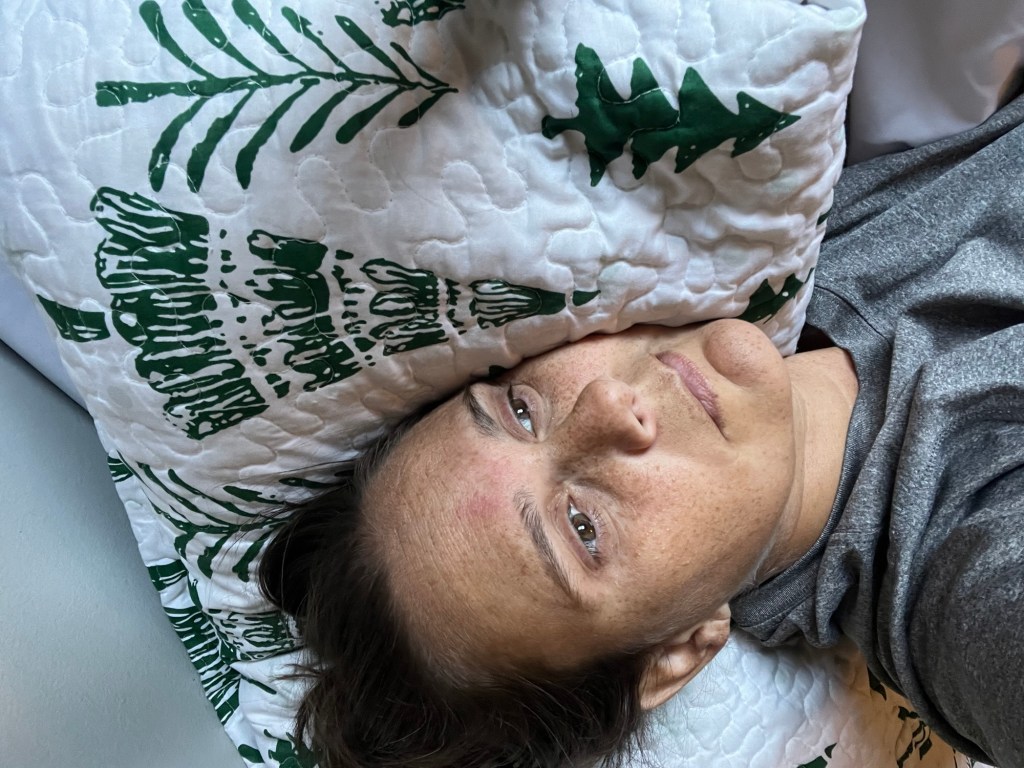
At one point I felt like I should go live under a bridge and ask people riddles before they cross. I didn’t know where I fit into society any longer.
Then I found forest therapy.
Aut viam inveniam aut faciam;
I will either find a way or I will make one.
Now as a forest therapy guide, I’ve witnessed firsthand the transformative power of nature in navigating life’s most challenging passages, and menopause is no exception.
As Helen Mirren famously said,
Life doesn’t end with menopause; it’s the beginning of a new adventure. Strap in and enjoy the ride!
Silent Struggles: Menopause and Chronic Pain
When we talk about menopause, the conversation often begins and ends with hot flashes.
Reality is far more complex. Beyond the publicized surges of heat, many women grapple with a host of crafty symptoms that can significantly diminish their quality of life. All without leaving a physical mark.
These include (but are not limited to):
- widespread musculoskeletal pain, often described as aching all over, which can be a direct consequence of hormonal fluctuations
- sleep disruption and mood disturbances like depression and irritability
- even weight gain is a common companion of this transition
- forMication (make sure you read that right), the feeling that bugs are crawling under the skin, it’s as delightful as it sounds
- electric shock sensations
- tinnitus
- thinning skin and nails
- oh, and the menopause brain
All things considered, it’s about as fun as getting glitter stuck in your eye while sandpapering a bobcat’s rear end in a phone booth. How someone would end up in such a situation, I can’t say. But the sentiment is spot on. I can assure you.
I experience all of these symptoms. Despite the ongoing issues, the blood work I just had done, says I am the spitting image of health. Bully for me.
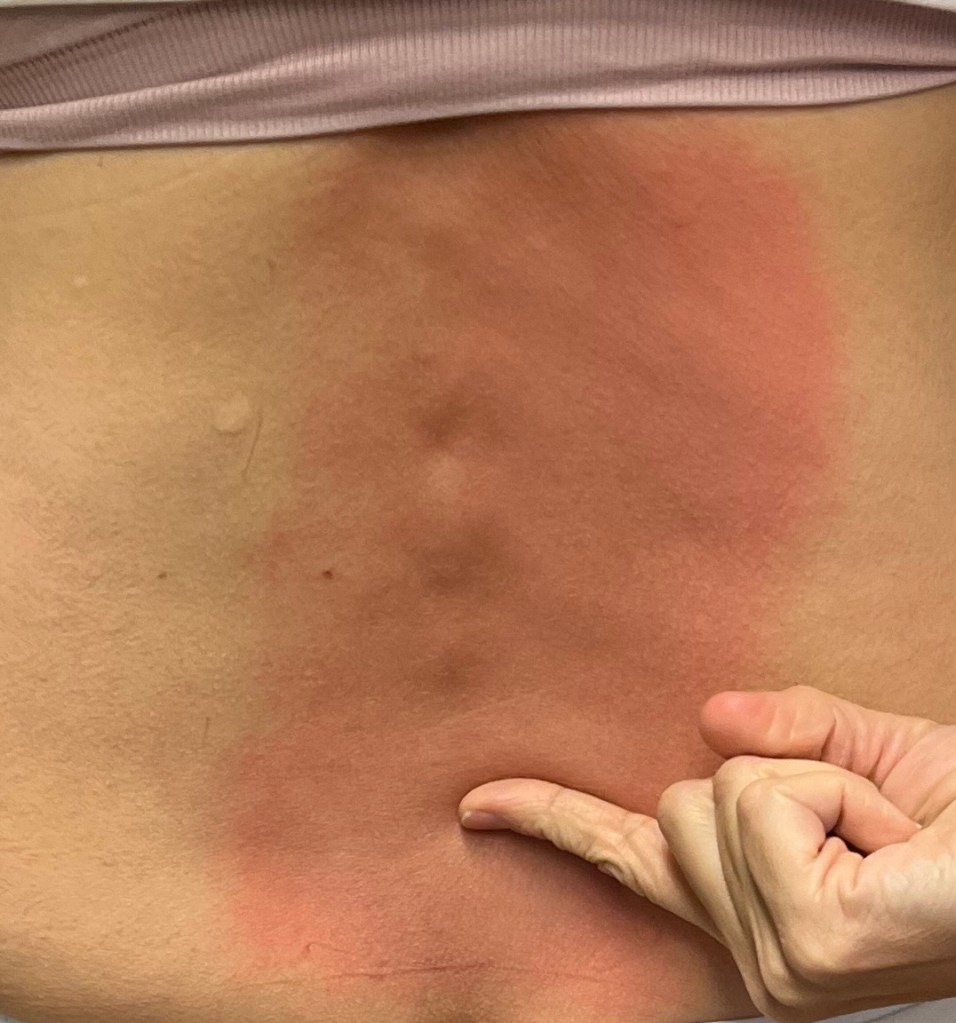
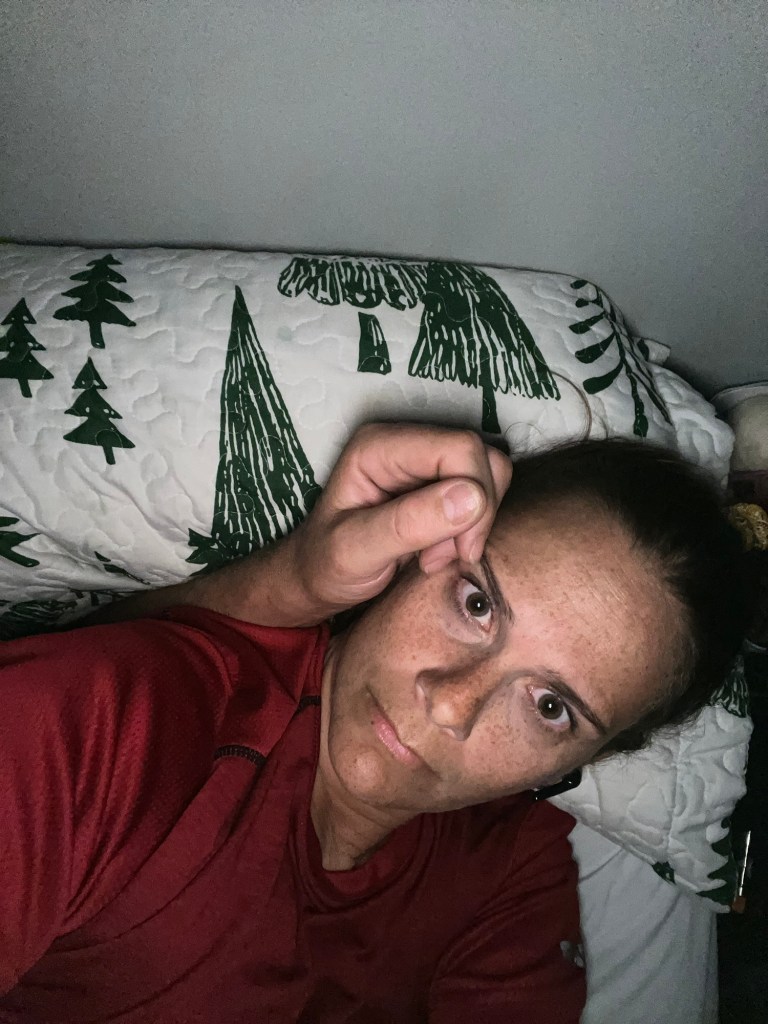

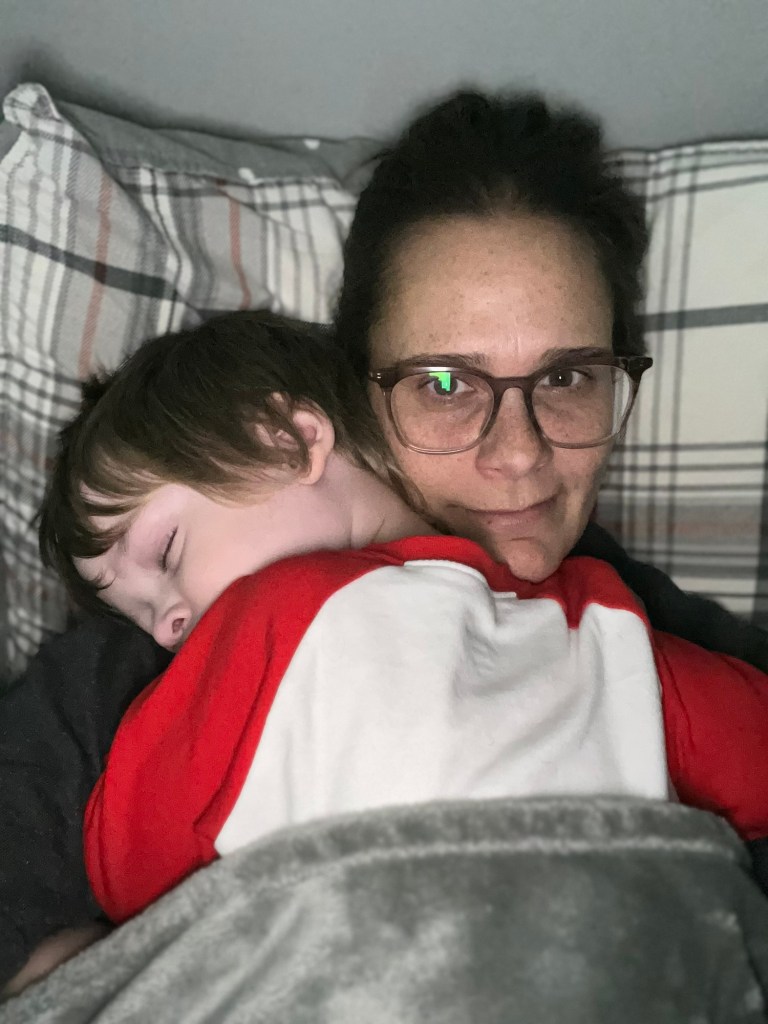
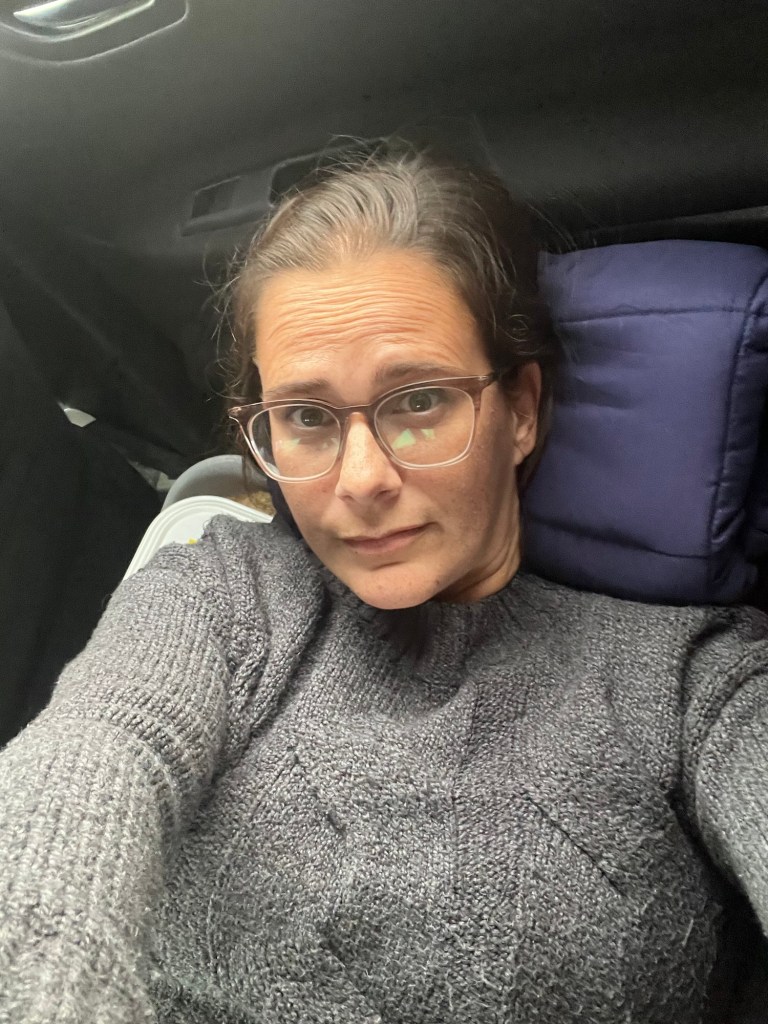
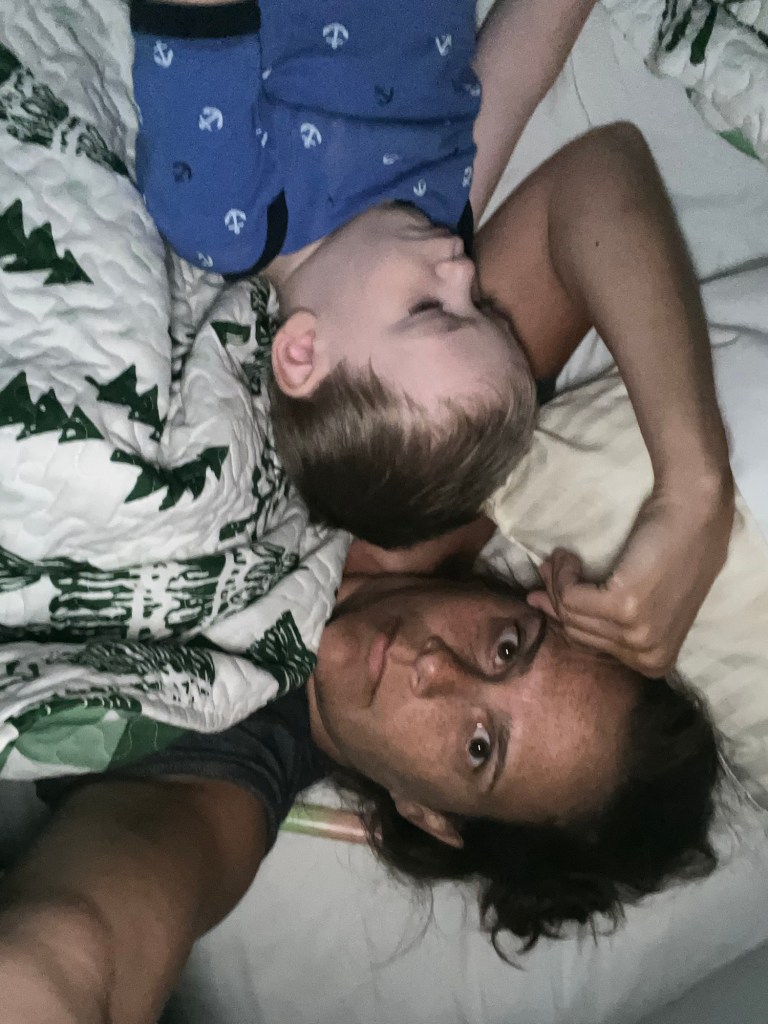
I can explain it to my doctors but I can’t understand it for them.
Perhaps one of the most challenging aspects is how menopause can act as an accelerant for chronic pain and illness. Research indicates that women experiencing menopausal symptoms are nearly twice as likely to be diagnosed with chronic pain conditions such as fibromyalgia, migraines, and back pain.
The intricate dance between estrogen and other hormones with pain sensitivity is still being fully understood, but it’s clear that these changing hormone levels can either trigger new pain conditions or worsen existing ones, making them more frequent, severe, and less responsive to previous treatments.
Temperature Trials: The Removal of My Thermostat
I understand this struggle intimately. After my hysterectomy, my body’s internal thermostat seemed to vanish for an entire year.
The first time I experienced a true hot flash I was sitting on our leather couch so the heat was trapped. I sat there wondering, what in the district one of hunger games is this?!?
Then came the realization this could go on for decades! Brilliant.
I’d like to put in a request to have the ‘weaker sex’ label removed.
Through that first year, I was in a constant state of flux, either too hot or too cold, perpetually covered in a thin, clammy layer of cold sweat. I walked around all day and night, haunting my 0wn home, looking like I’d been chewed up and spit out. And feeling much the same.
The simple act of adding or removing layers of clothing became an exhausting ordeal for my pain-riddled body. I only slept an hour at a time.
Even now, years later, the hot flashes persist, arriving every half hour like an unwelcome, fiery guest. Does anybody know what that’s about?!?

This constant battle with temperature regulation, coupled with the relentless physical demands, is a testament to the invisible toll menopause takes. It’s a stark reminder that while the humor shared among women in the trenches is a vital coping mechanism, the belittlement of these severe symptoms is a serious problem.
How many women, I wonder, mask their symptoms, inadvertently allowing them to escalate, simply because society has taught them to endure in silence?
And where, might I ask, is the comprehensive guide to this monumentally disruptive season of life? I’m a few years into this thing and I still have so many questions.
We are, by and large, prepared for puberty in school. The birds and the bees talk, the physical changes, the emotional rollercoaster. But when it comes to menopause, the ‘all inclusive meeting’ on what to expect, how it will look, and how to navigate it, is conspicuously absent. We’re left to piece together information from fragmented online sources, a veritable Wild West of anecdotes and conflicting advice, often encountering one-off stories that are not the norm.
Ask my doctor, you suggest? I don’t spend much time there. I don’t need that kind of negativity and lack of concern in my life.
Who are we left to learn from? It’s a knowledge void that leaves women vulnerable and unprepared.
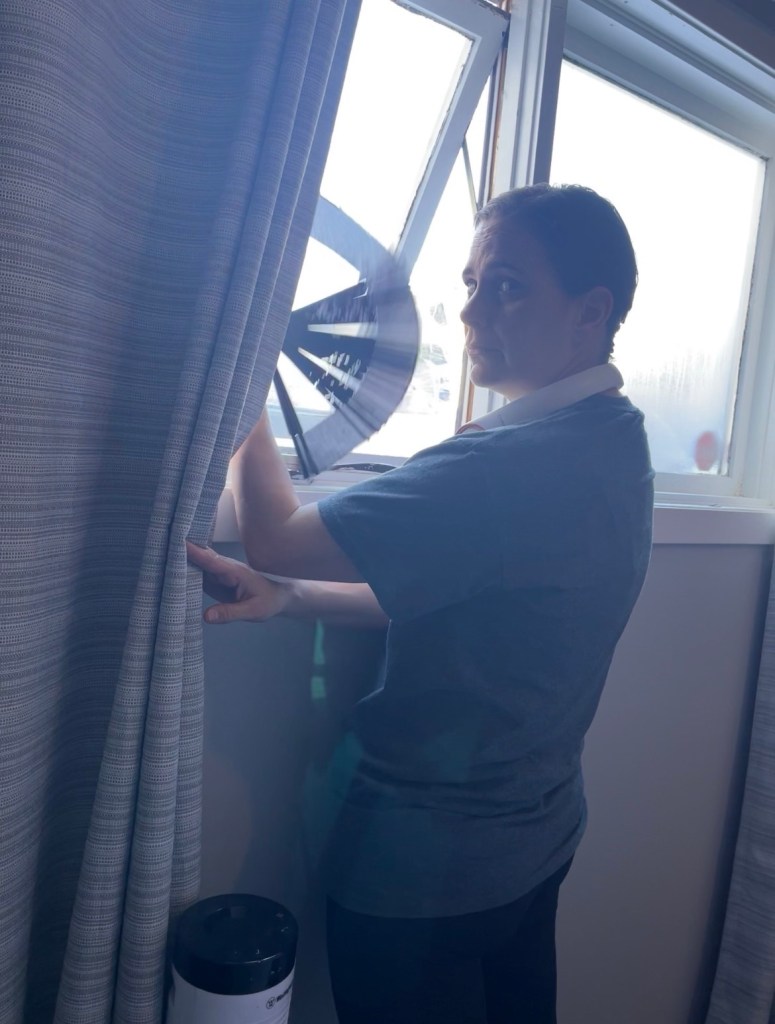
And then there’s the unspoken rule: Am I supposed to be embarrassed talking about this? I certainly didn’t get that memo, and yet, when I pull out my trusty fan and announce I’m having a hot flash to a group of people, the reactions can be telling. It’s as if I’ve just, well, peed my pants in public, and then announced it when I should have quietly excused myself to deal with the indignity.

Instead of being a normal, open conversation, menopause often feels shrouded in a similar veil of shame that we’ve only recently begun to lift from menstruation.
It’s a deeply unsettling thought that we are, in essence, extending the problem of period shaming through the entirety of a woman’s life from when she gets her period. It’s time to dismantle this expectation of quiet suffering.
Menopause in the Wild: Embracing Forest Therapy
He says that woman speaks with nature. That she hears voices from under the earth. That wind blows in her ears and trees whisper to her.
-Susan Griffin
This is where the wisdom of the wild, and the practice of forest therapy, offers a profound sanctuary.
Nature doesn’t judge; it simply holds space. It reminds us that change is natural, that seasons shift, and that there is immense wisdom and beauty in every stage of life.
Time spent mindfully in nature has been shown to regulate the nervous system, reduce anxiety and depression, improve sleep quality, and lower stress hormones – all critical factors in managing menopausal symptoms and chronic pain.
For those grappling with the unpredictable thermostat and the pervasive aches, a simple yet powerful forest therapy practice can offer solace:
The “Root and Rise” Practice
1. Find Your Spot: Seek out a quiet place in nature. A park, a garden, or a forest. Find a tree that calls to you, one that feels ancient and wise. Stand or sit comfortably at its base.
2. Root Down: Close your eyes gently or soften your gaze. Imagine roots growing from the soles of your feet, deep into the earth. Feel them extending, anchoring you, drawing up stability and calm from the ground beneath you. Acknowledge any discomfort or pain in your body, and imagine those sensations flowing down your roots, being absorbed and transformed by the earth.
3. Rise Up: Now, imagine a gentle, cool breeze moving through the branches of the tree above you, and then through the crown of your head. Feel it cleansing, refreshing, and bringing a sense of spaciousness. Envision your spine lengthening, your shoulders relaxing, and your breath flowing freely. This is your internal thermostat finding its equilibrium, gently recalibrating with the rhythm of nature.
4. Observe and Breathe: Open your eyes and simply observe your surroundings. Notice the textures of the bark, the patterns of the leaves, the sounds of the birds, the scent of the earth, the fractal patterns in the branches of the trees. Breathe deeply, inhaling the fresh air, exhaling any lingering tension. Allow the forest to hold you, to soothe your nervous system, and to remind you of your inherent resilience.
5. Return with Gratitude: When you feel ready, gently bring your awareness back to your body. Thank the tree and the natural world for their support. Carry this sense of calm and connection with you as you re-engage with your day.
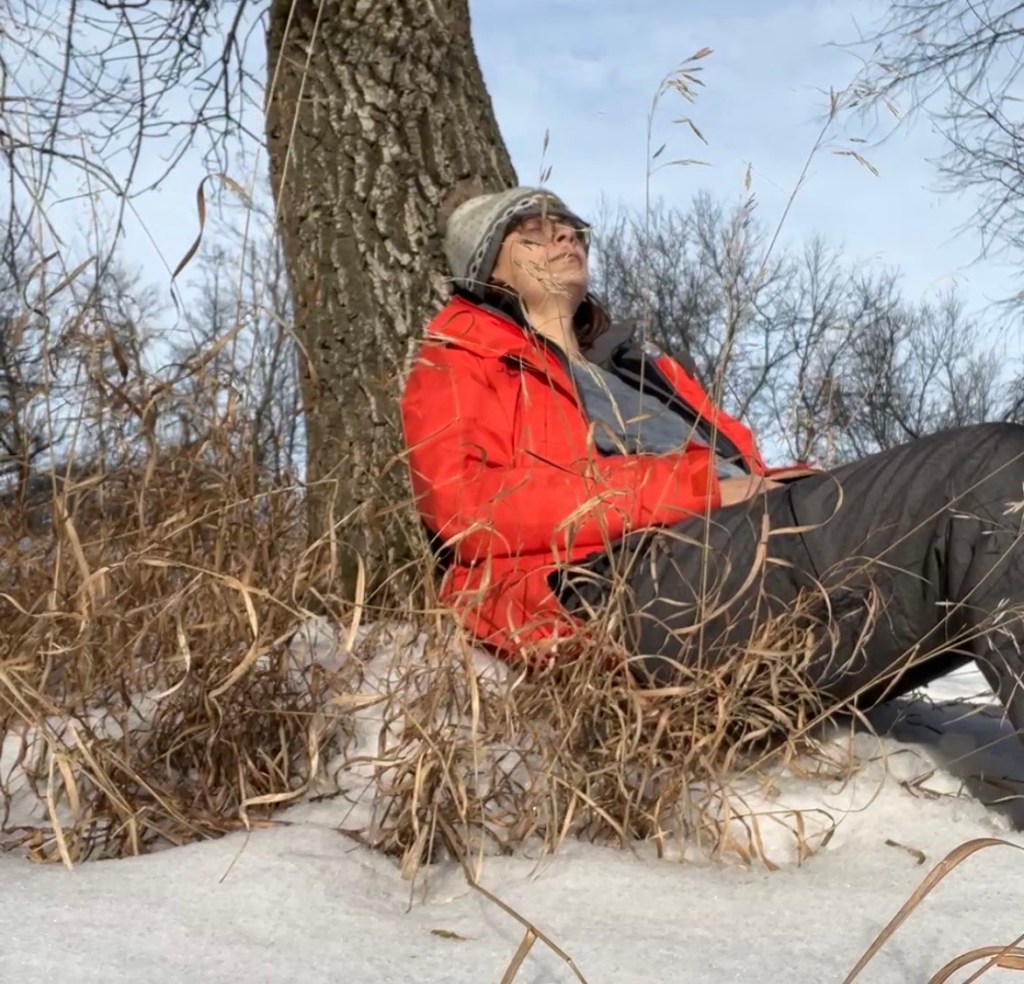
This practice, even for a few minutes, can be a powerful tool to regulate your internal state, ease chronic pain, and reconnect with your inner strength. It’s a gentle reminder that, like the forest, you too can adapt, shed, and flourish through every season of life.
The Way of Change: Crafting Wisdom Through Transformation
Menopause is not an ending, but a profound metamorphosis. It is a time for women to reclaim their power, to listen to the deep wisdom of their bodies, and to shed what no longer serves them.
As Rachel Carson wisely said,
Those who contemplate the beauty of the earth find reserves of strength that will endure as long as life lasts.
This journey, though challenging, can lead to a deeper connection with self and nature.
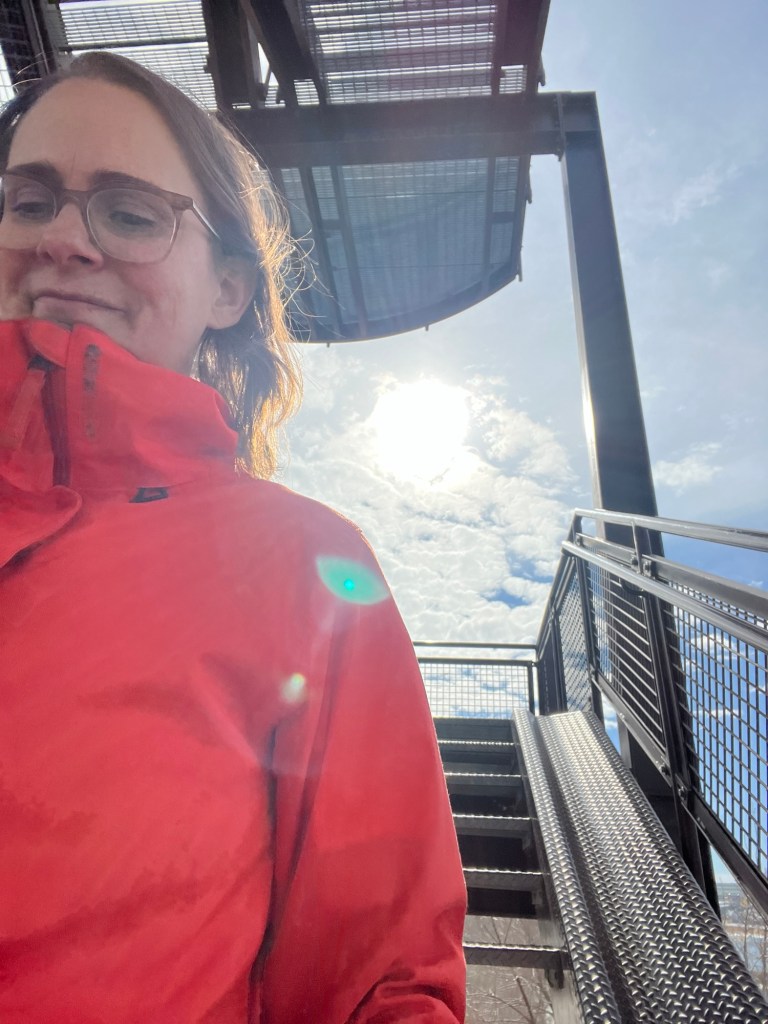
Let us, as women, embrace this transition not with resignation, but with reverence. Let us support each other, share our stories, and demand the understanding and care we deserve.
For in doing so, we not only heal ourselves but also pave the way for future generations to navigate this sacred passage with grace and strength.