

Your body is not a machine, it’s a conversation.
-Jennifer Perrine
I remember a morning in spring. There was still a noticeable chill in the air. I slipped outside, to the sights and sounds of my summer second home.
My muscles were tight, my mind crowded with worry and pain—nothing dramatic, just persistent soreness that has become my constant companion.
I wandered toward the trees, the sound of the wind through the leaves soft but insistently present. I closed my eyes. I felt my breath slow. My shoulders dropped. And, almost imperceptibly at first, the ache that had built over a winter, within me softened.

That moment wasn’t some mystical escape. It was evidence of something real: the mind-body connection responding to something ancient: nature.
This post is a little more technical than some of my others. In this post, I want to walk you through the science behind how nature calms the nervous system, lowers pain perception, and gives the body a chance to remember how to rest.

This is not just a nice idea or a self-help quip. I see it working in my life, and the research backs it. I share some of that research in the links provided. Feel free to check it out or to give those links a hard pass.
Mind Meets Body: A Dialogue of Perspectives
Healing is not forcing the body into a state of ‘perfection.’ It’s listening to what it has been trying to say.
-Dr Joe Dispenza
First: we are not two separate things. The nervous system is constantly sensing, interpreting, and “talking” to our organs, muscles, immune system, and even to our thoughts and memories. That internal sensing is called interoception — our body’s ability to monitor its own internal state (heart rate, gut sensation, breathing, tension) and for the brain to make meaning of it.
When we live under chronic stress or chronic pain, that conversation becomes distorted. The sympathetic branch of our autonomic nervous system (fight-or-flight) is persistently overactivated. Our brain becomes hypervigilant to threats, amplifying pain signals, even in places that may no longer need it.
But there is a counterbalance: the parasympathetic state (rest-and-digest) — a state where the body repairs, digests, heals, breathes deeply.
Engaging that side is essential for true resilience. And nature offers a powerful entry point into that parasympathetic realm.
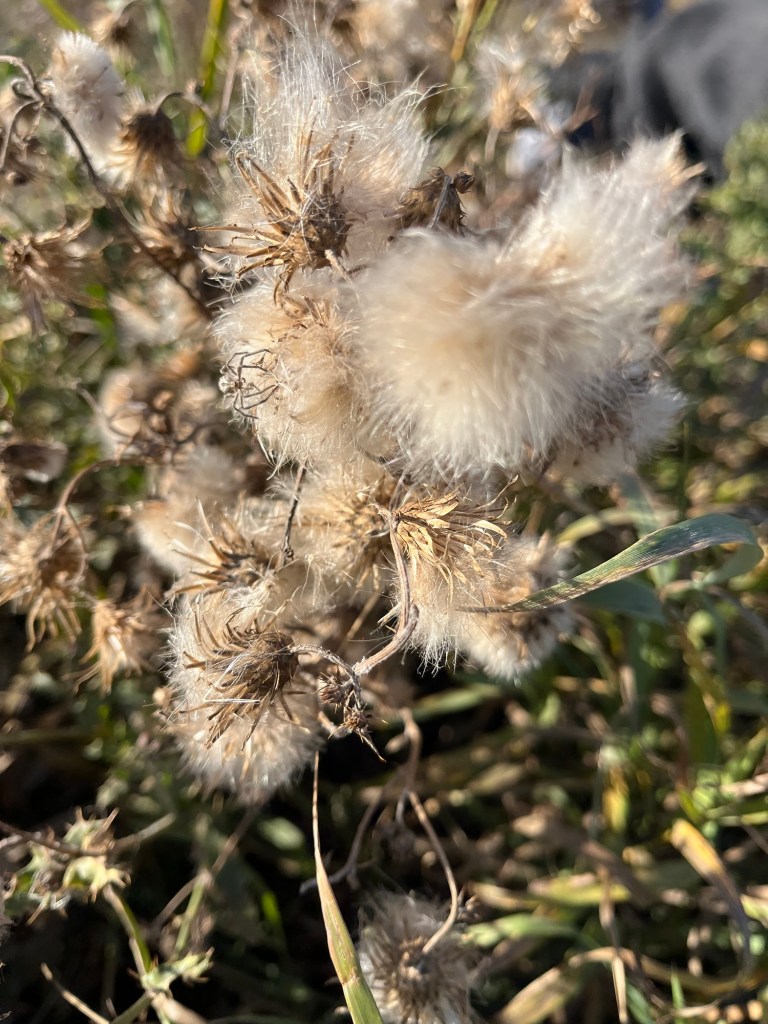


Querencia
{Spanish concept}(n) a place where one feels emotionally safe, a place from which one’s strength of character is drawn.
Nature’s Remedy: Calming the Nervous System
The forest is not merely an escape, it’s a return — a remembering of who we are.
-Unknown
Here is where the “nice idea” begins to feel like a compelling method.
1. Visual contact with nature calms brain & autonomic activity
This overview demonstrates that simply viewing natural elements—flowers, green plants, wood—induces shifts in the brain and the autonomic nervous system, compared with urban or non-natural environments. Link
More recently, neuroscientists have shown through brain imaging that exposure to nature lowers pain perception by reducing neural signals associated with pain processing. Link
In one study, subjects viewed virtual nature scenes while receiving mild pain stimuli, and the brain’s “pain network” lit up less strongly than when viewing urban scenes. Link
2. Nature reduces physiological stress markers
Time outdoors helps shift us from sympathetic arousal toward parasympathetic. Essentially, nature helps us “come out of our heads and into our bodies.” Link
Forest bathing (shinrin-yoku), for example, has been associated with lowered cortisol, reduced blood pressure, decreased heart rate, and improved immune function. Link
3. Attention restoration & easing mental fatigue
One pillar in environmental psychology is the Attention Restoration Theory (ART), which states that when we gaze at nature’s “soft fascinations”—rustling leaves, flowing water, birdsong—we can rest our directed attention (the kind used to suppress distractions) and recover cognitive capacity. Link
When our cognitive resources are less taxed, the brain has more “bandwidth” to regulate our threat systems and lower baseline arousal.
4. Pain modulation is emotional & contextual
Pain is never just a signal from tissues; it is affected by context, anticipation, emotion, and attention. One fMRI study found that anticipation of pain modulates how strongly sympathetic nervous responses occur, and that the brain’s anticipatory circuitry has a top-down influence on peripheral responses. Link
In simple terms, if your brain predicts threat, your body braces for it — heart rate rises, muscles tense, and pain signals grow louder. But when your mind learns to recognize what’s happening without adding fear, it begins to change that loop.
This is exactly what happened to me.
After my hysterectomy, I wasn’t able to take any hormone replacement treatments — they aggravated my other conditions. My body still struggles today to regulate temperature. I hot flash every thirty minutes. Down to a minute. I’ve timed it.
After about a year of this, my body simply couldn’t keep up. The constant swing from sweltering heat to shivering cold became unbearable. There was no rest. No pause between storms.


Then I started to notice the toll — not just physically, but mentally. My nervous system was on edge all the time, anticipating the next wave. I realized that the dread itself — the bracing — was its own kind of suffering.
So I tried an experiment. When I felt that familiar rush rising, I paused. I prepared but didn’t brace. I reached for my water, turned on the fan, maybe sat down if possible. I still remind myself in those moments: this will pass. The less weight I give it — but the more gentle attention I offer — the easier it is to ride out.
These days, my hot flashes still come every thirty minutes. But they are not as draining. They are little blips on the screen — reminders that my body is doing its best to find balance. And in meeting that discomfort with compassion rather than panic, I’ve discovered something powerful: the way we feel our pain changes the way we experience it.
A Walk on the Healing Side
The wound is the place where the Light enters you.
-Rumi
Not long ago, back pain had eaten away my joy. I was down to minimal movement, scared of flare-ups, medicated, trying every therapy that sounded promising. Yet my life was shrinking.

I decided on a small experiment: every morning for two weeks, I would walk down the lane of our farm (or sit quietly under a tree if I couldn’t walk). I would try to notice one thing—perhaps a bird’s call, the play of light on water, a soft breeze. No goal, no agenda.
Day 1: I came back discouraged — I didn’t feel anything.
Day 4: My back still hurt, but I felt… calmer. My breathing was softer.
Day 8: The pain seemed less urgent. The thoughts around it quieter.
By day 14, I don’t know if the pain was less in absolute measure, but I am less ‘in it.’ I have more distance. More space.
Over months, I was able to move farther, sit longer. The pain never vanished, but its domination receded.
My story is not unique. What I was discovering is that the mind-body conversation can shift — the “volume” of pain need not always be maxed out.
The Secret Sauce: How This Works for Me and You
If you have felt that creeping tightness, that locked jaw, that ache that feels like both body and memory. When I walk through forested trails, when I sit by a lakeshore, when I simply stare at mossy bark and inhale the green air, I feel a shift. The chatter quiets. My breath lengthens. My internal tension softens. The pain, though still there, becomes less commanding.
The science shows these are not placebo effects. They are biological responses rooted in ancient neural circuits. We evolved in natural worlds. Our nervous systems know these landscapes. They remember how to open.
If you struggle with chronic pain, anxiety, overthinking, or tension, nature may be a tool you undervalue — not a luxury, but a medicine written into our being.
How to Make the Mind-Body & Nature Practice Relatable, Real, and Sustainable
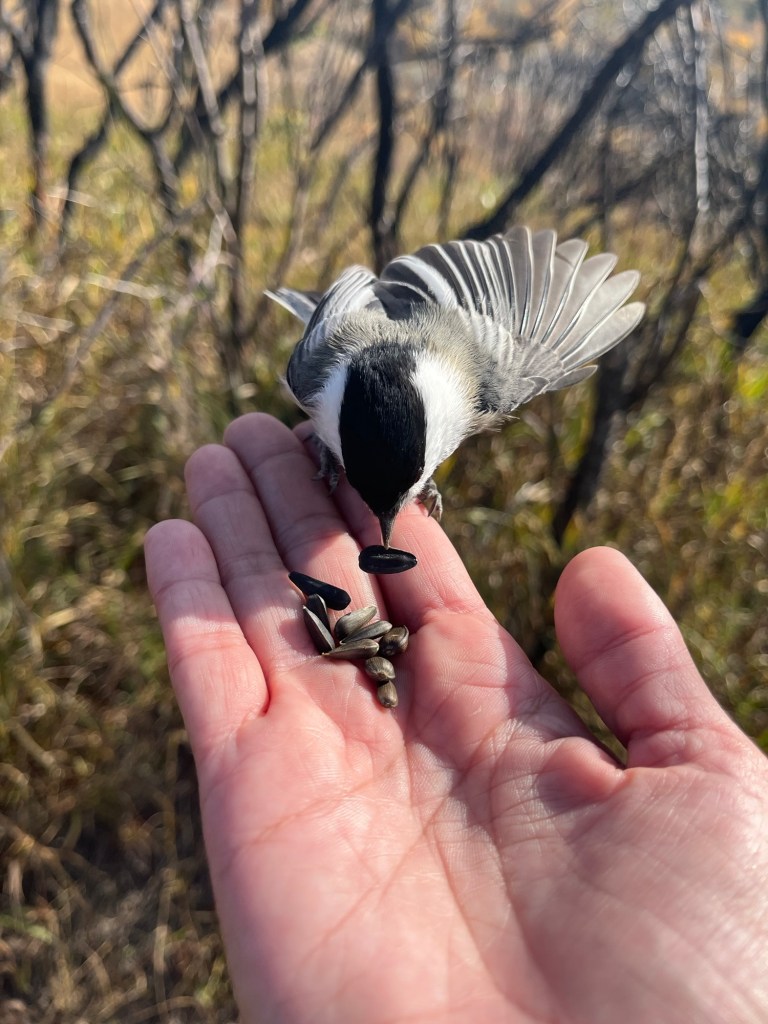
Here are some practical suggestions (adapt to your pace):
- Start small. Even 5 minutes of forest view, or stepping outside to touch grass, can activate calming circuits.
- Engage the senses. Smell, listen, feel textures, watch movement. Let nature draw you back from rumination.
- Use “indirect nature.” If you’re indoors, look out a window, use nature audio, or view images/videos of nature — these have shown measurable benefit.
- Pair movement & stillness. Walking in nature is stronger than walking elsewhere.
- Be consistent. The cumulative effect matters. Some studies suggest 120 minutes per week in nature correlates with better well-being. Link
- Watch your attitude. Let go of “must heal fast” thinking. Allow nature to be patient, gentle.
- Journal your experience. Track tension, mood, pain before and after nature time. Over weeks, patterns can emerge.
Epiphanies and Reflections: To Our Journey’s End
Nature does not hurry, yet everything is accomplished.
-Lao Tzu
We live in an era of constant stimuli, complications, and demands. Our nervous systems were not built for perpetual alarms. The ancient pulse of wind through leaves, water over stones, soil underfoot — these are languages the body still knows. Nature asks us lowly: come back. Listen. Breathe.

So next time the ache presses, try this: walk quietly through green, or sit beneath trees, allow your senses to soften, invite rest. You may find that pain loosens its grip, that your nervous system sighs, that mind and body remember their trust.
Peace is this moment without judgment. That is all.
-Dorothy Hunt
Perhaps part of the answer is: to slow down. To open to nature. To let the body learn again.

 SUNBEAM ACRES