
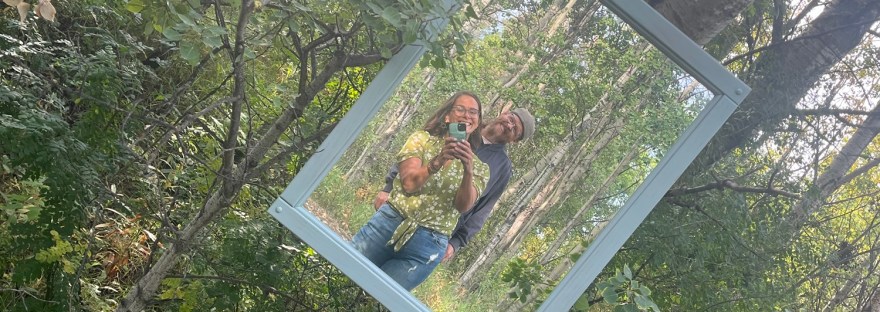
Resilience is based on compassion for ourselves.
In the beginning of my chronic pain, before I had language for it, I fought it.
I tried to outrun the agony.
I tried to out- power the fatigue.
I believed if I just pushed harder, rested less, proved myself more. I would get ahead of it.
Instead, the harder I tried, the further behind I seemed to fall.

What I didn’t yet understand was that I wasn’t battling weakness or lack of willpower. I was battling a body riddled with inflammation. A body asking to be soothed, not ignored. Not overridden. But met with compassion.
There likely will never be a cure for my condition.
But there can be healing. For myself and so many others.
For me, that healing began when I stopped fighting my body and started listening to it.
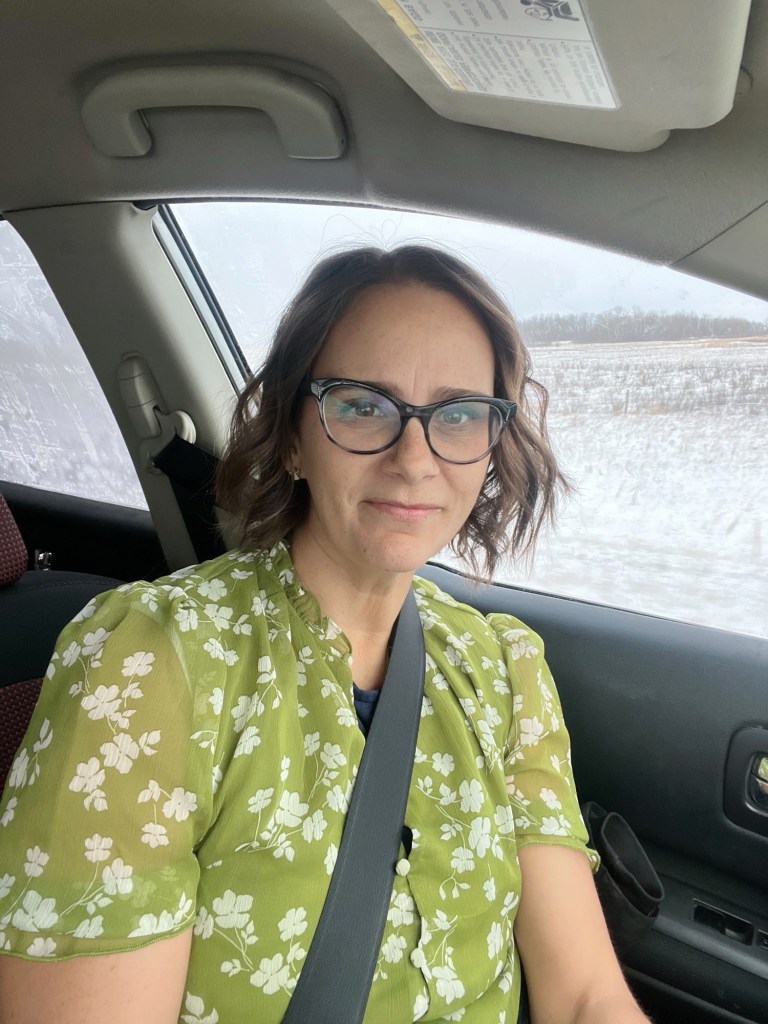
Healing in the Woods: A Transformative Quest
When I found forest therapy, I was still angry. Still confused by my disability. Still grieving the body I thought I should have. Trying to figure out exactly what steps to take to “get better.” Whatever that means.
Forest therapy didn’t fix me. But it slowed me down enough to meet myself honestly.
Walking slowly among trees, I began to notice how nature never rushes itself into wellness. Trees scarred by lightning still reach for the sun. Fallen logs don’t apologize for dormancy. Fallen leaves aren’t failures. Moss thrives not despite dampness but because of it. They are part of the cycle that nourishes what comes next.
In the forest, I learned to take time and space:
For my body.
For my care.
For myself.
I learned to soften.

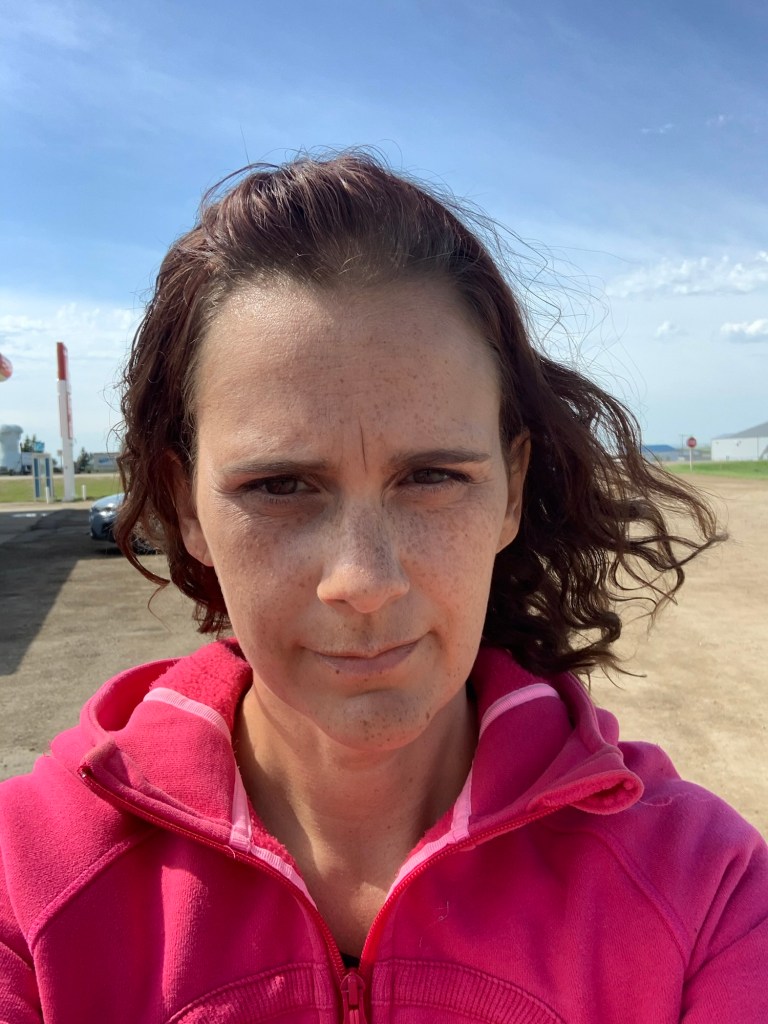
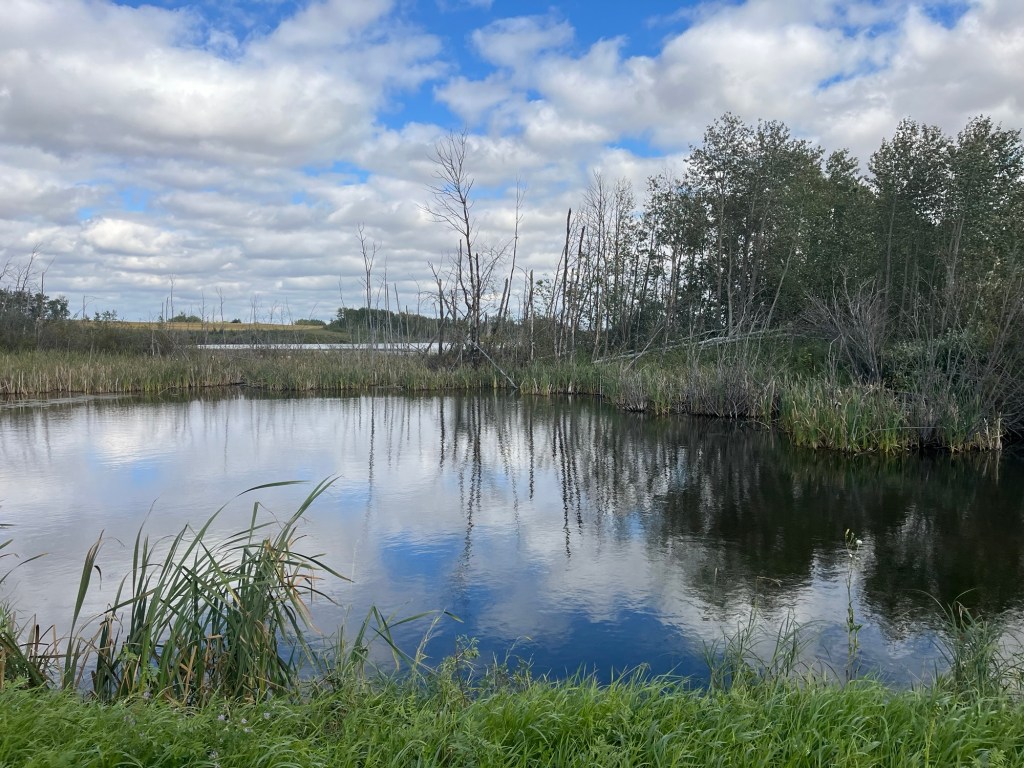
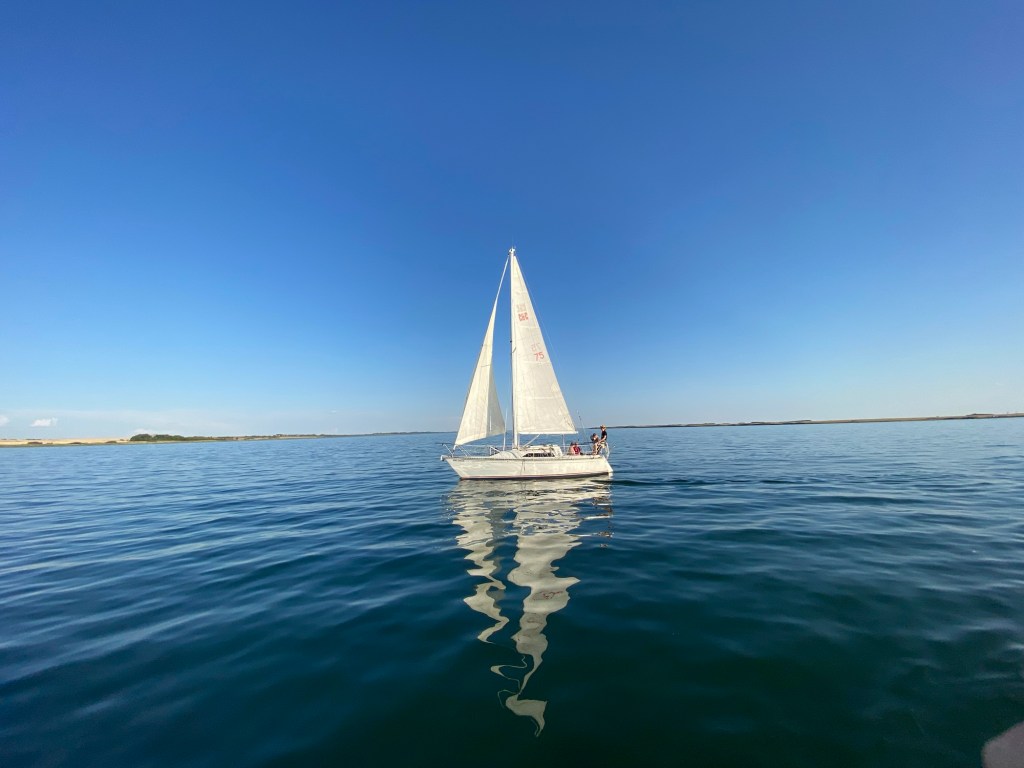
Nature became a mirror for self-compassion. Showing me that acceptance is not giving up, and rest is not weakness. That change is and always will be constant, and beauty is often found because of it.
Where do your forest reflections take you?

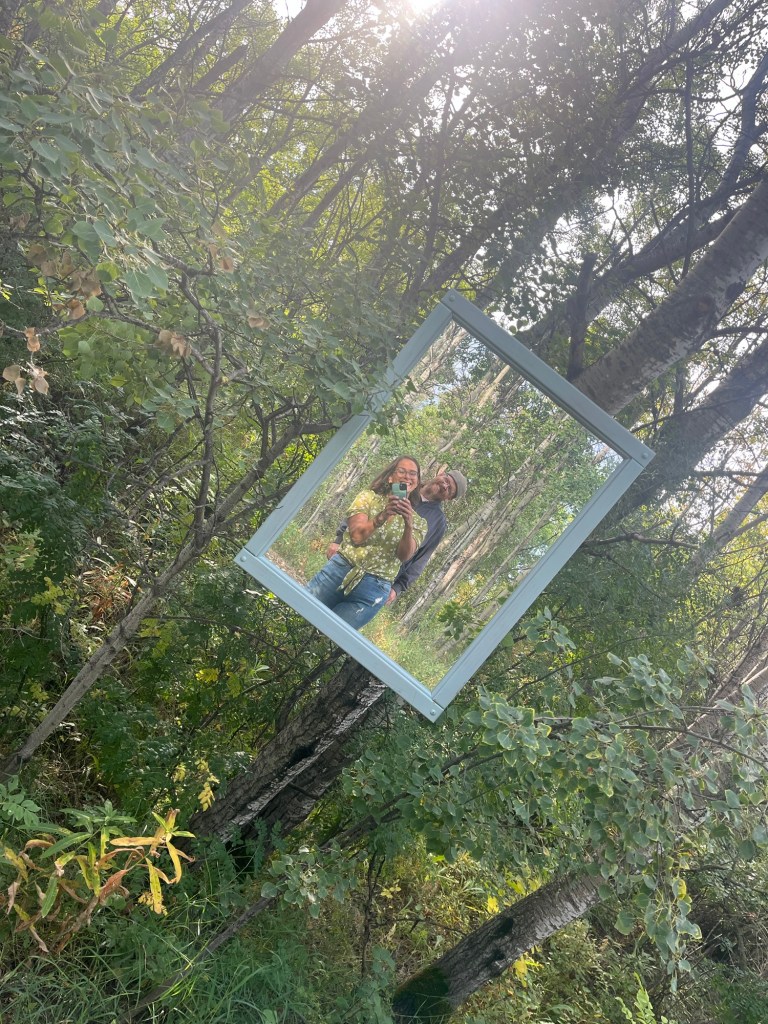


Tender and Fierce Self-Compassion: A Pathway to Healing Mastery
If your compassion does not include yourself, it is incomplete.
Psychologist Dr. Kristin Neff, a leading researcher on self-compassion, describes two essential forms. Tender self-compassion and fierce self-compassion. Healing (especially in chronic pain) requires both.
In the forest, tender self- compassion is offered effortlessly. Shade, stillness, permission to slow down. Tender self-compassion is the gentle response we offer ourselves when suffering arises. It sounds like,
“This hurts.”
“I’m allowed to rest.”
“I don’t need to earn care.”
Self-compassion is simply giving the same kindness to ourselves that we would give to others.
Self compassion also says,
In forest therapy, tender self-compassion shows up as slowing down. Sitting instead of pushing. Letting the forest hold us when our nervous system is overwhelmed.
But compassion is not only soft.
Fierce self-compassion is protective. In the forest, fierce compassion looks like a tree growing around an obstacle instead of breaking itself against it. It looks like roots lifting pavement. Life insisting on what it needs. It draws boundaries. It advocates. It says no to harm. Even when that harm comes from expectations we’ve internalized.


Fierce self-compassion involves taking action in the world to protect, provide, and motivate ourselves to alleviate suffering.
— Kristin Neff
For someone living with chronic pain, fierce compassion might look like canceling plans without guilt, choosing gentler paths, or refusing to prove pain through being productive. (Holy moly, have I ever been guilty of that last one!)
The forest teaches this balance effortlessly. Life adapts rather than destroys itself.
True healing lives in the balance.
Softness without surrender.
Strength without violent self talk.
I highly recommend looking at Dr. Neff’s research.
Beyond the Power of Positivity in Chronic Pain
One of the most harmful ideas placed on people with chronic pain is the demand to “stay positive.” It is a reality many of us are quietly living inside. Through good intentioned humans or when we place this expectation on ourselves. Either way.
This is not healing.
This is toxic positivity.
The forest is not positive all the time. It holds decay and beauty simultaneously. Rot feeds growth. Death makes room for life. Nothing is bypassed.

Embodied compassion, unlike forced optimism, allows pain and beauty to coexist. Forest therapy has taught me that I don’t need to pretend things are fine in order to find meaning, or hope.
Acceptance is not resignation.
It is honesty.
You don’t know this new me; I put back my pieces, differently.
Embracing the Wild: A Practice of Compassionate Forest Therapy
If you are able, try this practice in a forest, park, or any type of natural space.
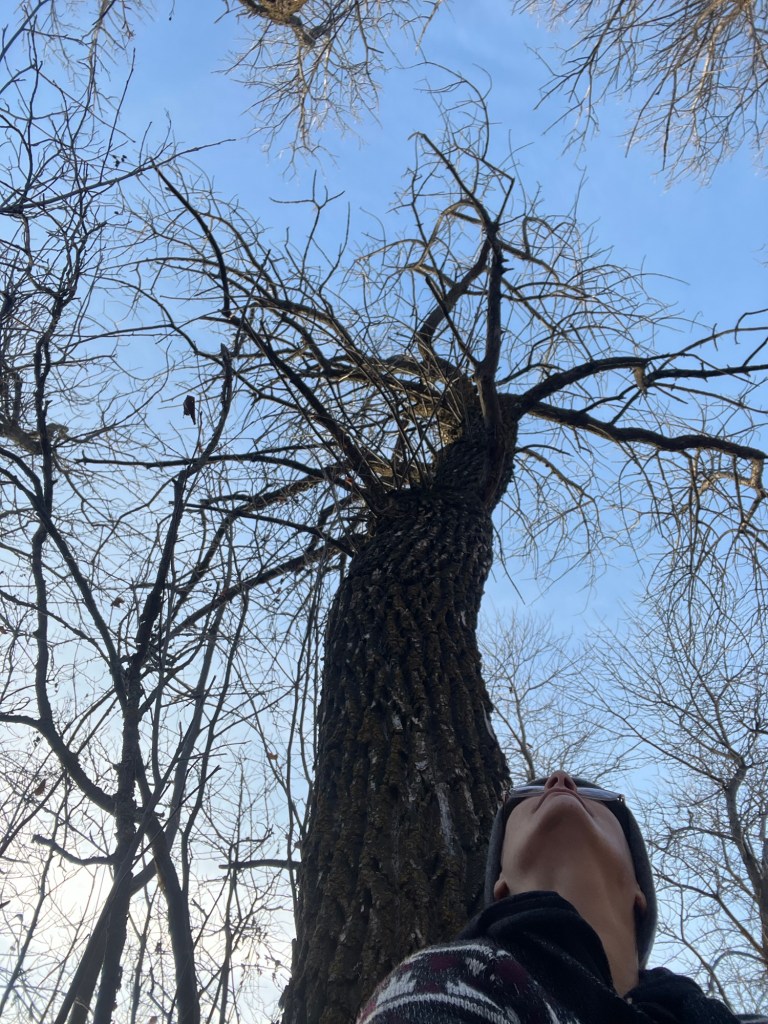
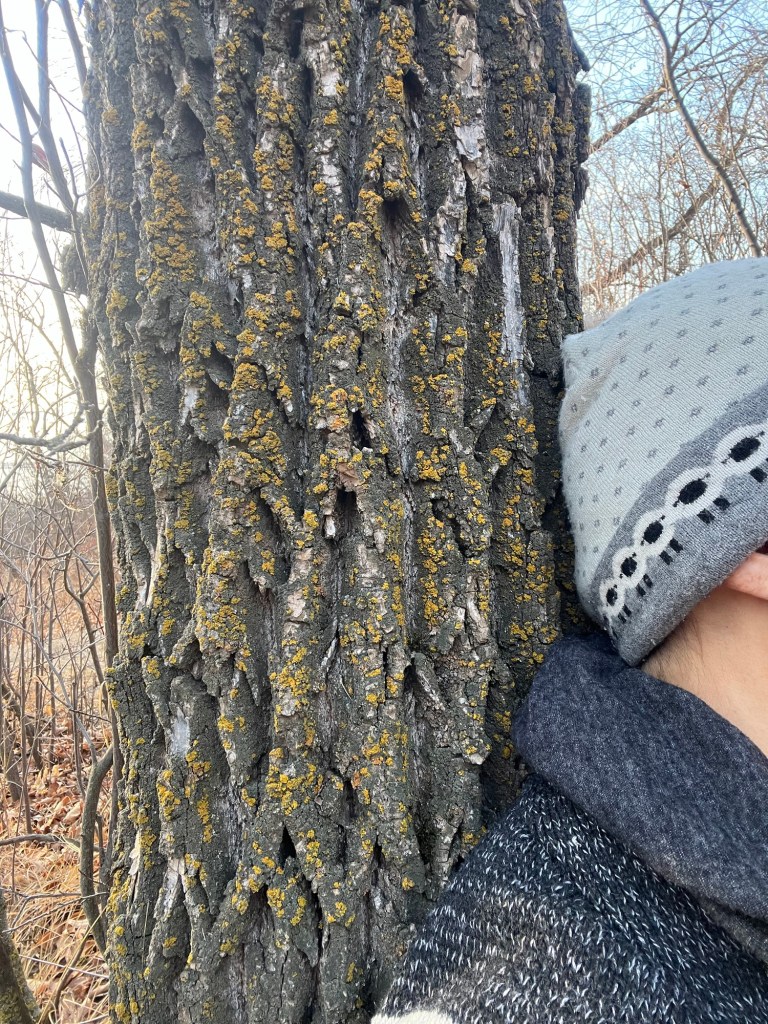
- Find a tree that shows signs of damage Look for scars, broken branches, or weathering. Notice how the tree continues to live.
- Stand or sit nearby Place one hand on your body. Where you feel pain or tension most.
- Name tenderness. Quietly acknowledge what hurts. No fixing. No reframing. Just noticing.
- Name fierceness Ask yourself. What does my body need protection from right now? Fatigue? Expectations? Self-criticism?
- Receive the lesson. Let the tree reflect back to you. Adaptation, not defeat. Presence, not perfection.
Take your time. Healing doesn’t rush.
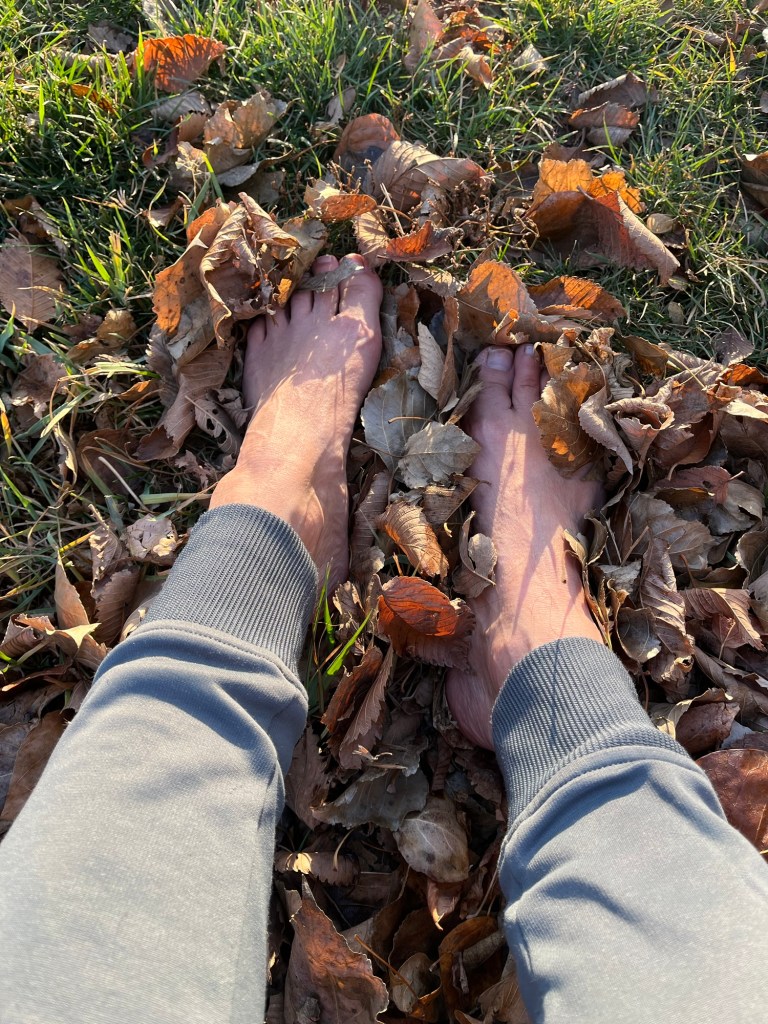

Nature’s Note: A Message from the Forest to Your Body
Dear Body,
You are not broken.
You are responding to what you have endured. And we know you have endured much.
I have seen storms too. I have lost branches. I have rested longer than expected.
Still, I grow.
You do not need to push to belong here.
You do not need to prove your worth through endurance.
I hold decay and beauty at the same time.
You are allowed to do the same.
Rest when you need to.
Stand tall when you can.
Trust that healing is not the absence of pain, but the presence of care.
You are part of this rhythm.
You always have been.
— The Forest

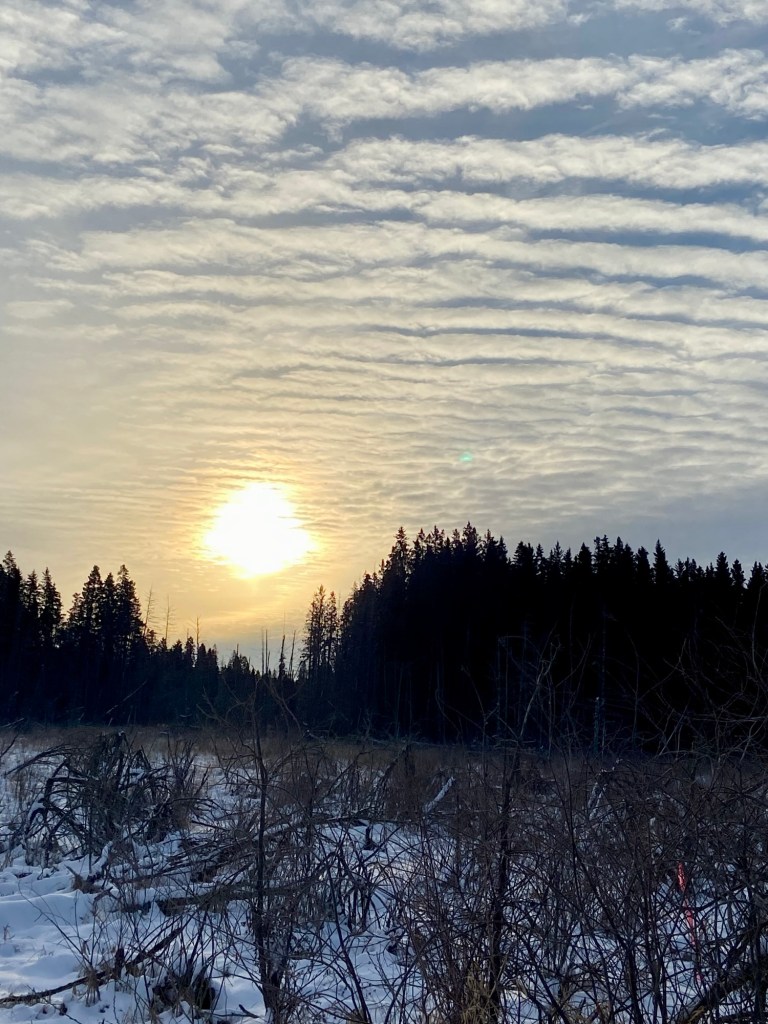
That’s the thing about December: it goes by in a flash. If you just close your eyes, it’s gone . And it’s like you were never there.
–Donal Ryan, The Thing About December
Look into the mirror of forest therapy. Reflect where you need more self- compassion. Take time to recognize and lean into both tender and fierce. It will aid in all types of healing.
 SUNBEAM ACRES