If you’ve ever noticed your body relax the moment you step into a quiet natural space, you’ve already experienced the vagus nerve at work.
That shift, subtle but undeniable, is your nervous system moving out of protection mode and into restoration. It’s not ‘all in your head.’ It’s physiology.
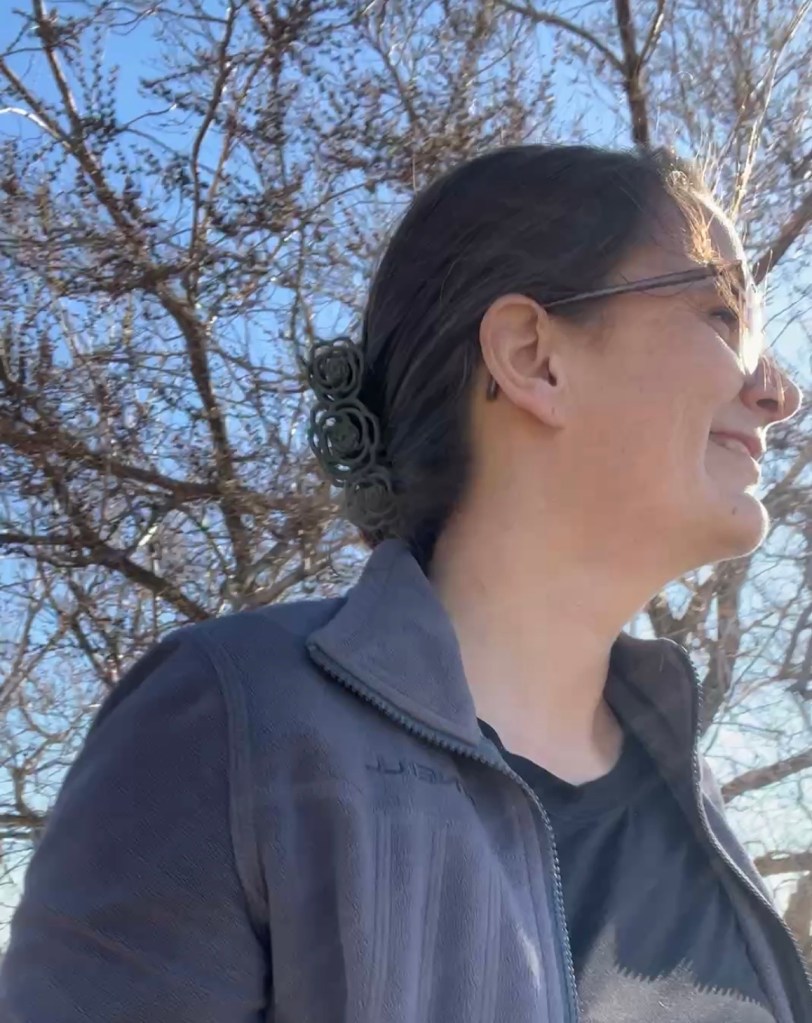
This shift is something we can intentionally support through forest therapy.
What Is the Vagus Nerve?
Have you ever noticed your body doing that thing where it’s technically relaxed but also ready to fight a bear or answer emails (same energy.)
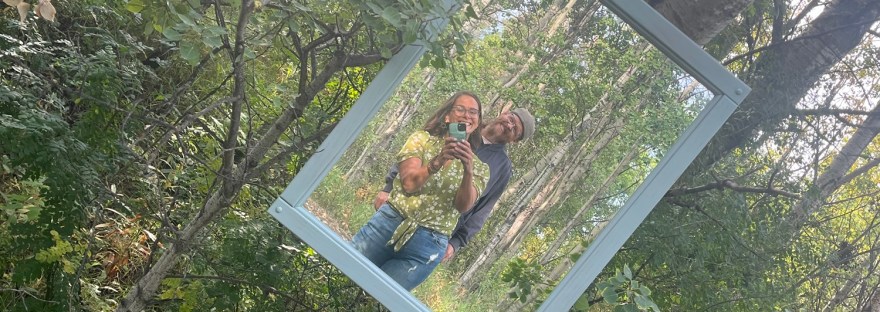
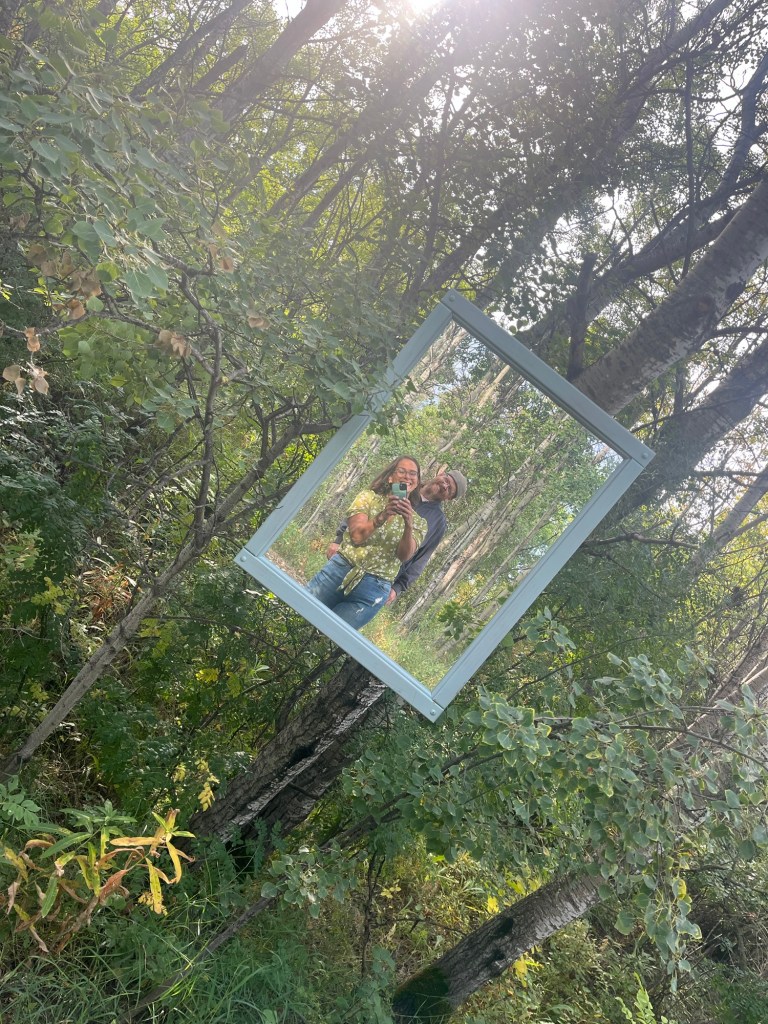
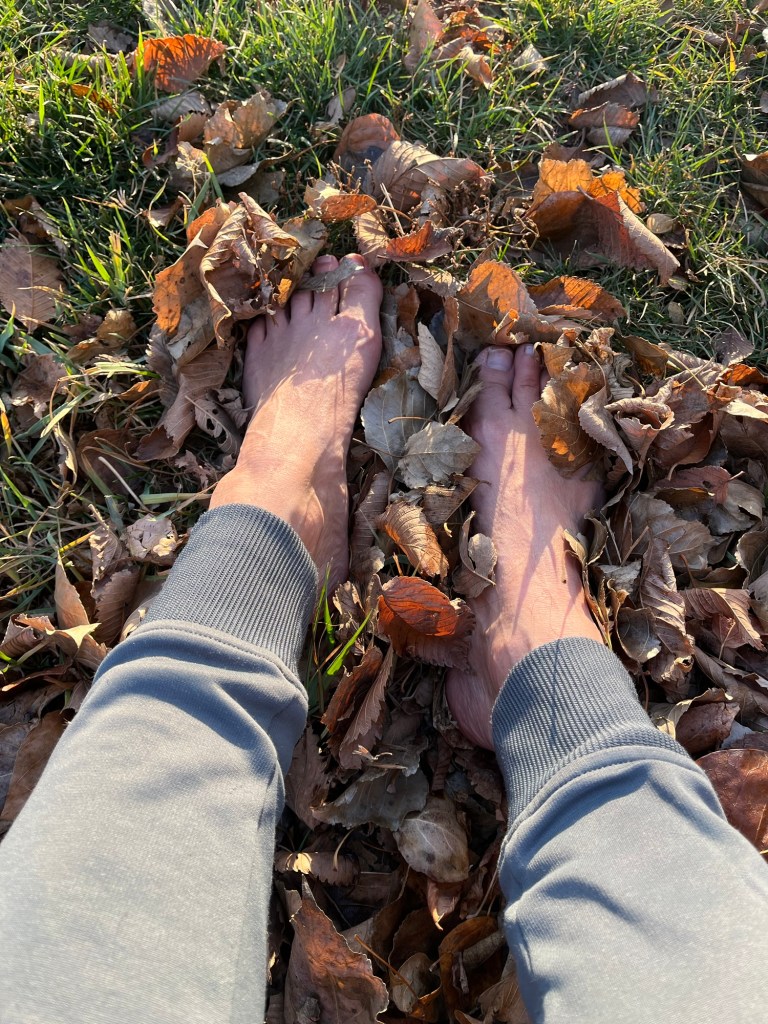
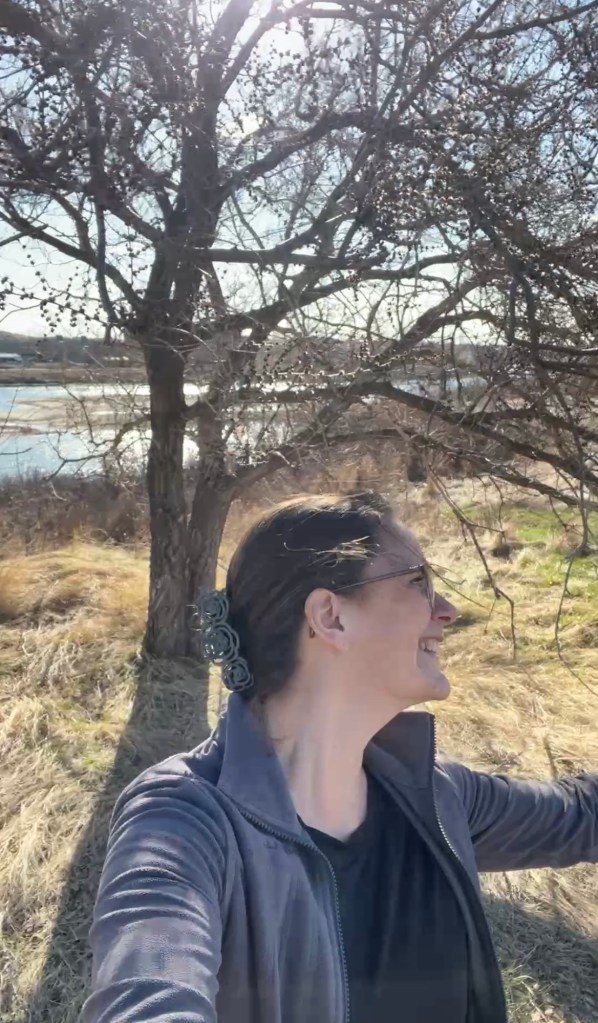
I lived here for years. Me 👇🏼.
I needed to understand the following information to move out of it.
The vagus nerve is the longest cranial nerve in your body, running from your brainstem down through your face, throat, heart, lungs, and into your digestive system. Its name comes from the Latin word vagus, meaning “wandering.” A fitting description for a nerve that touches so many systems.
But its true importance lies in what it does.
The vagus nerve is the main highway of your parasympathetic nervous system. The branch responsible for rest, repair, digestion, and healing.
If your nervous system had a group chat, the vagus nerve would be the one constantly saying, ‘Hey guys… maybe we’re okay?’ 🤷♀️
When your vagus nerve is activated, your body shifts out of survival mode and into a state of safety.
Heart rate slows. Muscles release. Inflammation decreases. Digestion improves. And perhaps most importantly, your brain receives a message. It is safe enough to stand down.
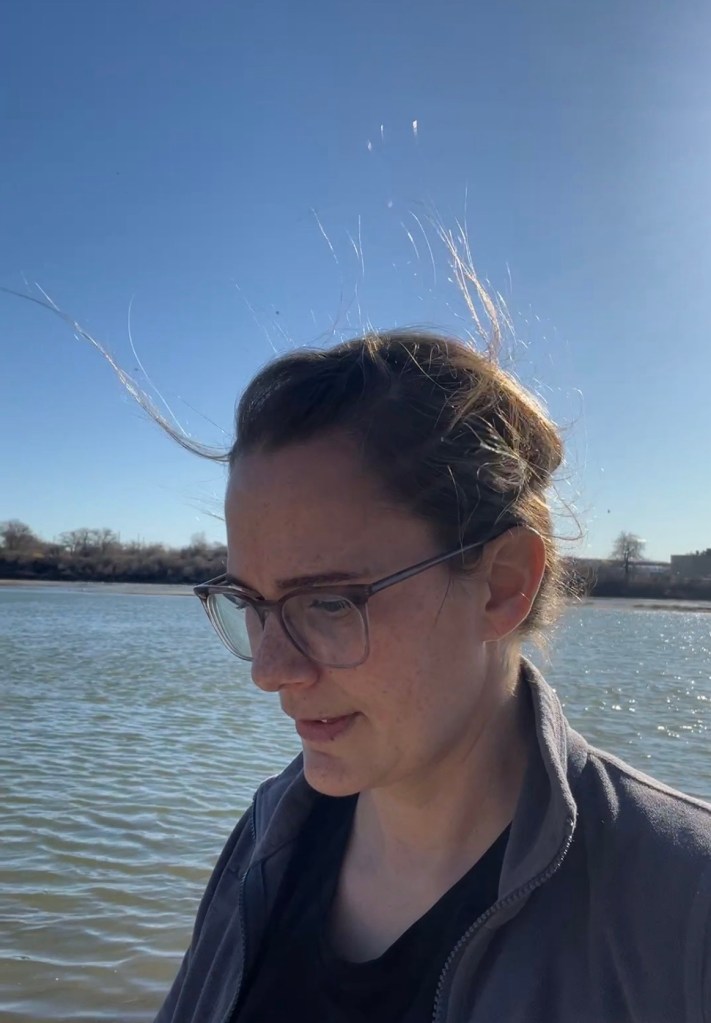
But living with chronic pain and receiving that signal clearly, is comparable to listening to my grandkids’ secrets. 49% air, 50% spit and 1% information. (Toddler secrets are the best 💕)
I only hear about 1% of what they are saying. Similarly, only 1% of that parasympathetic signal was getting through my system.
So the question is, how does one fully activate that vagus nerve to allow the free flow of that signal? The equivalent of interrupting the air and blocking the spit? 😷 So the message can be clearly sent and secured.
Regulation is not forced. It is invited.
⸻
An Overactive Detector
Growing up, we had one smoke detector in our old farm house. It was conveniently located in one of the entrances to the kitchen. Beside the stairway leading to the upper level. Where all the hot air travelled.
You can probably guess what happened every time we burned toast. Or overcooked anything. Or opened the oven after something spilled in there.
That overly sensitive smoke deterctor was great in theory. But in practice it did more harm than good.
Before checking if there was an actual emergency, family members would rush to grab the tea towel and shoo the smoke away.
Focusing on the alarm. More than what the alarm was trying to say.
Chronic pain is not just about injured tissues or structural problems. It is deeply intertwined with the nervous system. Especially when that system has been stuck in a prolonged state of vigilance. Forever running for the tea towel. 🏃♀️
When the vagus nerve is underactive (or when sympathetic “fight or flight” dominates), the body remains on high alert. Over time, this can:
- Heighten pain sensitivity
- Amplify inflammation
- Disrupt sleep and recovery
- Keep muscles in a semi-contracted, guarded state
Pain, in this context, becomes less about damage and more about protection.
Your nervous system is trying (often overzealously) to keep you safe.
The goal is not to force the pain away, but to gently teach the body that it is safe enough to soften its defenses.
A regulated body tells a different story than a protected one.
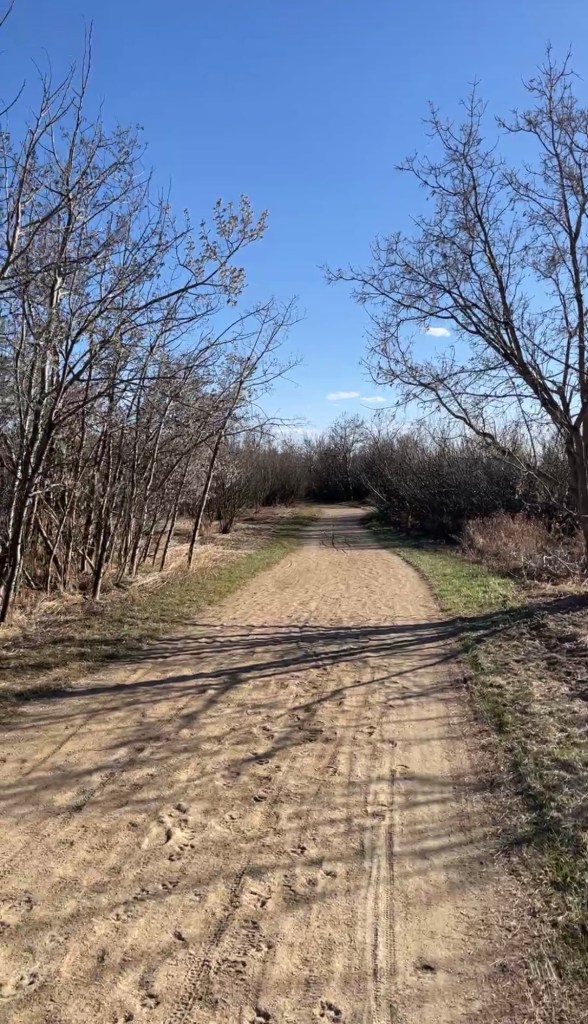
And this is where the forest becomes more than scenery.
⸻
Why Nature Activates the Vagus Nerve
Your nervous system did not evolve in traffic, under fluorescent lighting, or in the constant hum of notifications.
{Does anyone else feel like they constantly have 17 tabs open? One of them was really important but you can’t find it anywhere?}
Your nervous system evolved in relationship with the natural world.
When you step into a forest and begin to truly engage your senses, several things happen:
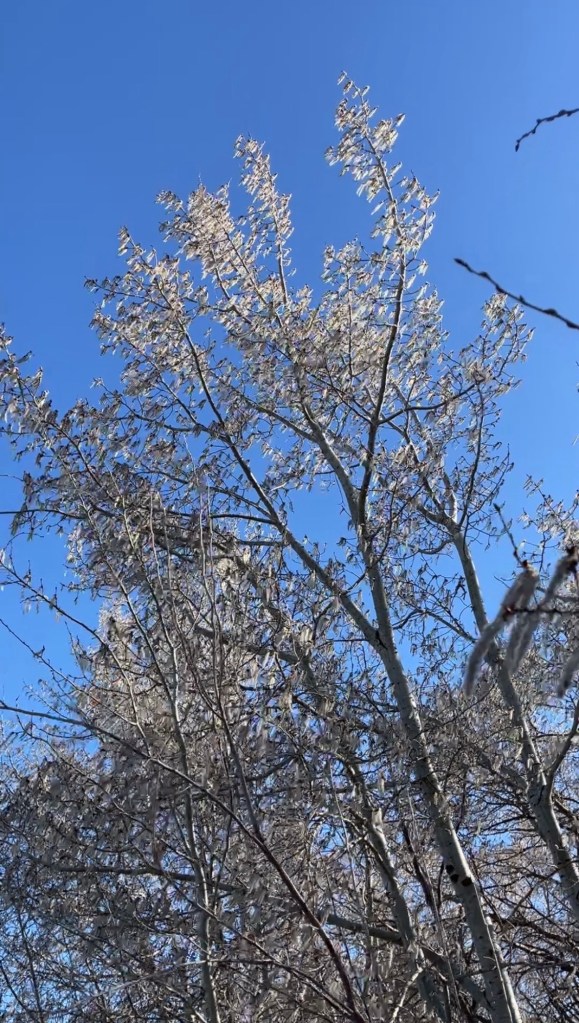
- Your eyes relax as they take in natural, fractal patterns
- Your ears shift from sharp alertness to soft, ambient listening
- Your breath deepens in response to clean, oxygen rich air
- Your body attunes to slower, more rhythmic stimuli
This sensory immersion signals to the vagus nerve that the environment is safe.
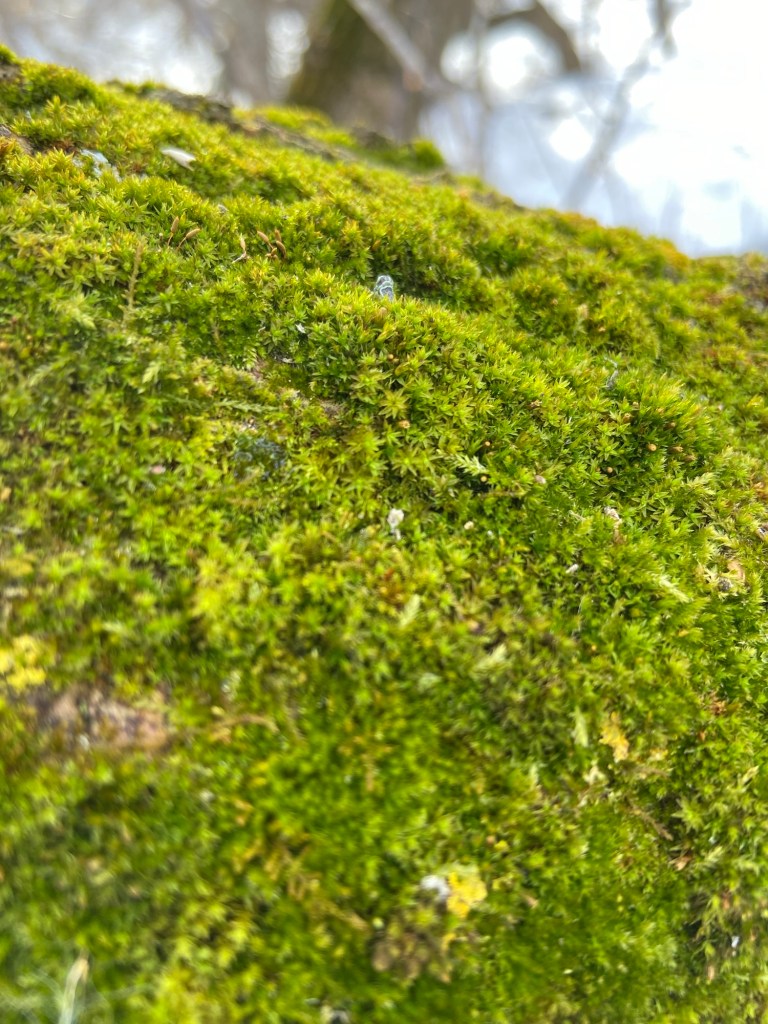
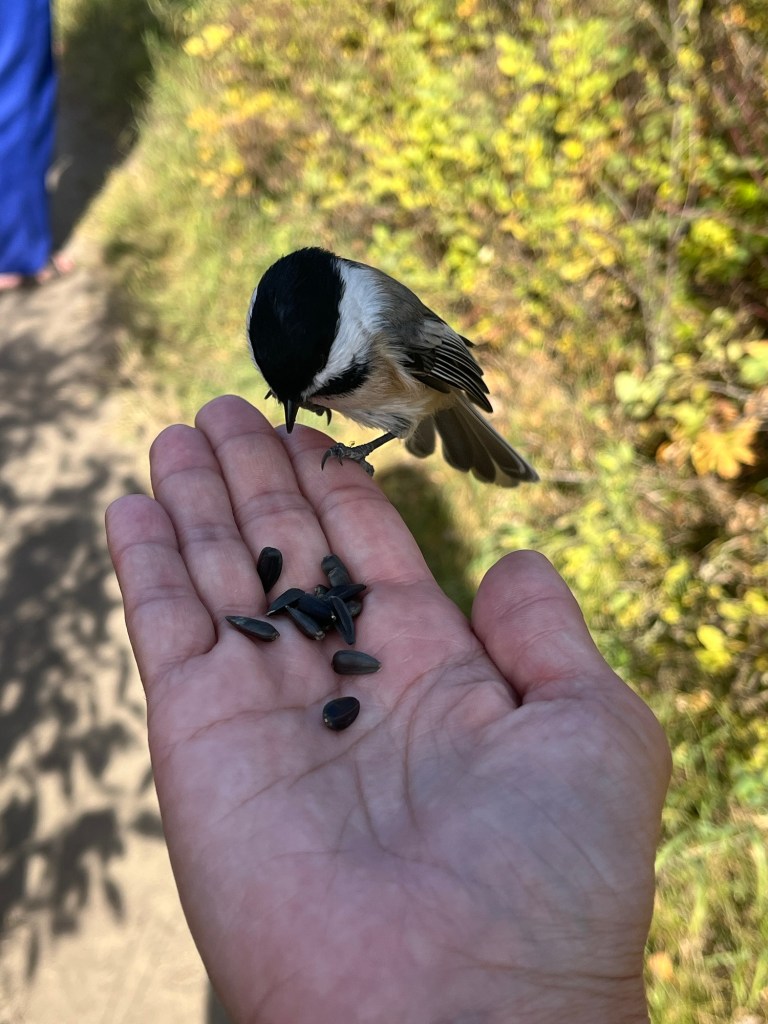
Not logically safe. But felt safe.
Your body is not working against you—it’s working overtime for you.
The forest offers consistent, non-threatening input. No pop ups. No deadlines.
No one asking if you’ve ‘just tried stretching.’ 🤦♀️ Saints preserve us! Bless them for trying.
Suggested cheeky replies:
“You have such a unique way of understanding things.”
“I’m surprised you feel comfortable enough to say that out loud.”
And then come back to presence. Presence is the language of the vagus nerve.
⸻
A Forest Therapy Practice:
Sensory Immersion for Vagal Activation
This is a simple, gentle practice you can do in any natural setting. A forest, park, or even your backyard.
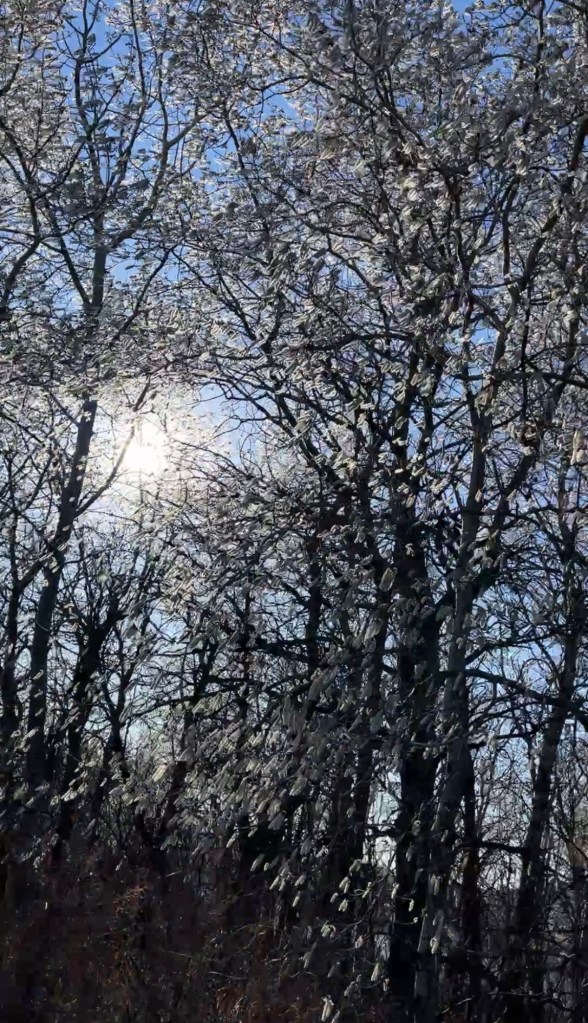
The Invitation: “Let the Forest Meet Your Senses”
- Arrive Slowly– Stand or sit comfortably. Notice your feet on the ground. No need to change anything, just arrive.
- Sight (Soft Eyes)– Let your gaze widen. Instead of focusing on one object, allow your eyes to take in the whole scene. Notice colors, light, and movement without labeling them. Let your eyes receive, rather than search.
- Sound (Layered Listening)– Close your eyes if it feels safe. Notice the closest sound… then the farthest… then everything in between. Birds, wind, distant traffic, your own breath. You are not trying to identify, just to hear.
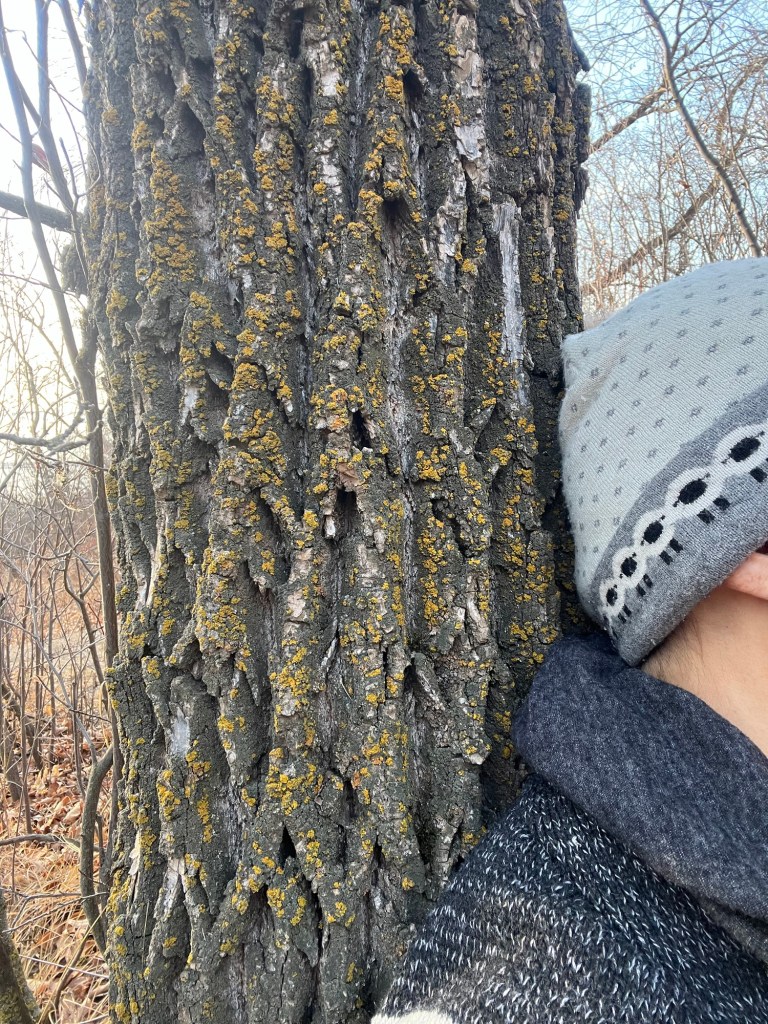
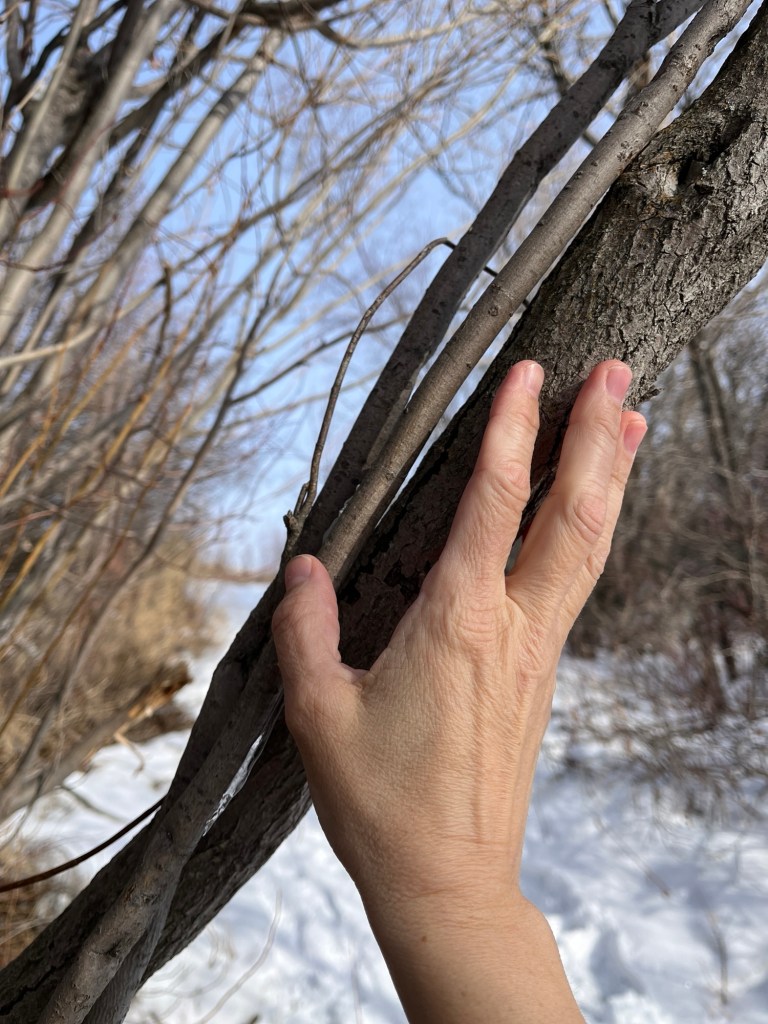
- Touch (Contact Points)– Bring awareness to where your body meets the world. Feet on earth. Air on skin. Clothing against your body. If you feel drawn, touch something natural. A leaf, bark, stone. Let the contact be mutual. You are touching, and being touched.
- Smell (Subtle Scent)– Inhale gently through your nose. Notice any scent, earthy, fresh, faint, or even absent. There is no need to “find” anything. Simply notice what is.
- Breath (Unforced)– Finally, bring awareness to your breath. Let it be exactly as it is. Often, by now, it has already softened.
Stay here for 5–15 minutes. No goal. No outcome to achieve. Just sensory conversation.
Stillness is not empty—it is full of signals your body understands.
-based on teachings of Eckhart Tolle
⸻
The Genius Behind This Approach
This practice engages multiple sensory pathways simultaneously in a non-threatening environment. This combination is particularly powerful for vagal activation because it:
- Interrupts repetitive thought loops
- Anchors attention in the present moment
- Provides steady, predictable sensory input
- Encourages a shift from “doing” to “receiving”
Over time, these experiences build what is called vagal tone. Your nervous system’s ability to return to a state of calm after stress.
And with improved vagal tone, the body becomes less reactive… and more resilient.

⸻
The Paradox of Stillness
There are people who don’t experience stillness as calming.
For them, slowing down can actually make things feel worse. The moment the body stops, tension rises. Pain becomes louder. The nervous system, so used to staying a step ahead, interprets stillness as vulnerability rather than safety.
I’ve walked with someone like this before, someone whose body trusted movement far more than pause.
So we didn’t begin with stillness.
We began with gentle movement. Walking slowly, letting the rhythm of steps create a sense of predictability. Just enough awareness to stay connected, but not so much that it tipped into overwhelm.
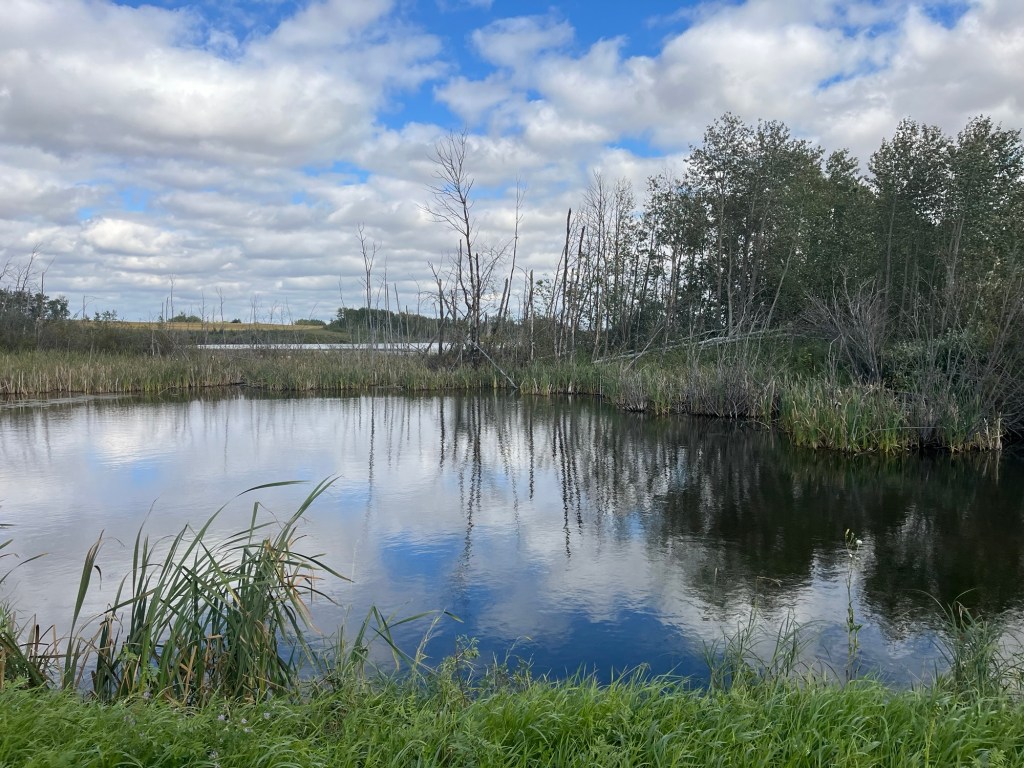
Over time, the environment began to do what it does best. Quietly influencing the pace. The quality of light, the steadiness of the trees, the soothing sounds of water. Just inviting. Nothing rushed.
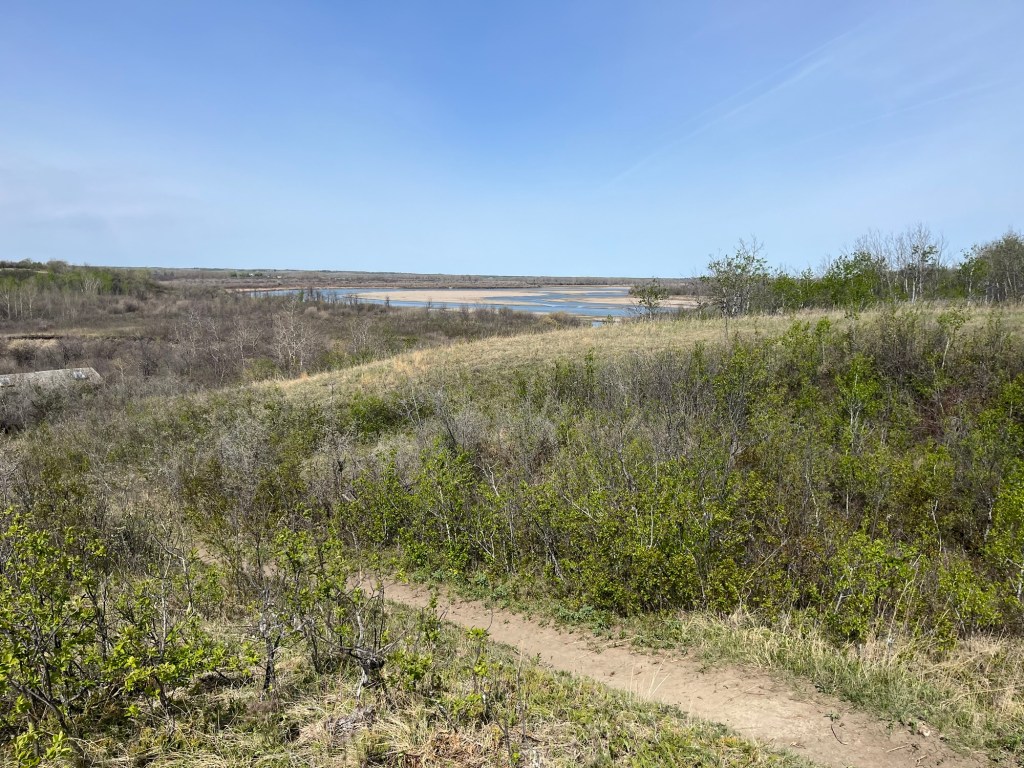
Eventually, there was a natural moment to pause.
Not imposed. Not held too long. Just a brief stop in a place that felt neutral enough.
What stood out wasn’t what happened, but what didn’t.
The expected spike in tension didn’t arrive right away.
And in that small gap between what the body anticipated and what it actually experienced, there was space for something new.
Not relief, exactly.
But possibility. Hope.
Later, what they recognized wasn’t just the moment itself, but the pattern behind it. The way their body had learned to brace in advance, not just in response. (The run for the tea towel!)
That awareness didn’t erase the pain.
But it introduced a different relationship to it.
This kind of experience doesn’t feel like much until you realize your body stopped arguing with itself. And when you’re used to those arguments lasting 2-3 business days, the silence is sweetly deafening.
And when the nervous system experiences even a brief interruption to its usual pattern, it begins to update its expectations.
And that’s where change begins. Not in dramatic shifts, but in quiet moments where the body realizes:
this isn’t unfolding the way I thought it would.

⸻
Thoughts to Take with You
The vagus nerve does not respond to force.
It responds to safety.
And safety is not something you can think your way into—it is something you feel your way into.
The forest, in its quiet wisdom, offers exactly that. No effort required. (Which, depending on your personality, may be the hardest part.)
In every walk with nature, one receives far more than he seeks.
Not because the forest fixes you.
But because it reminds your body of something it has always known.
How to come back to itself.