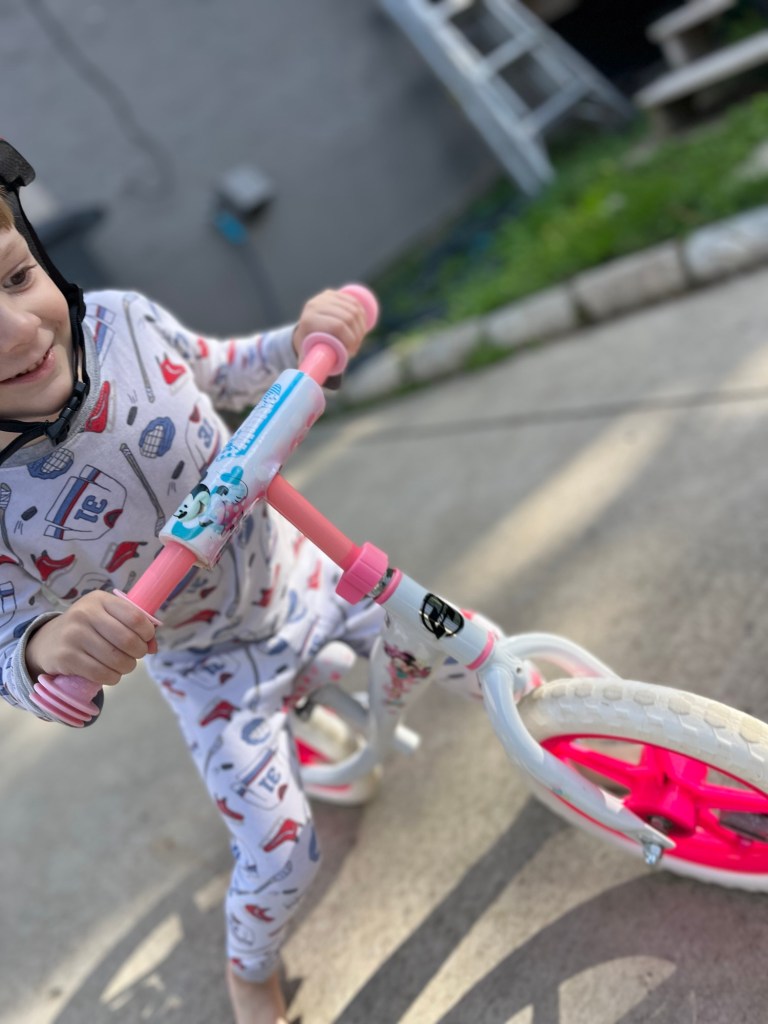
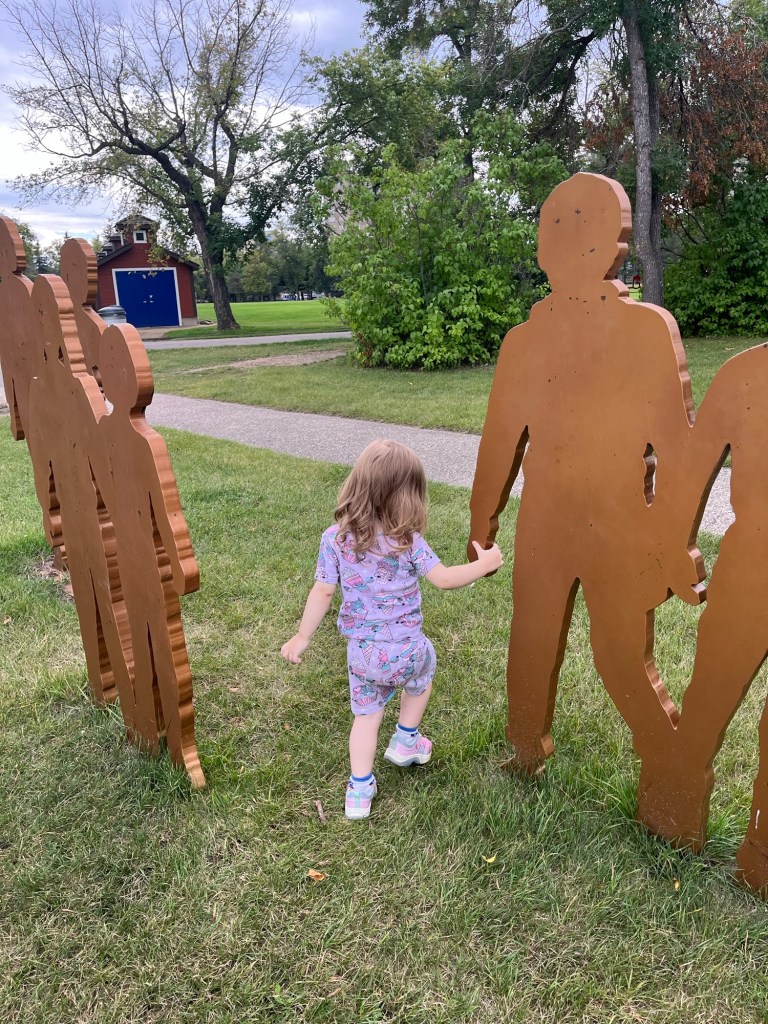
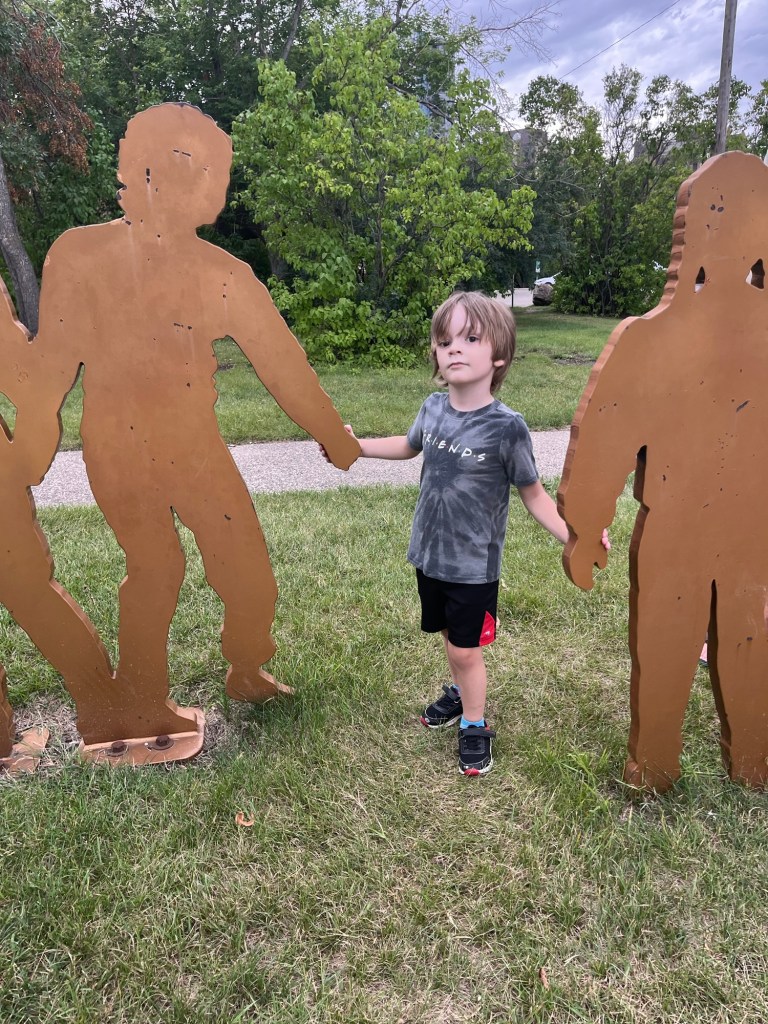
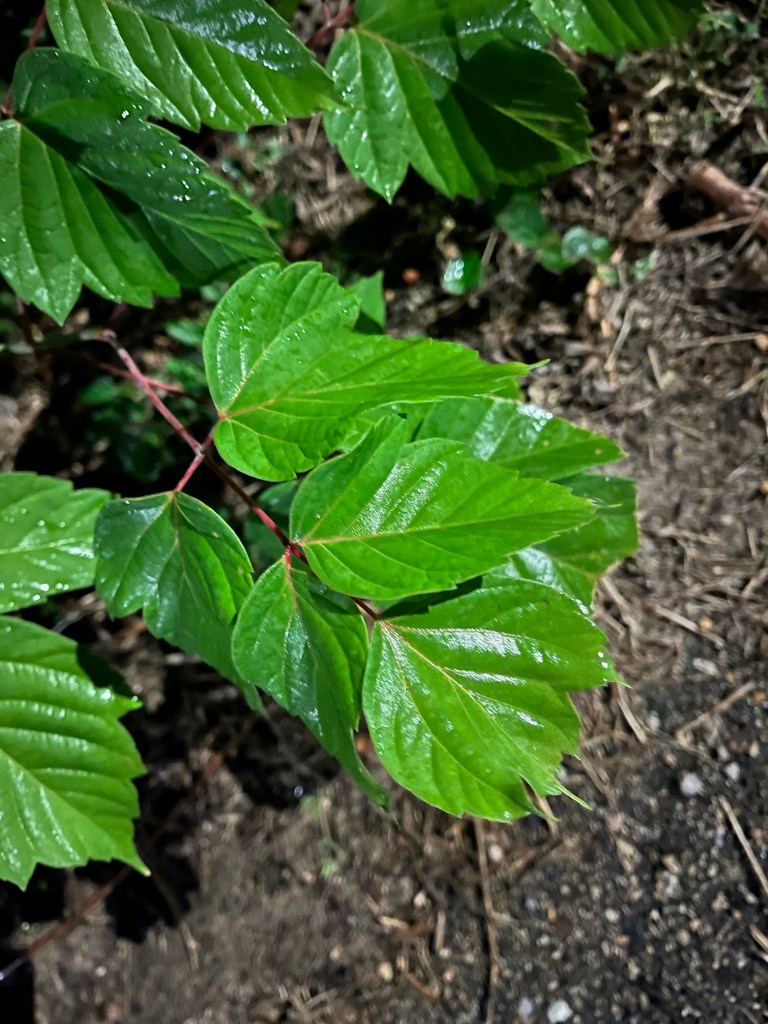
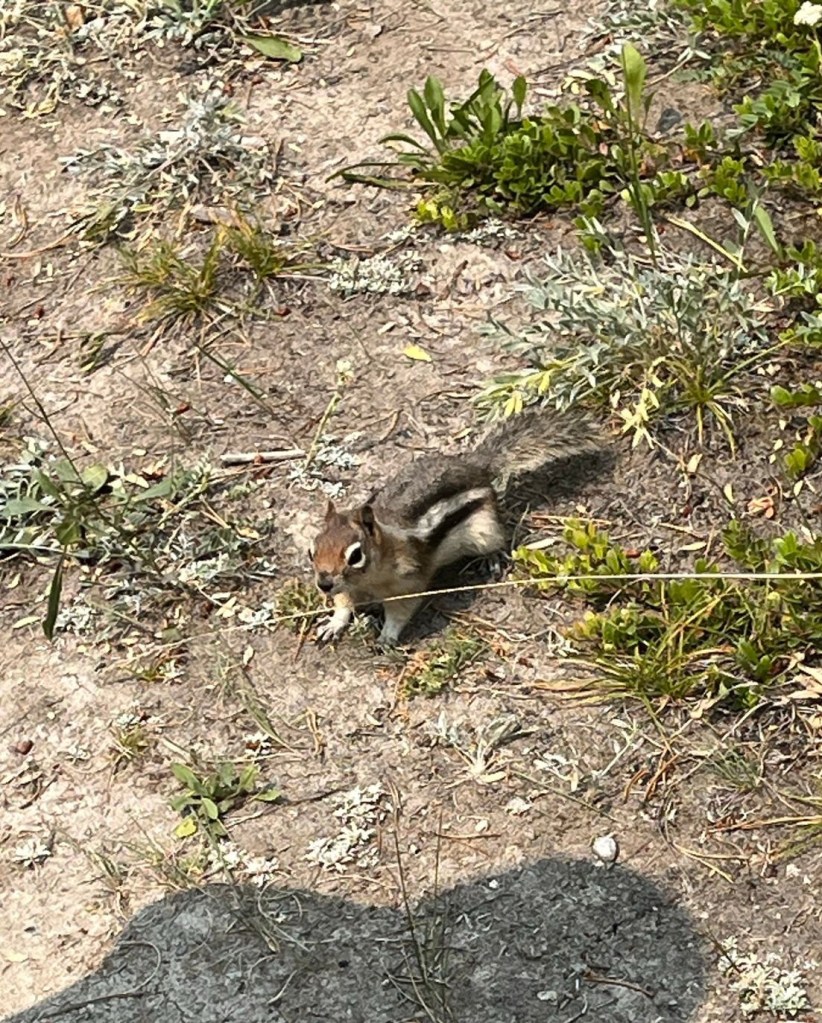
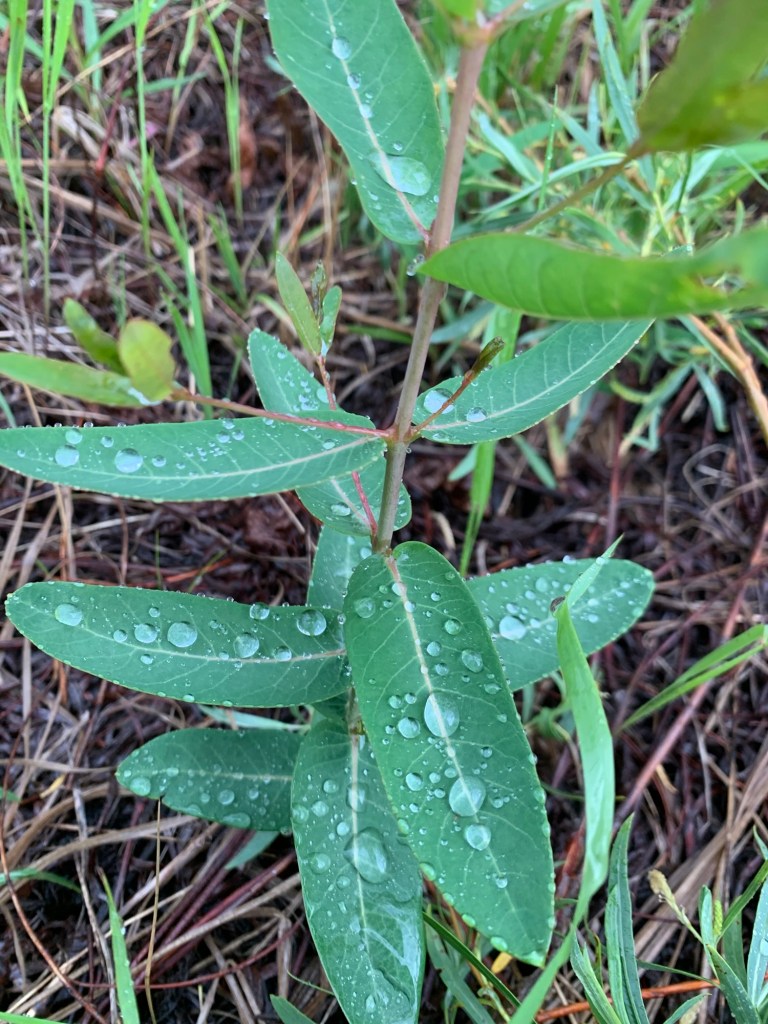
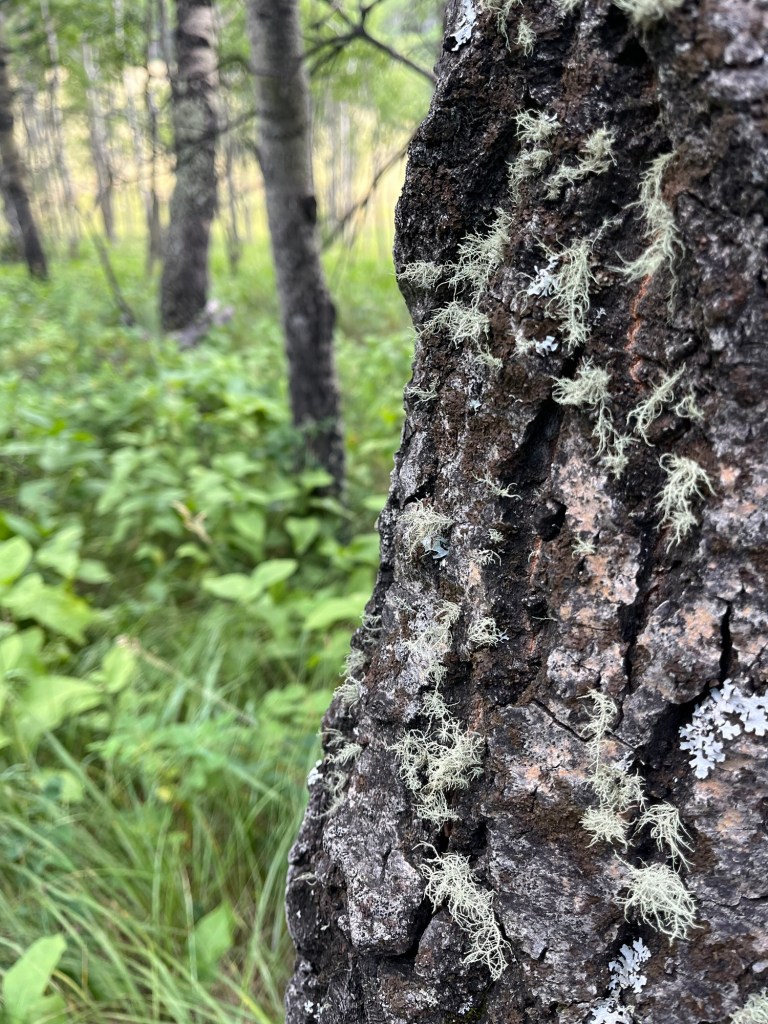
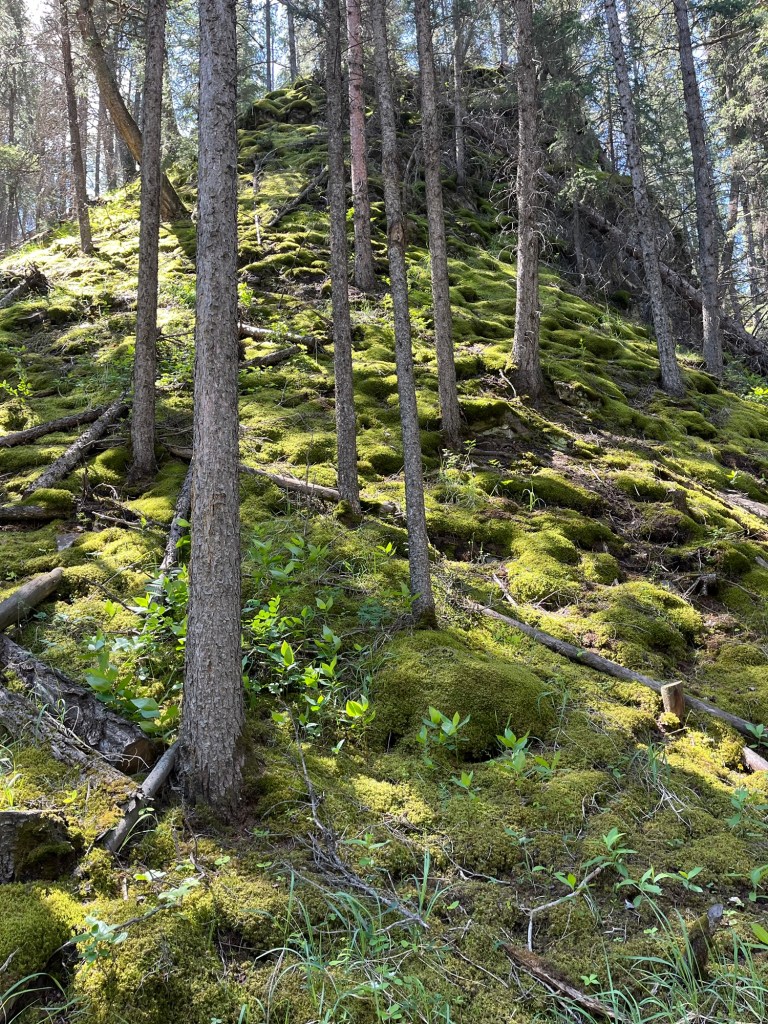
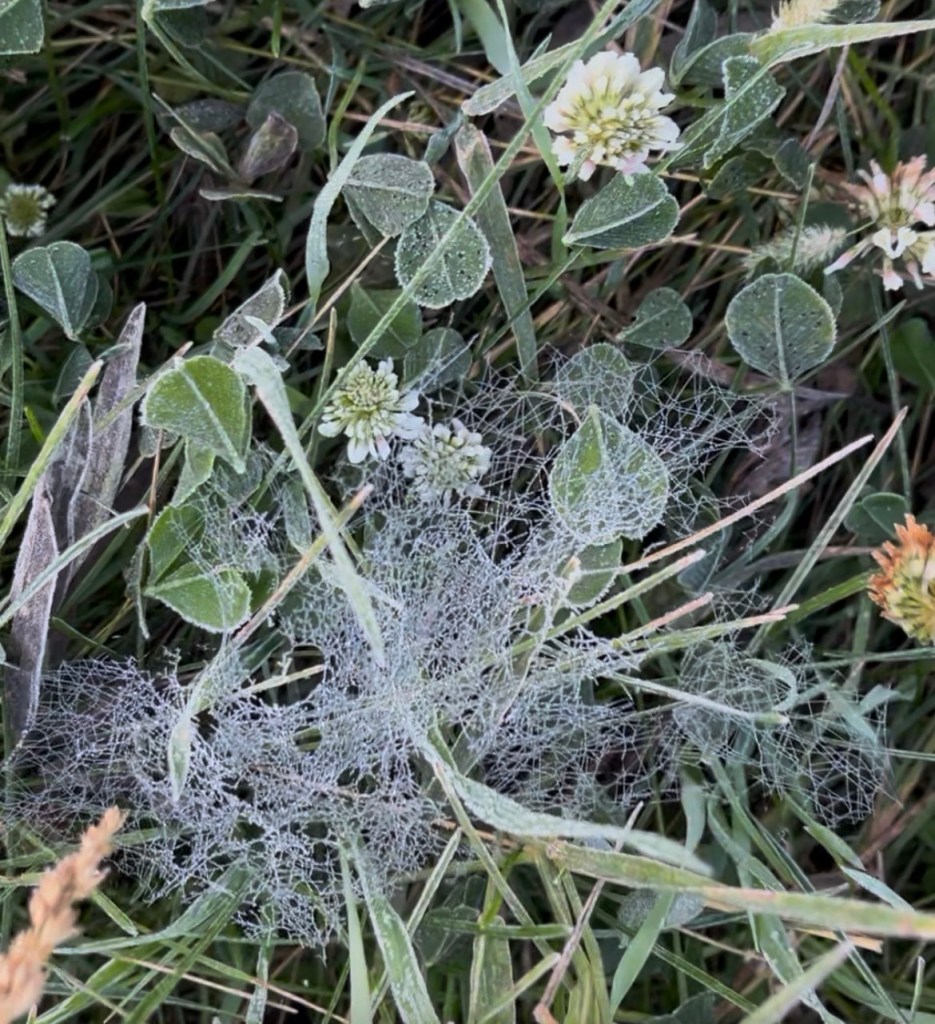
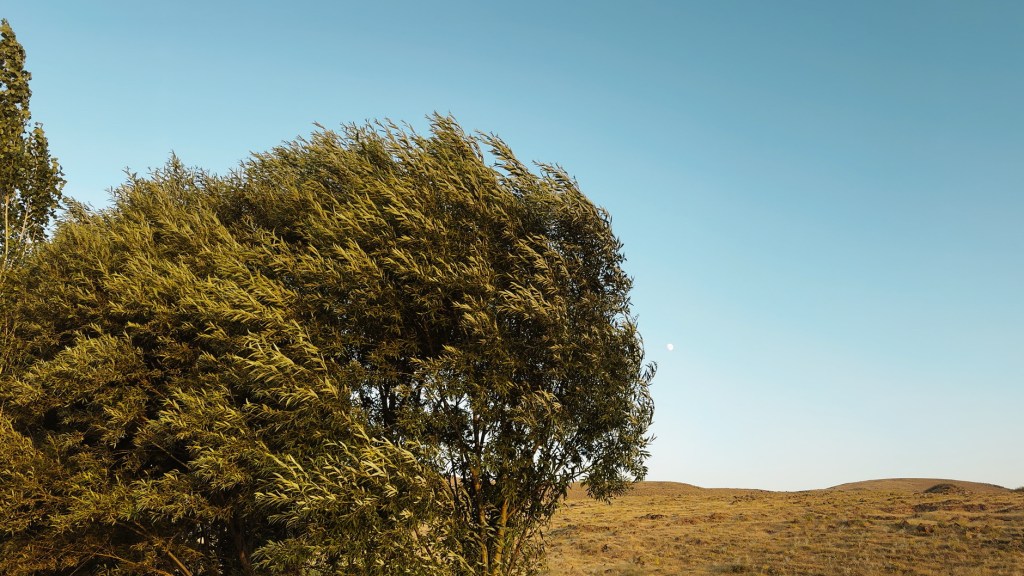
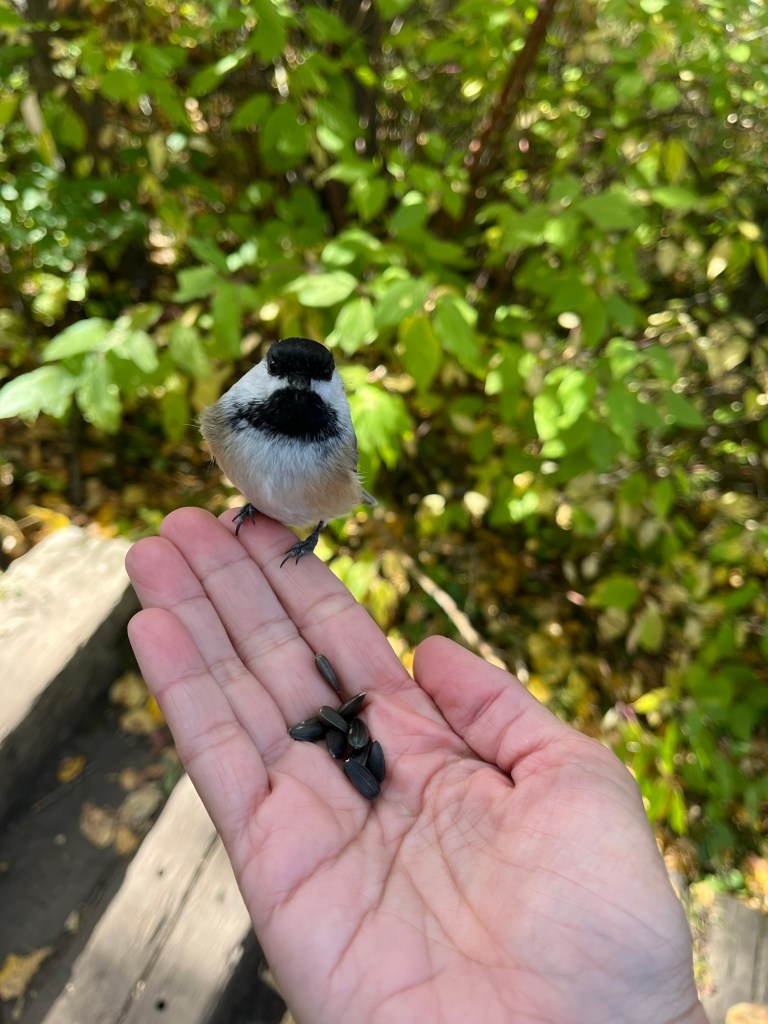
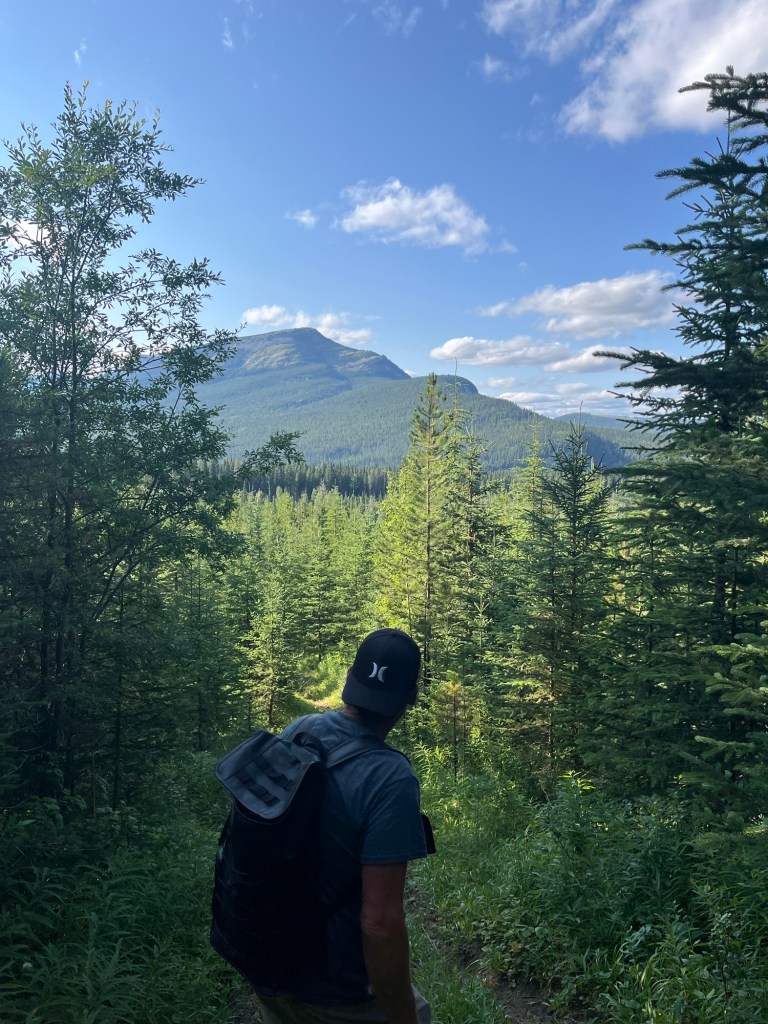
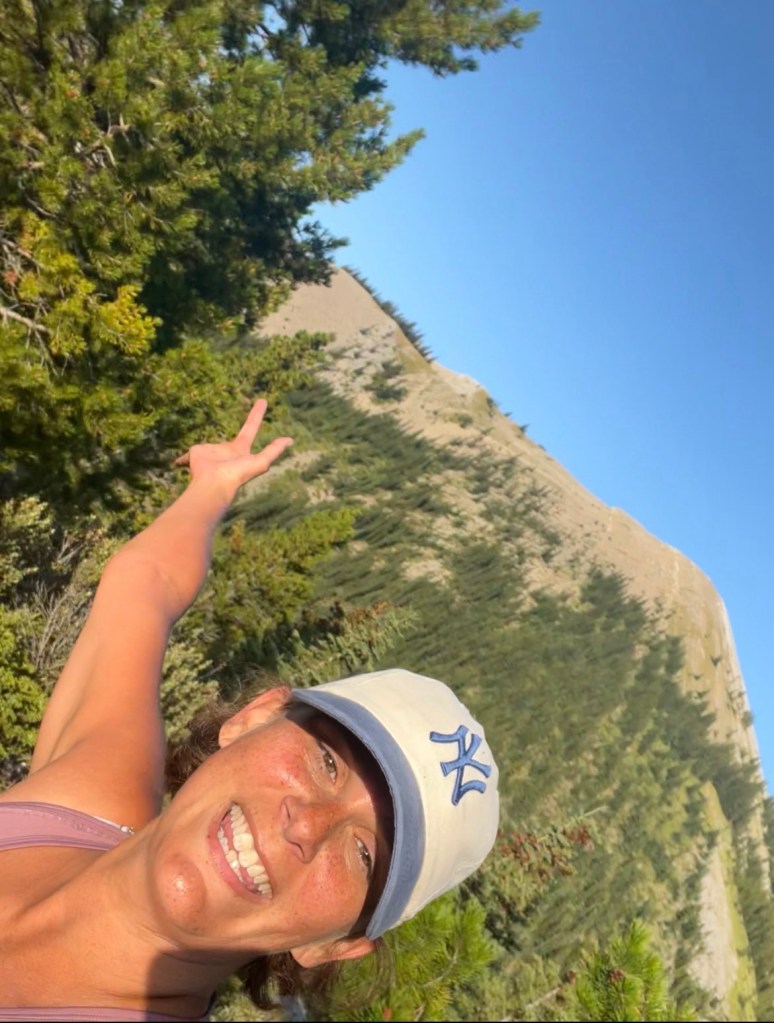
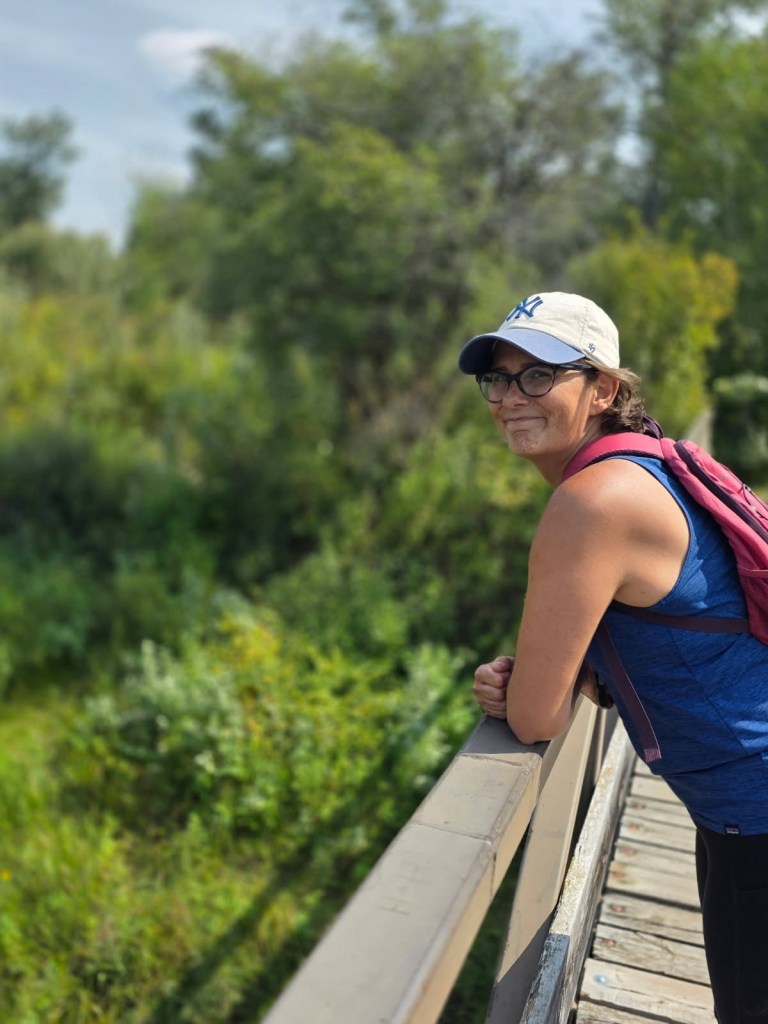
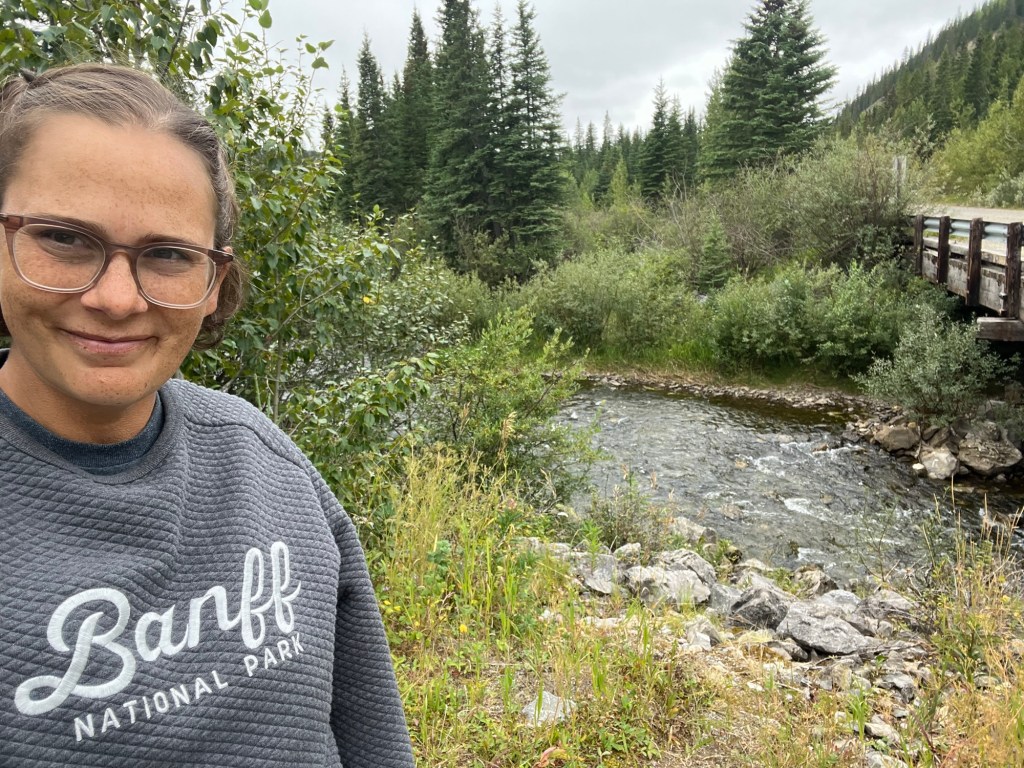
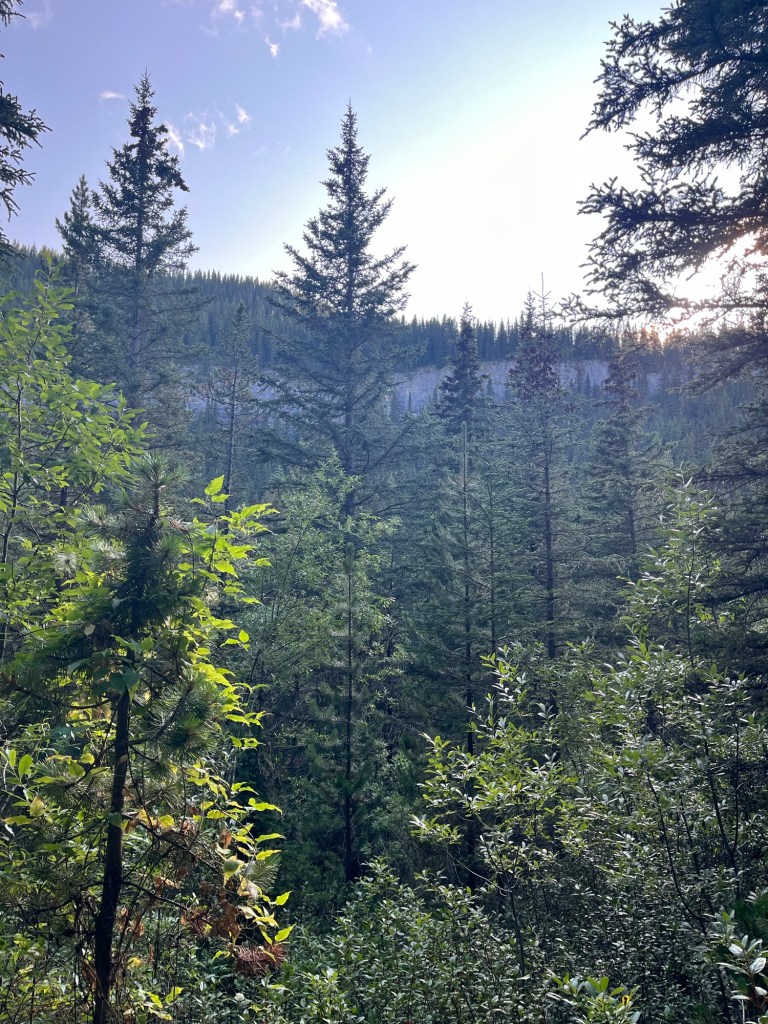
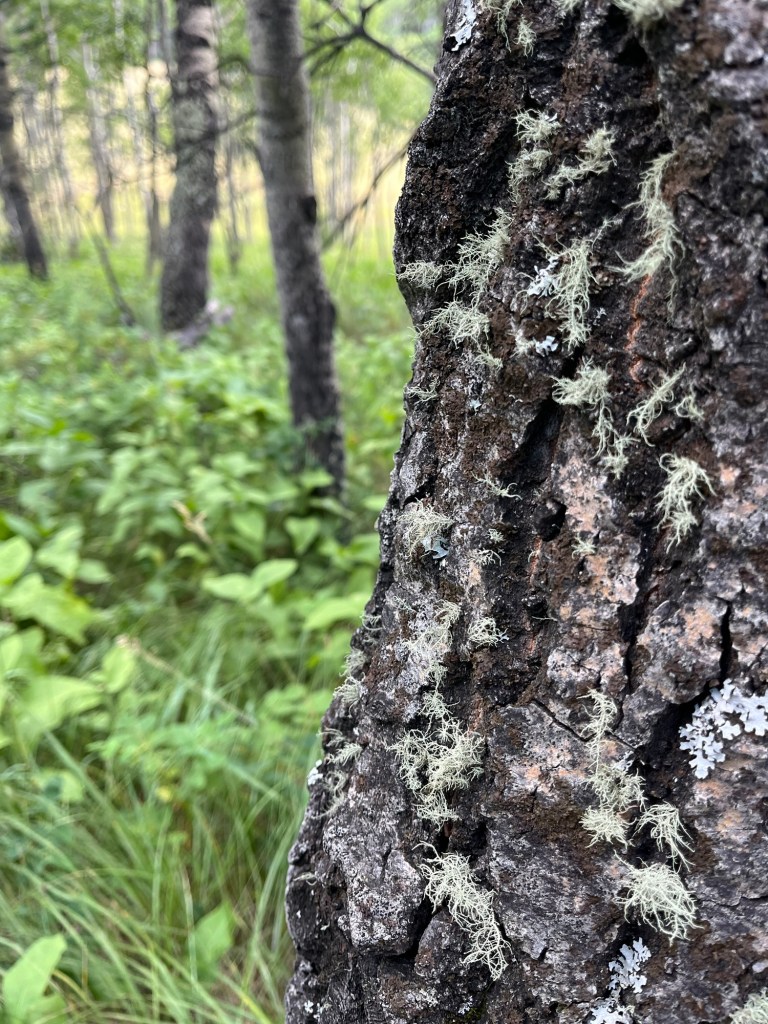
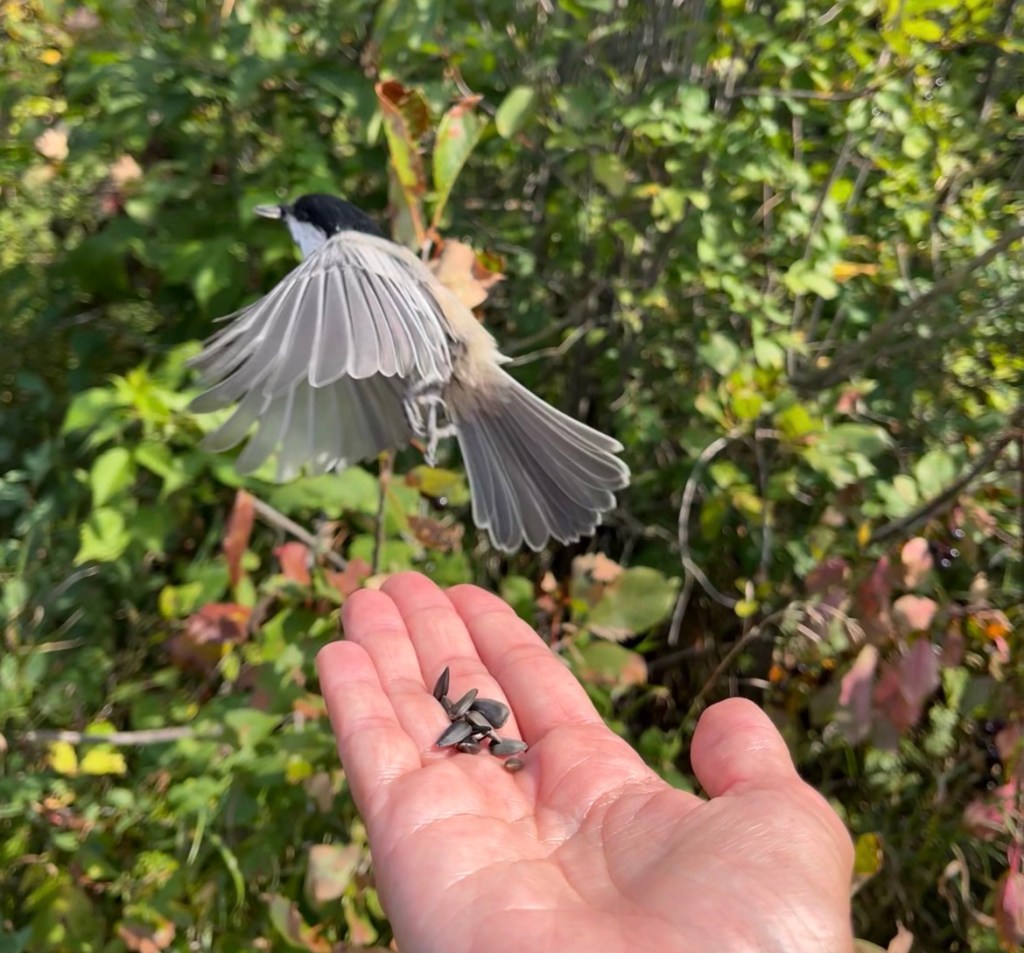
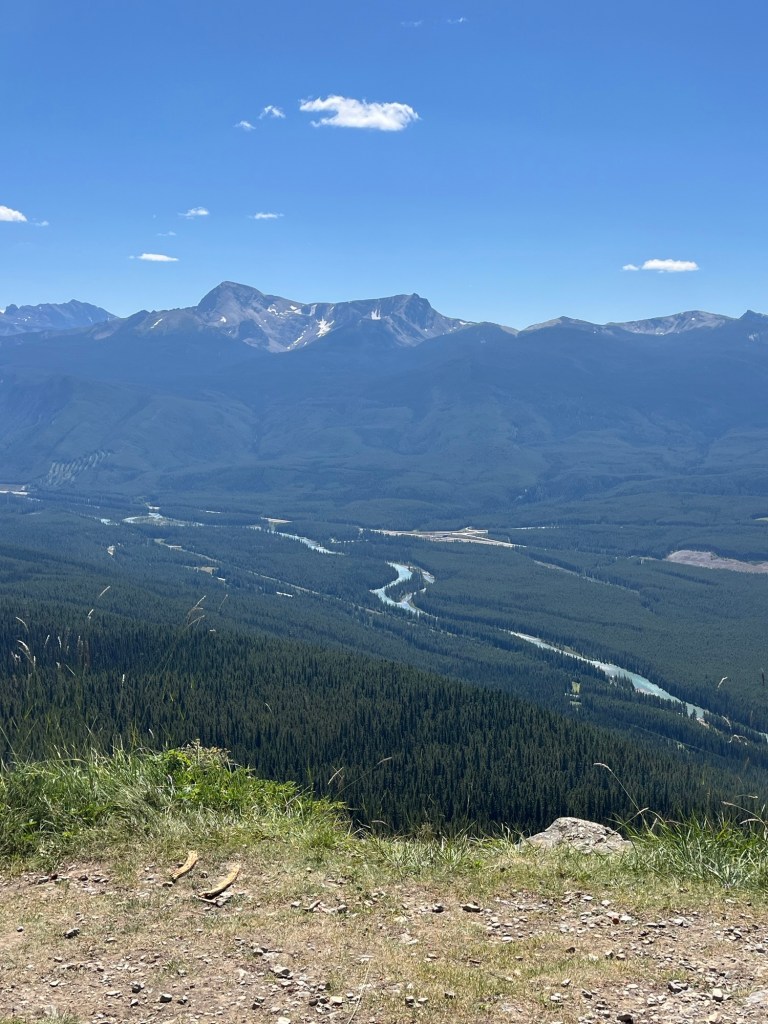
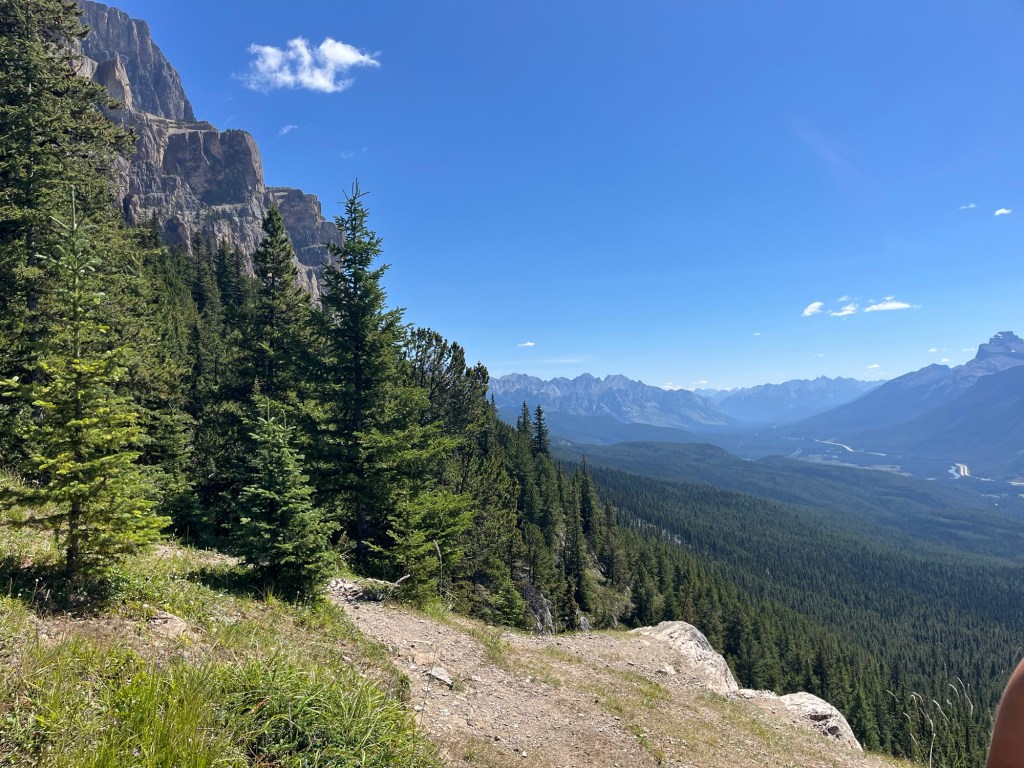
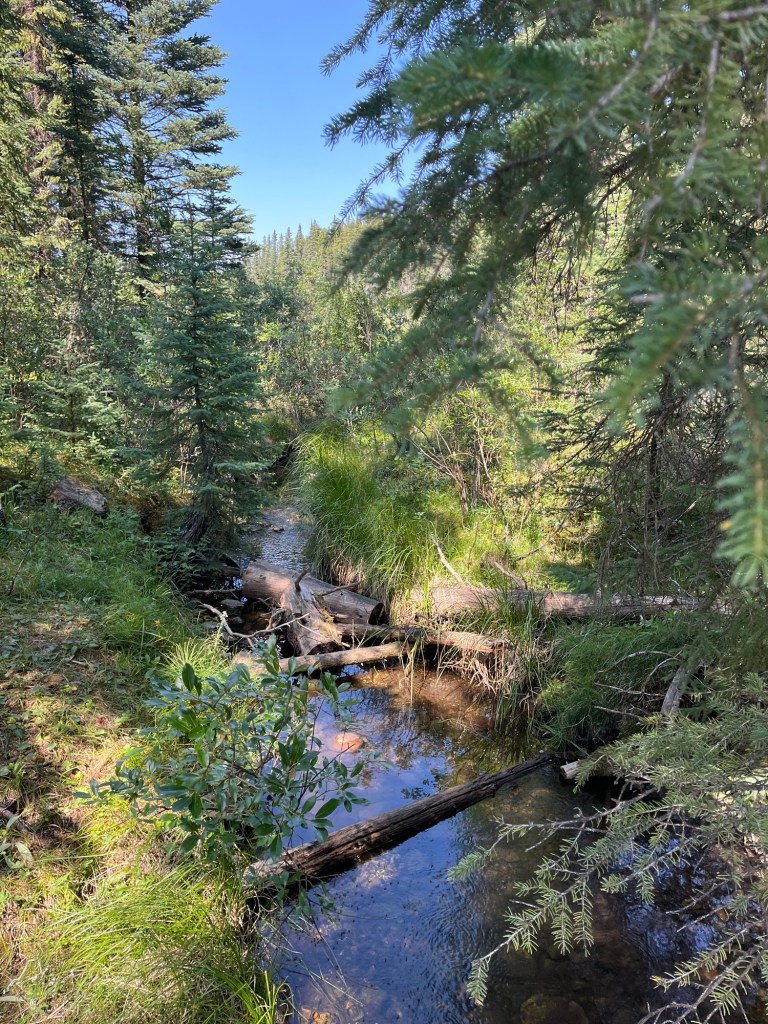
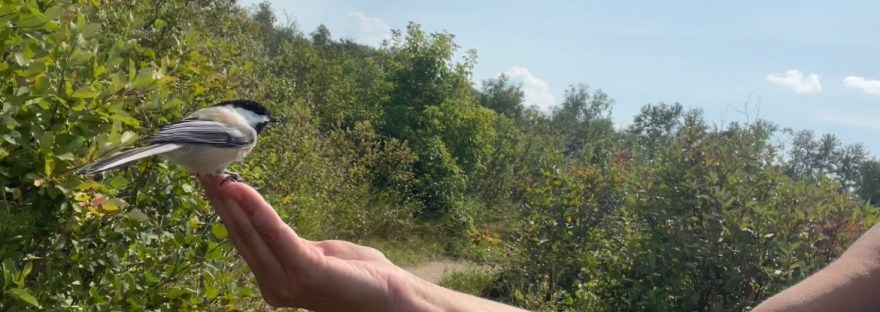
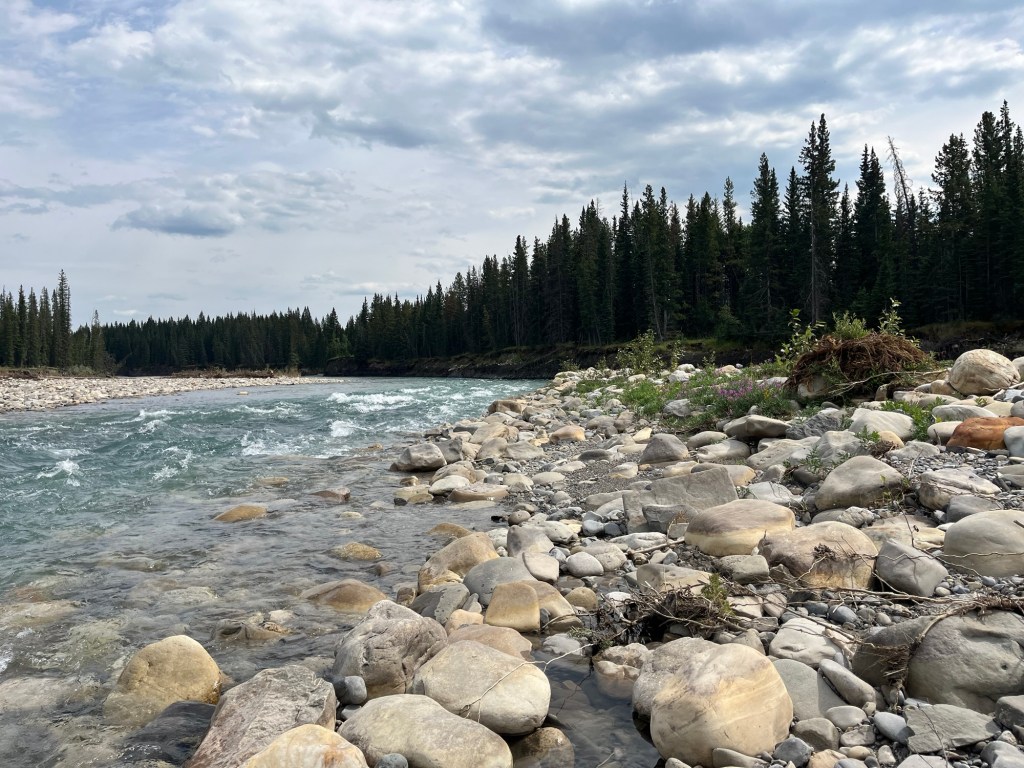
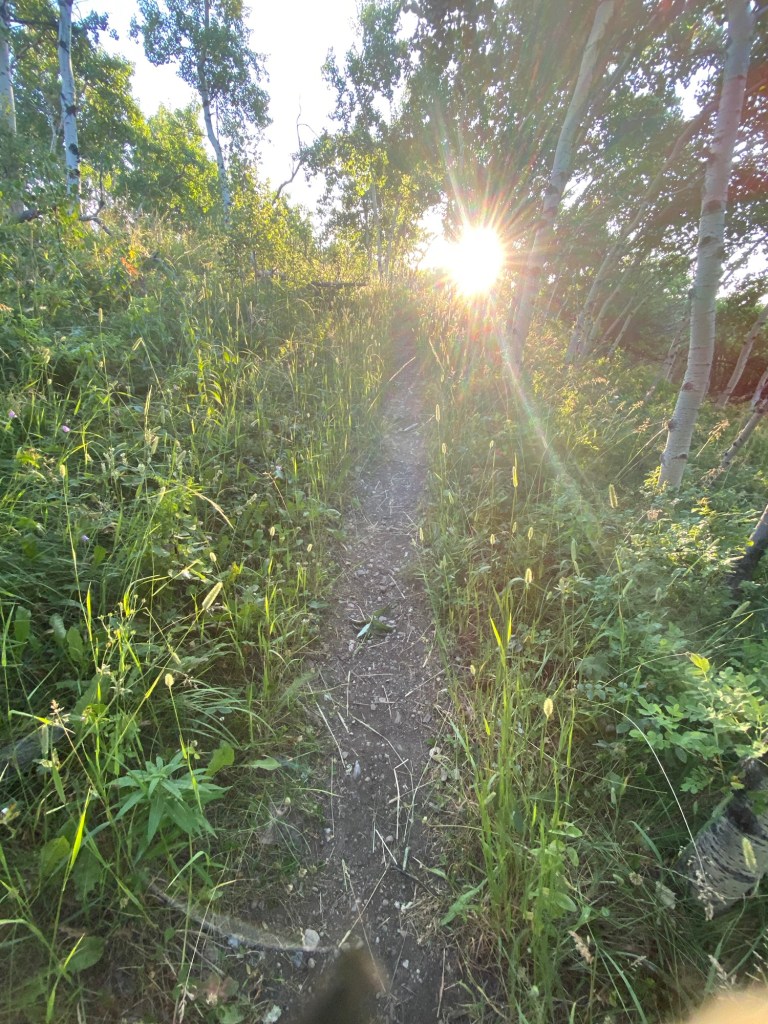
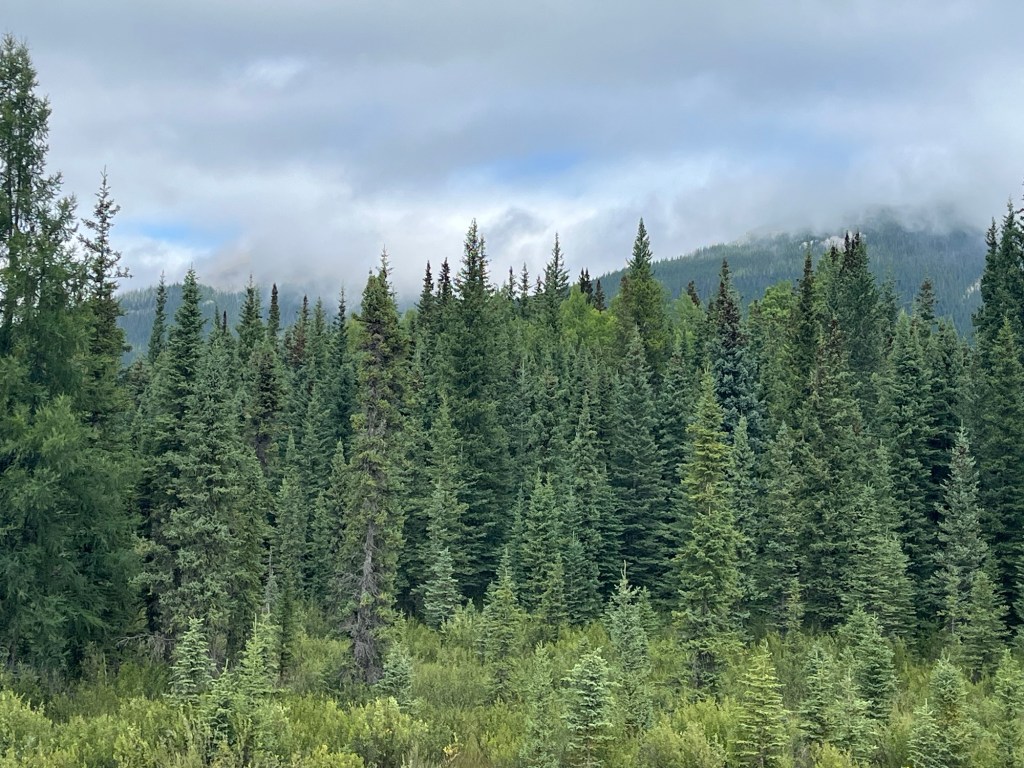
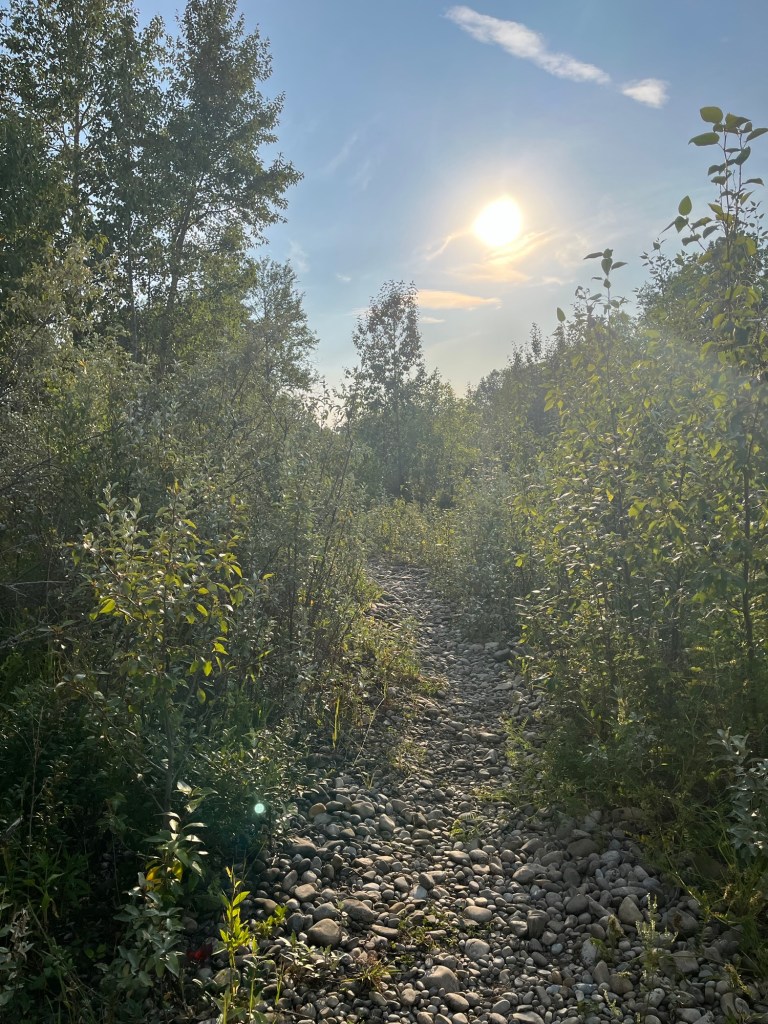
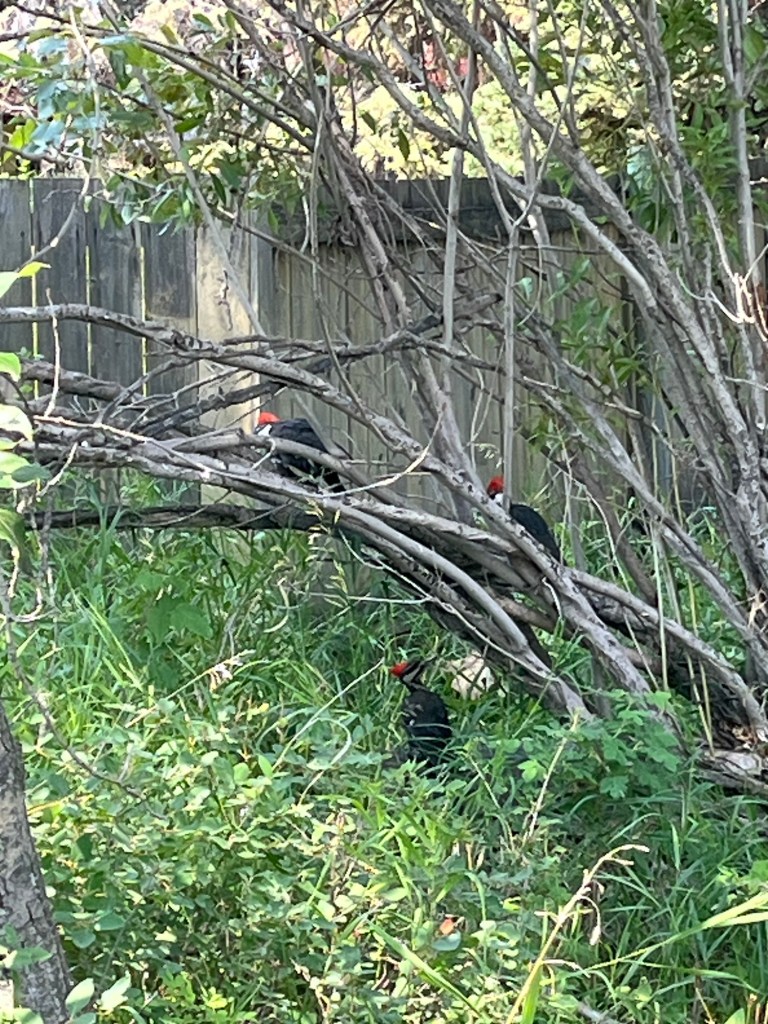
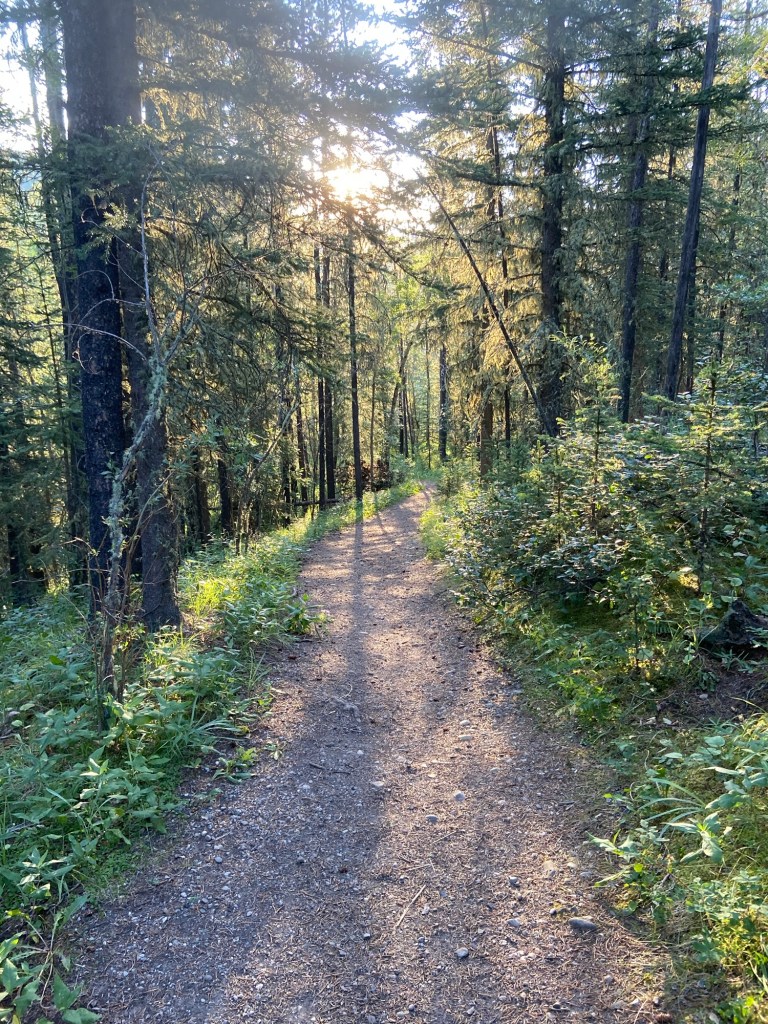
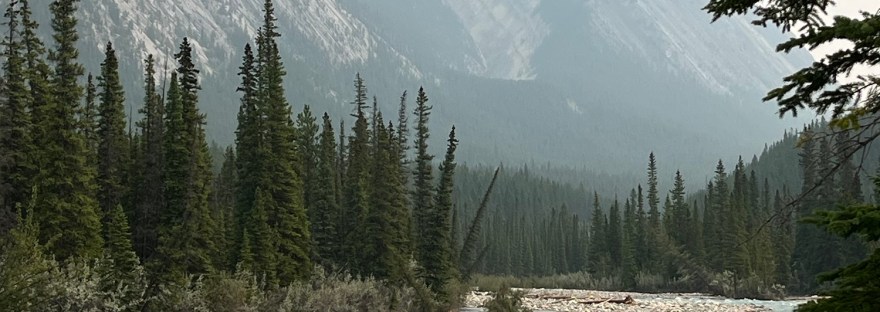
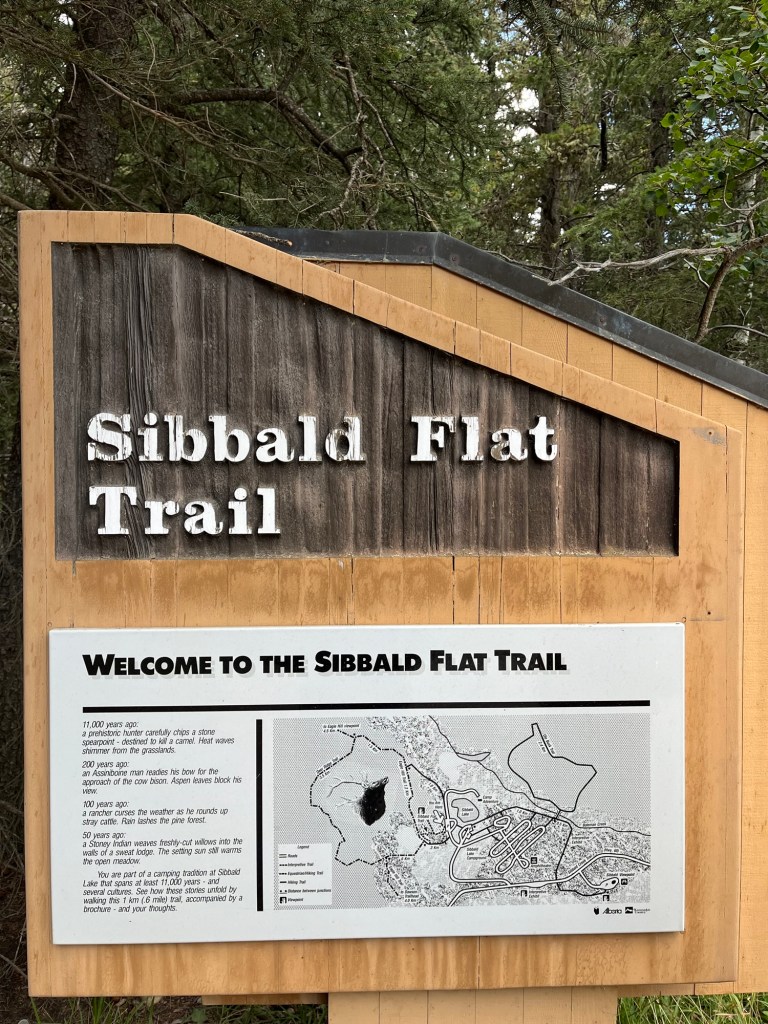
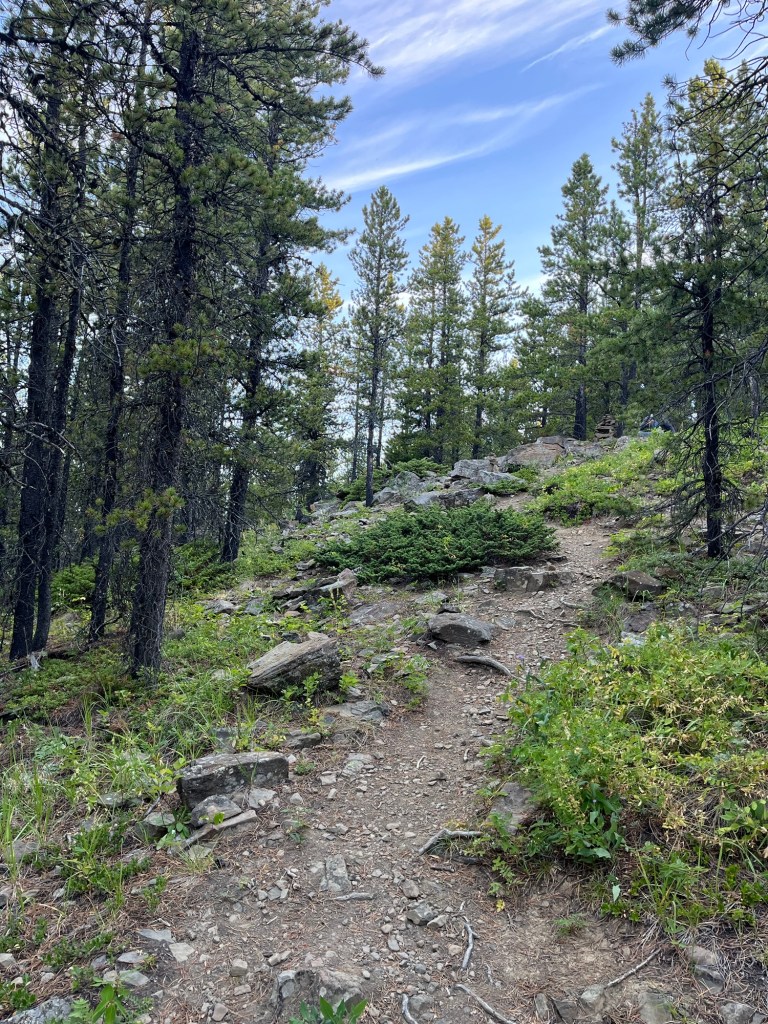
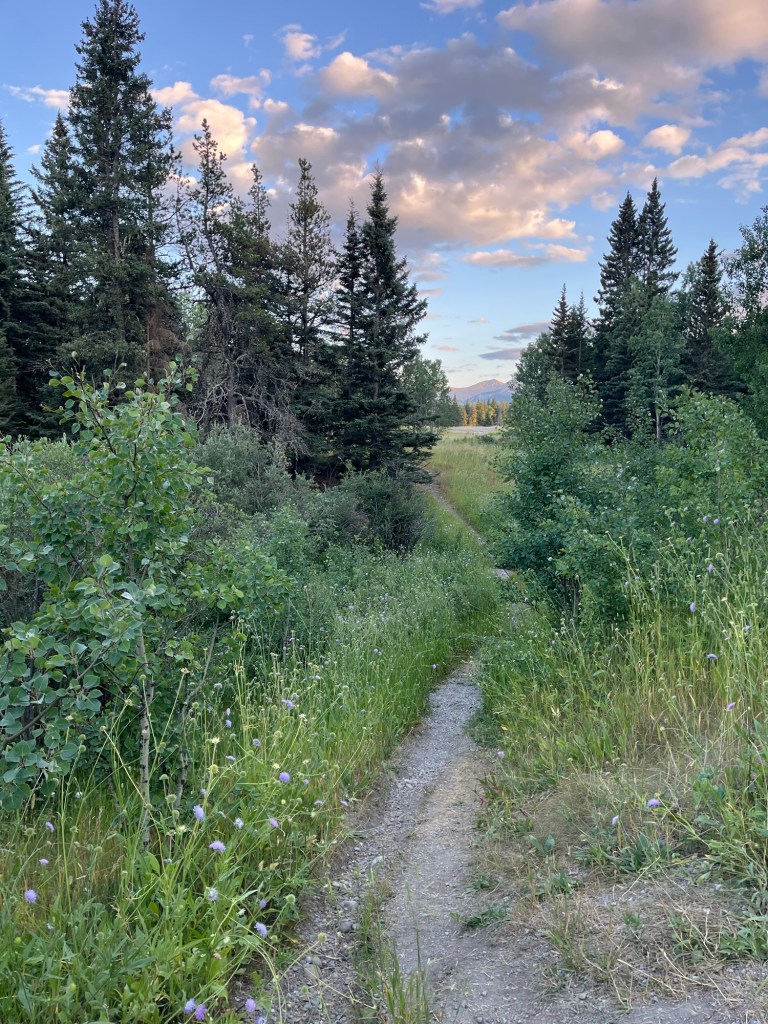
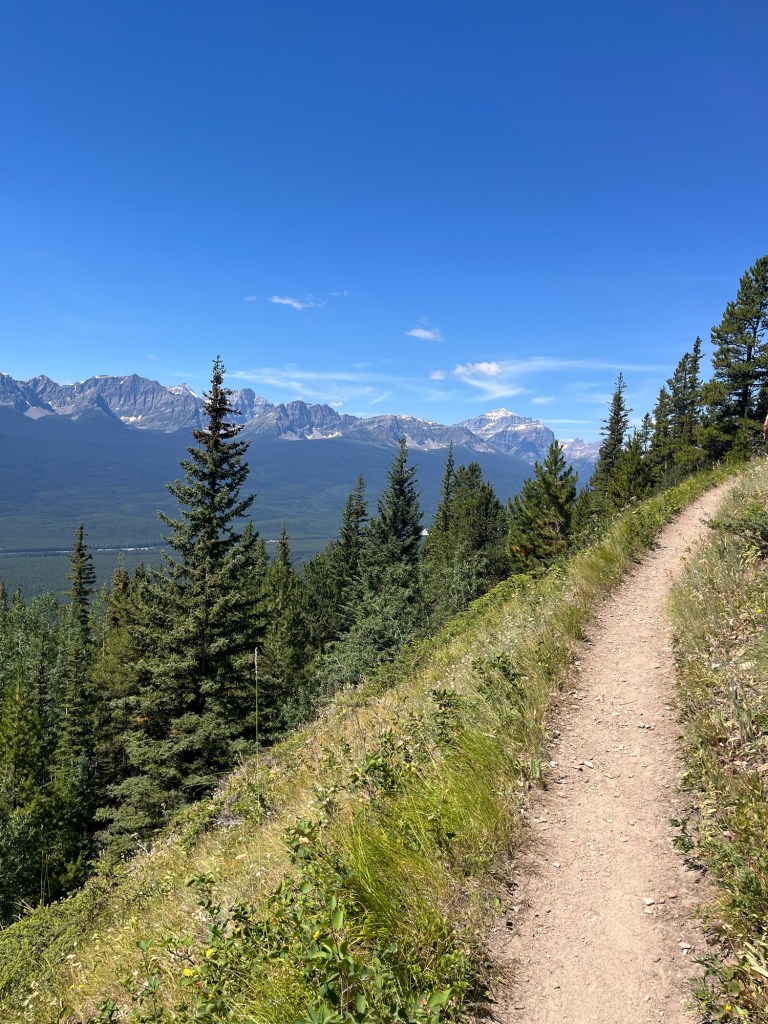
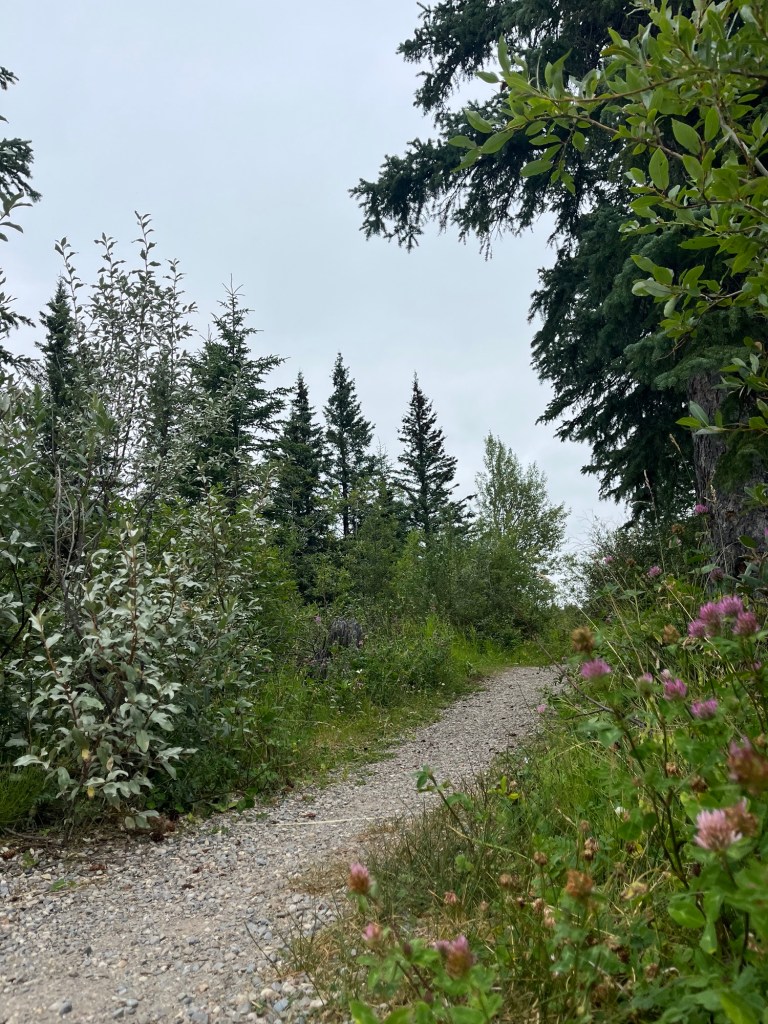
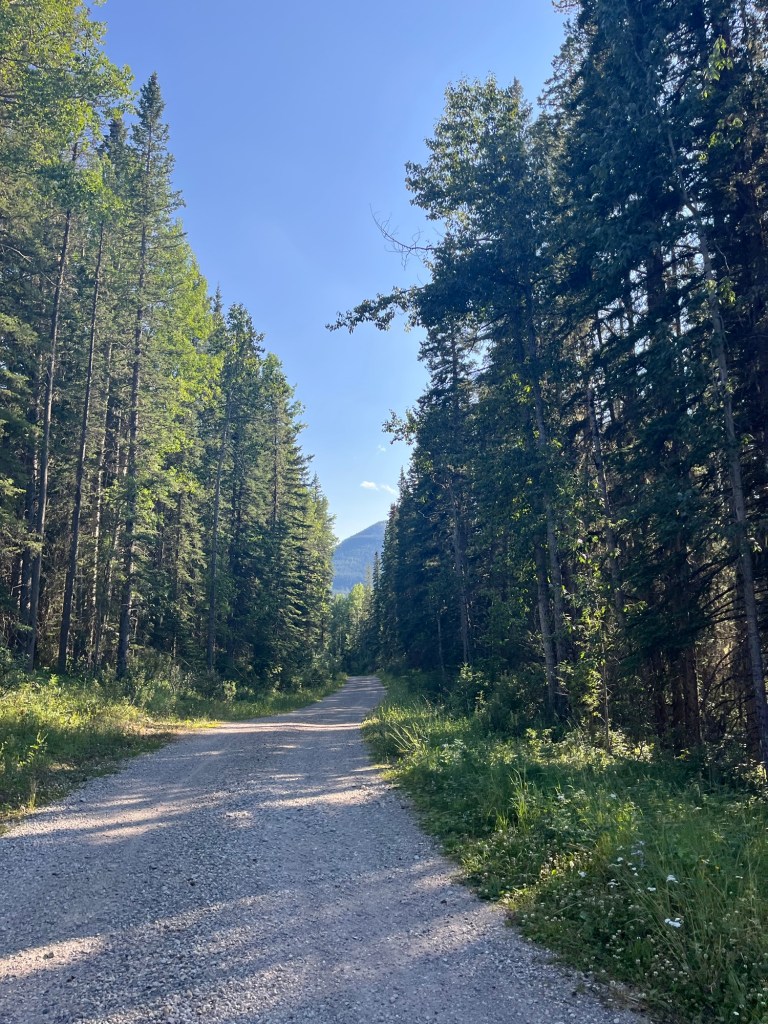
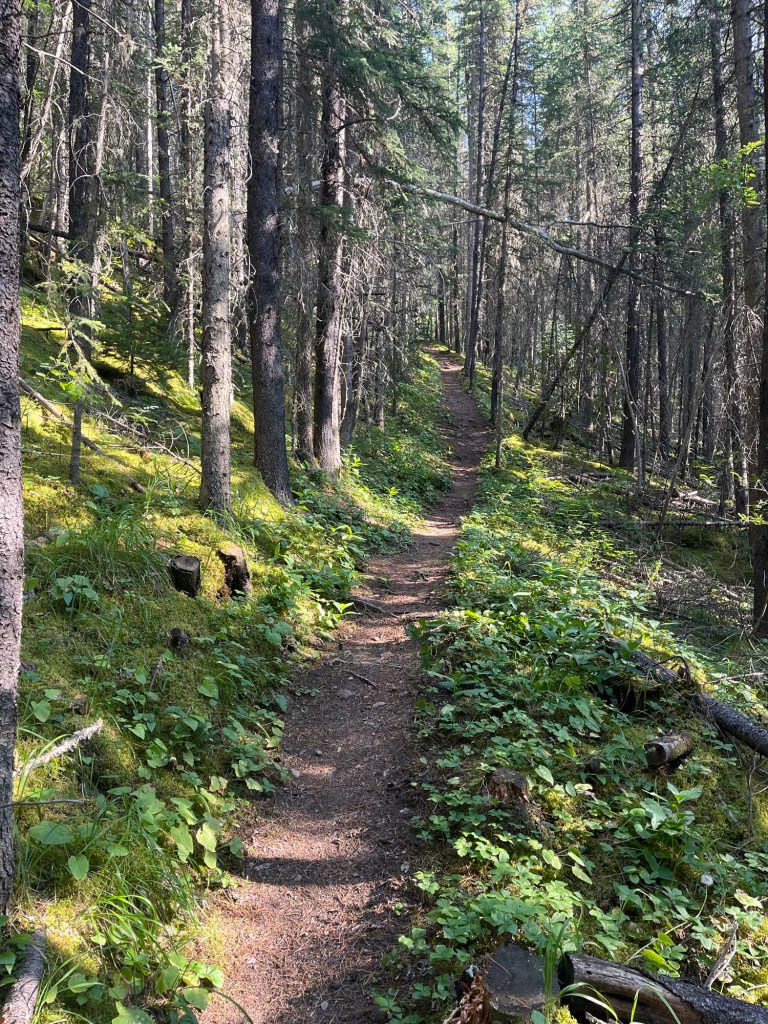
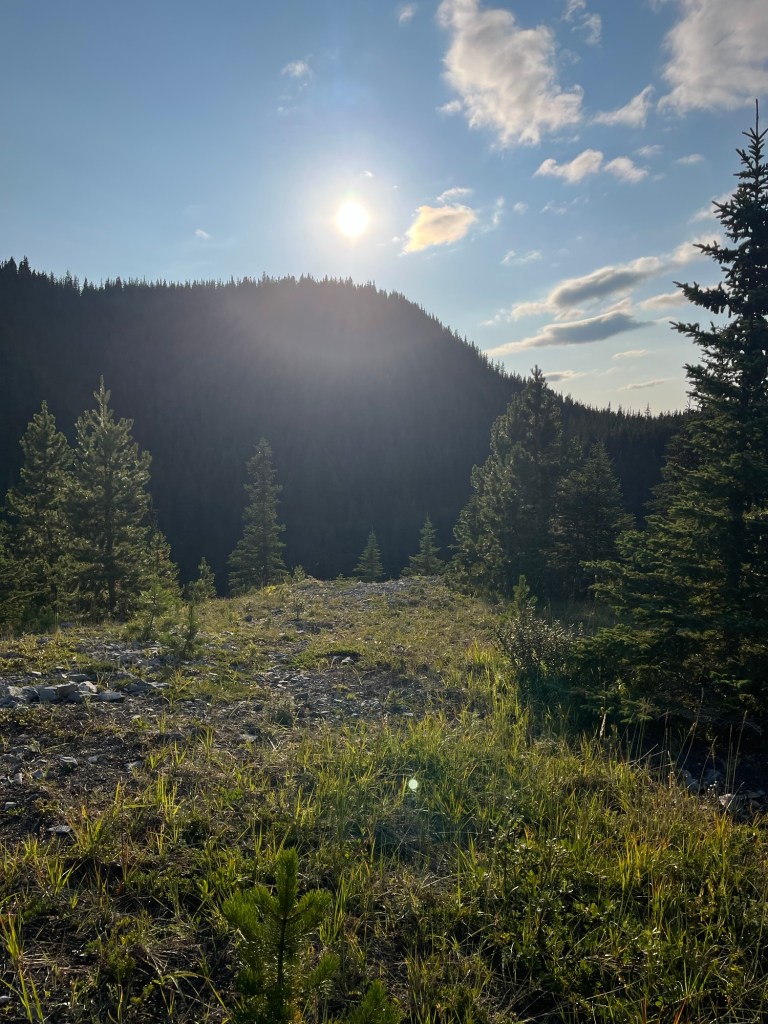
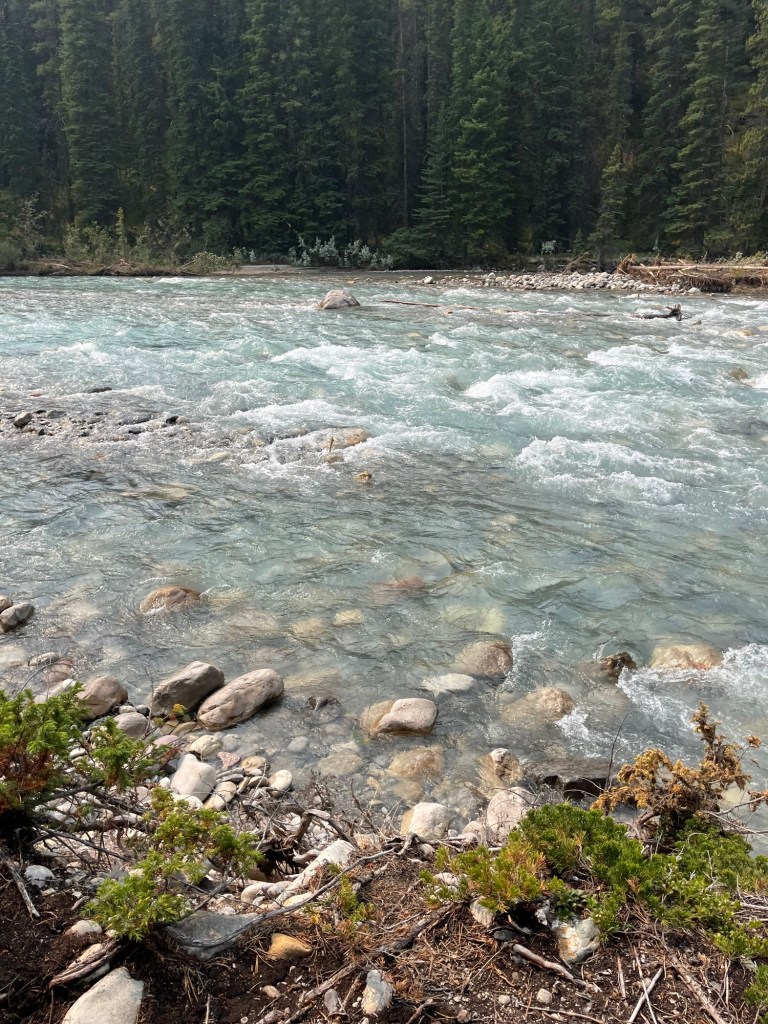
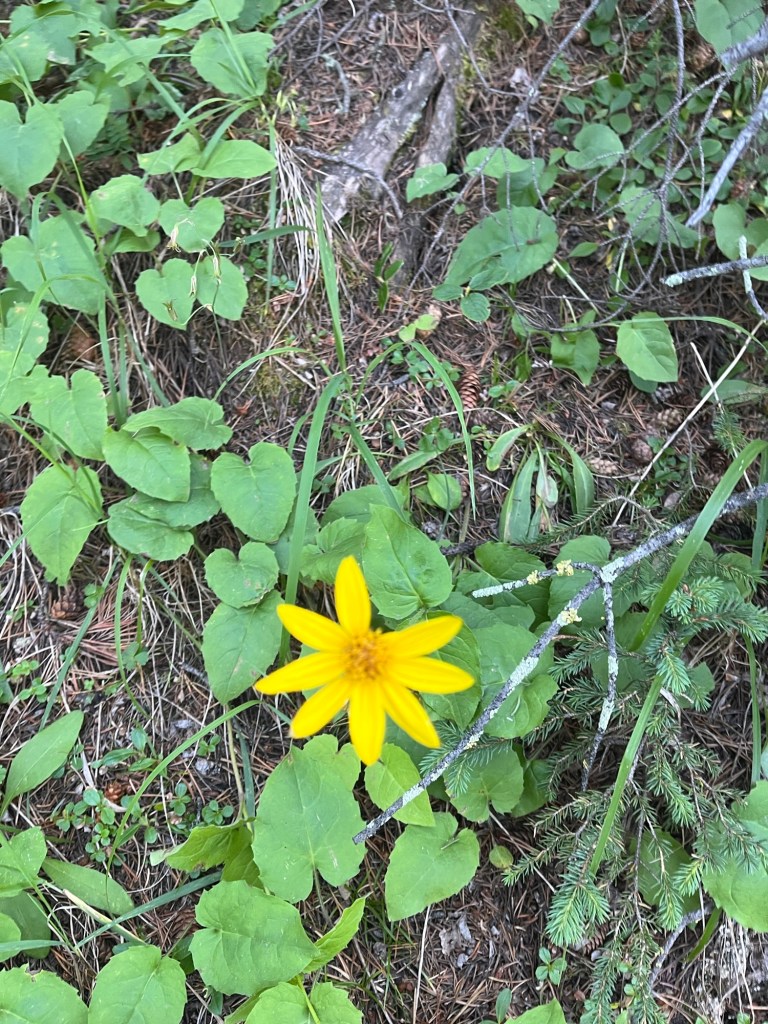
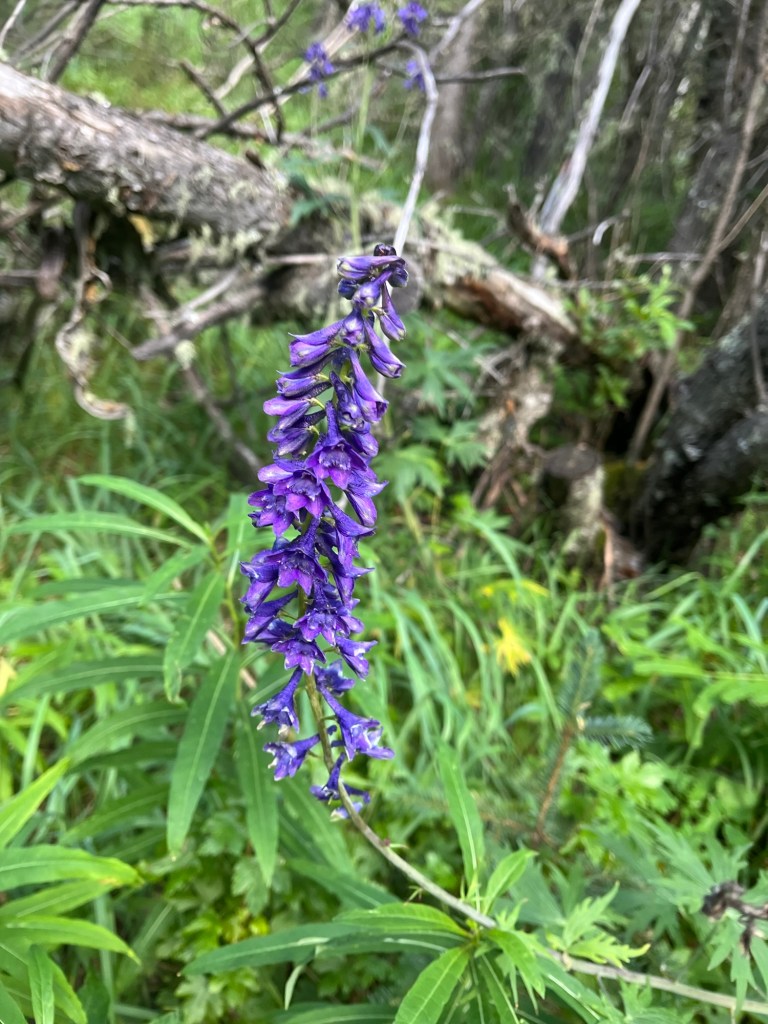
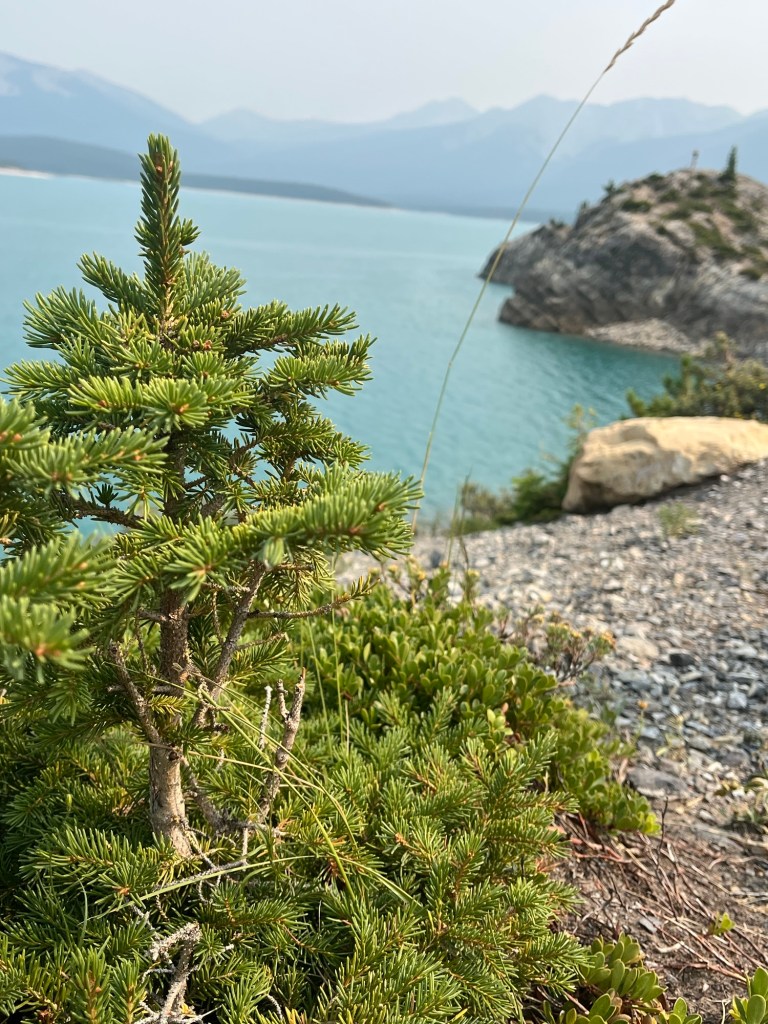
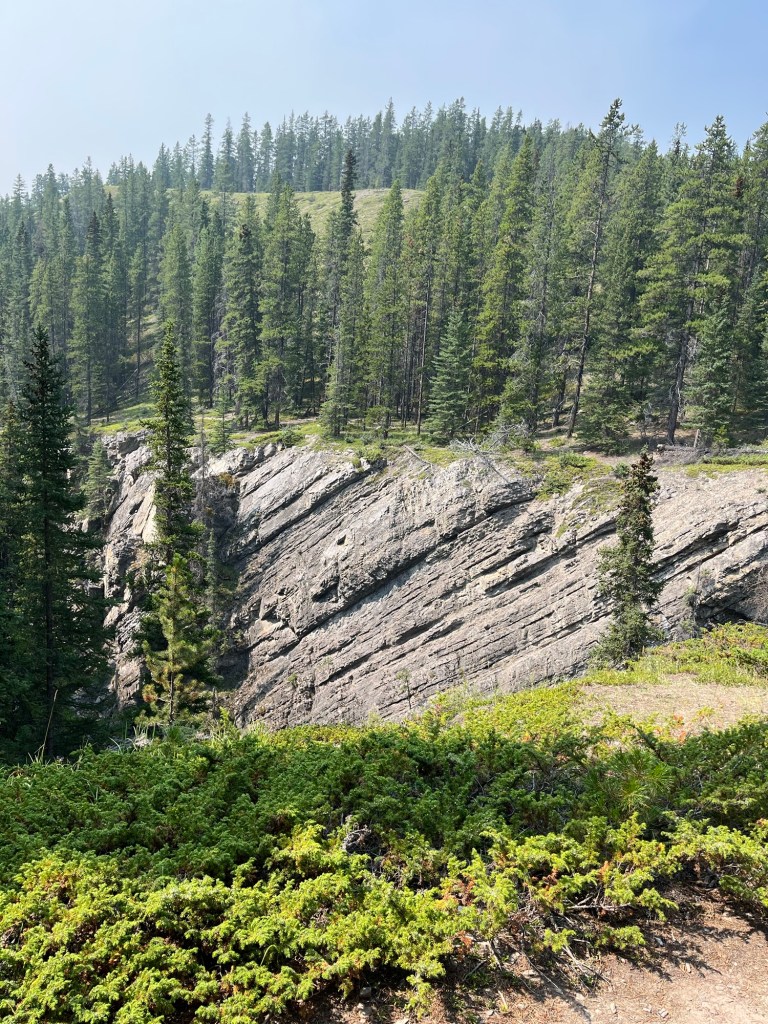
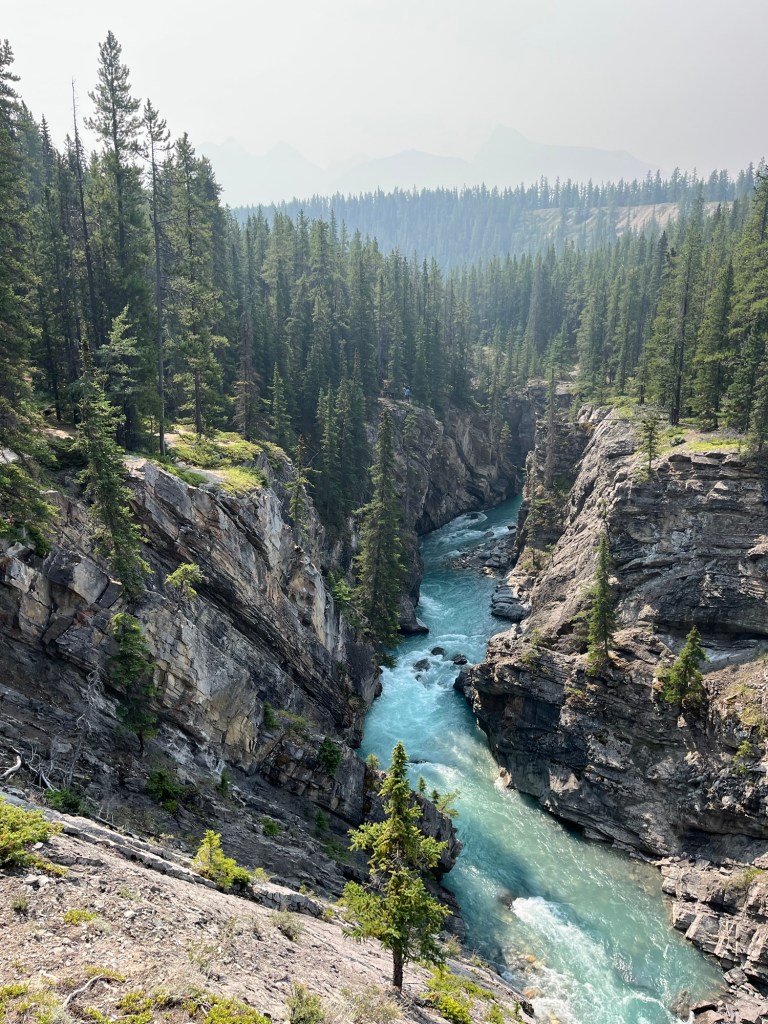
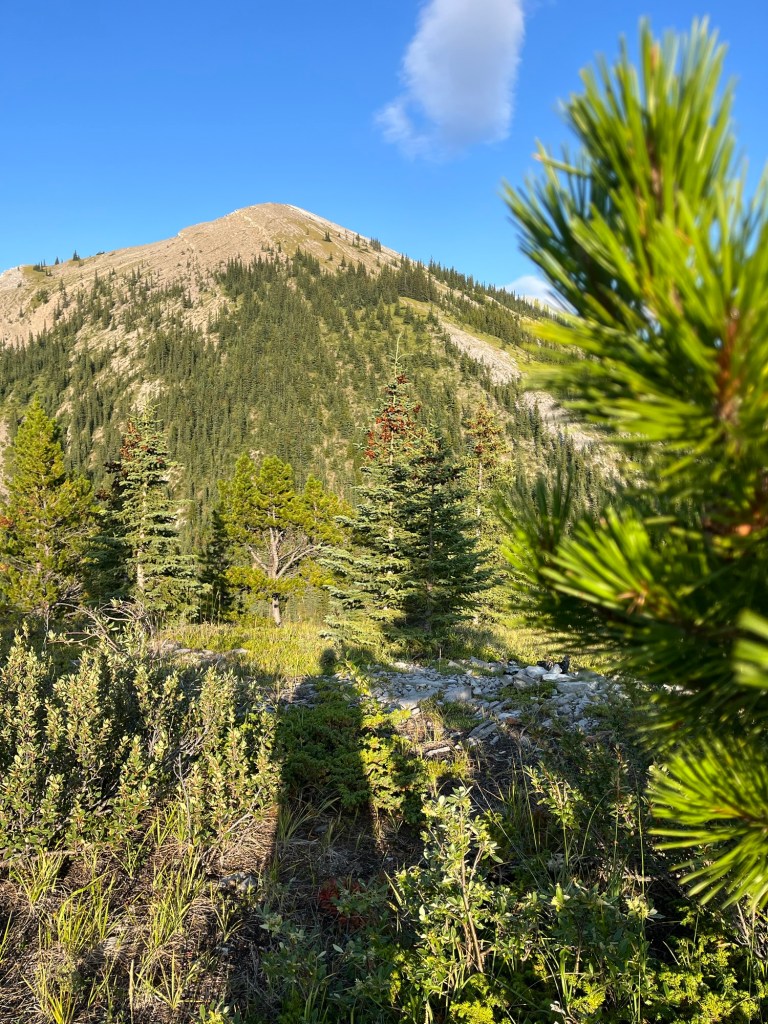
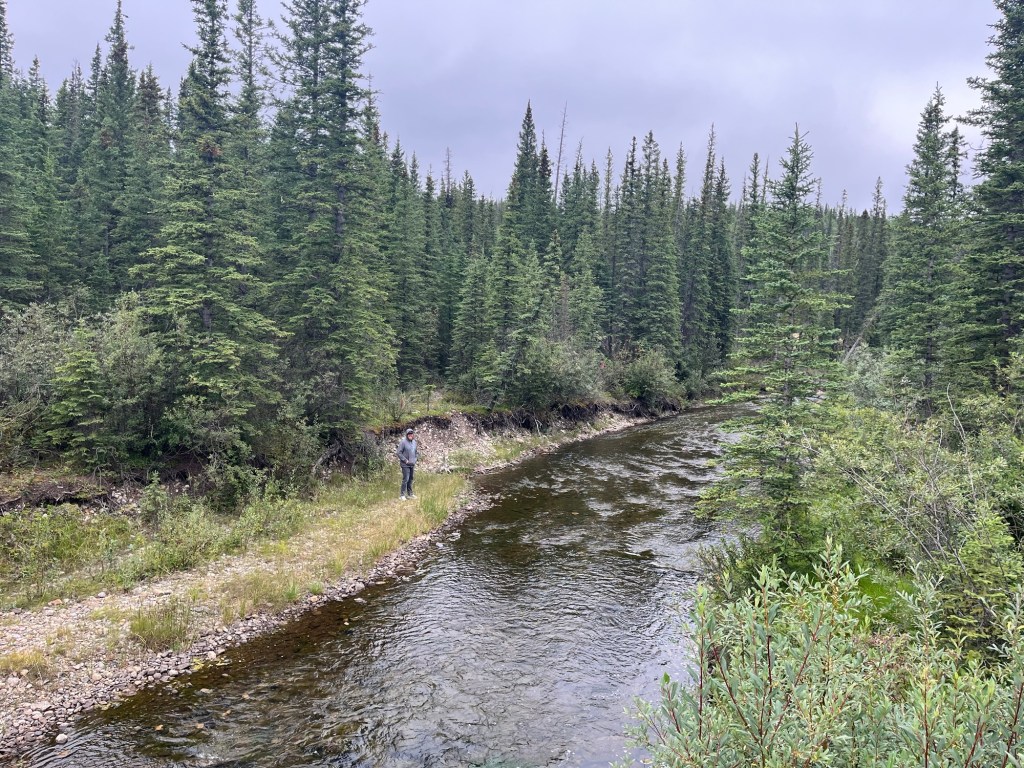
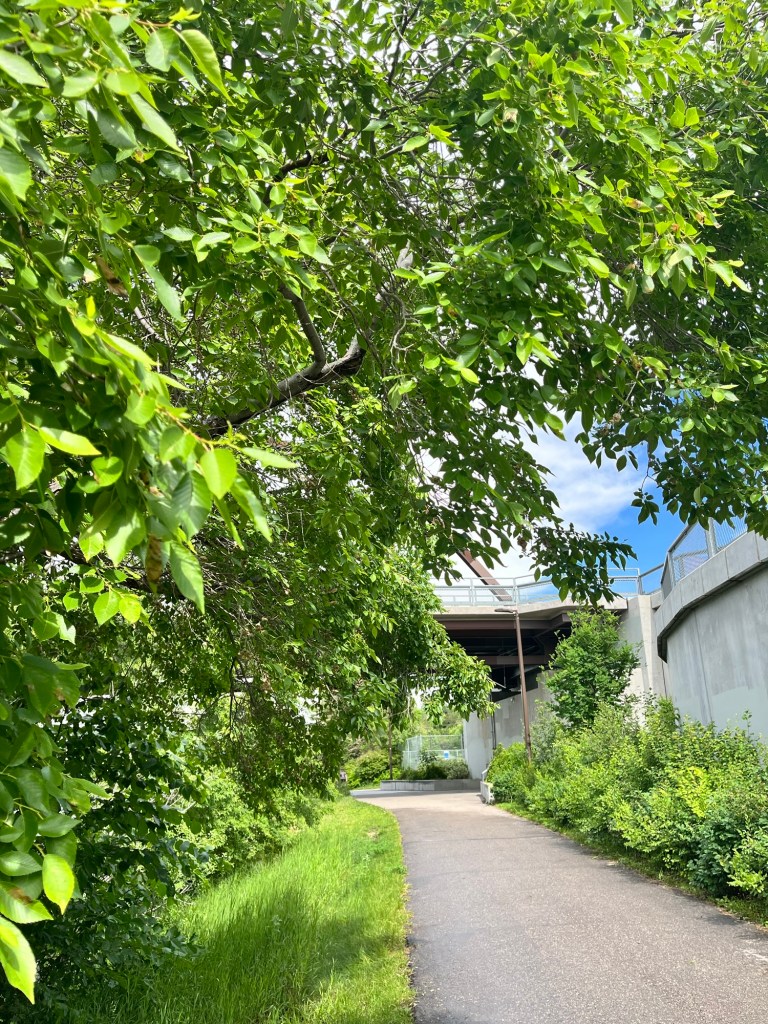
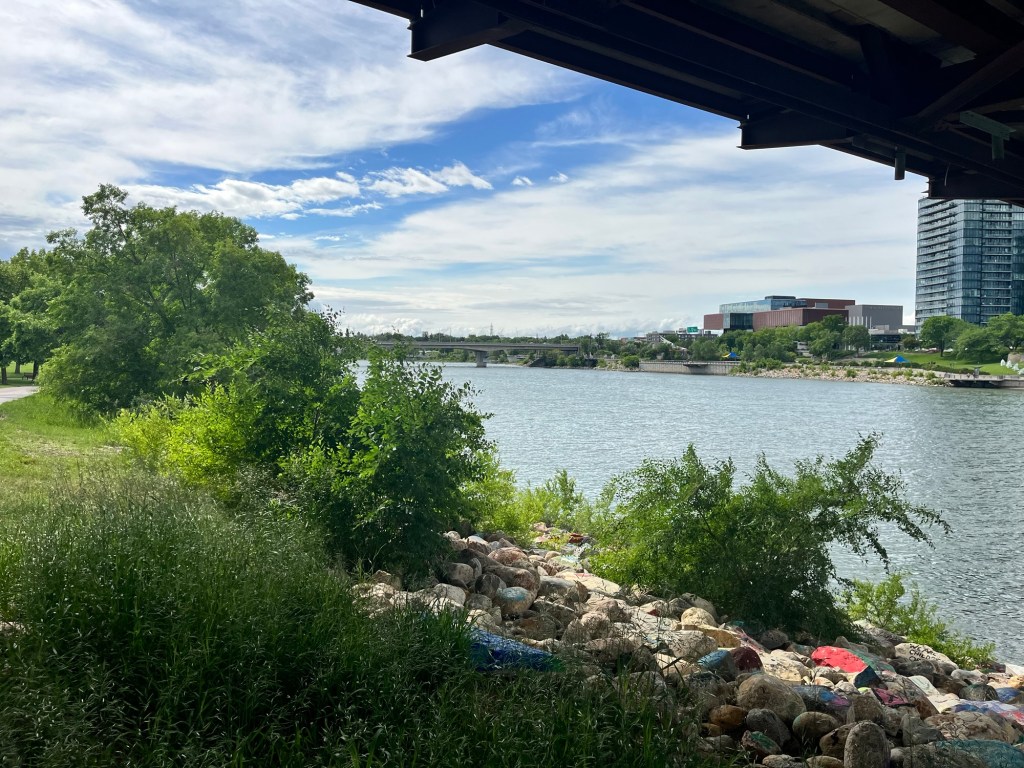
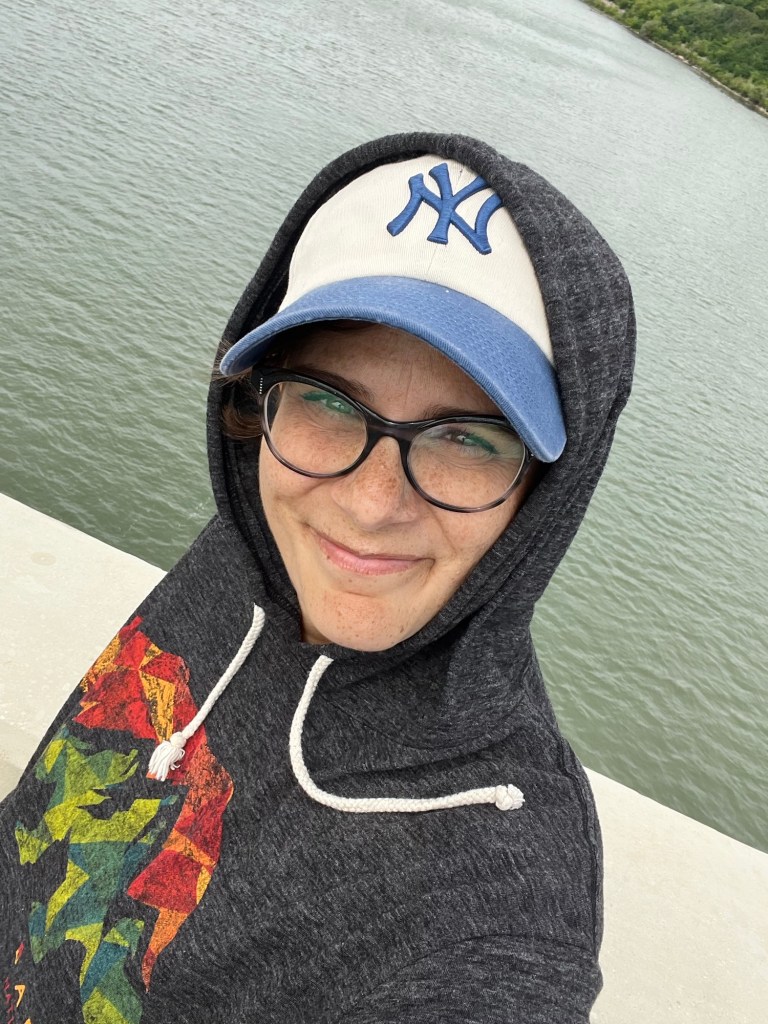
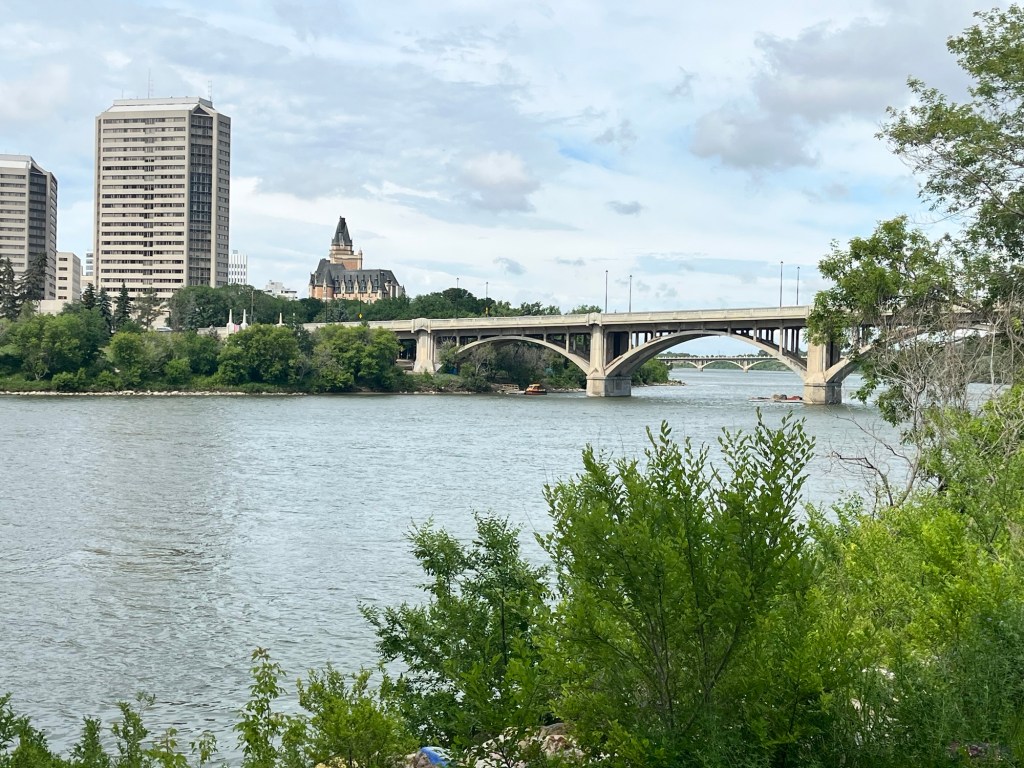
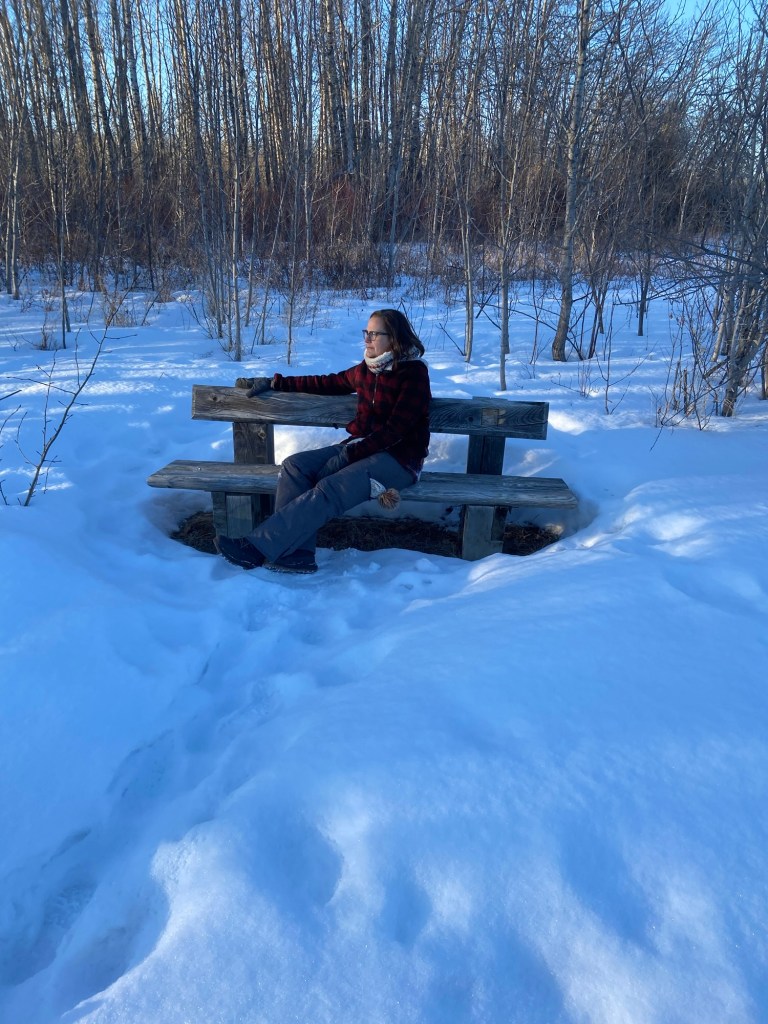
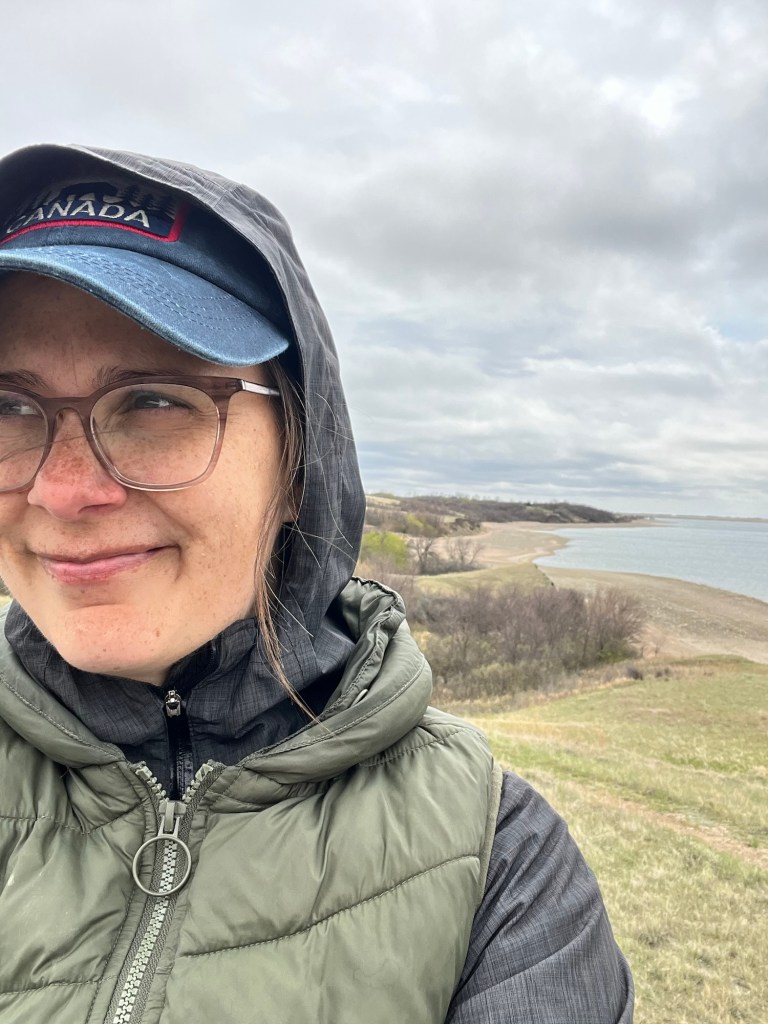
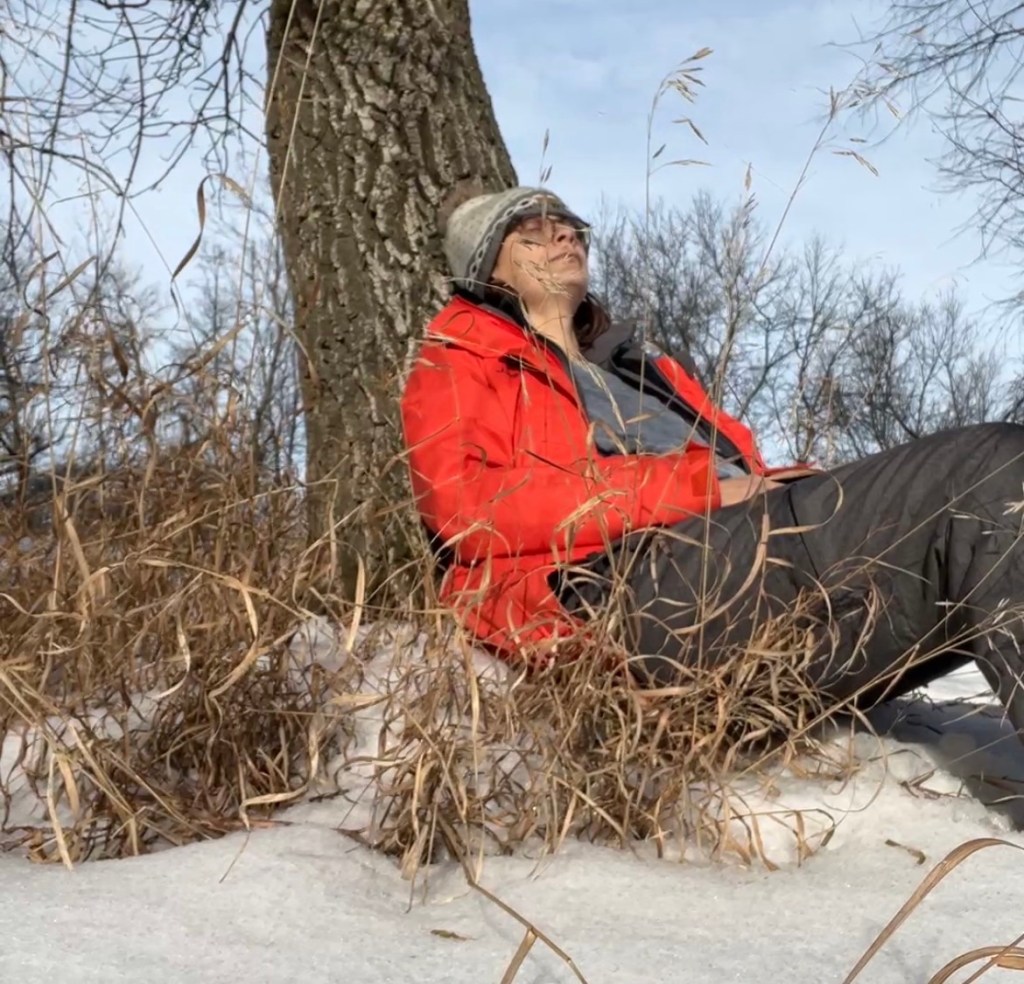
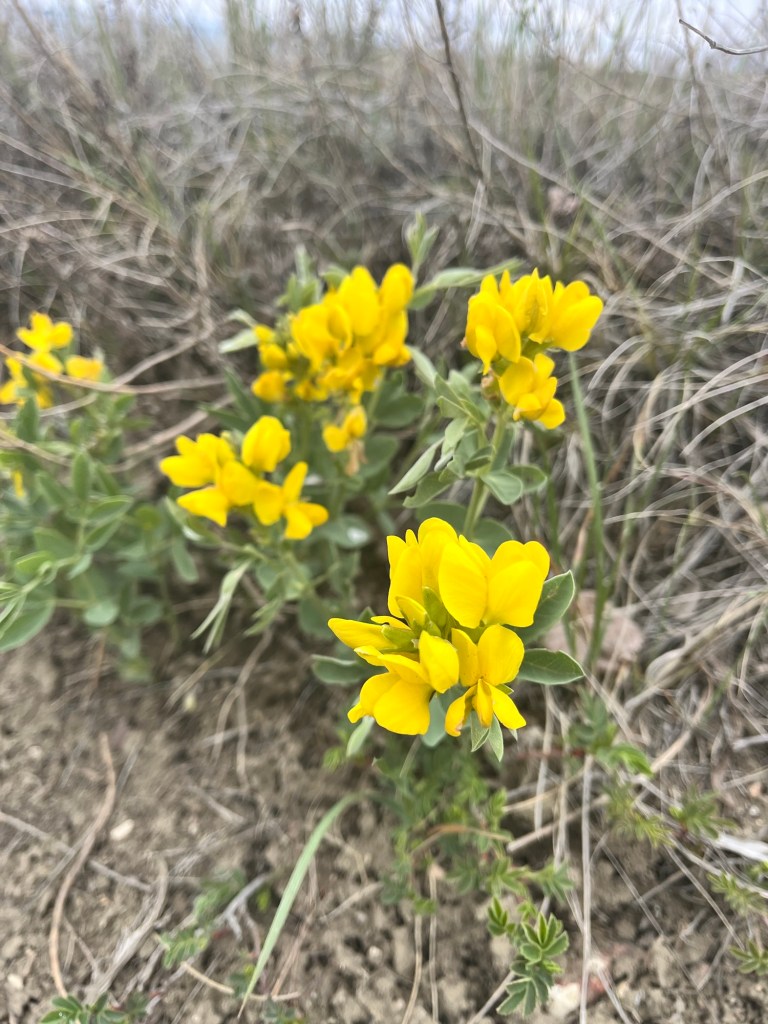
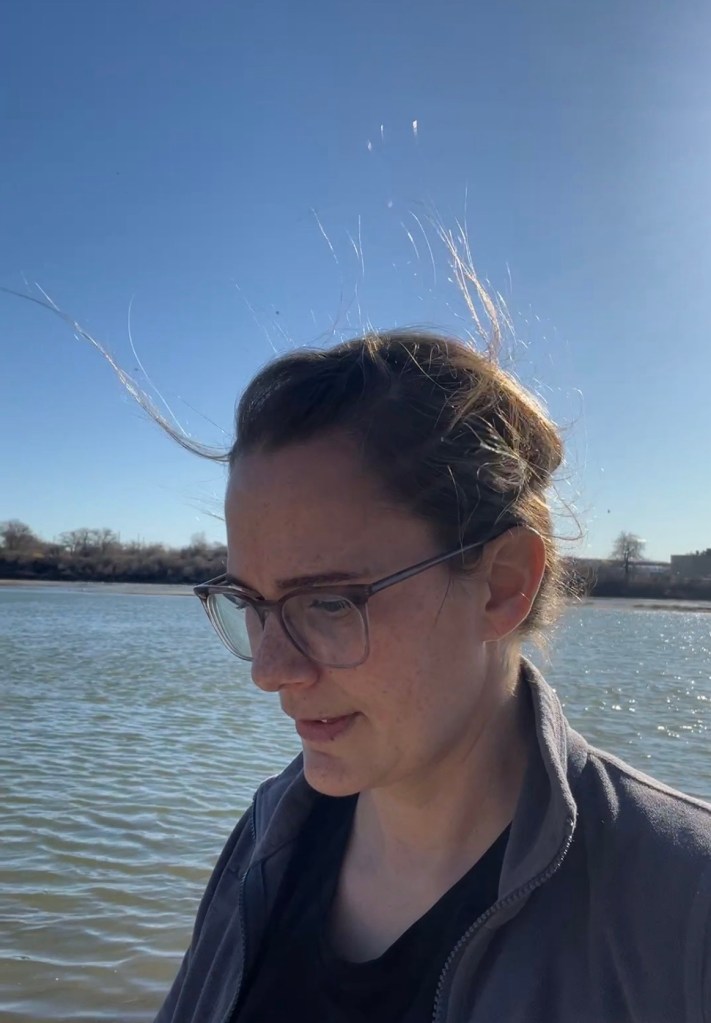
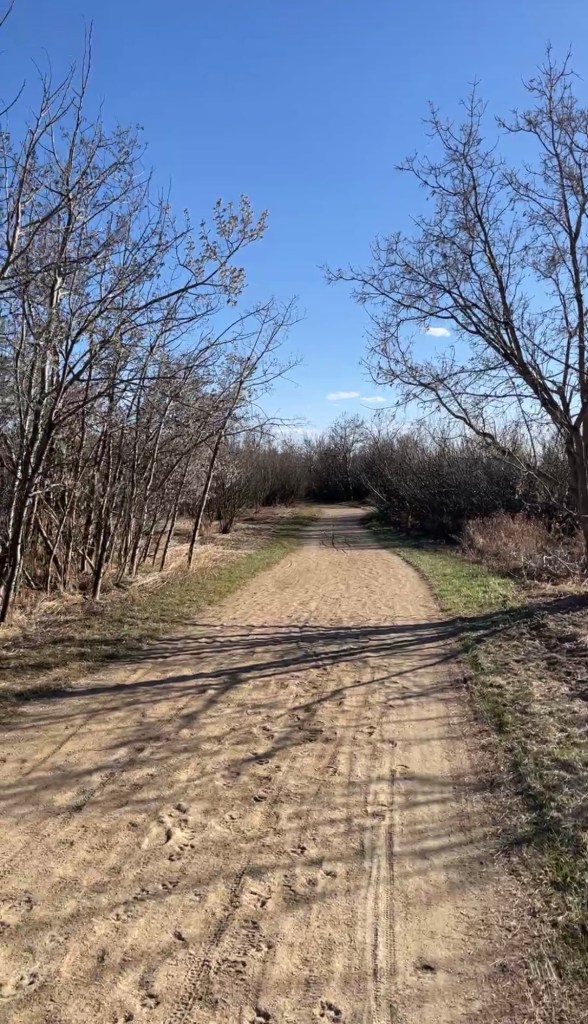
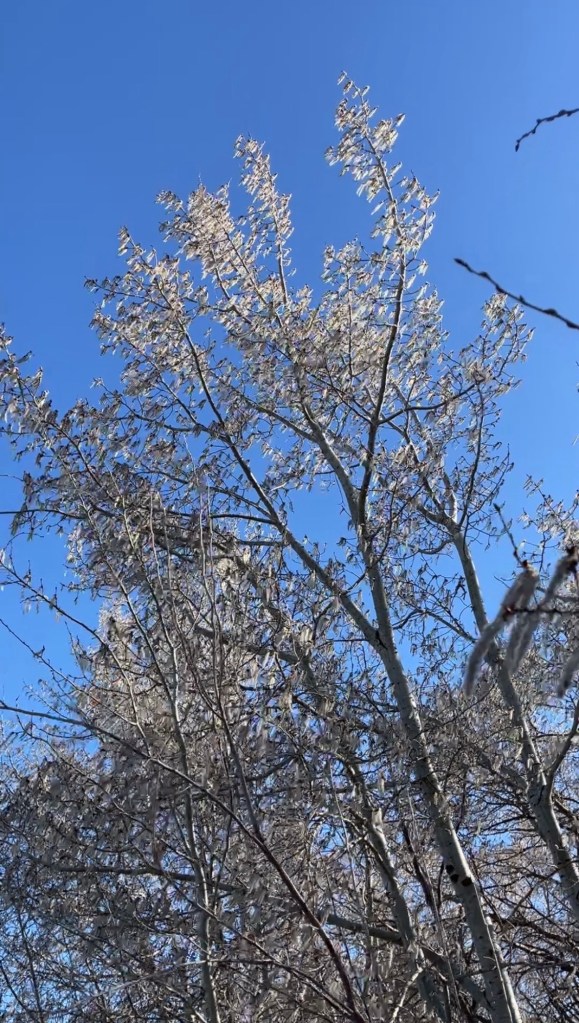
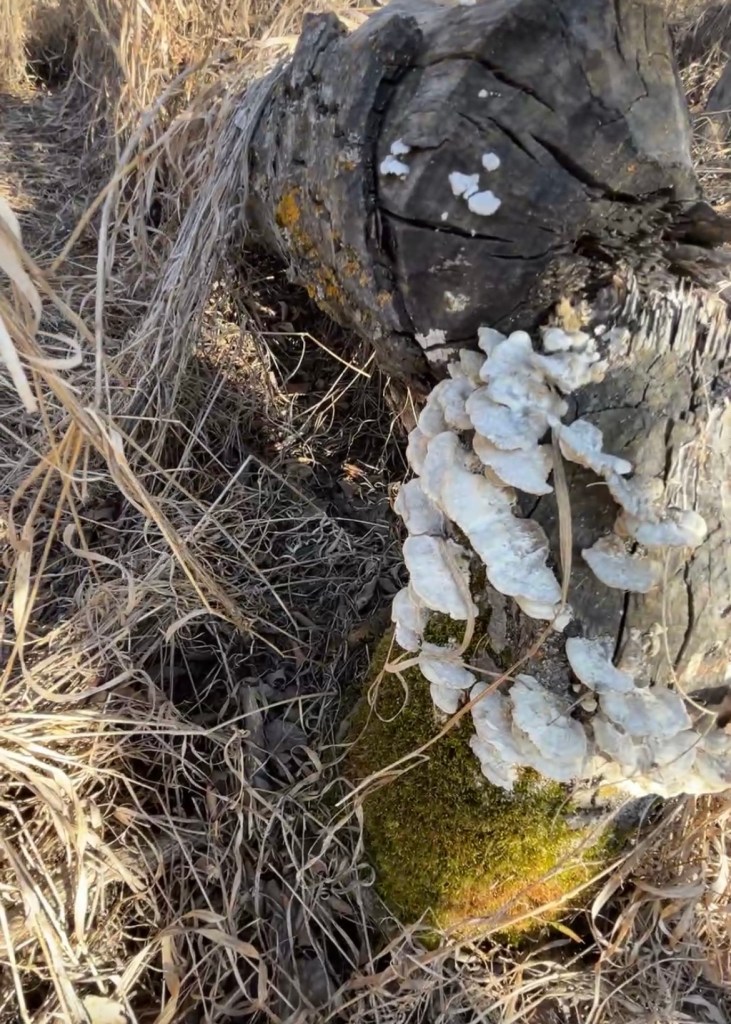
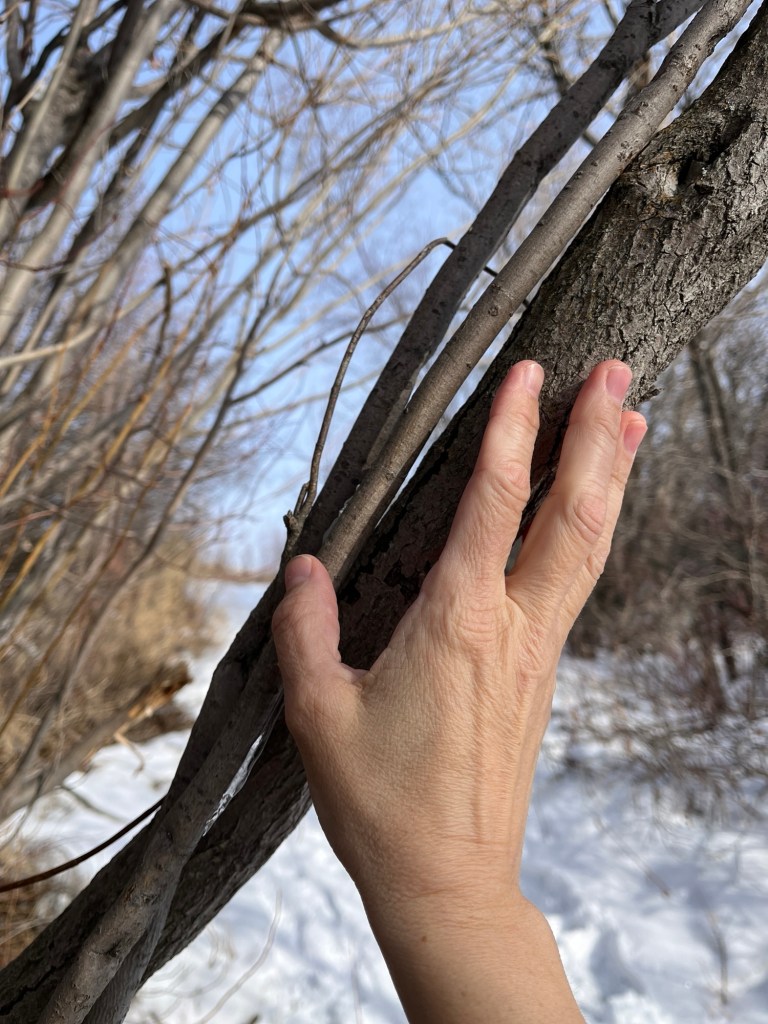
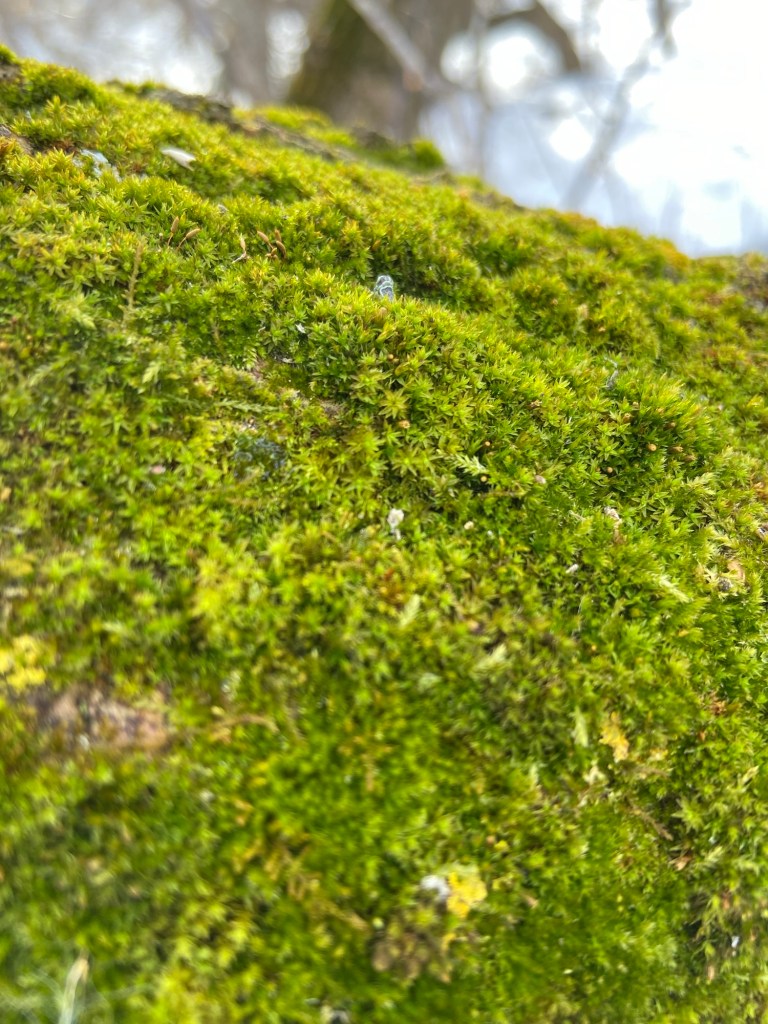
Inside me, the Protector, the Wounded Child, the Survivor, and the Healer all dance in a quiet circle. Each one longs to be seen, to be heard, to be held. And when I finally stop to witness them, their chaos becomes a rhythm… and their rhythm becomes my healing.
-recoverytrauma.ltd
I heard something recently that has been rolling around in my head. It was a conversation about worry versus wisdom.
The idea was that worry keeps us stuck, while wisdom keeps us moving.
One of the concepts was this, sometimes we feel stuck because we want two things that can’t exist at the same time.
I want to be healthy, but I don’t want to change anything.
I want to feel better, but I don’t want to slow down.
I want to have more energy, but I don’t want to give anything up.
I want my nervous system to settle, but I keep filling every available minute.
And with chronic pain, there can be a whole extra layer of this.
I want to do the things I used to do, but my body can’t always do them.
I want to feel better, but I can’t control whether I have a good pain day or a terrible one.
I want answers, but sometimes there are no tidy solutions.
So I worry. I think. I analyze. I replay. I predict. (I’m actually a delight. But you wouldn’t know it because I’m so tired and irritated all the time.)
I consider every possible scenario until my brain has apparently opened approximately 47 tabs, and none of them are helpful.
And somewhere in all of that thinking, I can become very, very stuck.
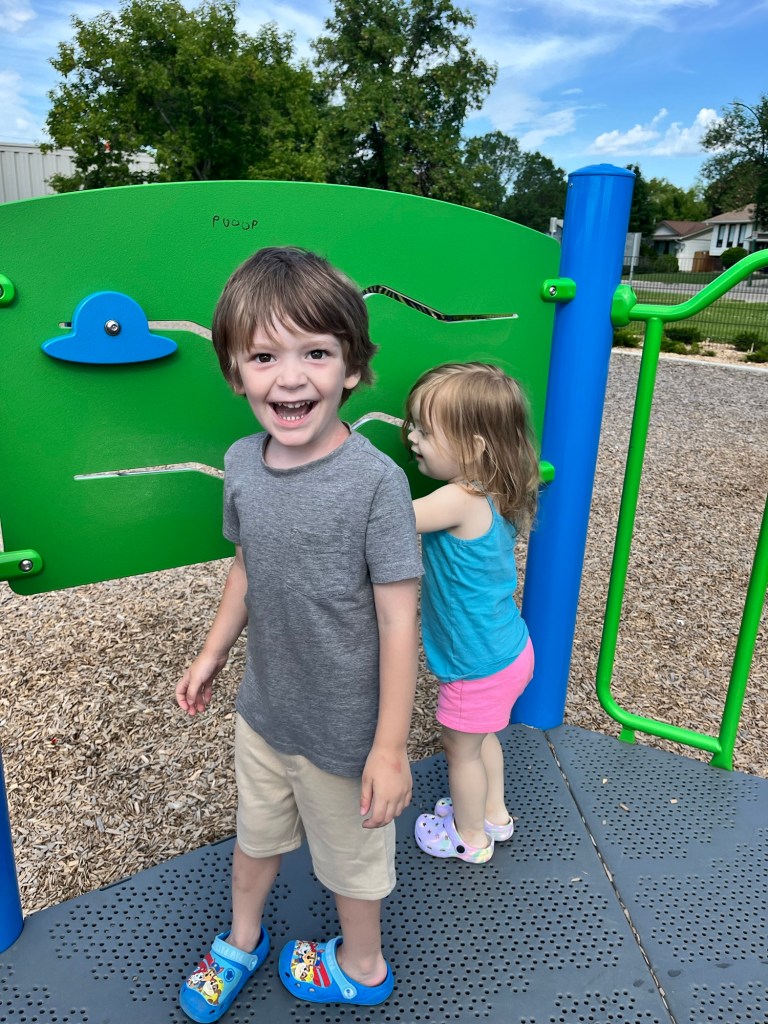
But then I look at my grandkids.
They might know something I have forgotten.
They don’t spend nearly as much time worrying about what happened yesterday or what might happen tomorrow.
They deal with right now.
If they’re hungry, they eat.
If they’re tired, they lie down.
If they see a bug, suddenly that bug is the most fascinating creature on Earth.
If someone says something funny, they laugh.
If they fall down, they may cry. And then, remarkably, five minutes later they’re deeply invested in something completely unrelated.
They don’t seem to spend a lot of time thinking:
I really shouldn’t have fallen down yesterday.
Or:
What if I fall down again tomorrow?
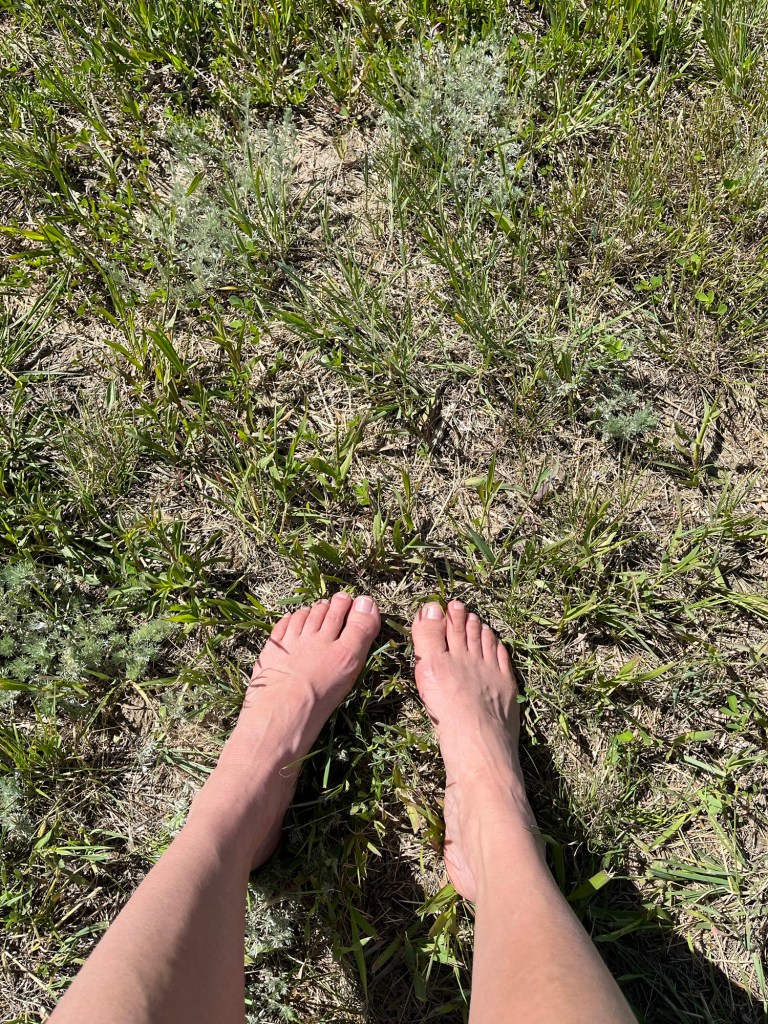
They are busy being where their feet are. Kids have a PhD in being where their feet are. (Wise little beings.)
Not because the past doesn’t matter. Not because the future doesn’t matter.
But because this moment is the only one I can actually do anything with.
And I think that is part of the difference between worry and wisdom.
Worry keeps asking:
What if?
Wisdom asks:
What now?
What if I stopped trying to solve tomorrow?
One of the things I love about forest therapy is that nature gives me a place to practice being present.
Not by sitting perfectly still and trying to empty my mind.
My brain 🧠- Director of Unnecessary Mental Load 🪪
Instead, I can go outside and let my attention wander.
I call this a sensory wander.
Rather than walking with a destination in mind, I slow down and follow whatever catches my attention.
Maybe it’s the shape of a leaf.
The sound of something moving in the grass.
The smell of wet earth.
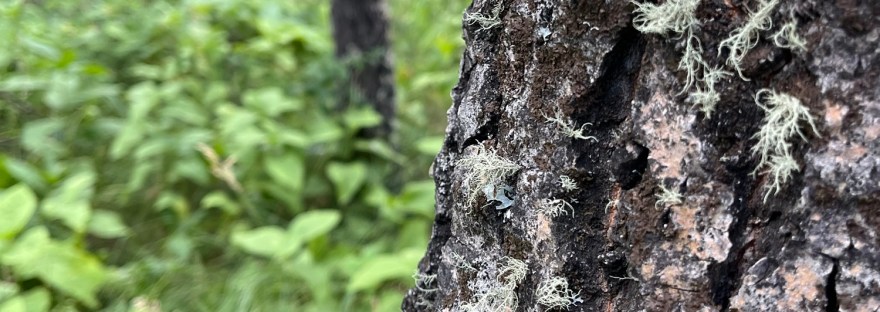
A tree with strange bark.
The way sunlight hits one little patch of moss.
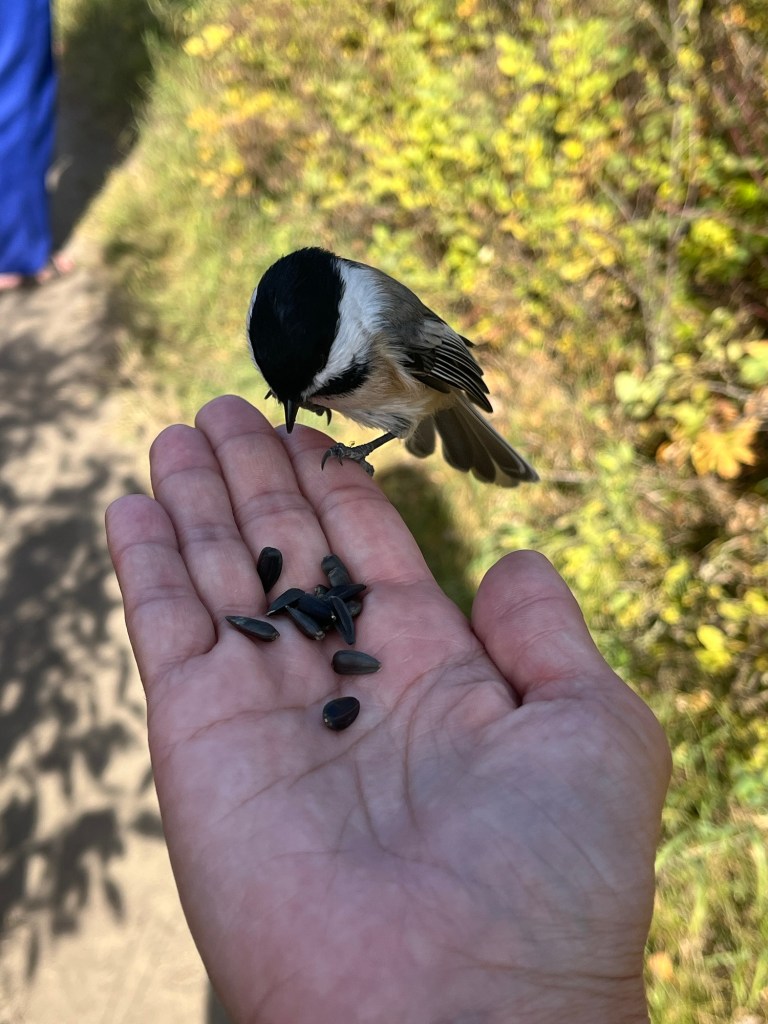
A bird I can’t identify.
A spider web I would have walked right past.
I don’t have to figure anything out.
I don’t have to make the experience meaningful.
I don’t have to turn it into a lesson.
I just notice.
What has my attention right now?
Then I follow that.
And when something else catches my attention, I follow that instead.
It’s quite simple.
I don’t have to live three days ago. I don’t have to live three weeks from now.
I can live right here.
With the trees.
With whatever happens to be in front of me.
Wisdom doesn’t mean having it all figured out
I don’t think the podcast was suggesting that wisdom means knowing exactly what to do.
Sometimes we don’t know.
Especially with chronic pain.
There is a lot of trial and error.
What helped yesterday might not help today.
Something that works beautifully for one person might make another person’s body stage a small coup.
There isn’t always a clear answer.
But wisdom doesn’t necessarily require a complete plan.
It can be much smaller.
One thing I know I can do is this.
I can drink some water 💦
I can rest before I completely crash. 😴
I can step outside 👣
I can notice what my body is telling me 👂
I can take a short walk instead of deciding I need to complete a 5km hike or not bother going at all 🚶♀️
I can spend ten minutes among the trees 🌲 🌲
I can stop arguing with the reality of today long enough to actually experience today 🧘♀️
That last one is hard.
Because sometimes I want today to be different. But wanting it to be different doesn’t change what it is.
And accepting what is happening right now doesn’t mean I like it. It means I stop spending all my energy fighting a moment I can’t change.
Maybe that’s where wisdom starts. Not with a solution. With noticing.
Maybe the kids have it partly right
My grandkids aren’t worried about whether they’re making enough progress in life.
They aren’t measuring the day by how productive they were.
They aren’t wondering whether they should have made a different choice three years ago. (One of them wasn’t even here three years ago.)
They aren’t lying awake thinking about everything that could possibly go wrong tomorrow.
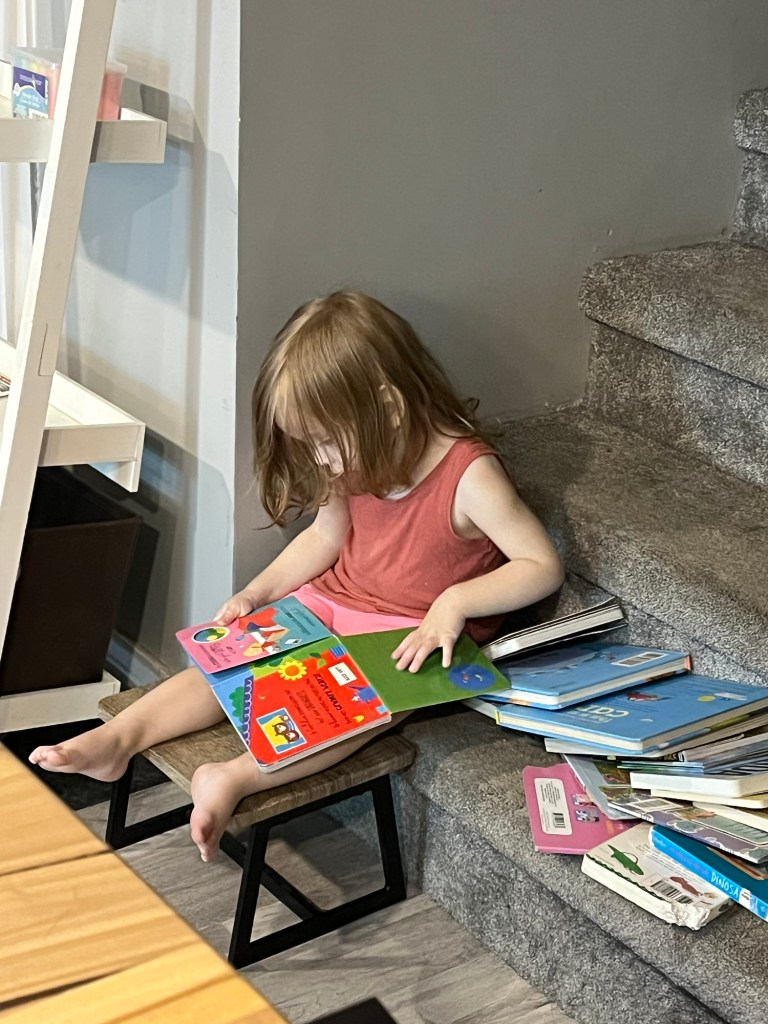
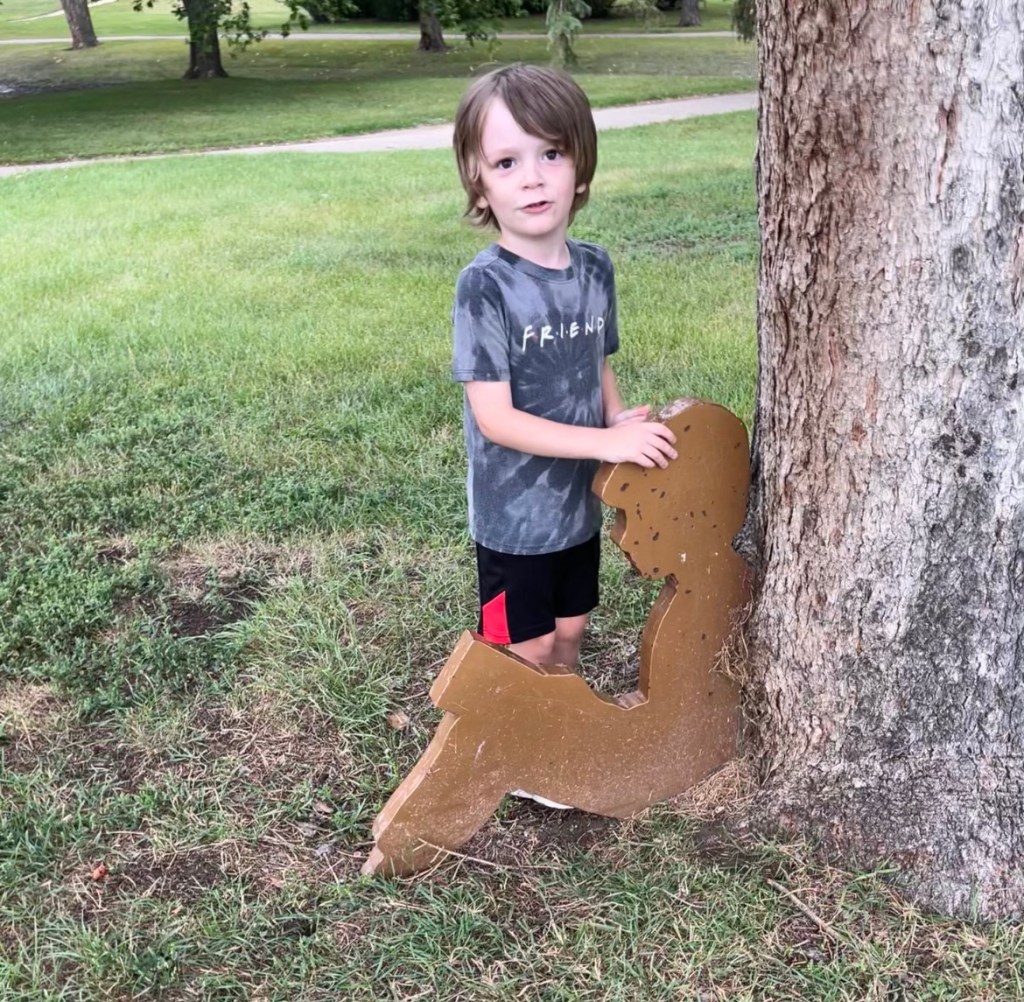
They are here. Reading a book. Talking to a wooden cutout.
And maybe I don’t need to become a child again to learn from them.
I can become child-like without becoming childish. And remember something children seem to know naturally:
Pay attention to what’s happening right now.
“Christopher Robin, what day is it?” “Today” “My favourite day”
There will be time for tomorrow when tomorrow gets here.
There will be things to learn from yesterday when yesterday needs to teach me something.
But right now?
There is a tree.
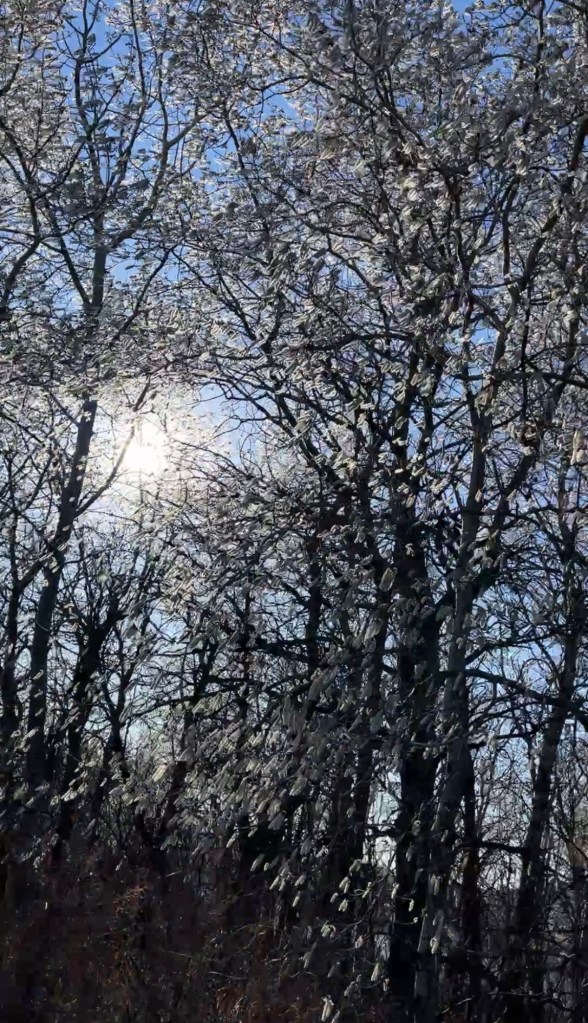
There is wind moving through the leaves.
There is a bird making an extremely confident noise.
There is this breath.
There is this moment.
And for today, maybe wisdom is simply noticing that I’m here.
Then taking the next small step. We are all walking miracles. Let us strut accordingly.
Valemor
(n.) The quiet pride of knowing you survived something without becoming cruel, loud, or bitter. 🙌
The ideas about worry, wisdom and being stuck were inspired by the podcast Better Than Happy: “Don’t Worry” Is Terrible Advice, August 27, 2026
Menopause, memory, and learning to live in a new season
There is a seasonal transition happening inside my brain. Even if the natural world is slow in its transition to fall.
I know this is happening because things keep falling out of said brain. Like dry leaves off a tree on a windy day.
Thoughts. Words. Names. Entire conversations.
Sometimes I can actually feel the thought leaking out.
It was there. I had it. I was about to say it.
And then whoosh. Gone.
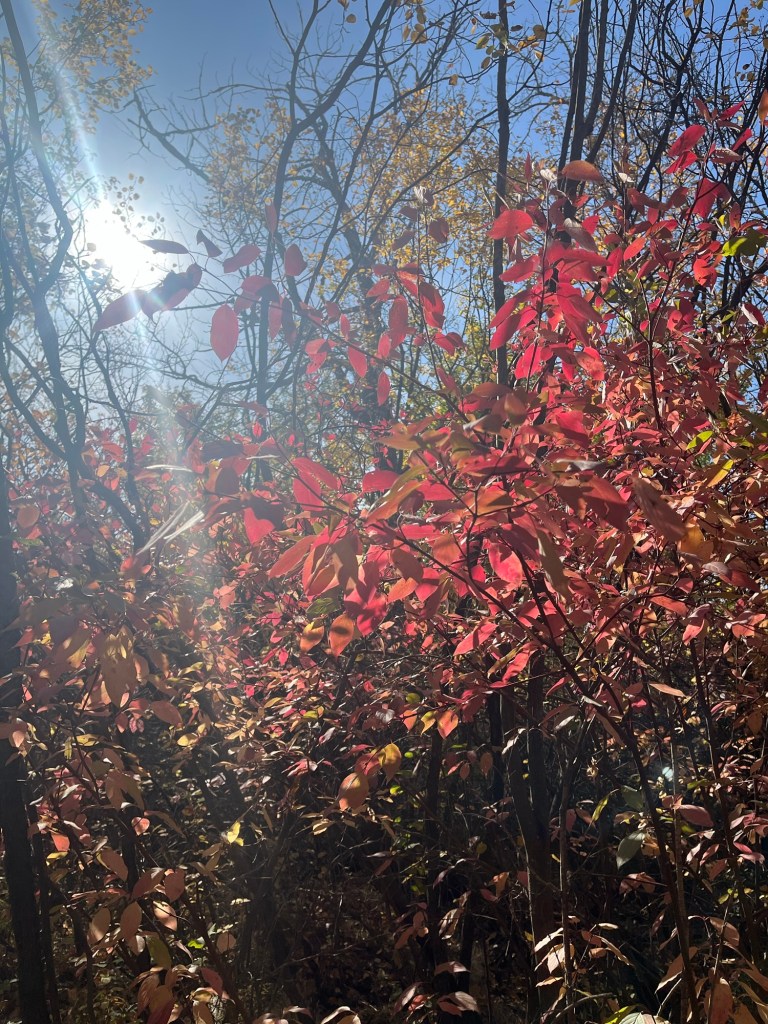
Much like the leaves outside right now, my thoughts have decided they have fulfilled their purpose and are ready to return to the earth.
The problem is that I haven’t said them yet. And suddenly all thoughts are gone. And I still have to appear as though I can converse like a regular adult.
My brain has entered autumn
Autumn is a strange season.
Everything is changing, but nothing is necessarily wrong.
The leaves change colour. The days get shorter. The temperature drops.
Trees stop doing what they did all summer and start conserving their resources.
The whole landscape looks different. And yet we don’t stand in the forest pointing at a poplar tree and say,
“The poor dear.”
We understand that it’s a transition.
A season. A change in the way the tree functions.
I think menopause can be a little like that.
Except nobody warned me that my brain might start dropping leaves. And suddenly be bare naked.
The disappearing conversation
One of my most ridiculous symptoms is what happens when I’m talking to someone.
It doesn’t matter who. A family member. A friend. A complete stranger.
If something catches my attention, even for a split second, I can lose the entire train of thought I was following.
Not the general idea. Not one little detail. The whole train. It has left the station. Immediately derailed. No survivors.
So I’m standing there looking at another human being vacantly and frantically wondering:
What was I talking about?Two seconds ago!
I imagine this does very little for the other person’s confidence in my abilities as a functioning member of society.
That’s fair.
If someone did that to me, I’d probably wonder if I should quietly take their car keys.
Then there was Nemo.
The other day I was telling my mom a story about a friend. In front of this friend.
Except I had ALL of the facts mixed up.
I got basically every piece of information wrong.
This friend, sitting there while I told the story corrected me.
I continued. She corrected me again. I continued. She corrected me again.
Five corrections in three sentences?!?
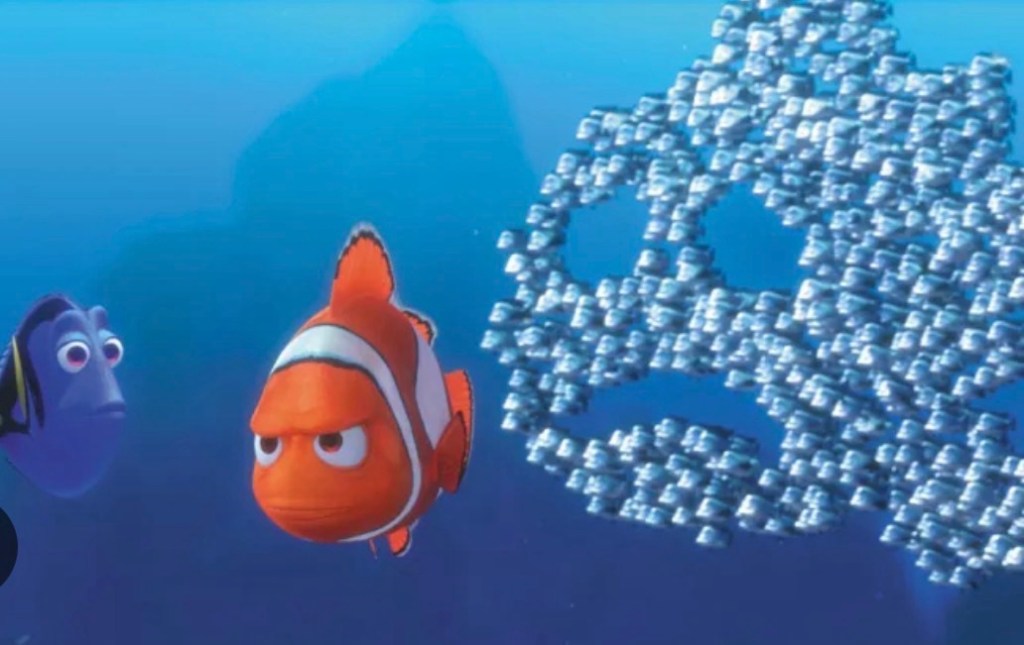
It gave strong Finding Nemo vibes. Remember when Dory is telling a school of fish passing by about Nemo while Marlin repeatedly corrects her?
“His son Fabio” “Nemo” “Nemo. Right.” “His son.” “Nemo.”
It was basically this scene. Except this time I was Dory, my friend was Marlin, and my mom was the poor unsuspecting school of fish.
I was one correction away from jumping in the lake.
There are days when my brain is so foggy from medication, exhaustion, hormones, or some magical combination of all three that I sound less like regular Dory and more like Dory speaking whale.
I think it’s important to laugh.
Because if I don’t laugh, I might start Googling early-onset dementia every time I forget the name of a friend I’ve had for 20 some years.
I’m not broken.
This is the part I wish more women heard. I’m not broken. And neither are you.
We are not pathetic. Ridiculous. Deficient.
Brain fog is a real and common experience during the menopause transition.
The Menopause Society reports that roughly 40–60% of midlife women experience cognitive symptoms, including forgetfulness, difficulty concentrating, distractibility and trouble finding words. These changes can be frightening because they can feel like something really serious is happening.
But the cognitive changes typically associated with the menopause transition should be mild, and dementia at midlife is rare. (The Menopause Society)
That doesn’t mean we’re imagining it. Or that our challenging experience isn’t valid.
And it doesn’t mean we should simply shrug and say, “Oh well. I’m old now.”
No. Our brains are changing.
There can be a loss of confidence that comes with this.
You know you’re capable. You’ve spent decades accumulating knowledge and experience.
You’ve solved problems. Raised children. Built careers. Managed households. Made decisions.
Remembered 47,000 things nobody else even noticed needed remembering. And then suddenly you’re getting an Error 404 message every time you try to access the frontal brain.
Or you’re halfway through a sentence and all suitable words abandon you in an ultimate betrayal of trust.
Or someone is looking at you while you desperately try to retrieve the thought that was just there.
And you start wondering:
Am I losing it?
There is an actual biological reason for this.
Estrogen receptors are widely distributed throughout the brain, including areas involved in memory, mood and other cognitive functions. During perimenopause, estrogen levels can fluctuate considerably before eventually settling at a much lower level after menopause. Research has found changes in brain structure, energy metabolism and blood flow during this transition, particularly in areas involved in memory and executive function. (The Menopause Society)
And then there are all the other things menopause can throw into the mix.
Hot flashes. Night sweats. Poor sleep. Anxiety. Mood changes. Stress. Fatigue. 💀
All of those things can make it harder to concentrate and remember.
So sometimes the problem isn’t that your brain has forgotten how to work.
Sometimes your brain is working while simultaneously dealing with approximately seventeen other things.
No wonder it occasionally says,
“You know what? I’m putting this thought down and walking away.”
But it could work on its timing.
Disclaimer: If something is interfering with your ability to work, function, communicate or enjoy your life, it’s worth talking to a healthcare professional. Especially if the changes are sudden, severe, progressively worsening, or feel very different from your usual brain fog.
The invisible part
I think the hardest part isn’t always the forgetting.
It’s what the forgetting can do to your confidence.
Because women are still expected to function.
We still have jobs. Families. Parents. Grandchildren. Appointments. Bills. Groceries. Passwords.
We have spent decades proving that we’re capable.
Then suddenly we can’t remember the word we have used approximately 900 times in our lives.
And that can mess with your head.
You begin wondering whether other people notice. Whether they think you’re less capable. Whether they’re quietly questioning you. Whether you’re losing something you aren’t going to get back.
That fear is hard. And so is the embarrassment.
Experiencing brain fog does not mean you’ve become less intelligent.
It doesn’t erase everything you’ve learned. It doesn’t erase your competence. It doesn’t erase the person you have spent your entire life becoming.
You are not broken.
You are living through a biological transition that can affect the way your brain functions.
That’s very different.
My experience is a little more complicated than the average menopause story. Perhaps yours is too.
Mine was surgical menopause, so there wasn’t a gradual transition. My ovaries were removed and my body went from producing its usual supply of hormones to suddenly having to figure out life without them.
I also had a bad reaction when I tried hormone replacement therapy, so that isn’t an option for me. Which means some of the symptoms that can be mildly annoying for one woman can feel like they’ve been turned up to eleven for me.
The brain fog, the temperature swings, the sleep disruption, the whole neurological circus can be a lot 😵 . I’m not saying that for sympathy. It’s simply part of the landscape I’m learning to navigate.
And then there’s the fact that I generally look fine.
That’s the slightly ridiculous thing about invisible conditions.
From the outside, I look like a perfectly ordinary woman going about her day. You can’t see the pain, the nervous system overload, the fatigue, the brain fog, or the amount of energy it can take just to appear like a functioning adult.
Add menopause to the mix and there’s even more happening behind the scenes that nobody can see.
Until I overheat.
Then suddenly my body’s commitment to being discreet completely falls apart.
I can go from looking perfectly normal to sweating so profusely that I resemble the co-pilot in the movie Airplane. Ridiculously conspicuous, completely unable to pretend everything is fine. As the sweating and heat achieve new heights people wonder what’s happening. While I am left wondering if anyone has a towel.
It’s almost impressive. If it weren’t so disgusting.
And there is something isolating about looking fine when you don’t feel fine. People naturally respond to what they can see.
If you look healthy, capable and put together, it’s easy for everyone, including yourself, to forget how much work is happening underneath the surface.
So yes, I might look fine. My brain might seem fine. My body might look fine.
And yet sometimes the inside is working through some stuff.
The forest doesn’t panic when the leaves fall
This is one of the reasons I keep coming back to the forest.
The forest is remarkably good at transitions. It doesn’t fight autumn. Or apologize for losing its leaves.
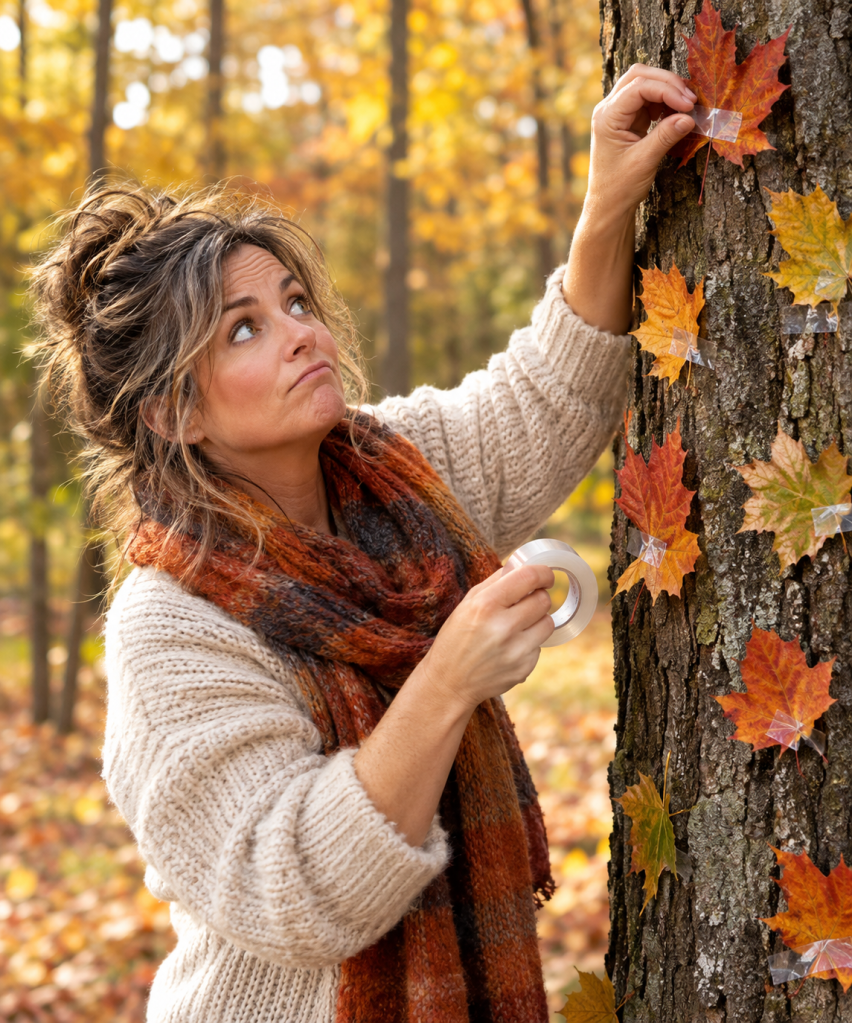
It doesn’t stand there trying to tape them back onto the branches. It lets them go.
And then it changes how it spends its energy.
There is something I need to learn from that. Because when my brain isn’t behaving the way it used to, my first instinct can be to push harder.
Try harder. Remember harder. Concentrate harder. Be more productive. Fix it. Get back to normal.
But I don’t think this season is asking me to get back to normal. I hear it asking me to learn a new normal.
That doesn’t mean accepting every symptom without question.
It doesn’t mean ignoring significant changes or assuming everything is menopause.
New, severe or progressively worsening cognitive symptoms deserve that conversation with a healthcare professional.
Then there’s forest therapy.
***Forest therapy does not replace medical care.***
But i have found it to be an effective tool for managing some of the symptoms that can accompany menopause.
Numinous
(Adj) the feeling that something sacred and mysterious is present in nature.
So what can the forest actually do?
A forest can’t restore my estrogen. It can’t remember Fabio’s name for me. It can’t make a hot flash disappear on command.
And it definitely can’t stop me from walking into a room and immediately forgetting why I’m there.
But it can give my nervous system a break from the constant demand to perform.
Forest bathing research has found short-term reductions in cortisol and other indicators associated with stress (PubMed)
And that matters because stress, poor sleep, anxiety and other menopause symptoms can all pile onto cognitive difficulties.
Sometimes managing the environment around the symptom is useful, even when you can’t eliminate the symptom itself.
The forest gives us an opportunity to slow down.
To pay attention without having to accomplish anything.
To move gently.
To breathe.
To notice.
To let the nervous system come down a notch.
And sometimes that is enough to make the brain feel a little less like the squirrels are running the office. 🐿️ 🥜
Try a seasonal brain reset
The next time your brain feels particularly autumnal, find somewhere outside where you can sit comfortably.
You don’t need a spectacular trail. A backyard will do. A park. A quiet corner under a tree.
Then try something I call Let the Leaves Fall.
Sit somewhere you can see a tree. Don’t try to clear your mind.
That is entirely too much pressure for a brain that currently can’t remember what it was doing three seconds ago.
Instead, notice the tree. Look at the leaves. Find one that is still attached. Find one that has fallen. Notice the movement. The colour. The texture. The spaces between the branches.Then notice your own body.
Where are your shoulders? Your jaw? Your hands? Your feet?
Take a slow breath and feel your feet against the ground.
Then ask yourself:
What am I holding onto that I don’t need to solve right now?
You don’t need an answer. That’s the point. Let the question sit there. Let your thoughts come and go without chasing them.
If a thought disappears, let it. If another one arrives, notice it.
You’re not trying to force your brain back into summer. You’re practicing being present in autumn. And that’s what regulation sometimes looks like.
Not fixing. Not forcing. Not fighting.
Just creating enough safety and quiet that your brain doesn’t have to work quite so hard.
Every season asks something different of us
The forest reminds me that change doesn’t always mean decline.
A tree losing its leaves isn’t dying.
It’s adapting. Resting. Reallocating. Preparing for what’s next.
Maybe we can offer ourselves the same grace. I don’t need to be embarrassed every time I lose a thought. I can simply say,
“Hang on. My brain just sprung a leak.”
And laugh.
I can ask someone to remind me what I was saying without assuming they’ve lost faith in my ability to function.
I can stop measuring this version of myself against the woman I was before my hormones decided to rearrange the furniture.
And maybe, when my brain won’t brain, I can remember:
I’m not broken.
I’m in a season of change. The leaves are falling. The landscape looks different.
Some things are harder. Some things may need more rest. Some things may need more support.
And some things might surprise me by growing in ways I couldn’t see coming.
I don’t have to love every part of the season. But I can learn to live in it.
And maybe, every once in a while, I can go sit beneath a tree and let the forest remind me that changing doesn’t mean failing.
It just means the season changed. And so did my memory.
There is a specific genre of complaining that I have become suspicious of. 🕵️♀️
Not the legitimate kind.
Not the “I have been awake since 3:17 a.m. because my nervous system is holding a fire drill” kind.
Not the “Why does getting showered and dressed feel like an Olympic event?” kind.
And definitely not the “Who designed this world without considering people who have pain?” kind.
Some things are a genuine bummer.
Chronic pain is hard. Fatigue is hard. Having a body that doesn’t always cooperate is hard. Watching other people casually do things that require me to carefully plan and then recover, can be hard.
My body doesn’t always recognize my authority. There’s a department. A committee. Tons of red tape. It’s a whole thing.
I am not talking about pretending those things aren’t hard.
I’m talking about what happens when complaining slowly becomes the neighbourhood we live in. And we didn’t even know we moved!
Because sometimes I wonder if complaining is one of the ways we get duped by the lies of this world.
Sneaky lies.
The kind that slip in wearing sensible shoes.
E.g.
Busy means productive
More is always better
Everyone else has it better than me
Your worth is measured by what you accomplish or have
You should be able to do it all
Other people should behave the way I think they should
Some lies show up more in certain arenas. In the arena of chronic pain I have narrowed down to two societal lies that are at the top of my list.
The first lie of chronic pain sufferers: Life is supposed to be easier than this.
Somewhere along the way, I absorbed the idea that if I worked hard enough, made good choices, took care of myself, tried to be positive and generally behaved like a reasonably responsible adult, life would eventually cooperate.
🤭 Cute.
I have since learned that life comes with considerably more fine print.
And chronic pain has a particularly efficient way of magnifying those terms and conditions 🔎 .
You can eat well. You can exercise within your abilities. You can rest. You can take your medication. You can go to appointments.
You can stretch and strengthen and meditate and breathe and try every reasonable suggestion known to humanity.
And then Tuesday morning shows up, completely ignoring the fact that I had a lovely little breakthrough on Monday. My body still hurts. The dust is still judging me from across the room. The laundry has continued breeding. Nothing has been resolved, healed, folded, or otherwise put right.
That doesn’t mean you failed.
It means you’re human.
The second lie of chronic pain sufferers: If I can’t have the life I wanted, I can’t have a good life.
This one is considerably more dangerous.
Because chronic pain can shrink our world.
First we stop doing something because it hurts.
Then we stop doing something because we’re afraid it will make things hurt worse.
Then we stop making plans because we don’t know how we’ll feel and we are tired of cancelling.
Then we start thinking about everything we’ve lost.
And eventually our attention becomes almost completely occupied by what isn’t possible.
The thing is, nothing has to be invented. The losses are real.
But the brain can take a real loss and turn it into a much larger story.
I can’t live like I used to becomes:
I can’t do anything.
I’m having a terrible pain day becomes:
I’m always in unmanageable pain.
I can’t make plans reliably becomes:
My life is completely out of my control.
That’s where I think complaining can become a trap.
We’re no longer simply describing our circumstances.
We’re rehearsing them.
Over and over.
And our brains are remarkably good at getting better at whatever we repeatedly practice.
But here’s where I need to be careful.
Because there is another lie that can sneak into this conversation.
“If people are tired of hearing about my pain, I should just tuck that thought back in the vault where it belongs.”
No.
Absolutely not.
I have chronic pain.
This is not a part-time hobby.
If something hurts every single day, pretending it doesn’t hurt so that everyone around me can have a more comfortable afternoon isn’t healthy either.
Sometimes I need to say:
“Today really hurts.”
Sometimes I need somebody to know that I’m struggling.
Sometimes I need to be able to say, “This is really hard, especially today,” without having to immediately follow it with something inspirational so nobody gets uncomfortable.
I don’t need a motivational quote.
I need a witness.
And sometimes the person we need to hear us is the person who is tired of hearing it.
This is one of the hardest parts of chronic pain.
Because pain doesn’t take weekends or holidays off.
It doesn’t understand that those closest to you have already heard about it yesterday. And the day before that. And the day before that. For what seems infinity.
It doesn’t care that your family has had a long day.
It doesn’t politely wait until everyone is emotionally available.
And the person who loves you may eventually reach a point where they think:
I know you’re hurting. I know. But I don’t know what else to say.
And sometimes that comes out as:
“That sucks.”
Then they go back to whatever they were doing.
Ouch 😣
Because when you’re hurting badly enough to finally say something, “That sucks” can land less like validation and more like:
Please stop talking about this 🙄 .
But there is another possibility.
Maybe they’re not saying:
Your pain doesn’t matter.
Maybe they’re saying:
I don’t know how to fix something I can’t fix 🔧.
Maybe they’re exhausted too.
Maybe they have heard about your pain so often that they have become emotionally numb. Not because they don’t love you, but because human beings aren’t particularly good at repeatedly witnessing something they can’t make better.
And here’s an inconvenient truth:
Both people can be hurting.
The person with chronic pain can need to be heard.
And the person who loves them can need a break from pain being the centre of the room.
Those two things can be true at the same time.
So how do we complain in a healthy way?
Maybe the answer isn’t don’t complain.
Maybe it’s learn how to communicate the need underneath the complaint.
Because sometimes what I’m really asking isn’t:
“Would you like to hear the latest installment of Everything That Hurts?”
Sometimes I’m asking:
“Can you please just acknowledge that this is hard?”
That’s a different request.
Instead of:
“Everything hurts today. My back is killing me, my hips are aching, I barely slept, my hands hurt, and I don’t know how I’m supposed to get anything done…”
I might try:
“I’m having a really bad pain day. I don’t need you to fix it. I just need you to hear me for a minute.”
Or:
“Can I have two minutes to complain without you trying to solve it?”
Or even:
“I need a little reassurance right now. Can you tell me you understand that this is hard?”
That gives the other person a job they can actually do.
They don’t have to cure chronic pain.
They don’t even have to have the perfect response.
They just have to be present.
And I think we can give them permission to tell us when their tank is empty.
This one is tricky.
Because if someone says, “I can’t listen to this right now,” it can feel devastating.
Especially when you already feel like your pain is an inconvenience.
But perhaps we can build a different language around it.
“I love you. I believe you. I just don’t have the capacity to talk about pain right now. Can we come back to this later?”
(Hold them to talking about it later, or they are just avoiding the issue)
That is very different from:
“I’m sick of hearing you complain.”
One establishes a boundary.
The other makes the person feel like the problem.
And research on chronic pain couples backs up the importance of this distinction. Validation communicates that the person’s experience is real and understood, while invalidation can interfere with emotional and pain regulation. At the same time, studies also suggest that very frequent pain-related disclosure can wear down supportive responses. (PubMed)
So perhaps healthy communication lives somewhere in the middle.
Tell the truth.
Don’t catastrophize the truth.
Ask for what you actually need.
Give the other person permission to have limits.
And don’t make one person your entire emotional support system.
Because that’s a lot to ask of one human being.
Even if that human being is married to you.
Your brain is listening to you.
Our brains don’t simply receive information from our bodies like a receptionist taking messages.
They’re constantly interpreting what is happening.
Attention, emotion, memory, expectation and perceived threat can all influence the experience of pain.
Chronic pain isn’t simply a matter of damaged tissue sending an identical pain signal over and over again. The nervous system can become sensitized and change the way sensations are processed.
And repetitive negative thinking (ruminating about pain, what it means, what might happen, how unfair it is) can add another layer of distress.
In very simple terms:
What we repeatedly pay attention to gets easier for the brain to notice.
That does NOT mean chronic pain is imaginary.
It does NOT mean positive thinking cures illness.
And it absolutely does NOT mean that if you’re still hurting, you just aren’t trying hard enough.
Puh-lease. ✋
I have enough on my plate without wondering whether I’m handling my suffering correctly.
But it does mean there may be a difference between:
“This hurts.”
and
“This hurts, this always happens, this is never going to change, I can’t do anything, my life is terrible, nobody understands, and why does everyone else get to have a normal body?”
The first is information.
The second is a story.
And stories can either help us carry reality or make reality heavier.
Validation isn’t the same thing as agreement.
This is an important distinction.
If I say:
“I’m scared this pain will never get better.”
You don’t have to get in the pit with me and say:
“Yes. The dumpster fires persist but so do we.”
You can say:
“I can understand why you’re scared. You’ve been dealing with this for a long time.”
That’s validation.
You’re not agreeing with the prediction. You are not forecasting something different.
You’re acknowledging the experience.
Researchers studying chronic pain couples have found that empathic and validating responses are generally associated with better emotional and relationship outcomes, while invalidating responses tend to be associated with worse outcomes. A 2025 systematic review of chronic pain couples reached a similar overall conclusion. ((PMC)PubMed Central)
And interestingly, even brief training in validation has been shown to improve validating responses from spouses and reduce negative affect in partners living with chronic pain. (PubMed)
Which means perhaps we don’t need our loved ones to become pain experts.
Maybe we just need to teach each other a few life-saving sentences.
🛟 “I believe you.”
🛟 “That sounds really hard.”
🛟 “I’m sorry you’re hurting.”
🛟 “Do you want me to listen, help, or give you some space?”
Sometimes I need help.
Sometimes I need someone to sit beside me while I have spectacular pity party.
And sometimes I need everyone to leave me alone.
Which brings me to the forest.
The forest is a third party in the conversation.
One of the reasons I love forest therapy is that it gives me somewhere else to take my pain.
Not to hide it. Not to deny it. Just to put it down for a little while.
The forest doesn’t say:
“Again with the pain?”
It doesn’t say:
“You’ve already told me this.”
It doesn’t say:
“That sucks.”
It simply gives me something else to notice.
The sound of wind moving through branches.
The texture of bark.
Birdsong.
The smell of damp earth.
Bosky
Covered with bushes, shrubs, and small trees, or having a woody and shady appearance. (Dictionary.com)
Light moving through leaves.
My feet touching the ground.
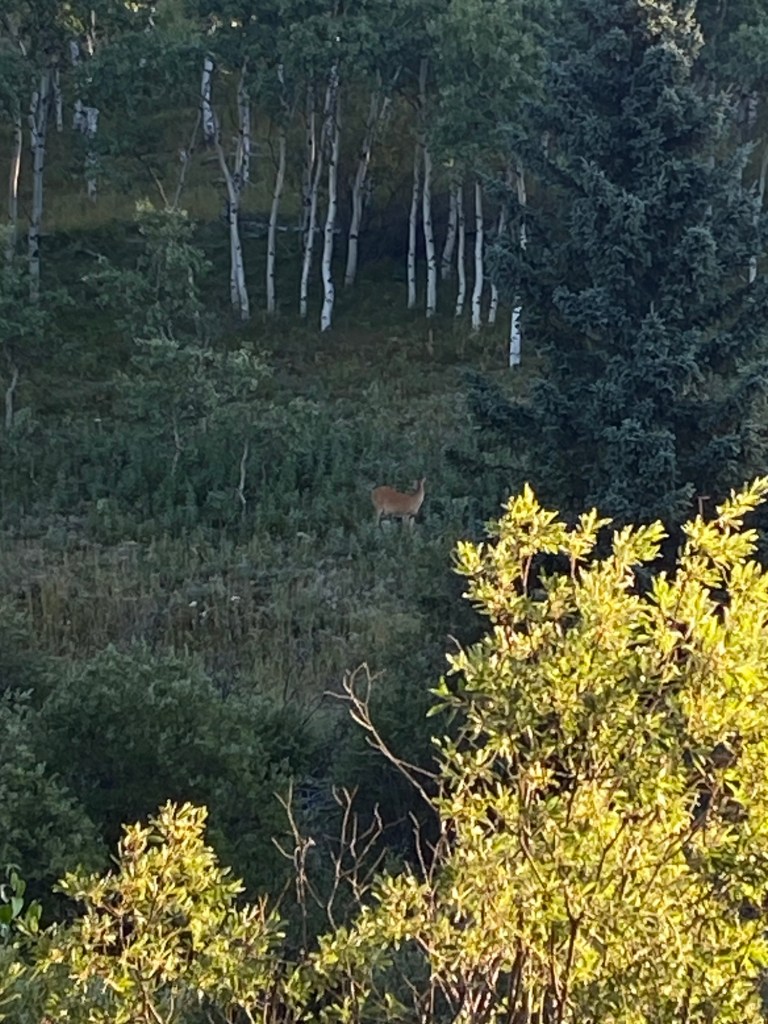
My breath silent as I watch the deer across the ravine and she watches me.
And suddenly my attention isn’t completely occupied with the running commentary in my head.
Nature exposure has been associated with reduced stress, and research on forest therapy has found changes in measures such as cortisol, heart rate and parasympathetic activity.
The evidence isn’t perfect, and the forest isn’t a cure for chronic pain. But it can offer the nervous system a different kind of input. Slower, safer, less demanding.
Sometimes that is enough to interrupt the loop.
Try this the next time you catch yourself complaining.
Don’t shame yourself.
That’s just complaining about your complaining. You’ve now created a sequel nobody asked for 🤦♀️.
Instead, pause.
Ask:
What am I actually needing right now?
Am I needing to be heard? practical help? reassurance? rest? Am I feeling lonely? frightened? angry?
Am I simply needing someone to say:
“That really sucks.”
Because sometimes that is enough.
Then ask yourself:
Who is the right person to give me that support right now?
Maybe it’s your spouse.
Maybe it’s a friend who understands.
Maybe it’s a support group.
Maybe it’s a therapist.
Maybe it’s a journal.
Maybe it’s the forest.
And maybe sometimes it’s you.
I’m not trying to become a person who never complains.
Frankly, that sounds exhausting.
I still complain.
But I’m trying to notice when complaining stops being a way of expressing something and starts becoming a way of seeing everything.
And I’m also trying to remember that needing to talk about my pain doesn’t make me a burden.
I can tell the truth about what hurts. I can ask to be seen. I can let someone say, “I love you, but I don’t have the capacity for this conversation right now.”
I can find more than one place to put my pain.
And I can learn the difference between telling the truth and allowing the pain to tell me the story of my entire life.
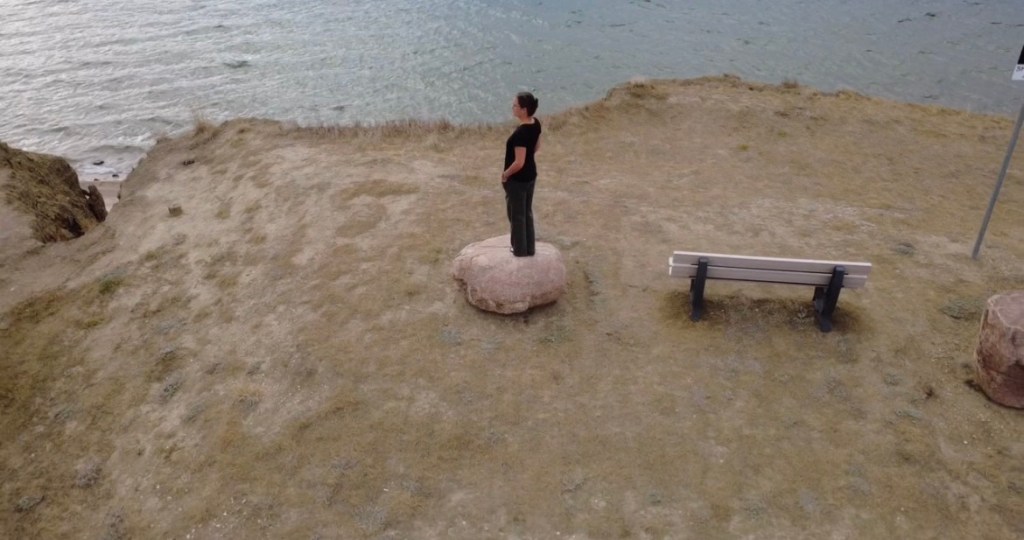
So many views from one sit spot. Depending on where I point the lens.
Because maybe that’s one of the great tricks of this life:
The lie isn’t always that our circumstances aren’t difficult.
Sometimes the lie is that our circumstances are all there is.
Pain is part of my life. It isn’t the whole of it.
Fatigue is part of my life. It isn’t the whole of it.
The things I can’t do are part of my life. They aren’t the whole of it.
And when I walk into the forest, I get reminded of something my occasional complaining brain conveniently forgets:
There is still a world happening outside my symptoms.
There is still beauty. There is still laughter. There are still surprises.
Maybe I don’t have to fight my life into becoming the one I thought I was promised.
Maybe I can stop complaining about the moment long enough to find a life well-lived.
I hear the word retreat and my brain starts packing a bag.
Preferably for somewhere with trees, a mountain, a few trails and nobody asking me what’s for dinner.
A retreat sounds lovely.
It also sounds like something that requires time, money, planning, a reservation, and quite possibly a whole new wardrobe.
But what if retreat doesn’t have to be a big event?
What if it can be ten minutes? A half hour? Or an afternoon?
What if you don’t have to go anywhere?
I’ve been reading Caroline Sylge’s How to Retreat, and I love the idea that retreat can be much more accessible than we tend to make it. A retreat can be a deliberate step away from the noise of ordinary life, and it can look very different depending on what you need.
Which got me thinking about a question I probably need to ask myself more often:
What does my soul need today?
Not what does my calendar say? Not what am I behind on? Not what would make me feel impressively productive?
What does my soul need today?
And sometimes the answer is surprisingly simple.
Āloka
Sanskrit and Pali. Meaning light, brightness, vision or enlightenment. When something inside you finally becomes clear.
Yesterday, apparently, my soul needed to get rained on.
I woke up thinking I should go to the gym.
That meant walking there, working out, and walking home again.
Then I looked outside. It was cloudy and raining.
My immediate response was something along the lines of, Excellent. Perhaps I shall simply allow these blankets to absorb me.
But eventually I got myself moving. Rain gear on. Out the door.
Only a few minutes from home, I noticed something. I was enjoying the rain. I could feel it on my hands. I could hear it hitting my hood. The air smelled different. The whole world seemed quieter.
By the time I reached the gym, I was more than ready to move.
I hadn’t needed to convince myself. I just needed to get outside long enough for my nervous system to catch up with the plan.
Sometimes we don’t need a retreat just a walk in the rain on the way to the gym. And sometimes we need the gym.
That’s the tricky thing about asking what your soul needs.
The answer isn’t always rest.
Sometimes it is movement. Adventure. Solitude. People. A nap. Fresh air.
The micro-retreat
I think this is where the idea of a micro-retreat joins well with the idea of forest therapy.
We have somehow managed to turn rest into another achievement.
Apparently we need the perfect location, the perfect playlist, the perfect journal, the perfect candle and three uninterrupted hours to properly relax.
I would like to formally announce this is unnecessary protocol.
Your retreat can be tiny. You could put a plant on your desk. Turn on a little water feature. Put your phone somewhere you can’t see it.
Sit there for ten minutes. Listen. Look. Breathe.
That’s it!
You have not travelled anywhere. Your bank balance remains unchanged. No achieved enlightenment. But you stepped outside the usual stream of demands.
That counts.
And tomorrow, your retreat might look completely different.
Maybe you need to sit in a cozy chair and read. Or wander for thirty minutes through a park while the leaves are turning. Perhaps you have enough energy for a three-hour mindful walk through the forest. Or just enough energy to sit on a bench and watch water move.
All valid needs.
Forest therapy makes room for all of this
One of the things I love about forest therapy is that there isn’t a mileage requirement.
Nobody hands you a medal at the end because you managed to walk seven kilometres while being mindful.
You don’t have to conquer the forest. You don’t even have to walk very far.
The forest isn’t a treadmill with better scenery. It’s an invitation to slow down and notice.
And the beautiful thing is that you can scale that invitation to whatever your life (and your body) can manage.
Nature can be a forest. It can also be a tree outside your door. A houseplant. A garden. Rain on your hood. The sound of a creek. Ten minutes watching birds. A patch of grass.
There is some pretty fascinating neuroscience behind this.
We don’t have to make nature complicated. Sometimes we just need to stop long enough to realize it is there.
Your brain might thank you
Our brains spend a tremendous amount of time directing attention, filtering distractions, making decisions and responding to demands.
Nature seems to give that hard-working attention system a bit of a vacation.
Researchers call one part of this soft fascination.
Instead of forcing yourself to concentrate on something, your attention gets gently captured by things like moving leaves, clouds, birds, water or sunlight.
You aren’t doing nothing. Your brain just isn’t working quite so hard at doing everything.
A 2025 systematic review and meta-analysis found that nature exposure was, on average, more cognitively restorative than non-nature exposure, particularly for working memory and attentional control. Interestingly, around 30 minutes appeared to be a particularly useful window in the studies they examined.
And a 2026 review looking across 108 neuroimaging studies found evidence of changes in brain networks involved in stress, attention and self-referential processing following exposure to natural environments.
Now, before we all start dumping our meds out the window, putting a houseplant beside our bed and declaring ourselves neurologically healed, a little caution is appropriate.
This is promising research, though not a magic prescription.
Studies differ in their methods, environments and participants, and researchers are still figuring out exactly what kinds of nature experiences work best, for whom, and for how long.
But the evidence is increasingly pointing in an interesting direction:
Getting away from the constant demands on our attention may actually give our brains some room to recover.
And I will happily take more reasons to go sit in the sun.
What if creativity is the point?
Unused creativity is not benign. It metastasizes. It turns into grief, rage, judgment, sorrow, shame.
-Brene Brown
This is another part of Sylge’s thinking that really caught my attention.
Creativity can be part of the retreat.
But it can also be what comes out of the retreat.
Sometimes you retreat because you need to write.
Other times you finally get quiet enough for the idea you’ve been carrying around in your head to come knocking.
Maybe you take photographs or write or sketch or paint.
Maybe you start noticing colours, shapes, textures and tiny details you normally walk straight past.
You don’t have to be an artist. You don’t have to produce anything profound.
Take a picture of a leaf because you like the way it looks. Write three sentences. Draw a tree that looks like a potato. It’s okay! The potato tree has value.
The point isn’t necessarily to create something impressive.
The creative act may simply be another way of paying attention.
And sometimes, when we stop trying so hard, something unexpectedly creative finds its way through.
My Micro-Retreat Menu
So, if you are wondering what retreat might look like today, here are a few possibilities.
🌱 5 minutes: Find one living thing. Look at it properly. Notice something you’ve never noticed before.
💧 10 minutes: Sit beside water. Real water is excellent. Tiny tabletop water feature? Also acceptable.
📖 20 minutes: Make yourself a cozy space and read. No multitasking. No “I’ll just check one thing.”
🍂 30 minutes: Take a slow seasonal wander. Notice what has changed.
📷 45 minutes: Take your camera and photograph whatever catches your attention. No theme required.
🌲 2–3 hours: Go into the forest. Walk slowly. Sit down. Listen. Notice. Journal. Rest. Let the experience unfold instead of trying to accomplish it.
And then there is:
🛋️ The “my body has voted” retreat: Stay home. Make tea. Read. Listen to rain. Look out the window. Rest without turning it into a failure.
Because sometimes the most mindful thing you can do is listen when your body says no.
Aging is when your brain says, “We ride at dawn.” And your body says, “We absolutely do not.
Retreat so you have something to give
There is another aspect of this that I think gets overlooked.
We don’t retreat only so we can feel better. Sometimes we retreat so we can return. Because when we’re depleted, we don’t have much left to offer anyone.
Our patience gets shorter. Our creativity dries up. Everything feels like one more demand.
And sometimes we need to step away. Not because we don’t love people, but because we do.
I’ve written about this before in A Grid of Love and Light, because I believe our light is meant to reach beyond ourselves.
But we can’t shine indefinitely on an empty tank. Sometimes we need to step back and replenish. Not so we can become more productive. So that we can return with a little more presence.
A little more patience. Creativity. Light.
So ask the question
Before you automatically do what you always do, stop for a moment.
Put down the phone. Look out the window. Take a breath. And ask yourself:
What does my soul need today?
Maybe it needs a forest. Or rain. Perhaps a workout. Or a book. Maybe it needs creativity. Or a friend. Maybe solitude. Or ten quiet minutes beside a plant.
Maybe it needs to crawl back under the covers and put out a Do Not Disturb sign for the world.
The answer doesn’t have to be the same tomorrow.
That’s the beauty of it.
A retreat doesn’t have to be a place. It can be a response.
A response to what your body needs. What your mind needs. What your soul needs.
And perhaps the goal isn’t to retreat far enough away that we become someone else. Perhaps it is simply to step out of the noise long enough to remember who we already are.
You don’t have to escape your entire life. You can simply step out of it for a little while.
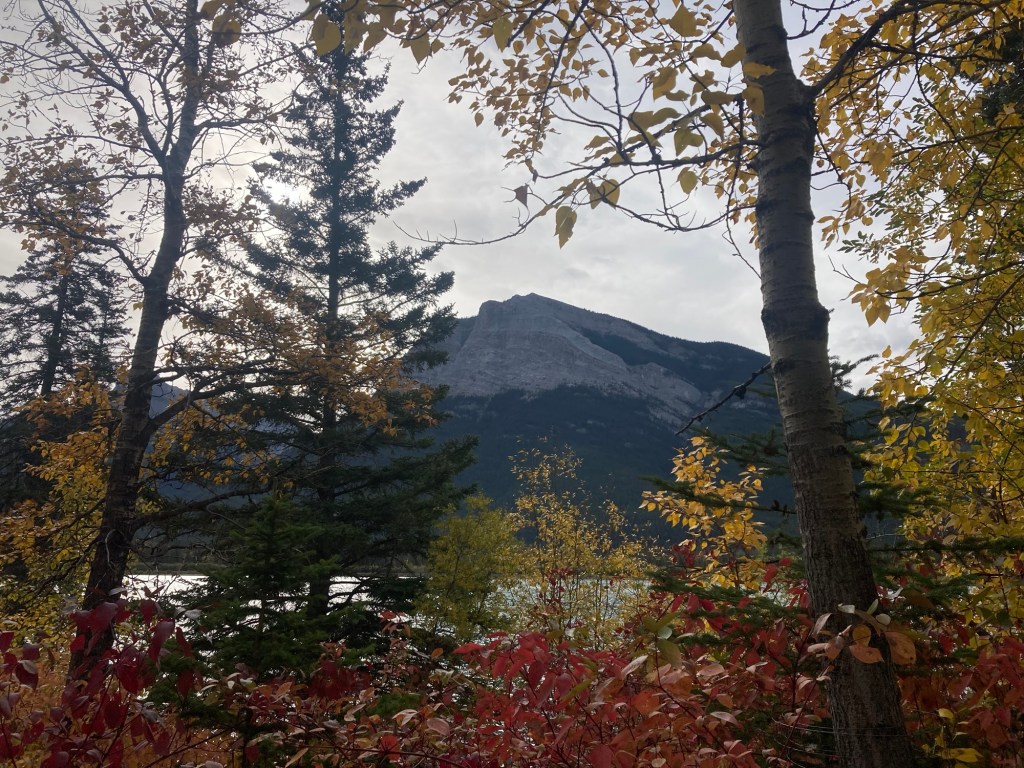
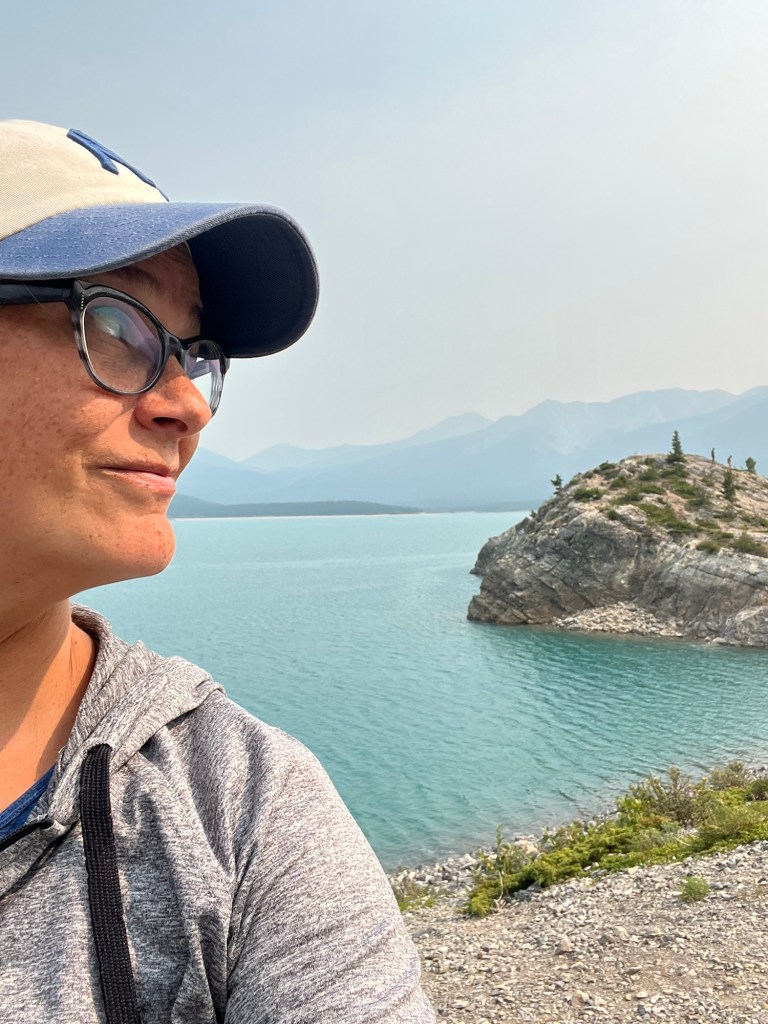
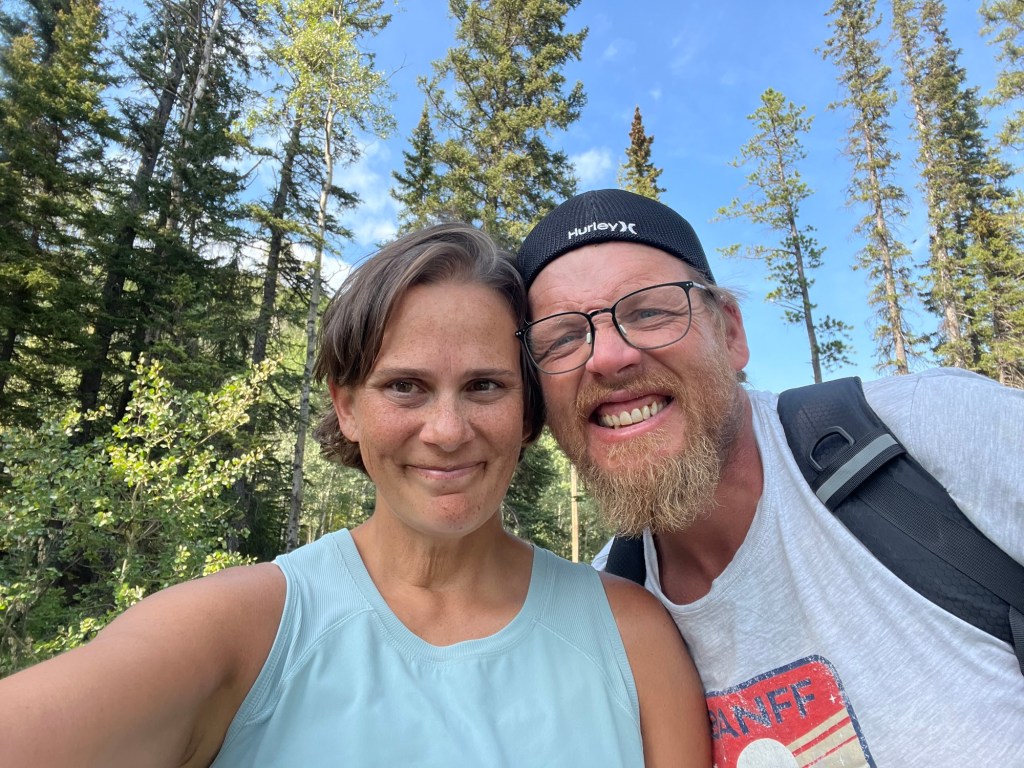
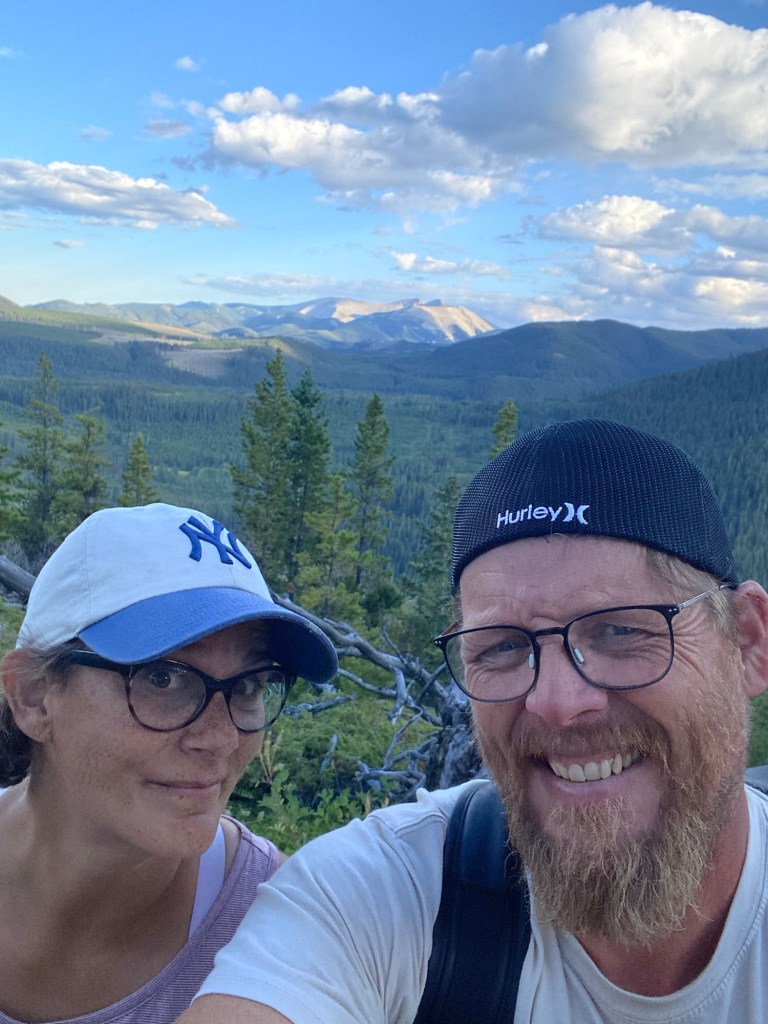
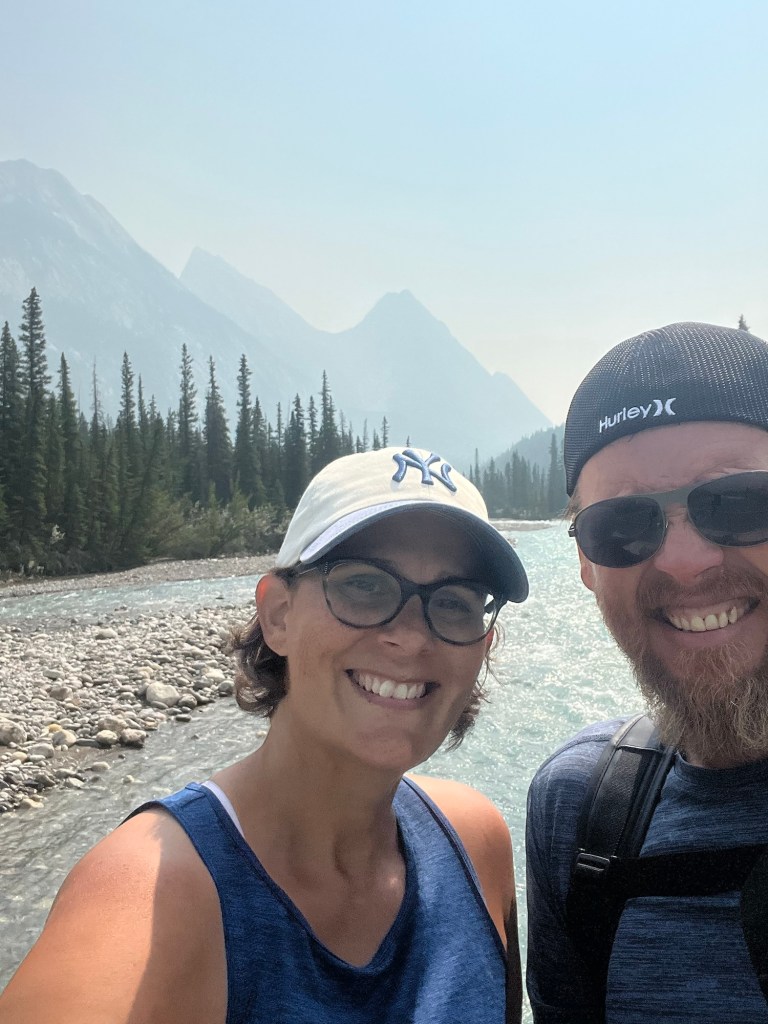
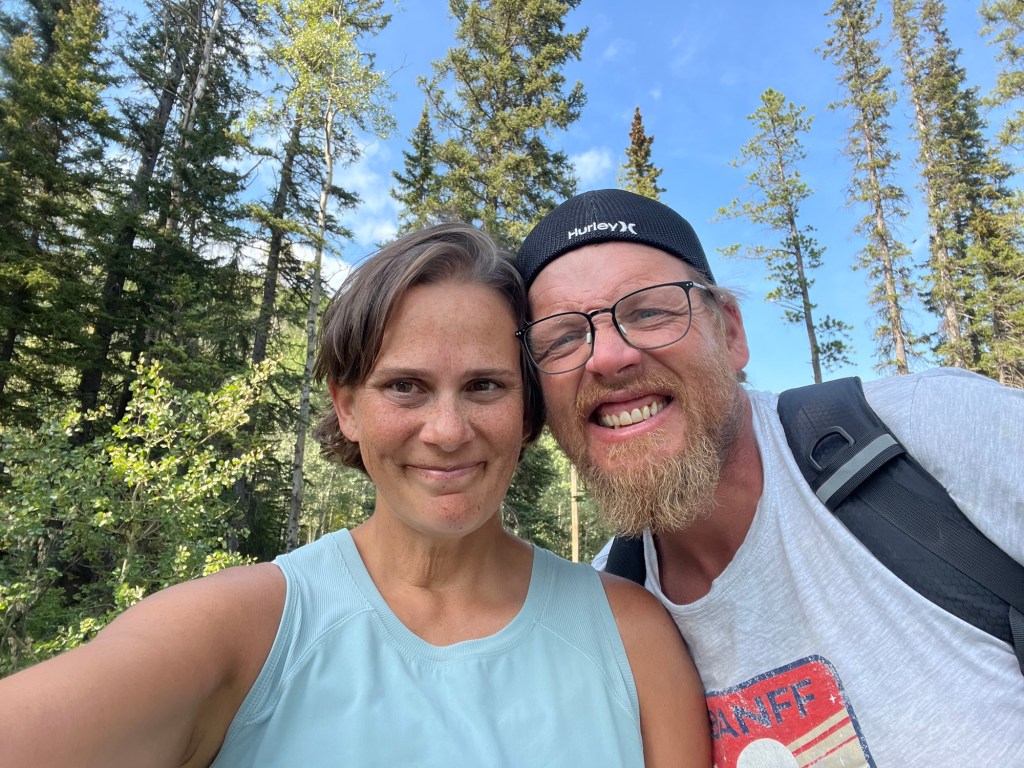
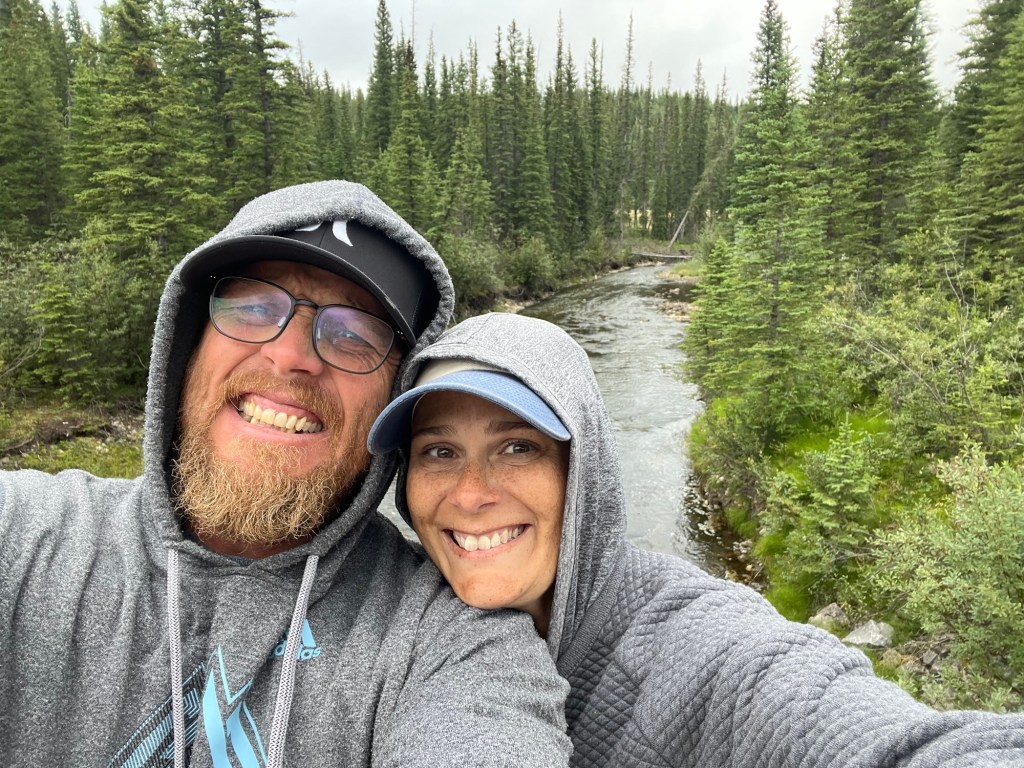
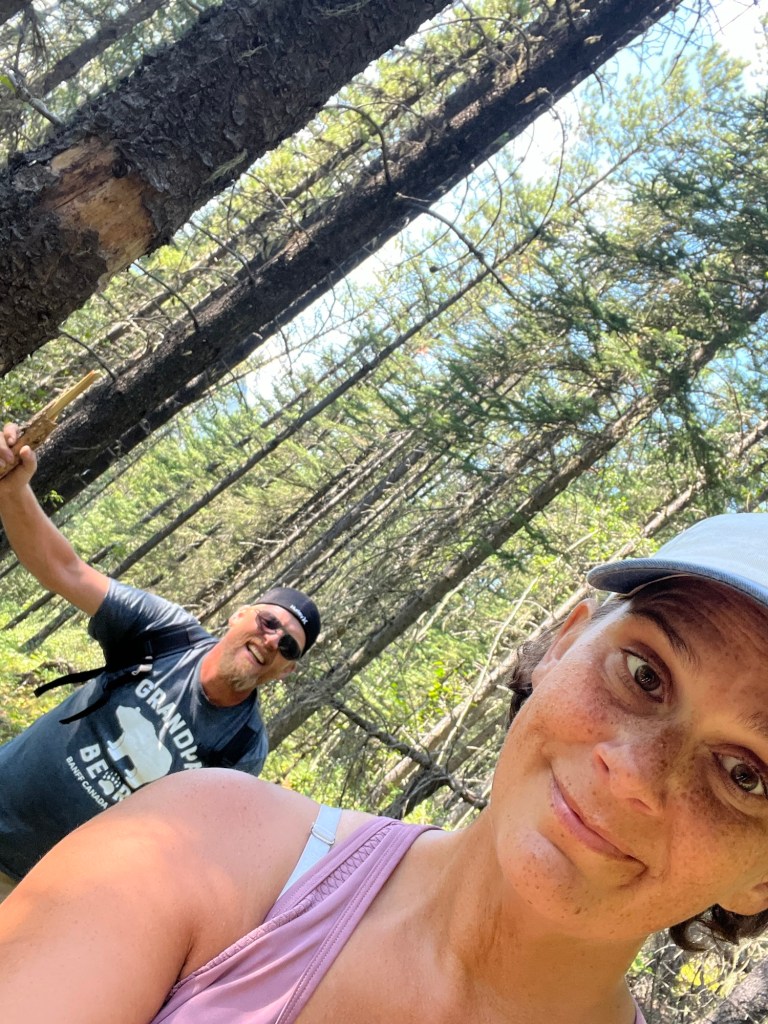
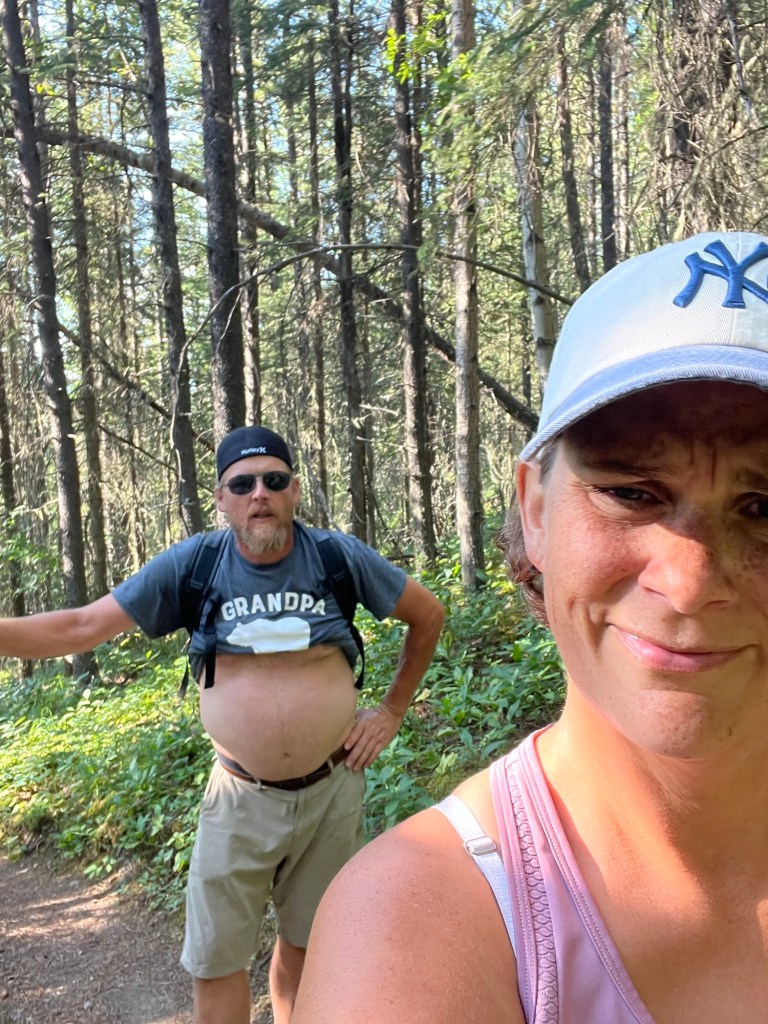
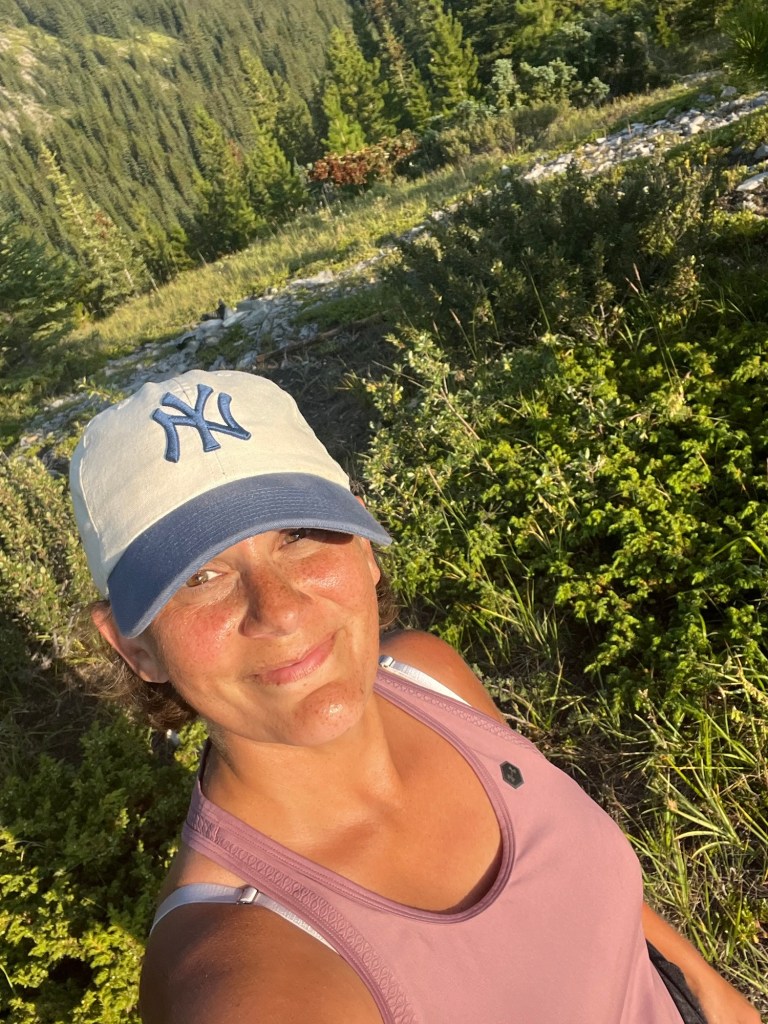
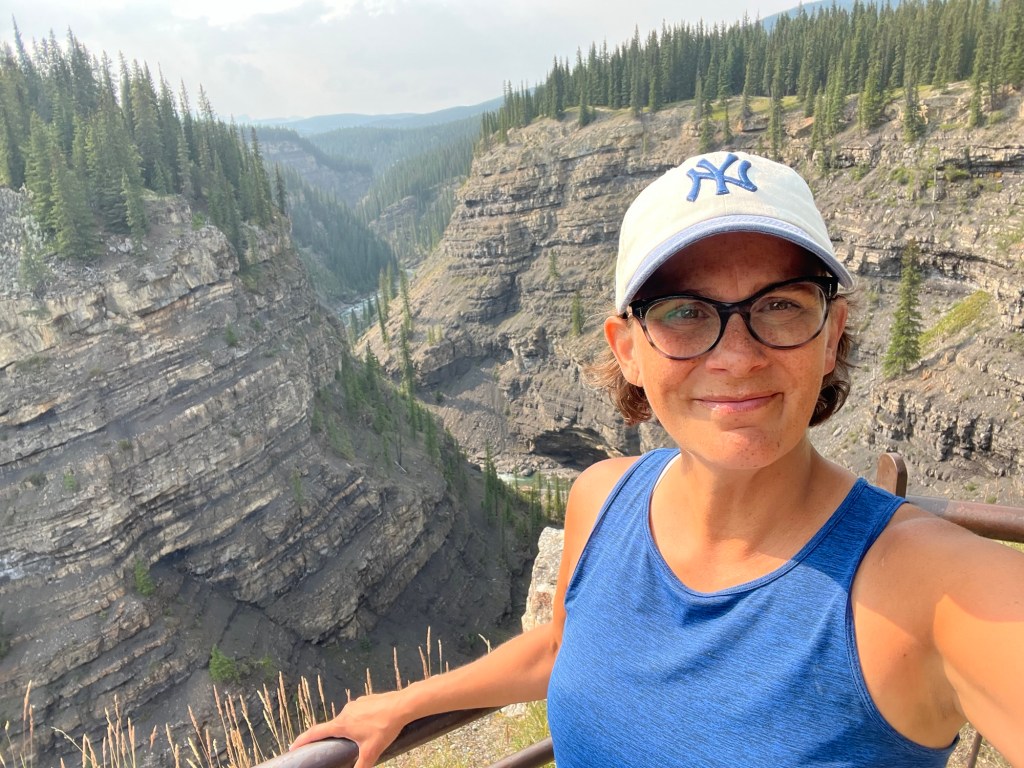
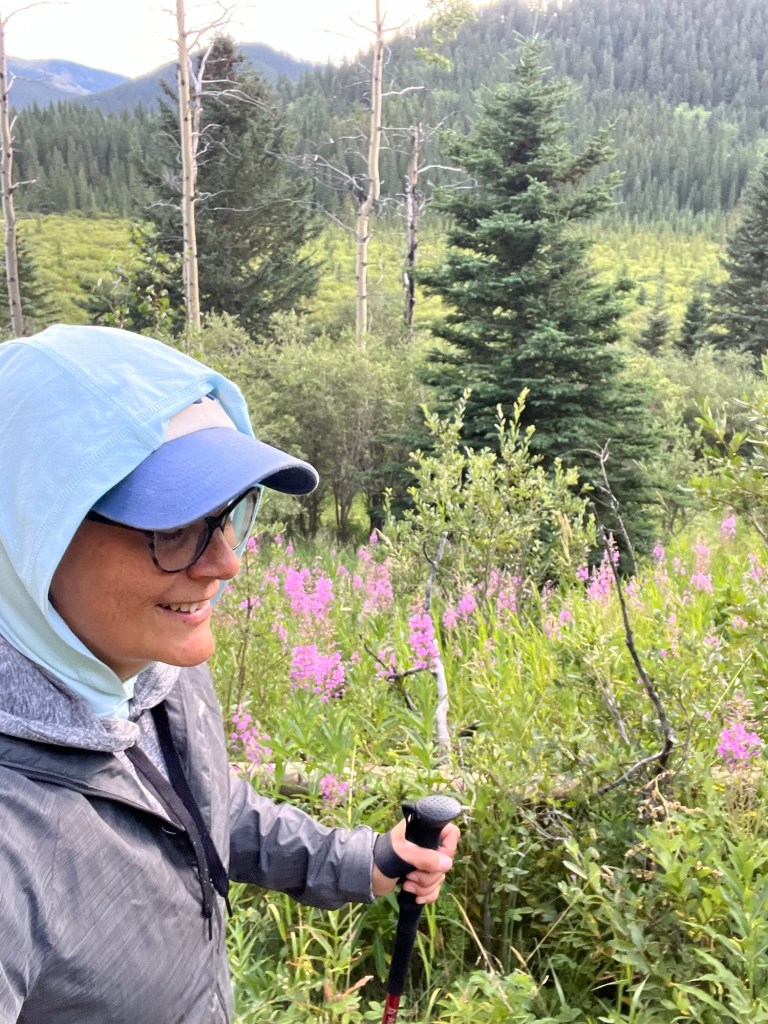
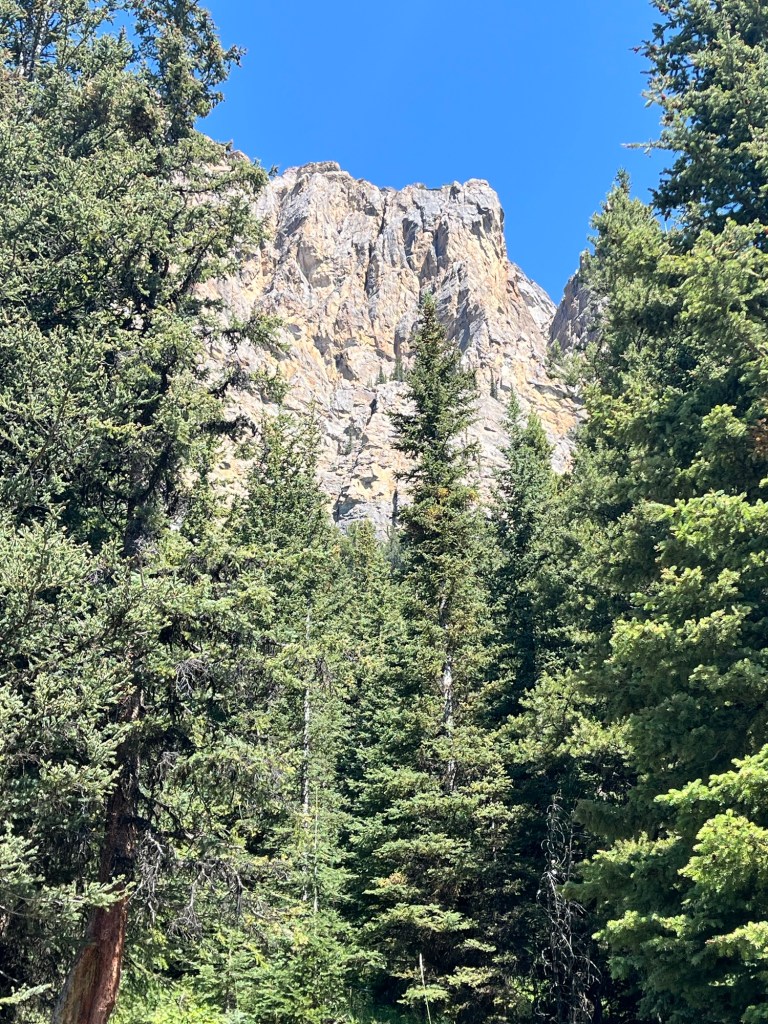
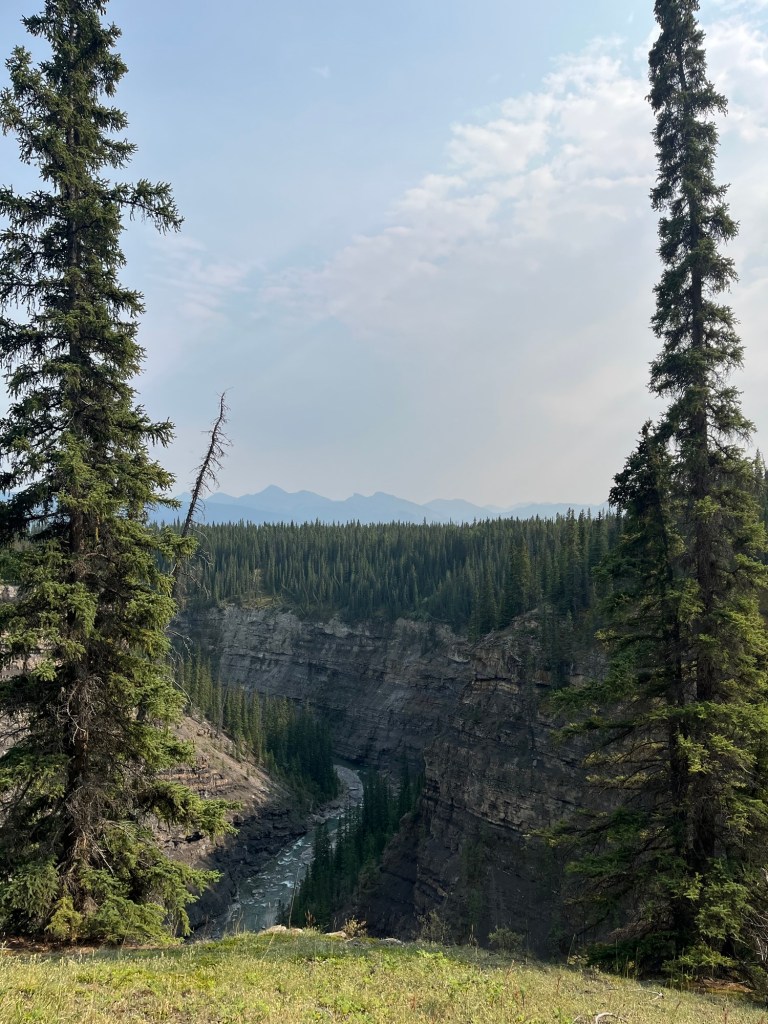
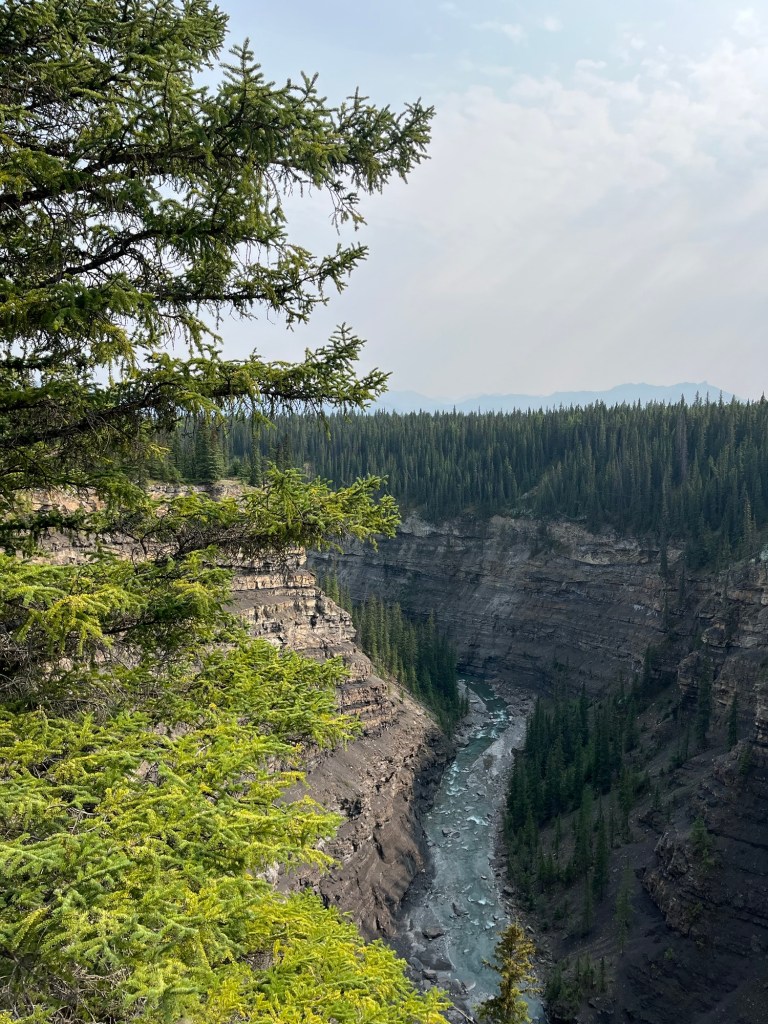
I’ve been to the mountains. I found towering trees, rushing water and the best campsite ever!
And I learned a few lessons along the way.
1)We don’t always know what the path will look like when we start. But trails can be both beautiful and hard.
Brent and I hiked a lot over the last week. Most of the trails started with barely an incline and on clearly marked, wide paths. Zero of them stayed that way. All of them led to exceptional views well worth the effort.
2)Nature can catch our attention with beautiful things when we don’t have energy for anything else.
On a hike I often get to the point when I’m not sure how much more I can do. I’m tired. My legs hurt. I’m sweating profusely and feeling gross. Then nature catches my eye and my focus shifts.
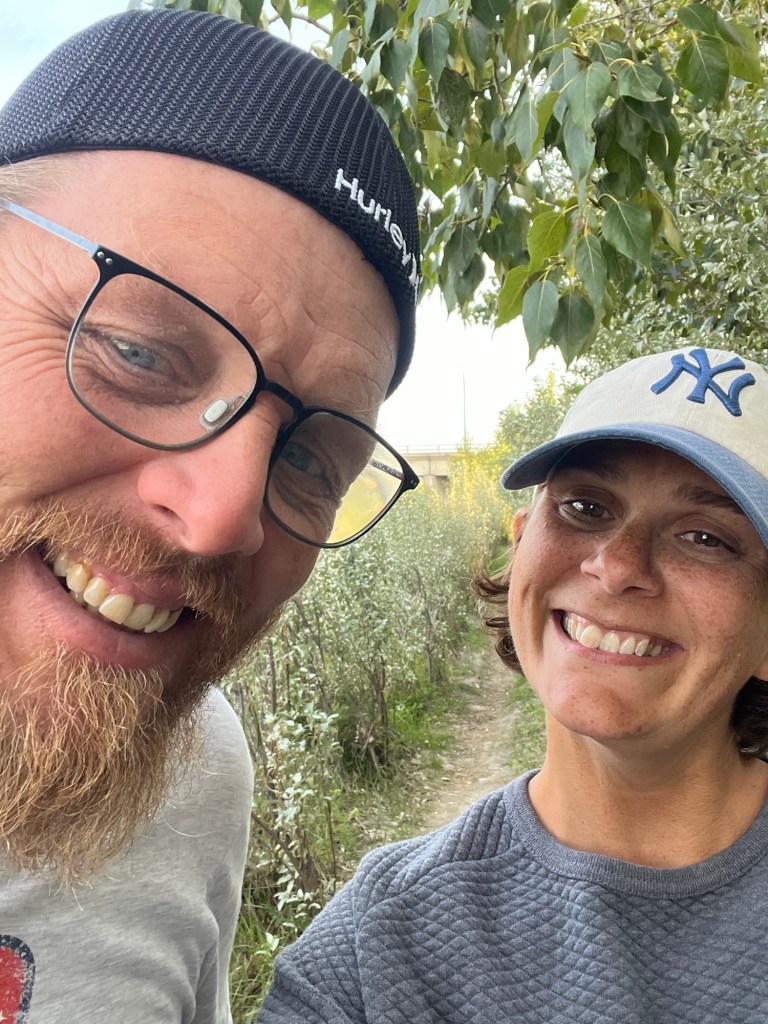
3)Who you choose to share the trail with is a serious decision. Choose those who lift you up and make you smile.
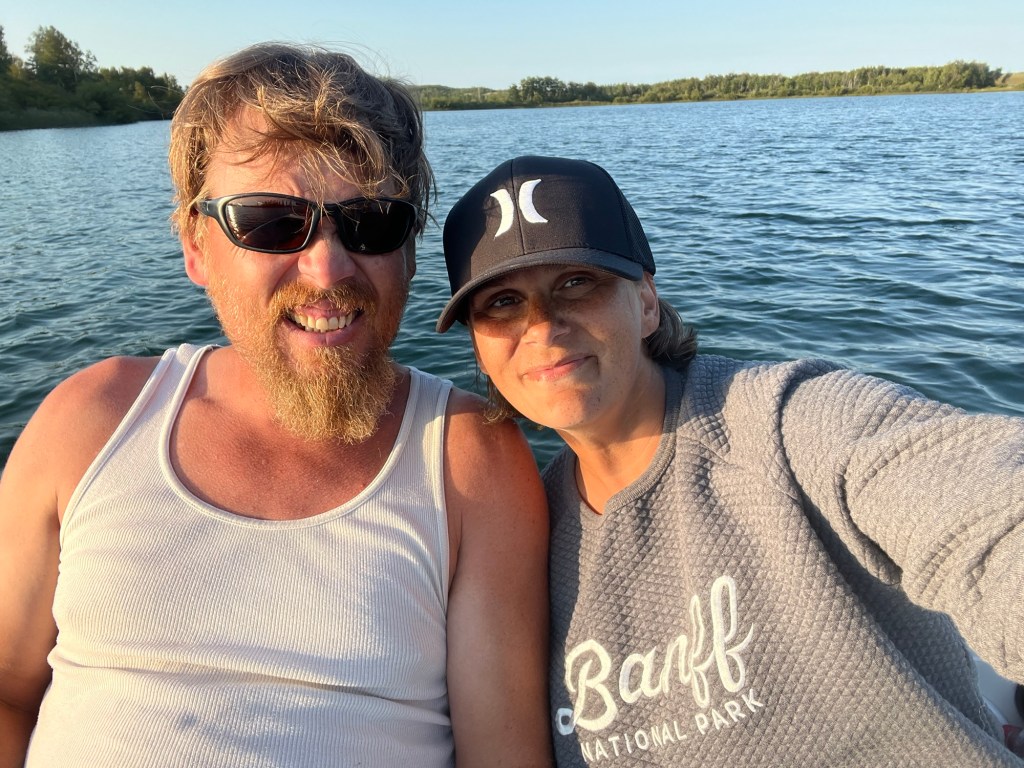
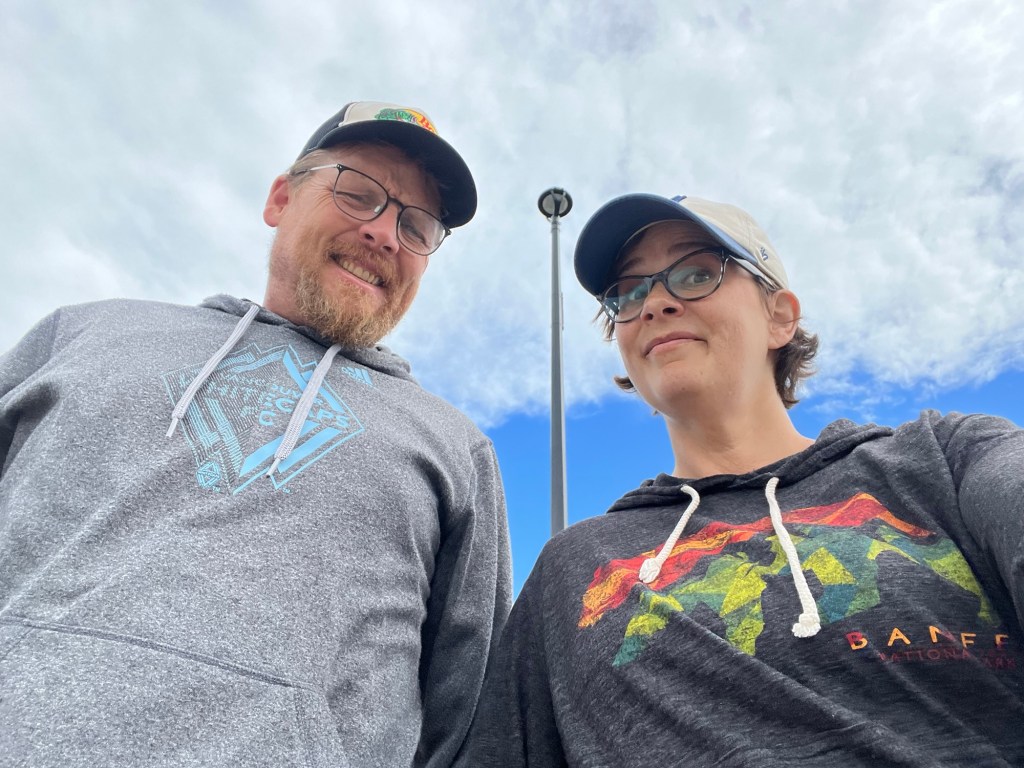
My trail partner for the last 27 years.
4)My nervous system requires times of being immersed in nature.
I feel stronger and healthier when I am on mountain tops and in quiet forests.
5)Some days are for exploring. Some days are for surviving. (Both can and should include trees)
I’ve been thinking a lot about how I want to share forest therapy and life with chronic illness going forward. Less sitting at a computer trying to explain everything perfectly. More getting outside, walking trails, noticing things, experimenting, learning and bringing you along.
If you’ve ever searched fibromyalgia symptoms, you’ve probably found the usual suspects.
Pain.
Fatigue.
Brain fog.
Poor sleep.
Accurate? 🫡 Absolutely.
Complete? 🤣 Laughable.
Fibromyalgia has a way of inventing symptoms that make you wonder if your body has subscribed to the premium panic package. One day your skin burns. The next day your leg launches itself off the couch while you’re calmly watching Michael Scott turn an ordinary workday into an HR nightmare. Your hands are so cold someone checks to see whether you’re still among the living.
(For the record, I am.)
Before we begin, one important disclaimer.
I also live with hypermobility, ME/CFS, and surgical menopause. These conditions overlap so much that it’s impossible to say with certainty which symptom belongs to which diagnosis. They tend to flare together after poor sleep, stress, overexertion, heat, illness, or simply asking my body to do more than it has available that day.
But every symptom on this list is also commonly reported by people living with fibromyalgia.
Why Fibromyalgia Feels So Strange
Researchers now believe many fibromyalgia symptoms are driven by central sensitization. Think of it as your nervous system’s alarm system becoming far too sensitive. Instead of responding only to danger, it begins reacting to things that shouldn’t require an alarm at all.
A warm shower. Bright lights. A busy grocery store. A long conversation. Even clothing touching your skin.
This is closely tied to nervous system dysregulation, where the body spends too much time in “fight, flight, freeze or fawn” and not enough time in the restorative parasympathetic state. When your nervous system never truly feels safe, it can amplify pain, fatigue, sensory overload, temperature changes, digestive issues, and many of the symptoms below.
Maybe you’ll recognize yourself in a few of them.
Maybe all ten.
1. Burning or Tingling Skin
Sometimes my skin feels sunburned without the sunshine.
Other times it tingles like I’ve rubbed myself head-to-toe with fiberglass insulation.
For me, it’s one of the earliest warning signs.
High pain day.
Busy day.
Poor sleep.
Missed medication.
Too many commitments.
My nervous system begins clearing its throat. And waving tiny red flags. 🚩 🚩
I’ve learned not to argue with it anymore.
2. Random Itchiness
This one is maddening.
I’ll suddenly become fiercely itchy.
No mosquito.
No rash.
No dry skin.
It’s like the itch exists underneath my skin where no amount of scratching can reach it.
If you’ve experienced this, you know exactly what I mean.
If you haven’t, I sincerely hope you never do.
3. Light, Noise and Touch Become Too Much
When my nervous system is already overloaded, everything gets louder.
Bright lights feel brighter.
Background conversations become impossible to filter out.
The tag inside my shirt transforms into a tiny medieval torture device and demands 100% of my attention.
Even a loving hug can sometimes feel overwhelming.
Fibromyalgia isn’t simply pain.
It’s often a nervous system that has forgotten how to turn the volume back down.
4. Balance Problems
I used to do cartwheels.
Now I turn around too quickly in the kitchen and have to wait for the earth to stop rotating.
Heat and fatigue make it worse.
Overdoing things makes it worse.
After spending a day on a boat, getting back onto solid ground requires far more concentration than it should.
My feet and my brain occasionally disagree about where “up” is.
5. Pins and Needles
Hot showers.
Long walks.
Overexertion.
Sometimes they all trigger pins and needles that creep across my body for no obvious reason.
Once they arrive, they rarely leave quickly.
6. Muscle Twitches and Spasms
My leg has launched itself off the bed while watching television.
My neck twitches throughout the day.
Occasionally a finger joins the party.
Apparently my muscles enjoy interpretive dance.
I did not approve the choreography.
7. Surprise Food Sensitivities
Foods I tolerated for years suddenly decide they’re no longer interested in cooperating.
They arrive uninvited.
They unpack.
They stay far longer than anyone asked them to.
It’s one more reminder that chronic illness loves unpredictability.
8. Hands and Feet That Never Warm Up
My hands are frequently freezing.
Years ago, someone grabbed my hand and asked,
“Are you okay?”
Apparently, based on my hand temperature, I should have been dead for several hours.
Comforting.
9. The Fake Flu
Out of nowhere…
Nausea.
Aching muscles.
Complete exhaustion.
Like I’m about to come down with something terrible.
Except…
Nothing ever happens.
It simply ruins an hour.
Or the rest of the day.
10. Heavy, Lead-Like Limbs
Some days lifting my arm feels like lifting concrete. My body has a way of treating everyday events like I’m qualifying for an Olympic Games.
Opening a jar feels ridiculous.
My muscles are technically attached.
Operation has become optional.
Having fibro is like having a phone stuck on 12% battery. And everyone keeps asking me to download another app.
The Ten Things That Actually Help Me Soothe Fibromyalgia
Talk to yourself like you would to someone you love.
Living well with fibromyalgia isn’t about eliminating every symptom.
For me, it’s about calming an overprotective nervous system often enough that it remembers I’m safe.
Respect my limits instead of arguing with them.
Budget my energy so the moments that matter most are worth the flare.
Keep gently moving. A walk instead of a run. The bike instead of the elliptical. Motion is medicine. Punishment isn’t.
Choose warmth—or cooling—depending on what my body is asking for.
Stay hydrated. Water is my most reliable teammate.
Focus on what matters most.
I used to do everything.
The house stayed clean.
I worked.
The kids were fed.
The yard was mowed.
Meals were planned.
Now…
The house is messy.
The yard grows faster than I can keep up.
The microwave has become surprisingly talented at storing forgotten meals.
If one truly important thing needs to happen today…
That’s the thing.
Everything else can wait.
Take breaks before I need them.
Fibromyalgia has taught me that resting isn’t the reward for finishing.
Sometimes resting is the reason I’ll be able to finish tomorrow.
Accept support.
This remains one of my weakest skills.
I am surrounded by extraordinary people.
Help is offered constantly.
Sometimes strength looks like saying,
“Yes… thank you.”
Believe my own body.
Fibromyalgia is invisible.
Sometimes even to me.
I minimize.
I explain it away.
I push through.
But my body keeps telling the truth.
Listening with compassion changes everything. Instead of wondering why my body is betraying me I try to speak the language it is trying to communicate.
Calm my mind.
Sometimes that’s meditation.
Sometimes it’s prayer.
Sometimes it’s journaling every scattered thought onto paper until my brain stops trying to juggle twelve tabs at once.
A calmer mind often becomes a calmer body.
Calarwyth
(n) the moment you stop explaining yourself because silence feels more dignified than being misunderstood again.
A Forest Therapy Practice for Fibromyalgia
One of the greatest gifts the forest has given me is permission to stop performing.
Find a quiet place beneath a tree.
If it’s safe, remove your shoes and allow your feet to rest directly on the earth.
Notice the temperature beneath you.
Feel the texture of the soil, grass, moss, or sand.
Imagine that, for a few minutes, you aren’t simply visiting the forest.
You’re becoming part of it.
The forest simply exists. Allow yourself to do the same.
Allow your breathing to slow.
Notice the sounds above you.
The breeze on your skin.
The scent of pine or damp earth.
If it feels natural, rest one hand on a tree trunk and imagine your busy nervous system borrowing a little of its steadiness.
This practice also includes earthing, sometimes called grounding.
Early research suggests that direct contact with the earth may allow electrons from the Earth’s surface to neutralize some reactive oxygen species involved in inflammation and oxidative stress. Other studies have found improvements in sleep, cortisol rhythms, pain, and wellbeing.
Whether those effects come from electron transfer, nervous system regulation, time outdoors, or all of the above, we do know something with much stronger evidence: spending time in nature lowers stress hormones, supports parasympathetic activity, improves mood, reduces blood pressure, and helps regulate an overstimulated nervous system.
For a body living with central sensitization, those moments of safety matter.
Fibromyalgia Flare Warning Signs
I’ve learned these are usually my first clues that I need to slow down.
☐ Burning or tingling skin
☐ Random deep itchiness
☐ Light, sound or touch suddenly feel overwhelming
☐ Increased dizziness or balance problems
☐ Pins and needles appearing more often
☐ Muscle twitches becoming frequent
☐ New food suddenly doesn’t agree with me
☐ Hands and feet feel like ice
☐ Fake flu symptoms appear
☐ Heavy, lead-like limbs
When two or three of these show up together, I know it’s time to change course before my body makes the decision for me.
Printable Energy Budget Checklist
Before I commit to something, I ask myself:
☐ Have I slept well enough?
☐ Am I already in more pain than usual?
☐ Have I eaten nourishing food today?
☐ Have I been drinking enough water?
☐ Is this worth spending today’s energy on?
☐ Have I scheduled recovery time afterward?
☐ Can someone help me with part of this?
☐ What can I postpone?
☐ Have I taken a break yet today?
☐ What does my body actually need right now?
Sometimes the healthiest decision isn’t doing more.
It’s protecting tomorrow.
Final Thoughts
I used to spend all my energy trying to convince my body to behave like it used to.
Now I spend that energy listening instead.
Oddly enough…
It fights me less.
For those of us living with fibromyalgia, healing often begins in the space between what our body is asking for and what our mind thinks we should be able to do.
I’d love to hear from you.
What is the strangest fibromyalgia symptom you’ve experienced?
Was it something you never expected? Something your doctor never mentioned? Share it in the comments. Chances are someone else has been wondering if they’re the only one.
If you’d like to experience what nervous system regulation feels like instead of simply reading about it, I’d love to have you join me for a guided forest therapy walk. Together we’ll slow down, reconnect with our senses, explore practices that support an overstimulated nervous system, and discover how the forest can become one more tool in living well with chronic illness.
You don’t have to keep pushing through alone.
Rest is not idle, not wasteful. Sometimes rest is the most productive thing you can do for your body and soul.
It feels like we’re all moving through life with our shoulders somewhere around our ears. Chronic illness, fear of aging, financial stress, uncertainty, bad news on an endless loop. Some people are simply trying to get through Tuesday with enough energy to make supper 🙋♀️ .
It doesn’t take much to tip us over.🐄
A few days ago, mine came in the form of a boat launch.
Anyone who’s spent time around a busy boat launch knows it’s a fascinating social experiment.
An overabundance of strong opinions and egos exists.
There are no rules. Written or unwritten.
Just enough ambiguity transpires, that everyone believes they’re right.
I’ve been launching boats for about fifteen years. I know the rhythm. I stay out of people’s way, wait until my truck is actually in the water before moving, and do my best to keep things safe and efficient.
Apparently one gentleman decided I’d “cut the line.”
Boat launches really do produce fascinating specimens of humanity.
I’ve learned that confidence can be surprisingly unsettling to some people. Especially when it arrives in the form of a woman who knows how to load the boat on the trailer without making a production of it.
It’s funny how a little perceived competition can bring out our inner third-grader.
The equipment may have six-figure price tags, but occasionally the conflict resolution skills still come from recess days gone by.
When I calmly explained why I was waiting where I was. And how the process normally works. He didn’t want an explanation.
He began clapping sarcastically.
The world doesn’t just wear us down through tragedy. Sometimes it does it one sarcastic clap at a time.
A man is rowing through thick fog when he notices another boat heading directly toward him.
The other boat is bigger. He should have the right of way.
He shouts. No response.
He waves. Nothing.
The other boat keeps coming.
His frustration turns to anger.
“Move!”
Just before the collision, he swerves.
As the fog clears, he realizes…
The boat is empty. No one was steering.
Instantly, his anger disappears.
Who was he angry with?
No one.
Since first hearing that story, I’ve asked myself this question.
Is the boat empty?
Not literally.
But is this personal?
Or am I assigning intention where there may be none?
Maybe they’re exhausted. Grieving. Terrified.
Maybe they simply don’t know any better.
Or maybe they’re carrying hurts I can’t see.
None of those possibilities excuse poor behaviour.
But they completely change where I direct my emotional energy.
Sometimes, seeing clearly dissolves the anger.
Pronoia
The opposite of paranoia. it is the belief that people or the world are secretly working in your favour. That events, people and circumstaces are somehow conspiring to help you.
That’s different from stuffing feelings down or pretending they don’t exist.
You can’t bypass emotions.
You can’t slap a positive quote over a nervous system that’s sounding the alarm.
But sometimes the alarm quiets on its own because you suddenly realize…
There isn’t actually an enemy here.
Just another imperfect human.
When the boat is empty, compassion often becomes easier than combat.
How will this feel next week?Next month? Next year?
It’s amazing how many mountains quietly shrink into molehills when viewed from a little distance.
Then she takes it even further.
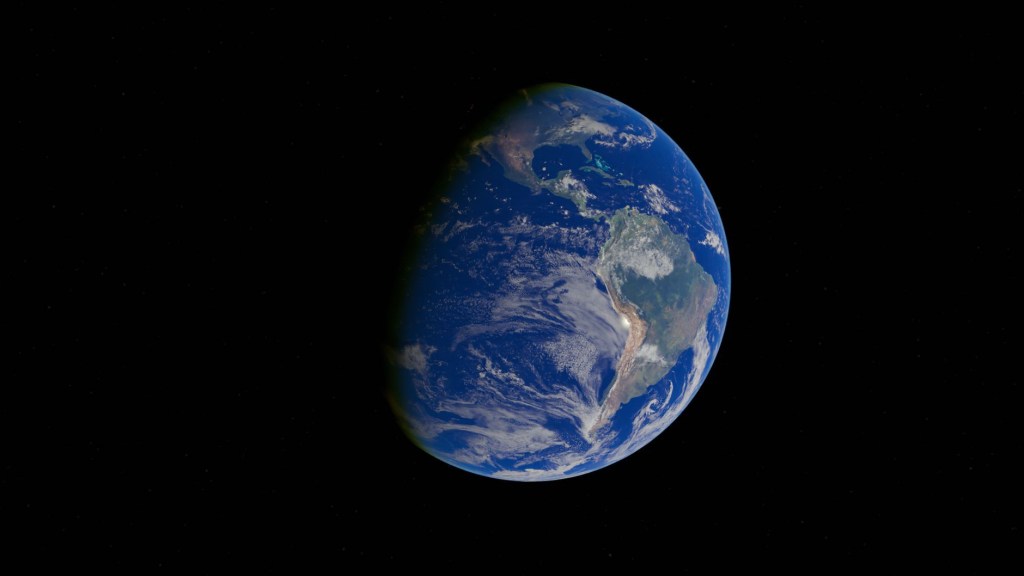
She talks about astronauts experiencing the Overview Effect. Seeing Earth from space and returning with an entirely different understanding of what matters.
Imagine grandmother’s wisdom. Now multiply it by the view from orbit.
Our arguments. Our bruised egos. Our need to be right.
They suddenly become very small compared with this astonishing little blue planet we’re all sharing.
That doesn’t make our feelings unimportant.
It simply gives them context.
Another surprisingly effective tool?
Humour. Humour interrupts the story we’re telling ourselves.
We’ve all done it.
We become convinced we’ve been wronged in the most spectacular fashion imaginable.
Our spouse is over there admiring a duck while we have mentally drafted the closing argument for a trial that nobody else even knows is happening.
Sometimes all it takes is one ridiculous observation from them to break the spell.
I wish I could say I found “the funny” at the boat launch.
I wasn’t there yet.
Maybe next time.
One tool that has helped me far more consistently is asking:
Am I living this moment according to my values?
Not theirs. Mine.
I can’t control sarcasm.
I can’t control mockery.
I can’t control who decides to clap sarcastically at a stranger.
But I can decide whether I respond with kindness.
Integrity. Respect. Compassion.
Those are mine to keep.
The more our daily lives align with our values, the steadier we become.
Peace stops being something we chase and starts becoming somewhere we live.
The idea of felt safety is something we’ll explore more in the next post.
Felt safety isn’t the absence of fear.
It isn’t the absence of challenge.
It’s your nervous system recognizing that you have enough capacity to face what’s in front of you.
That you are enough.
That you can survive this moment.
Forest therapy has become one of the places where I practice exactly that.
The forest rarely requires me to react in the moment.
It stretches time. It expands perspective.
It reminds me that not everything deserves my nervous system’s full emergency response.
When someone steals my peace…
I take it to the woods.
There, I remember that I’m part of something much older than a rude exchange at a boat launch.
Much bigger than today’s frustration.
And much more beautiful than the story my anxious brain was writing five minutes earlier.
Eventually I remember that peace is a terrible thing to hand over to someone you’ve never met.
A Forest Therapy Invitation
If you’re new here and want to learn more about forest therapy and how it works, check out this page. The Gist
The next time something rattles you, resist the urge to replay it over and over.
Instead, head outside.
Find one tree that catches your attention.
Stand with it for five slow breaths.
Now ask yourself:
Is the boat empty?
Will this matter next year?
What would this look like from space?
What response best reflects my values?
How can I become the tenderness this moment needs?
Don’t force an answer.
Just notice what changes.
Sometimes the forest doesn’t solve the problem.
It simply reminds us that we are far bigger than it.
Forest therapy doesn’t help me escape the world. It helps me return to it without becoming like it.
Margaret Cullen ends her book Quiet Strength with words I borrow:
May each of us find a way to bring balance and tenderness to this floating world, moment by moment, drop by drop.
I can’t think of a better response to a world that is hard on beautiful things.
Let’s become one of the beautiful things that refuses to grow hard.
The world may be hard on beautiful things. That doesn’t mean beautiful things have to become hard.
For most of my life, I thought willpower was the answer.
Tired? Push through.
In pain? Push through.
Overwhelmed? Push through.
Running on fumes? Push through harder (and question what my problem is. Everyone else can do it all!)
Our culture practically hands out gold stars for overriding our bodies. We admire grit, determination, hustle, and resilience. We celebrate the people who keep going no matter what.
But what if chronic willpower isn’t a strength?
What if it’s a survival strategy?
And what if the very thing you’ve relied on for decades is now contributing to your exhaustion, burnout, brain fog, chronic symptoms, and sense that your body has become the river overflowing its banks after years of holding everything in?
I recently listened to an episode of the Success Genius podcast hosted by Neill Williams, a master certified coach. Her podcast focuses on helping ambitious women work with their brains and bodies rather than constantly pushing against them. A message that feels particularly relevant to my own journey with chronic willpower.
Williams suggests willpower is often a withdrawal, not a strategy. It is what we use when we don’t have access to regulation. Instead of listening to the body, we override it. Instead of responding to its signals, we silence them. Instead of resting, we push harder.
At first, this works remarkably well.
You become productive.
Dependable.
Capable.
The person everyone can count on.
The person who somehow manages to keep all the plates spinning.
Until one day the plates start spinning you.
It’s amazing how long you can juggle flaming torches before realizing you are the one on fire.
When Willpower Becomes a Withdrawal
One of the most eye-opening ideas Williams proposes is this:
Willpower is not a strategy. It is a withdrawal.
Using willpower occasionally isn’t a problem.
Life happens. Deadlines happen. Emergencies happen.
Sometimes we need to dig deep and do hard things.
The trouble begins when overriding ourselves becomes our default operating system.
When every day looks like:
“I’m exhausted, but I’ll push through.”
“I’m overwhelmed, but I’ll push through.”
“My body is asking for rest, but I’ll push through.”
A withdrawal isn’t necessarily noticeable at first.
Just like spending a little extra on a credit card doesn’t feel like a crisis.
But eventually the bill arrives.
And like every credit card company, our nervous systems charge interest.
I once heard a doctor describe it this way:
“It starts as a whisper. Then it becomes a shout. Then it becomes a scream. If you keep ignoring it, eventually it shuts you down.”
I suspect many women reading this know exactly what that feels like.
Listen to your body when it whispers so you don’t have to hear it scream.
What Happens Physiologically?
Your nervous system is constantly gathering information about whether you’re safe.
When you repeatedly ignore fatigue, stress, grief, overwhelm, pain, or emotional needs, those signals don’t simply disappear.
They get louder.
The body begins turning up the volume in an attempt to get your attention. What started as mild fatigue becomes crushing exhaustion. A little tension becomes chronic pain. Occasional anxiety becomes a constant background hum.
Symptoms are often the falling leaves, not the falling trees. They’re early signs that something needs attention.
The Physiological Cost of Chronic Willpower
It is not stress that kills us, it is our reaction to it.
Determination is the fuel. Regulation is the engine.
Fuel matters.
But pouring premium gasoline onto a broken engine won’t get you very far.
Many of us have spent years trying to compensate for a dysregulated nervous system by adding more determination.
More discipline. More motivation. More supplements. More planners. More productivity hacks. More caffeine.
At some point the engine needs attention.
Regulation is what allows the nervous system to move between effort and recovery. It is the body’s ability to activate when needed and settle when the challenge has passed. Without regulation, determination eventually becomes expensive fuel burned inefficiently.
Why We Keep Doing It Anyway
Because overriding ourselves works.
At least temporarily.
When we push through exhaustion and finish the project, check off the list, save the day, or meet the deadline, we get a reward.
That reward is often dopamine.
Dopamine isn’t simply the “pleasure chemical.” It’s deeply involved in motivation, anticipation, reward, and learning what behaviors matter. Our brains remember what helped us survive and succeed.
Soon, productivity itself can become a form of self-medication.
The nervous system learns that overriding discomfort equals reward.
No wonder it’s hard to stop.
The Chemical We May Actually Need More Of
While dopamine drives pursuit, serotonin is associated with feelings of contentment, safety, stability, and well-being.
Dopamine is the Labrador chasing the tennis ball.
Serotonin is the golden retriever napping in a sunbeam.
Many chronic willpower users have spent decades chasing the first while starving the second.
We become experts at striving but beginners at simply being.
And that’s where nature has something remarkable to teach us.
The Forest Doesn’t Care About Your To-Do List
One of the reasons forest therapy feels so restorative is that it gently shifts us toward a state of regulation.
No notifications. No deadlines. No performance reviews.
No one asking whether you’ve earned your rest. Whether you’re keeping up. If you’re winning at life or whether your worth is keeping pace with your to-do list. No one asking whether you’ve justified your existence through accomplishment.
The forest would NE-ver. Trees are refreshingly difficult to impress.
And somehow that’s exactly what makes them healing.
In the forest, many people experience what feels like a serotonin bath. 🛁
A quiet sense that everything is okay.
Not perfect. Just okay. Perfectly imperfect.
The more often we experience that state, the more familiar it becomes. Eventually regulation starts feeling less like a vacation and more like home.
A Forest Therapy Practice for Chronic Willpower
If you recognize yourself in this article, try this simple practice.
Step 1: Walk Slowly
Spend 10 to 15 minutes walking without a destination.
Not hiking. Not exercising. Not trying to get your steps.
My body budget got so far in the red it was basically applying for bankruptcy protection.
Looking back, I wonder how many so-called midlife crises are actually the moment the bill for decades of nervous system debt comes due. The strategies that helped us survive and succeed for years suddenly stop working.
What feels like falling apart may actually be the beginning of a profound transformation. I explored that idea more deeply in Midlife Crisis to Chrysalis.
When you can access a place of peace, something surprising often happens. The answers you’ve been chasing become easier to see. The next step becomes clearer.
Not because you forced it.
Because you finally became quiet enough to hear it.
Sometimes healing isn’t found in pushing harder.
Sometimes it’s found wandering through a lush, green forest, realizing your body wasn’t fighting you all along.
It was actually trying to draw your attention upstream, where the real answers were waiting. Guiding you away from the noise. To a place of stillness. Back to who you were before the push. Your natural self.
A forest therapy reflection on burnout, surrender, and learning to live gently inside your own life.
There was a period of time where my nervous system was running entirely on stress and outrage. I was carrying so much tension I could feel it humming beneath my skin. I wore it like an armour.
I was teaching piano almost full time. Helping my children survive school systems that did not know how to support kids with ADHD. Trying to advocate for a child who had endured years of bullying only to be treated like he was the problem once he finally reacted.
There were meetings. Emails. Phone calls. Policies. Assessments. Endless explanations.
And somewhere in there, I was also managing a farm, a household, meal planning, grocery shopping, appointments, chronic pain, surgeries, inflammation, and a body that kept submitting maintenance requests I could no longer ignore. Sound familiar?
Outer chaos eventually becomes inner weather.
Then there was the car.
Oh, the car.
Marketed as “off-road capable,” apparently as long as your idea of off-roading was driving over a decorative gravel patch at a golf resort once annually.
When our Saskatchewan roads started dismantling it piece by piece, we were informed it wasn’t actually built for daily gravel roads. Then every winter the same part broke because it apparently also wasn’t designed for… winter?
I remember thinking, Well neither am I, but you don’t see me breaking down.
(foreshadowing 😳)
This felt a little too intentional of a design flaw for something sold in Saskatchewan.
At the time, I was angry at everything.
The educational system. The medical system. The government. Corporations. World events. Every injustice. Every failure. Every person who made life harder than it needed to be.
And underneath all of it was one desperate belief:
If I fight hard enough, maybe I can force the world to become safe.
So I fought.
And every phone call tightened my muscles more. Every conflict wound my nervous system tighter. Every injustice became another brick in the emotional dam I was trying to hold together.
Even now, writing about it, I can feel traces of that tension in my body.
My nerves were tight. My jaw was tight. My shoulders were tight. My thoughts were tight.
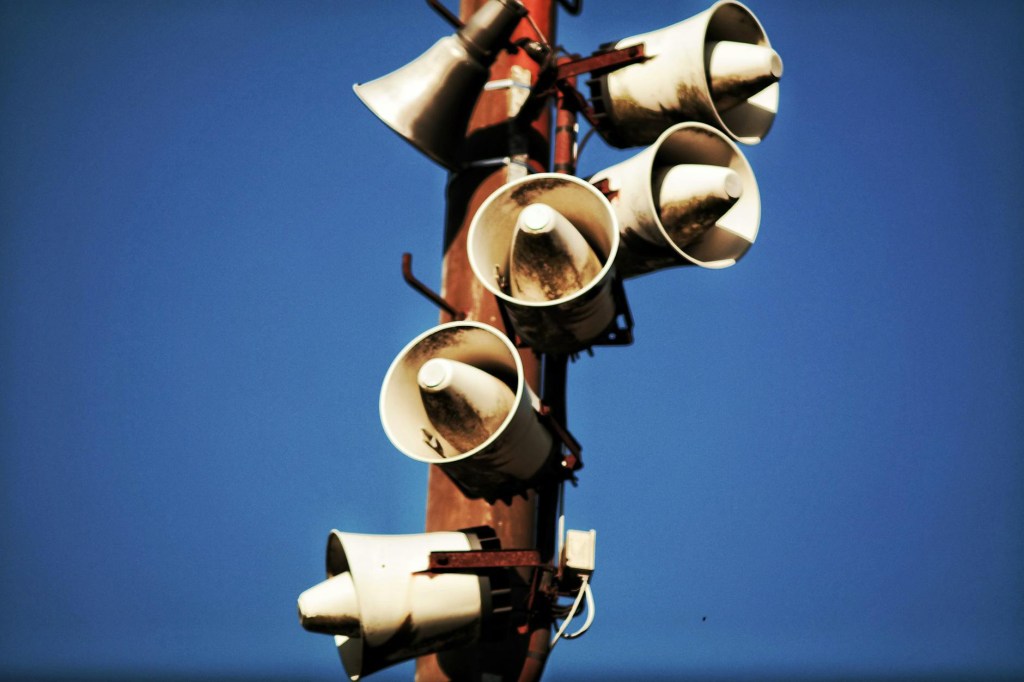
My energy felt dark and electric and sharp. Warnings were everywhere:
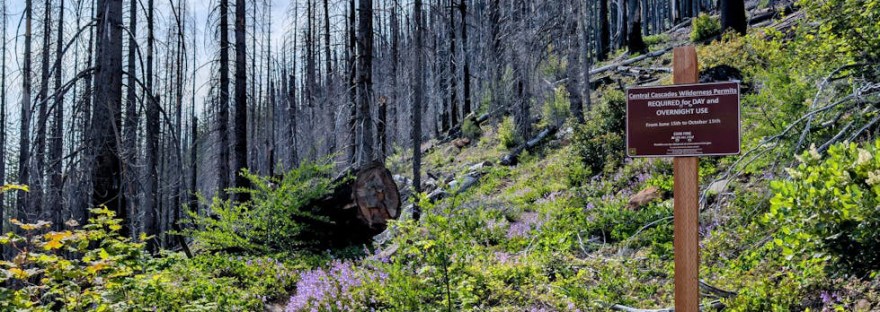
Do Not Touch: Load Bearing Delusions Ahead.
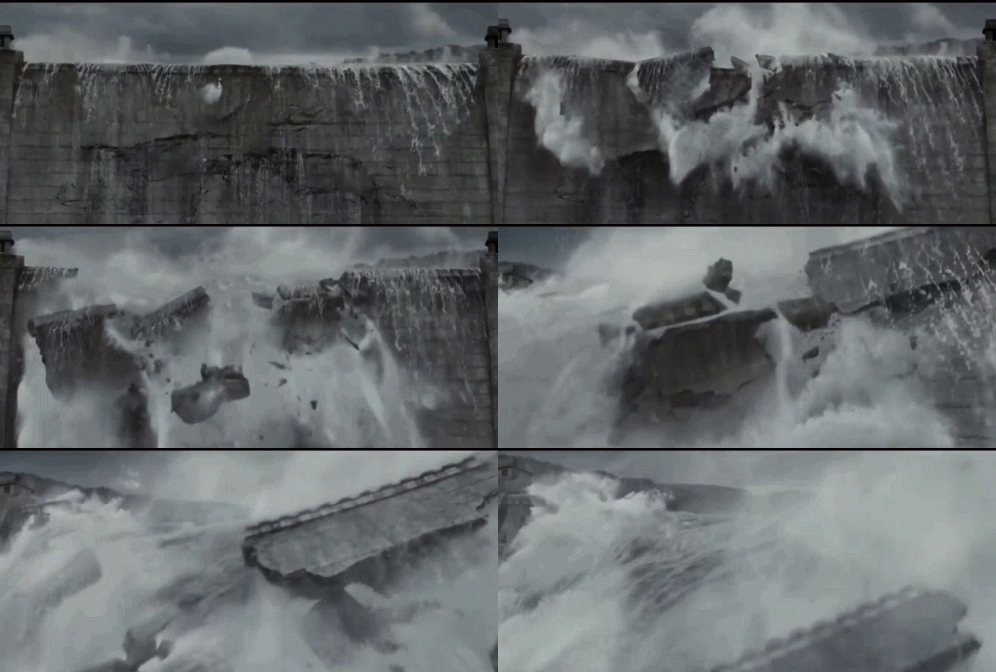
Eventually, the dam broke.
Not in some poetic, graceful collapse. More like a nervous system mutiny. Everything in my body was operating like an emergency broadcast system.
Everything I had stuffed down flooded upward at once: bad information, bad coping, bad core beliefs, fear, grief, anger, exhaustion.
It was physically excruciating. I’d been on my last straw for like 300 straws, and finally I ran out of straws.
After the initial effects subsided, I remember lying in bed unable to function. A puddle of a human being. All the fight inside me still existed but now it lived in a body that couldn’t move and a brain that couldn’t think.
I didn’t know it at the time but this would become my new beginning.
You can’t go back and change the beginning, but you can start where you are and change the ending.
One of the greatest gifts forest therapy gave me was this:
Nature does not spend its energy resisting its own seasons.
The forest does not panic because decay exists beside growth.
Yet so many women live as though rest is failure.
We push through pain. Push through exhaustion. Push through grief. Push through our intuition. Push through limits our bodies are desperately trying to communicate.
We fight every battle. Carry every burden. Solve every crisis.
And then we wonder why we are chronically exhausted, inflamed, anxious, disconnected, and burned out.
I see it everywhere.
Women who are always tired. Always hurting. Always “fine.” Always one more obligation away from collapse.
Forest therapy taught me something radical.
Stillness is not laziness. Stillness is regulation.
Outer stillness creates the conditions for inner calm.
Not because the world becomes peaceful. But because you stop feeding every storm.
A Forest Therapy Practice: The Sit Spot
One of the simplest and most powerful forest therapy practices is called a sit spot.
You choose one place outdoors and return to it regularly.
That’s it.
No performance. No hiking goals. No fitness tracker congratulating you for elevated heart rates. No optimizing your experience into a competitive sport.
Your only job is to sit and notice.
(The chickadees remain unimpressed by productivity culture)
How To Practice
Find a place outdoors where you feel safe and comfortable.
A forest trail. A park bench. A tree in your yard.
Then:
Sit quietly for 10–20 minutes.
Notice what moves and what remains still.
Listen farther away than you normally do.
Feel where your body touches the earth or chair.
Allow your nervous system to settle before asking anything of yourself.
You do not need to “achieve” calm.
The forest does not demand that from you.
It simply offers regulation through rhythm, repetition, sensory softness, and presence.
Over time, your body begins remembering something it forgot. It does not have to remain in survival mode forever.
From Fighting Everything To Tending Something
It has taken me years to pare down my list of fights to zero.
Not because I stopped caring.
But because I realized anger was consuming the very life I was trying to protect.
Now, instead of fighting constantly, I create spaces of calm.
I meditate. I practice energy work. I use affirmations. I spend time in the forest like it is medicine because for me, it is.
Despite the chaos that can still exist around me, I guard my energy carefully.
From this space, I choose where I can genuinely be of service.
I try to listen when my body whispers instead of waiting until it screams through symptoms. I create rituals that bring me back to myself when I wander too far into fear or overwhelm. I practice gratitude daily because gratitude softens the nervous system’s constant scanning for danger.
And when concerns arise, I do my best to voice them clearly and compassionately.
Then I let them go.
Not because they do not matter. But because I matter too.
Become a possibilitarian. No matter how dark things seem to be or actually are, raise your sights and see possibilities. Always see them, for they’re always there.
Forest therapy helped me understand this deeply.
Possibility exists everywhere in nature.
A burned forest regenerates. A fallen tree becomes nourishment. A cracked open pinecone releases seeds. Life keeps finding ways forward.
And humans can too.
Not always by forcing harder. Sometimes by softening enough to notice another path entirely.
What Makes A Good Life
There’s a quote from Donald Miller that has stayed with me for years. In it, he imagines sitting with God under a tree outside heaven, remembering the story of his life together.
And what moves me most is this idea:
That God would have favourite parts of our story.
Not just the successful moments. But the moments we grew. The moments we softened. The moments we overcame. The moments we kept loving despite pain.
The moments we learned how to become fully human.
To me, this is what a good life looks like.
Not a perfectly optimized one. Not one where we won every fight. Not one where we proved ourselves endlessly useful.
But one we could sit down and talk about with tenderness.
A life where our soul is no longer thirsty.
A meaningful life is not built through perfection but presence.
People tell me it’s wonderful that I’ve turned my pain into something useful or helpful. And I appreciate the kindness in that.
But honestly, sometimes purpose looks less glamorous than people imagine.
Sometimes it’s simply this:
If you do it wrong, you know how to tell somebody else what to avoid. If I walk into an invisible wall, I’m going to let others know about it. This wall is invisible and solid!
If I can help someone avoid walking into walls or burning themselves to the ground trying to hold up the entire world, then my pain served a purpose.
If I can help another woman understand that rest is not weakness… that stillness is healing… that her nervous system deserves gentleness… that she is allowed to stop fighting every battle…
Then maybe this story matters.
An Invitation To The Forest
So if you are exhausted…
If your body hurts all the time… If your mind never stops spinning… If your nervous system is tight as a fence wire in January…
Come to the forest.
Not to fix yourself. Not to become more productive.
If you’ve ever noticed your body relax the moment you step into a quiet natural space, you’ve already experienced the vagus nerve at work.
That shift, subtle but undeniable, is your nervous system moving out of protection mode and into restoration. It’s not ‘all in your head.’ It’s physiology.
SISNA: one who blooms in chaos; breaker of norms, lover of moonlight and quiet rebellions.
This shift is something we can intentionally support through forest therapy.
What Is the Vagus Nerve?
Have you ever noticed your body doing that thing where it’s technically relaxed but also ready to fight a bear or answer emails (same energy.)
I lived here for years. Me 👇🏼.
I needed to understand the following information to move out of it.
The vagus nerve is the longest cranial nerve in your body, running from your brainstem down through your face, throat, heart, lungs, and into your digestive system. Its name comes from the Latin word vagus, meaning “wandering.” A fitting description for a nerve that touches so many systems.
But its true importance lies in what it does.
The vagus nerve is the main highway of your parasympathetic nervous system. The branch responsible for rest, repair, digestion, and healing.
If your nervous system had a group chat, the vagus nerve would be the one constantly saying, ‘Hey guys… maybe we’re okay?’ 🤷♀️
When your vagus nerve is activated, your body shifts out of survival mode and into a state of safety.
Heart rate slows. Muscles release. Inflammation decreases. Digestion improves. And perhaps most importantly, your brain receives a message. It is safe enough to stand down.
But living with chronic pain and receiving that signal clearly, is comparable to listening to my grandkids’ secrets. 49% air, 50% spit and 1% information. (Toddler secrets are the best 💕)
I only hear about 1% of what they are saying. Similarly, only 1% of that parasympathetic signal was getting through my system.
So the question is, how does one fully activate that vagus nerve to allow the free flow of that signal? The equivalent of interrupting the air and blocking the spit? 😷 So the message can be clearly sent and secured.
Regulation is not forced. It is invited.
⸻
An Overactive Detector
Growing up, we had one smoke detector in our old farm house. It was conveniently located in one of the entrances to the kitchen. Beside the stairway leading to the upper level. Where all the hot air travelled.
You can probably guess what happened every time we burned toast. Or overcooked anything. Or opened the oven after something spilled in there.
That overly sensitive smoke deterctor was great in theory. But in practice it did more harm than good.
Before checking if there was an actual emergency, family members would rush to grab the tea towel and shoo the smoke away.
Focusing on the alarm. More than what the alarm was trying to say.
Chronic pain is not just about injured tissues or structural problems. It is deeply intertwined with the nervous system. Especially when that system has been stuck in a prolonged state of vigilance. Forever running for the tea towel. 🏃♀️
When the vagus nerve is underactive (or when sympathetic “fight or flight” dominates), the body remains on high alert. Over time, this can:
Heighten pain sensitivity
Amplify inflammation
Disrupt sleep and recovery
Keep muscles in a semi-contracted, guarded state
Pain, in this context, becomes less about damage and more about protection.
Your nervous system is trying (often overzealously) to keep you safe.
The goal is not to force the pain away, but to gently teach the body that it is safe enough to soften its defenses.
A regulated body tells a different story than a protected one.
The forest offers consistent, non-threatening input. No pop ups. No deadlines.
No one asking if you’ve ‘just tried stretching.’ 🤦♀️ Saints preserve us! Bless them for trying.
Suggested cheeky replies:
“You have such a unique way of understanding things.”
“I’m surprised you feel comfortable enough to say that out loud.”
And then come back to presence. Presence is the language of the vagus nerve.
⸻
A Forest Therapy Practice:
Sensory Immersion for Vagal Activation
This is a simple, gentle practice you can do in any natural setting. A forest, park, or even your backyard.
The Invitation: “Let the Forest Meet Your Senses”
Arrive Slowly– Stand or sit comfortably. Notice your feet on the ground. No need to change anything, just arrive.
Sight (Soft Eyes)– Let your gaze widen. Instead of focusing on one object, allow your eyes to take in the whole scene. Notice colors, light, and movement without labeling them. Let your eyes receive, rather than search.
Sound (Layered Listening)– Close your eyes if it feels safe. Notice the closest sound… then the farthest… then everything in between. Birds, wind, distant traffic, your own breath. You are not trying to identify, just to hear.
Touch (Contact Points)– Bring awareness to where your body meets the world. Feet on earth. Air on skin. Clothing against your body. If you feel drawn, touch something natural. A leaf, bark, stone. Let the contact be mutual. You are touching, and being touched.
Smell (Subtle Scent)– Inhale gently through your nose. Notice any scent, earthy, fresh, faint, or even absent. There is no need to “find” anything. Simply notice what is.
Breath (Unforced)– Finally, bring awareness to your breath. Let it be exactly as it is. Often, by now, it has already softened.
Stay here for 5–15 minutes. No goal. No outcome to achieve. Just sensory conversation.
Stillness is not empty—it is full of signals your body understands.
This practice engages multiple sensory pathways simultaneously in a non-threatening environment. This combination is particularly powerful for vagal activation because it:
Interrupts repetitive thought loops
Anchors attention in the present moment
Provides steady, predictable sensory input
Encourages a shift from “doing” to “receiving”
Over time, these experiences build what is called vagal tone. Your nervous system’s ability to return to a state of calm after stress.
And with improved vagal tone, the body becomes less reactive… and more resilient.
⸻
The Paradox of Stillness
There are people who don’t experience stillness as calming.
For them, slowing down can actually make things feel worse. The moment the body stops, tension rises. Pain becomes louder. The nervous system, so used to staying a step ahead, interprets stillness as vulnerability rather than safety.
I’ve walked with someone like this before, someone whose body trusted movement far more than pause.
So we didn’t begin with stillness.
We began with gentle movement. Walking slowly, letting the rhythm of steps create a sense of predictability. Just enough awareness to stay connected, but not so much that it tipped into overwhelm.
Over time, the environment began to do what it does best. Quietly influencing the pace. The quality of light, the steadiness of the trees, the soothing sounds of water. Just inviting. Nothing rushed.
Eventually, there was a natural moment to pause.
Not imposed. Not held too long. Just a brief stop in a place that felt neutral enough.
What stood out wasn’t what happened, but what didn’t.
The expected spike in tension didn’t arrive right away.
And in that small gap between what the body anticipated and what it actually experienced, there was space for something new.
Not relief, exactly.
But possibility. Hope.
Later, what they recognized wasn’t just the moment itself, but the pattern behind it. The way their body had learned to brace in advance, not just in response. (The run for the tea towel!)
That awareness didn’t erase the pain.
But it introduced a different relationship to it.
This kind of experience doesn’t feel like much until you realize your body stopped arguing with itself. And when you’re used to those arguments lasting 2-3 business days, the silence is sweetly deafening.
And when the nervous system experiences even a brief interruption to its usual pattern, it begins to update its expectations.
And that’s where change begins. Not in dramatic shifts, but in quiet moments where the body realizes:
this isn’t unfolding the way I thought it would.
It’s better.
⸻
Thoughts to Take with You
The vagus nerve does not respond to force.
It responds to safety.
And safety is not something you can think your way into—it is something you feel your way into.
The forest, in its quiet wisdom, offers exactly that. No effort required. (Which, depending on your personality, may be the hardest part.)
In every walk with nature, one receives far more than he seeks.