CBT & Chronic Pain: Finding My Way Back to the Forest

“Just because you think something, doesn’t make it true.”

-unknown

Today we are talking CBT. Not CBD (that’s a whole other post) But CBT. Which sounds fancy, but it’s really just brain training.

Cognitive Behavioural Therapy is about noticing the sneaky little thoughts that creep in when life feels unlivable, and learning how to shift them just enough that you don’t get engulfed by it all. CBT is brain training for when your nervous system starts acting like a toddler in a toy aisle. Hyperactive. Impulsive. Emotional outbursts and mood swings. On high alert. Where self regulation becomes difficult.

It doesn’t erase pain (I wish). It doesn’t rebuild the life you’d planned (double wish). But it does help you find a new footing.

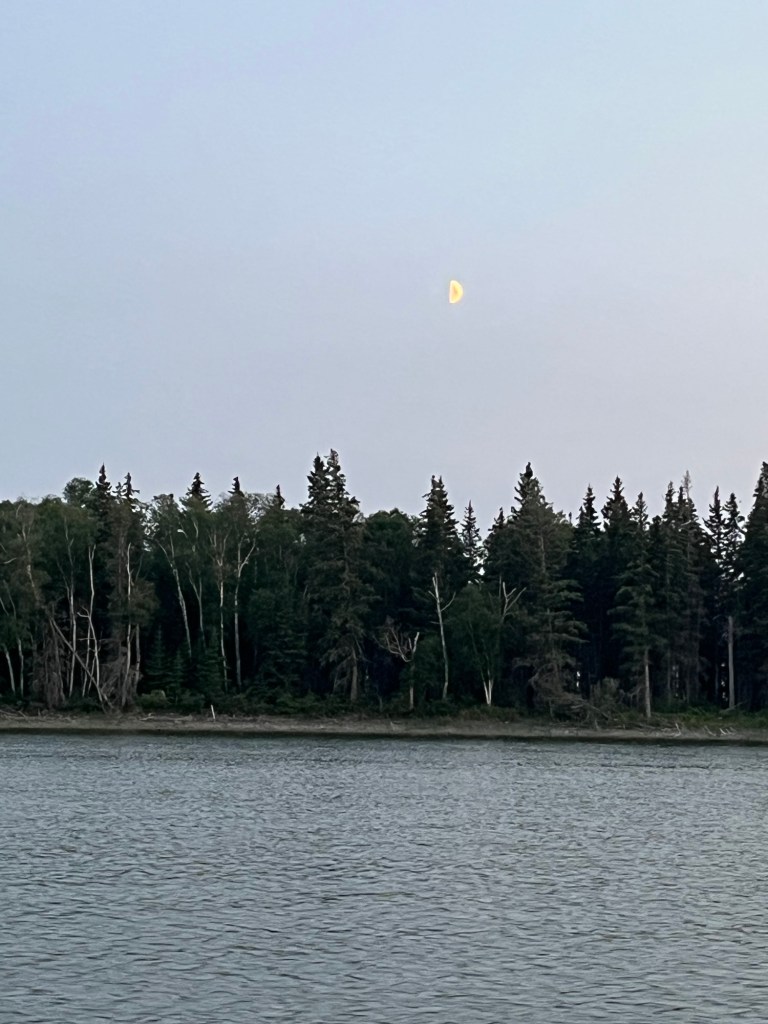
Kind of like wandering a forest trail—where you keep tripping on roots you didn’t see, but then you realize… if you slow down, if you watch your step, if you breathe—it’s possible to keep walking.
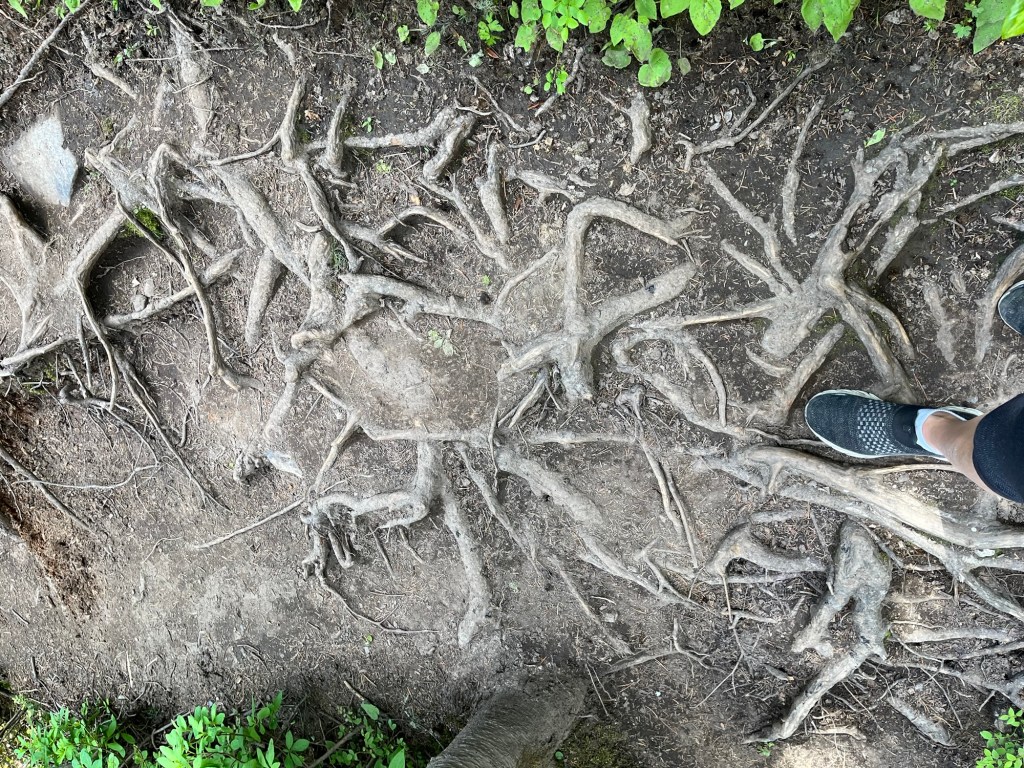
img_5990

As Viktor Frankl once wrote:

“When we are no longer able to change a situation, we are challenged to change ourselves.”

That’s CBT. Not fixing the forest. Just learning how to move through it differently.

Kind of like the friend who kindly takes away your “end of the world” glasses and swaps them out for “yeah, it still sucks, but you’ve got this” glasses.

Here’s the deal: chronic pain is not just pain. It’s also the grief of losing the version of life I had sketched out in neon colours.

A Preposterous Odyssey: Tales from My Crooked Journey

When pain became my daily companion, I felt like someone had dropped me in a wilderness without a map.

I wanted my old trail—the one I’d carefully planned and marked. Instead, I found myself in dense undergrowth. Nothing looked familiar. Every step hurt.

I’ve missed family trips. Suddenly ended a business my mom built up and passed on to me. Letting go of what it has taken my whole life to build has been heartbreaking.

I have grieved hard. The life I wanted felt like a house I’d just finished building, suddenly bulldozed overnight.

But in CBT, I started to learn that maybe I didn’t need to rebuild that house right away. Maybe I could step outside, find a patch of ground, and plant something small.

The forest became my classroom.

A tree doesn’t “should” itself taller. It just grows where it can. A broken branch still belongs to the tree. Roots tangled around rocks still dig deep.

And I thought—maybe I can live like that too.

img_6893

What CBT Looks Like in the Wild

Here’s how CBT shows up when I walk among the trees with pain and grief:

• Catch the catastrophes. In my head: “This pain will swallow me whole.” In the forest it is as the African proverb says, “the wind howls, the trees bend, and yet they do not break.” I remind myself—I can bend too.

• Challenge the “shoulds.” I see seedlings pushing up through moss. They don’t say, “I should be a tall cedar by now.” They just keep growing. Maybe I can let myself do the same.

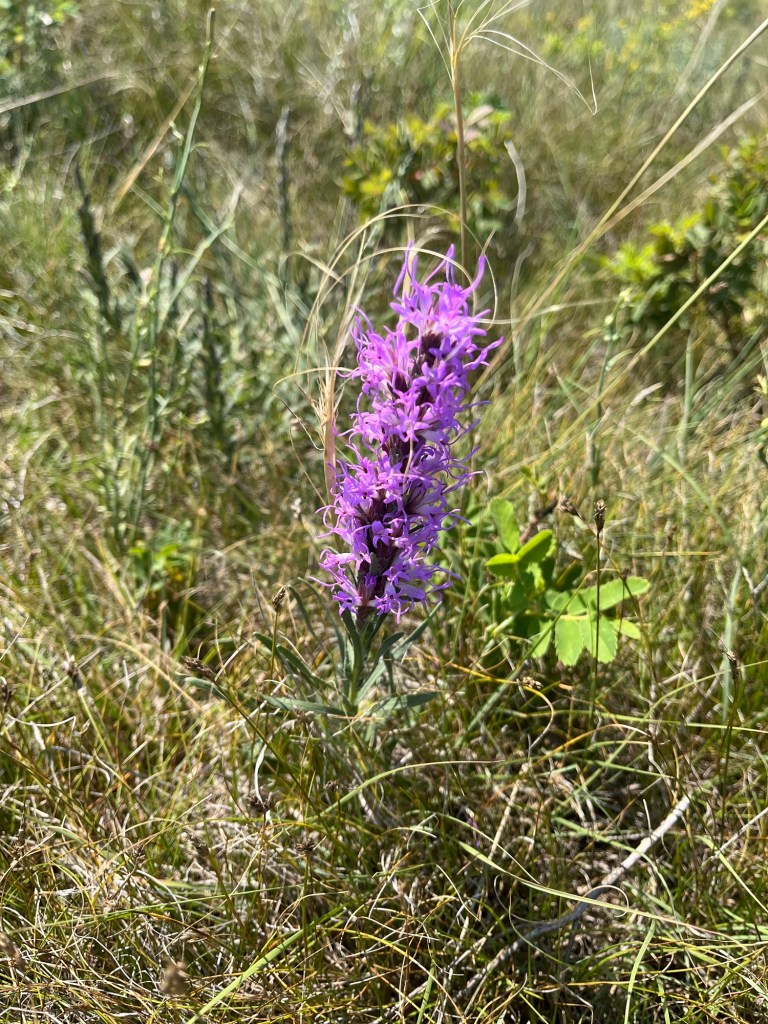
• Make room for both grief and joy. The forest holds both fallen logs and wildflowers. My life can hold both too.
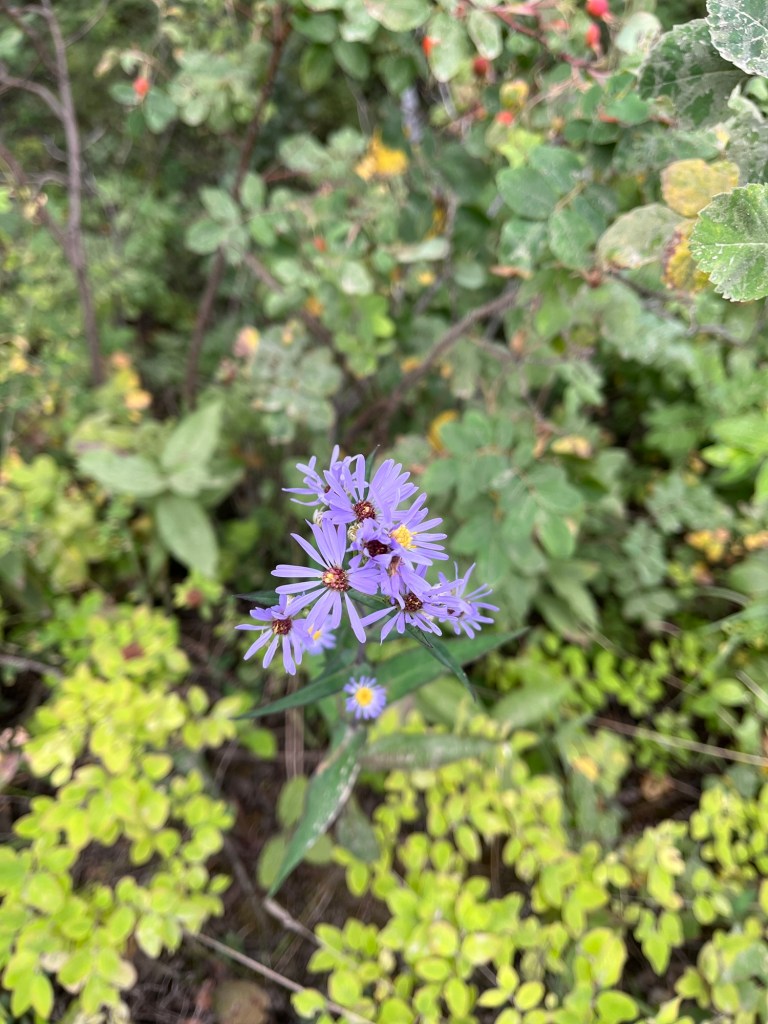
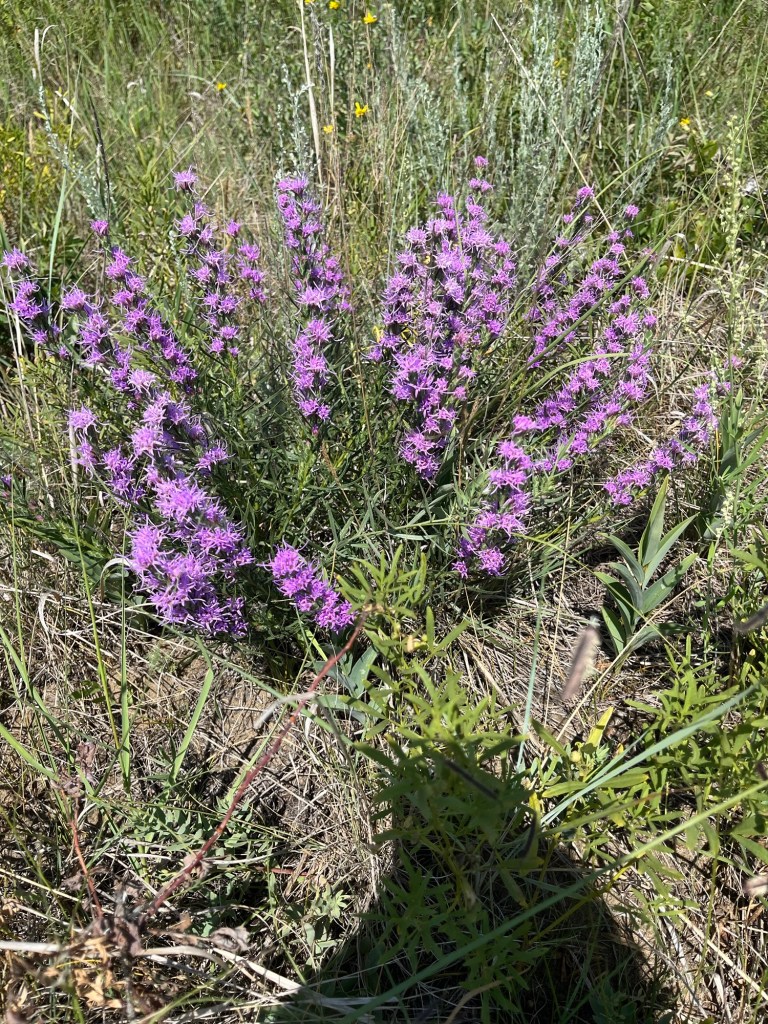
CBT is not about denying the ache. It’s about learning to see yourself in a bigger landscape—where pain isn’t the only thing growing.

CBT is not about putting a smiley face sticker on a grenade. Instead, it teaches you to make room for the hard stuff—the grief, the frustration, the “I want to throw my heating pad across the room” rage—without letting it bulldoze your entire sense of self.

Walking With Grief

Grief still ambushes me. It stings when I see friends excelling in their careers and I can’t work. But the forest has taught me: standing still while others are moving is part of my journey.

When I sit against a tree trunk, I feel its strength. I remember that even a tree scarred by disease provides shade. I don’t have to be who I was before. I just have to keep breathing through the life I have now.

As poet John O’Donohue said:

“May you recognize in your life the presence, power, and light of your soul. May you realize that you are never alone, that your soul in its brightness and belonging connects you intimately with the rhythm of the universe. “

In the forest, I remember I still belong. Pain or not. Loss or not.

The Buddha (who knew a thing or two about suffering) said:

“Pain is certain. Suffering is optional.”

The Grief Side of It

CBT also helps when you’re sitting in the grief of the “life you planned.”

When you feel small and useless. When you scroll past everyone’s travel selfies and feel like the human equivalent of a potato.

Instead of spiraling, CBT teaches:

• Notice the thought: “I’m worthless now.”

• Question it: “Would I say that to my best friend in this situation?

• Replace it with something compassionate: “I’m in pain, but I’m still me. And I still matter.

CBT doesn’t take away grief. But it helps you walk with it instead of being dragged behind it.
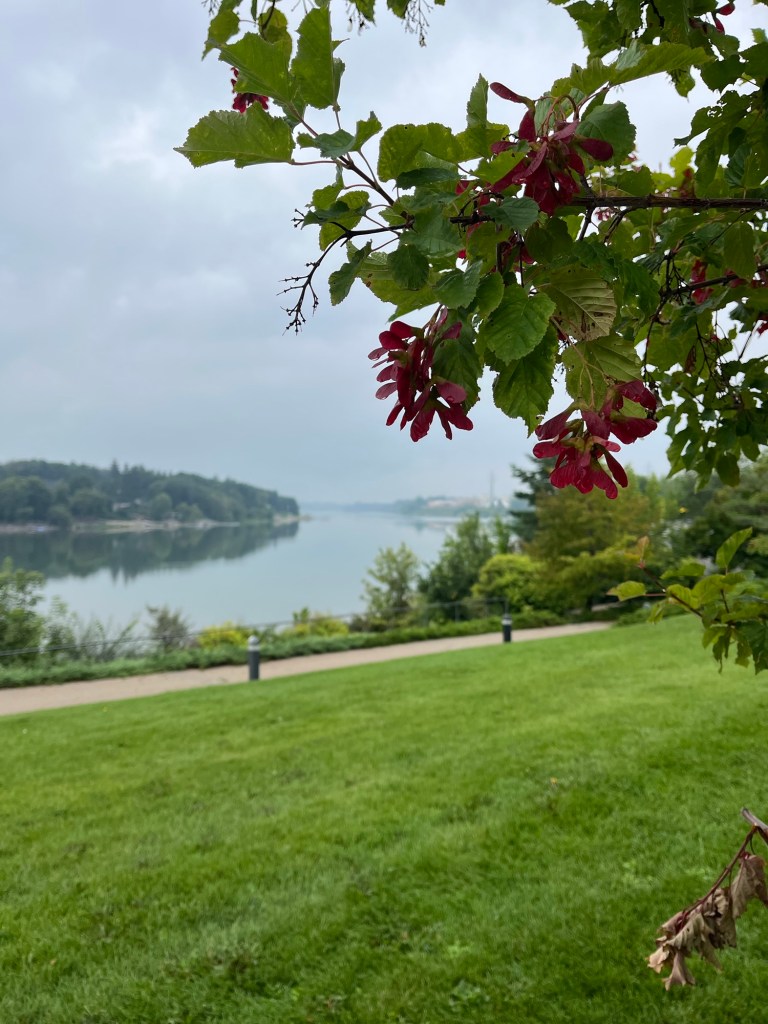
As Mary Oliver wrote:

“Someone I loved once gave me a box full of darkness. It took me years to understand that this, too, was a gift.”

I don’t know if chronic pain is a “gift” (feels more like a re-gifted fruitcake). But CBT helps me carry the box without dropping it on my toes. And exacerbating the pain.

The Bittersweet Nature of Truth

Managing pain you can’t control is brutal. There’s no sugarcoating it. But CBT gives us a fighting chance to stop our thoughts from adding gasoline to the fire.

It’s like teaching your brain to stop shouting “THE HOUSE IS BURNING” when really, the toaster just sparked again.

So here’s to adjusting sails. To finding laughter in the ridiculous moments. To grieving the life we planned, while still living the one we have—beautiful, messy, painful, ridiculous.

Because if we can’t cure it, we can at least outwit it.

“Life is 10% what happens to you and 90% how you react to it.”

-Charles R. Swindoll

From Suffering to Sturdy: A Journey Forward

Chronic pain that cannot be treated or controlled is brutal. There’s no pretending otherwise. But CBT helps me stop setting up camp in despair. It gives me tools to step back onto the trail—even if I’m limping, even if I only make it a few steps.

And the forest gives me a place to practice.

It whispers: adjust your sails, bend with the wind, let the light through where you can.

So I keep walking. Slowly. Laughing when I have to contort my body to get some joints back in place. Crying sometimes too.

But still walking.
“Between every two pines is a doorway to a new world.”

– John Muir

Healing from Trauma: My Journey

Allow nature’s peace to flow into you as sunshine flows into trees.

-John Muir

Chronic pain, illness and fatigue all come to us with a certain amount of trauma. In my experience medical gas lighting also played a key part in that trauma. There are so many ways we take on trauma through life, from slight to extreme. The experiences that have triggered that trauma for each of us are as varied as our fingerprints. But there are a few key points that you will take away from today’s post. I consider what happens to us when we experience trauma and pain. How I started my healing process. Signs that you are healing. And how to continue to support the ongoing process.

👇🏼How about a reason to work on healing from trauma and its associated triggers?👇🏼

Before we dive in, make sure you are following me on Instagram. Facebook. And X. Soon to be up and running, my YouTube channel! This year featuring videos of forest therapy in different Saskatchewan forests. That’s Saskatchewan, Canada for anyone outside our region. Stay updated on all things forest therapy that I have planned for this year.

In this post I discuss trauma. I am not an expert. I have no training in trauma recovery. What I can speak to, is my own experience. If you have experienced trauma and you need support, reach out to a trained professional. If you suspect you have wounds bigger than you can handle on your own. Counselors and therapists are wonderful at helping us heal wounds of the past. When that healing work is under way, join us in the forest for exponential growth and learning.

If you are one of my chronic comrades, those with chronic illness, pain &/or fatigue. You will know what I mean by the trauma that comes with those diagnoses. They are essentially a life sentence. A full time job with no benefits, no pay and you can never quit or get fired. While there are tools and techniques to manage chronic disease. There should still be a time to mourn the life that you had planned. It will look different going ahead. Eventually that will be okay. Take time to acknowledge the hurt. Then work towards acceptance. Forest therapy is great for this type of healing work.

If you are as lucky as I am, with an endless list of chronic diagnoses. (Only one more and then I have the whole set!😏) And if those diagnoses took time to acquire. And strike three, if those illnesses are invisible. I expect you have experienced medical gas lighting. If you are not familiar with the term, gas lighting can happen in any relationship. In medical gas lighting, a medical professional dismisses symptoms or concerns and writes them off as normal. They suggest the patient is exaggerating, imagining or overreacting. If you’ve ever left a doctor’s office feeling misunderstood. Or concerned that you will never get treatment or care for a serious ailment. You may have been a victim of medical gas lighting.

Like everyone else, I have experienced trauma in different ways. I have had medical professionals give horrid advice with disastrous consequences. Leading me to feel misunderstood and under- treated for what I was going through. Like everyone else on the planet, I have gone through my fair share of trials and rough relationships. Life comes with trauma. I have also experienced the trauma that no child should ever face.

For healing to take place. I practiced inner child work. That can sound like a myth or mambo jumbo to those who are not familiar with how it works. I don’t want to take too much time today to explain how to do inner child work. I will unpack this topic in a future post. For the purpose of this week, just remember this. Inner child healing was part of the work I did to heal from trauma. It helped me reconcile with past traumas. When I say ‘inner child’, I mean the parts of you from the past. These parts still need some help. They are stuck being young and scared.

When I did this work. It took being present in the moment and in my body. Healing didn’t start until I felt safe in my body, being still. I couldn’t talk or think my way out of the shell I had created around my utmost unresolved hurts. In my healing I had to take time everyday to be present. To like myself. Eventually I found a way to love Me. I had to feel safe spending time with me. To breathe. To feel my feet on solid ground. And to know this is what is real and I will be okay. This work is amplified in the forest. That is what worked for me.

I expect part of the reason I needed this type of healing work was because of chronic pain. When it is always present one tends to push it out of mind. Being present here and now means feeling the pain of what is present here and now. I chose to be somewhere else to escape the chaos in and around me. Now I know better.

Chronic pain is its own trauma. To begin to understand how the nervous system responds to ongoing inescapable stress. Managing pain and managing trauma have to go hand in hand to manage EITHER.

-Dr Glenn Patrick Doyle

Trauma breaks parts of our selves. Basic thoughts get flipped around. Life is good becomes ➡ life is painful. I am safe becomes ➡ I need to always be on high alert. I can trust others becomes ➡ I can’t trust people.

No one tells you how hard it is to rewire your brain. It is challenging to allow amazing things to happen after you have experienced trauma. Healing takes constantly and lovingly reminding your own brain that life is sweet. Soft places and people are everywhere. Miracles are already happening for your good. Accept them.

As adults we are capable of going back to rewire traumatic moments. For example, I had an experience as a young teen on a school bus. I felt attacked and trapped. There were so many negative feelings from that moment of my childhood. I hung on to that memory with its associated negative emotions. Through inner child work, I was capable of going through that moment with adult eyes and adult understanding. Our wounded inner child needs the support of a conscientious parent.

Nothing against any parents out there. We all did our best. We couldn’t be there for every hard moment. We weren’t supposed to be. This is all part of the process. Of learning and growing. As an adult we can go back for those parts that still need healing.

Below I list some of the things we automatically say to ourselves in those triggering moments. This is coming from the wounded child that lives in each of us. She is starving for this work to be done. The second column is what you should say to your inner child. (As I said I will take a deeper dive into this topic in a later post, this is the teaser😉.) You can use the statements in the second column to say to your adult self now as well.

For example, if I make a mistake in my blog, perhaps I have written something incorrect. If it were pointed out publicly. Despite my best efforts. I might initially listen to my wounded child (what others refer to as an inner critic) and become flustered. Instantly the thought goes through my mind. I am flawed and there is something wrong with me. Without inner child work through trauma healing, that thought would stand. I wouldn’t stop to assess the truthfulness of the statement. As a mature adult I can see that is not the way I should talk to anyone. Certainly not a young child, which parts of me are still her. I have more work to do to bring all the parts of me up to speed. It takes time and effort.

When I change my words that I say to myself. I suit them for a young child or anyone I love. In this space, growth can occur. I would change to say these words, Mistakes are part of learning. Everyone makes mistakes. We are all human. With those thoughts at the forefront, I have seen my inner child. She feels accepted and can evolve. See if there are any wounded child statements that sound familiar in the chart. If you notive yourself using any, I recommend changing them. Use words a loving, conscientious parent would say to your inner child. The words also apply to your adult self now. Use them internally to begin the healing process.

Wounded ChildConscientious parent
I’m flawed, there is something wrong with meEveryone makes mistakes, we are all human.
I need to make sure everyone is happyIt is not your job to manage other people’s emotions, only yours
I need to hide how I actually feelIt is safe and healthy to feel your emotions
I need to be perfectMaking mistakes is a part of learning
What I have to say isn’t importantIt is safe to be heard and seen, your thoughts and opinions are valuable
I need to hide my mistakesYou do not need to hide, I forgive you
I am invisibleI see you and I hear you
Life has been terrible to meI am so sorry you had to go through that, look for examples of a beautiful life
I am weakYou are perfectly imperfect, powerful beyond measure
It is all my faultWhat someone does to you is never your fault, especially as a child
I dealt with it wrongYou did the best you could do with what you knew at the time
I am all aloneIt is okay to feel lonely sometimes, but you don’t have to, I am right here
Everything I do goes wrongI see you trying the best you can

I saw a word and it ignited in me a desire to do better. To keep working on my inner child healing. From trauma. Medical. Regular growing up stuff. And the stuff that never should have happened. The word is Latibulate. It means to hide in a corner until the situation improves. While I confess I have been a ‘latibulator?’ (not a word) in the past. I am now out of the corner. In the situation. Doing what I can to improve. And a significant measure of that has been improving my inner self talk.

When your nervous system is pressuring you to make every decision based on risk management, as opposed to your actual values & goals, you begin to lose yourself. You end up living a life that has nothing to do with you. Trauma recovery is a “you” search & rescue operation.

-Dr Glenn Patrick Doyle

The best part? It can all be healed. And the effects will significantly improve your overall life. Watch for these signs that healing from trauma is occurring.

7 Signs you are healing from trauma

  • awareness of your trauma and what triggers an emotional response in you
  • ability to maturely express your needs and emotions
  • awareness and gaining control over negative self talk
  • take time for regular check ins with yourself
  • learning how to build healthy boundaries
  • seeking help when stuck
  • REMEMBER: healing is not linear, we wish it was, but it is not!

I share many things in my blog and on social media about my journey. Forest therapy has been my way through. It is the answer to so many of my physical and mental issues. It has supported me as I rewired my nervous system to one of calm and happiness.

If you need help healing from the trauma associated with chronic illness, pain and fatigue. Life trauma. Or traumas of a greater nature. The forest has answers. Forest therapy is a way to slow down and allow natural healing to occur. I facilitate the walk and guide through invitations. And nature does its work.

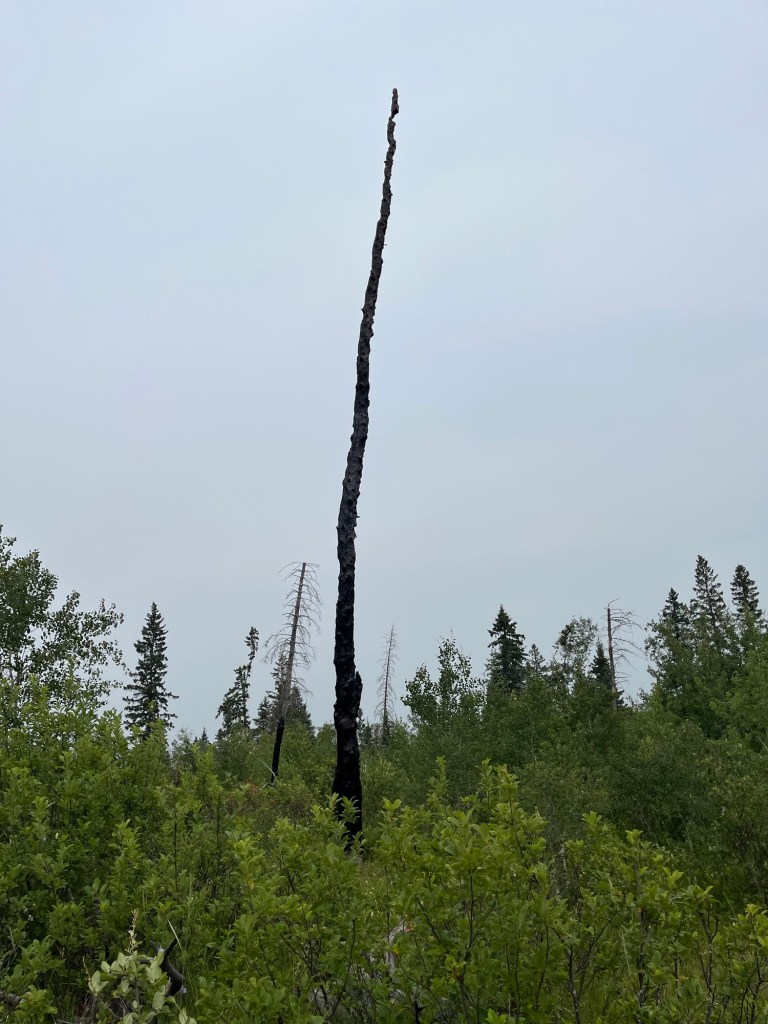
But look! You are a forest and no matter how many wildfires burn you down you’ll always find a way to grow back.

-Lena Frias

If you want to join me on a forest therapy walk you can contact me @ pam.munkholm@gmail.com to inquire. I will have options and prices listed in the coming weeks on my homepage. Walks begin the first week of April. I love to get out in the winter. And yet, this year has been so icy. I can’t risk another fall.

I will be hosting group walks in different locations in and around Saskatoon all spring, summer and fall. If you are seeking regular weekly walks or one and done. All are welcome. Or you can sign up for my six week program. More information to come. Remember to subscribe to the blog and find me on socials. sunbeamacres.

Much appreciation for making it to the end. I hope this helps someone❣