

I am wedded to wooded wanderlust; a true soulmate in the rough.
-Angie Weilland- Crosby
The Best Supporters and the Worst Naysayers
I love my support people. They are the ones who love me, have been with me along the way. And try to understand my world of chronic pain. They mean the world to me and some days they are the thing that keeps me going. This post is not directed at those loving and supportive people. But if they read this, they will get ideas of how to play defense for us chronic comrades in social situations.
You ask what I’ve been doing all this time; as if surviving wasn’t much of an effort.
-Ginnie Bale
I experienced a less-than-supportive exchange recently. I have discussed it with friends who are chronic comrades. They have experienced multiple similar conversations. Let’s talk about what my role is in someone else’s healing? How do I support? And how does it relate to honey bees? Find out more in this post.
First Things First
Join me on Facebook, Instagram and X. For quotes, reasons to forest bathe, updates and the odd pic of my super cute grandkids. If you know anyone that needs this information to be a better support person. Or, if you know a chronic comrade who needs to read this to know they are not alone. Please share.
When Helping Hurts: The Irony of Good Intentions
As humans we love to be fixers. We hear of a problem and we want to get to work solving things. Whatever we can do to relieve the suffering of another. But what if in our best efforts we are creating more pain? How do we support without making it worse?
Saying nothing sometimes says the most.
-Emily Dickinson
I have a dear friend who just had shoulder surgery. She struggles to get up from a seated position. I saw someone trying to help her stand. But in their best effort, they were pulling on her bad shoulder. She didn’t have the words to say, Stop! in her pain. As they yanked on her, she cried out. It made me think, how often in my best efforts am I creating more strain on my chronic comrades? Thinking I am supporting when really I am doing more damage than good.
Unlicensed and Unqualified: Keep Your Remedies to Yourself
One of the more painful things I have encountered since developing this condition. Is being told what I should do to fix it. As though I haven’t been trying for all these years. It brings up so many emotions for me.
When simple solutions are proposed, I feel they are questioning my motivation to get better. When they go on and on about supplements I’ve tried. Or therapies I know don’t work for me, I feel misunderstood. And alone.

When they ask where I’ve been and why I’m ghosting them. I don’t have the words to explain what being stuck in a flare means.
When they say I hope you feel better soon… 🤦🏼♀️
In Sorrow: Silence Speaks Louder Than Advice
One must earn the right to give advice to a chronic comrade. Do not offer unsolicited advice. A close support person that has been with us through the years has earned that right. A new acquaintance has not.
While we chronic comrades appreciate the effort. Whatever you think we should try, we have tried or it is not an option. You are not greater than my condition. You will not have the ability to swoop in and solve it. After years of me trying to do so.
As hard as it is for the average human to understand, sometimes there is no answer. We chronic comrades go through a grieving process to get to this place of acceptance. Do not interrupt that process!
My chronic comrades, how do you handle someone that is trying to help and doing more harm?
Try this idea on for size. What if we tried to see that everyone is here to teach us a lesson? What can I learn from this person’s response to hearing about my condition? is a good question. Is there a way to avoid this person in the future? is also a good question.🤷🏼♀️
Some cause happiness wherever they go; some whenever they go.
-Oscar Wilde
Sick of Oversharing: Trying My Best
Excited to announce I have just about had it. I feel like my body has had a check engine light on for months and I just kept driving it. ‘It’ll be fine.’ And now all the dashboard lights are on and some of them have started flashing. Sometimes life just sucks the jelly right out of your donut.
When life is going smoothly I can take terrible advice from someone, scoff, and carry on with my life. When life is opposing my every effort, it is much more difficult to have patience. This often happens in chronic conditions. It is a challenge to be patient with those who don’t understand.
This statement rings so true for me. And I hope all my chronic comrades can take this in. Say it with me: My Chronic Illness Is Not My Fault. Now say it again and mean it.
Chronic comrades do not need sympathy or pity. We don’t have time or energy for that. But when my condition and its associated symptoms are treated like moral failings. It drains what life energy we had left. So much of my energy goes to existing, I am stretched. I have a low tolerance for everything.
Here’s an odd question for my chronic comrades. When you meet someone new, how long do you wait to share about your condition? It’s like dating someone new and waiting to tell them you have kids. It’s gonna come up.
I have tried not to share about my condition. I have tried sharing just a snippet. But when someone asks what I do for a living, and I say, “My best, I just keep doing my best.” And they stare blankly at me waiting for the real answer. I eventually say somethings along the lines of, “I have chronic pain and I can’t work right now.” The conversation seems to shift.
My condition permeates my life. It has weaved it’s way throughout and there are not many topics that don’t touch on it. But in giving this much information people seem to think it is now their job to diagnose and cure me. They become Dr Quinn Medicine Woman. And inquire about medical history, medications, past surgeries and the like. They have all the solutions. Often their solution is that I just need some motivation. There is this surgery someone had. Have you tried yoga?
I look deep in their eyes and determine, I’m starting to think we aren’t in this together.
Newsflash
a person’s medical information is not up for your perusal. Do not ask invasive questions and Quit trying to fix them.
Bees Be Like My Chronic Comrades; Let Me Count The Ways
Let’s talk bees. Below, are some bee facts and how they relate to those with chronic conditions.
- There are more than 20 000 species of bees including bumblebees and honeybees. There are so many chronic conditions out there we can’t possibly have the answer to every one. Doctors are still working on how to treat them. Let’s allow the doctors and patients to figure that out.
- Male bees are called drones. Their only purpose is to mate with the queen bee. We all have a role to play. Those with chronic conditions will have to reassess the role they have assigned themselves at times. Checking in to make sure you are not playing the roles for others around you is key.
- Bees live in colonies. Those with chronic conditions rely on their support people. Do not force yourself into a role inside their colony without their approval. It’s like trying to change someone’s pants for them when they already dressed themselves that morning. Soooo awkward!😳
- Bees have different odor receptors to help them distinguish different flowers. Generally speaking, those with chronic conditions are able to distinguish the pain and frustration of a chronic comrade. Better than someone who has not experienced it. Do not be offended if your loved one with a chronic illness needs the support of other “bees”.
- A Queen Bee can lay up to 2500 eggs a day. You don’t see the queen. Anyone that is able to watch her will think she is just sitting around. But under the surface, great effort is occurring. This is her role and she fills is elegantly. My chronic comrades have been known to lay low. Sometimes that is our role. And I see my chronic comrades as elegant in the laying low and the emerging when it is time.
Here’s another suggestion for my chronic comrades in these awkward conversations, a wise man once said,
Bees don’t waste their time explaining to flies that honey tastes better than 💩.
-Willbur Glenn Colaco
Uplifting Allies: A Glimpse into Positive Support
This is what positive support looks like for me 👇🏼. How about you? Drop an image or remarks in the comments.
If I fall and you don’t know how to safely get me off the floor. Don’t yank and pull until I am crying out in pain, lie down with me until the ambulance arrives.
These are just ideas. These make my nervous system calm to know that someone else has felt what I am feeling. If you can find ways to relate to me, I feel less alone. I feel that when I think of my chronic comrades. I know I have chronic sisters who spend a lot of their time working on their eluxorama. I am inspired by them!
Eluxorama
The devotion to positive spiritual growth in the midst of underlying chaos or darkness
Surviving Life’s Ricochets: Finding Clarity Alfresco
Some days I enjoy time spent developing my eluxorama. Other days I say, ‘it is what it is’, then I turn around and vomit due to anxiety. Having a support person can take me from yelling, “Silence you uneducated peanut!” at those who don’t understand, to :
"Let me keep my distance always,
from those who think they have the answers.

Let me keep company always with those who say
"Look" and laugh in astonishment
And bow their heads."

-Mary Oliver
Nature’s Finest Wonders
Get out and enjoy some forest therapy. There is so much beauty around us.
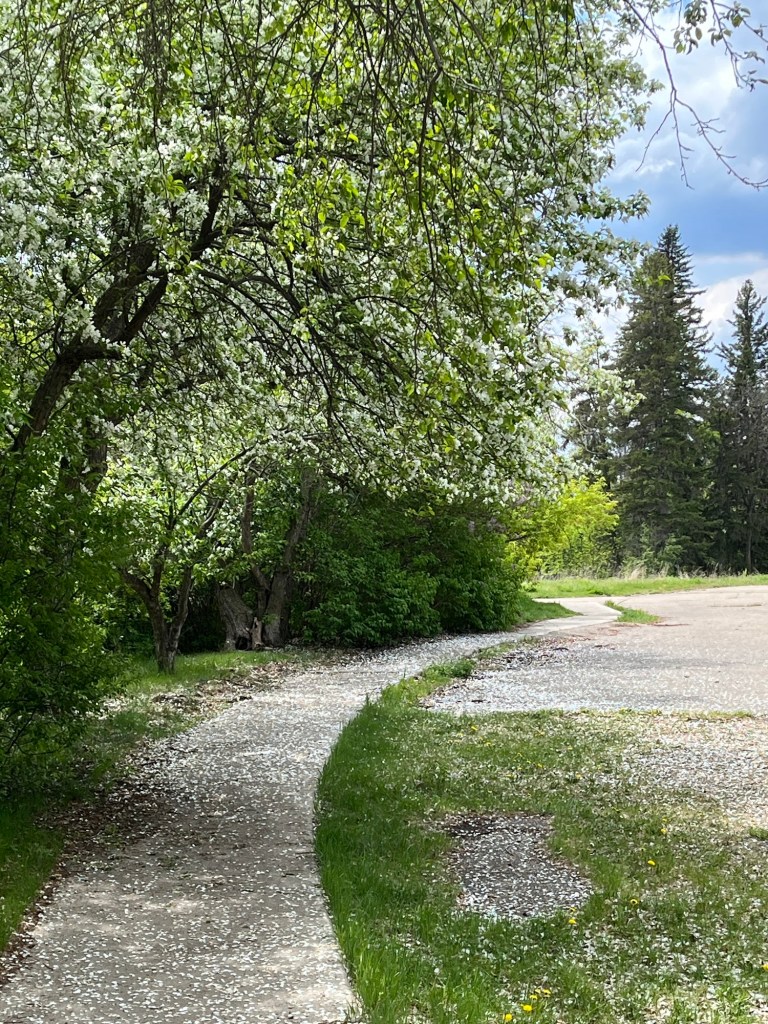


In nature nothing is perfect and everything is perfect.
-Alice Walker
Here’s some life lessons from our honey bee friend:
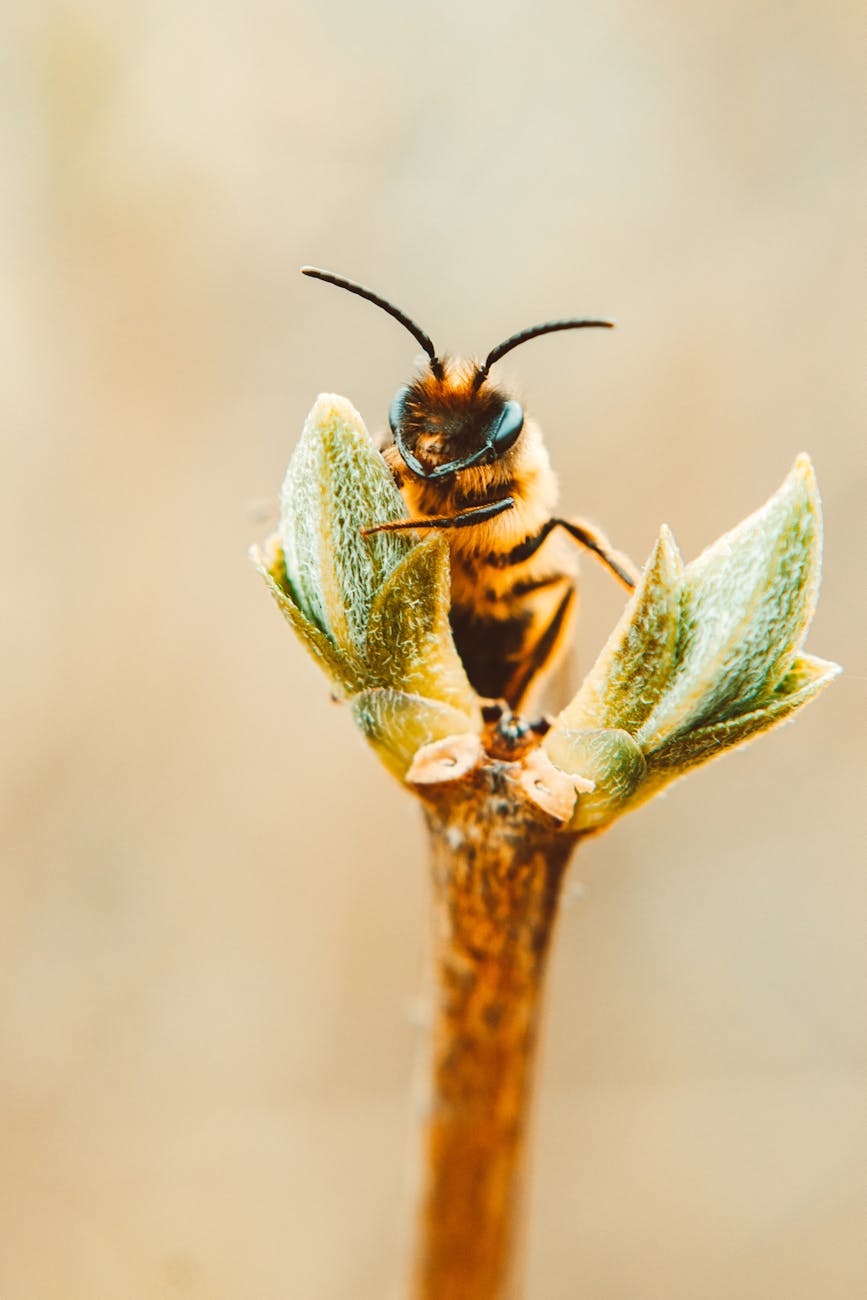
- stop to smell the roses
- take care of your family
- be loyal
- work hard in your role
- the sweetest things result from our efforts
- cooperate and collaborate
- watch out for nature
- consider the needs of the group
Thanks for joining me. Whether you are a sufferer or a supporter or someone that wants to understand. Here’s the highlights. Make sure your helping is helpful and not harmful. Unless you specialize in my condition, or are a support person that has earned the right to an opinion. Kindly keep your remedies to yourself. Even if you have the best of intentions. Thank you, but no thank you. My condition is not my fault and yes, I have tried that. Do you see yourself in my bee analysezzzzz? I’ve shared what positive support looks like for me. Drop a comment for what brings your nervous system to calm. Develop your eluxorama and enjoy nature’s wonders. Take some lessons from our bee friends. Take care, my friends.
"Some days she's a warrior.
Some days she's a broken mess.
Most days she's a bit of both.
But everyday she's there
Standing. Fighting. Trying."
-Anonymous
…as I wandered the forest, the green leaves among, i heard a wildflower singing a song…
-William Blake


 SUNBEAM ACRES
Josh Reid Jones JBNPROJECT.COM
LikeLike
Late to comment, but I love this post! Linda xx
LikeLike