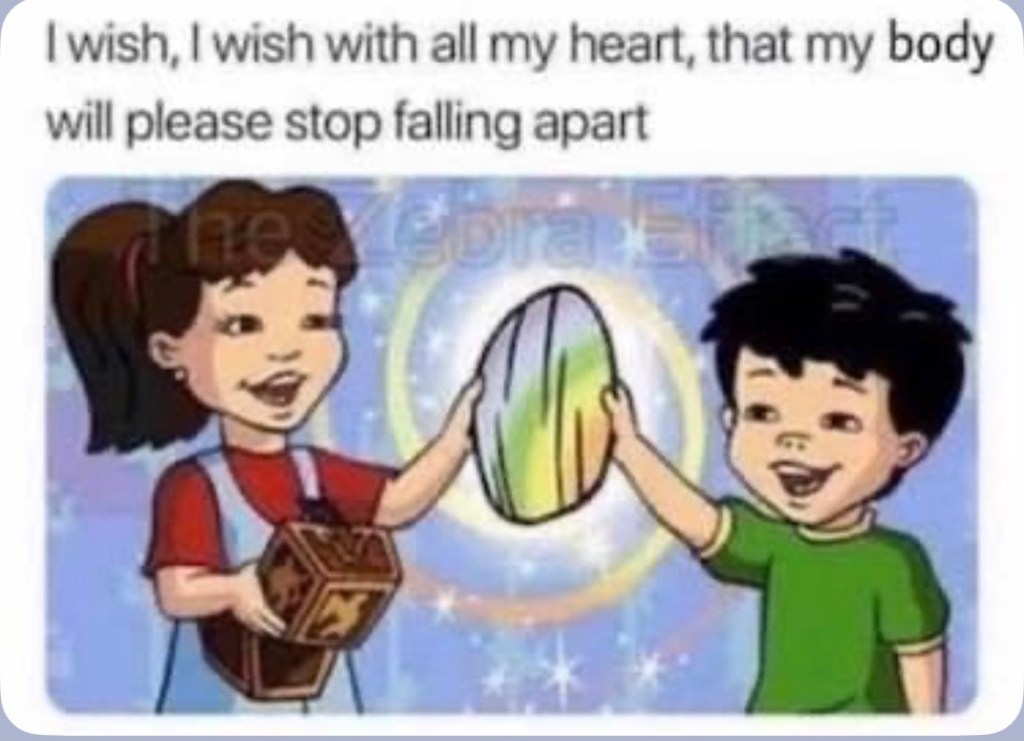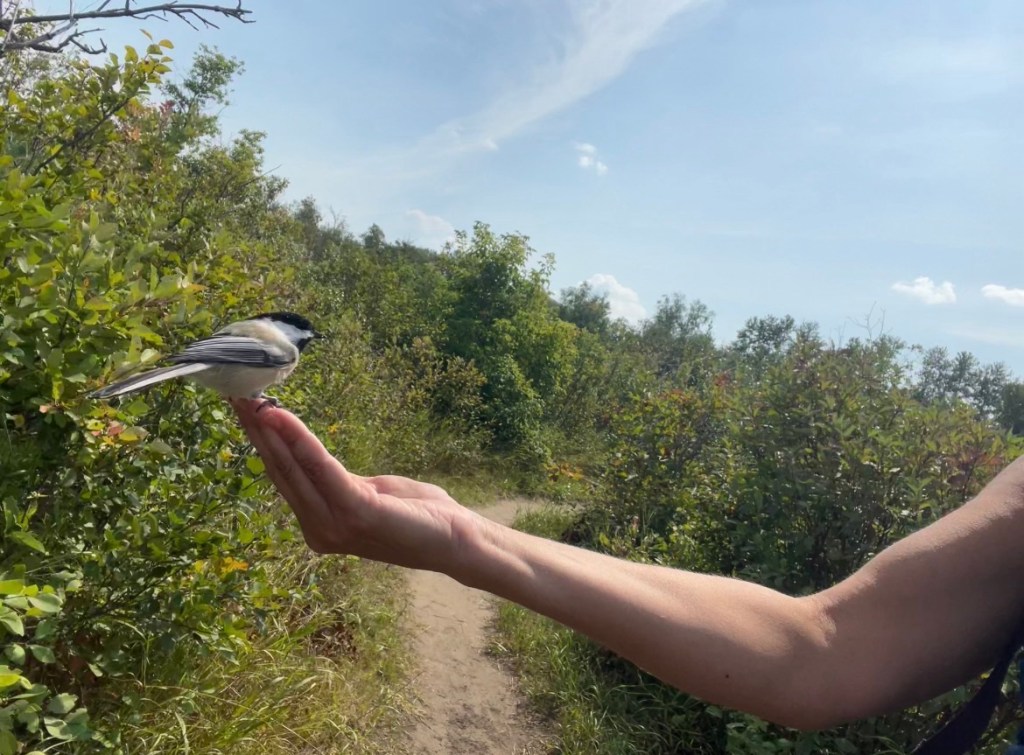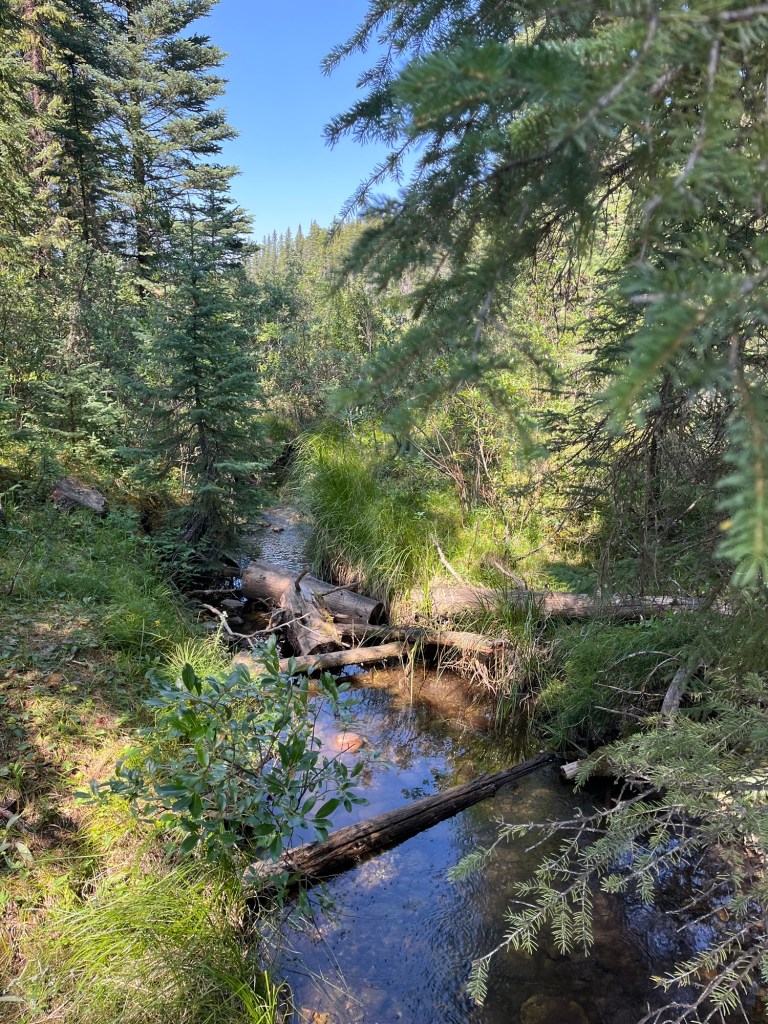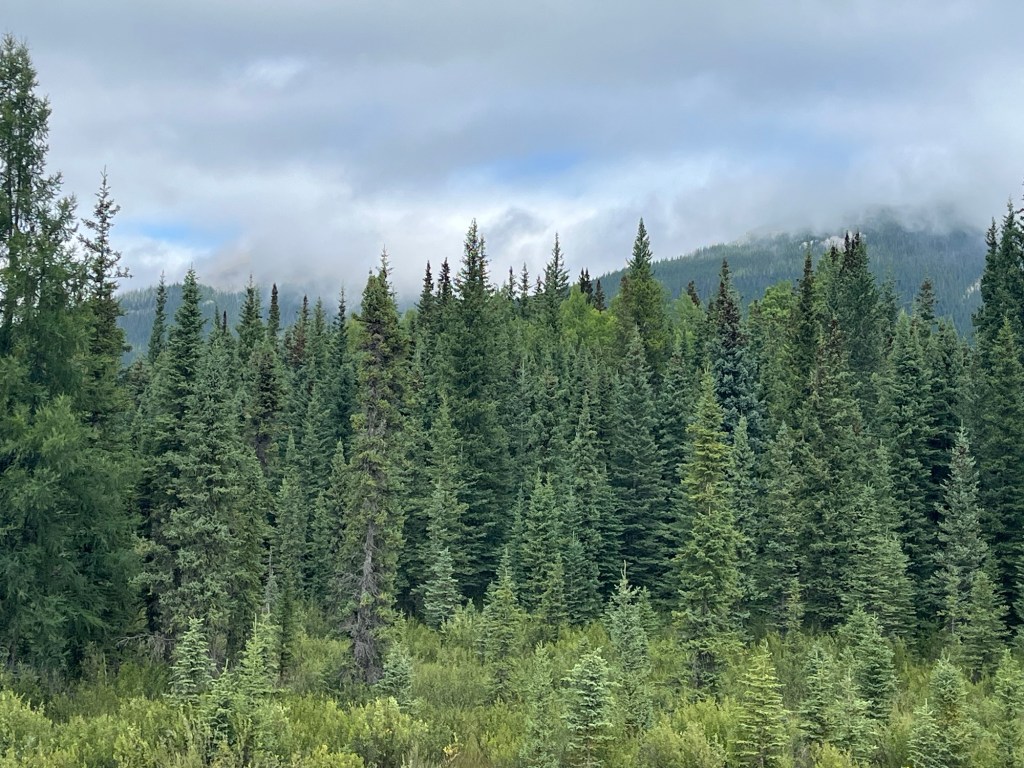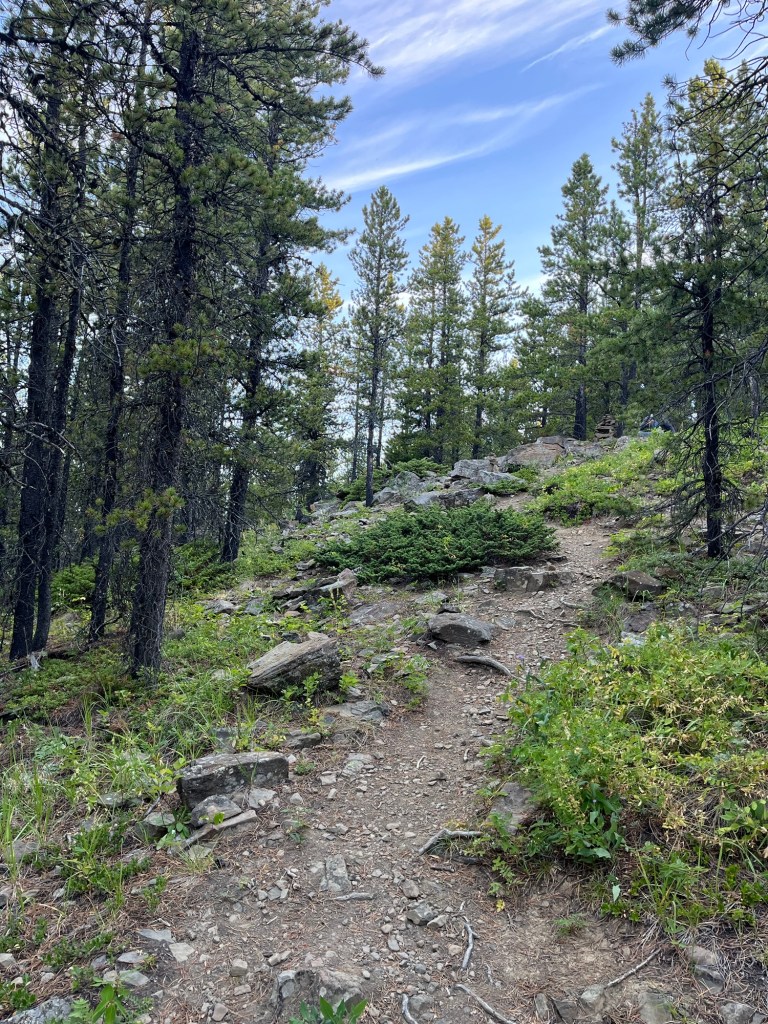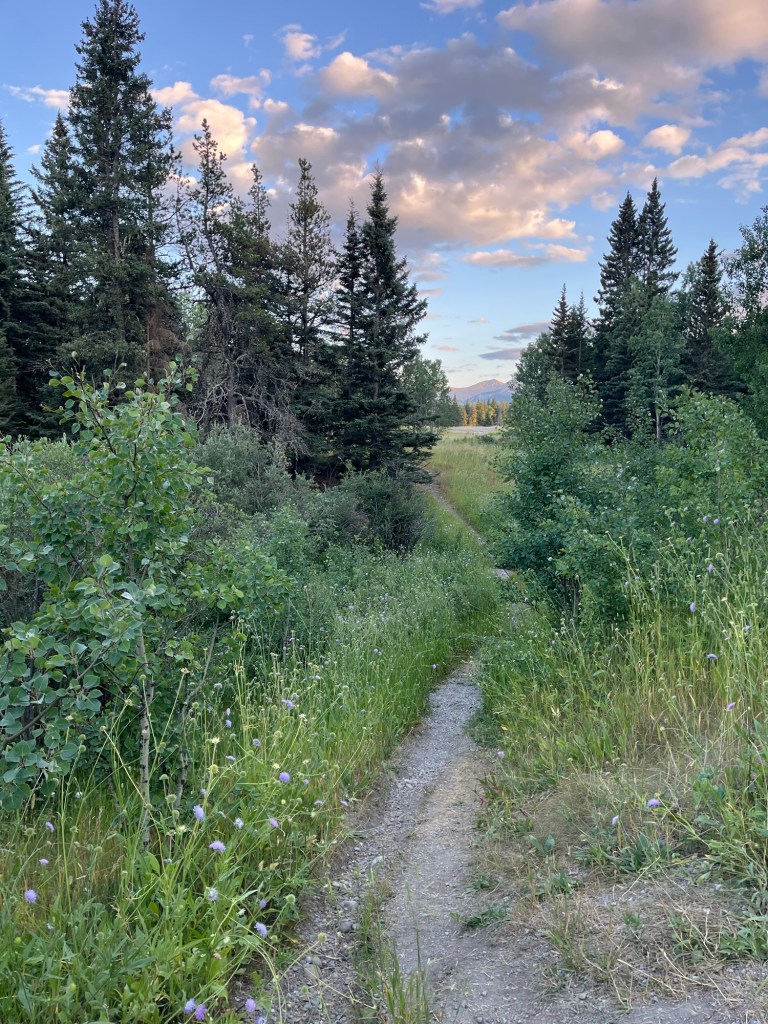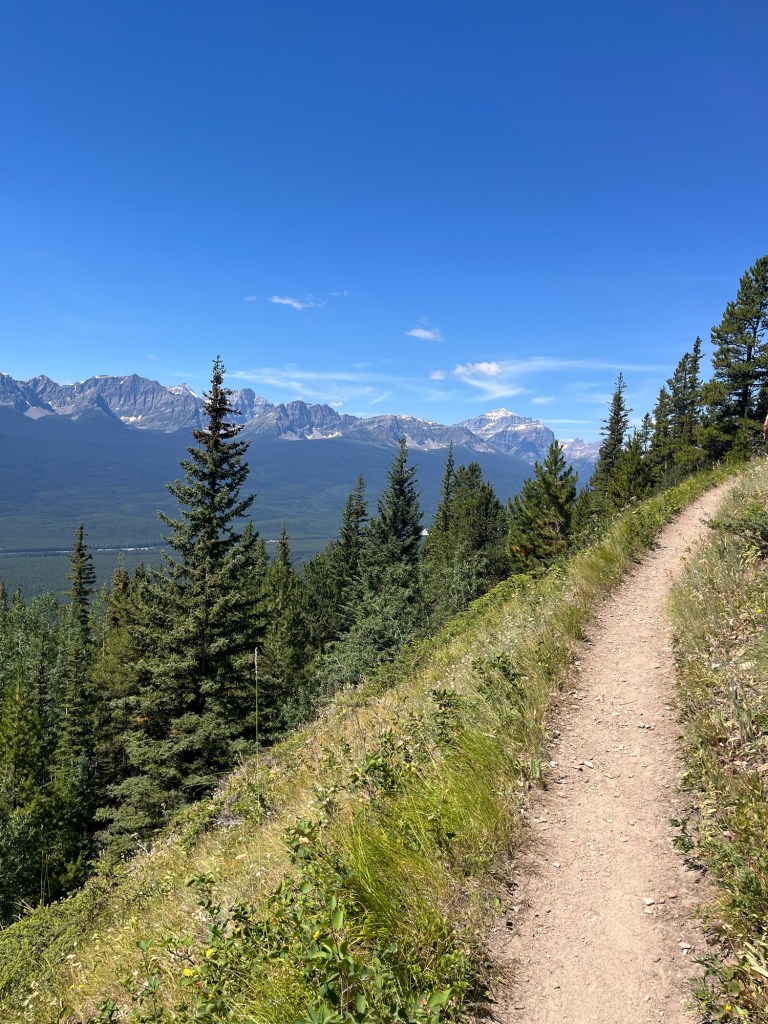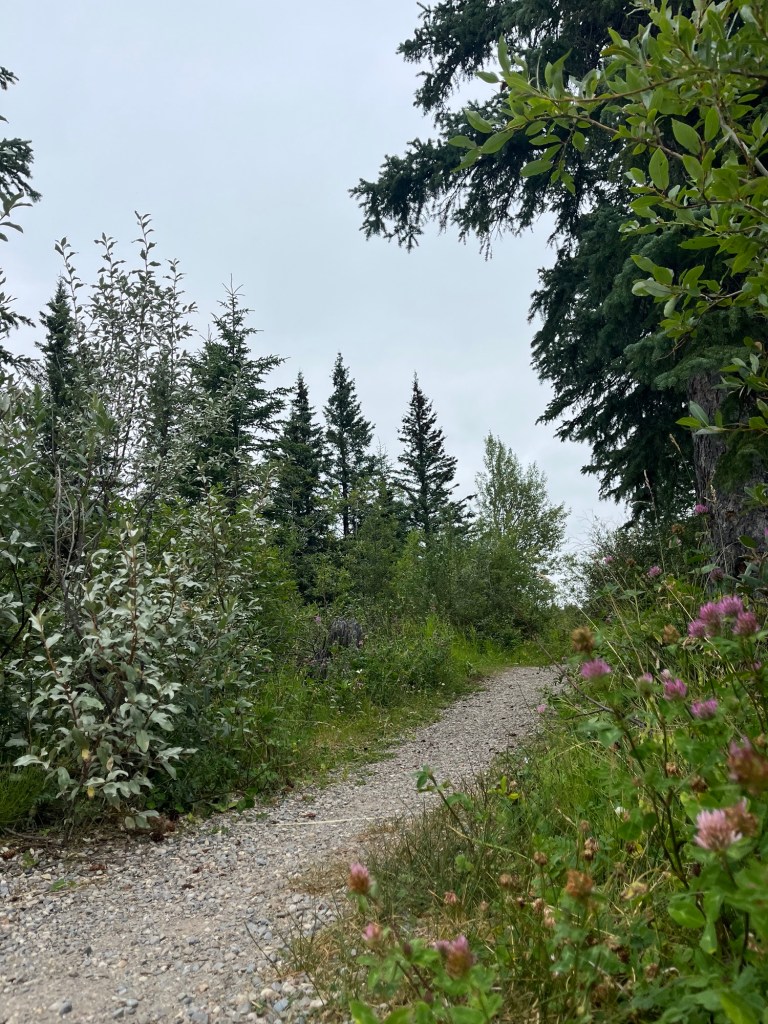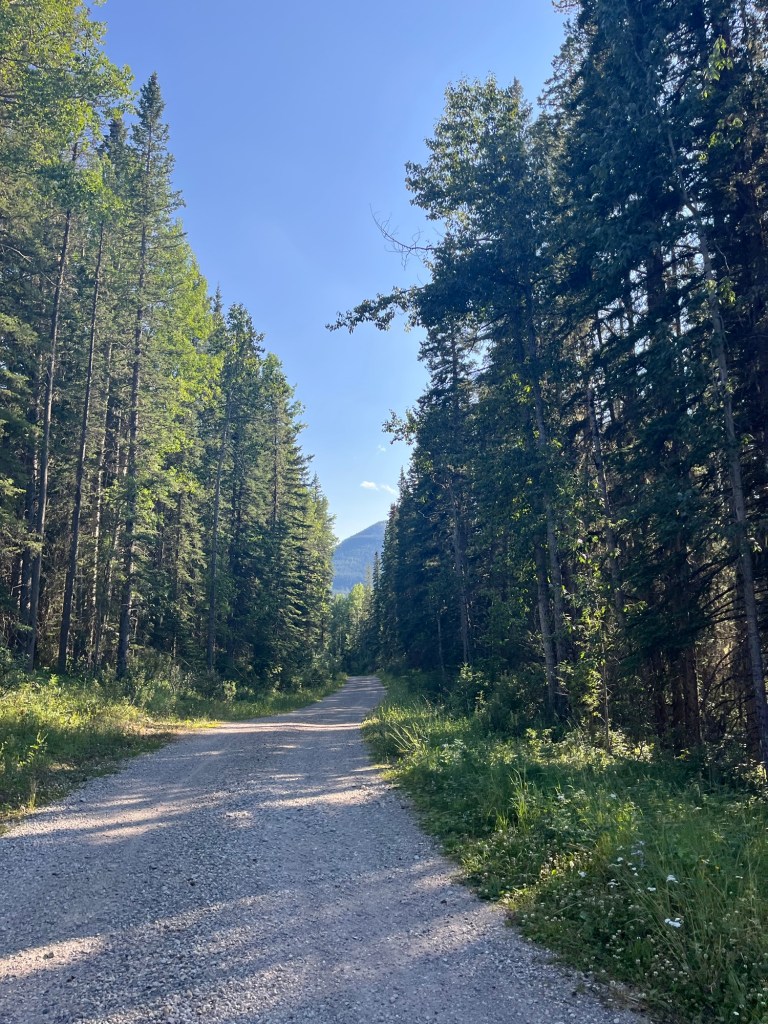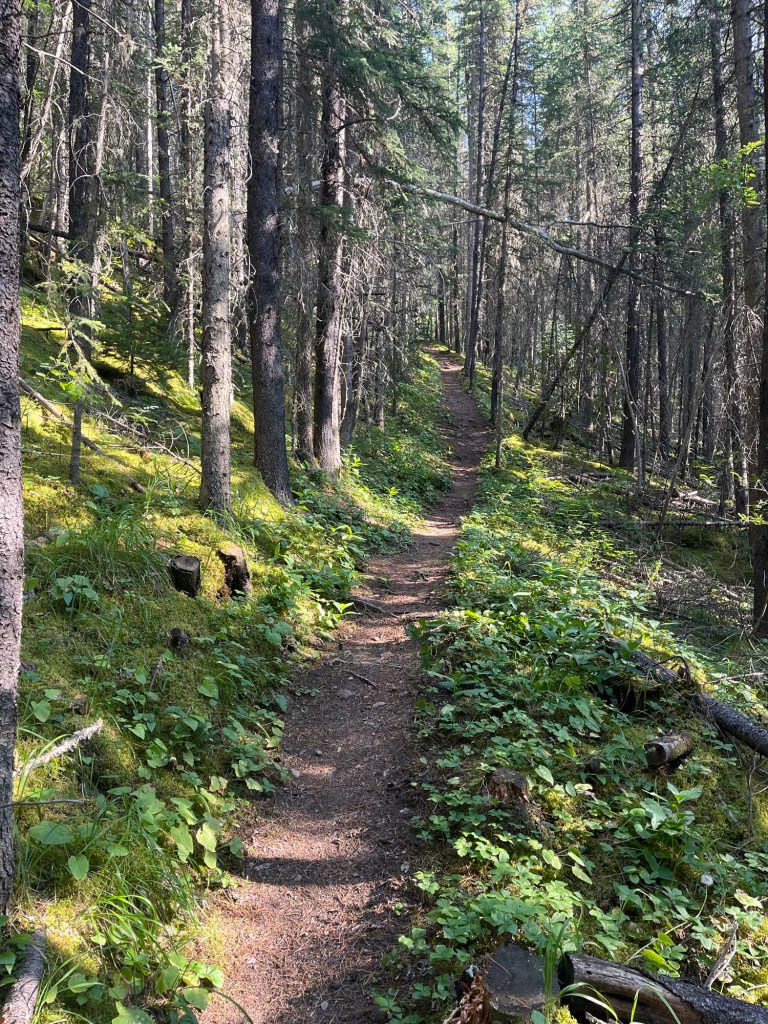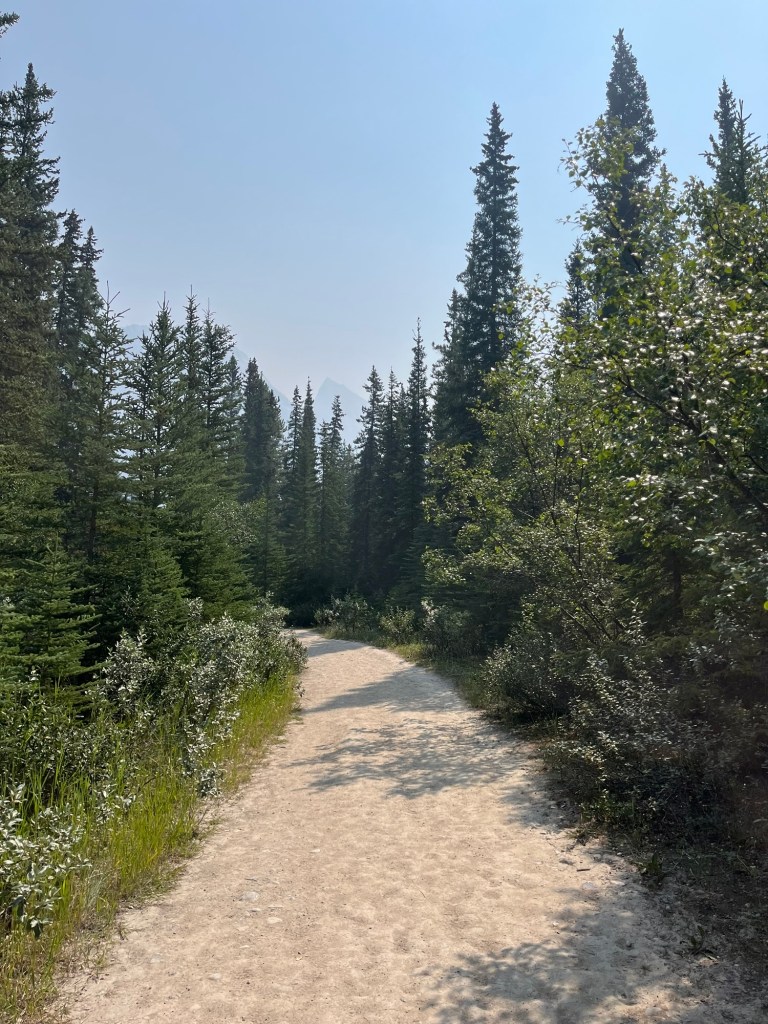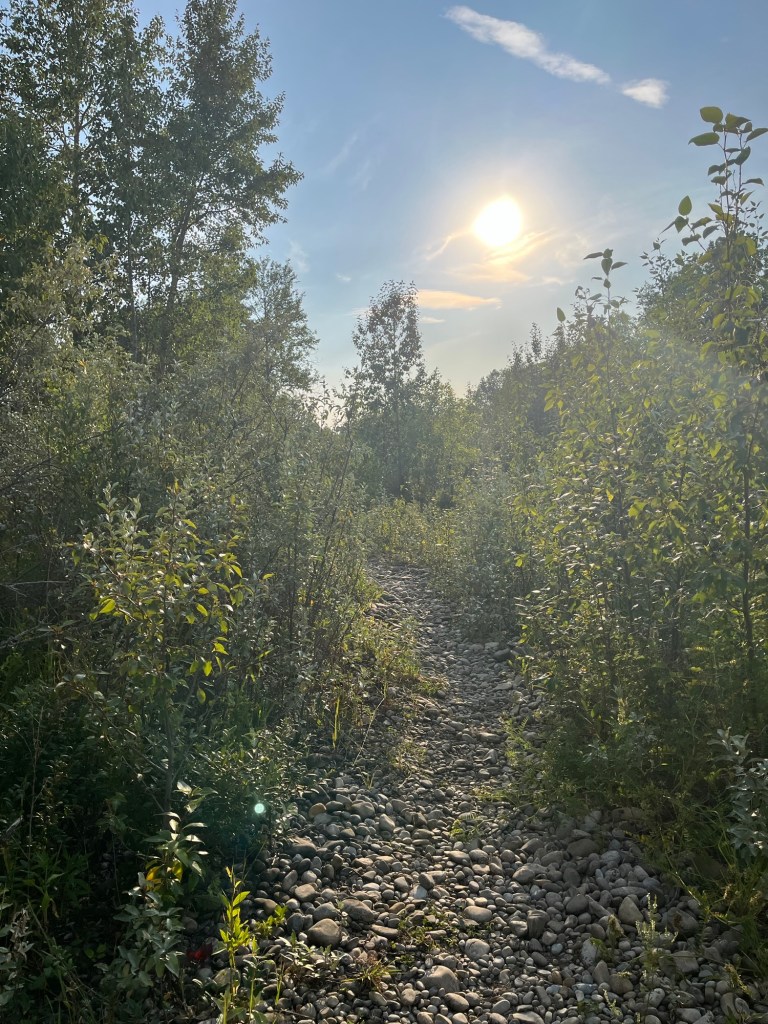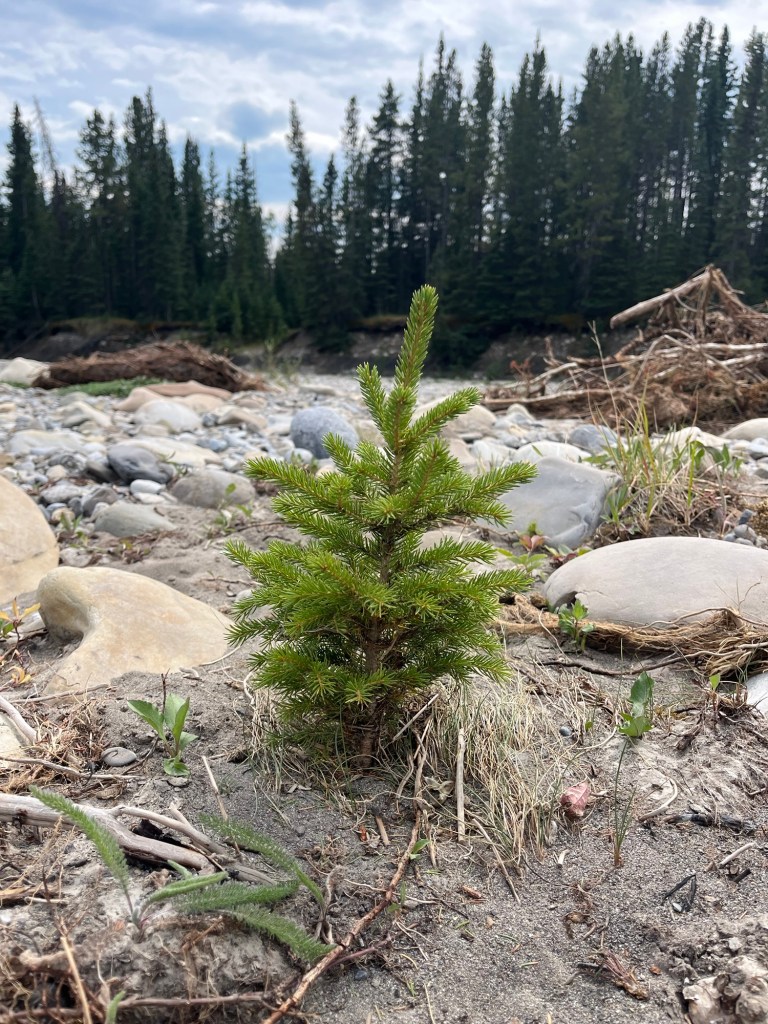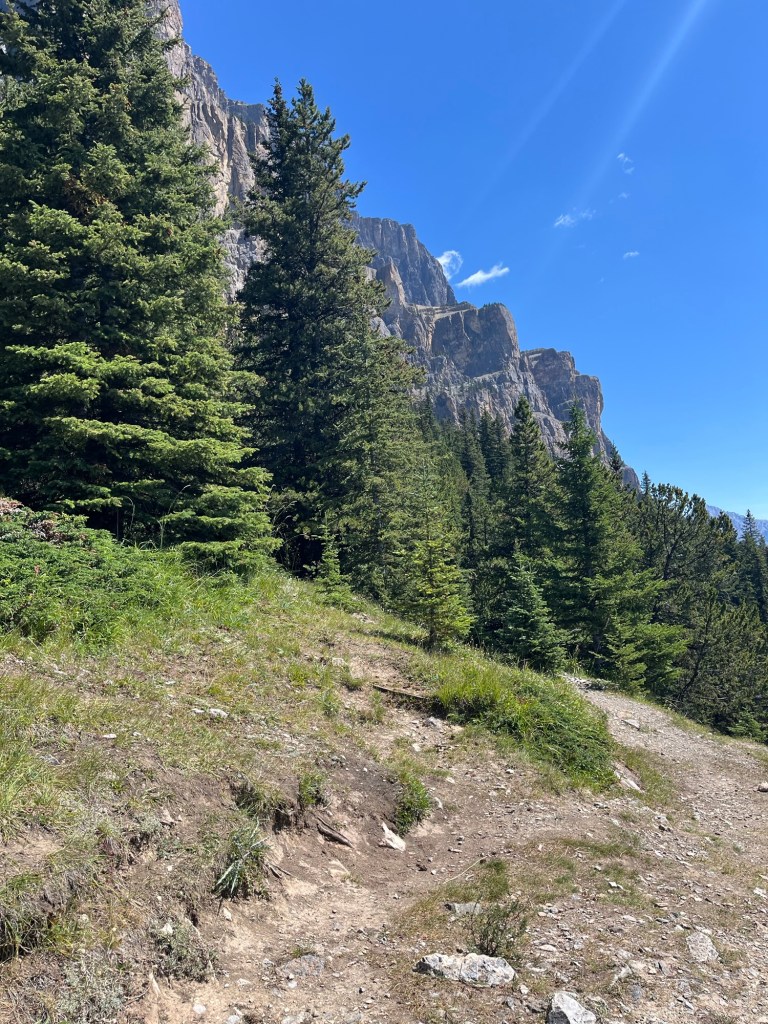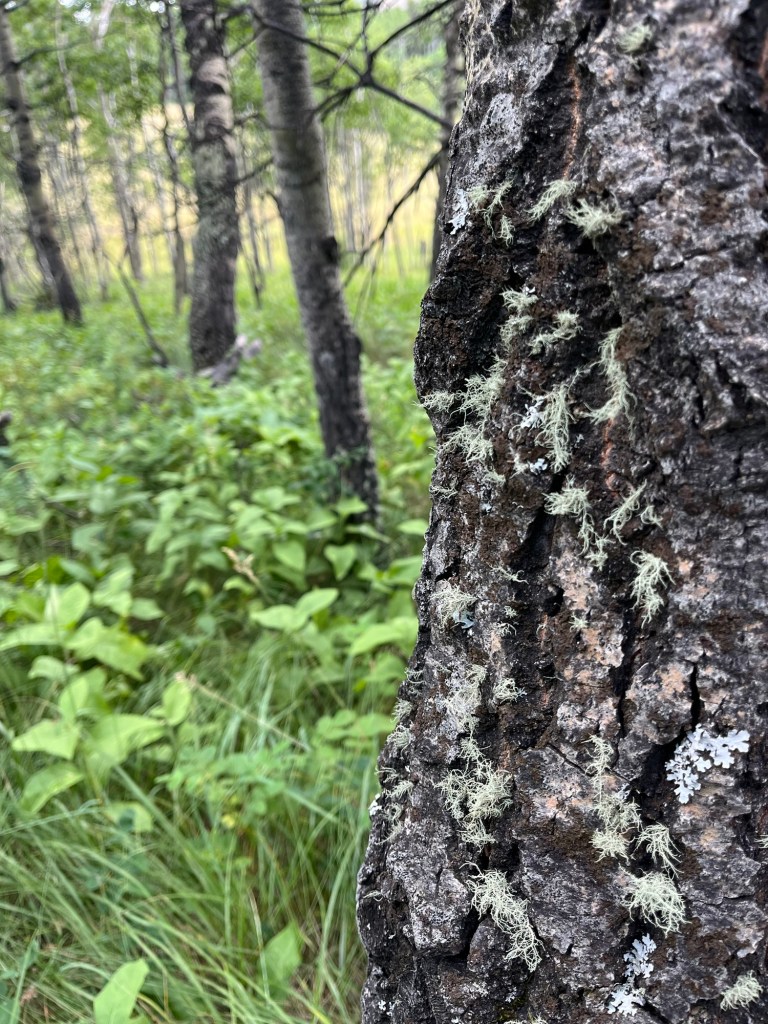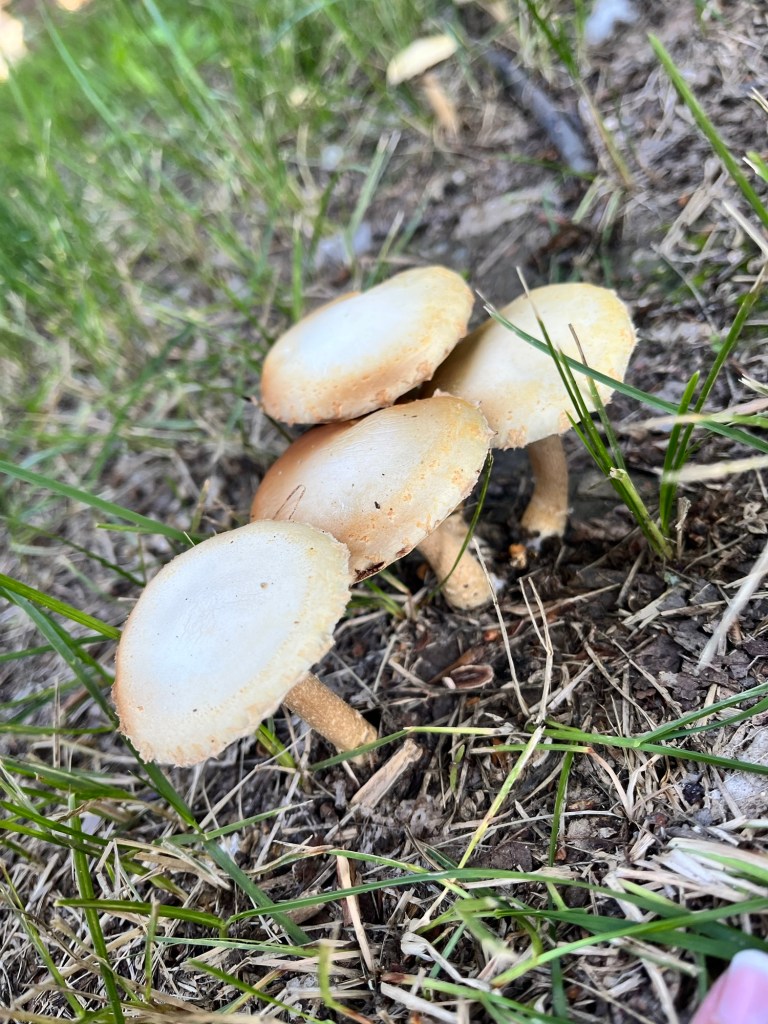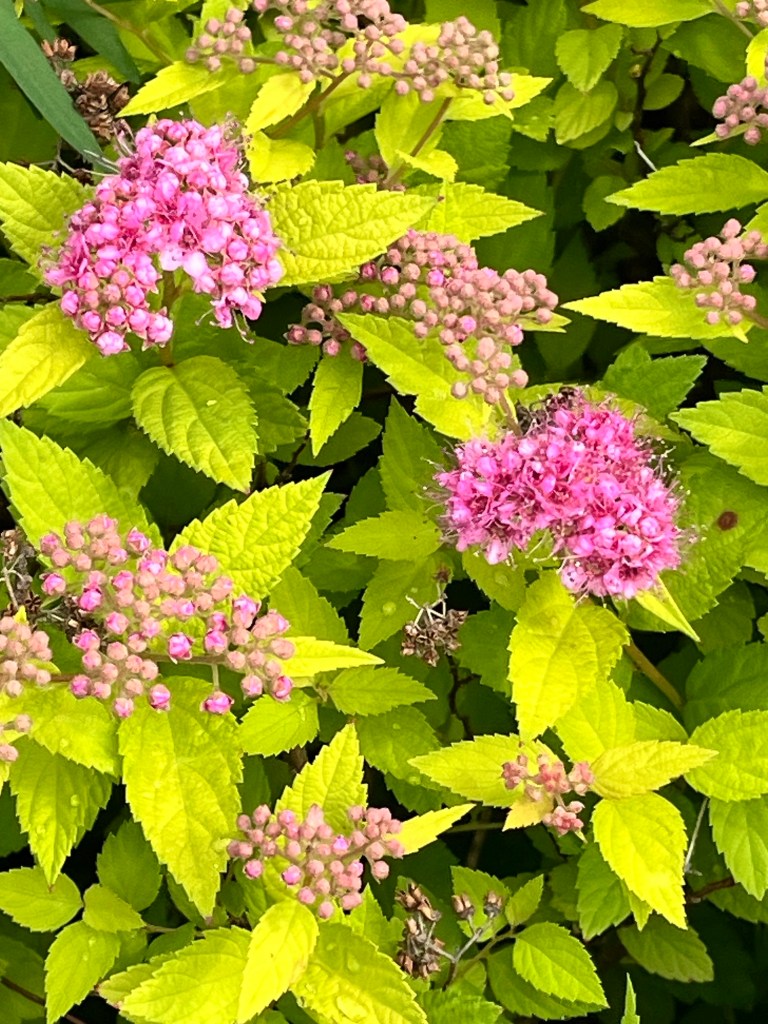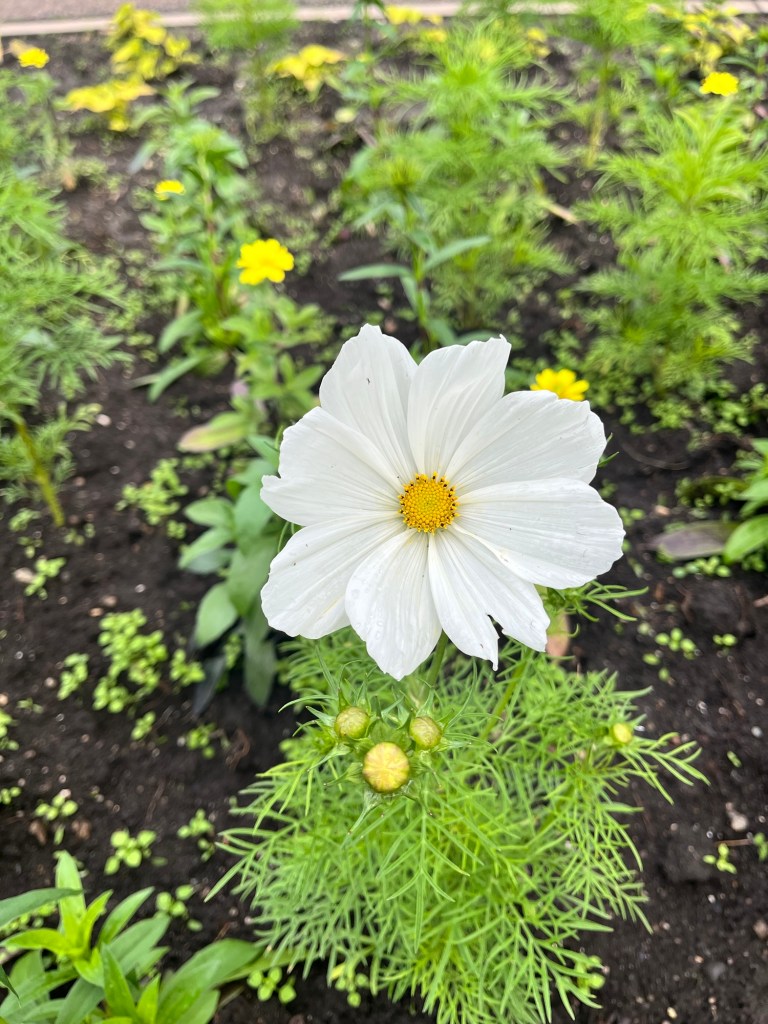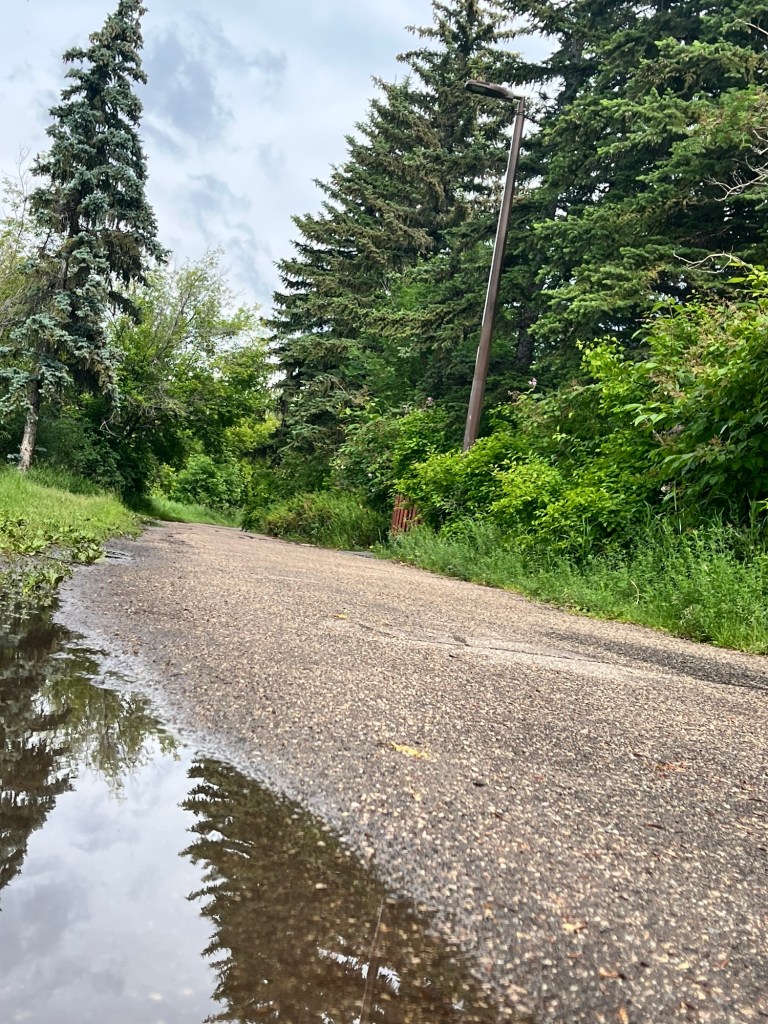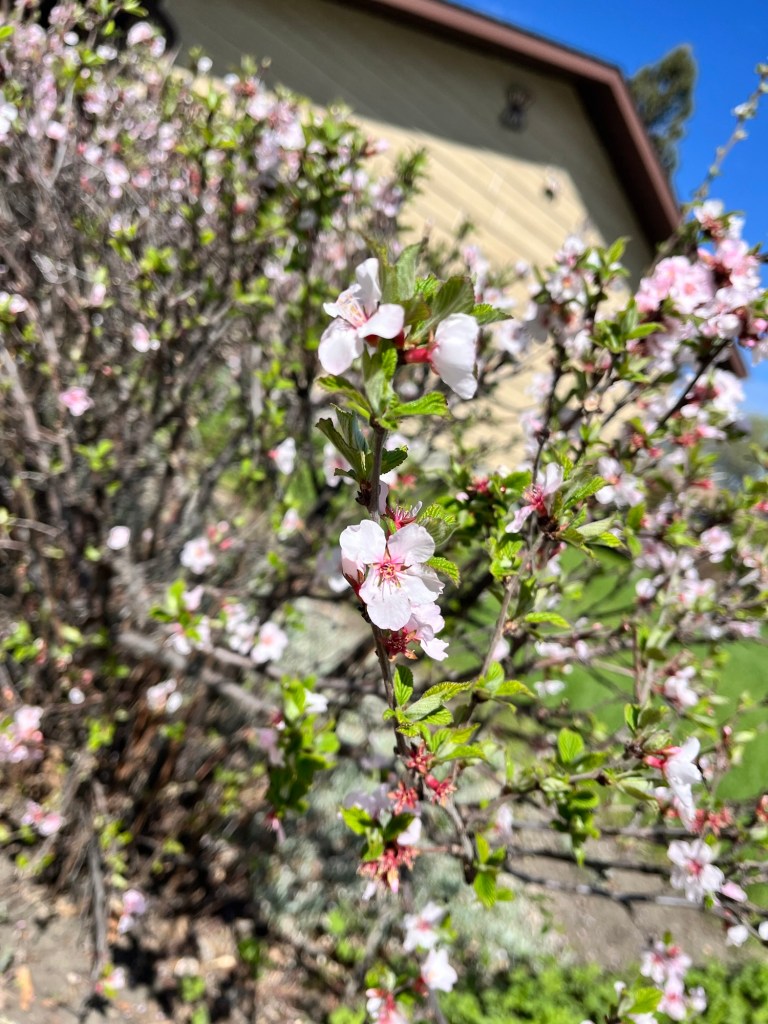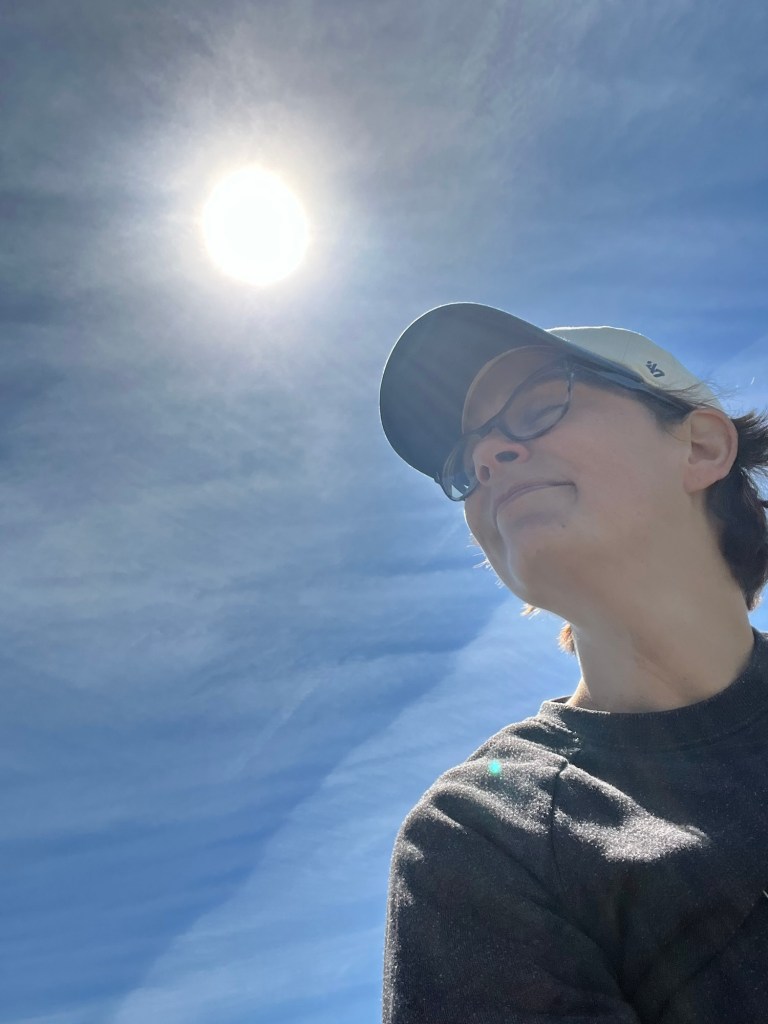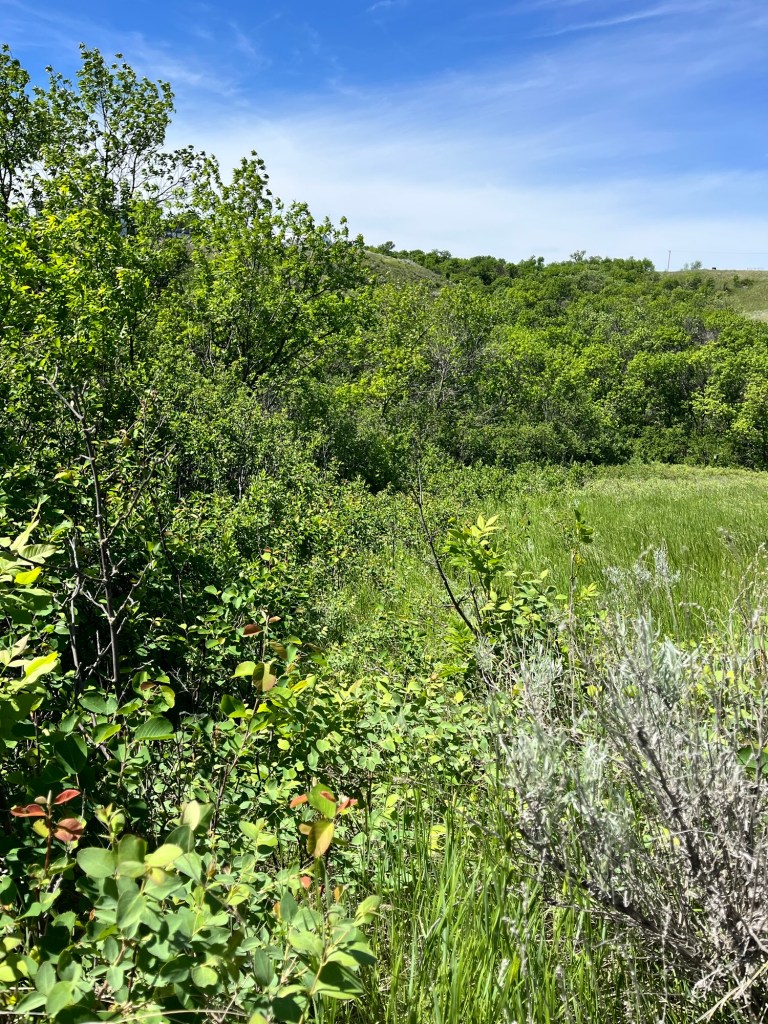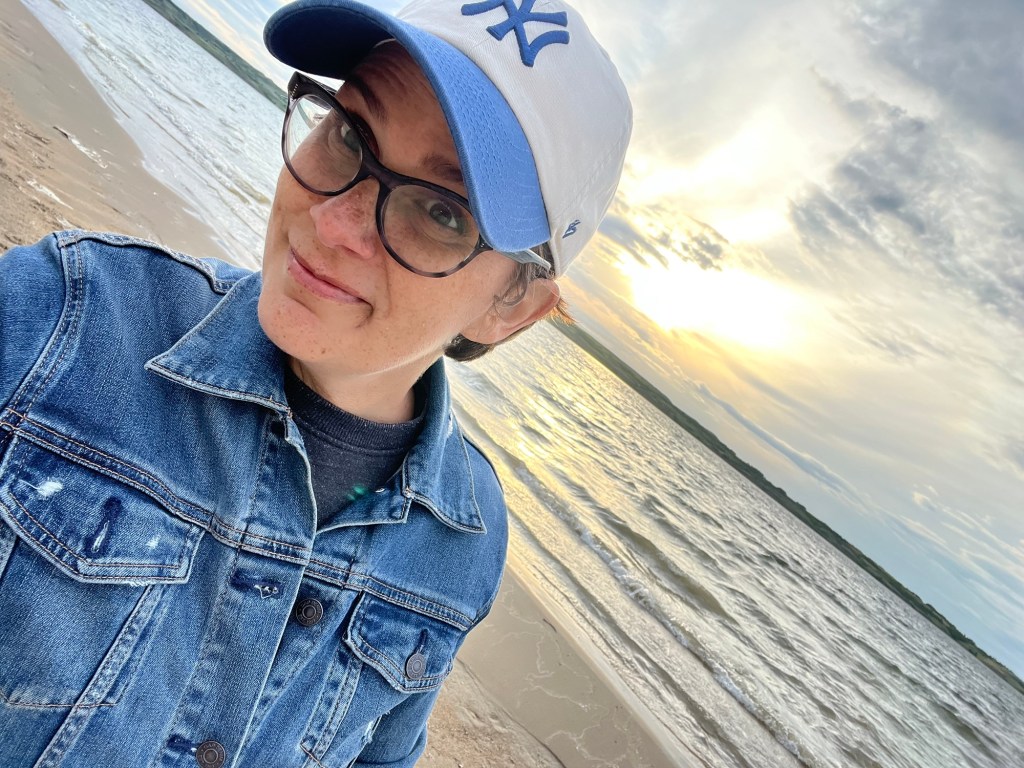

A wrong note doesnโt ruin the music. A painful day doesnโt ruin a life.
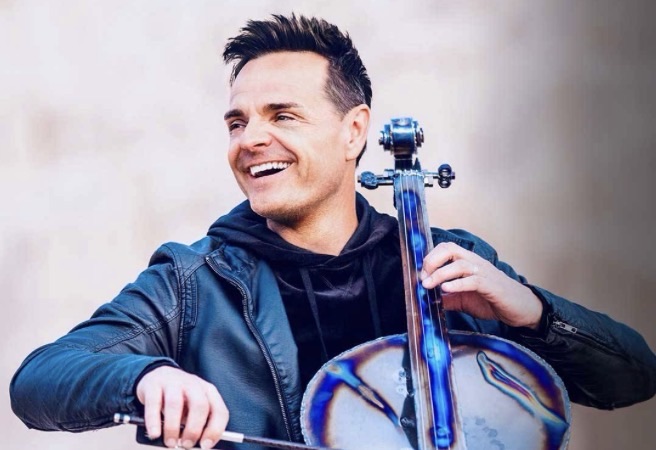
Steven Sharp Nelson from The Piano Guys was a guest on my usual podcast. He talked about a time, when he was young, that he was asked to play at a grand, important event. And he played quite poorly.
When he asked his dad how he had done, his father didnโt criticize him. He said he felt every mistake Steve made. Every bit of despair was written across his face, and his dad was pulled into it with him.
I know that feeling.
On a high-pain day, sometimes the people around me are pulled into it too. They see my face, hear my voice catch, watch me move carefully, and somehow begin carrying a little piece of what Iโm carrying. I sense what itโs costing them and feel guilt begin to weigh me down.
Other people donโt know what to do with my pain. So they carry on as though it doesnโt exist. As though it and I along with it, are invisible.
Neither reaction is necessarily wrong. But both can leave their mark.
One makes me feel like my pain is consuming everyone around me. The other can make me feel like Iโm invisible.
Steve said that now, when he plays a wrong note, he smiles.
Not because the mistake doesnโt matter. Not because heโs pretending everything is fine. But because he knows what he wants to do with that moment.
I donโt think I need to smile through every painful moment of my life either. Iโm not interested in pretending chronic pain isnโt real. Some days hurt.
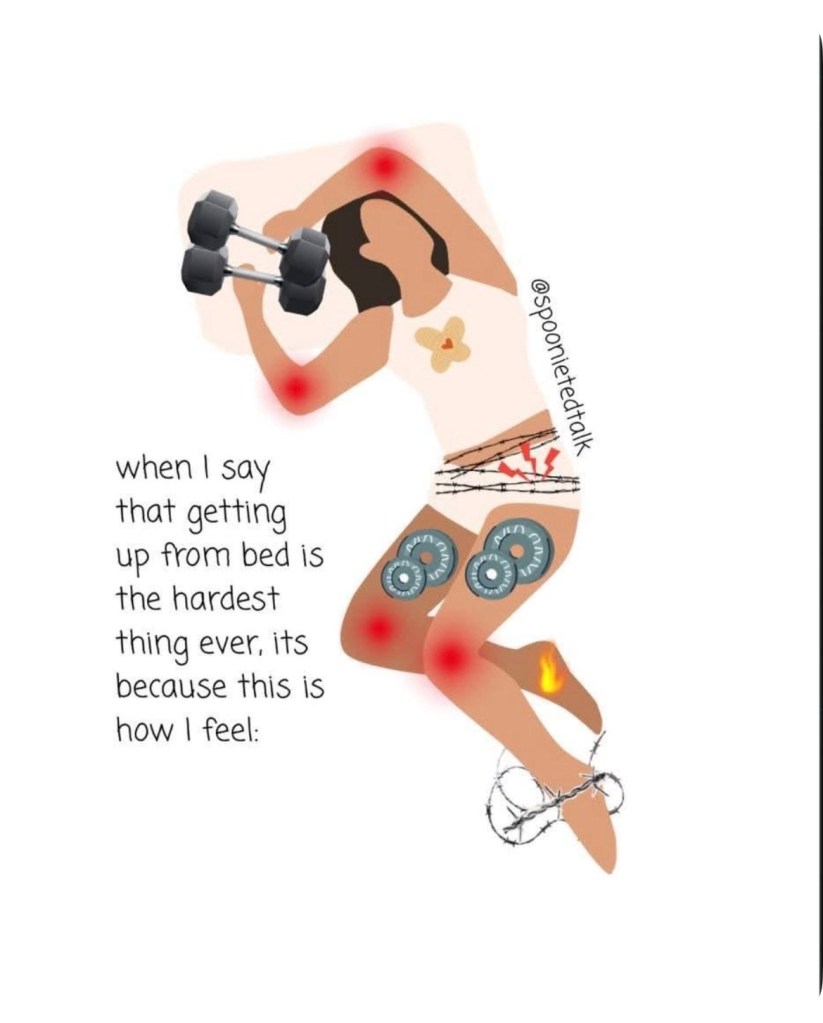
On those days I get an โerror 404 ๐ป: human not found ๐ซโ message every time I try to move.
But maybe there are moments when I can smile anyway.
Not at the pain.
At what Iโm accomplishing and creating in spite of it.
Steve said something else about creativity.
He talked about how music and art have helped people through depression and burnout. But creativity isnโt reserved for musicians, painters, writers, or people who happen to be good at something other people can admire.
We are all creative.
And creativity, he said, works differently when weโre doing it simply for the joy of creating. Not to sell it. Not to post it. Not to have someone judge it.
Just to make something. To play. To imagine. To wander somewhere new.
Steve suggests that when we find ourselves making up storylines and placing blame on others, that we need to add more creativity to our life.
Creativity will make its way out of us one way or another. Either by creating what brings joy or creating storylines where we are the victim. Our brains are excellent screenwriters.
Have you ever been in the act of a menial job that requires no thinking? Cleaning the bathroom? Dishes? Driving on a highway? Do you start to picture these stories playing out in your mind?
This is your brain trying to be creative. Give it a joyful outlet to do so or it will create drama in your life.
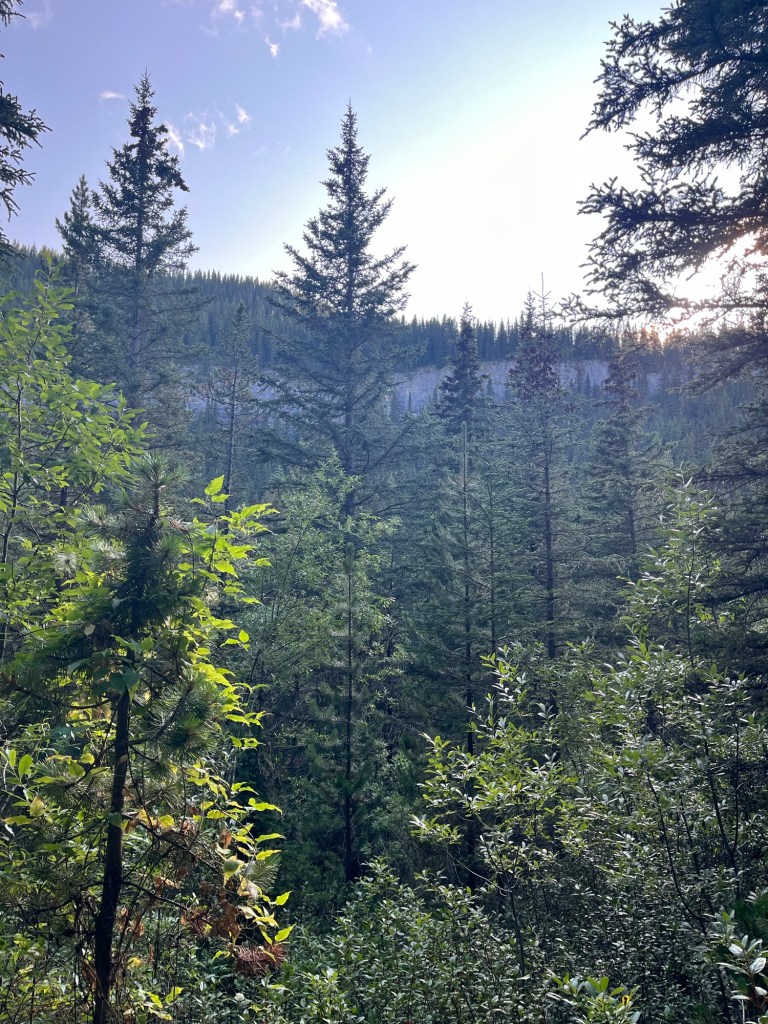
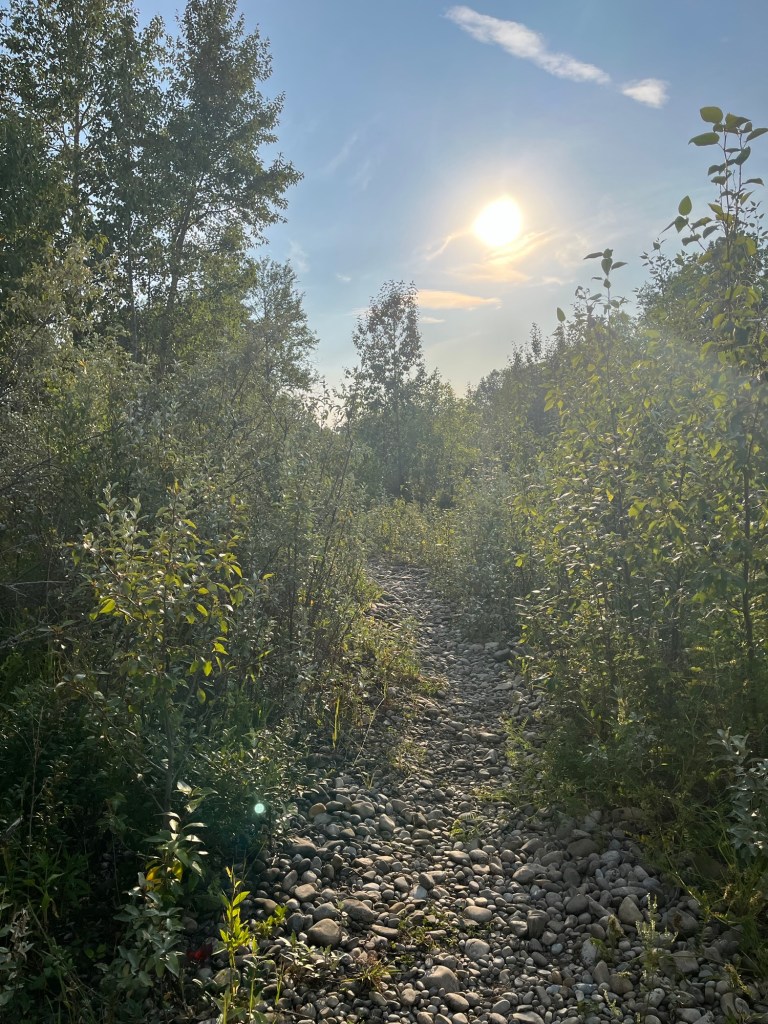
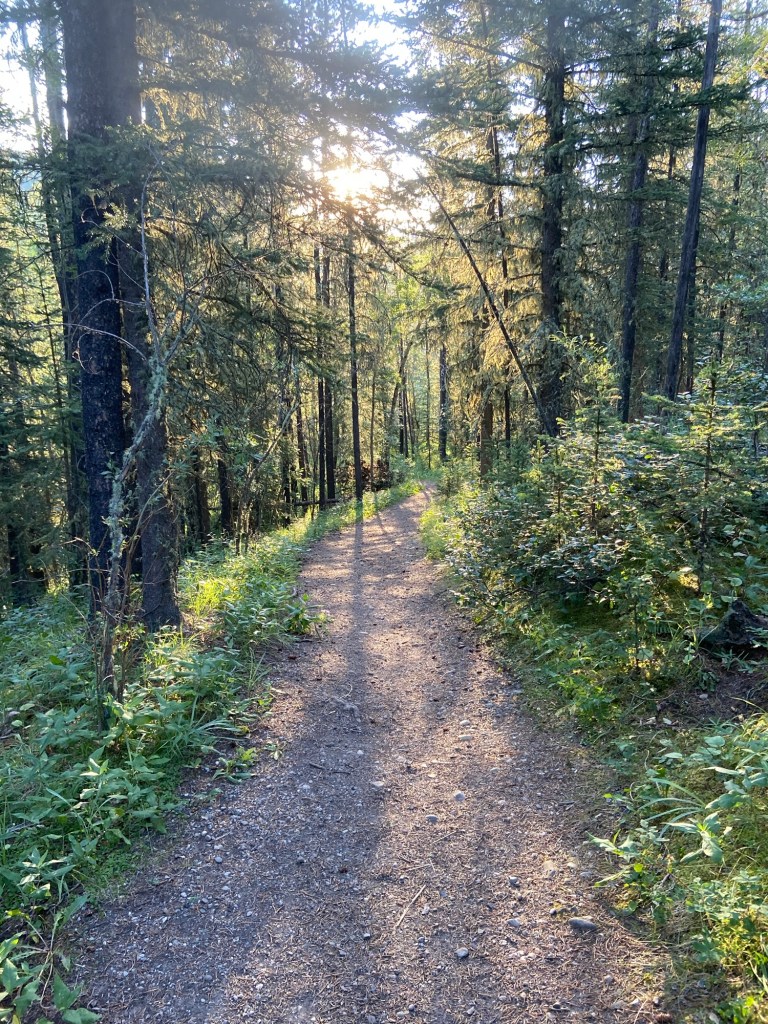
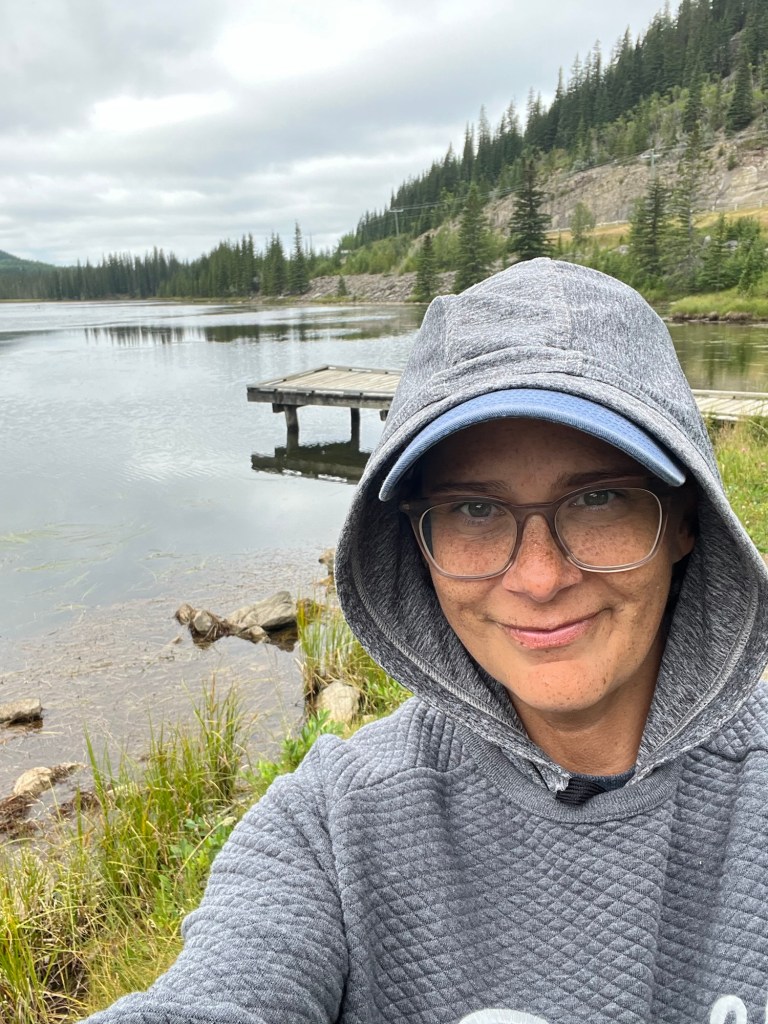
I think this is one of the reasons forest therapy has become so important to me.
When Iโm walking in the forest, Iโm creating. Iโm noticing. Iโm visualizing. Iโm meditating. Iโm softening.
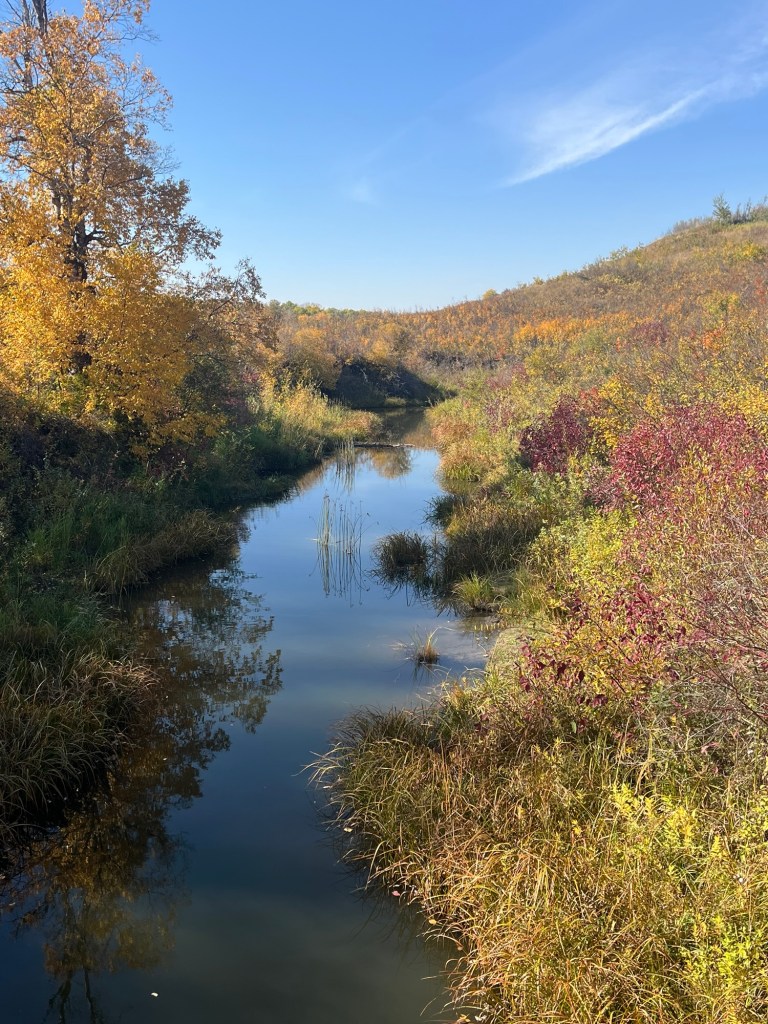
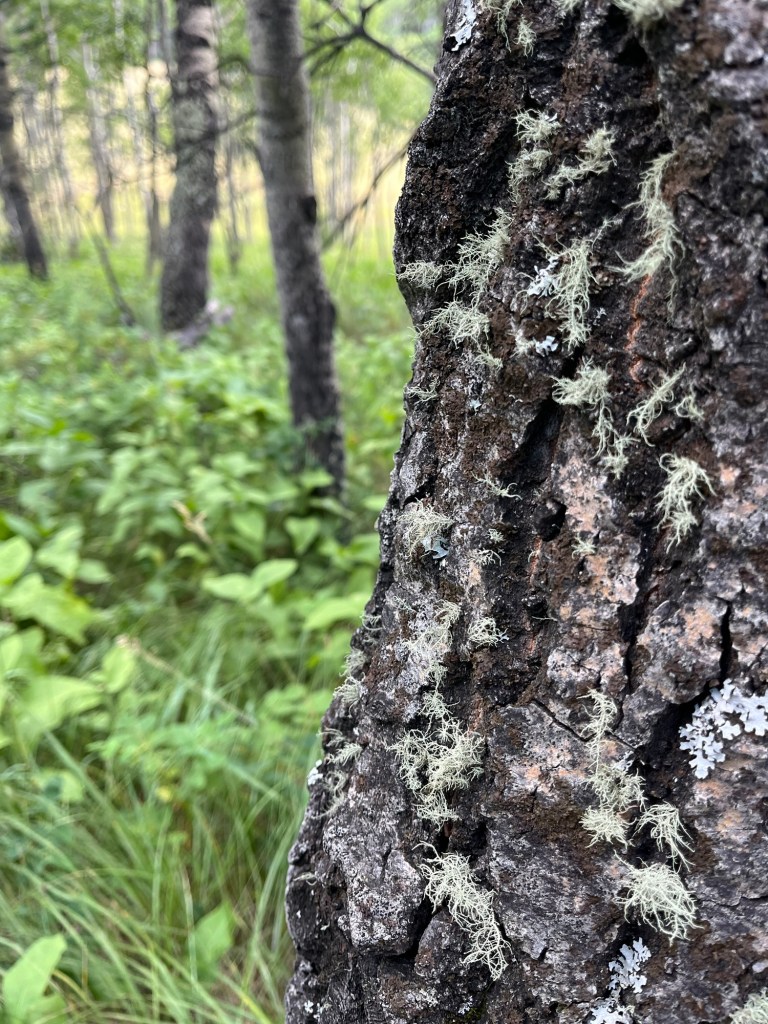
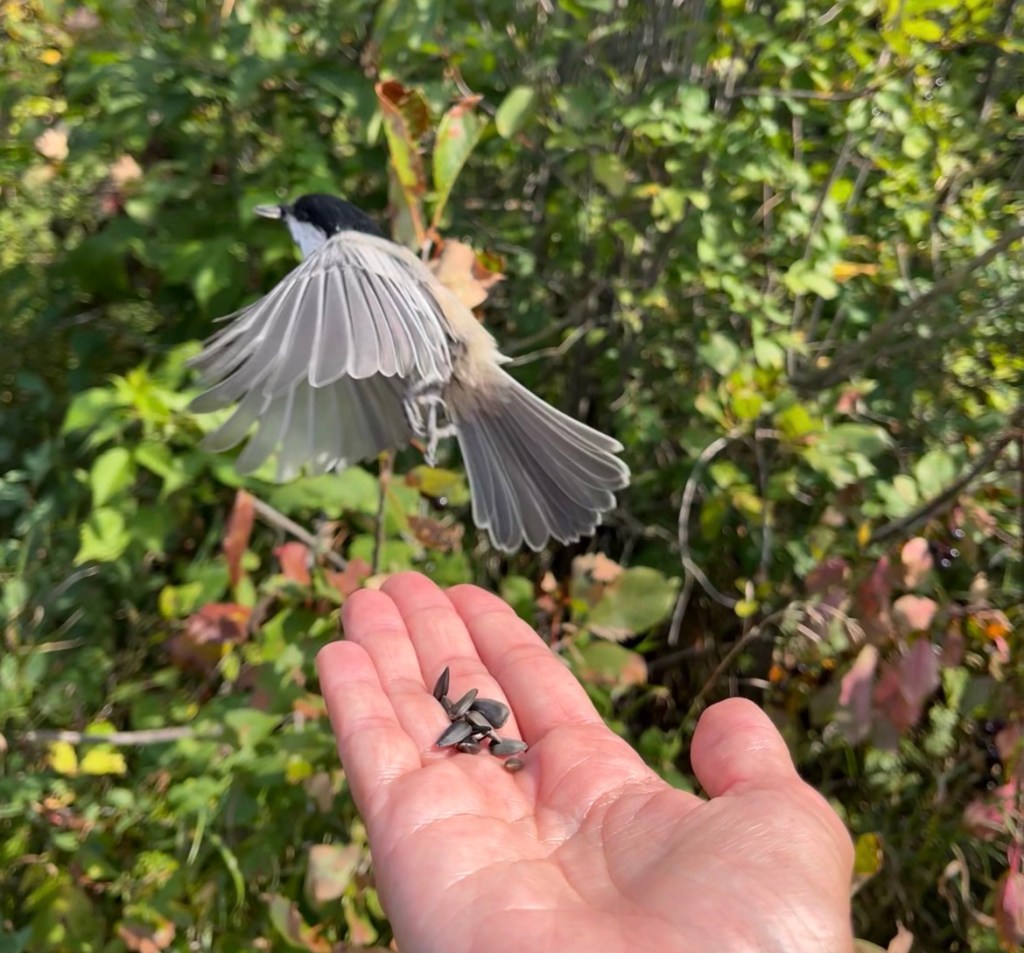
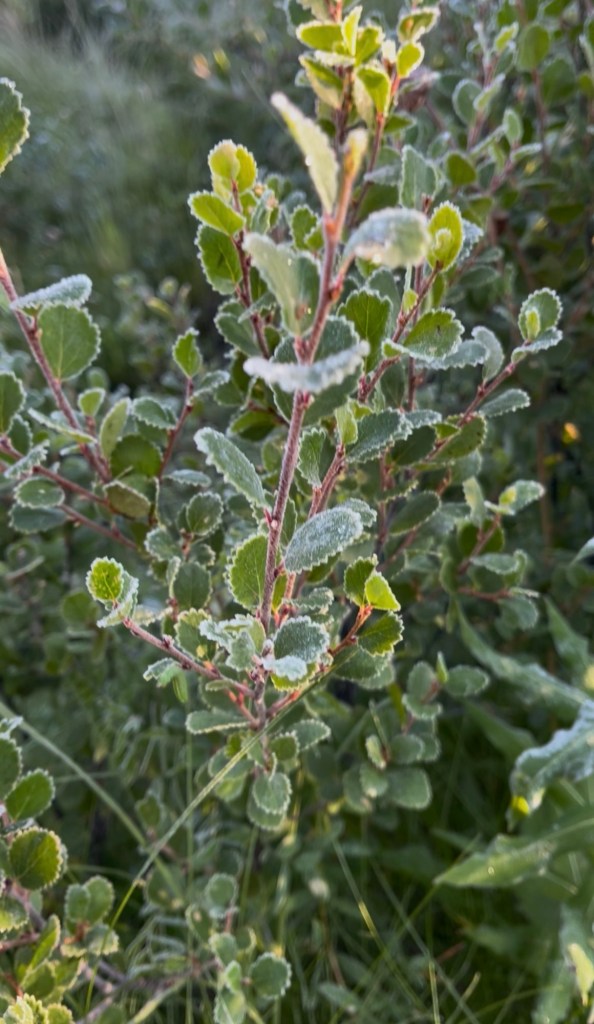
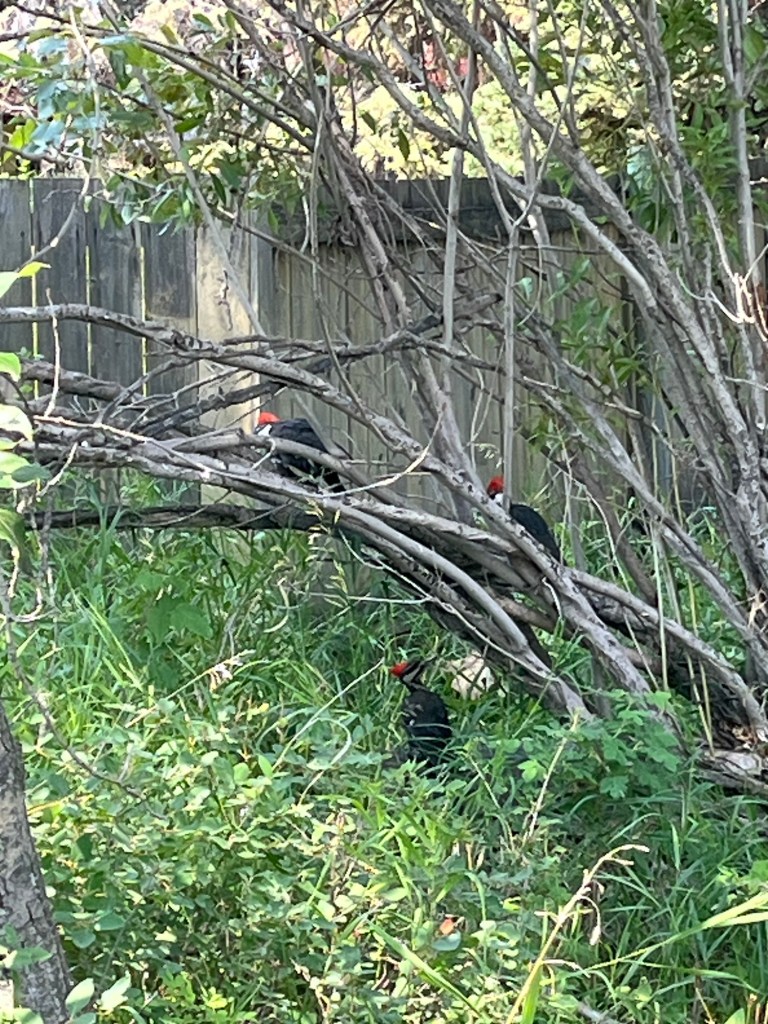
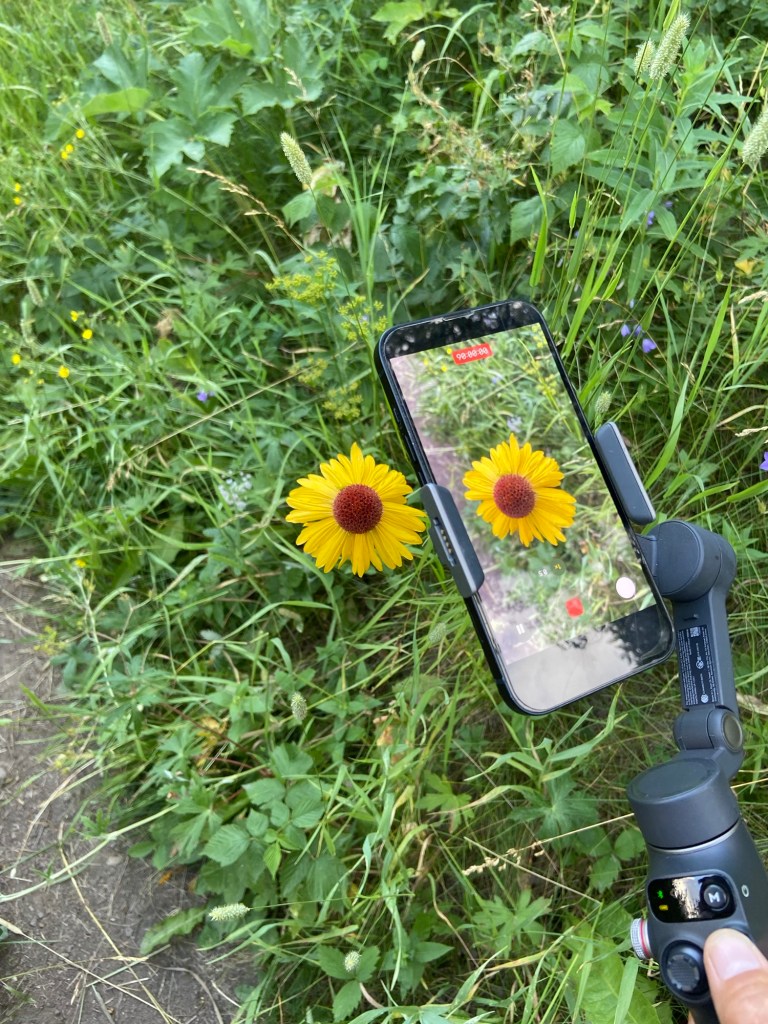
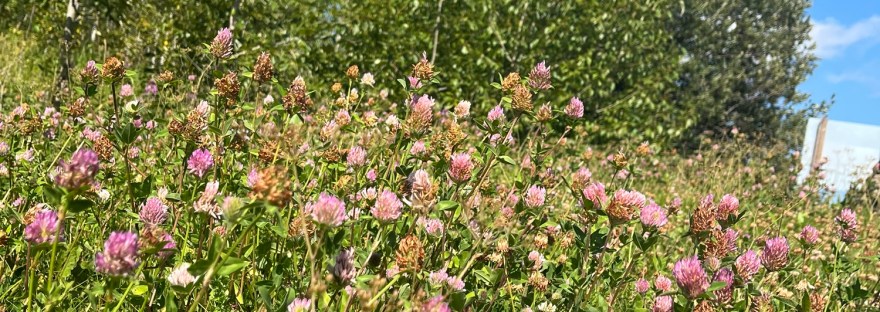
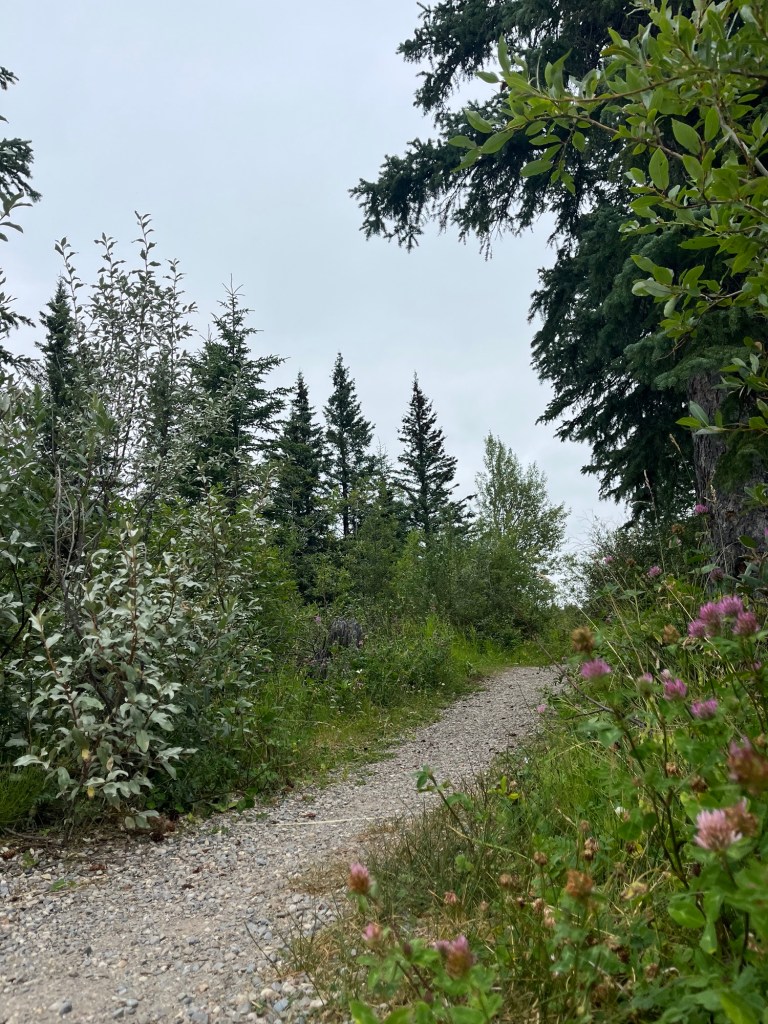
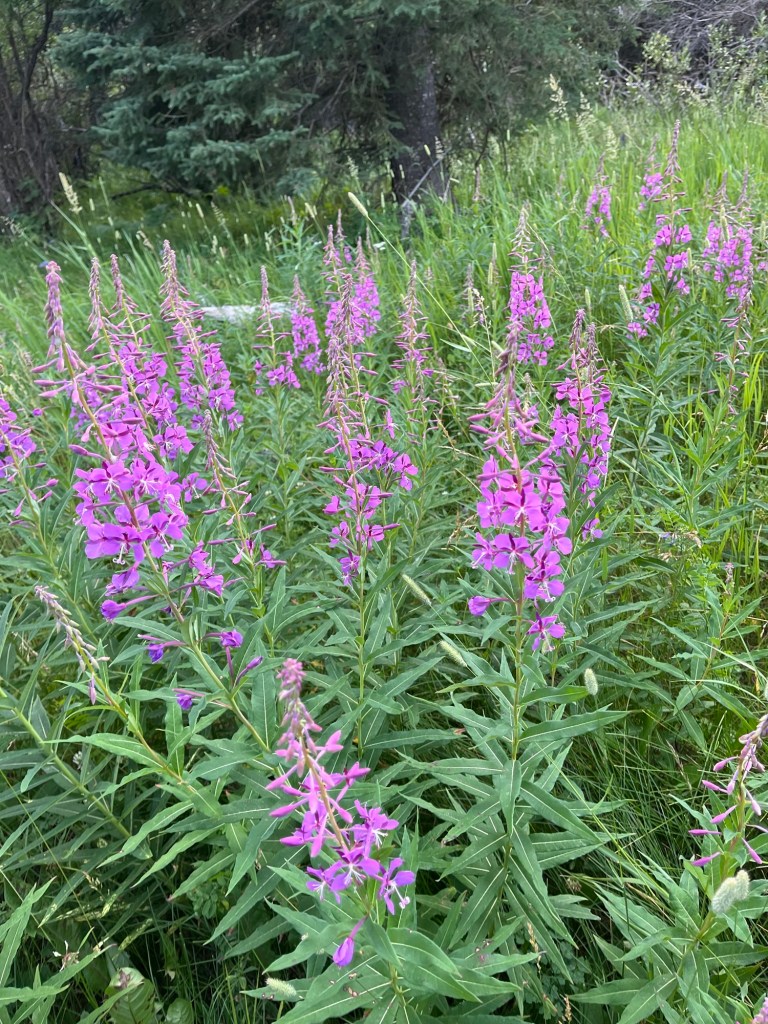
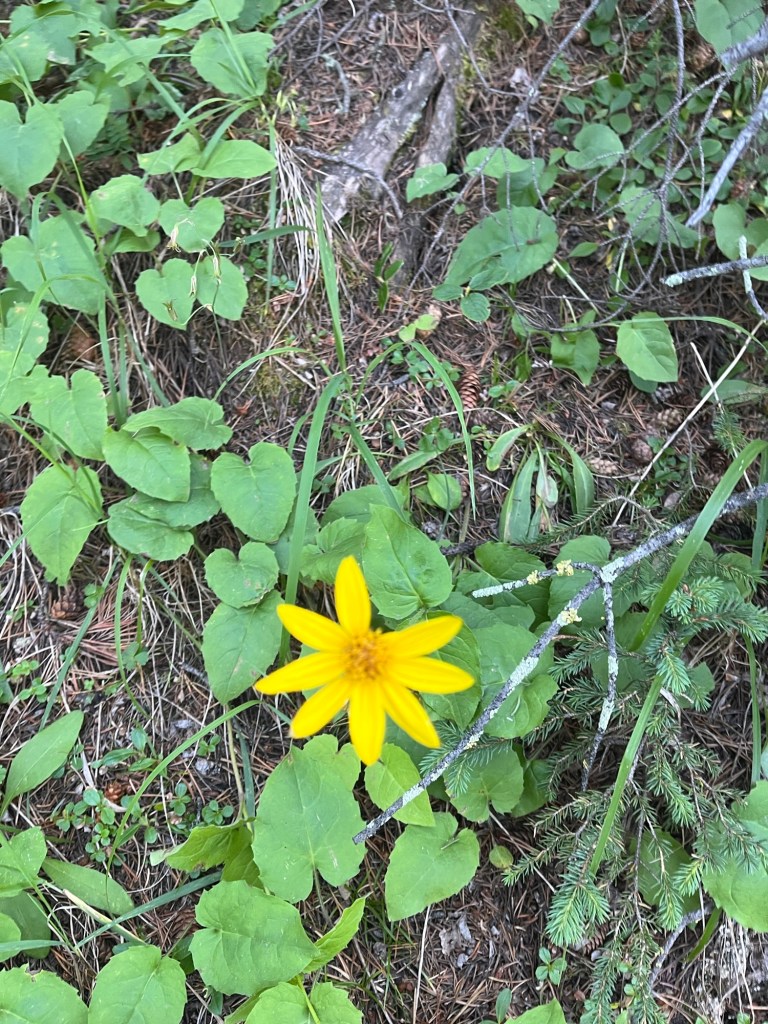
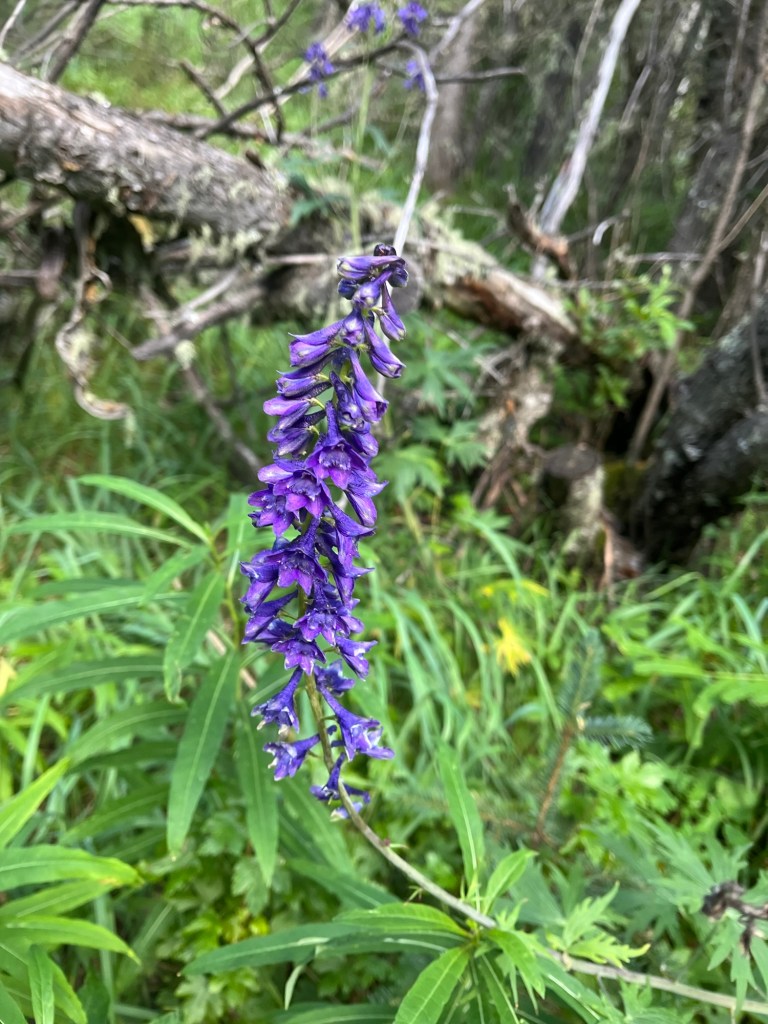
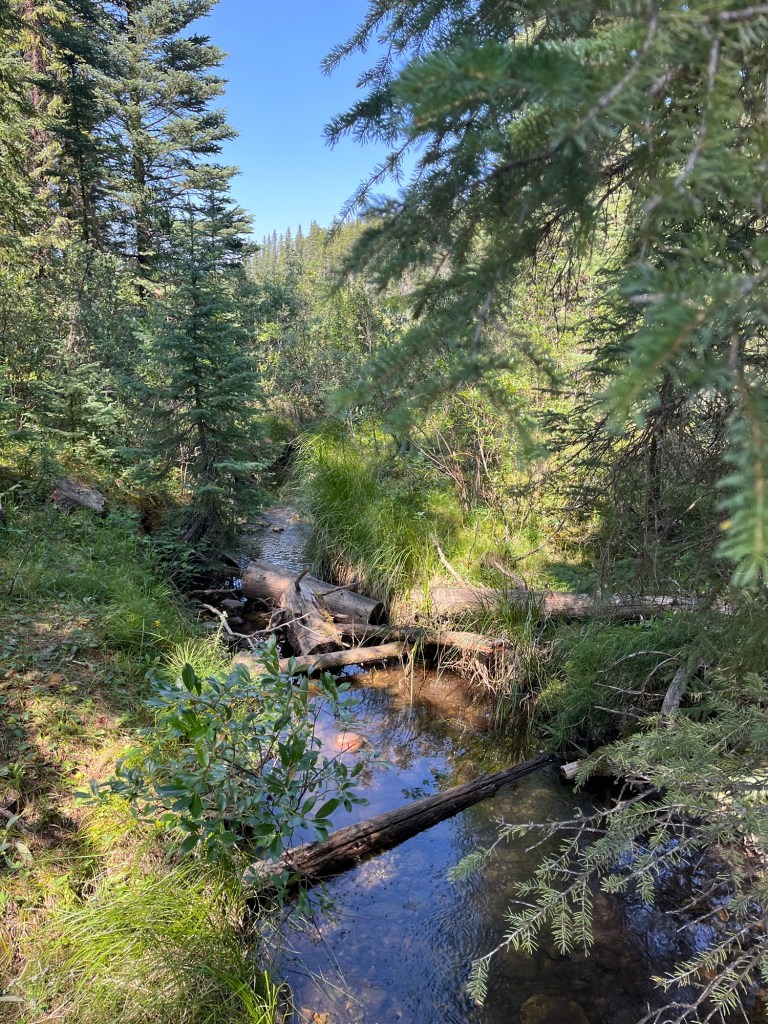
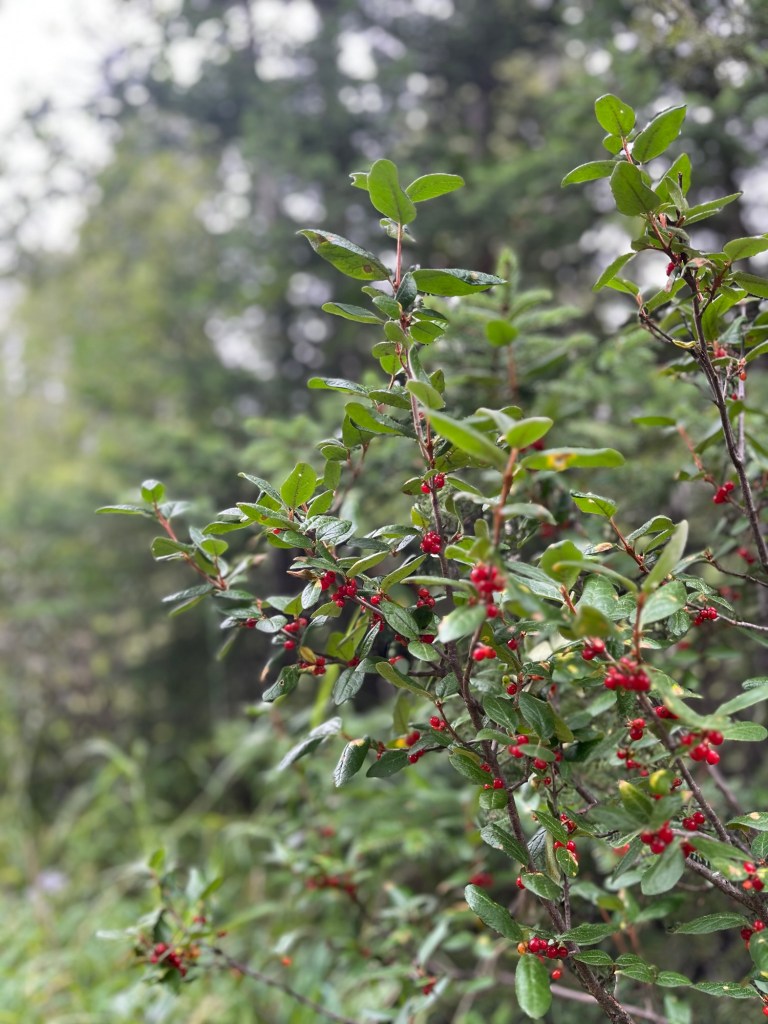
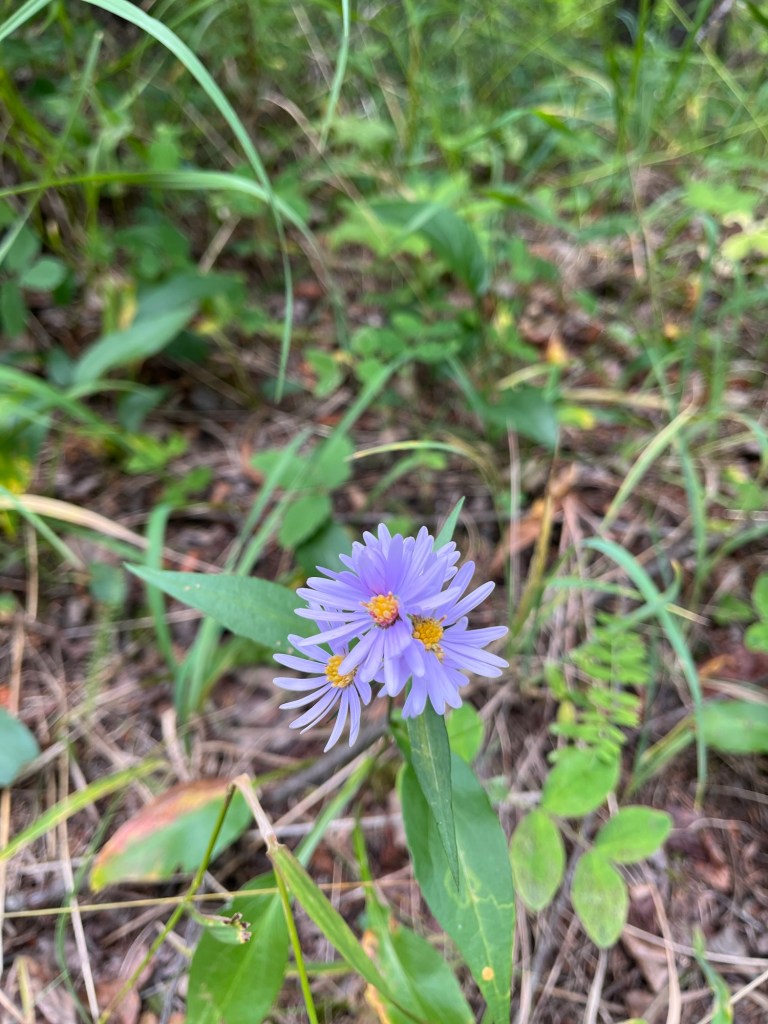
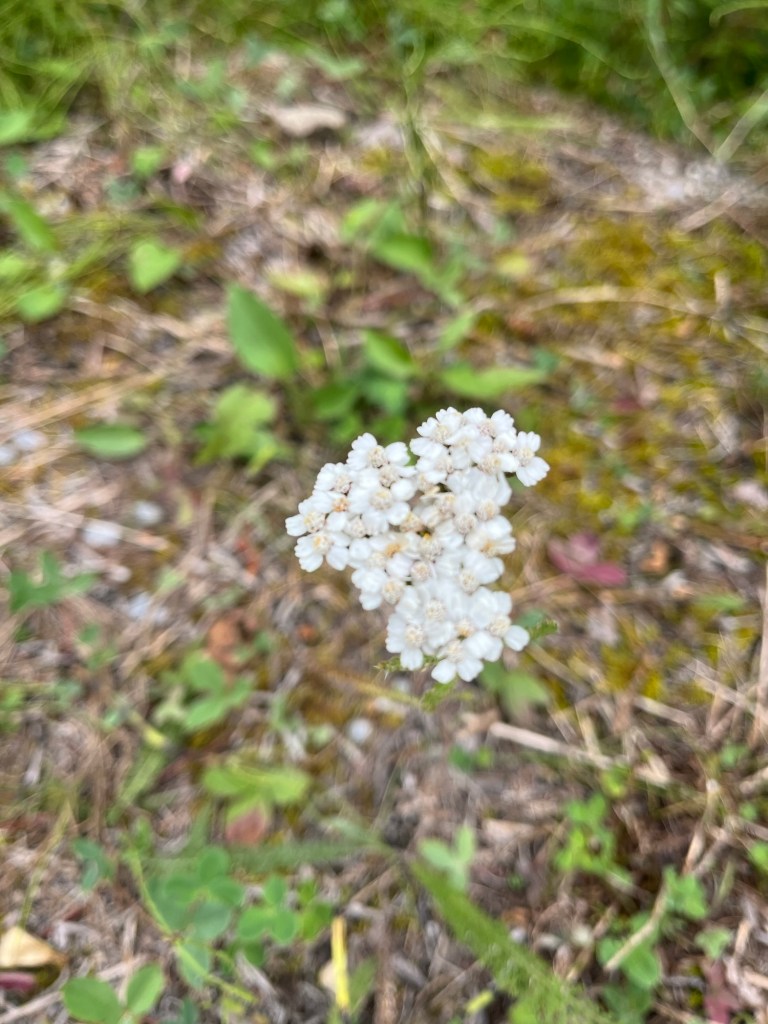
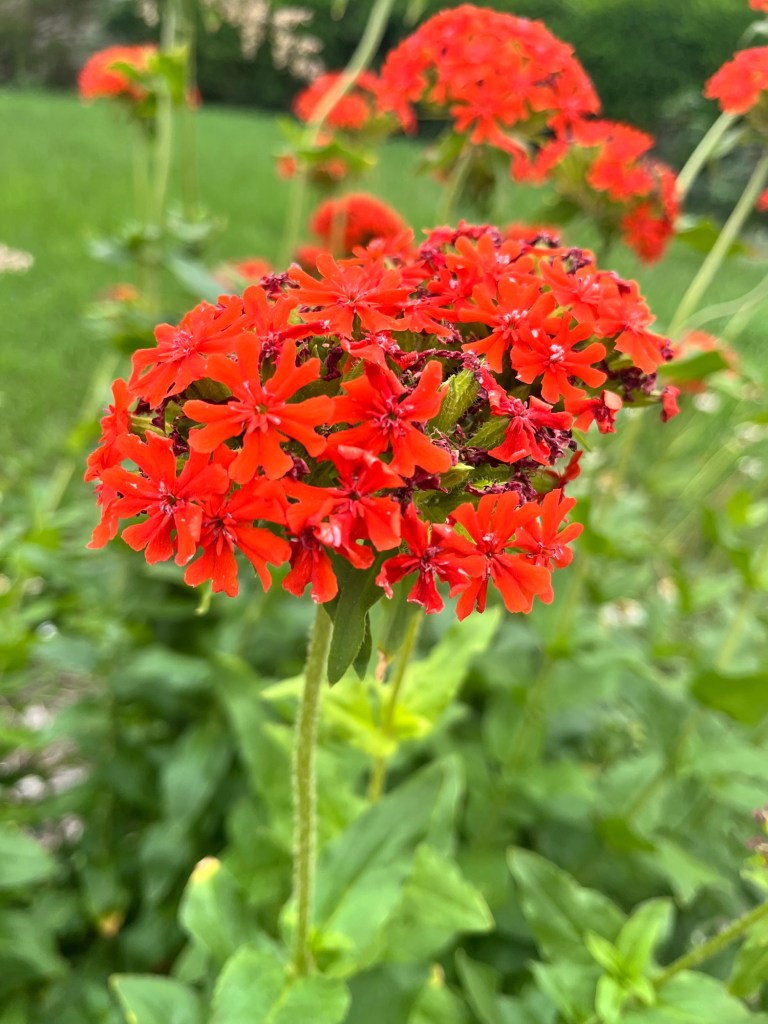
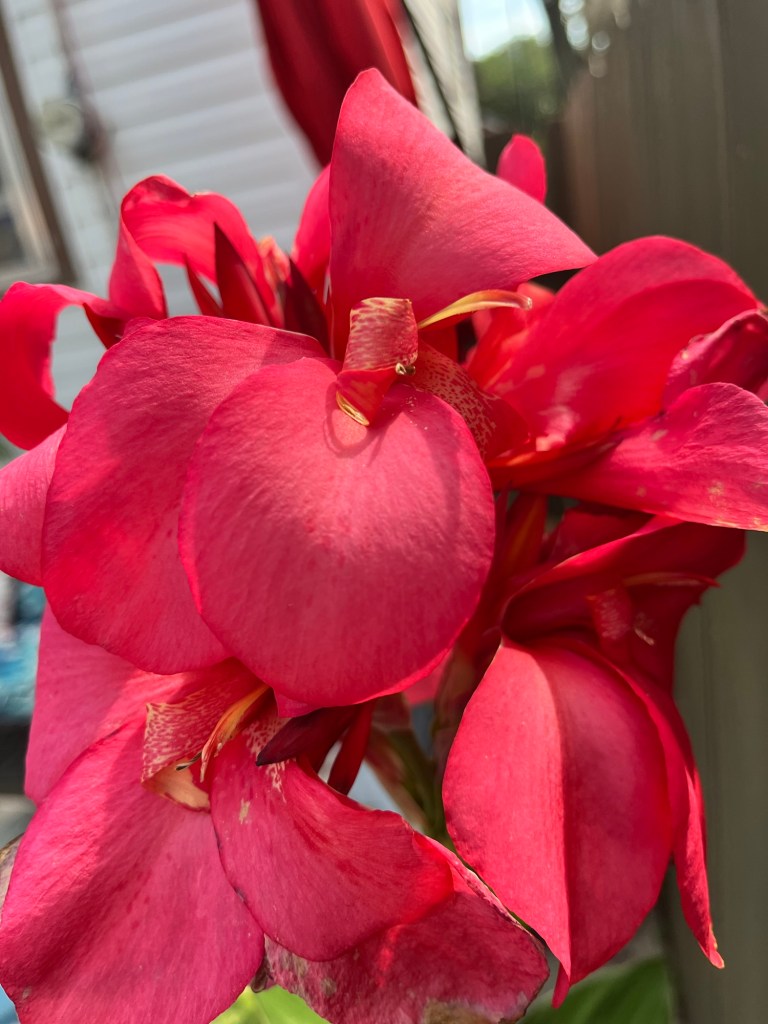
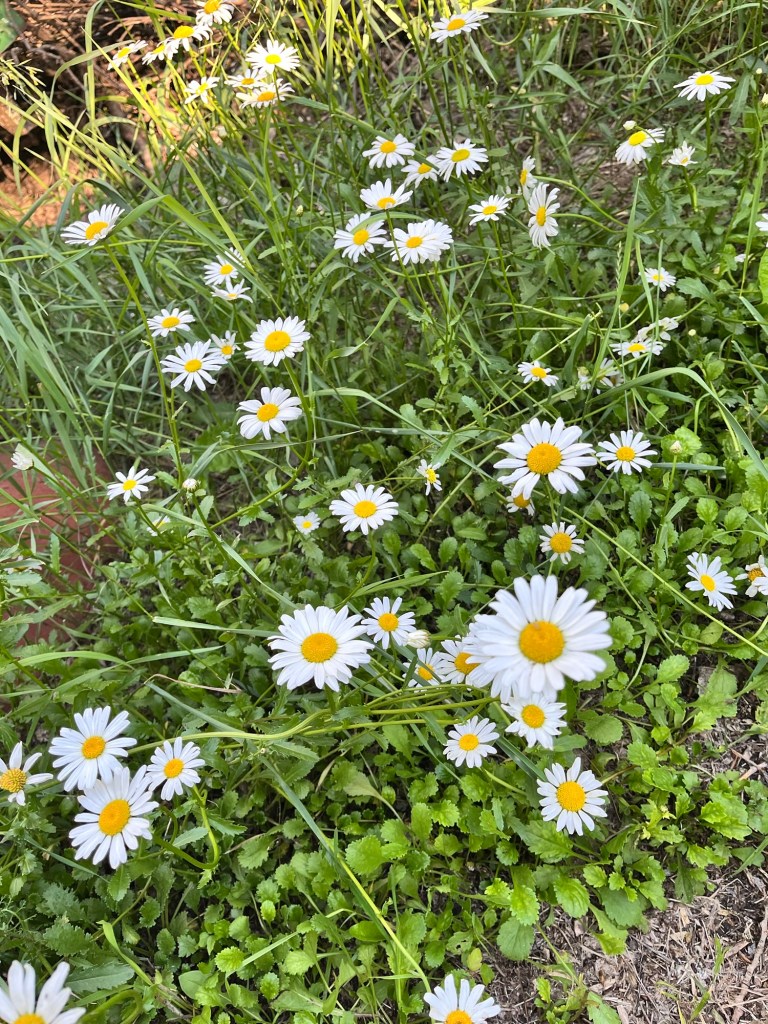
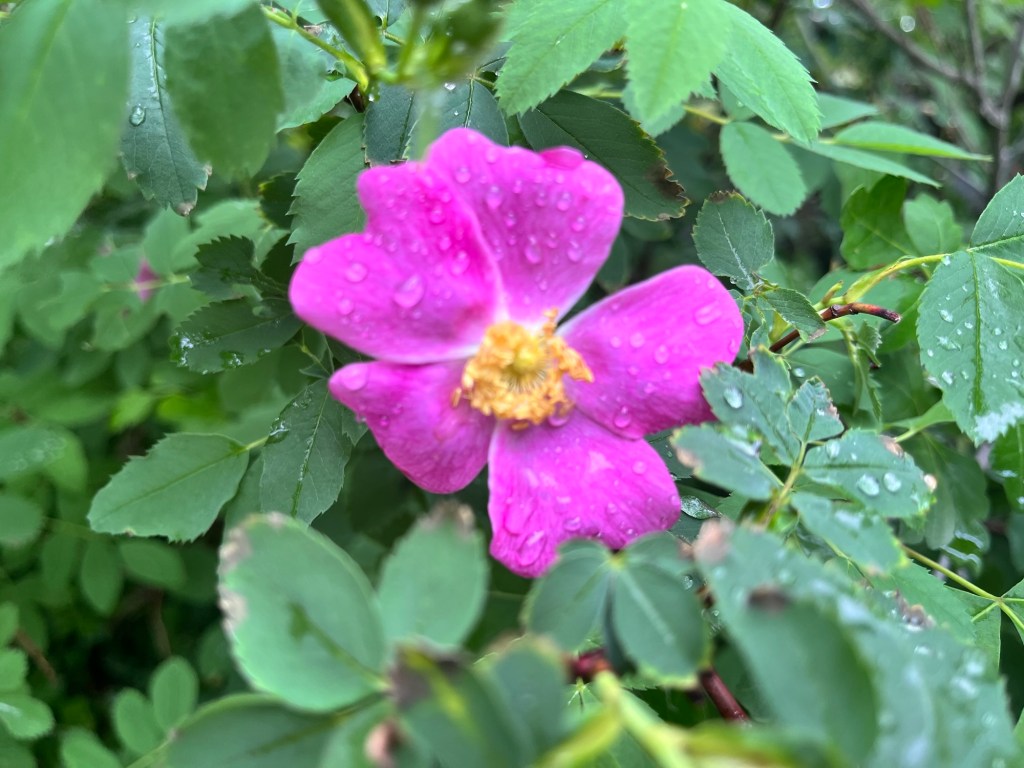
I photograph a flower because the colour catches my eye. I make up a story about a crooked tree. I visualize warmth when the wind cuts through me. I listen to the creek and let my attention follow it instead of following the argument happening inside my head.
Iโm making little moments of beauty and wonder out of whatever happens to be in front of me.
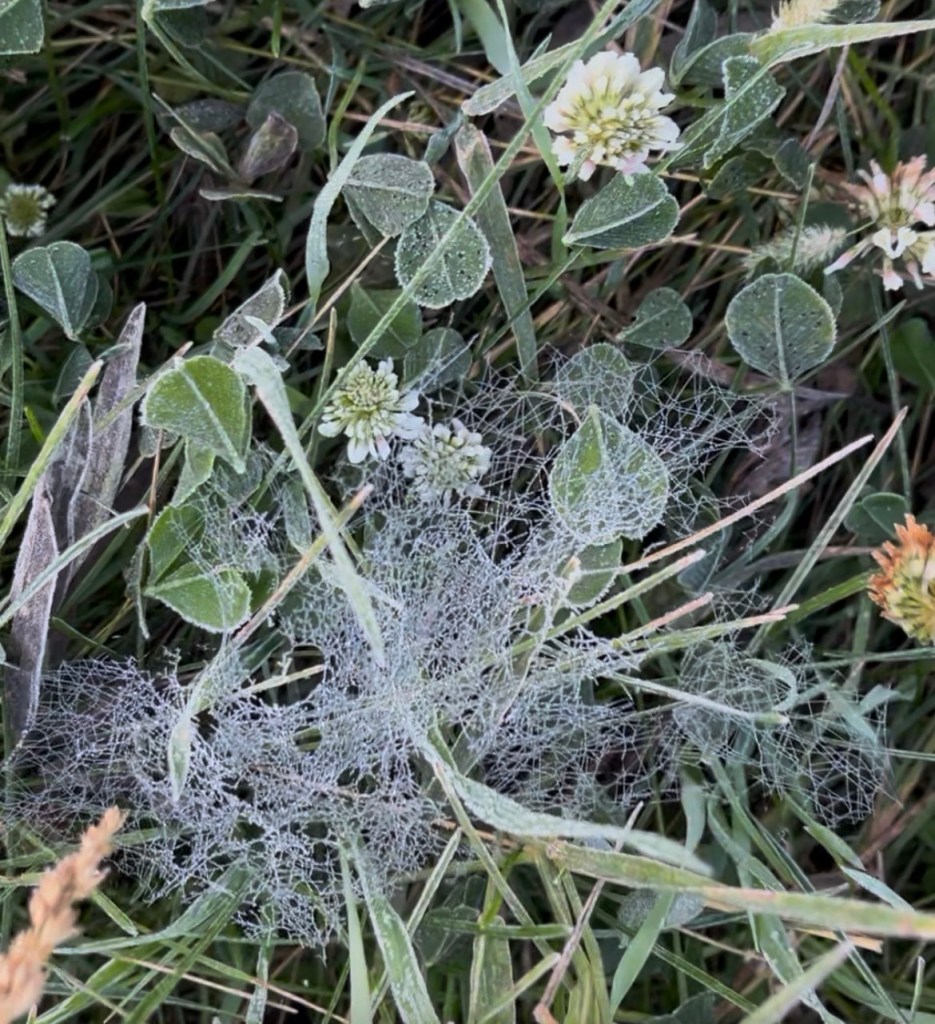
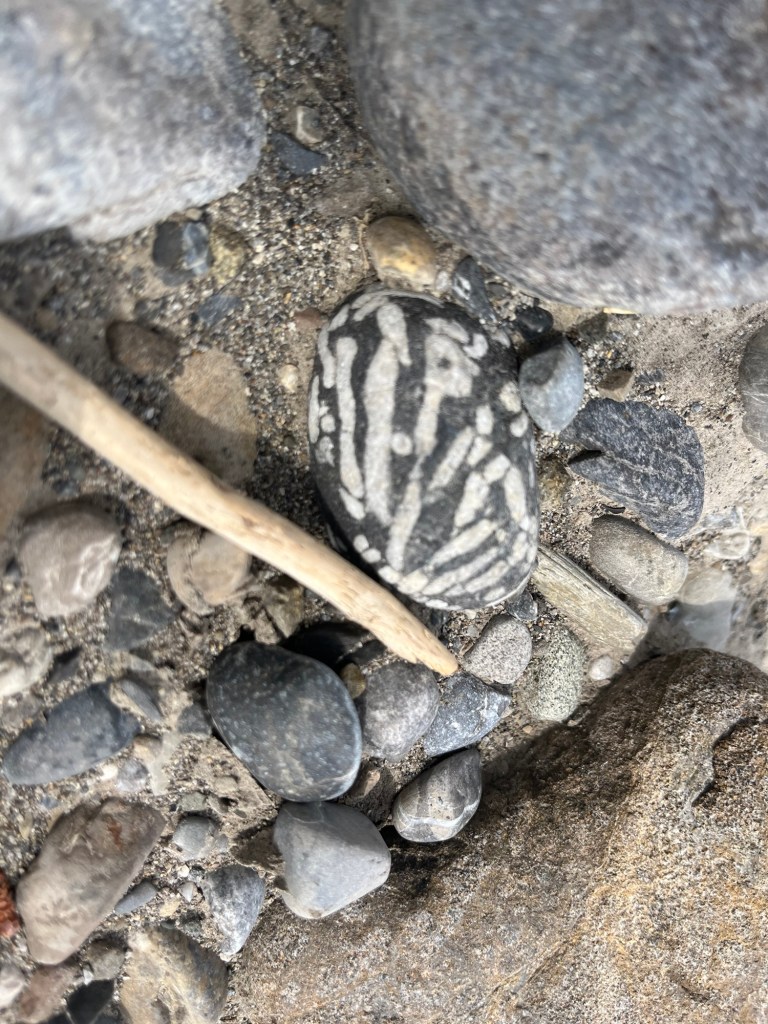
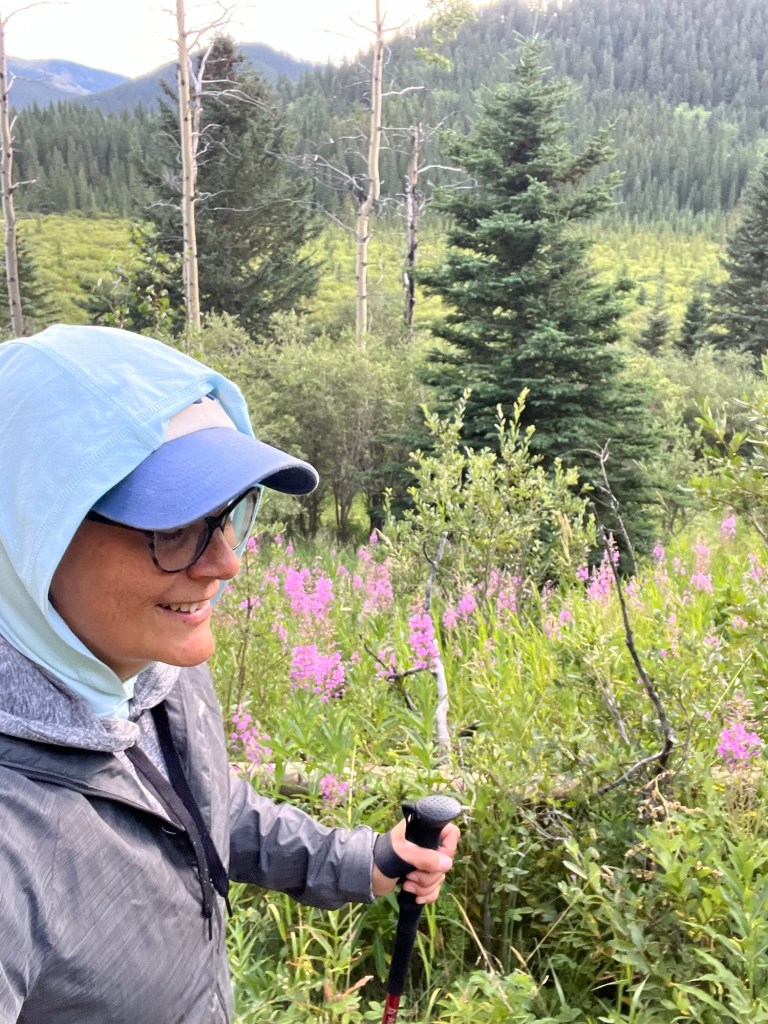
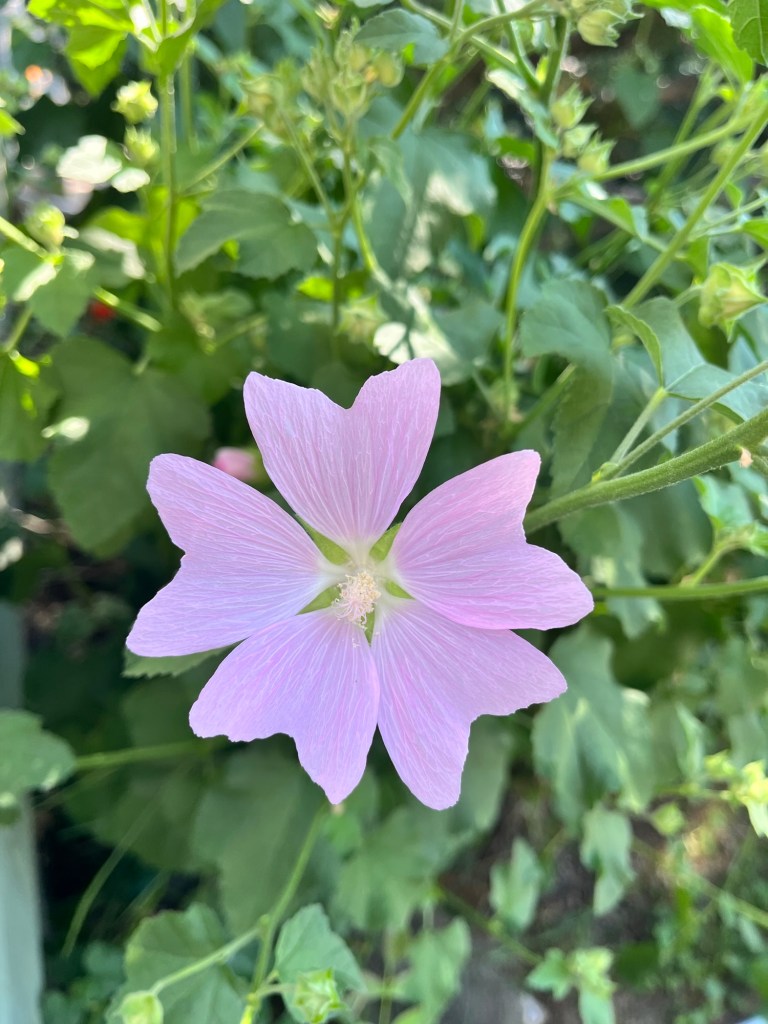
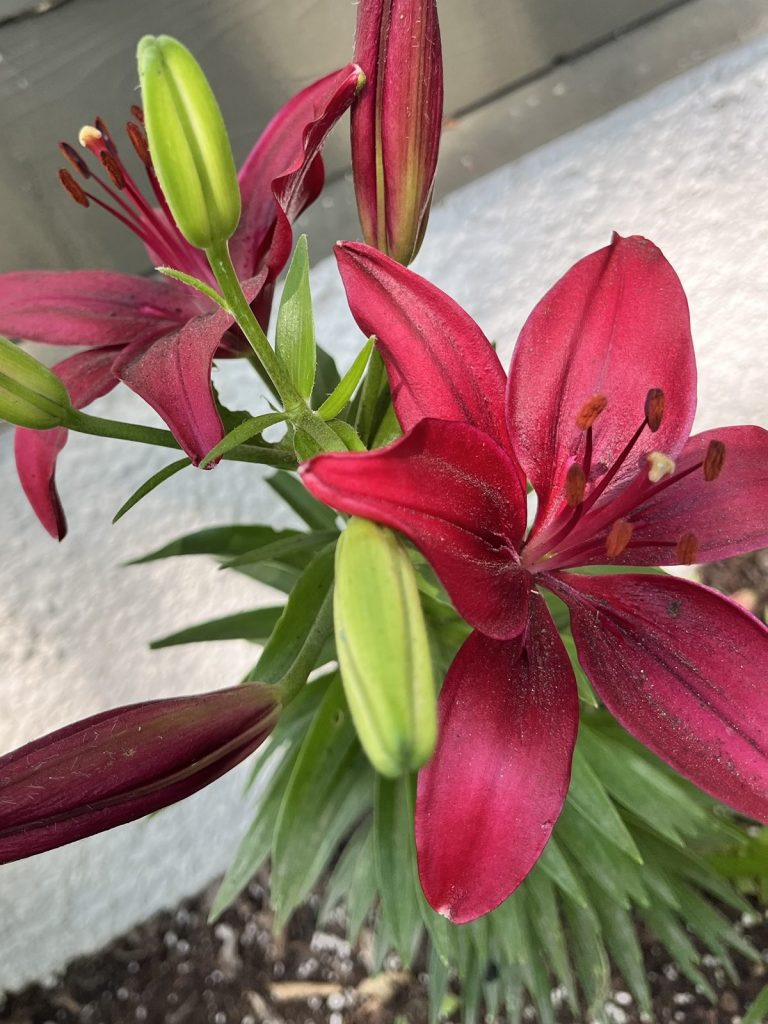
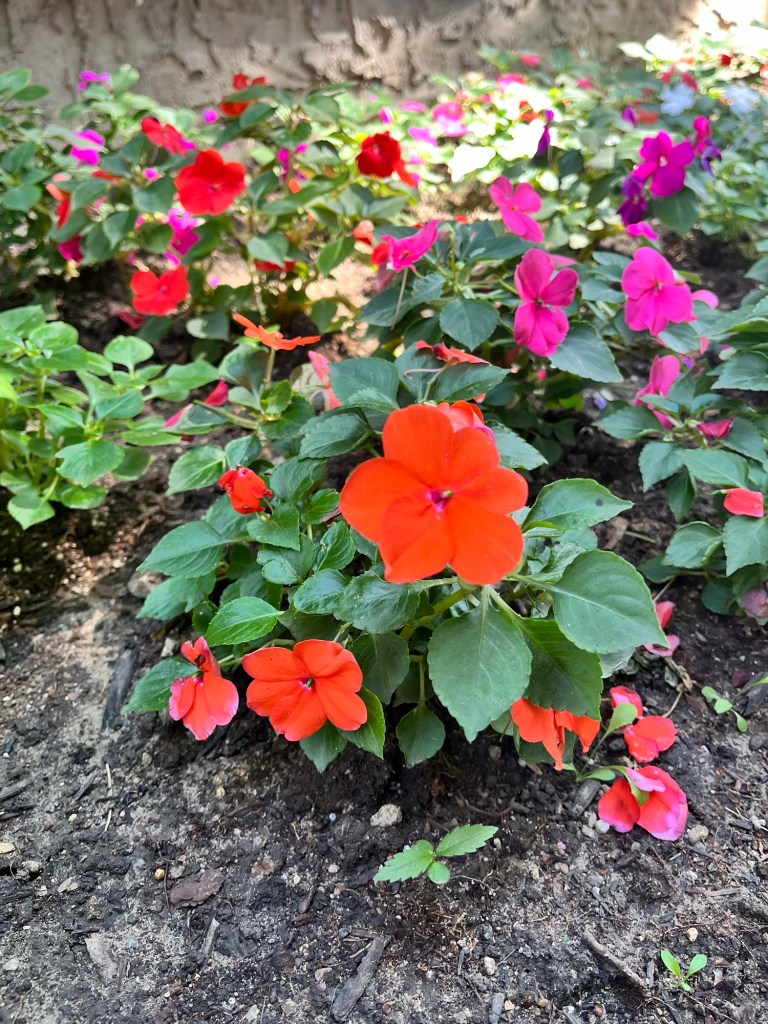
A patch of purple flowers.
The shape of a tree.
The sound of wind moving through the branches.
A silly thought that makes me laugh.
A place my mind can go when my body is screaming for my attention.
I collect these moments.
I tuck them away like little treasures in my pockets.
A purple flower. A funny moment. A beautiful view. A ridiculous thought. A quiet breath.
Murmuration
The flowing movement of birds flying together across the sky in ever changing patterns. A sight that can feel almost dreamlike, drawing the mind into the present moment as hundreds of wings move with a rhythm that seems guided by something beyond words.
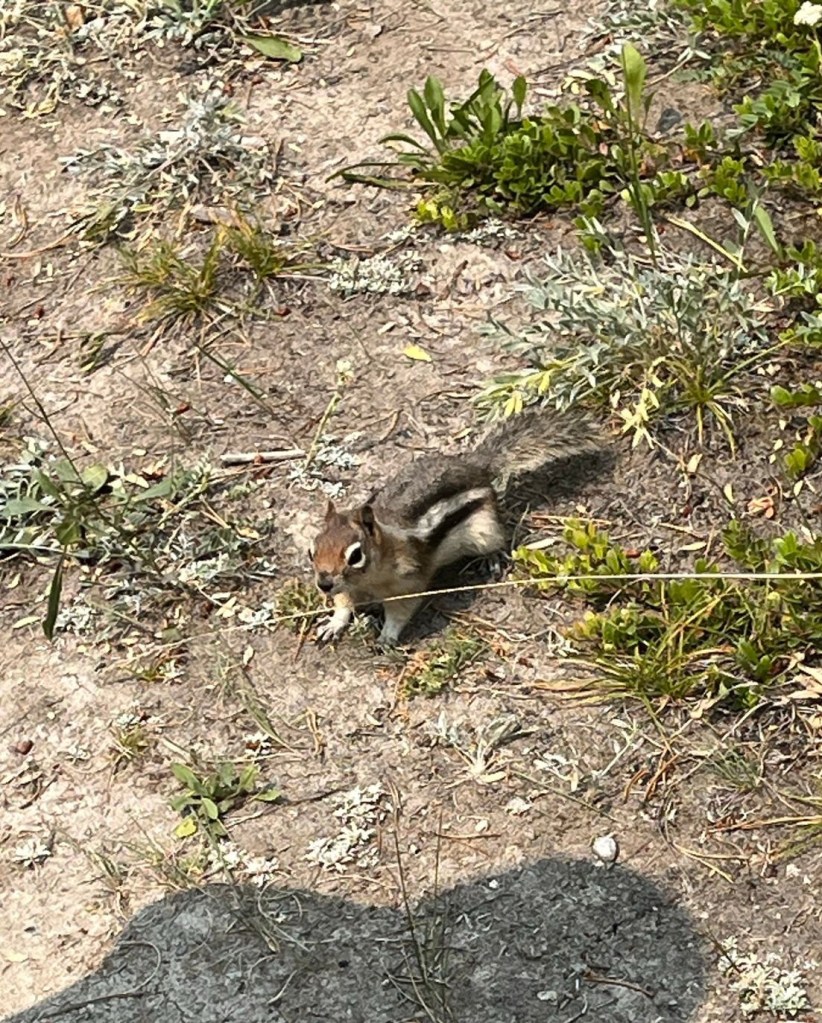
I put them in my pockets. ๐ฟ๏ธ ๐ฒ
Because I know there will be days when I need them. When winter comes (or when pain gets loud ๐ข) I will have somewhere to go.
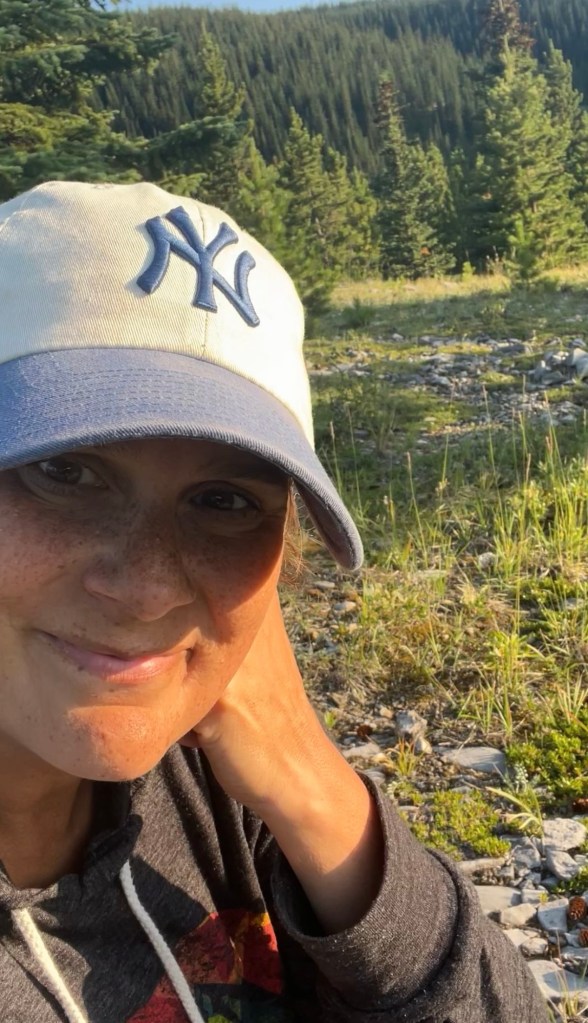
Maybe thatโs one of the things Iโm learning about living with chronic pain. I donโt have to pretend the pain isnโt there. But I also donโt have to give it the entire stage.
I can create something alongside it. I can notice something beautiful. I can wander. I can imagine.
And sometimes, when the wrong note happens, I can even smile.
Not because everything is okay.
But because there is still something inside me creating joy.
And that might be one of the most healing things I can carry home with me in my pockets.
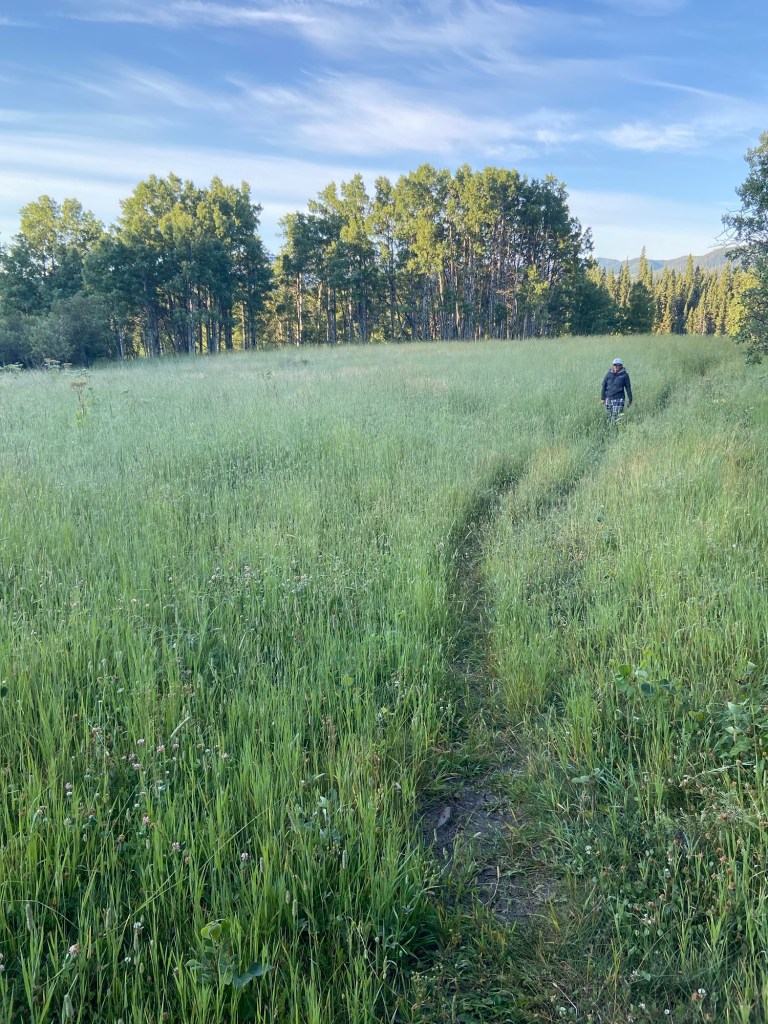
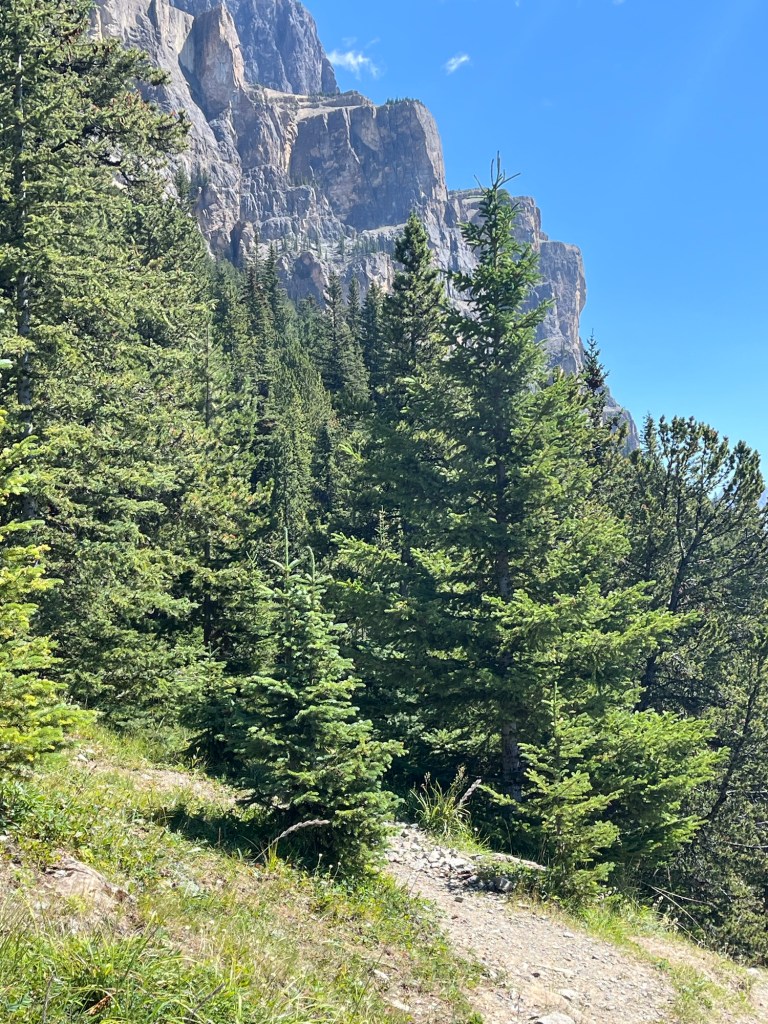
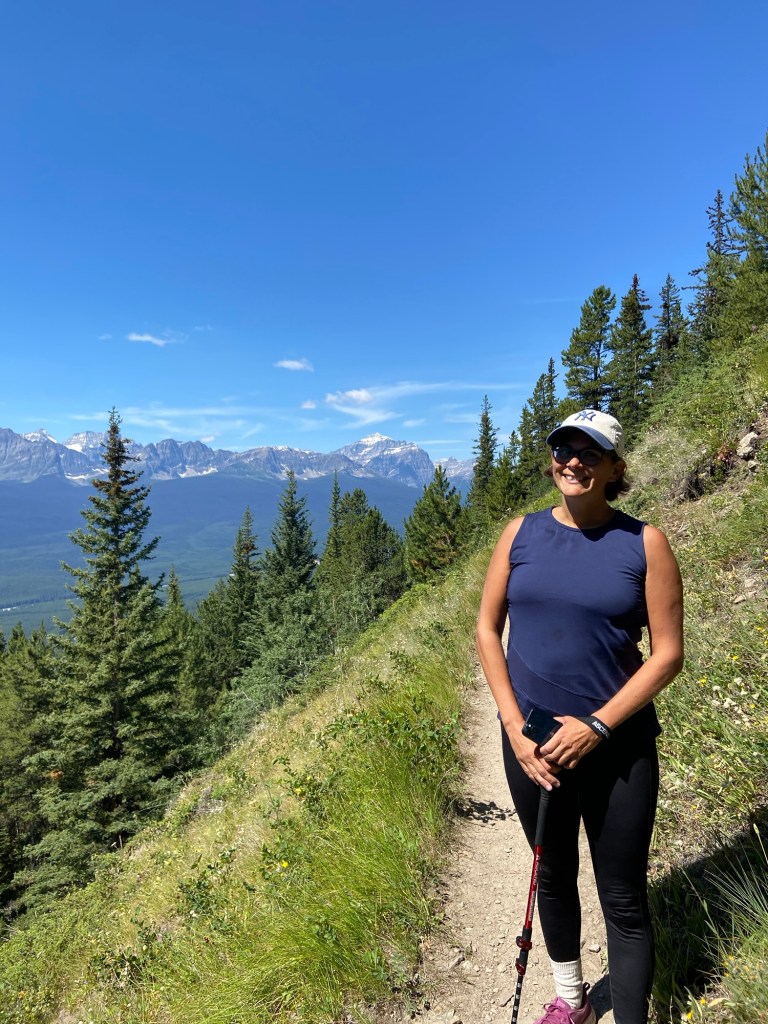
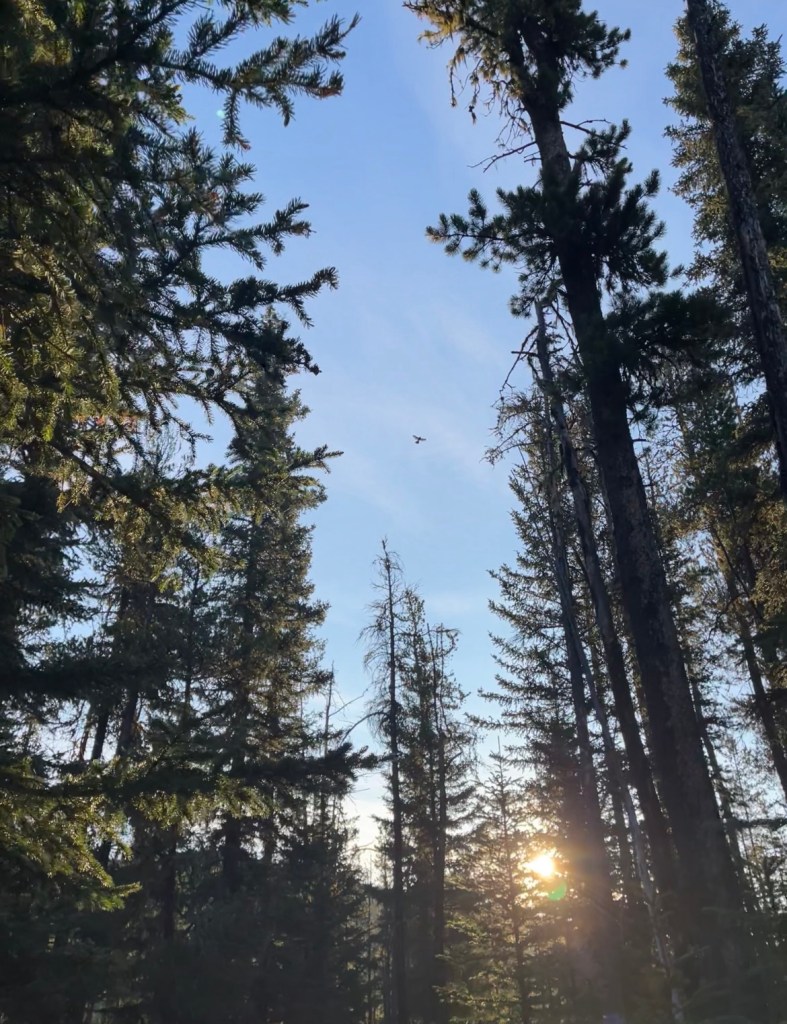
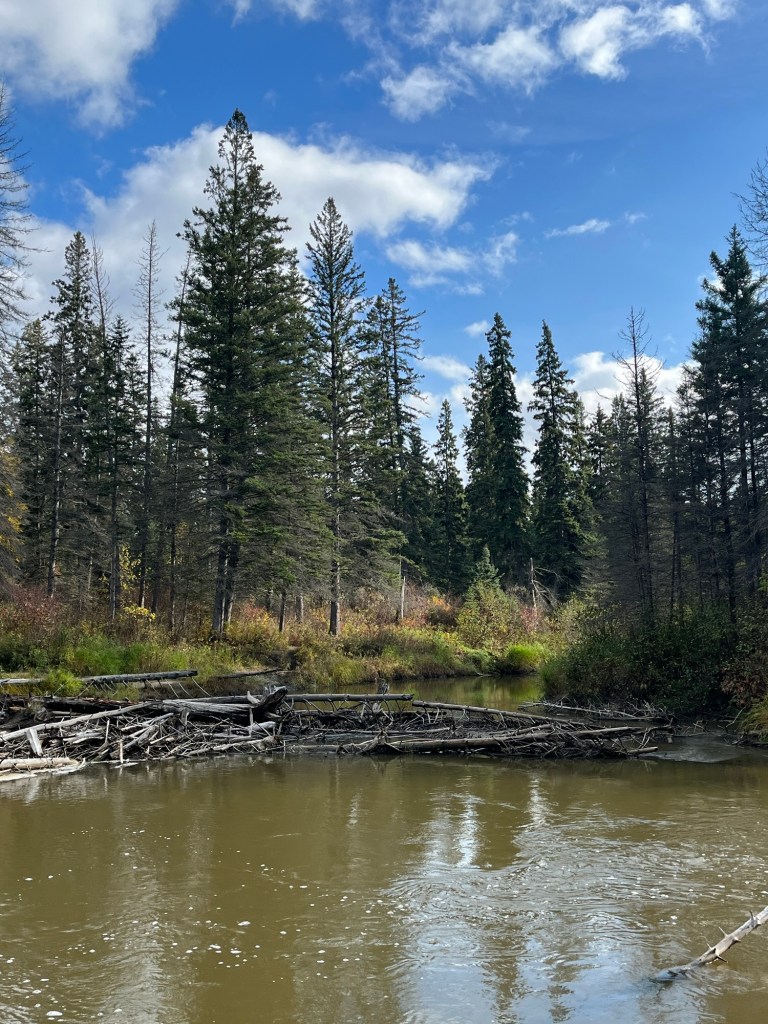
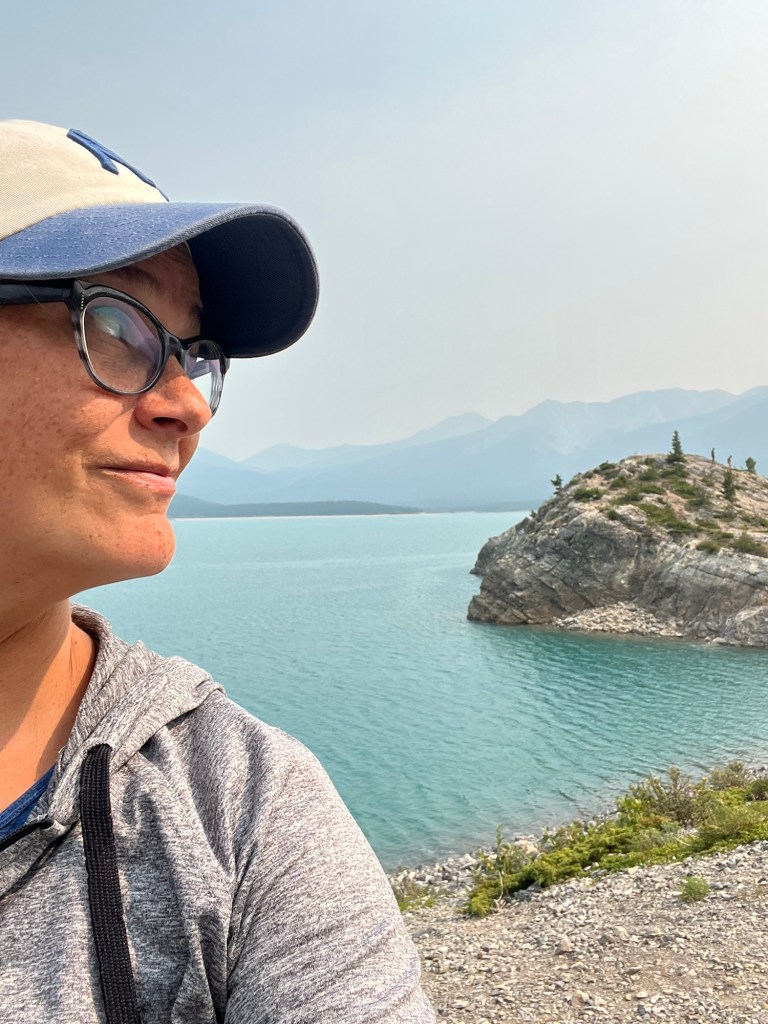
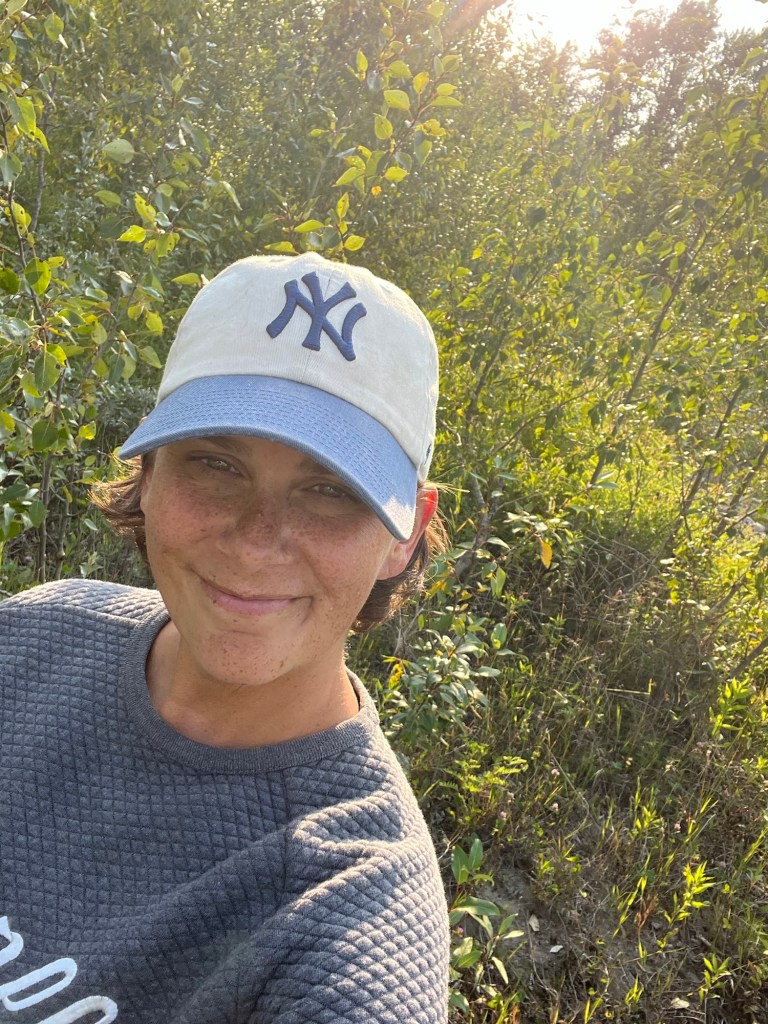
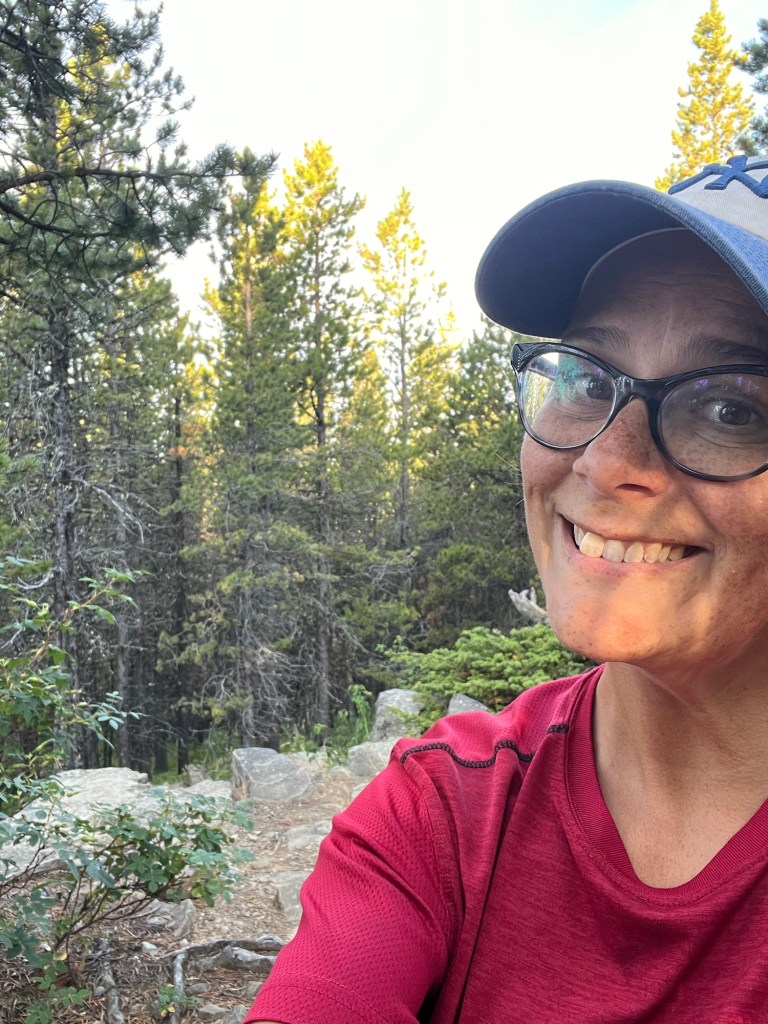
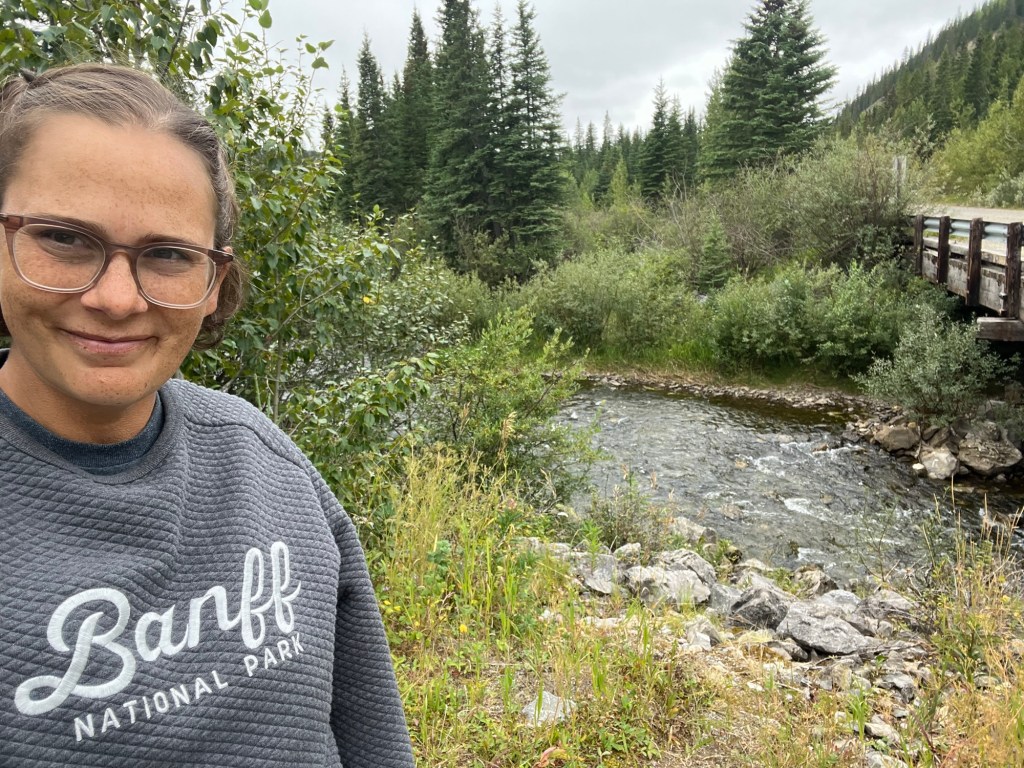
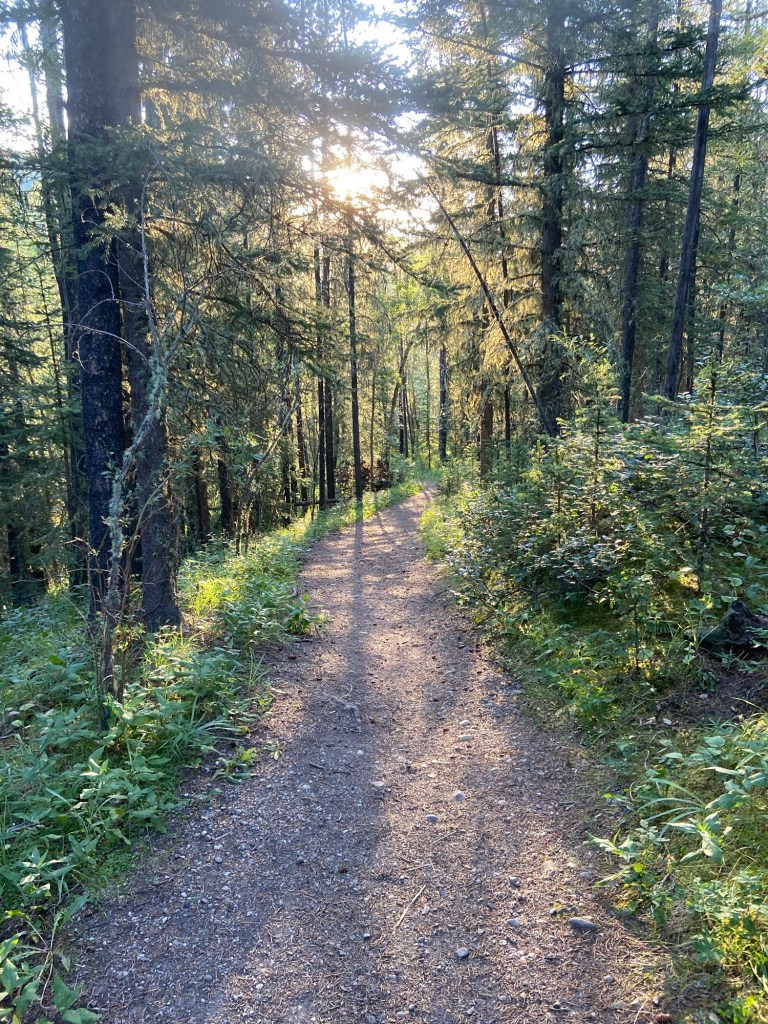
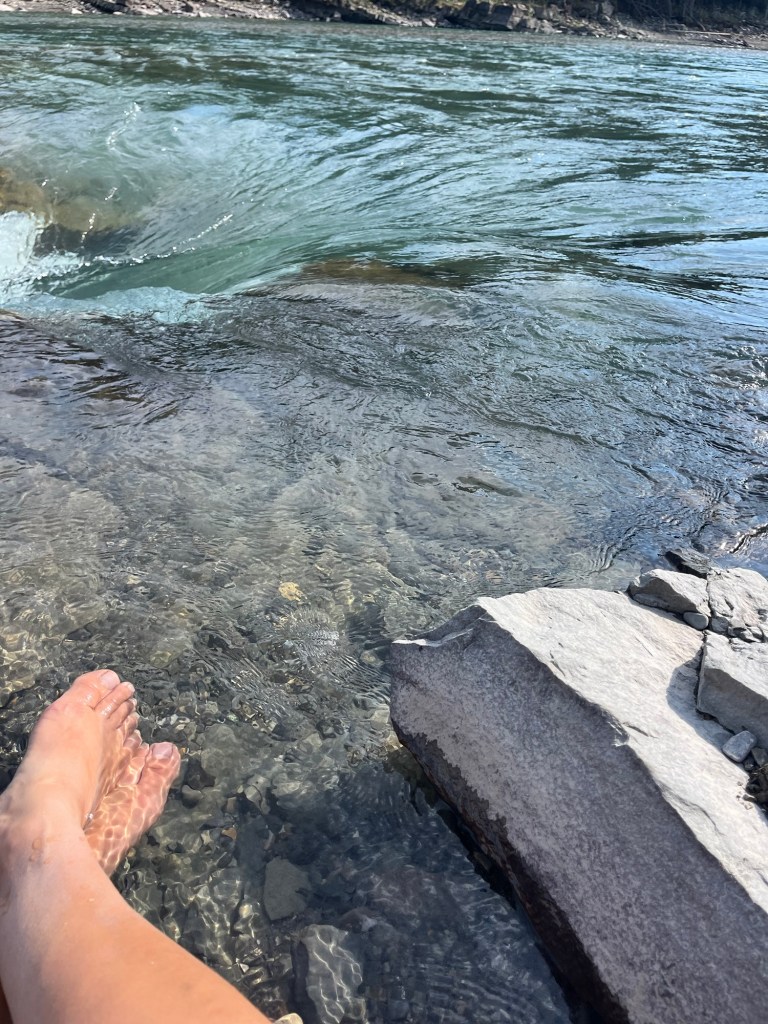
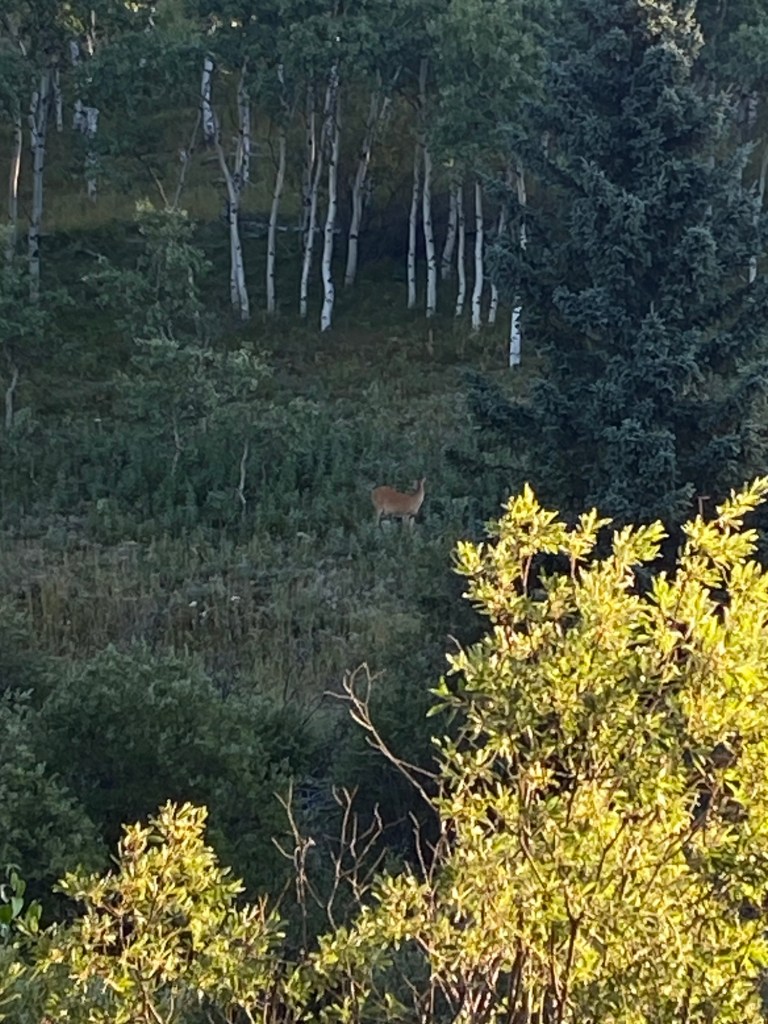
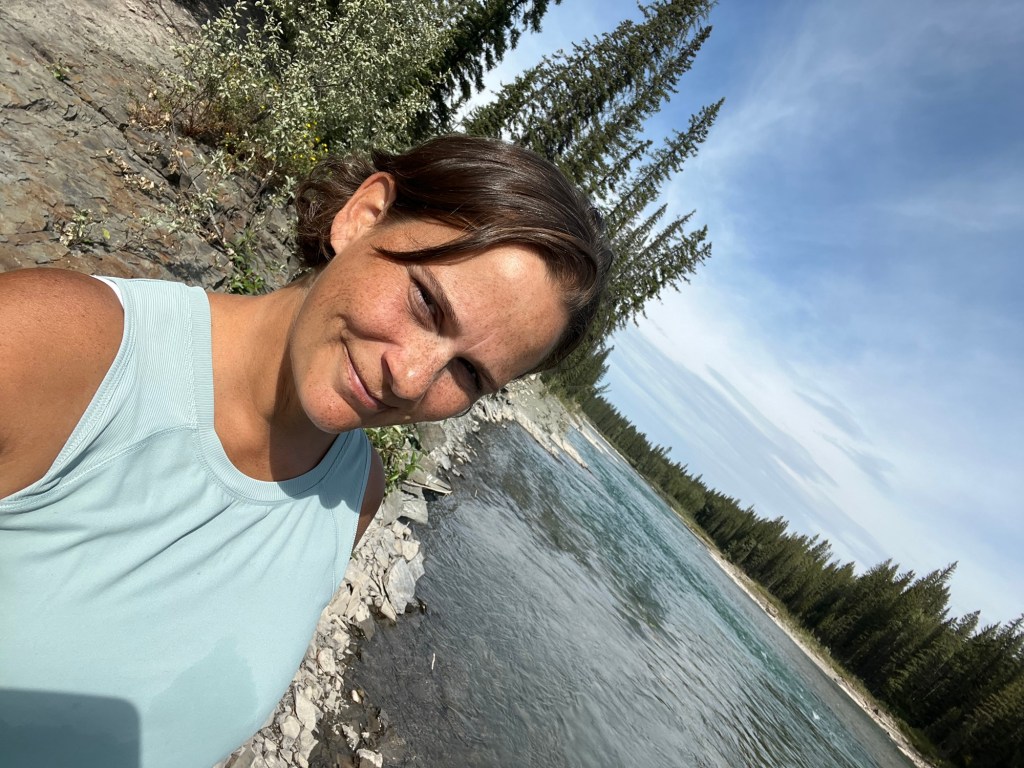
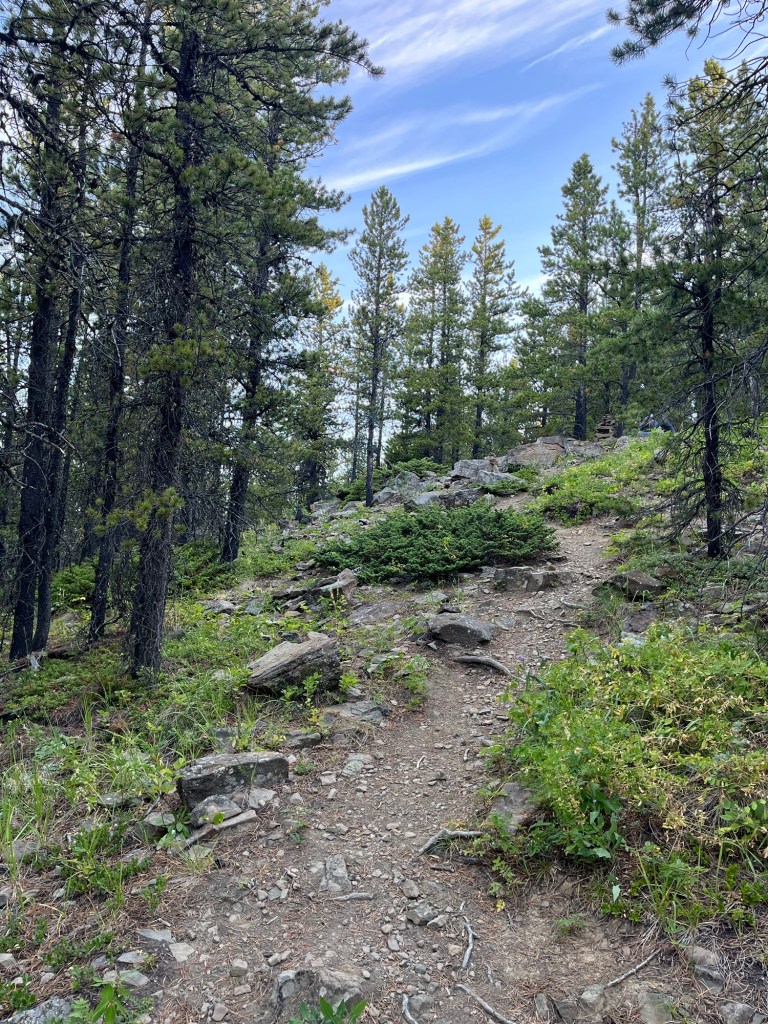
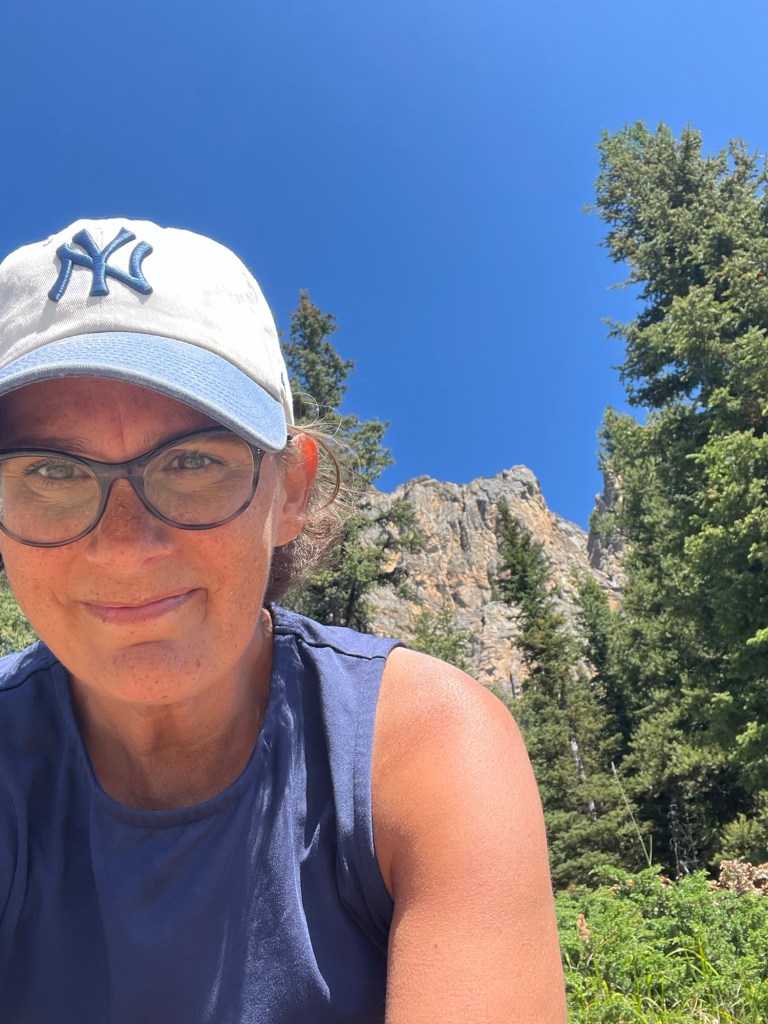
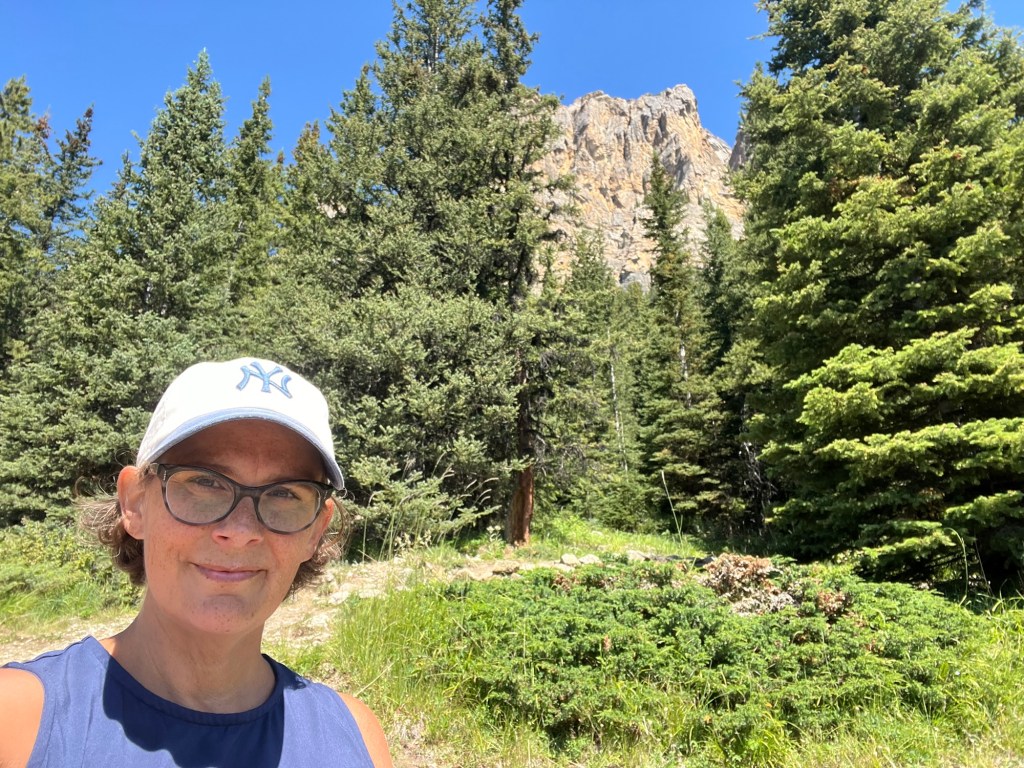
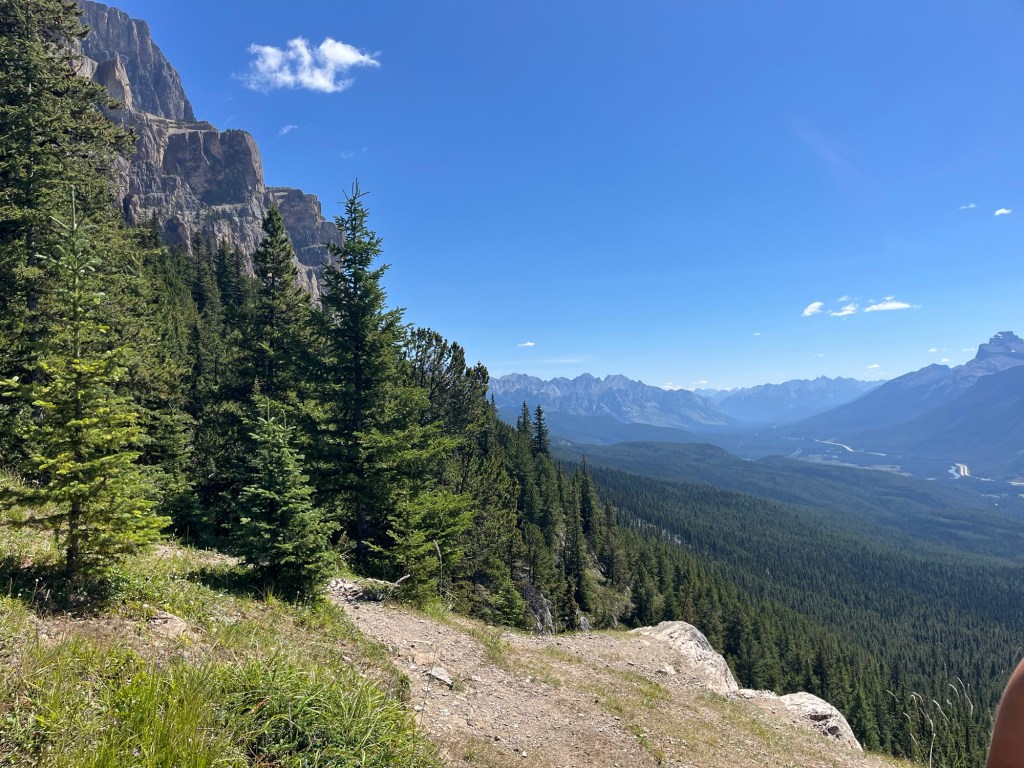
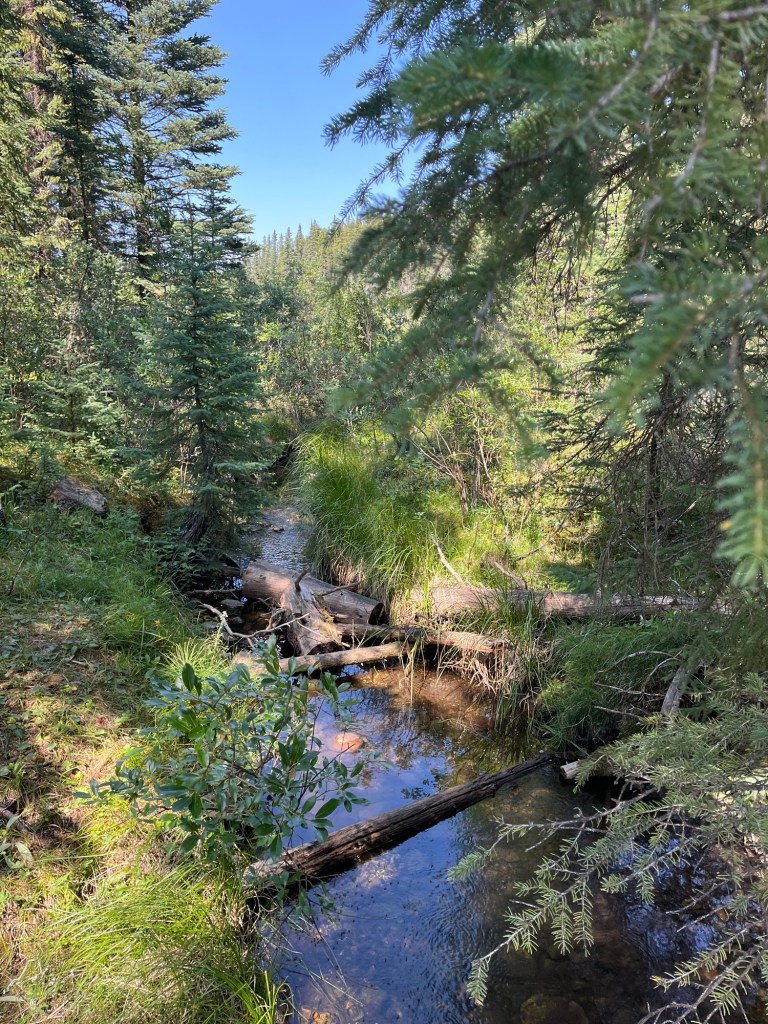
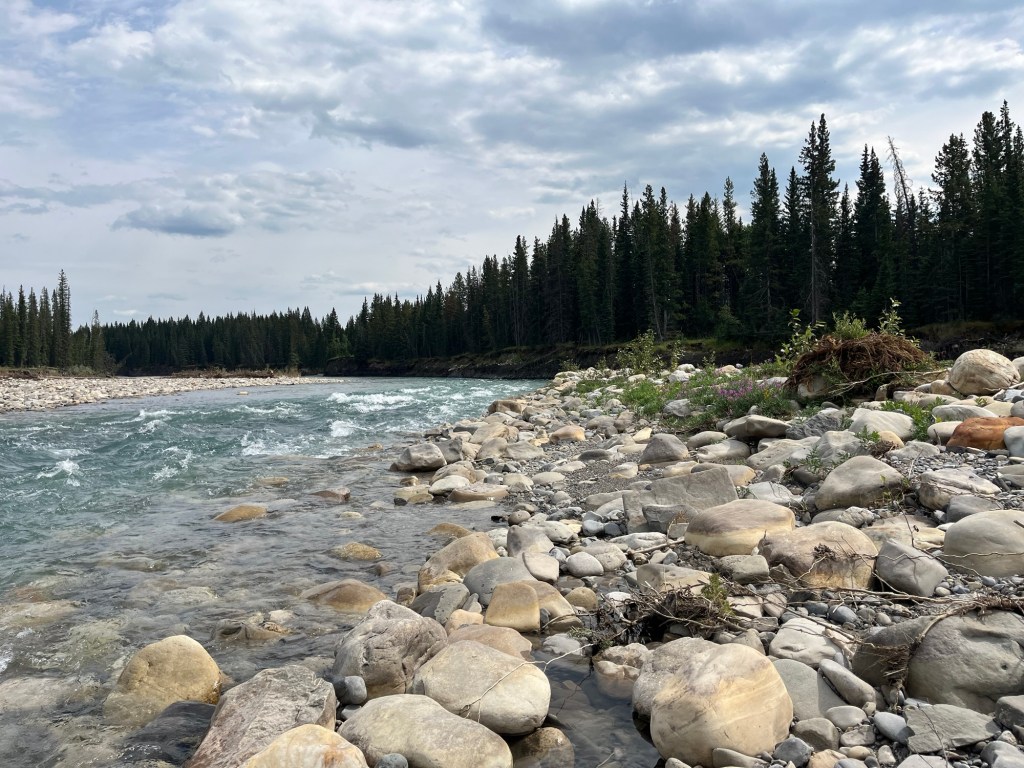
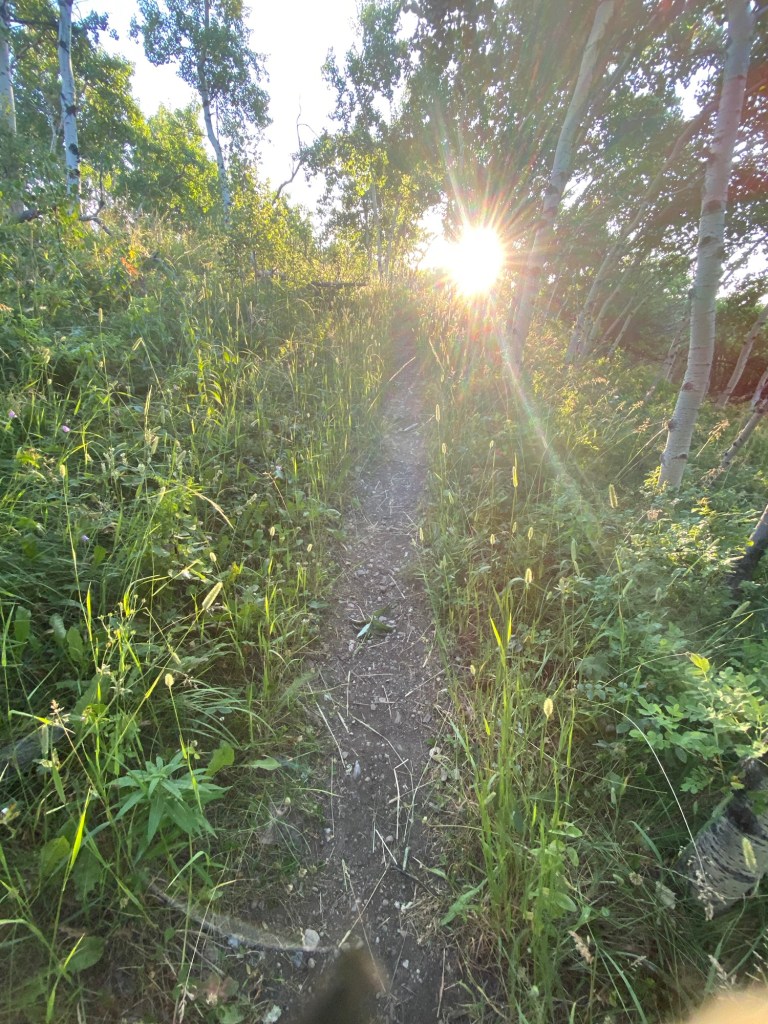
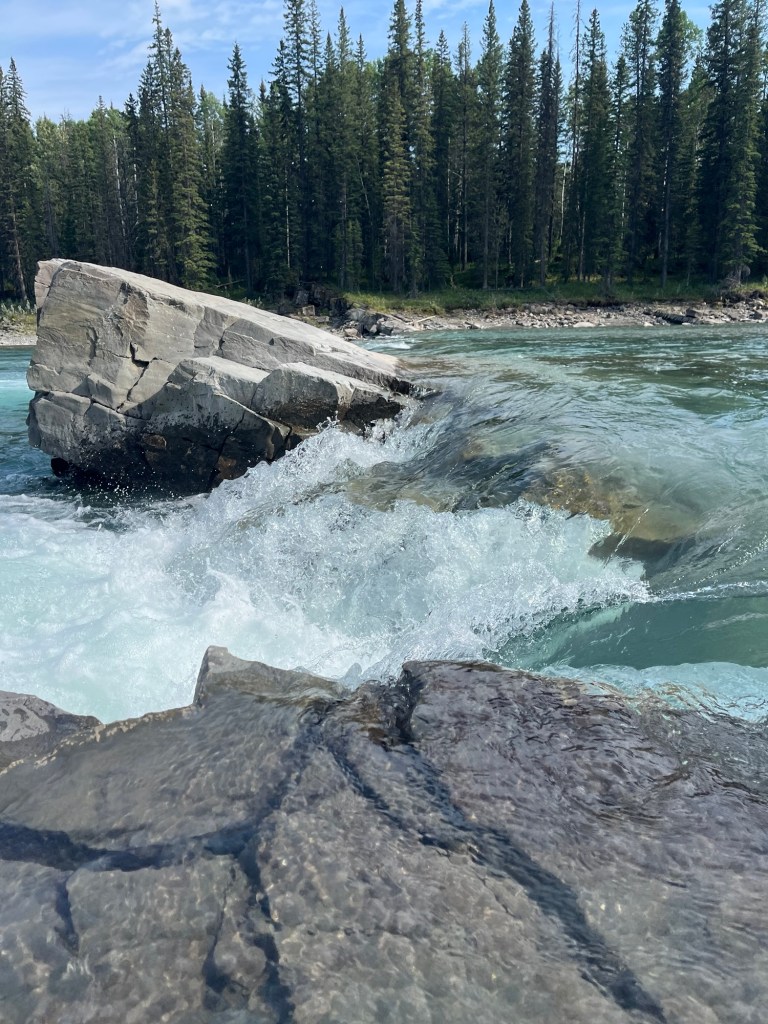
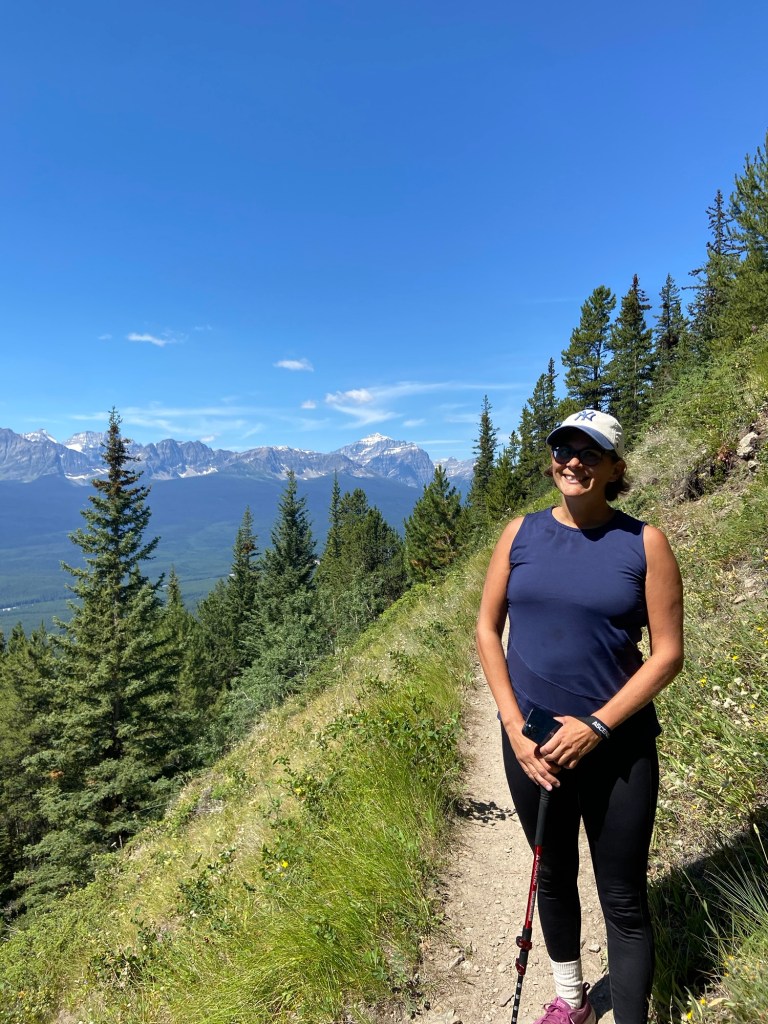
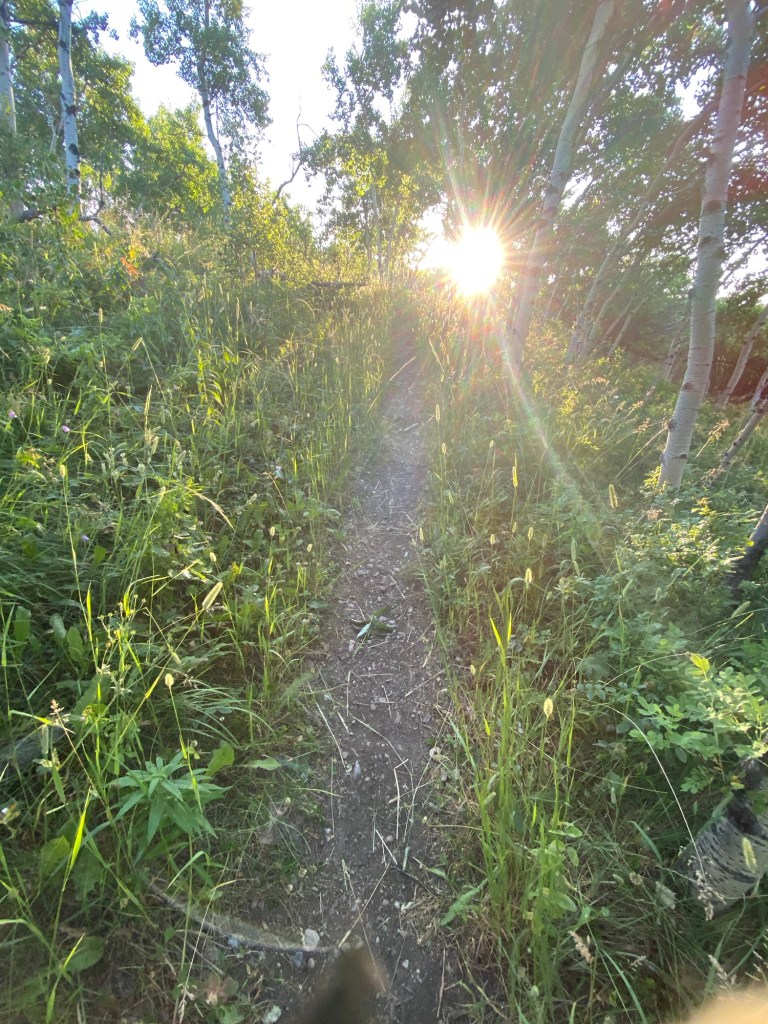
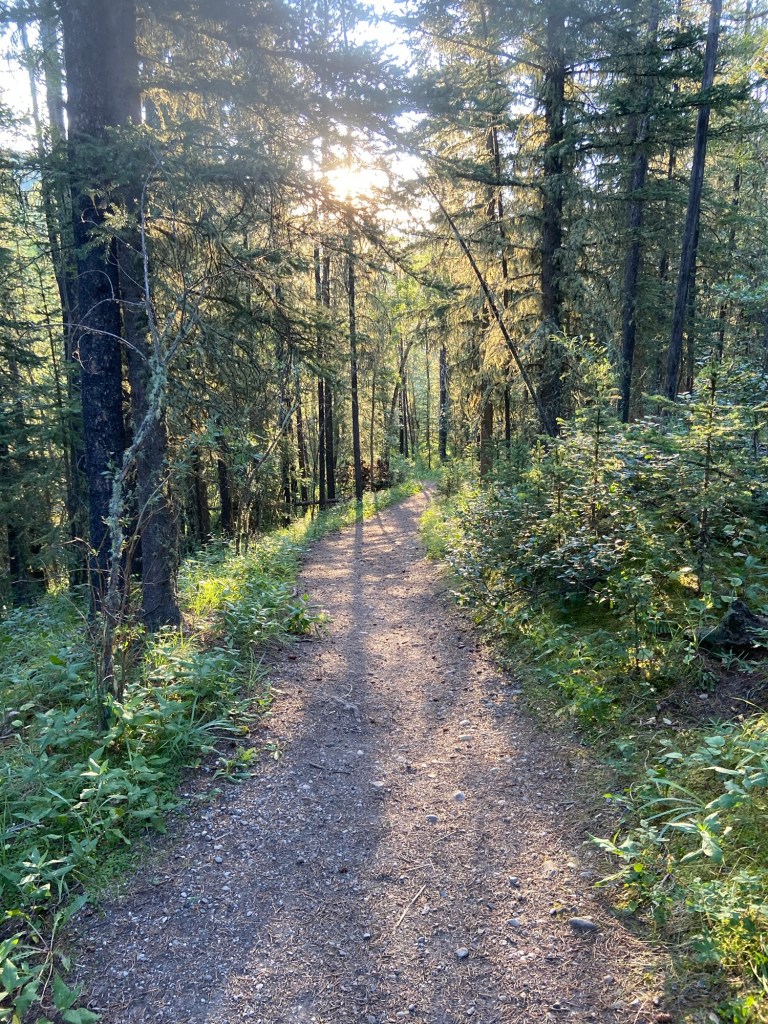
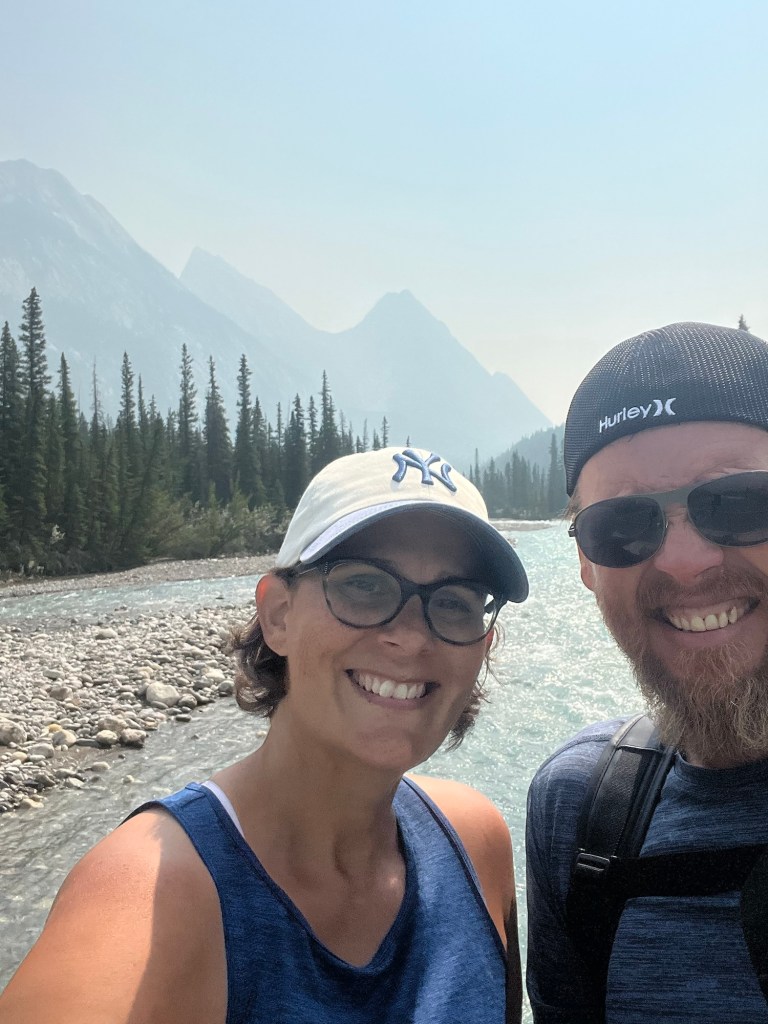
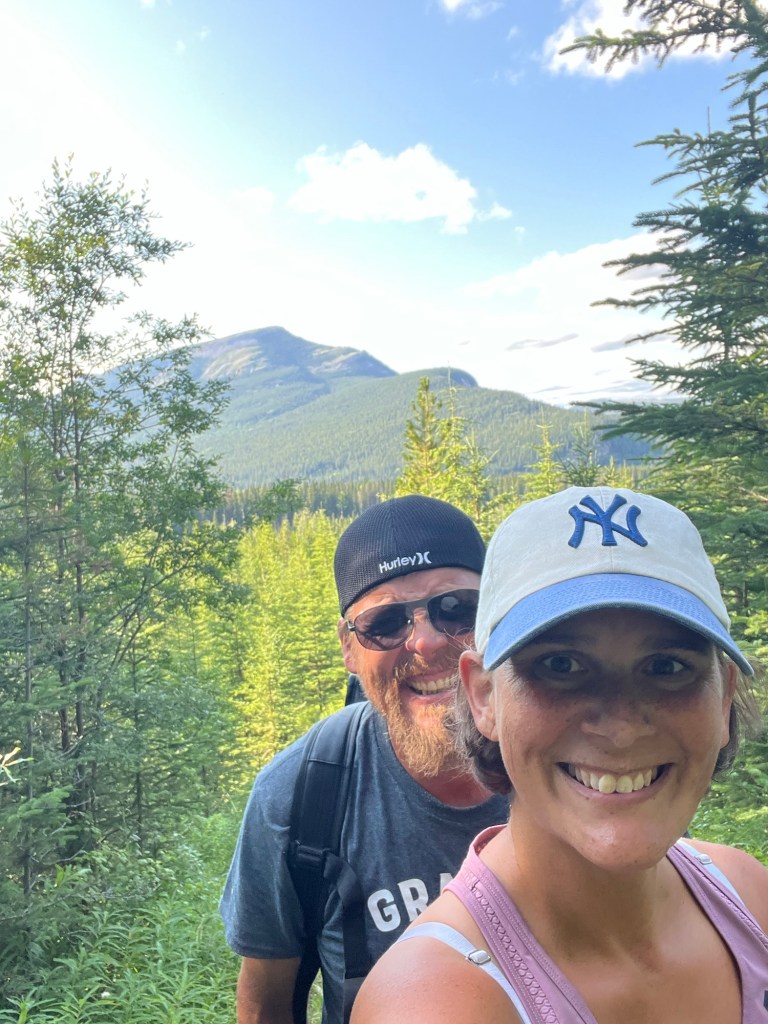
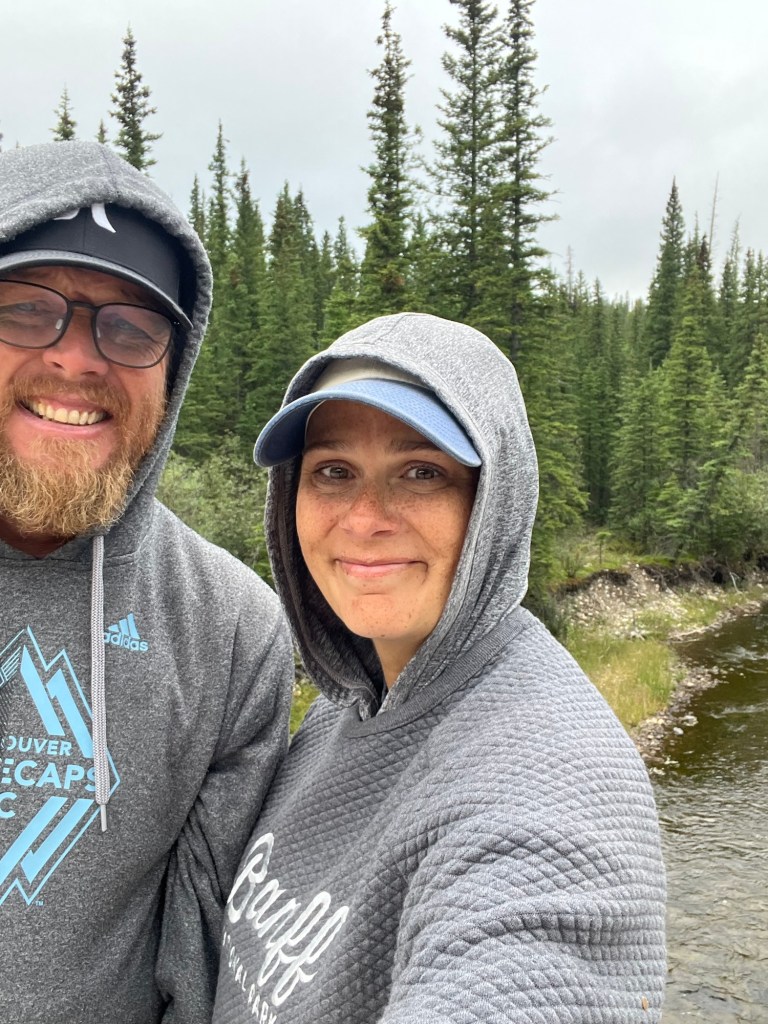
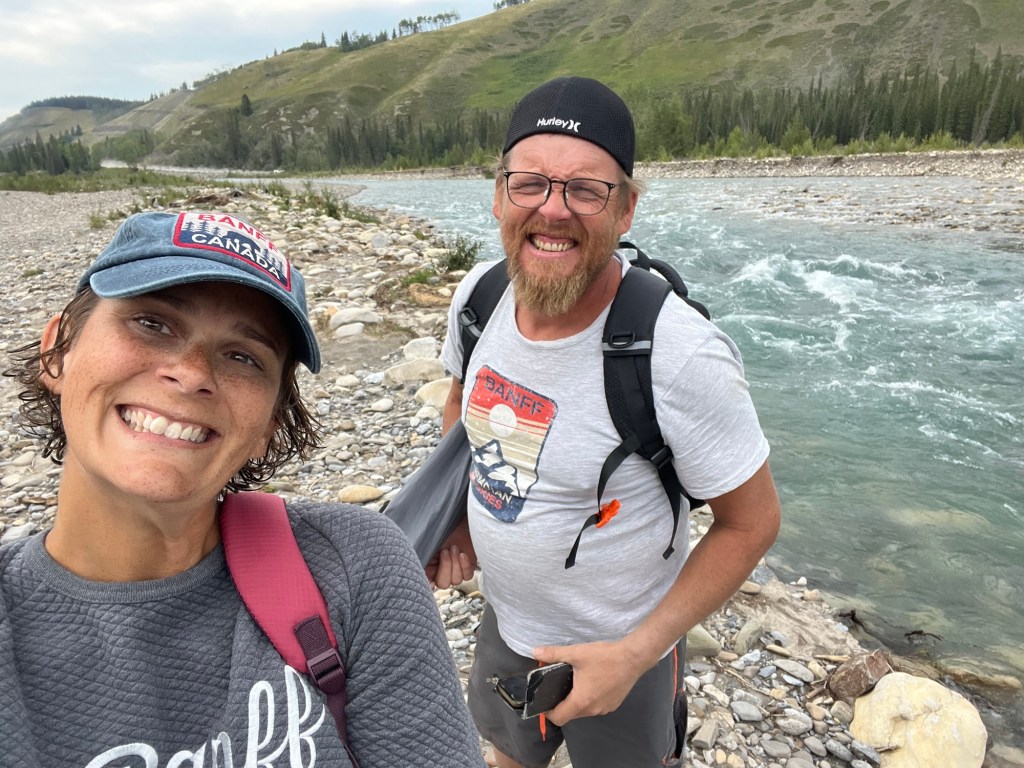
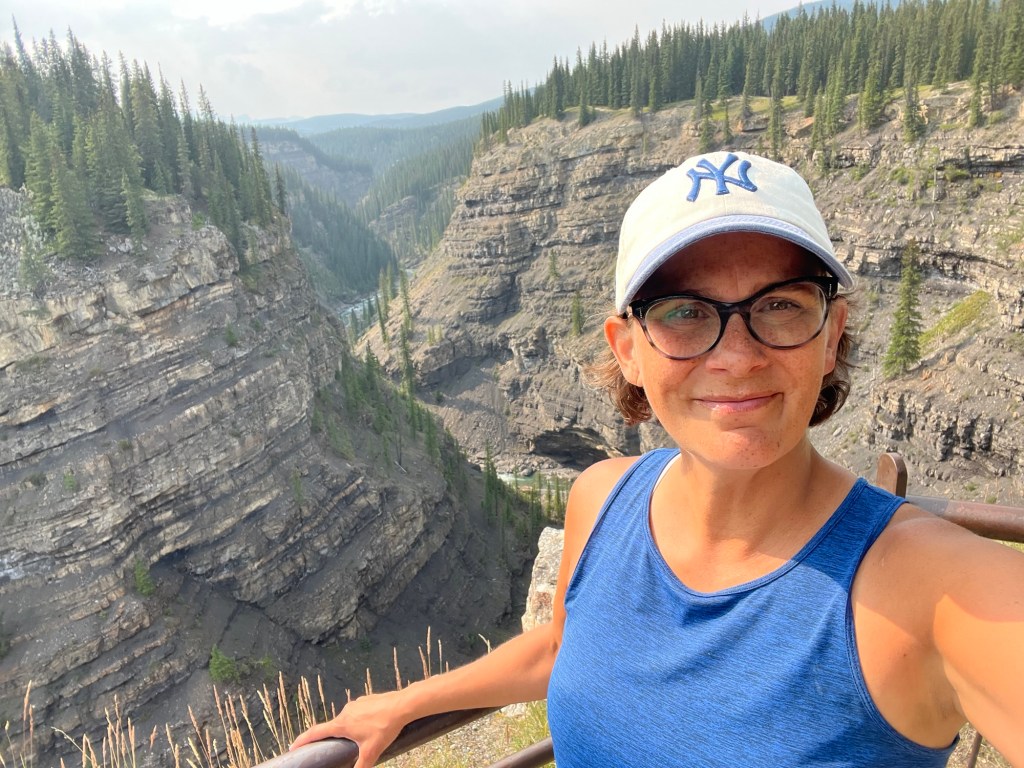
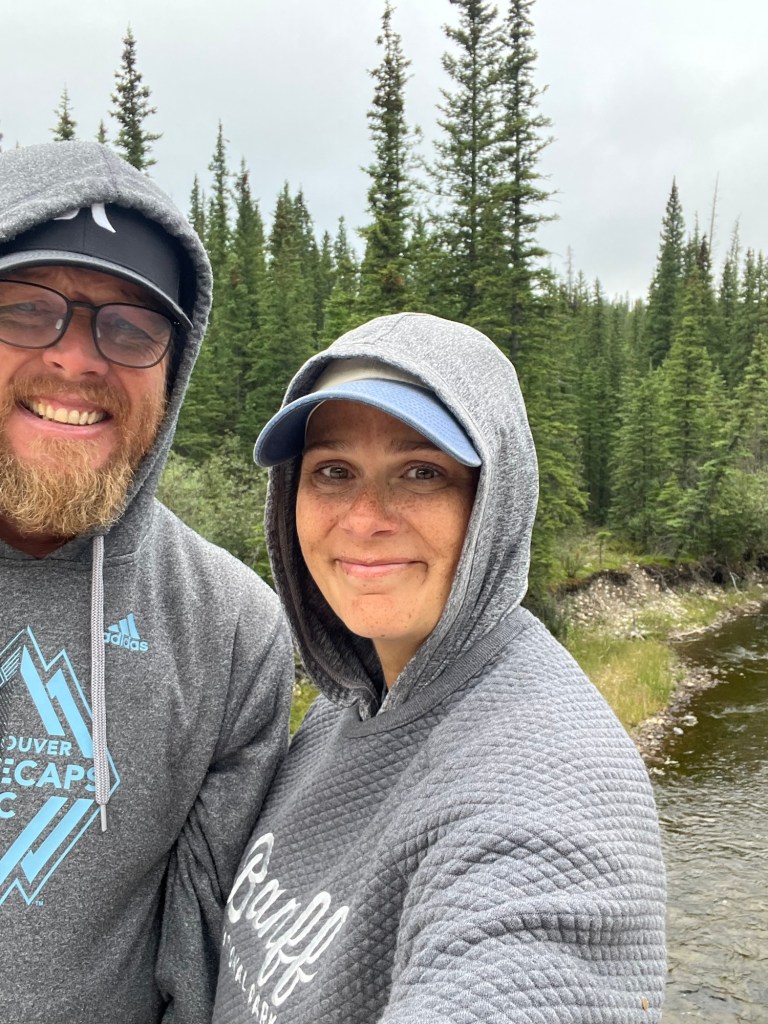
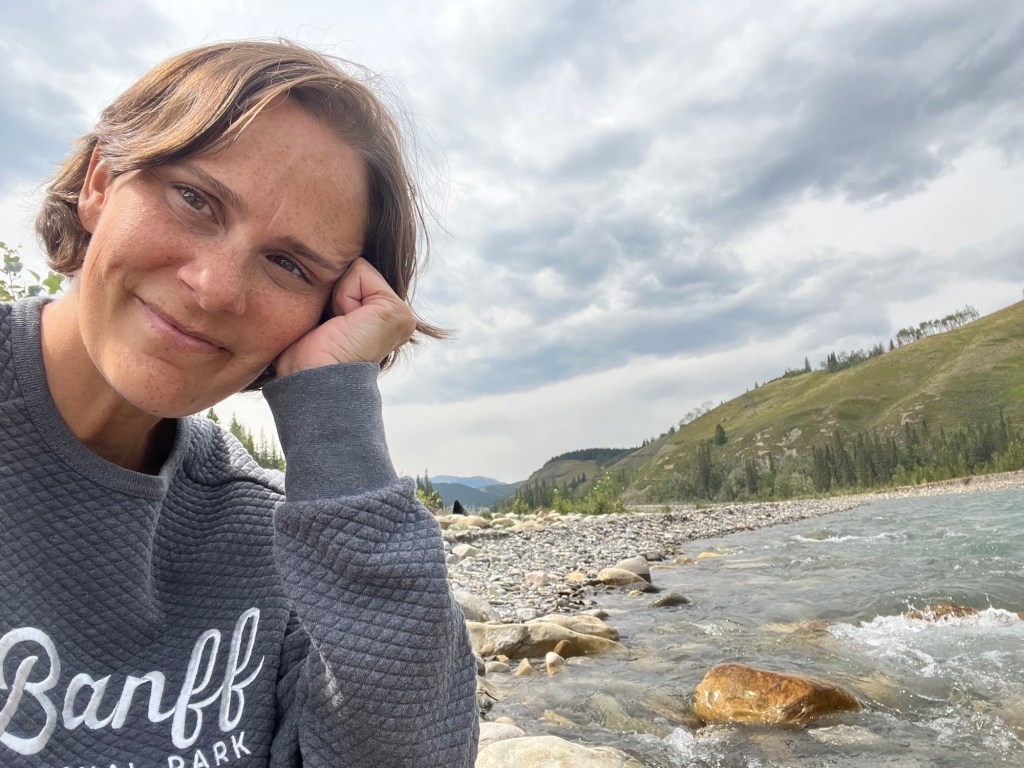
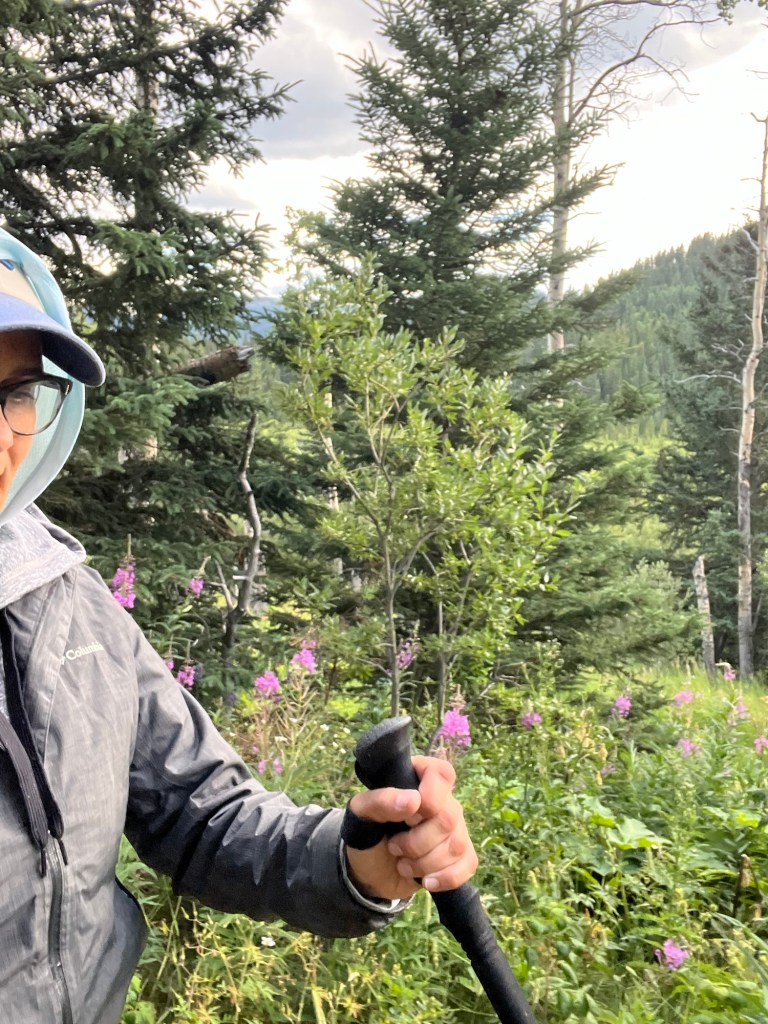
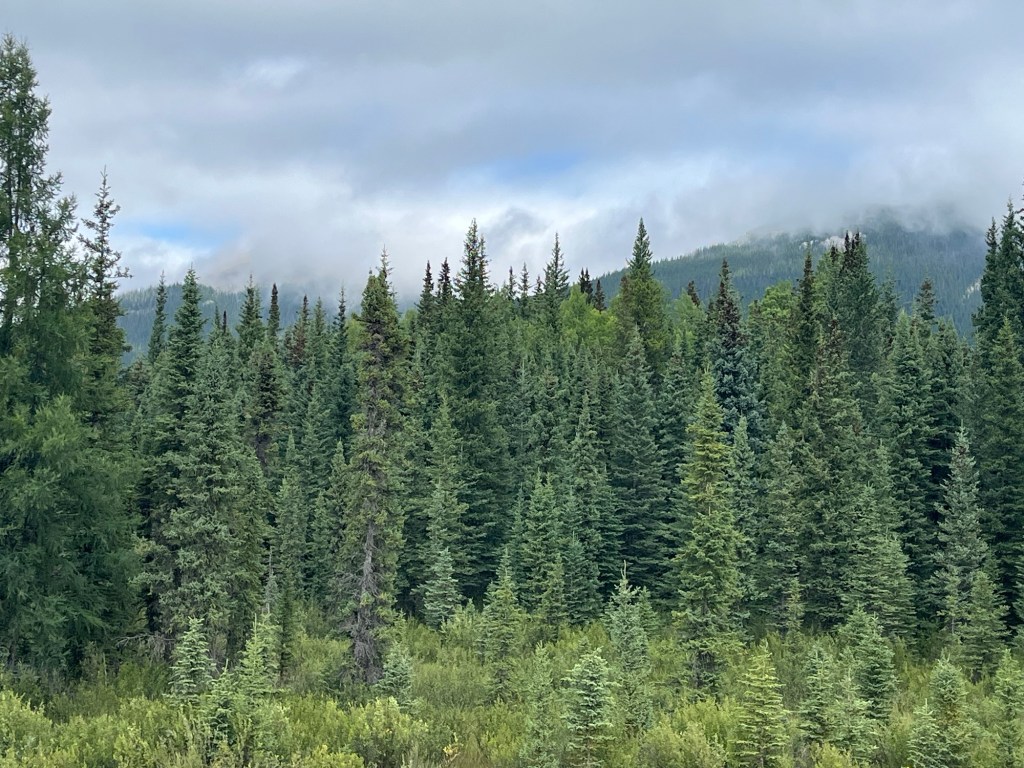
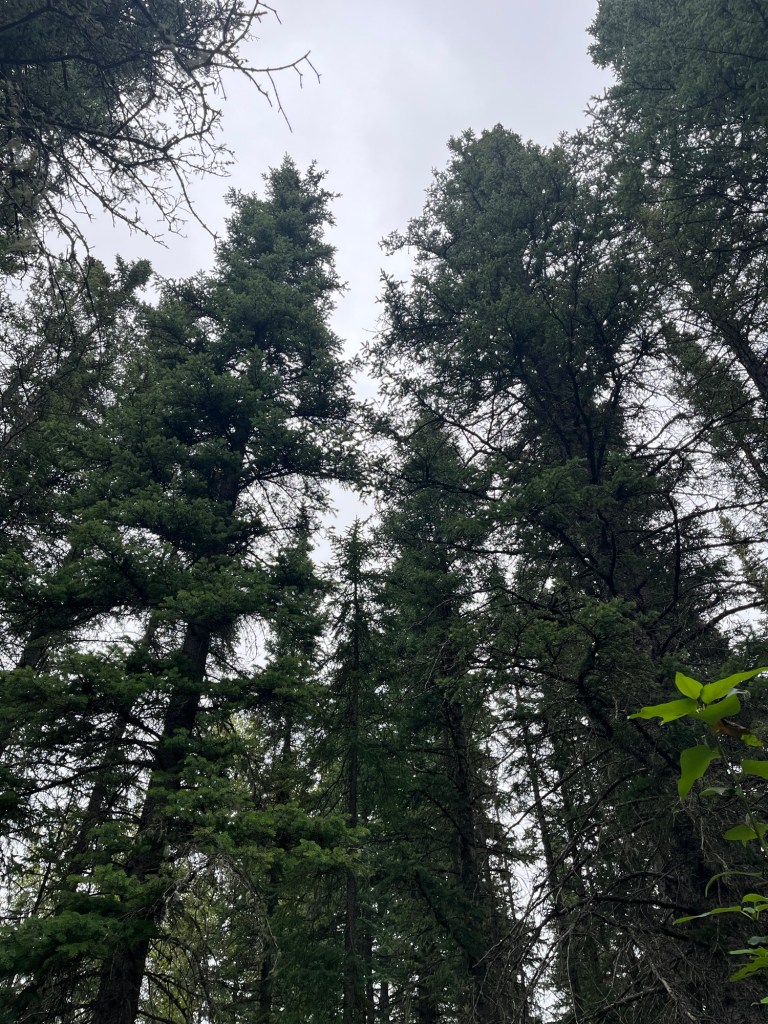
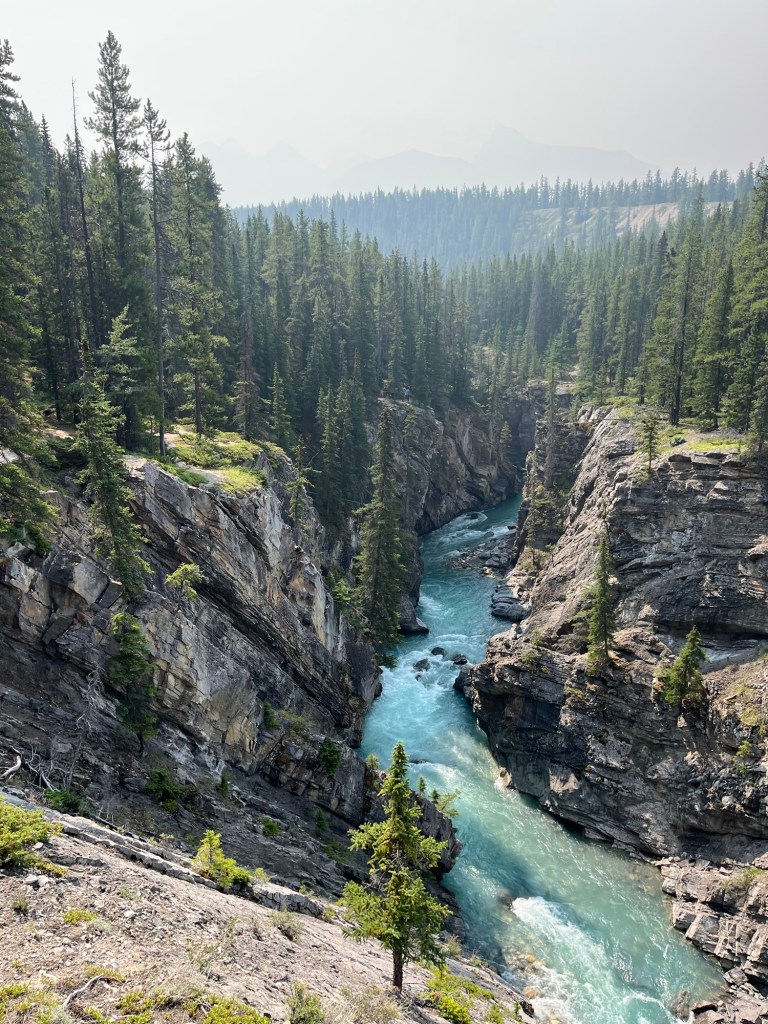
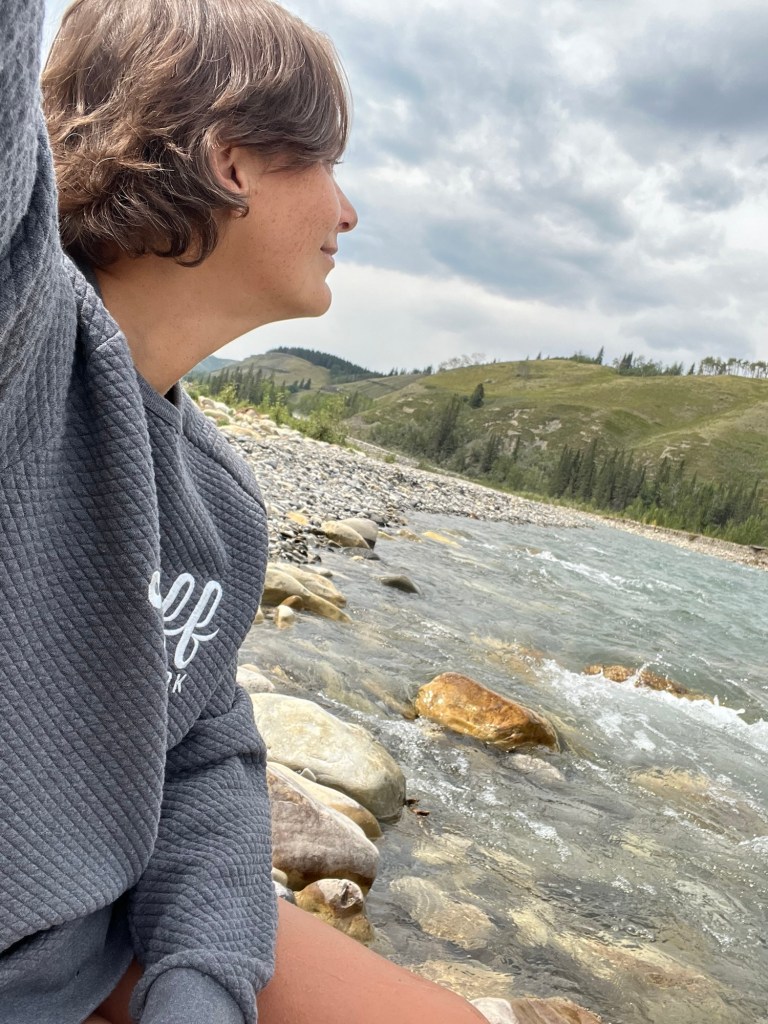
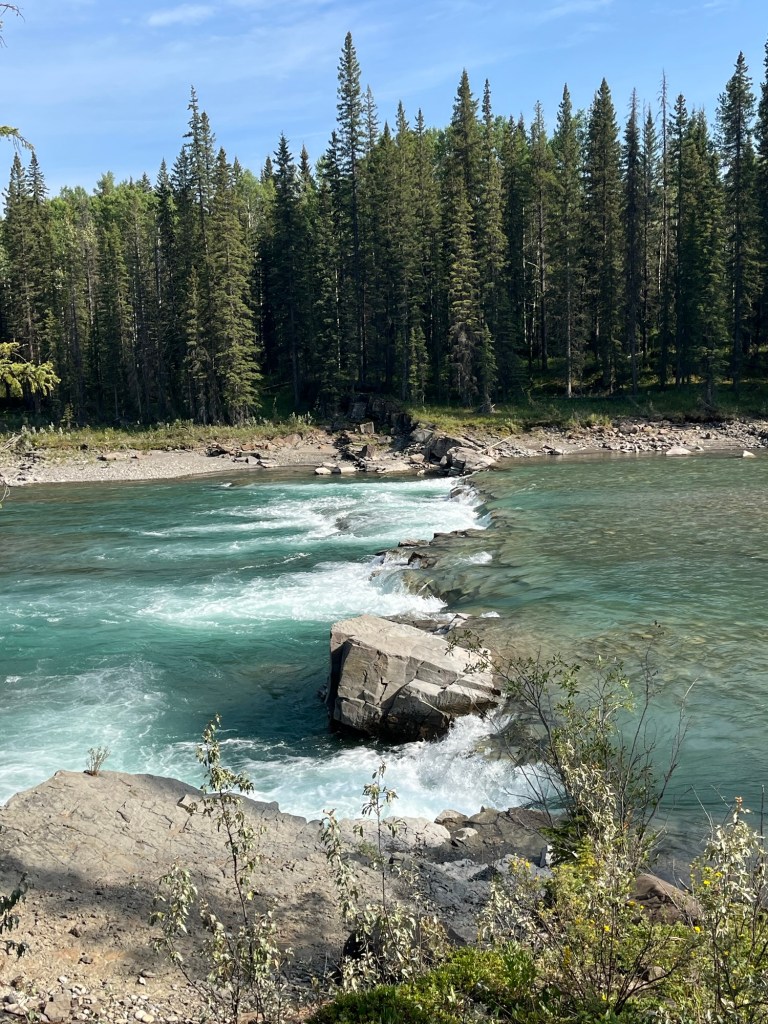
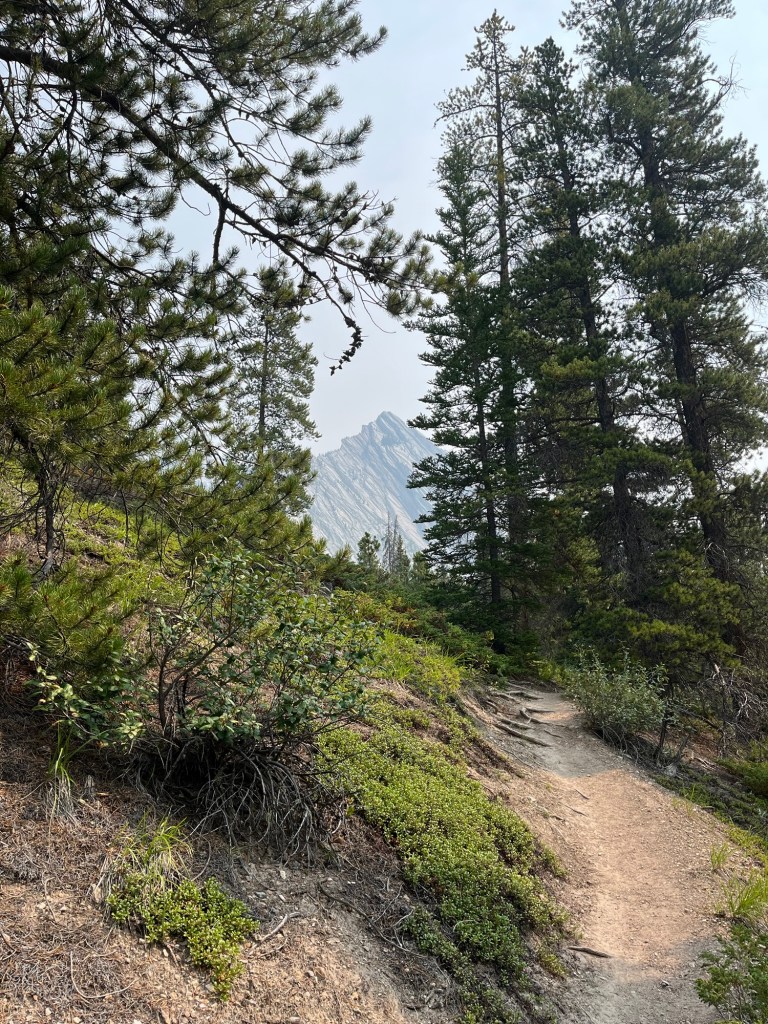
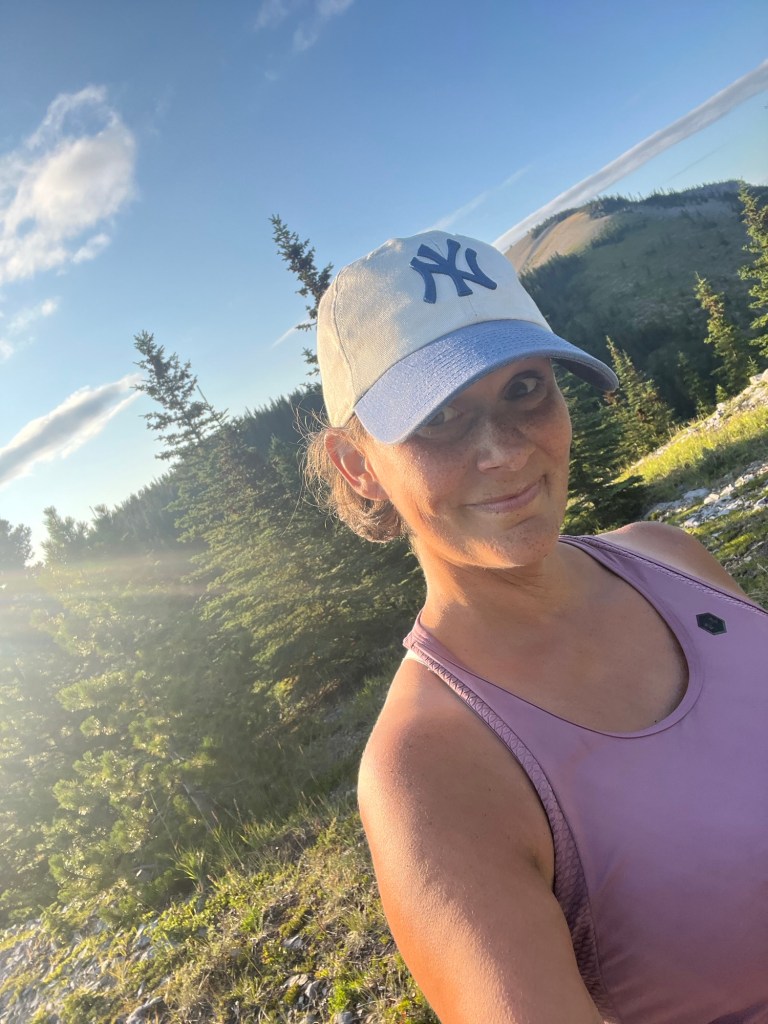
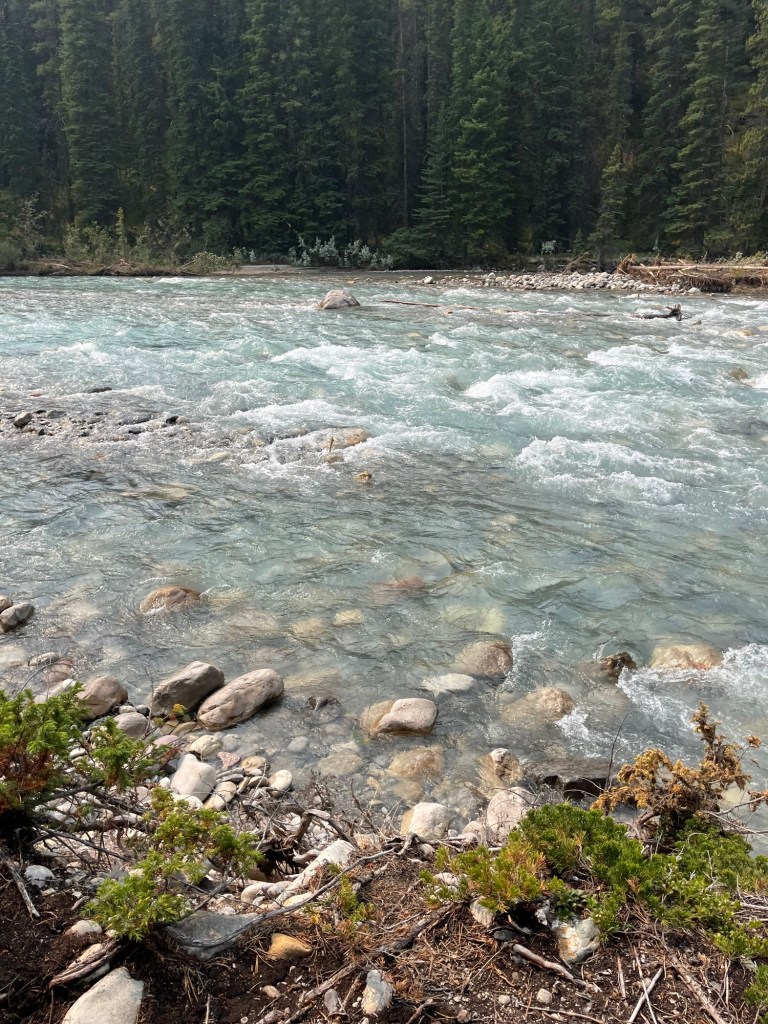
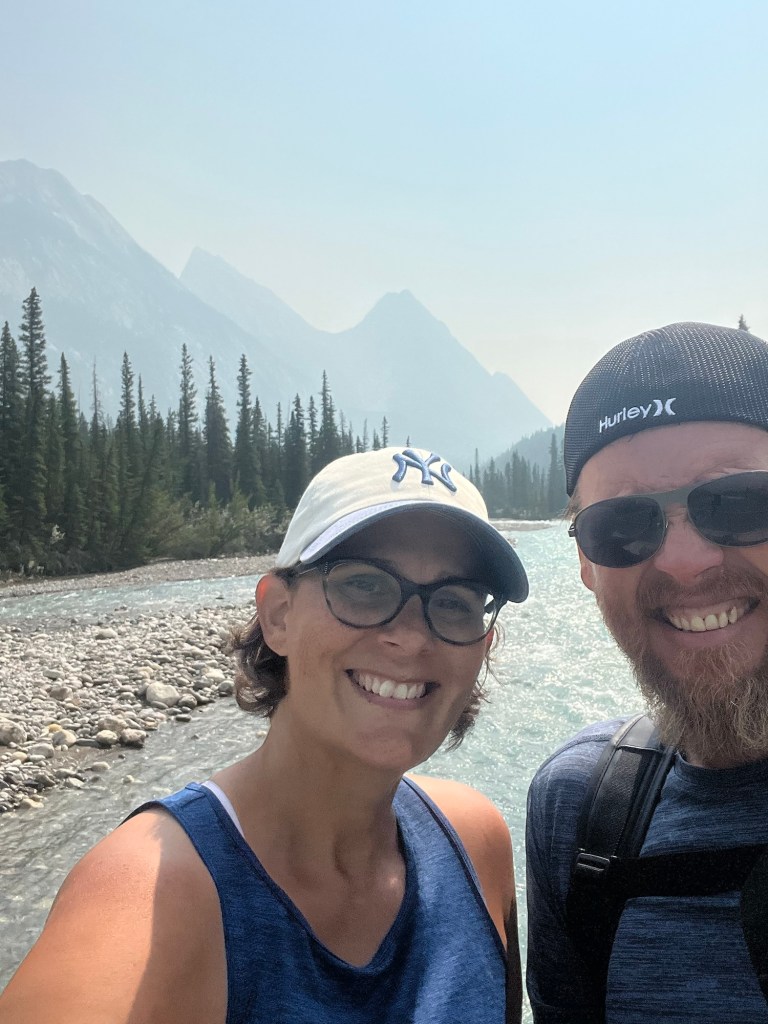
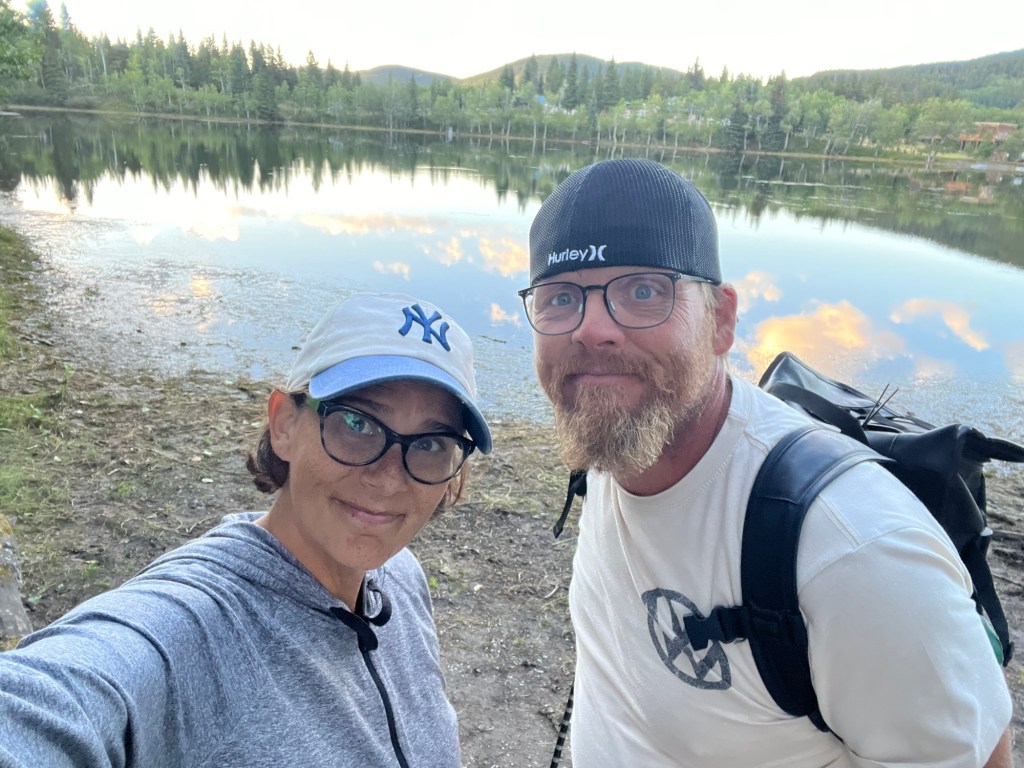
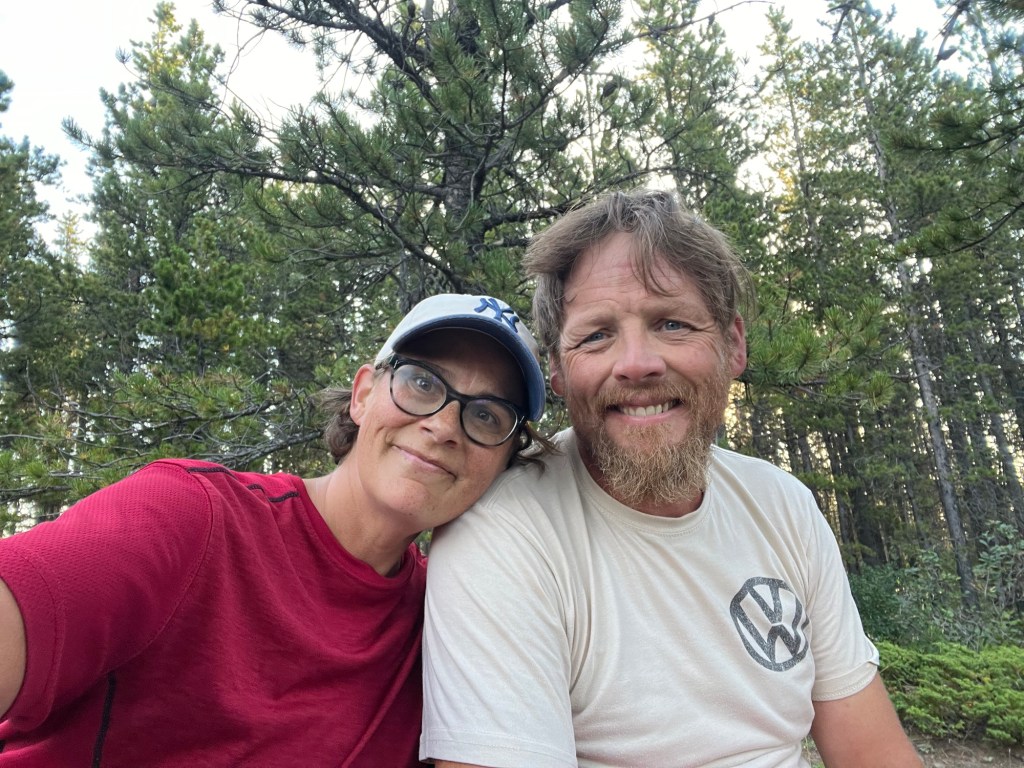
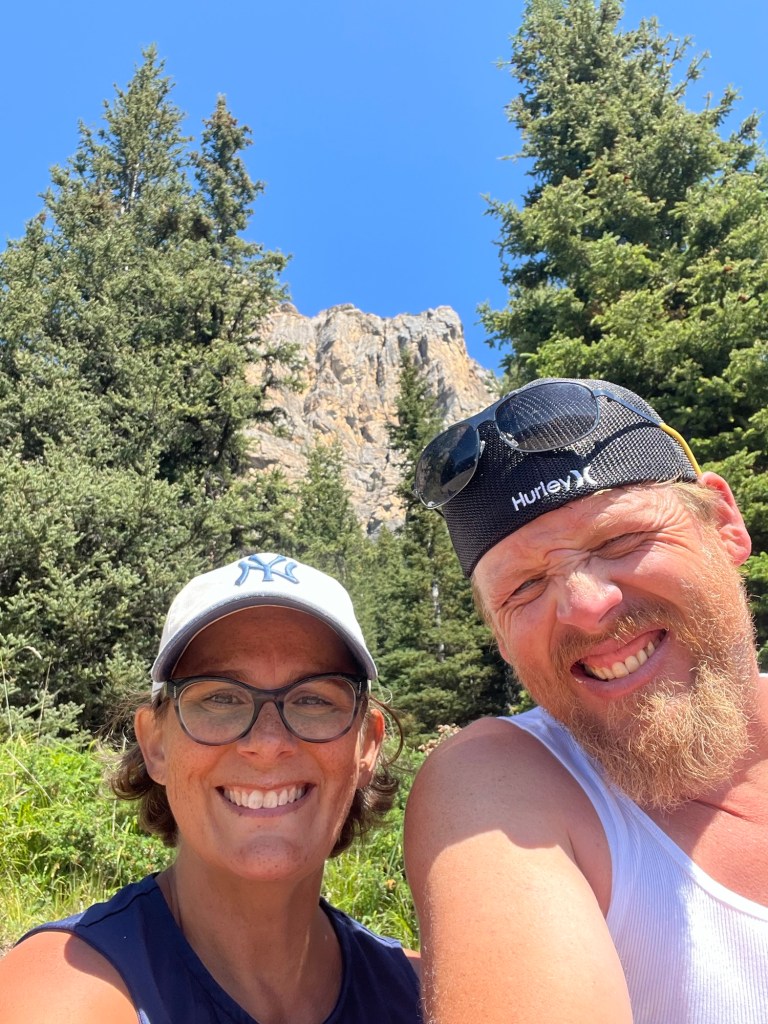
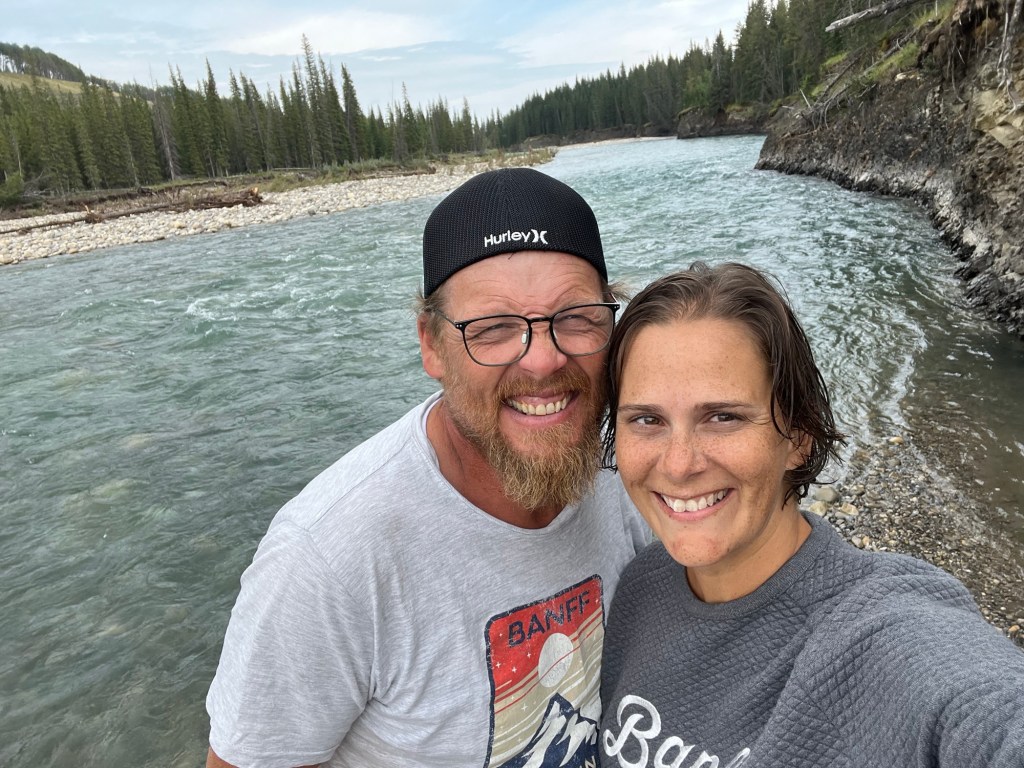
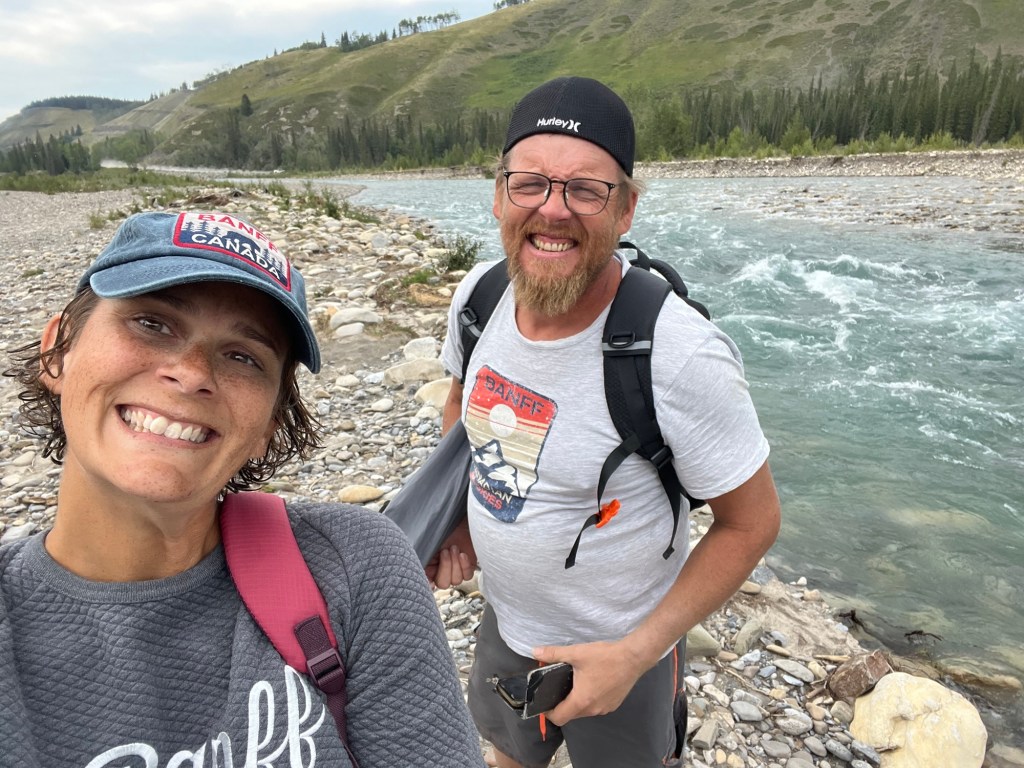
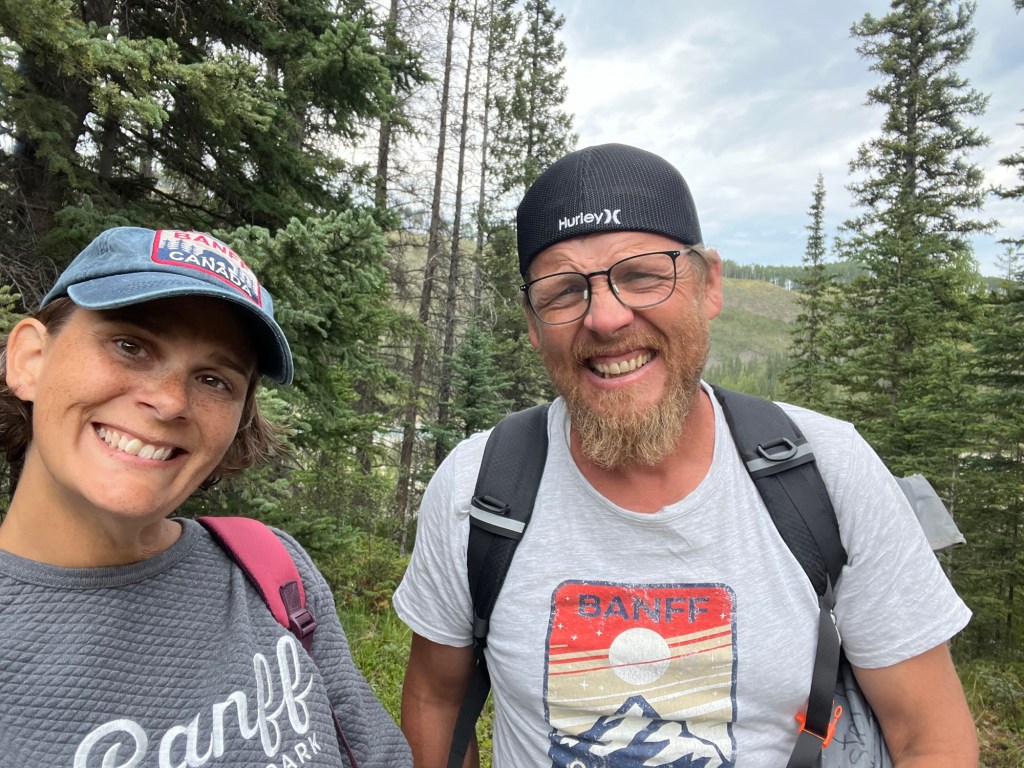
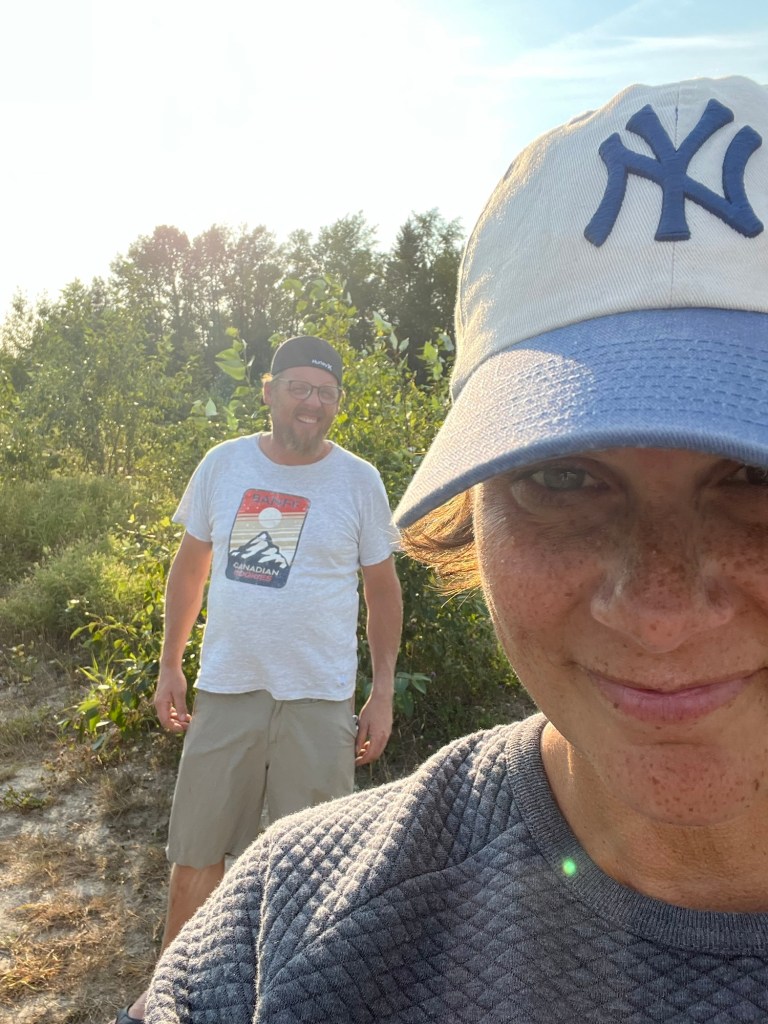
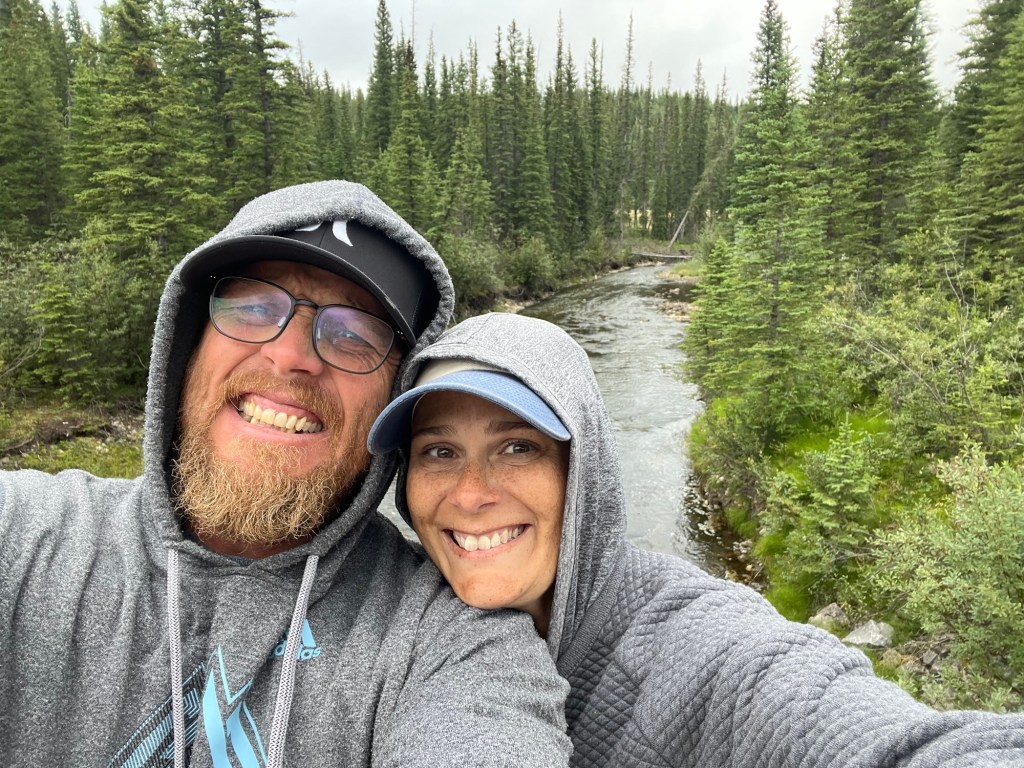
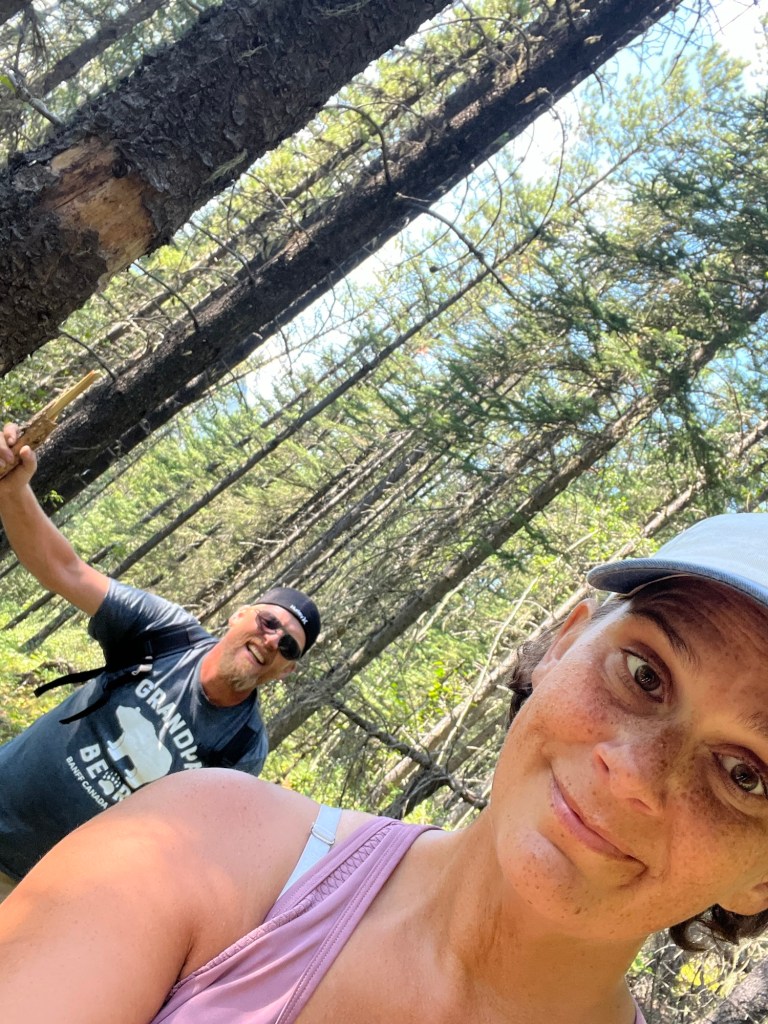
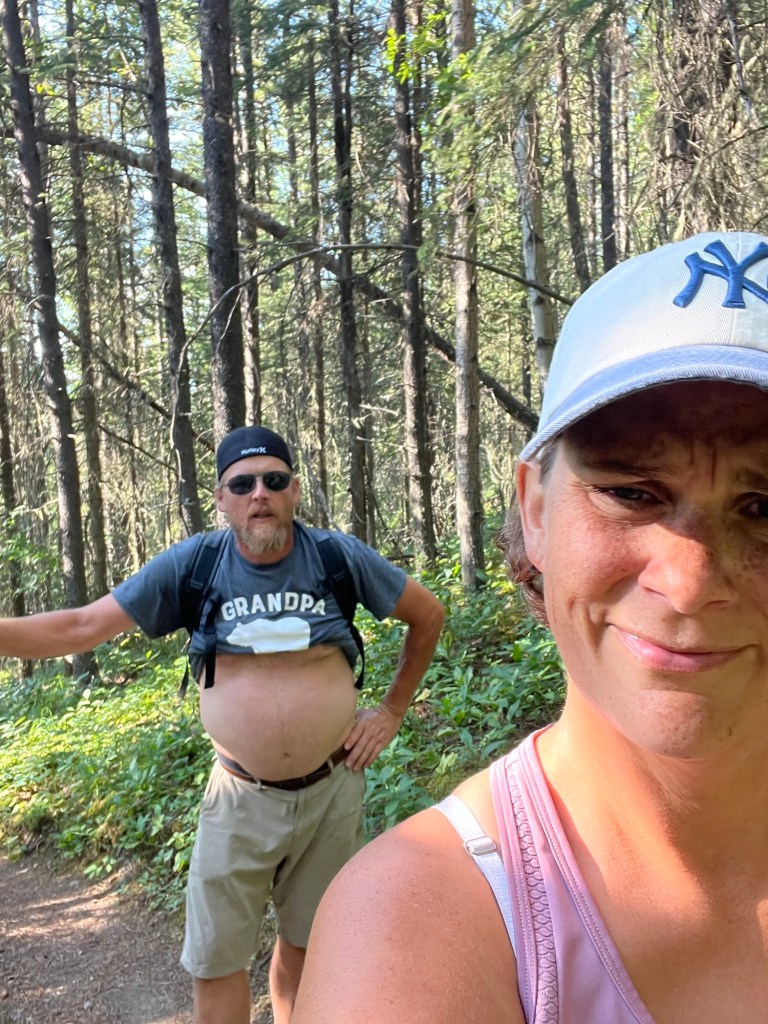
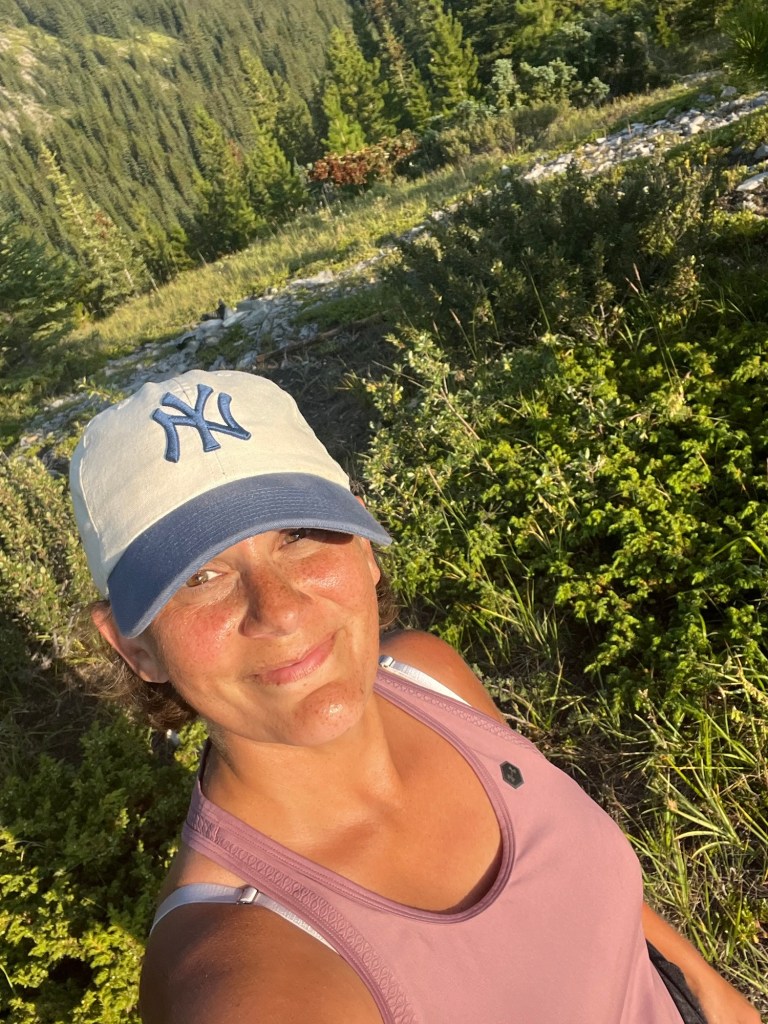
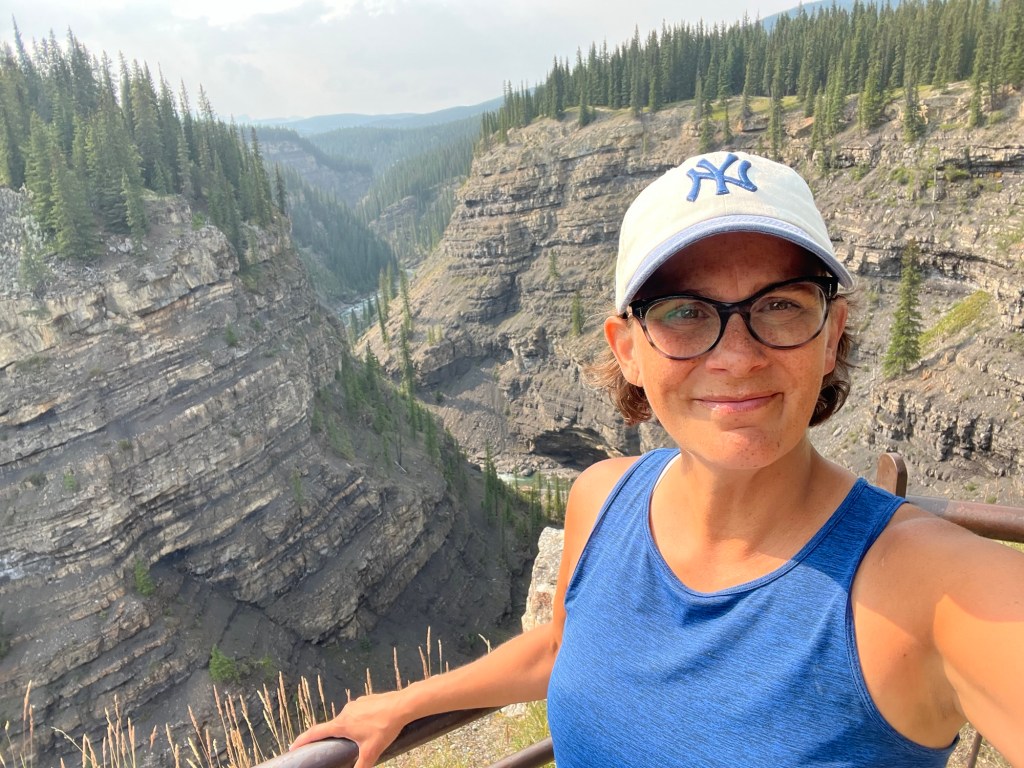
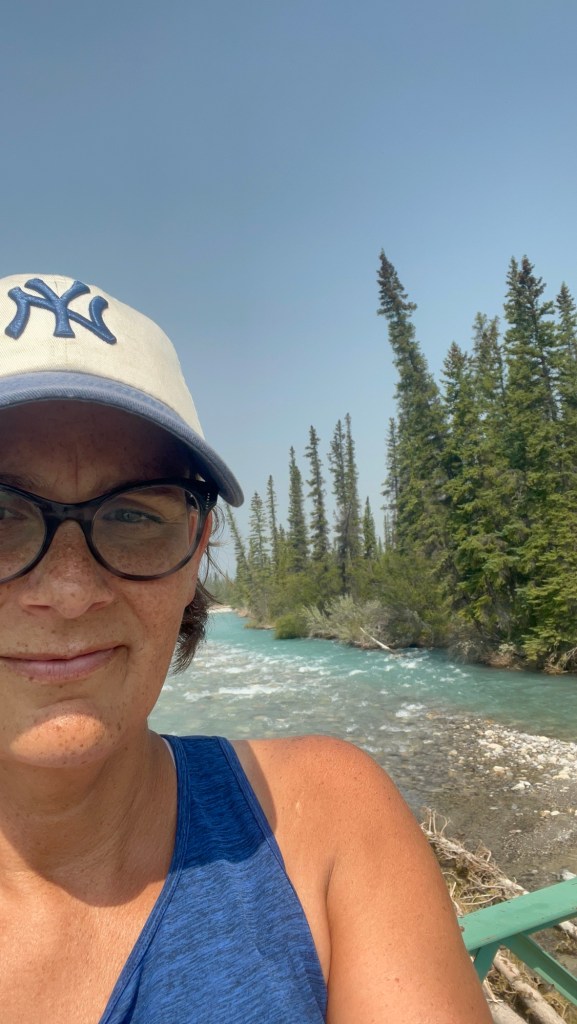
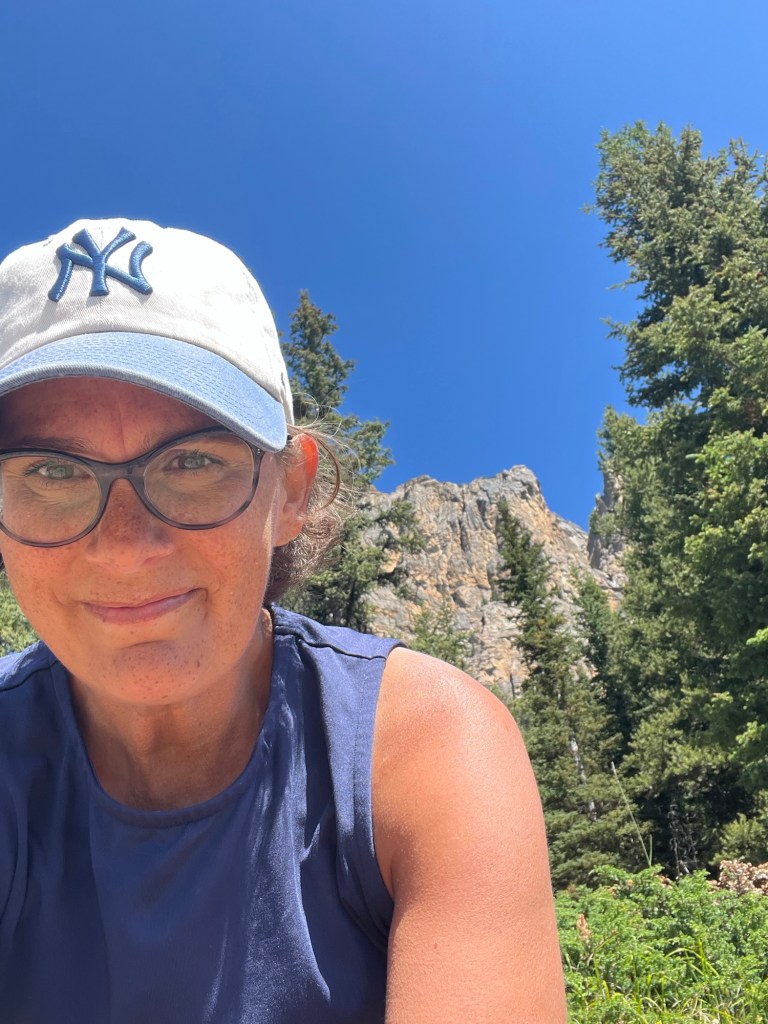
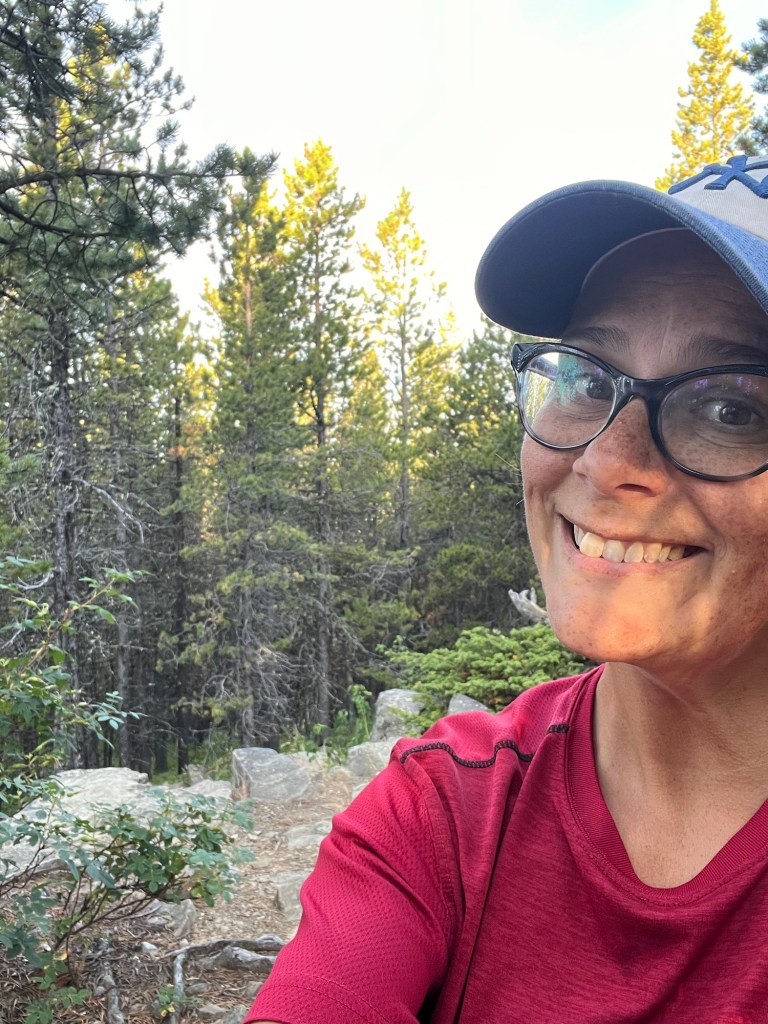
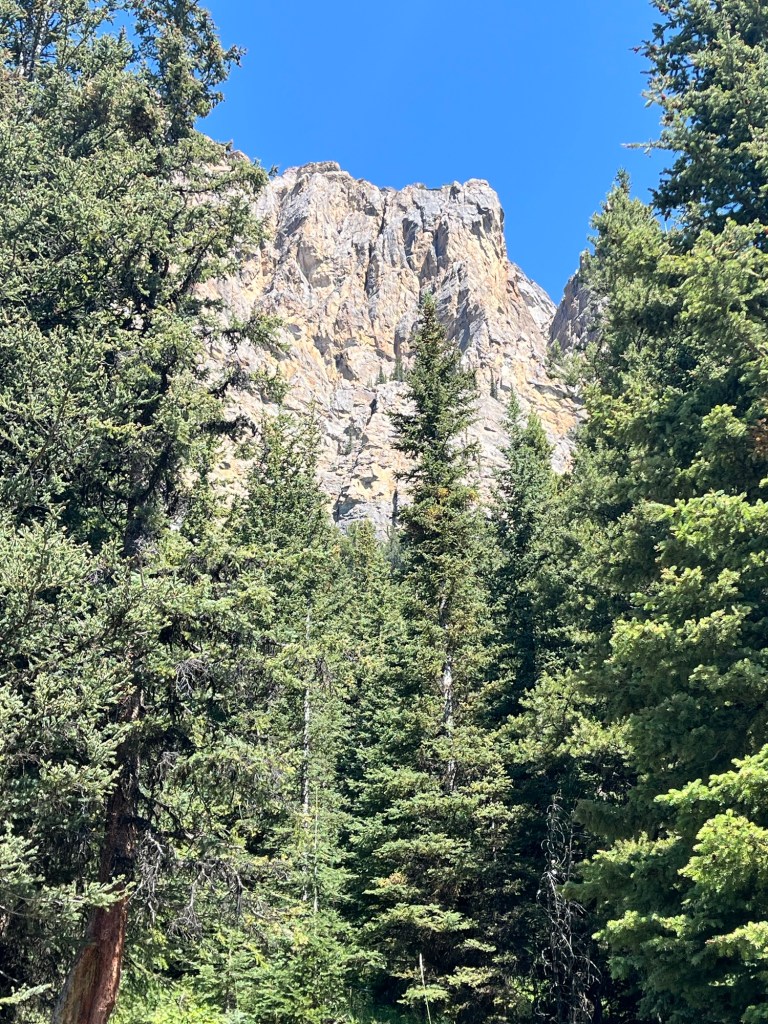
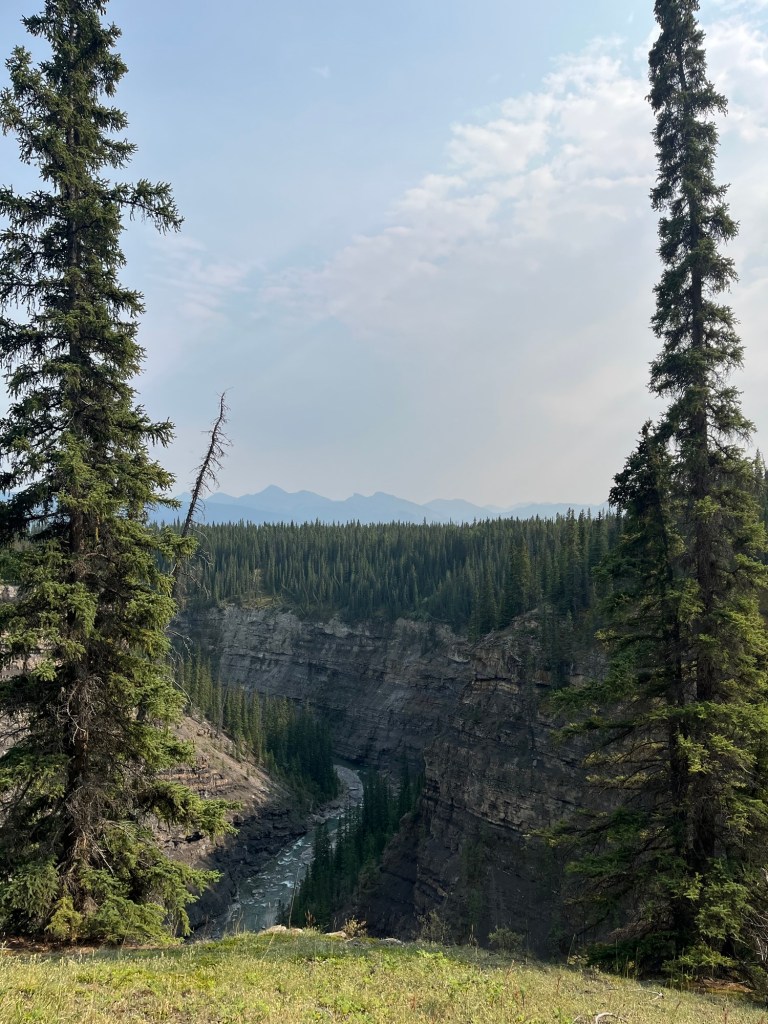
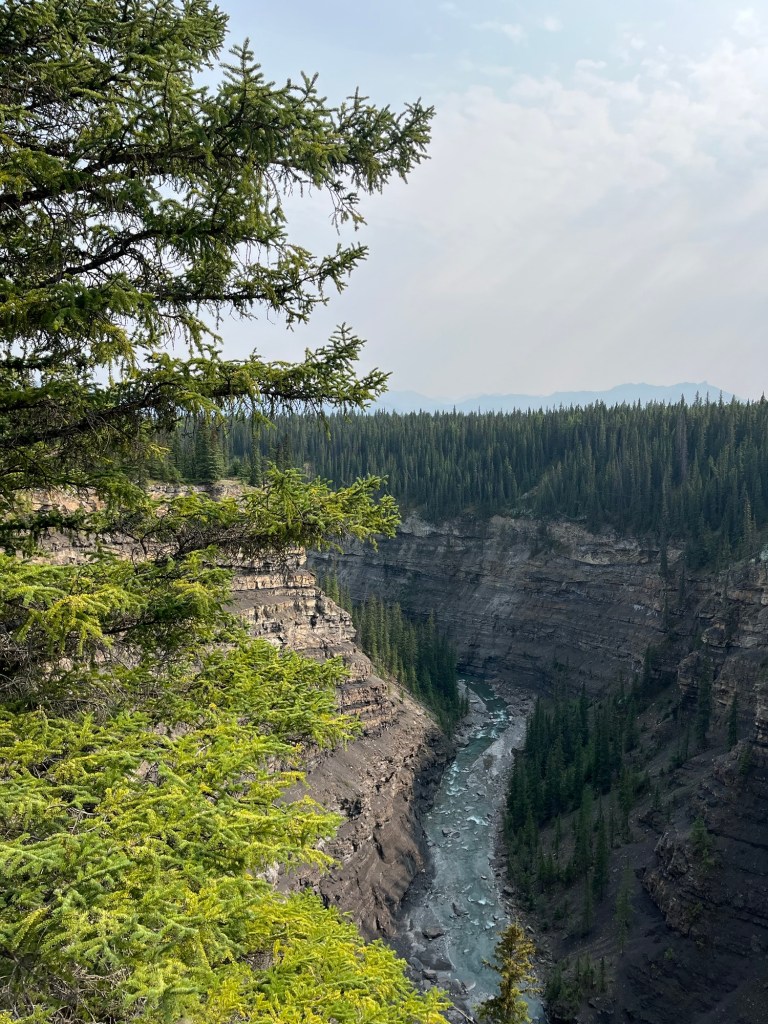
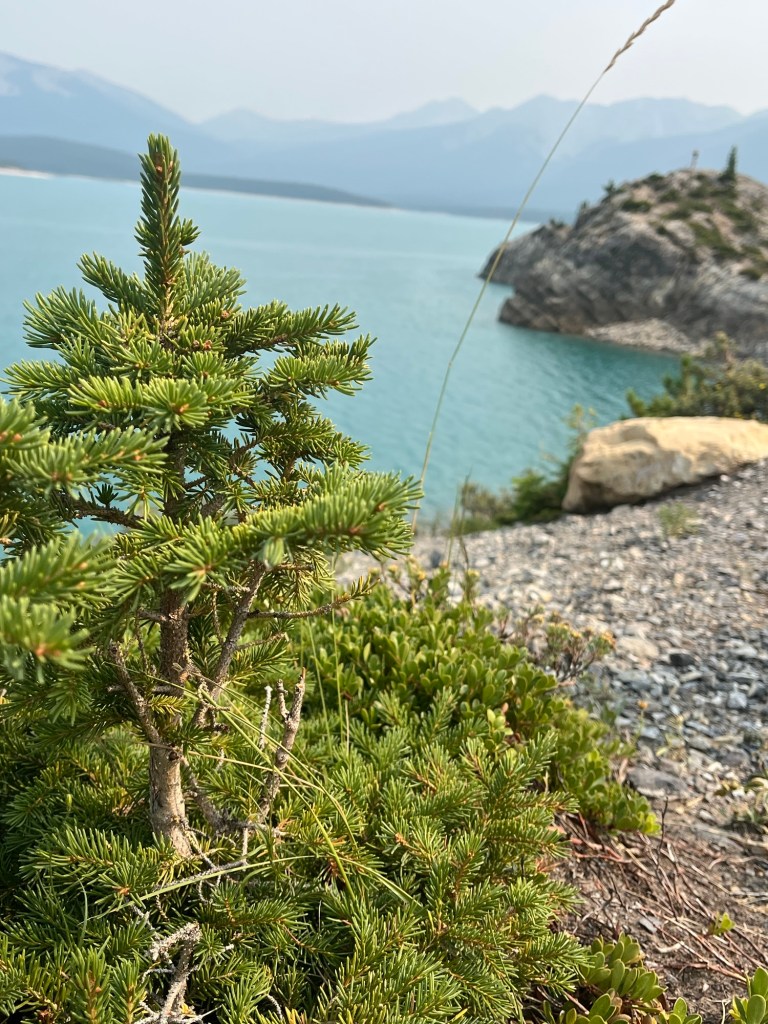
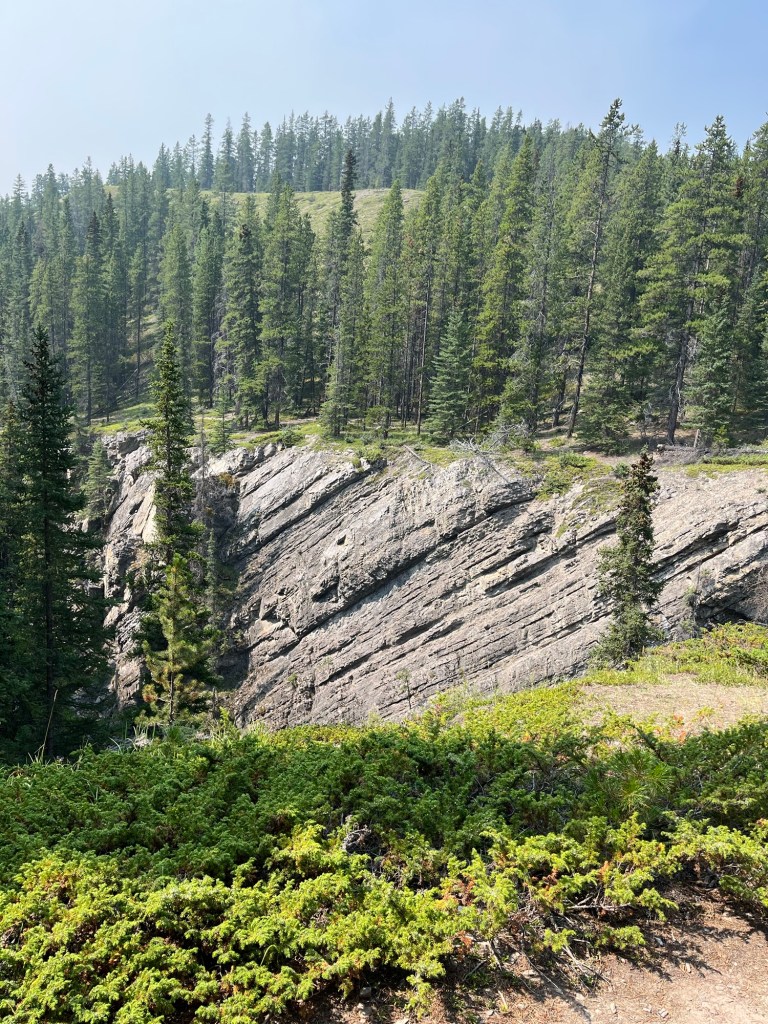
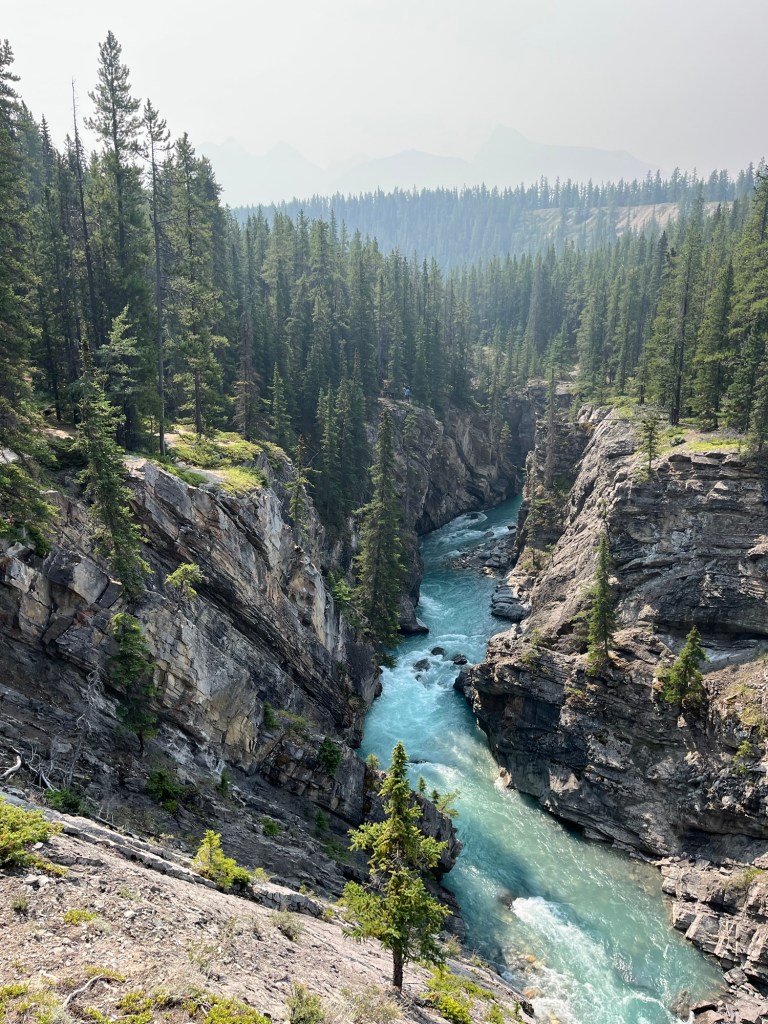
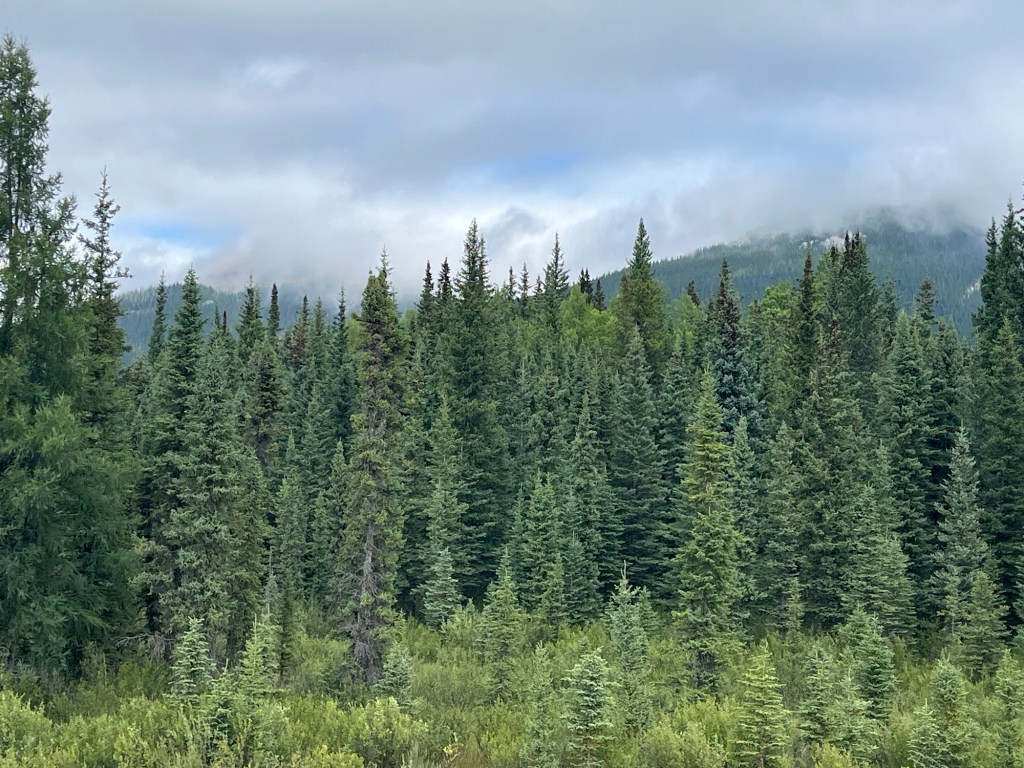
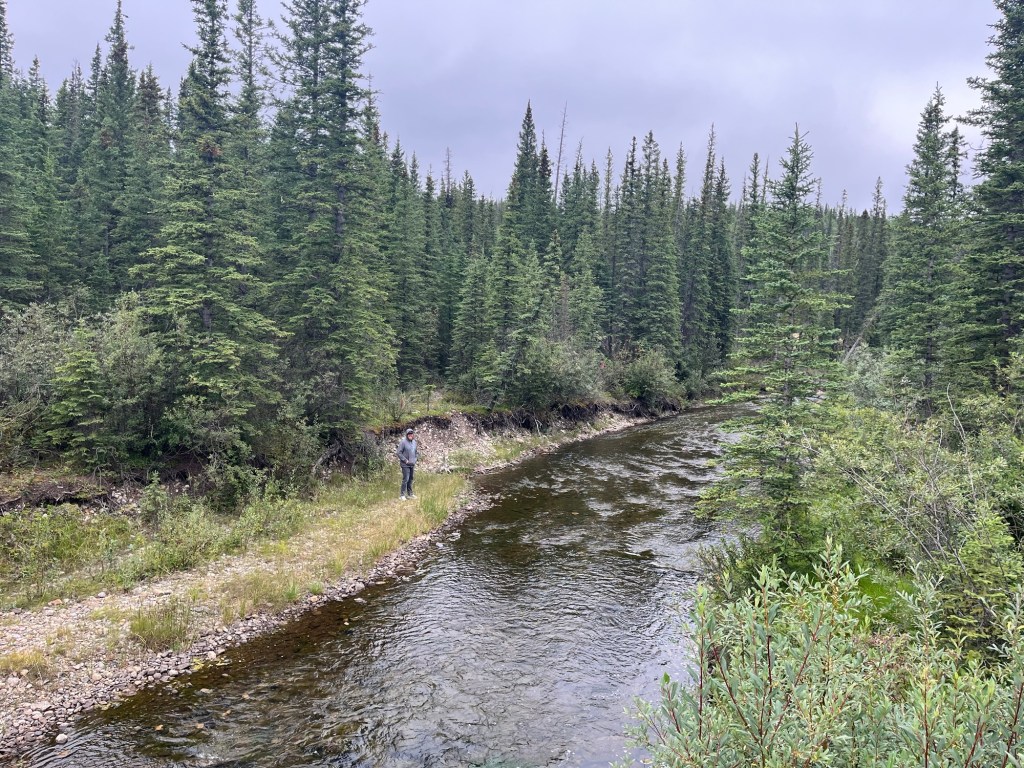
Iโve been to the mountains. I found towering trees, rushing water and the best campsite ever!
And I learned a few lessons along the way.
1)We donโt always know what the path will look like when we start. But trails can be both beautiful and hard.
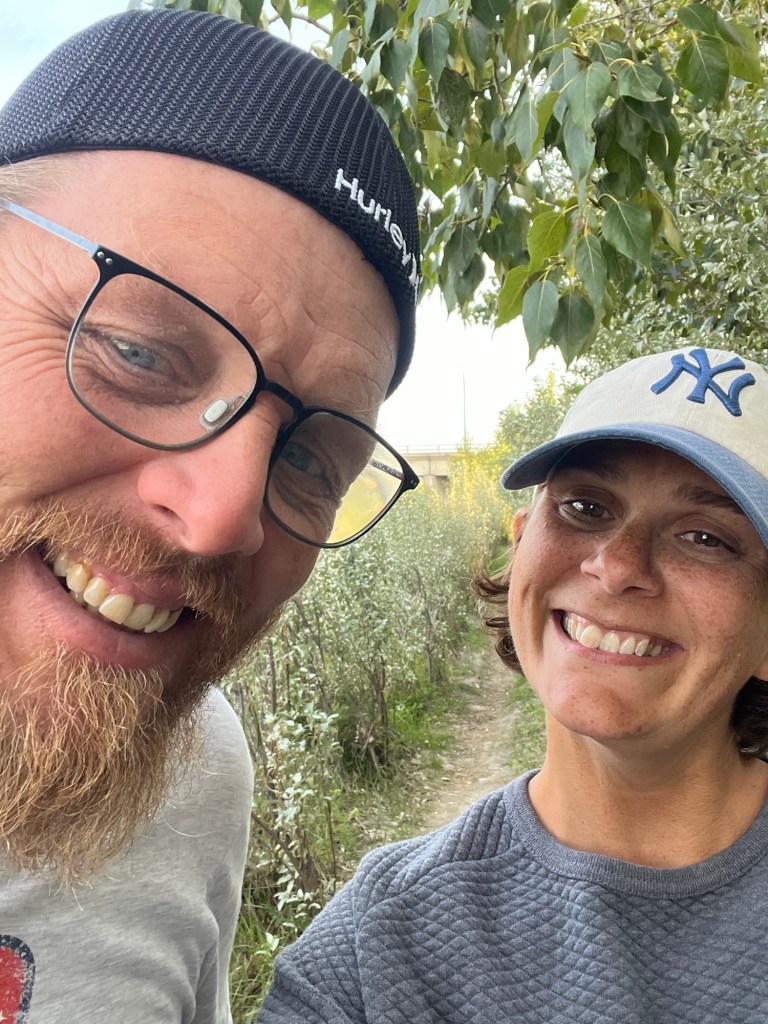
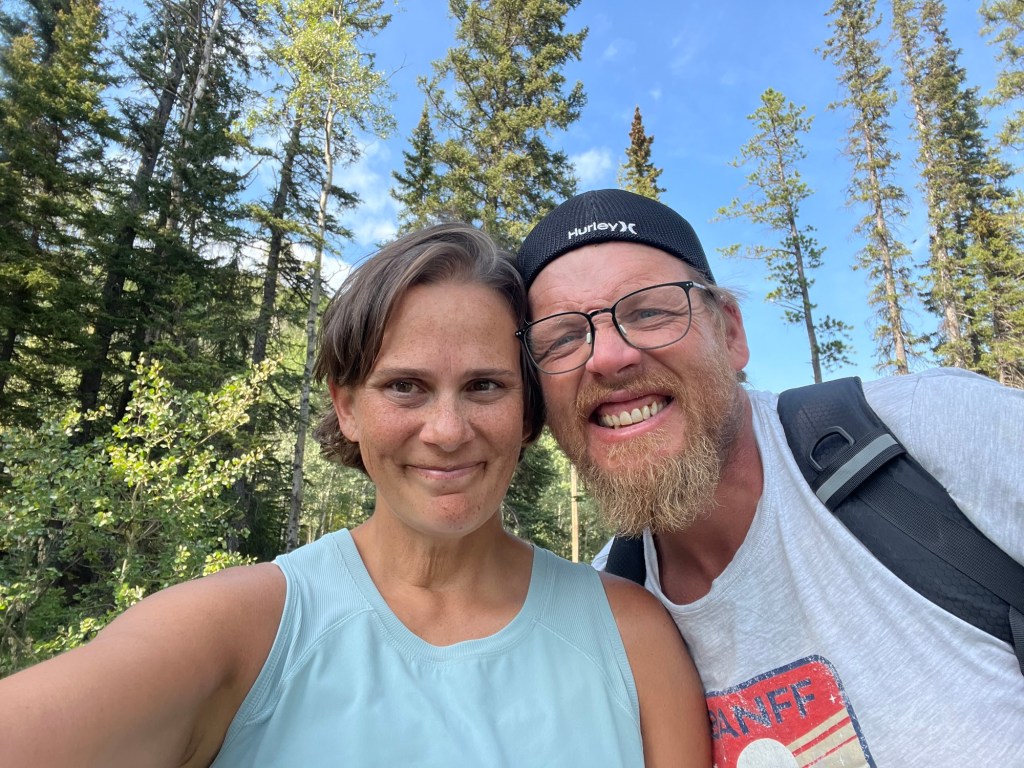
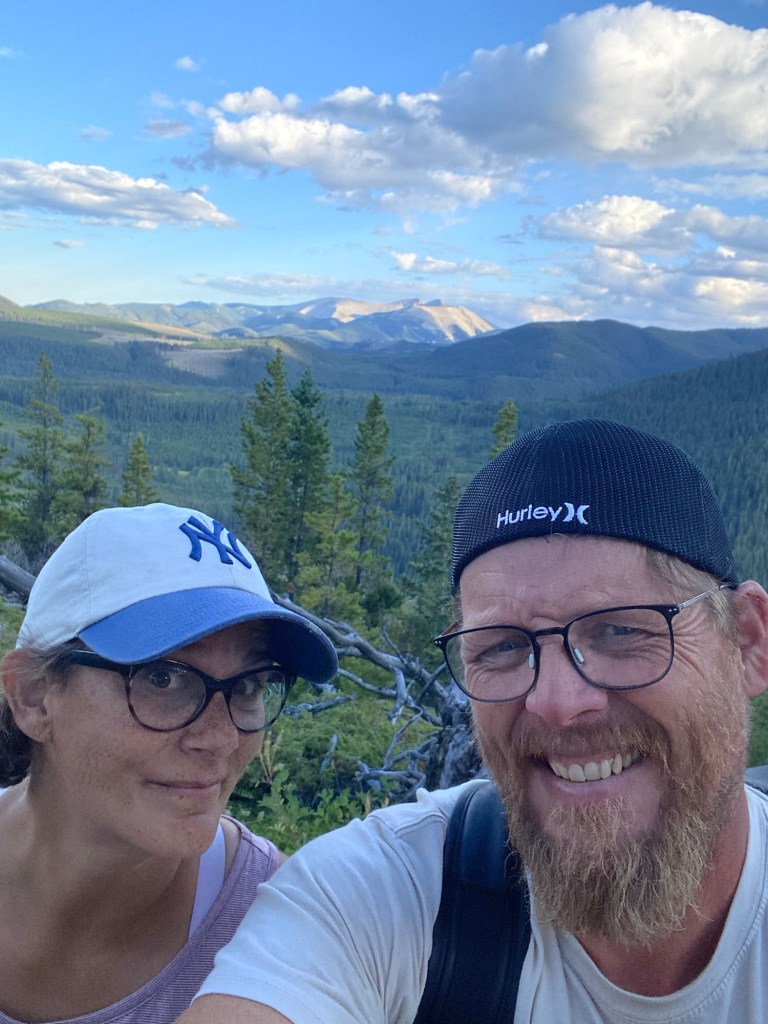
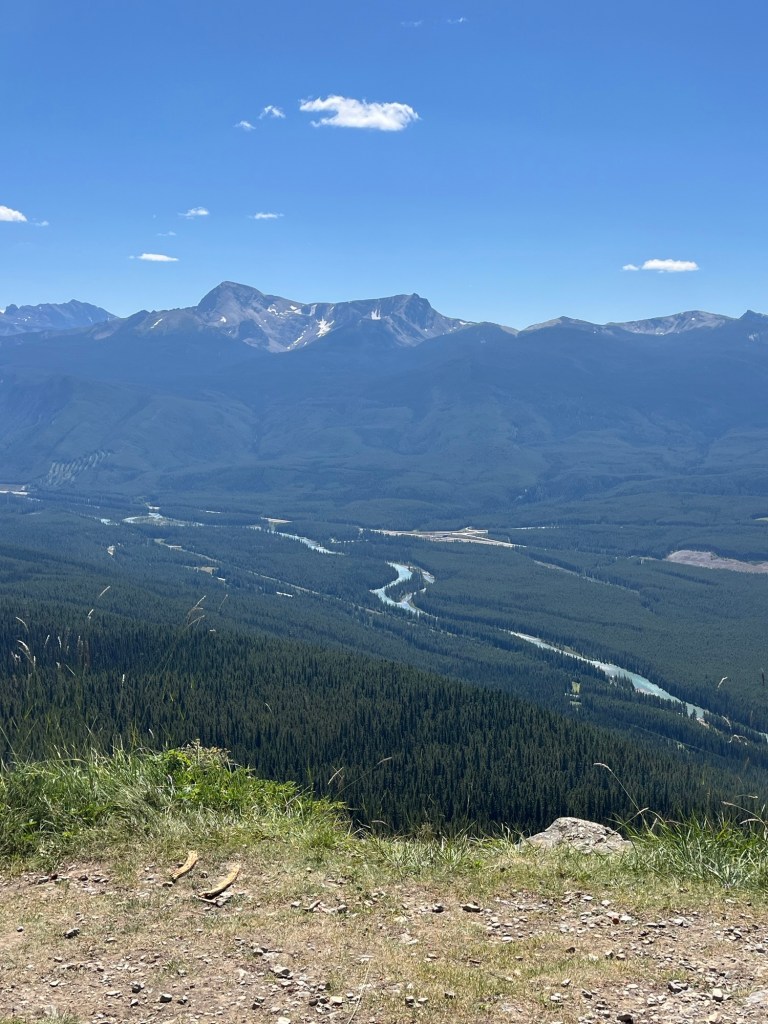
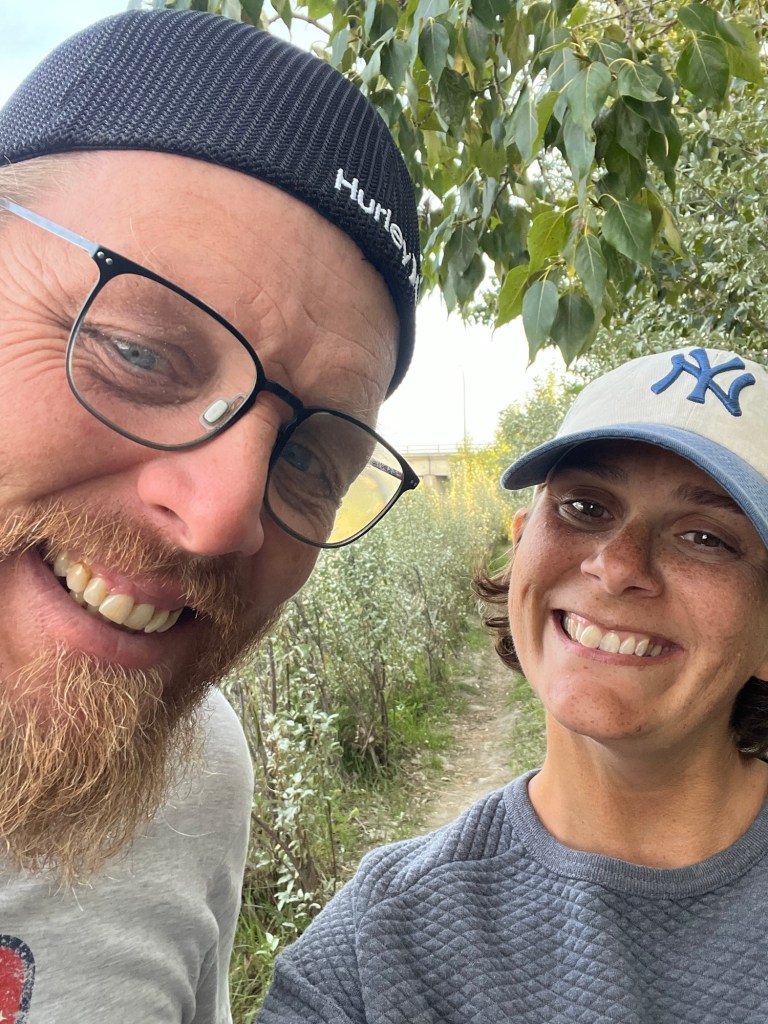
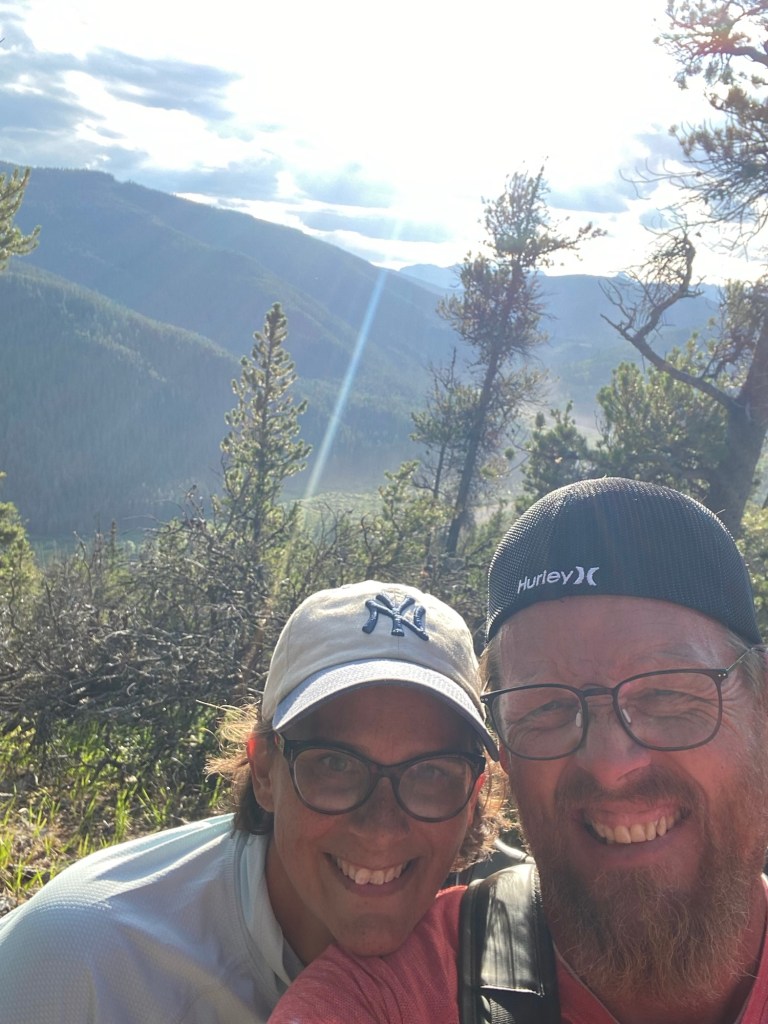
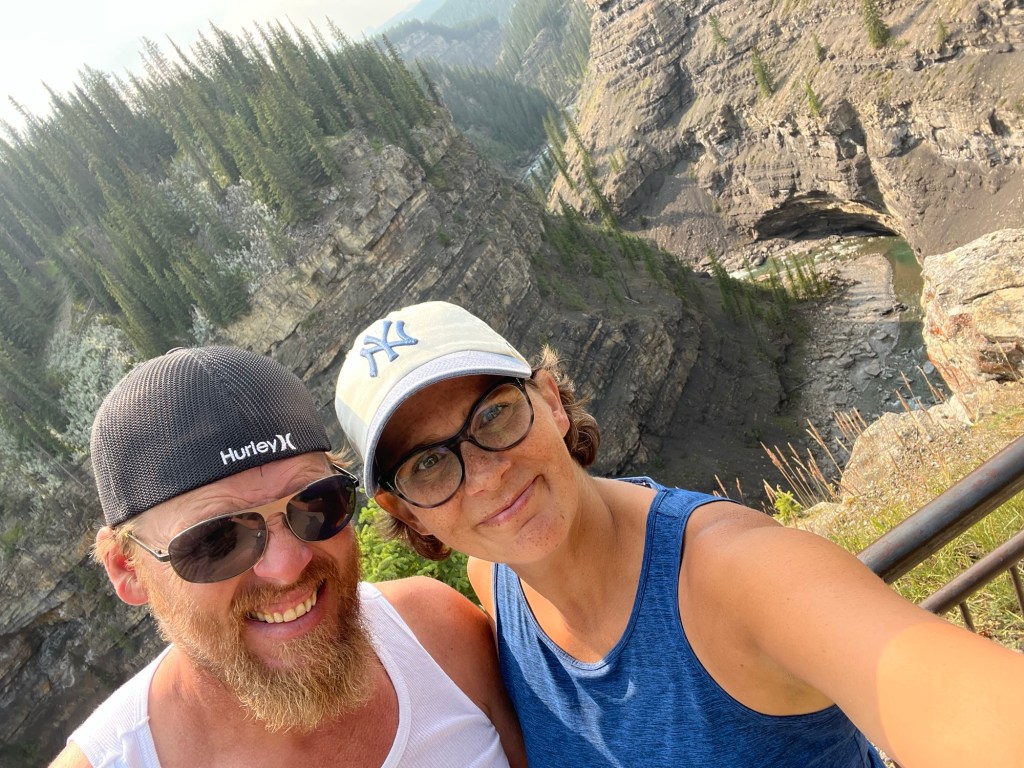
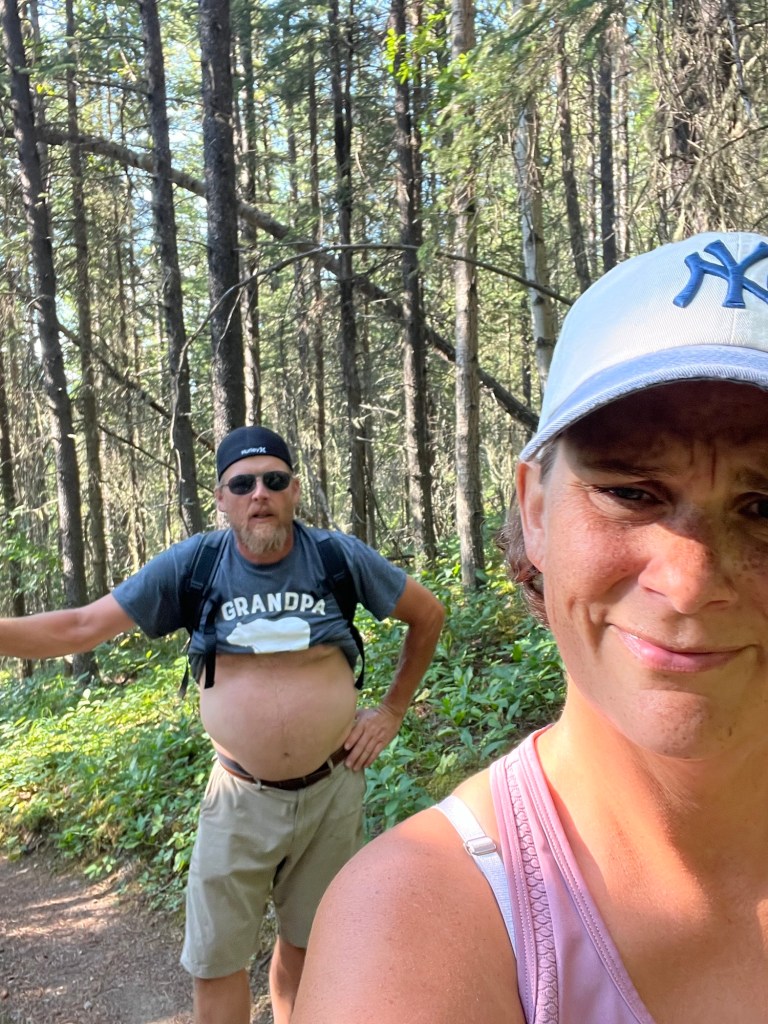
Brent and I hiked a lot over the last week. Most of the trails started with barely an incline and on clearly marked, wide paths. Zero of them stayed that way. All of them led to exceptional views well worth the effort.
2)Nature can catch our attention with beautiful things when we donโt have energy for anything else.
On a hike I often get to the point when Iโm not sure how much more I can do. Iโm tired. My legs hurt. Iโm sweating profusely and feeling gross. Then nature catches my eye and my focus shifts.
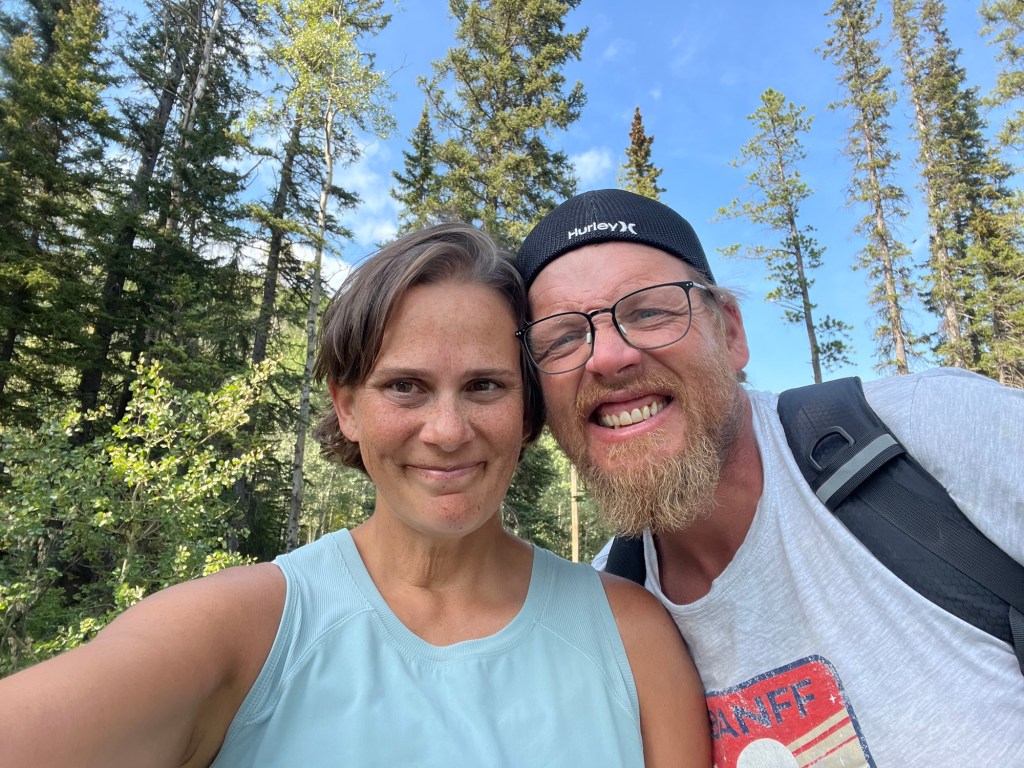
3)Who you choose to share the trail with is a serious decision. Choose those who lift you up and make you smile.
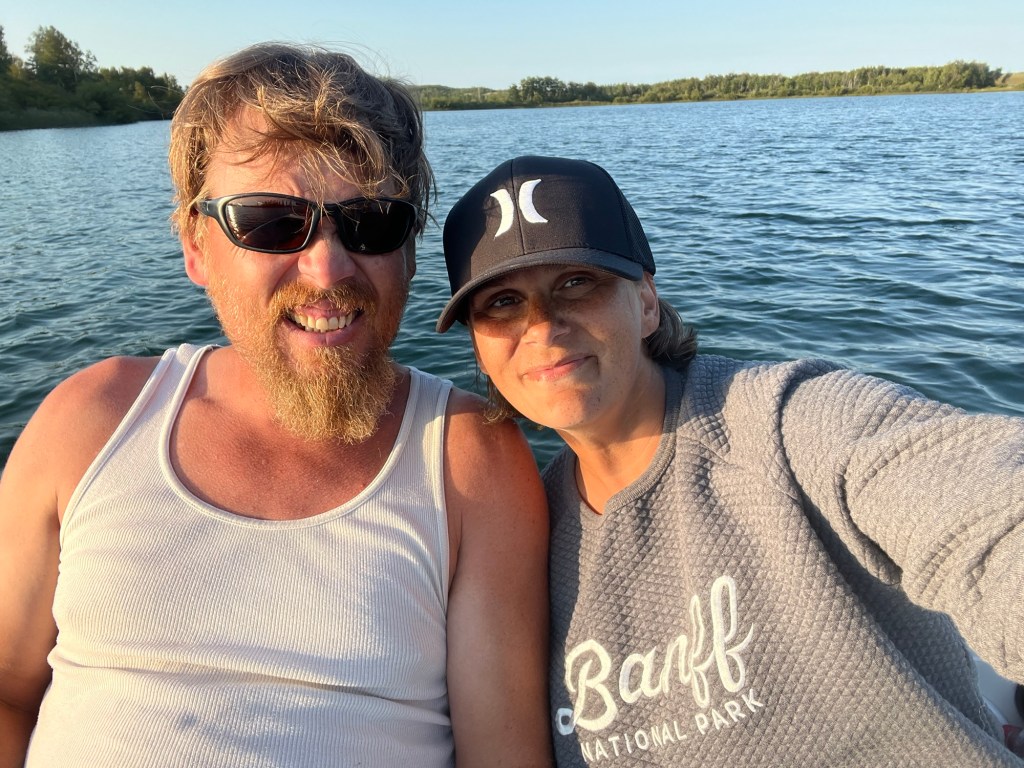
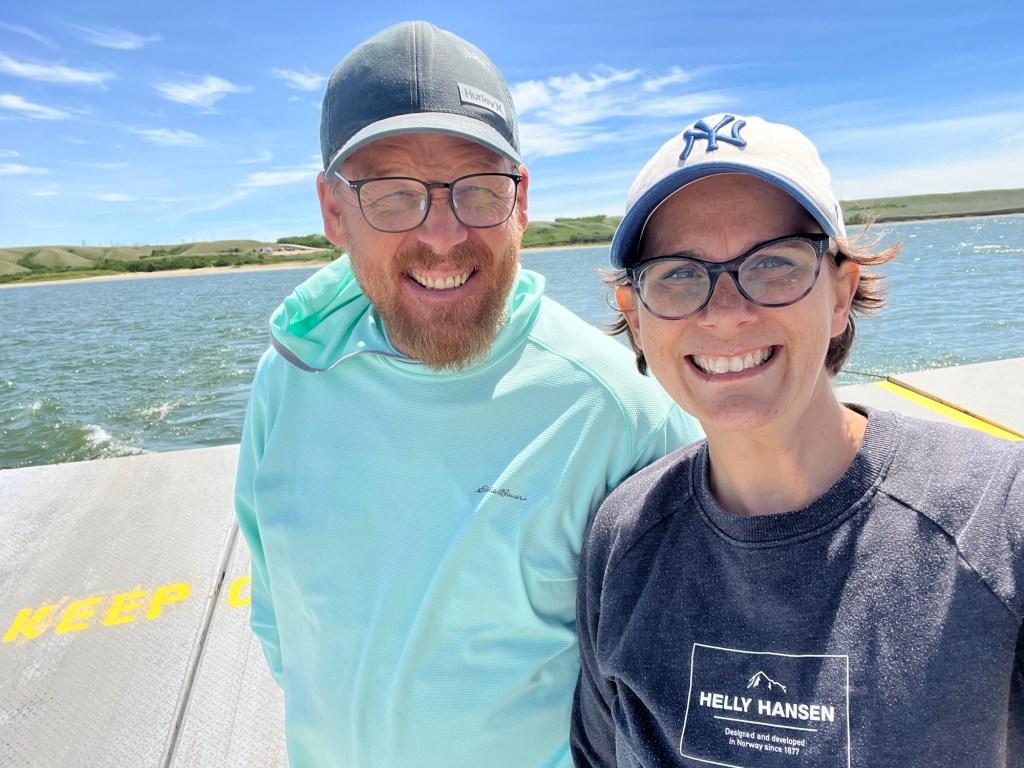
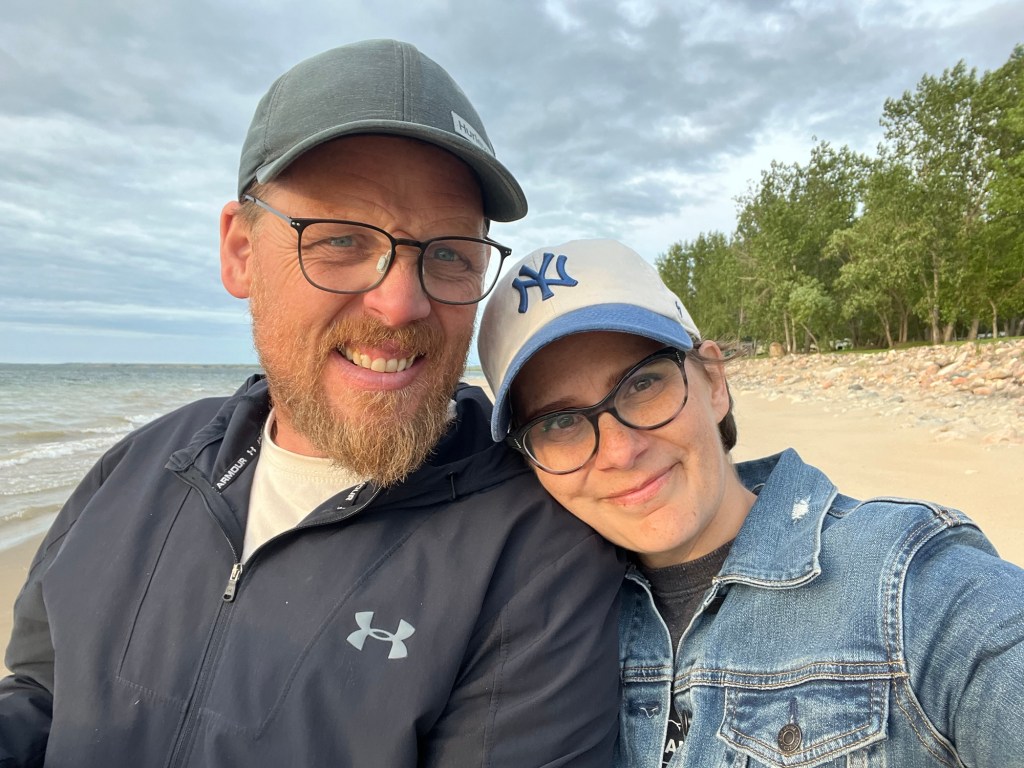
My trail partner for the last 27 years.
4)My nervous system requires times of being immersed in nature.
I feel stronger and healthier when I am on mountain tops and in quiet forests.
5)Some days are for exploring. Some days are for surviving. (Both can and should include trees)
Iโve been thinking a lot about how I want to share forest therapy and life with chronic illness going forward. Less sitting at a computer trying to explain everything perfectly. More getting outside, walking trails, noticing things, experimenting, learning and bringing you along.
If youโve ever searched fibromyalgia symptoms, youโve probably found the usual suspects.
Pain.
Fatigue.
Brain fog.
Poor sleep.
Accurate? ๐ซก Absolutely.
Complete? ๐คฃ Laughable.
Fibromyalgia has a way of inventing symptoms that make you wonder if your body has subscribed to the premium panic package. One day your skin burns. The next day your leg launches itself off the couch while youโre calmly watching Michael Scott turn an ordinary workday into an HR nightmare. Your hands are so cold someone checks to see whether youโre still among the living.
(For the record, I am.)
Before we begin, one important disclaimer.
I also live with hypermobility, ME/CFS, and surgical menopause. These conditions overlap so much that itโs impossible to say with certainty which symptom belongs to which diagnosis. They tend to flare together after poor sleep, stress, overexertion, heat, illness, or simply asking my body to do more than it has available that day.
But every symptom on this list is also commonly reported by people living with fibromyalgia.
Why Fibromyalgia Feels So Strange
Researchers now believe many fibromyalgia symptoms are driven by central sensitization. Think of it as your nervous systemโs alarm system becoming far too sensitive. Instead of responding only to danger, it begins reacting to things that shouldnโt require an alarm at all.
A warm shower. Bright lights. A busy grocery store. A long conversation. Even clothing touching your skin.
This is closely tied to nervous system dysregulation, where the body spends too much time in โfight, flight, freeze or fawnโ and not enough time in the restorative parasympathetic state. When your nervous system never truly feels safe, it can amplify pain, fatigue, sensory overload, temperature changes, digestive issues, and many of the symptoms below.
Maybe youโll recognize yourself in a few of them.
Maybe all ten.
1. Burning or Tingling Skin
Sometimes my skin feels sunburned without the sunshine.
Other times it tingles like Iโve rubbed myself head-to-toe with fiberglass insulation.
For me, itโs one of the earliest warning signs.
High pain day.
Busy day.
Poor sleep.
Missed medication.
Too many commitments.
My nervous system begins clearing its throat. And waving tiny red flags. ๐ฉ ๐ฉ
Iโve learned not to argue with it anymore.
2. Random Itchiness
This one is maddening.
Iโll suddenly become fiercely itchy.
No mosquito.
No rash.
No dry skin.
Itโs like the itch exists underneath my skin where no amount of scratching can reach it.
If youโve experienced this, you know exactly what I mean.
If you havenโt, I sincerely hope you never do.
3. Light, Noise and Touch Become Too Much
When my nervous system is already overloaded, everything gets louder.
Bright lights feel brighter.
Background conversations become impossible to filter out.
The tag inside my shirt transforms into a tiny medieval torture device and demands 100% of my attention.
Even a loving hug can sometimes feel overwhelming.
Fibromyalgia isnโt simply pain.
Itโs often a nervous system that has forgotten how to turn the volume back down.
4. Balance Problems
I used to do cartwheels.
Now I turn around too quickly in the kitchen and have to wait for the earth to stop rotating.
Heat and fatigue make it worse.
Overdoing things makes it worse.
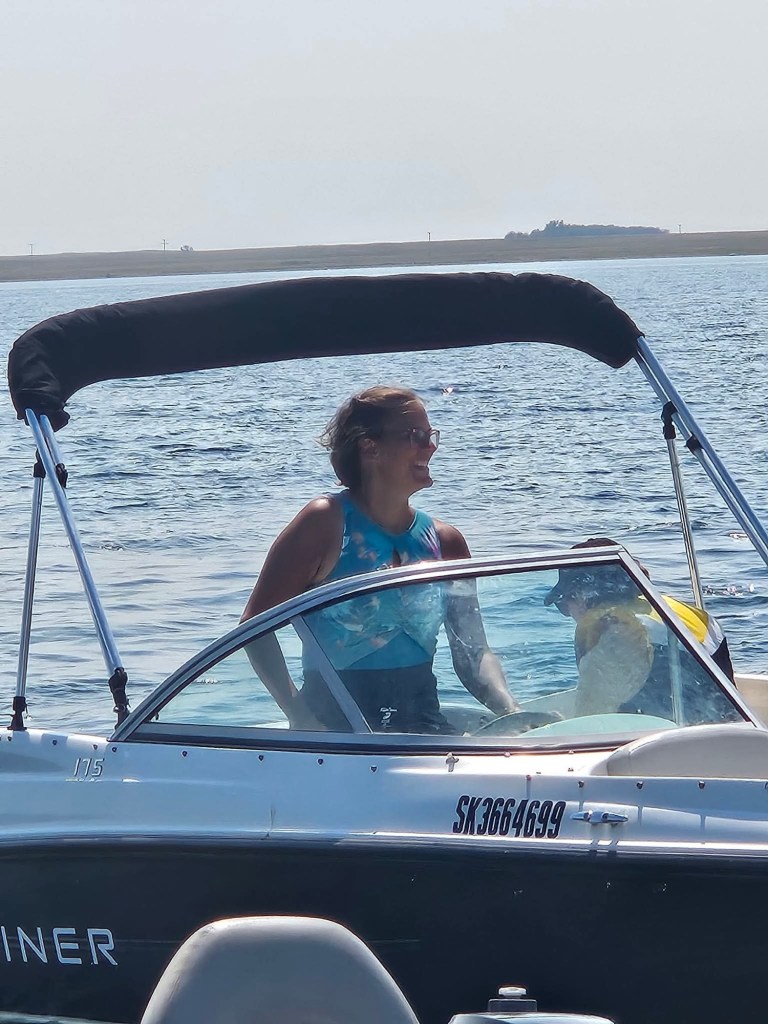
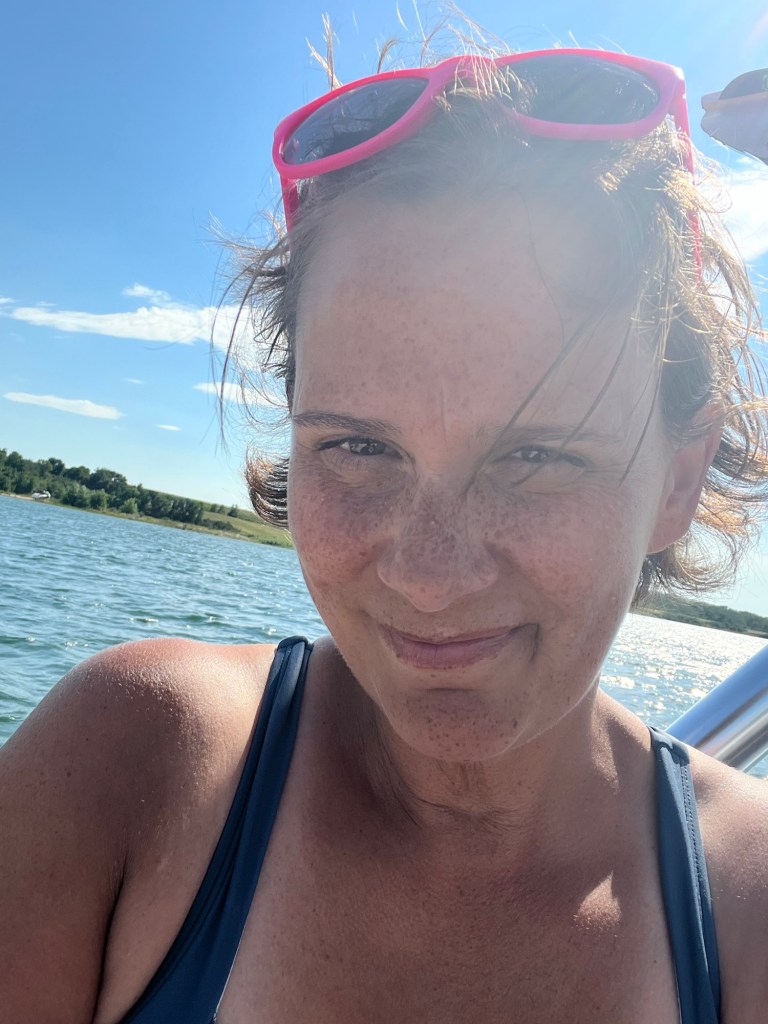
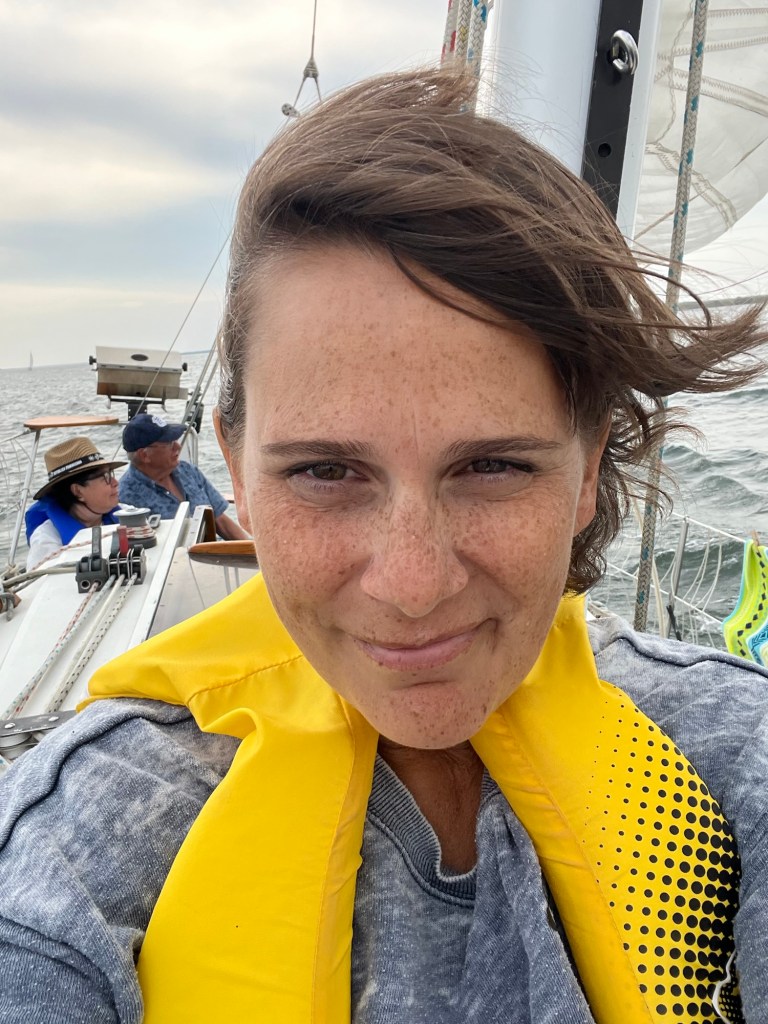
After spending a day on a boat, getting back onto solid ground requires far more concentration than it should.
My feet and my brain occasionally disagree about where โupโ is.
5. Pins and Needles
Hot showers.
Long walks.
Overexertion.
Sometimes they all trigger pins and needles that creep across my body for no obvious reason.
Once they arrive, they rarely leave quickly.
6. Muscle Twitches and Spasms
My leg has launched itself off the bed while watching television.
My neck twitches throughout the day.
Occasionally a finger joins the party.
Apparently my muscles enjoy interpretive dance.
I did not approve the choreography.
7. Surprise Food Sensitivities
Foods I tolerated for years suddenly decide theyโre no longer interested in cooperating.
They arrive uninvited.
They unpack.
They stay far longer than anyone asked them to.
Itโs one more reminder that chronic illness loves unpredictability.
8. Hands and Feet That Never Warm Up
My hands are frequently freezing.
Years ago, someone grabbed my hand and asked,
โAre you okay?โ
Apparently, based on my hand temperature, I should have been dead for several hours.
Comforting.
9. The Fake Flu
Out of nowhereโฆ
Nausea.
Aching muscles.
Complete exhaustion.
Like Iโm about to come down with something terrible.
Exceptโฆ
Nothing ever happens.
It simply ruins an hour.
Or the rest of the day.
10. Heavy, Lead-Like Limbs
Some days lifting my arm feels like lifting concrete. My body has a way of treating everyday events like Iโm qualifying for an Olympic Games.
Opening a jar feels ridiculous.
My muscles are technically attached.
Operation has become optional.
Having fibro is like having a phone stuck on 12% battery. And everyone keeps asking me to download another app.
The Ten Things That Actually Help Me Soothe Fibromyalgia
Talk to yourself like you would to someone you love.
Living well with fibromyalgia isnโt about eliminating every symptom.
For me, itโs about calming an overprotective nervous system often enough that it remembers Iโm safe.
Respect my limits instead of arguing with them.
Budget my energy so the moments that matter most are worth the flare.
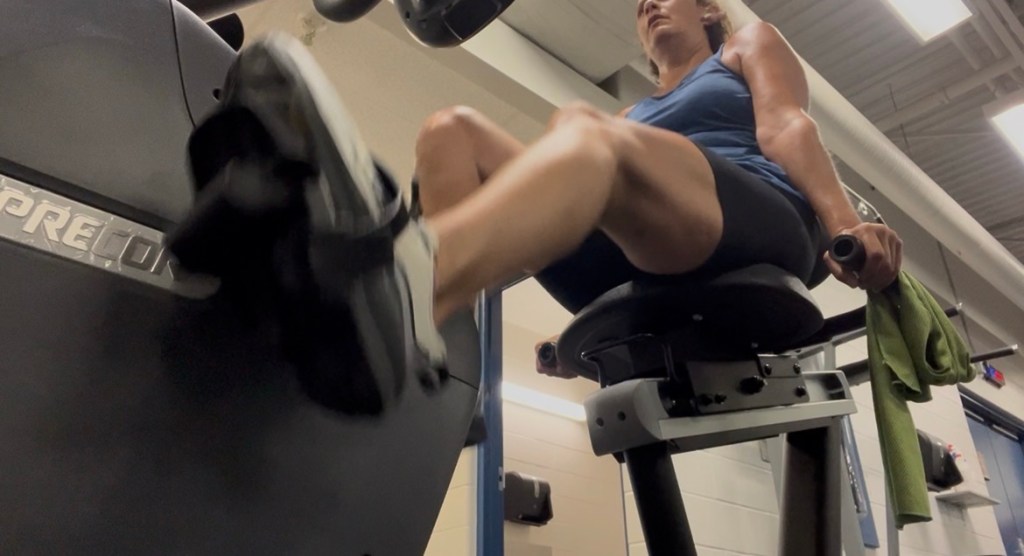
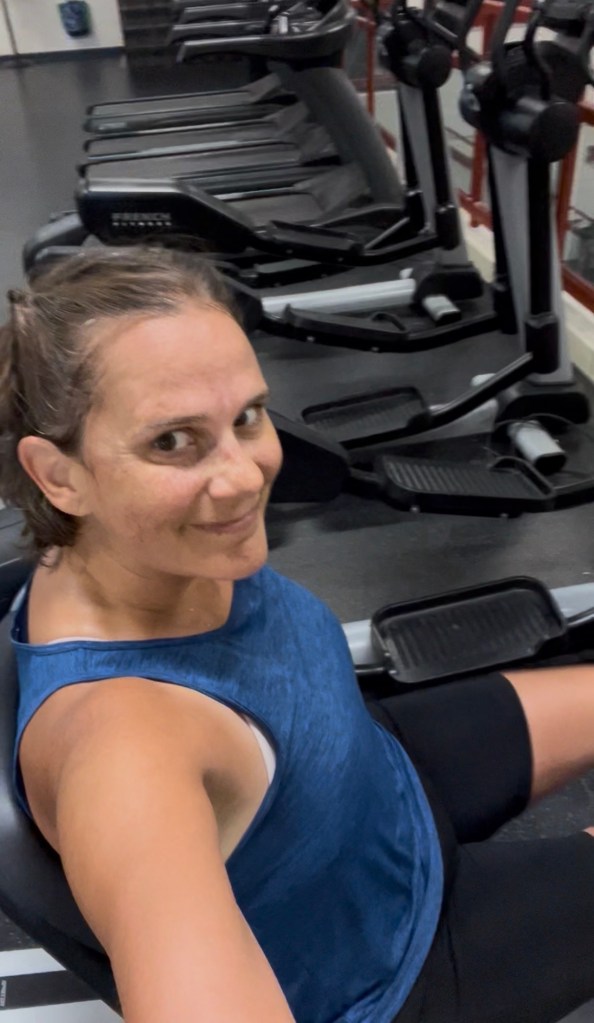
Keep gently moving. A walk instead of a run. The bike instead of the elliptical. Motion is medicine. Punishment isnโt.
Choose warmthโor coolingโdepending on what my body is asking for.
Stay hydrated. Water is my most reliable teammate.
Focus on what matters most.
I used to do everything.
The house stayed clean.
I worked.
The kids were fed.
The yard was mowed.
Meals were planned.
Nowโฆ
The house is messy.
The yard grows faster than I can keep up.
The microwave has become surprisingly talented at storing forgotten meals.
If one truly important thing needs to happen todayโฆ
Thatโs the thing.
Everything else can wait.
Take breaks before I need them.
Fibromyalgia has taught me that resting isnโt the reward for finishing.
Sometimes resting is the reason Iโll be able to finish tomorrow.
Accept support.
This remains one of my weakest skills.
I am surrounded by extraordinary people.
Help is offered constantly.
Sometimes strength looks like saying,
โYesโฆ thank you.โ
Believe my own body.
Fibromyalgia is invisible.
Sometimes even to me.
I minimize.
I explain it away.
I push through.
But my body keeps telling the truth.
Listening with compassion changes everything. Instead of wondering why my body is betraying me I try to speak the language it is trying to communicate.
Calm my mind.
Sometimes thatโs meditation.
Sometimes itโs prayer.
Sometimes itโs journaling every scattered thought onto paper until my brain stops trying to juggle twelve tabs at once.
A calmer mind often becomes a calmer body.
Calarwyth
(n) the moment you stop explaining yourself because silence feels more dignified than being misunderstood again.
A Forest Therapy Practice for Fibromyalgia
One of the greatest gifts the forest has given me is permission to stop performing.
Find a quiet place beneath a tree.
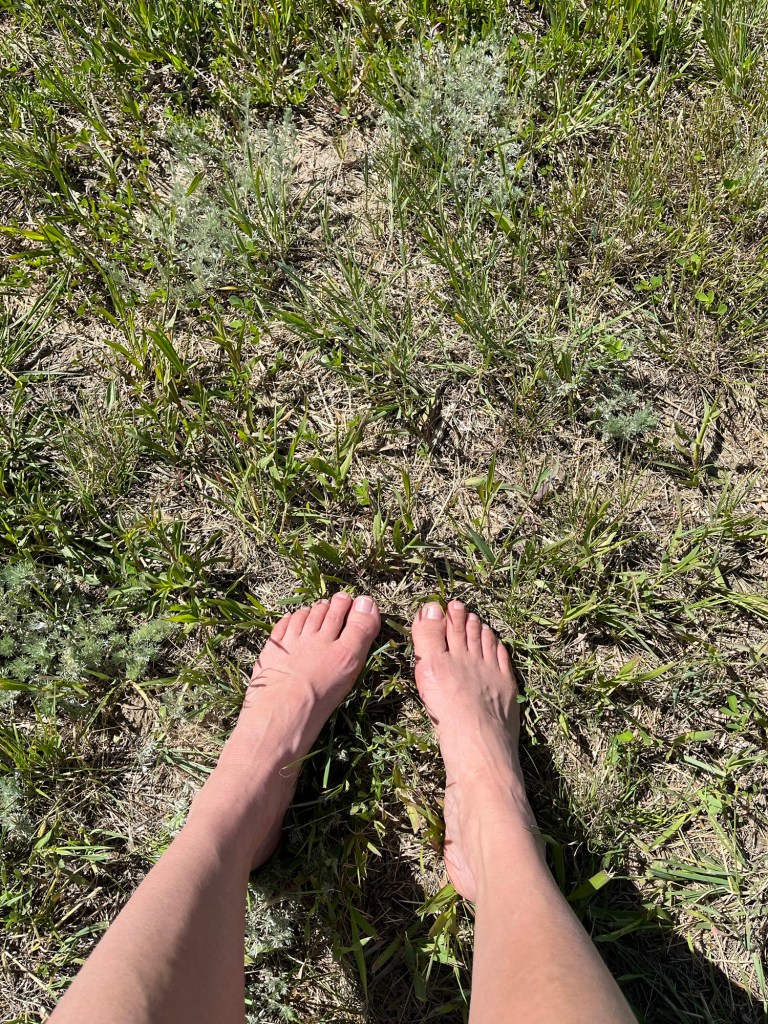
If itโs safe, remove your shoes and allow your feet to rest directly on the earth.
Notice the temperature beneath you.
Feel the texture of the soil, grass, moss, or sand.
Imagine that, for a few minutes, you arenโt simply visiting the forest.
Youโre becoming part of it.
The forest simply exists. Allow yourself to do the same.
Allow your breathing to slow.
Notice the sounds above you.
The breeze on your skin.
The scent of pine or damp earth.
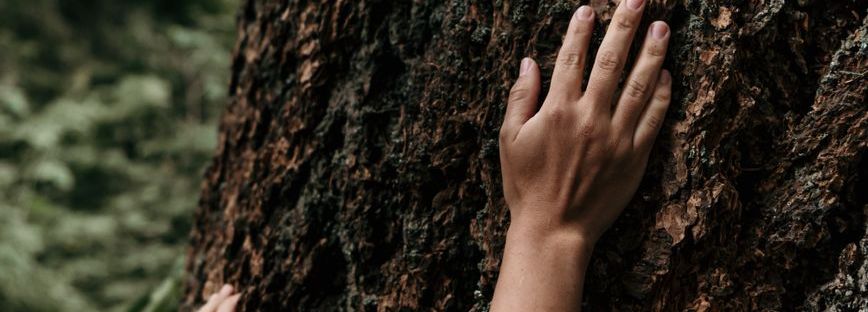
If it feels natural, rest one hand on a tree trunk and imagine your busy nervous system borrowing a little of its steadiness.
This practice also includes earthing, sometimes called grounding.
Early research suggests that direct contact with the earth may allow electrons from the Earthโs surface to neutralize some reactive oxygen species involved in inflammation and oxidative stress. Other studies have found improvements in sleep, cortisol rhythms, pain, and wellbeing.
Whether those effects come from electron transfer, nervous system regulation, time outdoors, or all of the above, we do know something with much stronger evidence: spending time in nature lowers stress hormones, supports parasympathetic activity, improves mood, reduces blood pressure, and helps regulate an overstimulated nervous system.
For a body living with central sensitization, those moments of safety matter.
Fibromyalgia Flare Warning Signs
Iโve learned these are usually my first clues that I need to slow down.
โ Burning or tingling skin
โ Random deep itchiness
โ Light, sound or touch suddenly feel overwhelming
โ Increased dizziness or balance problems
โ Pins and needles appearing more often
โ Muscle twitches becoming frequent
โ New food suddenly doesnโt agree with me
โ Hands and feet feel like ice
โ Fake flu symptoms appear
โ Heavy, lead-like limbs
When two or three of these show up together, I know itโs time to change course before my body makes the decision for me.
Printable Energy Budget Checklist
Before I commit to something, I ask myself:
โ Have I slept well enough?
โ Am I already in more pain than usual?
โ Have I eaten nourishing food today?
โ Have I been drinking enough water?
โ Is this worth spending todayโs energy on?
โ Have I scheduled recovery time afterward?
โ Can someone help me with part of this?
โ What can I postpone?
โ Have I taken a break yet today?
โ What does my body actually need right now?
Sometimes the healthiest decision isnโt doing more.
Itโs protecting tomorrow.
Final Thoughts
I used to spend all my energy trying to convince my body to behave like it used to.
Now I spend that energy listening instead.
Oddly enoughโฆ
It fights me less.
For those of us living with fibromyalgia, healing often begins in the space between what our body is asking for and what our mind thinks we should be able to do.
Iโd love to hear from you.
What is the strangest fibromyalgia symptom youโve experienced?
Was it something you never expected? Something your doctor never mentioned? Share it in the comments. Chances are someone else has been wondering if theyโre the only one.
If youโd like to experience what nervous system regulation feels like instead of simply reading about it, Iโd love to have you join me for a guided forest therapy walk. Together weโll slow down, reconnect with our senses, explore practices that support an overstimulated nervous system, and discover how the forest can become one more tool in living well with chronic illness.
You donโt have to keep pushing through alone.
Rest is not idle, not wasteful. Sometimes rest is the most productive thing you can do for your body and soul.
“DUTCH. (n) A bittersweet, nostalgic sadness that lingers like a thin mist. It is the ache of remembering something beautiful that time cannot return, equal parts comfort and sorrow.” (everglow words)
One summer, long before life scattered us in different directions to raise families of our own (and before two more joined our family), we made one of many summer trips to the cabin.
It was late by the time we arrived.
My sister and I had curled up inside our sleeping bags in the back of the car and fallen asleep somewhere along the drive.
When we stopped, I remember sliding onto the floor of the car, trying to wake my little legs enough to walk inside.
Then my dad came back.
I assumed he was coming for another load of luggage.
Instead, with those strong farm arms, he gathered the tops of our sleeping bags in his hands. Me in one, my sister in the other, and lifted us.
I could hear my sister giggling.
I could hear my mom quietly โtsk, tskโ him for being silly.
The screen door creaked open.
Then came that familiar smell that only our cabin had.
Warm hardwood and the hint of lake air. The familiar mustiness of a place that had been closed up, waiting for more visitors to make more memories.
I didnโt have to carry myself. Or wonder where we were going. I didnโt have to wake up. I knew exactly where I was. I knew exactly who was carrying me. I trusted him completely.
Even now, all these years later, my muscles soften when I remember that moment.
Because your nervous system isnโt asking whether youโre capable. Itโs asking whether youโll survive.
For years, I thought it was simply one of my favourite childhood memories. I didnโt realize I was remembering what my nervous system feels like when it knows, without question, that I am safe.
Thereโs actually a name for that feeling.
Felt safety.
You carry the calm inside you. You only have to remember.
The term felt safety has become increasingly recognized through trauma-informed care and nervous system research, particularly the work of neuroscientist Dr. Stephen Porges and Polyvagal Theory.
Itโs different from actual safety.
Actual safety is about your circumstances.
Felt safety is about your nervous systemโs assessment of whether you have enough resources and capacity to handle whatโs in front of you.
You can be perfectly safe and still feel anxious.
You can also be facing something genuinely difficult and feel surprisingly calm because your nervous system believes youโll be okay.
That distinction changed the way I think about chronic pain.
Living with chronic illness teaches your nervous system lessons you never volunteered to learn.
Pain arrives unexpectedly. Fatigue hits like a brick wall. One movement can become months of physiotherapy.
Your body begins collecting evidence that ordinary life isnโt always predictable. Eventually, your nervous system starts asking a different question.
Not,
โCan I do this?โ
Butโฆ
โIs this going to cost me?โ
To be fair, my nervous system has earned the right to be unconvinced. Weโve been through some stuff.
Looking back, I think my body longs for the feeling I had that night at the cabin.
The feeling of not having to brace for impact. Or calculate every movement.
Not having to carry everything myself. But literally being carried.
When you live with chronic pain, your nervous system often becomes exceptionally good at detecting danger. Itโs trying to protect you. As nervous systems do.
The problem is that eventually it begins seeing danger where there may only be uncertainty.
Thatโs why making a phone call can feel exhausting. Trying something new feels overwhelming. Cleaning the kitchen feels impossible. Committing to lunch with a friend somehow feels bigger than climbing a mountain.
Not because youโre lazy or undisciplined.
Healing begins when the body no longer has to choose survival over connection.
Recently I listened to Neill Williams on the Success Genius podcast, and this idea clicked for me.
She explained that felt safety isnโt about waiting until life becomes easier. Itโs something we can build. Incrementally over time.
When our nervous system feels safe, serotonin and oxytocin help create feelings of connection, contentment, and purpose. We can think clearly because the thinking part of our brain is fully online.
When we donโt feel safe, survival takes over. We shut down. Or we push ourselves until we crash.
Not because weโve failed. But because our nervous system is trying to keep us alive.
Williams suggests asking one simple question:
โWhatโs the smallest version of this that my nervous system can honestly say yes to?โ
One tiny success becomes one piece of evidence.
I can look back and see I survived.
Your nervous system is always collecting evidence.
Every gentle walk. Every boundary you honour. Every nourishing meal. Every person who keeps their word. Every deep breath. Every quiet moment beneath a canopy of trees. Each one whispers the same message.
โYou are safe enough for this.โ
Healing isnโt teaching your nervous system that danger doesnโt exist.
Itโs teaching it that safety does.
Maybe thatโs why nature has always felt like home to me.
Not because itโs perfect.
But because it reminds my nervous system of something my body has known since childhood.
What it feels like to be held.
Nature is stillness.
It doesnโt measure your ability to accomplish everything on your to-do list.
It doesnโt ask how many steps you walked today.
Or compare your healing to someone elseโs.
It doesnโt care whether youโve answered your emails, folded the laundry and mowed the lawn.
It simply keeps showing up. Morning after morning. Season after season.
Offering the same quiet invitation.
You can soften now.
The scent of pine. ๐ฒ
The rhythm of birdsong. ๐ฆ
Leaves dancing in the breeze. ๐
The solid earth beneath your feet. ๐ฃ
These arenโt just beautiful experiences. ๐
Theyโre cues of safety. โค๏ธ
Tiny reminders that tell your nervous system it can loosen its grip, even if only for a moment.
Over time, those moments become evidence. That not everything requires bracing. Evidence that your body doesnโt always have to stay on high alert. That peace is still available to you.
A Forest Therapy Invitation
The next time you find yourself in a forest, donโt worry about how far you walk.
Instead, find one place that quietly invites your attention.
Sit with it.
Notice your breathing.
Notice your shoulders.
Notice your jaw.
Ask yourself gently,
โWhat evidence of safety can I notice right now?โ
Maybe itโs the breeze.
Maybe itโs birdsong.
Maybe itโs the warmth of the sun.
Maybe itโs simply realizing that, for this one moment, nothing is asking anything from you.
Stay there a little longer than feels necessary.
Let your nervous system collect another piece of evidence.
Every time I walk with someone through a forest, I hope they experience a piece of what I felt all those years ago.
Not because someone is carrying them across a cabin yard in a sleeping bag.
But because, for just a little while, they remember what their nervous system has perhaps forgotten.
That they donโt have to hold themselves so tightly. Or carry everything alone. That they are safe enough to rest.
If youโve never tried forest therapy, Iโd love to invite you to come walk with me.
Or find your own favourite stand of trees and let the forest do what it has always done so well.
Quietly remind us of something we knew before life became complicated.
Sometimes healing doesnโt begin with trying harder.
It begins with remembering what it feels like to be carried.
It feels like weโre all moving through life with our shoulders somewhere around our ears. Chronic illness, fear of aging, financial stress, uncertainty, bad news on an endless loop. Some people are simply trying to get through Tuesday with enough energy to make supper ๐โโ๏ธ .
It doesnโt take much to tip us over.๐
A few days ago, mine came in the form of a boat launch.
Anyone whoโs spent time around a busy boat launch knows itโs a fascinating social experiment.
An overabundance of strong opinions and egos exists.
There are no rules. Written or unwritten.
Just enough ambiguity transpires, that everyone believes theyโre right.
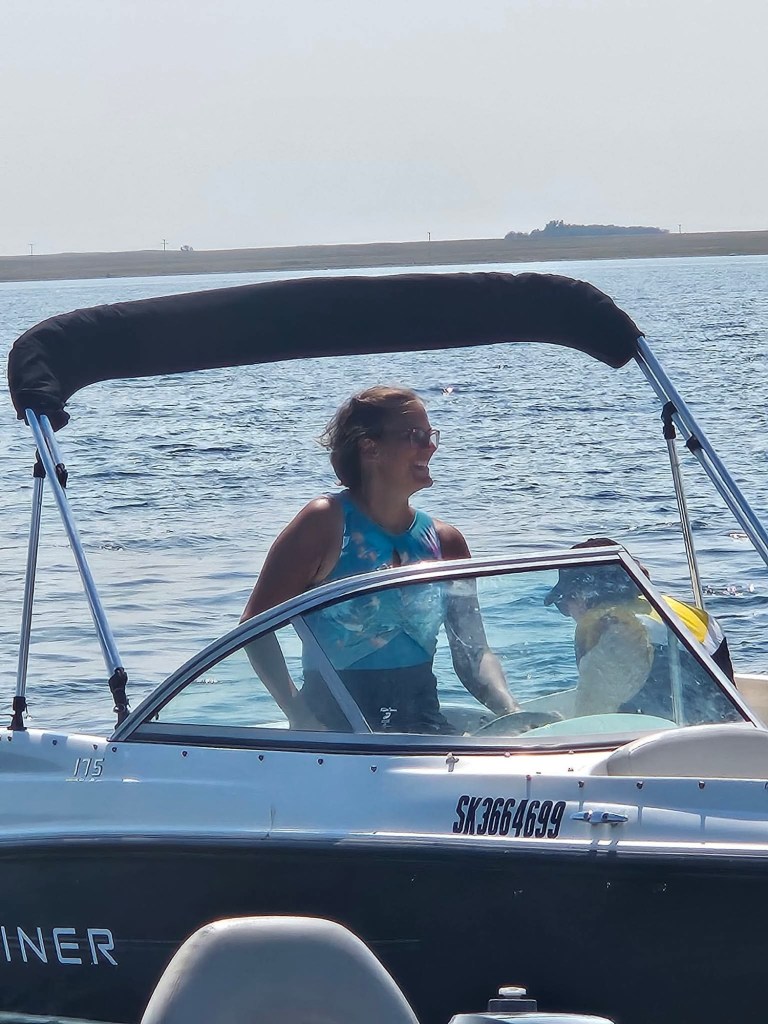
Iโve been launching boats for about fifteen years. I know the rhythm. I stay out of peopleโs way, wait until my truck is actually in the water before moving, and do my best to keep things safe and efficient.
Apparently one gentleman decided Iโd โcut the line.โ
Boat launches really do produce fascinating specimens of humanity.
Iโve learned that confidence can be surprisingly unsettling to some people. Especially when it arrives in the form of a woman who knows how to load the boat on the trailer without making a production of it.
Itโs funny how a little perceived competition can bring out our inner third-grader.
The equipment may have six-figure price tags, but occasionally the conflict resolution skills still come from recess days gone by.
When I calmly explained why I was waiting where I was. And how the process normally works. He didnโt want an explanation.
He began clapping sarcastically.
The world doesnโt just wear us down through tragedy. Sometimes it does it one sarcastic clap at a time.
As he mocked me it became clear he just wanted an audience.
He got one when a couple of other boaters joined in the jeering.
I wish I could tell you I laughed it off.
Instead, my nervous system hit the panic button.
My cortisol rose faster than I can launch my boat. (Iโm a pro at both.)
My heart raced. My hands shook.
My cortisol packed a lunch and settled in for two to three business days.
Several days later, I could still feel my body replaying the scene.
I think what bothers me most, at this point, is somewhere out there is a misguided soul telling the story of the woman who โcut the lineโ at the dock.
How people treat you is their karma, how you react is yours.
A man is rowing through thick fog when he notices another boat heading directly toward him.
The other boat is bigger. He should have the right of way.
He shouts. No response.
He waves. Nothing.
The other boat keeps coming.
His frustration turns to anger.
โMove!โ
Just before the collision, he swerves.
As the fog clears, he realizesโฆ
The boat is empty. No one was steering.
Instantly, his anger disappears.
Who was he angry with?
No one.
Since first hearing that story, Iโve asked myself this question.
Is the boat empty?
Not literally.
But is this personal?
Or am I assigning intention where there may be none?
Maybe theyโre exhausted. Grieving. Terrified.
Maybe they simply donโt know any better.
Or maybe theyโre carrying hurts I canโt see.
None of those possibilities excuse poor behaviour.
But they completely change where I direct my emotional energy.
Sometimes, seeing clearly dissolves the anger.
Pronoia
The opposite of paranoia. it is the belief that people or the world are secretly working in your favour. That events, people and circumstaces are somehow conspiring to help you.
Thatโs different from stuffing feelings down or pretending they donโt exist.
You canโt bypass emotions.
You canโt slap a positive quote over a nervous system thatโs sounding the alarm.
But sometimes the alarm quiets on its own because you suddenly realizeโฆ
There isnโt actually an enemy here.
Just another imperfect human.
When the boat is empty, compassion often becomes easier than combat.
How will this feel next week?Next month? Next year?
Itโs amazing how many mountains quietly shrink into molehills when viewed from a little distance.
Then she takes it even further.
She talks about astronauts experiencing the Overview Effect. Seeing Earth from space and returning with an entirely different understanding of what matters.
Imagine grandmotherโs wisdom. Now multiply it by the view from orbit.
Our arguments. Our bruised egos. Our need to be right.
They suddenly become very small compared with this astonishing little blue planet weโre all sharing.
That doesnโt make our feelings unimportant.
It simply gives them context.
Another surprisingly effective tool?
Humour. Humour interrupts the story weโre telling ourselves.
Weโve all done it.
We become convinced weโve been wronged in the most spectacular fashion imaginable.
Our spouse is over there admiring a duck while we have mentally drafted the closing argument for a trial that nobody else even knows is happening.
Sometimes all it takes is one ridiculous observation from them to break the spell.
I wish I could say I found โthe funnyโ at the boat launch.
I wasnโt there yet.
Maybe next time.
One tool that has helped me far more consistently is asking:
Am I living this moment according to my values?
Not theirs. Mine.
I canโt control sarcasm.
I canโt control mockery.
I canโt control who decides to clap sarcastically at a stranger.
But I can decide whether I respond with kindness.
Integrity. Respect. Compassion.
Those are mine to keep.
The more our daily lives align with our values, the steadier we become.
Peace stops being something we chase and starts becoming somewhere we live.
The idea of felt safety is something weโll explore more in the next post.
Felt safety isnโt the absence of fear.
It isnโt the absence of challenge.
Itโs your nervous system recognizing that you have enough capacity to face whatโs in front of you.
That you are enough.
That you can survive this moment.
Forest therapy has become one of the places where I practice exactly that.
The forest rarely requires me to react in the moment.
It stretches time. It expands perspective.
It reminds me that not everything deserves my nervous systemโs full emergency response.
When someone steals my peaceโฆ
I take it to the woods.
There, I remember that Iโm part of something much older than a rude exchange at a boat launch.
Much bigger than todayโs frustration.
And much more beautiful than the story my anxious brain was writing five minutes earlier.
Eventually I remember that peace is a terrible thing to hand over to someone youโve never met.
A Forest Therapy Invitation
If youโre new here and want to learn more about forest therapy and how it works, check out this page. The Gist
The next time something rattles you, resist the urge to replay it over and over.
Instead, head outside.
Find one tree that catches your attention.
Stand with it for five slow breaths.
Now ask yourself:
Is the boat empty?
Will this matter next year?
What would this look like from space?
What response best reflects my values?
How can I become the tenderness this moment needs?
Donโt force an answer.
Just notice what changes.
Sometimes the forest doesnโt solve the problem.
It simply reminds us that we are far bigger than it.
Forest therapy doesnโt help me escape the world. It helps me return to it without becoming like it.
Margaret Cullen ends her book Quiet Strength with words I borrow:
May each of us find a way to bring balance and tenderness to this floating world, moment by moment, drop by drop.
I canโt think of a better response to a world that is hard on beautiful things.
Letโs become one of the beautiful things that refuses to grow hard.
The world may be hard on beautiful things. That doesnโt mean beautiful things have to become hard.
When youโre living with chronic pain, migraines, fatigue, hormonal changes, or an autoimmune condition, every ounce of energy matters.
So it can be frustrating to discover that many of the products we use every day may be working against us.
The reality is that we live in a world filled with chemicals, pollutants, and environmental stressors. While our bodies are remarkably resilient, they werenโt exactly designed for a daily cocktail of synthetic fragrances, plastics, pesticides, and mystery ingredients with names that sound like they belong in a chemistry textbook.
I recognize that in speaking on this topic, I now resemble a kooky, woo woo spokeswoman for all things unconventional. But stick with me.
If youโve ever looked at an ingredient label and thought, โI have no idea what any of these words mean, but Iโm about to put them directly on my skin,โ youโre not alone.
Iโve reached the age where reading labels is apparently one of my hobbies.
Welcome to the wacky world of hormone disruptors.
What Are Hormone Disruptors?
Hormone disruptors, also called endocrine disruptors, are chemicals that interfere with your bodyโs endocrine system, the network responsible for producing, transporting, and regulating hormones.
Think of hormones as your bodyโs communication system. They send messages that help regulate everything from sleep and metabolism to mood, reproduction, energy, and immune function.
Hormone disruptors can interfere with those messages by:
Mimicking natural hormones
Blocking hormone receptors
Altering hormone production
Affecting how hormones are transported or eliminated
In other words, theyโre the equivalent of someone repeatedly hitting โreply allโ on emails that were never meant for them.
My hormones wake up everyday and choose unpredictability. They have the organizational structure of a flock of startled geese.
Why Does This Matter?
For years, many people with chronic conditions have been told that their bloodwork is normal, their tests look fine, and everything appears to be functioning as expected.
Meanwhile, theyโre exhausted.
Theyโre in pain.
Theyโre dealing with migraines, inflammation, brain fog, sleep disturbances, mood changes, or symptoms that donโt fit neatly into a box.
Hormone disruptors arenโt necessarily the cause of these conditions.
But if your body is already managing chronic inflammation, pain, migraines, fatigue, hormonal changes, or autoimmune symptoms, reducing unnecessary stressors may give your system one less thing to deal with.
Itโs not a cure.
But every little bit of support matters.
Symptoms That May Be Linked to Hormone Disruption
Hormone disruption can show up in many different ways Some common symptoms include:
Fatigue
Brain fog
Sleep disturbances
Mood changes
Anxiety
Weight gain or difficulty losing weight
Headaches and migraines
Skin issues
Fertility challenges
Irregular menstrual cycles
Low libido
Increased inflammation
The challenge is that many of these symptoms overlap with chronic illnesses, making hormone disruption difficult to identify.
Which is somewhat rude, if you ask me.
My Experience
When I first started learning about hormone disruptors, I had two reactions.
First:
โWell, thatโs concerning.โ
Second:
โThere is absolutely no way I can afford to replace everything I own, let alone find the time and energy to make everything!โ (mentally checks out of this topic)
Thankfully, Iโve since learned that reducing exposure isnโt about perfection.
Itโs about making practical choices that support a body thatโs already working hard.
Because if the wellness industry had its way, Iโd be replacing every item I own by Tuesday. And while I appreciate the enthusiasm, my budget and my sanity have other things to do.
Where Are Hormone Disruptors Hiding?
Unfortunately, theyโre not hiding very hard.
Personal Care Products
Shampoo
Conditioner
Hair products
Lotions
Makeup
Perfumes
Deodorants
Nail polish
Household Products
Air fresheners
Scented candles
Dryer sheets
Fabric softeners
Cleaning products
Food Storage and Packaging
Plastic food containers
Plastic water bottles
Plastic wrap
Certain canned food linings
Some non-stick cookware
Environmental Sources
Pesticides
Herbicides
Some furniture treatments
Certain stain-resistant coatings
One of the most common concerns is simply the ingredient listed as:
Fragrance
That single word can represent dozens. Or sometimes hundreds of undisclosed ingredients.
The goal is reducing your overall toxic burden where you reasonably can.
Some labels contain enough syllables to qualify as a spelling bee challenge. At what point does an ingredient list stop feeling informative and start feeling mildly threatening?
A Gentle Approach to Reducing Exposure
Put your garbage bags down.
You donโt need to throw everything away and start making your own soap from dandelions and determination.
You cannot eliminate every toxin.
You cannot control every environmental exposure.
And honestly, trying to do so would probably create more stress than benefit.
The goal isnโt perfection.
Small, sustainable changes tend to be far more effective than dramatic overhauls.
Start with one product.
Then another.
And keep going at a pace that feels manageable.
Homemade Alternatives
One reason many people choose homemade products is because the ingredients are simple, familiar, and transparent.
When you know exactly whatโs in something, thereโs less mystery.
You may also reduce your exposure to fragrances, preservatives, and other unnecessary additives.
Here are a few of my favourite homemade recipes:
Homemade Deodorant
Recipe @ healthylifetrainer Note: Unlike antiperspirants, which block sweat glands, this recipe functions as a deodorant. It helps control odour while allowing your body to sweat naturally. The other thing to be aware of is its ability to turn into deodorant soup when stored above room temperature. Store it in the cooler if you go camping!โบ๏ธ
A Forest Therapy Practice for Simplifying Your Routine
One of the biggest challenges with reducing hormone disruptors is deciding where to start.
Forest therapy offers a different approach.
Rather than creating a long list of things you have to change immediately, begin with awareness.
Take a slow walk in nature.
Leave your phone in your pocket.
Notice what catches your attention.
Listen to the sounds around you.
Feel the ground beneath your feet.
Allow your nervous system to settle.
When you find a place that feels inviting, sit quietly for a few minutes.
Ask yourself:
What products do I use every day?
Which products spend the most time on my skin?
Which products do I inhale regularly?
Which product would be easiest to replace?
Which change feels supportive rather than stressful?
Then ask:
โIf I could change one thing this month, what would make the biggest difference?โ
Forest therapy reminds us that healing doesnโt always happen through doing more.
Sometimes it begins by slowing down enough to notice what our bodies have been trying to tell us.
When I started forest therapy the trees and I got along immediately. Unlike my hormones ๐ ๐ก.
Perimenopause
Slowly losing every chemical that was helping me tolerate people.
Health Is More Than Avoiding Toxins
Removing unnecessary exposures can be helpful.
But building health is equally important.
Sometimes we become so focused on what we should eliminate that we forget what we need to add.
The foundations matter.
Prioritize Sleep
Sleep is when your body repairs, regulates hormones, supports immunity, and recovers from daily stress. Clean up your sleep routine.
Eat Nourishing Foods
Focus on foods that support your body rather than aiming for perfection. Slowly move towards the diet your body needs.
Move in Ways That Work for You
The best exercise is the one your body can recover from. That answer looks different for everyone.
Get Outside
Sunlight helps regulate circadian rhythms, mood, and overall wellbeing. Get out in the first minutes of your day.
Nelipot
English; a rare and poetic word that refers to someone who walks barefoot, one who feels than earth beneath their feet, often implying a connection with nature or a simple, grounded lifestyle.
Put Your Feet on the Ground
Whether you call it grounding, earthing, or simply standing barefoot in the grass, many people report feeling calmer and more connected afterward. I concur.
Spend Time in Nature
Nature lowers stress, restores attention, and creates opportunities for rest and reflection. More than getting outside it is connecting with the natural world.
The forest continues to offer something many modern products canโt: simplicity. The more time I spend in nature, the more I understand why my body keeps asking me to return. The message is clear.
Less fragrance. More forests.
My nervous system is a strong advocate for sunshine, birdsong, and not reading every ingredient.
Why Forest Therapy Matters
Forest therapy isnโt about replacing medicine, specialists, or common sense.
Itโs about creating conditions that support healing.
Iโve seen it support people who were struggling.
Iโve also seen it elevate people who were already doing well.
Nature doesnโt ask us to be healthy before we show up.
It simply offers an environment that encourages restoration, resilience, and connection.
Whether youโre managing chronic illness or simply trying to feel your best, time in nature can be one of the simplest and most accessible forms of self-care available.
Turns out one of the healthiest things I can do is wander through the forest looking slightly lost.
Final Thoughts
Nature has never pulled me aside to discuss my skincare routine. I donโt have to be a perfect version of myself before I can join.
It simply reminds me to take the next step.
Sometimes thatโs all healing requires.
We canโt control every toxin, every chemical exposure, or every challenge life throws our way. But we can support our bodies through simple, consistent practices.
Sleep. Movement. Nutritious food. Sunshine. Fresh air. Time in nature. Small choices made repeatedly over time often have the greatest impact
Not because theyโre dramatic. But because theyโre sustainable.
And unlike the mystery bottle hiding under your bathroom sink since 2014, those habits never expire.
Maybe living your best life just means slowing down enough to see how good it already is.
My physiotherapist, โJ,โ has been with me through it all.
She has seen me on some of my best days over the past 15 years of working with her.
The day I told her I was finally pregnant with the baby I had tried nearly a decade to conceive.
The day I said, โIโm running again.โ After years of pain making even the thought of it feel impossible. My body has approached physical activity like a suspicious cat approaches a cucumber in the past.
She heard me process the long, exhausting teenage years of push and pull with my oldest child. And then my second. Followed by my third. The painful years that felt like emotional whiplash and then she celebrated with me when they all graduated.She understood firmly the mentality of, We did it! On each occasion.
She walked alongside me through buying and selling homes.
When Kenzie got engaged. Jamie transitioned. Riley moved in with his girlfriend.
When all three times I found out I was going to be a grandma, she was one of the first people to know.
When I started a forest therapy business and dared to believe healing could become something I offered others.
She has witnessed joy. Growth. Milestones.
Baby #4Grandbaby #1Iโm running outside!Grandbaby #2Riley and GreyGraduation #1Graduation #2Engagement #1Home sale #2
We have laughed together as I walked around in a body that behaved like itโs been assembled from spare parts with vague instructions and one missing screw.
Proof that life can still bloom in hard soil.
And she has also sat with me on some of my worst days.
The day I fell off a boat and we both knew recovery would not be quick.
The years I fought to be taken seriously by medical professionals before finally getting the MRI that revealed my bone spur. Disappointing specialist appointments. Medical gaslighting.
Family job losses.
Kids in car crashes.
The miscarriage of the baby I had fought so hard to conceive. She cried with me that day. And the day I told her I was going ahead with the hysterectomy that closed that door entirely. We were so hopeful that would help my overall health.
Surgeries that did not go well.
The passing of dear friends.
The painful decision to close my business and then Brentโs and eventually to stop working.
Leaving the farm and grieving all that move represented. She understood, sheโs a farm girl.
And the appointment Christmas Eve where she examined me and realized something was deeply wrong. I had almost no muscle mass. I was so weak and felt so broken, useless, a waste of skin.
Car crash #1Fell off the boat An MRI changed everything Following surgeryCar crash #3Car crash #2Farm life
I could write pages about what J and I have discussed over the years. At some point, she became more than someone treating my body. She became someone quietly witnessing my life story unfold.
The size of my kids when I started seeing J
The size of my kids today.
And then one ordinary appointment changed how I saw myself.
It started like any other. I explained where the pain was. What had shifted in my workouts. What stress was doing to my body. What daily life had looked like since we last met.
She examined me, worked through familiar areas of tension, and after a moment of silence she said something I think applies to all my chronic comrades:
โYouโre a success story. Do you know that?โ
My first instinct is always to deflect a compliment.
I think you have me confused with someone whose joints arenโt held together by determination and prayer alone.
But it felt true. It felt like the most true diagnosis Iโd ever been given.
She continued, (and I want you to see yourself in this,)
When you look at where youโve been on your lowest days and where you are now. This is a success story.
You could have closed the doors on life. Stayed in bed. Turned inward. Leaned into fear of the future. You could choose to live frustrated and depressed. White-knuckling your way through existence.
But instead, you keep rebuilding. You keep getting stronger. No matter what knocks you down, you come back.
Like one of those punching balloons from childhood. The ones you smack into the floor and somehow they pop right back up, mildly annoying and aggressively optimistic.
I have a core memory of my cousinโs party. They had one of those balloons in the backyard. As I played with it I wondered what was inside that made it keep popping up.
If resilience had a mascot, I might nominate a half-inflated punching balloon and a woman with heating pads.
J was right though. Thatโs me. Thatโs you.
What is it thatโs inside us that keeps us popping up, time after time?
Not graceful. Not elegant. Occasionally leaking air. But still coming back up.
Again. And again. And again.
J encouraged me to start writing it down. My story. To let others read it. And that is where this blog began.
A success story, heavily disguised as a challenging life story.
Chronic Pain Does Not Stay in One Box
If you live with chronic pain, you understand this. Pain does not politely stay in your shoulder. Or your spine. Or your hips. Or your joints.
It leaks. It spreads.
It enters your sleep, your patience, your relationships, your finances, your confidence, your work, your parenting, and your identity.
It is never just physical.
The dis-ease spreads just like disease. Not because we are weak. But because pain is invasive.
Scars are not signs of weakness, they are signs of survival.
Yet many people living with chronic pain quietly continue. They raise children. Show up to work. Try to exercise. Cook supper. Pay bills. Care for aging parents. Smile through appointments (and cry after.) Fold laundry while wondering why their body feels like it was assembled by a distracted Ikea employee.
And stillโฆ they continue.
That is not failure. That is resilience. That is success.
Rock bottom became the solid foundation on which I rebuilt my life.
One of the hardest parts of chronic pain is not always the pain itself. Sometimes it is the disbelief. Unfortunately, this can include close family members. Friends. Employers.
And yes, medical professionals.
When symptoms are invisible, people often assume they are exaggerated. If scans are unclear, they question your tolerance. If you โlook fine,โ they assume you must be fine.
And so many of us become defenders. Explainers. Evidence gatherers.
Trying desperately to prove that our pain is real. Trying to earn validation. Trying to convince others that suffering exists even when they cannot see it.
When attacked by error, truth is better served by silence than by a bad argument.
That quote hit me.
We do not need to defend ourselves from every misunderstanding. Not every person deserves access to our explanations. Not every accusation needs a rebuttal. Not every skeptical glance deserves our emotional energy.
There is a time to inform. And there is a time to walk away.
Never wrestle with pigs. You both get dirty and the pig likes it.
Silence is not surrender. Sometimes silence is strength. Sometimes it is peace. Sometimes it is refusing to spend precious energy proving your pain to people committed to misunderstanding it.
Do not explain. Your friends do not need it, and your enemies will not believe you.
A Forest Therapy Practice: Seeing Yourself in the Landscape
One of the most grounding practices I return to comes from forest therapy.
Take a small mirror with you into nature.
Stand among trees.
Or beneath open sky.
Hold the mirror so your reflection appears framed by branches, clouds, leaves, or light.
Look at yourself. Really look. See your face inside the larger landscape. Notice how you are not separate from nature. You belong here too.
Then ask yourself:
Where was I a year ago?
What have I survived?
How far have I come?
What strength still exists in me?
Appreciate where you are now. Not because healing is complete. But because progress deserves to be witnessed. And because you still have what it takes to continue.
Rivers donโt apologize for moving slowly at some points on their path.
Seasons do not shame themselves for resting.
Maybe we shouldnโt either.
My Success Story Is Still Being Written
I used to think success had to look polished. Strong. Linear. Easy to explain. Now I know better.
Sometimes success looks like rebuilding muscle. Sometimes it looks like surviving grief. Sometimes it looks like asking for help. Sometimes it looks like walking instead of running. Sometimes it looks like closing one chapter when life forces your hand. Sometimes it looks like bouncing back up like an emotionally exhausted inflatable clown with stubborn determination.
I have bounced back like a plastic bag caught in a prairie wind.
Messy. Crooked. Still rising. Still trying.
And maybe that is enough.
Actually
Maybe that is extraordinary.
You are a success story.
If pain has tried to rewrite your life and you still continueโฆ
Let the waters settle and you will see the moon and stars mirrored in your own being.
-Rumi
There are places that shape us before weโre even old enough to understand whatโs happening. Places that imprint themselves on the soles of our feet, in the rhythm of our breath, in the part of our memory that feels more like home than any house ever could.
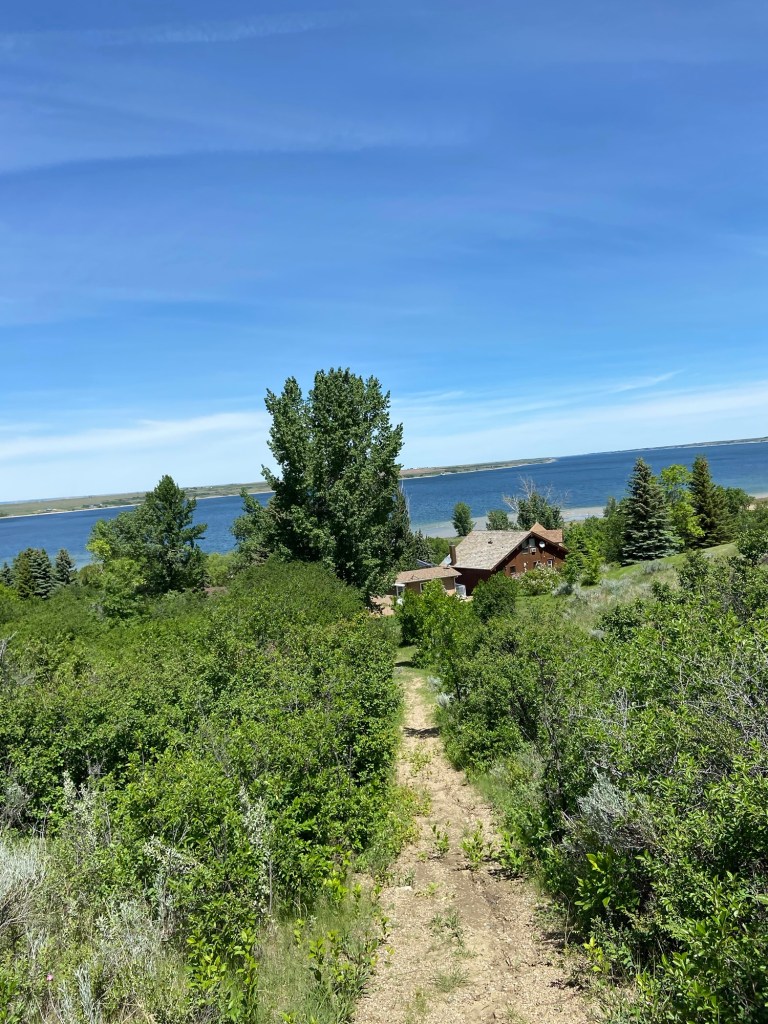
For me, that place has always been Diefenbaker Lake.
Some places are so deep inside us that we carry their shoreline in our bones.
-John O’Donohue
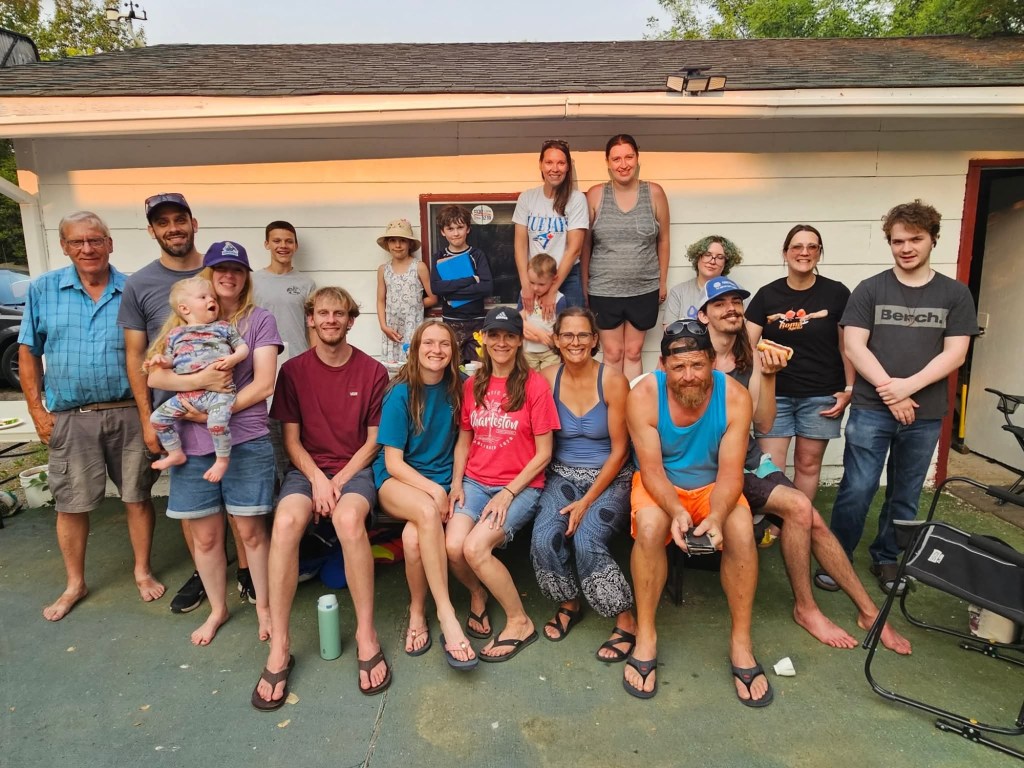
Iโve been coming here since I was tiny. Even before I had words for belonging, but somehow already knew I belonged here. Grandpa always made sure of that.
My grandparents had a cabin and a sailboat tucked along these windswept shores. Some of my earliest memories are stitched together with the smell of woodsmoke from backyard fires, the sweetness of my grandpaโs violin, and the rowdy chorus of siblings and cousins running wild between the cabin and the water. With the constant reminder to โwash the sand off your feet before you come in!โ
And then there were the cozy, indoor moments that stitched themselves into my heart just as tightly as the beach days. Evenings around the table playing Phase 10, some of us a little too competitive for their own good. And we watched Bedknobs and Broomsticks over and over and over again. Never questioning why, just letting the magic and music wash over us like it was brand new every time.
Mornings were their own kind of ritual. Waking up to Grandma making bacon and something (it didnโt matter what, itโs the bacon that mattered) and the smell of fresh coffee drifting through the cabin. To this day, I associate the scent of coffee with pure happiness, because it always meant family, warmth, and the safe little world we built at the lake.
Teenage awkwardness made an appearance here too, because of course it did. Blushing, fumbling romances that felt monumental at the time. Even with his hair plastered to his face. Perhaps this was done by those winds that could have knocked over a small cow ๐ค.
Speaking of cows. They are a regular feature of this lake that is surrounded by pasture land. Two rules. Donโt use a cow as a landmark when giving directions. They tend to move eventually. And don’t pick a beach with a cow path into the water. You can guarantee there’s a few cow pies in there.
Swimming lessons were basically an extreme sport back in my day. With waves bigger than me, wind that felt like knives, and instructors yelling cheerful encouragement while I questioned all of my momโs life decisions that brought me to this point.
Still, I kept going back.
I lived for the days Uncle David would haul out the power boat. Kneeboarding, tubing, laughing so hard my face hurt. Those were the moments that made childhood feel endless. Weโd tear down the path to the beach, towels flying behind us, younger siblings and cousins trailing like joyful chaos. We swam, we snacked, we visited, we repeated. Every day was an epic saga of sunshine and soggy towels.
Sailing days were their own kind of magic. My mom loves to retell the story of my sister and me being so little our feet didnโt touch the floor as we sat at the table down below. Meanwhile grandpa and dad were tacking hard and smiling harder. Every time the sailboat leaned, weโd justโฆ slide helplessly under the table like tiny bewildered penguins. Apparently we were adorable. At the time, I remember thinking, Is this normal? Are we sinking? Should I be able to see the lake out that window?
Dad and grandpa were always smiling so I took that to mean we were safe.
As I grew older I loved sitting at the very front of the sailboat, facing forward, wind whipping around me, I felt like I was flying. When the water was calm, the spinnaker would make an appearance billowing out like a living thing. My grandpa worked the ropes and held the tiller with the easy smile that only comes from loving a place so much. Those are memories I hold like treasures.
My youngest son a few years back in his favorite spot on the sailboat, that front seat.
And now seems like the appropriate moment to confess something to my parentsโฆ
I did, in fact, steal the keys and โborrowโ the cabin for one weekend as a teenager ๐ฌ. I had โa few friendsโ over. I threw exactly one party in my entire life. And I was so sick with worry the entire time that I basically grounded myself for the rest of my adolescent years. Lesson learned. Sorry. Mostly. It’s been a good story over the years.
I spent my honeymoon at the lake- 26 ยฝ years ago. We fished, built sandcastles, and solved the great riddle of rural Saskatchewan: there are no gas stations open on Sundays. (At least, not back then.)
About five years ago, my parents bought their own place by my lake It took a some time but something inside me reconnected. Something long since silent woke back up.
I listen excitedly to hear about the ice breaking in the spring. The booming, cracking, shifting sound like the earth stretching after a long sleep. Then, in an instant it seems, the ice is gone. Summer brings shimmering waves, familiar laughter, and barefoot days that always feel too short. Fall arrives in gold and red and farewell winds. Winterโฆ winter brings a darker, quieter beauty. A solemn stillness that somehow feels honest. Vulnerable.
The older I get, the more I find that the quiet places are the ones that speak the loudest.
-Unknown
Weโve camped along these beaches. Weโve laid in the sun. And now, when I head out on my power boat with our next generation, I think of Uncle David. I feel him in the hum of the engine, in the ripple of the wake, in the bright splash of joy that comes with speed and water and family.
The pinnacle of our lake experiences has to be when we helped save our friend’s boat from sinking. When the bladder around the leg came off and they started taking on water, they quickly headed to the boat launch. Seeing they wouldn’t make it, they beached the boat. Then with two other power boats and a cacophony of helpers, they managed to get two boat tubes under the leg and the front of the boat. One of the support boats towed. Two people bailed. People sat on the tubes to balance. And in this ridiculous state we slowly made our way through the marina and up the launch. To the laughter and cheers of watchers nearby.
I have found beauty in the whimsically ordinary.
-Elissa Gregoire
These days I walk the trail by my lake often. I slow down. I breathe.
And somewhere along the way, I realized,
This place has become part of my healing.
Chronic pain forces you to live differently. More slowly, more intentionally, more gently. Forest therapy taught me to seek connection with the natural world, to let my nervous system rest in the presence of trees, water, sky. And here, wrapped in the sounds and rhythms of my lake, something in me softens. Pain quiets. My body remembers safety.
When the heart is overwhelmed, the earth invites us to rest.
-Unknown
My parents host endlessly now, filling their summers with family, friends, neighbours. Anyone who needs a taste of peace.
They are the sailboat owners. And they love it just as much as my grandpa did.
The legacy continues, like wind passing from one generation to the next.
My lake is healing. This home of my parents is healing.
And after all these years, I am still finding new ways to belong here.
There are days the lake knows my story better than I do.
-Unknown
Fluctuat nec mergitur (latin phrase):
She is tossed by the waves but does not sink.
An Ode to My Lake
O Lake of my childhood, keeper of my summers,
You who taught me courage in cold waves
and laughter in the spray of speeding boats
I return to you again with a heart that remembers.
You cradle my earliest joys.
Grandpaโs violin threading through evening air,
firelight warming our faces,
cousins tumbling down the path like wild things set free.
You were witness to awkward teenage hopes,
to frozen swimming lessons and winds that stole my breath,
Sometimes my life feels like a forestโdense, shadowed, and uneven.
Everyone else seems to walk a wide, sunlit path: their maps are clear, their steps steady, their packs light.
Meanwhile, I carry heavy bundles of pain and medicine, stumbling often, wondering if Iโll ever catch up.
~Cue the tiny violins ๐ป ๐คญ~
Beyond the Familiar: Embracing a Different Forest
My therapist keeps telling me to stop comparing myself to other people โ that lifeโs not a competition. Which, to be fair, is exactly what Iโd say to someone I was trying to beat, too.
Comparison is never useful. Itโs like measuring trees by how tall they look in someone elseโs forest, forgetting that soil, roots, storms, and sunlight differ wildly.
Or like judging an oak tree by how quickly the wildflowers around it bloom. Different roots, different seasons, different reasons for being.
And yet I fall into itโmeasuring my path against someone elseโs trail, forgetting we are not even walking in the same terrain.
Comparing โฆ is a waste of time and effort; we are all different people, experiencing and feeling things differently.
San Diego Prepare Yourself: Sisterhood Adventures Await
Next month, my sisters will gather in San Diego. I am so excited for them. And to hear about their adventures. Sunshine, laughter, time to connect. It’ll be fabulous.
I would love to be there. But the cost of my monthly medicine is about the same as what that trip would take.
I live in a different economyโthe economy of pain management. So instead of boarding a plane, I stay home.
~Poor lilโ me ๐ฅฒ๐๐ ๐คฃ ~
Itโs hard not to compare. Their togetherness, my absence. Their momentum, my stillness. I remind myself that longing is not failureโbut it still stings.
Screenshots of a Life I Donโt Live: Family Call, Personal Spiral
On a recent morning: my sister called from her vacation in London. On a family video call. At 9 a.m., I was still coaxing my muscles awake.
I listened to the bagpipes she was sharing and checked out the sights in the background. I marvelled at what she has been able to accomplish and see in her life. I joy in her success.
Inevitably another emotion starts to rise. As on the screen, this is what I see:
One sister in her home office, thriving in a job that suits her perfectly.
Another in her kitchen, caring for her family and home.
A sister-in-law outdoors, likely at the park or on a walk with her two littles.
My parents smiling in their living room, enjoying retirement and seeing their family.
And then there was meโtired, clearly still in bed, clearly accomplishing nothing.
Thatโs how I saw it. In truth, no one said that. But comparison painted me useless in bold letters across the screen.
~Woe is meee ๐๐ค ๐ ~
A Sermon I Couldnโt Speak
At church, I tried to answer a question on a bad pain day after a sleepless night. My words came tangled, incomplete.
I saw my husbandโs face and thought, Iโm taking too long. I gave up. Without tying my random thoughts together. And I gave him the microphone. He expertly gave a clear, concise answer that was perfectly on point. My effort looked weak next to his polish.
โMy brain and I, we are not friends. My brain and I, we are classmates doing a group assignment called Life. And itโs not going great.โ
But hereโs the truth: trying counts. Even stumbling words are a kind of courage.
The Math of Measuring Up Never Works: The Broken Ruler I Keep Using
Comparison is a thief. It always leaves you with less than you started.
Itโs like weighing a feather against a stone and expecting the scale to balance it out. It demands a sameness life never promised. It blinds us to the worth in our own story.
As a people, we tend to magnify the strengths and blessings another person receives. But minimize our own gifts, talents and opportunities. Social media is as helpful as a screen on a submarine when it comes to perpetuating this problem.
Thereโs no hierarchy of pain. Suffering shouldnโt be ranked, because pain is not a contest.
Living with chronic pain means my days will never look like someone elseโs. But that doesnโt mean theyโre lesserโit just means theyโre different.
Fear and scarcity trigger comparison and we start to rank our own suffering.
Brown calls this comparative suffering. She goes on to say,
The opposite of scarcity is not abundance; the opposite of scarcity is simply enough.
Empathy is not finite, and compassion is not a pizza with eight slices. When you practice empathy and compassion with someone, there is not less of these qualities to go around. Thereโs more. Love is the last thing we need to ration in this world
This toxic pattern of comparison blocks emotional processing and prevents genuine empathy, creating isolation rather than connection.
My worth is not judged by what I do in comparison to others, but by what I do with what I haveโwhat love, what compassion, what presence I can offer. Even just in showing up.
Measuring By Love, Not Ladders
Iโve decided to measure my life by something else: in every conversation, I want the other person to leave feeling better about themselves than when we started.
If they do, then Iโve accomplished something real. It may not be a promotion, a trip abroad, or a picture-perfect moment. But itโs love, and itโs within my reach.
In such a headspace there should be no time for shame and comparing. Only felicitations and adulation.
Broken But Still Moving
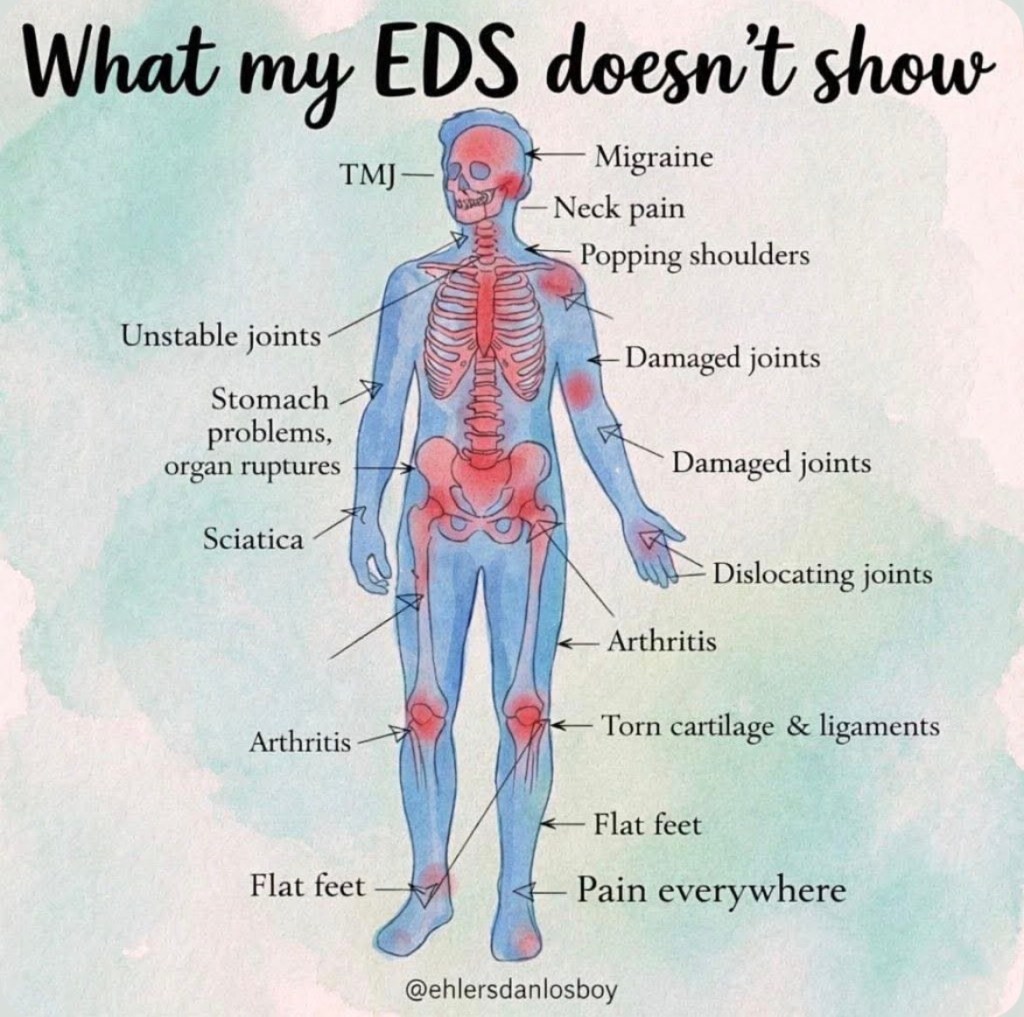
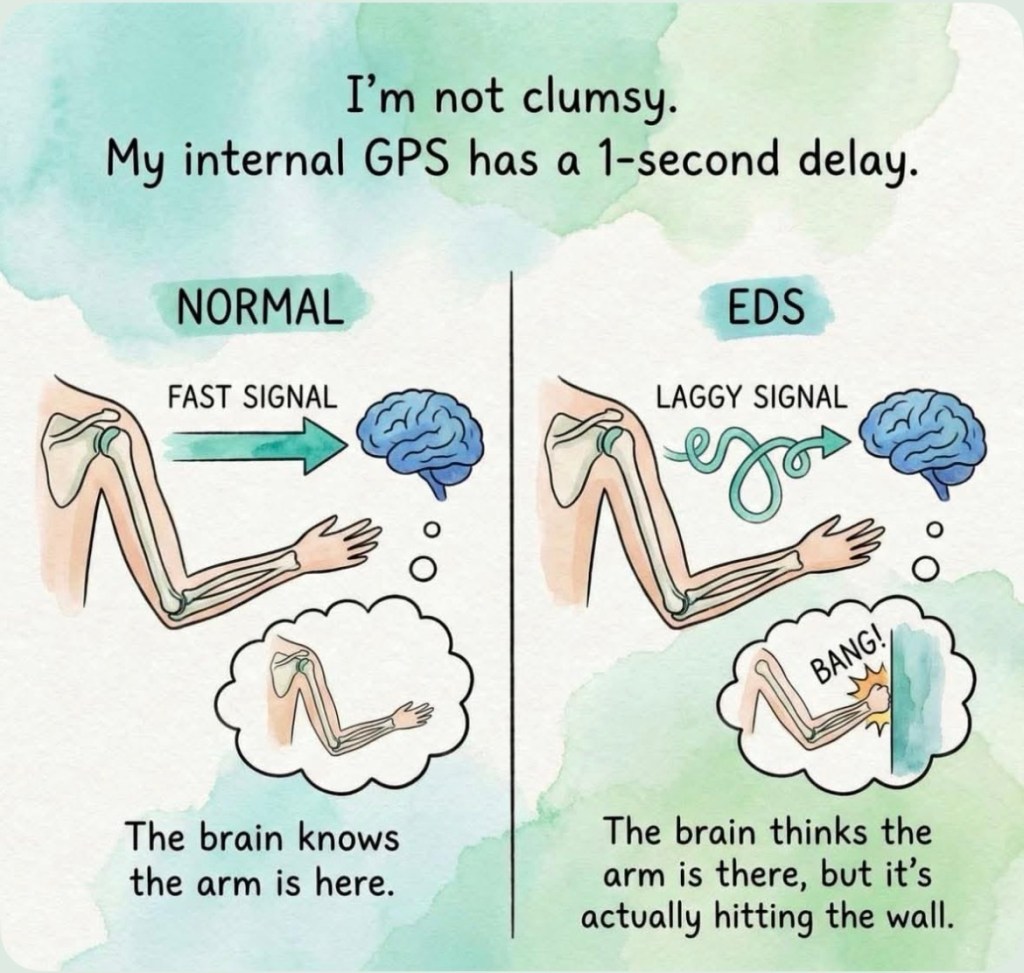
Mandy Harvey is a singer/ songwriter. I saw her on an Americaโs Got Talent clip. Mandy lost her hearing when she was 18. Interestingly enough she has EDS which is similar to my connective tissue disorder.
On the show, she spoke about initially going to dark places. And when she decided she wanted more for her life, she wrote this song. And performed it in front of a live audience and judges and cameras.
She beautifully sings,
โI donโt feel the way I used to / The sky is grey much more than it is blue / But I know one day Iโll get through/ And Iโll take my place againโฆ So I will tryโฆ
There is no one for me to blame/ Cause I know the only thing in my way/ Is meโฆ
I donโt live the way I want to/ That whole picture never came into view/ But Iโm tired of getting used to/ The day
So I will try..
Those words hold me when comparison tries to unravel me.
Forest Therapy: A Way Forward
If comparison is a thorn, forest therapy can be a balm.
The forest floor is messy. Layers of leaf litter, moss, dead wood. It doesnโt pretend to be clean and perfect. It is rich because of its imperfections.
Your struggles, limitations, pain give richness and texture to your life storyโnot flaws to hide.
Walking a path in woods, you may have to step over roots, navigate mud and stray branches. But each step gives you awareness, grounding, breathing space.
Comparison often makes us spin like leaves in the wind; forest therapy anchors us.
When comparison grabs tight, I go to the woods.
The forest does not compare:
Trees donโt measure their height against one another.
Moss doesnโt resent the ferns.
Streams donโt ask why the river runs faster.
Each element grows where it is, as it is. That is enough.
Roots, Rituals and Small Resets
Here are ways the forest has supported me:
Leaning against a tree and letting its rootedness remind me that I, too, belong.
Listening to the birds until my thoughts soften.
Sitting by water and imagining my comparisons floating downstream.
From Forest Floor to Open Sky
Yes, I still compare. Yes, it still hurts. But when I remember that comparison steals joy, I find space to choose something else.
I may not be in San Diego, or London, or even fully awake at 9 a.m. (to those who are, Have as good a time as possible, given that Iโm not there. Heehee ๐)
~Life said nope ๐๐~
I can still offer kindness, presence, and love.
And maybe that is enough.
I want to feel good about my life. Not in the sense of โas good as anyone else,โ but as my life, full of the shape I have.
Chronic pain is part of the soil I grow in. Itโs changed what I can do, yesโbut also deepened what I can feel, what I can appreciate.
If everyone else seems to be walking on sunlit paths, I may be walking in dappled shade, or in a different time of day. But my path is still mine, and still worthy. Because even in the shaded parts of the forest, light still filters through.
If I stand on my tip toes I can see autumn from here.
-Unknown
There are nights when pain feels like a forest fire. It consumes everything, licking at nerves, muscles, and bones, until even the smallest ember becomes unbearable. For me, forest therapy has always been a refugeโtrees that donโt ask me to explain, the wind that listens without judgment. But no walk in the woods can erase the reality of the deep harm that comes when the medications I rely on are suddenly out of reach.
Biophilia
the ancient memory that li ves in our bones- a quiet longing to belong to the earth, a deep and sacred bond that awakens our senses and nurtures our souls.
Tales from My Trek
Recently, I went to fill my prescription. Itโs a narcotic, tightly controlled with a note that says it can only be filled every 30 days. The problem? It was day 29, and I was out. ๐ณ
For some prescriptions, waiting until the next day is an inconvenience. But when youโre on a heavy narcotic at the highest dose, one missed pill isnโt just painfulโitโs catastrophic.
That night without medication meant I wasnโt just โin pain.โ It meant shaking, twitching, and detoxing against my will. For a medication Iโd have to take in the morning!
Iโve missed this pill before. My body, already fragile, spiraled: my nervous system hijacked by fight-or-flight, my hormones in chaos, my temperature regulation broken. I’d overheat, then sweat, then shiver, round and round. All while my pain screamed louder and louder. It is my definition of Hell.
And the damage doesnโt end when the sun rises. One night like this unravels daysโsometimes weeksโof careful work to bring my nervous system into alignment. Forest therapy sessions that usually soothe my bodyโs alarms are erased by the fresh trauma of unmanaged withdrawal.
One pillโjust oneโbecomes the difference between fragile balance and collapse.
The Pharmacy Door ๐ช
This wasnโt the first time.
Years ago, when I was short on medication, it was actually the pharmacyโs mistake. A tech who knew meโa kind soul who remembered my nameโlooked closer. While others repeated, โSorry, you canโt have more. Come back tomorrow,โ he dug into the records and discovered their count was off by the exact number I was missing. He trusted me. He believed my story. He saw me.
This time was different. My tech friend wasnโt there.
When this new tech told me I couldnโt have more until tomorrow, he must have seen the terror in my eyes. Or noticed me standing in shock for 5 minutes. Just standing by the pharmacy. Holding back tears, while physically and mentally spinning in circles. But instead of offering solutions, he shrugged and said, โCome back in the morning.โ
Being someone who hates to cause a stir, I went home. But home is where the panic broke through. I sobbed uncontrollably. My body already gearing up for withdrawal.
Then I realized: silence wonโt help me survive this.
I called back. I asked about options. The tech said I could talk to the pharmacist. Why wasnโt that offered before? ๐คจ
When I spoke with the pharmacist, his tone was dismissive, almost mocking: โSo what do you want me to do about it?โ
I explained again, told him what would happen if I went without. He finally asked if Iโd even come pick it up that night IF he were to fill it.
Sir, I thought, I just told you what a night without it would do. Do you think Iโd let that happen if I had any choice?
Eventually, he relented and filled it twelve hours early. I picked it up feeling like I should bow at his feet in gratitude. As if heโd granted me a favor rather than spared me a night of needless suffering. I felt the need to thank him repeatedly.
The petty side of me still wants to send him a Get Better Soon card. Not because he’s sick. But because I think he could do better. As a human being. I’d have to send it anonymously because this is not a person I want to be on their bad side.
The Bigger Picture
I know narcotics require tight monitoring. I know the system has to guard against abuse. But what about patients like meโthe ones who never asked for this, who were put on these medications by doctors, and who donโt have the option of just going off of them. When there is something physiologically happening that is not right.
If only I could put into understandable words. This is what is happening everywhere in my body. โ๐ผ
Why does losing one pill make me look like a drug seeker? Why is my lived record of years not enough to earn trust? Why is the assumption always suspicion?
Do they want me to be all natural? Do they realize it is people like me who keep them in business? I literally pay their bills!
I wouldn’t have to if I could live every day in the forestโif I could soak in the mossy quiet, breathe in the pine air, let the gentle rhythm of birdsong reset my nervous systemโperhaps I wouldnโt need the pills.
But my reality is different.
My reality is managing chronic pain in a system that too often treats me like the problem instead of the patient.
๐ Whispers of the Woods
As I write this, I think of a line from poet Wendell Berry:
โThe care of the Earth is our most ancient and most worthy, and after all our most pleasing responsibility. To cherish what remains of it and to foster its renewal is our only hope.โ
What if the same was said of patients? To cherish them. To foster their renewal. To see them not as potential criminals but as human beings navigating unbearable pain.
Another lesser-known verse comes to mind from Antonio Machado:
โBetween living and dreaming there is a third thing. Guess it.โ
For me, that โthird thingโ is surviving. Itโs clawing through nights without medication. Itโs cobbling together therapiesโlike time in the forestโthat offer some relief, though never enough.
Compassion: The Heartbeat of Humanity
I donโt have the solution. But I do know this: when we treat patients like addicts instead of people, we add more pain to lives already saturated with it. I believe we can find a way to monitor responsibly while also practicing compassion, dignity, and trust.
So Iโm asking you: have you experienced something like this? Have you been caught in the impossible bind between regulations and your own survival? Do you have ideas for how this system could better serve those who truly need it?
Share your thoughts in the comments. Letโs start a conversation. Because one pill shouldnโt have the power to undo everything.
It was a lovely afternoon-such an afternoon as only September can produce when summer has stolen back for one day of dream and glamour.