Female Hormones: Our Fickle Fairweather Friend

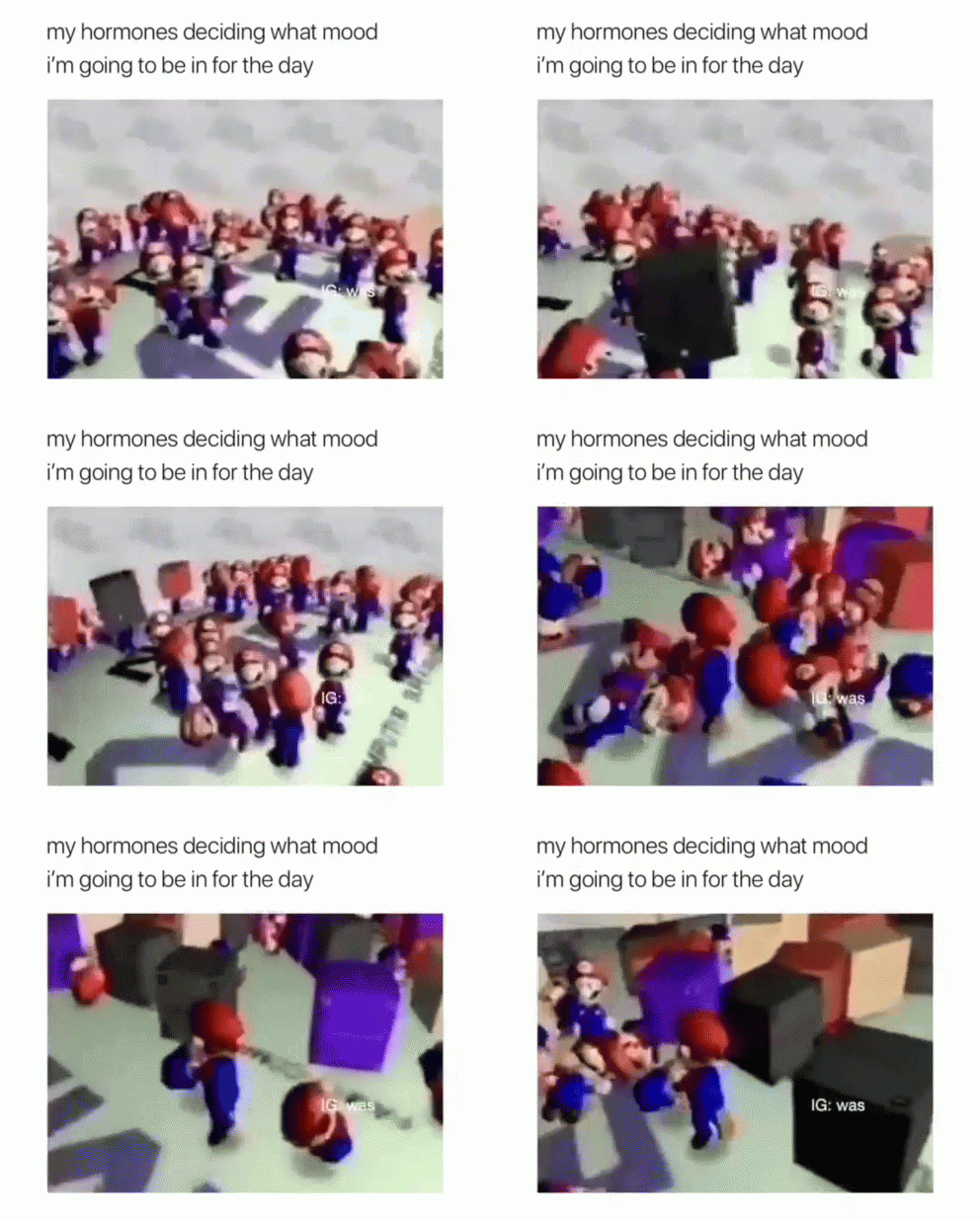
My hormones and I are in a “situationship.”

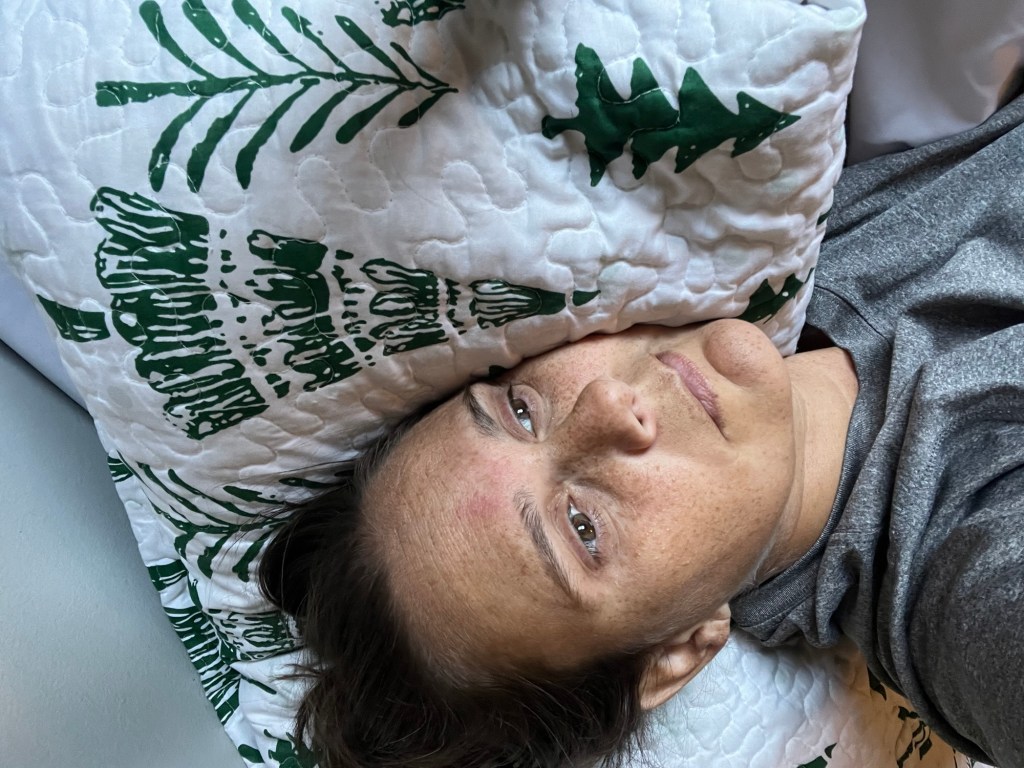
Years ago, I became convinced I was getting less intelligent.

I would walk into a room and forget why. Lose all my trains of thought mid-sentence. Derailed. No coming back.

I’d constantly search for words that had wandered off unsupervised. They would come back hours later, long after it was needed and with no apology whatsoever.

I blamed stress.

I blamed being busy.

I blamed getting older.

In reality, it was probably all of those things, mixed with hormonal changes I didn’t fully understand yet.

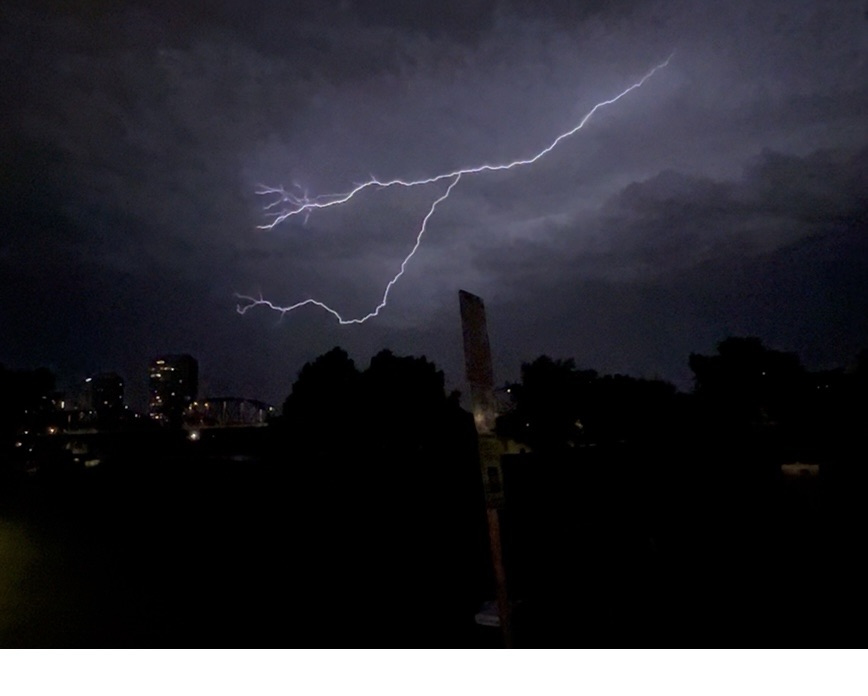
Female hormones are funny. They’re a bit like a Saskatchewan summer storm. One minute the sky is clear, the sun is shining, and life feels manageable. The next, the wind picks up, the clouds roll in, and you’re wondering if you should have brought a jacket, umbrella and storm cellar.

The weather didn’t become bad.

It changed.

Our hormones do too.

Female hormones are a bit like Saskatchewan weather. If you don’t like what’s happening right now, wait ten minutes.

Most of us think of hormones as reproductive messengers, but they influence far more than our cycles. They affect sleep, memory, focus, mood, energy, and even how connected we feel to the people around us.

One of the most interesting ideas I encountered from a recent podcast interview with Dr. Anna Cabeca. While estrogen, progesterone, and testosterone get most of the attention, hormones like cortisol and oxytocin may have an even bigger impact on how we experience daily life.

Oxytocin is often called the love hormone. It’s associated with connection, belonging, trust, laughter, affection, friendship, pets, nature, and community.

Likewise, oxytocin and cortisol tend to pull in opposite directions.

But the story doesn’t end there. The plot thickens.

As any prairie girl knows, sunshine and thunderstorms often share the same forecast.

When stress becomes chronic, such as in a body dealing with chronic pain, connection often suffers.

Many of us don’t just feel tired. We feel disconnected.

From ourselves.

From others.

From the things that once brought us joy.

Progesterone plays a role too. It supports sleep, cognition, brain health, and nervous system regulation.

Testosterone contributes to motivation, confidence, energy, and focus. Both naturally decline as we age, and both can be influenced by chronic stress.

Side note: I would like to point out that aging naturally isn’t nearly as freaky as whatever is happening with the people trying desperately to avoid it. Also, at what age do we start meeting for Bingo? Because I’m ready.

Progesterone naturally declines in women, typically beginning in the mid-thirties as ovarian function gradually changes.

My body got the memo that the warranty has expired. All systems started responding the way you’d expect at the end of a warranty. (despite the fact that I was built in the 70s and should have been made to last)

Looking back at my own health journey, I spent years trying to solve individual symptoms.

If I could just stop the migraines.

If I could just overcome the fatigue.

If I could just break the insomnia.

What I eventually learned is that the body doesn’t divide itself into neat little boxes the way we often do.

Sleep affects stress.

Stress affects hormones.

Hormones affect mood.

Mood affects relationships.

Relationships affect wellbeing.

Pull one thread and the whole thing unravels.

That’s why healing often requires support from multiple directions.

👏 Good food.

👏 Movement.

👏 Sleep.

👏 Stress management.

👏 Connection.

👏 Time outdoors.

The podcast also reinforced something I’ve known for years: nature has a remarkable way of helping us regulate.

Not because it magically solves our problems, but because it reminds our nervous systems what calm feels like.

Like sitting quietly in warm sunshine after a long winter.

Like hearing nothing but leaves rustle in the breeze.

The Practice

One simple forest therapy practice is this:

  • Stop
  • Notice 5 things moving around you (leaves, clouds, grass, insects, birds)
  • Listen for 3 sounds
  • Notice 2 scents
  • Take one slow breath

It’s amazing how quickly the nervous system responds when we give it the chance.

The body benefits from movement, and the mind benefits from stillness.

Sakyong Mipham

Ways To Support Oxytocin Naturally

The good news is that many of the things that support oxytocin are surprisingly simple.

  • Hug someone you love.
  • Spend time with a pet.
  • Get outside.
  • Sit around a table with friends.
  • Laugh.
  • Touch grass. Literally.
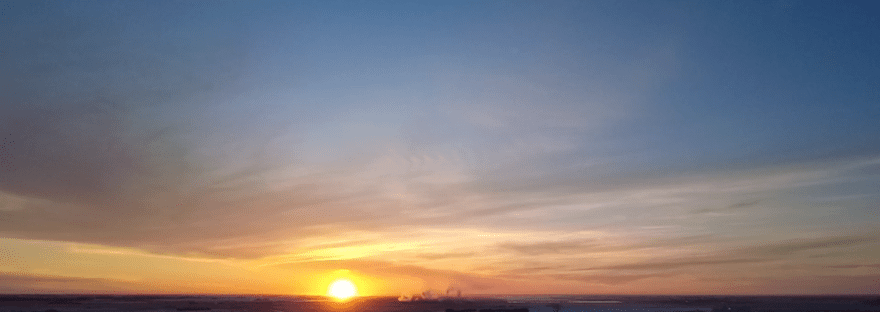
  • Watch a sunrise.
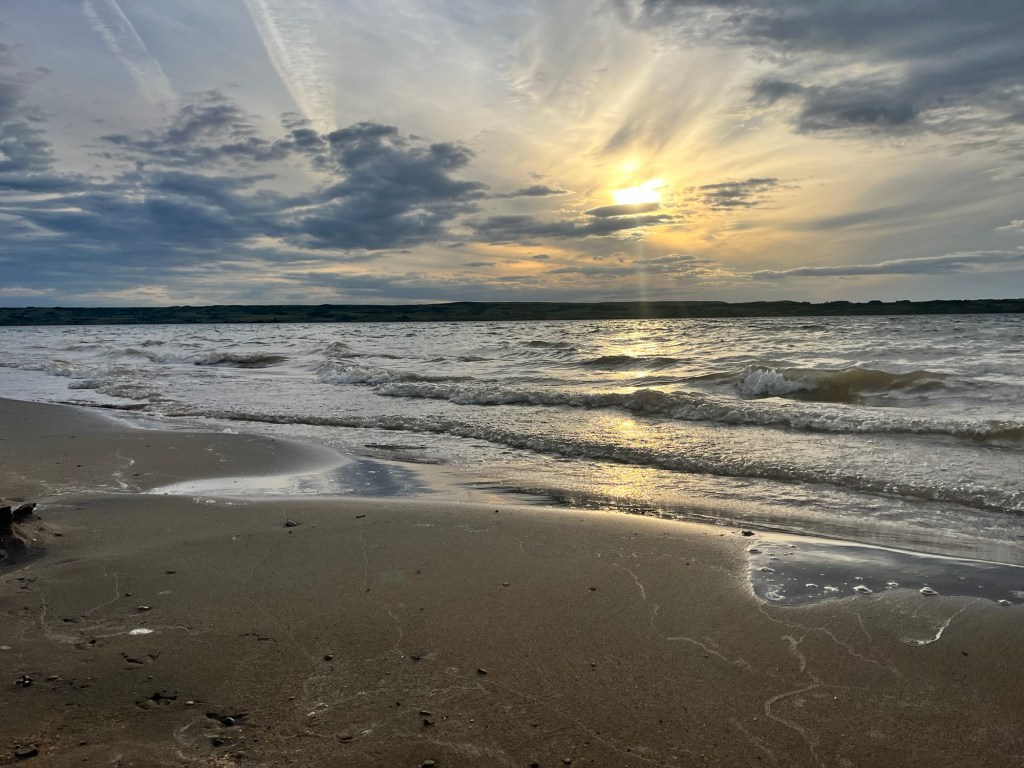
  • Watch a sunset.
  • Practice gratitude.
  • Connect with people who make you feel safe and seen.

None of these things are revolutionary.

But maybe that’s the point.

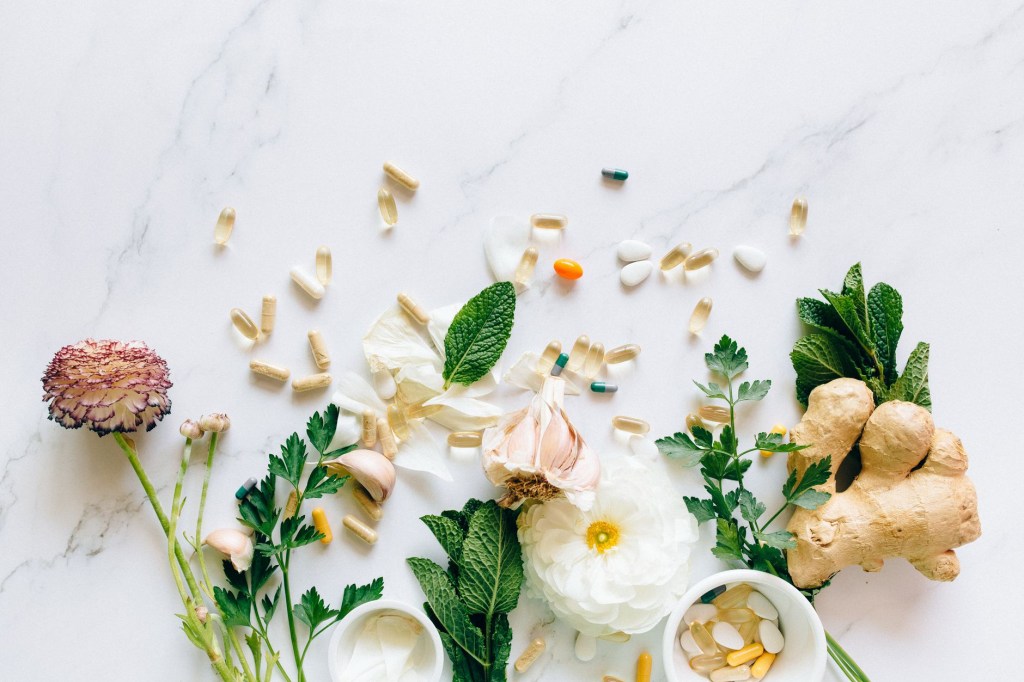
Sometimes healing isn’t found in adding another supplement.

Sometimes it’s found in adding another conversation.

Almost everything will work again if you unplug it for a few minutes, including you.

Anne Lamont

Your Most Important Appointment

One idea I loved from another podcast was the concept of holding regular wellness meetings with yourself.
Not a performance review. Not a guilt session.

A wellness meeting.

Three times a week, ask yourself this:

What do I need today?

Maybe it’s a walk.

Maybe it’s strength training.

Maybe it’s sitting outside with your morning tea and watching the sunrise.

The goal isn’t perfection.

The goal is paying attention before your body starts communicating through burnout, brain fog, anxiety, or exhaustion.

My ultimate goal isn’t to control every hormone. It’s to stop being blindsided by them.

Because hormones may be fickle.

But they’re also messengers.

And sometimes they’re simply asking us to listen.

The greatest wealth is health.

Virgil

This is the first post in a hormone series. Next week we’ll look at hormone disruptors: where the biggest offenders are hiding, and what to use instead.

Caught in a Battle Between Conventional and Holistic Medicine- A Chronic Sufferer’s Experience

The longer I live with chronic pain, the more convinced I am that modern medicine is excellent at saving lives and often terrible at helping people live them.

That is not an attack on medicine.

I am deeply grateful for surgeons, emergency rooms, diagnostics, imaging, specialists, antibiotics, and every medical professional who dedicates their life to helping people heal. If my arm bone is hanging on by hope and duct tape, I am not reaching for turmeric and positive affirmations. I want a surgeon. Immediately.

My mom shattered her foot in multiple places in a car accident. Her toe was essentially powder. No longer a toe. She needed surgery, pins, screws, and acute medical care. No amount of herbal tea or breath work was going to fix those bones.

Conventional medicine is extraordinary in moments like that.

But chronic illness and chronic pain are often different beasts entirely.

My body failed to coordinate its symptoms in a way convenient for modern medicine.

This is where many patients begin discovering the enormous disconnect between conventional medicine and a more holistic approach to healing.

And by holistic, I do not mean anti-science wellness influencers waving potions around while trying to sell bottled mountain air and enlightenment in the same online bundle.

There is a fine line between integrative medicine and someone trying to sell you powdered optimism for $89.99.

I mean looking at the body as an interconnected system instead of isolated symptoms.

I mean considering nutrition, supplementation, nervous system regulation, sleep, movement, physical therapies, mindfulness, environmental stressors, and individualized treatment options alongside conventional care.

Not instead of medicine.
Alongside it.

Because pain doesn’t stay politely inside one department.

The body cannot always be divided into neat specialties simply because the healthcare system is.

I recently listened to a podcast episode from Untangle: Exploring What it Takes to Be Pain Free featuring Stacey Roberts, and so much of the conversation echoed what I’ve experienced navigating chronic pain myself.
One point especially stood out to me. Roberts referenced pain scientist Lorimer Moseley from the University of Adelaide, discussing how conventional medicine often compartmentalizes the body into isolated systems. The gut, the brain, the joints. When chronic pain rarely behaves that neatly.

Pain spills into everything.

Your nervous system changes.
Your sleep changes.
Your digestion changes.
Your stress response changes.
Your sense of safety changes.

The nervous system remembers suffering long after scans stop showing it.

Pain is real, even when the cause is unclear.

Lorimer Moseley

For years I was bounced between specialists who all told me some variation of, “Everything looks normal.” 👍 👍

Which was excellent news except for the small detail that I was getting worse.

There’s an exhaustion that comes from hearing “everything looks normal” while actively deteriorating.

Every appointment felt a bit like medical speed dating except nobody wanted a second date with my file.

I was essentially told to go back to physio. This wasn’t really a medical issue anymore.

I believe in physiotherapy. Deeply. It has helped me tremendously. But there comes a point where patients stop needing another treatment and start needing someone to ask bigger questions.

Nothing discourages a person quite like enthusiastically trying a stretch or strengthening exercise that immediately makes things worse.

Every specialist confidently searches for answers inside their own department like medical-themed escape rooms.

Somewhere between “try yoga” and “have you considered drinking more water?” I began expanding my own research.

And I’ve lost count of the books and podcasts that begin with the exact same storyline:

“I was trained in conventional medicine. I trusted the system completely… until I became the patient.”

At first, these doctors often dismiss holistic approaches entirely. Patients mention supplements, meditation, dietary changes, nervous system work, or alternative therapies, and the response is cautious at best and dismissive at worst.

Snake oil.
Pseudoscience.
Non-compliance.

But then something shifts.

The doctor develops chronic pain.
An autoimmune condition.
A lingering injury.
Burnout.
A nervous system disorder.

And suddenly certainty cracks open into curiosity.

Chronic pain turns you into a part-time researcher, part-time philosopher, and full-time reluctant detective.

I have spent an unreasonable amount of my adult life trying to determine whether I am injured, inflamed, overtired, under-rested, dehydrated, stressed, or simply existing incorrectly.

Living with chronic pain means constantly performing the world’s least fun science experiment on yourself.
By year three of unexplained symptoms, I could practically earn honorary medical credits.

To be fair, holistic spaces are not immune to problems either. There is misinformation, exploitation, fearmongering, and an endless supply of expensive miracle cures marketed toward vulnerable people desperate to feel better.

Pain makes people easy to manipulate.
Both systems can fail people in different ways.

That’s why I don’t believe the answer is abandoning conventional medicine for holistic healing.

I believe the answer is integration.

An actual partnership.

Healing is bigger than symptom management.

Patients do not need doctors to be omniscient. We need them to be curious.

Surgeons are trained to operate.
Doctors are trained to diagnose and prescribe.
Specialists are trained to identify patterns within their specialty.

We need practitioners who understand both the power and the limitations of their training. And openly work with other practitioners, conventional and holistic, to find a root cause and treatment plan.

This matters enormously to a patient just trying to survive.

The shoe that fits one person pinches another.

Carl Jung

Chronic illness does not always fit neatly inside textbook timelines and diagnostic boxes.

Medicine’s symbol speaks of healing being available. Yet many people with chronic illness spend years moving through appointments feeling like fragmented symptoms instead of whole human beings.

Stacey Roberts described asking chronic pain patients to remember a time before they lived with pain. Then she asks them to imagine themselves in the future doing something that currently hurts. Picking up grandchildren. Bending over. Any repetitive movement, without pain.

And many people simply cannot picture it.

Their bodies have become so conditioned toward pain and protection that even imagining safety feels impossible.

This is your forest therapy practice for this week. Find a quiet place in nature and practice this visualization.

Chronic pain doesn’t only affect muscles and joints. It reshapes expectation. Identity. Fear. Hope.

Roberts discussed using visualization, breathing, mindfulness, and repetition to help retrain the nervous system’s response to pain.

That idea connects to what I’ve experienced through forest therapy and time in nature.

Regulation comes while standing beneath trees while wind moves through their branches overhead. The nervous system seems to recognize something there before the mind does. The movement. The rhythm. The reminder that not everything in the world is bracing for impact.

Healing and pain elimination are not always the same thing.

Chronic pain teaches your nervous system to scan constantly for danger. Nature quietly teaches it another language.

No performance. No productivity. No pressure to fix yourself.
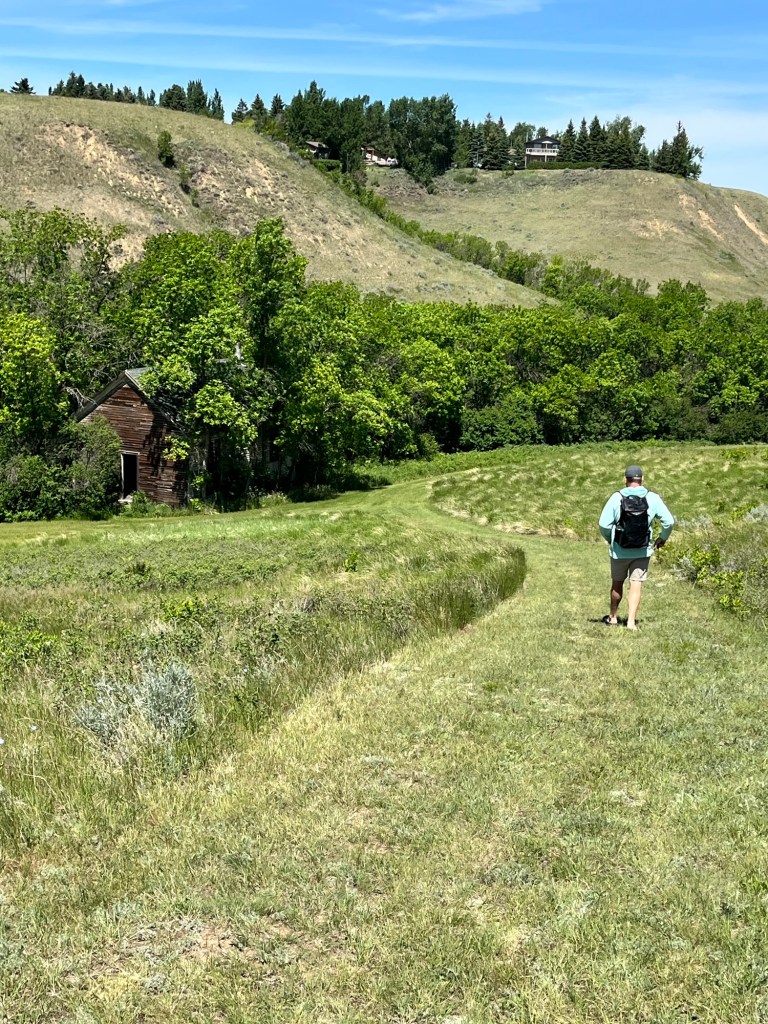
Just space to exist in a body that has spent far too long preparing for the next flare.
You can read more about that experience in my post about forest therapy and nervous system regulation. 🌲 Activating Your Vagus Nerve With Forest Therapy 🌲

I appreciated many of the points Stacey Roberts made in the podcast. But I struggled with the title of her book, The Pain-Free Formula.

Not because I don’t believe improvement is possible. I do.

I absolutely believe there are things we can do to reduce pain, improve quality of life, calm the nervous system, support healing, and function better in our bodies.

But chronic illness eventually teaches many of us something medicine rarely does:

Sometimes the greatest medical harm is making patients feel invisible.

At some point I stopped obsessing over becoming pain free and started focusing on becoming supported.

I decided healing would come in time.
And if not, I would still be okay.

Not because I had given up.
But because I finally realized I had the tools, support, and guidance I needed to endure whatever my condition threw at me.

Ironically, that mindset shift brought me more peace than years spent desperately chasing the next solution.

Sometimes acceptance is more freeing than the absence of pain we searched for so desperately.

I hope Stacey Roberts never fully understands that distinction.

Because for her to truly understand it, she may have to suffer at a depth I would not wish on anyone.

At the end of the podcast, the host asked how she would redesign the healthcare system for chronic pain patients. Roberts discussed the need for more investment into preventative health, nutrition research, nervous system regulation, and understanding why certain non-pharmaceutical interventions help people heal.

And honestly, I think she raised important questions.

Because if someone improves through movement, nutrition, mindfulness, supplementation, therapy, nervous system regulation, or lifestyle change, why should that healing be dismissed simply because it did not originate from a prescription pad?

People in pain do not need to be fixed before they are worthy of compassion.

I do think our healthcare system needs to evolve.

Not because doctors are evil.
Not because science has failed.
Not because medicine lacks value.

Oliver Sacks suggests,

To restore the human subject at the center. The suffering, afflicted, fighting human subject. We must deepen a case history to a narrative.

Patients with chronic illness need practitioners who are comfortable saying:
“I don’t know.”
“Tell me more.”
“I believe you.”
“Let’s keep looking.”

Rachel Naomi Remen said,

The most basic and powerful way to cconnect to another person is to listen.

And William Osler advised:

Listen to your patient; he is telling you the diagnosis.

Listen. Not just for the keywords that trigger familiar treatment pathways. But for the whole story.

For the grief patients carry. For the exhaustion. For the devastation of losing trust in your own body. And for the courage it takes to keep asking for help after years of disappointment.

Healing should never have become a battle between conventional and holistic medicine.

People in pain deserve both.

And if you’ve ever had to redefine what healing or success looks like inside a difficult body, I wrote more about that here as well. You Are a Success Story

Finding Your Zen in the Wild Woods of Menopause

‘It is no joke and yet it is often passed off as one.’ This sentiment echoes deeply within the experience of menopause. A profound physiological transition that, for too long, has been relegated to hushed whispers and dismissive humor.

But for millions of women, menopause is anything but a laughing matter. It’s a seismic shift, often bringing with it a cascade of less known symptoms that can profoundly impact daily life, exacerbate existing conditions, and leave women feeling utterly adrift in their own bodies.

At one point I felt like I should go live under a bridge and ask people riddles before they cross. I didn’t know where I fit into society any longer.

Then I found forest therapy.

Aut viam inveniam aut faciam;

I will either find a way or I will make one.

Now as a forest therapy guide, I’ve witnessed firsthand the transformative power of nature in navigating life’s most challenging passages, and menopause is no exception.

As Helen Mirren famously said,

Life doesn’t end with menopause; it’s the beginning of a new adventure. Strap in and enjoy the ride!

Silent Struggles: Menopause and Chronic Pain

When we talk about menopause, the conversation often begins and ends with hot flashes.

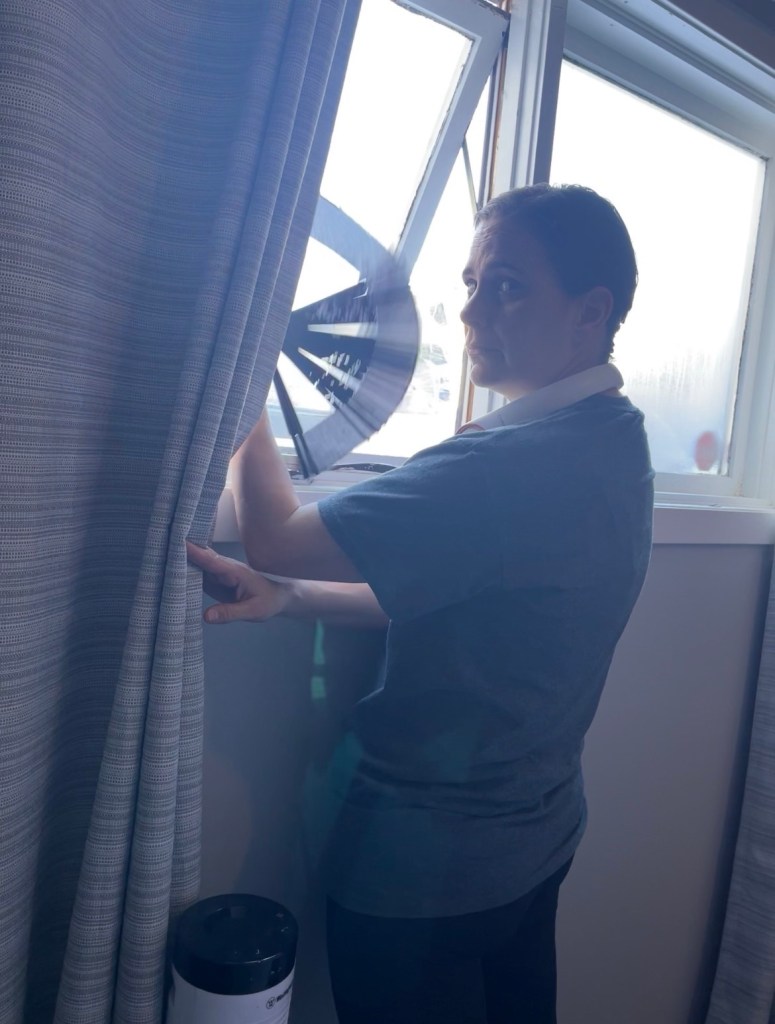
This is me standing in front of my tower fan at full speed. With the window open to the winter air. Fanning myself. While wearing my neck fan. Hair up and wet. And still the heat builds. My heart races. Light fades. Pay no mind, it’s “only” a hot flash. 🔥 🔥 🔥

Reality is far more complex. Beyond the publicized surges of heat, many women grapple with a host of crafty symptoms that can significantly diminish their quality of life. All without leaving a physical mark.

These include (but are not limited to):

  • widespread musculoskeletal pain, often described as aching all over, which can be a direct consequence of hormonal fluctuations
  • sleep disruption and mood disturbances like depression and irritability
  • even weight gain is a common companion of this transition
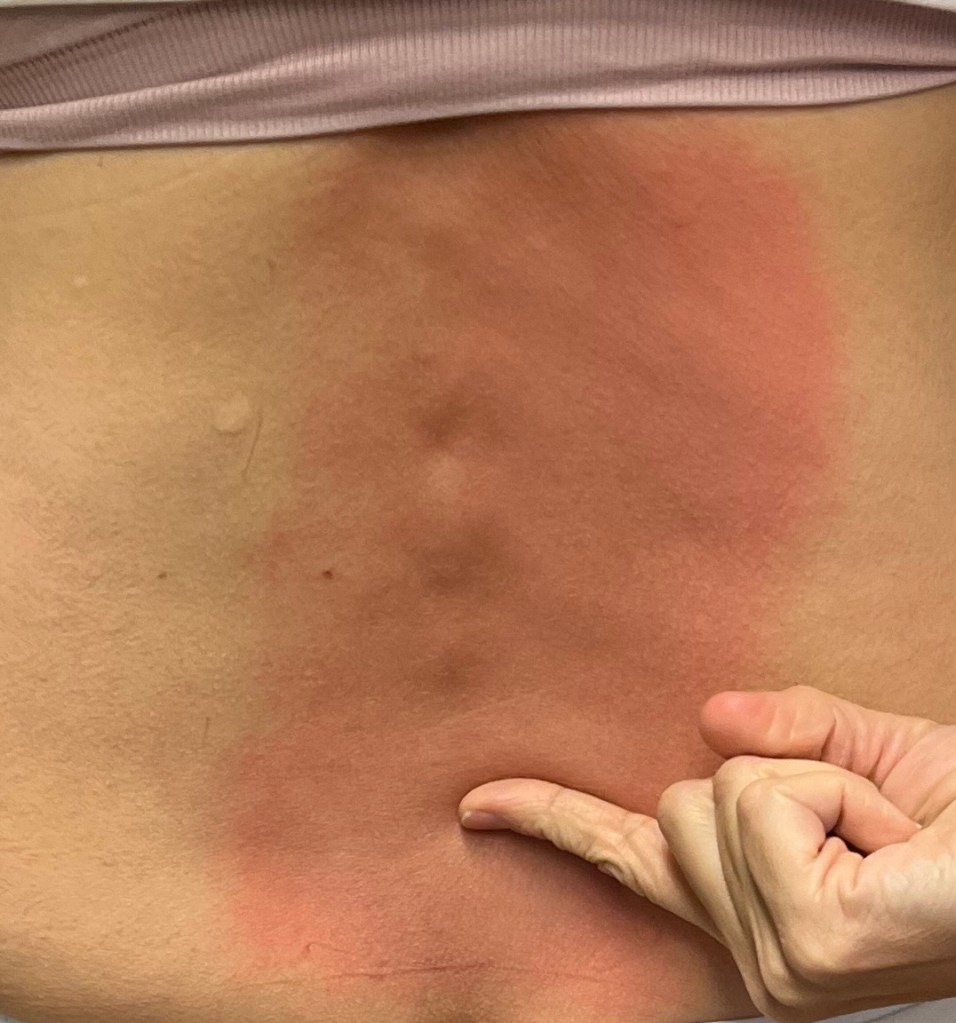
  • forMication (make sure you read that right), the feeling that bugs are crawling under the skin, it’s as delightful as it sounds
  • electric shock sensations
  • tinnitus
  • thinning skin and nails
  • oh, and the menopause brain

All things considered, it’s about as fun as getting glitter stuck in your eye while sandpapering a bobcat’s rear end in a phone booth. How someone would end up in such a situation, I can’t say. But the sentiment is spot on. I can assure you.

I experience all of these symptoms. Despite the ongoing issues, the blood work I just had done, says I am the spitting image of health. Bully for me. 

I can explain it to my doctors but I can’t understand it for them.

Perhaps one of the most challenging aspects is how menopause can act as an accelerant for chronic pain and illness. Research indicates that women experiencing menopausal symptoms are nearly twice as likely to be diagnosed with chronic pain conditions such as fibromyalgia, migraines, and back pain.

The intricate dance between estrogen and other hormones with pain sensitivity is still being fully understood, but it’s clear that these changing hormone levels can either trigger new pain conditions or worsen existing ones, making them more frequent, severe, and less responsive to previous treatments.

Temperature Trials: The Removal of My Thermostat

I understand this struggle intimately. After my hysterectomy, my body’s internal thermostat seemed to vanish for an entire year.

The first time I experienced a true hot flash I was sitting on our leather couch so the heat was trapped. I sat there wondering, what in the district one of hunger games is this?!?

Then came the realization this could go on for decades! Brilliant.

I’d like to put in a request to have the ‘weaker sex’ label removed.

Through that first year, I was in a constant state of flux, either too hot or too cold, perpetually covered in a thin, clammy layer of cold sweat. I walked around all day and night, haunting my 0wn home, looking like I’d been chewed up and spit out. And feeling much the same.

The simple act of adding or removing layers of clothing became an exhausting ordeal for my pain-riddled body. I only slept an hour at a time.

Even now, years later, the hot flashes persist, arriving every half hour like an unwelcome, fiery guest. Does anybody know what that’s about?!?

This constant battle with temperature regulation, coupled with the relentless physical demands, is a testament to the invisible toll menopause takes. It’s a stark reminder that while the humor shared among women in the trenches is a vital coping mechanism, the belittlement of these severe symptoms is a serious problem.

How many women, I wonder, mask their symptoms, inadvertently allowing them to escalate, simply because society has taught them to endure in silence?

And where, might I ask, is the comprehensive guide to this monumentally disruptive season of life? I’m a few years into this thing and I still have so many questions.

We are, by and large, prepared for puberty in school. The birds and the bees talk, the physical changes, the emotional rollercoaster. But when it comes to menopause, the ‘all inclusive meeting’ on what to expect, how it will look, and how to navigate it, is conspicuously absent. We’re left to piece together information from fragmented online sources, a veritable Wild West of anecdotes and conflicting advice, often encountering one-off stories that are not the norm.

Ask my doctor, you suggest? I don’t spend much time there. I don’t need that kind of negativity and lack of concern in my life.

Who are we left to learn from? It’s a knowledge void that leaves women vulnerable and unprepared.

And then there’s the unspoken rule: Am I supposed to be embarrassed talking about this? I certainly didn’t get that memo, and yet, when I pull out my trusty fan and announce I’m having a hot flash to a group of people, the reactions can be telling. It’s as if I’ve just, well, peed my pants in public, and then announced it when I should have quietly excused myself to deal with the indignity.

Instead of being a normal, open conversation, menopause often feels shrouded in a similar veil of shame that we’ve only recently begun to lift from menstruation.

It’s a deeply unsettling thought that we are, in essence, extending the problem of period shaming through the entirety of a woman’s life from when she gets her period. It’s time to dismantle this expectation of quiet suffering.

Menopause in the Wild: Embracing Forest Therapy

He says that woman speaks with nature. That she hears voices from under the earth. That wind blows in her ears and trees whisper to her.

-Susan Griffin

This is where the wisdom of the wild, and the practice of forest therapy, offers a profound sanctuary.

Nature doesn’t judge; it simply holds space. It reminds us that change is natural, that seasons shift, and that there is immense wisdom and beauty in every stage of life.

Time spent mindfully in nature has been shown to regulate the nervous system, reduce anxiety and depression, improve sleep quality, and lower stress hormones – all critical factors in managing menopausal symptoms and chronic pain.

For those grappling with the unpredictable thermostat and the pervasive aches, a simple yet powerful forest therapy practice can offer solace:

The “Root and Rise” Practice

1. Find Your Spot: Seek out a quiet place in nature. A park, a garden, or a forest. Find a tree that calls to you, one that feels ancient and wise. Stand or sit comfortably at its base.

2. Root Down: Close your eyes gently or soften your gaze. Imagine roots growing from the soles of your feet, deep into the earth. Feel them extending, anchoring you, drawing up stability and calm from the ground beneath you. Acknowledge any discomfort or pain in your body, and imagine those sensations flowing down your roots, being absorbed and transformed by the earth.

3. Rise Up: Now, imagine a gentle, cool breeze moving through the branches of the tree above you, and then through the crown of your head. Feel it cleansing, refreshing, and bringing a sense of spaciousness. Envision your spine lengthening, your shoulders relaxing, and your breath flowing freely. This is your internal thermostat finding its equilibrium, gently recalibrating with the rhythm of nature.

4. Observe and Breathe: Open your eyes and simply observe your surroundings. Notice the textures of the bark, the patterns of the leaves, the sounds of the birds, the scent of the earth, the fractal patterns in the branches of the trees. Breathe deeply, inhaling the fresh air, exhaling any lingering tension. Allow the forest to hold you, to soothe your nervous system, and to remind you of your inherent resilience.

5. Return with Gratitude: When you feel ready, gently bring your awareness back to your body. Thank the tree and the natural world for their support. Carry this sense of calm and connection with you as you re-engage with your day.

This practice, even for a few minutes, can be a powerful tool to regulate your internal state, ease chronic pain, and reconnect with your inner strength. It’s a gentle reminder that, like the forest, you too can adapt, shed, and flourish through every season of life.

The Way of Change: Crafting Wisdom Through Transformation

Menopause is not an ending, but a profound metamorphosis. It is a time for women to reclaim their power, to listen to the deep wisdom of their bodies, and to shed what no longer serves them. 

As Rachel Carson wisely said,

Those who contemplate the beauty of the earth find reserves of strength that will endure as long as life lasts.

This journey, though challenging, can lead to a deeper connection with self and nature.

Let us, as women, embrace this transition not with resignation, but with reverence. Let us support each other, share our stories, and demand the understanding and care we deserve.

For in doing so, we not only heal ourselves but also pave the way for future generations to navigate this sacred passage with grace and strength.

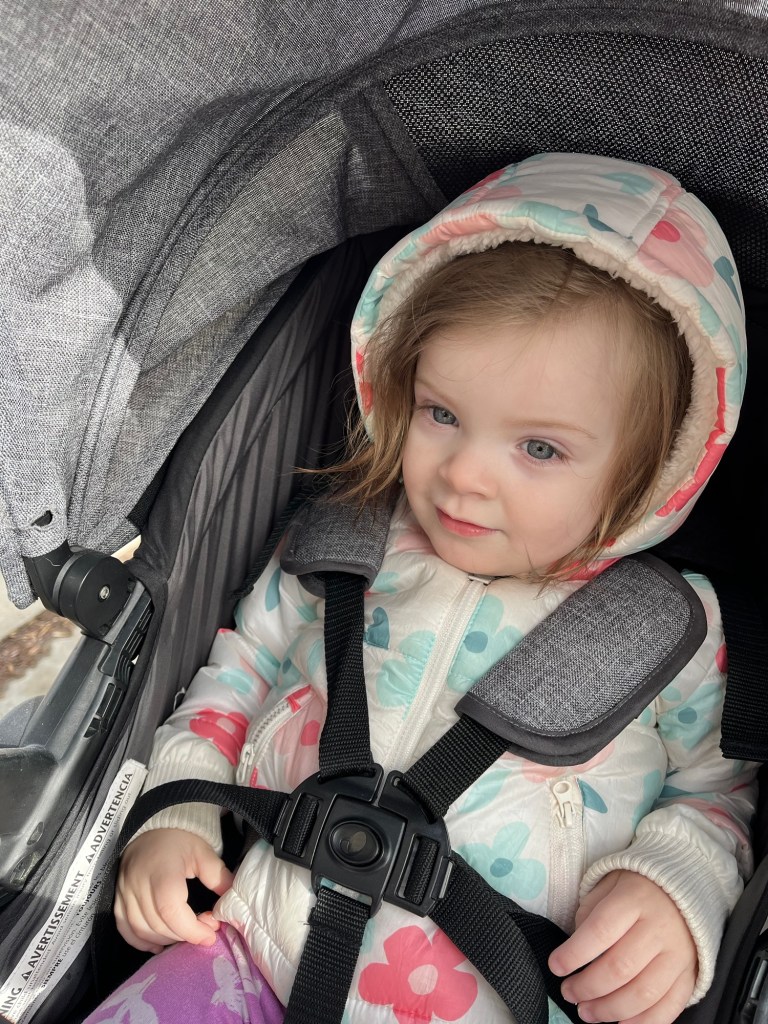
My beautiful granddaughter