“Just because you think something, doesn’t make it true.”
-unknown
Today we are talking CBT. Not CBD (that’s a whole other post) But CBT. Which sounds fancy, but it’s really just brain training.
Cognitive Behavioural Therapy is about noticing the sneaky little thoughts that creep in when life feels unlivable, and learning how to shift them just enough that you don’t get engulfed by it all. CBT is brain training for when your nervous system starts acting like a toddler in a toy aisle. Hyperactive. Impulsive. Emotional outbursts and mood swings. On high alert. Where self regulation becomes difficult.
It doesn’t erase pain (I wish). It doesn’t rebuild the life you’d planned (double wish). But it does help you find a new footing.
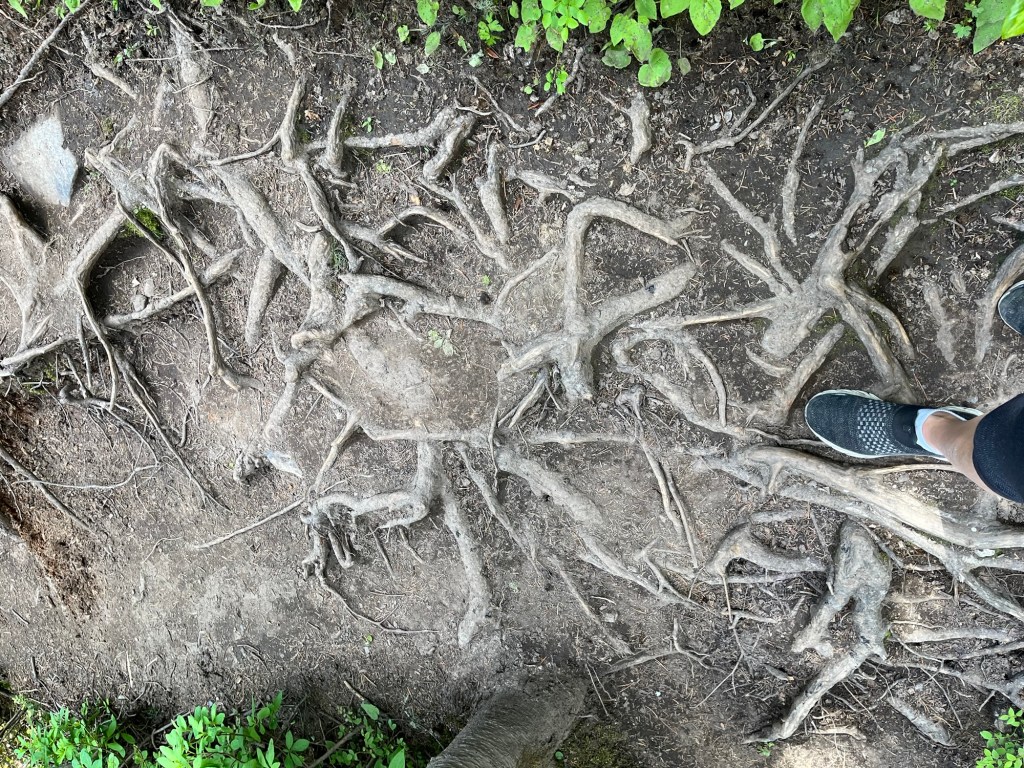
Kind of like wandering a forest trail—where you keep tripping on roots you didn’t see, but then you realize… if you slow down, if you watch your step, if you breathe—it’s possible to keep walking.
As Viktor Frankl once wrote:
“When we are no longer able to change a situation, we are challenged to change ourselves.”
That’s CBT. Not fixing the forest. Just learning how to move through it differently.
Kind of like the friend who kindly takes away your “end of the world” glasses and swaps them out for “yeah, it still sucks, but you’ve got this” glasses.
⸻
Here’s the deal: chronic pain is not just pain. It’s also the grief of losing the version of life I had sketched out in neon colours.
A Preposterous Odyssey: Tales from My Crooked Journey
When pain became my daily companion, I felt like someone had dropped me in a wilderness without a map.
I wanted my old trail—the one I’d carefully planned and marked. Instead, I found myself in dense undergrowth. Nothing looked familiar. Every step hurt.
I’ve missed family trips. Suddenly ended a business my mom built up and passed on to me. Letting go of what it has taken my whole life to build has been heartbreaking.
I have grieved hard. The life I wanted felt like a house I’d just finished building, suddenly bulldozed overnight.
But in CBT, I started to learn that maybe I didn’t need to rebuild that house right away. Maybe I could step outside, find a patch of ground, and plant something small.
The forest became my classroom.
A tree doesn’t “should” itself taller. It just grows where it can. A broken branch still belongs to the tree. Roots tangled around rocks still dig deep.
And I thought—maybe I can live like that too.

⸻
What CBT Looks Like in the Wild
Here’s how CBT shows up when I walk among the trees with pain and grief:
• Catch the catastrophes. In my head: “This pain will swallow me whole.” In the forest it is as the African proverb says, “the wind howls, the trees bend, and yet they do not break.” I remind myself—I can bend too.
• Challenge the “shoulds.” I see seedlings pushing up through moss. They don’t say, “I should be a tall cedar by now.” They just keep growing. Maybe I can let myself do the same.
• Make room for both grief and joy. The forest holds both fallen logs and wildflowers. My life can hold both too.
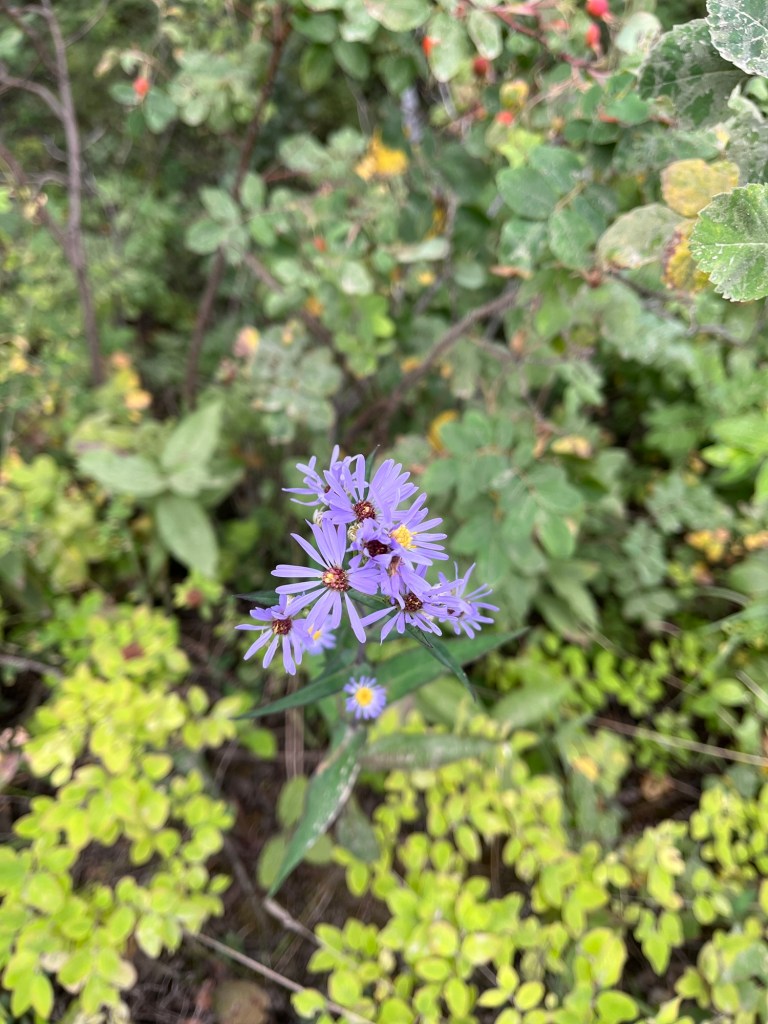
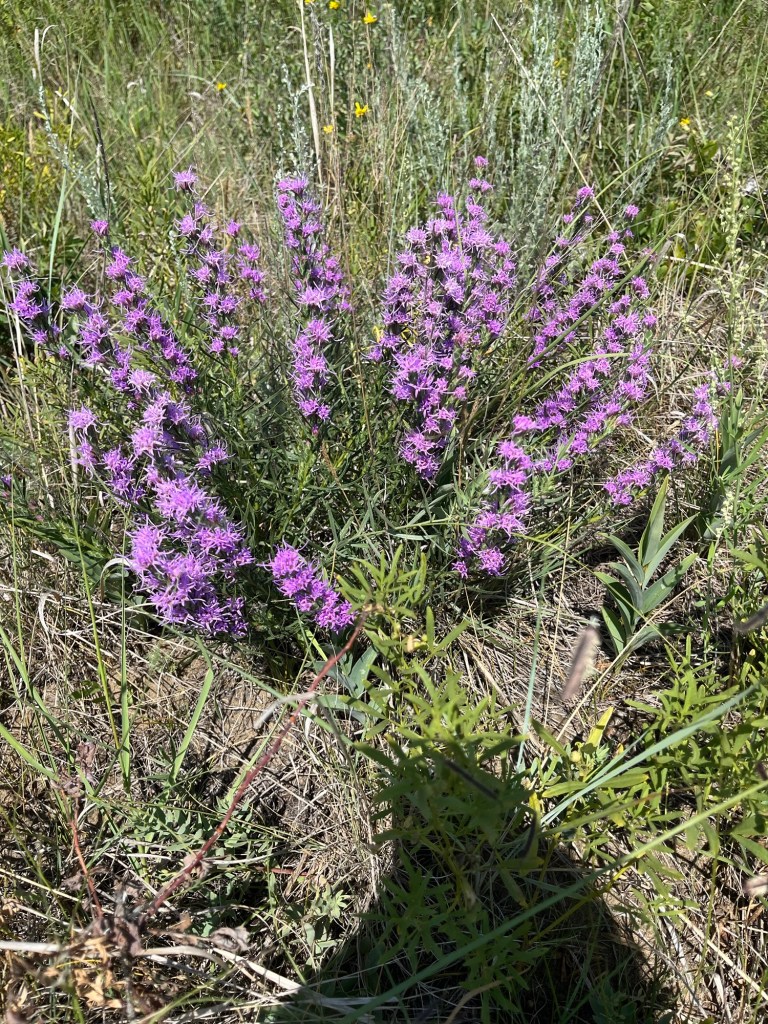

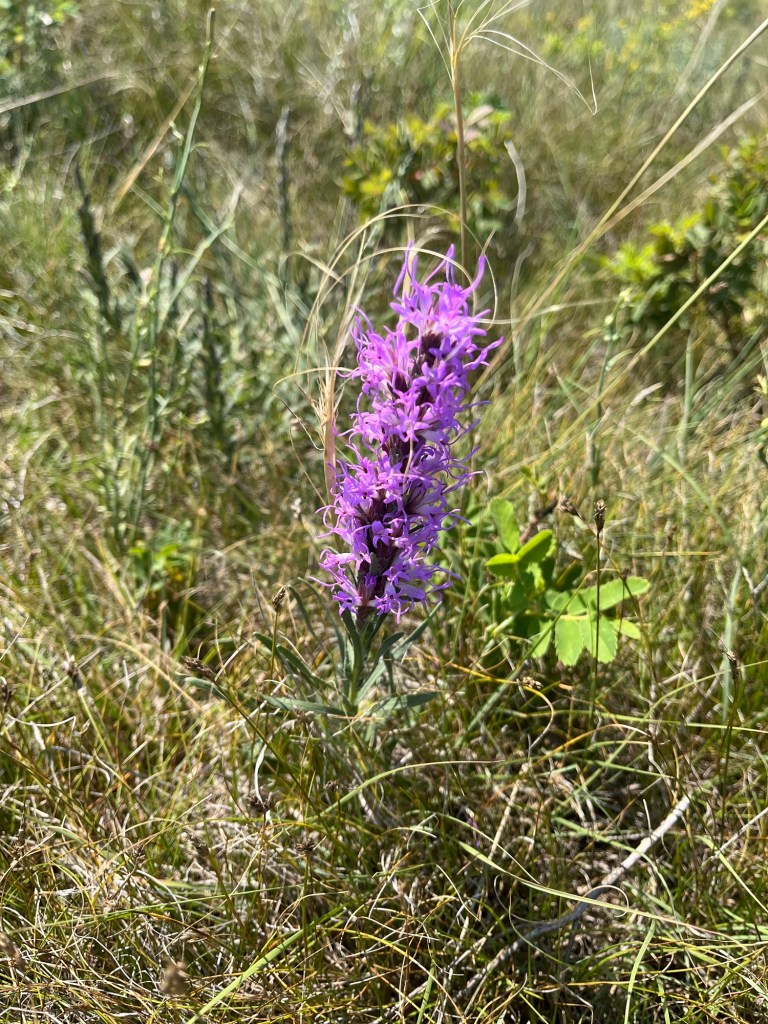
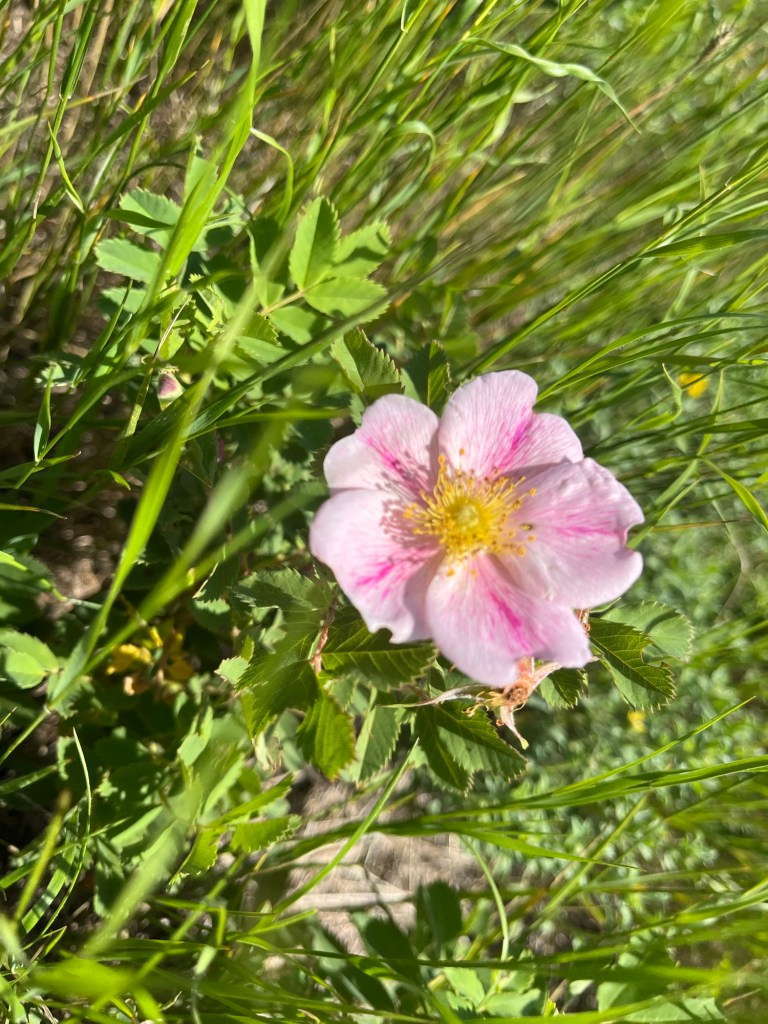
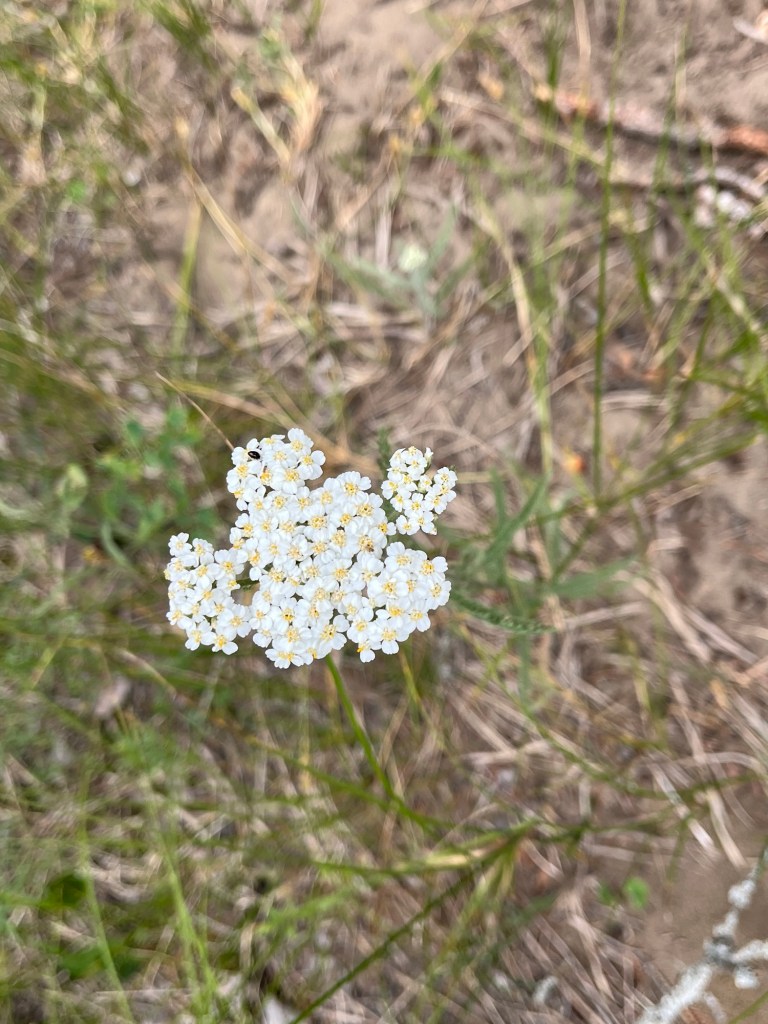
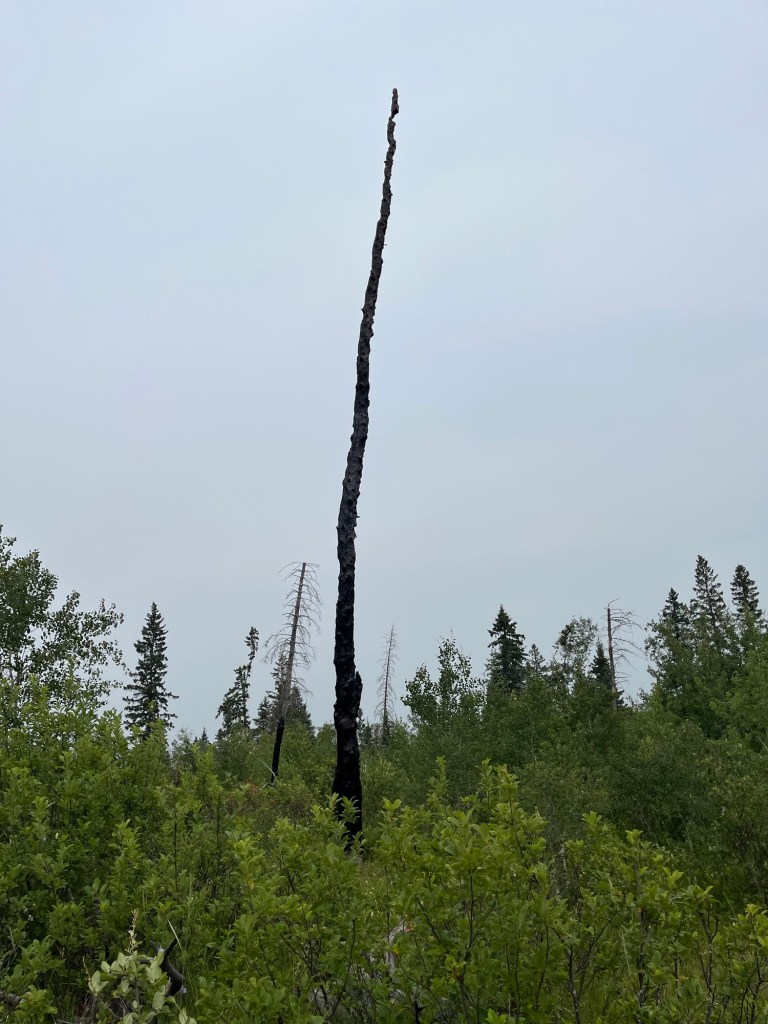
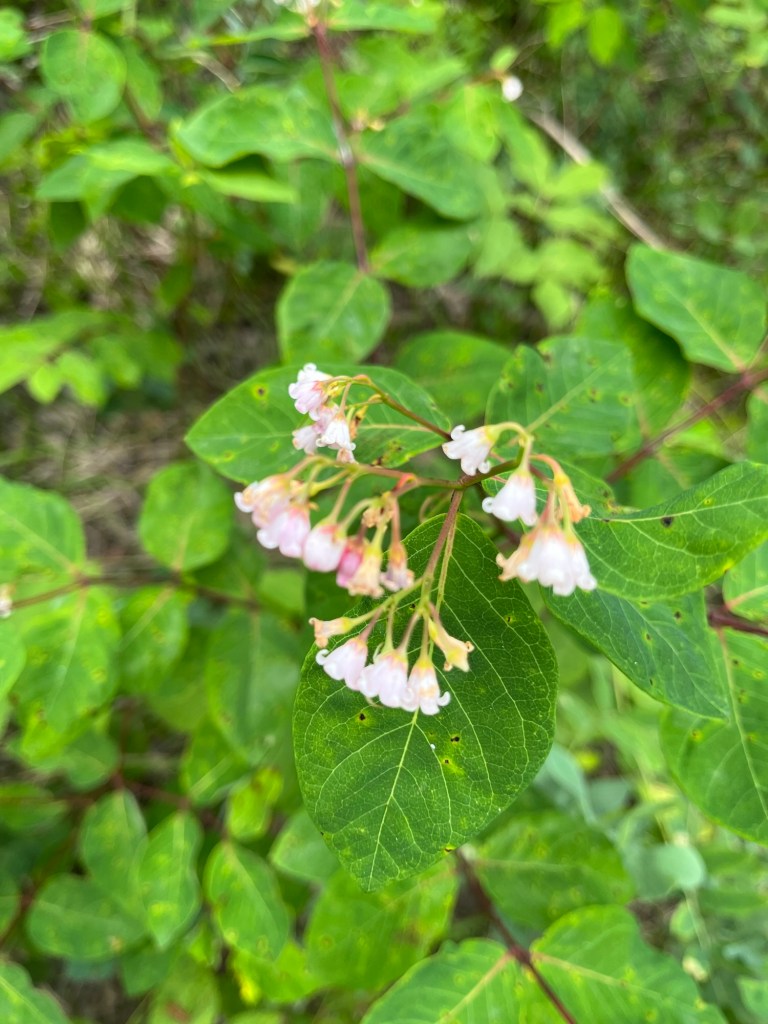
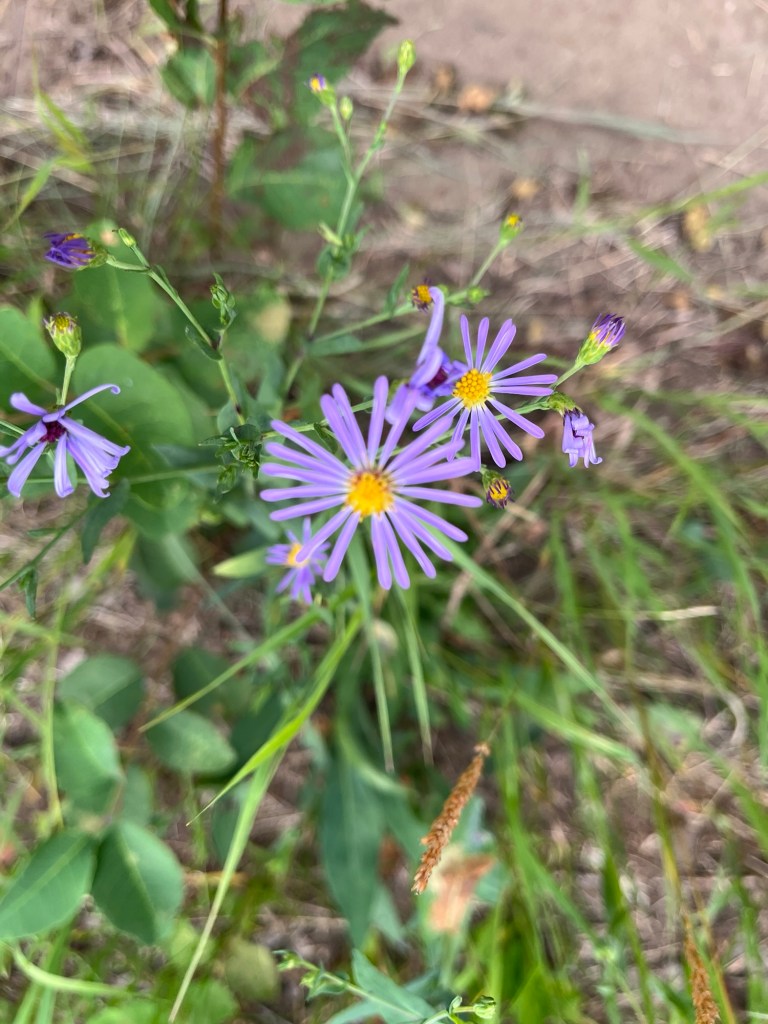
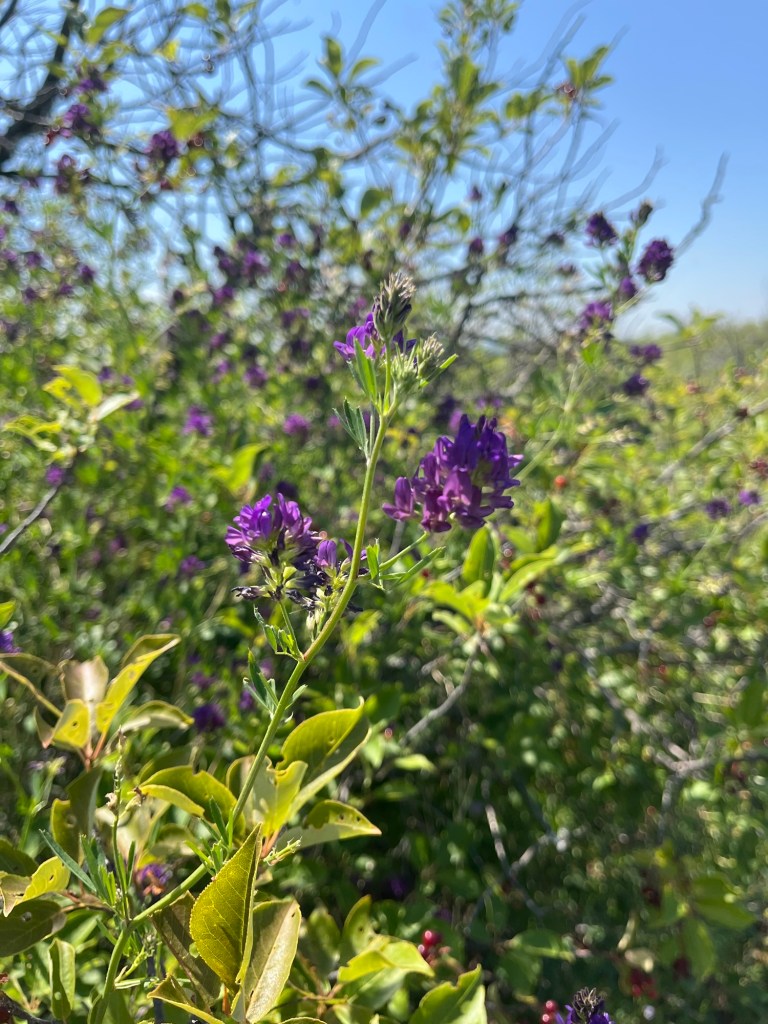
CBT is not about denying the ache. It’s about learning to see yourself in a bigger landscape—where pain isn’t the only thing growing.
CBT is not about putting a smiley face sticker on a grenade. Instead, it teaches you to make room for the hard stuff—the grief, the frustration, the “I want to throw my heating pad across the room” rage—without letting it bulldoze your entire sense of self.
⸻
Walking With Grief
Grief still ambushes me. It stings when I see friends excelling in their careers and I can’t work. But the forest has taught me: standing still while others are moving is part of my journey.
When I sit against a tree trunk, I feel its strength. I remember that even a tree scarred by disease provides shade. I don’t have to be who I was before. I just have to keep breathing through the life I have now.
As poet John O’Donohue said:
“May you recognize in your life the presence, power, and light of your soul. May you realize that you are never alone, that your soul in its brightness and belonging connects you intimately with the rhythm of the universe. “
In the forest, I remember I still belong. Pain or not. Loss or not.

The Buddha (who knew a thing or two about suffering) said:
“Pain is certain. Suffering is optional.”
⸻
The Grief Side of It
CBT also helps when you’re sitting in the grief of the “life you planned.”
When you feel small and useless. When you scroll past everyone’s travel selfies and feel like the human equivalent of a potato.
Instead of spiraling, CBT teaches:
• Notice the thought: “I’m worthless now.”
• Question it: “Would I say that to my best friend in this situation?”
• Replace it with something compassionate: “I’m in pain, but I’m still me. And I still matter.”
CBT doesn’t take away grief. But it helps you walk with it instead of being dragged behind it.
As Mary Oliver wrote:
“Someone I loved once gave me a box full of darkness. It took me years to understand that this, too, was a gift.”
I don’t know if chronic pain is a “gift” (feels more like a re-gifted fruitcake). But CBT helps me carry the box without dropping it on my toes. And exacerbating the pain.
⸻
The Bittersweet Nature of Truth
Managing pain you can’t control is brutal. There’s no sugarcoating it. But CBT gives us a fighting chance to stop our thoughts from adding gasoline to the fire.
It’s like teaching your brain to stop shouting “THE HOUSE IS BURNING” when really, the toaster just sparked again.
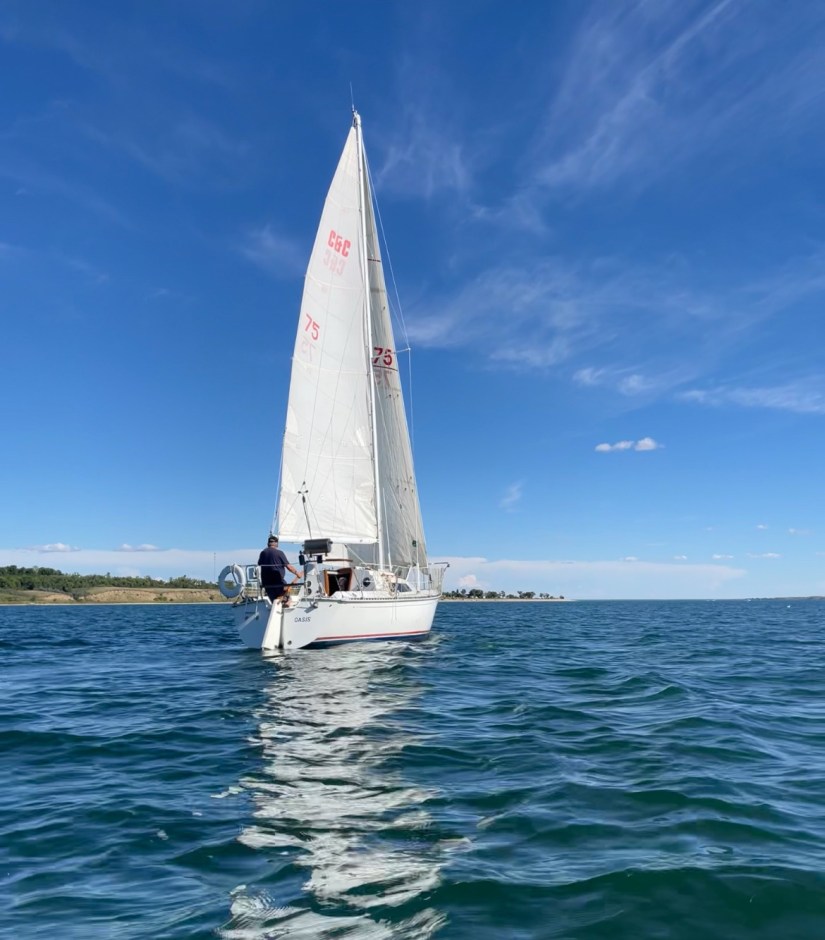
So here’s to adjusting sails. To finding laughter in the ridiculous moments. To grieving the life we planned, while still living the one we have—beautiful, messy, painful, ridiculous.
Because if we can’t cure it, we can at least outwit it.
“Life is 10% what happens to you and 90% how you react to it.”
-Charles R. Swindoll
From Suffering to Sturdy: A Journey Forward
Chronic pain that cannot be treated or controlled is brutal. There’s no pretending otherwise. But CBT helps me stop setting up camp in despair. It gives me tools to step back onto the trail—even if I’m limping, even if I only make it a few steps.
And the forest gives me a place to practice.
It whispers: adjust your sails, bend with the wind, let the light through where you can.
So I keep walking. Slowly. Laughing when I have to contort my body to get some joints back in place. Crying sometimes too.
But still walking.
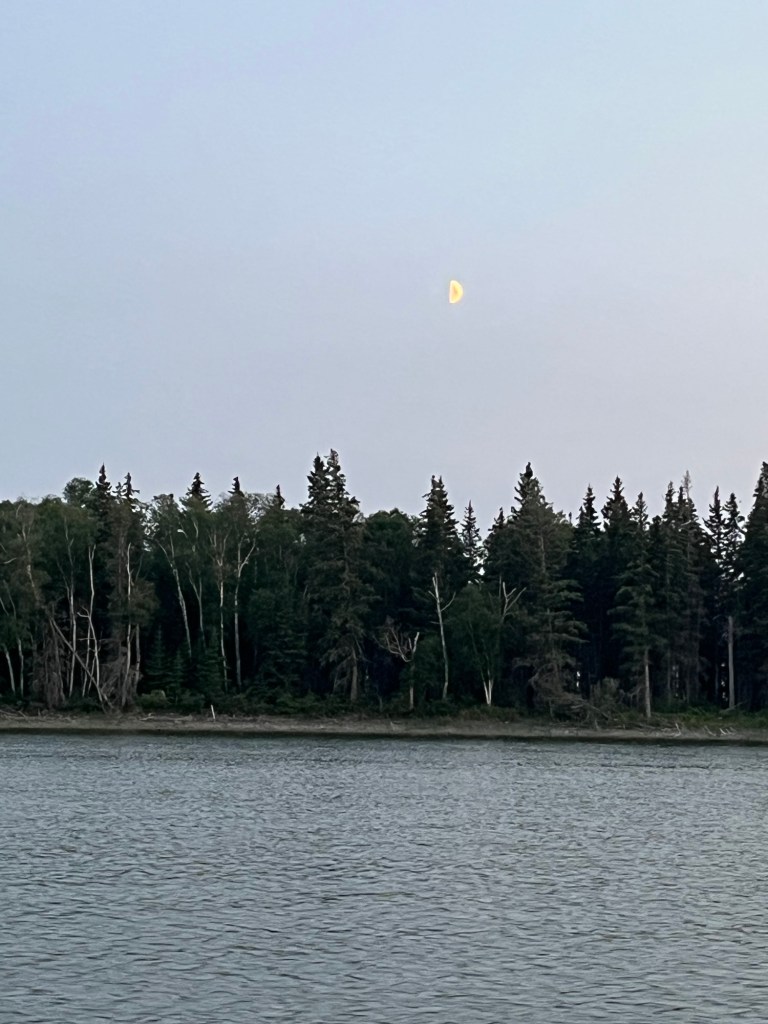
“Between every two pines is a doorway to a new world.”
– John Muir





 SUNBEAM ACRES