The Mirror, the Window, and the Firefly

I will never tell another person that their chronic pain is a blessing in disguise.

Never.

If you are in pain and you tell me that your pain has been a blessing, I will listen. I will probably understand. And I will agree that sometimes something incredibly difficult can produce something unexpectedly good.

But I will never stand in front of someone who is hurting and say, “Well, at least it’s a blessing in disguise.” 🤮

Because sometimes the disguise is really, really good. 🥸
Sometimes the blessing is so heavily disguised that you need a search party, a flashlight, and a professional tracker to find it. 🔦

And I don’t feel this way every day. Some days I’m reflective and philosophical. Other days, I’m just trying to get comfortable in a body that has misplaced the instruction manual.

There are days when chronic pain doesn’t feel like a lesson. It doesn’t feel like growth. It doesn’t feel like an opportunity.

It feels like pain.
But after living with constant pain for a long time, I’ve discovered that I can hold it up in two different ways.

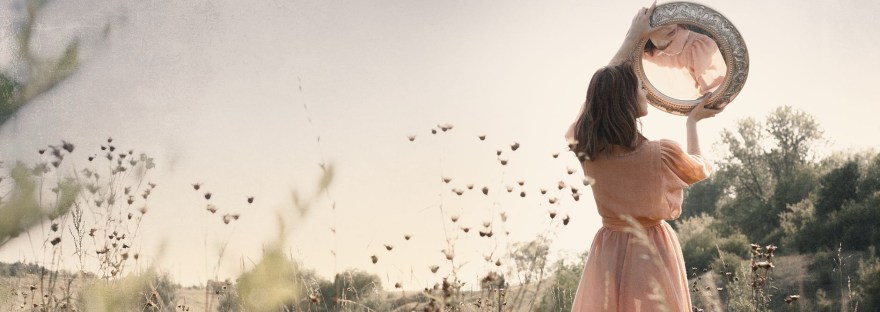
I can use it as a mirror.

And I can use it as a window.

And when I do, I sometimes see things I wouldn’t have seen otherwise.

Pain as a Mirror

A mirror shows me what is happening inside me.

Living with chronic pain has forced me to look at myself in ways I probably wouldn’t have chosen.

It has given me thousands of opportunities to practice something I am still very much practicing:

How do I want to respond to what is happening when I don’t get to choose what is happening?

That’s a very different question from:

How do I make this stop?

Because often I can’t. The pain is going to be there.

When we are no longer able to change a situation, we are challenged to change ourselves.

-Victor Frankl

Sometimes I make a perfectly reasonable plan, and my body responds as though I have personally offended it.

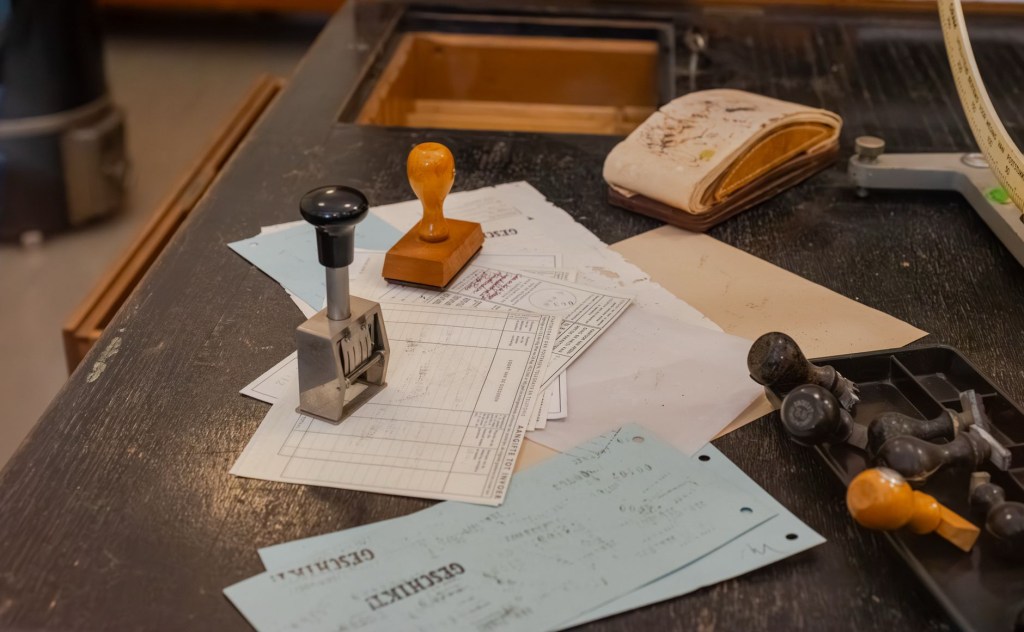
All I get back is a form stamped DENIED in triplicate. As if to say, “Interesting proposal. Unfortunately, we will not be moving forward at this time.”
And so I’ve had to practice separating the circumstance from the story my brain wants to tell me about the circumstance.

Something difficult happens.

I notice it.

I feel what I feel.

I allow myself to be human.

And then, when I can, I ask:

Okay. What do I do with this?

Not Why is this happening to me? 😭

Not What does this mean about me? 😟

Not How am I supposed to live like this forever? 🤯

Just:

What is the next right thing?

Slowmaxxing

Noun [Internet slang]
Optimizing your life by doing less. Prioritizing calm, balance, and meaningful moments instead of rushing through them.

Pain has given me a tremendous amount of practice with that question.

Moment after moment.

Day after day.

Sometimes minute after minute.

I have learned to lean toward joy even when joy doesn’t make sense.
I’ve learned that a difficult circumstance doesn’t automatically require a difficult inner life.

I’ve learned that I can be hurting and still laugh. 😣 😆

I can be exhausted and still notice something beautiful. 😩 😍

I can be frustrated and still be grateful.😖 🥹

I can have a terrible day and still have one really good five-minute conversation with someone I love. 😞 🫶

I can experience pain without allowing pain to become the only thing I experience.

I am far from perfect at this.

There are days when I am spectacularly terrible at this.

And when I’m dealing with a person or situation where I feel trapped, stuck or powerless?

My ability to respond thoughtfully can disappear with impressive speed.

Apparently, I am still a work in progress.

Drat.

But when I hold my pain up as a mirror, I can see that it has made me stronger.

Not because pain is good.

Because practicing how to live through pain has changed me.
Pain as a Window

A window lets us look outward.

When I hold my chronic pain up as a window, I can sometimes see what this experience has given other people.

My children have learned compassion.

Not because I sat them down and gave them a lecture about compassion. As if that would have made a dent.

They learned it because they lived it.

There were times when my support was necessary, and there were times when theirs was necessary.

They learned that sometimes people need help.

They learned that helping someone doesn’t make them weak.

They learned that you can love someone deeply without being able to fix what hurts them.

And I think they are better people because of that.
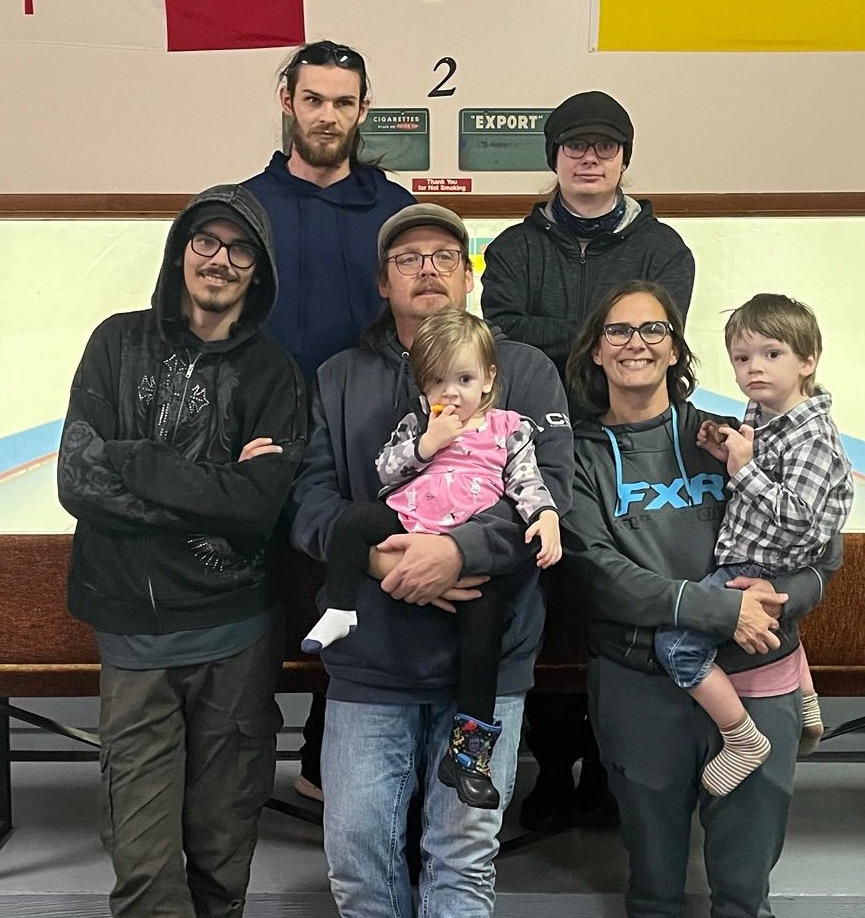
I see my parents and siblings through that window too.

I see their compassion. Their complete willingness to help. Their desire to make things a little easier when they can.

I don’t know that I would have seen this side of some of them under more typical circumstances.

I see friends who live with chronic pain and understand certain things. No explanation required.

A look.

A wince.

A pause.

The way someone lowers themselves carefully into a chair.

The bouncing leg or shifting position.

The decision not to make a plan because today isn’t a planning day.

There is a kind of communication that exists between people who live in bodies that don’t always cooperate.

We don’t have to explain every detail.

We just know.

And then I see the people who have told me something along the lines of:

“I don’t know how you do it.”

Or, occasionally:

“I think you have it worse than me and you don’t complain.”

Their words.

Not mine.

Because I absolutely complain.

I have a whole advanced certification in complaining.
But I’ve also learned the difference between sharing pain and building a home inside it.

Sometimes we need to commiserate.

To be able to say, “This is awful.”

And we need another person to say, “Wow. That really sucks.”

But I don’t want pain to be the only thing I bring into a room.
So when I hold my pain up as a window, I can see that even though I never would have chosen this life, it has affected other people in ways I couldn’t have planned.

It has created opportunities for compassion.

For service.

For connection.

For understanding.

And sometimes, apparently, for other people’s improved complaining habits?

You’re welcome. 😉
Ambassador? No Thanks!

Here is another uncomfortable component.

Sometimes people with chronic pain become ambassadors for something we never volunteered to represent.

I didn’t ask to demonstrate resilience.

I didn’t apply for the position of Person Who Is Going To Teach Everyone About Perseverance Through Personal Suffering.

There was no application process, no interview and, frankly, no orientation. No benefits package. No parking spot.

And I would happily return the position if someone could tell me where to turn in my resignation letter.

But here we are.
And I think recognizing that we don’t have to be inspirational every day to have an impact is valuable.
We don’t have to turn our suffering into a motivational speech.

We don’t have to pretend we’re grateful for every painful experience.

We don’t have to call pain beautiful.
We don’t have to find a lesson before we’re allowed to admit that something hurts.

Sometimes the most courageous thing we can do is simply keep participating in our own lives.
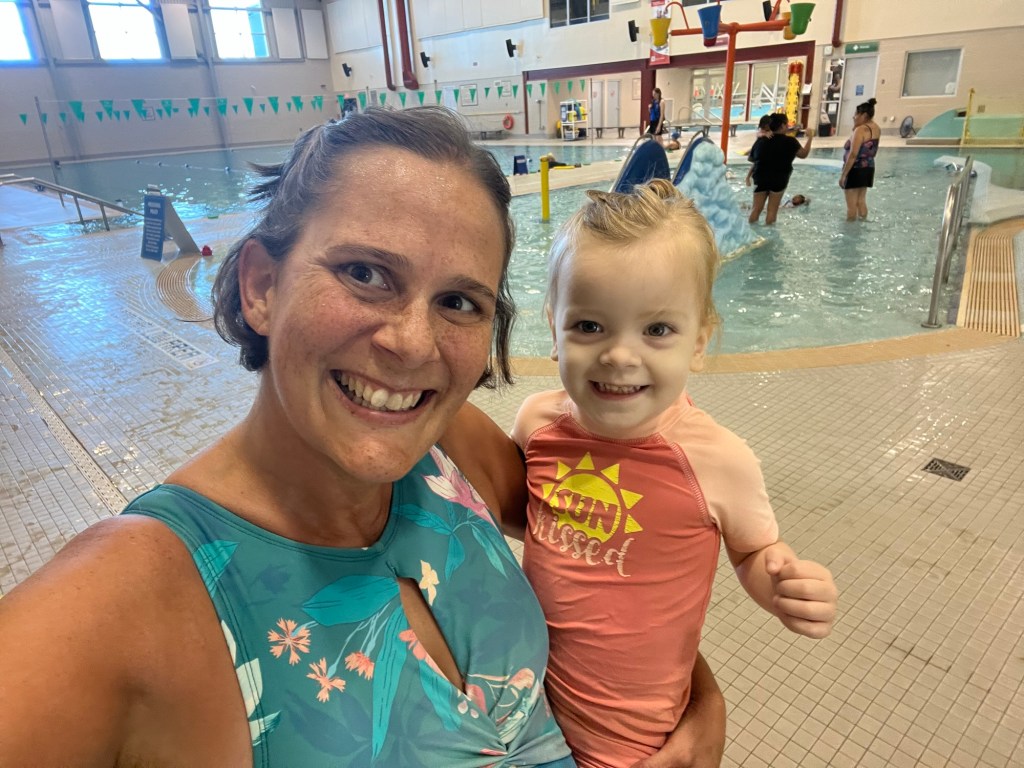
And sometimes, when we’re able, we can let other people see us doing it.

We Are Those Giants

Susa Young Gates wrote this about Latter Day Saints crossing the plains. I hope she won’t mind if I borrow it to describe those who have accidentally become ambassadors for managing pain:

The sacrifice was big to them. Small wonder there was shrinking and doubt.
The foundation of any … people is always laid by strong and mighty men and women. Only such had the disposition and the capacity to meet and overcome the tremendous obstacles… There were giants in those days.

I think about that quote differently now. Applying it to all those who carry such a heavy load of pain.
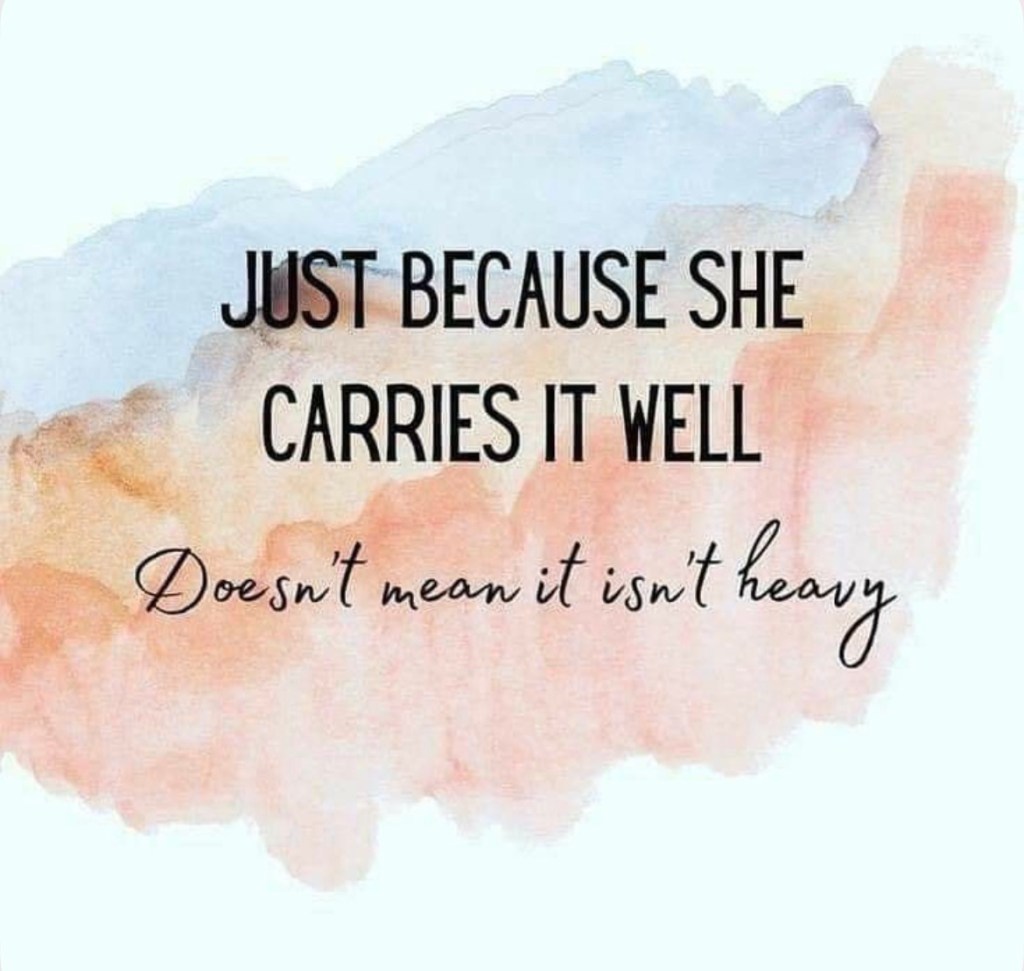
Perhaps we are laying a foundation for those who will most undoubtedly come after. Based on the climbing numbers of chronic pain and auto immune patients.

Thankfully, being a giant doesn’t look like accomplishing something enormous.

Sometimes it looks like getting out of bed. Showing up. Choosing kindness when you’re hurting.

Sometimes it looks like making dinner when your body would rather not.

Sometimes it looks like going outside for ten minutes or laughing with your grandchildren. It looks like asking for help or resting without feeling guilty.

Sometimes it looks like trying again tomorrow.

The sacrifice can be enormous even when nobody else can see it.
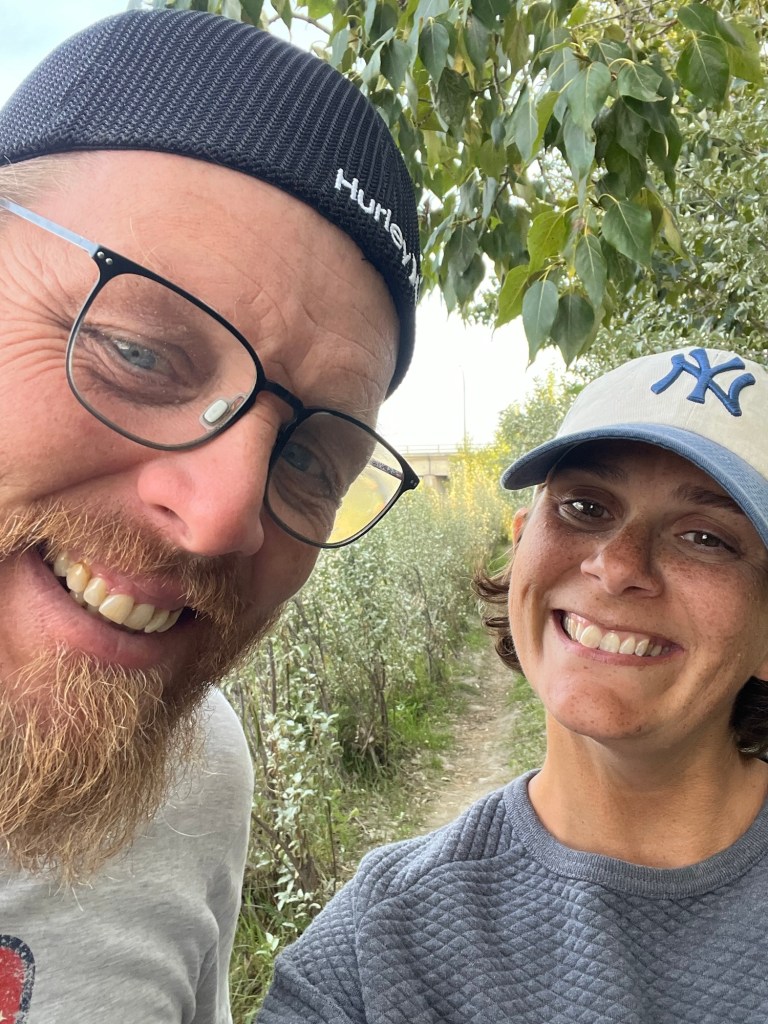
And there will absolutely be days when someone with chronic pain says:

“I didn’t want this role.”

I understand.

Neither did I.

But maybe we don’t have to want the role to decide what we will do with it.

Be a Firefly!

Fireflies.
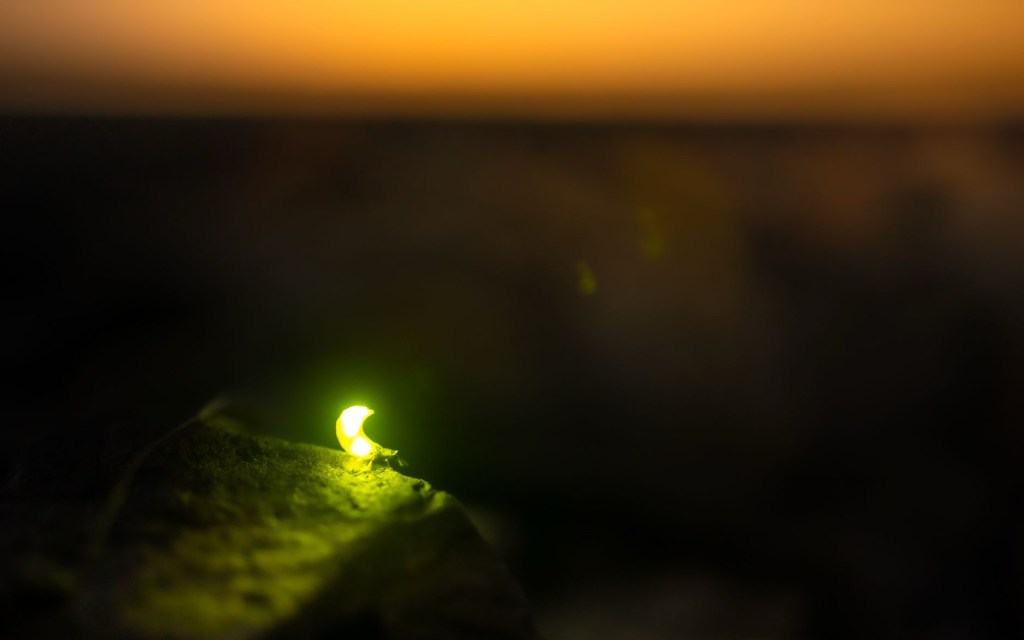
A single firefly doesn’t light up the entire forest.

It doesn’t need to. It just flashes. And does its little firefly thing. And leaves the rest to others.

A tiny bit of light in the darkness.

Then another one answers.

And another. And another.

One little light isn’t enough to illuminate everything.

But imagine a whole field full of them.
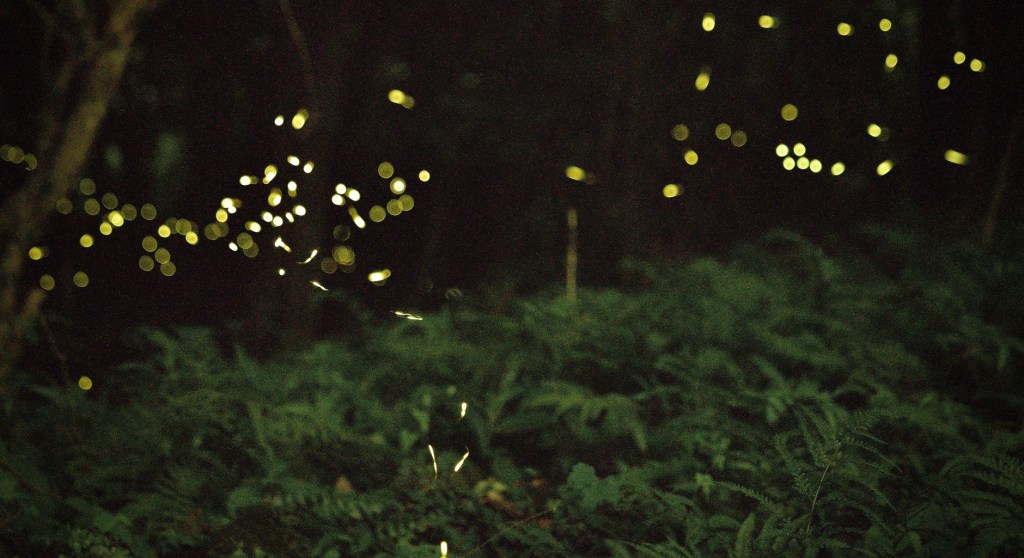
That’s what I think we can do for one another.

We can be fireflies.

Not because we have figured everything out. Or because we’re always positive.

Decidedly not because we’re grateful for our pain.

But because, on the days when we are able, we can let a little light escape.

We can show someone that pain and joy can exist in the same body.

That a difficult life can still contain beautiful moments.

That needing help doesn’t erase our ability to help someone else.

That resting isn’t quitting.

That laughing doesn’t mean we’re not hurting.

That trying again counts.

And on the days when our own light is barely flickering?

We borrow someone else’s.

Because there will be days when the mirror is warped. When we can’t see anything good in ourselves.
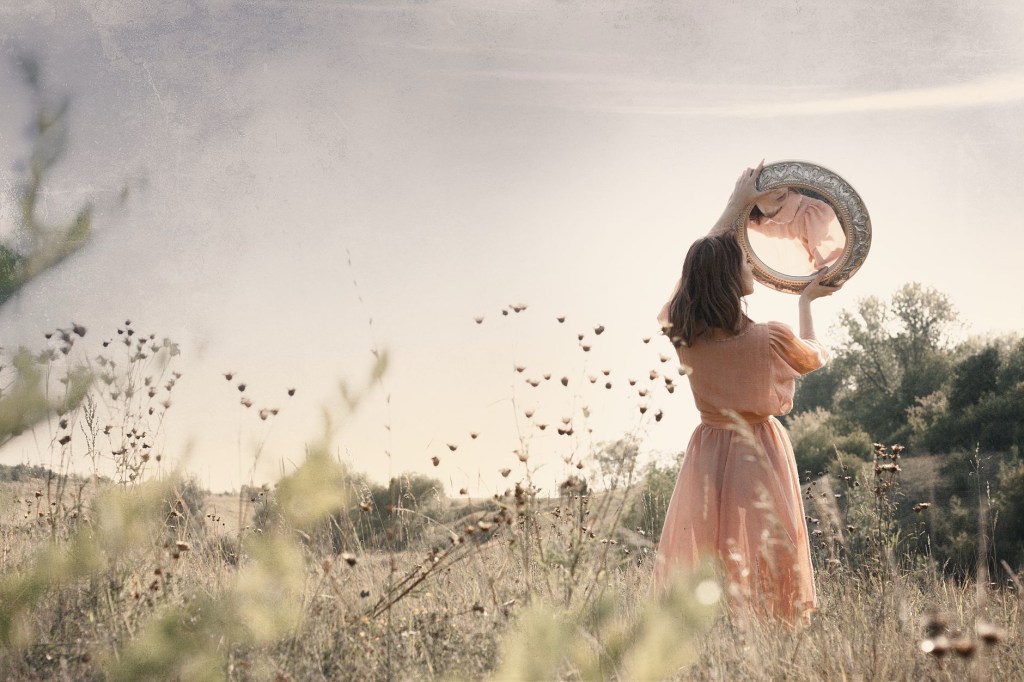
Days when the windows are dingy and everything outside looks grey. When our best efforts don’t seem to have made one bit of difference.
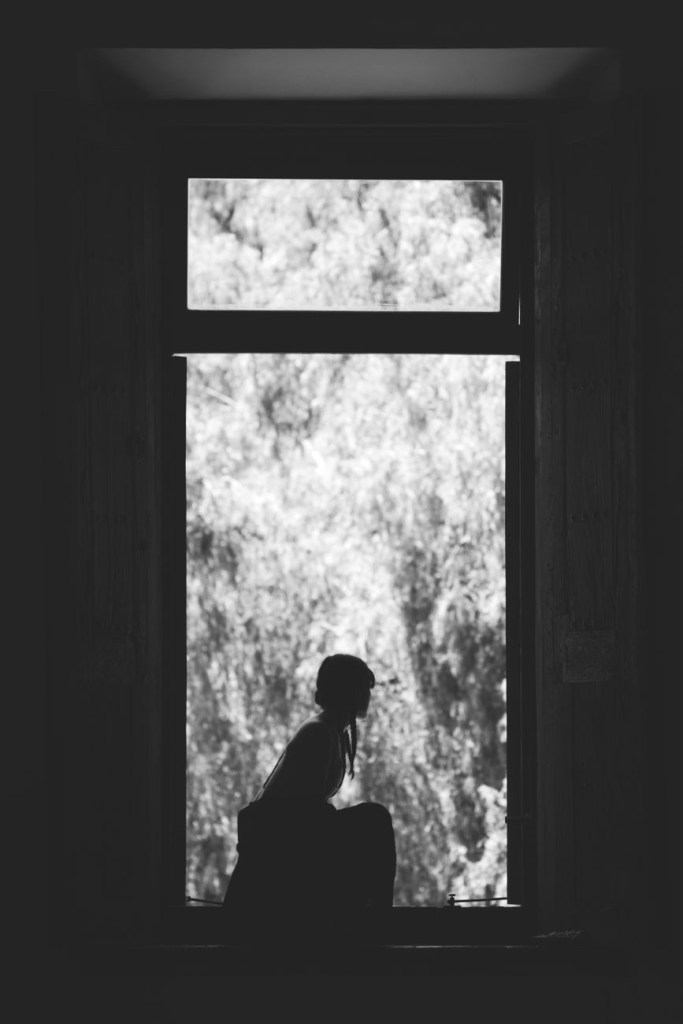
On those days, we need someone else’s light.

Hope is being able to see that there is light despite all of the darkness.

-Desmond Tutu

And that’s why we band together.

Not to pretend the darkness isn’t there.

But so nobody has to sit in it alone.

The more of us who turn on our little lights, the more light there is. Not one giant spotlight. A thousand tiny ones.
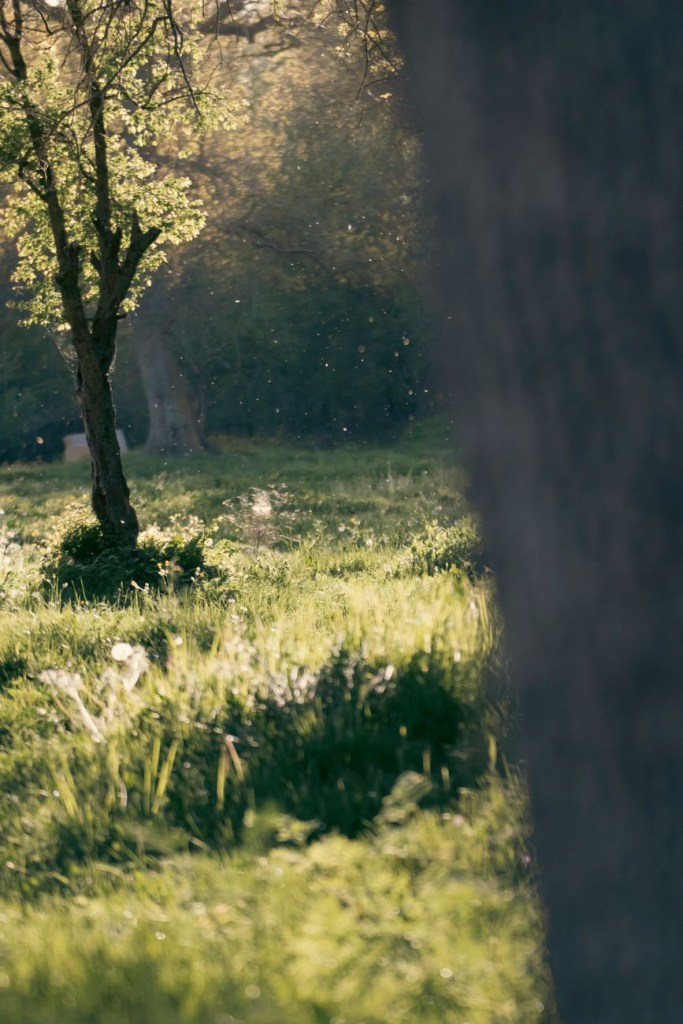
Hope reflecting off hope. Strength reflecting off strength.

One person’s courage giving another person enough courage to make it through the next hour.

That’s a blessing I can see now.

Not that I was given chronic pain.

Not that pain is secretly wonderful. (It isn’t)

The blessing is what can happen around the pain.

The person I become while learning to live with it.

The compassion other people develop because they have walked beside me.

The people I’ve met who understand without explanation.

The opportunities to serve when I thought I had nothing left to give.

The moments of joy that become more noticeable because I know exactly how valuable they are.
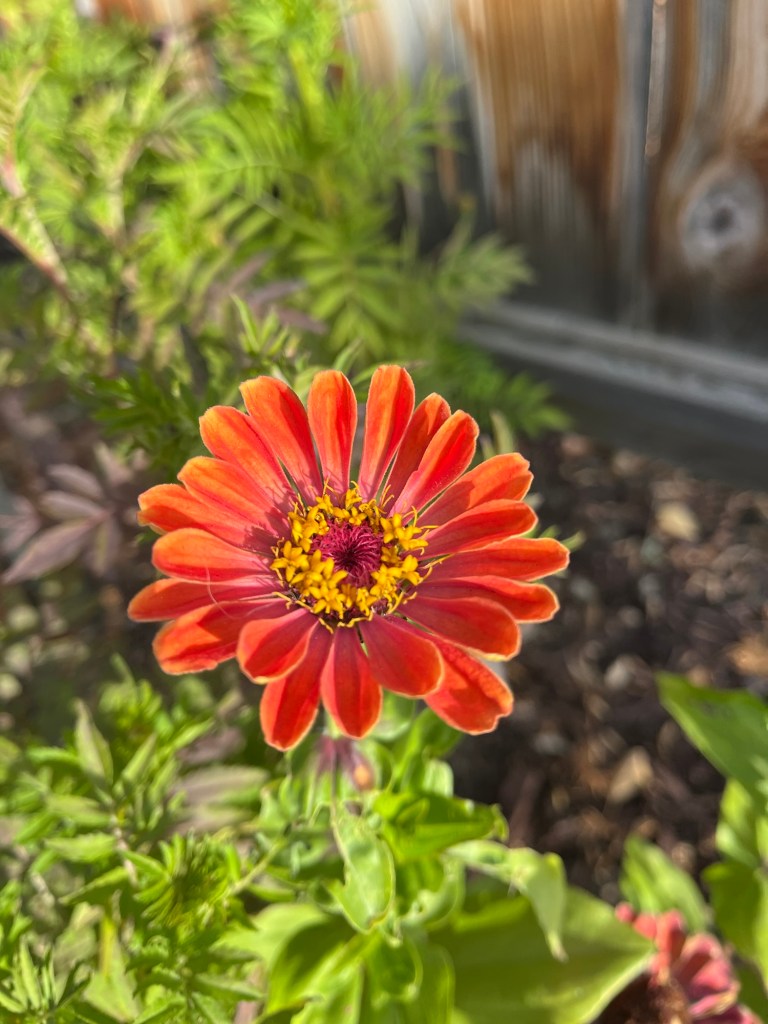
The tiny lights. The fireflies.

Forest Therapy Practice: Reflecting and Observing

Find a place in nature where you can sit comfortably. It doesn’t have to be beautiful. A backyard, park bench, forest trail or even the view from a window works.

Take a few slow breaths and notice your surroundings.

Then imagine that your experience of chronic pain is a mirror.

Ask yourself:

  • What has living with pain taught me about myself?
  • What strength have I developed that I might not have developed otherwise?
  • What have I learned about joy?
  • What have I learned about what actually matters to me?
  • What part of myself deserves a little more compassion?

Don’t force an answer. Just notice.

Then turn your attention outward.

Imagine your pain becoming a window.

Ask:

  • Who has shown me compassion?
  • Who has learned something because they have walked beside me?
  • Who understands me in a way they might not have otherwise?
  • Where have I been able to help someone else?
  • What tiny ripple have I created simply by continuing to show up?

Finally, look around you.

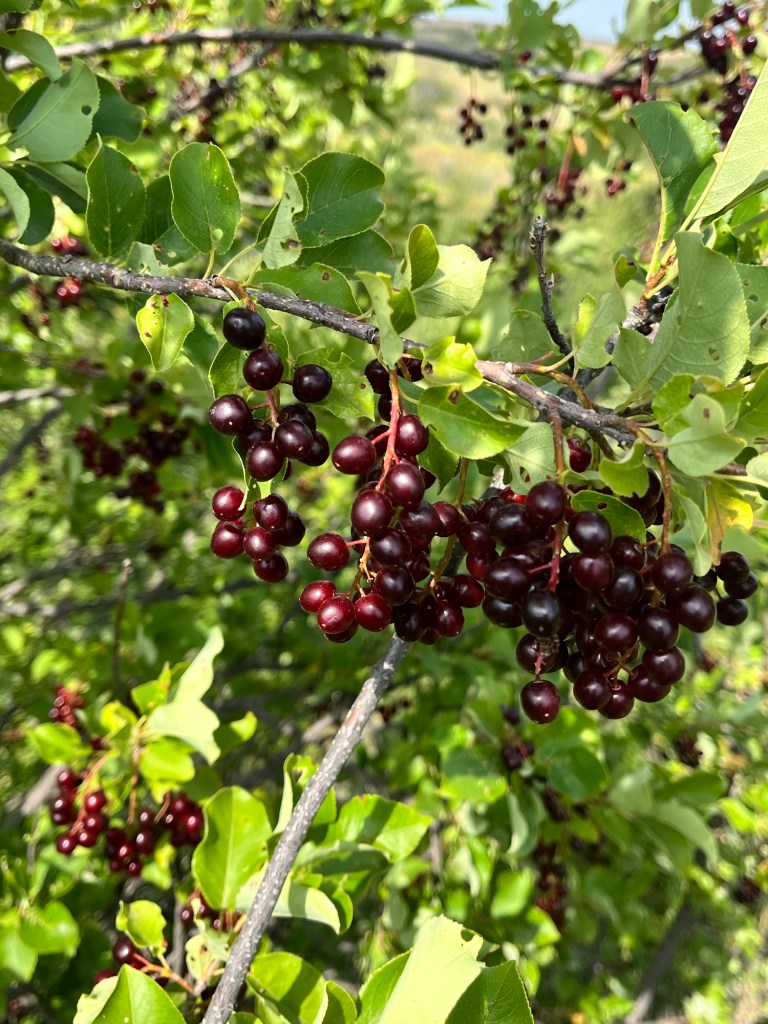
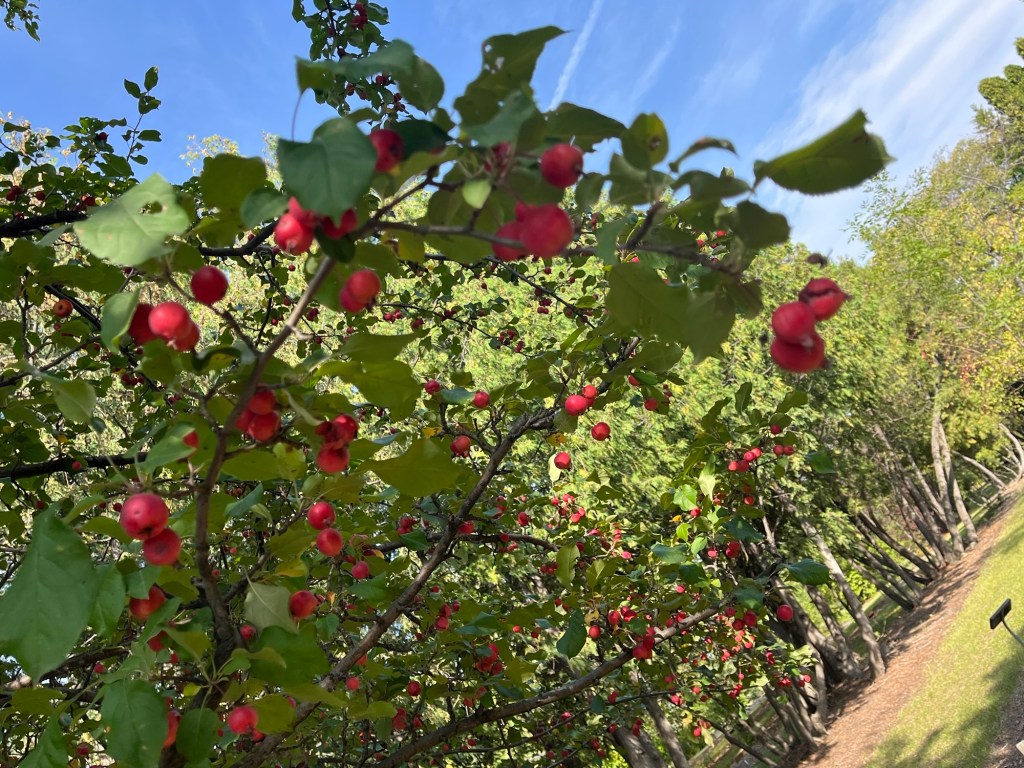
Find one tiny point of light. It can be a sunlit leaf, a reflection, a patch of sky, a bright berry, or even a tiny opening between the trees.
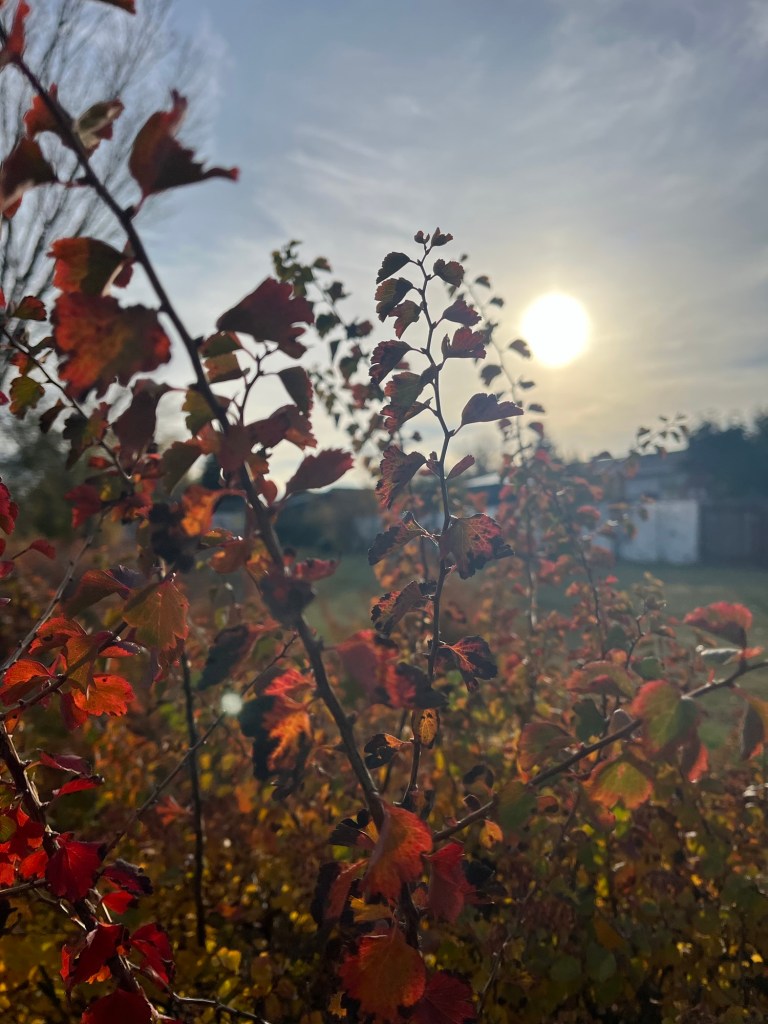
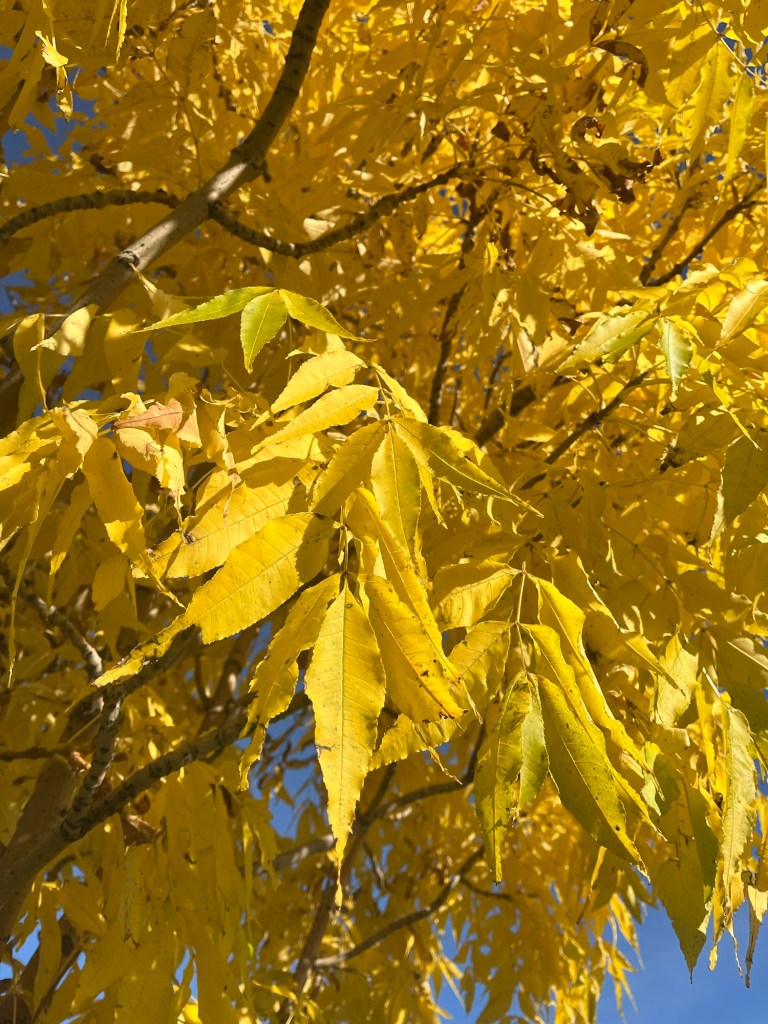
Imagine it is a firefly.

You don’t have to be the light for everyone.

Just notice that light exists.

And when you are able, imagine adding your own tiny light to it.

One firefly.

Then another.

Then another.

Not enough to erase the darkness.

Just enough to help us find one another in it.

This Little Light of Mine 🎶

I don’t need to call my pain a blessing.

I don’t need to pretend I wouldn’t gladly give it back.

🪞 But when I hold it up as a mirror, I can sometimes see who it has helped me become.

🪟 And when I hold it up as a window, I can sometimes see who it has helped me connect with.

And on the darkest days, when I can’t see either very clearly, I can look around and remember:

There are other fireflies out there.
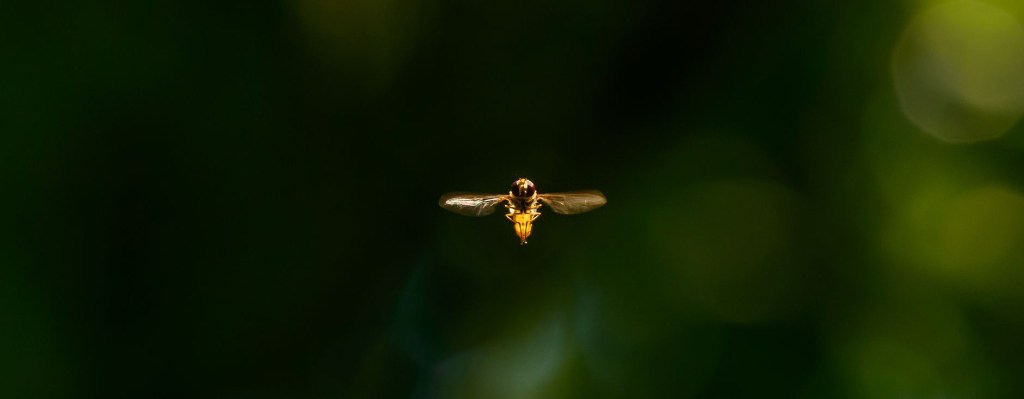
And together, we are making enough light to keep going.

🌲When Comparison Becomes a Thorn in Your Forest 🌳

Sometimes my life feels like a forest—dense, shadowed, and uneven.

Everyone else seems to walk a wide, sunlit path: their maps are clear, their steps steady, their packs light.

Meanwhile, I carry heavy bundles of pain and medicine, stumbling often, wondering if I’ll ever catch up.

~Cue the tiny violins 🎻 🤭~

Beyond the Familiar: Embracing a Different Forest

My therapist keeps telling me to stop comparing myself to other people – that life’s not a competition. Which, to be fair, is exactly what I’d say to someone I was trying to beat, too.

-from 22 Quotes About Chronic Pain

Comparison is never useful. It’s like measuring trees by how tall they look in someone else’s forest, forgetting that soil, roots, storms, and sunlight differ wildly. 

Or like judging an oak tree by how quickly the wildflowers around it bloom. Different roots, different seasons, different reasons for being.

And yet I fall into it—measuring my path against someone else’s trail, forgetting we are not even walking in the same terrain.

Comparing … is a waste of time and effort; we are all different people, experiencing and feeling things differently.

San Diego Prepare Yourself: Sisterhood Adventures Await

Next month, my sisters will gather in San Diego. I am so excited for them. And to hear about their adventures. Sunshine, laughter, time to connect. It’ll be fabulous.

I would love to be there. But the cost of my monthly medicine is about the same as what that trip would take.

I live in a different economy—the economy of pain management. So instead of boarding a plane, I stay home.

~Poor lil’ me 🥲👉👈 🤣 ~

It’s hard not to compare. Their togetherness, my absence. Their momentum, my stillness. I remind myself that longing is not failure—but it still stings.

Screenshots of a Life I Don’t Live: Family Call, Personal Spiral

On a recent morning: my sister called from her vacation in London. On a family video call. At 9 a.m., I was still coaxing my muscles awake.

I listened to the bagpipes she was sharing and checked out the sights in the background. I marvelled at what she has been able to accomplish and see in her life. I joy in her success.

Inevitably another emotion starts to rise. As on the screen, this is what I see:

  • One sister in her home office, thriving in a job that suits her perfectly.
  • Another in her kitchen, caring for her family and home.
  • A sister-in-law outdoors, likely at the park or on a walk with her two littles.
  • My parents smiling in their living room, enjoying retirement and seeing their family.
  • And then there was me—tired, clearly still in bed, clearly accomplishing nothing.

That’s how I saw it. In truth, no one said that. But comparison painted me useless in bold letters across the screen.

~Woe is meee 🐌💤 😜 ~

A Sermon I Couldn’t Speak

At church, I tried to answer a question on a bad pain day after a sleepless night. My words came tangled, incomplete.

I saw my husband’s face and thought, I’m taking too long. I gave up. Without tying my random thoughts together. And I gave him the microphone. He expertly gave a clear, concise answer that was perfectly on point. My effort looked weak next to his polish.

Comparison whispered: why even try?

Fredrik Backman once wrote:

“My brain and I, we are not friends. My brain and I, we are classmates doing a group assignment called Life. And it’s not going great.”

But here’s the truth: trying counts. Even stumbling words are a kind of courage.

The Math of Measuring Up Never Works: The Broken Ruler I Keep Using

Comparison is a thief. It always leaves you with less than you started.

It’s like weighing a feather against a stone and expecting the scale to balance it out. It demands a sameness life never promised. It blinds us to the worth in our own story.

As a people, we tend to magnify the strengths and blessings another person receives. But minimize our own gifts, talents and opportunities. Social media is as helpful as a screen on a submarine when it comes to perpetuating this problem.

There’s no hierarchy of pain. Suffering shouldn’t be ranked, because pain is not a contest.

No one truly wins the “Pain Olympics”.

–Lori Gottlieb

Living with chronic pain means my days will never look like someone else’s. But that doesn’t mean they’re lesser—it just means they’re different.

Brene Brown says:

Fear and scarcity trigger comparison and we start to rank our own suffering.

Brown calls this comparative suffering. She goes on to say,

The opposite of scarcity is not abundance; the opposite of scarcity is simply enough.

Empathy is not finite, and compassion is not a pizza with eight slices. When you practice empathy and compassion with someone, there is not less of these qualities to go around. There’s more. Love is the last thing we need to ration in this world

This toxic pattern of comparison blocks emotional processing and prevents genuine empathy, creating isolation rather than connection. 

My worth is not judged by what I do in comparison to others, but by what I do with what I have—what love, what compassion, what presence I can offer. Even just in showing up.

Measuring By Love, Not Ladders

I’ve decided to measure my life by something else: in every conversation, I want the other person to leave feeling better about themselves than when we started.

If they do, then I’ve accomplished something real. It may not be a promotion, a trip abroad, or a picture-perfect moment. But it’s love, and it’s within my reach.

In such a headspace there should be no time for shame and comparing. Only felicitations and adulation.

Broken But Still Moving

Mandy Harvey is a singer/ songwriter. I saw her on an America’s Got Talent clip. Mandy lost her hearing when she was 18. Interestingly enough she has EDS which is similar to my connective tissue disorder.

On the show, she spoke about initially going to dark places. And when she decided she wanted more for her life, she wrote this song. And performed it in front of a live audience and judges and cameras.

She beautifully sings,

“I don’t feel the way I used to / The sky is grey much more than it is blue / But I know one day I’ll get through/ And I’ll take my place again… So I will try…

There is no one for me to blame/ Cause I know the only thing in my way/ Is me…

I don’t live the way I want to/ That whole picture never came into view/ But I’m tired of getting used to/ The day

So I will try..

Those words hold me when comparison tries to unravel me.

Forest Therapy: A Way Forward

If comparison is a thorn, forest therapy can be a balm.

The forest floor is messy. Layers of leaf litter, moss, dead wood. It doesn’t pretend to be clean and perfect. It is rich because of its imperfections.

Your struggles, limitations, pain give richness and texture to your life story—not flaws to hide.

Walking a path in woods, you may have to step over roots, navigate mud and stray branches. But each step gives you awareness, grounding, breathing space.

Comparison often makes us spin like leaves in the wind; forest therapy anchors us.

When comparison grabs tight, I go to the woods.

The forest does not compare:

  • Trees don’t measure their height against one another.
  • Moss doesn’t resent the ferns.
  • Streams don’t ask why the river runs faster.

Each element grows where it is, as it is. That is enough.

Roots, Rituals and Small Resets

Here are ways the forest has supported me:

Leaning against a tree and letting its rootedness remind me that I, too, belong.

Listening to the birds until my thoughts soften.

Sitting by water and imagining my comparisons floating downstream.

From Forest Floor to Open Sky

Yes, I still compare. Yes, it still hurts. But when I remember that comparison steals joy, I find space to choose something else.

I may not be in San Diego, or London, or even fully awake at 9 a.m. (to those who are, Have as good a time as possible, given that I’m not there. Heehee 😊)

~Life said nope 🙃🍋~

I can still offer kindness, presence, and love.

And maybe that is enough.

I want to feel good about my life. Not in the sense of “as good as anyone else,” but as my life, full of the shape I have.

Chronic pain is part of the soil I grow in. It’s changed what I can do, yes—but also deepened what I can feel, what I can appreciate.

If everyone else seems to be walking on sunlit paths, I may be walking in dappled shade, or in a different time of day. But my path is still mine, and still worthy. Because even in the shaded parts of the forest, light still filters through.

Understanding Cortisol: Significance and Solutions

There is something infinitely
healing in the repeated refrains
of nature- the assurance
that dawn comes after night
and spring after winter
-Rachel Carson

Cortisol: Your Body’s Cheeky Stress Hormone Revealed!

Cortisol is a hormone produced by the adrenal glands in response to stress. When the body perceives a threat, the hypothalamus signals the adrenal glands to release cortisol into the bloodstream.

Today on the blog, I share how I recognize high cortisol levels in myself. I also explain what actions I take to manage life and health when it spikes. If this sounds helpful to you. Stay tuned.

Are you subscribed? I have many plans in the works. To make sure you don’t miss out on anything forest therapy and sunbeam acres, subscribe to the blog. And make sure to follow me on Facebook, Instagram and X! I am watching the trails closely. You will be the first to know when and where to book your forest therapy walk.

Disclaimer: I am not a medical professional. The information I share here is meant to be helpful advice from a friend. If you have a physical ailment, see your doctor. If you have mental health concerns, talk to a mental health practitioner. This is my story. Maybe it will be helpful for you.

Cortisol is important. Levels typically rise in acute stressful situations. This helps the body in a number of ways to cope with the situation. Including increasing energy, enhancing alertness and suppressing non-essential functions.

However chronic stress can lead to prolonged elevated cortisol levels, which has a number of negative effects on the body.

There is a Native American teaching. Often attributed to Chief Tecumseh, philosopher and leader. “To survive the seasons, you must change with them.”

I am feeling the truth of these words.

When Life Decides to Take a Tailspin

My life is in constant motion. We are in another season of transition in our family. Between a husband, three kids and two grandkids, there is always something to adjust to.

Saw this somewhere. On a scale of 1 to Nature Valley granola bar, how much is your life falling apart right now?

I don’t mean to brag, but I’m at Nature Valley level. so. yeah.

Inure- to accustom to hardships, difficulty, pain, etc; toughen or harden; habituate

She can fall apart at night & still rise up in the morning. Strong women feel pain, they just don’t let it break them.

High Cortisol and Chronic Inflammation: Stressing Out Like It’s a Hobby!

Transition and change are some of my triggers. So I notice my stress level is high. Here are some of the signs I noticed in myself. Are you in the midst of this battle too?

  1. extra puffiness in my face
  2. my thin hair is thinning more quickly
  3. crazy sugar cravings
  4. supreme exhaustion
  5. irritated with everything
  6. waking up between 2-3am
  7. tense shoulder and neck muscles
Accurate depiction of me at 3 am nightly lately

When excess cortisol is present, it can affect the immune system. The lymphatic system helps manage the immune response by distributing immune cells. Which can counteract some of the immune suppressing effects of the cortisol. Chronic stress (cortisol being chronically released) weakens this system. This results in a build up of fluid and waste which should have been eliminated through the bloodstream. This can contribute to chronic inflammation and the worsening of stress related issues.

At least that’s what ChatGPT told me. I know how it affects me. I don’t understand all the science. Here are some of the ways that chronic inflammation shows up for me. It’s not just in the joints now that chronic inflammation is in play.

  1. Brain fog
  2. Cravings
  3. Food sensitivities
  4. Swollen lymph nodes
  5. Balance problems
  6. Always tired
  7. Rashes and skin issues
  8. Muscle weakness
  9. Dry eyes
  10. Body pain

Filipendulous- hanging on by a thread.

Unexpected Adventures in Anxiety: A Panic Attack Saga

Living with excess cortisol is not pretty. There was a time when I had stress overflowing out my ears and nose. I did not have a clue what to do about it. So it just kept getting worse. I lived every day on the edge of a panic attack. The smallest thing would send me over the edge.

We were living on a farm and my son was taking driver’s ed. It was during covid so time and schedules had no meaning. But the driver instructor was trying to finish up the drives where and how he could. Twice I scheduled with him and totally forgot. I had one last chance and then the boy would have to take his driver training all over again. Later that week I was on the rototiller in the garden. My son brought me my cell phone. He said it was the driver instructor. I had done it again! I had forgotten. Panic is not a strong enough word for what ensued.

We were a 15 minute drive away from where the boy needed to be. They would wait but not a minute longer. I got off the tractor and started screaming for my son to get out the door. For my husband to get in the car and take him. The seconds were excruciating. Nobody else seemed to realize the gravity of the situation and everything was moving in slow motion. As they left in the car I fell to the kitchen floor in a sweaty, dizzy, panting, messy puddle. That. Is. Not. Me.

How do I train my body to use its fight or flight response for its intended purpose? In an emergency. Not when missing an appointment, or calling to make a medical appointment, for that matter?

Boost Your Lymphatic System

Supporting the lymphatic system is always a good idea. Especially in times of stress and unease. So you don’t end up in the same messy puddle I did. Here are some of the things I do to get my lymphatic fluid moving again.

  1. dry brushing- really easy to incorporate into your pre-shower routine, with a bath brush or washcloth that is a little rough (if it gets wet and hangs to dry, that is the texture you want) brush towards the heart where it can be cleared (refer to pin following this list)
  2. small bounces and digging your heels into a rebounder
  3. hot/cold showers switching can trigger a “pins and needles sensation”, hot when you get in, cold for a while then back to hot
  4. lay on the floor and put your legs up straight against a wall
  5. deep breathing- guided meditation can help to focus
  6. exercise- about 20 min into my workout I start to cough phlegm, this is disgusting but a release of lymphatic fluid nonetheless
  7. infrared sauna- sweating and the healing warmth of the red light
  8. hydration! hydration! hydration!
  9. eliminating toxins from my home and diet where I am able
  10. castor packs, especially liver and lung

Forest Therapy: Nature’s Energy Source!

I kid you not, one of the best ways to clear those toxic feelings is to get some FOREST THERAPY! It is an energy giver. Here are some other energy givers:

  1. music (especially songs that makes you want to get up and dance)
  2. quality sleep (when you can)
  3. meditation
  4. proper nutrition
  5. doing something you love
  6. positive social interactions
  7. time in nature!
  8. sunshine!
  9. fresh air!
  10. movement!!!

Use any of these energy givers in a way that works best for you. Meditation and forest therapy are becoming more mainstream. Although they can sometimes still be classified as nonsense or new age. Meditation can be as simple as a prayer. Or a quiet space to picture something soothing. Try this one:

Breathe in deeply. Picture the oxygen giving life and energy to all the main organs. It enters all your cells. traveling through all your limbs, hands and feet. Like a river from its source travels to all the tributaries. Breathe out and picture the landscape of your inner body. Being nourished by the ebb and flow of your breath

Finding Your Spark: A Hopeful Message for Life’s Struggles

I have friends going through different but equally stressful life events. To them and all those suffering, I hope you’re okay. I know you’re not truly okay. But I hope that the sadness and stress don’t overwhelm you. That you can see cracks of light in the dark. That the shadows will allow you to break and heal and grow. But not swallow you. And that you know you’re not alone. Especially in the moments when you feel like you are. When I get through my darkness and find the light, I’ll leave it on for you.

There’s a new endorsement for emotions. Even the ones typically known to be “bad” are being ratified. Here’s how I am learning this concept.

Photo by Pixabay on Pexels.com

Sadness can be deep and feels like it can swallow you. Can you find joy in your sadness? Is there any portion that can be joyful in the grief? I am still sad about having to close my piano teaching business. Time has passed. I can start to find the joy. I loved my students. I experience joy in seeing them grow and accomplish things on their social media. The sadness mixed with the joy can now be bittersweet.

Uncertainty is a difficult place to survive. It comes part and parcel with chronic pain. What will tomorrow bring? Will I have the strength? How long? Can you find a place of peace to put that uncertainty? My peace comes in the practice of my religion. There is still uncertainty. But mixed with my stretching and reaching for peace, I find myself in a place of resilience.

I experience periods of mild anxiety now that I medicate. Previously my anxiety was off the charts. When I would play piano in a local festival it was not fun. The anxiety made even winning and accepting awards intimidating. Now that it is under control I can assess the situation more clearly. I try to find an element of excitement. If something is scary, where is the excitement? Writing a blog is pretty scary. Sharing it with people is even scarier. But it is exciting to see who reads and enjoys it. When I consider the excitement with the anxiety, I find anticipation.

Between anger and compassion is assertiveness. Between confusion and clarity is realization. Between love and loss is grief.

Negative emotions are warnings to pay attention to how we are feeling. When we join a negative emotion with a positive one, the gripping pressure of stress can be loosened. The negative emotion may be caused by life and its circumstances. The positive emotion is consciously chosen to accommodate the negative emotion in your body. To curb the negative effects of the first. It’s not an exact science. Let me know if this is something that resonates with you by adding an emoji in the comments.

You don’t always have to try so hard to live each day to the fullest. Each day is full on its own. All you have to do is notice.

-Emma Rose Tait

The Self-Care Revolution: An Answer for Everyone!

Do you ever find yourself feeling bad and you aren’t quite sure why? Here is a list of questions to help clear it away and not have it build up. Like brushing away the lymphatic fluid.

  • how is my sleep?
  • am I getting proper nutrition?
  • have I indulged too much in social media?
  • are the people around me affecting me?
  • where is my energy going?
  • what is my mind craving?
  • what is my heart wishing for?
  • is something weighing on my mind?
  • how is my self talk?

If all of these strategies and ideas are not your cup of tea. Do not fret. There is a solution for you too.

High cortisol levels triggered by stress and life events can undoubtedly take a toll on our bodies. And yet, it’s essential to remember that we have the power to heal and nurture ourselves. My experience with a panic attack served as a wake-up call. Over time I learned of the importance of self-care and how the lymphatic system, when supported, can aid in recovery. Nature, through forest therapy, has been my source of energy and renewal. It reminds me that healing often starts by reconnecting with the world around us. As we navigate life’s challenges, asking ourselves the right questions can be a powerful tool in self-soothing and finding peace. So, the next time you feel overwhelmed. Pause. Take a breath. And ask yourself: “How can I support my body, mind, and spirit today?”

March has the quiet strength to wake up Nature without rushing it. And you too can grow without pushing it.

-OurMindfulLife.com

Respair: Healing Hope for those with Chronic Illness

I rested my body on the forest grass, gave my soul to the wilderness and never looked back. – Angie Weiland Crosby

I heard something this week that made me consider how I use the terms healing and cure. I don’t talk much about cure. It’s not in my vocabulary at this time. But I talk a lot about healing and I want to be clear that when I speak of healing it is not the same way I would use the term cure. Chronic disease means there is no cure. There is no holding on until this gets figured out. This is it.

But in chronic disease I have positively found healing.

Chronic illness teaches us that healing isn’t always about getting better; it often means discovering how to lead a fulfilling life despite persistent symptoms. – @dear_chronic_pain

To me the previous picture illustrates healing. There is no cure for a tree that cracks and topples. But maybe there is life on the branch. Maybe it’s pretty great there. It will not look or feel the same as if you had not lost part of yourself. But what you gain in the process might be phenomenal. Even if it doesn’t feel like it most days.

There is healing in the forest. It may not be a cure. But it is that shimmer of hope just like the sunlight shining through the breaks of a densely wooded area. You have to stay perfectly still and focused to see its constant light. There are times I need the still silence of nature. To remind me that the light is still there even when I can’t see it. It is still lighting my way even if I can’t see the source or the beams or the rays. I find healing in remaining hopeful. I have to stay perfectly still and focused to see the source of that hope. Nature helps me stay still and focused long enough for that hope to penetrate my being. So when I come back to my day I am better able to handle everything that happens.

Photo by Artem Saranin on Pexels.com

Which leads me to a new word that IS in my vocabulary as of right now. Respair: (Old English 16 Century) “Fresh hope. Recovery from despair. A renewed outlook.”

Maybe focusing on what we are gaining in the process can help soften those moments when our being is threatening to fall back into despair. Thomas S Monson said, “Good timber does not grow with ease. The stronger the wind, the stronger the trees.” What are you gaining in your process of healing?

Healing isn’t always pretty. Think of a wound that has to drain before it can heal. A gash that needs to be stitched until the body restores. Or a bone that has to be rebroken before it will set properly. Sometimes there is back and forth in healing. Sometimes there is backtracking. Sometimes it’s really ugly. But healing and respair each have a role especially through the mess.

This poem by ullie-kaye speaks volumes more than I can write on the subject.

bare bones

hope is not always soft and lovely.

she is not always cascading rivers

and sunlit skies, dancing, hope knows

there is work to be done. there are

roads to be traveled. turns to be made.

she is bare bones and deep waters.

she is weary and weak. she is barely

a glimmer. she shakes when she speaks.

this is where hope lives, smothered in

sweat. full of war. and on the verge

of crumbling into the sea.

yet there she is, quietly breathing.

Perhaps this is the way. There is no going around it. J.R.R. Tolkein said, “You can only come to the morning through the shadows.”

This life can be challenging for even the bravest and strongest among us. It can help to recognize and give voice to some of the things that are helpful or unhelpful for your journey.

Beware of the things that take your energy. I share some of mine to stir up your thoughts on the subject. My energy takers include focusing on the past, negativity, clutter, inconsistent sleep, and junk food. When you know what is draining you, there is an opportunity to limit the amount of time you are in that type of space. Clean up the clutter (only what you can do). Clean up the sleep schedule (as much as you can). Limit time with people who drain you.

Find things that feed your energy. My energy givers include (but are not limited to) sunlight, whole foods, nature, music, fresh air, visiting a friend, whatever level of movement that is acceptable to my body that day and dancing.

If you are someone that is noticing your body overreacting to normal stimuli on a regular basis or if are consistently overstimulated the following can be a very beneficial practice. Grounding can be used to describe different activities such as taking off your shoes and connecting with the earth. It can also be used to denote a grounded feeling. When you are stuck in a state of intense emotion your body is under strain. Emotionally, mentally and physically. A grounding exercise that I have used to come out of that state is called 5-4-3-2-1. This is how it works. Name 5 things in your immediate vicinity that you can see. Don’t just look at them. Name them. It does not have to be spoken out loud but you need to come up with the name of the item. Towel. Window. Closet door. It doesn’t have to be anything grand. Then name 4 things you could feel, tactically speaking. I feel the breeze from my fan. I feel my socks on my feet. Etc. 3 things you can hear. Cars. My son singing in the next room. My grandson running around upstairs. 2 things you can smell. The farmer sausage my son made. The soap from washing my hands. 1 thing you can taste. The peach tea I am drinking. This will trick your brain into slowing down and stop being hyper focused on the problem. This method has brought me out of a state of fight or flight in the past.

On the flip side of this overstimulated state is something I learned a bit about this week called Yutori. In Japanese it means to slow down. To be intentional. To breathe. Appreciate life and nature. Getting out of the constant grind to relax and reflect. Forest therapy is a perfect way to practice Yutori. In forest bathing we move slowly and intentionally. We breathe deeply. We appreciate nature and take time to relax and reflect. I suggest Yutori, in the form of forest therapy, is one of those things we need to schedule into our lives. The work is never done. If you are waiting to rest until all else in your life is settled, you will find that day never arrives. But regularly scheduled time will increase the likelihood of it happening exponentially.

I feel like my brain is the junk drawer and someone just dumped it on the trampoline. I have done my best, now it is up to you to make sense of it.

I’d love to have you all join me in a forest walk one day. For now you can try it on your own and then reap the benefits of having a guide when you are ready. Reach out to me anytime. Find all the info you need on my contacts page. Take care my friends.