

There is a passage in the Gospel According to Thomas.
The Gospel of Thomas is one of the ancient texts discovered near Nag Hammadi in Egypt in 1945. It is not part of the traditional biblical canon, but it contains some thought-provoking teachings attributed to Jesus.
One translation reads:
If you bring forth what is within you, what you bring forth will save you. If you do not bring forth what is within you, what you do not bring forth will destroy you.
How does this apply to women who live with chronic pain?
Then this quote from Jennifer Finlayson-Fife that seems to fit right alongside it:
A woman totally alive in her gifts is not competing with God. She is collaborating with Him.
I think sometimes we forget that the gifts we have been given aren’t meant to sit quietly inside us while we spend our lives trying to meet everyone else’s expectations.
They are meant to be used. They are meant to bring light into our own lives and into the lives of others.
But there’s a problem when you’re a woman living with chronic pain.
You can spend an awful lot of time trying to fit everything into a day that simply doesn’t have enough room for everything your body can manage.
You want to be a good wife, mother, grandmother, friend, neighbour and member of your community. You have projects you want to work on, people you want to spend time with, and things you want to contribute.
You have gifts you’d like to share.
And somewhere along the way, you start treating your own needs as the thing that can wait.
Until they can’t.
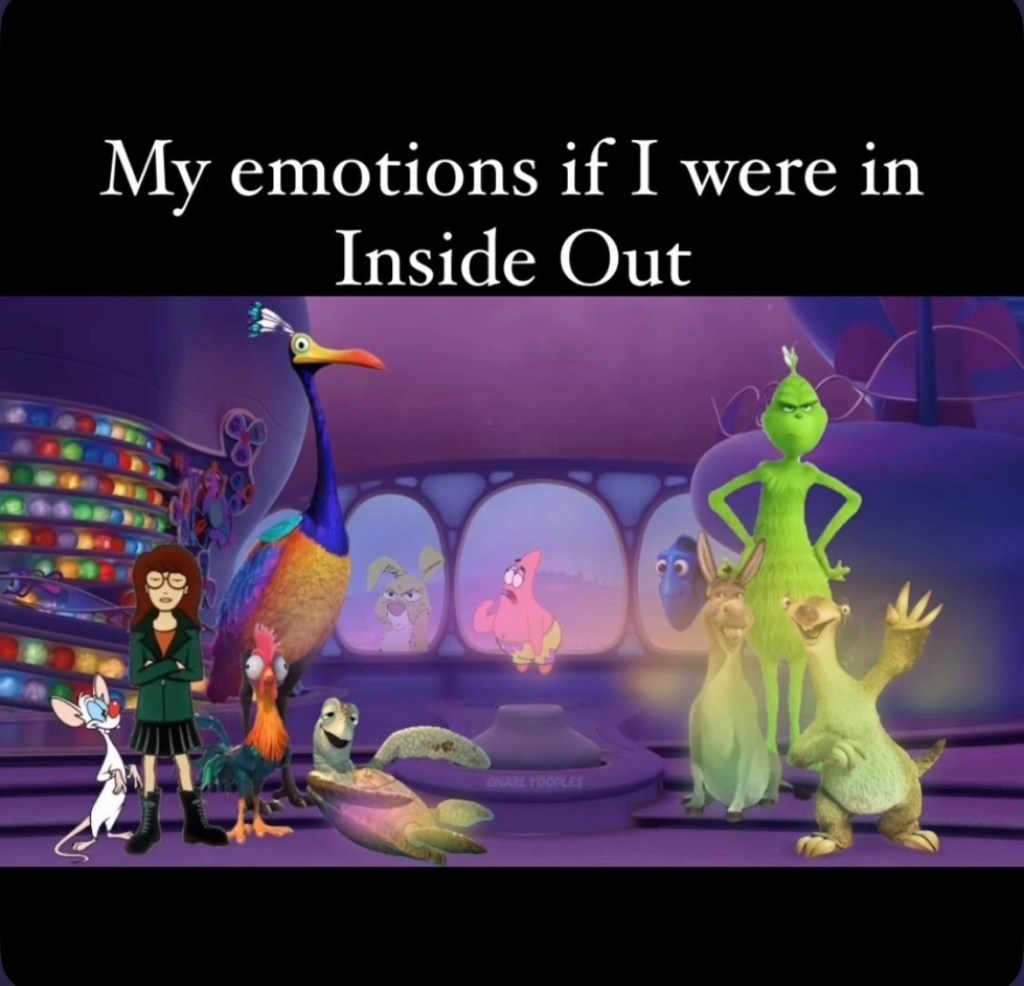
Sometimes the body makes the decision for you
There comes a point when your body may decide that it has had quite enough of your excellent time management skills.
You can make lists, rearrange schedules, push through and convince yourself that tomorrow will be better.
But chronic pain doesn’t usually cooperate with a calendar.
Eventually, you may find yourself having to shut everything down just to heal. Sometimes that decision is made for you by your physical body.
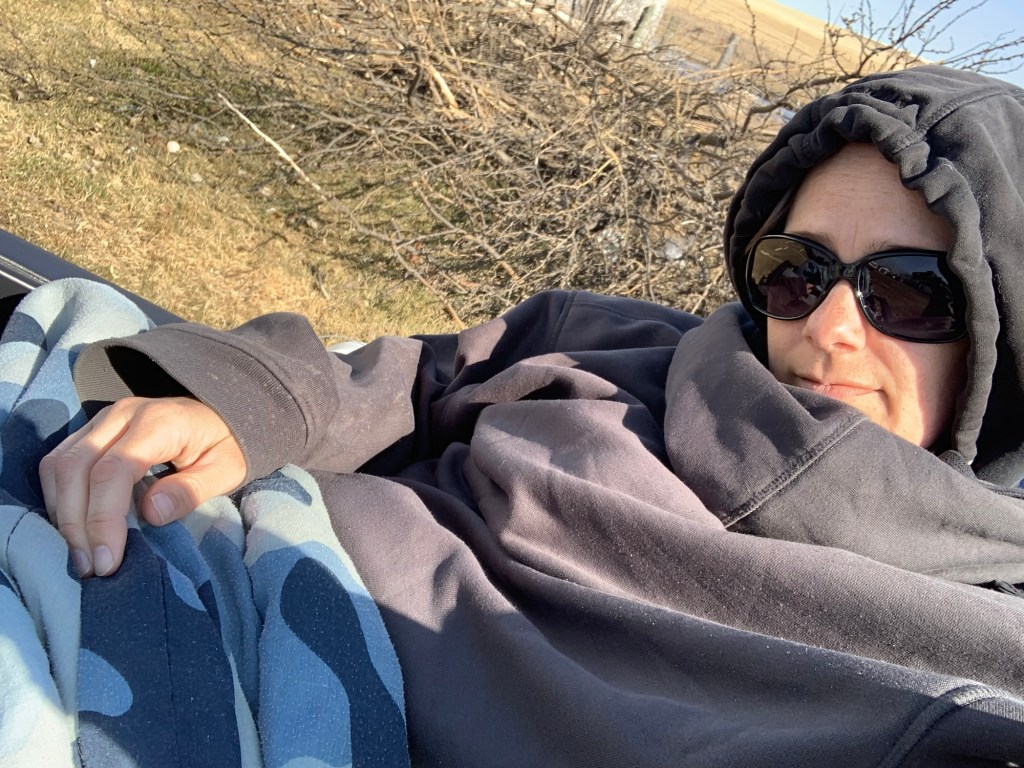
Other times, you begin to recognize the pattern. You notice that every time you say yes to something that depletes you, you have less left for the things that matter.
And eventually, you make a different choice.
You step off the carousel. 🚶♀️🎠 🎠
Not because you’ve stopped caring about people or because you’ve given up on contributing something meaningful to the world. You step off because you finally recognize that you cannot keep pouring from an empty cup and expect to have anything left to give.
I believe God loves us enough to care about what happens to us in that process.
I don’t believe He wants us depleted, exhausted and running on empty. I believe He wants us to care for the bodies we’ve been given. I believe He can use the quiet, the pauses and even the difficult physical limitations in our lives to help us recognize when something needs to change.
Our symptoms aren’t a measure of our worth, and I wouldn’t presume to know the reason behind every illness or flare. But I do believe we can invite God into our healing and allow Him to help us find a healthier way forward.
Sometimes the most faithful thing we can do is stop.

Stop filling every available space. Stop measuring our worth by how much we accomplish. Stop believing that everyone else’s needs automatically outrank our health.
And start paying attention.
What feeds us? What depletes us?
This is where healing can begin.
The tricky part: Finding your way back
When you have spent a considerable amount of time shutting out the world because you need to heal, getting back into it can be surprisingly difficult.

You have learned to protect your energy. You’ve become selective about where you go, who you see and what you commit to. You’ve discovered that a quieter life can be a much healthier life.
But eventually, you might want to do more than simply protect yourself from the world. You want to participate in it again.

You want to share your gifts. You want to laugh with people, work on something meaningful and feel useful in a way that brings you joy.

You want to be alive, not just managing your symptoms.
The challenge is learning how to open the door again without inviting all the things that made you sick back inside.
As I came back to life, I peeked outside and the world came at me like I’d been holding up the entire operation

I have three suggestions for finding your way back.
1. Find the gifts that fill you
Start by figuring out what makes you feel alive.
Not what you’re supposed to be doing. What genuinely feeds you?
Maybe it’s creating something. Writing, gardening, teaching, serving, spending time with your grandchildren, exploring the outdoors or having a meaningful conversation with someone who makes you laugh.
Maybe it’s something you’ve always wanted to do but haven’t made room for.
Your gifts don’t have to be extraordinary by anyone else’s standards. They don’t have to generate income, receive recognition or make a significant contribution to society.
They just have to be yours.
Using your gifts doesn’t mean using yourself up.
If writing fills you with joy but leaves you physically exhausted after three hours, perhaps the answer isn’t to stop writing. Perhaps it’s to write for twenty minutes and then rest.
If spending time in nature feeds your soul, you don’t necessarily need to hike ten kilometres to experience it. Sometimes sitting under a tree is enough.
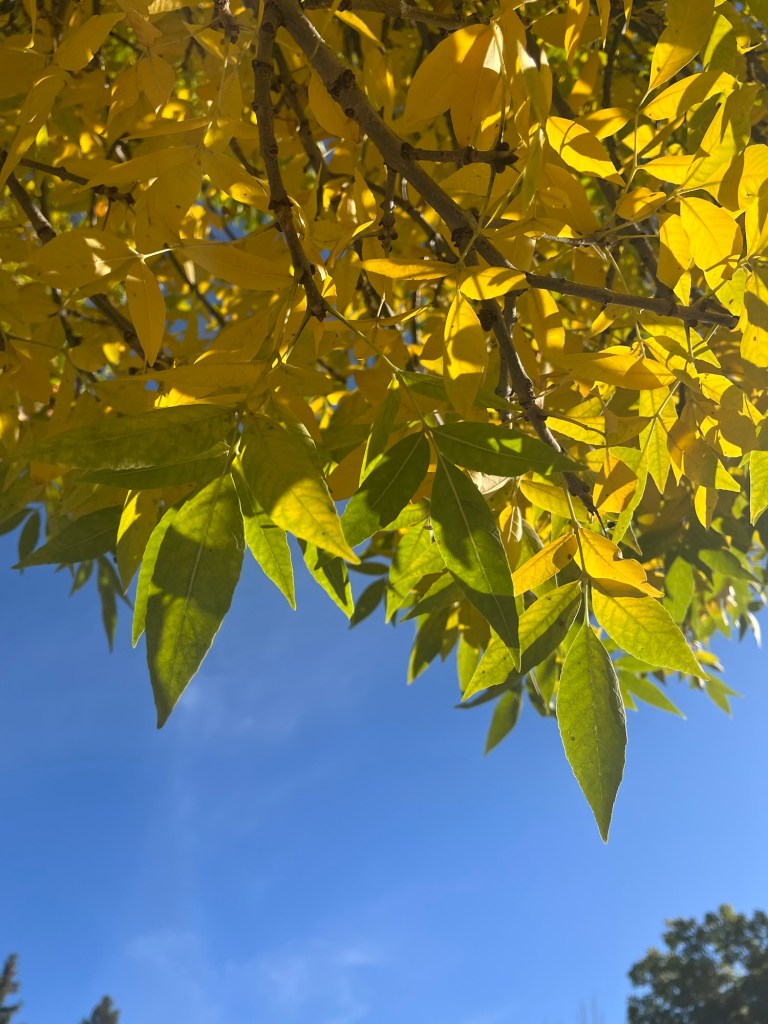
There is no prize for doing the most.
I love the idea that a woman fully alive in her gifts is collaborating with God. It changes the way I think about the things I have to offer.
Rather than seeing my gifts as something I need to squeeze into whatever energy I have left, I can begin to see them as part of how I participate in the life God has given me.
And when I make room for those things, I have more light to share.
Not because I have unlimited energy, but because I’m spending some of the energy I do have on things that nourish me.
2. Be careful what you let back through the door
When you begin returning to the world, remember that not everything deserves an invitation.

This is especially important when you’ve spent a long time learning to protect your energy.
There will be people and situations that genuinely nourish you. There will also be people who seem to have an uncanny ability to find the exact moment you’ve recovered enough energy to need something from you.
It’s almost a talent.
Some people are drawn to those who are generous, compassionate and willing to help. Those qualities are beautiful, but they can also make you vulnerable to people who are more interested in what you can give than in who you are.
You don’t need to become suspicious of everyone. You don’t need to build a fortress around yourself and install a security system.
But you do need discernment.

Pay attention to how you feel after spending time with someone. Do you feel encouraged, appreciated and connected? Or do you feel exhausted, guilty and responsible for fixing something that was never yours to fix?
Notice which commitments bring you joy and which ones leave you negotiating with your body for the next 3-5 business days.
And remember, you are allowed to say no without providing a detailed medical report and a doctor’s note.
You can love people without being available for everything.
You can be generous without being endlessly accessible.
You can serve without sacrificing your health.
Protecting your energy doesn’t mean you have less love to give.
It means you’re learning to give from a place that doesn’t require you to abandon yourself.
3. Bring forth the things that will save you
This brings me back to the words in the Gospel of Thomas.
Bring forth what is within you.
I don’t interpret this as meaning that we have to produce something extraordinary or that failing to use our talents will somehow bring illness upon us.
I think of it as an invitation to stop burying the parts of ourselves that need expression.
The creativity. The compassion. The wisdom we’ve gained through difficult experiences. The desire to connect, to learn, to serve and to make something meaningful.
Bring those things into the world.
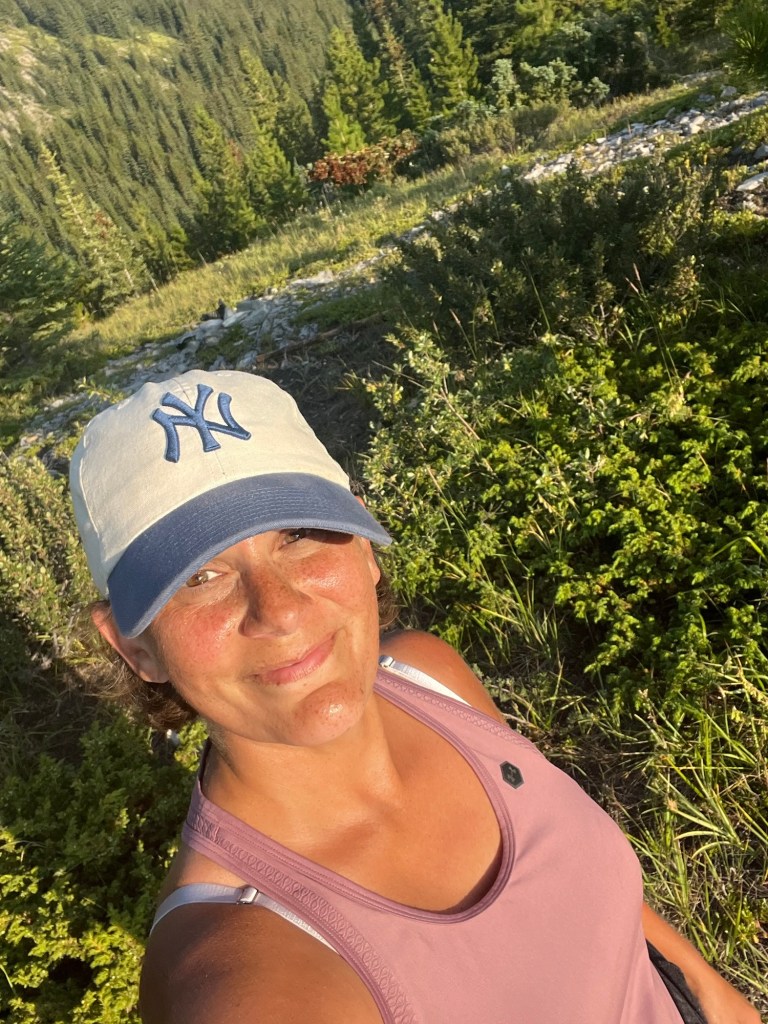
But also bring forth the things that will save you in the everyday sense of the word.
Bring forth your boundaries.
Bring forth your courage to change direction.
Bring forth the willingness to ask for help.
Bring forth the ability to recognize when enough is enough.

Bring forth the part of you that knows rest is not laziness and that your value has never depended on your productivity.
Rest isn’t something we have to earn by first exhausting ourselves. We don’t have to prove that we’ve done enough to deserve it.
We can come to God tired.
We can come to Him struggling.
We can come to Him with bodies that don’t cooperate and lives that don’t look the way we imagined.
And we can ask for help finding our way forward.
A little forest therapy: Let go and make room
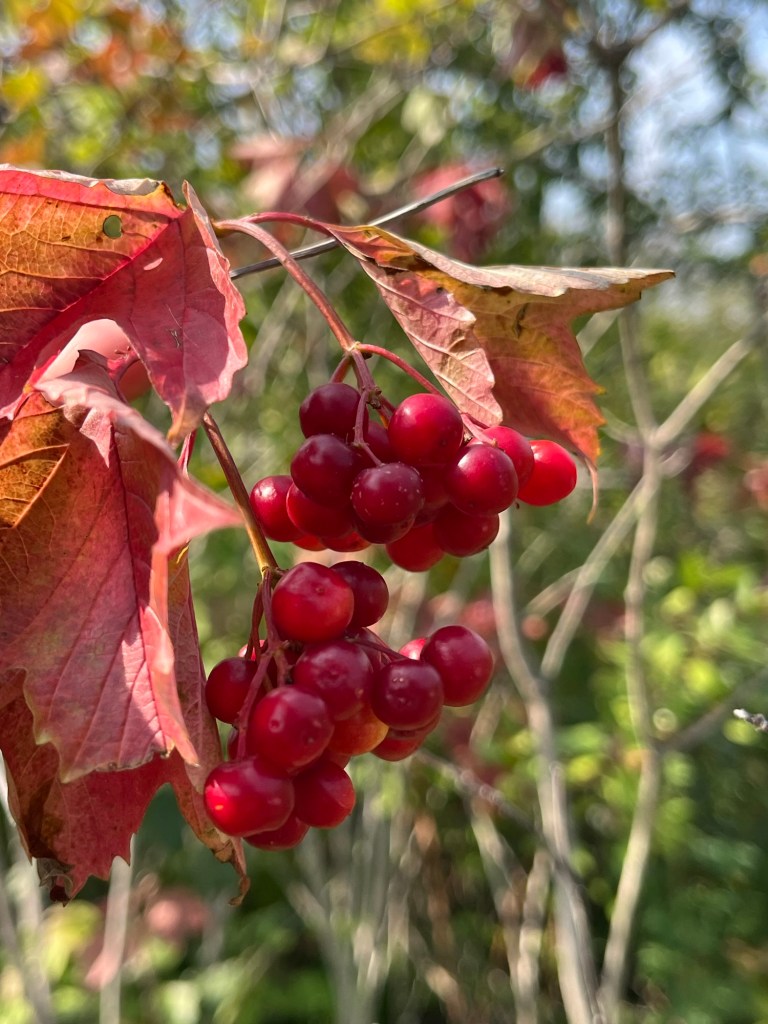
One of the things I love about spending time in nature is that it gives us an opportunity to practise letting go without having to solve everything first.
You don’t have to arrive in the forest with a five-year plan, a positive attitude or even a fully functioning nervous system.
You can simply arrive as you are.
Numinous
The quiet awe that fills you when you’re standing in something sacred, like mist rising over water, light breaking through the canopy, a deer pausing at the edge of a meadow, you can’t explain it, but you feel it.
Here’s a little practice you can try. Find a comfortable place outdoors. Choose a place that works with your body’s needs. Sitting down absolutely counts.
First, notice what you’re carrying.
Take a few moments to become aware of the things you’ve brought with you emotionally.
The expectations. The unfinished projects. The guilt. The conversations you keep replaying. The things you think you should be doing.
You don’t need to judge any of it. Just acknowledge it.
Next, practise letting go.
Find something in nature that represents release. Perhaps it’s a fallen leaf, a seed floating away in the breeze or water moving along a stream.
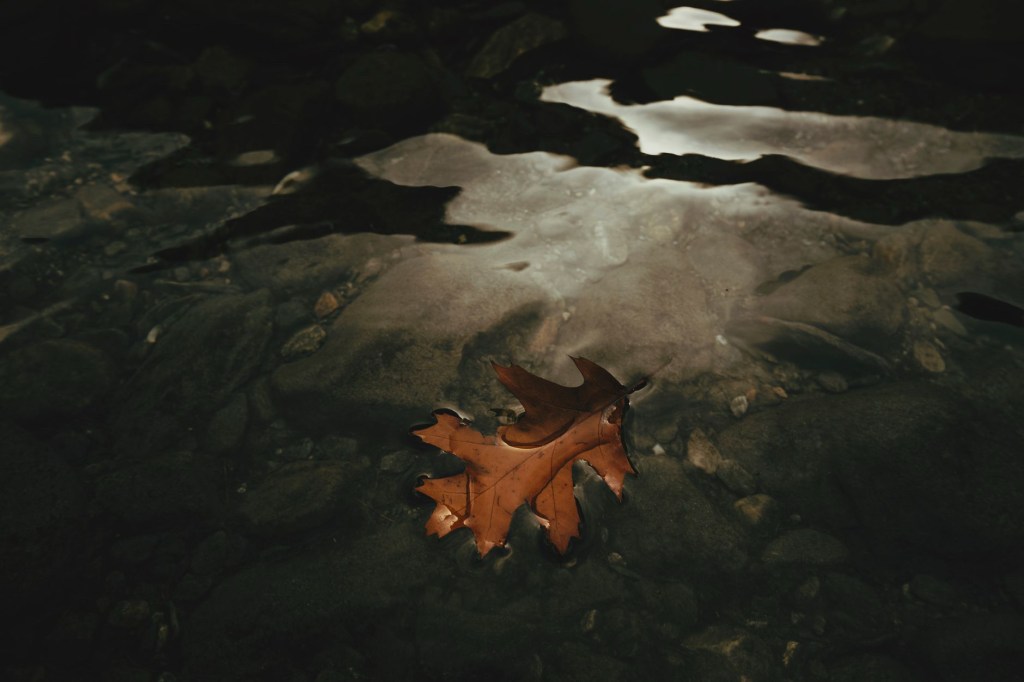
As you breathe gently, imagine yourself releasing some of the energy you’ve been carrying that doesn’t belong to you.
You might silently say:
I release what is not mine to carry.
I release the expectation that I must do everything.
I release the guilt of needing to rest.
You don’t have to force anything. Let the words settle.
Now, welcome something in.
Look around and find something that represents renewal to you. Perhaps it’s a new leaf, a patch of sunlight, a sturdy tree or the quiet persistence of moss growing on a rock.
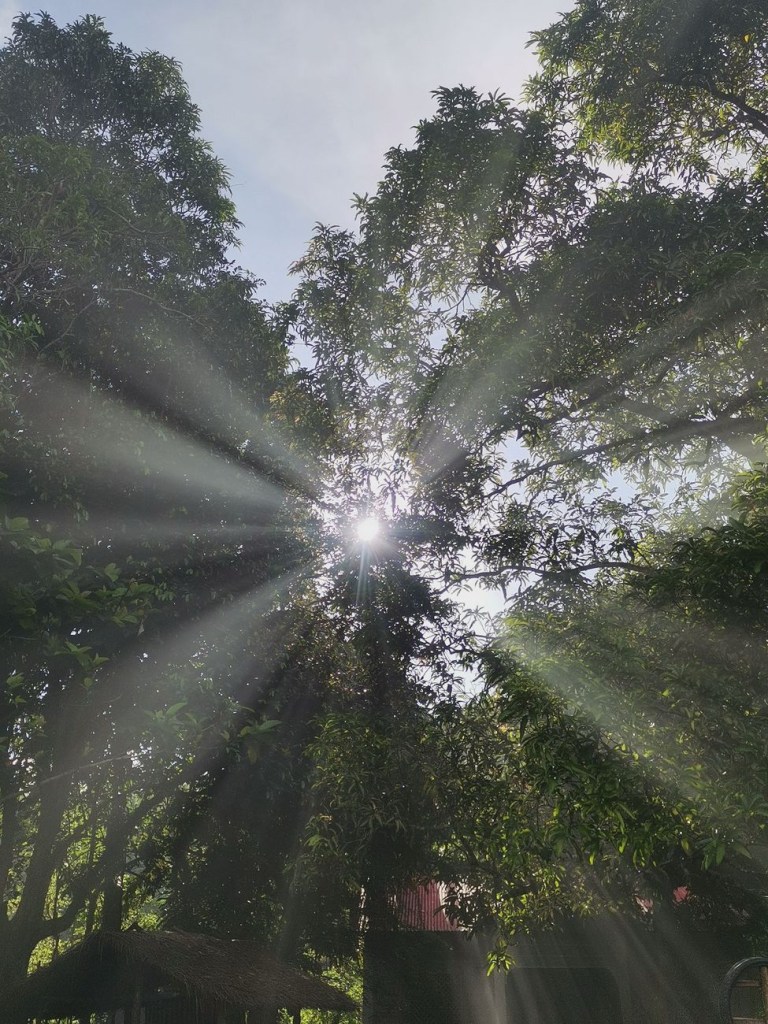
Notice its qualities.
The tree doesn’t apologize for growing slowly. The moss doesn’t compete with the flowers. The sunlight doesn’t ask permission to shine.
Allow yourself to imagine welcoming some of those qualities into your own life.
As you breathe, you might say:
I welcome peace.
I welcome the things that nourish me.
I welcome the gifts God has placed within me.
I make room for the good things I want to bring into the world.
Take a final moment to notice how you feel.
You haven’t solved your problems. Your pain may still be there. Your to-do list hasn’t magically disappeared (I checked; nature is not currently offering that particular service).
But perhaps you’ve created a little space between yourself and everything that has been demanding your attention.
And sometimes that’s a very good place to begin.

Coming back doesn’t mean going back
I think there’s an important distinction between returning to the world and returning to the way you used to live.
We don’t need to recreate the life that depleted us.

We don’t need to prove that we’re better by taking on everything we once did. We don’t need to fill every empty space just because we finally have a little energy again.
I think the goal is to build a different kind of life.
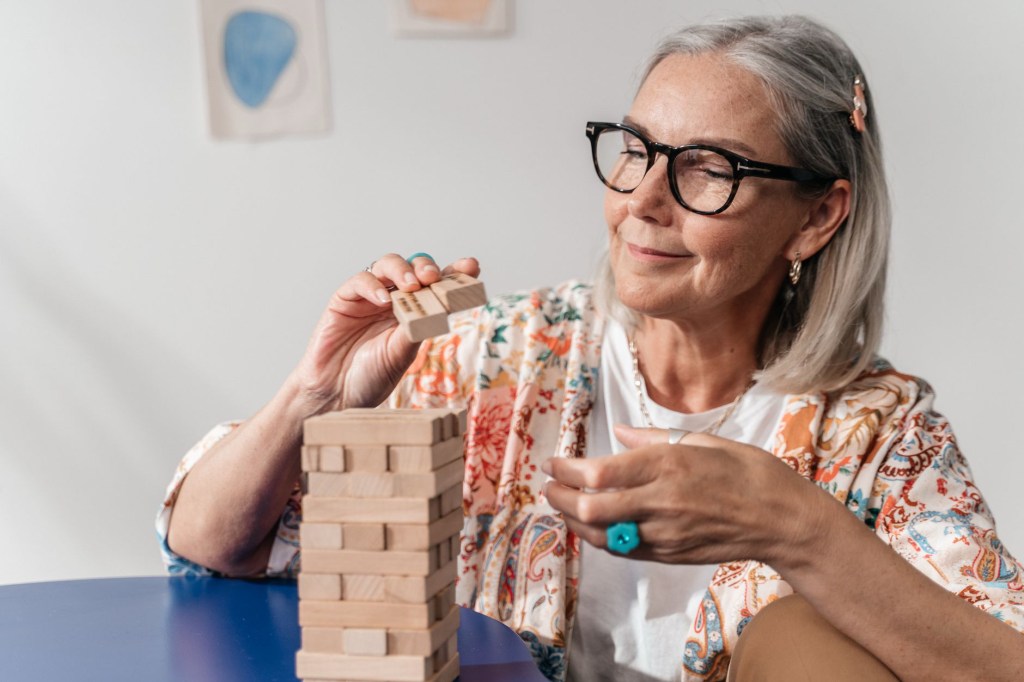
One where our gifts have room to grow, but our bodies have room to rest.
One where we can love people without taking responsibility for everything they feel.
One where we can contribute without constantly sacrificing our own well-being.
One where we recognize that God didn’t give us gifts so that we could spend our lives exhausted trying to be everything to everyone.
I want to be a woman who is alive in her gifts. I want to create, contribute, love, learn and experience the world. I want to share what I’ve learned through the difficult things I’ve lived through.
But I also want to recognize when I need to step away, sit under a tree and let my body catch up with the rest of me.
Maybe that’s part of collaborating with God too.
Not just bringing our gifts into the world, but allowing Him to help us care for the person who carries them.
So if you’ve been away from the world for a while, don’t feel that you need to rush back.
Start small.
Find the things that fill you. Be thoughtful about what you allow back in. And don’t bury the gifts that are waiting to come out.
You don’t have to do everything.
You don’t have to be everything.
But you do have something within you worth bringing forth.
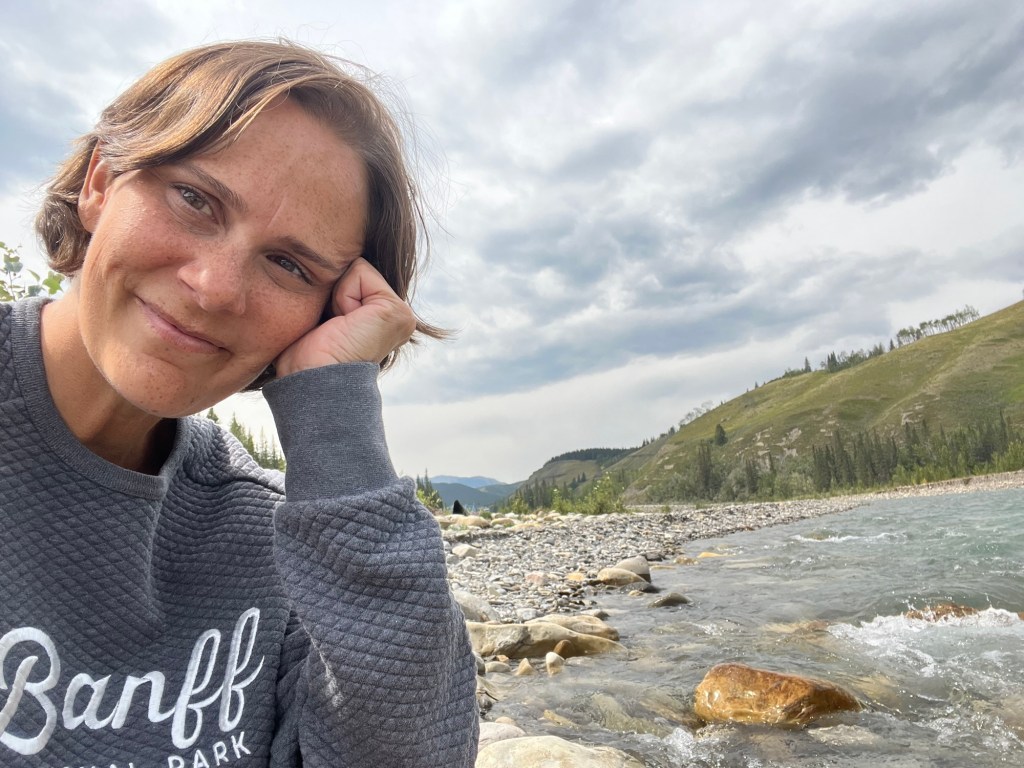
And the world doesn’t need you depleted.
It needs you alive.


Well done Pam. I’ve seen you on this journey of learning to recognize the constant need to be aware of the needs of others as well as your own needs. I see your efforts to be compassionate toward others but trying to remember to be kind to yourself.
LikeLiked by 1 person