Instructions for living a life:
Pay attention.
Be astonished.
Tell about it-Mary Oliver, “Sometimes”
A glorious Saskatchewan October makes me want to slow down.
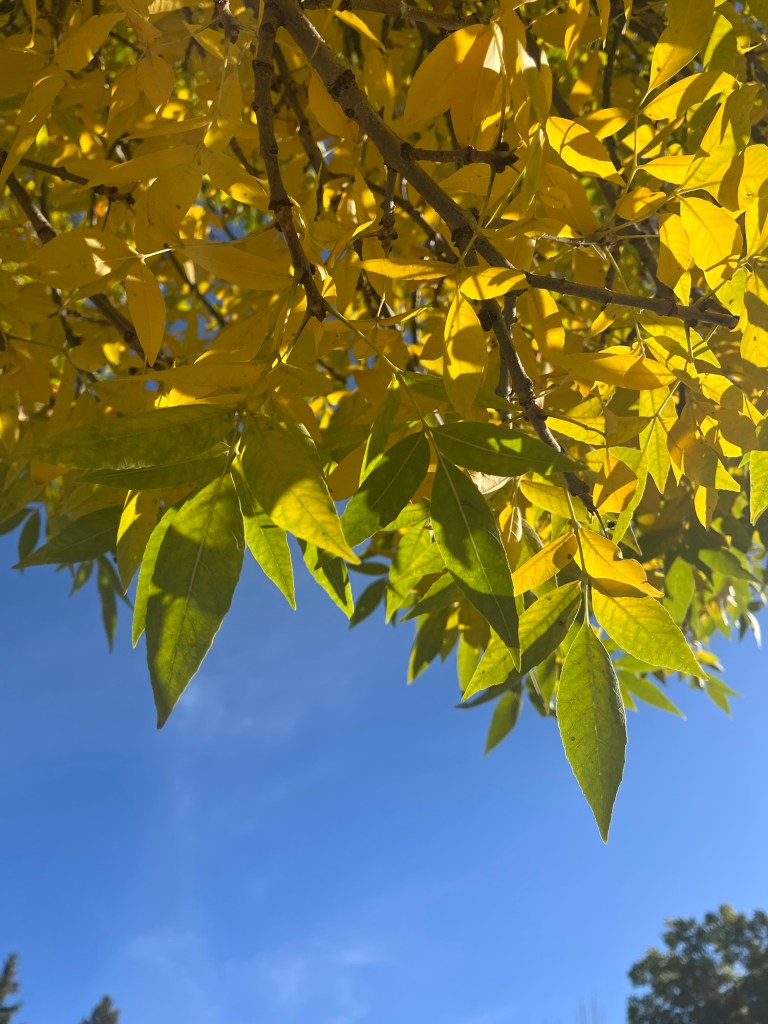
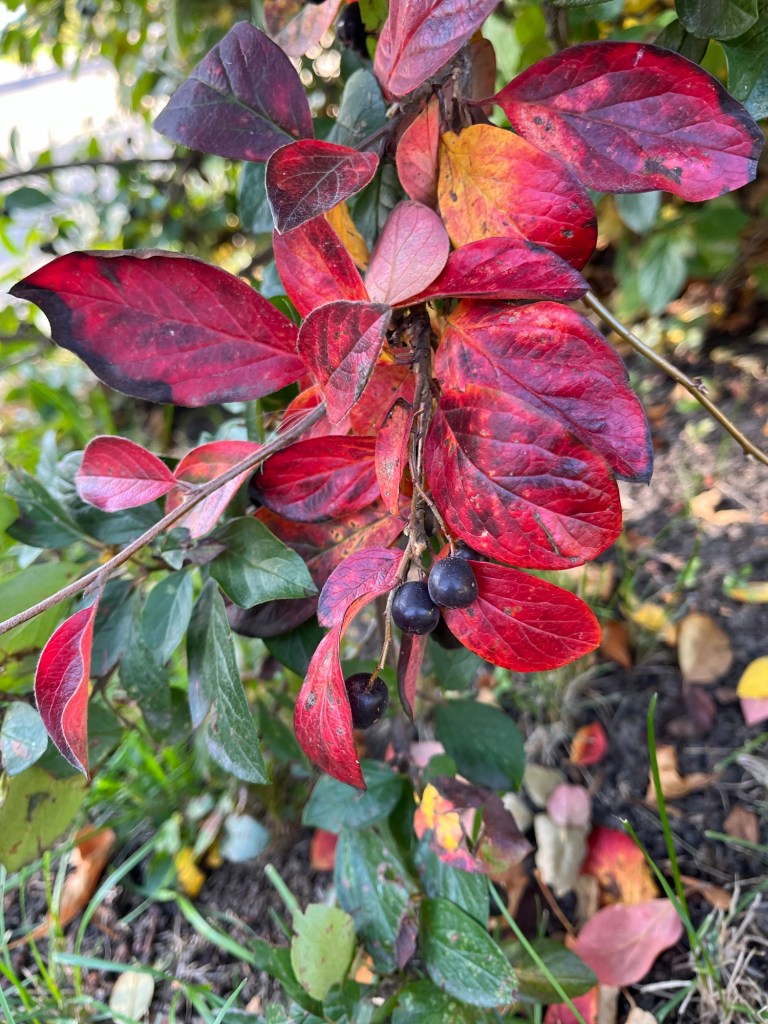
The mornings are cooler. The air has that sharpness to it that makes you take a deeper breath. The leaves are turning dazzling shades of yellow, orange and red (the trees have determined subtlety is overrated.)
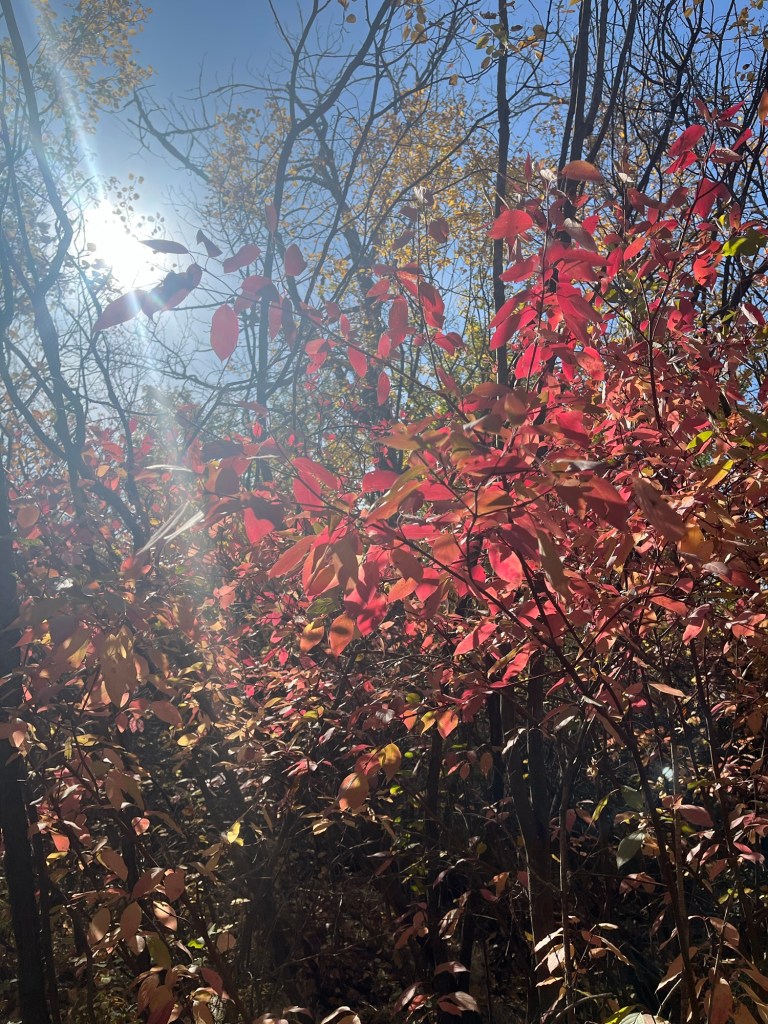
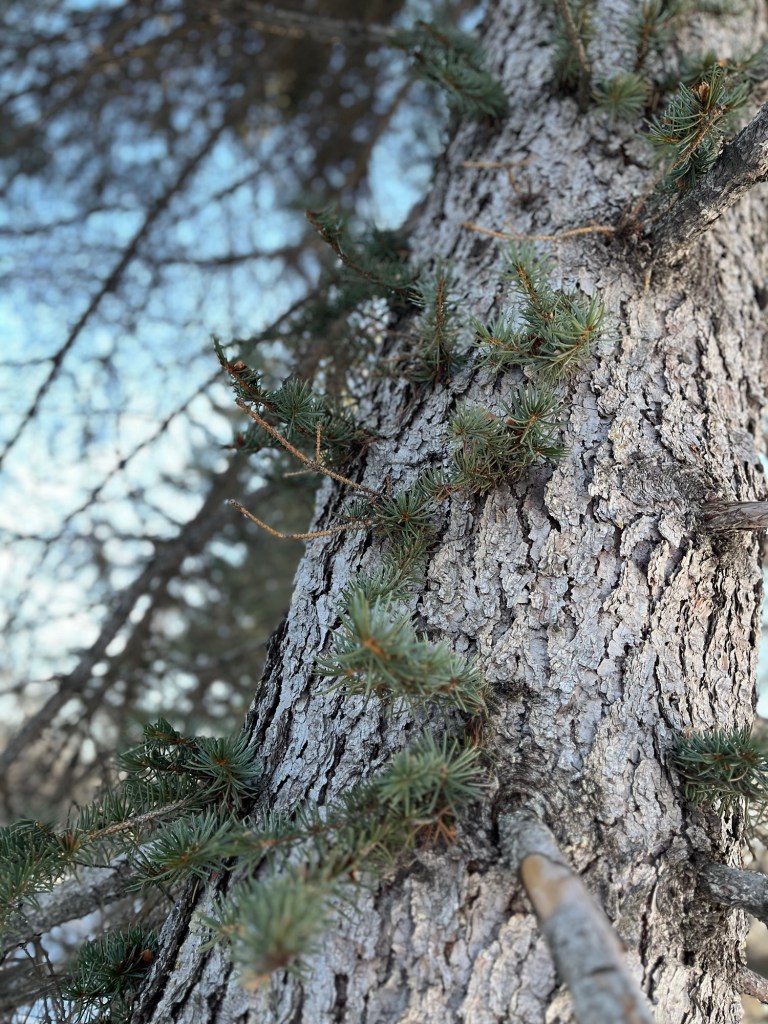
And then there are the trees themselves. They are preparing for winter. But they aren’t panicking about it. At least, as far as I know.
They aren’t standing in the forest thinking:
I should probably be handling this better.
Why am I not recovering faster?
They simply respond to what is happening around them. The temperature changes. The light changes. The seasons change. And the tree changes with them.
I have been thinking about that.
Our bodies are remarkably good at responding to stress. They were built to handle it.
The problem isn’t stress itself.
It’s what happens when the stress doesn’t end.
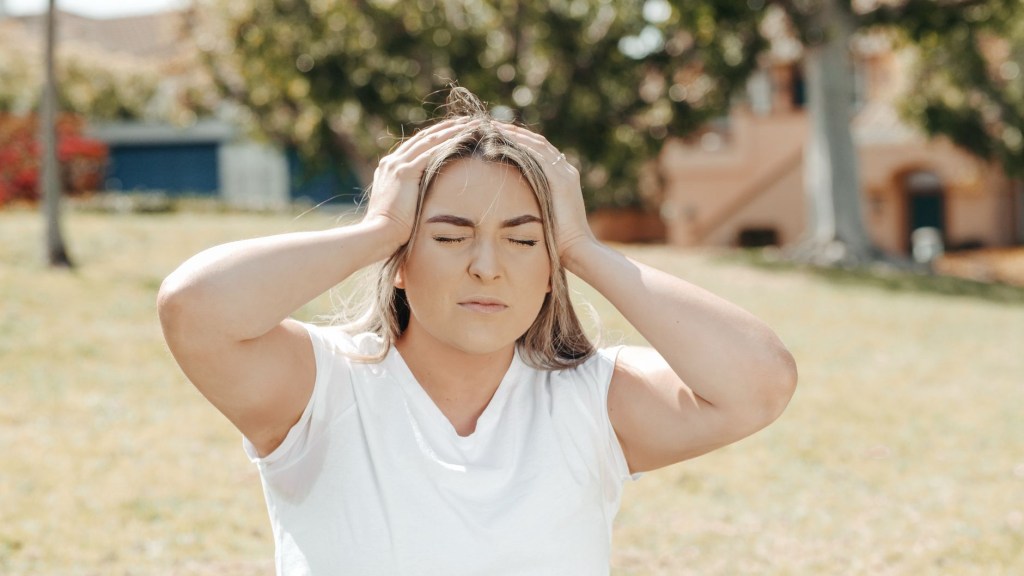
Your body knows how to handle stress
Dr. Robert Sapolsky has spent decades studying the physiology of stress, and one of the distinctions in his work that I find particularly helpful is the difference between acute stress and chronic stress.
Acute stress is the short-term kind.
Something happens. Your body responds. You get through it. And then, ideally, you recover.
That kind of stress isn’t necessarily harmful. In fact, it’s part of being human.
It’s what helps you react when your grandchild suddenly runs toward the road.
It’s what gives you that burst of energy when you need to perform.
It’s the nervous energy before speaking in front of people.
A little stress can sharpen us. To help us focus and respond.
The problem comes when the alarm system doesn’t get to turn off. When there is constantly something setting it off.
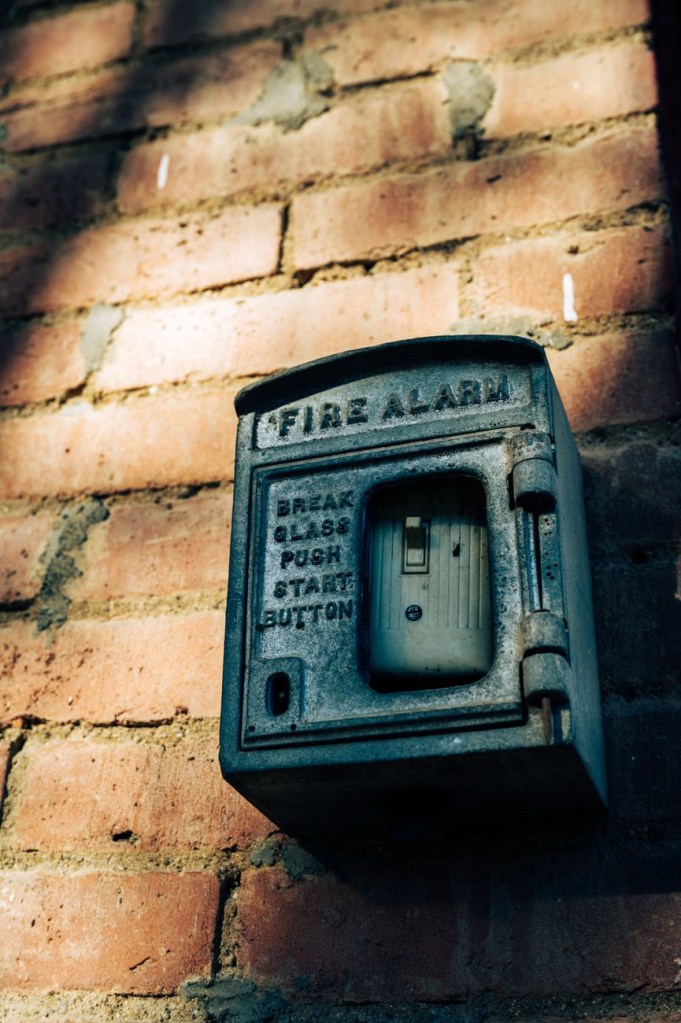
When stress becomes chronic. When the body remains activated without enough opportunity for recovery, it can begin to affect sleep, immune function, cognition, metabolism and many other systems.
Our bodies aren’t designed to live indefinitely in emergency mode.
And yet…
So many of us do.
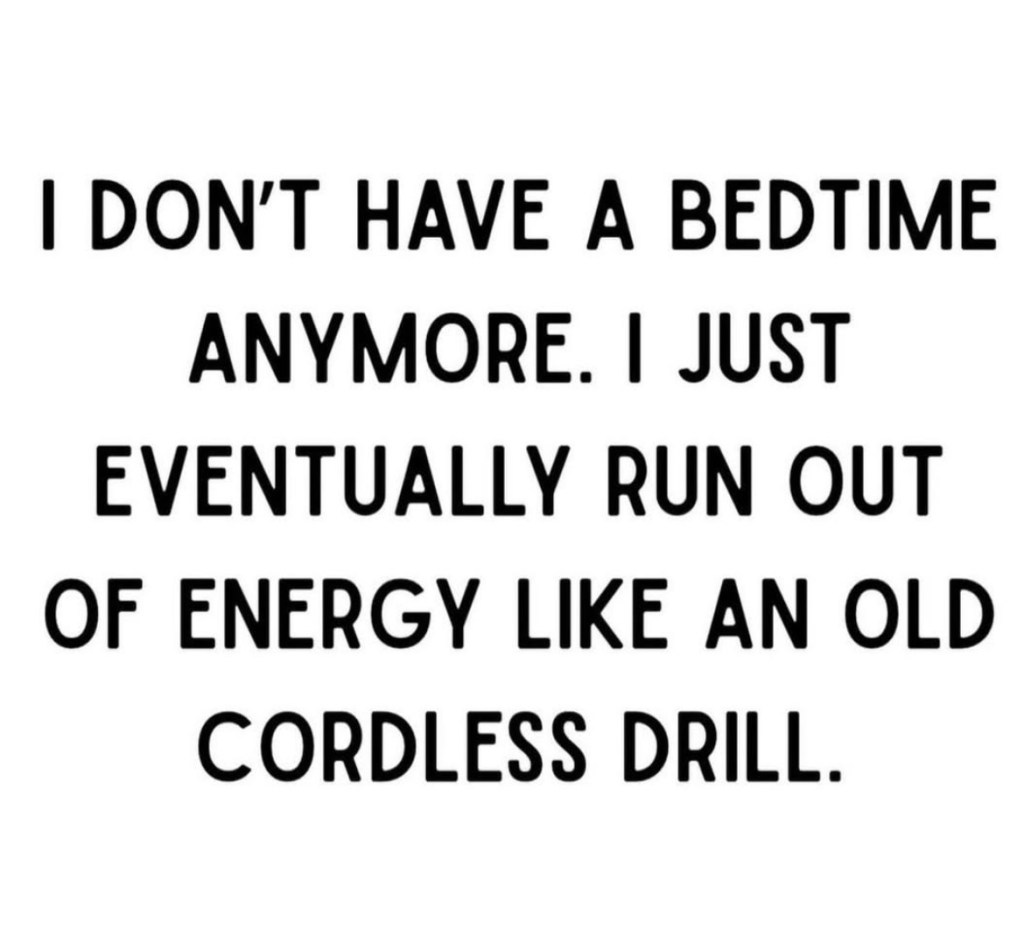
I admit this has become my default. I notice it when I find myself standing in the kitchen with my personal version of the Windows loading screen. Everything is technically running, but nothing is responding properly.
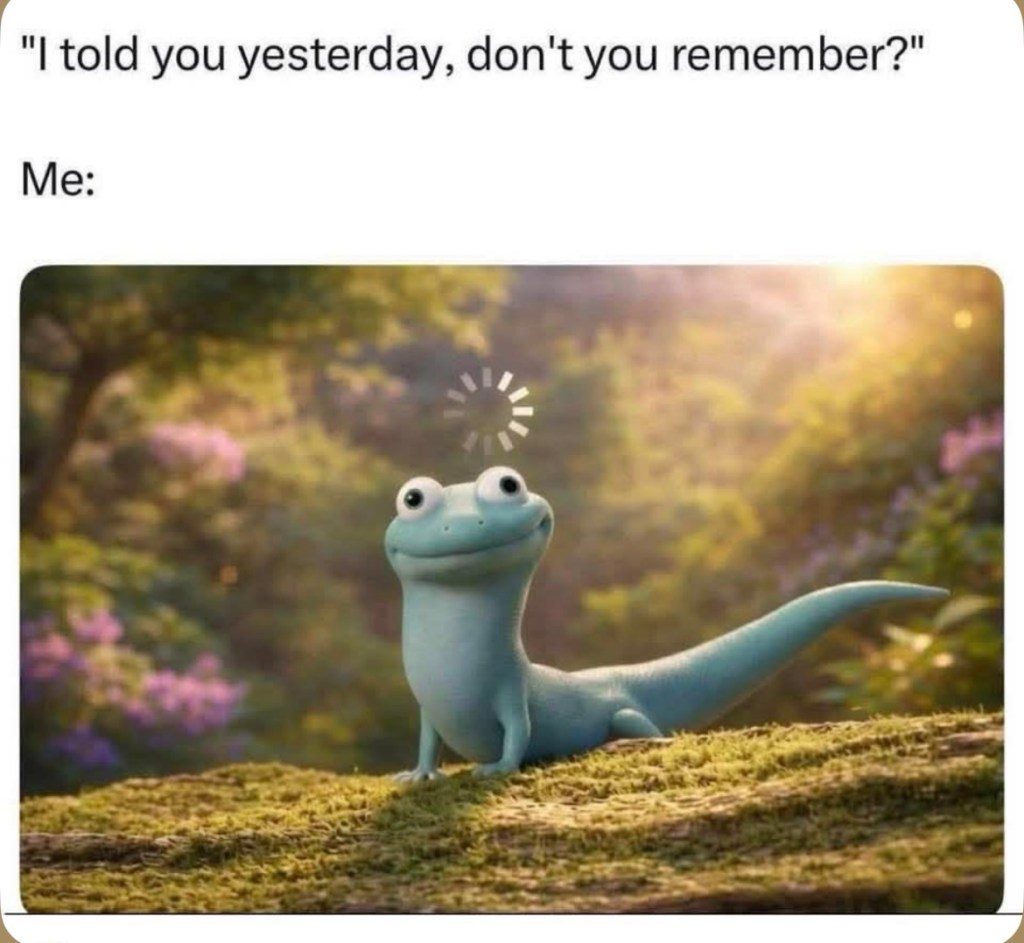
Long term stress physiology is associated with a wide range of health problems. And when I look at my own personal health history, I can’t help but wonder how much my body has been asked to carry for far too long.
What happens when the system never gets to stand down?
I’ve spent a lot of time thinking about this because chronic pain has taught me something I wish I had learned much earlier:
Your body can be working incredibly hard even when you’re doing absolutely nothing.
Someone looking at me sitting on the couch might think I’m resting. And on the outside, I am.
But if my nervous system is still responding to pain as though something is wrong, I am not resting or recovering. Rest isn’t necessarily the same thing as recovery.
An important distinction.
Stress physiology is complicated. Cortisol and the sympathetic nervous system are not villains. We need them. They help us wake up, respond to challenges, regulate energy and survive.
But a system that is repeatedly activated without adequate recovery can become strained.
Sleep can suffer. The immune system can be affected. Hormonal regulation can become disrupted. Concentration can become harder.
The brain can become more focused on immediate survival and less able to access the thoughtful, flexible parts of itself.
And eventually, you may start wondering:
Why does everything feel harder than it should?
Think about a forest
Imagine a tree in a Saskatchewan forest.
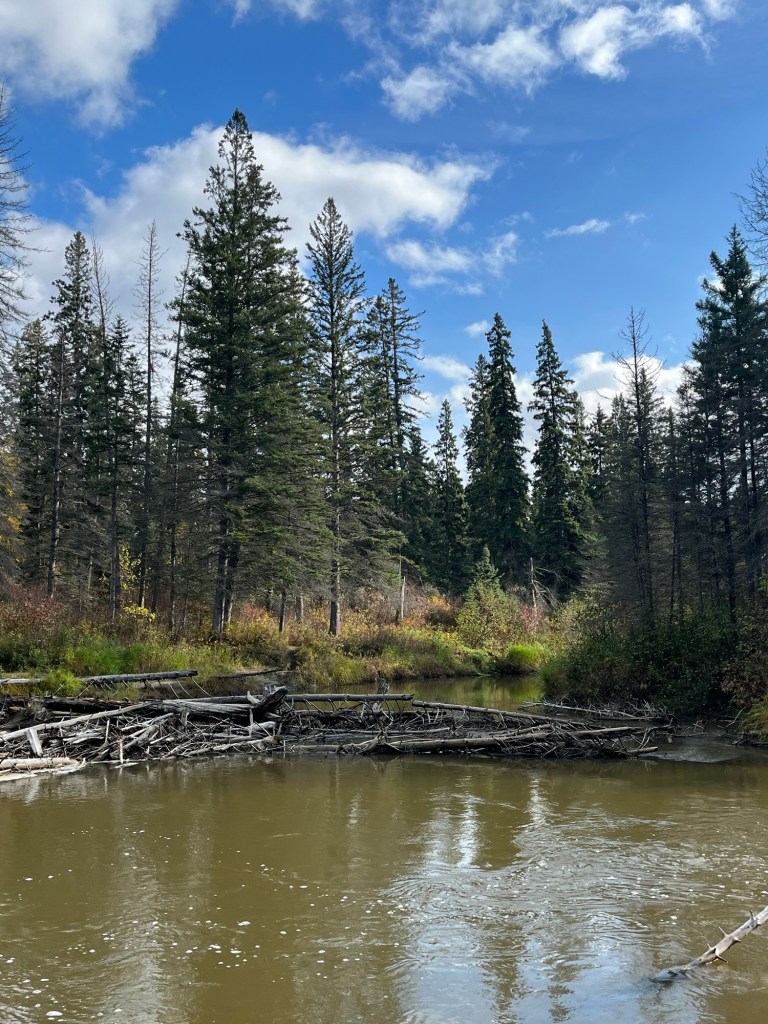
It has to withstand wind. Heat. Drought. Snow. Ice. Insects. Storms.
And sometimes a dog. Then another dog. And another.
The tree doesn’t avoid every stressor. It can’t.
Instead, it has systems that allow it to respond and recover.
There are periods of growth. Periods of dormancy. Periods when resources are plentiful. Periods when resources are scarce.
The whole system changes depending on what is happening around it.
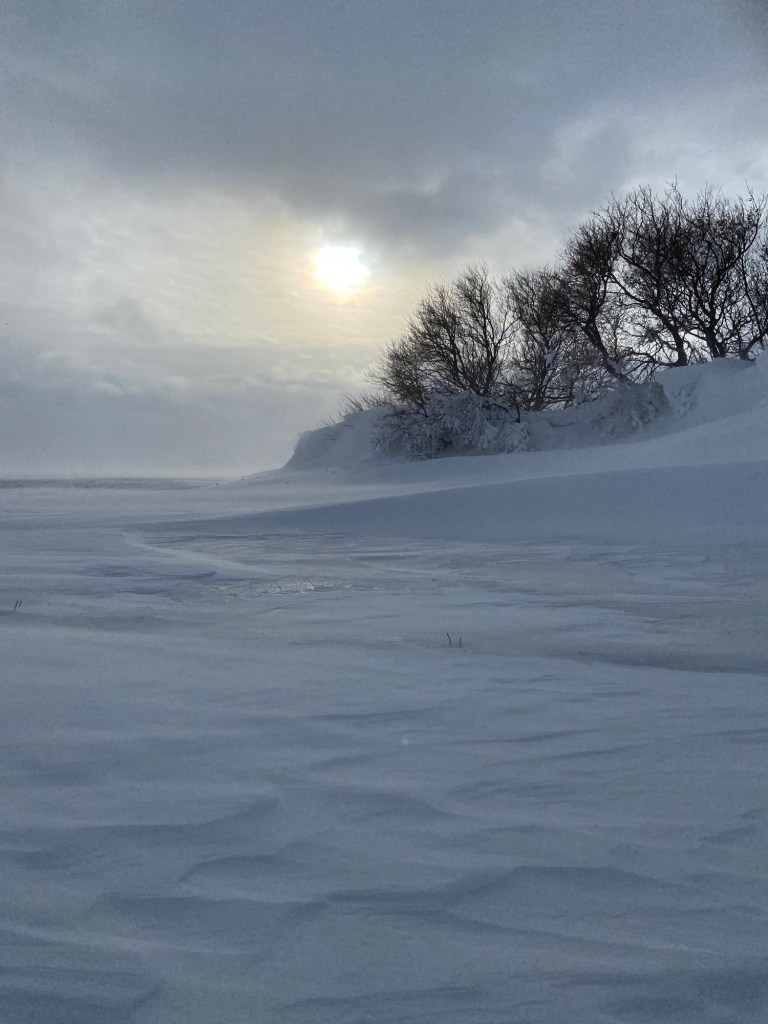
Now imagine that tree experiencing a Saskatchewan windstorm…
…every single day…
…without ever getting a calm day.
Eventually, the problem wouldn’t simply be the wind.
It would be the lack of recovery between the winds.
Do we spend all our energy trying to eliminate every source of stress when what our bodies may desperately need is something else:
more opportunities to come back down? Is this something that can be done while experiencing pain?
Clinophile
A lover of going to bed 🙋♀️
Recovery isn’t something you earn
This is where I have had to change my thinking.
I used to treat things like sleep, healthy food, movement, hydration and time outside as things I would get around to when everything else was done.
You know.
I’ll drink more water when I’m less busy.
I’ll get outside tomorrow.
I’ll start eating better when things settle down.
I’ll exercise when I know how to do it without hurting.
I’ll prioritize sleep when I finally get caught up.
Which is a fascinating strategy.
We all know the “when things settle down” portion of life never actually arrives.
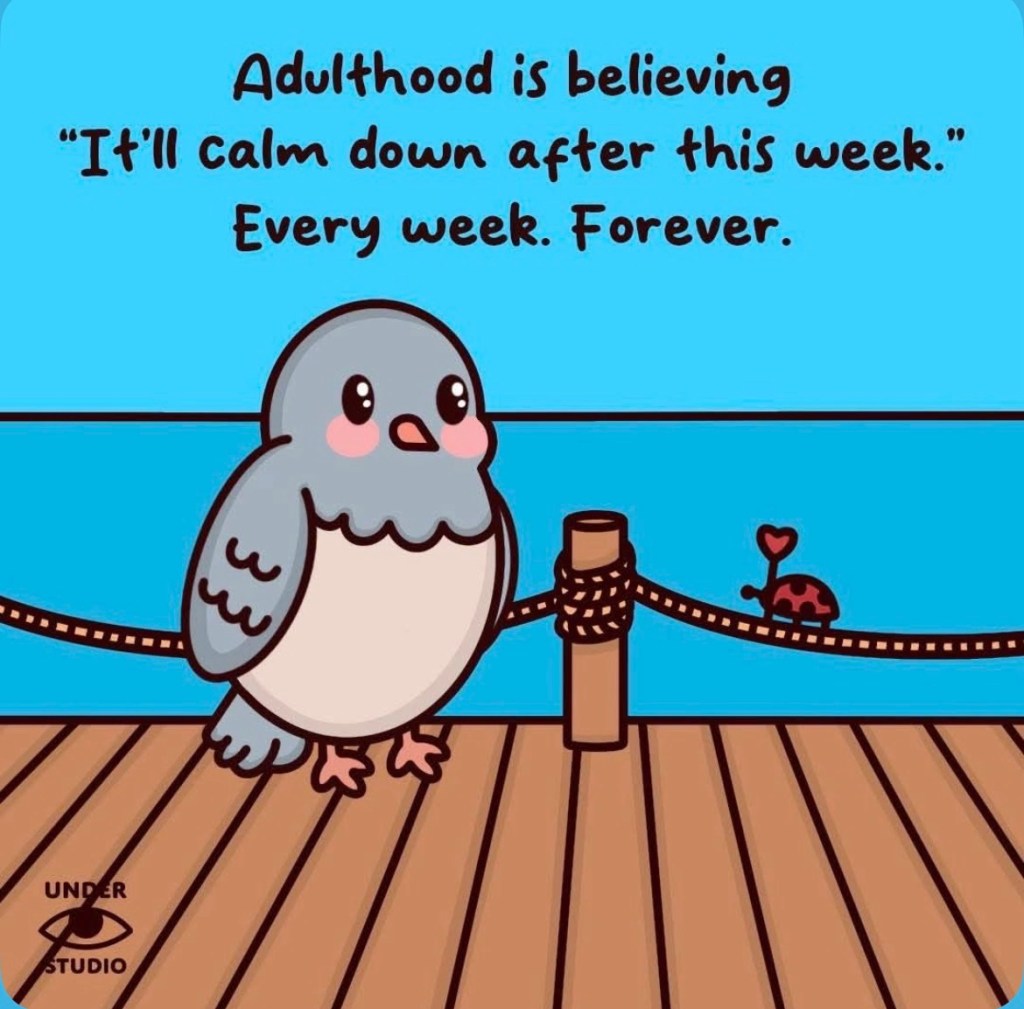
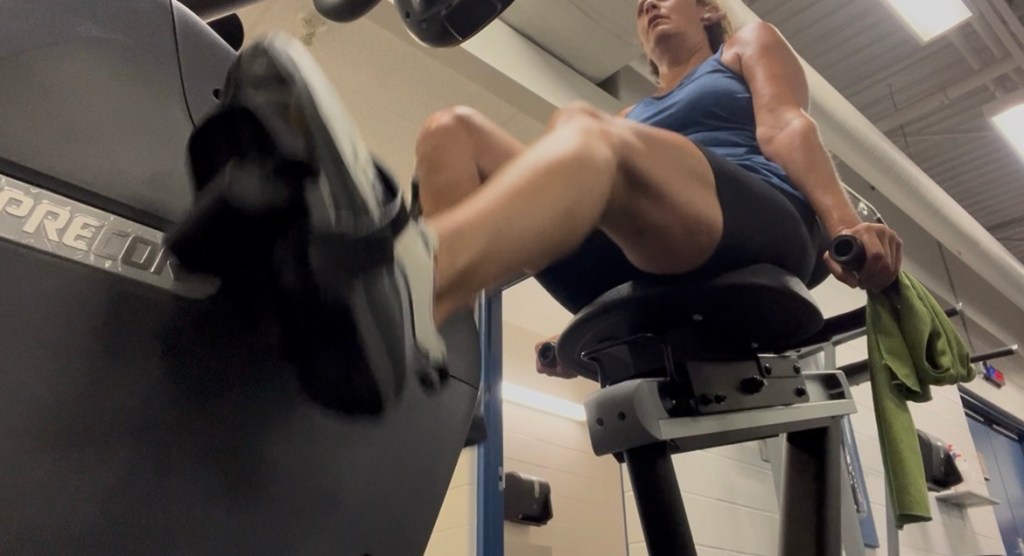
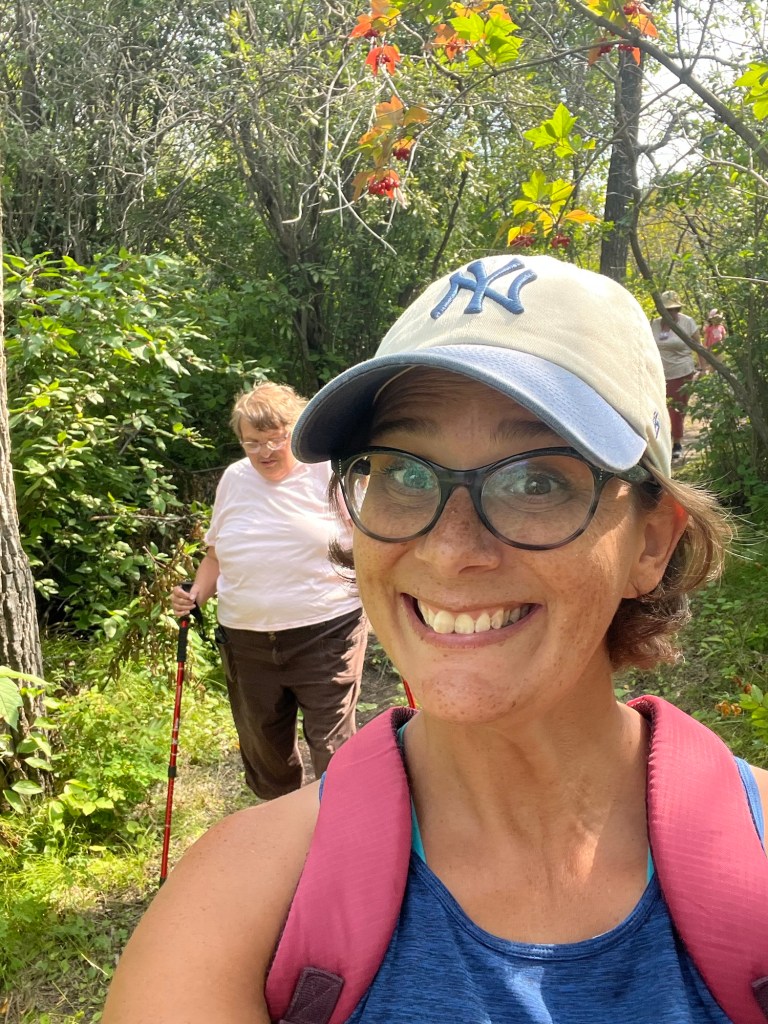
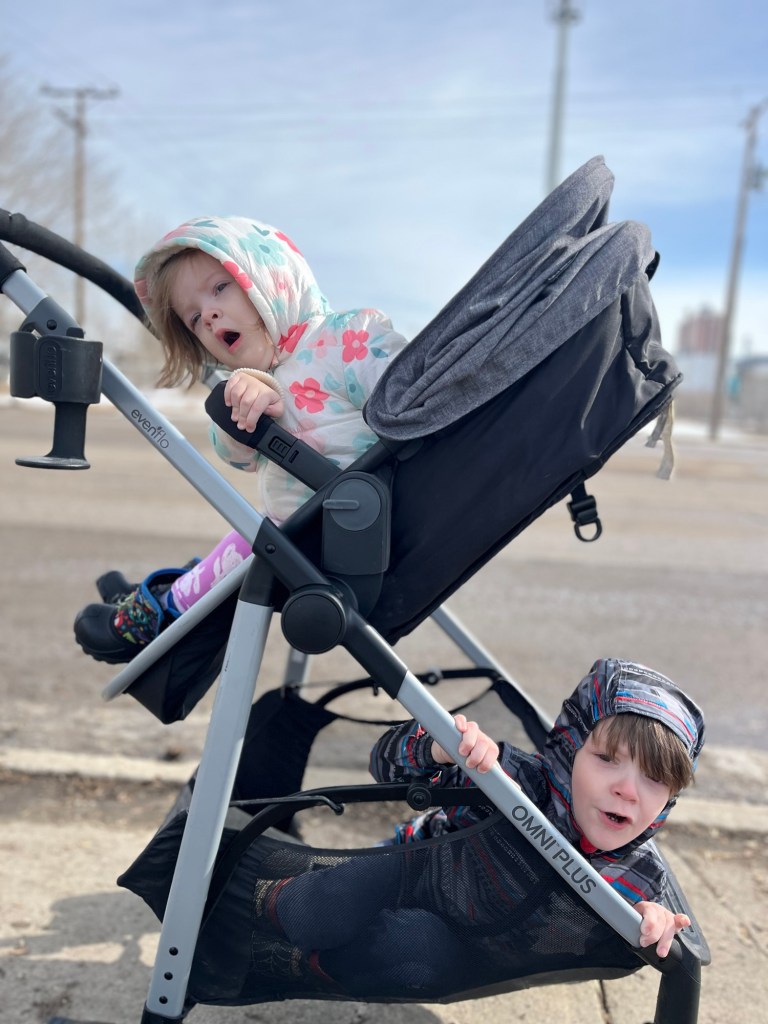
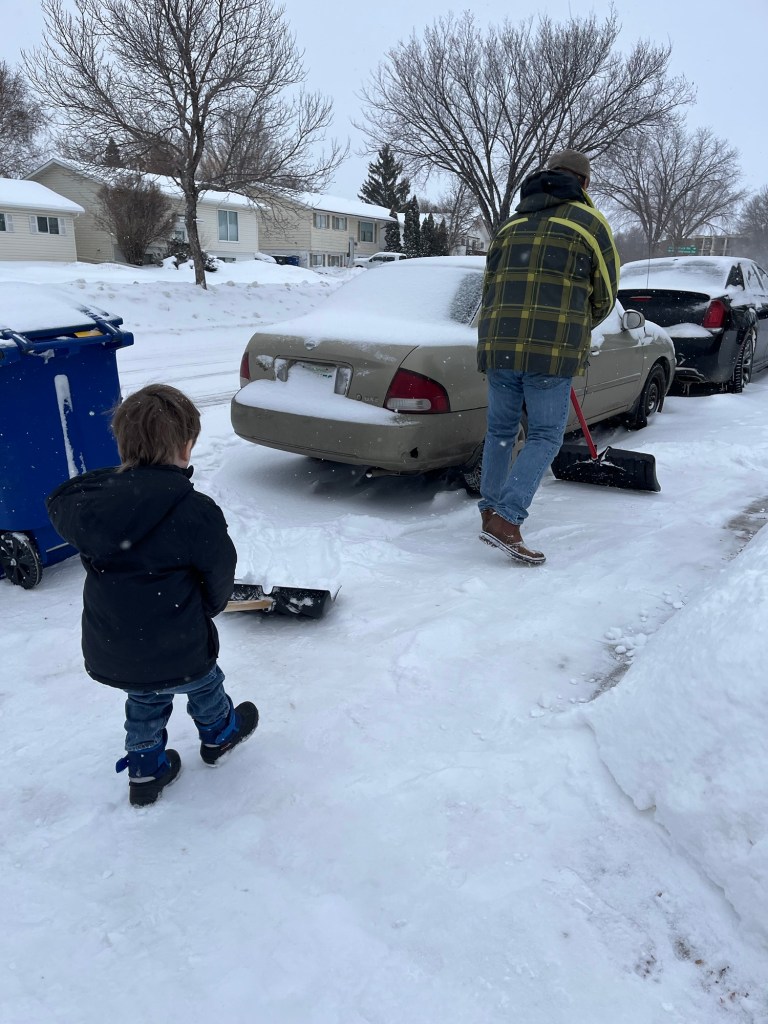
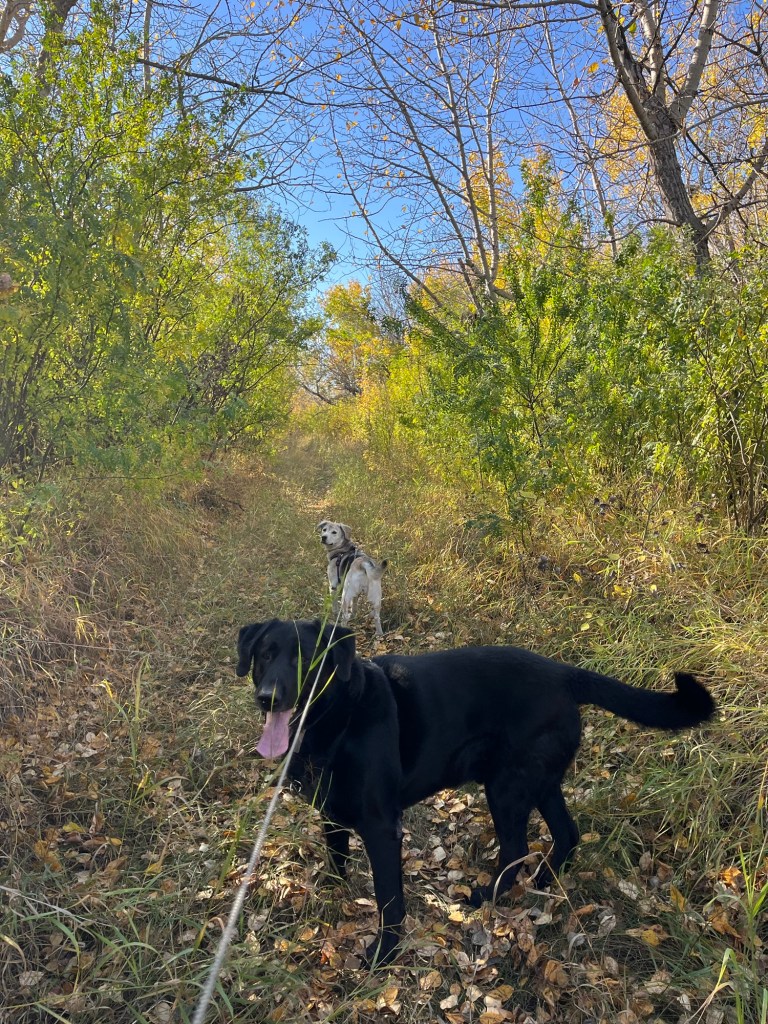
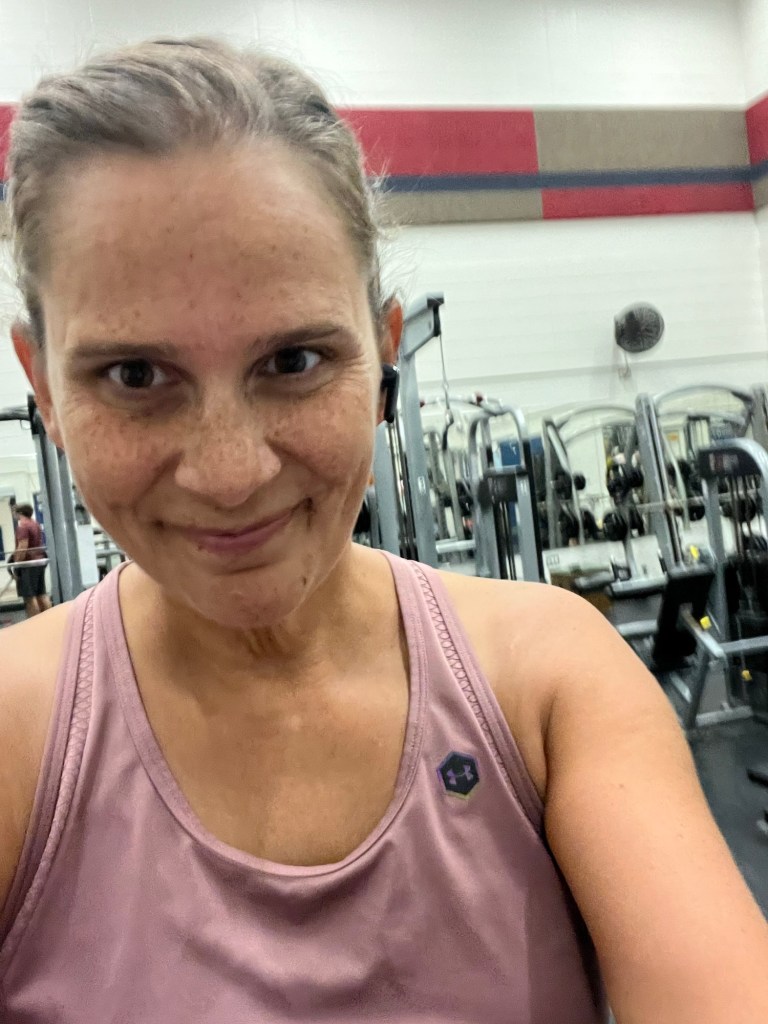
I’ve discovered that these things aren’t rewards for finishing everything else.
They’re part of the maintenance.They’re part of supporting the system.
Drink the water.💦
Not because water is going to magically cure your problems.
But because your body needs it. Down to the cellular level.
Eat food that actually supports you. 🍗 🥗
Not perfectly. Not Instagram post worthy.
Not twelve ingredients you’ve never heard of and a smoothie that costs $19.
Just real, nourishing food more often.
Move your body in ways your body can tolerate. 🏃♀️ 🚶♀️ 🏋️♀️ 🏊♀️
A walk.
Gentle stretching.
Mobility work.
Dancing in your kitchen.
Whatever movement is appropriate for you.
Movement doesn’t have to mean punishing yourself at the gym. Unless that’s your thing. Then go for it.
Protect your sleep. 🛌
Sleep isn’t wasted time.
It’s recovery time.
Get outside. 🌲 🌺 ☀️
Especially when you can.
Feel the cooler air.
Notice the trees.
Let your eyes move farther than the four walls you’ve been staring at.
And create actual pauses. 🧘♀️ 😮💨
Not scrolling pauses.
Not answering emails while planning your next move pauses.
Not I’m technically sitting down but mentally fighting multiple battles pauses.
Real pauses.
Your nervous system needs some evidence that the emergency is over.
Even when the pain is not.
I don’t want to put the medical world on the shelf
I also want to be clear about something.
I’m not suggesting that we replace medicine with nature.
Or medication with supplements.
Or doctors with trees.
Please don’t fire your doctor because I told you to go hug a tree.
I’m suggesting something slightly different.
What if we stopped expecting medicine to carry the entire load?
What if we used the medical world as one part of our support system rather than waiting until our bodies are screaming before we do anything to support them?
There is room for both.
There is room for medication.
There is room for physiotherapy.
There is room for testing, specialists and evidence-based treatment.
And there is also room for sleep. Food. Water. Movement. Connection. Fresh air. Sunlight. Stillness. Nature. Breathing.
And learning to notice what our bodies are actually telling us. Past the noise of pain.
Those things don’t have to compete.
They can work together.
A little forest therapy for a body that has been holding on
One of my favourite practices for this idea would be a simple “storm and stillness” sit spot.
Find a place outside where you can sit comfortably for 10–15 minutes.
You don’t have to hike anywhere impressive. Your backyard counts. A park counts.
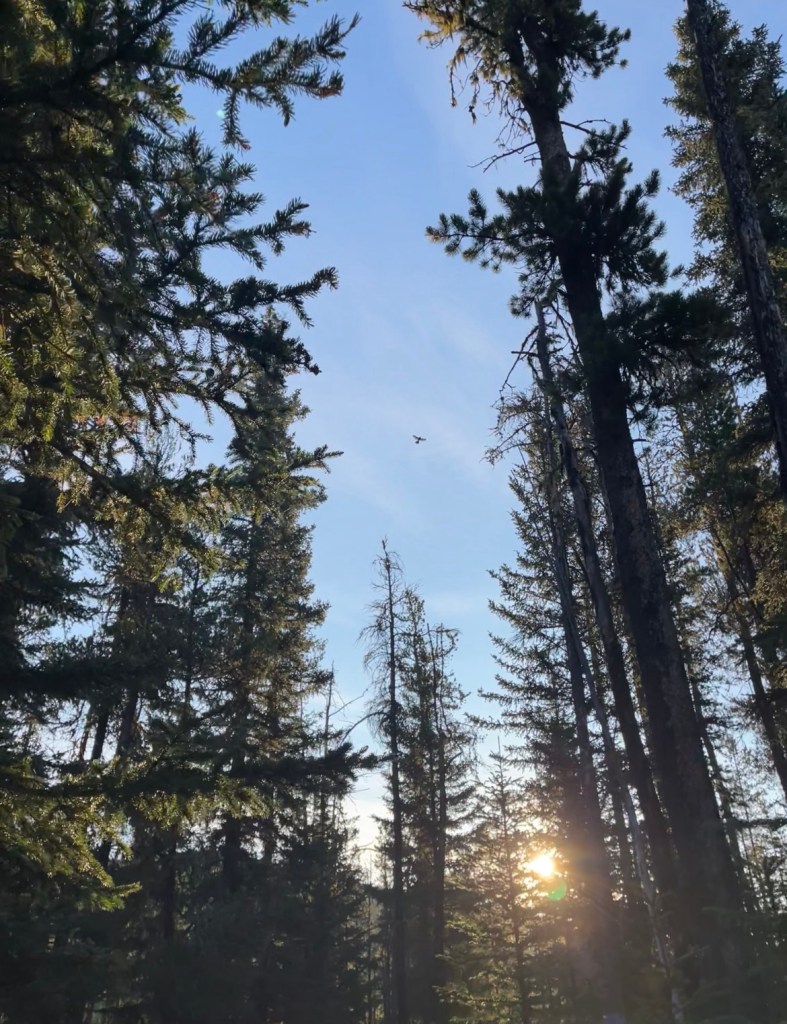
No majestic mountain vista required. A Saskatchewan ditch with a sapling and the distant call of a magpie will do.
Sit down.
For the first few minutes, simply notice signs of movement around you.
Leaves moving.
Branches swaying.
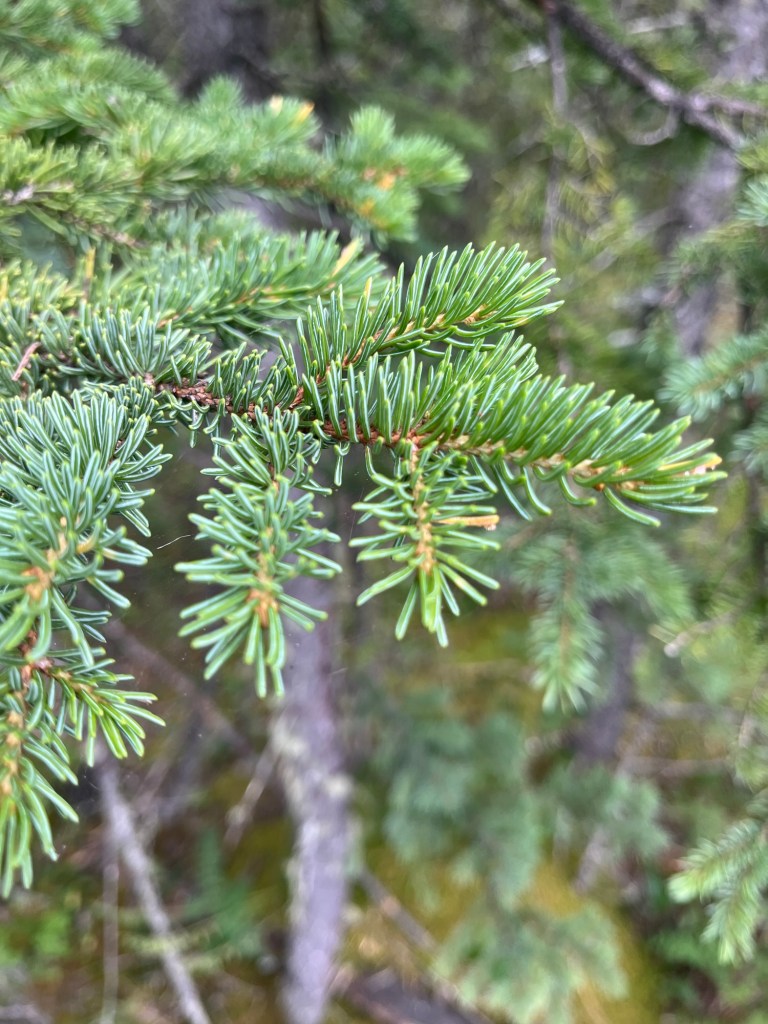
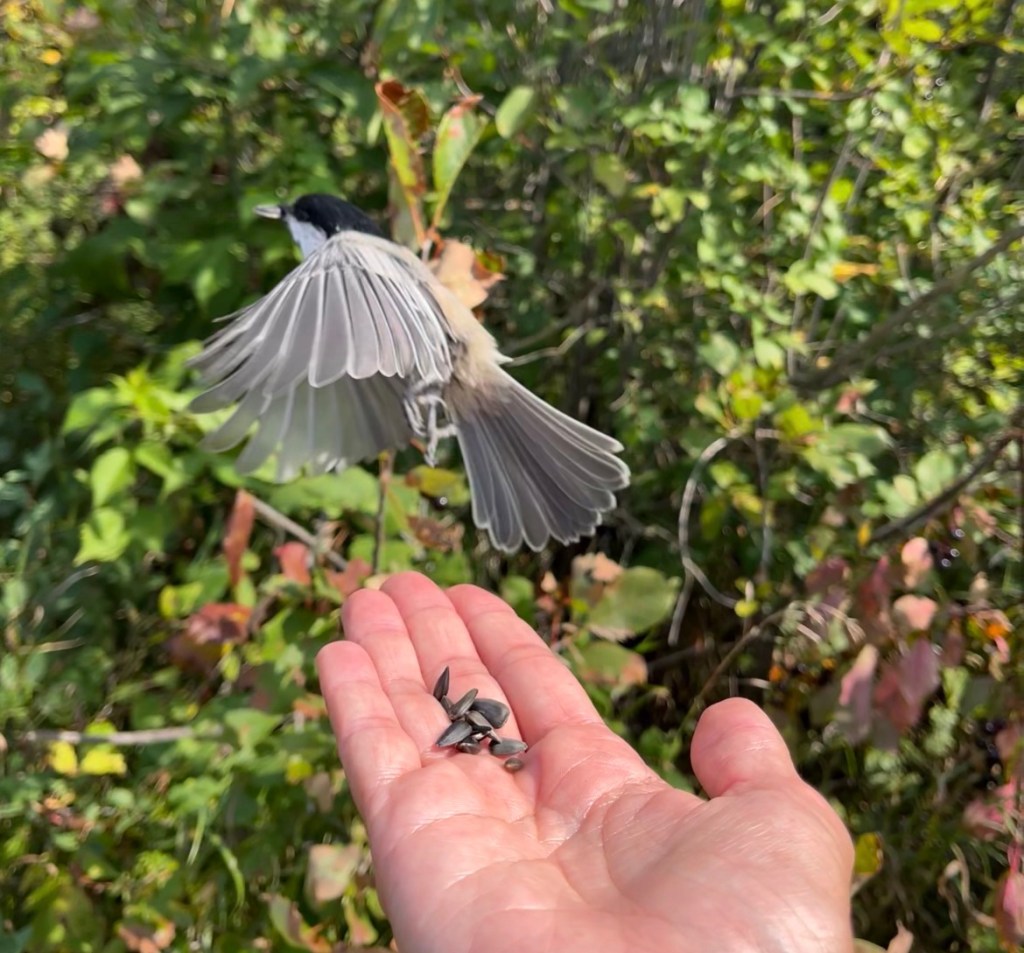
Birds flying.
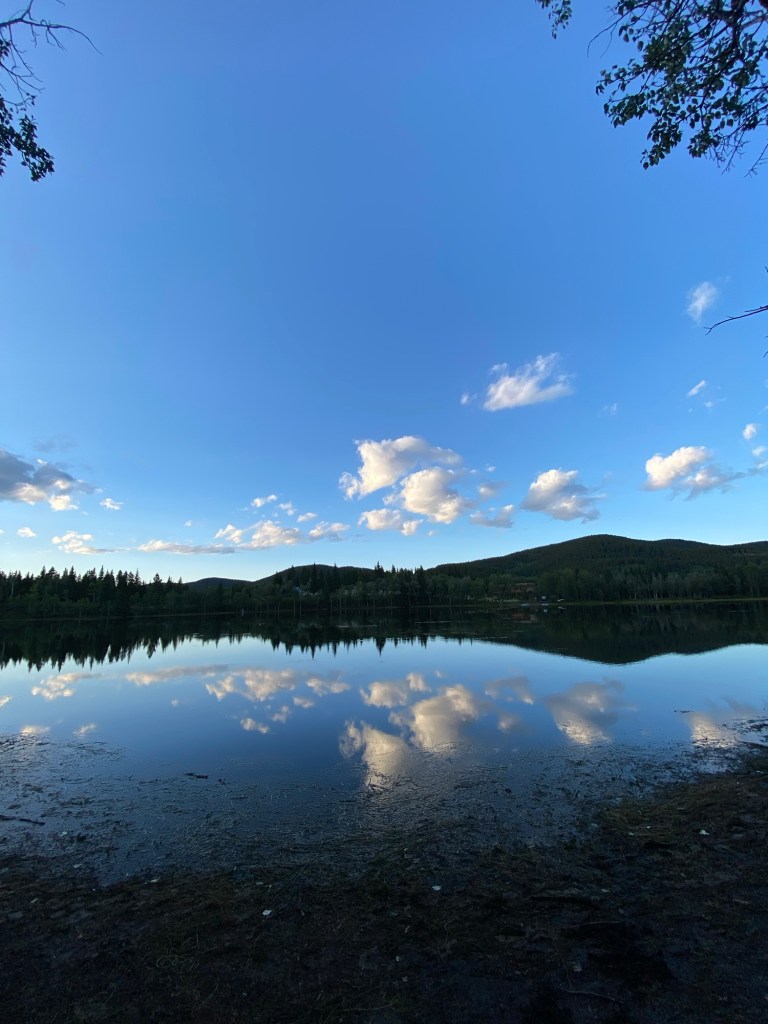
Clouds crossing the sky.
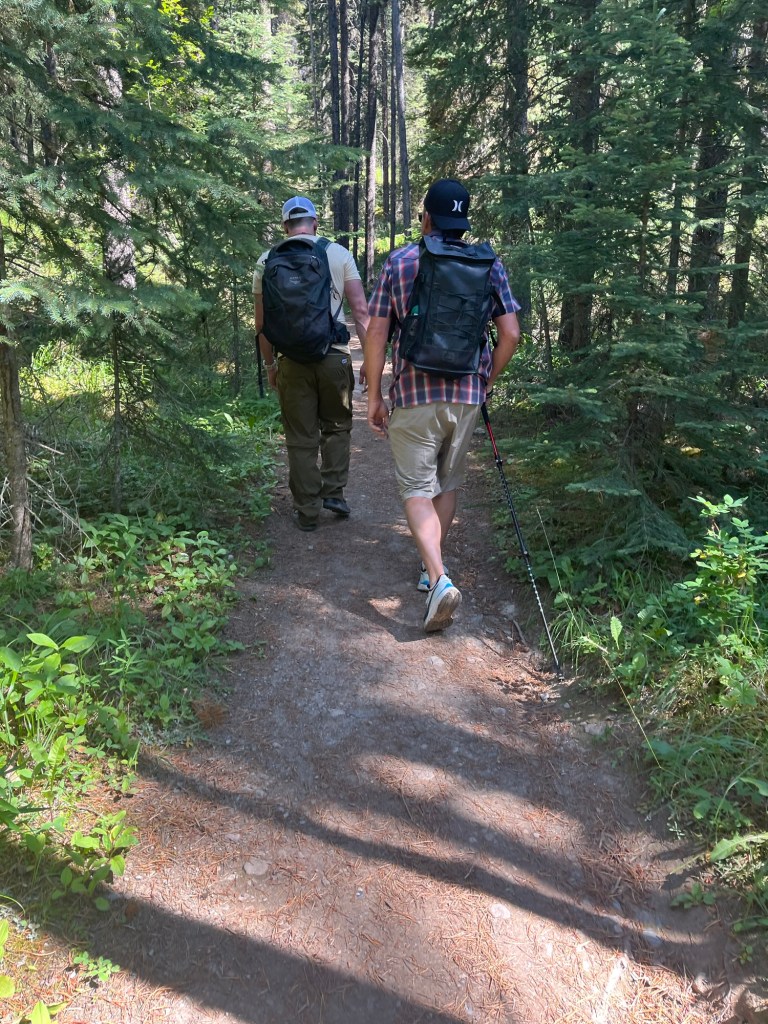
People walking.
Your own thoughts.
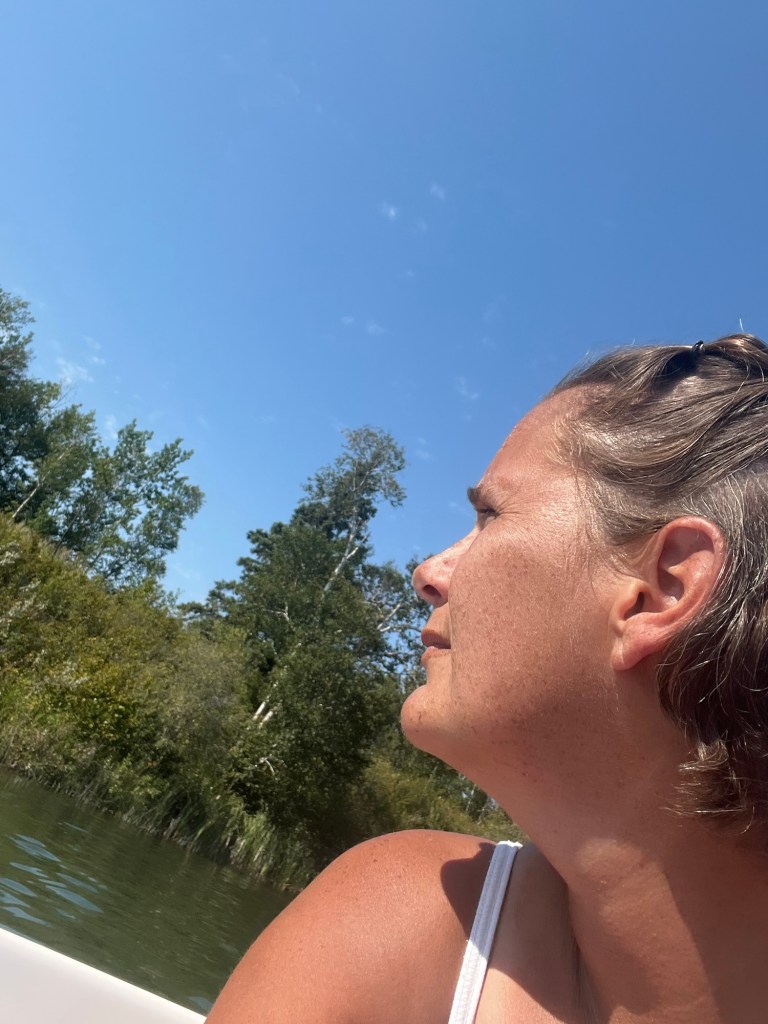
Notice how much movement exists around you.
Then look for something that is not moving.
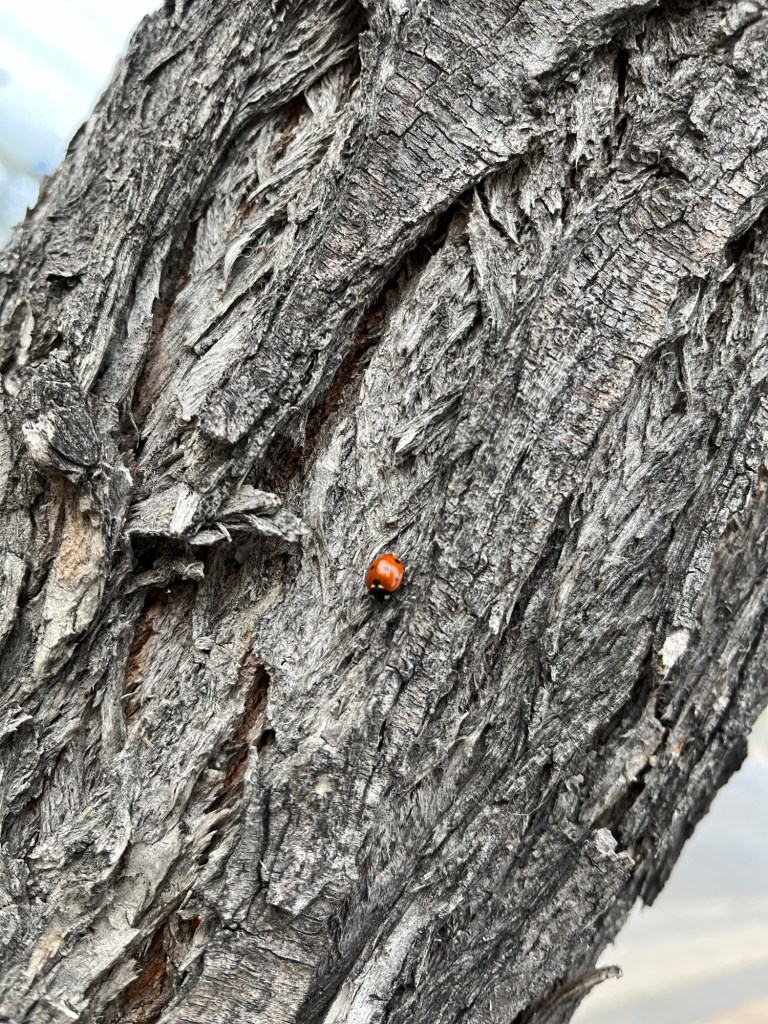
A trunk.
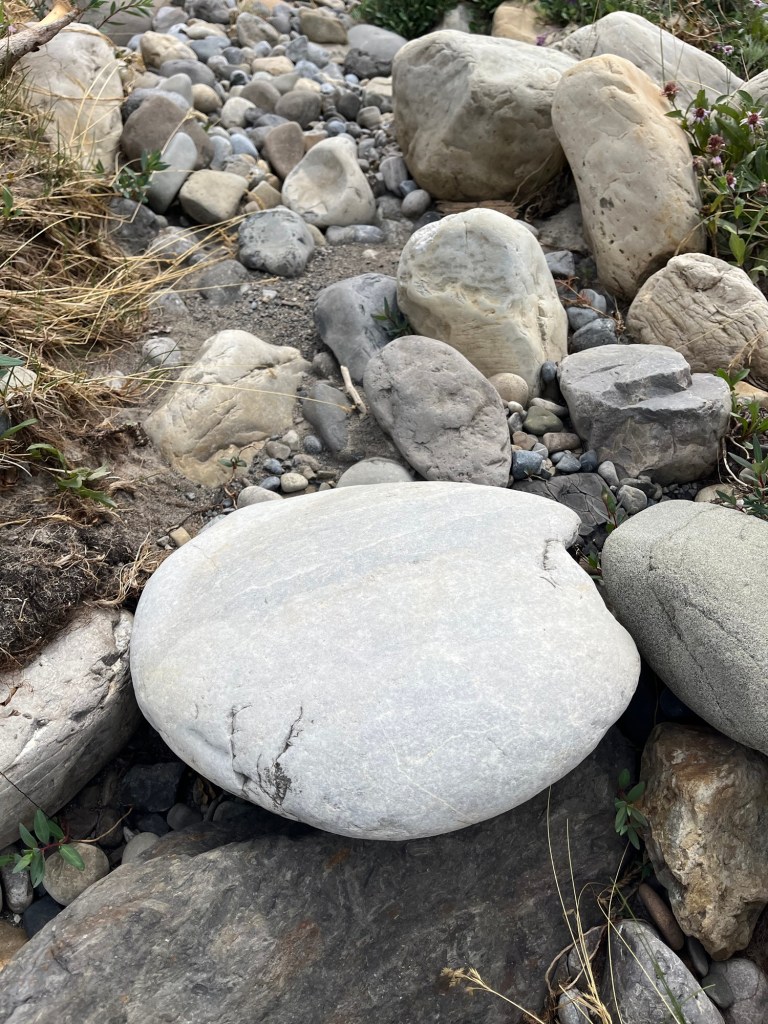
A rock.
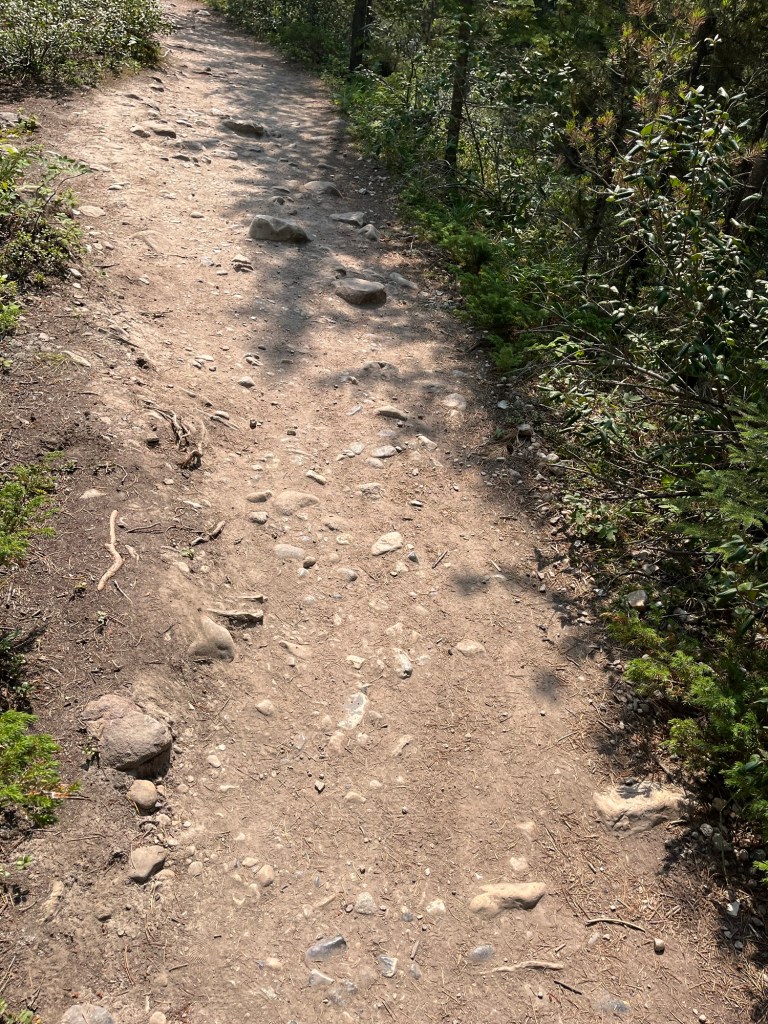
A patch of earth.
A branch that isn’t moving even though everything around it is.
Spend a few minutes noticing the contrast.
Then ask yourself:
Where am I carrying the storm?
Don’t try to fix it.
Don’t analyze it.
Just notice.
Then ask:
Where could I create a little more stillness?
Maybe it’s ten minutes outside.
Maybe it’s going to bed half an hour earlier.
Maybe it’s saying no.
Maybe it’s asking someone else to do something.
Maybe it’s putting your phone down.
Maybe it’s letting yourself rest before you have completely emptied the tank.
You don’t have to solve your whole life.
That would be very ambitious.
Just notice.
The leaves aren’t failing because they’re changing
This might be my favourite part of autumn.
The trees don’t hold onto summer because they’re afraid of what comes next.
They let go.
One leaf at a time.
The colours are not evidence that something has gone wrong.
They’re evidence that something is changing.
And maybe our bodies deserve some of that same compassion.
Maybe needing rest doesn’t mean we’re lazy.
Maybe slowing down doesn’t mean we’ve failed.
Maybe a body that has been under strain for a long time needs more recovery, not more criticism.
I don’t think the answer is to eliminate every stressor from our lives. That’s impossible. Life is going to life.
There will be deadlines. Pain. Children. Grandchildren. Bills. Appointments. Bad news. Good news. Things breaking at precisely the wrong moment. People saying things that make us wonder if they have ever met another human being before.

Stress is part of being alive. But so is recovery.
So this fall, when I walk through Saskatchewan and see those brilliant trees letting go of their leaves, I’m going to try to remember:
I don’t have to be productive every minute to be valuable.
I don’t have to push through every signal my body gives me.
And I don’t have to wait until I’m completely depleted before I start taking care of the system carrying me through this life.
The trees aren’t trying to avoid winter. They’re preparing for it. I can too.
Not to eliminate the hard seasons. Just learning how to give my body enough recovery to meet them.
And maybe today, that means stepping outside.
Taking a breath.
Feeling the cool Saskatchewan air on my face.
And noticing that, for this moment…
there is no emergency.
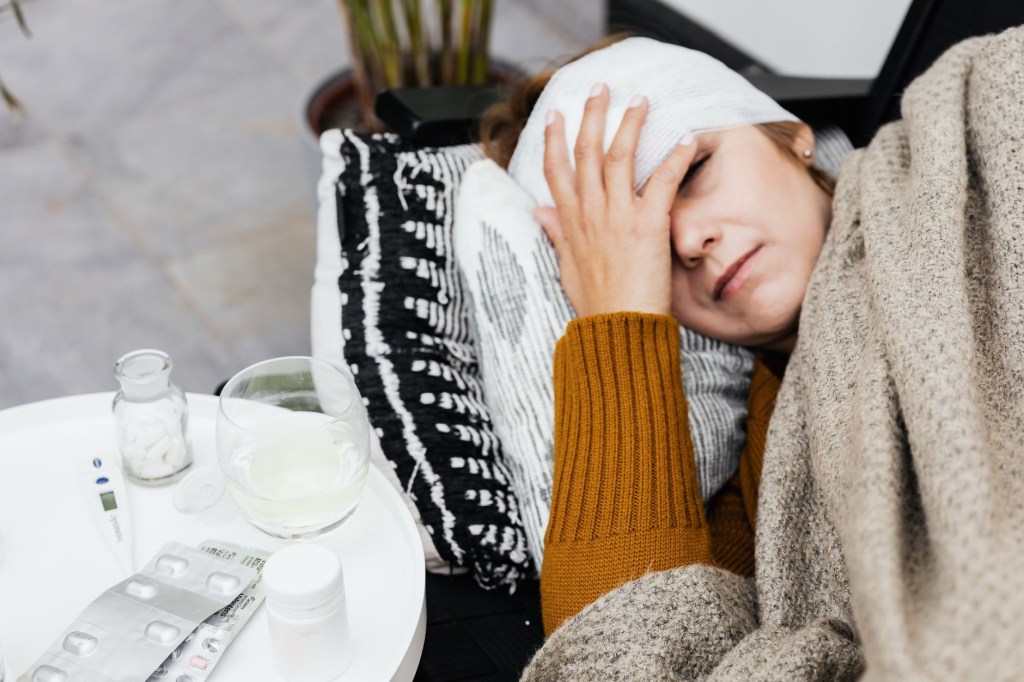
Pain is the signal. Not an emergency. Take time to rest and recover. Even if that recovery isn’t always perfect.
When despair for the world grows in me
and I wake in the night at the least sound
in fear of what my life and my children’s lives may be,
I go and lie down where the wood drake
rests in his beauty on the water, and the great heron feeds.
I come into the peace of wild things
who do not tax their lives with forethought
of grief. I come into the presence of still water.
And I feel above me the day-blind stars
waiting with their light. For a time
I rest in the grace of the world, and am free.

-Wendell Berry, “The Peace of Wild Things”


