The Biggest Rocks, Near Enemies, and the Stillness That Tells the Truth

As a forest therapy guide, I spend a lot of time listening. Not just to birds and wind, but to the quiet wisdom that surfaces when life slows down. Recently, while listening to the Follow Him podcast with guest Dr. John Hilton III, I was struck by how clearly their insights mirrored what I see every day in nature-based healing.
The Silent Saboteur of Greatness: Settling for “Good Enough”

Dr. Hilton shared a story Warren Buffett once told about his pilot, Mike Flint. Buffett asked Flint to list his 25 most important goals, then circle the top five. Flint assumed the remaining 20 would simply be addressed later, as time allowed.

But Buffett surprised him.

Those other 20 goals, he said, were not “later” goals. They were avoid-at-all-costs goals. Why? Because what most often pulls us away from our very best work isn’t something bad. It’s something good. Interesting. Worthy. Pretty good.

And that’s the danger. Pretty good competes quietly. It distracts us without alarming us. It drains time and energy while convincing us we’re still doing something valuable.

Choosing Wisely: Balancing Big and Small in a Limited Jar

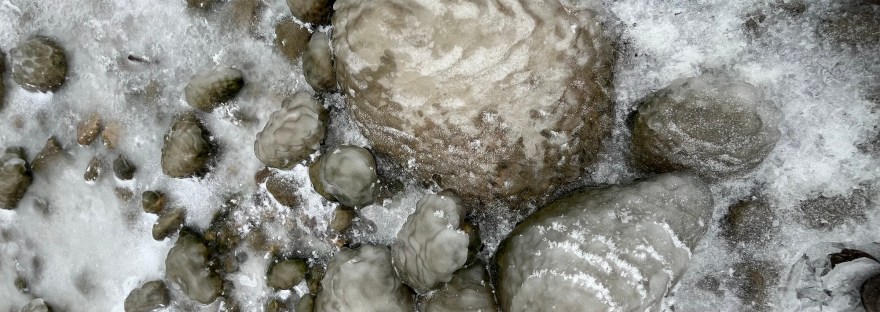
You’ve probably heard the “big rocks” analogy: if you put the big rocks in the jar first, then the small rocks, then the sand, everything fits. It’s a powerful visual reminder to prioritize what matters most. In a day. In a year. In a life.

But Dr. Hilton pointed out something that often gets overlooked. In real life, no one measures out the rocks and dirt ahead of time so it all fits. Neat and tidy. Many of us simply have too many big rocks.

The daily work.

The self care.

The appointments.

The responsibilities we can’t opt out of.

At some point, the work becomes less about fitting everything in and more about asking a braver question:

Which rock is the biggest?

And then: Which one comes next?

For those of us living with chronic pain or limited energy, this question isn’t philosophical. It’s survival.

The real work is not to prioritize what’s on your schedule, but to schedule your priorities.

— Stephen Covey

Near Enemies: The Perils of Almost Right

Psychologist Kristin Neff teaches about near enemies. Qualities or choices that look helpful on the surface but quietly undermine what we actually need.

In compassion practice, for example, self‑compassion’s near enemy is self‑pity. In mindfulness, it might be zoning out instead of being present. Near enemies are dangerous not because they are wrong, but because they are convincing.

They imitate wisdom.

They borrow the language of care.

They feel responsible.

And yet, they subtly pull us away from what truly nourishes us.
Familiar Foes: Chronic Pain’s Close Encounters

When you live with chronic pain or chronic illness, near enemies show up everywhere:

  • Filling your day with “useful” tasks instead of the few essential ones that protect your health.
  • Trying every therapy instead of committing energy to the one or two that truly help.
  • Positive thinking that bypasses your body’s real signals.
  • Staying busy so you don’t have to feel how tired you actually are

Even healing practices can become near enemies when they cost more energy than they restore.

In these seasons, discernment matters more than discipline.

Unearthing Clarity: The Truth of Forest Therapy

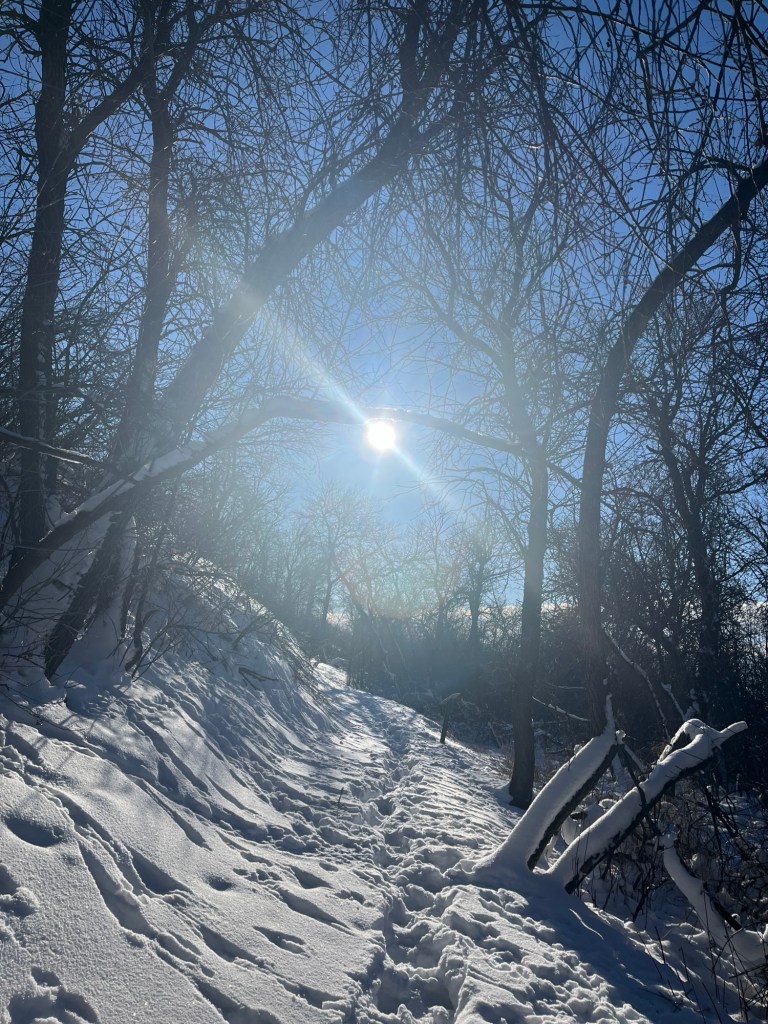
Nature has a way of clarifying what belongs and what doesn’t.

In the stillness of the forest, the nervous system softens. The noise quiets. And without effort, priorities begin to rearrange themselves.
Here, the biggest rocks often reveal themselves as simple, foundational truths:

  • Enough sleep
  • Nourishing food
  • Gentle, appropriate movement
  • Nervous system regulation
  • Emotional safety

These are not optional extras. They are the largest rocks.

From there, we can begin to see the next biggest rocks. Helpful therapies, meaningful connection, creative expression, without confusing them for the foundation itself.

And finally, with compassion, we can begin to sift out what simply does not fit in this season of life. Not forever. Just for now.

Arabic proverb: Sunshine all the time creates a desert.

Perhaps, in the storms, roots deepen and rain helps us grow.

The Significance of Near Enemies

Near enemies are dangerous because they:

  • Masquerade as wisdom
  • Drain limited energy
  • Keep us busy instead of well
  • Pull focus from what truly supports healing

For those living with chronic pain, the cost of mistaking a near enemy for a true ally is high. Energy is precious. Attention is finite. Choosing the wrong “good thing” can mean losing access to the best thing.

You can do anything, but not everything.

David Allen

Letting Go

There was a season when I was frantically searching for a diagnosis. Searching not just for answers, but for validation. I was living with constant, invisible pain that no one could see and few seemed to understand. And so I chased understanding wherever I thought it might live.

I pursued every avenue. Every referral. Every therapy that sounded even remotely promising. I read, researched, pushed, argued, advocated. Believing that if I just searched hard enough, fought clearly enough, or proved my case convincingly enough, I would arrive at the answer. A conclusion. A resolution. A moment where someone would finally say, “Yes. This is real.”

What I didn’t recognize at the time was my near enemy.

On the surface, what I was doing looked responsible. Even admirable. I was being proactive. Informed. Determined. But underneath it all, my hope had quietly become tangled up in outcomes, test results, and external validation. The search itself, though it looked like healing, was slowly exhausting me.

I needed to let go of the illusion that my life might have been different.
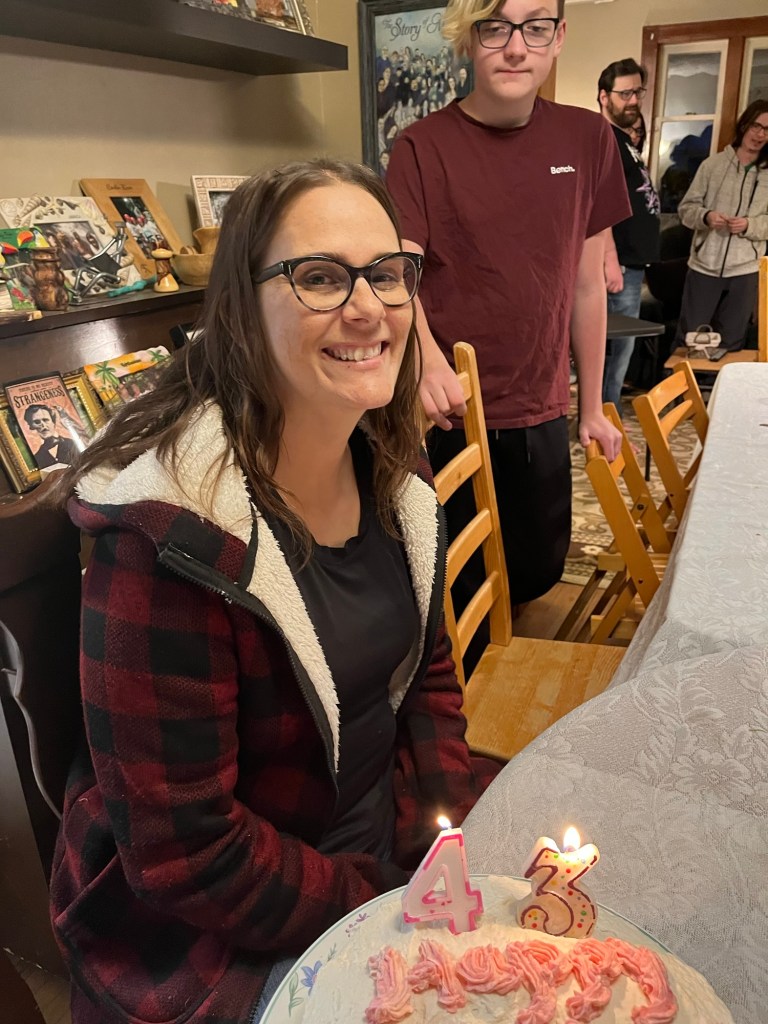
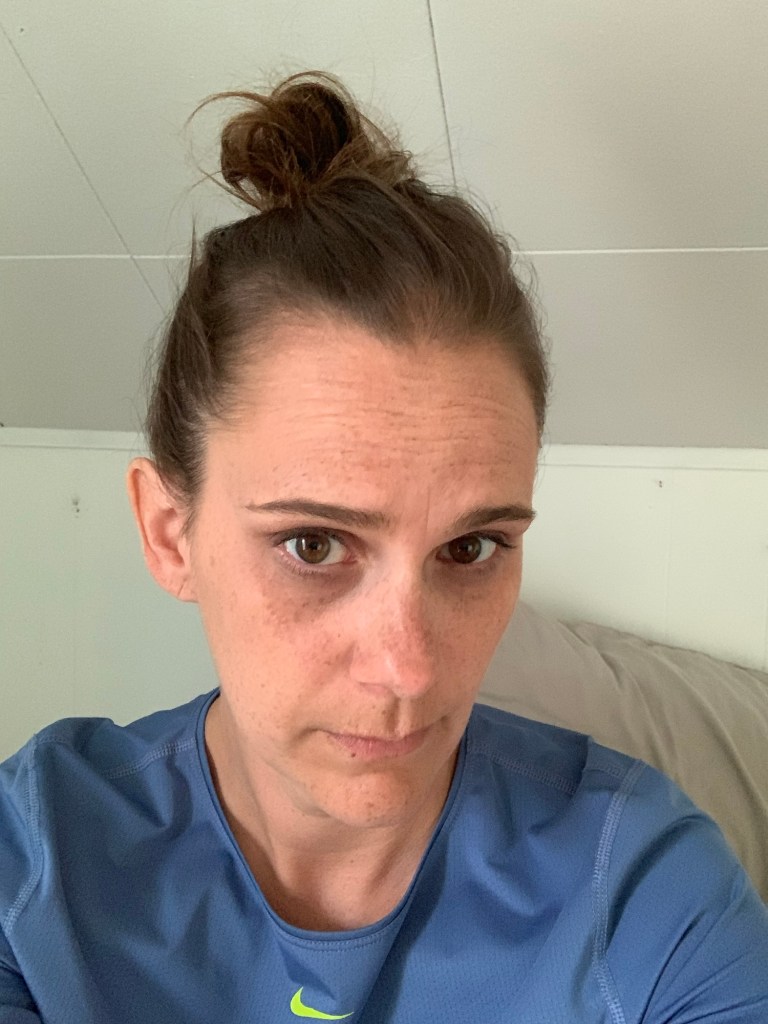
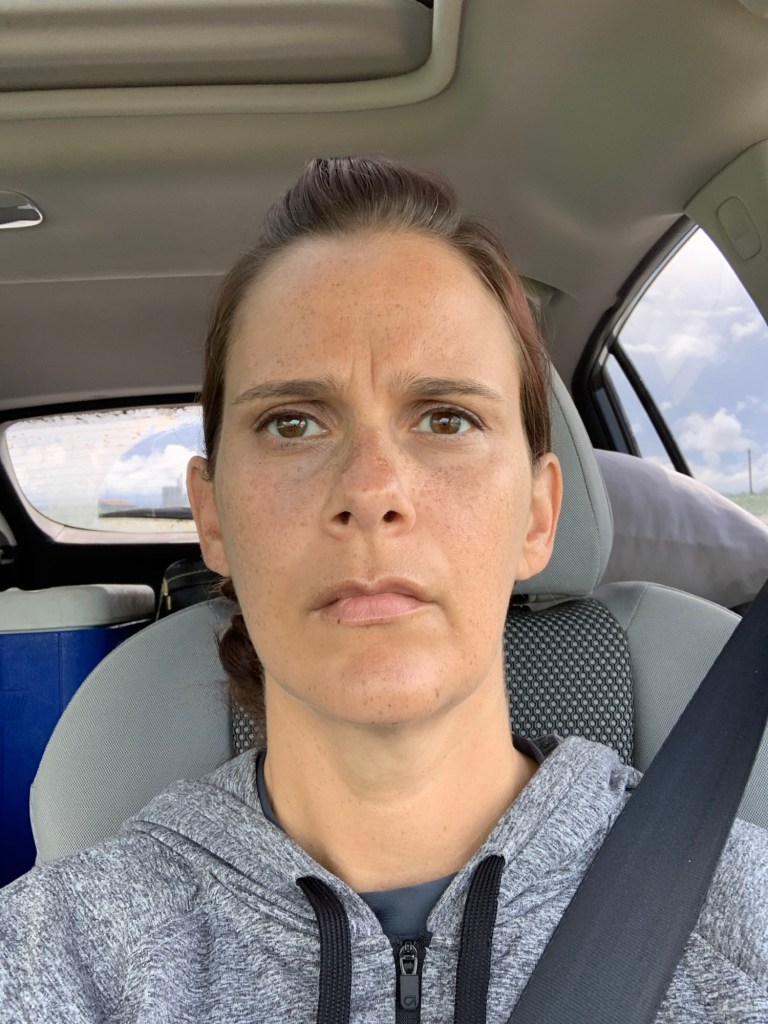
It’s in my eyes. I tried to hide it. But I see now I was not overly successful in that attempt. Through that time, I could best be explained. By these words someone wrote, “she’s got the hospitality of a Southern belle and the emotional stability of a raccoon in a Dollar General.” Or these accurate words, “I’m currently looking for a moisturizer that hides the fact I’ve been exhausted since 2019.”

Each clear test result landed not as relief, but as another erosion of trust. My pain was getting worse, not better. And I suspect my medical charts were, too. Notes growing heavier, more complicated, perhaps less in my favor as frustration mounted on both sides.

Still, I kept searching. Because stopping felt like giving up.

Eventually, I had to face the truth. This relentless pursuit wasn’t leading me toward healing. It was pulling me away from it.

I still don’t have clean answers or a tidy diagnosis. But something essential has shifted. I no longer outsource my validation. It doesn’t come from a test, a label, or a professional conclusion. It comes from listening to my own lived experience.
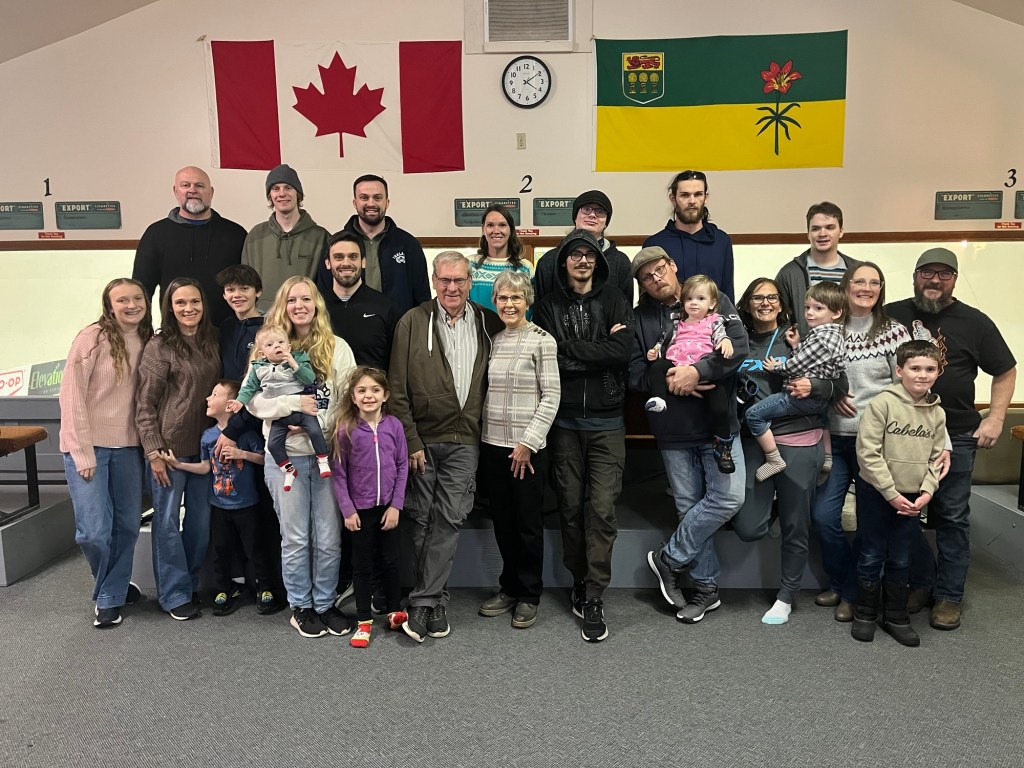
These aren’t the only people. But it’s a good chunk of them.

I’m deeply grateful for the people in my life who try to understand my pain, even when they can’t see it. They may not witness the pain itself, but they see me. And that has mattered more than I once believed possible.

Some answers have arrived gently, settling on me soft as a sunbeam. Others have been harder, more confronting. But I no longer search frantically.

That frantic searching. The good‑looking, well‑intentioned chase for certainty was my near enemy. And laying it down made space for something quieter, truer, and far more healing.
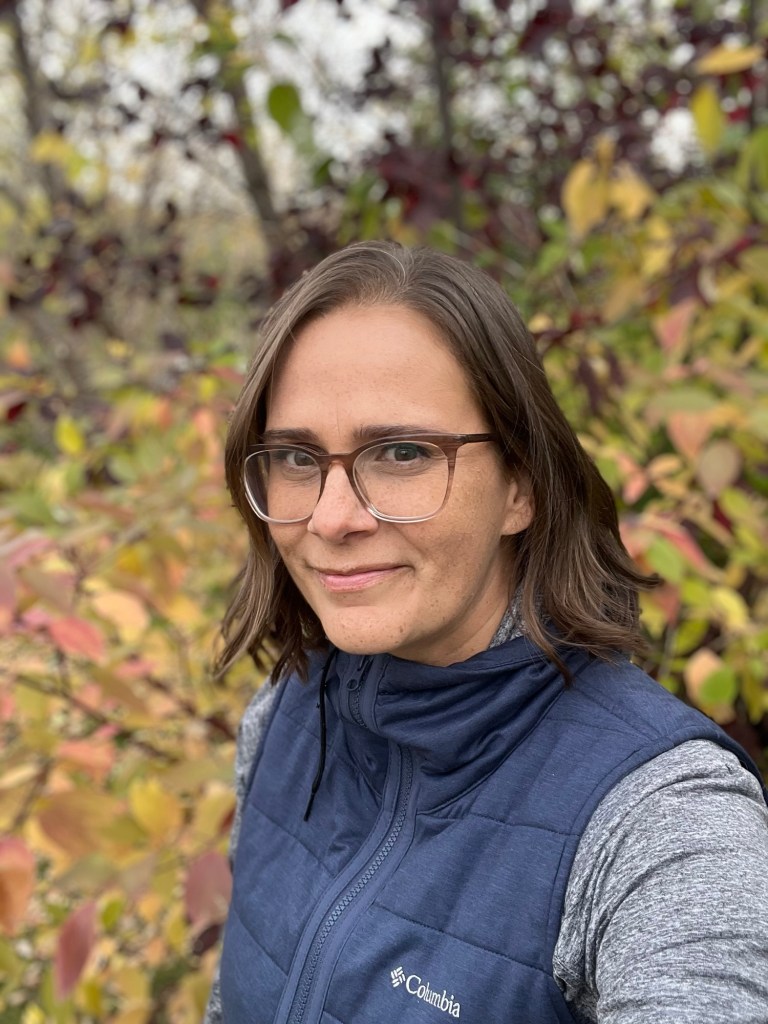
What you tend grows. What you ignore fades.

Forest Reflections

Near enemies are not mistakes. They are invitations to deepen our discernment.

When we learn to tell the difference between the important and the essential. Between the helpful and the healing. We begin to live with greater integrity toward our bodies and our limits.

And often, it is the forest. Quiet, patient, and uncompromising that helps us remember which rock truly belongs in our hands today.
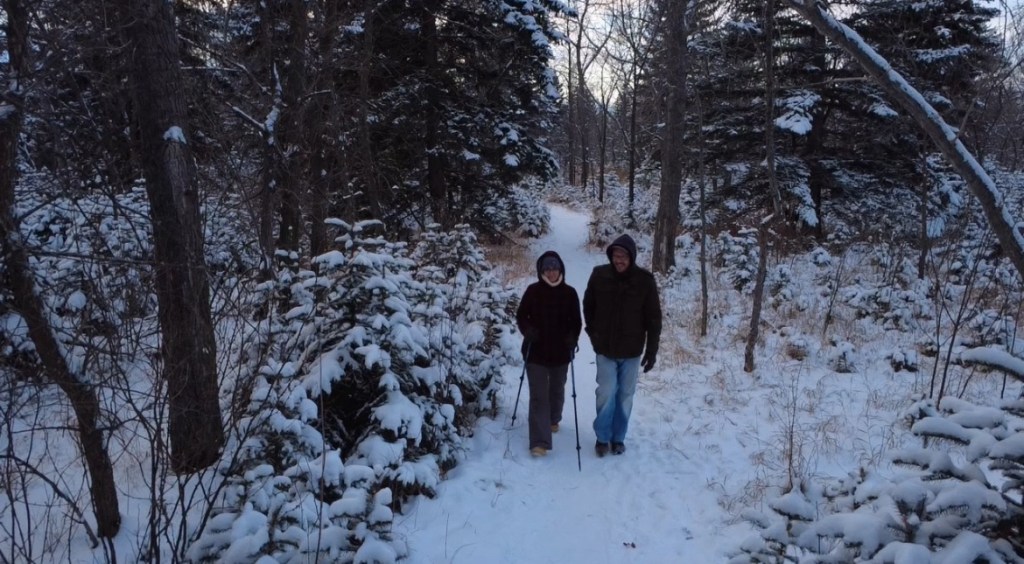
Rest is not idleness. Sometimes lying on the grass under trees on a summer’s day… is hardly a waste of time.

— John Lubbock

“Just Tired” Isn’t Even Close: Living with ME–CFS and Finding Healing

The body is not an obstacle to the soul, but its instrument and means of expression.

— Pope Saint John Paul II

When I tell someone I have chronic fatigue, they often laugh softly, like I’ve made a dramatic overstatement.

Don’t we all have chronic fatigue these days? I imagine them thinking.

And I get it. Life is exhausting. The world is loud. Everyone is stretched thin.

But when you add the ME part. That’s the myalgic encephalomyelitis. Suddenly the picture changes. Here is a quick breakdown of ME and some of its symptoms.

ME–CFS isn’t about being worn out from a long day of being human. It didn’t start from lack of conditioning. I did not cause this.

It’s about being tired all the time.

Pushing through all the time.

And paying dearly for it afterward.

I like to share this graphic 👇🏼 that shows a breakdown of the name of the condition. More than a bad night’s sleep or a long, hard day. This isn’t a mindset problem. It’s not laziness. It’s not weakness. It’s a body that can no longer produce or distribute energy the way it once did.

And that comes with grief.

Grief for the skills and abilities I no longer have.

Grief for the version of me that could say yes without calculating the cost.

Grief for the way I worry I’ll be perceived (unreliable, flaky, distant) when really I’m just surviving in a body that demands a different rhythm.

Unmasking the True Price of “Energy Takes Everything”

I’ve had to pattern my life after my condition instead of pushing through like the rest of the world celebrates doing.

And some days, that still feels like failure. Even though I know it isn’t.

I’ve found a rhythm that works for me.

And I want to be confident in it.

It does not matter how slowly you go as long as you do not stop.

— Confucius

But here’s the part people don’t see:

Everything takes energy.

Take the feelings you have at the very end of a long day:

Hard to find something to eat because every step feels heavy. Hard to have patience for the people in your space. Hard to think creatively or problem-solve.

Normally, you’d say: I just need a good night’s sleep. Then I will be myself again.

But when that good night’s sleep never comes. Neither does the motivation, the emotional regulation, or the clarity to solve even the smallest dilemmas.

And those complications build… and build… and build.

Then there’s the big life stuff I feel like I will never be able to address when I am always dealing with constant minor emergencies. A migraine. A vertebrae stuck out. Spasms.

What’s my purpose? How do I set priorities? How do I live well in this body? How do I figure it all out when my brain just wants to sleep?

Sometimes I end up spinning in a washing machine of choices that made sense in the moment:

Made sense in the moment: “I have to eat well.” I go get groceries. Get home. Collapse. Can’t get back up. Order pizza (the dirty laundry I get stuck in a spin cycle with).

Made sense in the moment: “I have to practice self-care.” I gather everything. Run the bath. Lay down… and don’t have the energy to actually do the care. Back to bed (the dirty sheets I get tangled up in).

Made sense in the moment: “I have to take care of myself.” Someone needs help. I don’t respond. Then guilt rushes in and it steals what little peace I had left. (those laundry items that always pass on a grease stain, no matter how many times its been washed)

So I’ve learned to live differently.

My rhythm now is:

  • rest
  • spiritual study
  • learning
  • creating
  • easy self-care
  • easy and somewhat healthy meals
  • visiting like-minded souls
  • serving where I can
  • protecting my peace

Nothing is set in stone.

Nothing is required.

It’s simply what works for me

My story of ME

It seems easy. I’m tired. I should sleep. But sleep doesn’t help. I just go between varying types of tired.

Nerves are easily triggered with this condition. So bringing the vibrating down and the peace level up is critical.

I enjoy baths. They initiate a truce with my body. Where the pain subsides. I can lay suspended and liberated.

When I am in need of one of these sessions I lay in bed and think about how wonderful it would feel.

Often I don’t have the strength to begin. To gather myself and my stuff. To stand while the tub starts to fill. To change temperatures by changing rooms. To rise and remember all the places in my body that are not aligned.

It all becomes too much. And the fabulous results are lost in the desire to conserve what little energy I have.

Your pace is not a moral issue.

— Devon Price

What the Science Says and Why the Forest Helps

As a forest therapy guide, I’ve seen again and again how nature meets people where their bodies are not where culture thinks they should be.

ME–CFS involves:

  • dysregulation of the nervous system
  • chronic inflammation
  • impaired cellular energy production (mitochondrial dysfunction)
  • heightened sensitivity to sensory input
  • post-exertional malaise, where even small effort leads to disproportionate crashes

This means the body is stuck in a protective mode, constantly conserving resources.

And here’s where the forest becomes more than beautiful scenery. It becomes medicine.

Nature’s Recharge: Forest Therapy’s Cure for ME–CFS and Exhaustion

1. Calms the nervous system

Time in natural environments lowers cortisol and shifts the body from “fight-or-flight” into “rest-and-digest.” For someone whose system is always on high alert, this is profound relief.

2. Reduces inflammation

Phytoncides, which are natural compounds released by trees, have been shown to support immune balance and reduce markers of inflammation. The body doesn’t have to work as hard to regulate itself.

3. Restores attention without effort

Nature offers soft fascination. A gentle sensory input that allows the brain to rest while still being engaged. This is vital when cognitive fatigue makes any thinking feel heavy.

4. Reframes worth and productivity

In the forest, you don’t have to prove anything. Trees don’t rush. Streams don’t apologize for slowing down. The environment itself models a different definition of enough.

For those of us living with ME–CFS, the forest reminds us:

We are not broken machines. We are living beings adapting to different conditions.

Embracing Serenity: Forest Therapy for ME–CFS & Deep Fatigue

This practice is designed for very low energy days. No hiking. No goals. No fixing.

The “Enough as I Am” Practice

Time: 10–20 minutes (or less)

Place: A bench, porch, backyard, park, or even near an open window

  • Arrive without performing
  • Sit or lie in a comfortable position
  • Let your body choose
  • Let one sense lead. Instead of scanning everything, pick just one: listening to birds or wind feeling air on your skin noticing light through leaves
  • Breathe like the trees. Inhale slowly. Exhale even slower.
  • Imagine your breath moving at the pace of a growing branch (not a ticking clock)
  • Offer yourself one true sentence. Silently say: “In this moment, I am doing enough.”
  • Leave before you’re tired. Ending early is not failure. It is wisdom.

There is a difference between resting and quitting. One restores you. The other abandons you.

Bansky

Strength in Unexpected Places

Living with ME–CFS has taught me that strength doesn’t always look like endurance.

Sometimes strength looks like:

  • stopping early
  • saying no gently
  • choosing peace over productivity
  • letting the forest hold what I can’t

I am not lazy.

I am not weak.

I am not failing.

I am adapting.

Your best is what you can do without harming your physical or mental health. Not what you can accomplish when you disregard it.

-Unknown

And in the quiet wisdom of trees, I’ve learned something the world forgot to teach.

A life lived slowly is not a life lived small. Sometimes, it is the bravest life of all.

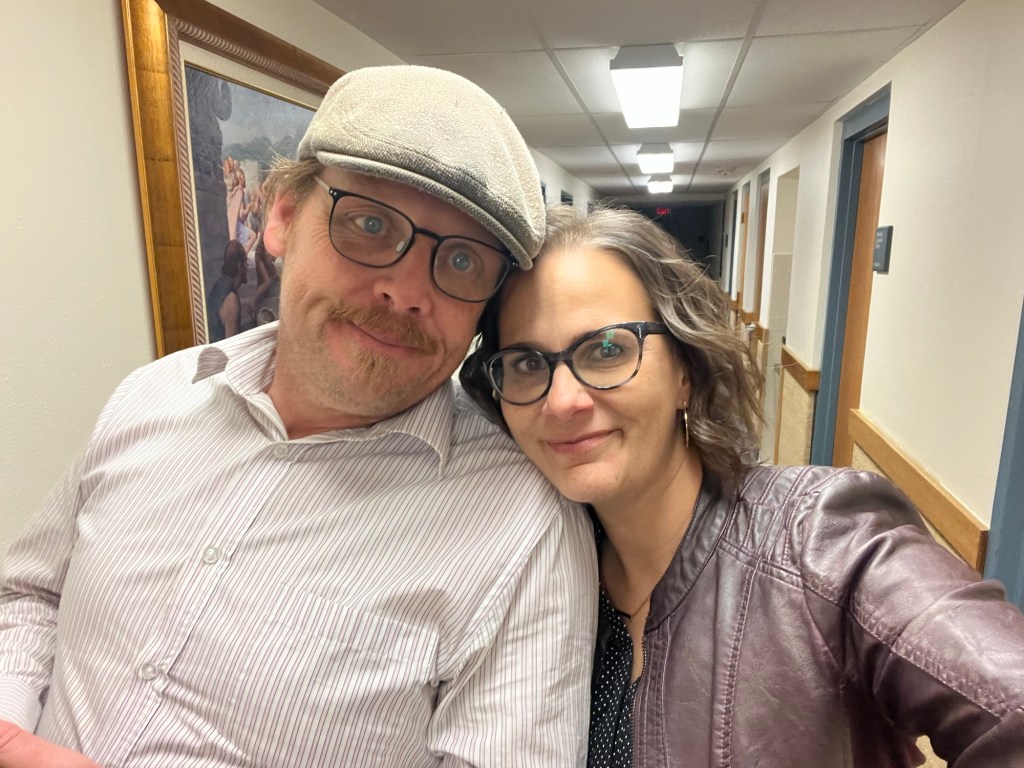
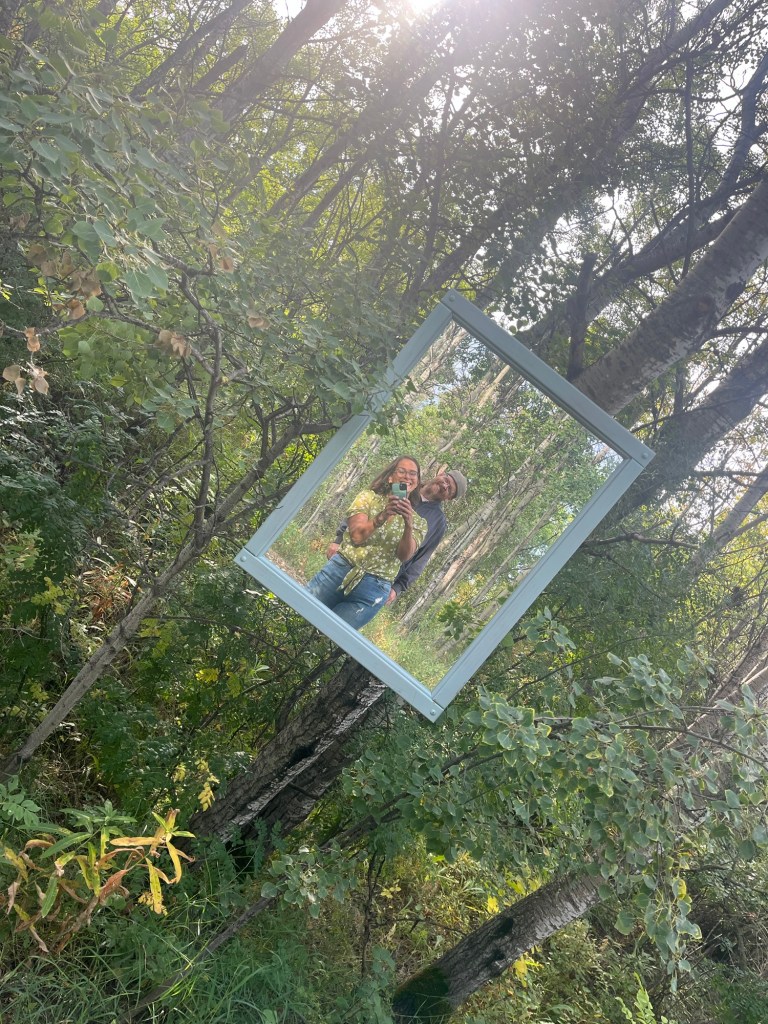
Us on New Year’s Eve before getting too tired and heading home around 10:00. Usually we are the people that when asked if we want to get together at 8:00 we wonder am?!? or pm?!? Actually never mind, both are a hard pass.

Happy New Year! To all those suffering, you are not alone, your worth is not diminished by your ability, you are seen and welcomed here.

Finding Self Compassion Through the Mirror of the Forest

Resilience is based on compassion for ourselves.

Sharon Salzberg

In the beginning of my chronic pain, before I had language for it, I fought it.

I tried to outrun the agony.

I tried to out- power the fatigue.

I believed if I just pushed harder, rested less, proved myself more. I would get ahead of it.

Instead, the harder I tried, the further behind I seemed to fall.

What I didn’t yet understand was that I wasn’t battling weakness or lack of willpower. I was battling a body riddled with inflammation. A body asking to be soothed, not ignored. Not overridden. But met with compassion.

There likely will never be a cure for my condition.

But there can be healing. For myself and so many others.

For me, that healing began when I stopped fighting my body and started listening to it.

Healing in the Woods: A Transformative Quest

When I found forest therapy, I was still angry. Still confused by my disability. Still grieving the body I thought I should have. Trying to figure out exactly what steps to take to “get better.” Whatever that means.

Forest therapy didn’t fix me. But it slowed me down enough to meet myself honestly.

Walking slowly among trees, I began to notice how nature never rushes itself into wellness. Trees scarred by lightning still reach for the sun. Fallen logs don’t apologize for dormancy. Fallen leaves aren’t failures. Moss thrives not despite dampness but because of it. They are part of the cycle that nourishes what comes next.

In the forest, I learned to take time and space:

For my body.

For my care.

For myself.

I learned to soften.

Nature became a mirror for self-compassion. Showing me that acceptance is not giving up, and rest is not weakness. That change is and always will be constant, and beauty is often found because of it.

Where do your forest reflections take you?

Tender and Fierce Self-Compassion: A Pathway to Healing Mastery

If your compassion does not include yourself, it is incomplete.

Jack Cornfield

Psychologist Dr. Kristin Neff, a leading researcher on self-compassion, describes two essential forms. Tender self-compassion and fierce self-compassion. Healing (especially in chronic pain) requires both.

In the forest, tender self- compassion is offered effortlessly. Shade, stillness, permission to slow down. Tender self-compassion is the gentle response we offer ourselves when suffering arises. It sounds like,

“This hurts.”

“I’m allowed to rest.”

“I don’t need to earn care.”

Photo by Brent

Self-compassion is simply giving the same kindness to ourselves that we would give to others.

Christopher Germer

Self compassion also says,

In forest therapy, tender self-compassion shows up as slowing down. Sitting instead of pushing. Letting the forest hold us when our nervous system is overwhelmed.

But compassion is not only soft.

Fierce self-compassion is protective. In the forest, fierce compassion looks like a tree growing around an obstacle instead of breaking itself against it. It looks like roots lifting pavement. Life insisting on what it needs. It draws boundaries. It advocates. It says no to harm. Even when that harm comes from expectations we’ve internalized.

Fierce self-compassion involves taking action in the world to protect, provide, and motivate ourselves to alleviate suffering.

— Kristin Neff

For someone living with chronic pain, fierce compassion might look like canceling plans without guilt, choosing gentler paths, or refusing to prove pain through being productive. (Holy moly, have I ever been guilty of that last one!)

The forest teaches this balance effortlessly. Life adapts rather than destroys itself.

True healing lives in the balance.

Softness without surrender.

Strength without violent self talk.

I highly recommend looking at Dr. Neff’s research.

Beyond the Power of Positivity in Chronic Pain

One of the most harmful ideas placed on people with chronic pain is the demand to “stay positive.” It is a reality many of us are quietly living inside. Through good intentioned humans or when we place this expectation on ourselves. Either way.

This is not healing.

This is toxic positivity.

The forest is not positive all the time. It holds decay and beauty simultaneously. Rot feeds growth. Death makes room for life. Nothing is bypassed.

Embodied compassion, unlike forced optimism, allows pain and beauty to coexist. Forest therapy has taught me that I don’t need to pretend things are fine in order to find meaning, or hope.

Acceptance is not resignation.

It is honesty.

You don’t know this new me; I put back my pieces, differently.

Embracing the Wild: A Practice of Compassionate Forest Therapy

If you are able, try this practice in a forest, park, or any type of natural space.

  • Find a tree that shows signs of damage Look for scars, broken branches, or weathering. Notice how the tree continues to live.
  • Stand or sit nearby Place one hand on your body. Where you feel pain or tension most.
  • Name tenderness. Quietly acknowledge what hurts. No fixing. No reframing. Just noticing.
  • Name fierceness Ask yourself. What does my body need protection from right now? Fatigue? Expectations? Self-criticism?
  • Receive the lesson. Let the tree reflect back to you. Adaptation, not defeat. Presence, not perfection.

Take your time. Healing doesn’t rush.

Nature’s Note: A Message from the Forest to Your Body

Dear Body,

You are not broken.

You are responding to what you have endured. And we know you have endured much.

I have seen storms too. I have lost branches. I have rested longer than expected.

Still, I grow.

You do not need to push to belong here.

You do not need to prove your worth through endurance.

I hold decay and beauty at the same time.

You are allowed to do the same.

Rest when you need to.

Stand tall when you can.

Trust that healing is not the absence of pain, but the presence of care.

You are part of this rhythm.

You always have been.

— The Forest

That’s the thing about December: it goes by in a flash. If you just close your eyes, it’s gone . And it’s like you were never there.

Donal Ryan, The Thing About December

Look into the mirror of forest therapy. Reflect where you need more self- compassion. Take time to recognize and lean into both tender and fierce. It will aid in all types of healing.