Discerning What’s Beneath the Frosty Surface: Setbacks or Breakthroughs

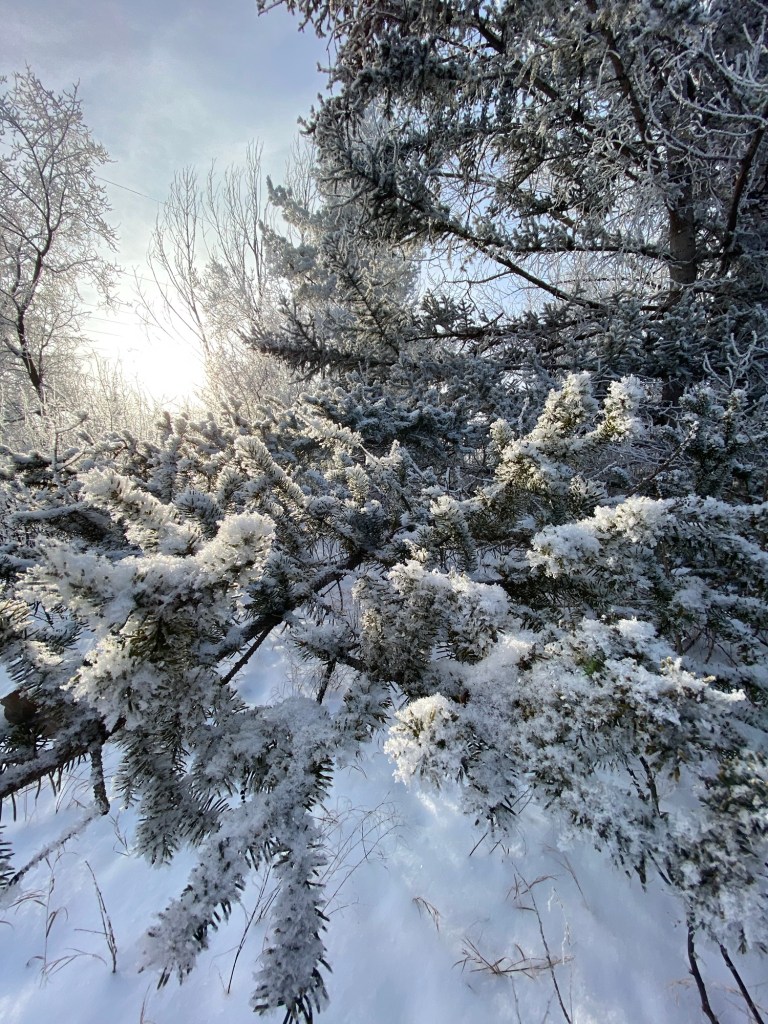
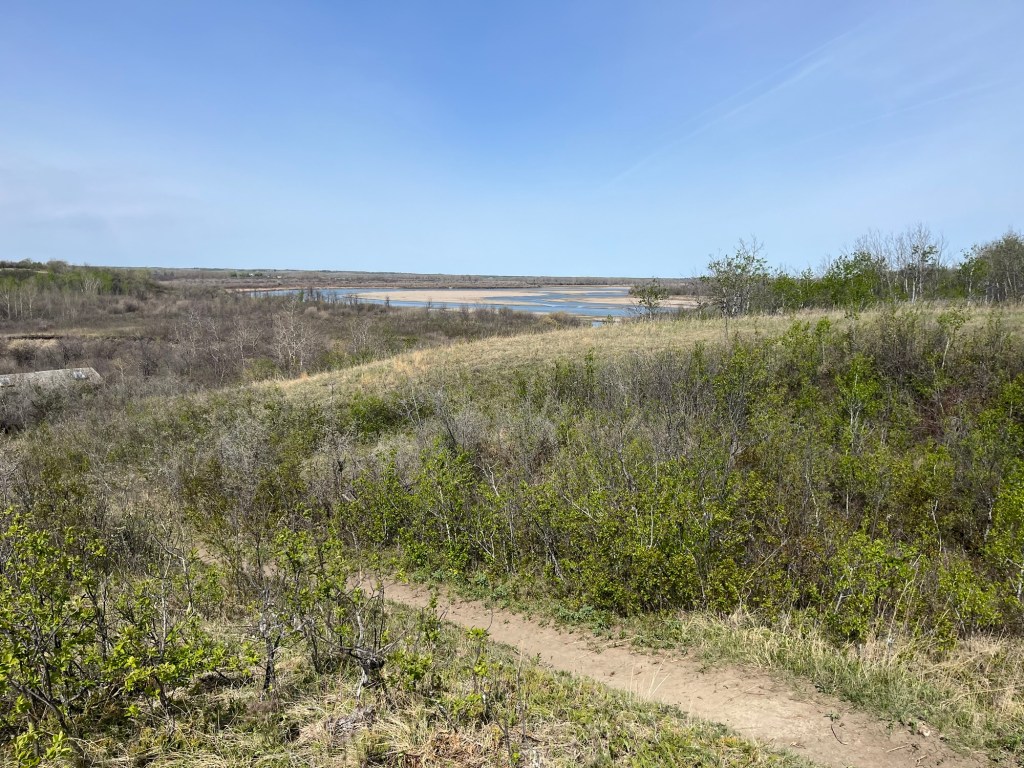
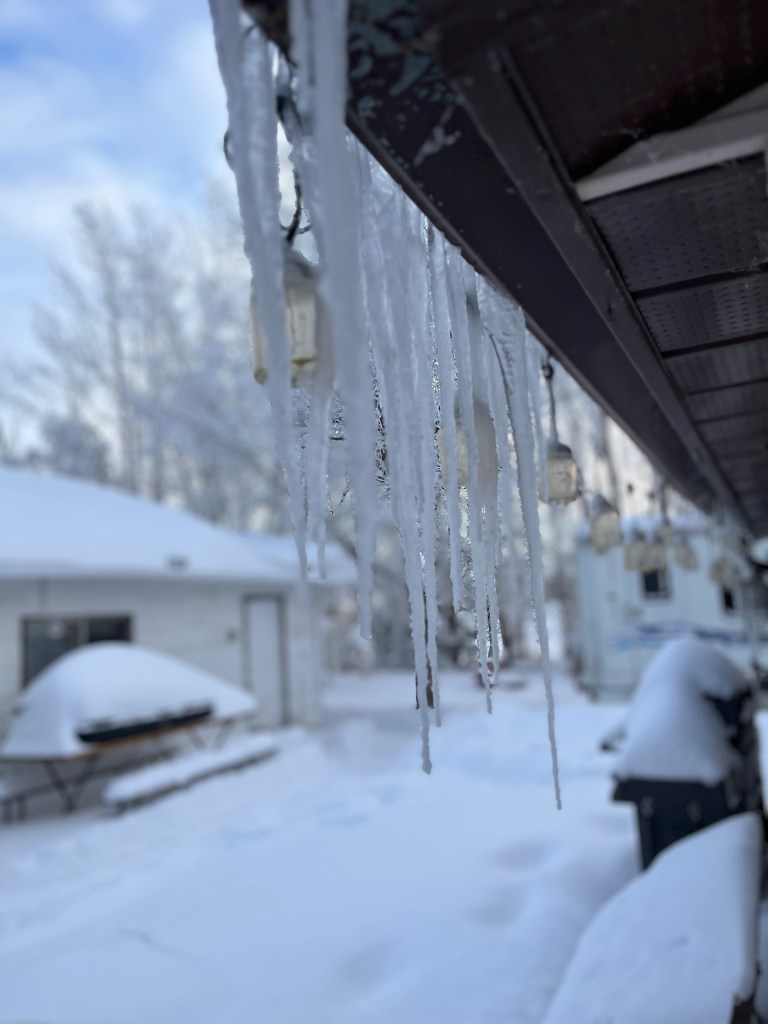
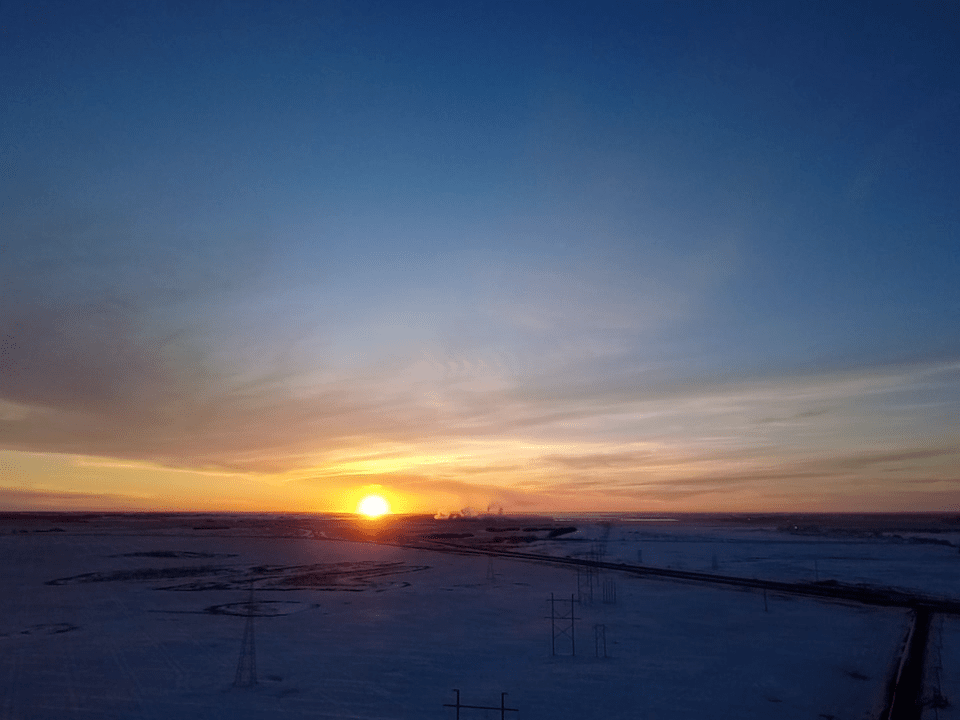
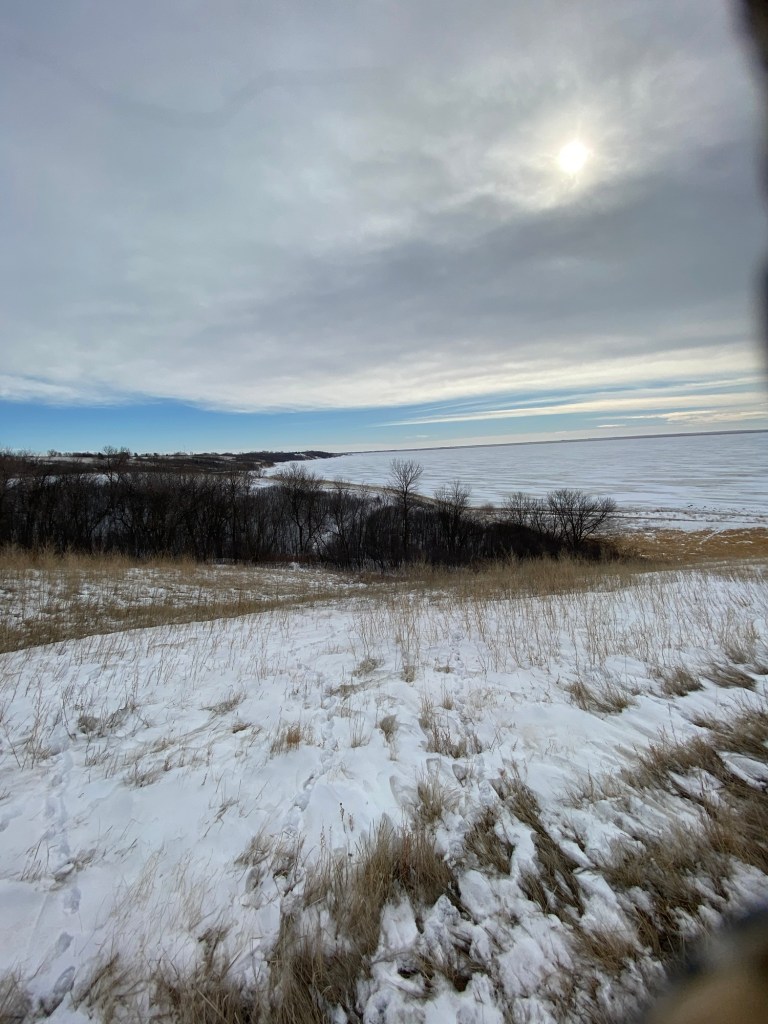
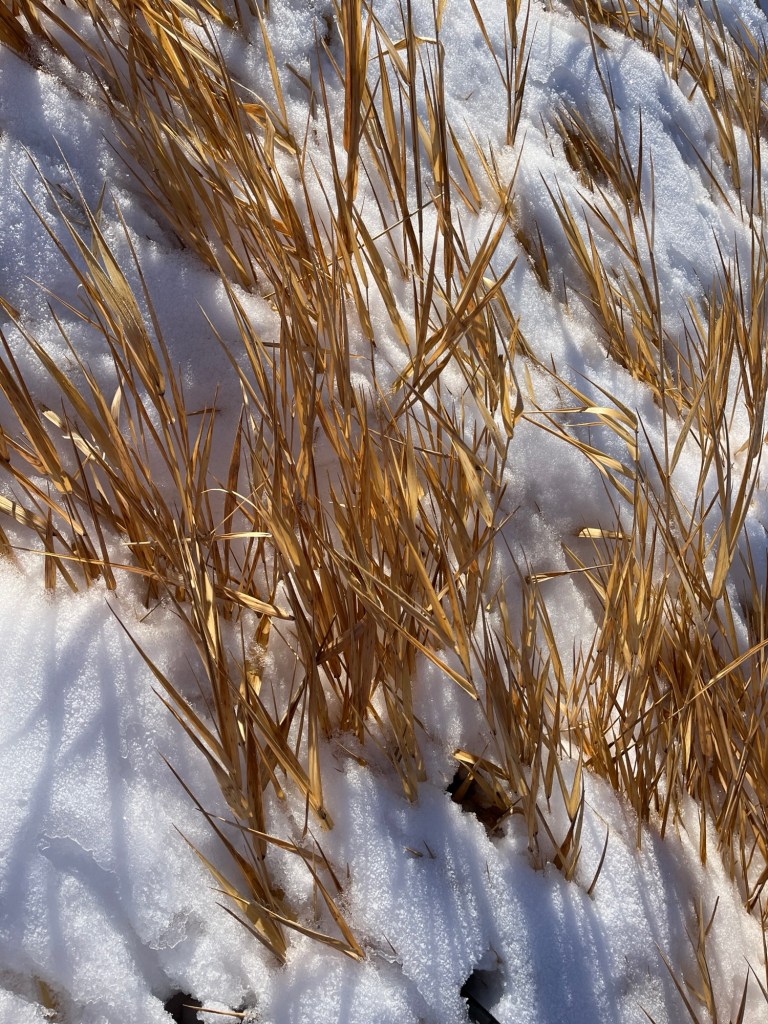
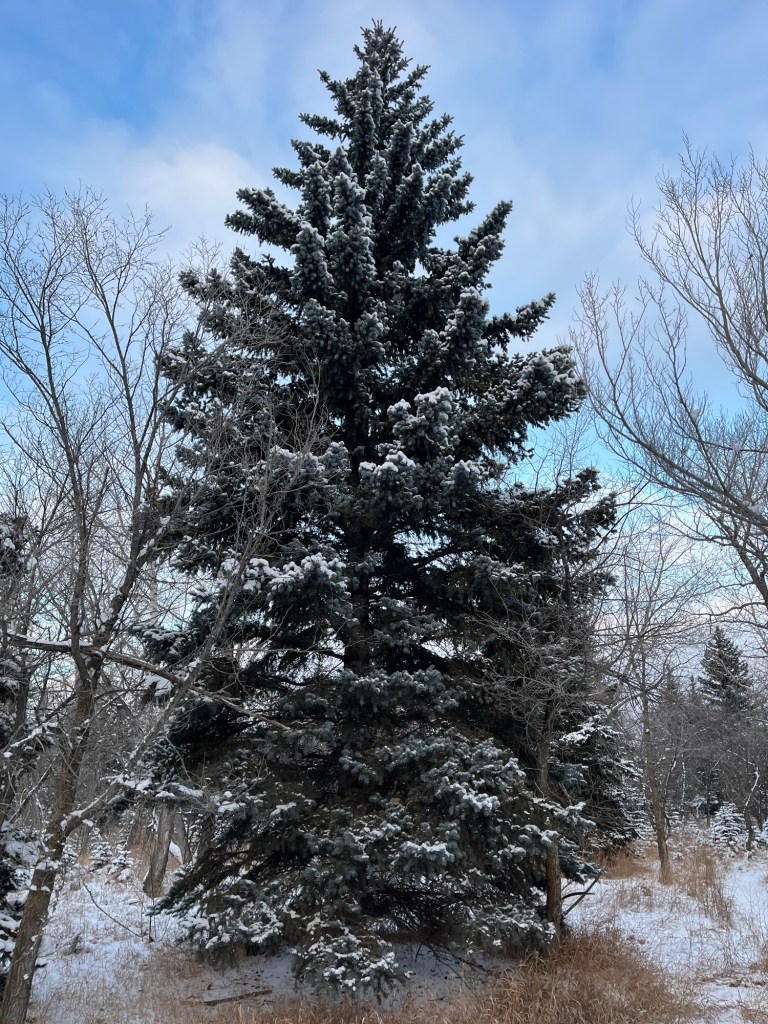
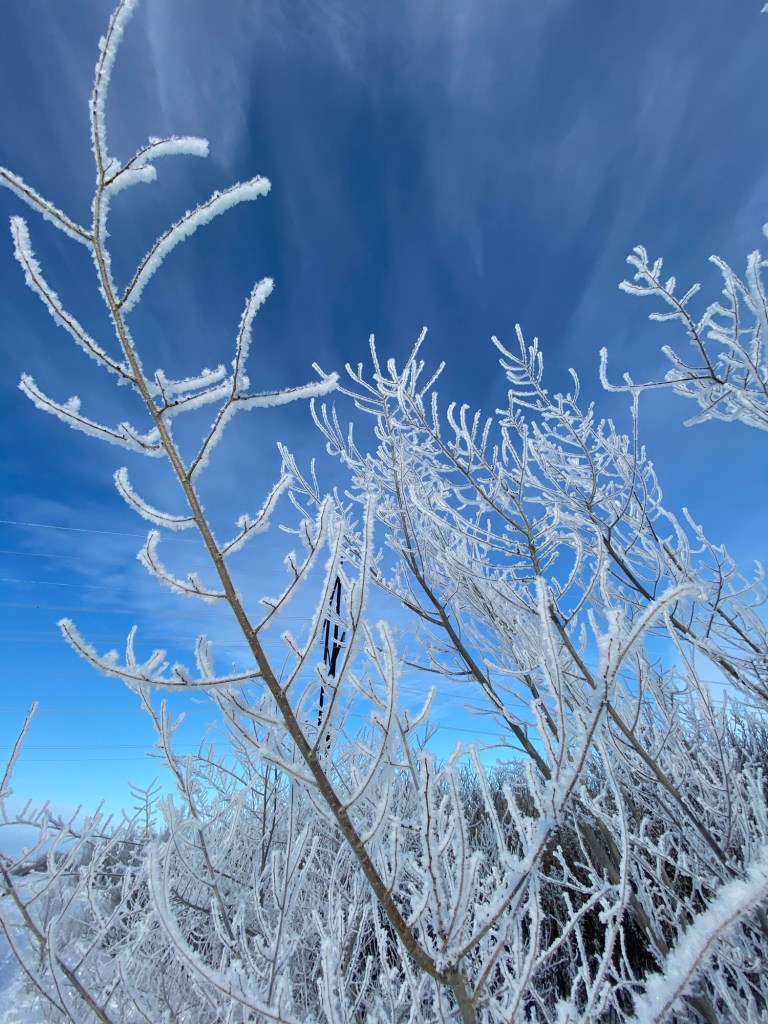
The snow came back. Not a dramatic blizzard, just a quiet dusting, enough to blanket the tender shoots that had just begun to think about stirring. Only days ago, the air was warm, the earth was waking up, and I felt that familiar pull to move, grow, begin again.

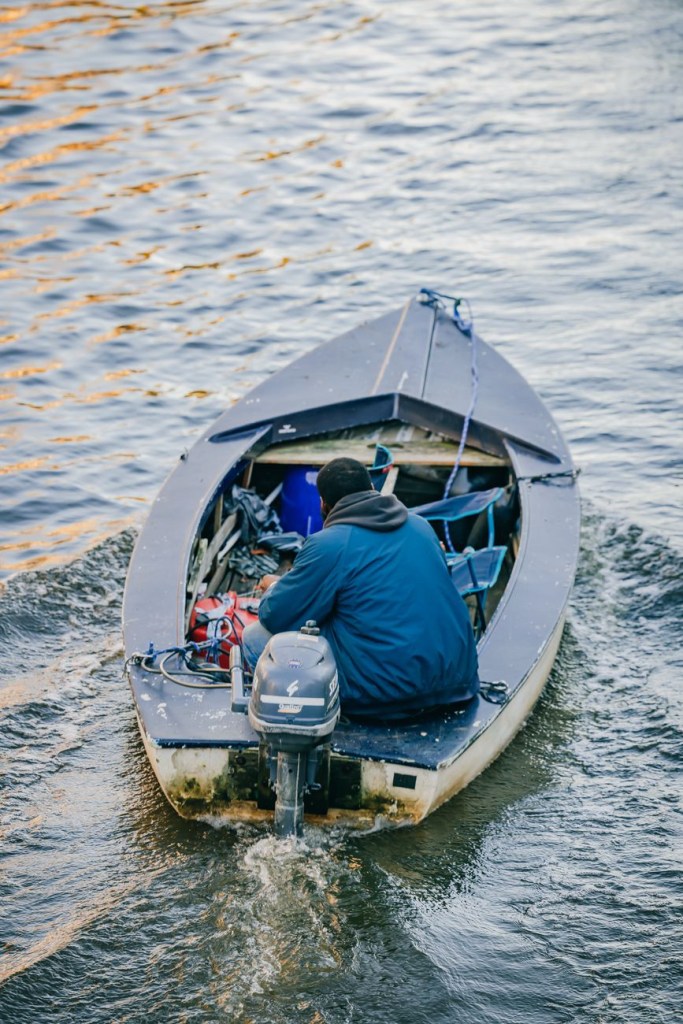
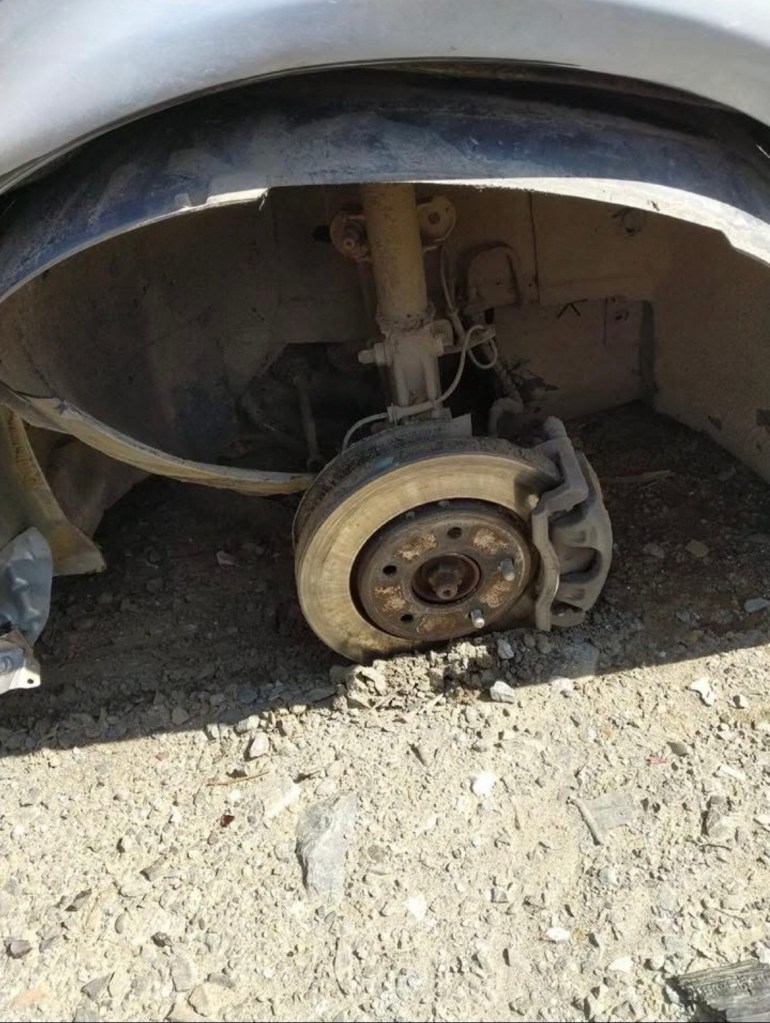
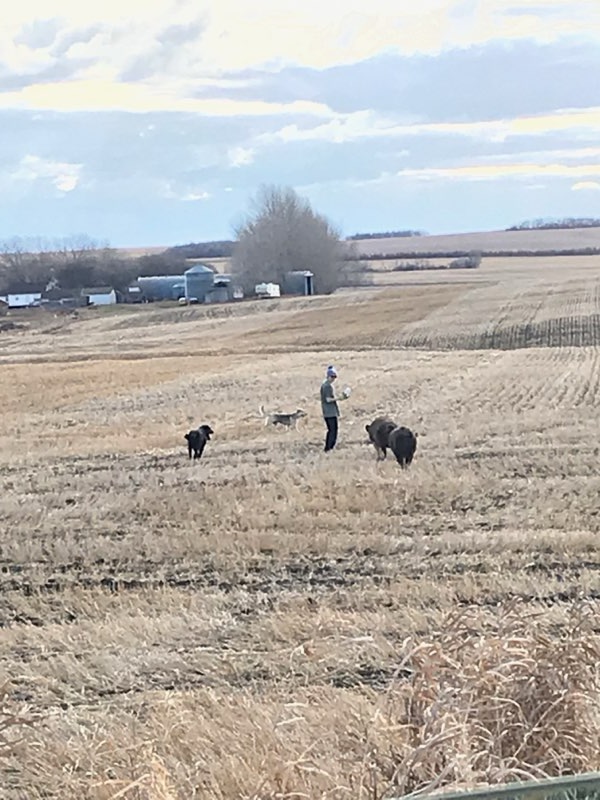
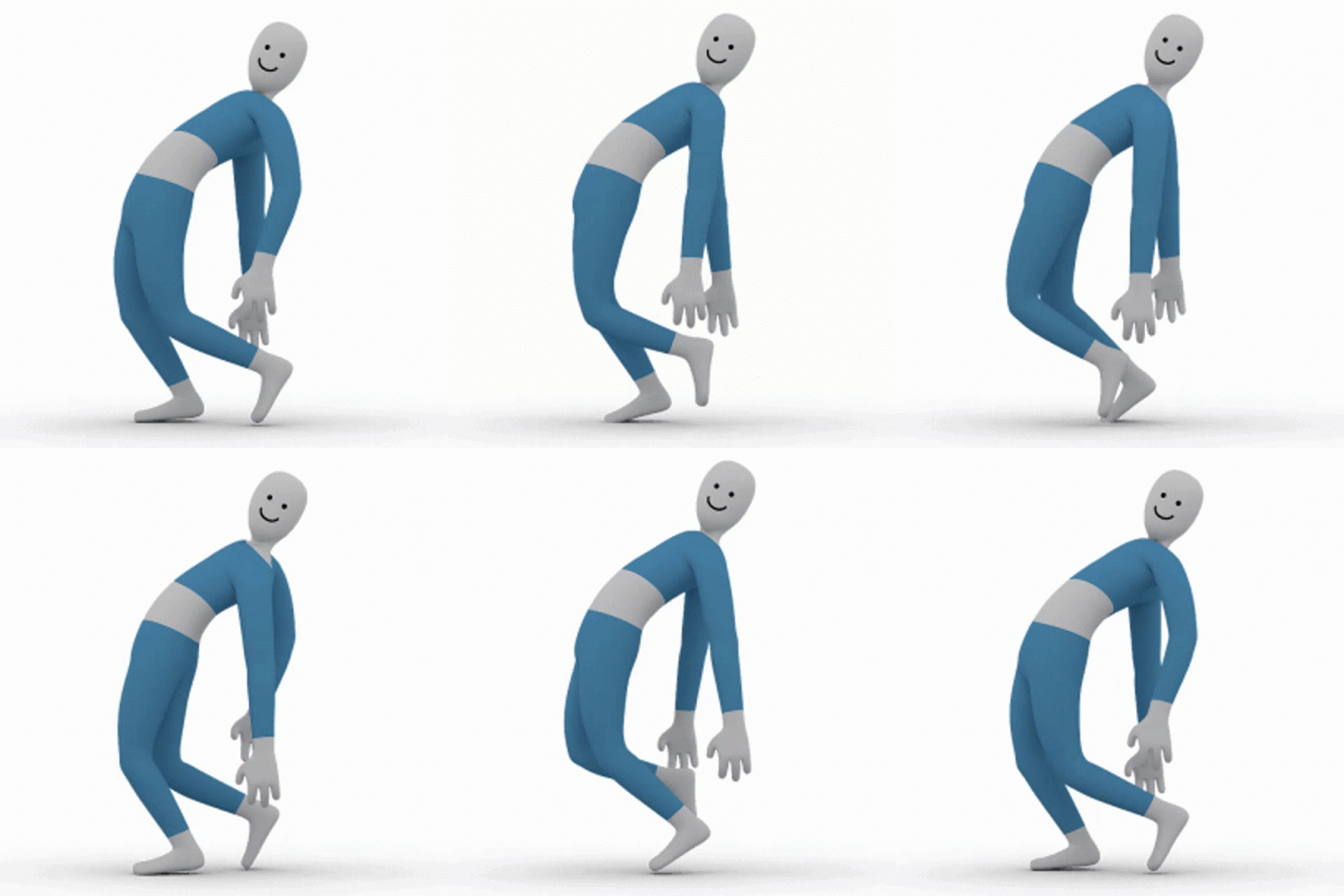
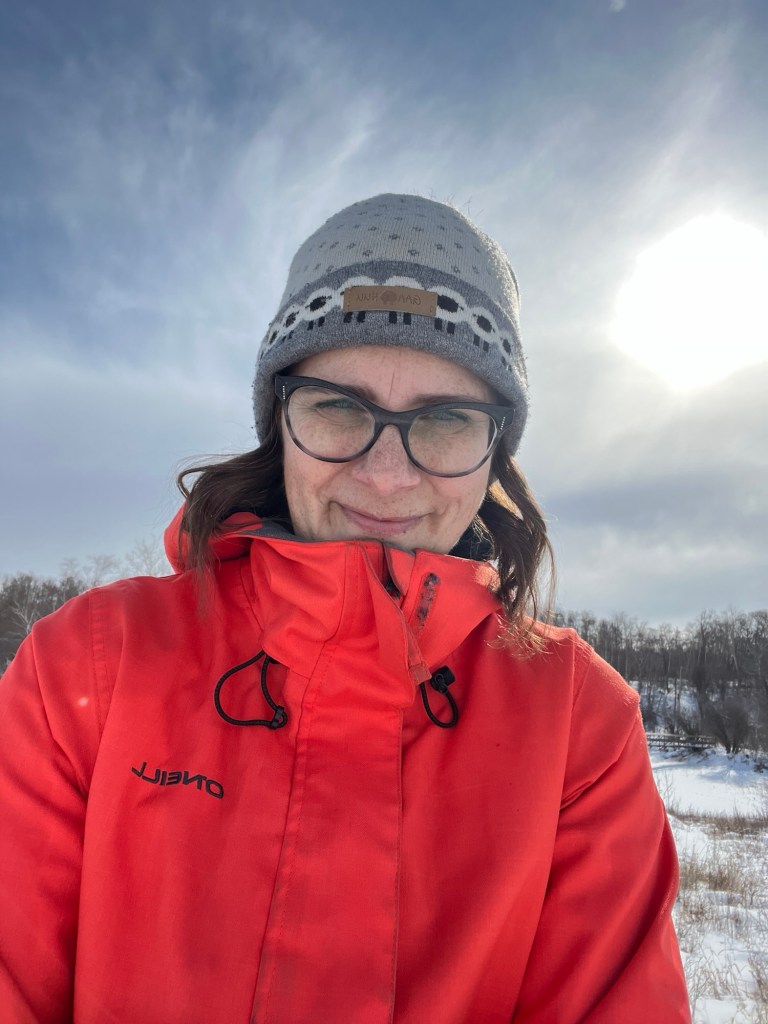
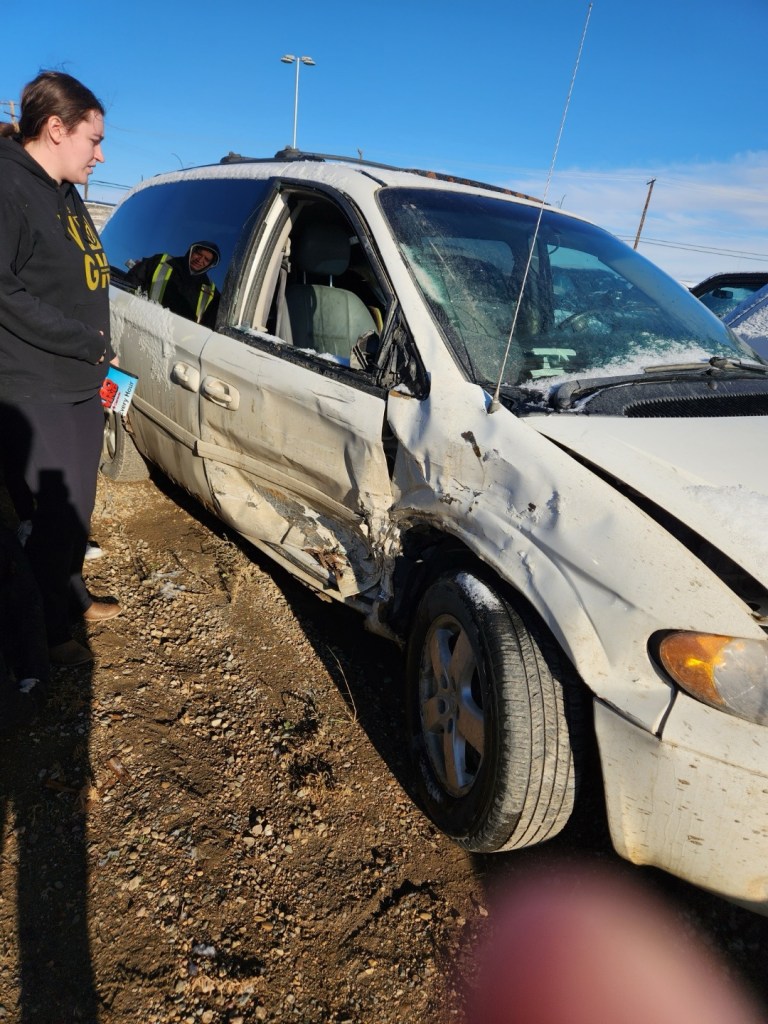
Then Saskatchewan’s subtle, “Psyche!” Mother Nature really needs to work on her comedic timing. It’s not funny anymore.

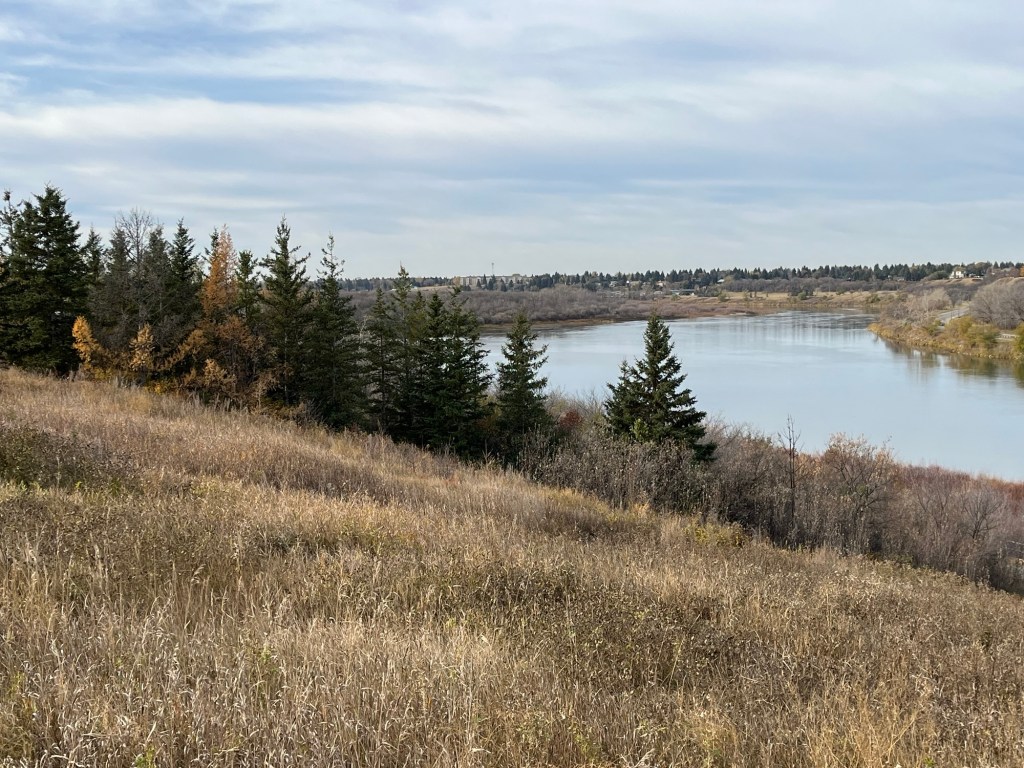
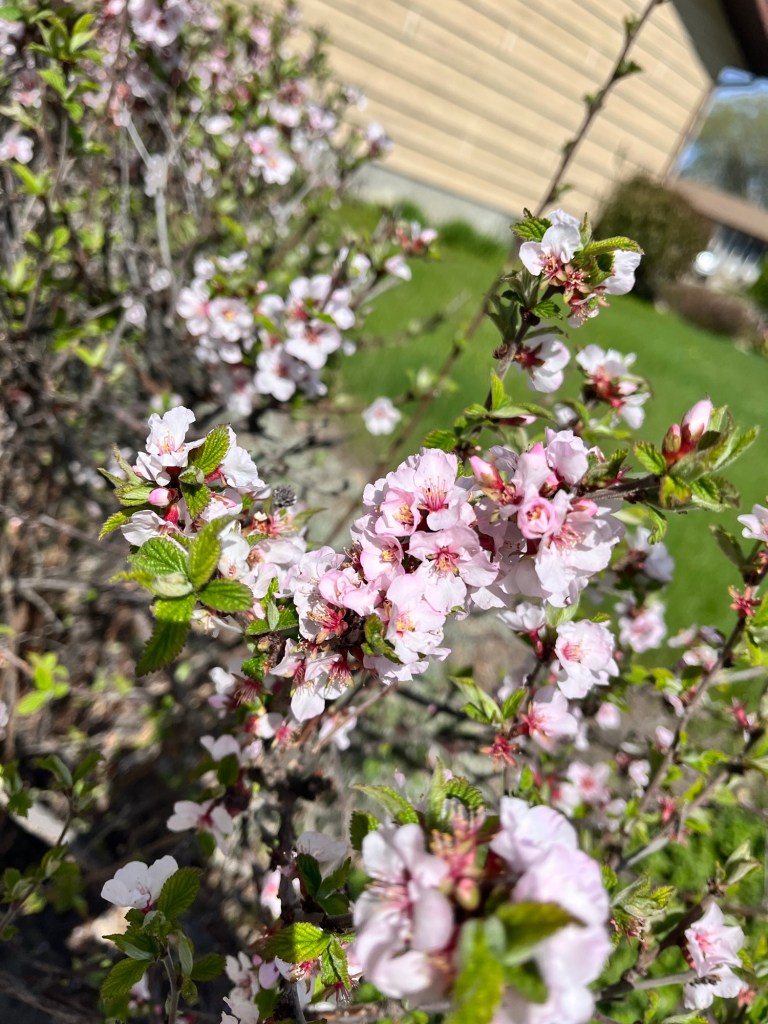
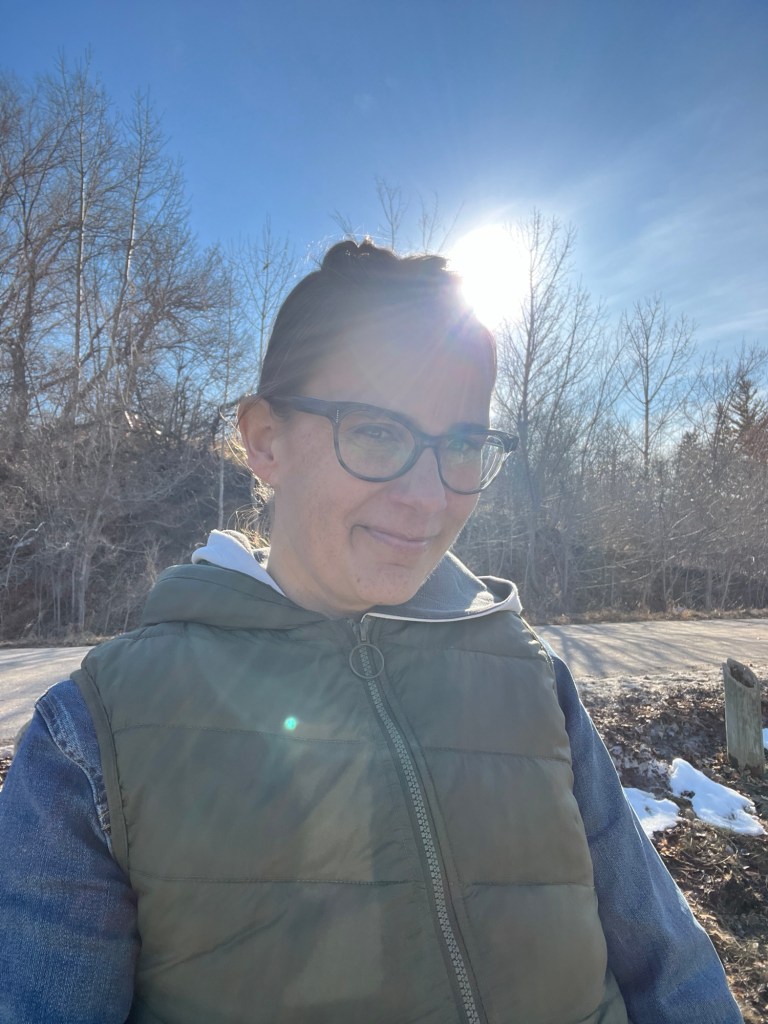
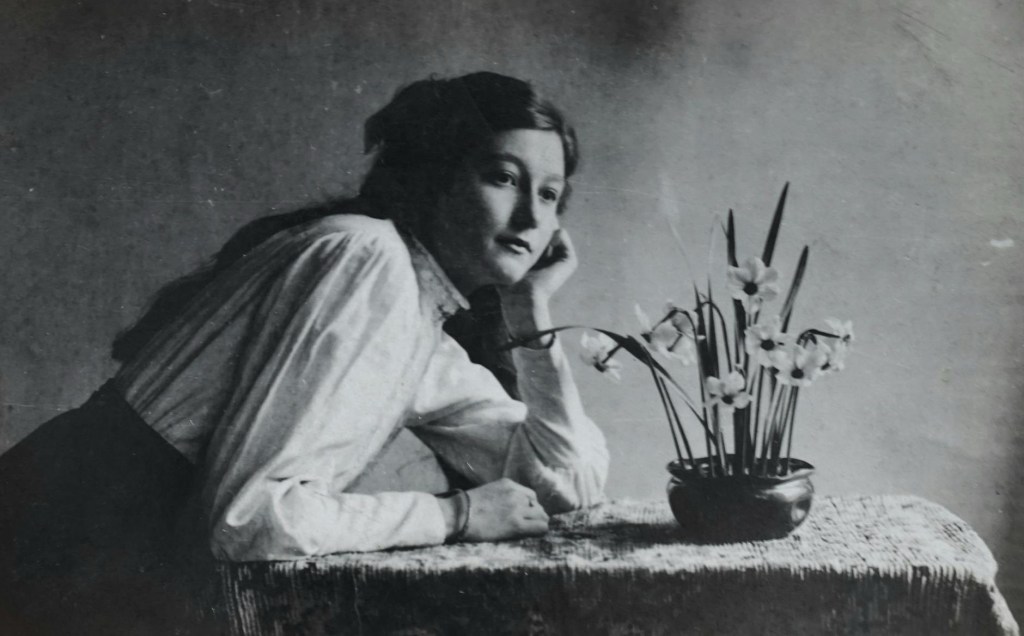
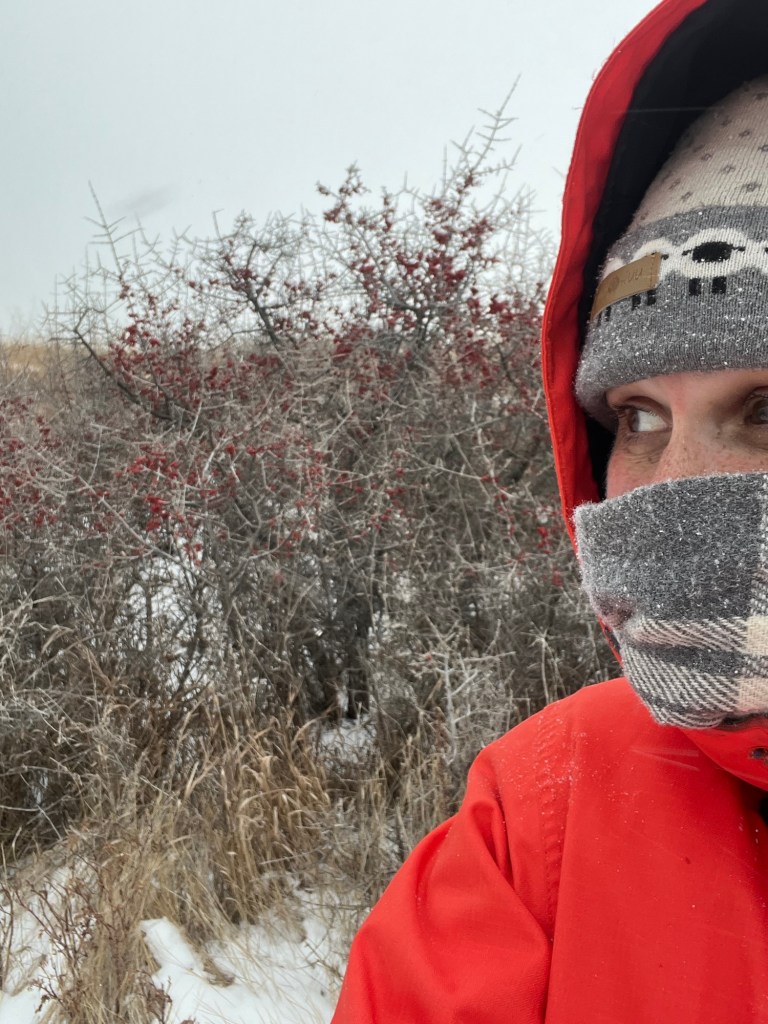
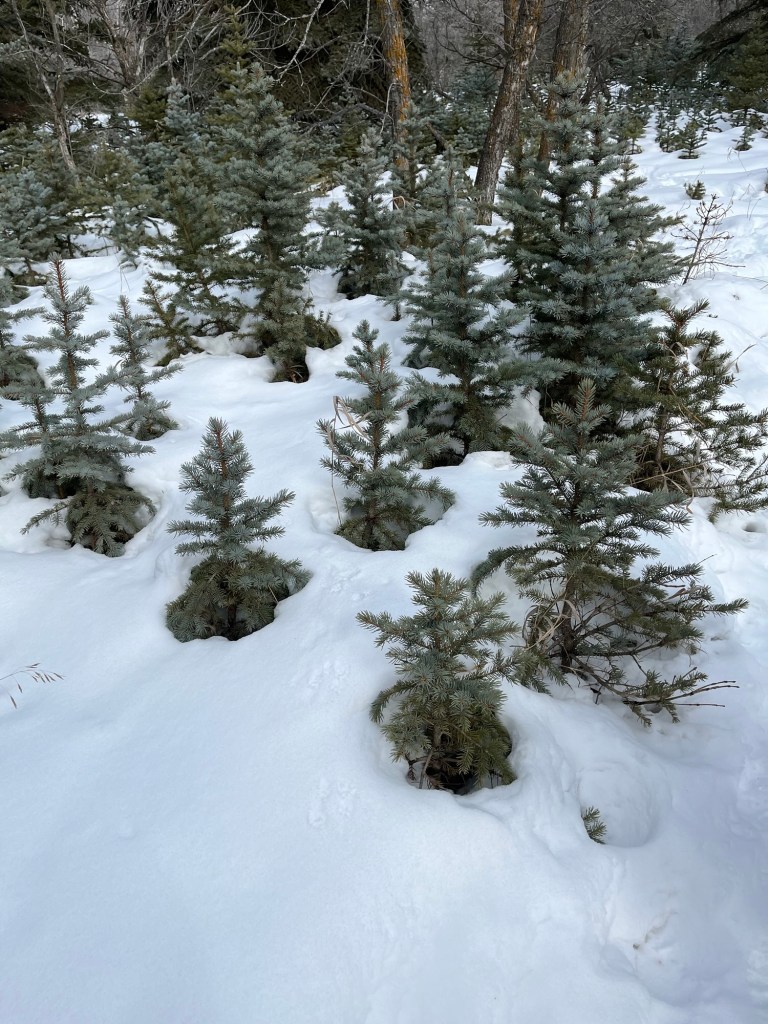
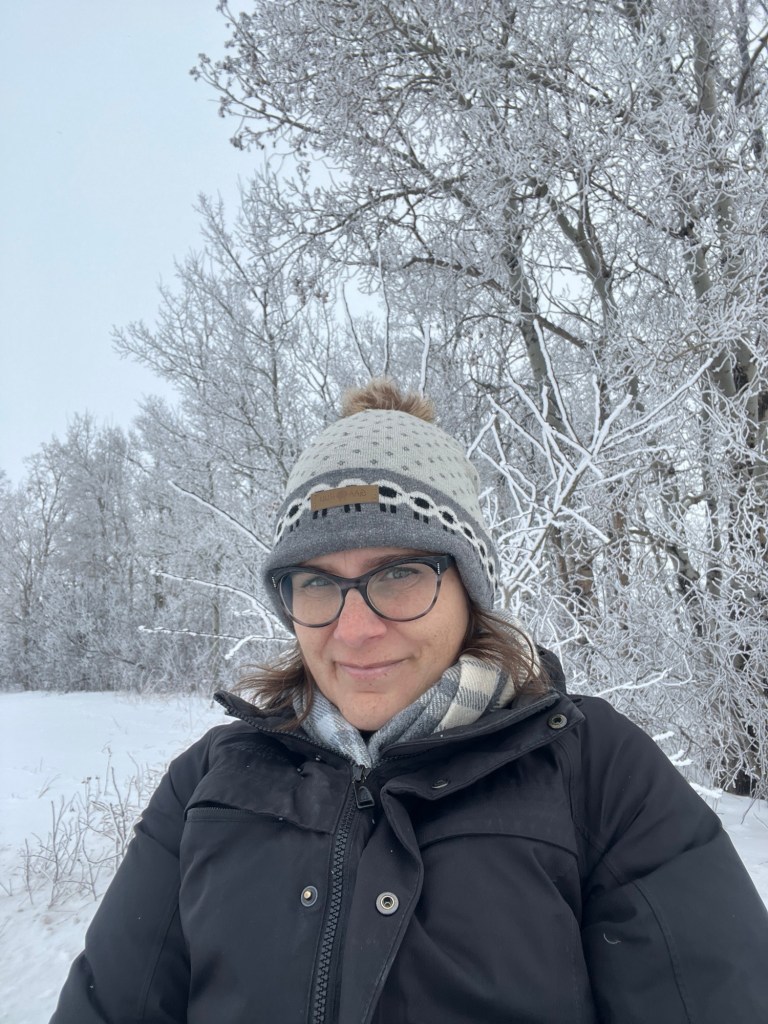
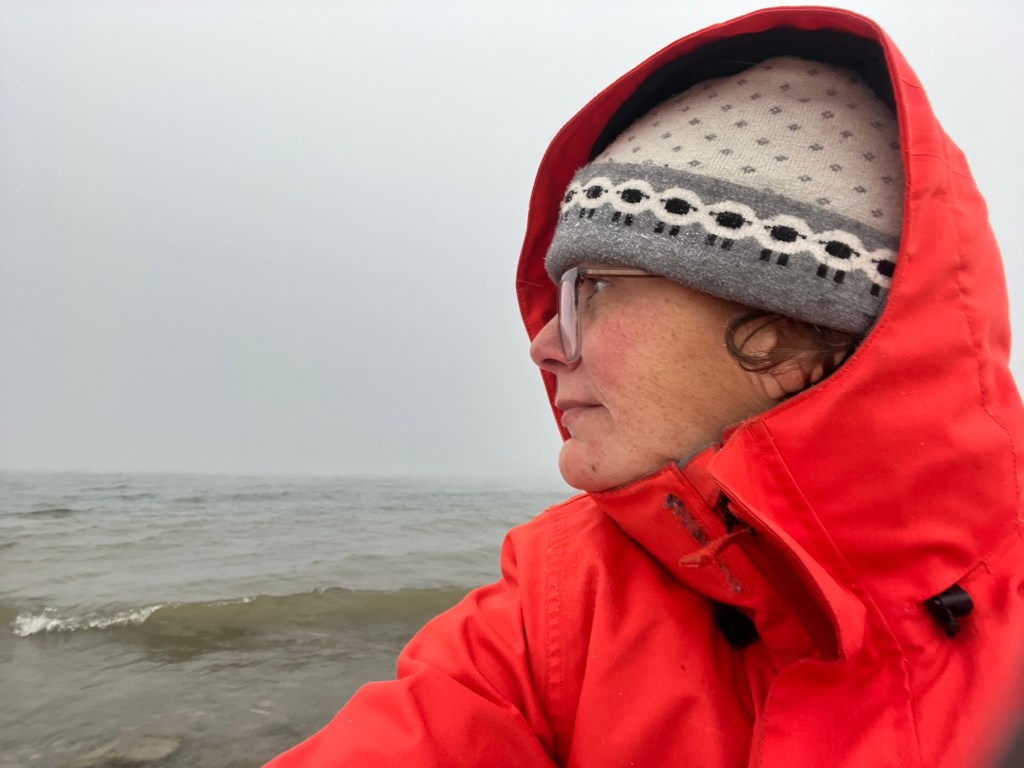
Mother Nature 👆
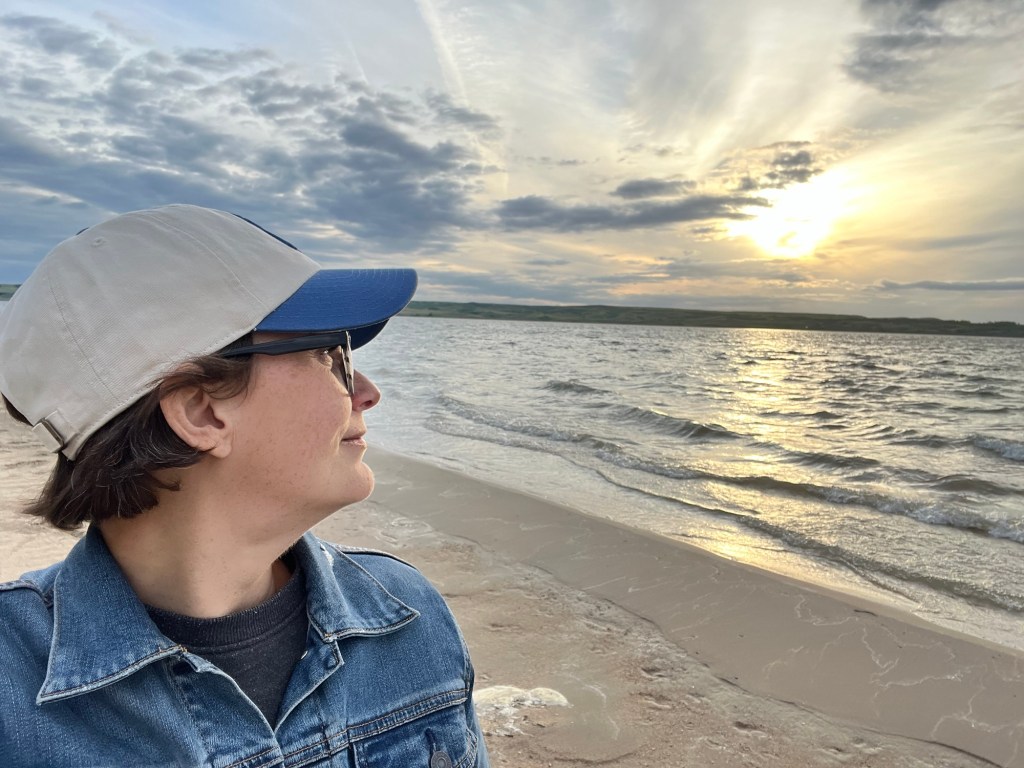
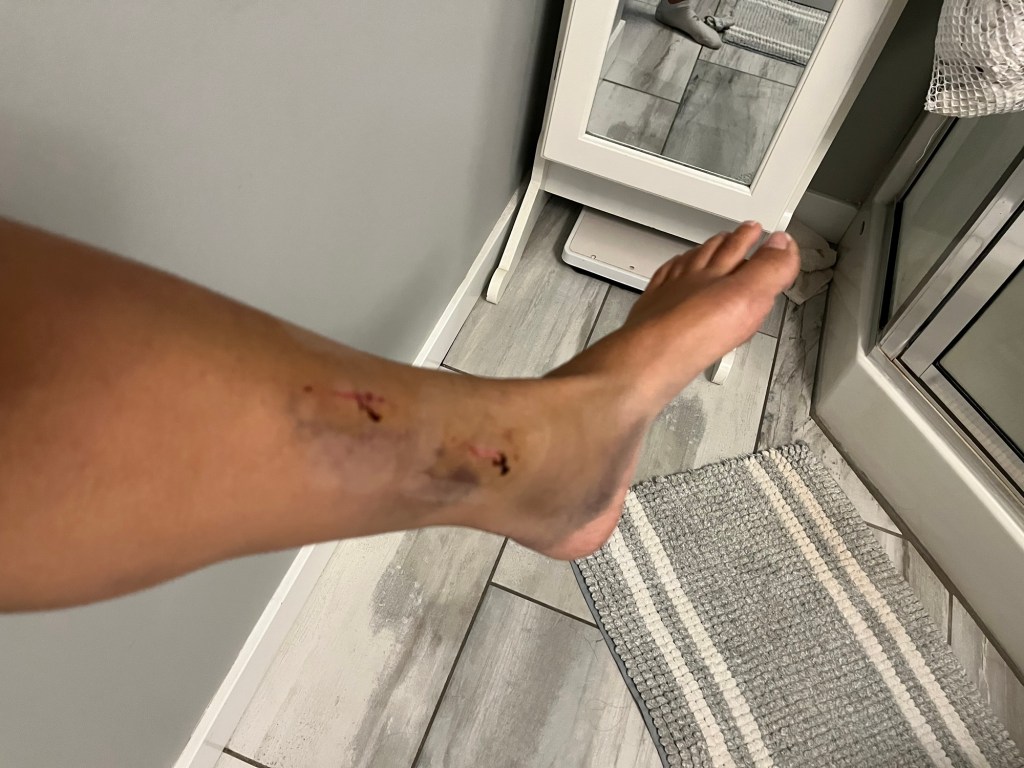
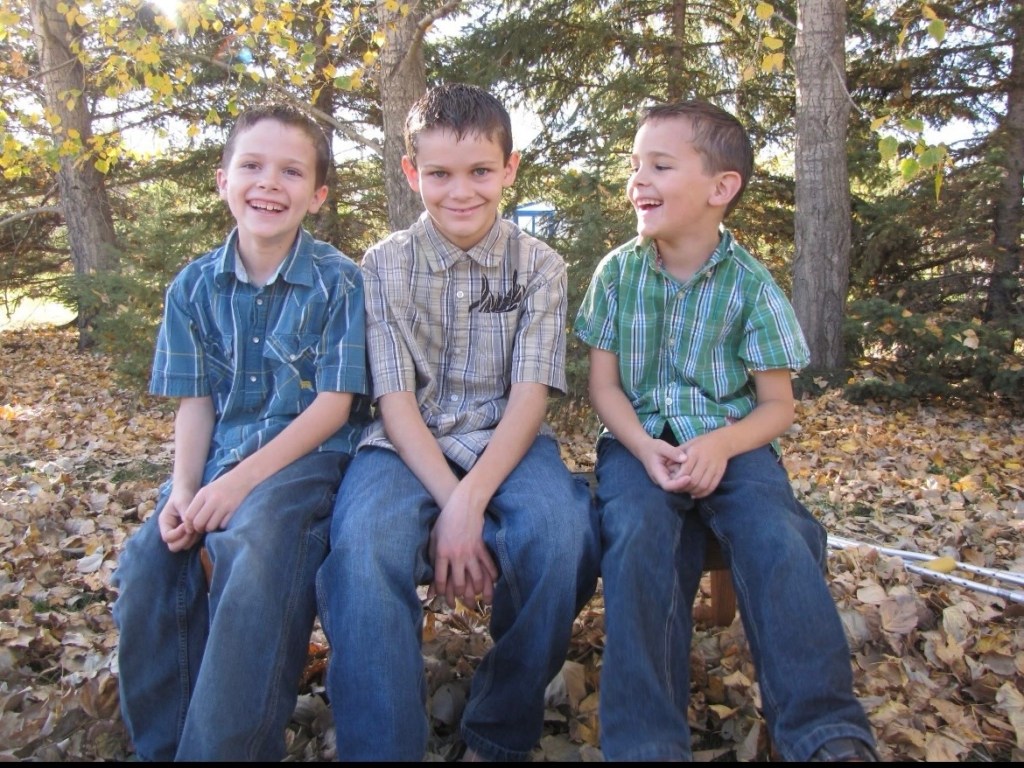
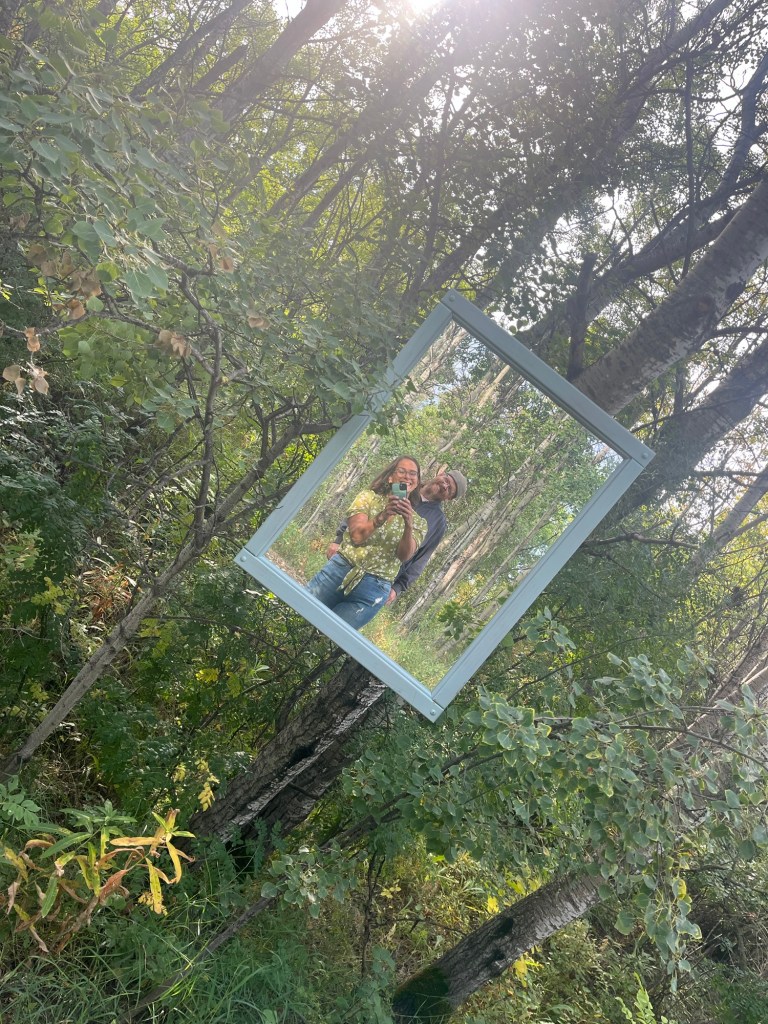
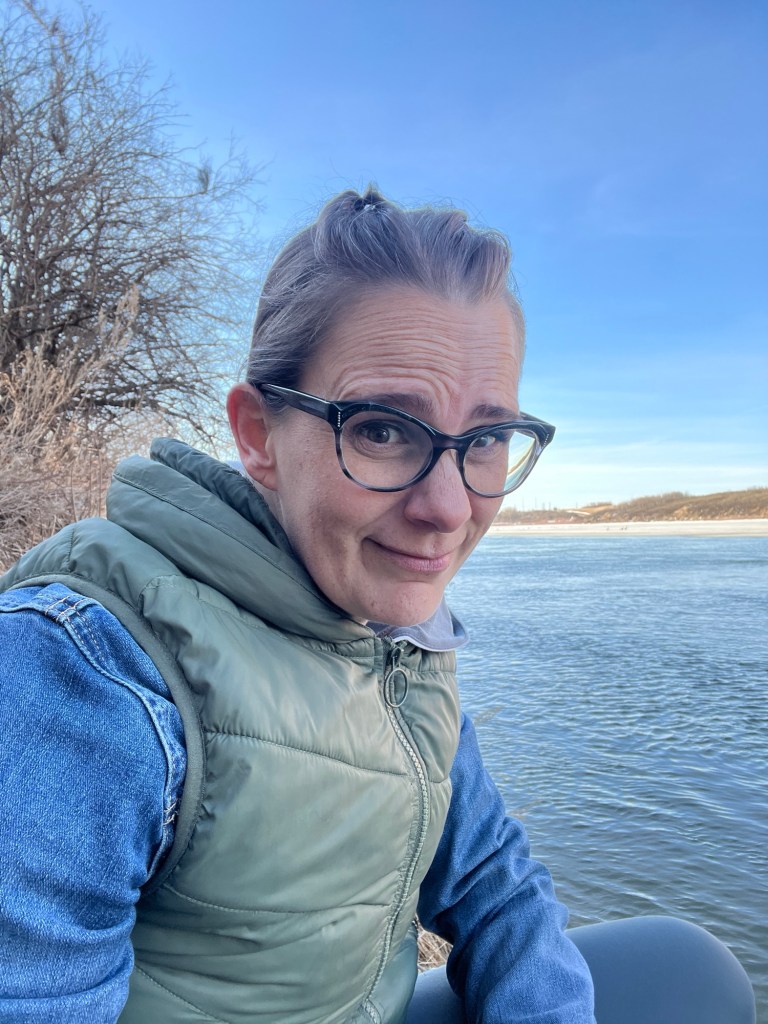
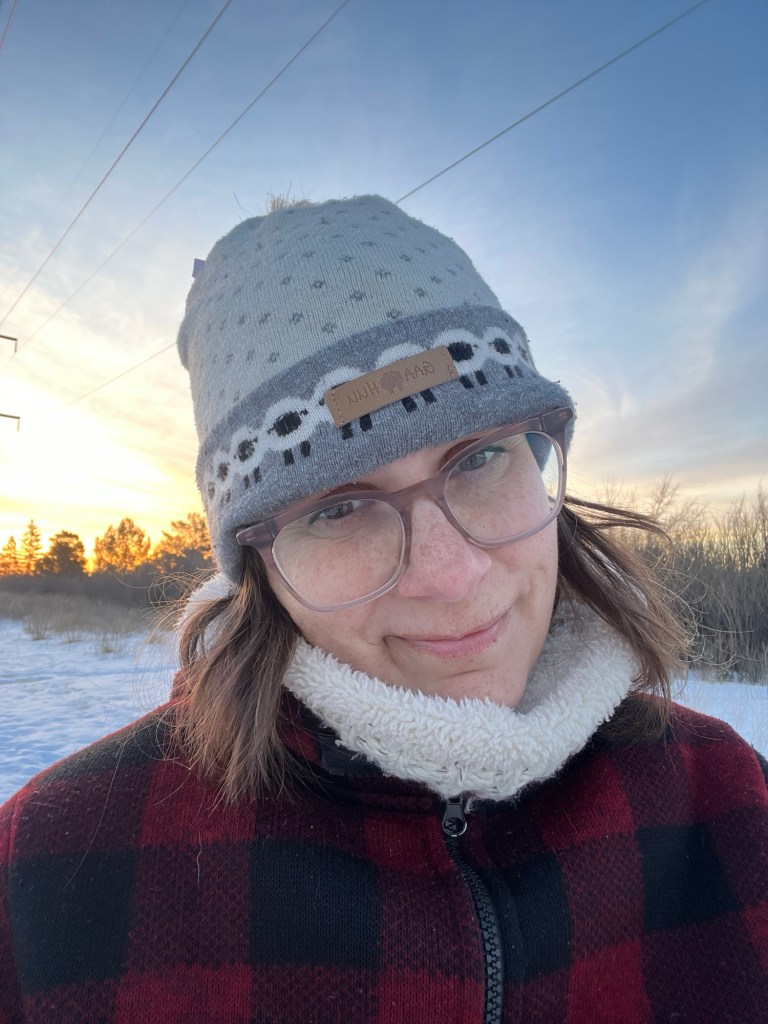
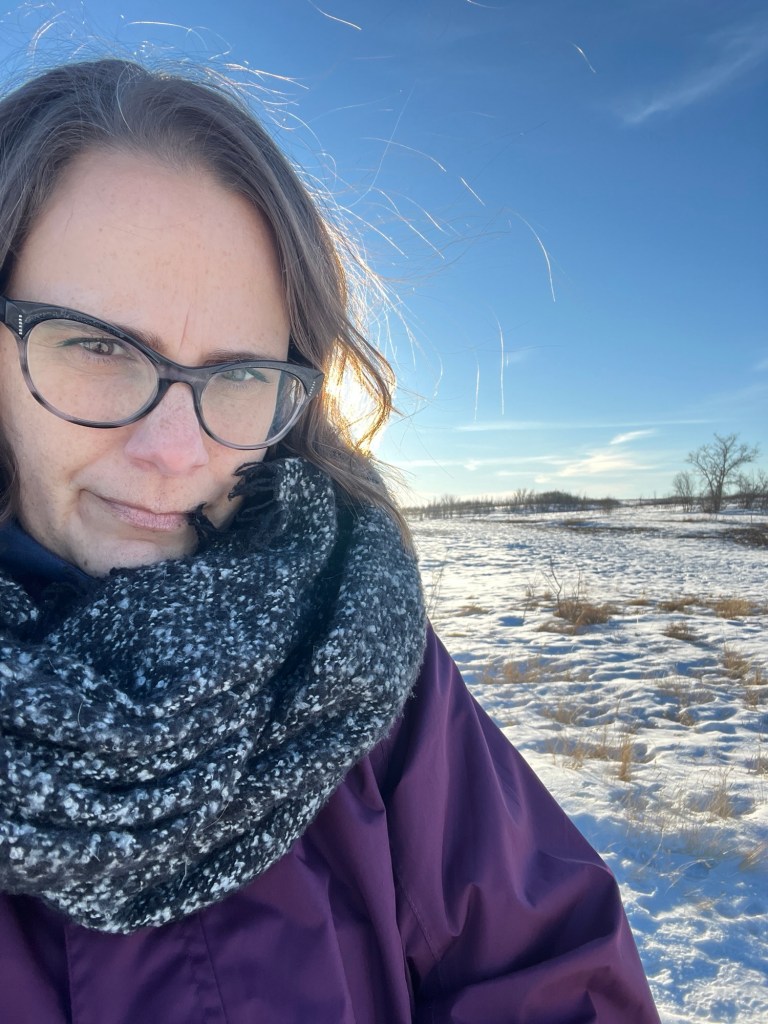
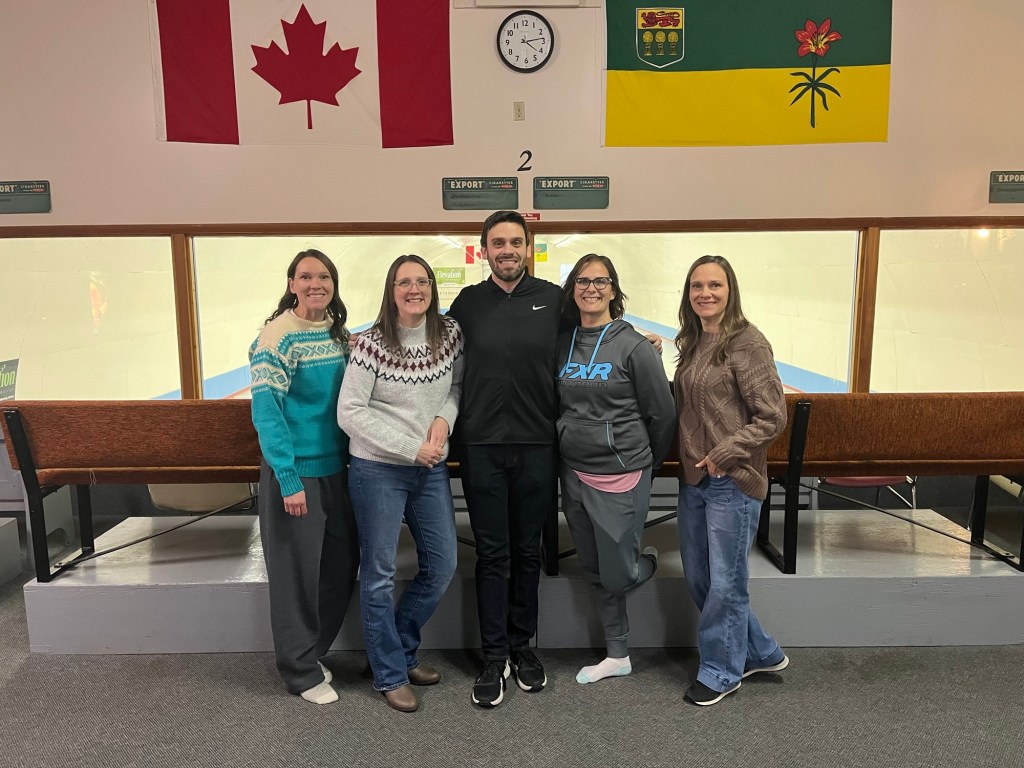
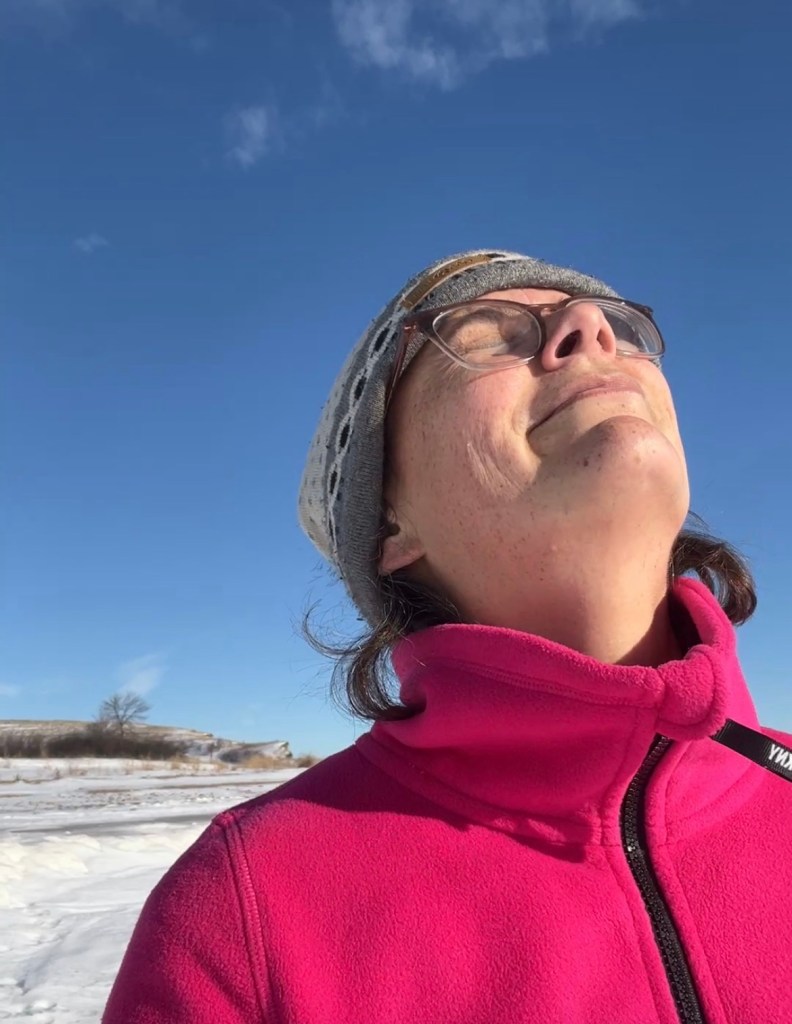
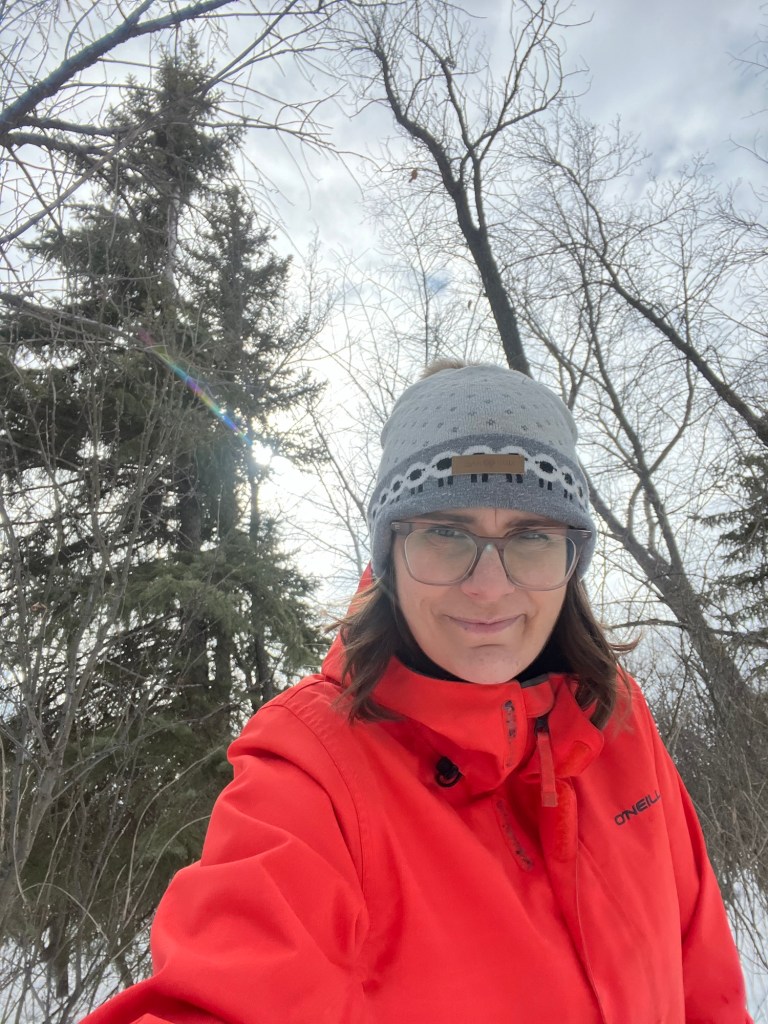
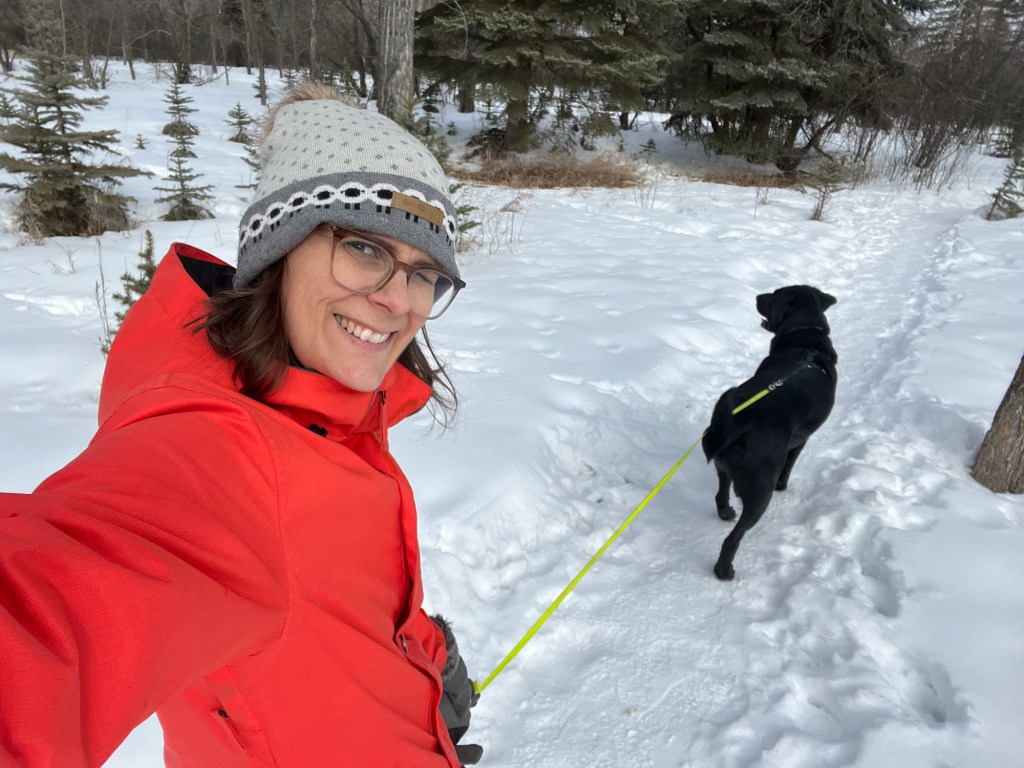
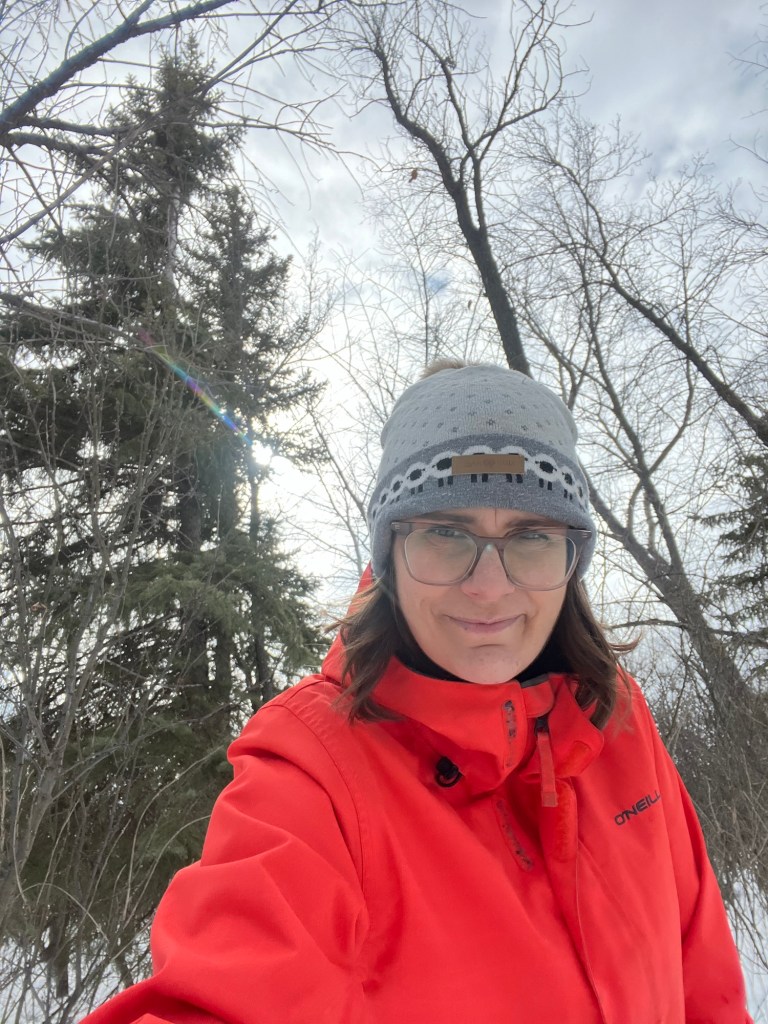
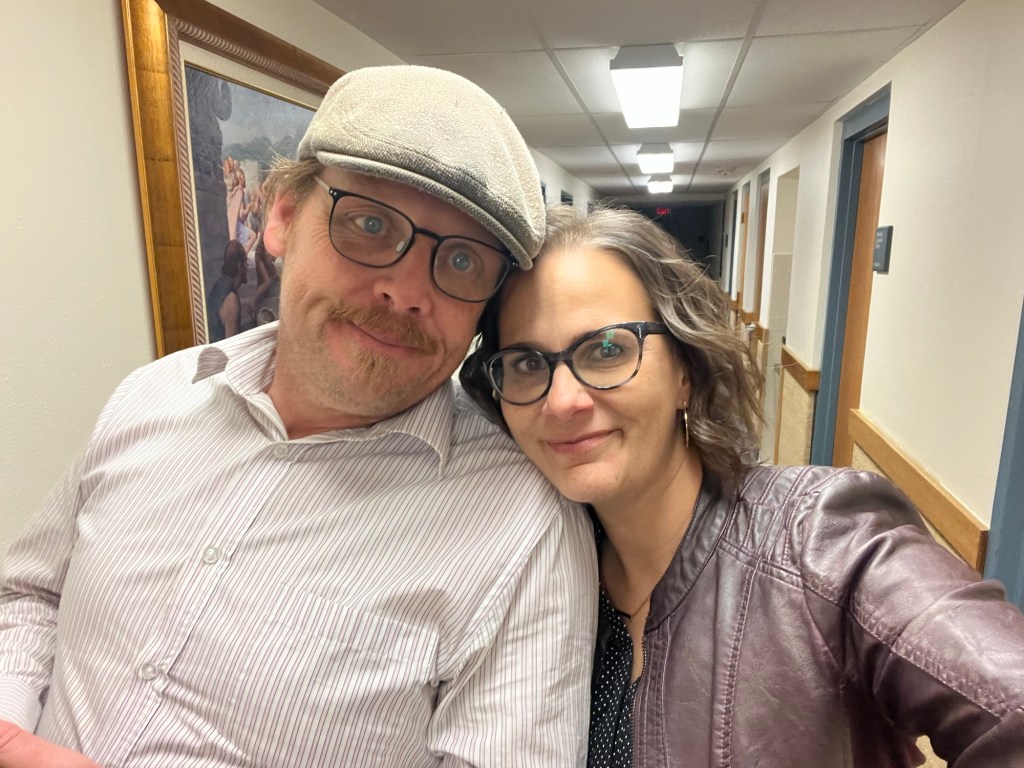
Us 👆

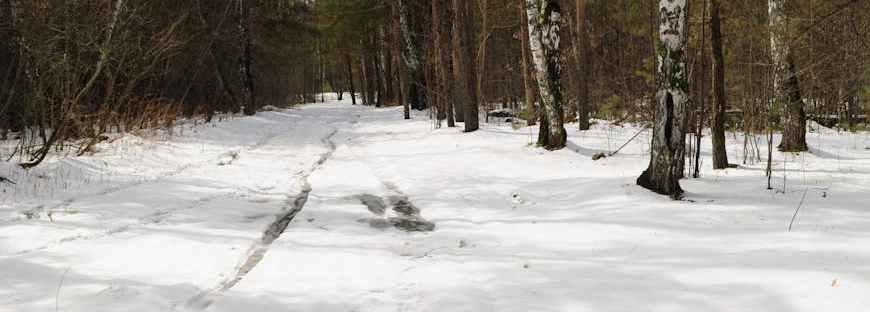
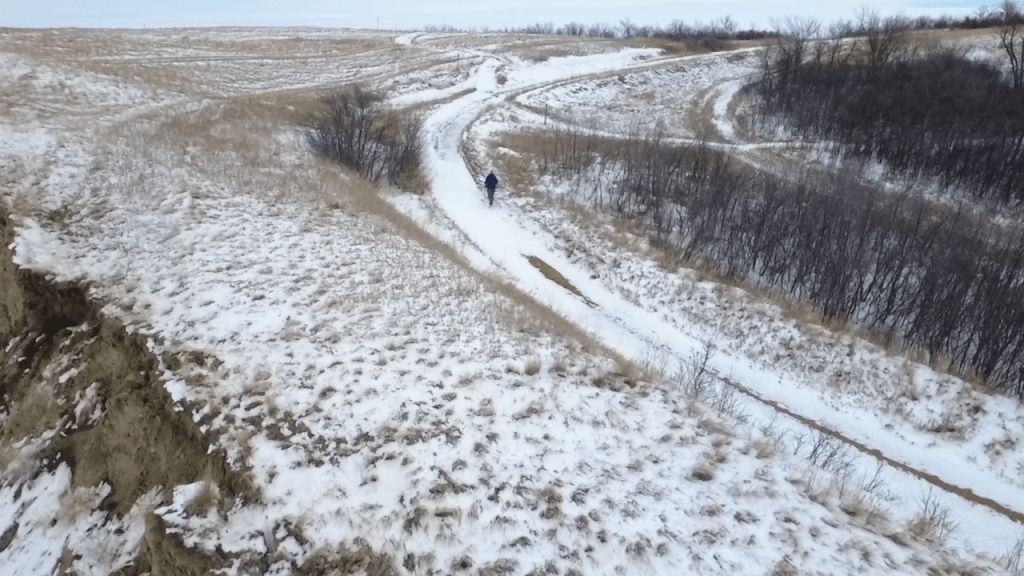
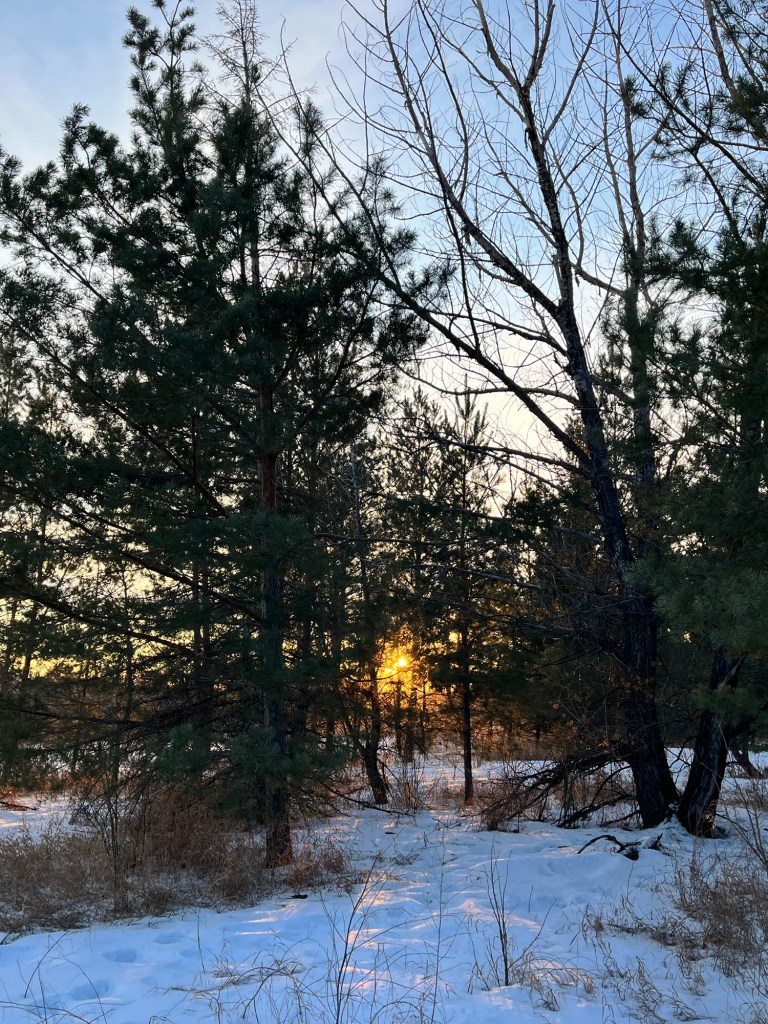
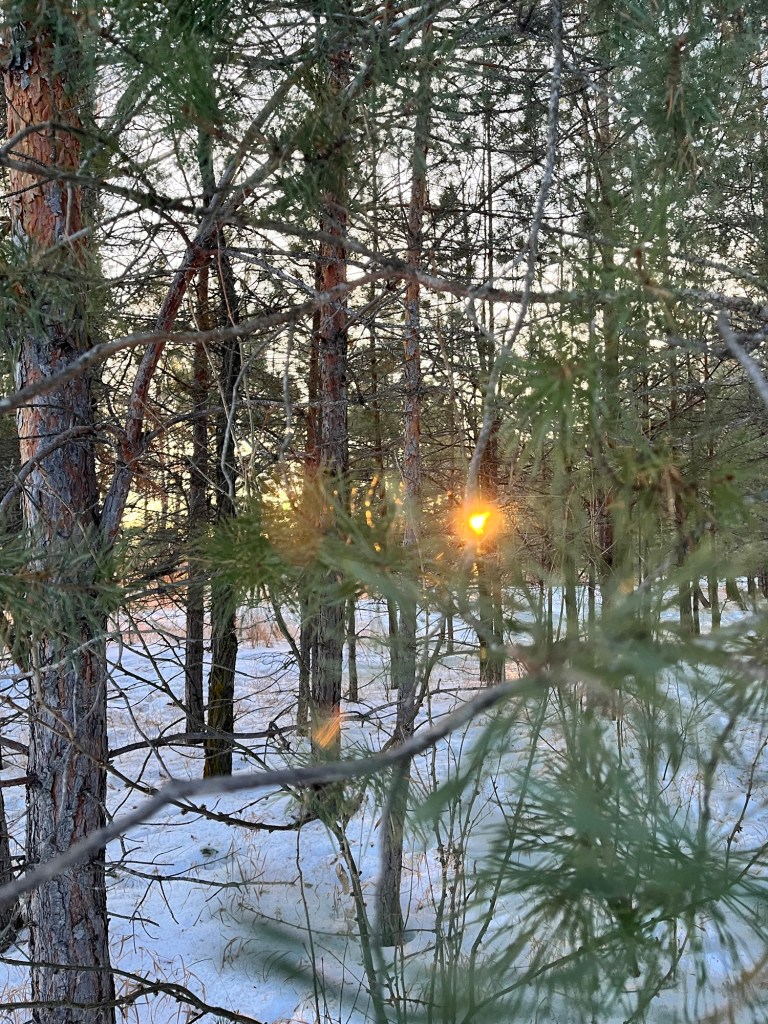
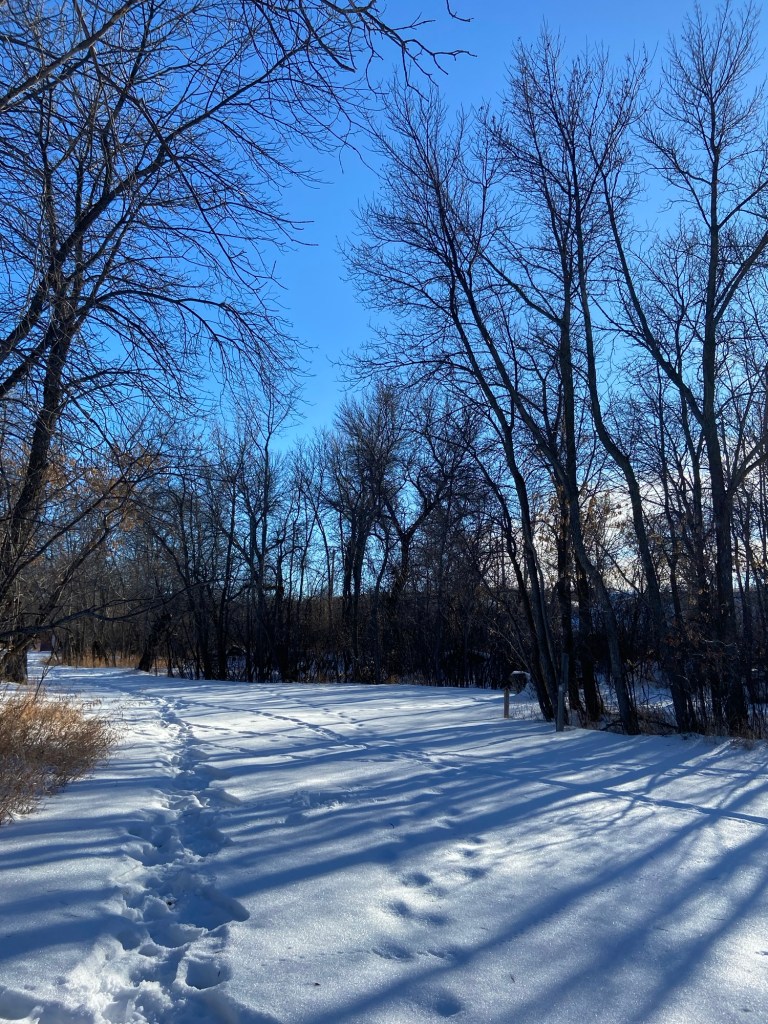
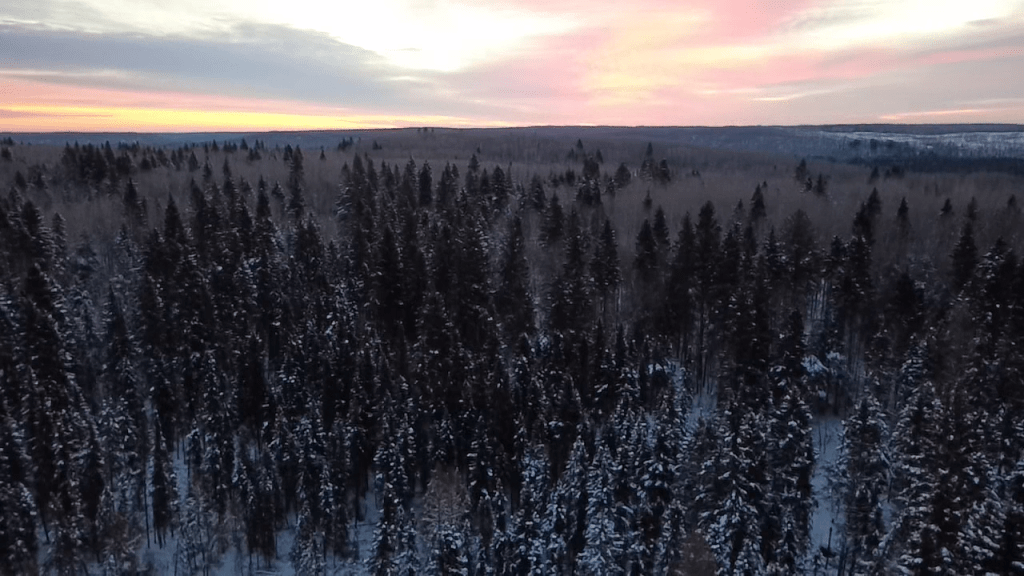
There’s a particular kind of discouragement that settles in with such a turn. It’s not sharp or overwhelming, but a slow, heavy ache. Like walking through the late-winter woods, where everything appears still, heavy, yet you sense the hidden bubbling beneath the surface.

Nothing is ‘out of order.’

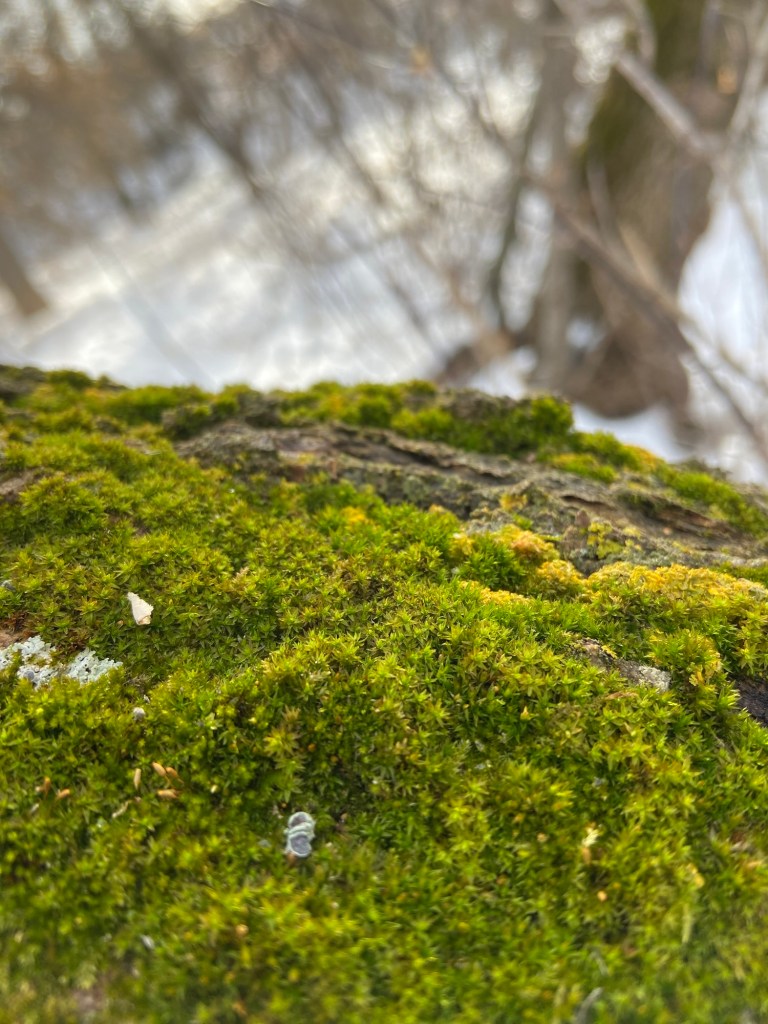
It’s more akin to the forest floor right now. Frozen on top, but teeming with life underneath, roots holding fast, life paused mid-sentence. Waiting. And that kind of waiting, when your body carries its own complex story, can truly wear a person down.

When movement is a necessity, not merely an item on the ‘someday I should’ checklist, and suddenly it’s interrupted, just as you were finding your rhythm again. That’s its own unique setback.

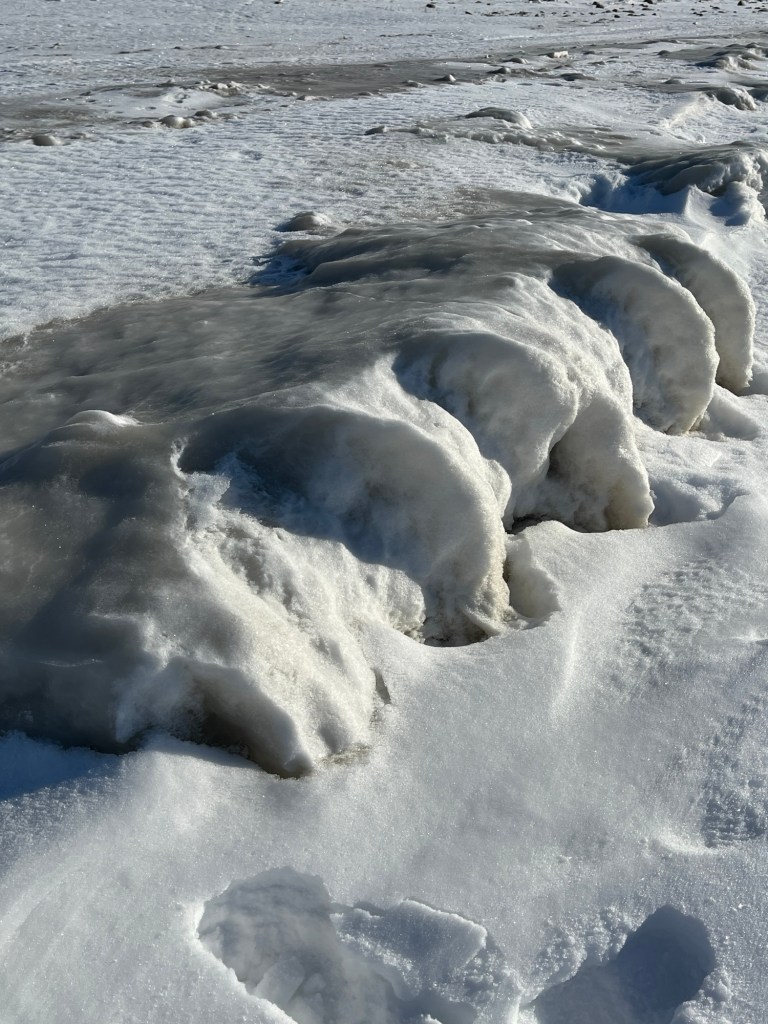
And if you live here, you know winter isn’t a one act play. It lingers. It’s heavy. It tests you in ways that often go unseen. The cold that steals your breath before you’ve even taken a full one. The way your muscles brace with cold before you reach the car. The ice that transforms every step from less of a stroll and more of a high-stakes game of Twister that I never asked to play. And sometimes, despite my best efforts, I end up in disarray on the ground. 

All it takes is one tiny tweak and suddenly your entire body is engaged in combat against itself. Again.

The scraping of windshields. Running out of gas on the coldest days every time. The endless layering. The constant bracing. The mantra of “just get through this.”

And then, quieter but just as profound, the world shrinks. Fewer visits. Less spontaneity. More effort required for connection. A different kind of painful twinge takes root.

Winter is undeniably hard. And then spring arrives, feeling like a profound release. Your feet meet grass again.

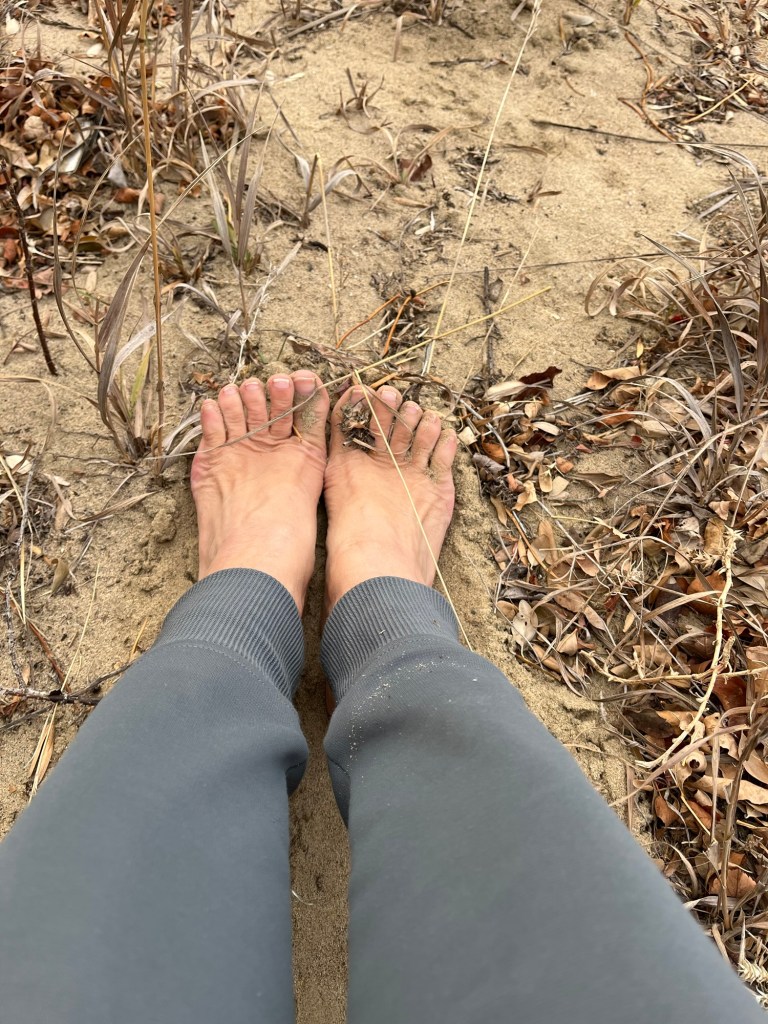
You notice forgotten smells, sounds, the subtle movements of awakening life. Your body remembers something it almost lost. Summer? You’re gone, in the best possible way.

Moving. Living. Saying yes to life again. Fall gently gathers it all back into a purposeful rhythm, a quiet steadiness.

And then… winter.

If my life were a board game, this is how it would look. Spring moves me ahead five spaces. Summer? Easily ten, maybe more; I’m flying. Fall grants another five without much effort. And winter? Winter sends me back twenty-five. Every single time. Honestly, at this point, I’d like a word with the game designer. I’m pretty sure they’re hoarding all the ‘Get Out of Jail Free’ cards. Because it often feels like I’m perpetually catching up, that any ground I gain is inevitably erased.

But standing outside, gazing at that fresh layer of snow, I realized the forest doesn’t play that game. The trees aren’t measuring progress by who wins and who loses. They aren’t frustrated by yesterday’s fleeting warmth. They aren’t disappointed because spring almost arrived then left. 

President Dieter F. Uchtdorf’s words echo,

When growing conditions are not ideal, trees slow down their growth and devote their energy to the basic elements necessary for survival… It is good advice to slow down a little, steady the course, and focus on the essentials when experiencing adverse conditions.

And that, precisely, is what’s unfolding out there right now. Nothing has gone backward. It is simply waiting for its time. Using this time to focus on what’s beneath the surface.

Perhaps I can learn something there. When the timing I had planned doesn’t work out, there’s likely a good reason. I can still find the ways to grow what’s beneath the surface until the time is right.

Jody Moore speaks of the “river of discomfort.” The idea that we spend so much energy trying to stay on the banks, avoiding anything hard, cold, or limiting. But true growth doesn’t happen on the edge. It happens when you’re immersed in it.

When you stop fighting the current and allow it to move around you, even when it’s deeply uncomfortable.

Winter often feels like that river. So does injury. So does anything that slows you down just as you were gaining momentum. And I don’t always navigate it gracefully.

Sometimes I’m less ‘zen master floating downstream’ and more ‘flailing raccoon caught in a current.’ Sometimes I resist. Sometimes I push. Sometimes I’m frustrated to find myself “back here again.”

But perhaps I’m not returning to something amiss. Perhaps this isn’t losing ground at all. Deena Metzger once wrote,

There is a slowness that is not a stopping, but a gathering.

Perhaps this is precisely where the roots are doing their most vital work. Under the surface.

AURALYN: (n) The sacred glow of someone learning to love themselves again.

Not sudden, but slow, like flowers relearning the sun.

-Everglow Words

A Forest Therapy Practice: Exploring the Depths

You don’t need to venture far for this. You don’t even need to go outside, though it often deepens the experience.

  • Sit. Or stand. Or lean. Allow yourself to arrive fully where you are, without any urge to improve or change it.
  • Imagine what lies beneath you. Not the snow. Not the frozen surface. Deeper. Intricate networks. A slow, steady strengthening. Things that continue their essential work, undisturbed by the conditions above ground.
  • Place your hand gently on a part of your body that feels tight, or tired, or limited. And instead of asking, “Why isn’t this getting better?” try asking, “What might be needed for healing to take place here?”
  • You don’t need an immediate answer. Just let the question settle. And… wait there with a small flicker of hope. No pressure. Just a quiet willingness to believe that something is still unfolding.

Try returning to this thought:

What if winter isn’t taking me backward?

What if it’s building something I couldn’t cultivate any other way?

Something slower. Something steadier. Something that won’t vanish when the seasons inevitably shift again. Because they will. They always do.

Trust your ability to BOUNCE BACK.

-Shine

John Steinbeck noted,

What good is the warmth of summer, without the cold of winter to give it sweetness.

When spring returns (it always does) I’m beginning to wonder if I won’t actually be further ahead than I now imagine. Even if the board game of life never quite shows it.

Why Winter Trails are Terrifying For the Hypermobile: Through Pain and Pines

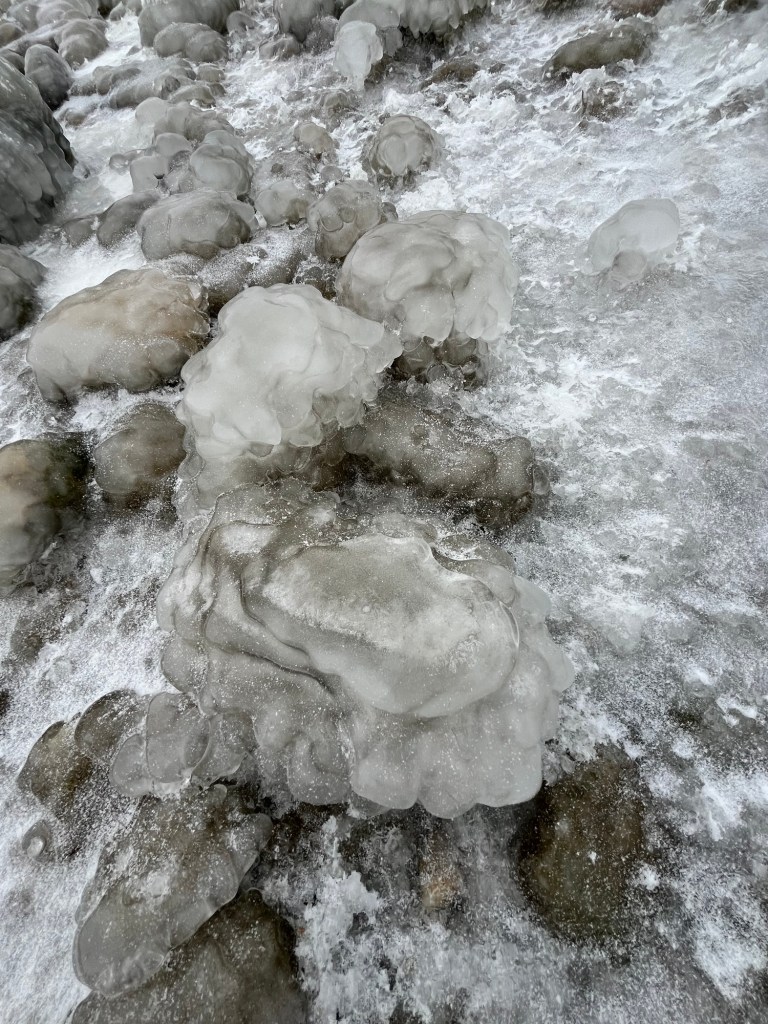
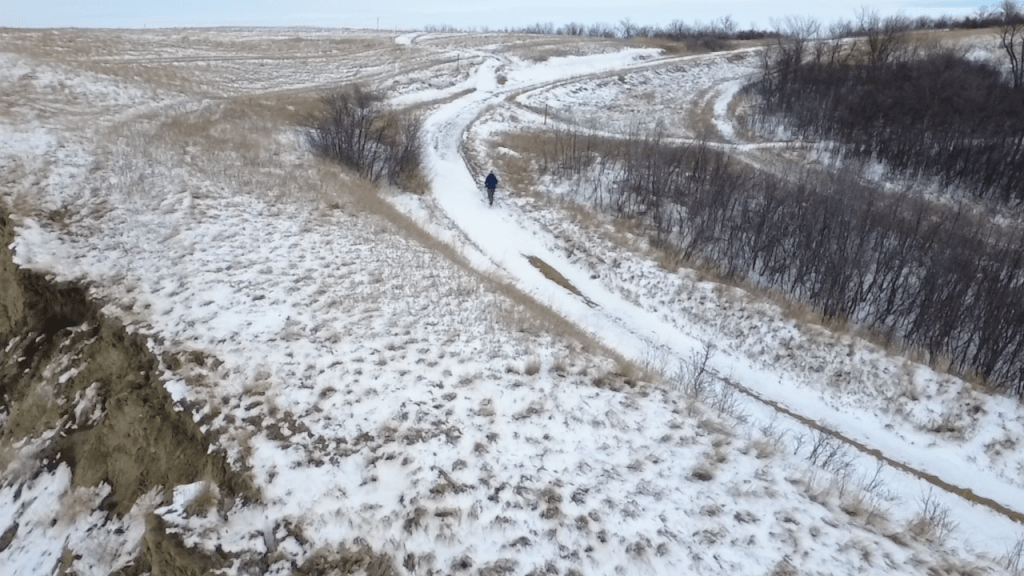
Many trails in Saskatchewan are shimmering. Beautifully. Treacherously.

I’m pretty sure they are trying to kill me.

Sparkling snow is magical. Sparkling frost is beautiful.

But sparkling ice on a forest trail?

That’s a different category entirely. “Be gone foul thing!”

When you live with hypermobility, ice is less of a winter decoration and more of a full-contact sport.

For most people, a slip on an icy trail means a flail of the arms, a laugh, and maybe a comment. “Watch out for the icy patch!”.

For someone with hypermobility, that same moment can mean:

  • a rib that determines it would rather live somewhere other than its intended slot
  • a shoulder that doth protest too much (because the shoulder blade is sliding down your back)
  • muscles that grip like overprotective bodyguards
  • and a new entry in the ever-growing logbook titled “Well… that escalated quickly.”

A small jolt or an awkward catch. And suddenly a split second wobble becomes three months of physiotherapy, muscle protecting and pain with every movement.

Winter walking becomes less like a casual stroll and more like a strategic mission.

Our hypermobile bodies clearly have a different set of rules.

Living with hypermobility also means developing a surprisingly intimate relationship with your physiotherapist.

Years ago I realized I owned an entire library of tiny resistance bands in colours that sounded deceptively cheerful.

Coral. Mint. Lavender. Suggesting relaxation and beach vacations.

In reality they represented fifteen very specific exercises. Each designed to convince my shoulder, hip, or rib that staying in place is actually an excellent idea.

In more recent years, overall strengthening through running has become my greatest hope against hope.

Thankfully those resistance bands are now packed away. They were the bane of my existence for years. Strengthen the shoulder, put out the elbow, wrist, and fingers. Strengthen the hip, put out the knee, ankle and toes.

If you live with chronic pain, you also know the strange pleasure of telling people:

“Yes, I injured myself sneezing.”

And then watching them try to politely hide their confusion. 😕

Enigmatic Equations Await

People with chronic pain develop a special kind of mental math.

Before leaving the house, the brain quietly runs a checklist:

  • How icy is it?
  • How far is the trail?
  • What muscles are already staging a coup today?
  • What are the odds I’ll slip, twist, or do the world’s slowest accidental yoga pose?
Slipping into something a little more comfortable (psychosis)

These calculations happen constantly.

Because when joints are extra flexible, the body relies heavily on muscles to hold everything together.

If those muscles get surprised by a sudden slip on ice, they react like overcaffeinated security guards.

We don’t even have to experience a crash landing. A slight “whoop”. Everything tightens. Followed shortly by, everything hurts. Sometimes for a very long time.

And yet… Staying inside is not the answer.

Inside Out: The Hidden Dangers of Staying Indoors

My soul was not designed for indefinite indoor storage.

After a few days of being cooped up, something starts to happen.

First a restlessness.

Then a longing.

Then a slightly dramatic moment standing at the window staring outside like a Victorian character under quarantine.

Because the body may be complicated. But the soul is surprisingly clear about what it needs.

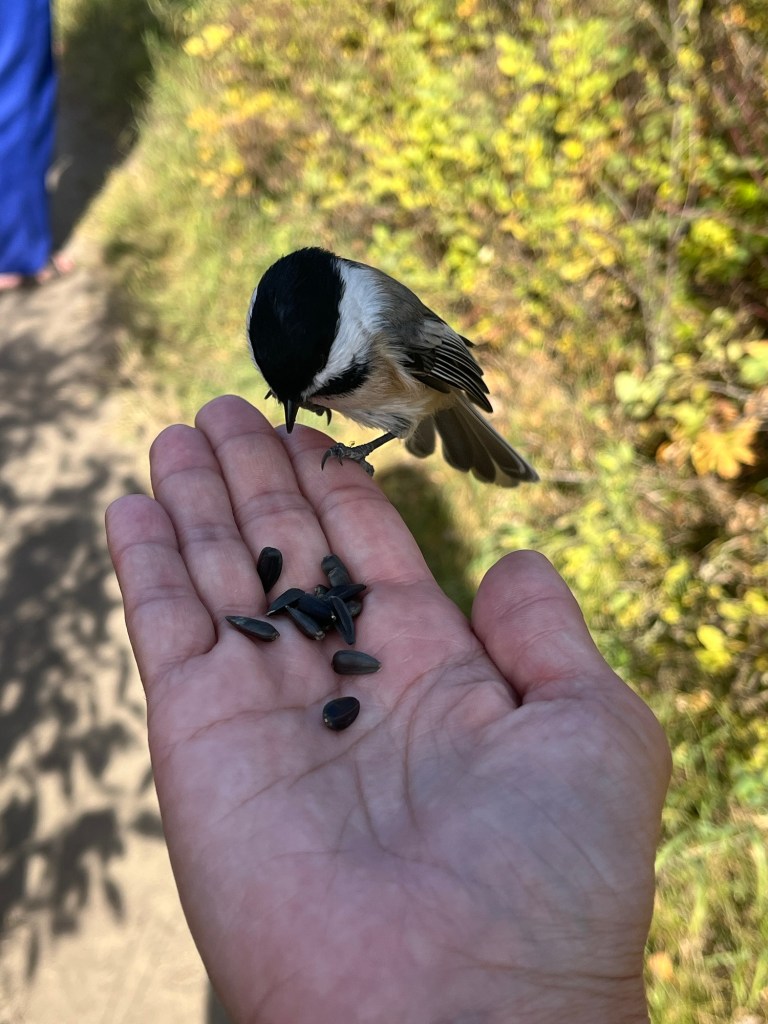
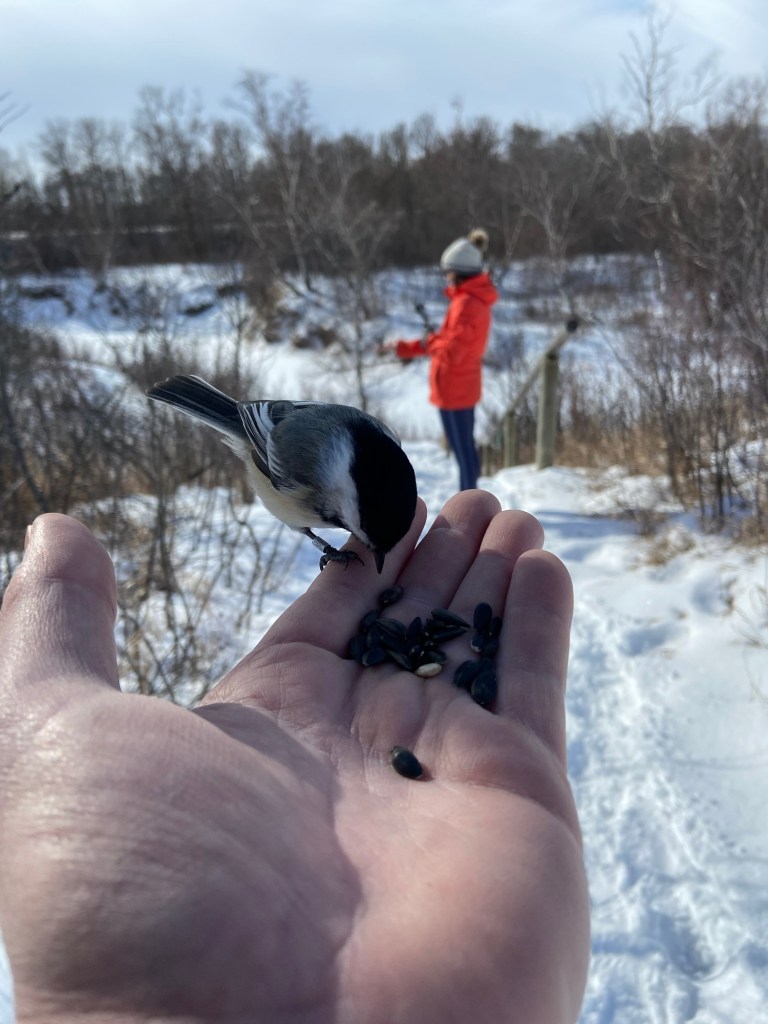
Trees. Sky. Fresh air. The quiet company of chickadees who seem perpetually delighted with life.

Naturalist John Burroughs once wrote:

I go to nature to be soothed and healed, and to have my senses put in order.

And when chronic pain is part of your life, your nervous system spends a lot of time: out of order.

Pain keeps the brain alert. Guarded. Scanning.

But the forest gently invites something else.

A slower rhythm. A softer focus.

Don’t let perfect get in the way of good enough.

“Break!!”- Dancing Through the Meadow

Hypermobility changes the way you move through the world.

Especially in winter.

Walking on icy trails becomes a very particular style of locomotion that could best be described as:

“Cautious woodland creature.”

Short steps.

Careful weight shifts.

Occasional pauses to test the ground.

One wrong move and suddenly you find yourself soft launching a new form of dance.

Anyone watching from a distance might assume you were practicing some form of extreme slow-motion flamenco 💃 .

But really, you’re simply trying to avoid becoming an accidental case study in sidewalk face implants.

Oddly enough, this cautious way of walking mirrors a core forest therapy practice. Slow walking.

Forest therapy guides often invite people to slow down enough to truly notice the forest.

Hypermobility just… adds extra motivation.

A Little Winter Guiding Advice

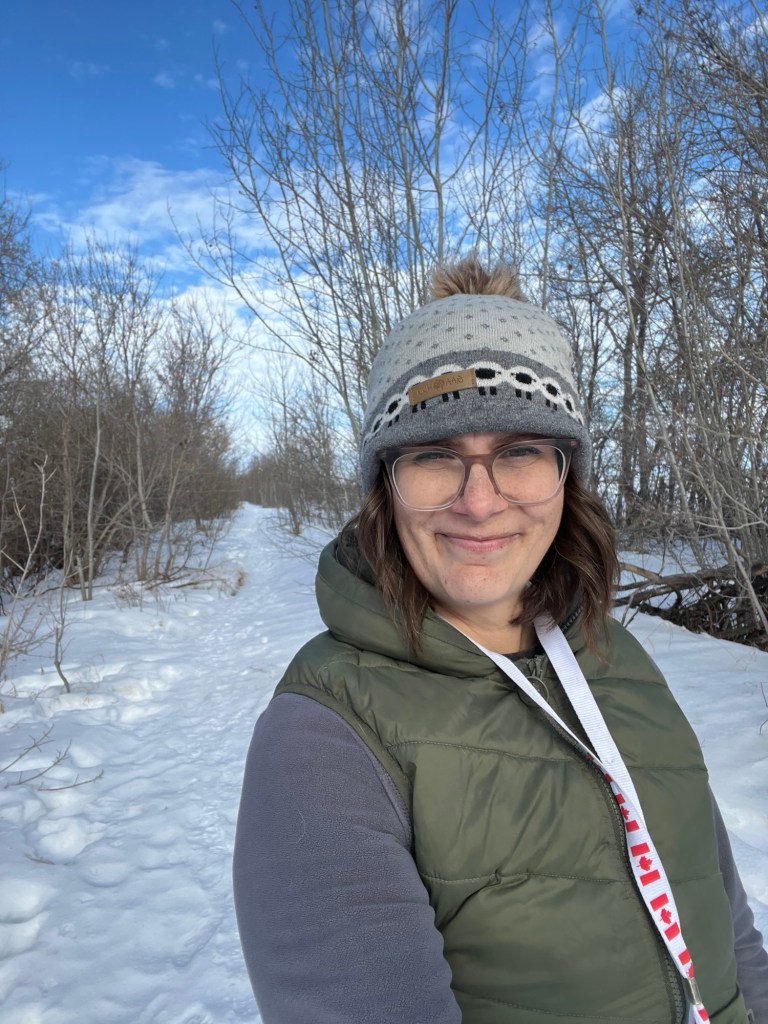
I have learned a few things from my winter days on the trail this year.

  1. Boots with ICE FX technology soles are the way to go. I started using them this year. I had two slips in the first couple weeks of winter. I got the boots and I haven’t had a slip since. They are like winter tires. I still have to be careful but they have saved me.
  2. Hiking poles are this girl’s best friend. I am learning when to use them and when to leave them in the car. Days I can’t see the trail under the snow or when the trail is glistening with ice, they are essential. Days the trail is packed with snow and my balance feels good they can stay back.
  3. Some days you just have to stay home. The boots and poles open your world. There are still times when staying home is the safest and best option. It is not worth the risk of a fall. Or a tweak. Walking in a mall or other large indoor space can meet some of your physical movement needs. As the snow melts, you can extend outdoor Earthing sessions in a safe, seated position until the ice is gone.

Nervous Systems: A Unified Network

There is another layer to chronic pain that people don’t see.

The nervous system becomes watchful.

When pain appears often enough, the brain begins to scan constantly for the next signal. Muscles tighten sooner. Reflexes fire faster. The body becomes protective.

It’s not weakness. It’s survival.

But a nervous system that spends too much time in protection mode eventually forgets how to settle.

This is one of the quiet gifts of time in nature. Not just for enjoyment but for nervous system survival.

As Japanese physician Yoshifumi Miyazaki, one of the pioneers of forest bathing research, observed:

The forest environment allows the nervous system to shift from vigilance to restoration.

For someone managing chronic pain, that shift is not small. It is validating.

Research into forest environments has shown that simply being among trees can lower cortisol, calm heart rate, and shift the nervous system out of constant vigilance.

In other words, the forest gently persuades the body:

You are safe enough to soften.

And for someone living with chronic pain, that reminder can be profoundly healing.

Frosty Therapy: Nature’s Icy Embrace for the Soul

If winter trails feel risky but your spirit still needs the forest, try this gentle practice.

Practice: Borrowing Stability

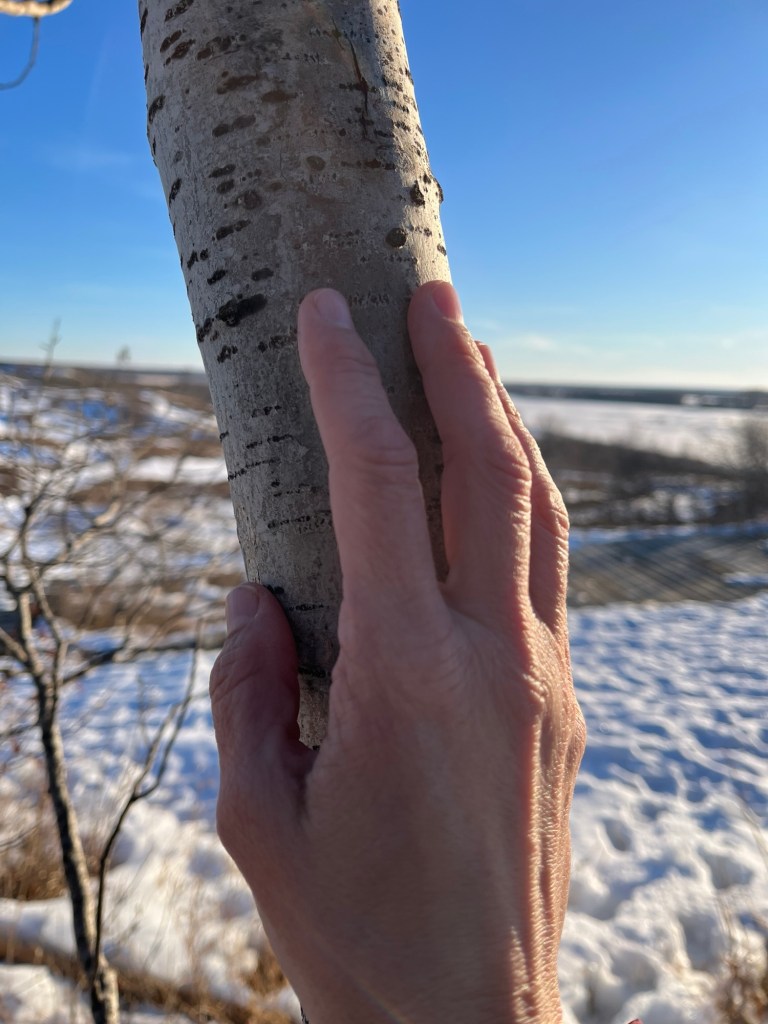
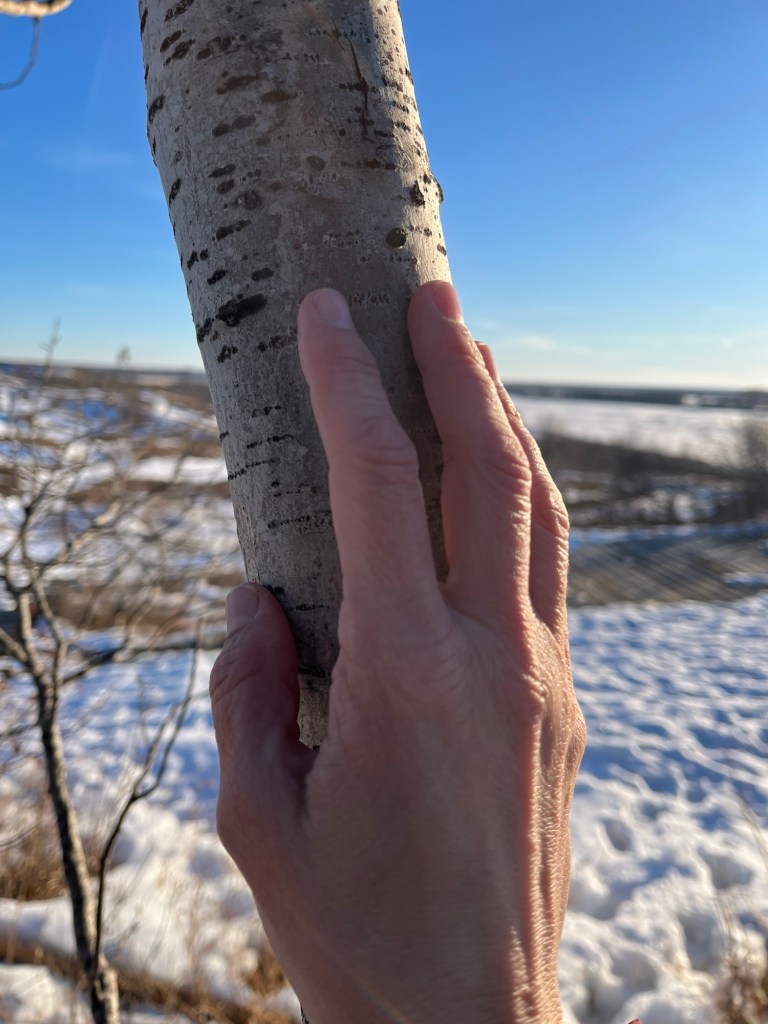
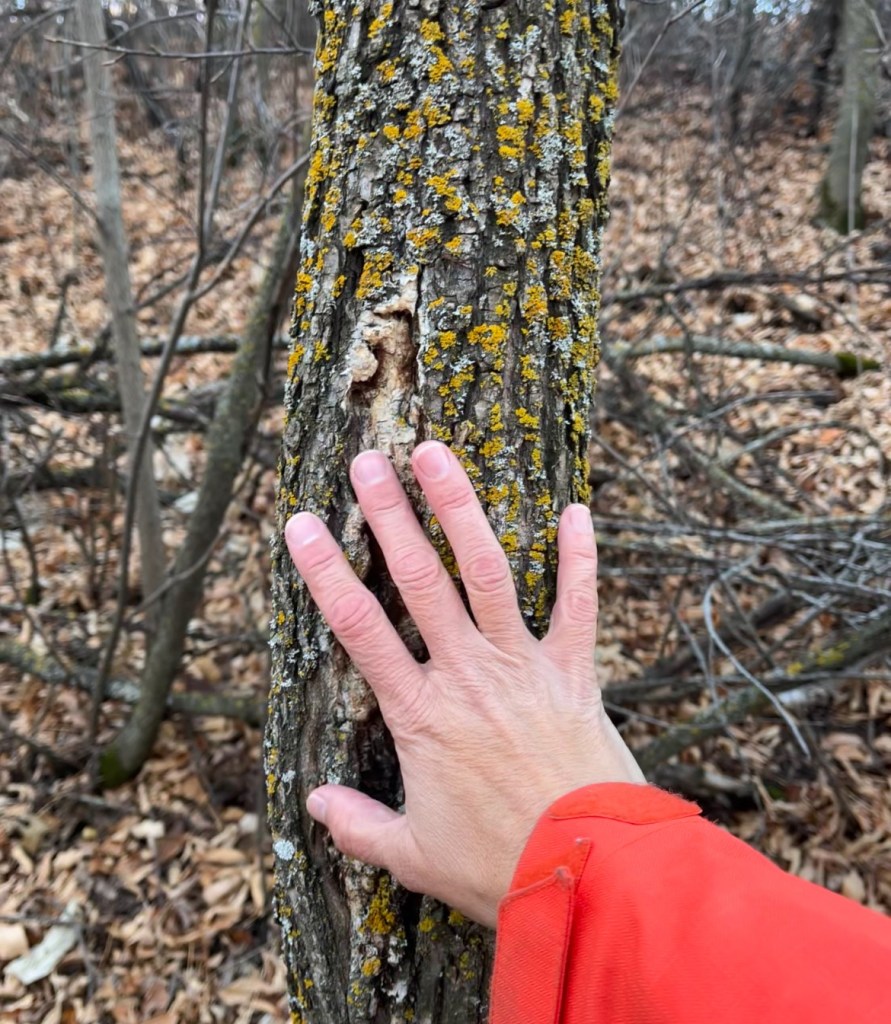
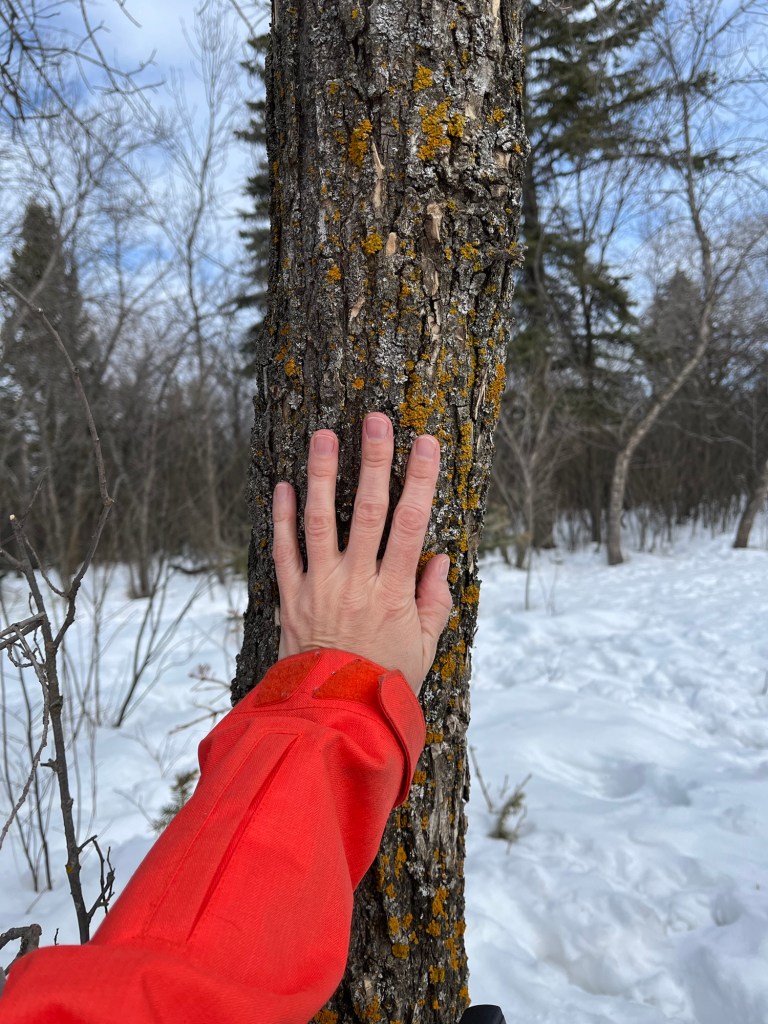
  1. Find a tree nearby and place one hand against the trunk.
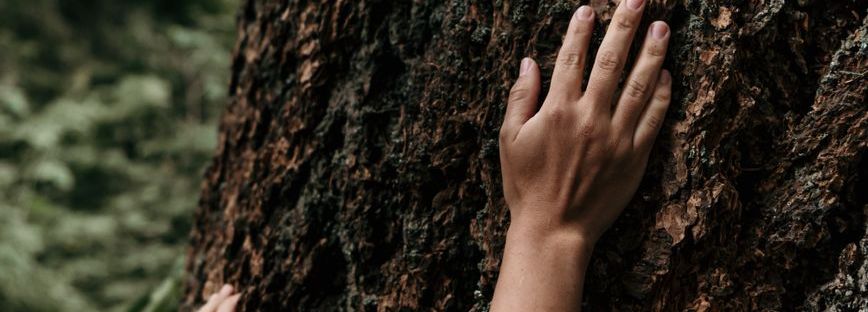
  2. Feel the firmness of the bark under your palm. Trees have been practicing stability for a very long time.
  3. Take three slow breaths.
  4. Notice your feet inside your boots.
  5. Notice the ground supporting you.
  6. Then take three very slow steps. With each step, quietly ask: What does stability feel like right now?

You might be surprised how much calmer the nervous system becomes when movement slows down.

Winter walking with hypermobility includes both beauty and risk. Moments of deep solace among the trees and occasional grievances to file with a body that requires extra grit.

The poet Rainer Maria Rilke once wrote,

Let everything happen to you: beauty and terror. Just keep going. No feeling is final.

Perhaps winter forest walks teach that same wisdom.

Conscientious step by conscientious step.

The Whispers of Accord

Living with chronic pain sometimes feels like a negotiation between the body and the soul.
The body says: Please be wary.

The soul says: Please go outside.

The forest, thankfully, doesn’t insist on perfect joints or pain-free muscles.

It simply offers a place to breathe.

Scottish nature writer Nan Shepherd wrote about being in the mountains:

The thing to be known grows with the knowing.

Perhaps the same is true of our bodies.

The more we learn their quirks and their quiet wisdom, the more gently we can move through the world. Even when the trail shimmers with ice and every step requires a little forethought.

Because sometimes healing isn’t about conquering the path. Sometimes it’s simply about finding a way to keep walking among the trees.

So yes, SK winter trails sometimes feel like obstacle courses designed specifically for people with hypermobile joints to fail.
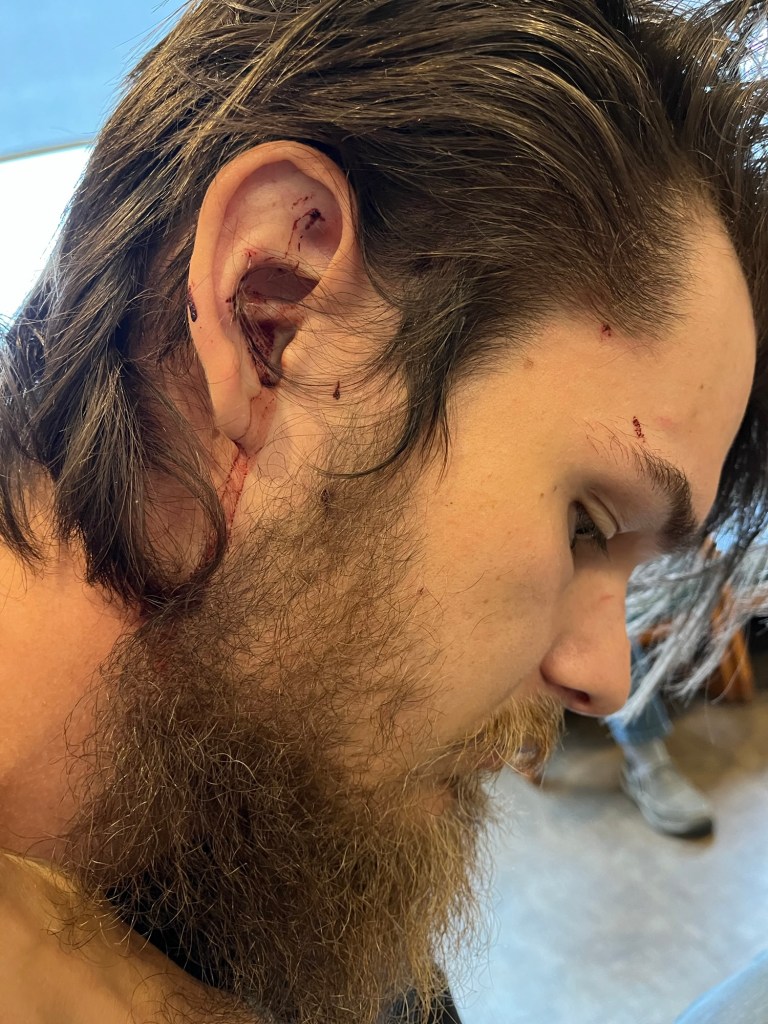
And yes, the body occasionally protests the whole arrangement. Of having any movement at all. Yet consider another quote by Nan Shepherd that leads us back to what matters,

It is a grand thing to get leave to live.
Perhaps that is what these mindful winter walks really are.

A quiet permission to keep living fully, even if the steps are slow and deliberate.

Careful steps. Even slightly wobbly steps.

Keep walking when and where you can. Surrender when called for. We are so close Prairies friends! We have almost made it to Spring! We’ve got this.

The Art of Finding Calm: Anchors for Inner Peace

By the time you reach the last spring, your hands are shaking. You’re sweating. Frustrated. Everything keeps getting more crooked.

You realize too late. You started wrong. 😑

Anyone who has assembled a trampoline knows the rule. You don’t hook the springs in a circle, one after another. If you do, the tension pulls unevenly. By the end, you don’t have the strength to stretch it into place.

You begin with four. Evenly spaced. Then every ten. Then every five. Then every two.

You build balance first. Then you stretch.

Cruising the Chaos of Life’s Pulls

We are pulled by responsibilities👈, expectations👉, needs👆, roles👇, diagnoses🫵, deadlines🫡.

Work. Family. Health. Friendships. Faith. Community. The list goes on.

Each one a spring tugging at the mat of our life.

When we hook ourselves fully to one area without anchoring wisely, the whole thing warps. We overextend in one direction and find ourselves weak in another.

Sometimes that is the season we are meant to live.

After giving birth, your whole being stretches toward that tiny life. Other areas thin out. That is not failure. That is devotion. In time, the tension redistributes.

But chronic pain does not redistribute so gently.

Chronic Pain: The Illusion of Perfect Harmony

When you live with chronic pain, you are constantly pulled toward managing symptoms, setting and going to appointments, pacing yourself, rest, prevention. Your energy budget is small. Other areas stretch thin.

Then something hopeful happens. 😮

You focus on your health. 😧

You improve. 🫢

You feel almost normal. 🥹

Everyone else sees it too. 🙌

Schedules begin to fill 🗓️ Invitations multiply 🥳 Expectations quietly rise 🫴 . The springs of “normal life” begin snapping back into place 🫰.

You let yourself believe it. 😄

Maybe I’m better. 😂

Then exhaustion crashes in 🫩 You stare at your calendar at night and wonder what you’ve done to yourself 😳 A small slip becomes months of recovery 😵 One flare unravels carefully rebuilt stability 😞.

And then come the looks 😒🙂‍↔️

The subtle confusion 🤨

The well-meaning advice 🤓

The unspoken question: Why can’t she just get it together?

Living with chronic illness often means managing other people’s perception of your crooked mat.

There is grief in that.

Grief in not being believed. In being misunderstood. In having to explain your limits and have them questioned again and again.

Eventually, you begin to let springs go.

  • Work (sounds great, it’s decidedly not great)
  • Hobbies
  • Certain relationships
  • Many dreams have to shift

Not because you lack discipline. Because you are learning discernment.

Tregi:

“A tender form of sorrow- one that doesn’t overwhelm but lingers softly in the soul, and it’s the ache of remembering something beautiful that’s gone, the silence after a goodbye, the bitter sweet pull of nostalgia. “

The Spring I Learned to Release

Within you there is a stillness and a sanctuary to which you can retreat at any time.

Hermann Hesse

One sunny day I carried my journal and scriptures out to our trampoline. It was warm, the sun pooling across the mat. A strange place to do cold, hard work.

I read.

I prayed.

I journaled.

I napped.

I prayed again.

And then I cried.

And cried some more.

To say I wanted one more baby doesn’t begin to explain the years of ache. The doctors knew what my body could not sustain. I knew it too.

But my heart wasn’t ready. I wanted to leave the doors open for God to do His work.

That day on the trampoline, I realized I was hanging on to a spring that was pulling my whole life crooked. The decision to have a hysterectomy felt like unhooking something sacred. I needed my Saviour in it with me.

It was one of the hardest decisions I have ever made. Letting that spring go felt like loss. But when I finally released it. After some time. I stopped trying to force tension where my body could not hold it. And space opened for healing. Opportunities I never could have seen coming appeared. Energy shifted. My frame steadied.

The mat did not look like I once imagined. But it began to hold me differently.

Calm comes when I choose my springs intentionally.

Cultivating Serenity Amidst the Clutter

Inner calm is not equal distribution. It is intentional tension.

It is knowing which four anchors belong in this season and which ones do not.

There is a calmness to a life lived in gratitude, a quiet joy.

Ralph H Blum

But we cannot hear that wisdom in noise.

We cannot recalibrate while drowning in comparison, expectation, and urgency. The nervous system cannot settle when constantly pulled outward.

This is why I return to nature.

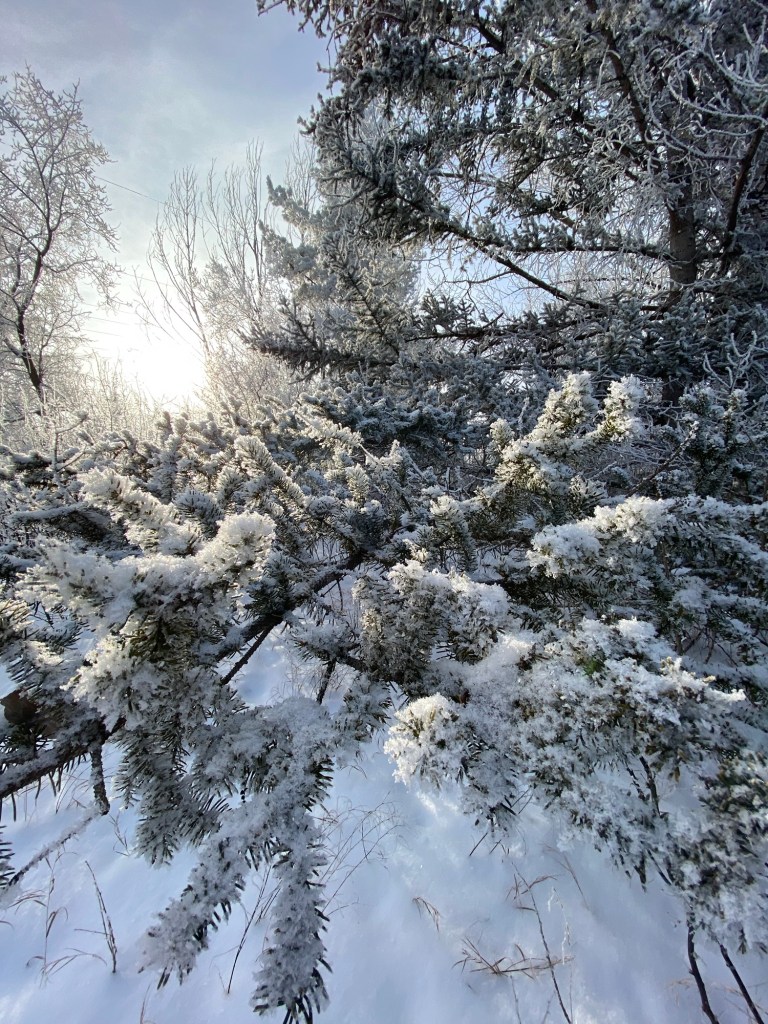
In the forest, no one critiques the tension of a tree branch as it cradles more and more snow and ice.

The bitter prairie wind does not apologize for taking our breath away.

The river does not hurry spring.

Outer stillness teaches inner calm.

When I step into the trees, the sensory world steadies me:

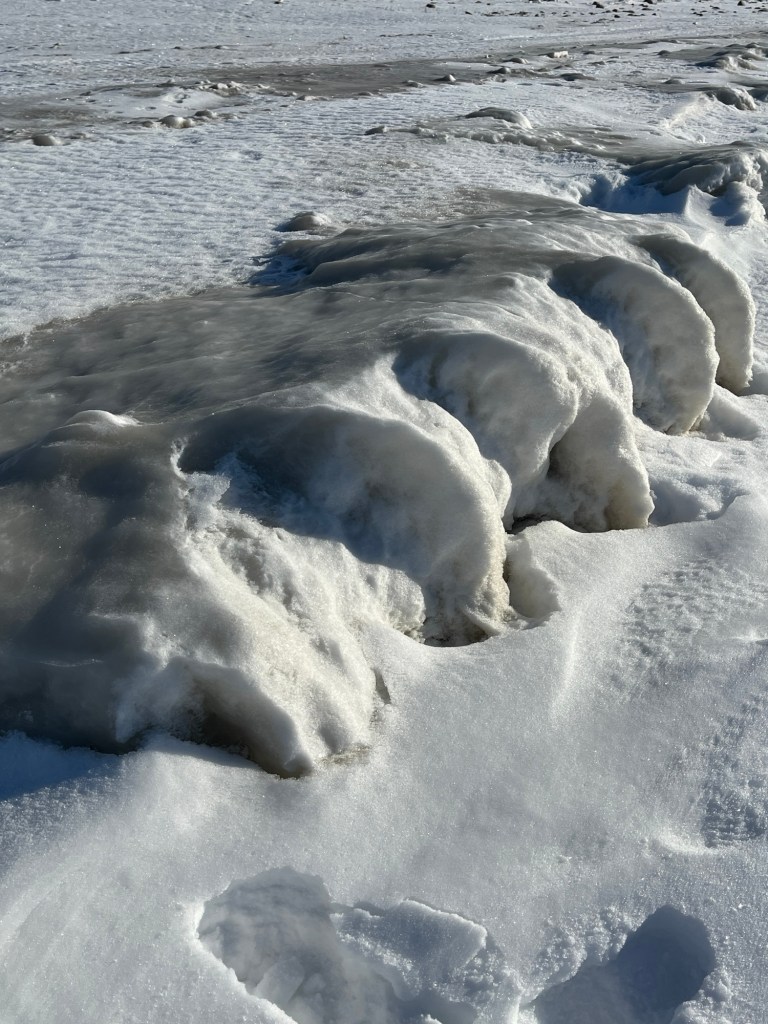
  • The sharp edges of wind swept snow
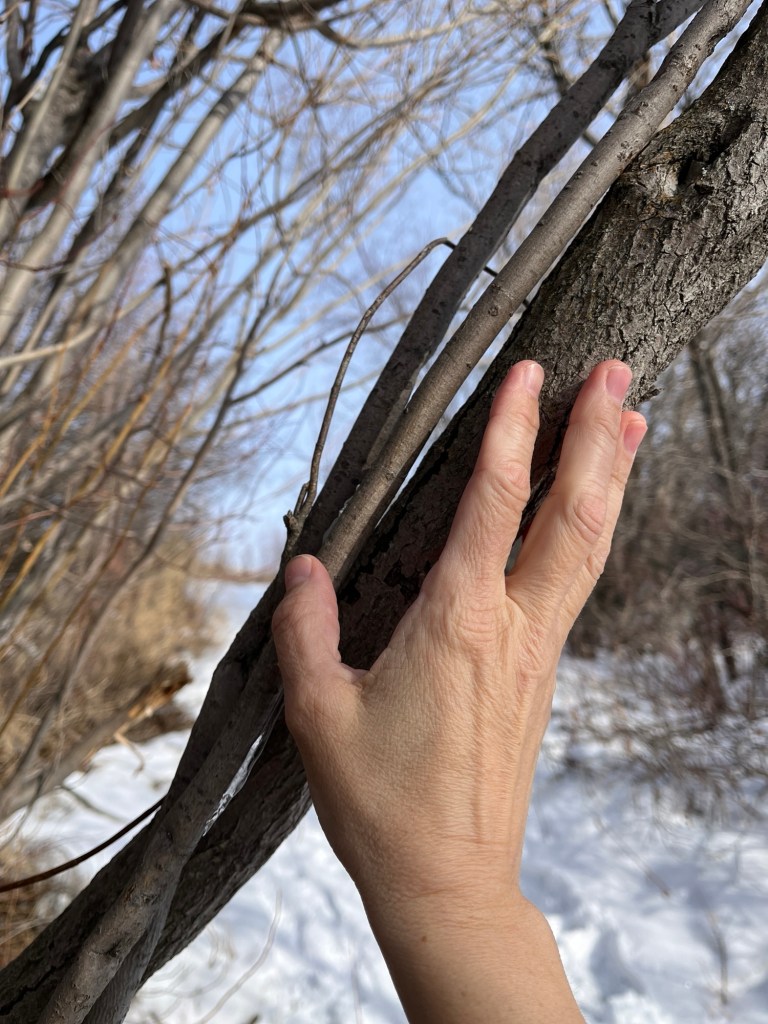
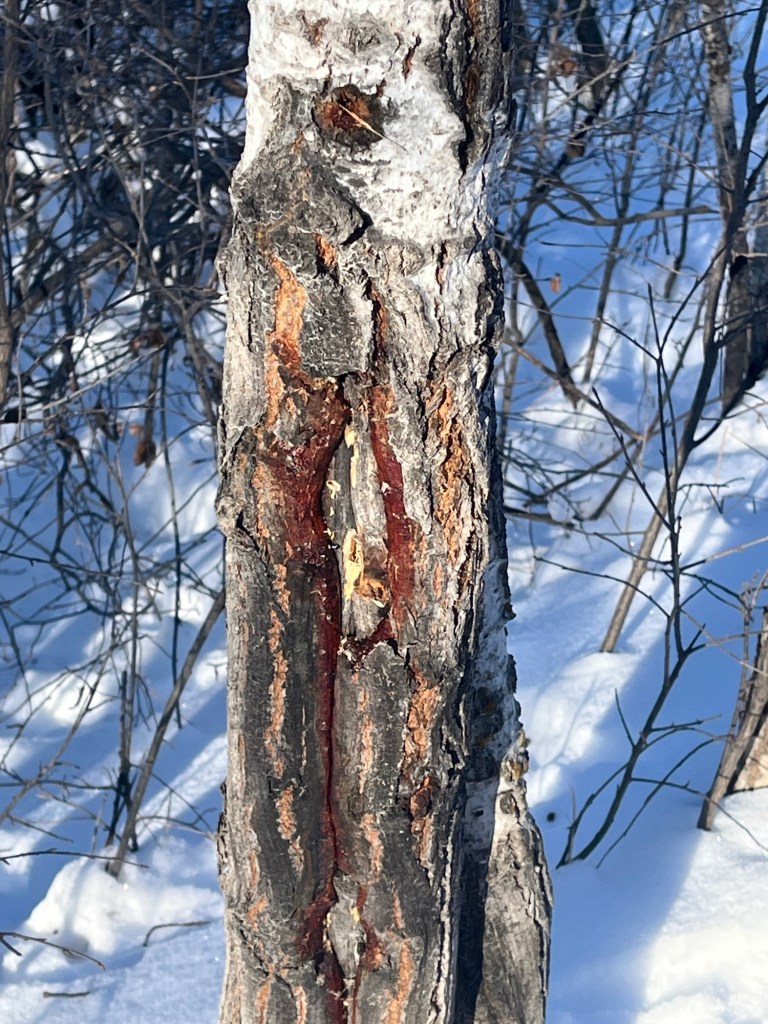
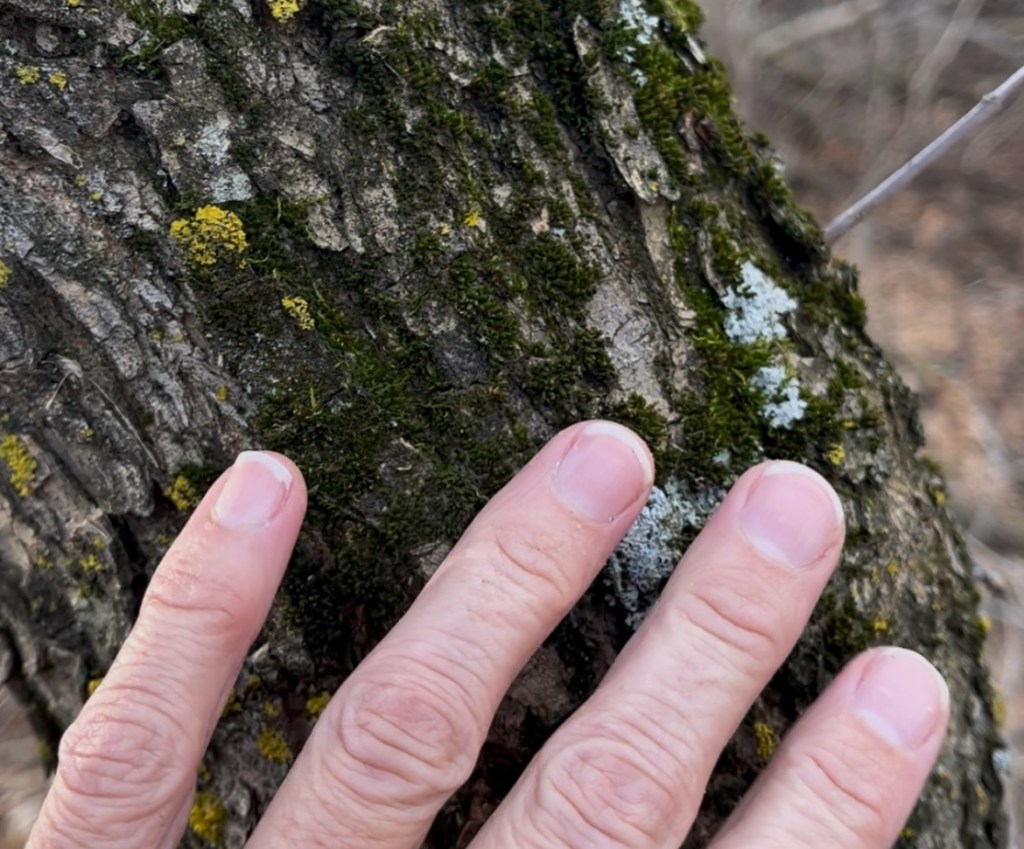
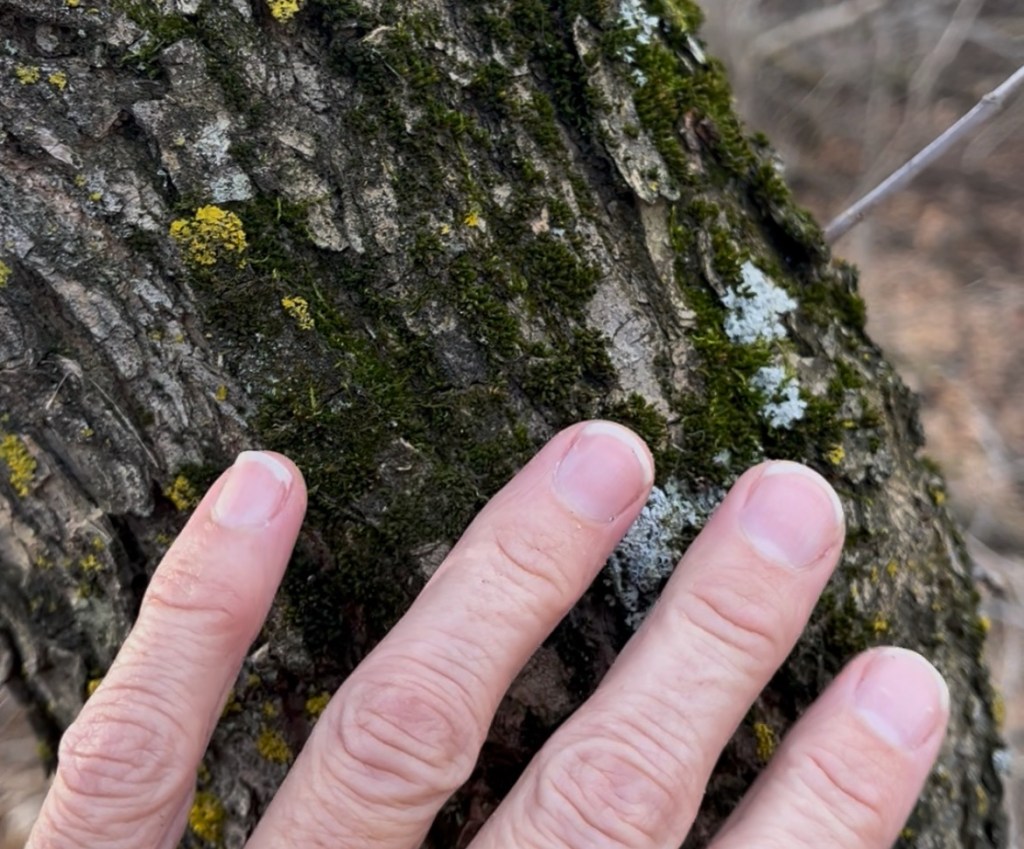
  • The cool texture of bark beneath my palm.
  • The sound of wind moving through leaves like breath.
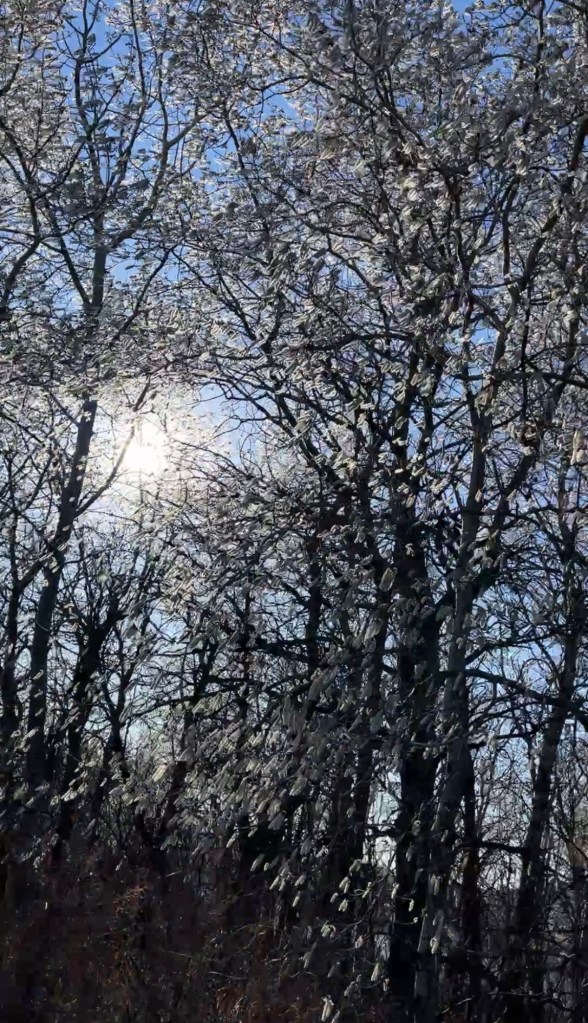
  • Light filtering through branches in patient patterns.
  • Look closely
  • Breathe deeply

The forest is not rushed. It is not impressed or judgemental of us. It simply grows toward light.

And in that space, I can finally ask:

Which springs belong today?

And the incredibly hard question. Where do I need to let go?

The mind, like water, when it is turbulent, becomes difficult to see. When it is calm, everything becomes clear.

Prasad Mahes

🌲 Forest Therapy Practice: Four Anchors for Inner Calm

This practice is especially for seasons when your life feels uneven.

You are not rebuilding your entire life today. Only choosing your four.

Time: 30–45 minutes

Location: A quiet trail, grove, or open field

1. Arrive in Outer Stillness

Stand still. Feel your feet on the earth. Take three slow breaths, extending the exhale. Let your nervous system soften.

Notice where your body feels tight. Jaw. Shoulders. Back. Belly.

2. Choose Your Four Anchors

Whisper four priorities that truly belong in this season. No more.

  1. Health.
  2. Immediate family.
  3. Faith.
  4. One small joy.

Imagine each anchor as a tree spaced evenly around you.

Notice the balance.

3. Walk the Circle

Slowly walk in a gentle circle, pausing at each imagined anchor. Ask:

Is this spring too tight? Is this one neglected? Does this truly belong in this season?

Let answers arise without judgment.

4. Release One Spring

Name one responsibility, expectation, or internal pressure that does not belong right now.

Imagine physically unhooking it.

Notice the shift in your breathing.

5. Sit and Receive

Lean against a tree or sit on the ground. Feel the support beneath you. Let outer stillness hold what you cannot.

Stay in silence.

6. Gentle Reflection

When you are ready, journal:

  • What would happen if I allowed this season to be enough?
  • What does my body need more of?
  • What am I brave enough to release?

True intelligence operates silently. Stillness is where creativity and solutions to problems are found.

Eckhart Tolle

You are not weak for having fewer springs. You are wise for choosing them. Balance may not look symmetrical. Your mat may not look like someone else’s.

But even a crooked mat can hold us.

And in the quiet of the forest, we learn to stretch for only what we are meant to hold.

What a blessing it is to look around and see pieces of my old prayers scattered everywhere.

Sarah Trent

🌲 The Science Behind Forest Therapy’s Immune Benefits

The human body is not designed to be constantly alert. It is designed to return, again and again, to states of rest.

Esther Sternberg

Have you ever noticed that your shoulders drop the moment you step under trees?

That your breath deepens without effort?

That your body seems to say, “Ahhh. That’s better.”

When I was starting out, I knew I’d find something wonderful in forest therapy. But I didn’t expect it to be the answer I desperately needed for my chronic condition.

Rimesong- English (n) (rhyme song)- the gentle sound the world makes on frozen mornings. Branches cracking softly, frost shifting, ice whispering under light winds.

-@everglowwords

That’s not imagination. Or placebo.

That’s physiology.

Long before supplements, ice baths, or wearable tech, the human immune system evolved in relationship with forests. And modern science is finally catching up to what our bodies have always known, nature doesn’t just soothe the mind. It actively regulates inflammation and supports immune function. Read about that research here.

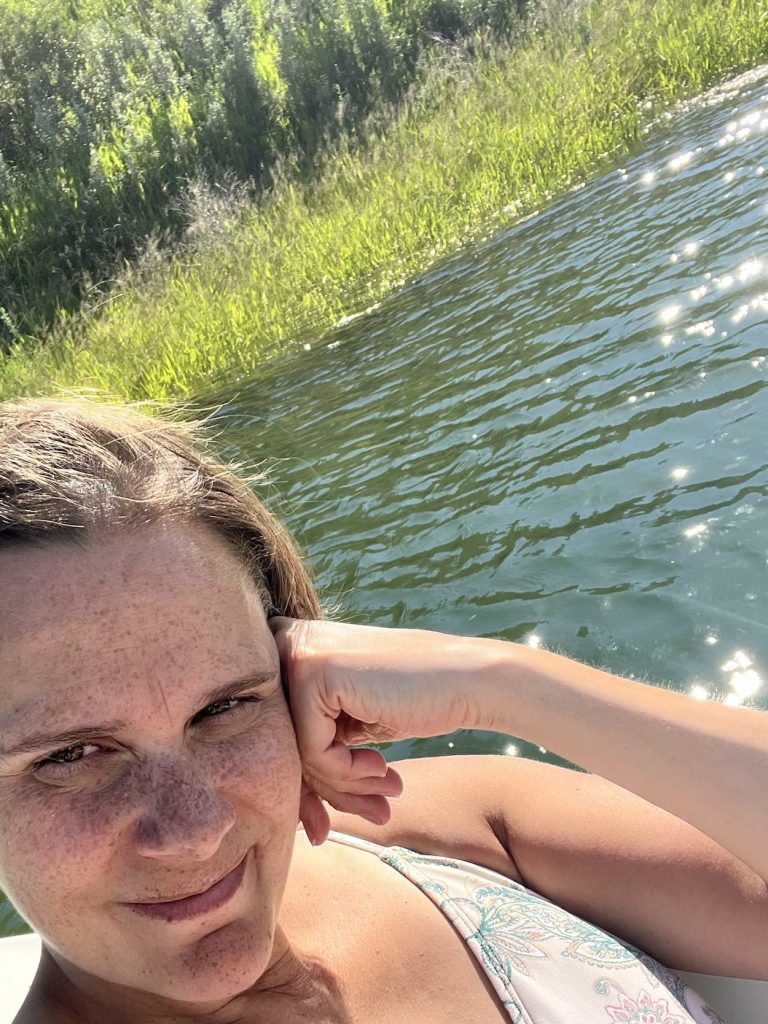
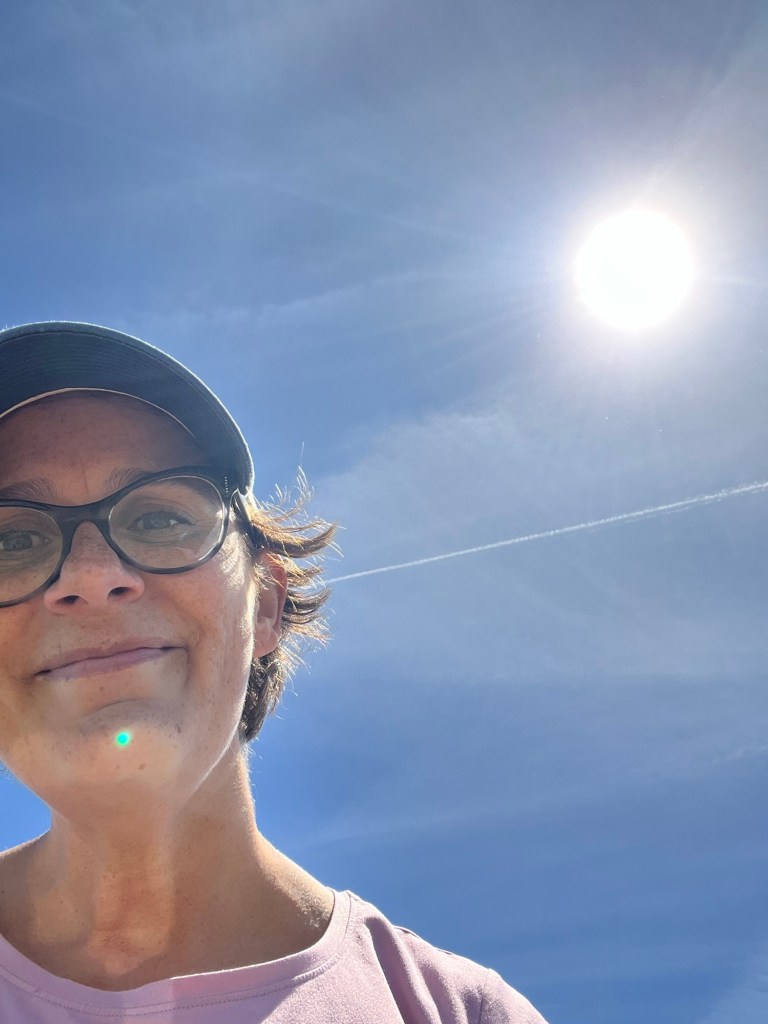
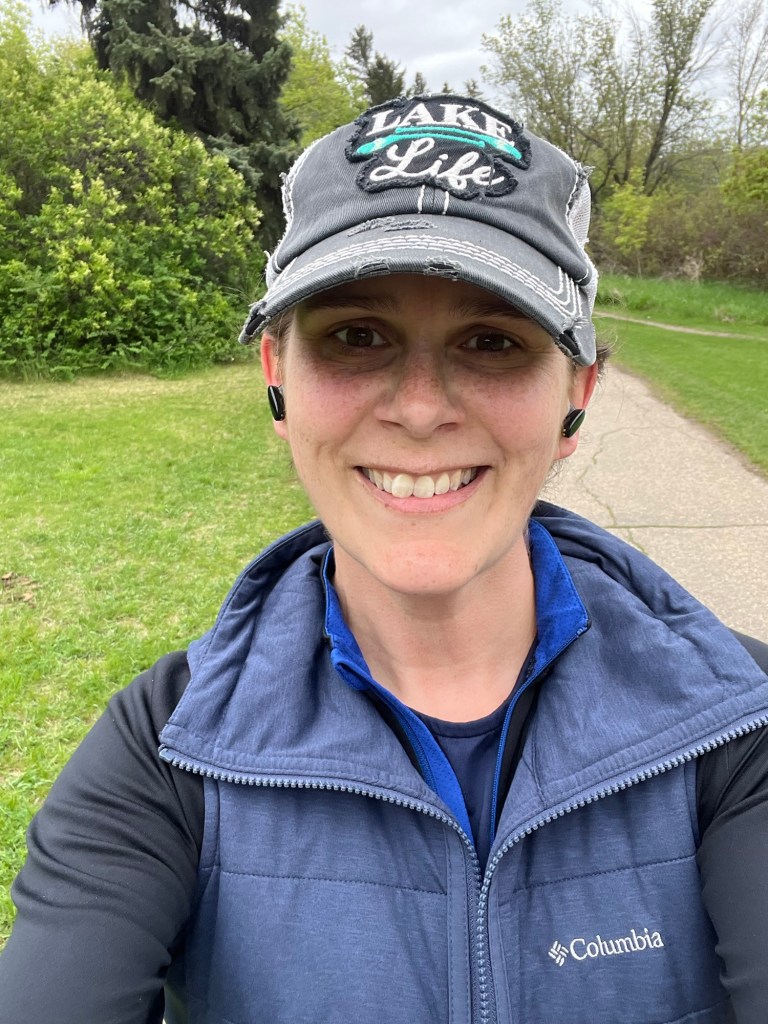
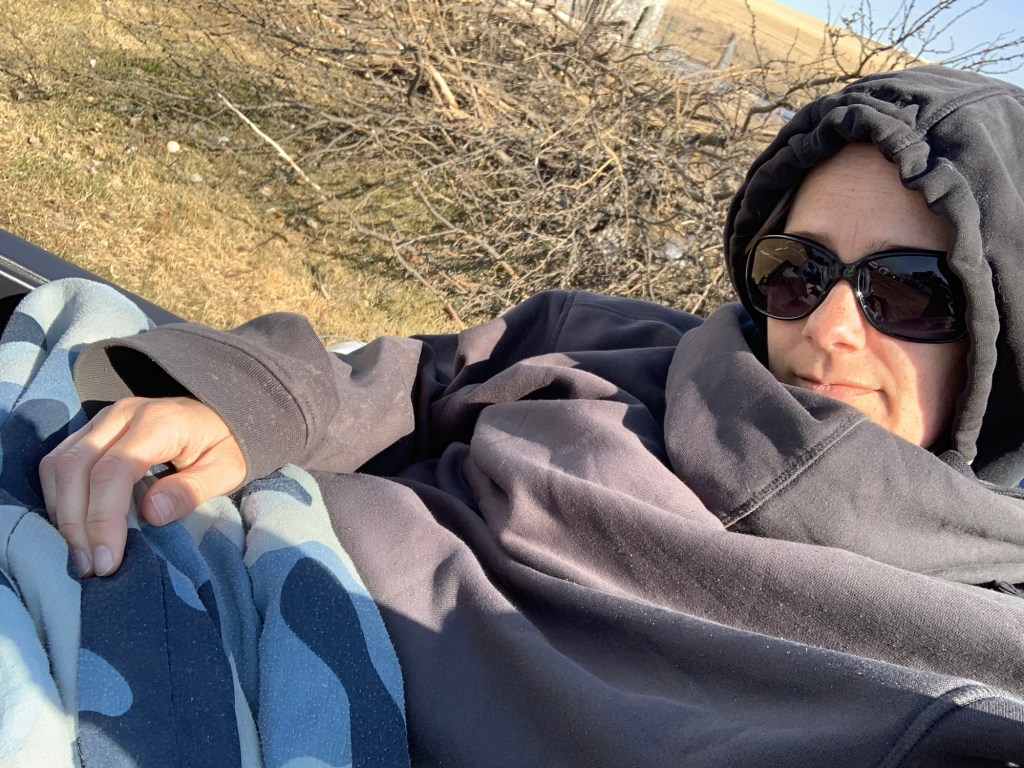
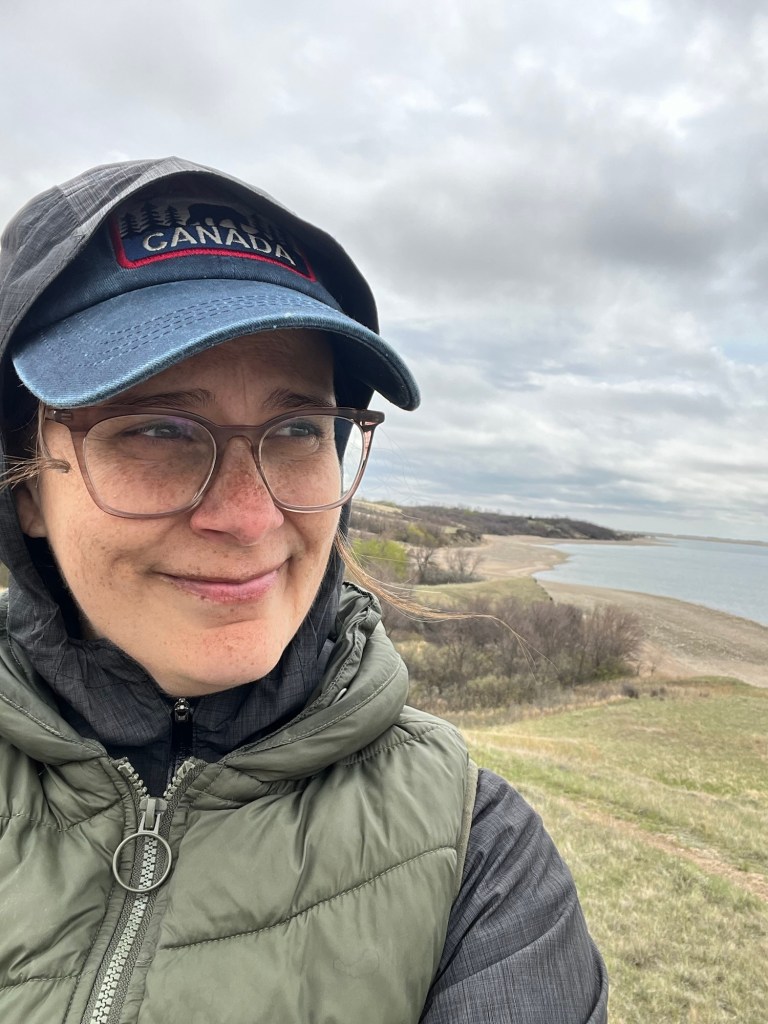
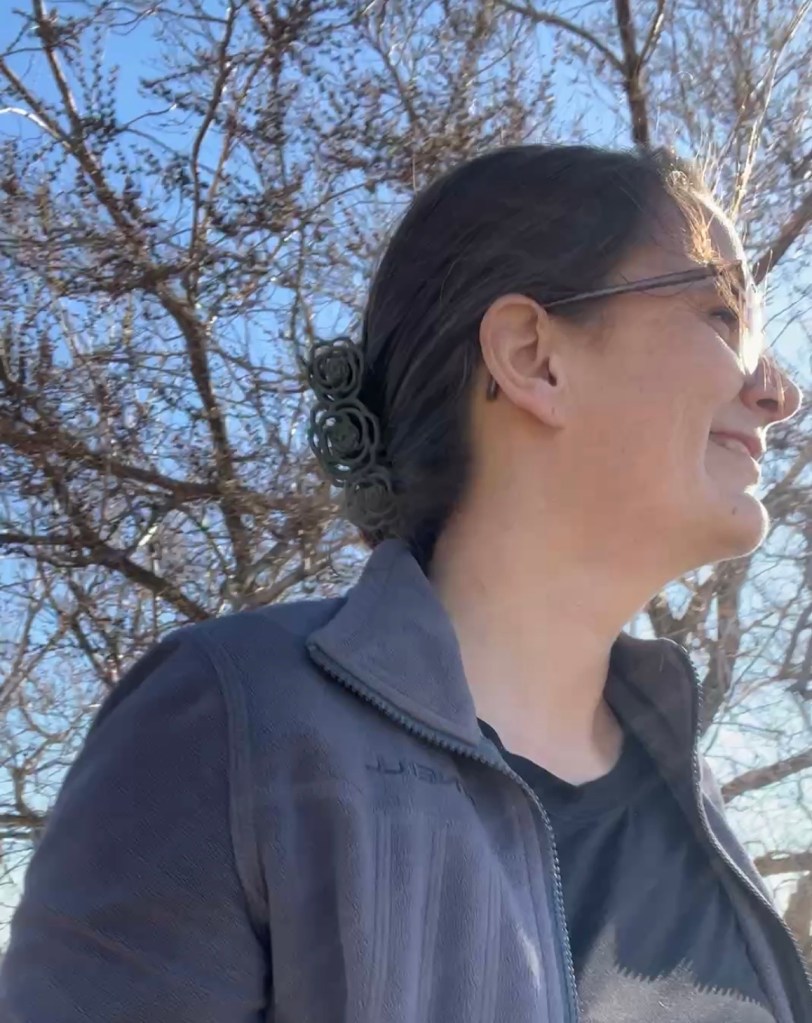
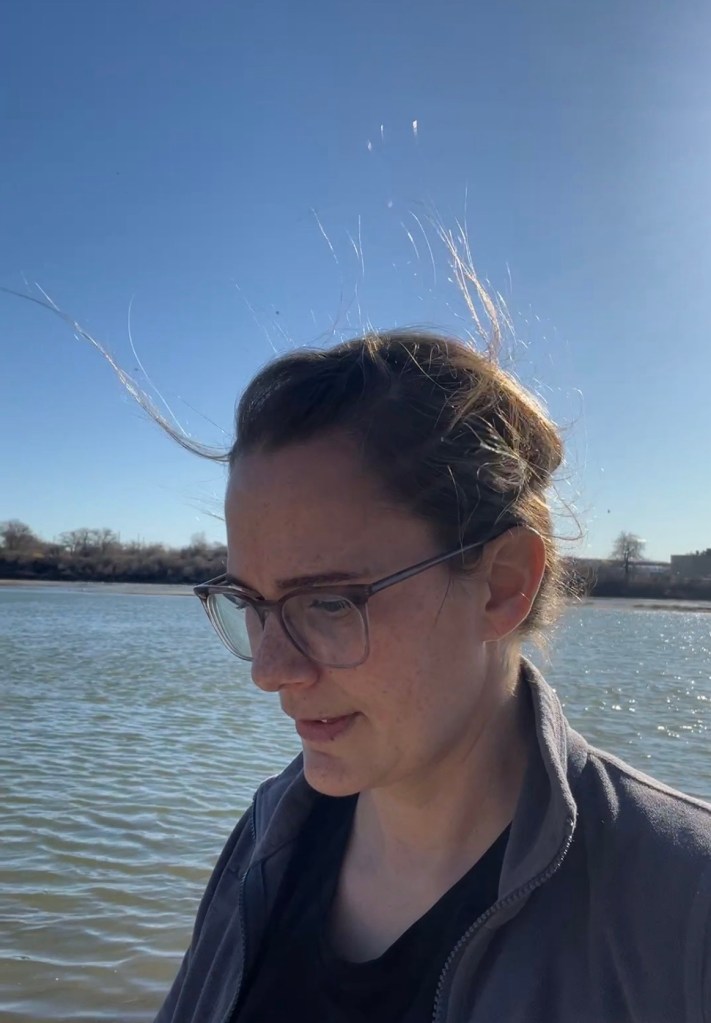
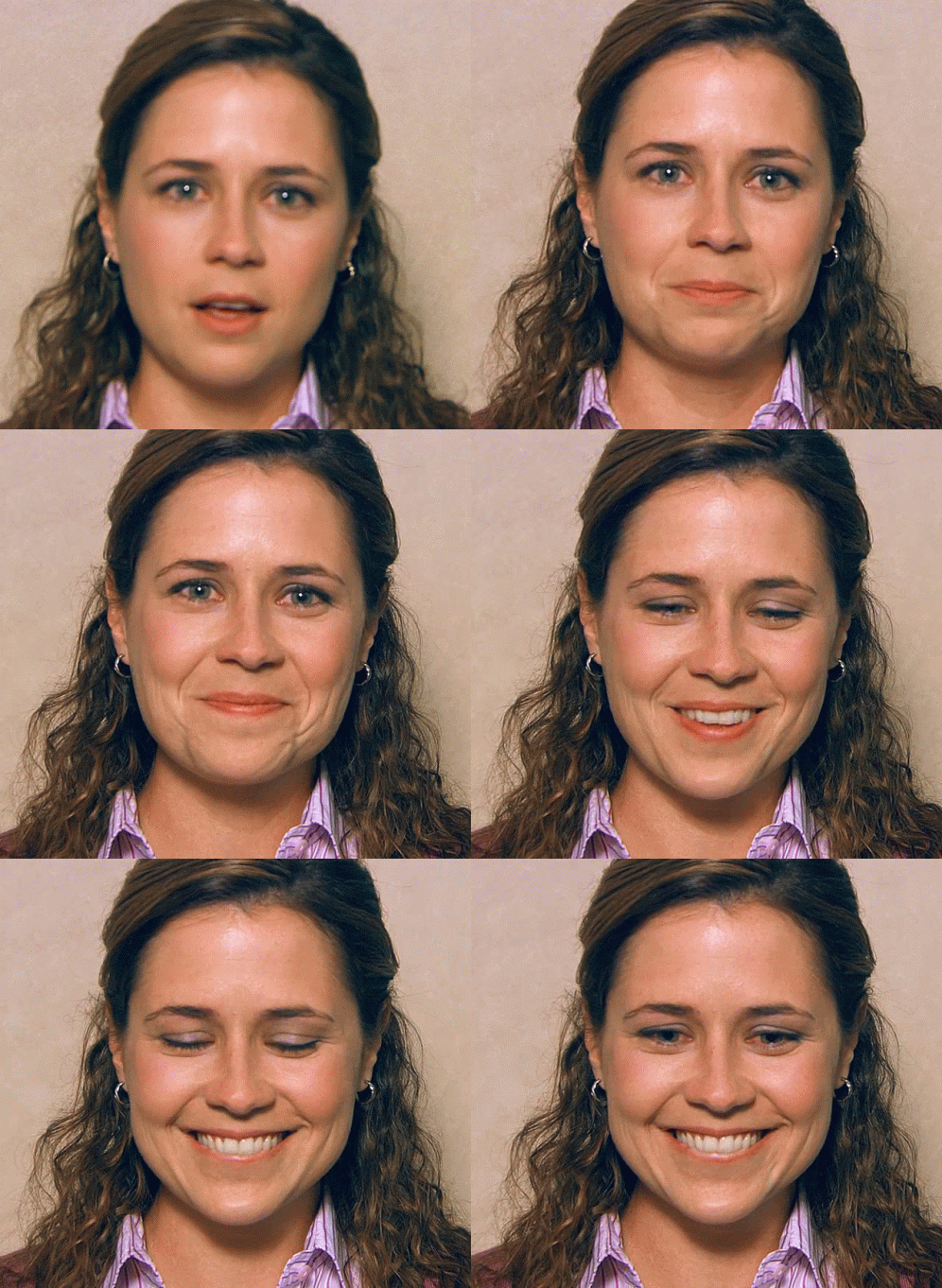
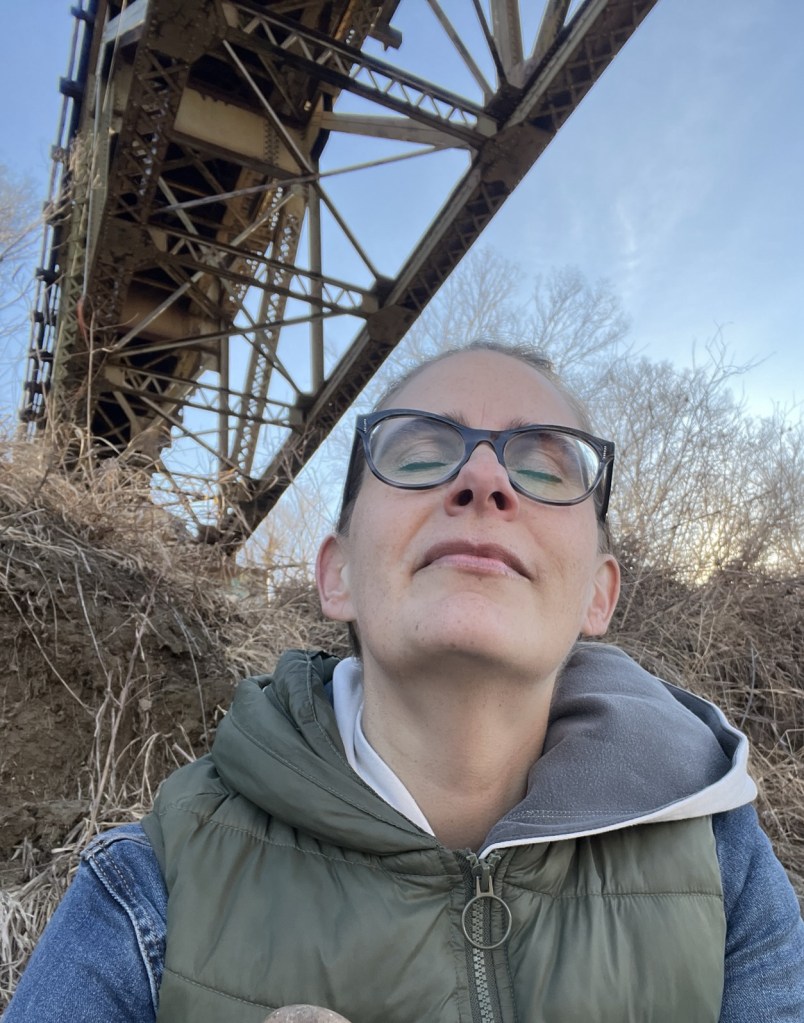
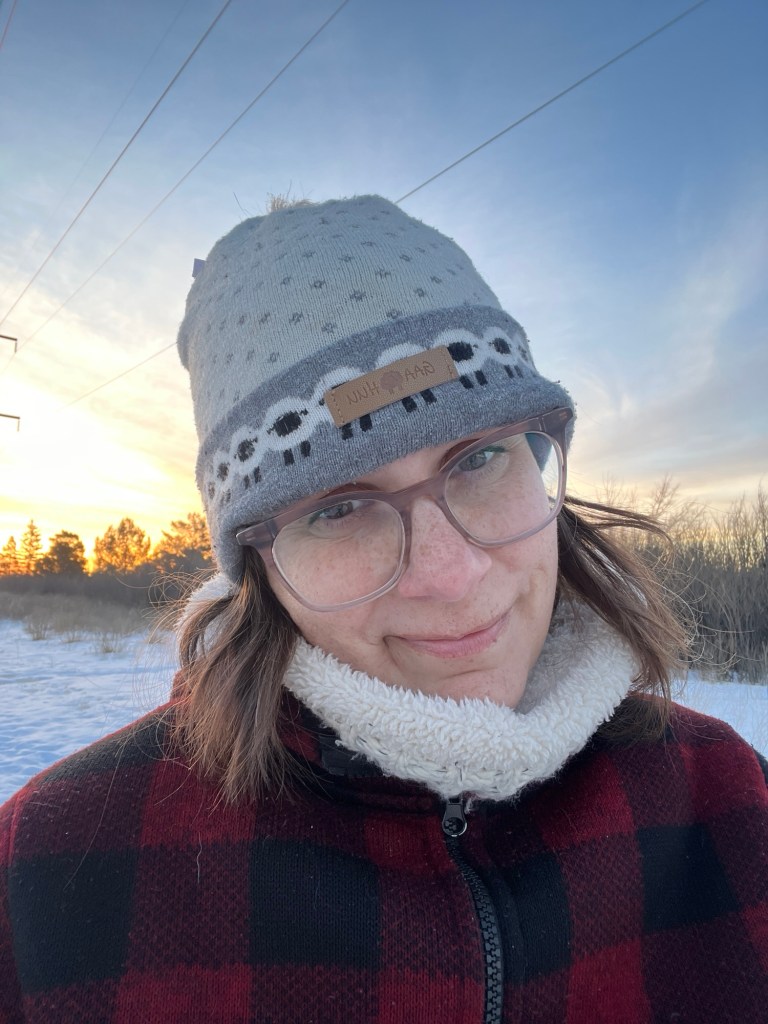
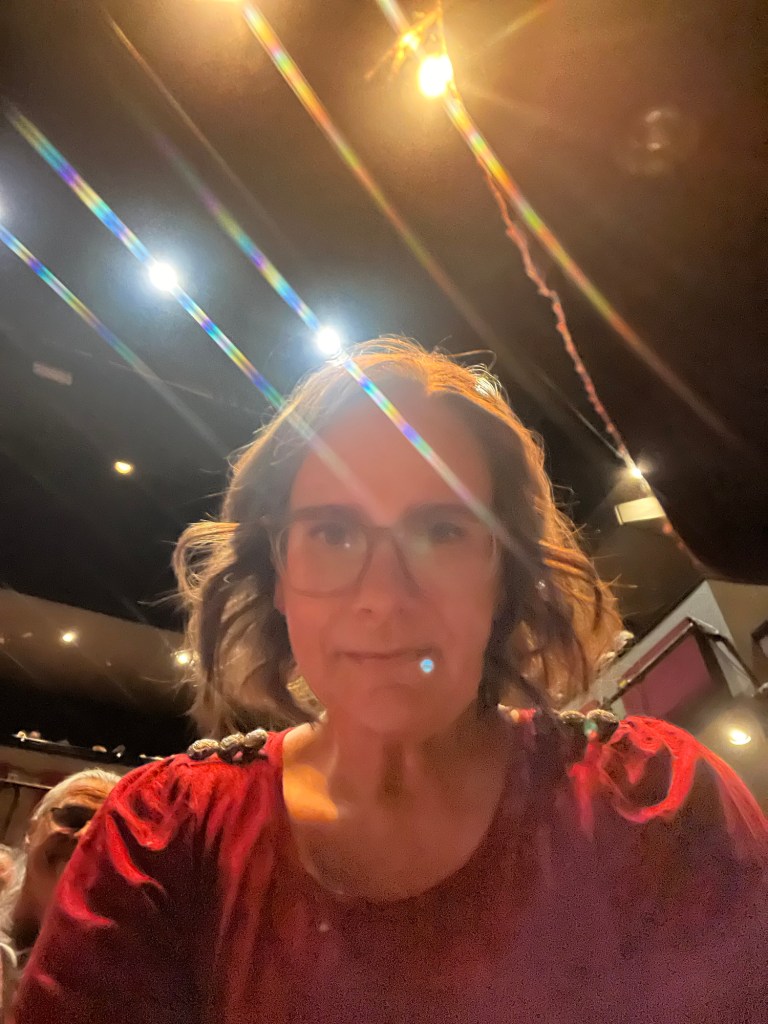
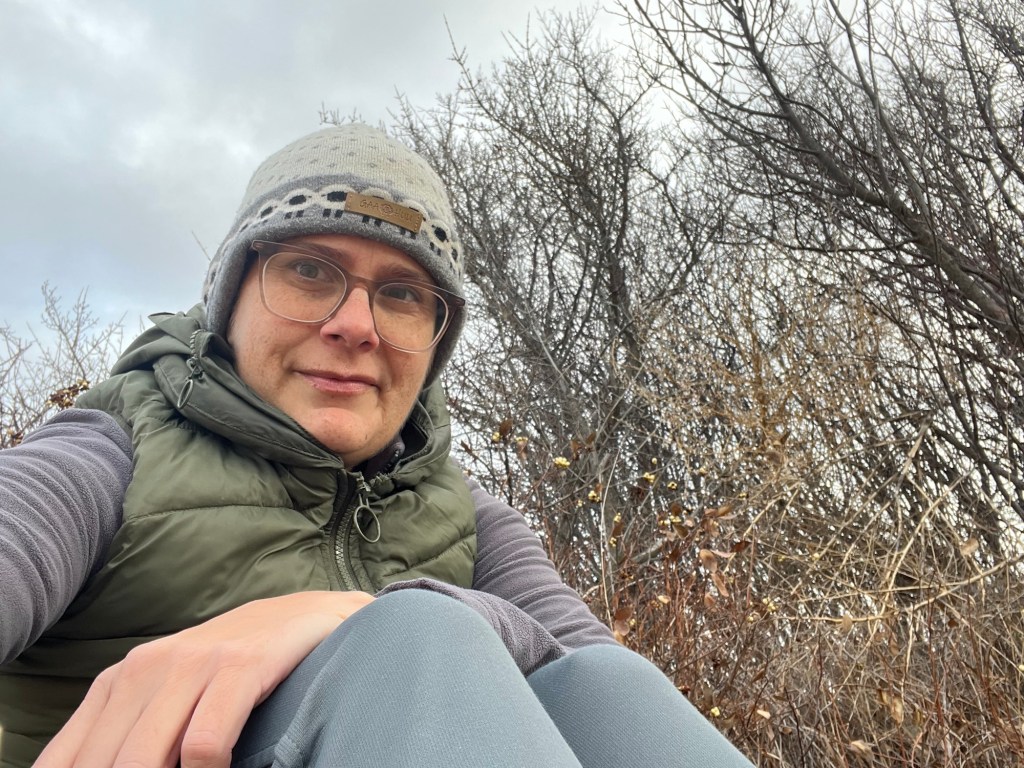
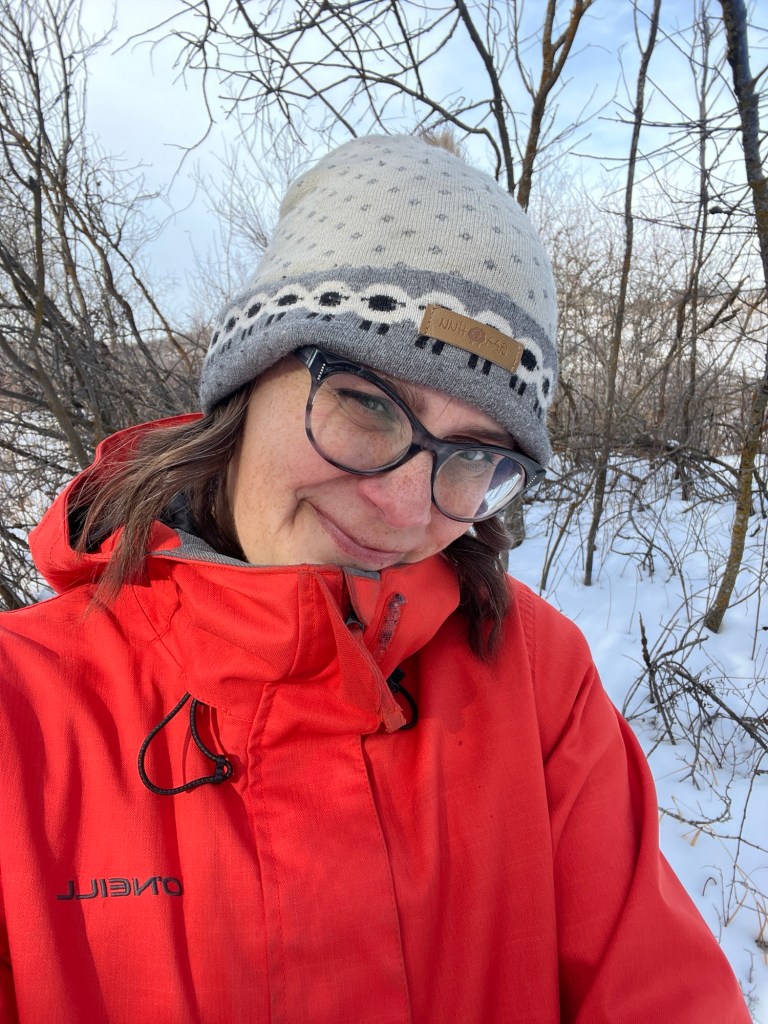
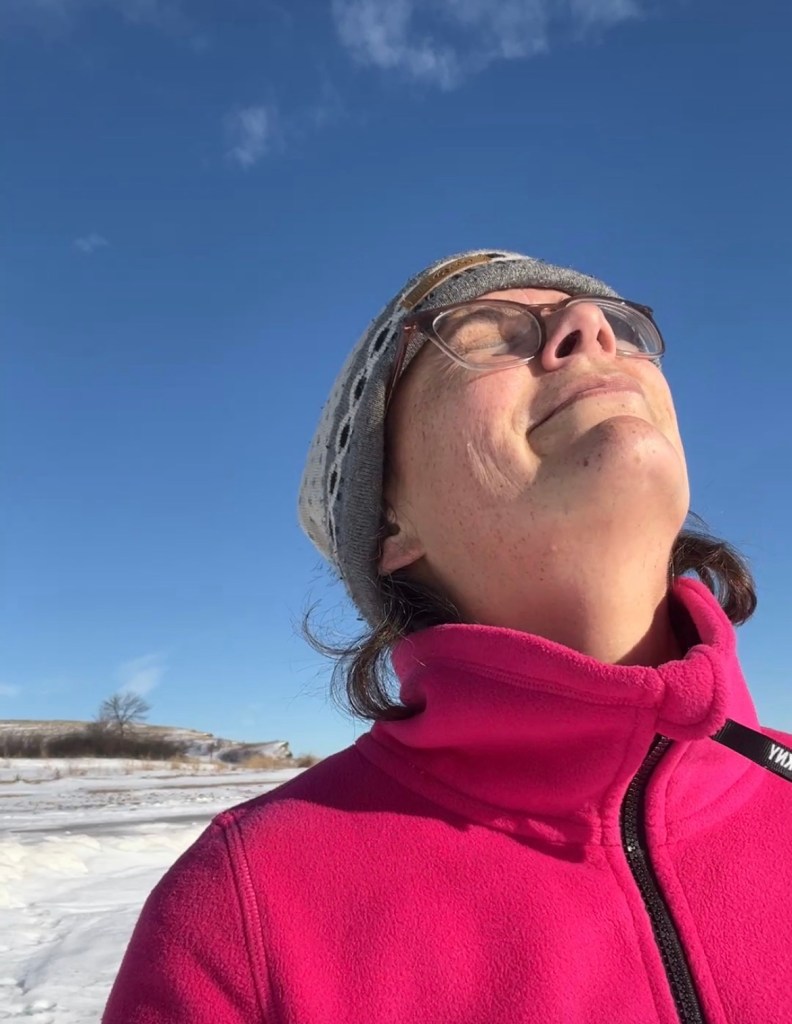
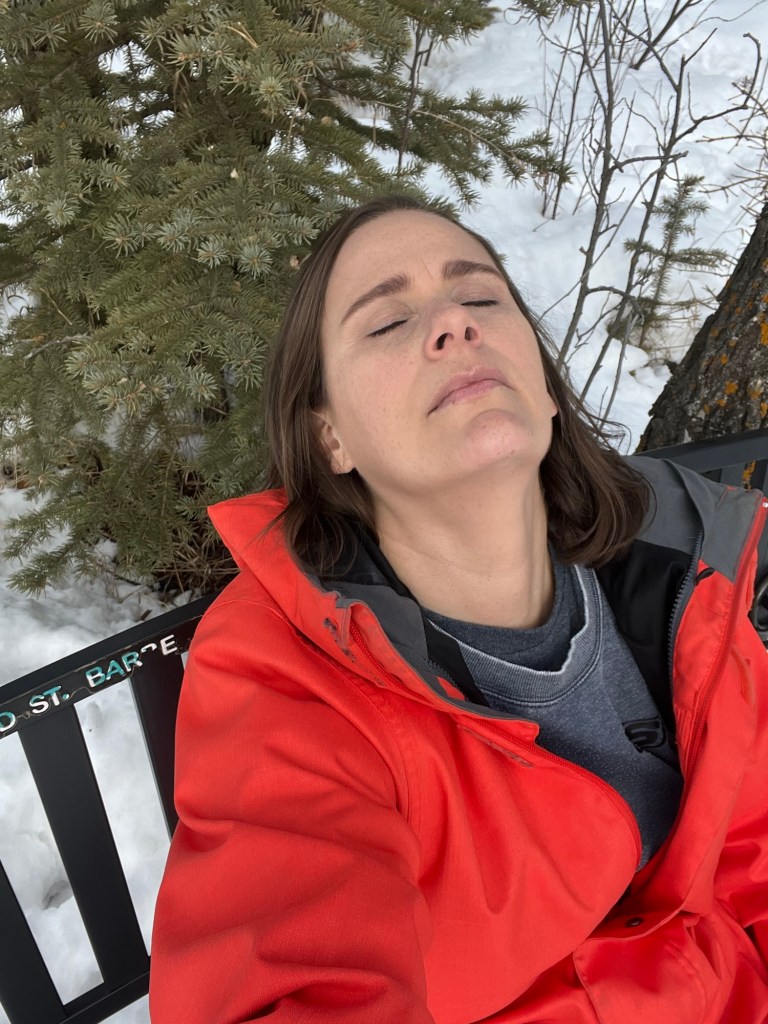
My face before a forest therapy walk.☝🏼

As a forest therapy guide, I experience this recalibration often. We arrive tense, inflamed, fatigued. And leave softer, warmer, steadier. Regulated.

Let’s talk about why.

(I don’t always share the research but it does exist. Follow the links through the post to learn more if you are interested.)

🔥 How Nature Cools the Flames of Inflammation

Inflammation isn’t the enemy. It’s a protective response.

But when stress, illness, or modern life keeps inflammation switched on for too long, the body pays the price. Joint pain, fatigue, brain fog, autoimmune flares, lowered immunity.

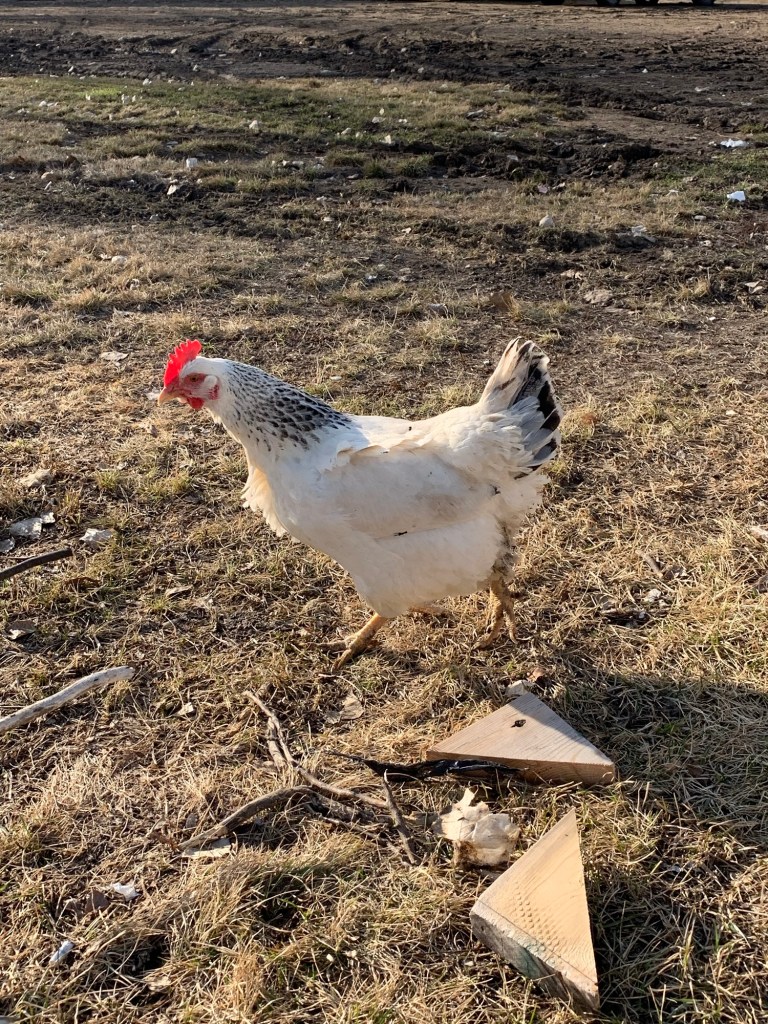
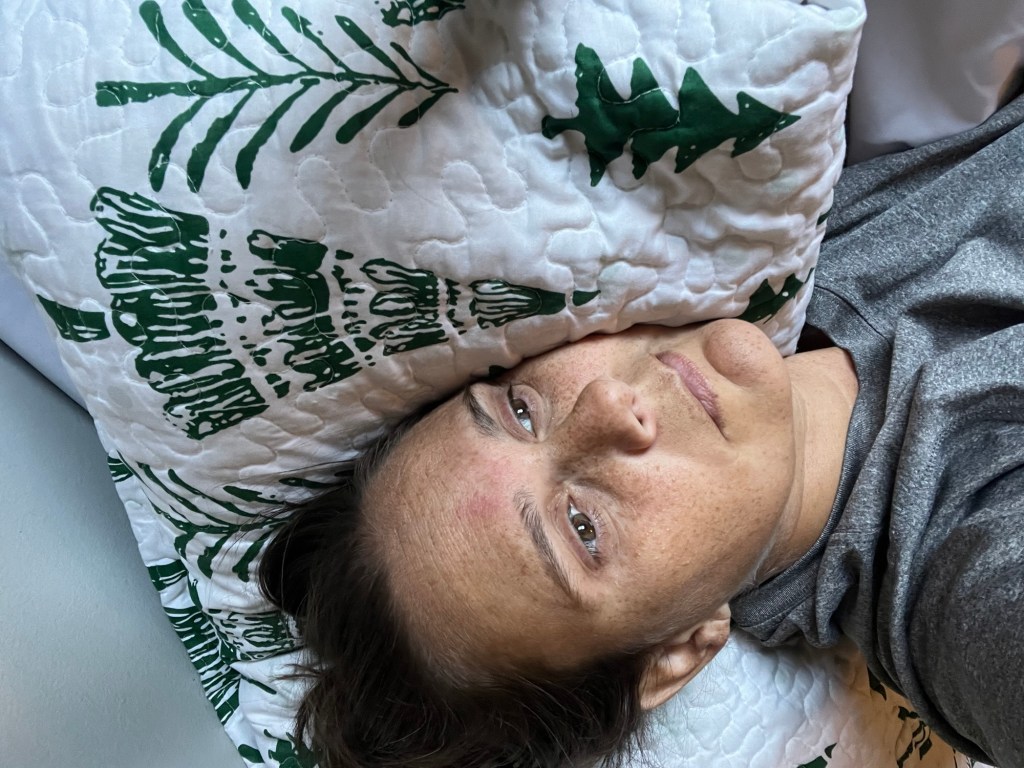
You can’t see it. But this is a picture of brain fog,
joint pain, fatigue and flares.
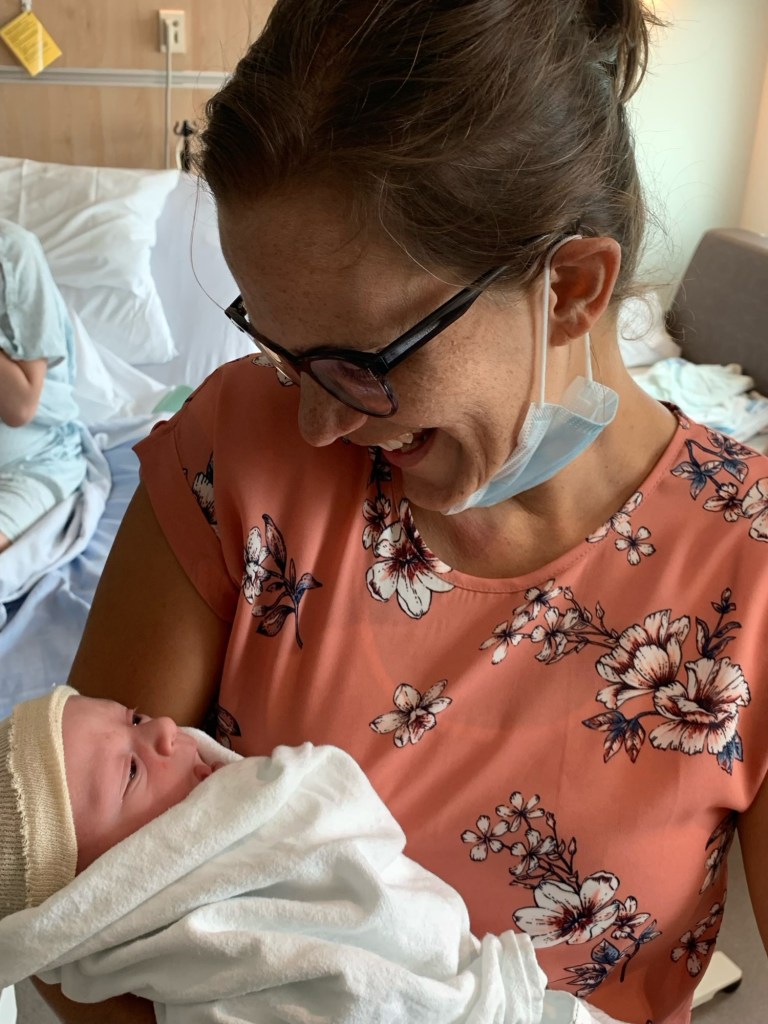
Grandbabies such as this little booger are wonderful!
But they are also 🦠 germ factories 🦠

Nature helps flip that switch back toward balance.

🍃 Forest Breaths: Nature’s Prescription

Trees release volatile organic compounds called phytoncides. The aromatic oils that protect the trees from disease and insects. When humans breathe them in, something remarkable happens:

  • Natural Killer (NK) cell activity increases. Read more here.
  • Stress hormones like cortisol decrease
  • Pro-inflammatory cytokines are reduced

NK cells are a critical part of your immune system. They identify and destroy virus-infected and abnormal cells. Research by Dr. Qing Li shows these immune benefits can last up to 7 days after a forest visit! Read about that research here.

Nature isn’t passive.

It’s interacting with you.

🌬️ Tune Your Nervous System for Optimal Immunity

Here’s the part most people miss.

Inflammation is deeply tied to the nervous system.

When your body is stuck in fight-or-flight, immune responses become exaggerated and inefficient. Forest environments consistently activate the parasympathetic nervous system. Research on that here. The “rest, digest, and repair” state.

Studies show that time in forests is associated with:

  • Lower C-reactive protein (CRP) Read about that here.
  • Improved heart rate variability
  • Increased salivary immunoglobulin A (sIgA), a key immune defense

In simple terms:

Your body repairs better when it feels safe.

Forests and other natural environments create that safety signal.

🌲 Embracing the Woods: Nature’s Anti-Inflammatory Escape

This is not exercise.

This is not a hike.

This is an invitation to regulation.

In wildness is the preservation of the world.

-Henry David Thoreau

🌿 The Practice (45–75 minutes)

1. Arrival — Let the Body Catch Up (5 minutes)

Stand still. Place one hand on your chest, one on your belly.

Breathe slowly through your nose.

Say quietly, “I don’t need to fix anything right now.”

2. Slow Sensory Walking (15 minutes)

Walk at half your normal speed.

Let your eyes soften.

Notice textures, temperature, sound.

This sensory input tells your nervous system it’s safe to stand down.

3. Tree Contact (10 minutes)

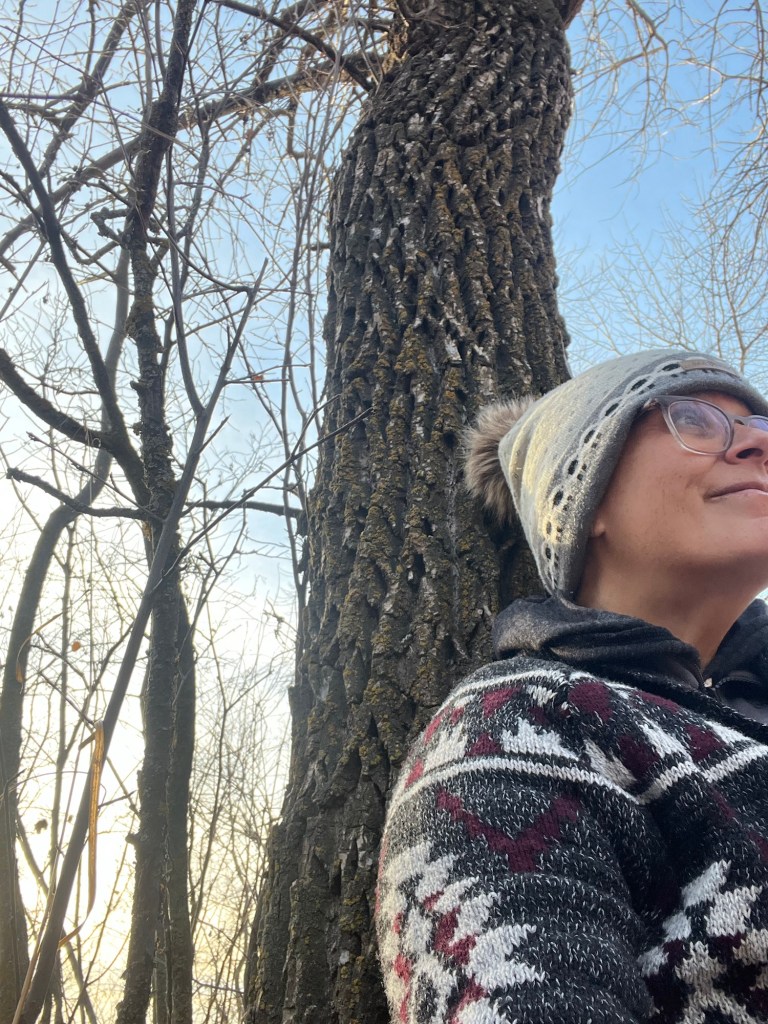
Rest your back or hands against a tree.

Notice its steadiness.

Imagine excess heat or tension draining from your body into the ground.

4. Immune Breath (10 minutes)

Inhale forest air slowly.

Exhale longer than you inhale.

This extended exhale directly reduces inflammatory stress signals.

5. Closing Reflection (5 minutes)

Ask yourself: What feels different in my body right now?

No analysis. Just noticing.

💬 Words That Echo the Science

The immune system is exquisitely sensitive to our environment.

-Dr Candace Pert, neuroscientist

And from scripture:

The leaves of the tree were for the healing of the nations. -Revelation 22:2

How many are your works, LORD! In wisdom you made them all; the earth is full of your creatures. -Psalm 104: 24-25

A reminder that nature’s design supports life, health, and resilience.

Healing in nature has always been part of the human story. Both scientific and sacred.

💗 A Story of Healing

There was a season when my body felt constantly inflamed. Sore joints, heavy fatigue, a nervous system that never seemed to settle.

I was doing all the ‘right’ things. But what helped most wasn’t something I added. It was somewhere I went.

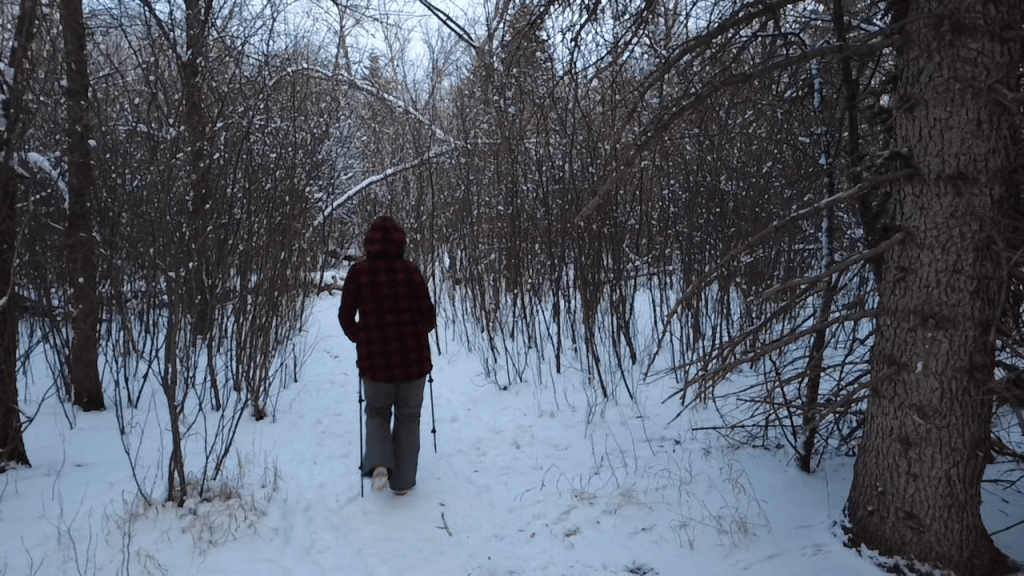
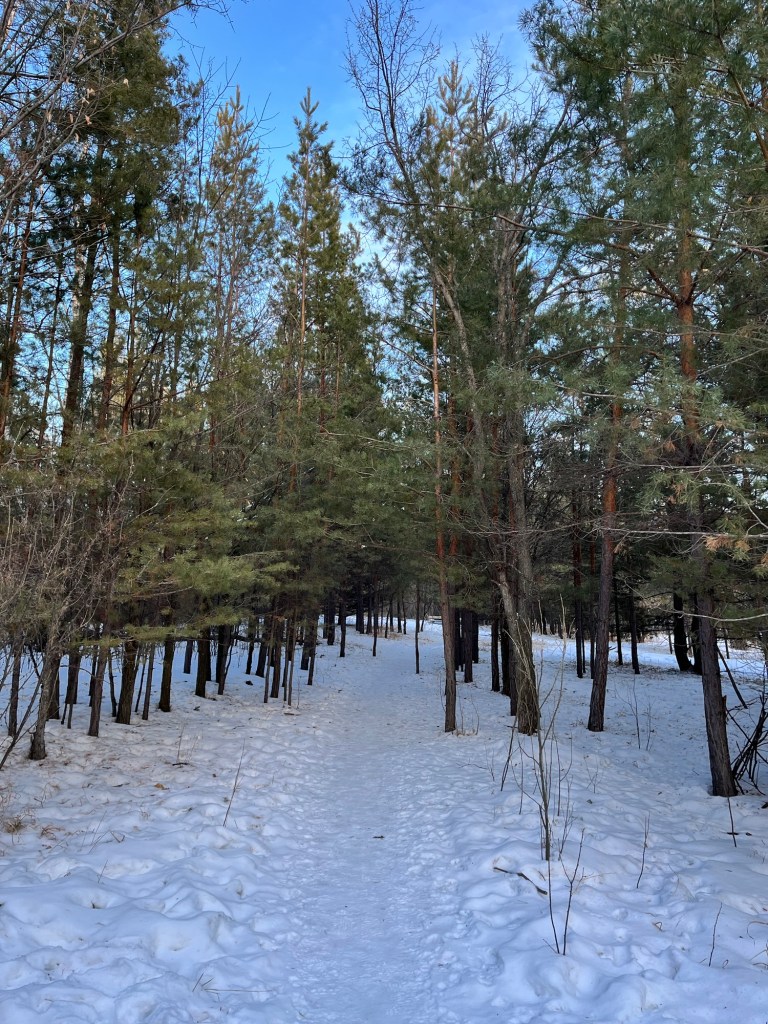
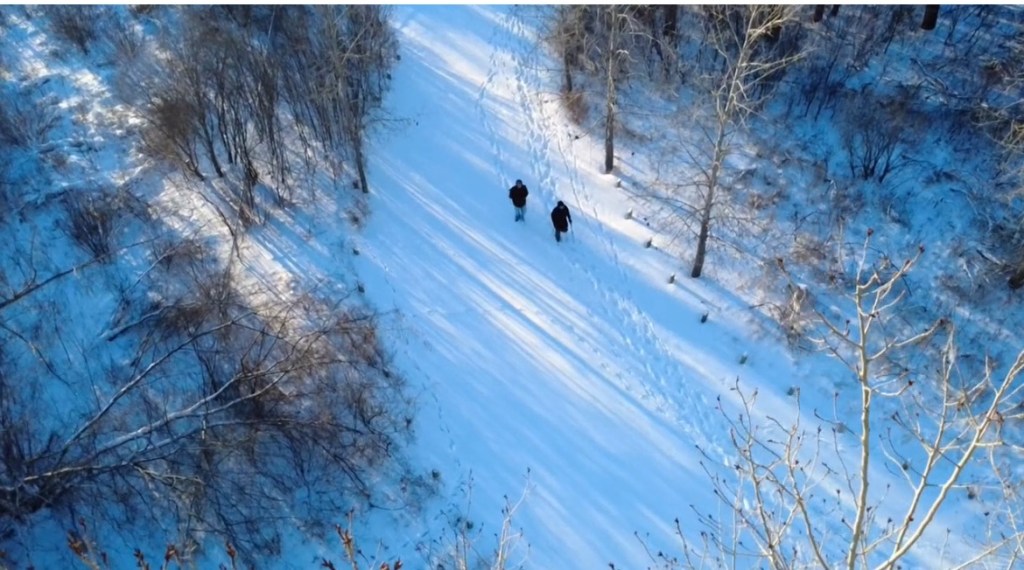
A slow walk among trees to capture pictures of my first forest therapy walk. Standing still in winter air. Letting my body remember how to downshift.

The forest didn’t cure me but it gave my immune system room to breathe.

When I was starting out, I knew I’d find something wonderful in forest therapy. But I didn’t expect it to be the answer I desperately needed for my chronic condition.

❄️ Grounding Your Soul: Embracing Earthing in a Saskatchewan Winter

Frozen ground doesn’t mean disconnection.

🌲 Outdoor Winter Grounding

  • Hands on trees or snow. Bark and damp earth still conduct energy. Research here.
  • Lean your back against a tree (a favorite forest therapy posture)
  • Grounding Footwear or Socks. Leather-soled or grounding-compatible footwear can help conduct Earth energy while keeping feet warm. More on that here.
  • If you are lucky enough to have authentic mukluks with a leather sole they are a perfect alternative. (Word to the wise- 🦉 walk to your outdoor earthing spot in your regular boots with a non-slip sole, sit and then put on your super slidey footwear)

🏡 Indoor & Cold-Weather Options

  • Grounding mats under feet while reading or stretching. Learn more here.
  • Warm baths with sea salt and natural stones. More here.
  • Sitting near open windows to breathe cold, fresh air (powerfully regulating)

Grounding is less about bare feet and more about intentional contact with the natural world.

The earth has music for those who listen.

-George Santayana

🌿 Final Thoughts: Nature’s Wisdom Unveiled

Nature doesn’t override your immune system.

It reminds it how to work.

In a world that keeps us inflamed, overstimulated, and disconnected, the forest offers something radical.

Regulation. Relationship. Repair. Without asking anything from you!

Your body remembers this language.

Sometimes it just needs to hear it again.

“Just Tired” Isn’t Even Close: Living with ME–CFS and Finding Healing

The body is not an obstacle to the soul, but its instrument and means of expression.

— Pope Saint John Paul II

When I tell someone I have chronic fatigue, they often laugh softly, like I’ve made a dramatic overstatement.

Don’t we all have chronic fatigue these days? I imagine them thinking.

And I get it. Life is exhausting. The world is loud. Everyone is stretched thin.

But when you add the ME part. That’s the myalgic encephalomyelitis. Suddenly the picture changes. Here is a quick breakdown of ME and some of its symptoms.

ME–CFS isn’t about being worn out from a long day of being human. It didn’t start from lack of conditioning. I did not cause this.

It’s about being tired all the time.

Pushing through all the time.

And paying dearly for it afterward.

I like to share this graphic 👇🏼 that shows a breakdown of the name of the condition. More than a bad night’s sleep or a long, hard day. This isn’t a mindset problem. It’s not laziness. It’s not weakness. It’s a body that can no longer produce or distribute energy the way it once did.

And that comes with grief.

Grief for the skills and abilities I no longer have.

Grief for the version of me that could say yes without calculating the cost.

Grief for the way I worry I’ll be perceived (unreliable, flaky, distant) when really I’m just surviving in a body that demands a different rhythm.

Unmasking the True Price of “Energy Takes Everything”

I’ve had to pattern my life after my condition instead of pushing through like the rest of the world celebrates doing.

And some days, that still feels like failure. Even though I know it isn’t.

I’ve found a rhythm that works for me.

And I want to be confident in it.

It does not matter how slowly you go as long as you do not stop.

— Confucius

But here’s the part people don’t see:

Everything takes energy.

Take the feelings you have at the very end of a long day:

Hard to find something to eat because every step feels heavy. Hard to have patience for the people in your space. Hard to think creatively or problem-solve.

Normally, you’d say: I just need a good night’s sleep. Then I will be myself again.

But when that good night’s sleep never comes. Neither does the motivation, the emotional regulation, or the clarity to solve even the smallest dilemmas.

And those complications build… and build… and build.

Then there’s the big life stuff I feel like I will never be able to address when I am always dealing with constant minor emergencies. A migraine. A vertebrae stuck out. Spasms.

What’s my purpose? How do I set priorities? How do I live well in this body? How do I figure it all out when my brain just wants to sleep?

Sometimes I end up spinning in a washing machine of choices that made sense in the moment:

Made sense in the moment: “I have to eat well.” I go get groceries. Get home. Collapse. Can’t get back up. Order pizza (the dirty laundry I get stuck in a spin cycle with).

Made sense in the moment: “I have to practice self-care.” I gather everything. Run the bath. Lay down… and don’t have the energy to actually do the care. Back to bed (the dirty sheets I get tangled up in).

Made sense in the moment: “I have to take care of myself.” Someone needs help. I don’t respond. Then guilt rushes in and it steals what little peace I had left. (those laundry items that always pass on a grease stain, no matter how many times its been washed)

So I’ve learned to live differently.

My rhythm now is:

  • rest
  • spiritual study
  • learning
  • creating
  • easy self-care
  • easy and somewhat healthy meals
  • visiting like-minded souls
  • serving where I can
  • protecting my peace

Nothing is set in stone.

Nothing is required.

It’s simply what works for me

My story of ME

It seems easy. I’m tired. I should sleep. But sleep doesn’t help. I just go between varying types of tired.

Nerves are easily triggered with this condition. So bringing the vibrating down and the peace level up is critical.

I enjoy baths. They initiate a truce with my body. Where the pain subsides. I can lay suspended and liberated.

When I am in need of one of these sessions I lay in bed and think about how wonderful it would feel.

Often I don’t have the strength to begin. To gather myself and my stuff. To stand while the tub starts to fill. To change temperatures by changing rooms. To rise and remember all the places in my body that are not aligned.

It all becomes too much. And the fabulous results are lost in the desire to conserve what little energy I have.

Your pace is not a moral issue.

— Devon Price

What the Science Says and Why the Forest Helps

As a forest therapy guide, I’ve seen again and again how nature meets people where their bodies are not where culture thinks they should be.

ME–CFS involves:

  • dysregulation of the nervous system
  • chronic inflammation
  • impaired cellular energy production (mitochondrial dysfunction)
  • heightened sensitivity to sensory input
  • post-exertional malaise, where even small effort leads to disproportionate crashes

This means the body is stuck in a protective mode, constantly conserving resources.

And here’s where the forest becomes more than beautiful scenery. It becomes medicine.

Nature’s Recharge: Forest Therapy’s Cure for ME–CFS and Exhaustion

1. Calms the nervous system

Time in natural environments lowers cortisol and shifts the body from “fight-or-flight” into “rest-and-digest.” For someone whose system is always on high alert, this is profound relief.

2. Reduces inflammation

Phytoncides, which are natural compounds released by trees, have been shown to support immune balance and reduce markers of inflammation. The body doesn’t have to work as hard to regulate itself.

3. Restores attention without effort

Nature offers soft fascination. A gentle sensory input that allows the brain to rest while still being engaged. This is vital when cognitive fatigue makes any thinking feel heavy.

4. Reframes worth and productivity

In the forest, you don’t have to prove anything. Trees don’t rush. Streams don’t apologize for slowing down. The environment itself models a different definition of enough.

For those of us living with ME–CFS, the forest reminds us:

We are not broken machines. We are living beings adapting to different conditions.

Embracing Serenity: Forest Therapy for ME–CFS & Deep Fatigue

This practice is designed for very low energy days. No hiking. No goals. No fixing.

The “Enough as I Am” Practice

Time: 10–20 minutes (or less)

Place: A bench, porch, backyard, park, or even near an open window

  • Arrive without performing
  • Sit or lie in a comfortable position
  • Let your body choose
  • Let one sense lead. Instead of scanning everything, pick just one: listening to birds or wind feeling air on your skin noticing light through leaves
  • Breathe like the trees. Inhale slowly. Exhale even slower.
  • Imagine your breath moving at the pace of a growing branch (not a ticking clock)
  • Offer yourself one true sentence. Silently say: “In this moment, I am doing enough.”
  • Leave before you’re tired. Ending early is not failure. It is wisdom.

There is a difference between resting and quitting. One restores you. The other abandons you.

Bansky

Strength in Unexpected Places

Living with ME–CFS has taught me that strength doesn’t always look like endurance.

Sometimes strength looks like:

  • stopping early
  • saying no gently
  • choosing peace over productivity
  • letting the forest hold what I can’t

I am not lazy.

I am not weak.

I am not failing.

I am adapting.

Your best is what you can do without harming your physical or mental health. Not what you can accomplish when you disregard it.

-Unknown

And in the quiet wisdom of trees, I’ve learned something the world forgot to teach.

A life lived slowly is not a life lived small. Sometimes, it is the bravest life of all.

Us on New Year’s Eve before getting too tired and heading home around 10:00. Usually we are the people that when asked if we want to get together at 8:00 we wonder am?!? or pm?!? Actually never mind, both are a hard pass.

Happy New Year! To all those suffering, you are not alone, your worth is not diminished by your ability, you are seen and welcomed here.