
Two Steps Forward, One Laundry Basket Back

Taking the good with the bad, recognizing progress, and staying on your healing path.

There are some days when life gives you more than you could have asked for. And then there are days when your laundry basket gives you a new injury.

Apparently it’s a package deal.

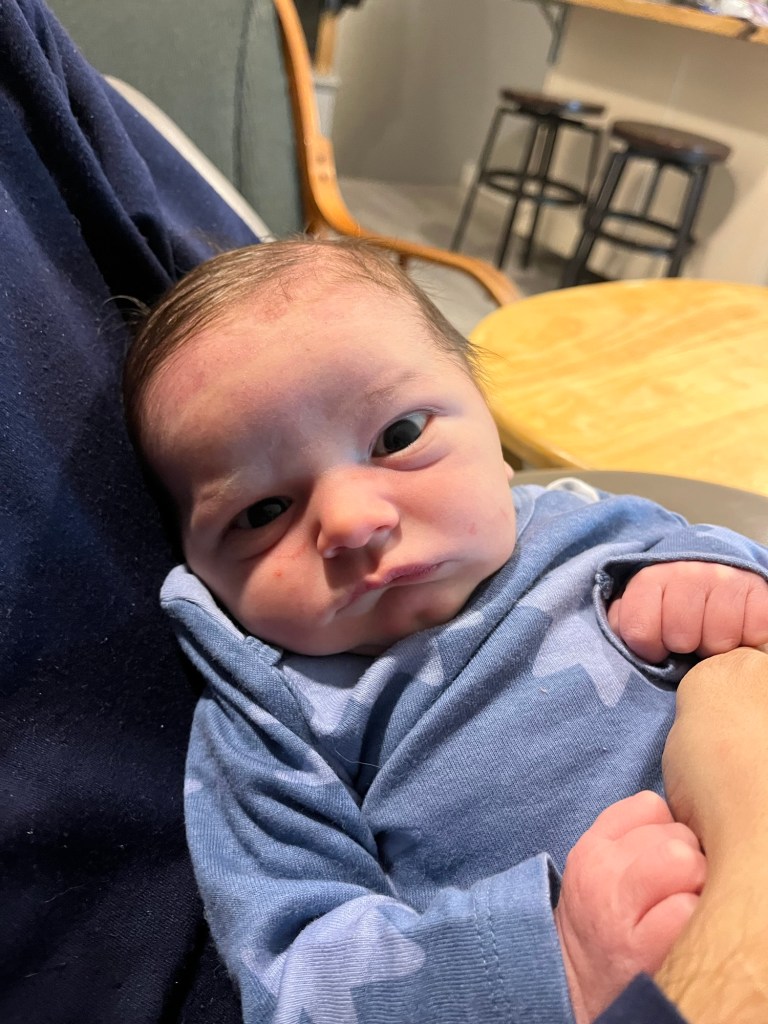
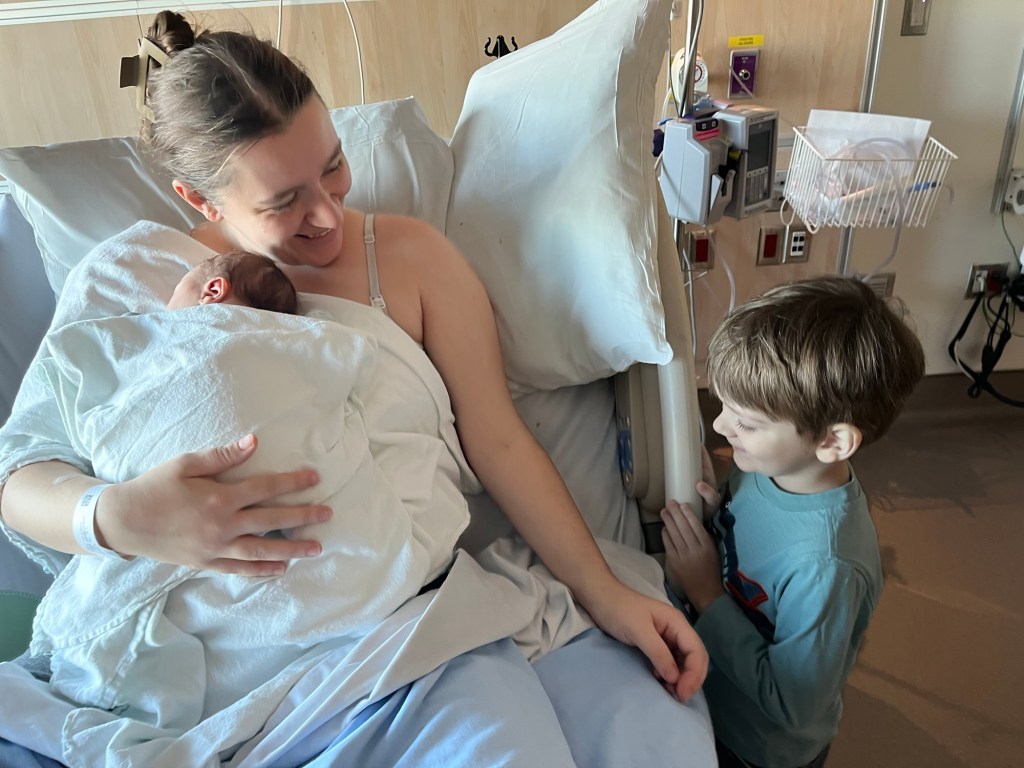
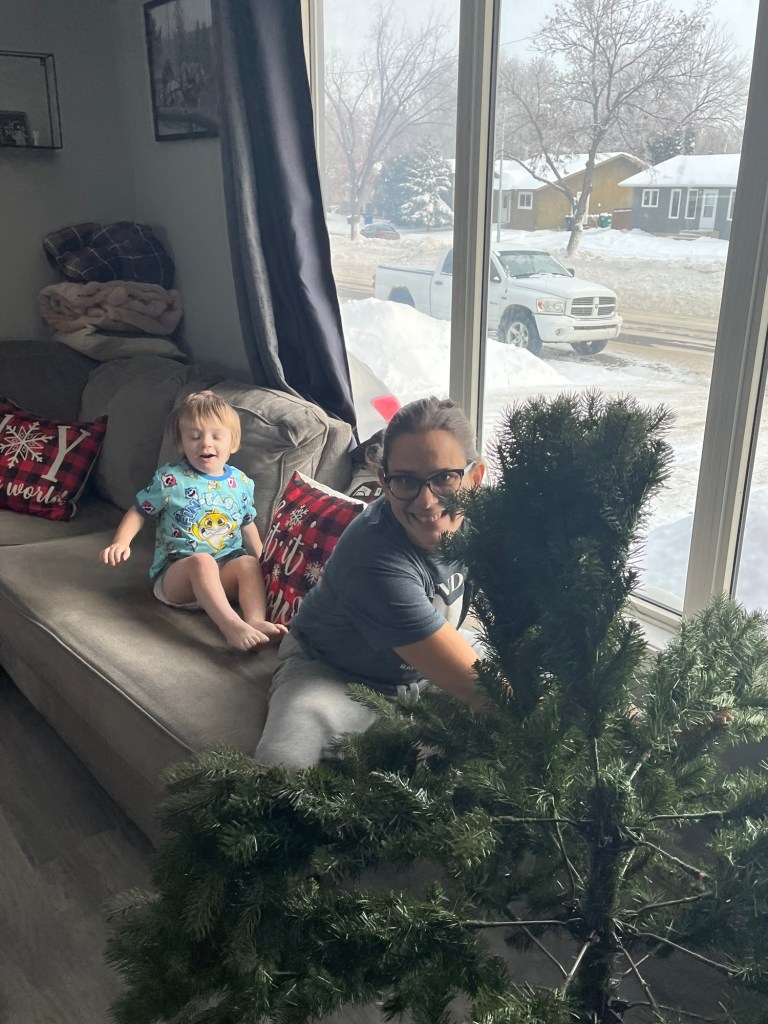
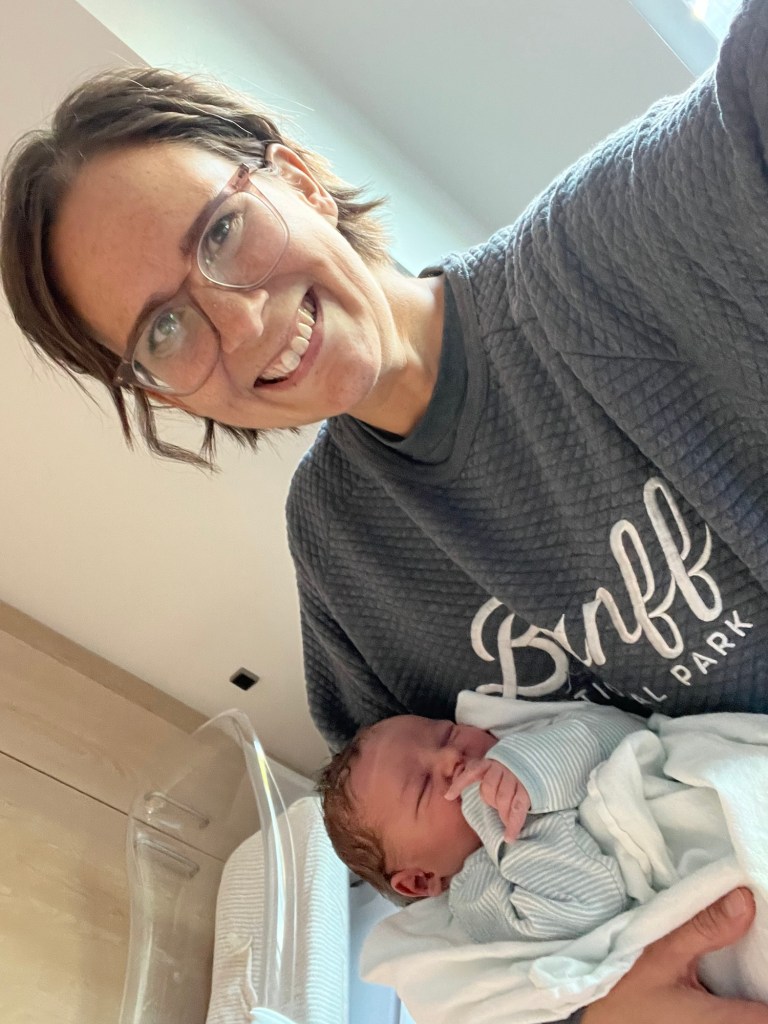
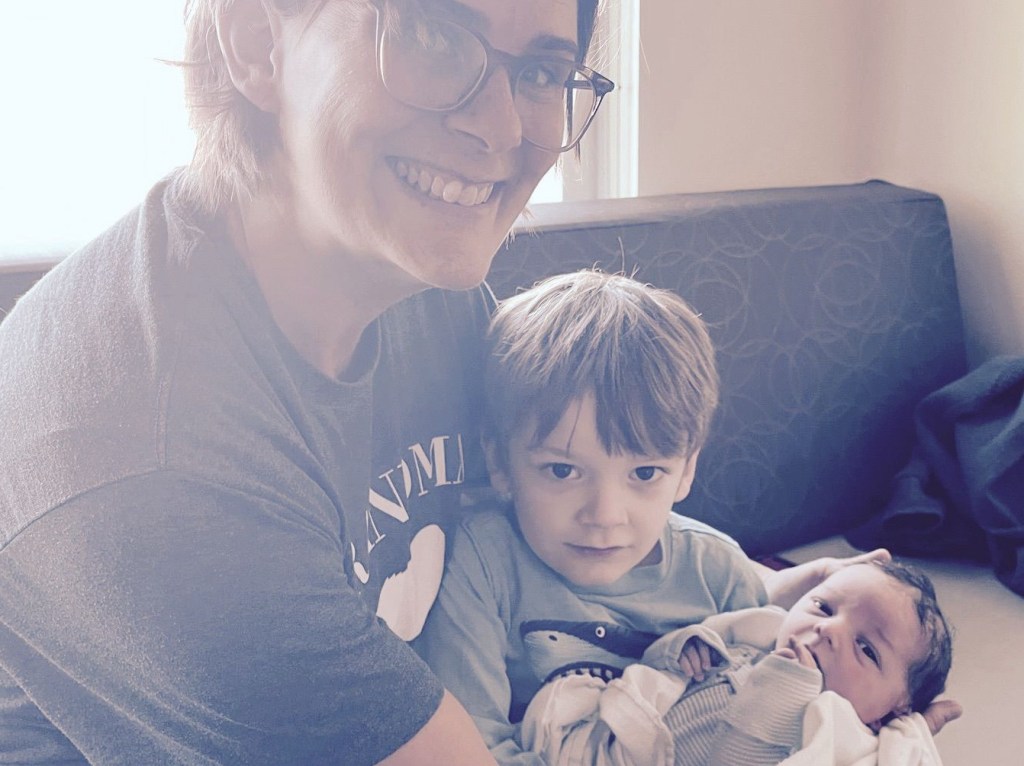
This past Sunday, I became a grandma again 🥰 🥰 🥰. A beautiful new grandson arrived, and he is absolutely perfect.
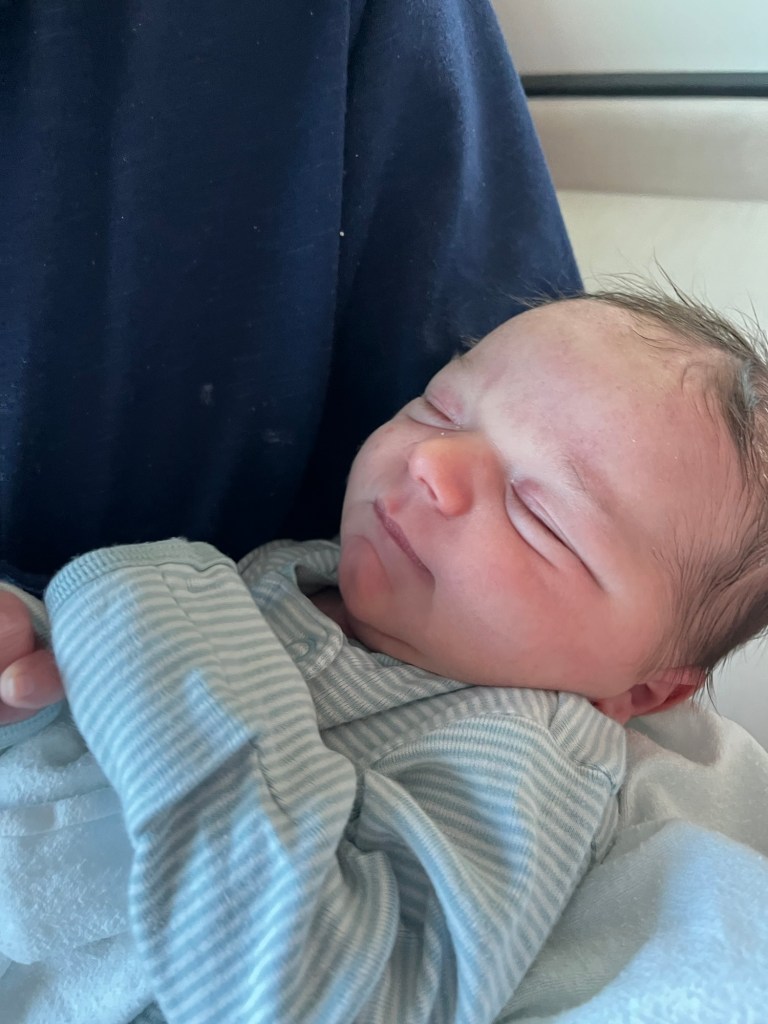
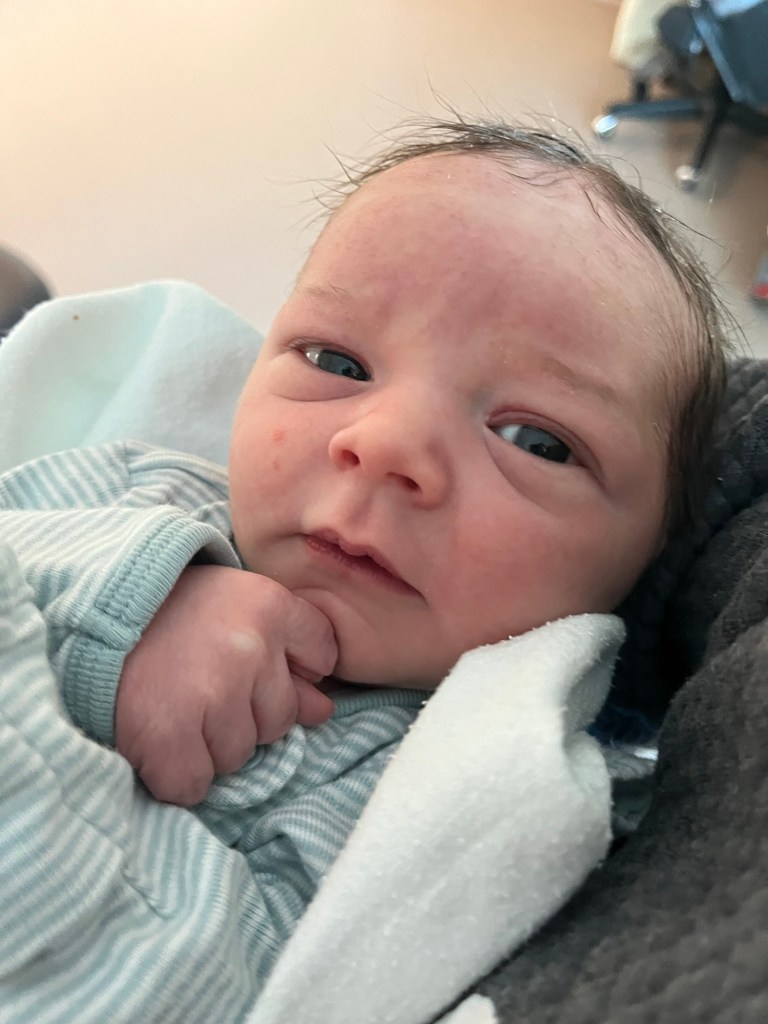
But the gift of last weekend went beyond meeting our newest little family member.

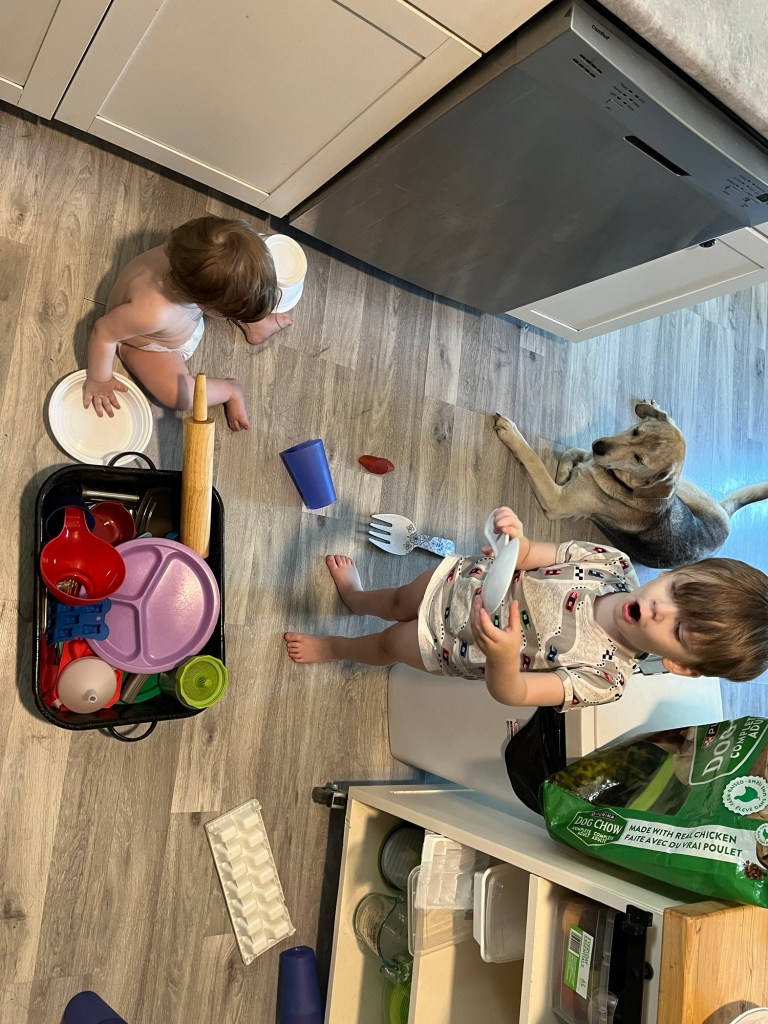
I got to look after his four-year-old and two-year-old siblings for 24 hours while their mom and dad were in the hospital. I got to be there when they met their new baby brother. I got to share in their excitement, their questions, their little personalities, and that very special moment when a family grows.
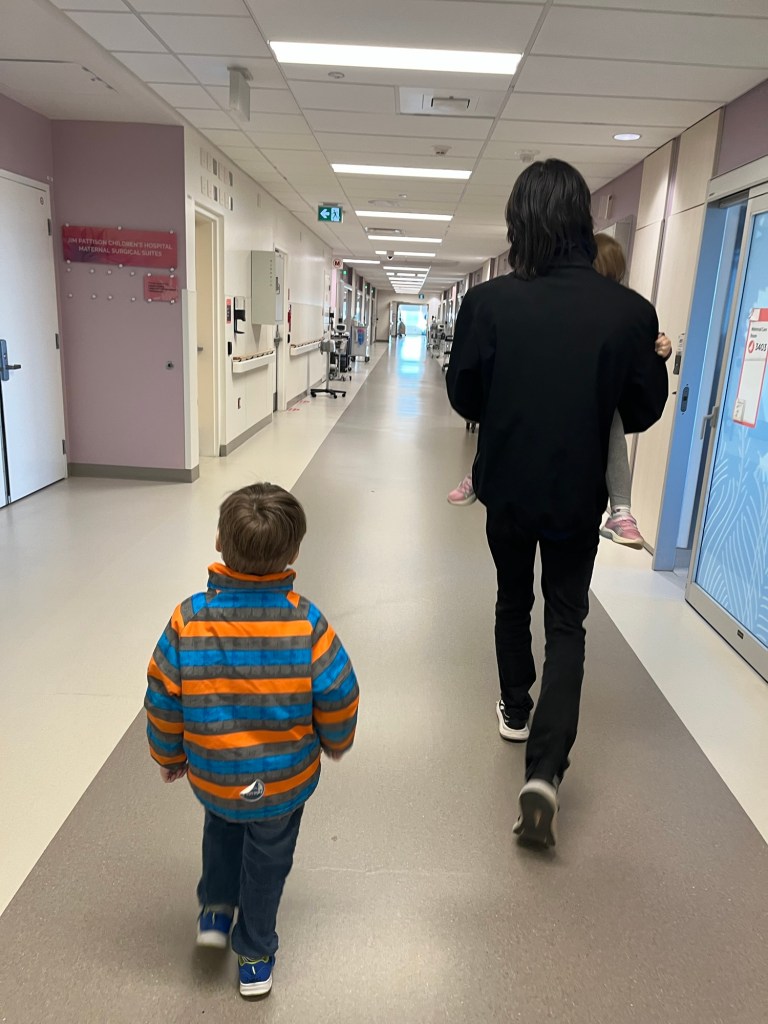
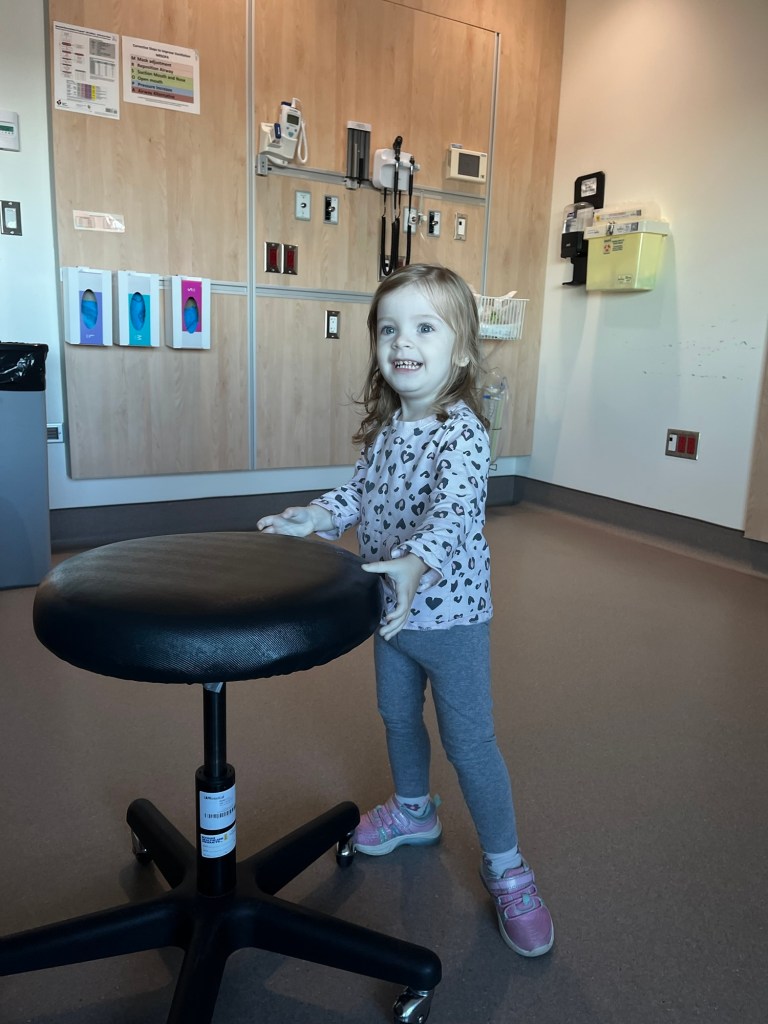
I am privileged to be their grandma. Even more so, I feel blessed to have such a close relationship with them.

I wouldn’t trade those hours for anything.

Although, perhaps I would have negotiated a slightly different physical payment plan.

Because while my heart was having one of those enormous, overflowing, grateful experiences, my body was preparing to send me an invoice.

The good days

Have you ever been given strength beyond your own?

I have.

I believe I was sustained so that I could sustain these little people for those 24 hours. I know who sustains me. It is Jesus Christ. And I felt that strength when I needed it.

It was a little like the adrenaline rush people describe when a mother somehow finds the strength to lift a car off her child. Except considerably less dramatic. Nobody was lifting a car. Nobody was performing a miracle of automotive proportions.

It was more of a time-release adrenaline rush.

I had the energy to do what mattered. I could be present. I could play, feed, comfort, entertain, and help two little people navigate the excitement of becoming big siblings. I could be there for a moment that I will remember for the rest of my life.

These are the good days.
And then there is the other side of the story.

The bad days

I am currently in a lot of pain.

On the same day I had just seen my physiotherapist, who corrected my major subluxations for the month, I sat down beside a laundry basket.

The top of the basket touched my rib.

I felt my rib slip.

I wish I were exaggerating. Imagine having your physiotherapist put everything back where it belongs, only to have a laundry basket undo some of the work. There is a certain indignity in being physically outmanoeuvred by a common household item.

This is a familiar cycle for me.

I go to physio. I get some relief. Things are back where they should be. I come home and try to be careful. I exercise to keep things strong enough to stay in place.

Then something happens.

A dog steps on my foot. I slip on the ice. A toddler elbows me. I move the wrong way. Or, apparently, a laundry basket performs an unsolicited manipulation of my rib.

And I wait for the next physiotherapy appointment.

The hardest part of this cycle is often the few days before that next physio appointment. As my joints slip out of place, the surrounding muscles work harder and harder to compensate. They tighten, protect, and try to hold everything together. Eventually, the pain builds, the nerves become more reactive, and my body is working overtime just to keep me upright.

Sunday was one of those days.

And the price of those 24 hours of beautiful memories?

Temperature fluctuations. Worse tremors. More reactive nerves. Exhaustion that hangs around. And pain.

These are the bad days.

But I have learned. A body living with chronic illness can hold both the good and the bad at the same time.

Most days, there is a mixture of both.

I can be incredibly grateful for the weekend and still be hurting. I can celebrate the new baby and acknowledge that my body is struggling. I can recognize how much progress I have made without pretending that I am suddenly well.

Gratitude does not cancel pain. And pain does not cancel gratitude.

Both things are true.

Measuring progress when the results aren’t always obvious

When I look back at 2020, I can see just how far I have come.

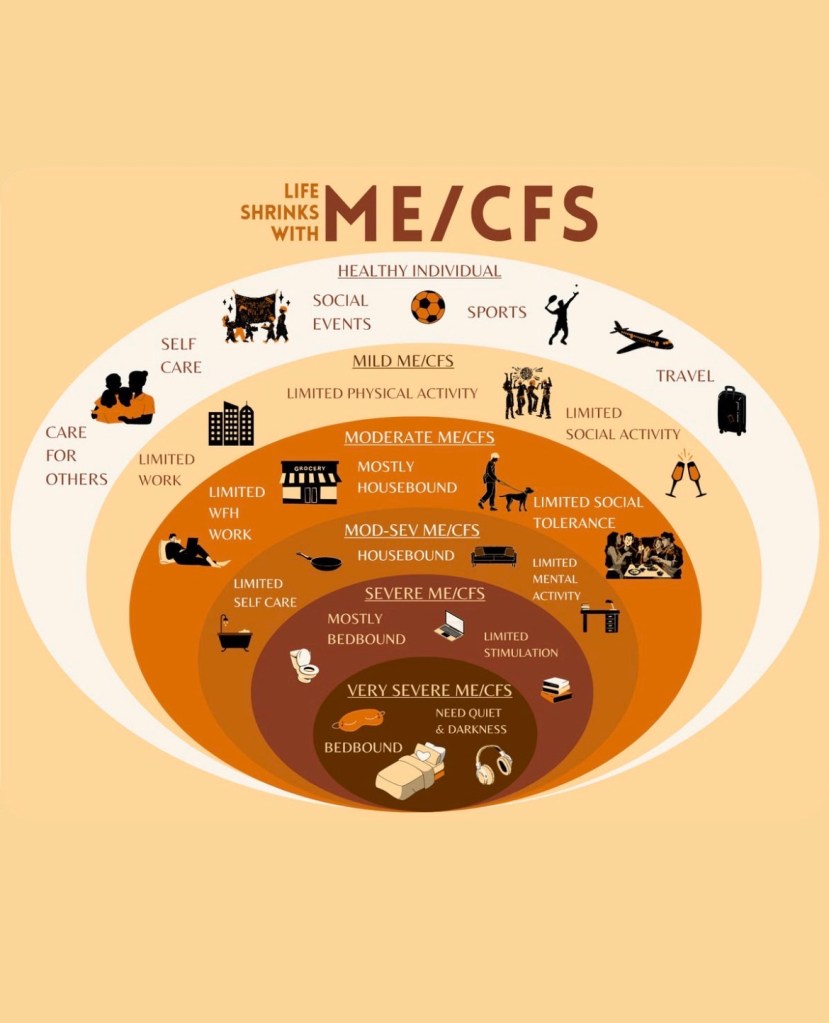
I was living with severe ME/CFS (myalgic encephalomyelitis/chronic fatigue syndrome), which developed in the context of my chronic pain. My world had become very small. My energy was almost nonexistent, and ordinary daily activities could take more out of me than I could reasonably afford.

Over time, I have moved through the stages of recovery to what I would now describe as moderate ME/CFS.

That is significant progress.
But here’s the tricky part about chronic illness: improvement doesn’t always look like a steady upward line.

Sometimes you make progress for months and then have a setback. Sometimes you accomplish something wonderful and spend days recovering. Sometimes you feel stronger, only to discover that your body has a very different opinion about what you should be doing.

If I judged my progress by how I felt on the day my rib slipped, I might conclude that I was right back where I started.

But I am not.

My current bad day is not the same as my bad days in 2020. I have more capacity, more tools, more understanding, and a much better idea of how to work with my body.
There hasn’t been one magical herb, expensive supplement, or single therapy that fixed everything. There hasn’t been a miraculous morning when I woke up and my body announced that it had reconsidered its terms of employment.

It has been much slower and less glamorous than that.

It has come through years of caring for myself in body, mind, and spirit. Learning my limits. Making changes. Resting when I need to. Finding appropriate movement. Getting medical and therapeutic support. Paying attention to my nervous system. Making room for faith, nature, relationships, and the things that make life meaningful.

Healing has been slow and consistent.

I want to be clear that I am not suggesting everyone with ME/CFS can recover through lifestyle changes. These conditions are complex, and there is no one-size-fits-all treatment.

But improvement is possible, and it deserves to be acknowledged.

As Helen Keller wrote:

“Although the world is full of suffering, it is also full of the overcoming of it.”

I don’t think overcoming always means defeating an illness. Sometimes it means learning how to make meaningful progress within the circumstances we have.
Three ways to stay focused on your healing journey

When you live with chronic illness, it is easy to let the latest setback become the whole story. We can become so focused on what hurts today that we lose sight of what has changed over the last year.

Here are three practices that help me keep perspective.

1. Keep track of the progress you might otherwise forget

Our memories are not always reliable records of our health.

We tend to remember the difficult days. Especially when we’re in the middle of one.

That makes it important to keep some kind of record of improvement.

Not an elaborate spreadsheet that becomes another job. Just a simple journal or occasional note about what is changing.

Consider recording:

  • How much activity you can tolerate compared with six months ago.
  • How long it takes to recover after an outing or activity.
  • Changes in sleep, stamina, concentration, and pain management.
  • Things you can do now that were difficult or impossible a year ago.
  • Improvements in how you recognize and respond to early warning signs.
  • How often you are able to participate in the activities that matter to you.

Don’t measure only what you accomplish. Measure how your body responds afterward, too.

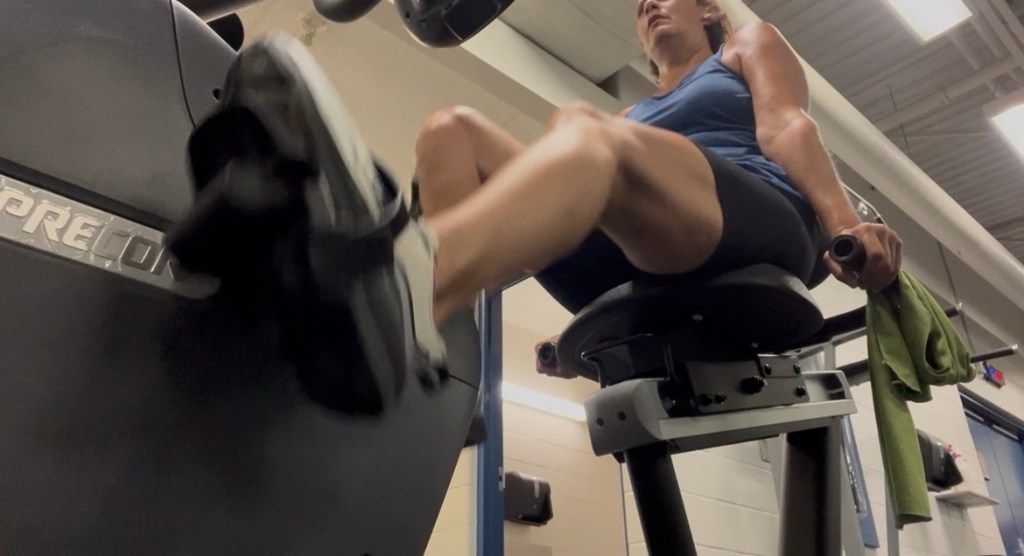
For someone living with ME/CFS, pacing and avoiding post-exertional symptom exacerbation are particularly important. Feeling capable in the moment doesn’t necessarily mean your body has the capacity to sustain that activity without consequences.
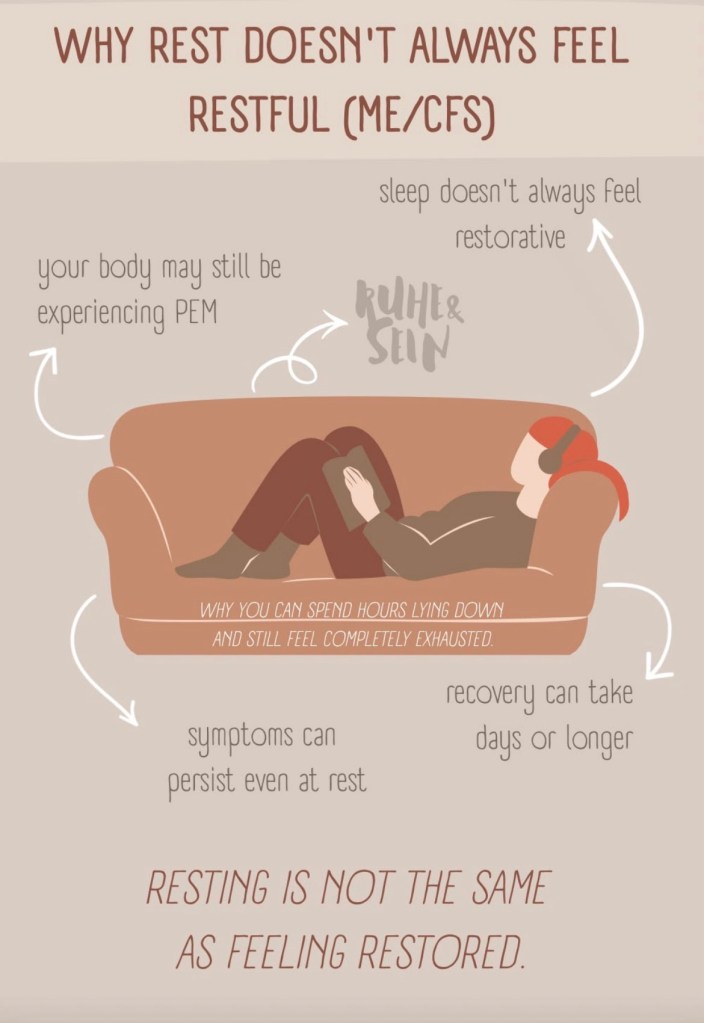
Sometimes the win is doing something and recovering well. Sometimes the win is recognizing that you need to stop.

Both deserve a place in your progress journal.

And don’t forget to record the ordinary things. They may not seem significant today, but looking back can reveal just how much has changed.

2. Have a plan for the good days, not just the bad ones
This is something I have had to learn the hard way.

When a good day arrives, it is tempting to make up for everything you haven’t been able to do.

The laundry! The groceries! The house! The phone calls! The people you’ve been meaning to see!

Suddenly, you have become a highly motivated productivity machine.

Until you aren’t.

One of the challenges of chronic illness is learning that having the energy to do something doesn’t always mean you have the resources to recover from it.

This is especially important with ME/CFS, where pushing beyond your energy limits can lead to post-exertional symptom exacerbation.

I try to think about what I am spending my energy on and what I need to reserve for recovery.

That means making choices.

I might have energy for one big thing or a few smaller things. I need to decide what is worth spending it on.

Sometimes the answer is housework. Sometimes it’s a family gathering. Sometimes it’s a walk outside. And sometimes the best investment is doing absolutely nothing.
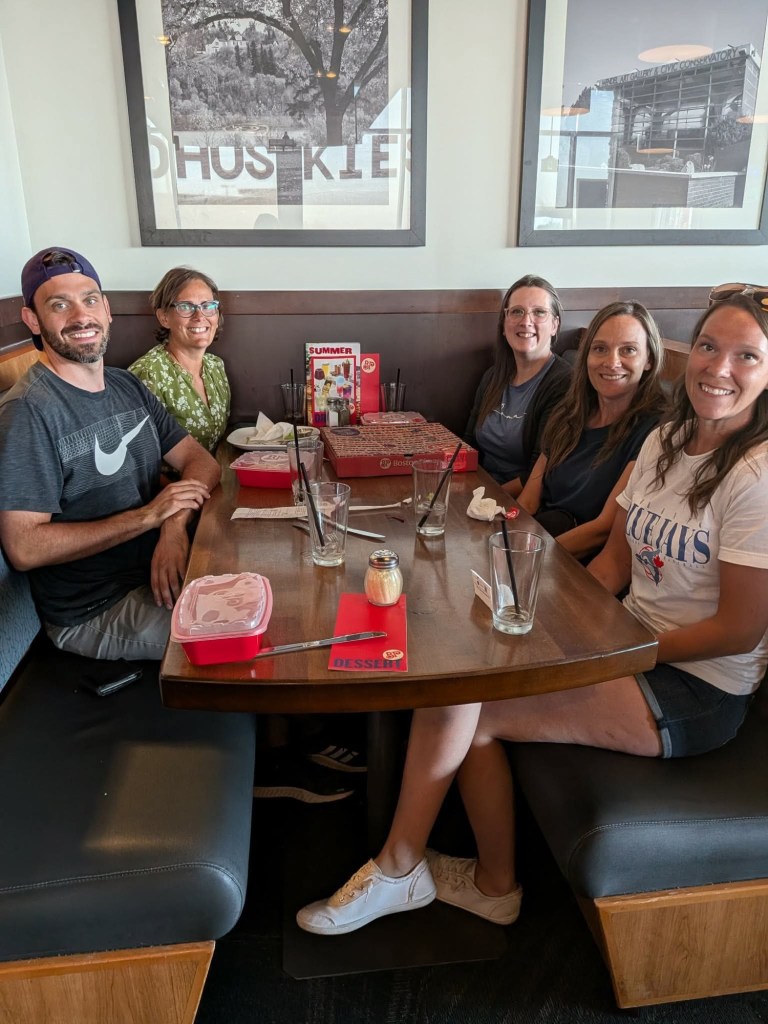
I also try to leave room for the unexpected. Life doesn’t always arrive according to my carefully prepared energy budget. Sometimes a new grandson does.

The point isn’t to avoid everything that might make you tired. It’s to make informed decisions about what matters, understand your body’s responses, and avoid repeatedly pushing past your limits.

A good day doesn’t need to become a competition to see how much you can accomplish.

You don’t have to earn your rest.

3. Develop a regular practice that keeps you connected to your direction

I find it helpful to have a meditation practice that brings me back to what I am working toward.

Not a meditation about fixing myself. Not one where I visualize a perfect, pain-free future and then feel disappointed when I open my eyes.

A practice about staying on my path.

A few minutes to settle, reconnect with my values, acknowledge where I am today, and remember what matters.

This can be especially helpful when a setback makes you question whether all your efforts are accomplishing anything.

You don’t have to solve your entire health situation during meditation. You don’t need to find the answer to every symptom or discover the secret to perfect health.

You simply need to make a little space to remember that your healing journey is bigger than today’s symptoms.

Here’s a simple practice to try.

A meditation for staying on your healing path

Find a comfortable position. You don’t need to sit cross-legged on a cushion or achieve some extraordinary level of spiritual enlightenment. A comfortable chair, a bed, or a quiet spot outdoors will do just fine.

Close your eyes if that feels comfortable.

Take a few gentle breaths. Don’t force deep breathing. Simply notice the breath moving in and out.

Now ask yourself:

  • Where am I today, physically, mentally, and emotionally?
  • What has improved, even a little?
  • What have I learned about caring for myself?
  • What is one thing I can do today that supports my well-being?
  • What matters most to me?

Imagine yourself walking along a path through the forest.

You don’t need to see the entire trail. You don’t need to know how far it goes. You only need to be aware of the next step.

Some days the path is easy. Some days it is steep. Some days you need to sit down and rest.

Resting doesn’t mean you have left the path.

Take a moment to acknowledge that you are doing the best you can with the resources available to you today.

Remind yourself:

I don’t need to rush my healing. I don’t need to compare my journey with anyone else’s. I can acknowledge my progress, respect my limitations, and keep moving toward the life I want to live.

When you are ready, gently bring your attention back to the room.

You can return to this practice whenever you feel discouraged or disconnected from your goals.

A little forest therapy: Taking the next step

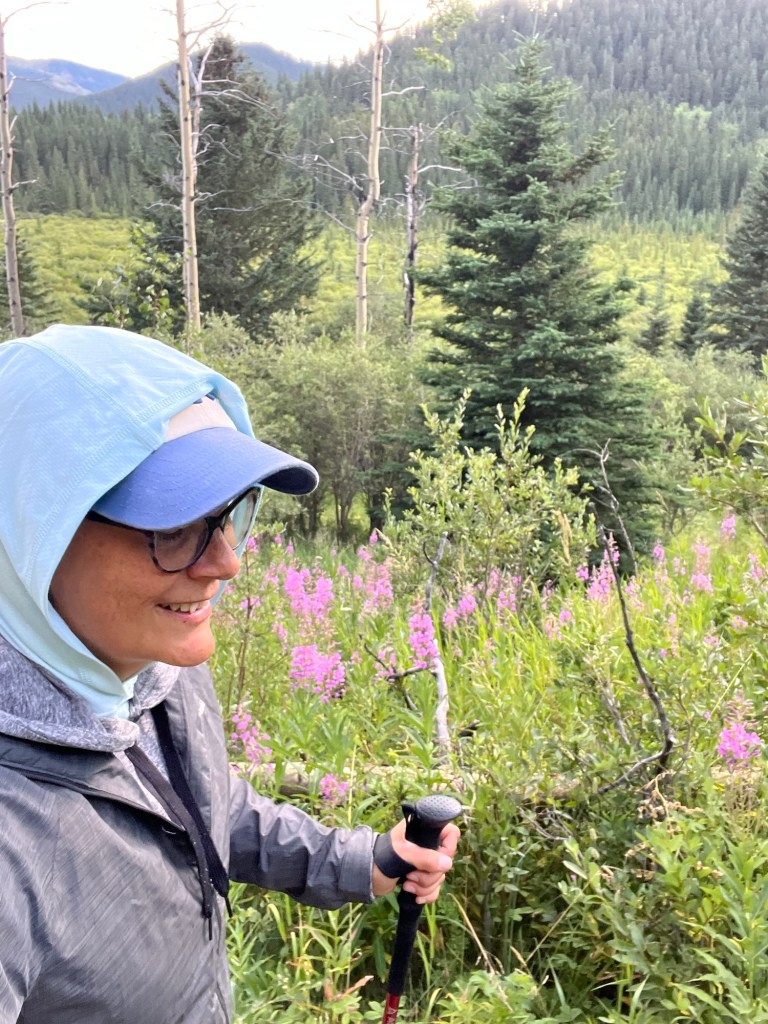
One of my favourite ways to support my own well-being is through forest therapy.
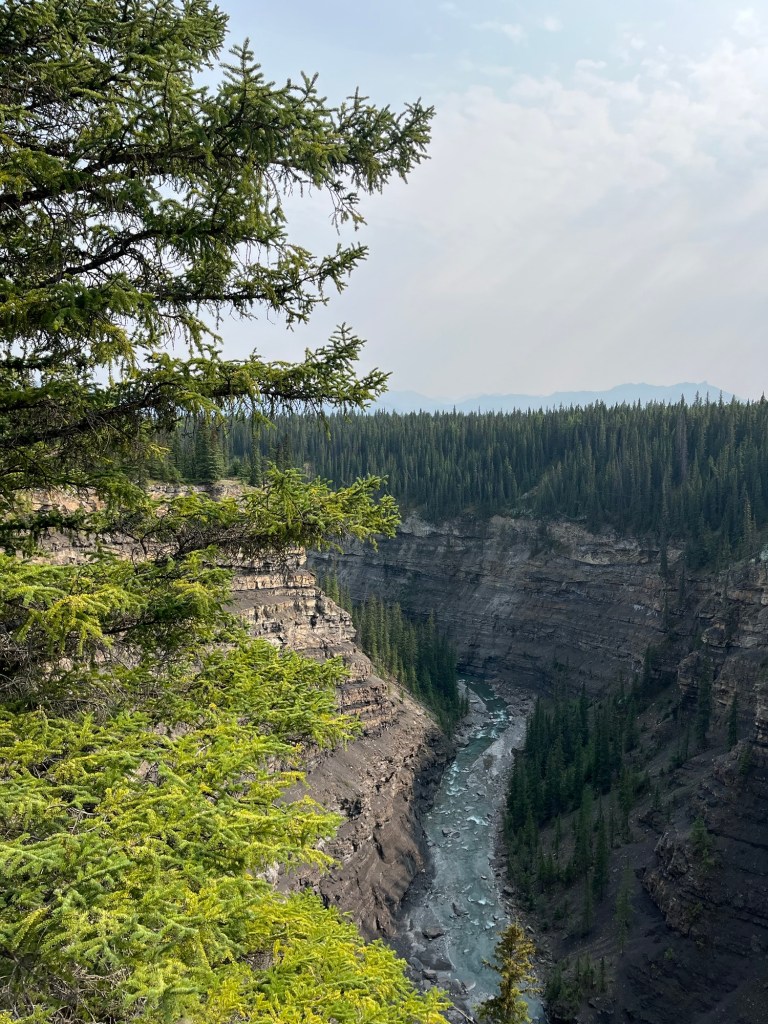
There is something about spending time in nature that gives me an opportunity to slow down and change where I place my attention.

I have written before about the relationship between chronic stress, cortisol, and time in nature in Cortisol Control: The Benefits of Nature.

I have also explored how sensory connection with nature can support nervous system regulation in Mending Your Nervous System With Forest Therapy.

Neither is a cure for chronic illness. But nature can be one useful part of a broader approach to caring for ourselves.

Here is a simple forest therapy invitation that connects with the meditation above.

The next-step forest practice

Find a comfortable place outdoors. If walking is difficult, choose a bench, a chair, or a spot where you can simply sit and observe.

You don’t need to hike anywhere impressive. Your backyard counts.

  1. Notice: Look around and find three things that catch your attention. Perhaps a tree, a patch of moss, or sunlight moving across the ground.
  2. Listen: Notice the sounds around you. Birds, wind, leaves, distant traffic. There is no need to identify every sound. Just listen.
  3. Feel: Notice the temperature of the air on your skin. If comfortable, touch a tree trunk, a leaf, or the surface of a rock.
  4. Breathe: Take a few gentle breaths and allow your attention to settle.
  5. Reflect: Ask yourself, “What is the next small thing I can do to support my well-being?”

Don’t try to solve your entire life while sitting under a tree.

Just be there.

Then spend a few minutes with the guided meditation I’ve recorded for you.

[Listen to the guided forest meditation here]

You can return to this practice whenever you need a reminder that you don’t have to figure everything out today.

The good, the bad, and the life in between

I think one of the most important things we can learn when living with chronic illness is to stop judging our entire recovery by how we feel on any one particular day.
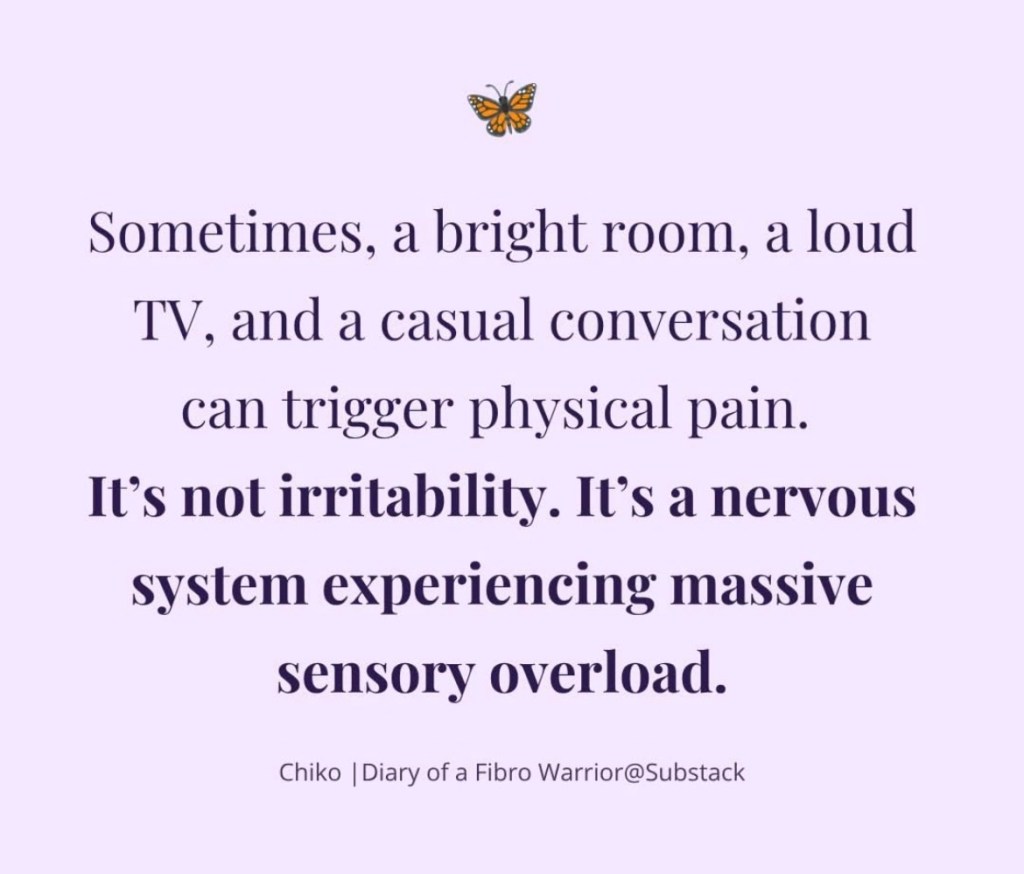
A bad day doesn’t mean you’ve lost all your progress.

A good day doesn’t mean you’re suddenly cured.

And a setback doesn’t mean you’ve failed.

We need to be able to recognize improvement without expecting perfection. We need to celebrate the small wins while taking the difficult days seriously.

I know that Sunday will cost me. I know there will be days of pain, exhaustion, temperature fluctuations, and nerves that seem to have their own agenda.

But I also know that I got to hold a beautiful new grandson. I got to love on his big brother and sister. I got to be part of a family moment that I will treasure.

And for those 24 hours, I had what I needed to be there.

That is worth celebrating.

It doesn’t have to be grand.
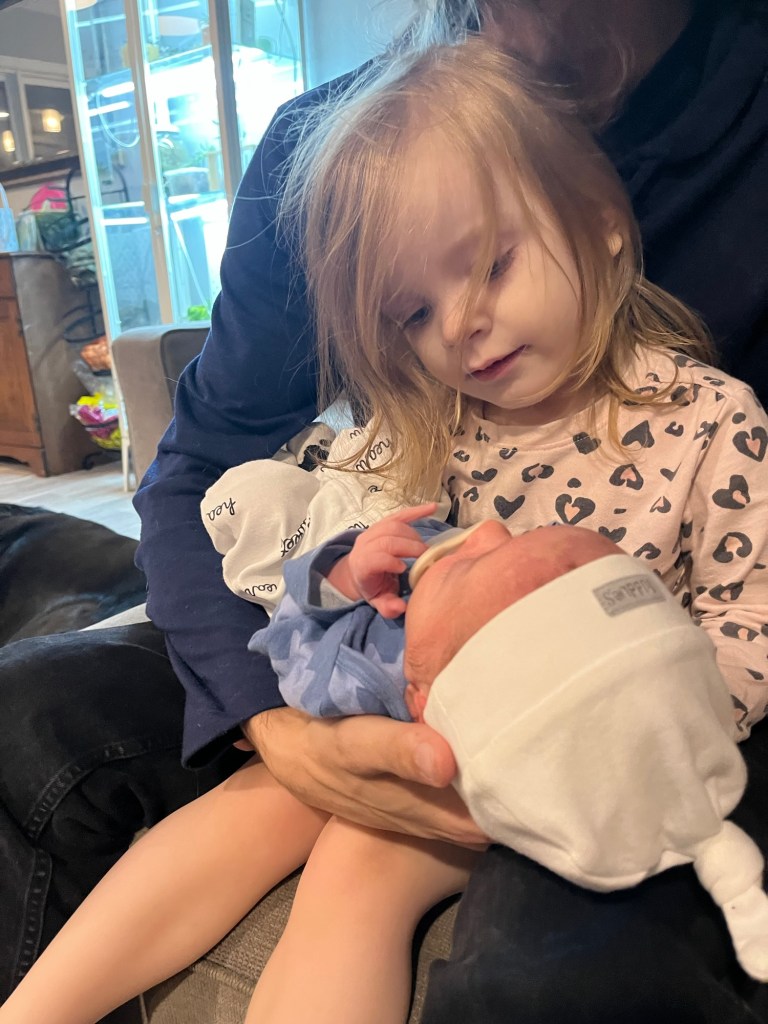
Sometimes it is raising a family. Sometimes it is building a business. Sometimes it is walking through the forest. Sometimes it is simply getting through a difficult day with a little more kindness toward yourself.

And sometimes it is sitting beside a laundry basket, wondering how an inanimate household object managed to become your latest physiotherapy referral.

I am not going to let the bad days convince me that I haven’t made progress.

My body has limitations. My energy has limits. My healing is ongoing.

But I am not where I was in 2020.

I will keep paying attention to the things that are improving. I will keep learning how to care for myself. I will celebrate the wins, however small they may seem.

And I will keep making room for the things that matter.

Because the goal isn’t just to have more good days.

The goal is to make sure that even on the bad days, there is still a life worth living.

And there is.
Bruadarach

(Scottish) Dreamy; Prone to daydreaming. A spirit alive with imagination, a mind naturally inclined toward wonder, possibility and beauty.

“Just Tired” Isn’t Even Close: Living with ME–CFS and Finding Healing

The body is not an obstacle to the soul, but its instrument and means of expression.

— Pope Saint John Paul II

When I tell someone I have chronic fatigue, they often laugh softly, like I’ve made a dramatic overstatement.

Don’t we all have chronic fatigue these days? I imagine them thinking.

And I get it. Life is exhausting. The world is loud. Everyone is stretched thin.

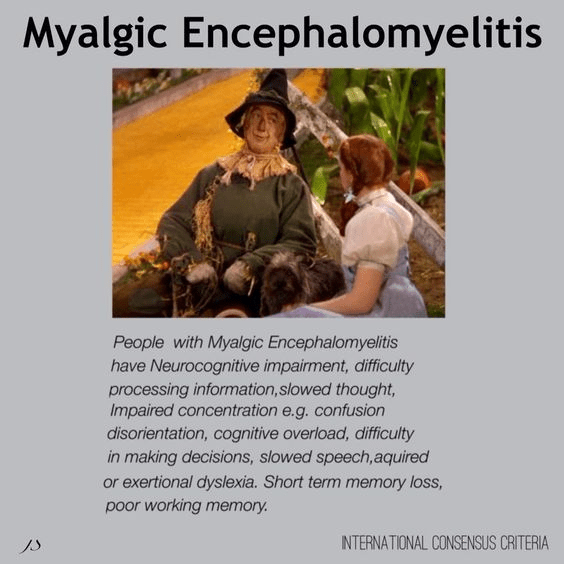
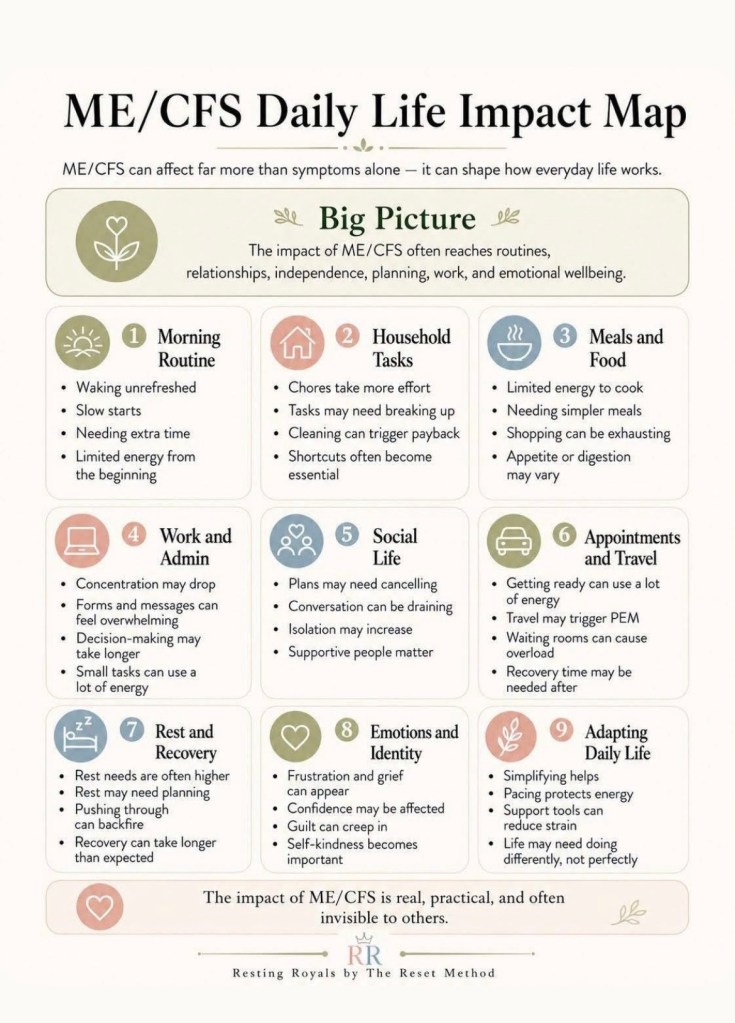
But when you add the ME part. That’s the myalgic encephalomyelitis. Suddenly the picture changes. Here is a quick breakdown of ME and some of its symptoms.

ME–CFS isn’t about being worn out from a long day of being human. It didn’t start from lack of conditioning. I did not cause this.

It’s about being tired all the time.

Pushing through all the time.

And paying dearly for it afterward.

I like to share this graphic 👇🏼 that shows a breakdown of the name of the condition. More than a bad night’s sleep or a long, hard day. This isn’t a mindset problem. It’s not laziness. It’s not weakness. It’s a body that can no longer produce or distribute energy the way it once did.

And that comes with grief.

Grief for the skills and abilities I no longer have.

Grief for the version of me that could say yes without calculating the cost.

Grief for the way I worry I’ll be perceived (unreliable, flaky, distant) when really I’m just surviving in a body that demands a different rhythm.

Unmasking the True Price of “Energy Takes Everything”

I’ve had to pattern my life after my condition instead of pushing through like the rest of the world celebrates doing.

And some days, that still feels like failure. Even though I know it isn’t.

I’ve found a rhythm that works for me.

And I want to be confident in it.

It does not matter how slowly you go as long as you do not stop.

— Confucius

But here’s the part people don’t see:

Everything takes energy.

Take the feelings you have at the very end of a long day:

Hard to find something to eat because every step feels heavy. Hard to have patience for the people in your space. Hard to think creatively or problem-solve.

Normally, you’d say: I just need a good night’s sleep. Then I will be myself again.

But when that good night’s sleep never comes. Neither does the motivation, the emotional regulation, or the clarity to solve even the smallest dilemmas.

And those complications build… and build… and build.

Then there’s the big life stuff I feel like I will never be able to address when I am always dealing with constant minor emergencies. A migraine. A vertebrae stuck out. Spasms.

What’s my purpose? How do I set priorities? How do I live well in this body? How do I figure it all out when my brain just wants to sleep?

Sometimes I end up spinning in a washing machine of choices that made sense in the moment:

Made sense in the moment: “I have to eat well.” I go get groceries. Get home. Collapse. Can’t get back up. Order pizza (the dirty laundry I get stuck in a spin cycle with).

Made sense in the moment: “I have to practice self-care.” I gather everything. Run the bath. Lay down… and don’t have the energy to actually do the care. Back to bed (the dirty sheets I get tangled up in).

Made sense in the moment: “I have to take care of myself.” Someone needs help. I don’t respond. Then guilt rushes in and it steals what little peace I had left. (those laundry items that always pass on a grease stain, no matter how many times its been washed)

So I’ve learned to live differently.

My rhythm now is:

  • rest
  • spiritual study
  • learning
  • creating
  • easy self-care
  • easy and somewhat healthy meals
  • visiting like-minded souls
  • serving where I can
  • protecting my peace

Nothing is set in stone.

Nothing is required.

It’s simply what works for me

My story of ME

It seems easy. I’m tired. I should sleep. But sleep doesn’t help. I just go between varying types of tired.

Nerves are easily triggered with this condition. So bringing the vibrating down and the peace level up is critical.

I enjoy baths. They initiate a truce with my body. Where the pain subsides. I can lay suspended and liberated.

When I am in need of one of these sessions I lay in bed and think about how wonderful it would feel.

Often I don’t have the strength to begin. To gather myself and my stuff. To stand while the tub starts to fill. To change temperatures by changing rooms. To rise and remember all the places in my body that are not aligned.

It all becomes too much. And the fabulous results are lost in the desire to conserve what little energy I have.

Your pace is not a moral issue.

— Devon Price

What the Science Says and Why the Forest Helps

As a forest therapy guide, I’ve seen again and again how nature meets people where their bodies are not where culture thinks they should be.

ME–CFS involves:

  • dysregulation of the nervous system
  • chronic inflammation
  • impaired cellular energy production (mitochondrial dysfunction)
  • heightened sensitivity to sensory input
  • post-exertional malaise, where even small effort leads to disproportionate crashes

This means the body is stuck in a protective mode, constantly conserving resources.

And here’s where the forest becomes more than beautiful scenery. It becomes medicine.

Nature’s Recharge: Forest Therapy’s Cure for ME–CFS and Exhaustion

1. Calms the nervous system

Time in natural environments lowers cortisol and shifts the body from “fight-or-flight” into “rest-and-digest.” For someone whose system is always on high alert, this is profound relief.

2. Reduces inflammation

Phytoncides, which are natural compounds released by trees, have been shown to support immune balance and reduce markers of inflammation. The body doesn’t have to work as hard to regulate itself.

3. Restores attention without effort

Nature offers soft fascination. A gentle sensory input that allows the brain to rest while still being engaged. This is vital when cognitive fatigue makes any thinking feel heavy.

4. Reframes worth and productivity

In the forest, you don’t have to prove anything. Trees don’t rush. Streams don’t apologize for slowing down. The environment itself models a different definition of enough.

For those of us living with ME–CFS, the forest reminds us:

We are not broken machines. We are living beings adapting to different conditions.

Embracing Serenity: Forest Therapy for ME–CFS & Deep Fatigue

This practice is designed for very low energy days. No hiking. No goals. No fixing.

The “Enough as I Am” Practice

Time: 10–20 minutes (or less)

Place: A bench, porch, backyard, park, or even near an open window

  • Arrive without performing
  • Sit or lie in a comfortable position
  • Let your body choose
  • Let one sense lead. Instead of scanning everything, pick just one: listening to birds or wind feeling air on your skin noticing light through leaves
  • Breathe like the trees. Inhale slowly. Exhale even slower.
  • Imagine your breath moving at the pace of a growing branch (not a ticking clock)
  • Offer yourself one true sentence. Silently say: “In this moment, I am doing enough.”
  • Leave before you’re tired. Ending early is not failure. It is wisdom.

There is a difference between resting and quitting. One restores you. The other abandons you.

— Bansky

Strength in Unexpected Places

Living with ME–CFS has taught me that strength doesn’t always look like endurance.

Sometimes strength looks like:

  • stopping early
  • saying no gently
  • choosing peace over productivity
  • letting the forest hold what I can’t

I am not lazy.

I am not weak.

I am not failing.

I am adapting.

Your best is what you can do without harming your physical or mental health. Not what you can accomplish when you disregard it.

-Unknown

And in the quiet wisdom of trees, I’ve learned something the world forgot to teach.

A life lived slowly is not a life lived small. Sometimes, it is the bravest life of all.

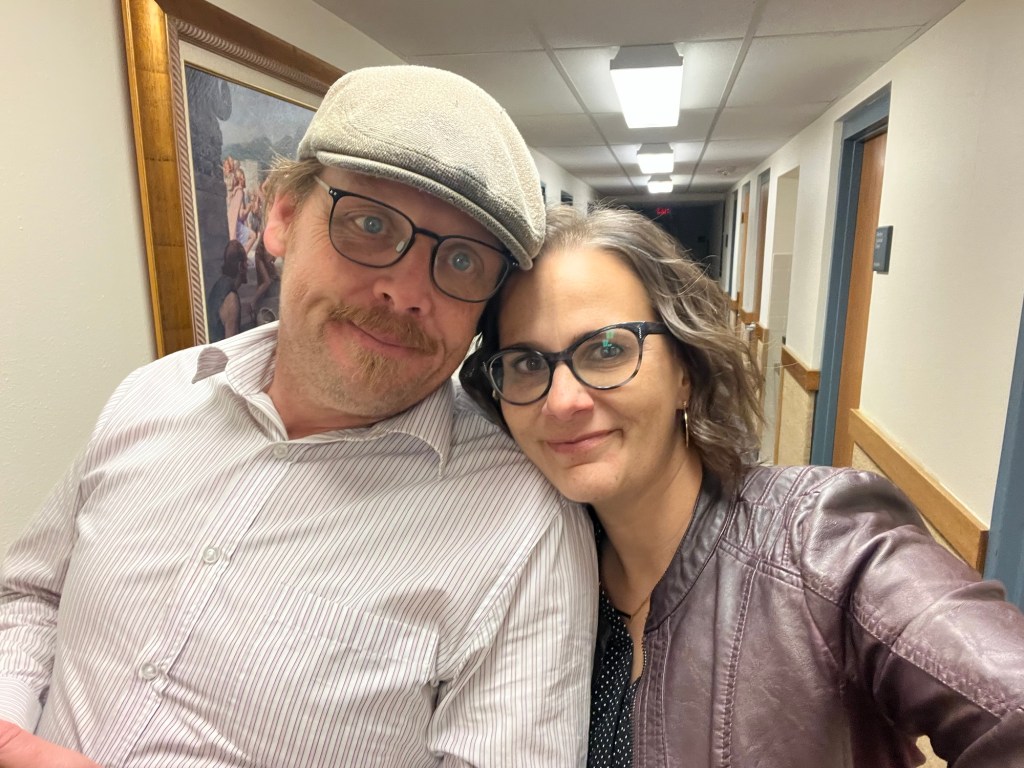
Us on New Year’s Eve before getting too tired and heading home around 10:00. Usually we are the people that when asked if we want to get together at 8:00 we wonder am?!? or pm?!? Actually never mind, both are a hard pass.

Happy New Year! To all those suffering, you are not alone, your worth is not diminished by your ability, you are seen and welcomed here.

Embrace Nature: The Power of Forest Therapy in ME-CFS

Fjellro (Norwegian)- means “mountain peace” or “a quiet place in the mountain”.

I could use some mountain peace. My diagnosis of Myalgic Encephalomyelitis- Chronic Fatigue Syndrome (ME-CFS) demands that I find time and places for peace. Outdoors- if at all possible. The winter months make it less than practical in Saskatchewan. But the forests and spaces of nature are melting and inviting us to join their tip toe into spring. I will explore this diagnosis and why nature is so beneficial in today’s post.

Before that, if you haven’t already,

☝🏼 Me today ☝🏼

I slipped on the ice again yesterday. Just a mini whoopsy daisy that would be nothing for the average Joe. But I am me. And it is not nothing.

This has been an atrocious year for ice. This is my third fall. Every time I fall I have to put in a herculean effort to get back to where I was physically. Which also takes a toll mentally and emotionally.

It means more painful days. And harder to sleep nights. It takes weeks (sometimes months), a few physio appointments to figure out what is happening and then I fall again!

Frustration at the setback is not a strong enough word. Exasperation. Fury at myself over such a mistake. Rage at the prospect of what this means for the days, weeks and months ahead.

Faith is a bluebird we see from afar. It’s real and sure as the first evening star. You can’t touch it, or buy it, or wrap it up tight, but it’s there just the same- making things turn out right.

-The Rescuers

My ME-CFS Diagnosis: The Mystery Illness That Would Have Ruined My Social Life If I’d Had One

Such an accurate depiction. Just getting dressed feels out of reach. Taking care of kids is a stretch but worth it. Although that knocks out fitness and and career (you can’t have it all!) Plans, hopes and dreams feel too far away to try to reach.

In my last post on Myalgic Encephalomyelitis (ME) Chronic Fatigue Syndrome (CFS) Living with ME/CFS: A Journey Through Chronic Fatigue I explained that when broken down the term means, inflammation of the brain and spinal cord with muscle pain. After years of wondering and then months of testing, I was told the master plan was to manage the symptoms and treat the pain. Forever.

Rubatosis is a newly coined term by John Koenig. He defines it in his book “The Dictionary of Obscure Sorrows”. It speaks to me because it is derived from the musical term rubato. I played piano for years. I loved songs with rubato. Rubato literally means ‘robbed time’.

When playing a piece of music that calls for rubato, the musician subtly speeds up and slows down. This ‘robs time’ from one spot and gives it to another. This inclines the ear of the listener as it is not what is expected.

Rubatosis is being aware of your own unsettled heartbeat. Sensing a nervous, irregular rhythm. Unlike the steady beat of a metronome, it feels erratic and frantic. This is one of the sensations I feel with ME. Along with that feeling of sorrow as originally intended. I sense a physically unsettled feeling that never shows up on any test. Doctors and their machines cannot find it. But the sensation persists.

From There To Here: Now What?

How does one keep fighting against such odds and thrive, not just survive this life? I believe this is where SISU can come in. I discuss sisu in another post if you want to learn more. Sisu: The Art of Thriving in Adversity.

Sisu is where perseverance and grit end. It is the second wind we find to go on. When you feel you have reached your limits, can you find your sisu? Can you meet yourself in this place of suffering and give yourself the time to grieve? And then push past your perceived limits. Those places that other people don’t have to go. Feel the frustration. And then advance. Arise. Flourish. Shine.

Also know when it is time to stop shining and go to bed. 😉

I recommend doing all you can to make your physical environment peaceful and comfortable.

Guilt-Free Zone: Moving Past Disability Guilt

Do you feel guilty about your disability? I feel like a burden on others. I see my inabilities and put aside my abilities. Let’s discuss the guilt that comes along with disabilities. Bring it out into the light so there is no shame here. You are not the only one.

  • I feel guilty when I struggle with an everyday task like walking the garbage to the trash can outside. I feel incompetent. I feel like a whiner. I feel powerless. So I do it anyway. And I slip on the frozen lake that is our driveway.
  • I feel guilty when I need to ask for help. I would rather just take care of things myself. But I have seen the repercussions in the past. It is an ongoing internal battle of pros and cons for the most menial of tasks.
  • I feel guilty for needing accommodations. My back starts to spasm when I think of sitting on an upright chair for any length of time. If I can’t recline, all the joints that are “out” have to work too hard. Little, tiny muscles are asked to do too much. And then they start to complain loudly. With inflammation and pain. But to bring a recliner camp chair with me wherever I go is demeaning. Even the super old people are fine in upright chairs. What’s the matter with me?
  • I feel guilty for needing more rest than others. It is a need I cannot ignore. I can pretend to be a “normal person” for one day. Maybe two. But then I will pay dearly for time that should have been spent resting &/or sleeping.
  • I feel guilty for quitting my job. I see others fighting through exhaustion and pain. Continuing to work. There are so many days I just want to ignore my body and join the rest of the world. Even typing that sentence makes my body react adversely.
  • And I feel guilty for not showing up. I want to be there. I want to do more. I want to see you. But my condition is not meant for this world. I have to create my own if I want to thrive.

The Vast Spectrum of Struggles: Understanding This Essentially Invisible Condition

What’s stressful about having an ‘invisible illness’ is that others expect you to have the same energy levels and stamina as people who are healthy, because you ‘look healthy’, which usually means you push your body past where you should in order to not appear ‘weak’ or ‘needy’.

-Hannah Lindgren

The symptoms and severity of this condition vary widely person to person. Some are home bound. Others even bed bound. I was there. I know what I, personally, need to do to keep myself from going back. This is what I can share with you.

It is not a cure all. Every journey with this serious neurological illness will be different. One thing sufferers will see in common is an exacerbation of symptoms with physical and mental exertion. Resting is ineffective at alleviating the symptoms. Waking exhausted is the daily norm.

ME-CFS is characterized by a profound dysfunction of the regulatory control network within and between the nervous system.

This interacts with immune and endocrine systems affecting virtually all body systems cellular metabolism and ion transport.

Rosalynde Lemarchand

A Nod to Jeff Foxworthy and a List of My Own: Both of Which Are Not to be Taken Too Seriously

Instead of Jeff Foxworthy’s famous, You Might be a Redneck, let’s play You Might Have ME-CFS. Disclaimer: I am not a doctor or medical professional. This is not intended to diagnose, it is for entertainment and introductory informative purposes only. If you have any questions, talk to your doctor. Also despite the fact that I said let’s play, this will not be fun.

You Might Have ME-CFS-

If you experience severe and debilitating exhaustion on a daily basis. if you have ever been too tired to answer a simple question, to turn your head to look at someone, to get to your bed and so you lay down wherever you are, you might have ME-CFS

If you have sensitivities to noise, lights, sounds, foods, odors and chemicals, if your guts are grinding and your brain is buzzing, your limbs are cramping, your eyes are tingling and your muscles are spasming and your extremities are numb, you might have ME-CFS

If your body overreacts to temperature changes, if the cold makes you convulse and the heat makes you nauseous and you get stuck feeling one or the other, then back and forth with no sense of order or balance, if your skin feels like a million pin pricks with each change in temperature, you might have ME-CFS

If you experience daily unexplained pain in your muscles and joints, if you have muscle weakness and reoccurring headaches, if you wonder what you will do when you are 80 since your body feels like it has aged 10 years in the last year, you might have ME-CFS

If you have brain fog to the point that it is often embarrassing and off-putting in a conversation, if you constantly struggle for the right word, forget the names of your friends, and lose track of what you were going to say every, single, time, you might have ME-CFS

If you struggle through exhaustion all day and then equally struggle to get to sleep and stay asleep all night, if you have night sweats and chills, if you have extra pajamas by your bed, just in case you sweat through the first round, you might have ME-CFS

If you struggle with lymphatic fluid blocks and swollen or tender lymph nodes, if you know the spots to massage and what to leave alone, if you struggle with nasal passages staying clear and swollen glands, you might have ME-CFS

Pretend You Have ME-CFS: The Hilariously Not Funny Guide

The symptoms are one thing, how they dismantle our lives is another. I have a different list in my other post on ME. Here is a new list of how to duplicate the feeling of having ME for anyone that wants to know. Like a partner trying on a pregnancy suit to find empathy for their expectant wife. Here we go. How to replicate the symptoms of ME-CFS:

  1. drink a bottle of wine and all the espressos you can hold (I don’t drink either but you get the point, something to make you sleepy and something to keep you up for 3 days straight)
  2. dump a load of rocks onto your bed and lie down
  3. have someone lay multiple weighted blankets on you
  4. invite someone with the flu virus to cough in your face and wait for that to take effect
  5. call on a friend with a toddler to jump all over you, especially directly on your joints
  6. inject your muscles with lactic acid until it feels your limbs will fall through the mattress with dead weight
  7. ensure you have live bare wires placed around you, the shocks you get will be equivalent to the body shocks we are so fond of
  8. have someone dump all the ice cubes they can find on and around you, touching your bare skin until the sensation of pin pricks starts, then have someone prick you with pins, small pins are fine
  9. turn on all the florescent lights and place them directly over your eyes, no blinking!
  10. Lastly, have your niece that is learning violin over to practice directly by your ear

Chronic illness is tricky. People don’t know what to say. When someone has an illness that they beat, they are applauded for their ability to overcome. As they should be! When someone dies, we remember them for their strength to the end. As we should! But in chronic illness, people ask if you are better yet. What will the doctors do? As though you haven’t tried everything. They look for improvement and see none and wonder when you will start trying.

I’m Not Tired, Just in a Long-Term Relationship With my Bed!

Recherche Women

Some women are made
of steel, stones, tears, 
dust, bones and scars
Others are made of books, music, 
rainfall, stardust, moonlight,
flowers, daydreams
And wild adventures.
The rare ones are made of both. 

-Omoehi Ehixojie

Just because the past is painful, doesn’t mean the future will be.

-Meet the Robinsons

Forest Therapy: The Only Time Talking to Trees Isn’t Considered Crazy

I need to be alone for certain periods of time or I violate my own rhythm.

-Lee Krasner

My way through. Forest therapy. I don’t openly share the invitations that I use in my forest therapy practice. They are what I use when I take individuals or groups on walks. There is an added benefit to utilizing silence, meditation and the many practices I have to offer.

Click to my How To Get in Touch page to reach out if you have any questions. If you’d like to know when my walks get scheduled, follow me on social media. Search sunbeam acres on Instagram, Facebook and X.

Tickling All Five Senses for a Brilliant Nature Connection Adventure

Engaging all five senses is tantamount to the forest therapy walk. Enlist your eyes, ears, nose, fingers, and taste buds to join you. Following is an example of how that looks.

Sight- (this one is easy, you can look at a book of nature to get that, but you are missing four other senses when that is all you have) take time in nature to notice what is around you, the colors, the shapes, the relationship between the forest and fauna.

Sound- the birds are singing their songs, we can hear the breeze, what else do you hear, listen for what is near, and then further and further away, then nearer and nearer

Smell- what trees are near, do they have a scent, is there mud or dirt, decaying wood, pinpoint different scents and then how would you describe the overall scent of this space in nature

Touch- a variety of textures are accessible in any space in nature, the bark of the tree and any body of water nearby are what come to mind first, what else is handy, a ladybug to crawl on your hand, a light brush over a patch of grass, toes digging into the sand or dirt, what else

Taste- this one can be tricky, lots of forest therapists bring a thermos of hot water and add bits of the forest to use in a tea ceremony at the completion of the forest therapy walk, make sure you know what you are putting in if you decide to go this route, only use what you are very familiar with, some of the places I go have Saskatoon berries or honeysuckle (just don’t eat their berries) use what you know and learn more about what is safe in your area, you can always bring a snack from home to engage this sense while on your forest bathing walk

It’s Not Woo Woo: It’s Science, Just with a Side of Quirk!

Connecting with the forest through all these and more sense helps me to balance a nervous system. And that is not an easy feat with my life! I promise you it is worth feeling a little quirky at first. For those that think this is alternative medicine linked to the supernatural. Let me assure you, it is no such thing. The science behind the practice is proving the benefits.

If you’d like to look at a couple of those scientific studies:

👉🏼Here is one that shows how woodland sounds help with relaxation more than meditation apps.

👉🏼Another on how the sounds of nature relax our bodies and help them go from fight-or-flight to rest-and-digest mode.

👉🏼And one more that shows the psychological and physiological benefits of forest bathing in bamboo forests.

These studies are copied from Forest Bathing Central You can head to their page to find a monster list of the research they’ve compiled on the physical, emotional and mental effects of forest bathing. Forest Bathing Central check them out!

Ralph Waldo Emerson knew where it was at. He was a forest therapist long before it was a term. Check this out, he said:

Few people know how to take a walk. The qualifications are endurance, plain clothes, old shoes, an eye for nature, good humor, vast curiosity, good speech, good silence and nothing too much.

I’d go for a walk with him any day. Take care my friends. Watch out for the icy patch!

Living with ME/CFS: A Journey Through Chronic Fatigue

So, if you are too tired to speak, sit next to me because I, too, am fluent in silence. – R. Arnold

What is your toxic trait? I have many. One of mine is pushing through when my body is exhausted and needs to stop.

{MYALGIC ENCEPHALOMYELITIS}

I was diagnosed with Myalgic Encephalomyelitis/ Chronic Fatigue Syndrome (ME/CFS). Mya what?!? I like this infographic for breaking it down. It is so much more than being tired!

At the time of my diagnosis I wasn’t suffering many of the symptoms. It wasn’t my first concern. I was just trying to get my floppy joints to hold still. ME didn’t seem like a big deal. So what if I’d be tired. I just wanted the pain to stop.

But now, years later, I can see what ME has done and is doing to my body. Pushing through is never the right answer with ME/CFS. And having it?… actually is a big deal. I need to be aware of how it affects my body and what I can do to manage the symptoms.

If you’d like to know what it’s like to have ME/CFS follow these 6 simple steps:

  • First you’ll need to fast for 24 hours
  • Also stay awake for those 24 hours
  • Every time you stand up, spin around 5 times really fast
  • Throw yourself down the stairs 5 times in a row
  • Run 10 miles
  • And continue to try to live a normal life
  • this list is brought to you by sunshineandspoons.com

Accurate!

{SYMPTOMS}

The actual list of ME/CFS symptoms includes post exertional malaise. It seems obvious. You get tired after you perform an activity. Everybody gets that. But with ME there is a disproportionate amount of exhaustion for the type and length of activity. For example, showering is so tiring.

What is it? Arms up? Standing in one spot? I don’t know for sure but I need to rest after a shower. Sometimes in the middle of a shower.

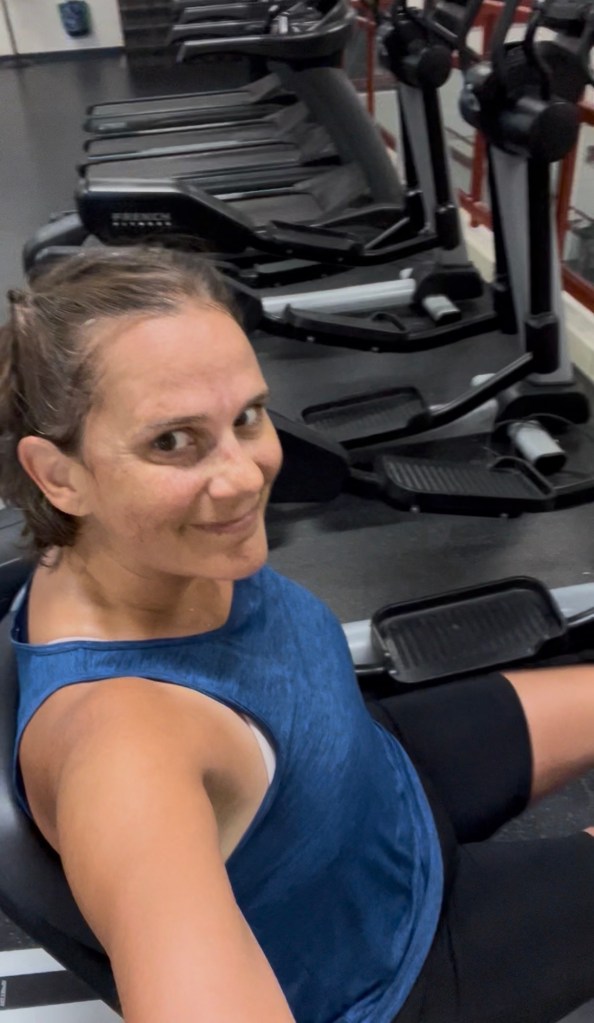
Next on my list of symptoms is muscle pain and weakness. I need to exercise to keep my muscles strong enough to hold me together. When we leave the gym I have so much muscle weakness. I have trouble getting to the car without willing my body to keep moving. I’m daily tempted to ask my hubby for a piggyback. I feel the lactic acid running through my veins. Like I just ran a marathon and then sat down for a half hour. Then stood up and tried to walk. Can you feel the Oof?

And my favourite (and most embarrassing) symptom. Cognitive impairment. Brain fog. Oh the brain fog!

This is my life now. Anyone I have had a conversation with in the past couple of years can verify.

The list goes on. Sleep problems. Hypersensitivity to light and stimuli. Flu like symptoms, it has been compared to feeling poisoned. Shortness of breath. Difficulty swallowing and chewing. Sweating. Dizziness. Muscle pain, twitching and uncontrollable spasms. Poor tolerance for hot and cold. Visual disturbances (waves or blurred vision). Inconsistent central nervous system operation. Word finding difficulty. Disjointed speech. Difficulty comprehending text. Difficulty with processing and concentration. Feet burning. Poor digestion. I only list here the symptoms I have experienced. The list goes on for others who suffer ME. As I reread this list, it sounds like the side effects of a drug that’s not worth taking!

Just like so many syndromes in our world the severity of ME each person experiences is on a spectrum. Some people need to spend their lives in bed. Often separated from life to handle the pain that accompanies ME caused by any exertion. My heart goes out to those who suffer in such a way.

I was there.

{{MY STORY}}

In 2020 I hit a breaking point. But not for the same reason many other people did.

My body would no longer work the way it always had. Pushing through wasn’t a viable option. The wall of exhaustion was sudden and extreme. It was physical, mental and emotional. I had to go to bed and I didn’t know when I’d be strong enough to leave it again.

No 20 minute nap was going to fix this.

I had to stop working. I eventually (tearfully) decided to close my business. I couldn’t make my own meals. I didn’t want to eat anything anyway. I didn’t feel like sleeping but I was SO TIRED. My brain was spinning and all my nerves were ready to zap if not treated with the utmost respect.

Most heart wrenching of all. I had to leave my family. I had to go where it was quiet and still. There is nothing quiet and still about three teenage/ young adult sons and a farm to run.

I needed to be warm. And hushed. I needed to focus on me. Just me.

It. Took. Months. Of being still.

More months of learning to slowly start life again. And then starting over again but with boundaries.

More months of realizing this is my life now. I had expected to put my life on pause for a short time. And to pick up where I left off as soon as I was “better”. But you can’t live on pause. And there was no “better” forthcoming.

Not everyone who suffers ME will experience the same results as my story. Even if they do exactly what I did, outcomes differ. You can do everything right and still suffer the symptoms. I managed to break free from chronic fatigue’s strangle hold. By no small miracle.

During those first months my brain just wanted to stop but I had so many daily worries. I couldn’t handle the thought of letting them go. And there was nothing to physically be done in my state to take care of them.

So my mom would come into my room at her house. She would sit at the end of my bed and write all of my worries down.

She’d help me sort out what needed to be taken care of and who should do it.

Over time I started physically building myself back up so I would be strong enough to go home. I’d walk around my parents house for a minute. Then two. Then three. Everything had to be such a slow build. Or I’d start from square one again.

I couldn’t handle any stress. Try avoiding that in this day and age! It was and is an ongoing battle to recognize and alleviate those triggers.

This all seems a lifetime ago. Today I live an almost normal life. Normal for me I should say. I still can’t work. I have to pay attention to how I am feeling at all times. I need to make sure I am not overdoing anything. I listen to my intuition when I take things on or when I choose to politely decline. Sometimes I get it right and sometimes I have to go to bed.

{OVERCOME}

I don’t like being known as the woman who is always exhausted. Pushing through and setting off flares in my body. I don’t want to be remembered for just barely holding it together.

I want to be remembered as joyful and relaxed. When I rest I can let it restore me not frustrate me. I want to be remembered for loving fiercely and for being a woman who knows her worth and her strength including her limitations. Living in the mess and magic of this life. I don’t want to take things too seriously!

What can you do if you suffer some of the same symptoms? What are the treatment options? Doctors will tell you there is nothing they can do. While this might be true, there is plenty that you can do.

{TREATMENT}

Forest bathing is my number one recommendation. Get into nature and find comfort and healing in its embrace. As the days get colder just add more layers. If you need help to get the greatest benefits out of the forest head over to my contacts page. We can go together and I can show you how.

Do not find yourself guilty of my toxic trait. Do not push through. Just keep swimming is not always the right advice especially not for chronic pain sufferers. Just keep swimming till you have a flare. Just keep swimming till you are in so much pain you can hardly move. Just keep swimming will put you in bed. Your best option might be to just stop swimming and respect your limitations. And take care of yourself accordingly.

Here are some other things you can do to treat ME/CFS. Each of the ideas will put a drop in your bucket. The infographic mentions Fibromyalgia too. It is very common to have more than one chronic disease to manage. It is not like Pokemon. You definitely don’t want to catch them all.

Do not let your bucket run dry! Keep a daily schedule to stay on top of these treatments and ways of life.

Other treatments include pharmacological (for sleep, for twitches and spasms, for depression that often accompanies chronic illness, muscle relaxants (not me, my muscles are stretchy enough on their own), or medical marijuana for pain).

More treatments for pain include massage, physiotherapy, chiropractor, meditation and relaxation, heat and cold packs.

Sleep. Set up a soothing bedtime routine and stick to a regular sleep schedule. I am working on practicing what I preach in this area.

Other useful tools: Add salt to your water for extra hydration. Compression socks. Breathwork. Clean diet. Memory aids. Ear plugs and eye masks. Ask what your body needs and follow its answers.

{TO THOSE WHO SUFFER}

I end with this justifying quote for all those who suffer from ME/CFS. Dr. Clare Taylor said,

I maintain the sickest patients I have looked after are ME patients. They suffer. Every single day. For years. And get told to try harder. One day it will be accepted for what it is.

I don’t know this doctor. But here, here! Vindication for all who suffer.

If this sounds familiar to you, and you want to discuss more than what I cover on the blog, reach out to me on my contacts page. Tell me your story. There is healing in just that.

And she stopped… and she heard what the trees said to her, and she sat there for hours not wanting to leave. For the forest said nothing, it just let her breathe. -Becky Hemsley