Finding Self Compassion Through the Mirror of the Forest

Resilience is based on compassion for ourselves.

Sharon Salzberg

In the beginning of my chronic pain, before I had language for it, I fought it.

I tried to outrun the agony.

I tried to out- power the fatigue.

I believed if I just pushed harder, rested less, proved myself more. I would get ahead of it.

Instead, the harder I tried, the further behind I seemed to fall.

What I didnโ€™t yet understand was that I wasnโ€™t battling weakness or lack of willpower. I was battling a body riddled with inflammation. A body asking to be soothed, not ignored. Not overridden. But met with compassion.

There likely will never be a cure for my condition.

But there can be healing. For myself and so many others.

For me, that healing began when I stopped fighting my body and started listening to it.
Healing in the Woods: A Transformative Quest

When I found forest therapy, I was still angry. Still confused by my disability. Still grieving the body I thought I should have. Trying to figure out exactly what steps to take to โ€œget better.โ€ Whatever that means.

Forest therapy didnโ€™t fix me. But it slowed me down enough to meet myself honestly.

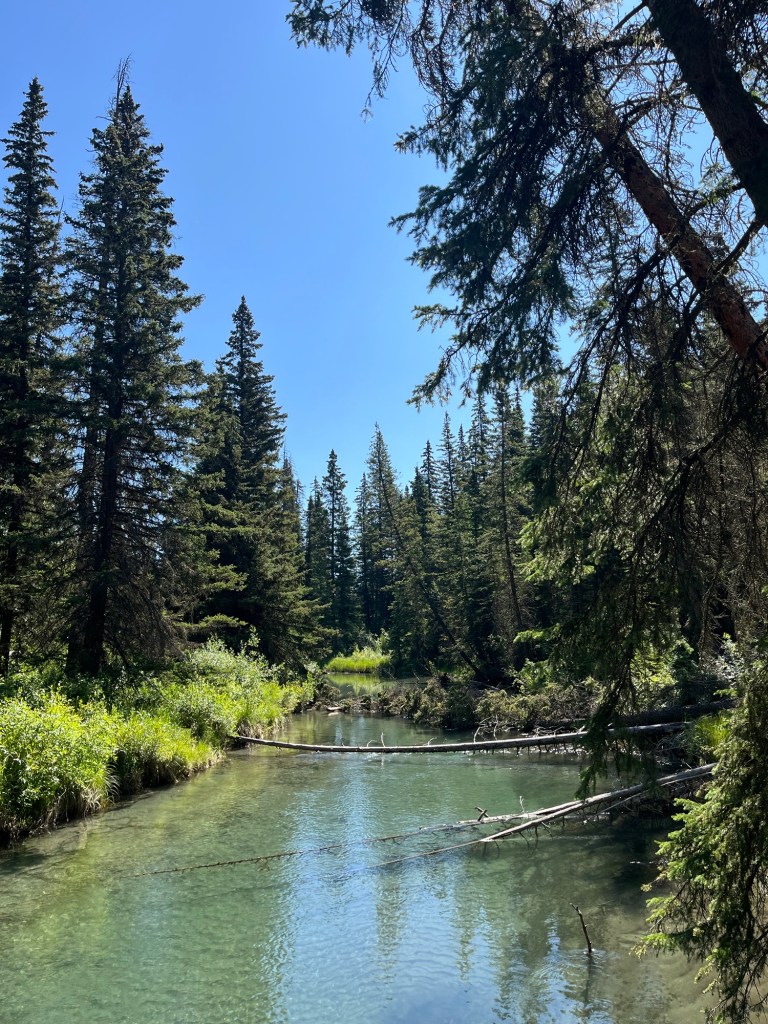
Walking slowly among trees, I began to notice how nature never rushes itself into wellness. Trees scarred by lightning still reach for the sun. Fallen logs donโ€™t apologize for dormancy. Fallen leaves arenโ€™t failures. Moss thrives not despite dampness but because of it. They are part of the cycle that nourishes what comes next.

In the forest, I learned to take time and space:

For my body.

For my care.

For myself.

I learned to soften.

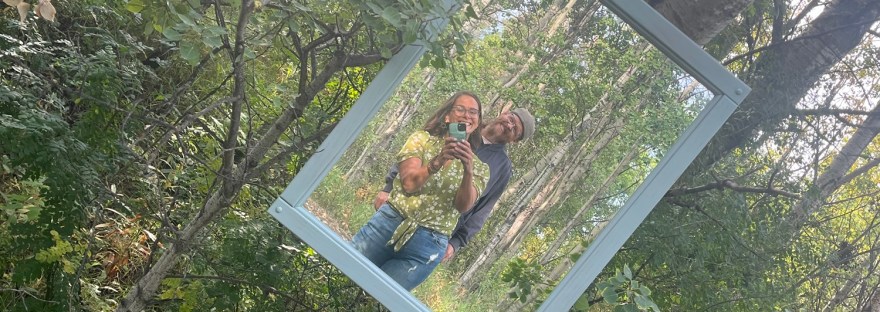
Nature became a mirror for self-compassion. Showing me that acceptance is not giving up, and rest is not weakness. That change is and always will be constant, and beauty is often found because of it.

Where do your forest reflections take you?

Tender and Fierce Self-Compassion: A Pathway to Healing Mastery

If your compassion does not include yourself, it is incomplete.

Jack Cornfield

Psychologist Dr. Kristin Neff, a leading researcher on self-compassion, describes two essential forms. Tender self-compassion and fierce self-compassion. Healing (especially in chronic pain) requires both.

In the forest, tender self- compassion is offered effortlessly. Shade, stillness, permission to slow down. Tender self-compassion is the gentle response we offer ourselves when suffering arises. It sounds like,

โ€œThis hurts.โ€

โ€œIโ€™m allowed to rest.โ€

โ€œI donโ€™t need to earn care.โ€

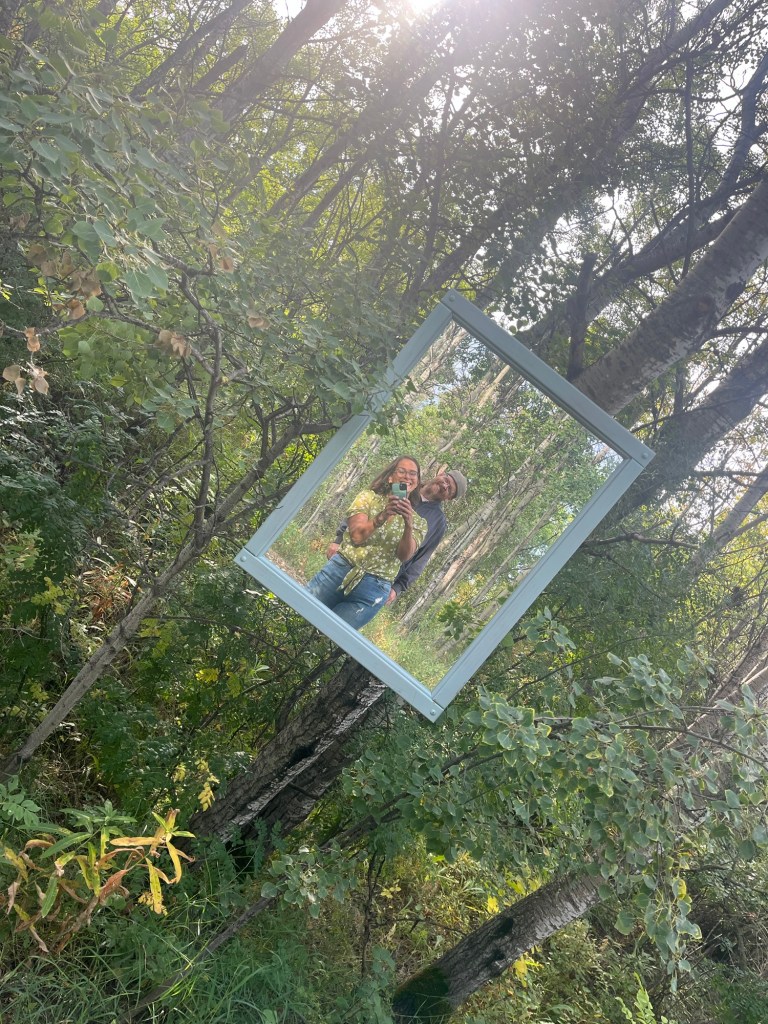
Photo by Brent

Self-compassion is simply giving the same kindness to ourselves that we would give to others.

Christopher Germer

Self compassion also says,

In forest therapy, tender self-compassion shows up as slowing down. Sitting instead of pushing. Letting the forest hold us when our nervous system is overwhelmed.

But compassion is not only soft.

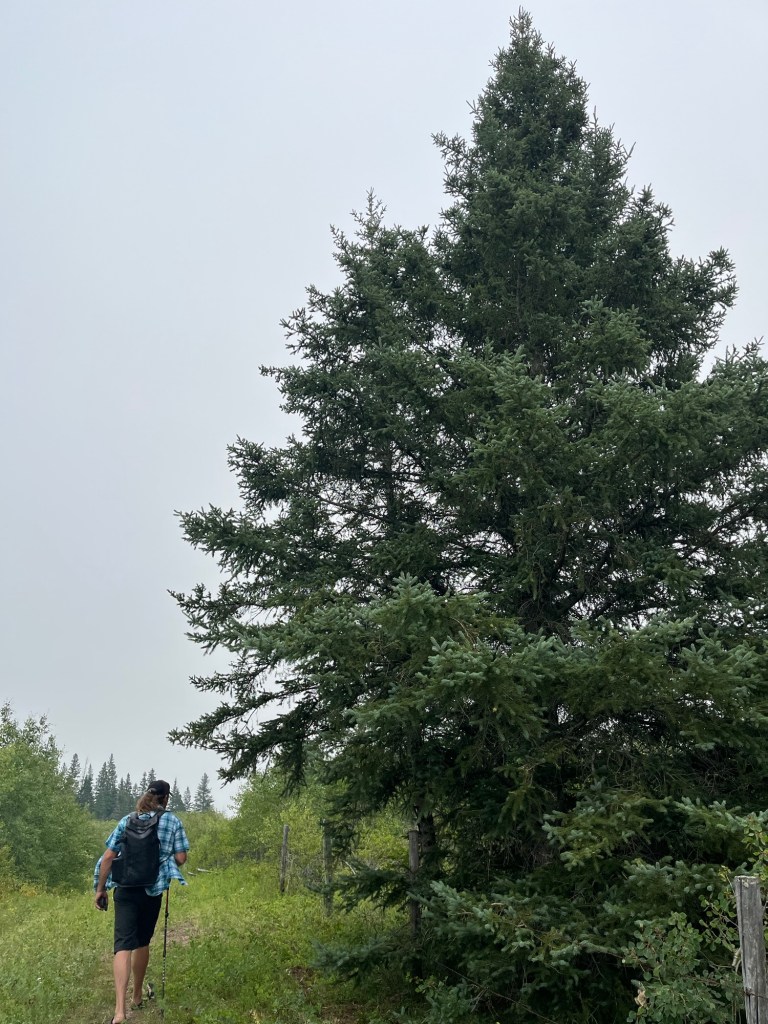
Fierce self-compassion is protective. In the forest, fierce compassion looks like a tree growing around an obstacle instead of breaking itself against it. It looks like roots lifting pavement. Life insisting on what it needs. It draws boundaries. It advocates. It says no to harm. Even when that harm comes from expectations weโ€™ve internalized.

Fierce self-compassion involves taking action in the world to protect, provide, and motivate ourselves to alleviate suffering.

โ€” Kristin Neff

For someone living with chronic pain, fierce compassion might look like canceling plans without guilt, choosing gentler paths, or refusing to prove pain through being productive. (Holy moly, have I ever been guilty of that last one!)

The forest teaches this balance effortlessly. Life adapts rather than destroys itself.

True healing lives in the balance.

Softness without surrender.

Strength without violent self talk.

I highly recommend looking at Dr. Neff’s research.

Beyond the Power of Positivity in Chronic Pain

One of the most harmful ideas placed on people with chronic pain is the demand to โ€œstay positive.โ€ It is a reality many of us are quietly living inside. Through good intentioned humans or when we place this expectation on ourselves. Either way.

This is not healing.

This is toxic positivity.

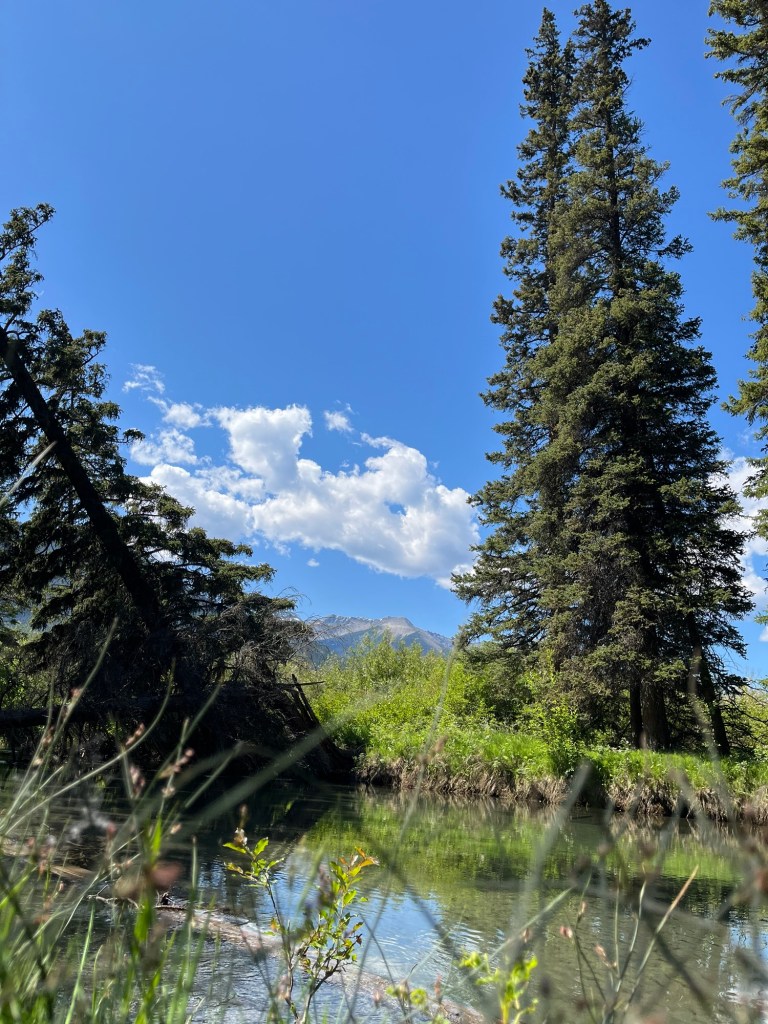
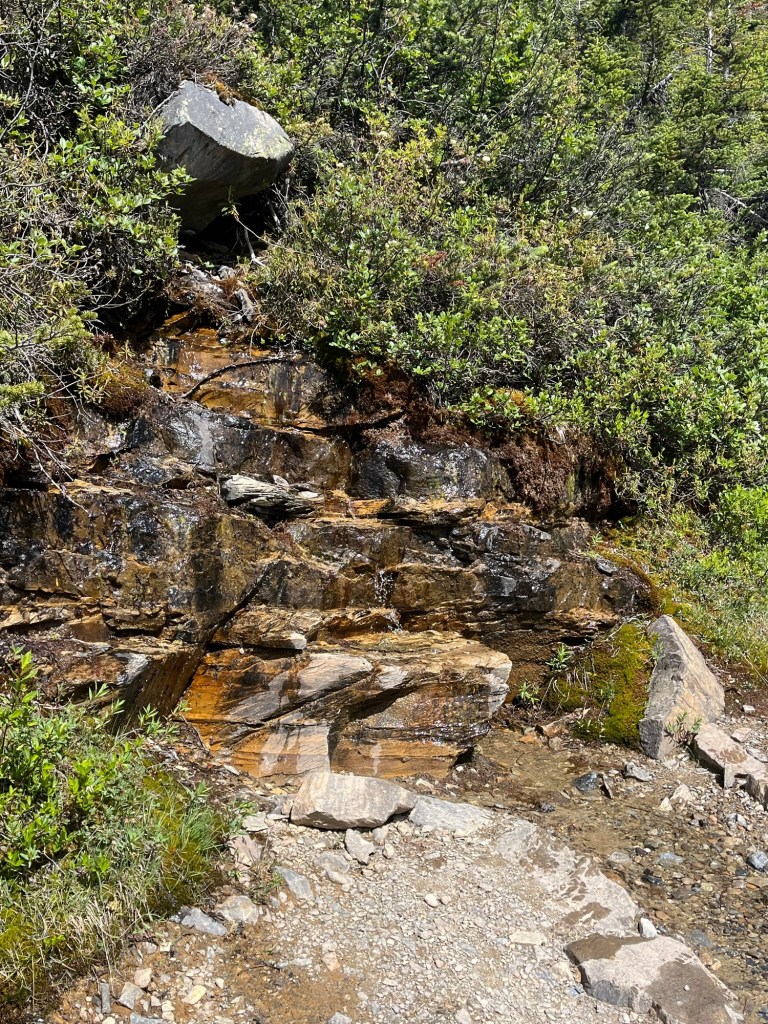
The forest is not positive all the time. It holds decay and beauty simultaneously. Rot feeds growth. Death makes room for life. Nothing is bypassed.

Embodied compassion, unlike forced optimism, allows pain and beauty to coexist. Forest therapy has taught me that I donโ€™t need to pretend things are fine in order to find meaning, or hope.

Acceptance is not resignation.

It is honesty.

You don’t know this new me; I put back my pieces, differently.

Embracing the Wild: A Practice of Compassionate Forest Therapy

If you are able, try this practice in a forest, park, or any type of natural space.

  • Find a tree that shows signs of damage Look for scars, broken branches, or weathering. Notice how the tree continues to live.
  • Stand or sit nearby Place one hand on your body. Where you feel pain or tension most.
  • Name tenderness. Quietly acknowledge what hurts. No fixing. No reframing. Just noticing.
  • Name fierceness Ask yourself. What does my body need protection from right now? Fatigue? Expectations? Self-criticism?
  • Receive the lesson. Let the tree reflect back to you. Adaptation, not defeat. Presence, not perfection.

Take your time. Healing doesnโ€™t rush.

Nature’s Note: A Message from the Forest to Your Body

Dear Body,

You are not broken.

You are responding to what you have endured. And we know you have endured much.

I have seen storms too. I have lost branches. I have rested longer than expected.

Still, I grow.

You do not need to push to belong here.

You do not need to prove your worth through endurance.

I hold decay and beauty at the same time.

You are allowed to do the same.

Rest when you need to.

Stand tall when you can.

Trust that healing is not the absence of pain, but the presence of care.

You are part of this rhythm.

You always have been.

โ€” The Forest

That’s the thing about December: it goes by in a flash. If you just close your eyes, it’s gone . And it’s like you were never there.

Donal Ryan, The Thing About December

Look into the mirror of forest therapy. Reflect where you need more self- compassion. Take time to recognize and lean into both tender and fierce. It will aid in all types of healing.
The Healing Power of Nature and Acceptance

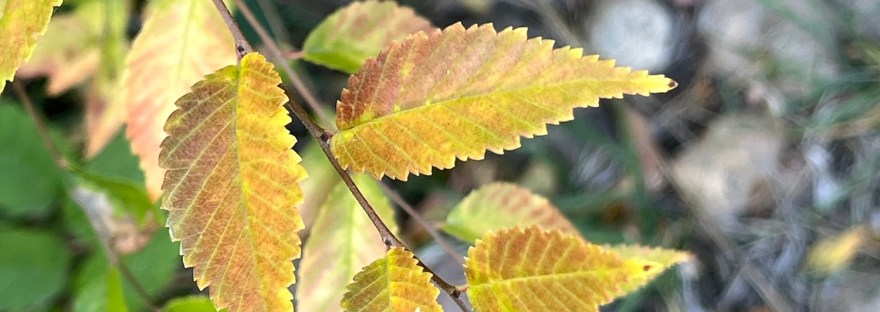
Life starts all over again when it gets crisp in the fall.๐Ÿ‚

-F Scott Fitzgerald


Elder Robert D. Hales once said:

When you cannot do what you have always done, then you only do what matters most.

Those words sink deep for me as someone who lives with chronic pain.

There are many things I cannot do anymoreโ€”not the way I used to, not with the energy or freedom I once had. And yet, in the midst of those limitations, Iโ€™ve discovered that my life is being reshaped around what truly matters most.

๐Ÿ” Finding Clarity in Constraints

Elder Hales went on to say:

Physical restrictions can expand vision. Limited stamina can clarify priorities. Inability to do many things can direct focus to a few things of greatest importance.

That is the truth of my life. I donโ€™t have the stamina to do everything I once could. But I do have the vision to see what is worth my energy. Pain has forced me to slow down, to let go of what doesnโ€™t serve me, and to focus on what is most meaningfulโ€”faith, relationships, healing moments, and time in nature. ๐ŸŒฒ

๐Ÿ’› โ€œCome What May and Love Itโ€

Elder Joseph B. Wirthlin also offered a phrase I want to cling to:

Come what may, and love it.

His mother taught him those words, and he later reminded us that

adversity, if handled correctly, can be a blessing in our lives.

I admitโ€”I donโ€™t always love it. There are days when pain feels relentless, and my instinct is to resist, to grieve what Iโ€™ve lost, or to dwell in shame when I make mistakes. I make a lot of those. Mistakes. I find my brain just checks out while dealing with chronic pain. ๐Ÿง 

๐Ÿšค A Maritime Memoir Best Left Unsailed

Like this past weekend, for example. I may or may not have put my husband and myself in mortal danger on the lake (๐Ÿ˜ฌ oops). I turned off the boat engine when the battery was lowโ€”thinking Iโ€™d heard Brent say to shut it off. Turns out, he had said the opposite. ๐Ÿ˜ณ

This process set off so many megaddons-

We would have drifted helplessly across the lake. But Brent, my hero, jumped in and anchored us to shore ๐Ÿฅถ . Now he was soaked through with no dry clothes.

Meanwhile, the navy was literally training around us, however, we were too embarrassed to ask for help. What would you have done?

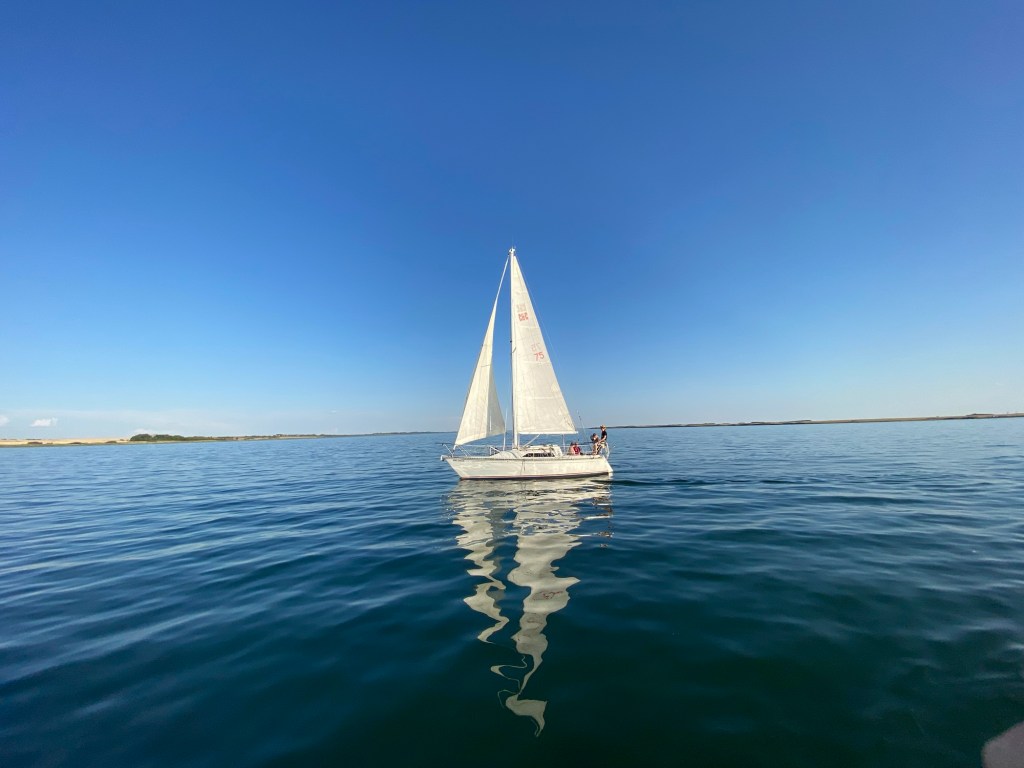
My dad had to haul out his sailboat โ›ต๏ธ that was already getting packed away for winter. The sight of them motoring across the harbor with no sailsโ€ฆwell, letโ€™s just say it was memorable.

There we were, covered in lifejackets and wrapped in blankets, being eaten alive by biting flies.

At the time, I didnโ€™t want to โ€œcome what may and love it.โ€ I wanted to wallow in shame for the mistake that stranded us. But shame didnโ€™t help. It only made me feel worse.

Looking back, I see parts of it that were quite humorous.

Brent’s pants (they had to be fished out of the lake after the wind blew them from their safe perch where they would stay dry while he swam us to safety) soon had the appearance that we had been shipwrecked for months by the time rescue came.

Wet sweatpants are diabolical. Wet sweat shorts on the other hand- marginally better.

So out came the fishing knife (he did not have them on at this stage of the procedure) and off came his pride and a few inches of dripping fleece. Suggesting a shipwreck much longer than the hour or so that it actually turned into.

I couldn’t help but think in this scenario, I was the Gilligan.

On the contrary, the more loving responseโ€”for myselfโ€”would have been to let it go. To choose self compassion. To laugh. To accept my parents’ kindness.

And Brent’s! Even as he frantically thought through what he needed to do then jumped in the water. Even as he stood there shivering and dripping wet. Even as he swatted flies in nothing but my blanket, he told me not to worry. Not to feel bad.

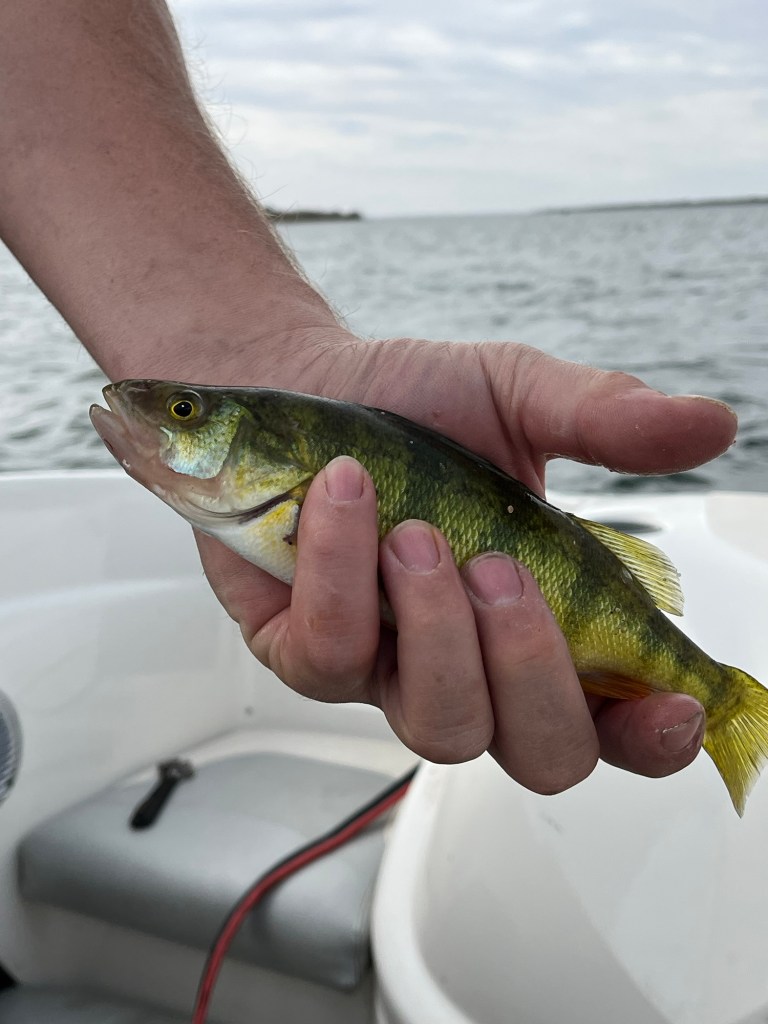
He encouraged self compassion from the outset. To remember that we would survive the โ€œfly apocalypse,โ€ catch a fish ๐ŸŽฃ , and make it home safely. He reminded me to stay focused on what matters.

And look at that, he DID catch one!

Meanwhile…

The devil whispered in my ear, “You’re not strong enough to withstand this storm.” I whispered in the devil’s ear, “I love your eggs.” ๐Ÿคฆ๐Ÿผโ€โ™€๏ธ

๐Ÿ„ Woodland Wellness: Discovering Peace Among Trees ๐ŸŒฒ

Elder Hales reminded us that even the senior leaders of our church arenโ€™t spared from affliction:

Rather, they are blessed and strengthened to press forward valiantly while suffering in and with affliction.

That idea gives me hope. If they can press forward valiantly, maybe so can I. Maybe so can we. Whatever our struggle may be.

Thatโ€™s where forest therapy comes in for me. When my pain feels like too much, I turn to the forest.

Dendrolatry

a deep reverence for the trees, where every branch whispers ancient wisdom and every root holds the secrets of the earth– to honour a tree is to honour the quiet, sacred connection between life and nature.

The forest is where I remember how to breathe, how to soften, how to let go of shame and find a thread of joy. The forest teaches me that even in adversity, there can be beauty. Even when Iโ€™m hurting, there can be laughter, resilience, and connection.

My adversity is chronic pain. It is woven into every corner of my life. It shapes my days and my choices, and so it will show up in my writing and conversations, too. It is part of who I am.

Some people wish Iโ€™d talk about it less, but this is my reality. And itโ€™s also where Iโ€™ve learned to discover meaning, humor, and even joy.

The woods invite me to notice beauty even when pain is loud. The trees ๐Ÿ‘†๐Ÿผ donโ€™t erase adversity, but they remind me that I am still alive, still loved, and still capable of joy. ๐Ÿƒ

๐Ÿ’– Embracing Love, Bidding Farewell to Shame

So next time I find myself swarmed by biting flies (literally or figuratively in the form of invasive thoughts), or when I am caught in the grip of pain, I hope I can remember Elder Wirthlinโ€™s (and his motherโ€™s) invitation:

Come what may, and love it.

Not because itโ€™s easy. But because itโ€™s the better way forward. ๐Ÿ˜Š

September was a thirty-
days long goodbye to
summer, to the season that
left everybody both happy
and weary of the warm,
humid weather and the
exhausting but
thrilling adventures

-Lea Malot

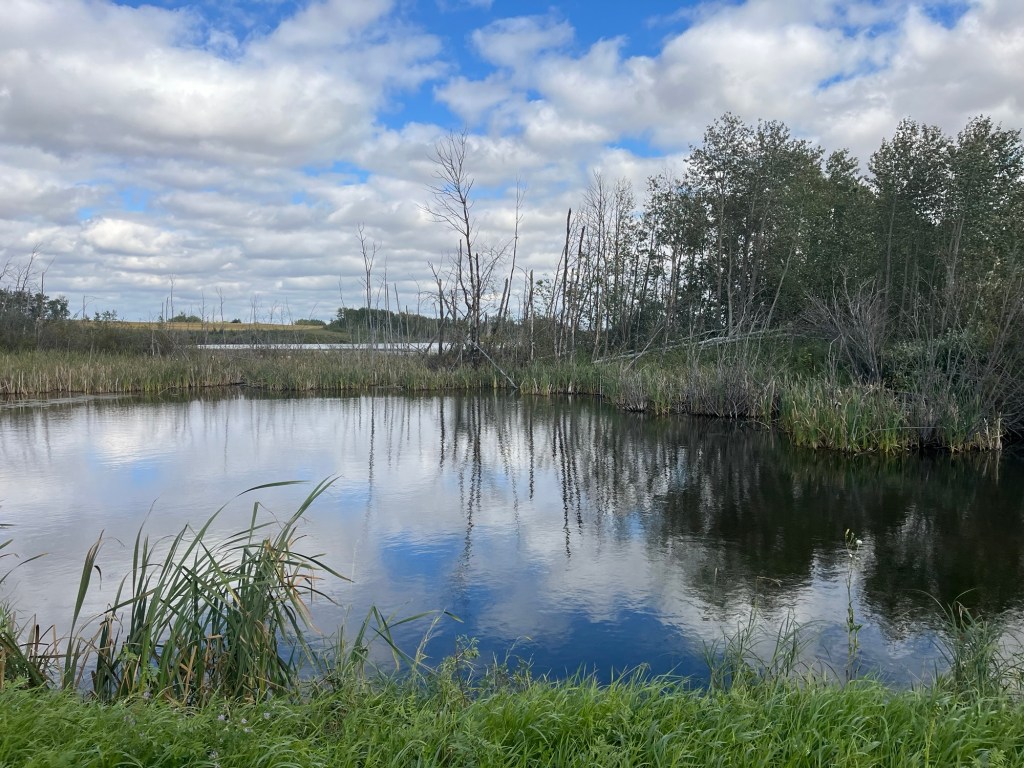
As we bid farewell to shame we also bid farewell to summer. The following is an unorganized smattering of my summer adventures. Enjoy perusing (or skip it altogether). I encourage you to do the same. Enjoy your memories. Feel free to share stories or pictures in the comments!

Enjoy your life and the beauty that nature provides. If you’d like to schedule a forest therapy walk before the snow flies, let me know in the comments, or email me @ pam.munkholm@gmail.com I’d love to show you how healing it really is.