
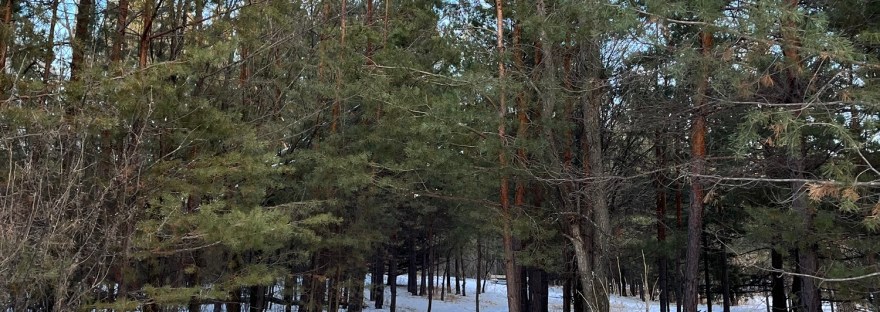
Winter is not the death of the life cycle, but its crucible.
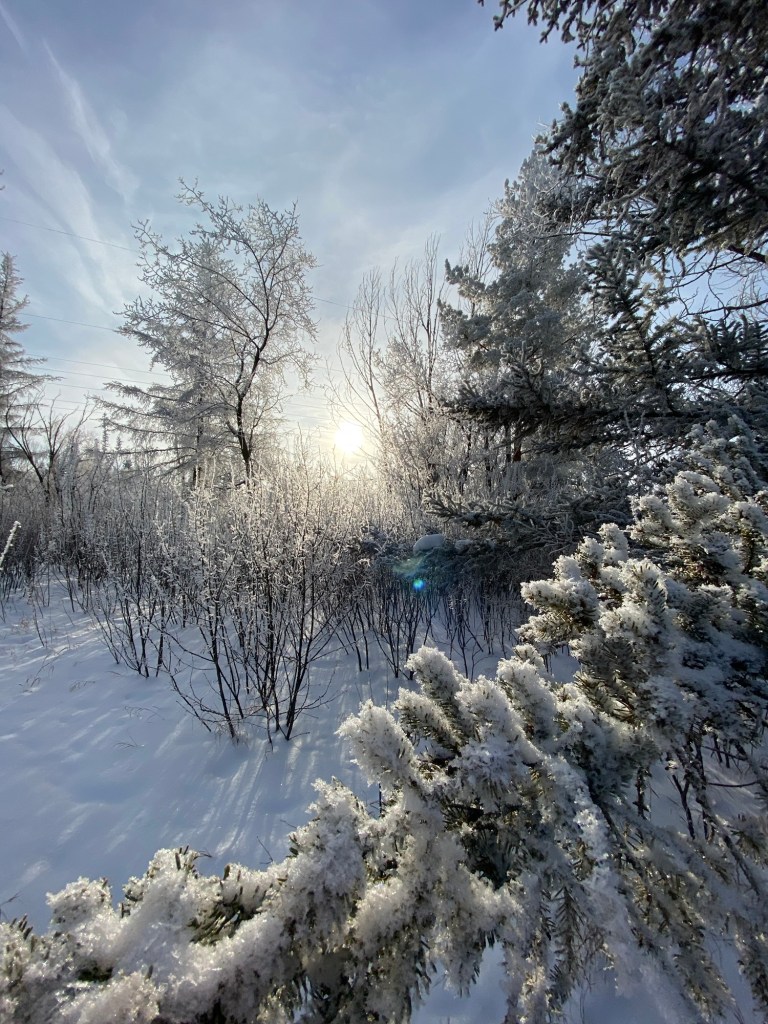
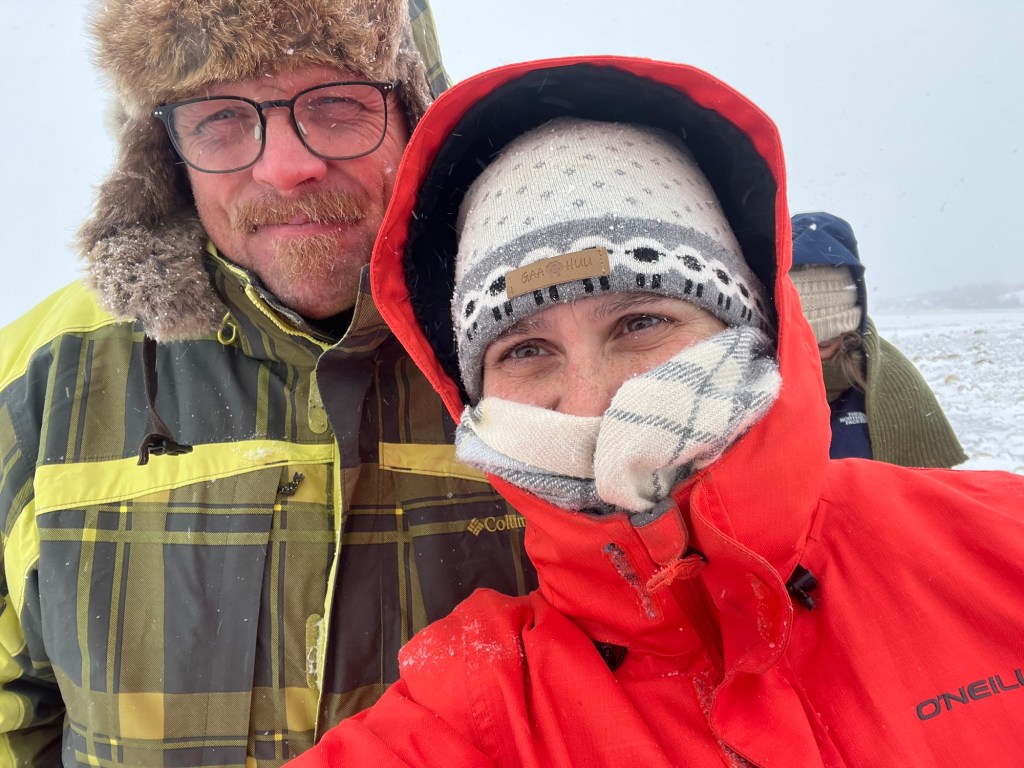
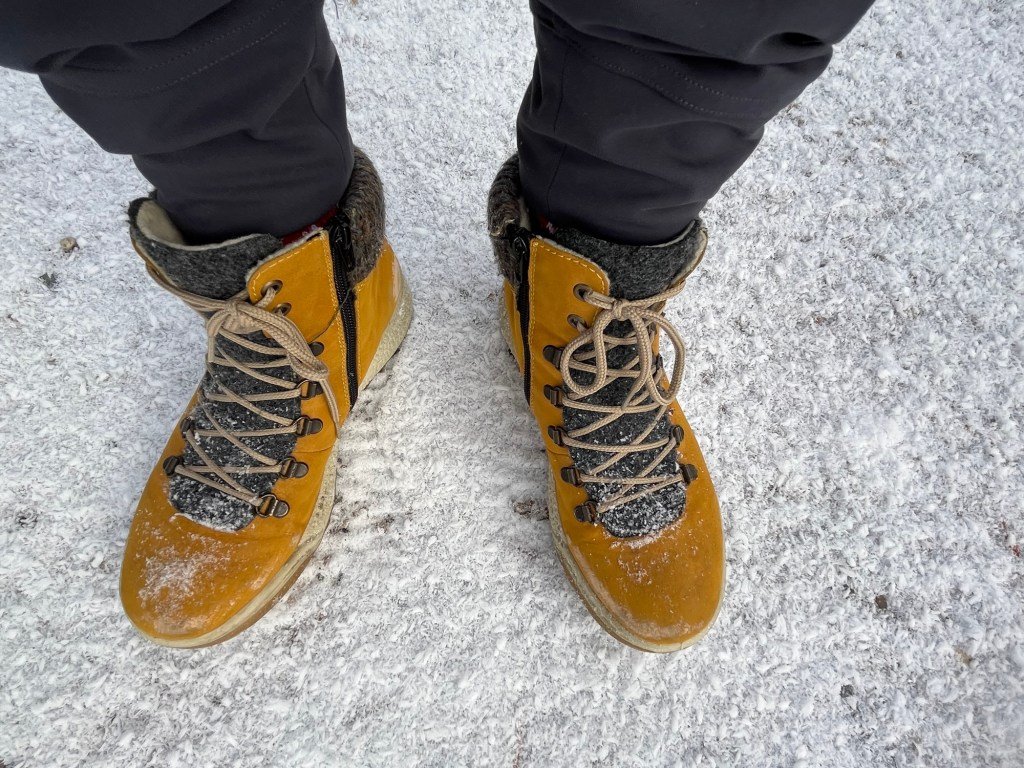
In Saskatchewan right now, the wind still bites and snow still crunches under our boots.
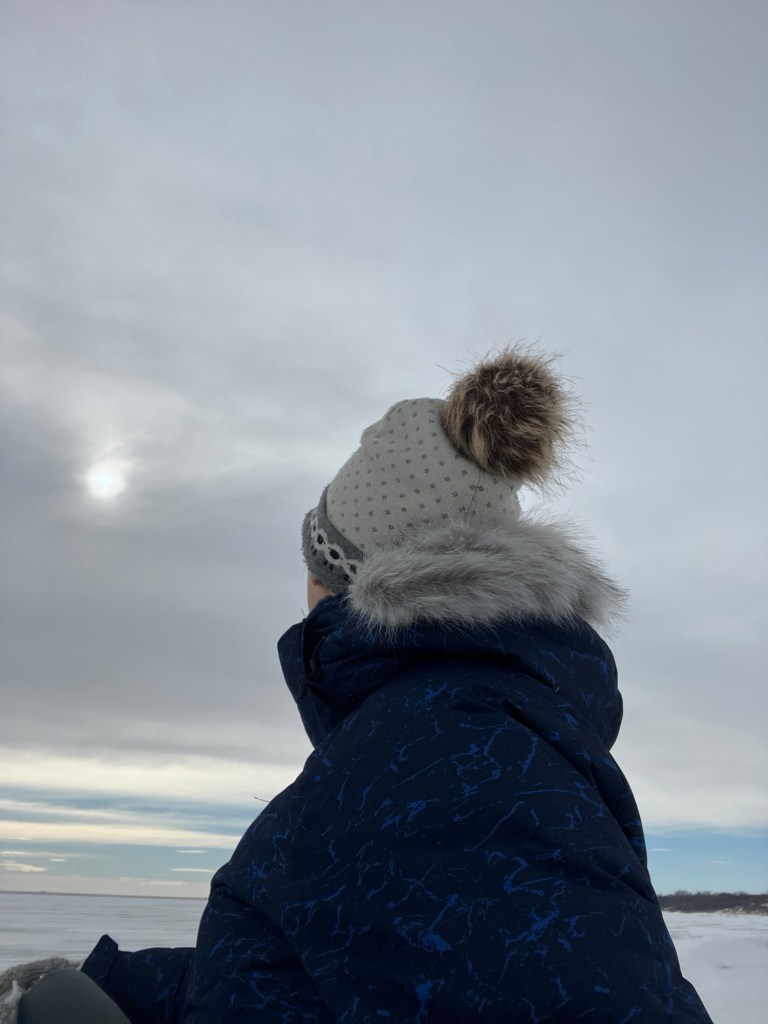
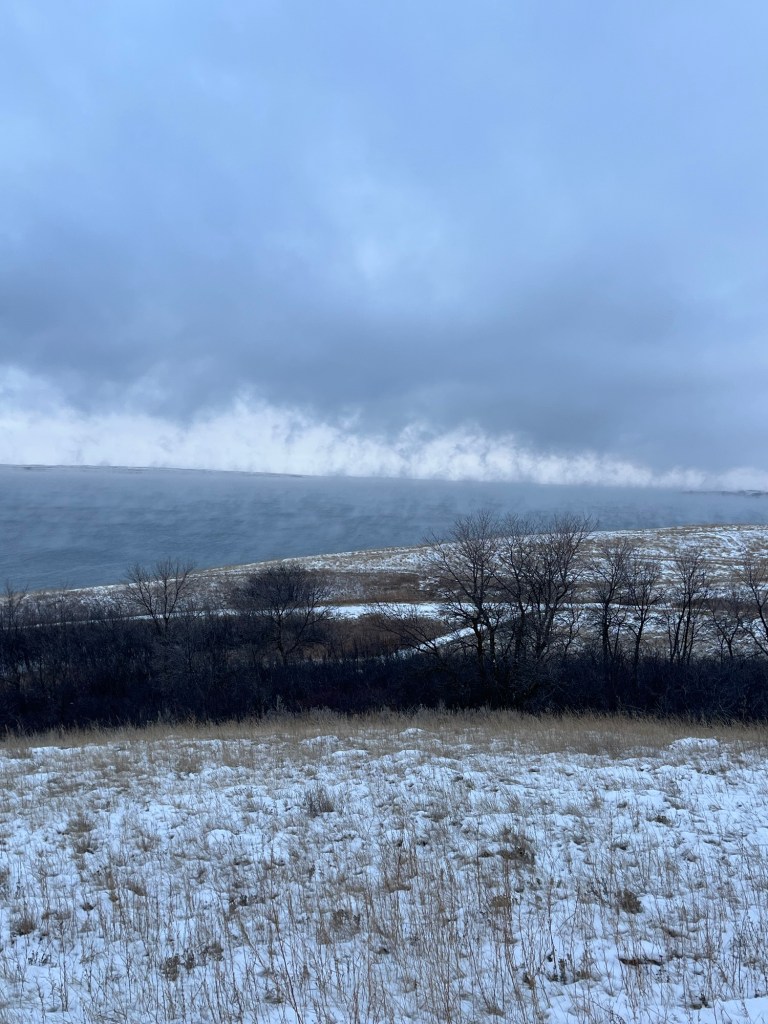
The pale sky stretches wide over frozen lakes and ground.
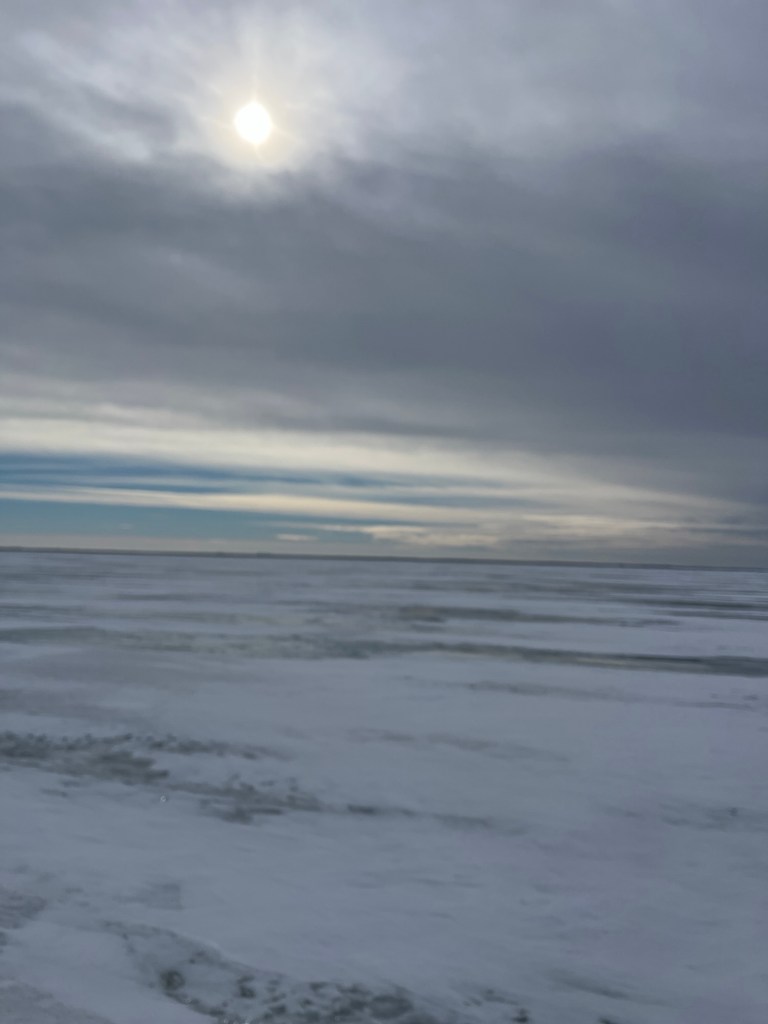
And yet… we are talking about spring. Not because we see it. But because we remember it.
It has come every year before and we can trust it will come again.
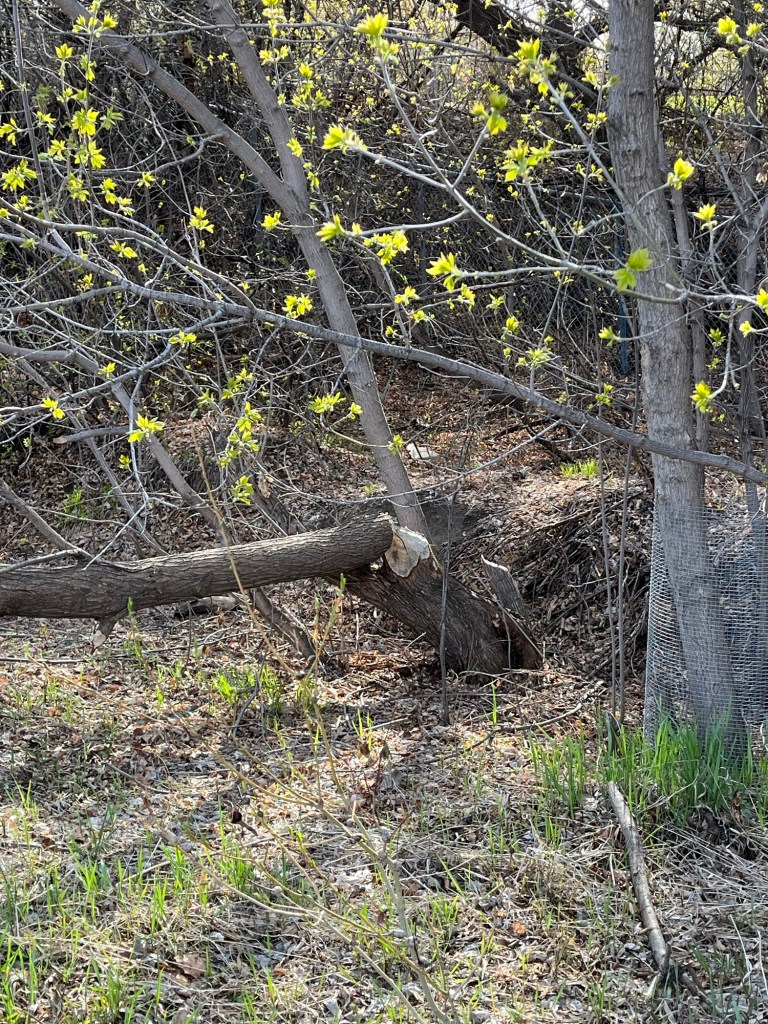
This is one of the most asked questions about forest therapy:
Does this really help when life is hard? When pain is chronic? When nothing feels like it’s changing?
The answer is not dramatic. It is steady.
Forest therapy does not promise cure. It doesn’t offer “complete and totally done with it all 👏🏼👏🏼👏🏼 .”
That’s not our story.
What it offers is regulation. Relationship.
So I keep returning.
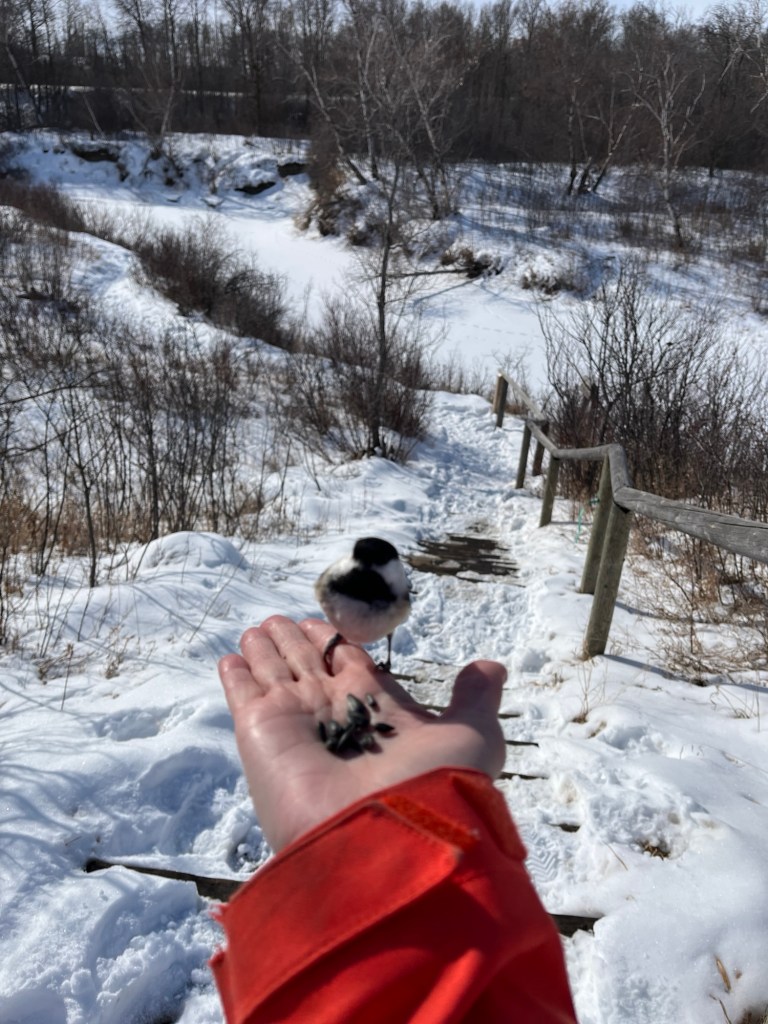
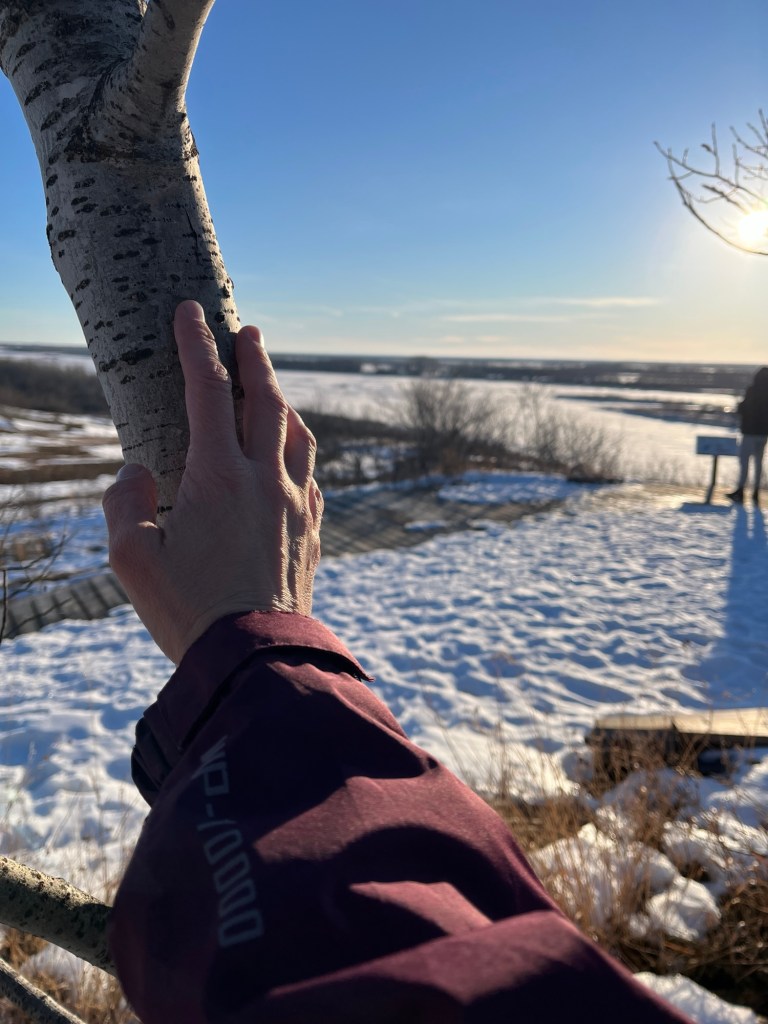
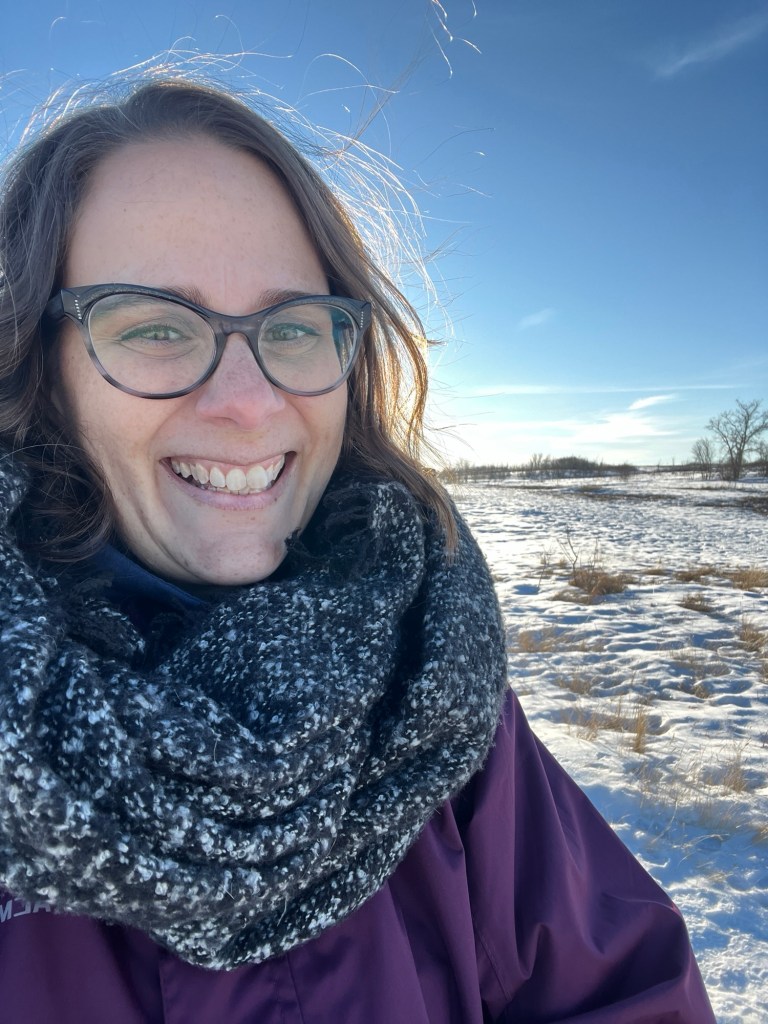
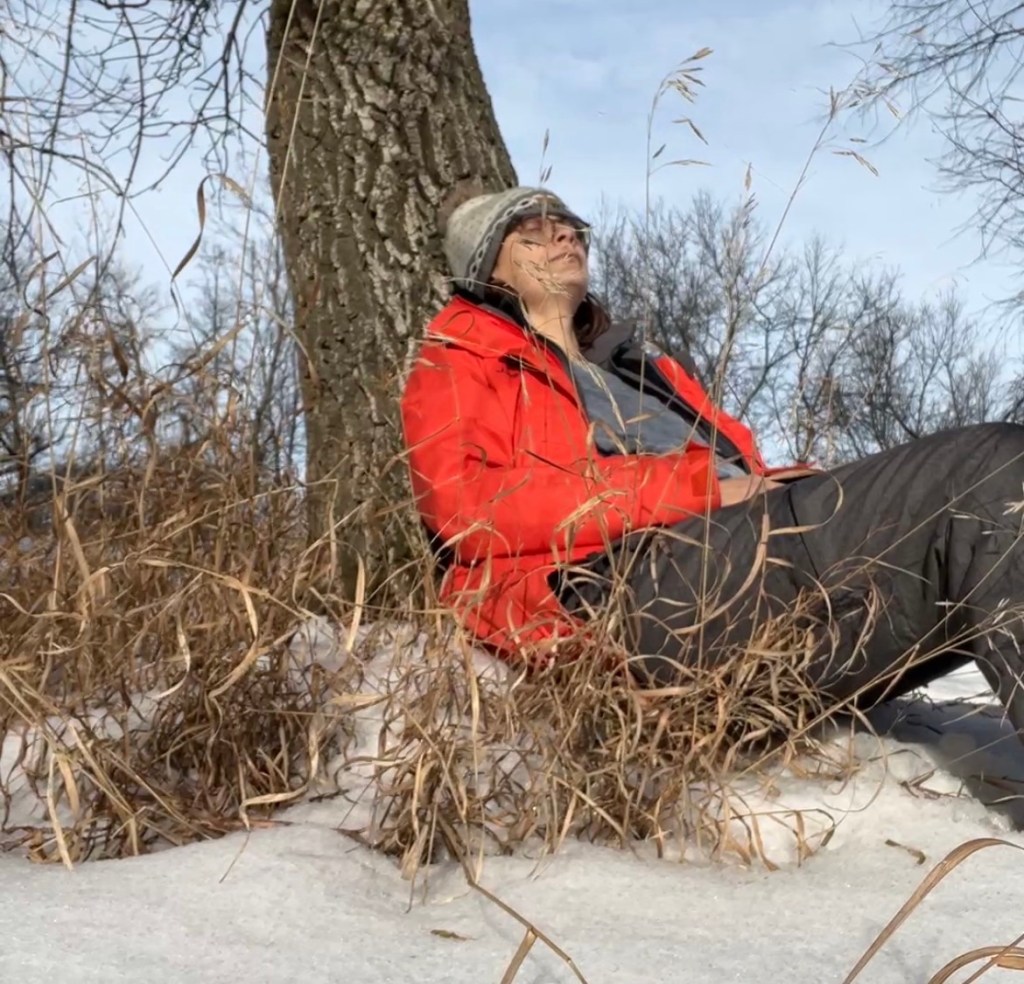
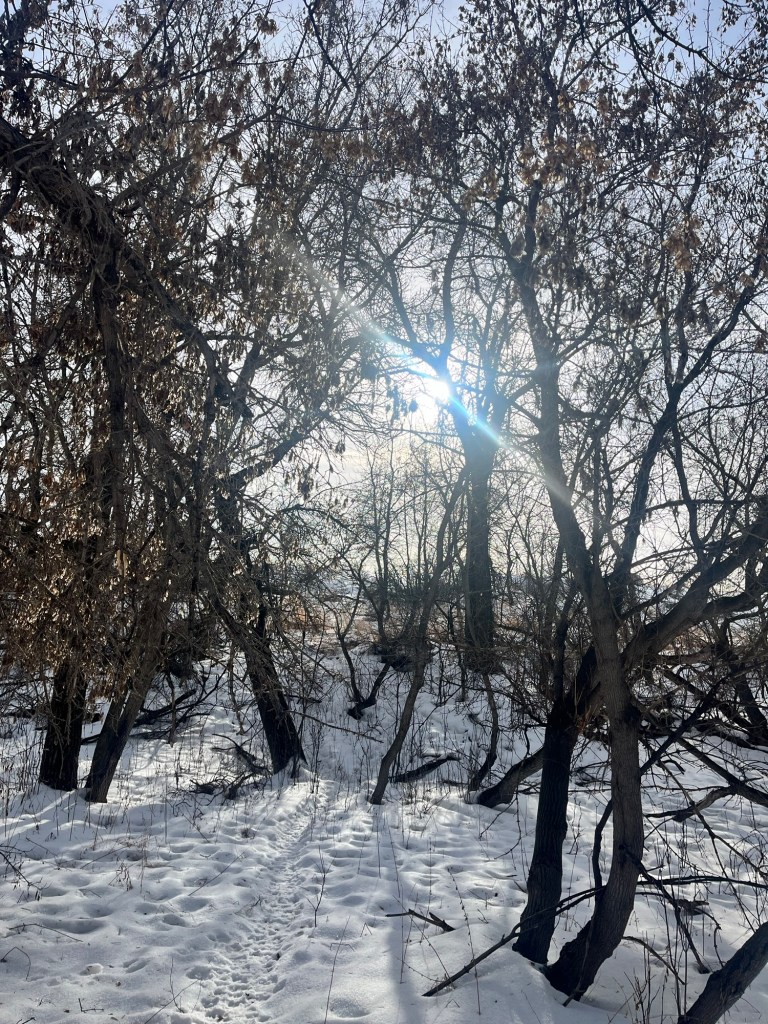
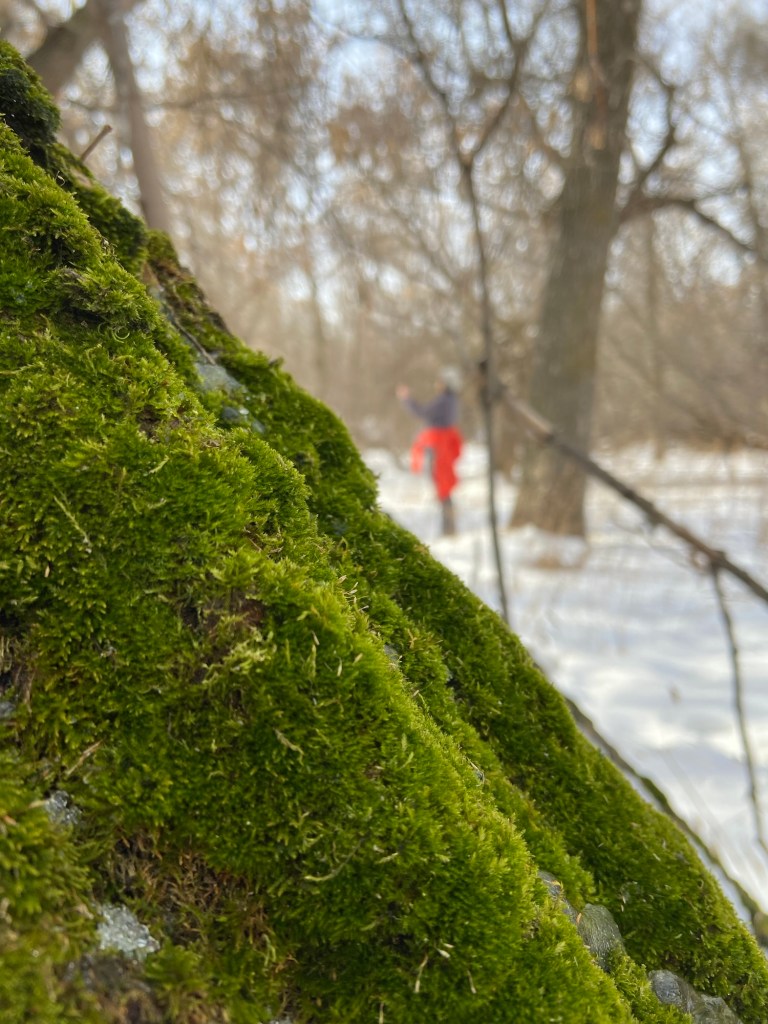
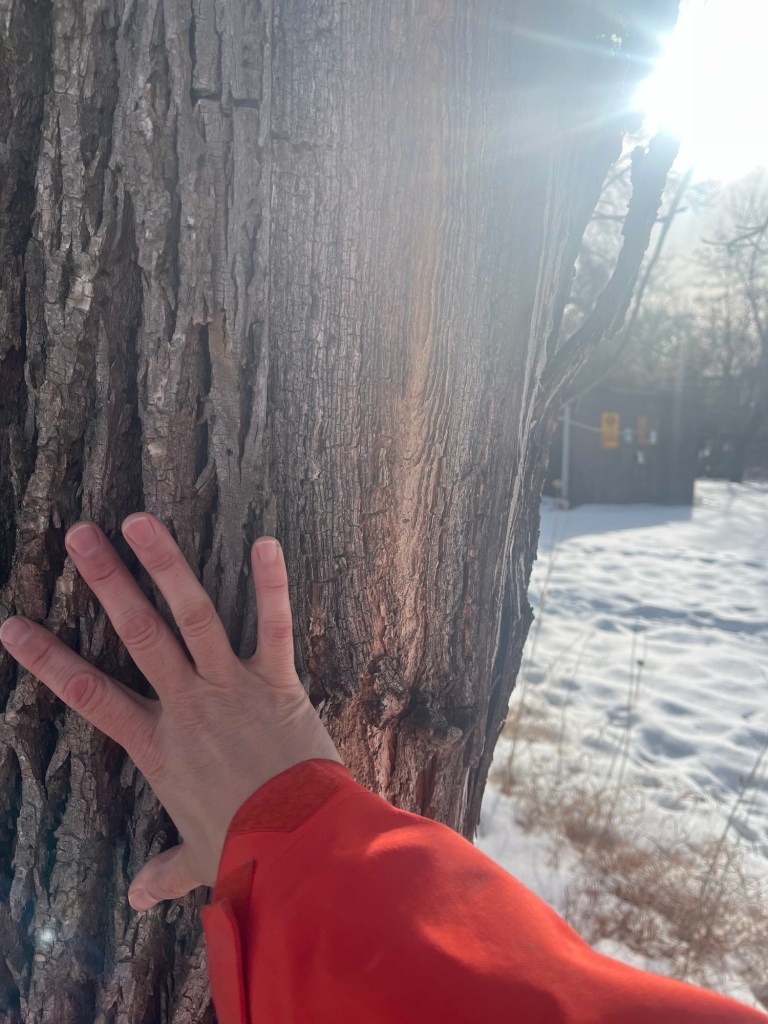
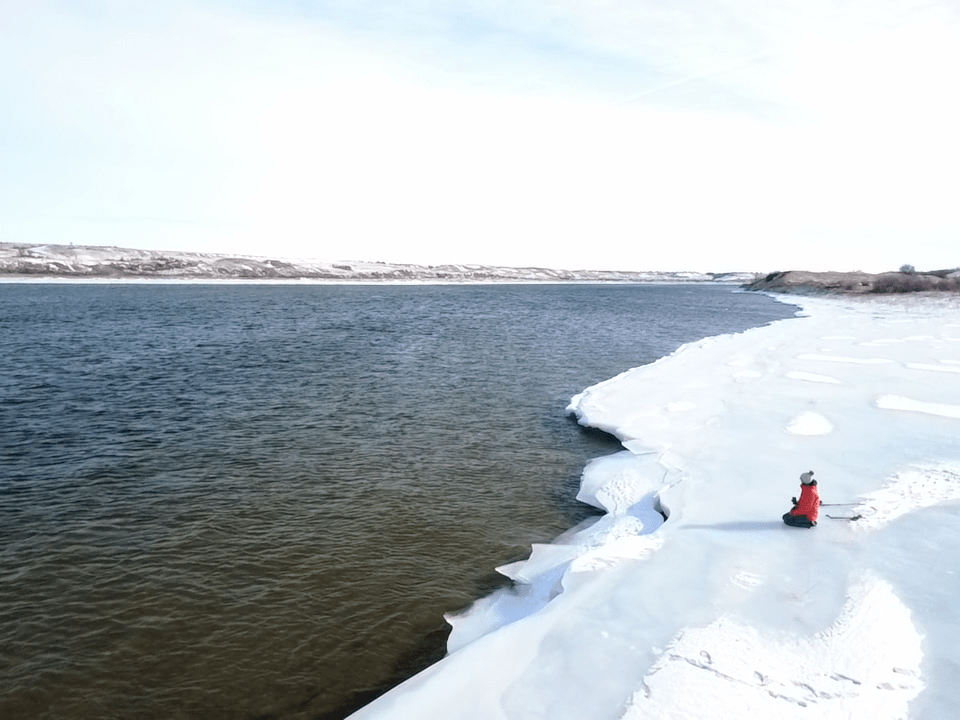
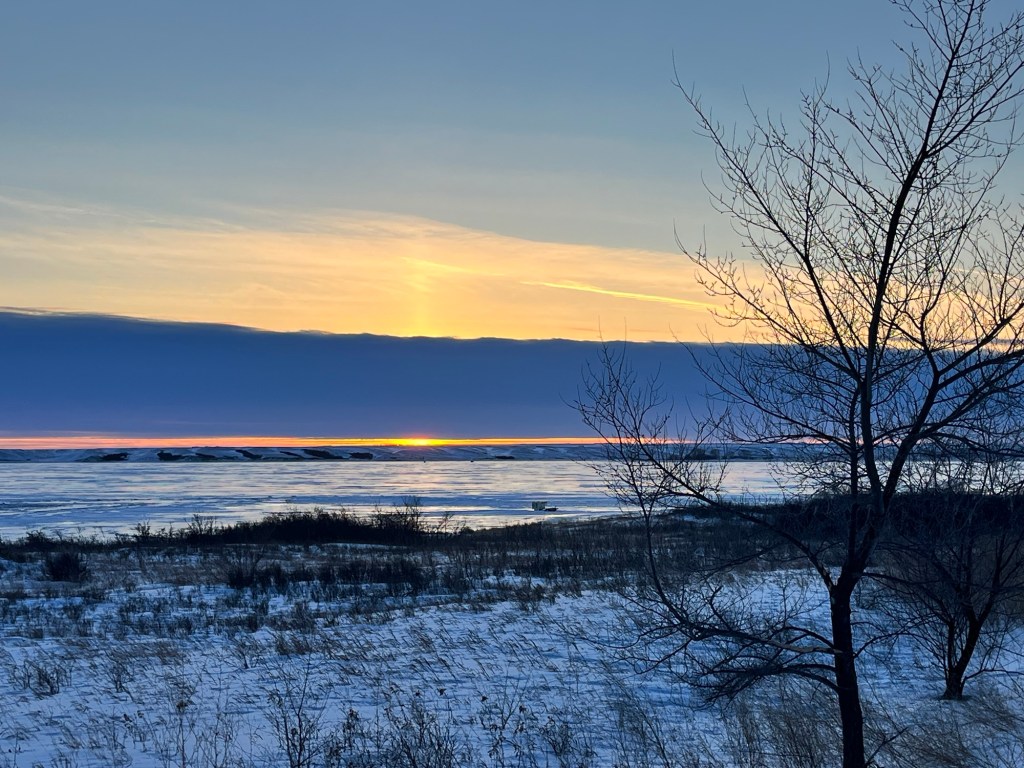
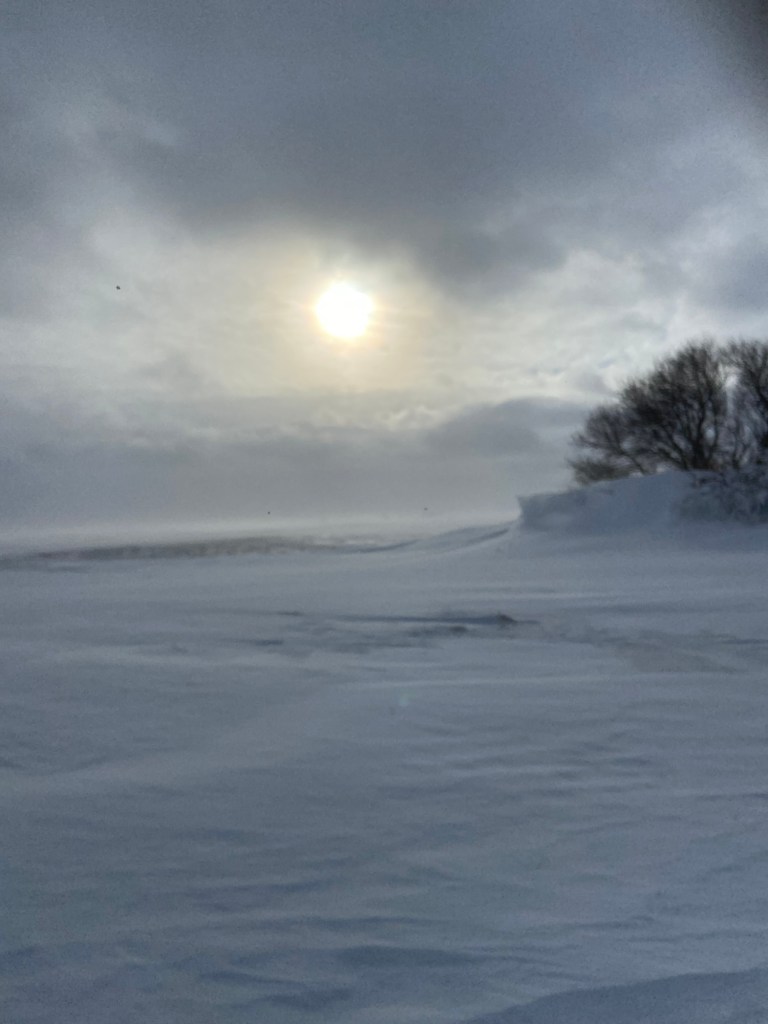
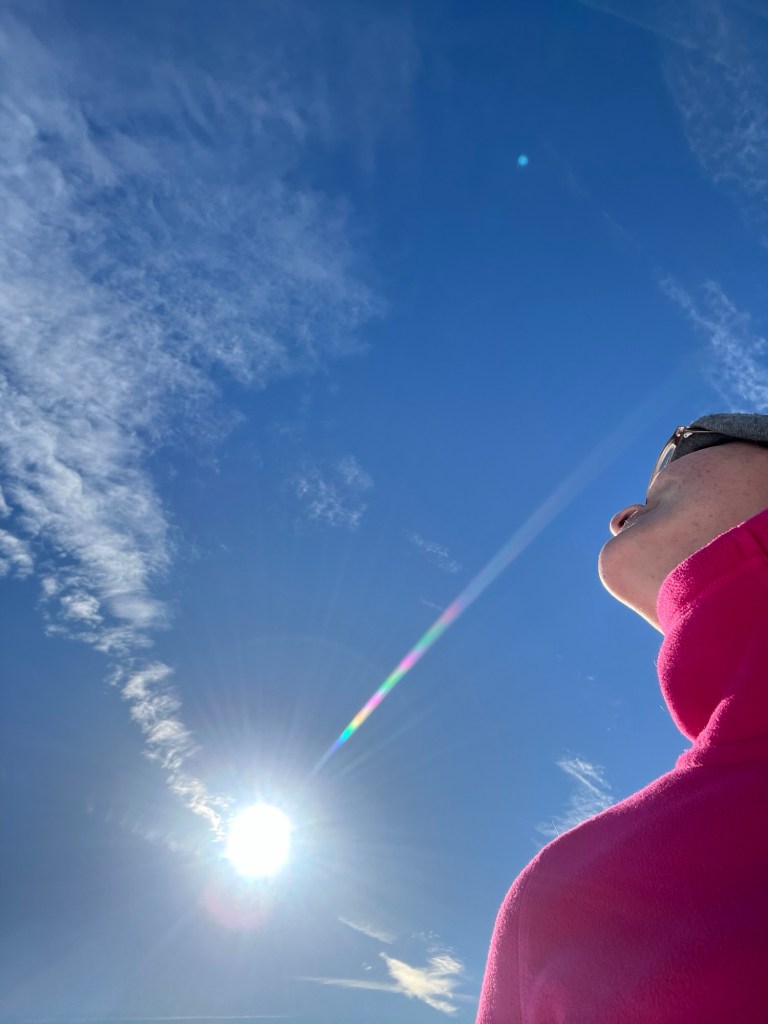
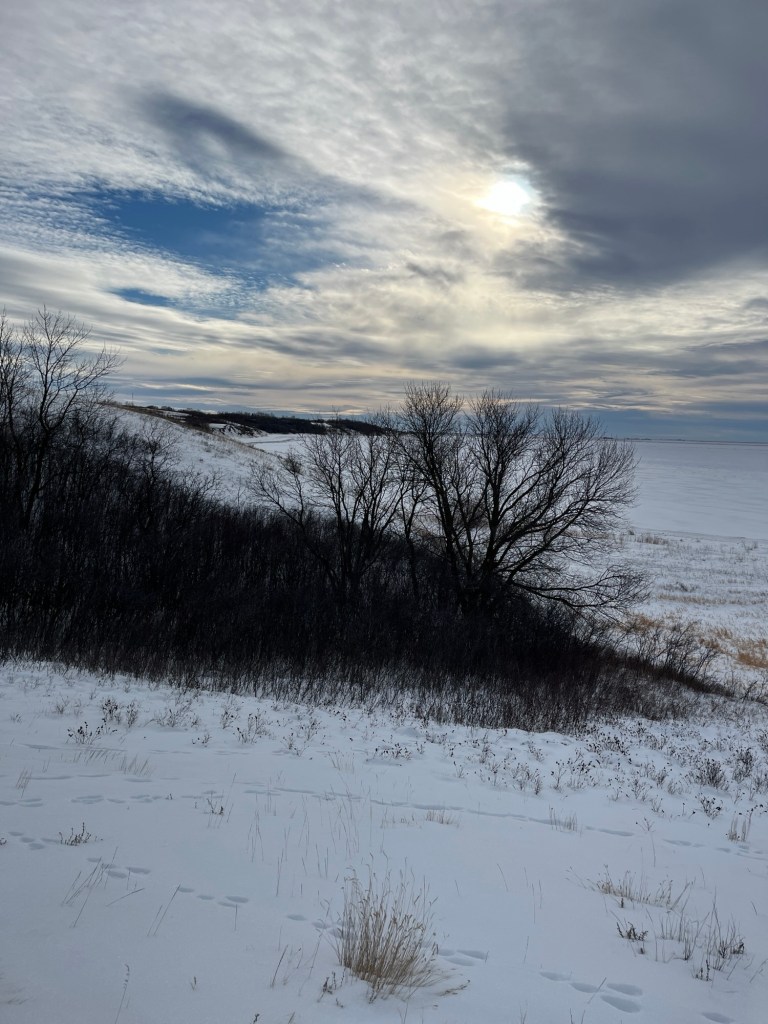
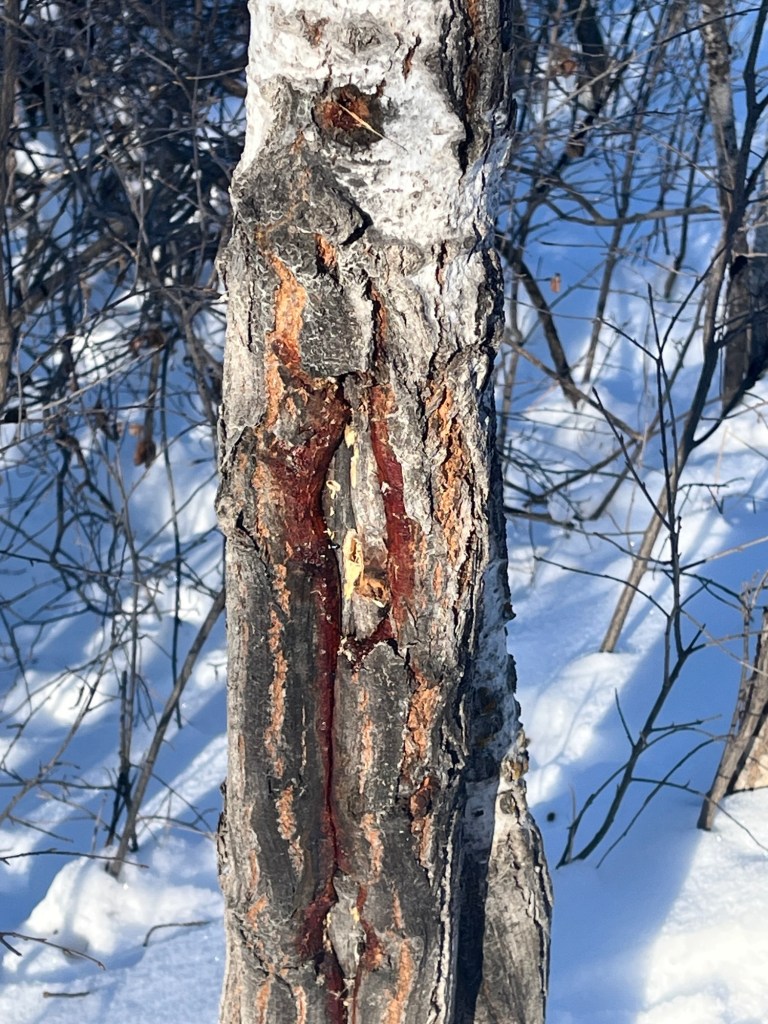
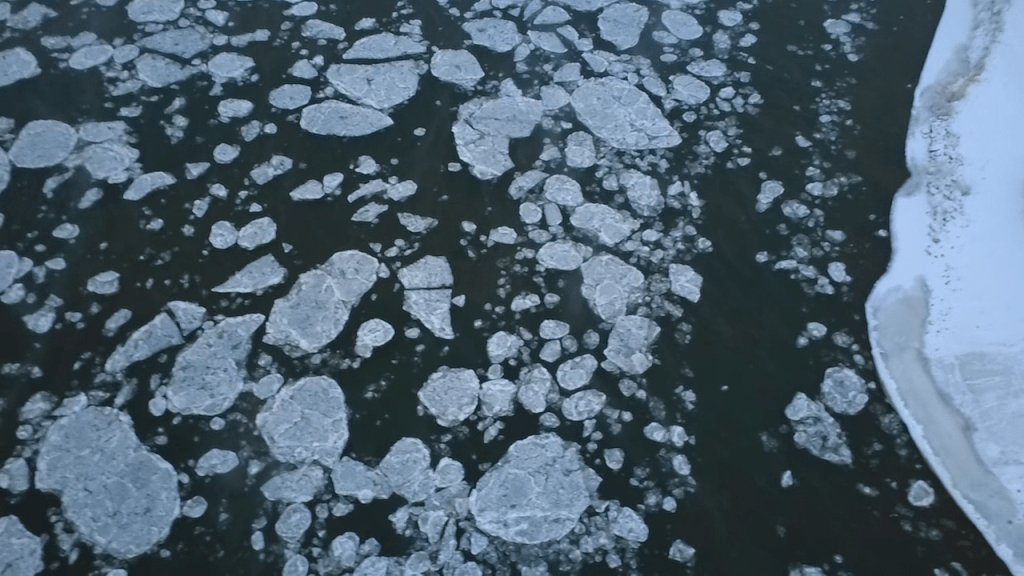
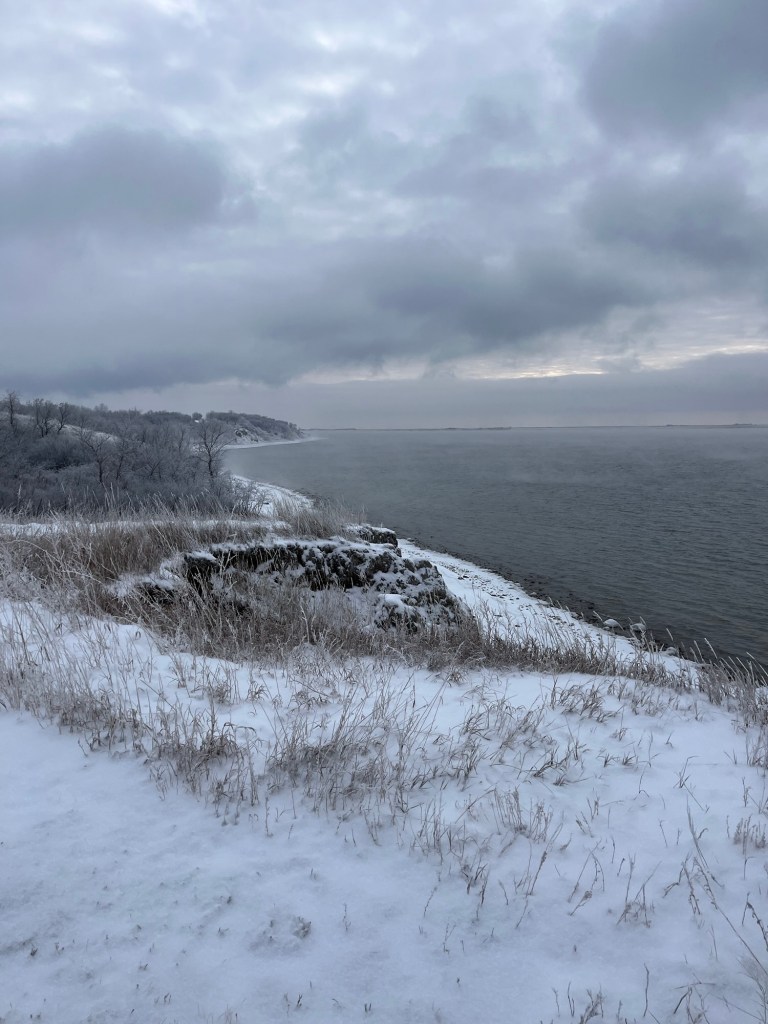
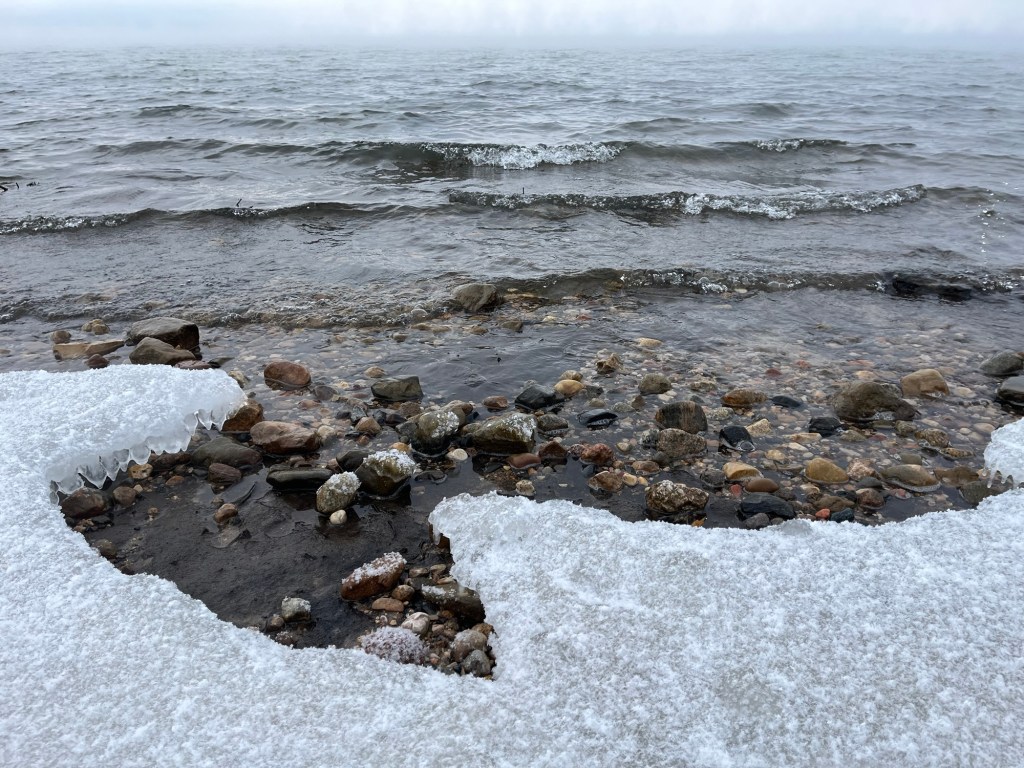
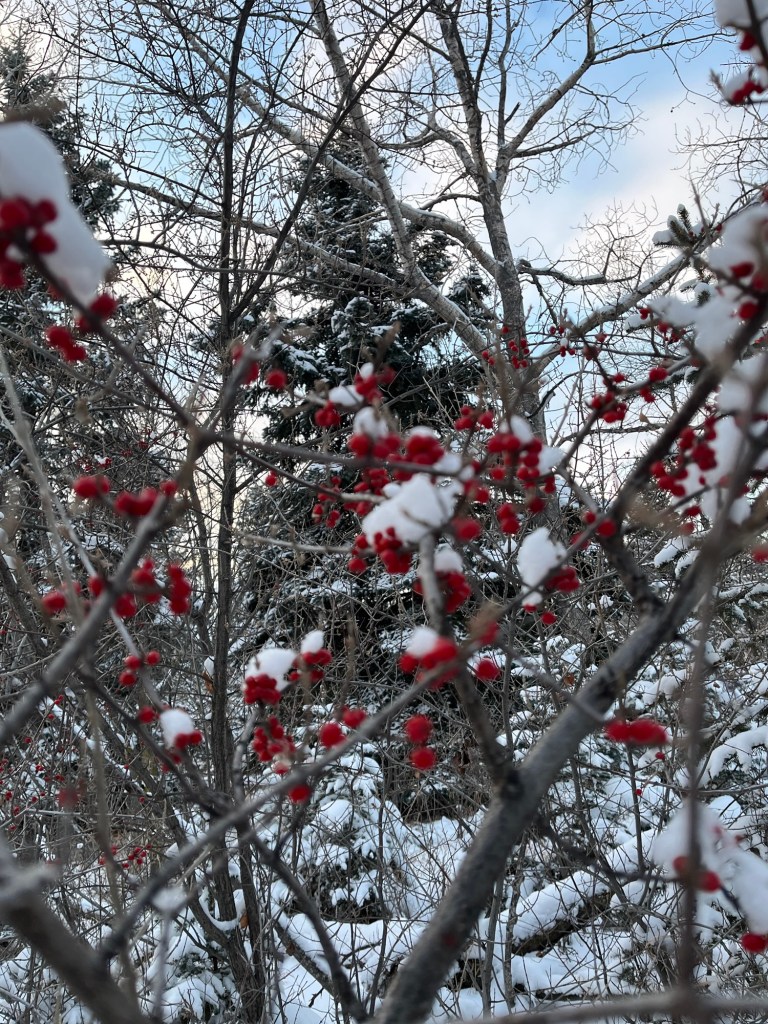
Research around nature exposure shows reduced cortisol, improved heart rate variability, and nervous system settling.
But beyond the science is something quieter. The forest does not rush spring and the body does not rush healing. They know the futility and energy waste that rushing introduce to otherwise perfect systems.
Both the forest and the body move in seasons. Why then do we want spring to hurry up? Why do we expect the body to heal in our prescribed way, on our expected timeline?
🌲 “Can forest therapy help chronic pain?”
As someone who lives with chronic pain, I don’t speak in absolutes.
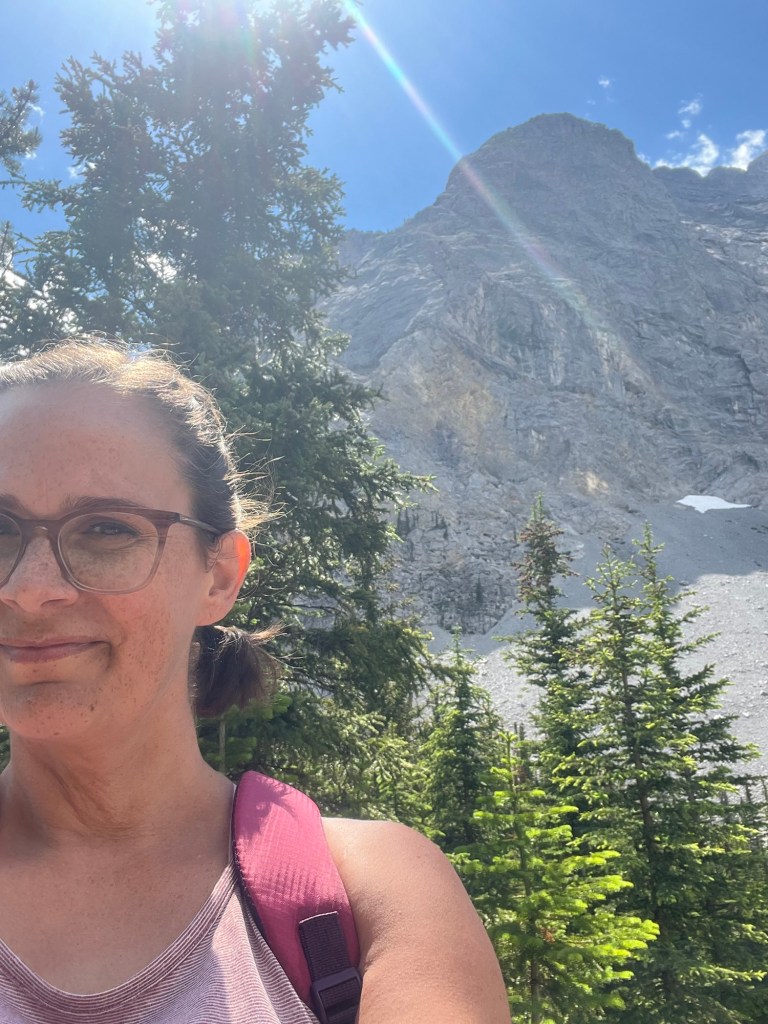
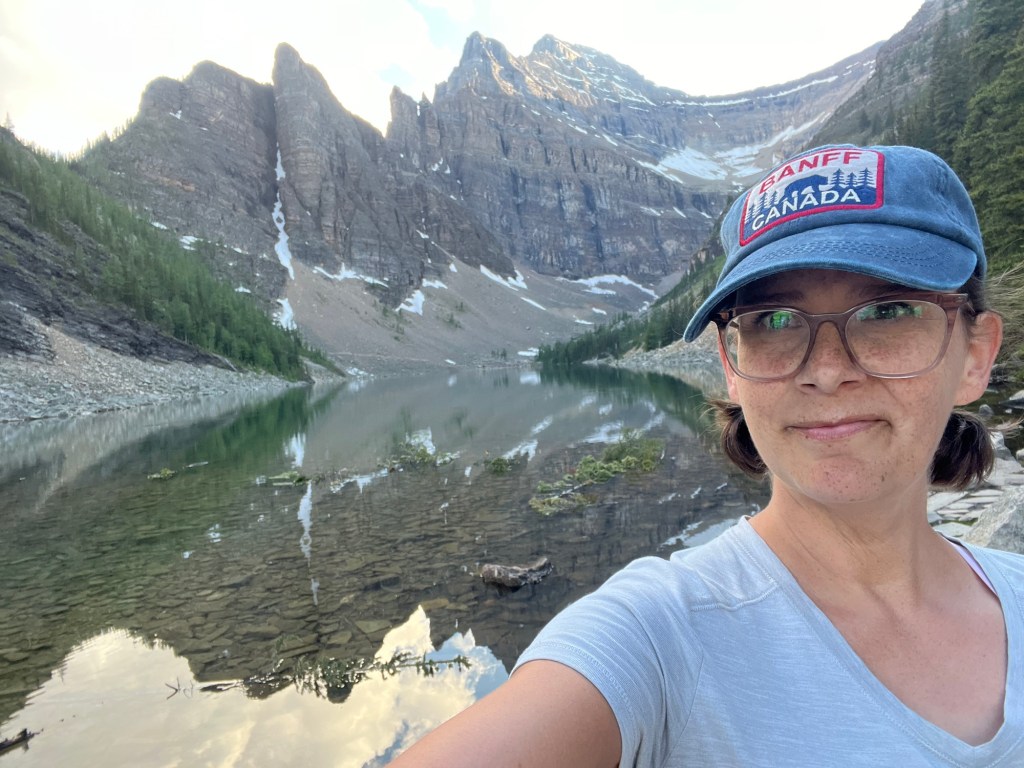
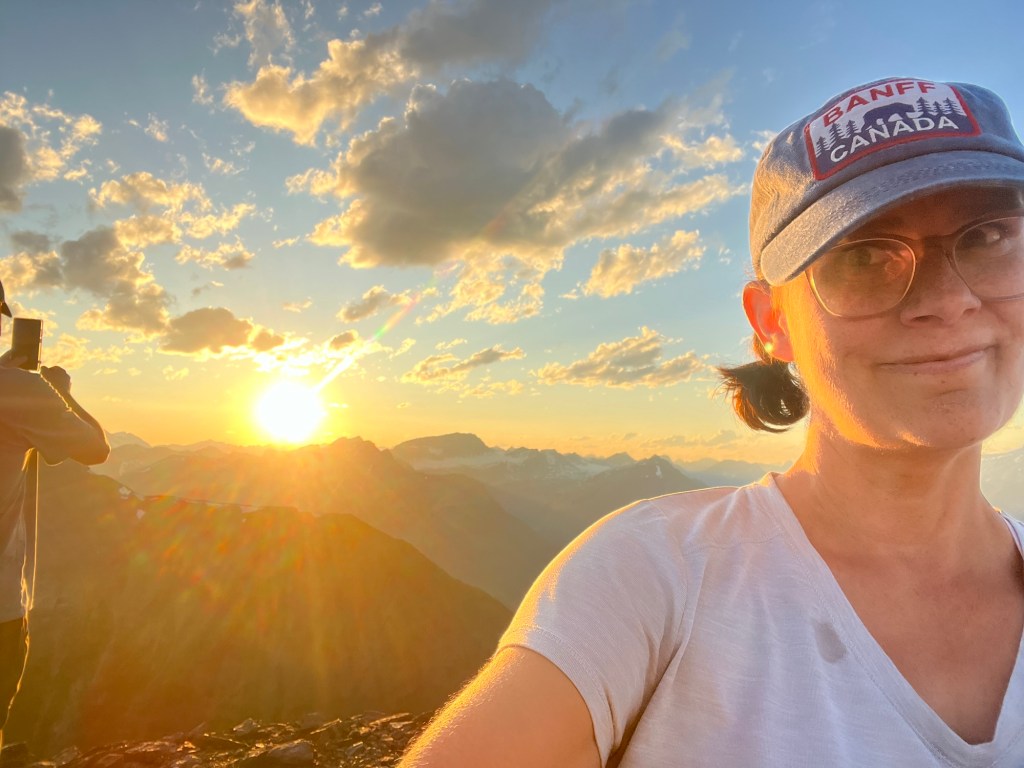
I speak in terms of mountains. There are days the climb feels vertical. Flares. Illness. Falls. Each with its own devastating consequences.
And still. We climb.
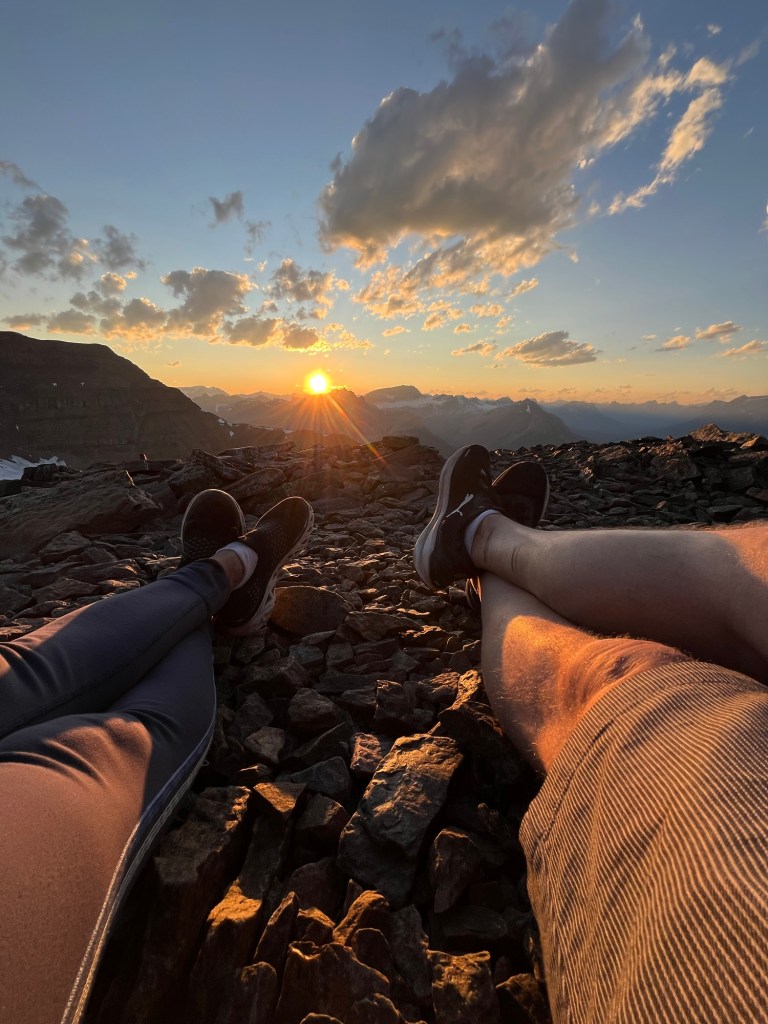
There are years that ask questions and years that answer.
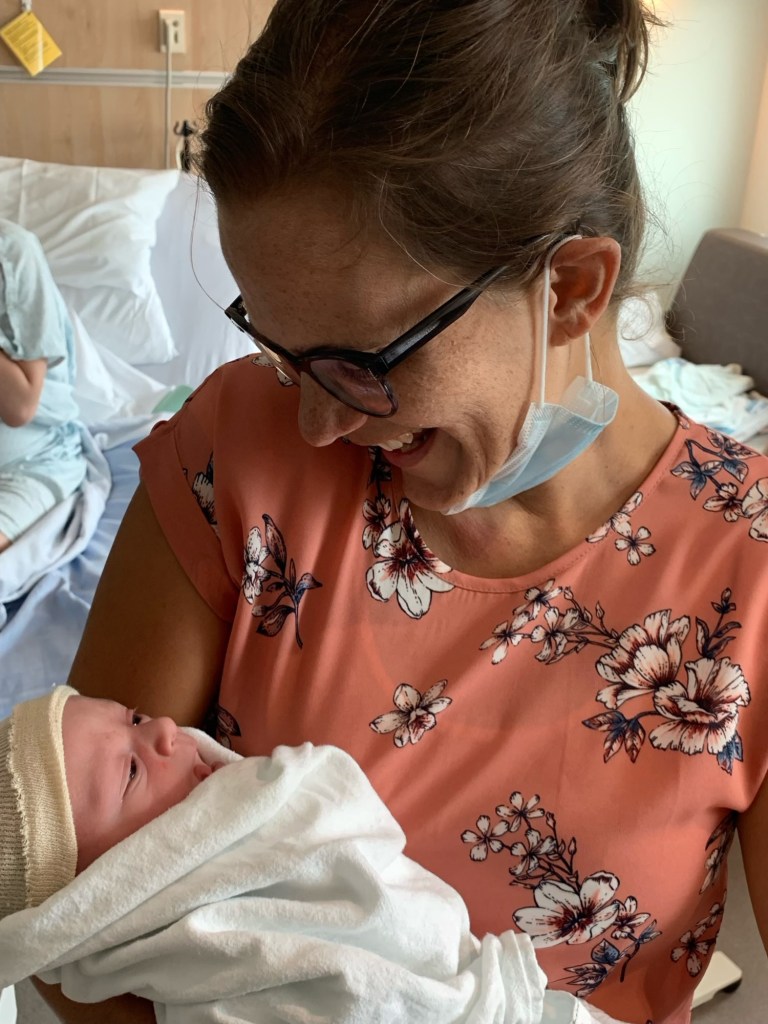
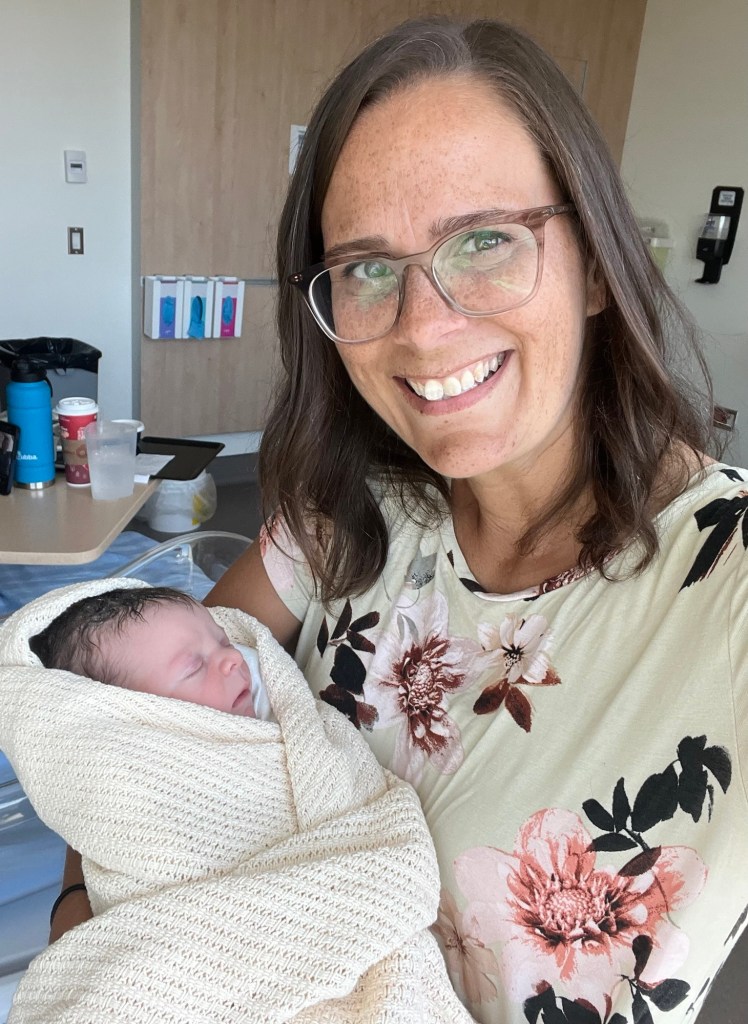
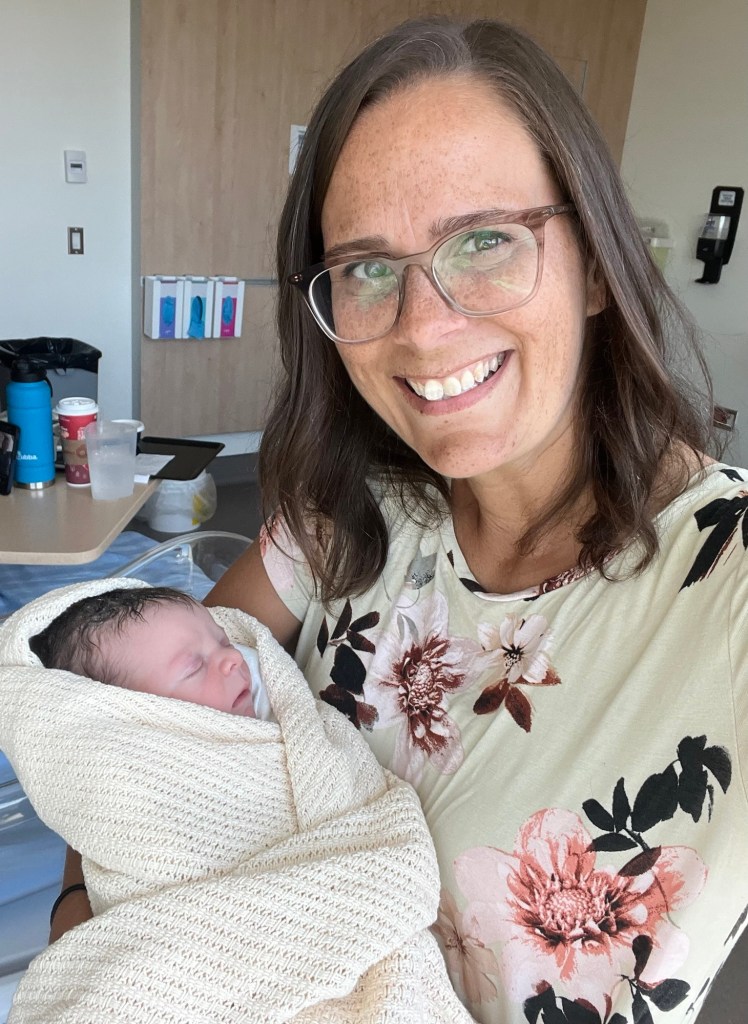
During the super cold winter of 2021, I learned that our first precious grandbaby was on his way. I wanted. Correction: I needed to be able to hold and snuggle that little one.
But I was so weak. I could barely lift a mug of tea without shaking from the effort. I walked from the bed to the bathroom. Sometimes to the car for an appointment.
The little munchkin, who I hadn’t even met yet, was cheering me on. I could sense it. So with a soup can, a baby blanket, and a prayer, I commenced my grandma- training.
A soup can because it weighed approximately a half pound. My ideal starting weight.
A baby blanket because of what this can of soup represented. He was going to grow over the following months into an actual grandbaby that I would wrap in this blanket. And carry him around to snuggle him. And to put him to sleep. To have deep conversations and sing the songs my mom and grandma sang to me.
And a prayer because that’s who I am.
That soup can, baby blanket and I started with 30 second walks 3x a day. Each walk induced waves of nausea followed by hours of cramping and exhaustion.
Each half pound and each 30 second increase was an excruciating miracle.
There were setbacks. Most evenings were agonizing. Some days I wondered if this was the correct place to put this much time and energy. It was all I could do to find time and energy to eat.
After months of focused grandma- training, I could walk outside! And something shifted. During a particularly stressful week and stubborn muscles, I walked down the lane and into the trees on our farm. I couldn’t go as far as I’d planned. I couldn’t “achieve” what I wanted. I leaned against a frozen trunk and felt foolish for even trying.
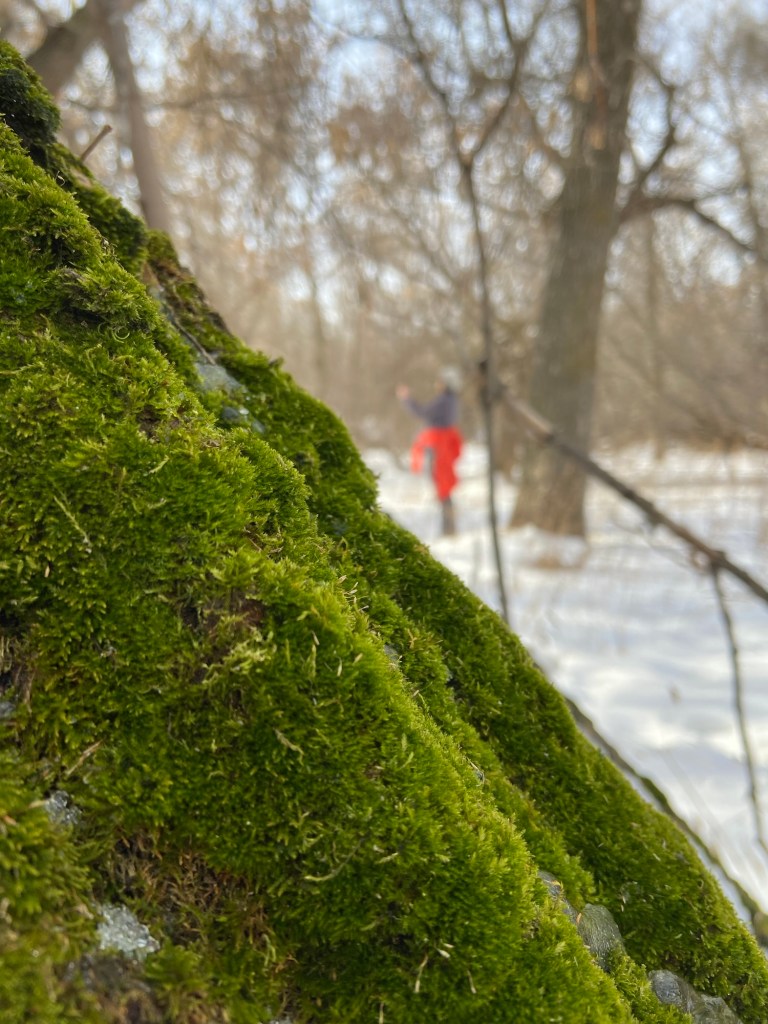
The cold, early spring air sharpened my senses. The snow muffled the world. The trees stood, scarred, weathered, unmoving.
Some trees have survived a hundred Saskatchewan winters. I considered how they are wise and do not apologize for seasons of dormancy.
It was around this time I stopped asking, “When will I be better?” And started asking, “How do I live well from this place?”
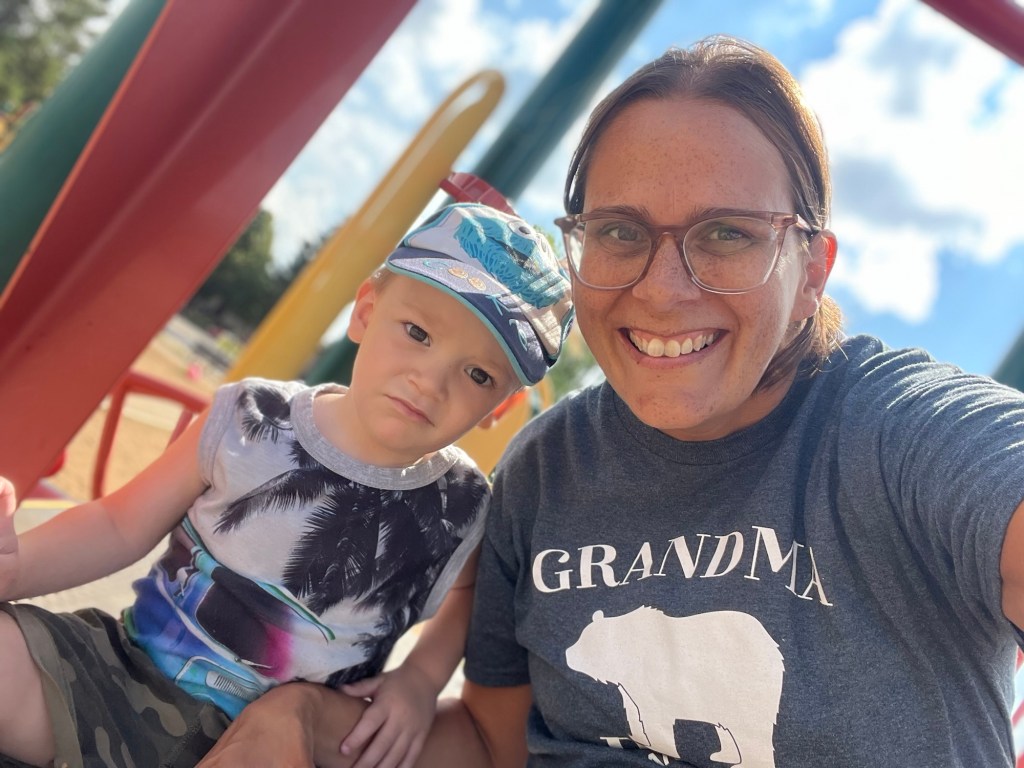
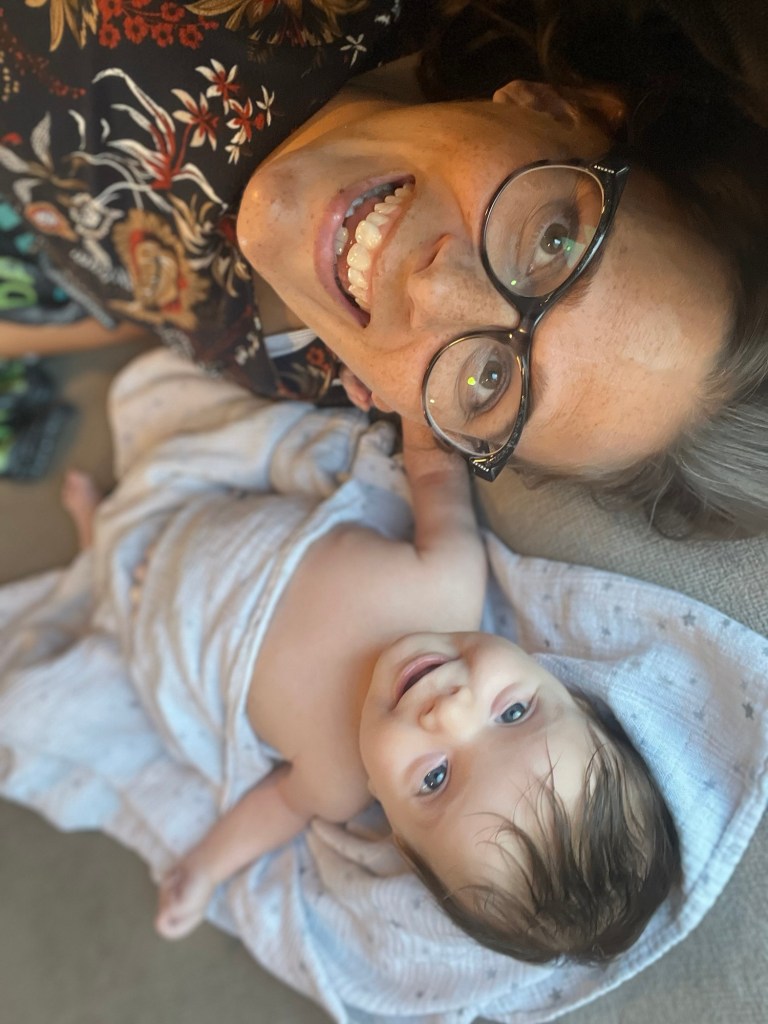
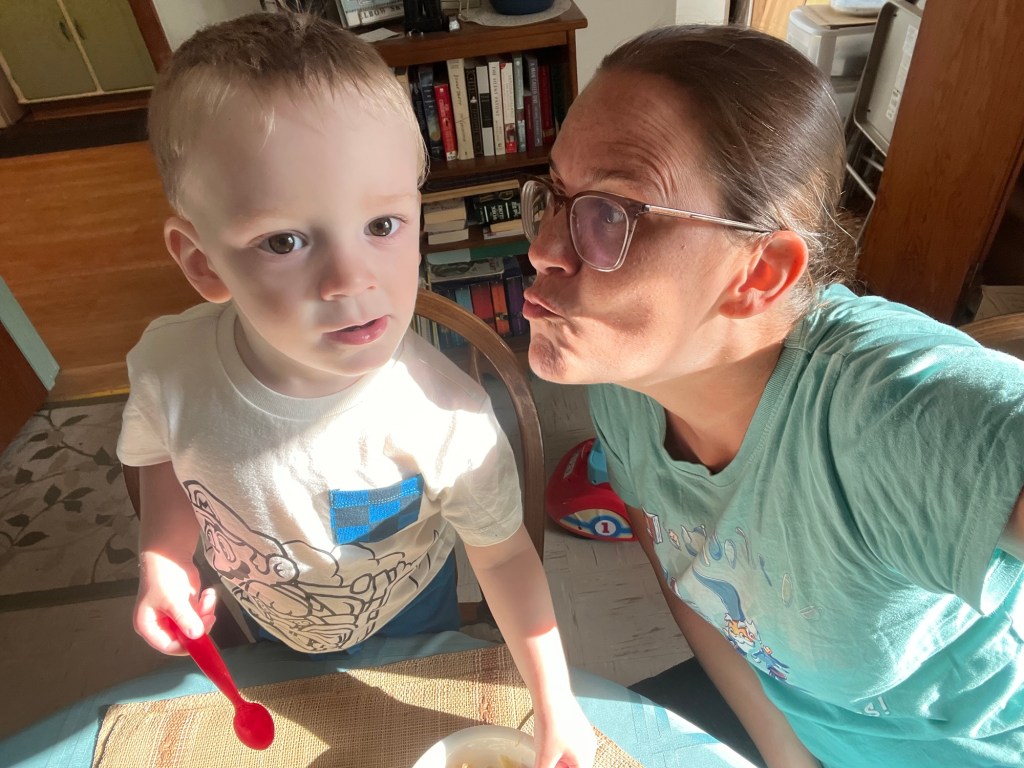
That question changed everything. And part of my answer was to focus on being a grandma. That little man I trained for months to be able to hold is going to be 4 this summer. And his equally enchanting sister will be 2. They have been the means of my greatest confrontations and of my greatest delights.
Almost like trying to enjoy your favourite therapy during a Saskatchewan winter. We take the intense highs with the intense lows.


🌲 “How do you practice forest therapy in winter?”
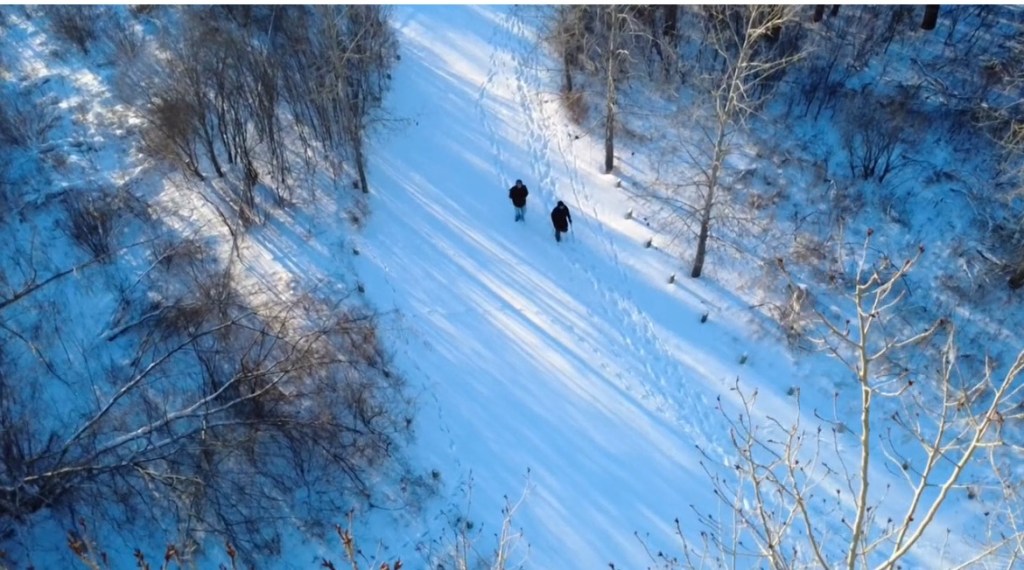
Winter forest therapy isn’t about long hikes. It’s about being present in the moment.
Notice how snow softens sound. Notice how your breath becomes visible. Notice how even in dormancy, life is stored beneath the bark and soil.
I have come to the realization that the forest in winter mirrors chronic pain. Nothing looks alive. Nothing appears to be blooming. But beneath the surface, systems are conserving and recalibrating.
Strength. Resilience. Wisdom.
Spring doesn’t shout when it arrives. It begins as a spark. An idea.
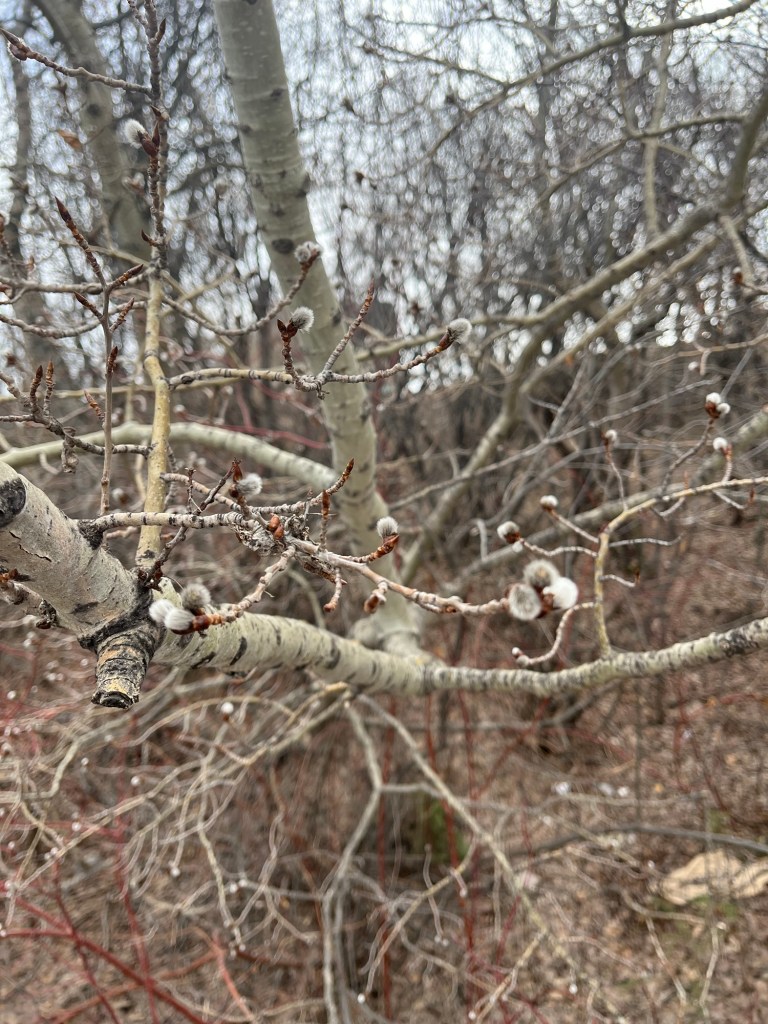
A drop. A thaw.
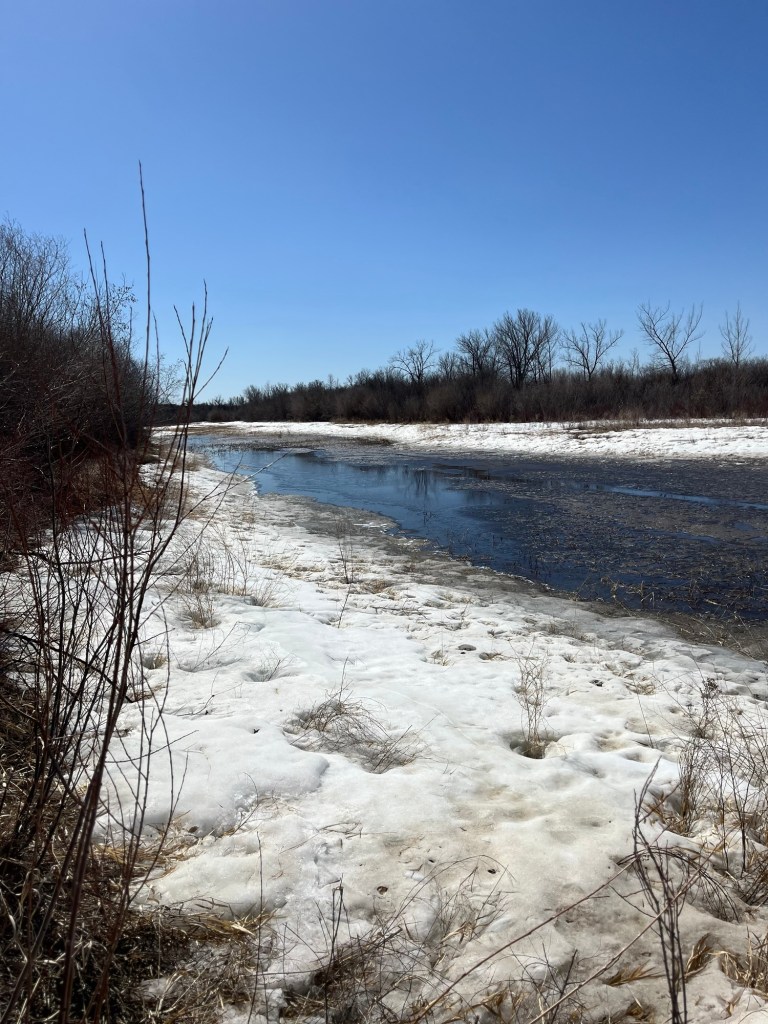
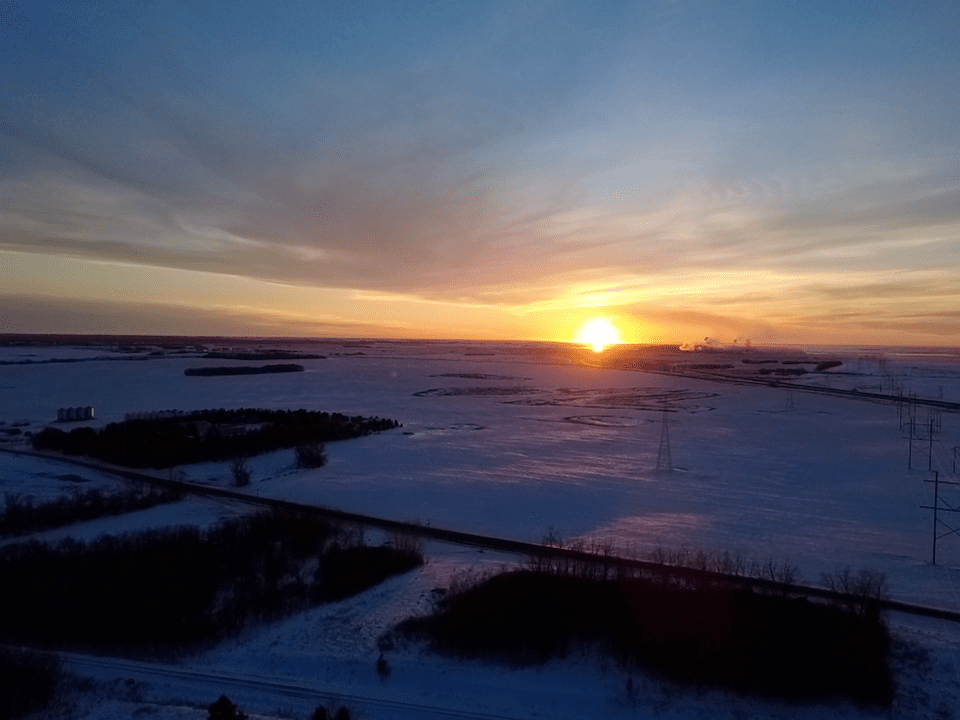
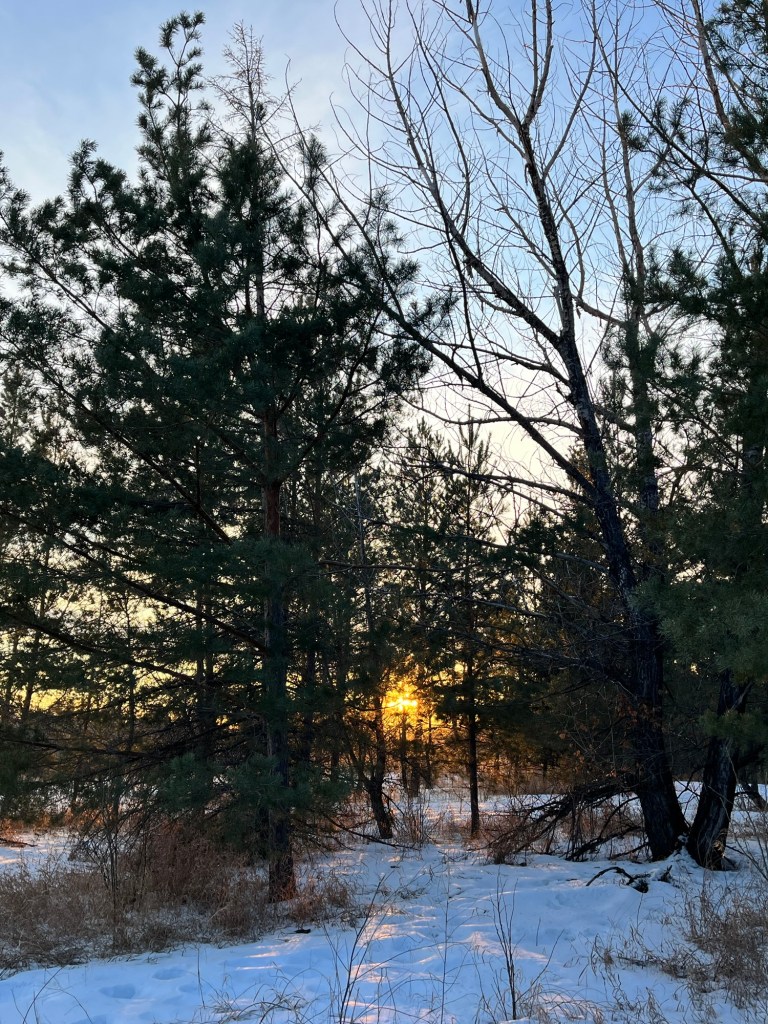
A beam of light catching ice and reflecting its warmth.
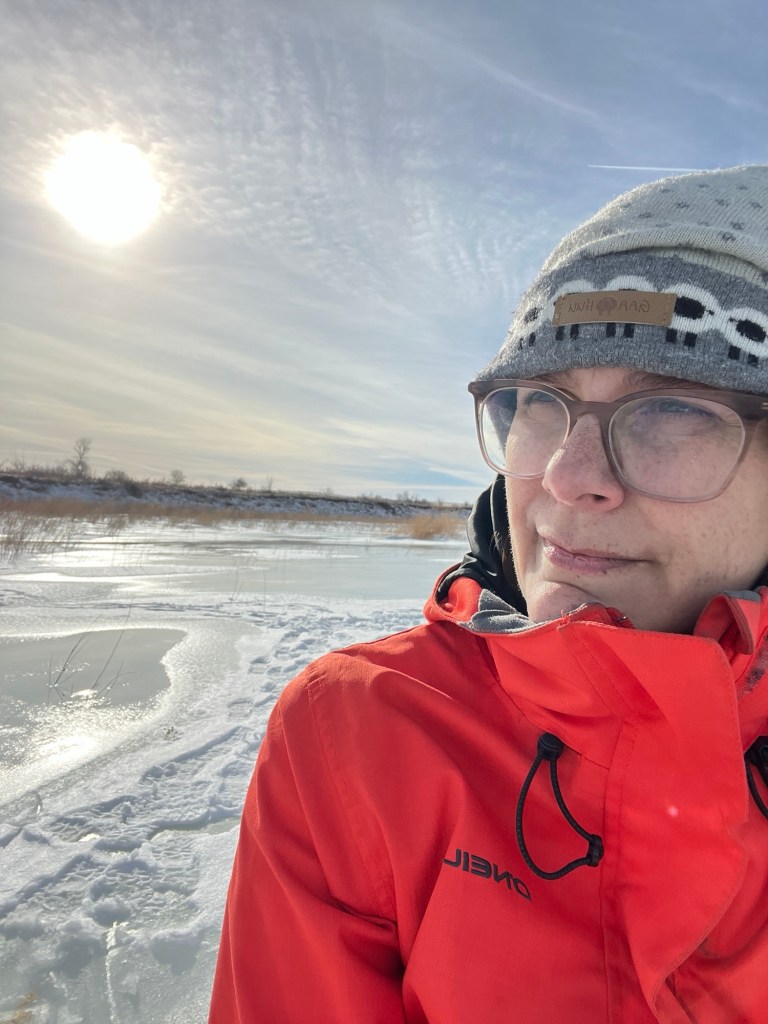
The same is true in us. Your good days are coming.
Sometimes we have to trust that promise for a long time before we see it.
Even if all you’ve seen is a spark.
That spark will become a light. That light will become a beam.
That beam becomes you, reflecting what you’ve learned onto someone else.
🌿 A Simple Winter Forest Therapy Practice
Trusting the Season (10–15 Minutes)
- Step outside, even if just to your yard or a nearby tree line.
- Stand still. Feel your feet grounded in frozen earth.
- Place one hand over your heart. One over your belly.
- Take three slow breaths. Watch the air leave your body.
- Ask quietly: What season am I in?
- Look for one sign of hidden life. Buds beneath bark, tracks in snow, sunlight on ice.
- Whisper: Spring has come before. It will come again.
- When ready, take that sentence home with you.
🌲 What Makes Forest Therapy Different From Hiking?
Hiking is about distance. Forest therapy is about experiencing relationships.
You don’t conquer the mountain. You learn from it.
And when you fall (as we all do) you get back up.
Keep climbing. Fall after fall. Flare after flare.
Keep reflecting hope and joy in the middle of the mess. It’s possible.

Anne Lamott defines hope not as naive optimism but as a stubborn choice to believe in goodness and possibilities, especially during dark, uncertain times.
🩶 If you’re reading this from under grey prairie skies, remember:
The trees are not worried about spring. They trust the tilt of the earth. They trust that light and warmth will return.
You can trust too. Your good days are coming. There are bright days ahead.
My bright days in this season, are when I get to be a grandma. If you want to see my grandparent life in reverse, view the following. It’s meant to be scrolled through to get the overall feel of the joy that was ahead of me. That I now get to experience.
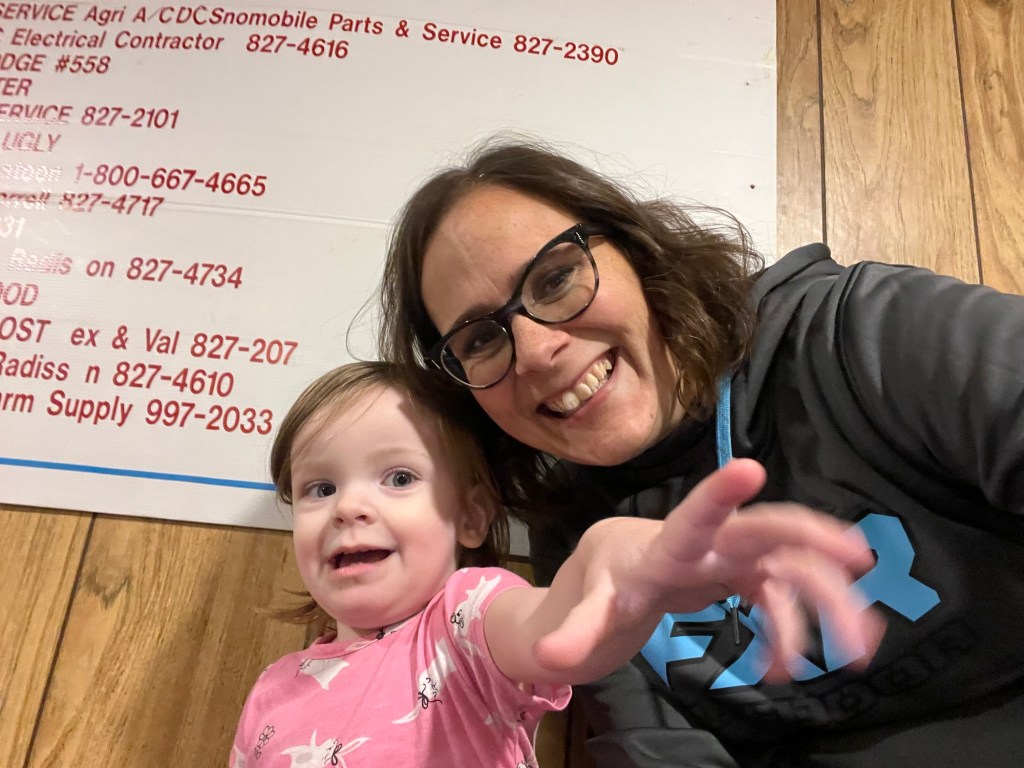
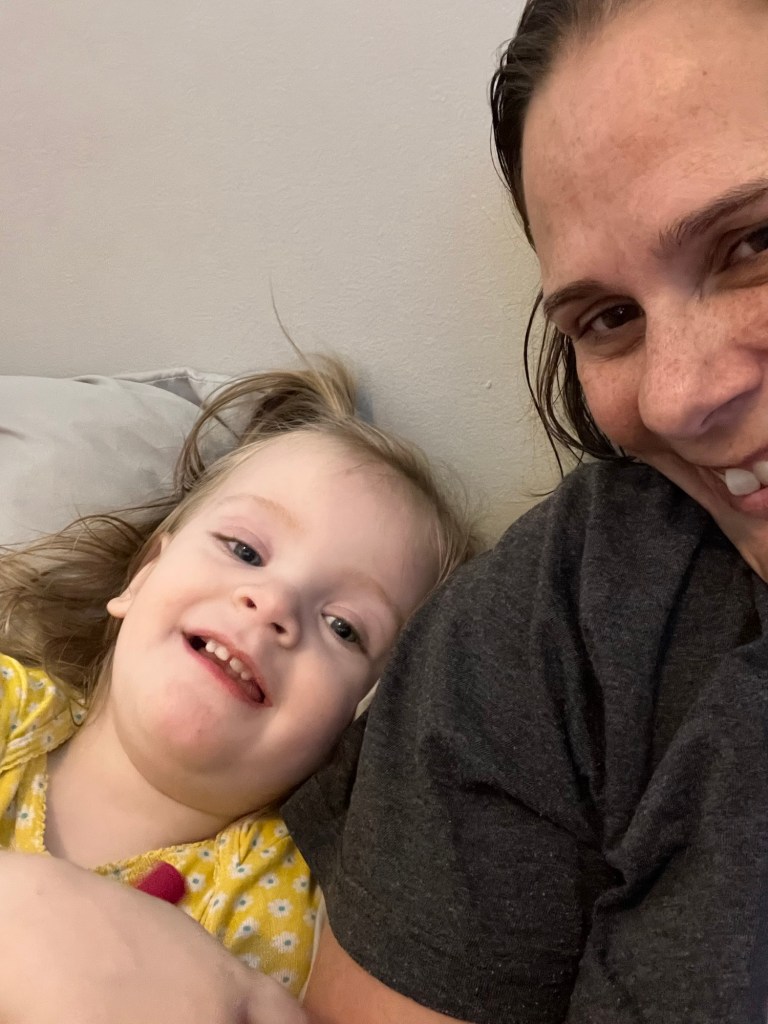
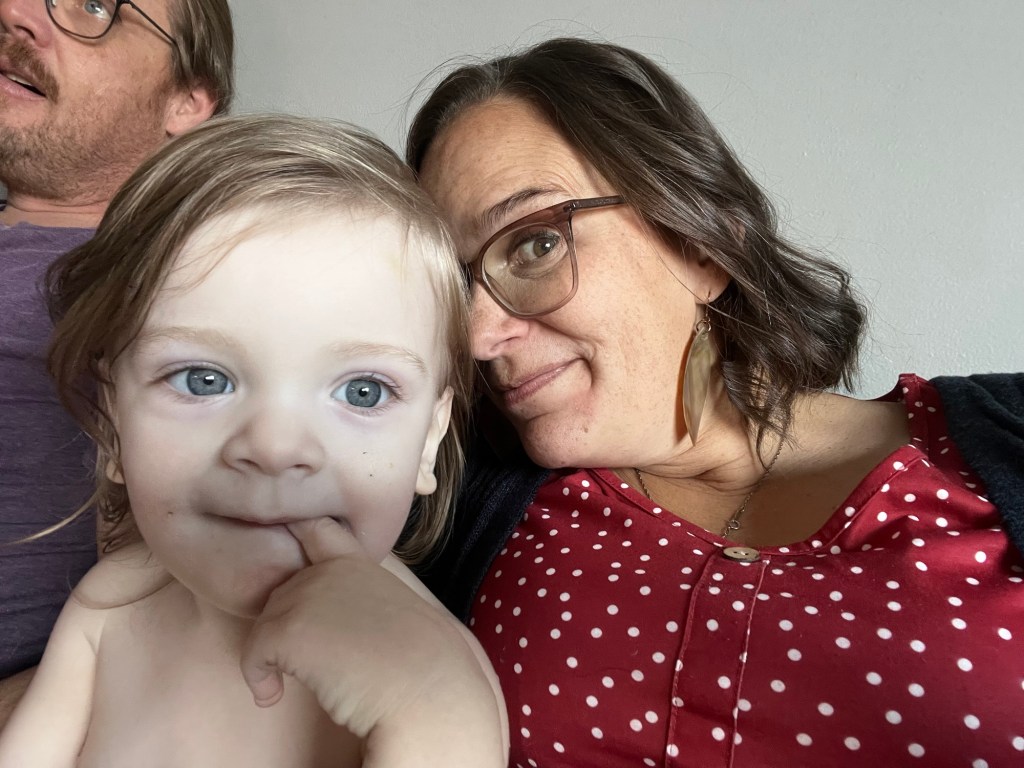
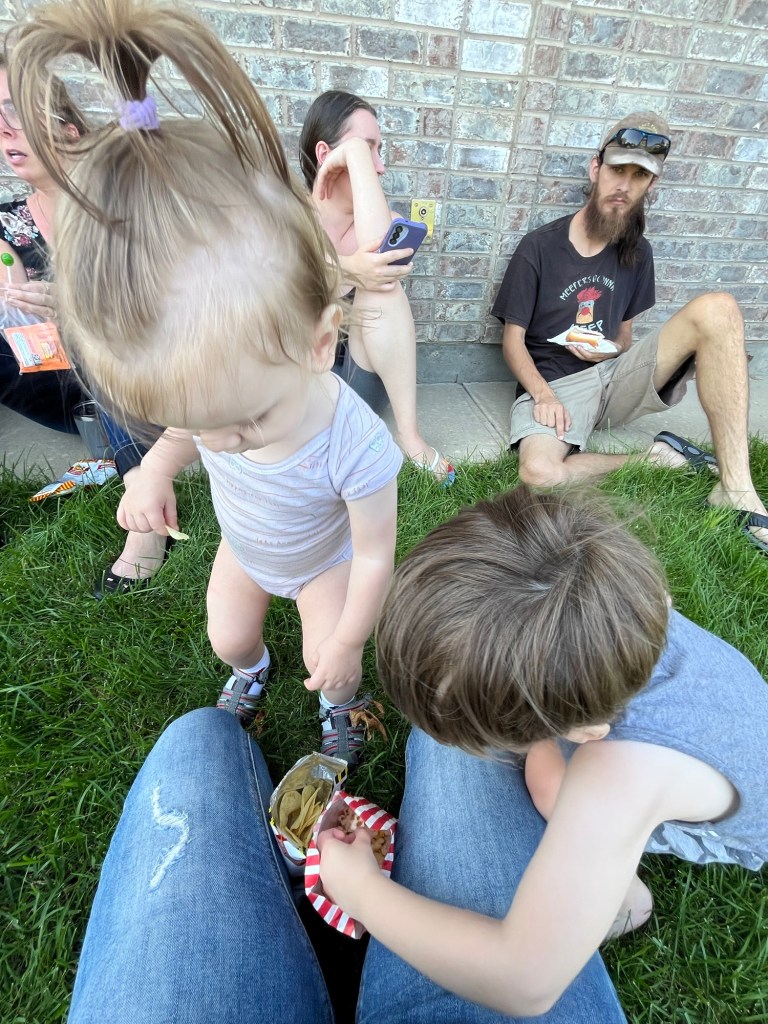
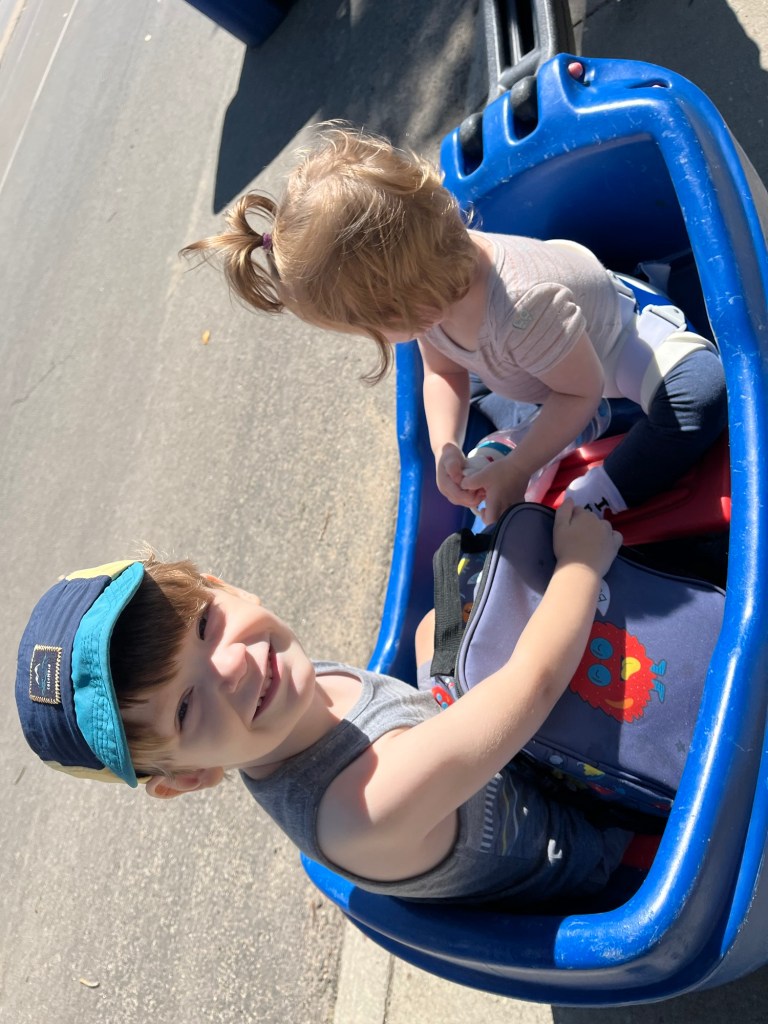
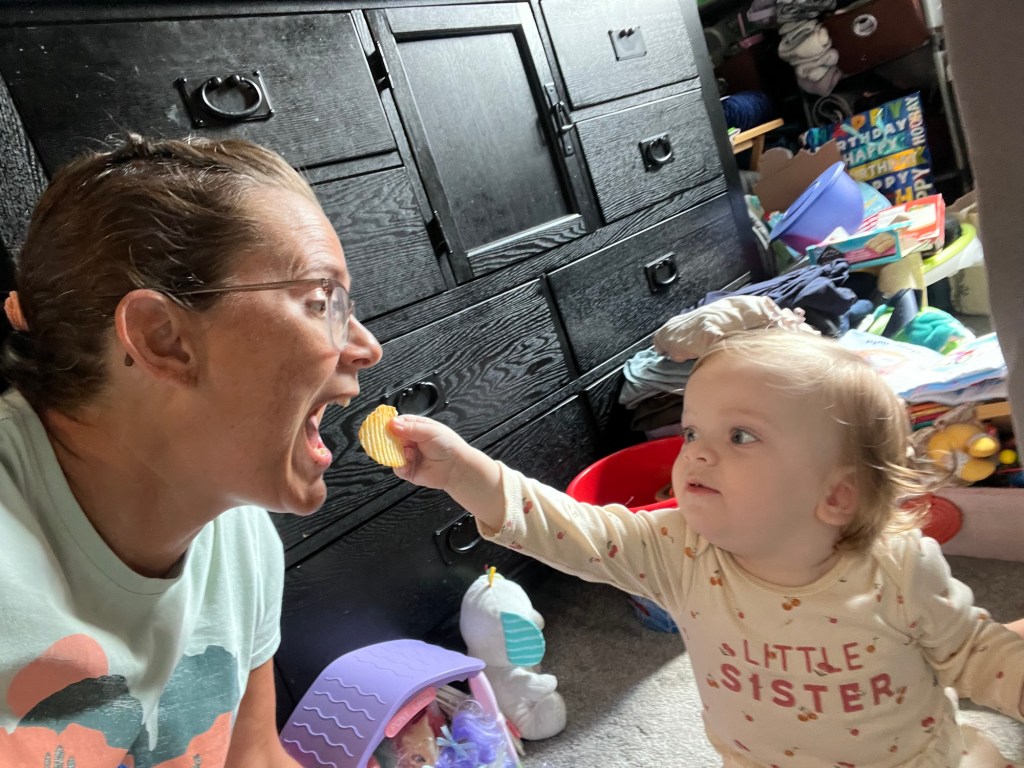
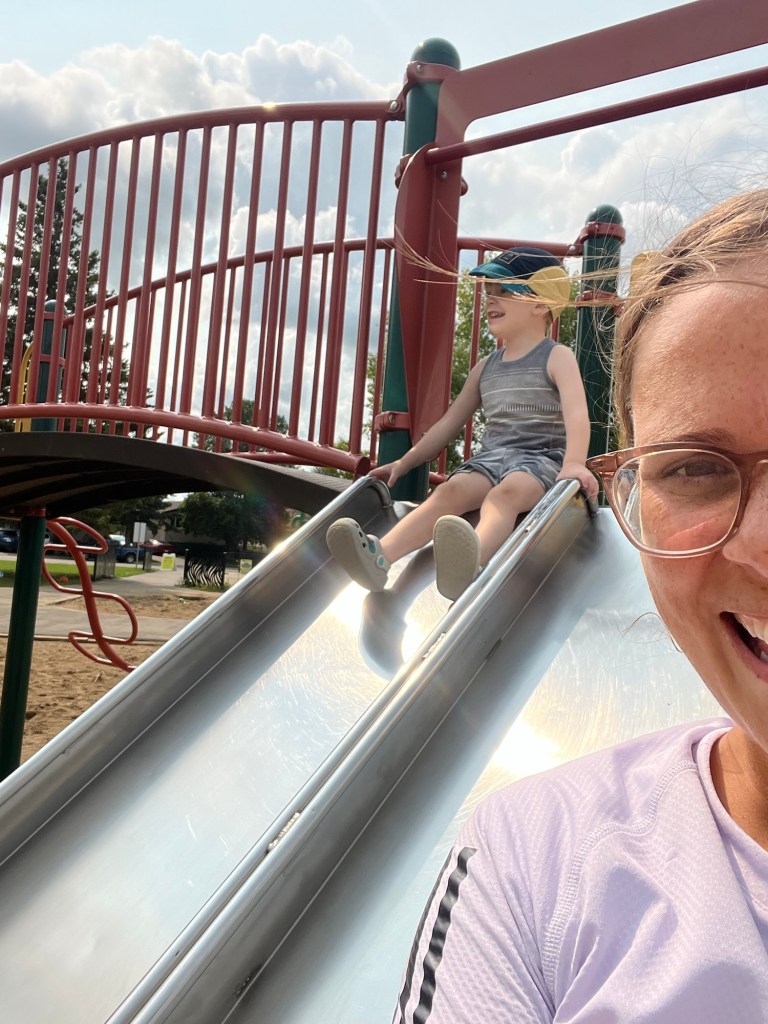
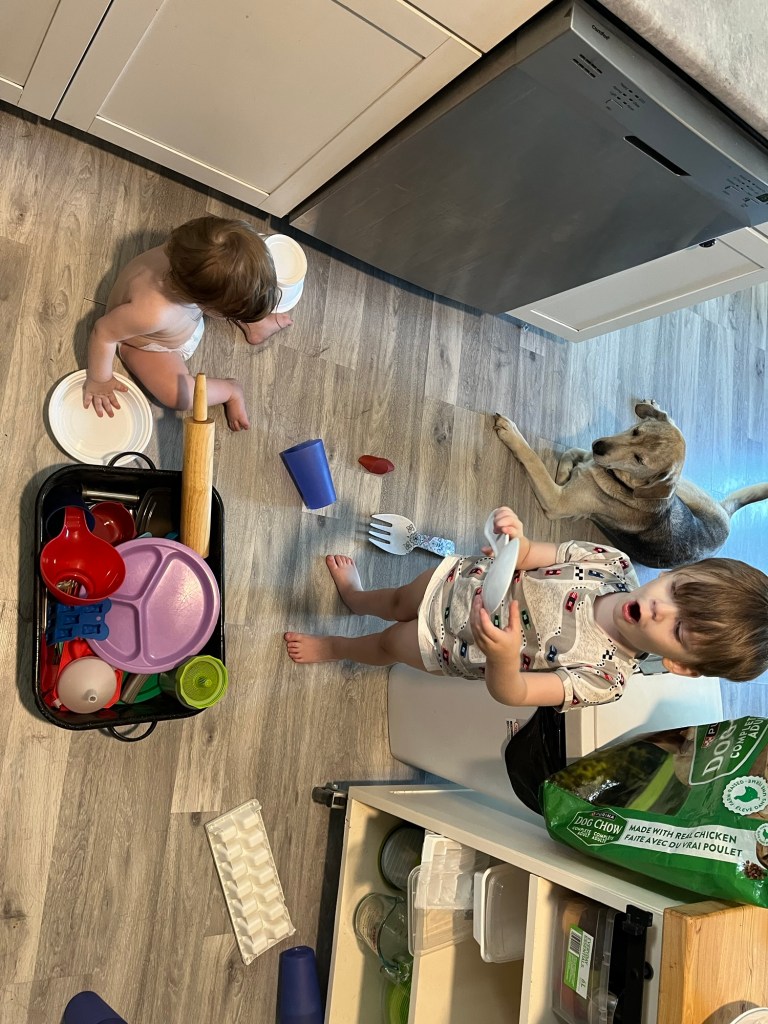
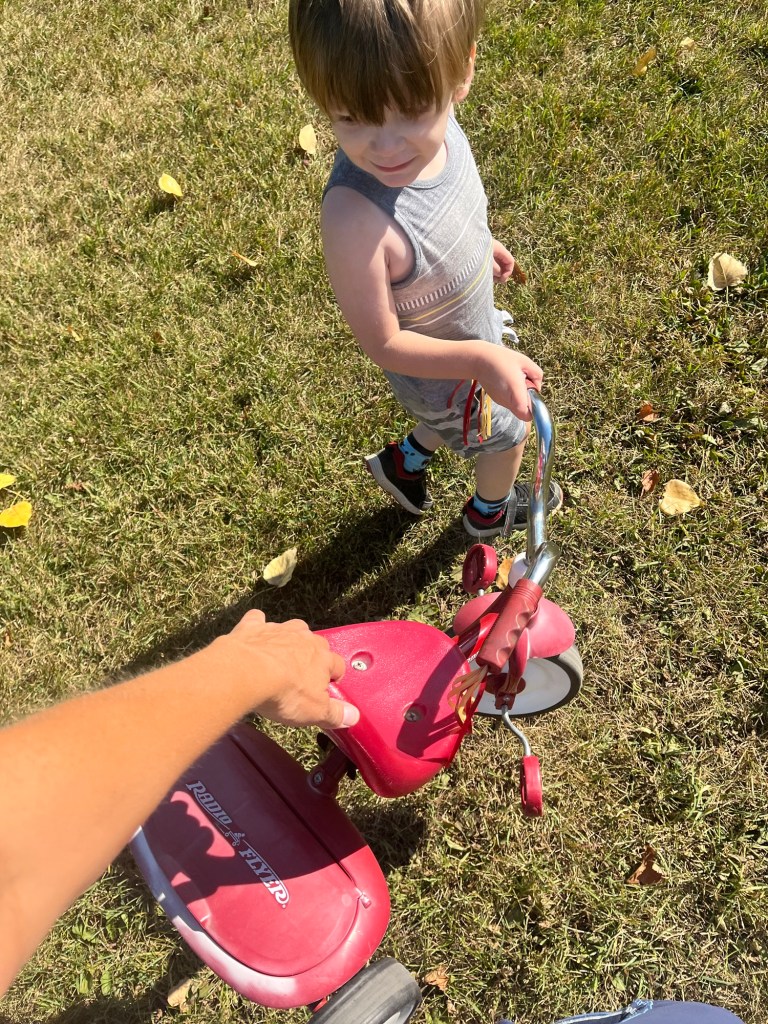
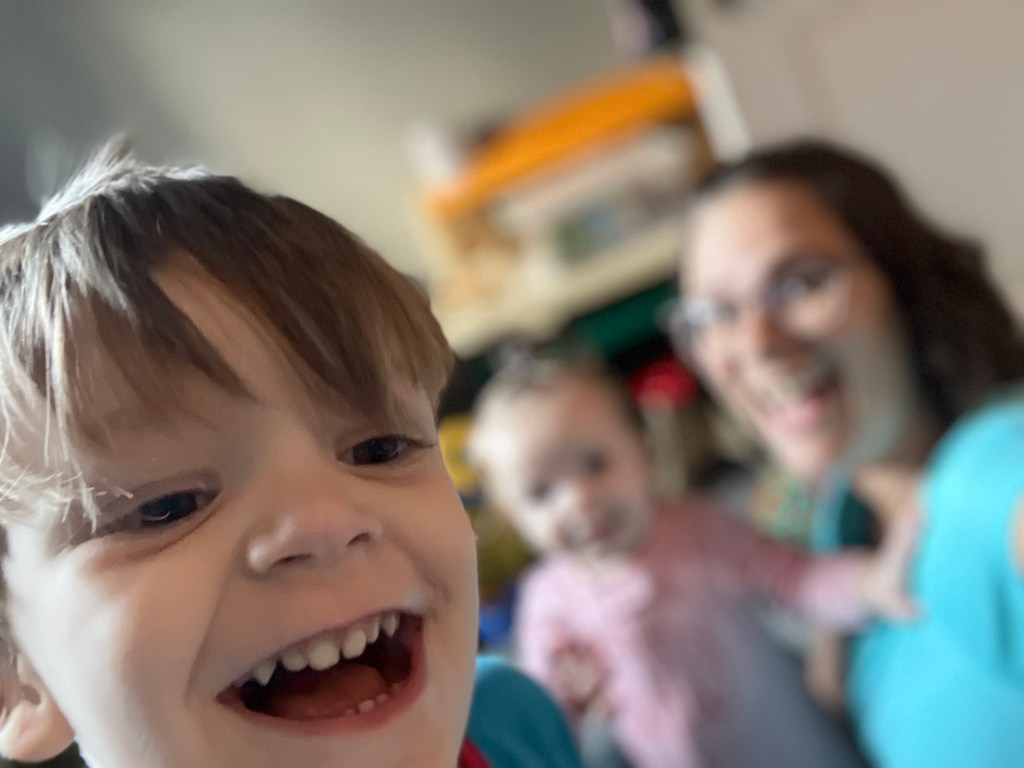
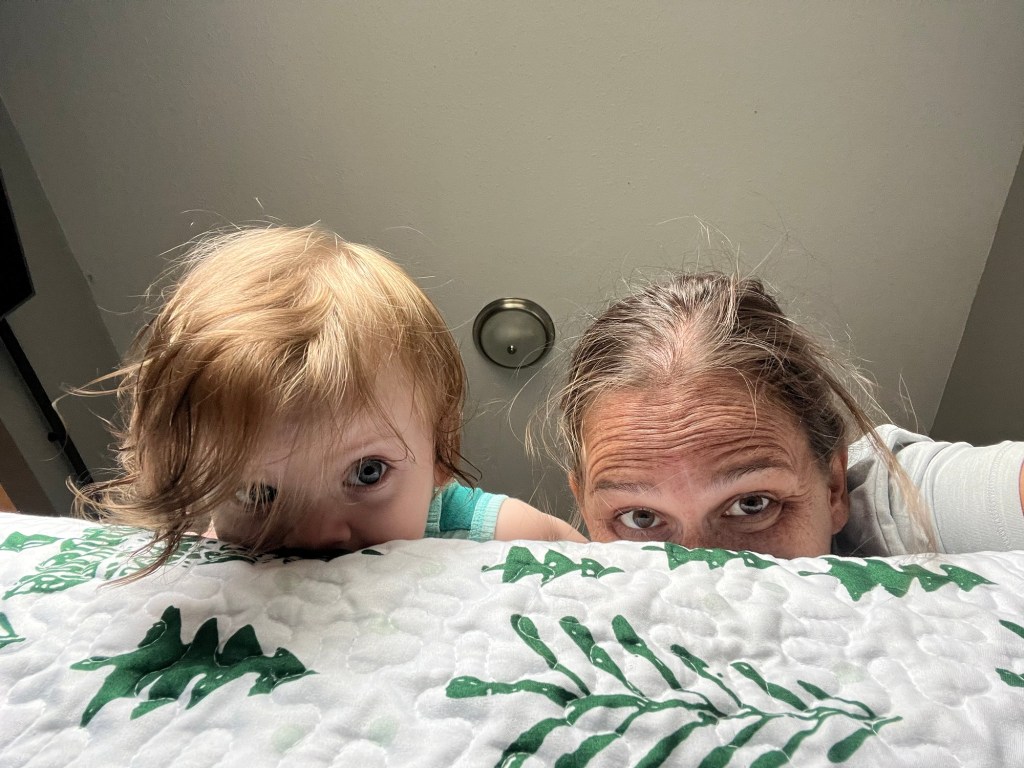
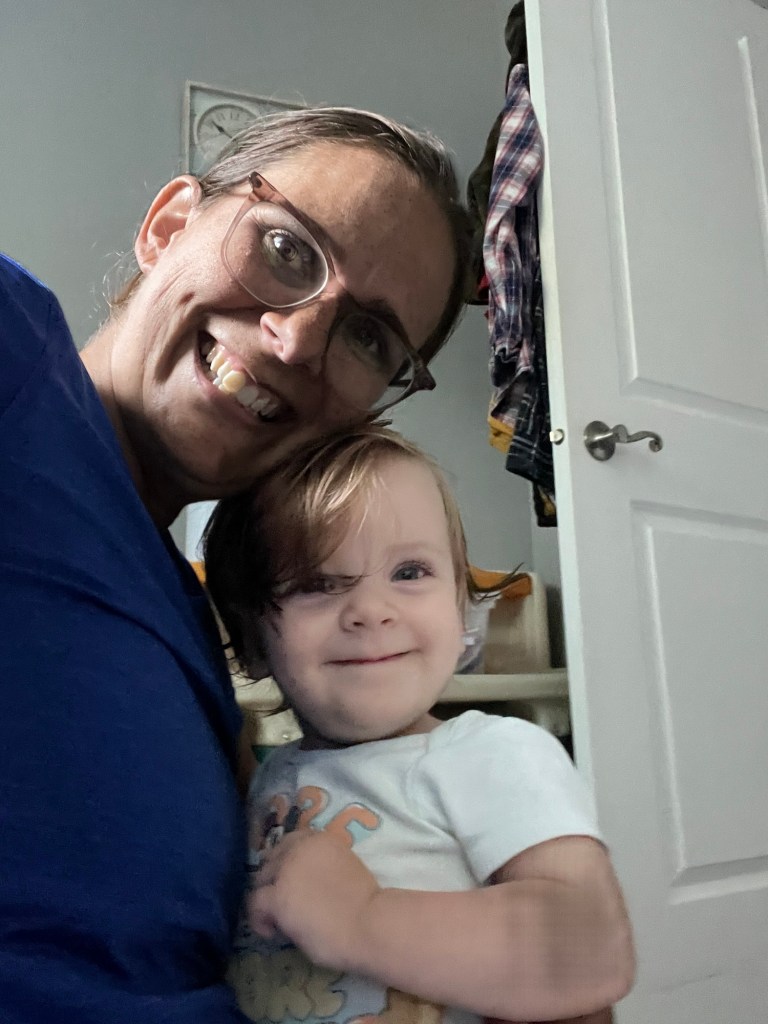
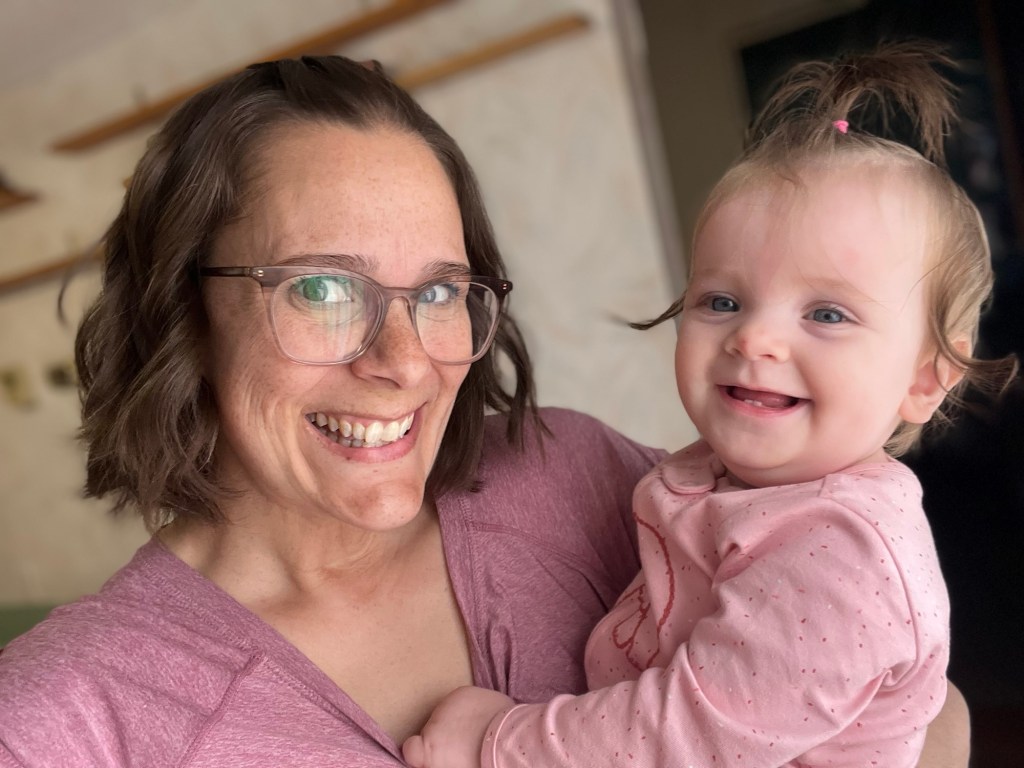
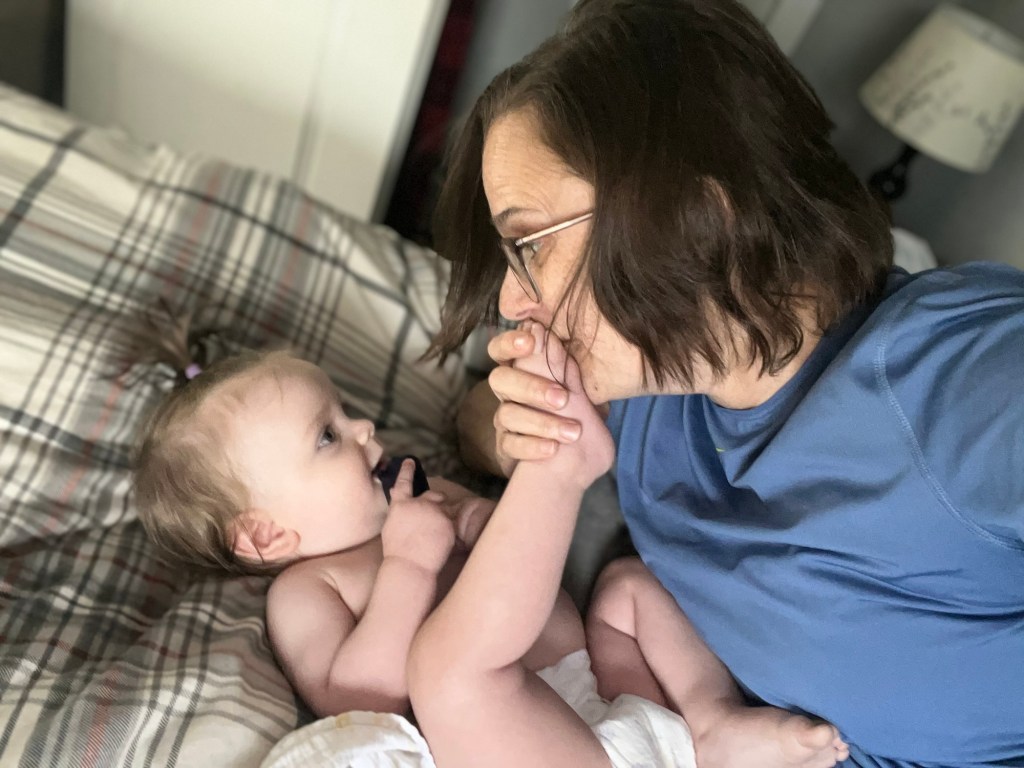
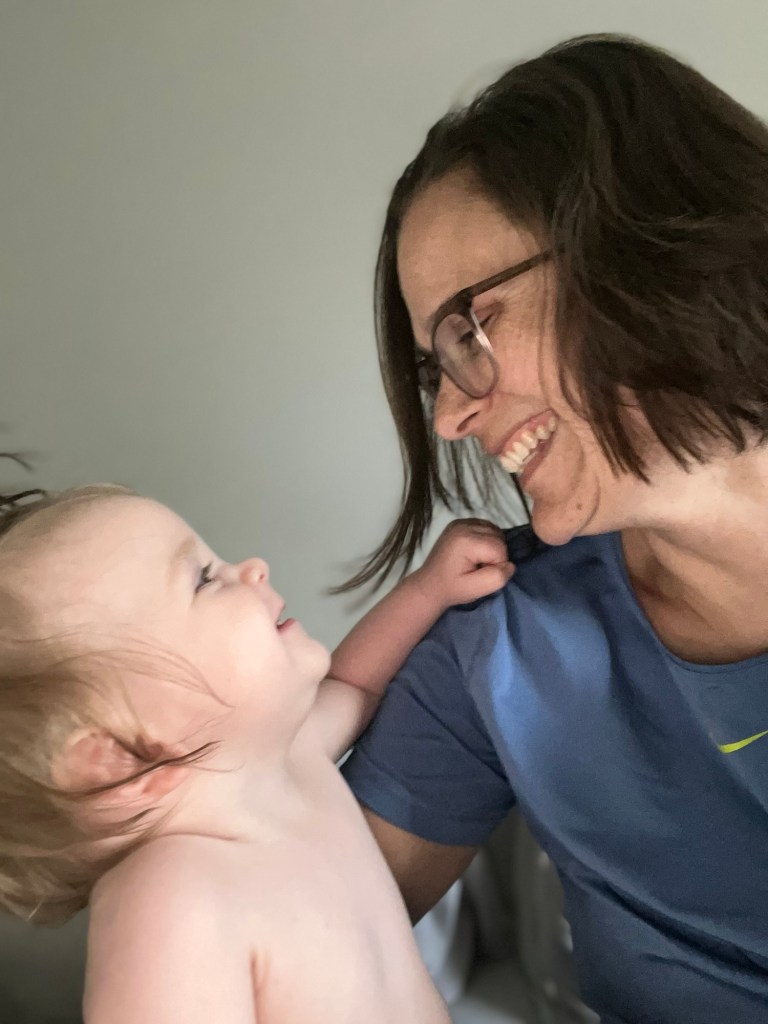

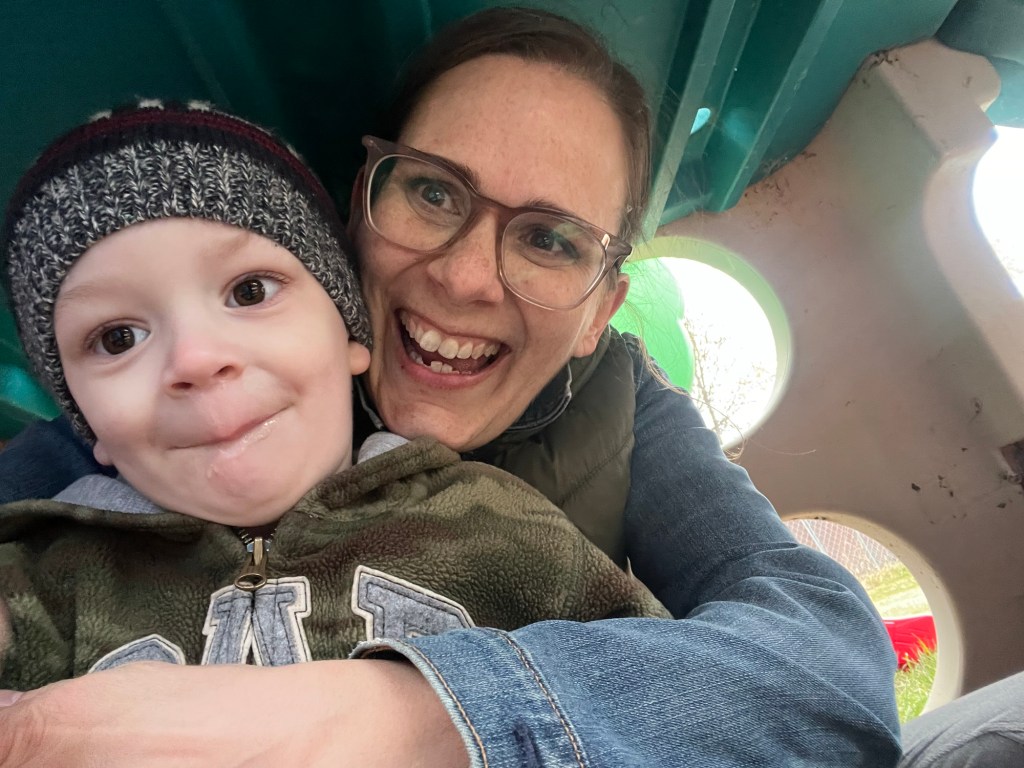
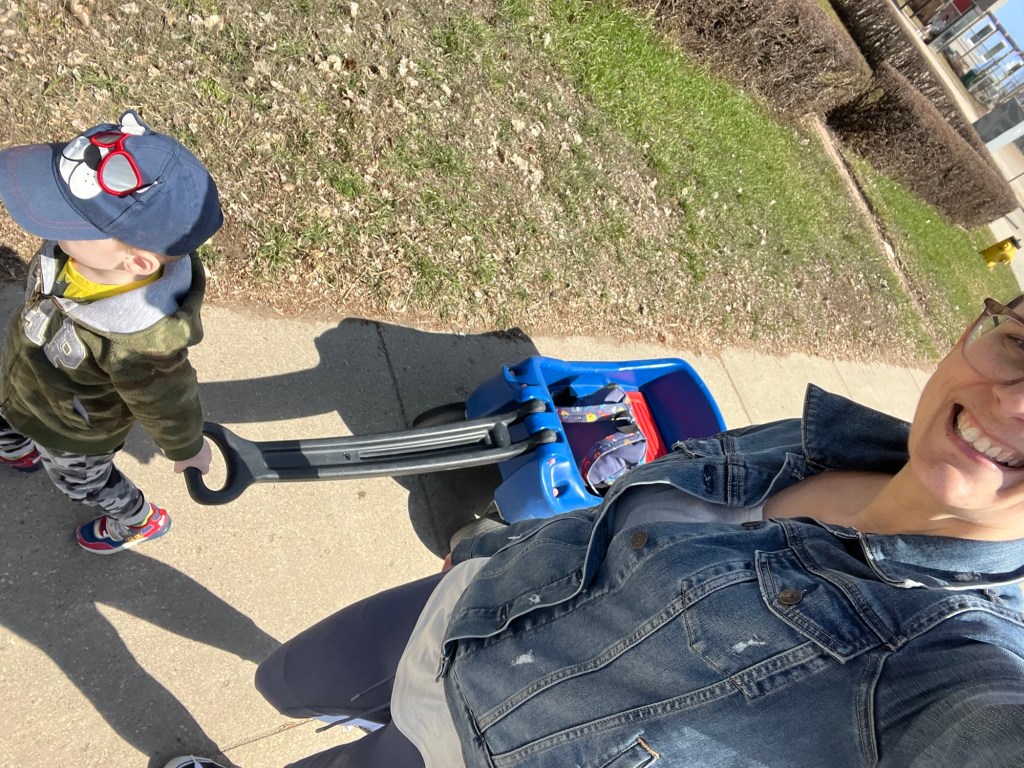
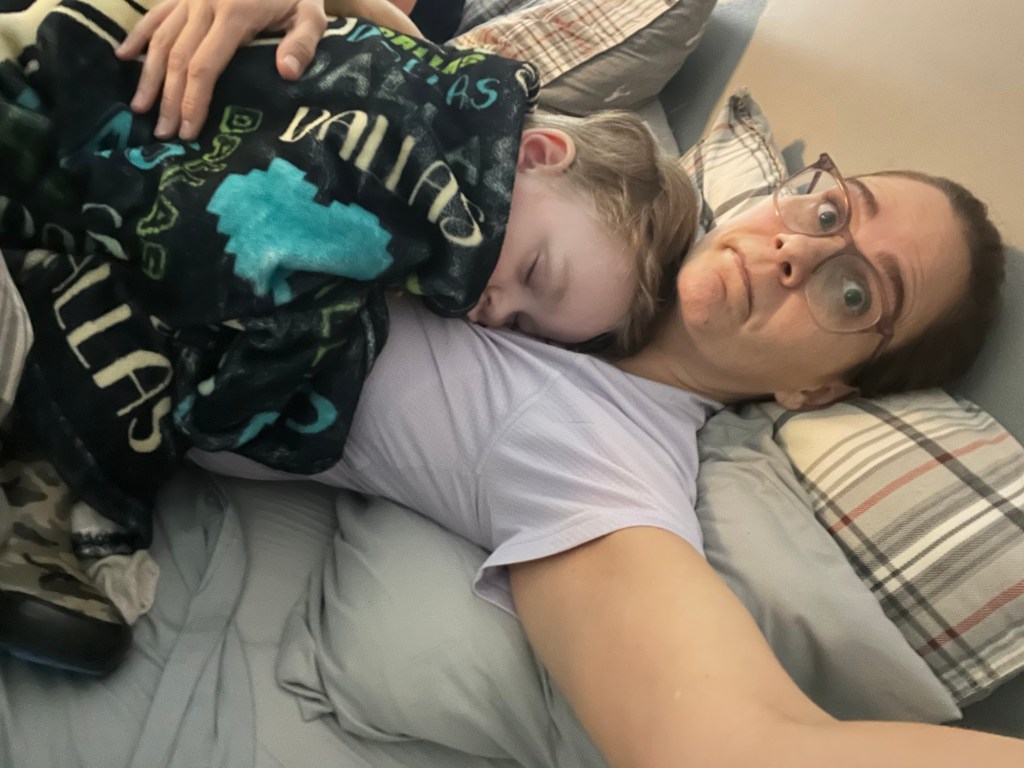
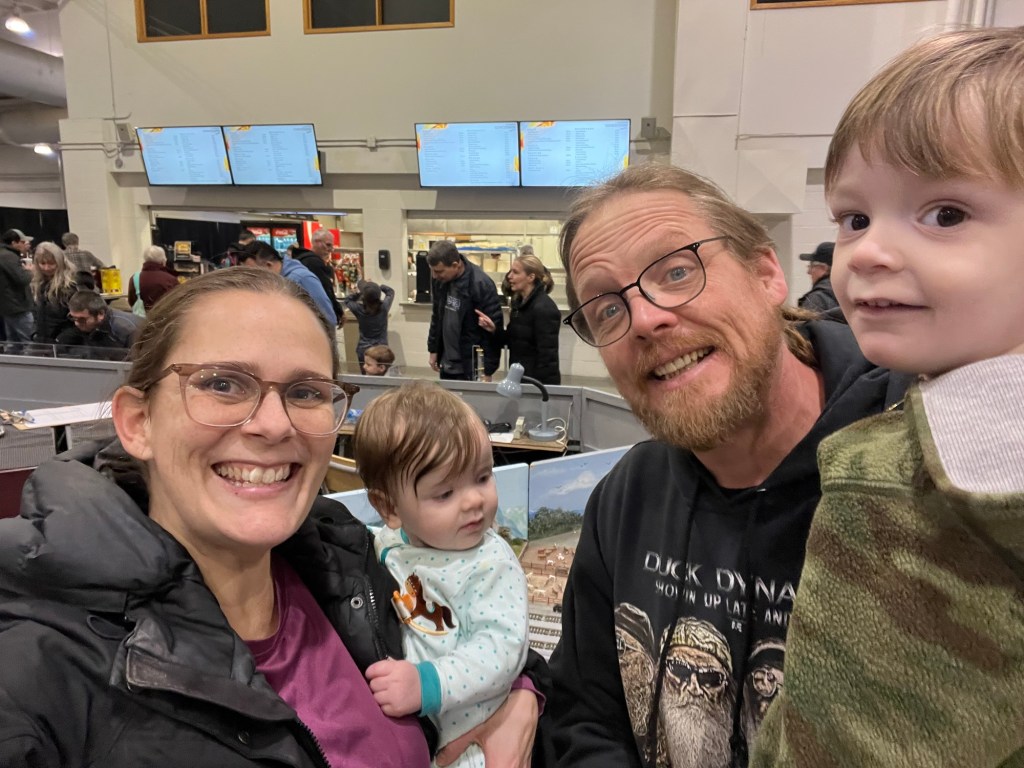
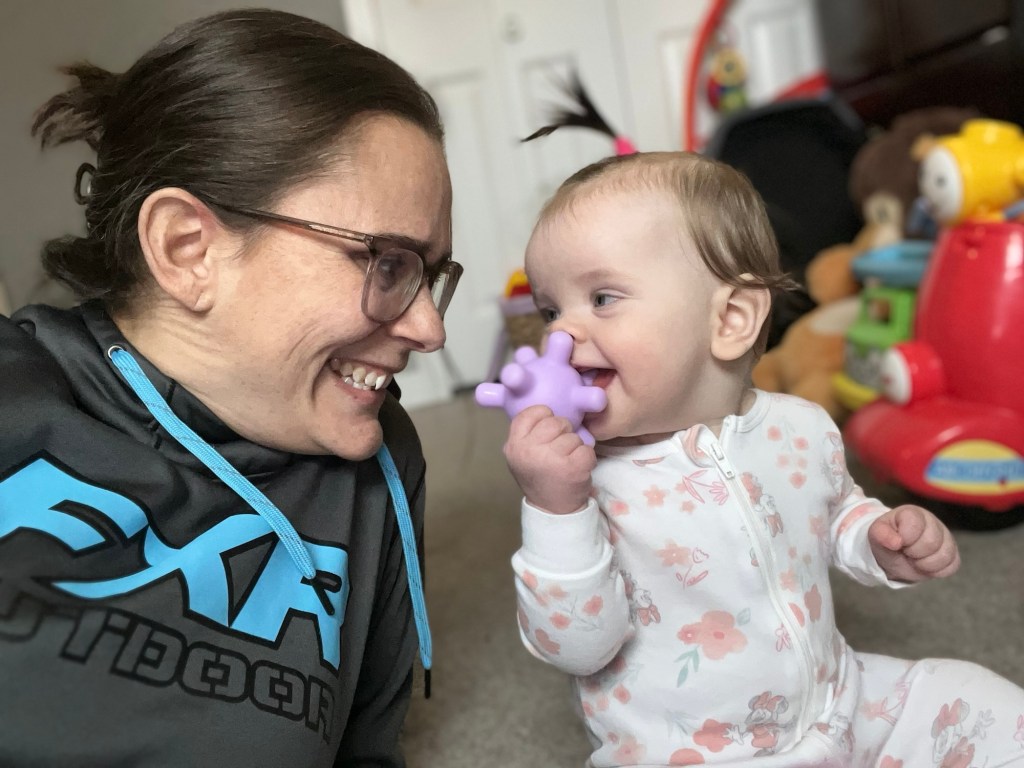
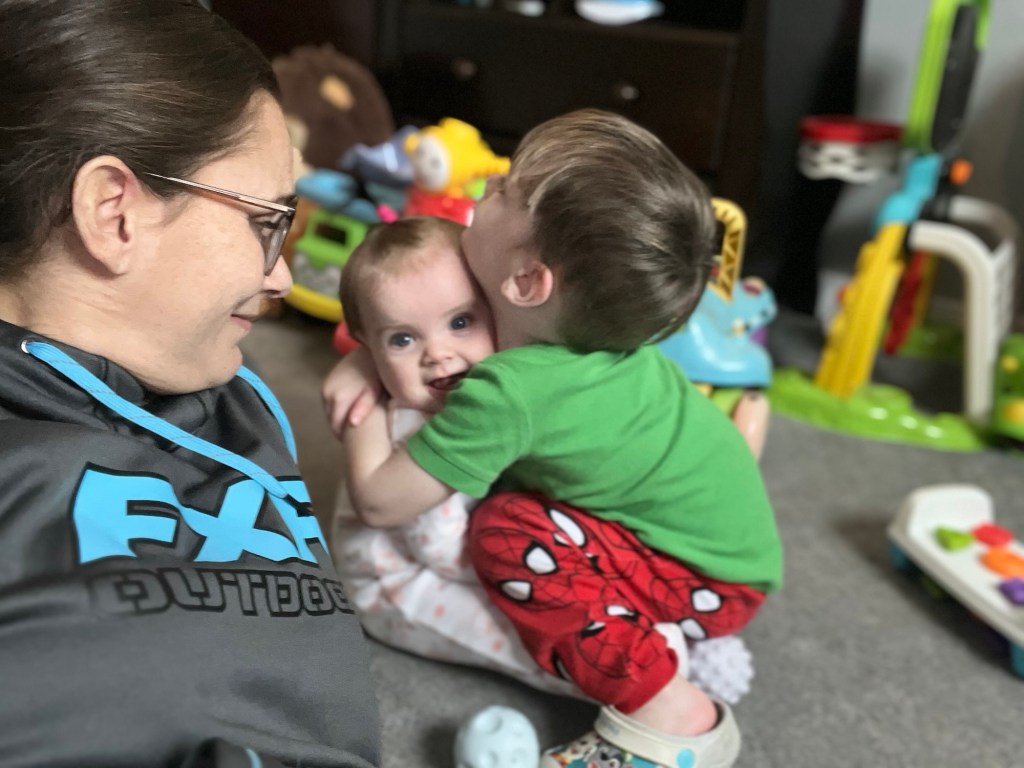
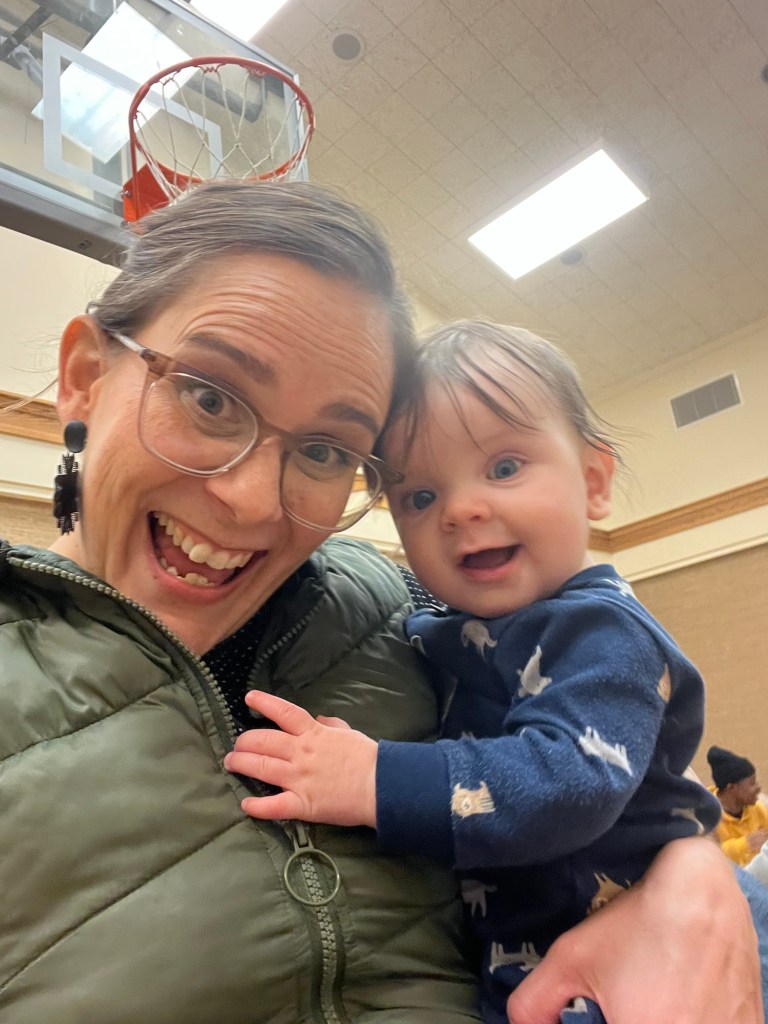
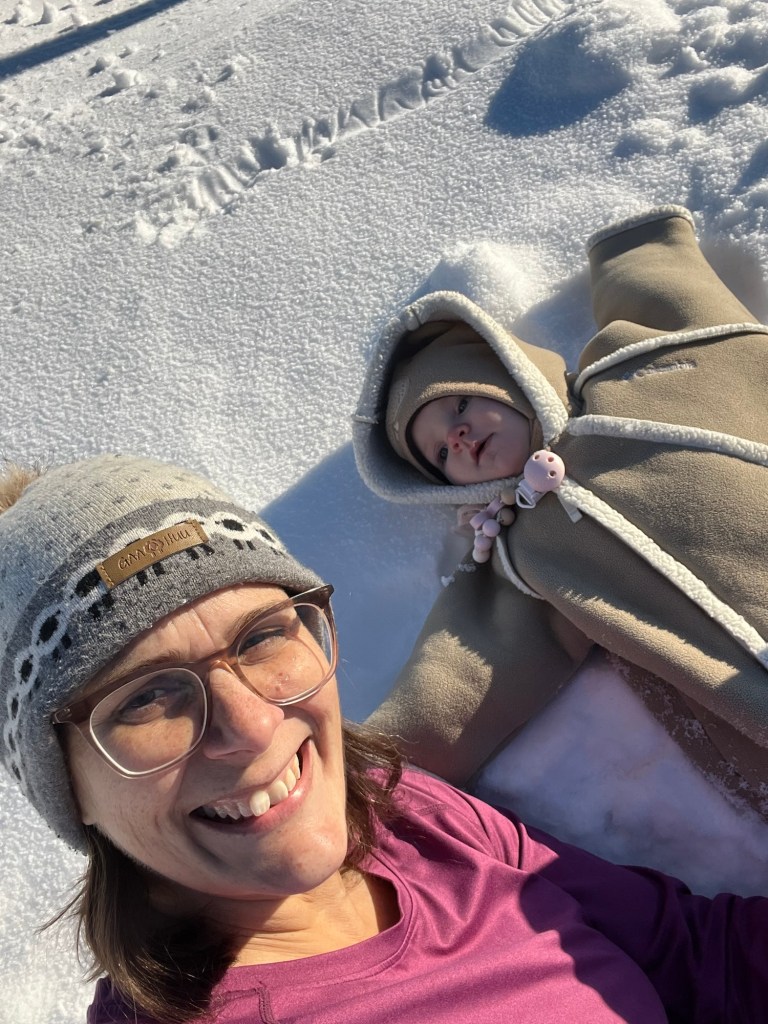
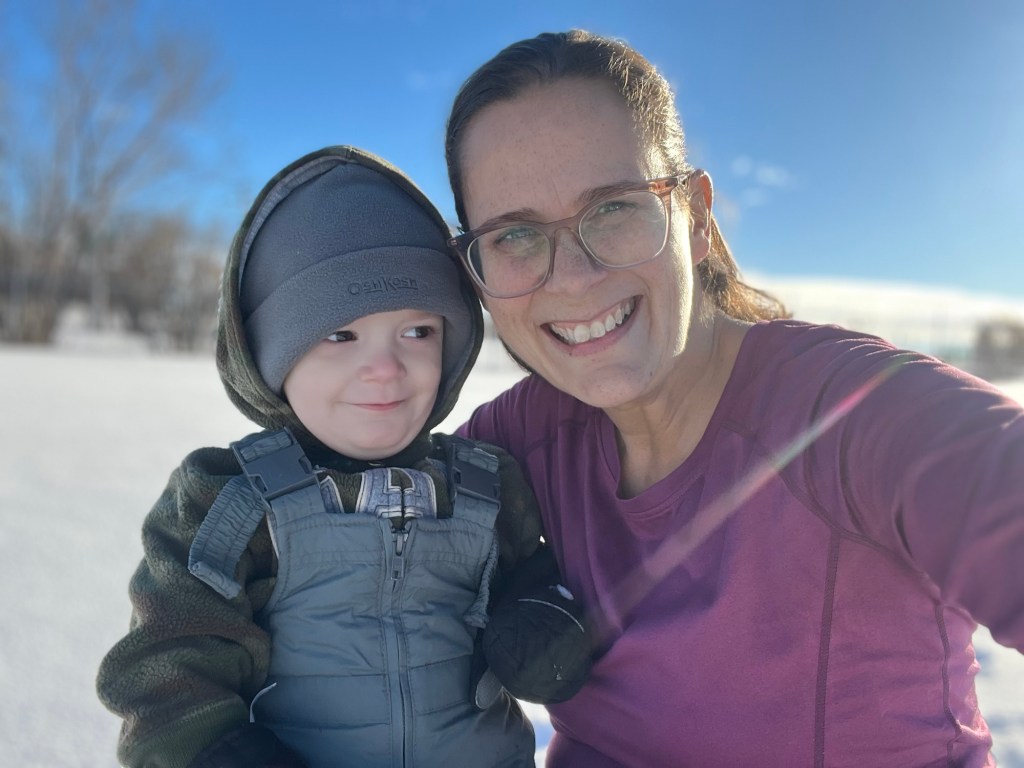
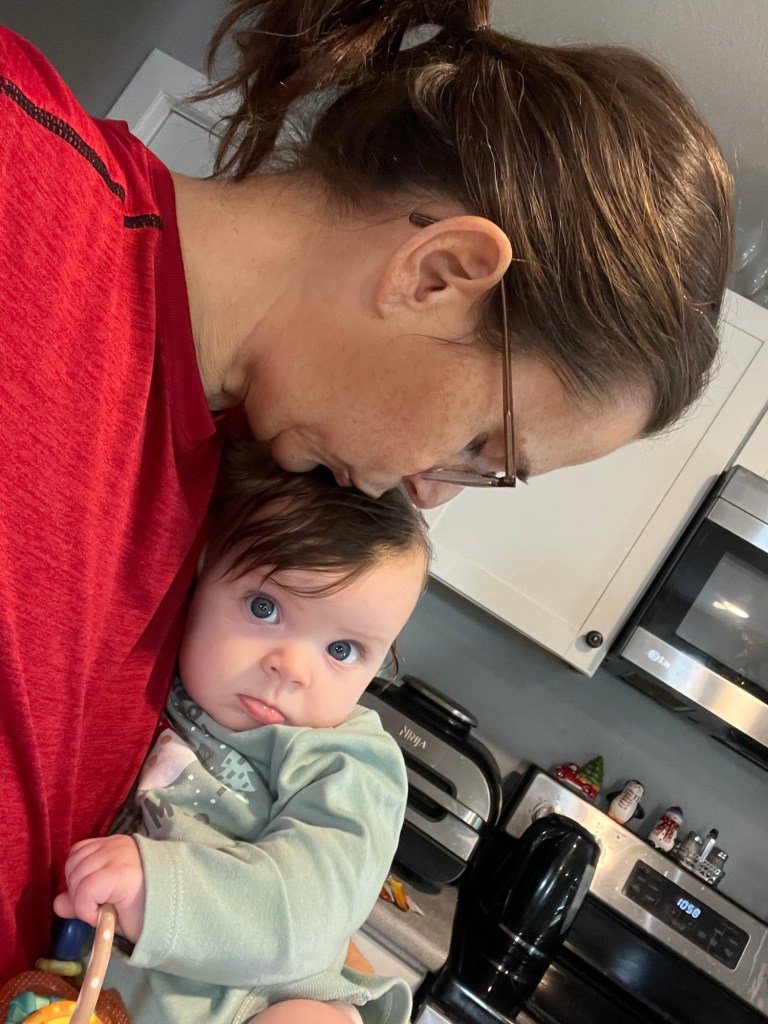
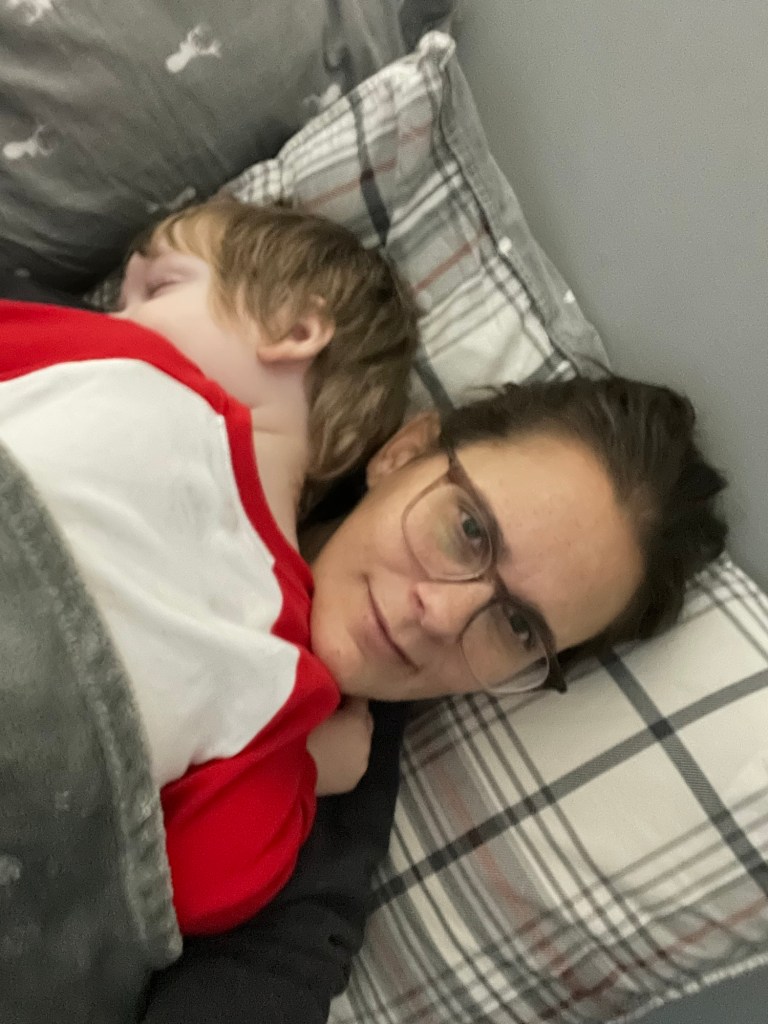
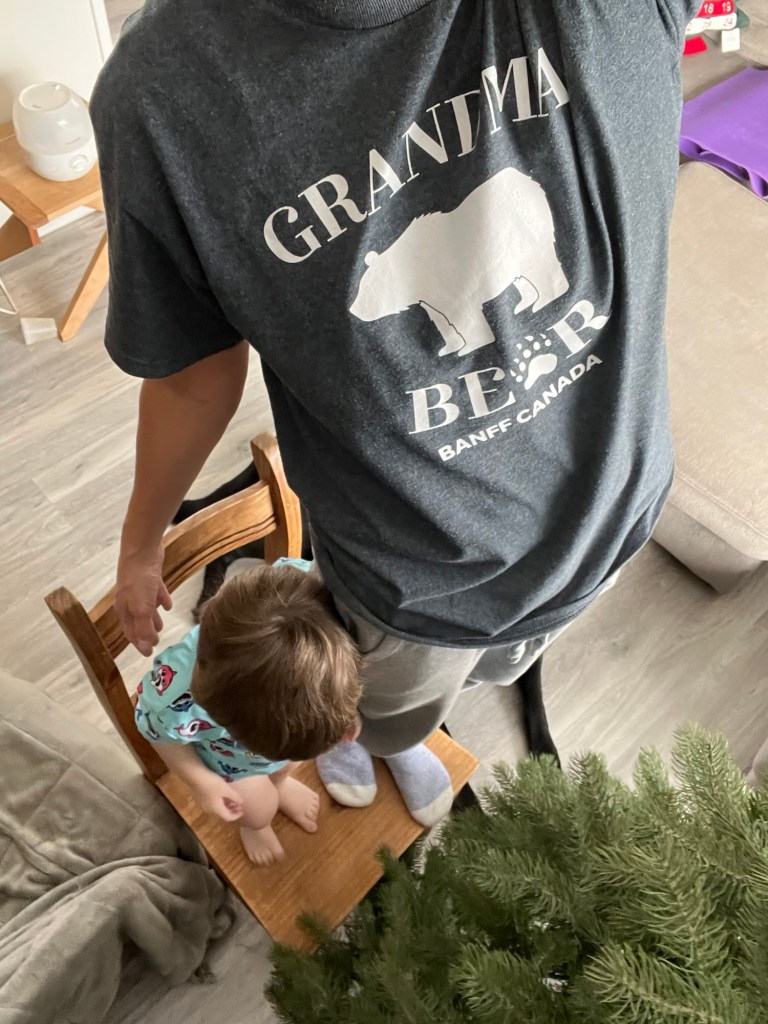

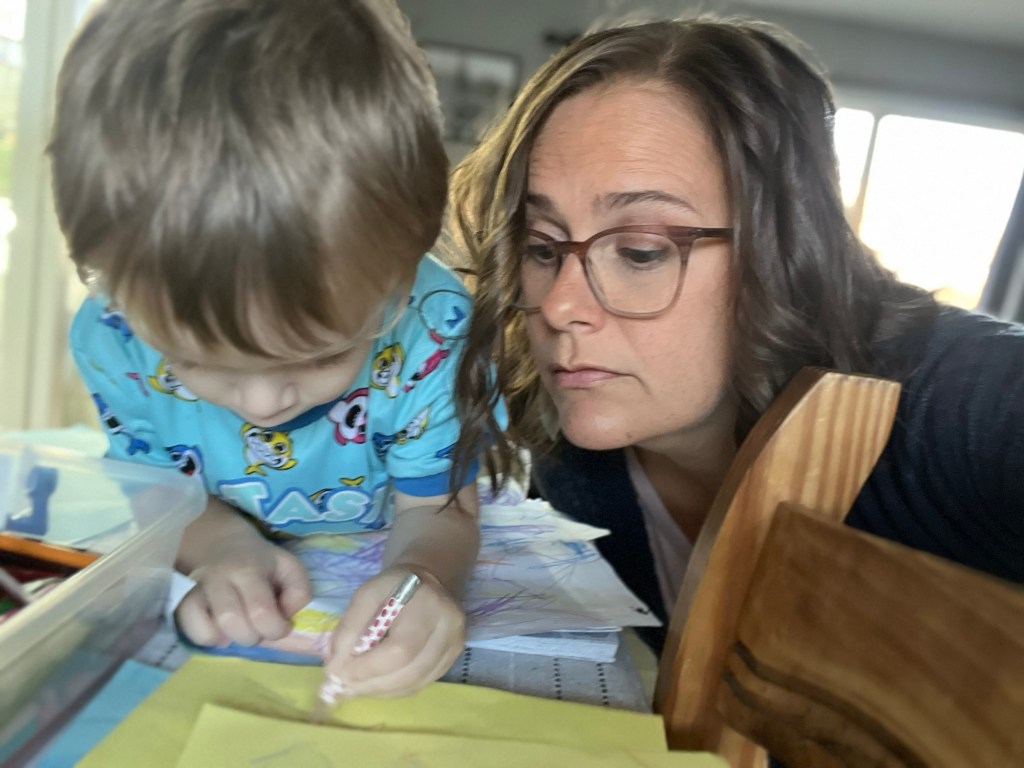
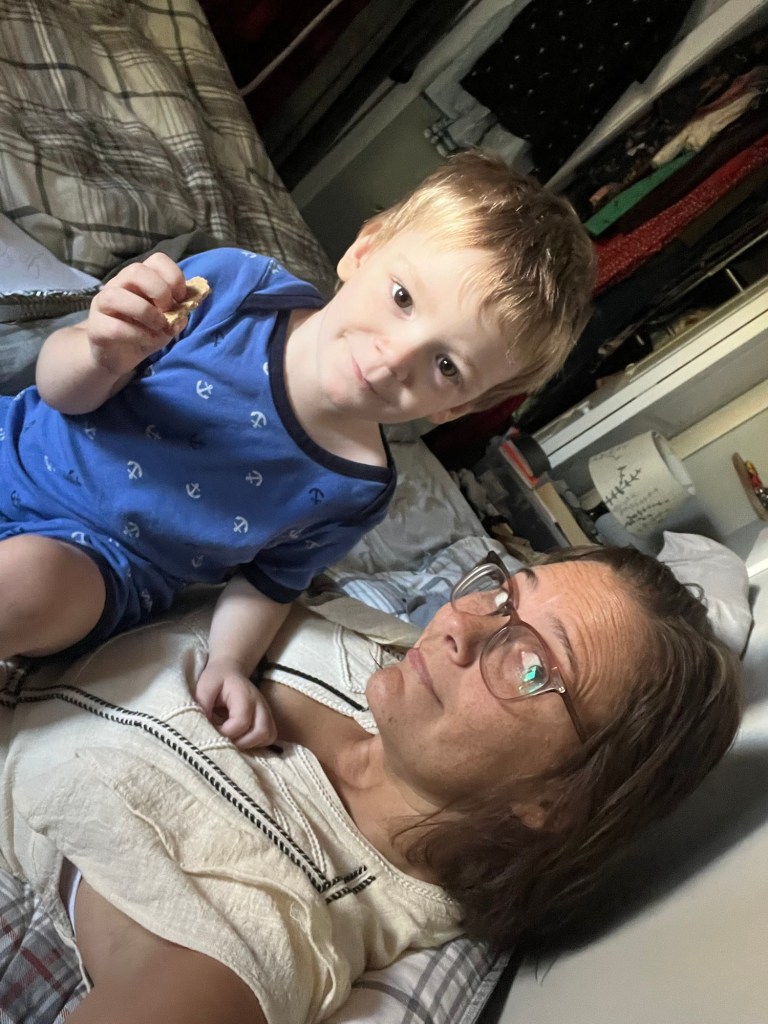
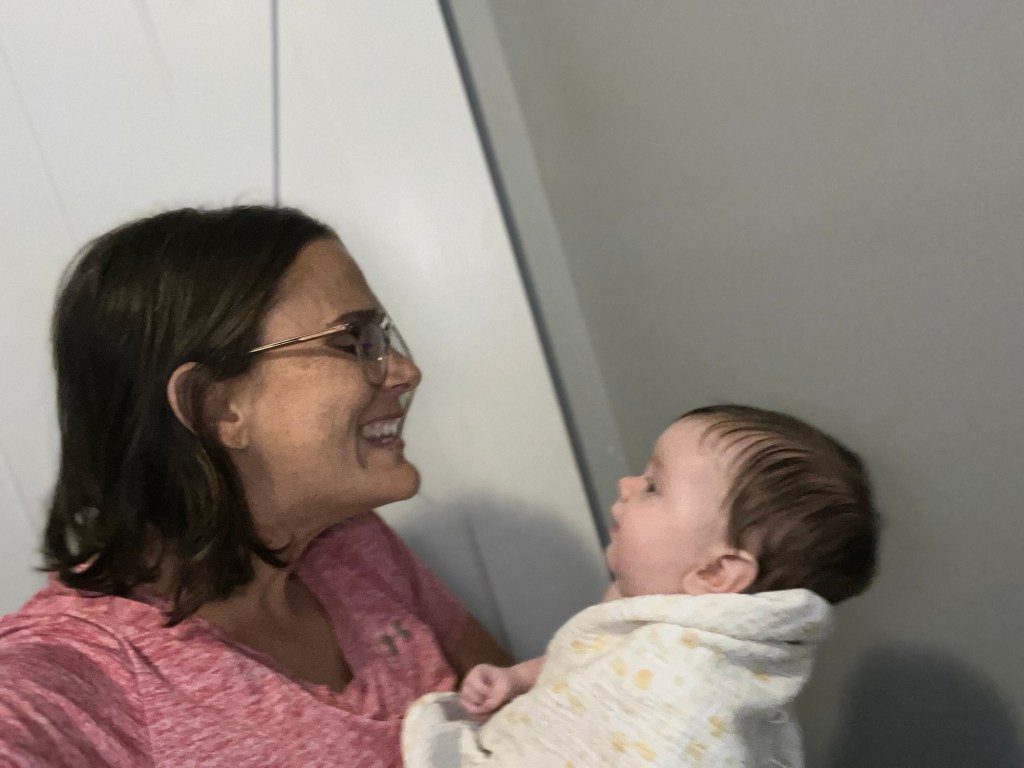

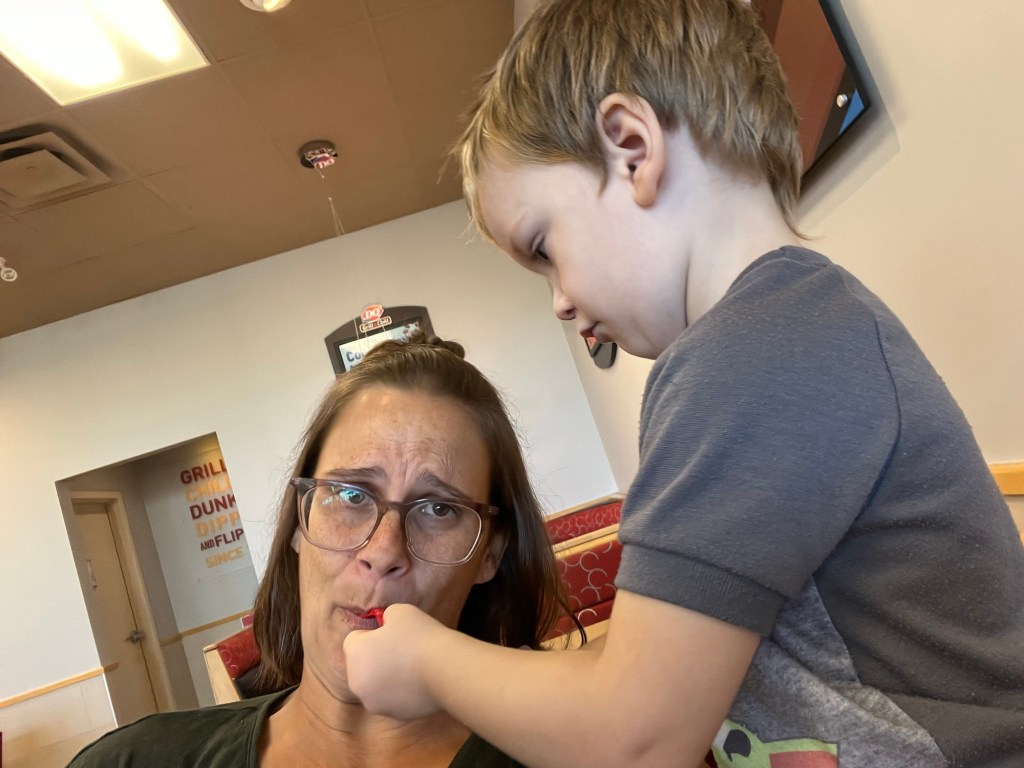
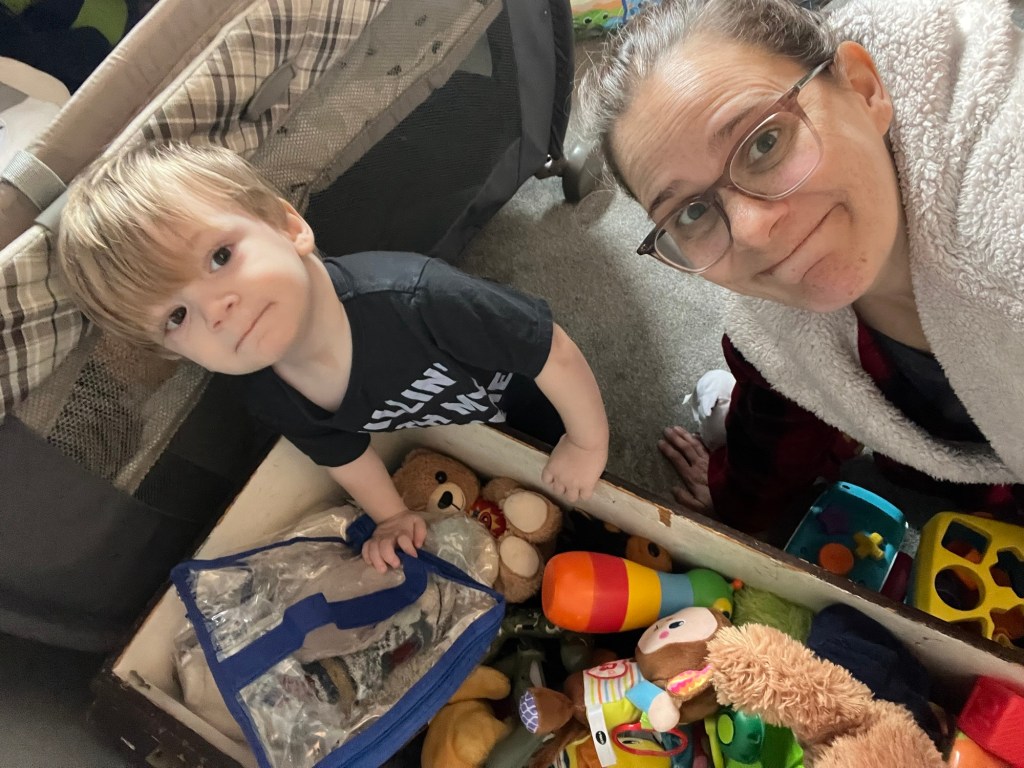
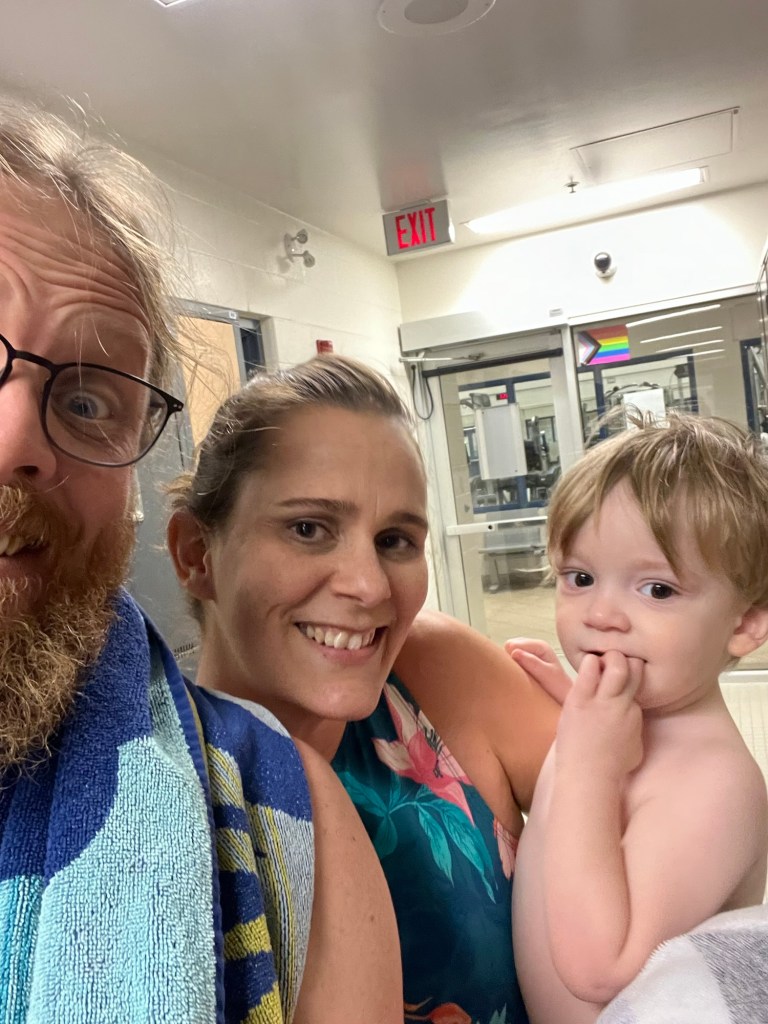
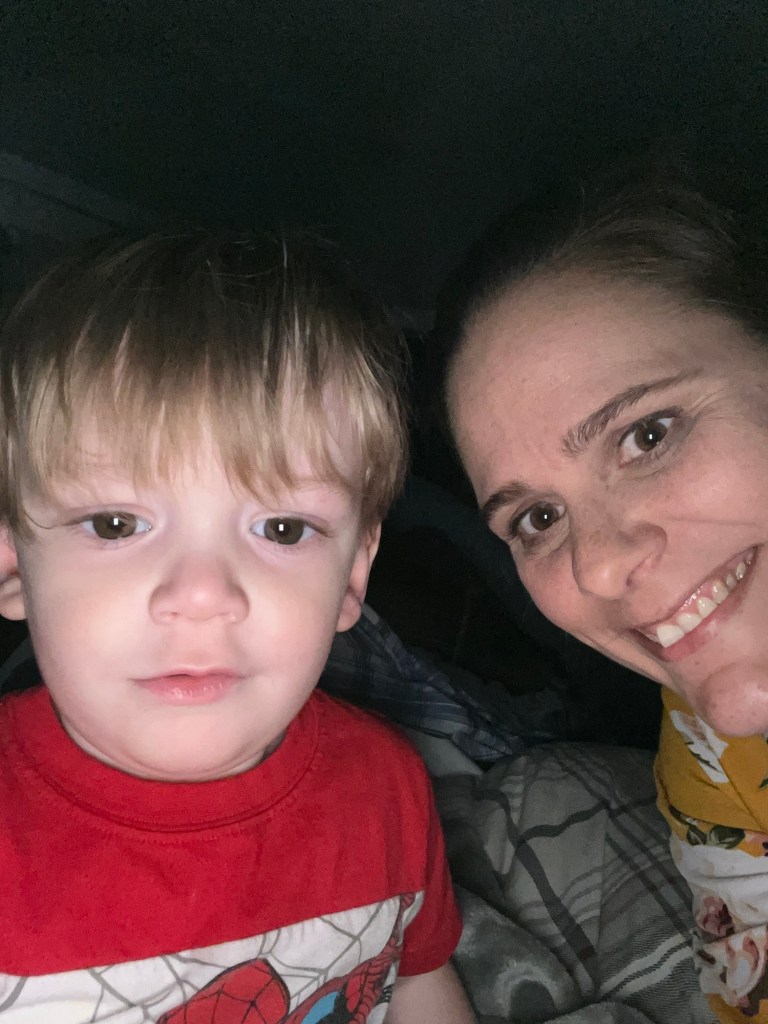
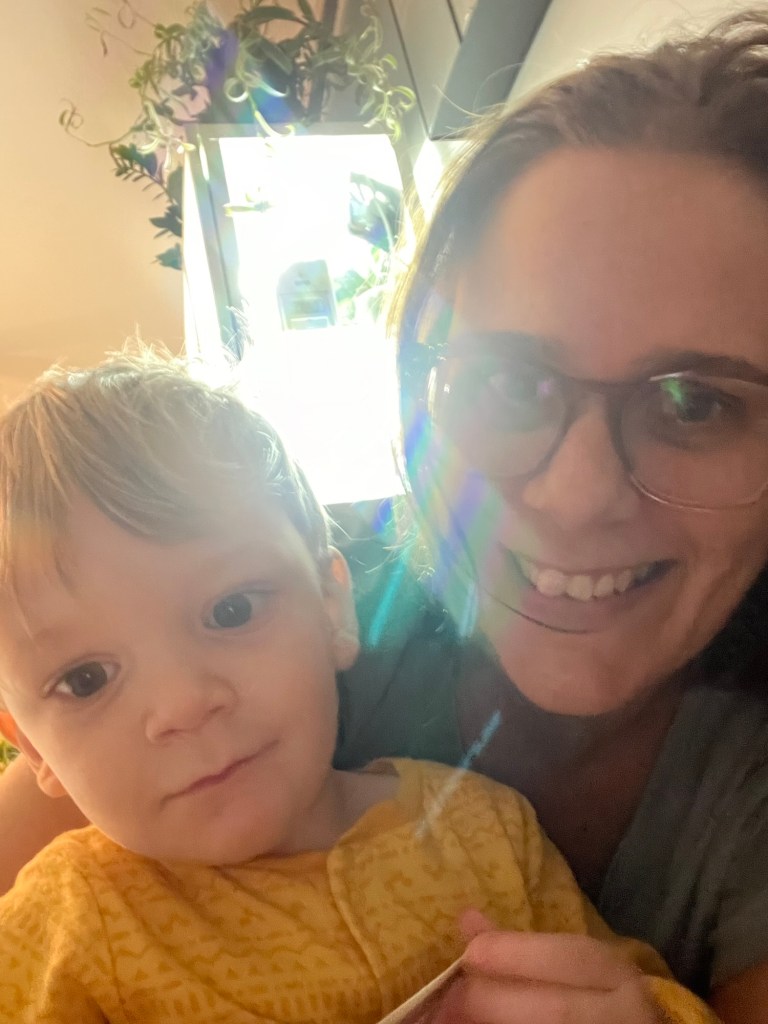
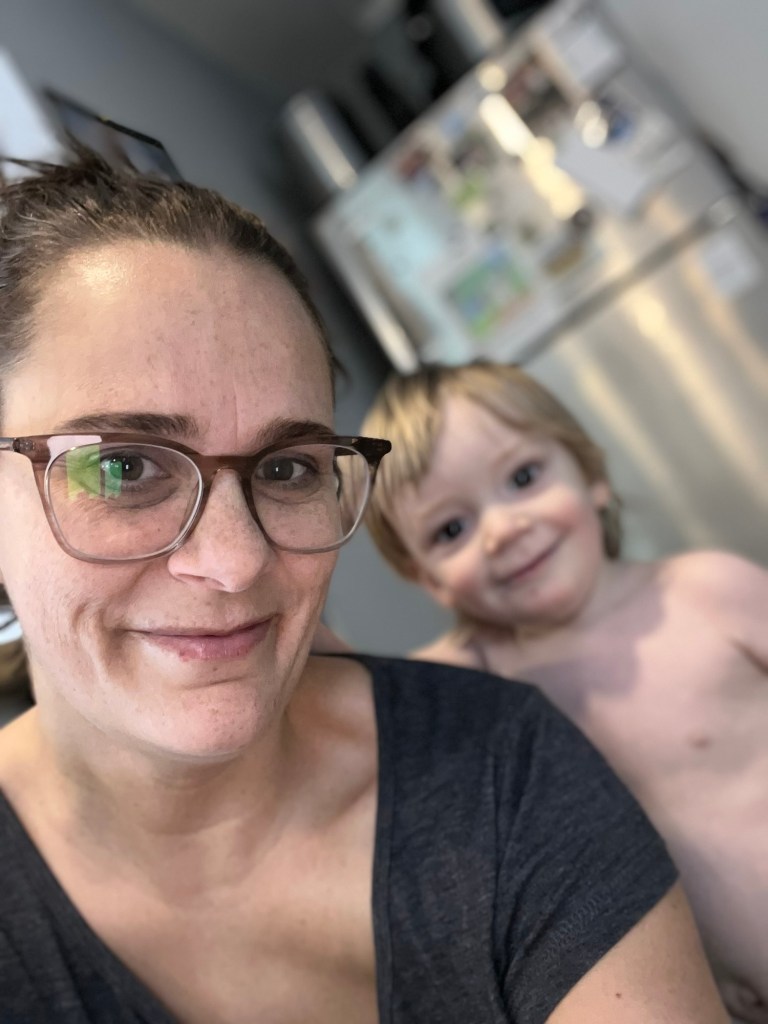
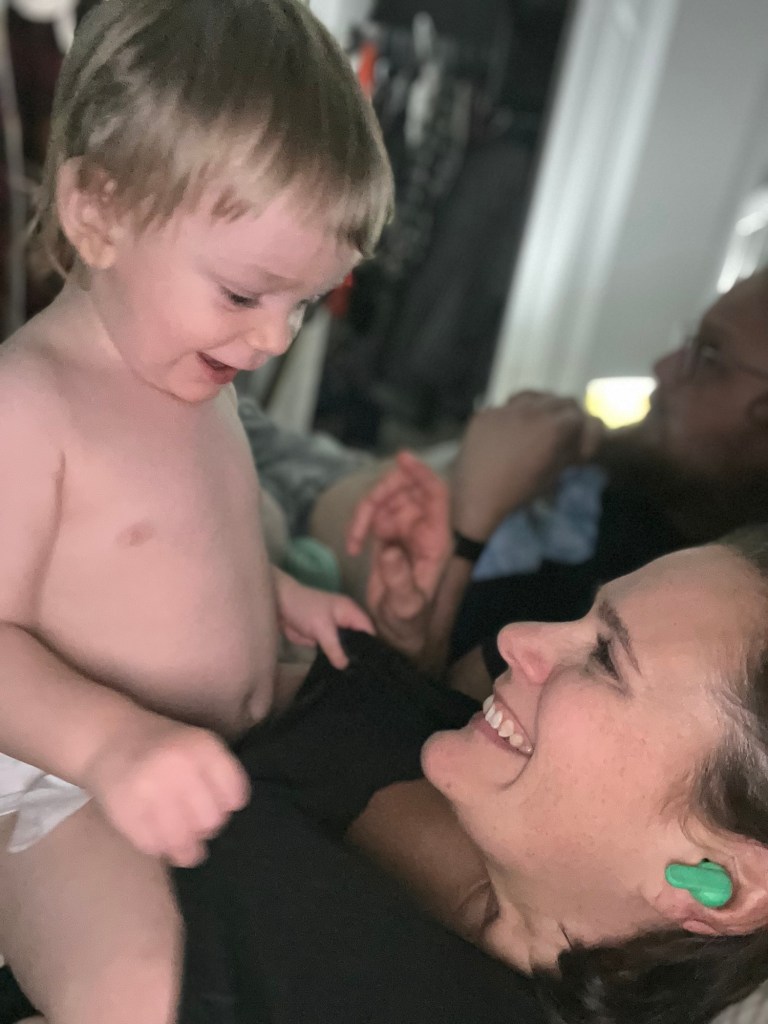
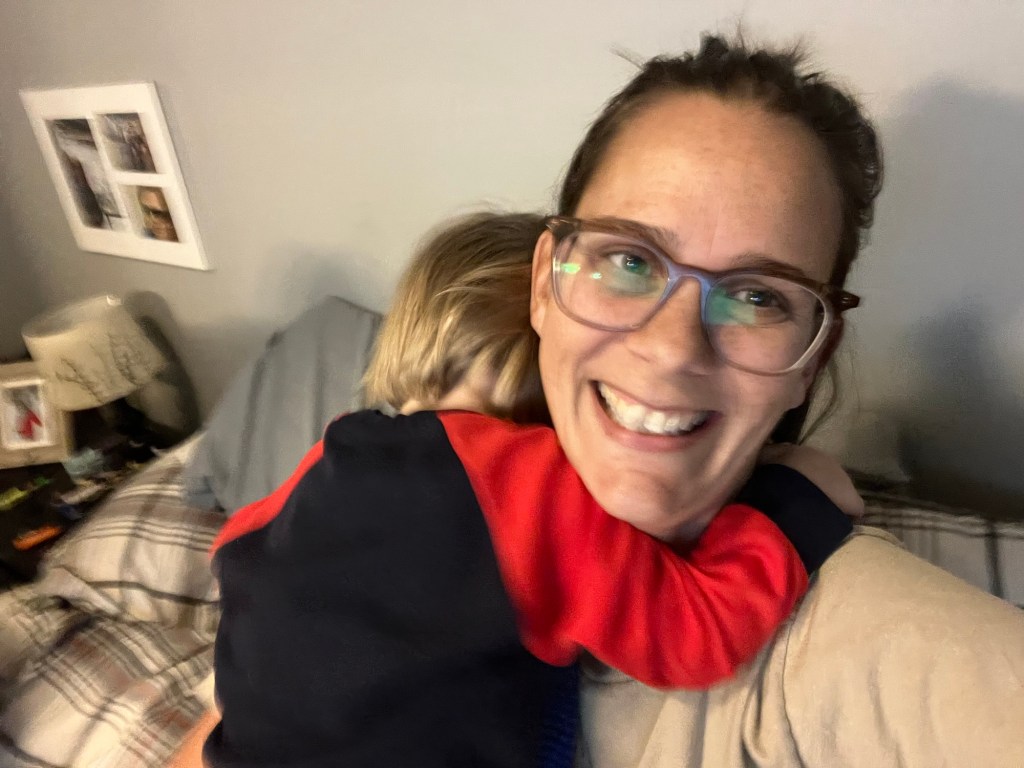
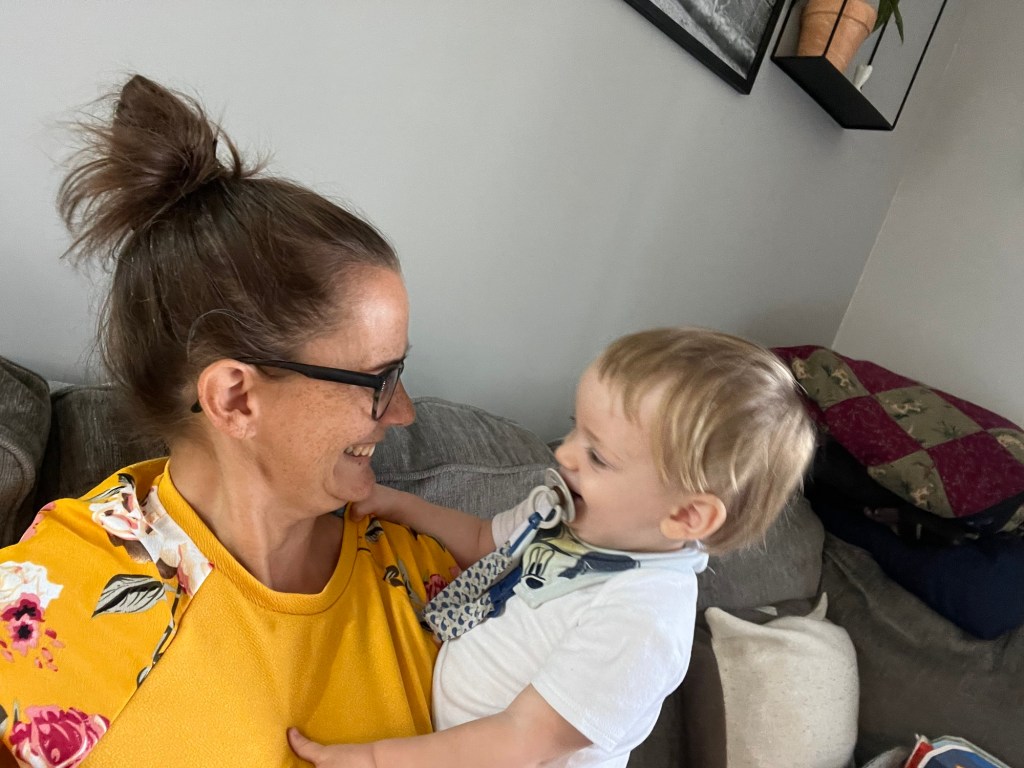
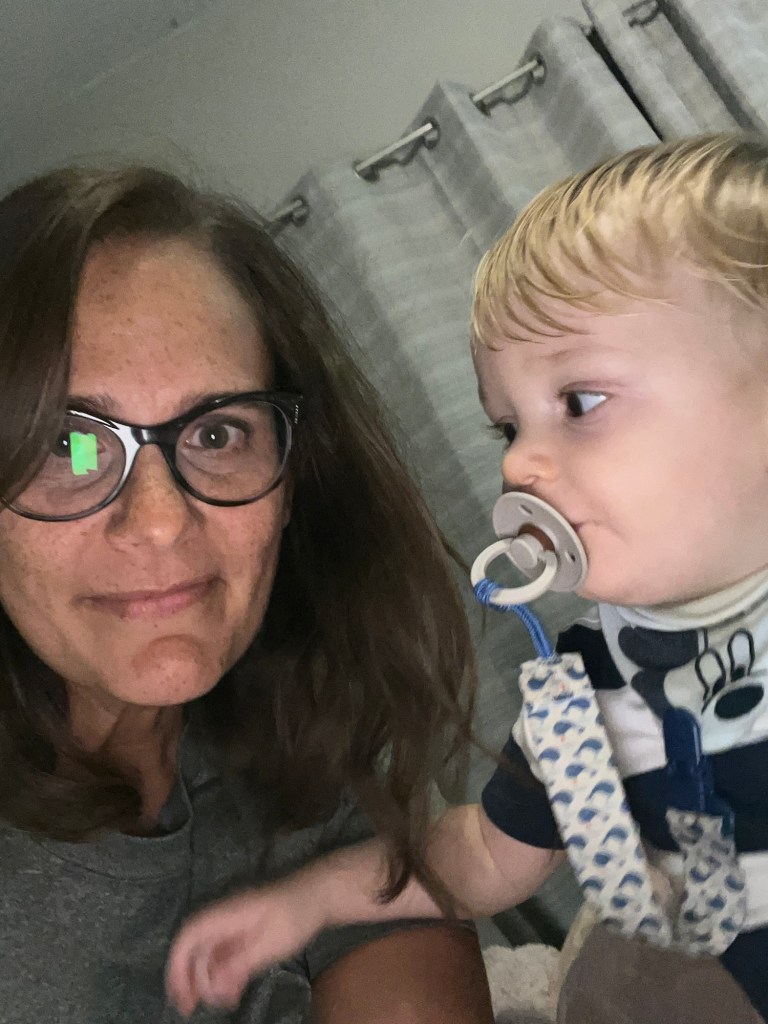
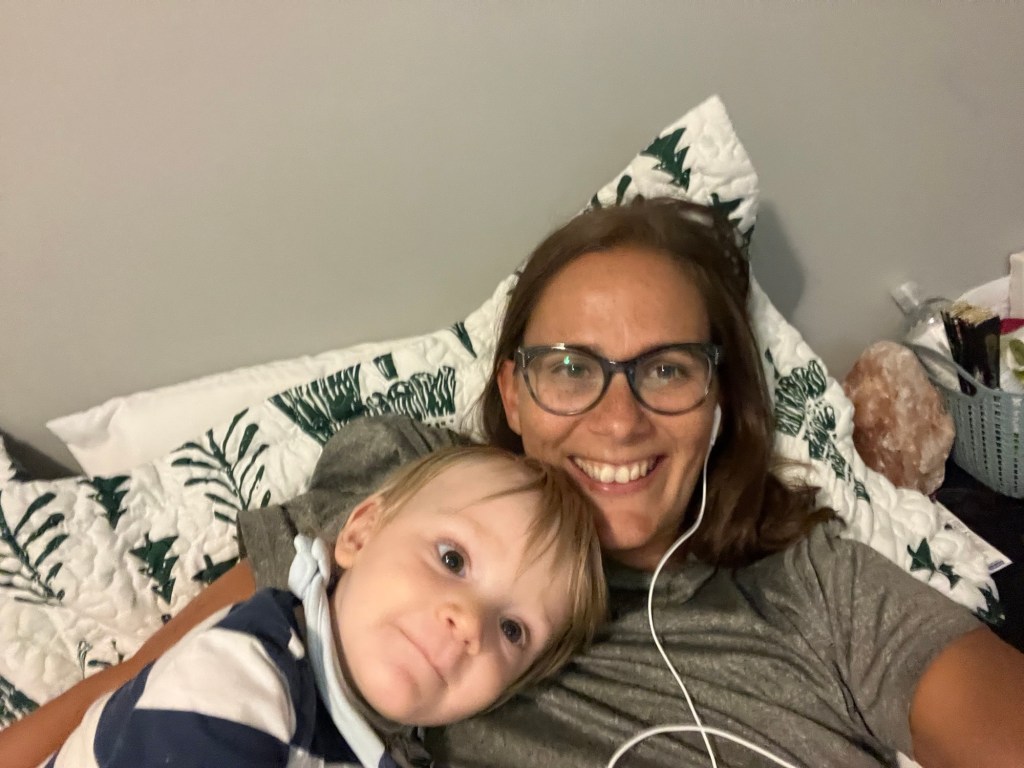
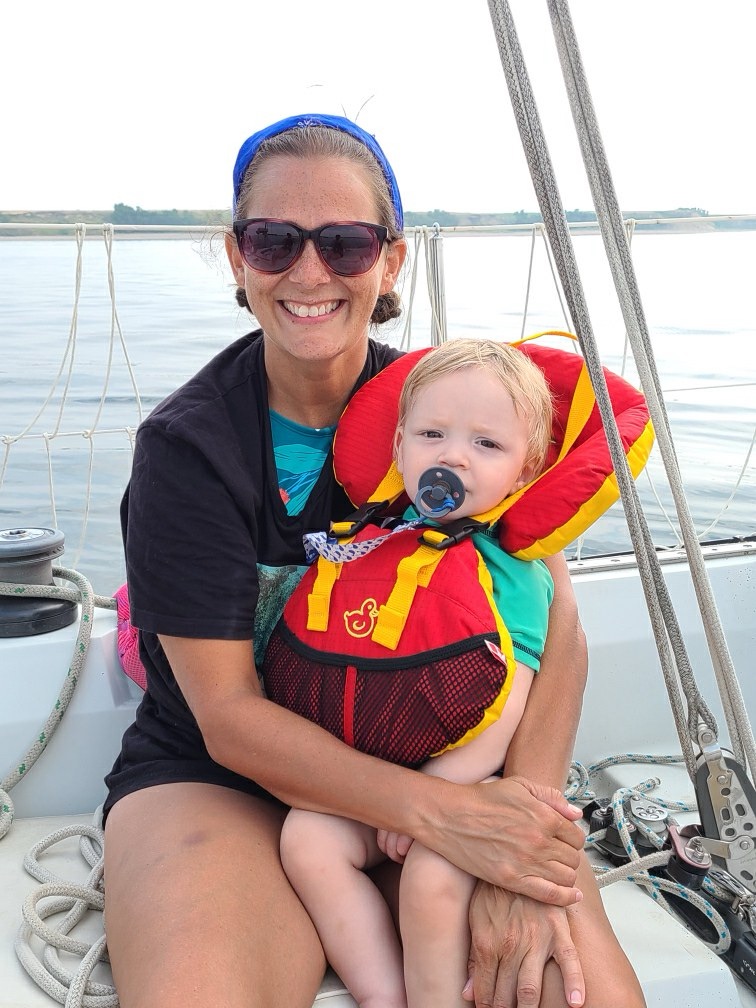
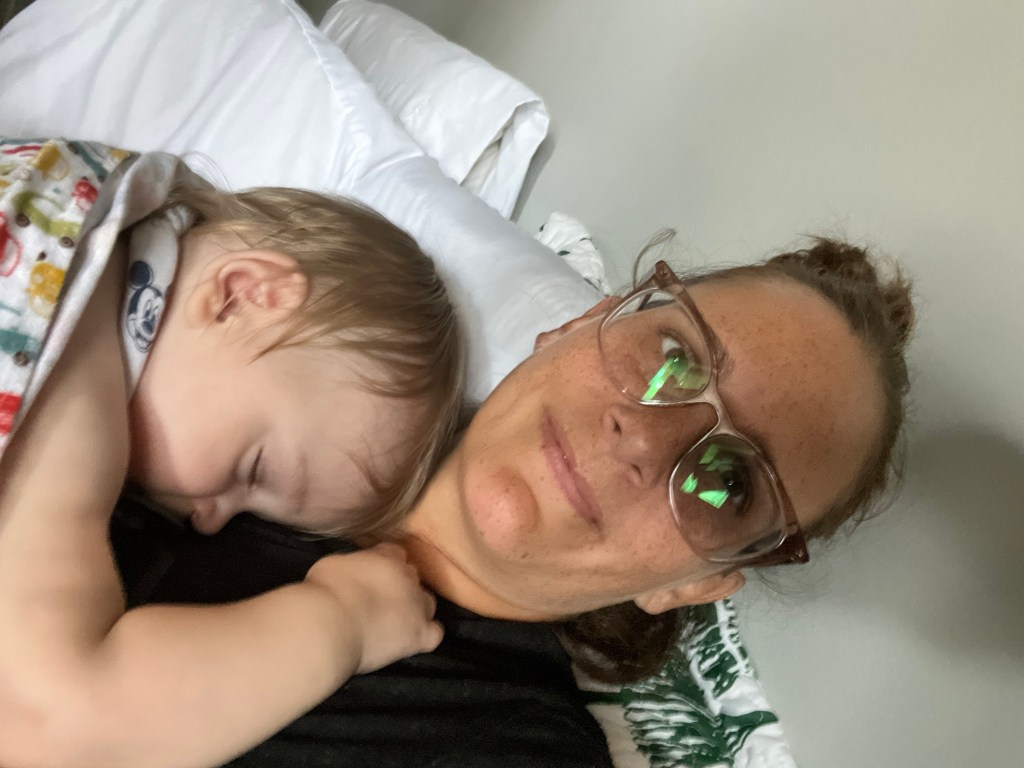
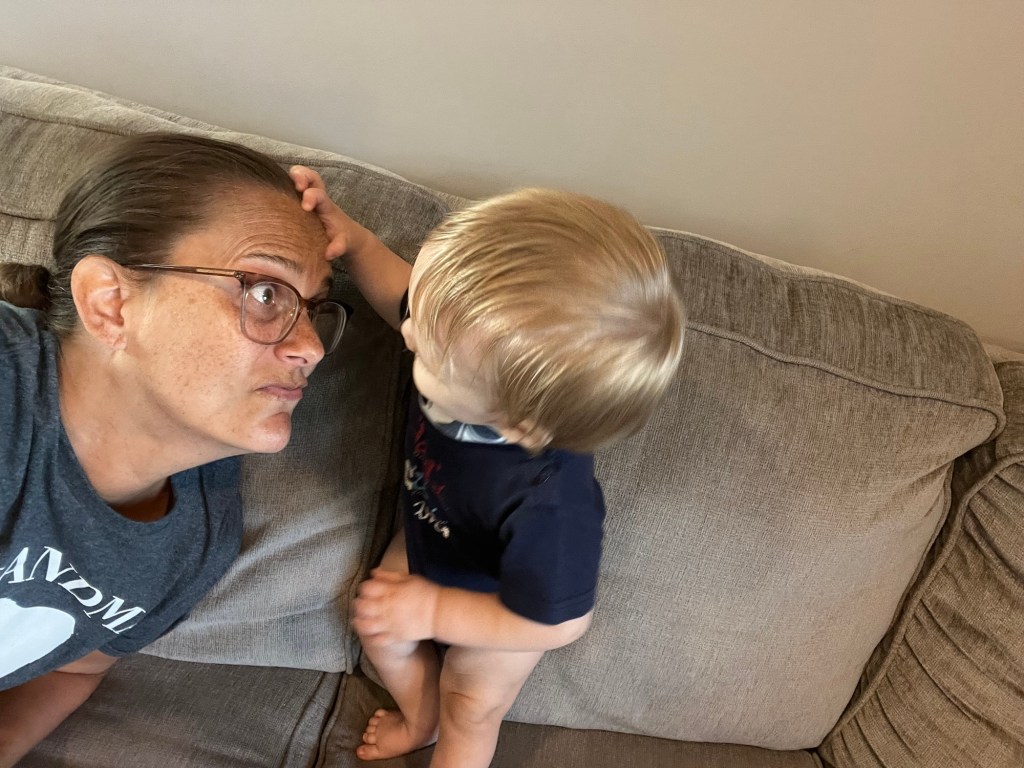
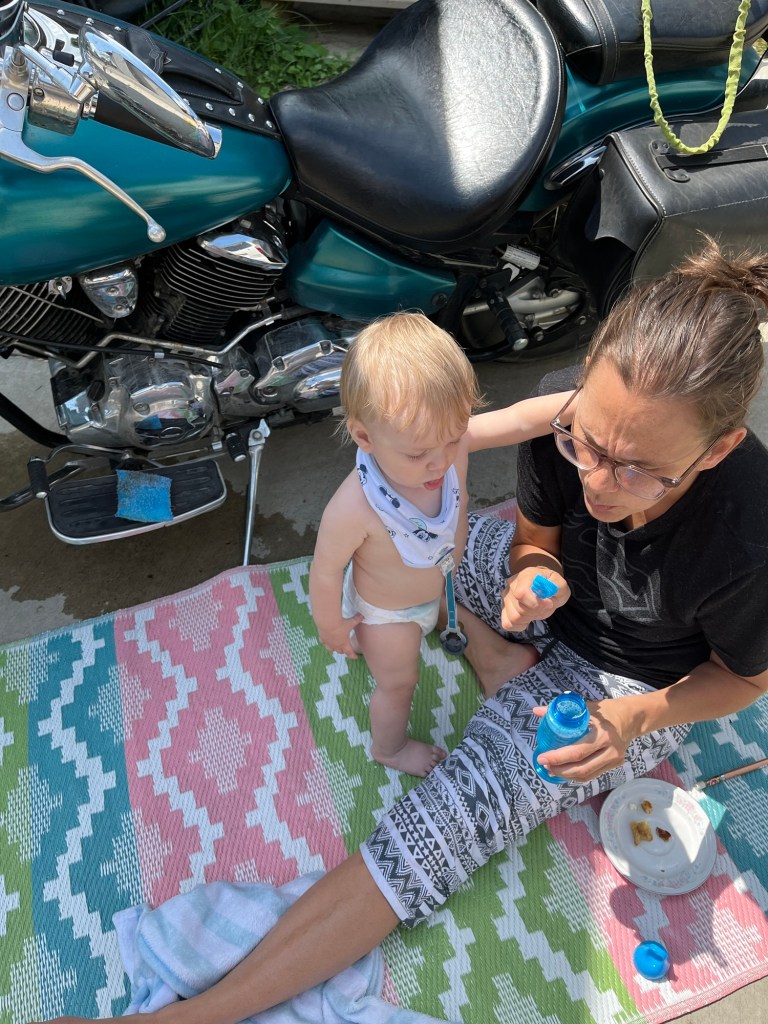
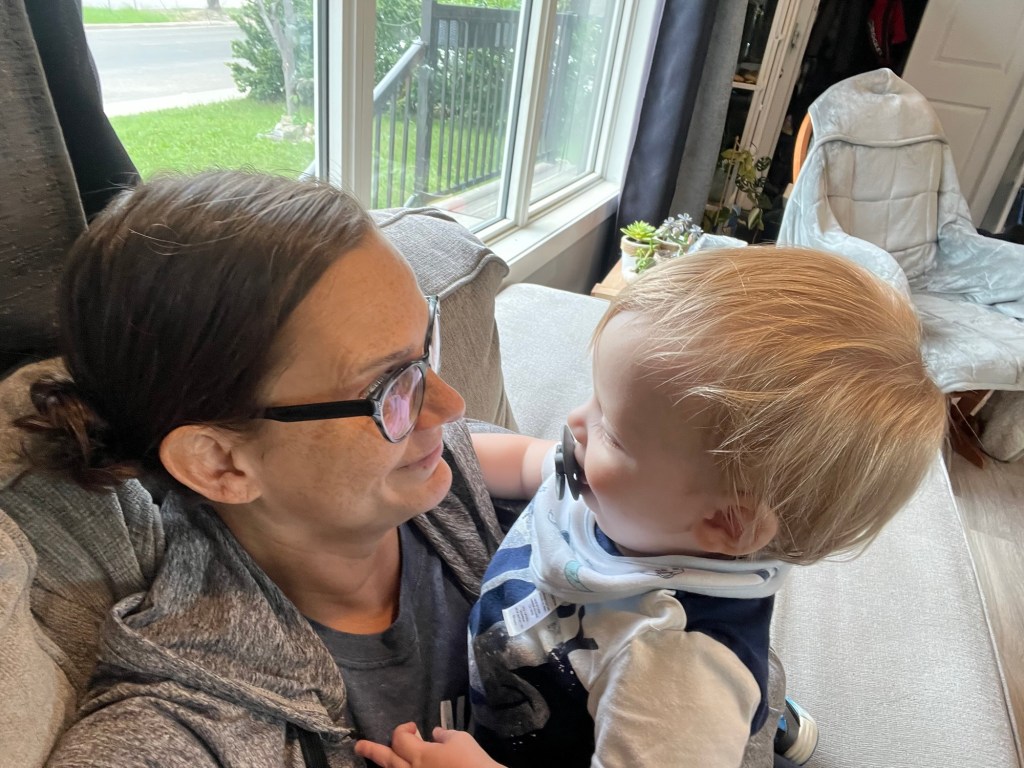
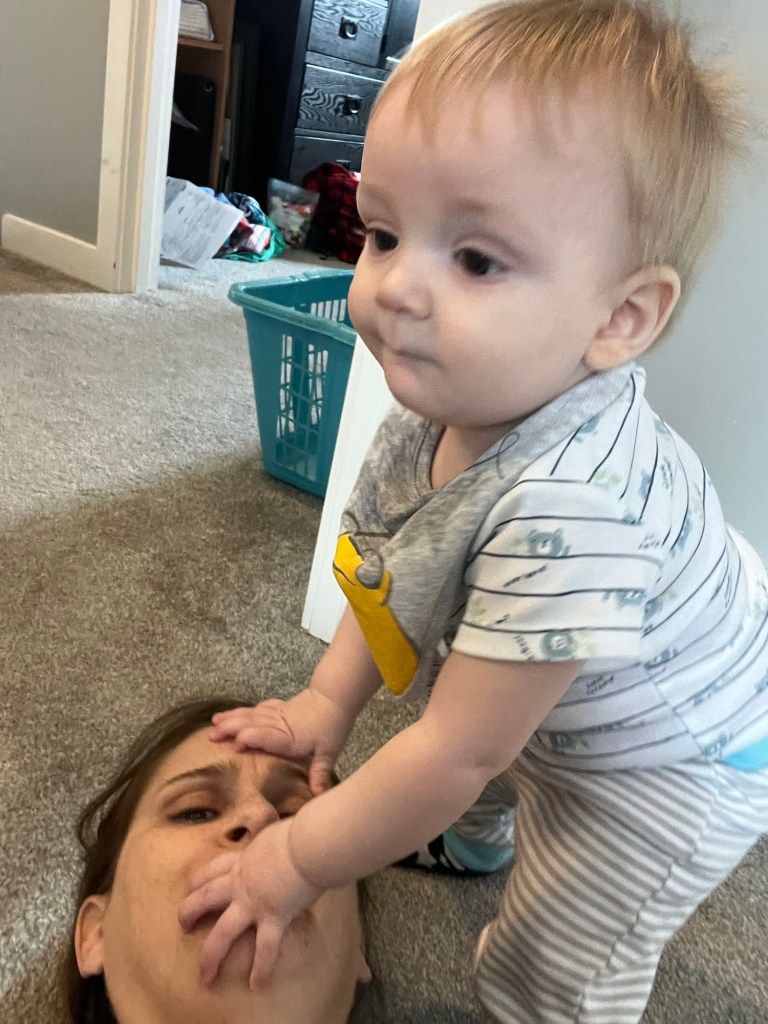
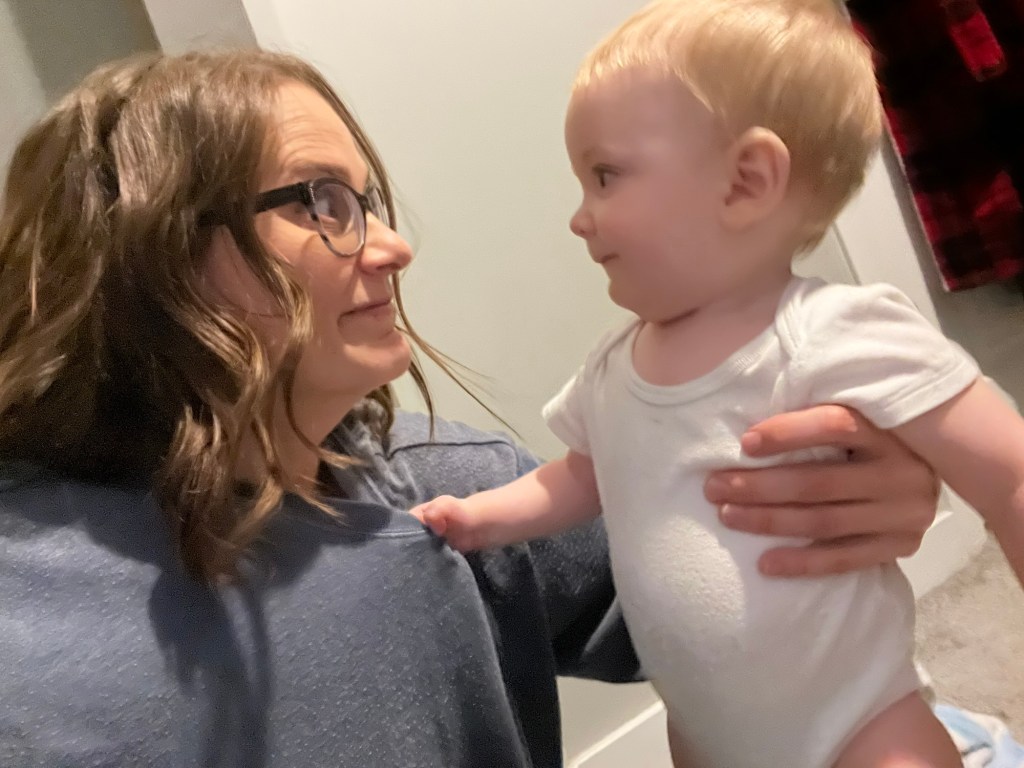

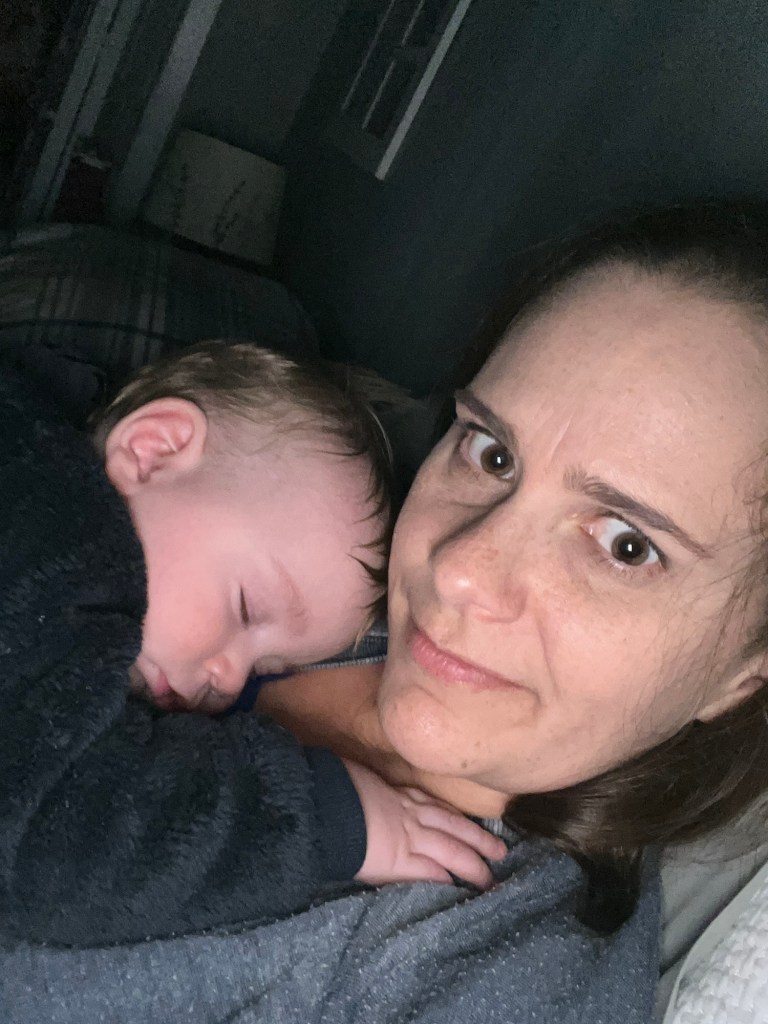
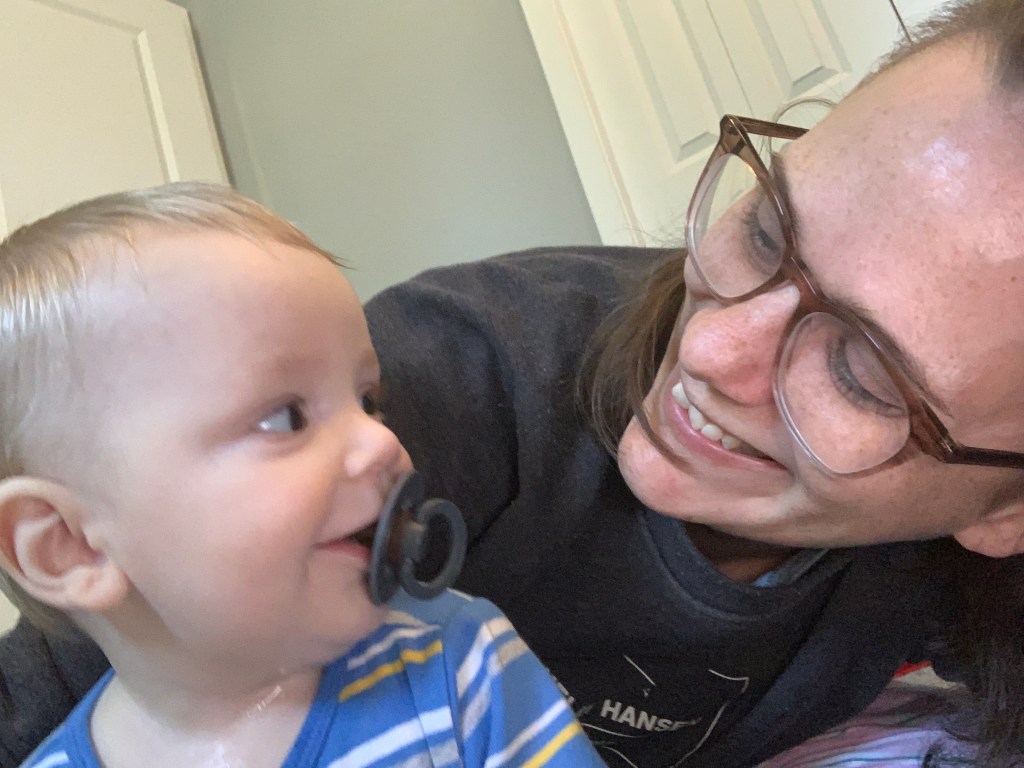
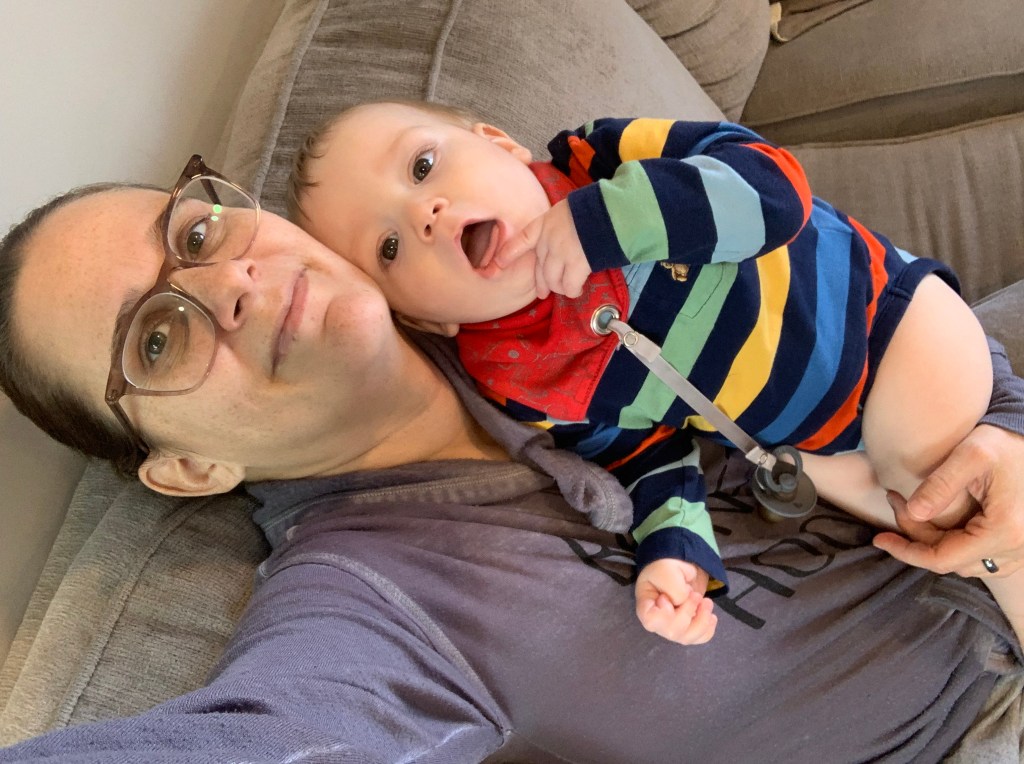
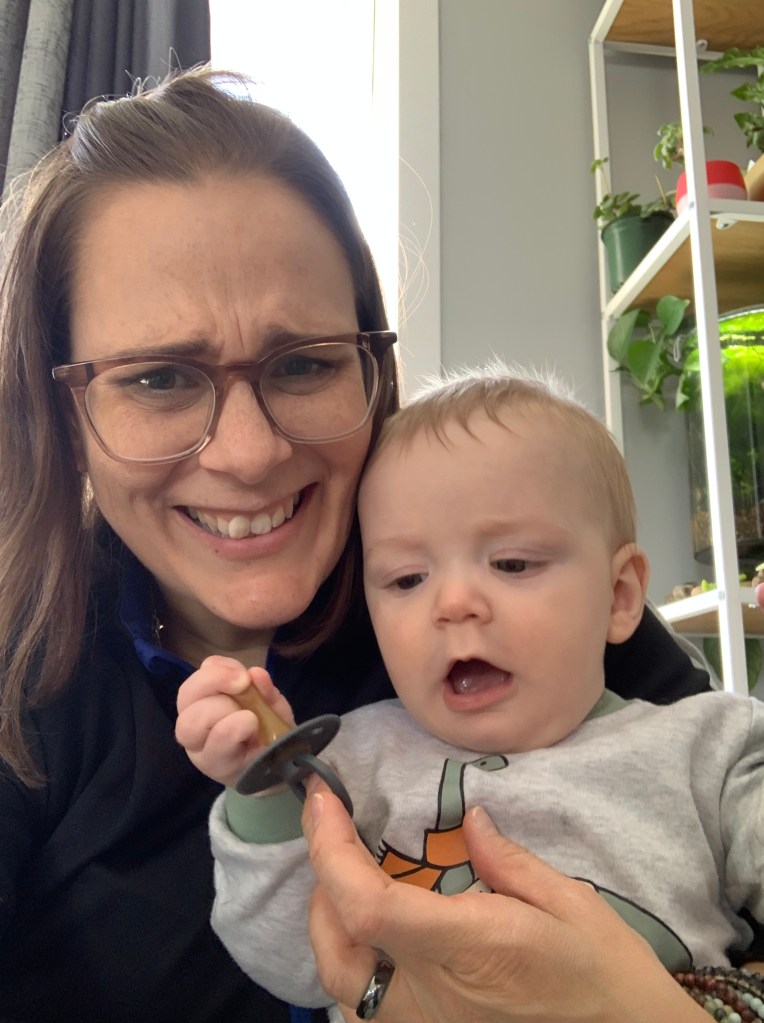
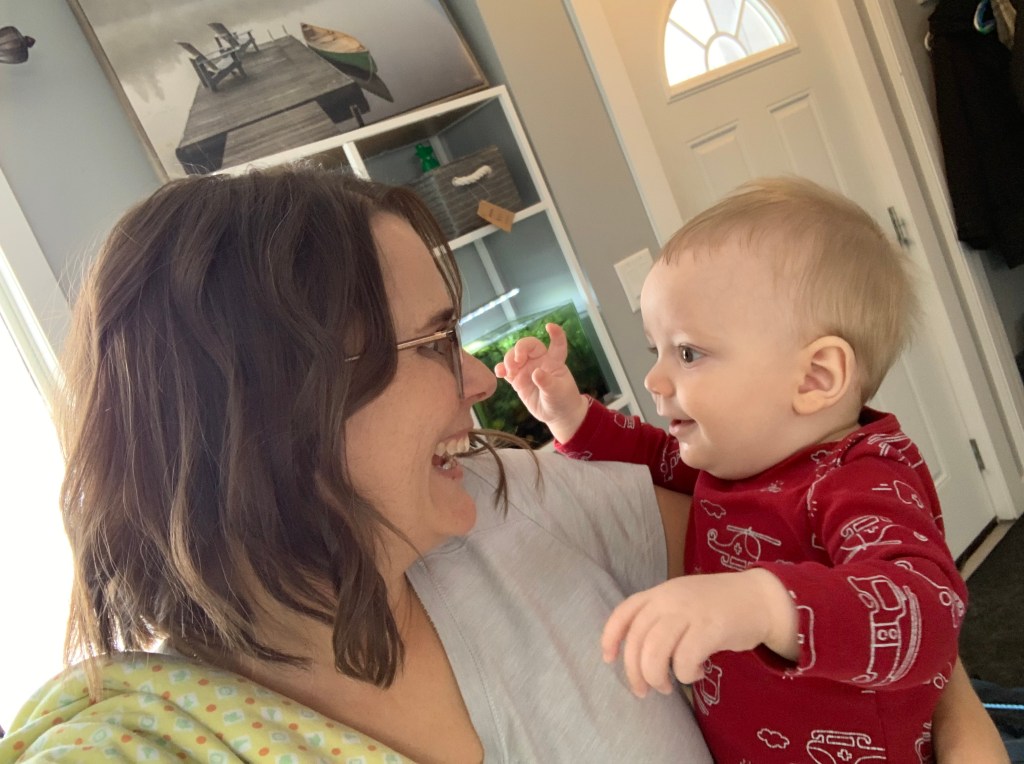
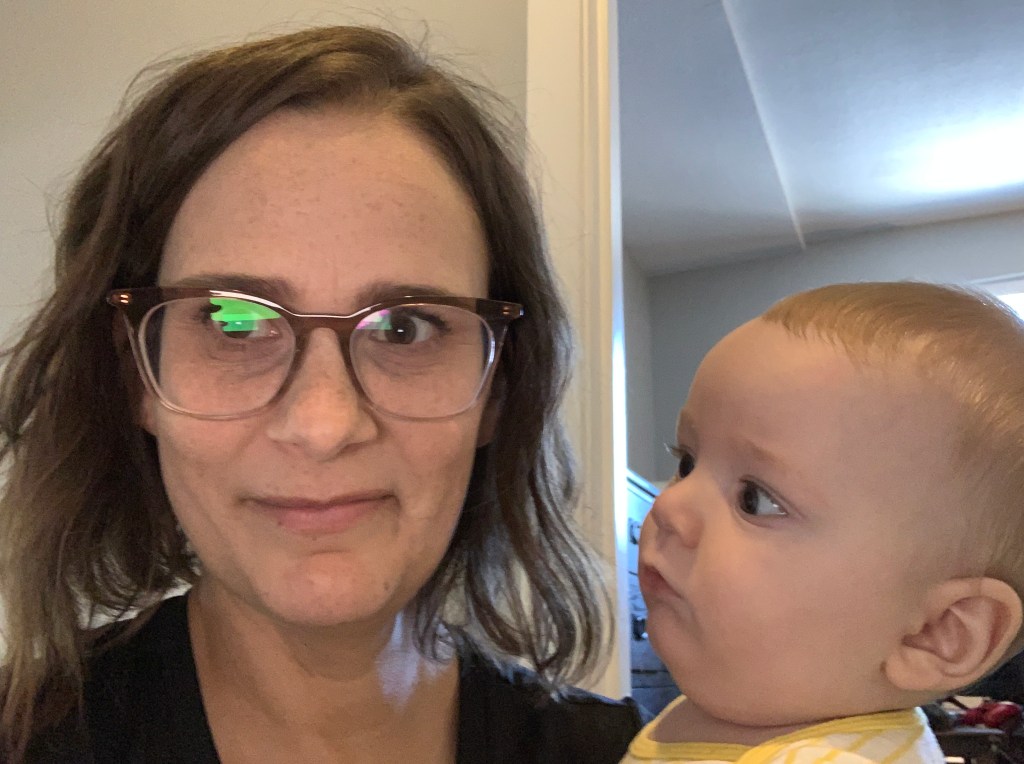
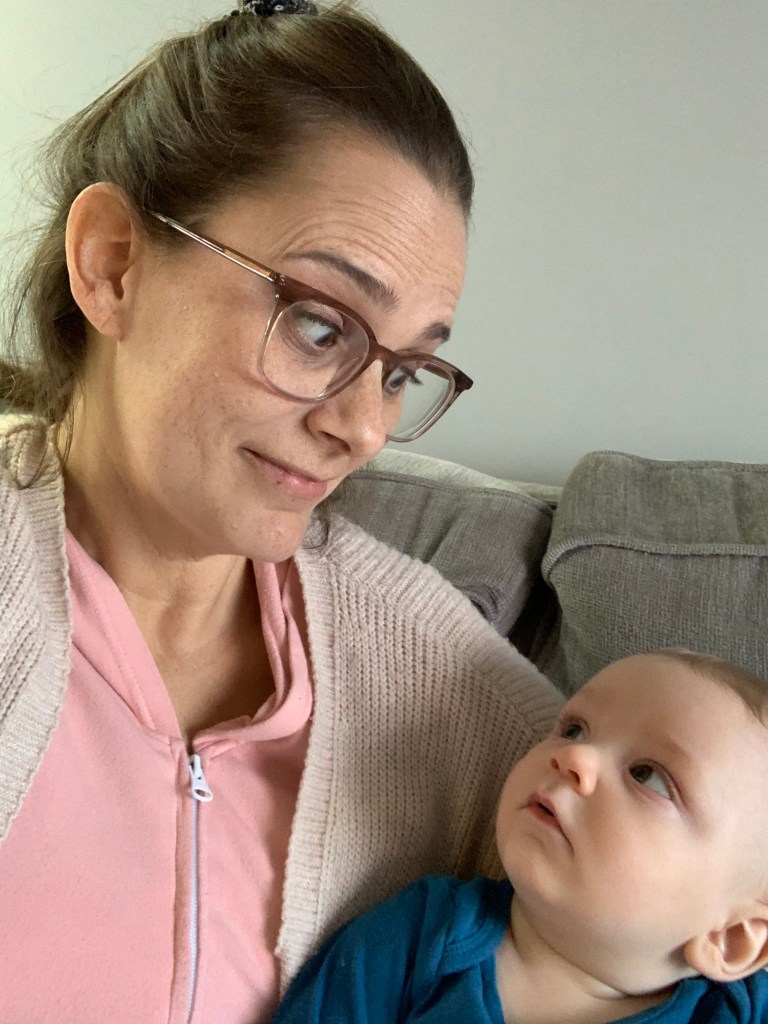
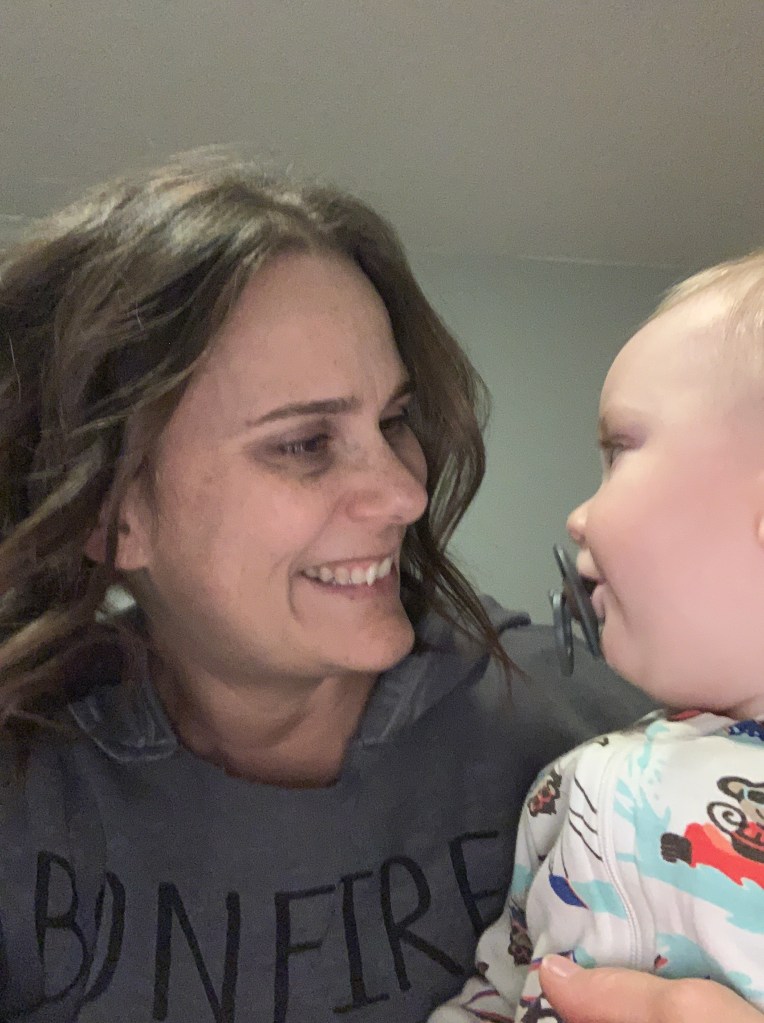
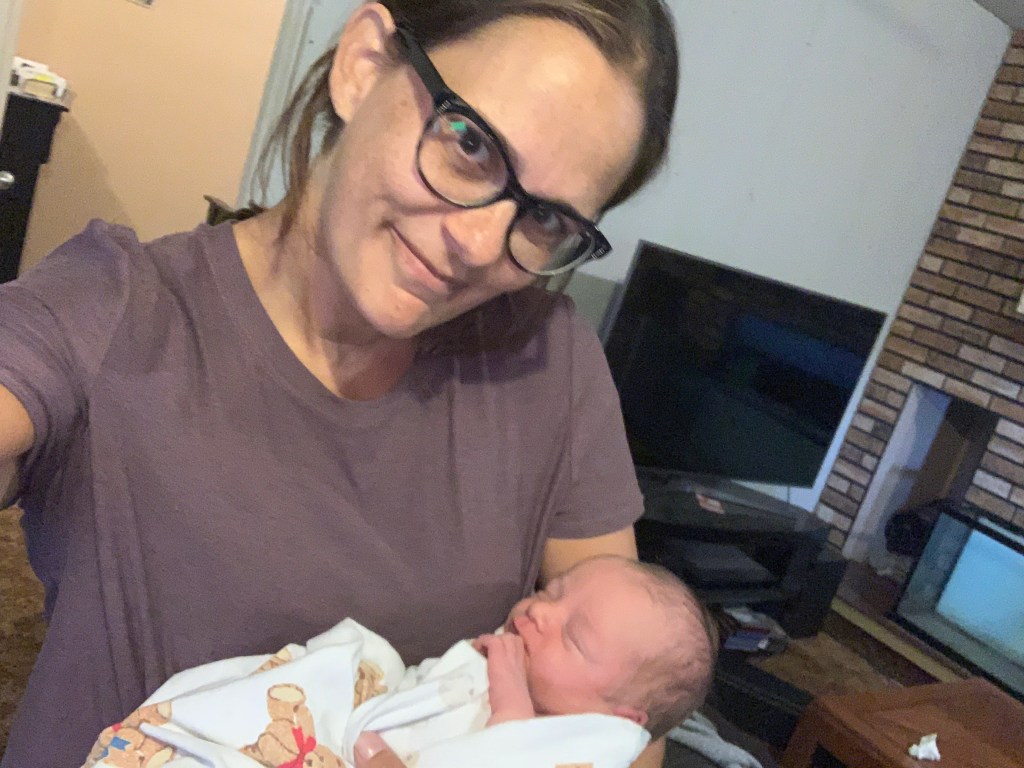
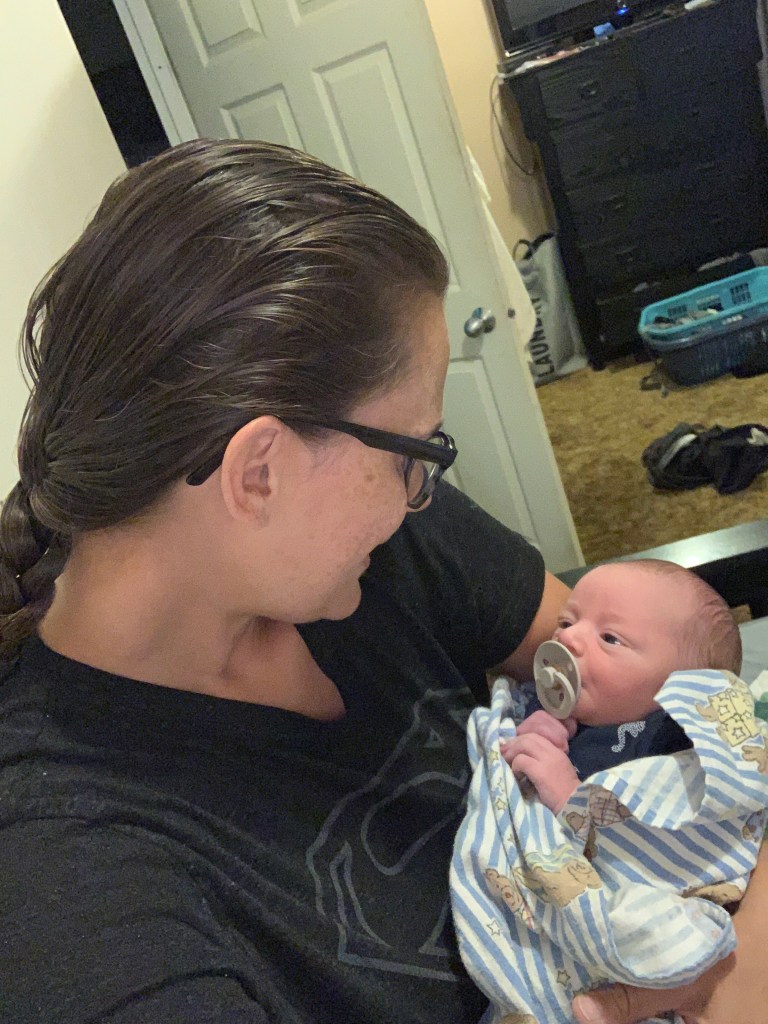
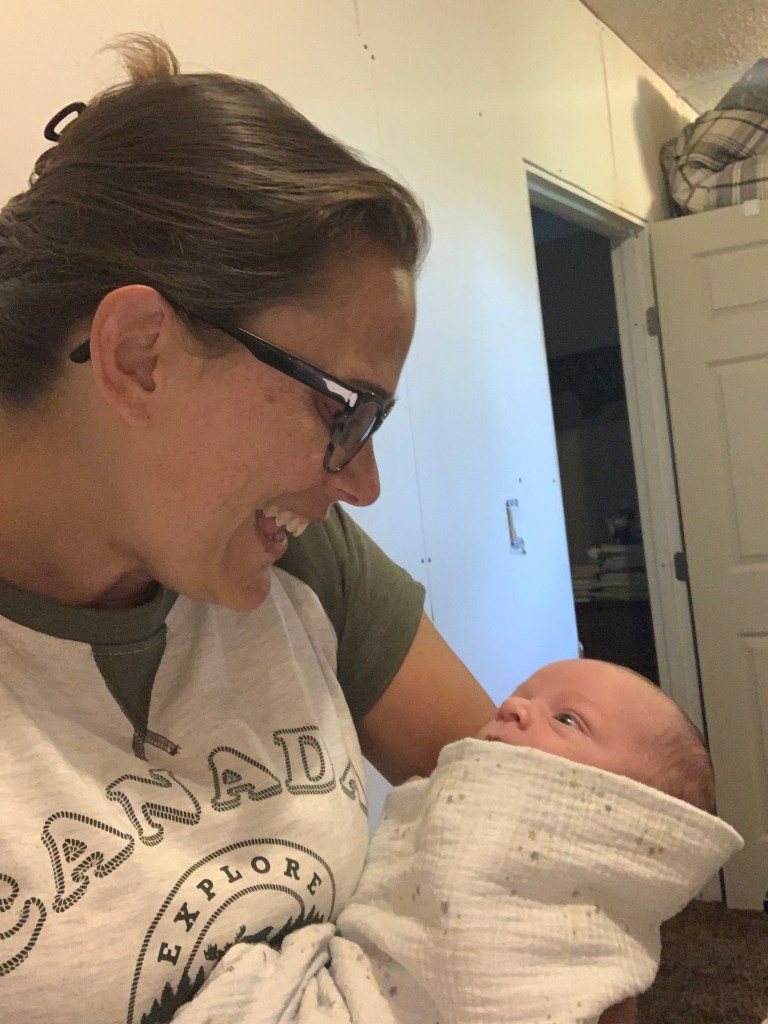
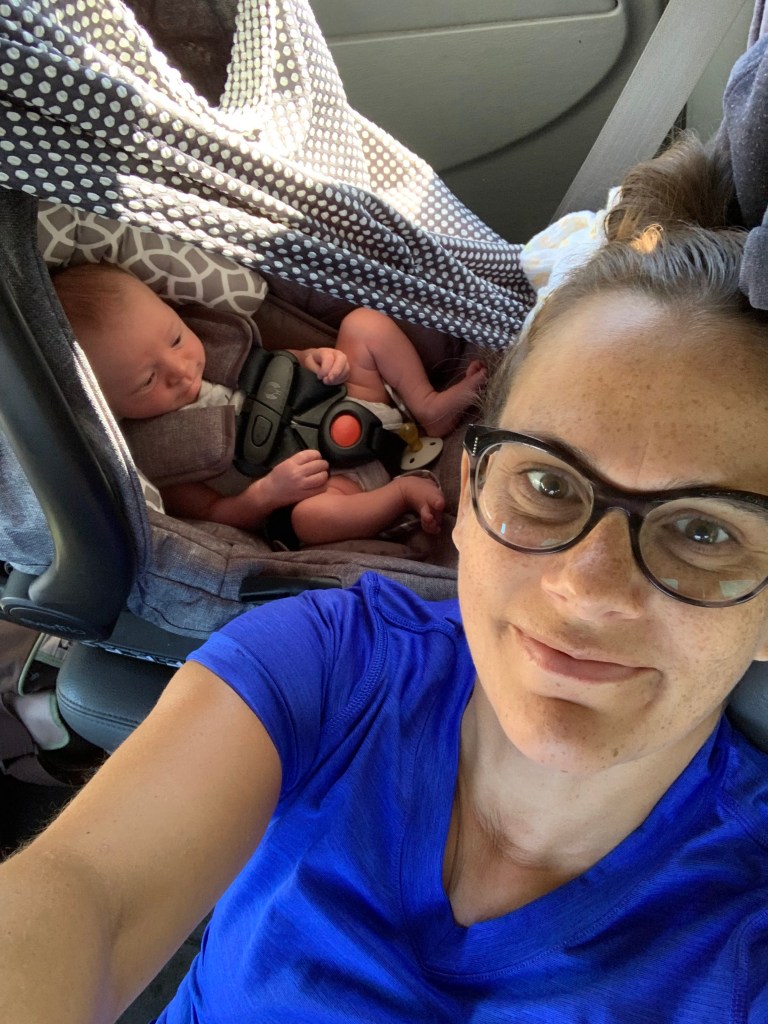
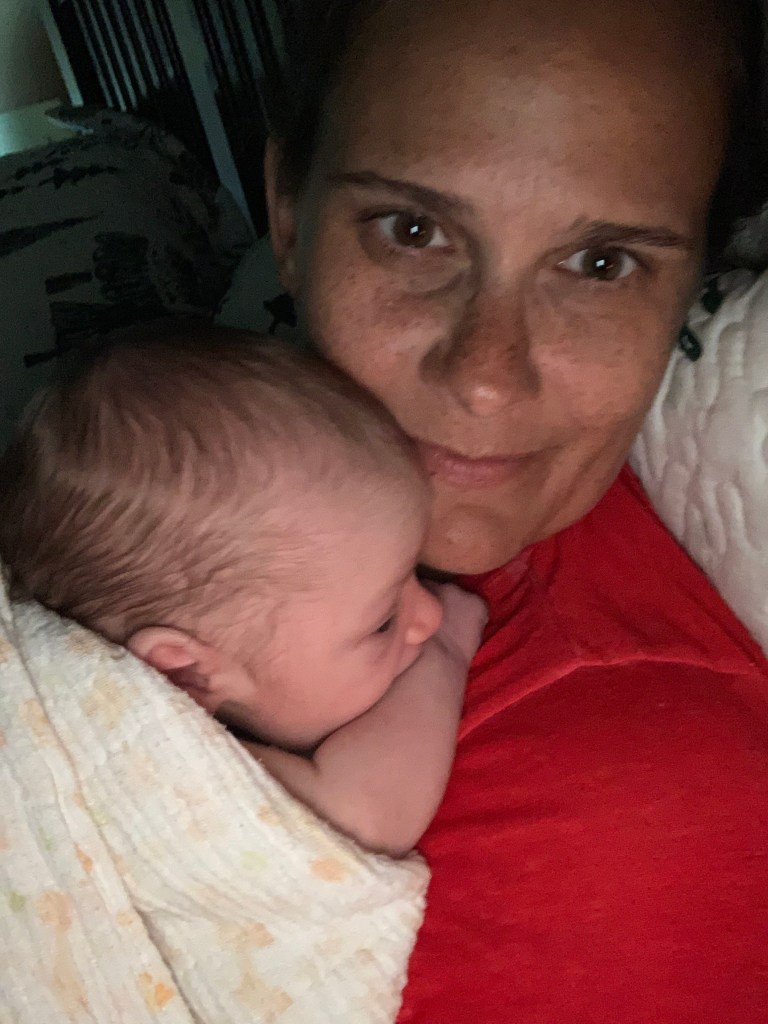
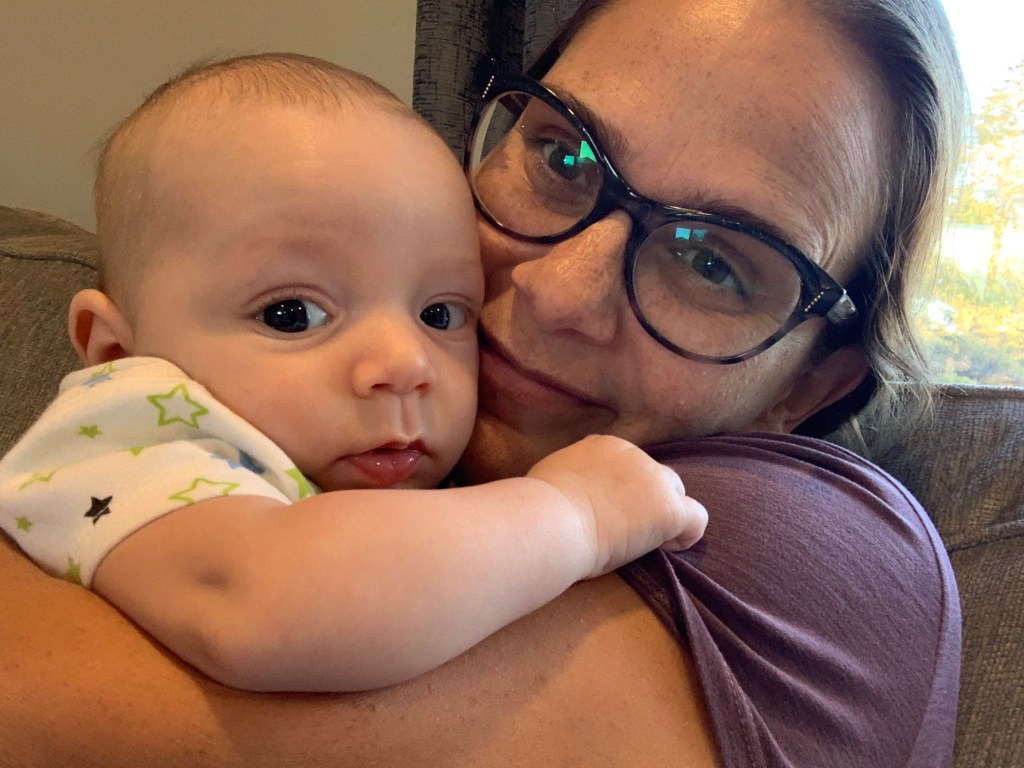
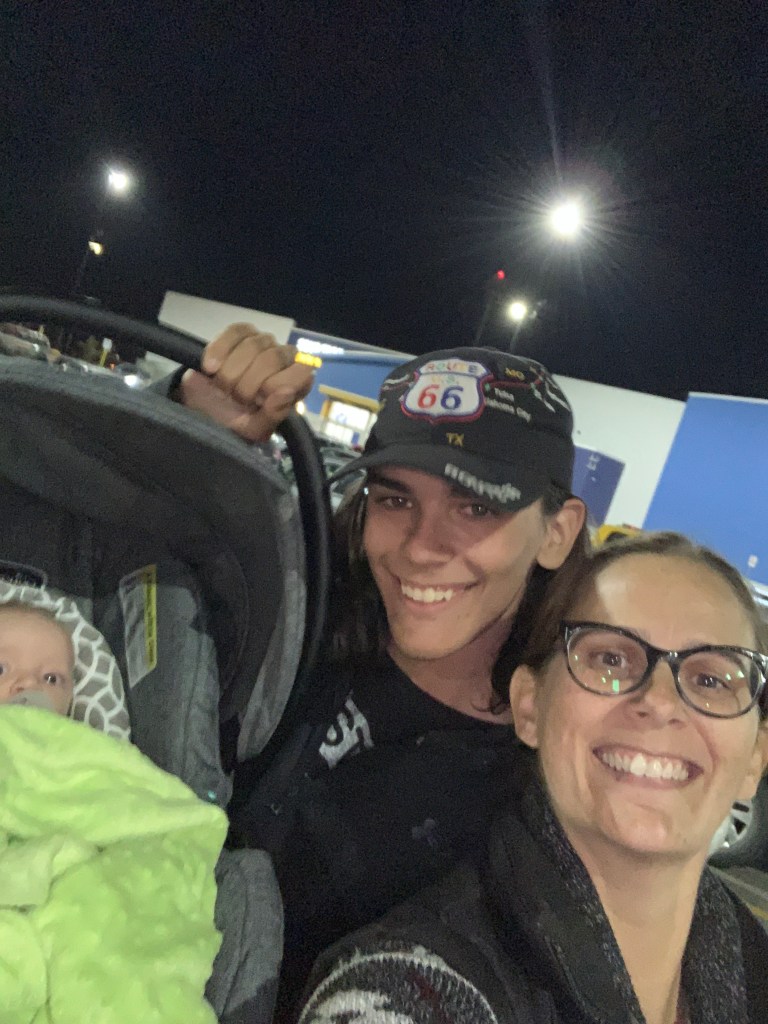
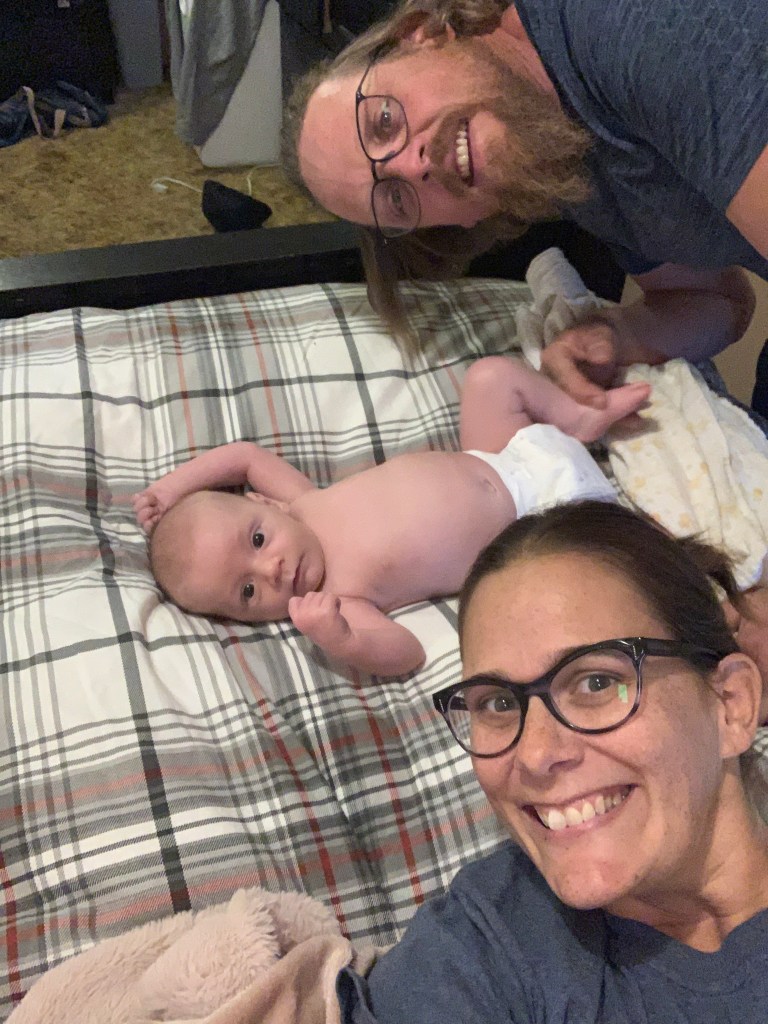
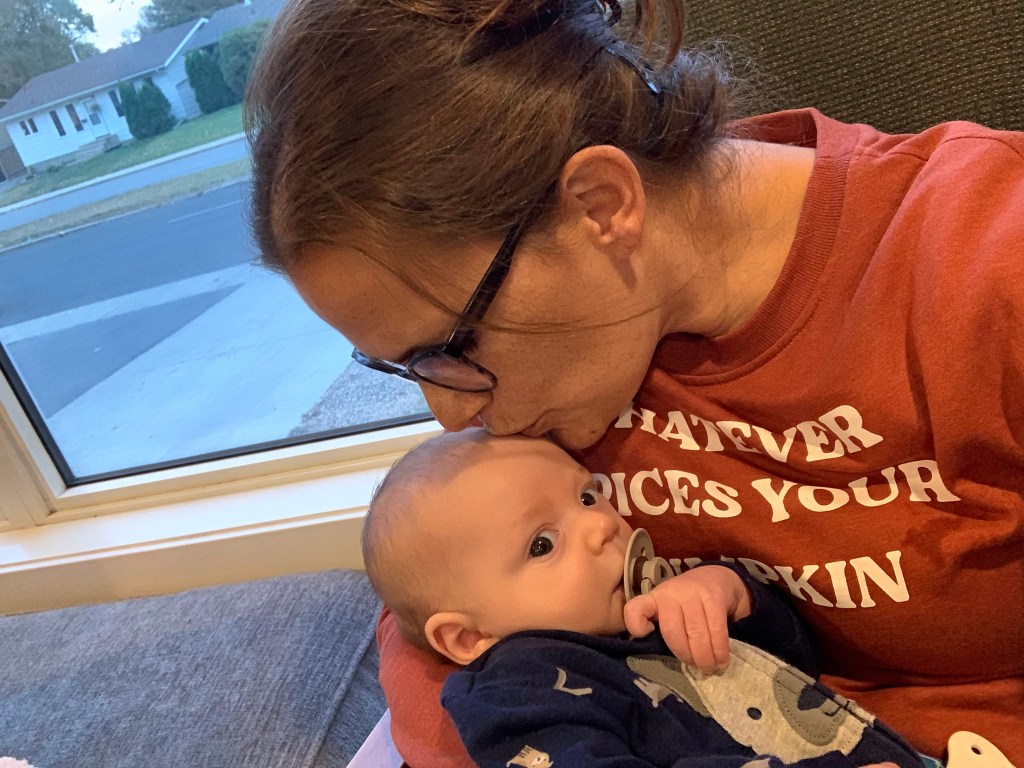
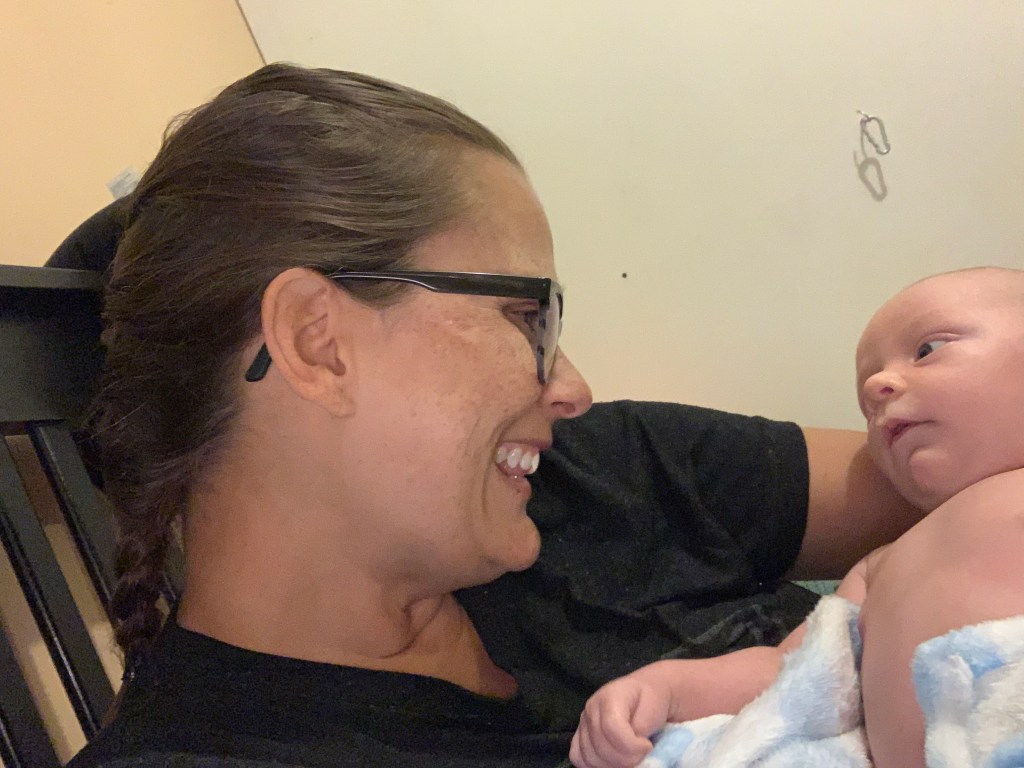
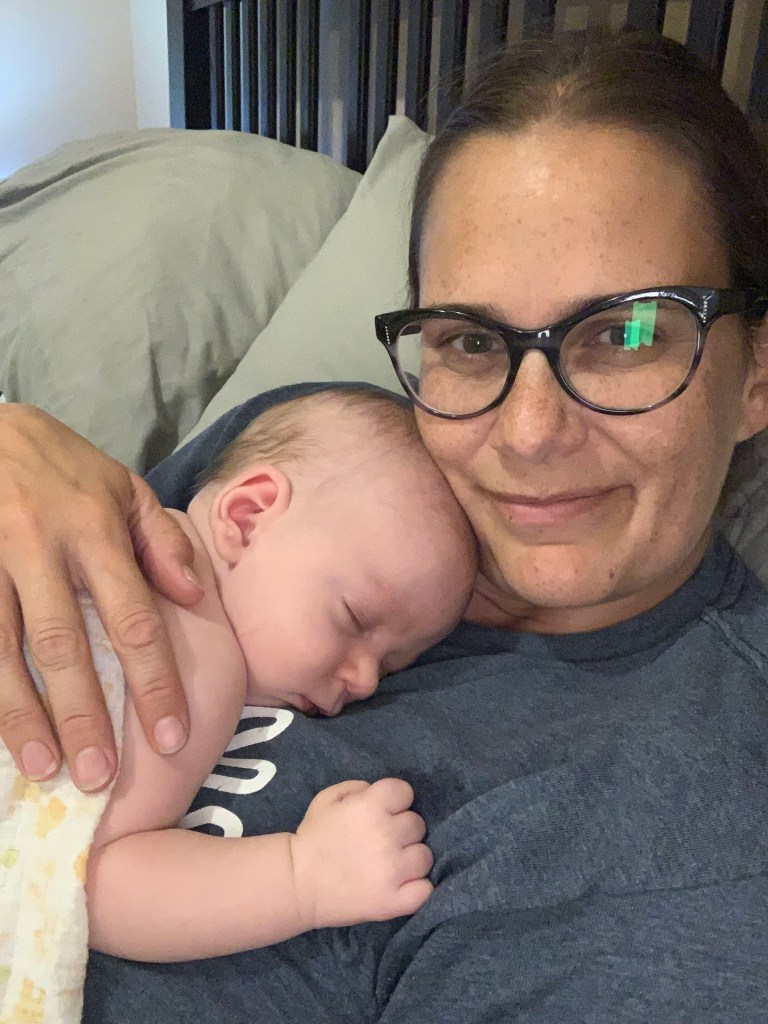
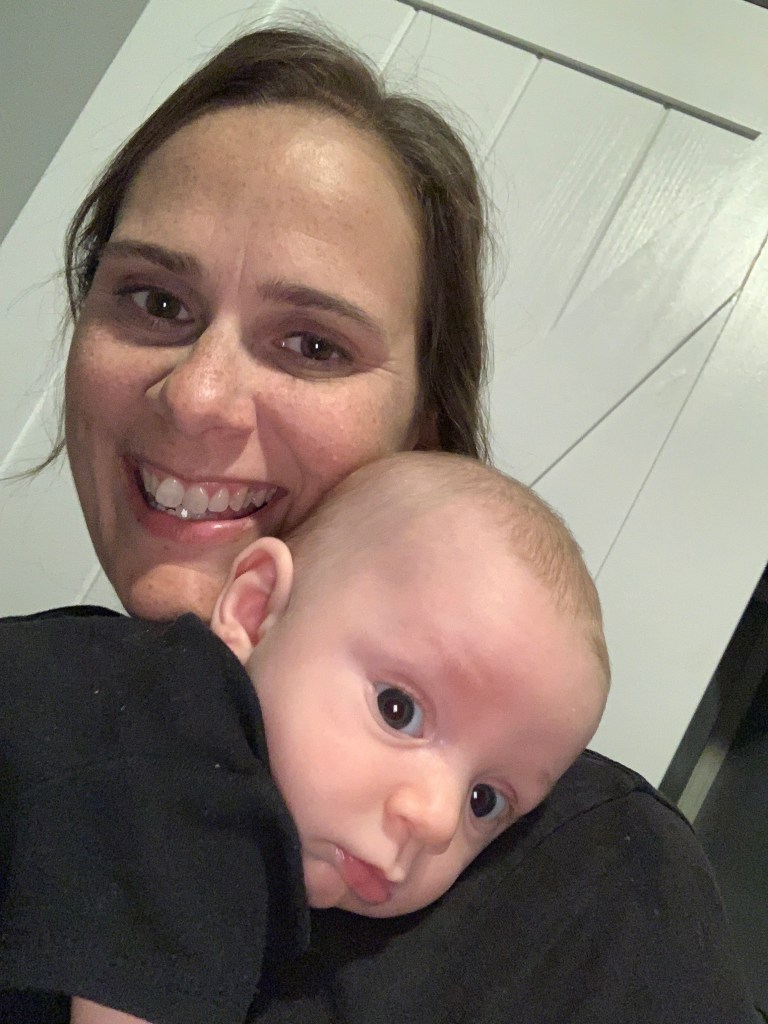
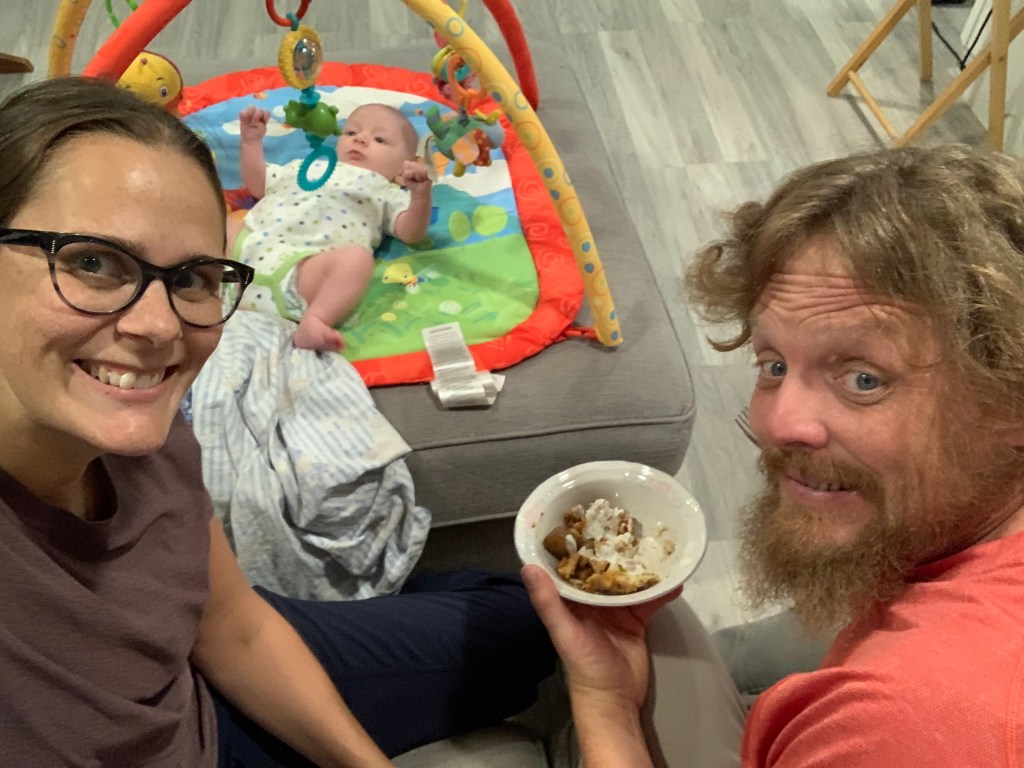
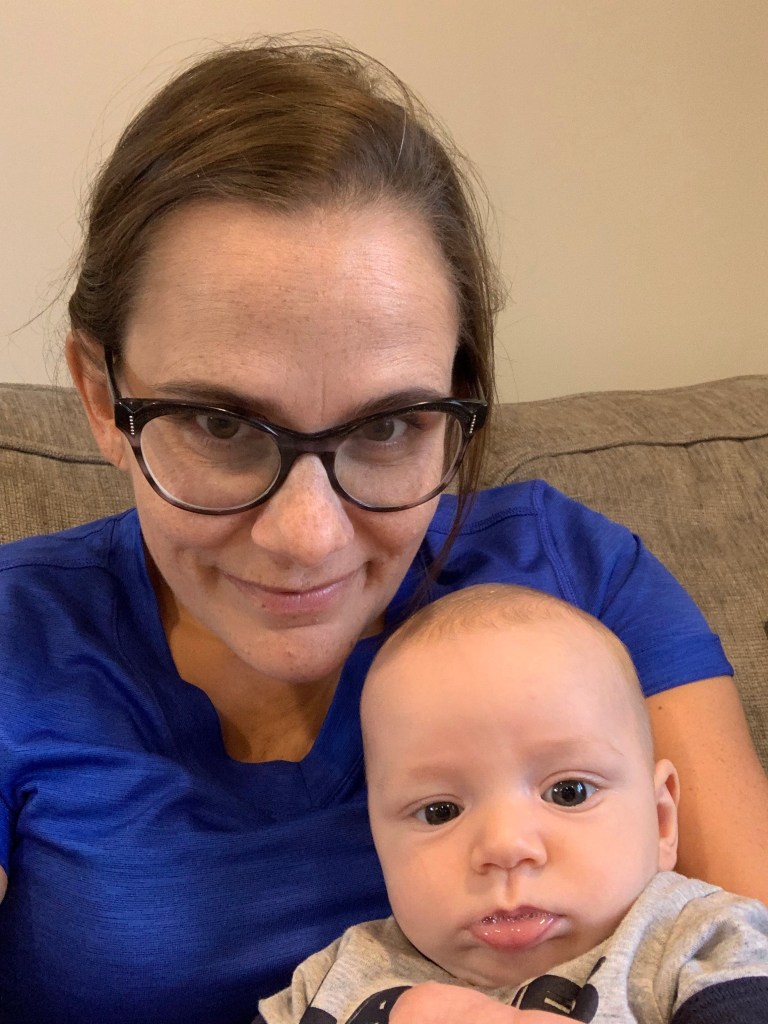


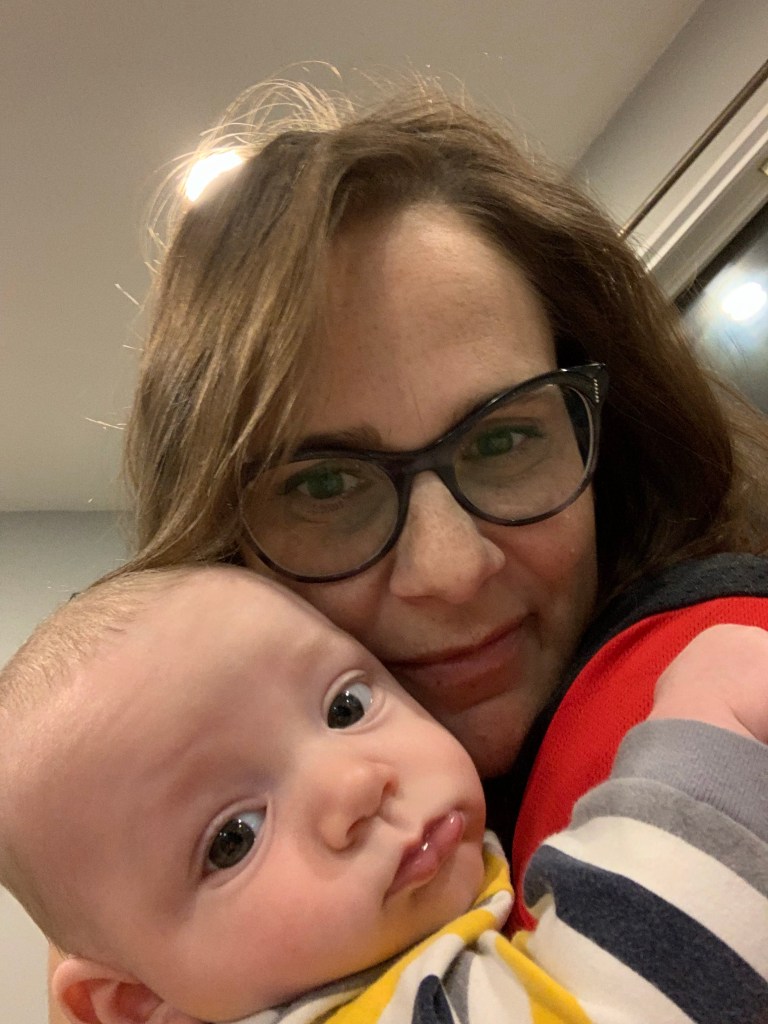
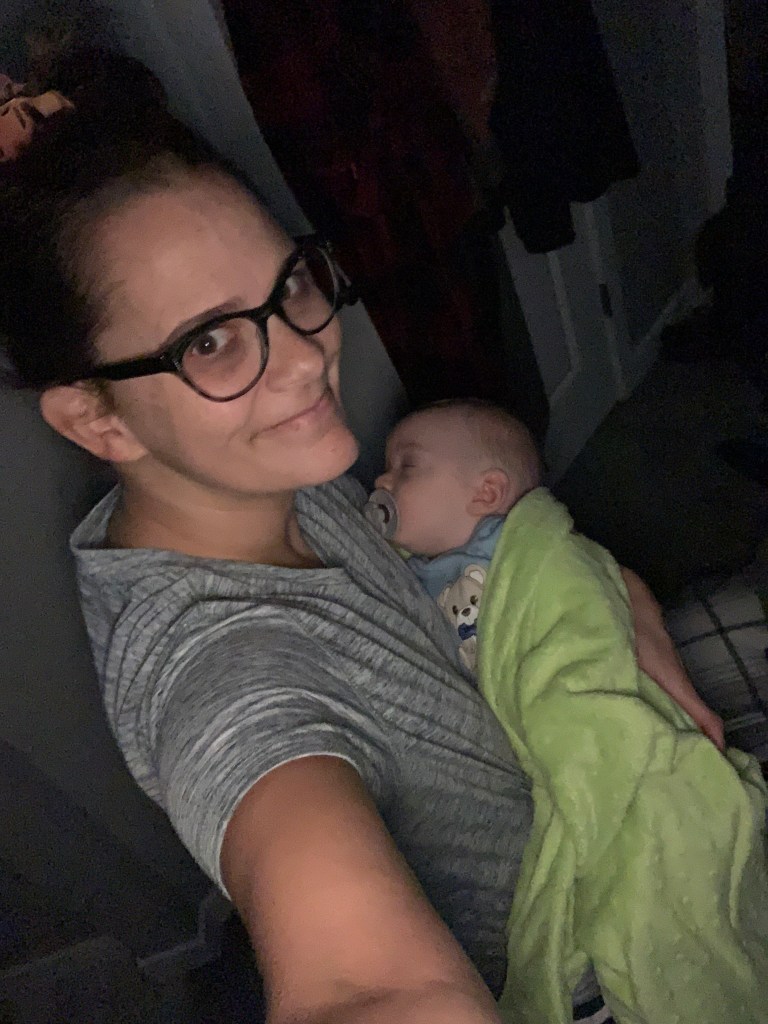

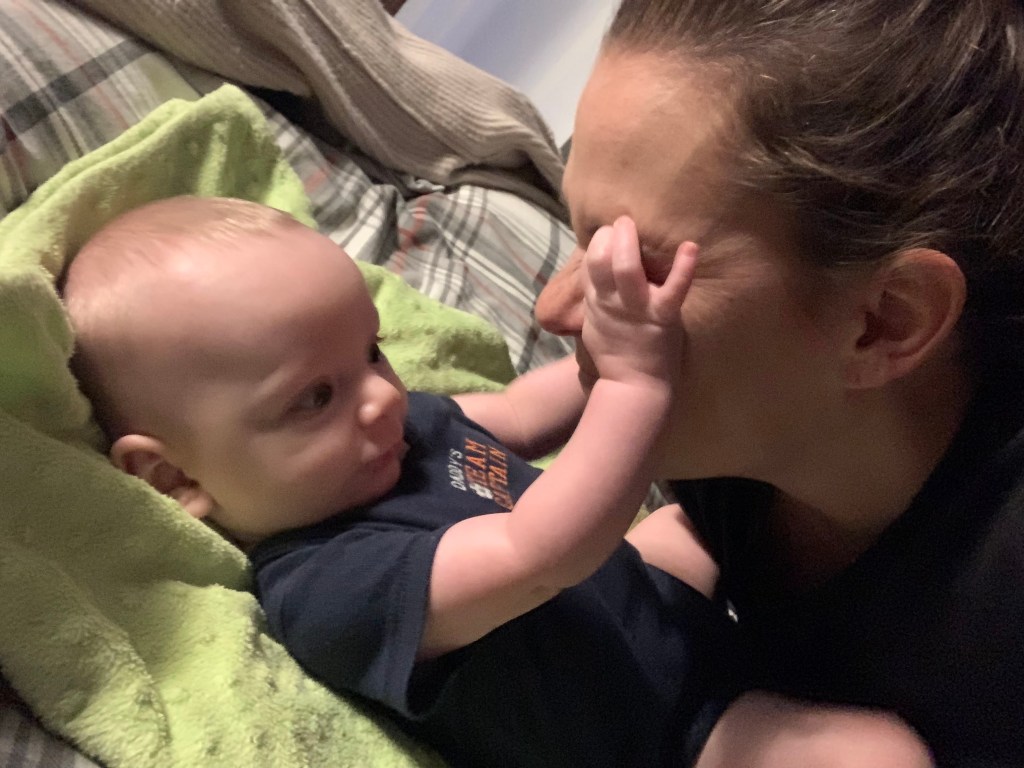
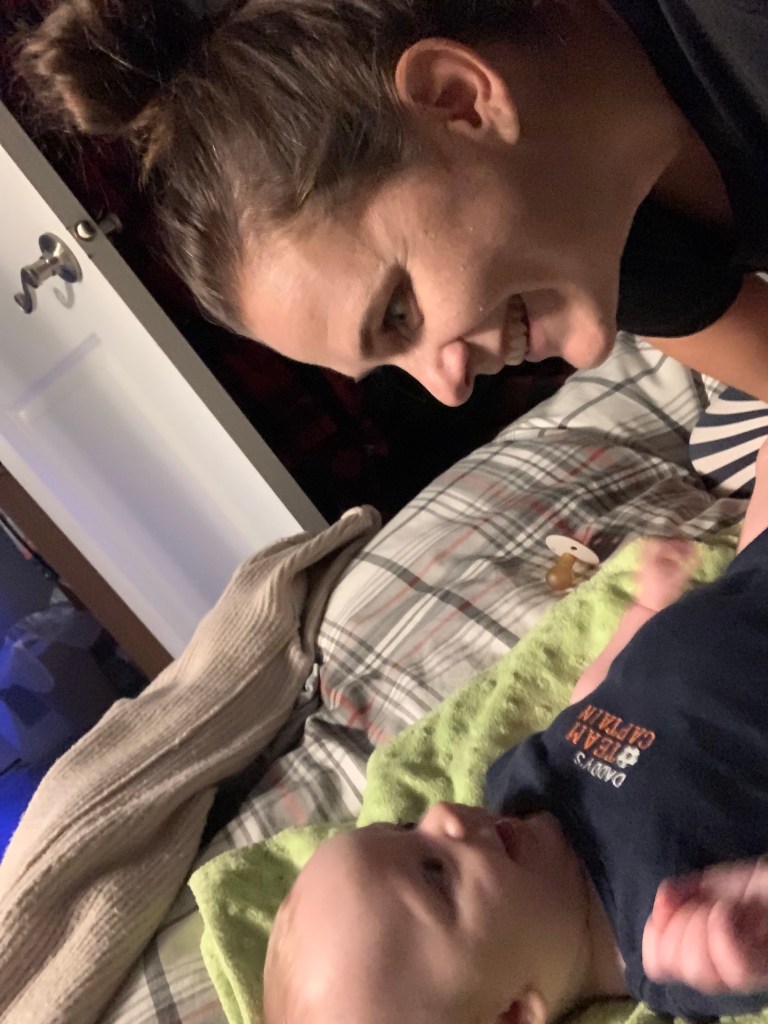
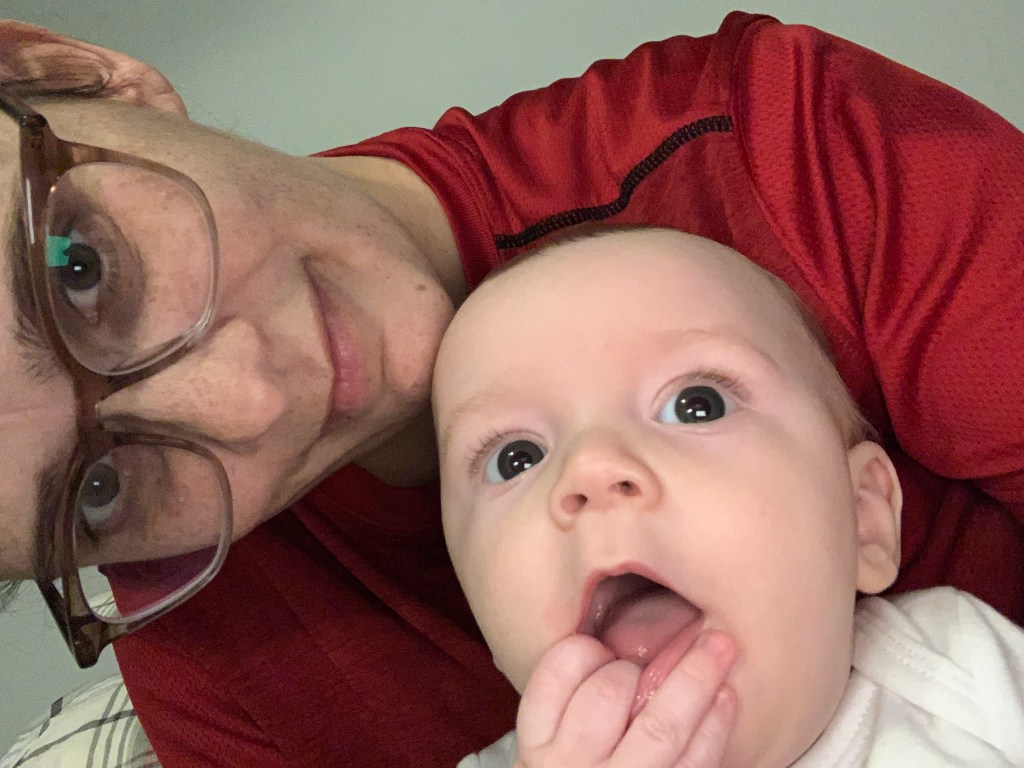
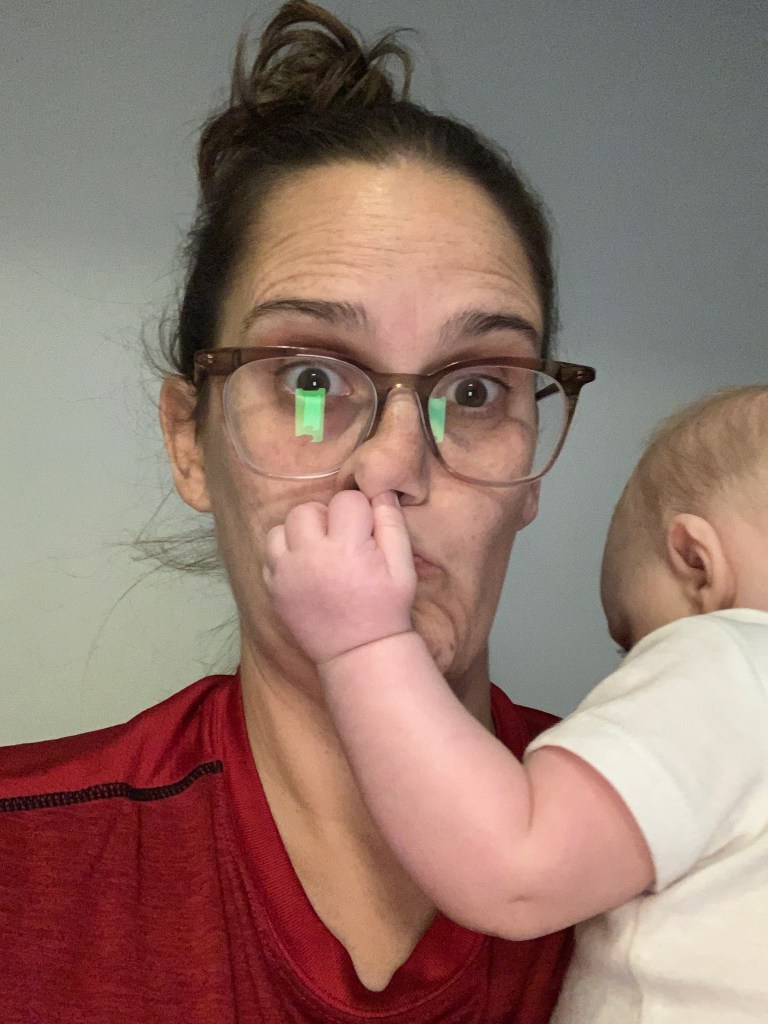
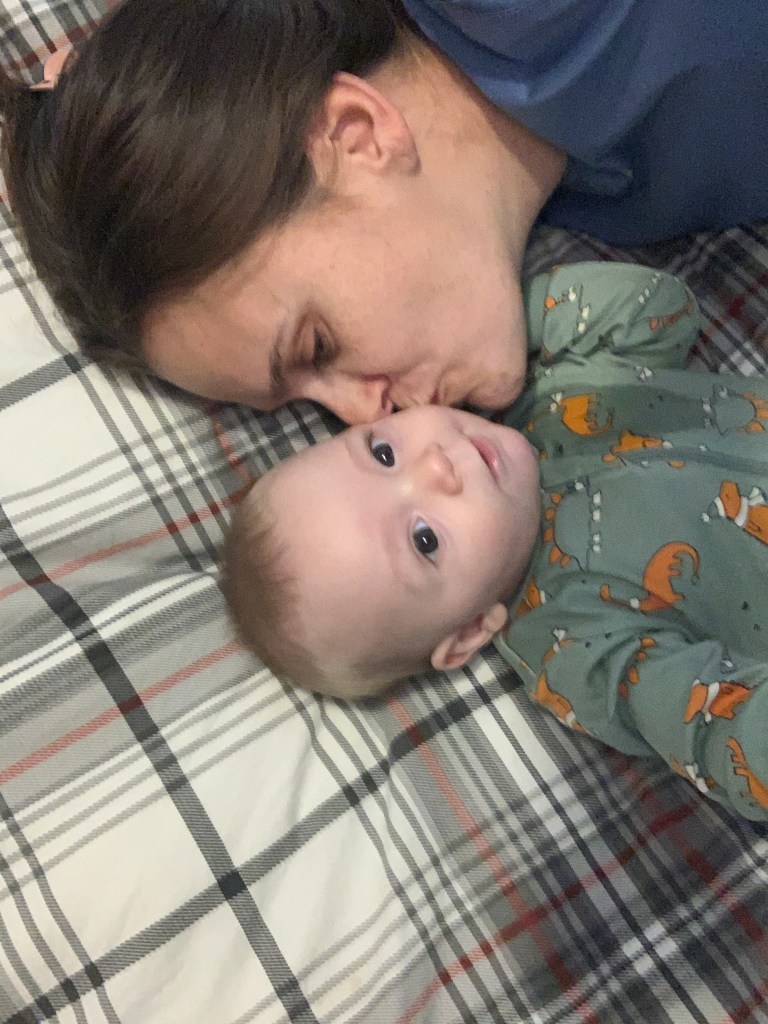
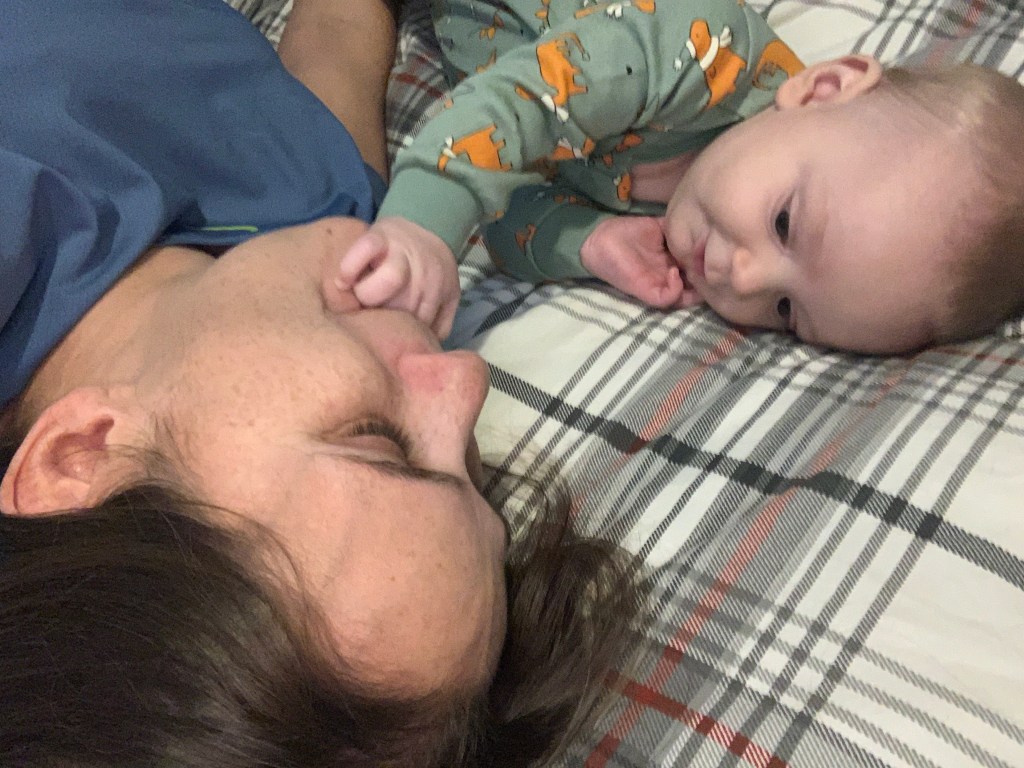
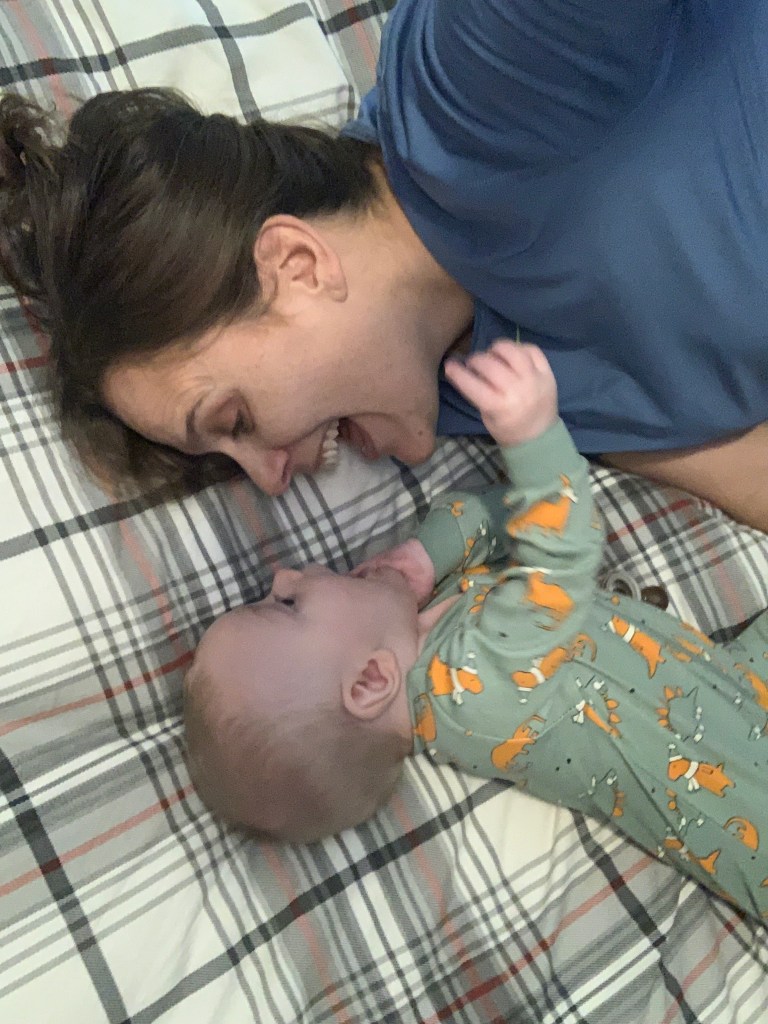
Even if you have to hold on to that promise longer than you wanted to. Hold it tight. The good days make it all worth it.
At this point in my story I can cart around that 2 year old and 4 year old at the same time. Grandma’s got guns. Just kidding. Training for my grandson got me to the point that I can run on a treadmill and ride a recumbent bike. He is my hero.
Keep getting back up. Show a willingness to bend and slow when your crucible is heavy. But keep climbing. Keep reflecting the beams of light.🌲✨
The oak fought the wind and was broken, the willow bent when it must and survived.
 SUNBEAM ACRES