Your ability to hold vision, hope, and belief is not just a mindset. It’s a nervous system state.
When your body is overwhelmed, depleted, or in pain, the part of your brain responsible for vision and forward-thinking struggles to stay online. You can journal, visualize, and set goals all you want but if your body feels unsafe, your mind will keep pulling you back.
And if you live with chronic illness, chronic pain, or burnout, this is not new information.
You’ve probably had moments where:
• You want to feel hopeful, but can’t access it
• You know what mindset would help, but it feels out of reach
• You try to think positively, but your body feels tense, guarded, or braced
That’s not failure. As if our bodies are just waiting for us to say the right affirmation in the right font.
That’s actually physiology.
⸻
The Body Test: A Different Way to Measure Alignment
Here’s something simple but surprisingly powerful to try:
When you imagine the life you want. The healing, the work, the relationships, the version of yourself you’re moving toward,
Does your body soften… or does it brace?
That response is important information. That brace could be your body essentially replying: ‘Respectfully, no.’
Sometimes what we think we should want was actually handed to us by fear, pressure, or comparison. And chasing those things can give us the energy of pursuit but not the peace of arrival.
There’s a quieter, truer kind of vision.
One that comes from a regulated, grounded body.
And your body knows the difference.
⸻
Why Mindset Feels So Hard with Chronic Conditions
Most of us were taught that results come first, and mindset follows.
“When I get healthier, then I’ll feel good.”
“When I have more energy, then I’ll be more positive.”
But if you’ve ever made progress on a health journey, you know the truth.
You had to start treating your body with care before it changed. You had to practice compassion before you believed it.
Mindset doesn’t come after results. It creates the conditions for them.
And when you’re living with chronic symptoms, this becomes even more important. Because your external results often change slowly. And beyond your control.
Big, dramatic efforts such as new routines, strict plans, sudden bursts of energy don’t sustain us. Sadly, healing is rarely impressed by one heroic Tuesday.
Especially not when our bodies are already working hard just to function.
What changes us is the steady trickle. Small, repeatable moments of regulation.
Tiny habits that teach the body. We are safe, we are supported, we can keep going.
Because in the end,
You don’t rise to the level of your goals. You fall to the level of your habits.
But in creating a body that feels safe enough to hope again.
In choosing small, steady practices over dramatic change.
In building habits that nourish instead of deplete.
In letting your body have a vote in the life you’re creating.
Because when your body believes it’s possible your mind doesn’t have to work so hard to convince it.
⸻
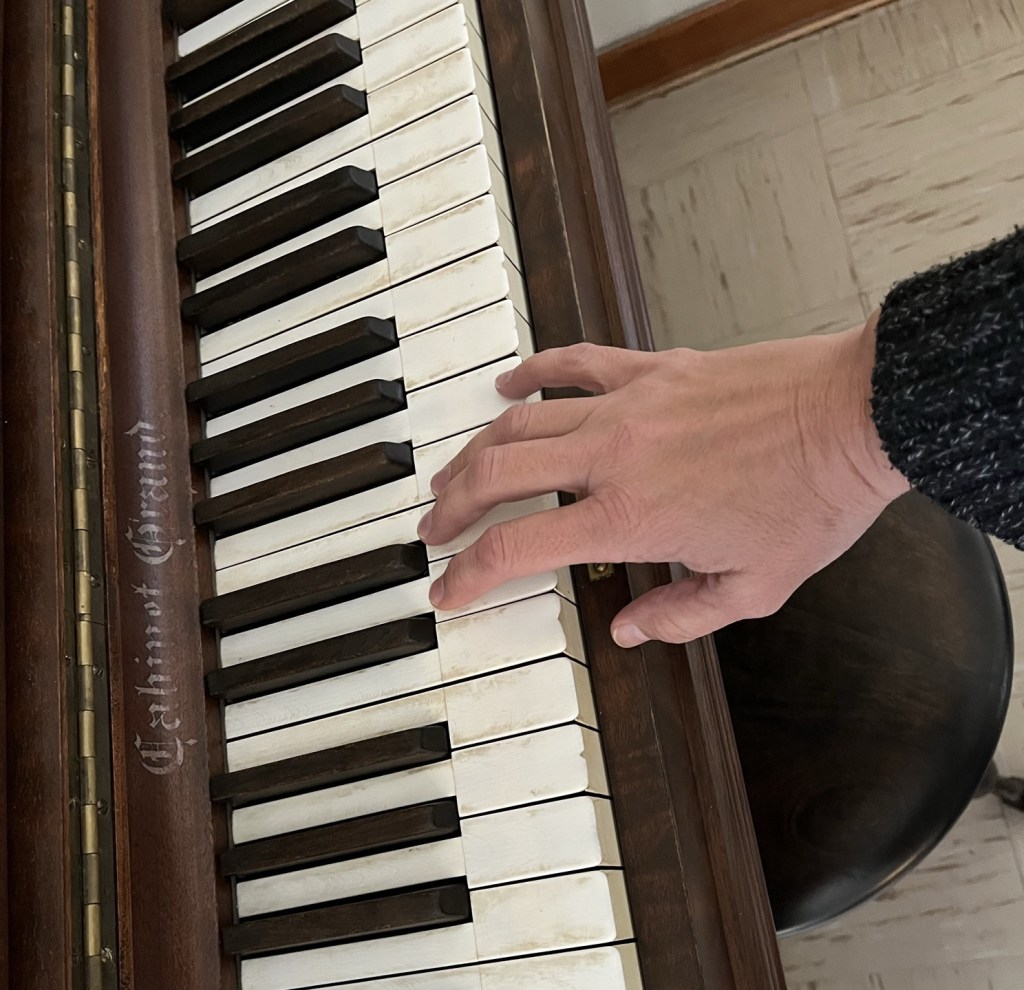
I taught piano lessons for years. I enjoyed working with kids. I enjoyed the lesson prep. I even enjoyed some of the music!
But in 2020 my body said, ‘no more.’ It could no longer do outward smiles and inward screams.
It said no to early mornings. And busy days. And constant focus. And sitting or standing. It said ‘stop!’
Eventually I chose to set aside my business. Then close it. I often consider, after having a couple of good days in a row, about teaching again.
Sometimes I start to think of how much I miss it and think perhaps I could just take a few students. I get excited thinking about it.
When I slow down my thinking enough to see how my body feels about this idea. It braces. It feels drained.
I see myself leaning forward over and over to show the place in the music I am referring to. The repetitive motion getting more and more painful.
I picture my fingers that can’t play more than a few minutes. And only simple songs. No reaching. No pressure. And how frustrating that can be when trying to demonstrate.
I think of the days I didn’t get any sleep and had to go to work anyway. And drag myself through the day. How can one person be so bad at both sleeping AND staying awake?
I have good days. That is true. But only because I’m not forcing my body and mind to work day in and day out in ways that do not support its healing.
I need time for exercise. And rest. And listening to my body. As hard as it is to listen to it at times. It really does know best.
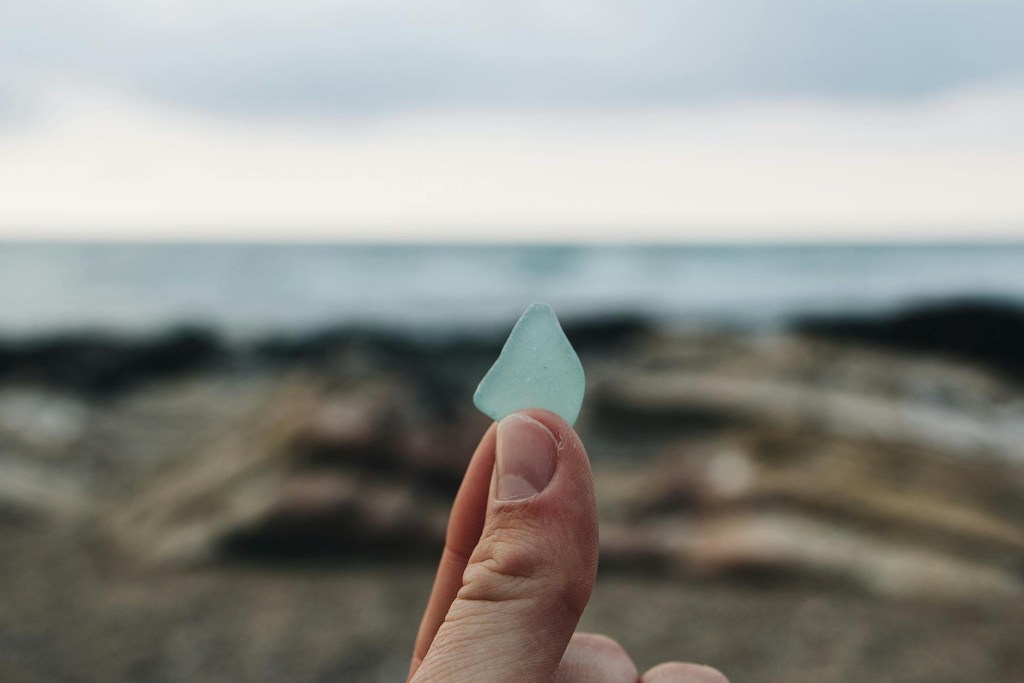
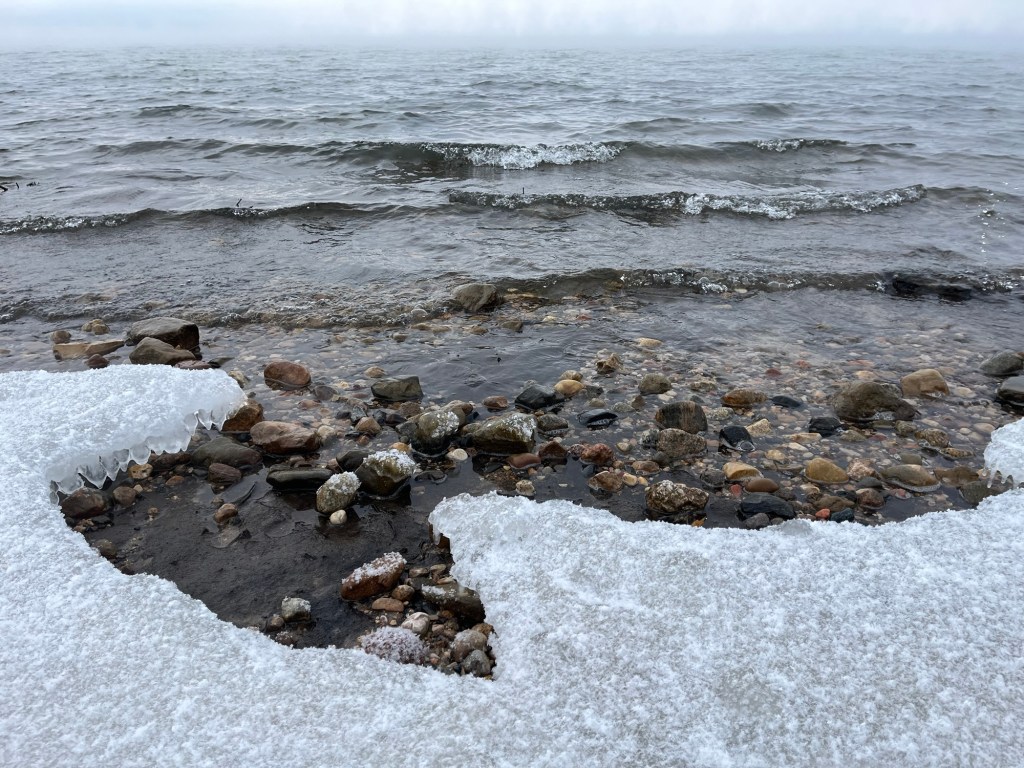
i hope you know you aren't broken glass you are sea glass shaped by the tides softened by the waves that once felt like they'd shatter you what you've been through hasn't made you less it has made you rare and luminous
even the toughest waters can create something beautiful and that's what you are... a reminder that survival can turn into art
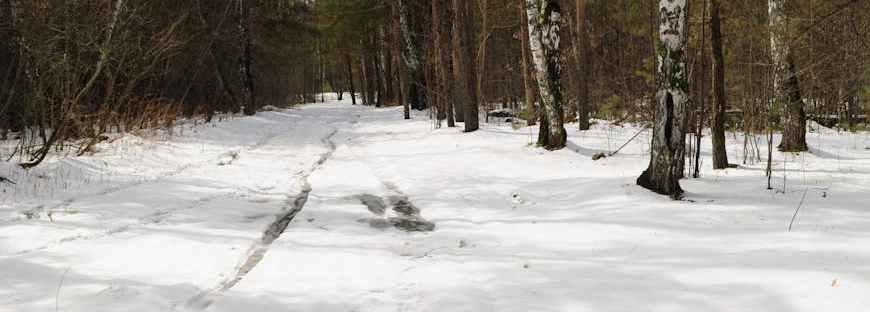
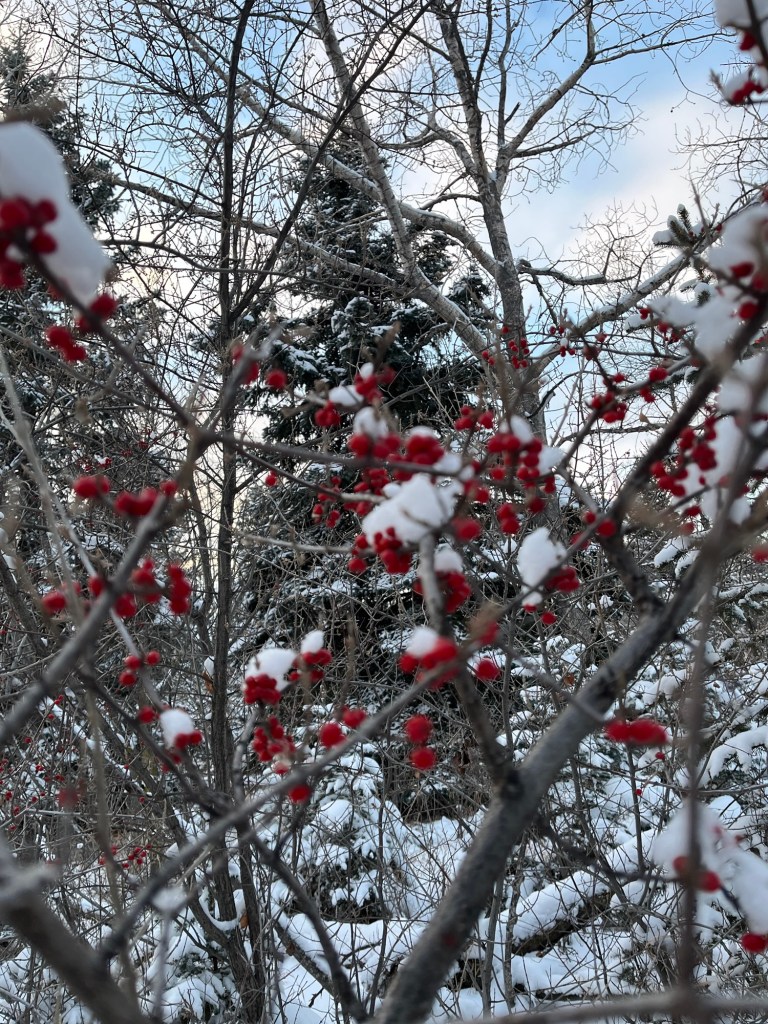
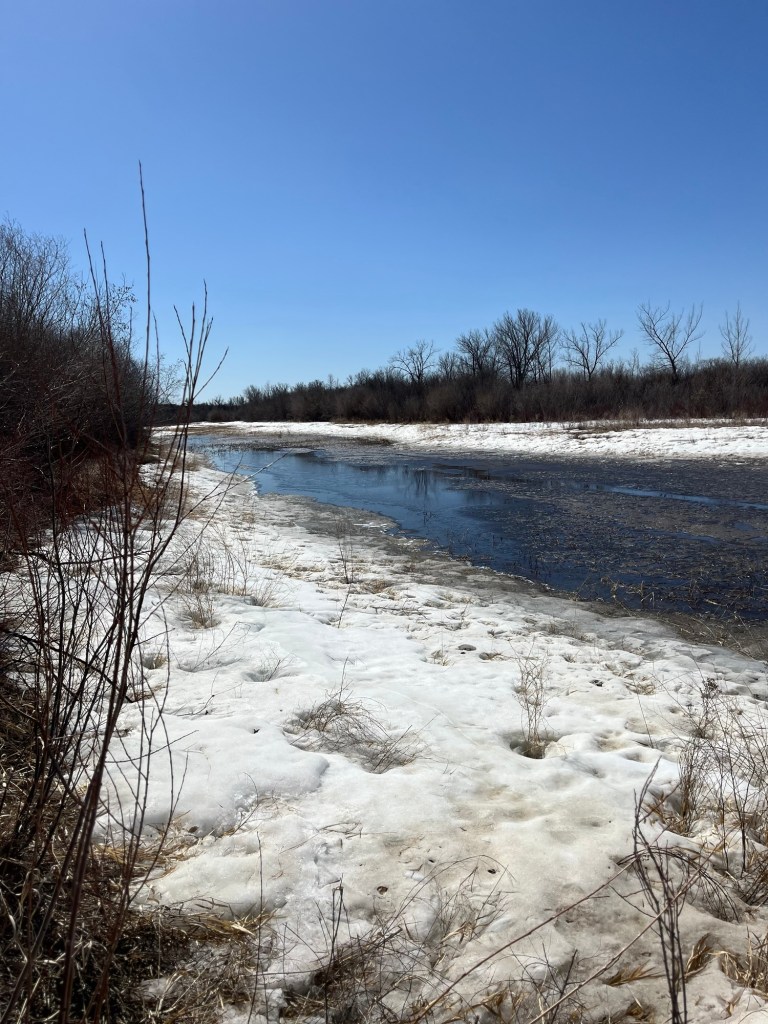
The snow came back. Not a dramatic blizzard, just a quiet dusting, enough to blanket the tender shoots that had just begun to think about stirring. Only days ago, the air was warm, the earth was waking up, and I felt that familiar pull to move, grow, begin again.
Then Saskatchewan’s subtle, “Psyche!” Mother Nature really needs to work on her comedic timing. It’s not funny anymore.
Mother Nature 👆
Us 👆
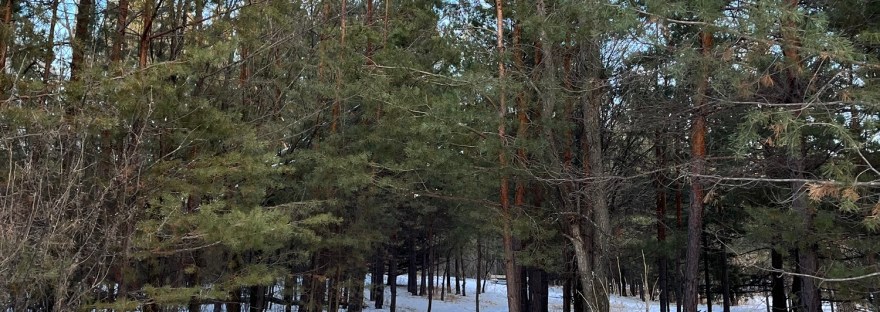
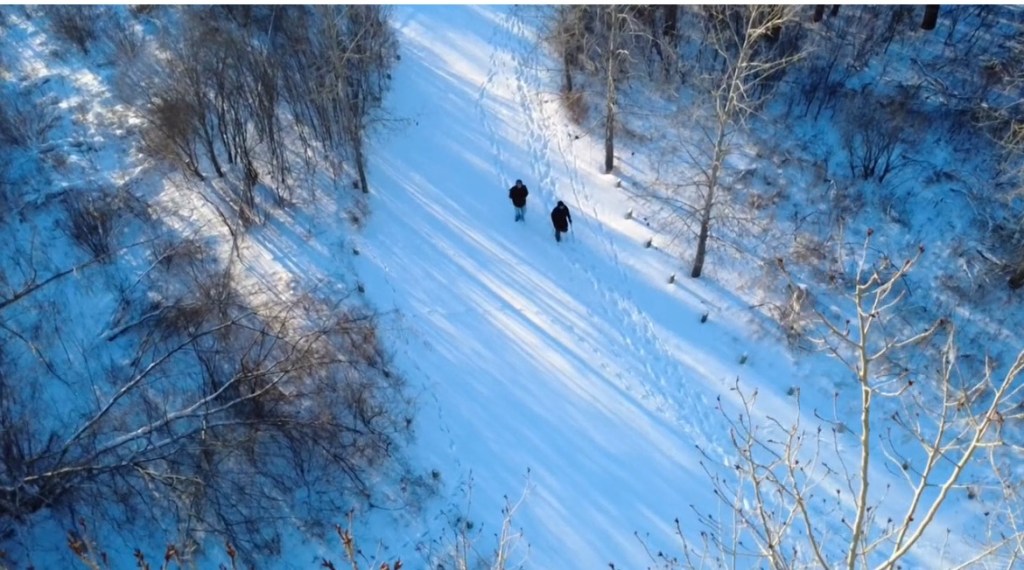
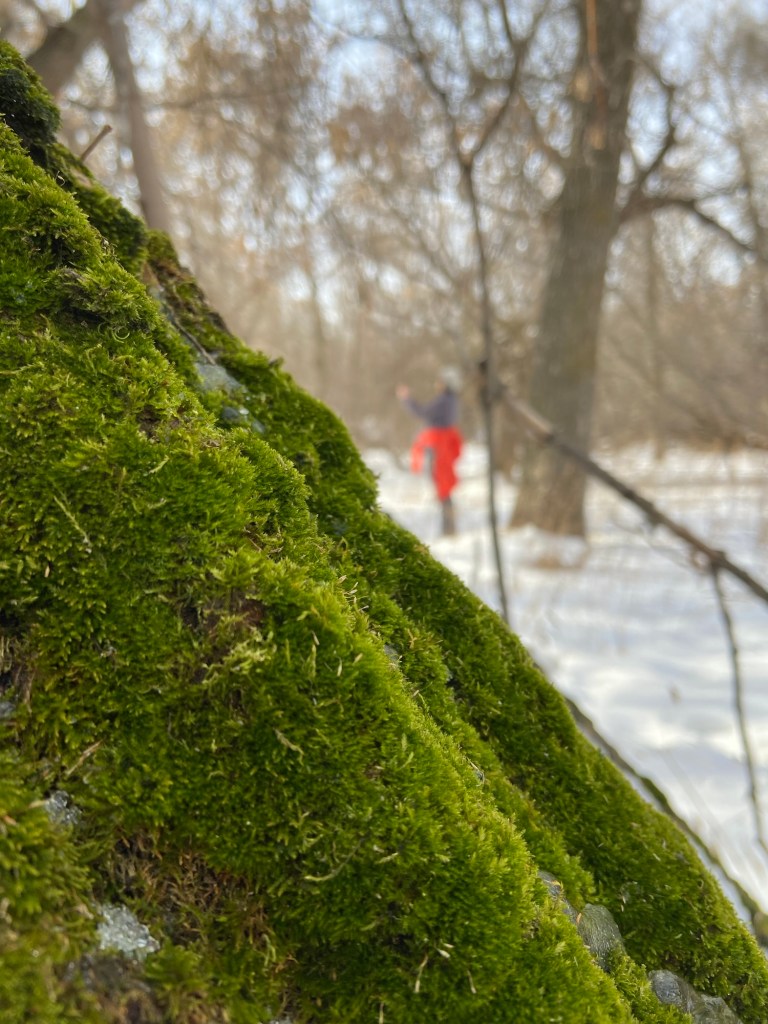
There’s a particular kind of discouragement that settles in with such a turn. It’s not sharp or overwhelming, but a slow, heavy ache. Like walking through the late-winter woods, where everything appears still, heavy, yet you sense the hidden bubbling beneath the surface.
Nothing is ‘out of order.’
It’s more akin to the forest floor right now. Frozen on top, but teeming with life underneath, roots holding fast, life paused mid-sentence. Waiting. And that kind of waiting, when your body carries its own complex story, can truly wear a person down.
When movement is a necessity, not merely an item on the ‘someday I should’ checklist, and suddenly it’s interrupted, just as you were finding your rhythm again. That’s its own unique setback.
And if you live here, you know winter isn’t a one act play. It lingers. It’s heavy. It tests you in ways that often go unseen. The cold that steals your breath before you’ve even taken a full one. The way your muscles brace with cold before you reach the car. The ice that transforms every step from less of a stroll and more of a high-stakes game of Twister that I never asked to play. And sometimes, despite my best efforts, I end up in disarray on the ground.
All it takes is one tiny tweak and suddenly your entire body is engaged in combat against itself. Again.
The scraping of windshields. Running out of gas on the coldest days every time. The endless layering. The constant bracing. The mantra of “just get through this.”
And then, quieter but just as profound, the world shrinks. Fewer visits. Less spontaneity. More effort required for connection. A different kind of painful twinge takes root.
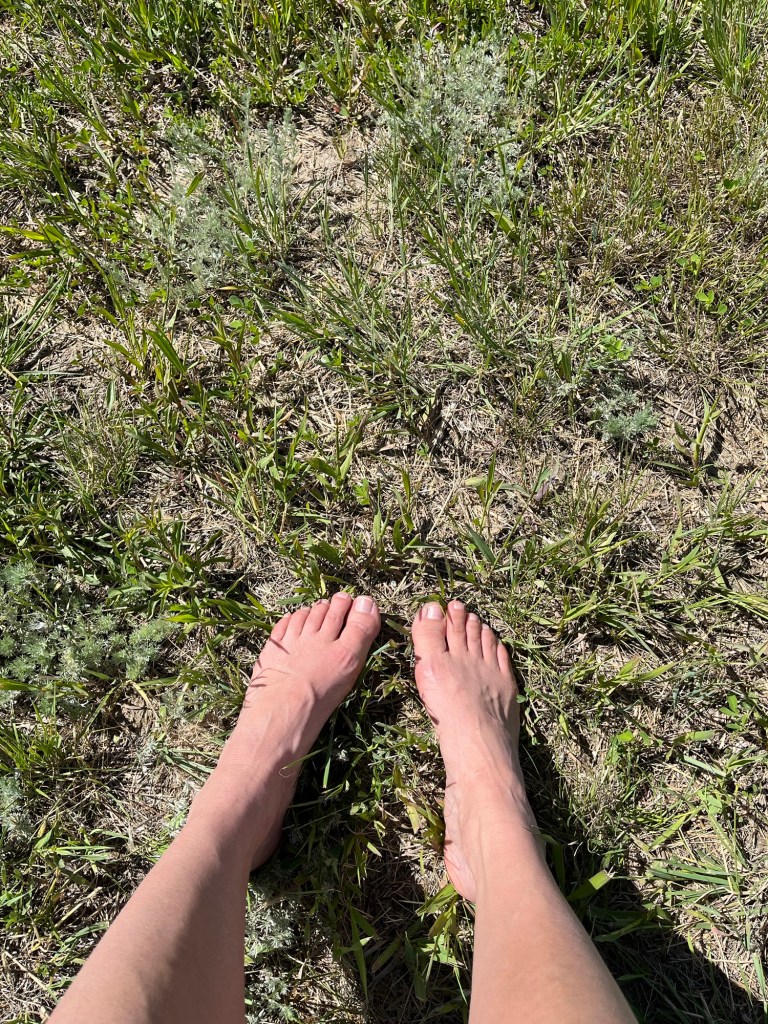
Winter is undeniably hard. And then spring arrives, feeling like a profound release. Your feet meet grass again.
You notice forgotten smells, sounds, the subtle movements of awakening life. Your body remembers something it almost lost. Summer? You’re gone, in the best possible way.
Moving. Living. Saying yes to life again. Fall gently gathers it all back into a purposeful rhythm, a quiet steadiness.
And then… winter.
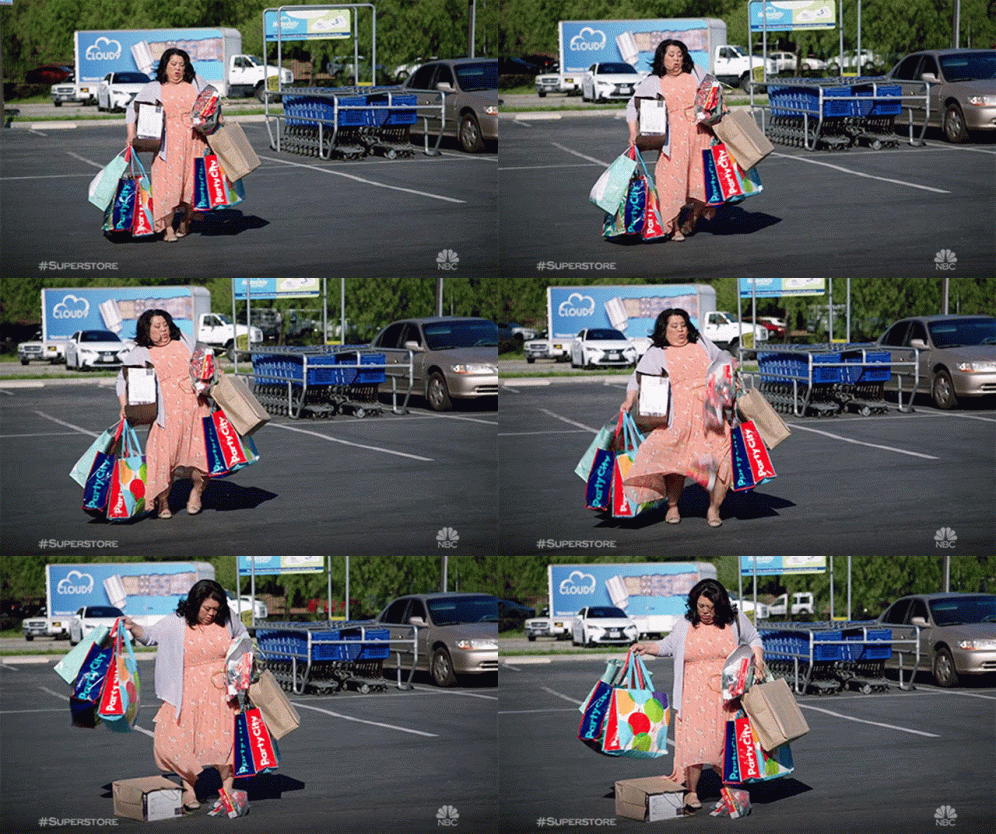
If my life were a board game, this is how it would look. Spring moves me ahead five spaces. Summer? Easily ten, maybe more; I’m flying. Fall grants another five without much effort. And winter? Winter sends me back twenty-five. Every single time. Honestly, at this point, I’d like a word with the game designer. I’m pretty sure they’re hoarding all the ‘Get Out of Jail Free’ cards. Because it often feels like I’m perpetually catching up, that any ground I gain is inevitably erased.
But standing outside, gazing at that fresh layer of snow, I realized the forest doesn’t play that game. The trees aren’t measuring progress by who wins and who loses. They aren’t frustrated by yesterday’s fleeting warmth. They aren’t disappointed because spring almost arrived then left.
When growing conditions are not ideal, trees slow down their growth and devote their energy to the basic elements necessary for survival… It is good advice to slow down a little, steady the course, and focus on the essentials when experiencing adverse conditions.
And that, precisely, is what’s unfolding out there right now. Nothing has gone backward. It is simply waiting for its time. Using this time to focus on what’s beneath the surface.
Perhaps I can learn something there. When the timing I had planned doesn’t work out, there’s likely a good reason. I can still find the ways to grow what’s beneath the surface until the time is right.
Jody Moore speaks of the “river of discomfort.” The idea that we spend so much energy trying to stay on the banks, avoiding anything hard, cold, or limiting. But true growth doesn’t happen on the edge. It happens when you’re immersed in it.
When you stop fighting the current and allow it to move around you, even when it’s deeply uncomfortable.
Winter often feels like that river. So does injury. So does anything that slows you down just as you were gaining momentum. And I don’t always navigate it gracefully.
Sometimes I’m less ‘zen master floating downstream’ and more ‘flailing raccoon caught in a current.’ Sometimes I resist. Sometimes I push. Sometimes I’m frustrated to find myself “back here again.”
But perhaps I’m not returning to something amiss. Perhaps this isn’t losing ground at all. Deena Metzger once wrote,
There is a slowness that is not a stopping, but a gathering.
Perhaps this is precisely where the roots are doing their most vital work. Under the surface.
AURALYN: (n) The sacred glow of someone learning to love themselves again.
Not sudden, but slow, like flowers relearning the sun.
-Everglow Words
⸻
A Forest Therapy Practice:Exploring the Depths
You don’t need to venture far for this. You don’t even need to go outside, though it often deepens the experience.
Sit. Or stand. Or lean. Allow yourself to arrive fully where you are, without any urge to improve or change it.
Imagine what lies beneath you. Not the snow. Not the frozen surface. Deeper. Intricate networks. A slow, steady strengthening. Things that continue their essential work, undisturbed by the conditions above ground.
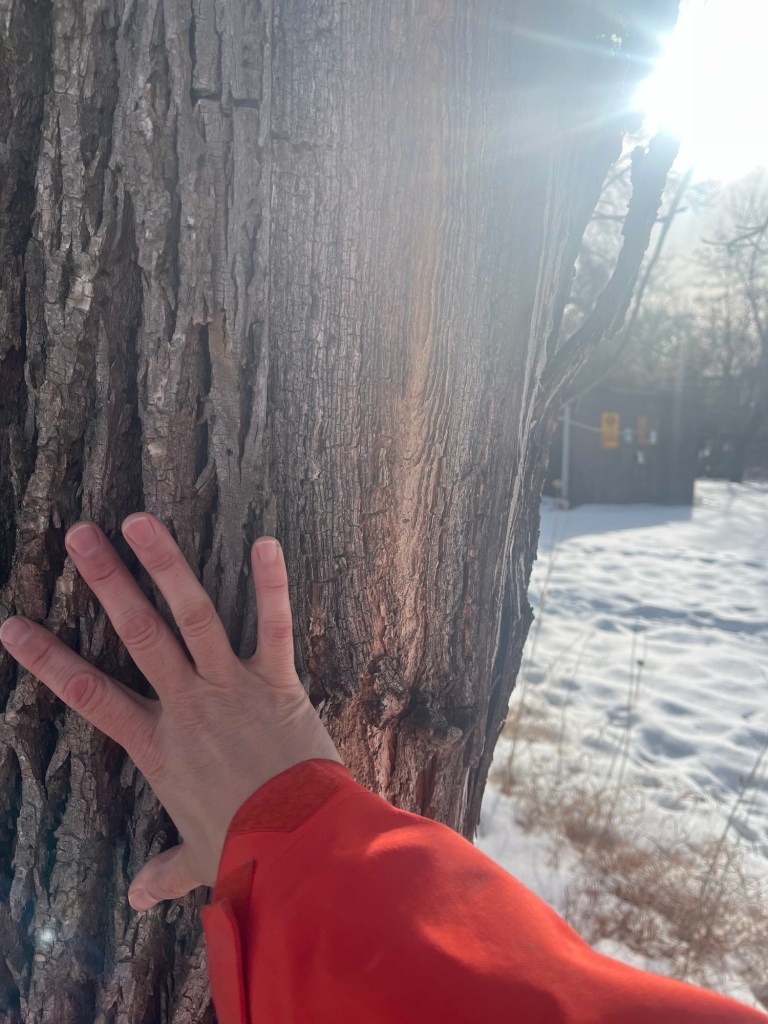
Place your hand gently on a part of your body that feels tight, or tired, or limited. And instead of asking, “Why isn’t this getting better?” try asking, “What might be needed for healing to take place here?”
You don’t need an immediate answer. Just let the question settle. And… wait there with a small flicker of hope. No pressure. Just a quiet willingness to believe that something is still unfolding.
⸻
Try returning to this thought:
What if winter isn’t taking me backward?
What if it’s building something I couldn’t cultivate any other way?
Something slower. Something steadier. Something that won’t vanish when the seasons inevitably shift again. Because they will. They always do.
What good is the warmth of summer, without the cold of winter to give it sweetness.
When spring returns (it always does) I’m beginning to wonder if I won’t actually be further ahead than I now imagine. Even if the board game of life never quite shows it.
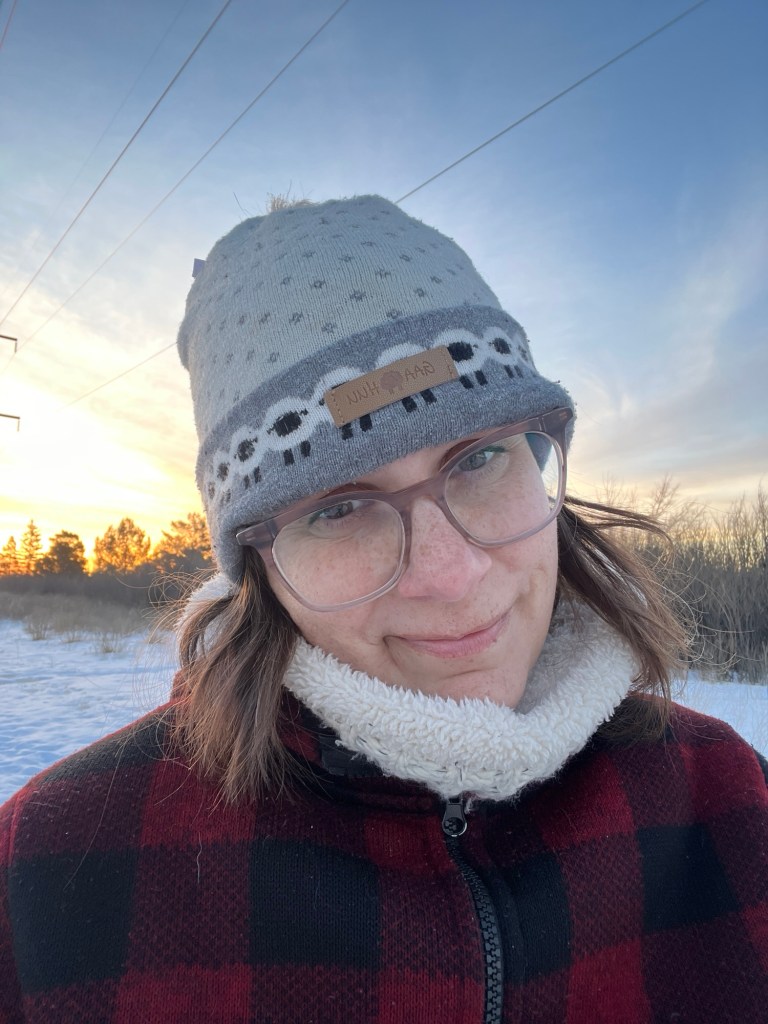
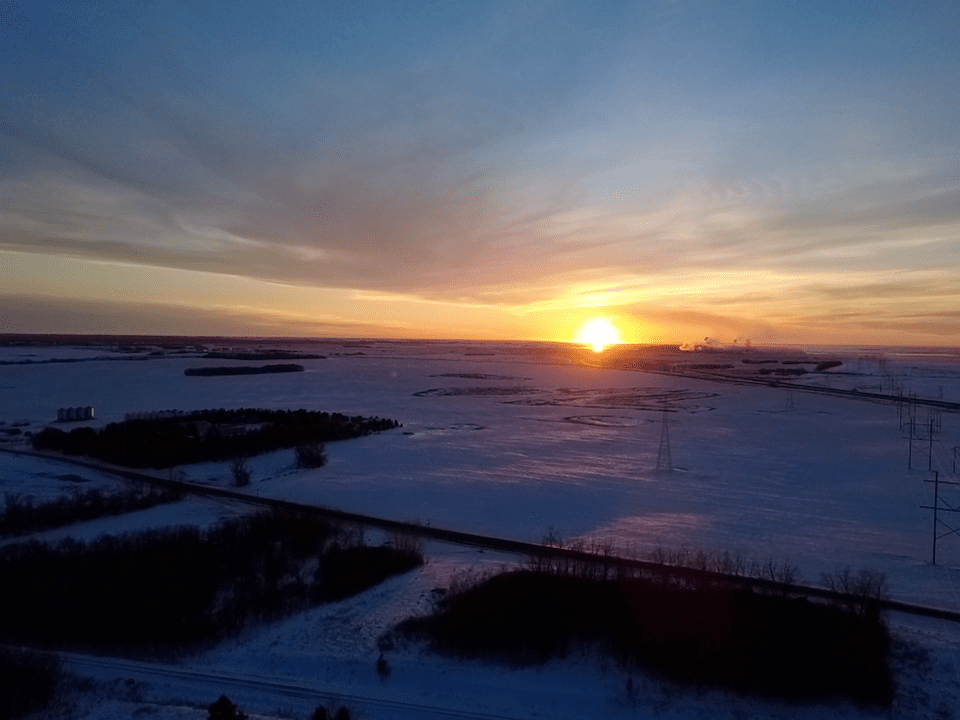
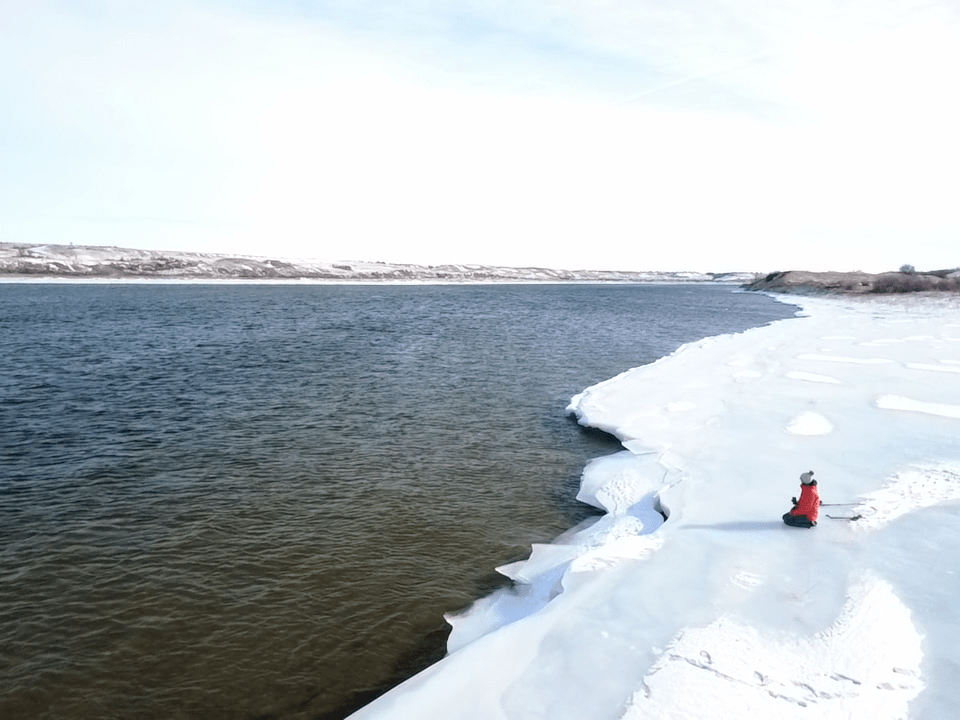
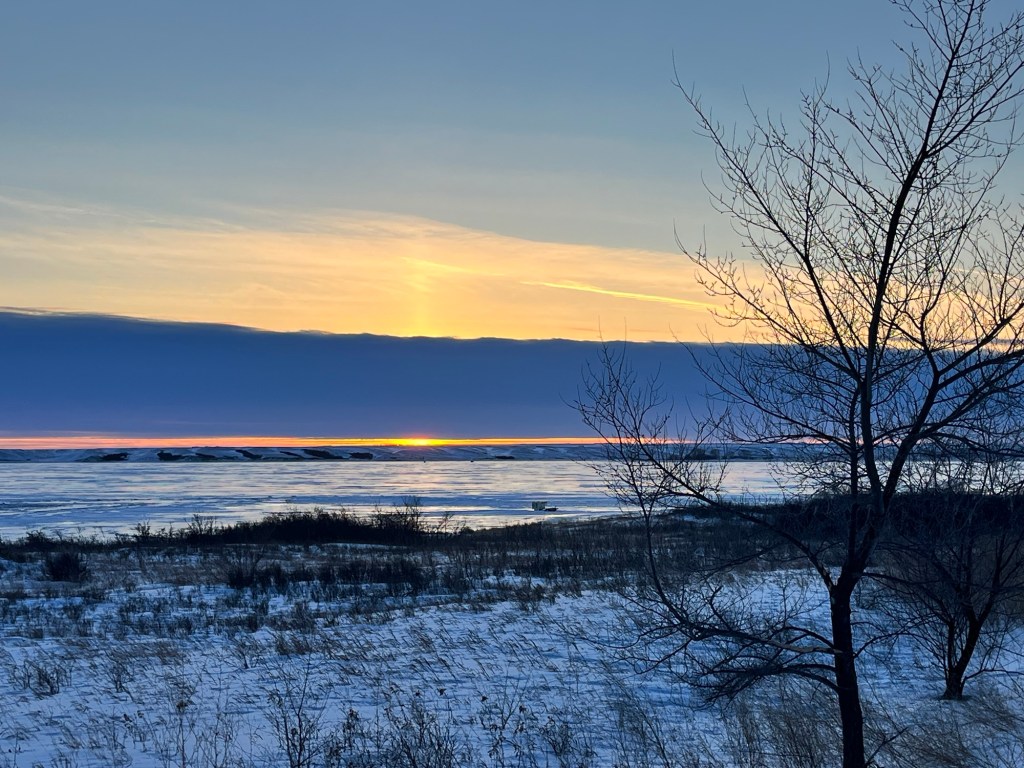
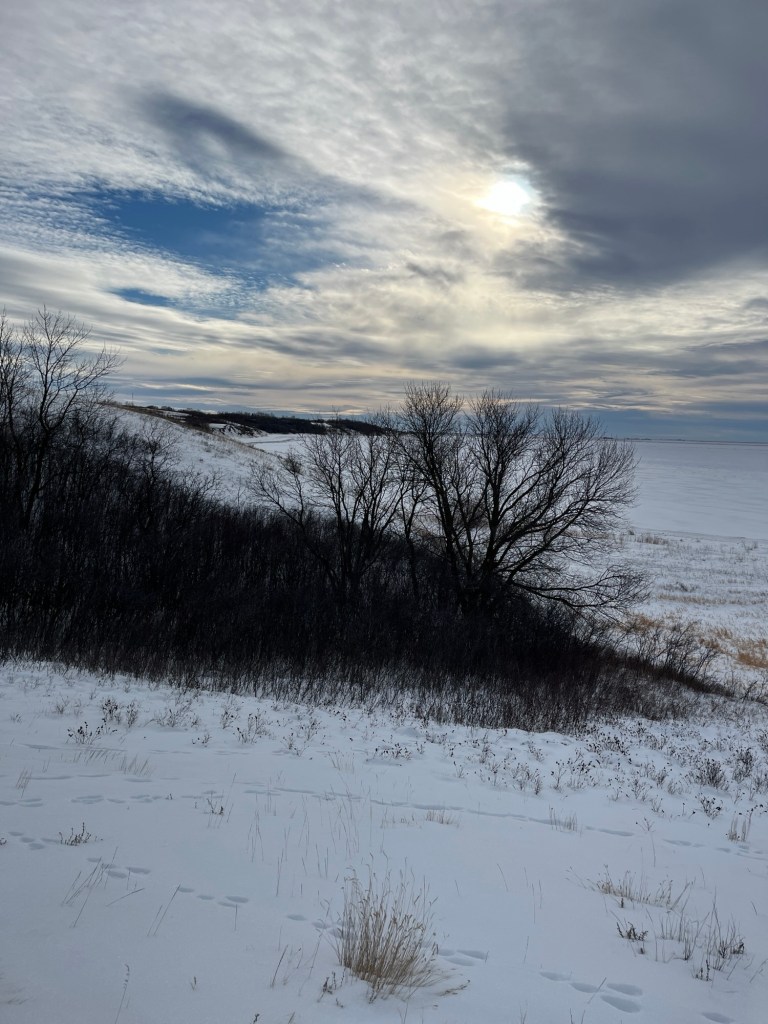
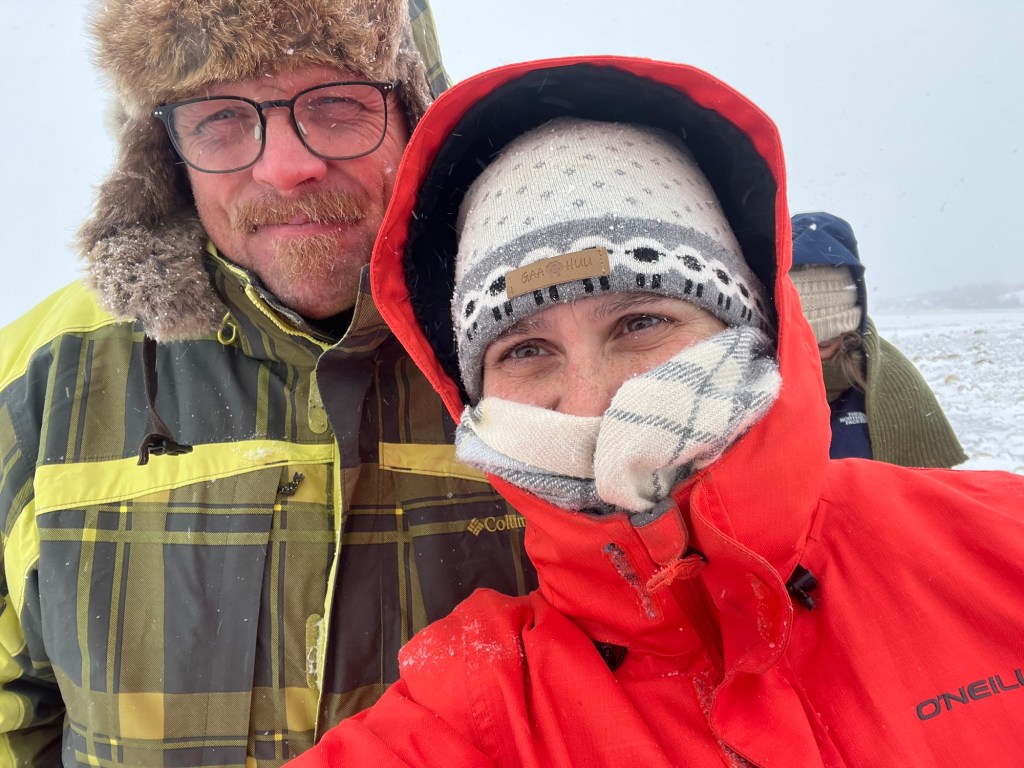
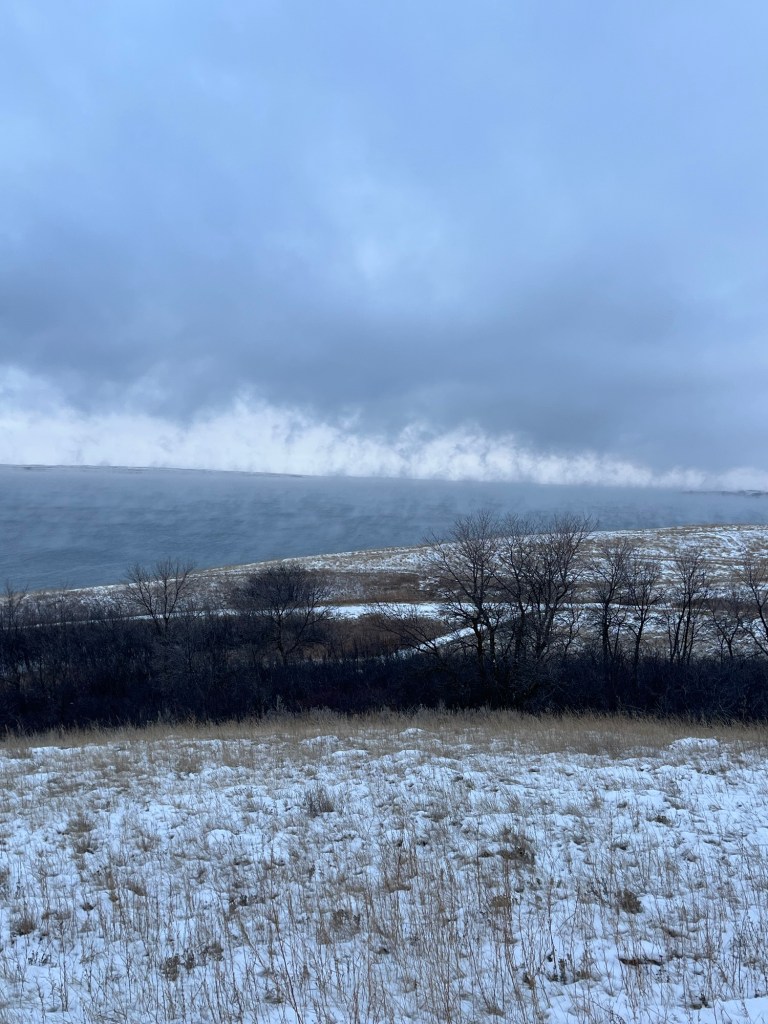
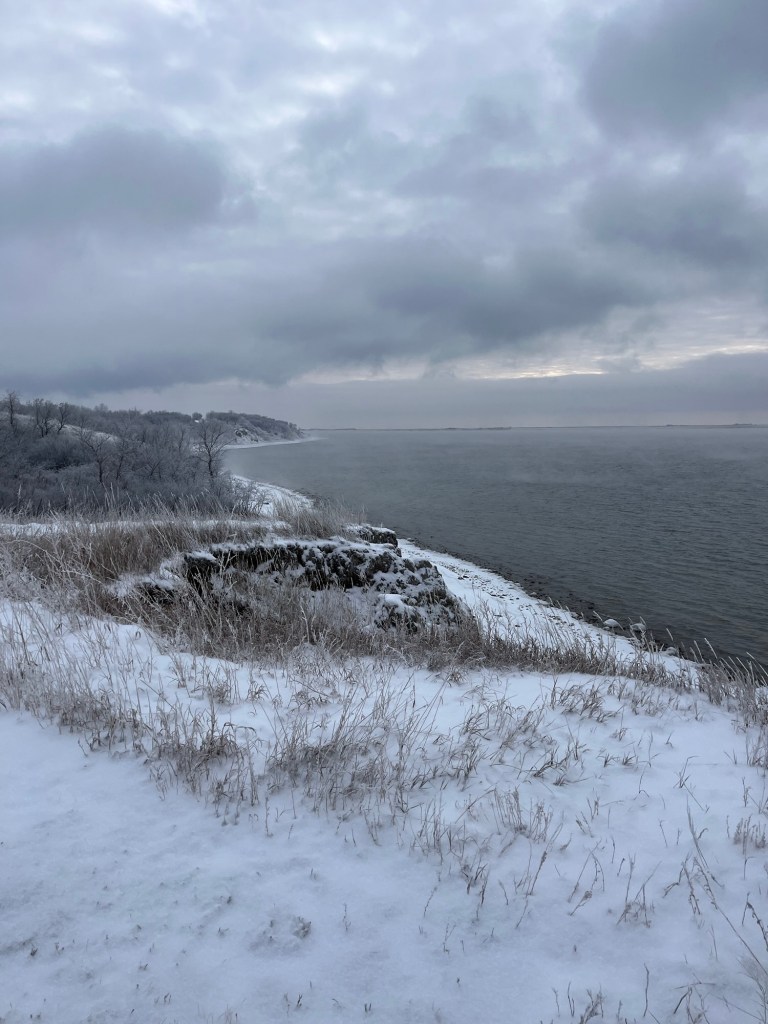
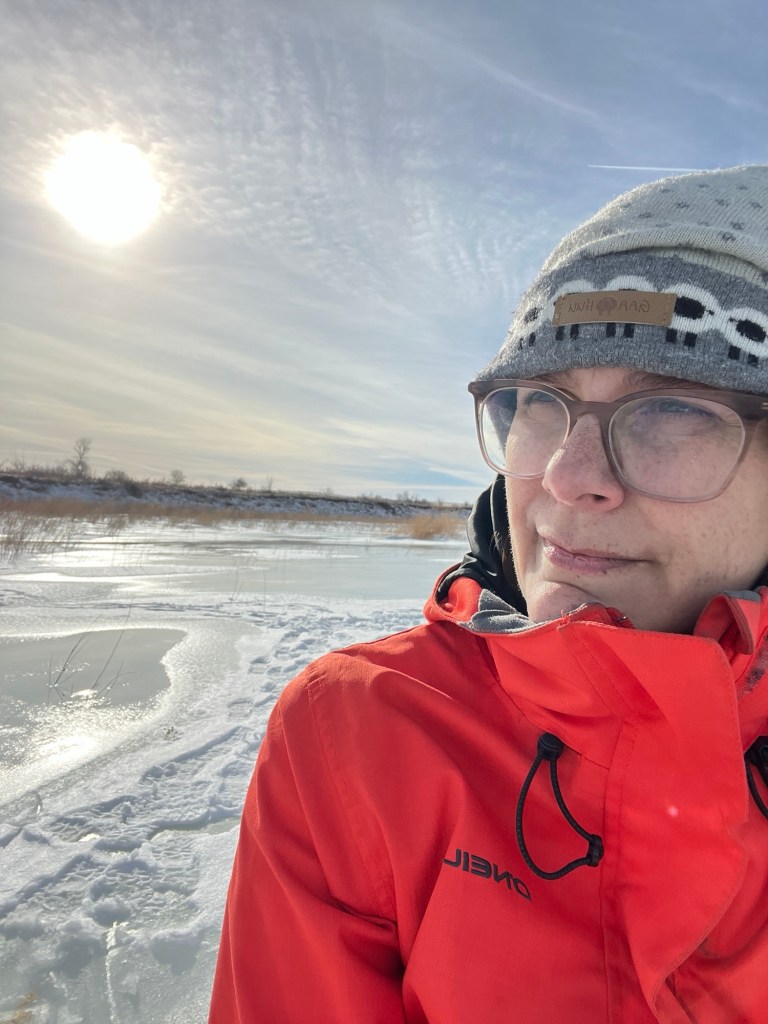
In Saskatchewan right now, the wind still bites and snow still crunches under our boots.
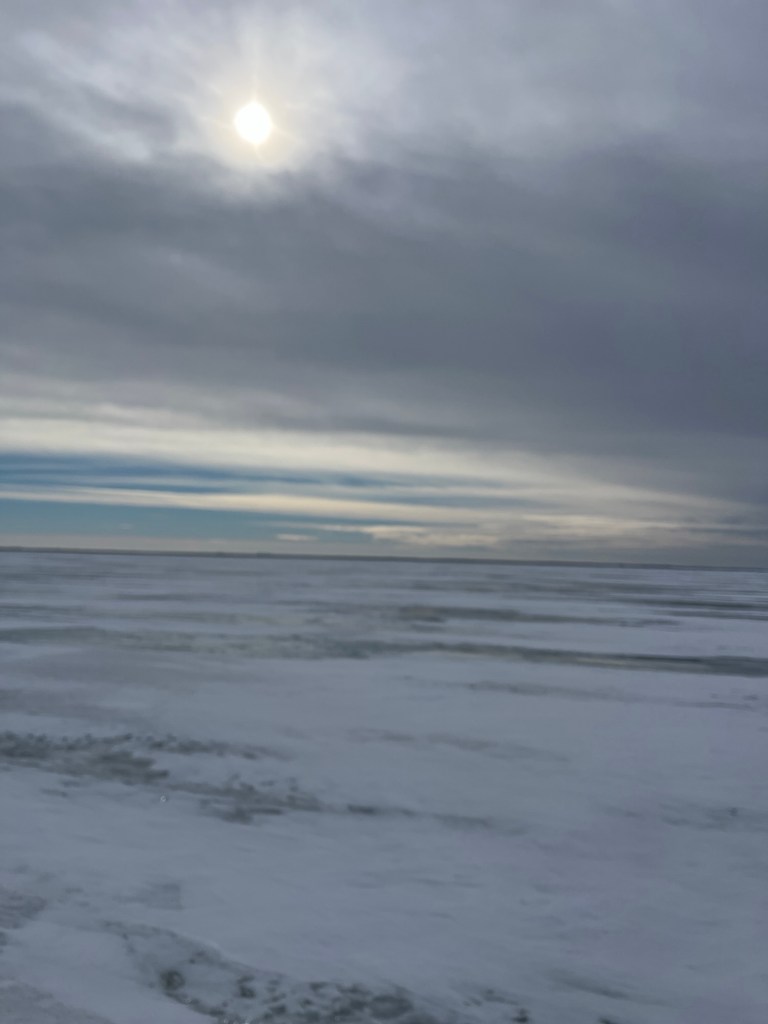
The pale sky stretches wide over frozen lakes and ground.
And yet… we are talking about spring. Not because we see it. But because we remember it.
It has come every year before and we can trust it will come again.
This is one of the most asked questions about forest therapy:
Does this really help when life is hard? When pain is chronic? When nothing feels like it’s changing?
The answer is not dramatic. It is steady.
Forest therapy does not promise cure. It doesn’t offer “complete and totally done with it all 👏🏼👏🏼👏🏼 .”
That’s not our story.
What it offers is regulation. Relationship.
So I keep returning.
Research around nature exposure shows reduced cortisol, improved heart rate variability, and nervous system settling.
But beyond the science is something quieter. The forest does not rush spring and the body does not rush healing. They know the futility and energy waste that rushing introduce to otherwise perfect systems.
Both the forest and the body move in seasons. Why then do we want spring to hurry up? Why do we expect the body to heal in our prescribed way, on our expected timeline?
🌲 “Can forest therapy help chronic pain?”
As someone who lives with chronic pain, I don’t speak in absolutes.
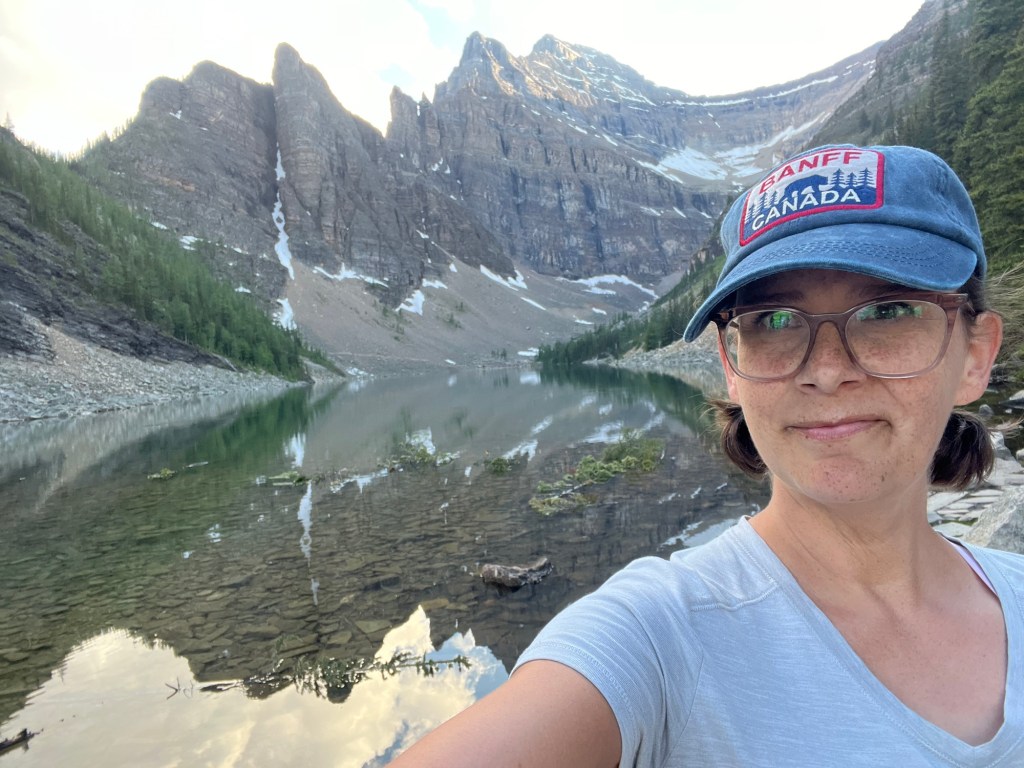
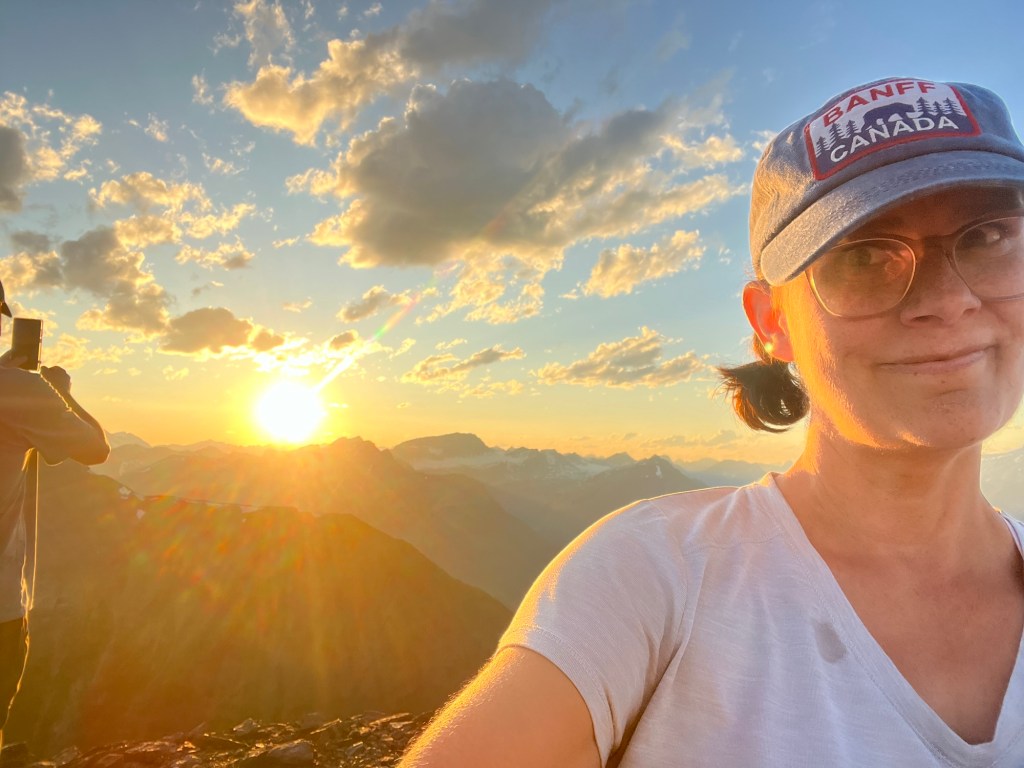
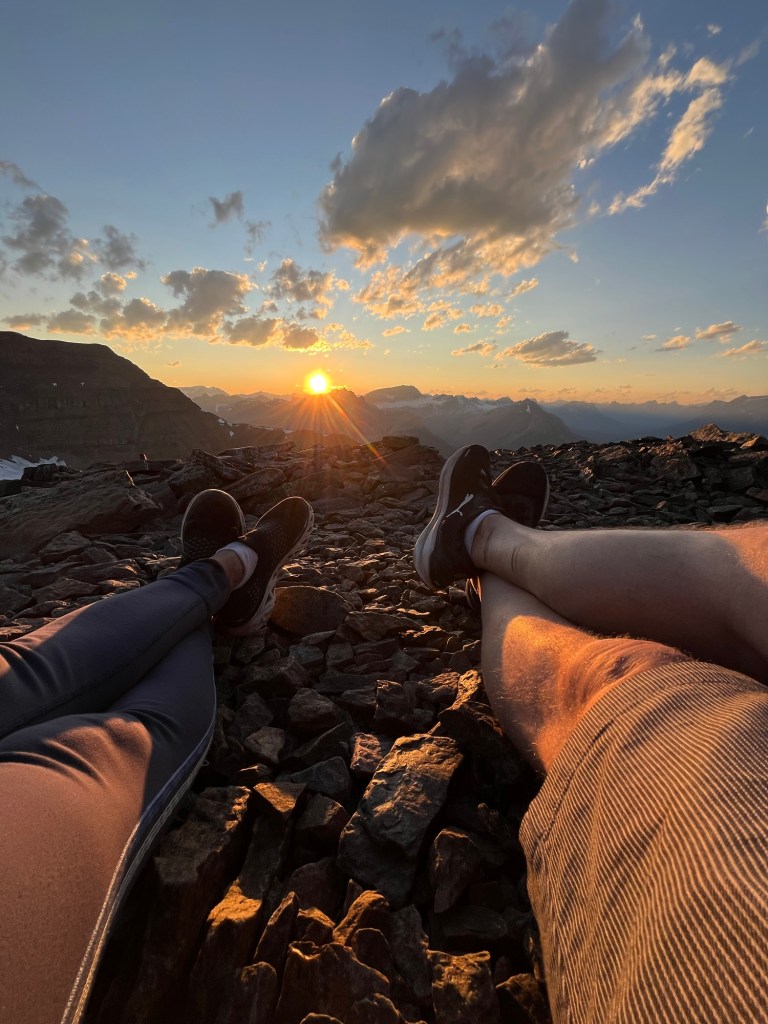
I speak in terms of mountains. There are days the climb feels vertical. Flares. Illness. Falls. Each with its own devastating consequences.
And still. We climb.
There are years that ask questions and years that answer.
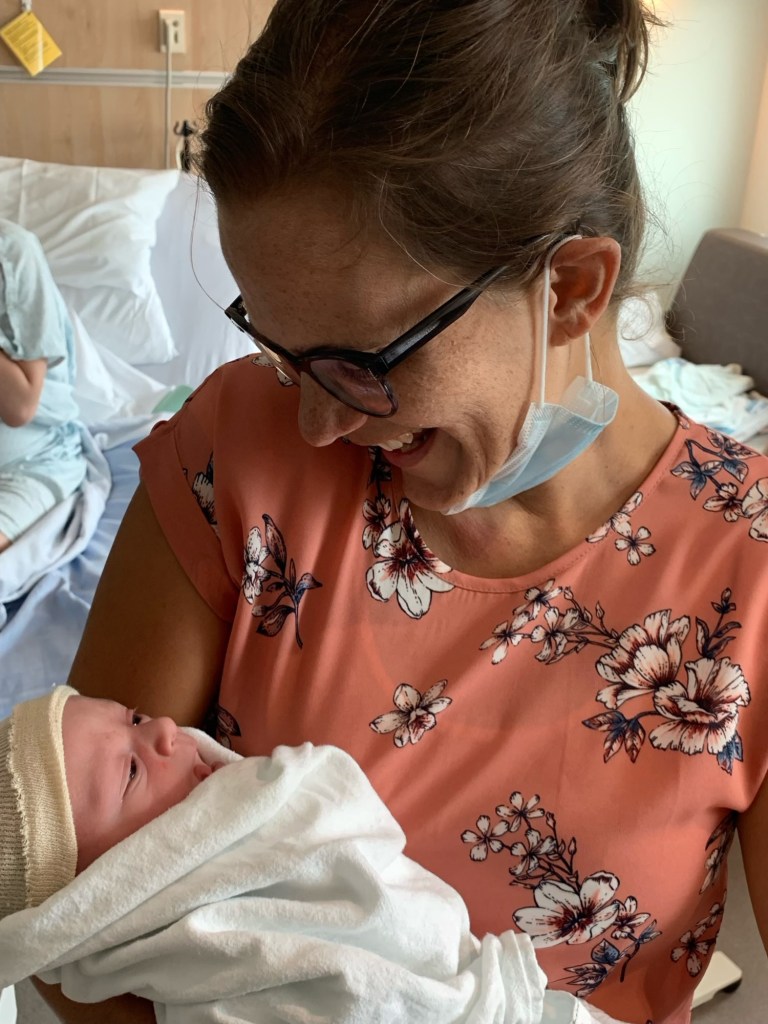
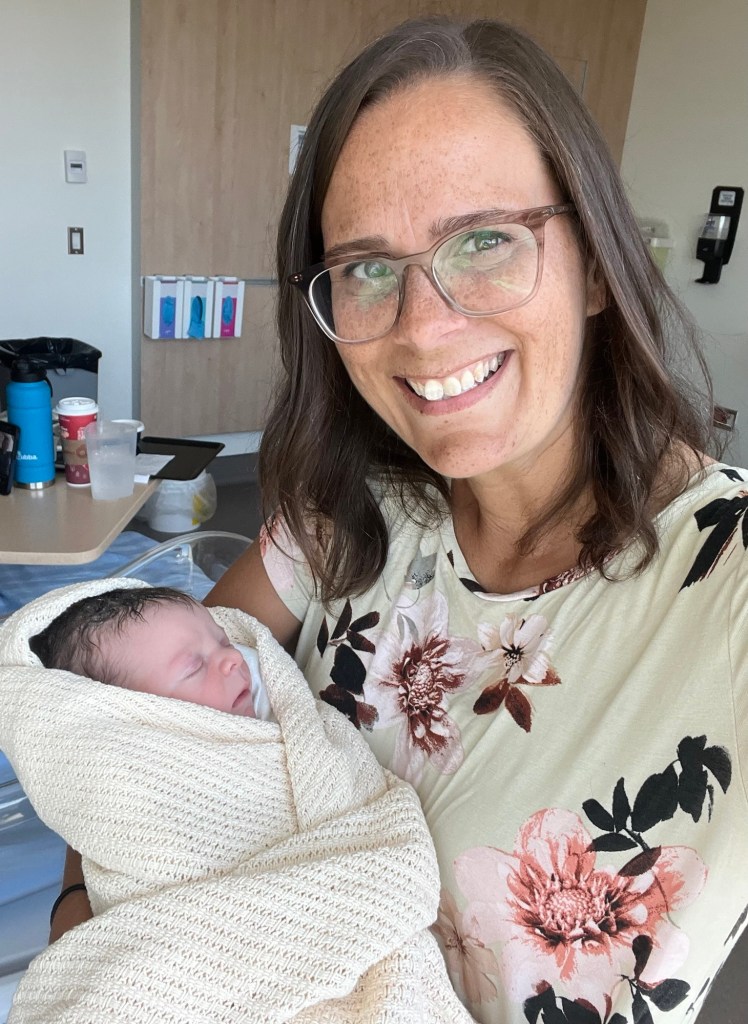
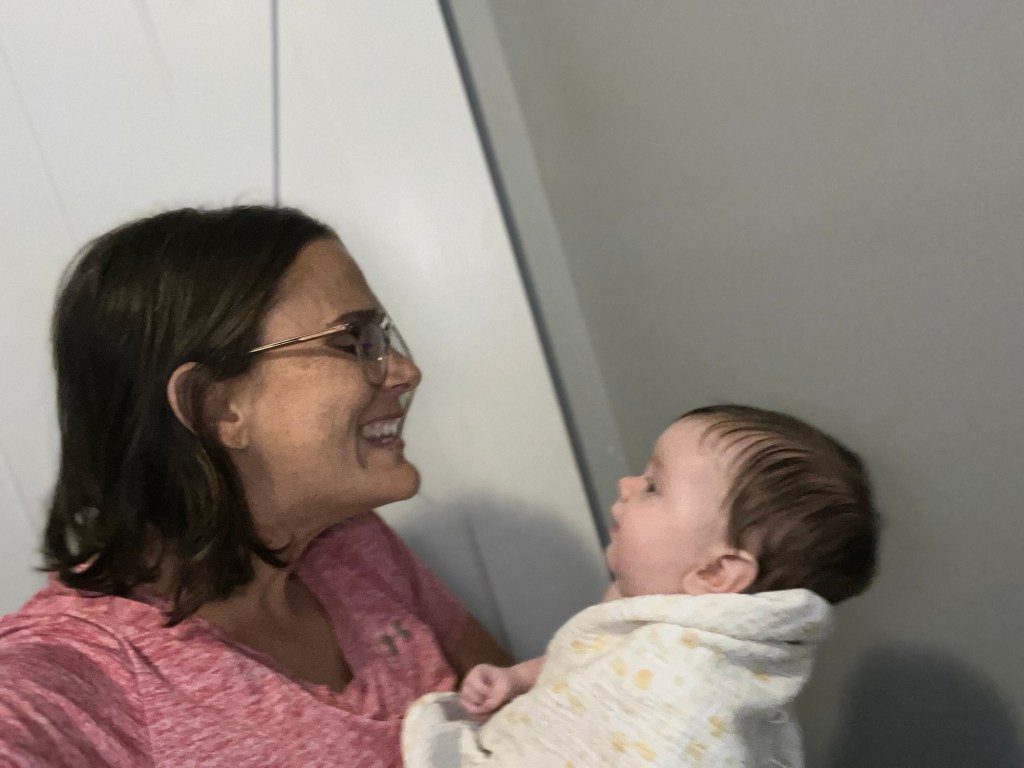
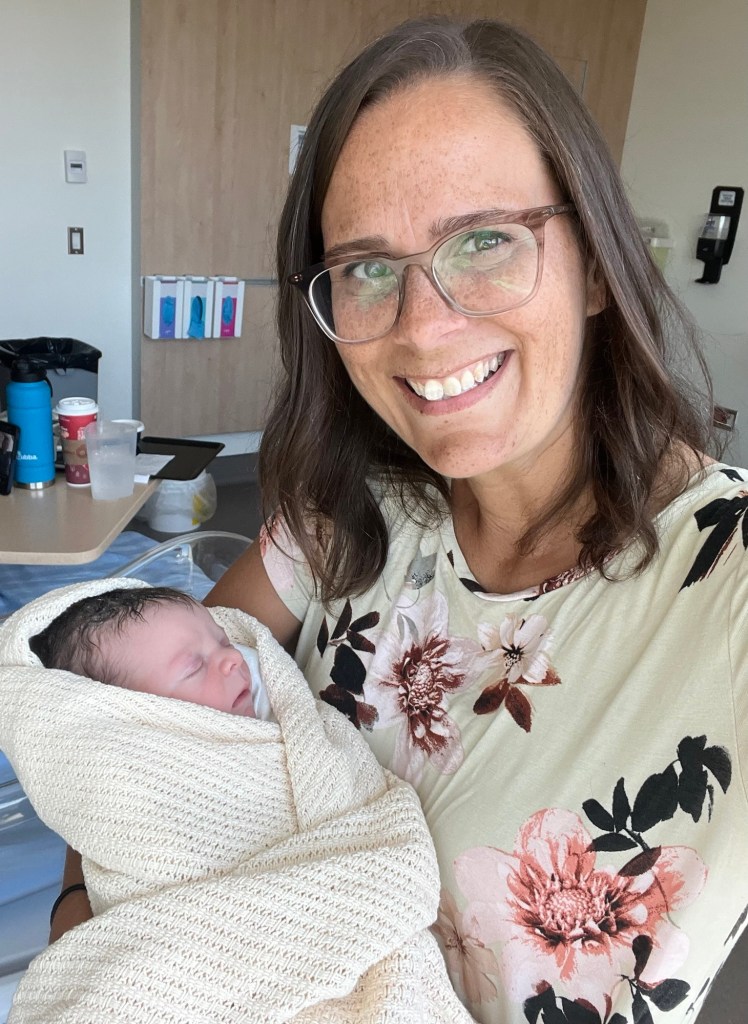
During the super cold winter of 2021, I learned that our first precious grandbaby was on his way. I wanted. Correction: I needed to be able to hold and snuggle that little one.
But I was so weak. I could barely lift a mug of tea without shaking from the effort. I walked from the bed to the bathroom. Sometimes to the car for an appointment.
The little munchkin, who I hadn’t even met yet, was cheering me on. I could sense it. So with a soup can, a baby blanket, and a prayer, I commenced my grandma- training.
A soup can because it weighed approximately a half pound. My ideal starting weight.
A baby blanket because of what this can of soup represented. He was going to grow over the following months into an actual grandbaby that I would wrap in this blanket. And carry him around to snuggle him. And to put him to sleep. To have deep conversations and sing the songs my mom and grandma sang to me.
And a prayer because that’s who I am.
That soup can, baby blanket and I started with 30 second walks 3x a day. Each walk induced waves of nausea followed by hours of cramping and exhaustion.
Each half pound and each 30 second increase was an excruciating miracle.
There were setbacks. Most evenings were agonizing. Some days I wondered if this was the correct place to put this much time and energy. It was all I could do to find time and energy to eat.
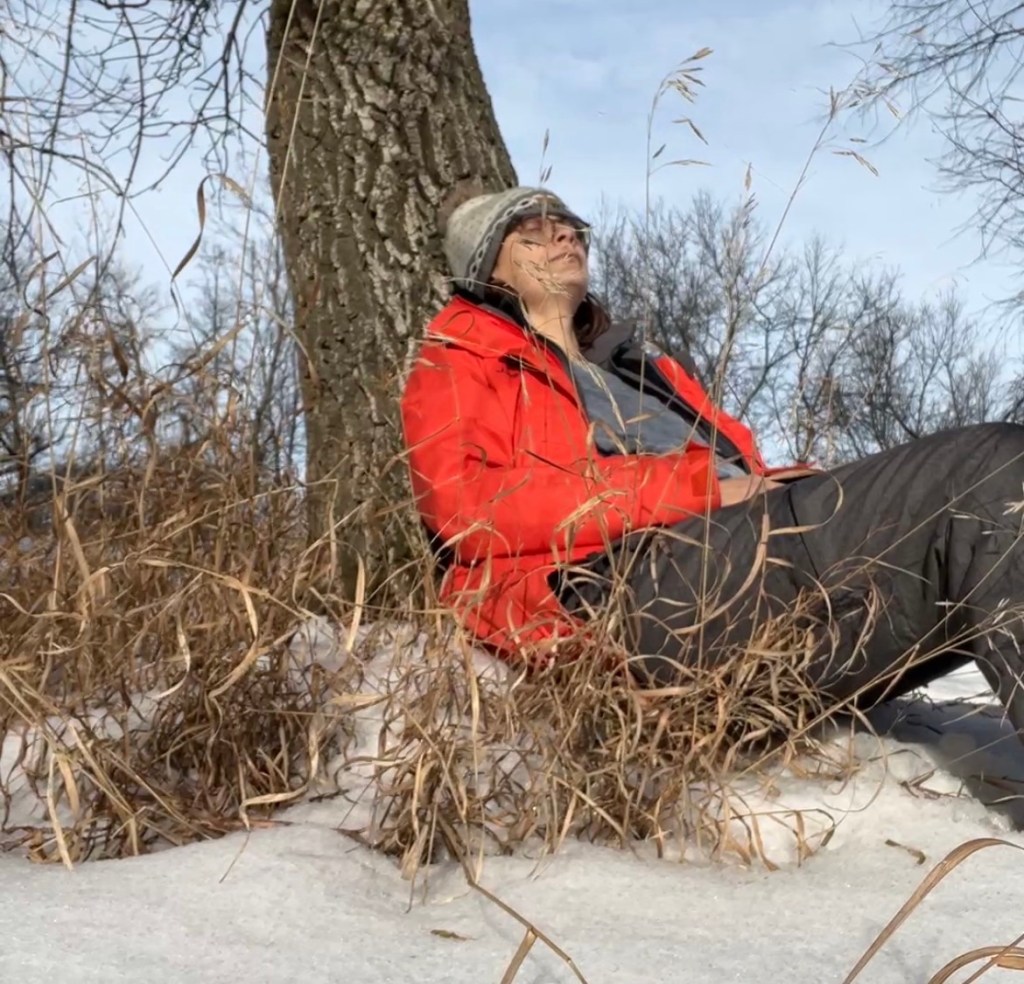
After months of focused grandma- training, I could walk outside! And something shifted. During a particularly stressful week and stubborn muscles, I walked down the lane and into the trees on our farm. I couldn’t go as far as I’d planned. I couldn’t “achieve” what I wanted. I leaned against a frozen trunk and felt foolish for even trying.
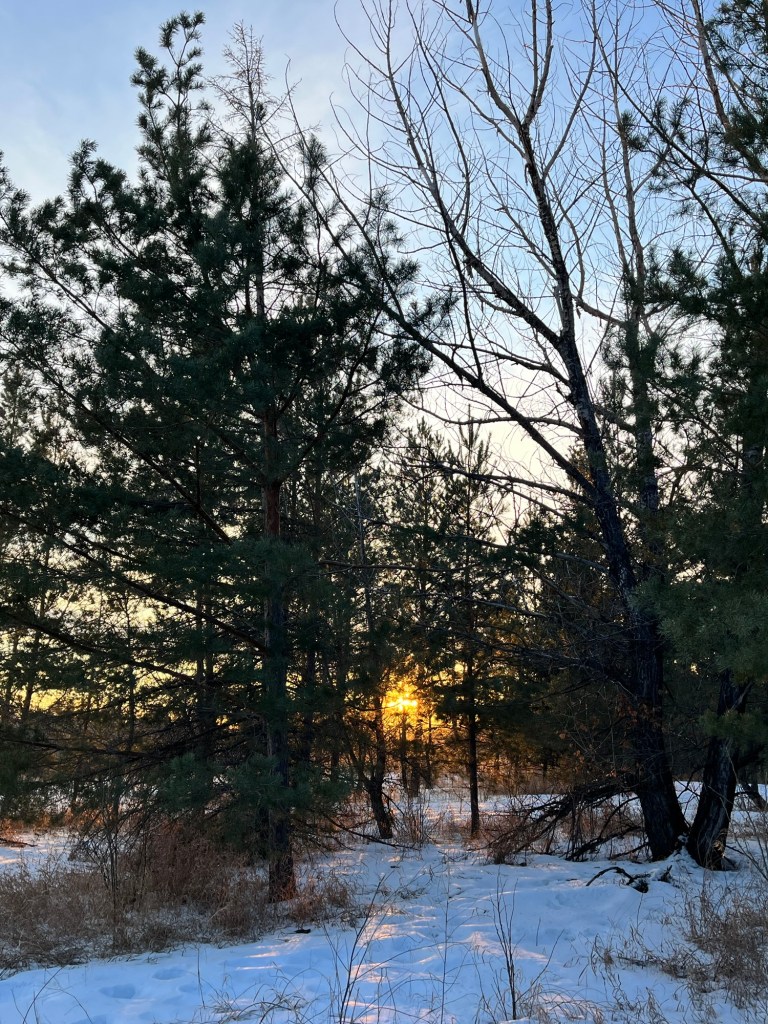
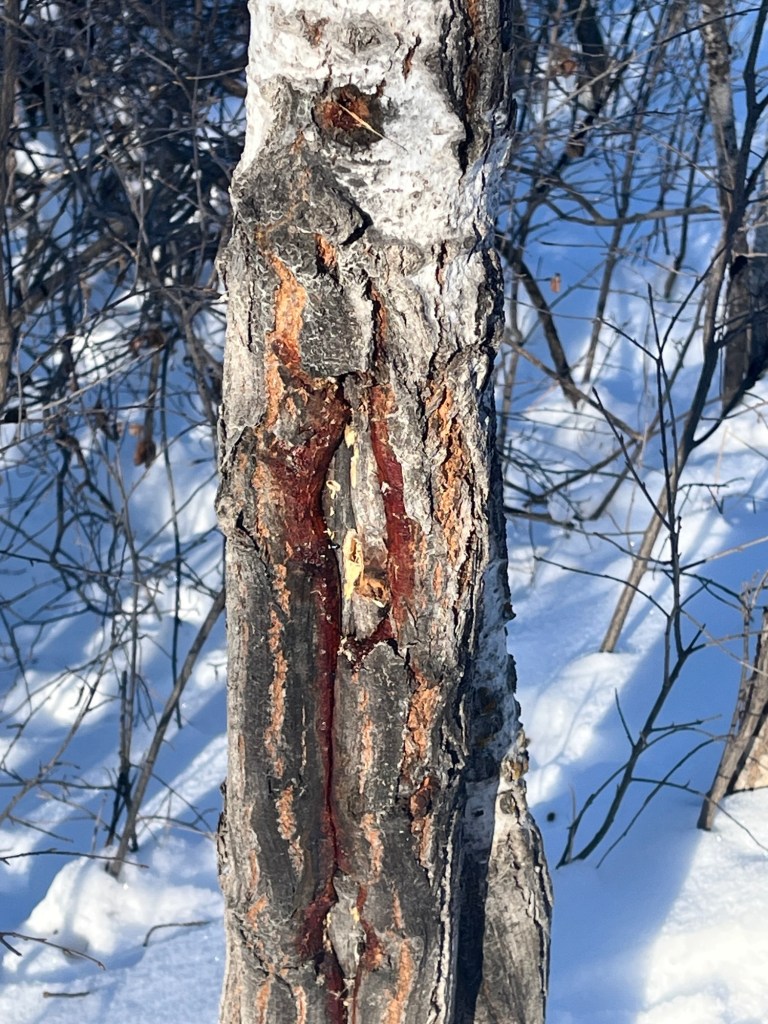
The cold, early spring air sharpened my senses. The snow muffled the world. The trees stood, scarred, weathered, unmoving.
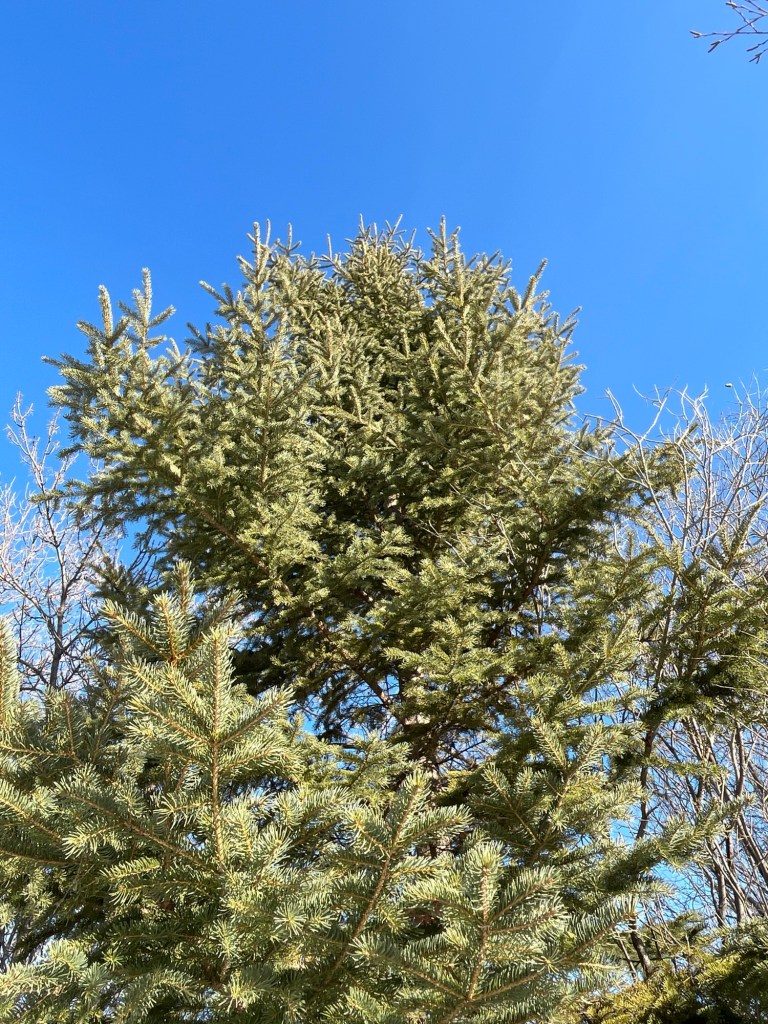
Some trees have survived a hundred Saskatchewan winters. I considered how they are wise and do not apologize for seasons of dormancy.
It was around this time I stopped asking, “When will I be better?” And started asking, “How do I live well from this place?”
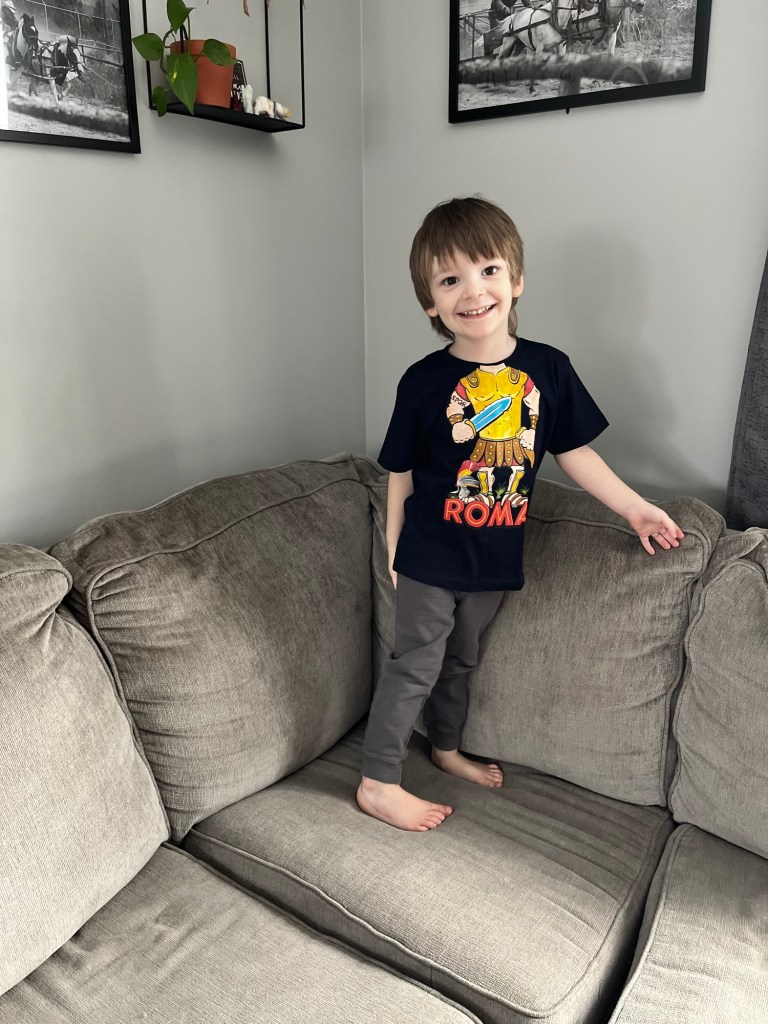
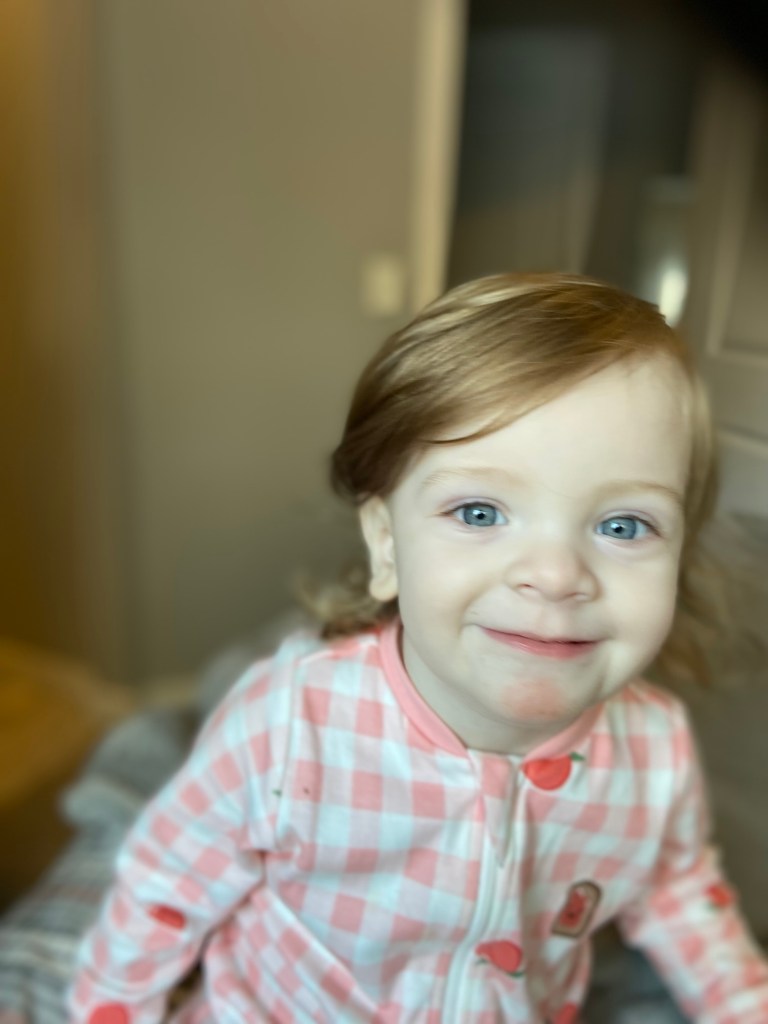
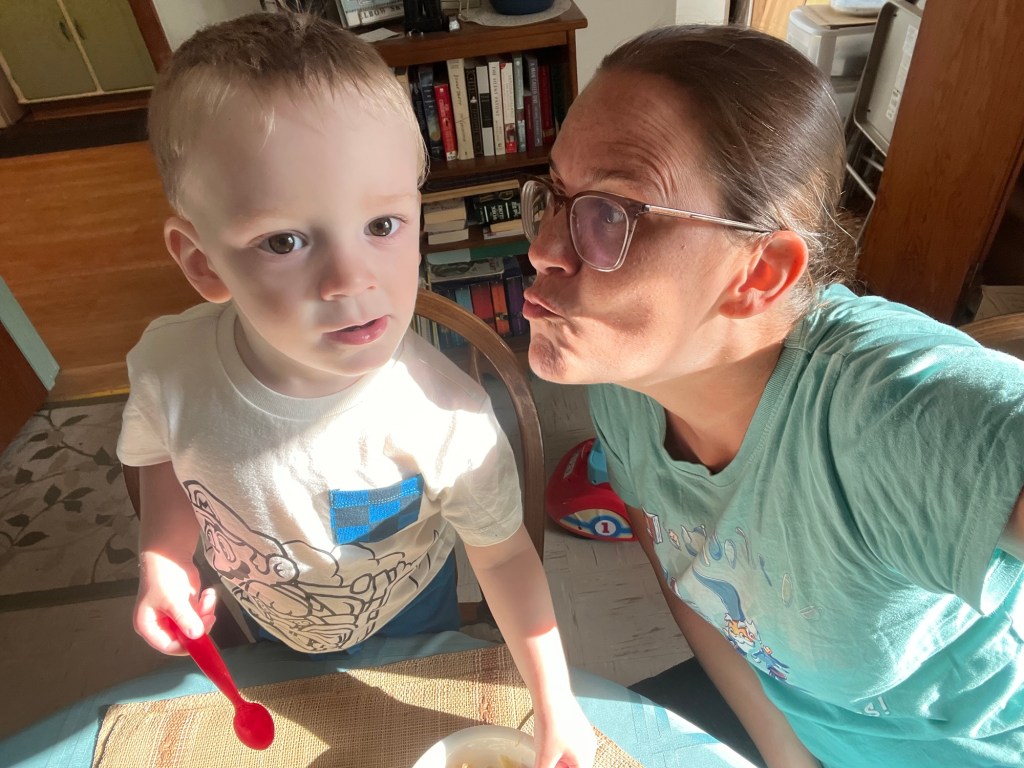
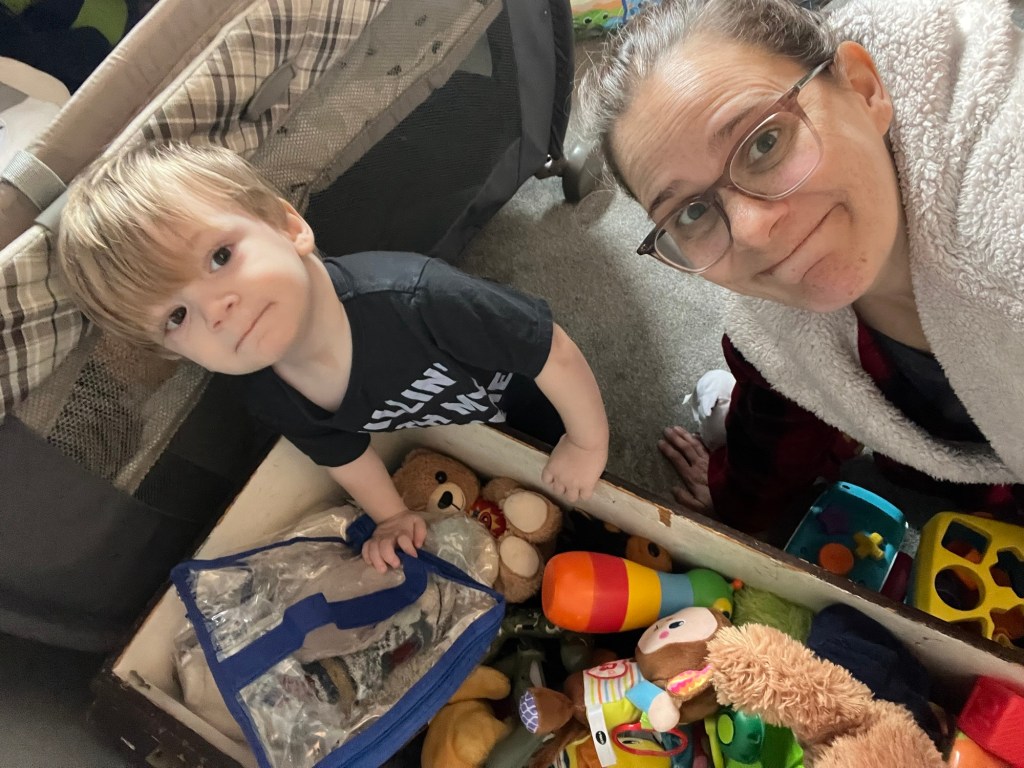
That question changed everything. And part of my answer was to focus on being a grandma. That little man I trained for months to be able to hold is going to be 4 this summer. And his equally enchanting sister will be 2. They have been the means of my greatest confrontations and of my greatest delights.
Almost like trying to enjoy your favourite therapy during a Saskatchewan winter. We take the intense highs with the intense lows.
🌲 “How do you practice forest therapy in winter?”
Winter forest therapy isn’t about long hikes. It’s about being present in the moment.
Notice how snow softens sound. Notice how your breath becomes visible. Notice how even in dormancy, life is stored beneath the bark and soil.
I have come to the realization that the forest in winter mirrors chronic pain. Nothing looks alive. Nothing appears to be blooming. But beneath the surface, systems are conserving and recalibrating.
Strength. Resilience. Wisdom.
Spring doesn’t shout when it arrives. It begins as a spark. An idea.
A drop. A thaw.
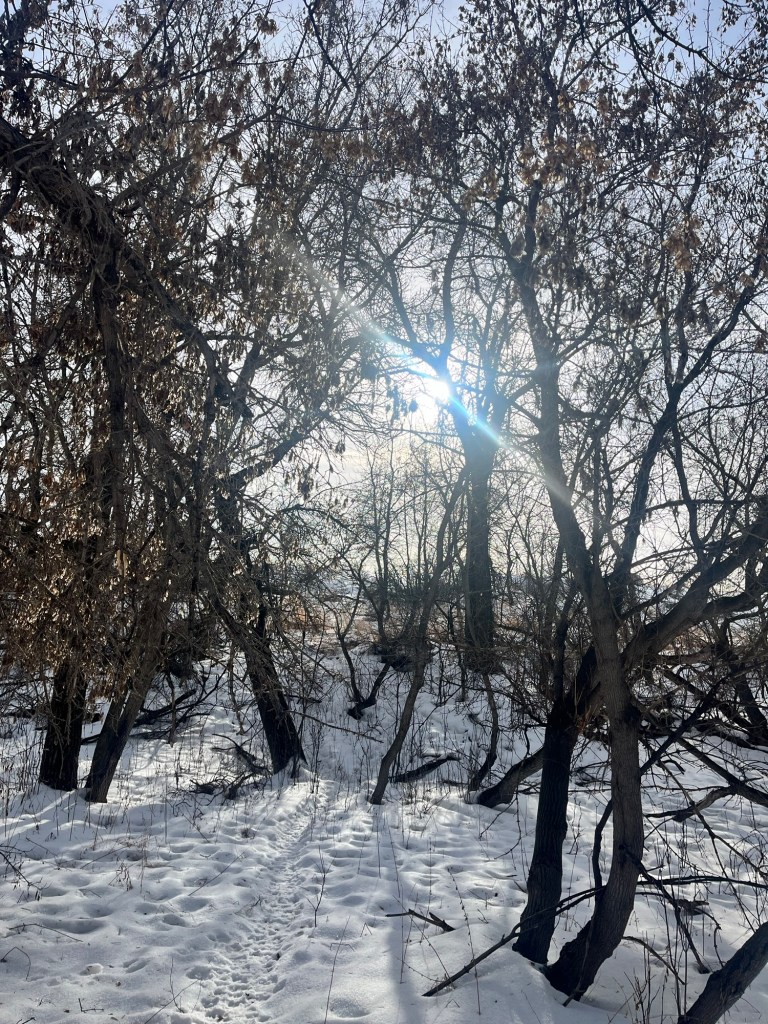
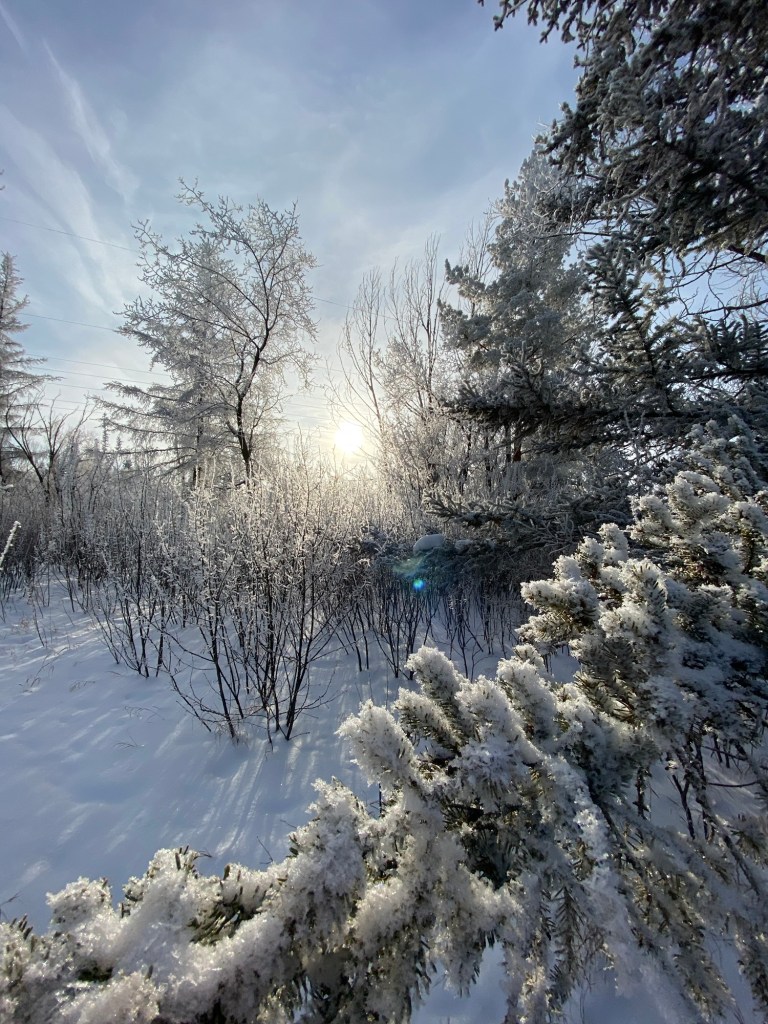
A beam of light catching ice and reflecting its warmth.
The same is true in us. Your good days are coming.
Sometimes we have to trust that promise for a long time before we see it.
Even if all you’ve seen is a spark.
That spark will become a light. That light will become a beam.
That beam becomes you, reflecting what you’ve learned onto someone else.
🌿 A Simple Winter Forest Therapy Practice
Trusting the Season (10–15 Minutes)
Step outside, even if just to your yard or a nearby tree line.
Stand still. Feel your feet grounded in frozen earth.
Place one hand over your heart. One over your belly.
Take three slow breaths. Watch the air leave your body.
Ask quietly: What season am I in?
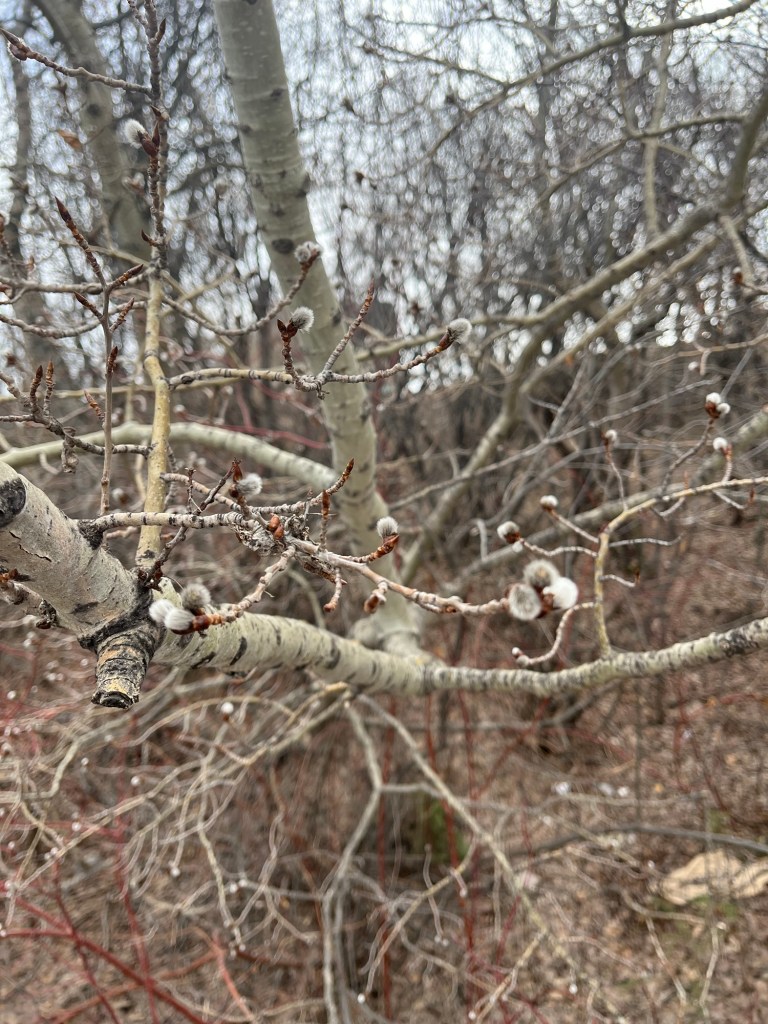
Look for one sign of hidden life. Buds beneath bark, tracks in snow, sunlight on ice.
Whisper: Spring has come before. It will come again.
When ready, take that sentence home with you.
🌲 What Makes Forest Therapy Different From Hiking?
Hiking is about distance. Forest therapy is about experiencing relationships.
You don’t conquer the mountain. You learn from it.
And when you fall (as we all do) you get back up.
Keep climbing. Fall after fall. Flare after flare.
Keep reflecting hope and joy in the middle of the mess. It’s possible.
Anne Lamott defines hope not as naive optimism but as a stubborn choice to believe in goodness and possibilities, especially during dark, uncertain times.
🩶 If you’re reading this from under grey prairie skies, remember:
The trees are not worried about spring. They trust the tilt of the earth. They trust that light and warmth will return.
You can trust too. Your good days are coming. There are bright days ahead.
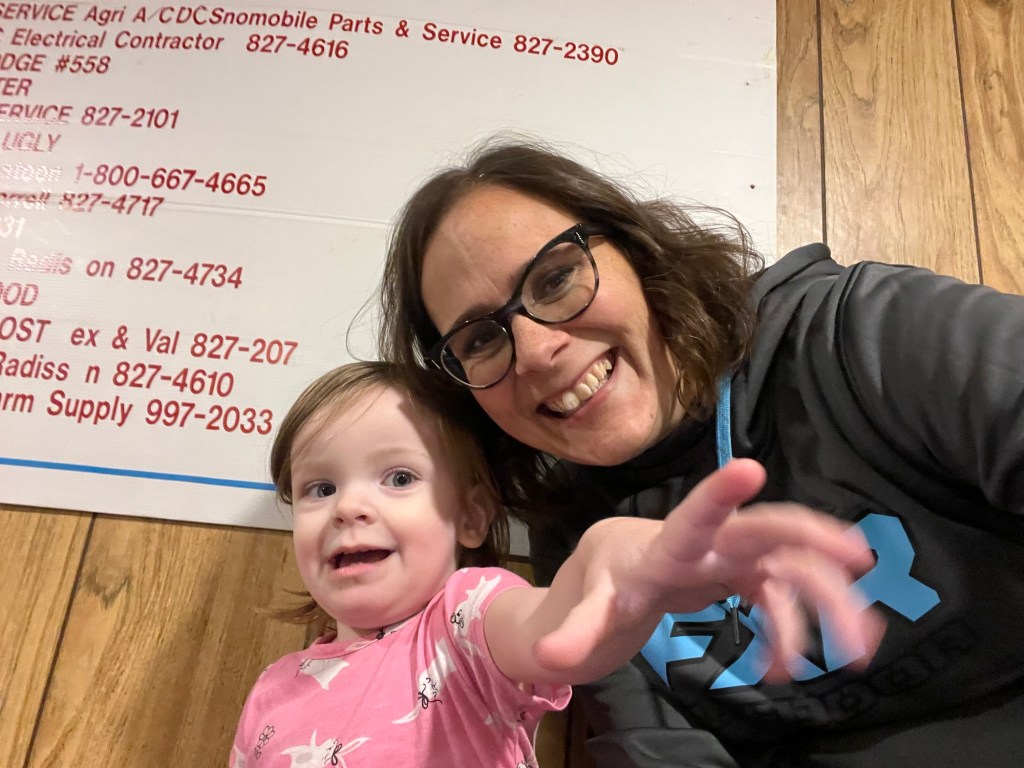
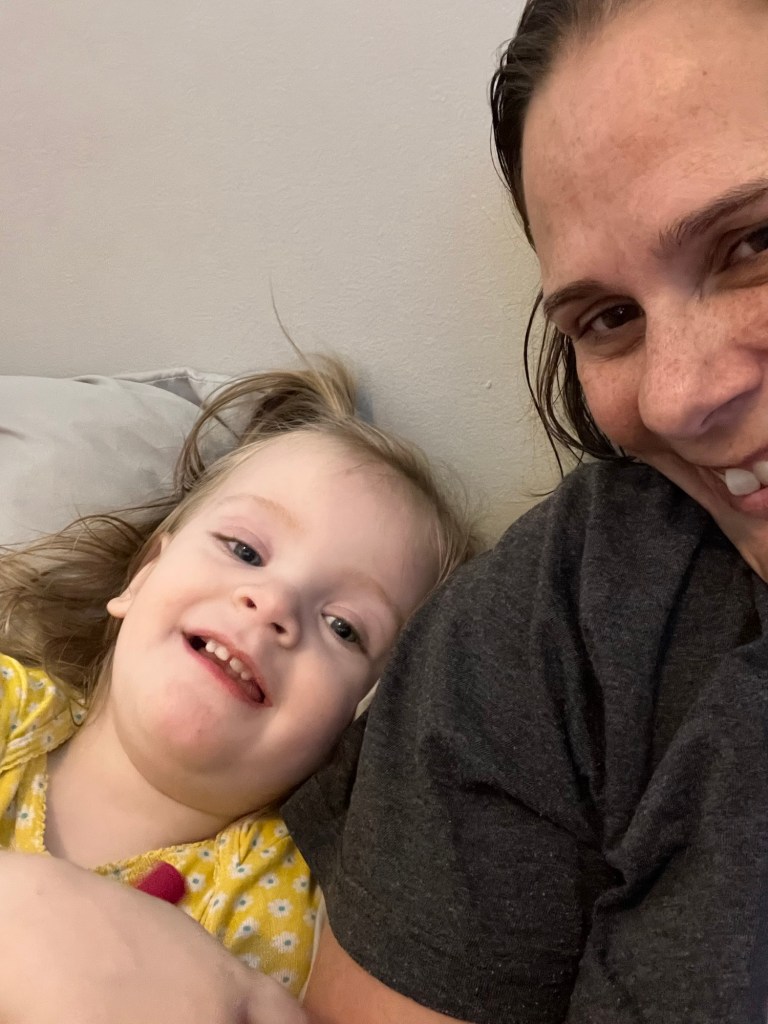
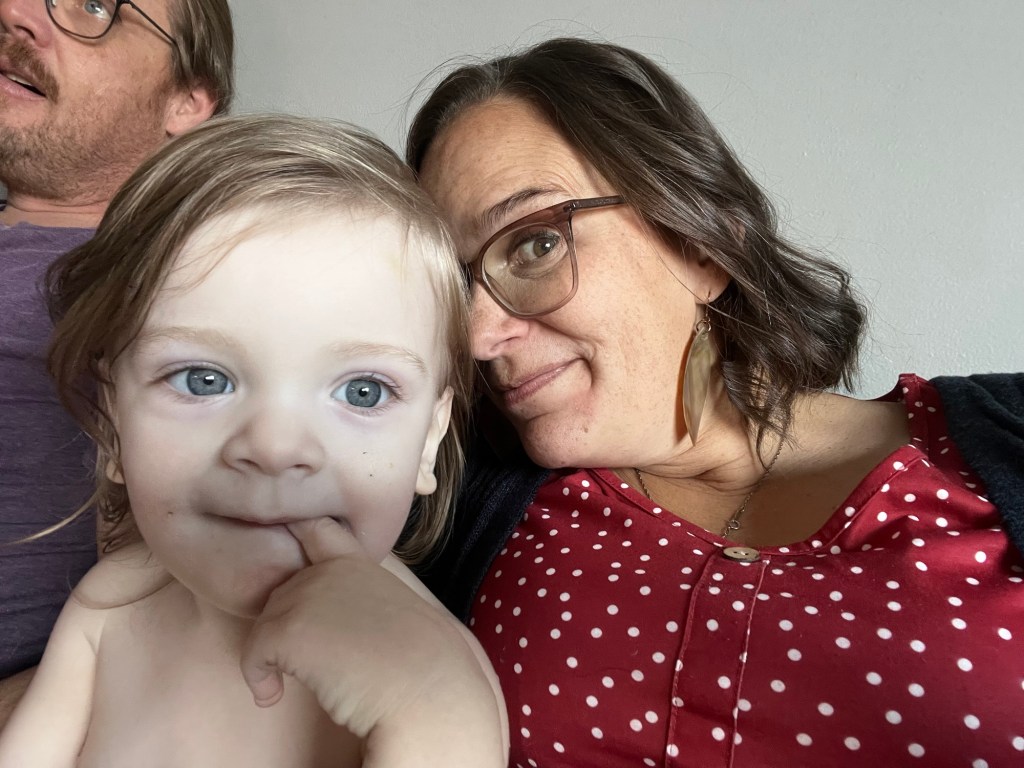
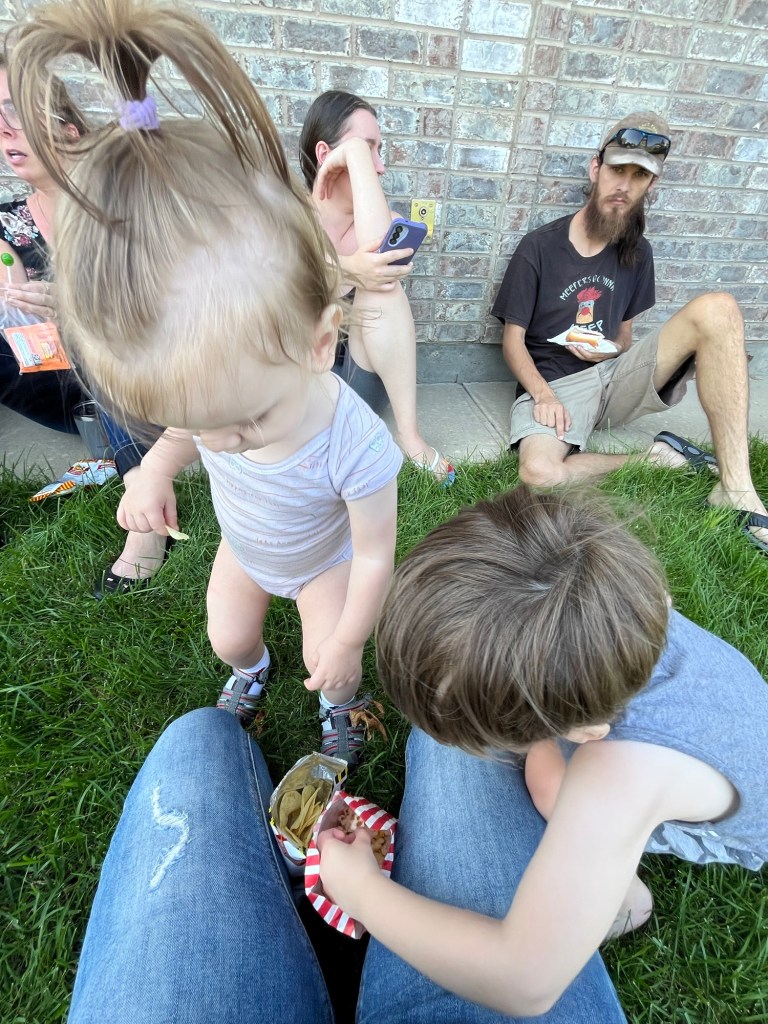
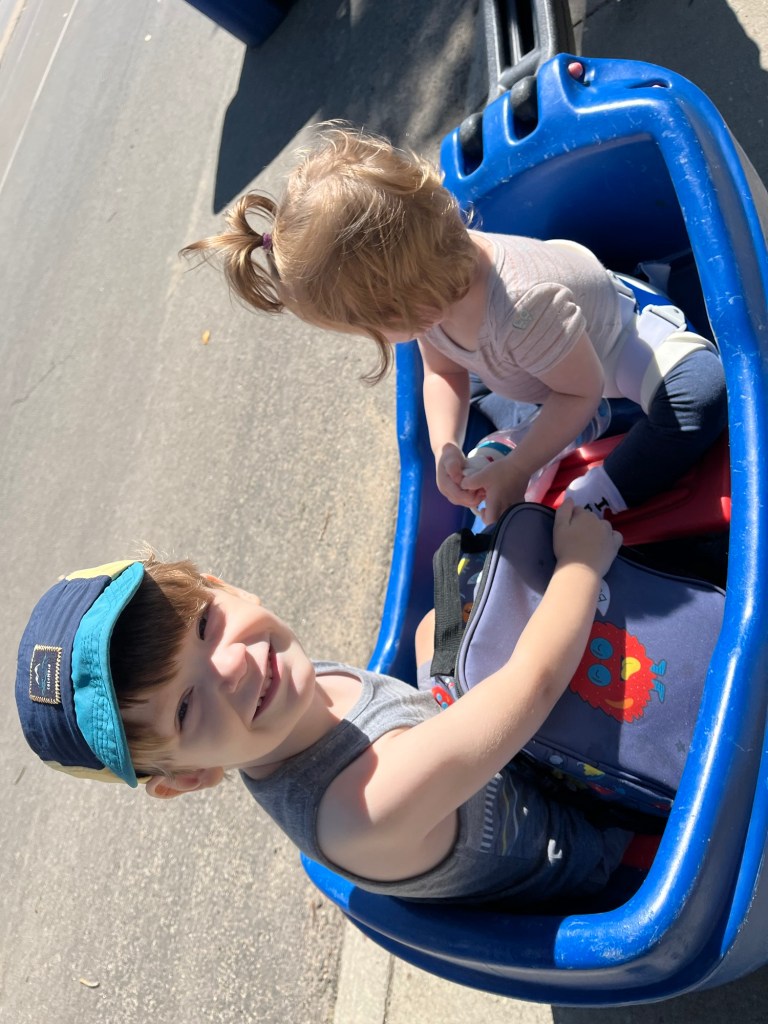
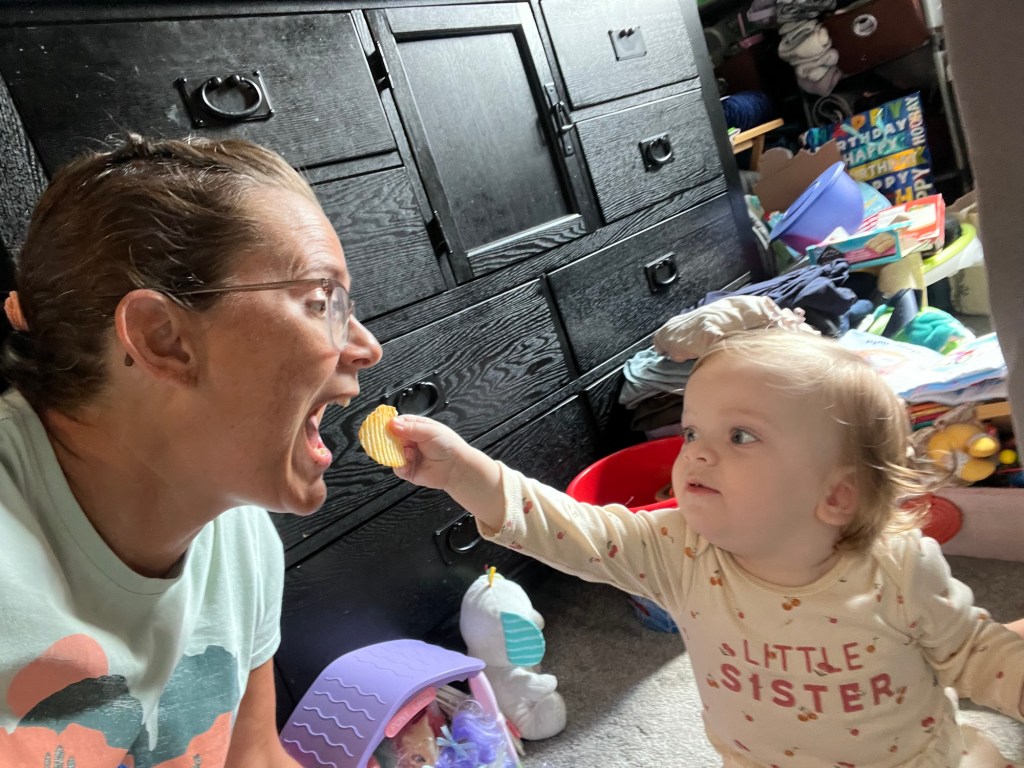
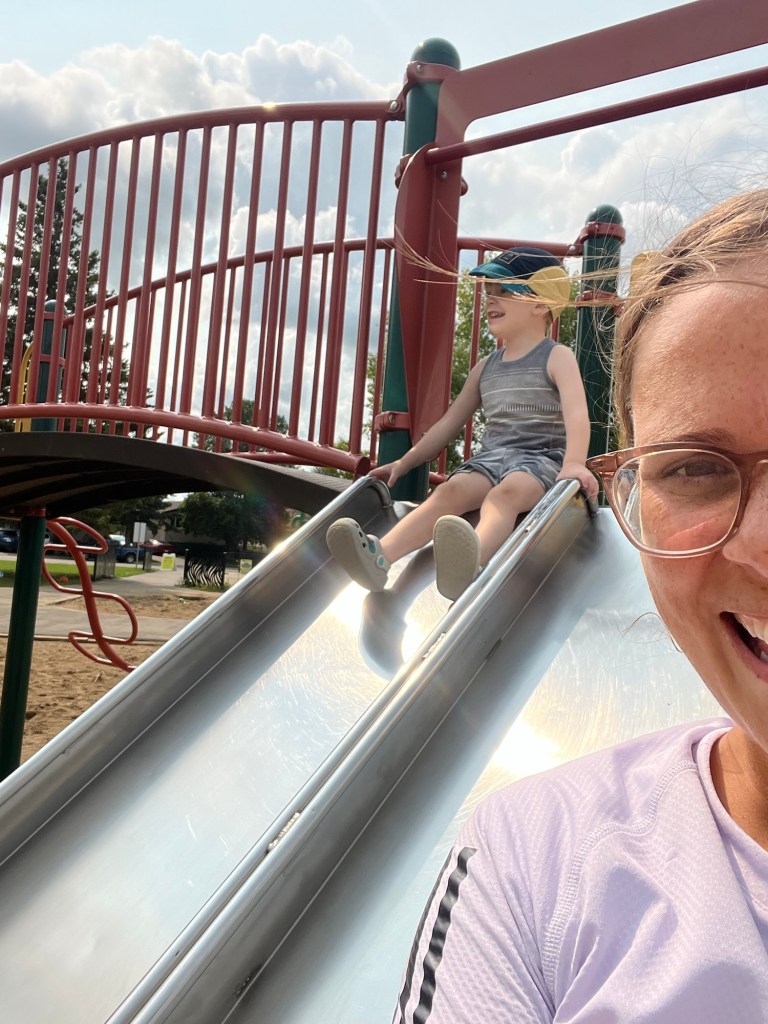
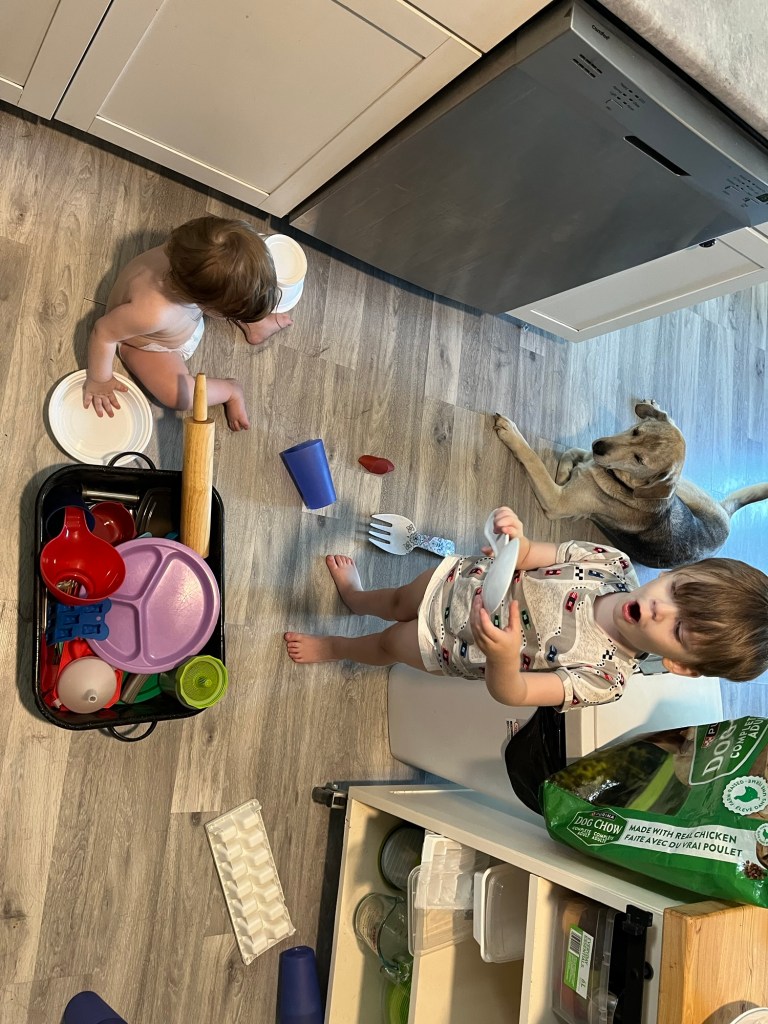
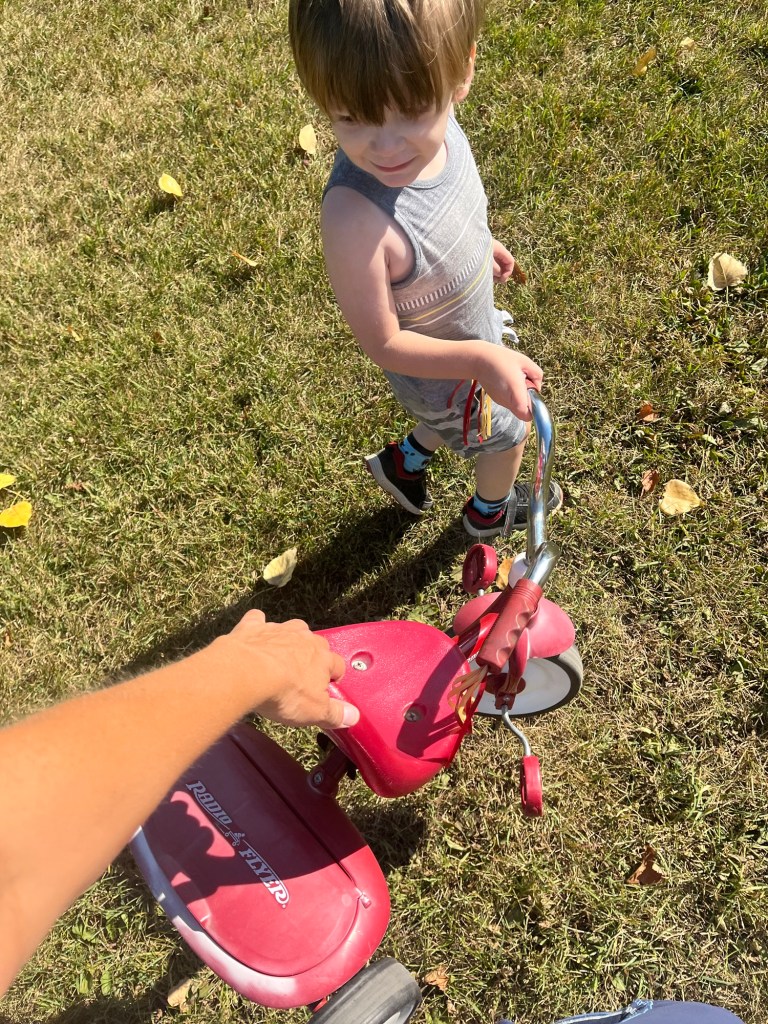
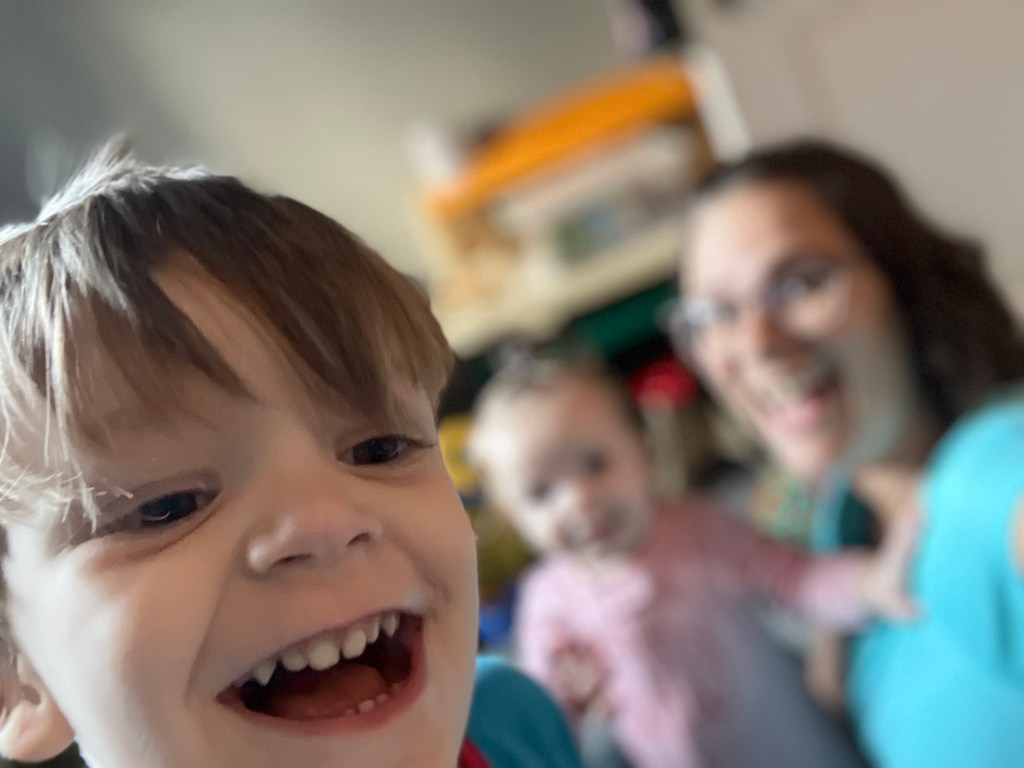
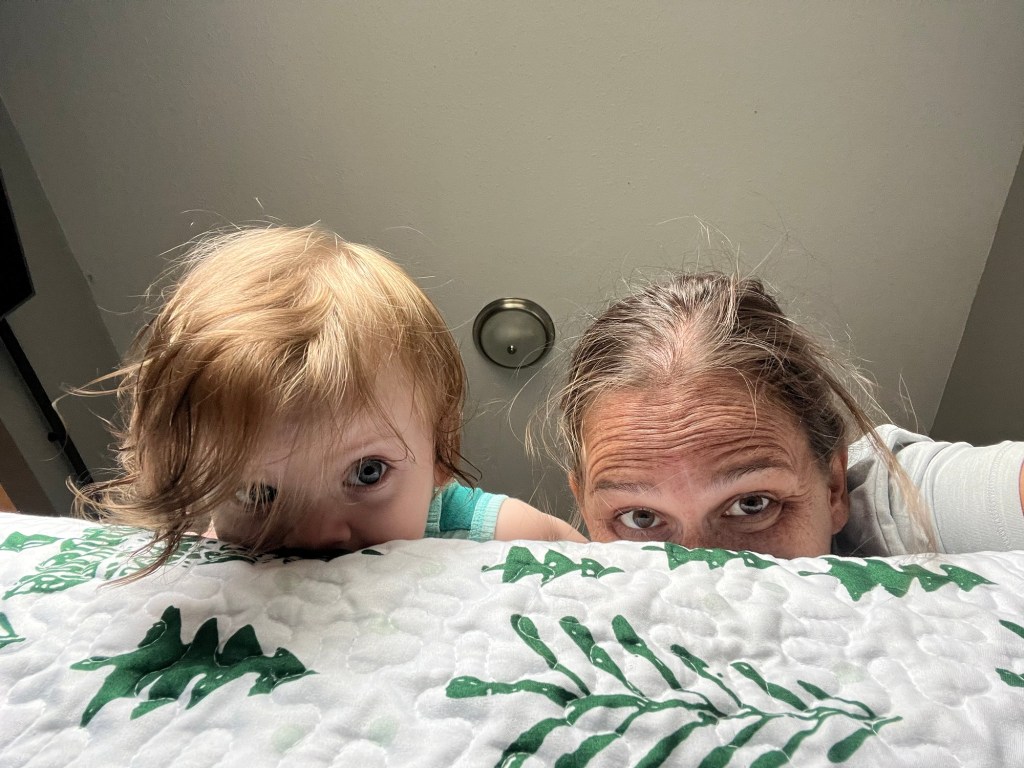
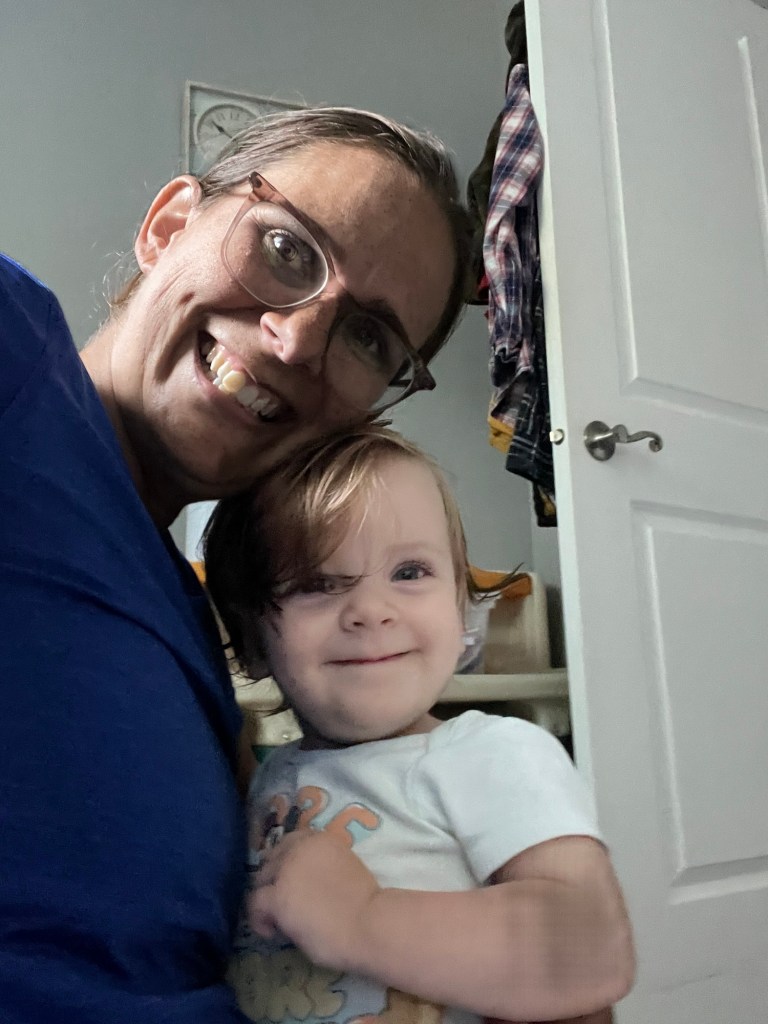
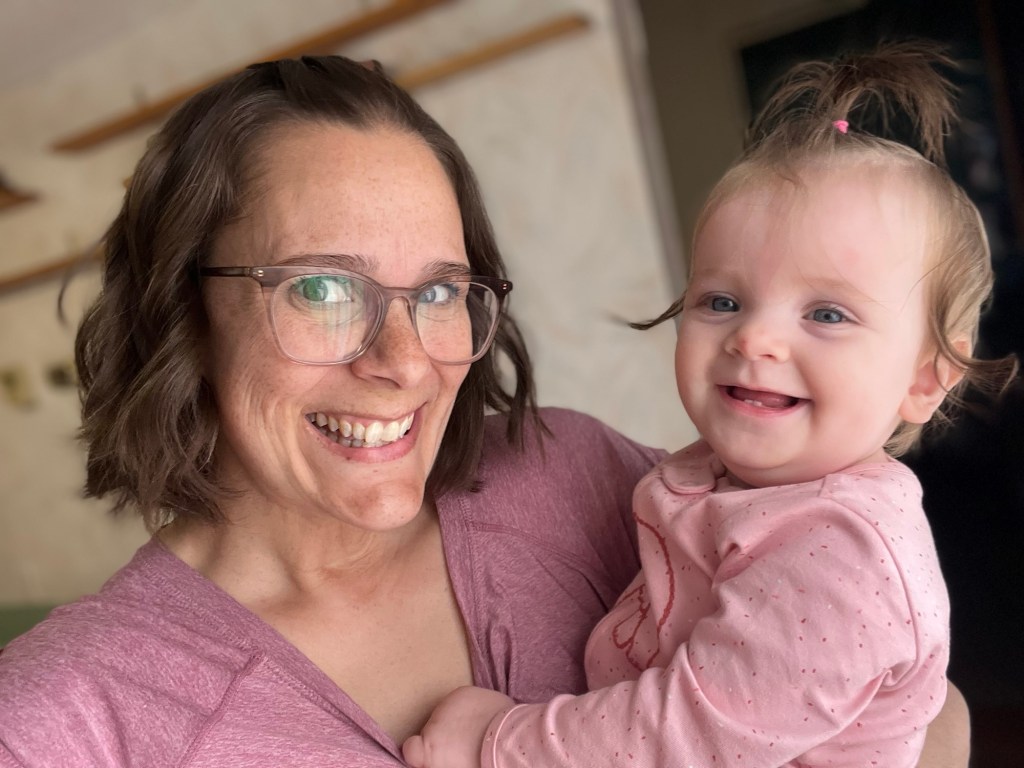
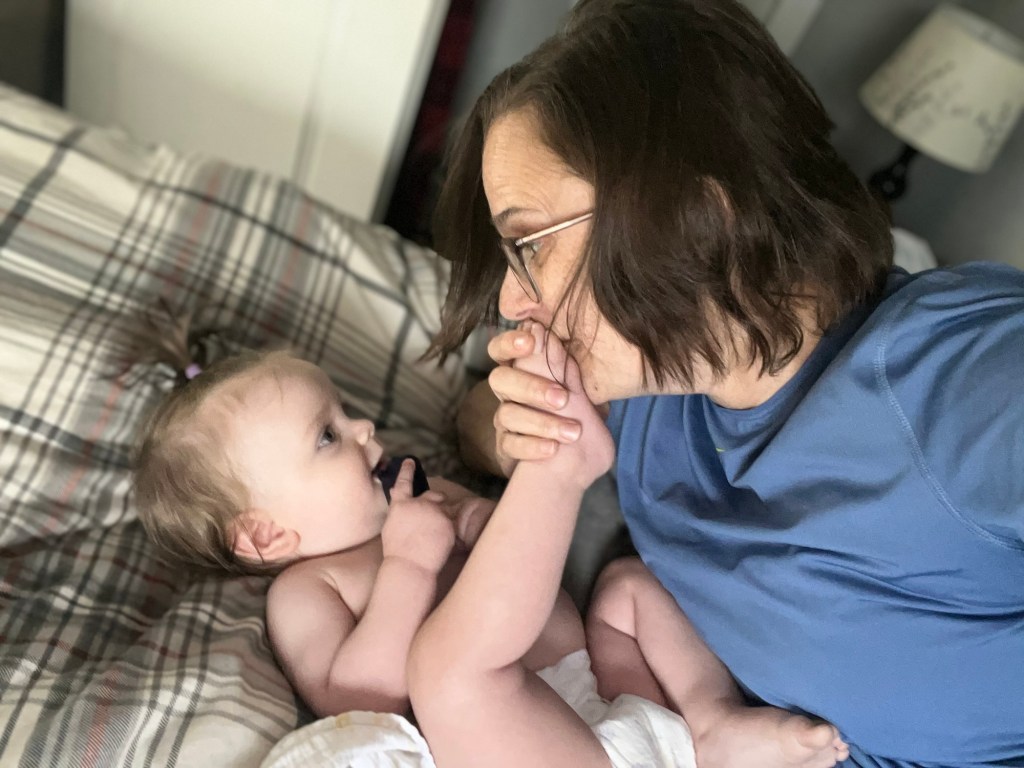
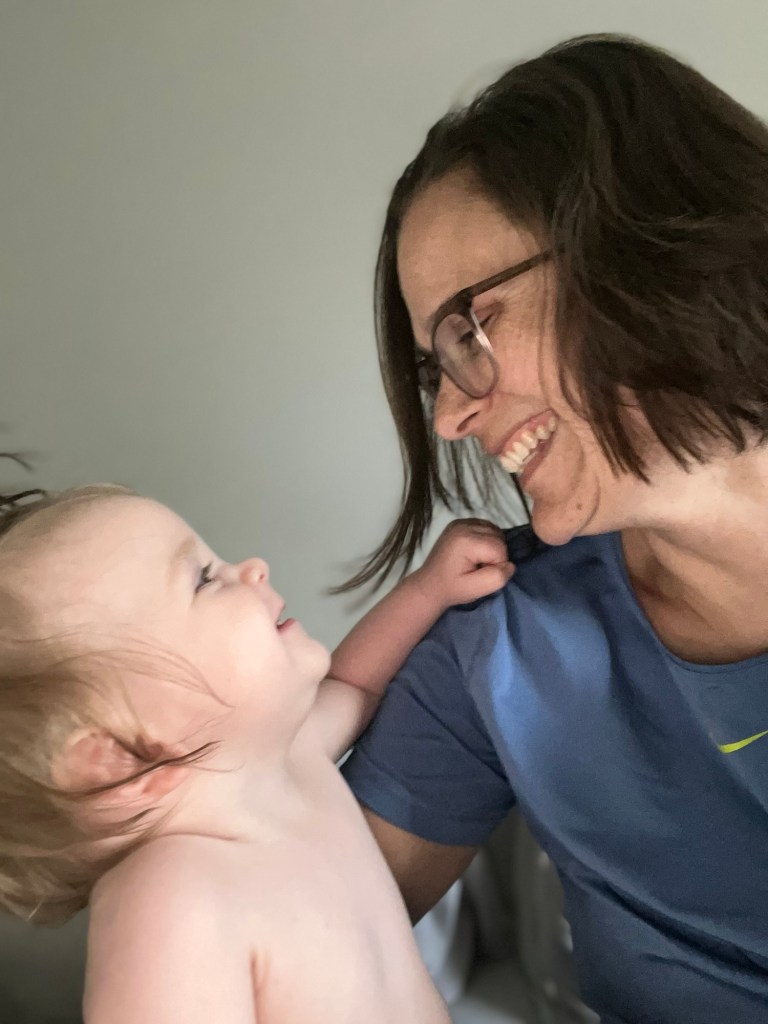
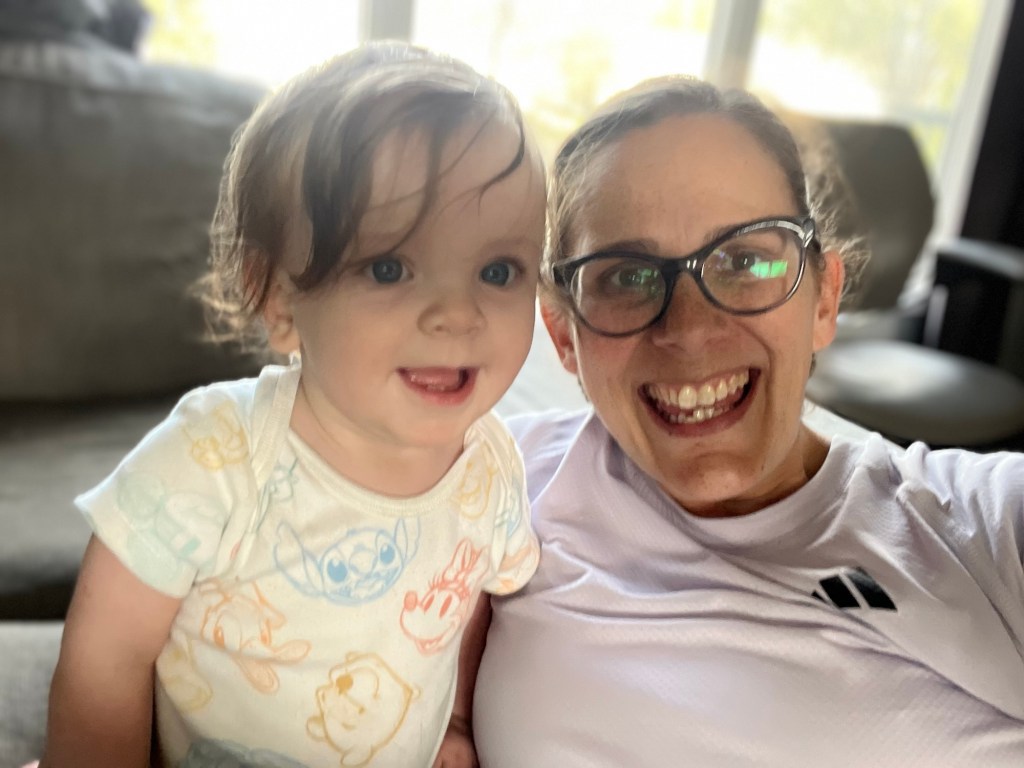
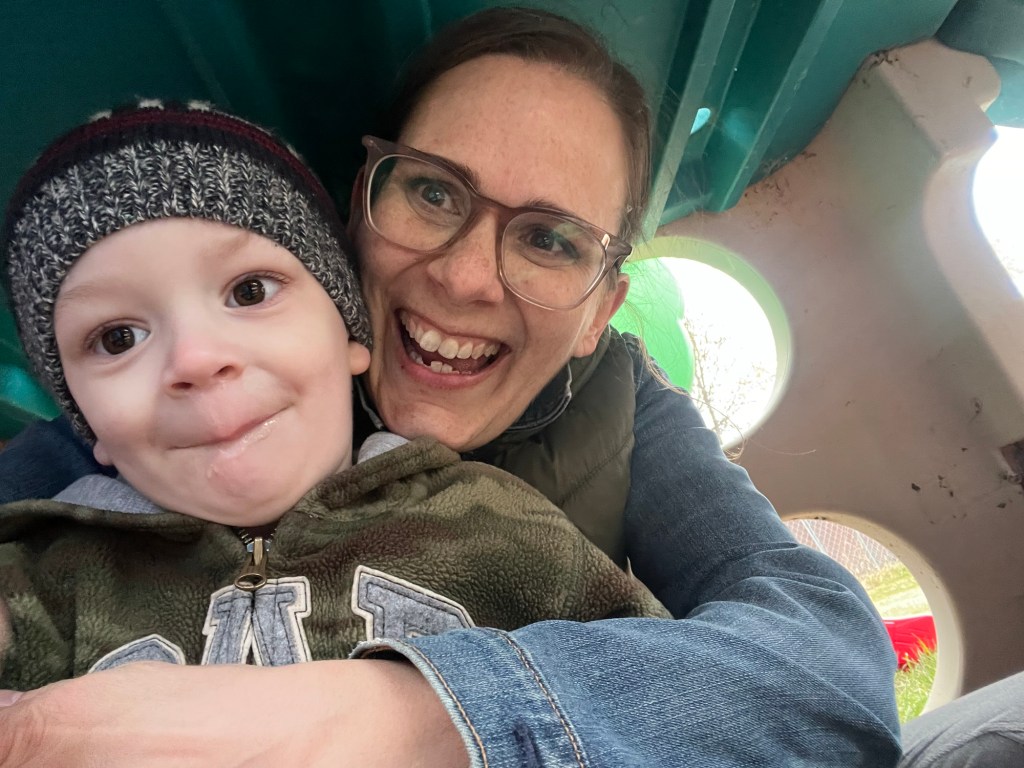
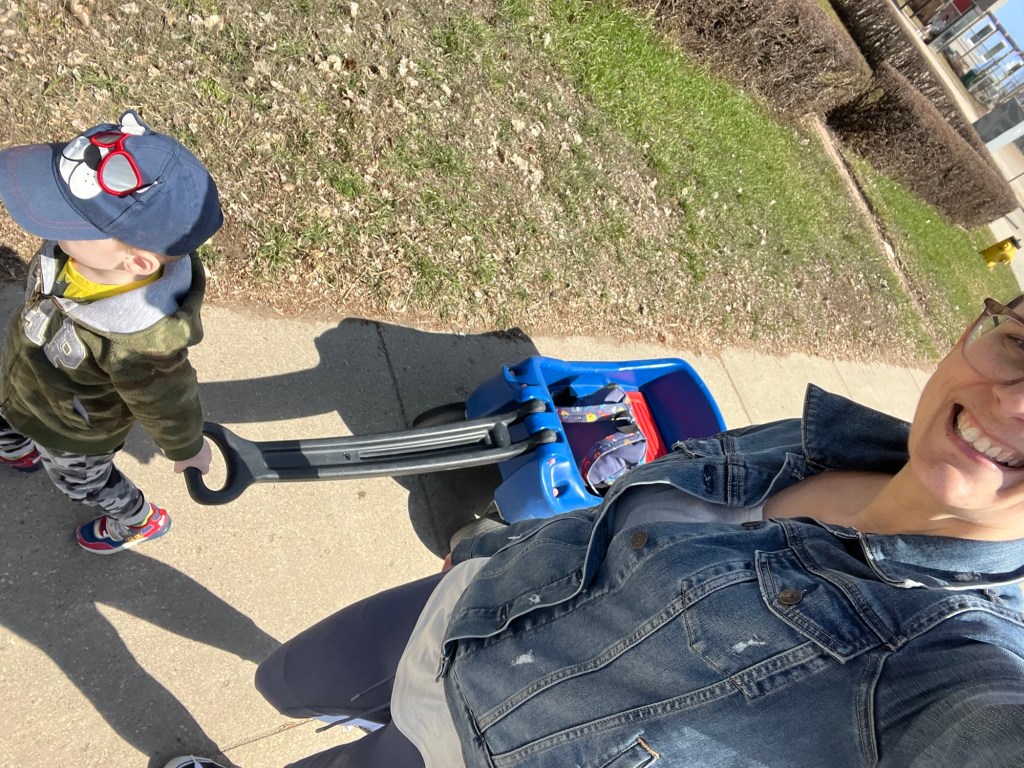
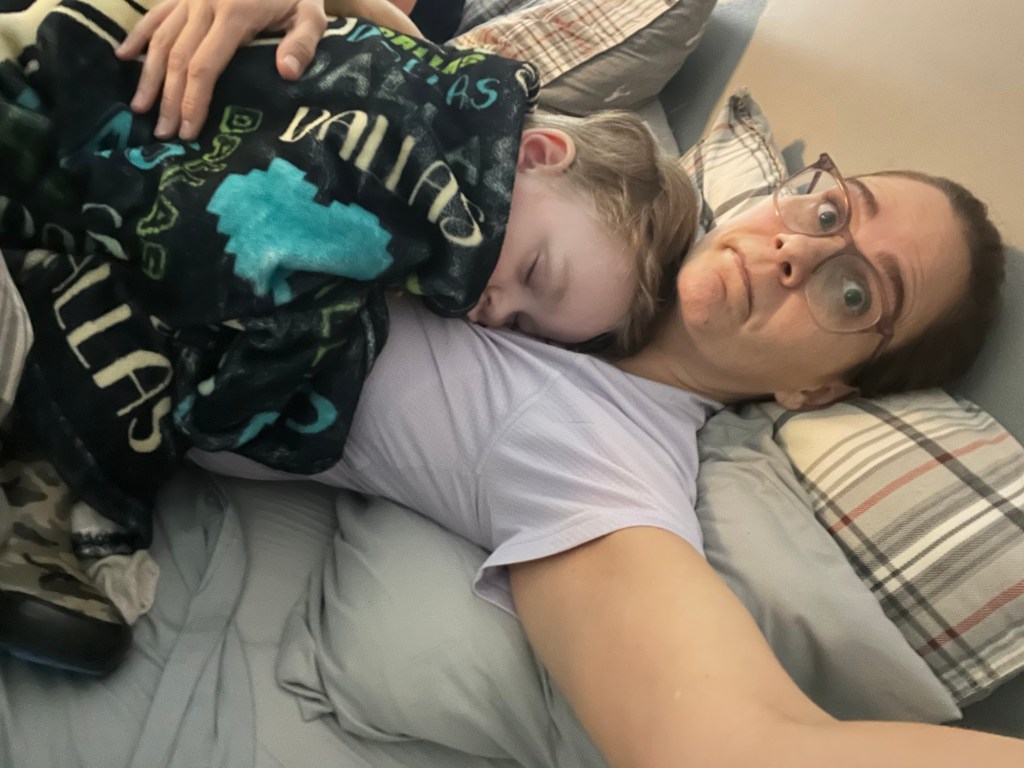
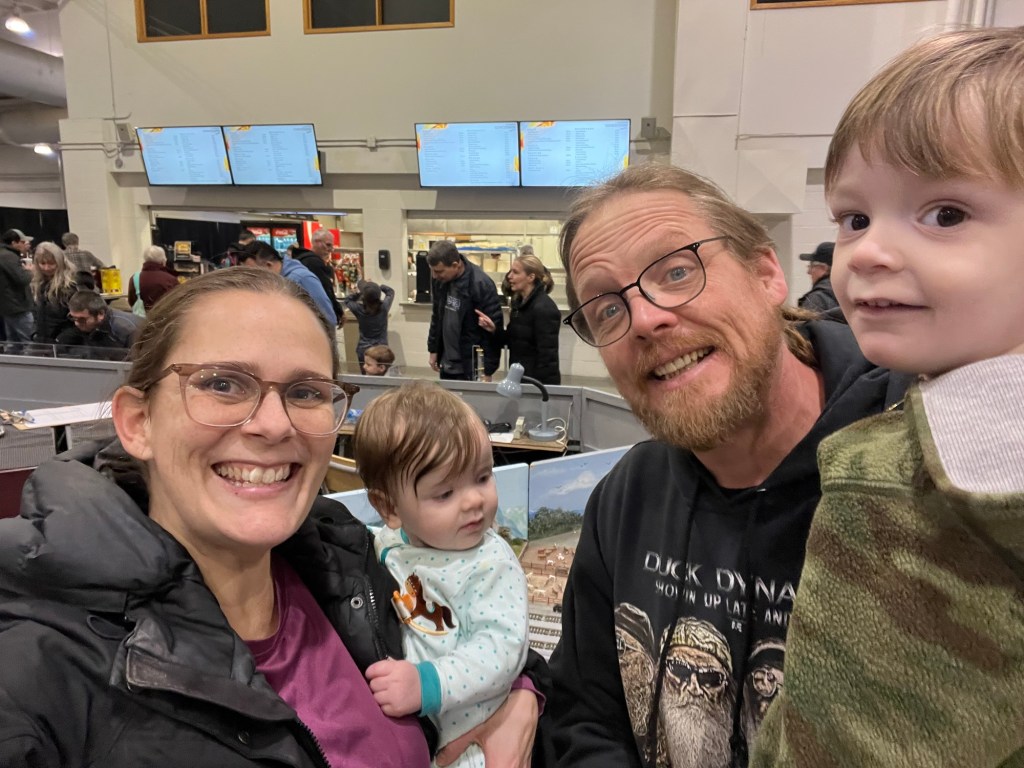
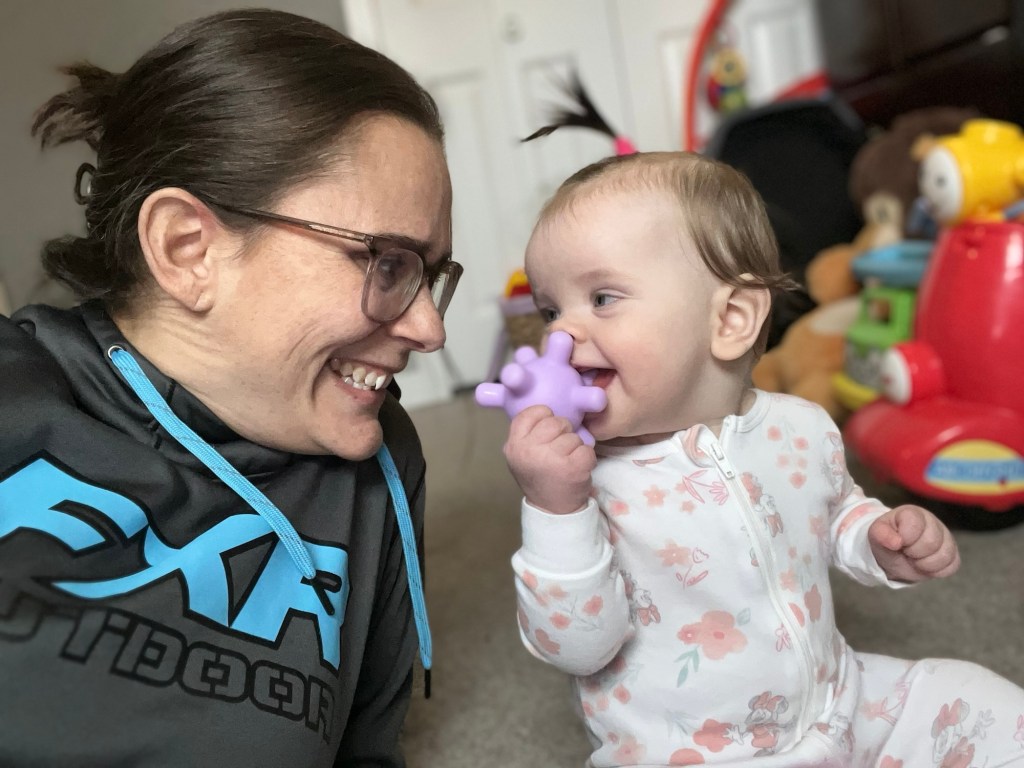
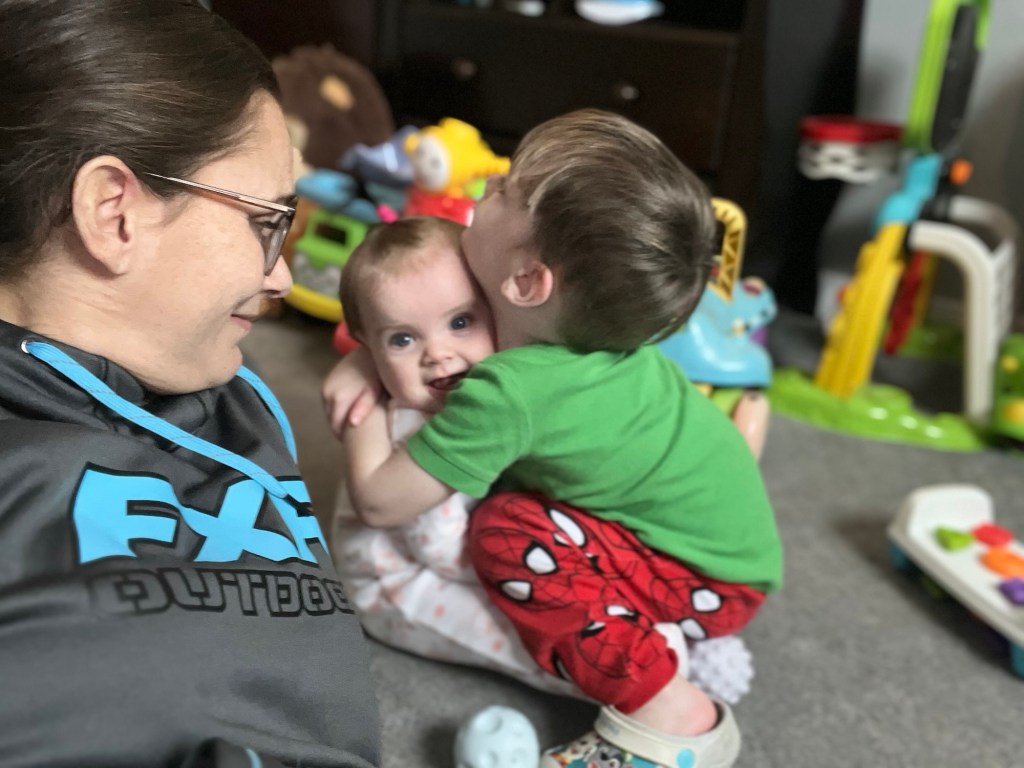
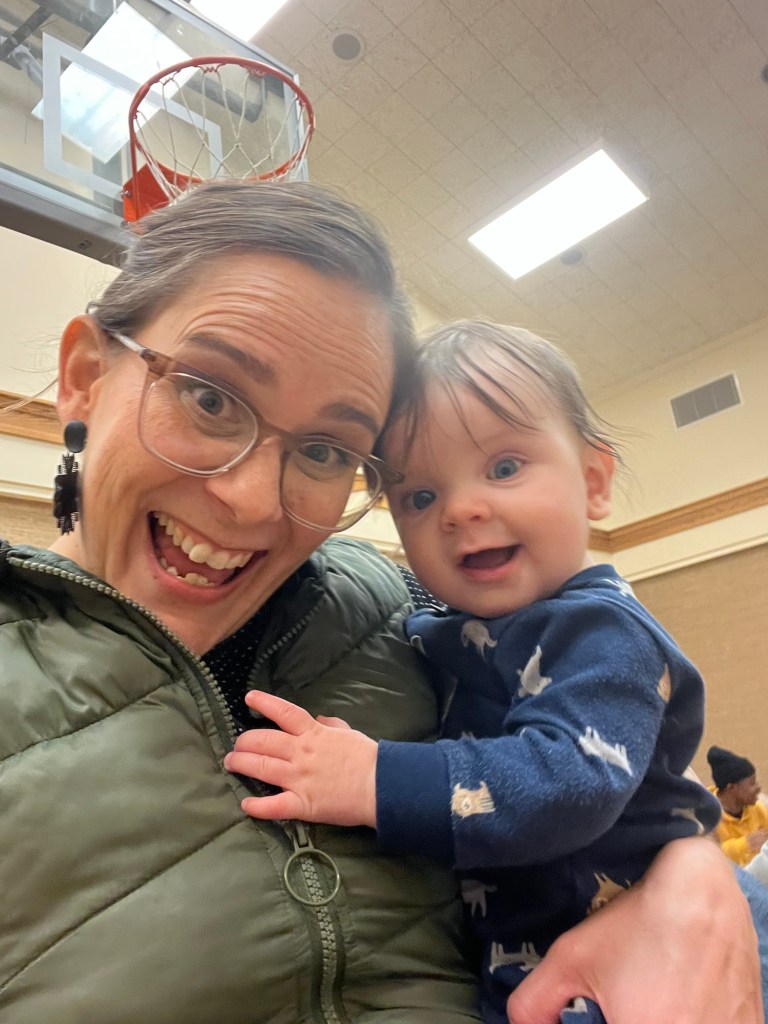
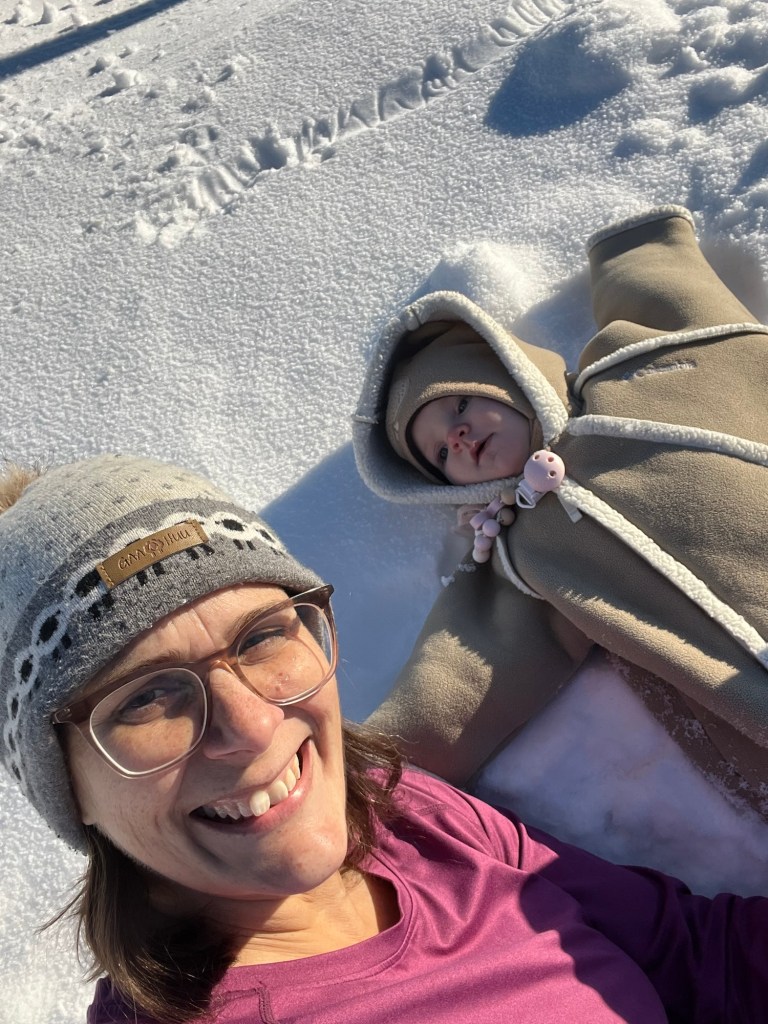
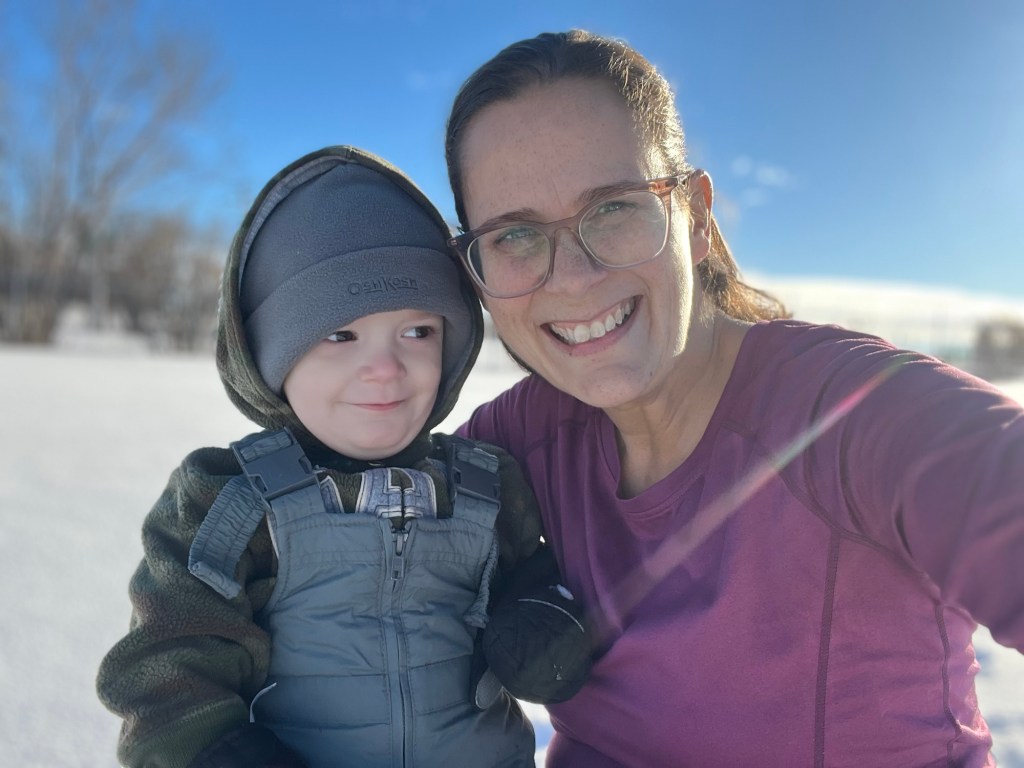
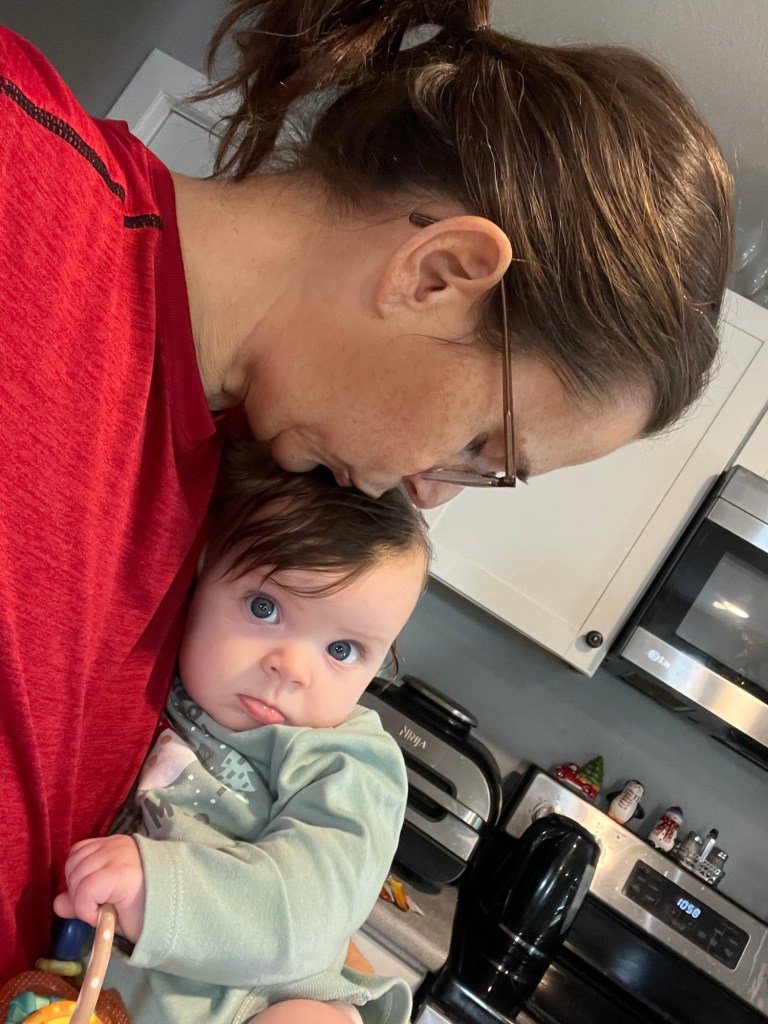
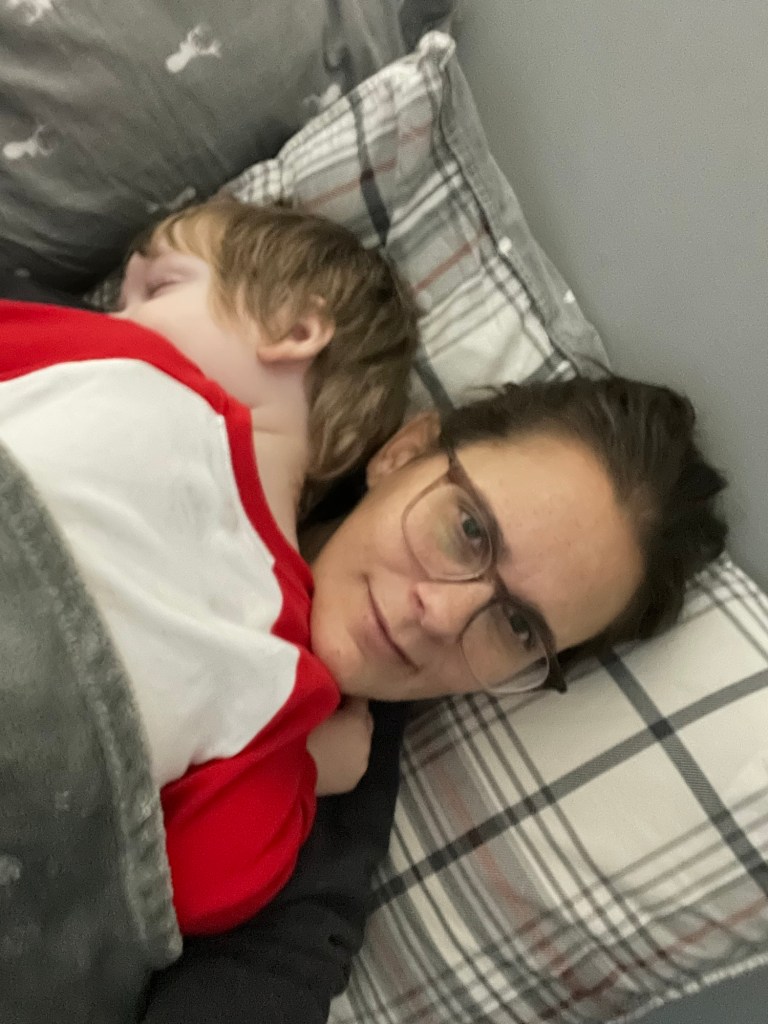
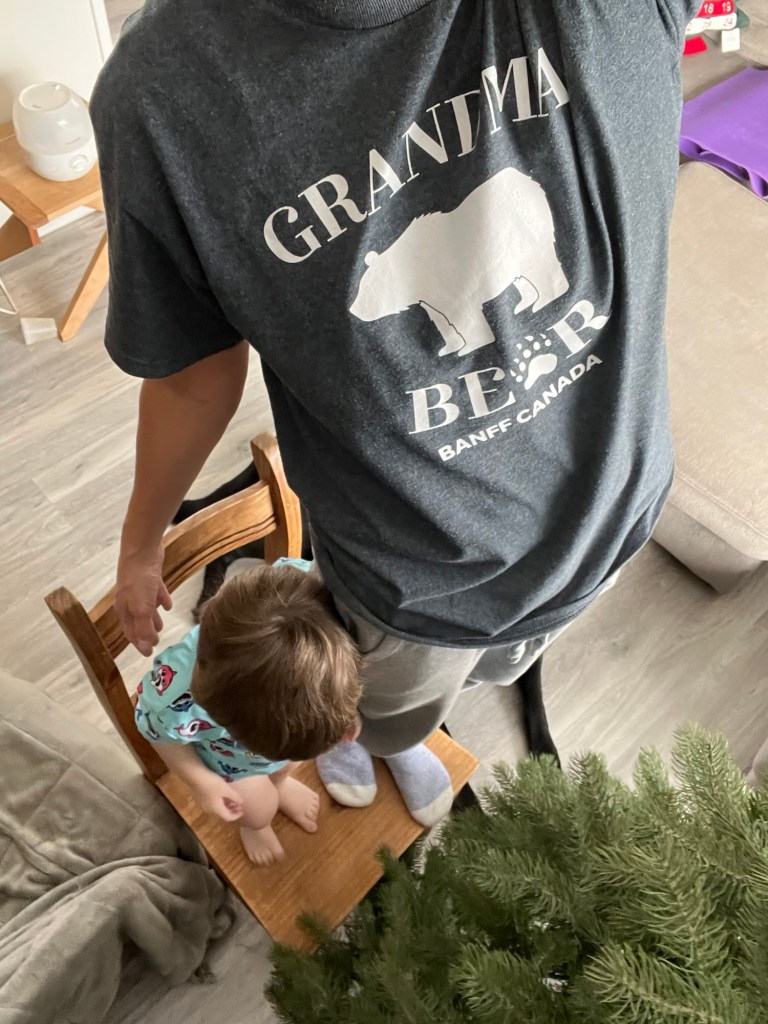
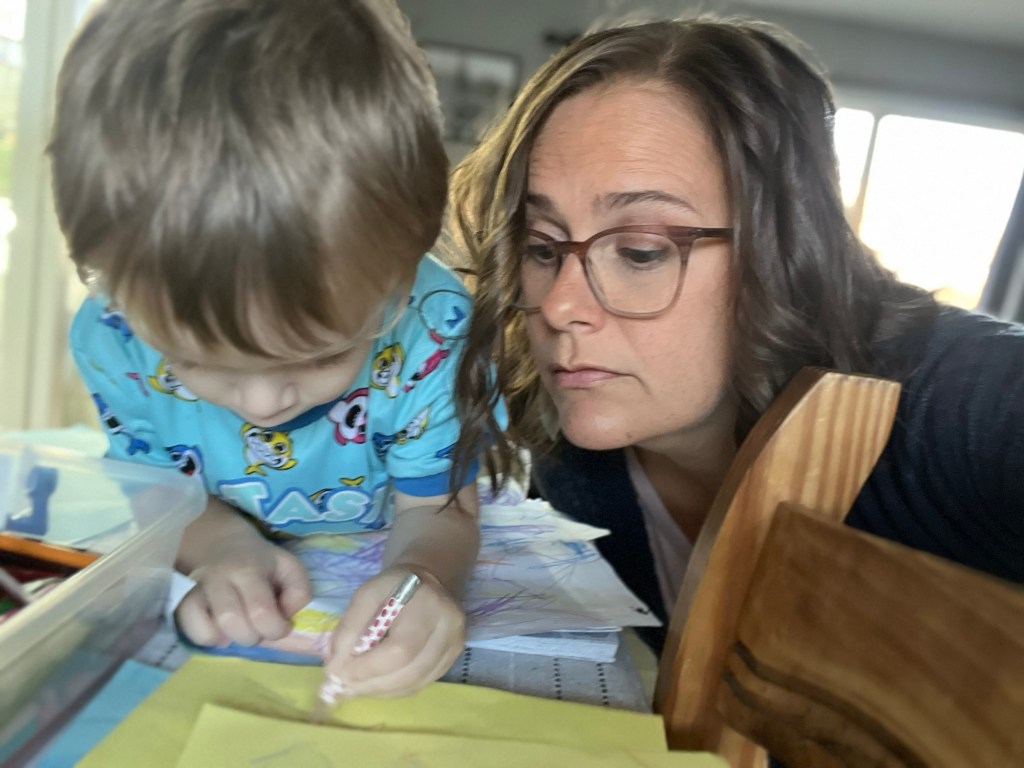
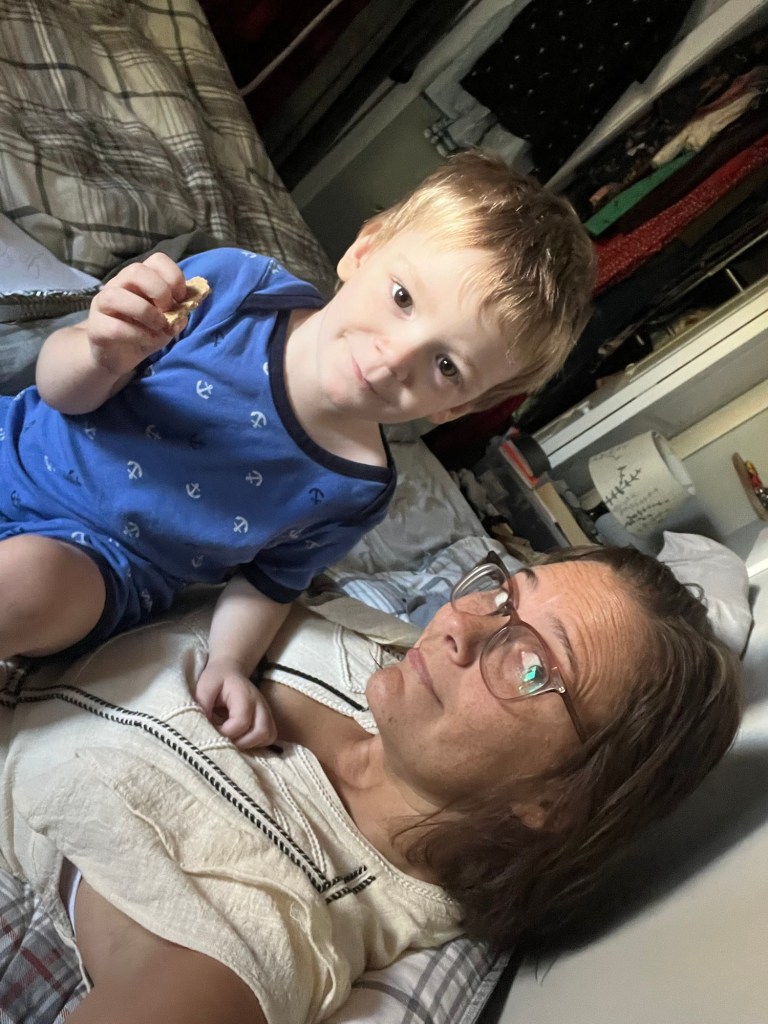
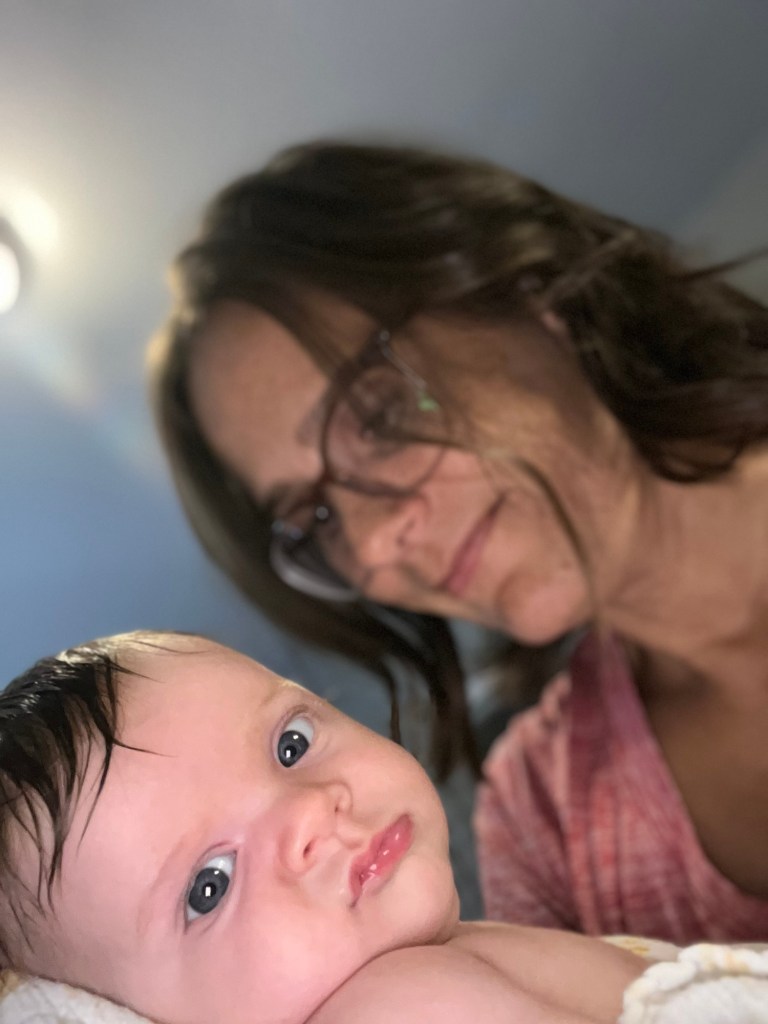
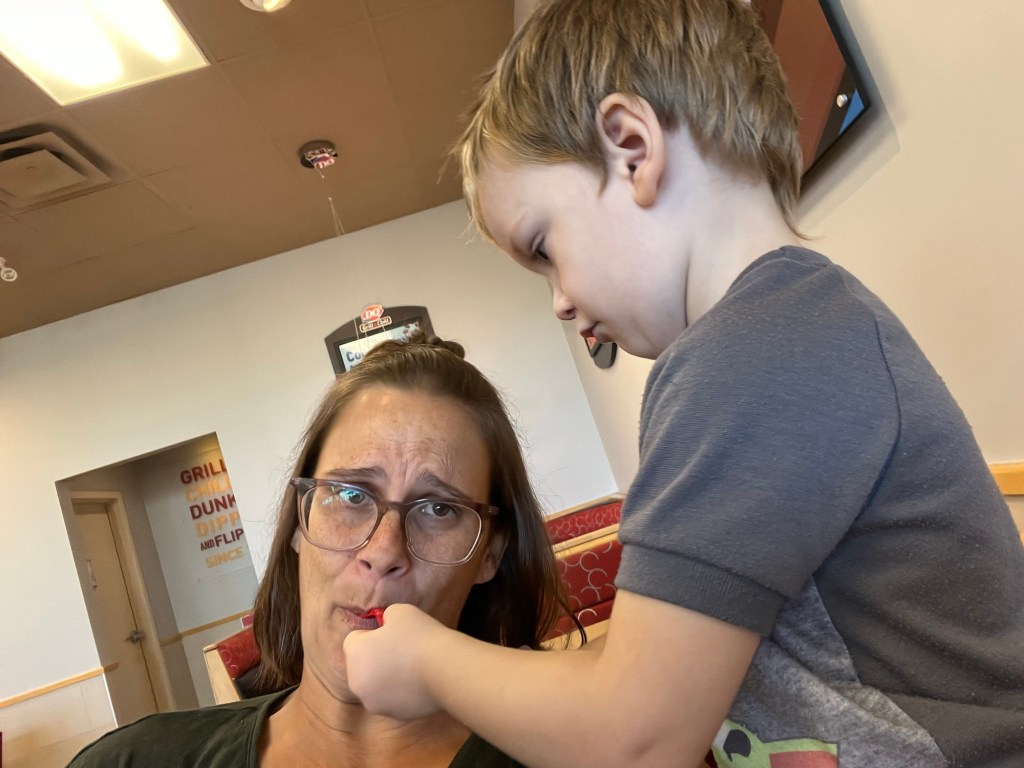
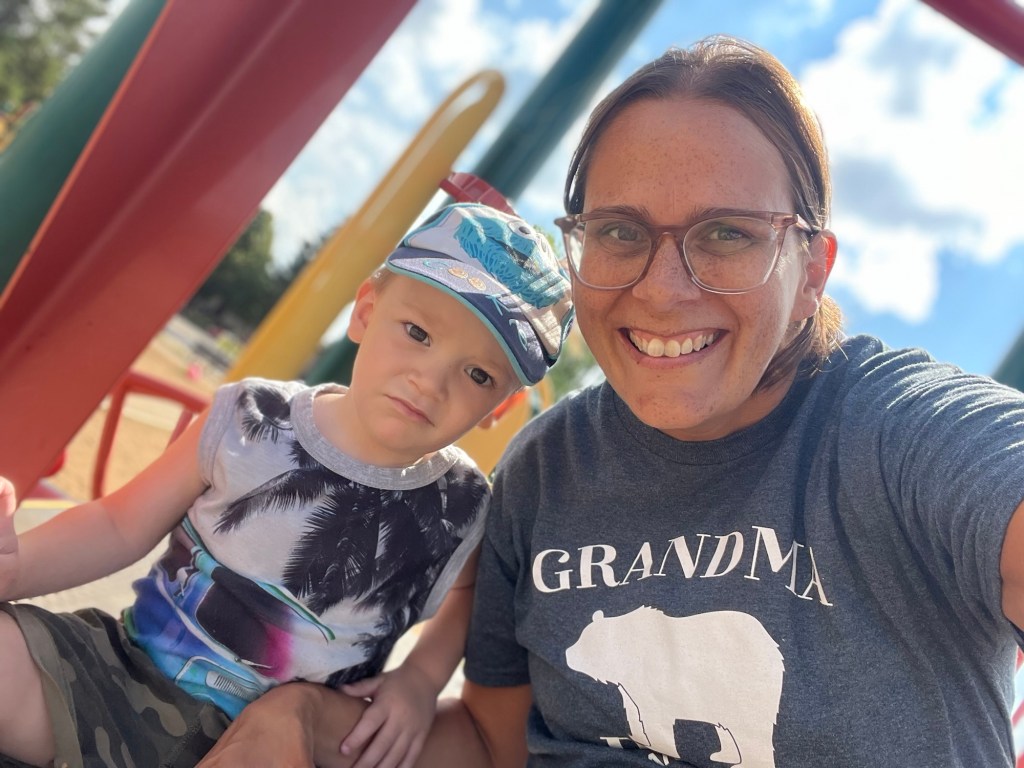
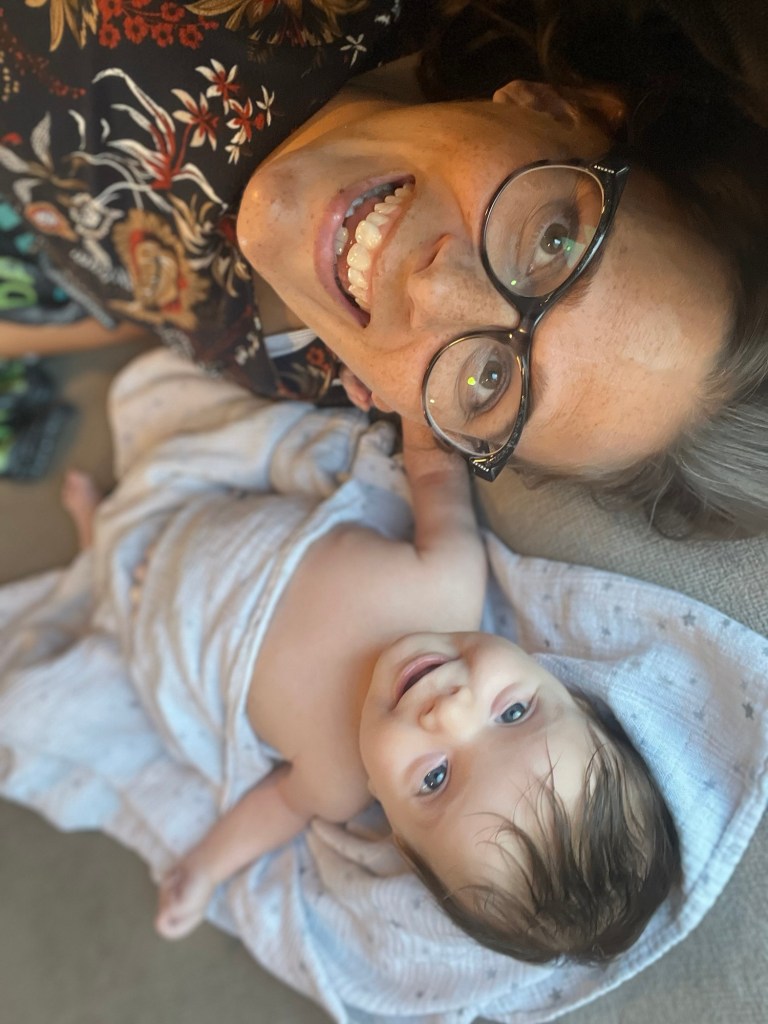
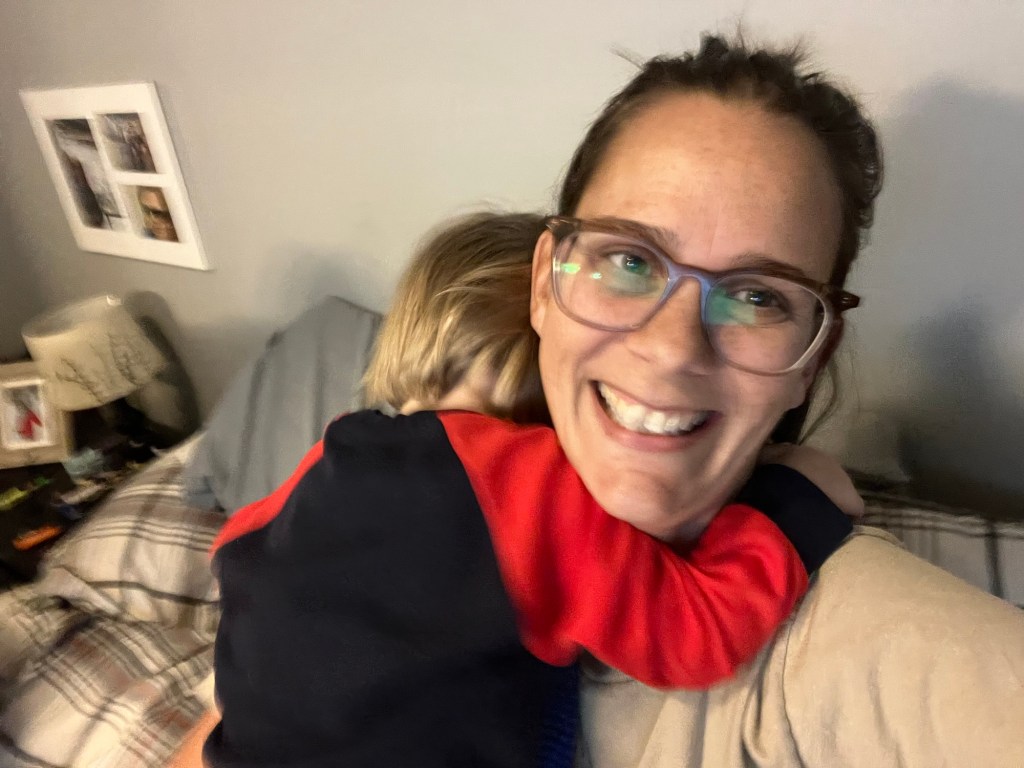
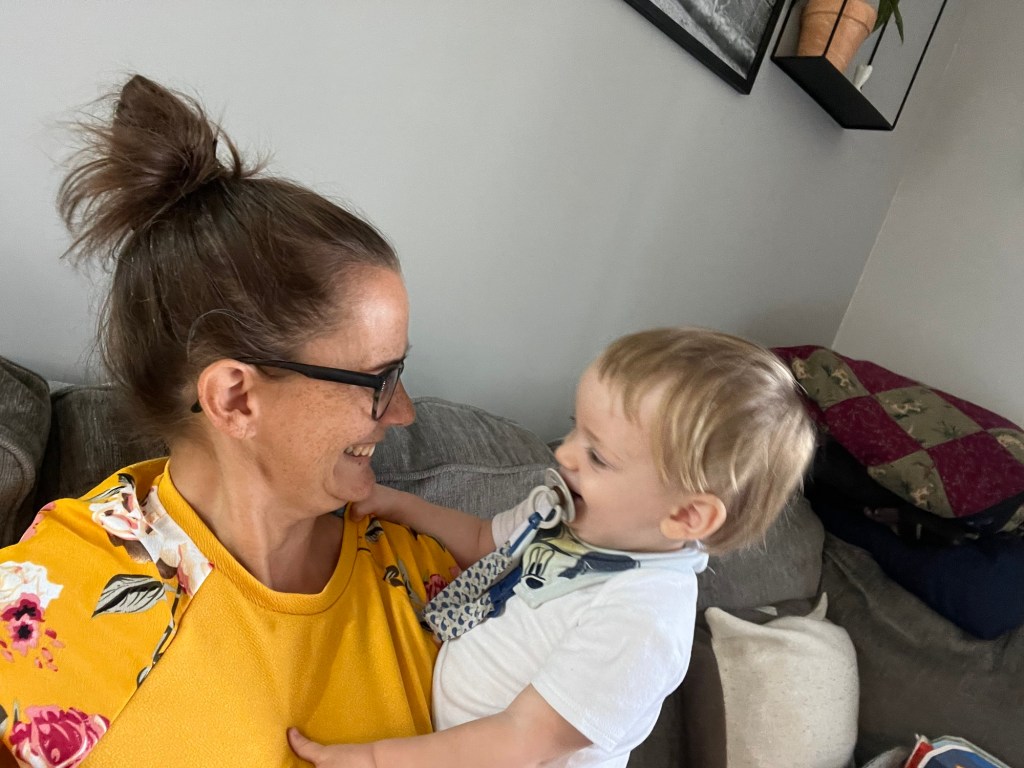
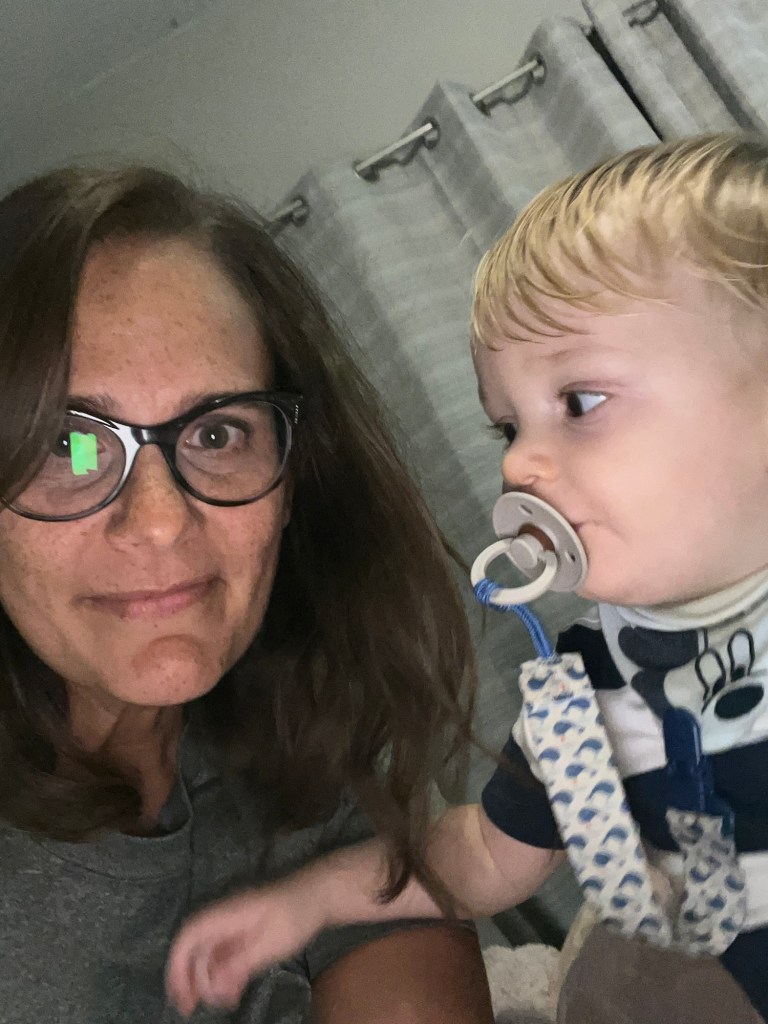
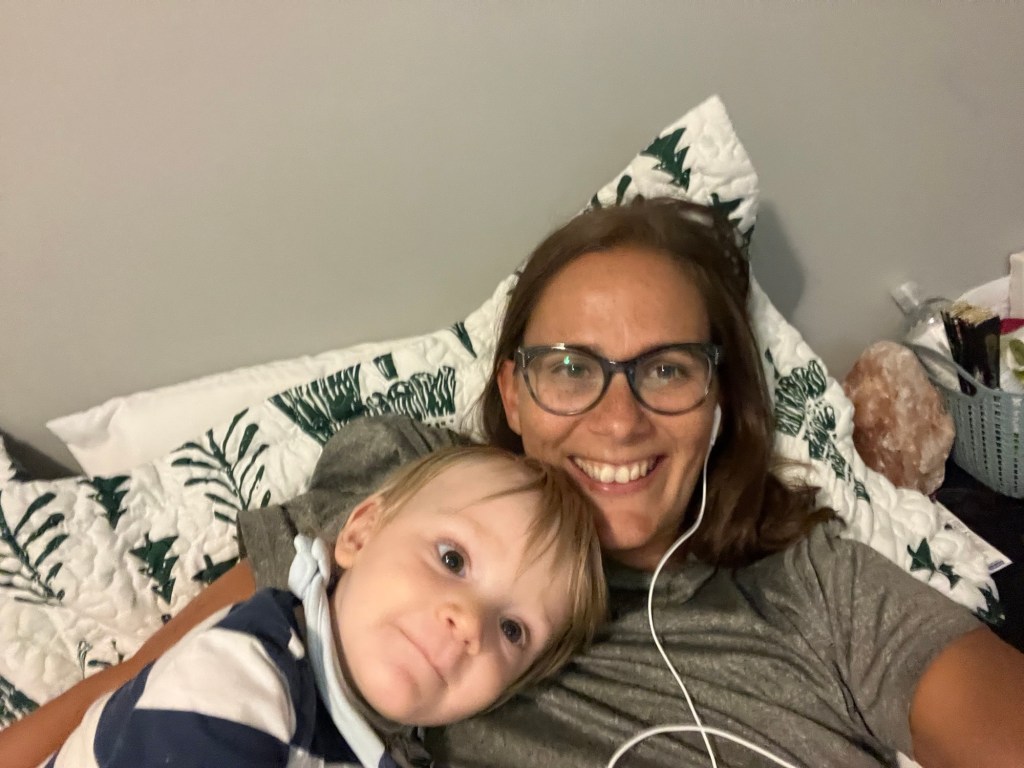
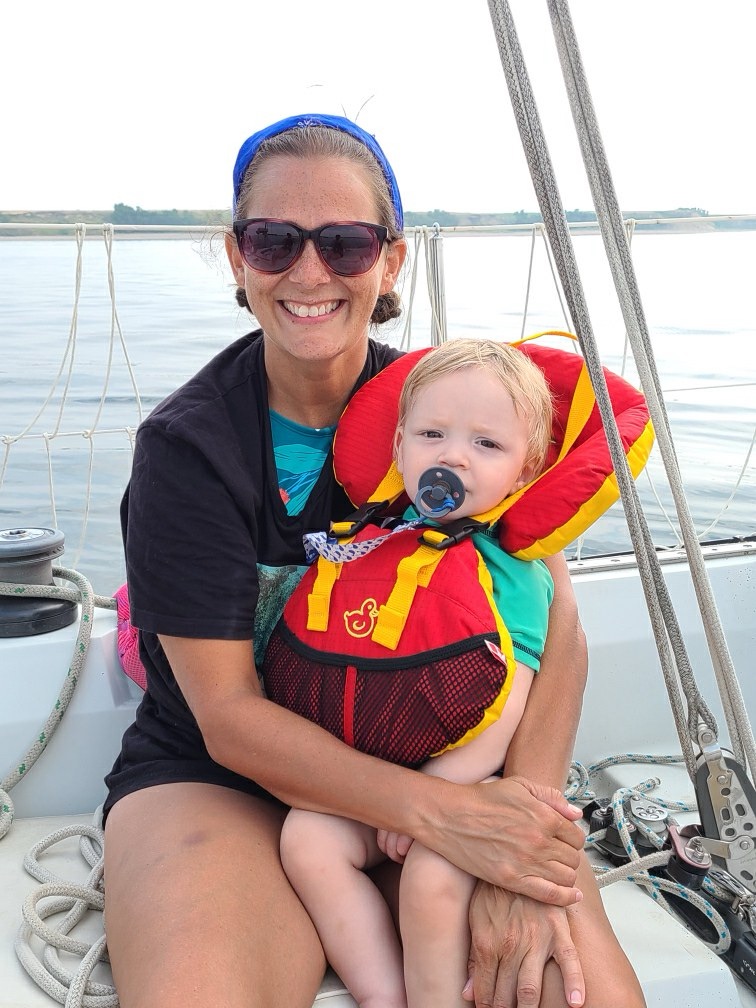
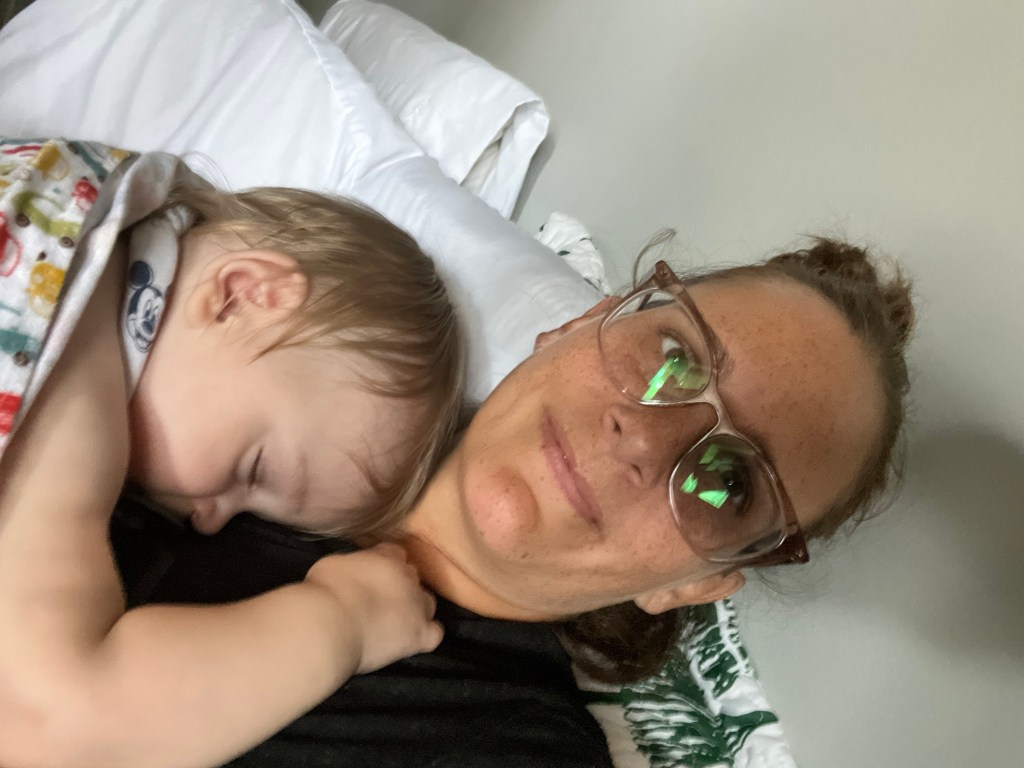
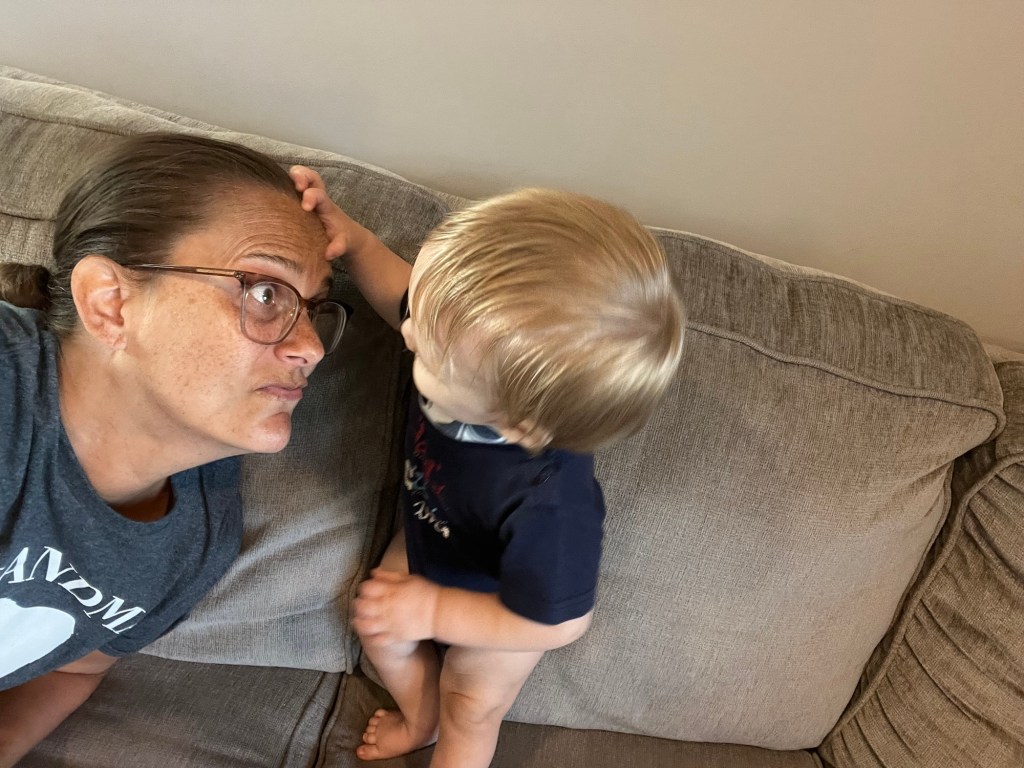
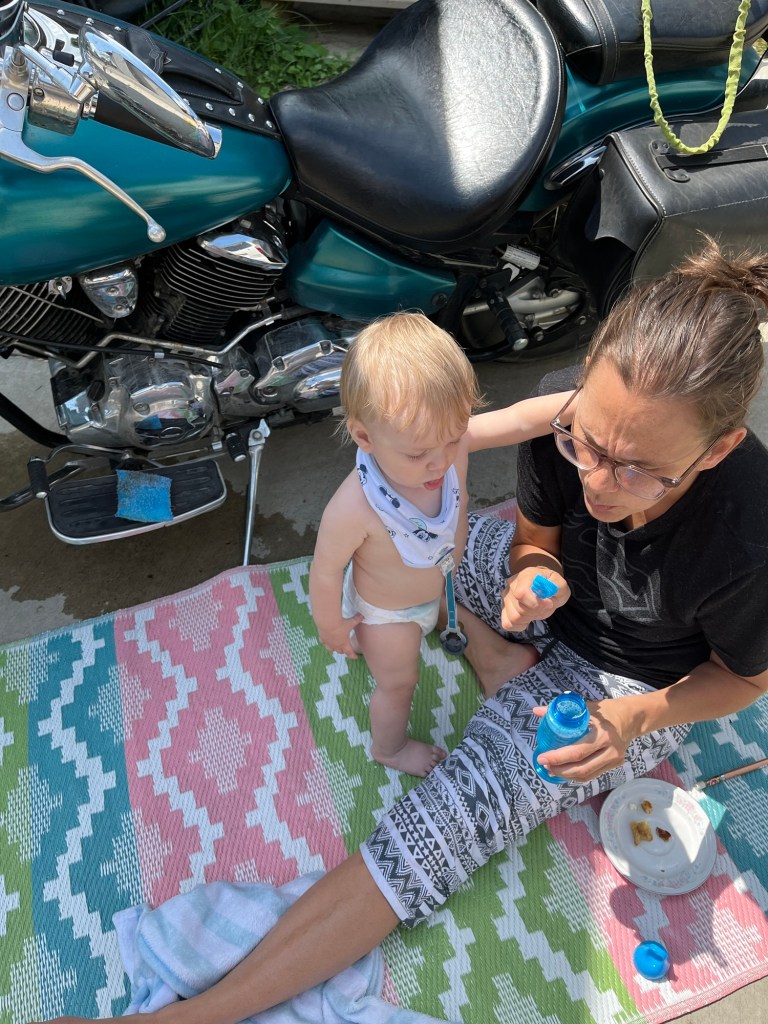
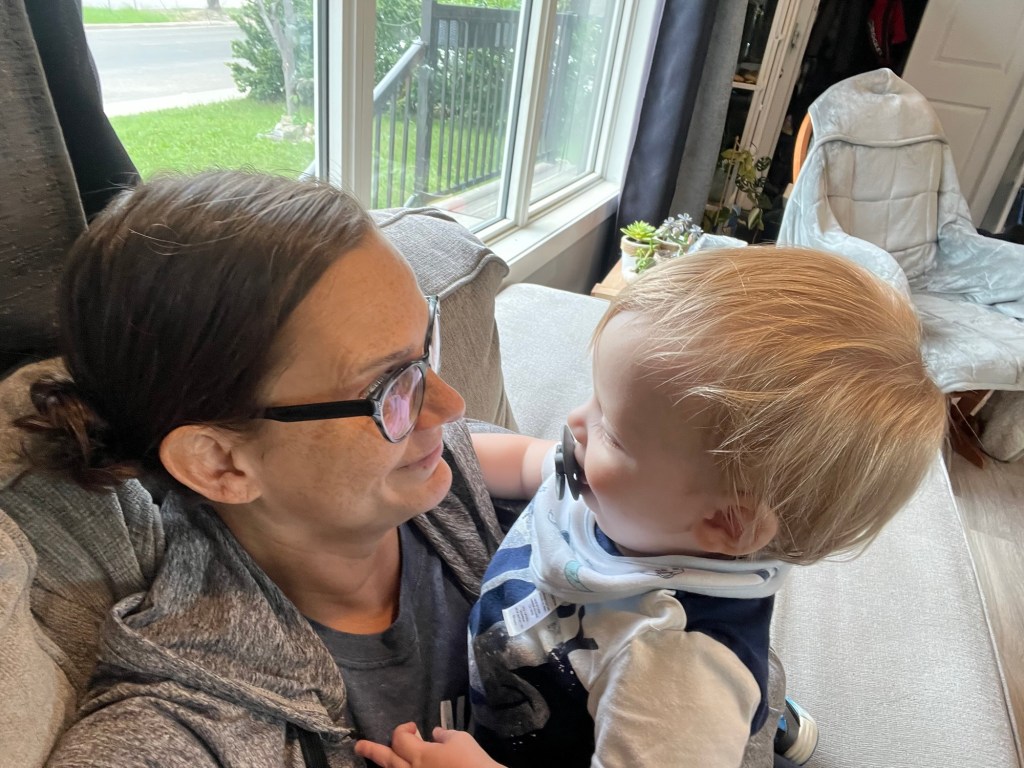
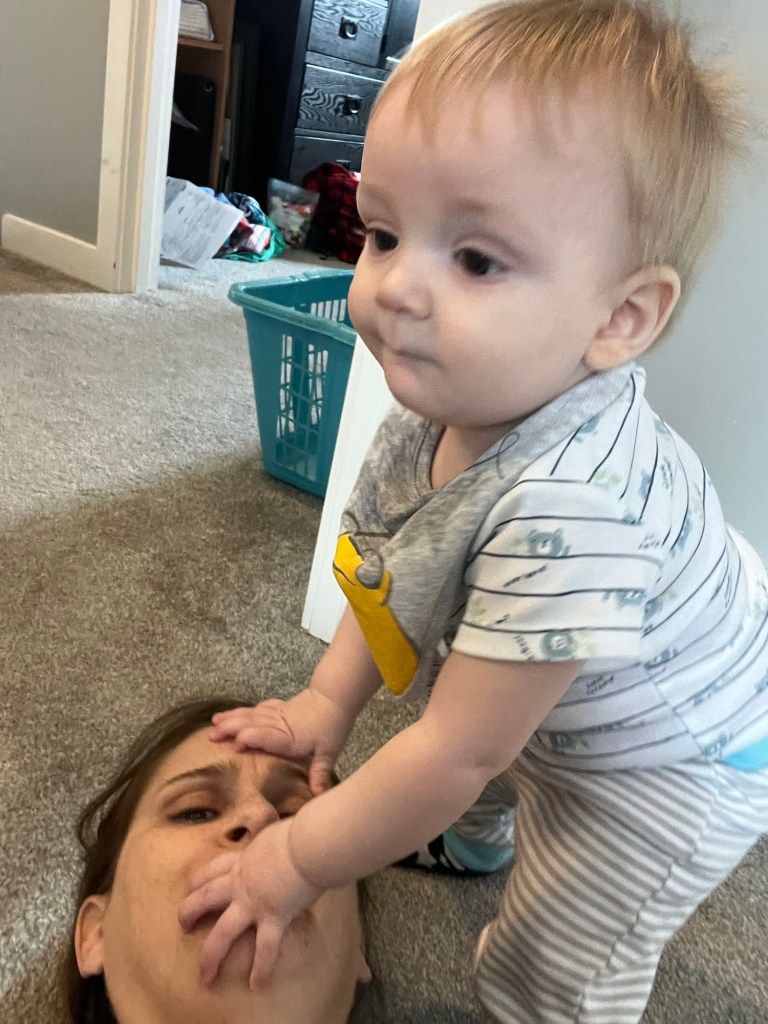
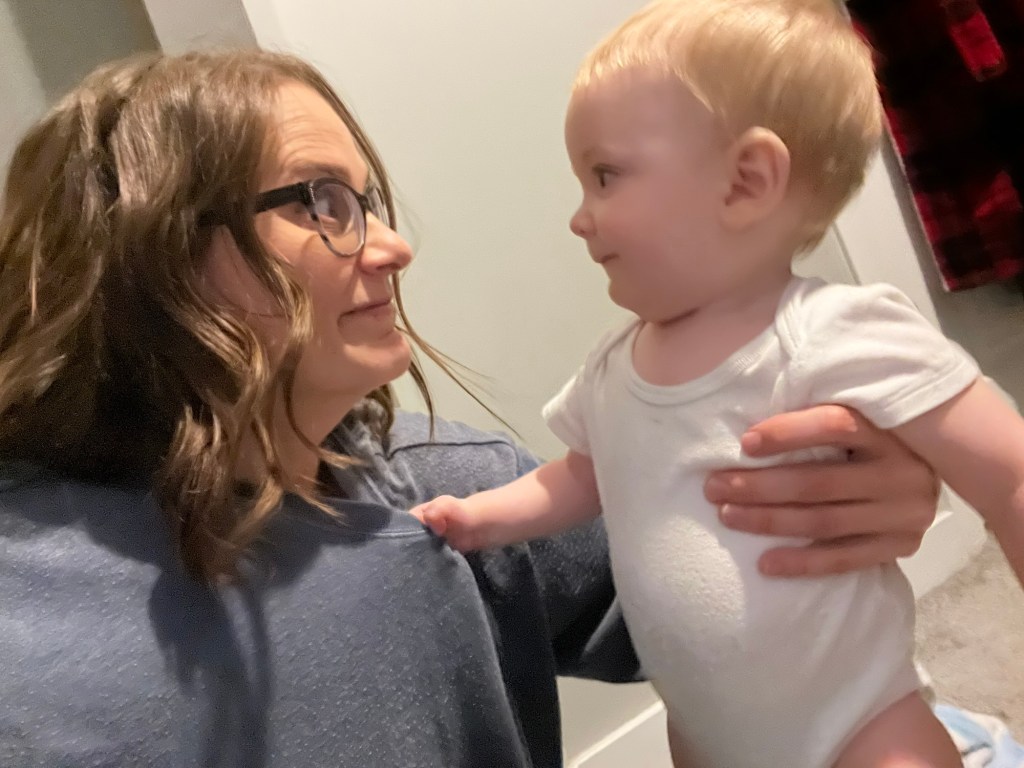
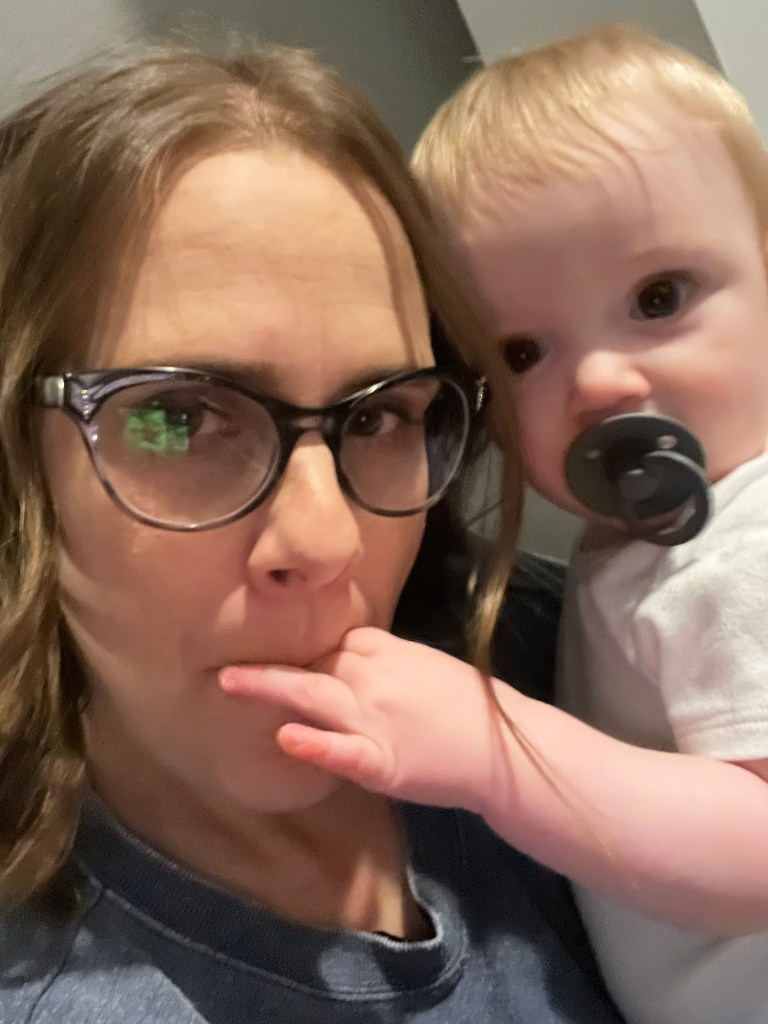
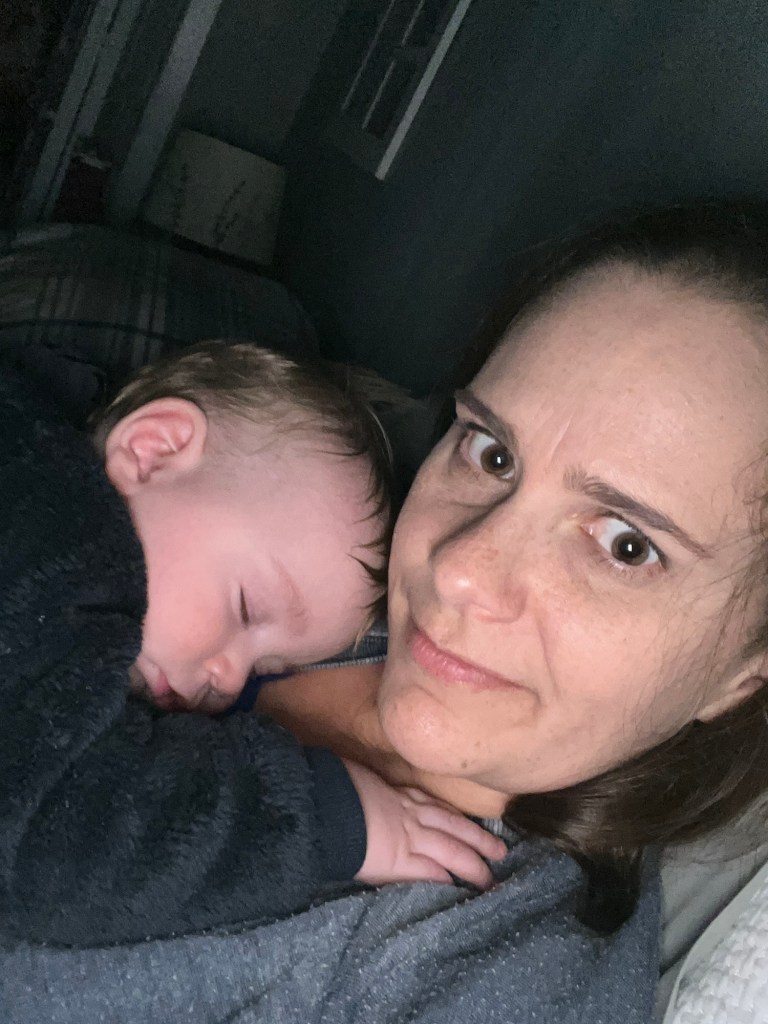
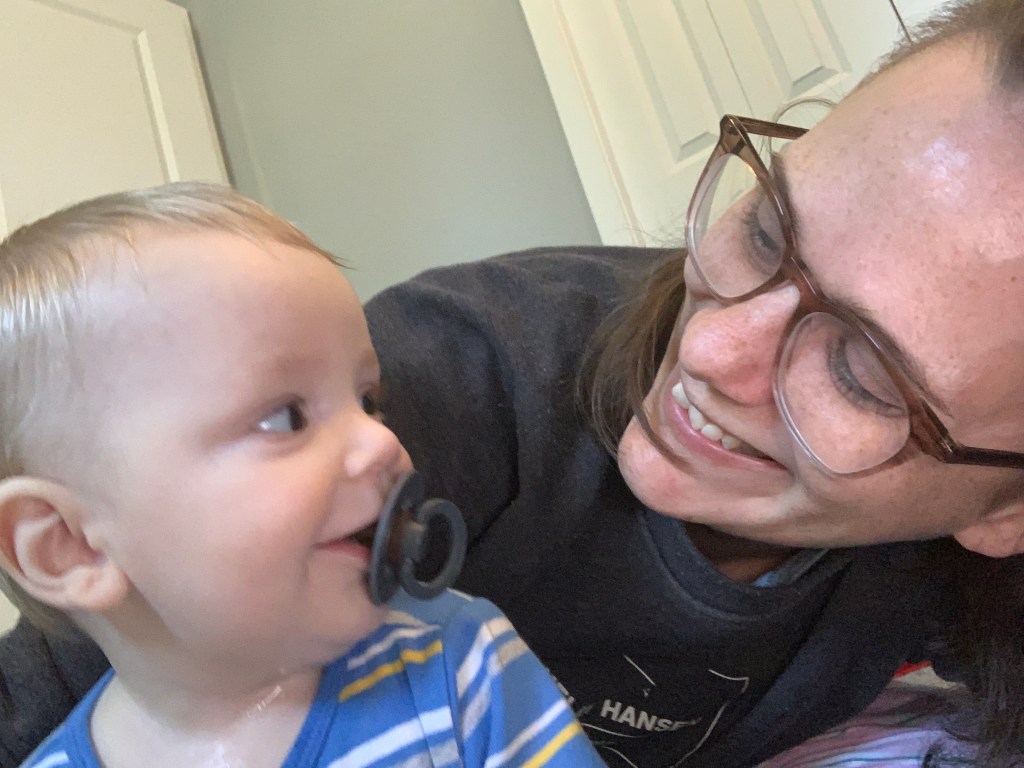
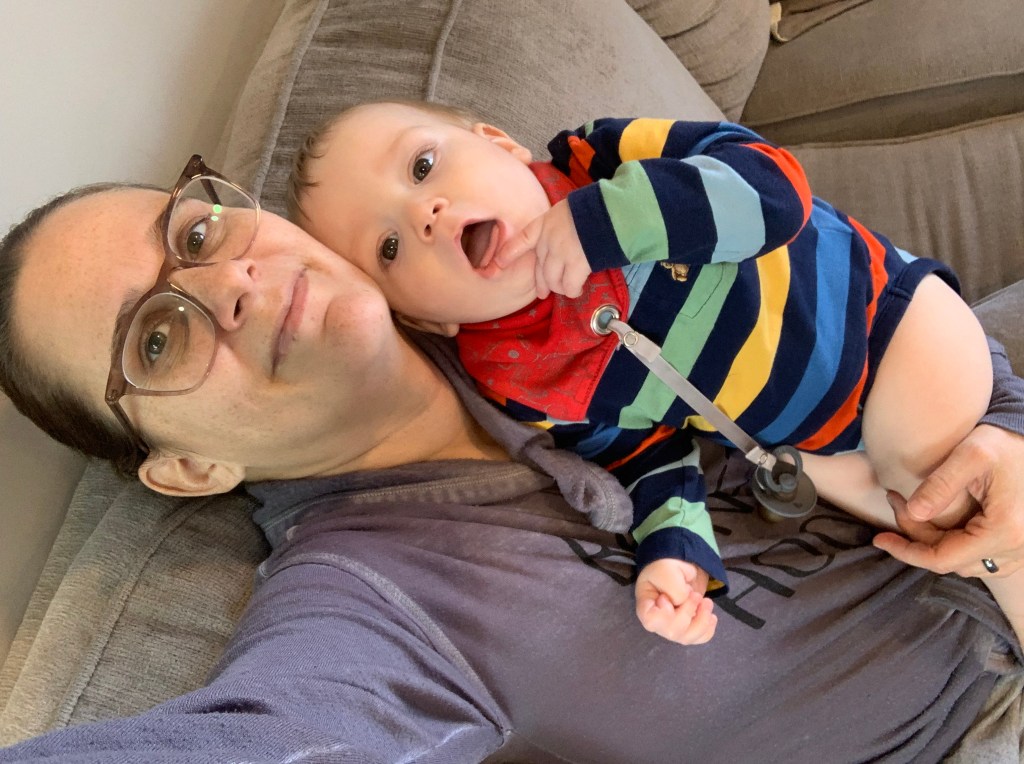
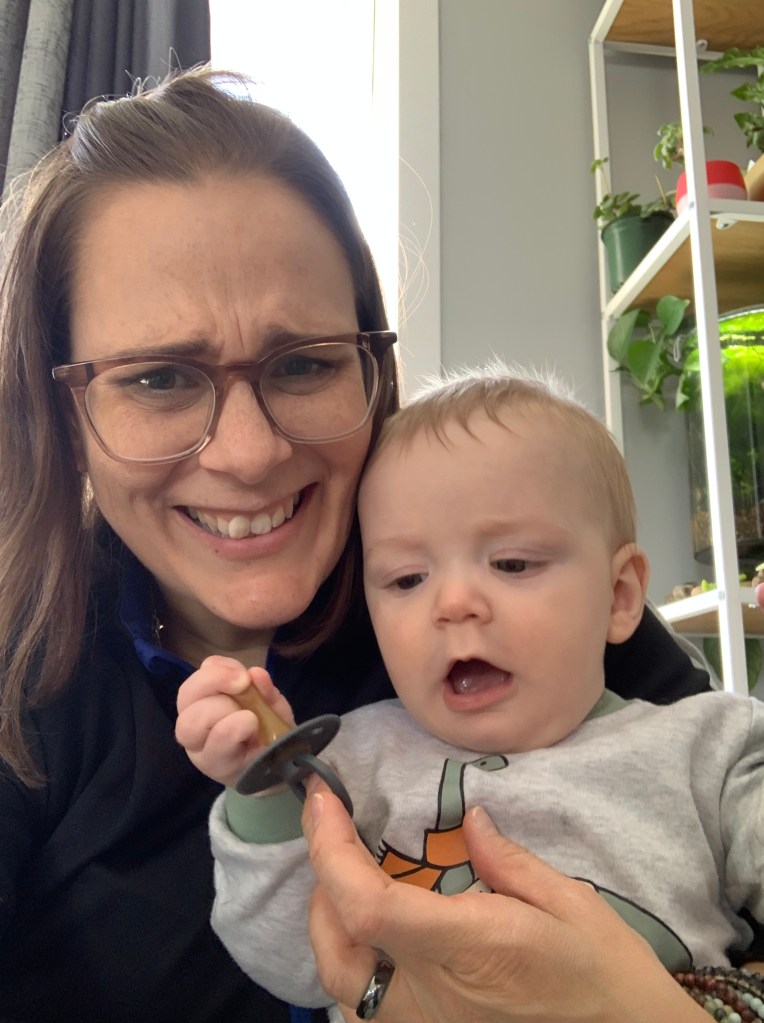
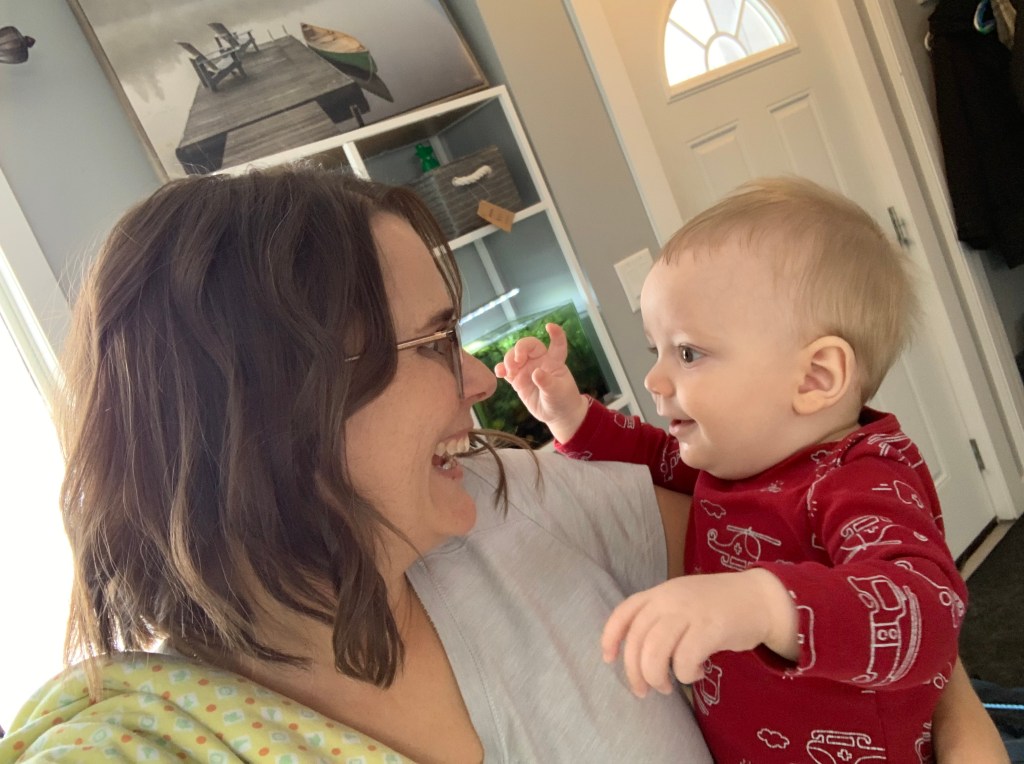
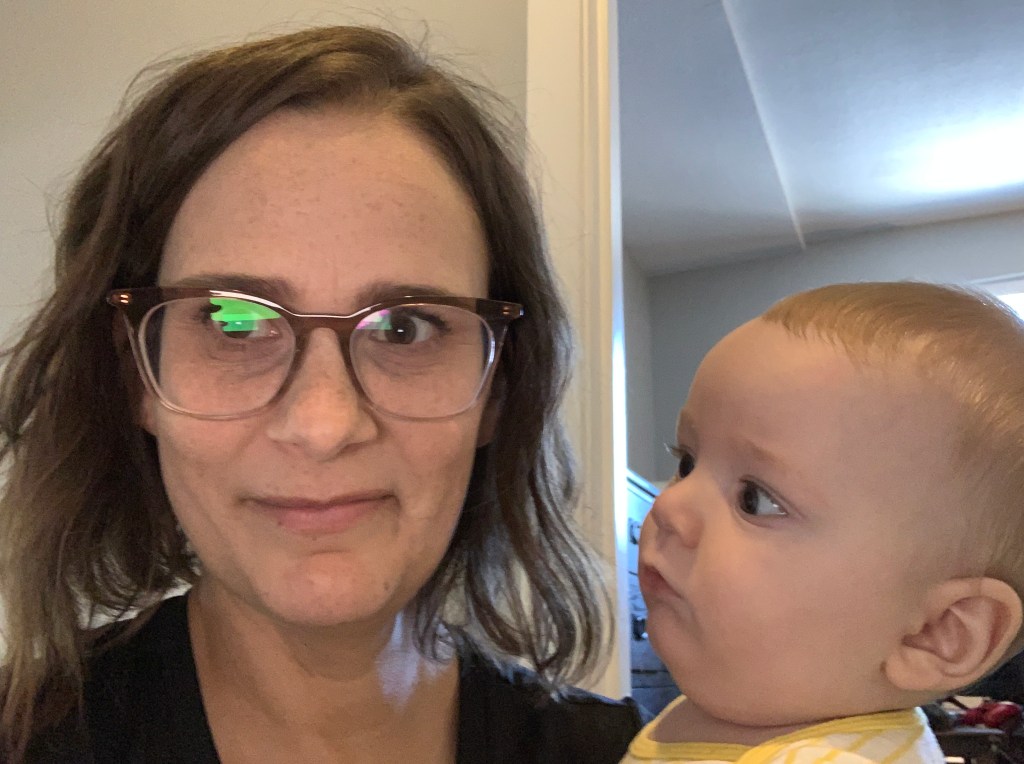
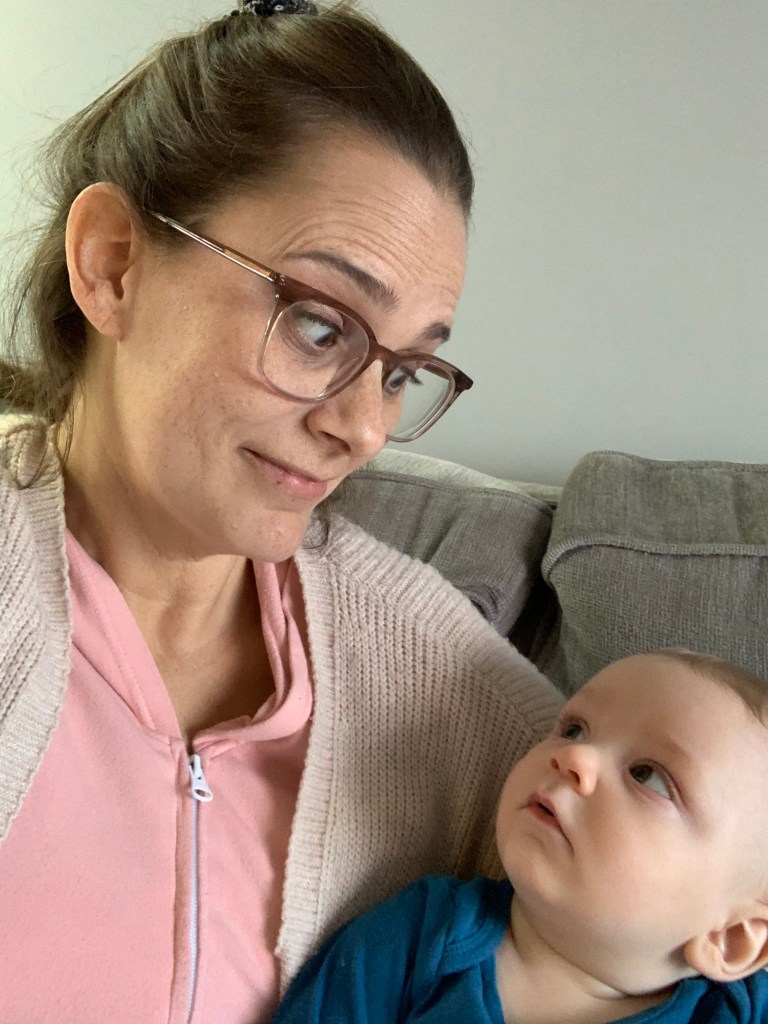
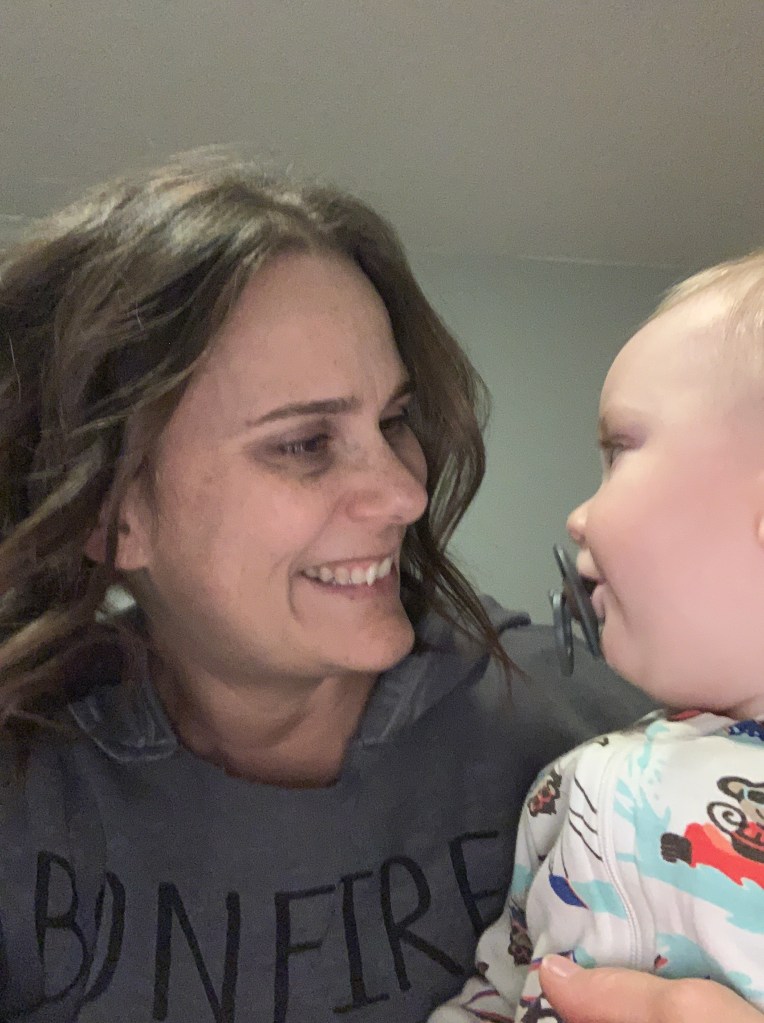
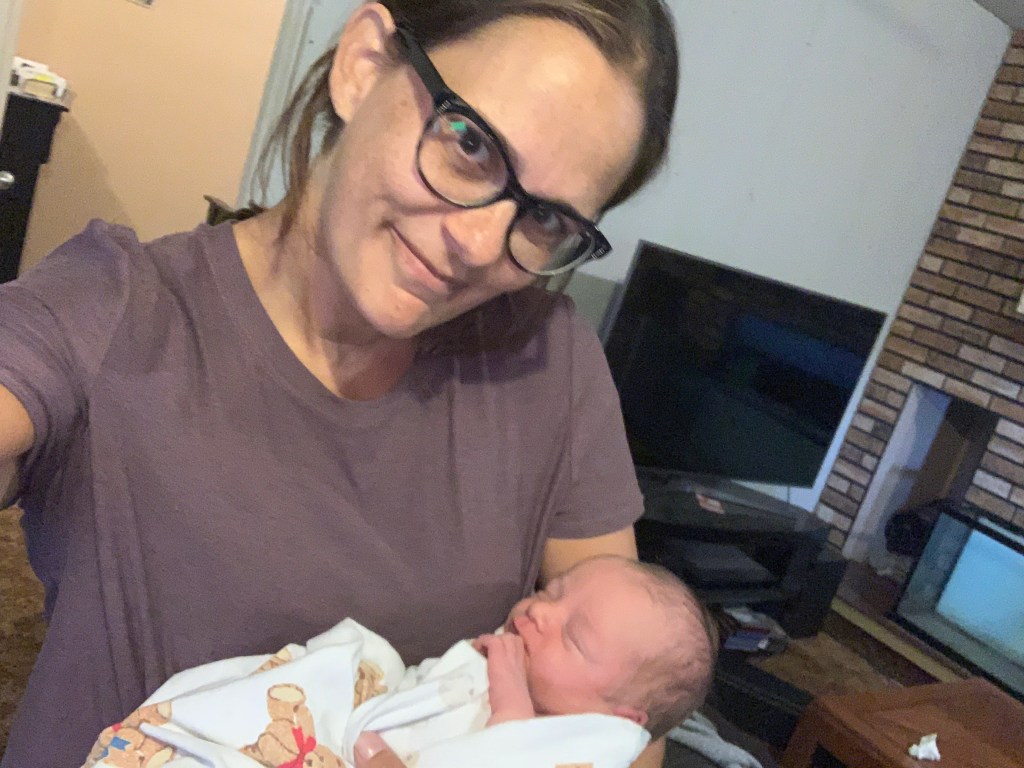
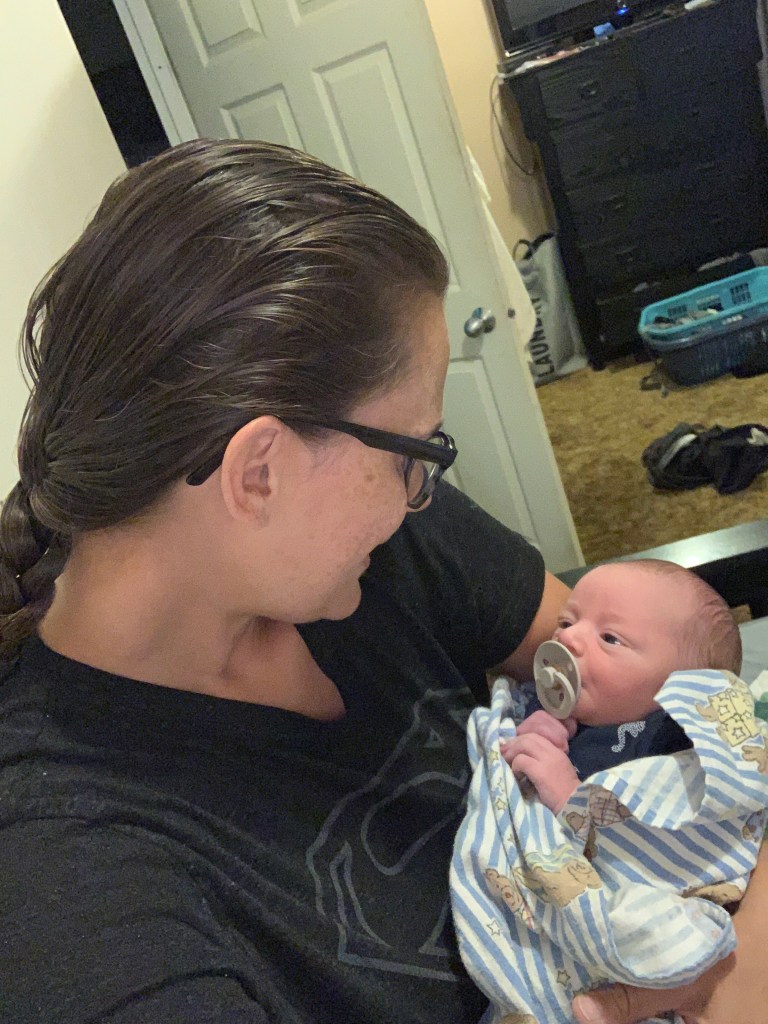
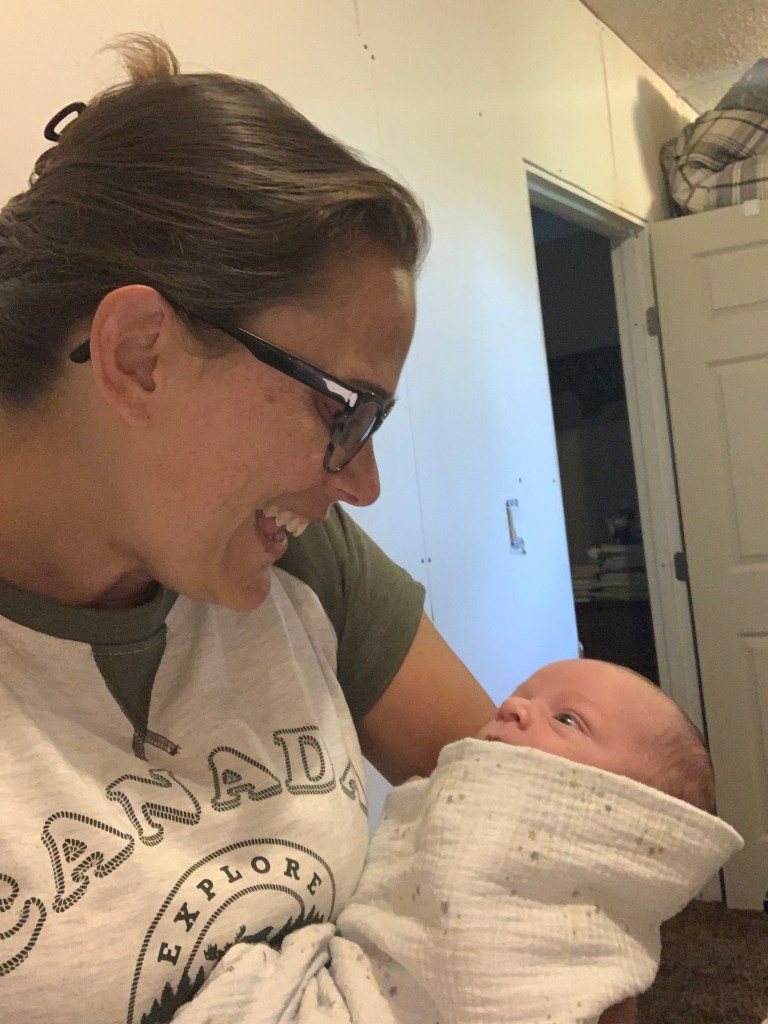
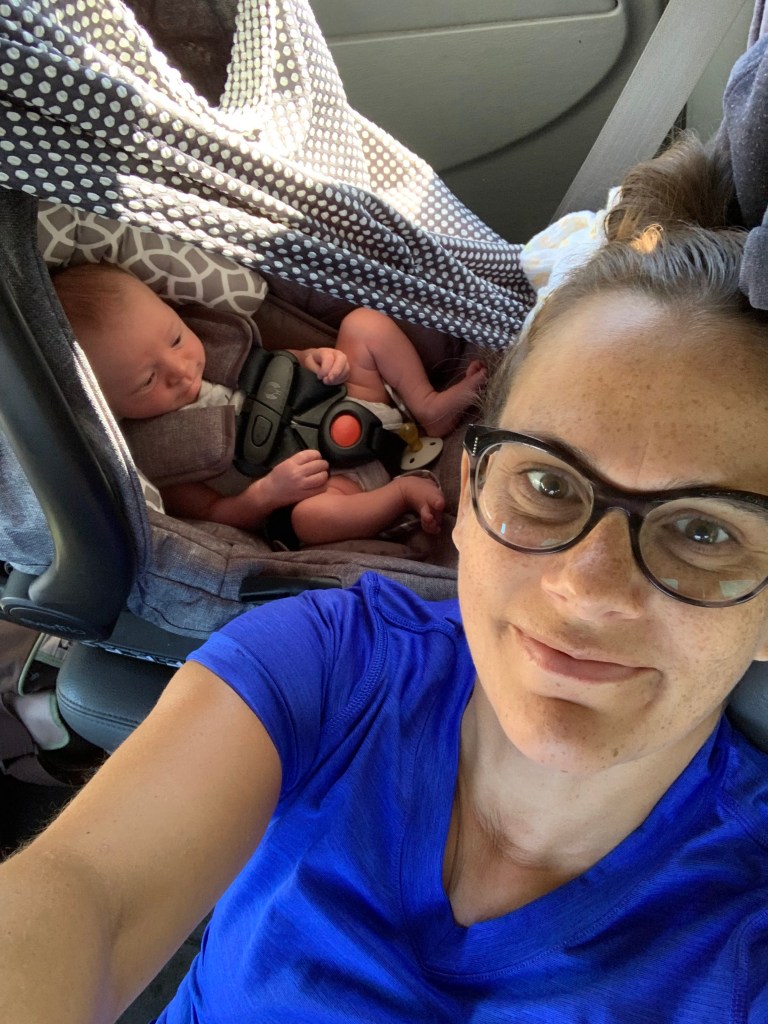
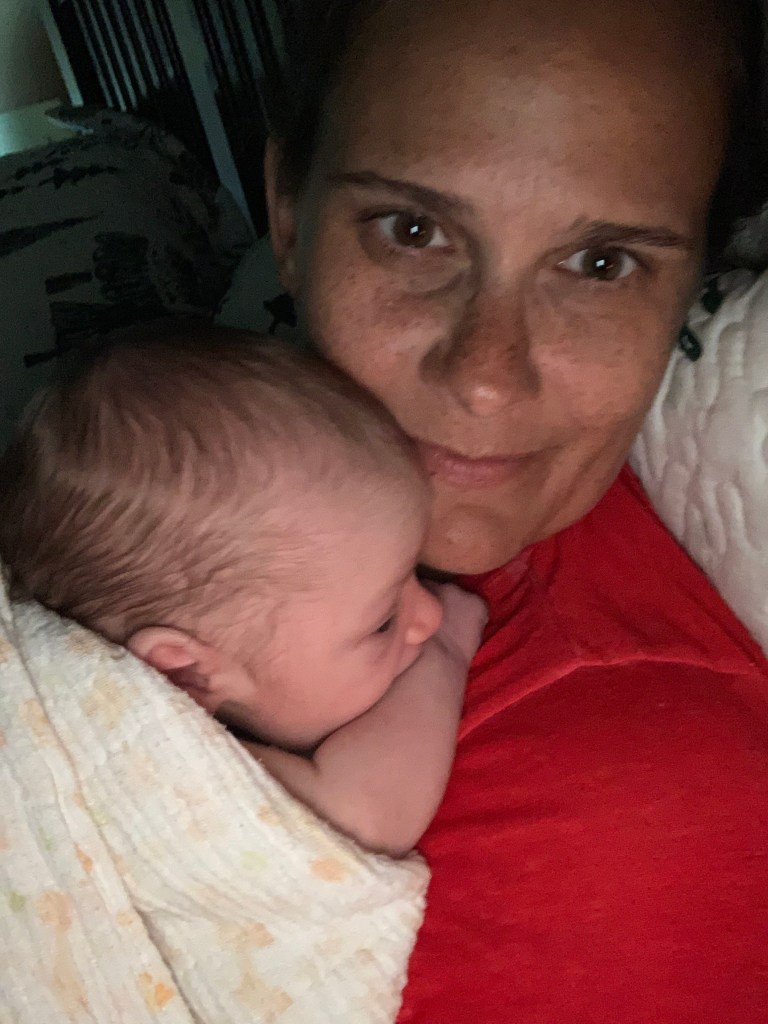
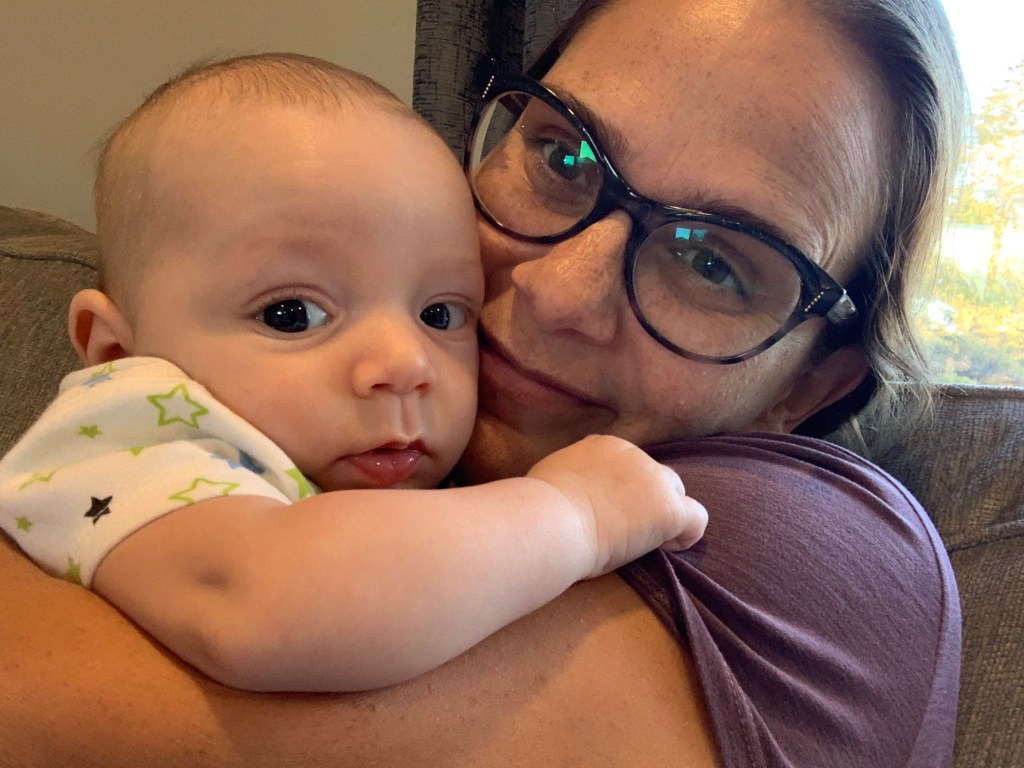
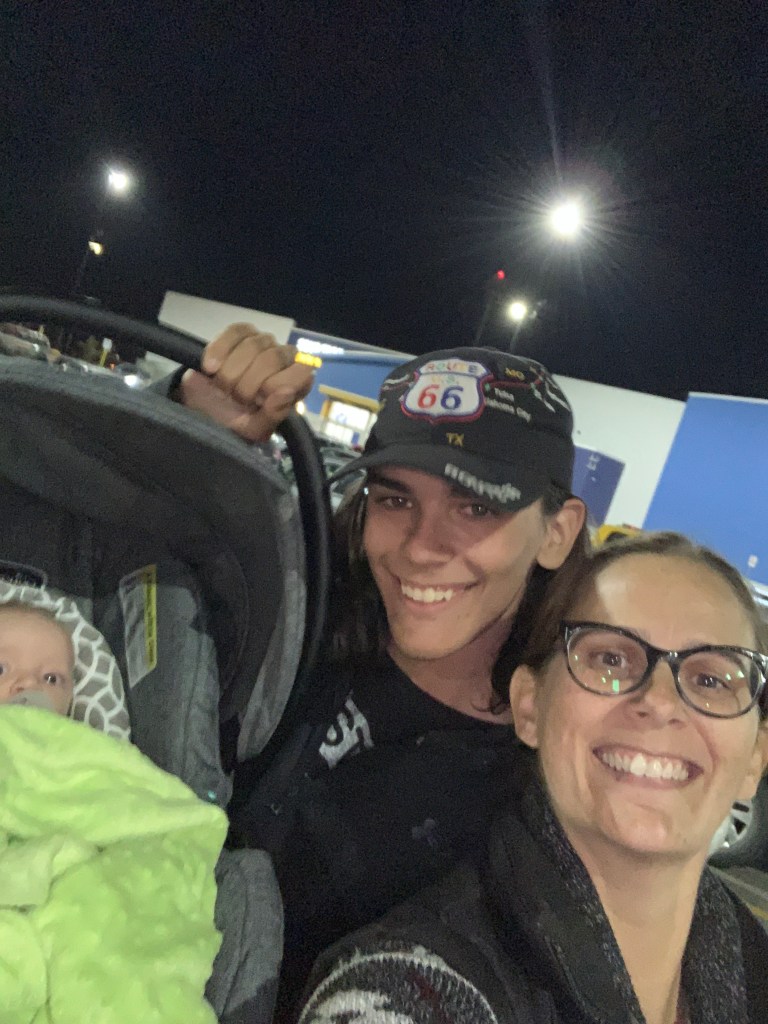
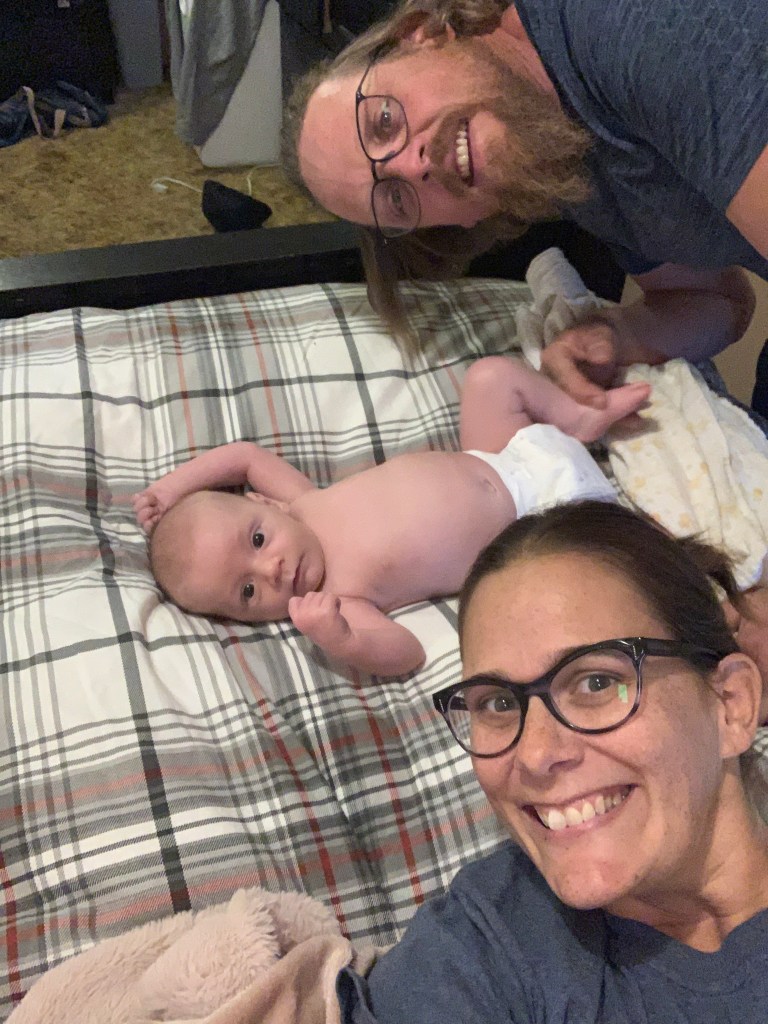
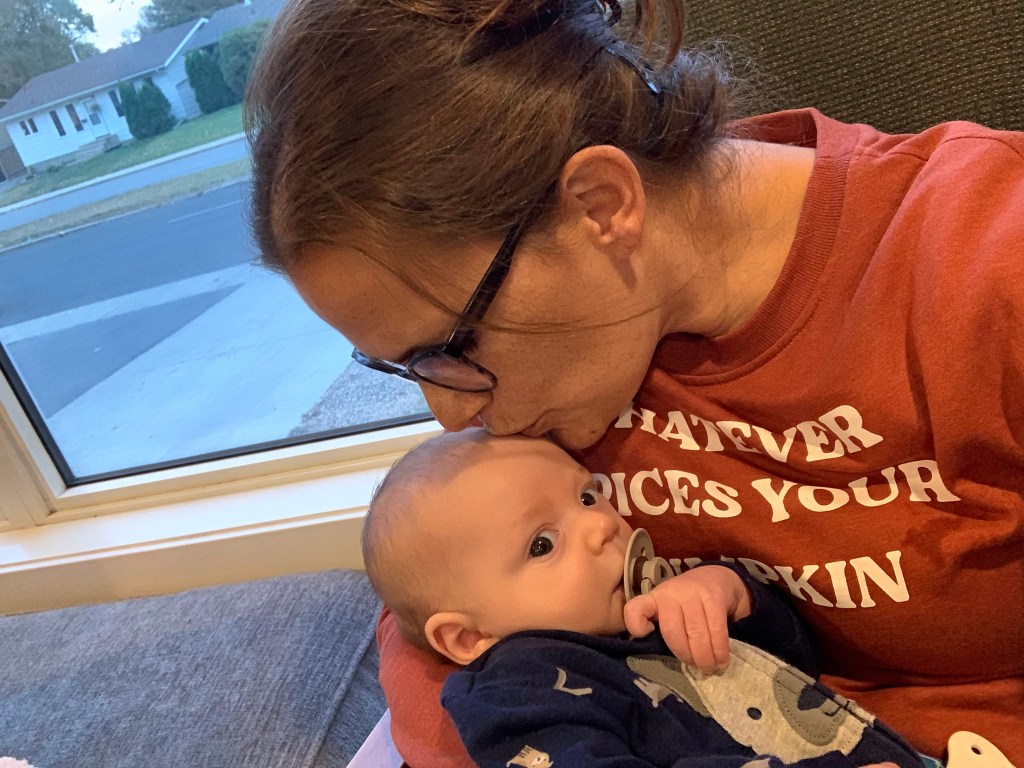
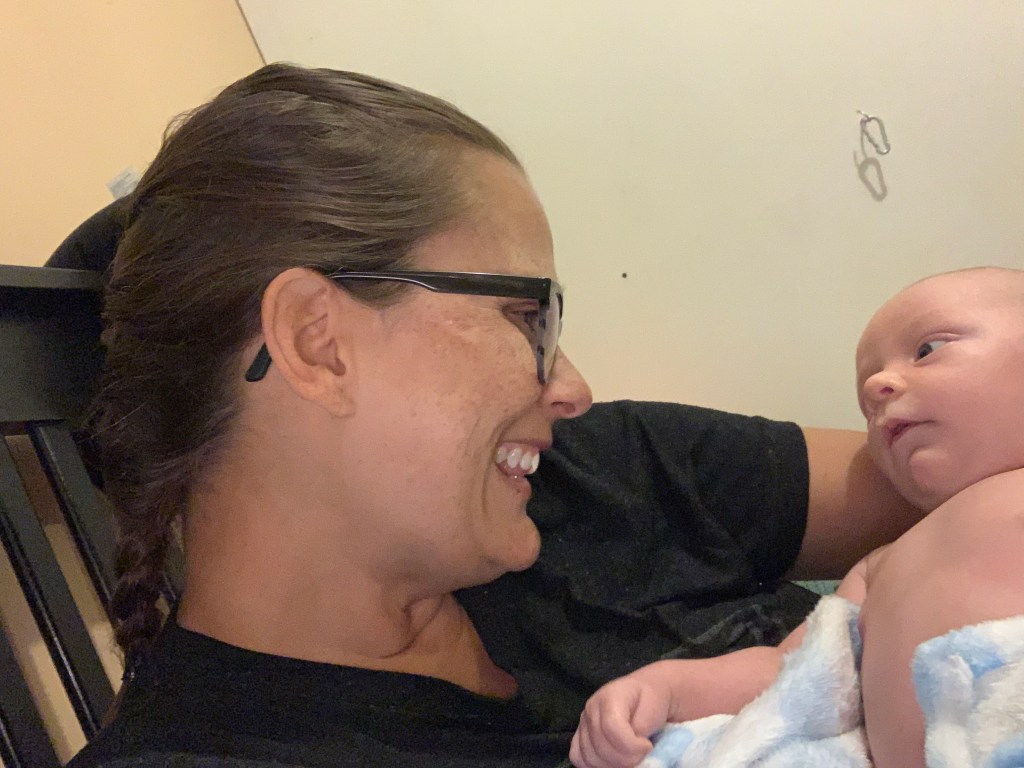
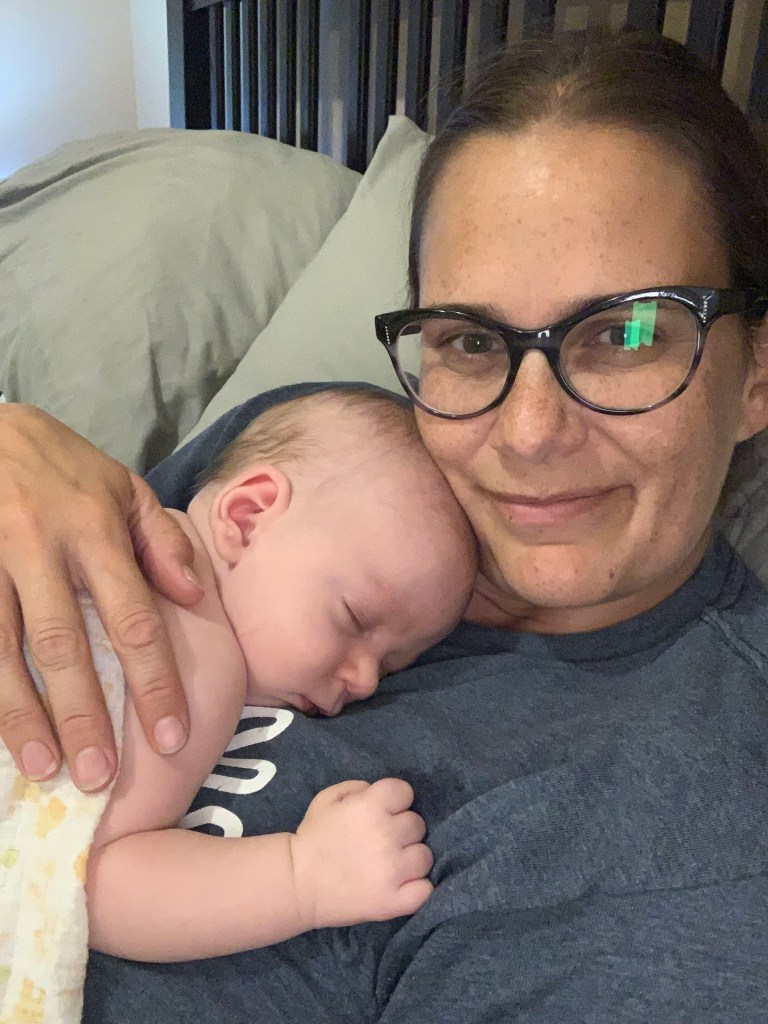
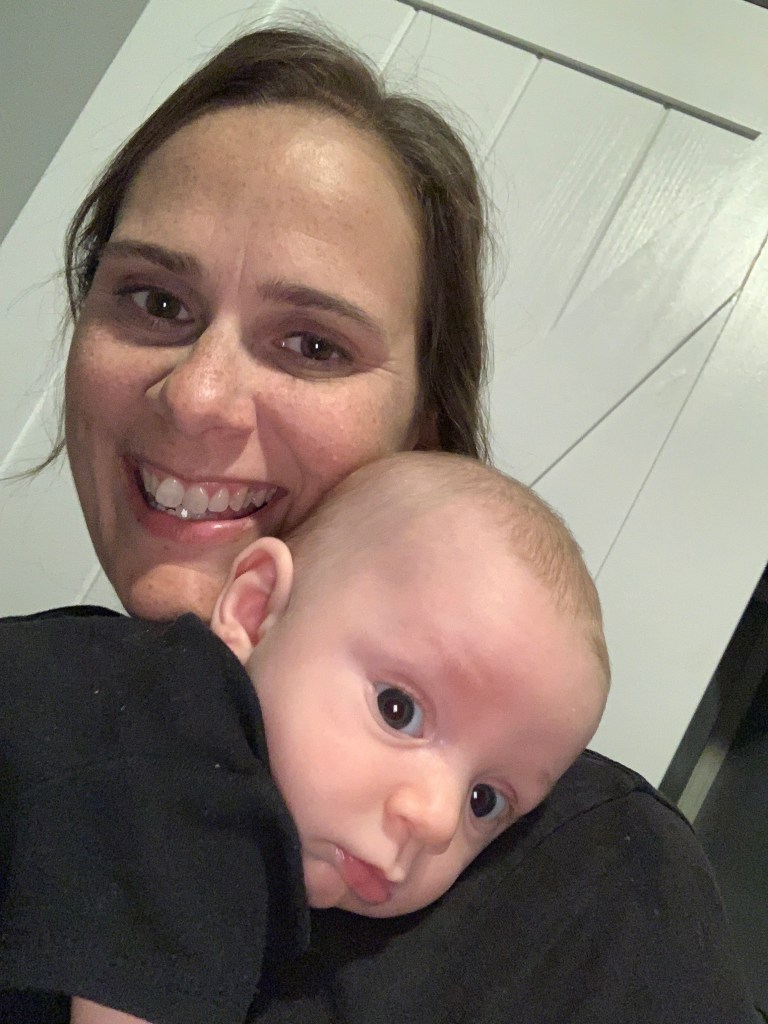
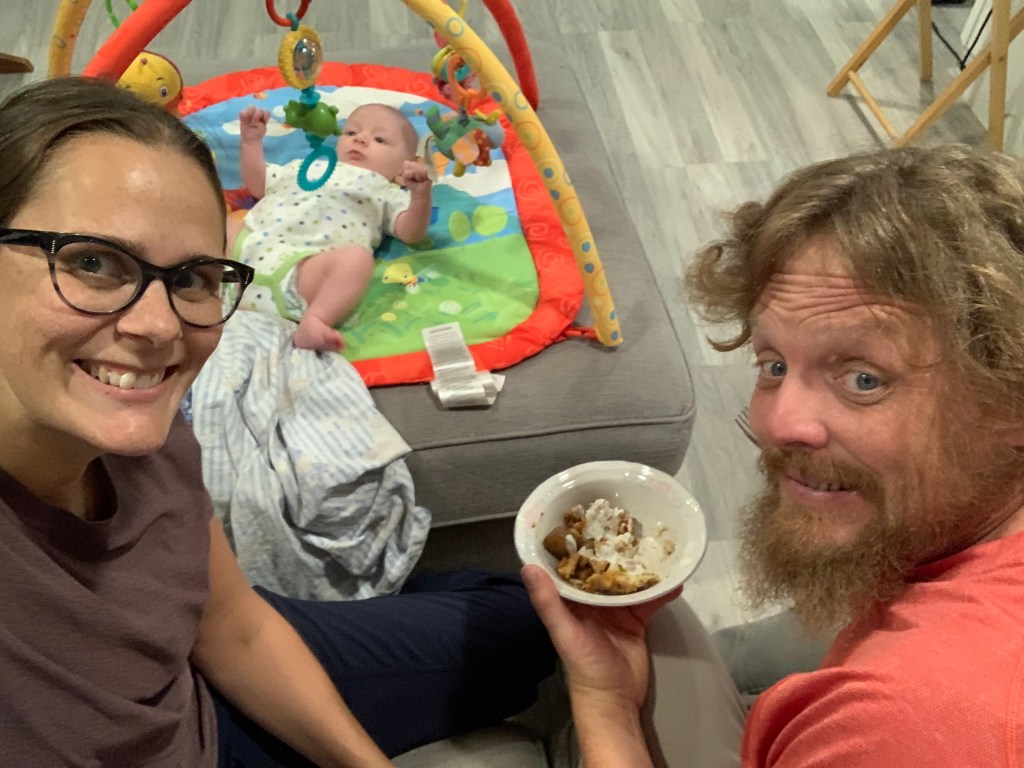
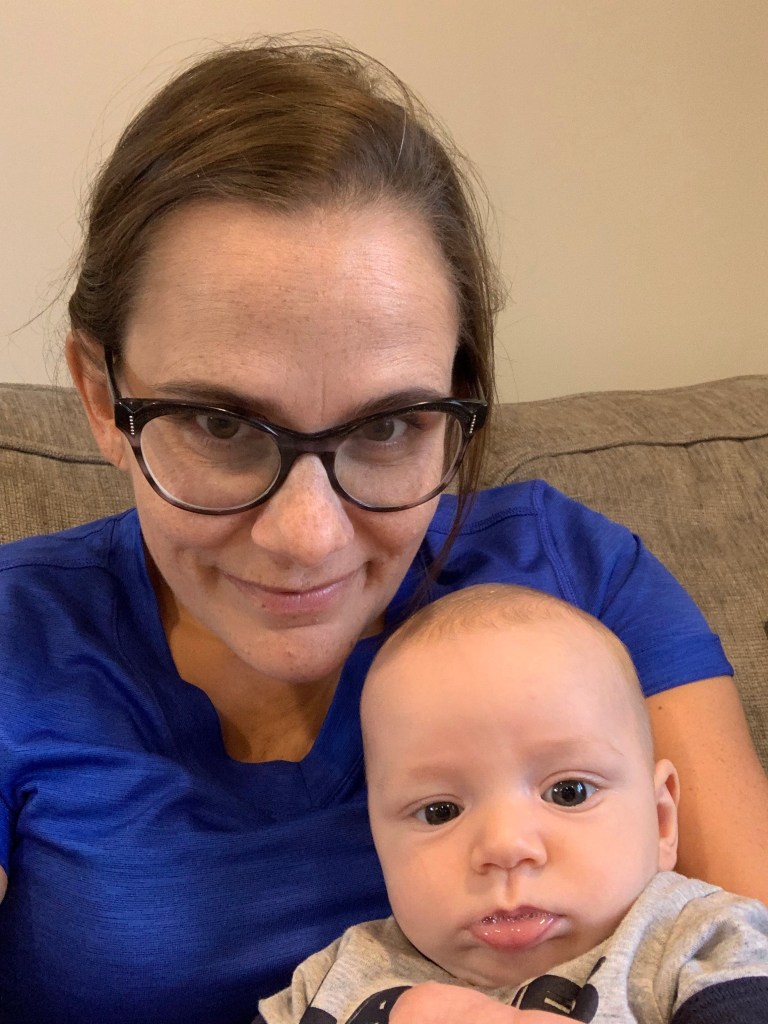
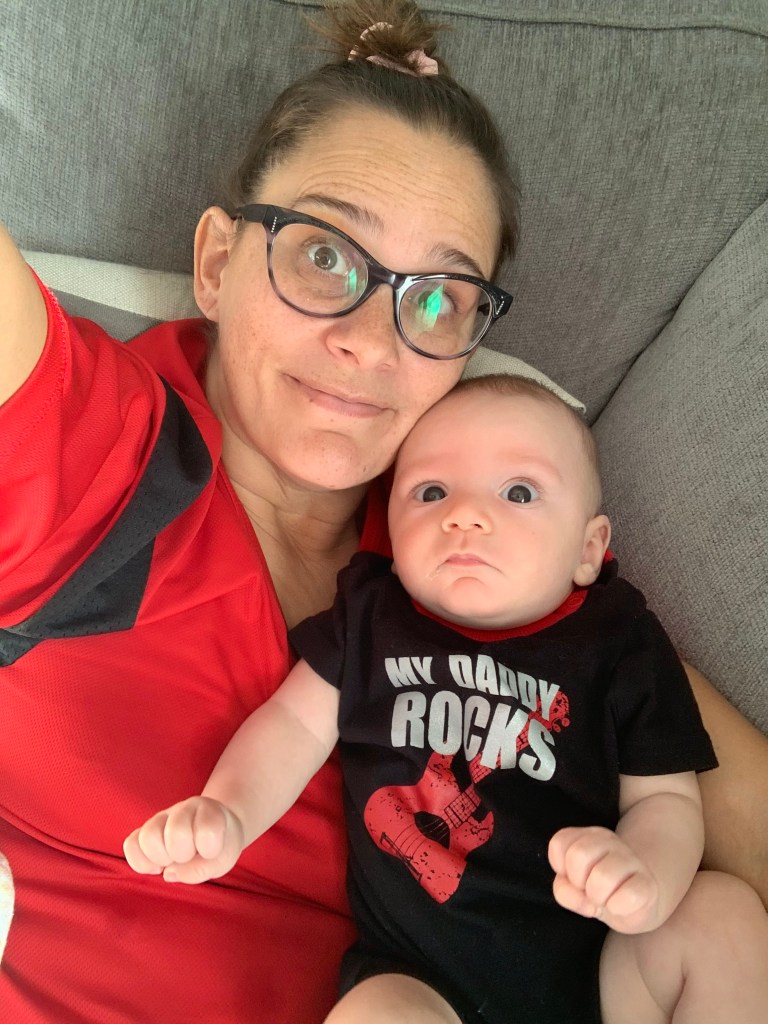
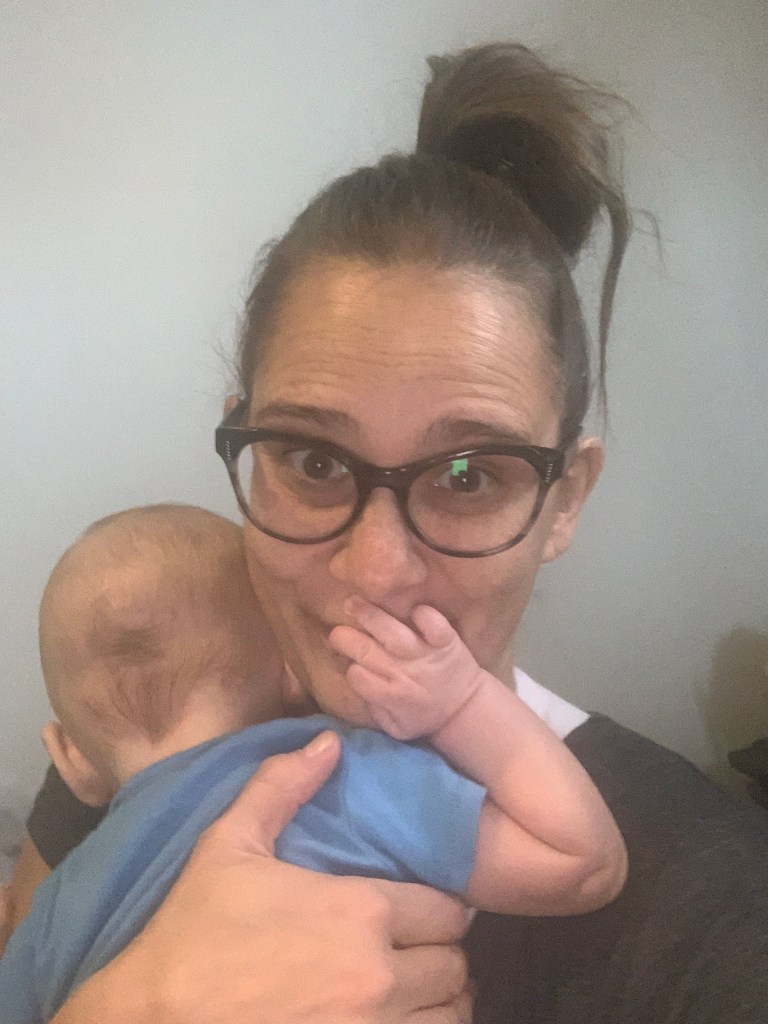
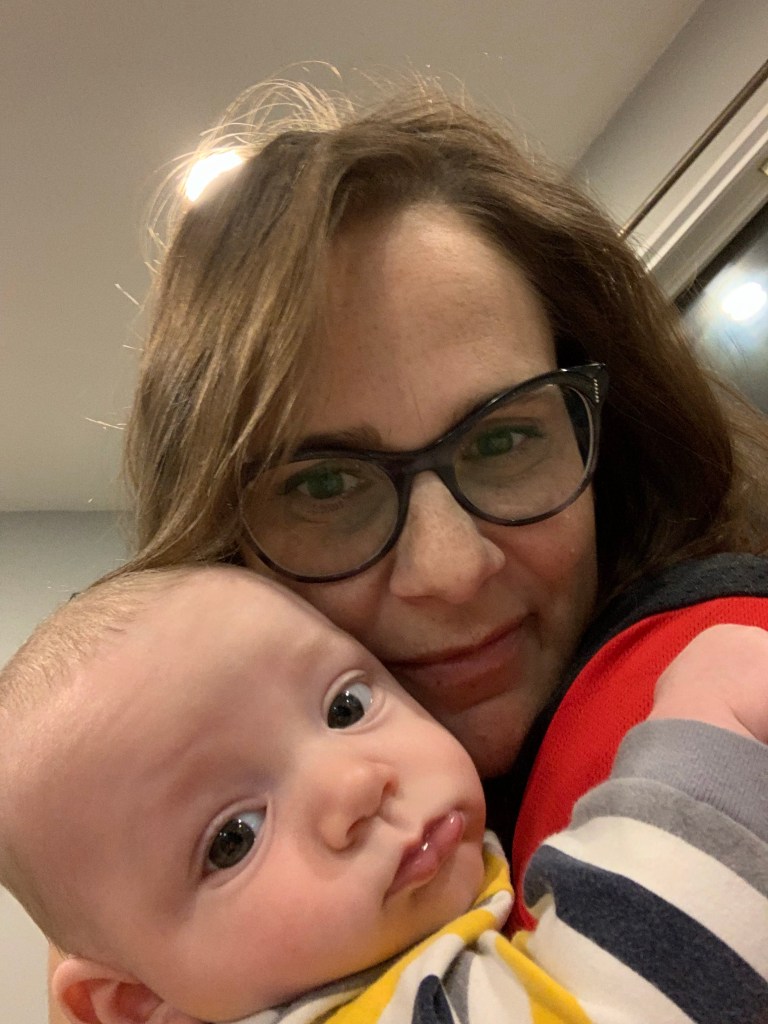
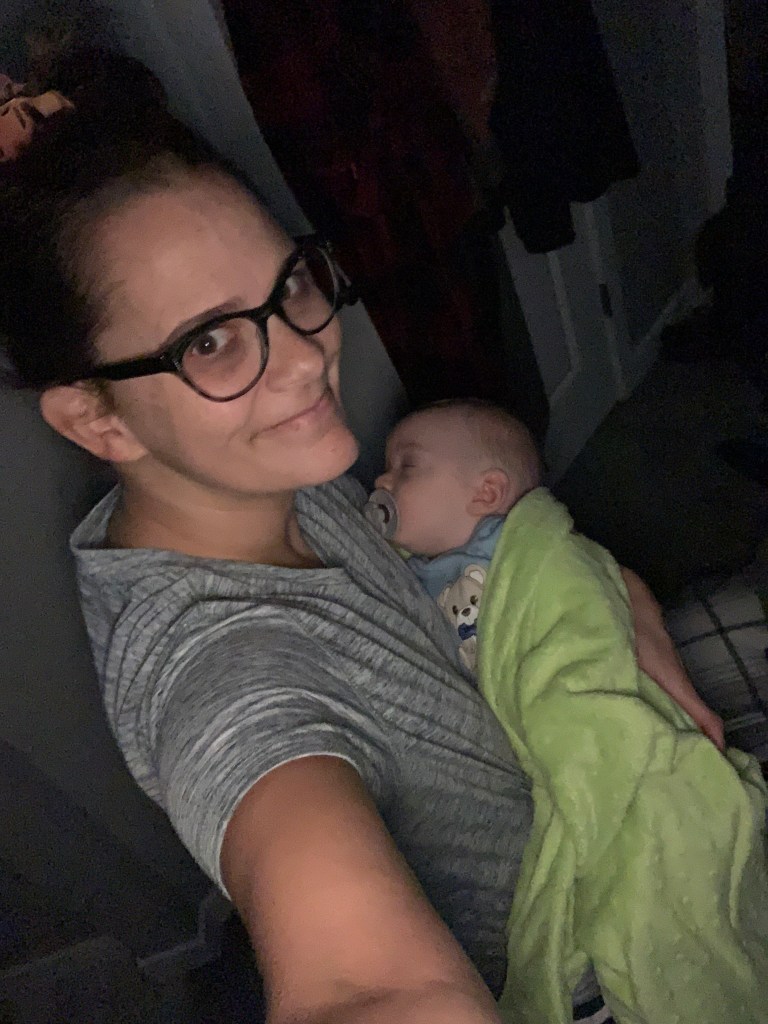
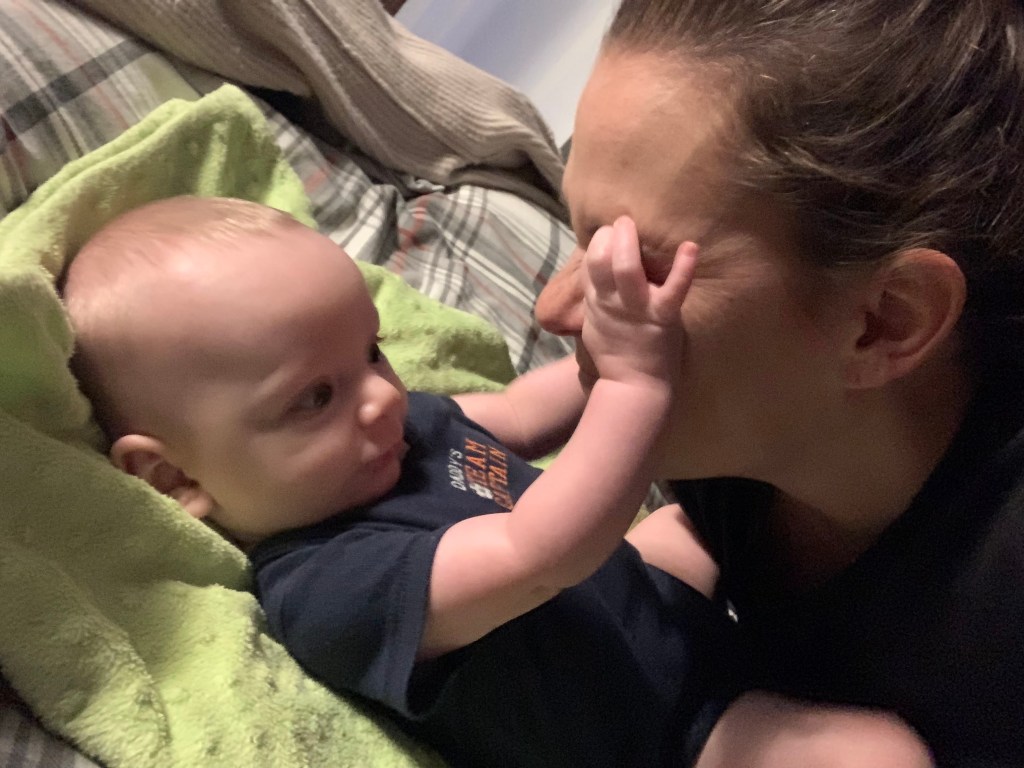
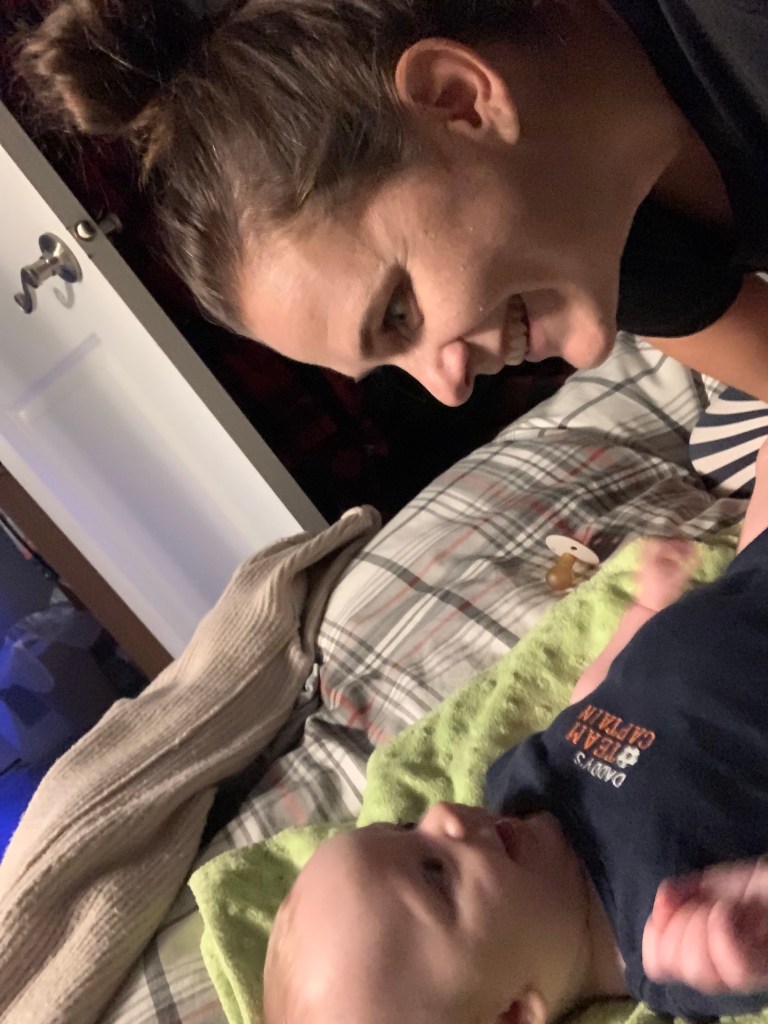
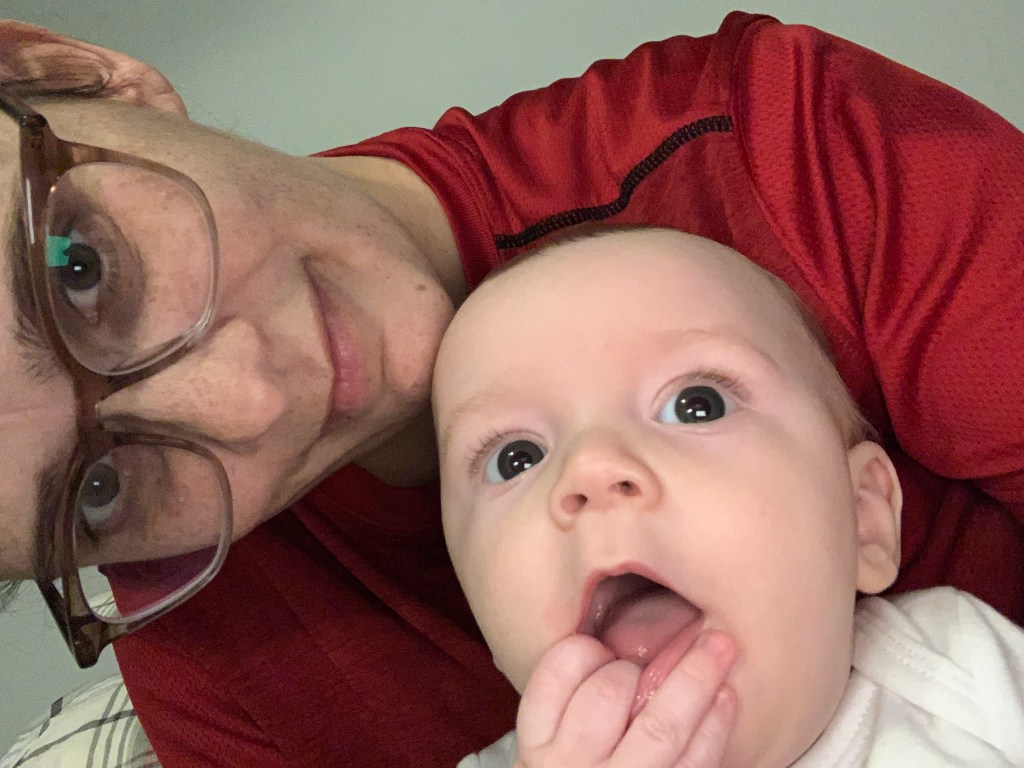
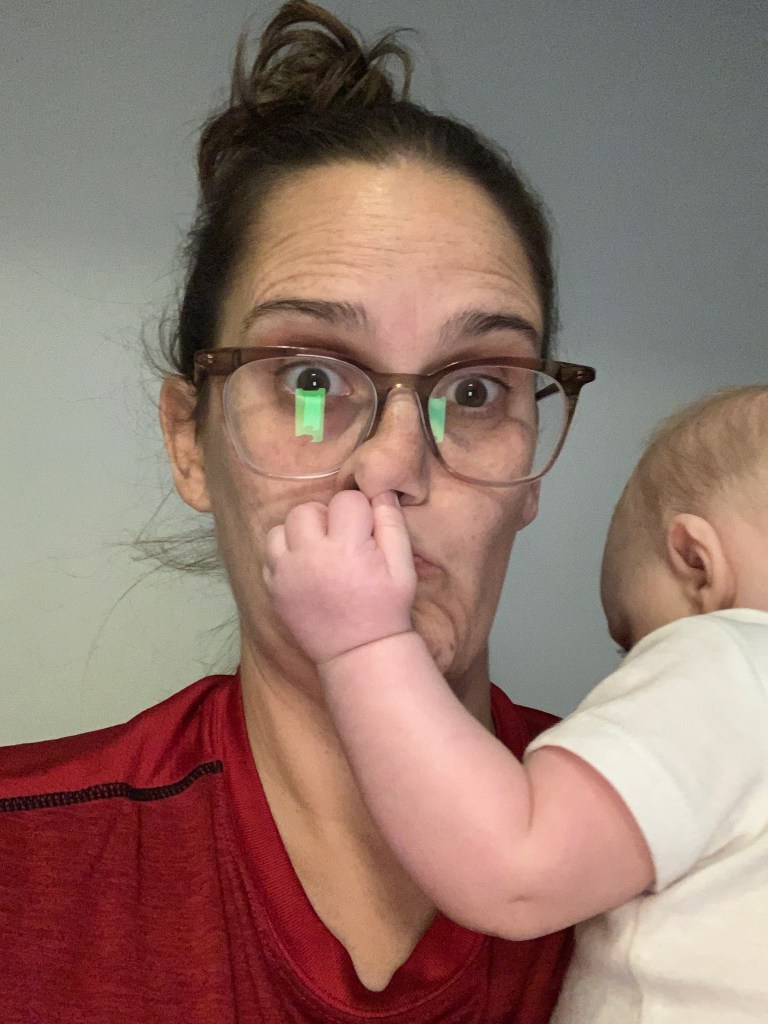
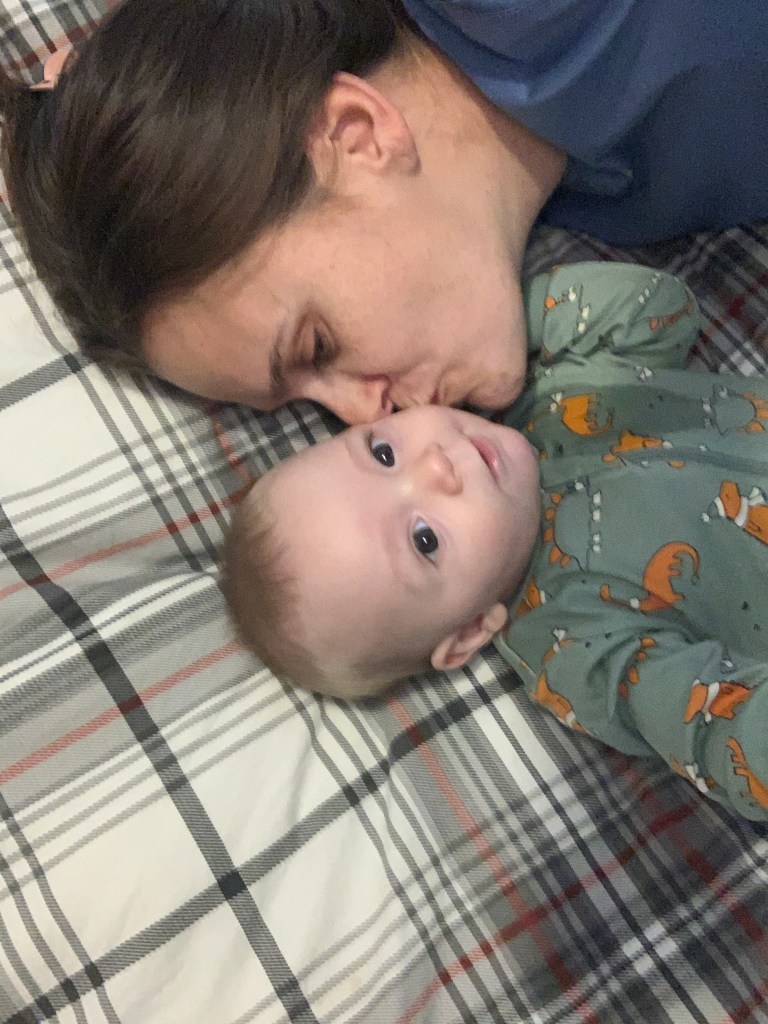
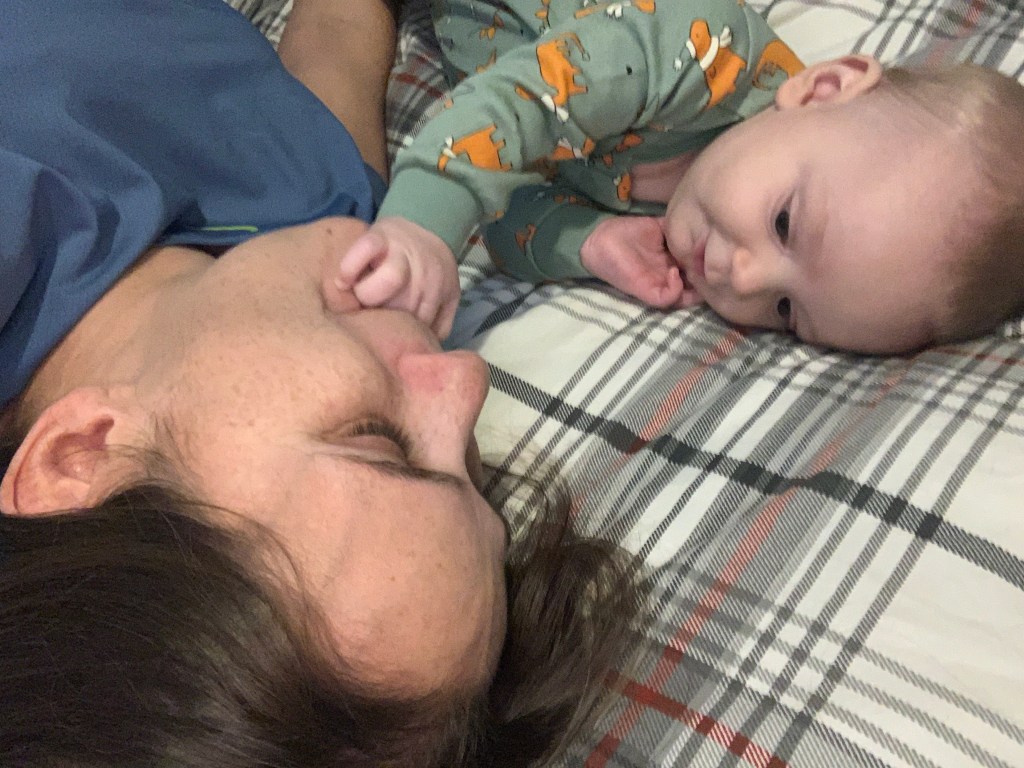
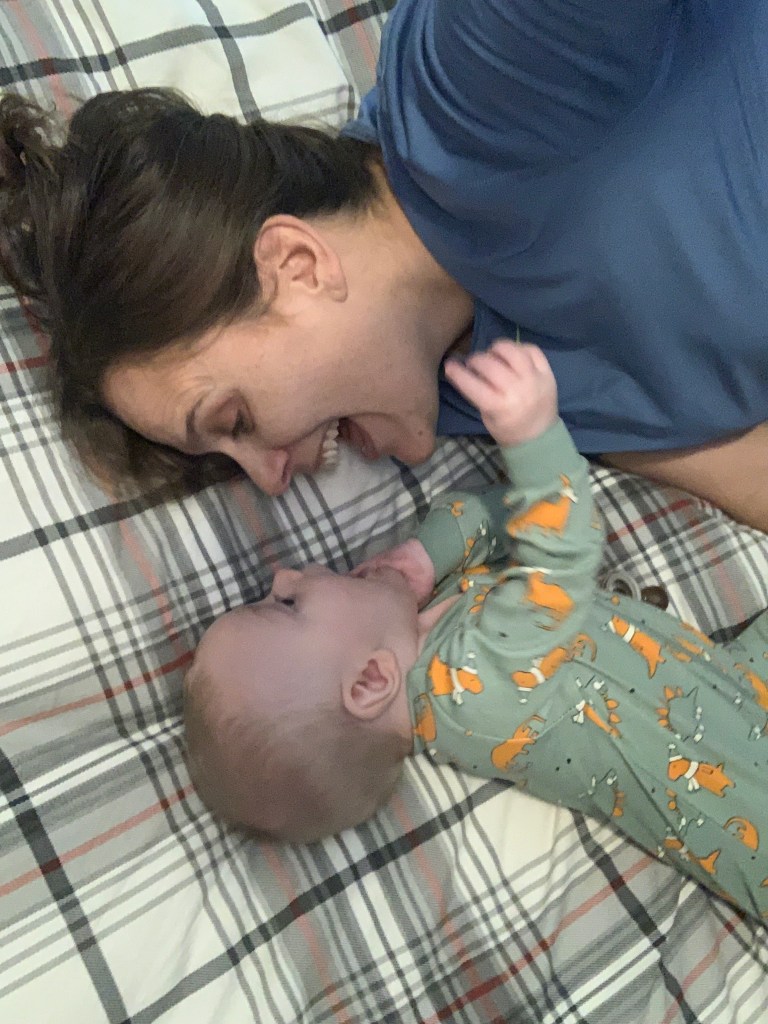
My bright days in this season, are when I get to be a grandma. If you want to see my grandparent life in reverse, view the following. It’s meant to be scrolled through to get the overall feel of the joy that was ahead of me. That I now get to experience.
Apologies. That was way too fun to go through old photos.
Even if you have to hold on to that promise longer than you wanted to. Hold it tight. The good days make it all worth it.
At this point in my story I can cart around that 2 year old and 4 year old at the same time. Grandma’s got guns. Just kidding. Training for my grandson got me to the point that I can run on a treadmill and ride a recumbent bike. He is my hero.
Keep getting back up. Show a willingness to bend and slow when your crucible is heavy. But keep climbing. Keep reflecting the beams of light.🌲✨
The oak fought the wind and was broken, the willow bent when it must and survived.