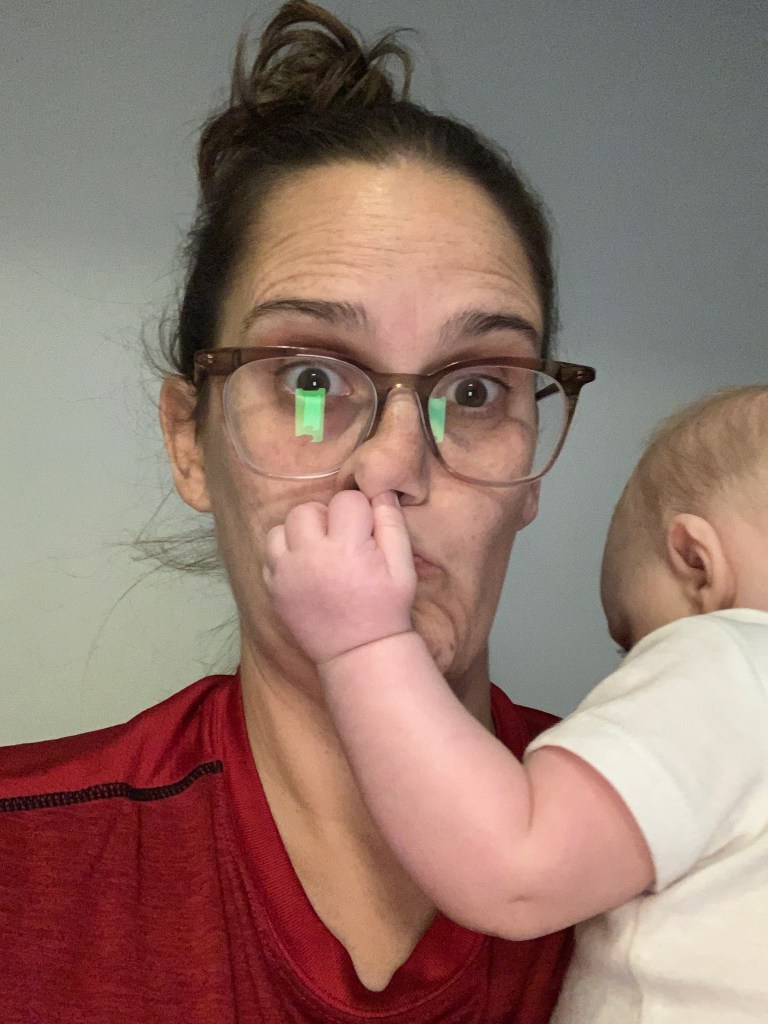

The curious paradox is that when I accept myself as I am, then I can change.
For most of my life, I thought willpower was the answer.
Tired? Push through.
In pain? Push through.
Overwhelmed? Push through.
Running on fumes? Push through harder (and question what my problem is. Everyone else can do it all!)

Our culture practically hands out gold stars for overriding our bodies. We admire grit, determination, hustle, and resilience. We celebrate the people who keep going no matter what.
But what if chronic willpower isn’t a strength?
What if it’s a survival strategy?
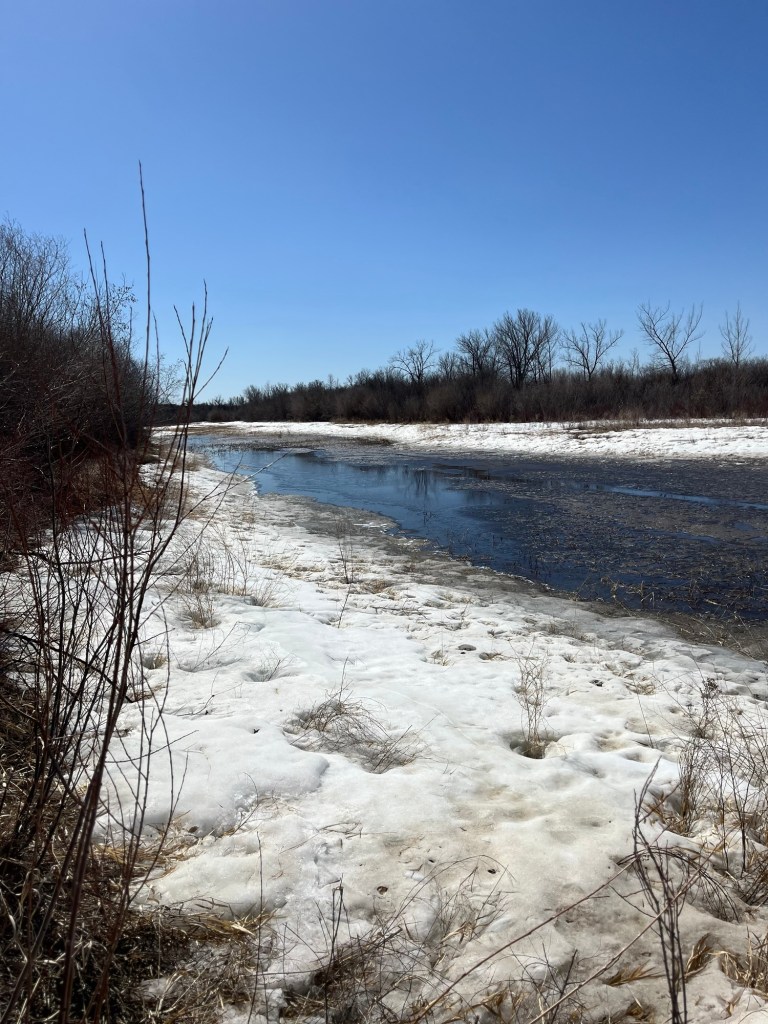
And what if the very thing you’ve relied on for decades is now contributing to your exhaustion, burnout, brain fog, chronic symptoms, and sense that your body has become the river overflowing its banks after years of holding everything in?
I am learning that hormones play a major role in mid life. Learn more about hormones and their effects in this past post. Female Hormones: Our Fickle Fairweather Friend
The Problem With “Just Try Harder”
I recently listened to an episode of the Success Genius podcast hosted by Neill Williams, a master certified coach. Her podcast focuses on helping ambitious women work with their brains and bodies rather than constantly pushing against them. A message that feels particularly relevant to my own journey with chronic willpower.
Williams suggests willpower is often a withdrawal, not a strategy. It is what we use when we don’t have access to regulation. Instead of listening to the body, we override it. Instead of responding to its signals, we silence them. Instead of resting, we push harder.
At first, this works remarkably well.
You become productive.
Dependable.
Capable.
The person everyone can count on.
The person who somehow manages to keep all the plates spinning.
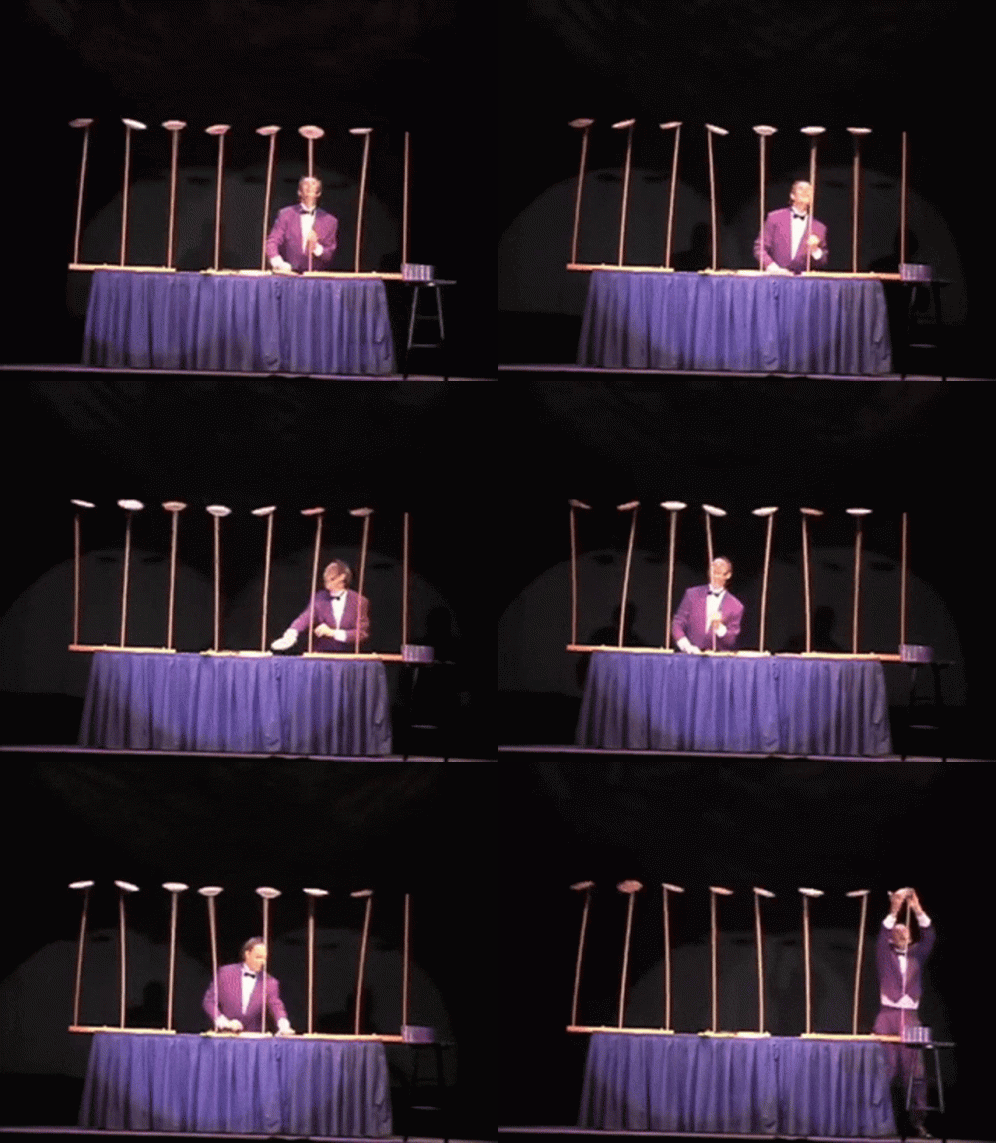
Until one day the plates start spinning you.

It’s amazing how long you can juggle flaming torches before realizing you are the one on fire.
When Willpower Becomes a Withdrawal
One of the most eye-opening ideas Williams proposes is this:
Willpower is not a strategy. It is a withdrawal.
Using willpower occasionally isn’t a problem.
Life happens. Deadlines happen. Emergencies happen.
Sometimes we need to dig deep and do hard things.
The trouble begins when overriding ourselves becomes our default operating system.
When every day looks like:
“I’m exhausted, but I’ll push through.”
“I’m overwhelmed, but I’ll push through.”
“My body is asking for rest, but I’ll push through.”
A withdrawal isn’t necessarily noticeable at first.
Just like spending a little extra on a credit card doesn’t feel like a crisis.
But eventually the bill arrives.

And like every credit card company, our nervous systems charge interest.
I once heard a doctor describe it this way:
“It starts as a whisper. Then it becomes a shout. Then it becomes a scream. If you keep ignoring it, eventually it shuts you down.”
I suspect many women reading this know exactly what that feels like.
Listen to your body when it whispers so you don’t have to hear it scream.
What Happens Physiologically?
Your nervous system is constantly gathering information about whether you’re safe.
When you repeatedly ignore fatigue, stress, grief, overwhelm, pain, or emotional needs, those signals don’t simply disappear.
They get louder.
The body begins turning up the volume in an attempt to get your attention. What started as mild fatigue becomes crushing exhaustion. A little tension becomes chronic pain. Occasional anxiety becomes a constant background hum.
Symptoms are often the falling leaves, not the falling trees. They’re early signs that something needs attention.

The Physiological Cost of Chronic Willpower
It is not stress that kills us, it is our reaction to it.
We are designed for stress.
Contrary to what social media might have us believe, stress itself is not the enemy.
The stress of giving a presentation.
The stress of learning something new.
The stress of tackling a challenge.
Those are normal.
Healthy even.
The problem is chronic stress without sufficient recovery.
When we continually override our body’s signals and never allow the system to recover, we remain stuck in a state of ongoing activation.
Over time that can contribute to:
- Elevated cortisol
- Disrupted sleep
- Increased emotional reactivity
- Brain fog and reduced cognitive function
- Immune system suppression
- Hormone disruption
- Burnout
- Chronic fatigue
- Increased vulnerability to illness
Many women eventually find themselves working harder than ever and accomplishing less.
Not because they’re lazy.
Not because they’re undisciplined.
Not because they suddenly lost their motivation.
Because their nervous system has been carrying a debt load for years.
I, myself, believed rest was something you earned after finishing everything. Unfortunately, everything is never finished.
Determination Is the Fuel. Regulation Is the Engine.
You cannot solve a problem from the same consciousness that created it.
One of the most helpful concepts Williams shared,
Determination is the fuel. Regulation is the engine.
Fuel matters.
But pouring premium gasoline onto a broken engine won’t get you very far.
Many of us have spent years trying to compensate for a dysregulated nervous system by adding more determination.
More discipline. More motivation. More supplements. More planners. More productivity hacks. More caffeine.
At some point the engine needs attention.
Regulation is what allows the nervous system to move between effort and recovery. It is the body’s ability to activate when needed and settle when the challenge has passed. Without regulation, determination eventually becomes expensive fuel burned inefficiently.
Why We Keep Doing It Anyway
Because overriding ourselves works.
At least temporarily.
When we push through exhaustion and finish the project, check off the list, save the day, or meet the deadline, we get a reward.
That reward is often dopamine.
Dopamine isn’t simply the “pleasure chemical.” It’s deeply involved in motivation, anticipation, reward, and learning what behaviors matter. Our brains remember what helped us survive and succeed.
So the pattern becomes:
🏁Ignore body. ➡️ Push harder. ➡️ Get result. ➡️ Receive dopamine hit. ➡️ Repeat. 🔄 😵💫 😵
Soon, productivity itself can become a form of self-medication.
The nervous system learns that overriding discomfort equals reward.
No wonder it’s hard to stop.

The Chemical We May Actually Need More Of
While dopamine drives pursuit, serotonin is associated with feelings of contentment, safety, stability, and well-being.
Dopamine is the Labrador chasing the tennis ball.
Serotonin is the golden retriever napping in a sunbeam.
Many chronic willpower users have spent decades chasing the first while starving the second.
We become experts at striving but beginners at simply being.
And that’s where nature has something remarkable to teach us.
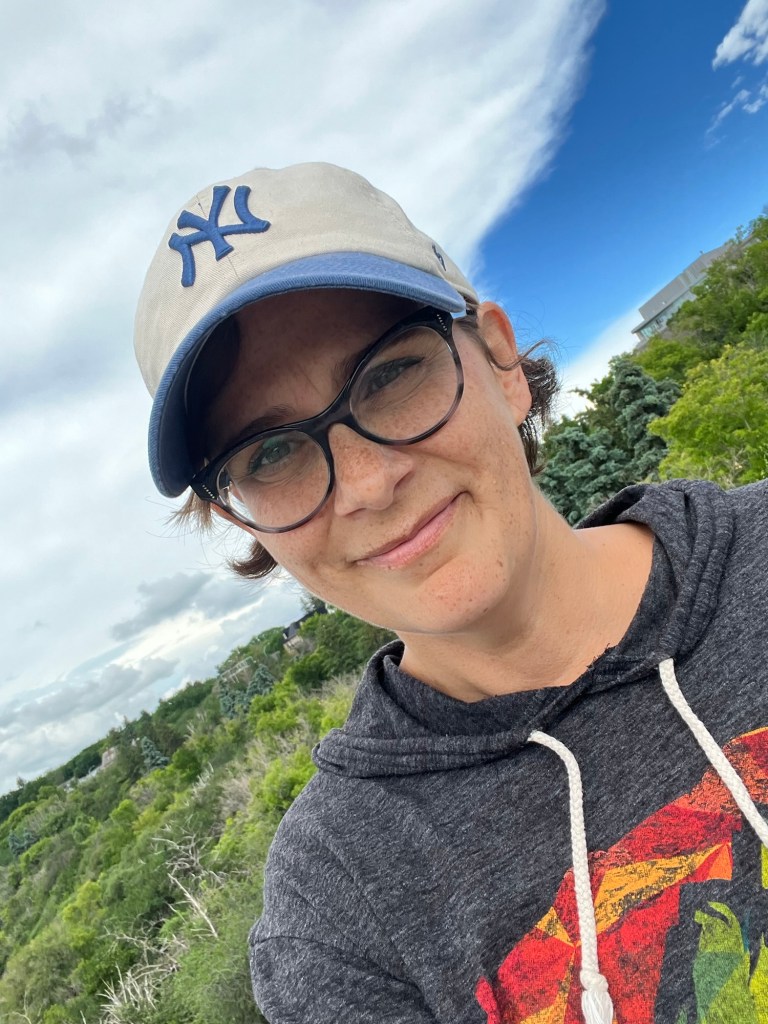
The Forest Doesn’t Care About Your To-Do List
One of the reasons forest therapy feels so restorative is that it gently shifts us toward a state of regulation.
No notifications. No deadlines. No performance reviews.
No one asking whether you’ve earned your rest. Whether you’re keeping up. If you’re winning at life or whether your worth is keeping pace with your to-do list. No one asking whether you’ve justified your existence through accomplishment.
The forest would NE-ver. Trees are refreshingly difficult to impress.
And somehow that’s exactly what makes them healing.
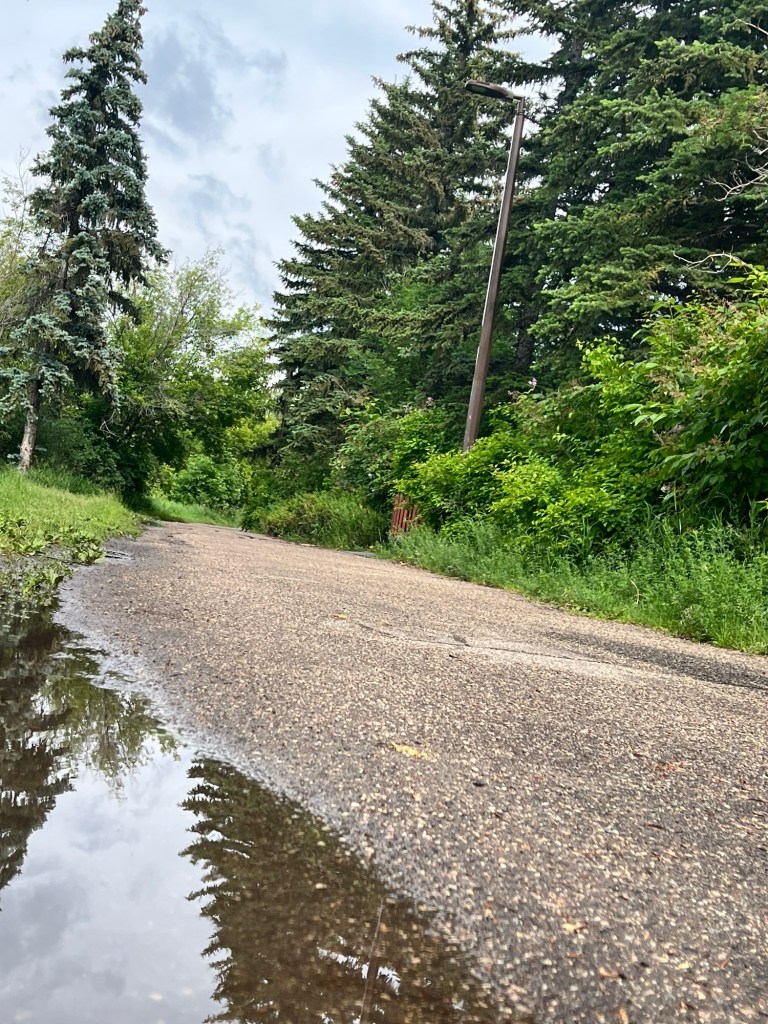
In the forest, many people experience what feels like a serotonin bath. 🛁
A quiet sense that everything is okay.
Not perfect. Just okay. Perfectly imperfect.
The more often we experience that state, the more familiar it becomes. Eventually regulation starts feeling less like a vacation and more like home.
A Forest Therapy Practice for Chronic Willpower
If you recognize yourself in this article, try this simple practice.
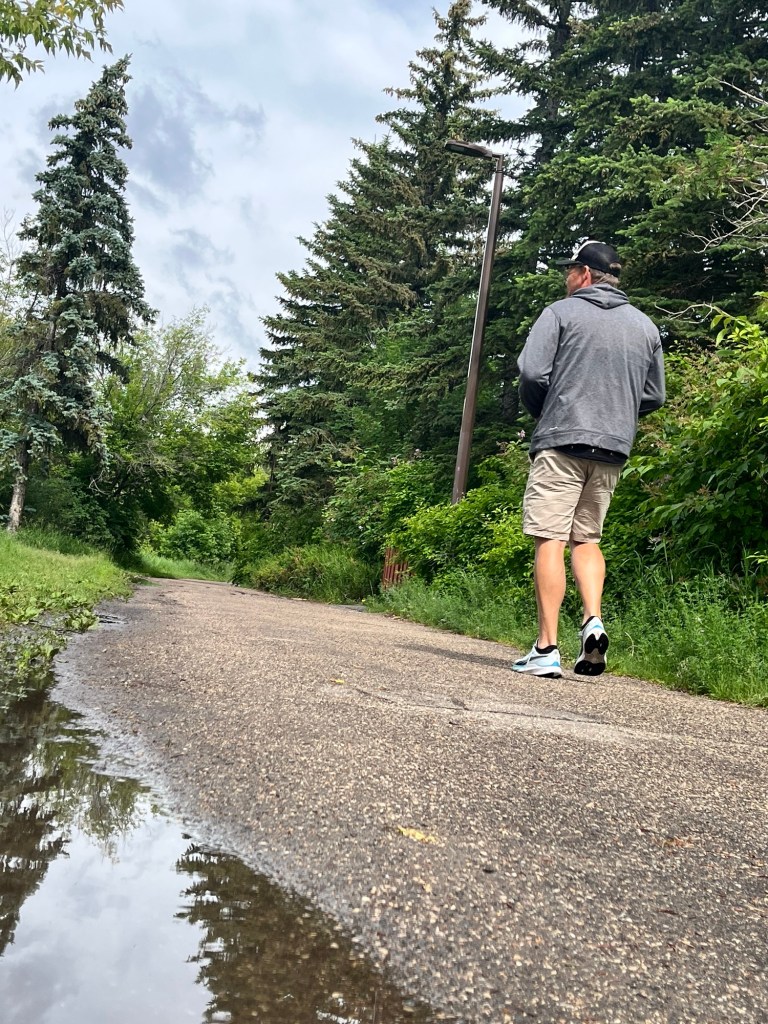
Step 1: Walk Slowly
Spend 10 to 15 minutes walking without a destination.
Not hiking. Not exercising. Not trying to get your steps.
Simply walk.
Notice colours. Textures. Movement. Bird sounds. Wind. Light.
Whenever your mind starts solving problems, gently return attention to your surroundings.
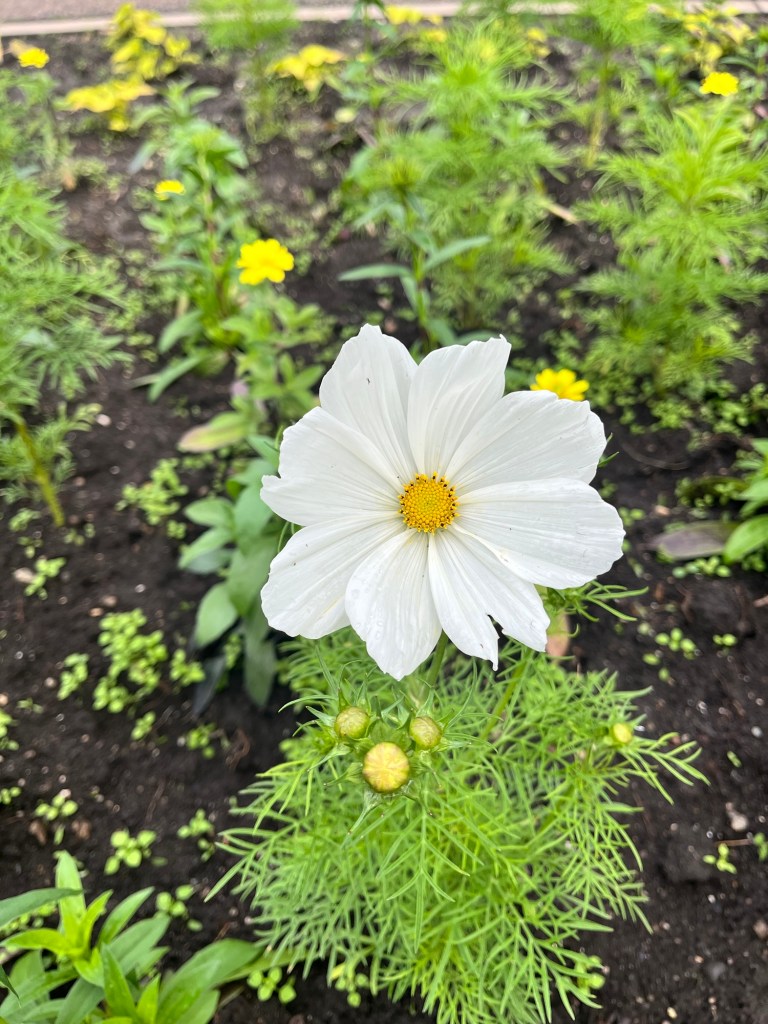
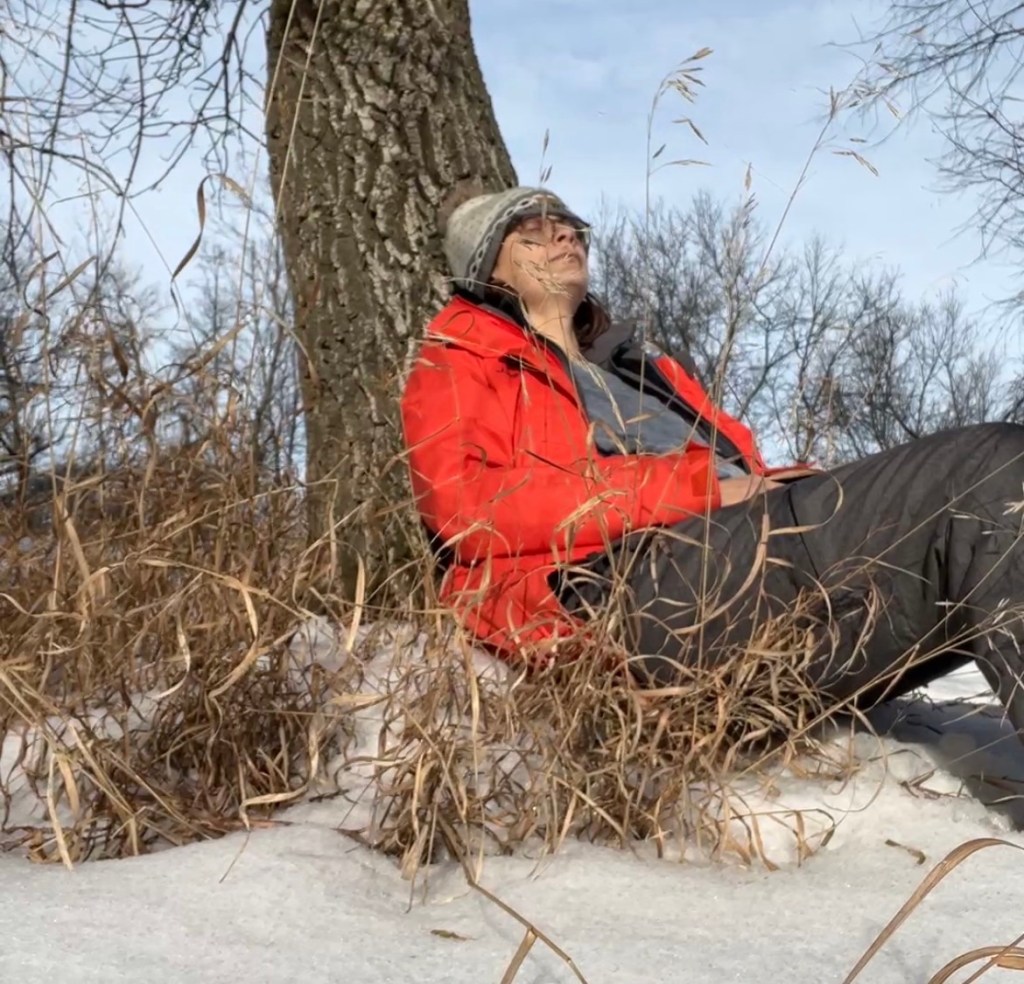
Step 2: Sit
Find a place to sit for 10 to 20 minutes.
Allow yourself to do absolutely nothing.
No journaling. No podcasts. No meditation app.
Simply sit.
Notice what emerges. At first you may feel restless.
That’s normal.
Many chronic willpower users experience sitting still the same way a Labrador experiences being told not to chase a tennis ball.
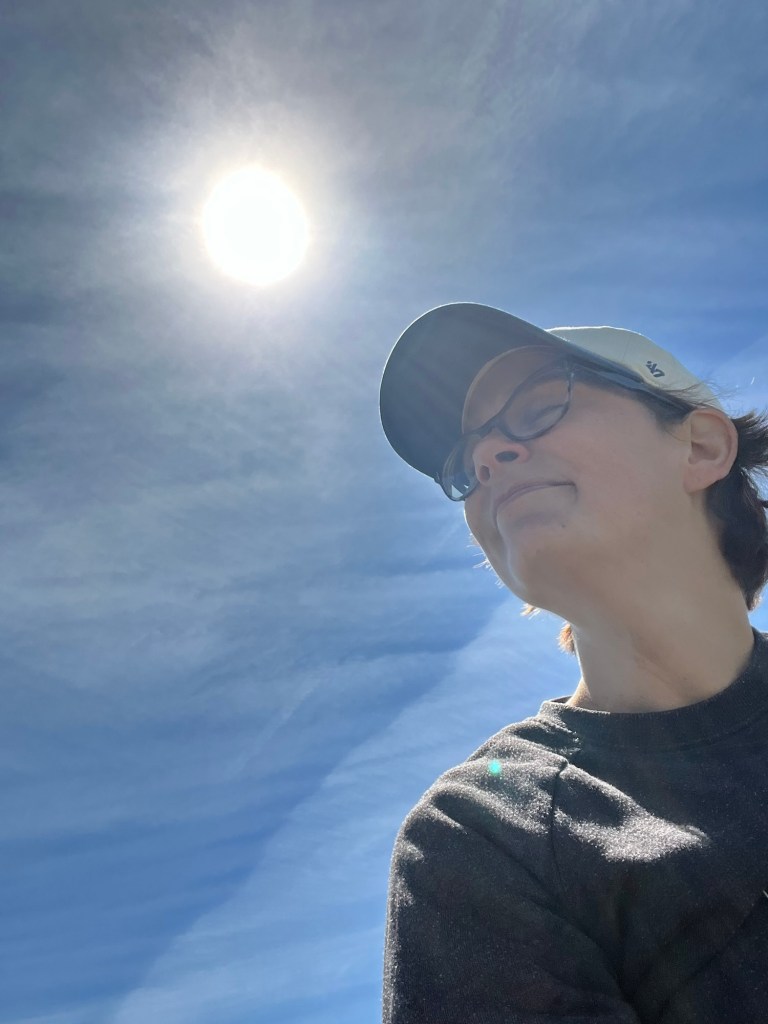
Step 3: Listen
Ask yourself:
“What is my body trying to tell me?”
Then resist the urge to answer immediately.
Wait.
The nervous system often speaks in sensations before it speaks in words.
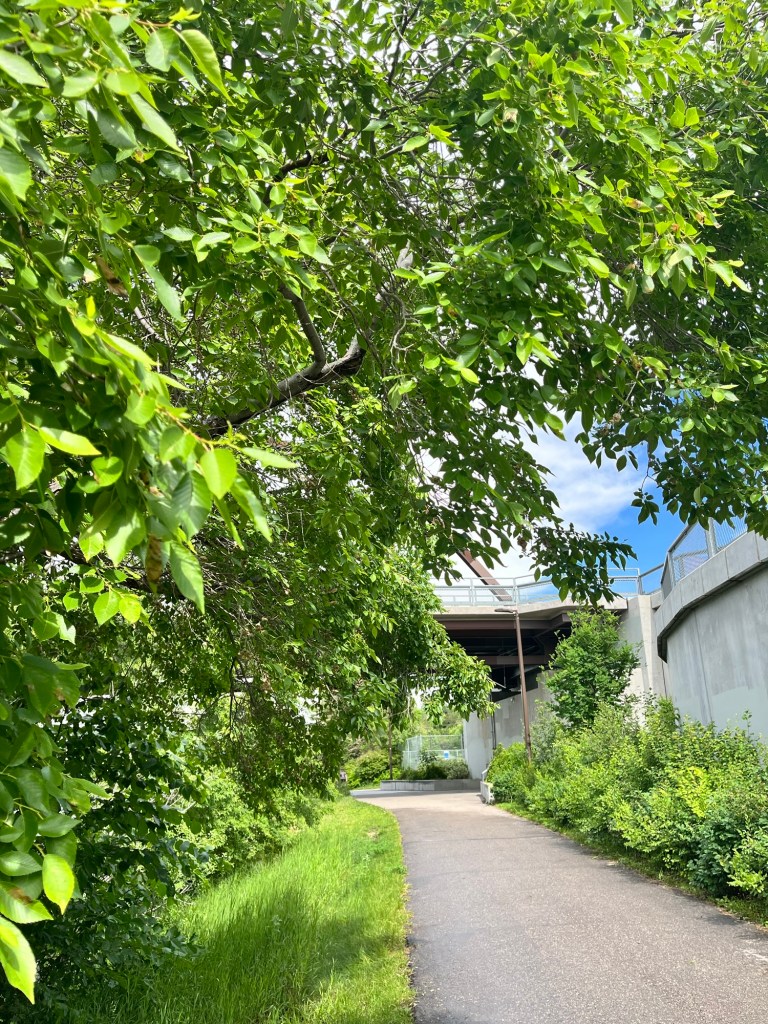
Step 4: Walk Again
Take a slow walk again.
Notice whether anything feels different.
You are not trying to force an answer.
You are creating conditions where answers can arise.
The body always leads us home if we can simply learn to trust sensation and stay with it long enough for it to reveal its wisdom.
Going Upstream
There is a somewhat unsettling, but well-known parable about a group of adults standing beside a river.
Suddenly they see a child floating downstream and jump in to save them.
Then another child appears.
And another.
And another.
Everyone becomes frantically occupied rescuing children.
Finally someone leaves.
“Where are you going? How could you possibly leave at a time like this?” the others shout.
“Upstream,” they reply. “To find out why they’re falling into the river.”
Chronic willpower is often what happens downstream.
Parts of your self are drowning in the river upstream.
Those adults frantically jumping in are your chronic willpower, your nervous system desperately trying to manage the consequences.
But you can go upstream.
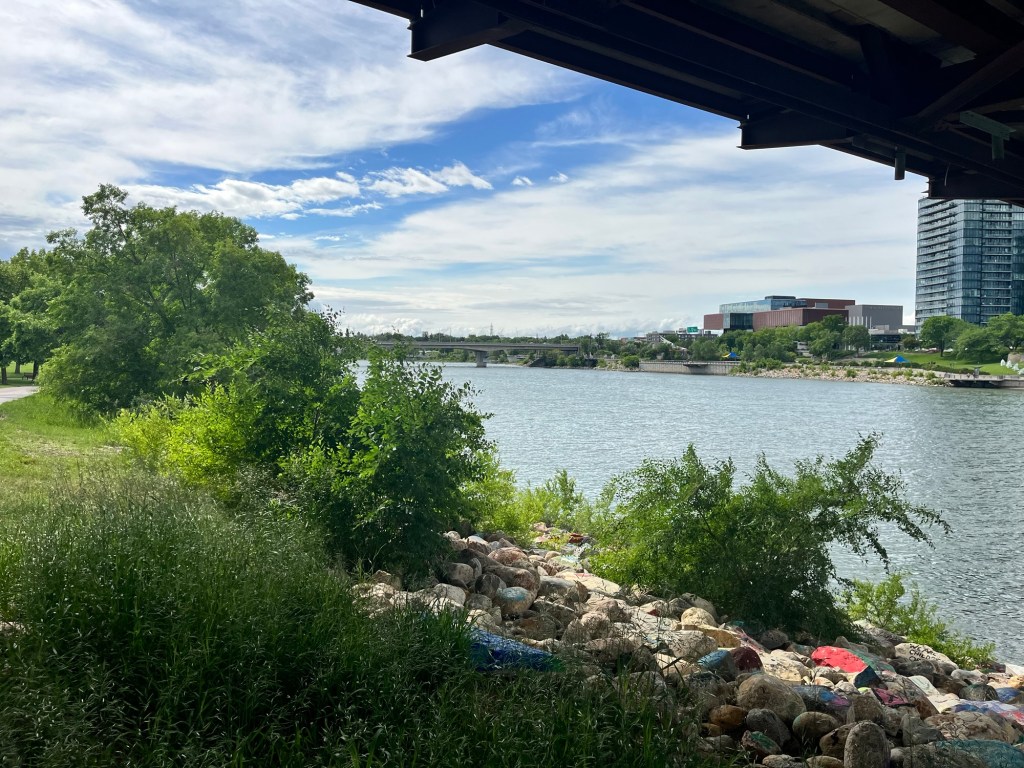
You can find the calm your body has been asking for.
You can stop overriding the system long enough to hear what it has been trying to say.
And the day came when the risk to remain tight in a bud was more painful than the risk it took to blossom.
My body budget got so far in the red it was basically applying for bankruptcy protection.
Looking back, I wonder how many so-called midlife crises are actually the moment the bill for decades of nervous system debt comes due. The strategies that helped us survive and succeed for years suddenly stop working.
What feels like falling apart may actually be the beginning of a profound transformation. I explored that idea more deeply in Midlife Crisis to Chrysalis.
When you can access a place of peace, something surprising often happens. The answers you’ve been chasing become easier to see. The next step becomes clearer.

Not because you forced it.
Because you finally became quiet enough to hear it.
Sometimes healing isn’t found in pushing harder.
Sometimes it’s found wandering through a lush, green forest, realizing your body wasn’t fighting you all along.
It was actually trying to draw your attention upstream, where the real answers were waiting. Guiding you away from the noise. To a place of stillness. Back to who you were before the push. Your natural self.