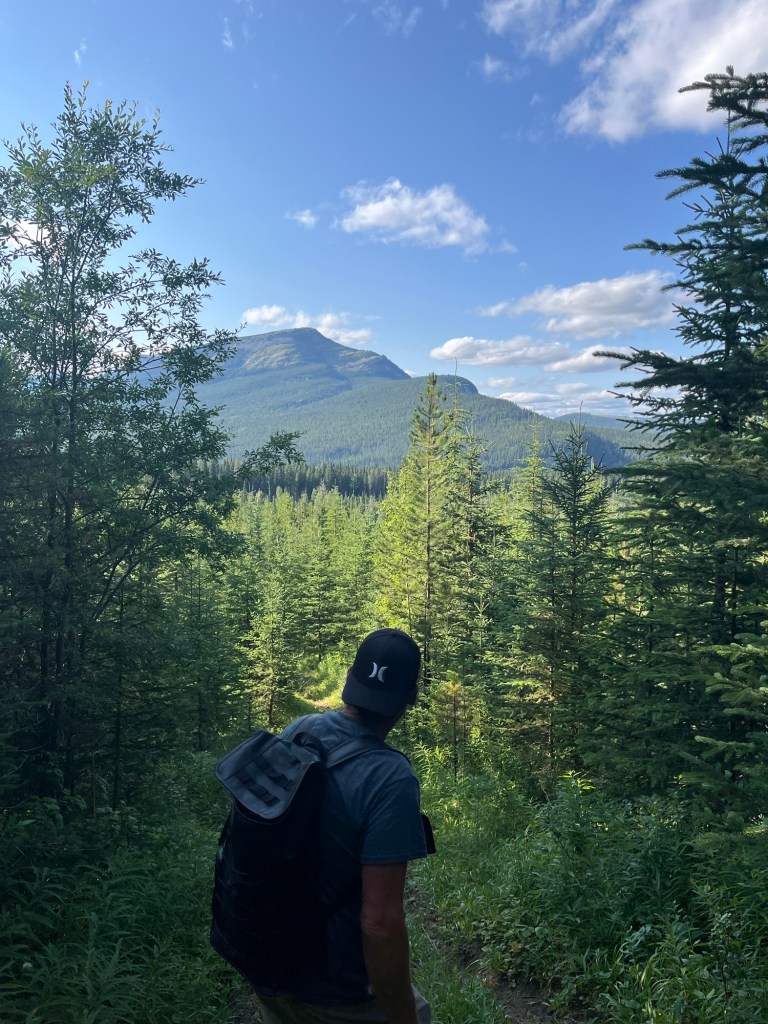
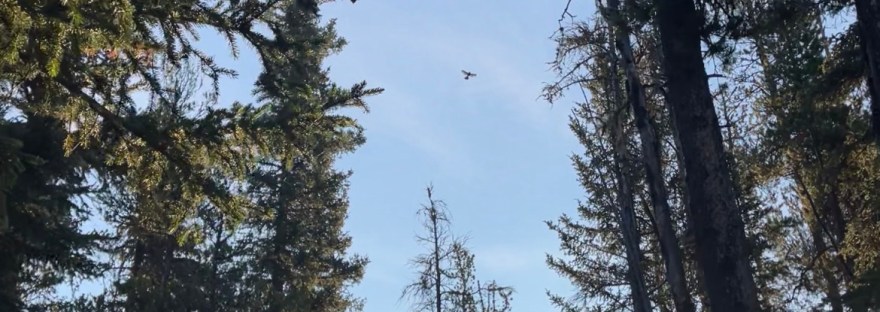
Accessing Strength in Nature and Family: Winter Healing

Winter is not the death of the life cycle, but its crucible.

Katherine May

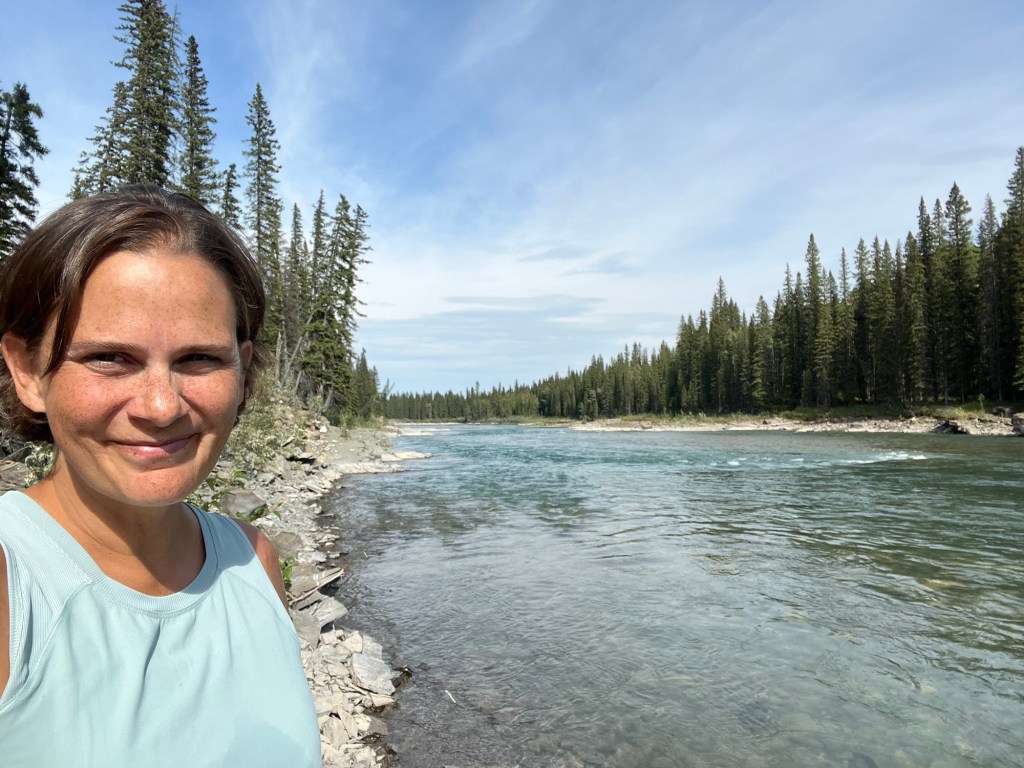
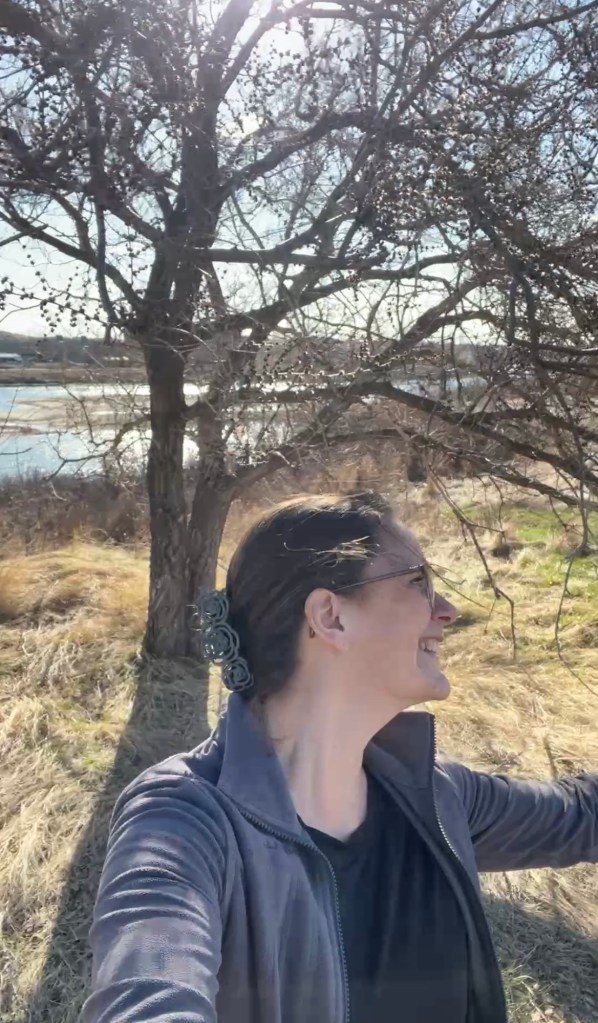
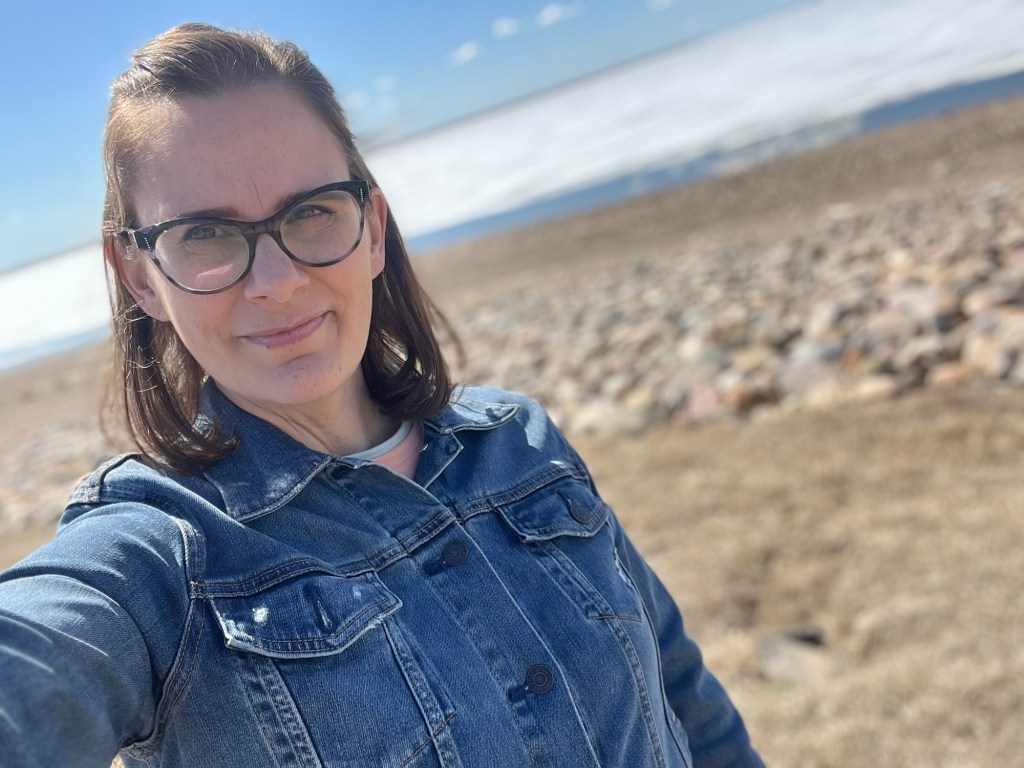
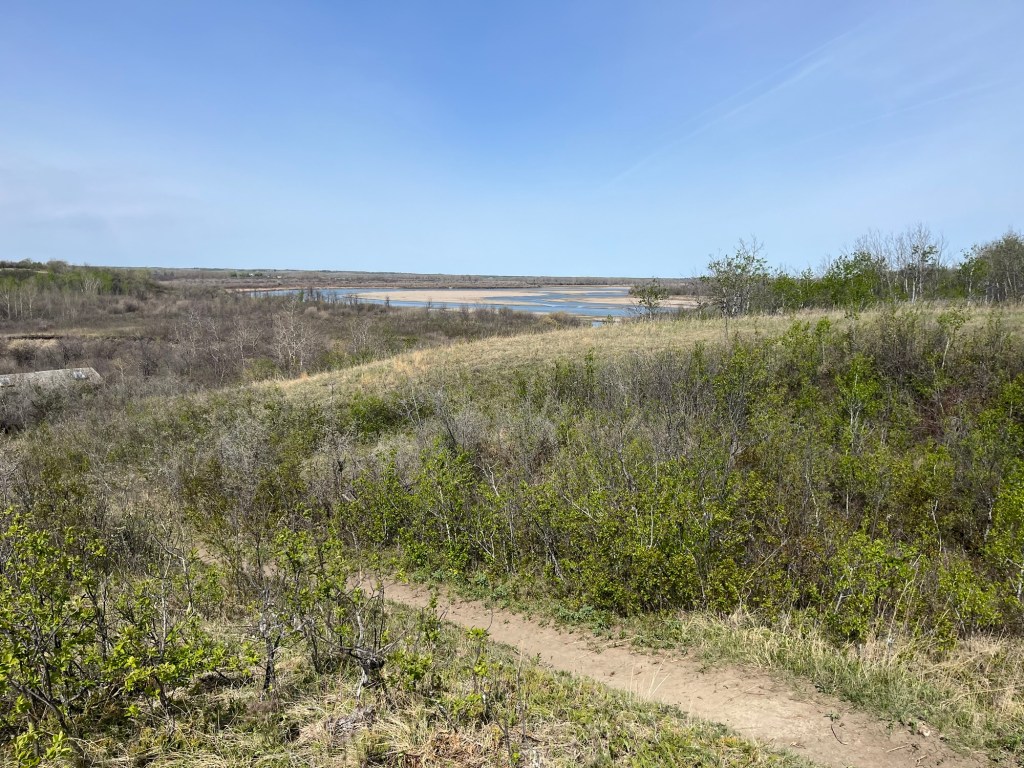
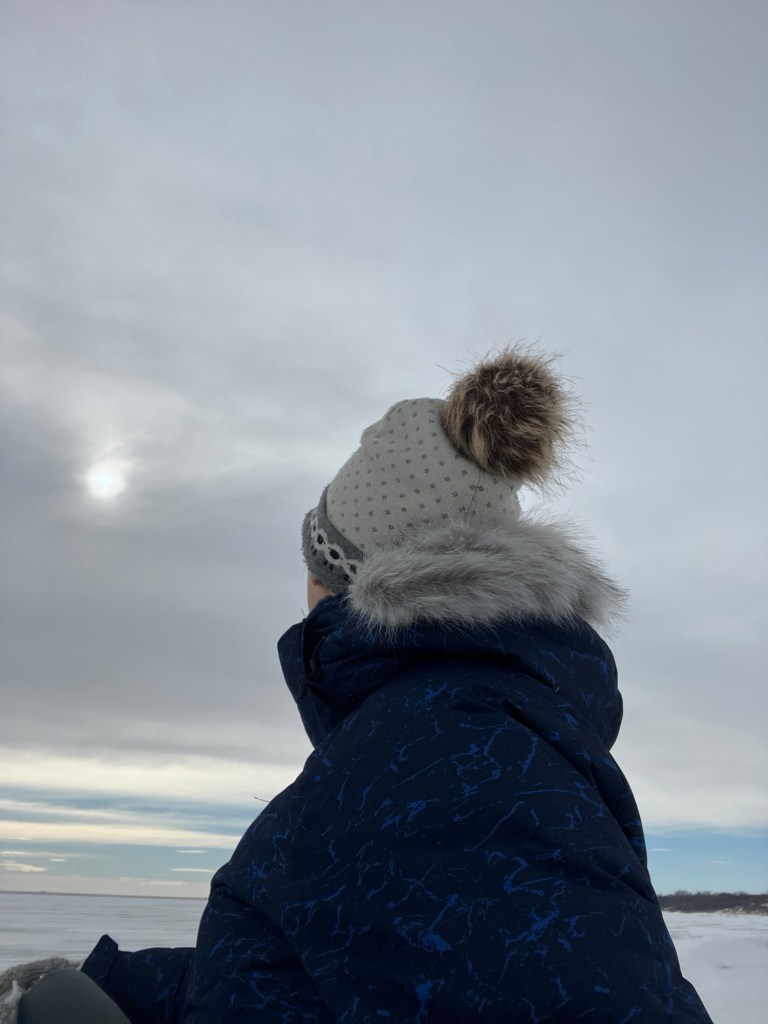
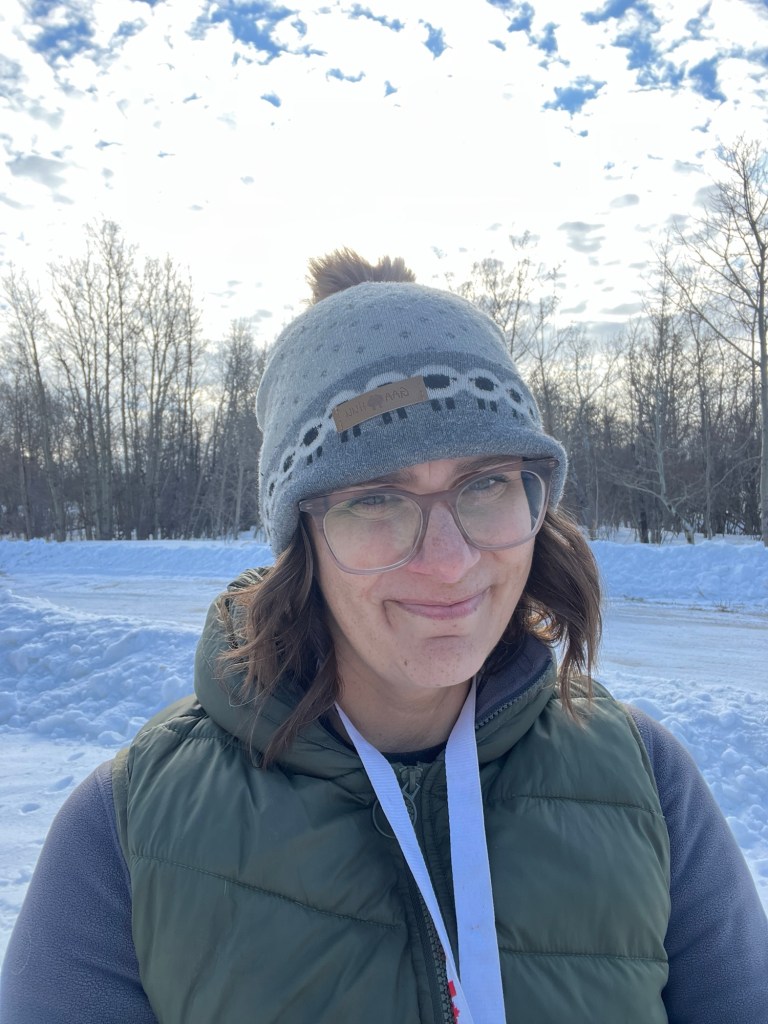
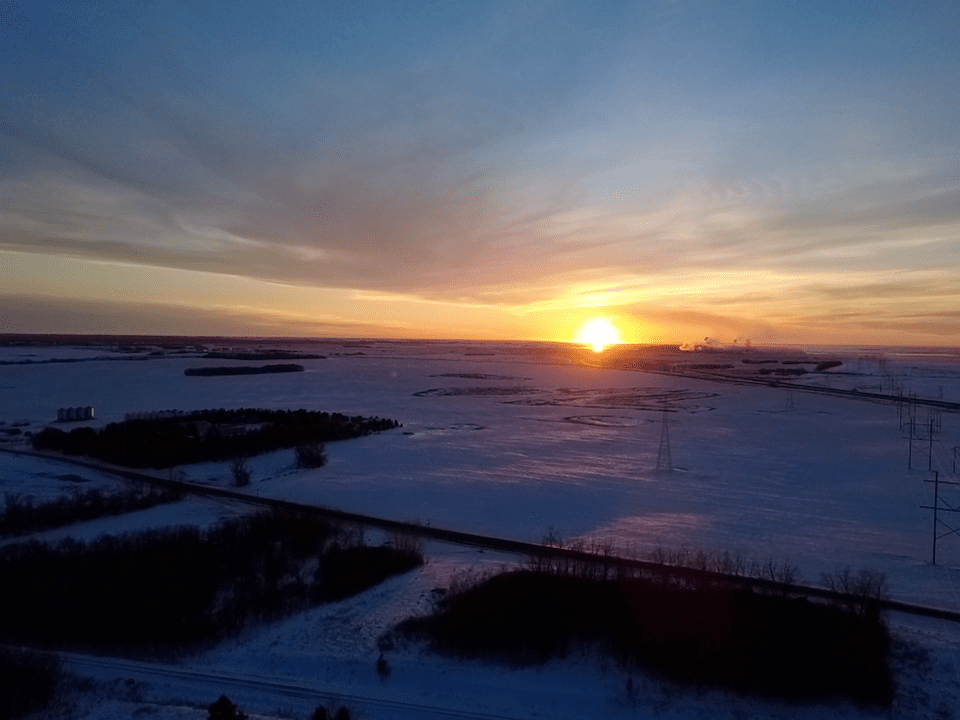
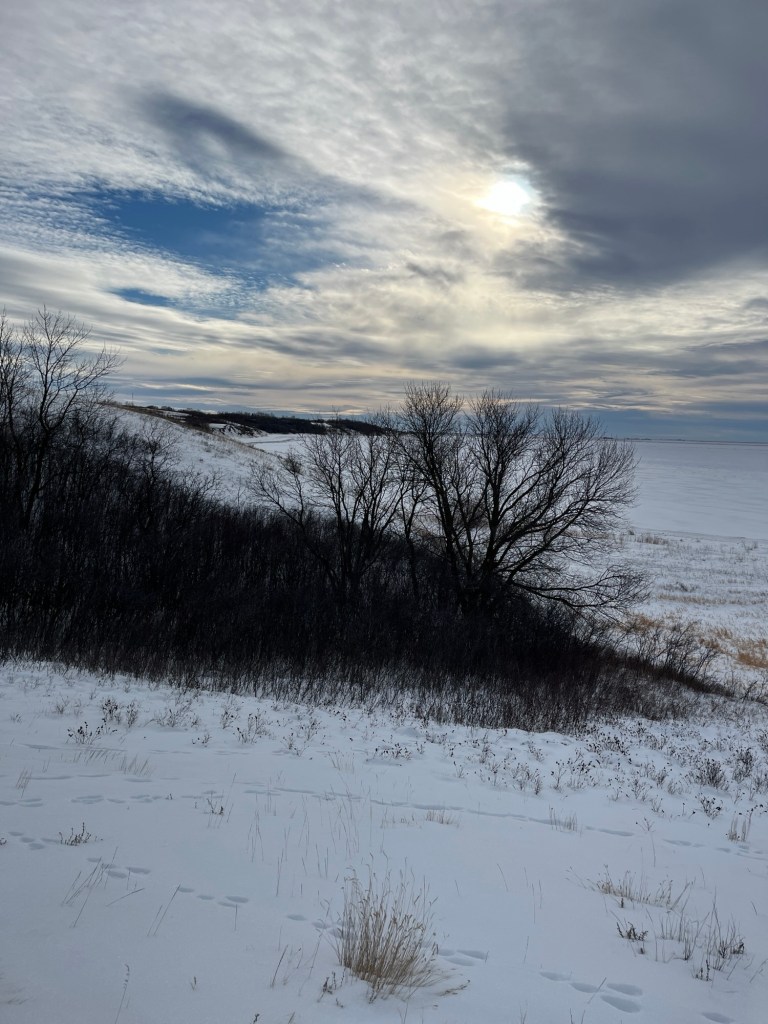
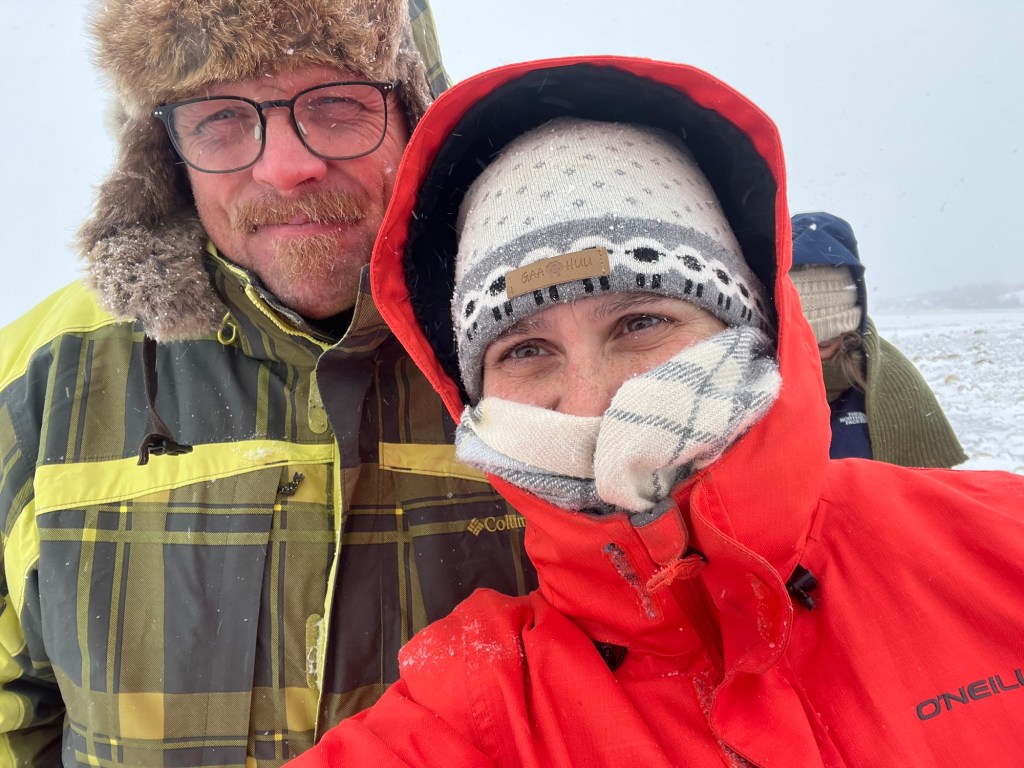
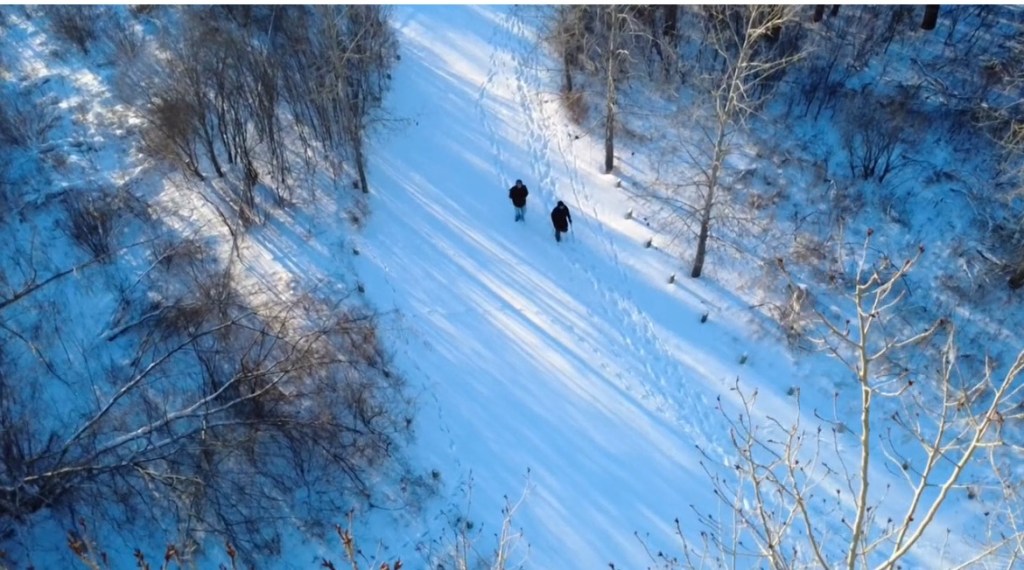
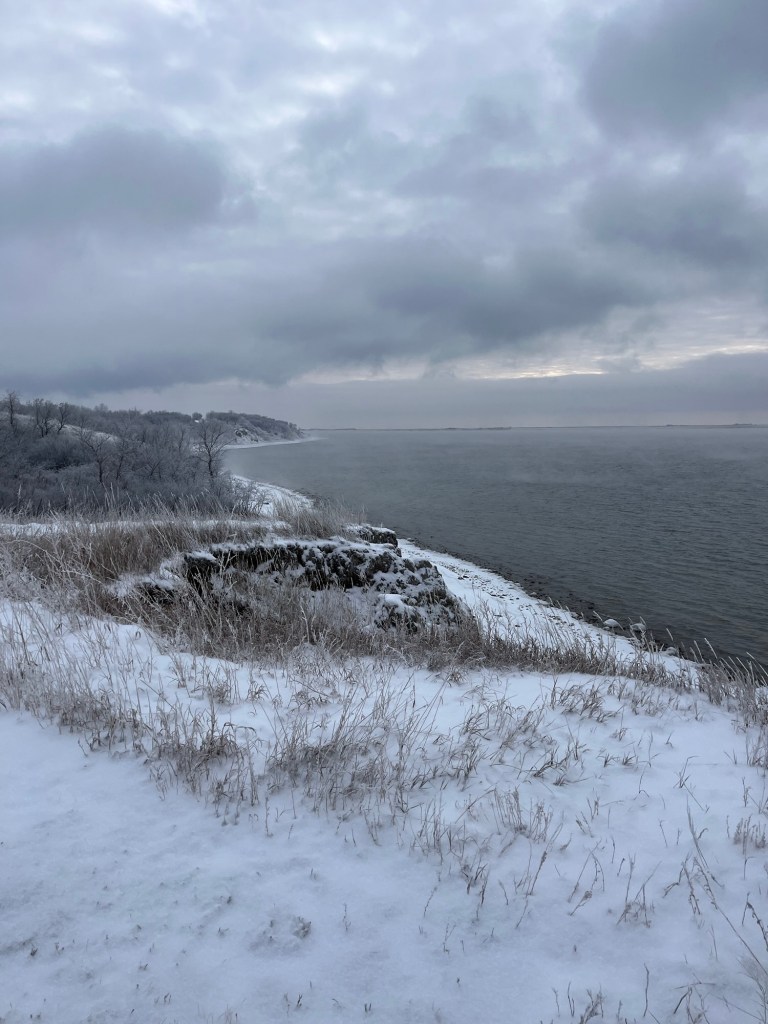
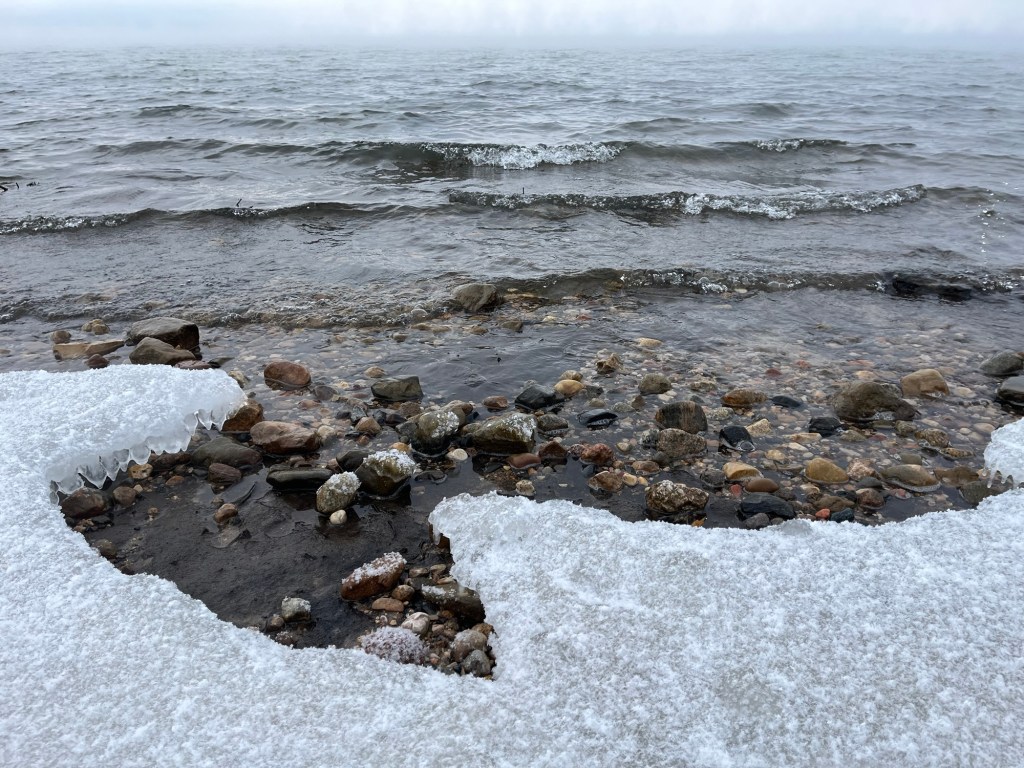
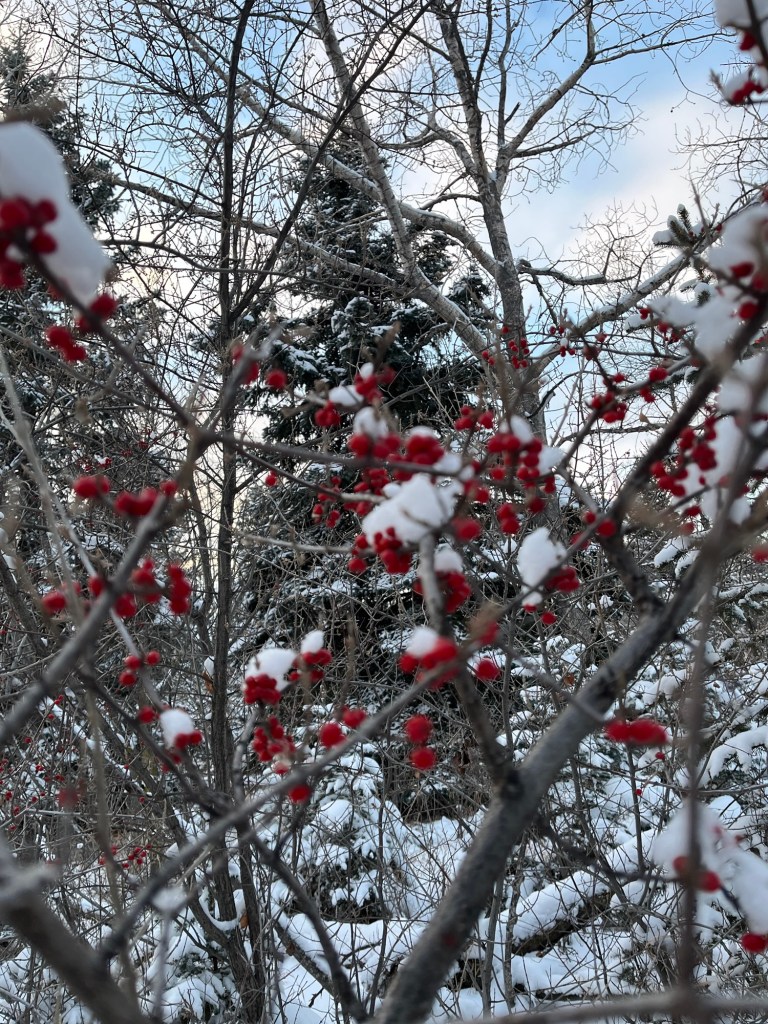
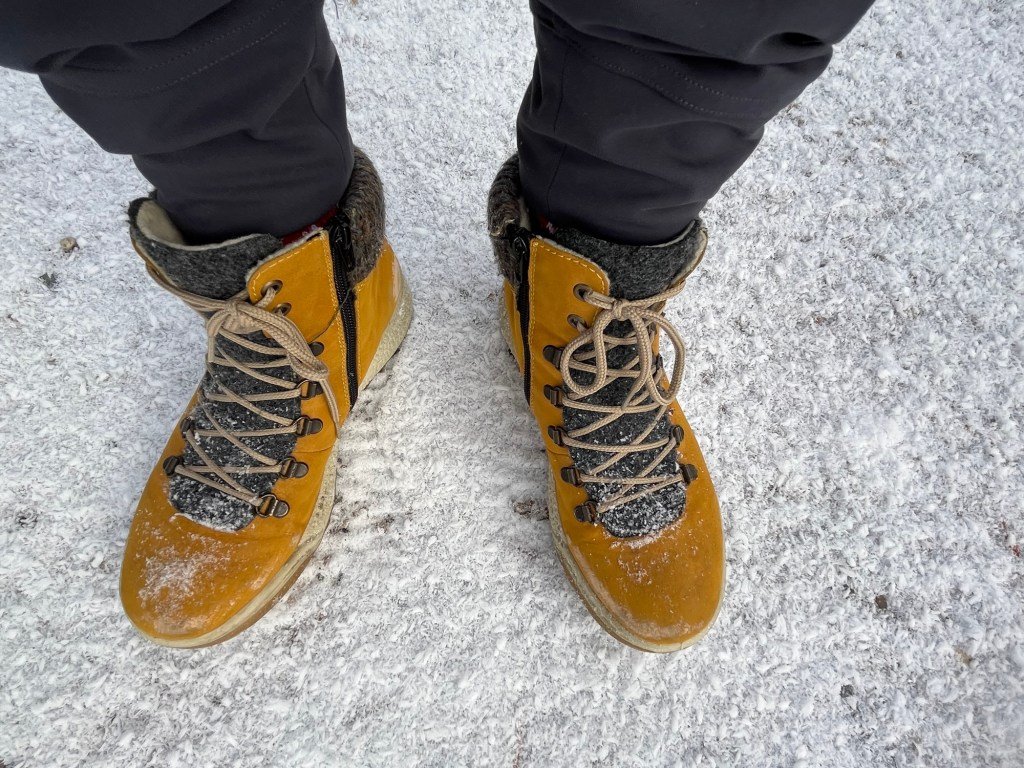
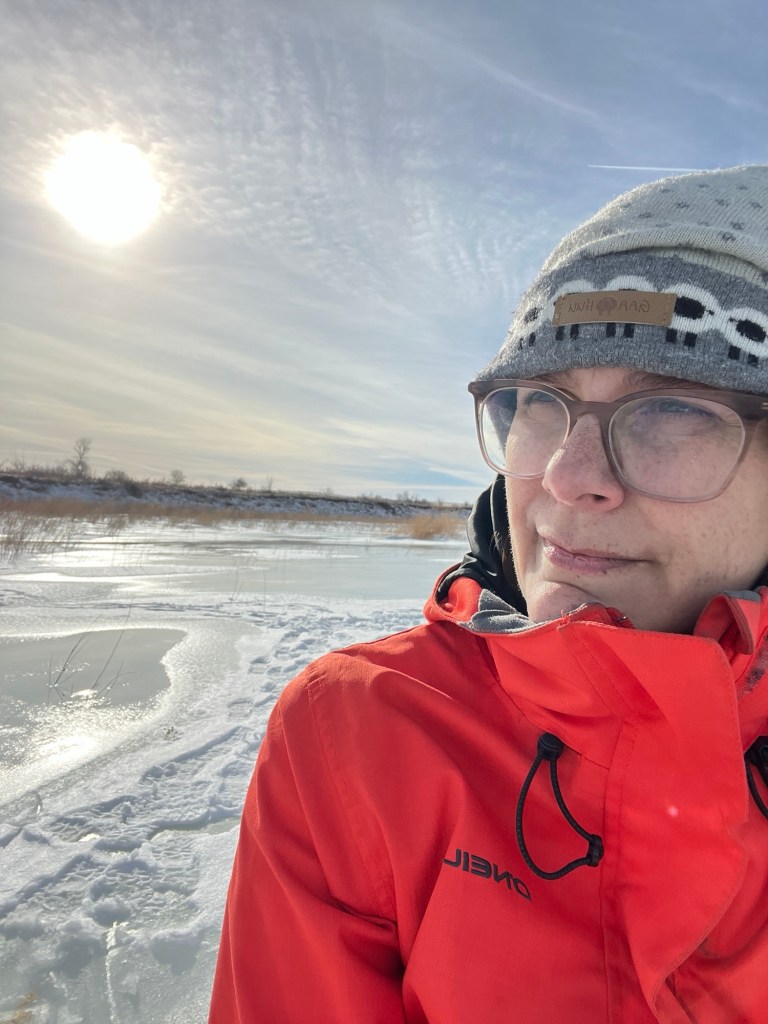
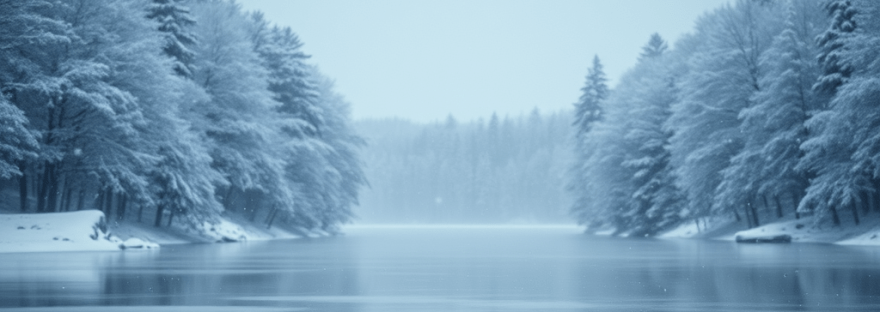
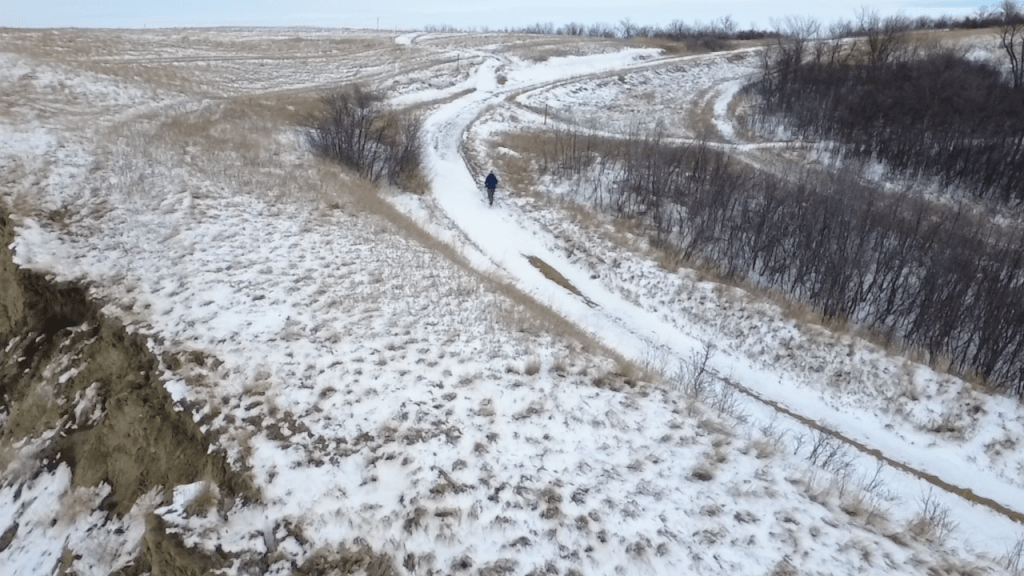
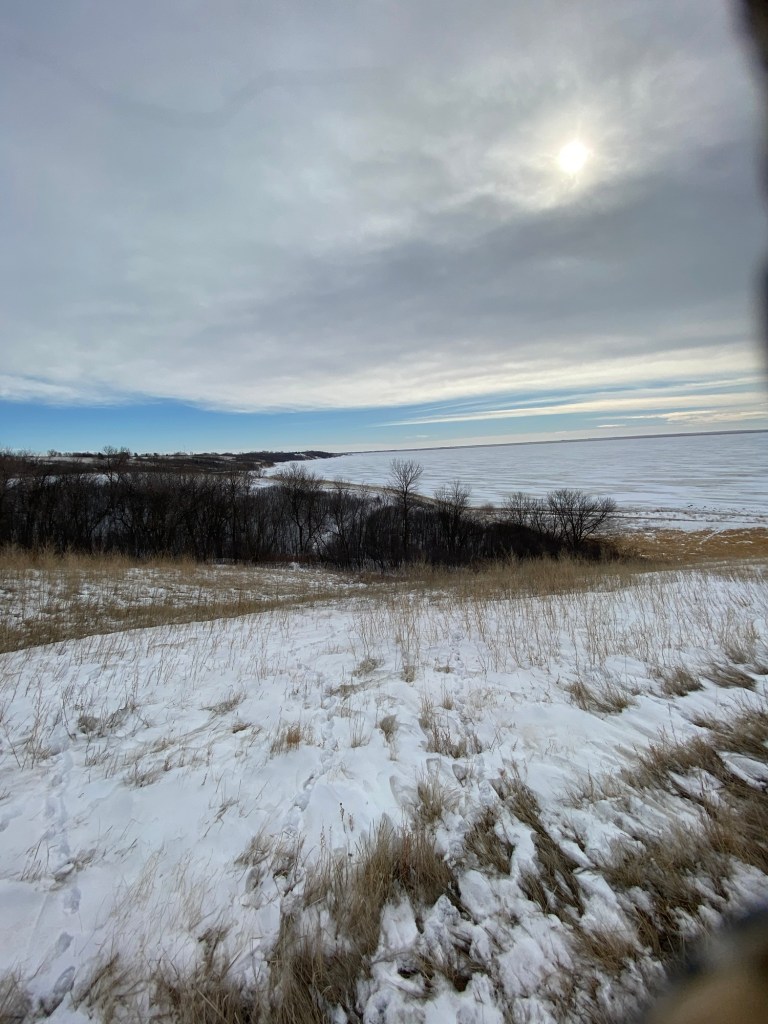
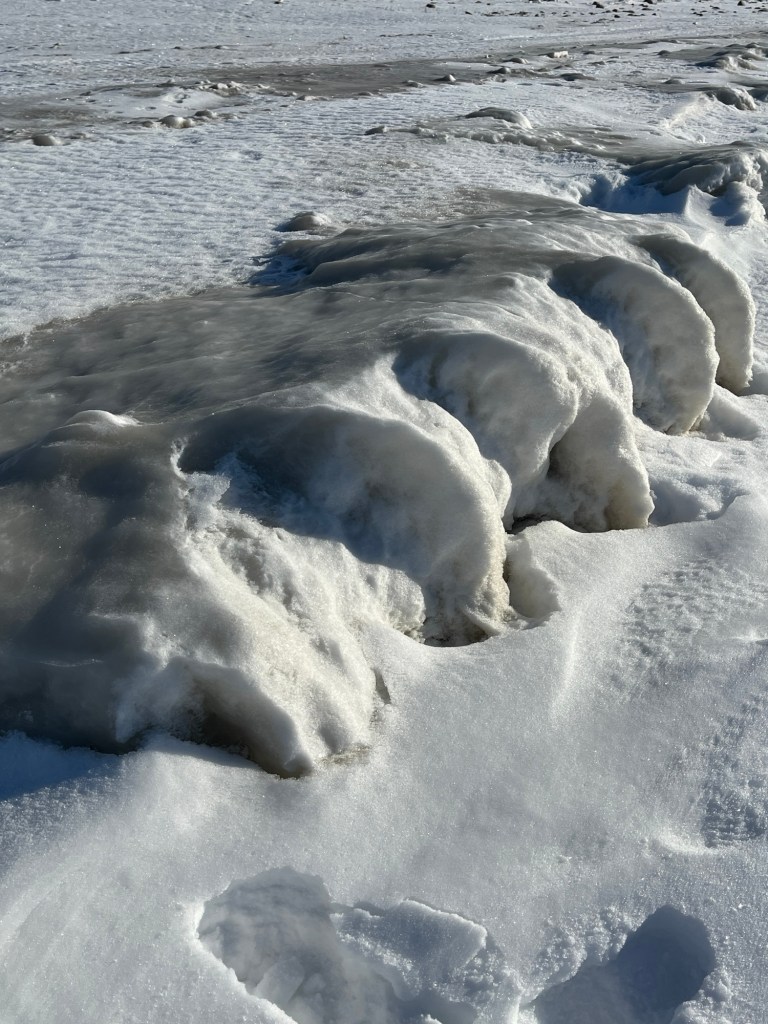
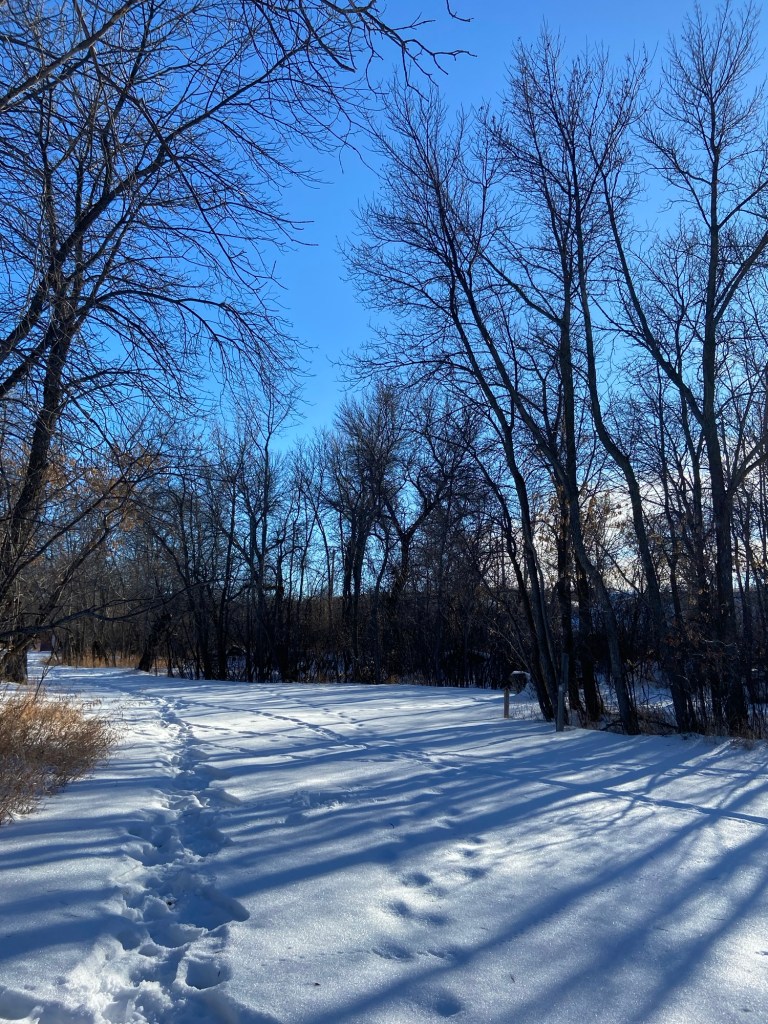
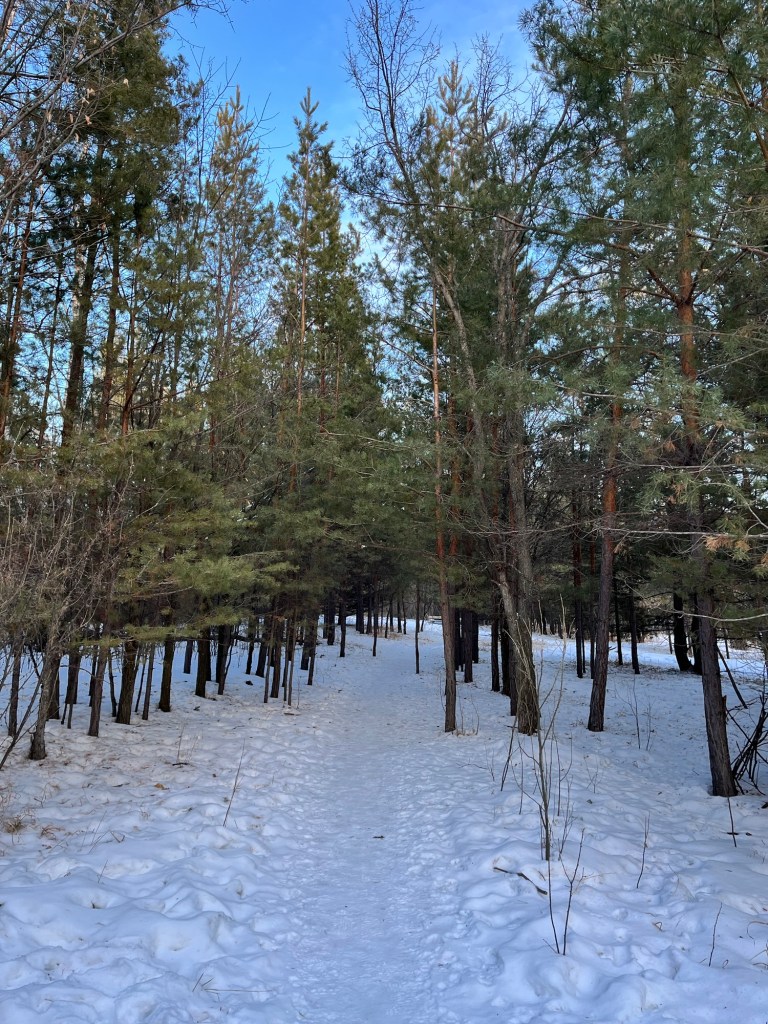
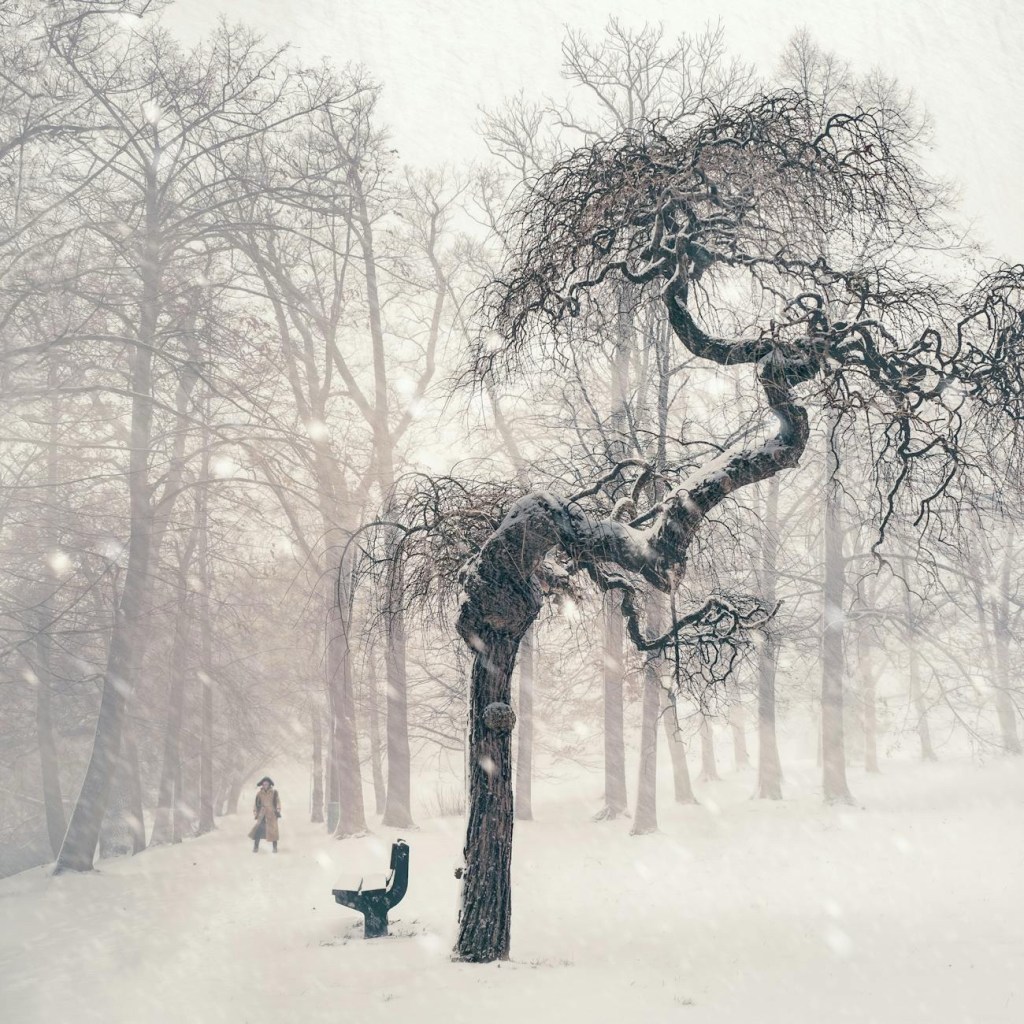
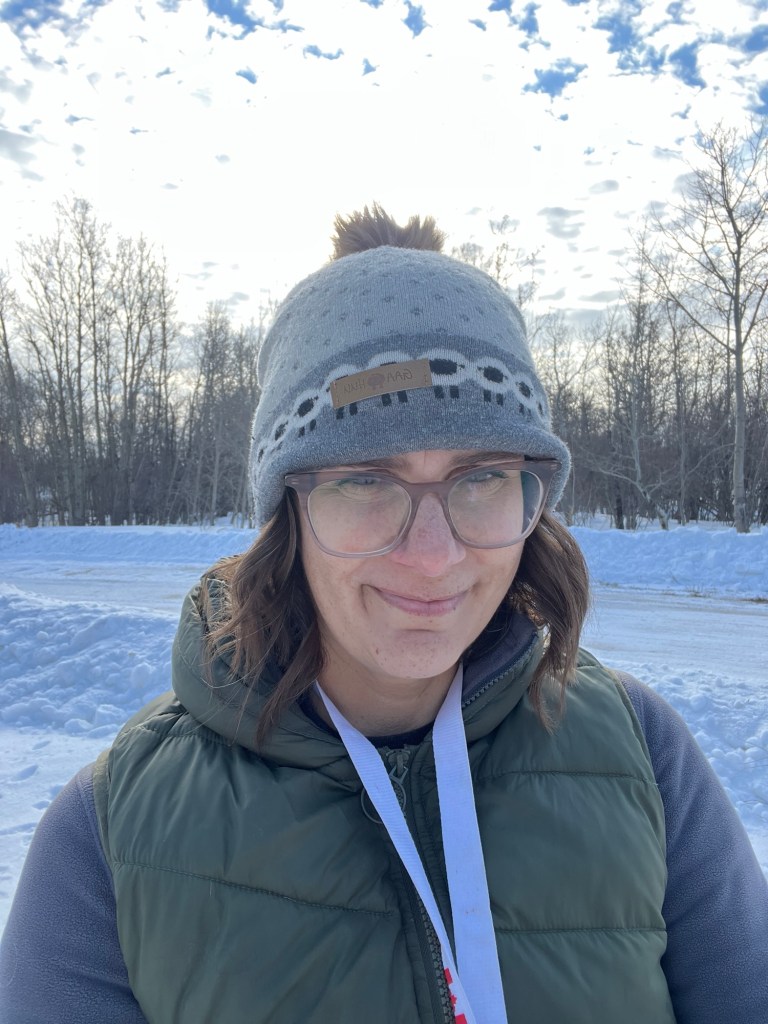
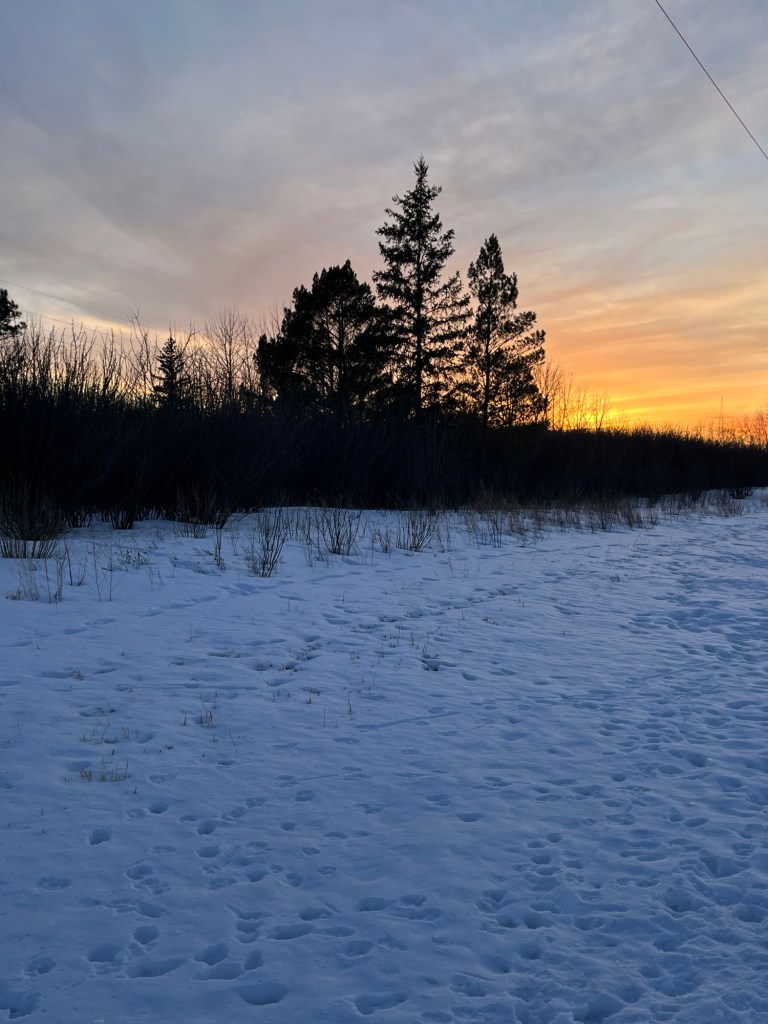
In Saskatchewan right now, the wind still bites and snow still crunches under our boots.

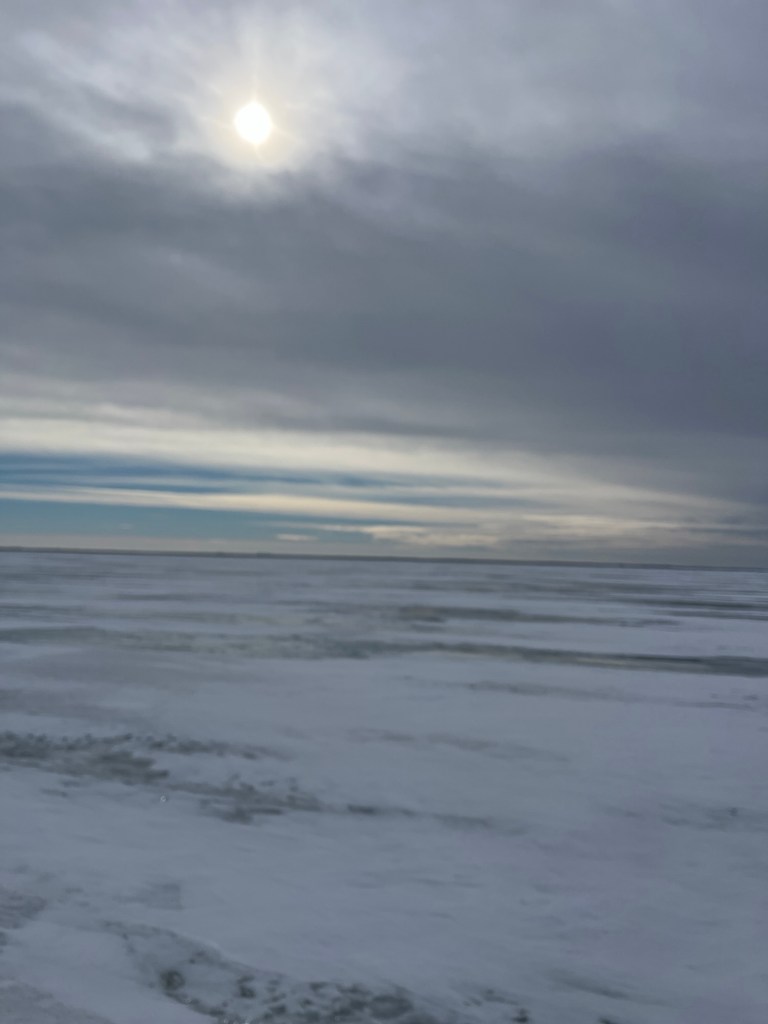
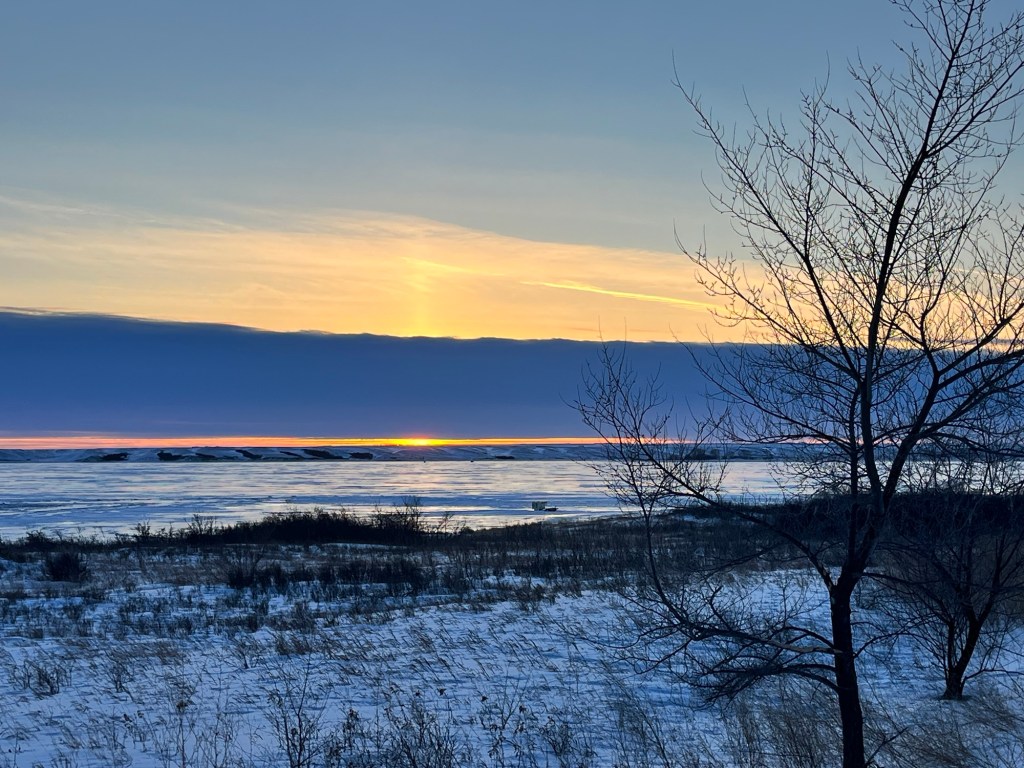
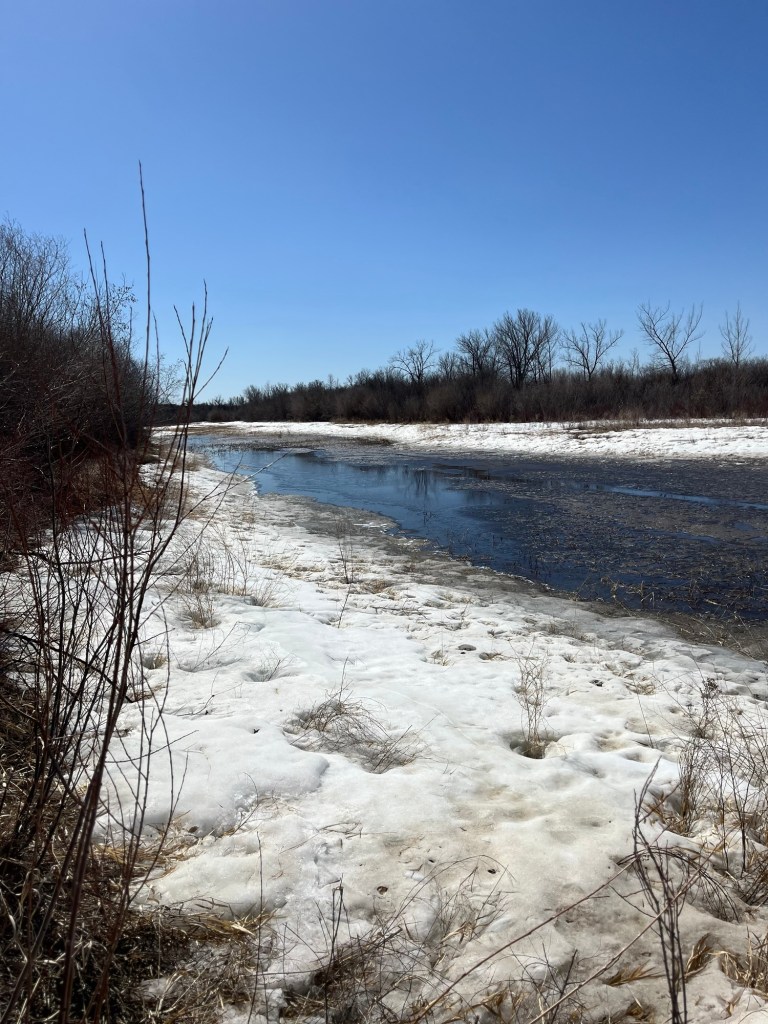
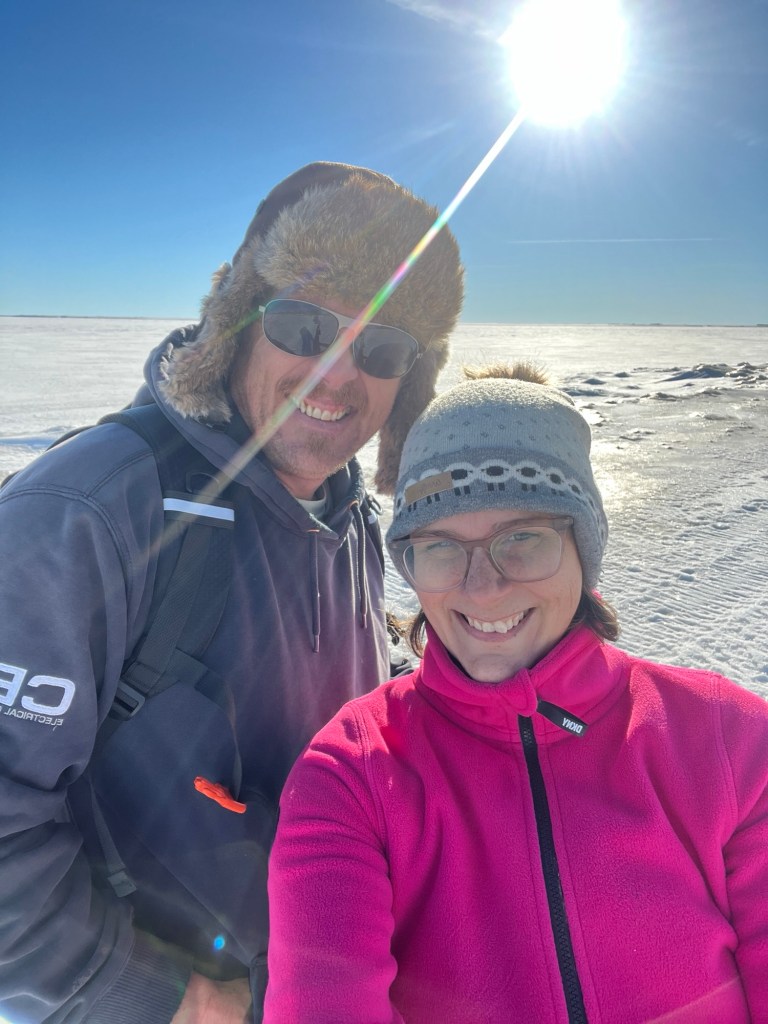
The pale sky stretches wide over frozen lakes and ground.

And yet… we are talking about spring. Not because we see it. But because we remember it.

It has come every year before and we can trust it will come again.

This is one of the most asked questions about forest therapy:

Does this really help when life is hard? When pain is chronic? When nothing feels like it’s changing?

The answer is not dramatic. It is steady.

Forest therapy does not promise cure. It doesn’t offer “complete and totally done with it all 👏🏼👏🏼👏🏼 .”

That’s not our story.

What it offers is regulation. Relationship.

So I keep returning.

Research around nature exposure shows reduced cortisol, improved heart rate variability, and nervous system settling.

But beyond the science is something quieter. The forest does not rush spring and the body does not rush healing. They know the futility and energy waste that rushing introduce to otherwise perfect systems.

Both the forest and the body move in seasons. Why then do we want spring to hurry up? Why do we expect the body to heal in our prescribed way, on our expected timeline?

🌲 “Can forest therapy help chronic pain?”

As someone who lives with chronic pain, I don’t speak in absolutes.

I speak in terms of mountains. There are days the climb feels vertical. Flares. Illness. Falls. Each with its own devastating consequences.

And still. We climb.

There are years that ask questions and years that answer.

Zora Neale Hurston

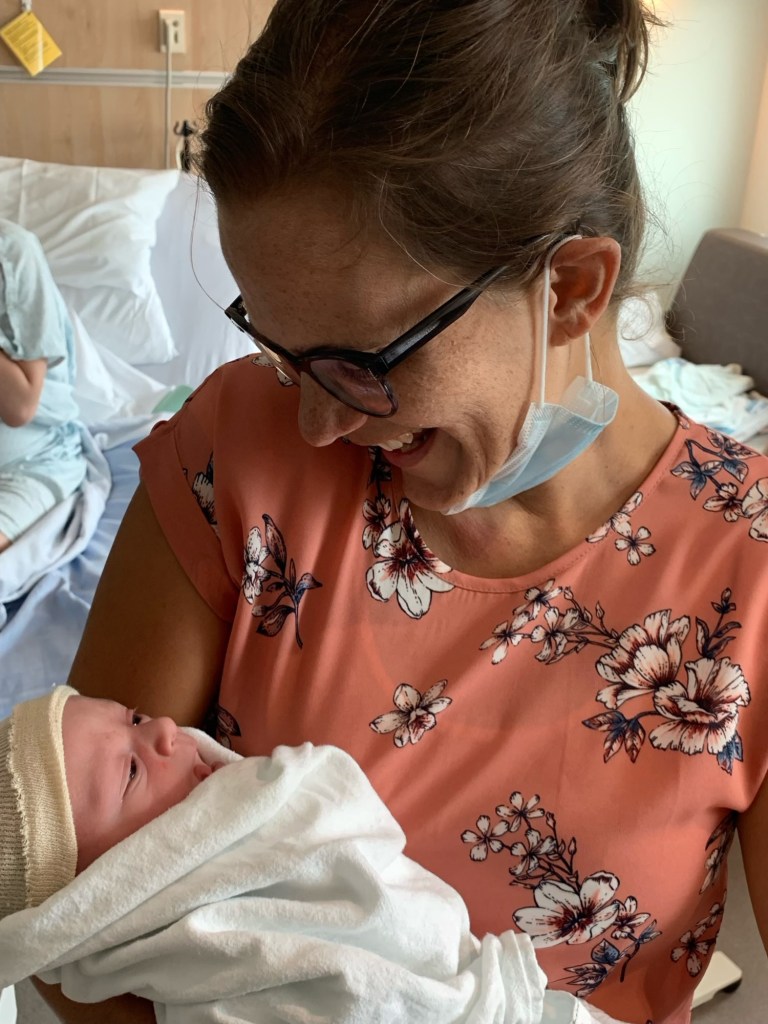
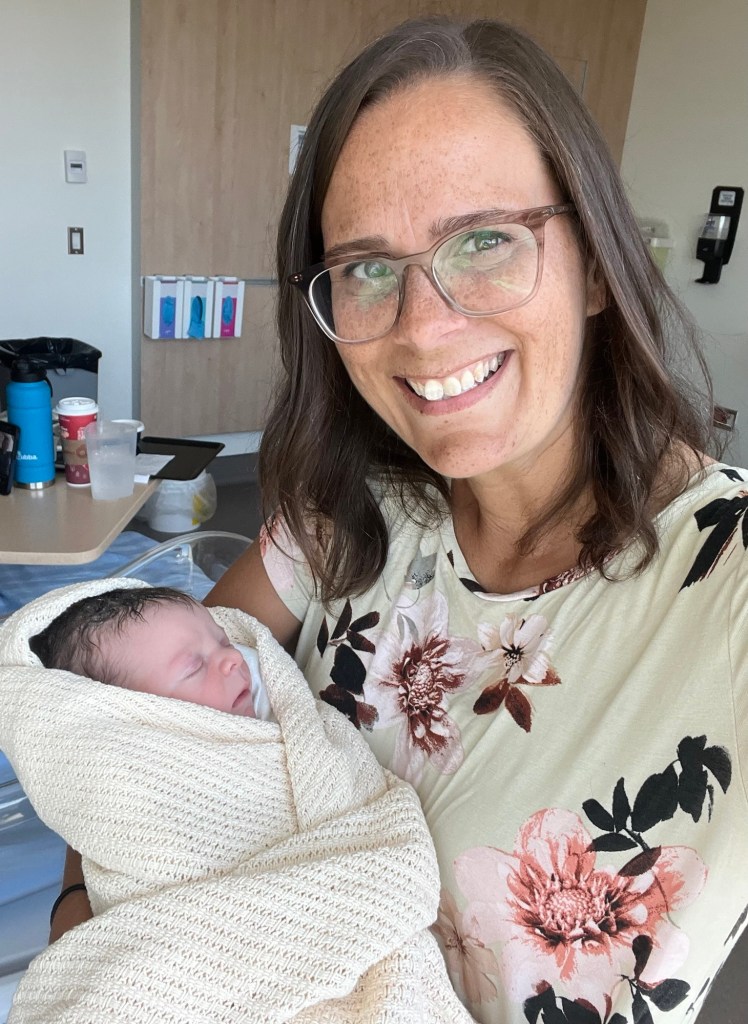
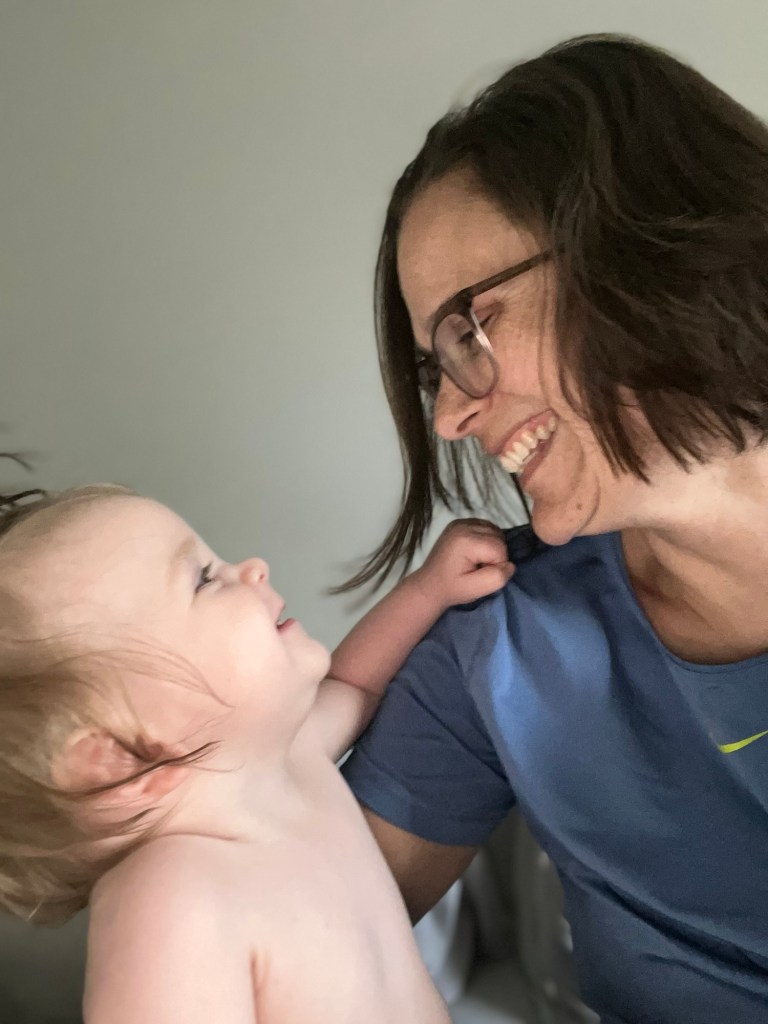
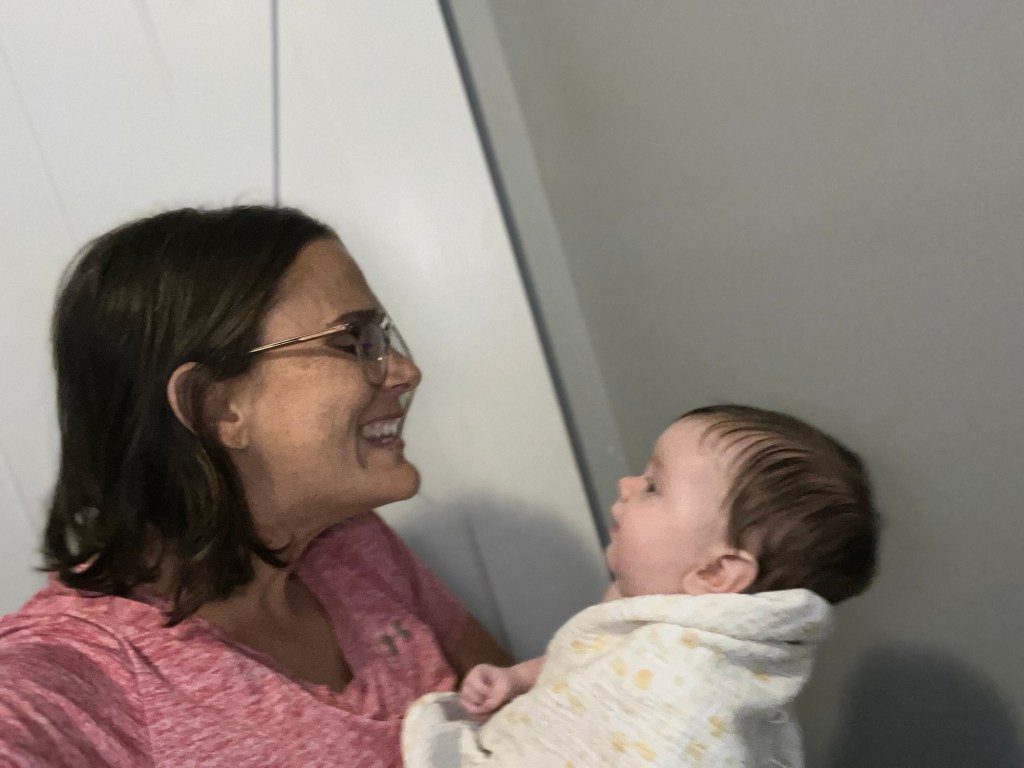
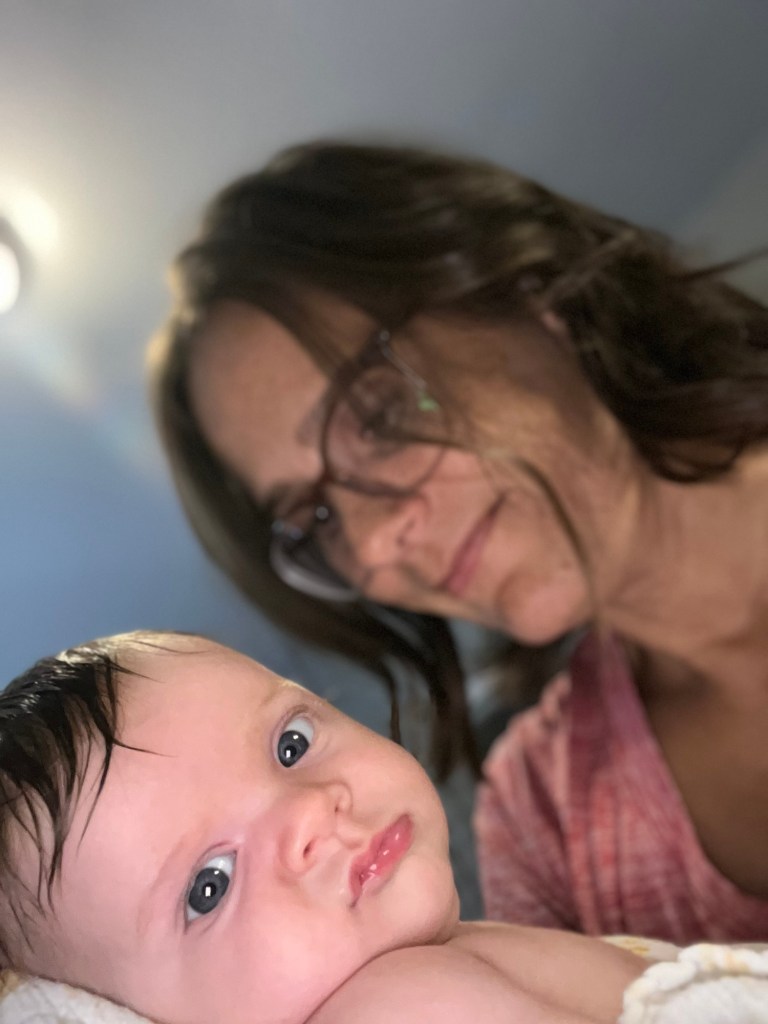
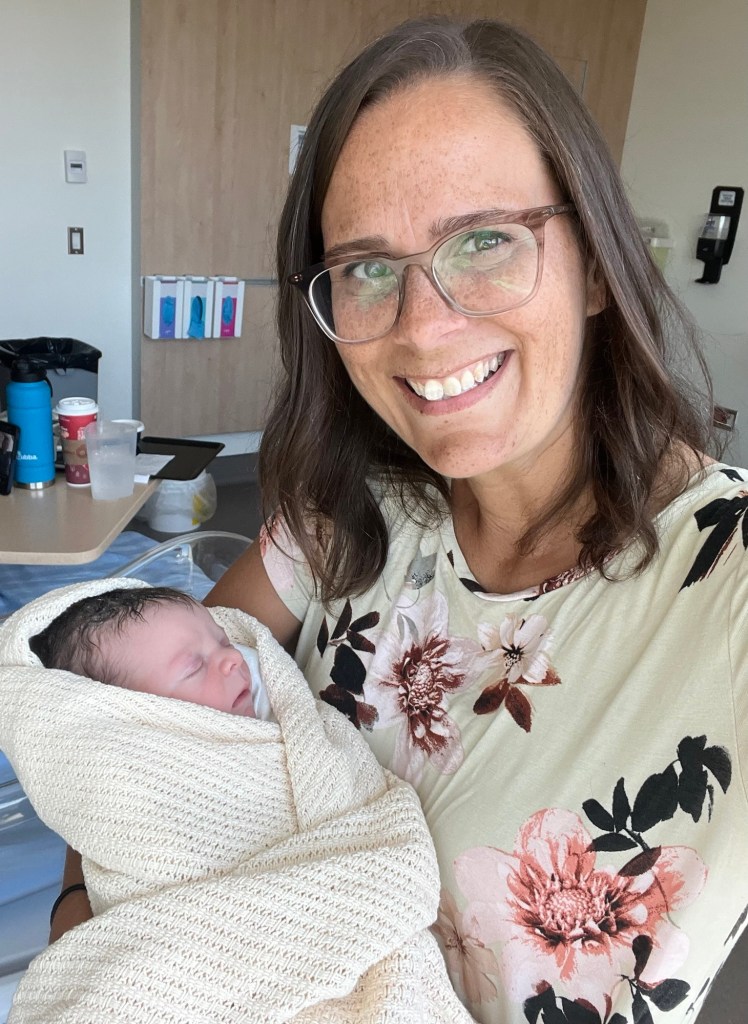
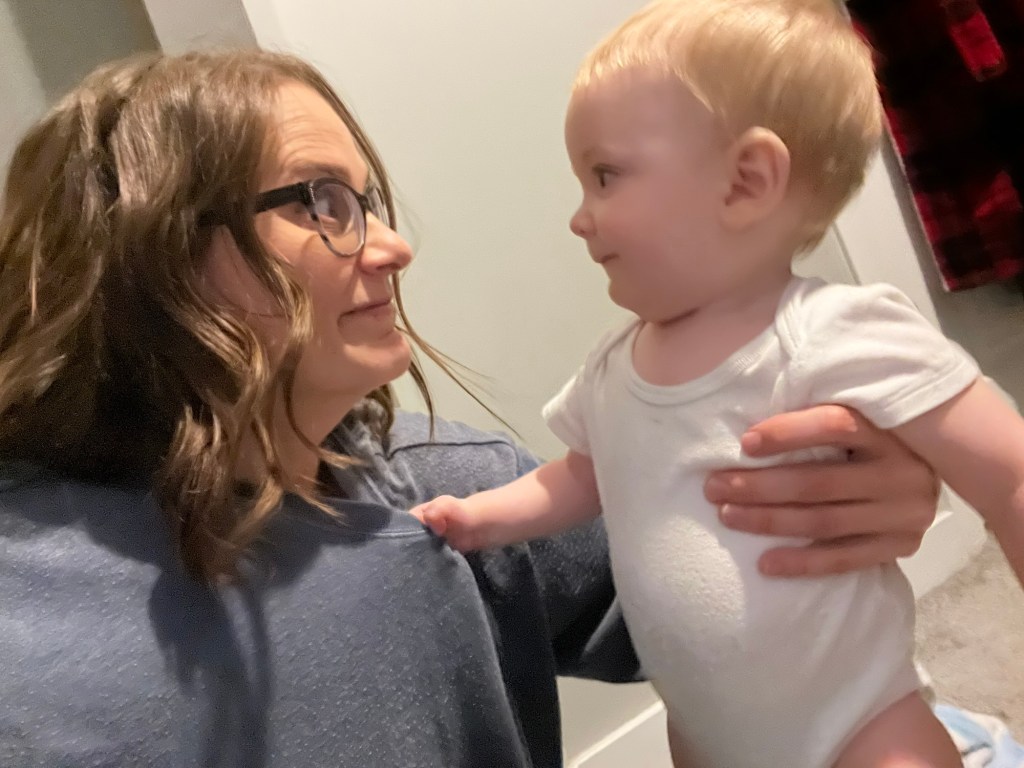
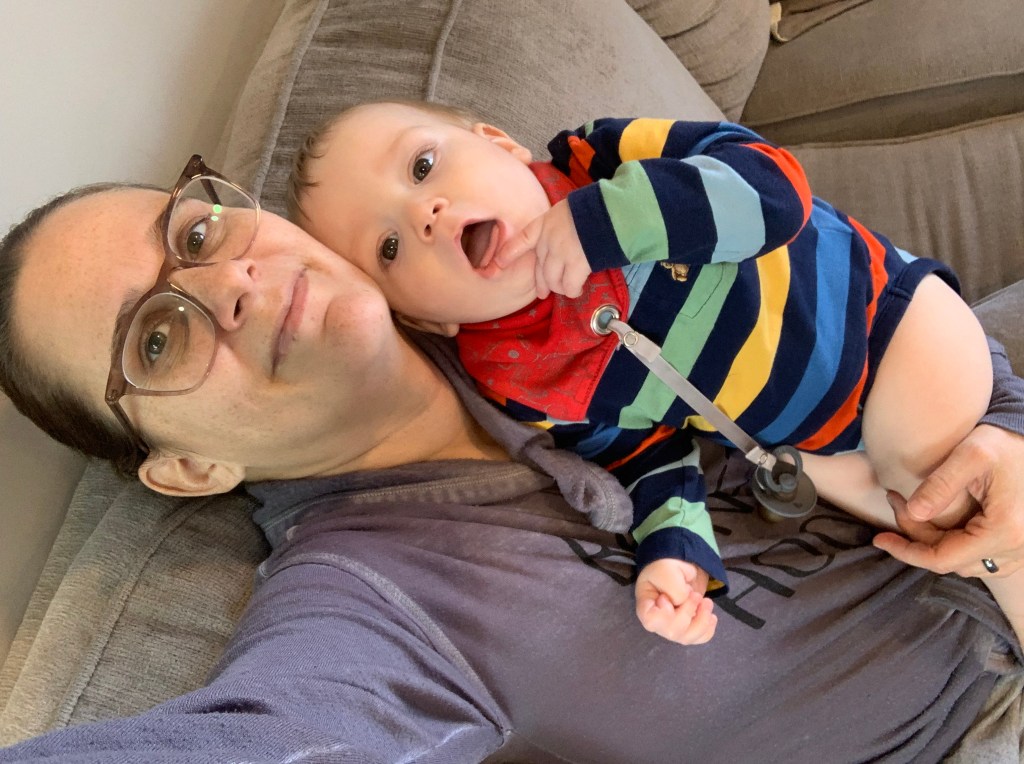
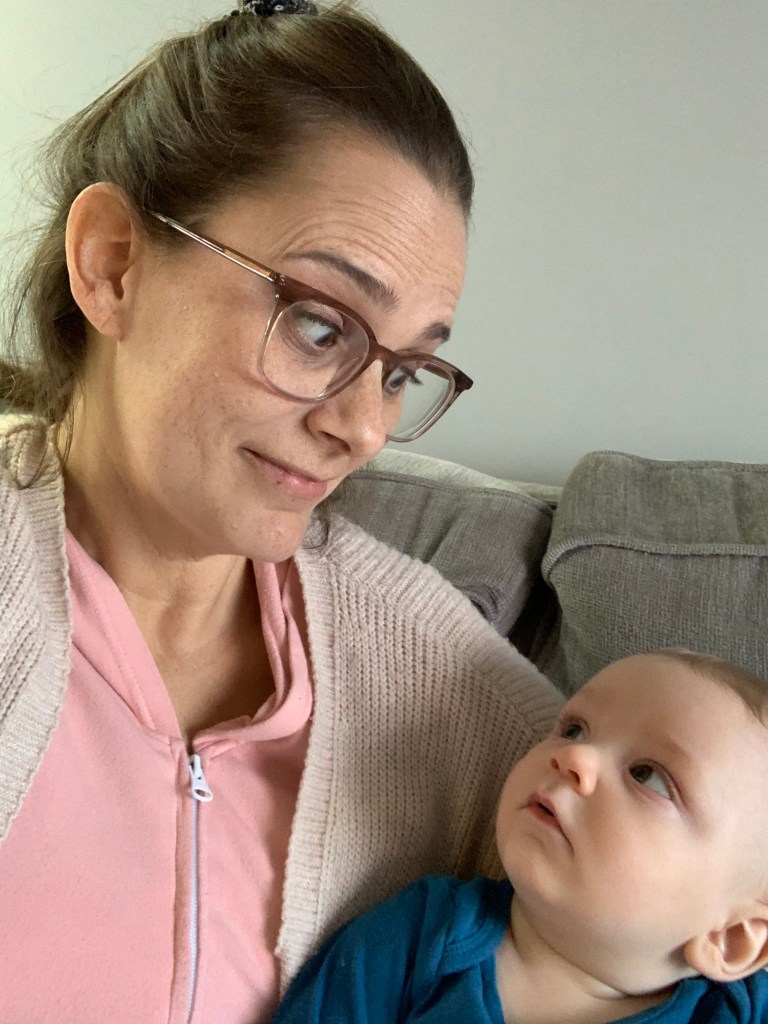
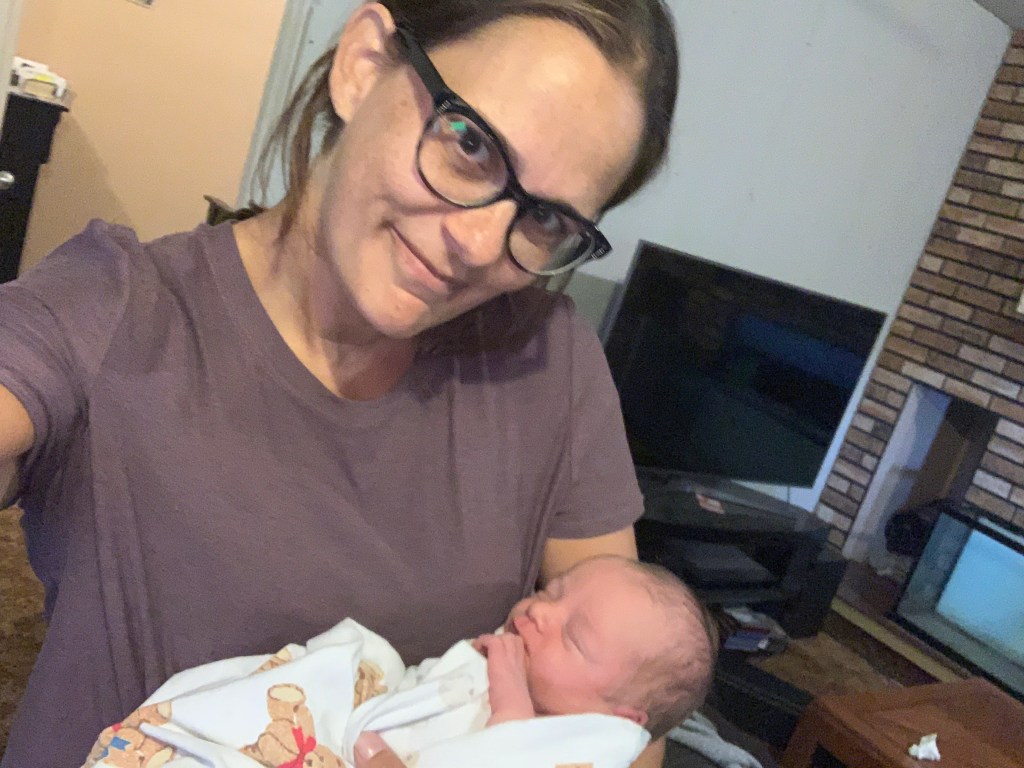
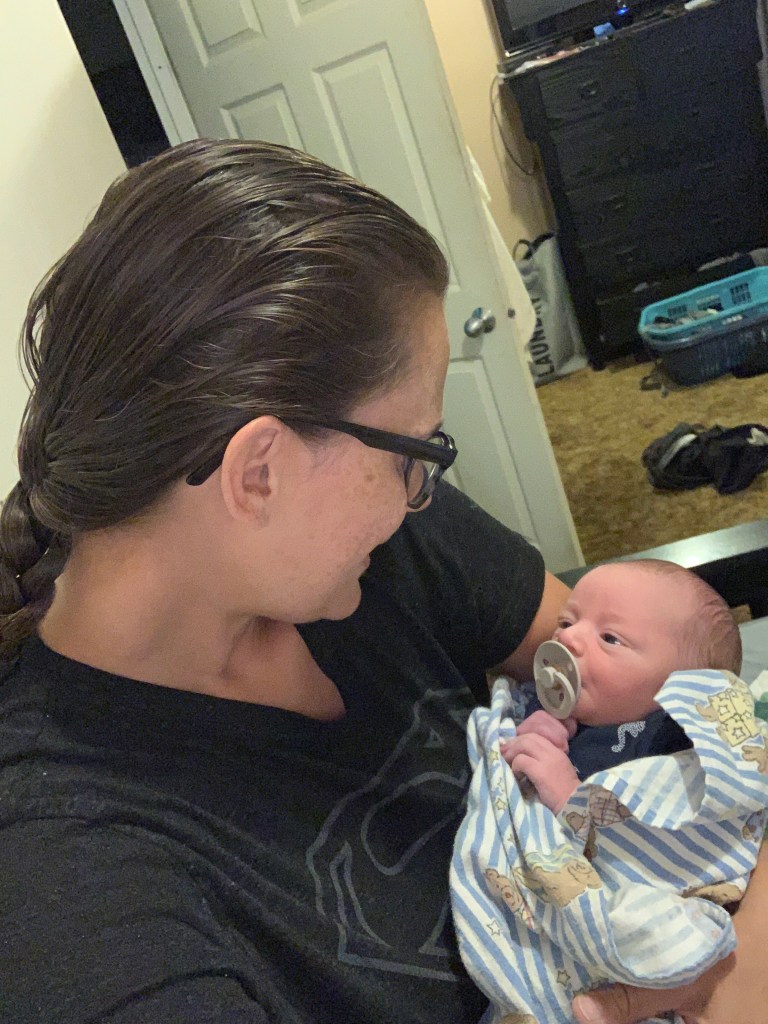
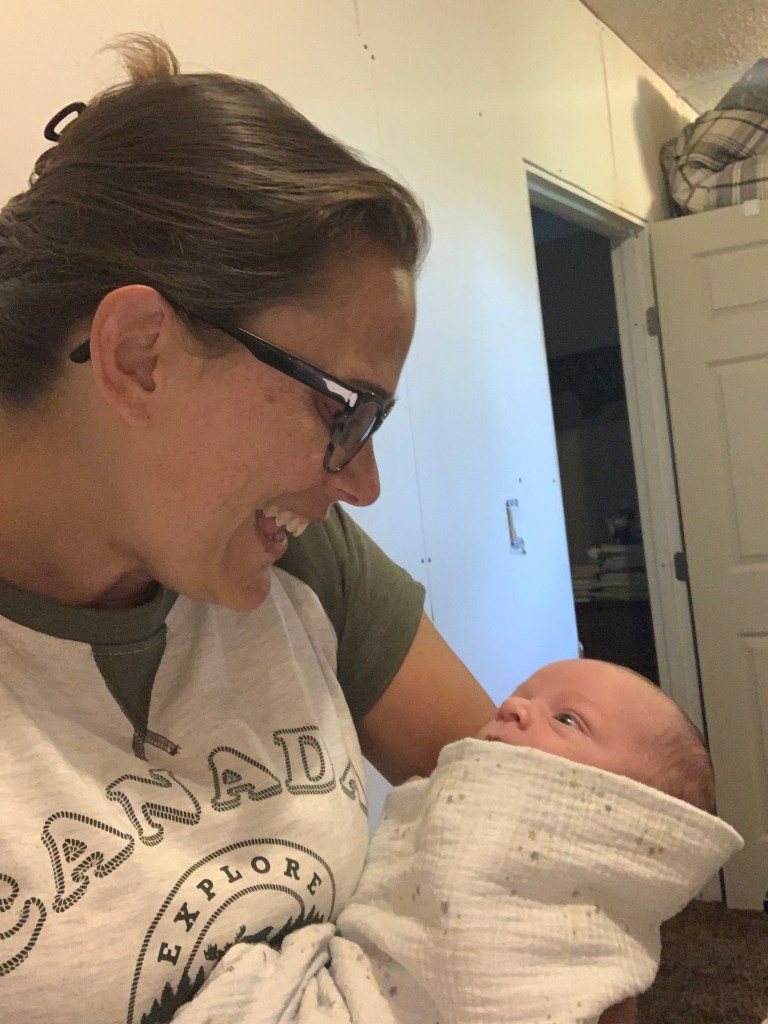
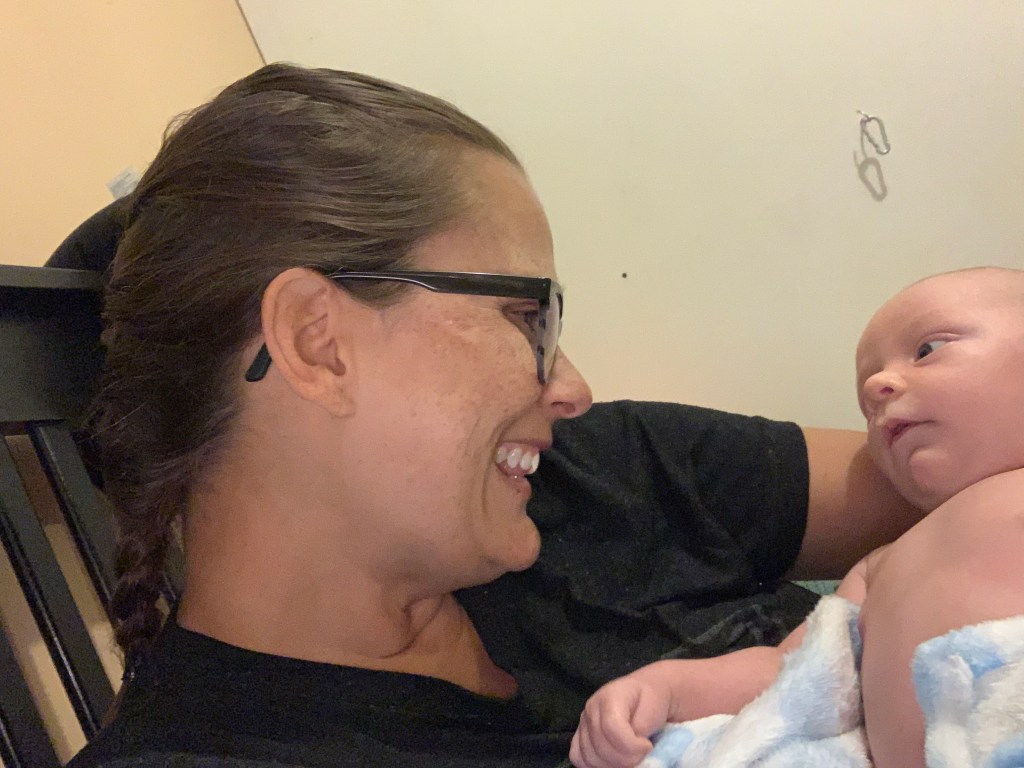
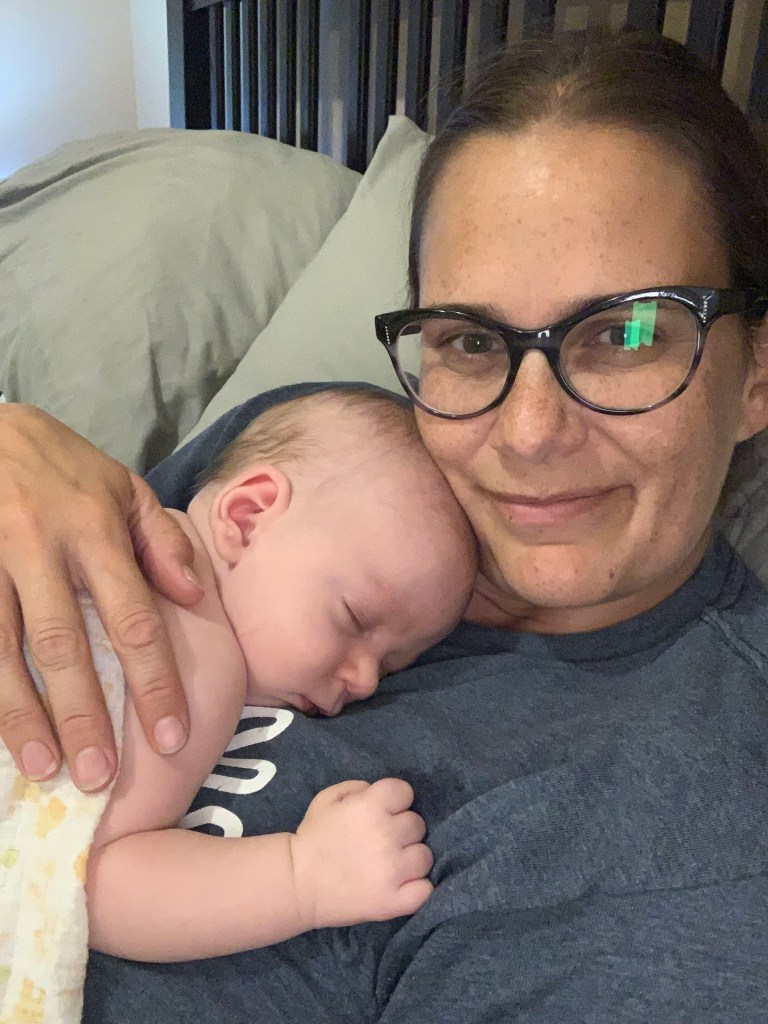
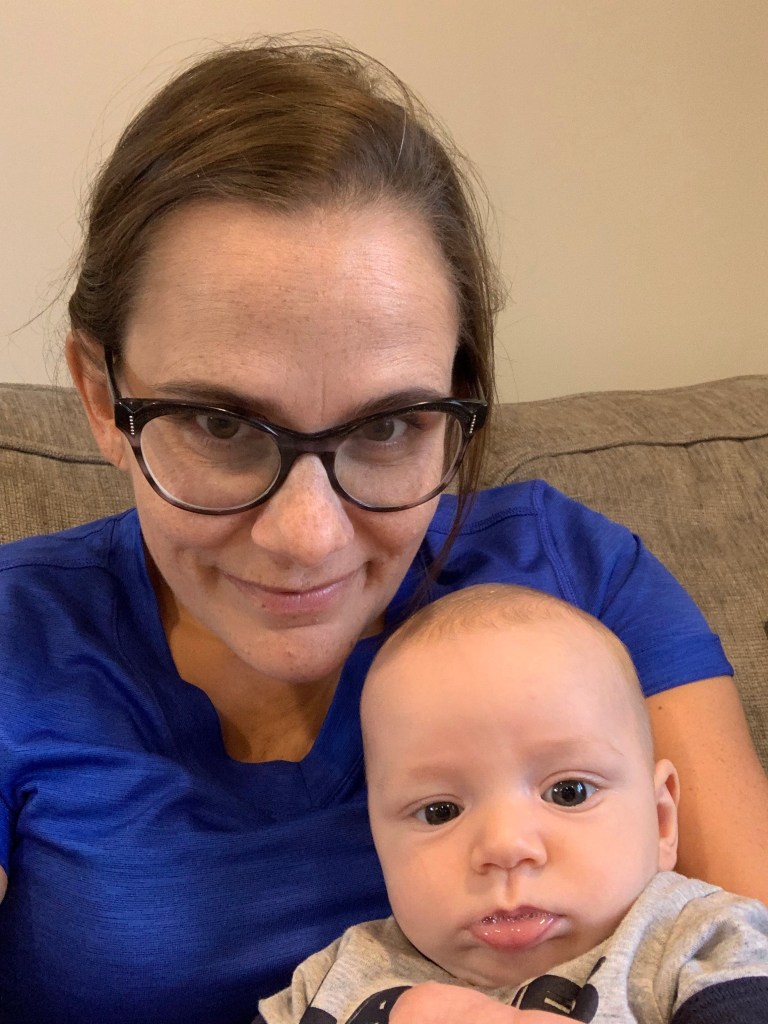
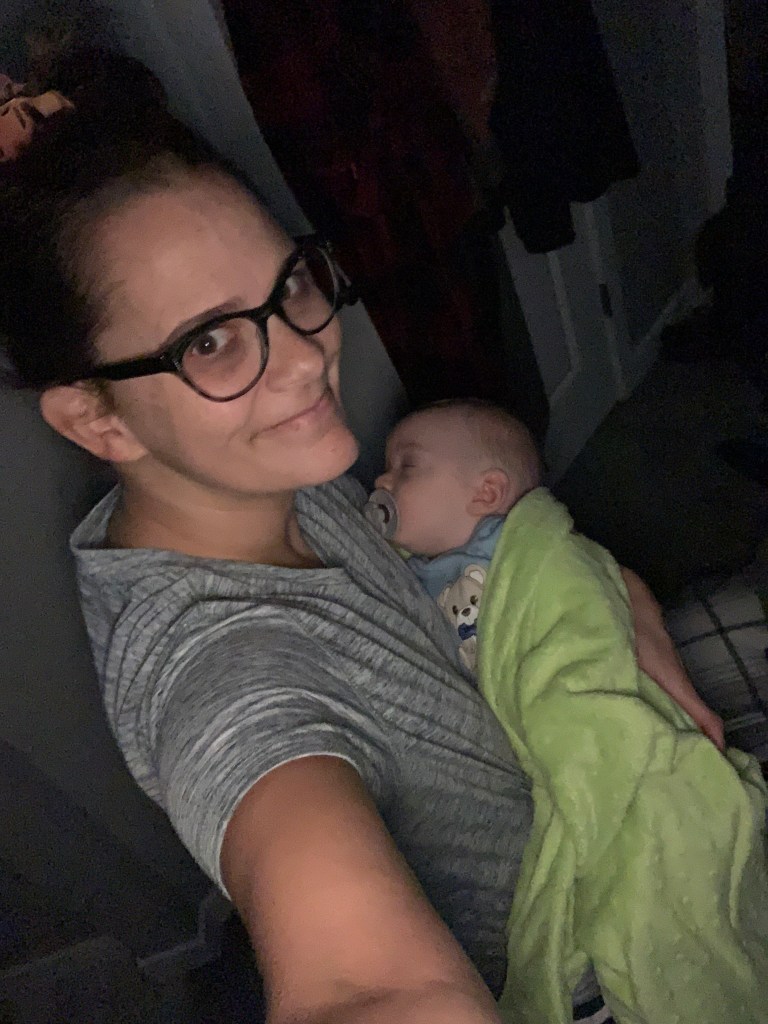
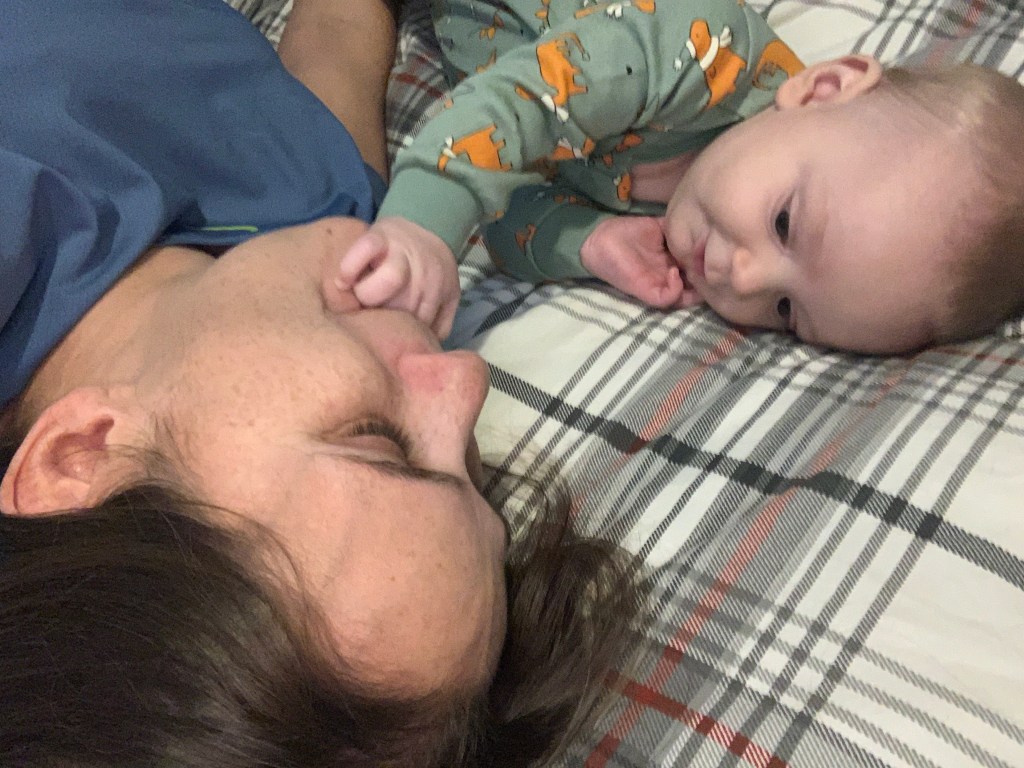
During the super cold winter of 2021, I learned that our first precious grandbaby was on his way. I wanted. Correction: I needed to be able to hold and snuggle that little one.

But I was so weak. I could barely lift a mug of tea without shaking from the effort. I walked from the bed to the bathroom. Sometimes to the car for an appointment.

The little munchkin, who I hadn’t even met yet, was cheering me on. I could sense it. So with a soup can, a baby blanket, and a prayer, I commenced my grandma- training.

A soup can because it weighed approximately a half pound. My ideal starting weight.

A baby blanket because of what this can of soup represented. He was going to grow over the following months into an actual grandbaby that I would wrap in this blanket. And carry him around to snuggle him. And to put him to sleep. To have deep conversations and sing the songs my mom and grandma sang to me.

And a prayer because that’s who I am.

That soup can, baby blanket and I started with 30 second walks 3x a day. Each walk induced waves of nausea followed by hours of cramping and exhaustion.

Each half pound and each 30 second increase was an excruciating miracle.

There were setbacks. Most evenings were agonizing. Some days I wondered if this was the correct place to put this much time and energy. It was all I could do to find time and energy to eat.

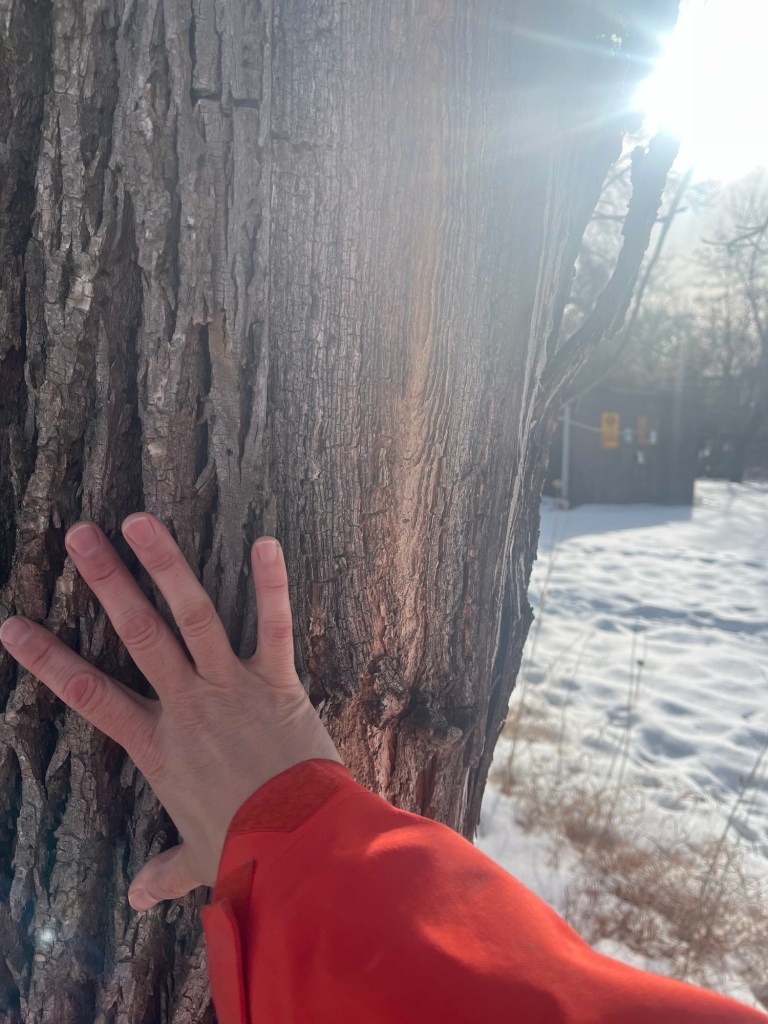
After months of focused grandma- training, I could walk outside! And something shifted. During a particularly stressful week and stubborn muscles, I walked down the lane and into the trees on our farm. I couldn’t go as far as I’d planned. I couldn’t “achieve” what I wanted. I leaned against a frozen trunk and felt foolish for even trying.

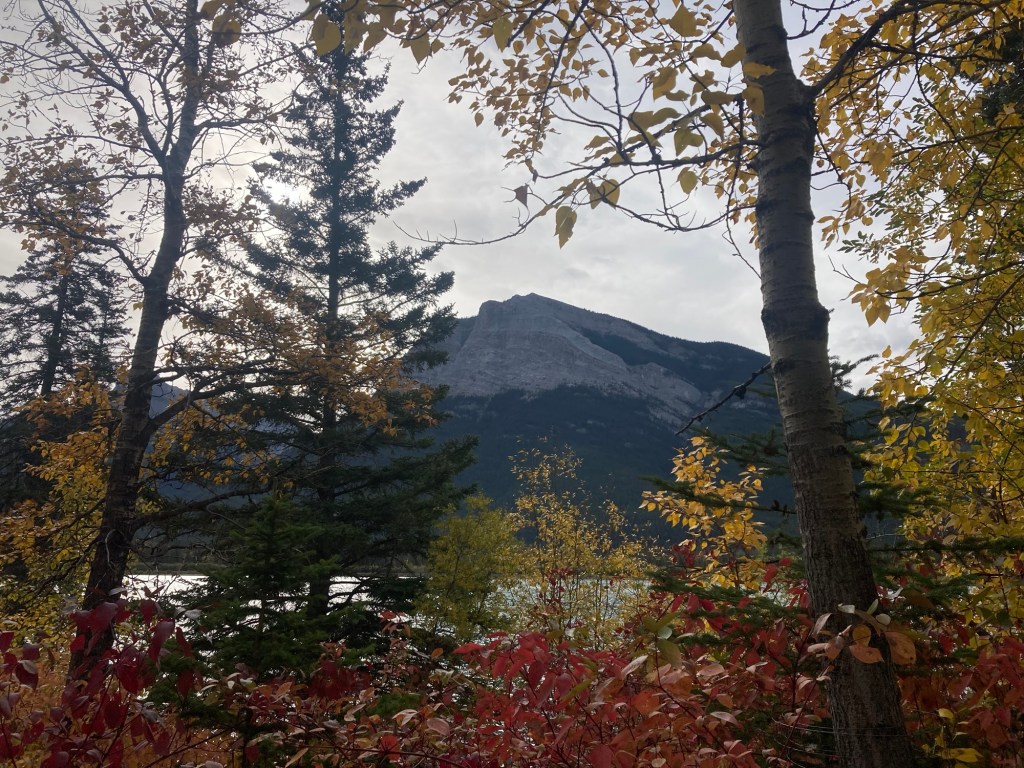
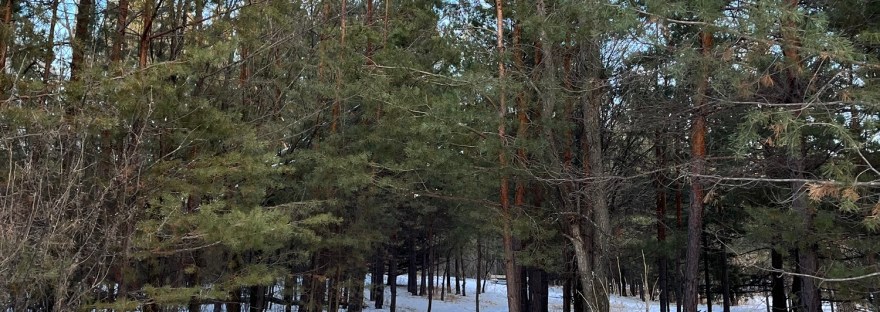
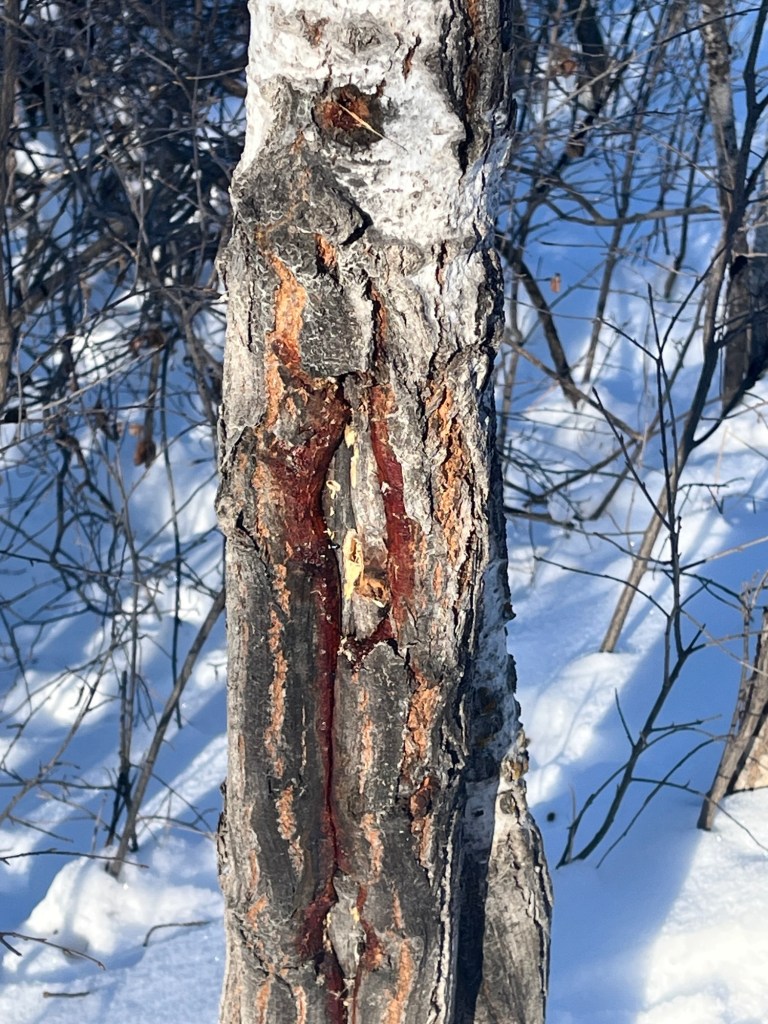
The cold, early spring air sharpened my senses. The snow muffled the world. The trees stood, scarred, weathered, unmoving.

Some trees have survived a hundred Saskatchewan winters. I considered how they are wise and do not apologize for seasons of dormancy.

It was around this time I stopped asking, “When will I be better?” And started asking, “How do I live well from this place?”

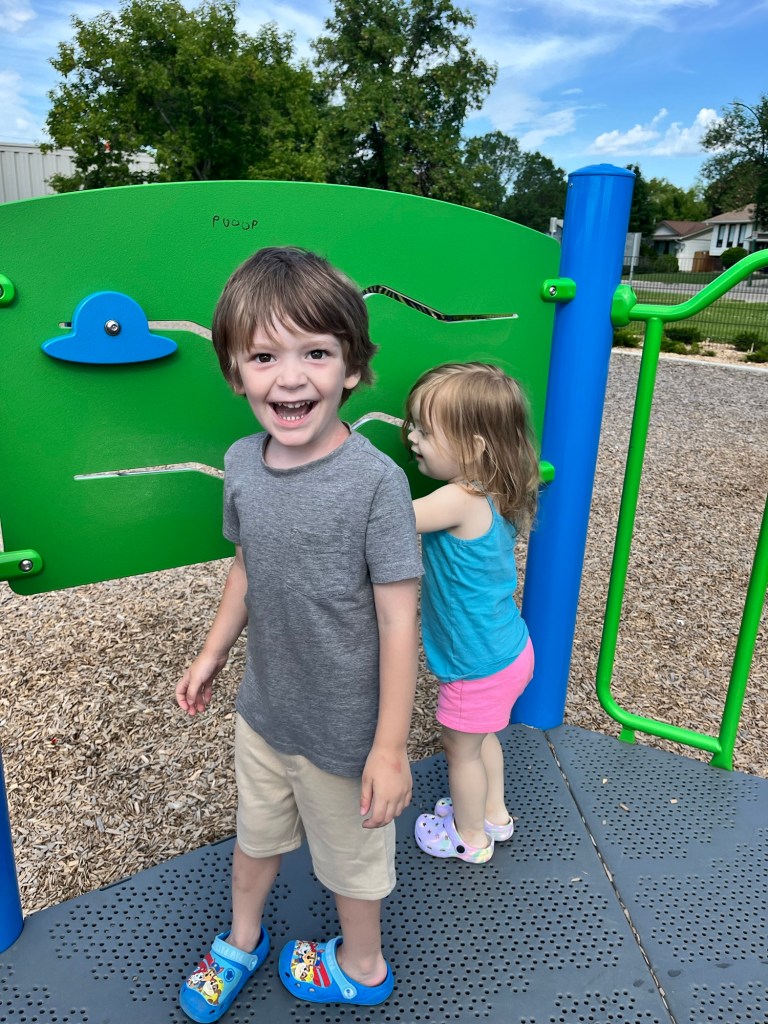
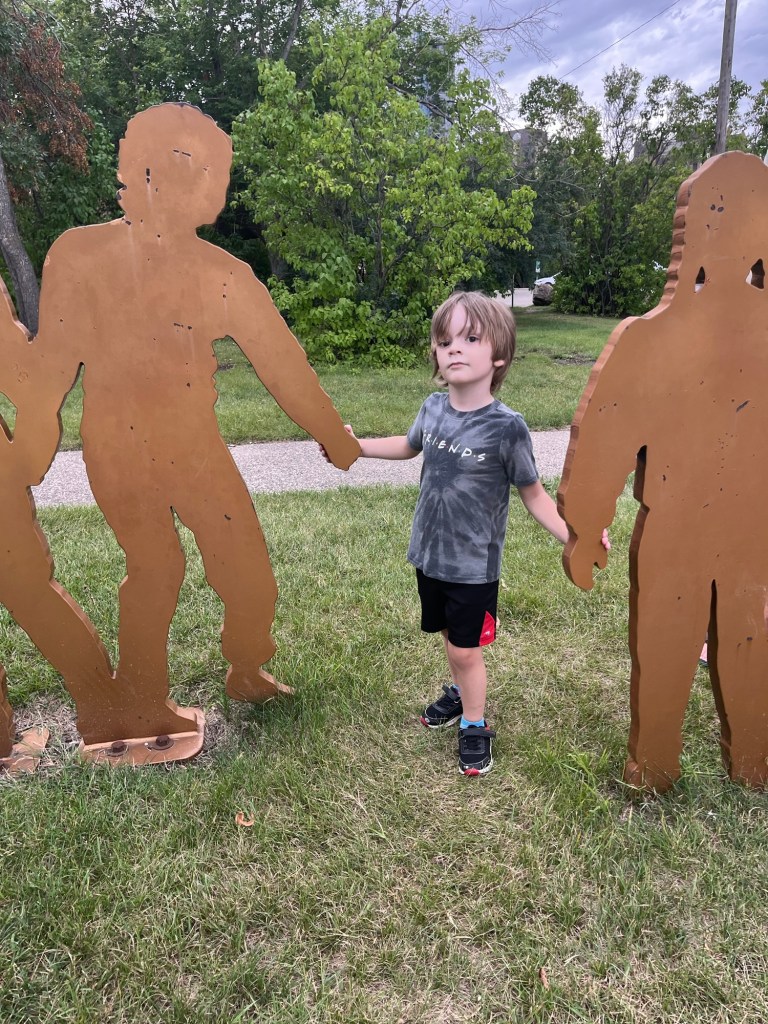
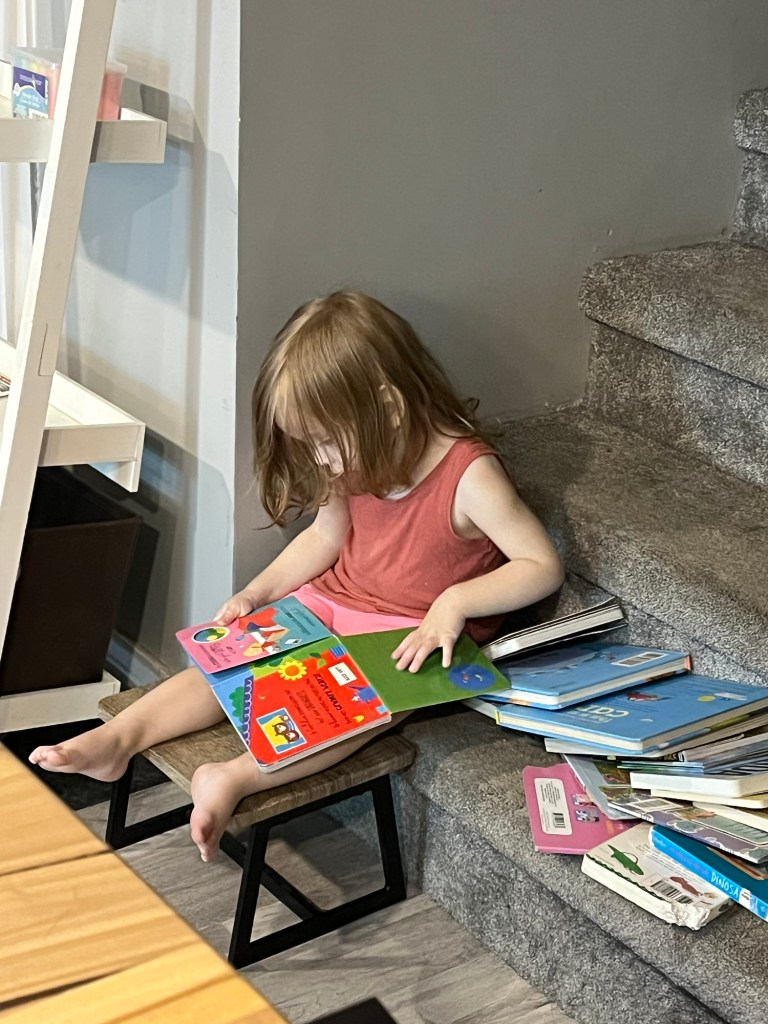
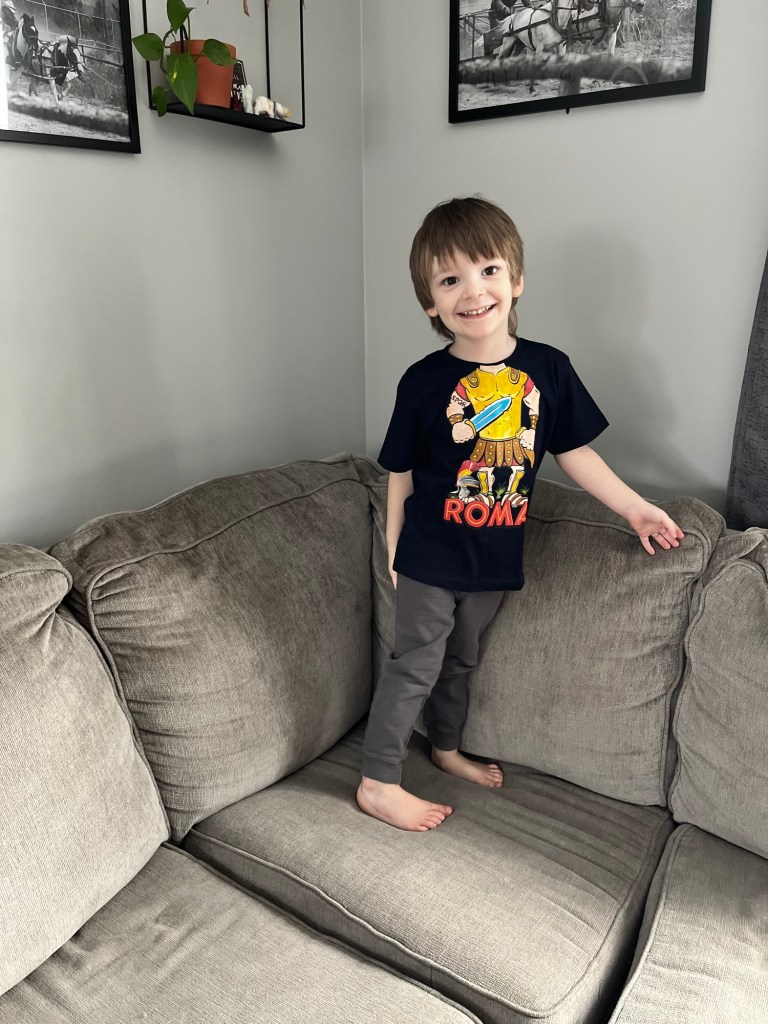
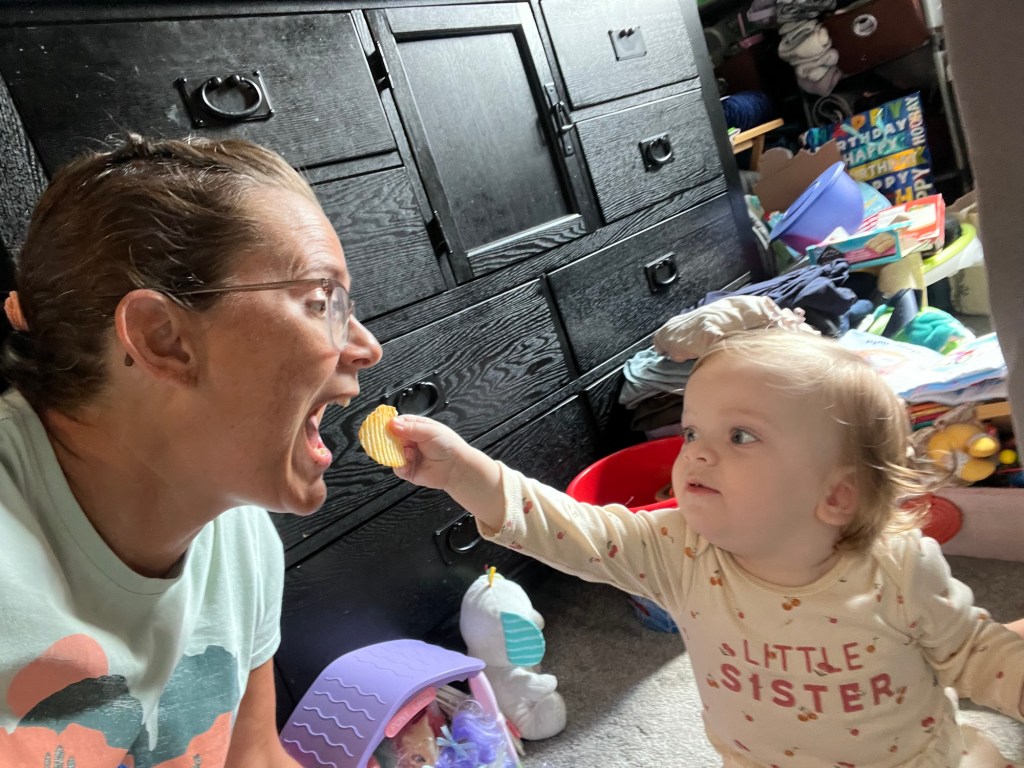
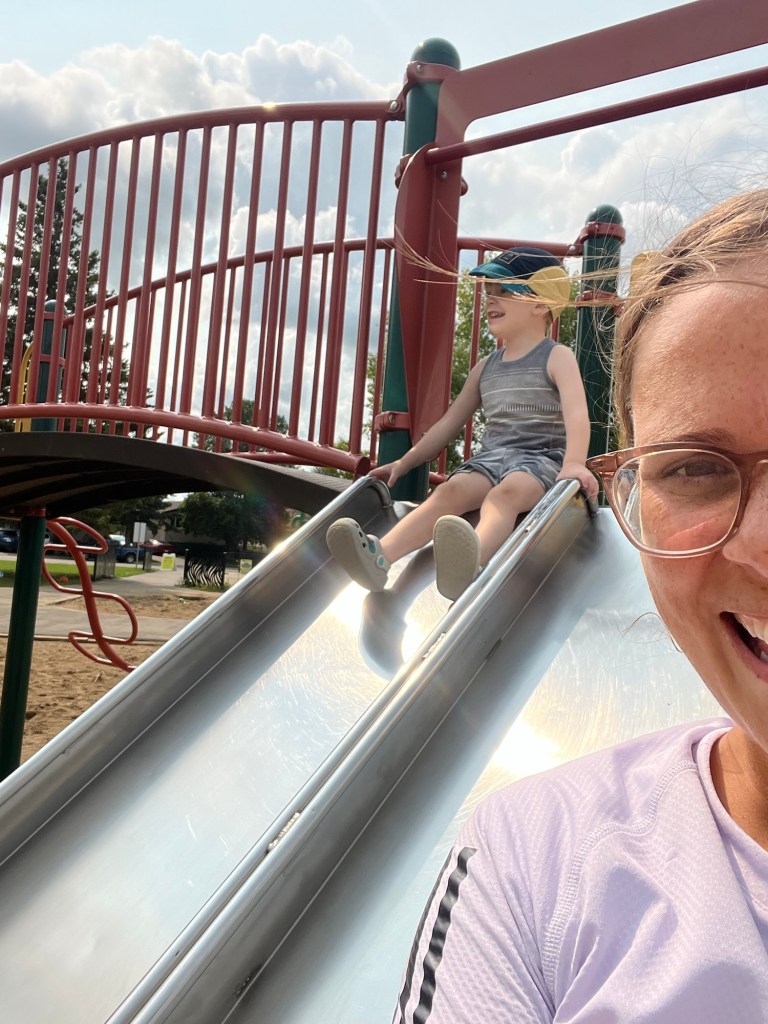
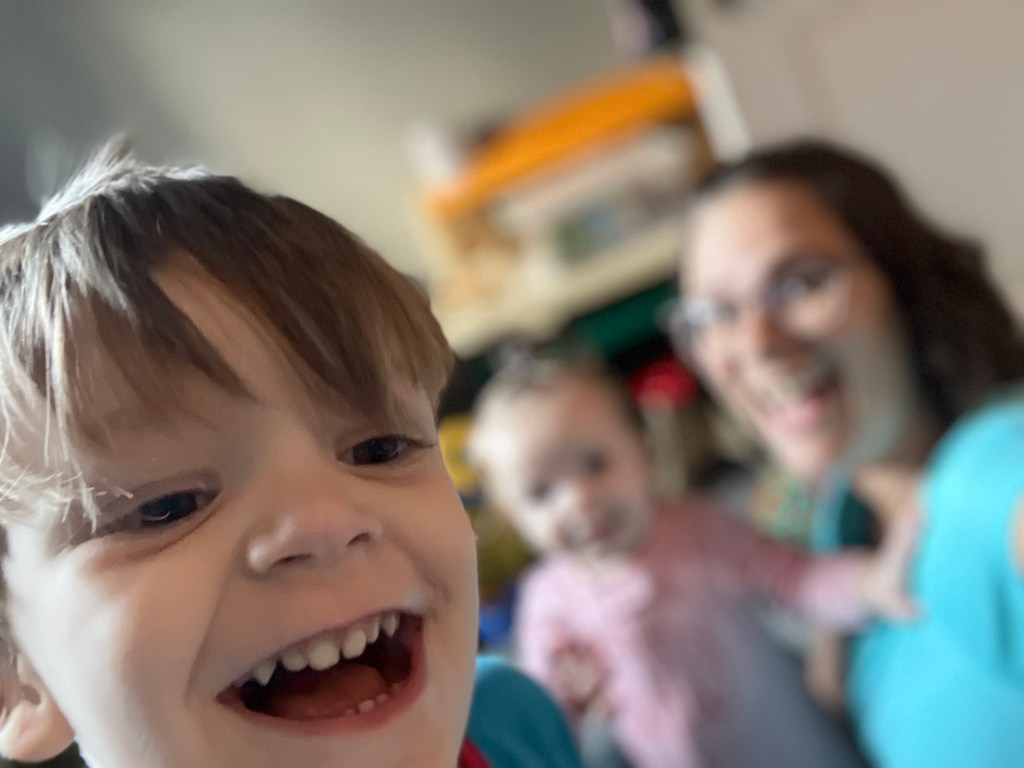
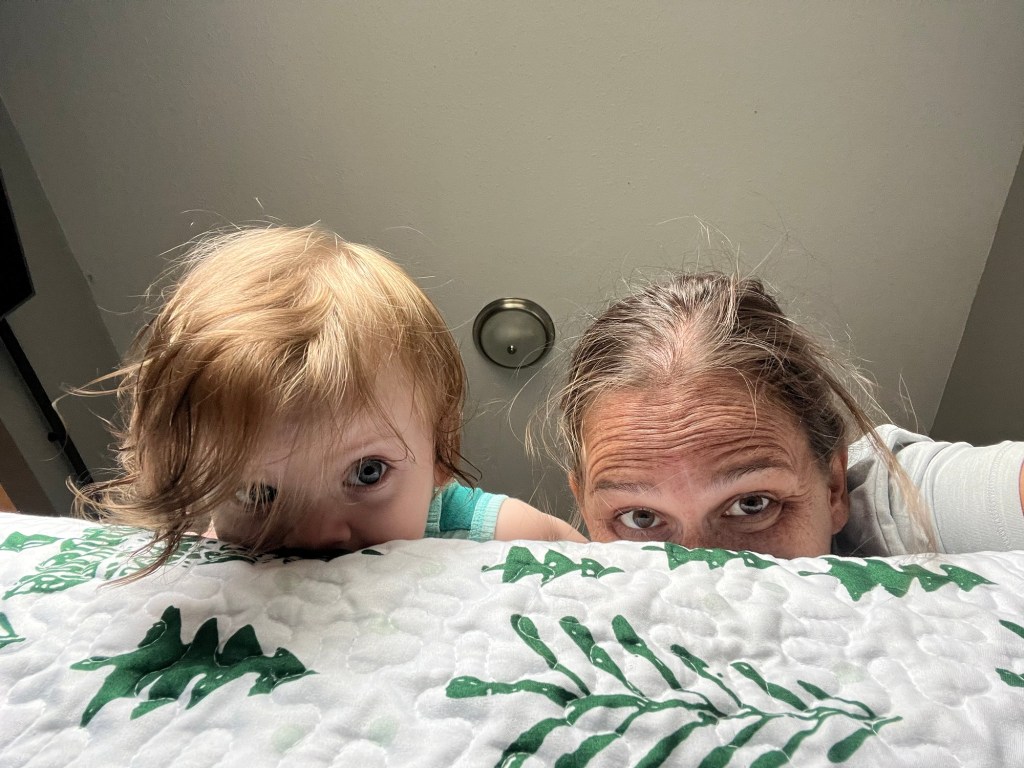
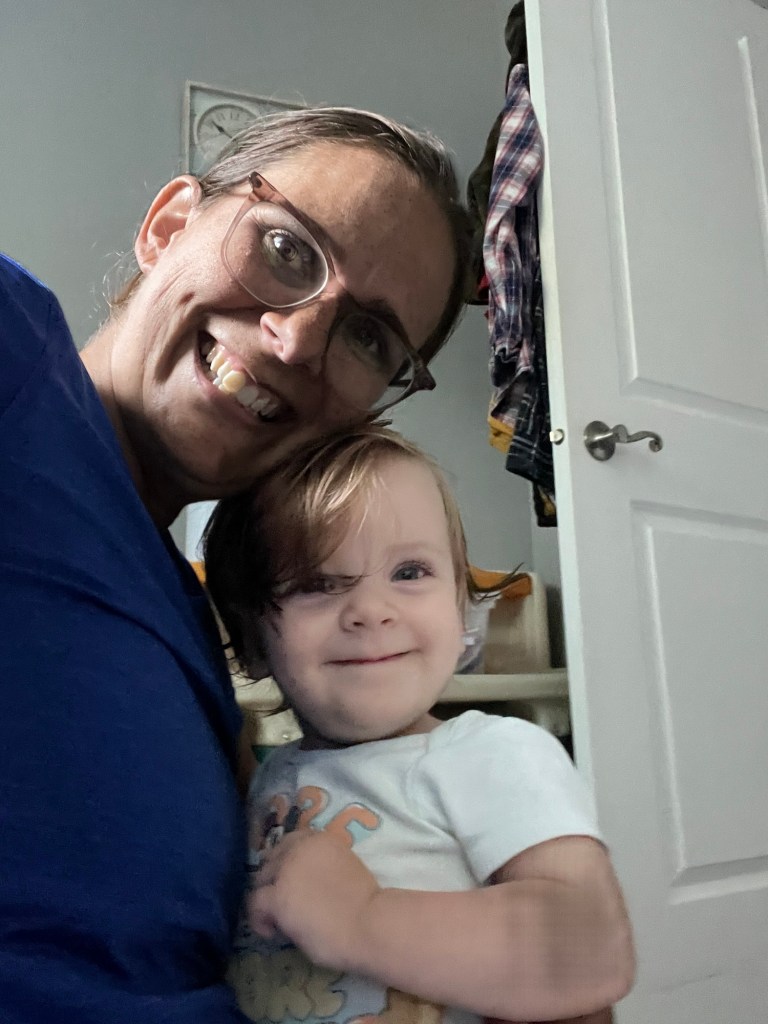
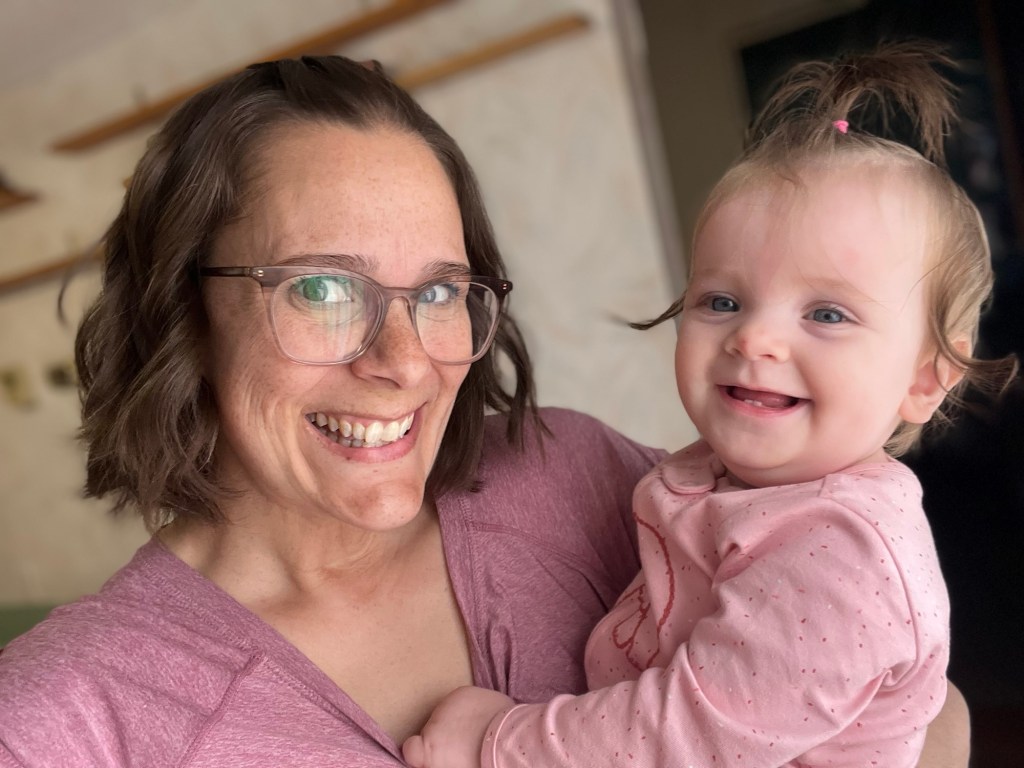
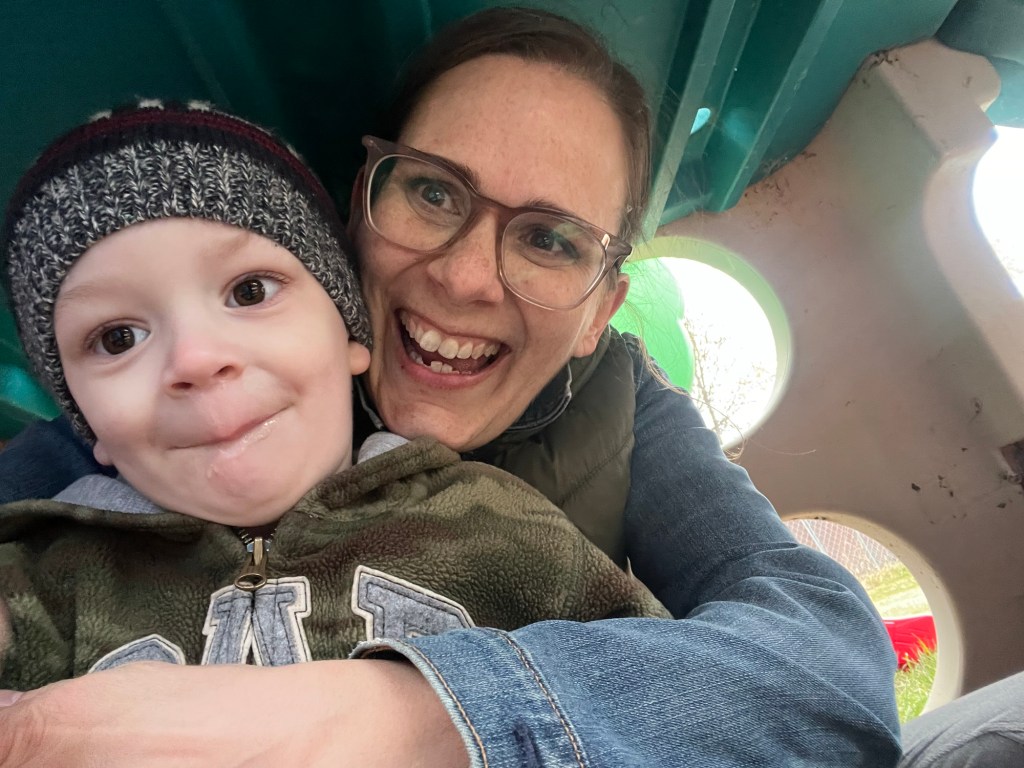
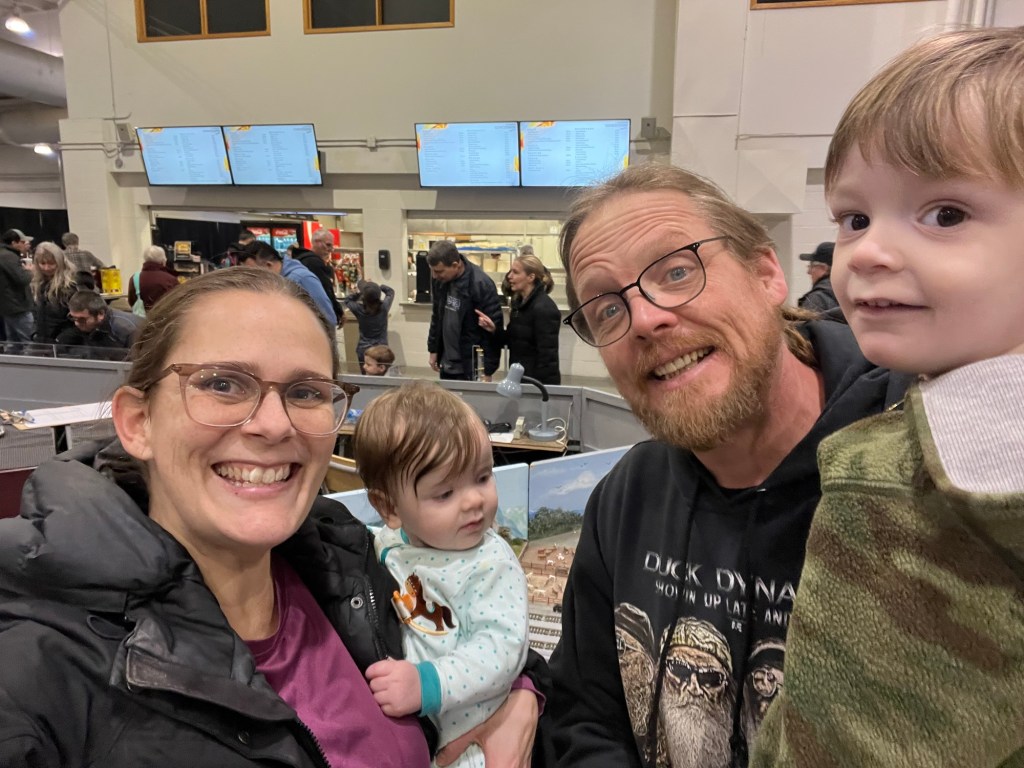
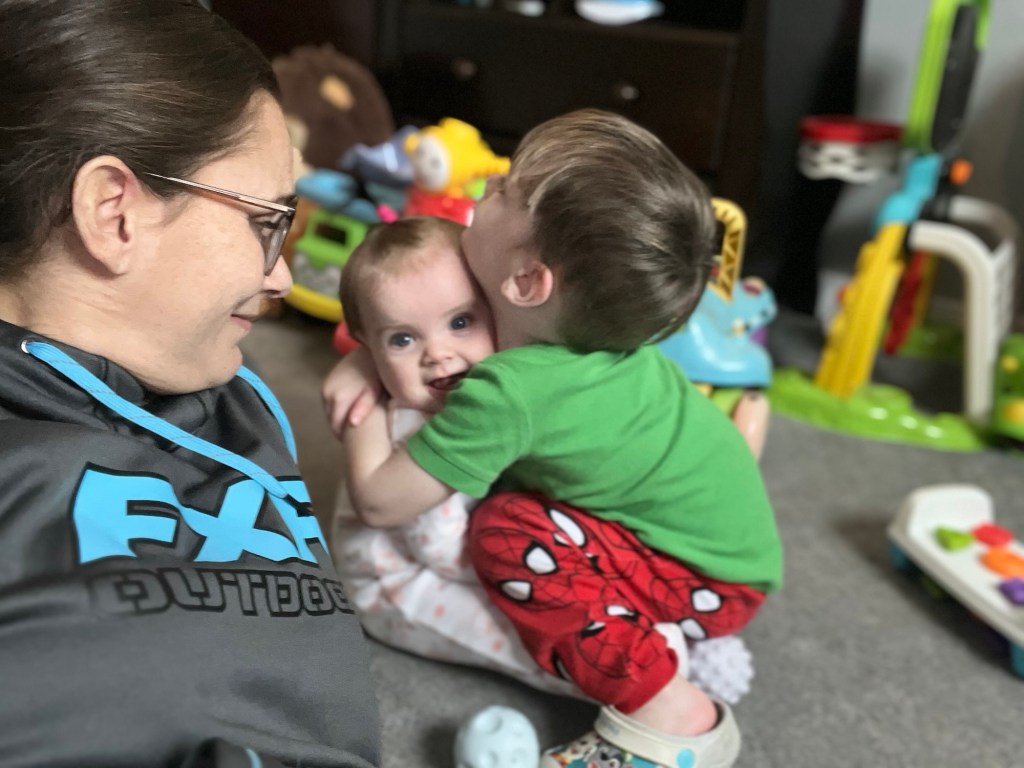
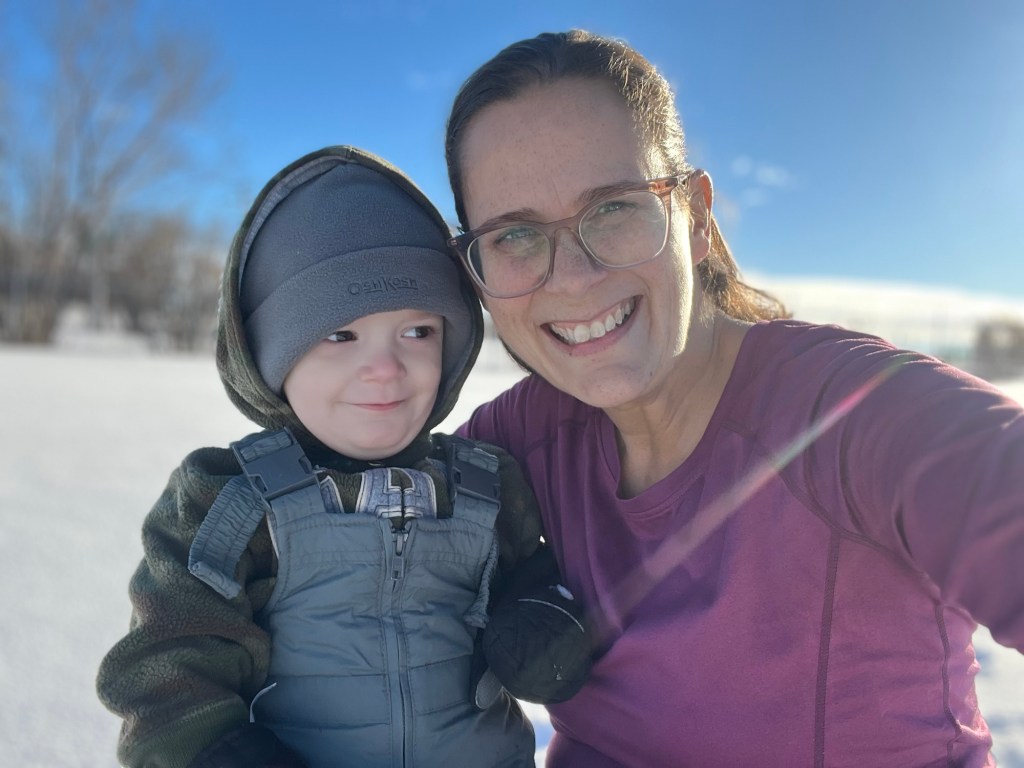
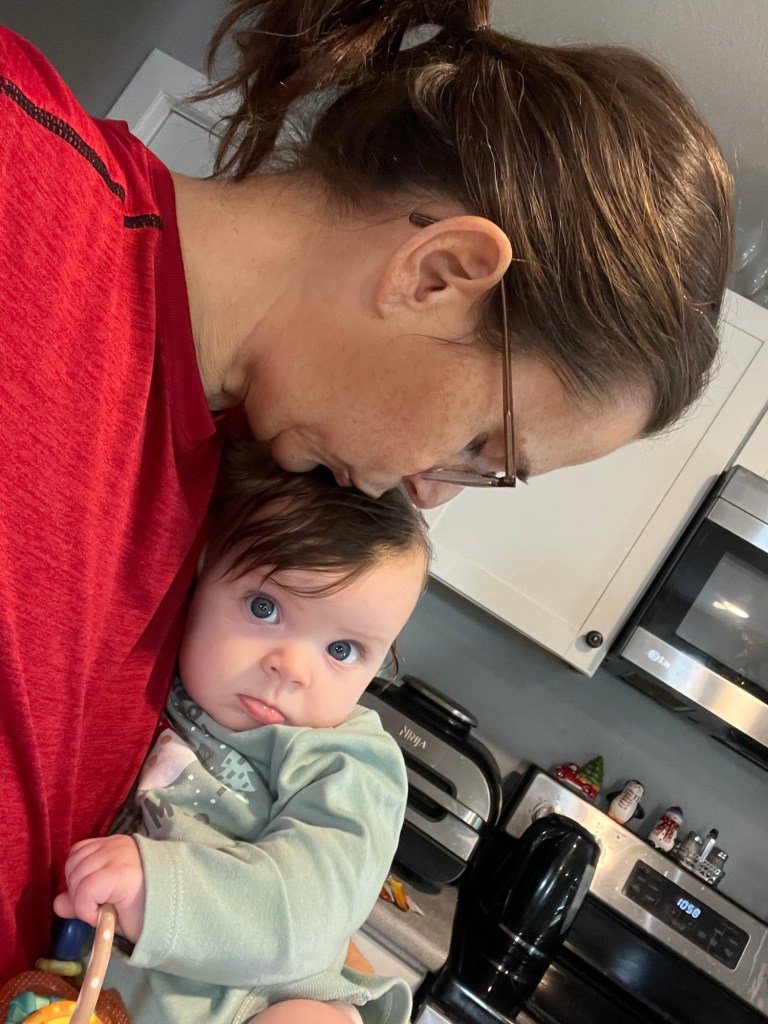
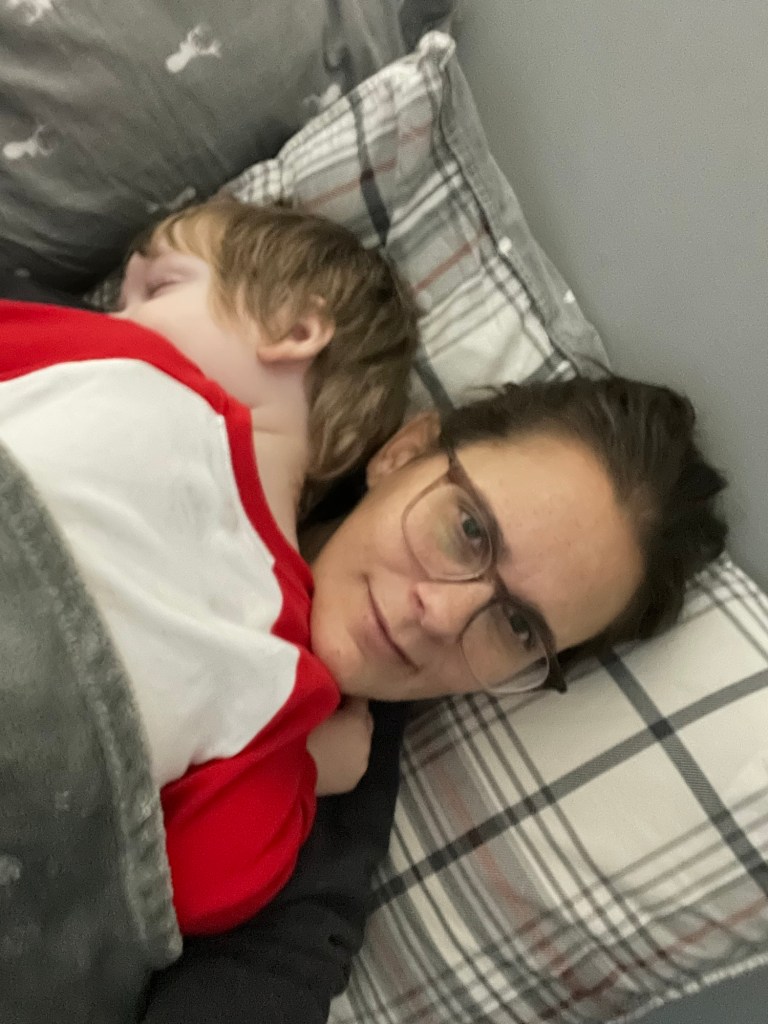
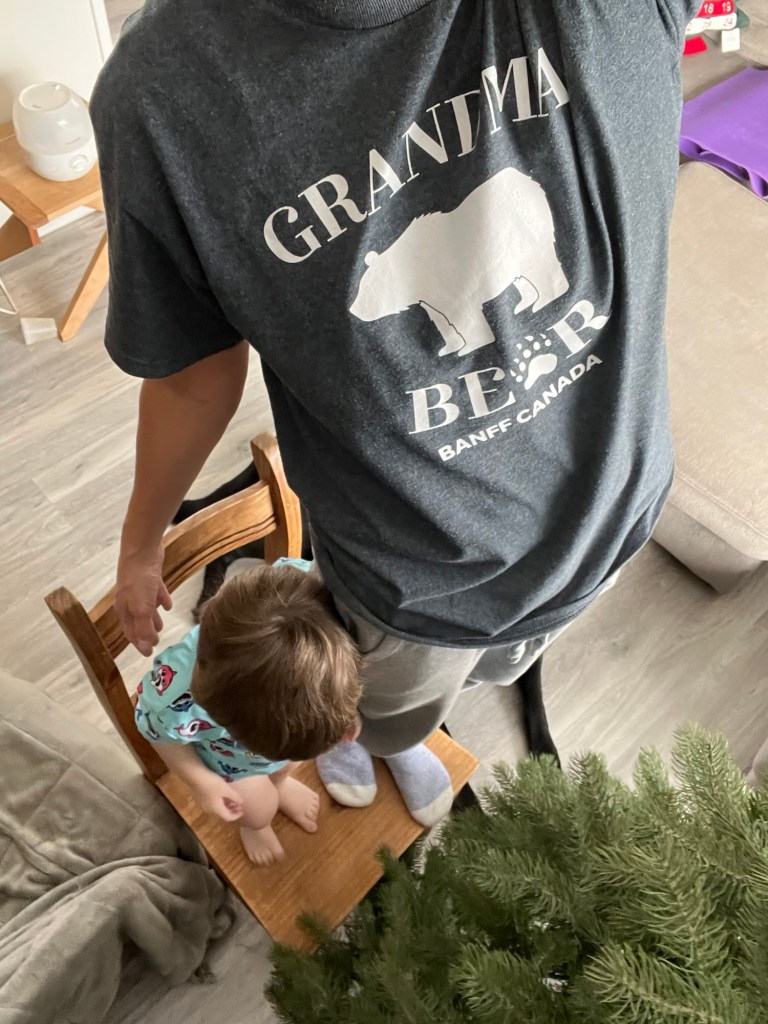
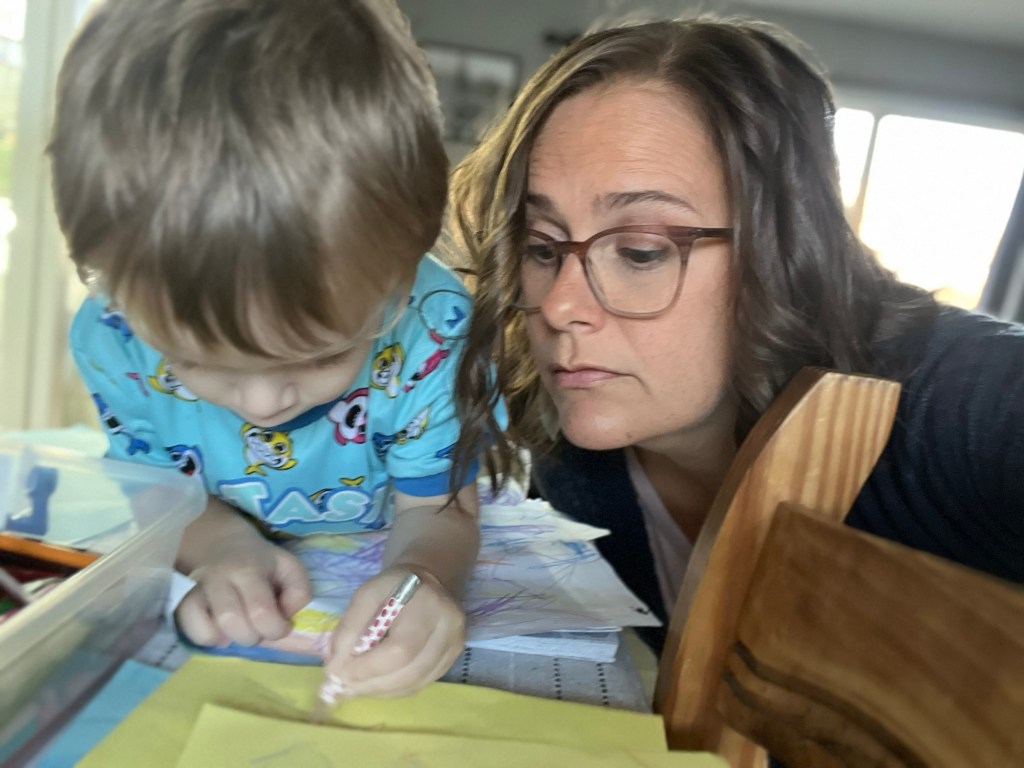
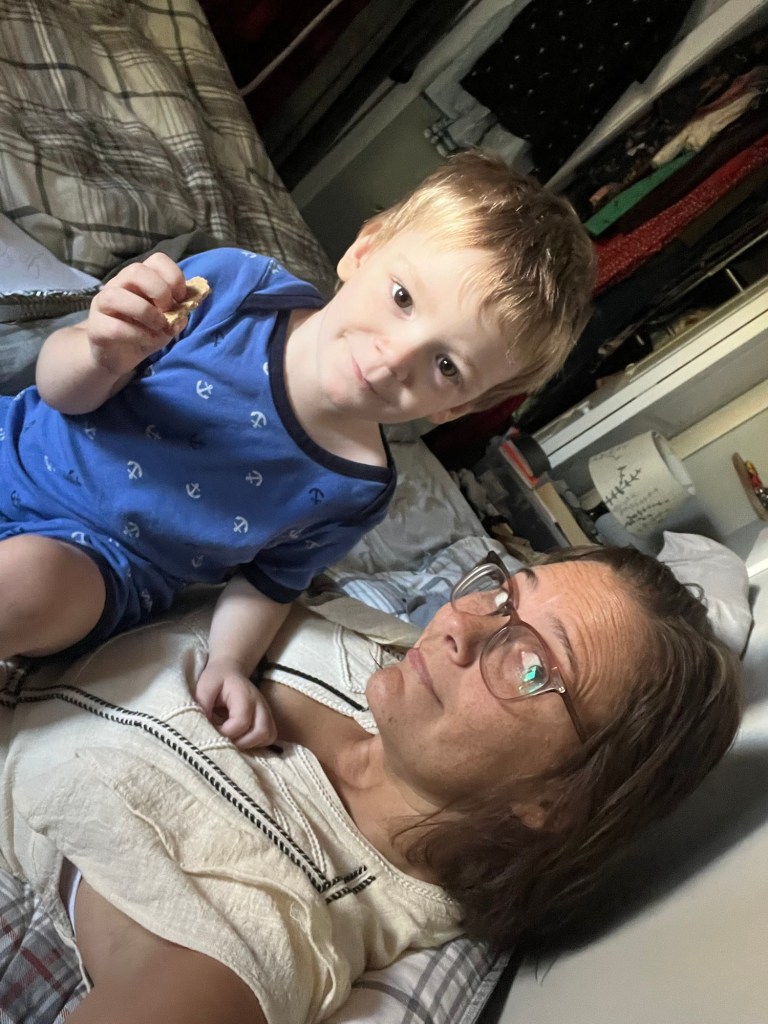
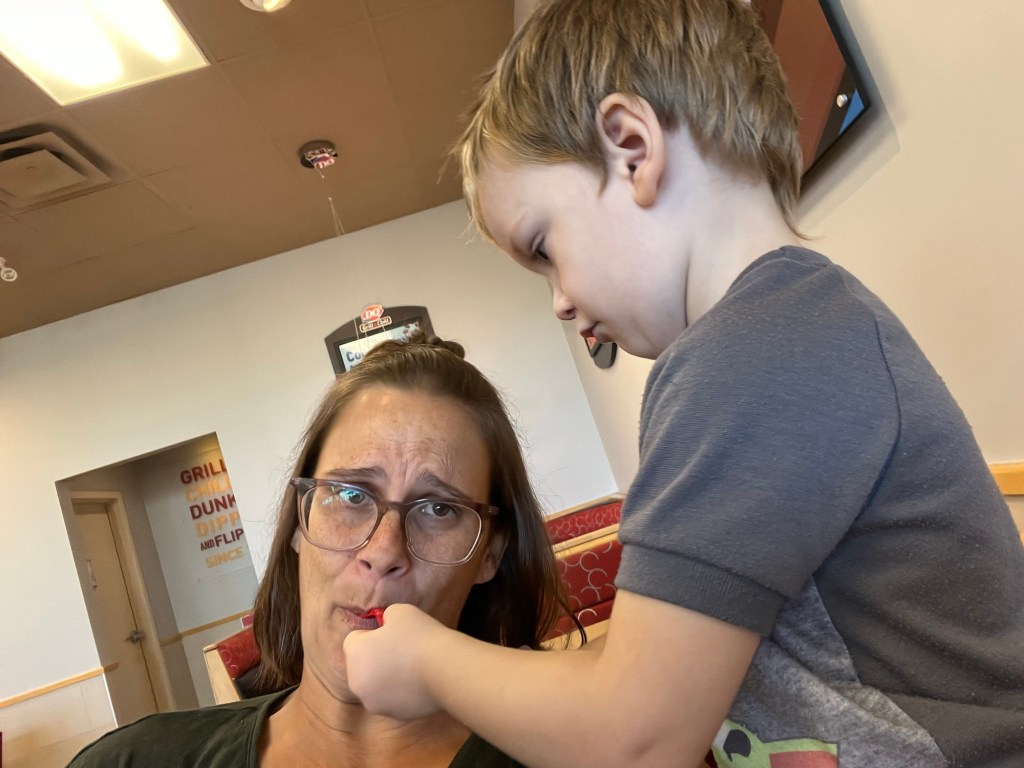
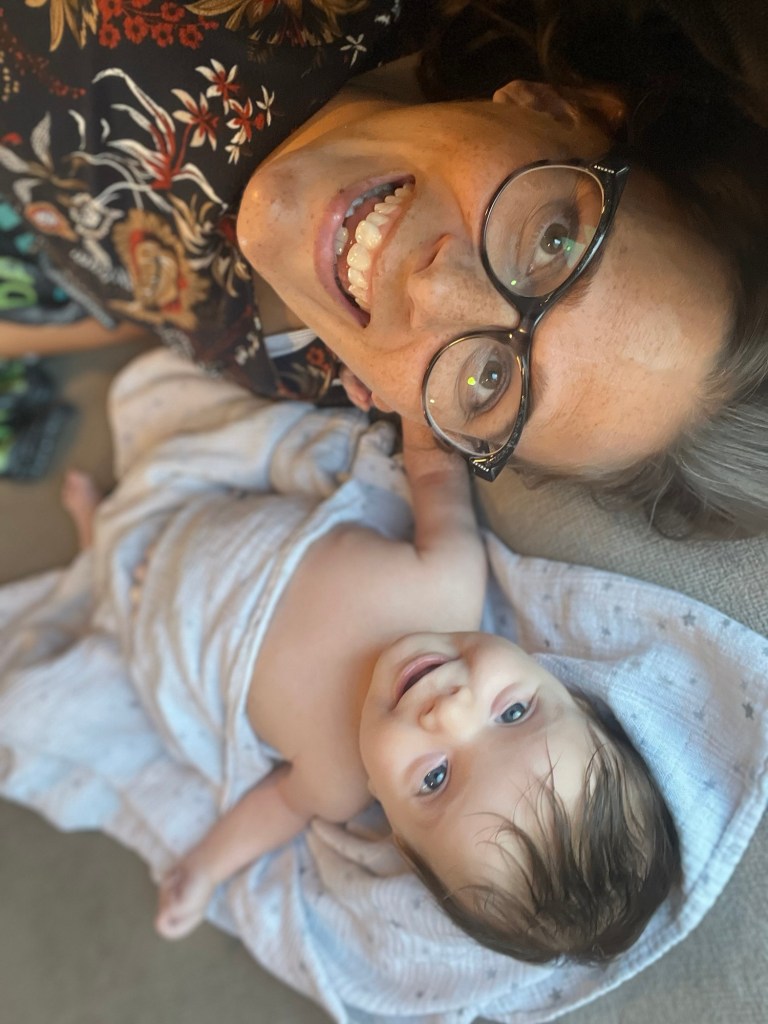
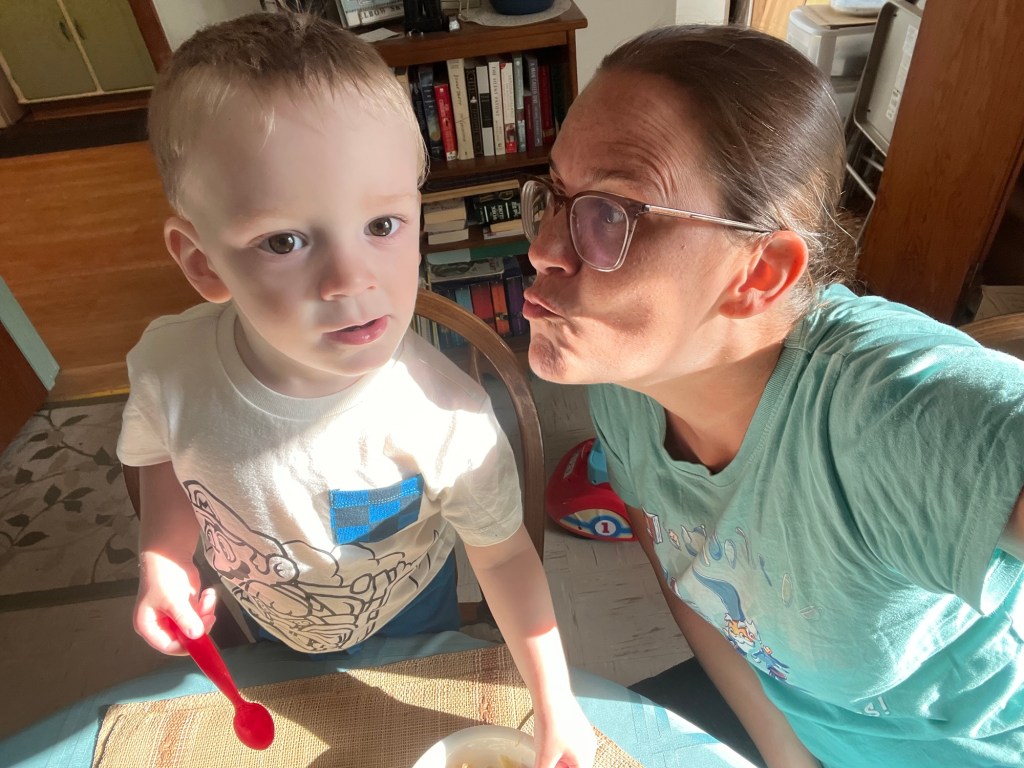
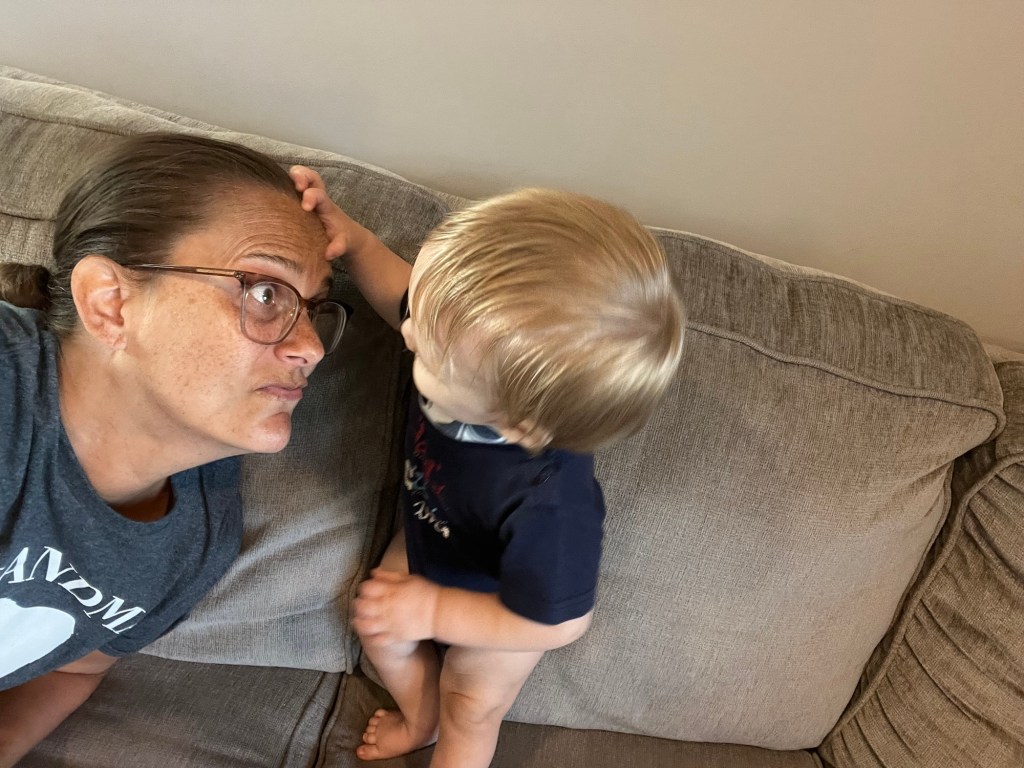
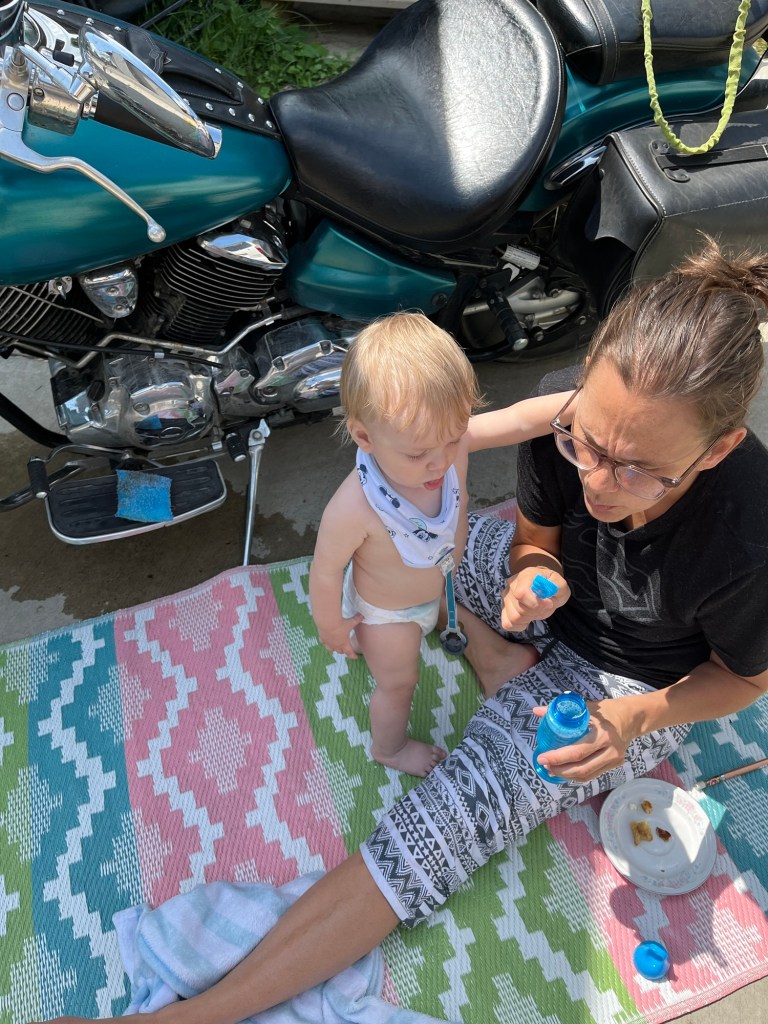
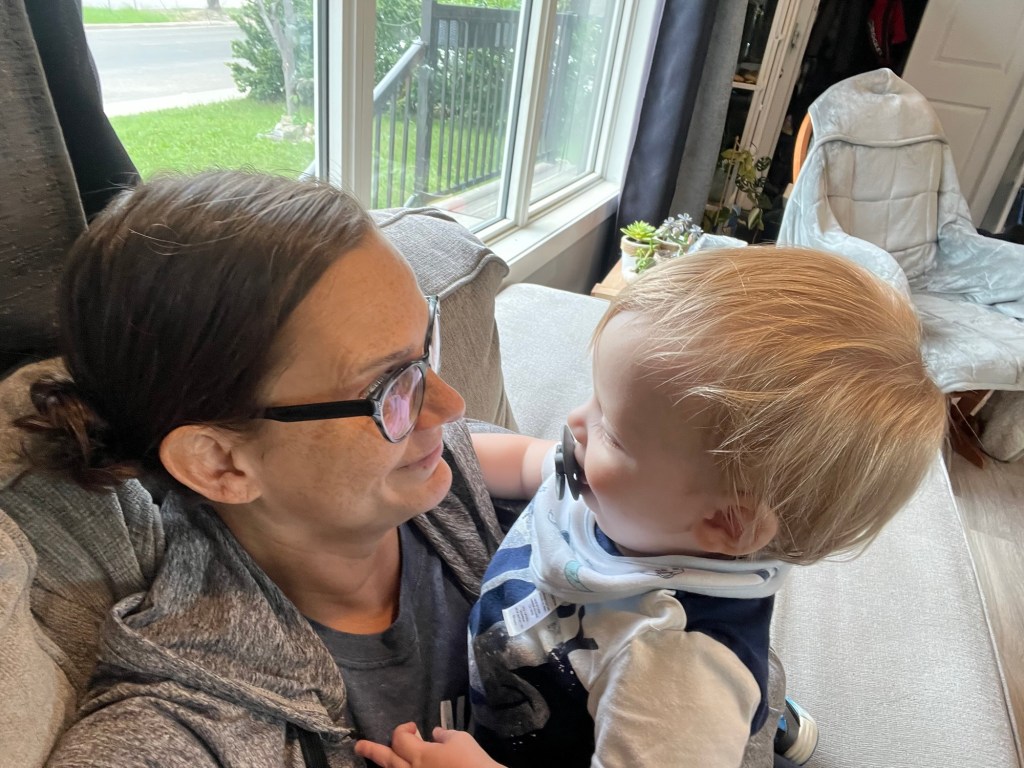
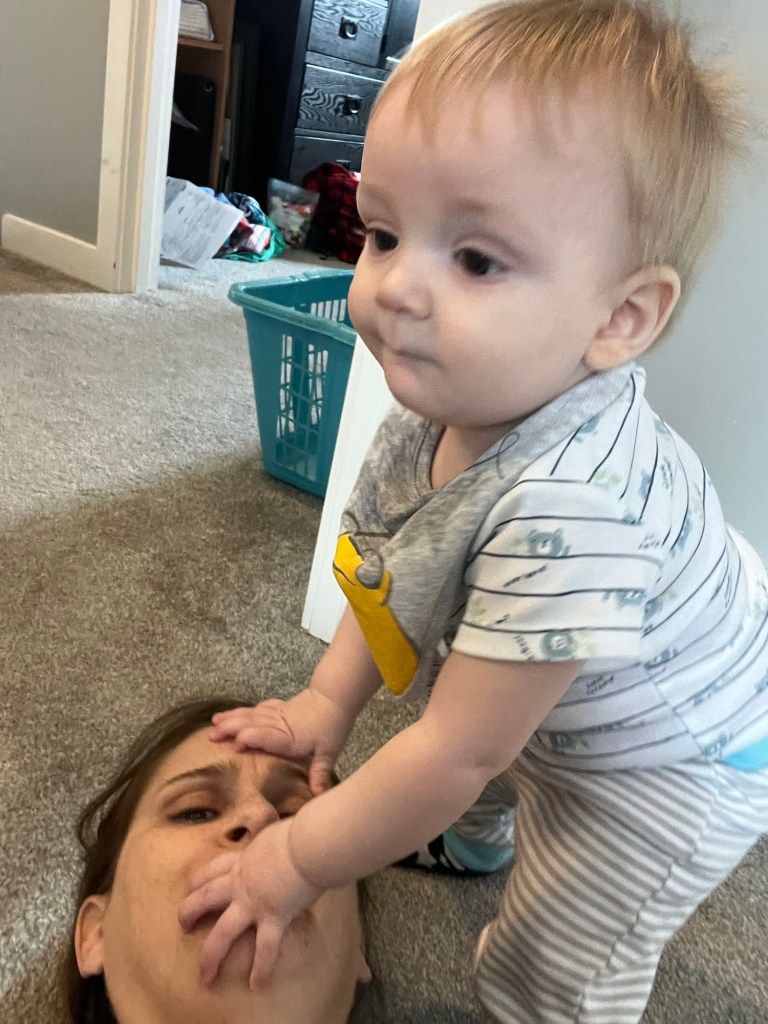
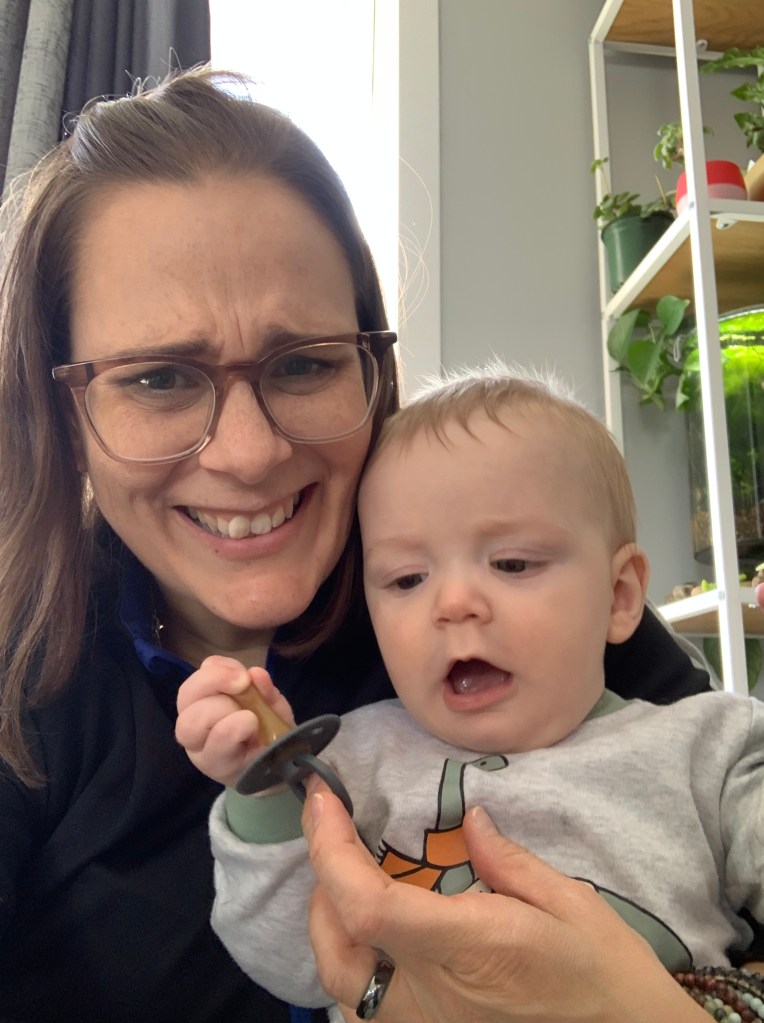
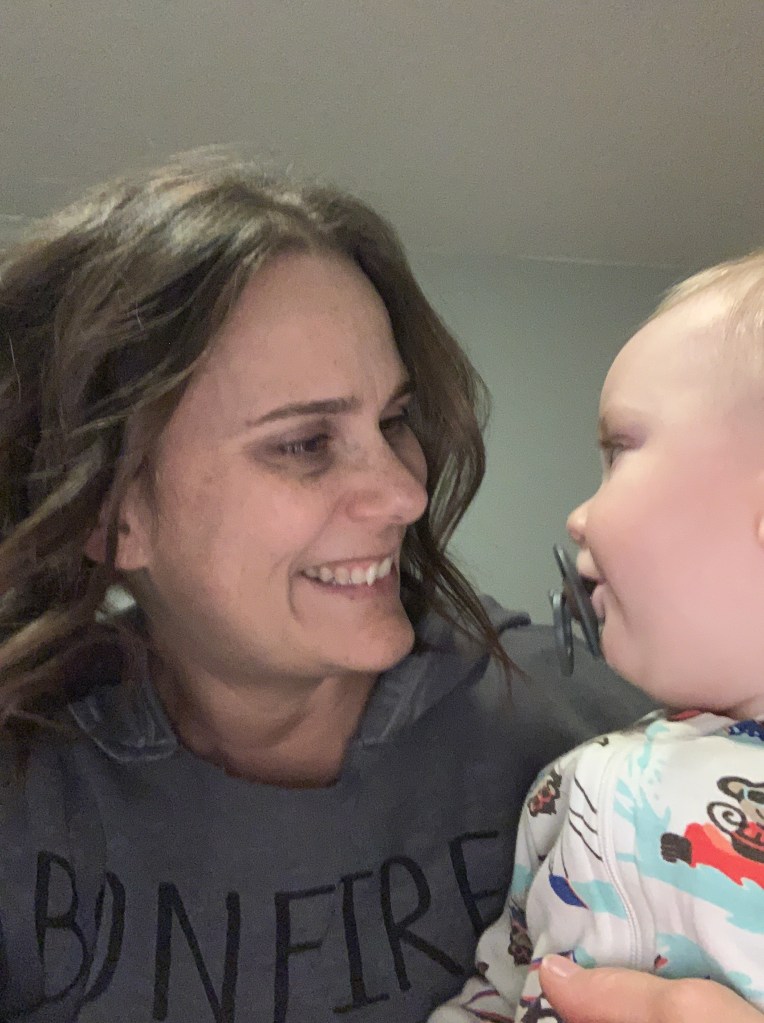
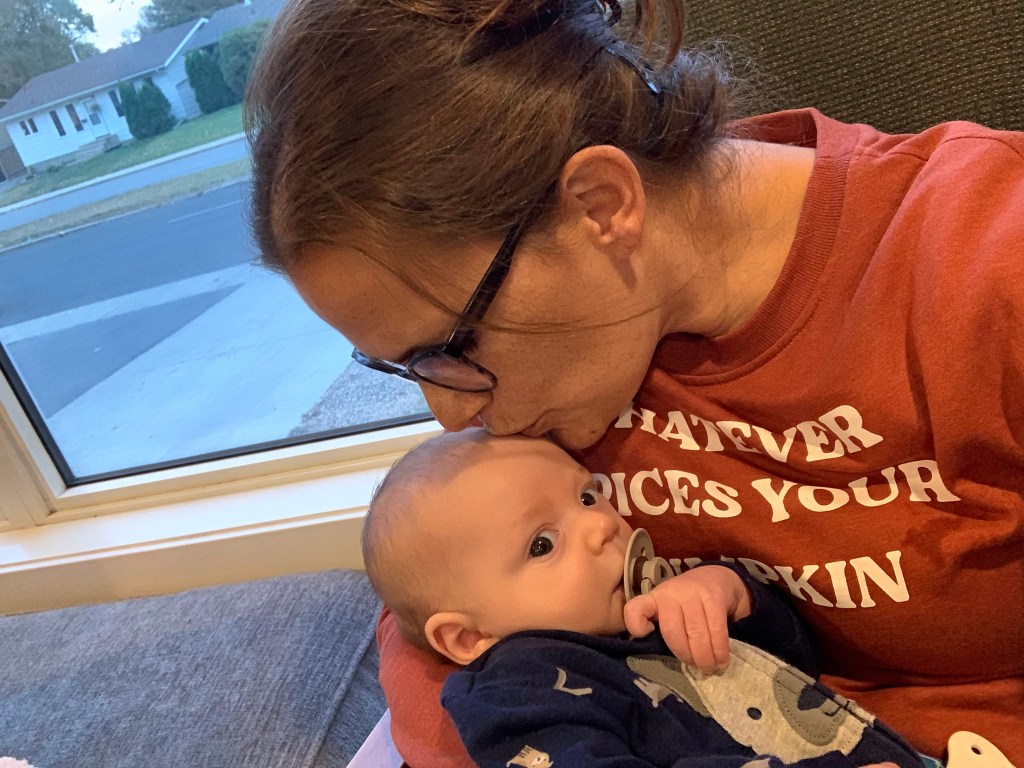
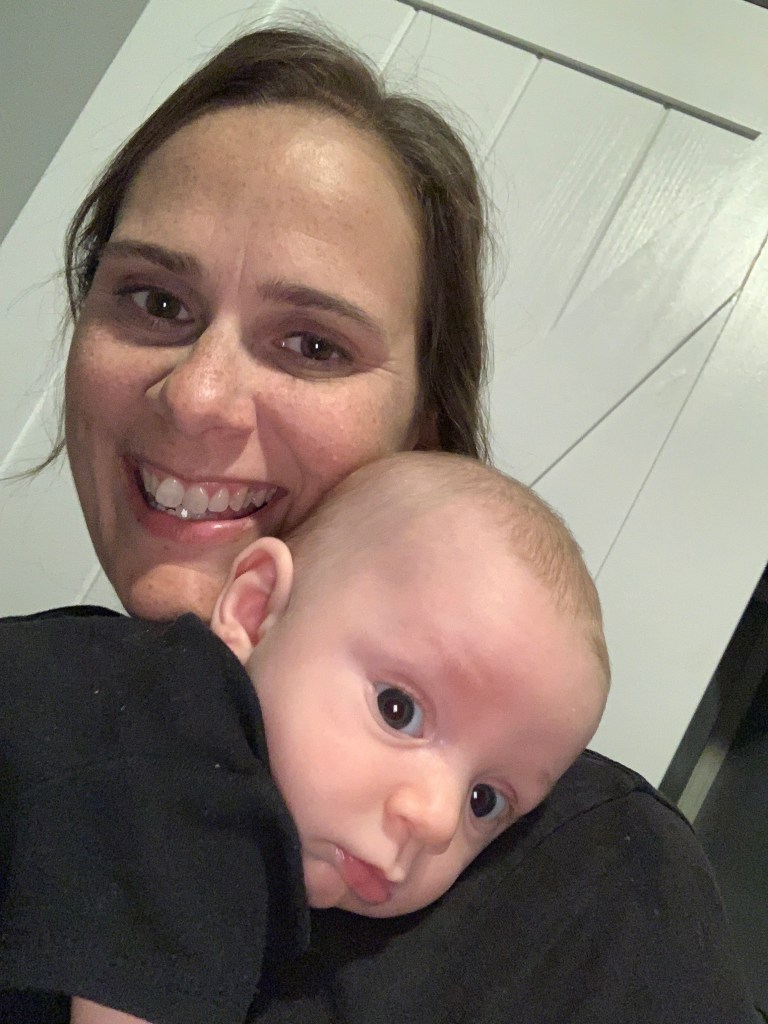
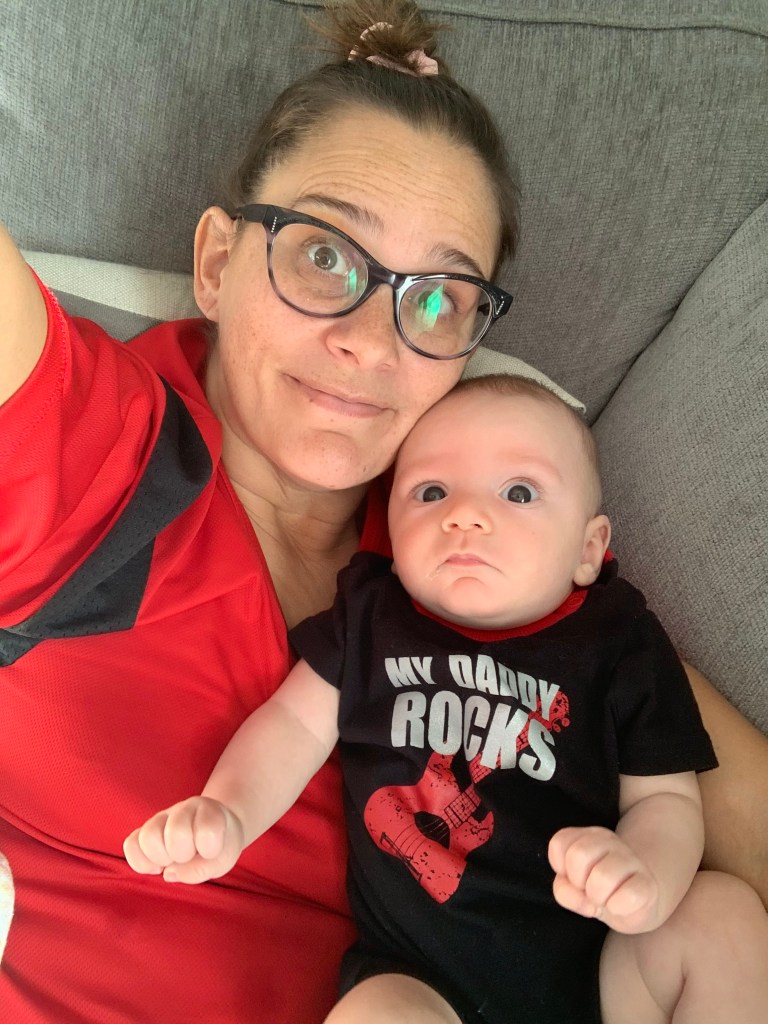
That question changed everything. And part of my answer was to focus on being a grandma. That little man I trained for months to be able to hold is going to be 4 this summer. And his equally enchanting sister will be 2. They have been the means of my greatest confrontations and of my greatest delights.

Almost like trying to enjoy your favourite therapy during a Saskatchewan winter. We take the intense highs with the intense lows.

🌲 “How do you practice forest therapy in winter?”

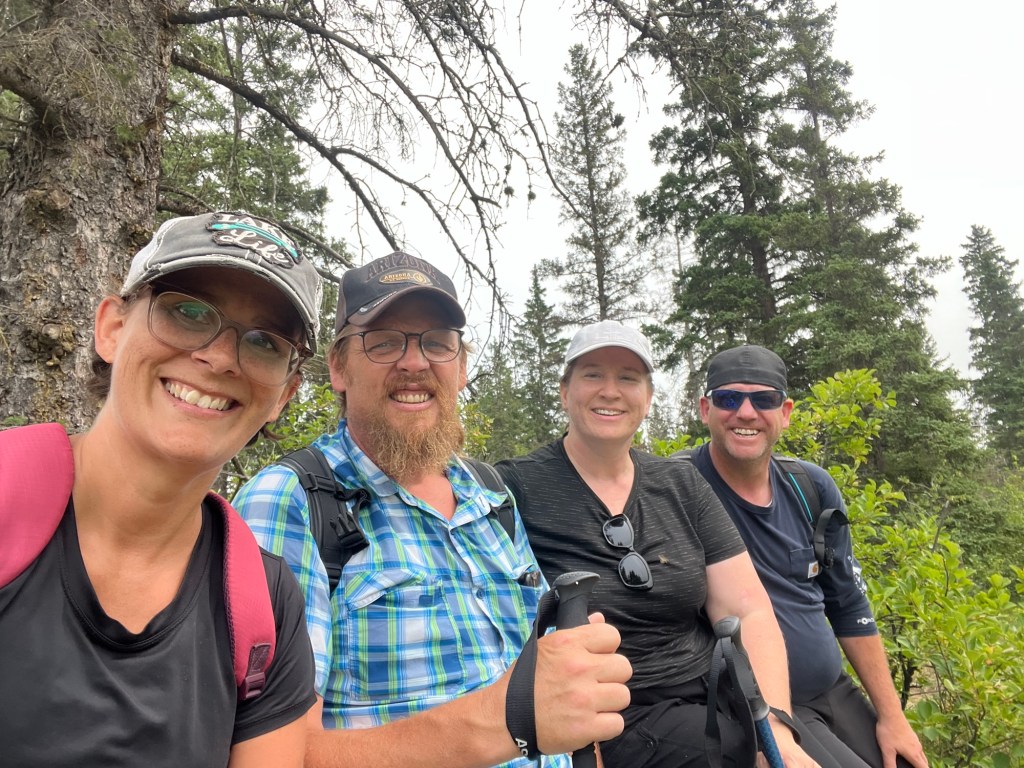
Winter forest therapy isn’t about long hikes. It’s about being present in the moment.

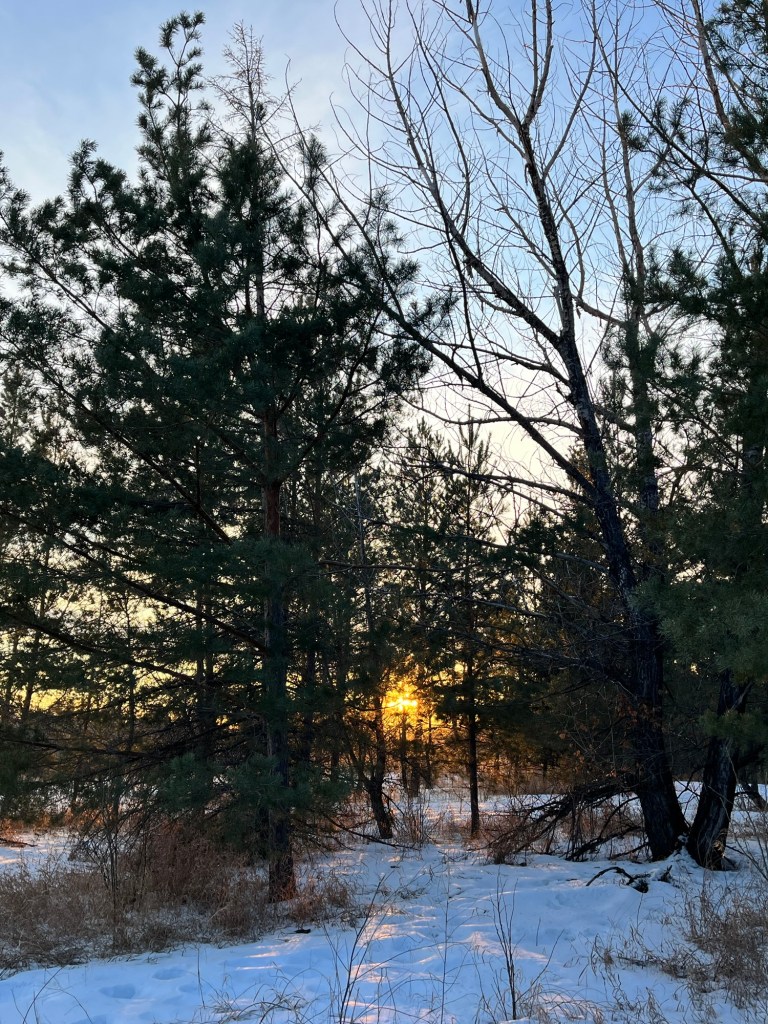
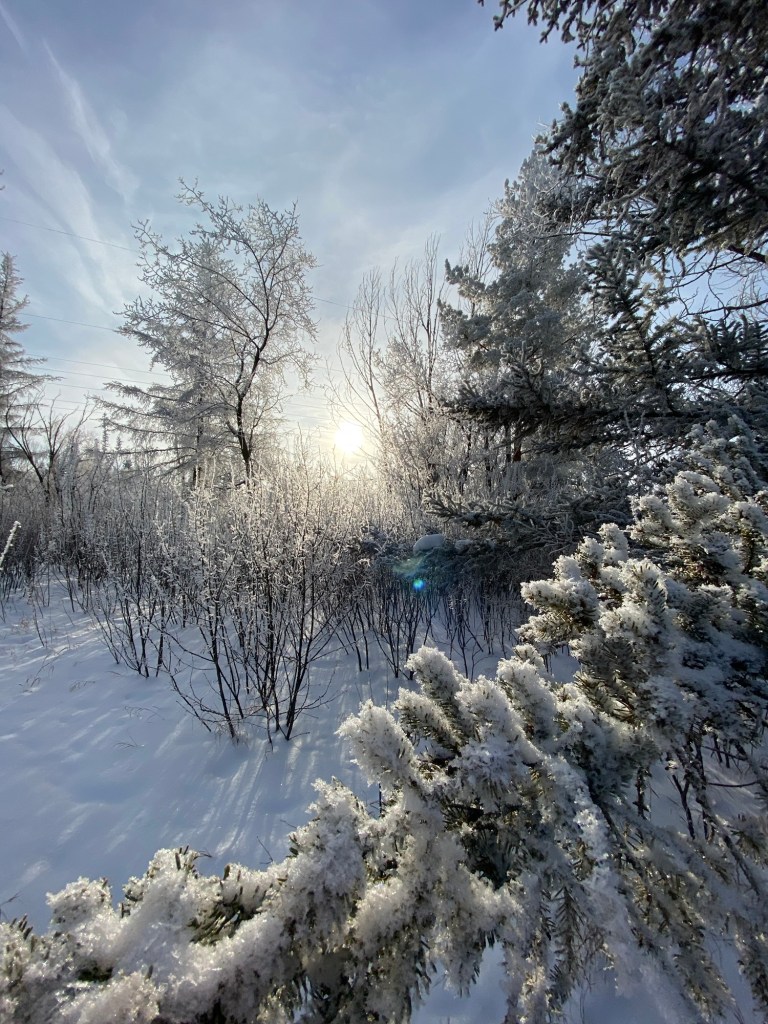
Notice how snow softens sound. Notice how your breath becomes visible. Notice how even in dormancy, life is stored beneath the bark and soil.

I have come to the realization that the forest in winter mirrors chronic pain. Nothing looks alive. Nothing appears to be blooming. But beneath the surface, systems are conserving and recalibrating.

Strength. Resilience. Wisdom.

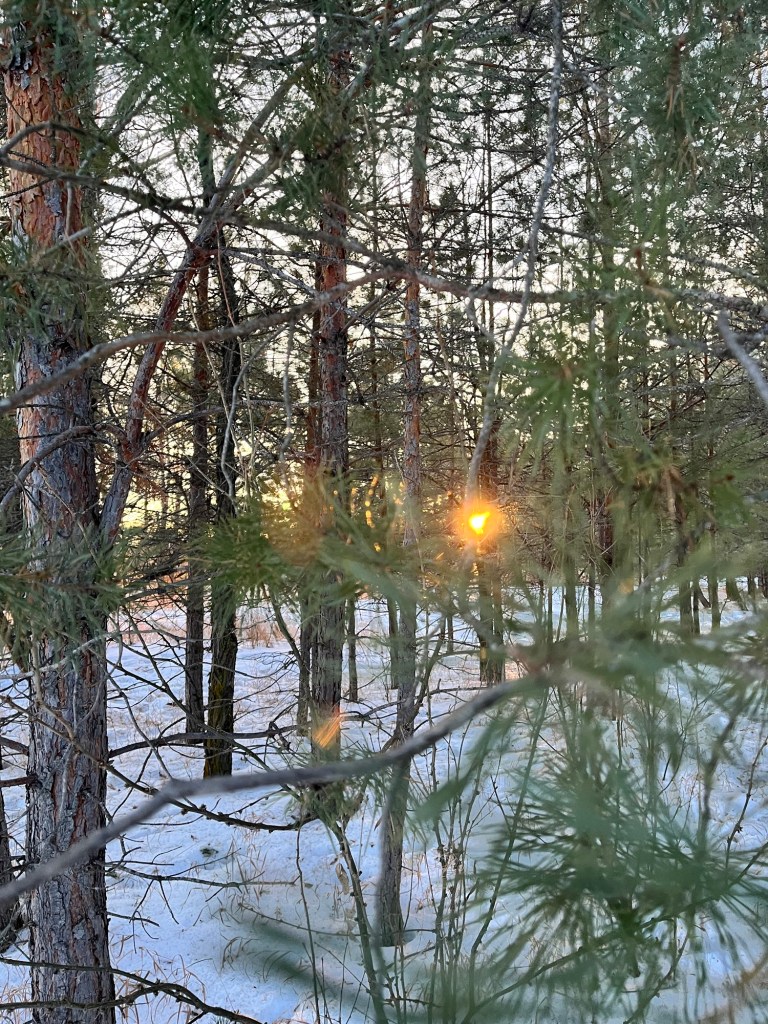
Spring doesn’t shout when it arrives. It begins as a spark. An idea.

A drop. A thaw.

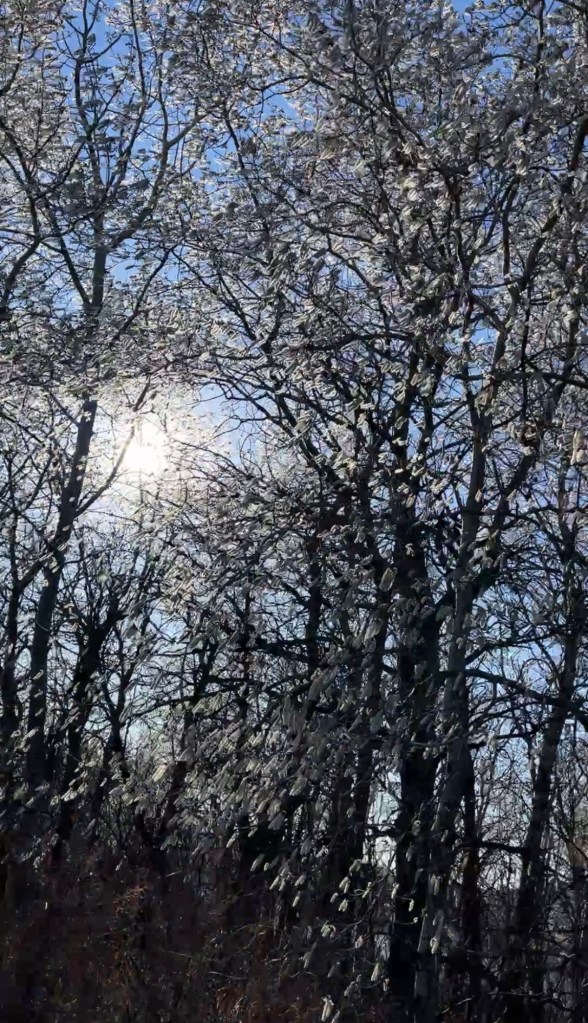
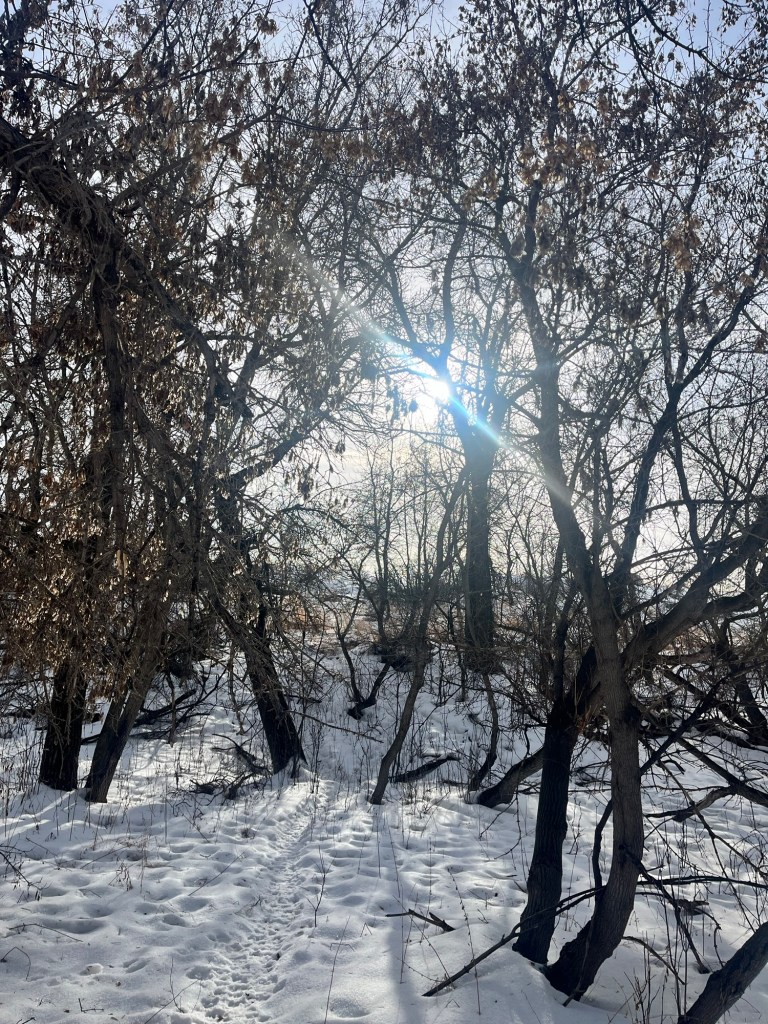
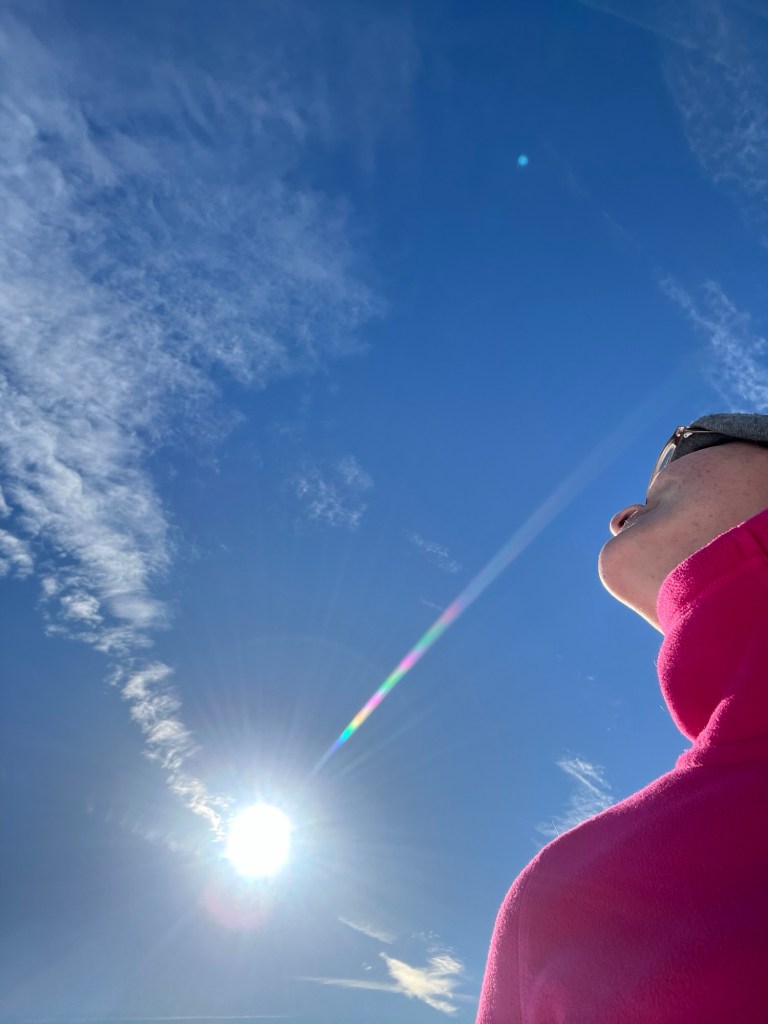
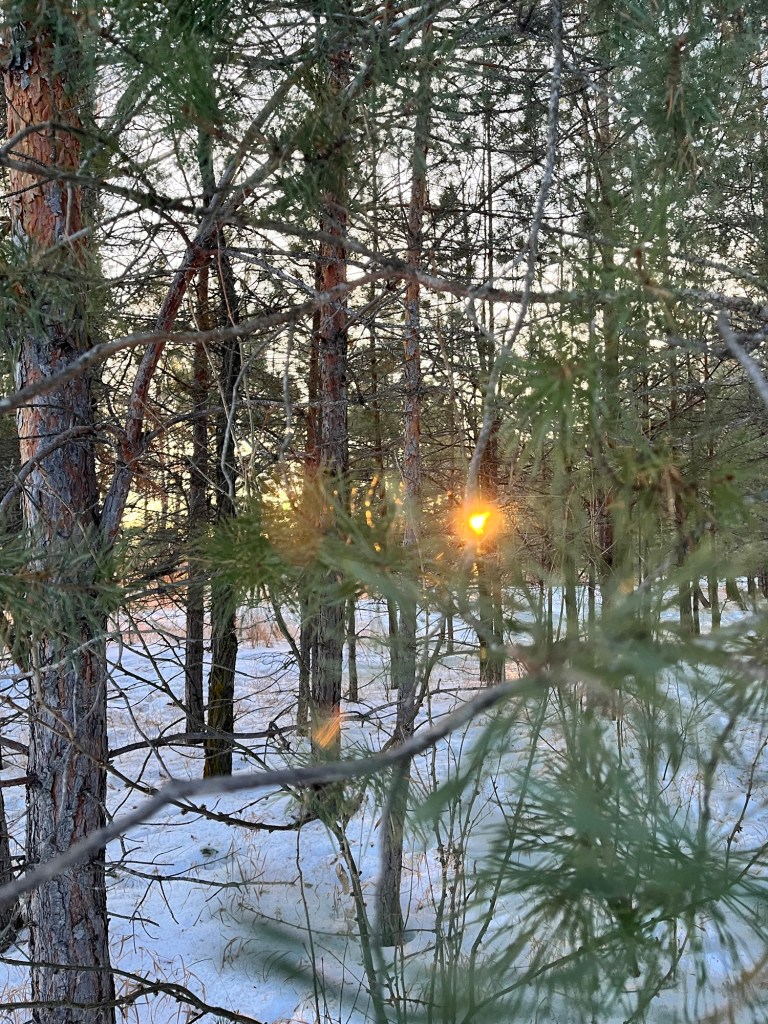
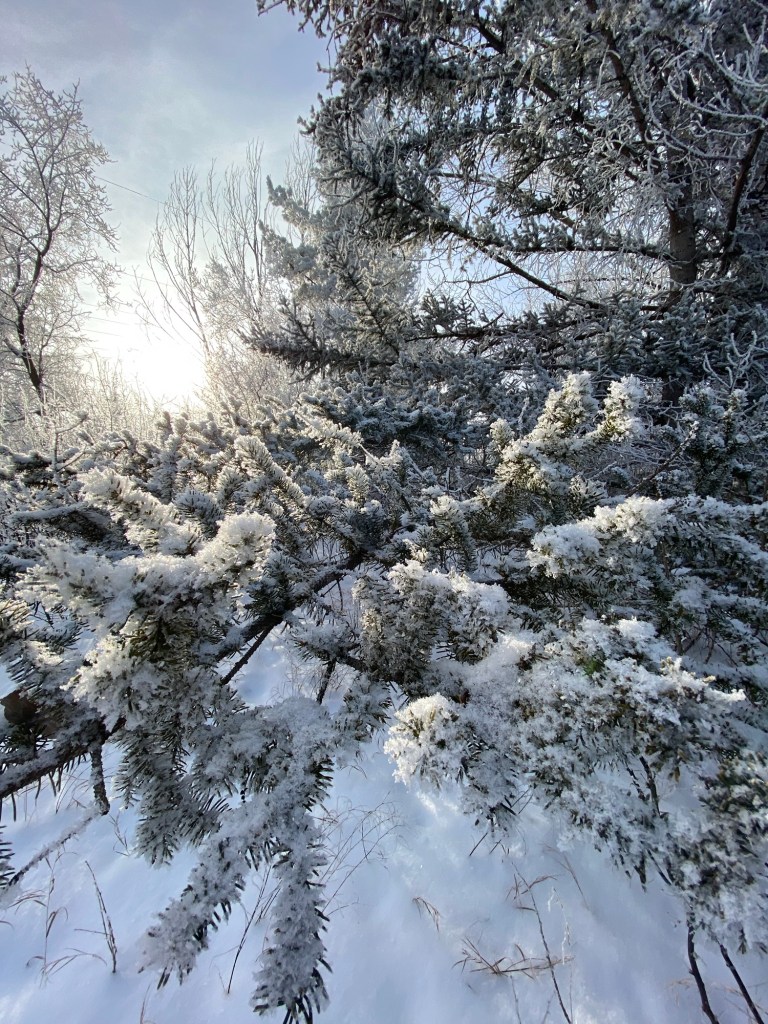
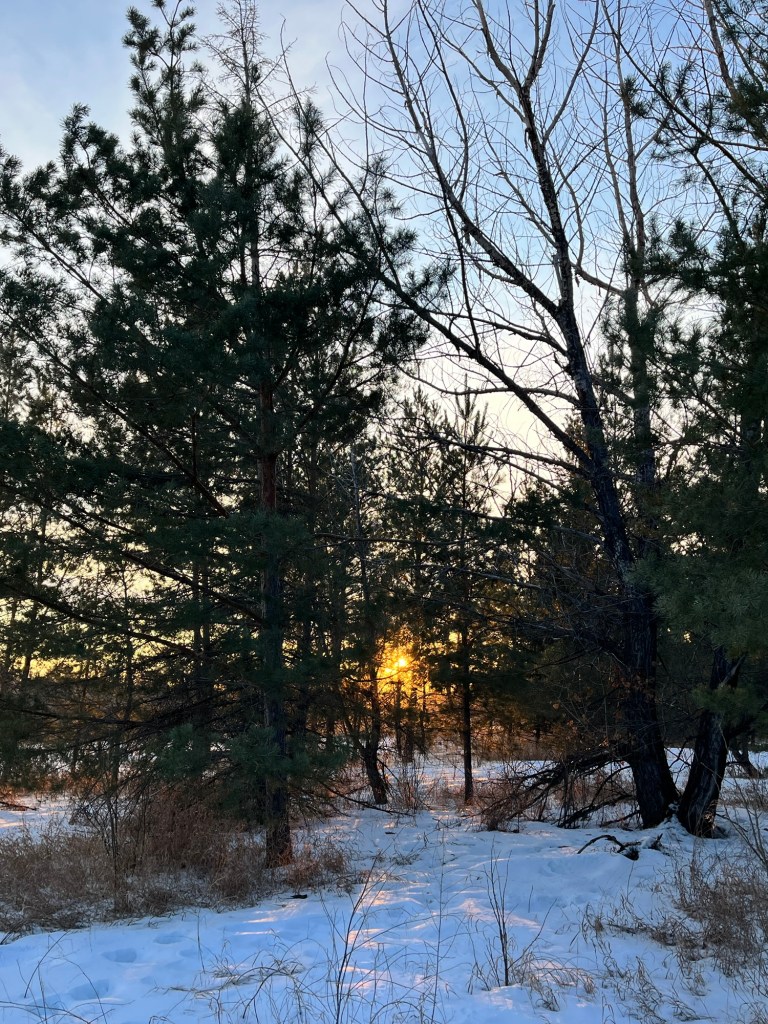
A beam of light catching ice and reflecting its warmth.

The same is true in us. Your good days are coming.

Sometimes we have to trust that promise for a long time before we see it.

Even if all you’ve seen is a spark.

That spark will become a light. That light will become a beam.

That beam becomes you, reflecting what you’ve learned onto someone else.

🌿 A Simple Winter Forest Therapy Practice

Trusting the Season (10–15 Minutes)

  • Step outside, even if just to your yard or a nearby tree line.
  • Stand still. Feel your feet grounded in frozen earth.
  • Place one hand over your heart. One over your belly.
  • Take three slow breaths. Watch the air leave your body.
  • Ask quietly: What season am I in?
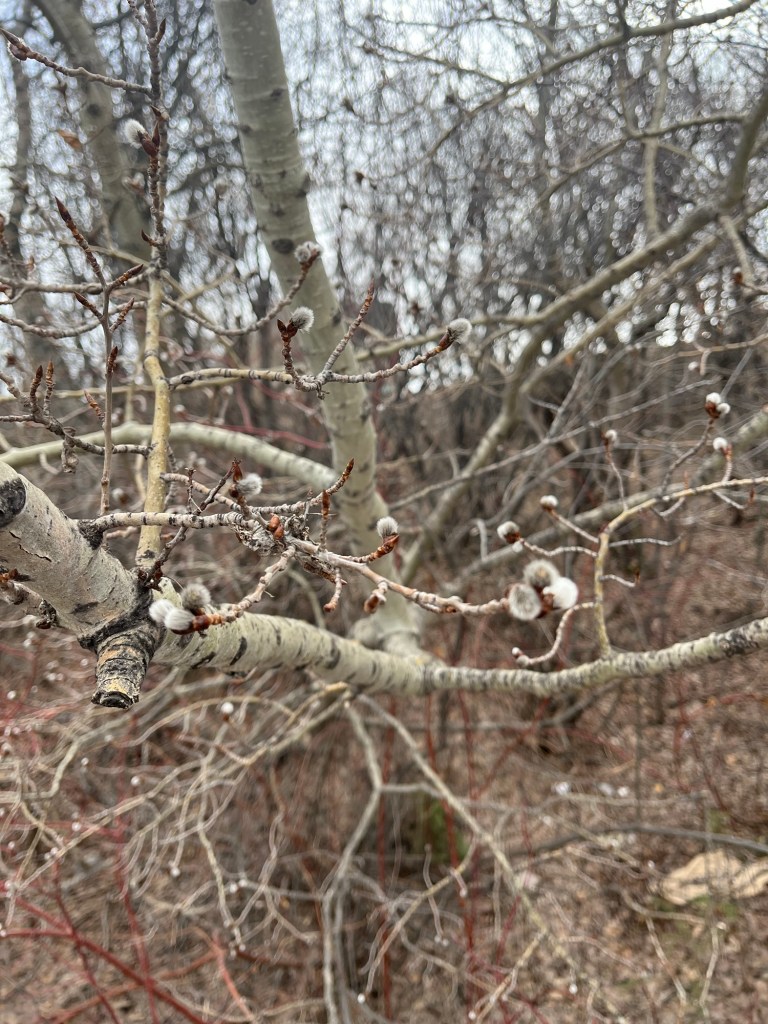
  • Look for one sign of hidden life. Buds beneath bark, tracks in snow, sunlight on ice.
  • Whisper: Spring has come before. It will come again.
  • When ready, take that sentence home with you.

🌲 What Makes Forest Therapy Different From Hiking?

Hiking is about distance. Forest therapy is about experiencing relationships.

You don’t conquer the mountain. You learn from it.

And when you fall (as we all do) you get back up.

Keep climbing. Fall after fall. Flare after flare.

Keep reflecting hope and joy in the middle of the mess. It’s possible.

Anne Lamott defines hope not as naive optimism but as a stubborn choice to believe in goodness and possibilities, especially during dark, uncertain times.

🩶 If you’re reading this from under grey prairie skies, remember:

The trees are not worried about spring. They trust the tilt of the earth. They trust that light and warmth will return.

You can trust too. Your good days are coming. There are bright days ahead.

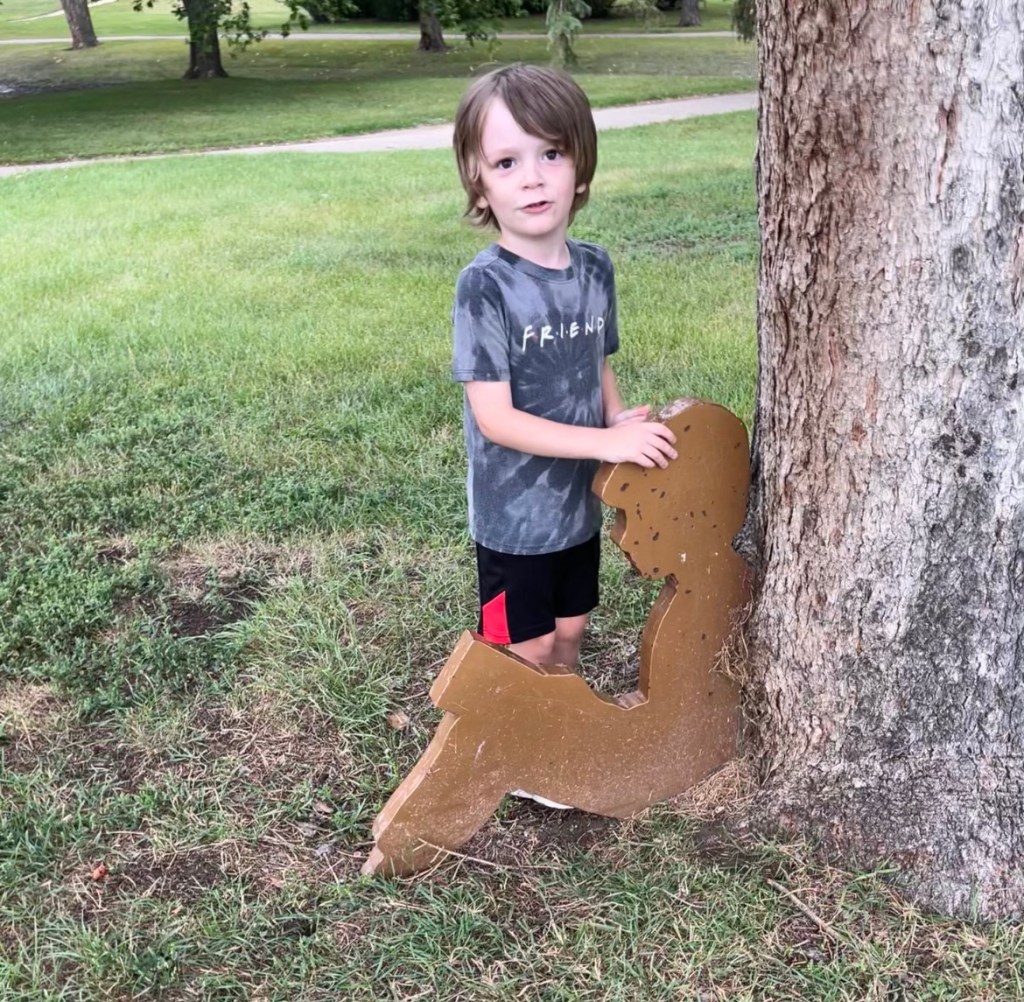
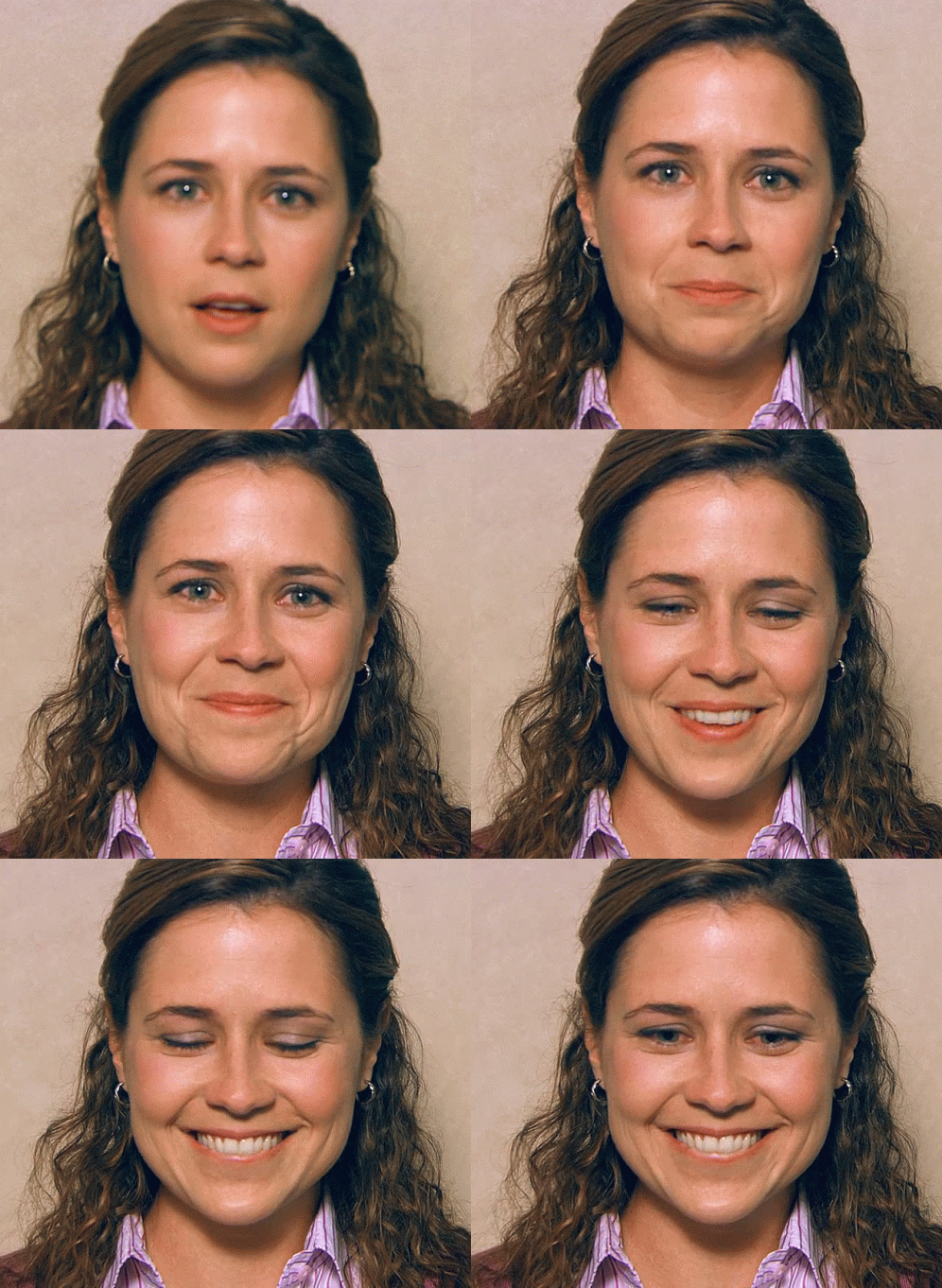
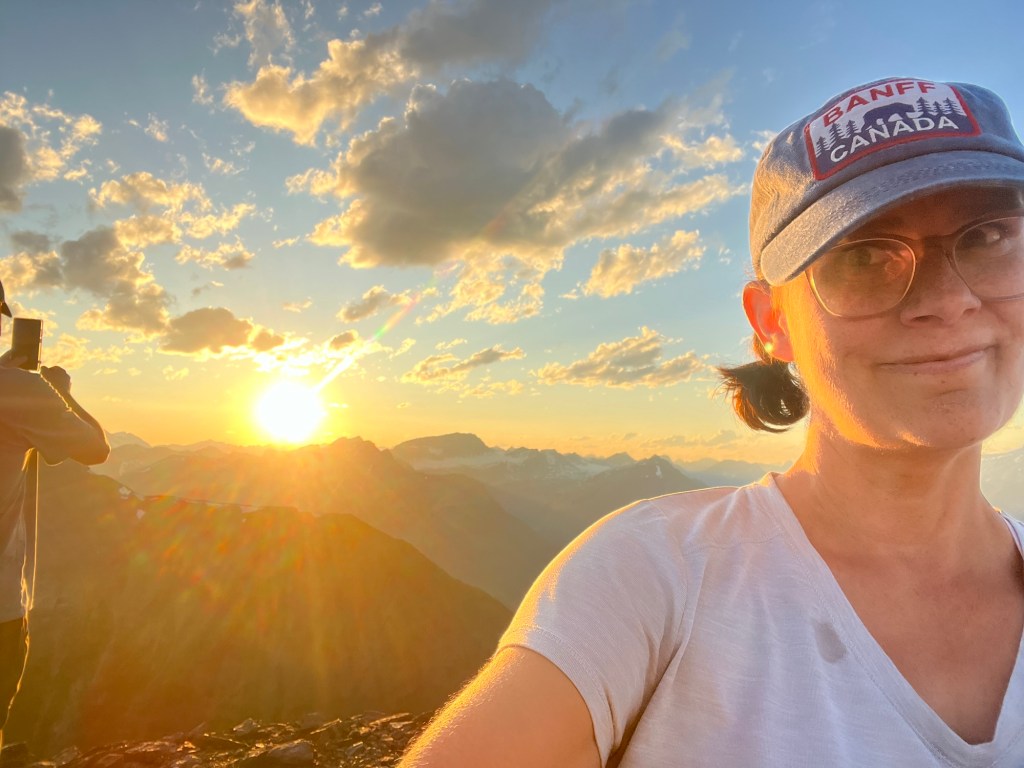
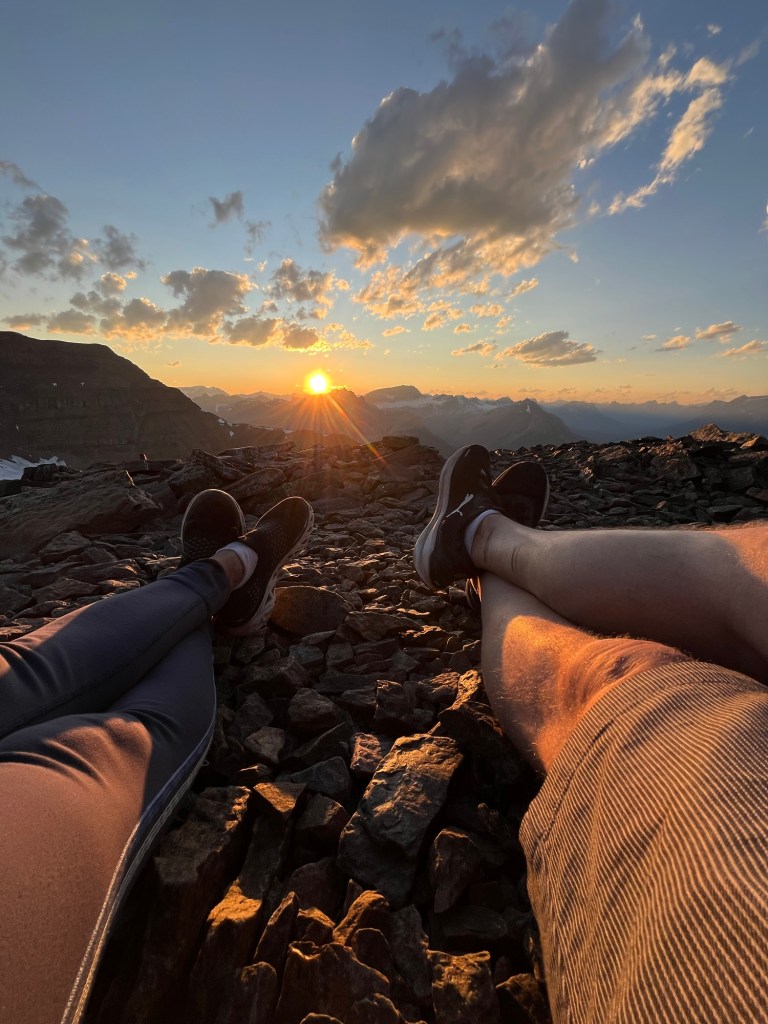
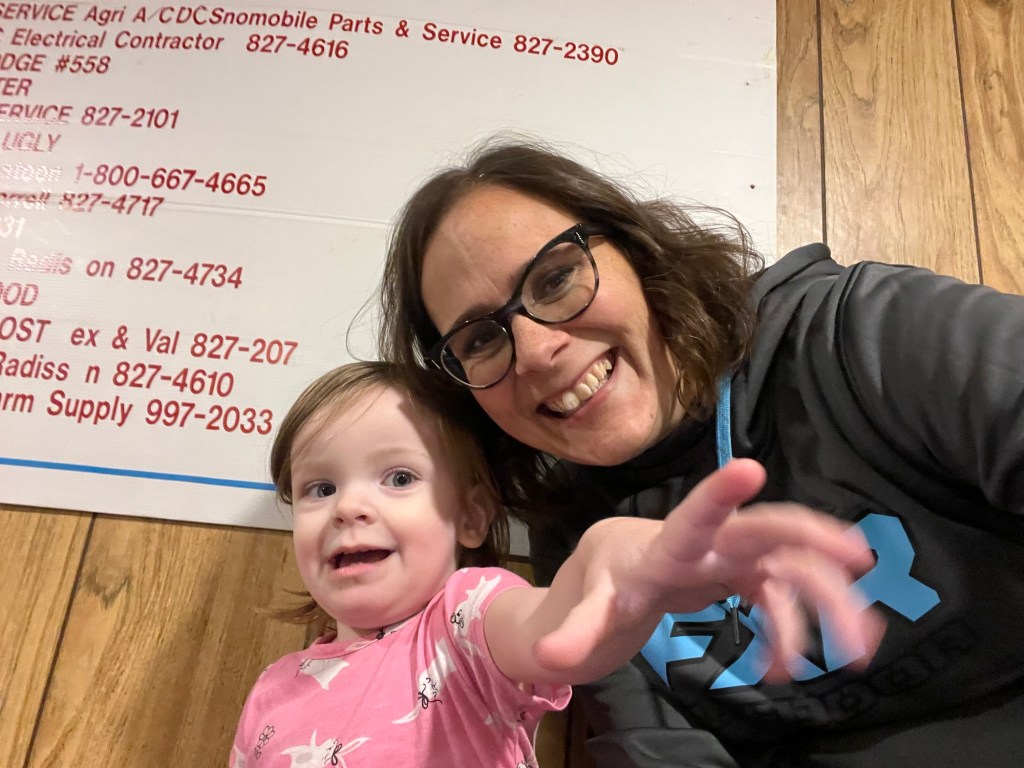
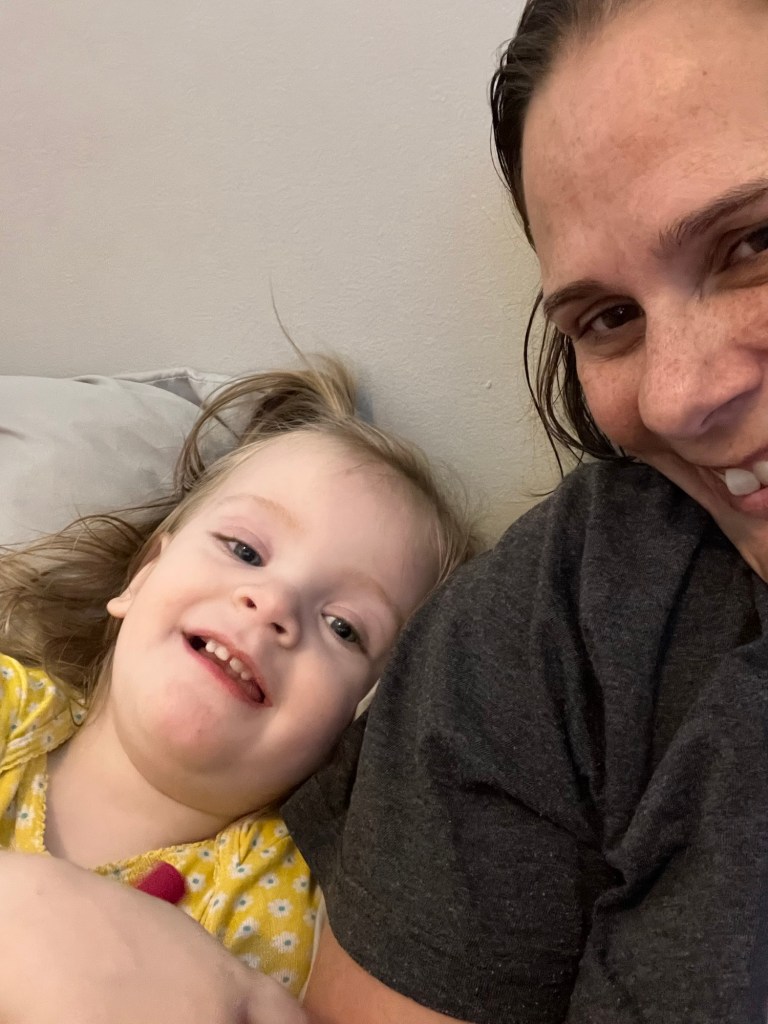
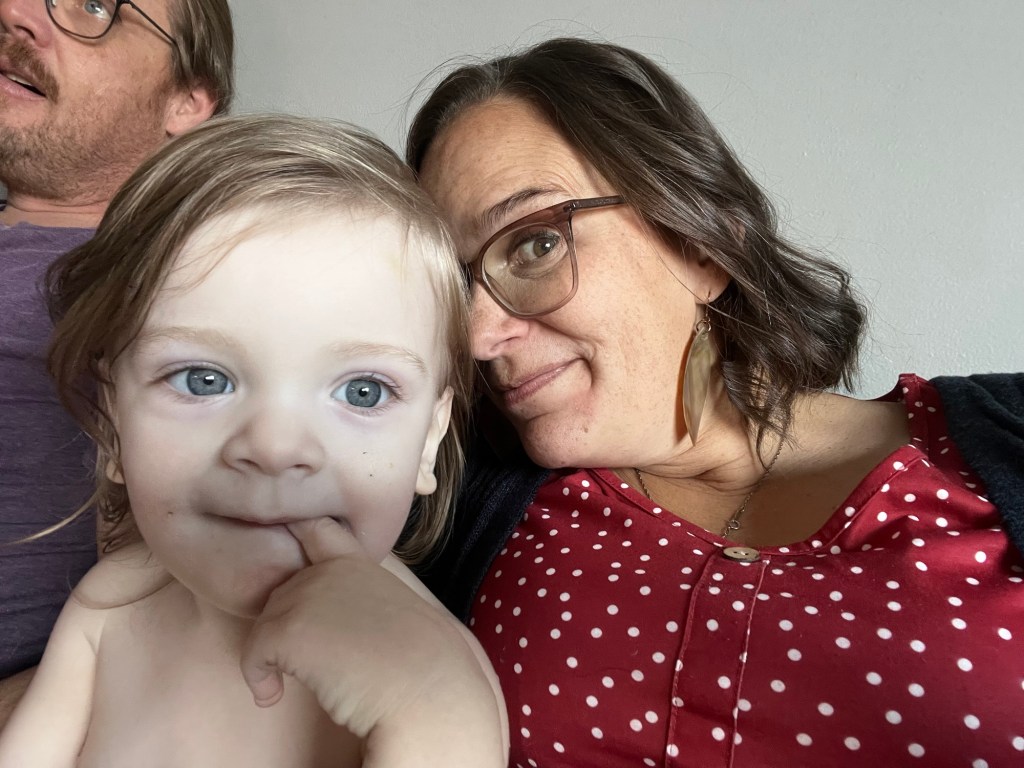
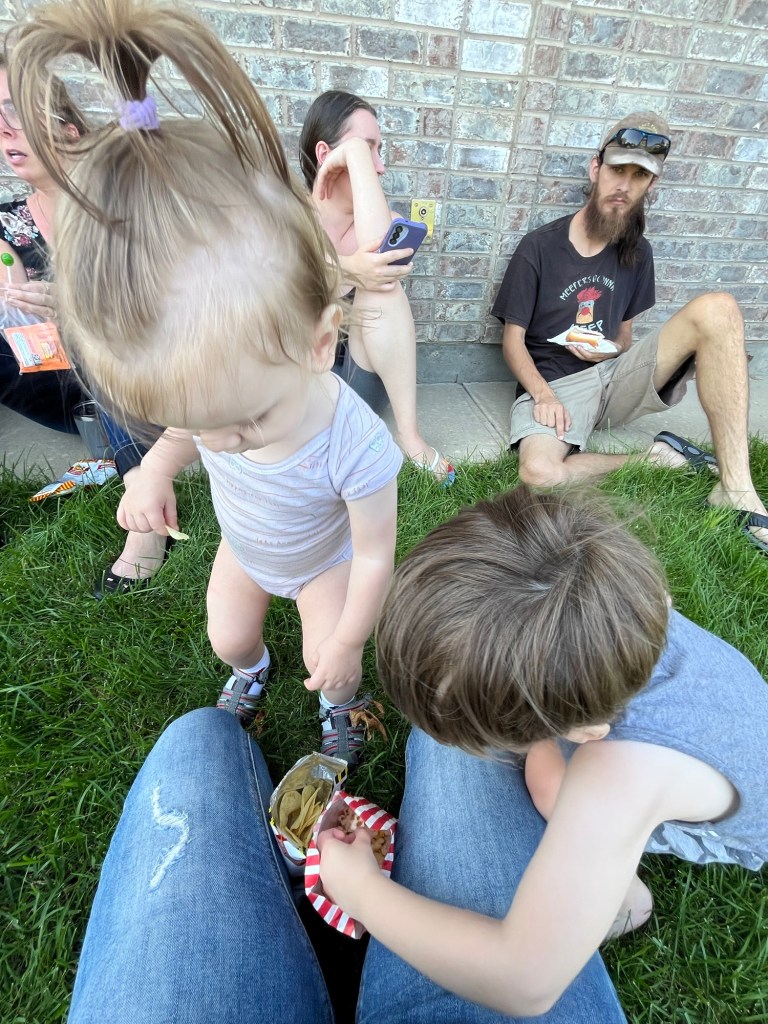
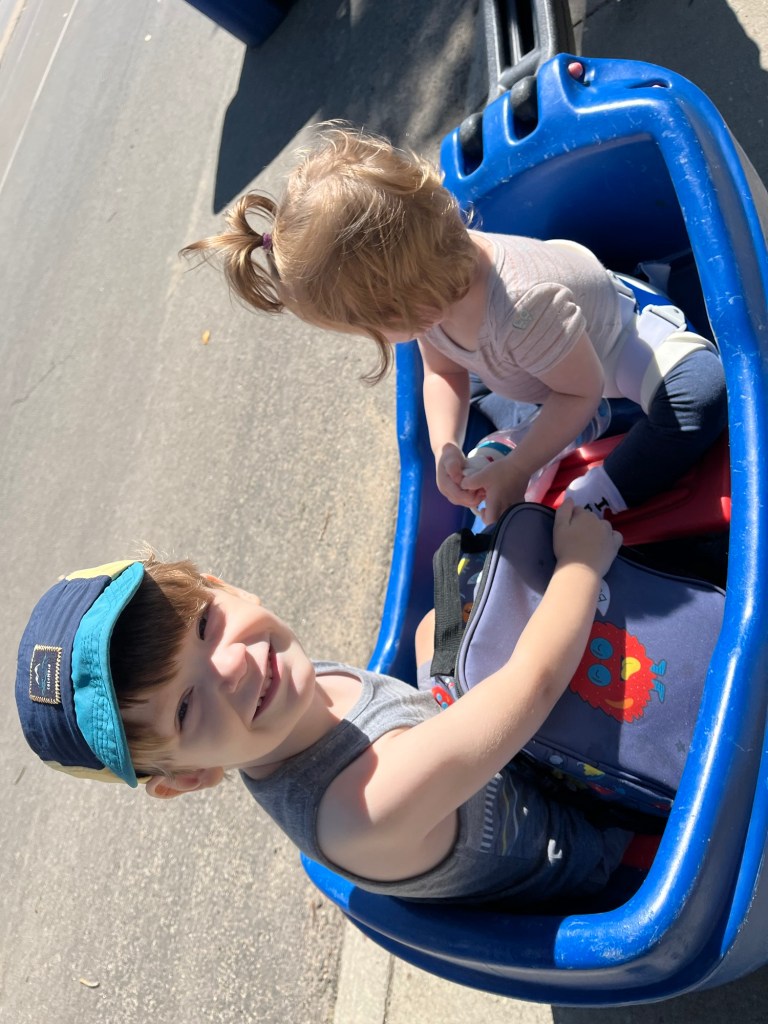
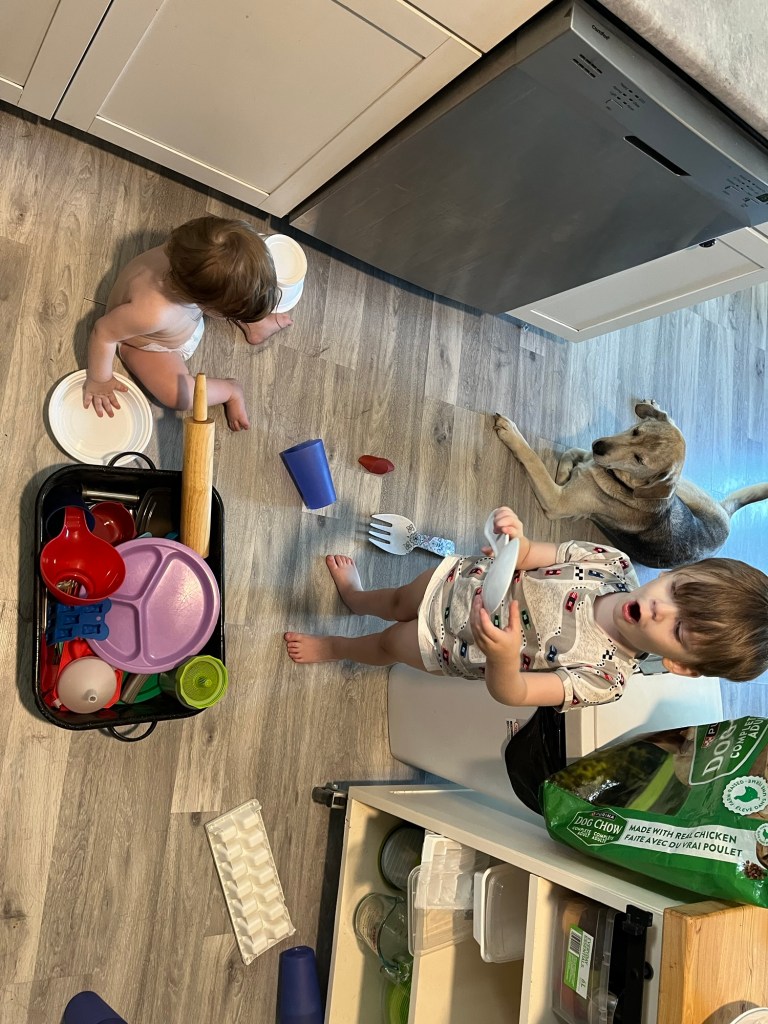
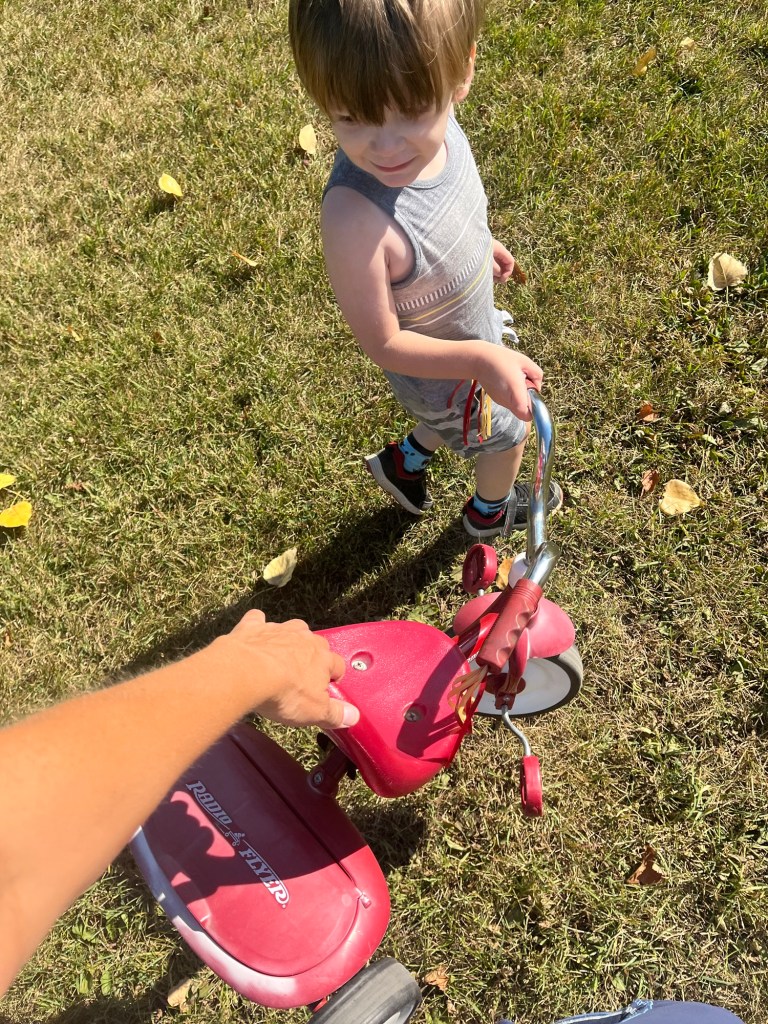
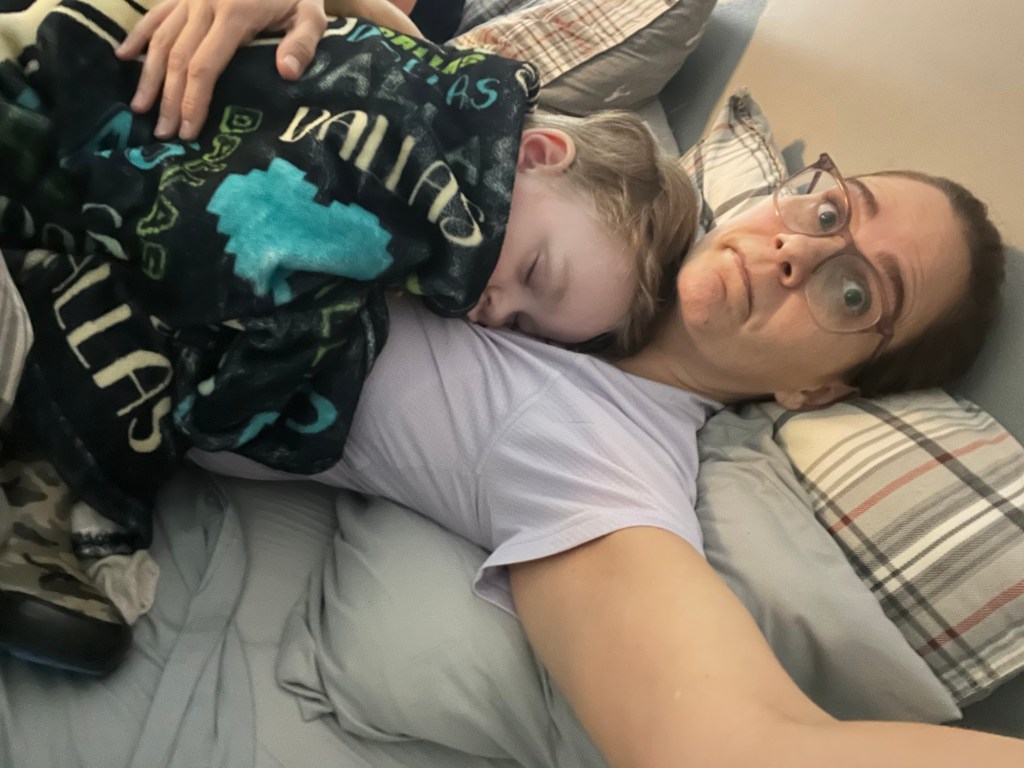
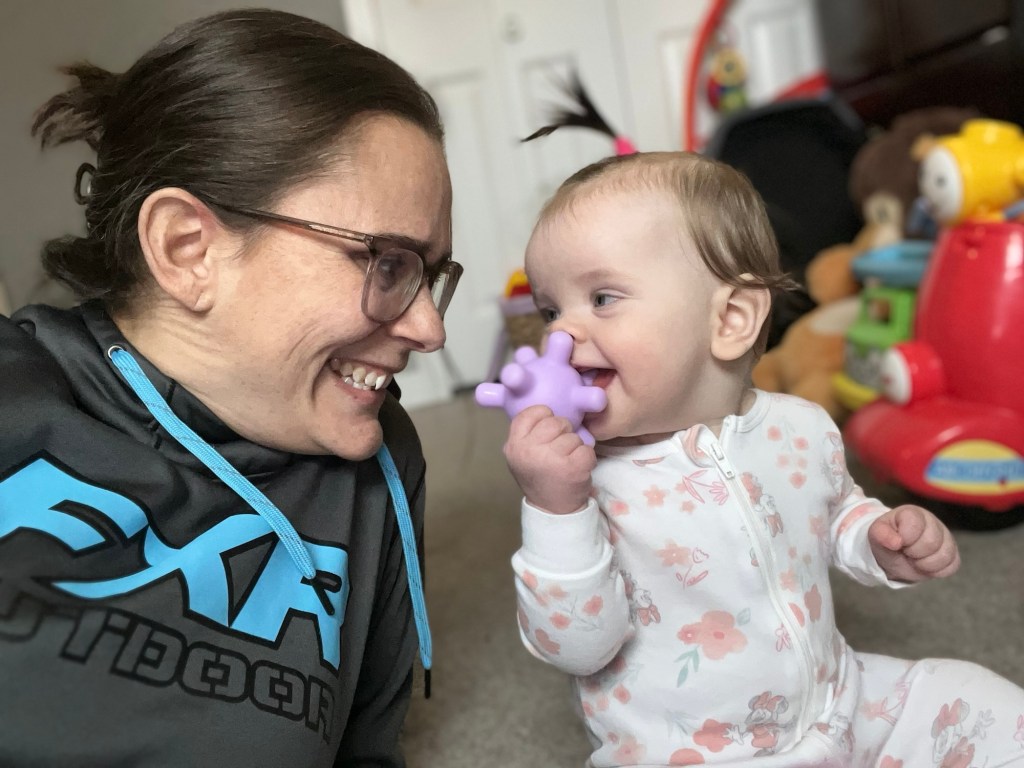
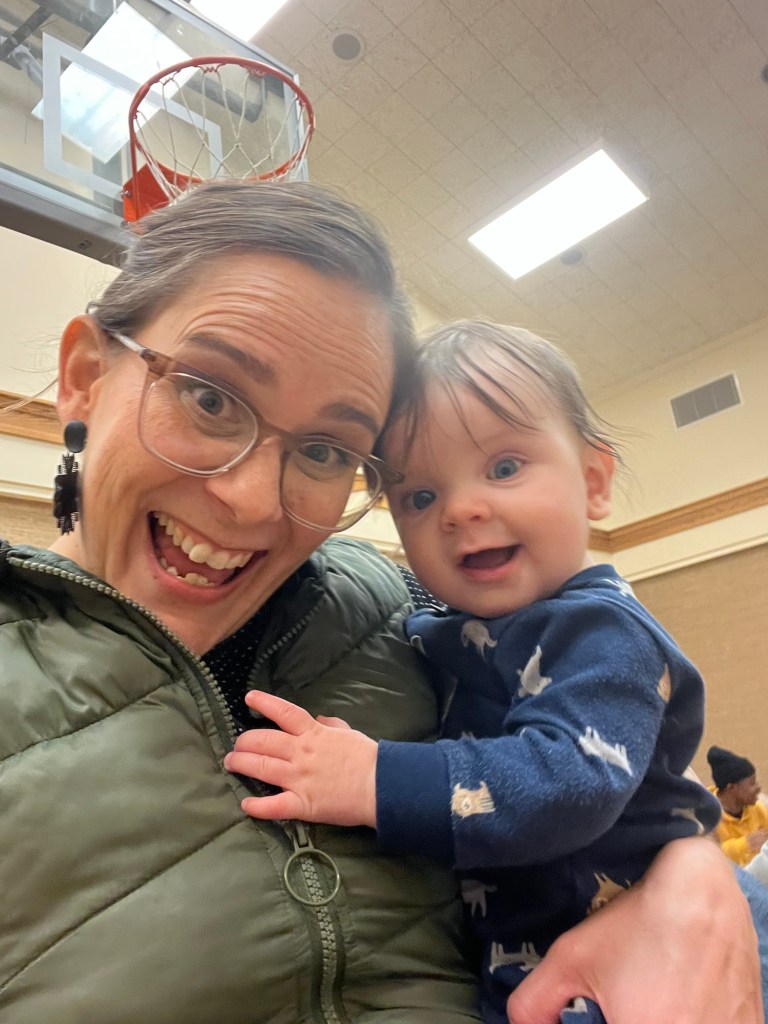
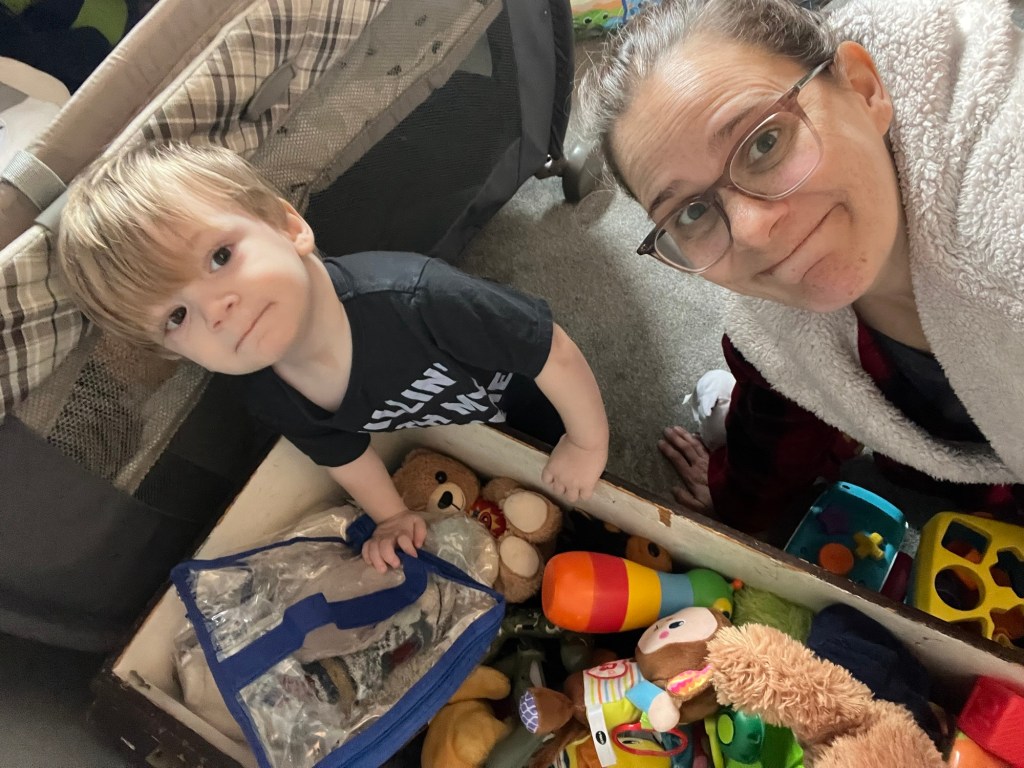
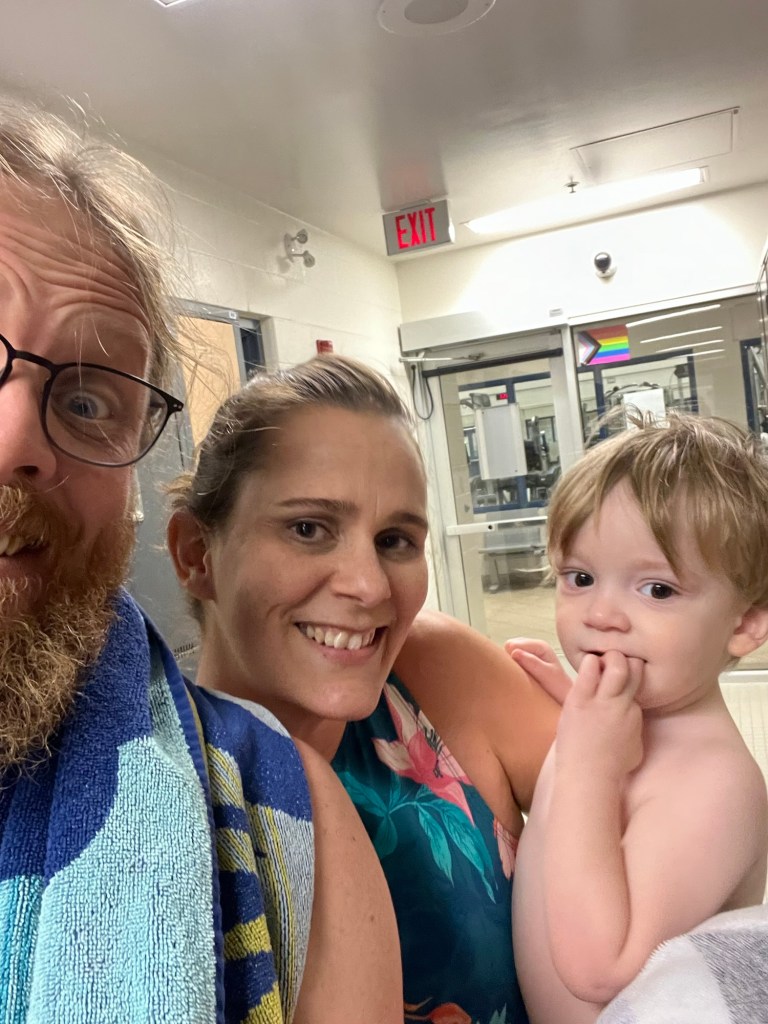
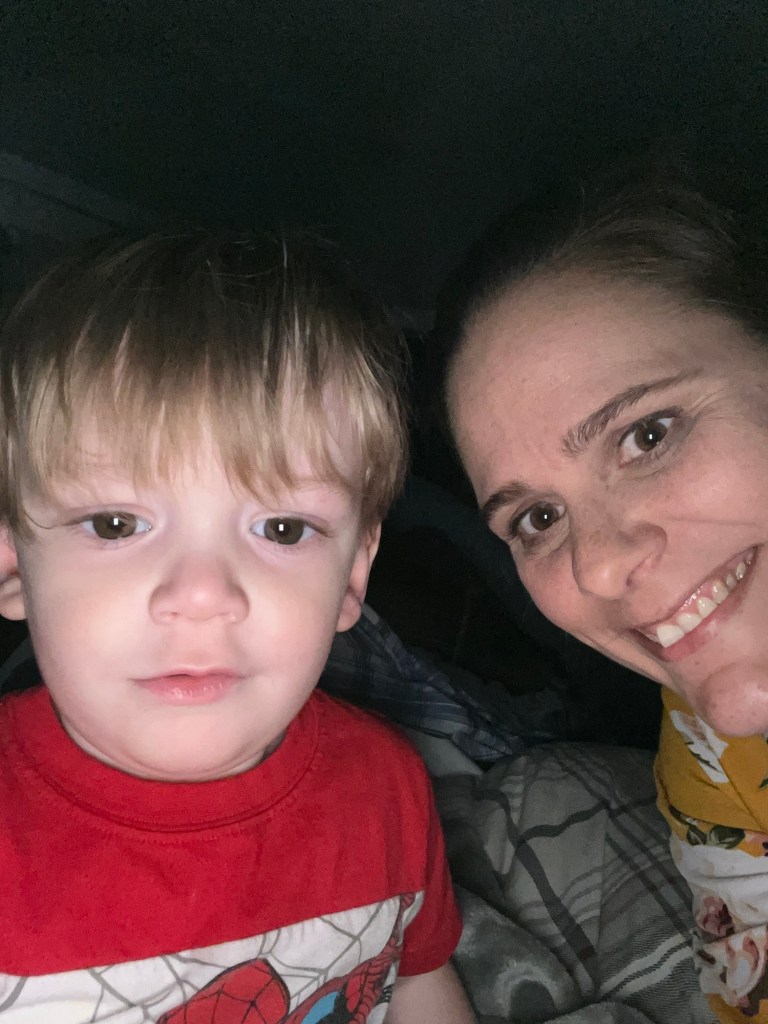
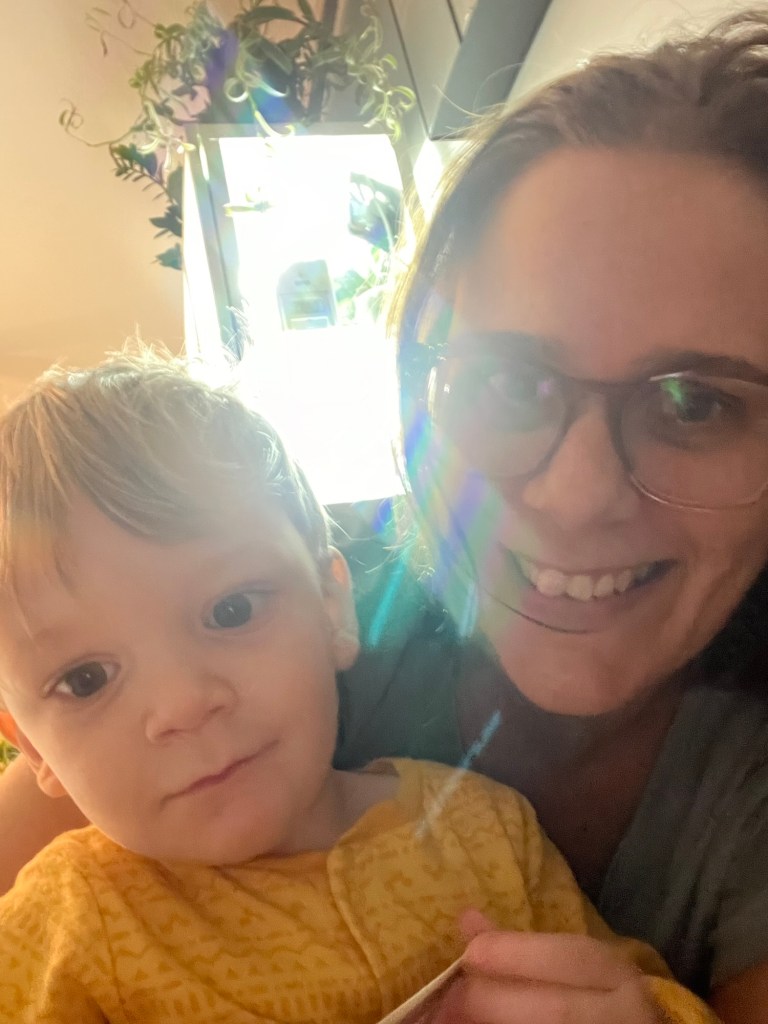
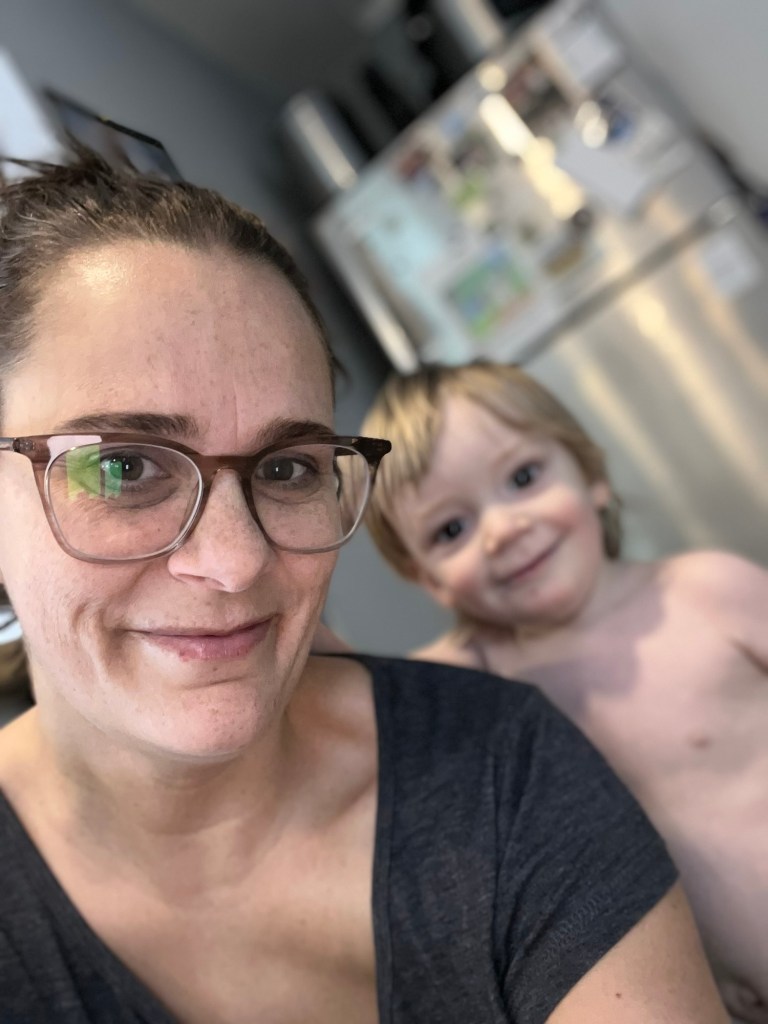
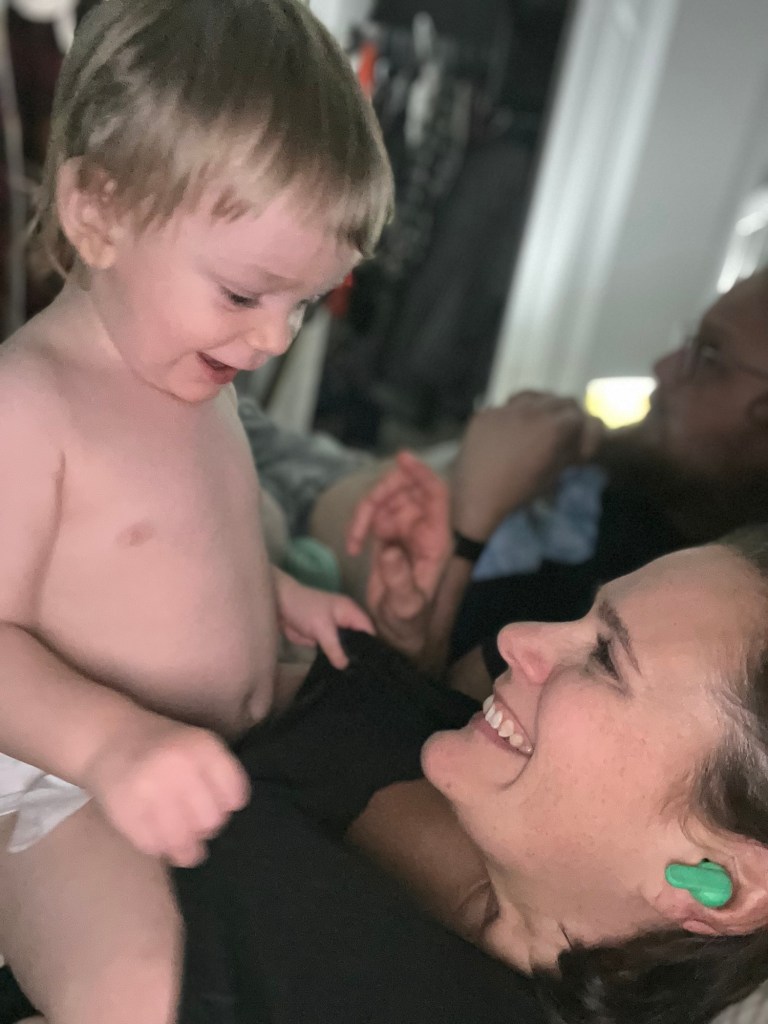
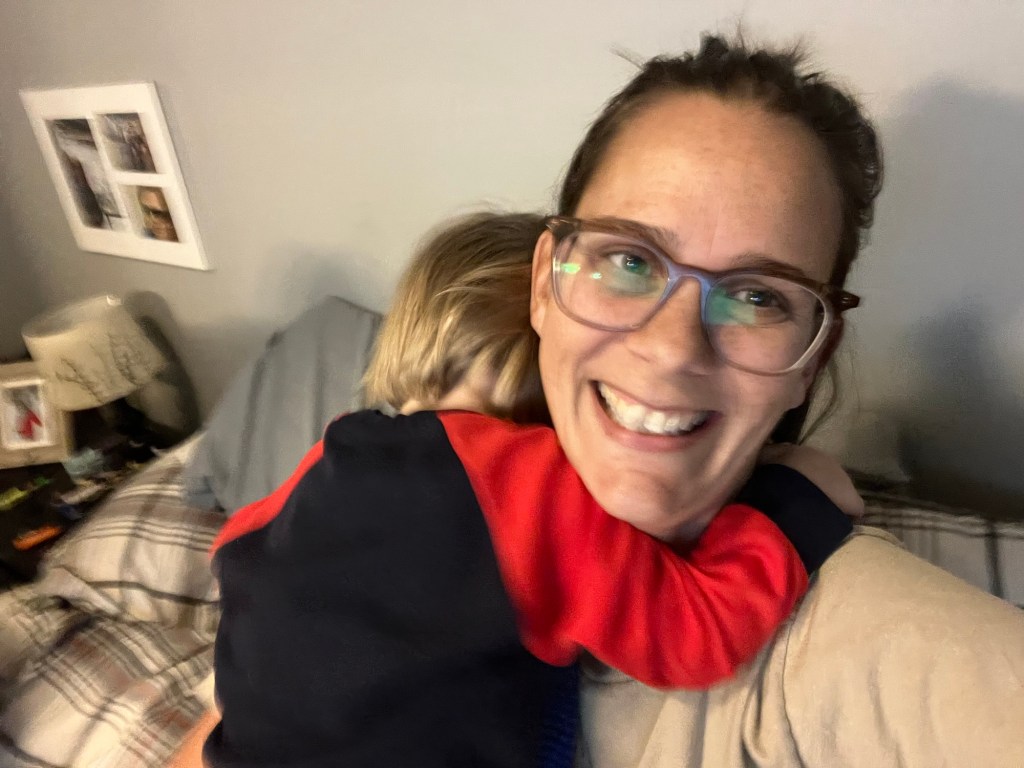
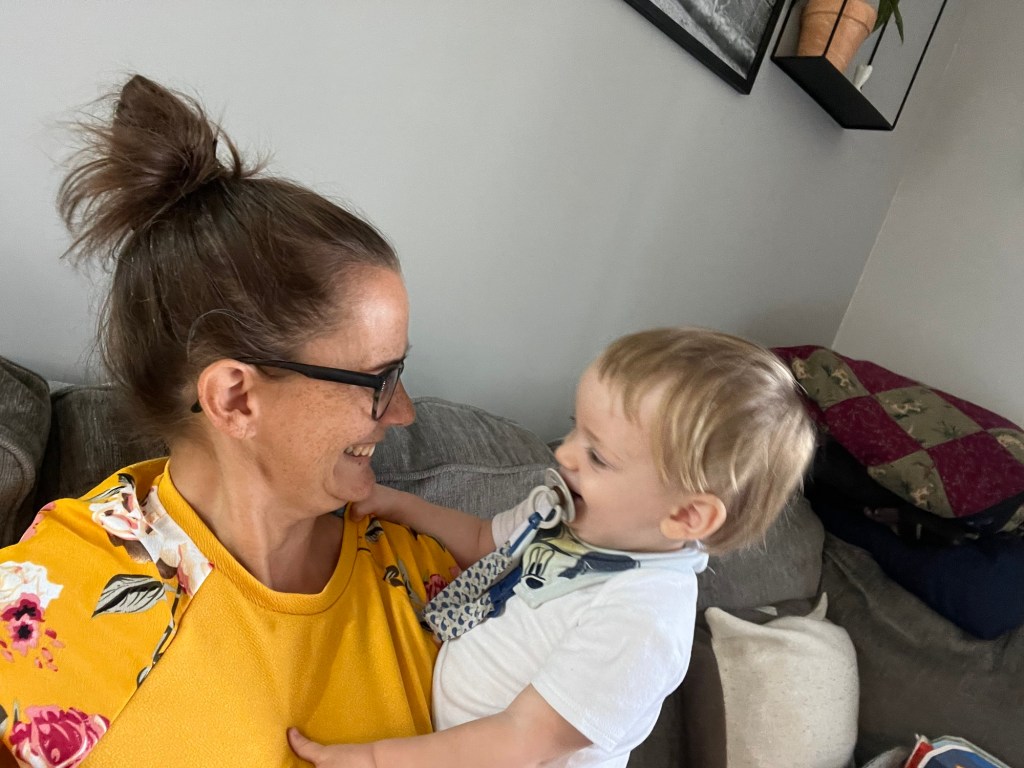
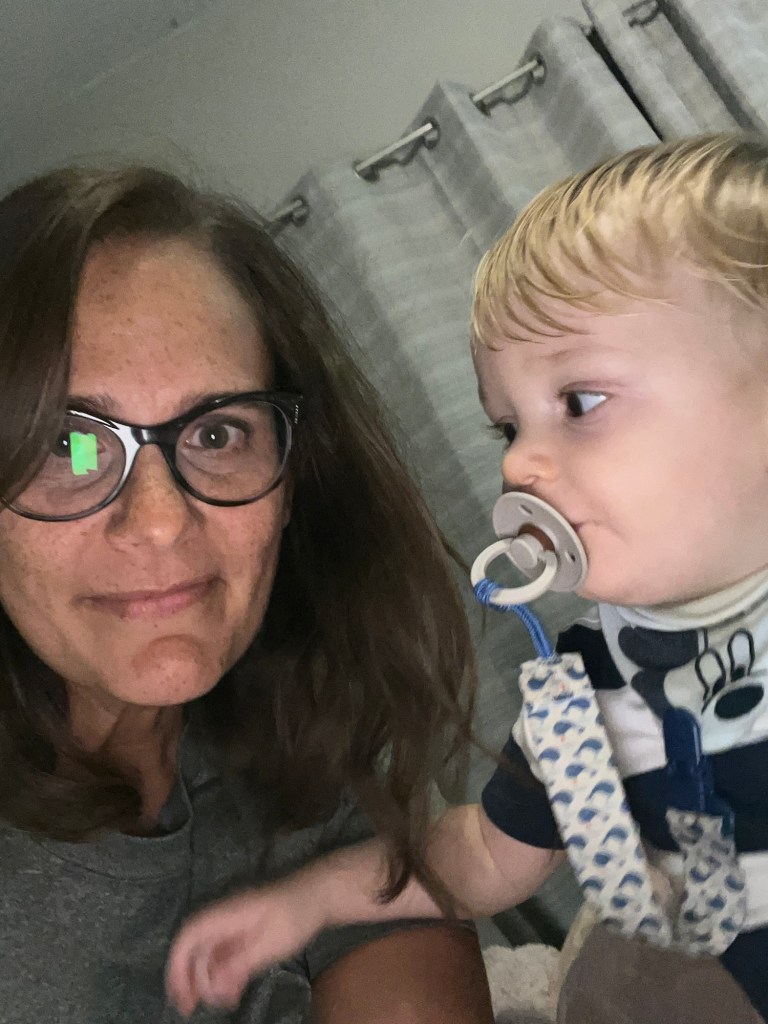
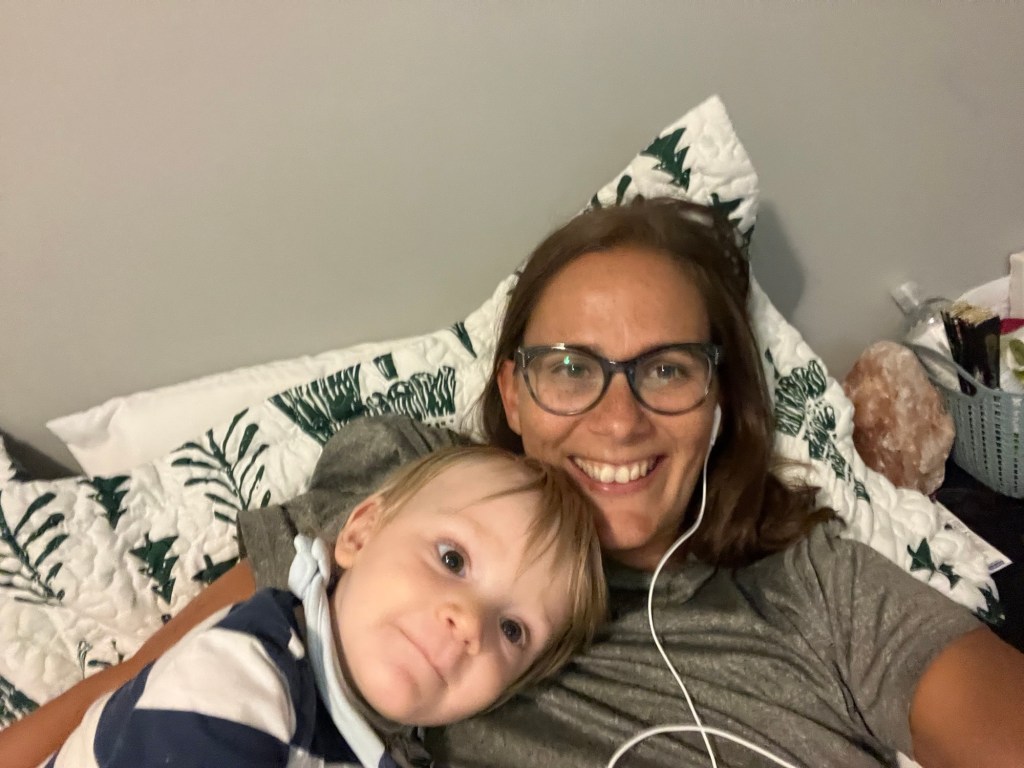
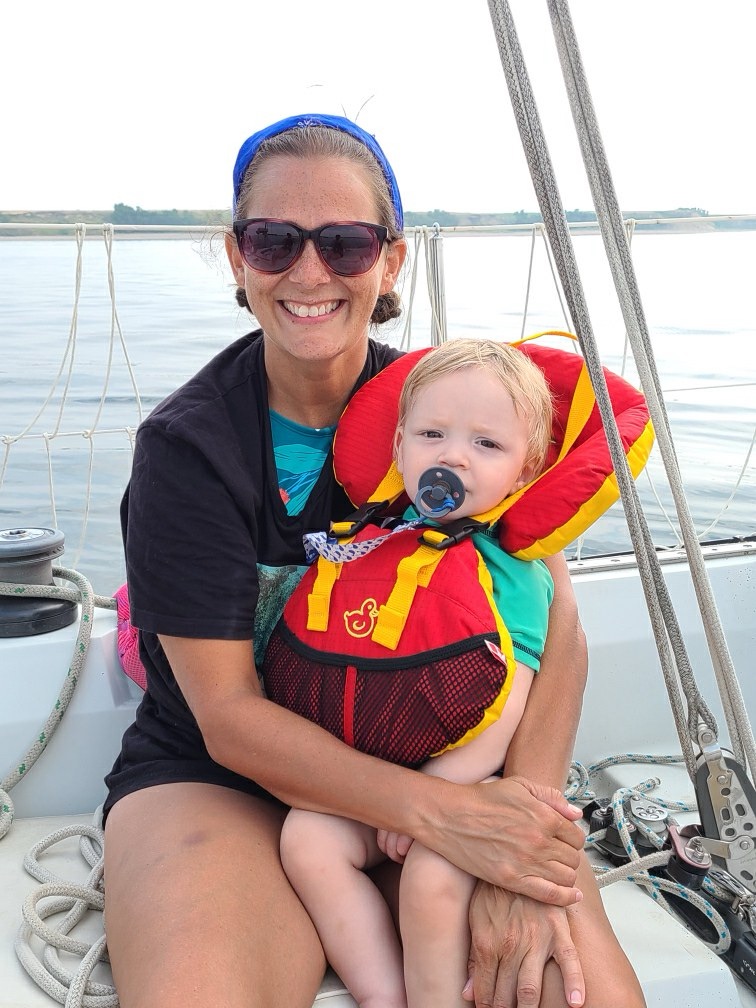
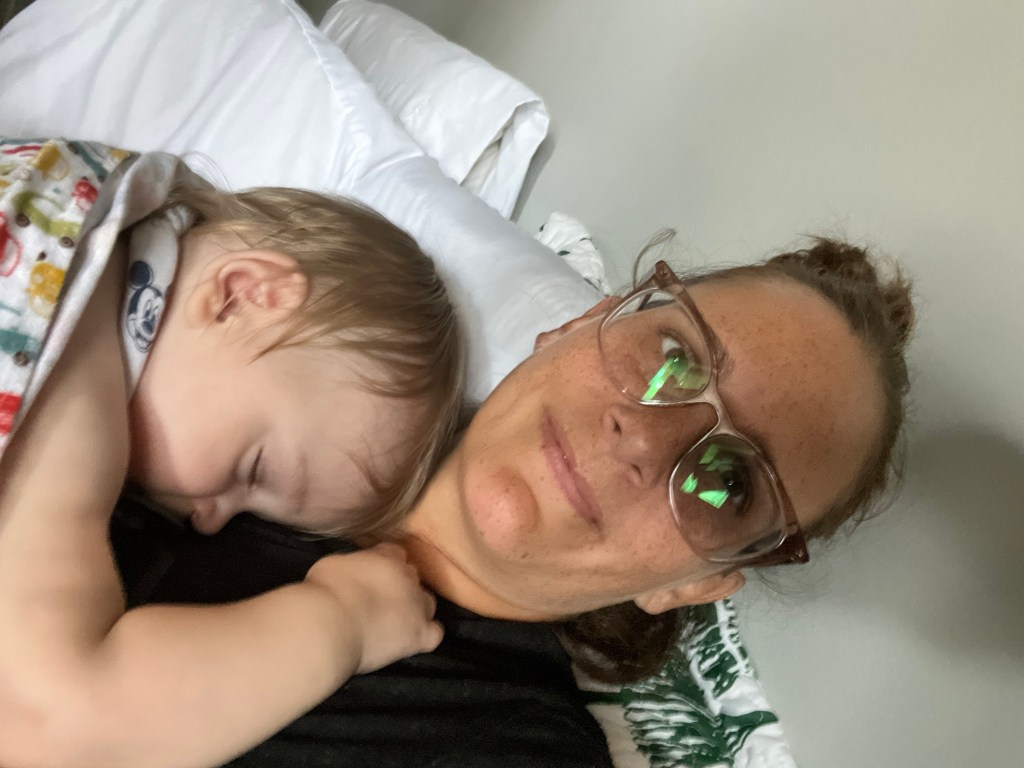
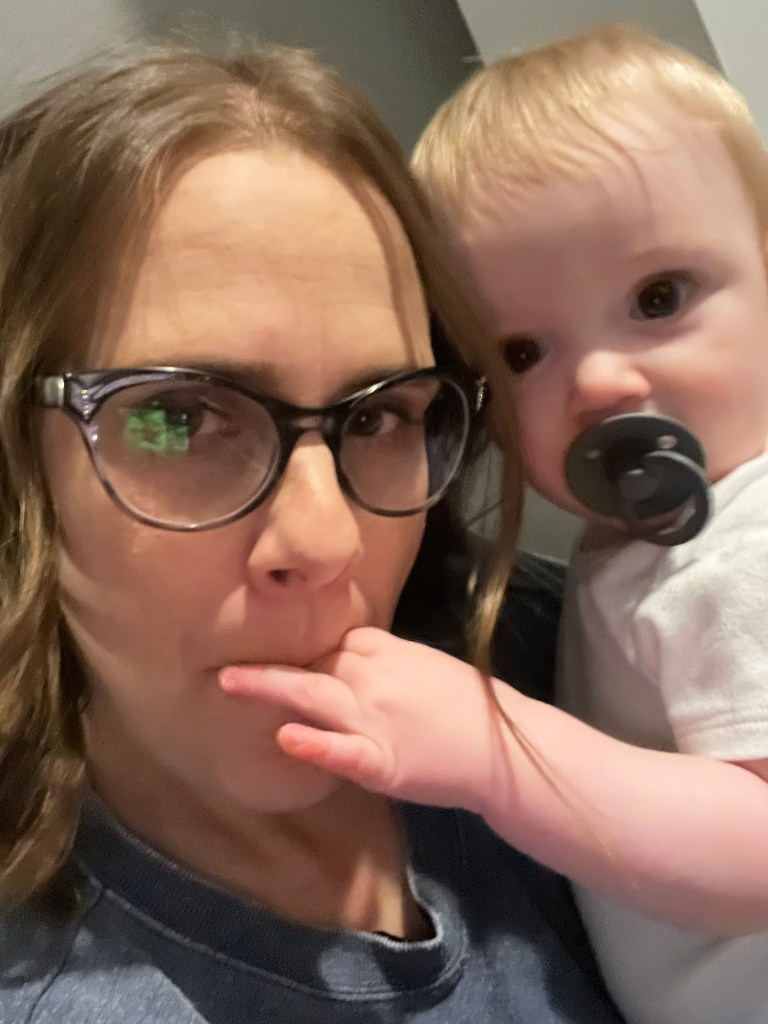
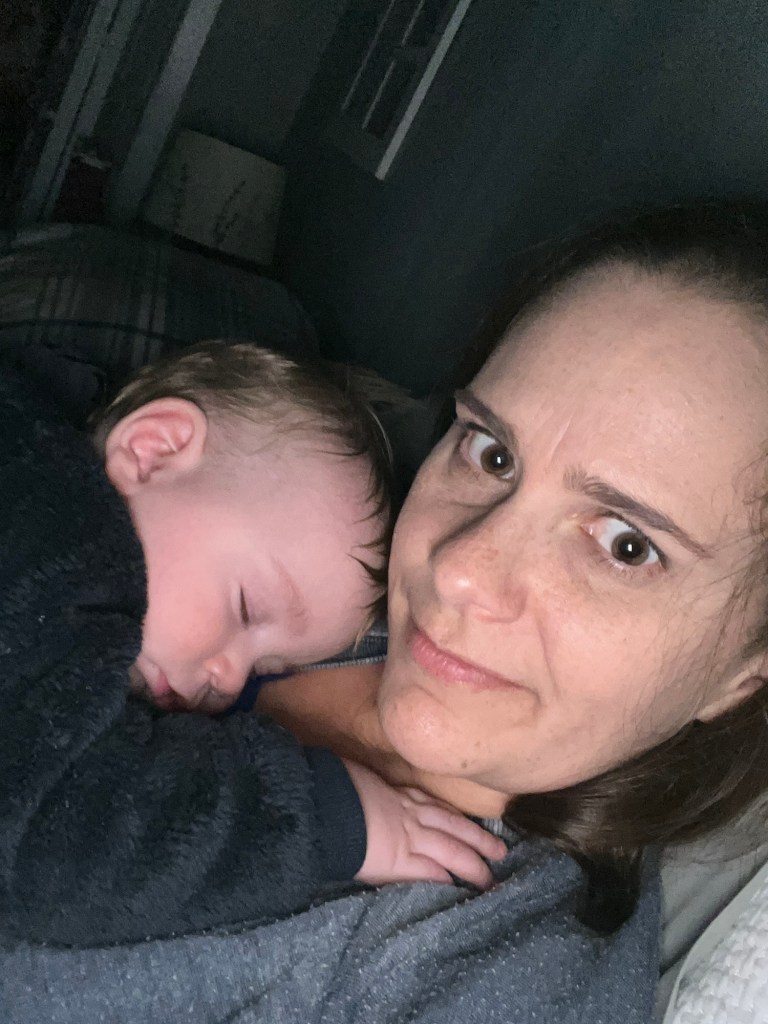
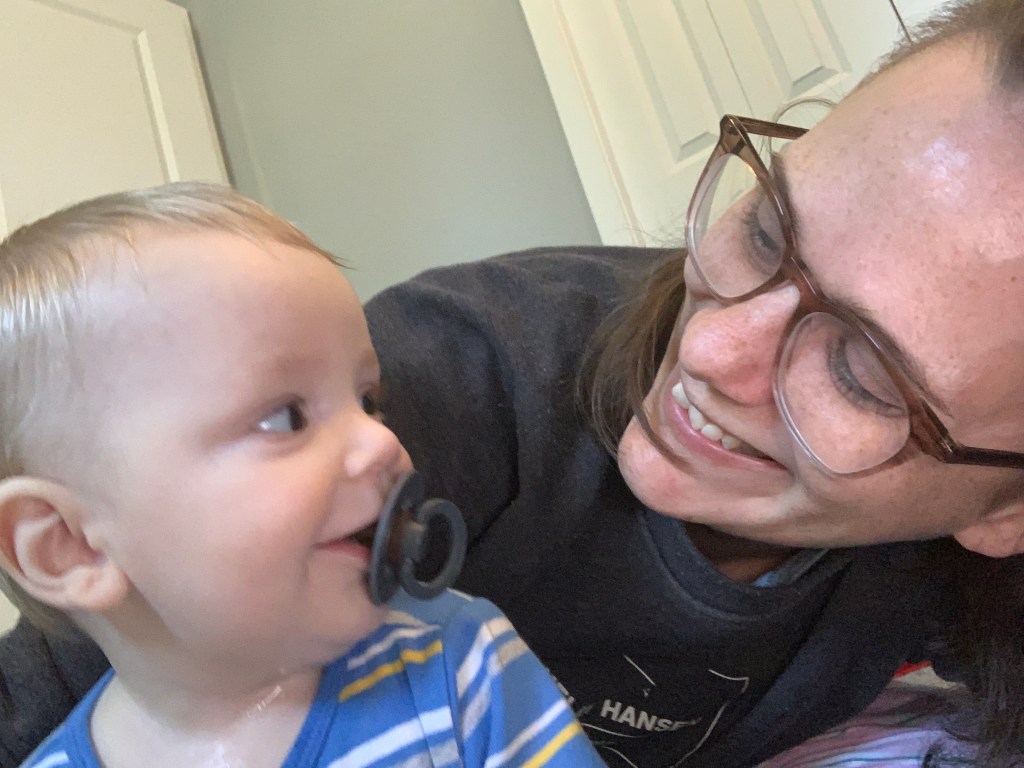
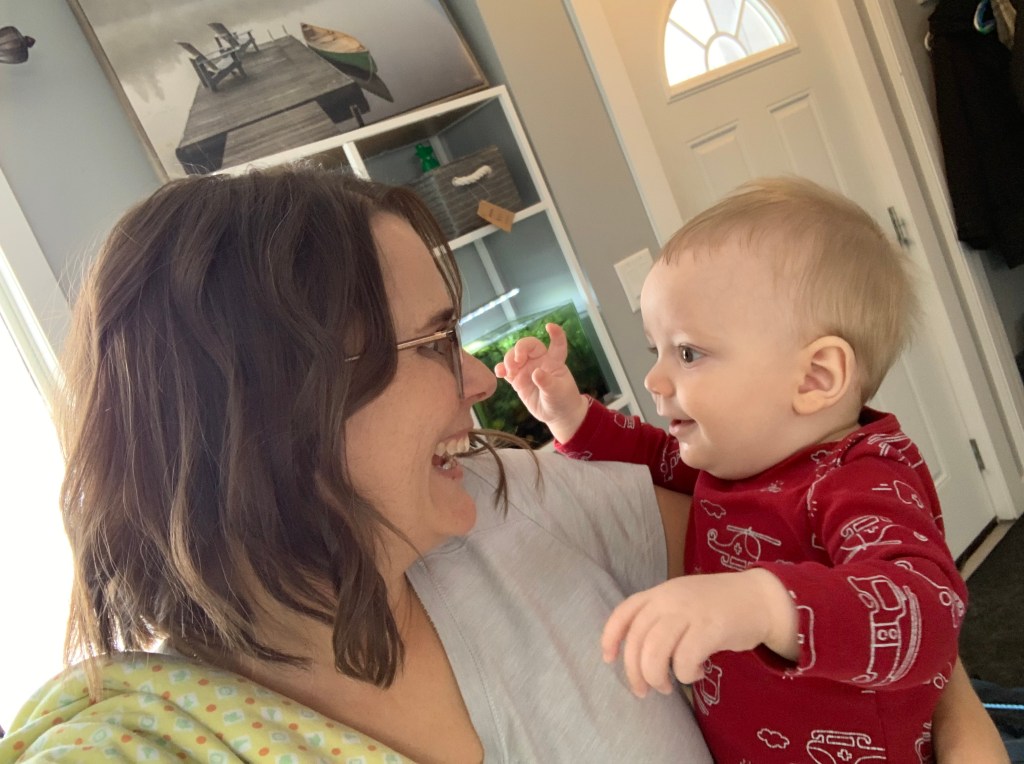
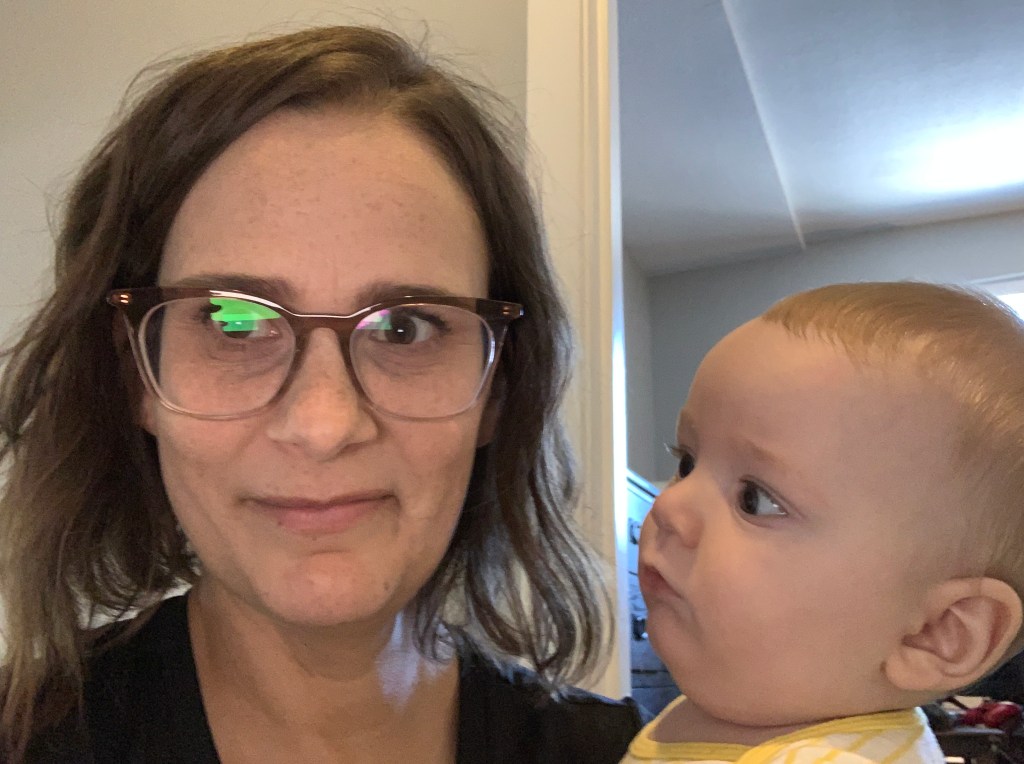
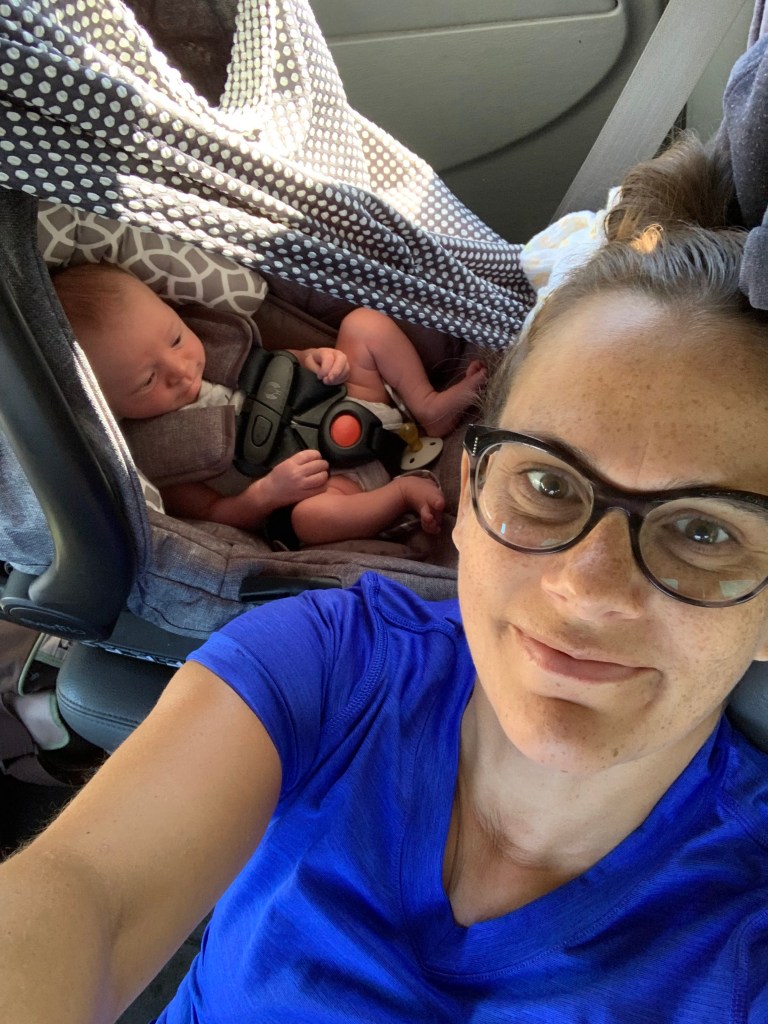
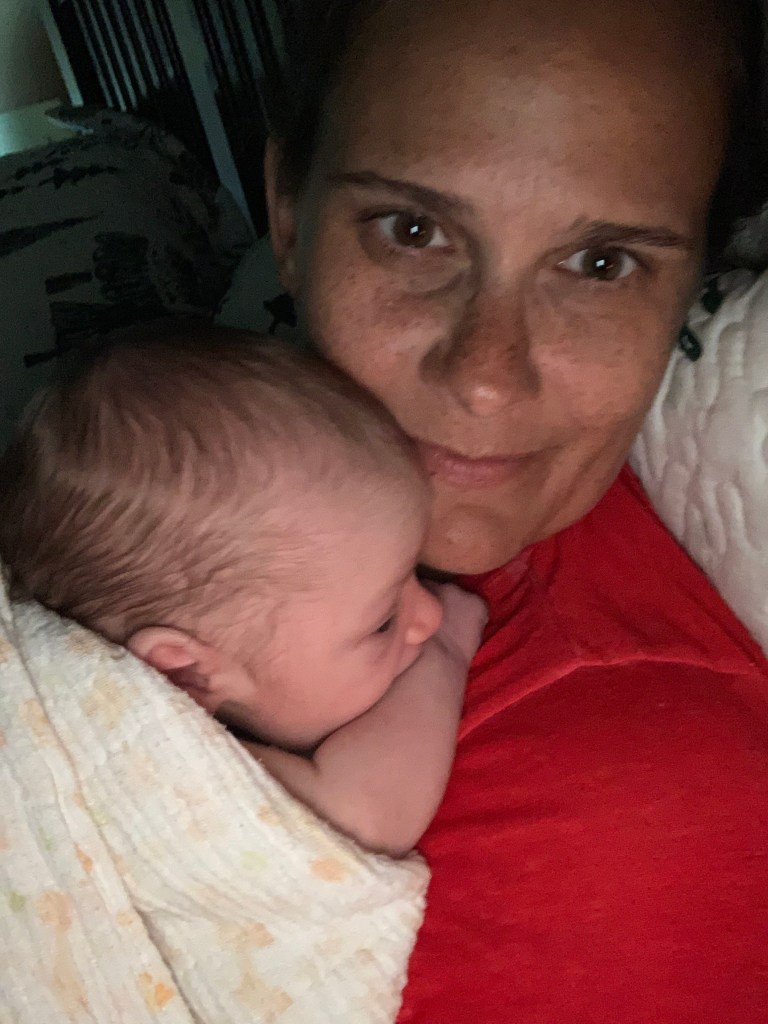
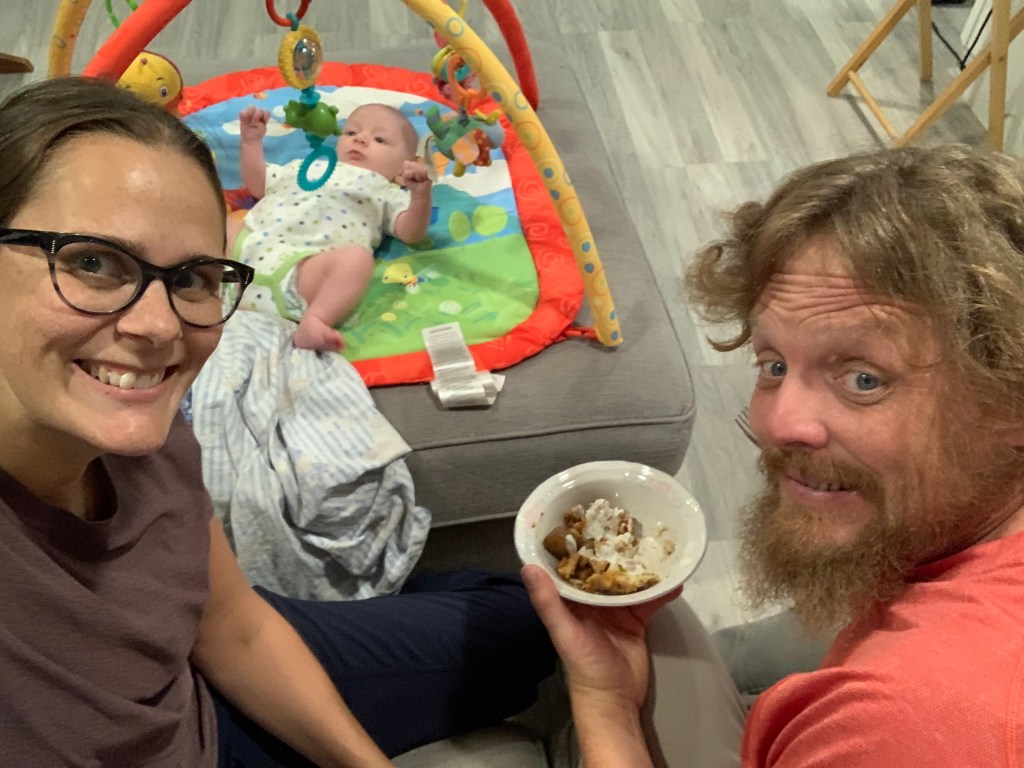
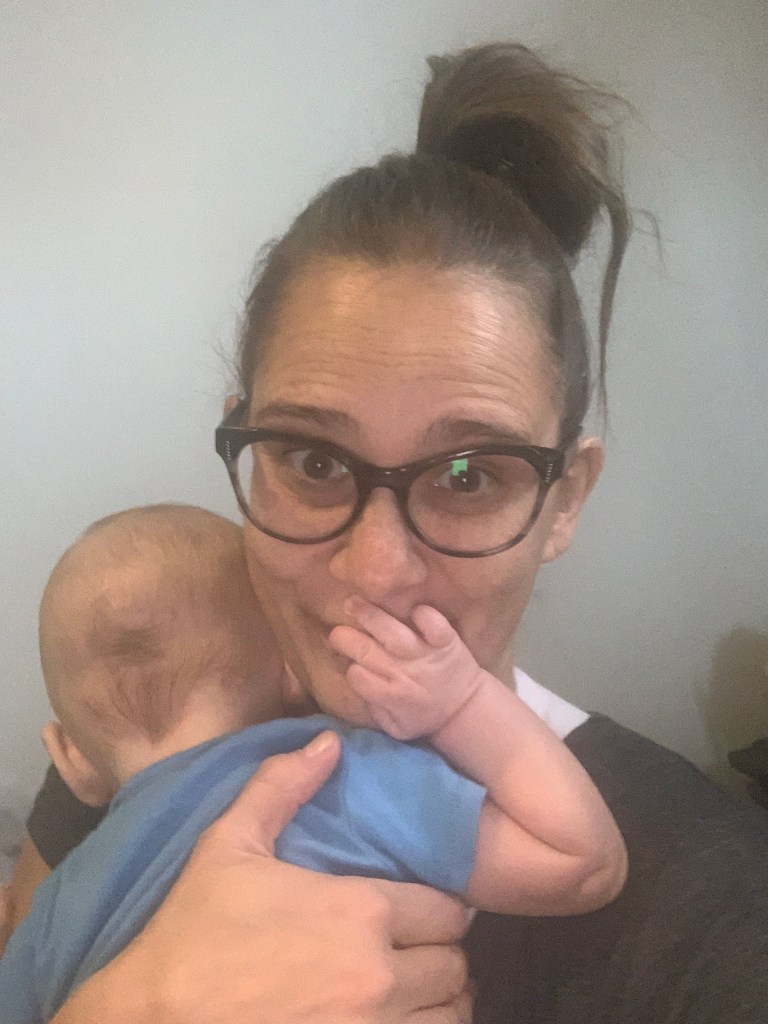
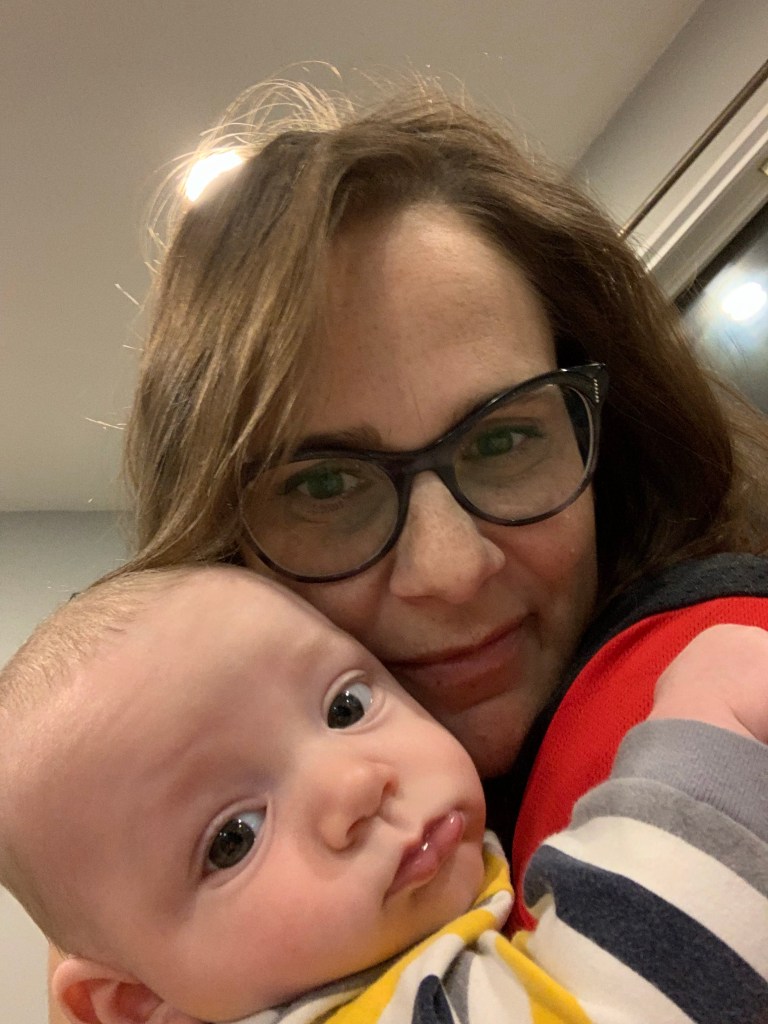
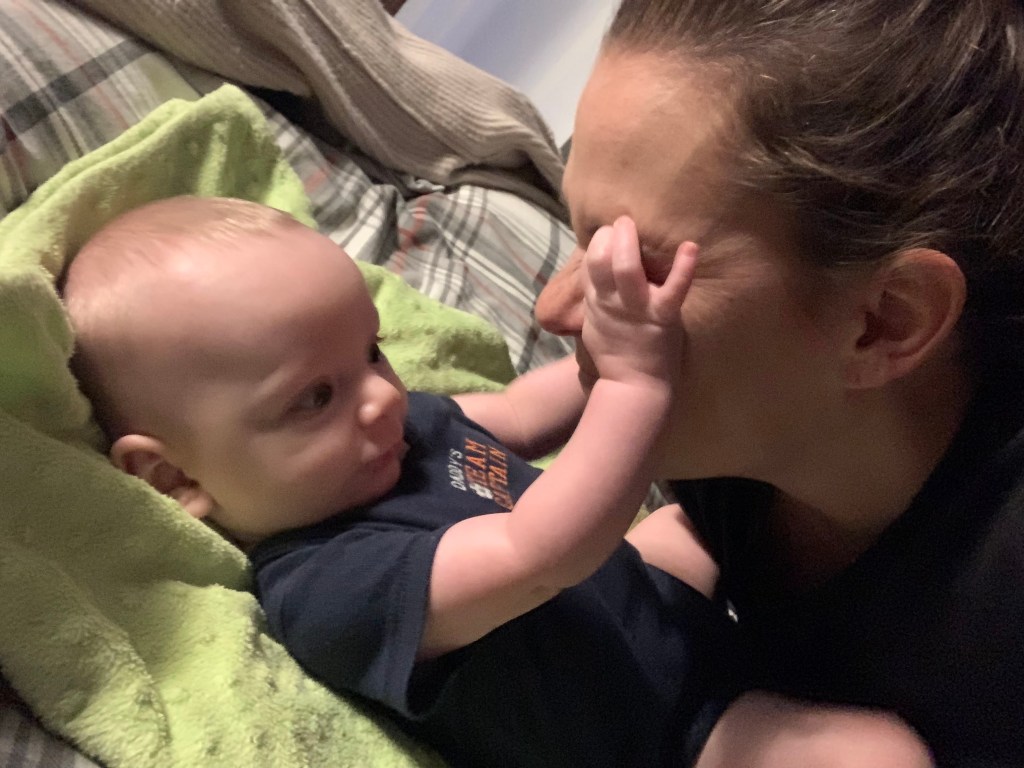
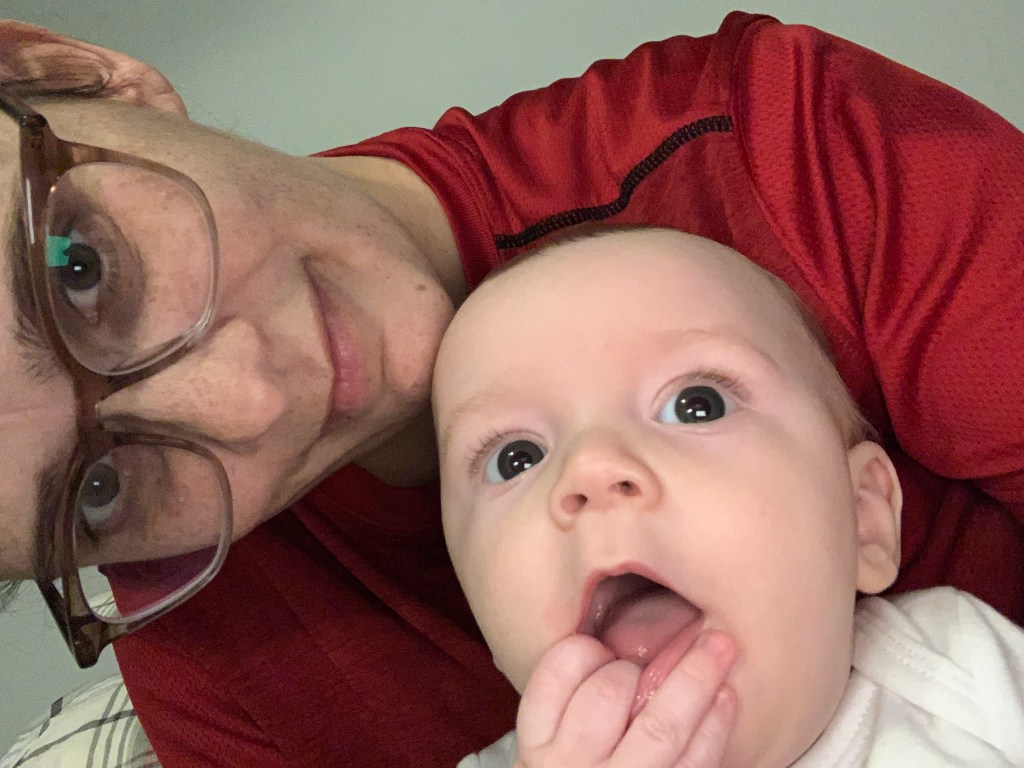
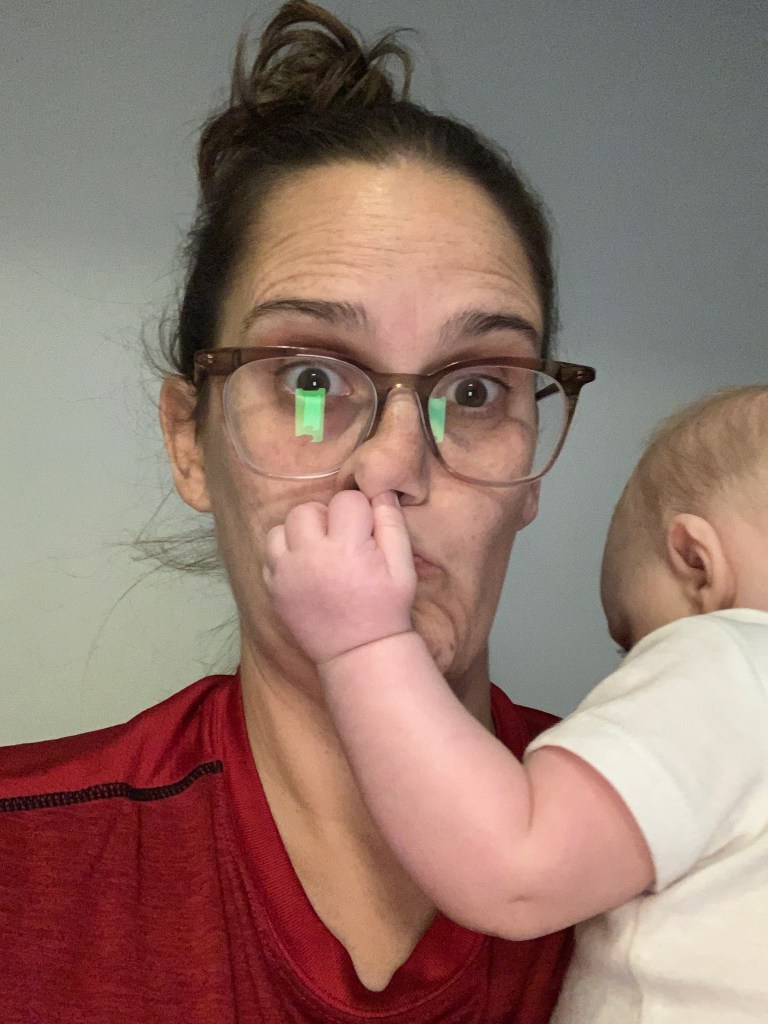
My bright days in this season, are when I get to be a grandma. If you want to see my grandparent life in reverse, view the following. It’s meant to be scrolled through to get the overall feel of the joy that was ahead of me. That I now get to experience.

Even if you have to hold on to that promise longer than you wanted to. Hold it tight. The good days make it all worth it.

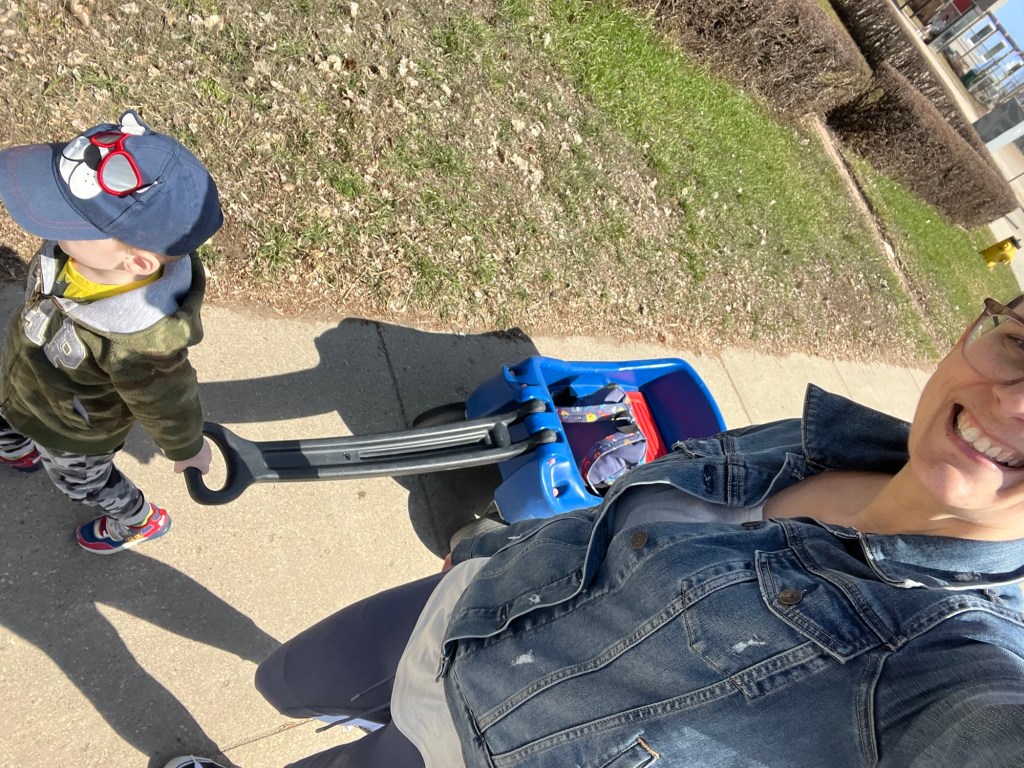
At this point in my story I can cart around that 2 year old and 4 year old at the same time. Grandma’s got guns. Just kidding. Training for my grandson got me to the point that I can run on a treadmill and ride a recumbent bike. He is my hero.

Keep getting back up. Show a willingness to bend and slow when your crucible is heavy. But keep climbing. Keep reflecting the beams of light.🌲✨

The oak fought the wind and was broken, the willow bent when it must and survived.

Robert Jordan

The Art of Finding Calm: Anchors for Inner Peace

By the time you reach the last spring, your hands are shaking. You’re sweating. Frustrated. Everything keeps getting more crooked.

You realize too late. You started wrong. 😑

Anyone who has assembled a trampoline knows the rule. You don’t hook the springs in a circle, one after another. If you do, the tension pulls unevenly. By the end, you don’t have the strength to stretch it into place.

You begin with four. Evenly spaced. Then every ten. Then every five. Then every two.

You build balance first. Then you stretch.

Cruising the Chaos of Life’s Pulls

We are pulled by responsibilities👈, expectations👉, needs👆, roles👇, diagnoses🫵, deadlines🫡.

Work. Family. Health. Friendships. Faith. Community. The list goes on.

Each one a spring tugging at the mat of our life.

When we hook ourselves fully to one area without anchoring wisely, the whole thing warps. We overextend in one direction and find ourselves weak in another.

Sometimes that is the season we are meant to live.

After giving birth, your whole being stretches toward that tiny life. Other areas thin out. That is not failure. That is devotion. In time, the tension redistributes.

But chronic pain does not redistribute so gently.

Chronic Pain: The Illusion of Perfect Harmony

When you live with chronic pain, you are constantly pulled toward managing symptoms, setting and going to appointments, pacing yourself, rest, prevention. Your energy budget is small. Other areas stretch thin.

Then something hopeful happens. 😮

You focus on your health. 😧

You improve. 🫢

You feel almost normal. 🥹

Everyone else sees it too. 🙌

Schedules begin to fill 🗓️ Invitations multiply 🥳 Expectations quietly rise 🫴 . The springs of “normal life” begin snapping back into place 🫰.

You let yourself believe it. 😄

Maybe I’m better. 😂

Then exhaustion crashes in 🫩 You stare at your calendar at night and wonder what you’ve done to yourself 😳 A small slip becomes months of recovery 😵 One flare unravels carefully rebuilt stability 😞.

And then come the looks 😒🙂‍↔️

The subtle confusion 🤨

The well-meaning advice 🤓

The unspoken question: Why can’t she just get it together?

Living with chronic illness often means managing other people’s perception of your crooked mat.

There is grief in that.

Grief in not being believed. In being misunderstood. In having to explain your limits and have them questioned again and again.

Eventually, you begin to let springs go.

  • Work (sounds great, it’s decidedly not great)
  • Hobbies
  • Certain relationships
  • Many dreams have to shift

Not because you lack discipline. Because you are learning discernment.

Tregi:

“A tender form of sorrow- one that doesn’t overwhelm but lingers softly in the soul, and it’s the ache of remembering something beautiful that’s gone, the silence after a goodbye, the bitter sweet pull of nostalgia. “

The Spring I Learned to Release

Within you there is a stillness and a sanctuary to which you can retreat at any time.

Hermann Hesse

One sunny day I carried my journal and scriptures out to our trampoline. It was warm, the sun pooling across the mat. A strange place to do cold, hard work.

I read.

I prayed.

I journaled.

I napped.

I prayed again.

And then I cried.

And cried some more.

To say I wanted one more baby doesn’t begin to explain the years of ache. The doctors knew what my body could not sustain. I knew it too.

But my heart wasn’t ready. I wanted to leave the doors open for God to do His work.

That day on the trampoline, I realized I was hanging on to a spring that was pulling my whole life crooked. The decision to have a hysterectomy felt like unhooking something sacred. I needed my Saviour in it with me.

It was one of the hardest decisions I have ever made. Letting that spring go felt like loss. But when I finally released it. After some time. I stopped trying to force tension where my body could not hold it. And space opened for healing. Opportunities I never could have seen coming appeared. Energy shifted. My frame steadied.

The mat did not look like I once imagined. But it began to hold me differently.

Calm comes when I choose my springs intentionally.

Cultivating Serenity Amidst the Clutter

Inner calm is not equal distribution. It is intentional tension.

It is knowing which four anchors belong in this season and which ones do not.

There is a calmness to a life lived in gratitude, a quiet joy.

Ralph H Blum

But we cannot hear that wisdom in noise.

We cannot recalibrate while drowning in comparison, expectation, and urgency. The nervous system cannot settle when constantly pulled outward.

This is why I return to nature.

In the forest, no one critiques the tension of a tree branch as it cradles more and more snow and ice.

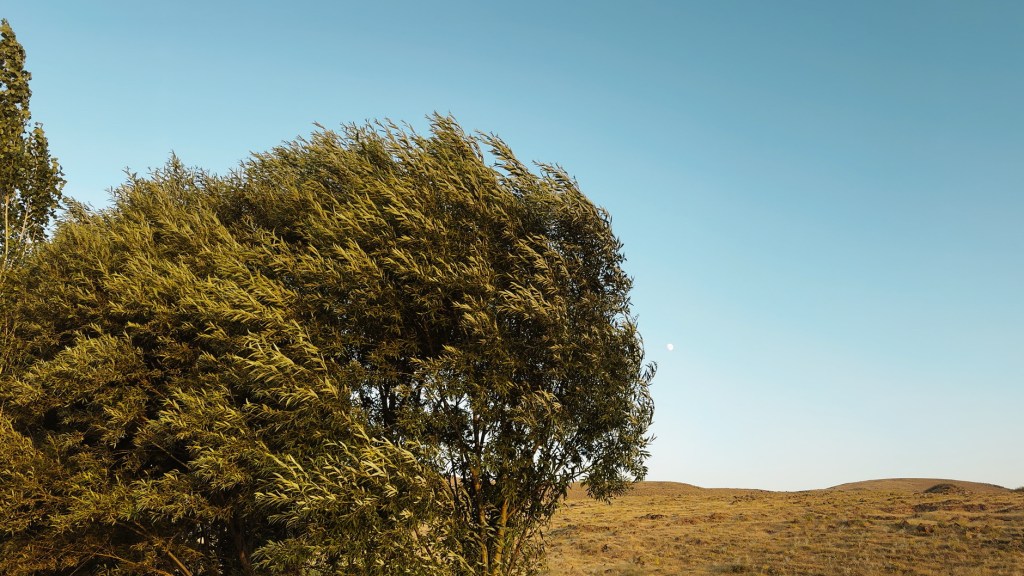
The bitter prairie wind does not apologize for taking our breath away.

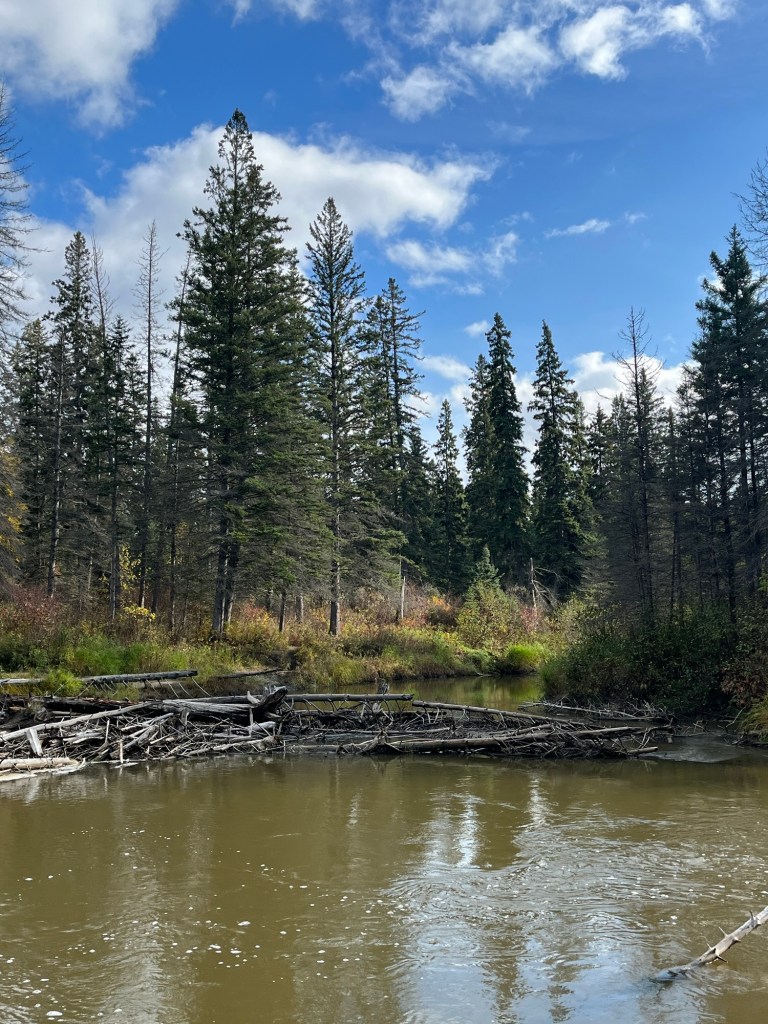
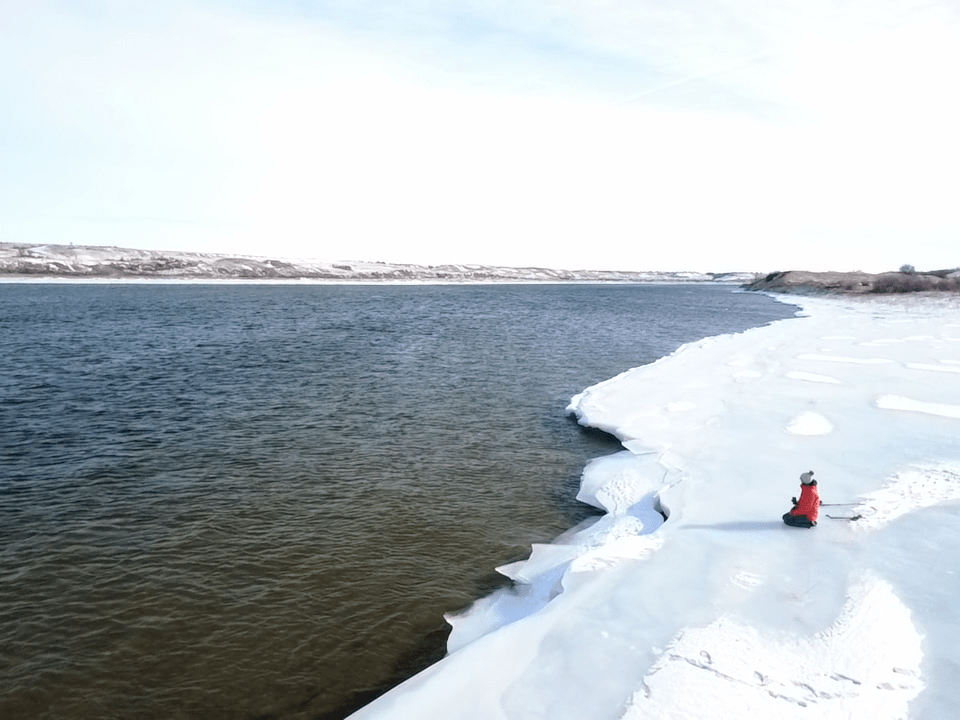
The river does not hurry spring.

Outer stillness teaches inner calm.

When I step into the trees, the sensory world steadies me:

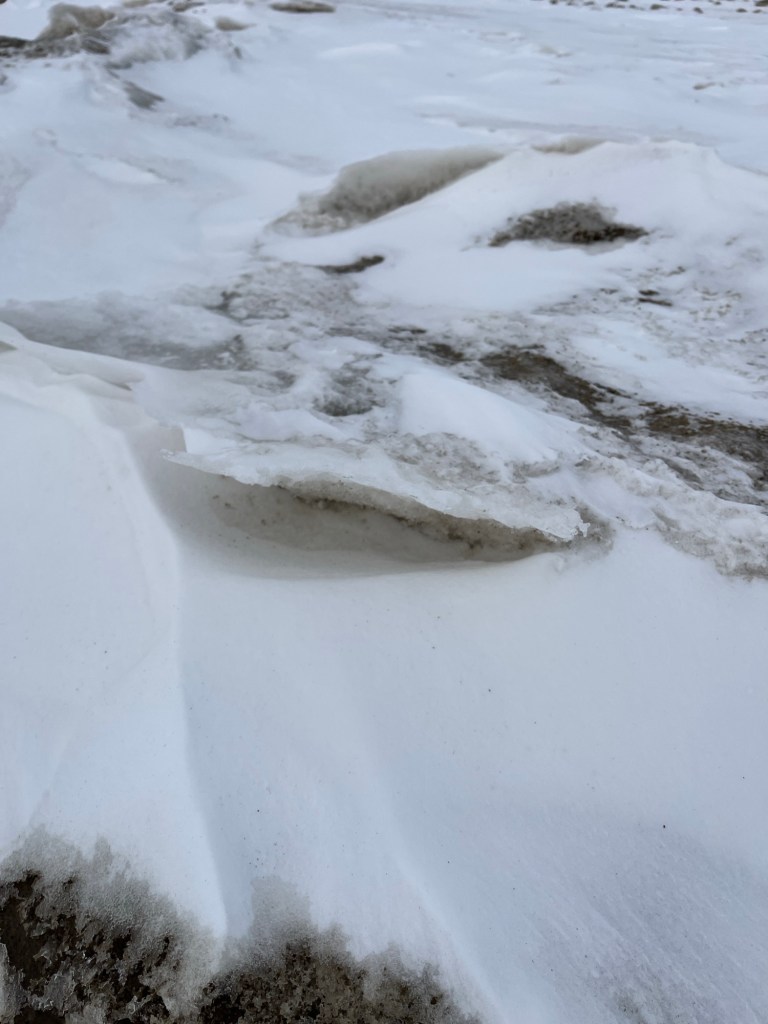
  • The sharp edges of wind swept snow
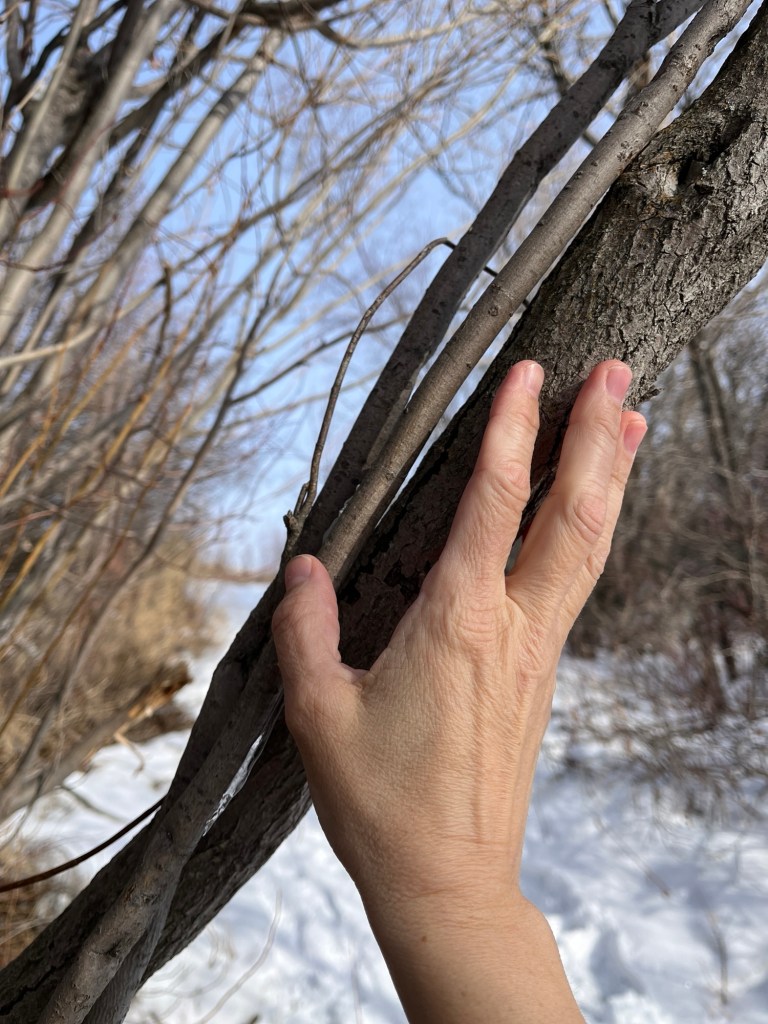
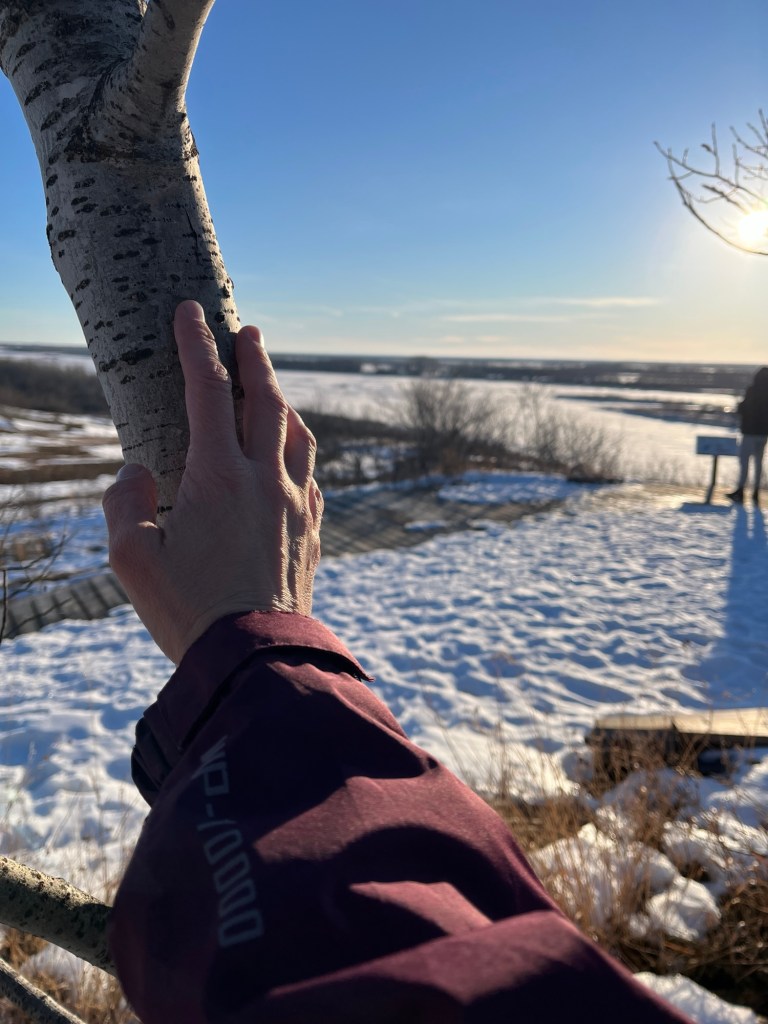
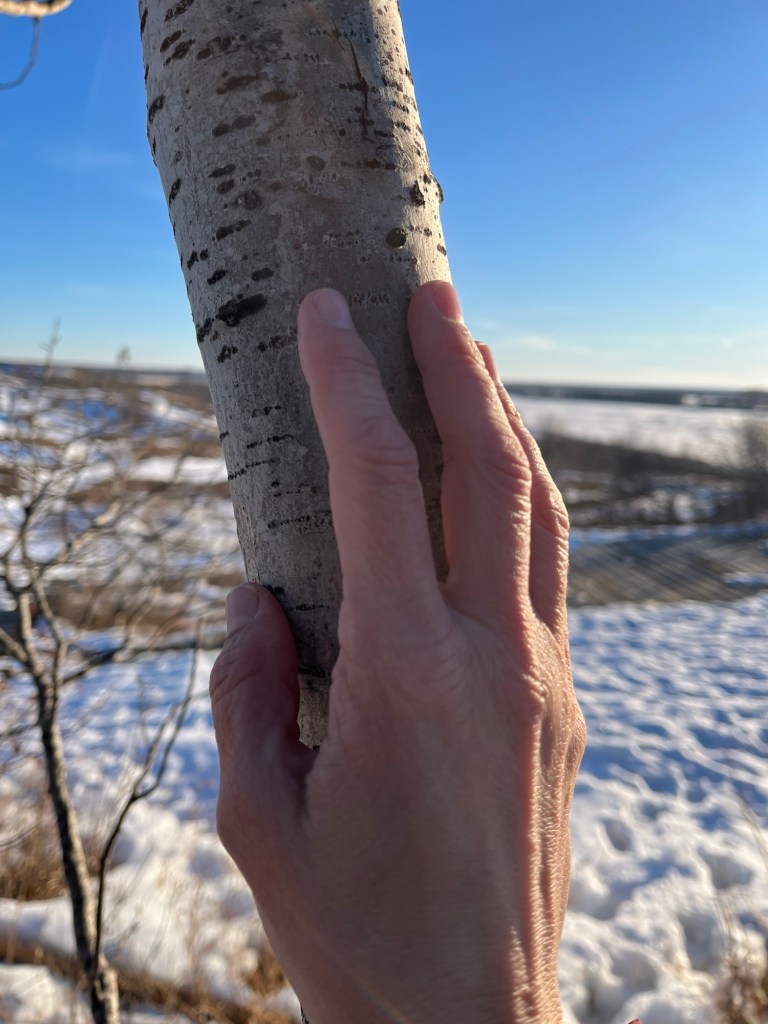
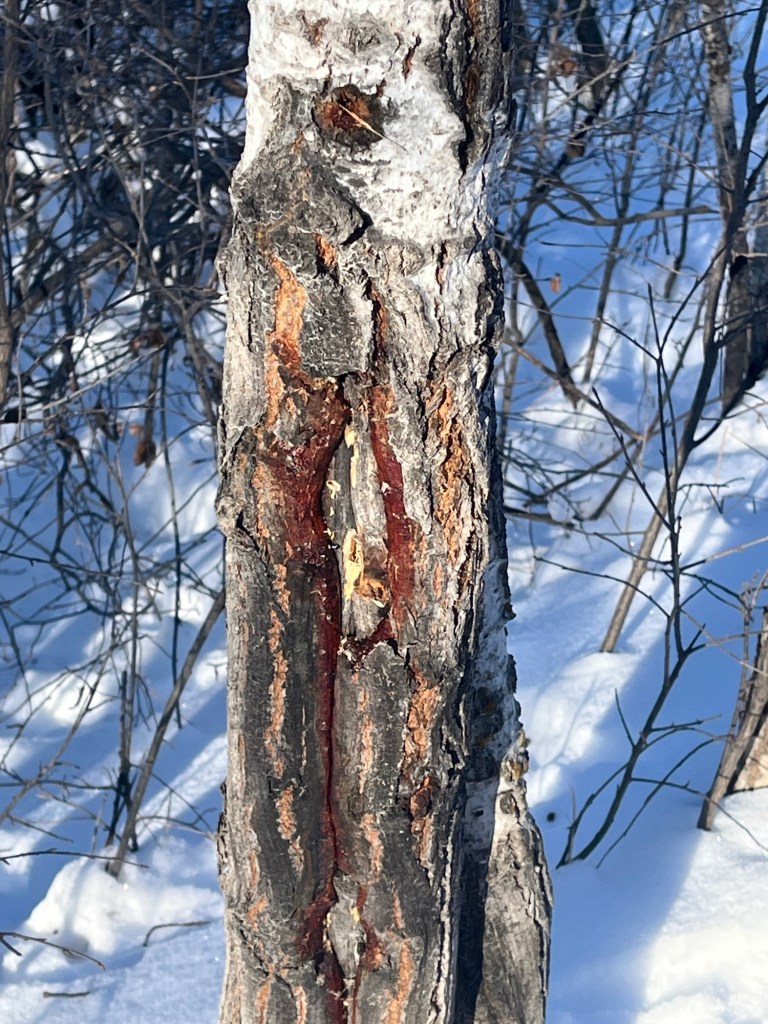
  • The cool texture of bark beneath my palm.
  • The sound of wind moving through leaves like breath.
  • Light filtering through branches in patient patterns.
  • Look closely
  • Breathe deeply

The forest is not rushed. It is not impressed or judgemental of us. It simply grows toward light.

And in that space, I can finally ask:

Which springs belong today?

And the incredibly hard question. Where do I need to let go?

The mind, like water, when it is turbulent, becomes difficult to see. When it is calm, everything becomes clear.

Prasad Mahes

🌲 Forest Therapy Practice: Four Anchors for Inner Calm

This practice is especially for seasons when your life feels uneven.

You are not rebuilding your entire life today. Only choosing your four.

Time: 30–45 minutes

Location: A quiet trail, grove, or open field

1. Arrive in Outer Stillness

Stand still. Feel your feet on the earth. Take three slow breaths, extending the exhale. Let your nervous system soften.

Notice where your body feels tight. Jaw. Shoulders. Back. Belly.

2. Choose Your Four Anchors

Whisper four priorities that truly belong in this season. No more.

  1. Health.
  2. Immediate family.
  3. Faith.
  4. One small joy.

Imagine each anchor as a tree spaced evenly around you.

Notice the balance.

3. Walk the Circle

Slowly walk in a gentle circle, pausing at each imagined anchor. Ask:

Is this spring too tight? Is this one neglected? Does this truly belong in this season?

Let answers arise without judgment.

4. Release One Spring

Name one responsibility, expectation, or internal pressure that does not belong right now.

Imagine physically unhooking it.

Notice the shift in your breathing.

5. Sit and Receive

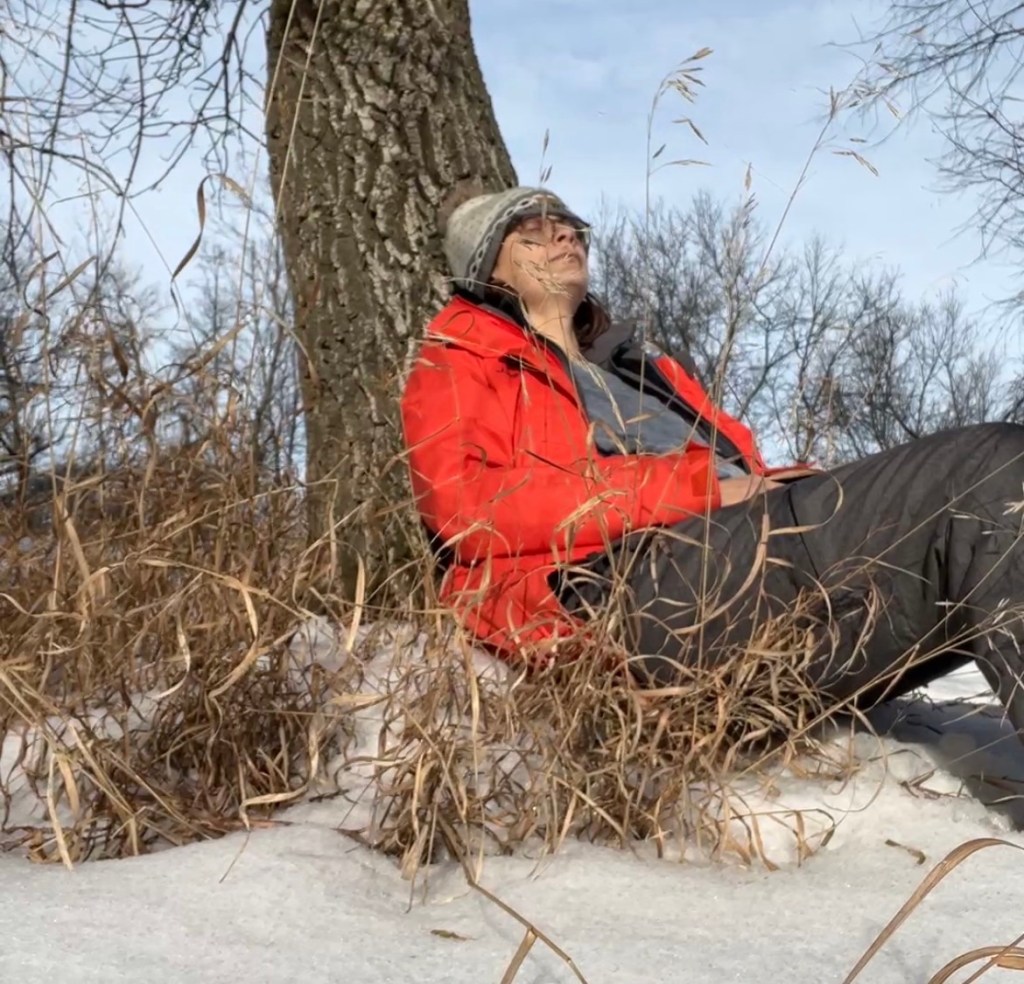
Lean against a tree or sit on the ground. Feel the support beneath you. Let outer stillness hold what you cannot.

Stay in silence.

6. Gentle Reflection

When you are ready, journal:

  • What would happen if I allowed this season to be enough?
  • What does my body need more of?
  • What am I brave enough to release?

True intelligence operates silently. Stillness is where creativity and solutions to problems are found.

Eckhart Tolle

You are not weak for having fewer springs. You are wise for choosing them. Balance may not look symmetrical. Your mat may not look like someone else’s.

But even a crooked mat can hold us.

And in the quiet of the forest, we learn to stretch for only what we are meant to hold.

What a blessing it is to look around and see pieces of my old prayers scattered everywhere.

Sarah Trent

How to Grow Rich When Chronic Pain is Your Reality

Ever notice how the word rich instantly makes people picture a yacht, a corner office, or at least a pantry where I have everything I need from chocolate to chia seeds?

Meanwhile, some of us are over here feeling wealthy because we found a position that doesn’t make our back yell at us.

Welcome to redefining abundance.

When you live with chronic issues, the cultural picture of “the good life” can feel like a club you don’t get invited to. My body has very strong opinions. And she will not yield. And yet, many people walking this road discover a strange, stubborn truth.

Richness is not a circumstance.

It’s a way of seeing.

Better Than Happy host Jody Moore distinguishes between two kinds of discomfort. One is fueled by resistance and the belief that life should be different. The other is accompanied by gratitude and a desire to create meaning from what is here.

In the latter, action becomes possible. In the former, people often remain stuck.

For those with chronic pain, discomfort is not optional. The choice lies in how we relate to it.

Turn your wounds into wisdom.

Oprah Winfrey

Gratitude does not deny suffering. It widens the field of attention so that suffering is not the only occupant.

There is the ache that says,

Why me? This ruined everything.

And there is the ache that whispers,

Given that this is here, what life can I still grow?”

The first freezes us in place.

The second opens a path.

A rich life might include money. It might include health. It might include work you love or a family that grows together. Or it might be something far less Instagrammable and far more sustaining. Presence, meaning, connection, small mercies, deep seeing.

Gratitude has a way of turning what is here into enough, and from that soil, more becomes possible.

Not because your nerves suddenly behave.

But because your mind has room again.

As Meister Eckhart wrote,

If the only prayer you ever say in your entire life is thank you, it will be enough.

Gratitude is not pretending pain is lovely.

It is noticing pain is not the only thing present.

Nature’s Secret Calculus

In the woods, a tree with a twist in its trunk is not considered a failure.

It is considered interesting. Strong. Adapted.

No straight lines required.

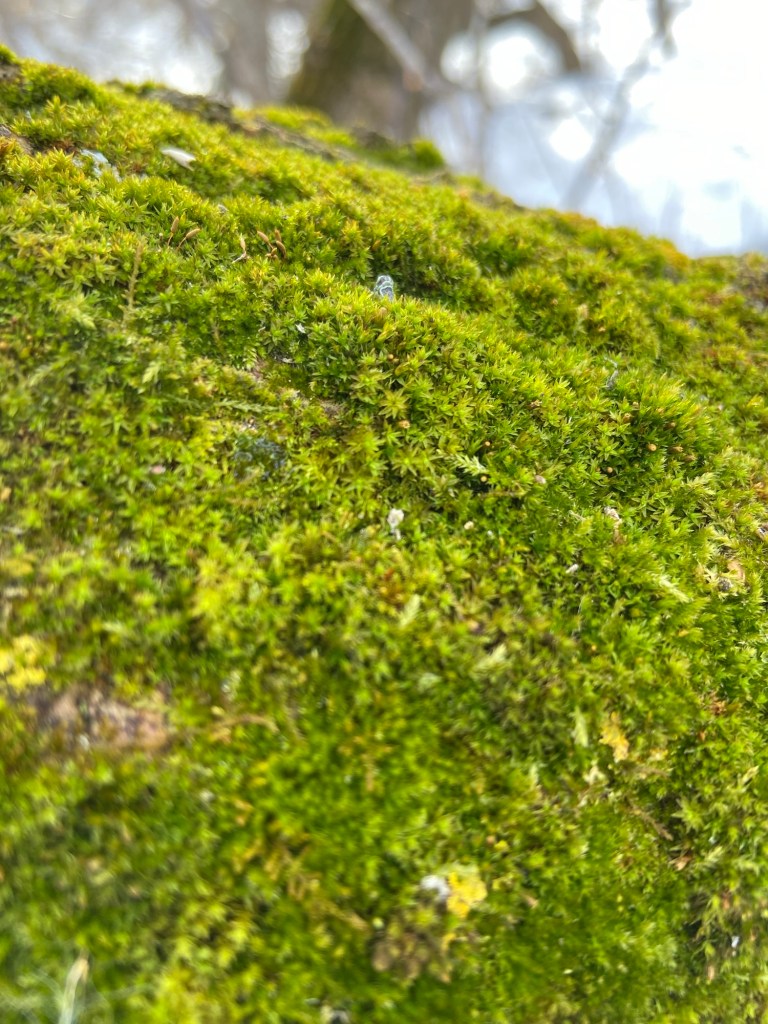
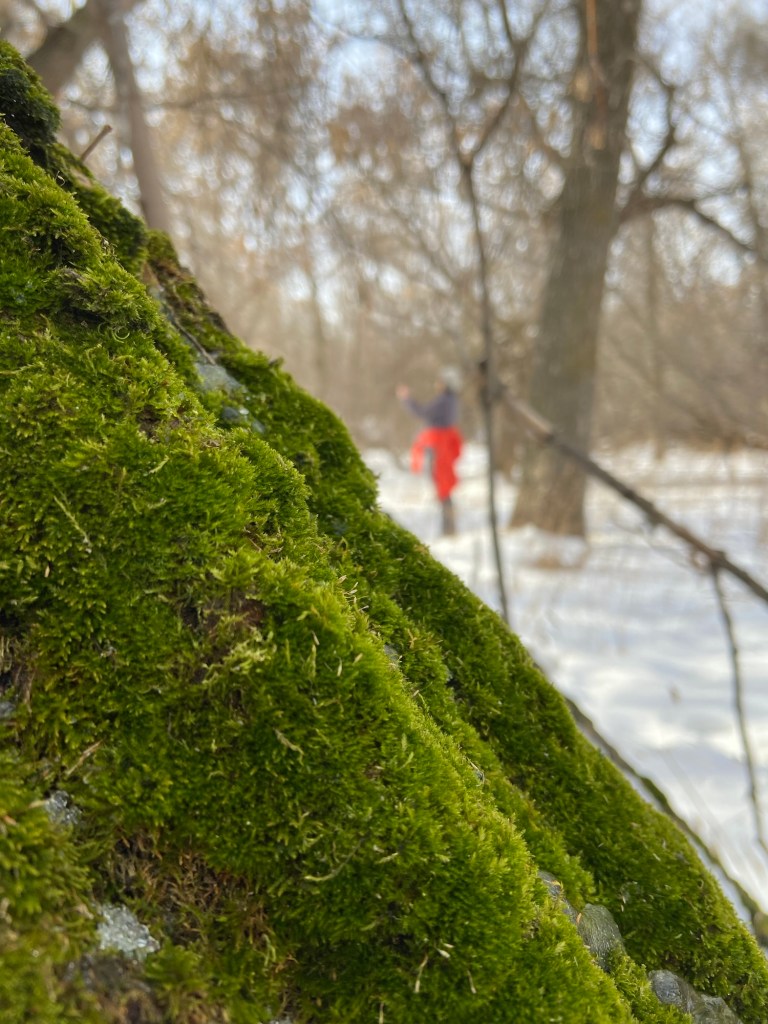
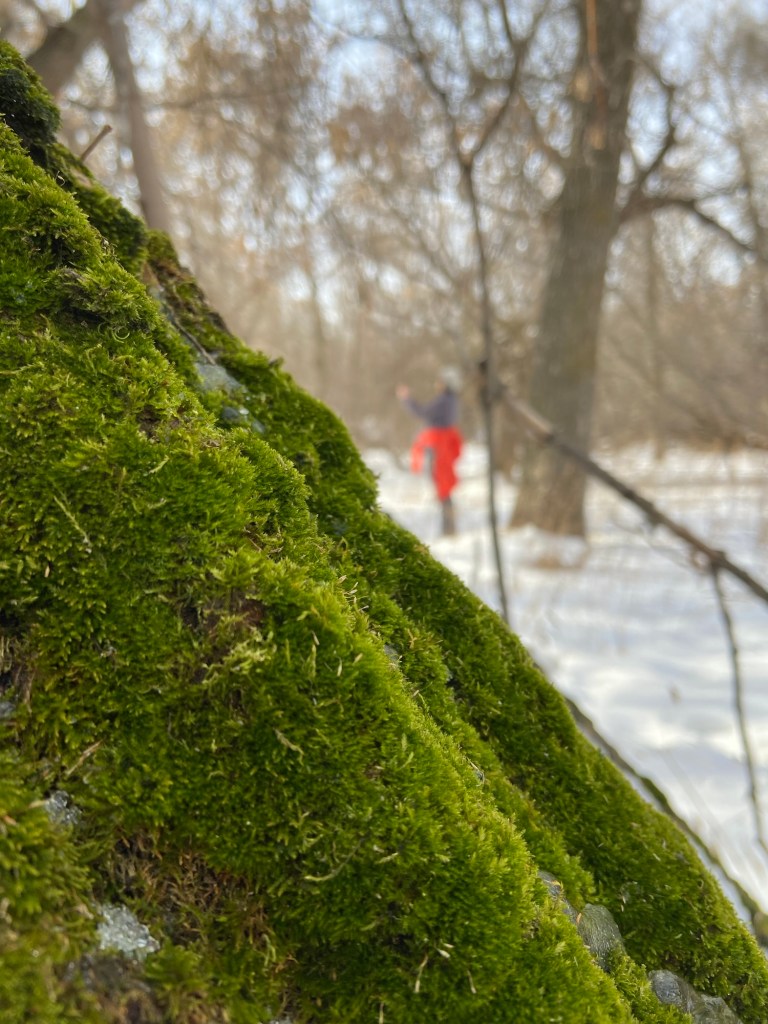
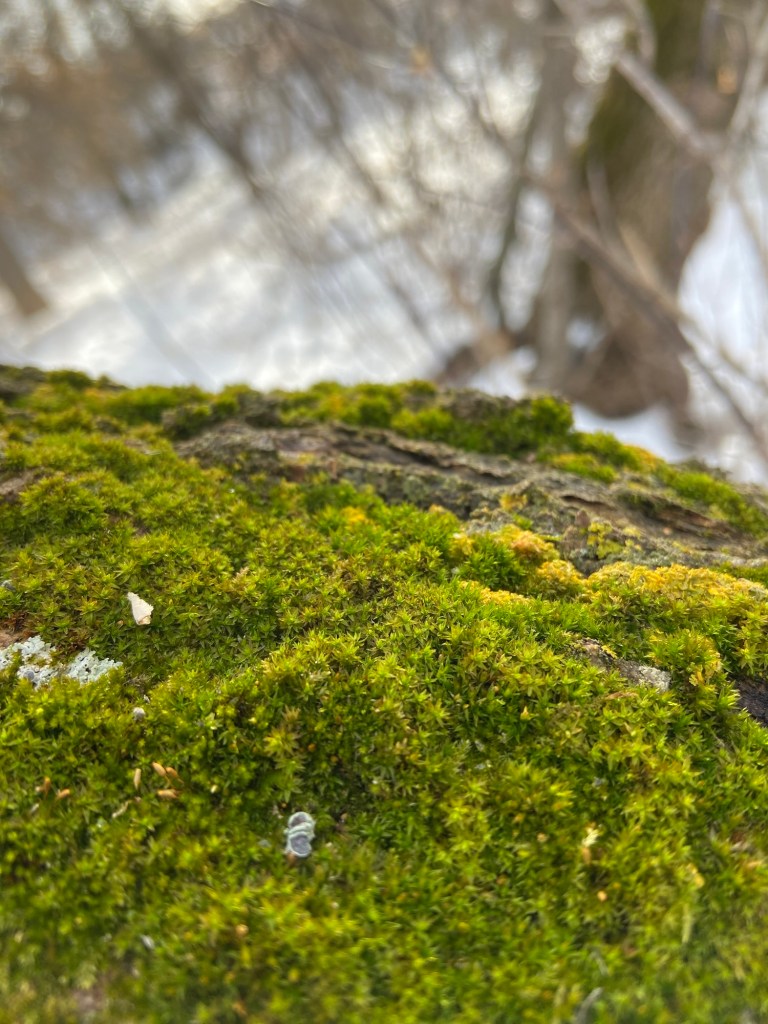
Chronic pain can feel like the bend you never asked for. But bends create habitats. They slow us down enough to notice moss, breath, companionship, the sacred ordinariness of being alive.

What if the detour is also the destination?

Chronicles of My Journey

Some days my life feels like a series of unfortunate events. Many of those events are inconsequential to the general population. But to my loose joints they are devastating.

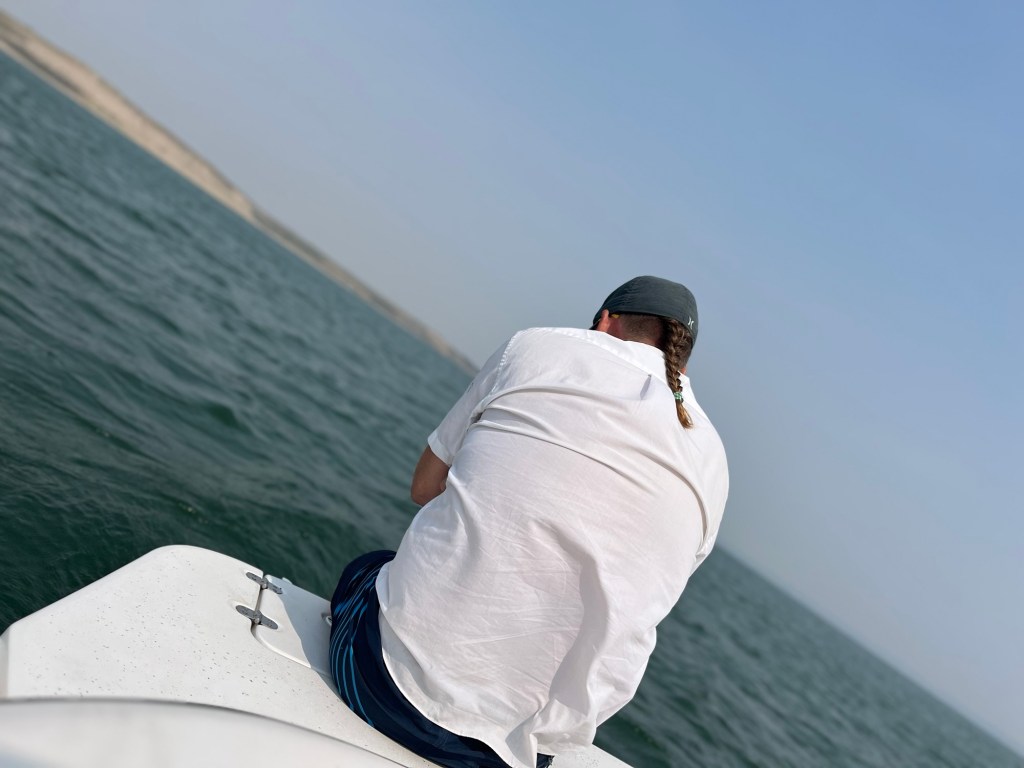
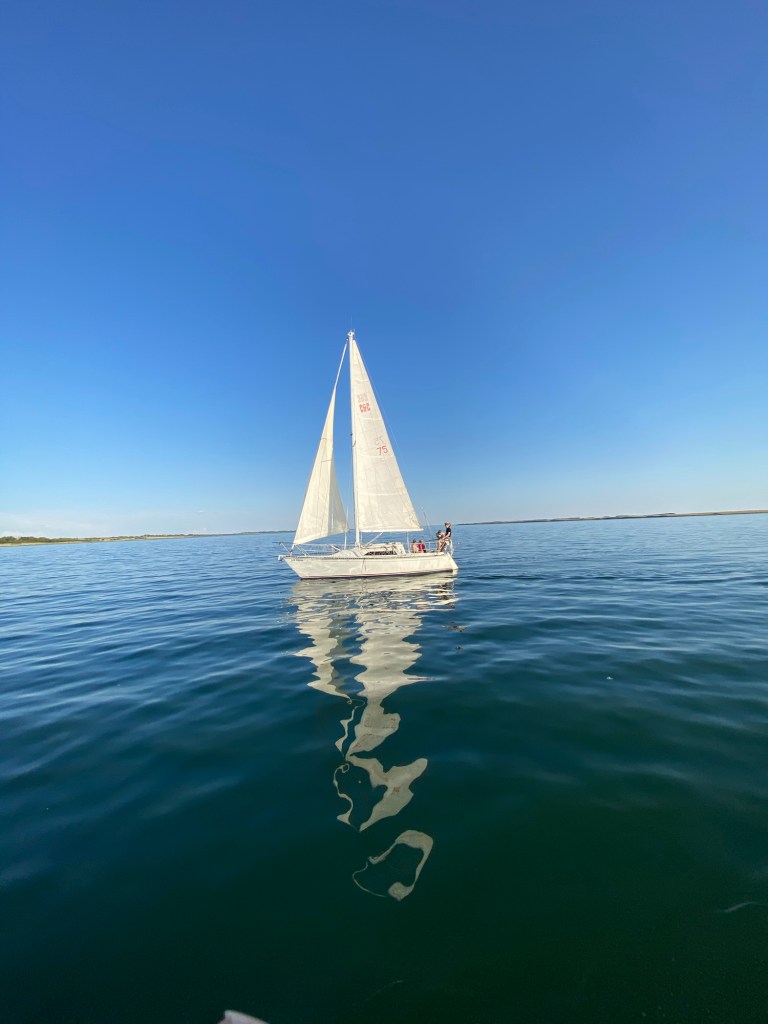
Last August I was enjoying a beach day with friends. Enjoying isn’t a strong enough word. These are the days I live for.

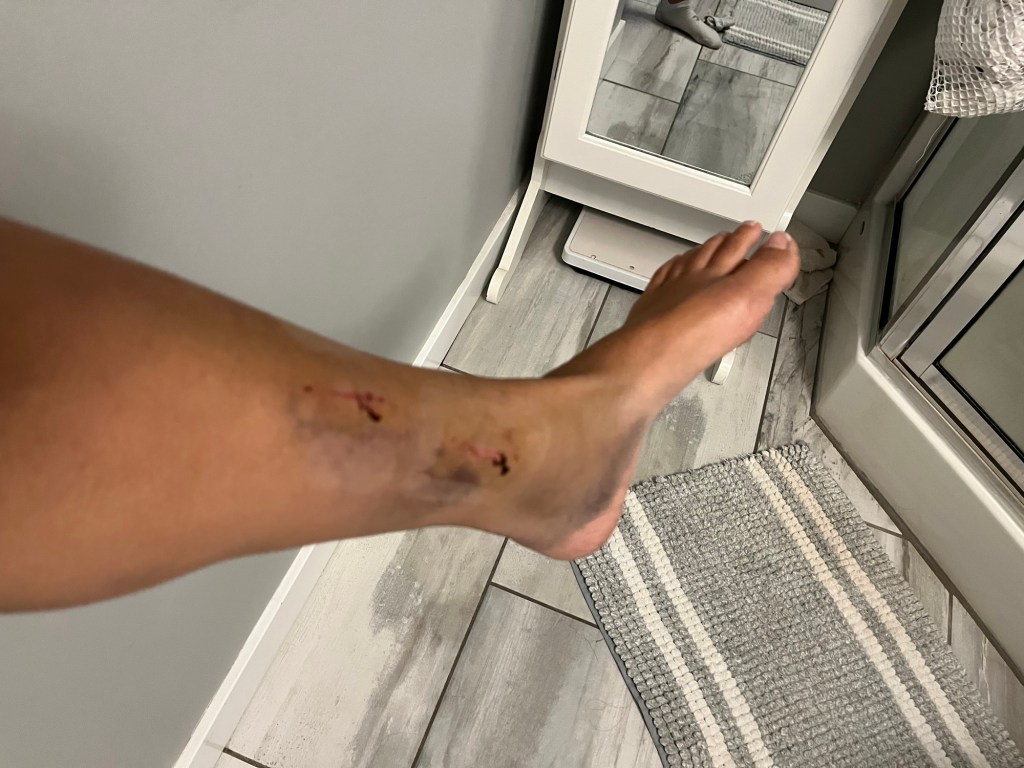
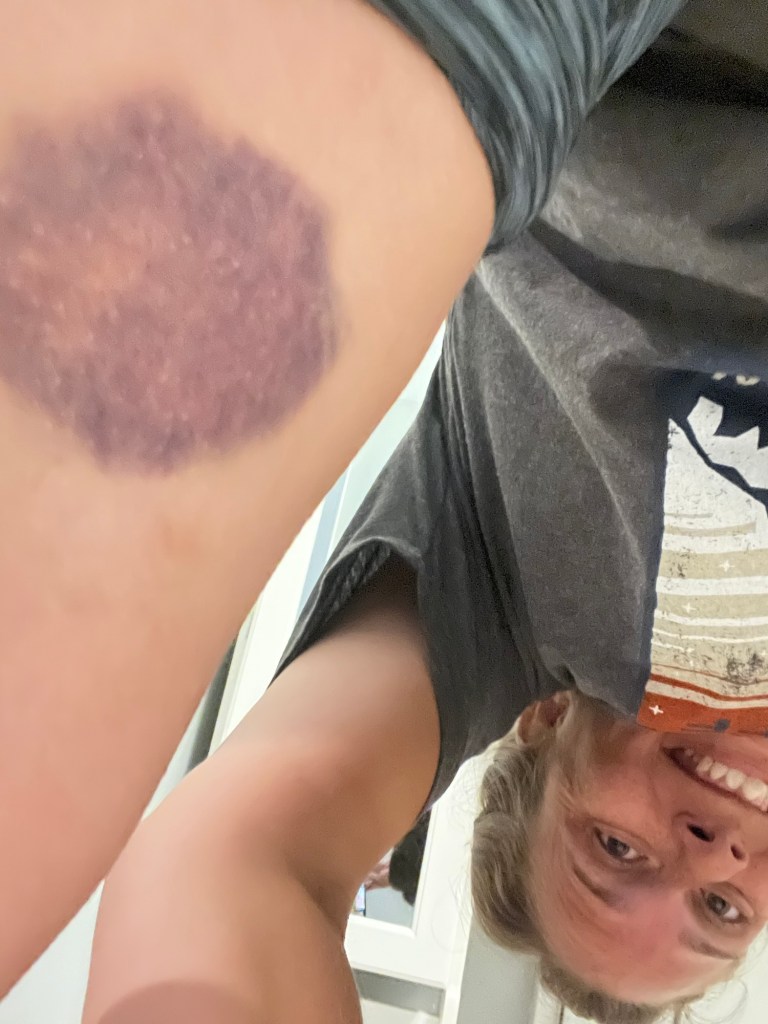
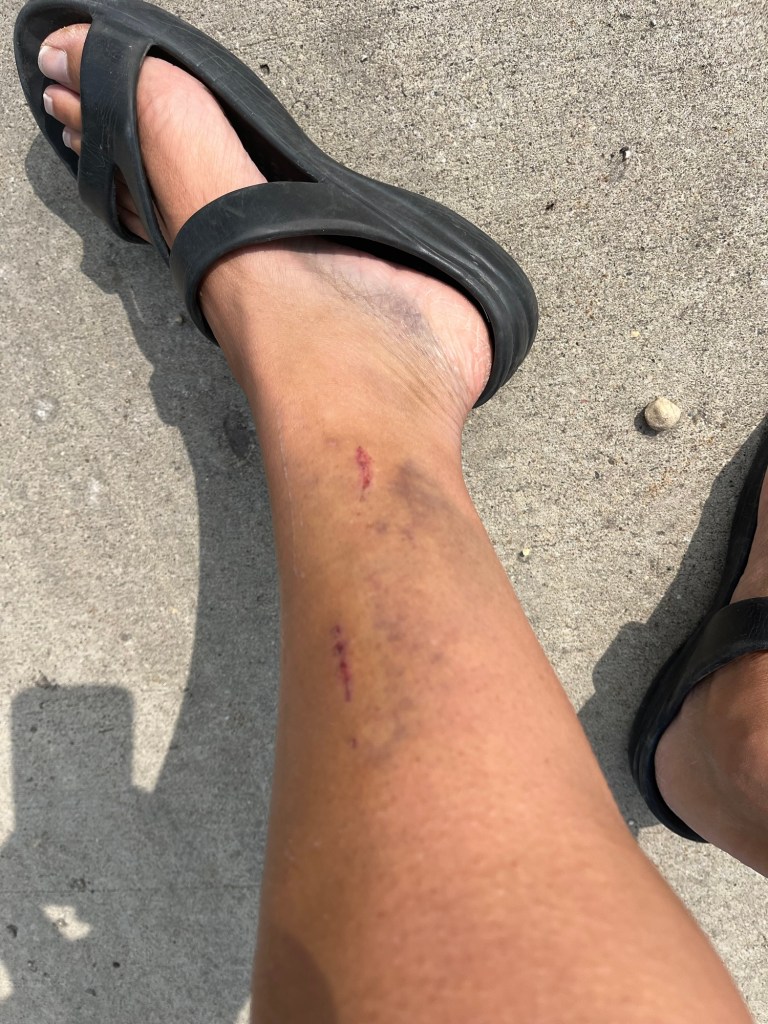
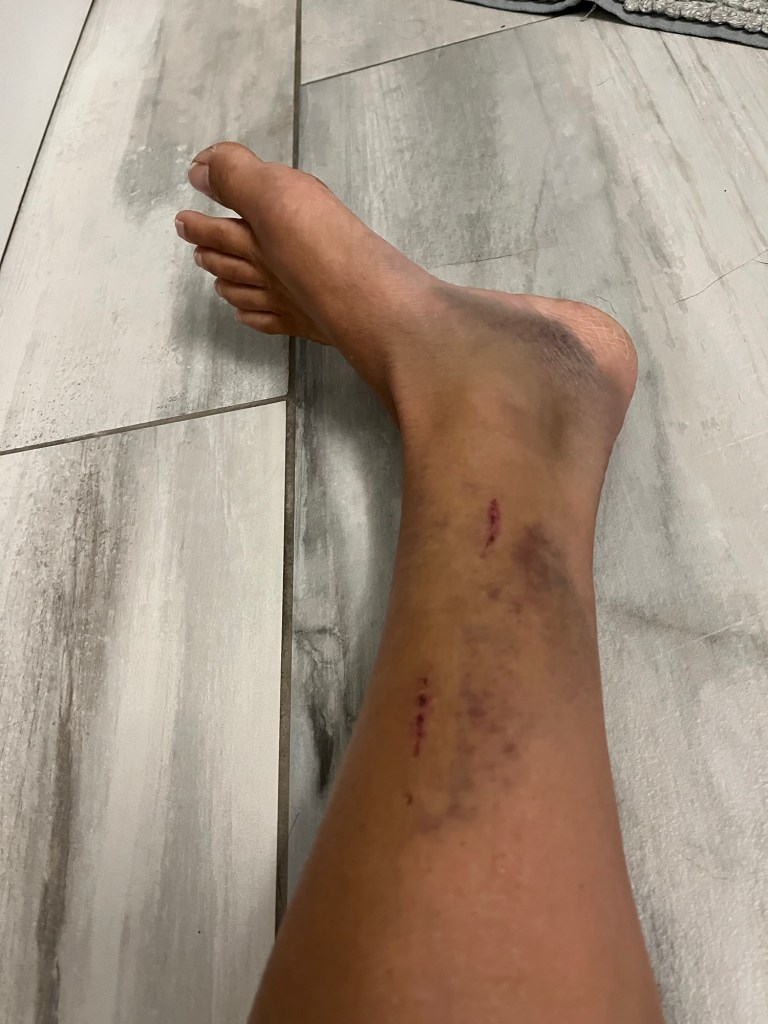
In my rush to support my mom getting off the boat, I slipped. My leg hit twice. On the back of the boat. Then scraped down the ladder.

The pain sent me into waves of nausea. Darkness of passing out kept threatening. I refused to surrender because that seemed embarrassing in the moment.

I was rushed off the beach as my leg swelled into two big lumps. Once I got it raised, it started to stabilize and my senses returned. In the end we decided to wrap it and I got to stay at the beach. But my summer was over.

More devastating was what it did to my gym workouts. I try to get to the gym a few days a week to keep my muscles strong enough to hold me together.

I was finally to a place where I could hold most major joints in for a week or more. This incident set me back months.

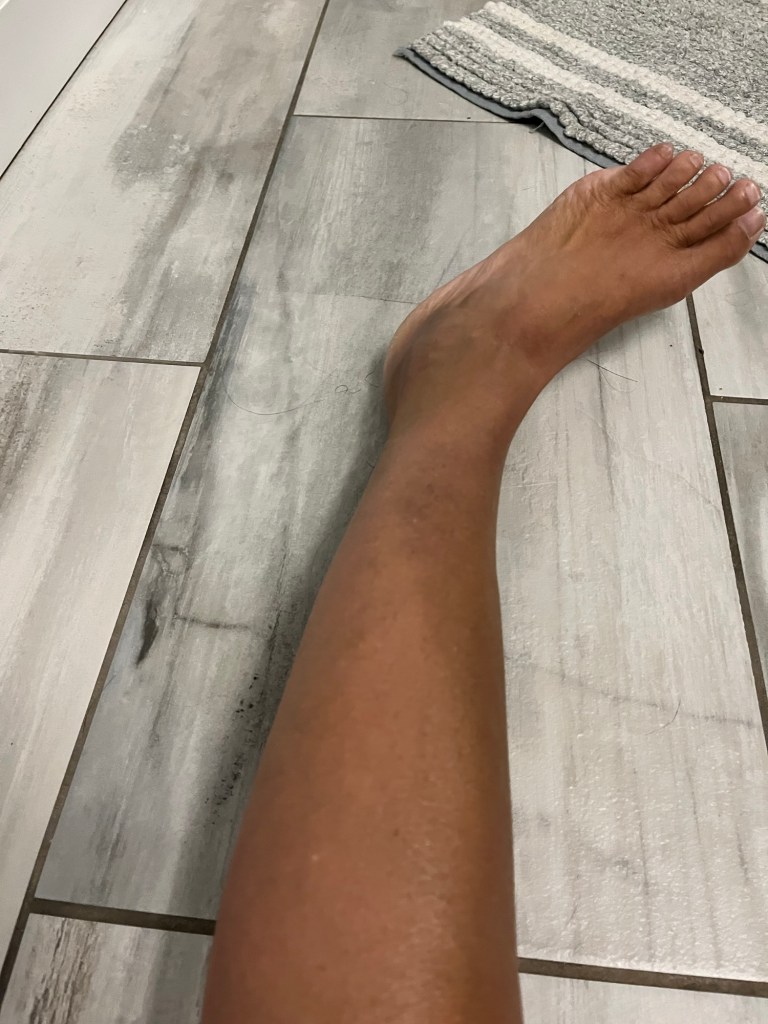
I am pleased to say I am finally back to a place where I can run almost the distance and pace I had before the damage to my leg. But it took all of those 6 months. The rest of my body has yet to catch up.
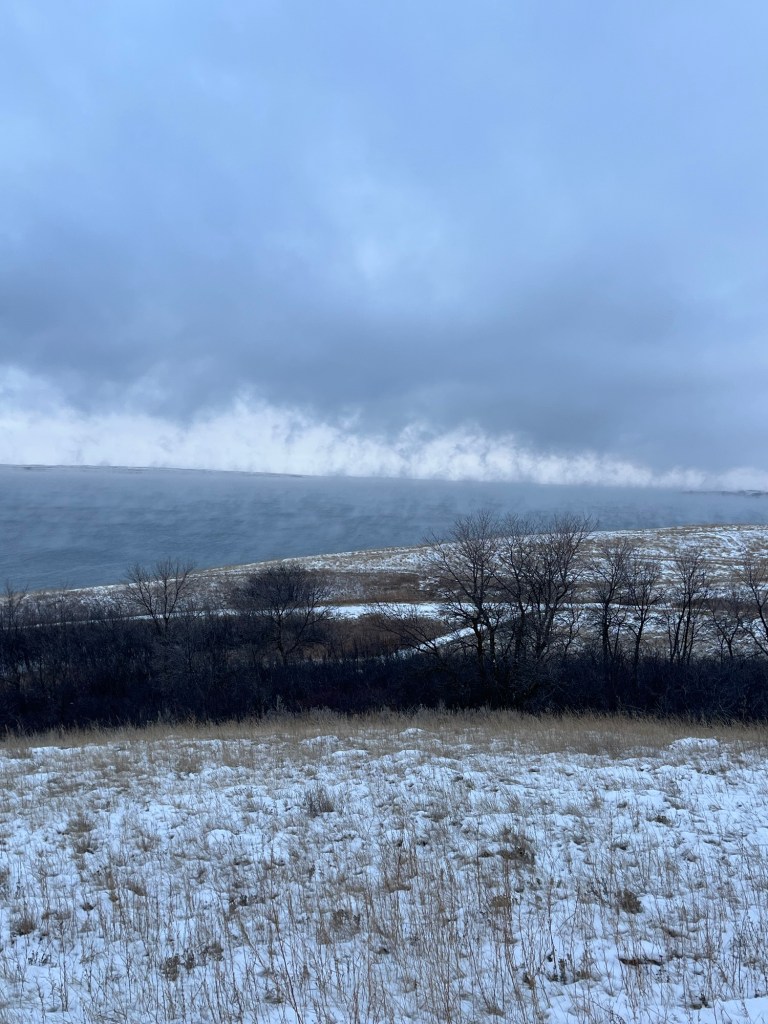
These setbacks are frequent and challenging. But I am learning there is peace and hope available on all days. No matter what is happening or not happening. And the sunshine will return.

Finding Wealth in the Woods: A Forest Therapy Practice

  • Go somewhere with trees or sky.
  • Let your pace match what your body can honestly do today.
  • Arrive. Feel your feet. Or your walker. Or the place you are sitting. Let the earth hold some of your weight.
  • Notice three forms of wealth already present. Warmth on your face. Air entering lungs. A sound that is gentle.
  • Place a hand on your heart or thigh and ask, “Given my limits, what is still possible for me?” Don’t demand a big answer. Let something small come. A phone call. A rest. A moment of beauty.
  • Say, quietly, thank you.

That’s it. Tiny riches count. And this practice opens doors for more riches to enter your presence.

Navigating the Path Ahead: A Thoughtful Analogy

Imagine inheriting land you didn’t choose. Some of it is rocky. Some days it floods. You can spend years arguing with the map… or you can learn what grows there.

Blueberries love poor soil.

Certain pines only open after fire.

Some of the most resilient beauty requires harsh beginnings.

As Rainer Maria Rilke advised:

Let everything happen to you: beauty and terror. Just keep going. No feeling is final.

Where Forest Therapy Carries Us

At the outset, when life no longer looks like it did, when identity is disrupted, the forest helps us find where we fit now. Not who we were. Not who others are. Who we are today.

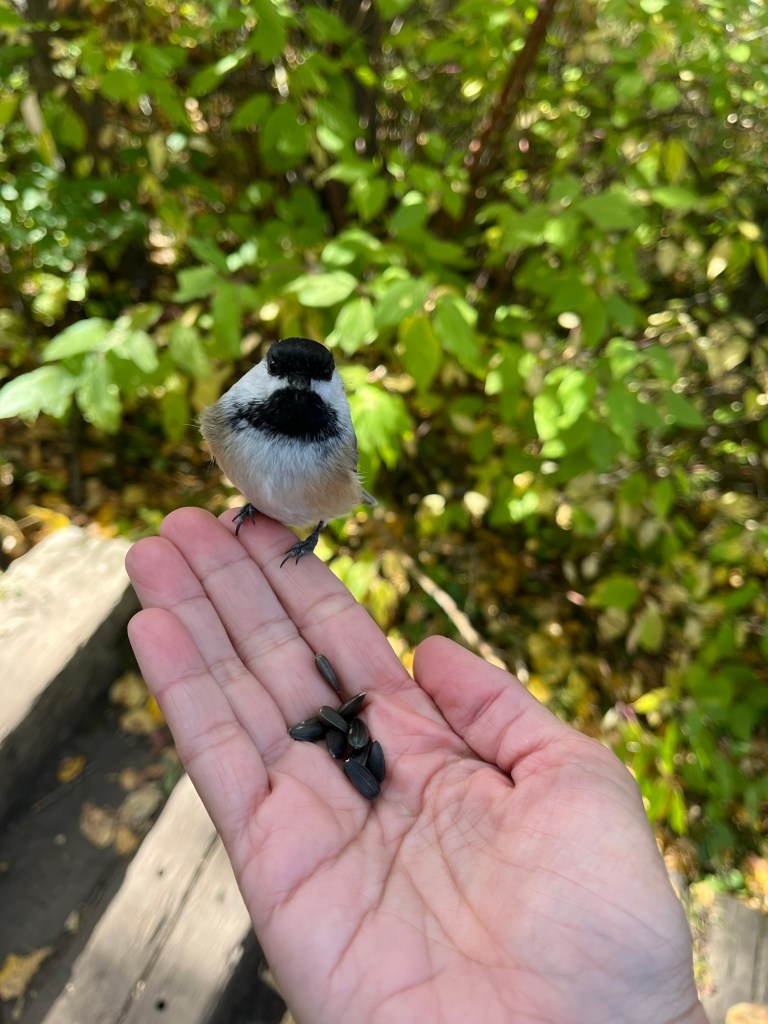
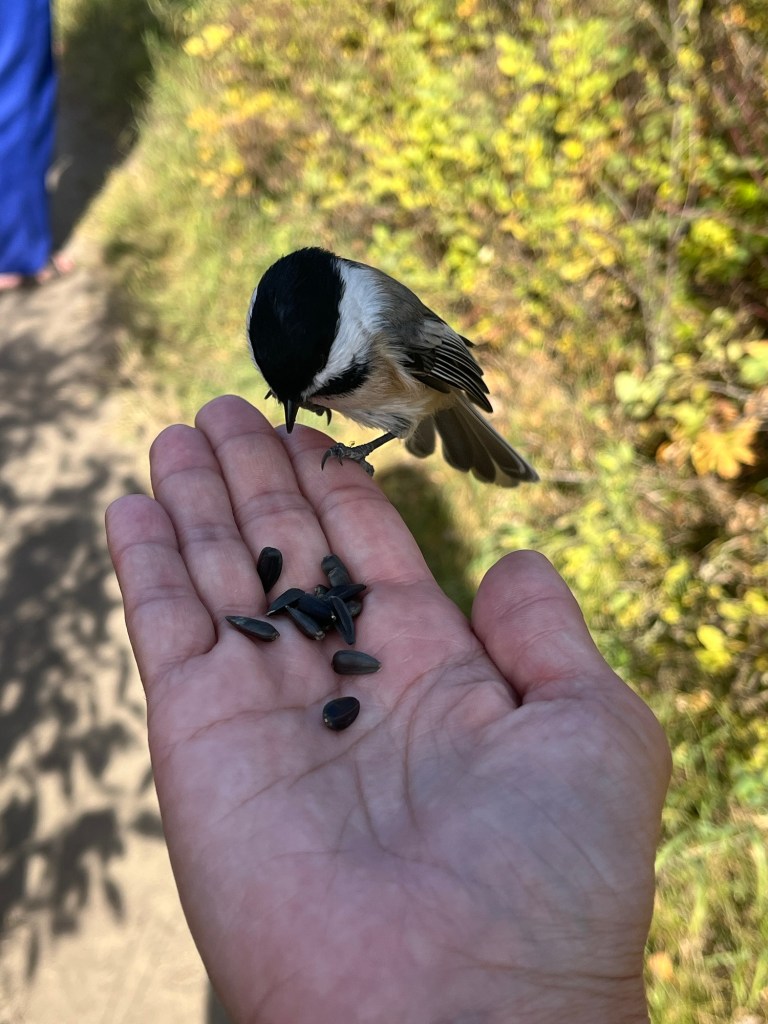
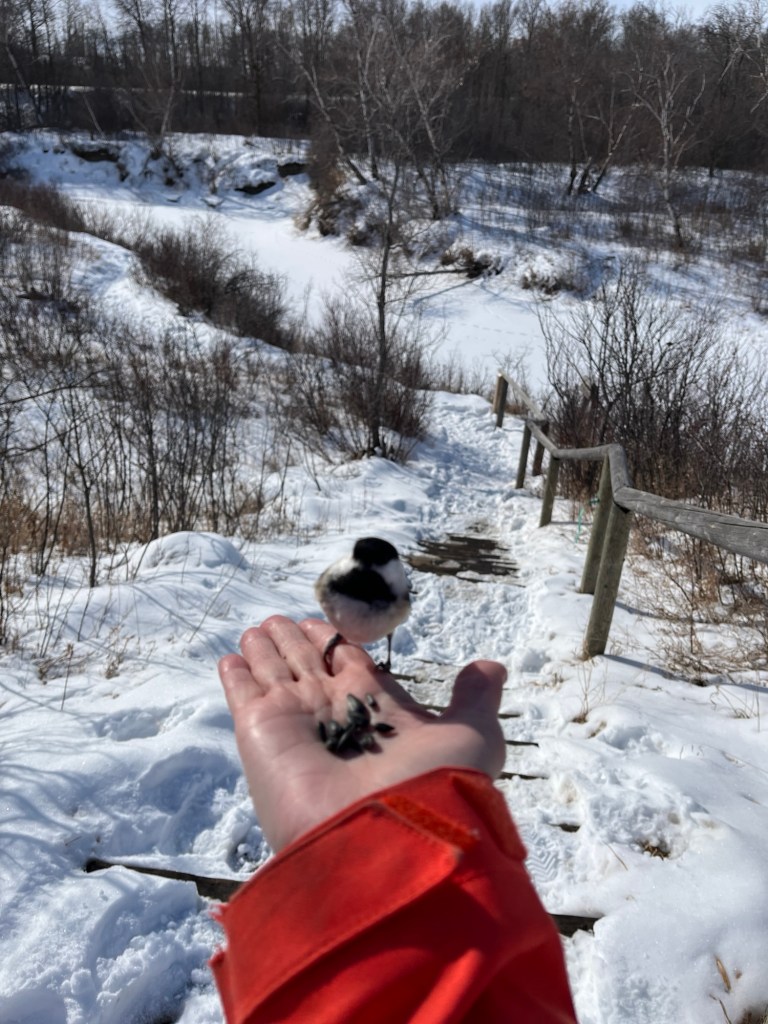
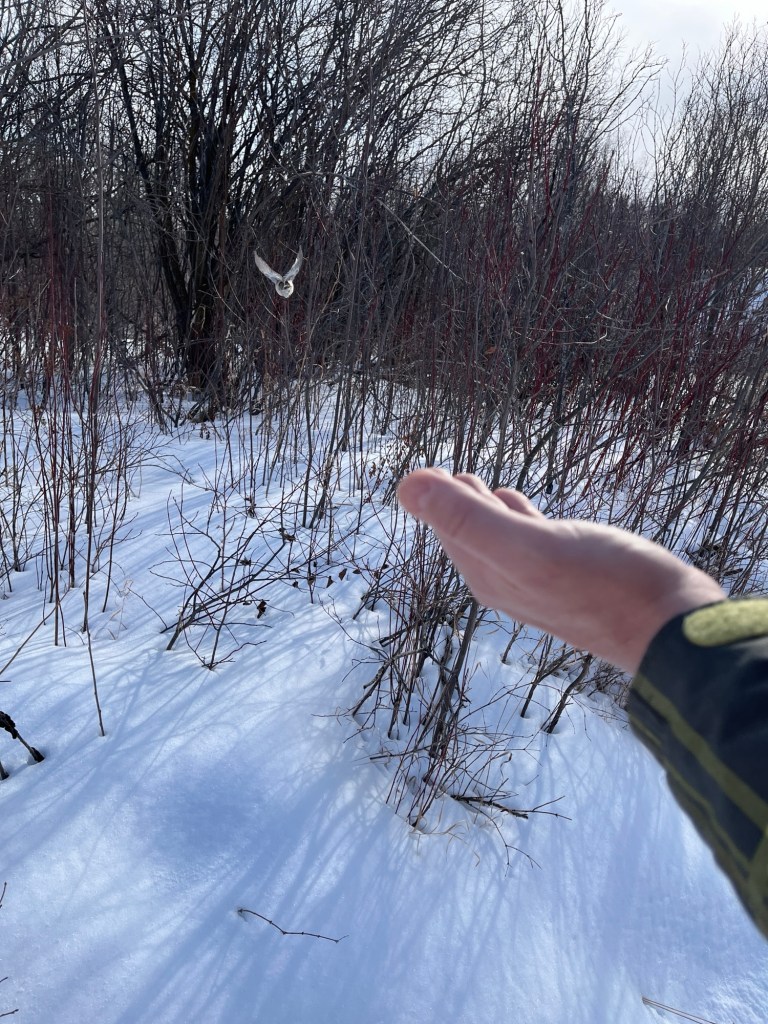
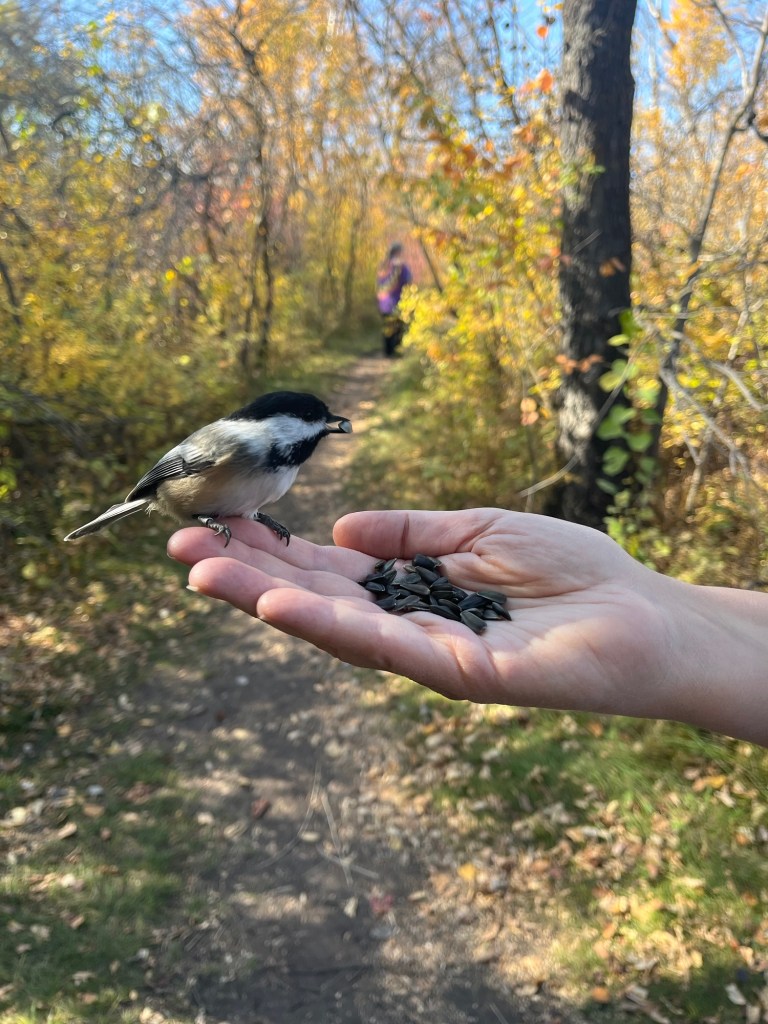
In the middle, when the physical and mental anguish feels loud, nature gives our nervous system something steady to lean on. Wind continues. Chickadees continue. Light continues. We borrow their rhythm.

And at the end, or at least with distance, we often see that pain brought unexpected inheritances. Tenderness, clarity, reprioritized love, a fierce ability to notice what matters.

A different kind of fortune.

You may never get the yacht.

But you might receive awe. Intimacy. Meaning.

Moments of real rest inside the storm.

That is wealth no market can crash.

And forest therapy walks with you through the whole thing 🌲

The wound is the place where the Light enters you.

-Rumi