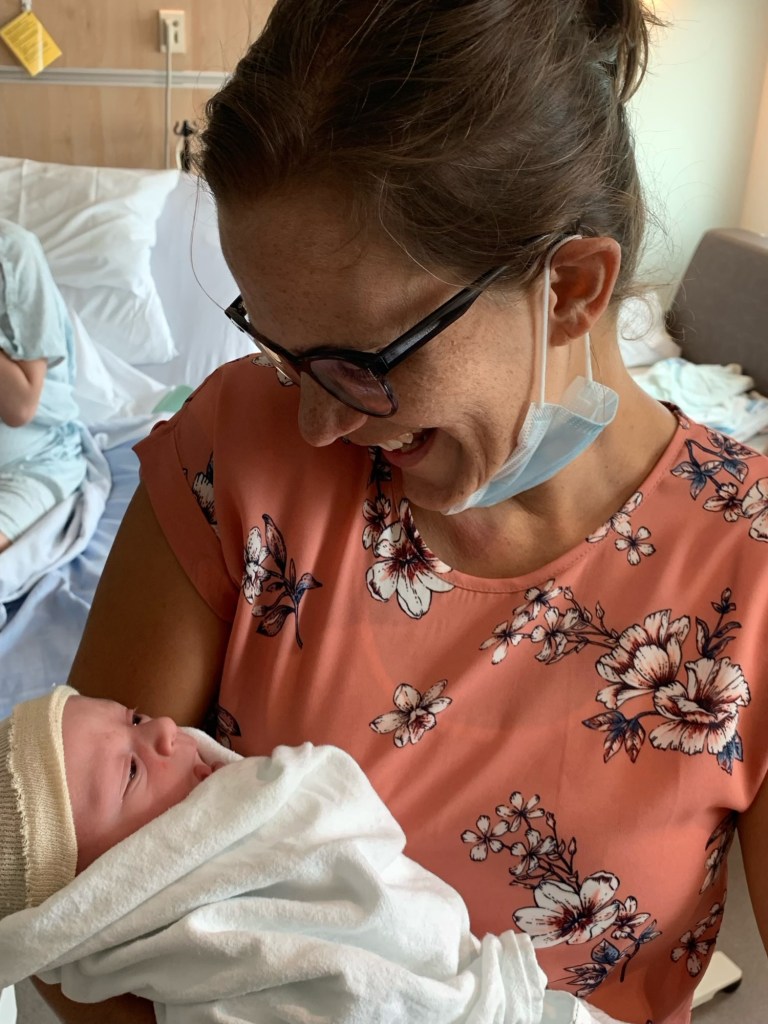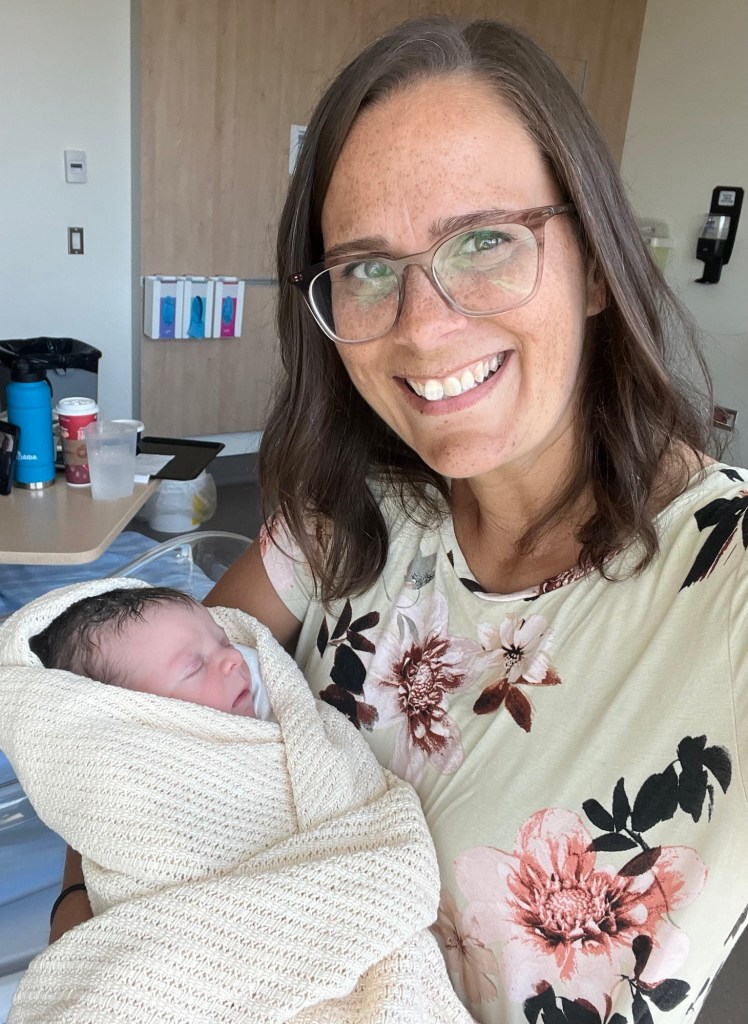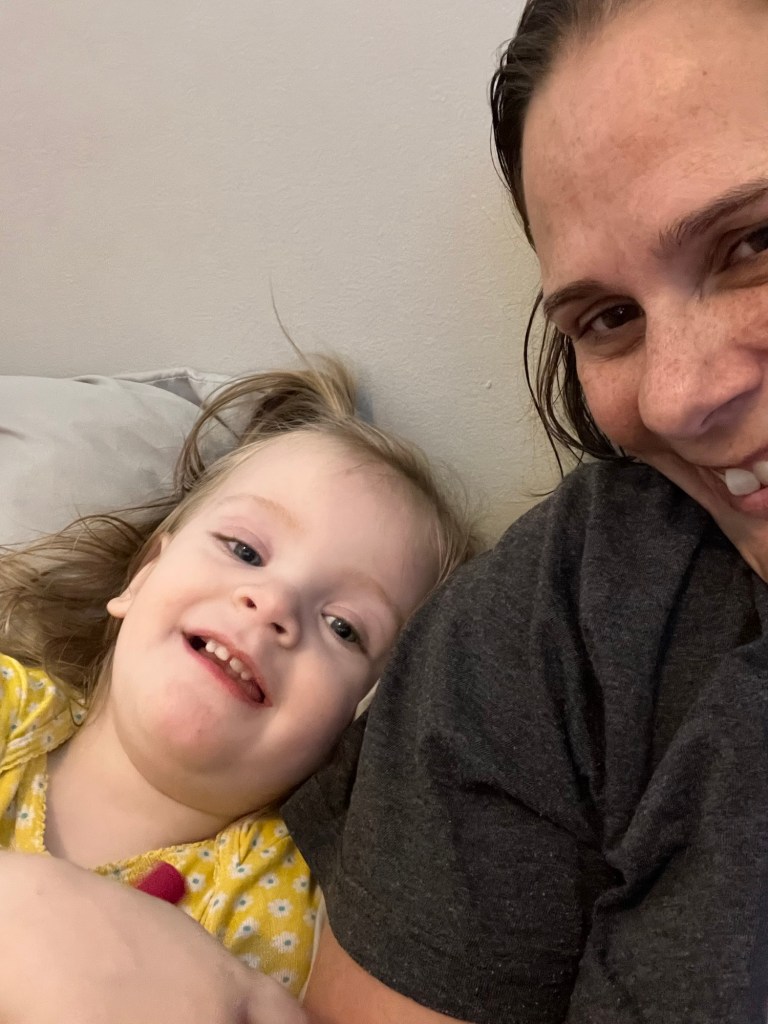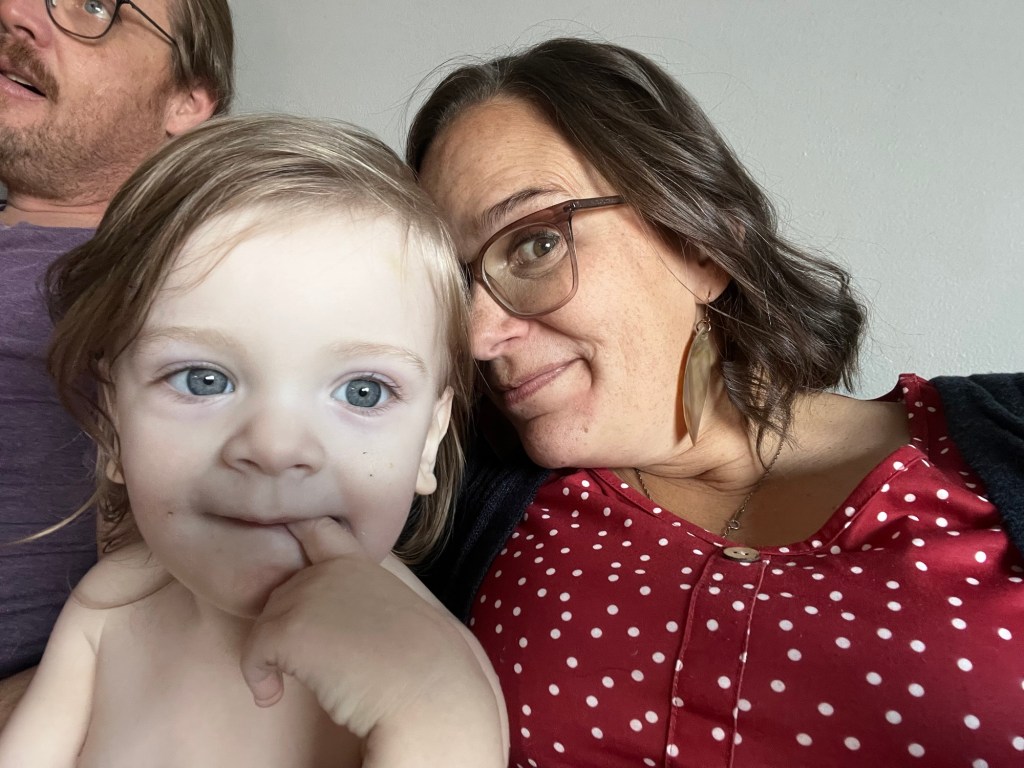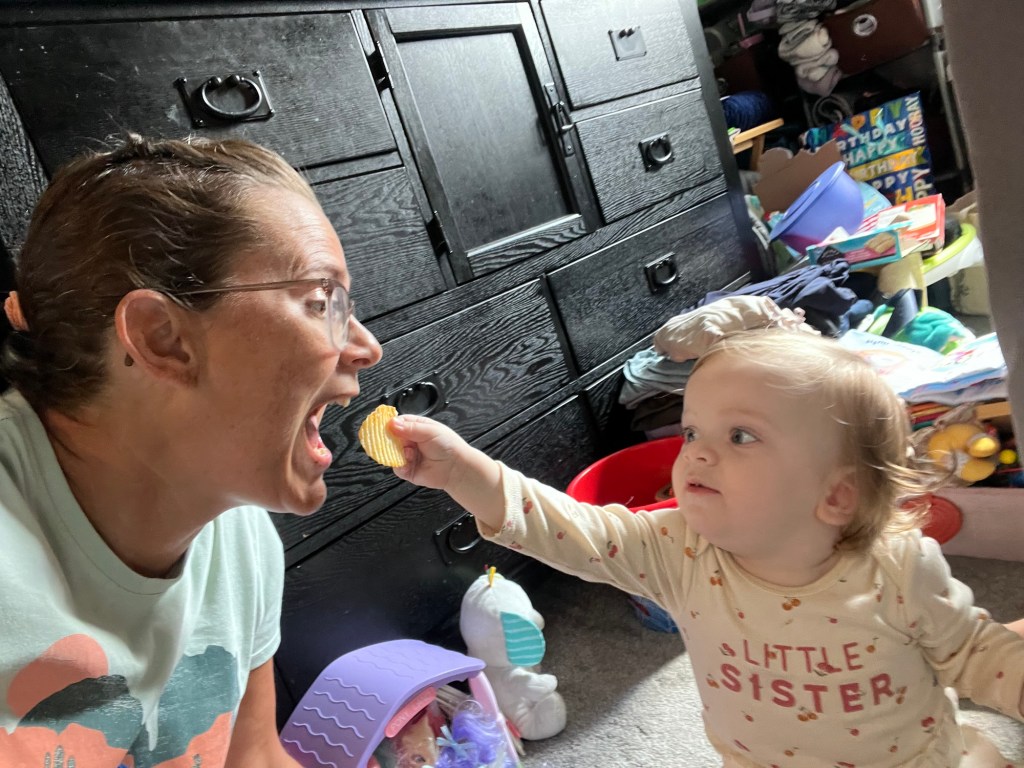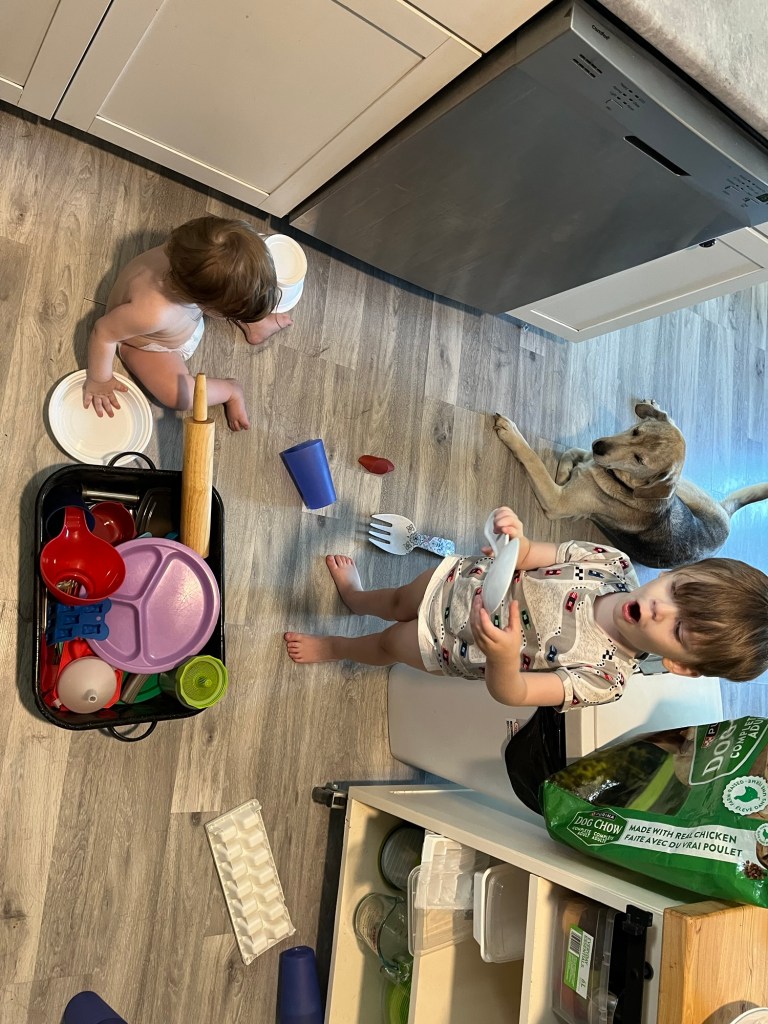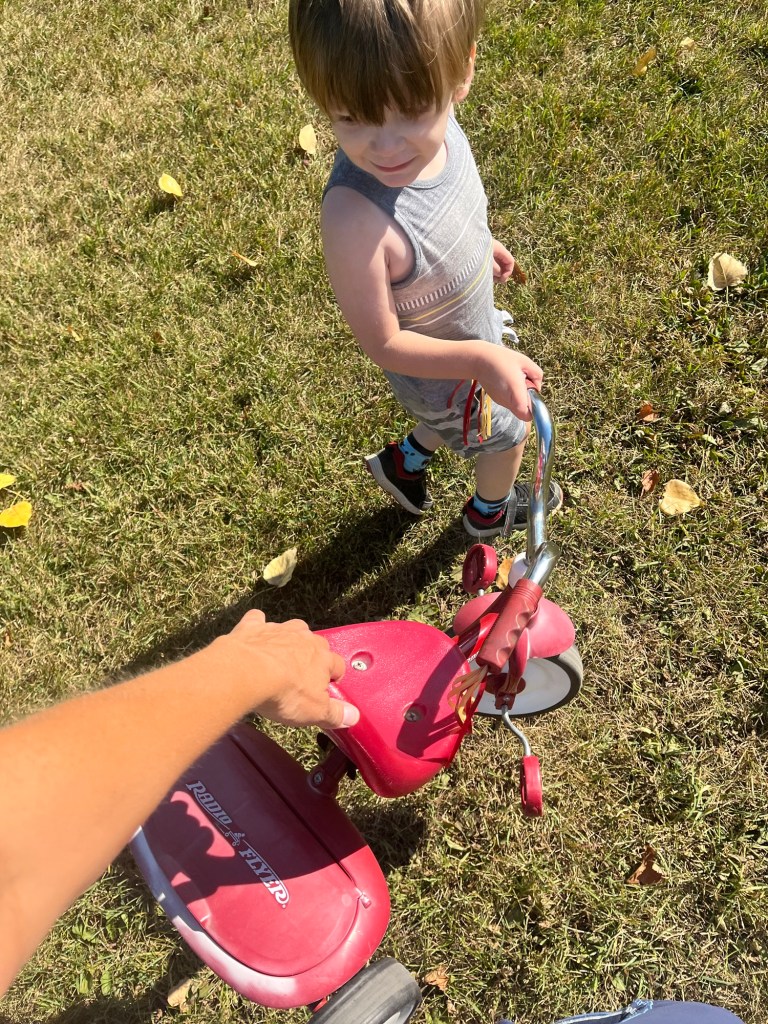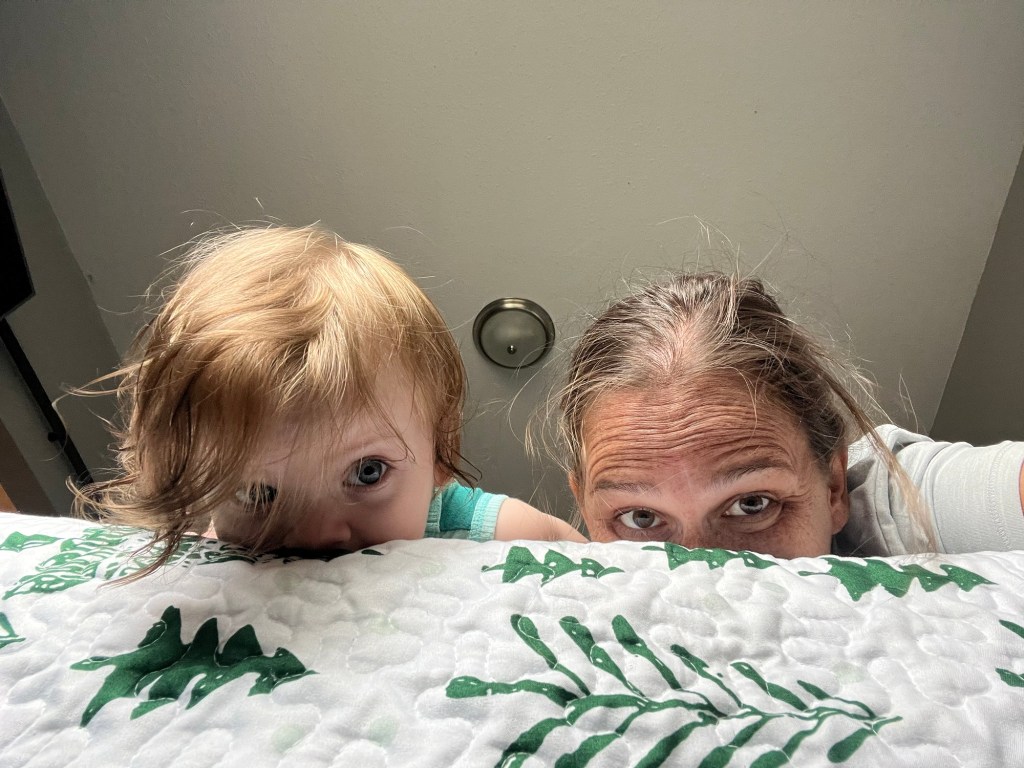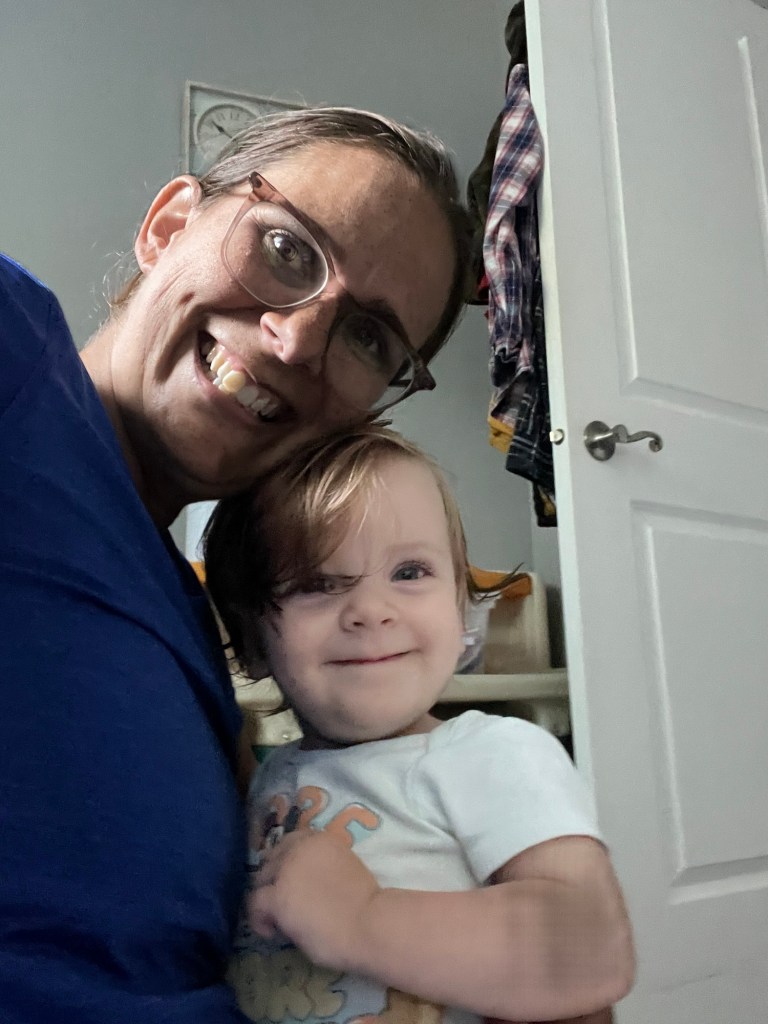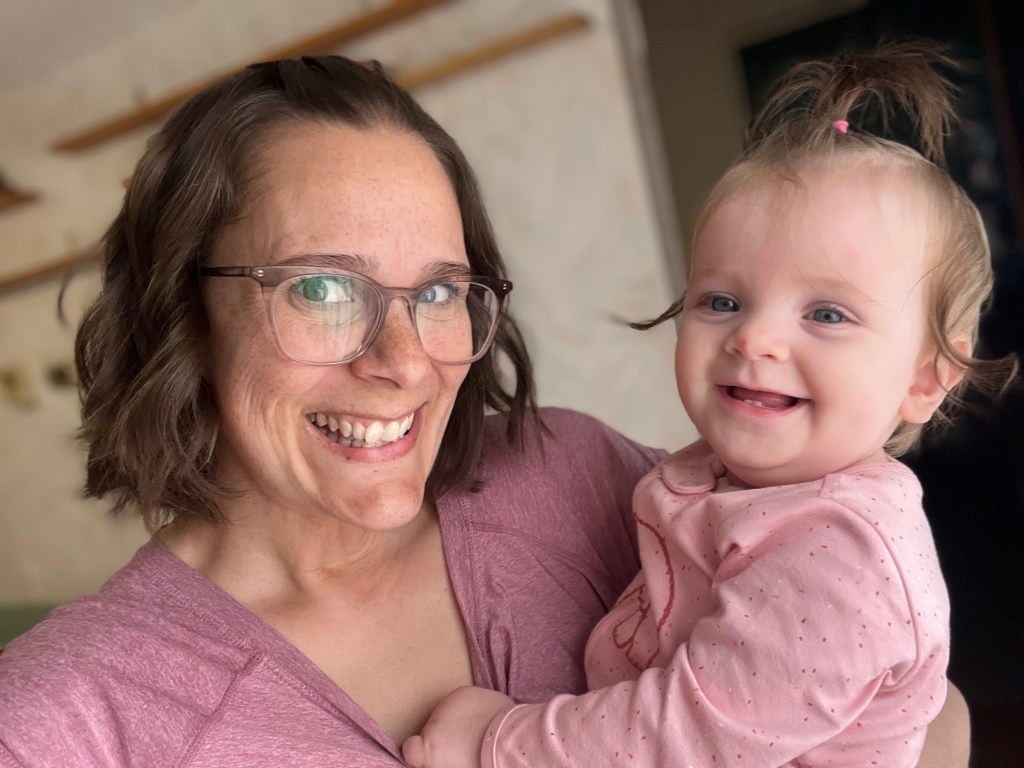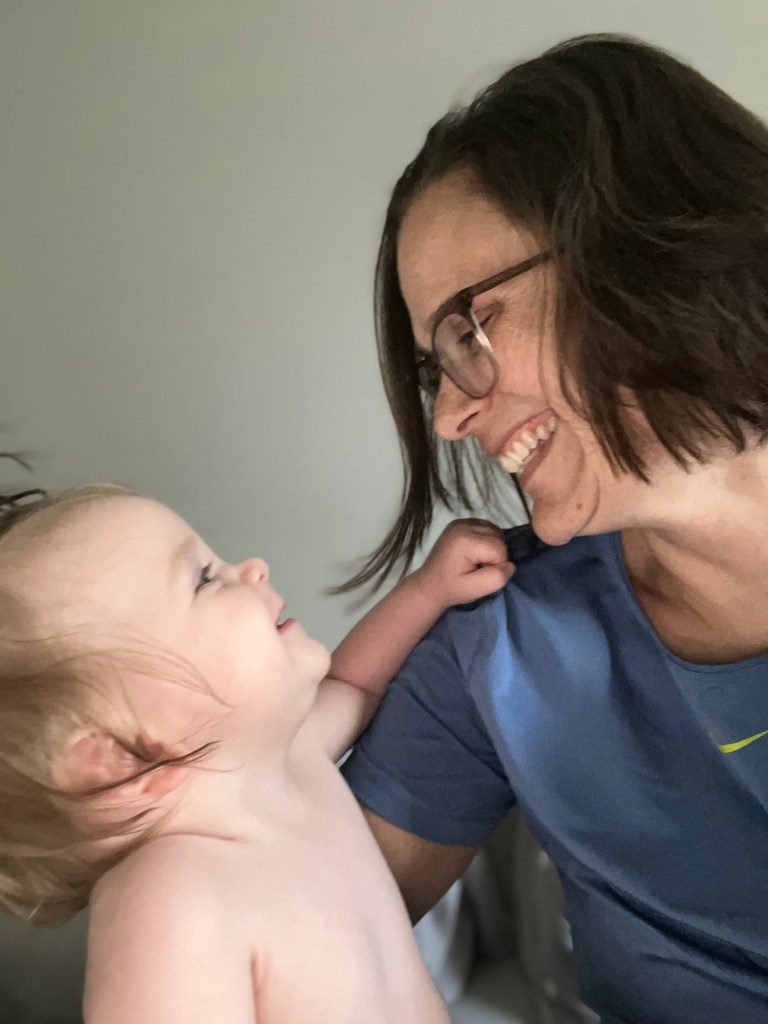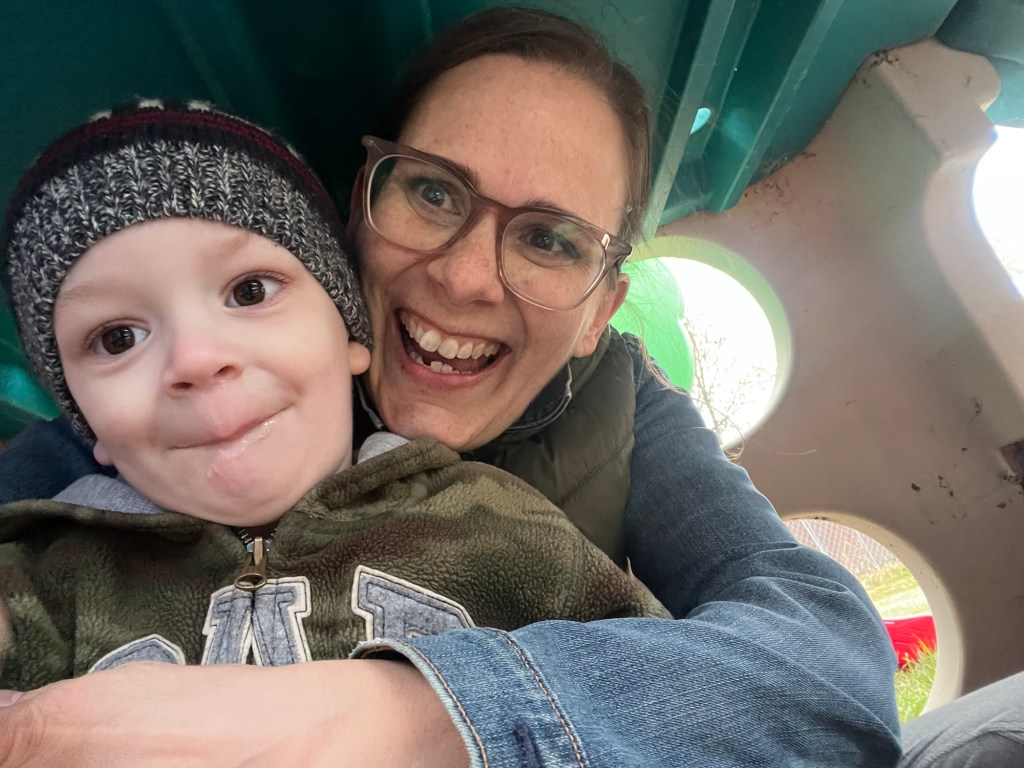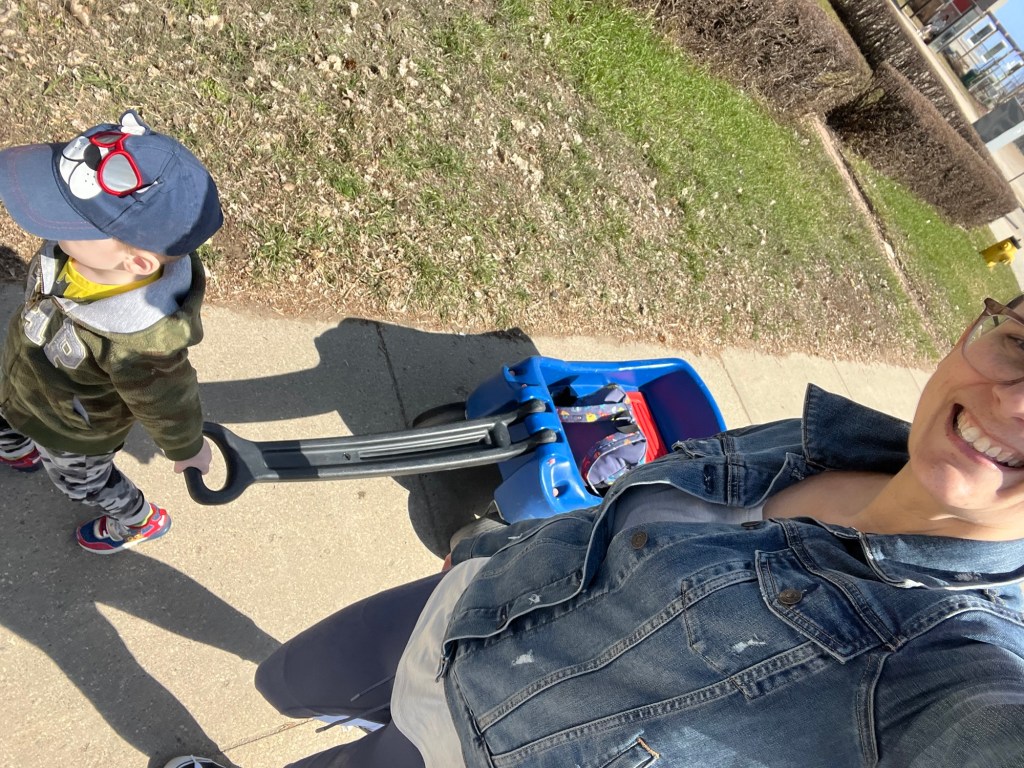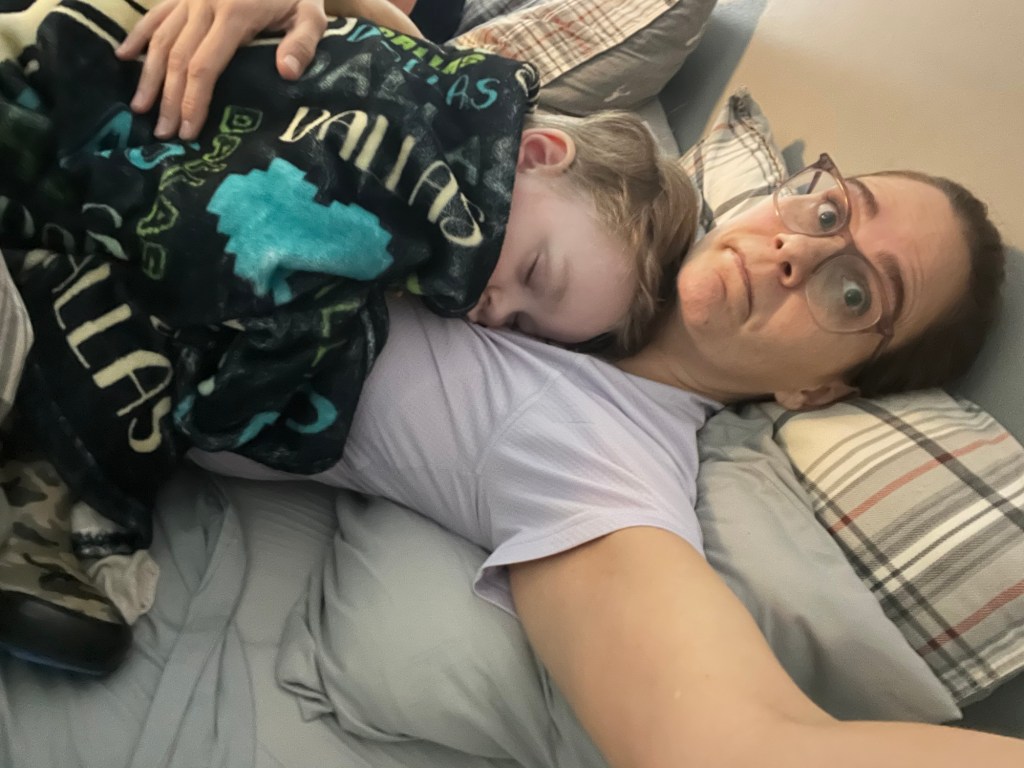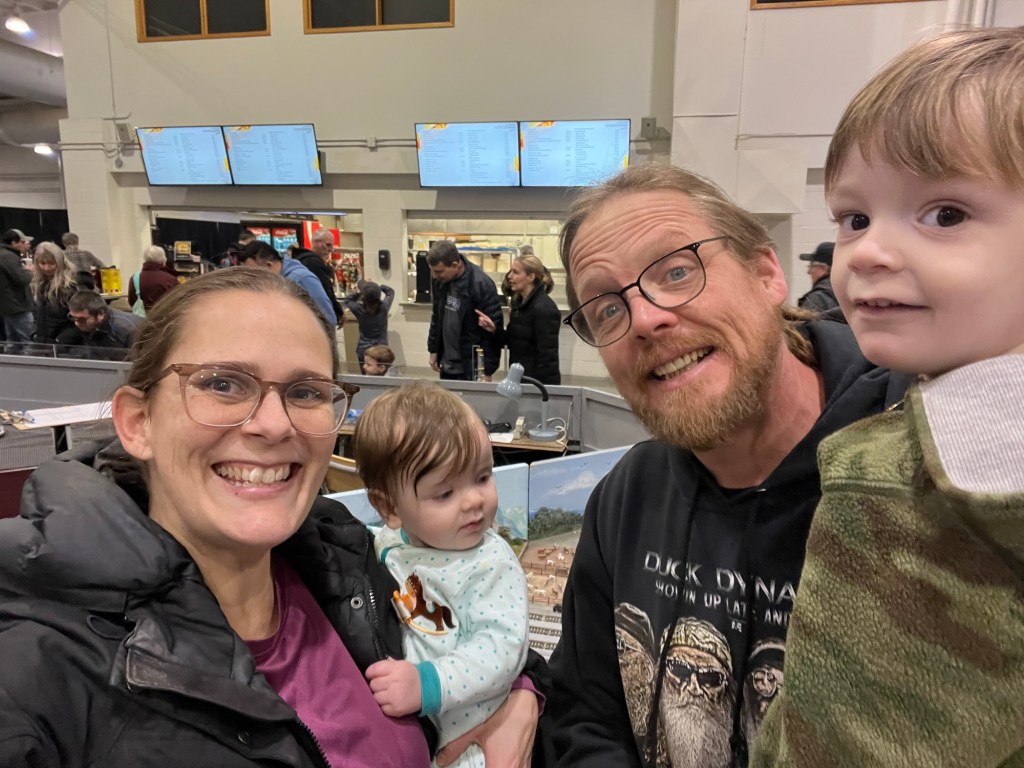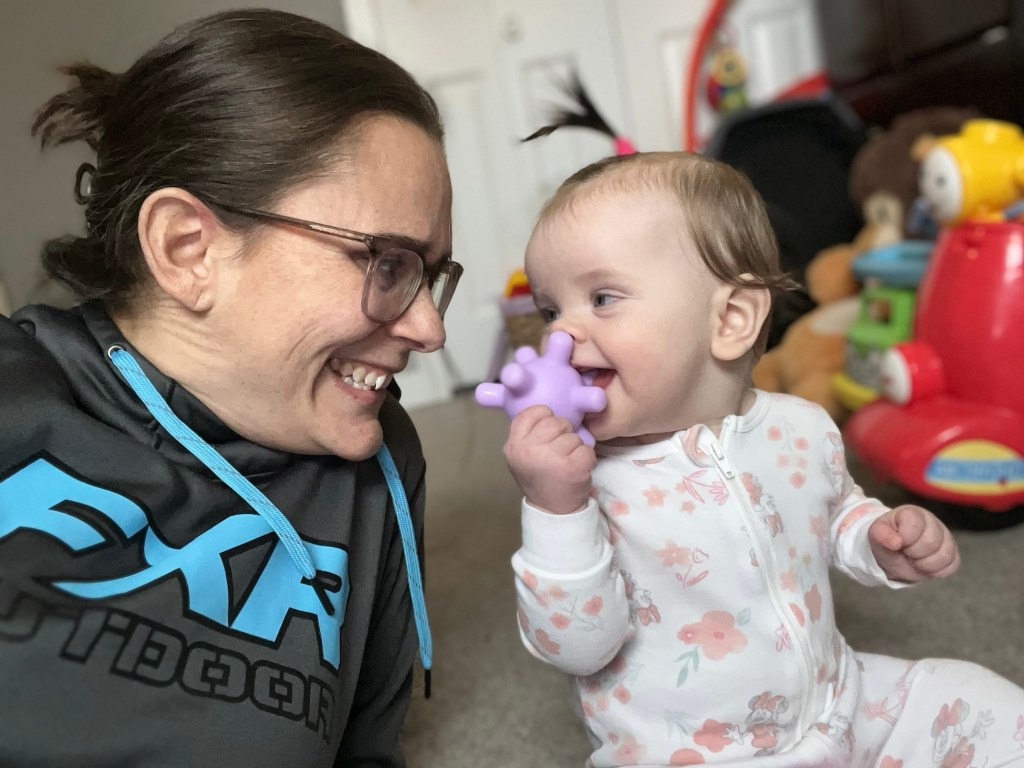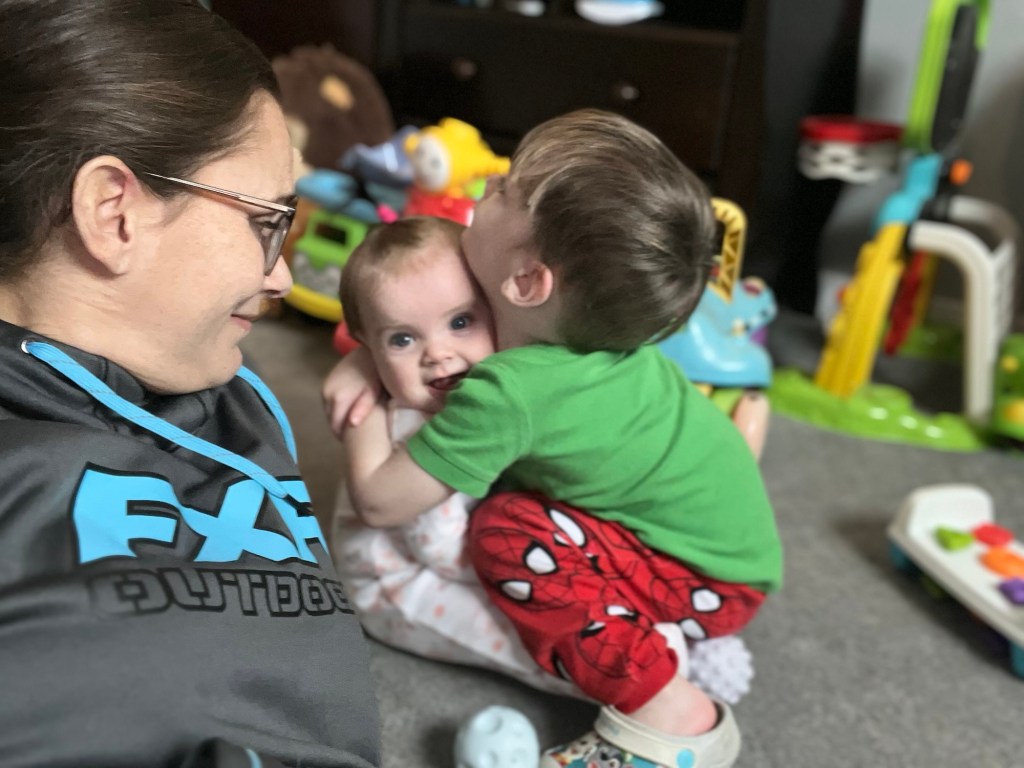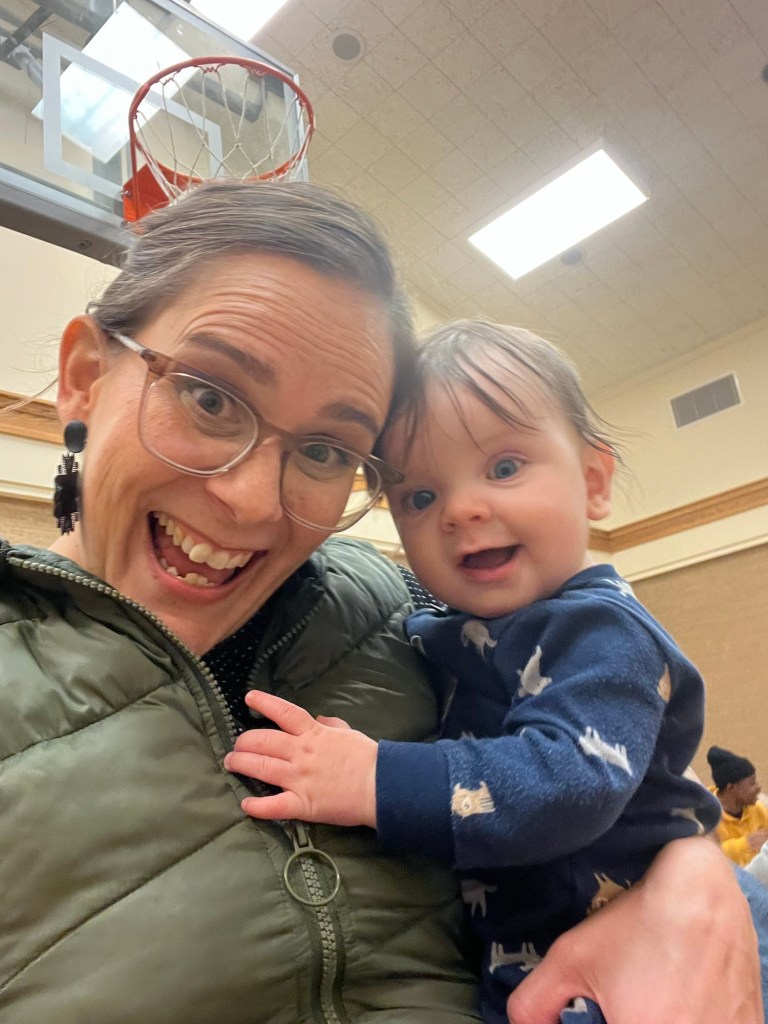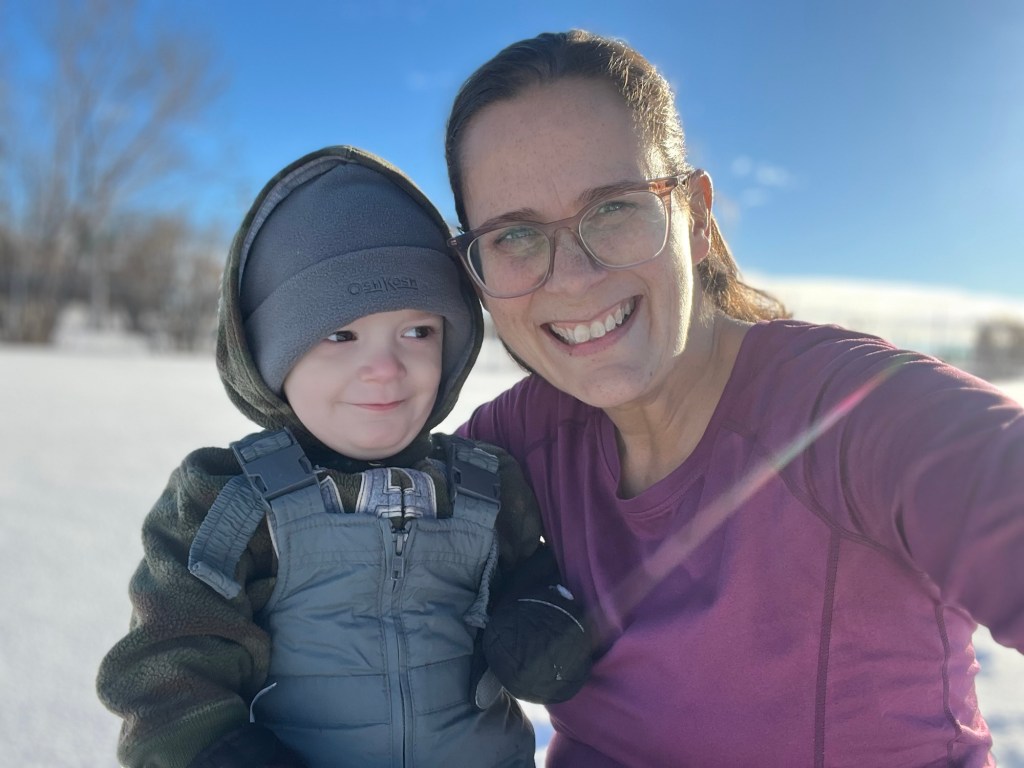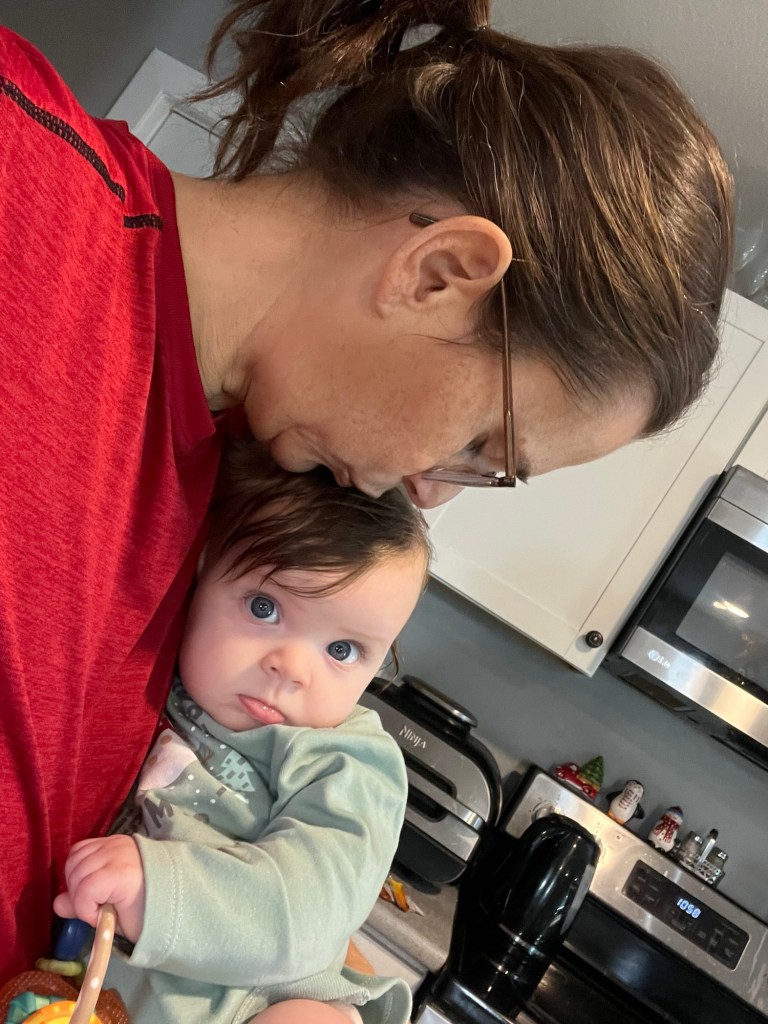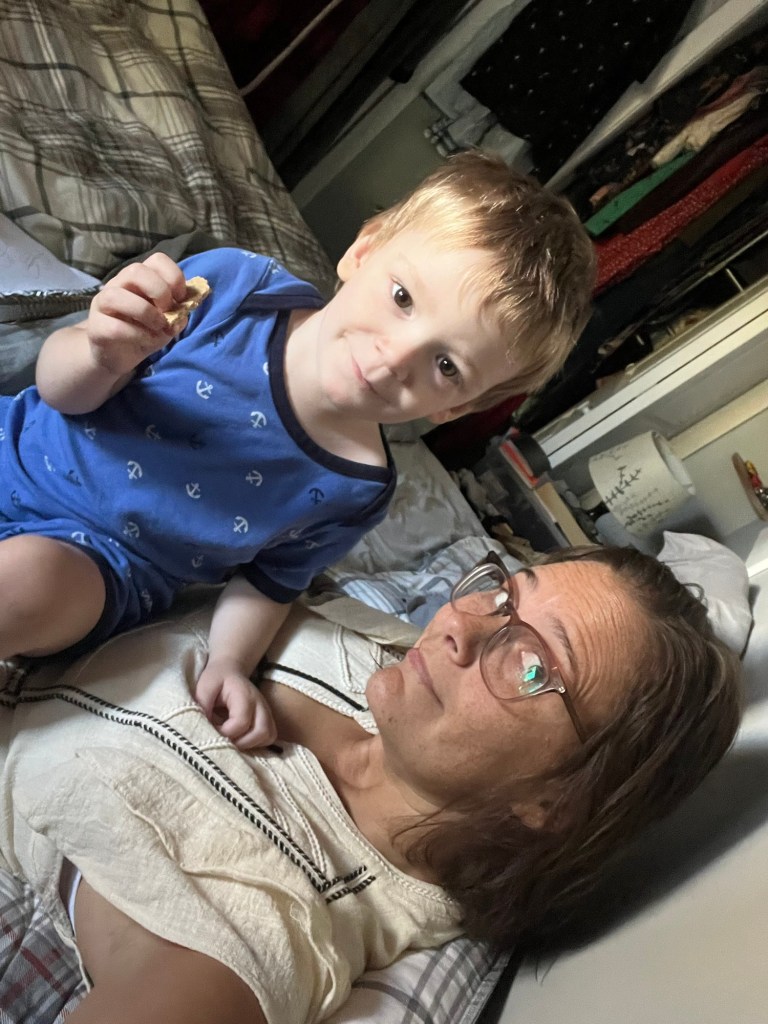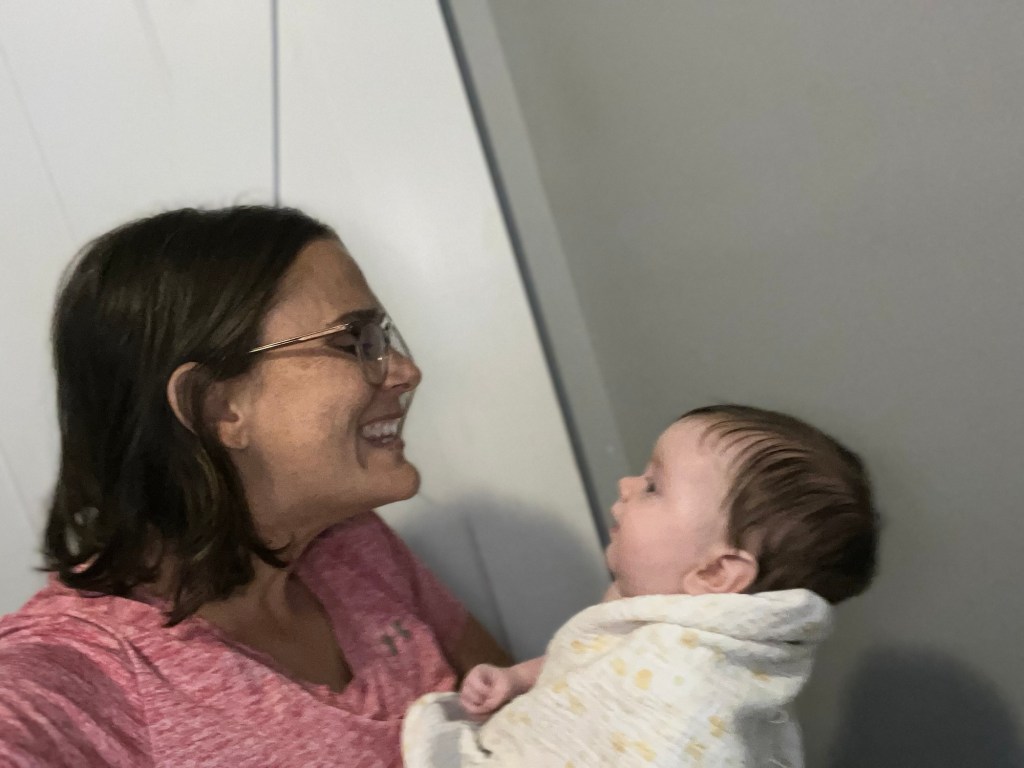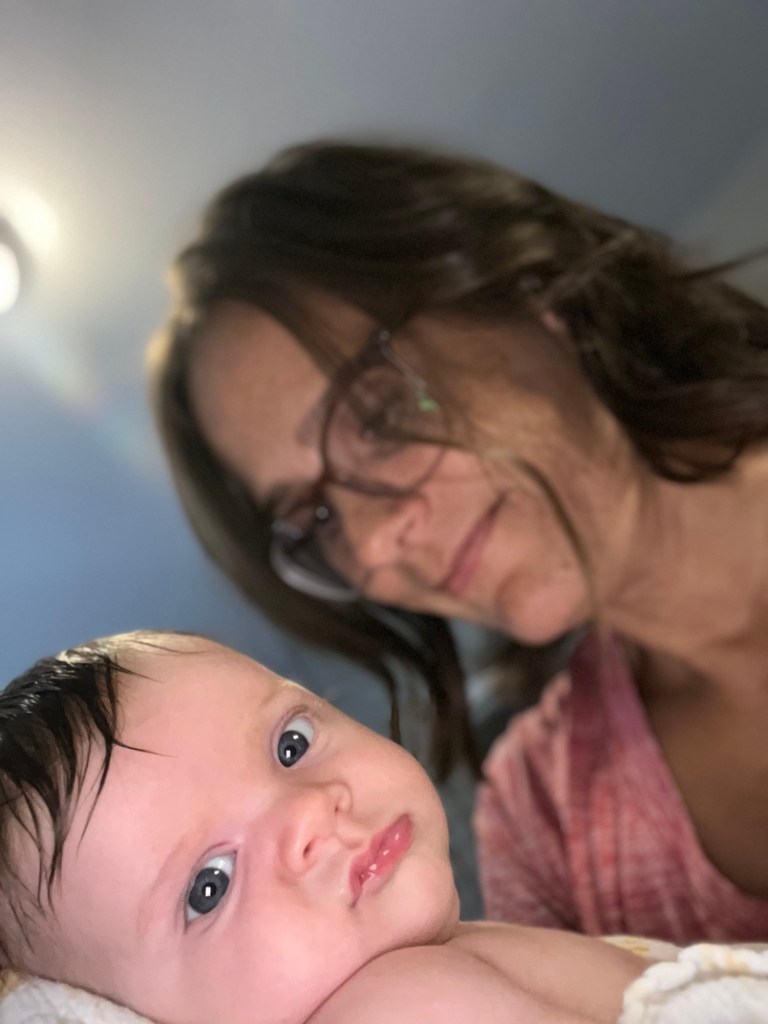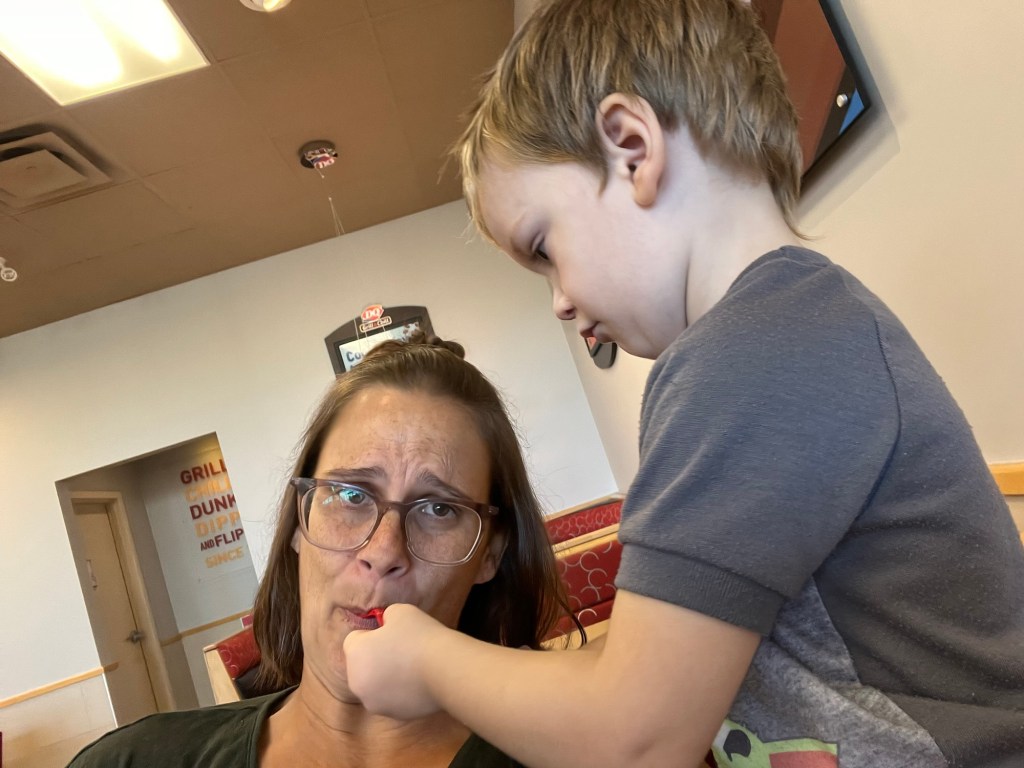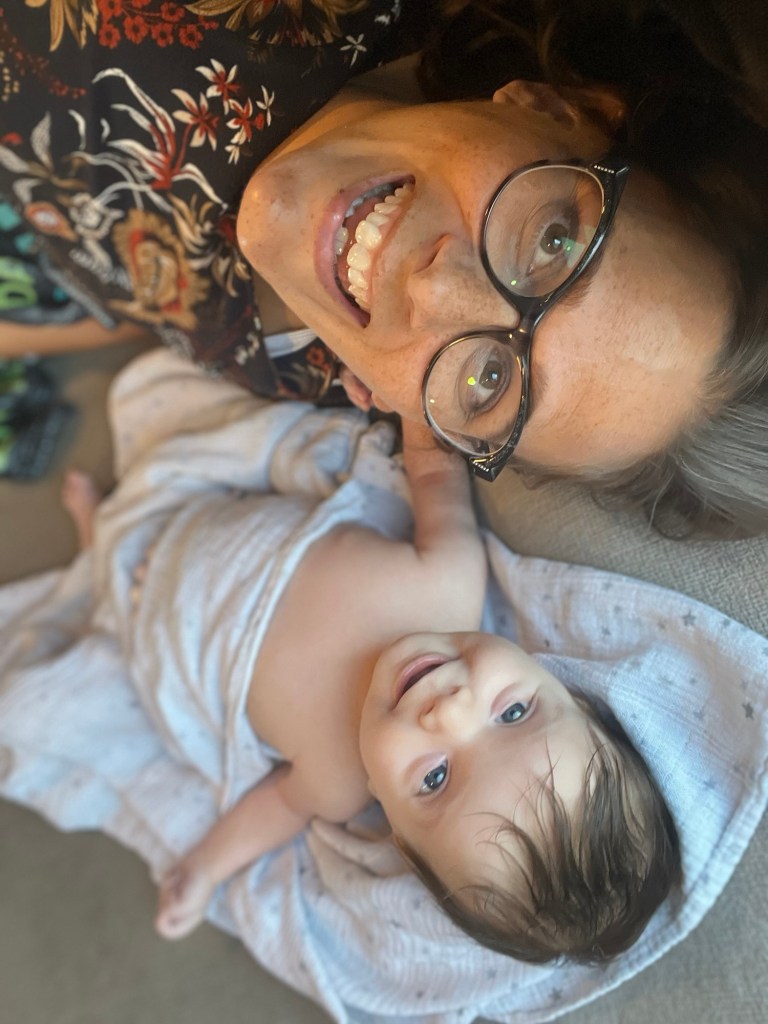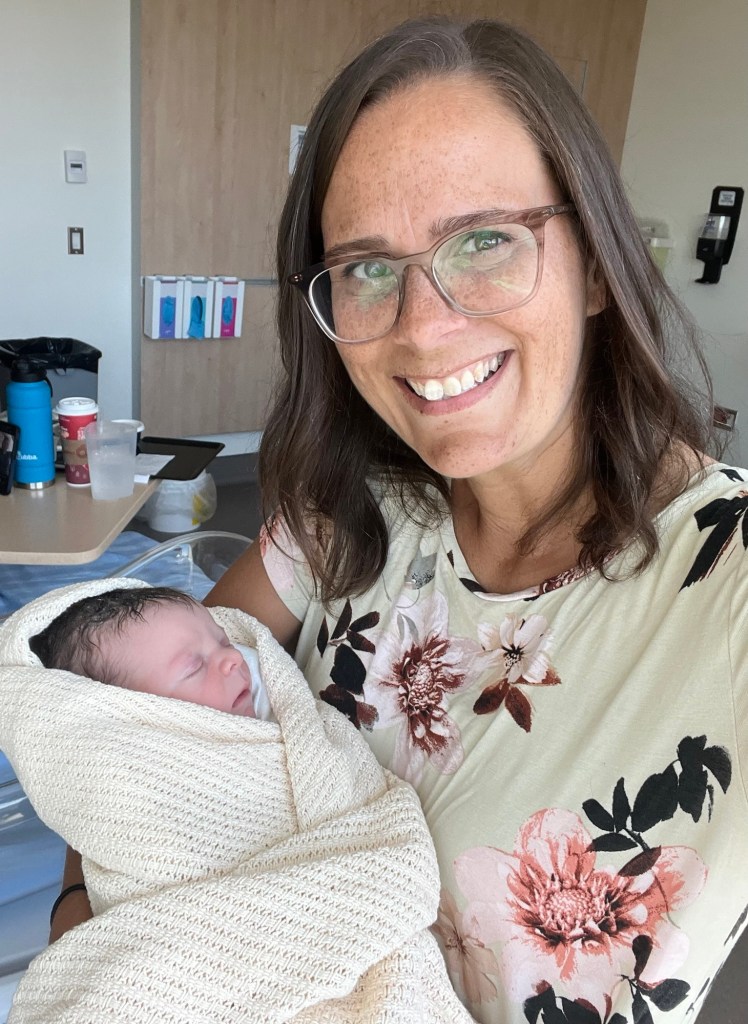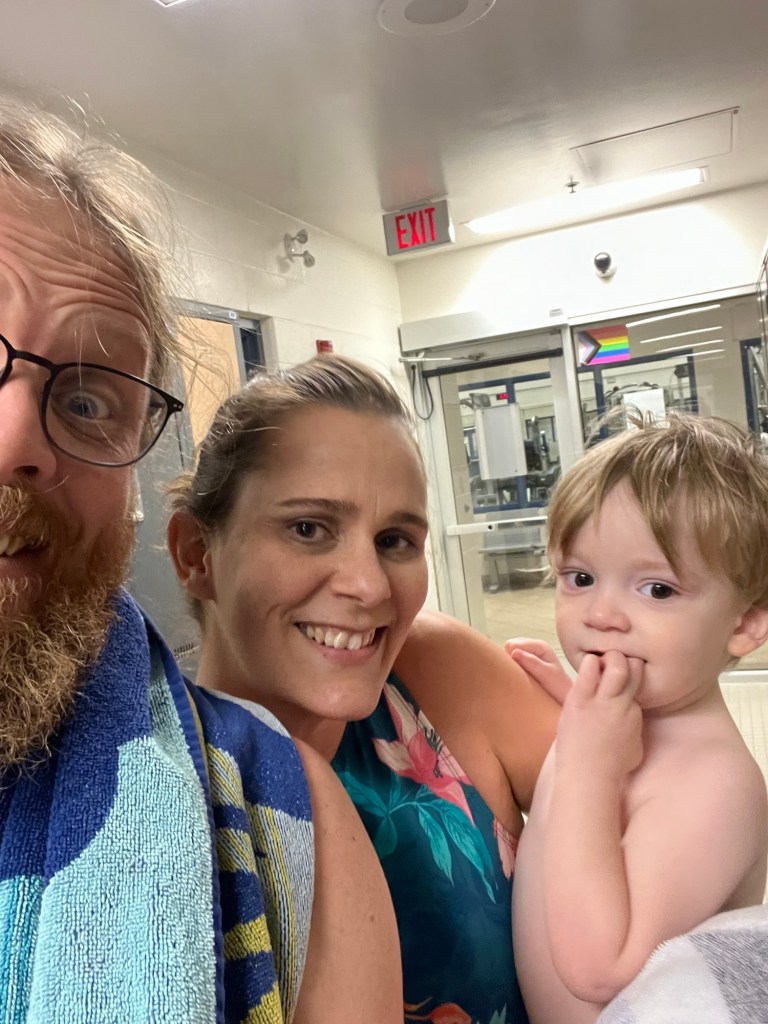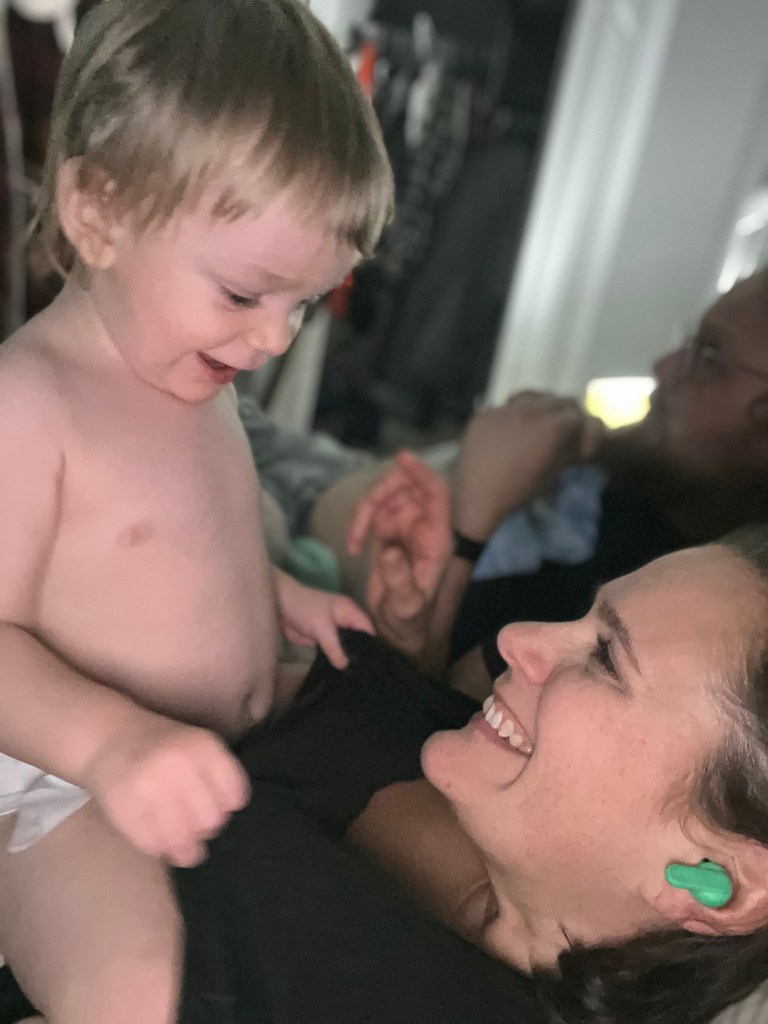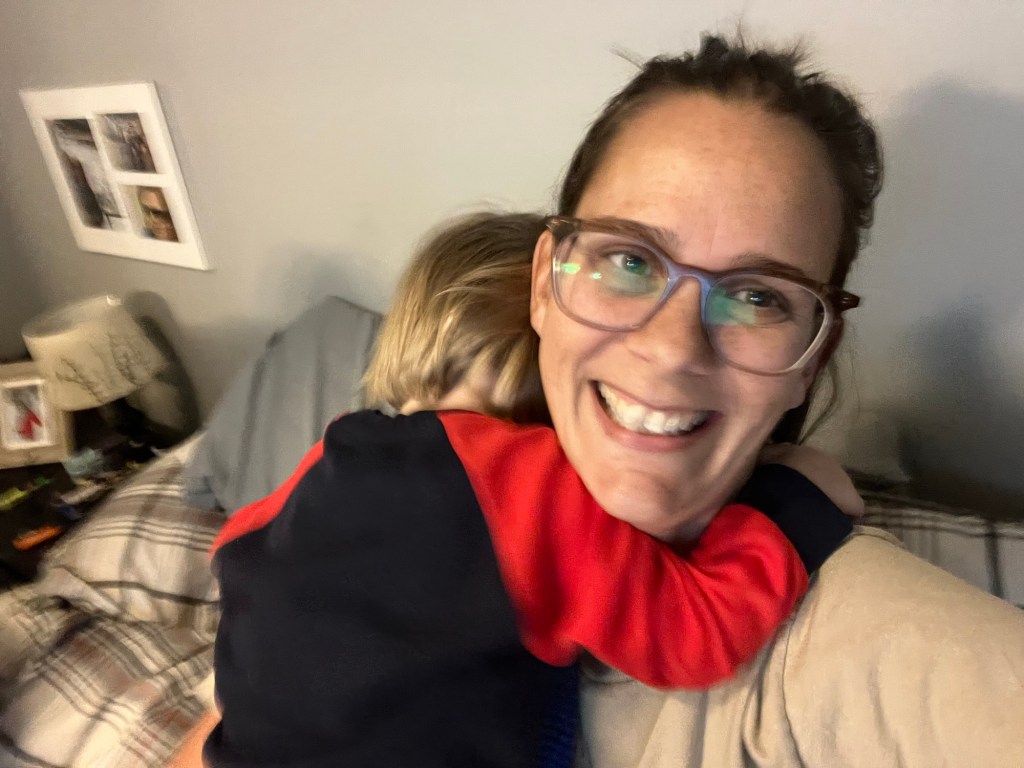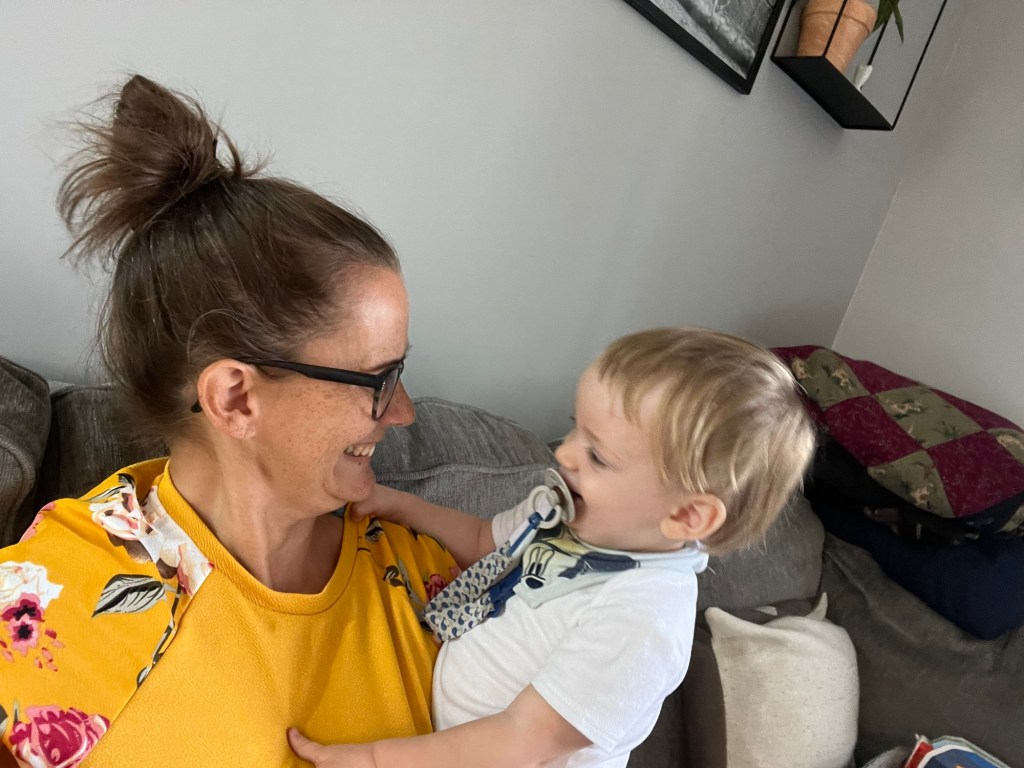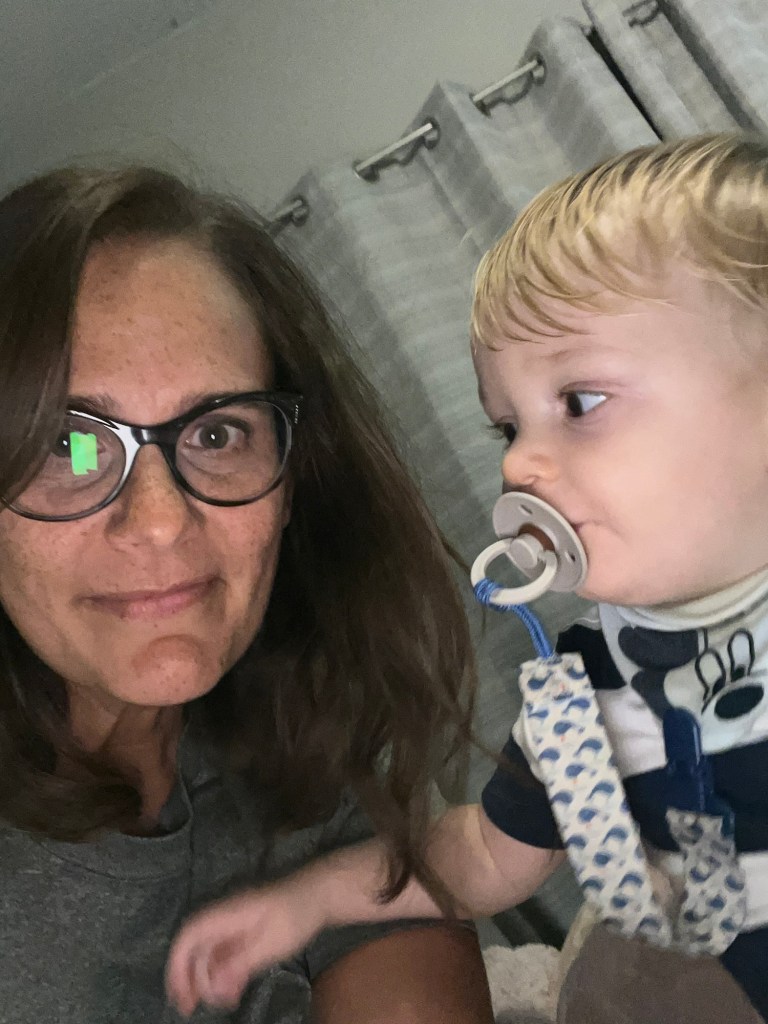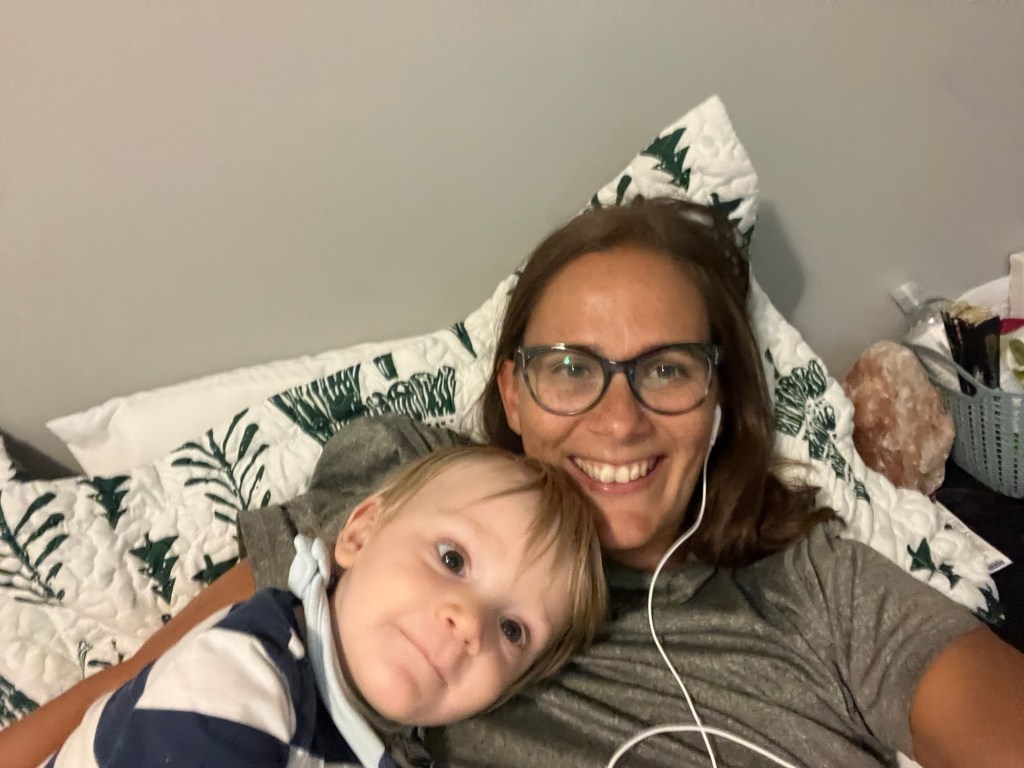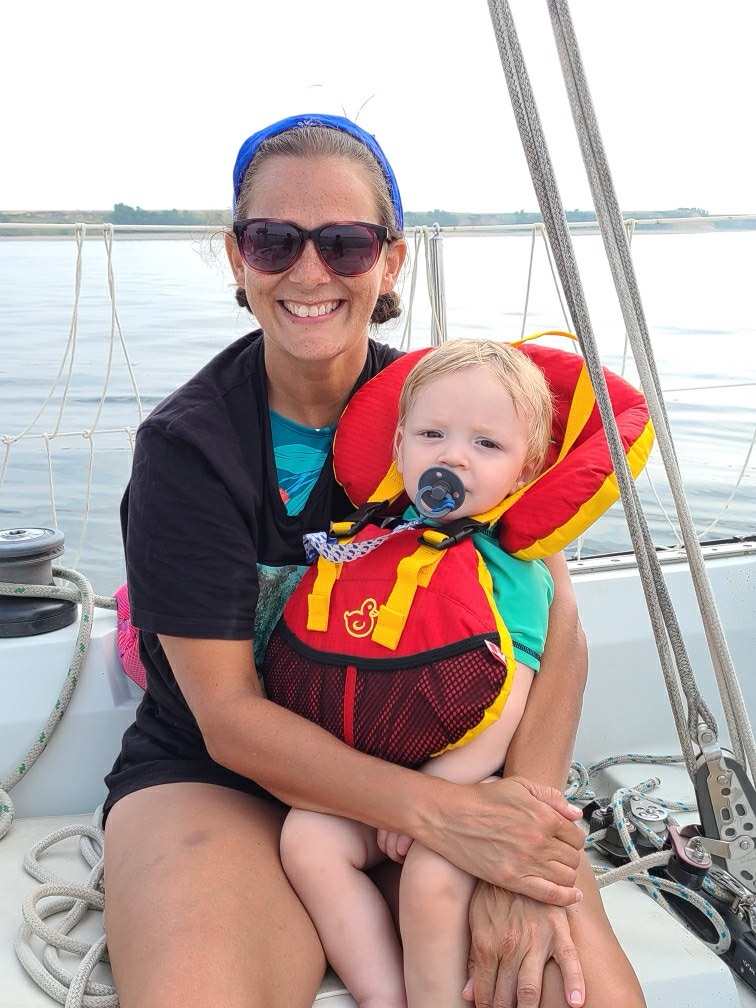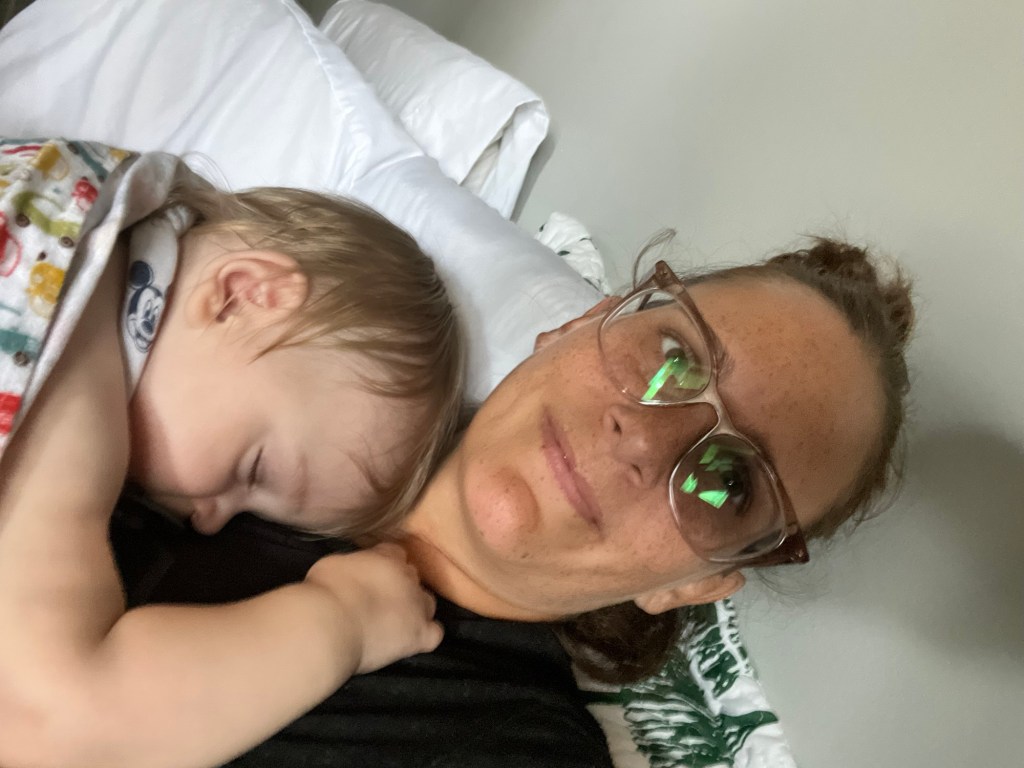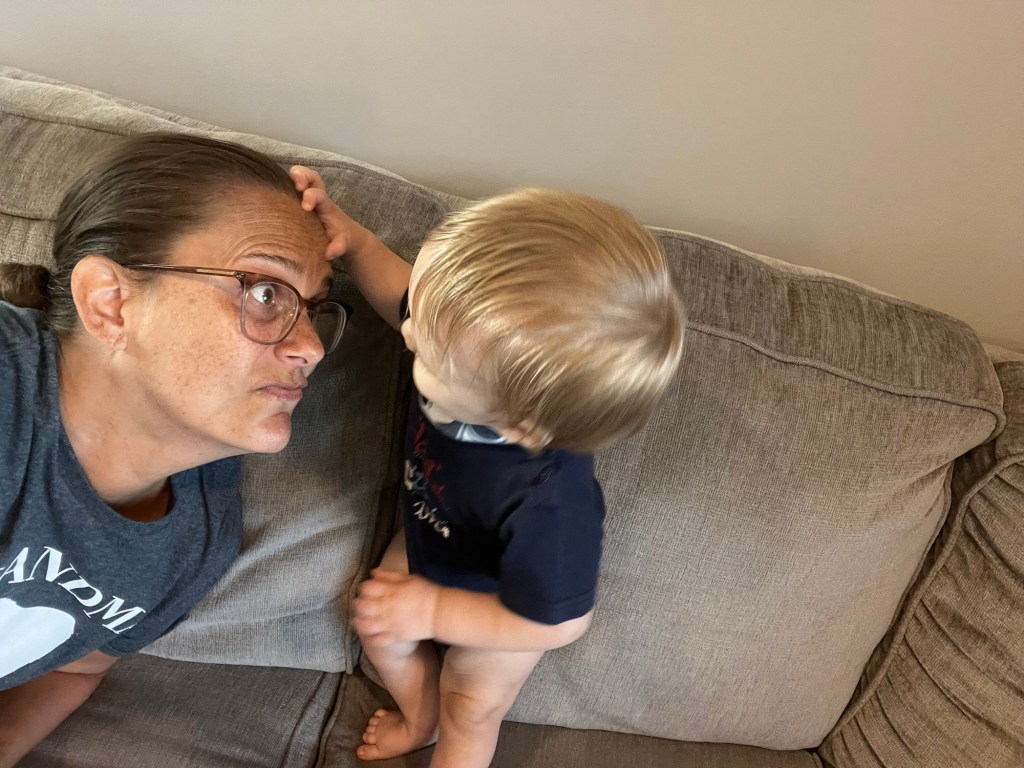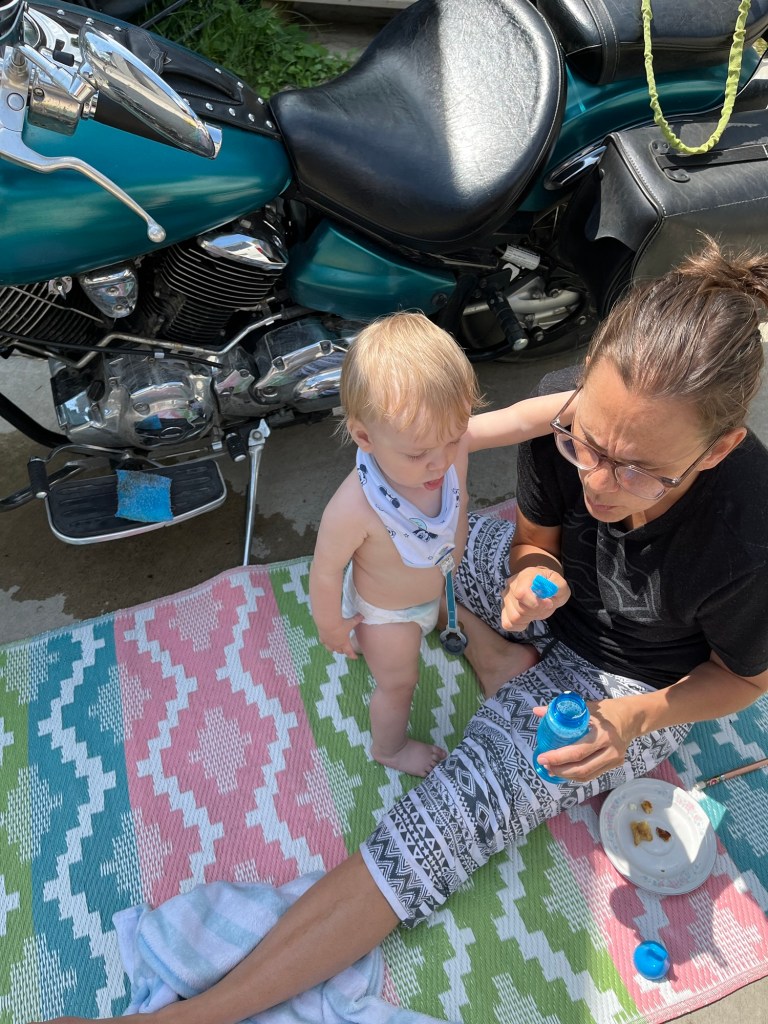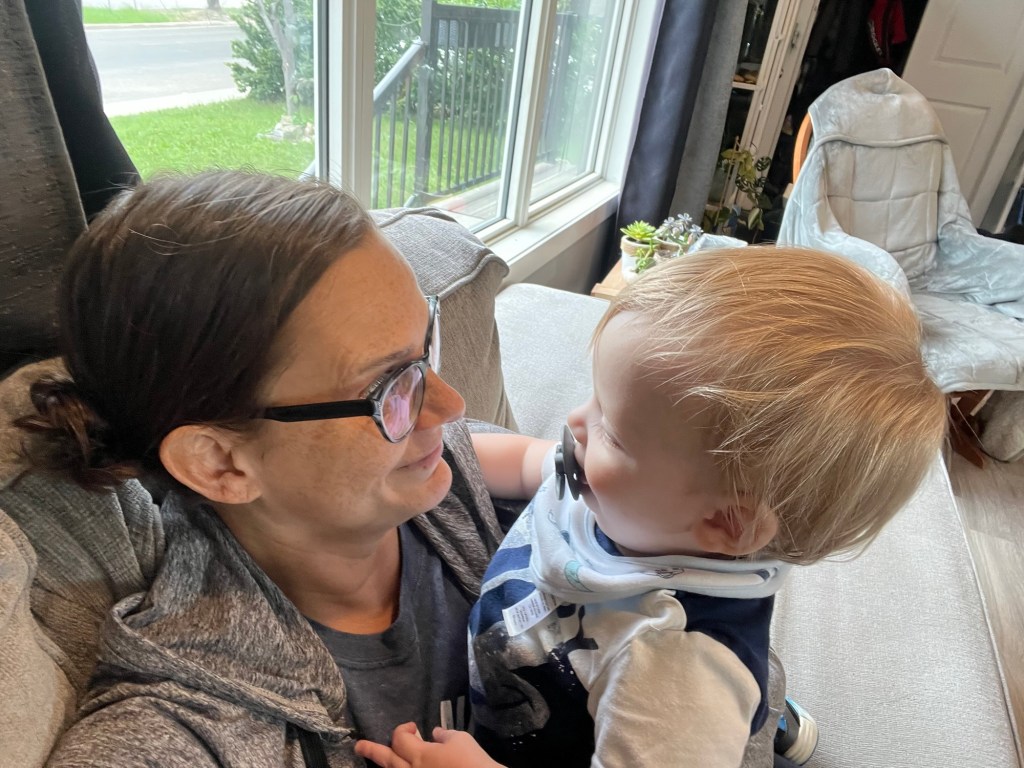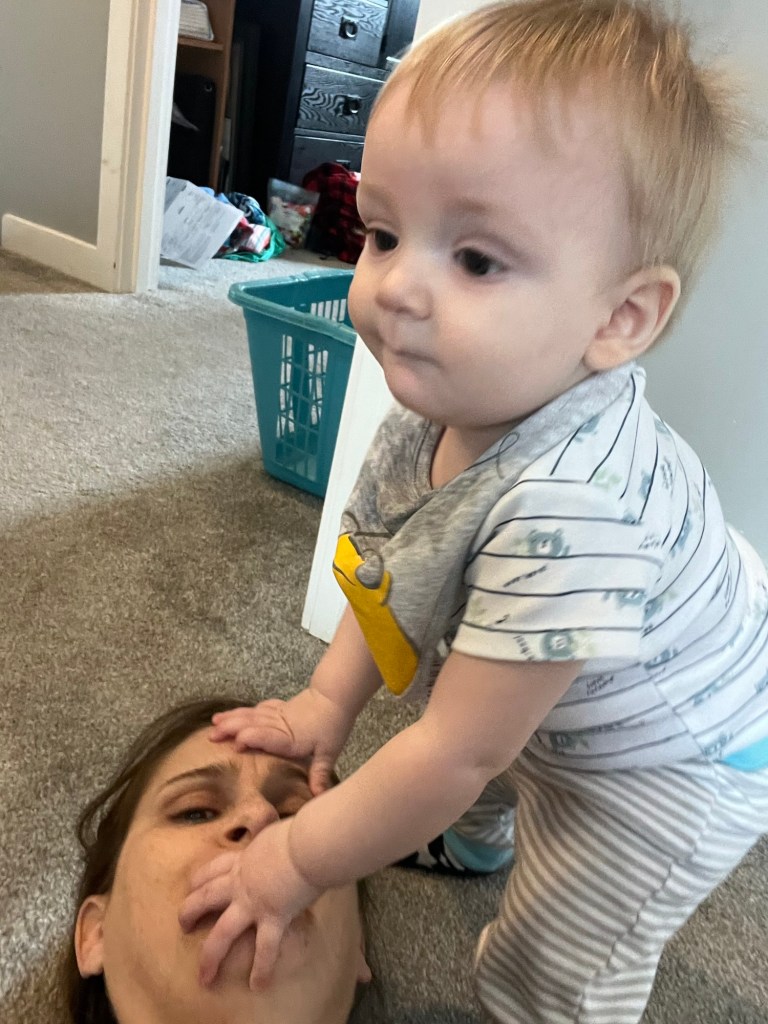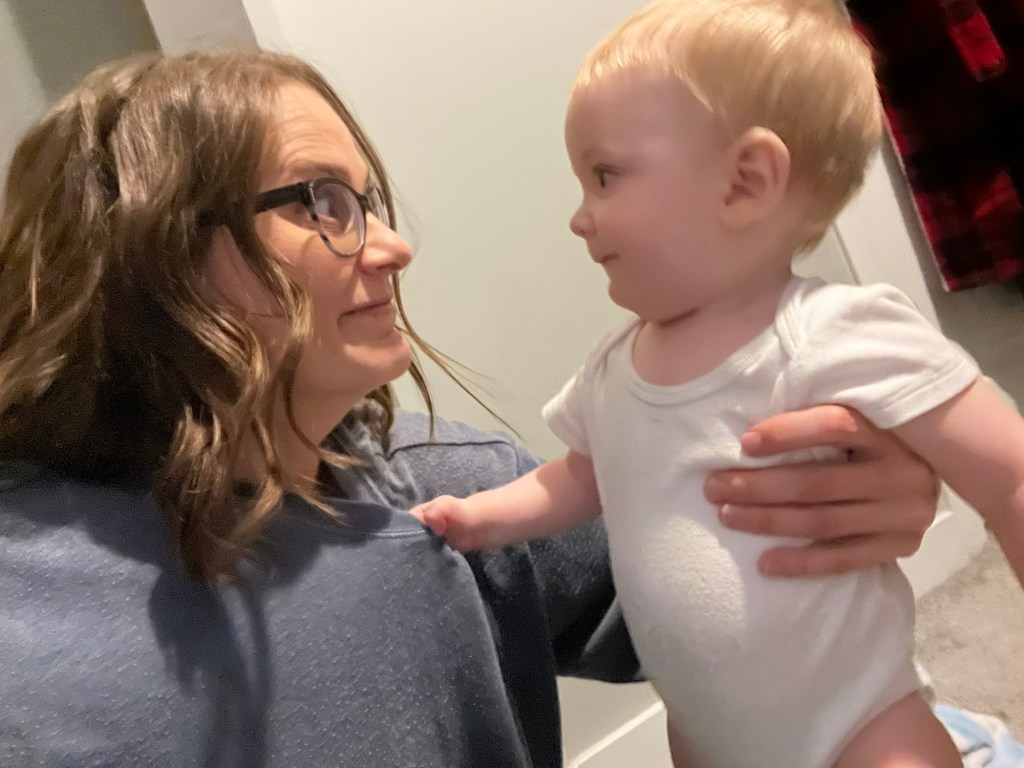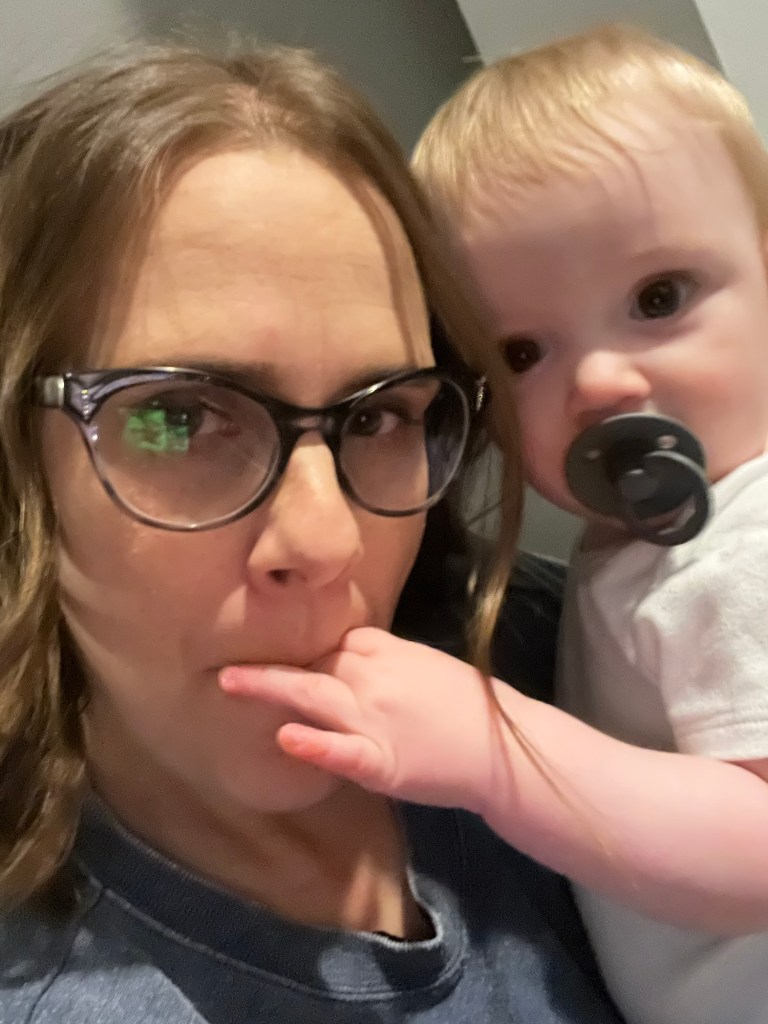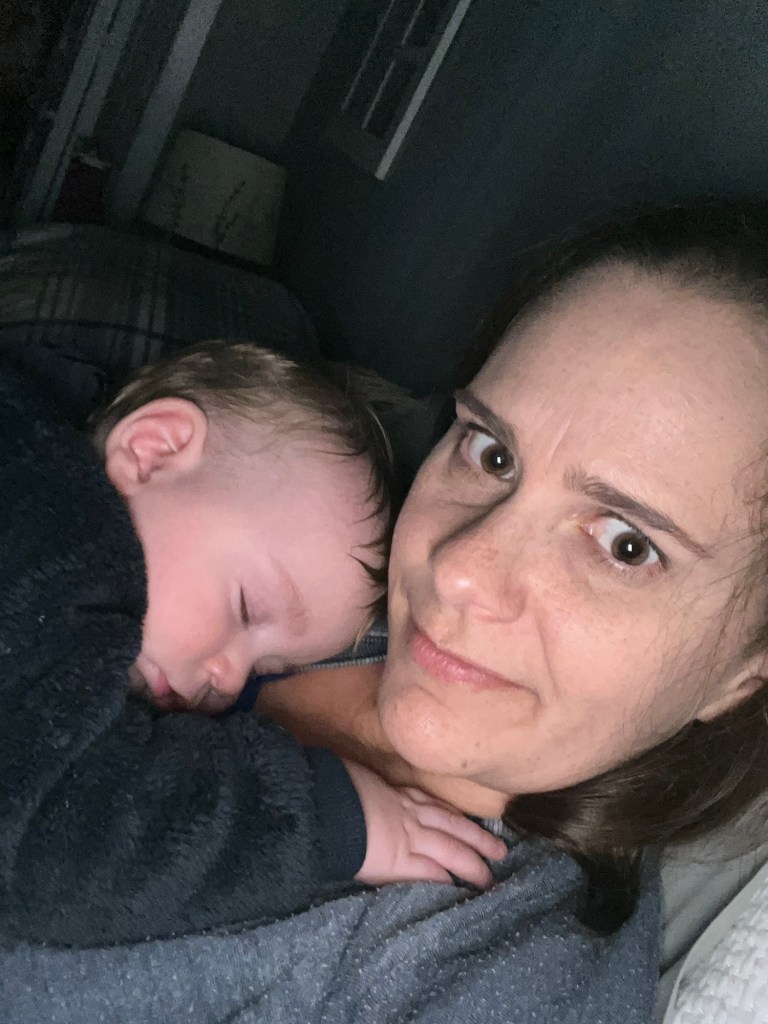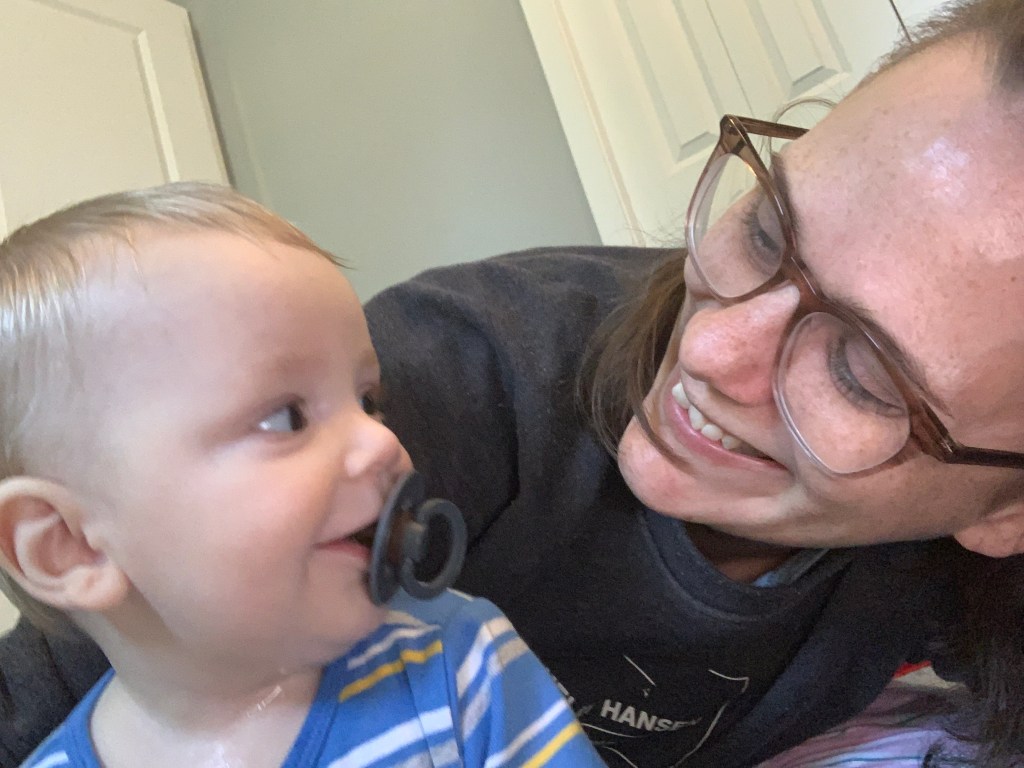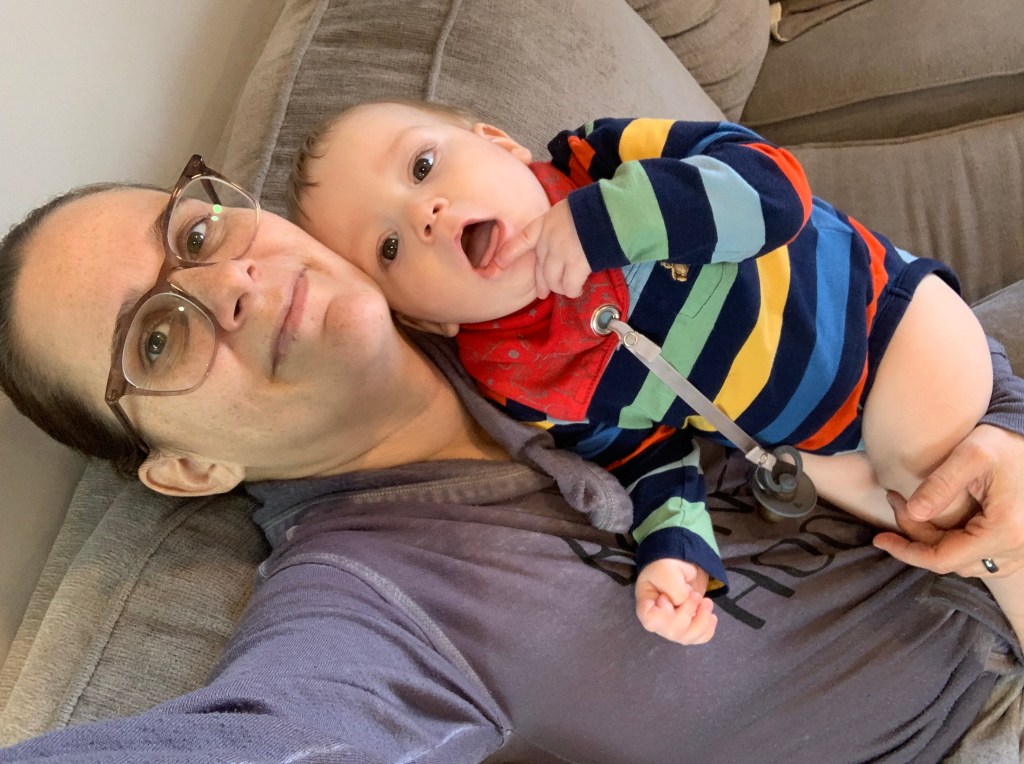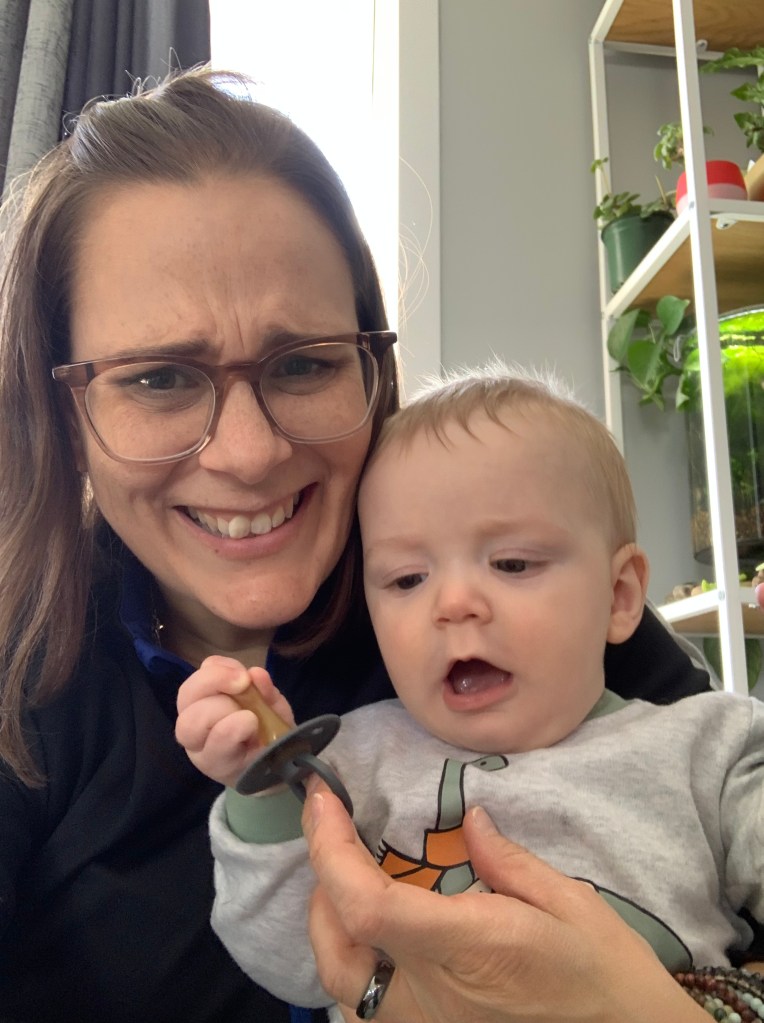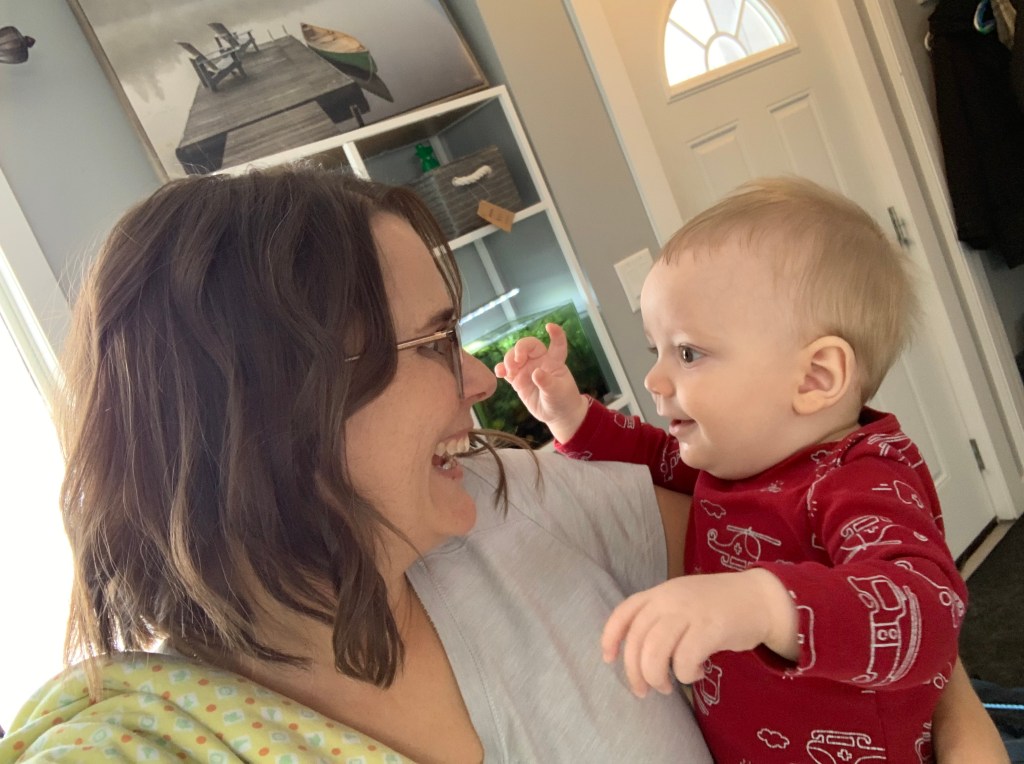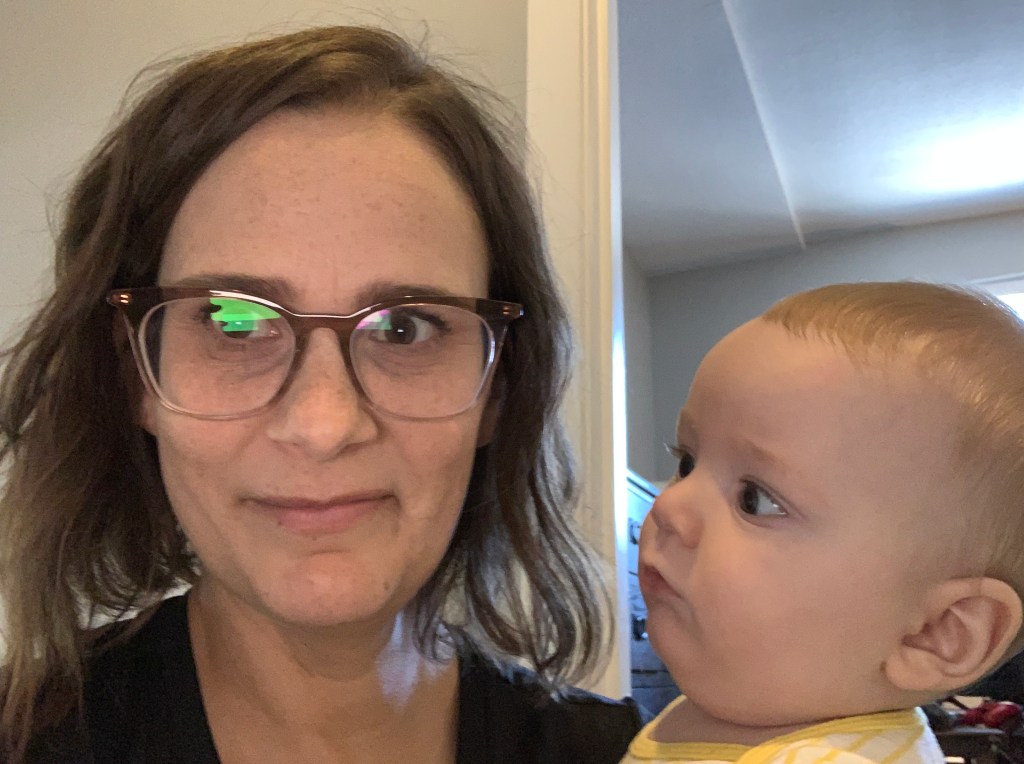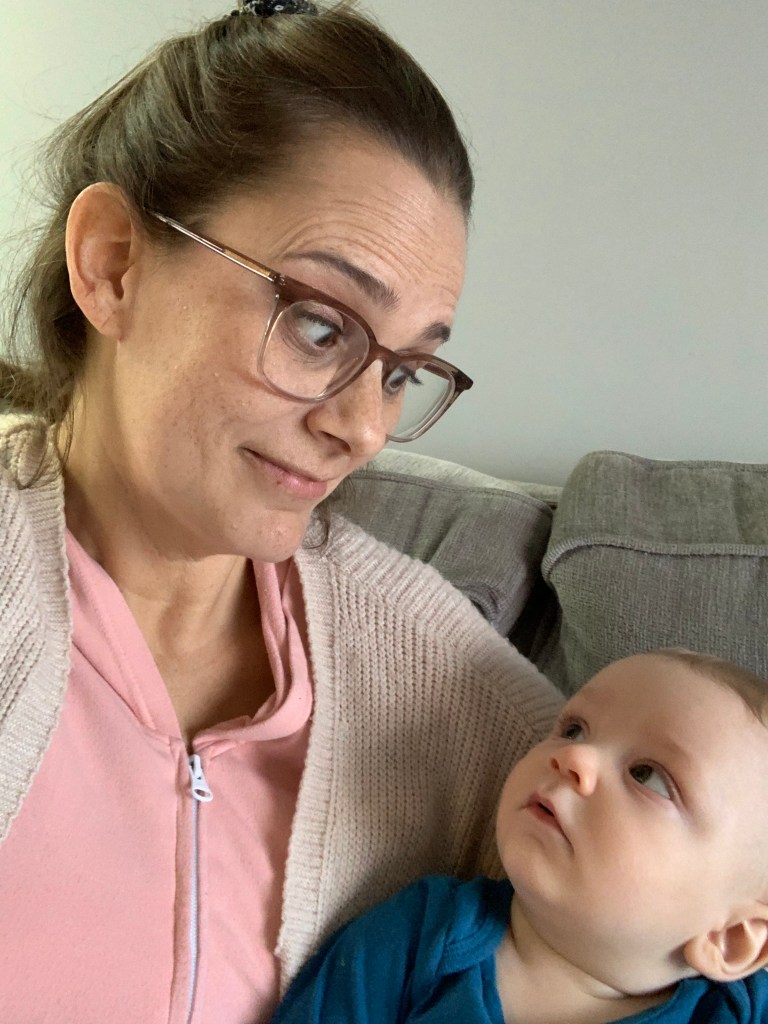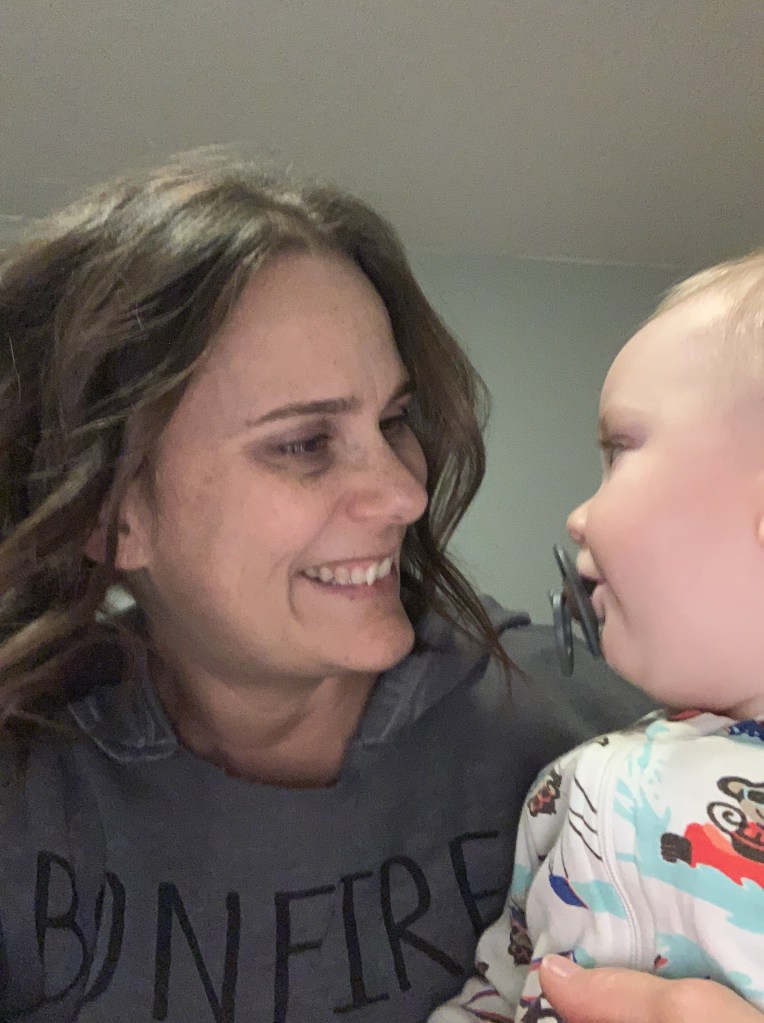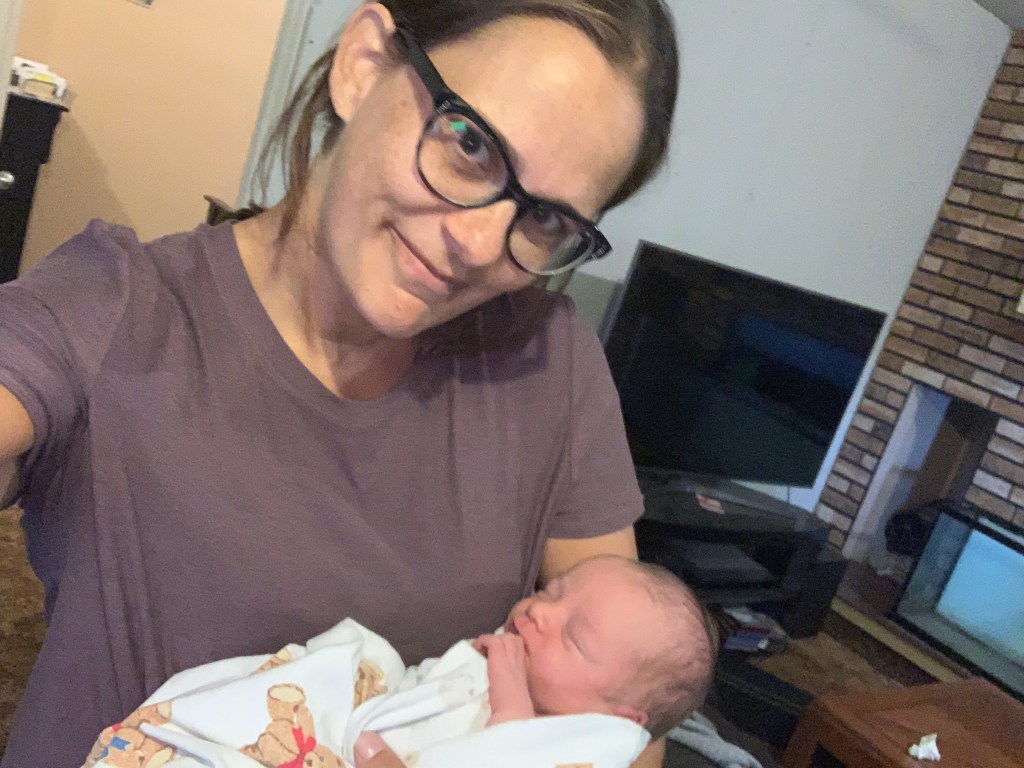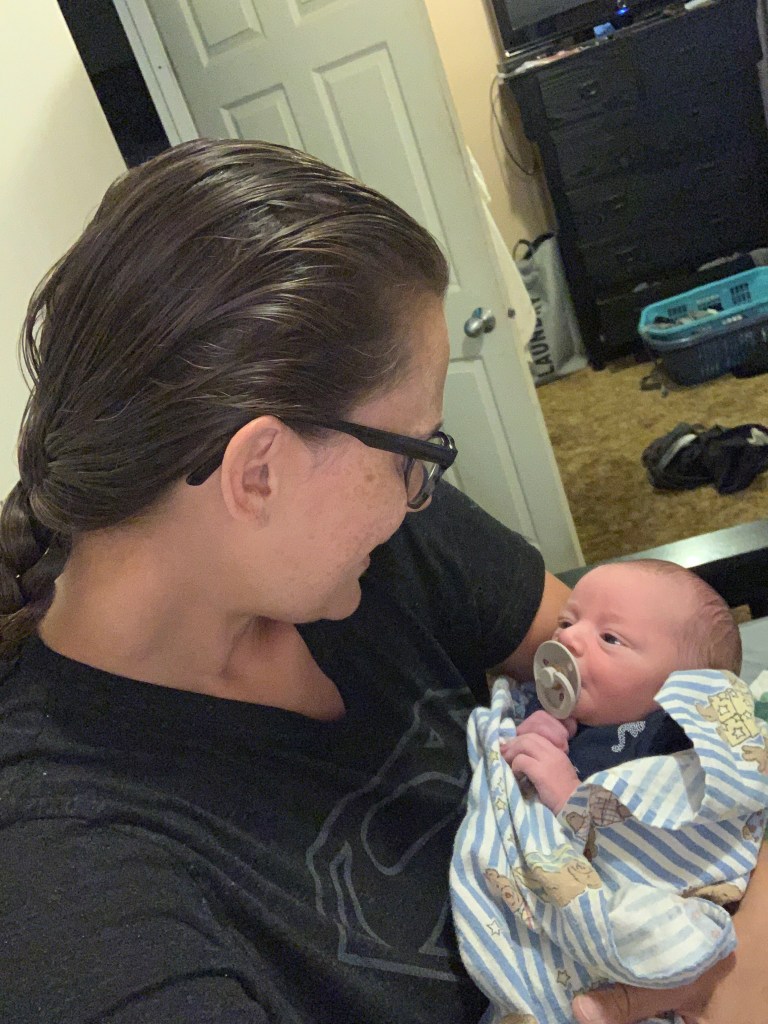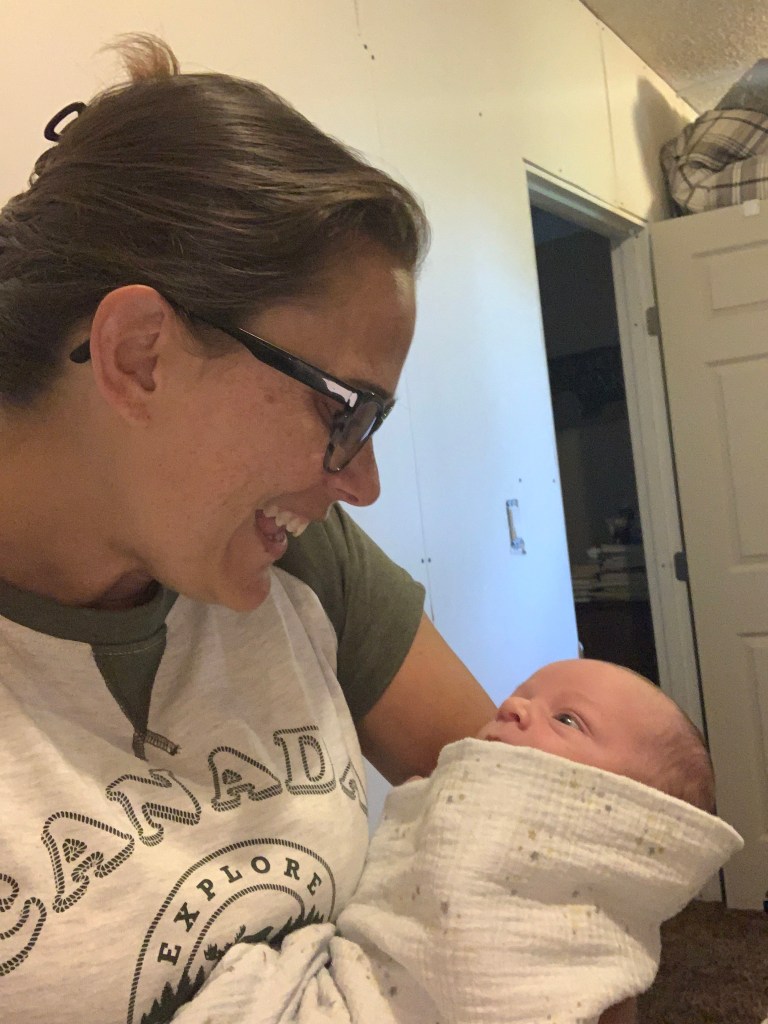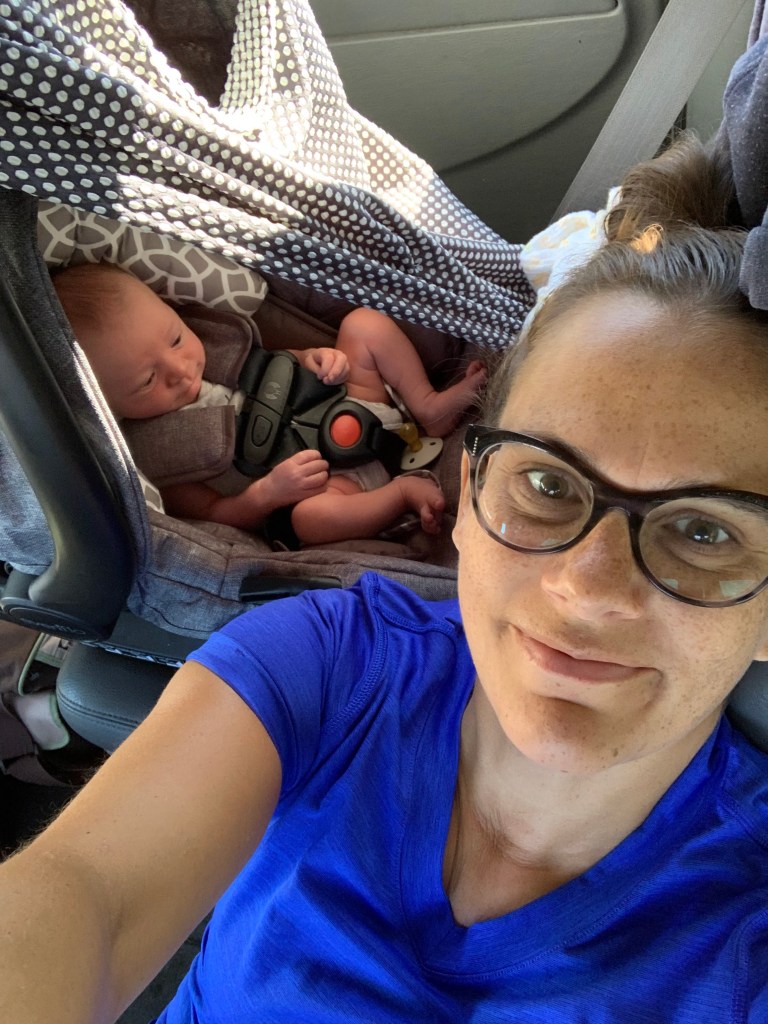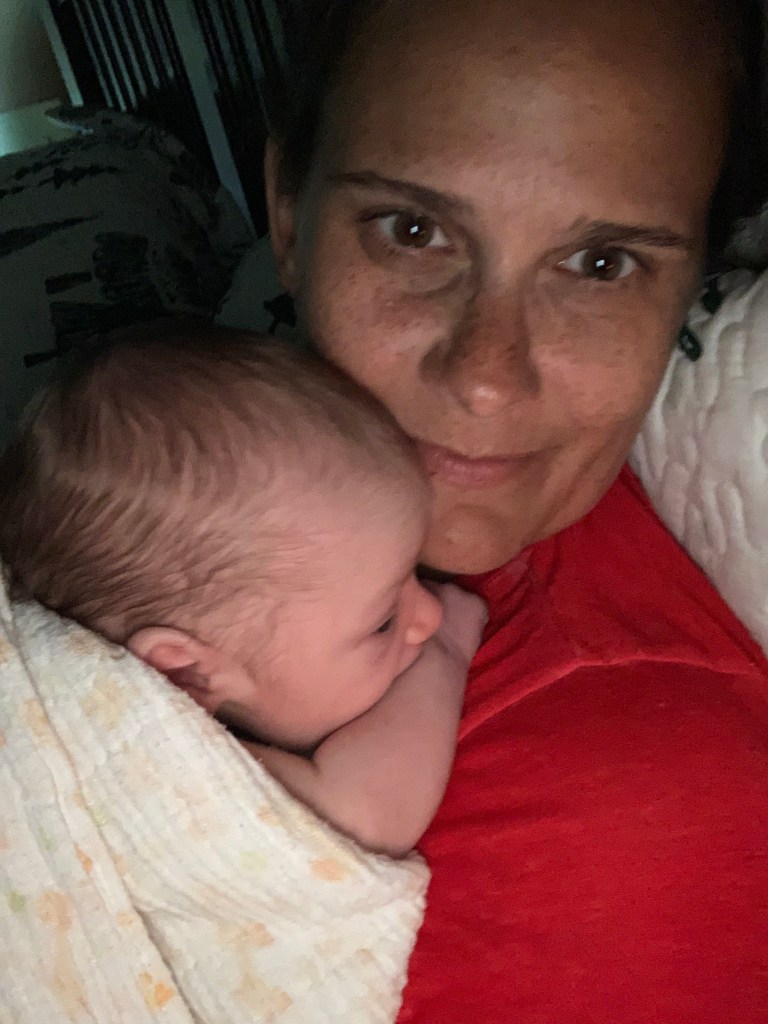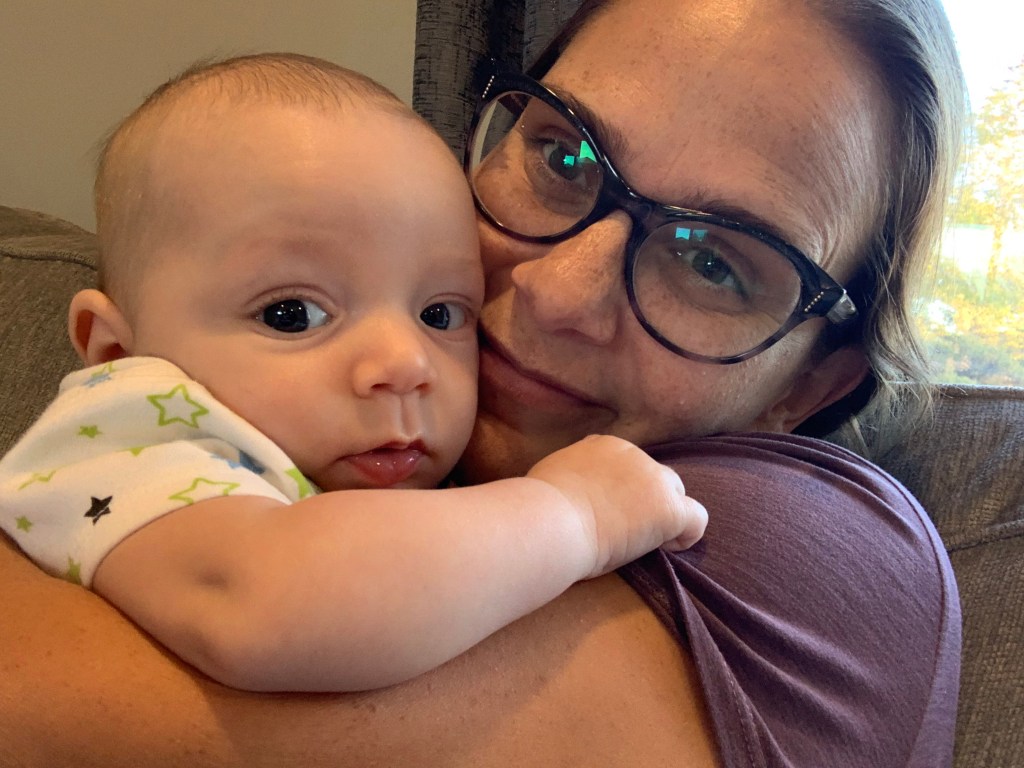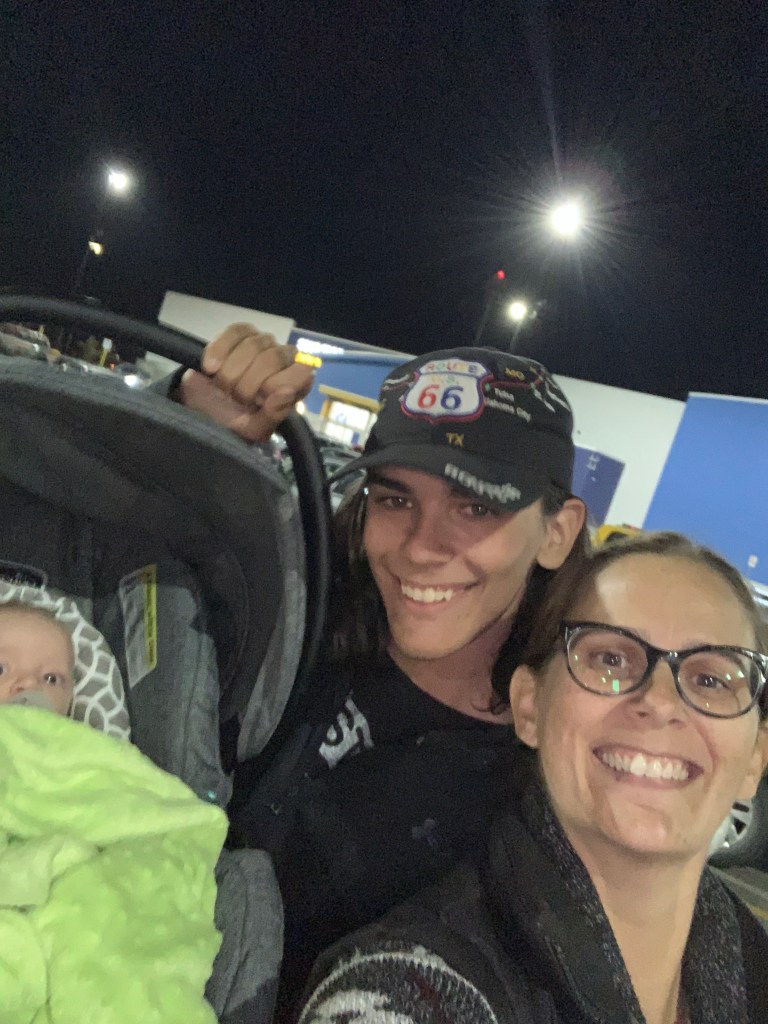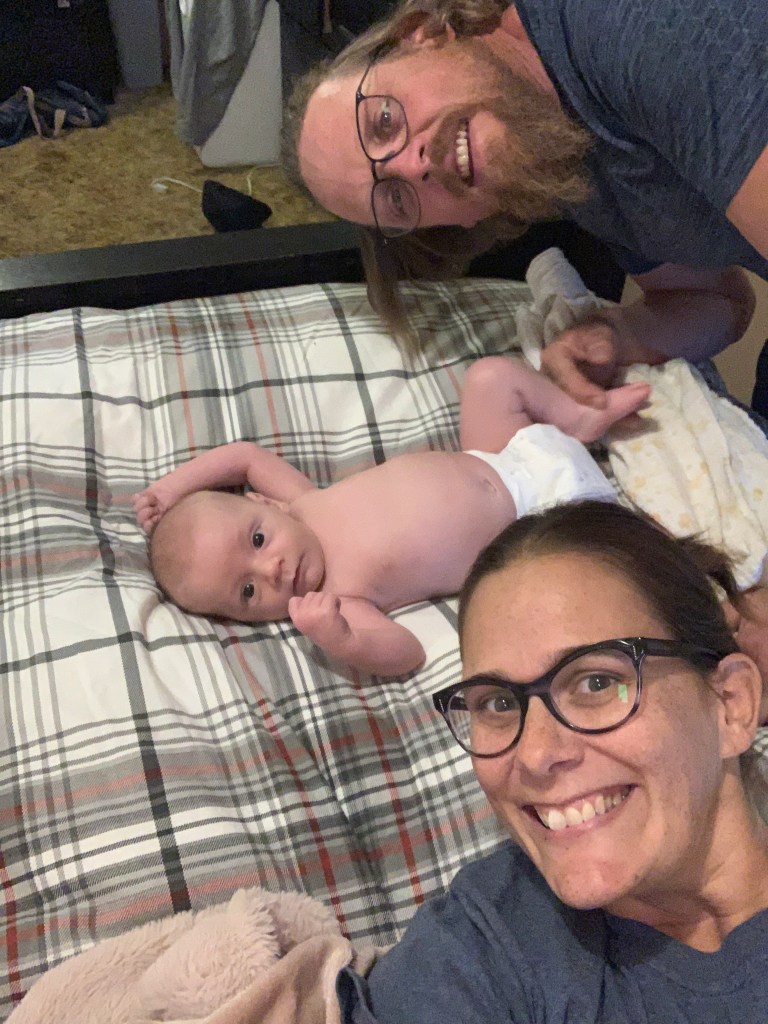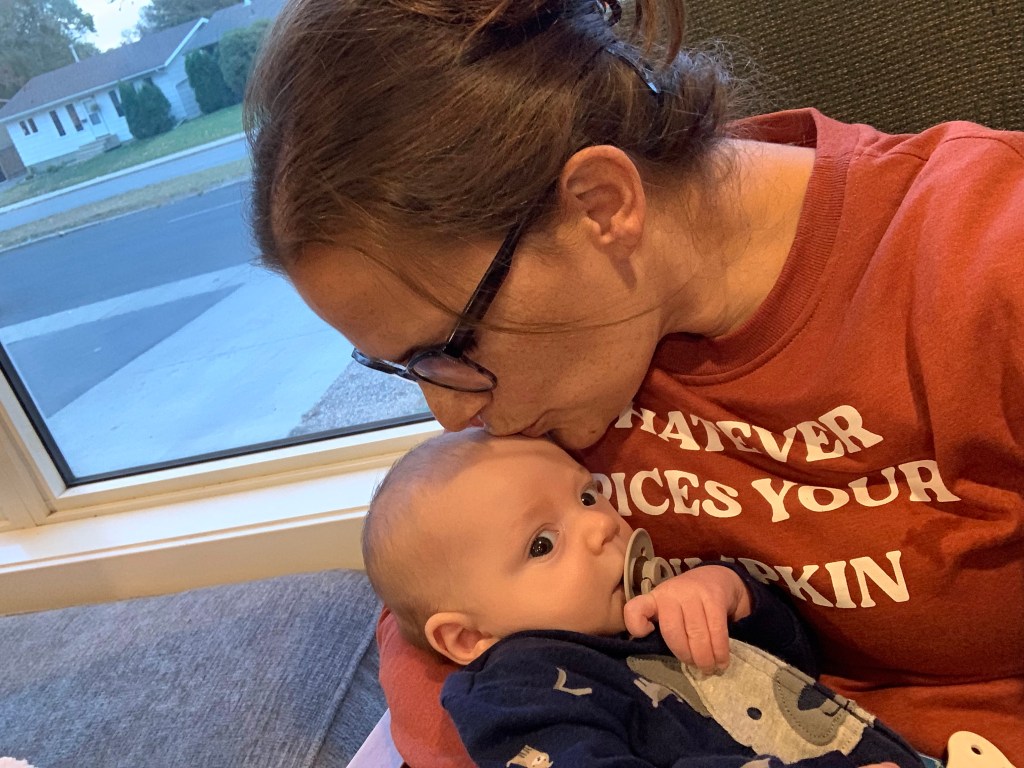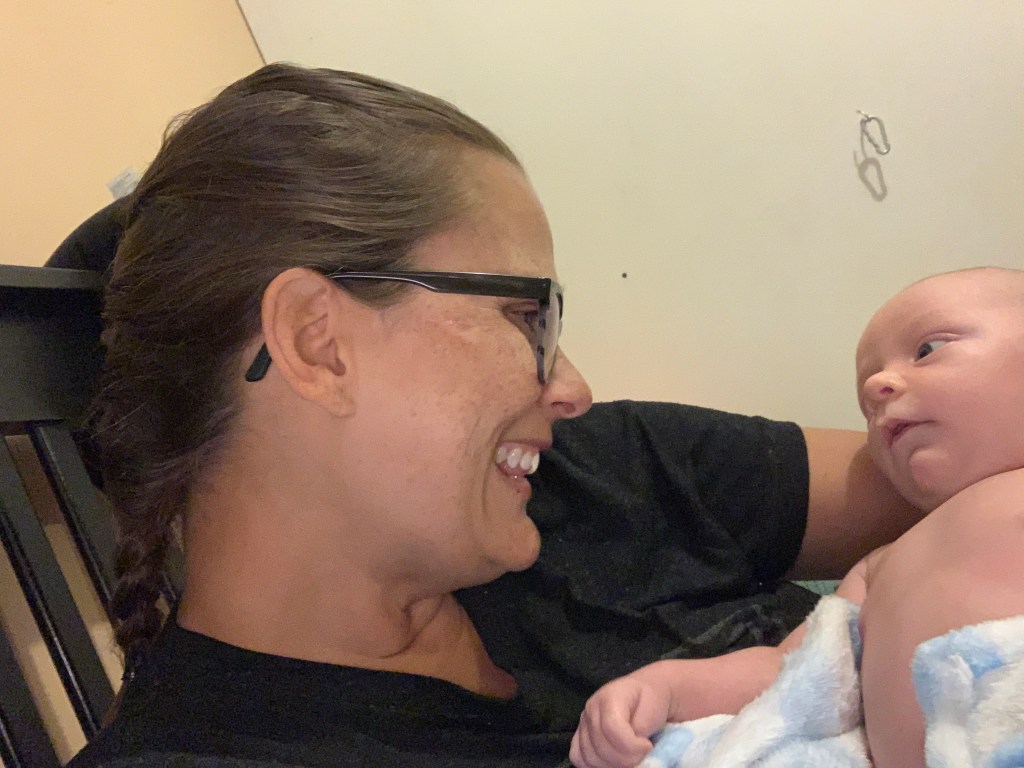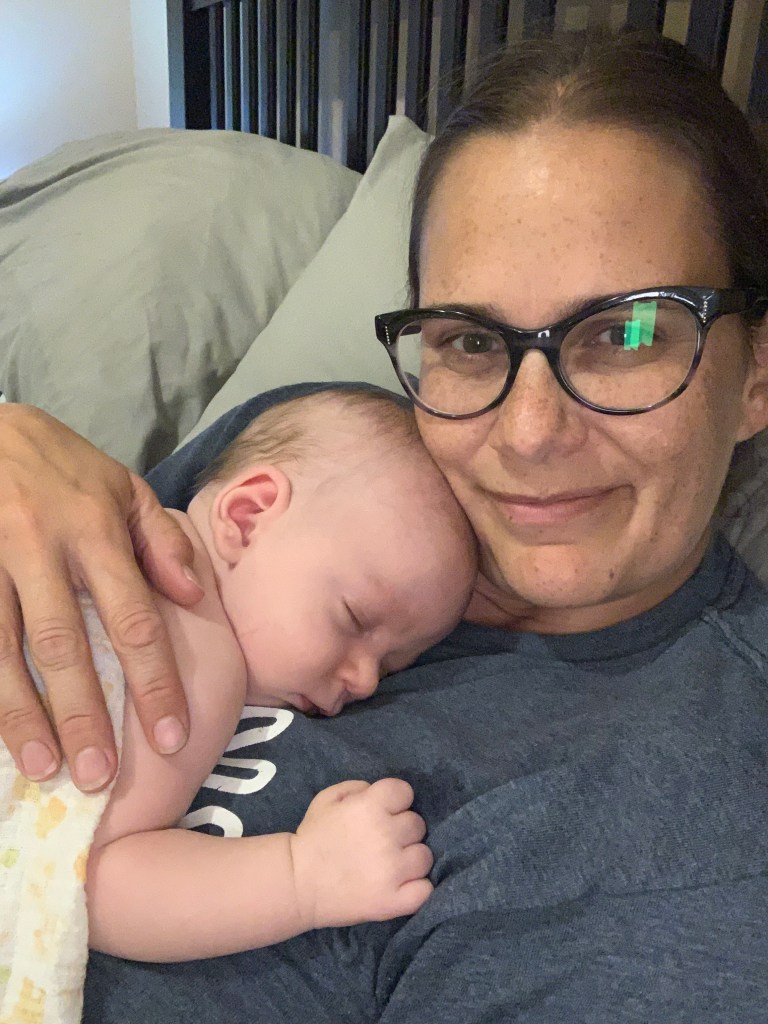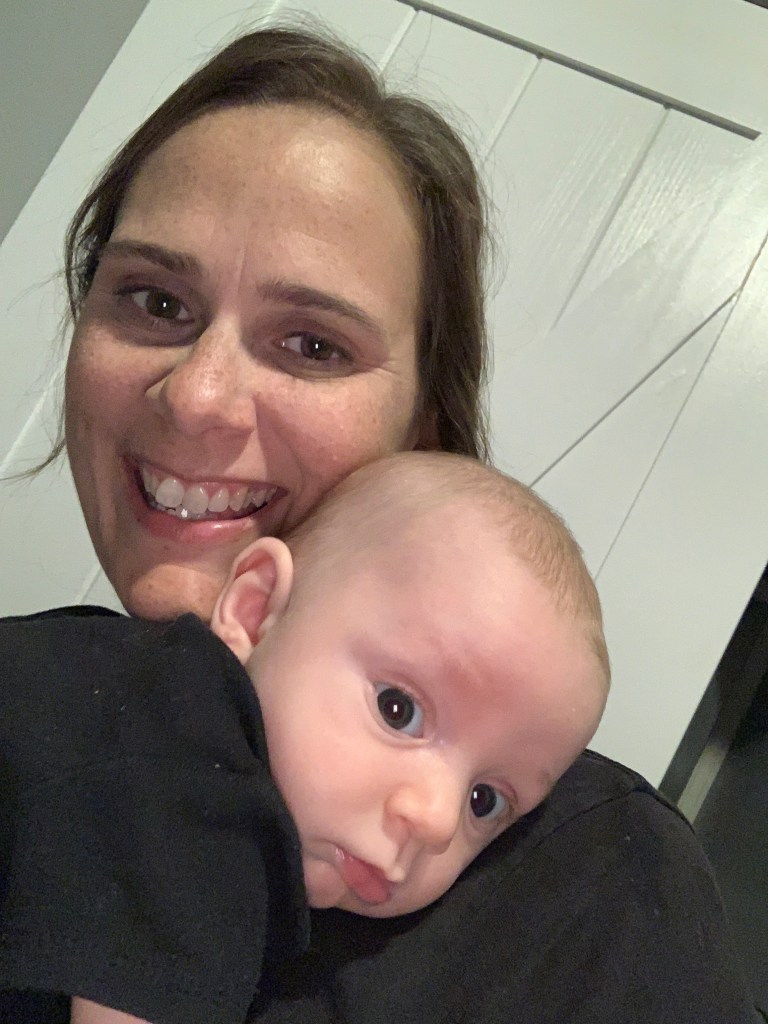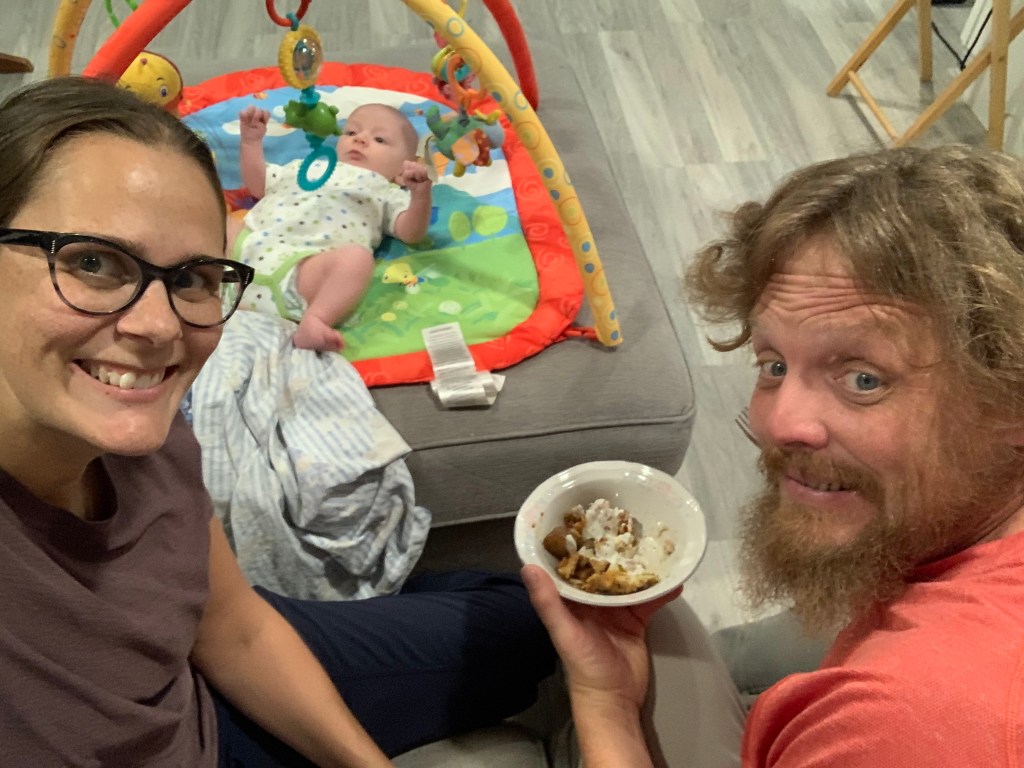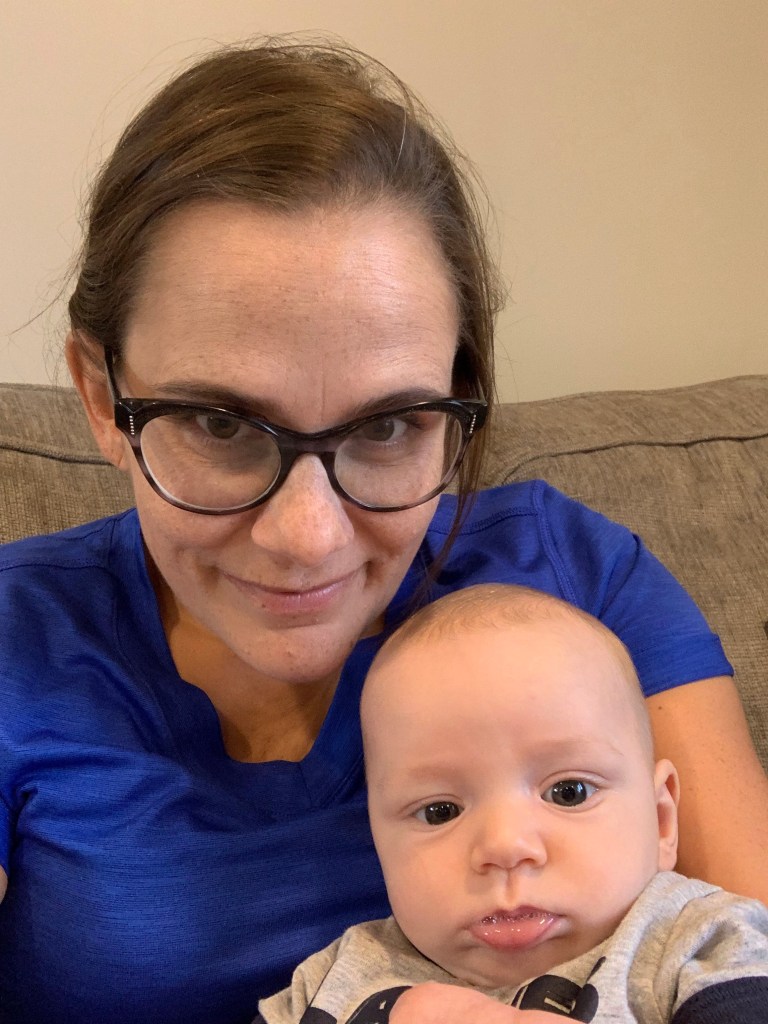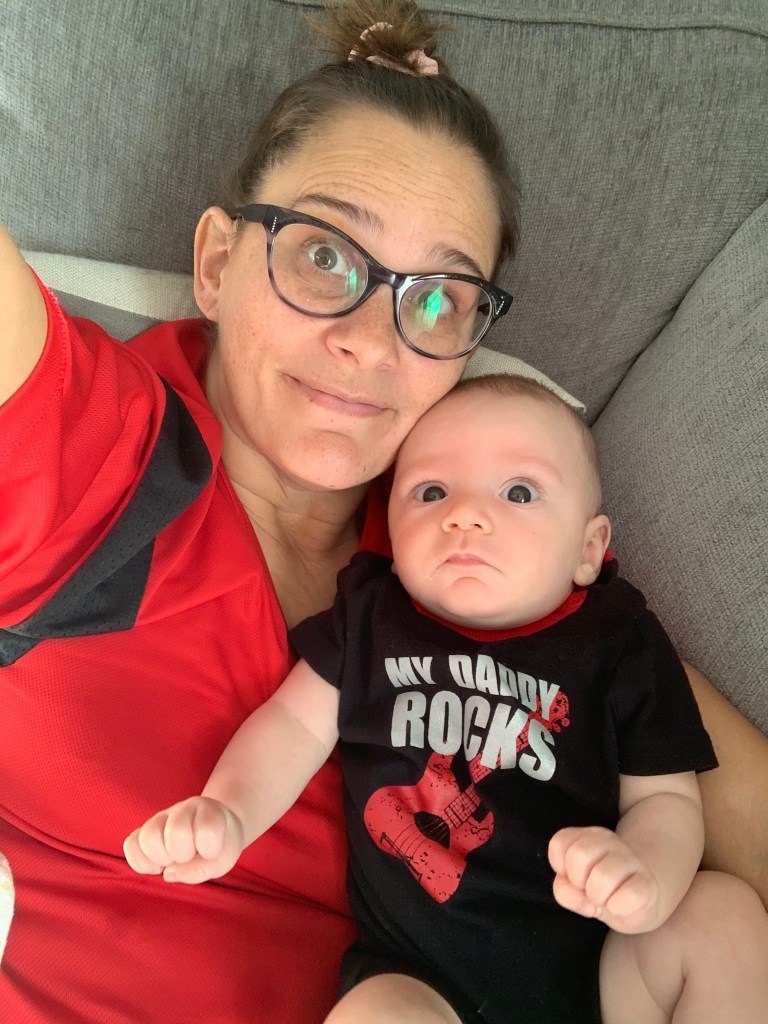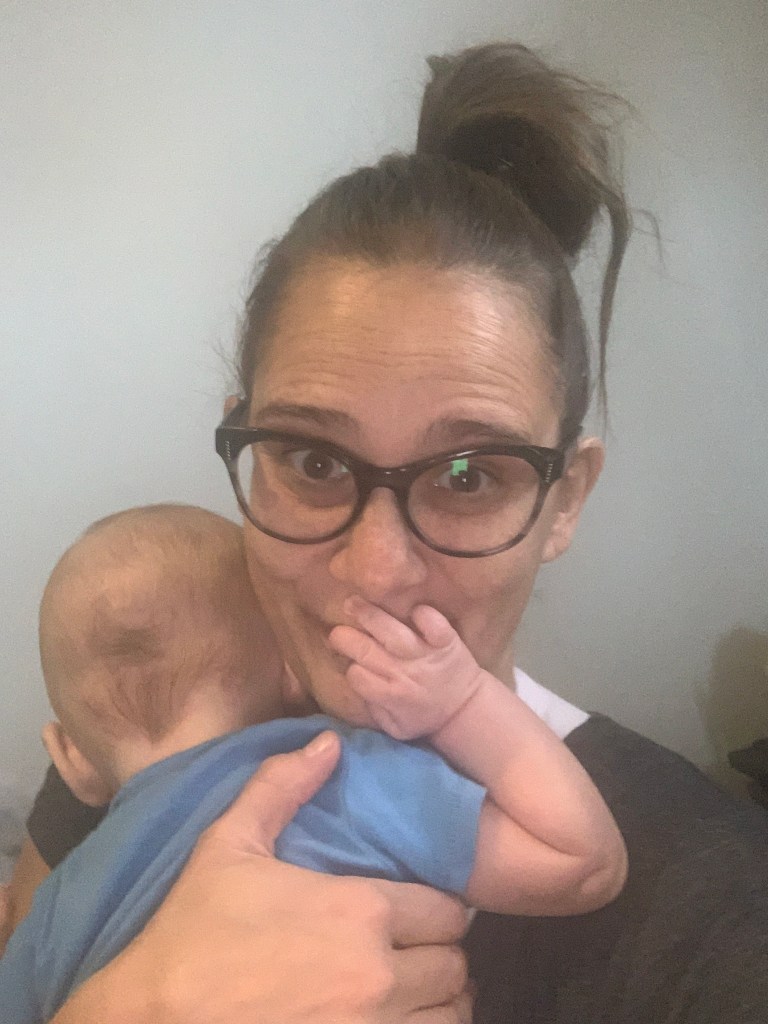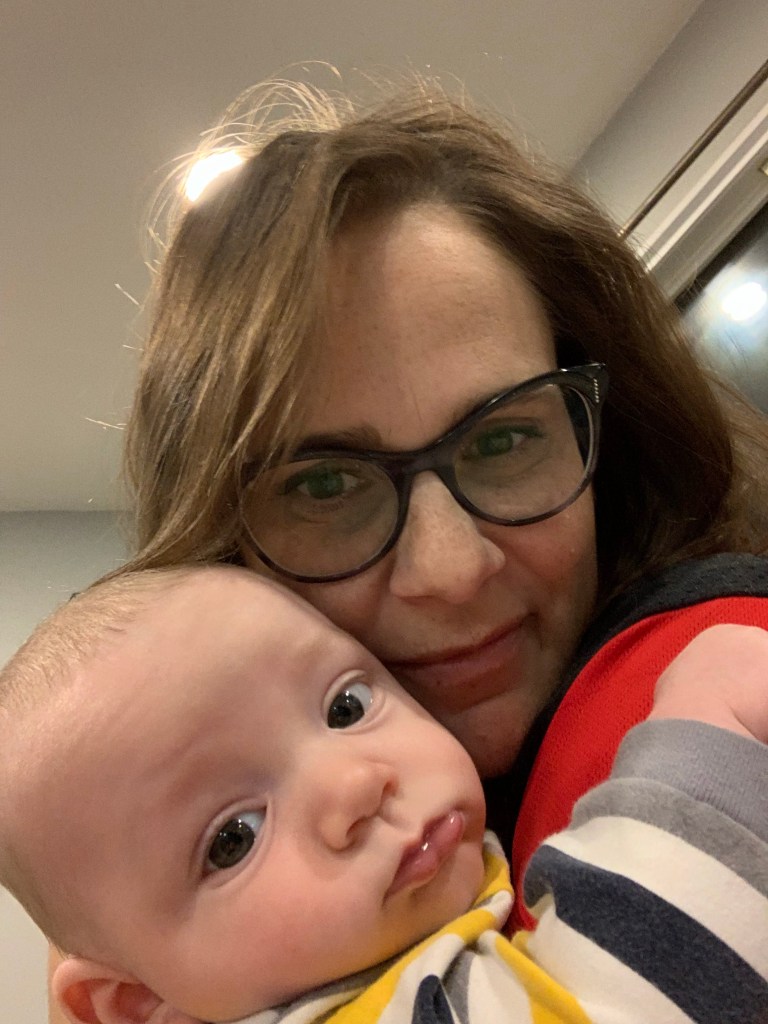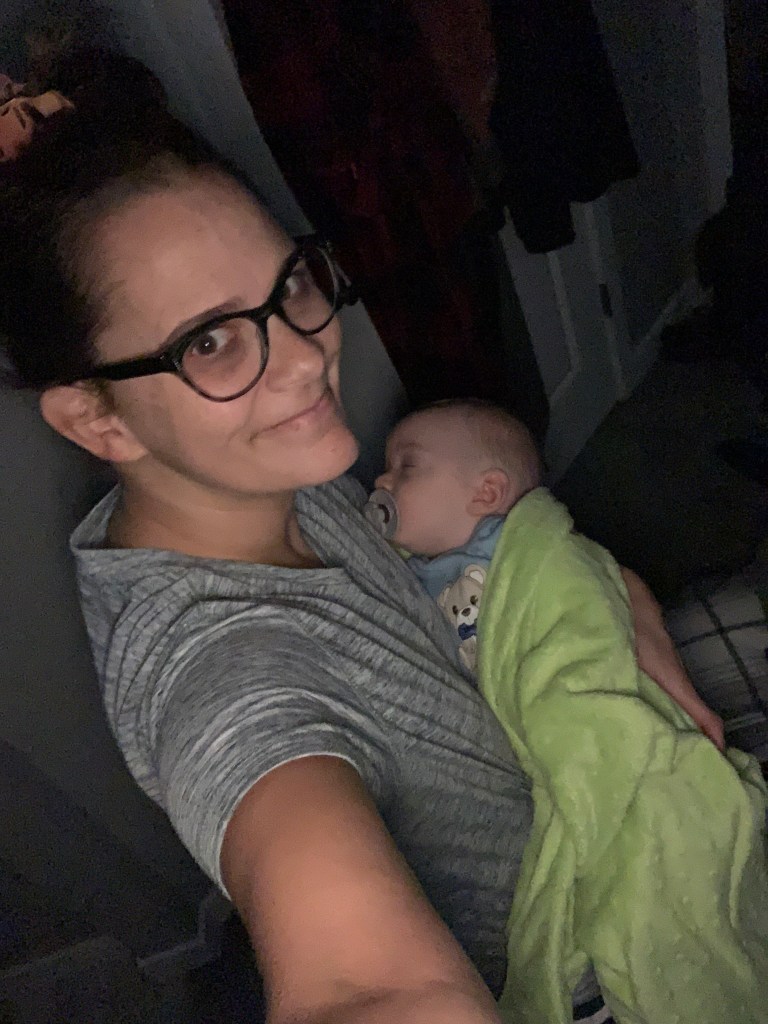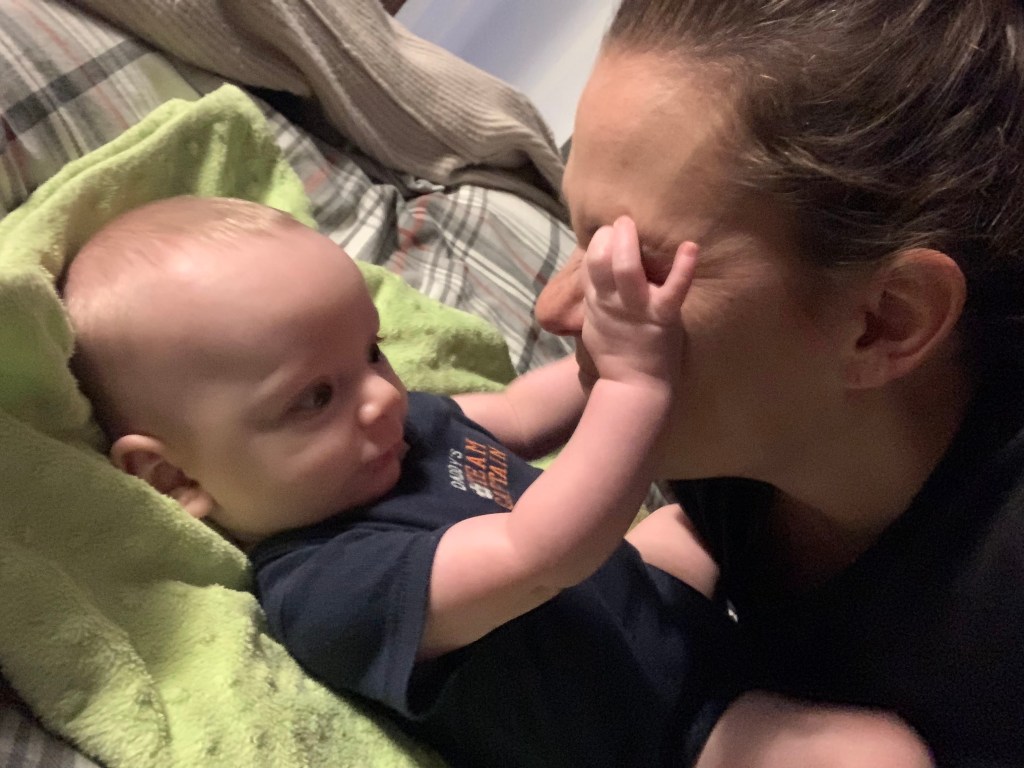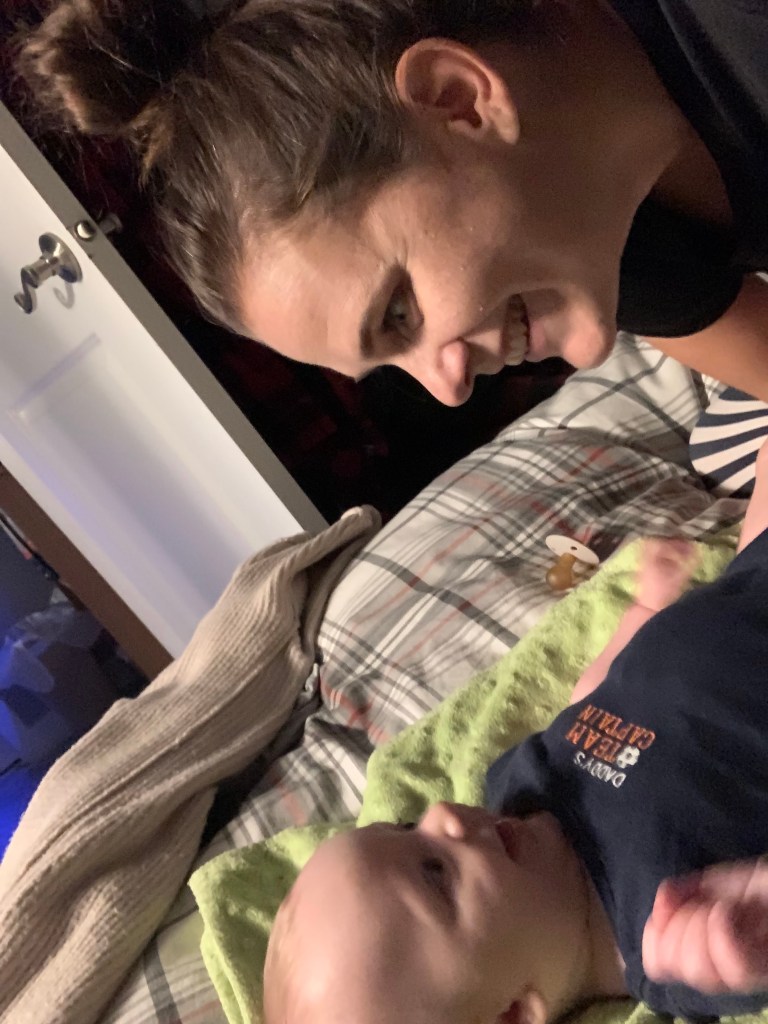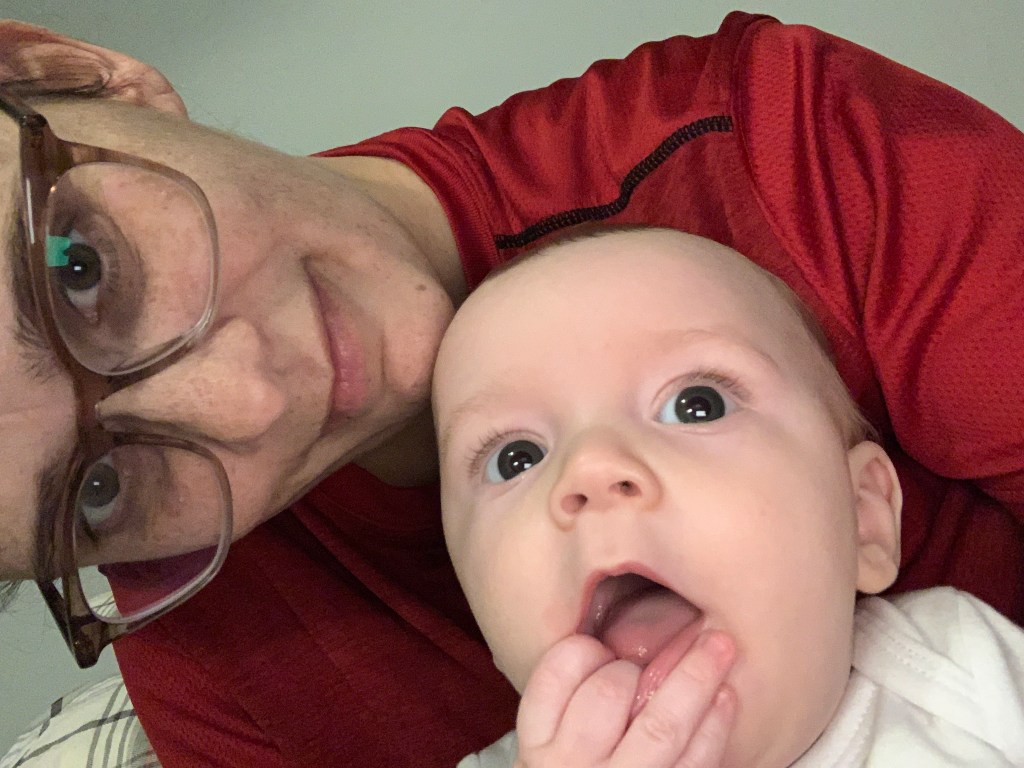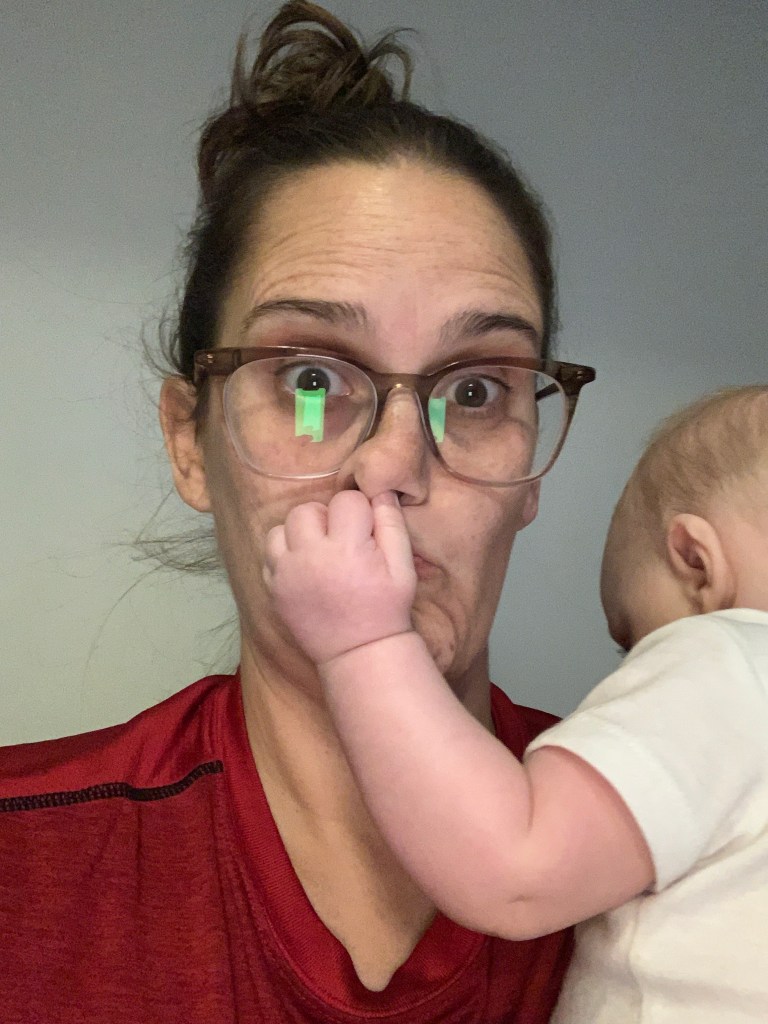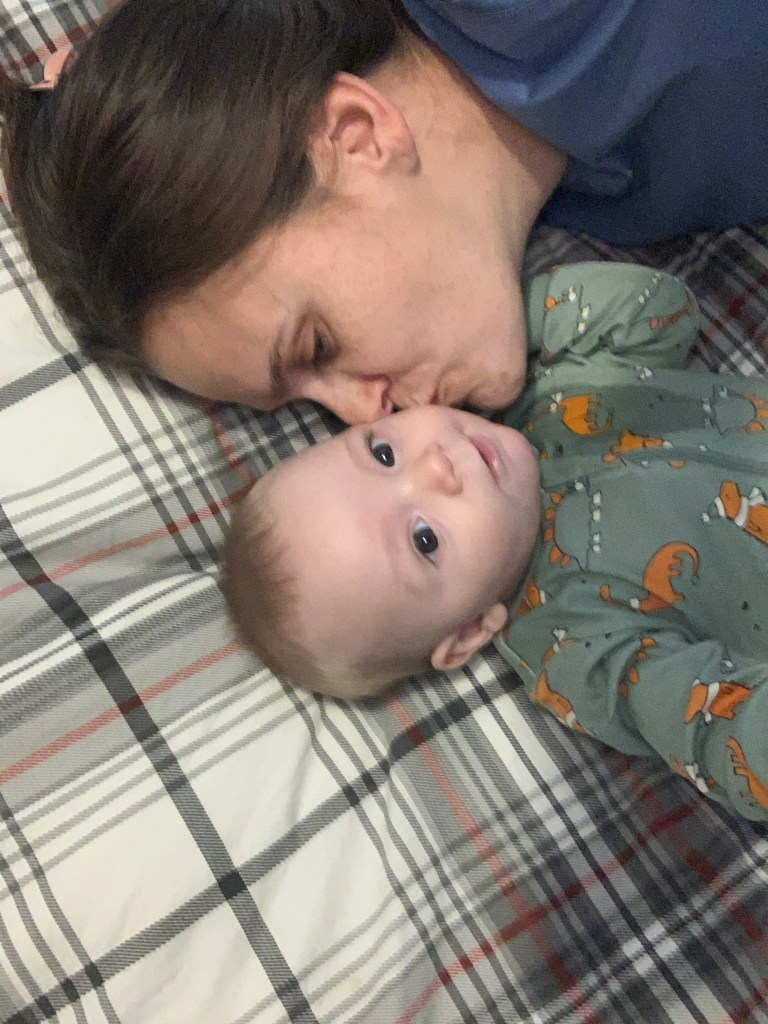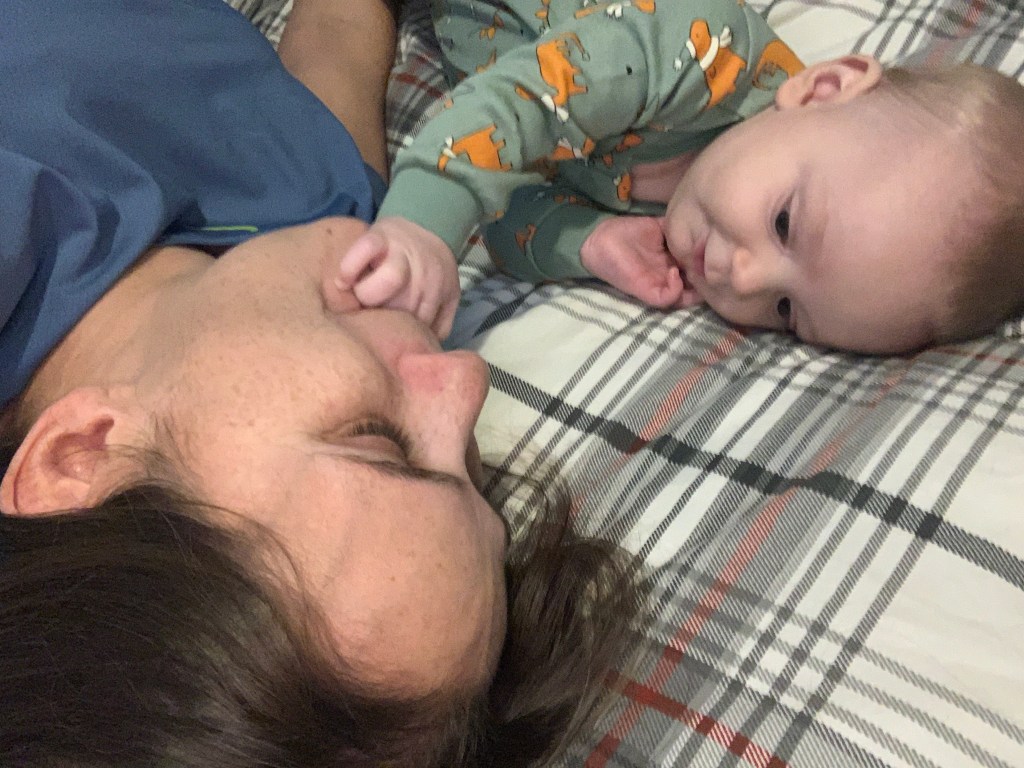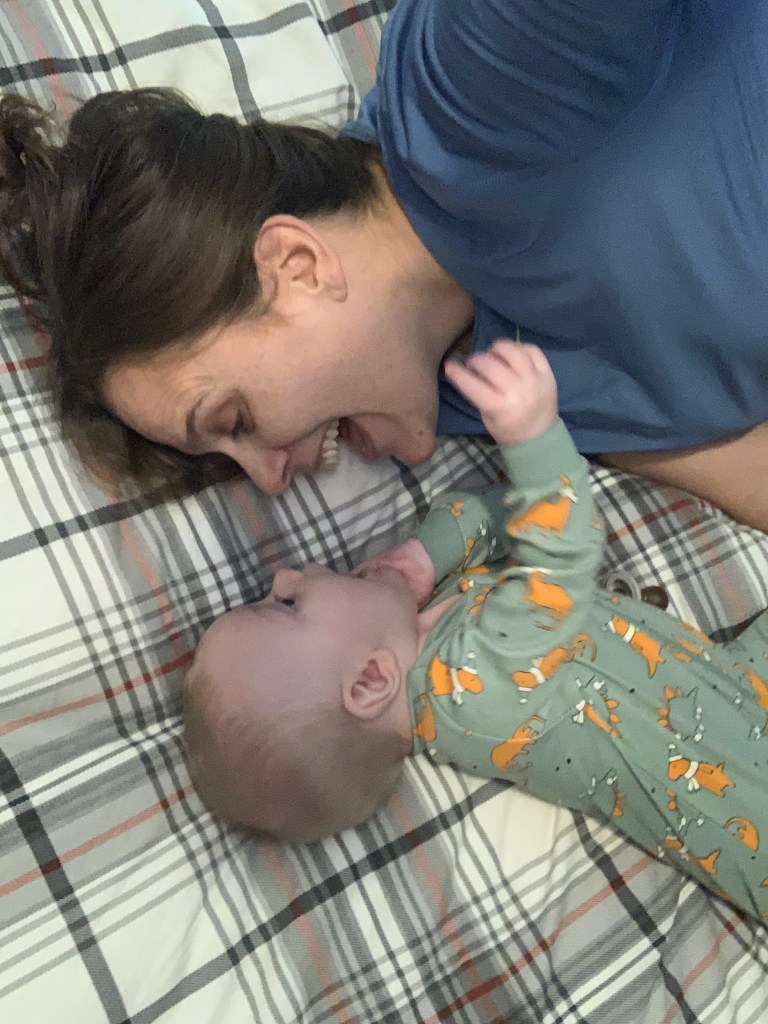

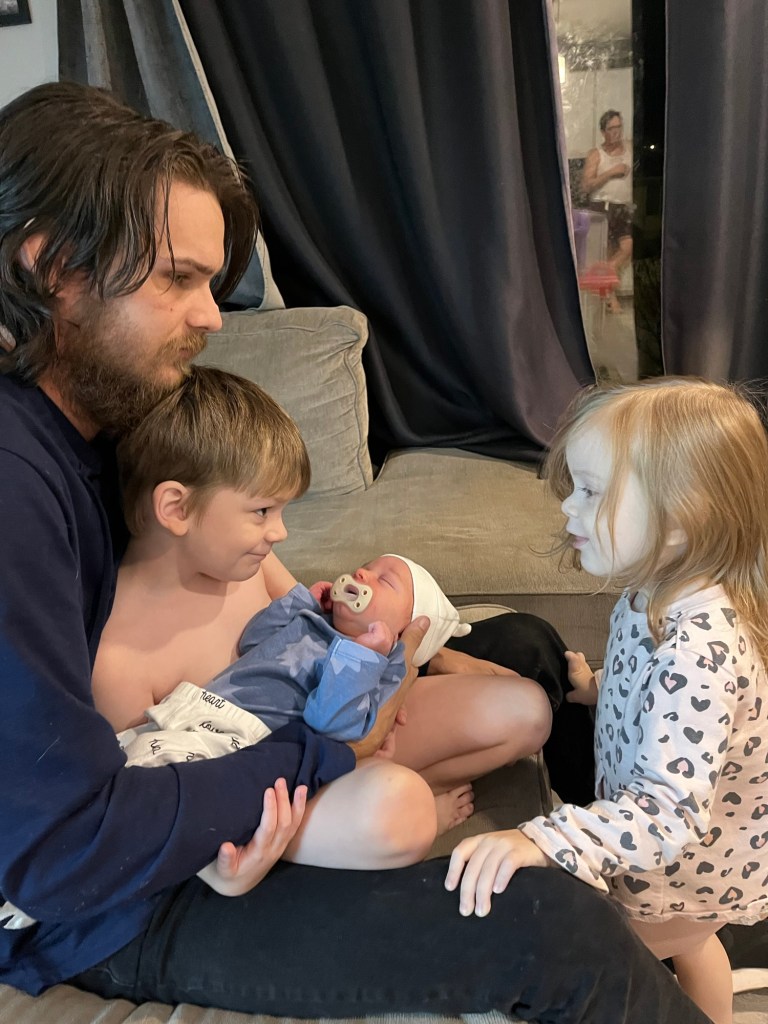
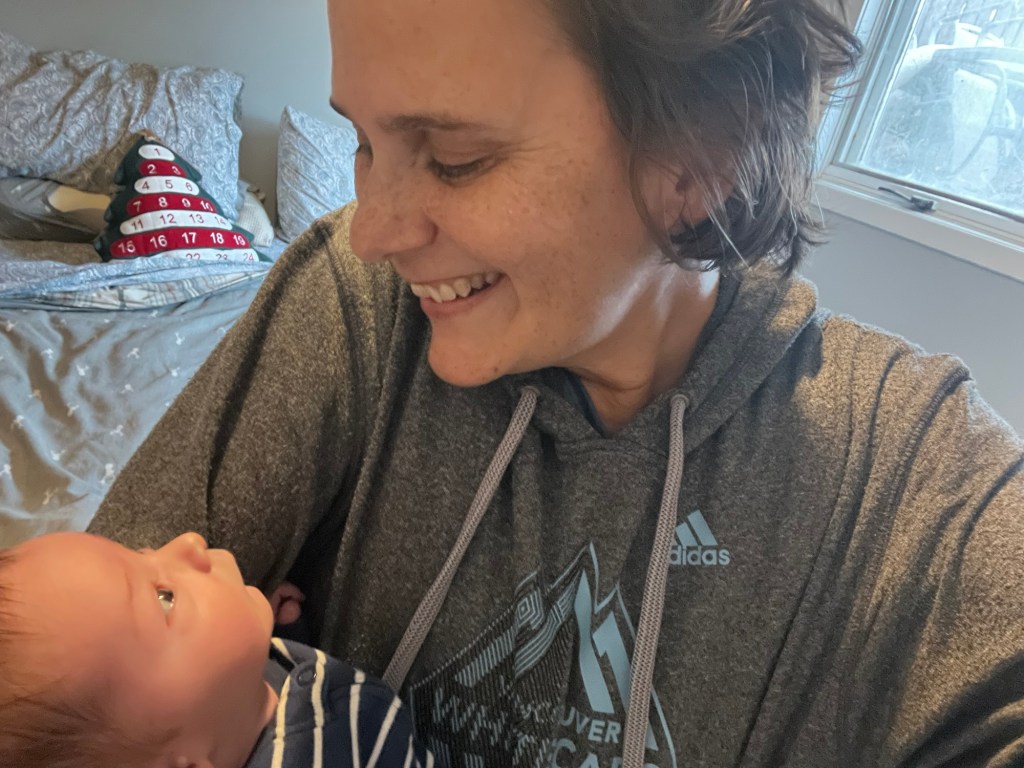
There is a new little man in our house. And I am completely smitten.
He has brought a whole new kind of love into our home. And a whole new kind of chaos. There are more little noises, more tiny clothes, more snuggles, more diapers the size of an envelope, more interruptions and considerably less predictability.
I wouldn’t trade him for anything. Although I might occasionally trade a few of the interruptions for a nap.
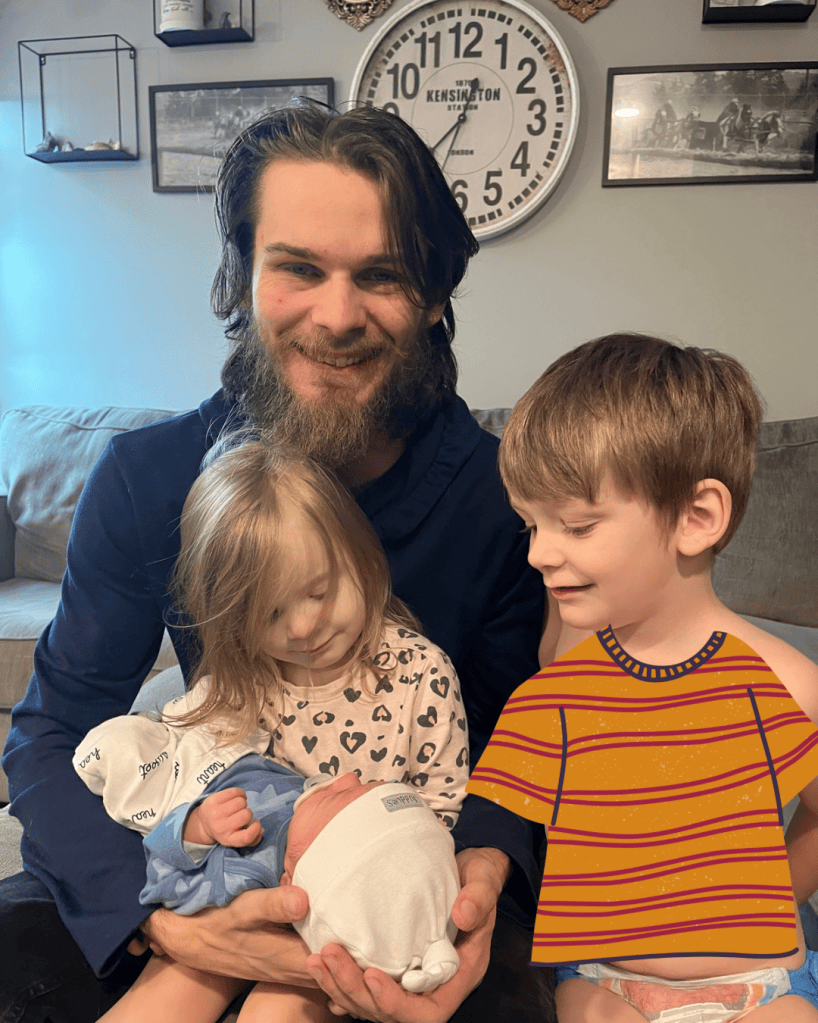
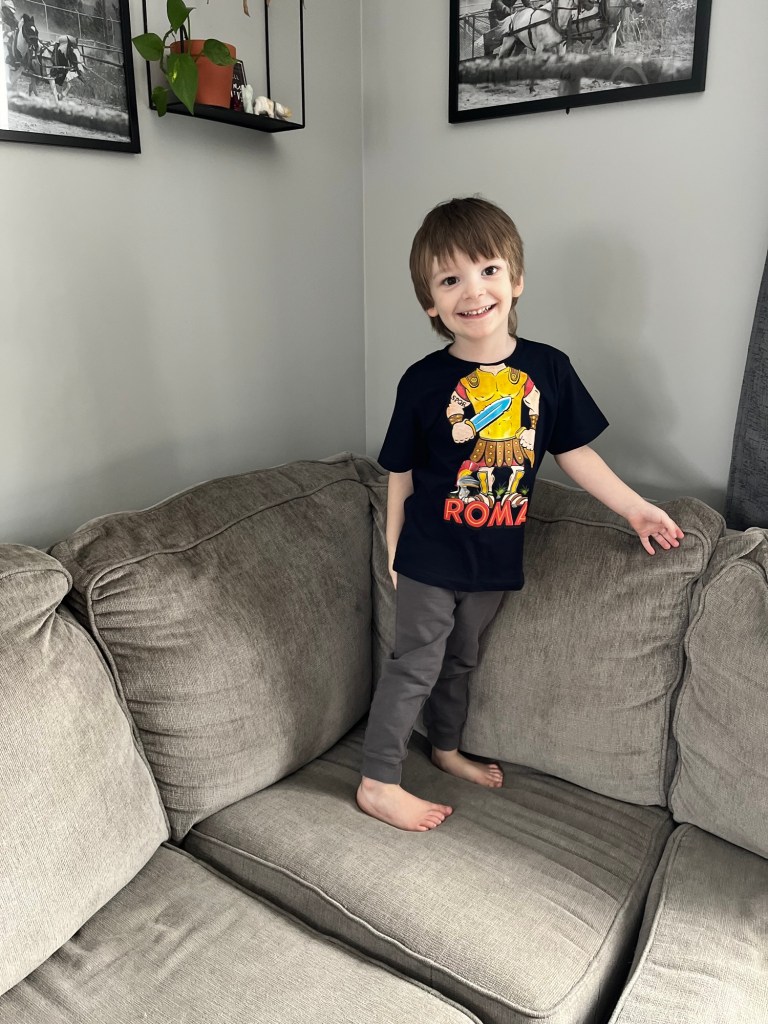
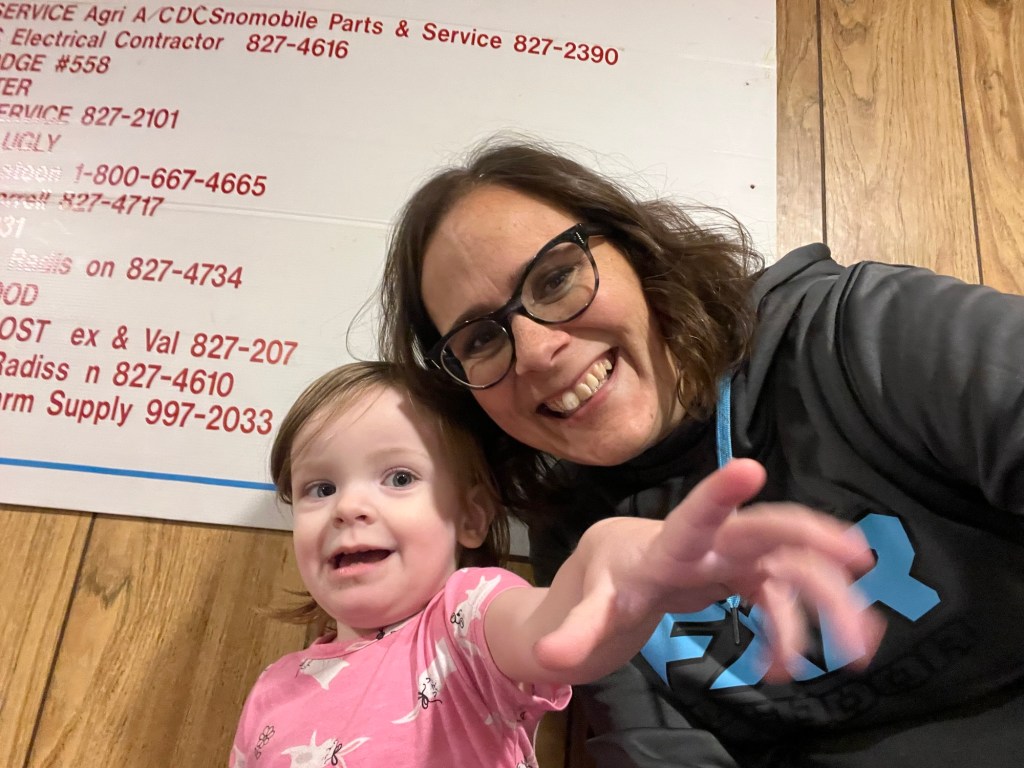
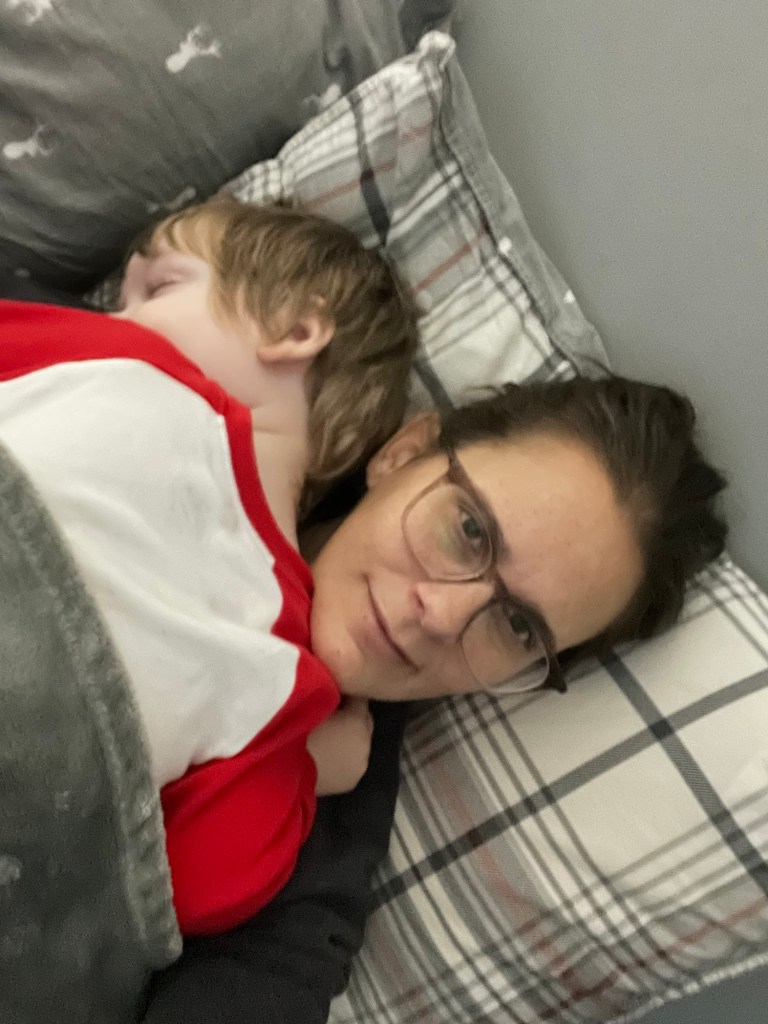
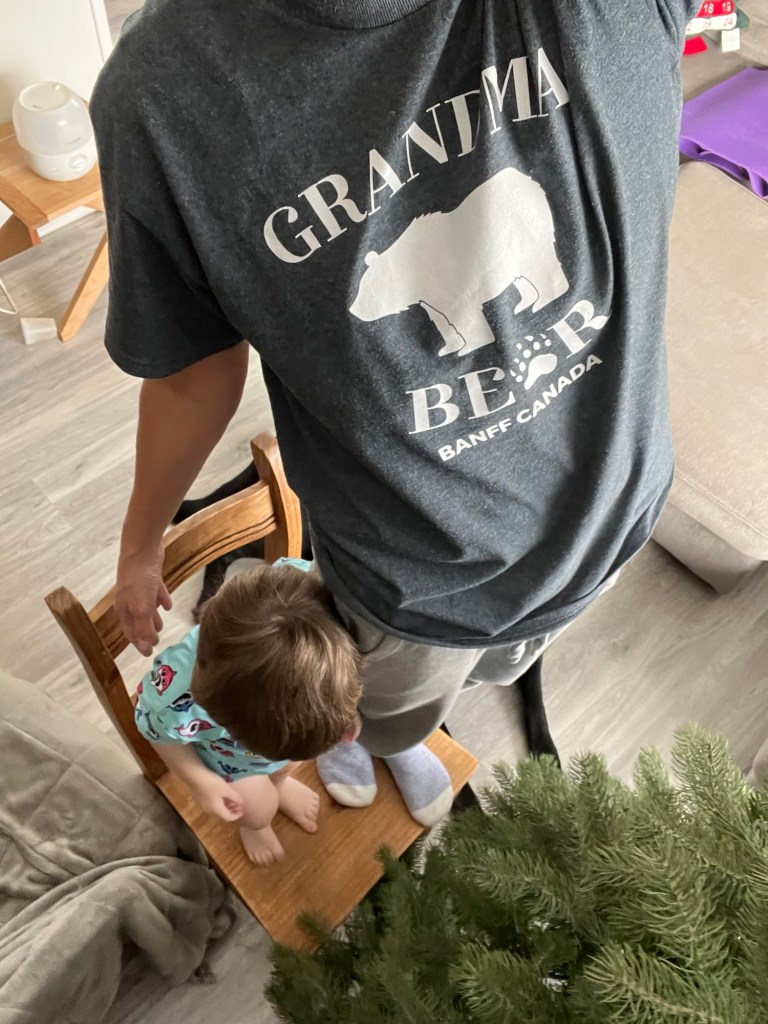
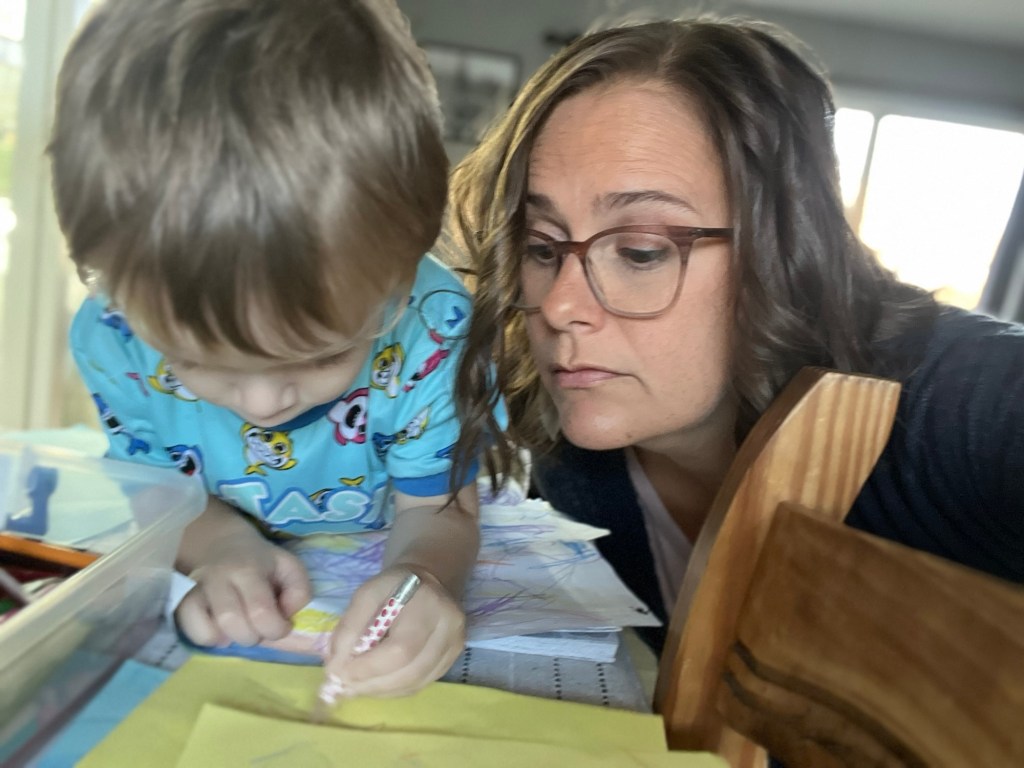
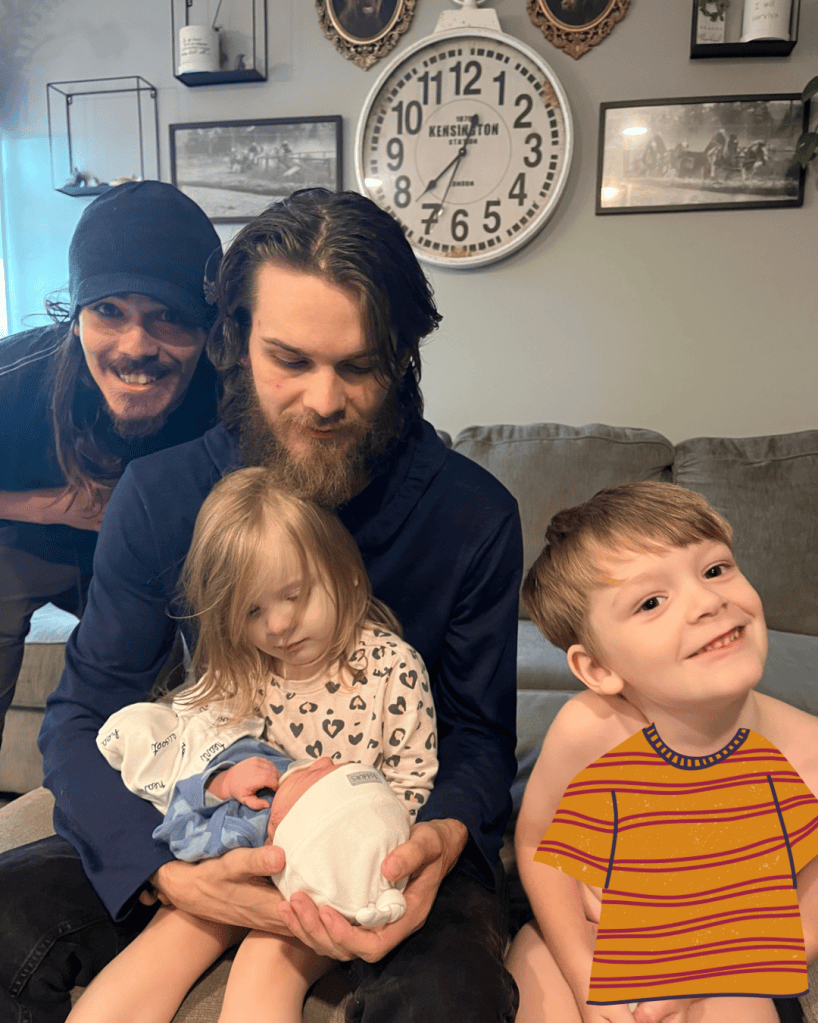
Our home was already a busy place. Add a newborn, two other grandchildren, their parents, appointments, meals, visitors and the general business of keeping this ship running, and things get interesting rather quickly.
Our household has become less of a well-oiled machine and more of a shopping cart with one wonky wheel.
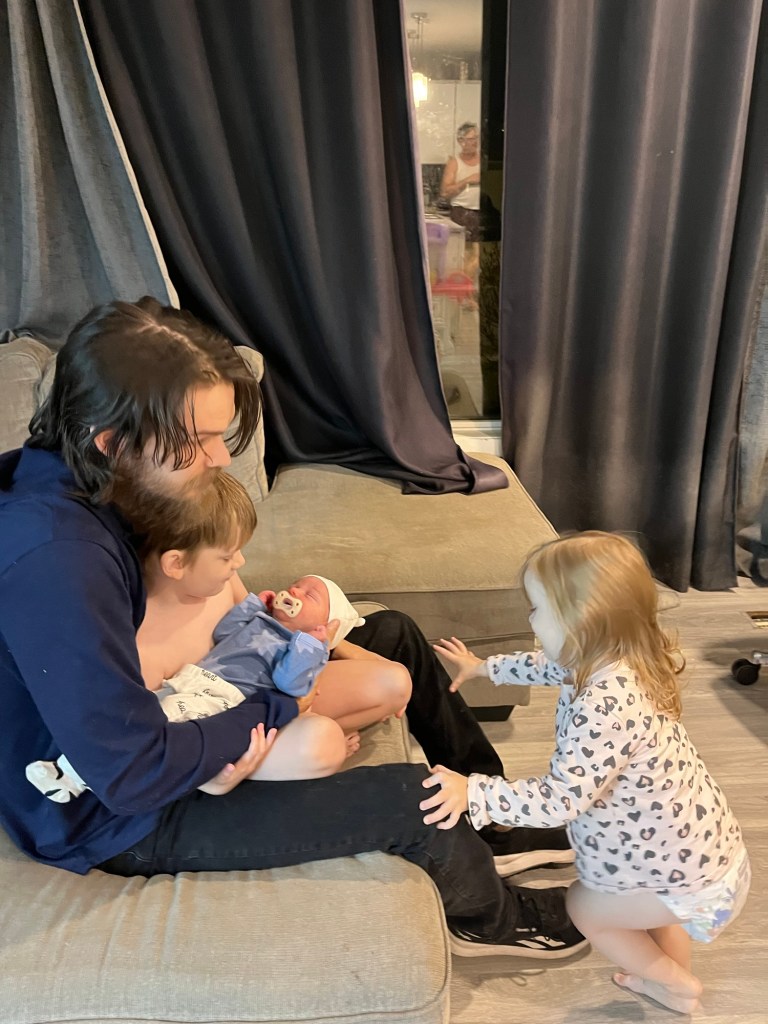
And then there’s me. Trying to manage chronic health conditions while keeping all these little plates spinning.
I’m trying to balance making meals with remembering to rest my back. Helping with the other grandkids while making sure I don’t overdo it. Helping my family with what they need while still making time to visit and serve the other people I care about.
There’s babysitting, appointments, dishes, laundry, grocery shopping and all the little interrupted moments that somehow multiply when there are children in the house.
And somewhere in there, I’m supposed to fit in looking after myself. Because:
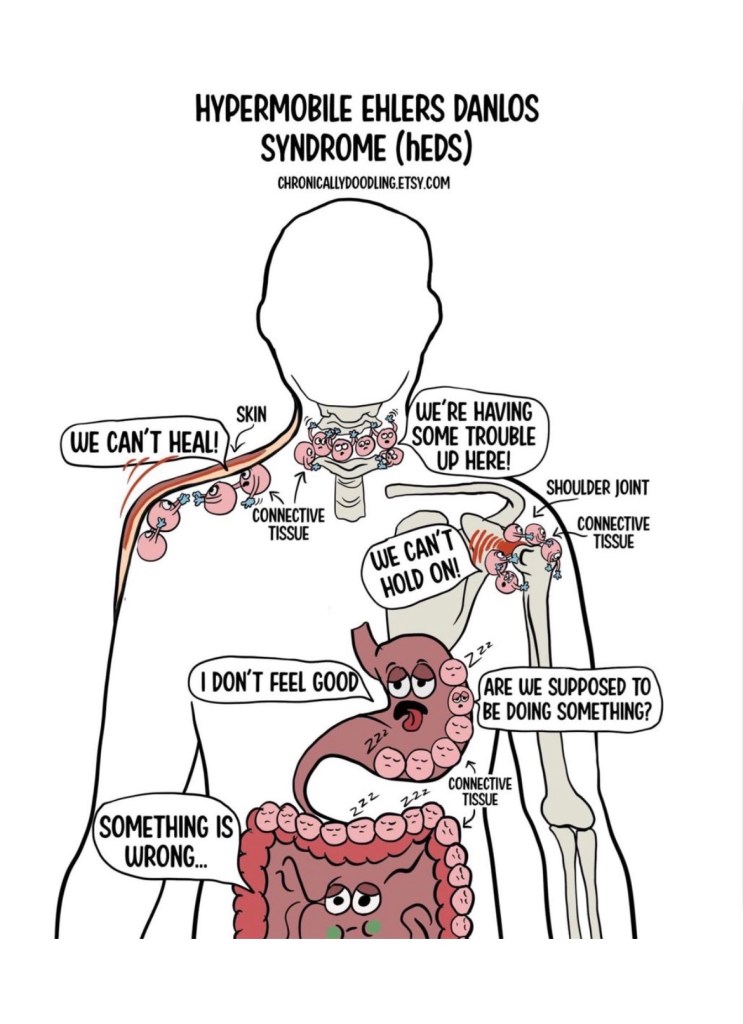
Apparently, I am also supposed to remember everything, keep track of conversations, answer texts, return phone calls and know where I put things.
Let’s just say that department is experiencing some staffing shortages.

Life is a balancing act for most people. But the weight of some things is considerably heavier when your body comes with limitations.
Most days lately, the scale gets ignored altogether because there is simply more to do than I am physically able.
I find myself being more than my usual mess. Add in the hot flashes and I’m literally a hot mess.
I drop things. I forget things. I lose track of conversations, information and memories. I walk into a room and have absolutely no idea why I’m there. Not just often, but every dang time.
Sometimes I can’t remember what I was supposed to remember, even when I know it was important. That one is scary. 😨
I can lose something while I’m still holding it.
My brain and my body seem to have entered into an agreement to keep me humble.
But underneath the humour, there is a concern.
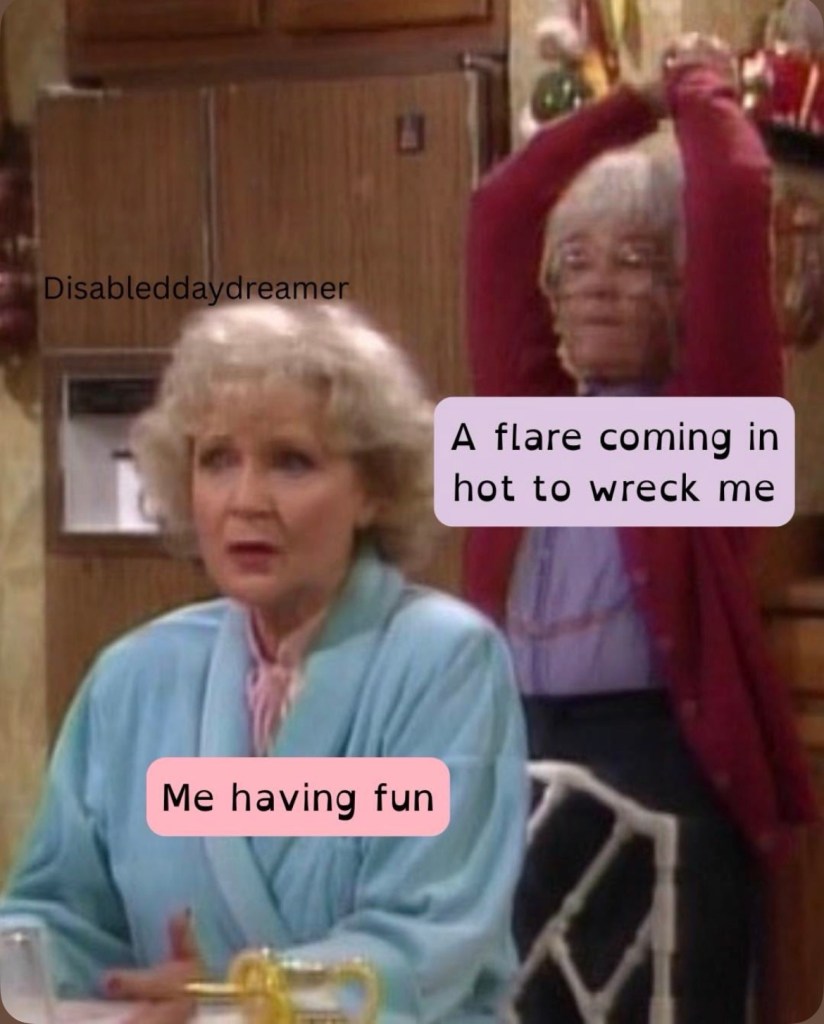
When do I start sliding backwards?
I know what it feels like to lose ground. I know what happens when I’ve asked too much of my body for too long. And sliding backwards is a scary place to be.
The thing is that once it starts, it’s hard to catch yourself. A slippery slope, if you will. Don’t expect an immediate response when you start to treat the symptoms. These things take time to turn around.
And, as always with these kinds of chronic conditions, there is never a clear treatment plan. Generally speaking, you don’t want to rock the boat if things are on an even keel. It can be hard to find that ability to be upright once you’ve lost it.
Our tiny gentleman, has definitely rocked the boat. All 7 lbs of him. 🛶 🫨

Life always takes over. You get tired, but you rest a little less because there are things to do. You hurt more, but you push through because people are counting on you. Your sleep gets disrupted, your brain gets foggier, your energy disappears and your recovery time gets longer.
But life doesn’t necessarily slow down to accommodate any of that.
In fact, sometimes the busier life gets, the less attention we pay to the very things that keep us functioning.
A little something for the high-functioning women
I think a challenge exists for women living with chronic illness who have spent much of their lives being the capable ones.
We’re the planners, the organizers, the helpers, the caregivers and the ones people depend on. We are accustomed to showing up. We adapt, compensate, find workarounds and figure things out.
We become very good at functioning despite how we feel.
Sometimes we’re so good at it that other people don’t realize how much we’re struggling. And sometimes we don’t fully recognize it ourselves.


Many women with autoimmune and chronic conditions know what it is to keep putting one foot in front of the other until their bodies finally force them to stop.
Some of us have gone from being the people who care for everyone else to needing round-the-clock care ourselves. Before realizing just how far past our limits we’ve gone.
It can be dangerous, being so accustomed to looking after everyone else that we forget we’re also someone who needs looking after. Being able to keep going doesn’t necessarily mean we should.
I don’t want to find myself in the position of depletion ever again. I want to keep moving in a positive direction.
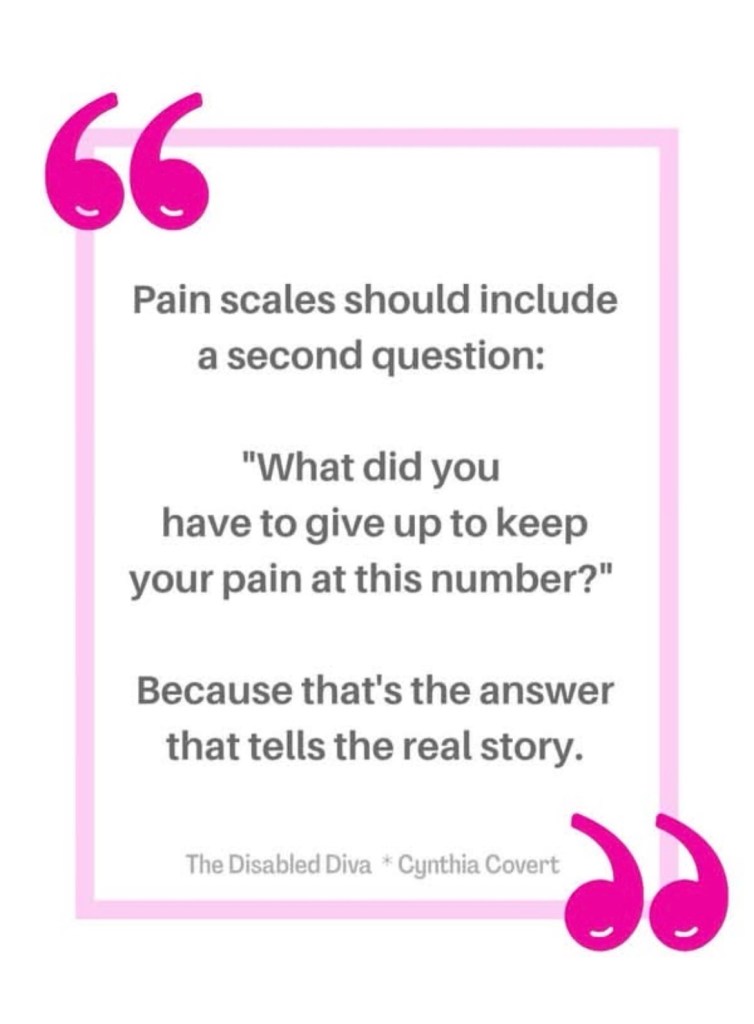
I don’t want to stop living. I don’t want to withdraw from the people I love or turn down every opportunity to be involved in their lives. And confined to bed.
I just don’t want to confuse living with constantly pushing myself past my limits.
So how do we recognize when we’re slipping back into that familiar pattern?
Here are five things I’m trying to pay attention to despite the squishy distractions.

Five ways to catch yourself before you crash:
1. Pay attention to the whispers. Don’t wait until your body has to shout.
More pain, less sleep, increased fatigue, brain fog, irritability, sensory overload or needing longer to recover are all worth noticing. These little changes matter. Don’t wait until you’re completely flattened to acknowledge that something isn’t working.

2. Stop making rest conditional.
Rest isn’t a reward for finishing the list. The list will always find something else to add. There will always be another dish, another load of laundry, another phone call or another person who needs something. You don’t have to earn the right to sit down.

3. Separate wanting to help from being able to help.
They’re not always the same thing. Just because someone needs you doesn’t mean you have the physical capacity to meet every need. It’s okay to love someone, want to help them and still recognize that today isn’t the day you can do it.

4. Let other people carry some of the weight.
This can be particularly difficult for those of us accustomed to being the dependable ones. But allowing other people to figure things out or solve their own problems isn’t letting them down. It might actually be good for them.

5. Believe your body the first time.
If your body is asking for a break, listen. Don’t negotiate with exhaustion, pain and warning signs. Not one more thing, one more appointment, one more favour or one more task. Sometimes the answer has to be no, even when you really want it to be yes.
I’m still learning this. And if I’m being honest, I’m not always particularly good at it. I forget:
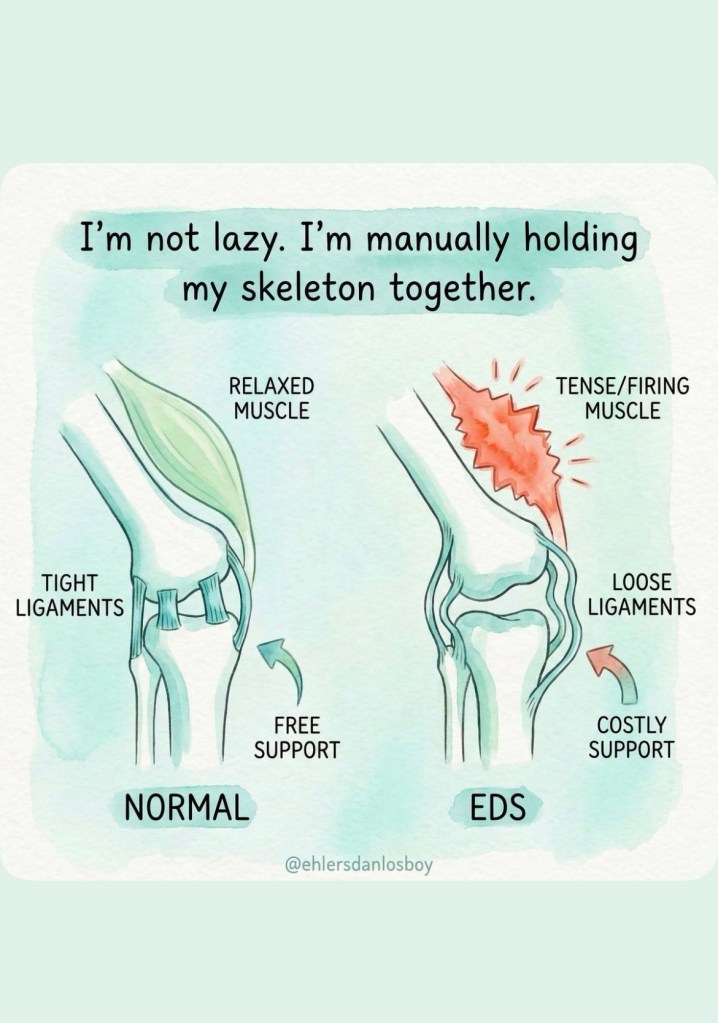
I refer you to:
Solomon’s Paradox
The observation that people can give reasonable advice to others, but fail to apply this advice to their own situation. 😳
The beautiful weight of a full house
The truth is, I have a beautiful little life here.
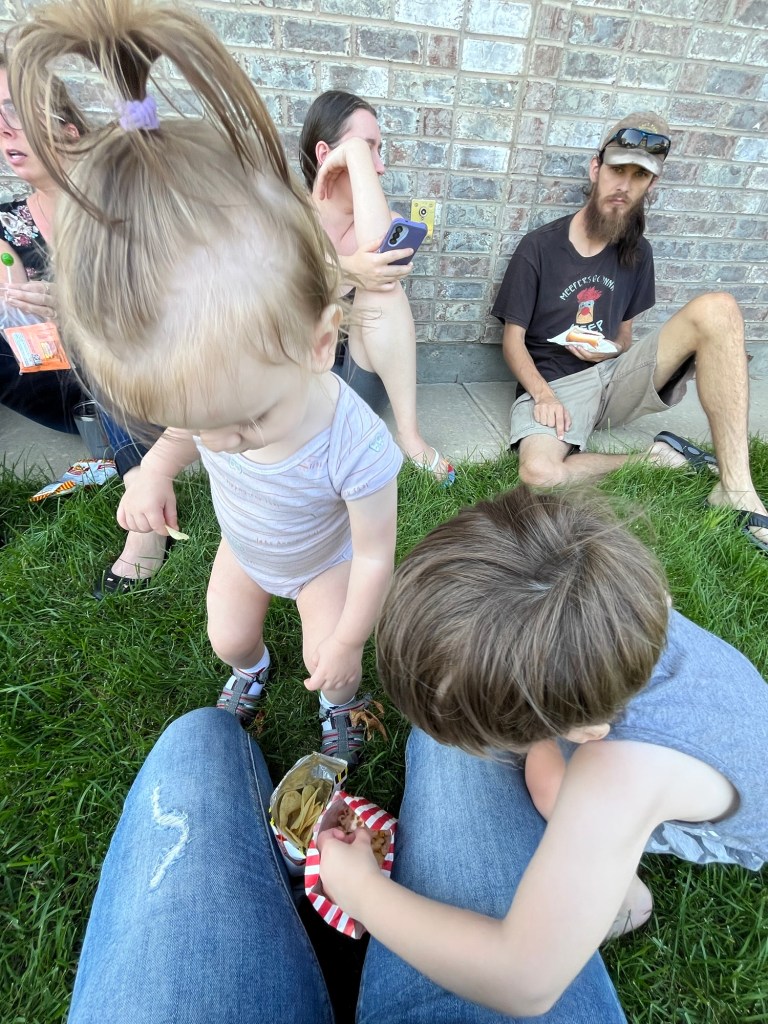
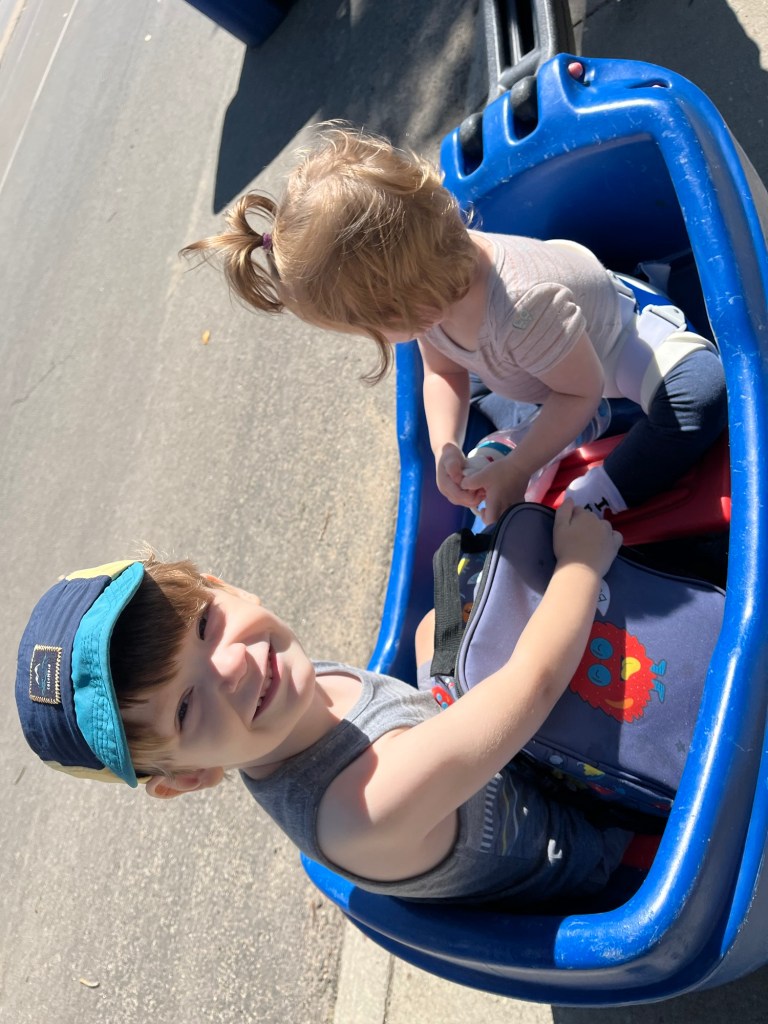
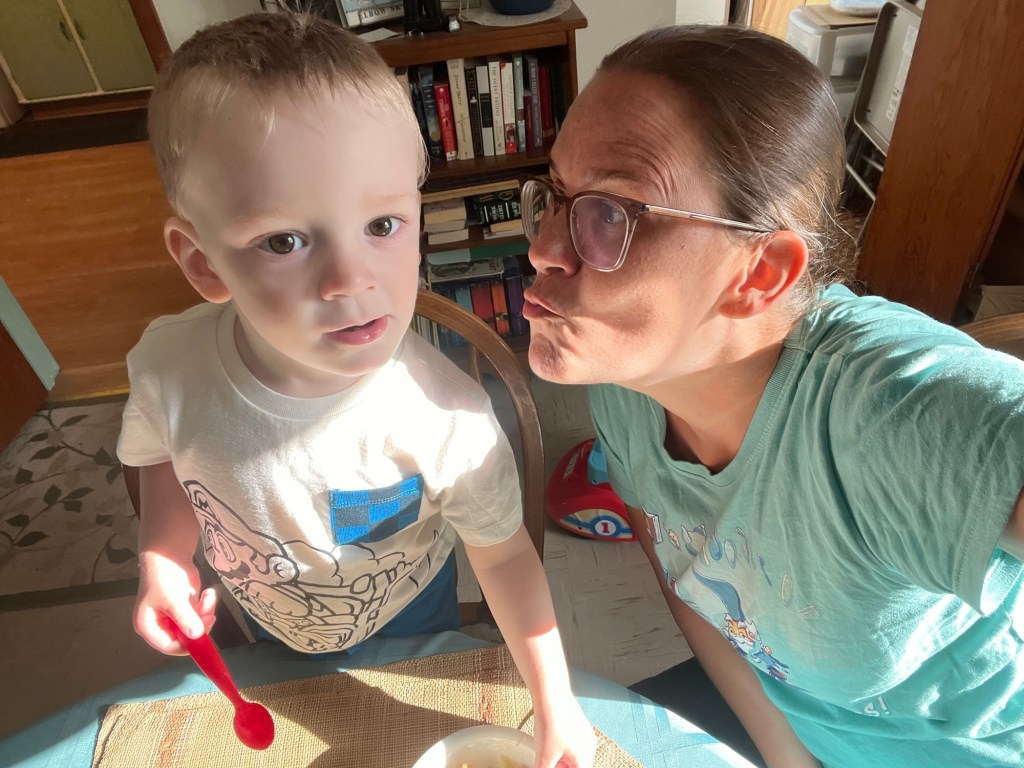
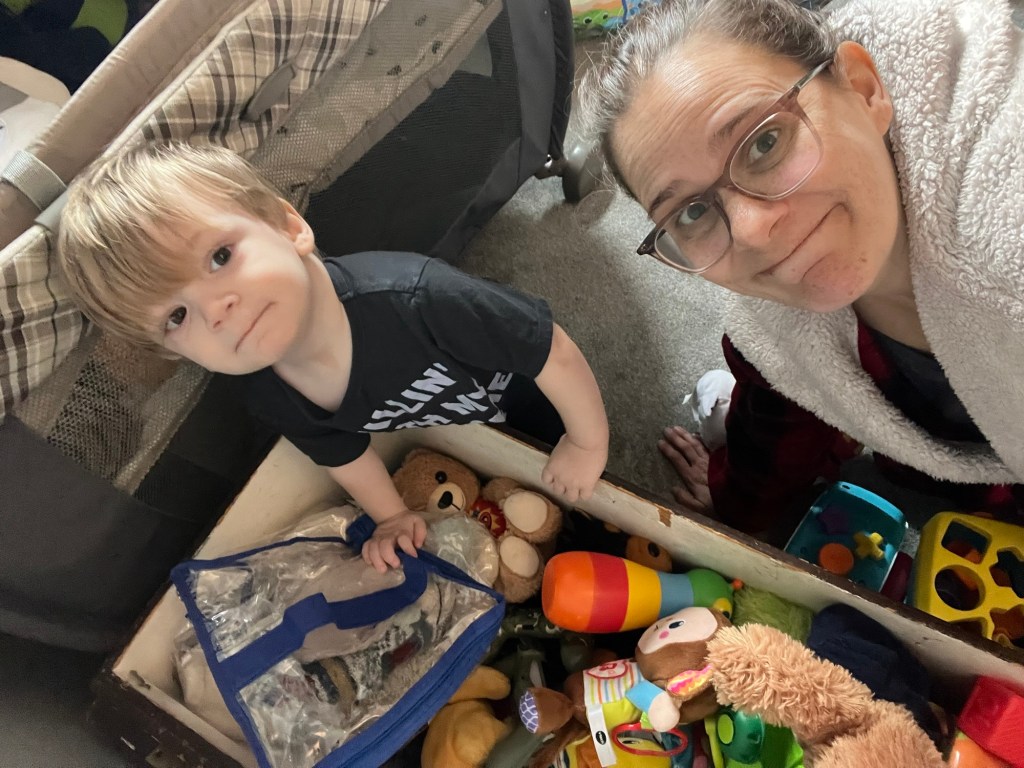
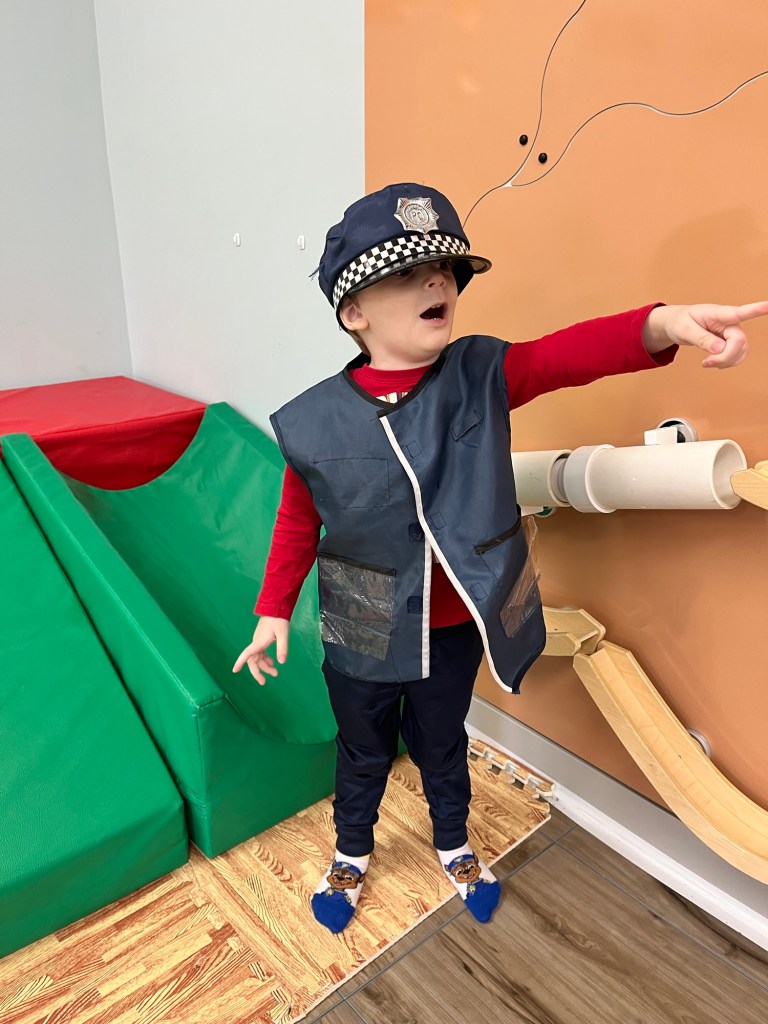
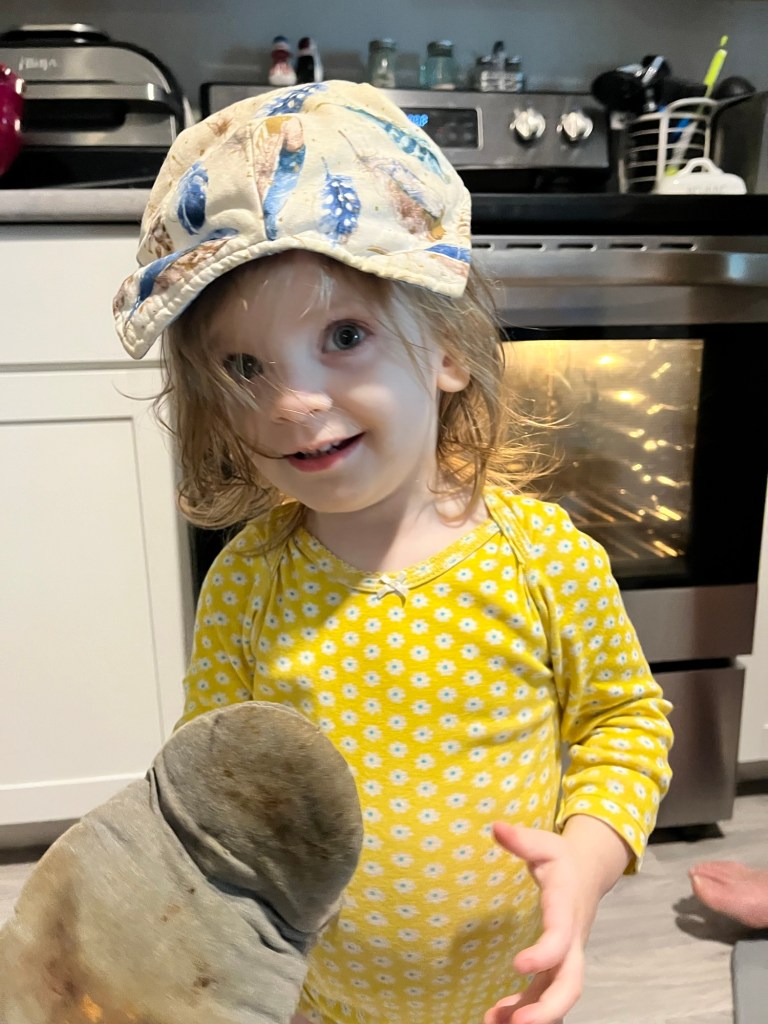
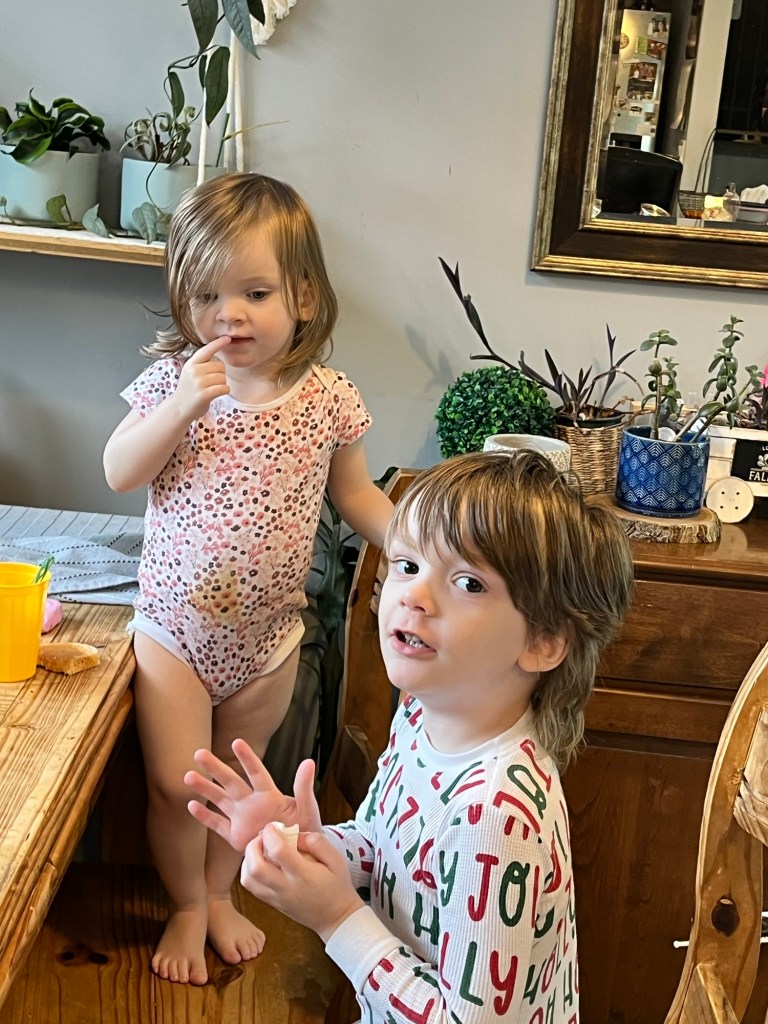
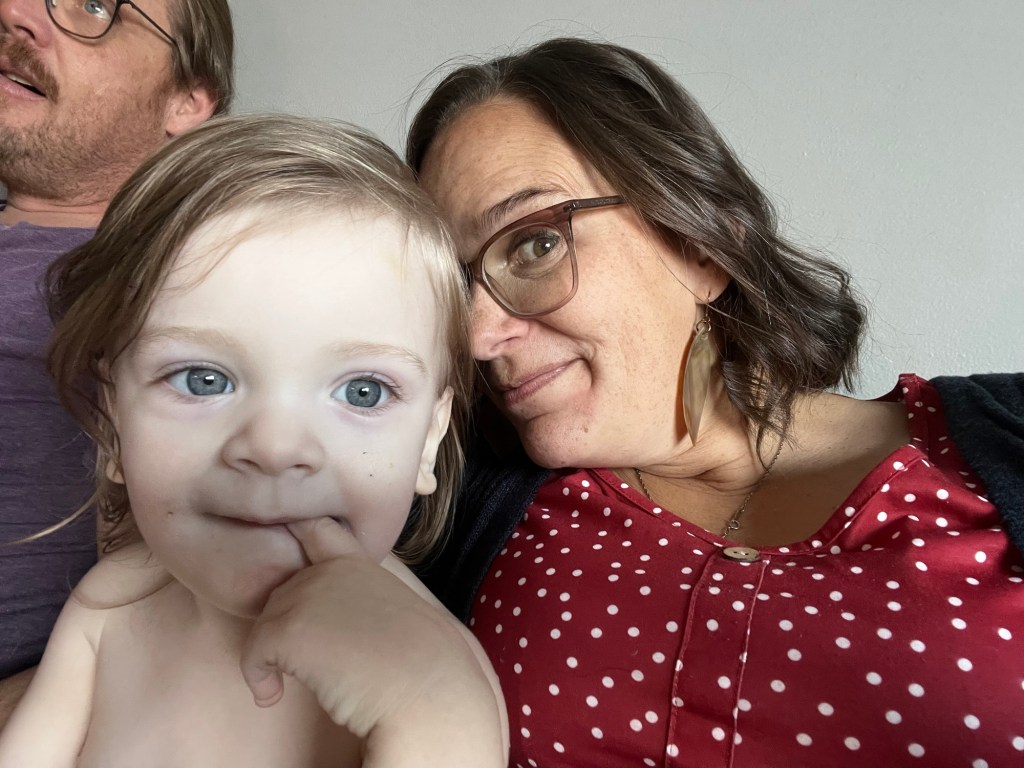
I love my other two grandkids to pieces. I adore my children and their partners. And now I have this tiny new person to love on, too.
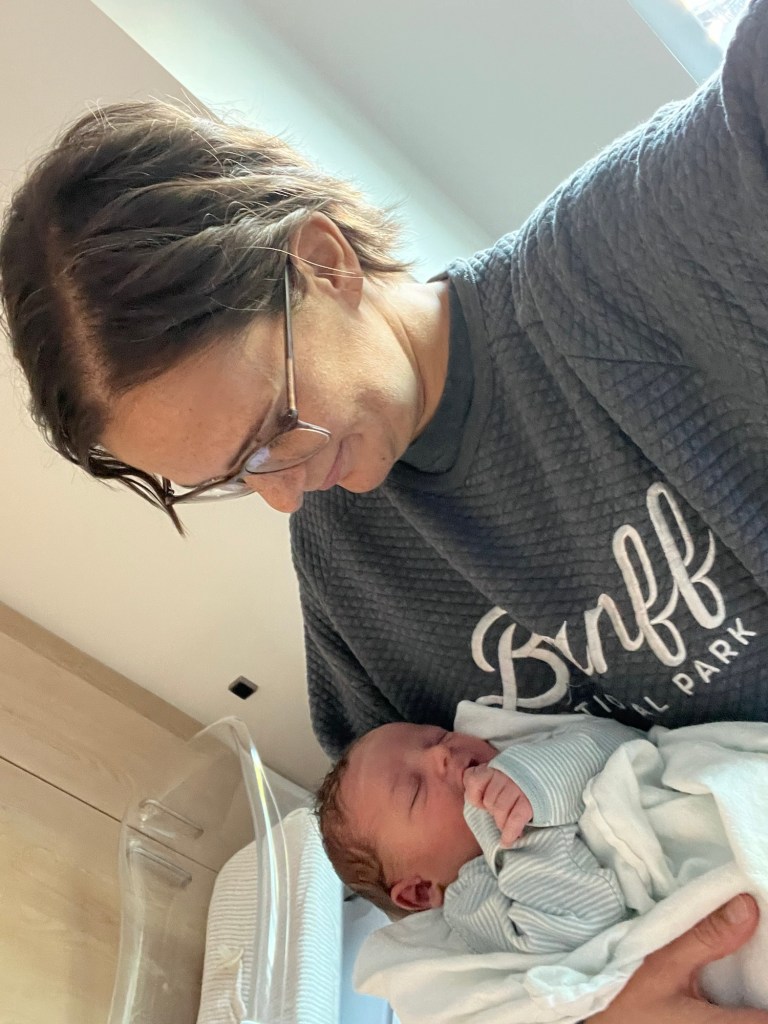
I have my greatest treasures together for this little stretch of time. What a blessing!
I know it won’t last forever. Babies grow, children get bigger, schedules change and eventually everyone will have their own homes. There will be a day when my house is quieter and I might actually be able to hear myself think.
Although, given my current memory situation, I’m not entirely sure the quiet will make any difference to keeping track of those thoughts.
I will be so lonely!
I want to use all the minutes and all the days I have with them. I want the cuddles, the silly games, the books, the songs, the adventures and the memories. I want to be there for the ordinary little moments that become the things we remember most.
But I also need to pay attention to the signals my body is sending me.
And sometimes that means the dishes, laundry and dog hair pile up. The texts and phone calls get missed and then promptly forgotten. The kids and kidlets have to figure a few things out on their own.
Because Grandma needs to do her detoxes, get to the gym, and rest, rest, rest.
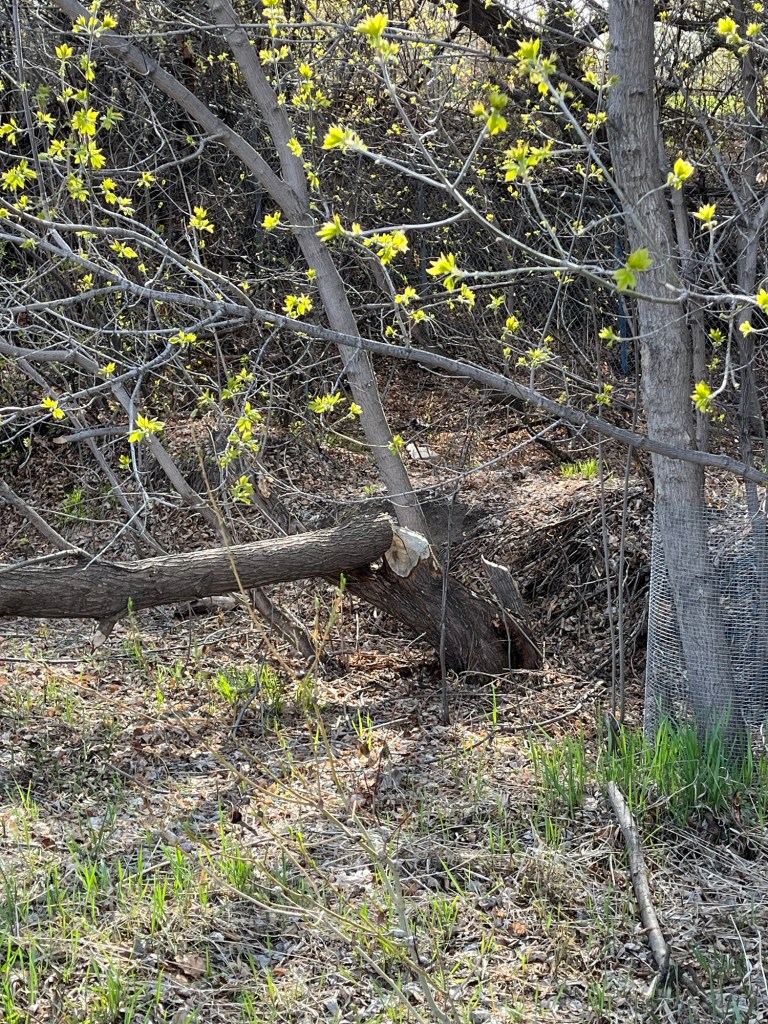
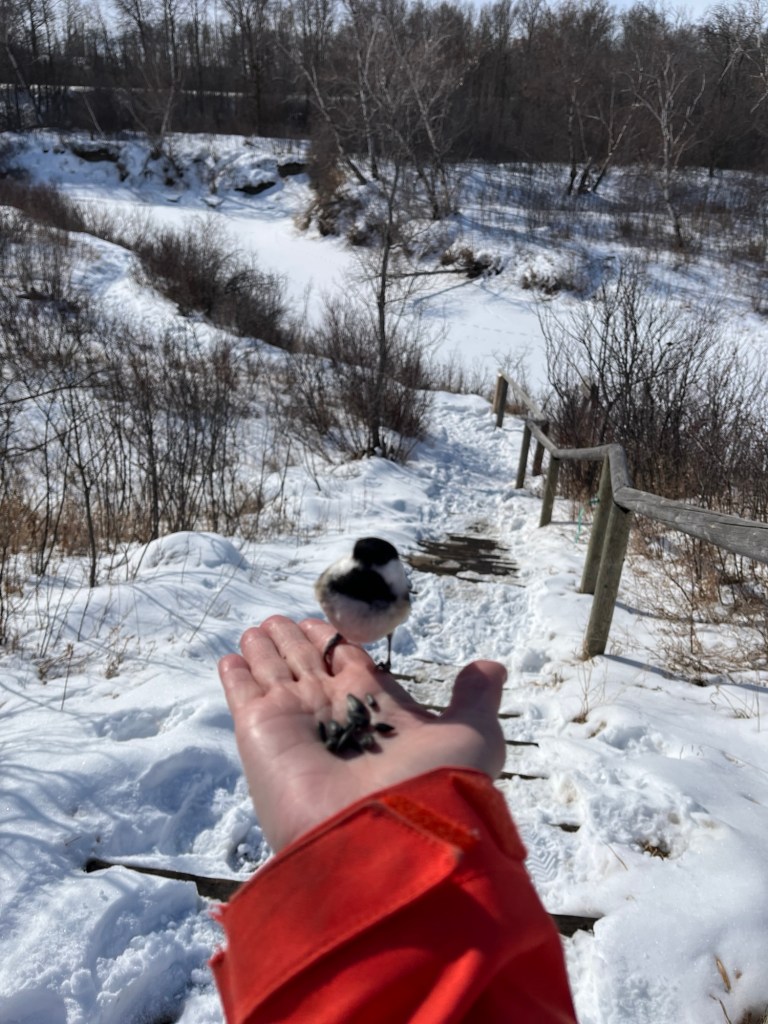
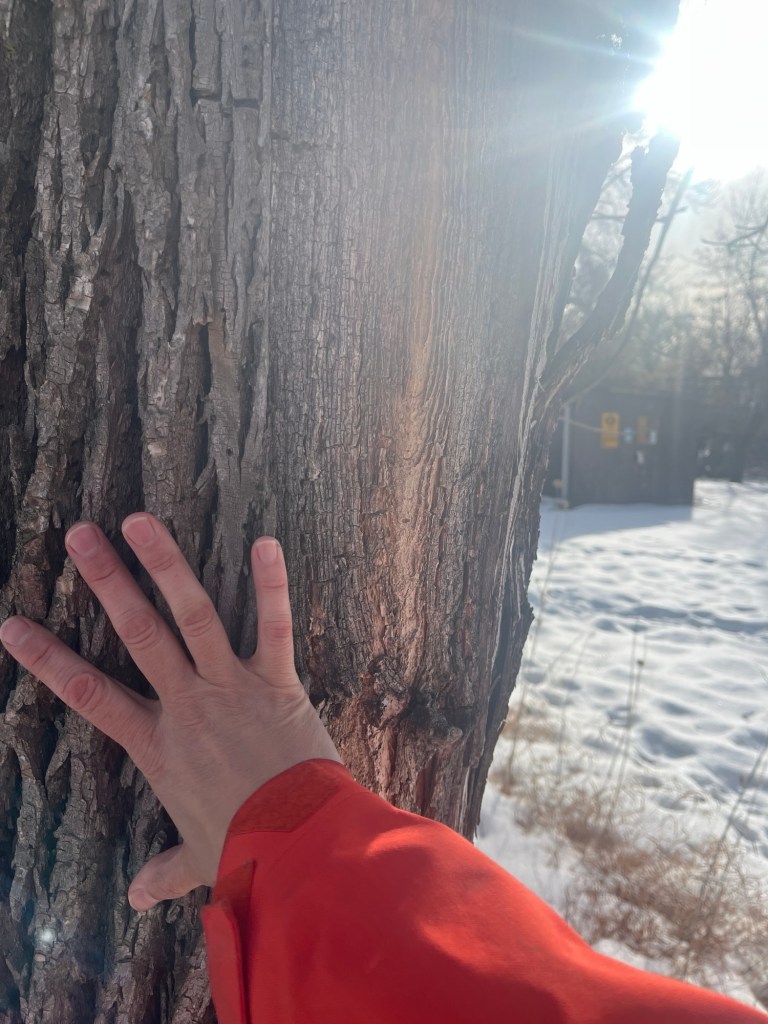
Forest therapy is one of the ways I’m trying to give my body and mind a little breathing room. It doesn’t mean going out and conquering a trail or adding another activity to an already full schedule.
Sometimes it’s simply getting outside, slowing down, noticing the trees, listening to the birds and letting myself be still for a while.
Nature reminds me that everything has its own pace. I don’t have to be productive every minute to make my time worthwhile.
The dollies and trucks will have to wait.
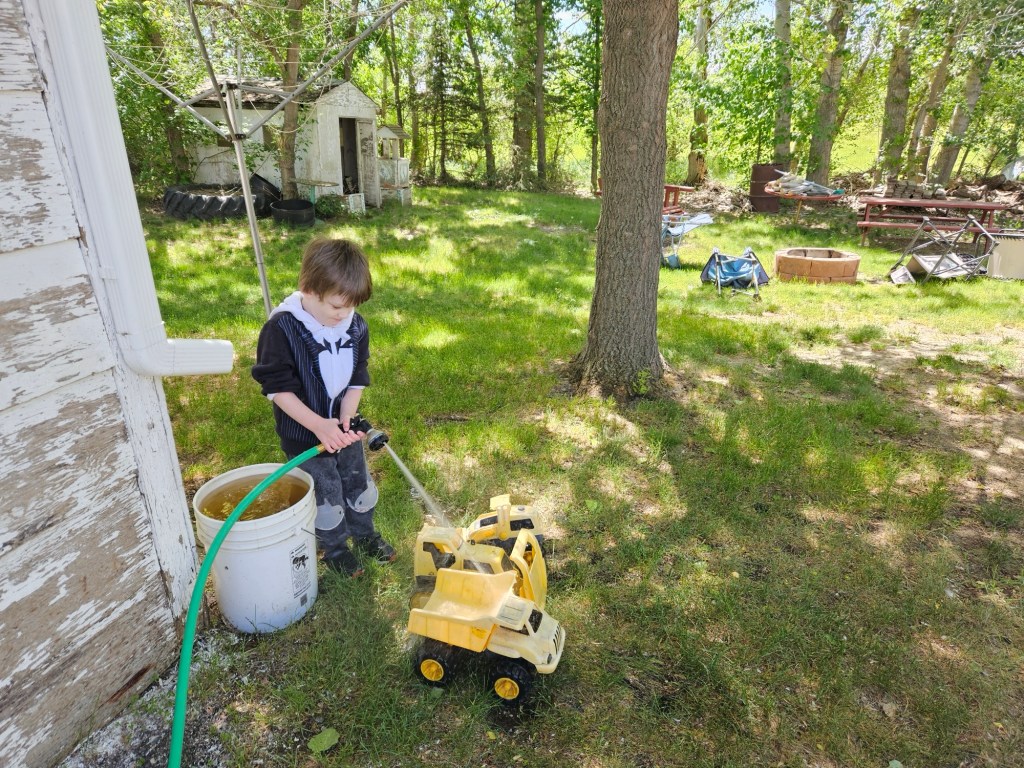
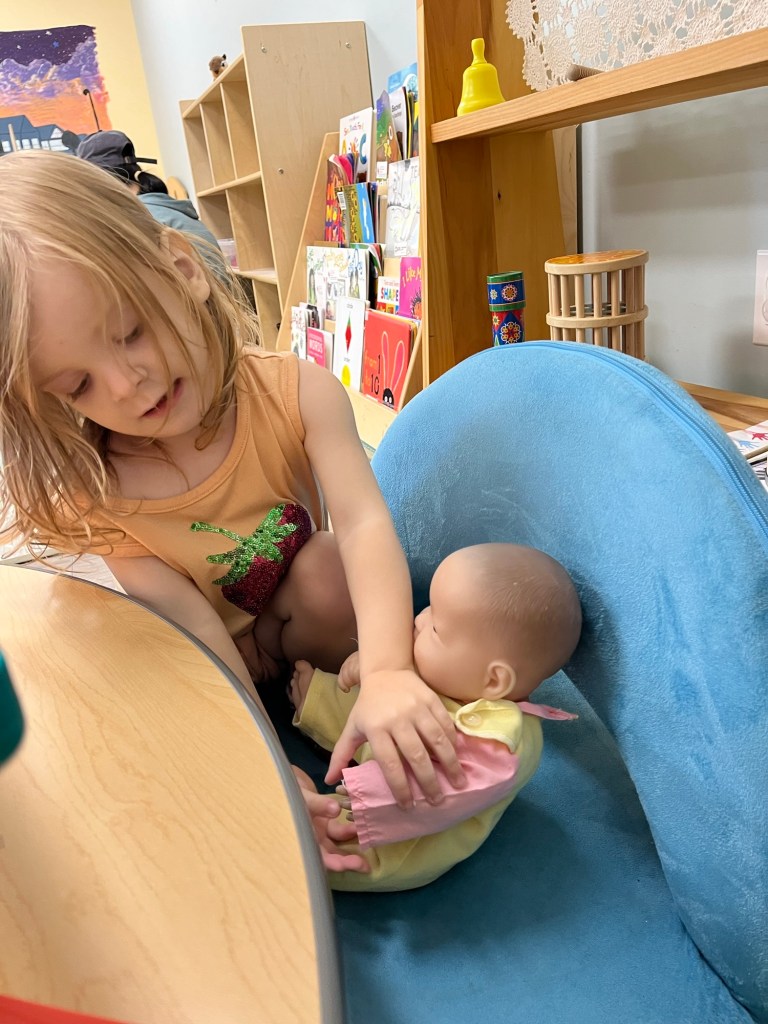
Hungry Hippos and Pop-Up Pirates, can be still. 🤫
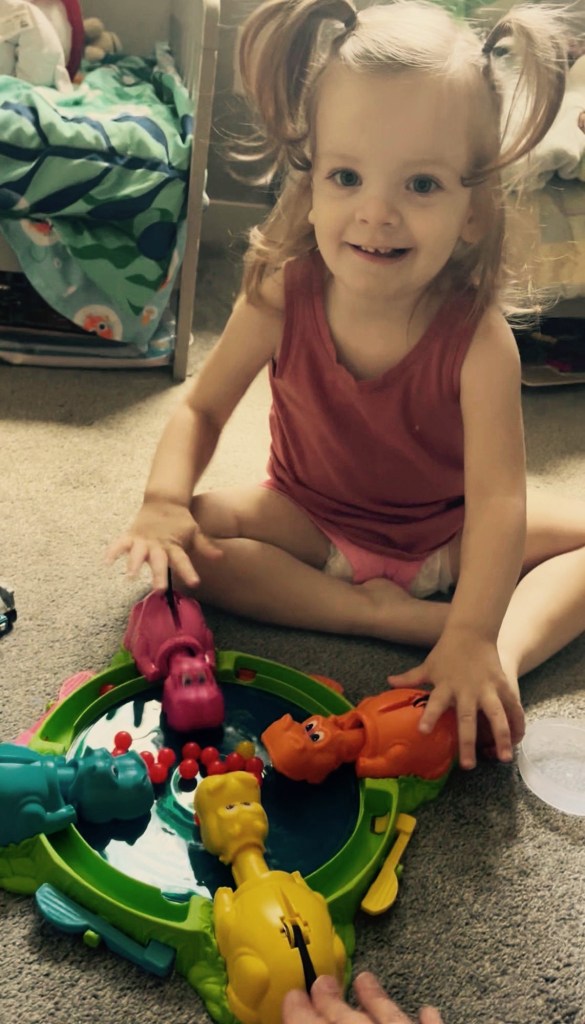
There will be more time to read books and sing songs. More time to play playdough, go to the park, the pool and the play place. More opportunities to make memories and enjoy all the beautiful chaos of having little people around. I so enjoy it!
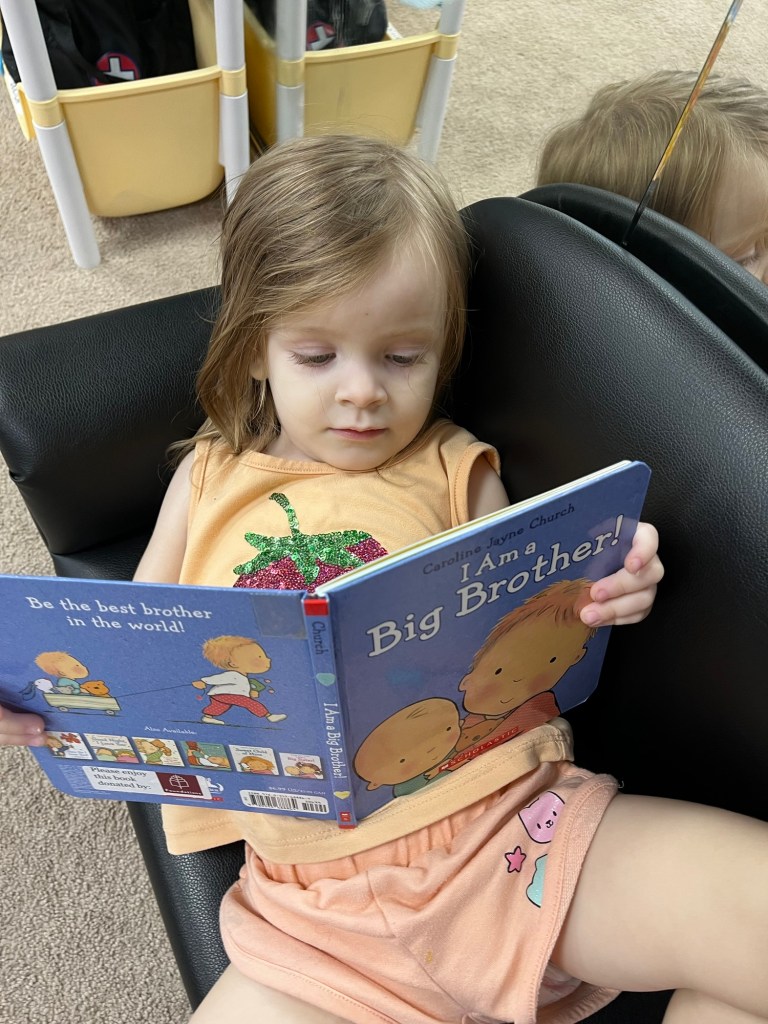




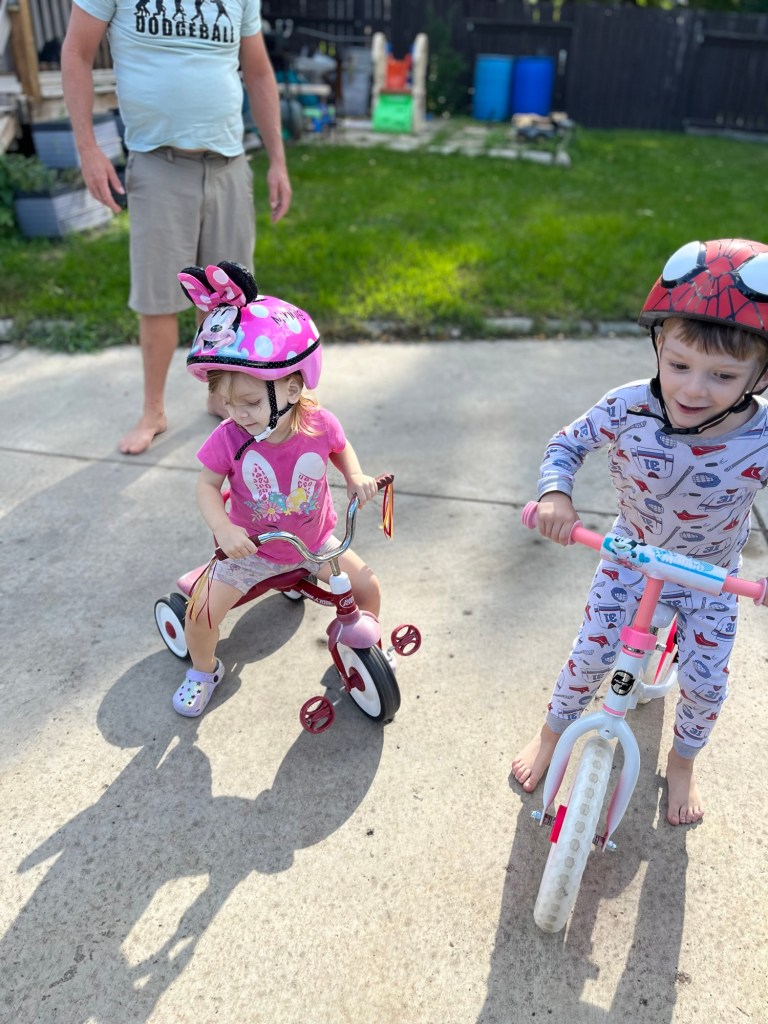
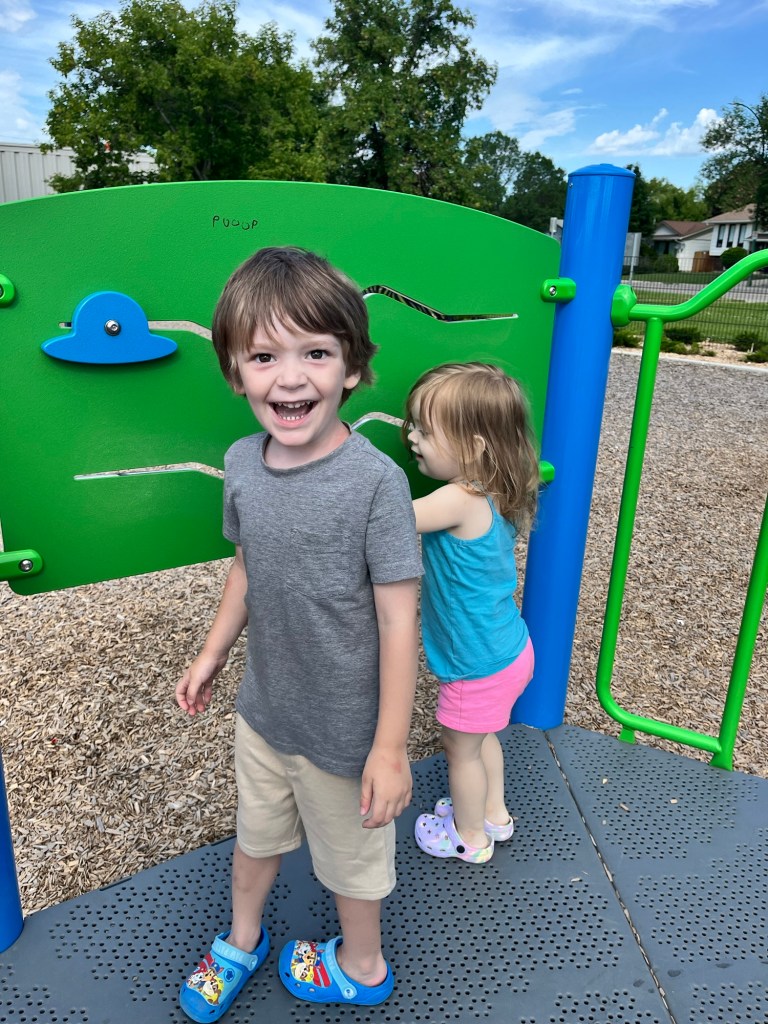


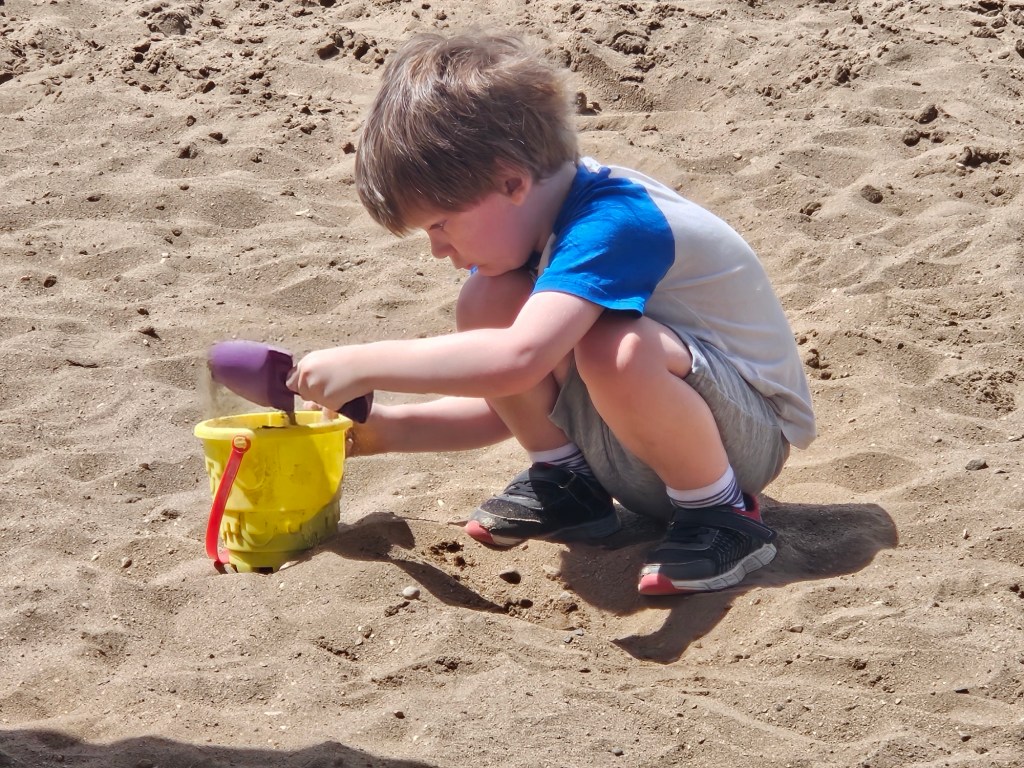

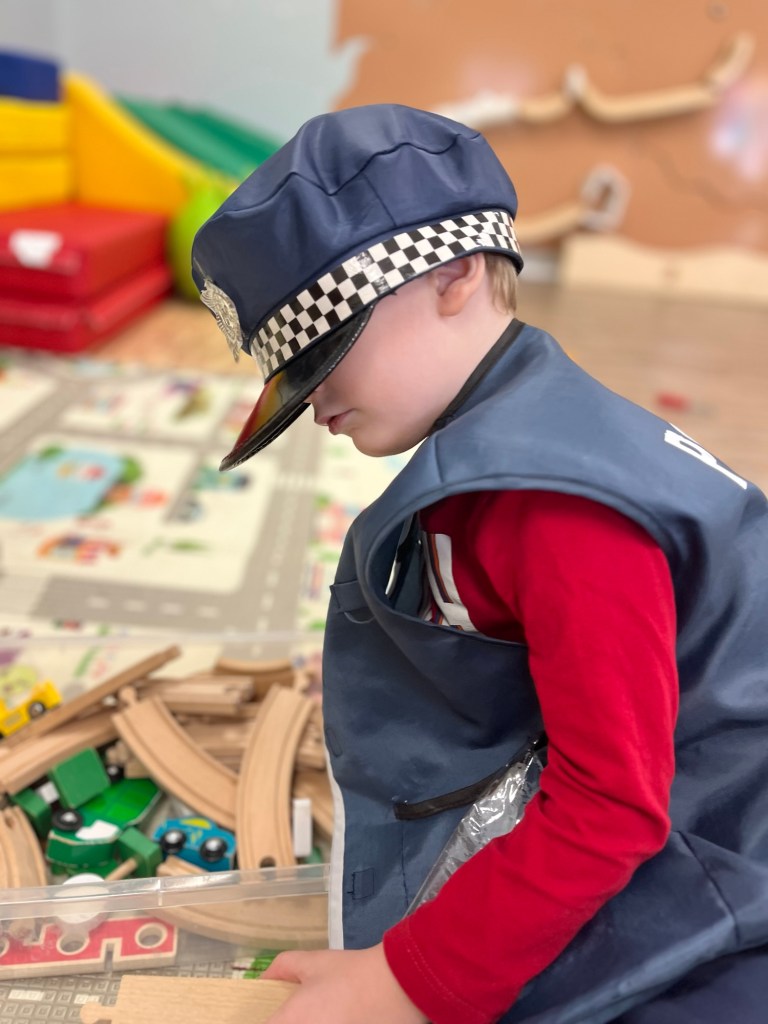
But right now, Grandma needs to rest.
And here’s what I’m trying to remind myself:
I don’t have to be available every minute to be a good mother, grandmother, wife or friend. I don’t have to demonstrate my love by exhausting myself.
I can put the dishes in the sink, leave the laundry in the basket and let the dog hair continue its ambitious expansion across the floor.
I can say no today and say yes another day.
Because I want to be the grandma who reads the books, sings the songs, pushes the swings and gets down on the floor to play.
I also want to be the grandma who can get back up again.
I want to enjoy this beautiful little season without sacrificing the health I need to enjoy the seasons that follow.
I don’t want to spend so much of my health trying to support my family that I don’t have enough left to enjoy them.
That’s the balance I’m working towards. ⚖️
Not doing it all. Not getting it all right. Just learning when to put something down so I can keep holding on to what matters most.
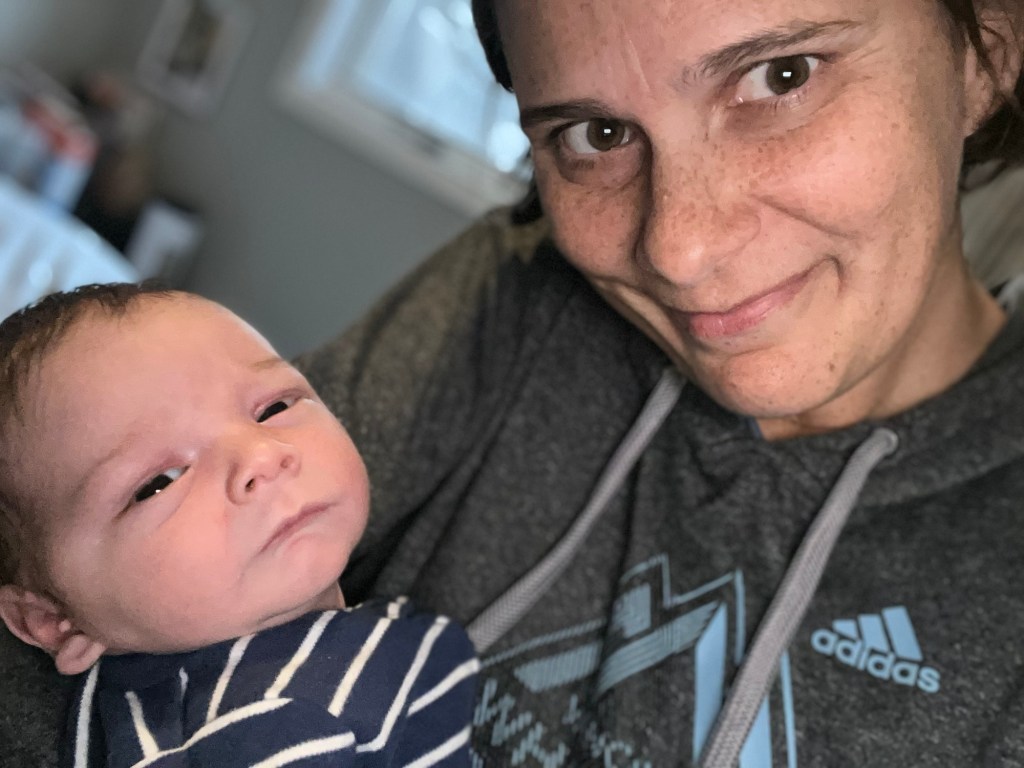
And right now, what matters most is a beautiful little baby, two very special grandchildren, a family I adore and a Grandma who is going to need a nap.
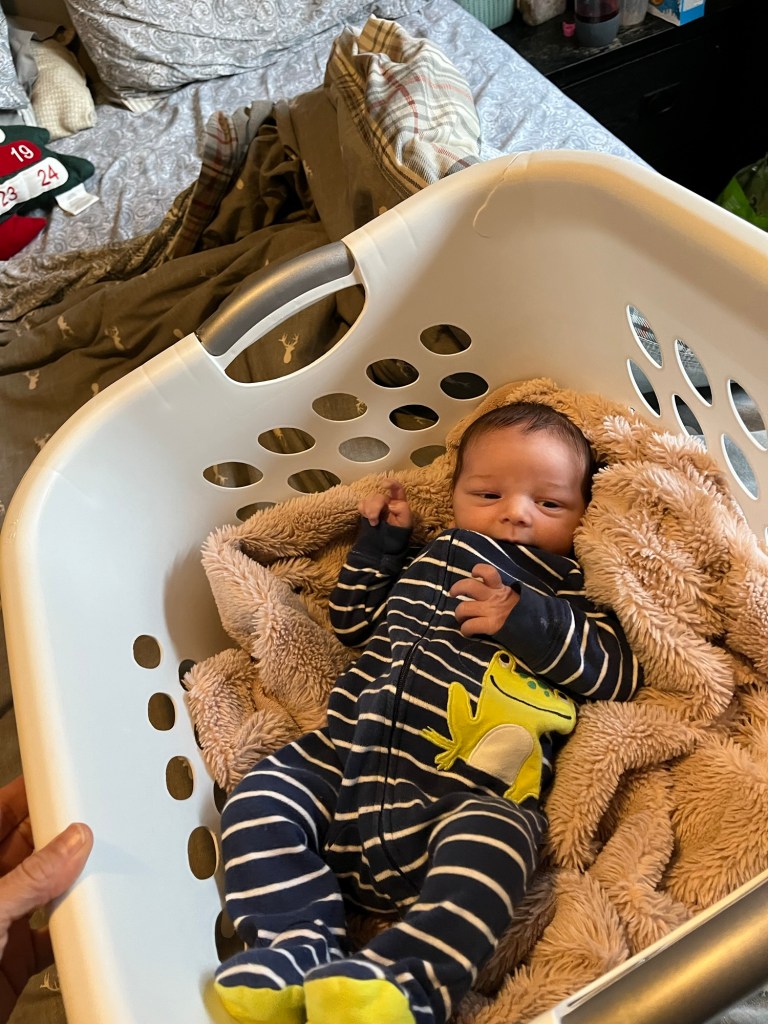
Preferably before I put the baby in the laundry basket and the laundry in the crib. 🤭


Pam Munkholm | Sunbeam Acres 🌿