🌲 The Science Behind Forest Therapy’s Immune Benefits

The human body is not designed to be constantly alert. It is designed to return, again and again, to states of rest.

Esther Sternberg

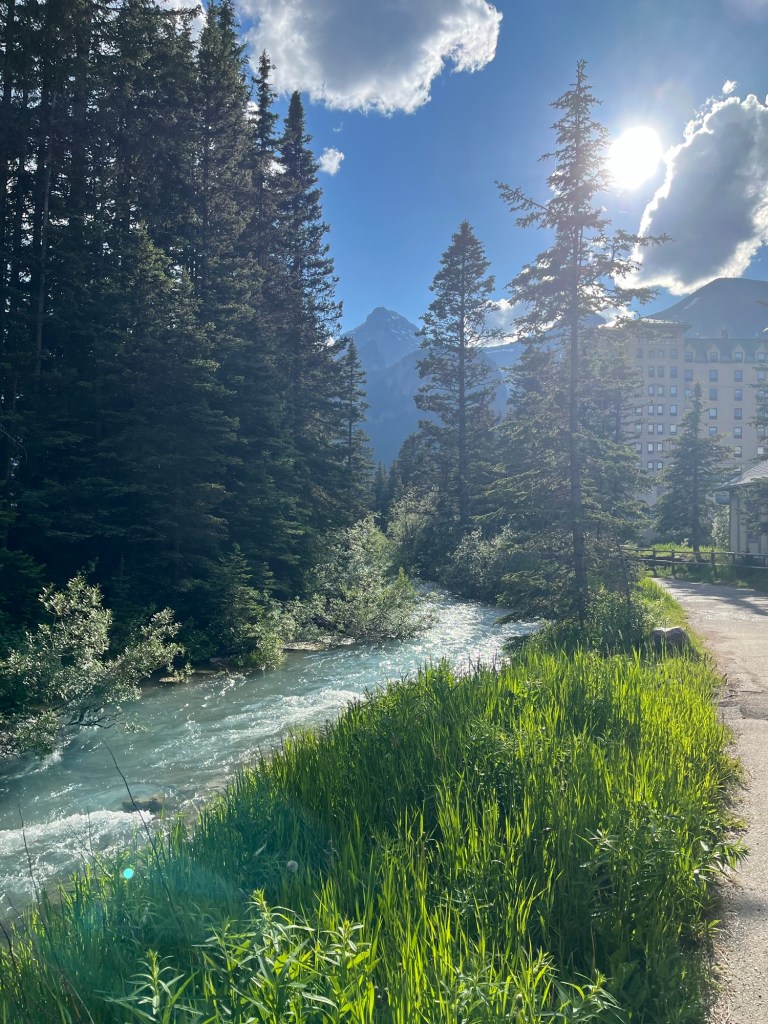
Have you ever noticed that your shoulders drop the moment you step under trees?

That your breath deepens without effort?

That your body seems to say, “Ahhh. That’s better.”

When I was starting out, I knew I’d find something wonderful in forest therapy. But I didn’t expect it to be the answer I desperately needed for my chronic condition.
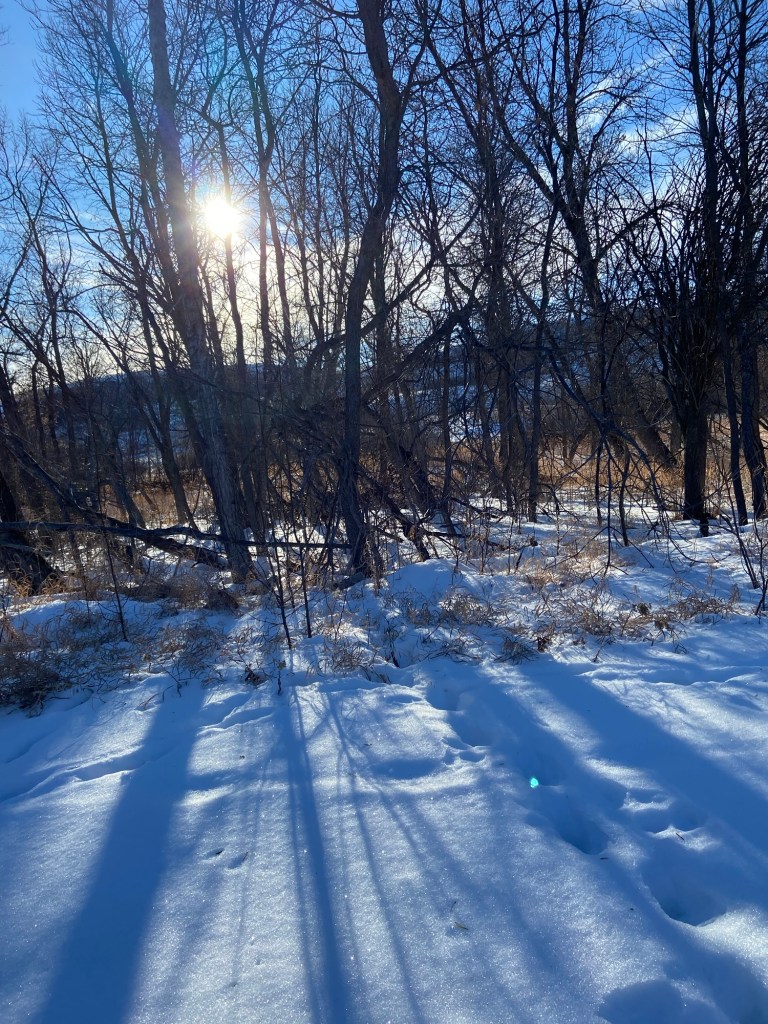
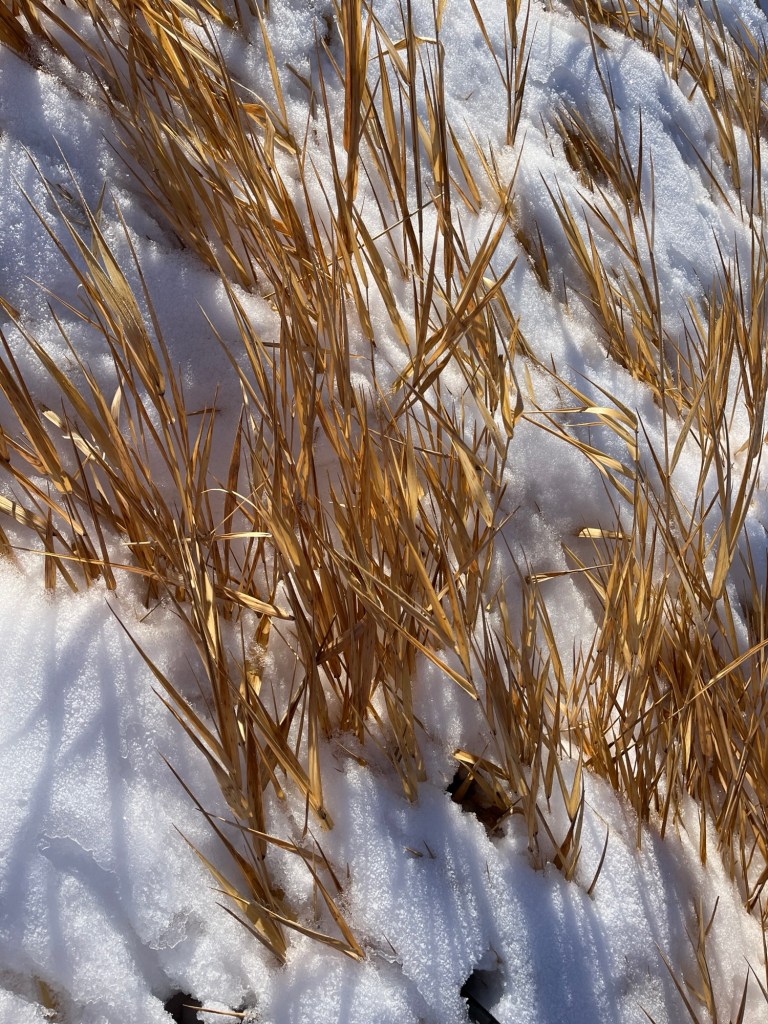
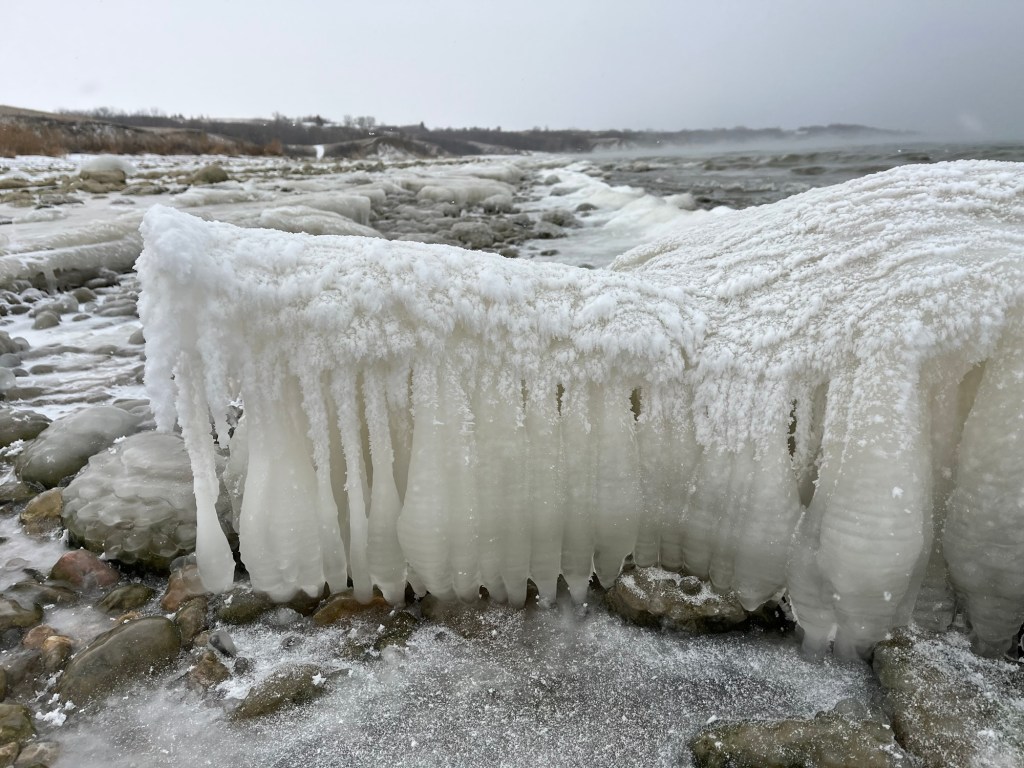
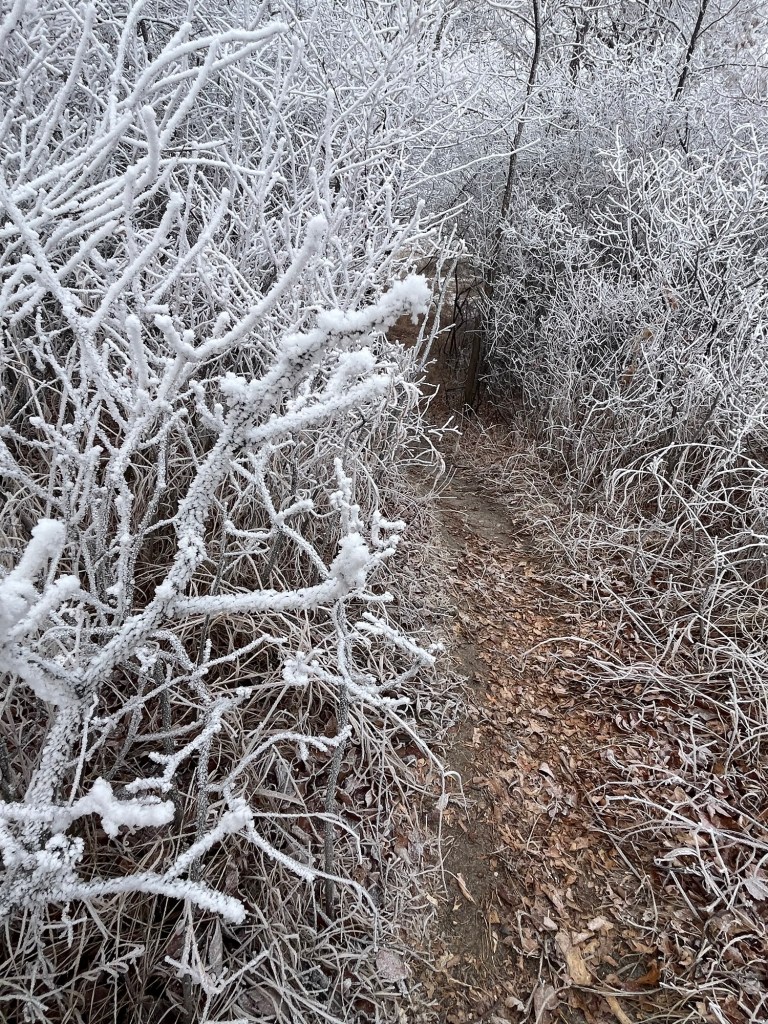
Rimesong- English (n) (rhyme song)- the gentle sound the world makes on frozen mornings. Branches cracking softly, frost shifting, ice whispering under light winds.

-@everglowwords

That’s not imagination. Or placebo.

That’s physiology.

Long before supplements, ice baths, or wearable tech, the human immune system evolved in relationship with forests. And modern science is finally catching up to what our bodies have always known, nature doesn’t just soothe the mind. It actively regulates inflammation and supports immune function. Read about that research here.

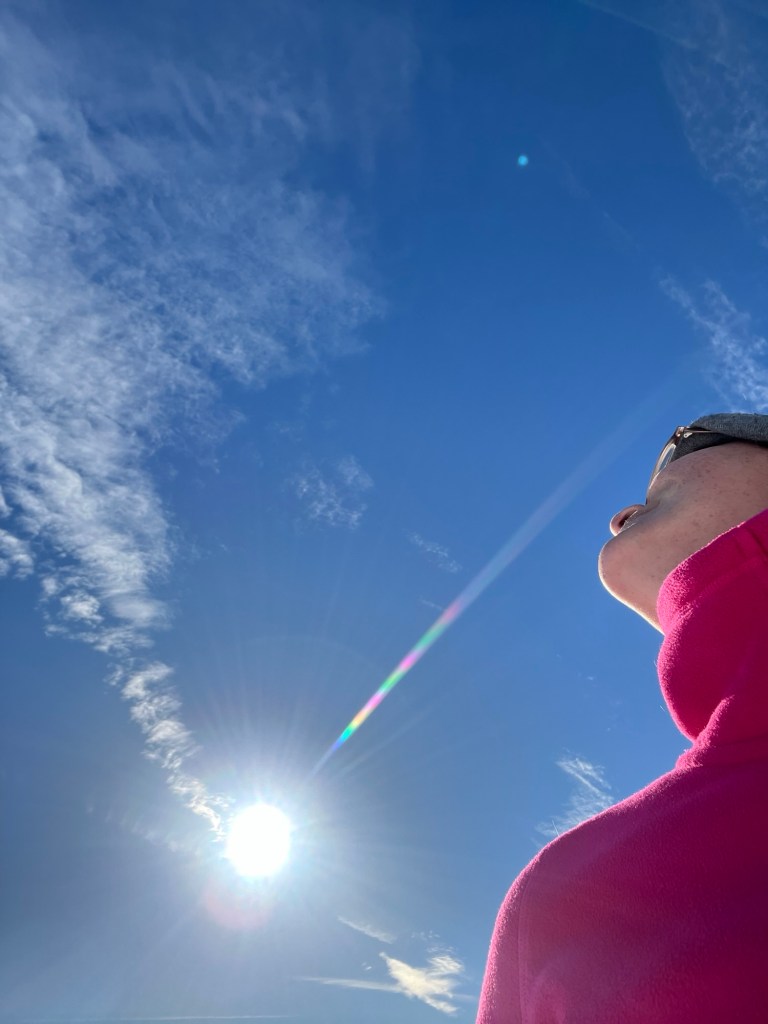
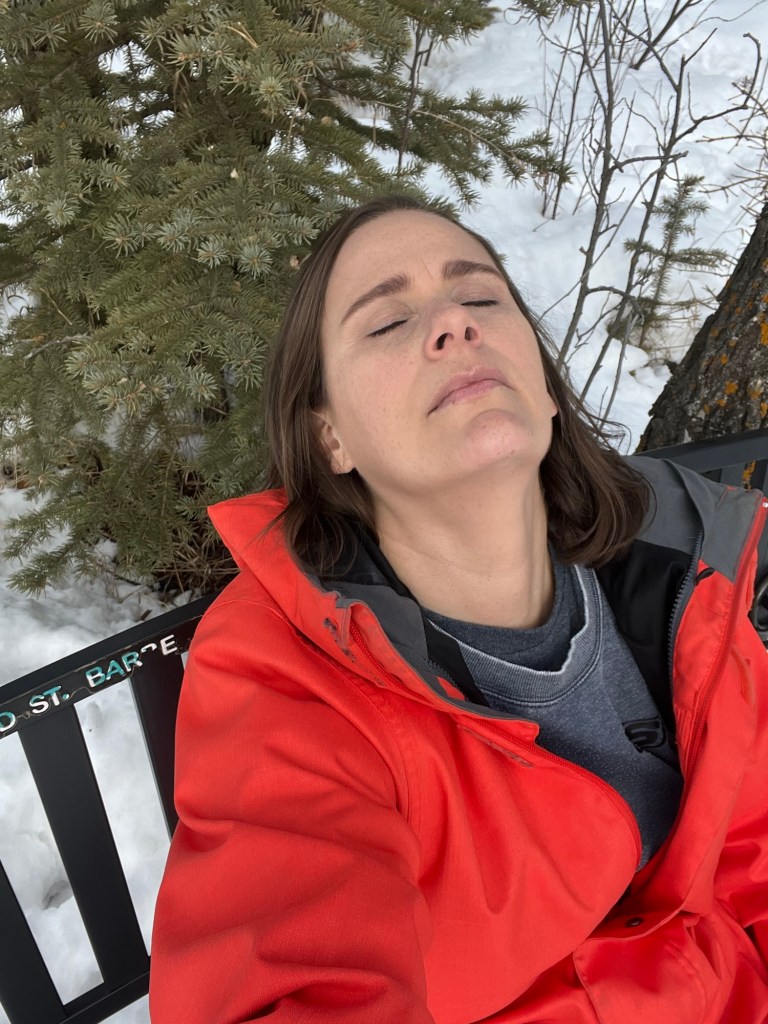
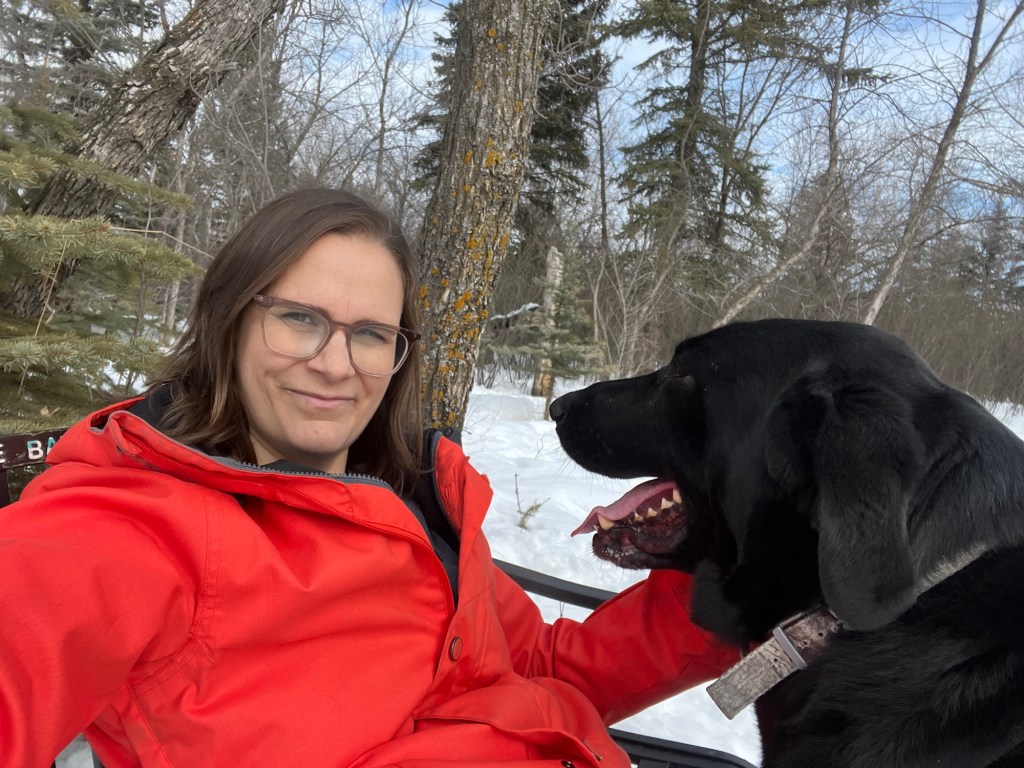
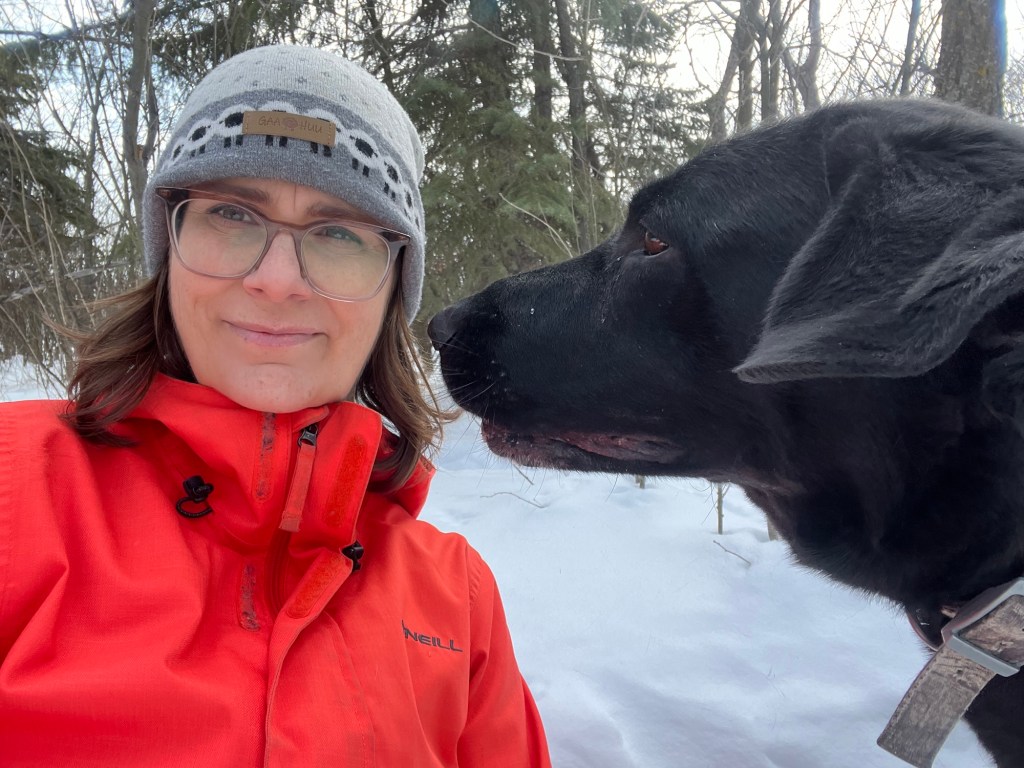
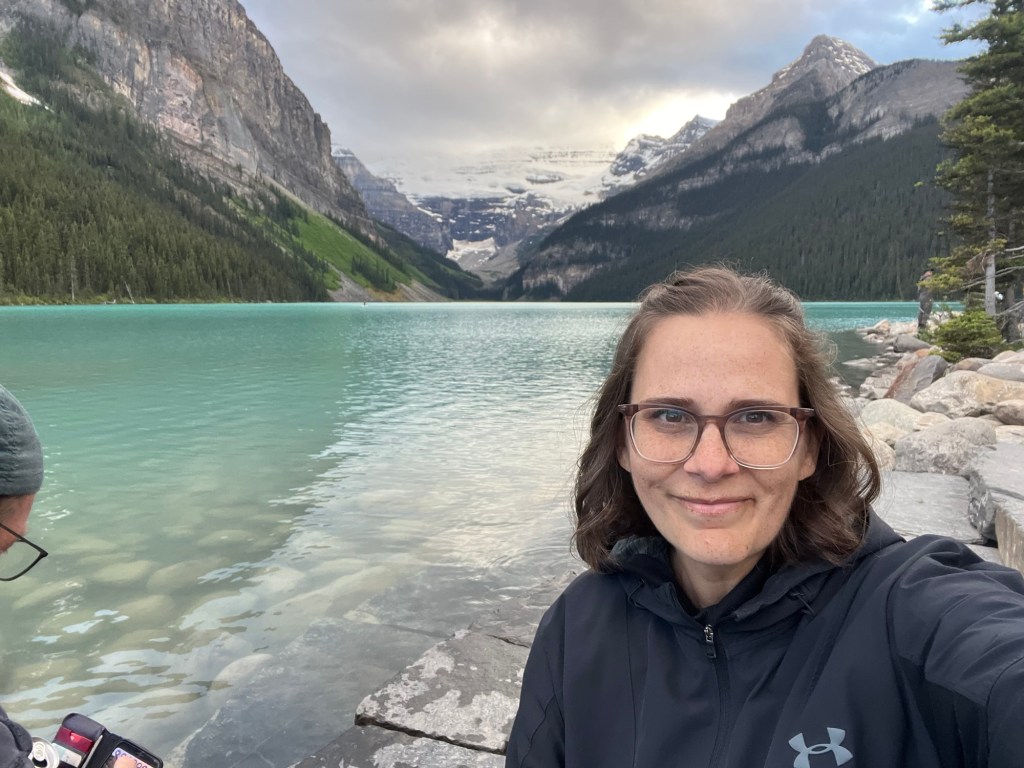
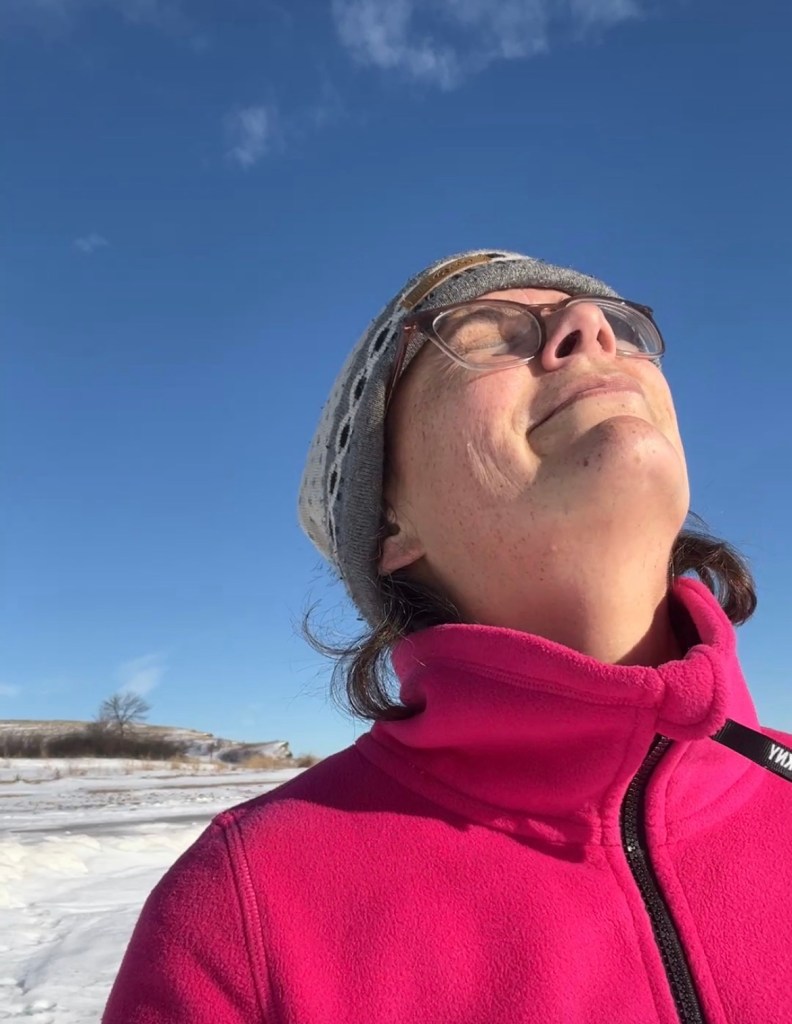
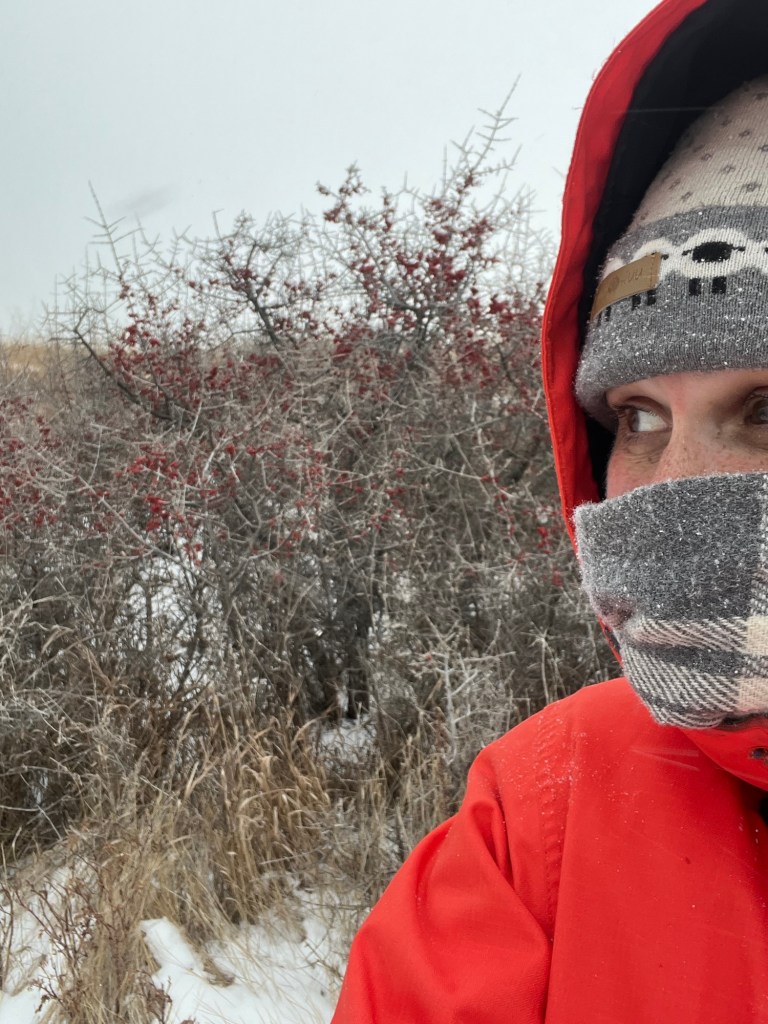
My face before a forest therapy walk.☝🏼

As a forest therapy guide, I experience this recalibration often. We arrive tense, inflamed, fatigued. And leave softer, warmer, steadier. Regulated.

Let’s talk about why.

(I don’t always share the research but it does exist. Follow the links through the post to learn more if you are interested.)

🔥 How Nature Cools the Flames of Inflammation

Inflammation isn’t the enemy. It’s a protective response.

But when stress, illness, or modern life keeps inflammation switched on for too long, the body pays the price. Joint pain, fatigue, brain fog, autoimmune flares, lowered immunity.

You can’t see it. But this is a picture of brain fog,
joint pain, fatigue and flares.
Grandbabies such as this little booger are wonderful!
But they are also 🦠 germ factories 🦠

Nature helps flip that switch back toward balance.

🍃 Forest Breaths: Nature’s Prescription

Trees release volatile organic compounds called phytoncides. The aromatic oils that protect the trees from disease and insects. When humans breathe them in, something remarkable happens:

  • Natural Killer (NK) cell activity increases. Read more here.
  • Stress hormones like cortisol decrease
  • Pro-inflammatory cytokines are reduced

NK cells are a critical part of your immune system. They identify and destroy virus-infected and abnormal cells. Research by Dr. Qing Li shows these immune benefits can last up to 7 days after a forest visit! Read about that research here.

Nature isn’t passive.

It’s interacting with you.
🌬️ Tune Your Nervous System for Optimal Immunity

Here’s the part most people miss.

Inflammation is deeply tied to the nervous system.

When your body is stuck in fight-or-flight, immune responses become exaggerated and inefficient. Forest environments consistently activate the parasympathetic nervous system. Research on that here. The “rest, digest, and repair” state.

Studies show that time in forests is associated with:

  • Lower C-reactive protein (CRP) Read about that here.
  • Improved heart rate variability
  • Increased salivary immunoglobulin A (sIgA), a key immune defense

In simple terms:

Your body repairs better when it feels safe.

Forests and other natural environments create that safety signal.
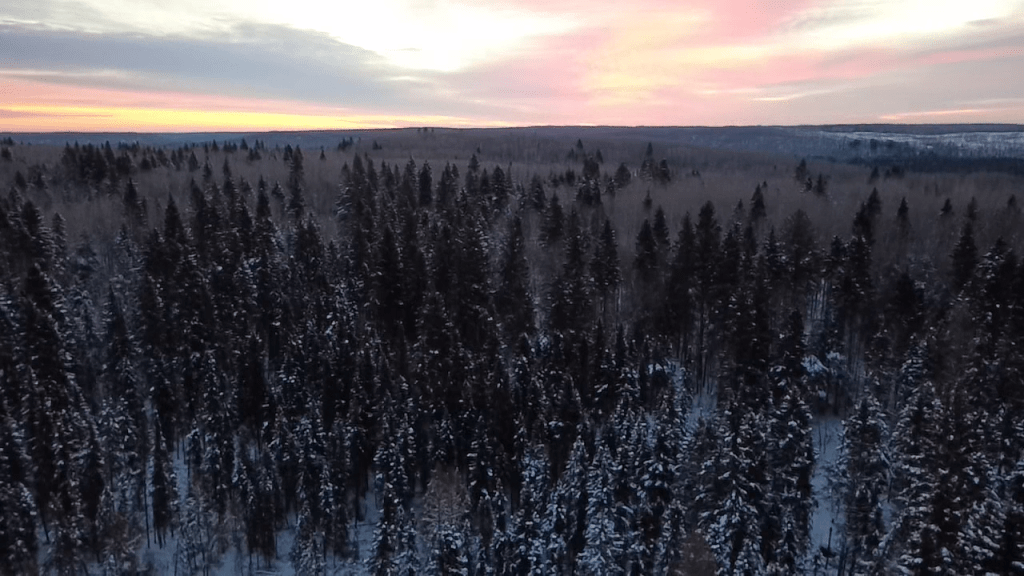
🌲 Embracing the Woods: Nature’s Anti-Inflammatory Escape

This is not exercise.

This is not a hike.

This is an invitation to regulation.

In wildness is the preservation of the world.

-Henry David Thoreau

🌿 The Practice (45–75 minutes)

1. Arrival — Let the Body Catch Up (5 minutes)

Stand still. Place one hand on your chest, one on your belly.

Breathe slowly through your nose.

Say quietly, “I don’t need to fix anything right now.”

2. Slow Sensory Walking (15 minutes)

Walk at half your normal speed.

Let your eyes soften.

Notice textures, temperature, sound.

This sensory input tells your nervous system it’s safe to stand down.
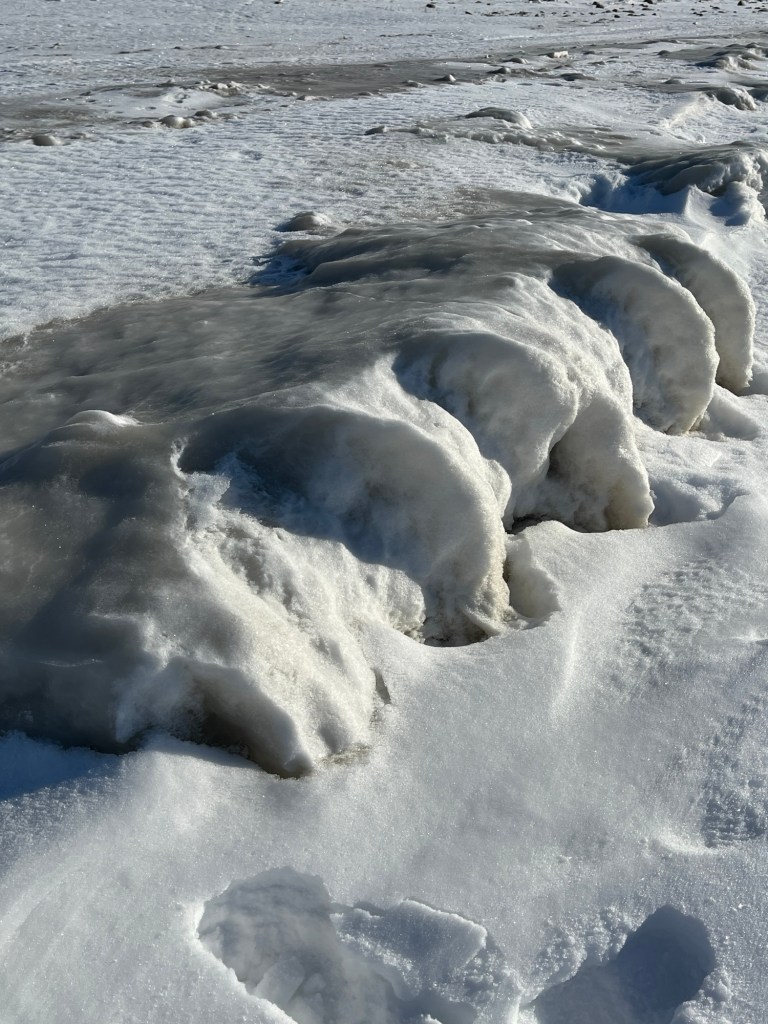
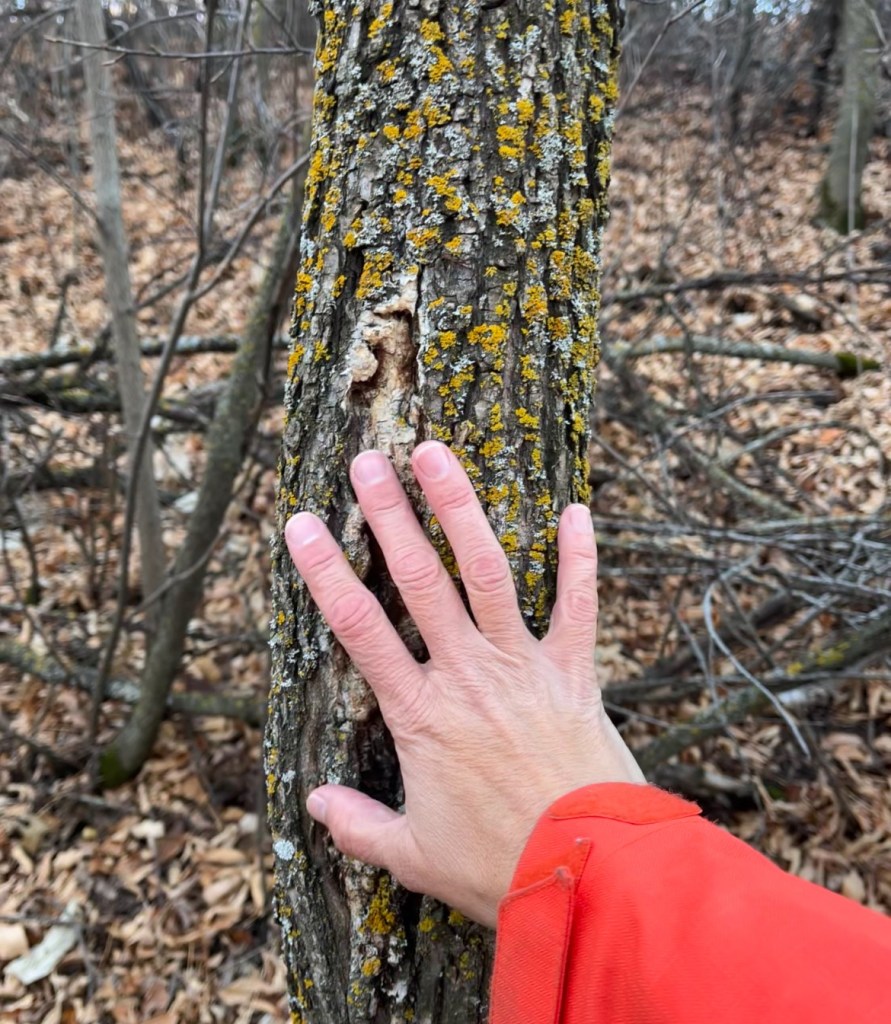
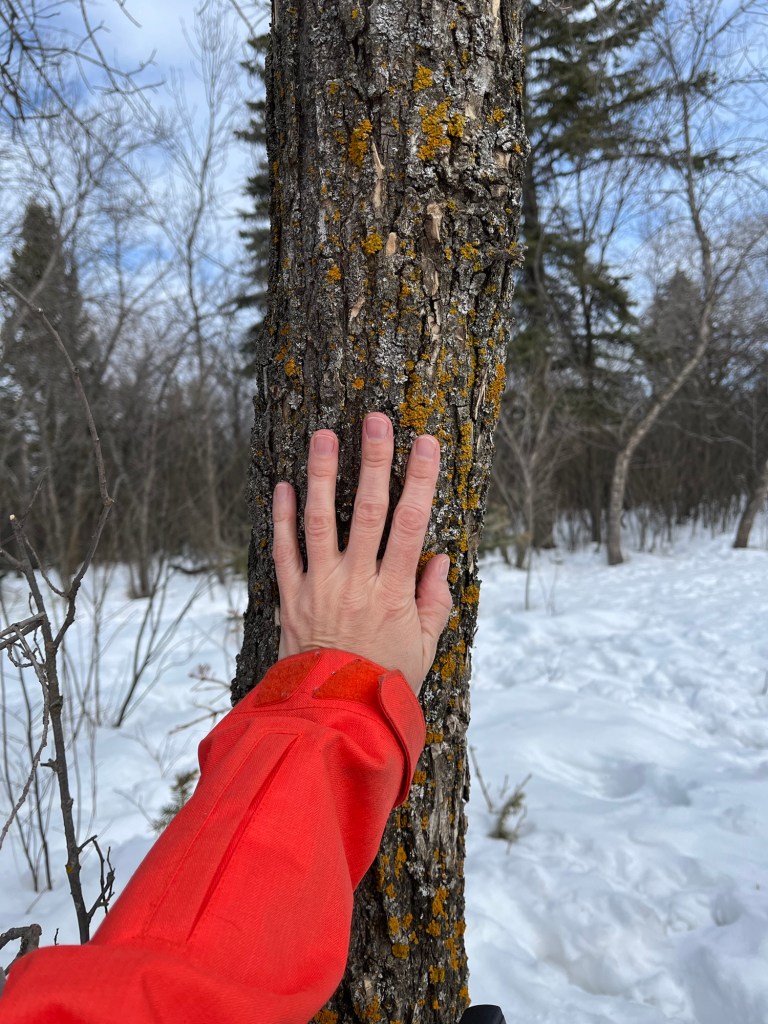
3. Tree Contact (10 minutes)

Rest your back or hands against a tree.
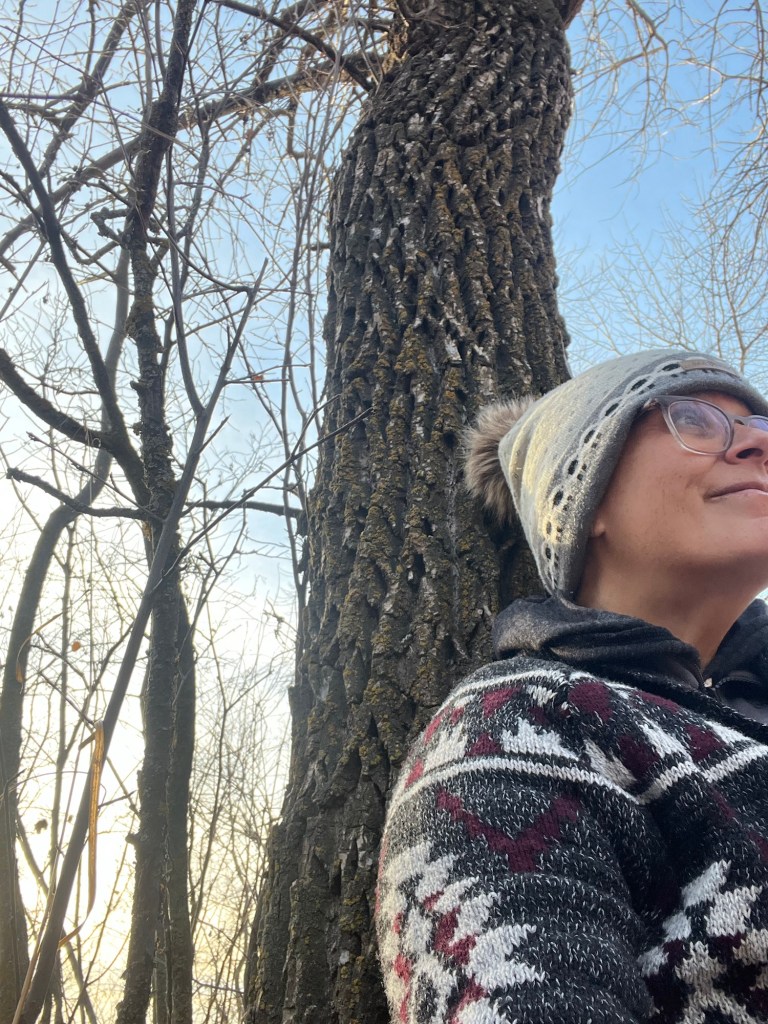
Notice its steadiness.

Imagine excess heat or tension draining from your body into the ground.

4. Immune Breath (10 minutes)

Inhale forest air slowly.

Exhale longer than you inhale.

This extended exhale directly reduces inflammatory stress signals.

5. Closing Reflection (5 minutes)

Ask yourself: What feels different in my body right now?

No analysis. Just noticing.
💬 Words That Echo the Science

The immune system is exquisitely sensitive to our environment.

-Dr Candace Pert, neuroscientist

And from scripture:

The leaves of the tree were for the healing of the nations. -Revelation 22:2

How many are your works, LORD! In wisdom you made them all; the earth is full of your creatures. -Psalm 104: 24-25

A reminder that nature’s design supports life, health, and resilience.
Healing in nature has always been part of the human story. Both scientific and sacred.

💗 A Story of Healing

There was a season when my body felt constantly inflamed. Sore joints, heavy fatigue, a nervous system that never seemed to settle.

I was doing all the ‘right’ things. But what helped most wasn’t something I added. It was somewhere I went.

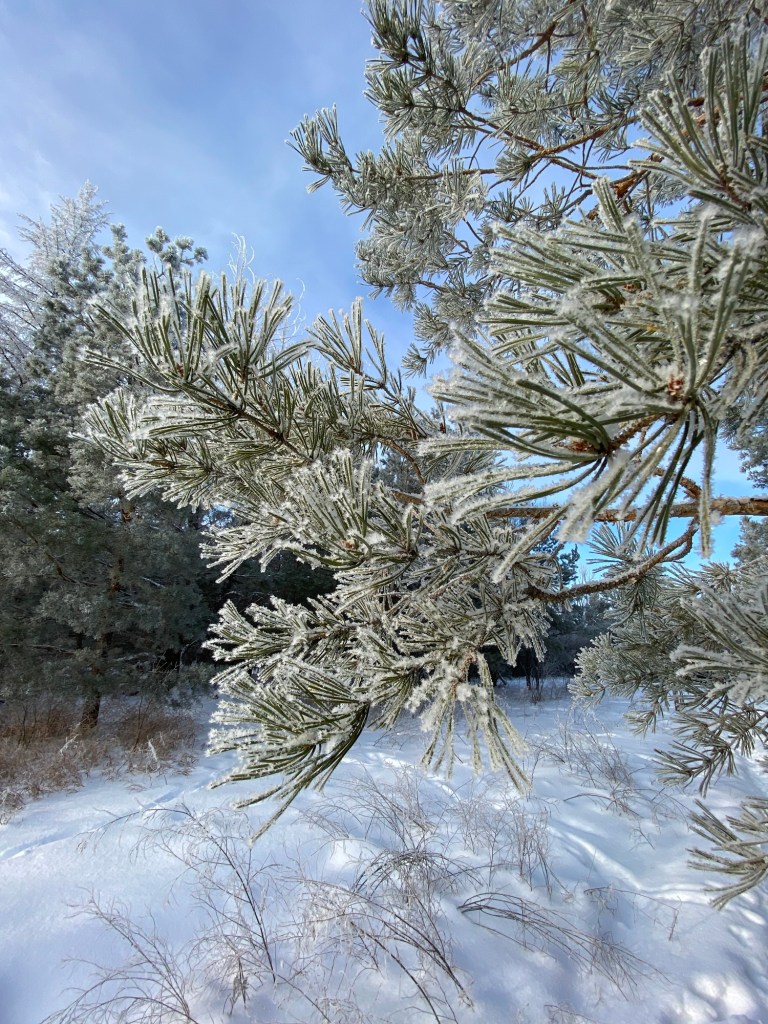
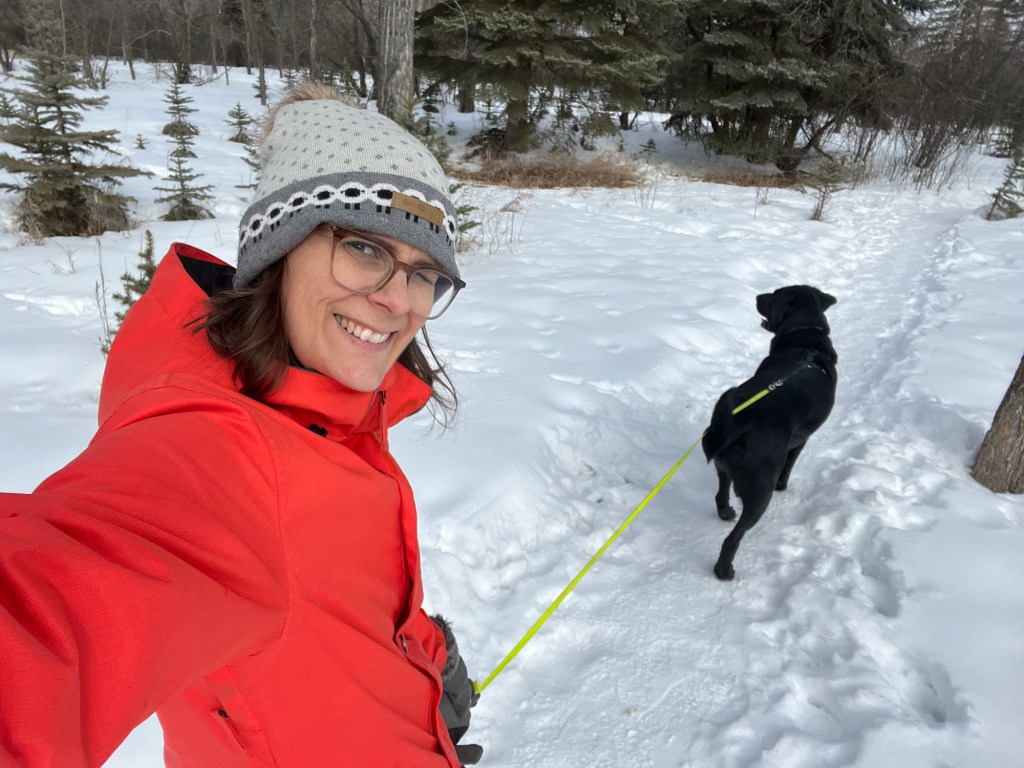
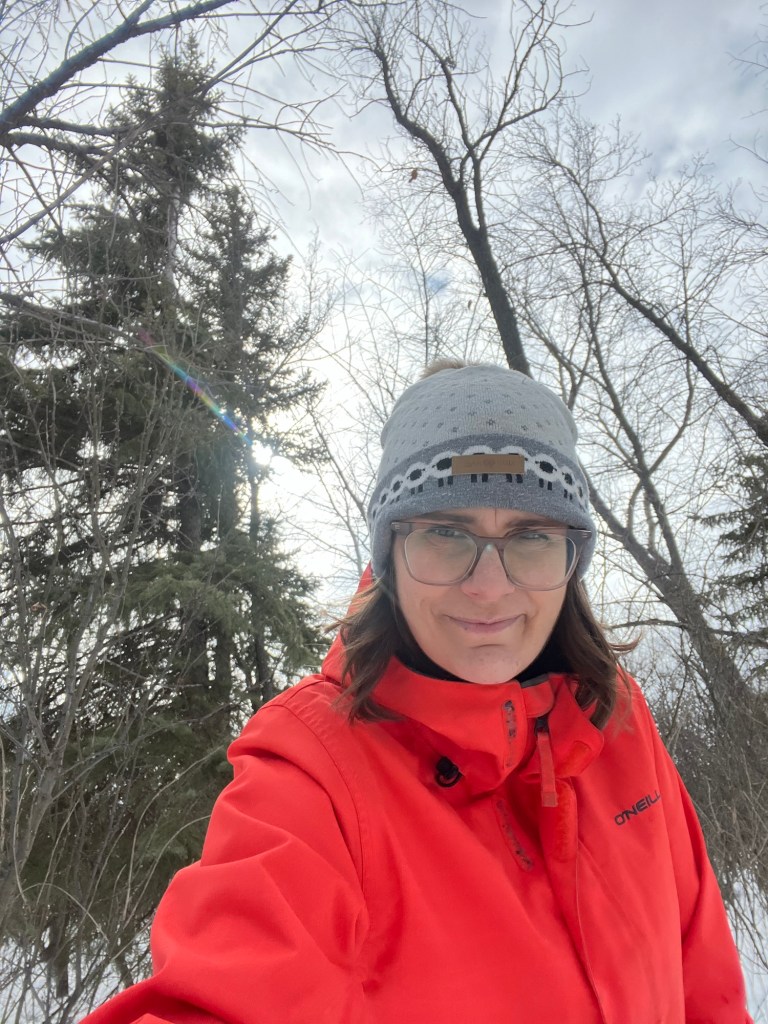
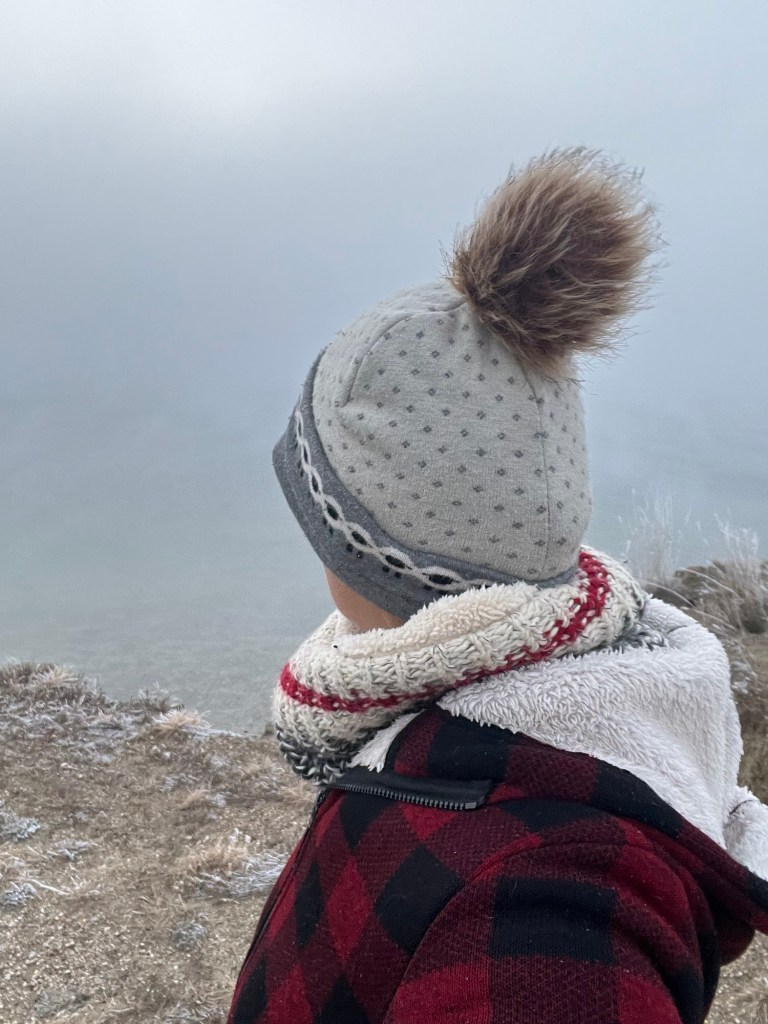
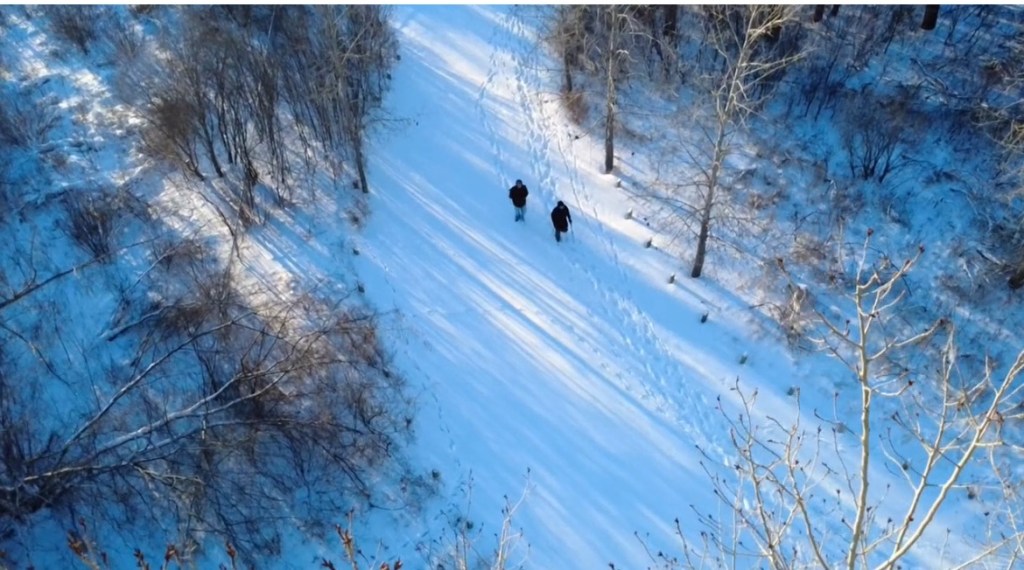
A slow walk among trees to capture pictures of my first forest therapy walk. Standing still in winter air. Letting my body remember how to downshift.

The forest didn’t cure me but it gave my immune system room to breathe.
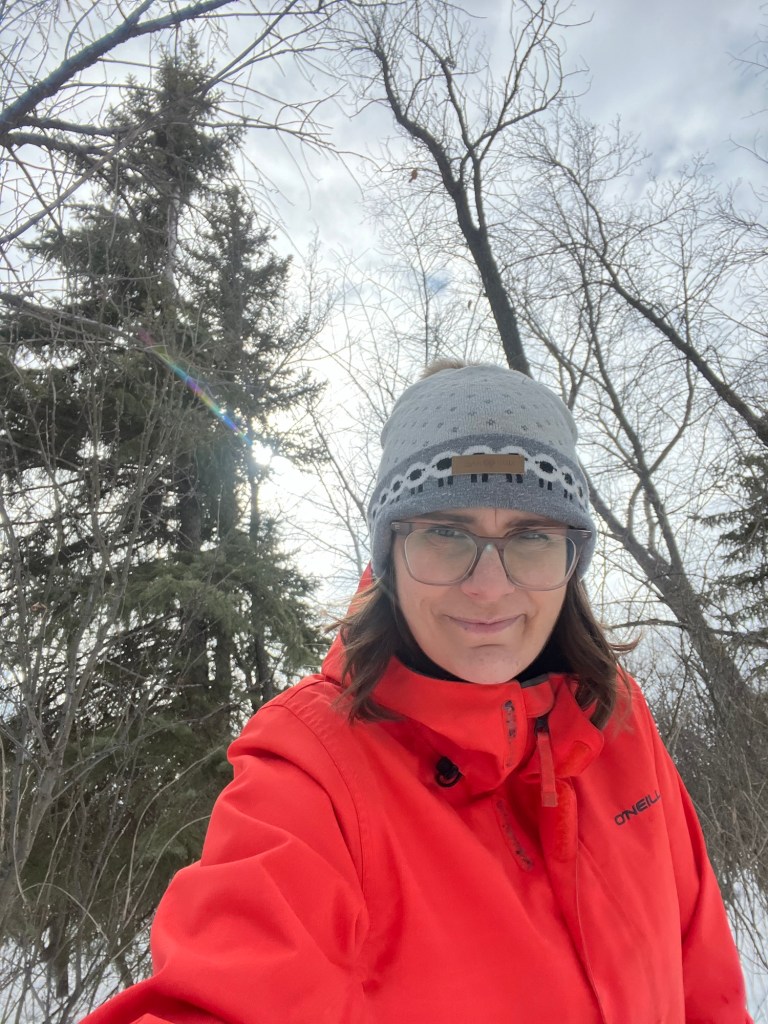
When I was starting out, I knew I’d find something wonderful in forest therapy. But I didn’t expect it to be the answer I desperately needed for my chronic condition.

❄️ Grounding Your Soul: Embracing Earthing in a Saskatchewan Winter

Frozen ground doesn’t mean disconnection.

🌲 Outdoor Winter Grounding

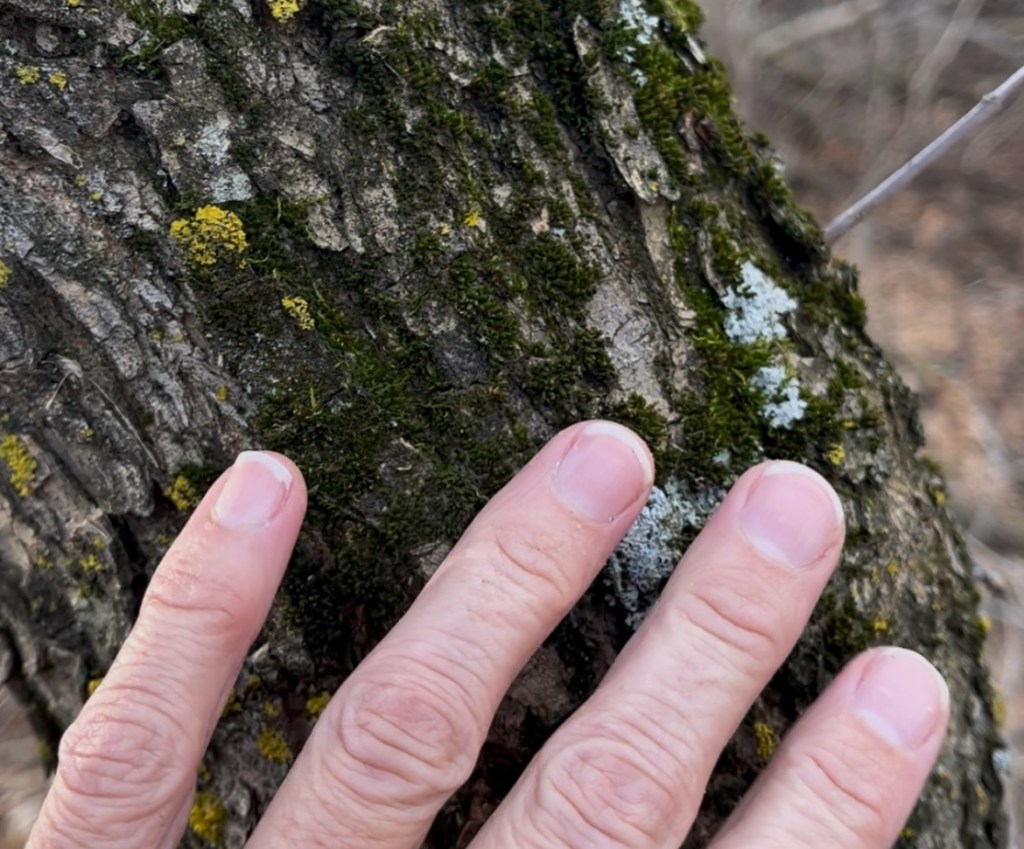
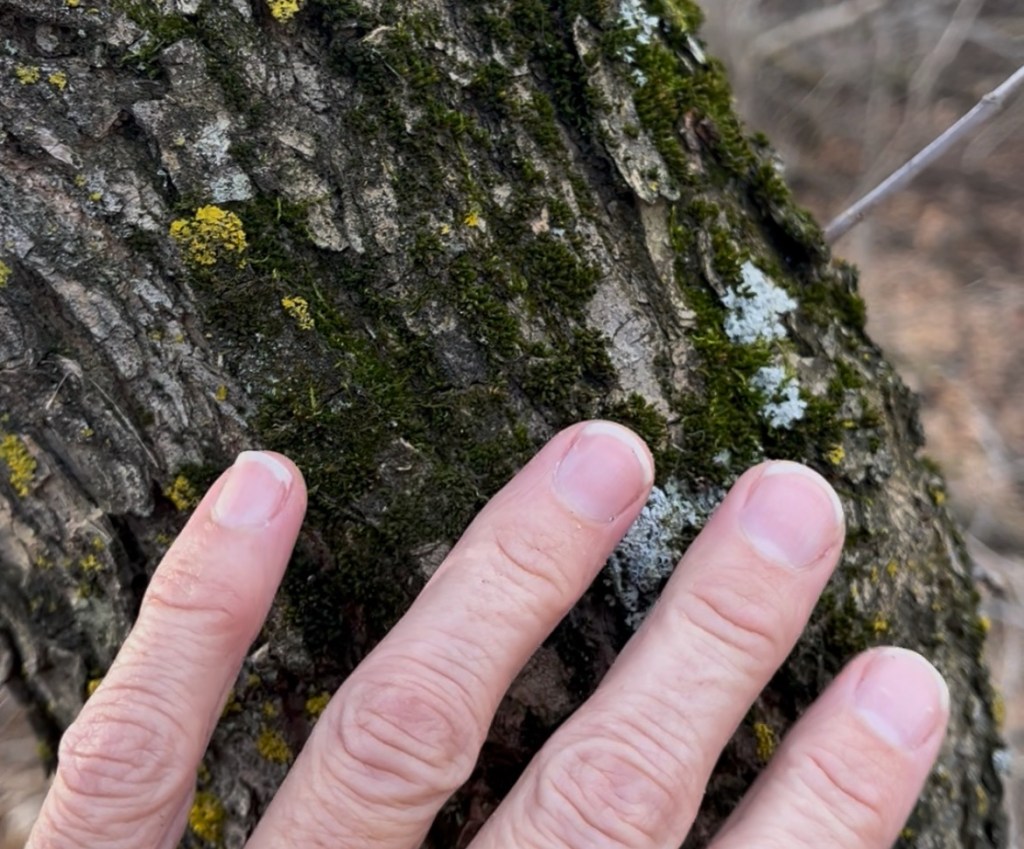
  • Hands on trees or snow. Bark and damp earth still conduct energy. Research here.
  • Lean your back against a tree (a favorite forest therapy posture)
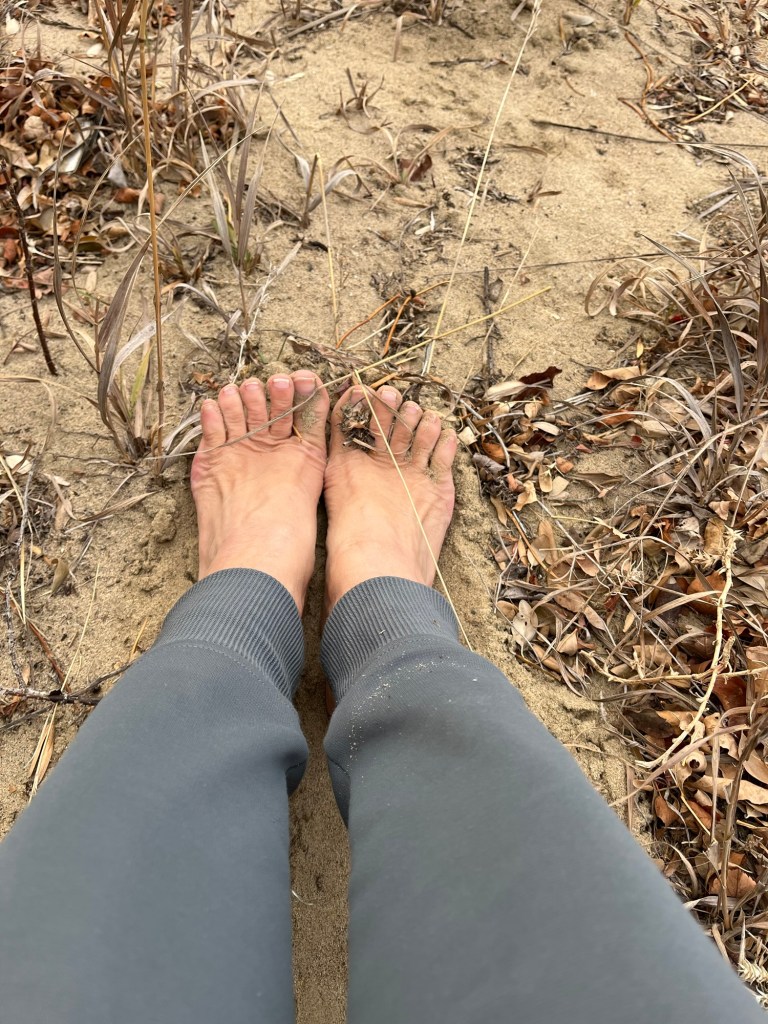
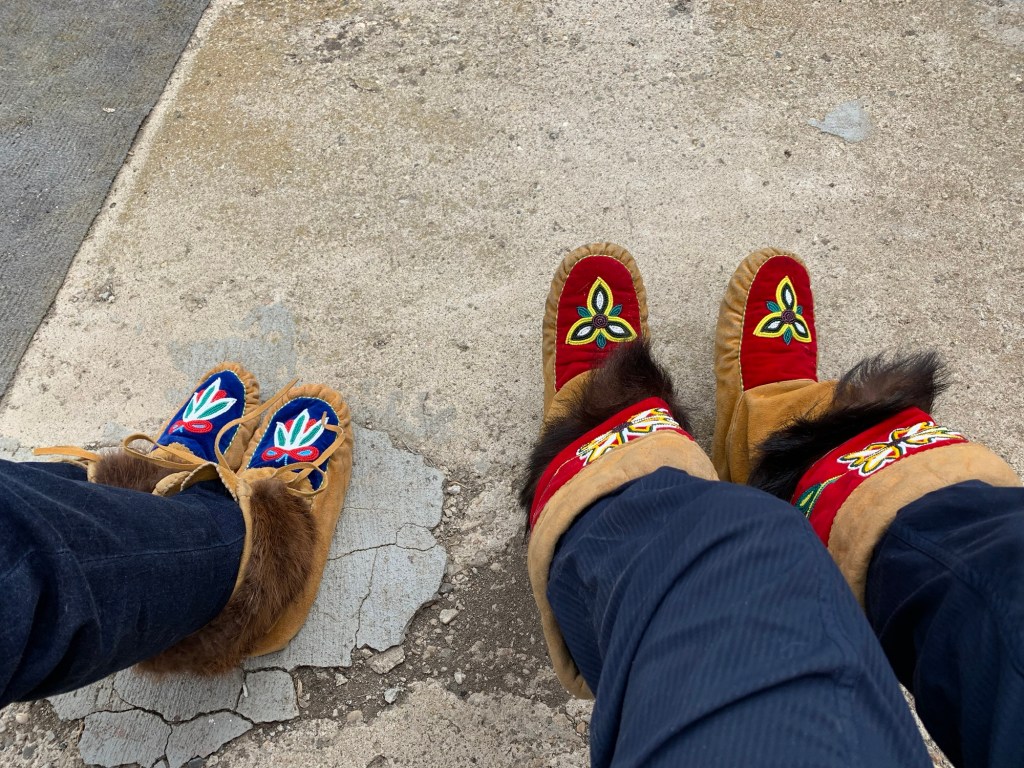
  • Grounding Footwear or Socks. Leather-soled or grounding-compatible footwear can help conduct Earth energy while keeping feet warm. More on that here.
  • If you are lucky enough to have authentic mukluks with a leather sole they are a perfect alternative. (Word to the wise- 🦉 walk to your outdoor earthing spot in your regular boots with a non-slip sole, sit and then put on your super slidey footwear)
🏡 Indoor & Cold-Weather Options

  • Grounding mats under feet while reading or stretching. Learn more here.
  • Warm baths with sea salt and natural stones. More here.
  • Sitting near open windows to breathe cold, fresh air (powerfully regulating)

Grounding is less about bare feet and more about intentional contact with the natural world.

The earth has music for those who listen.

-George Santayana

🌿 Final Thoughts: Nature’s Wisdom Unveiled

Nature doesn’t override your immune system.

It reminds it how to work.

In a world that keeps us inflamed, overstimulated, and disconnected, the forest offers something radical.
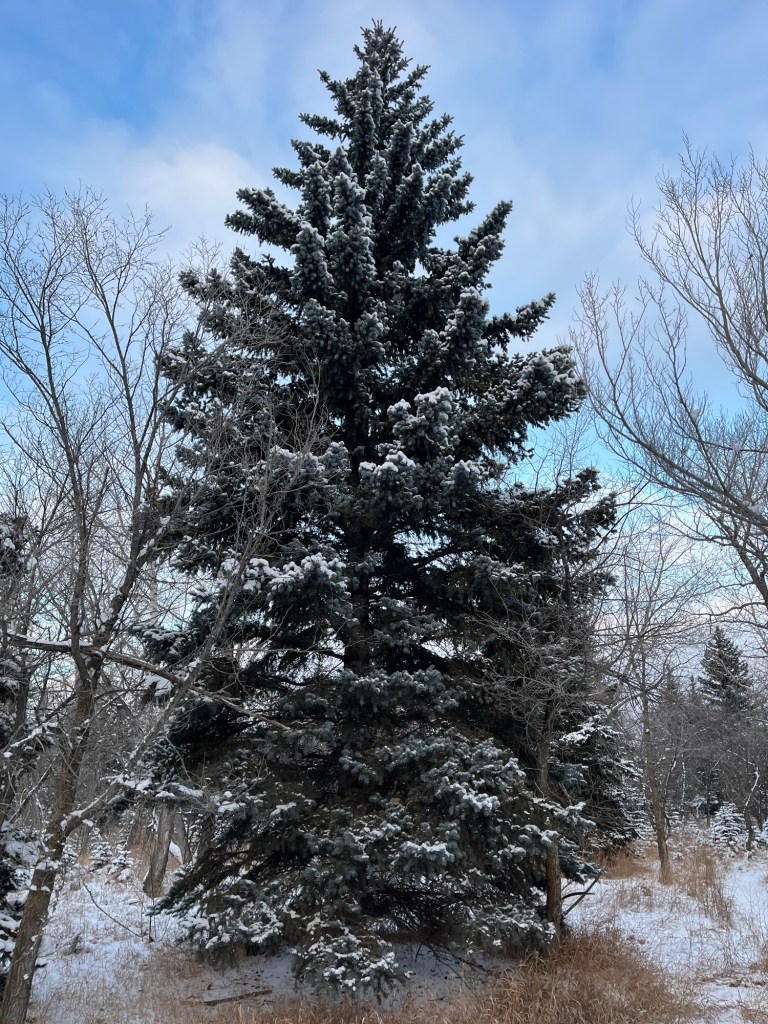
Regulation. Relationship. Repair. Without asking anything from you!

Your body remembers this language.

Sometimes it just needs to hear it again.

Harnessing Nature’s Power Through Forest Therapy

😂👆🏼

For years my body lived in a storm of chronic pain. Caught between relentless tension, inflammation, and exhaustion. Traditional therapies weren’t making a dent. Something profound shifted only when I began practicing forest therapy. Intentionally slowing down in nature to activate the body’s parasympathetic nervous system, the calming rest-and-digest branch that supports healing.

Today, as a forest therapy guide, I’ve watched this shift happen not just in myself, but others around me. In people carrying chronic pain, anxiety, grief, and burnout. Research confirms it and nature continually demonstrates it.

This post explores how parasympathetic activation through forest therapy aids recovery, why it’s especially valuable in chronic pain, and how to practice it even in winter months. When we often need it most.

Having a chronic illness is like looking both ways before you cross the street and then getting hit by an aeroplane.

-my take on quote by Nitya Prakash

FOREWALLOWED: overwhelmed, exhausted, or worn out, often due to excessive effort or difficulty.

🌿 Woods & Wellness: The Science of Forest Therapy

Chronic pain keeps the body stuck in a prolonged sympathetic fight-or-flight state.

Research shows that forest environments:

  • 🌿 Lower cortisol levels
  • 🌿 Reduce muscle tension
  • 🌿 Lower blood pressure and heart rate
  • 🌿 Increase heart rate variability (HRV) (a strong indicator of parasympathetic activation)
  • 🌿 Decrease activity in the prefrontal cortex, easing mental fatigue
  • 🌿 Boost immune function through phytoncides, natural compounds released by trees

Shinrin-yoku (forest bathing) studies from Japan indicate a significant increase in parasympathetic activity after as little as 15–20 minutes in a natural space.

This activation signals the body:

You are safe. You can repair.

Chronic pain often cycles when the body cannot access this safety. Forest therapy helps gently turn that switch.

Break often- not like porcelain, but like waves.

Scherezade Siobhan

🌱 The Power of Pause: Healing with Parasympathetic Rest

There was a stretch of my life when going to sleep hurt. Waking up hurt. Every day just hurt. Fibromyalgia flares, migraines, and exhaustion deep into my bones, left me swollen with frustration.

My healing didn’t happen all at once. It began with moments.

Moments of pausing on a beach.

Moments of feeling my breath match the trees. A slow and ancient pace.

Moments of letting myself not push. Easing into instead of always rushing to take the next step.

Forest therapy didn’t cure my chronic pain. But it gave my nervous system something I didn’t know it was starving for. Permission to soften!

And in that softening my symptoms eased. My hope returned. And my body began recalibrating.

Nature gave me a place where healing didn’t feel forced. It unfolded.

Forest Therapy checks so many of these boxes and aids in checking the others. In FT we practice breathing exercises, sometimes chanting or humming. We meditate. Depending on the season we are exposed to cold &/or sun. Music can be part of the practice. Social connection and exercise are built in. The gag reflex and ability to sleep are supported after the practice.

🍃 The Icy Veil: A River’s Progression Beneath the Freeze

Winter teaches us about quiet healing. The kind that hides but never stops working.

Imagine a river in Saskatoon in January.

On the surface, it looks frozen, still, unmoving. But beneath the ice, water continues flowing. Deliberately, purposefully.

This is what happens when the parasympathetic nervous system activates in chronic pain.

Outwardly you might still feel limited and slow.

But beneath the surface, healing begins to flow again:

  • inflammation decreases
  • muscles release
  • circulation improves
  • your mind stops bracing for the next wave of pain

Forest therapy is the gentle sunlight that softens the ice, allowing your inner river to move again. Not rushed, just returned to its natural rhythm.
For me, being quiet and slow is being myself, and that is my gift.

Fred Rogers

❄️ Embracing the Chill: Winter Forest Therapy for Chronic Pain

Are we 100% sure we are meant to be awake in the winter?

Jordanne Brown @Perry7Platypus7

Winter can be challenging when you live with chronic pain:

  • colder temperatures increase stiffness
  • shorter daylight affects mood
  • energy dips
  • motivation wavers

But winter also offers something summer can’t:

an environment that naturally encourages slowness, stillness, and reflection- key conditions for parasympathetic restoration

When practiced intentionally, winter forest therapy becomes a deeply comforting, grounding practice.

🧣 How to Practice Forest Therapy in Winter (Without Freezing or Flaring)

1. Take Slow Sensory Walks (10–20 minutes is enough)

The cold naturally slows your pace. Let it. Pay attention to textures, sounds, and the muted winter palette.

2. Use “Micro Moments” of Nature

If going far feels impossible, try parasympathetic nature moments:

  • sit by a window and watch wind move branches
  • listen to a crackling fire or light a pine-scented candle
  • stand on your porch and notice a single tree
  • touch cold bark and notice grounding sensations

Even 3–5 minutes helps reset your nervous system.

3. Practice Breathwork with Nature

Try the “tree breath”:

Imagine your exhale traveling into the roots of a nearby tree. Slow, steady, grounding.

4. Bring Nature Indoors

Winter healing doesn’t require wilderness:

  • evergreen branches
  • natural scents (cedar, spruce, pine)
  • smooth stones
  • indoor plants
  • nature soundscapes

Your parasympathetic system responds to cues of safety, not location. Are you ready to commit to this statement?👇🏼

🌲 Cozy Winter Connections: Nature’s Embrace Awaits

Here’s your winter-friendly, chronic pain safe list:

🔥 1. Warm beverages as grounding tools

Tea, broth, hot cider. Wrap your hands around warmth while practicing stillness.

🧤 2. Layer with intention

  • Merino wool layers
  • Heated socks
  • Hand warmers
  • A thermos tucked in your coat

Warmth = reduced pain and more parasympathetic access.

🌲 3. Bring texture

A soft scarf, wool blanket, or mittens can become sensory anchors.

 4. Choose wind sheltered routes

Forest edges, dense evergreens, or local parks with natural windbreaks reduce the cold’s impact on pain.

🌞 5. Use pockets of sun

Even 5 minutes of winter sunlight boosts serotonin and eases the nervous system.

🧘 6. Gentle seated practices. You don’t have to hike.

Sit on an insulated pad, lean on a tree, and let your body settle.

🌿 Healing from Within: Nature’s Cradle for Chronic Pain Relief

Forest therapy doesn’t eliminate chronic pain, but it helps the body access what pain often steals:

a state of rest, repair, and deep nervous system safety.

When nature cues your parasympathetic system:

  • your muscles unclench
  • catastrophizing thoughts settle
  • your breath deepens
  • your pain becomes less sharp
  • your resilience grows.

In this softened place, healing becomes possible again.
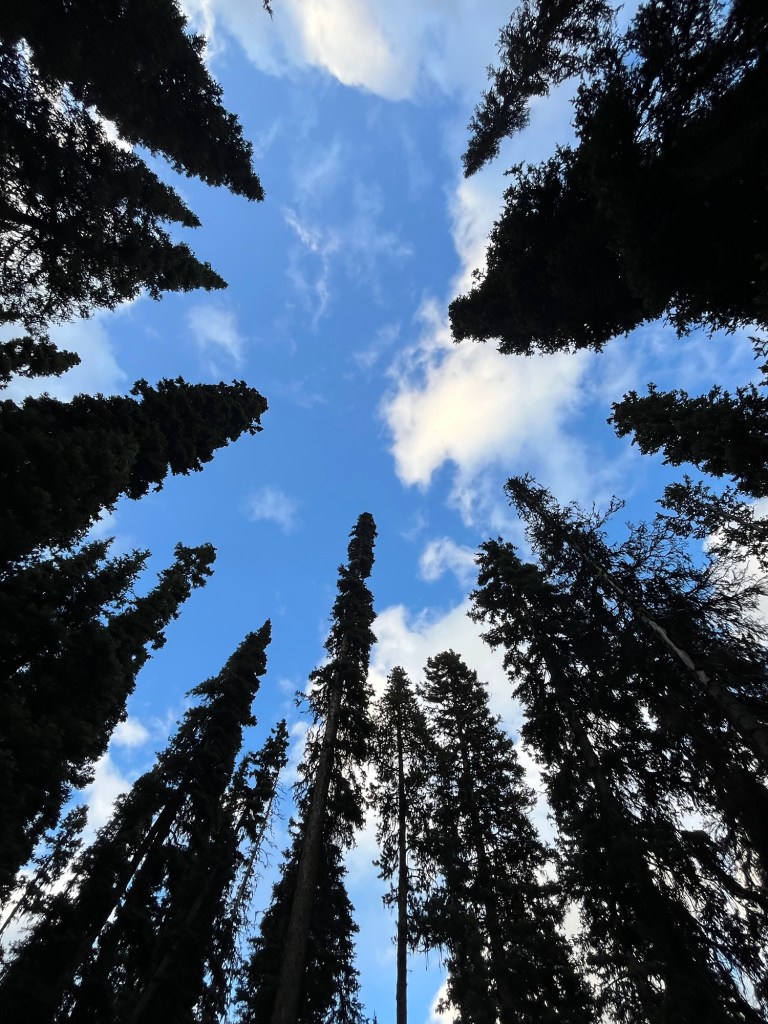
When you do things from your soul, you have a river moving in you, a joy.

-Rumi

🌿 Winter Is Not the Enemy, Merely a Difficult Friendship

“The trees may sleep, but they are never dead.” — Edwin Way Teale

Winter offers these quiet, tender invitations:

Slow down. Notice. Receive what nature offers.

Even when life feels frozen, your healing can still flow beneath the surface.

Your body is not failing you. It is waiting for safety.

And the forest, still, patient and ancient, knows how to offer it.

We are the granddaughters of the grandmas your reindeer couldn’t run over.

We are resilient! We are strong! We are SISU!!!

Minor Injury and Connective Tissue Disorder: Cue My Prison Sentence

To tell me I cannot run is to hold my body in contempt.

-Friedrich Nietzsche

This past weekend I was out boating with friends. The sun was shining, laughter was everywhere, and the water was perfect. My absolute favorite kind of day. Until it wasn’t.

The beach is so amazing. We all lay around in our undies with complete strangers eating sandy sandwiches and chips. What a world!

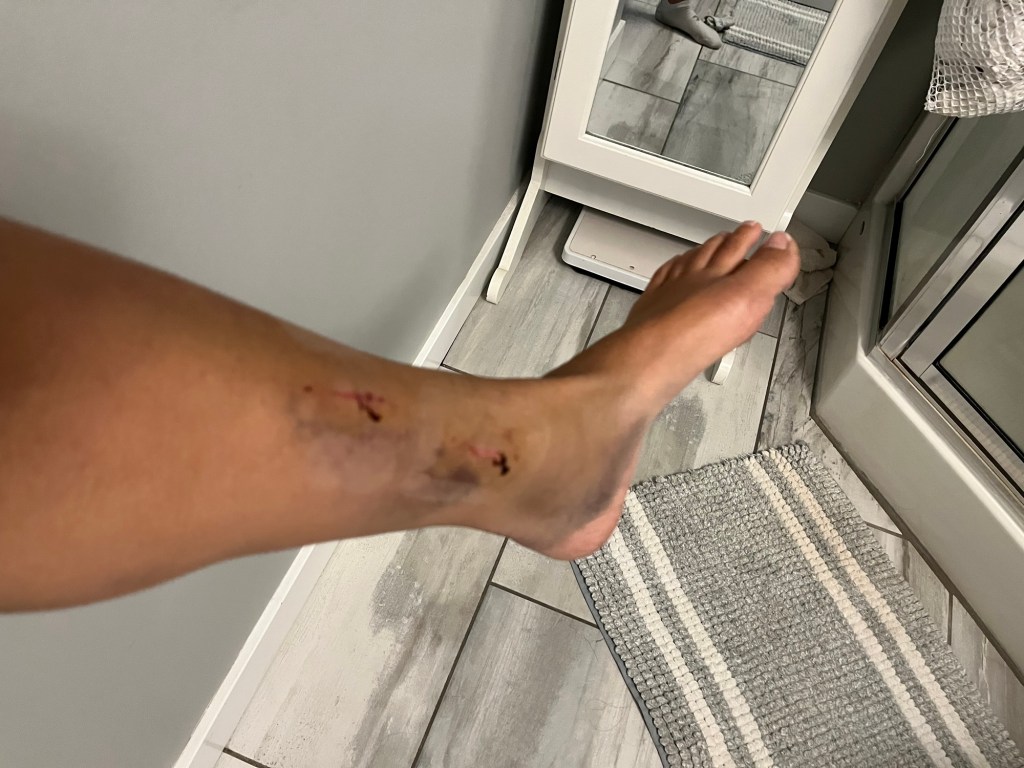
But this trip was too eventful for me. I slipped off the back of the boat. A simple misstep—my foot chose the slippy part before the ladder instead of the grippy part. My skin slid down the metal and scraped in a couple of places. For most people, it would be a painful annoyance. Maybe a couple of Band-Aids and an “ouch” when the rubbing alcohol stings.

But for me, with a connective tissue disorder, a “minor” injury isn’t minor. It’s my own prison sentence.

Day 3 post slip

The moment my leg hit and the skin tore, my body responded like a toddler throwing a tantrum. Two points, swelling to the size of small eggs appeared instantly. My vision swam, nausea hit, and I nearly fainted. I had to be rushed off the beach. Reluctantly, I might add. I just wanted to stay and play. 🤷‍♀️

And yet, as I moved it around, the swelling went down. After a few ginger steps, walking proved feasible. So, I stayed on the beach. Carefully. Pretending things were fine. Until the next day, when I accidentally touched one of the angry spots and nearly fainted again from the pain. Cue swelling, round two.

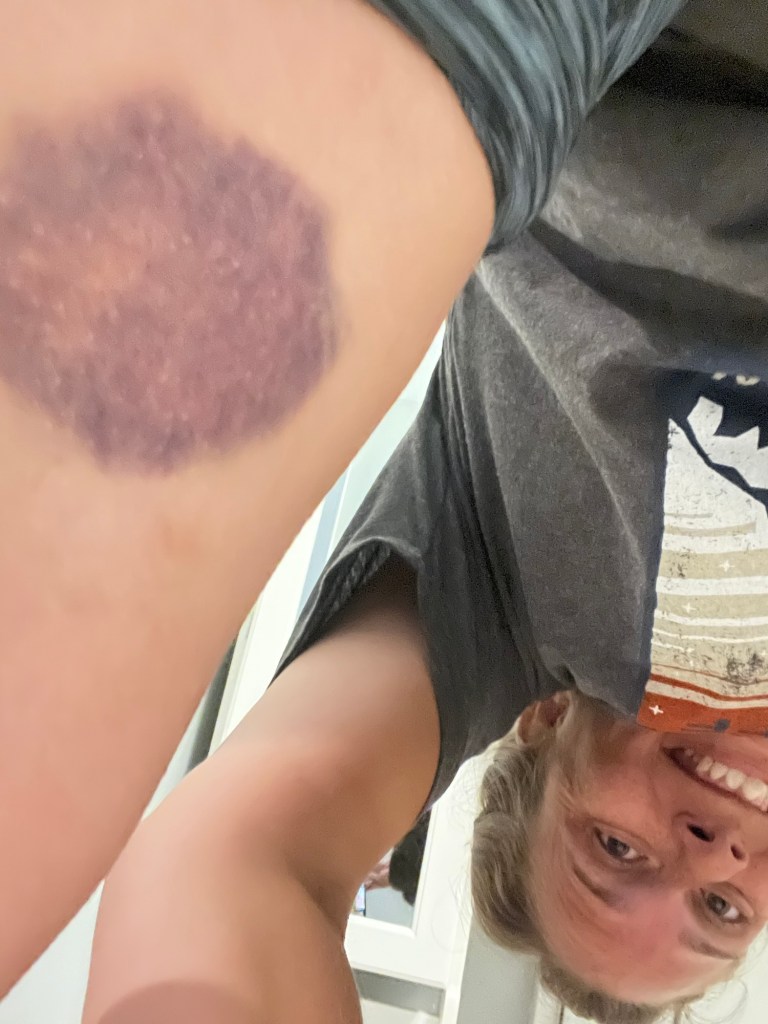
This bruise on the back of my leg also happened in the fall.

Nothing feels broken. This isn’t a cast-and-crutches type of injury. This is a – my tissue is angry and having a meltdown kind of injury. The kind that will ripple through every layer of healing, slowly, stubbornly, piece by piece.

The Cascading Consequence

Here’s what happens with mobile joints and connective tissue disorders:

  • Immediate tantrum. Tissue swells, pain spikes, body goes into shock.
  • Muscle aftermath. Even if the muscle wasn’t directly injured, it’s recruited in the act of catching yourself, and now it’s tight, inflamed, and waiting its turn to protest.
  • The balancing act. I need to keep running to maintain the strength that keeps my joints in place, but I also can’t overwork what’s injured.
  • Scar tissue sneak attack. When scar tissue forms, it doesn’t just “heal.” It tugs on joints already prone to slipping, pulling them out of place.

This 👆is why what looks minor to you becomes a long-term balancing act ⚖️ for me.

There is no test, no monitor, no scan that can tell us exactly what’s happening.

It’s me, listening to my body.

And my physiotherapist J, patiently piecing me back together one session at a time.

Photo by Mohamad Salam on Pexels.com

👆🏼 Me as Humpty Dumpty right before needing to be put back together again. 👆🏼

What most people heal from in days, I will heal from in months. 🗓

K️oekentroost

Dutch. “the emotional support cookie you eat after a mildly inconvenient day. (in my case it will be pretzels dipped in nutella)

The Weight of Waiting

The hardest part isn’t the pain. It’s the waiting.

Waiting to run.

Waiting to trust my joints again.
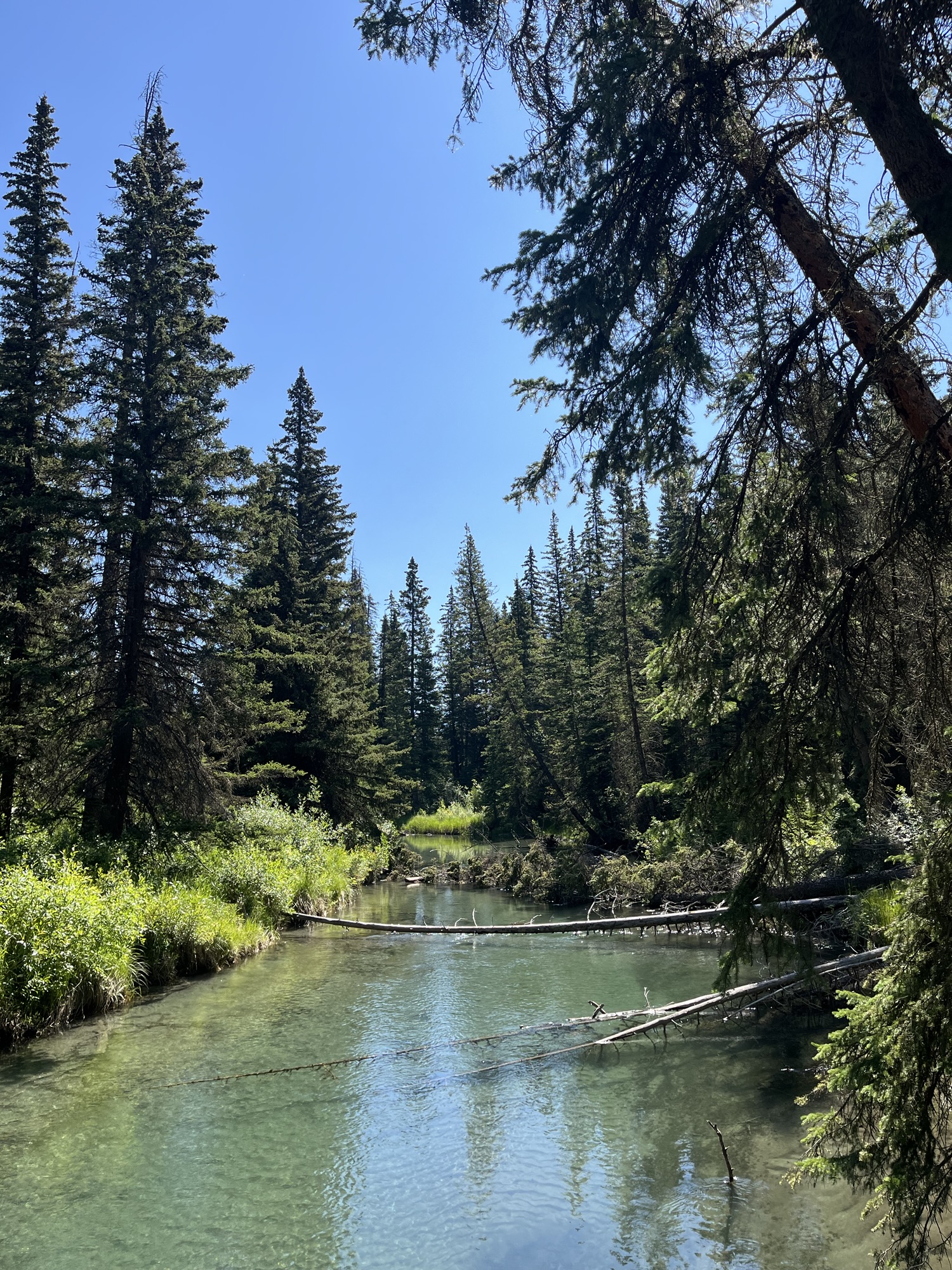
Waiting to see what the scar tissue will do this time to wreak havoc.

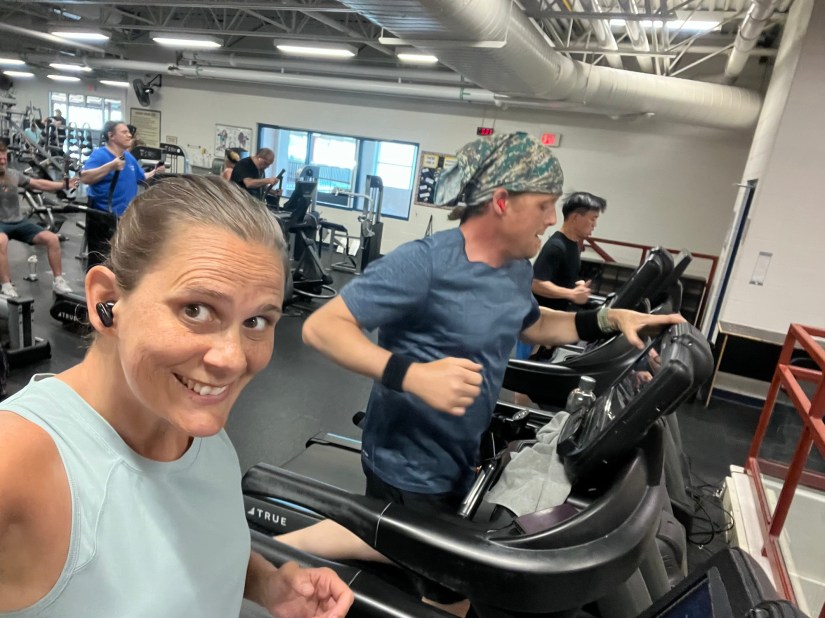
It feels like all the work I’ve put in at the gym—months of biking, running, strengthening—could slip away in the span of a single misstep.

That’s the prison. The confinement. The pause button ⏸️ on a life I’ve fought so hard to keep moving ▶️ .

Forest as Healer

But here’s where I return to what always saves me: the forest.

When I step (or hobble) into the trees, I remember that healing doesn’t always look like forward motion. Sometimes it looks like stillness. A dense canopy could be covering spectacular growth. The river’s gentle flow might be a glimpse of the heavy current below. The trees stand, patient and unwavering, reminding me that growth and repair take the time they take.

Forest therapy gives me what no physiotherapy session can: the intuition to hear what my body is really saying.

My blessing in life is to have a physiotherapist that encourages me to spend time there. And to follow my body’s intuitive pace and direction. J pursues us and provides support along the way.

It’s in the quiet green spaces 🌲 where I learn when to push 😖 and when to rest 💤 . Where I can breathe out the frustration 😮‍💨 and breathe in the steadiness of the earth 🌍 beneath me.

It is in the forest where I believe that healing isn’t just possible—it’s already happening.

When you read the list of benefits, do you see the connection? Grounding will be one of my greatest therapies in each phase of mending.

Words to Carry Me

“Adopt the pace of nature: her secret is patience.” — Ralph Waldo Emerson

“And let us not be weary in well doing; for in due season we shall reap, if we faint not.” – Galatians 6:9 

“The trees that are slow to grow bear the best fruit.” – Moliere

“Even the strongest storms don’t last forever. The sun always returns to the forest.” – Unknown

And she will keep coming back to life, over and over again, because beneath the skin of this gentle human lives a warrior unstoppable.

-Annabelle M Ramos

Healing with mobile joints is a marathon made of tiny sprints and long pauses. It’s the art of balancing strength with surrender. And when the world feels like it’s closing in—when a scraped leg feels like a prison sentence—the forest opens its arms and says, you are safe here. Take your time. Heal.

My veins are filled with stories of survival.

– Mitali P.