Discerning What’s Beneath the Frosty Surface: Setbacks or Breakthroughs

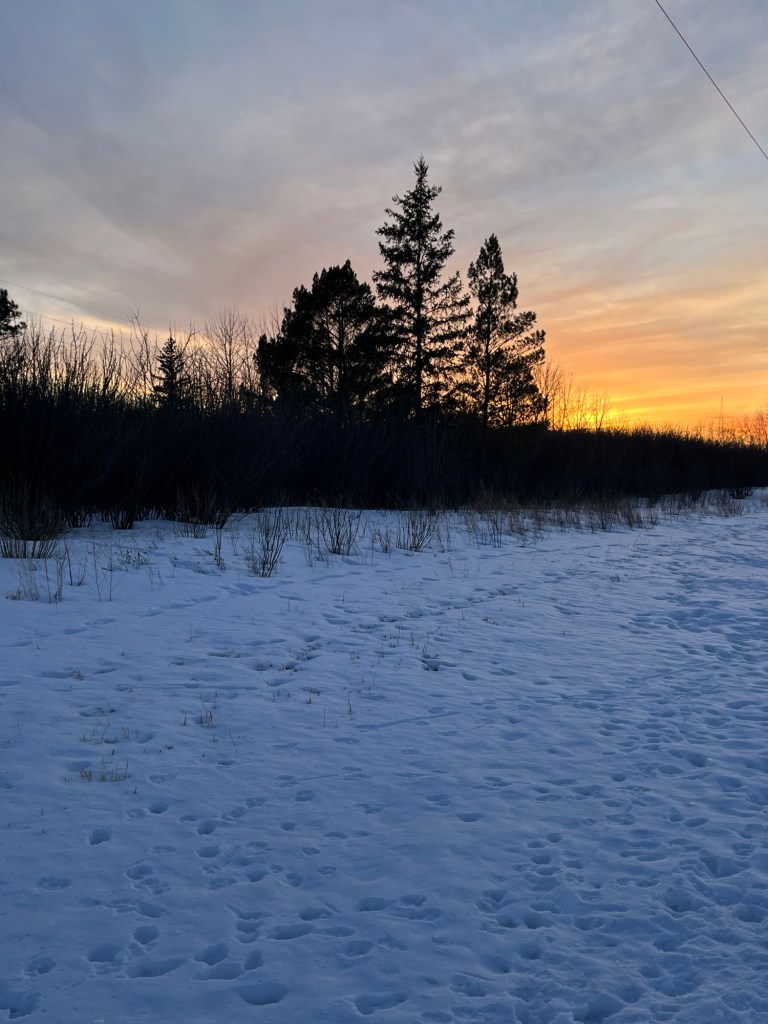
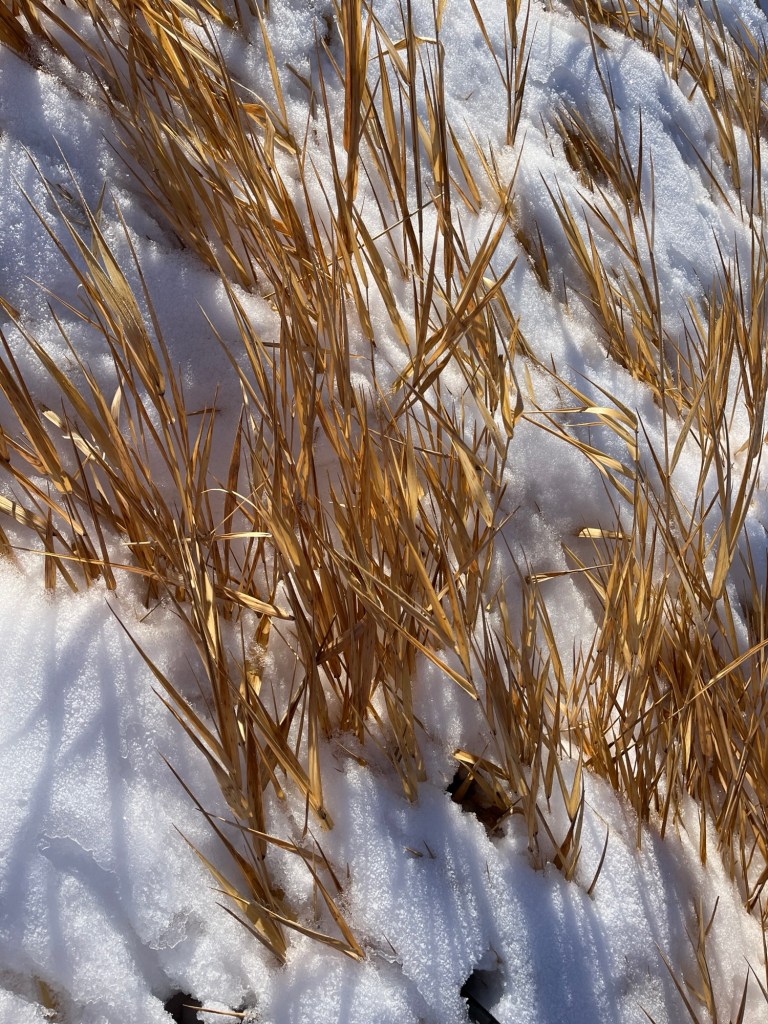
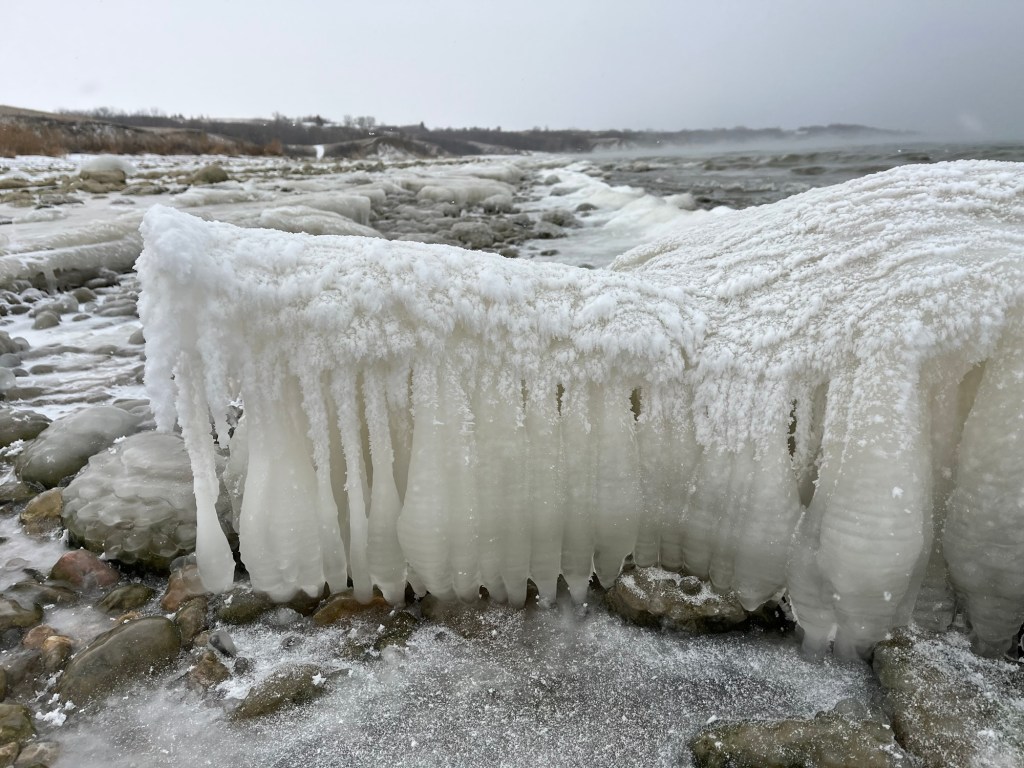
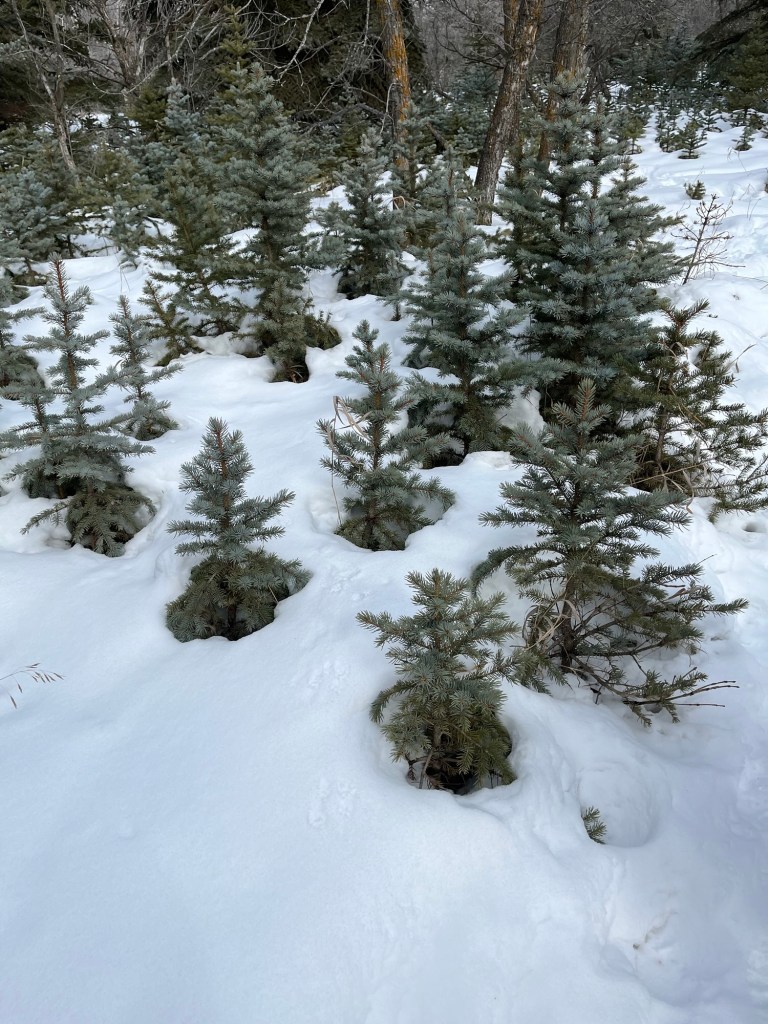
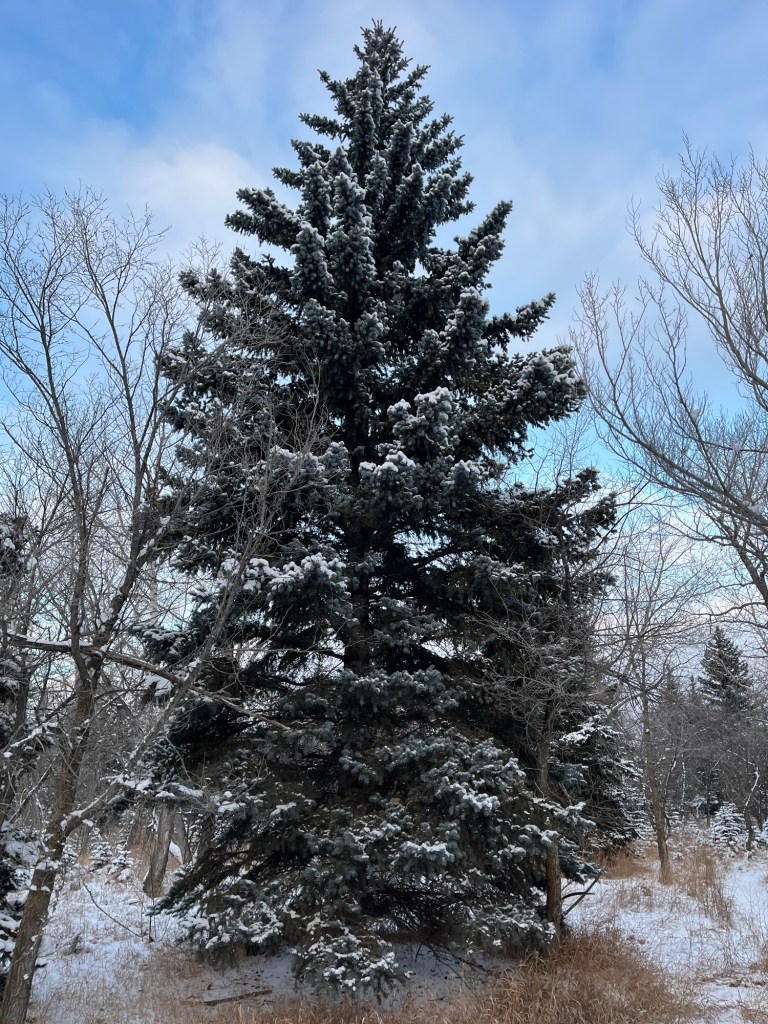
The snow came back. Not a dramatic blizzard, just a quiet dusting, enough to blanket the tender shoots that had just begun to think about stirring. Only days ago, the air was warm, the earth was waking up, and I felt that familiar pull to move, grow, begin again.

Then Saskatchewan’s subtle, “Psyche!” Mother Nature really needs to work on her comedic timing. It’s not funny anymore.

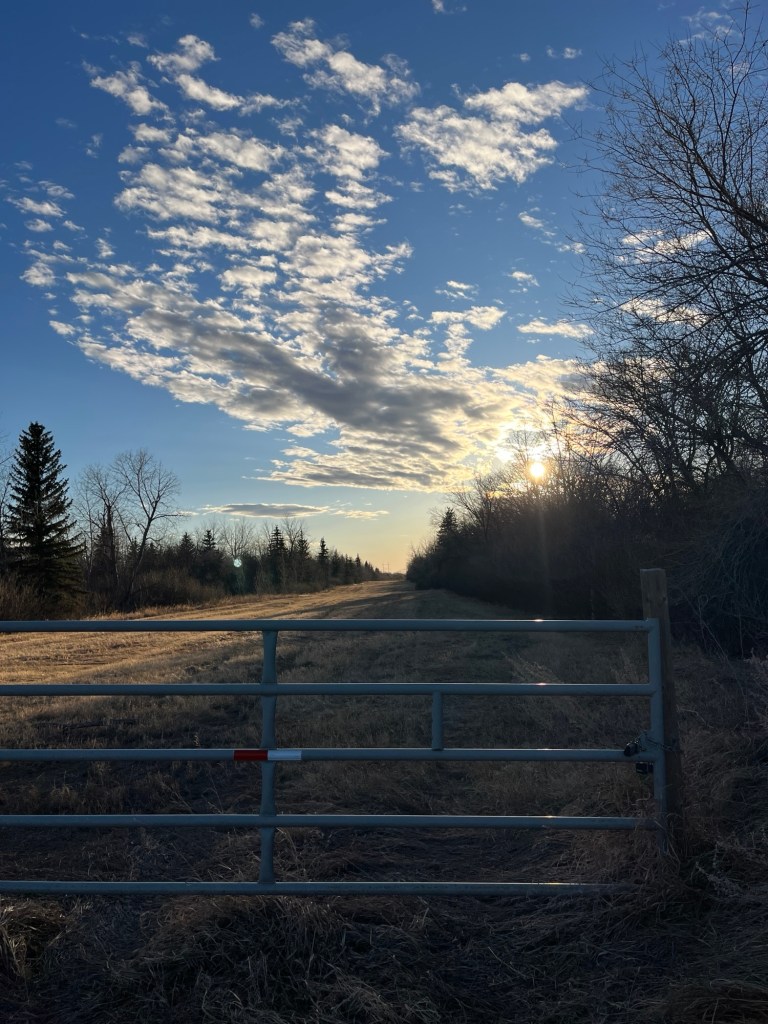
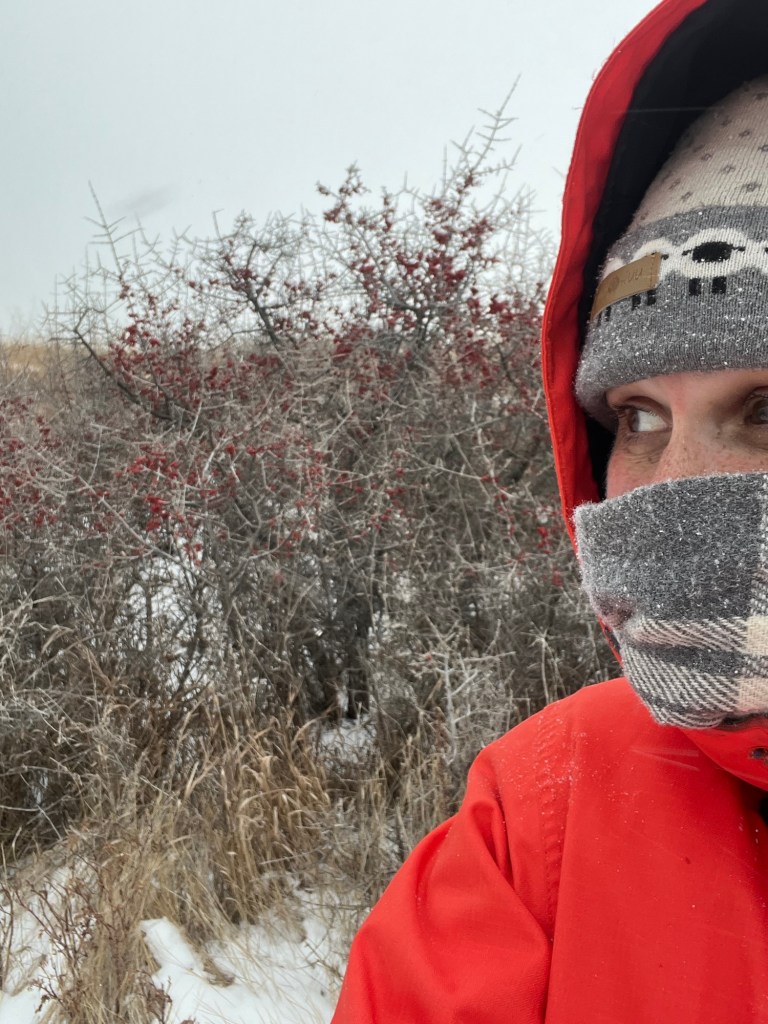
Mother Nature 👆
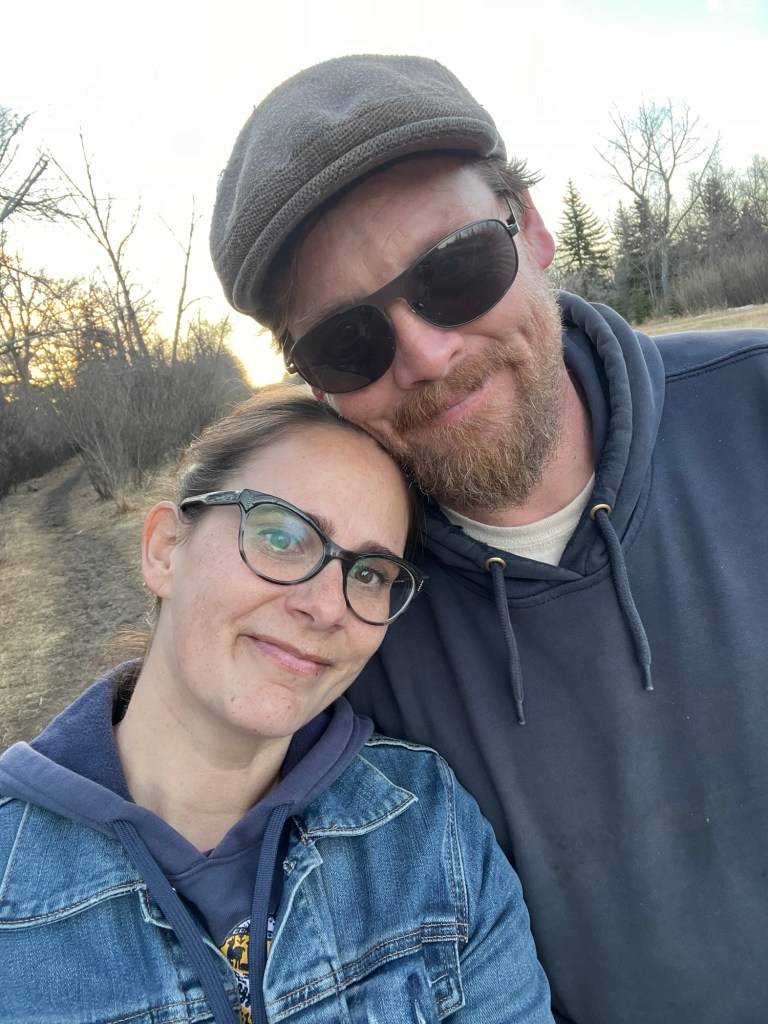
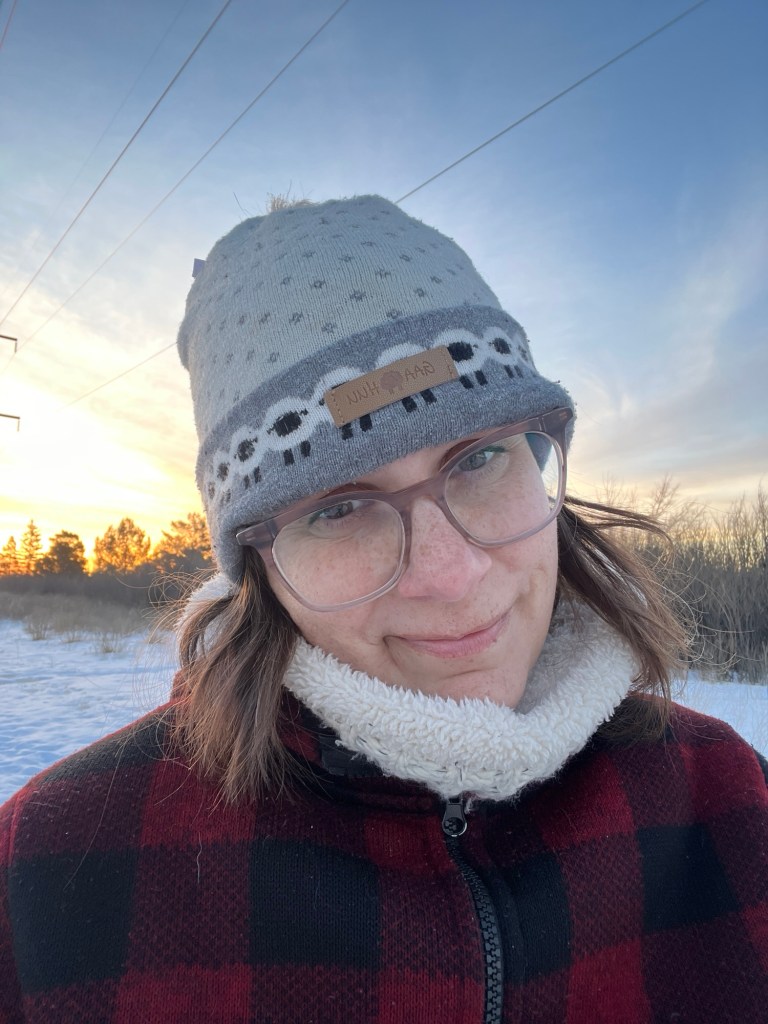
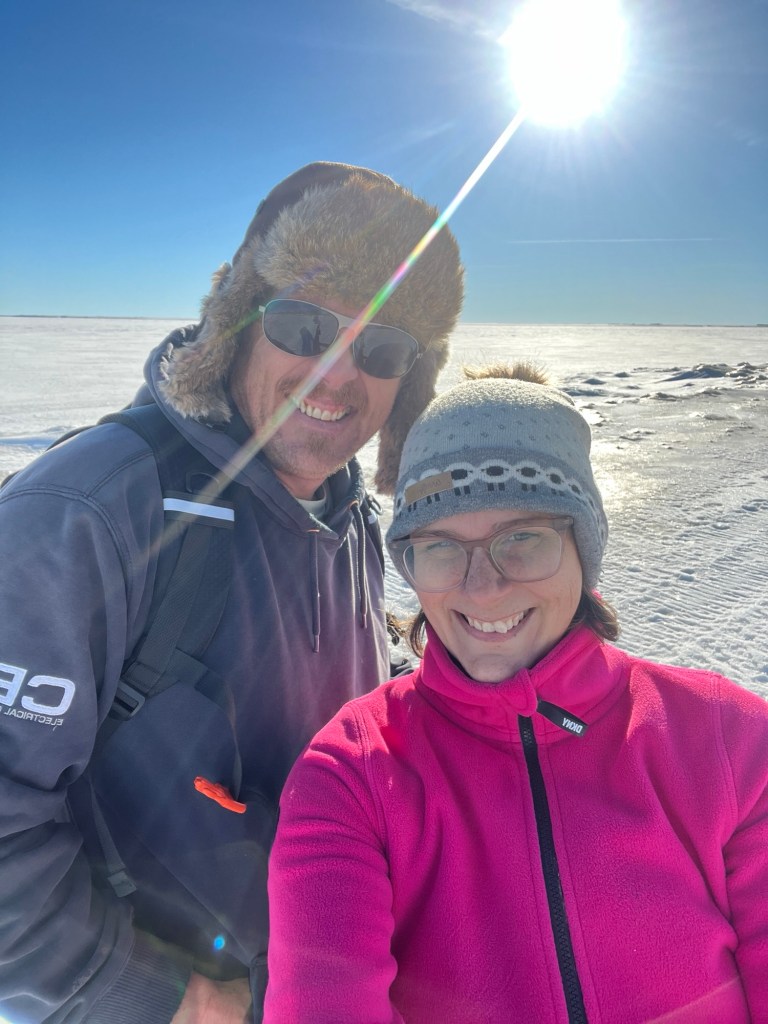
Us 👆

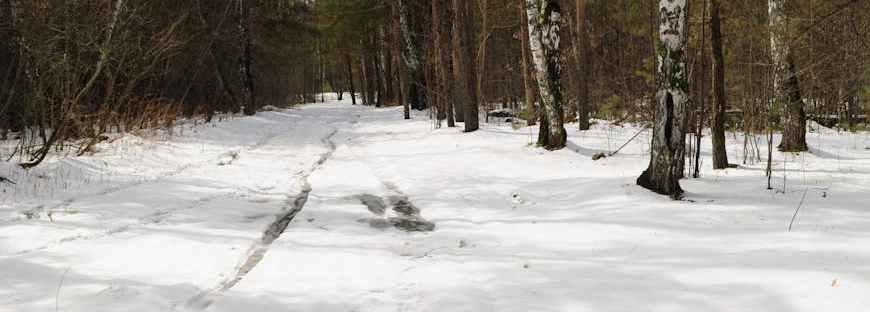
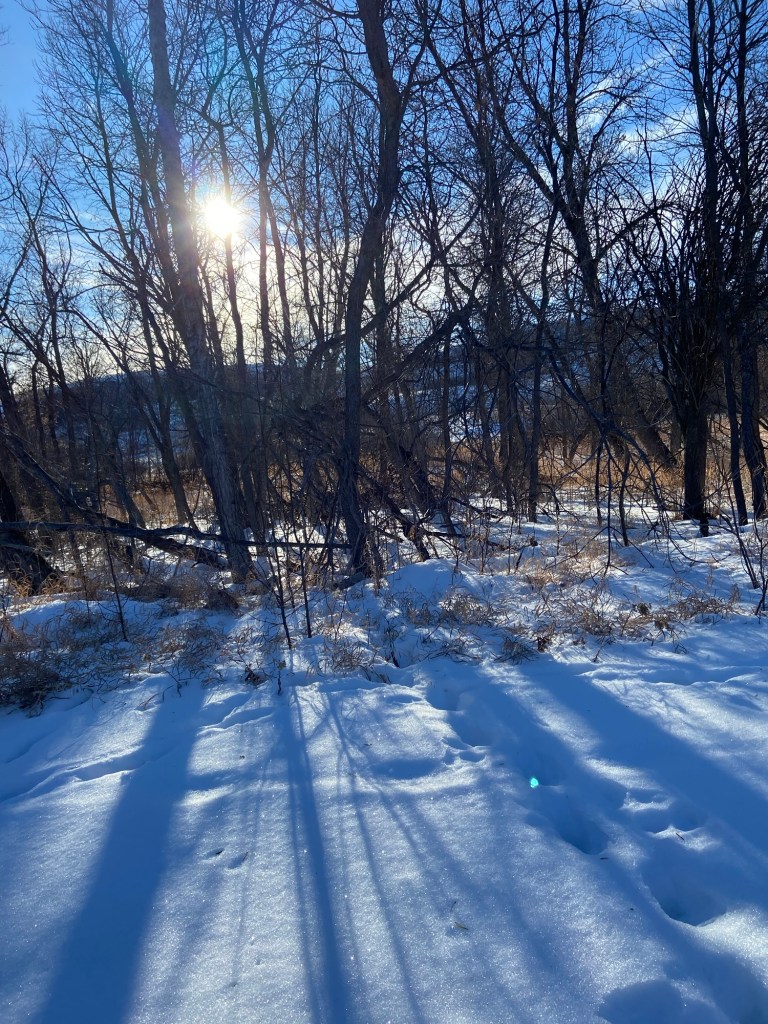
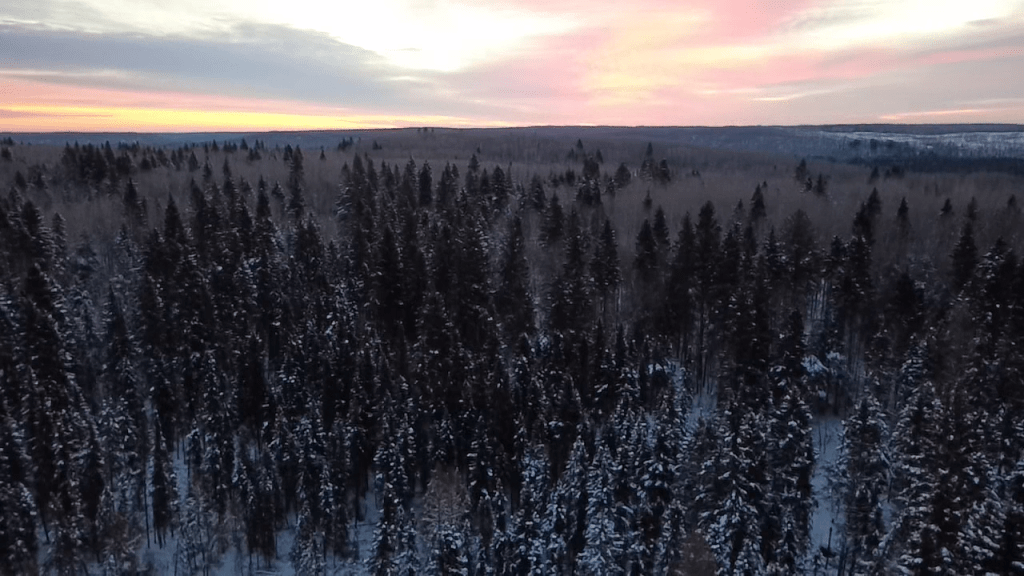
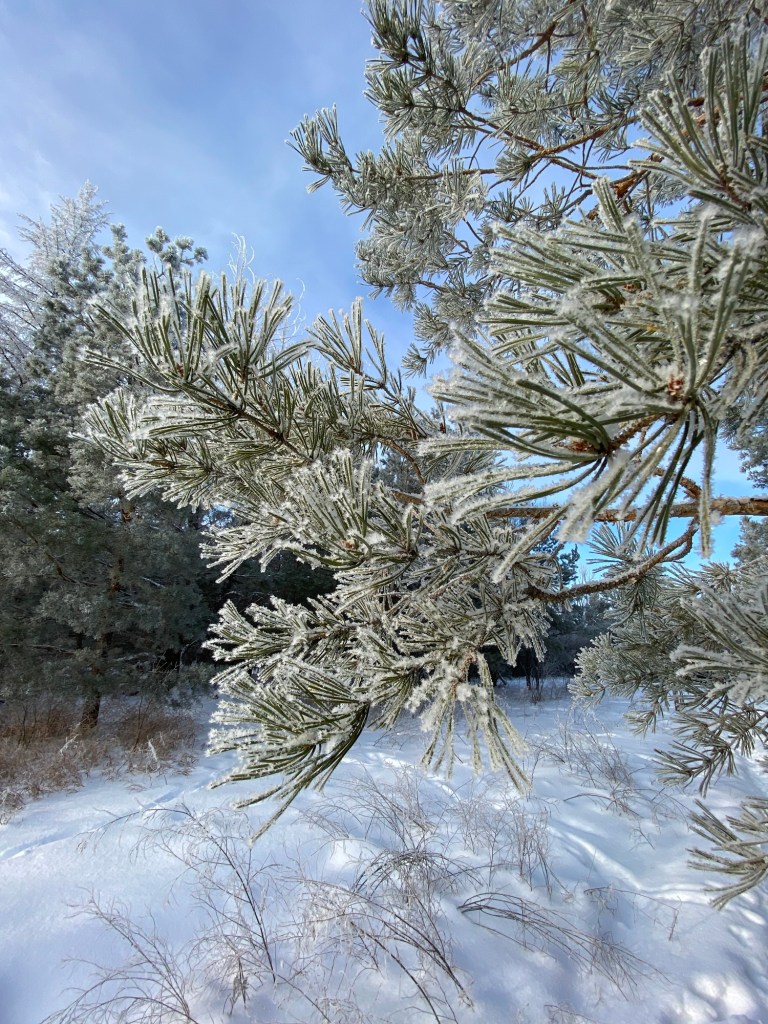
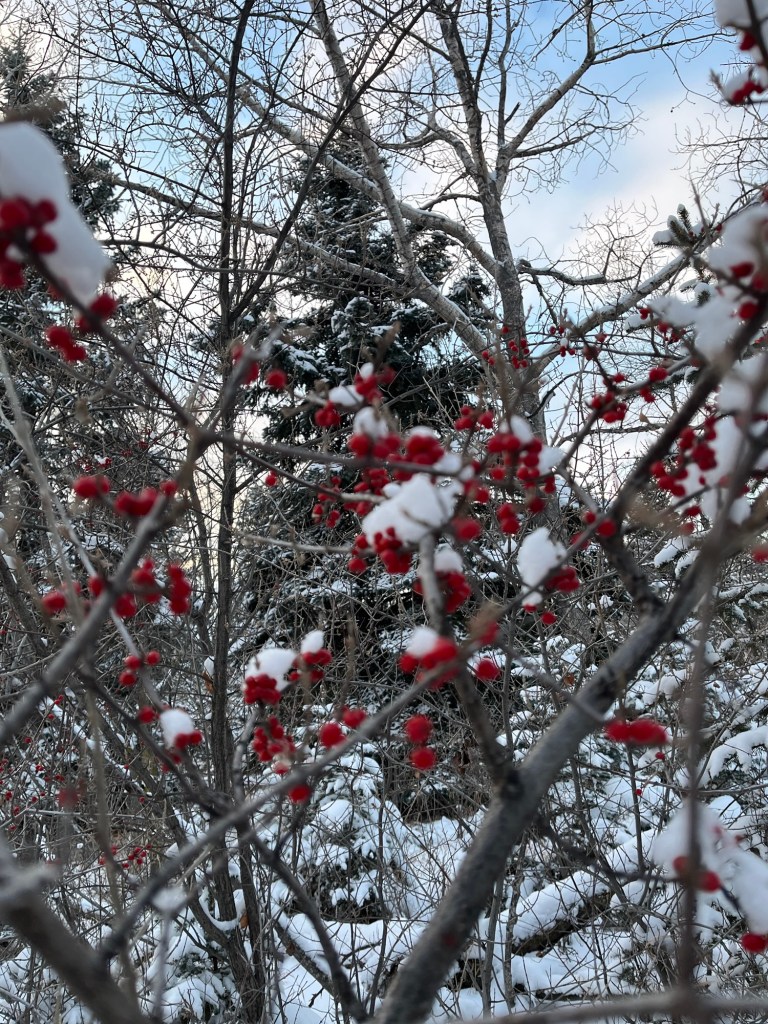
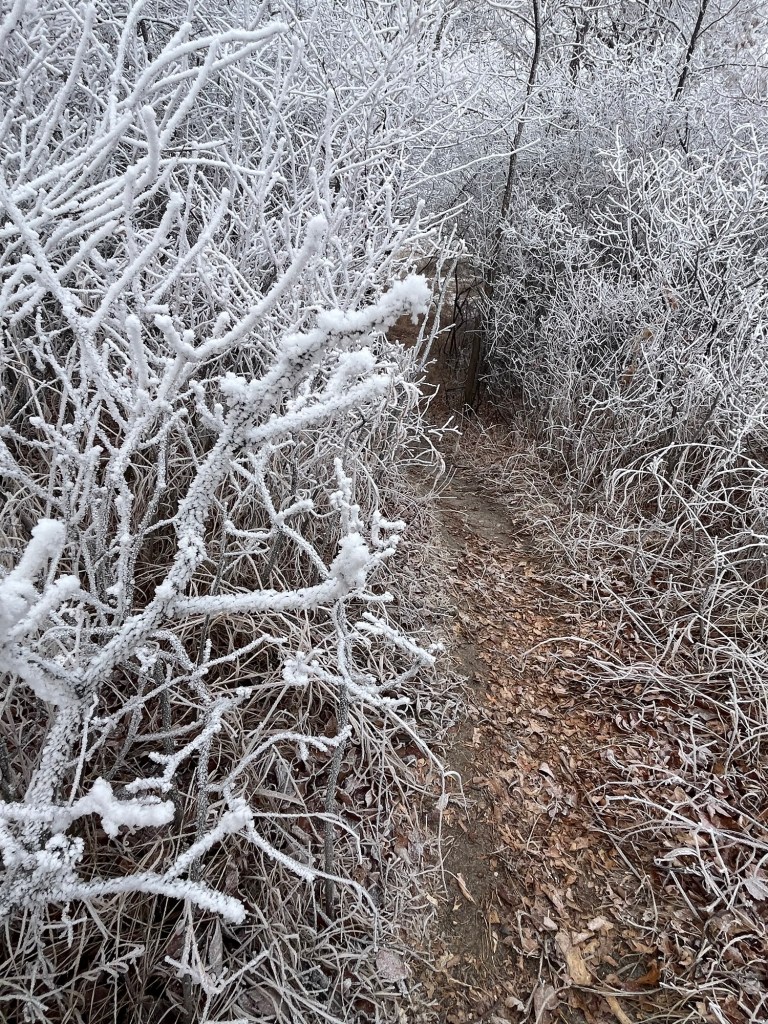
There’s a particular kind of discouragement that settles in with such a turn. It’s not sharp or overwhelming, but a slow, heavy ache. Like walking through the late-winter woods, where everything appears still, heavy, yet you sense the hidden bubbling beneath the surface.

Nothing is ‘out of order.’

It’s more akin to the forest floor right now. Frozen on top, but teeming with life underneath, roots holding fast, life paused mid-sentence. Waiting. And that kind of waiting, when your body carries its own complex story, can truly wear a person down.

When movement is a necessity, not merely an item on the ‘someday I should’ checklist, and suddenly it’s interrupted, just as you were finding your rhythm again. That’s its own unique setback.

And if you live here, you know winter isn’t a one act play. It lingers. It’s heavy. It tests you in ways that often go unseen. The cold that steals your breath before you’ve even taken a full one. The way your muscles brace with cold before you reach the car. The ice that transforms every step from less of a stroll and more of a high-stakes game of Twister that I never asked to play. And sometimes, despite my best efforts, I end up in disarray on the ground. 

All it takes is one tiny tweak and suddenly your entire body is engaged in combat against itself. Again.

The scraping of windshields. Running out of gas on the coldest days every time. The endless layering. The constant bracing. The mantra of “just get through this.”

And then, quieter but just as profound, the world shrinks. Fewer visits. Less spontaneity. More effort required for connection. A different kind of painful twinge takes root.

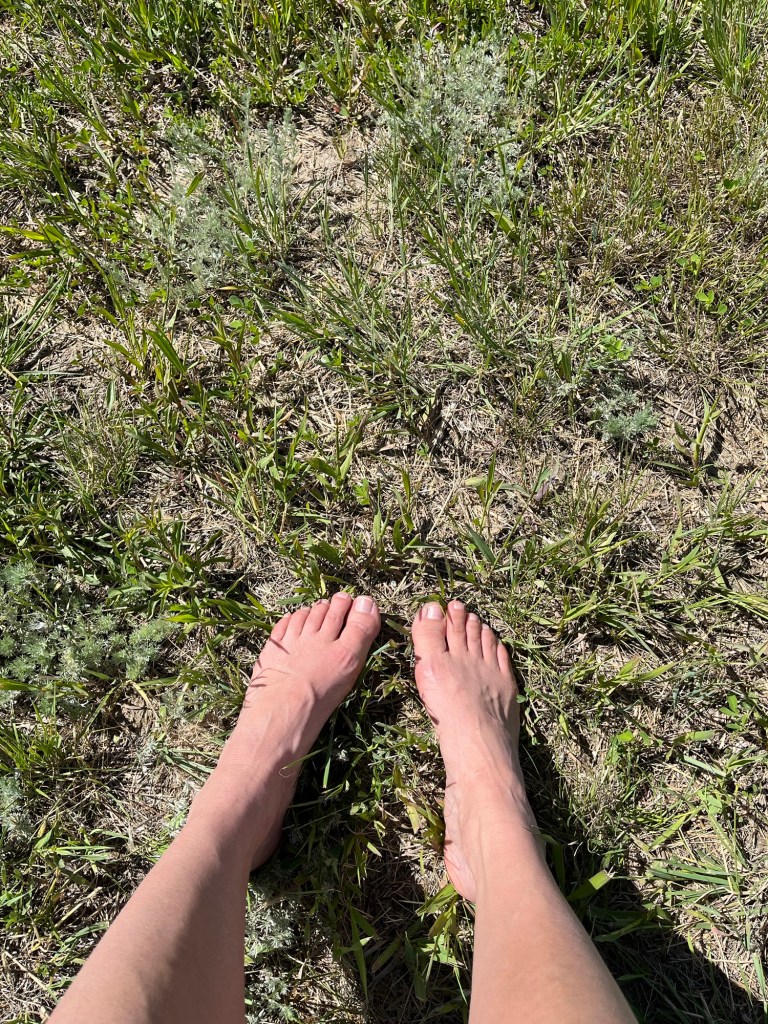
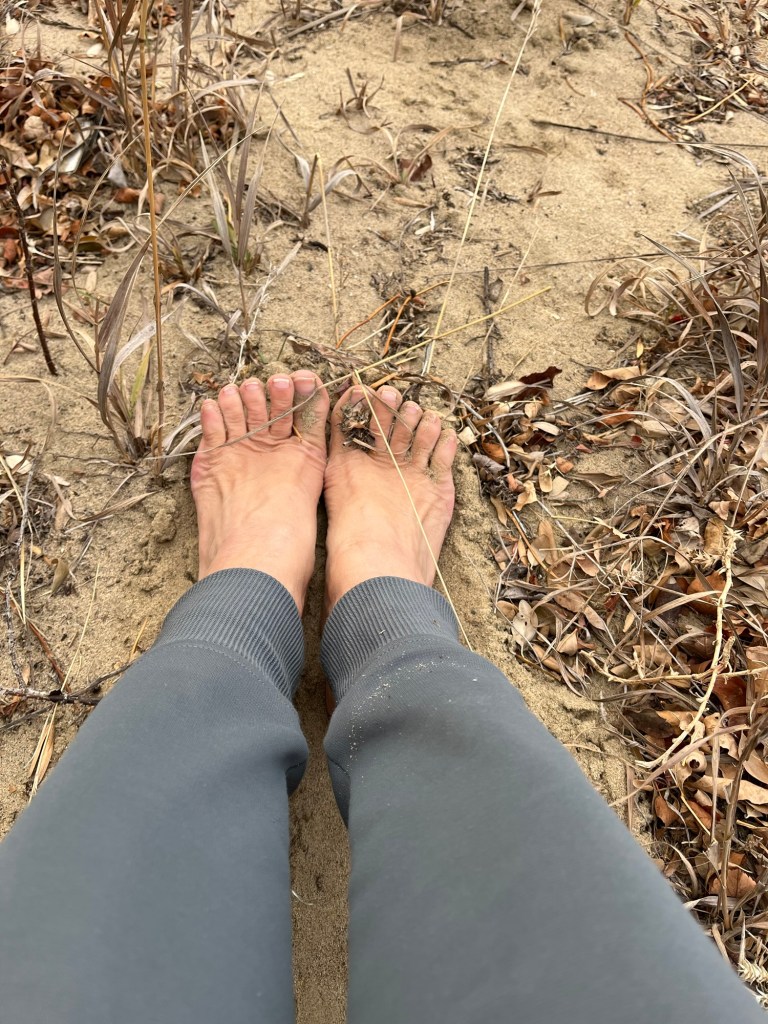
Winter is undeniably hard. And then spring arrives, feeling like a profound release. Your feet meet grass again.

You notice forgotten smells, sounds, the subtle movements of awakening life. Your body remembers something it almost lost. Summer? You’re gone, in the best possible way.

Moving. Living. Saying yes to life again. Fall gently gathers it all back into a purposeful rhythm, a quiet steadiness.

And then… winter.

If my life were a board game, this is how it would look. Spring moves me ahead five spaces. Summer? Easily ten, maybe more; I’m flying. Fall grants another five without much effort. And winter? Winter sends me back twenty-five. Every single time. Honestly, at this point, I’d like a word with the game designer. I’m pretty sure they’re hoarding all the ‘Get Out of Jail Free’ cards. Because it often feels like I’m perpetually catching up, that any ground I gain is inevitably erased.

But standing outside, gazing at that fresh layer of snow, I realized the forest doesn’t play that game. The trees aren’t measuring progress by who wins and who loses. They aren’t frustrated by yesterday’s fleeting warmth. They aren’t disappointed because spring almost arrived then left. 

President Dieter F. Uchtdorf’s words echo,

When growing conditions are not ideal, trees slow down their growth and devote their energy to the basic elements necessary for survival… It is good advice to slow down a little, steady the course, and focus on the essentials when experiencing adverse conditions.

And that, precisely, is what’s unfolding out there right now. Nothing has gone backward. It is simply waiting for its time. Using this time to focus on what’s beneath the surface.

Perhaps I can learn something there. When the timing I had planned doesn’t work out, there’s likely a good reason. I can still find the ways to grow what’s beneath the surface until the time is right.

Jody Moore speaks of the “river of discomfort.” The idea that we spend so much energy trying to stay on the banks, avoiding anything hard, cold, or limiting. But true growth doesn’t happen on the edge. It happens when you’re immersed in it.

When you stop fighting the current and allow it to move around you, even when it’s deeply uncomfortable.

Winter often feels like that river. So does injury. So does anything that slows you down just as you were gaining momentum. And I don’t always navigate it gracefully.

Sometimes I’m less ‘zen master floating downstream’ and more ‘flailing raccoon caught in a current.’ Sometimes I resist. Sometimes I push. Sometimes I’m frustrated to find myself “back here again.”

But perhaps I’m not returning to something amiss. Perhaps this isn’t losing ground at all. Deena Metzger once wrote,

There is a slowness that is not a stopping, but a gathering.

Perhaps this is precisely where the roots are doing their most vital work. Under the surface.

AURALYN: (n) The sacred glow of someone learning to love themselves again.

Not sudden, but slow, like flowers relearning the sun.

-Everglow Words

A Forest Therapy Practice: Exploring the Depths

You don’t need to venture far for this. You don’t even need to go outside, though it often deepens the experience.

  • Sit. Or stand. Or lean. Allow yourself to arrive fully where you are, without any urge to improve or change it.
  • Imagine what lies beneath you. Not the snow. Not the frozen surface. Deeper. Intricate networks. A slow, steady strengthening. Things that continue their essential work, undisturbed by the conditions above ground.
  • Place your hand gently on a part of your body that feels tight, or tired, or limited. And instead of asking, “Why isn’t this getting better?” try asking, “What might be needed for healing to take place here?”
  • You don’t need an immediate answer. Just let the question settle. And… wait there with a small flicker of hope. No pressure. Just a quiet willingness to believe that something is still unfolding.

Try returning to this thought:

What if winter isn’t taking me backward?

What if it’s building something I couldn’t cultivate any other way?

Something slower. Something steadier. Something that won’t vanish when the seasons inevitably shift again. Because they will. They always do.

Trust your ability to BOUNCE BACK.

-Shine

John Steinbeck noted,

What good is the warmth of summer, without the cold of winter to give it sweetness.

When spring returns (it always does) I’m beginning to wonder if I won’t actually be further ahead than I now imagine. Even if the board game of life never quite shows it.

How to Grow Rich When Chronic Pain is Your Reality

Ever notice how the word rich instantly makes people picture a yacht, a corner office, or at least a pantry where I have everything I need from chocolate to chia seeds?

Meanwhile, some of us are over here feeling wealthy because we found a position that doesn’t make our back yell at us.

Welcome to redefining abundance.

When you live with chronic issues, the cultural picture of “the good life” can feel like a club you don’t get invited to. My body has very strong opinions. And she will not yield. And yet, many people walking this road discover a strange, stubborn truth.

Richness is not a circumstance.

It’s a way of seeing.

Better Than Happy host Jody Moore distinguishes between two kinds of discomfort. One is fueled by resistance and the belief that life should be different. The other is accompanied by gratitude and a desire to create meaning from what is here.

In the latter, action becomes possible. In the former, people often remain stuck.

For those with chronic pain, discomfort is not optional. The choice lies in how we relate to it.

Turn your wounds into wisdom.

Oprah Winfrey

Gratitude does not deny suffering. It widens the field of attention so that suffering is not the only occupant.

There is the ache that says,

Why me? This ruined everything.

And there is the ache that whispers,

Given that this is here, what life can I still grow?”

The first freezes us in place.

The second opens a path.

A rich life might include money. It might include health. It might include work you love or a family that grows together. Or it might be something far less Instagrammable and far more sustaining. Presence, meaning, connection, small mercies, deep seeing.

Gratitude has a way of turning what is here into enough, and from that soil, more becomes possible.

Not because your nerves suddenly behave.

But because your mind has room again.

As Meister Eckhart wrote,

If the only prayer you ever say in your entire life is thank you, it will be enough.

Gratitude is not pretending pain is lovely.

It is noticing pain is not the only thing present.

Nature’s Secret Calculus

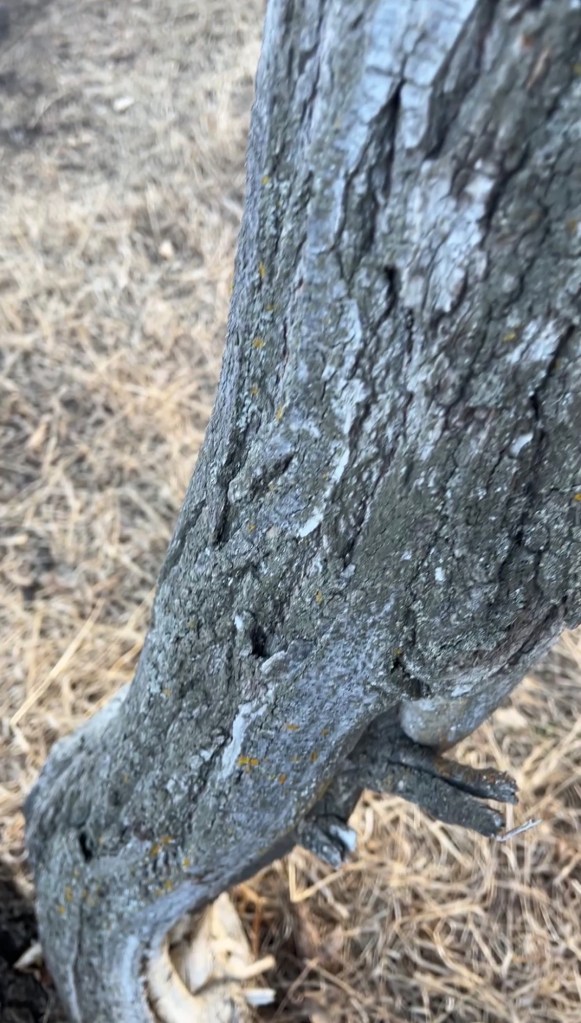
In the woods, a tree with a twist in its trunk is not considered a failure.

It is considered interesting. Strong. Adapted.

No straight lines required.

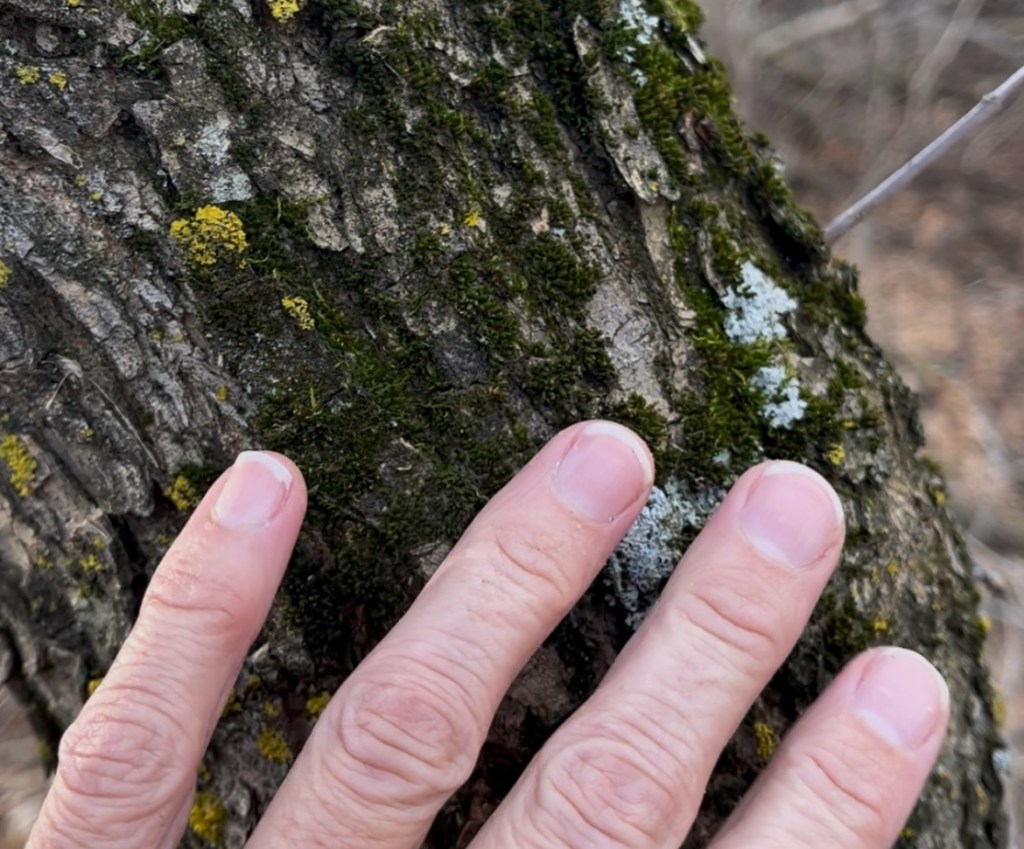
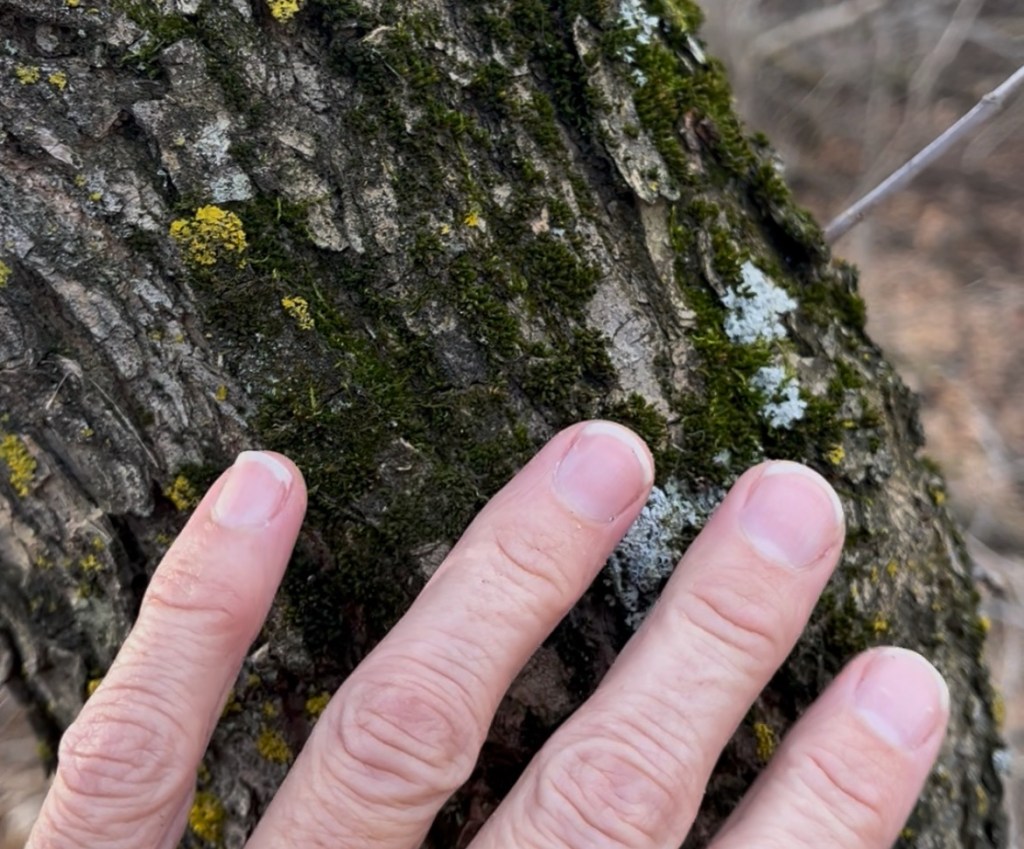
Chronic pain can feel like the bend you never asked for. But bends create habitats. They slow us down enough to notice moss, breath, companionship, the sacred ordinariness of being alive.

What if the detour is also the destination?

Chronicles of My Journey

Some days my life feels like a series of unfortunate events. Many of those events are inconsequential to the general population. But to my loose joints they are devastating.

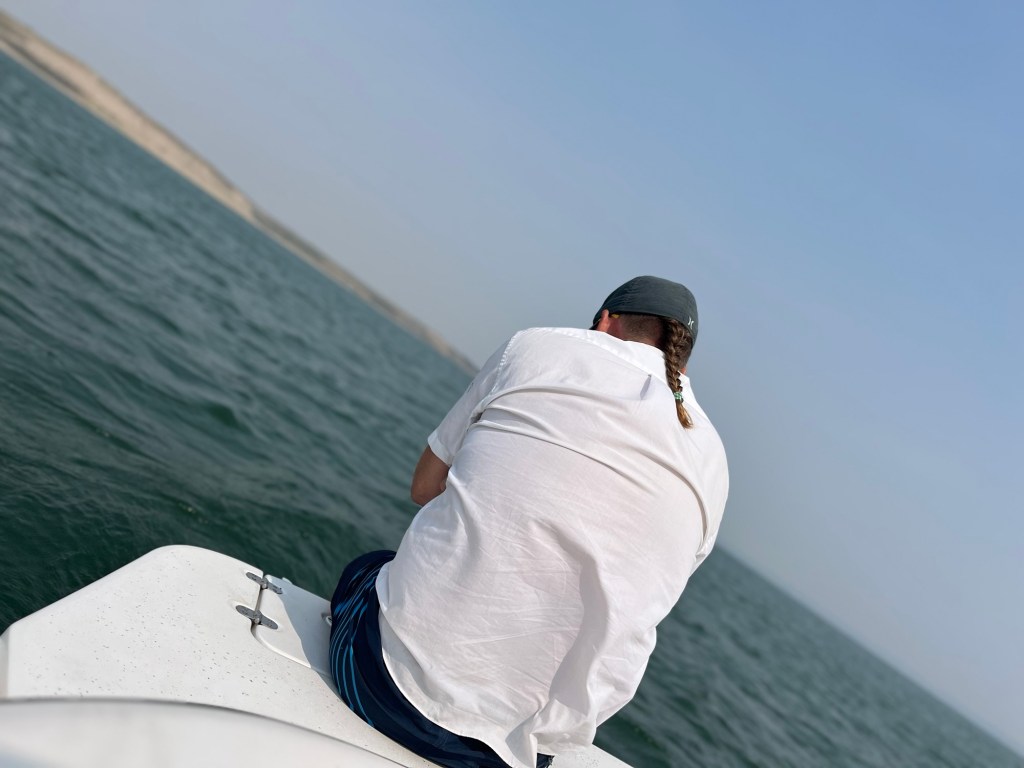
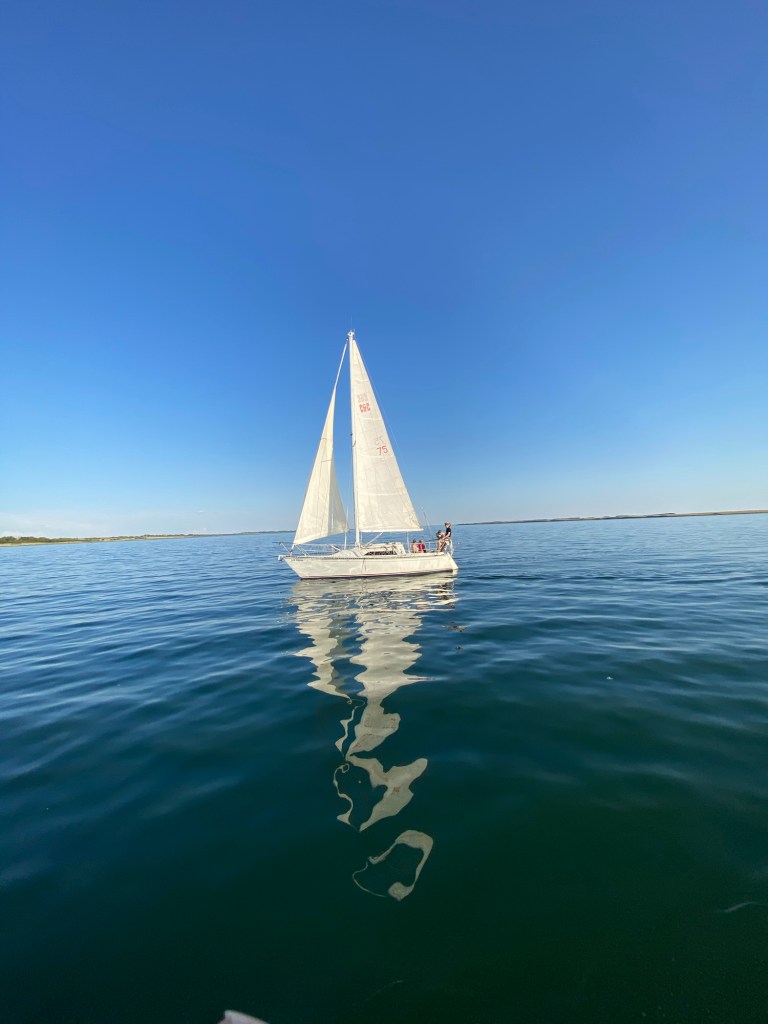
Last August I was enjoying a beach day with friends. Enjoying isn’t a strong enough word. These are the days I live for.

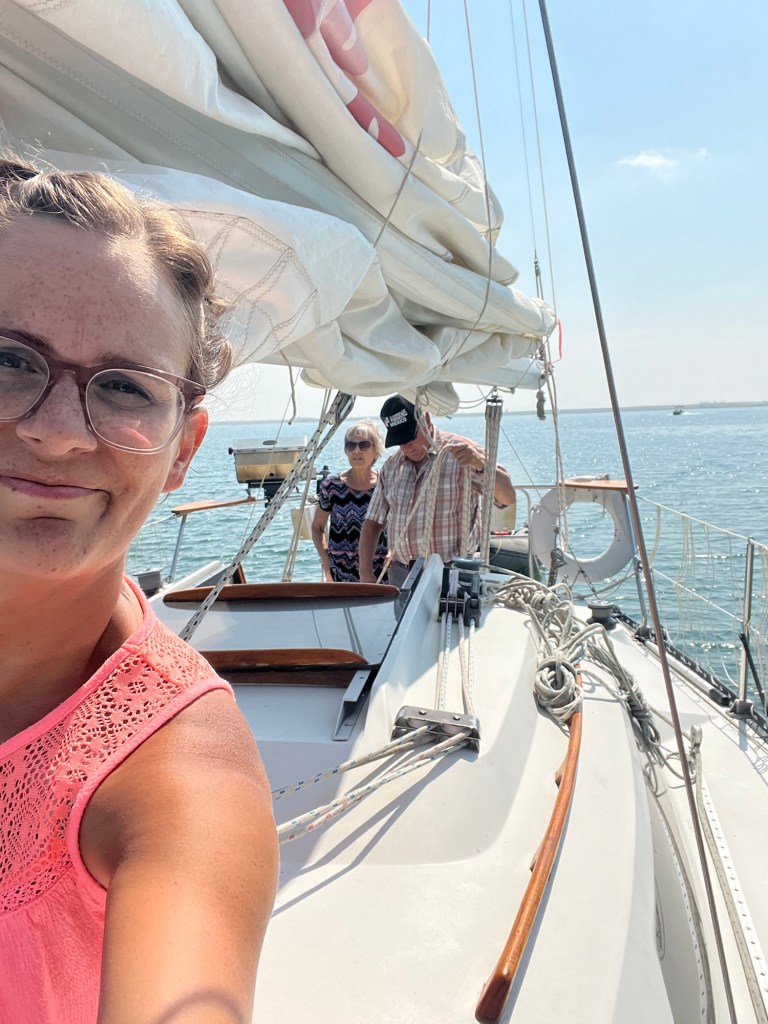
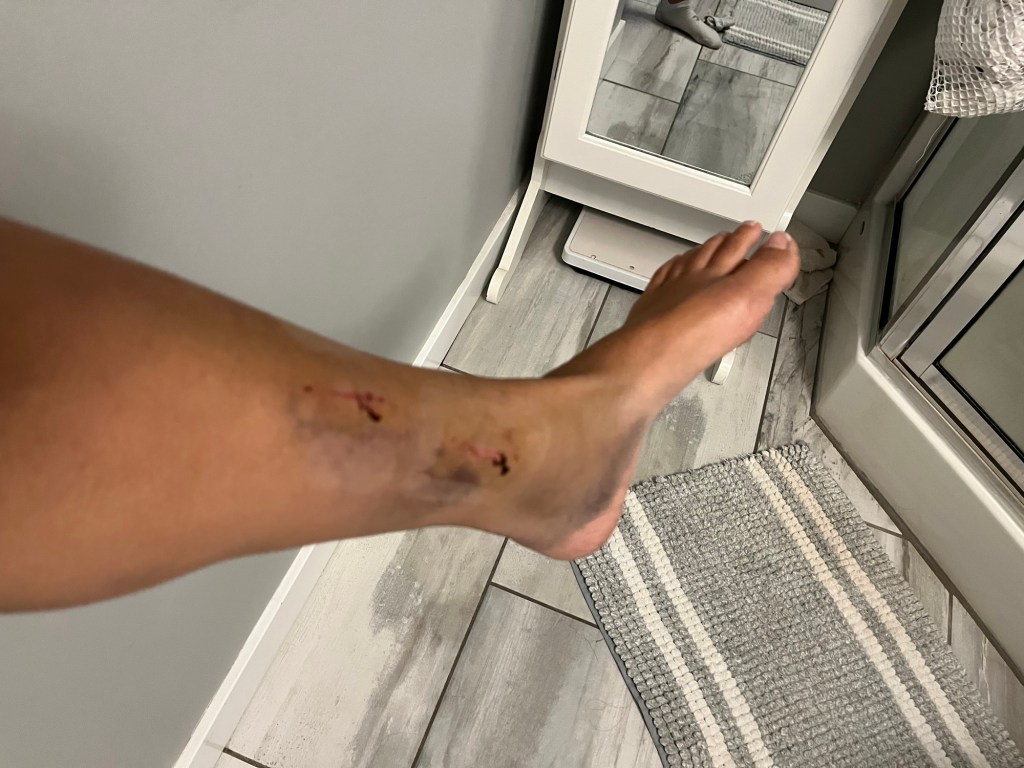
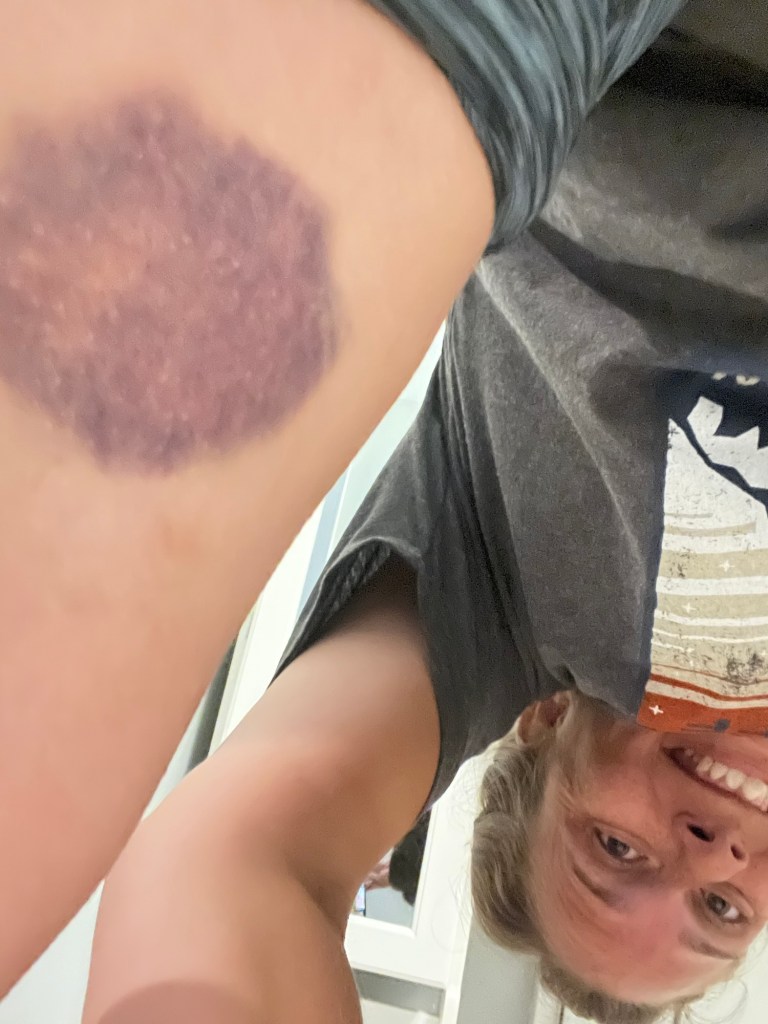
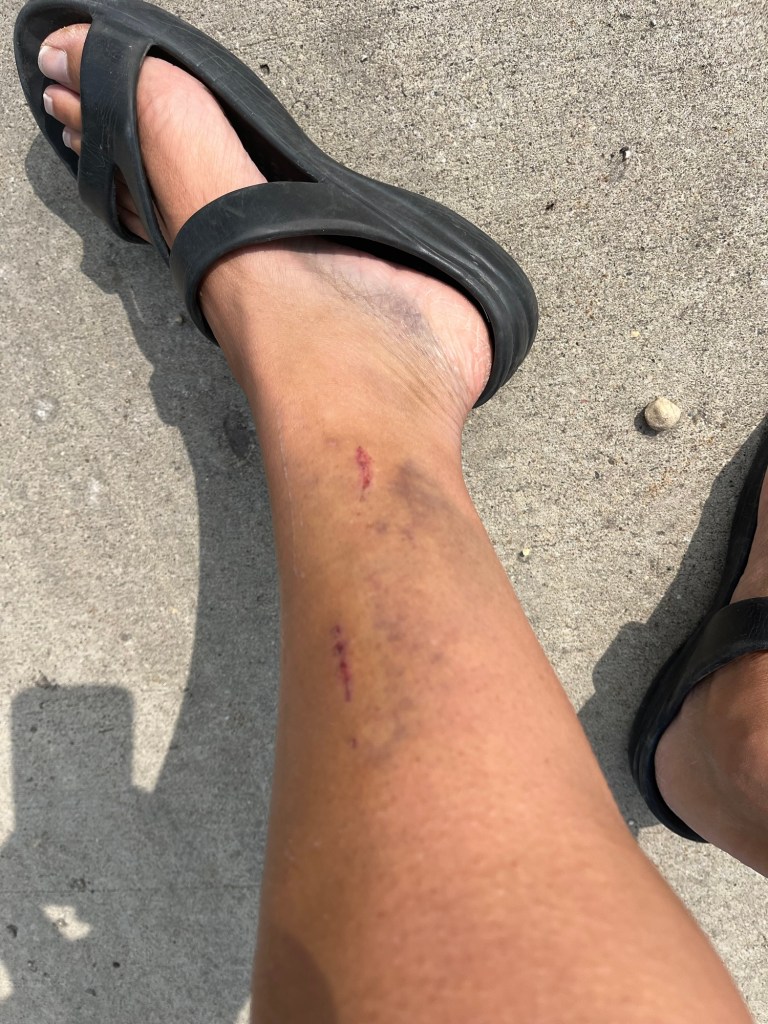
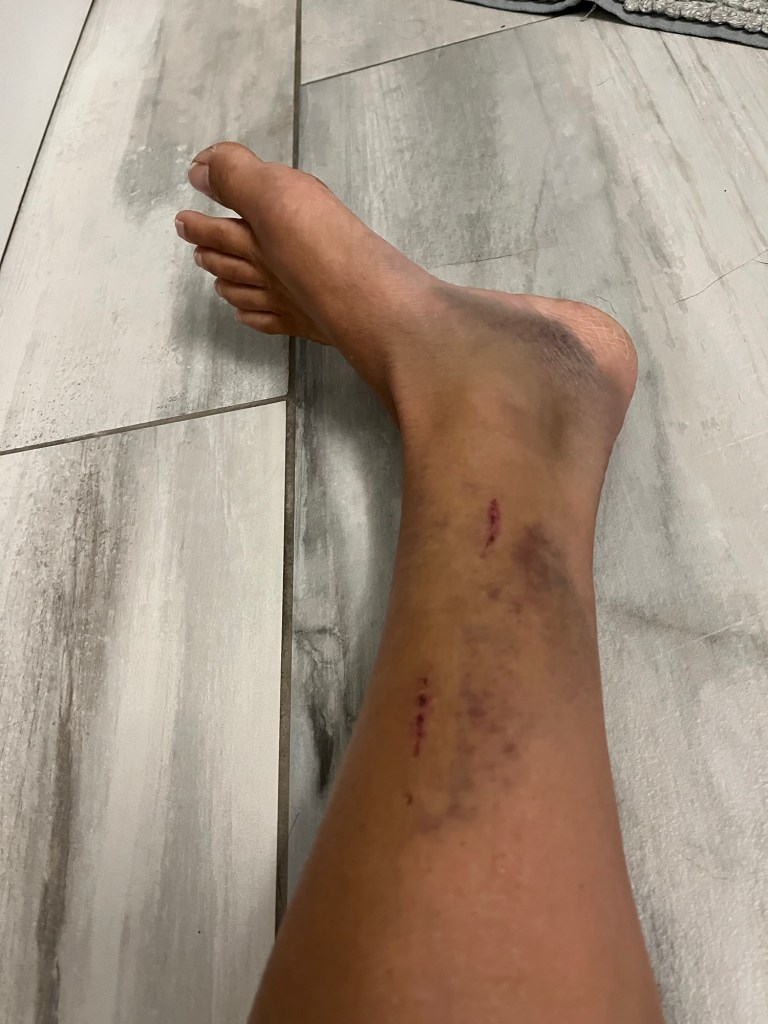
In my rush to support my mom getting off the boat, I slipped. My leg hit twice. On the back of the boat. Then scraped down the ladder.

The pain sent me into waves of nausea. Darkness of passing out kept threatening. I refused to surrender because that seemed embarrassing in the moment.

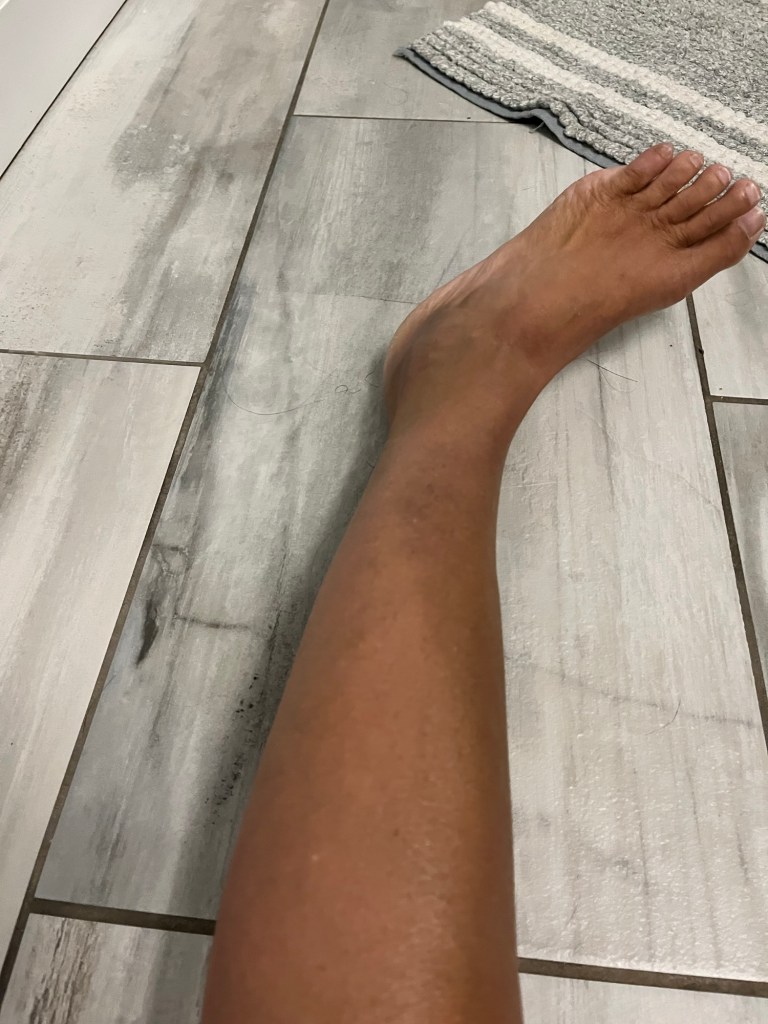
I was rushed off the beach as my leg swelled into two big lumps. Once I got it raised, it started to stabilize and my senses returned. In the end we decided to wrap it and I got to stay at the beach. But my summer was over.

More devastating was what it did to my gym workouts. I try to get to the gym a few days a week to keep my muscles strong enough to hold me together.

I was finally to a place where I could hold most major joints in for a week or more. This incident set me back months.

I am pleased to say I am finally back to a place where I can run almost the distance and pace I had before the damage to my leg. But it took all of those 6 months. The rest of my body has yet to catch up.

These setbacks are frequent and challenging. But I am learning there is peace and hope available on all days. No matter what is happening or not happening. And the sunshine will return.

Finding Wealth in the Woods: A Forest Therapy Practice

  • Go somewhere with trees or sky.
  • Let your pace match what your body can honestly do today.
  • Arrive. Feel your feet. Or your walker. Or the place you are sitting. Let the earth hold some of your weight.
  • Notice three forms of wealth already present. Warmth on your face. Air entering lungs. A sound that is gentle.
  • Place a hand on your heart or thigh and ask, “Given my limits, what is still possible for me?” Don’t demand a big answer. Let something small come. A phone call. A rest. A moment of beauty.
  • Say, quietly, thank you.

That’s it. Tiny riches count. And this practice opens doors for more riches to enter your presence.

Navigating the Path Ahead: A Thoughtful Analogy

Imagine inheriting land you didn’t choose. Some of it is rocky. Some days it floods. You can spend years arguing with the map… or you can learn what grows there.

Blueberries love poor soil.

Certain pines only open after fire.

Some of the most resilient beauty requires harsh beginnings.

As Rainer Maria Rilke advised:

Let everything happen to you: beauty and terror. Just keep going. No feeling is final.

Where Forest Therapy Carries Us

At the outset, when life no longer looks like it did, when identity is disrupted, the forest helps us find where we fit now. Not who we were. Not who others are. Who we are today.

In the middle, when the physical and mental anguish feels loud, nature gives our nervous system something steady to lean on. Wind continues. Chickadees continue. Light continues. We borrow their rhythm.

And at the end, or at least with distance, we often see that pain brought unexpected inheritances. Tenderness, clarity, reprioritized love, a fierce ability to notice what matters.

A different kind of fortune.

You may never get the yacht.

But you might receive awe. Intimacy. Meaning.

Moments of real rest inside the storm.

That is wealth no market can crash.

And forest therapy walks with you through the whole thing 🌲

The wound is the place where the Light enters you.

-Rumi

🌲 The Science Behind Forest Therapy’s Immune Benefits

The human body is not designed to be constantly alert. It is designed to return, again and again, to states of rest.

Esther Sternberg

Have you ever noticed that your shoulders drop the moment you step under trees?

That your breath deepens without effort?

That your body seems to say, “Ahhh. That’s better.”

When I was starting out, I knew I’d find something wonderful in forest therapy. But I didn’t expect it to be the answer I desperately needed for my chronic condition.

Rimesong- English (n) (rhyme song)- the gentle sound the world makes on frozen mornings. Branches cracking softly, frost shifting, ice whispering under light winds.

-@everglowwords

That’s not imagination. Or placebo.

That’s physiology.

Long before supplements, ice baths, or wearable tech, the human immune system evolved in relationship with forests. And modern science is finally catching up to what our bodies have always known, nature doesn’t just soothe the mind. It actively regulates inflammation and supports immune function. Read about that research here.

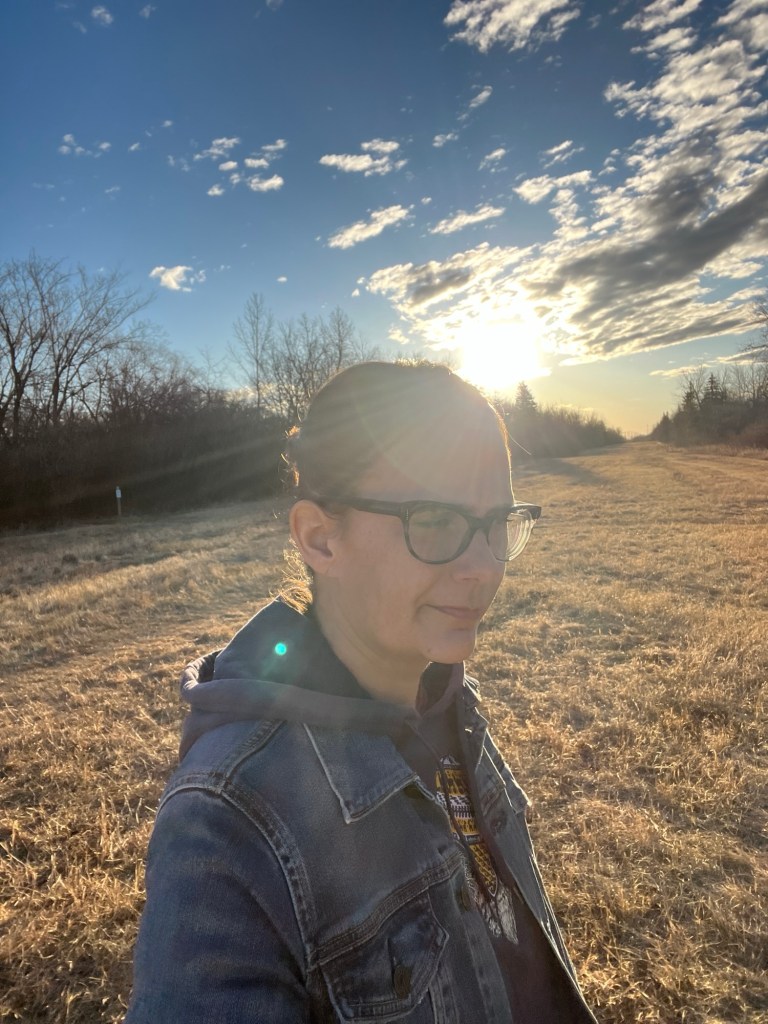
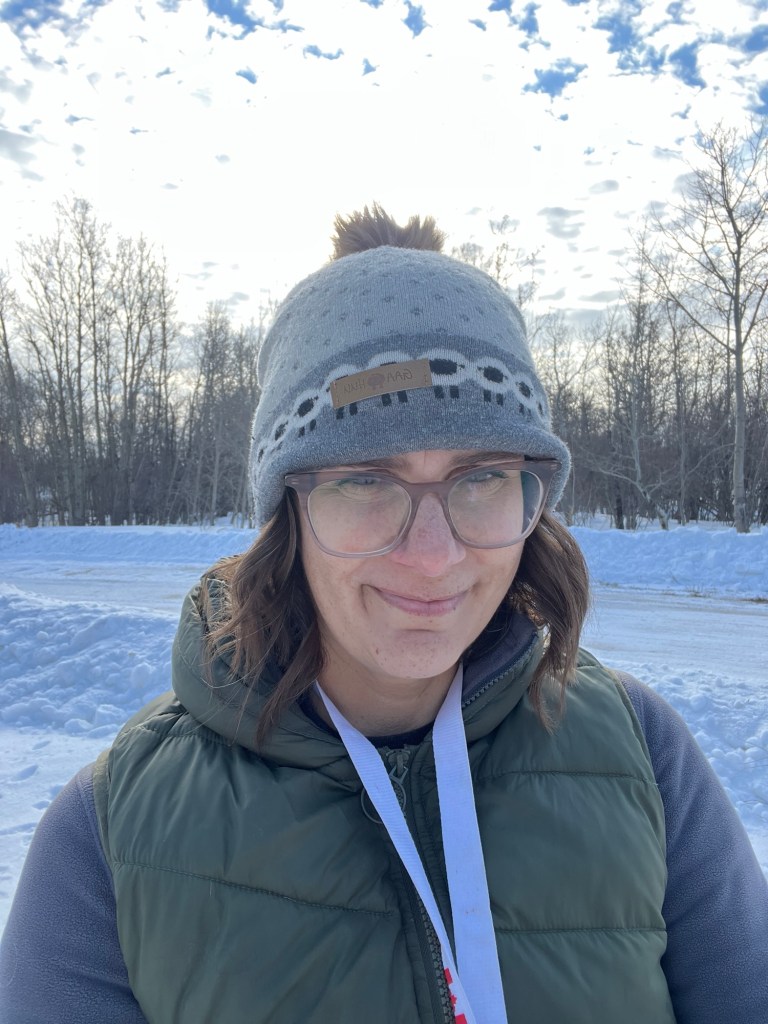
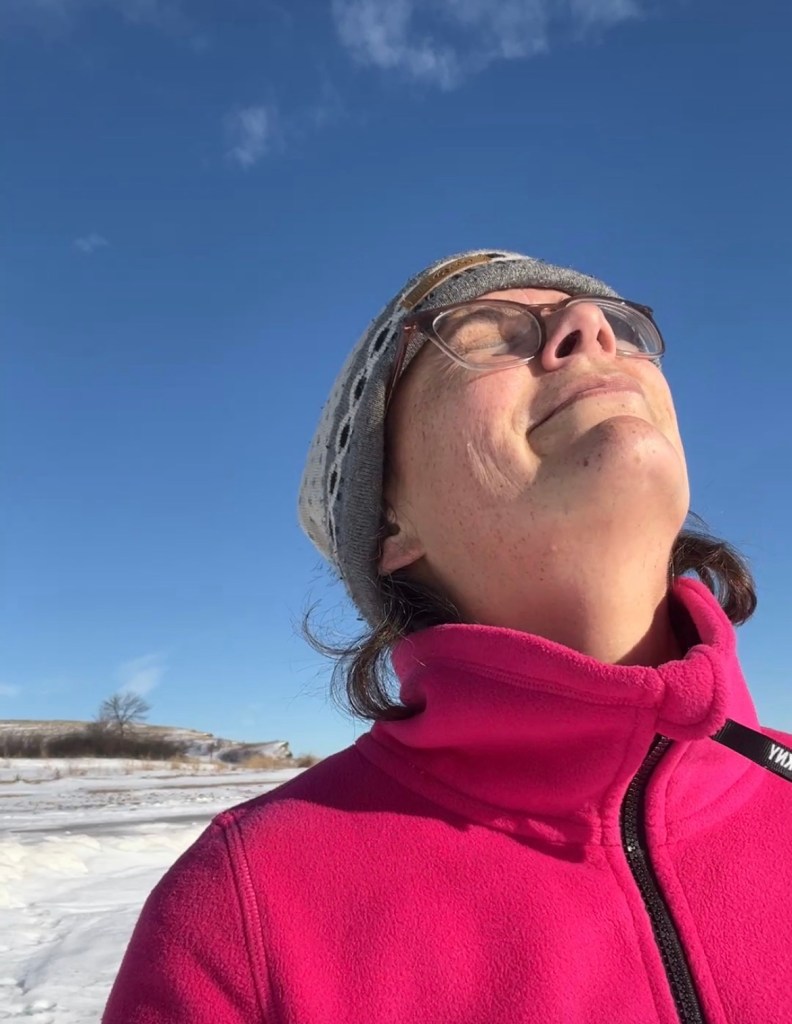
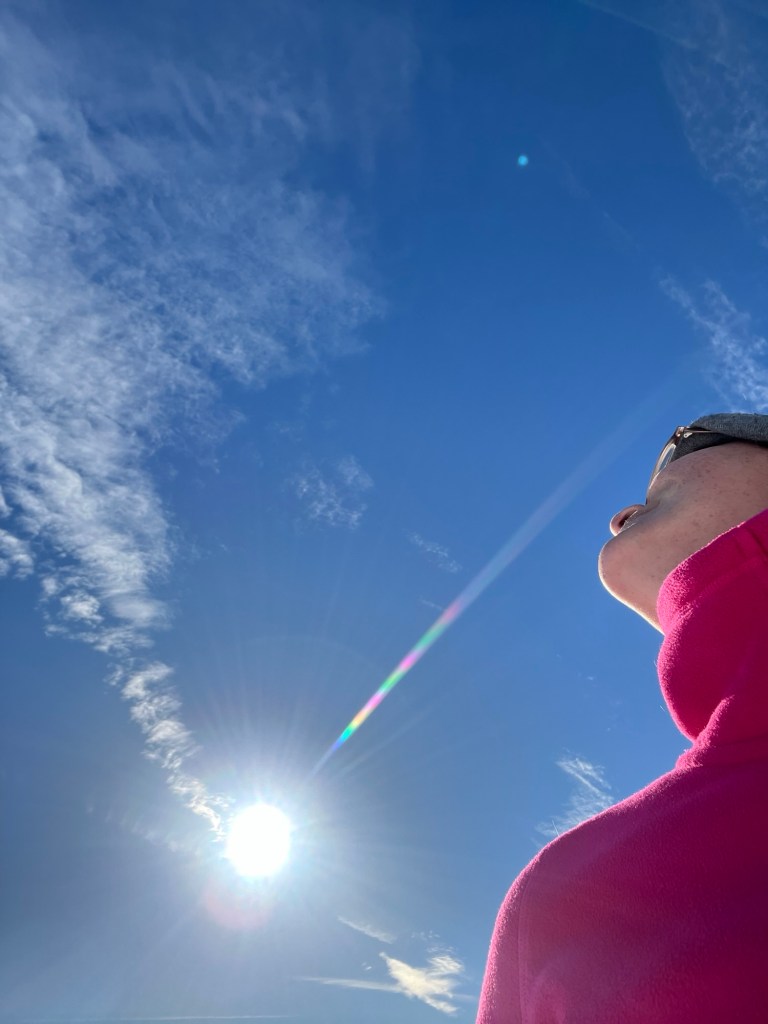
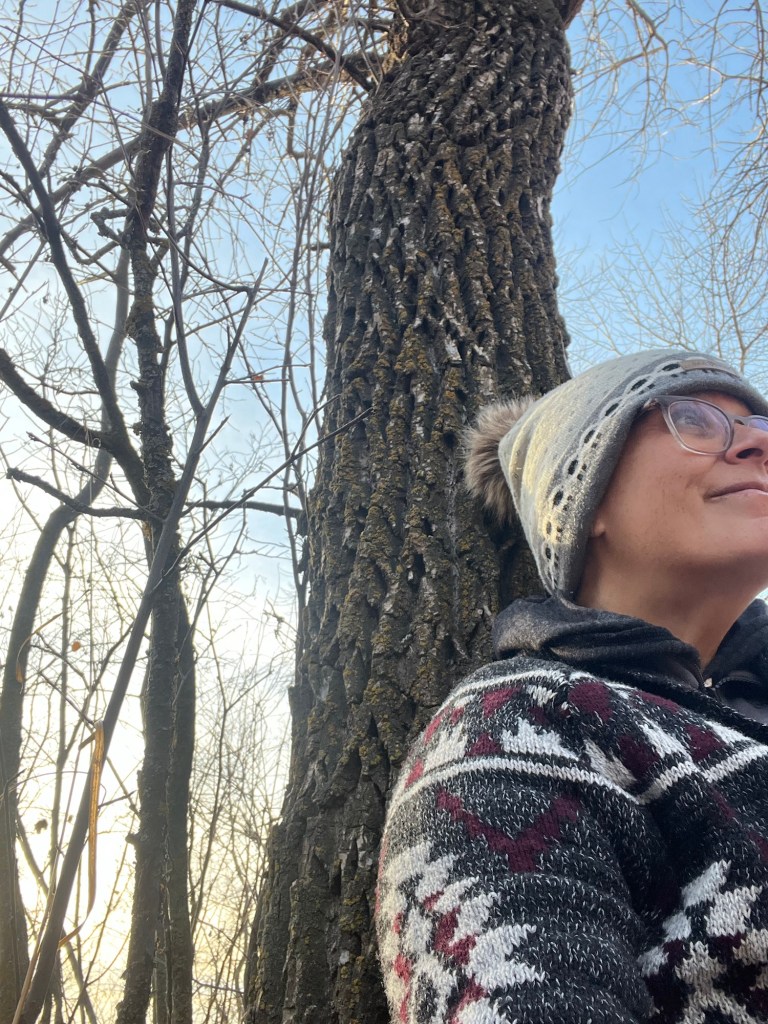
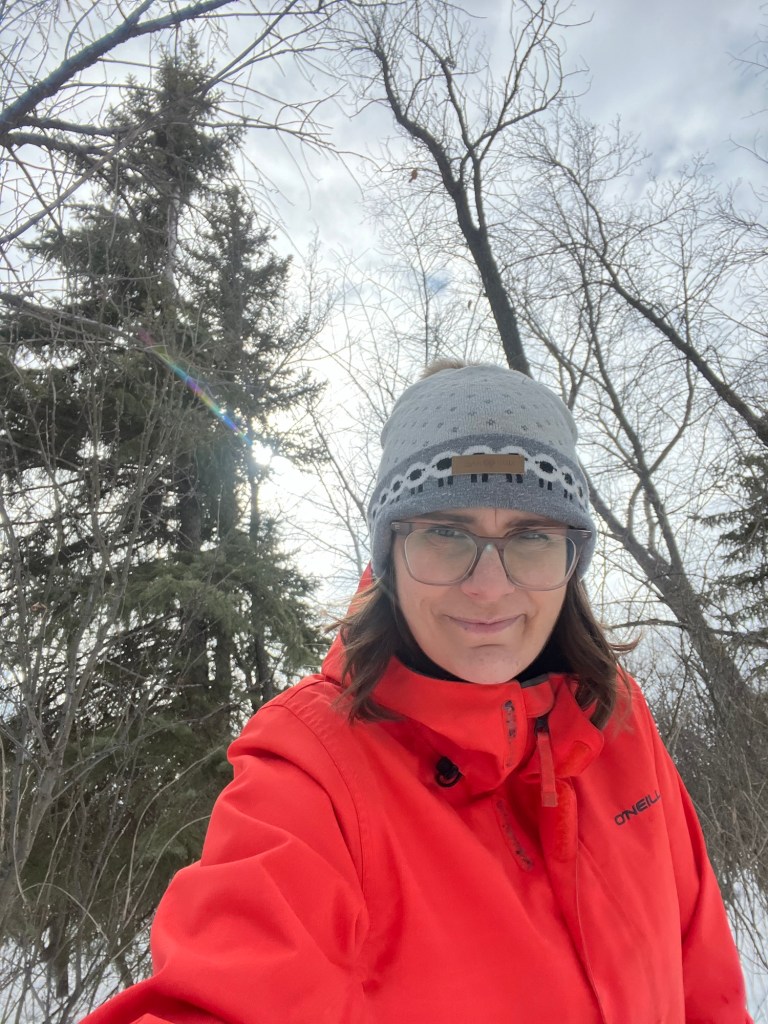
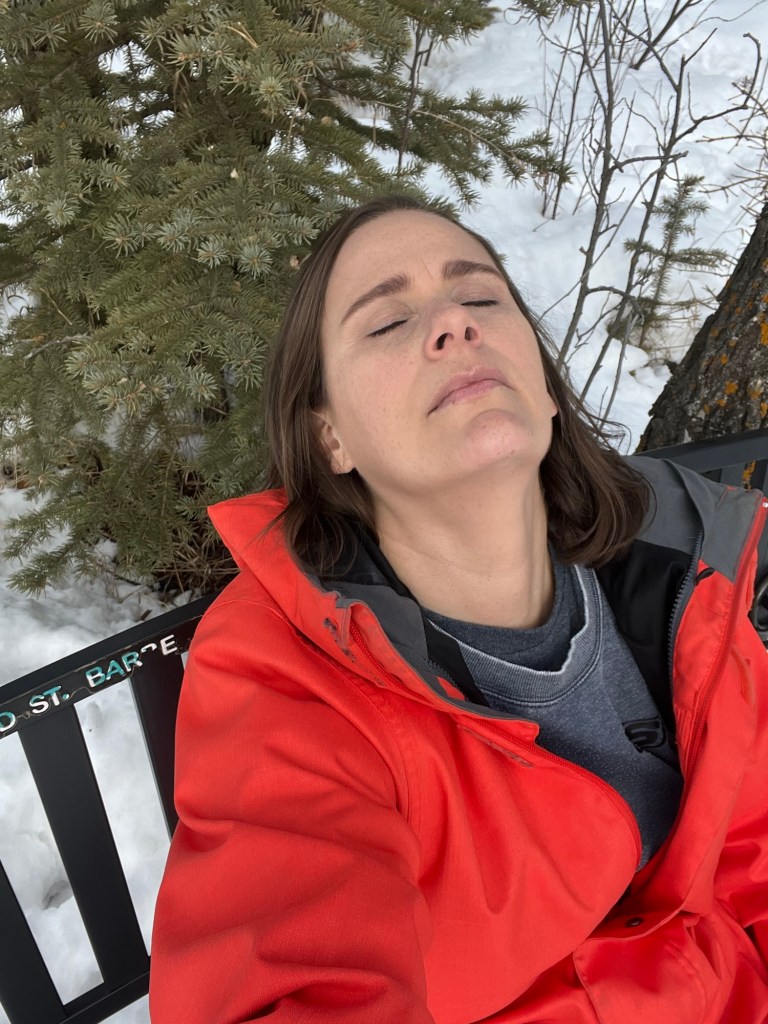
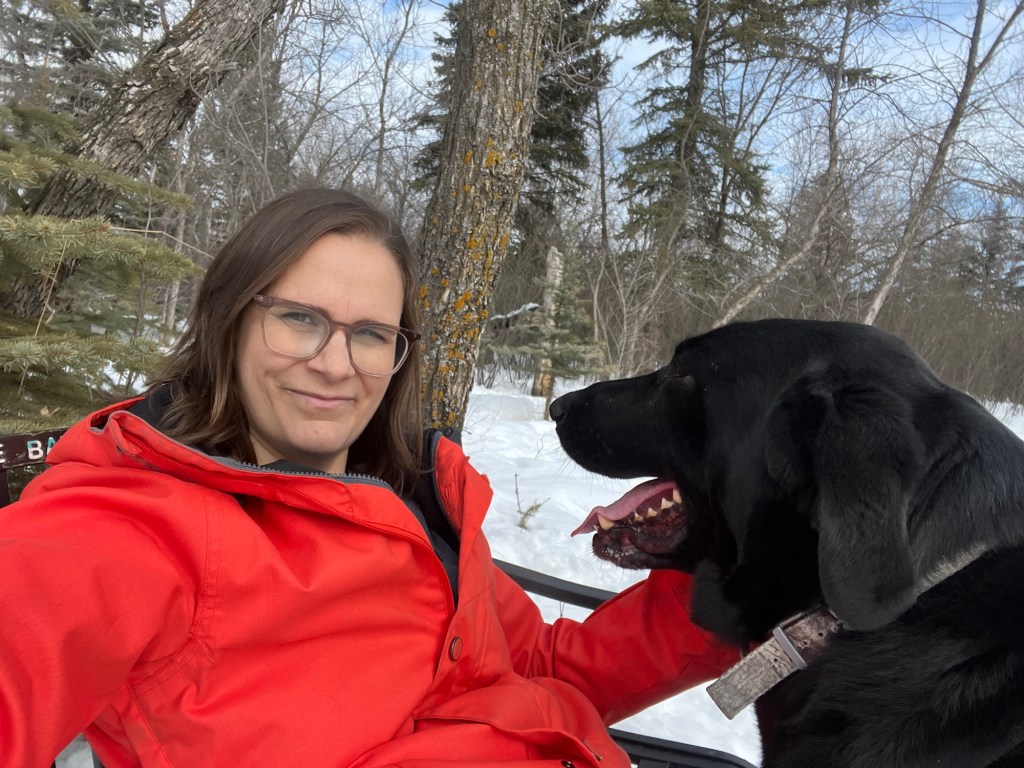
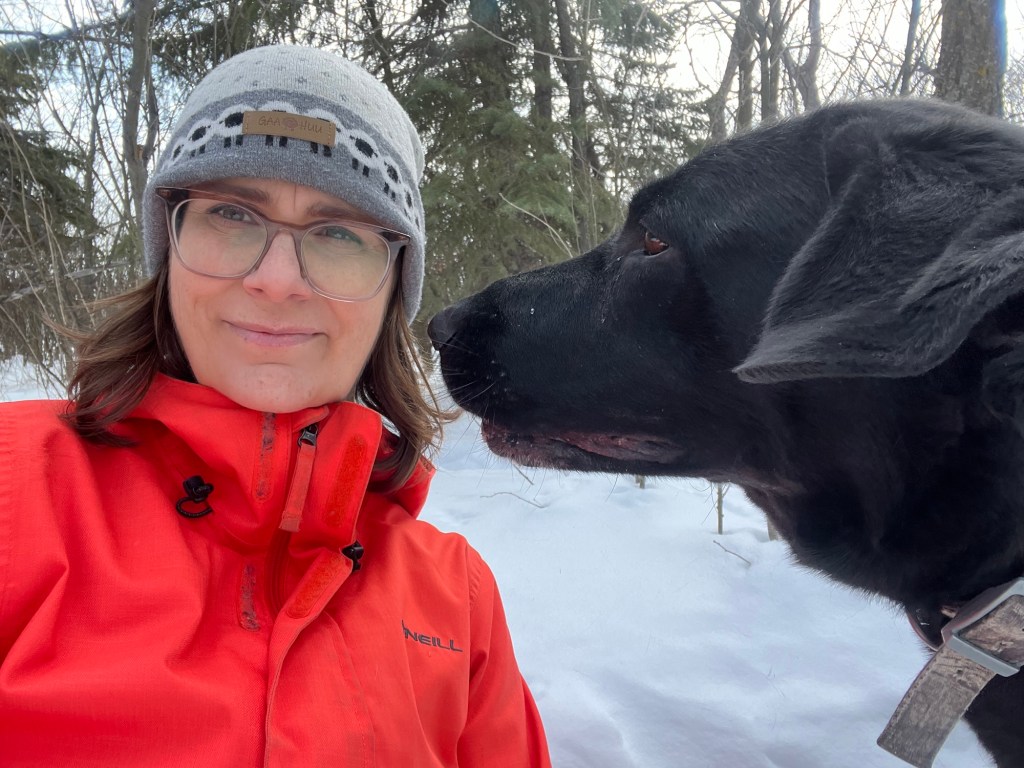
My face before a forest therapy walk.☝🏼

As a forest therapy guide, I experience this recalibration often. We arrive tense, inflamed, fatigued. And leave softer, warmer, steadier. Regulated.

Let’s talk about why.

(I don’t always share the research but it does exist. Follow the links through the post to learn more if you are interested.)

🔥 How Nature Cools the Flames of Inflammation

Inflammation isn’t the enemy. It’s a protective response.

But when stress, illness, or modern life keeps inflammation switched on for too long, the body pays the price. Joint pain, fatigue, brain fog, autoimmune flares, lowered immunity.

You can’t see it. But this is a picture of brain fog,
joint pain, fatigue and flares.
Grandbabies such as this little booger are wonderful!
But they are also 🦠 germ factories 🦠

Nature helps flip that switch back toward balance.

🍃 Forest Breaths: Nature’s Prescription

Trees release volatile organic compounds called phytoncides. The aromatic oils that protect the trees from disease and insects. When humans breathe them in, something remarkable happens:

  • Natural Killer (NK) cell activity increases. Read more here.
  • Stress hormones like cortisol decrease
  • Pro-inflammatory cytokines are reduced

NK cells are a critical part of your immune system. They identify and destroy virus-infected and abnormal cells. Research by Dr. Qing Li shows these immune benefits can last up to 7 days after a forest visit! Read about that research here.

Nature isn’t passive.

It’s interacting with you.

🌬️ Tune Your Nervous System for Optimal Immunity

Here’s the part most people miss.

Inflammation is deeply tied to the nervous system.

When your body is stuck in fight-or-flight, immune responses become exaggerated and inefficient. Forest environments consistently activate the parasympathetic nervous system. Research on that here. The “rest, digest, and repair” state.

Studies show that time in forests is associated with:

  • Lower C-reactive protein (CRP) Read about that here.
  • Improved heart rate variability
  • Increased salivary immunoglobulin A (sIgA), a key immune defense

In simple terms:

Your body repairs better when it feels safe.

Forests and other natural environments create that safety signal.

🌲 Embracing the Woods: Nature’s Anti-Inflammatory Escape

This is not exercise.

This is not a hike.

This is an invitation to regulation.

In wildness is the preservation of the world.

-Henry David Thoreau

🌿 The Practice (45–75 minutes)

1. Arrival — Let the Body Catch Up (5 minutes)

Stand still. Place one hand on your chest, one on your belly.

Breathe slowly through your nose.

Say quietly, “I don’t need to fix anything right now.”

2. Slow Sensory Walking (15 minutes)

Walk at half your normal speed.

Let your eyes soften.

Notice textures, temperature, sound.

This sensory input tells your nervous system it’s safe to stand down.

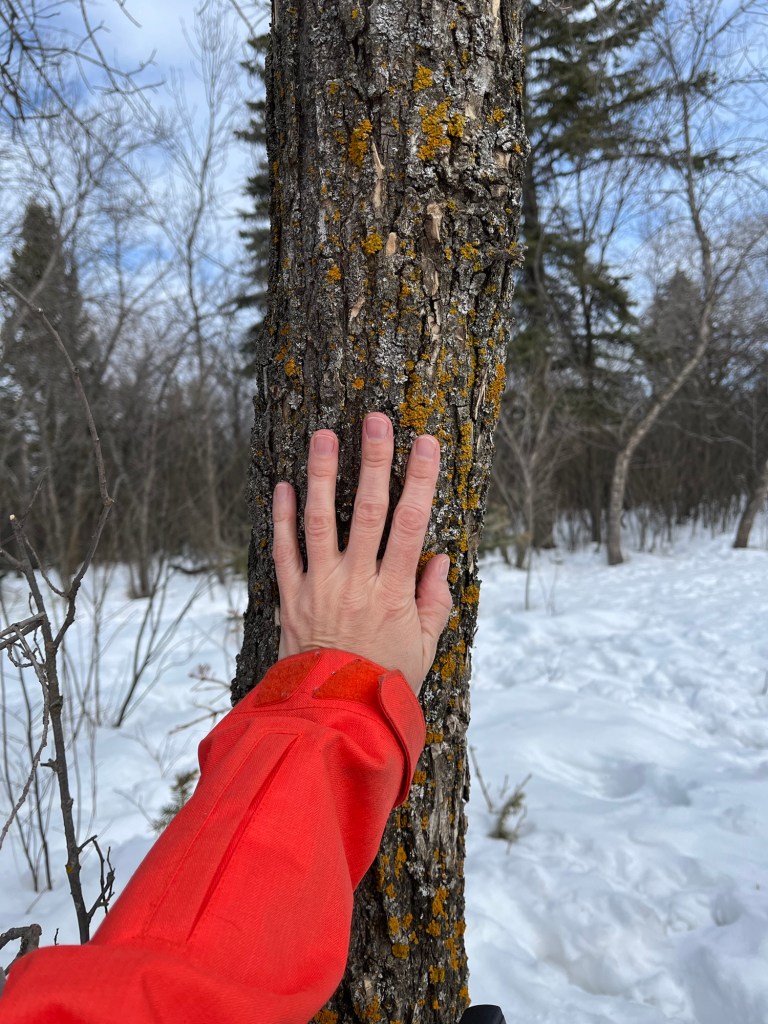
3. Tree Contact (10 minutes)

Rest your back or hands against a tree.

Notice its steadiness.

Imagine excess heat or tension draining from your body into the ground.

4. Immune Breath (10 minutes)

Inhale forest air slowly.

Exhale longer than you inhale.

This extended exhale directly reduces inflammatory stress signals.

5. Closing Reflection (5 minutes)

Ask yourself: What feels different in my body right now?

No analysis. Just noticing.

💬 Words That Echo the Science

The immune system is exquisitely sensitive to our environment.

-Dr Candace Pert, neuroscientist

And from scripture:

The leaves of the tree were for the healing of the nations. -Revelation 22:2

How many are your works, LORD! In wisdom you made them all; the earth is full of your creatures. -Psalm 104: 24-25

A reminder that nature’s design supports life, health, and resilience.

Healing in nature has always been part of the human story. Both scientific and sacred.

💗 A Story of Healing

There was a season when my body felt constantly inflamed. Sore joints, heavy fatigue, a nervous system that never seemed to settle.

I was doing all the ‘right’ things. But what helped most wasn’t something I added. It was somewhere I went.

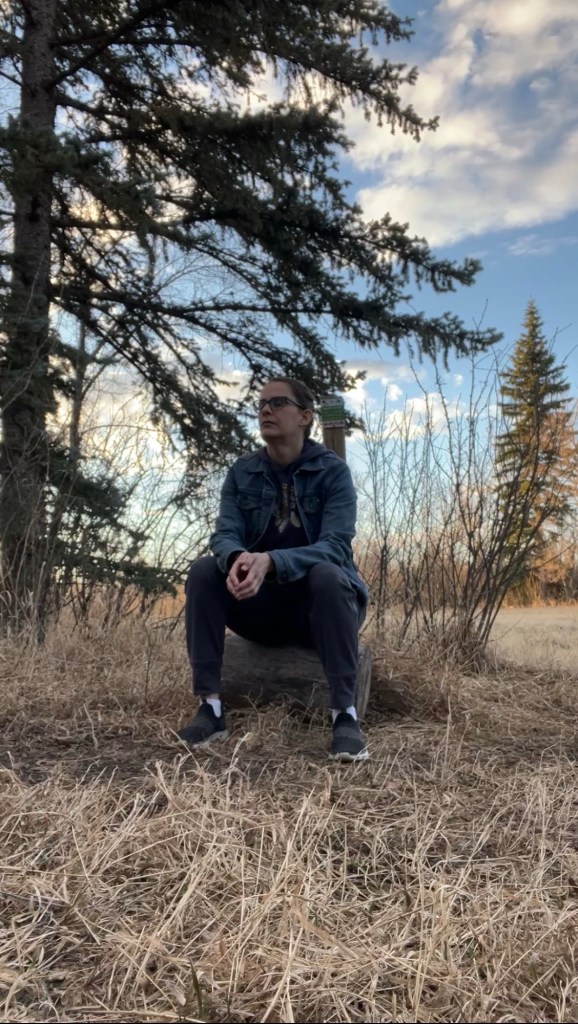
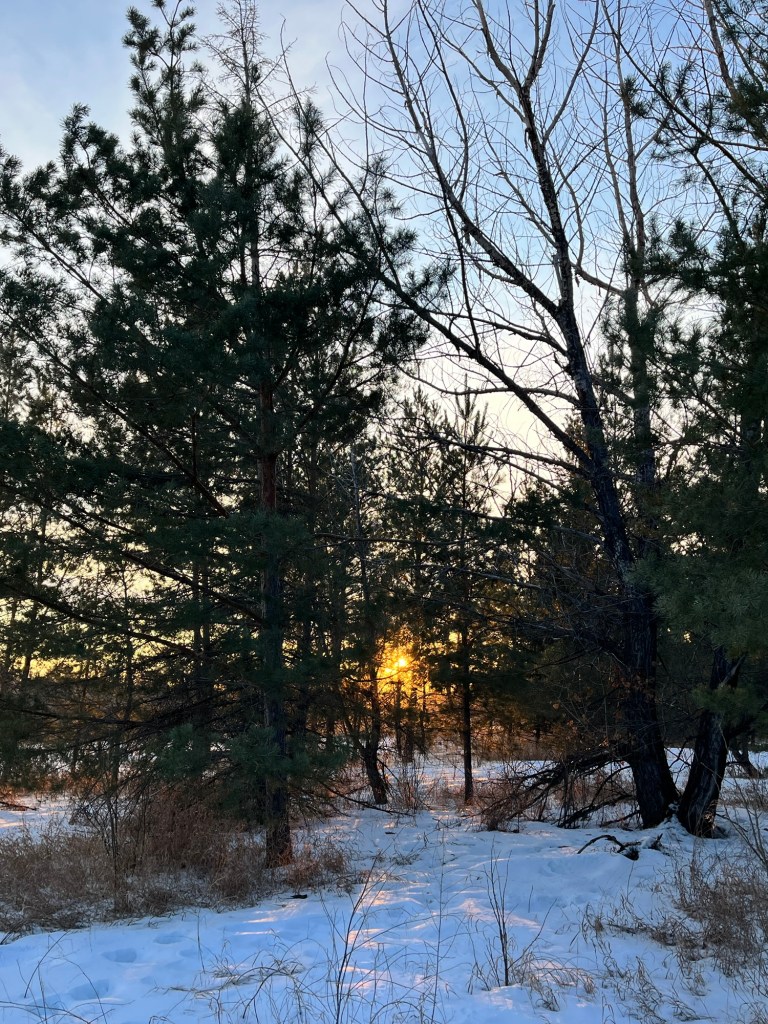
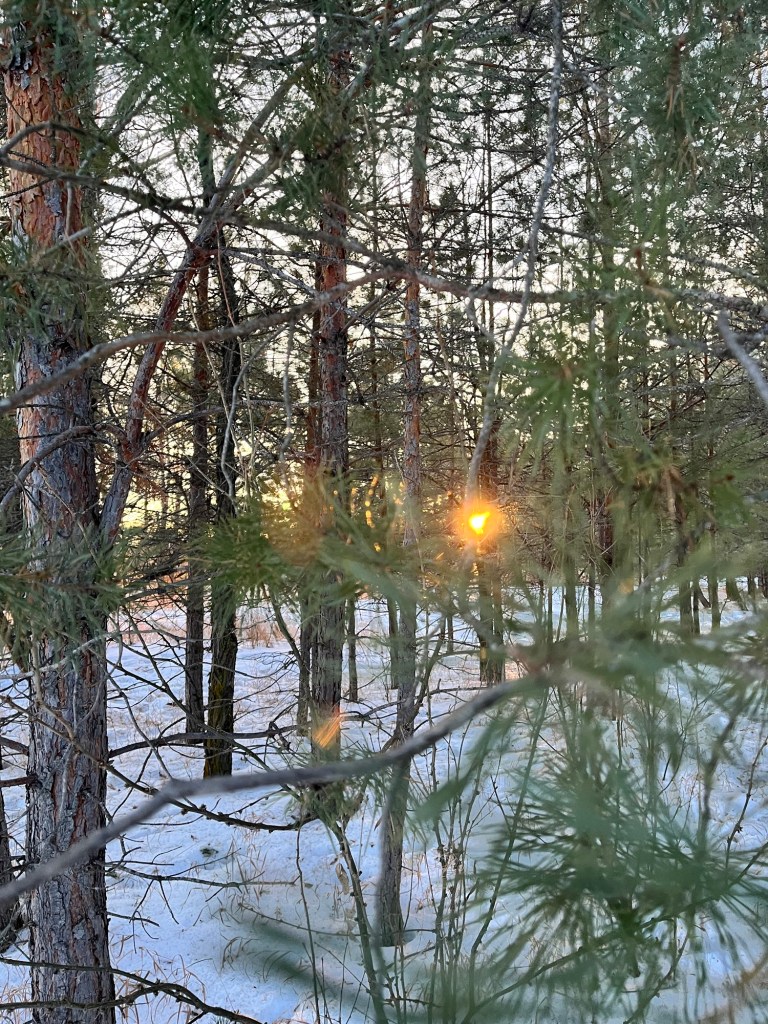
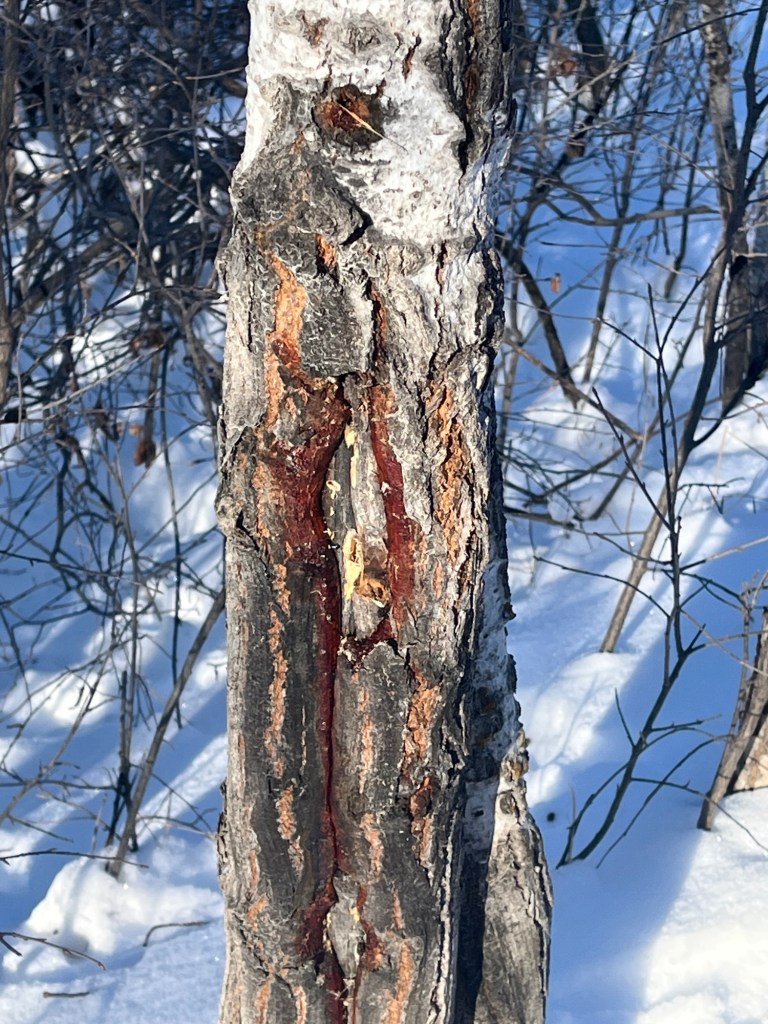
A slow walk among trees to capture pictures of my first forest therapy walk. Standing still in winter air. Letting my body remember how to downshift.

The forest didn’t cure me but it gave my immune system room to breathe.

When I was starting out, I knew I’d find something wonderful in forest therapy. But I didn’t expect it to be the answer I desperately needed for my chronic condition.

❄️ Grounding Your Soul: Embracing Earthing in a Saskatchewan Winter

Frozen ground doesn’t mean disconnection.

🌲 Outdoor Winter Grounding

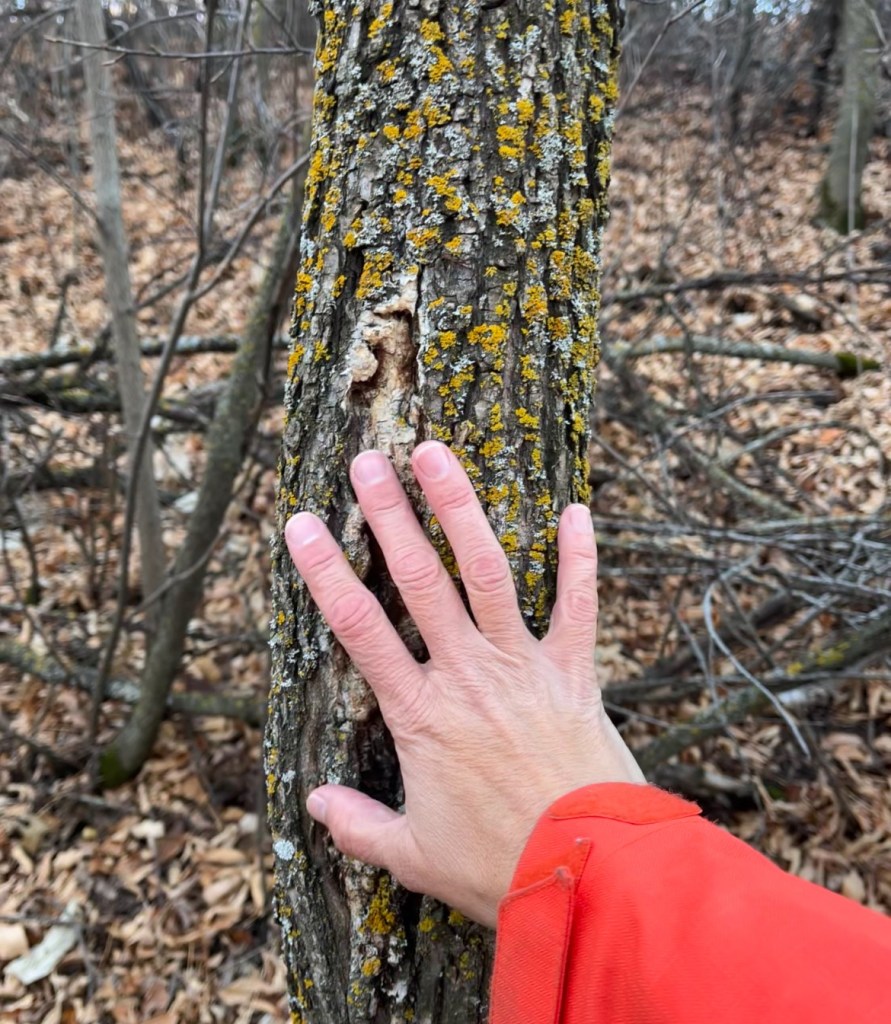
  • Hands on trees or snow. Bark and damp earth still conduct energy. Research here.
  • Lean your back against a tree (a favorite forest therapy posture)
  • Grounding Footwear or Socks. Leather-soled or grounding-compatible footwear can help conduct Earth energy while keeping feet warm. More on that here.
  • If you are lucky enough to have authentic mukluks with a leather sole they are a perfect alternative. (Word to the wise- 🦉 walk to your outdoor earthing spot in your regular boots with a non-slip sole, sit and then put on your super slidey footwear)

🏡 Indoor & Cold-Weather Options

  • Grounding mats under feet while reading or stretching. Learn more here.
  • Warm baths with sea salt and natural stones. More here.
  • Sitting near open windows to breathe cold, fresh air (powerfully regulating)

Grounding is less about bare feet and more about intentional contact with the natural world.

The earth has music for those who listen.

-George Santayana

🌿 Final Thoughts: Nature’s Wisdom Unveiled

Nature doesn’t override your immune system.

It reminds it how to work.

In a world that keeps us inflamed, overstimulated, and disconnected, the forest offers something radical.

Regulation. Relationship. Repair. Without asking anything from you!

Your body remembers this language.

Sometimes it just needs to hear it again.