

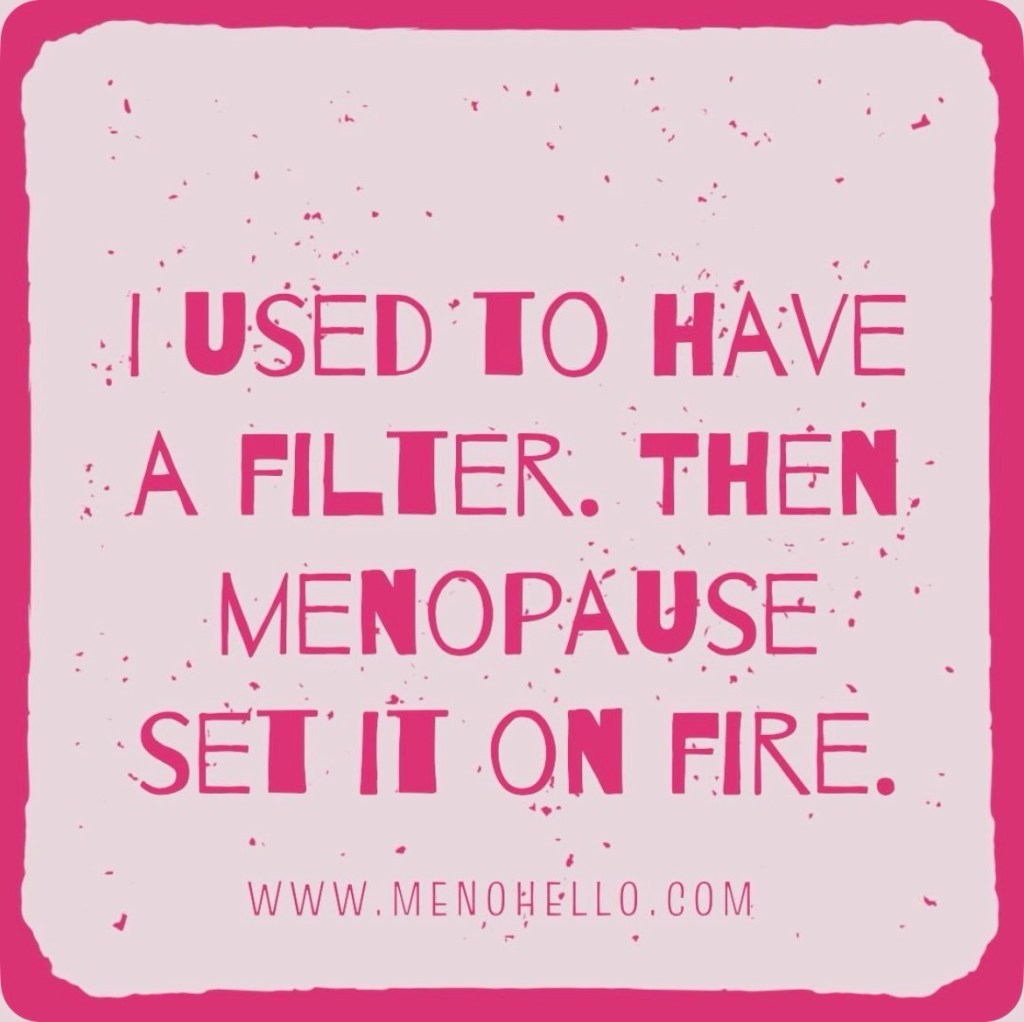
I have a theory around menopause.
We have essentially sent a Mack truck at half the population and then neglected to put up a warning sign.
No cones. No flashing lights. No “Hey ladies, you might want to step over here.”
Just:
SURPRISE! Honk HOONNNNNNK!

Good luck.
And if you happen to get hit by it, there is a decent chance someone will tell you that you’re probably just tired.
Oh! I don’t care for that at all.
Not because menopause is a tragedy. Or because women are “fragile.” 🙄
And definitely not because I think every woman needs to be rescued from a completely normal biological process.
But because normal doesn’t mean insignificant.
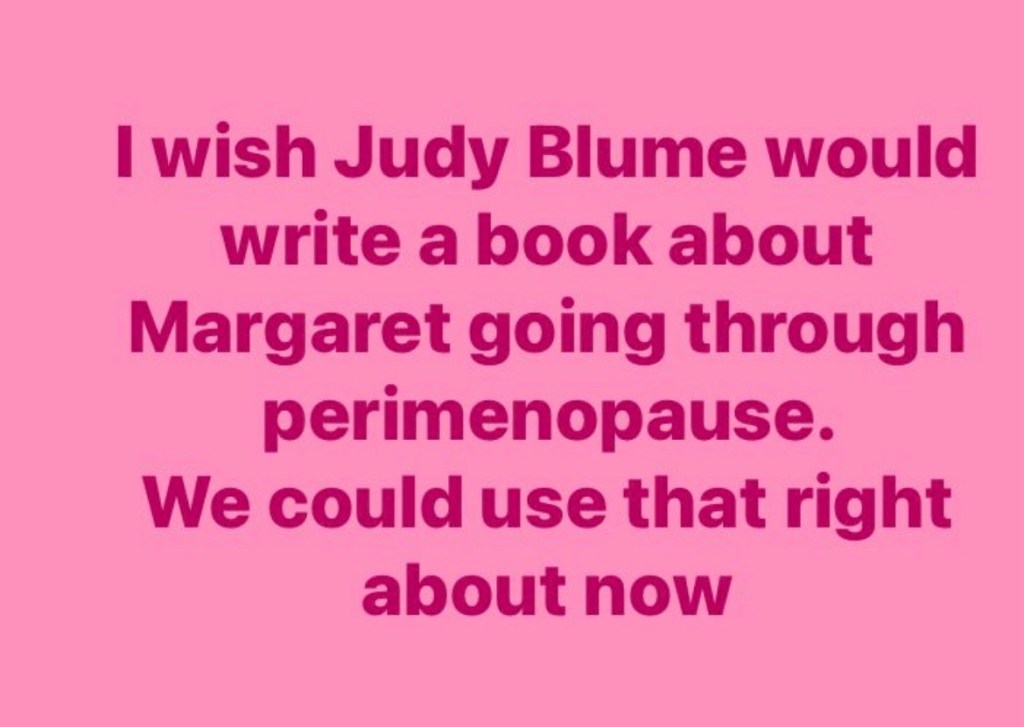
Menopause can change your entire life.
I know this personally.
My menopause wasn’t a gentle little transition where my cycle eventually stopped and I bought myself a cute heating pad.
Mine was surgical menopause.
And when I say my body didn’t particularly enjoy the experience, that is putting it mildly.
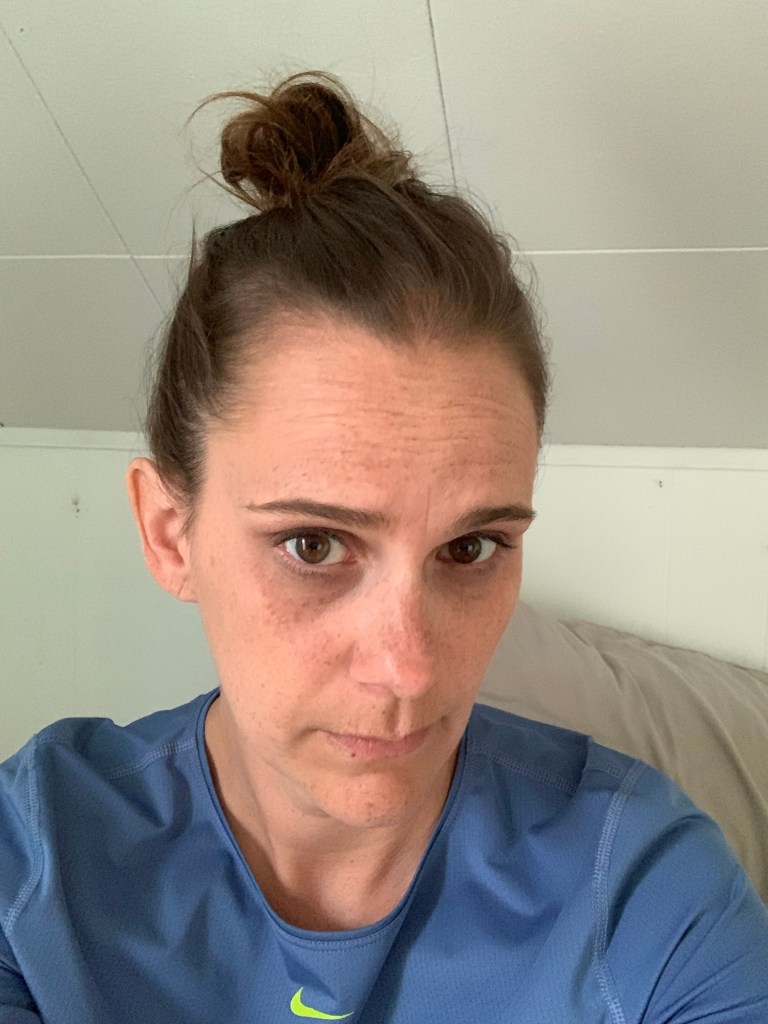
I have dealt with a hot flash every 30 minutes for the last 5 years.
I go from perfectly reasonable human temperature to blowtorch setting.
Then comes the sweating.
Then the cooling down.
Then being cold.
Then trying to come back to reality and pretend nothing happened. (My friends are on to me.)
And that’s only one symptom!
There has also been the sleep disruption, the cognitive stuff, the changes in how my body feels and reacts, and the strange experience of knowing that something is happening inside you while looking completely fine from the outside.
Which is one of menopause’s favourite tricks.
You can look perfectly normal while internally feeling like your operating system has been updated without your permission. If it’s anything like my computer. The update was not accepted and now I can’t get it to turn on.
And apparently, I wasn’t supposed to know about any of this.
This bothers me. Perhaps you’ve noticed it too.
We expect women to advocate for themselves when we haven’t actually taught them what they’re experiencing is normal?
The list of possible symptoms is long.
Really long.
Menopause can involve:
- Hot flashes
- Night sweats
- Sleep problems
- Fatigue
- Brain fog
- Memory difficulties
- Difficulty concentrating
- Anxiety
- Irritability
- Depression
- Mood changes
- Headaches
- Heart palpitations
- Joint and muscle aches
- Changes in body composition
- Pain with sex
- Urinary symptoms
- Recurrent urinary tract infections
- Skin and hair changes
- Temperature regulation problems
- Bone loss
- Increased risk of osteoporosis and fractures
And those are just the things we know to put on the list.
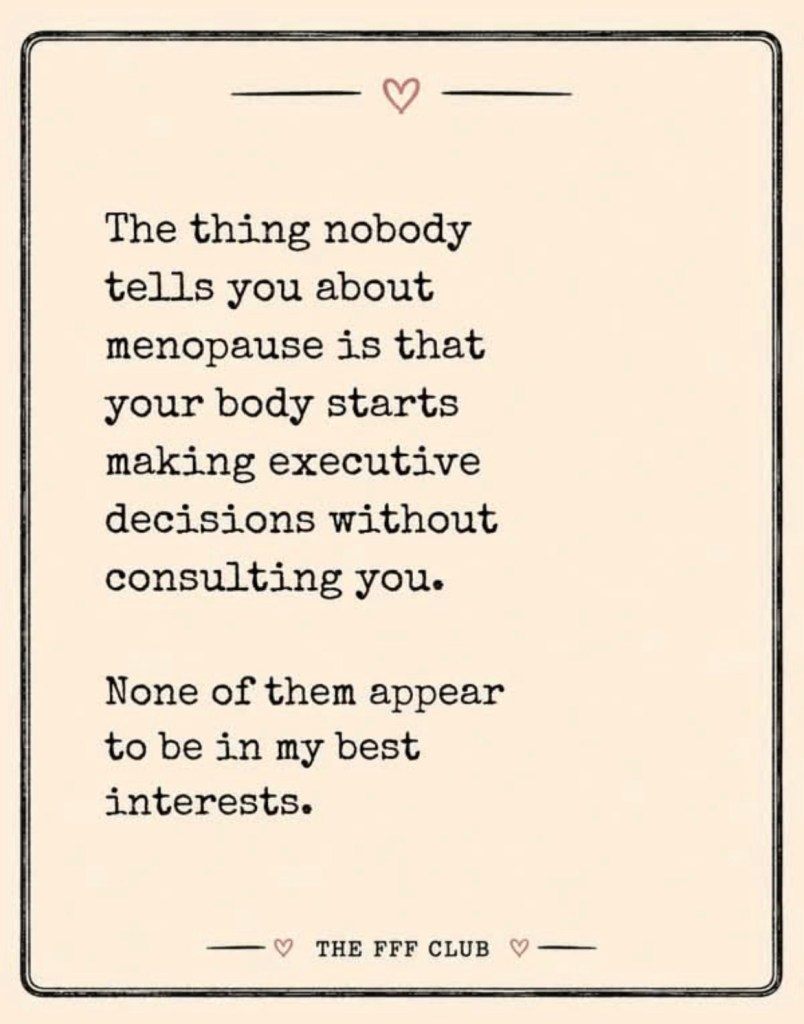
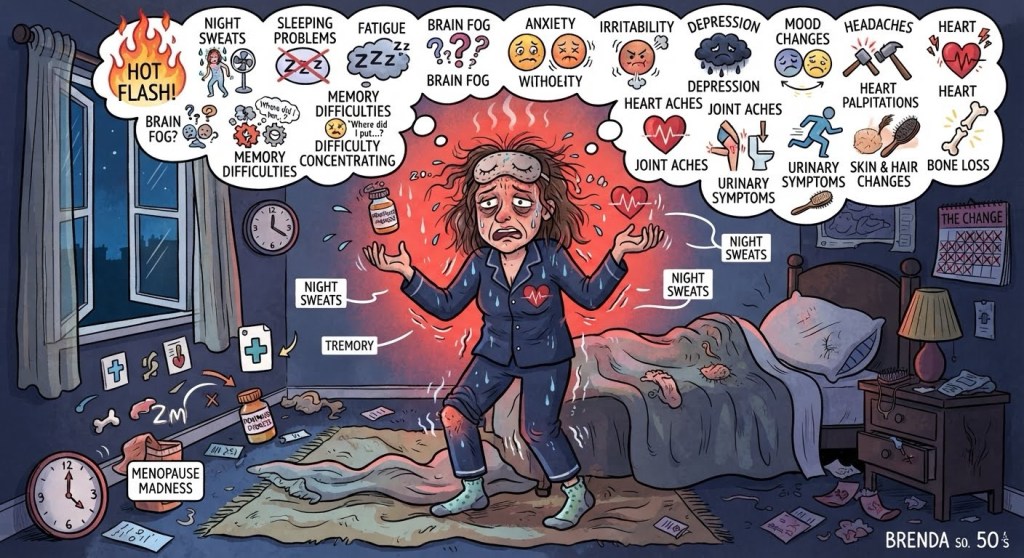
The menopause transition can affect multiple systems in the body because estrogen receptors aren’t hanging around in one convenient little spot labelled “women’s reproductive organs.”
They are throughout the body.
So when estrogen changes, it shouldn’t be shocking that women can experience changes in more than their cycles.
And yet somehow we have managed to make menopause sound like:
“Your period stops. You might get a hot flash. Suck it up, Buttercup.”
No wonder women end up feeling confused and small.
Imagine having heart palpitations and thinking something is wrong with your heart. But the cardiologist says everything looks normal. ❤️
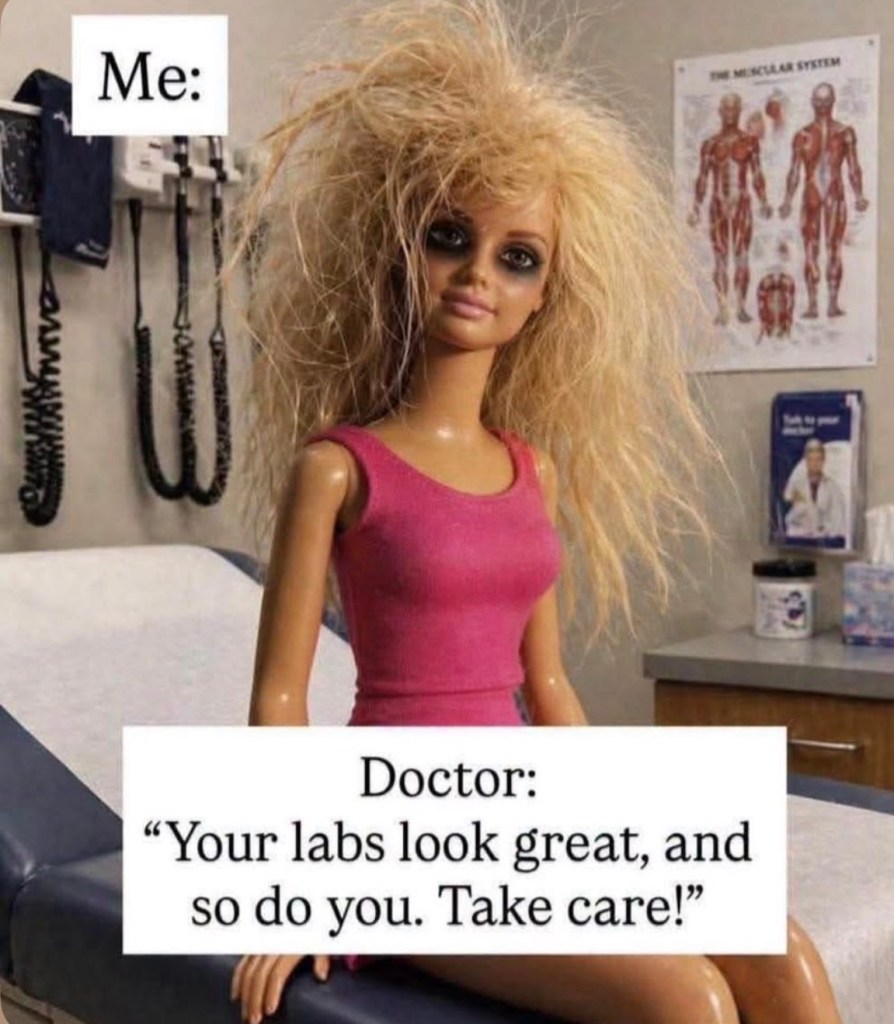
Or suddenly being unable to sleep and assuming you’re developing insomnia. And the sleep clinic you visit says just clean up your sleep routine. 😵💫
Or waking up anxious when you have never been particularly anxious. And when you see your therapist, they ask if you have any stress in your life. Is there anyone out there without any stressors? 😥
Or suddenly feeling like your brain has been replaced with a baked potato. 🧠 🥔
You go looking for answers.
You get different pieces of the puzzle.
And nobody thinks to put the pieces together.
One of the things discussed by Dr. Carol Tavris and Dr. Avrum Bluming on the Hello Menopause! podcast is that many physicians receive surprisingly little menopause education during training.
If the person you’re asking for help wasn’t taught much about menopause, you may know more about it than they do. That can be frustrating.
That isn’t an insult to doctors.
Doctors are human beings who have been given approximately 14,000 things they are expected to know.
But a gap in medical education becomes a very real problem when you’re the patient sitting in front of it.
Side note: have you seen the meme that says, your future doctors are using ChatGPT to pass medical school, take care of yourselves out there.
And then there is hormone therapy.
This is where things get complicated.
For years, the Women’s Health Initiative results led to widespread fear about menopausal hormone therapy.
Many doctors were trained during that period.
Hormone therapy became associated with breast cancer, heart disease, blood clots and all sorts of scary things.
And women heard:
“Don’t take hormones. They could kill you.”
Understandably, that scared people.
But science didn’t stop there.
The WHI data have been analyzed and reanalyzed. Researchers have learned more about the differences between estrogen formulations, routes of administration, progestogens, age, timing and individual risk factors.

The current conversation is much more nuanced.
And nuanced is important here.
Hormone therapy isn’t right for everyone.
But it isn’t automatically dangerous for everyone either.
For many women who are younger than 60 or within 10 years of menopause, hormone therapy can be an appropriate treatment for symptoms when there are no contraindications.
It can also help prevent bone loss.
That doesn’t mean:
“Everyone should take estrogen forever.”
It means:
“We should be having an actual conversation about it.”
That’s a pretty important difference.
Because bones don’t care about old misconceptions.
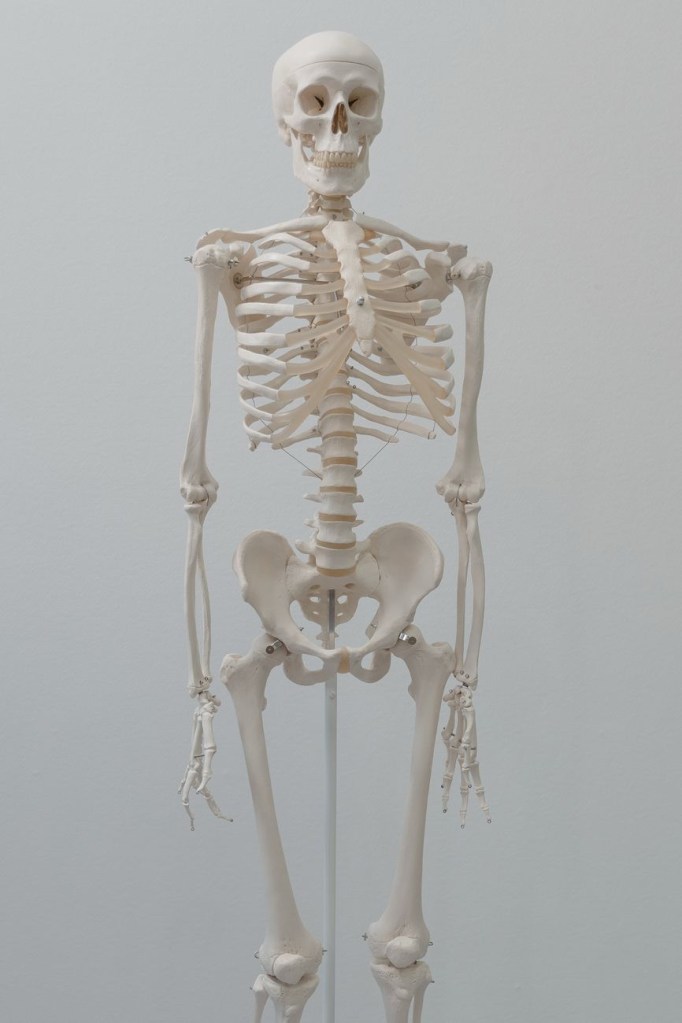
Estrogen plays an important role in bone health.
Menopause can accelerate bone loss, increasing the risk of osteoporosis and fractures.
Hormone therapy has been shown to reduce fracture risk in appropriate women while they are taking it.
So when we’re talking about menopause, we’re not just talking about whether someone wakes up drenched in sweat.
We’re talking about long-term health too.
And this is why the conversation needs to be bigger than:
“Can you survive the hot flashes?”
Of course I can survive the hot flashes. I’ve survived unmedicated childbirth.
But surviving something isn’t the same as functioning well through it. Not dying should not be the end goal.
That’s an important distinction.
What makes menopause worse?
Oh, pretty much everything. Life, really.
Menopause likes to bring friends. Things that exacerbate the symptoms include (but are not limited to):
- Stress.
- Poor sleep.
- Alcohol.
- Heat.
- For some people, caffeine.
- Not eating properly.
- Being exhausted.
- Being overwhelmed.
- Being sick.
And then there’s the vicious cycle:
You don’t sleep because you’re having hot flashes.
You are exhausted because you don’t sleep.
Because you’re exhausted, everything feels harder.
Everything feeling harder makes you stressed.
Stress makes everything feel worse.
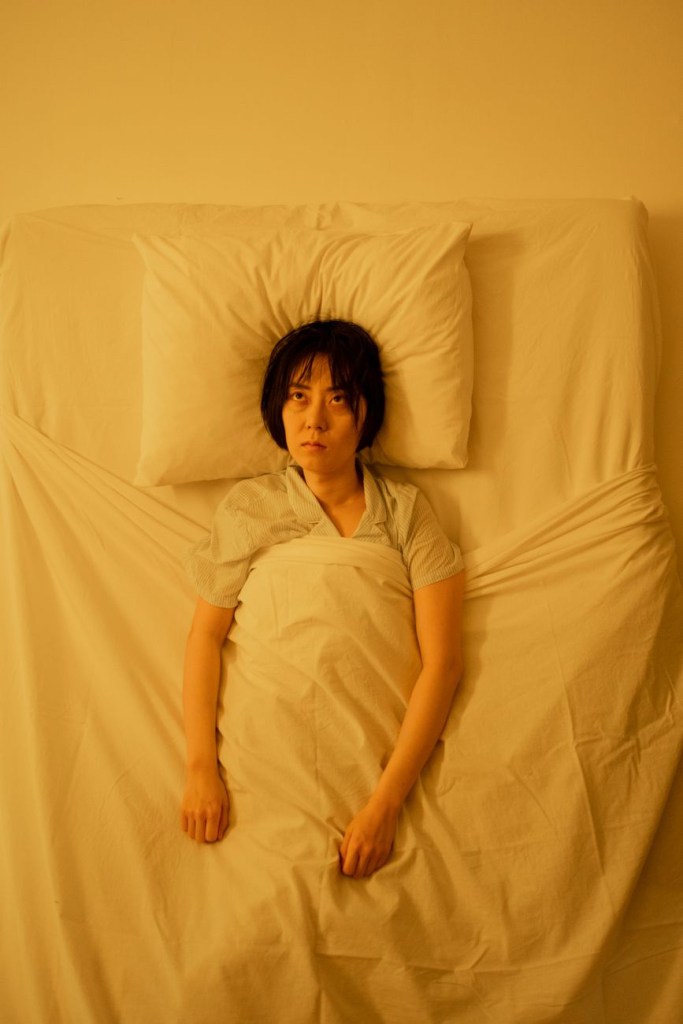
And then you’re awake at 3:17 a.m. wondering whether you have ever actually slept normally in your entire life.
Excellent.
Zero stars. Would not recommend.
What can help?
This is where I think we need to get away from the idea that there is one magic answer.
There isn’t.
For some women, hormone therapy is an important part of treatment.
For others, it isn’t appropriate.
There are also non-hormonal treatments that can help with specific symptoms.
And then there are the boring-but-important things:
Sleep.
Movement.
Strength training.
Weight-bearing exercise.
Adequate protein.
Calcium and vitamin D when appropriate.
Not smoking.
Moderating alcohol. (I prefer no alcohol but to each their own)
Managing stress.
Keeping cool. (see the end of the post for a cool down spray that I find works well)
And then there is my personal favourite: forest therapy.
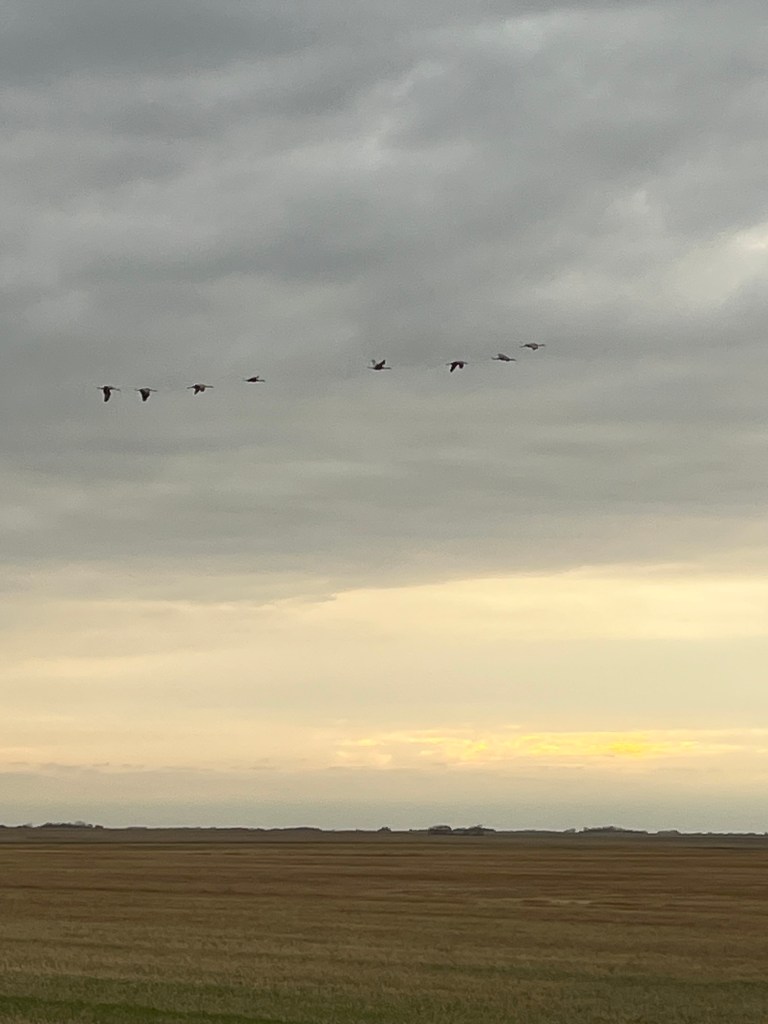
Not as a cure for menopause. Not as a substitute for medical care. And not because I think hugging a tree will magically convince my hormones to get their act together.
I use forest therapy as a way of giving an already over-taxed body a little less to deal with.

When my nervous system is constantly being asked to adjust to temperature changes, poor sleep, pain, stress, sensory overload, getting outside and deliberately slowing down can give my body a different kind of input.
I might walk slowly.
I might sit somewhere and listen.
I might notice the temperature of the air on my skin, the smell of the trees, the sound of birds or wind, the texture of bark under my hand.
Nothing to accomplish.
Nothing to fix.
Just noticing.
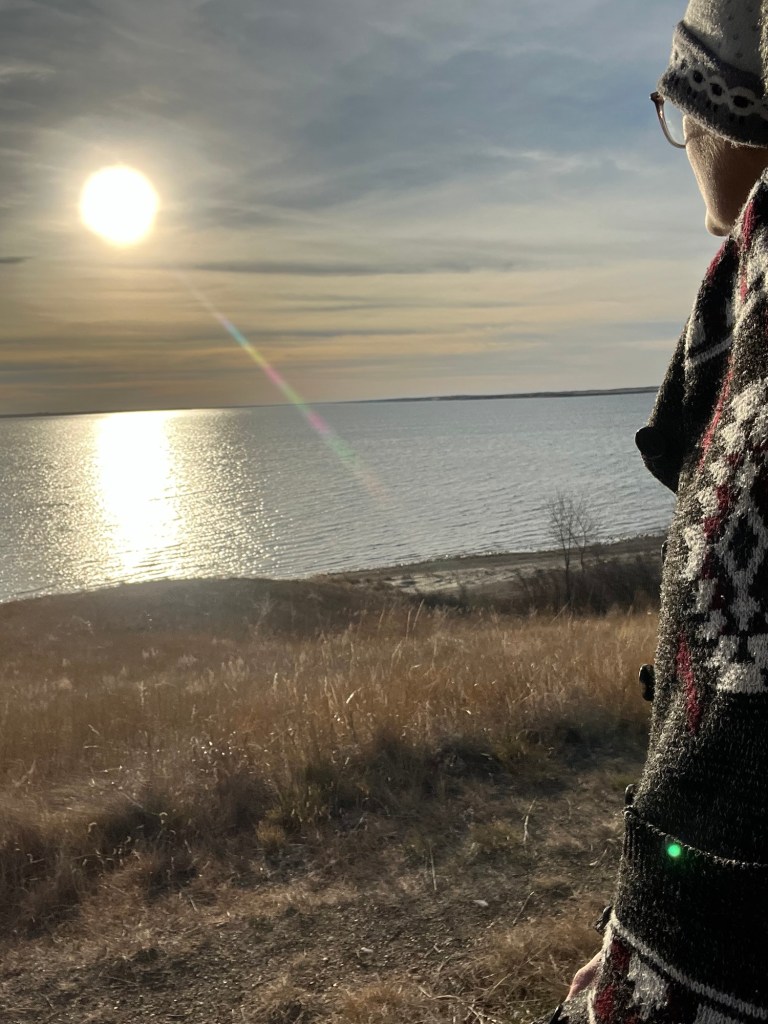
There is good evidence that spending time in natural environments can reduce stress and support physiological relaxation, and that is a big deal when your body already feels like it has too many tabs open.
For me, forest therapy isn’t about making menopause disappear. It’s about giving my body a little room to breathe while it’s dealing with everything else.
Sometimes the most helpful thing I can do isn’t another thing I need to do.
It’s giving my nervous system a chance to stop doing so much.
And honestly, if standing among the trees for a while gives my internal thermostat even the slightest impression that we’re all on the same team, I’ll take it.
Pay attention to your own triggers. Know what is happening to you.
That one is bigger than it sounds.
The empowerment of being able to say:
“Oh. This may be menopause.”
Instead of:
“Apparently I have suddenly become a completely different person and nobody knows why.”
And sometimes what makes things worse isn’t the symptom.
It’s being dismissed.
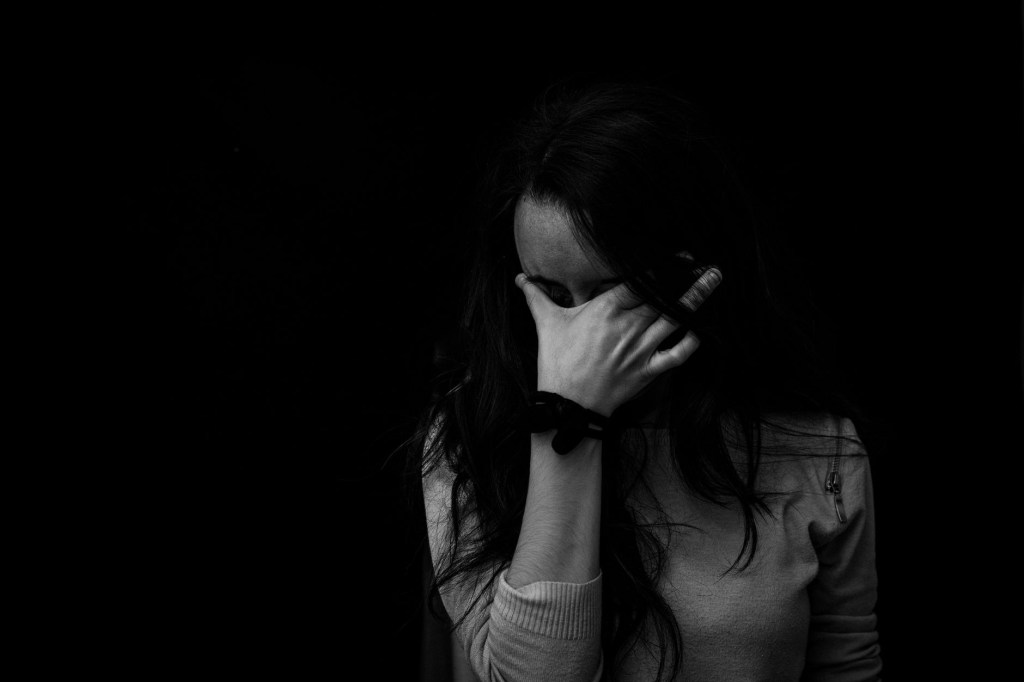
That one hurts.
Because when you are already exhausted and confused and trying to understand why your body suddenly behaves differently, being told:
“That’s just aging.”
doesn’t help.
Being told:
“Everybody goes through it.”
doesn’t help.
And being told:
“You look fine.”
is particularly unhelpful.
Because yes.
I probably do look fine.
That’s the whole problem.
You can’t always see what’s happening.
You can’t see the exhaustion.
You can’t see the brain fog.
You can’t see the hormones changing.
You can’t see the hours of sleep I’ve lost.
You can’t see how much energy it takes to keep functioning when your body isn’t cooperating.
You just see a woman standing there.
So maybe we should believe her when she says:
“Something isn’t right.”

And this matters for work too.
We have built a world that assumes adults will continue functioning at roughly the same capacity indefinitely.
Women have spent generations being told to put up with this.
We’re supposed to continue working.
Continue parenting.
Continue caring for aging parents.
Continue running households.
Continue showing up professionally.
Continue being pleasant.
Continue remembering everyone’s appointments.
Continue sleeping normally despite not sleeping.
Continue thinking clearly despite brain fog.
Continue functioning while occasionally feeling like our internal thermostat has been possessed by a demon.
And if we struggle?
We’re dramatic.
We’re emotional.
We’re tired.
We’re getting old.
We’re making a big deal out of nothing.
This message is Diabolical.

Then menopause arrives and says:
“That’s adorable.” 😏
For some women, the symptoms are severe enough to interfere significantly with work.
And that isn’t because they’re lazy.
It isn’t because they’re weak.
It isn’t because they suddenly don’t care about their careers.
Sometimes they’re trying to work while experiencing debilitating hot flashes, insomnia, exhaustion, anxiety, brain fog, pain and a nervous system that seems to have misplaced the concept of reasonable.
That can make working outside the home incredibly difficult for a period of time.
For some women, it can make it impossible.
And instead of asking:
“What support would help you stay functional?”
we sometimes ask:
“Why can’t you handle what everyone else handles?”
Maybe because everyone else isn’t having the same experience.
We need to stop making women prove that they’re suffering.
I don’t want women walking into doctors’ offices armed with a binder, twelve peer-reviewed papers and a PowerPoint presentation entitled:
“Evidence That I Am Not Making This Up.”
Although, frankly, some days I understand the temptation.
We shouldn’t have to become experts in endocrinology just to be taken seriously. We shouldn’t have to know the latest research before we’re allowed to ask questions.
And we shouldn’t have to apologize for saying:
“This is affecting my life.”
That’s enough.
That is a legitimate reason to seek help.
I don’t think menopause needs to be feared.
I think it needs to be understood.
There’s a difference.
Philomath
Someone who is passionate about acquiring knowledge and constantly seeking to learn new things.
We can talk honestly about the risks and benefits of hormone therapy without turning hormones into either poison or a miracle cure.
We can talk about lifestyle without pretending that drinking more water and going for a walk will magically fix everything.
We can talk about bone health.
Heart health.
Brain health.
Sleep.
Mental health.
Sexual health.
Work.
Relationships.
And the strange emotional experience of realizing that your body is changing in ways nobody properly prepared you for.
We can laugh about some of it too.
Because honestly, if I couldn’t laugh occasionally, I’d probably just sit in front of a fan eating popsicles.
(I’m not ruling that out.)
We need to move the conversation upstream.
Don’t wait until women are flattened by the Mac truck.
Teach them what the truck looks like.
Teach girls and young women what perimenopause is before they get there.
Teach healthcare professionals how broad the symptom picture can be.
Teach workplaces that menopause can affect functioning.
Teach partners and families that this isn’t a woman “being difficult.”
And most importantly, teach women that they are allowed to ask for help before they hit rock bottom.
Because menopause isn’t a moral test.
It’s not a referendum on how tough you are.
And it isn’t proof that you’re becoming less capable.
It’s a biological transition.
Sometimes it’s a fairly manageable one.
Sometimes it is absolutely life-altering.
And sometimes, like in my case, other health issues can make the whole thing feel like someone turned the volume knob on an already complicated body and snapped it off.
But here’s what I keep coming back to:
We don’t have to minimize something just because it’s normal.
Menopause is normal.
So are the symptoms.
So are the questions.
So is needing help.
And women deserve better than being told to simply endure it.
We deserve information.
We deserve evidence.
We deserve options.
We deserve doctors who listen.
We deserve workplaces that understand.
We deserve families who don’t roll their eyes.
And we deserve to know where the dang truck is coming from.
Because maybe the goal isn’t to stop the truck.
Maybe the goal is to finally give women enough information, support and tools to see it coming, get out of the way, and keep living their lives.
Cool Down Spray
15 drops lavender EO
15 drops peppermint EO
20 ml witch hazel
into a 125 ml spray bottle

shake and spray on lower back and chest (especially good when getting out of the shower, to avoid a big flash!)


