
Taking the good with the bad, recognizing progress, and staying on your healing path.
There are some days when life gives you more than you could have asked for. And then there are days when your laundry basket gives you a new injury.
Apparently it’s a package deal.
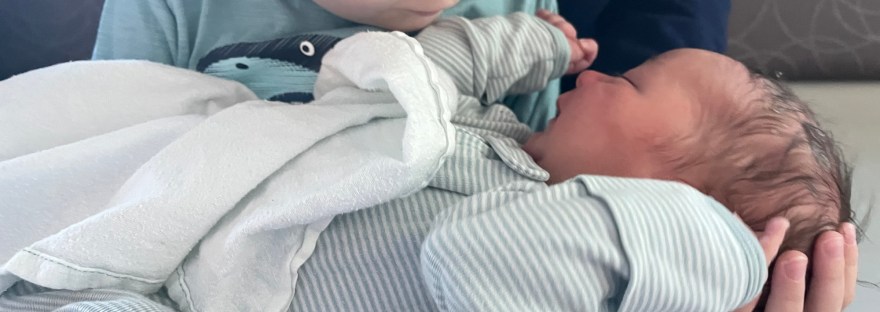
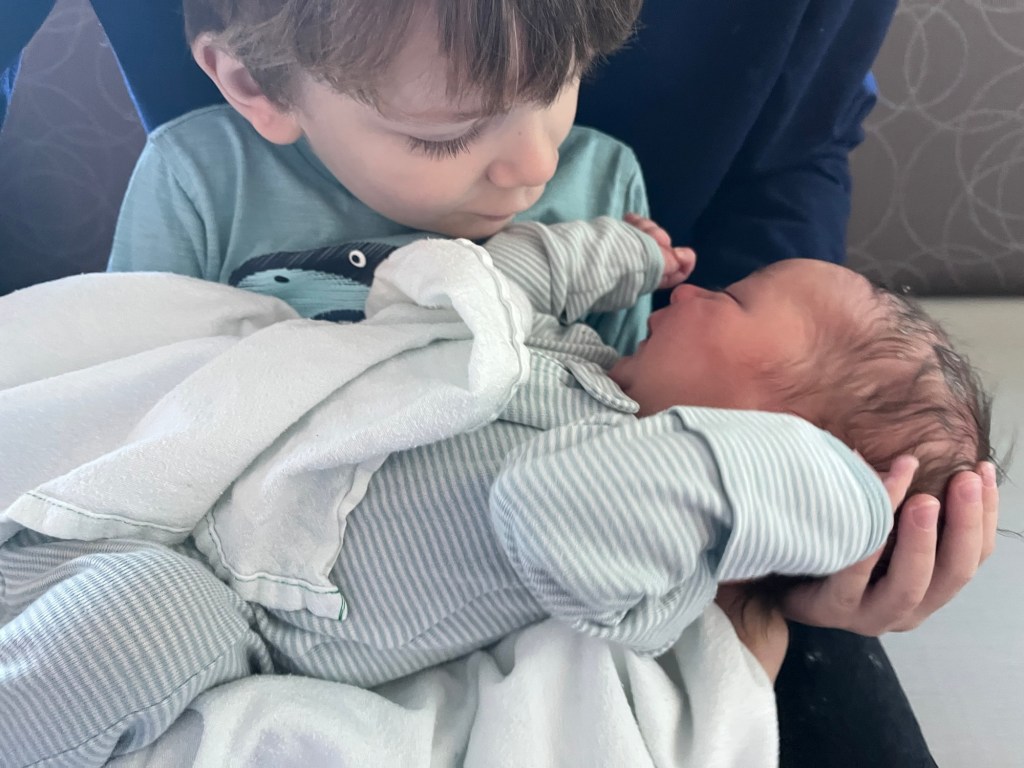
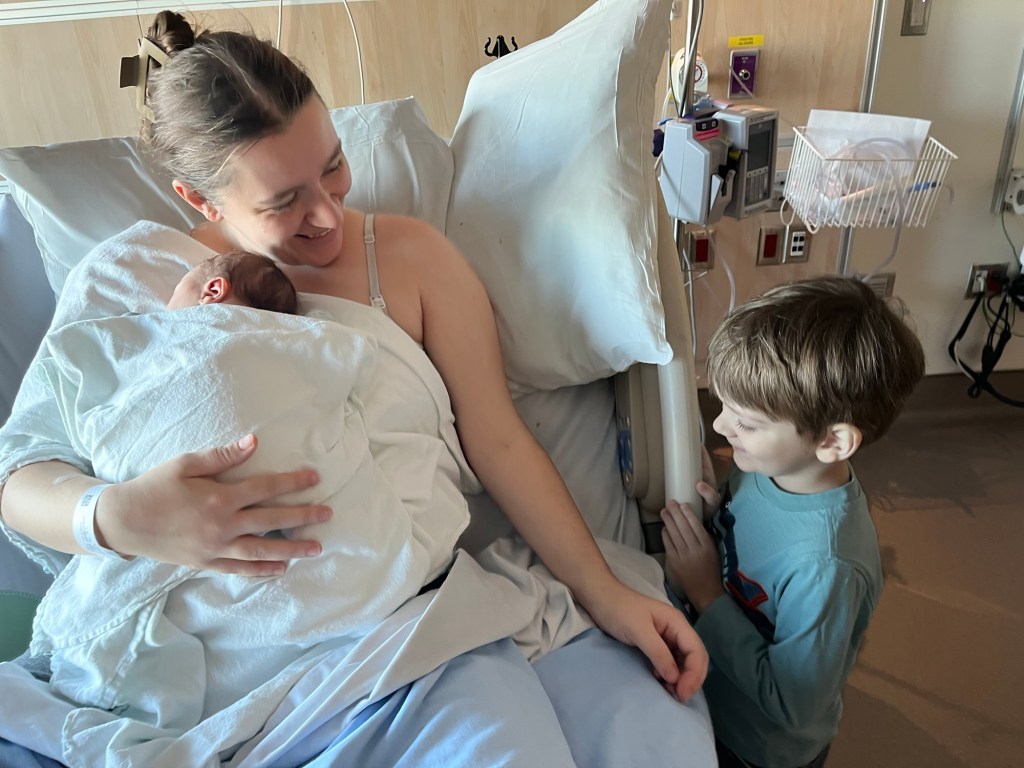
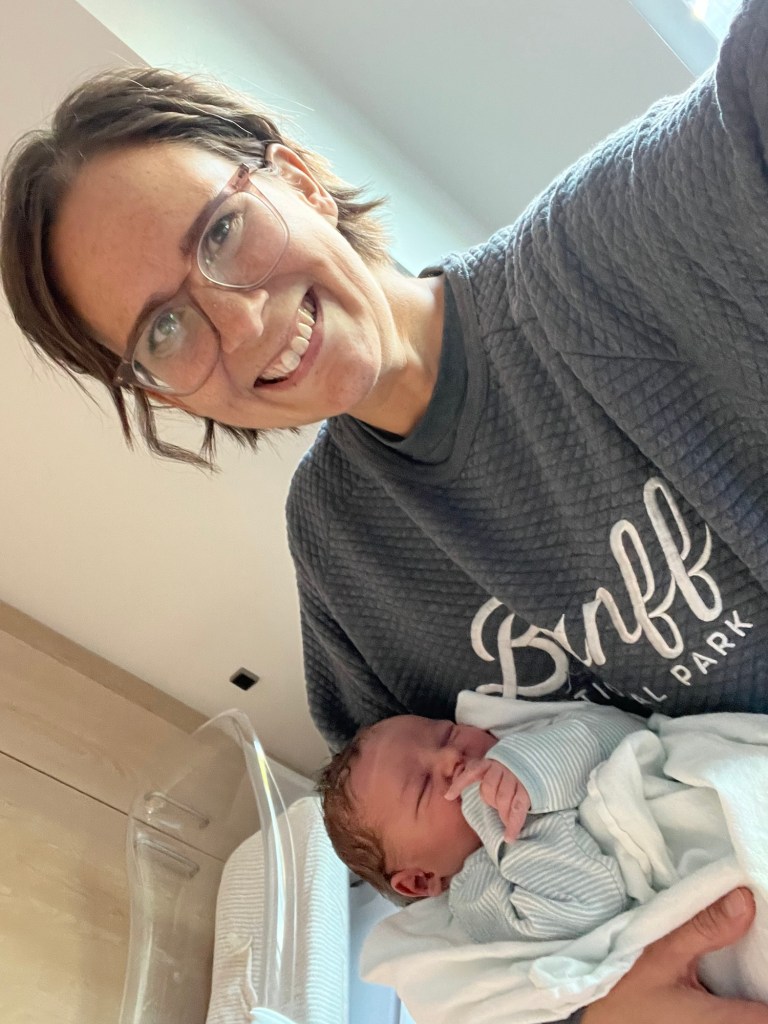
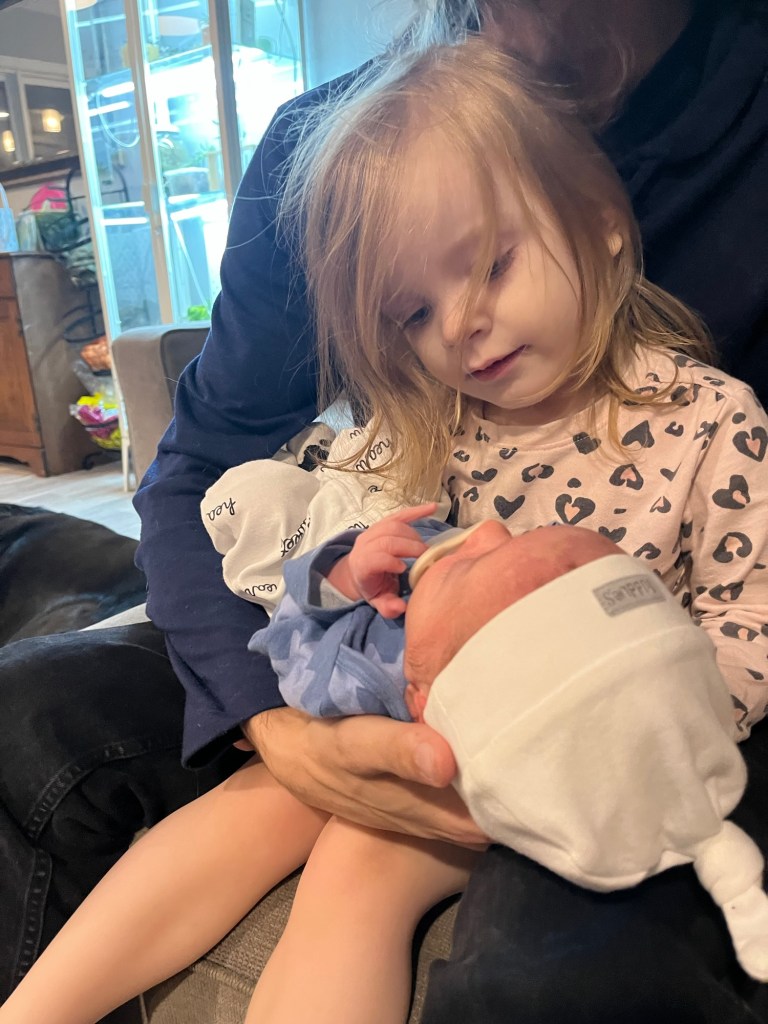
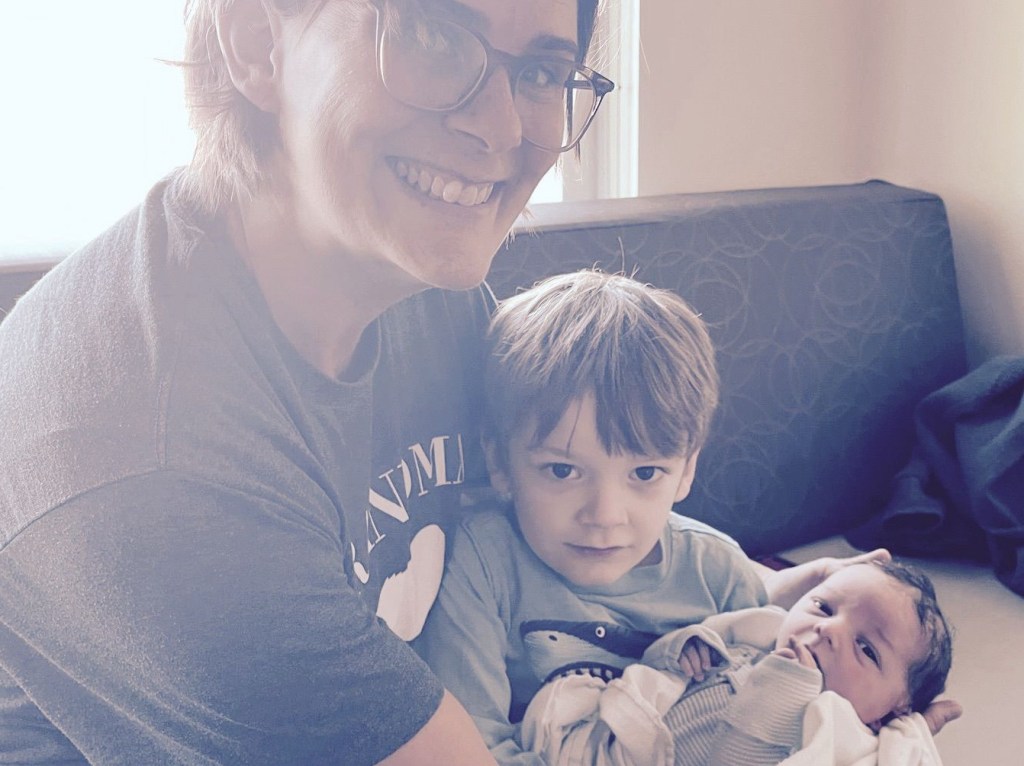
This past Sunday, I became a grandma again 🥰 🥰 🥰. A beautiful new grandson arrived, and he is absolutely perfect.
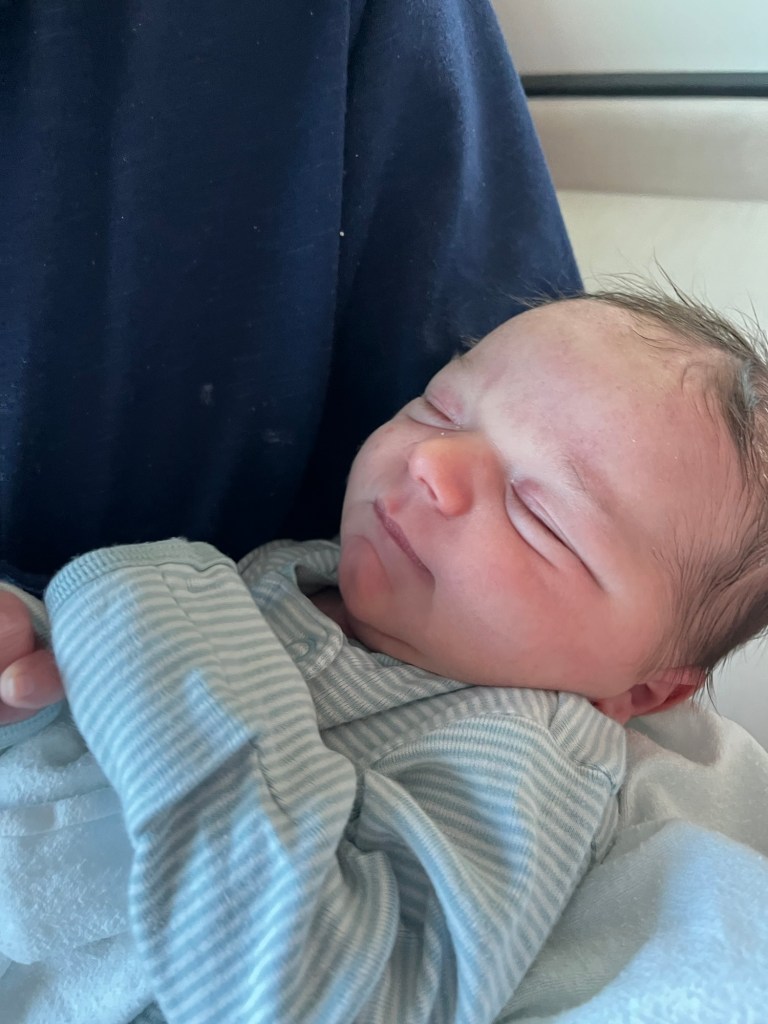
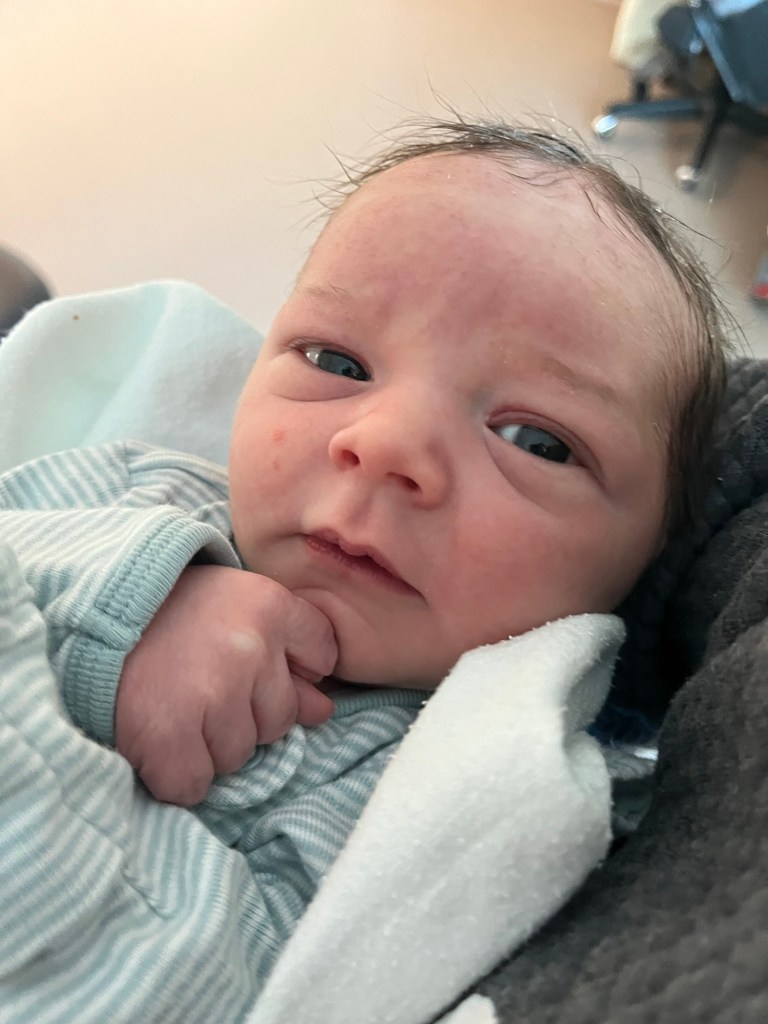
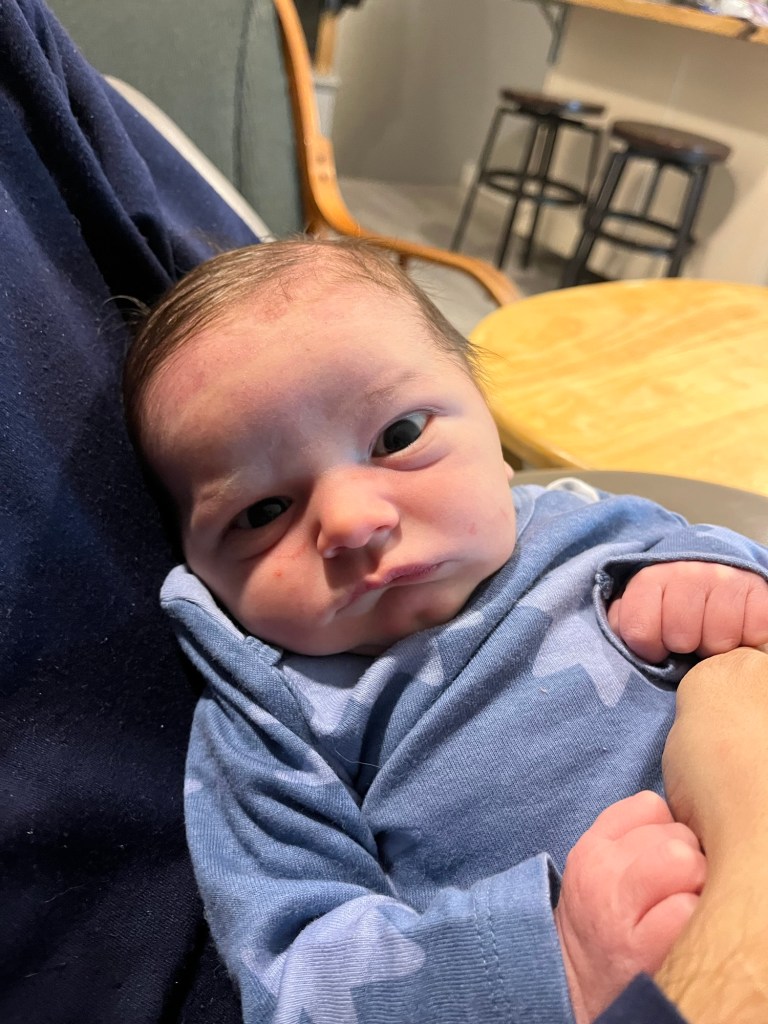
But the gift of last weekend went beyond meeting our newest little family member.
I got to look after his four-year-old and two-year-old siblings for 24 hours while their mom and dad were in the hospital. I got to be there when they met their new baby brother. I got to share in their excitement, their questions, their little personalities, and that very special moment when a family grows.
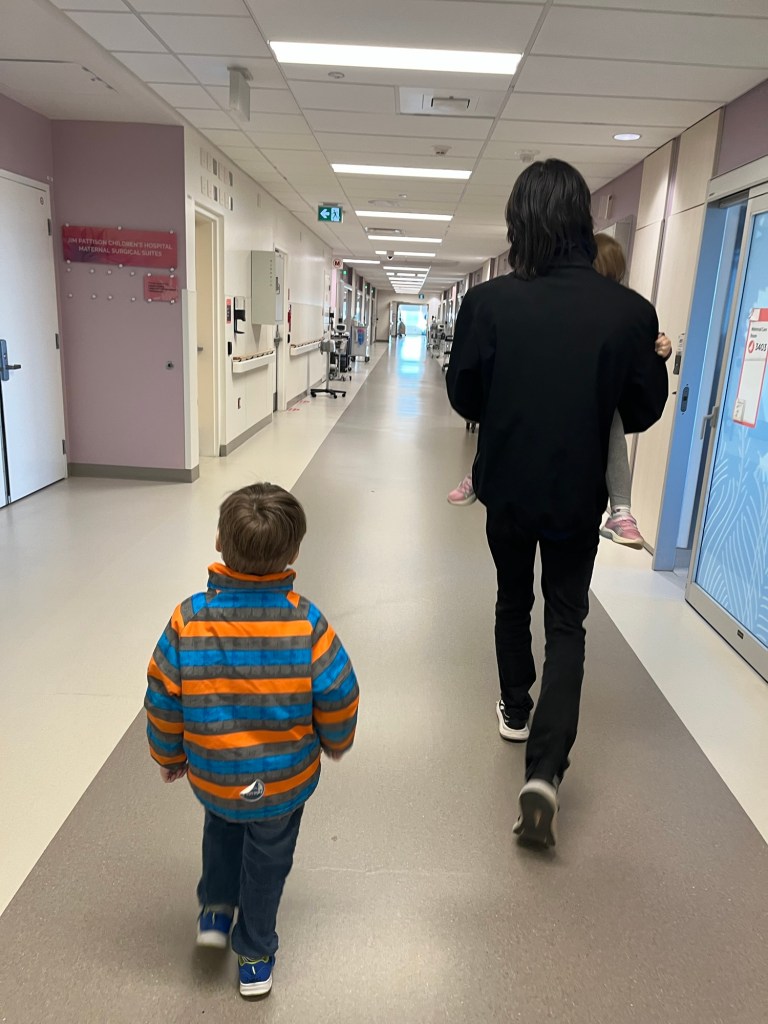
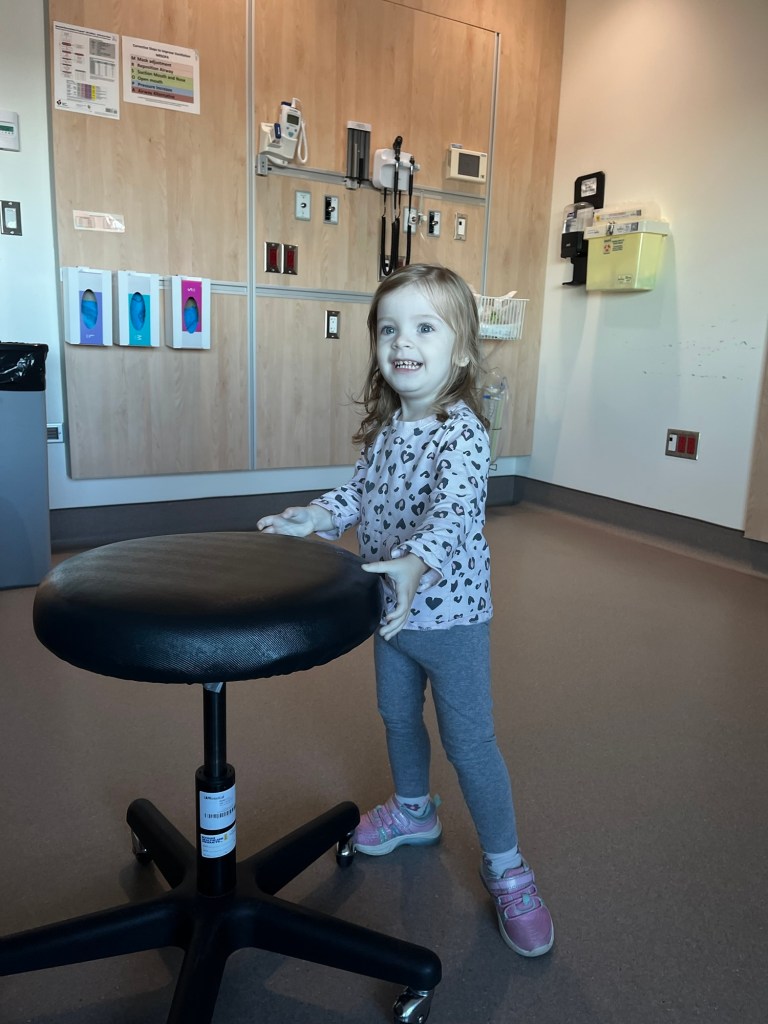
I am privileged to be their grandma. Even more so, I feel blessed to have such a close relationship with them.
I wouldn’t trade those hours for anything.
Although, perhaps I would have negotiated a slightly different physical payment plan.
Because while my heart was having one of those enormous, overflowing, grateful experiences, my body was preparing to send me an invoice.
The good days
Have you ever been given strength beyond your own?
I have.
I believe I was sustained so that I could sustain these little people for those 24 hours. I know who sustains me. It is Jesus Christ. And I felt that strength when I needed it.

It was a little like the adrenaline rush people describe when a mother somehow finds the strength to lift a car off her child. Except considerably less dramatic. Nobody was lifting a car. Nobody was performing a miracle of automotive proportions.
It was more of a time-release adrenaline rush.
I had the energy to do what mattered. I could be present. I could play, feed, comfort, entertain, and help two little people navigate the excitement of becoming big siblings. I could be there for a moment that I will remember for the rest of my life.
These are the good days.
And then there is the other side of the story.
The bad days
I am currently in a lot of pain.
On the same day I had just seen my physiotherapist, who corrected my major subluxations for the month, I sat down beside a laundry basket.
The top of the basket touched my rib.
I felt my rib slip.
I wish I were exaggerating. Imagine having your physiotherapist put everything back where it belongs, only to have a laundry basket undo some of the work. There is a certain indignity in being physically outmanoeuvred by a common household item.
This is a familiar cycle for me.
I go to physio. I get some relief. Things are back where they should be. I come home and try to be careful. I exercise to keep things strong enough to stay in place.
Then something happens.
A dog steps on my foot. I slip on the ice. A toddler elbows me. I move the wrong way. Or, apparently, a laundry basket performs an unsolicited manipulation of my rib.
And I wait for the next physiotherapy appointment.
The hardest part of this cycle is often the few days before that next physio appointment. As my joints slip out of place, the surrounding muscles work harder and harder to compensate. They tighten, protect, and try to hold everything together. Eventually, the pain builds, the nerves become more reactive, and my body is working overtime just to keep me upright.
Sunday was one of those days.
And the price of those 24 hours of beautiful memories?
Temperature fluctuations. Worse tremors. More reactive nerves. Exhaustion that hangs around. And pain.
These are the bad days.
But I have learned. A body living with chronic illness can hold both the good and the bad at the same time.
Most days, there is a mixture of both.
I can be incredibly grateful for the weekend and still be hurting. I can celebrate the new baby and acknowledge that my body is struggling. I can recognize how much progress I have made without pretending that I am suddenly well.
Gratitude does not cancel pain. And pain does not cancel gratitude.
Both things are true.
Measuring progress when the results aren’t always obvious
When I look back at 2020, I can see just how far I have come.
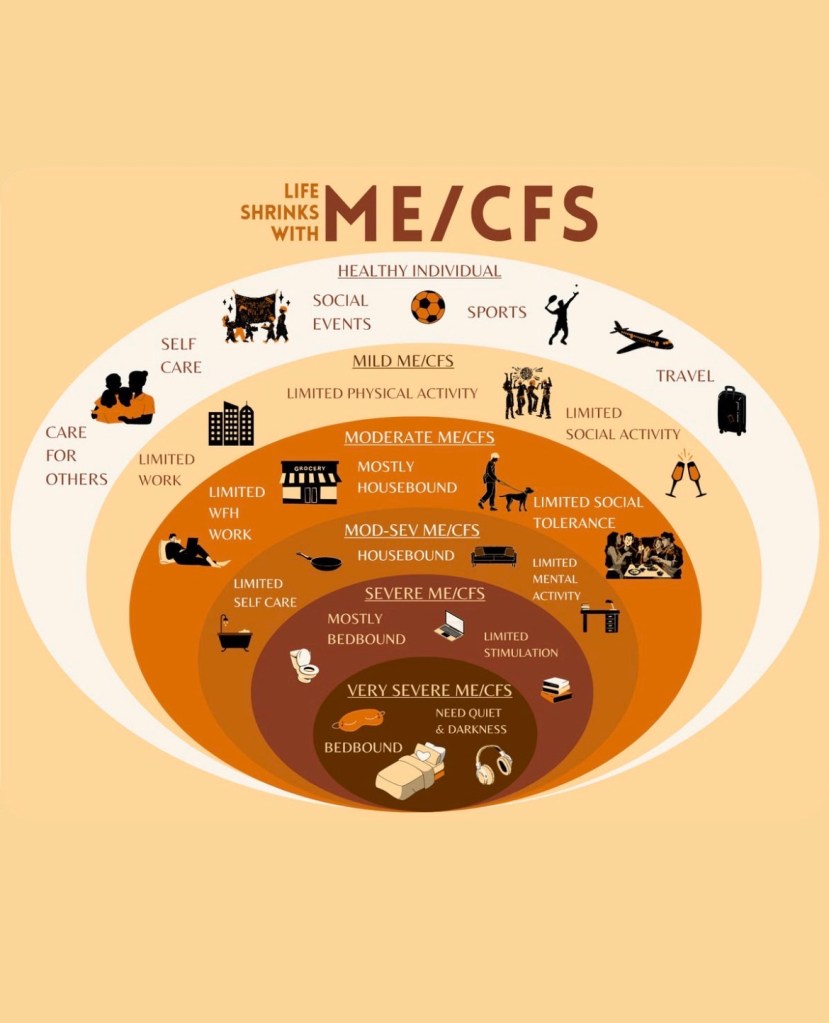
I was living with severe ME/CFS (myalgic encephalomyelitis/chronic fatigue syndrome), which developed in the context of my chronic pain. My world had become very small. My energy was almost nonexistent, and ordinary daily activities could take more out of me than I could reasonably afford.
Over time, I have moved through the stages of recovery to what I would now describe as moderate ME/CFS.
That is significant progress.
But here’s the tricky part about chronic illness: improvement doesn’t always look like a steady upward line.
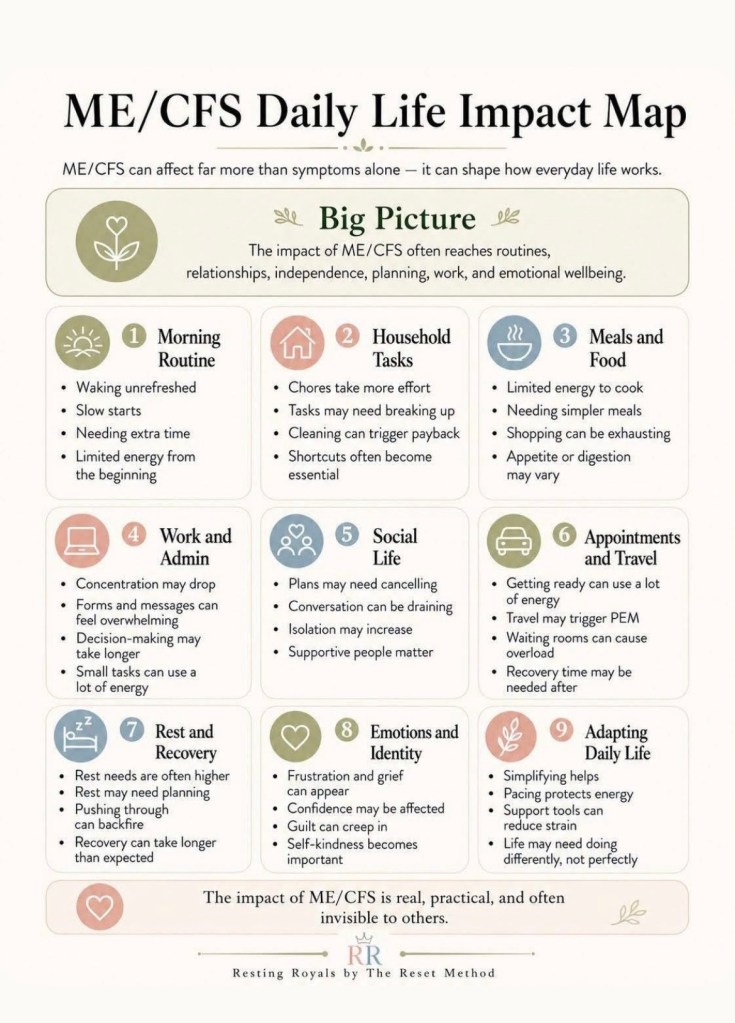
Sometimes you make progress for months and then have a setback. Sometimes you accomplish something wonderful and spend days recovering. Sometimes you feel stronger, only to discover that your body has a very different opinion about what you should be doing.
If I judged my progress by how I felt on the day my rib slipped, I might conclude that I was right back where I started.
But I am not.
My current bad day is not the same as my bad days in 2020. I have more capacity, more tools, more understanding, and a much better idea of how to work with my body.
There hasn’t been one magical herb, expensive supplement, or single therapy that fixed everything. There hasn’t been a miraculous morning when I woke up and my body announced that it had reconsidered its terms of employment.
It has been much slower and less glamorous than that.
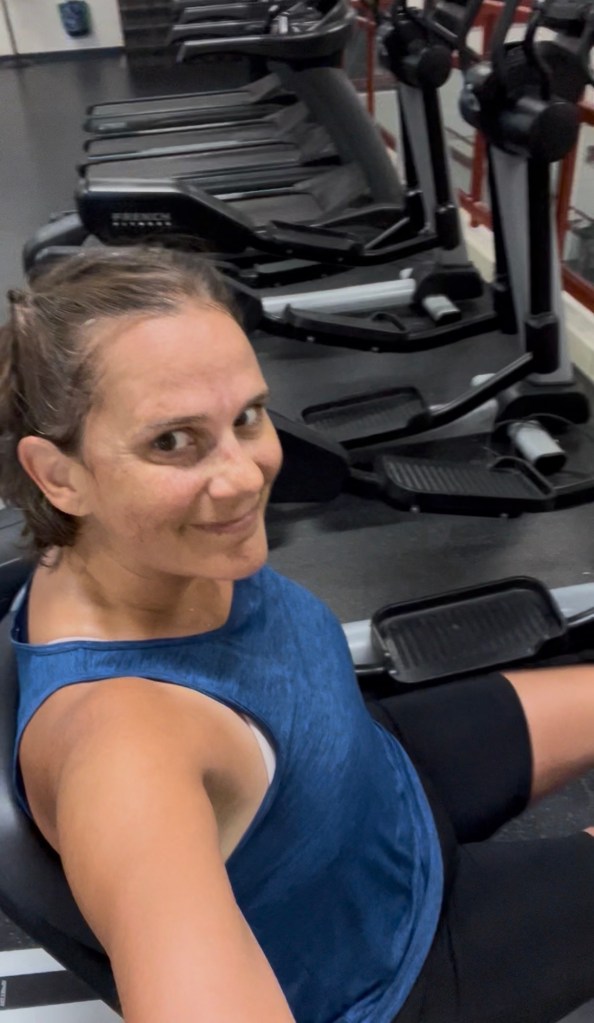
It has come through years of caring for myself in body, mind, and spirit. Learning my limits. Making changes. Resting when I need to. Finding appropriate movement. Getting medical and therapeutic support. Paying attention to my nervous system. Making room for faith, nature, relationships, and the things that make life meaningful.
Healing has been slow and consistent.
I want to be clear that I am not suggesting everyone with ME/CFS can recover through lifestyle changes. These conditions are complex, and there is no one-size-fits-all treatment.
But improvement is possible, and it deserves to be acknowledged.
As Helen Keller wrote:
“Although the world is full of suffering, it is also full of the overcoming of it.”
I don’t think overcoming always means defeating an illness. Sometimes it means learning how to make meaningful progress within the circumstances we have.
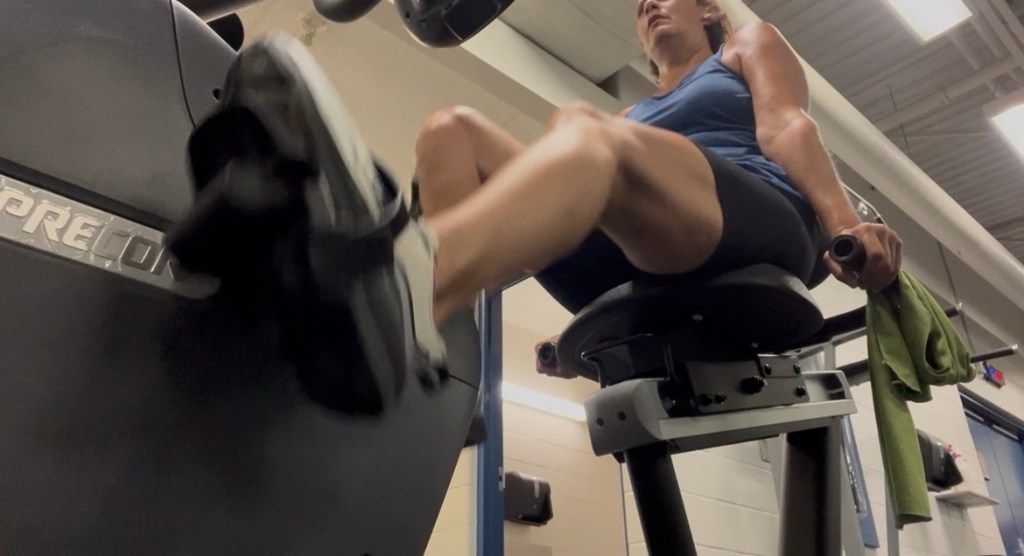
Three ways to stay focused on your healing journey
When you live with chronic illness, it is easy to let the latest setback become the whole story. We can become so focused on what hurts today that we lose sight of what has changed over the last year.
Here are three practices that help me keep perspective.
1. Keep track of the progress you might otherwise forget
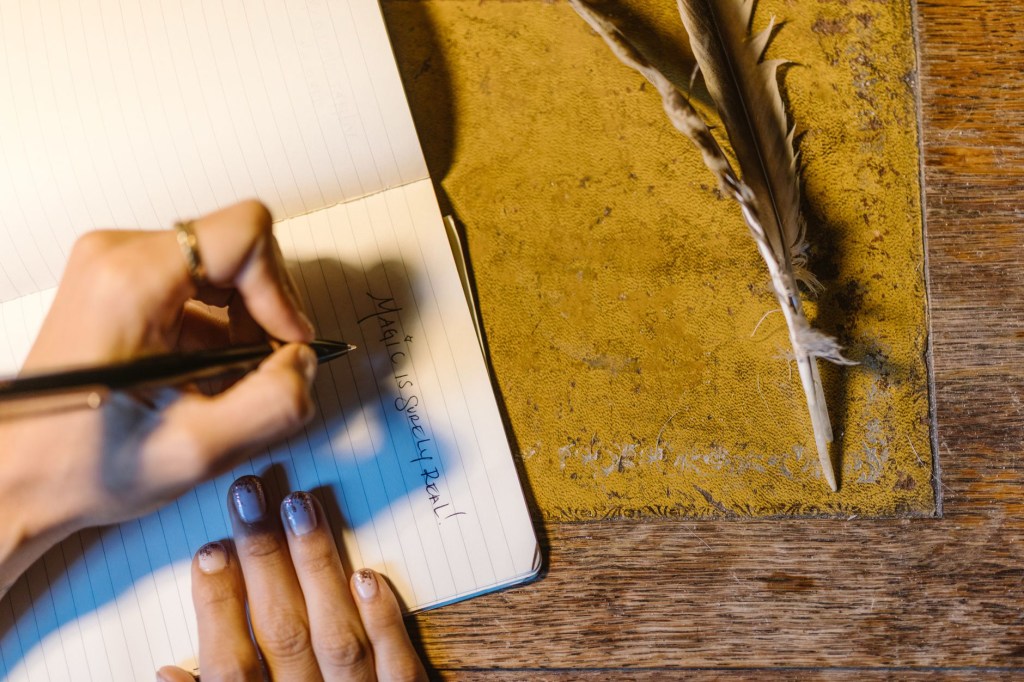
Our memories are not always reliable records of our health.
We tend to remember the difficult days. Especially when we’re in the middle of one.
That makes it important to keep some kind of record of improvement.
Not an elaborate spreadsheet that becomes another job. Just a simple journal or occasional note about what is changing.
Consider recording:
- How much activity you can tolerate compared with six months ago.
- How long it takes to recover after an outing or activity.
- Changes in sleep, stamina, concentration, and pain management.
- Things you can do now that were difficult or impossible a year ago.
- Improvements in how you recognize and respond to early warning signs.
- How often you are able to participate in the activities that matter to you.
Don’t measure only what you accomplish. Measure how your body responds afterward, too.
For someone living with ME/CFS, pacing and avoiding post-exertional symptom exacerbation are particularly important. Feeling capable in the moment doesn’t necessarily mean your body has the capacity to sustain that activity without consequences.
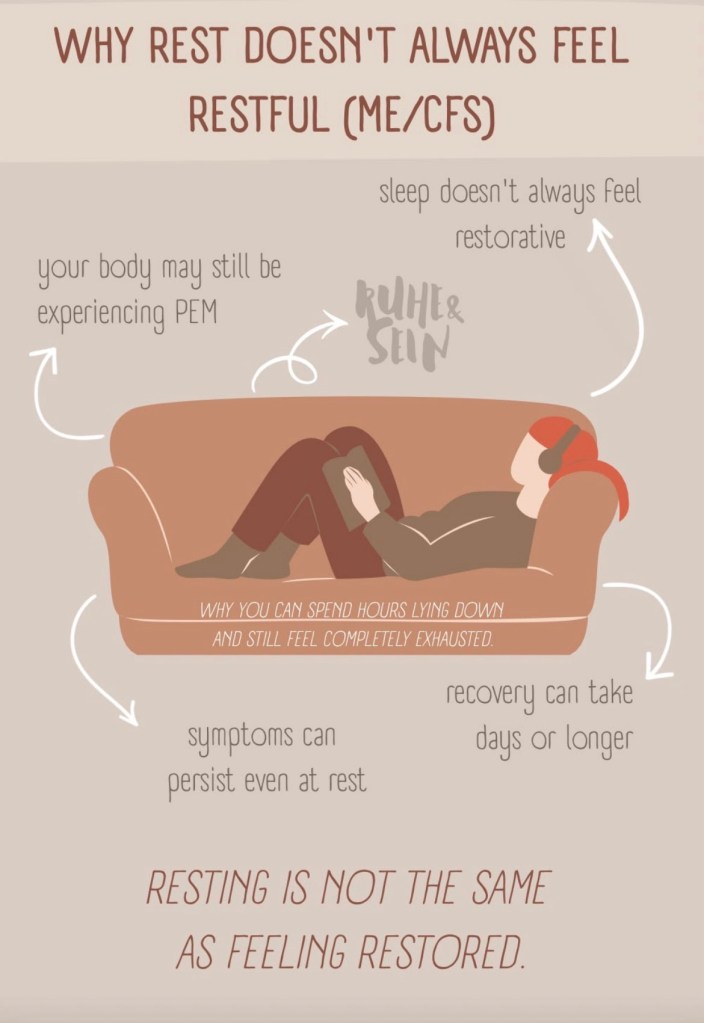
Sometimes the win is doing something and recovering well. Sometimes the win is recognizing that you need to stop.
Both deserve a place in your progress journal.
And don’t forget to record the ordinary things. They may not seem significant today, but looking back can reveal just how much has changed.
2. Have a plan for the good days, not just the bad ones
This is something I have had to learn the hard way.
When a good day arrives, it is tempting to make up for everything you haven’t been able to do.
The laundry! The groceries! The house! The phone calls! The people you’ve been meaning to see!
Suddenly, you have become a highly motivated productivity machine.
Until you aren’t.
One of the challenges of chronic illness is learning that having the energy to do something doesn’t always mean you have the resources to recover from it.
This is especially important with ME/CFS, where pushing beyond your energy limits can lead to post-exertional symptom exacerbation.
I try to think about what I am spending my energy on and what I need to reserve for recovery.
That means making choices.
I might have energy for one big thing or a few smaller things. I need to decide what is worth spending it on.
Sometimes the answer is housework. Sometimes it’s a family gathering. Sometimes it’s a walk outside. And sometimes the best investment is doing absolutely nothing.
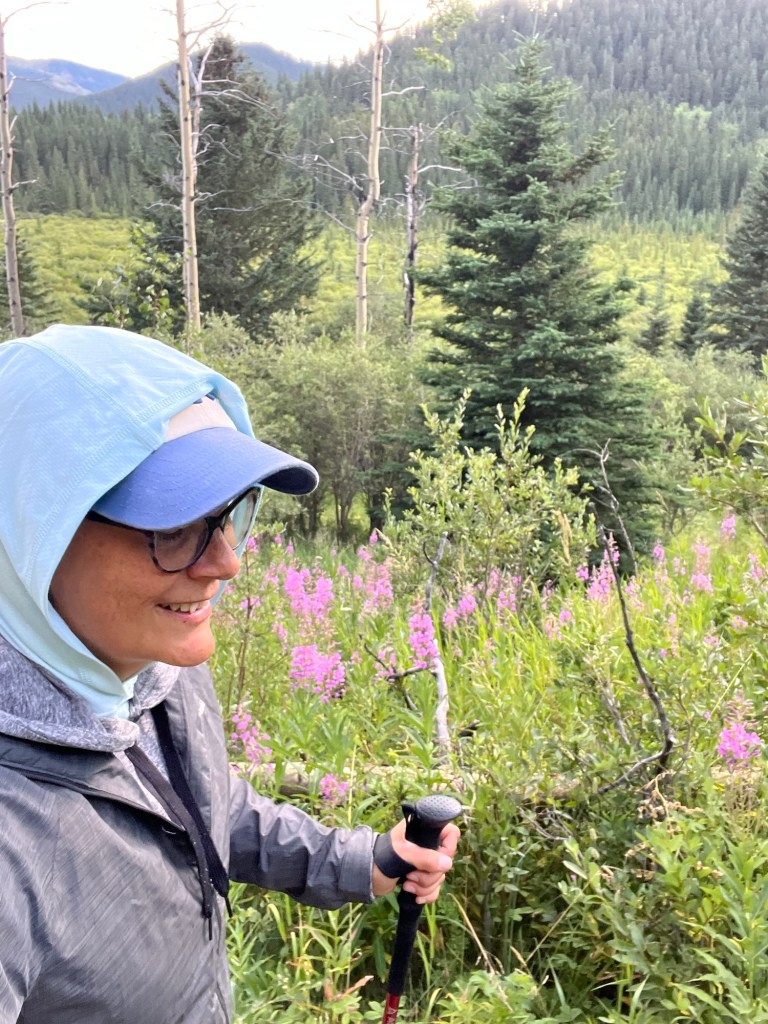
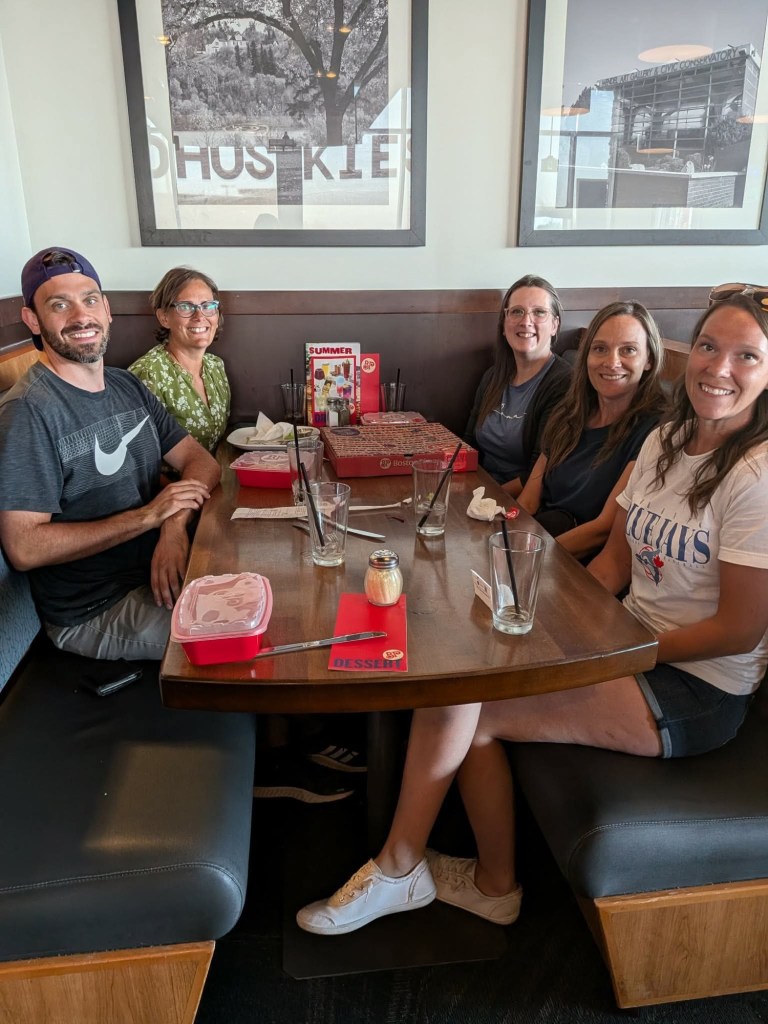
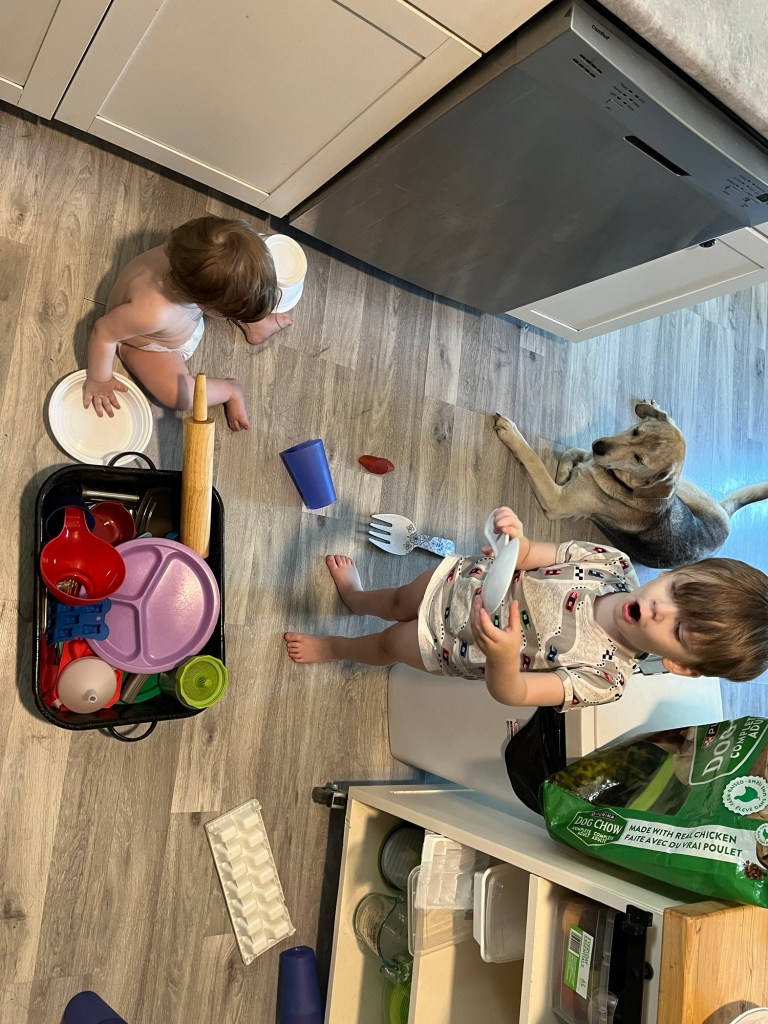
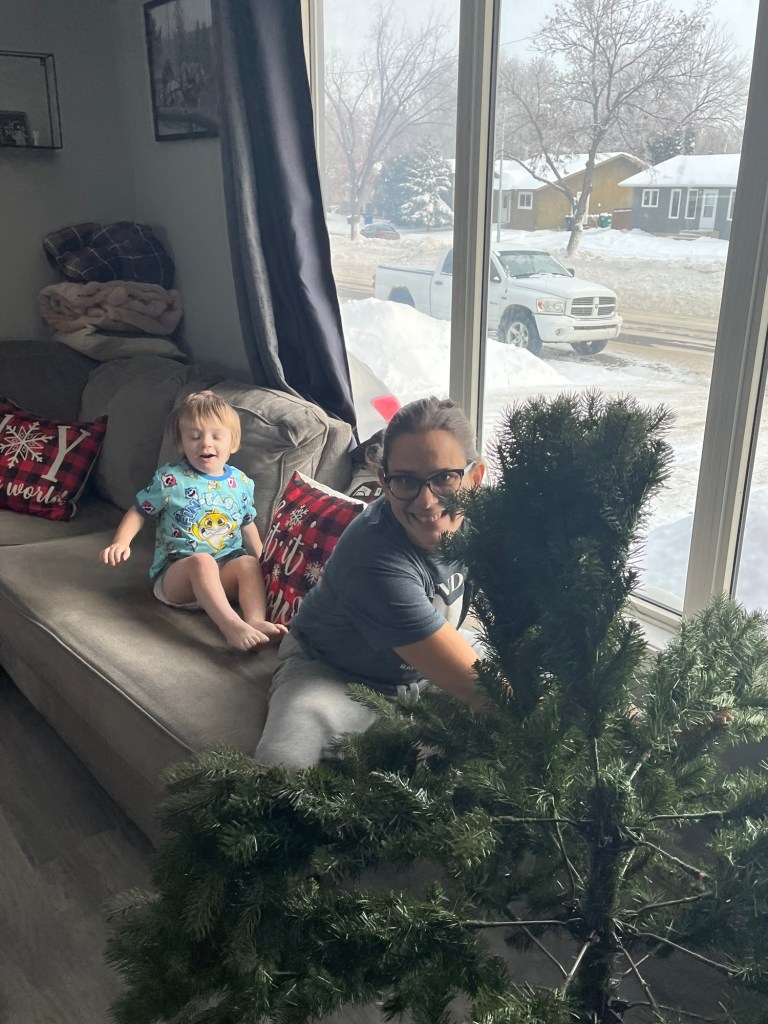
I also try to leave room for the unexpected. Life doesn’t always arrive according to my carefully prepared energy budget. Sometimes a new grandson does.
The point isn’t to avoid everything that might make you tired. It’s to make informed decisions about what matters, understand your body’s responses, and avoid repeatedly pushing past your limits.
A good day doesn’t need to become a competition to see how much you can accomplish.
You don’t have to earn your rest.
3. Develop a regular practice that keeps you connected to your direction
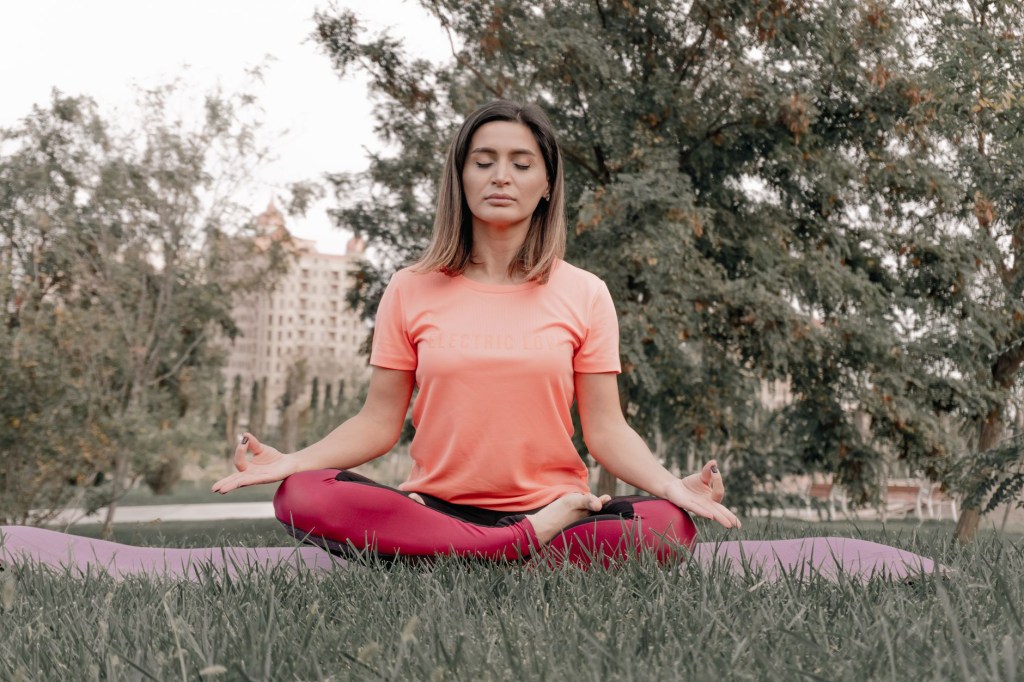
I find it helpful to have a meditation practice that brings me back to what I am working toward.
Not a meditation about fixing myself. Not one where I visualize a perfect, pain-free future and then feel disappointed when I open my eyes.
A practice about staying on my path.
A few minutes to settle, reconnect with my values, acknowledge where I am today, and remember what matters.
This can be especially helpful when a setback makes you question whether all your efforts are accomplishing anything.
You don’t have to solve your entire health situation during meditation. You don’t need to find the answer to every symptom or discover the secret to perfect health.
You simply need to make a little space to remember that your healing journey is bigger than today’s symptoms.
Here’s a simple practice to try.
A meditation for staying on your healing path

Find a comfortable position. You don’t need to sit cross-legged on a cushion or achieve some extraordinary level of spiritual enlightenment. A comfortable chair, a bed, or a quiet spot outdoors will do just fine.
Close your eyes if that feels comfortable.
Take a few gentle breaths. Don’t force deep breathing. Simply notice the breath moving in and out.
Now ask yourself:
- Where am I today, physically, mentally, and emotionally?
- What has improved, even a little?
- What have I learned about caring for myself?
- What is one thing I can do today that supports my well-being?
- What matters most to me?
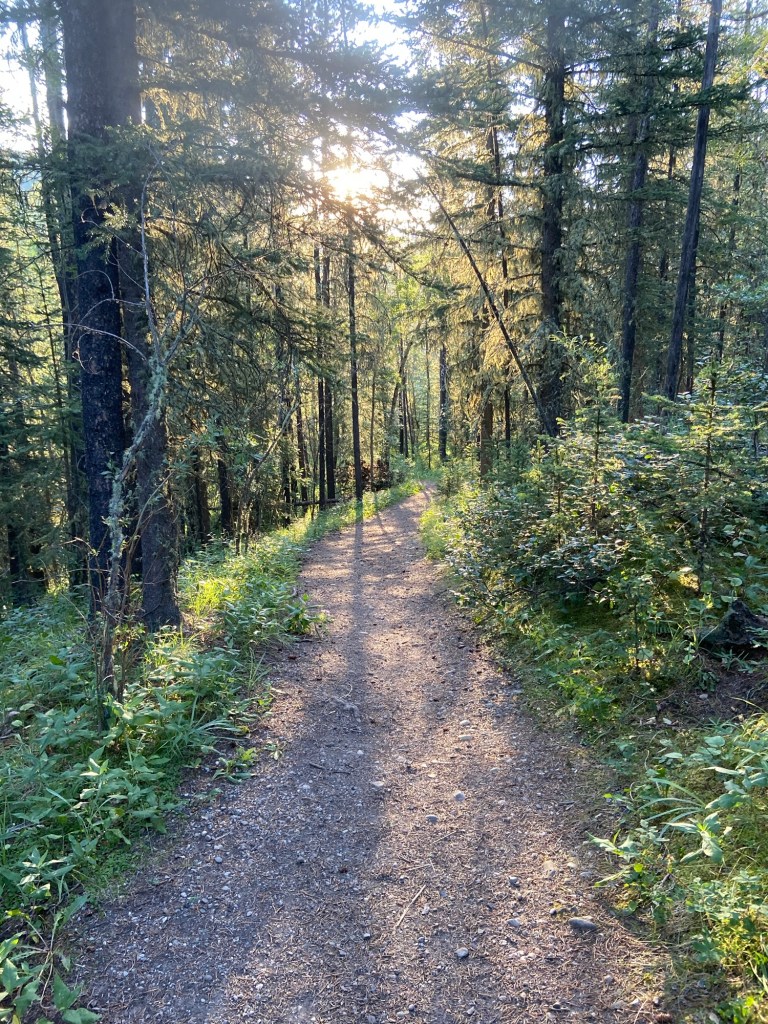
Imagine yourself walking along a path through the forest.
You don’t need to see the entire trail. You don’t need to know how far it goes. You only need to be aware of the next step.
Some days the path is easy. Some days it is steep. Some days you need to sit down and rest.
Resting doesn’t mean you have left the path.
Take a moment to acknowledge that you are doing the best you can with the resources available to you today.
Remind yourself:
I don’t need to rush my healing. I don’t need to compare my journey with anyone else’s. I can acknowledge my progress, respect my limitations, and keep moving toward the life I want to live.
When you are ready, gently bring your attention back to the room.
You can return to this practice whenever you feel discouraged or disconnected from your goals.
A little forest therapy: Taking the next step
One of my favourite ways to support my own well-being is through forest therapy.

There is something about spending time in nature that gives me an opportunity to slow down and change where I place my attention.
I have written before about the relationship between chronic stress, cortisol, and time in nature in Cortisol Control: The Benefits of Nature.
I have also explored how sensory connection with nature can support nervous system regulation in Mending Your Nervous System With Forest Therapy.
Neither is a cure for chronic illness. But nature can be one useful part of a broader approach to caring for ourselves.
Here is a simple forest therapy invitation that connects with the meditation above.
The next-step forest practice
Find a comfortable place outdoors. If walking is difficult, choose a bench, a chair, or a spot where you can simply sit and observe.
You don’t need to hike anywhere impressive. Your backyard counts.
- Notice: Look around and find three things that catch your attention. Perhaps a tree, a patch of moss, or sunlight moving across the ground.
- Listen: Notice the sounds around you. Birds, wind, leaves, distant traffic. There is no need to identify every sound. Just listen.
- Feel: Notice the temperature of the air on your skin. If comfortable, touch a tree trunk, a leaf, or the surface of a rock.
- Breathe: Take a few gentle breaths and allow your attention to settle.
- Reflect: Ask yourself, “What is the next small thing I can do to support my well-being?”
Don’t try to solve your entire life while sitting under a tree.
Just be there.
Then spend a few minutes with the guided meditation I’ve recorded for you.
[Listen to the guided forest meditation here]
You can return to this practice whenever you need a reminder that you don’t have to figure everything out today.
The good, the bad, and the life in between
I think one of the most important things we can learn when living with chronic illness is to stop judging our entire recovery by how we feel on any one particular day.
A bad day doesn’t mean you’ve lost all your progress.
A good day doesn’t mean you’re suddenly cured.
And a setback doesn’t mean you’ve failed.
We need to be able to recognize improvement without expecting perfection. We need to celebrate the small wins while taking the difficult days seriously.
I know that Sunday will cost me. I know there will be days of pain, exhaustion, temperature fluctuations, and nerves that seem to have their own agenda.
But I also know that I got to hold a beautiful new grandson. I got to love on his big brother and sister. I got to be part of a family moment that I will treasure.
And for those 24 hours, I had what I needed to be there.
That is worth celebrating.
It doesn’t have to be grand.
Sometimes it is raising a family. Sometimes it is building a business. Sometimes it is walking through the forest. Sometimes it is simply getting through a difficult day with a little more kindness toward yourself.
And sometimes it is sitting beside a laundry basket, wondering how an inanimate household object managed to become your latest physiotherapy referral.
I am not going to let the bad days convince me that I haven’t made progress.
My body has limitations. My energy has limits. My healing is ongoing.
But I am not where I was in 2020.
I will keep paying attention to the things that are improving. I will keep learning how to care for myself. I will celebrate the wins, however small they may seem.
And I will keep making room for the things that matter.
Because the goal isn’t just to have more good days.
The goal is to make sure that even on the bad days, there is still a life worth living.
And there is.
Bruadarach
(Scottish) Dreamy; Prone to daydreaming. A spirit alive with imagination, a mind naturally inclined toward wonder, possibility and beauty.


