Female Hormones: Our Fickle Fairweather Friend

My hormones and I are in a “situationship.”

Years ago, I became convinced I was getting less intelligent.

I would walk into a room and forget why. Lose all my trains of thought mid-sentence. Derailed. No coming back.

I’d constantly search for words that had wandered off unsupervised. They would come back hours later, long after it was needed and with no apology whatsoever.

I blamed stress.

I blamed being busy.

I blamed getting older.

In reality, it was probably all of those things, mixed with hormonal changes I didn’t fully understand yet.

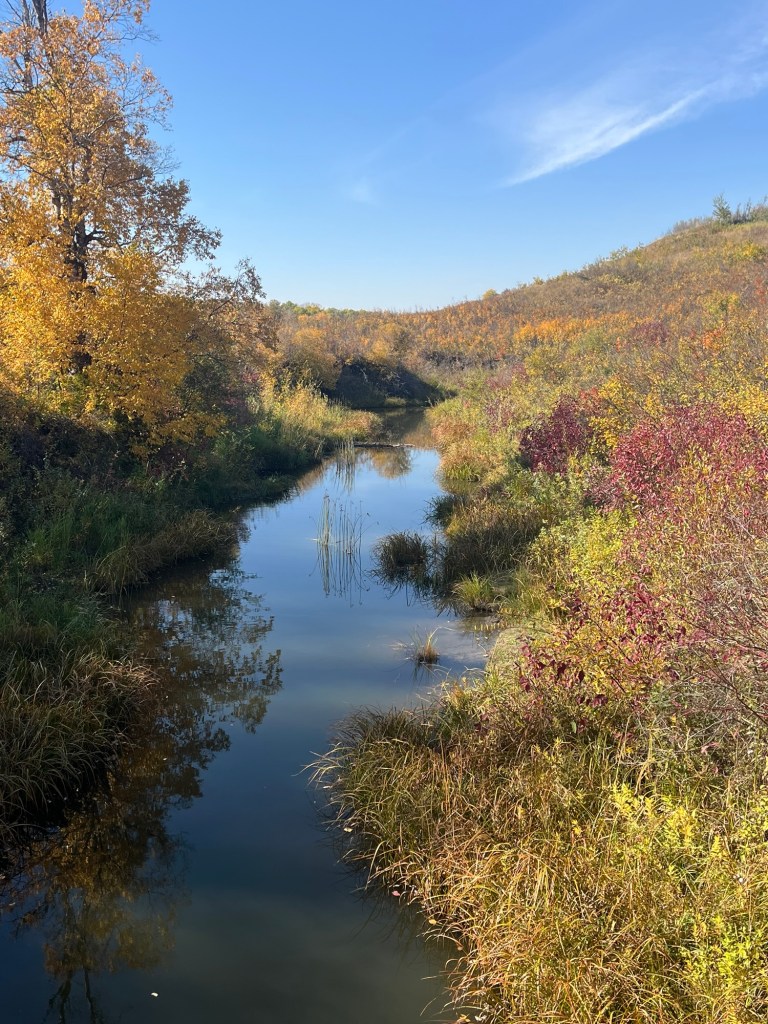
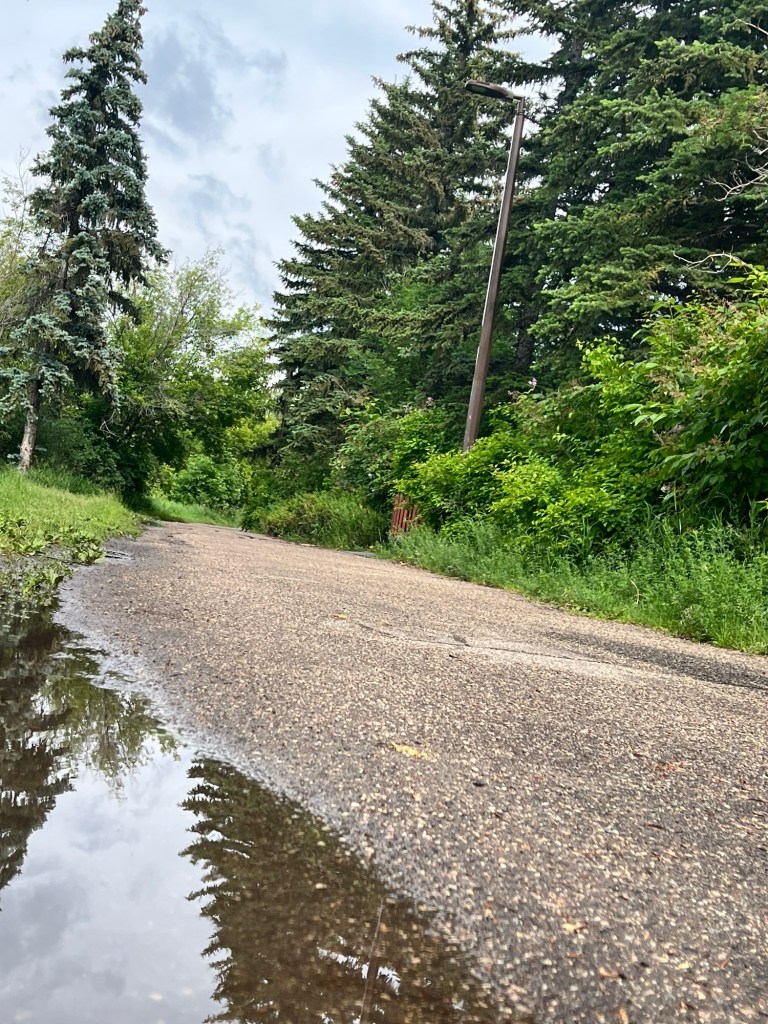
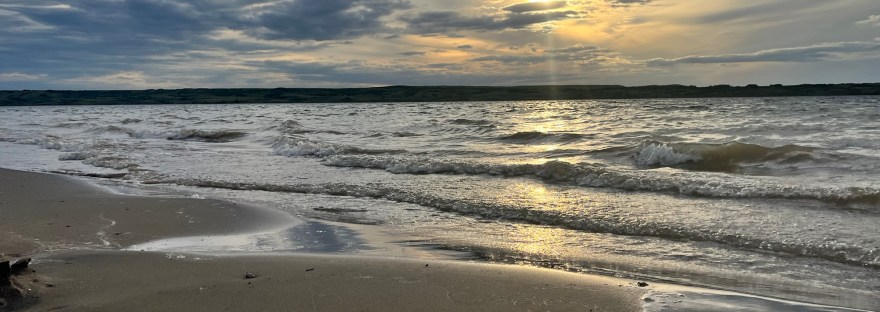
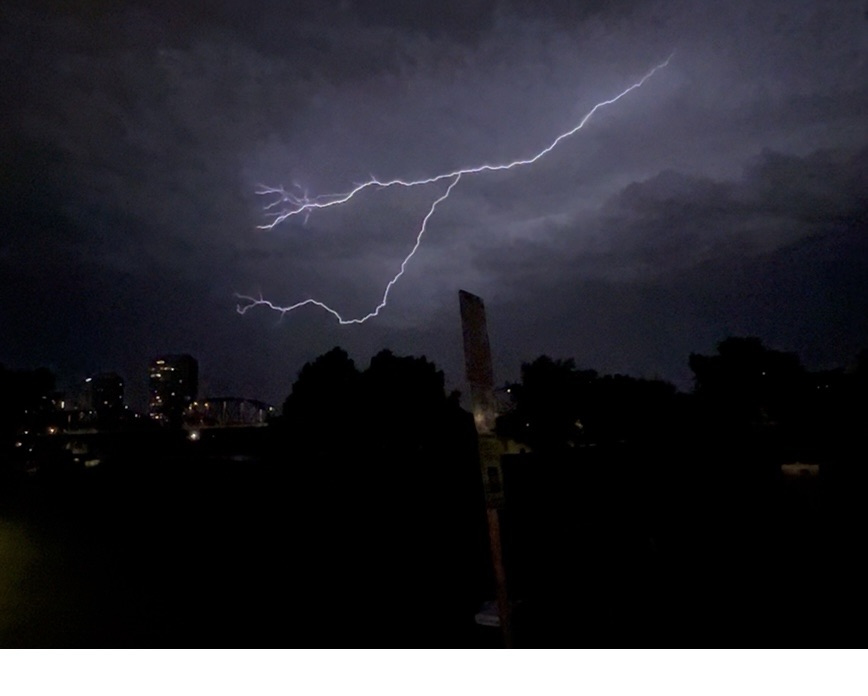
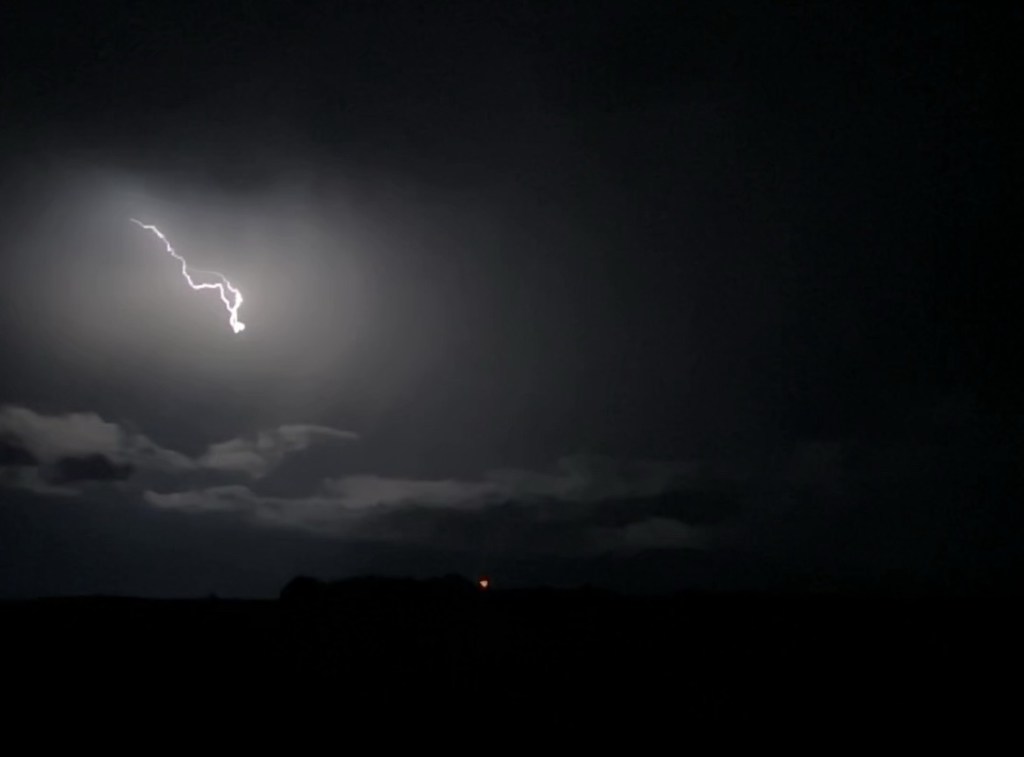
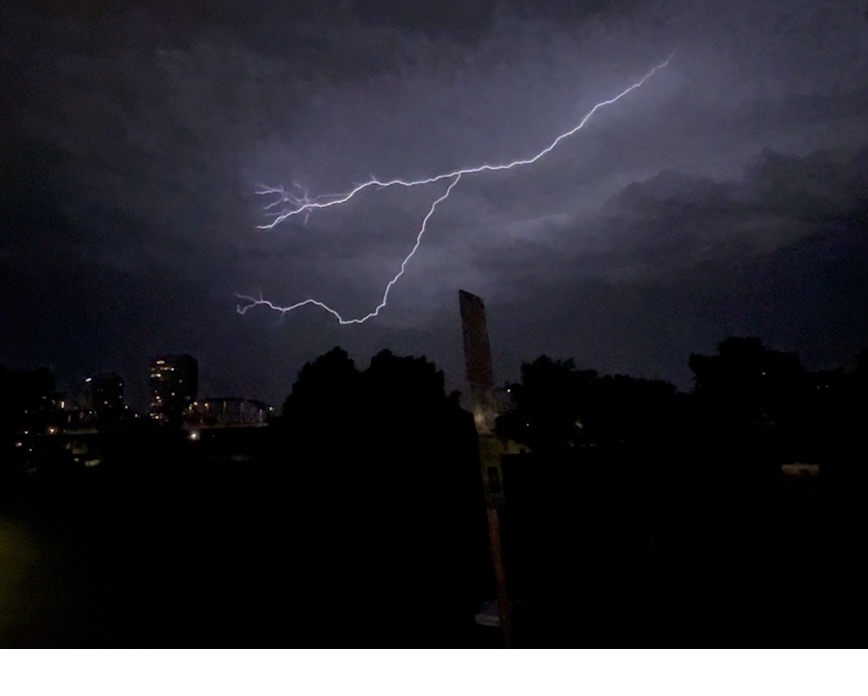
Female hormones are funny. They’re a bit like a Saskatchewan summer storm. One minute the sky is clear, the sun is shining, and life feels manageable. The next, the wind picks up, the clouds roll in, and you’re wondering if you should have brought a jacket, umbrella and storm cellar.

The weather didn’t become bad.

It changed.

Our hormones do too.

Female hormones are a bit like Saskatchewan weather. If you don’t like what’s happening right now, wait ten minutes.

Most of us think of hormones as reproductive messengers, but they influence far more than our cycles. They affect sleep, memory, focus, mood, energy, and even how connected we feel to the people around us.

One of the most interesting ideas I encountered from a recent podcast interview with Dr. Anna Cabeca. While estrogen, progesterone, and testosterone get most of the attention, hormones like cortisol and oxytocin may have an even bigger impact on how we experience daily life.

Oxytocin is often called the love hormone. It’s associated with connection, belonging, trust, laughter, affection, friendship, pets, nature, and community.

Likewise, oxytocin and cortisol tend to pull in opposite directions.

But the story doesn’t end there. The plot thickens.

As any prairie girl knows, sunshine and thunderstorms often share the same forecast.

When stress becomes chronic, such as in a body dealing with chronic pain, connection often suffers.

Many of us don’t just feel tired. We feel disconnected.

From ourselves.

From others.

From the things that once brought us joy.

Progesterone plays a role too. It supports sleep, cognition, brain health, and nervous system regulation.

Testosterone contributes to motivation, confidence, energy, and focus. Both naturally decline as we age, and both can be influenced by chronic stress.

Side note: I would like to point out that aging naturally isn’t nearly as freaky as whatever is happening with the people trying desperately to avoid it. Also, at what age do we start meeting for Bingo? Because I’m ready.
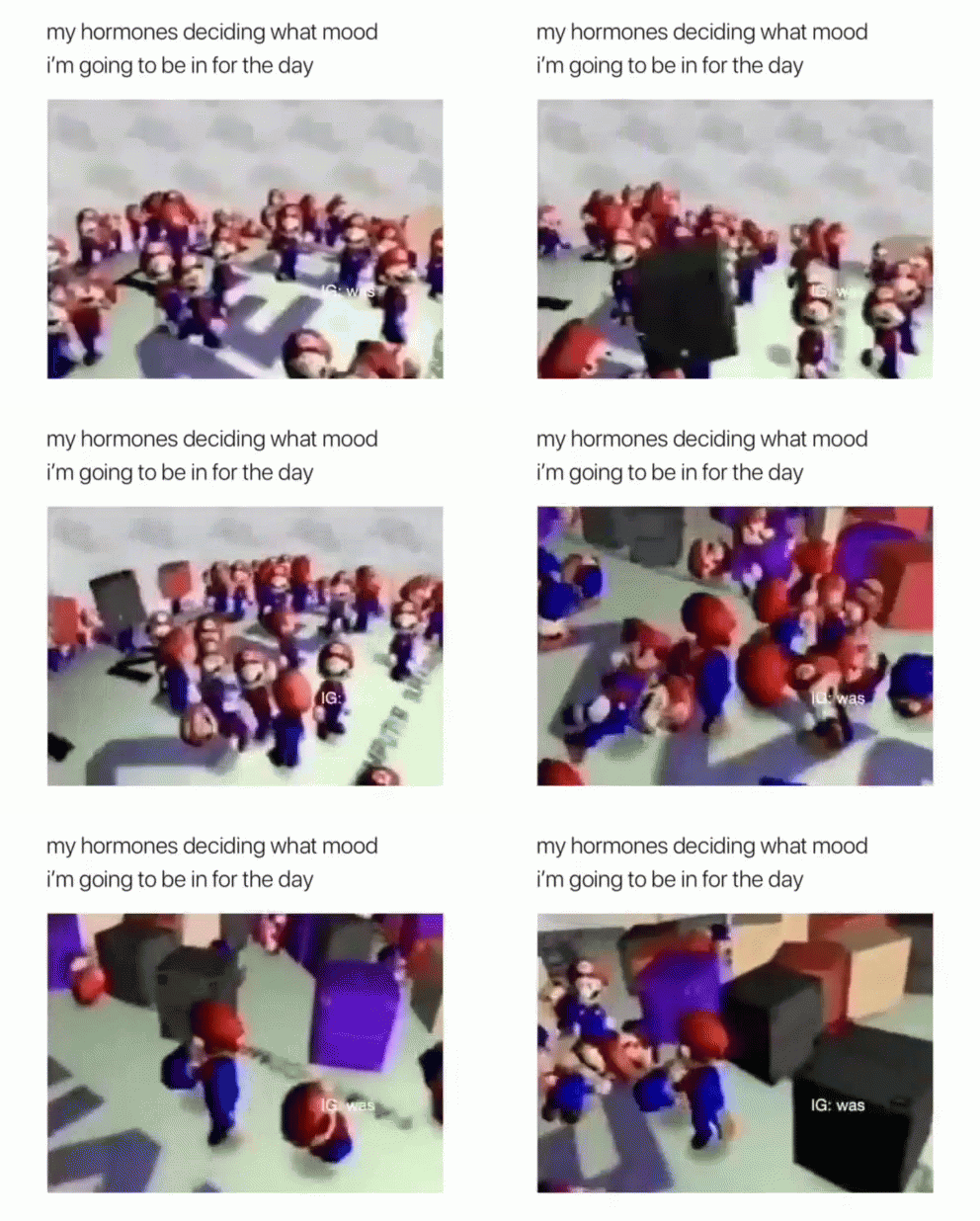
Progesterone naturally declines in women, typically beginning in the mid-thirties as ovarian function gradually changes.

My body got the memo that the warranty has expired. All systems started responding the way you’d expect at the end of a warranty. (despite the fact that I was built in the 70s and should have been made to last)

Looking back at my own health journey, I spent years trying to solve individual symptoms.

If I could just stop the migraines.

If I could just overcome the fatigue.

If I could just break the insomnia.

What I eventually learned is that the body doesn’t divide itself into neat little boxes the way we often do.

Sleep affects stress.

Stress affects hormones.

Hormones affect mood.

Mood affects relationships.

Relationships affect wellbeing.

Pull one thread and the whole thing unravels.

That’s why healing often requires support from multiple directions.

👏 Good food.

👏 Movement.

👏 Sleep.

👏 Stress management.

👏 Connection.

👏 Time outdoors.

The podcast also reinforced something I’ve known for years: nature has a remarkable way of helping us regulate.

Not because it magically solves our problems, but because it reminds our nervous systems what calm feels like.

Like sitting quietly in warm sunshine after a long winter.

Like hearing nothing but leaves rustle in the breeze.

The Practice

One simple forest therapy practice is this:

  • Stop
  • Notice 5 things moving around you (leaves, clouds, grass, insects, birds)
  • Listen for 3 sounds
  • Notice 2 scents
  • Take one slow breath

It’s amazing how quickly the nervous system responds when we give it the chance.

The body benefits from movement, and the mind benefits from stillness.

Sakyong Mipham

Ways To Support Oxytocin Naturally

The good news is that many of the things that support oxytocin are surprisingly simple.

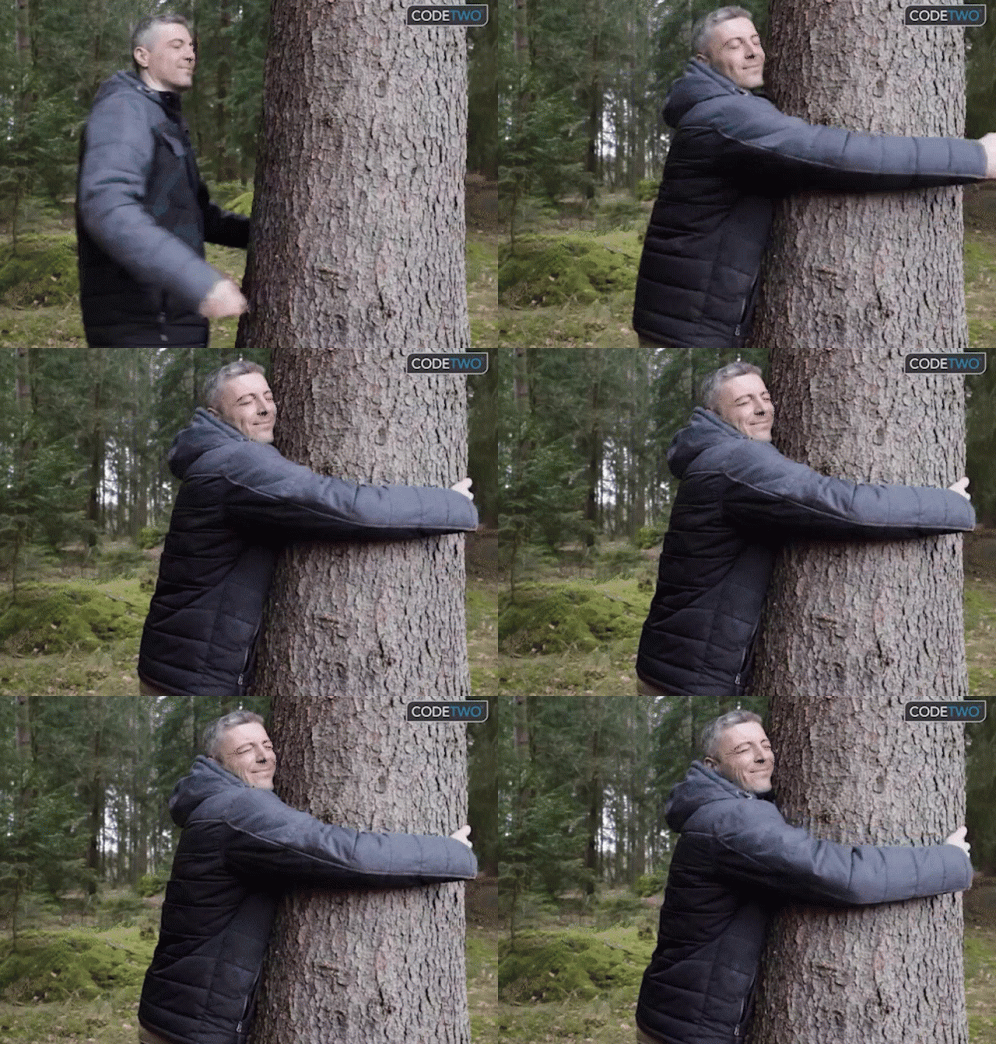
  • Hug someone you love.
  • Spend time with a pet.
  • Get outside.
  • Sit around a table with friends.
  • Laugh.
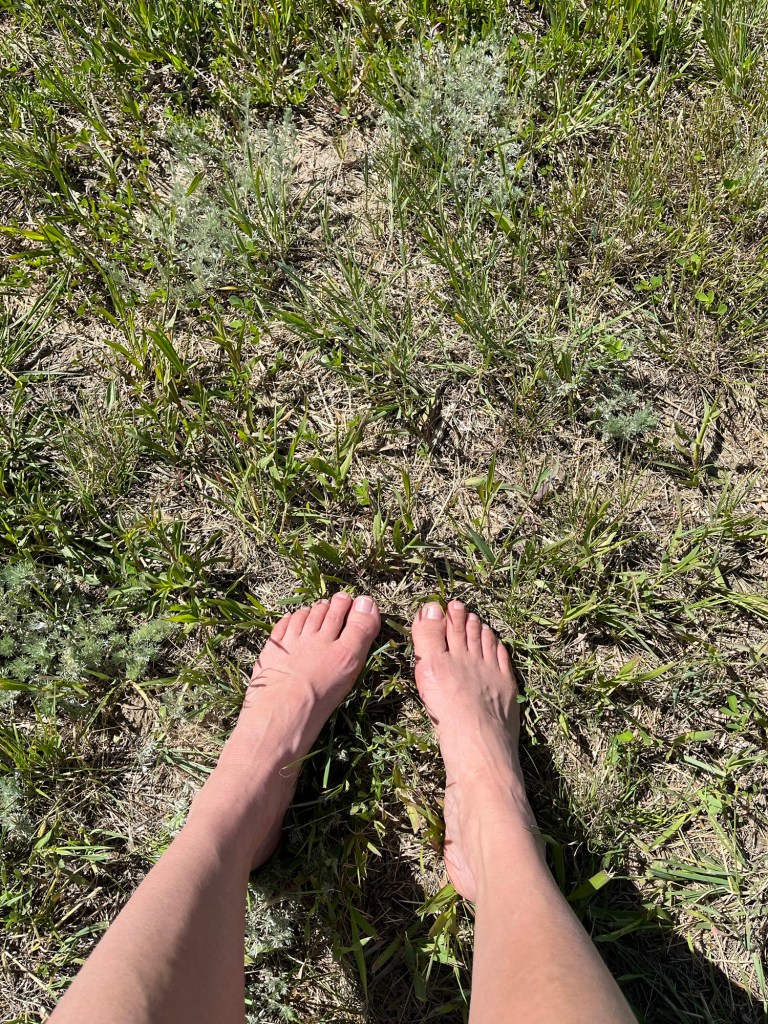
  • Touch grass. Literally.
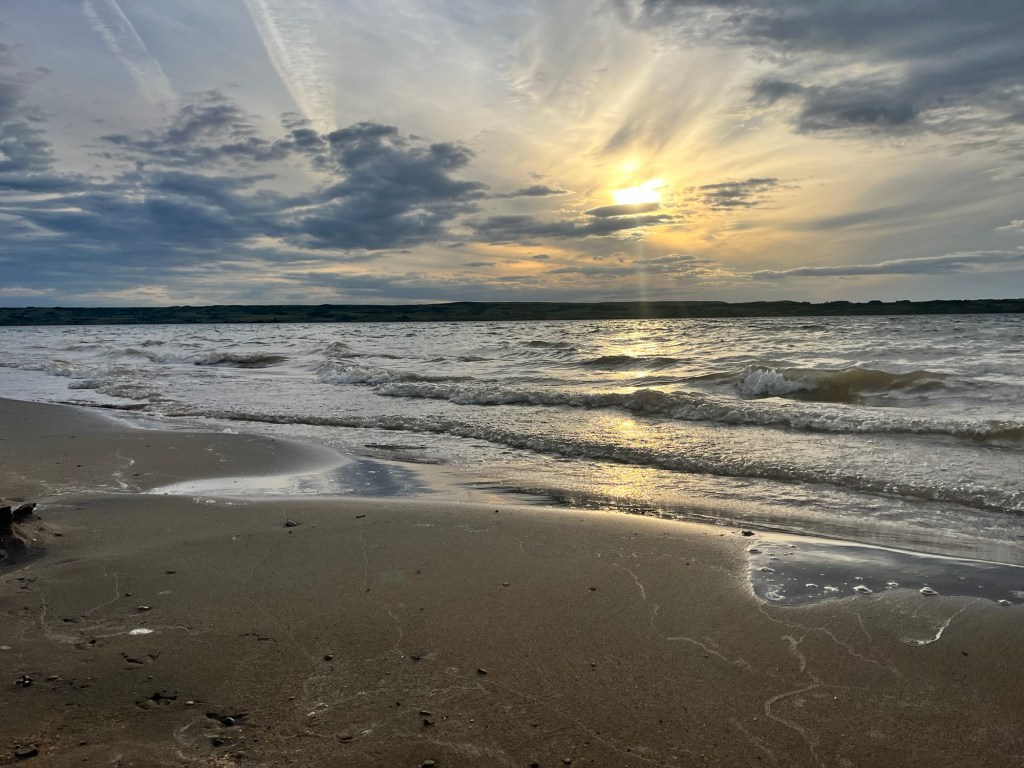
  • Watch a sunrise.
  • Watch a sunset.
  • Practice gratitude.
  • Connect with people who make you feel safe and seen.

None of these things are revolutionary.

But maybe that’s the point.

Sometimes healing isn’t found in adding another supplement.

Sometimes it’s found in adding another conversation.

Almost everything will work again if you unplug it for a few minutes, including you.

Anne Lamont

Your Most Important Appointment

One idea I loved from another podcast was the concept of holding regular wellness meetings with yourself.

Not a performance review. Not a guilt session.

A wellness meeting.

Three times a week, ask yourself this:

What do I need today?

Maybe it’s a walk.

Maybe it’s strength training.

Maybe it’s sitting outside with your morning tea and watching the sunrise.

The goal isn’t perfection.

The goal is paying attention before your body starts communicating through burnout, brain fog, anxiety, or exhaustion.

My ultimate goal isn’t to control every hormone. It’s to stop being blindsided by them.

Because hormones may be fickle.

But they’re also messengers.

And sometimes they’re simply asking us to listen.

The greatest wealth is health.

Virgil

This is the first post in a hormone series. Next week we’ll look at hormone disruptors: where the biggest offenders are hiding, and what to use instead.

From Midlife Crisis to Midlife Chrysalis

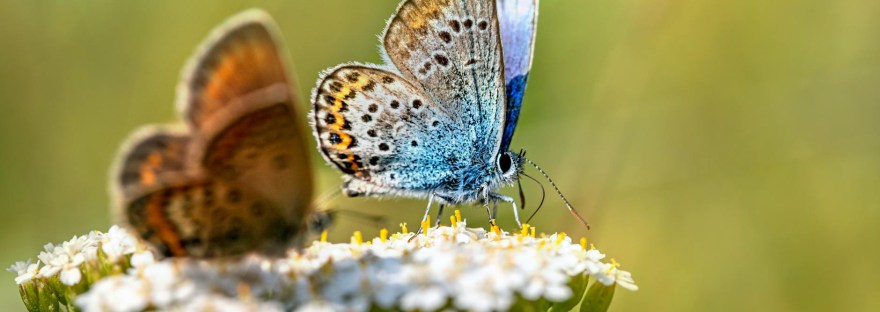
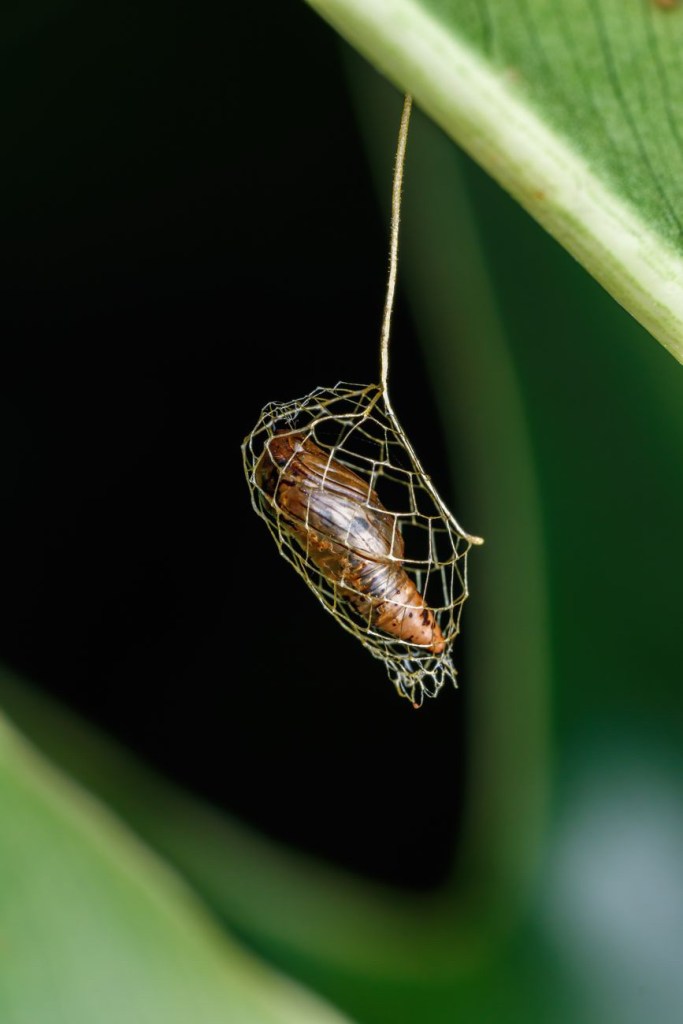
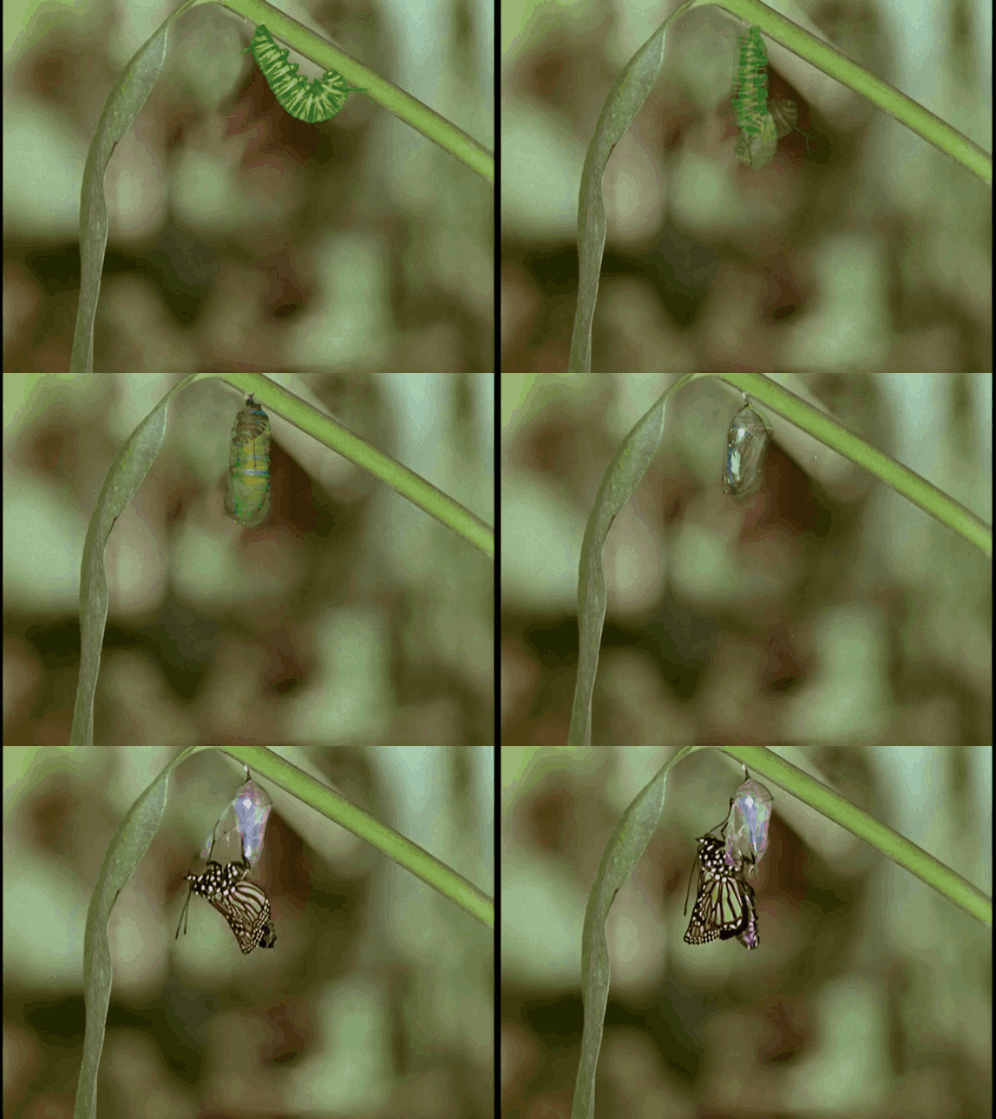
That, perhaps, is the difference between a crisis and a chrysalis. One keeps us frozen in fear. The other slowly reshapes us.

Technically, I’m not even fully in my midlife years yet.

And yet my body arrived early to the party.

A complete hysterectomy fast-tracked me into conversations I thought I still had years to prepare for.

Ironically, some circles don’t allow me in to the conversation because I’m “far too young” to know what menopause is.

It seems my reproductive system retired before society was emotionally prepared to handle it. Medically, I pass the test but I always get ID’d at the door.

I was medically launched into menopause with all the glamorous perks.

Hot flashes. Joint pain. An increasingly fragile relationship with sleep. And the deeply humbling realization that apparently your underarms and mid range can become flabby despite hours of working out at the gym.

(Nothing prepares you for sneezing incorrectly in your 40s.)

My body has adopted the classic expired warranty strategy, catastrophic synchronized failure. I’ve entered the ‘everything squeaks, leaks, or spasms unexpectedly’ chapter of ownership. My body has moved beyond ‘minor repairs’ and into ‘have you considered replacing the whole unit?’ territory.

Which is why a phrase I recently heard on the podcast Hello Menopause! grabbed my attention.

“Midlife chrysalis.”

Not midlife crisis. Midlife chrysalis.

The episode featured Chip Conley talking about reinvention, and I chose to listen to this episode because crisis sounds like collapse. Losing control. Becoming less.

Like panic bangs and plans to live “off-grid” and taking up emotional support hobbies. Sourdough starter anyone?

But chrysalis?

That sounds like transformation.

Messy. Strange. Hidden. Uncomfortable. Necessary.

A chrysalis says. You are not falling apart. You are simply changing form.

I think many of us who have experienced chronic illness, disability, grief, loss, burnout, etc. arrive at this transformation long before the culture expects us to.

Some of us are forced into reinvention before we even finish becoming who we thought we would be.

The Crisis

Be patient toward all that is unsolved in your heart.

Rainer Maria Rilke

There absolutely was a crisis season.

Not just medically.

Existentially.

There is something disorienting about realizing your body is not going to cooperate with the original blueprint for your life.

You grieve things.

Energy. Ease. Predictability. The version of yourself who thought she could plan her future in permanent marker.

I’ve written before about the strange ache of living in a body that refuses to follow the original architectural plans. This season feels deeply connected to that journey. An All-Too-Familiar Tale in Misdiagnosed/ Underdiagnosed Female Chronic Pain: This Is My Story

Now I write my plans lightly in pencil.

Sometimes crayon. When I need a little more whimsy in my days.

There were years where survival became the main objective. Years where my nervous system felt like a shaken vending machine full of stress hormones. Years where I thought resilience meant pushing harder instead of listening deeper.

And then came the hysterectomy.

One of those dividing-line experiences where life becomes Before and After.

Before, I still secretly believed if I tried hard enough I might someday return to the old version of myself.

After, I slowly began realizing there may not be a way back. Emotional landslides and experiential cave-ins had blocked that passage way.

Forward and through became my only options. Through self-realizations. Humbling concessions. Constant negotiations between mind and body.

And maybe that is where the chrysalis begins.

The Chrysalis

And the day came when the risk to remain tight in a bud was more painful than the risk it took to blossom.

Anaïs Nin

A chrysalis does not look impressive from the outside.

It looks still. Inactive. Even broken down.

But inside? An extraordinary reorganization is happening.

And I think that’s what midlife (or medically-induced midlife-adjacent existentialism) can become.

Not a crisis to survive. But a transformation to participate in. Whole-heartedly.

Chip Conley talked about how the first half of life is often about accumulation.

We gather. Relationships. Responsibilities. Possessions. Roles. Expectations. Obligations. Dreams that once fit.

And eventually we become emotionally overstuffed.

He described midlife as “a great midlife edit.”

As I listened I considered the fact that chronic illness forces the edit whether you volunteer readily or not.

You simply cannot carry everything forever when your body already feels like it’s carrying a weighted backpack full of loose cutlery.

At some point you must ask important questions.

  • What still fits?
  • What actually matters?
  • What has become lukewarm in my life?

Do you know what a lukewarm life looks like? One of the lines from the podcast,

Pouring out part of your tea allows you to pour some hot new tea into the cup.

Because some things are not meant to last forever. Not every friendship. Not every role. Not every expectation you once had for yourself.

And maybe releasing those things is not failure. Maybe it’s pruning.

The forest understands this better than we do.

The Forest

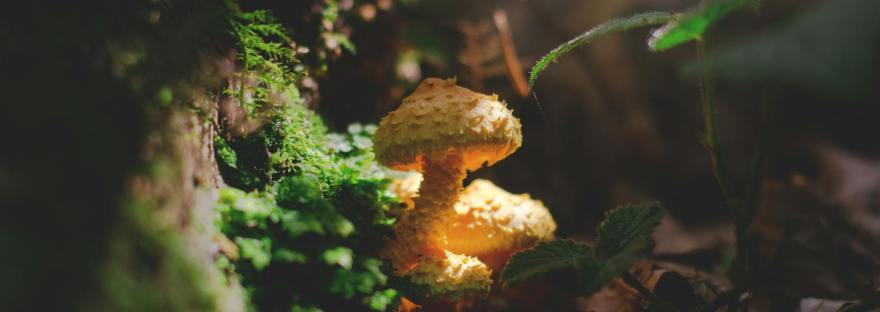
One of the reasons forest therapy has become so meaningful to me is because the forest never panics about transformation.

Forest therapy has taught me that stillness is not the same thing as stagnation. Sometimes what appears dormant is actually becoming. I wrote more about that in this post, Nourish Your Nervous System: Forest Therapy Insights

Deadfall becomes nourishment. Burned places grow new life. Trees release entire branches to survive harsh seasons. These changes that seem negative are essential to a healthy forest.

Humans also require those experiences that appear negative and are actually essential for a healthy life.

In the forest, decay and renewal, soft and hard, smooth and sharp are all happening simultaneously.

And honestly, that feels like midlife too.

Especially for those of us living in bodies that have known pain.

We have experienced days where tears of pain rolled down the left cheek while tears of joy rolled down the right.

We know how to hold grief and gratitude at the same time.

That depth changes a person.

We know what it is to laugh in waiting rooms. To find beauty in tiny victories. To feel gratitude and grief sharing the same chair.

I have learned that emotional pain cannot simply be numbed away the same way physical pain can. There is no ibuprofen for identity loss. No heating pad for disappointment. No prescription for becoming someone new.

And while suffering itself is not noble, I do think deep experiences deepen people.

My chronic comrades know this.

Pain can also make people bitter, stuck, isolated, hardened.

That, perhaps, is the difference between a crisis and a chrysalis. One keeps us frozen in fear. The other slowly reshapes us.

If we allow ourselves to learn from it. We can become more compassionate. Tender. Wise. Present. Better able to sit beside someone else’s suffering without looking away.

As they said in the podcast,

Our painful life lessons are the raw material for our future wisdom.

I believe that in my soul.

The Offering

Sometimes our culture subtly teaches that the people worth listening to are the successful ones. The polished ones. The credentialed ones. The endlessly productive ones

What can we do about this imbalance? If you ever deem somebody less than you… ask yourself what they can teach you.

Because some of the wisest people I know have had their lives interrupted.

Some had to abandon dreams they loved. Some never got the education they were capable of and deserved. Some are rebuilding lives with parts and pieces they never would have chosen.

And still. They carry wisdom.

Do not think less of yourself because your life required adaptation. You are not behind because your path bent unexpectedly.

Some of us have earned emotional depth the hard way.

And if you cannot live the exact life you once pictured?

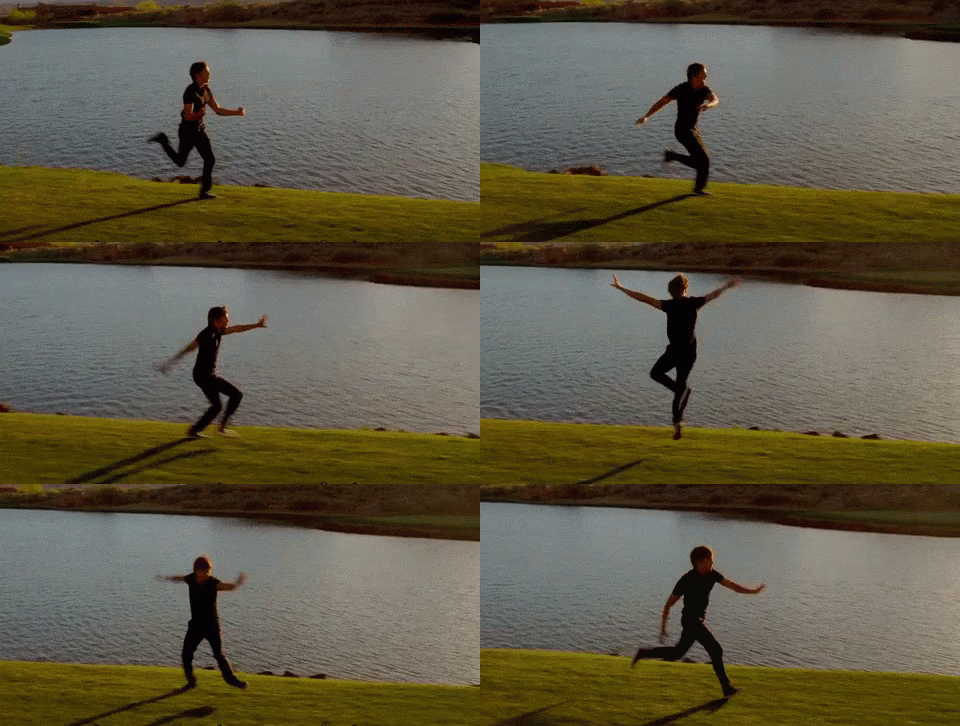
Find something to run toward anyway.

Even if your pace looks different now. Even if you have to limp toward it some days. Even if your dream has changed shape entirely.

A chrysalis does not become what it originally was.

That is the whole point!

A Forest Therapy Invitation: Chrysalis Walk

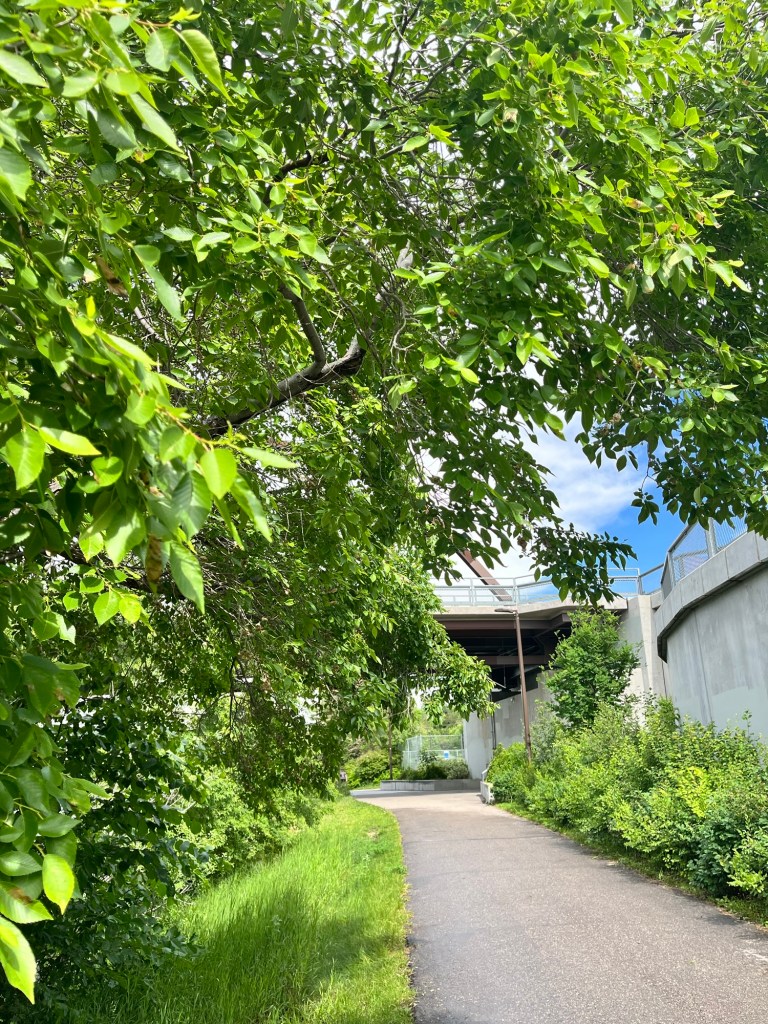
The next time you’re in a forest, park, or tree-lined path, try this:

Walk slowly and notice signs of transition.

  • What is decomposing?
  • What is emerging?
  • What is shedding?
  • What is adapting?
  • What still carries beauty despite visible damage?

Then ask yourself:

  • What version of myself am I grieving?
  • What no longer fits?
  • What wants to emerge now?
  • What if this season is transformation instead of failure?

You do not need immediate answers.

The forest is always becoming new. Slowly. Over time.

The Question

One question from the podcast we can all ask ourselves,

Ten years from now, what will I regret if I don’t learn or do now?

Conley called anticipated regret a form of wisdom. Chronic illness teaches you that later is not guaranteed. Perfect timing is imaginary. And someday can become never surprisingly fast.

So maybe this chapter is not about trying to reclaim who we once were.

Maybe it is about becoming more fully ourselves.

Hot flashes.
Heating pads.
Existential growth.
And all.

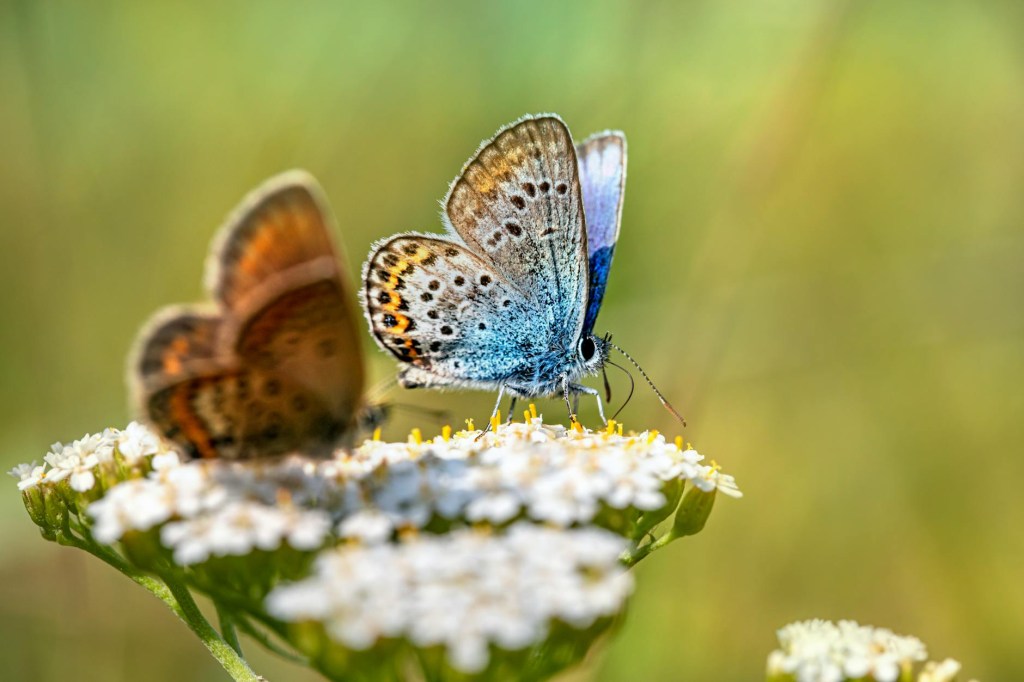
What the caterpillar calls the end of the world, the master calls a butterfly.

Richard Bach

Finding Calm in Fibromyalgia: The Power of Forest Therapy

fibromyalgia- noun, the feeling of being run over by a bus, dipped into a bucket of acid, and repeatedly thrown off a cliff without any physical evidence

So fibromyalgia,

This tale began long before the word fibromyalgia ever entered the room.

Before the angry bees. Before the heat waves. Before the exhaustion that made my bones hum.

Back then, my body was already waving a white flag.

Endometriosis had long been the ringleader of chaos, and hypermobility joined the act with its own flair for the dramatic. My hormones seemed to operate on a “scorched-earth” policy, every cycle left me depleted in every possible way: physically, mentally, spiritually, energetically.

So, after years of living in that internal thunderstorm, I made the decision to have a hysterectomy. It felt like clearing the undergrowth and removing what was fueling the fires, hoping sunlight could finally reach the forest floor. The surgery did bring relief. No more monthly hormonal hurricanes, no more monthly pain to the degree it pulled joints out of place. In this body that closely resembles a badly fastened tent in a windstorm.

But when the dust settled, I was left with a forest that had already burned.

Attending to the Aftermath: When Your Body Refuses to Cooperate

Recovery was supposed to be a time of healing, but my body apparently missed that memo. Surgery, anesthesia, medications, they left their residue. And to top it off, I woke up to find I’d been dropped unceremoniously into menopause.

My body and I have had a complicated relationship, but menopause turned it into a full-on standoff. Hormone therapy was off the table after one tiny patch sent my muscles on an extended vacation. No postcard, no warning, just gone 👋🏼.

So I turned to holistic treatments. Some soothed the edges, helped me sleep, softened the emotional rage that had been living rent-free in my chest. But nothing touched the furnace within. Every thirty minutes, like clockwork, my body would light up with that internal combustion that seems to come from the bowels of Hell itself. Heart racing. Skin buzzing. Brain short-circuiting.

Then came the chills. The kind that made you question every life choice that led to this point.

This cycle of heat, sweat, freeze, repeat, went on for a year. Every. Half. Hour.

But also this 👇🏼

It’s hard to heal when your body never stops sounding the alarm.

Tuirse

(Irish/gaelic) a deep sense of tiredness, weariness or fatigue that can refer to both physical and emotional or spiritual exhaustion. Soul- level weariness, melancholy, or the emotional heaviness of enduring life’s struggles. (gaeilgeoir.ai)

Buzzed and Bothered Bees

Fibromyalgia had been sitting quietly on my medical chart for years. Alongside its equally mysterious companion, Myalgic Encephalomyelitis. I used to think they were just polite placeholders for the doctors to say 🤷🏼‍♀️🤷🏼‍♂️ “we don’t actually think you have anything.”

But after the hysterectomy, I learned what they really meant.

It started in my forearms, this sharp tingling that grew into what I now call the angry bees. I picked that up from somewhere. That’s not my analogy.

A swarm of bees that lives under my skin, buzzing, burning, twitching. Eventually, the bees migrated up my arms, into my neck, sometimes triggering migraines that feel like the entire hive moved into my skull.

I’ve come to learn the bees are mood-driven. They thrive on stress and pain but mellow out in sunshine and rest. On a good day, when my toes are buried in natural elements, the bees hum instead of sting.

Fibromyalgia is like that. Unpredictable, wild, and buzzing with sensations that don’t make sense but demand attention.

Contemplating my Clearing

Somewhere in all of that chaos, I found forest therapy.

It didn’t happen with a grand epiphany. It started with a slow walk. A quiet pause. A breath that finally reached the bottom of my lungs.

I began to notice how the forest holds its own balance. Even when trees are damaged as storms tear through, life finds a way to reorganize itself. The underbrush grows back differently. Sometimes softer, sometimes stronger, always intentional.

So I began to clear my own underbrush. The overgrown “shoulds.” The tangles of perfectionism. The toxic patterns that had wrapped themselves around my worth.

As the poet John O’Donohue wrote,

When the mind is festering with trouble or the heart torn, we can find healing among the silence of mountains or fields, or listen to the simple, steadying rhythm or waves.

In the woods, I let myself unravel a little. My body could buzz, twitch, and ache but surrounded by green, the bees didn’t seem so angry. The forest became a mirror, showing me that healing isn’t about erasing pain, it’s about learning to live among it, gently.

The Healing Continues…

“The forest is not merely an expression or representation of sacredness, nor a place to invoke the sacred; the forest is sacredness itself.” – Richard Nelson

The bees still visit. The heat still flares. The fatigue still sneaks up like fog rolling in uninvited.

But now, I have a clearing to return to. A place both within and around me, where my nervous system can remember what calm feels like.

Fibromyalgia taught me that healing isn’t a straight path. It’s more like a winding forest trail that keeps surprising you. Some days you stumble. Some days you sit on a log and cry. And some days—miraculously—you dance with the bees instead of fighting them.

So I keep walking. Slowly. Barefoot when I can. Listening for birdsong between the buzzing.

And when I feel the swarm rising, I head for the trees asap.

Because out there, among the whispering leaves and mossy ground, my body remembers what peace feels like. Even if just for a breath.

I pray this winter be gentle and kind- a season of rest from the wheel of the mind.

-John Geddes

Menopause Uncovered: Taboos Broken and Symptoms Revealed

I was going to label this as a women’s post but really guys should know this too. Proceed at your own risk.

What is it with menopause being such a hush- hush topic? We are educated at home and at school about puberty yet when it comes to menopause there is no such help on the topic. Anyone can google or do some research on the subject but do we? And how accurate is the information we are reading?

Despite the fact that I am now postmenopausal, I think? I am clearly far from an expert on the subject. Before my scheduled hysterectomy I figured I knew enough about what would happen from the little bit of girl talk and the way after- school specials made fun of it back in my day. I clearly remember Clair Huxtable on The Cosby Show faking what happens to women by going on in a big ordeal that ended with her head in their fridge freezer to make a point to her family. It seemed to say menopause will make you ridiculous unless you are strong enough to withstand the symptoms everyone goes on about. Or at least that’s what I took from it.

All my husband knew of menopause before my surgery was remembering his grandma pulling the car over and jumping out to tear her sweater off because she suddenly got too warm. It’s a funny family story that still circulates. To be fair I didn’t do much research on the matter either.

Before my complete hysterectomy I looked up the symptoms and side effects and how to try to avoid them. I thought I knew what I was in for. All the symptoms can be laughed off which makes it really dangerous for those that experience them to the extreme.

I had my surgery in May of 2019. Technically I was menopausal for one year following the surgery. But I am five years post surgery and I still have crazy symptoms. So here I am, labelled post when I am still obviously present! I am experiencing hot flashes every half hour. And other symptoms too. Clearly I must have missed a step.

It was one thing to deal with the symptoms I expected. But another to try and explain the ones nobody had heard about.

I talked to my doctor about 6 months after my hysterectomy and told her I still had all the symptoms of a cycle minus the actual period. She assured me it was all in my head. Then she man-splained how when you don’t have ovaries you can’t have a cycle. Now I know I am not the only one who has experienced this symptom. I am not making it up.

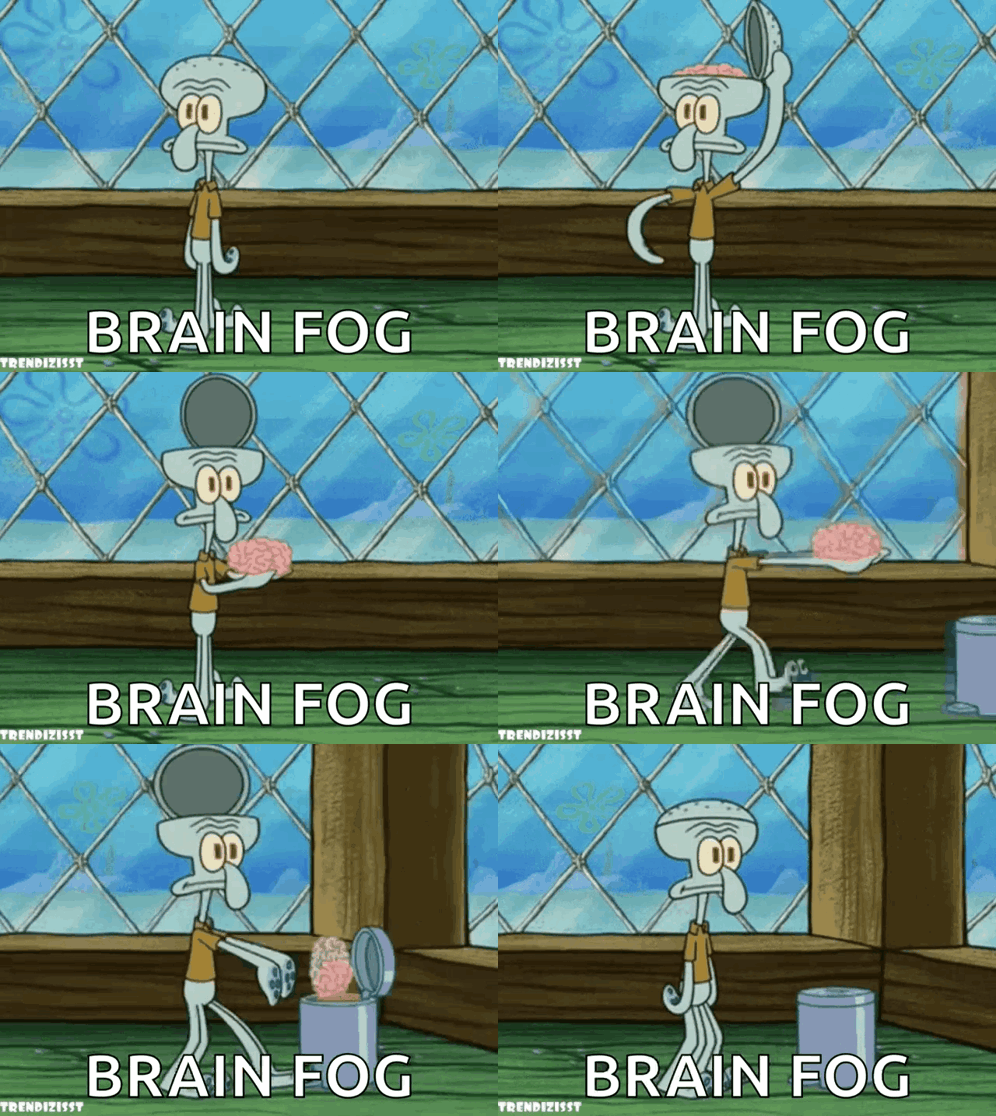
Between this brain fog that slows down my processing speed and my age, my eyes needed help with progressive lenses shortly after the surgery. And they are still going downhill quickly. This was not a symptom for which I was prepared. Yet I have read about more than one person who has experienced this decline in prescription during menopause.

Hot flashes. Yes, I’ve heard of those. I’ve heard comedians poke fun. But cold flashes? Nope. That was not in the top ten things to watch for. I mentioned before that I looked forward to warming up since I run cold. But a cold flash for someone that was already cold is terribly uncomfortable. I have to dress up to change rooms in my house if the temperature is at all lower. Followed closely by being too warm in the extra clothes and leaving more mess strewn around the house than my kids did as pre schoolers. And once I get too warm or too cold? Good night Nelly! I can’t get back to normal. Steaming or boiling anything on the stove was out of the question for over a year after the surgery. I still struggle to make a meal because once I start to hot flash I can’t bring it back. I just keep hot flashing until the meal is done and I am a hot mess.

And lastly and the most fun of all…? the emotional roller coaster. I would classify myself as someone who keeps a pretty level head and a cool demeanor in most situations. I had a mean streak as a teenager but I’ve since tamed that beast. I knew that hot flashes would warm me up to put it mildly. But I was not prepared for the rise in frustration and impatience that come with the incredibly warm face and dripping body parts. I relate to this meme, I feel like I’m in a petting zoo and all I wanna do is bite people. Why are there no such words of warning to those who are suffering: Wear breathable clothing! This cannot be stressed enough. Picture being in a rain jacket but you are more soaked on the inside of the jacket than the outside. Brent says when I start to warm up in bed the temperature climbs but even more notably, the humidity rises.

I already mentioned the book I read by Libby Weaver titled, Rushing Women’s Syndrome. I saw another diagnosis with a slightly different definition but the idea is the same. It is called Hurried Sickness. The behavior pattern is caused by a continual rushing and anxiousness and overwhelmingly continued sense of urgency in which a person feels chronically short of time and tends to perform every task faster and gets flustered while encountering any type of delay. That description is spot on for any morning at my house, especially when my kids were younger!

When there is a lack of understanding there is a tendency to feel alone. This non comprehensive list of secret symptoms is only my list. It won’t be the same for everyone. But my list matches with someone’s. And maybe they feel alone too. In evolutionary biology they say a lone monkey is a dead monkey. Instead of feeling alone in whatever you may be facing, share it with others and create a shared nature of suffering. Escape from your own woes by recognizing the suffering of others and reaching out in whatever way fits into your world.

Forest therapy has been the answer for me around my symptoms. When I spend a day outside I rarely notice one hot flash but, I kid you not, a day spent indoors, you will observe me reaching for my fan and taking off my socks and looking for a cold drink (of water) every stinking half hour. For the last five years.

If you want to calm your menopausal or apparently post menopausal symptoms, go to my contact page and book a walk with me to see what forest therapy can do for you.

img_2202

My request for this week may be awkward at first but can we start to foster an attitude that supports more normalcy and education around menopause the way we do around puberty? Google doesn’t hold all the answers. Every time I googled my chronic pain symptoms I ended up with Lupus, like most of the patients on House. As adults we can’t rely on what Google alone has to say. Or even what a single doctor may tell you. But the combined story of actual women who are willing to share actual experiences.

Tell those who can’t handle a discussion around menopause, You SHHHHHH!!!!!

What’s the Rush?

I’m reading a book by Dr. Libby Weaver. She describes what she calls Rushing Women’s Syndrome, also the name of the book. She says, “Rushing Women’s Syndrome (RWS) describes the biochemical effects of always being in a hurry and the health consequences that urgency elicits.” Ironically, I’m listening to it on double speed because I have to get it done!

Photo by Paweu0142 L. on Pexels.com

I see so much of myself in this description of a rushing woman and I wonder if you do as well. Dr Weaver says, “Imagine if you will RWS in action. It doesn’t seem to matter whether she has 2 things to do or 200. She’s often in a pressing rush to do it all. Wound up like a spring, she runs herself ragged in a daily battle to keep up. There is always so much to do. And she very rarely feels like she wins, is in control or gets on top of things.” (Can I get an amen? 🙌) “In fact her deep desire to control even the smaller details of life can leave her feeling out of control even of herself. Overwhelmed at times she feels like she can’t cope whether she admits it out loud or keeps it all inside adding to her wound up knotted stomach… Most women with RWS suffer terribly with their periods or don’t bleed regularly. Women who go into menopause in this state usually find it debilitating.” Next on the page should be a picture of me. Mid hot flash.

Does any of this feel familiar to you? I see myself in every detail. But that was past me. Now I recognize what it did to me and I would do anything to help even one soul from experiencing what I have. To turn someone back at the gate of being rushed to death.

Dr Weaver continues, “The majority of rushing women are wired and typically get very weary in the late afternoon to early evening but if they stay up after 10 pm they often get a second wind and it is then very hard to go to sleep until 1 or 2 am.” Holy smokes, yes. This is me, spot on. Does she have a live stream of my life? For real, where are the cameras? I had no idea this wasn’t just me.

If you are interested, she has a checklist to see if you are a rushing woman. I was not surprised when, based on who I was, I scored off the charts. If I were to add it up based on me today it would not be zero but it would be significantly better. From what I have read so far I would recommend this book to anyone feeling rushed.

Being a woman that was in a rush for everything, I know when Dr Weaver says it affects our nervous system, our endocrine system and the digestive system, she has seen first hand what I have experienced. I can hold my hand to the sky to bear my witness that not only does it affect these systems, it will squeeze the life out of those systems first. Watch for an overloaded nervous, endocrine or digestive system as these are hard to recover once they are pushed past a certain point.

I look forward to learning the tools and answers that will be presented in the book by Dr Weaver. I am always looking for what is next or what to add to my healing practices. I’m only on chapter 4 so if you’re also interested in her answers, you will need to purchase the book yourself.

But I feel blessed to have my own tools. I know Forest Therapy is a key part of healing for me.

Have you ever stood in front of rushing waters? I love to watch waterfalls or streams. If you have access to something of the sort I invite you to try this practice. Even laying in bed and picturing it will give you some of the benefits. Face the water as it runs towards you. Hear it. Sense the power, even if it’s gently moving. Picture the rush and the busy and the tension of your life letting go, let the water take it away. Allow the water to wash clean all the areas that have not been working and are taking their toll on you and your family. Let it go. Steady now, don’t burst into song on me.

Next shift your focus. Look at the source of the running water. As far as you can see the source. Picture it bringing you all the energy, peace, and guidance you need. My source is Jesus. Yours may be the earth. Family. But there is a source for all of us that is available to heal the physical, emotional and mental damage that’s been done. There is a way to better health starting at any age and any ability level. It will guide you to a better life. The one you pictured as a young child. Was it bright and beautiful? Mine was. And now I found it again. The forest has many healing measures. You just need a guide to help you find them. Head over to my contact page if you want to know more about booking a forest walk with me.

My sweet, tired, rushed friends, join me in the forest.