

Adopt the pace of nature: her secret is patience.
-Ralph Waldo Emerson
When you’re living with chronic pain, migraines, fatigue, hormonal changes, or an autoimmune condition, every ounce of energy matters.
So it can be frustrating to discover that many of the products we use every day may be working against us.

The reality is that we live in a world filled with chemicals, pollutants, and environmental stressors. While our bodies are remarkably resilient, they weren’t exactly designed for a daily cocktail of synthetic fragrances, plastics, pesticides, and mystery ingredients with names that sound like they belong in a chemistry textbook.
I recognize that in speaking on this topic, I now resemble a kooky, woo woo spokeswoman for all things unconventional. But stick with me.
If you’ve ever looked at an ingredient label and thought, “I have no idea what any of these words mean, but I’m about to put them directly on my skin,” you’re not alone.
I’ve reached the age where reading labels is apparently one of my hobbies.
Welcome to the wacky world of hormone disruptors.
What Are Hormone Disruptors?
Hormone disruptors, also called endocrine disruptors, are chemicals that interfere with your body’s endocrine system, the network responsible for producing, transporting, and regulating hormones.
Think of hormones as your body’s communication system. They send messages that help regulate everything from sleep and metabolism to mood, reproduction, energy, and immune function.

Hormone disruptors can interfere with those messages by:
- Mimicking natural hormones
- Blocking hormone receptors
- Altering hormone production
- Affecting how hormones are transported or eliminated
In other words, they’re the equivalent of someone repeatedly hitting “reply all” on emails that were never meant for them.

My hormones wake up everyday and choose unpredictability. They have the organizational structure of a flock of startled geese.
Why Does This Matter?
For years, many people with chronic conditions have been told that their bloodwork is normal, their tests look fine, and everything appears to be functioning as expected.
Meanwhile, they’re exhausted.
They’re in pain.
They’re dealing with migraines, inflammation, brain fog, sleep disturbances, mood changes, or symptoms that don’t fit neatly into a box.

Hormone disruptors aren’t necessarily the cause of these conditions.
But if your body is already managing chronic inflammation, pain, migraines, fatigue, hormonal changes, or autoimmune symptoms, reducing unnecessary stressors may give your system one less thing to deal with.
It’s not a cure.
But every little bit of support matters.
Symptoms That May Be Linked to Hormone Disruption
Hormone disruption can show up in many different ways
Some common symptoms include:
- Fatigue
- Brain fog
- Sleep disturbances
- Mood changes
- Anxiety
- Weight gain or difficulty losing weight
- Headaches and migraines
- Skin issues
- Fertility challenges
- Irregular menstrual cycles
- Low libido
- Increased inflammation
The challenge is that many of these symptoms overlap with chronic illnesses, making hormone disruption difficult to identify.
Which is somewhat rude, if you ask me.

My Experience
When I first started learning about hormone disruptors, I had two reactions.
First:
“Well, that’s concerning.”
Second:
“There is absolutely no way I can afford to replace everything I own, let alone find the time and energy to make everything!” (mentally checks out of this topic)
Thankfully, I’ve since learned that reducing exposure isn’t about perfection.
It’s about making practical choices that support a body that’s already working hard.
Because if the wellness industry had its way, I’d be replacing every item I own by Tuesday. And while I appreciate the enthusiasm, my budget and my sanity have other things to do.
Where Are Hormone Disruptors Hiding?
Unfortunately, they’re not hiding very hard.

Personal Care Products
- Shampoo
- Conditioner
- Hair products
- Lotions
- Makeup
- Perfumes
- Deodorants
- Nail polish
Household Products
- Air fresheners
- Scented candles
- Dryer sheets
- Fabric softeners
- Cleaning products
Food Storage and Packaging
- Plastic food containers
- Plastic water bottles
- Plastic wrap
- Certain canned food linings
- Some non-stick cookware
Environmental Sources
- Pesticides
- Herbicides
- Some furniture treatments
- Certain stain-resistant coatings
One of the most common concerns is simply the ingredient listed as:
Fragrance
That single word can represent dozens. Or sometimes hundreds of undisclosed ingredients.

The goal is reducing your overall toxic burden where you reasonably can.
Some labels contain enough syllables to qualify as a spelling bee challenge. At what point does an ingredient list stop feeling informative and start feeling mildly threatening?
A Gentle Approach to Reducing Exposure
Put your garbage bags down.
You don’t need to throw everything away and start making your own soap from dandelions and determination.
You cannot eliminate every toxin.
You cannot control every environmental exposure.
And honestly, trying to do so would probably create more stress than benefit.
The goal isn’t perfection.
Small, sustainable changes tend to be far more effective than dramatic overhauls.
Start with one product.
Then another.
And keep going at a pace that feels manageable.
Homemade Alternatives
One reason many people choose homemade products is because the ingredients are simple, familiar, and transparent.
When you know exactly what’s in something, there’s less mystery.
You may also reduce your exposure to fragrances, preservatives, and other unnecessary additives.
Here are a few of my favourite homemade recipes:
Homemade Deodorant
Recipe @ healthylifetrainer Note: Unlike antiperspirants, which block sweat glands, this recipe functions as a deodorant. It helps control odour while allowing your body to sweat naturally. The other thing to be aware of is its ability to turn into deodorant soup when stored above room temperature. Store it in the cooler if you go camping!⛺️
Homemade All-Purpose Cleaner
Recipe @ lifelovelarson
Homemade Eye Makeup Cleaner
Recipe @ wholenewmom
Homemade Face Wash
Recipe @ Pinterest
A Forest Therapy Practice for Simplifying Your Routine
One of the biggest challenges with reducing hormone disruptors is deciding where to start.

Forest therapy offers a different approach.
Rather than creating a long list of things you have to change immediately, begin with awareness.
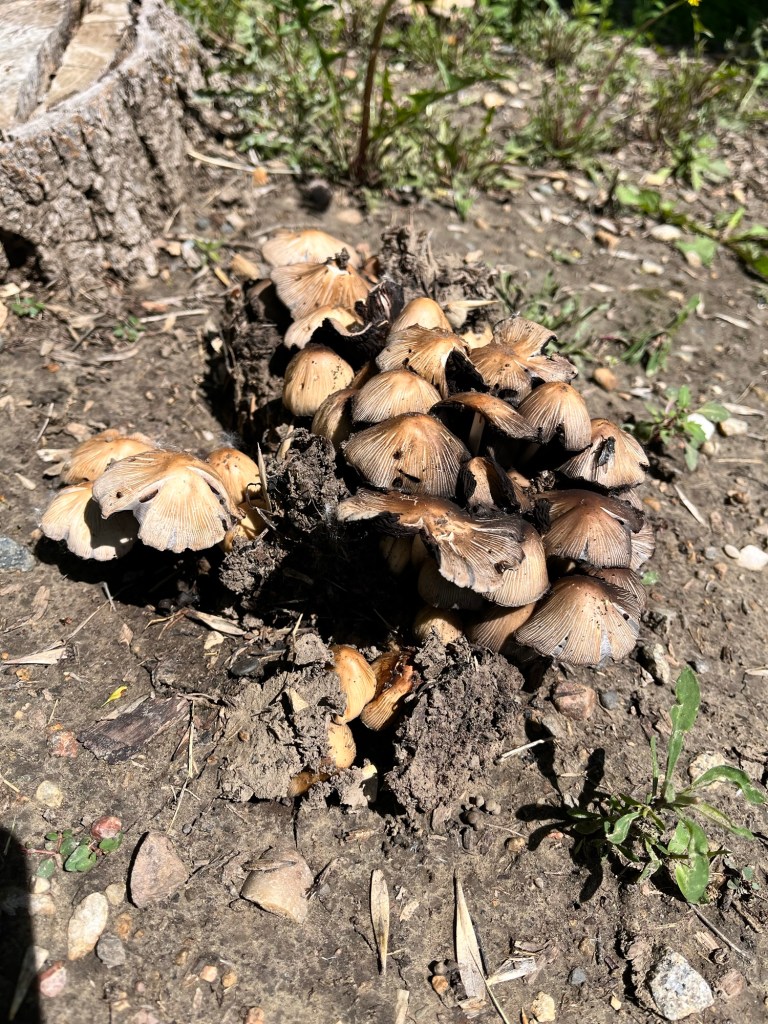
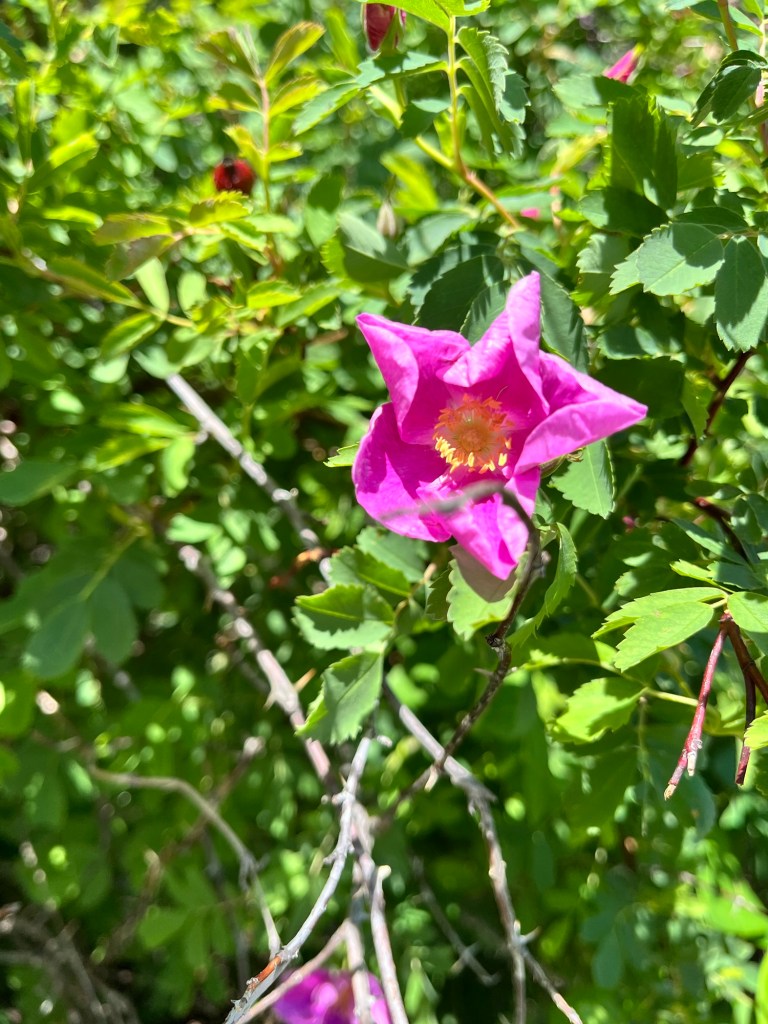
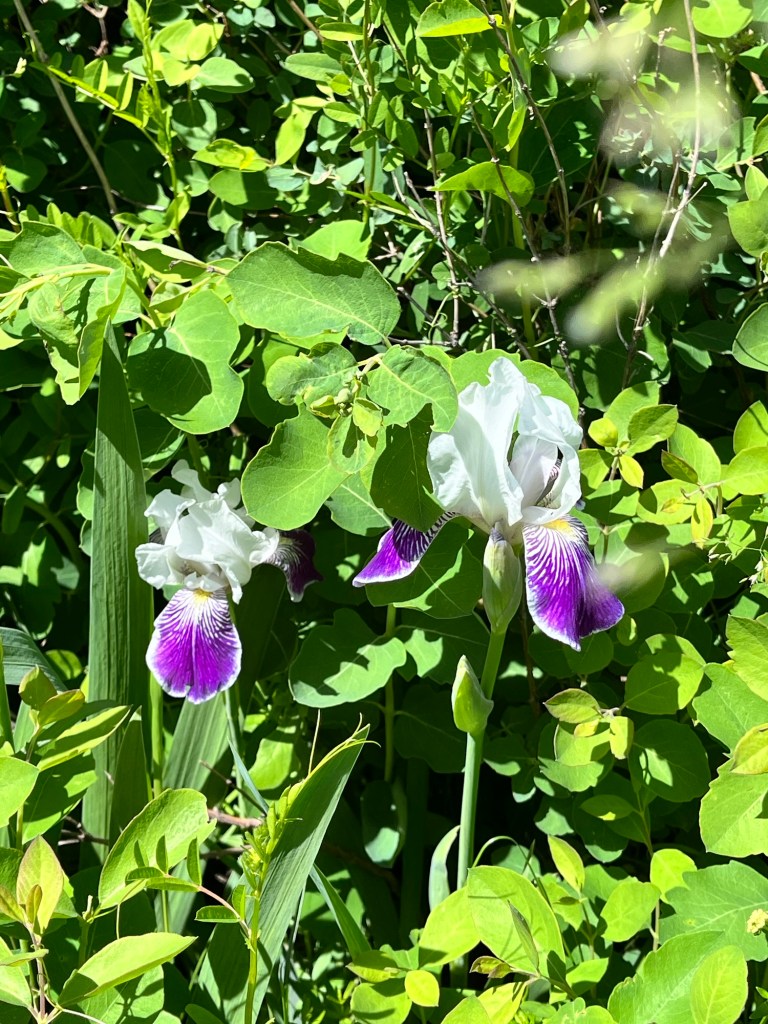
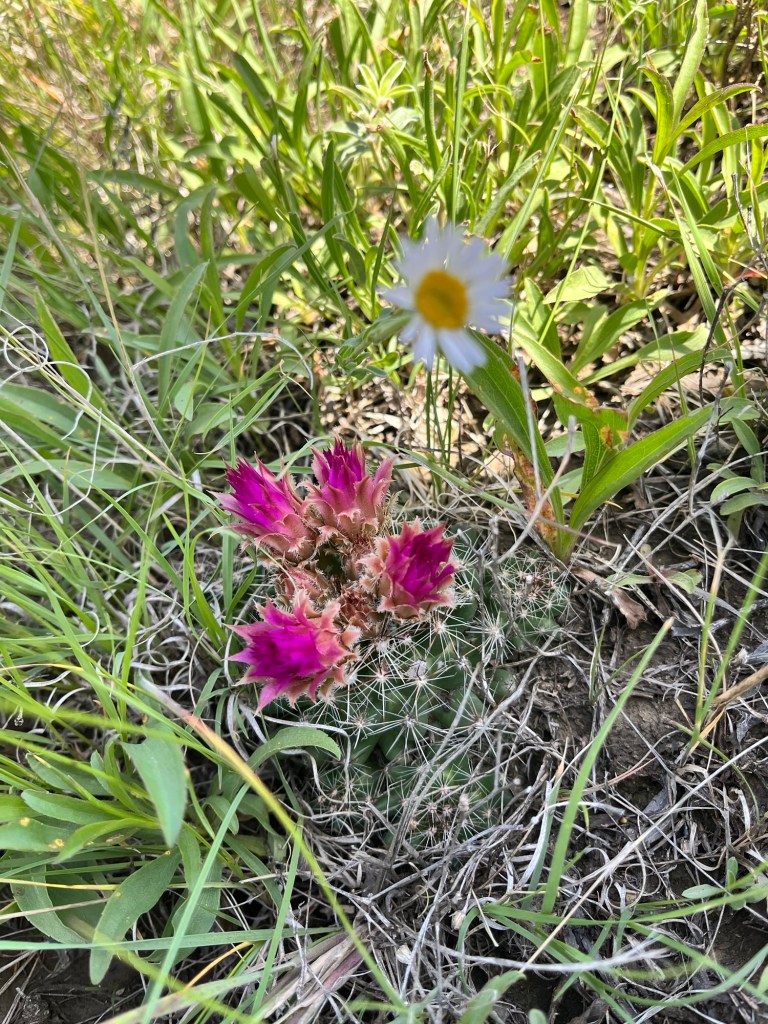
Take a slow walk in nature.

Leave your phone in your pocket.
Notice what catches your attention.
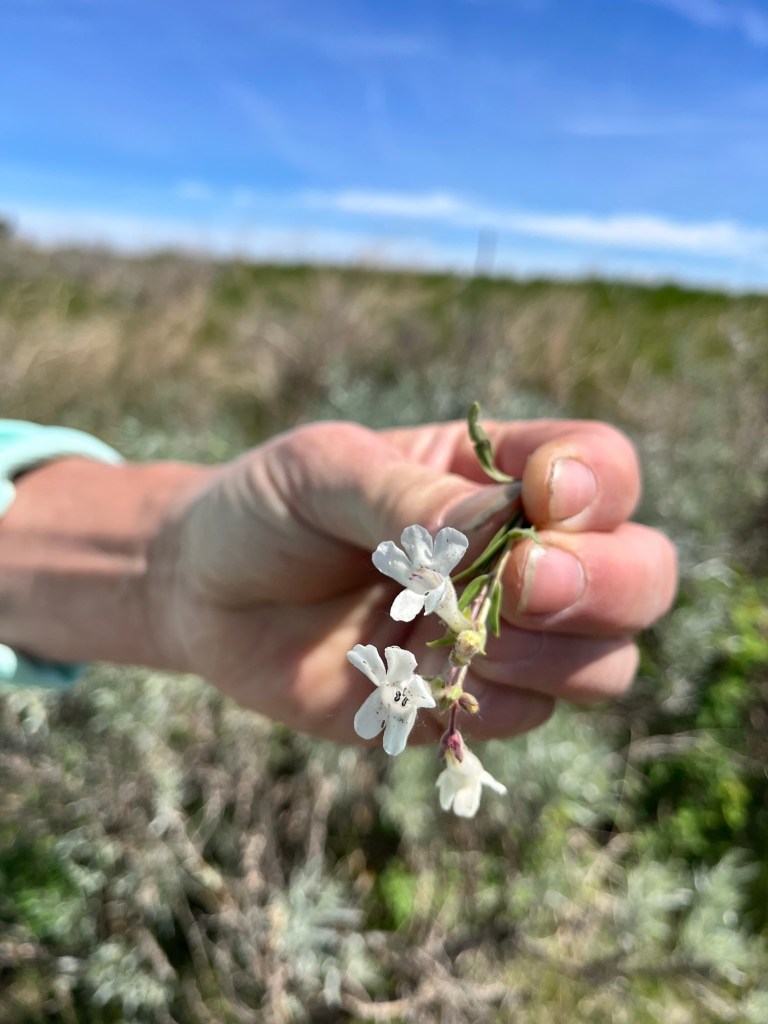
Listen to the sounds around you.
Feel the ground beneath your feet.
Allow your nervous system to settle.
When you find a place that feels inviting, sit quietly for a few minutes.
Ask yourself:
- What products do I use every day?
- Which products spend the most time on my skin?
- Which products do I inhale regularly?
- Which product would be easiest to replace?
- Which change feels supportive rather than stressful?
Then ask:
“If I could change one thing this month, what would make the biggest difference?”
Forest therapy reminds us that healing doesn’t always happen through doing more.
Sometimes it begins by slowing down enough to notice what our bodies have been trying to tell us.

When I started forest therapy the trees and I got along immediately. Unlike my hormones 😖 😡.
Perimenopause
Slowly losing every chemical that was helping me tolerate people.
Health Is More Than Avoiding Toxins
Removing unnecessary exposures can be helpful.
But building health is equally important.
Sometimes we become so focused on what we should eliminate that we forget what we need to add.
The foundations matter.

Prioritize Sleep
Sleep is when your body repairs, regulates hormones, supports immunity, and recovers from daily stress. Clean up your sleep routine.

Eat Nourishing Foods
Focus on foods that support your body rather than aiming for perfection. Slowly move towards the diet your body needs.

Move in Ways That Work for You
The best exercise is the one your body can recover from. That answer looks different for everyone.

Get Outside
Sunlight helps regulate circadian rhythms, mood, and overall wellbeing. Get out in the first minutes of your day.

Nelipot
English; a rare and poetic word that refers to someone who walks barefoot, one who feels than earth beneath their feet, often implying a connection with nature or a simple, grounded lifestyle.
Put Your Feet on the Ground
Whether you call it grounding, earthing, or simply standing barefoot in the grass, many people report feeling calmer and more connected afterward. I concur.
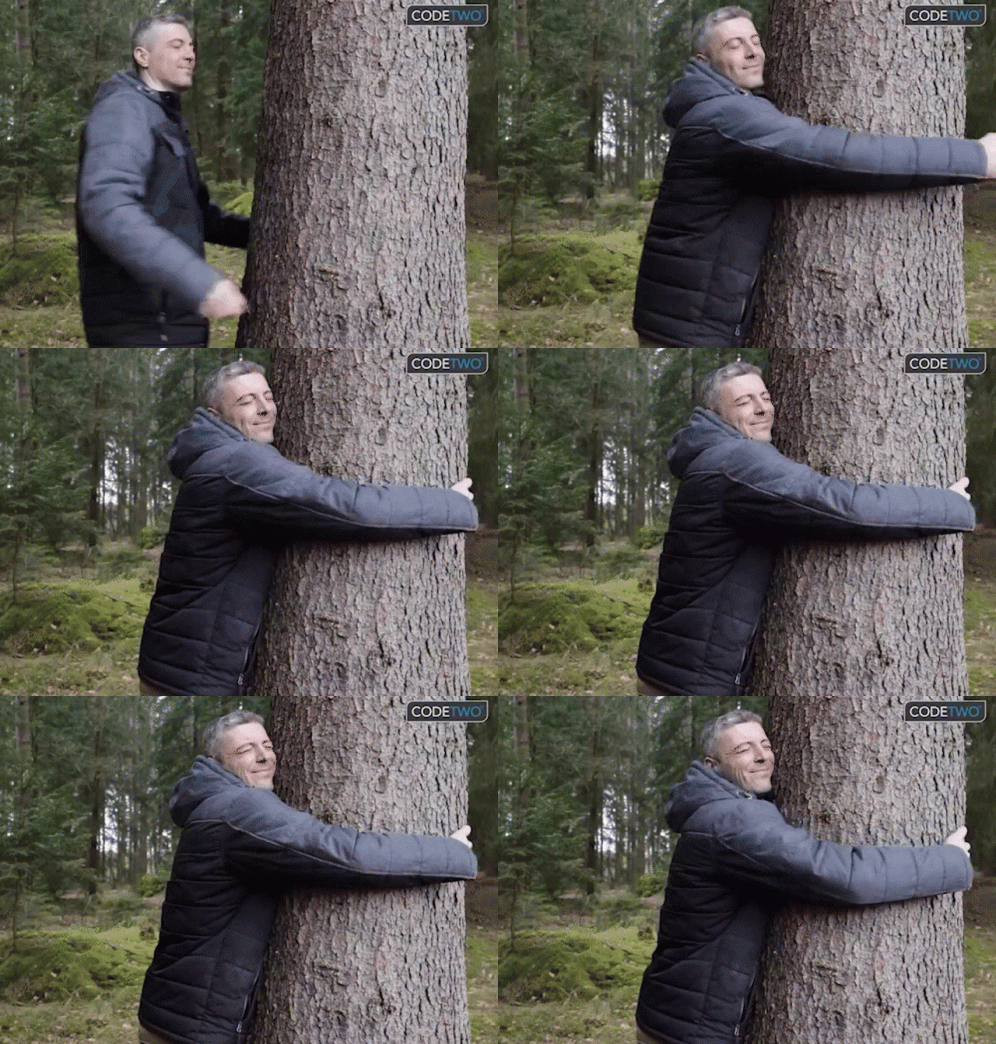
Spend Time in Nature
Nature lowers stress, restores attention, and creates opportunities for rest and reflection. More than getting outside it is connecting with the natural world.
The forest continues to offer something many modern products can’t: simplicity. The more time I spend in nature, the more I understand why my body keeps asking me to return. The message is clear.
Less fragrance. More forests.
My nervous system is a strong advocate for sunshine, birdsong, and not reading every ingredient.

Why Forest Therapy Matters
Forest therapy isn’t about replacing medicine, specialists, or common sense.
It’s about creating conditions that support healing.
I’ve seen it support people who were struggling.
I’ve also seen it elevate people who were already doing well.
Nature doesn’t ask us to be healthy before we show up.
It simply offers an environment that encourages restoration, resilience, and connection.
Whether you’re managing chronic illness or simply trying to feel your best, time in nature can be one of the simplest and most accessible forms of self-care available.
Turns out one of the healthiest things I can do is wander through the forest looking slightly lost.
Final Thoughts
Nature has never pulled me aside to discuss my skincare routine. I don’t have to be a perfect version of myself before I can join.
It simply reminds me to take the next step.
Sometimes that’s all healing requires.
We can’t control every toxin, every chemical exposure, or every challenge life throws our way. But we can support our bodies through simple, consistent practices.

Sleep. Movement. Nutritious food. Sunshine. Fresh air. Time in nature. Small choices made repeatedly over time often have the greatest impact
Not because they’re dramatic. But because they’re sustainable.
And unlike the mystery bottle hiding under your bathroom sink since 2014, those habits never expire.
Maybe living your best life just means slowing down enough to see how good it already is.

