
Chronic Willpower: The Cost of Being the Woman Who Always Pushes Through

The curious paradox is that when I accept myself as I am, then I can change.

Carl Rogers

For most of my life, I thought willpower was the answer.

Tired? Push through.

In pain? Push through.

Overwhelmed? Push through.

Running on fumes? Push through harder (and question what my problem is. Everyone else can do it all!)

Our culture practically hands out gold stars for overriding our bodies. We admire grit, determination, hustle, and resilience. We celebrate the people who keep going no matter what.

But what if chronic willpower isn’t a strength?

What if it’s a survival strategy?

And what if the very thing you’ve relied on for decades is now contributing to your exhaustion, burnout, brain fog, chronic symptoms, and sense that your body has become the river overflowing its banks after years of holding everything in?

I am learning that hormones play a major role in mid life. Learn more about hormones and their effects in this past post. Female Hormones: Our Fickle Fairweather Friend

The Problem With “Just Try Harder”

I recently listened to an episode of the  Success Genius podcast⁠ hosted by Neill Williams, a master certified coach. Her podcast focuses on helping ambitious women work with their brains and bodies rather than constantly pushing against them. A message that feels particularly relevant to my own journey with chronic willpower.

Williams suggests willpower is often a withdrawal, not a strategy. It is what we use when we don’t have access to regulation. Instead of listening to the body, we override it. Instead of responding to its signals, we silence them. Instead of resting, we push harder.

At first, this works remarkably well.

You become productive.

Dependable.

Capable.

The person everyone can count on.

The person who somehow manages to keep all the plates spinning.

Until one day the plates start spinning you.

It’s amazing how long you can juggle flaming torches before realizing you are the one on fire.

When Willpower Becomes a Withdrawal

One of the most eye-opening ideas Williams proposes is this:

Willpower is not a strategy. It is a withdrawal.

Using willpower occasionally isn’t a problem.

Life happens. Deadlines happen. Emergencies happen.

Sometimes we need to dig deep and do hard things.

The trouble begins when overriding ourselves becomes our default operating system.

When every day looks like:

I’m exhausted, but I’ll push through.”

I’m overwhelmed, but I’ll push through.”

My body is asking for rest, but I’ll push through.”

A withdrawal isn’t necessarily noticeable at first.

Just like spending a little extra on a credit card doesn’t feel like a crisis.

But eventually the bill arrives.

And like every credit card company, our nervous systems charge interest.

I once heard a doctor describe it this way:

It starts as a whisper. Then it becomes a shout. Then it becomes a scream. If you keep ignoring it, eventually it shuts you down.”

I suspect many women reading this know exactly what that feels like.

Listen to your body when it whispers so you don’t have to hear it scream.

What Happens Physiologically?

Your nervous system is constantly gathering information about whether you’re safe.

When you repeatedly ignore fatigue, stress, grief, overwhelm, pain, or emotional needs, those signals don’t simply disappear.

They get louder.

The body begins turning up the volume in an attempt to get your attention. What started as mild fatigue becomes crushing exhaustion. A little tension becomes chronic pain. Occasional anxiety becomes a constant background hum.

Symptoms are often the falling leaves, not the falling trees. They’re early signs that something needs attention.
The Physiological Cost of Chronic Willpower

It is not stress that kills us, it is our reaction to it.

Hans Selye

We are designed for stress.

Contrary to what social media might have us believe, stress itself is not the enemy.

The stress of giving a presentation.

The stress of learning something new.

The stress of tackling a challenge.

Those are normal.

Healthy even.

The problem is chronic stress without sufficient recovery.

When we continually override our body’s signals and never allow the system to recover, we remain stuck in a state of ongoing activation.

Over time that can contribute to:

  • Elevated cortisol
  • Disrupted sleep
  • Increased emotional reactivity
  • Brain fog and reduced cognitive function
  • Immune system suppression
  • Hormone disruption
  • Burnout
  • Chronic fatigue
  • Increased vulnerability to illness

Many women eventually find themselves working harder than ever and accomplishing less.

Not because they’re lazy.

Not because they’re undisciplined.

Not because they suddenly lost their motivation.

Because their nervous system has been carrying a debt load for years.

I, myself, believed rest was something you earned after finishing everything. Unfortunately, everything is never finished.

Determination Is the Fuel. Regulation Is the Engine.

You cannot solve a problem from the same consciousness that created it.

Albert Einstein

One of the most helpful concepts Williams shared,

Determination is the fuel. Regulation is the engine.

Fuel matters.

But pouring premium gasoline onto a broken engine won’t get you very far.

Many of us have spent years trying to compensate for a dysregulated nervous system by adding more determination.

More discipline. More motivation. More supplements. More planners. More productivity hacks. More caffeine.

At some point the engine needs attention.

Regulation is what allows the nervous system to move between effort and recovery. It is the body’s ability to activate when needed and settle when the challenge has passed. Without regulation, determination eventually becomes expensive fuel burned inefficiently.

Why We Keep Doing It Anyway

Because overriding ourselves works.

At least temporarily.

When we push through exhaustion and finish the project, check off the list, save the day, or meet the deadline, we get a reward.

That reward is often dopamine.

Dopamine isn’t simply the “pleasure chemical.” It’s deeply involved in motivation, anticipation, reward, and learning what behaviors matter. Our brains remember what helped us survive and succeed.

So the pattern becomes:

🏁Ignore body. ➡️ Push harder. ➡️ Get result. ➡️ Receive dopamine hit. ➡️ Repeat. 🔄 😵‍💫 😵

Soon, productivity itself can become a form of self-medication.

The nervous system learns that overriding discomfort equals reward.

No wonder it’s hard to stop.

The Chemical We May Actually Need More Of

While dopamine drives pursuit, serotonin is associated with feelings of contentment, safety, stability, and well-being.

Dopamine is the Labrador chasing the tennis ball.

Serotonin is the golden retriever napping in a sunbeam.

Many chronic willpower users have spent decades chasing the first while starving the second.

We become experts at striving but beginners at simply being.

And that’s where nature has something remarkable to teach us.

The Forest Doesn’t Care About Your To-Do List

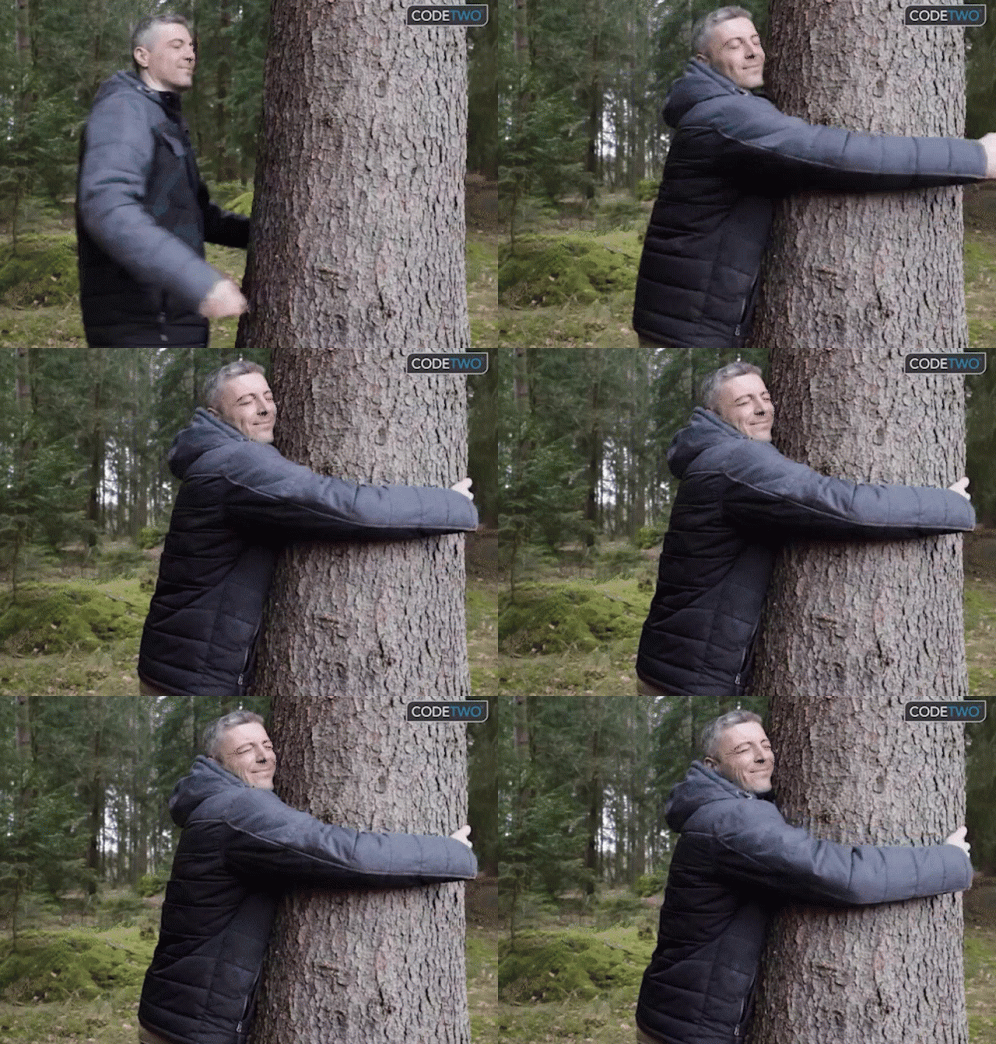
One of the reasons forest therapy feels so restorative is that it gently shifts us toward a state of regulation.

No notifications. No deadlines. No performance reviews.

No one asking whether you’ve earned your rest. Whether you’re keeping up. If you’re winning at life or whether your worth is keeping pace with your to-do list. No one asking whether you’ve justified your existence through accomplishment.

The forest would NE-ver. Trees are refreshingly difficult to impress.

And somehow that’s exactly what makes them healing.
In the forest, many people experience what feels like a serotonin bath. 🛁

A quiet sense that everything is okay.

Not perfect. Just okay. Perfectly imperfect.

The more often we experience that state, the more familiar it becomes. Eventually regulation starts feeling less like a vacation and more like home.
A Forest Therapy Practice for Chronic Willpower

If you recognize yourself in this article, try this simple practice.
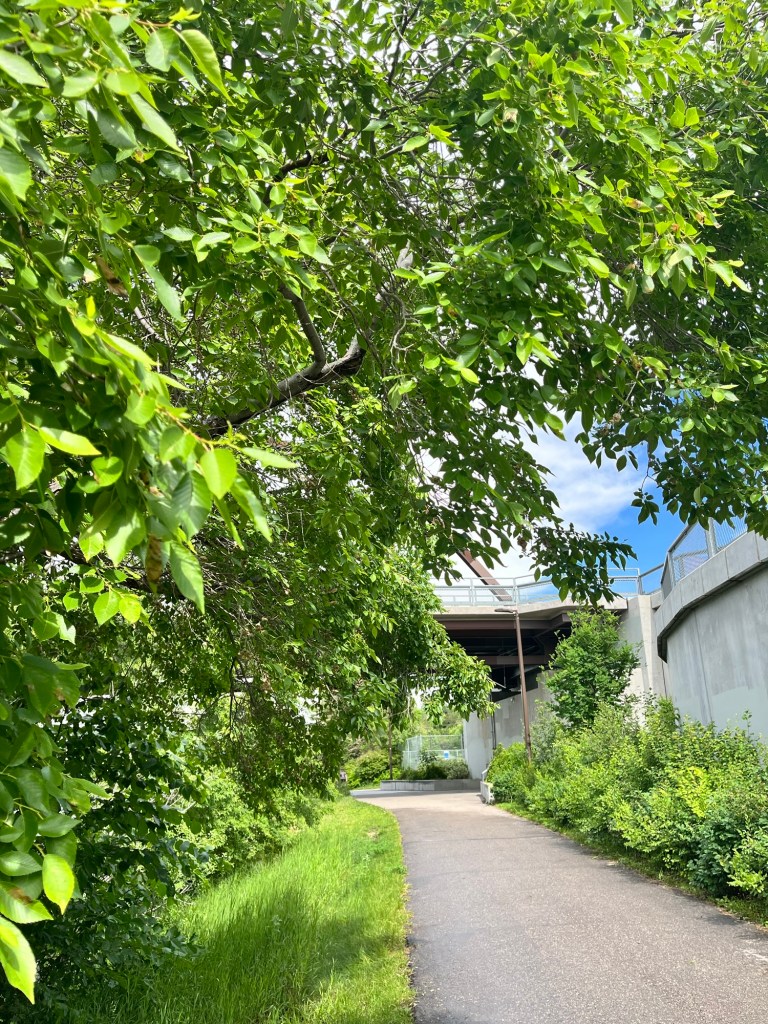
Step 1: Walk Slowly

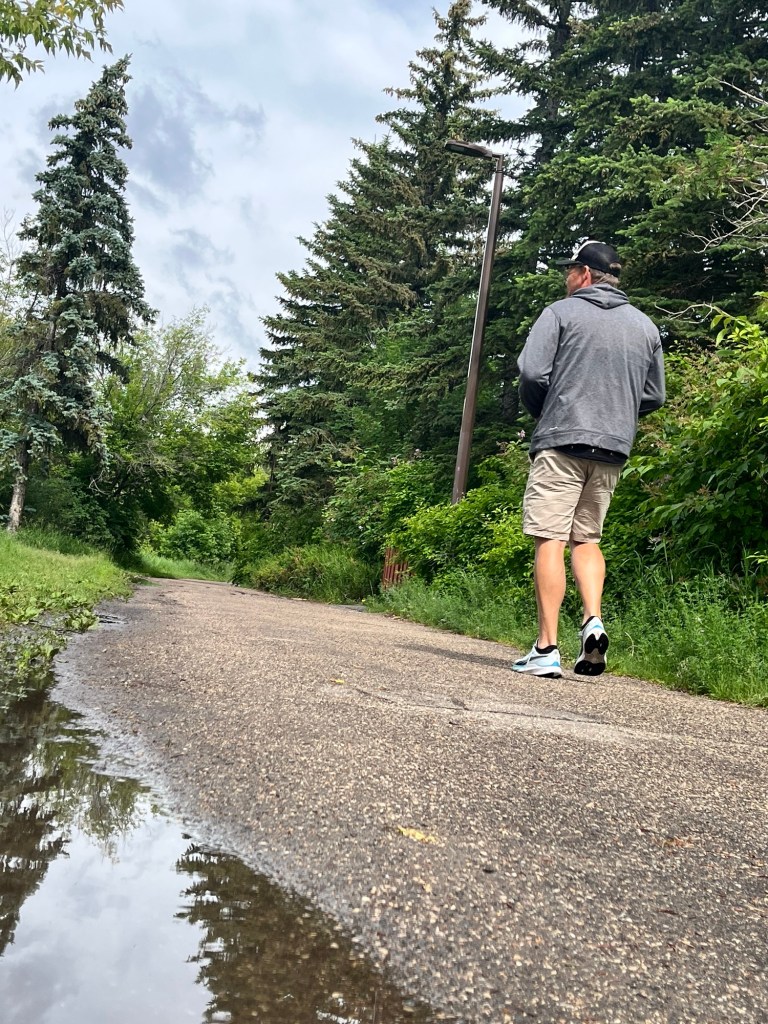
Spend 10 to 15 minutes walking without a destination.

Not hiking. Not exercising. Not trying to get your steps.

Simply walk.

Notice colours. Textures. Movement. Bird sounds. Wind. Light.

Whenever your mind starts solving problems, gently return attention to your surroundings.
Step 2: Sit

Find a place to sit for 10 to 20 minutes.

Allow yourself to do absolutely nothing.

No journaling. No podcasts. No meditation app.

Simply sit.

Notice what emerges. At first you may feel restless.

That’s normal.

Many chronic willpower users experience sitting still the same way a Labrador experiences being told not to chase a tennis ball.
Step 3: Listen

Ask yourself:

“What is my body trying to tell me?”

Then resist the urge to answer immediately.

Wait.

The nervous system often speaks in sensations before it speaks in words.
Step 4: Walk Again

Take a slow walk again.

Notice whether anything feels different.

You are not trying to force an answer.

You are creating conditions where answers can arise.

The body always leads us home if we can simply learn to trust sensation and stay with it long enough for it to reveal its wisdom.

Pat Ogden

Going Upstream

There is a somewhat unsettling, but well-known parable about a group of adults standing beside a river.

Suddenly they see a child floating downstream and jump in to save them.

Then another child appears.

And another.

And another.

Everyone becomes frantically occupied rescuing children.

Finally someone leaves.

Where are you going? How could you possibly leave at a time like this?” the others shout.

Upstream,” they reply. “To find out why they’re falling into the river.”

Chronic willpower is often what happens downstream.

Parts of your self are drowning in the river upstream.

Those adults frantically jumping in are your chronic willpower, your nervous system desperately trying to manage the consequences.

But you can go upstream.
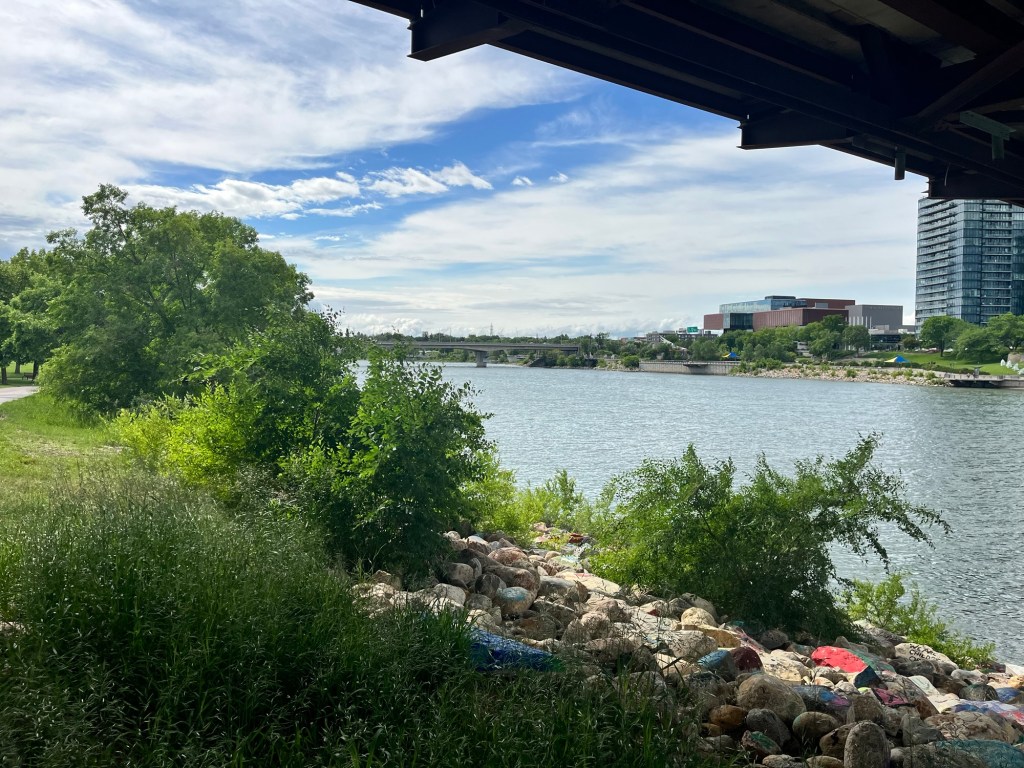
You can find the calm your body has been asking for.

You can stop overriding the system long enough to hear what it has been trying to say.

And the day came when the risk to remain tight in a bud was more painful than the risk it took to blossom.

Anaïs Nin

My body budget got so far in the red it was basically applying for bankruptcy protection.

Looking back, I wonder how many so-called midlife crises are actually the moment the bill for decades of nervous system debt comes due. The strategies that helped us survive and succeed for years suddenly stop working.

What feels like falling apart may actually be the beginning of a profound transformation. I explored that idea more deeply in Midlife Crisis to Chrysalis.

When you can access a place of peace, something surprising often happens. The answers you’ve been chasing become easier to see. The next step becomes clearer.

Not because you forced it.

Because you finally became quiet enough to hear it.

Sometimes healing isn’t found in pushing harder.

Sometimes it’s found wandering through a lush, green forest, realizing your body wasn’t fighting you all along.

It was actually trying to draw your attention upstream, where the real answers were waiting. Guiding you away from the noise. To a place of stillness. Back to who you were before the push. Your natural self.


Hormone Disruptors: Hidden Toxins That May Be Affecting Your Health

Adopt the pace of nature: her secret is patience.

-Ralph Waldo Emerson

When you’re living with chronic pain, migraines, fatigue, hormonal changes, or an autoimmune condition, every ounce of energy matters.

So it can be frustrating to discover that many of the products we use every day may be working against us.

The reality is that we live in a world filled with chemicals, pollutants, and environmental stressors. While our bodies are remarkably resilient, they weren’t exactly designed for a daily cocktail of synthetic fragrances, plastics, pesticides, and mystery ingredients with names that sound like they belong in a chemistry textbook.

I recognize that in speaking on this topic, I now resemble a kooky, woo woo spokeswoman for all things unconventional. But stick with me.

If you’ve ever looked at an ingredient label and thought, “I have no idea what any of these words mean, but I’m about to put them directly on my skin,” you’re not alone.

I’ve reached the age where reading labels is apparently one of my hobbies.

Welcome to the wacky world of hormone disruptors.

What Are Hormone Disruptors?

Hormone disruptors, also called endocrine disruptors, are chemicals that interfere with your body’s endocrine system, the network responsible for producing, transporting, and regulating hormones.

Think of hormones as your body’s communication system. They send messages that help regulate everything from sleep and metabolism to mood, reproduction, energy, and immune function.

Hormone disruptors can interfere with those messages by:

  • Mimicking natural hormones
  • Blocking hormone receptors
  • Altering hormone production
  • Affecting how hormones are transported or eliminated

In other words, they’re the equivalent of someone repeatedly hitting “reply all” on emails that were never meant for them.

My hormones wake up everyday and choose unpredictability. They have the organizational structure of a flock of startled geese.

Why Does This Matter?

For years, many people with chronic conditions have been told that their bloodwork is normal, their tests look fine, and everything appears to be functioning as expected.

Meanwhile, they’re exhausted.

They’re in pain.

They’re dealing with migraines, inflammation, brain fog, sleep disturbances, mood changes, or symptoms that don’t fit neatly into a box.

Hormone disruptors aren’t necessarily the cause of these conditions.

But if your body is already managing chronic inflammation, pain, migraines, fatigue, hormonal changes, or autoimmune symptoms, reducing unnecessary stressors may give your system one less thing to deal with.

It’s not a cure.

But every little bit of support matters.

Symptoms That May Be Linked to Hormone Disruption

Hormone disruption can show up in many different ways
Some common symptoms include:

  • Fatigue
  • Brain fog
  • Sleep disturbances
  • Mood changes
  • Anxiety
  • Weight gain or difficulty losing weight
  • Headaches and migraines
  • Skin issues
  • Fertility challenges
  • Irregular menstrual cycles
  • Low libido
  • Increased inflammation

The challenge is that many of these symptoms overlap with chronic illnesses, making hormone disruption difficult to identify.

Which is somewhat rude, if you ask me.

My Experience

When I first started learning about hormone disruptors, I had two reactions.

First:

Well, that’s concerning.

Second:

There is absolutely no way I can afford to replace everything I own, let alone find the time and energy to make everything!” (mentally checks out of this topic)

Thankfully, I’ve since learned that reducing exposure isn’t about perfection.

It’s about making practical choices that support a body that’s already working hard.

Because if the wellness industry had its way, I’d be replacing every item I own by Tuesday. And while I appreciate the enthusiasm, my budget and my sanity have other things to do.

Where Are Hormone Disruptors Hiding?

Unfortunately, they’re not hiding very hard.

Personal Care Products

  • Shampoo
  • Conditioner
  • Hair products
  • Lotions
  • Makeup
  • Perfumes
  • Deodorants
  • Nail polish

Household Products

  • Air fresheners
  • Scented candles
  • Dryer sheets
  • Fabric softeners
  • Cleaning products

Food Storage and Packaging

  • Plastic food containers
  • Plastic water bottles
  • Plastic wrap
  • Certain canned food linings
  • Some non-stick cookware

Environmental Sources

  • Pesticides
  • Herbicides
  • Some furniture treatments
  • Certain stain-resistant coatings

One of the most common concerns is simply the ingredient listed as:

Fragrance

That single word can represent dozens. Or sometimes hundreds of undisclosed ingredients.

The goal is reducing your overall toxic burden where you reasonably can.

Some labels contain enough syllables to qualify as a spelling bee challenge. At what point does an ingredient list stop feeling informative and start feeling mildly threatening?

A Gentle Approach to Reducing Exposure

Put your garbage bags down.

You don’t need to throw everything away and start making your own soap from dandelions and determination.

You cannot eliminate every toxin.

You cannot control every environmental exposure.

And honestly, trying to do so would probably create more stress than benefit.

The goal isn’t perfection.

Small, sustainable changes tend to be far more effective than dramatic overhauls.

Start with one product.

Then another.

And keep going at a pace that feels manageable.

Homemade Alternatives

One reason many people choose homemade products is because the ingredients are simple, familiar, and transparent.

When you know exactly what’s in something, there’s less mystery.

You may also reduce your exposure to fragrances, preservatives, and other unnecessary additives.

Here are a few of my favourite homemade recipes:

Homemade Deodorant

Recipe @ healthylifetrainer Note: Unlike antiperspirants, which block sweat glands, this recipe functions as a deodorant. It helps control odour while allowing your body to sweat naturally. The other thing to be aware of is its ability to turn into deodorant soup when stored above room temperature. Store it in the cooler if you go camping!⛺️

Homemade All-Purpose Cleaner

Recipe @ lifelovelarson

Homemade Eye Makeup Cleaner

Recipe @ wholenewmom

Homemade Face Wash

Recipe @ Pinterest

A Forest Therapy Practice for Simplifying Your Routine

One of the biggest challenges with reducing hormone disruptors is deciding where to start.

Forest therapy offers a different approach.

Rather than creating a long list of things you have to change immediately, begin with awareness.

Take a slow walk in nature.

Leave your phone in your pocket.

Notice what catches your attention.

Listen to the sounds around you.

Feel the ground beneath your feet.

Allow your nervous system to settle.

When you find a place that feels inviting, sit quietly for a few minutes.

Ask yourself:

  • What products do I use every day?
  • Which products spend the most time on my skin?
  • Which products do I inhale regularly?
  • Which product would be easiest to replace?
  • Which change feels supportive rather than stressful?

Then ask:

“If I could change one thing this month, what would make the biggest difference?

Forest therapy reminds us that healing doesn’t always happen through doing more.

Sometimes it begins by slowing down enough to notice what our bodies have been trying to tell us.

When I started forest therapy the trees and I got along immediately. Unlike my hormones 😖 😡.

Perimenopause

Slowly losing every chemical that was helping me tolerate people.

Health Is More Than Avoiding Toxins

Removing unnecessary exposures can be helpful.

But building health is equally important.

Sometimes we become so focused on what we should eliminate that we forget what we need to add.

The foundations matter.

Prioritize Sleep

Sleep is when your body repairs, regulates hormones, supports immunity, and recovers from daily stress. Clean up your sleep routine.

Eat Nourishing Foods

Focus on foods that support your body rather than aiming for perfection. Slowly move towards the diet your body needs.

Move in Ways That Work for You

The best exercise is the one your body can recover from. That answer looks different for everyone.

Get Outside

Sunlight helps regulate circadian rhythms, mood, and overall wellbeing. Get out in the first minutes of your day.

Nelipot

English; a rare and poetic word that refers to someone who walks barefoot, one who feels than earth beneath their feet, often implying a connection with nature or a simple, grounded lifestyle.

Put Your Feet on the Ground

Whether you call it grounding, earthing, or simply standing barefoot in the grass, many people report feeling calmer and more connected afterward. I concur.

Spend Time in Nature

Nature lowers stress, restores attention, and creates opportunities for rest and reflection. More than getting outside it is connecting with the natural world.

The forest continues to offer something many modern products can’t: simplicity. The more time I spend in nature, the more I understand why my body keeps asking me to return. The message is clear.

Less fragrance. More forests.

My nervous system is a strong advocate for sunshine, birdsong, and not reading every ingredient.

Why Forest Therapy Matters

Forest therapy isn’t about replacing medicine, specialists, or common sense.

It’s about creating conditions that support healing.

I’ve seen it support people who were struggling.

I’ve also seen it elevate people who were already doing well.

Nature doesn’t ask us to be healthy before we show up.

It simply offers an environment that encourages restoration, resilience, and connection.

Whether you’re managing chronic illness or simply trying to feel your best, time in nature can be one of the simplest and most accessible forms of self-care available.

Turns out one of the healthiest things I can do is wander through the forest looking slightly lost.

Final Thoughts

Nature has never pulled me aside to discuss my skincare routine. I don’t have to be a perfect version of myself before I can join.

It simply reminds me to take the next step.

Sometimes that’s all healing requires.

We can’t control every toxin, every chemical exposure, or every challenge life throws our way. But we can support our bodies through simple, consistent practices.

Sleep. Movement. Nutritious food. Sunshine. Fresh air. Time in nature. Small choices made repeatedly over time often have the greatest impact

Not because they’re dramatic. But because they’re sustainable.

And unlike the mystery bottle hiding under your bathroom sink since 2014, those habits never expire.

Maybe living your best life just means slowing down enough to see how good it already is.

Female Hormones: Our Fickle Fairweather Friend

My hormones and I are in a “situationship.”

Years ago, I became convinced I was getting less intelligent.

I would walk into a room and forget why. Lose all my trains of thought mid-sentence. Derailed. No coming back.

I’d constantly search for words that had wandered off unsupervised. They would come back hours later, long after it was needed and with no apology whatsoever.

I blamed stress.

I blamed being busy.

I blamed getting older.

In reality, it was probably all of those things, mixed with hormonal changes I didn’t fully understand yet.

Female hormones are funny. They’re a bit like a Saskatchewan summer storm. One minute the sky is clear, the sun is shining, and life feels manageable. The next, the wind picks up, the clouds roll in, and you’re wondering if you should have brought a jacket, umbrella and storm cellar.

The weather didn’t become bad.

It changed.

Our hormones do too.

Female hormones are a bit like Saskatchewan weather. If you don’t like what’s happening right now, wait ten minutes.

Most of us think of hormones as reproductive messengers, but they influence far more than our cycles. They affect sleep, memory, focus, mood, energy, and even how connected we feel to the people around us.

One of the most interesting ideas I encountered from a recent podcast interview with Dr. Anna Cabeca. While estrogen, progesterone, and testosterone get most of the attention, hormones like cortisol and oxytocin may have an even bigger impact on how we experience daily life.

Oxytocin is often called the love hormone. It’s associated with connection, belonging, trust, laughter, affection, friendship, pets, nature, and community.

Likewise, oxytocin and cortisol tend to pull in opposite directions.

But the story doesn’t end there. The plot thickens.

As any prairie girl knows, sunshine and thunderstorms often share the same forecast.

When stress becomes chronic, such as in a body dealing with chronic pain, connection often suffers.

Many of us don’t just feel tired. We feel disconnected.

From ourselves.

From others.

From the things that once brought us joy.

Progesterone plays a role too. It supports sleep, cognition, brain health, and nervous system regulation.

Testosterone contributes to motivation, confidence, energy, and focus. Both naturally decline as we age, and both can be influenced by chronic stress.

Side note: I would like to point out that aging naturally isn’t nearly as freaky as whatever is happening with the people trying desperately to avoid it. Also, at what age do we start meeting for Bingo? Because I’m ready.

Progesterone naturally declines in women, typically beginning in the mid-thirties as ovarian function gradually changes.

My body got the memo that the warranty has expired. All systems started responding the way you’d expect at the end of a warranty. (despite the fact that I was built in the 70s and should have been made to last)

Looking back at my own health journey, I spent years trying to solve individual symptoms.

If I could just stop the migraines.

If I could just overcome the fatigue.

If I could just break the insomnia.

What I eventually learned is that the body doesn’t divide itself into neat little boxes the way we often do.

Sleep affects stress.

Stress affects hormones.

Hormones affect mood.

Mood affects relationships.

Relationships affect wellbeing.

Pull one thread and the whole thing unravels.

That’s why healing often requires support from multiple directions.

👏 Good food.

👏 Movement.

👏 Sleep.

👏 Stress management.

👏 Connection.

👏 Time outdoors.

The podcast also reinforced something I’ve known for years: nature has a remarkable way of helping us regulate.

Not because it magically solves our problems, but because it reminds our nervous systems what calm feels like.

Like sitting quietly in warm sunshine after a long winter.

Like hearing nothing but leaves rustle in the breeze.

The Practice

One simple forest therapy practice is this:

  • Stop
  • Notice 5 things moving around you (leaves, clouds, grass, insects, birds)
  • Listen for 3 sounds
  • Notice 2 scents
  • Take one slow breath

It’s amazing how quickly the nervous system responds when we give it the chance.

The body benefits from movement, and the mind benefits from stillness.

Sakyong Mipham

Ways To Support Oxytocin Naturally

The good news is that many of the things that support oxytocin are surprisingly simple.

  • Hug someone you love.
  • Spend time with a pet.
  • Get outside.
  • Sit around a table with friends.
  • Laugh.
  • Touch grass. Literally.
  • Watch a sunrise.
  • Watch a sunset.
  • Practice gratitude.
  • Connect with people who make you feel safe and seen.

None of these things are revolutionary.

But maybe that’s the point.

Sometimes healing isn’t found in adding another supplement.

Sometimes it’s found in adding another conversation.

Almost everything will work again if you unplug it for a few minutes, including you.

Anne Lamont

Your Most Important Appointment

One idea I loved from another podcast was the concept of holding regular wellness meetings with yourself.
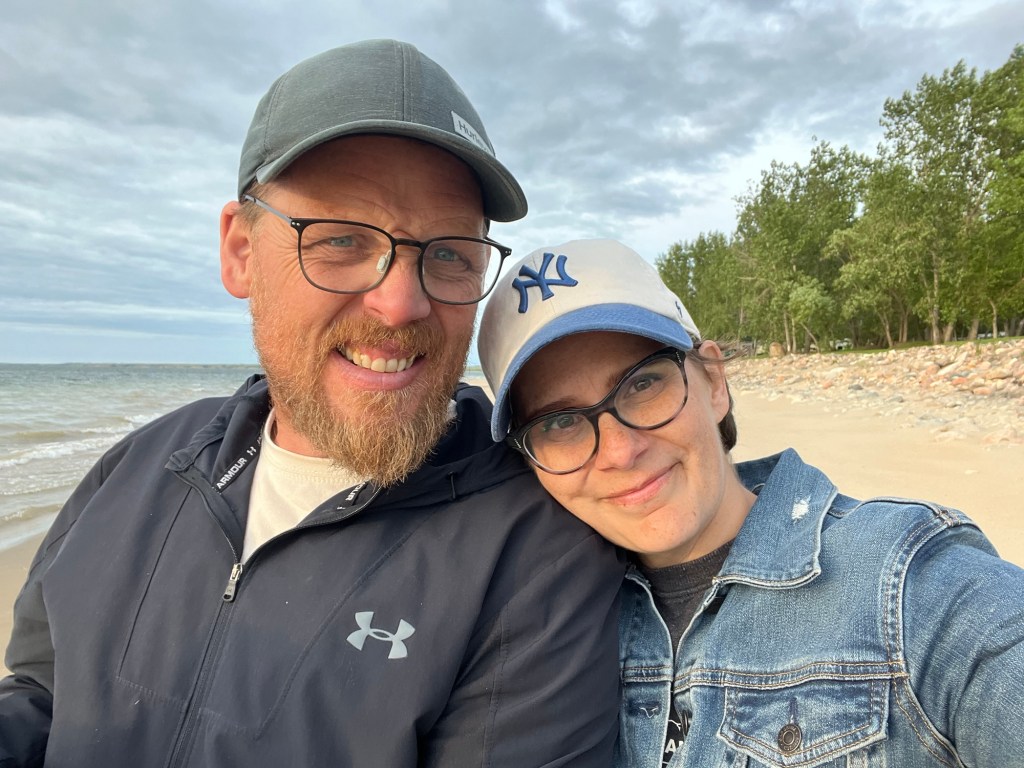
Not a performance review. Not a guilt session.
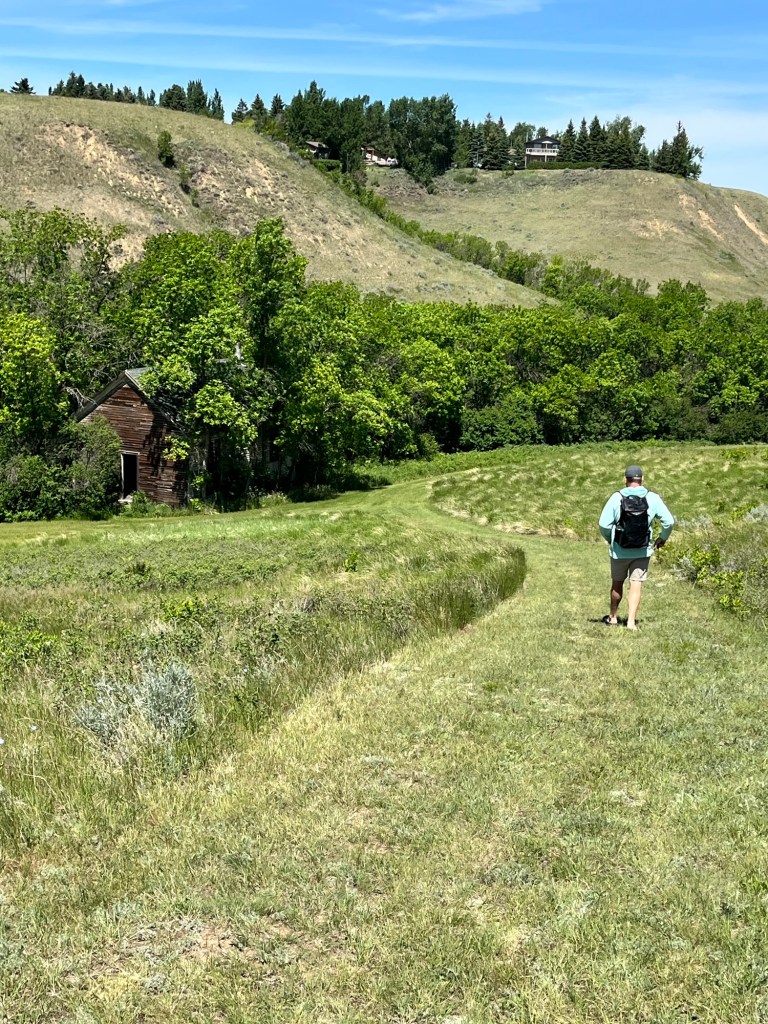
A wellness meeting.

Three times a week, ask yourself this:

What do I need today?

Maybe it’s a walk.

Maybe it’s strength training.

Maybe it’s sitting outside with your morning tea and watching the sunrise.

The goal isn’t perfection.

The goal is paying attention before your body starts communicating through burnout, brain fog, anxiety, or exhaustion.

My ultimate goal isn’t to control every hormone. It’s to stop being blindsided by them.

Because hormones may be fickle.

But they’re also messengers.

And sometimes they’re simply asking us to listen.

The greatest wealth is health.

Virgil

This is the first post in a hormone series. Next week we’ll look at hormone disruptors: where the biggest offenders are hiding, and what to use instead.