What if the goal isn’t to eliminate pain? But to change your relationship with it.
Not by forcing positivity. Not by chasing the next miracle cure. But by learning how to stand in a forest, breathe, and gently step outside the storm long enough to see it clearly.
That’s where mindfulness in the forest becomes powerful. Not as an escape from pain, but as a way to interrupt the pain cycle itself.
Benefits don’t emerge from merely experiencing mindfulness as a state. Instead they happen when we cultivate mindfulness as a personal trait.
Chronic pain is never only physical. It is neurological, emotional, and deeply shaped by our stress response.
This is not to say that you don’t experience actual, real, physical, deep pain. Only that our pain experience can be altered according to how we choose to interpret it. Which is especially important in chronic pain when so often there are no answers or treatments.
Pain feeds on:
Fear of what’s coming next
Hyper-vigilance in the body
Frustration over what we’ve lost
The endless search for a fix
This creates a familiar loop.
Pain → tension → fear → more pain.
Mindfulness, especially when practiced in nature, doesn’t deny this cycle.
It teaches us how to step out of it.
Don’t stress the ‘could haves’, if it should have, it would have.
MINDFULNESS (n):
“The practice of being aware of your body, mind and feelings in your present moment, thought to create a feeling of calm.”
Finding Harmony: In Nature’s Whispering Wisdom
Mindfulness anywhere can help.
Mindfulness in a forest does something more.
Natural environments gently regulate the nervous system without any concentrated effort on our part:
Heart rate slows
Breathing deepens
Muscles soften
The brain shifts from threat mode to restoration mode
Research on shinrin-yoku (forest bathing) shows that time in forests lowers cortisol, reduces blood pressure, and increases parasympathetic nervous system activity (the part of us responsible for rest, repair, and emotional balance.)
In other words, the forest doesn’t erase pain.
It loosens pain’s grip.
Captaining the Currents of Our Existence
Mindfulness helps us understand the waters in which we are swimming.
If you live with chronic pain, the pain is not you.
It is the water around you.
Some days you can float on your back.
Some days you need the survival position.
Some days you just enjoy swimming. (But those days are few and far between.)
Some days you simply tread water and keep breathing.
Mindfulness helps us step just far enough back to see,
This is the water. This is not my identity.
That small shift changes everything.
Untangling Hope: Innovative Lessons for a Brighter Tomorrow
In the podcast Untangle: What Does it Mean to Live a Good, Meaningful Life? Despite the (really) Hard Stuff, philosopher Kieran Setiya reflects on living with chronic pain and the trap many of us fall into. Hoping only for a cure. His story resonates with me. Because it is also my story. Is it yours too?
For years, he moved from doctor to doctor thinking, maybe this one will fix it. When he stopped, something unexpected happened. He felt freedom. Less frustrated. More grounded in how he would actually live his life.
At first, he thought he had rejected hope.
Later, he realized he had simply changed what he hoped for.
Not hope for a magic solution.
Hope for a life that would still feel meaningful. Even if pain remained in the background.
He describes the exhausting seesaw many of us live on:
hope → despair → hope → despair.
And suggests something radical. Getting off the seesaw altogether! That doesn’t mean stop seeing doctors or looking for answers. What it does mean is this.
The real question isn’t:
Should I hope or despair?
It’s,
What is realistic to hope for right now?
Mindfulness in the forest supports exactly this shift. Grounding hope in lived possibility instead of fantasy cures.
Choosing Joy in a Body That Hurts
It’s been said that one person’s joy ride is another person’s panic.
I love riding on the back of my husband’s motorcycle. Joy.
I love sitting at the front of a sailboat as it bounces across the water. Joy.
Someone else might question my sanity.
I don’t like roller coasters that go upside down. Panic.
I have no desire to drive an F1 car. Panic.
I question the sanity of people who enjoy those things. Which made me wonder.
What influences our desires? Our thoughts? Our emotions?
Are we just born joyful or grouchy? And that is how we have to live out our days?
Or do we choose? Can we choose our thoughts, our desires and thereby influence our emotions?
What if, even in a tangled mess of pain, emotions, relationships, and loss, we are allowed to choose joy?
Not reckless joy.
Not denial.
But brave joy.
The kind that says:
I will still step into wonder.
I will still feel exhilaration.
I will still live.
That is what mindfulness in the forest has given me.
I get to decide.
And honestly?
There’s no need for recreational anxiety around here. There’s enough regular anxiety to go around.
Inward Insights: The Wisdom Within
Look within. Within is the fountain of good, and it will ever bubble up, if thou wilt ever dig.
-Marcus Aurelius
The forest helps us dig. Quietly, gently, without force.
Mindfulness reduces activity in brain networks that amplify pain through rumination and emotional reactivity, lowering perceived suffering even when pain remains.
Attention is the rarest and purest form of generosity.
-Simone Weil
When we give attention to our own experience. Without judgment. We change how pain lives in us.
Nature’s Cradle: A Forest Therapy Practice
Interrupting the Pain Cycle (7 minutes)
You can do this in a forest, park, or anywhere you can sense the natural world.
1. Arrive (1 minute)
Stand or sit comfortably. Let your eyes soften. Notice three natural textures. Bark, stone, leaf, snow, or water.
2. External Anchor Practice (2 minutes)
Choose one steady element in the landscape. A tree trunk, rock, horizon line, or patch of ground.
Let your attention rest there. Softly.
When your mind drifts toward pain or worry, gently return your awareness to that anchor.
This shifts the nervous system from internal threat scanning to external safety awareness. Especially helpful if breath-focused practices feel uncomfortable.
3. Name the Water (2 minutes)
Silently say:
This is pain. This is not me.
Notice sensation as experience, not identity.
4. Choose Your Stroke (2 minutes)
Ask yourself:
Do I need to float, swim, or rest today?
Let your body answer.
Mindfully Brave
For a long time, I thought mindfulness meant becoming calmer.
What I didn’t expect was that it would make me braver. Braver about feeling, braver about choosing joy, braver about living fully even when my body hurts.
The forest didn’t take away my pain.
It gave me back my choice.
Key Takeaways
Mindfulness in the forest teaches us:
Pain is real. Suffering is optional. Hope doesn’t have to live on a seesaw.
We can step out of the waters long enough to see them clearly. And then choose how to move within them.
Or as one forest therapy guide once said quietly on a trail,
We don’t come to the woods to escape life. We come to remember how to live it.
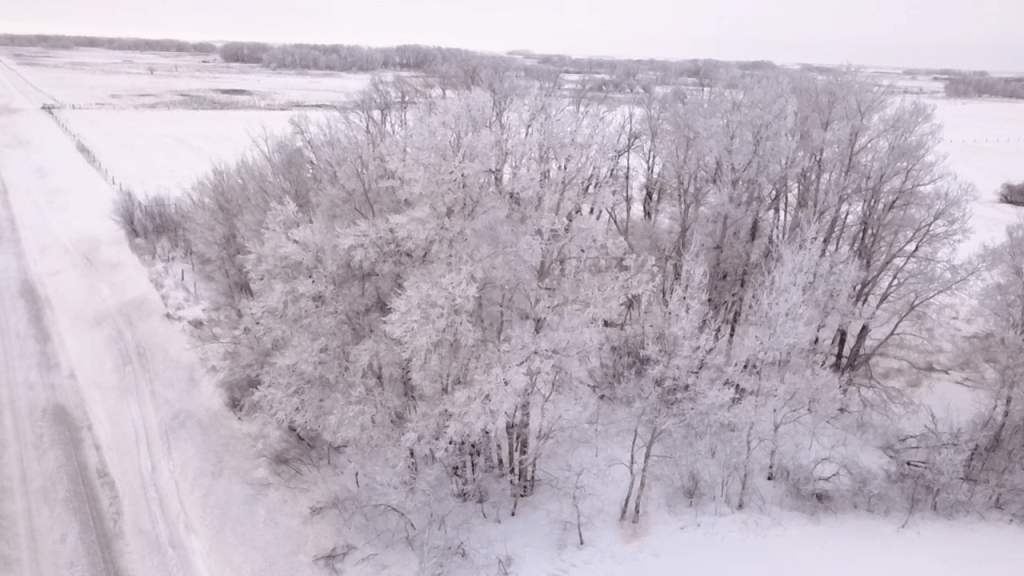
Trek Into the Frosty Adventure
If this spoke to you, you may also enjoy my post on finding connection through group forest therapy walks, where I explore how shared presence in nature reduces isolation and builds resilience for people living with pain and fatigue.
Faeloria (n):
The beauty that comes from the wounds you thought would destroy you.
Research at a Glance: Why This Works
Bottom line.
Mindfulness in the forest doesn’t cure pain. But it interrupts the feedback loop that keeps pain amplified by fear, stress, and resistance.
For those interested in the research, check out the following links. Let me know what you think in the comments.
1️⃣ Forest environments reduce stress hormones and activate relaxation responses
The 2010 Shinrin-yoku studies show forests lower cortisol, pulse rate, blood pressure, and increase parasympathetic nervous system activity (relaxation response).
A recent systematic review shows forest bathing decreases negative effects and enhances mindfulness and introspection. Key components of emotional regulation and pain resilience.
5️⃣ Mindfulness meditation itself has measurable effects on pain perception
Comprehensive reviews of mindfulness meditation include clinical and experimental insights into how it reduces pain intensity and unpleasantness across conditions:
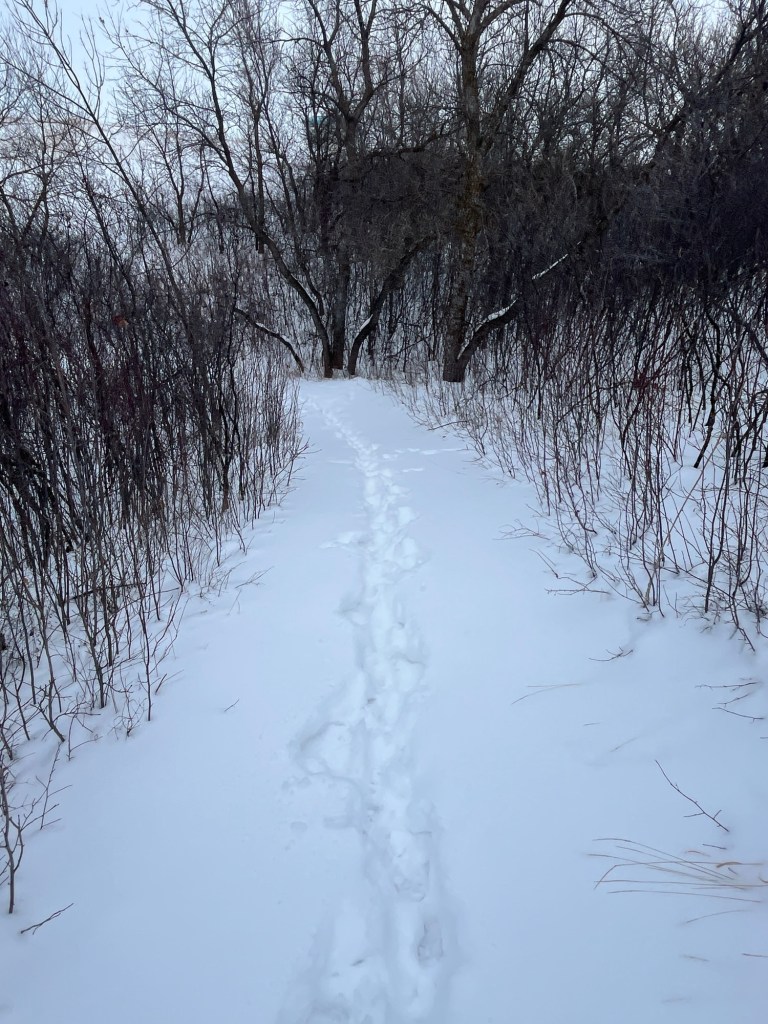
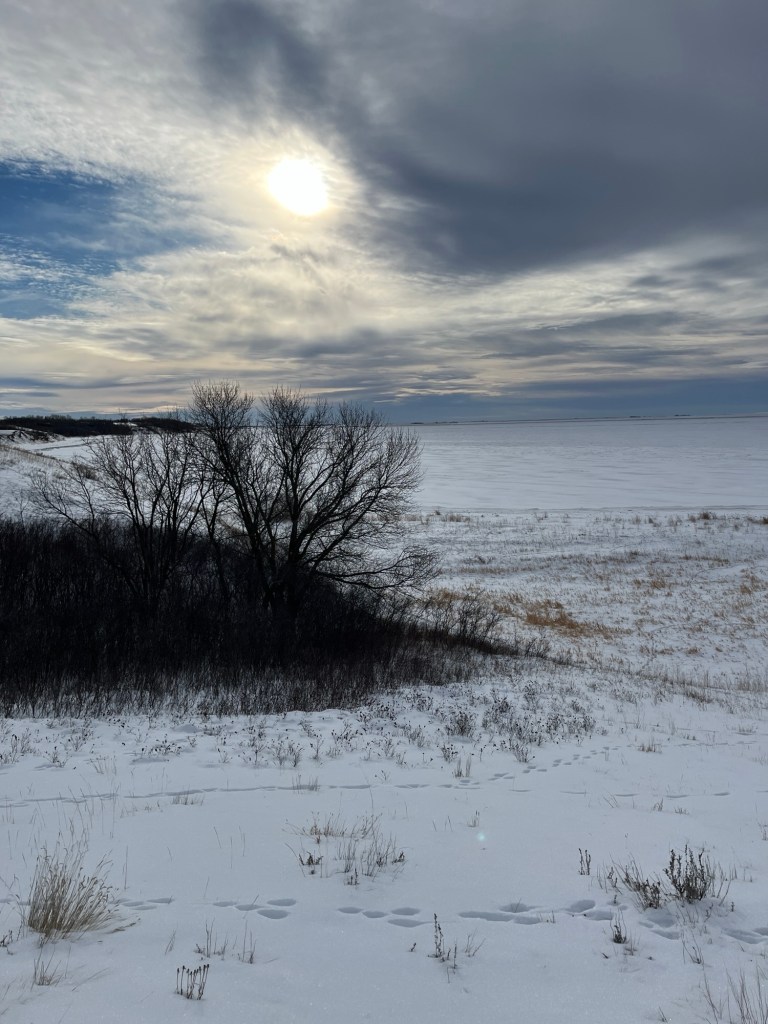
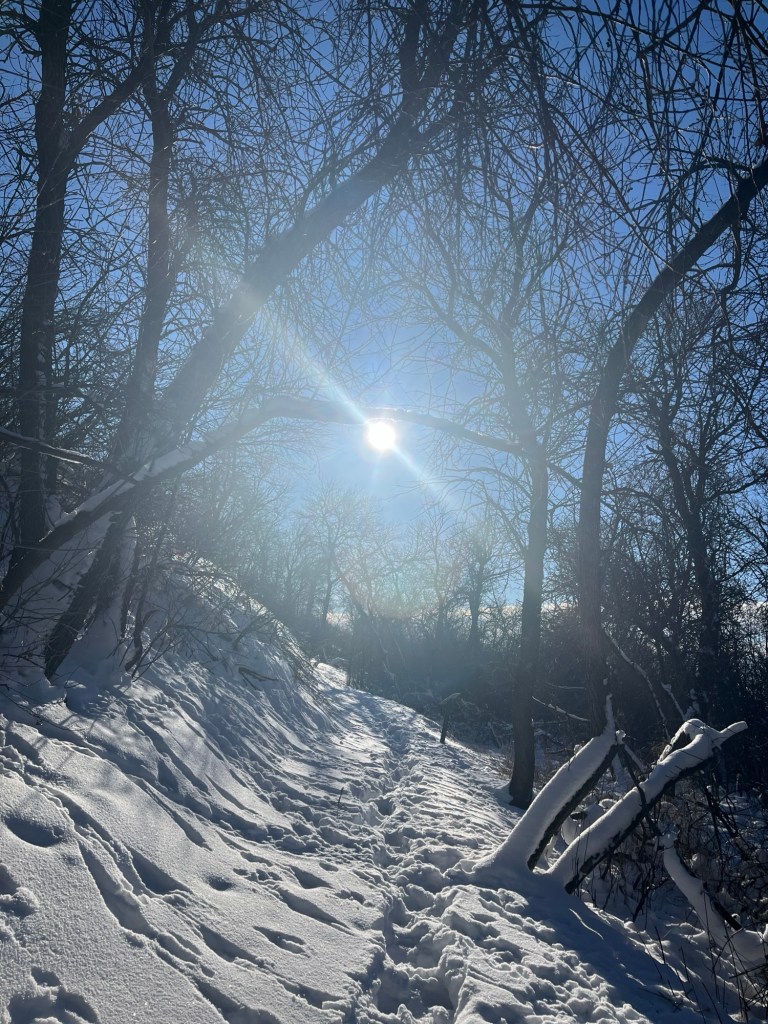
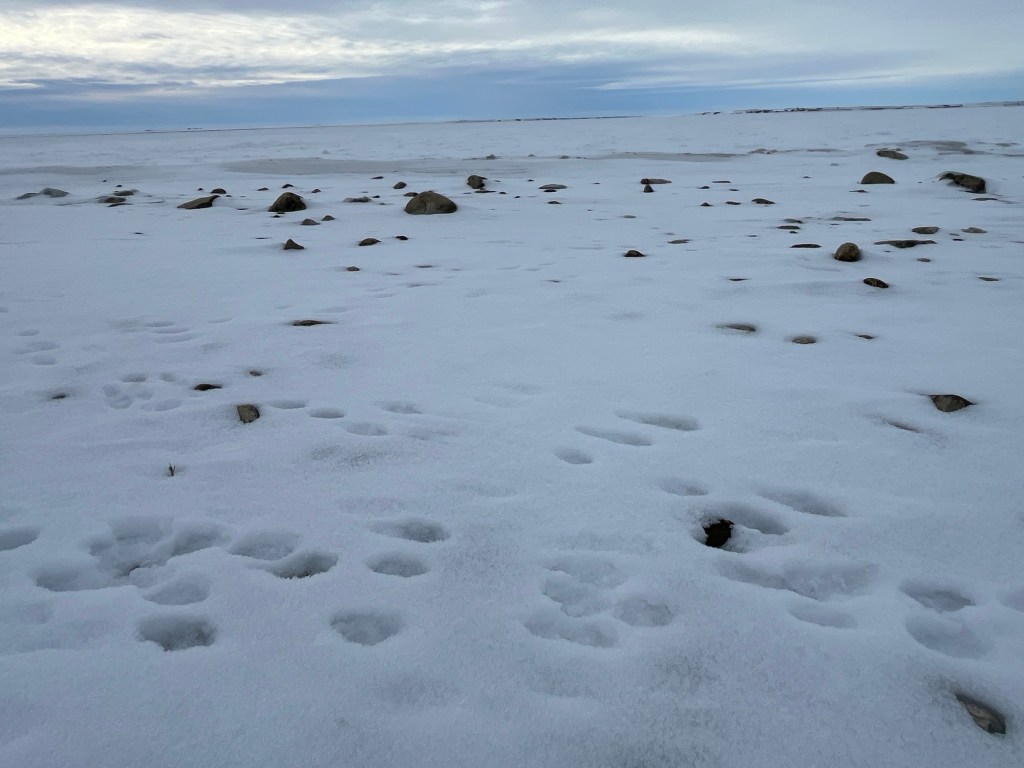
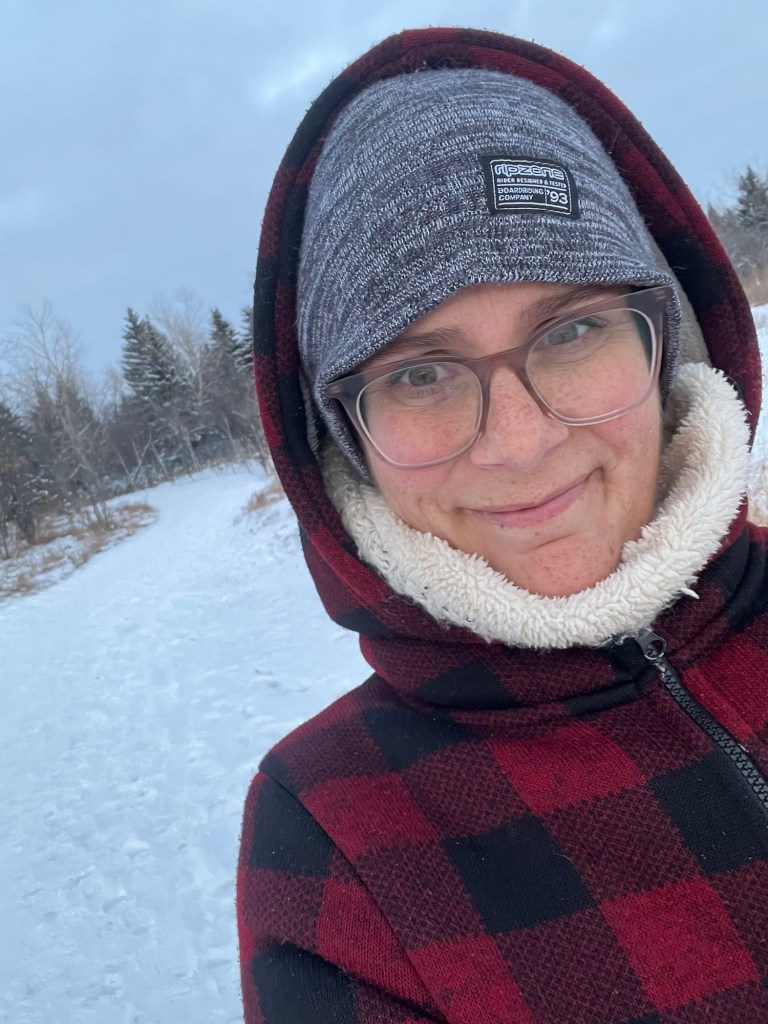
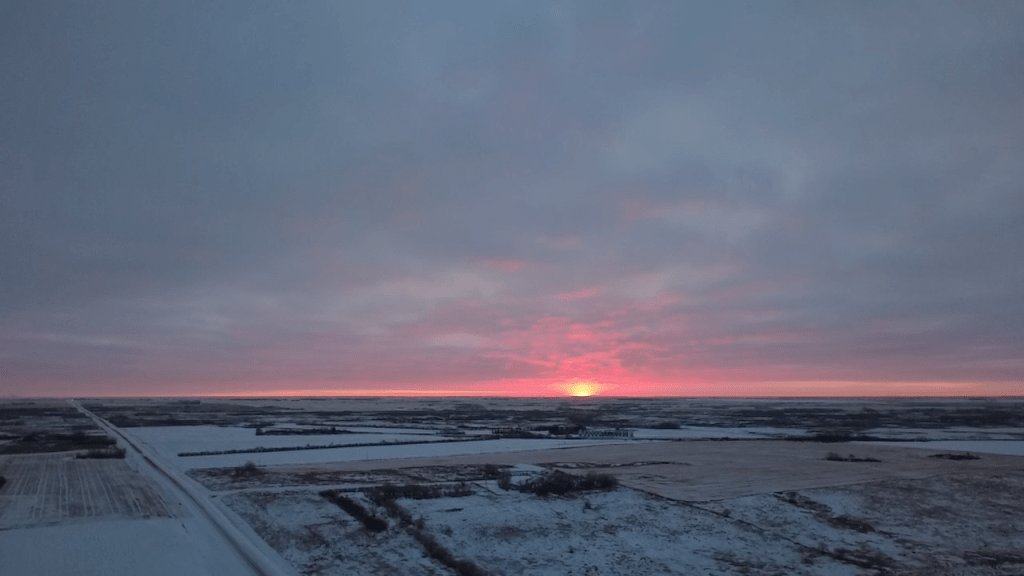
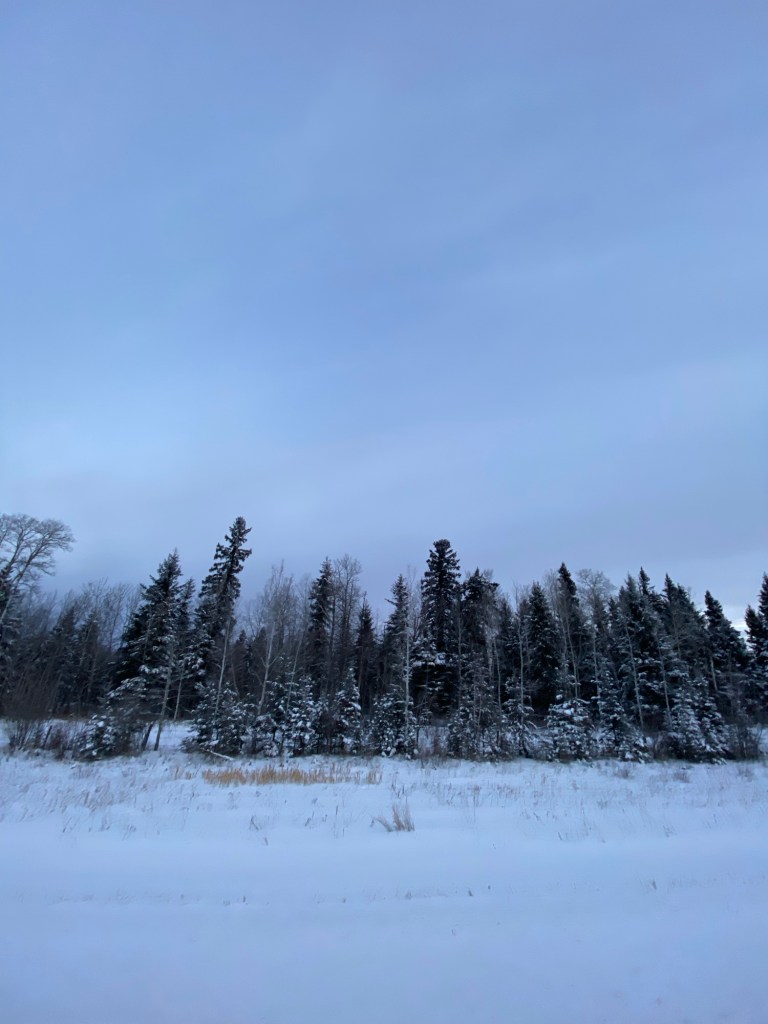
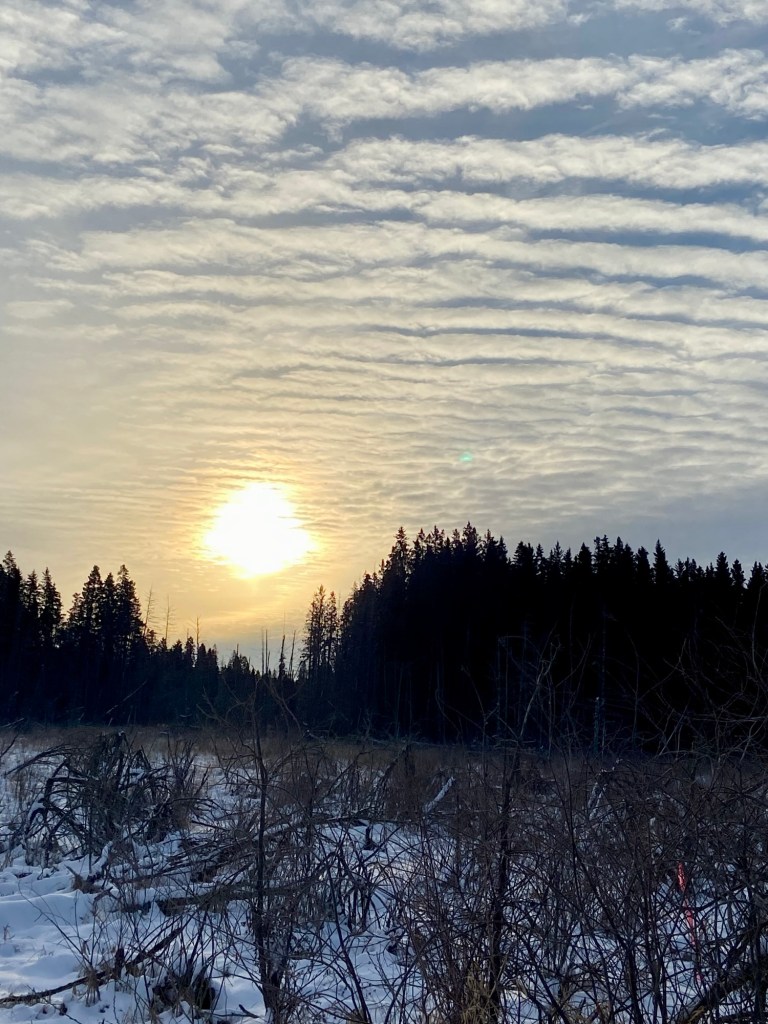
Sight: late morning and early evening light on bright, blue clear days
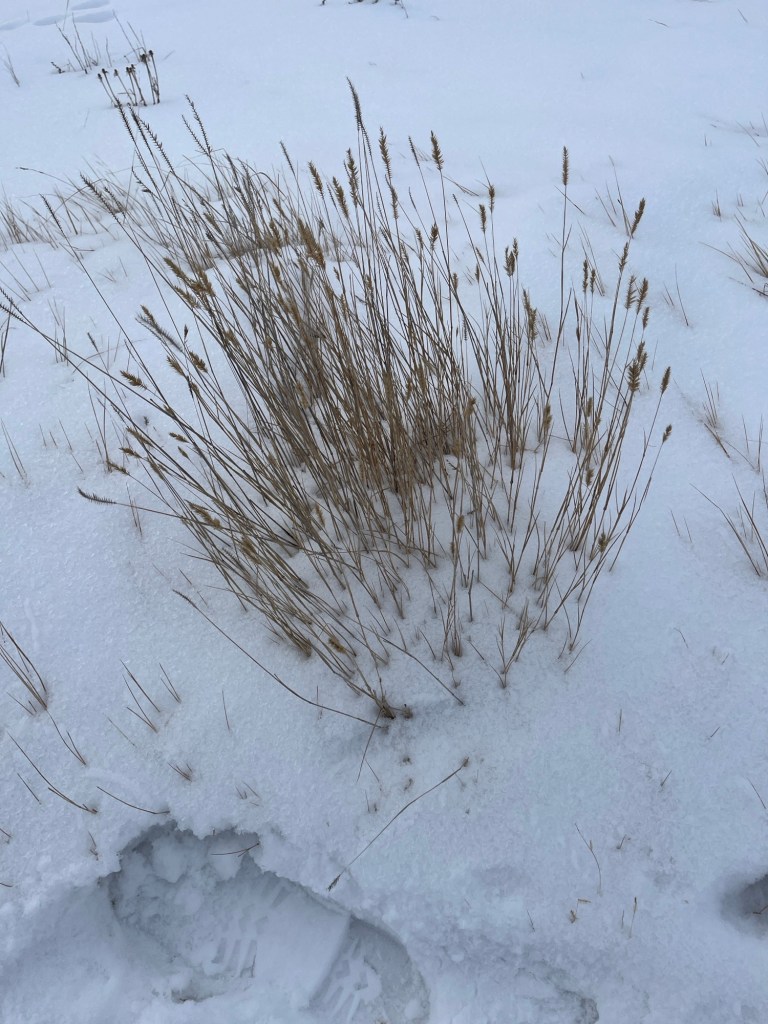
Sound: shushing of steps in the snow
Taste: hot teas with honey
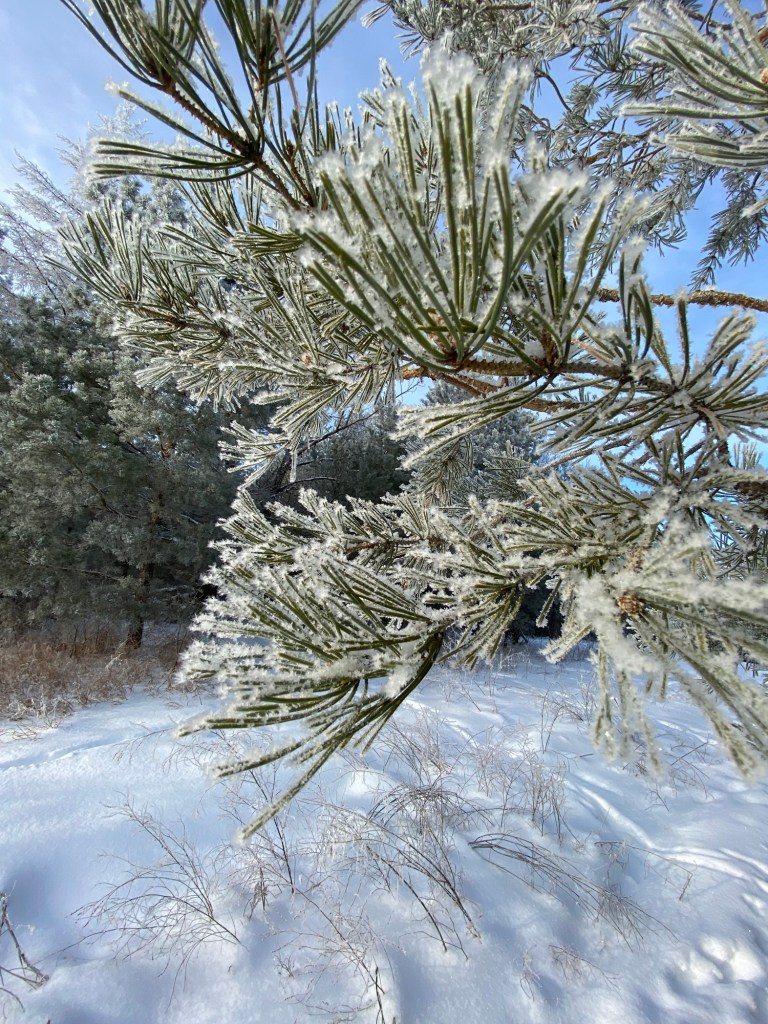
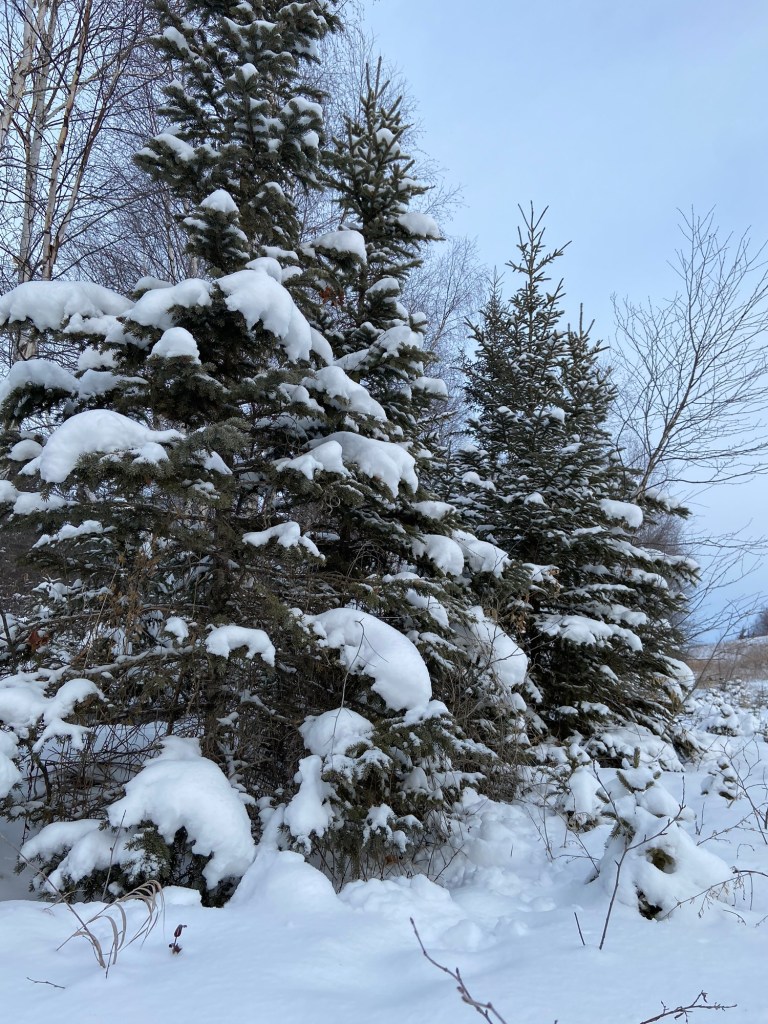
Smell: evergreen trees
Feel: the touch of cold noses and toes
The body is not an obstacle to the soul, but its instrument and means of expression.
— Pope Saint John Paul II
When I tell someone I have chronic fatigue, they often laugh softly, like I’ve made a dramatic overstatement.
Don’t we all have chronic fatigue these days? I imagine them thinking.
And I get it. Life is exhausting. The world is loud. Everyone is stretched thin.
But when you add the ME part. That’s the myalgic encephalomyelitis. Suddenly the picture changes. Here is a quick breakdown of ME and some of its symptoms.
ME–CFS isn’t about being worn out from a long day of being human. It didn’t start from lack of conditioning. I did not cause this.
It’s about being tired all the time.
Pushing through all the time.
And paying dearly for it afterward.
I like to share this graphic 👇🏼 that shows a breakdown of the name of the condition. More than a bad night’s sleep or a long, hard day. This isn’t a mindset problem. It’s not laziness. It’s not weakness. It’s a body that can no longer produce or distribute energy the way it once did.
And that comes with grief.
Grief for the skills and abilities I no longer have.
Grief for the version of me that could say yes without calculating the cost.
Grief for the way I worry I’ll be perceived (unreliable, flaky, distant) when really I’m just surviving in a body that demands a different rhythm.
Unmasking the True Price of “Energy Takes Everything”
I’ve had to pattern my life after my condition instead of pushing through like the rest of the world celebrates doing.
And some days, that still feels like failure. Even though I know it isn’t.
I’ve found a rhythm that works for me.
And I want to be confident in it.
It does not matter how slowly you go as long as you do not stop.
— Confucius
But here’s the part people don’t see:
Everything takes energy.
Take the feelings you have at the very end of a long day:
Hard to find something to eat because every step feels heavy. Hard to have patience for the people in your space. Hard to think creatively or problem-solve.
Normally, you’d say: I just need a good night’s sleep. Then I will be myself again.
But when that good night’s sleep never comes. Neither does the motivation, the emotional regulation, or the clarity to solve even the smallest dilemmas.
And those complications build… and build… and build.
Then there’s the big life stuff I feel like I will never be able to address when I am always dealing with constant minor emergencies. A migraine. A vertebrae stuck out. Spasms.
What’s my purpose? How do I set priorities? How do I live well in this body? How do I figure it all out when my brain just wants to sleep?
Sometimes I end up spinning in a washing machine of choices that made sense in the moment:
Made sense in the moment: “I have to eat well.” I go get groceries. Get home. Collapse. Can’t get back up. Order pizza (the dirty laundry I get stuck in a spin cycle with).
Made sense in the moment: “I have to practice self-care.” I gather everything. Run the bath. Lay down… and don’t have the energy to actually do the care. Back to bed (the dirty sheets I get tangled up in).
Made sense in the moment: “I have to take care of myself.” Someone needs help. I don’t respond. Then guilt rushes in and it steals what little peace I had left. (those laundry items that always pass on a grease stain, no matter how many times its been washed)
So I’ve learned to live differently.
My rhythm now is:
rest
spiritual study
learning
creating
easy self-care
easy and somewhat healthy meals
visiting like-minded souls
serving where I can
protecting my peace
Nothing is set in stone.
Nothing is required.
It’s simply what works for me
My story of ME
It seems easy. I’m tired. I should sleep. But sleep doesn’t help. I just go between varying types of tired.
Nerves are easily triggered with this condition. So bringing the vibrating down and the peace level up is critical.
I enjoy baths. They initiate a truce with my body. Where the pain subsides. I can lay suspended and liberated.
When I am in need of one of these sessions I lay in bed and think about how wonderful it would feel.
Often I don’t have the strength to begin. To gather myself and my stuff. To stand while the tub starts to fill. To change temperatures by changing rooms. To rise and remember all the places in my body that are not aligned.
It all becomes too much. And the fabulous results are lost in the desire to conserve what little energy I have.
Your pace is not a moral issue.
— Devon Price
What the Science Says and Why the Forest Helps
As a forest therapy guide, I’ve seen again and again how nature meets people where their bodies are not where culture thinks they should be.
ME–CFS involves:
dysregulation of the nervous system
chronic inflammation
impaired cellular energy production (mitochondrial dysfunction)
heightened sensitivity to sensory input
post-exertional malaise, where even small effort leads to disproportionate crashes
This means the body is stuck in a protective mode, constantly conserving resources.
And here’s where the forest becomes more than beautiful scenery. It becomes medicine.
Nature’s Recharge: Forest Therapy’s Cure for ME–CFS and Exhaustion
1. Calms the nervous system
Time in natural environments lowers cortisol and shifts the body from “fight-or-flight” into “rest-and-digest.” For someone whose system is always on high alert, this is profound relief.
2. Reduces inflammation
Phytoncides, which are natural compounds released by trees, have been shown to support immune balance and reduce markers of inflammation. The body doesn’t have to work as hard to regulate itself.
3. Restores attention without effort
Nature offers soft fascination. A gentle sensory input that allows the brain to rest while still being engaged. This is vital when cognitive fatigue makes any thinking feel heavy.
4. Reframes worth and productivity
In the forest, you don’t have to prove anything. Trees don’t rush. Streams don’t apologize for slowing down. The environment itself models a different definition of enough.
For those of us living with ME–CFS, the forest reminds us:
We are not broken machines. We are living beings adapting to different conditions.
Embracing Serenity: Forest Therapy for ME–CFS & Deep Fatigue
This practice is designed for very low energy days. No hiking. No goals. No fixing.
The “Enough as I Am” Practice
Time: 10–20 minutes (or less)
Place: A bench, porch, backyard, park, or even near an open window
Arrive without performing
Sit or lie in a comfortable position
Let your body choose
Let one sense lead. Instead of scanning everything, pick just one: listening to birds or wind feeling air on your skin noticing light through leaves
Breathe like the trees. Inhale slowly. Exhale even slower.
Imagine your breath moving at the pace of a growing branch (not a ticking clock)
Offer yourself one true sentence. Silently say: “In this moment, I am doing enough.”
Leave before you’re tired. Ending early is not failure. It is wisdom.
There is a difference between resting and quitting. One restores you. The other abandons you.
Living with ME–CFS has taught me that strength doesn’t always look like endurance.
Sometimes strength looks like:
stopping early
saying no gently
choosing peace over productivity
letting the forest hold what I can’t
I am not lazy.
I am not weak.
I am not failing.
I am adapting.
Your best is what you can do without harming your physical or mental health. Not what you can accomplish when you disregard it.
-Unknown
And in the quiet wisdom of trees, I’ve learned something the world forgot to teach.
A life lived slowly is not a life lived small. Sometimes, it is the bravest life of all.
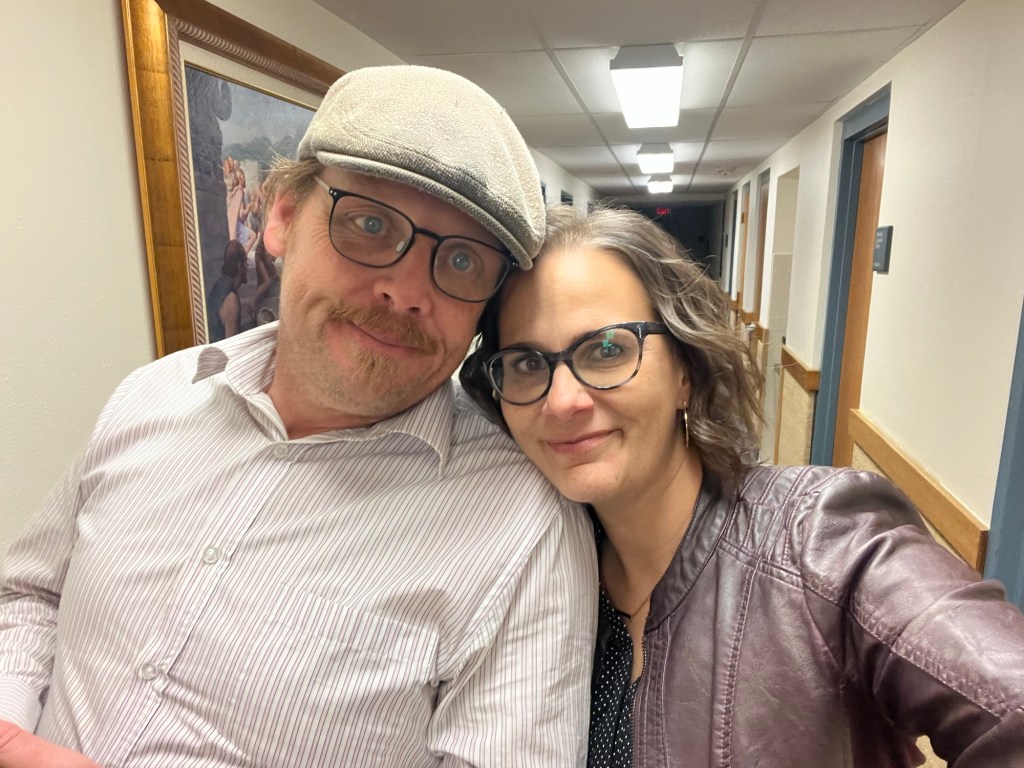
Us on New Year’s Eve before getting too tired and heading home around 10:00. Usually we are the people that when asked if we want to get together at 8:00 we wonder am?!? or pm?!? Actually never mind, both are a hard pass.
Happy New Year! To all those suffering, you are not alone, your worth is not diminished by your ability, you are seen and welcomed here.
In the beginning of my chronic pain, before I had language for it, I fought it.
I tried to outrun the agony.
I tried to out- power the fatigue.
I believed if I just pushed harder, rested less, proved myself more. I would get ahead of it.
Instead, the harder I tried, the further behind I seemed to fall.
What I didn’t yet understand was that I wasn’t battling weakness or lack of willpower. I was battling a body riddled with inflammation. A body asking to be soothed, not ignored. Not overridden. But met with compassion.
There likely will never be a cure for my condition.
But there can be healing. For myself and so many others.
For me, that healing began when I stopped fighting my body and started listening to it.
Healing in the Woods: A Transformative Quest
When I found forest therapy, I was still angry. Still confused by my disability. Still grieving the body I thought I should have. Trying to figure out exactly what steps to take to “get better.” Whatever that means.
Forest therapy didn’t fix me. But it slowed me down enough to meet myself honestly.
Walking slowly among trees, I began to notice how nature never rushes itself into wellness. Trees scarred by lightning still reach for the sun. Fallen logs don’t apologize for dormancy. Fallen leaves aren’t failures. Moss thrives not despite dampness but because of it. They are part of the cycle that nourishes what comes next.
In the forest, I learned to take time and space:
For my body.
For my care.
For myself.
I learned to soften.
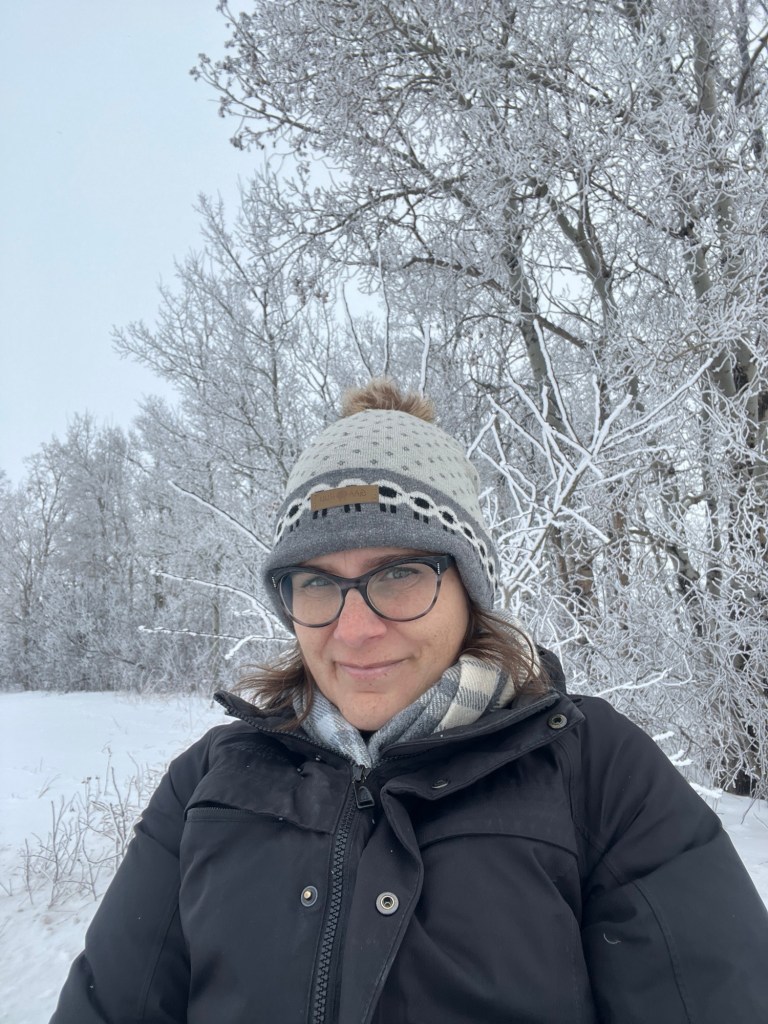
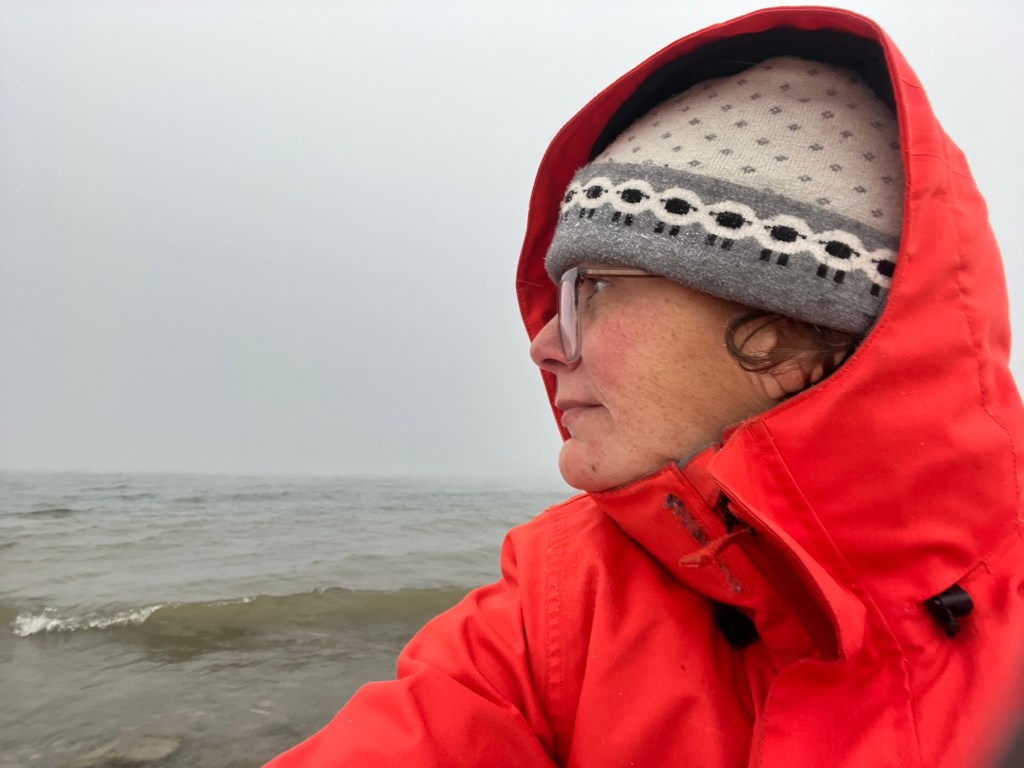
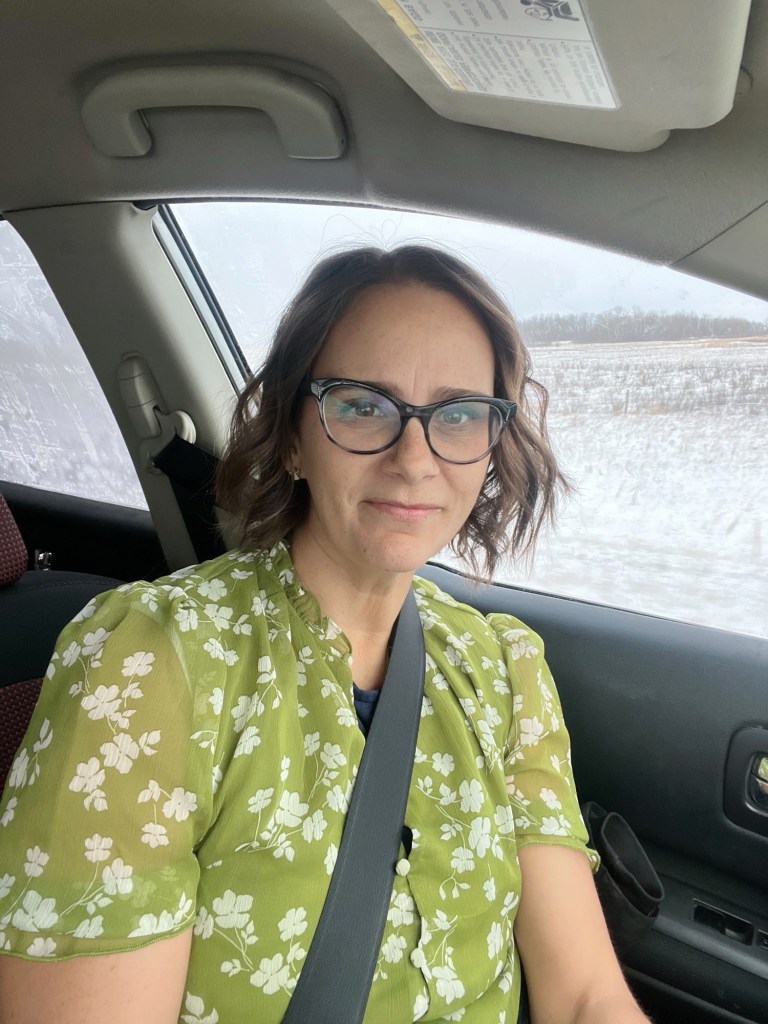
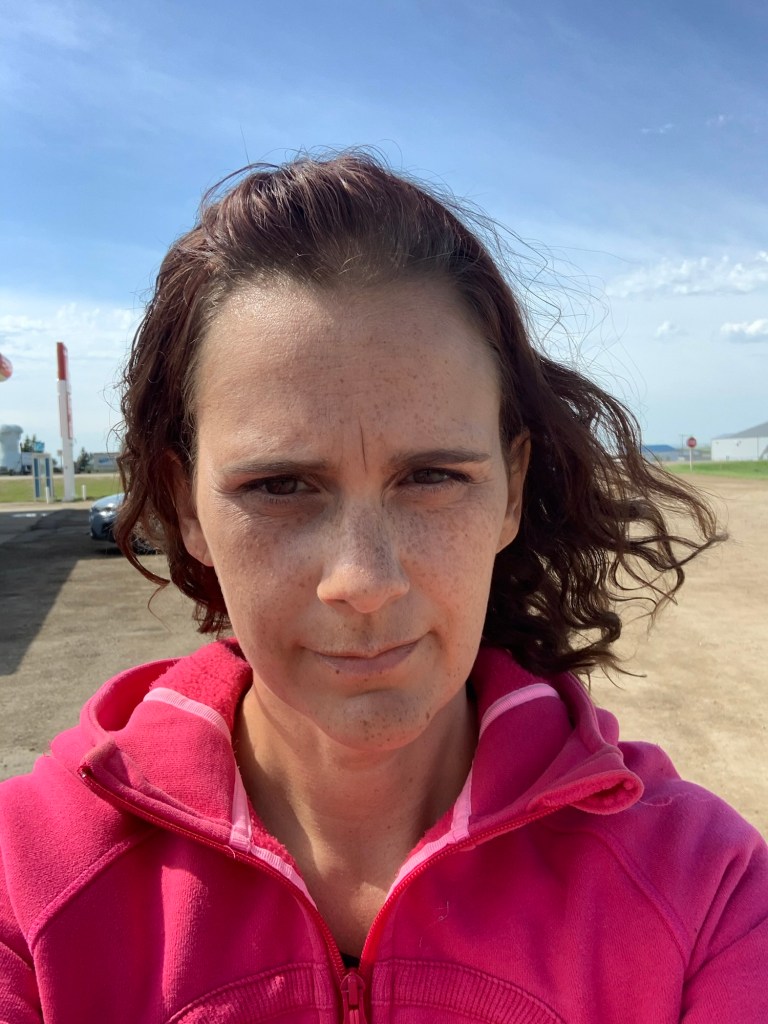
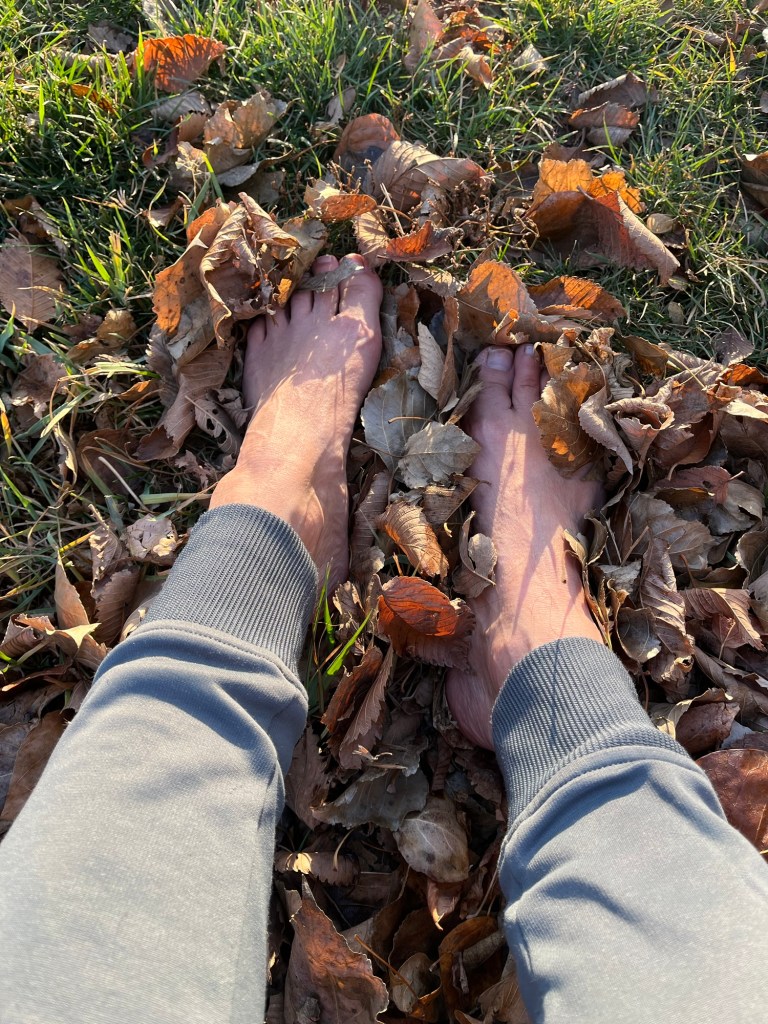
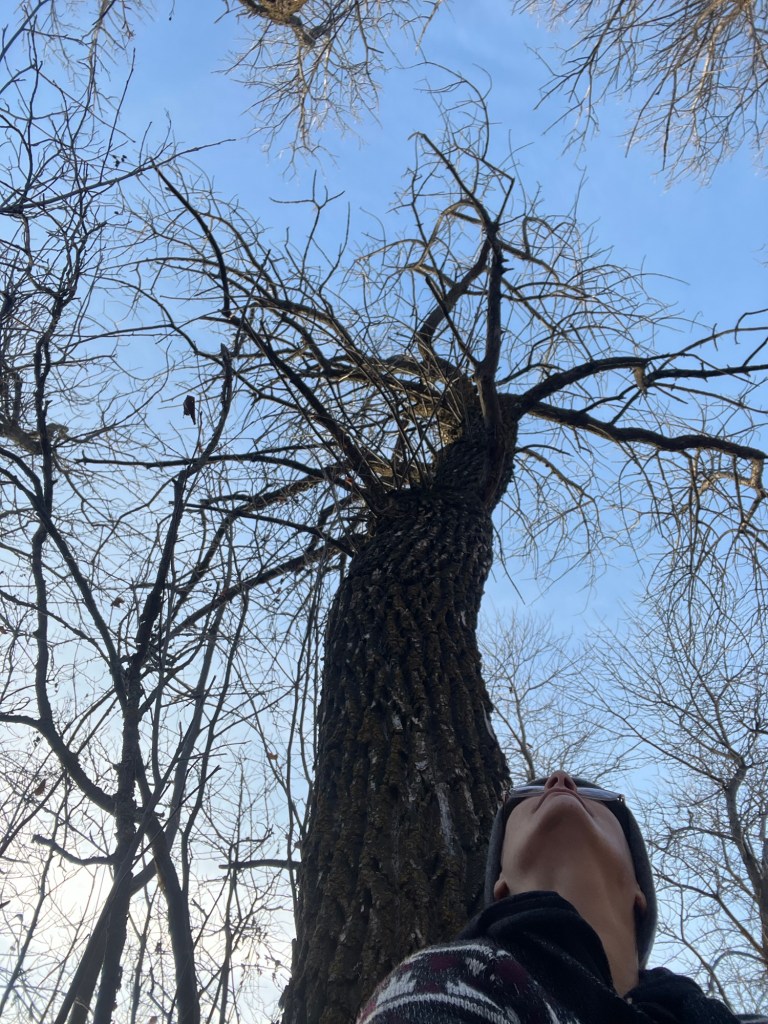
The photo on the left was taken this Christmas. On the right is a shot from one of my highest pain and least support years. Do you see the softening that has taken place?
Nature became a mirror for self-compassion. Showing me that acceptance is not giving up, and rest is not weakness. That change is and always will be constant, and beauty is often found because of it.
Where do your forest reflections take you?
Tender and Fierce Self-Compassion: A Pathway to Healing Mastery
If your compassion does not include yourself, it is incomplete.
Psychologist Dr. Kristin Neff, a leading researcher on self-compassion, describes two essential forms. Tender self-compassion and fierce self-compassion. Healing (especially in chronic pain) requires both.
In the forest, tender self- compassion is offered effortlessly. Shade, stillness, permission to slow down. Tender self-compassion is the gentle response we offer ourselves when suffering arises. It sounds like,
In forest therapy, tender self-compassion shows up as slowing down. Sitting instead of pushing. Letting the forest hold us when our nervous system is overwhelmed.
But compassion is not only soft.
Fierce self-compassion is protective. In the forest, fierce compassion looks like a tree growing around an obstacle instead of breaking itself against it. It looks like roots lifting pavement. Life insisting on what it needs. It draws boundaries. It advocates. It says no to harm. Even when that harm comes from expectations we’ve internalized.
Fierce self-compassion involves taking action in the world to protect, provide, and motivate ourselves to alleviate suffering.
— Kristin Neff
For someone living with chronic pain, fierce compassion might look like canceling plans without guilt, choosing gentler paths, or refusing to prove pain through being productive. (Holy moly, have I ever been guilty of that last one!)
The forest teaches this balance effortlessly. Life adapts rather than destroys itself.
True healing lives in the balance.
Softness without surrender.
Strength without violent self talk.
I highly recommend looking at Dr. Neff’s research.
Beyond the Power of Positivity in Chronic Pain
One of the most harmful ideas placed on people with chronic pain is the demand to “stay positive.” It is a reality many of us are quietly living inside. Through good intentioned humans or when we place this expectation on ourselves. Either way.
This is not healing.
This is toxic positivity.
The forest is not positive all the time. It holds decay and beauty simultaneously. Rot feeds growth. Death makes room for life. Nothing is bypassed.
Embodied compassion, unlike forced optimism, allows pain and beauty to coexist. Forest therapy has taught me that I don’t need to pretend things are fine in order to find meaning, or hope.
Acceptance is not resignation.
It is honesty.
You don’t know this new me; I put back my pieces, differently.
Embracing the Wild: A Practice of Compassionate Forest Therapy
If you are able, try this practice in a forest, park, or any type of natural space.
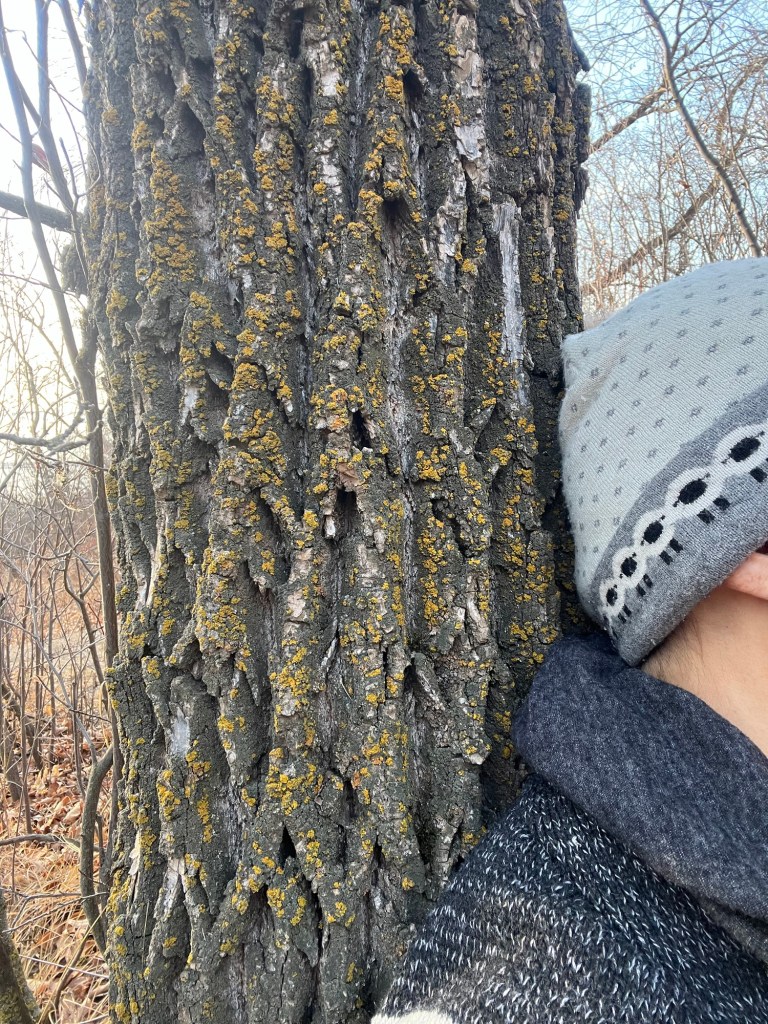
Find a tree that shows signs of damage Look for scars, broken branches, or weathering. Notice how the tree continues to live.
Stand or sit nearby Place one hand on your body. Where you feel pain or tension most.
Name tenderness. Quietly acknowledge what hurts. No fixing. No reframing. Just noticing.
Name fierceness Ask yourself. What does my body need protection from right now? Fatigue? Expectations? Self-criticism?
Receive the lesson. Let the tree reflect back to you. Adaptation, not defeat. Presence, not perfection.
Take your time. Healing doesn’t rush.
Nature’s Note: A Message from the Forest to Your Body
Dear Body,
You are not broken.
You are responding to what you have endured. And we know you have endured much.
I have seen storms too. I have lost branches. I have rested longer than expected.
Still, I grow.
You do not need to push to belong here.
You do not need to prove your worth through endurance.
I hold decay and beauty at the same time.
You are allowed to do the same.
Rest when you need to.
Stand tall when you can.
Trust that healing is not the absence of pain, but the presence of care.
You are part of this rhythm.
You always have been.
— The Forest
That’s the thing about December: it goes by in a flash. If you just close your eyes, it’s gone . And it’s like you were never there.
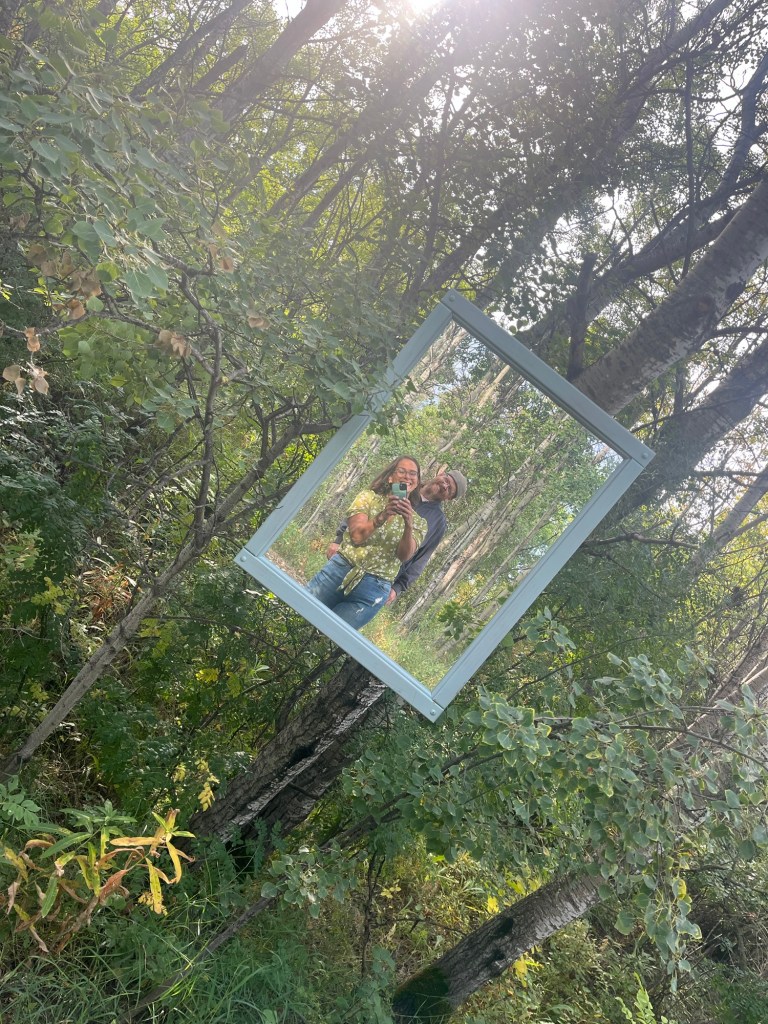
Look into the mirror of forest therapy. Reflect where you need more self- compassion. Take time to recognize and lean into both tender and fierce. It will aid in all types of healing.













 SUNBEAM ACRES