
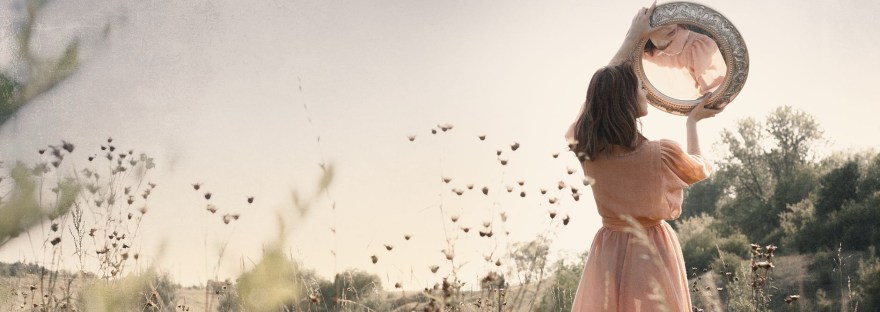
I will never tell another person that their chronic pain is a blessing in disguise.
Never.
If you are in pain and you tell me that your pain has been a blessing, I will listen. I will probably understand. And I will agree that sometimes something incredibly difficult can produce something unexpectedly good.
But I will never stand in front of someone who is hurting and say, “Well, at least it’s a blessing in disguise.” 🤮
Because sometimes the disguise is really, really good. 🥸
Sometimes the blessing is so heavily disguised that you need a search party, a flashlight, and a professional tracker to find it. 🔦
And I don’t feel this way every day. Some days I’m reflective and philosophical. Other days, I’m just trying to get comfortable in a body that has misplaced the instruction manual.
There are days when chronic pain doesn’t feel like a lesson. It doesn’t feel like growth. It doesn’t feel like an opportunity.
It feels like pain.
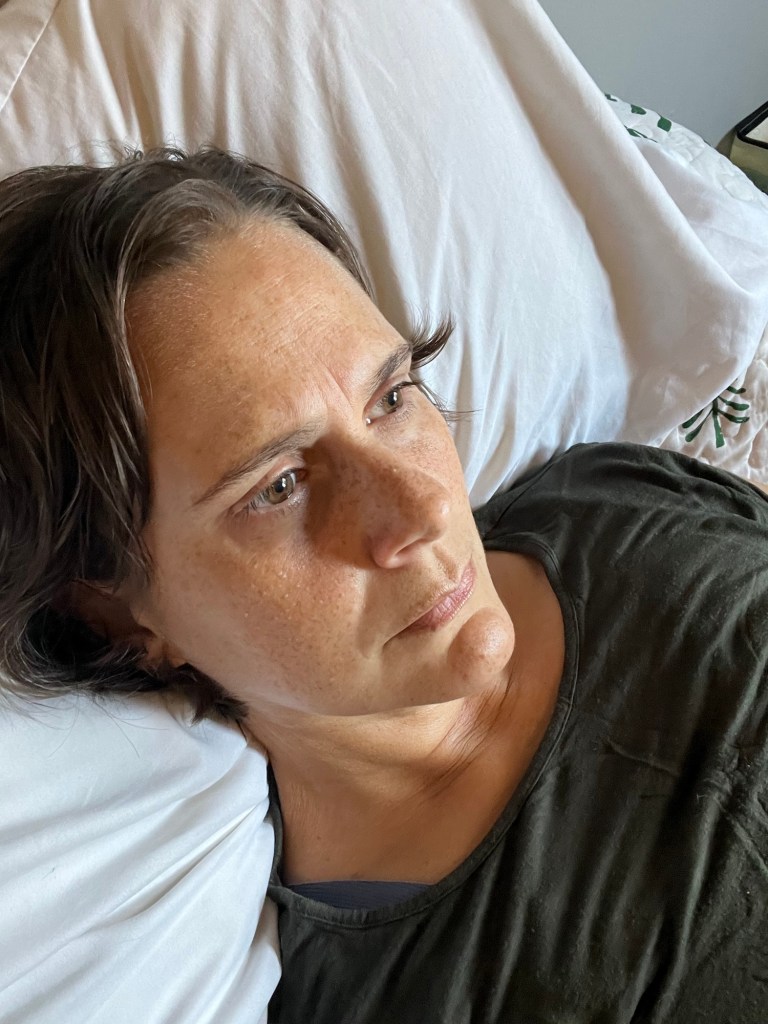
But after living with constant pain for a long time, I’ve discovered that I can hold it up in two different ways.
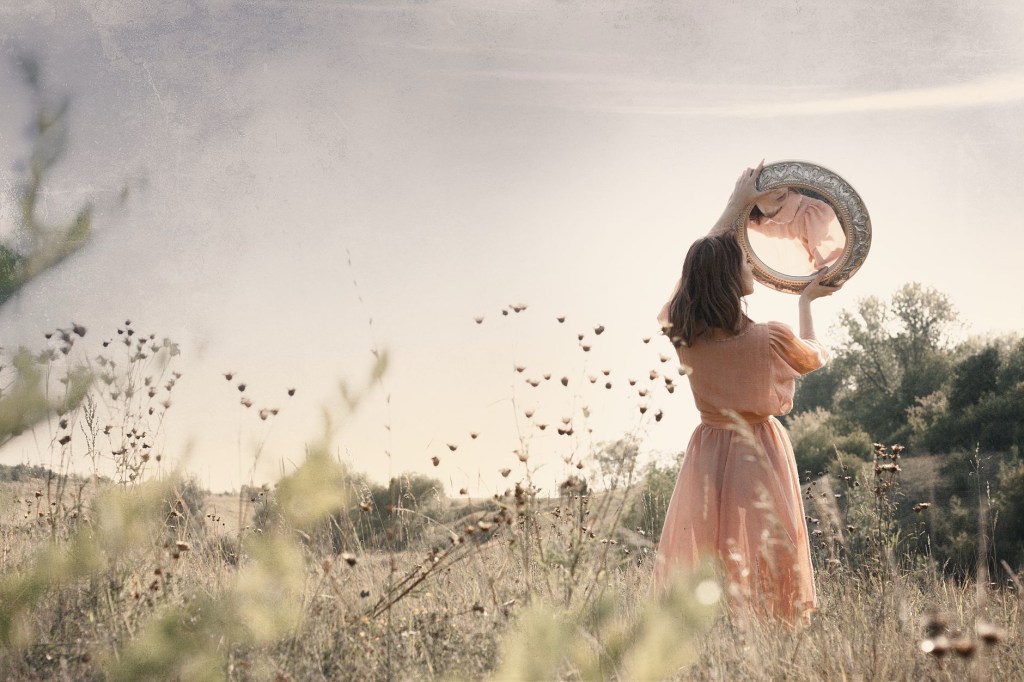
I can use it as a mirror.
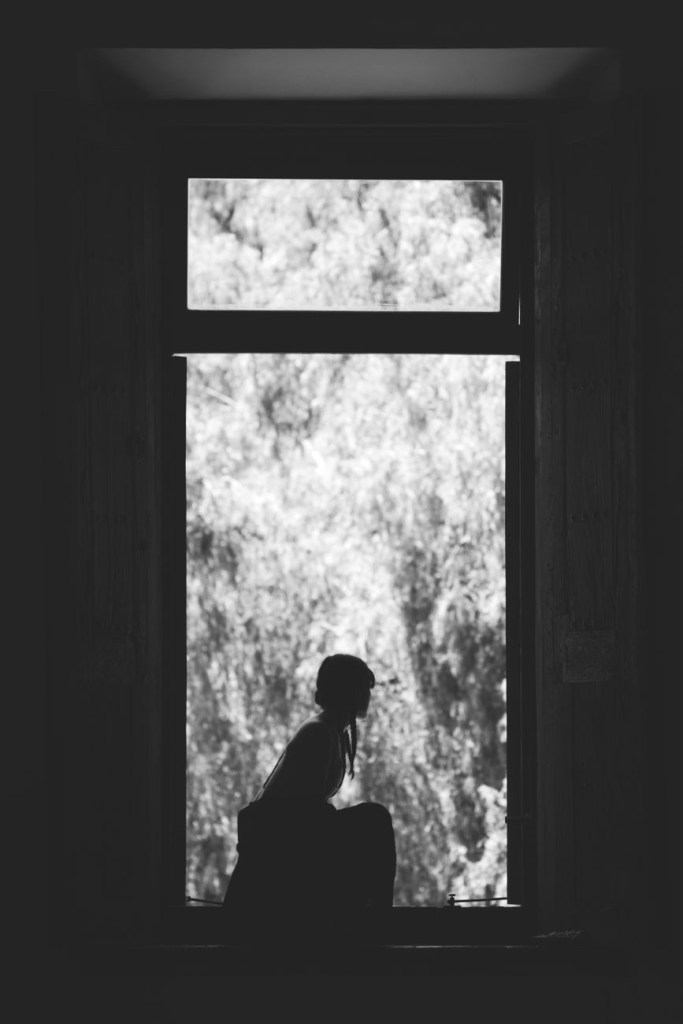
And I can use it as a window.
And when I do, I sometimes see things I wouldn’t have seen otherwise.
Pain as a Mirror
A mirror shows me what is happening inside me.
Living with chronic pain has forced me to look at myself in ways I probably wouldn’t have chosen.
It has given me thousands of opportunities to practice something I am still very much practicing:
How do I want to respond to what is happening when I don’t get to choose what is happening?
That’s a very different question from:
How do I make this stop?
Because often I can’t. The pain is going to be there.
When we are no longer able to change a situation, we are challenged to change ourselves.
-Victor Frankl
Sometimes I make a perfectly reasonable plan, and my body responds as though I have personally offended it.
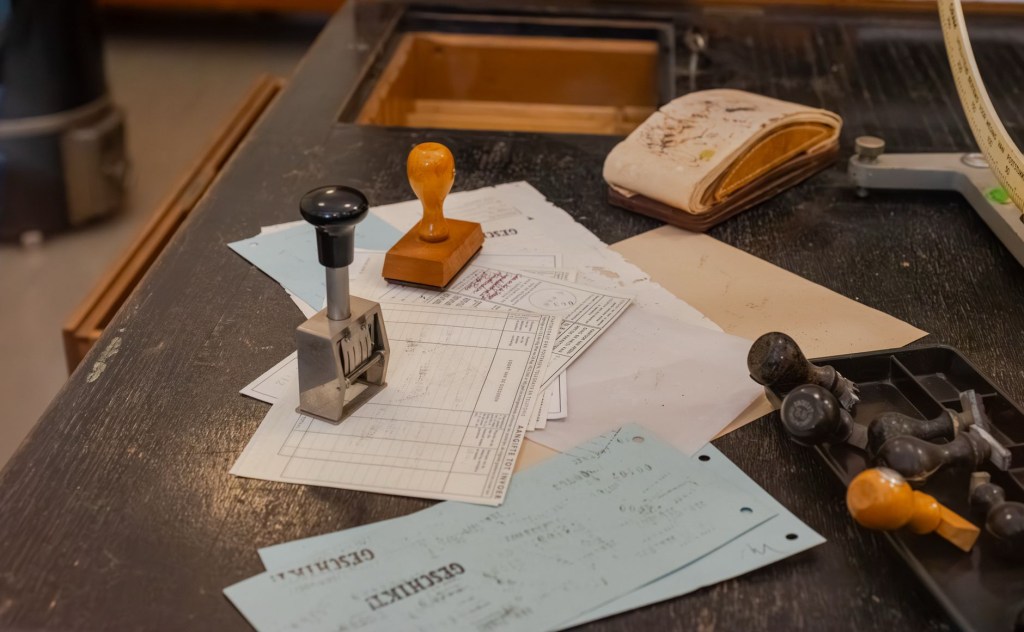
All I get back is a form stamped DENIED in triplicate. As if to say, “Interesting proposal. Unfortunately, we will not be moving forward at this time.”
And so I’ve had to practice separating the circumstance from the story my brain wants to tell me about the circumstance.
Something difficult happens.
I notice it.
I feel what I feel.
I allow myself to be human.
And then, when I can, I ask:
Okay. What do I do with this?
Not Why is this happening to me? 😭
Not What does this mean about me? 😟
Not How am I supposed to live like this forever? 🤯
Just:
What is the next right thing?
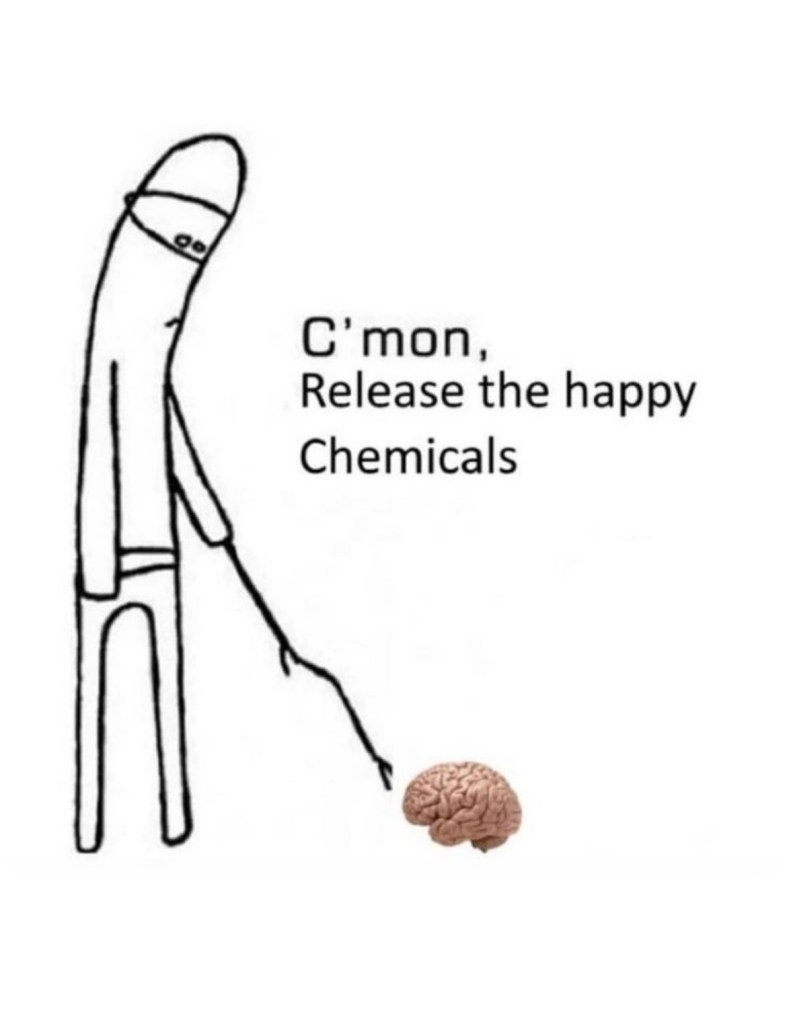
Slowmaxxing
Noun [Internet slang]
Optimizing your life by doing less. Prioritizing calm, balance, and meaningful moments instead of rushing through them.
Pain has given me a tremendous amount of practice with that question.
Moment after moment.
Day after day.
Sometimes minute after minute.
I have learned to lean toward joy even when joy doesn’t make sense.
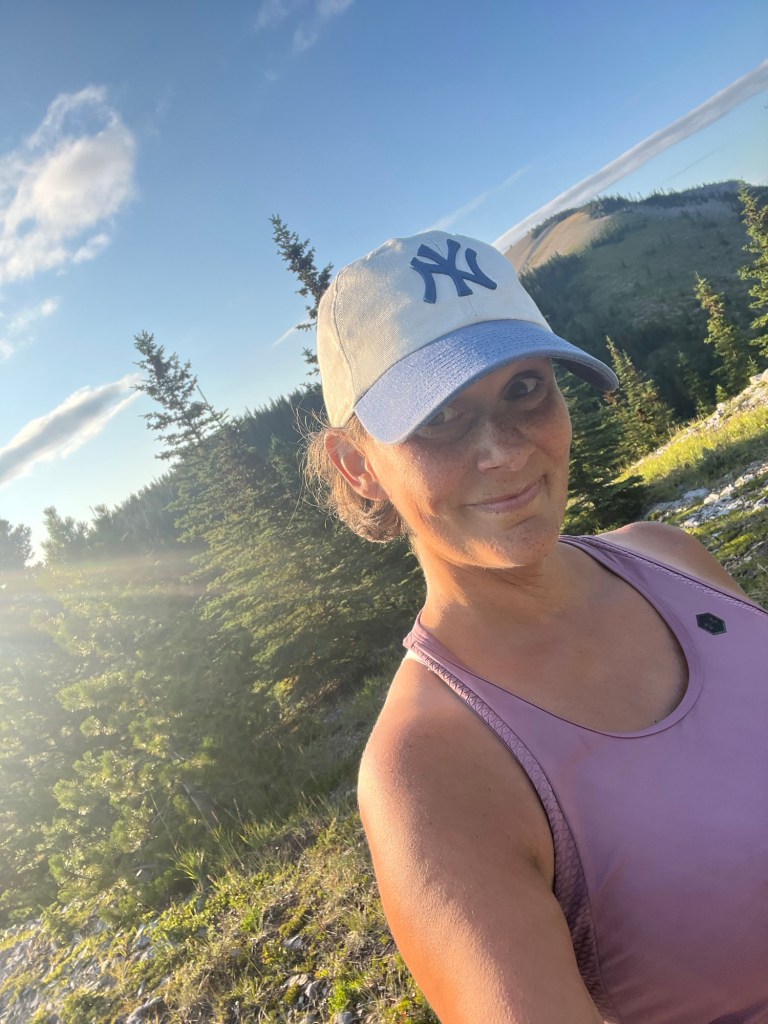
I’ve learned that a difficult circumstance doesn’t automatically require a difficult inner life.
I’ve learned that I can be hurting and still laugh. 😣 😆
I can be exhausted and still notice something beautiful. 😩 😍
I can be frustrated and still be grateful.😖 🥹
I can have a terrible day and still have one really good five-minute conversation with someone I love. 😞 🫶
I can experience pain without allowing pain to become the only thing I experience.
I am far from perfect at this.
There are days when I am spectacularly terrible at this.
And when I’m dealing with a person or situation where I feel trapped, stuck or powerless?
My ability to respond thoughtfully can disappear with impressive speed.
Apparently, I am still a work in progress.
Drat.
But when I hold my pain up as a mirror, I can see that it has made me stronger.
Not because pain is good.
Because practicing how to live through pain has changed me.
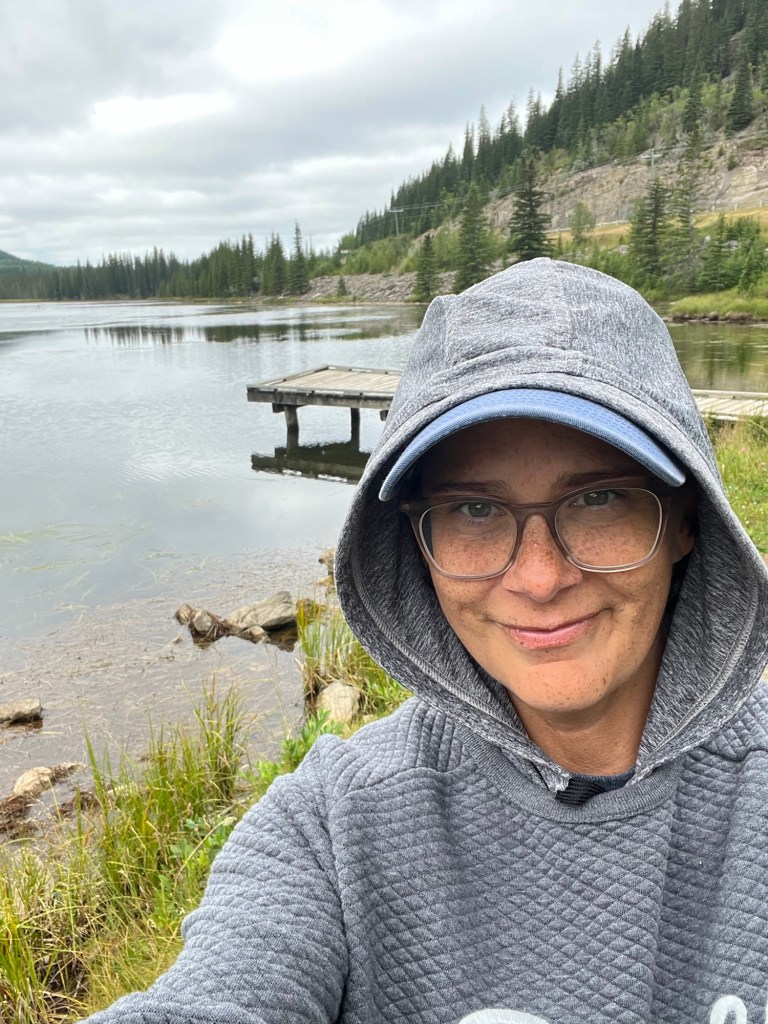
Pain as a Window
A window lets us look outward.
When I hold my chronic pain up as a window, I can sometimes see what this experience has given other people.
My children have learned compassion.
Not because I sat them down and gave them a lecture about compassion. As if that would have made a dent.
They learned it because they lived it.
There were times when my support was necessary, and there were times when theirs was necessary.
They learned that sometimes people need help.
They learned that helping someone doesn’t make them weak.
They learned that you can love someone deeply without being able to fix what hurts them.
And I think they are better people because of that.
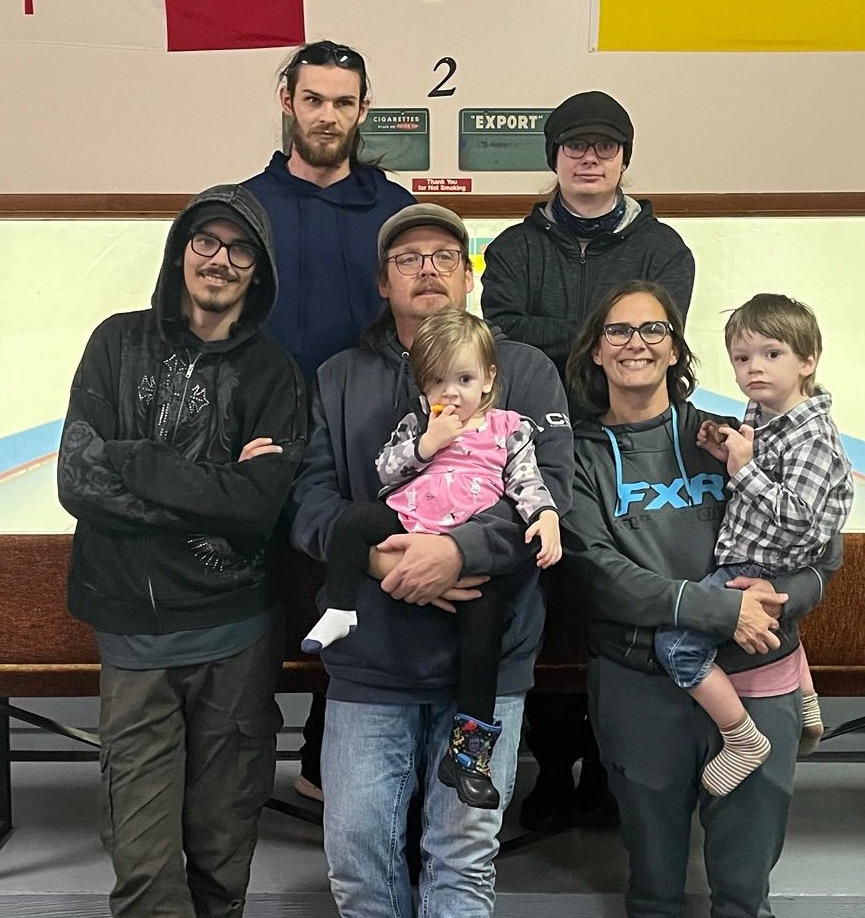
I see my parents and siblings through that window too.
I see their compassion. Their complete willingness to help. Their desire to make things a little easier when they can.
I don’t know that I would have seen this side of some of them under more typical circumstances.
I see friends who live with chronic pain and understand certain things. No explanation required.
A look.
A wince.
A pause.
The way someone lowers themselves carefully into a chair.
The bouncing leg or shifting position.
The decision not to make a plan because today isn’t a planning day.

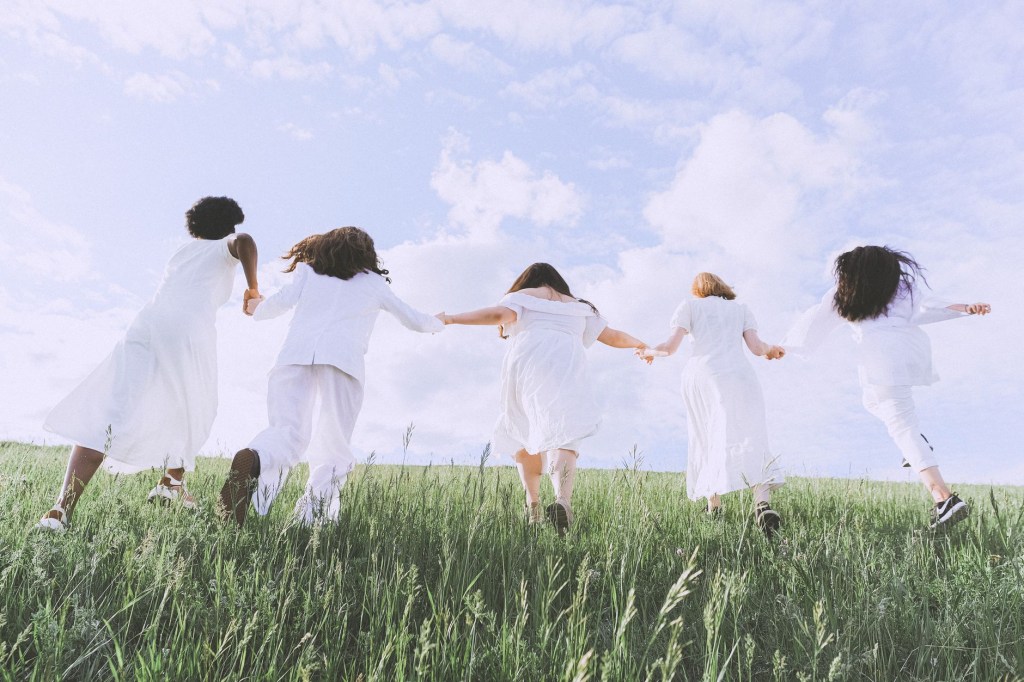
There is a kind of communication that exists between people who live in bodies that don’t always cooperate.
We don’t have to explain every detail.
We just know.
And then I see the people who have told me something along the lines of:
“I don’t know how you do it.”
Or, occasionally:
“I think you have it worse than me and you don’t complain.”
Their words.
Not mine.
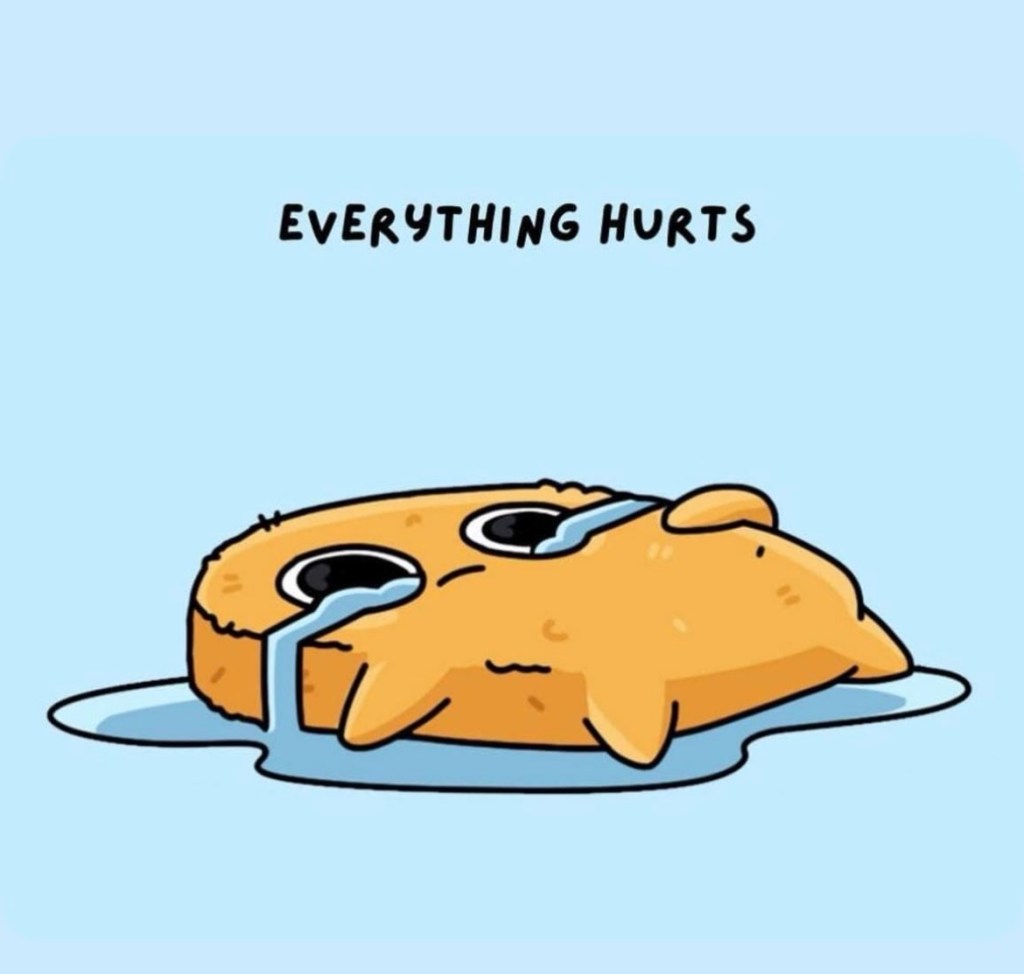
Because I absolutely complain.
I have a whole advanced certification in complaining.
But I’ve also learned the difference between sharing pain and building a home inside it.
Sometimes we need to commiserate.
To be able to say, “This is awful.”
And we need another person to say, “Wow. That really sucks.”
But I don’t want pain to be the only thing I bring into a room.
So when I hold my pain up as a window, I can see that even though I never would have chosen this life, it has affected other people in ways I couldn’t have planned.
It has created opportunities for compassion.
For service.
For connection.
For understanding.
And sometimes, apparently, for other people’s improved complaining habits?
You’re welcome. 😉
Ambassador? No Thanks!
Here is another uncomfortable component.
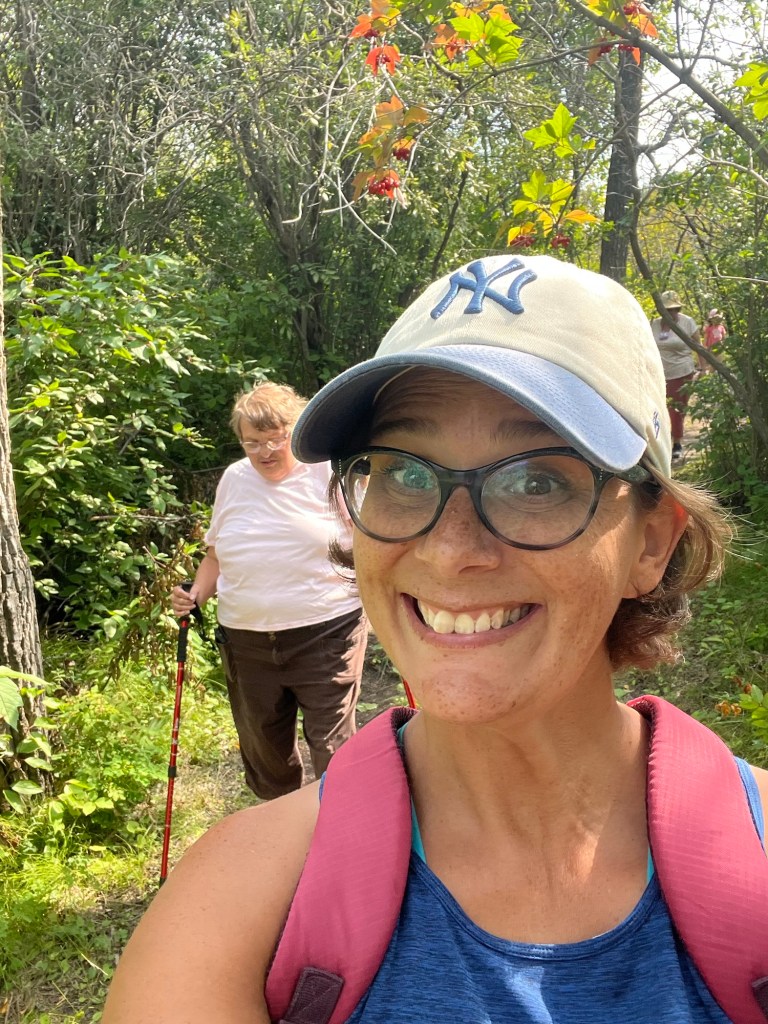
Sometimes people with chronic pain become ambassadors for something we never volunteered to represent.
I didn’t ask to demonstrate resilience.
I didn’t apply for the position of Person Who Is Going To Teach Everyone About Perseverance Through Personal Suffering.
There was no application process, no interview and, frankly, no orientation. No benefits package. No parking spot.
And I would happily return the position if someone could tell me where to turn in my resignation letter.
But here we are.
And I think recognizing that we don’t have to be inspirational every day to have an impact is valuable.
We don’t have to turn our suffering into a motivational speech.
We don’t have to pretend we’re grateful for every painful experience.
We don’t have to call pain beautiful.
We don’t have to find a lesson before we’re allowed to admit that something hurts.
Sometimes the most courageous thing we can do is simply keep participating in our own lives.
And sometimes, when we’re able, we can let other people see us doing it.
We Are Those Giants
Susa Young Gates wrote this about Latter Day Saints crossing the plains. I hope she won’t mind if I borrow it to describe those who have accidentally become ambassadors for managing pain:
The sacrifice was big to them. Small wonder there was shrinking and doubt.
The foundation of any … people is always laid by strong and mighty men and women. Only such had the disposition and the capacity to meet and overcome the tremendous obstacles… There were giants in those days.
I think about that quote differently now. Applying it to all those who carry such a heavy load of pain.
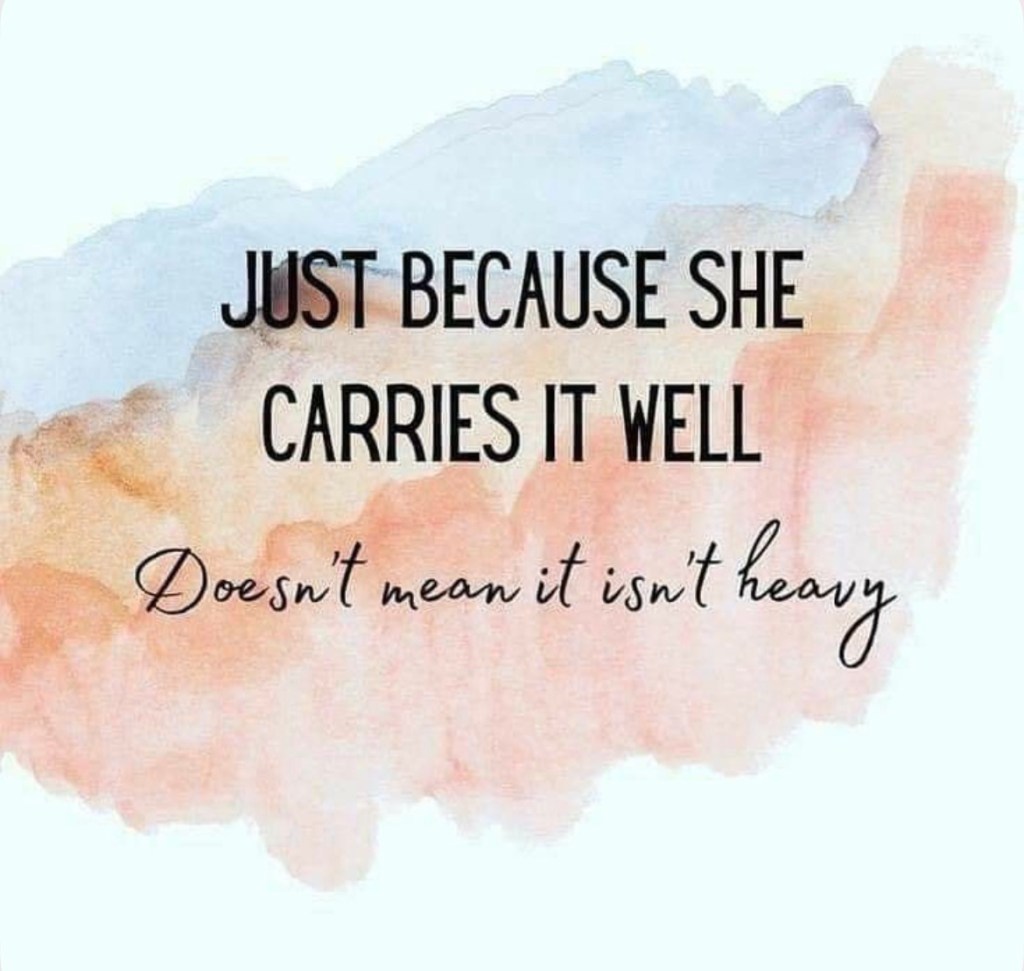
Perhaps we are laying a foundation for those who will most undoubtedly come after. Based on the climbing numbers of chronic pain and auto immune patients.
Thankfully, being a giant doesn’t look like accomplishing something enormous.
Sometimes it looks like getting out of bed. Showing up. Choosing kindness when you’re hurting.
Sometimes it looks like making dinner when your body would rather not.
Sometimes it looks like going outside for ten minutes or laughing with your grandchildren. It looks like asking for help or resting without feeling guilty.
Sometimes it looks like trying again tomorrow.
The sacrifice can be enormous even when nobody else can see it.
And there will absolutely be days when someone with chronic pain says:
“I didn’t want this role.”
I understand.
Neither did I.
But maybe we don’t have to want the role to decide what we will do with it.
Be a Firefly!
Fireflies.
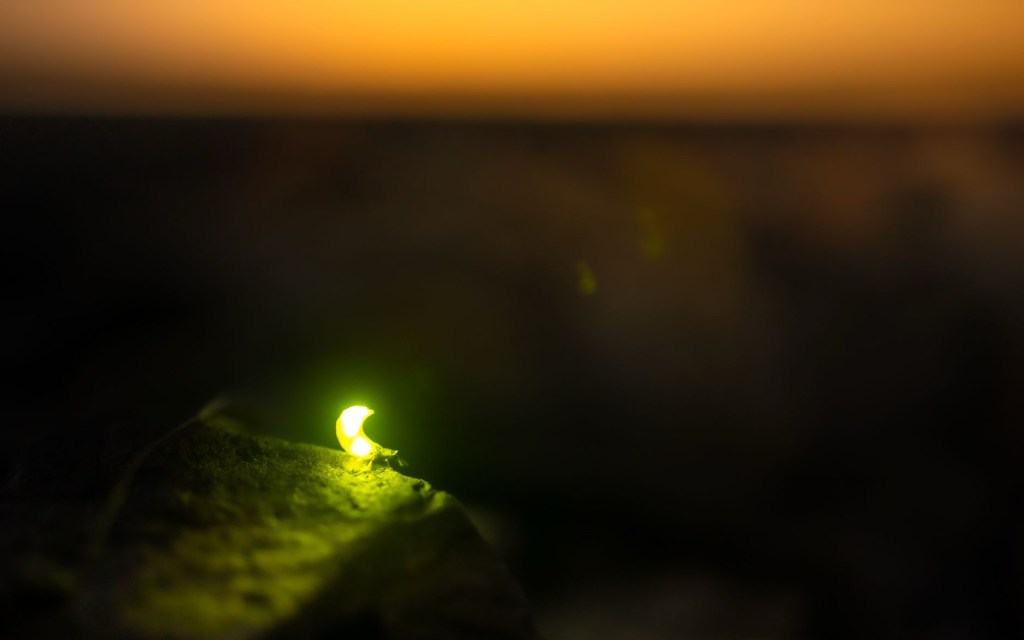
A single firefly doesn’t light up the entire forest.
It doesn’t need to. It just flashes. And does its little firefly thing. And leaves the rest to others.
A tiny bit of light in the darkness.
Then another one answers.
And another. And another.
One little light isn’t enough to illuminate everything.
But imagine a whole field full of them.
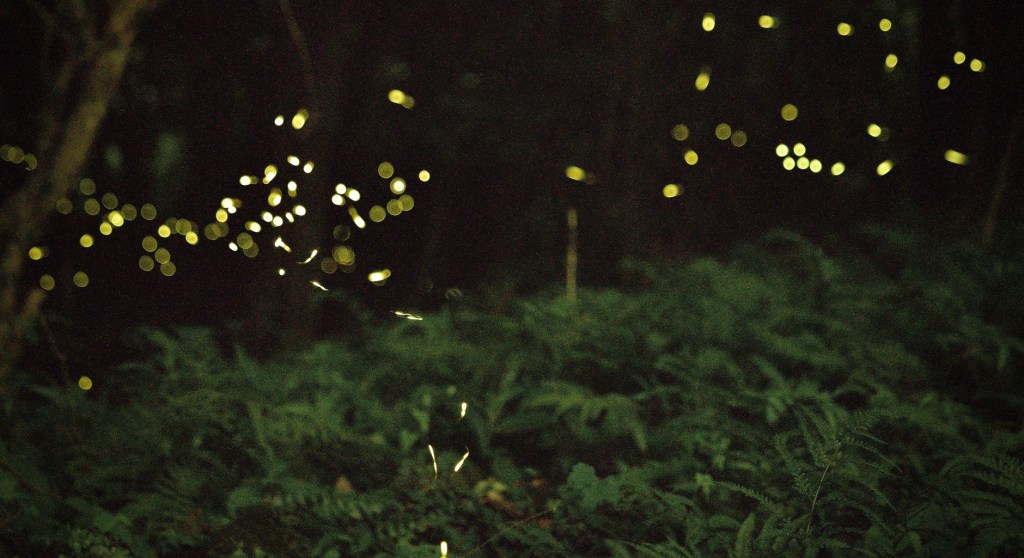
That’s what I think we can do for one another.
We can be fireflies.
Not because we have figured everything out. Or because we’re always positive.
Decidedly not because we’re grateful for our pain.
But because, on the days when we are able, we can let a little light escape.
We can show someone that pain and joy can exist in the same body.
That a difficult life can still contain beautiful moments.
That needing help doesn’t erase our ability to help someone else.
That resting isn’t quitting.
That laughing doesn’t mean we’re not hurting.
That trying again counts.
And on the days when our own light is barely flickering?
We borrow someone else’s.
Because there will be days when the mirror is warped. When we can’t see anything good in ourselves.
Days when the windows are dingy and everything outside looks grey. When our best efforts don’t seem to have made one bit of difference.
On those days, we need someone else’s light.
Hope is being able to see that there is light despite all of the darkness.
-Desmond Tutu
And that’s why we band together.
Not to pretend the darkness isn’t there.
But so nobody has to sit in it alone.
The more of us who turn on our little lights, the more light there is. Not one giant spotlight. A thousand tiny ones.
Hope reflecting off hope. Strength reflecting off strength.
One person’s courage giving another person enough courage to make it through the next hour.
That’s a blessing I can see now.
Not that I was given chronic pain.
Not that pain is secretly wonderful. (It isn’t)
The blessing is what can happen around the pain.
The person I become while learning to live with it.
The compassion other people develop because they have walked beside me.
The people I’ve met who understand without explanation.
The opportunities to serve when I thought I had nothing left to give.
The moments of joy that become more noticeable because I know exactly how valuable they are.
The tiny lights. The fireflies.
Forest Therapy Practice: Reflecting and Observing
Find a place in nature where you can sit comfortably. It doesn’t have to be beautiful. A backyard, park bench, forest trail or even the view from a window works.
Take a few slow breaths and notice your surroundings.
Then imagine that your experience of chronic pain is a mirror.
Ask yourself:
- What has living with pain taught me about myself?
- What strength have I developed that I might not have developed otherwise?
- What have I learned about joy?
- What have I learned about what actually matters to me?
- What part of myself deserves a little more compassion?
Don’t force an answer. Just notice.
Then turn your attention outward.
Imagine your pain becoming a window.
Ask:
- Who has shown me compassion?
- Who has learned something because they have walked beside me?
- Who understands me in a way they might not have otherwise?
- Where have I been able to help someone else?
- What tiny ripple have I created simply by continuing to show up?
Finally, look around you.
Find one tiny point of light. It can be a sunlit leaf, a reflection, a patch of sky, a bright berry, or even a tiny opening between the trees.
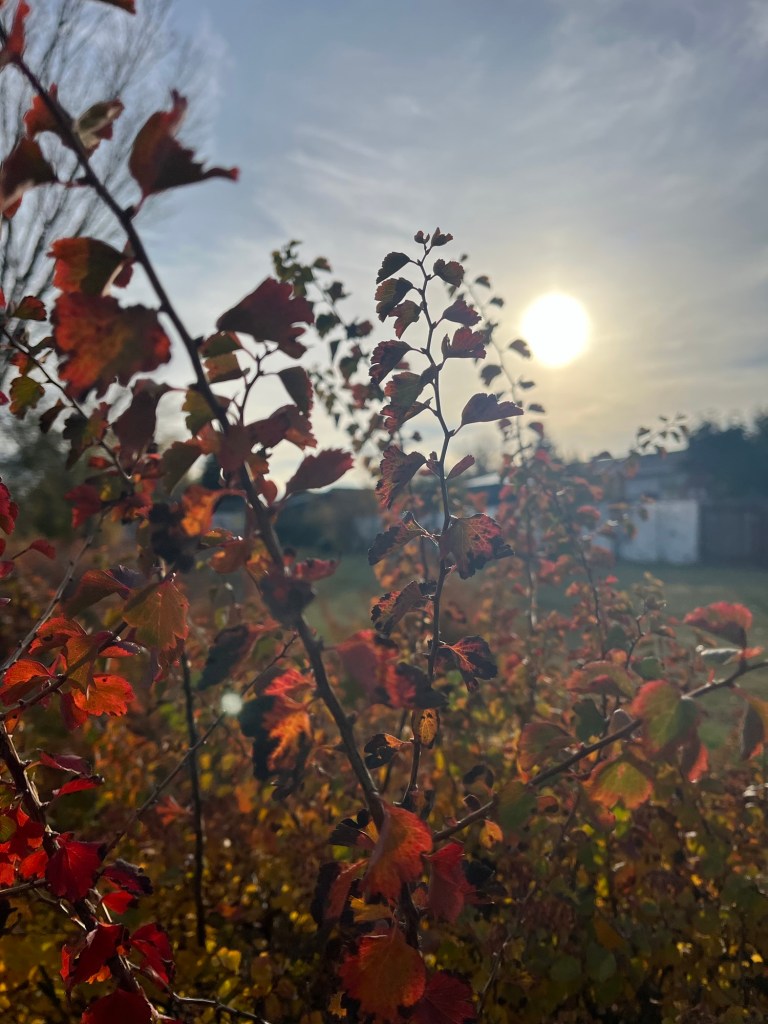
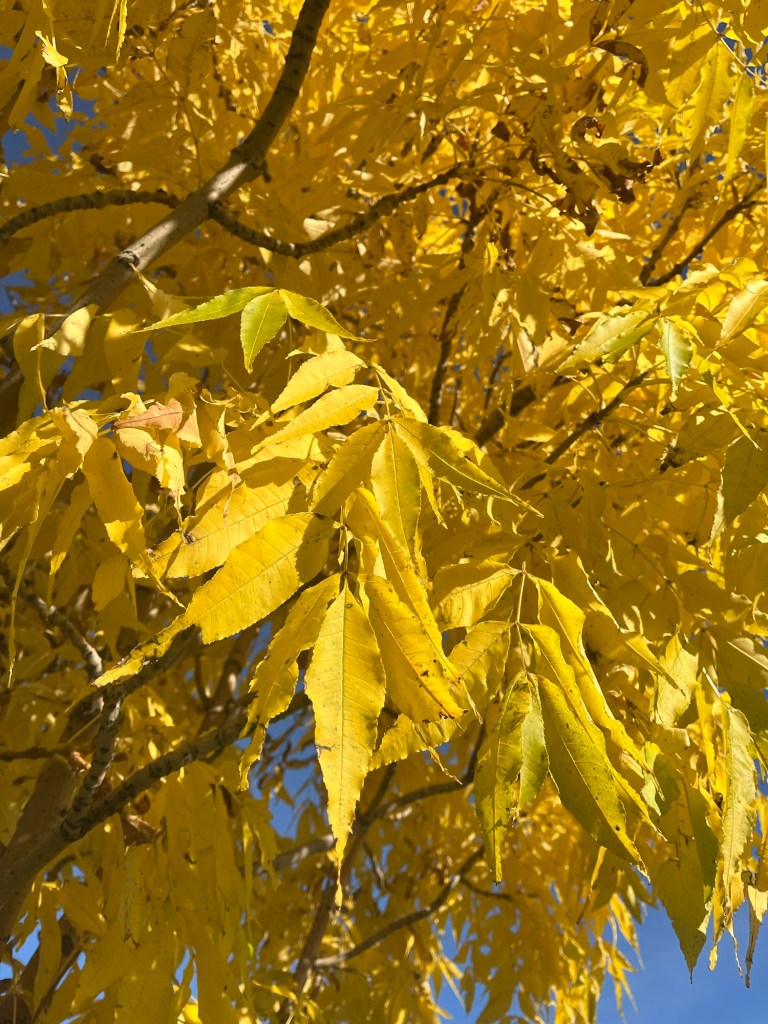
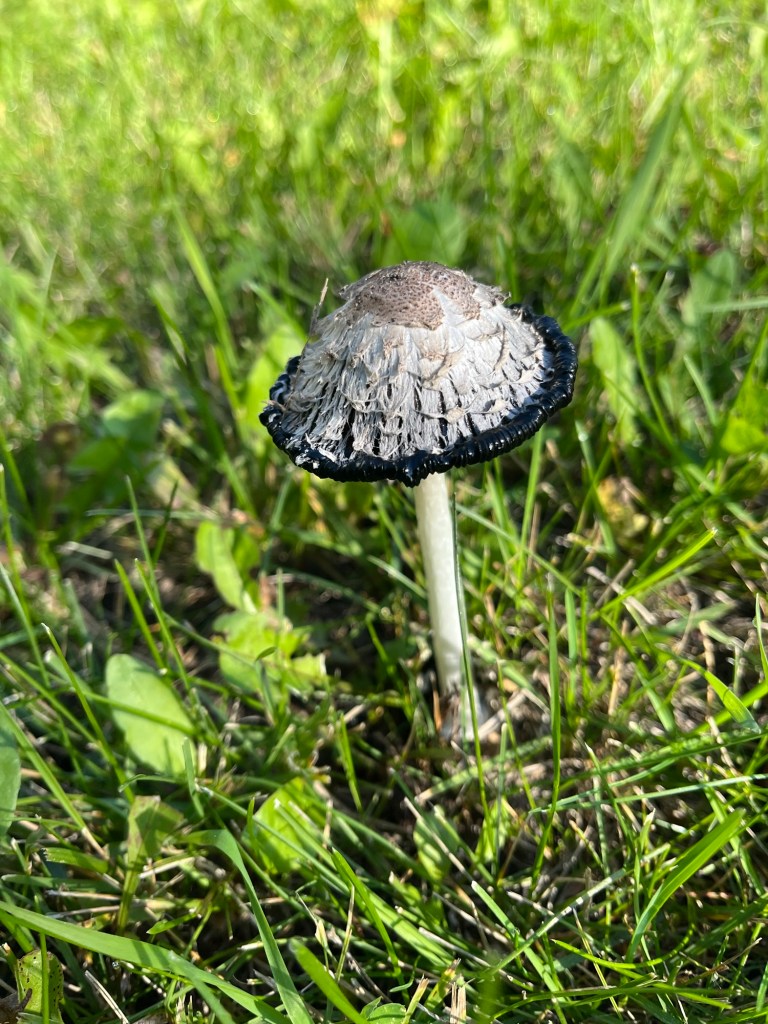
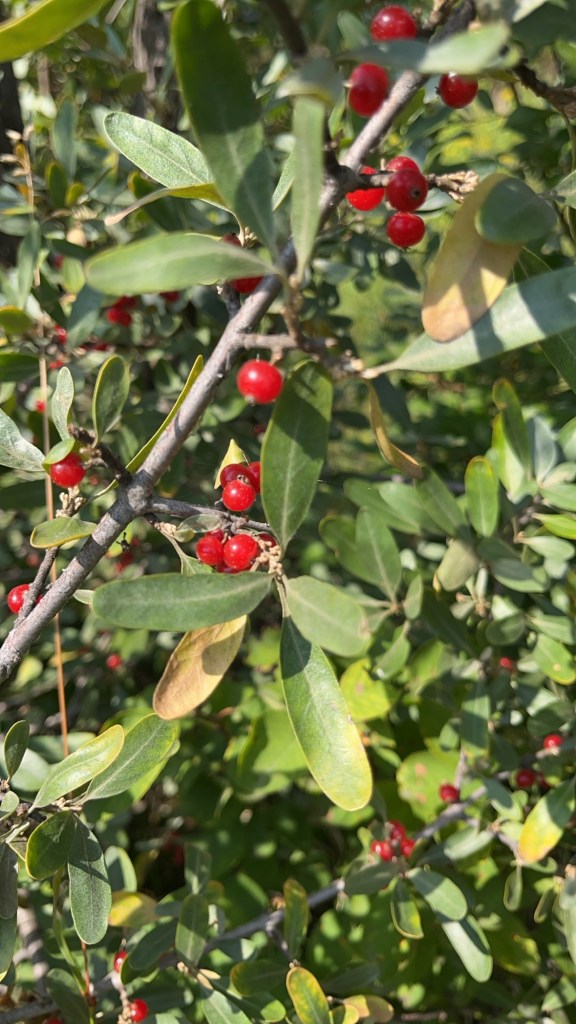
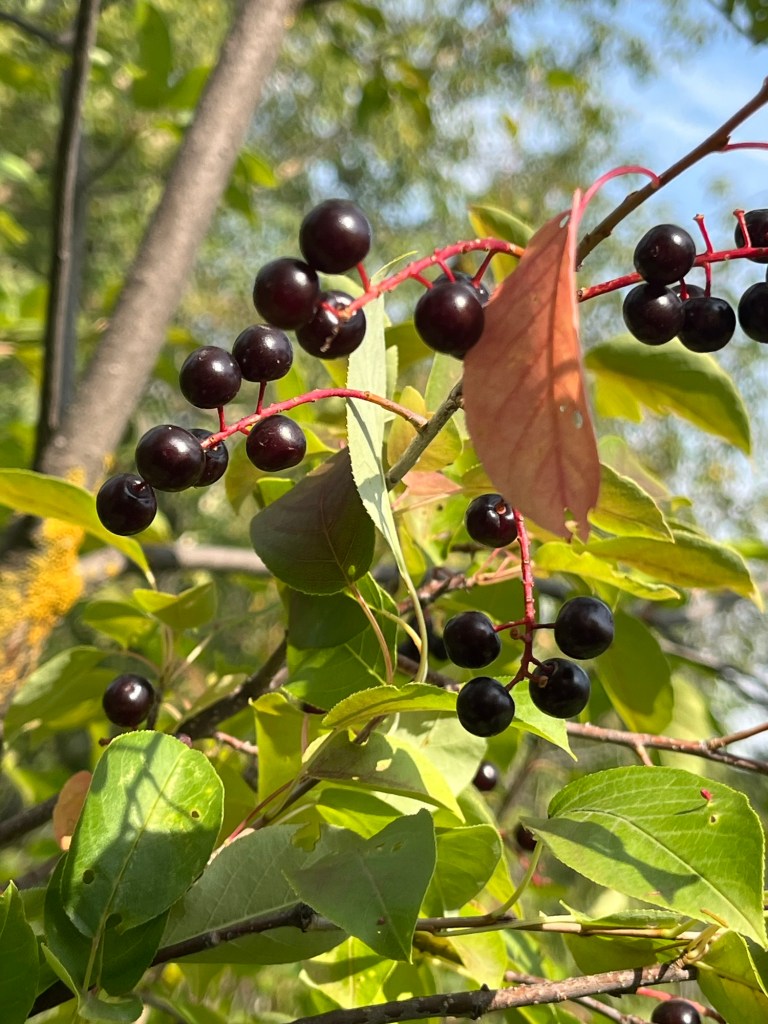
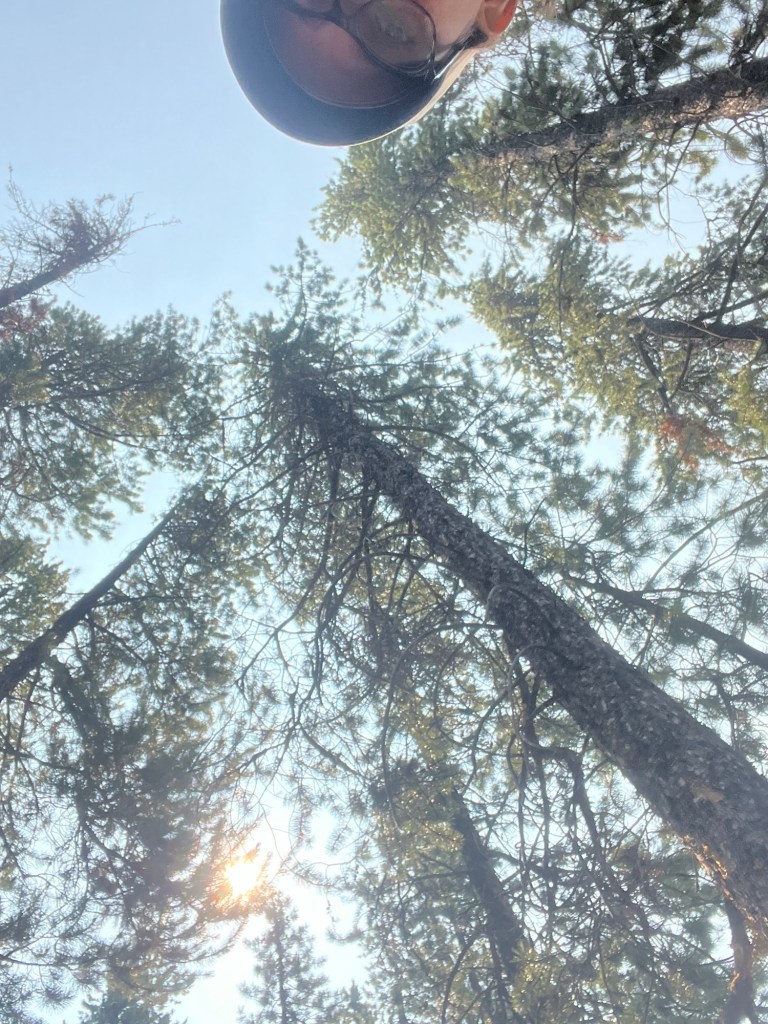
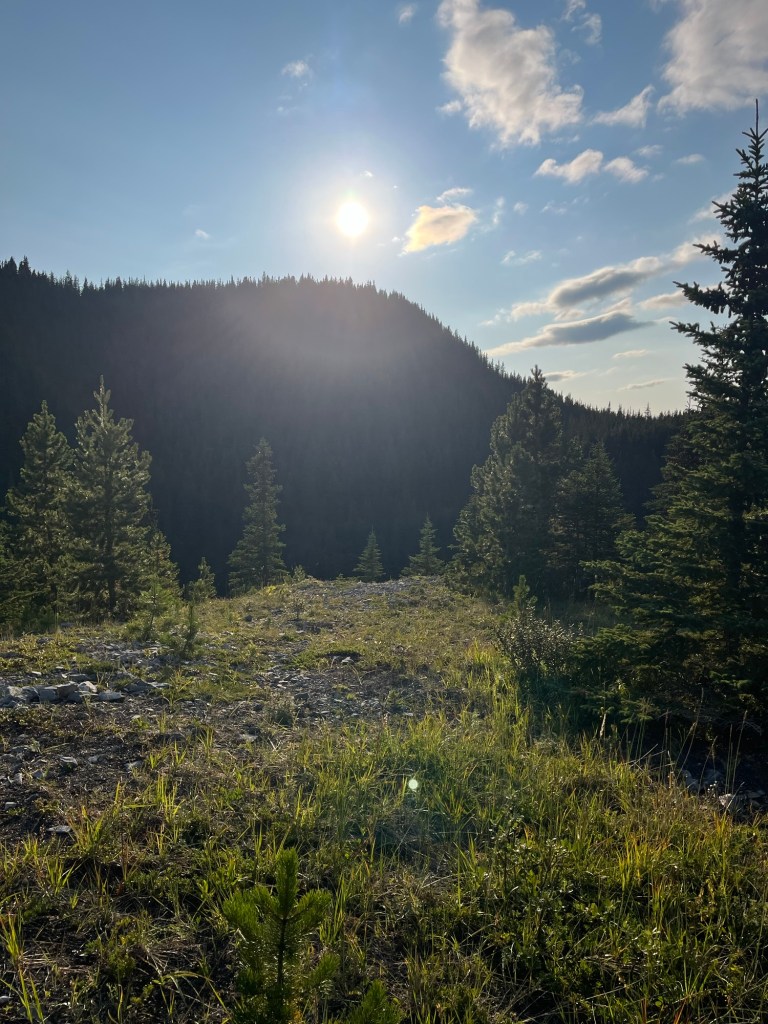
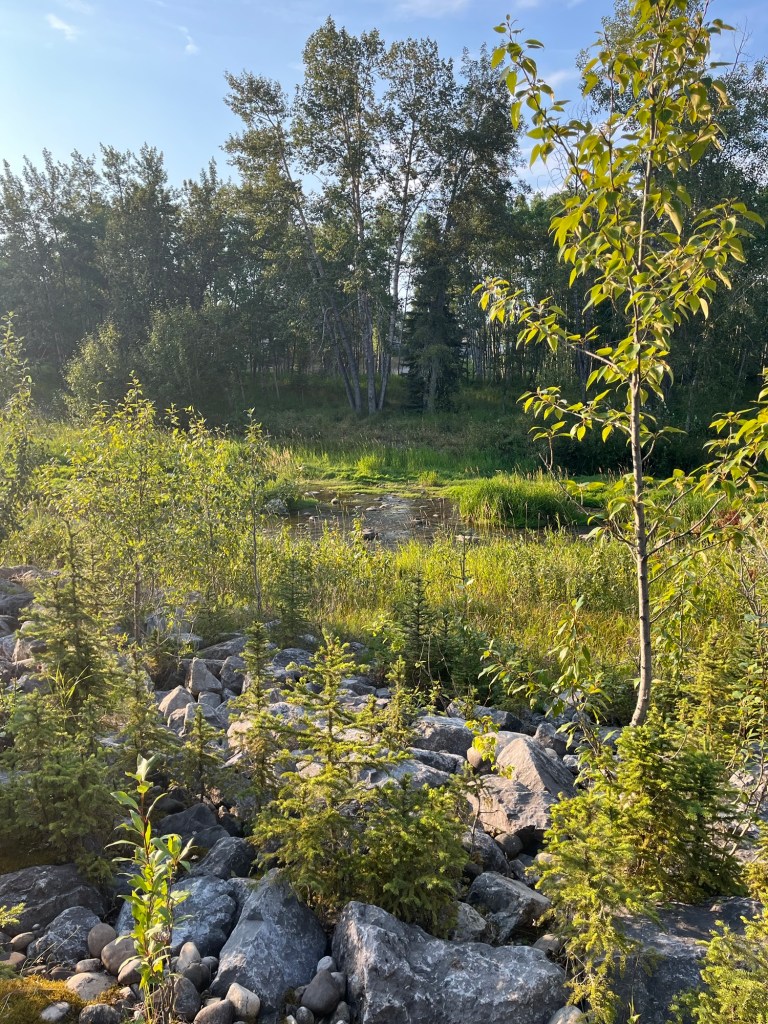
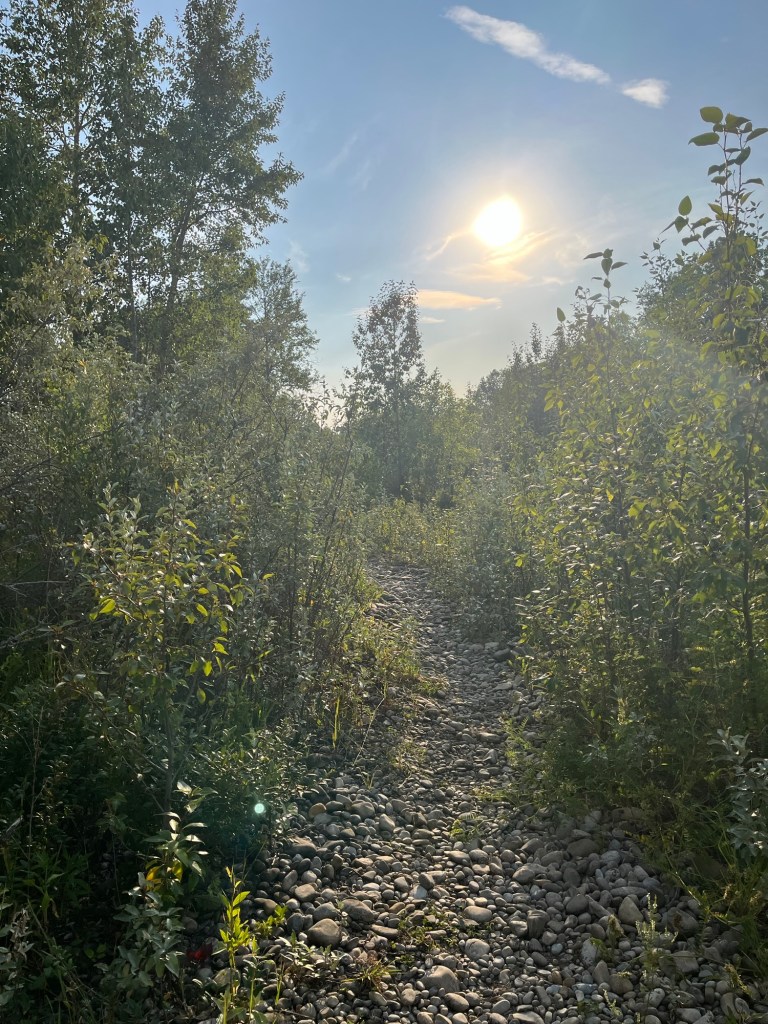
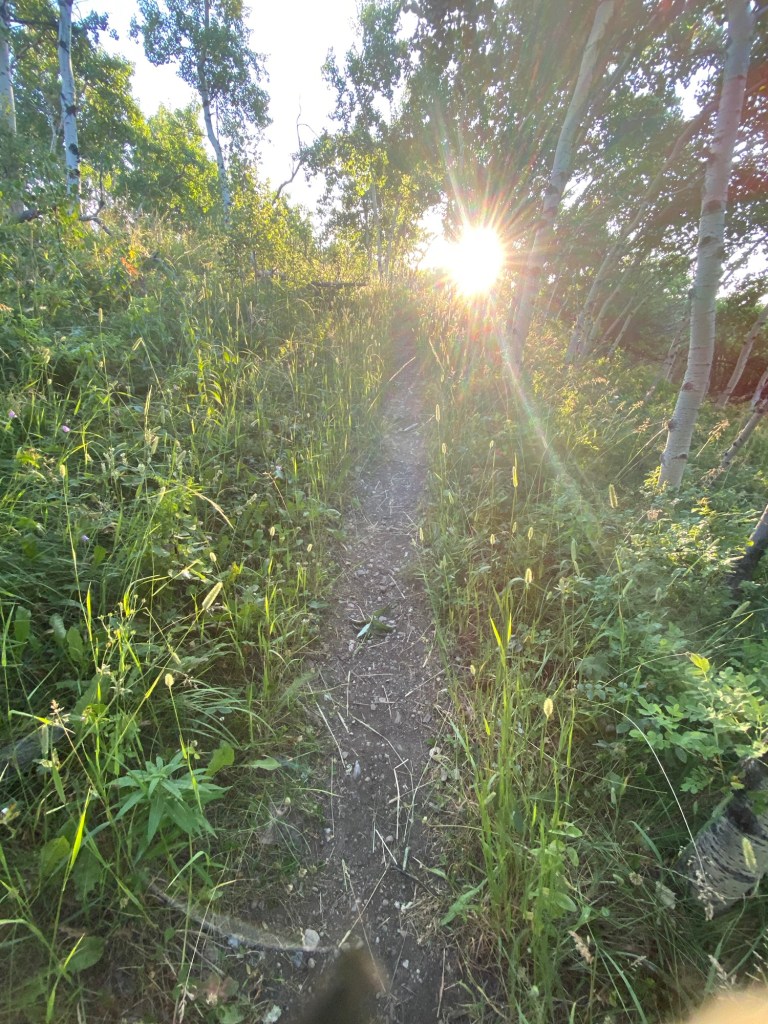
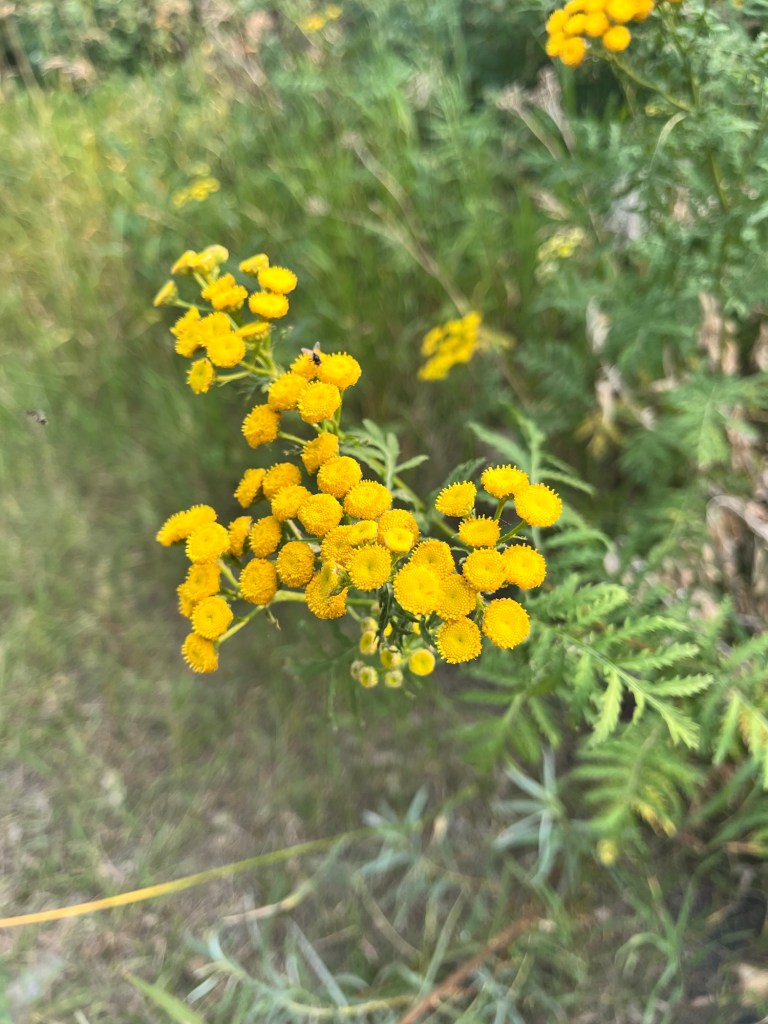
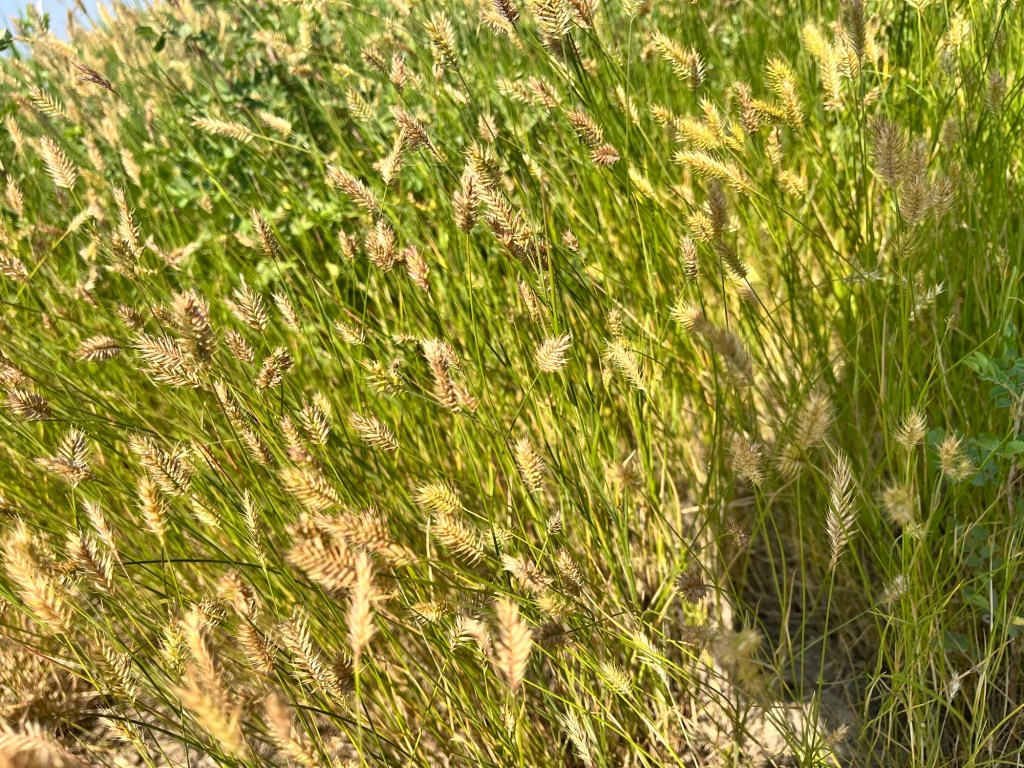
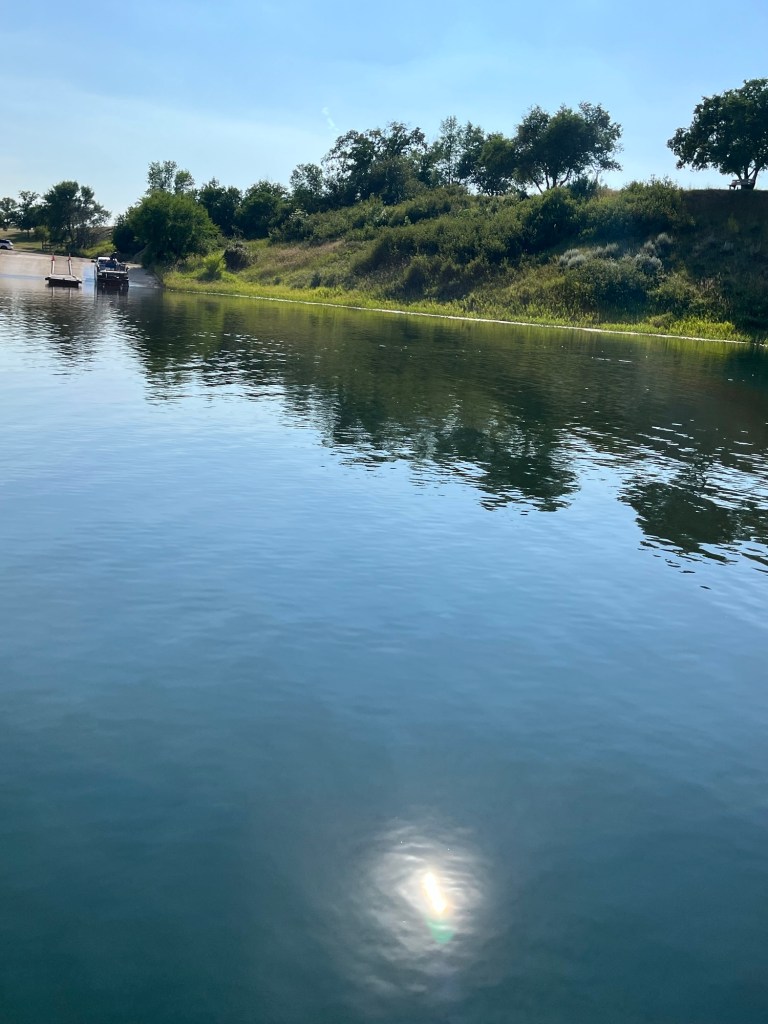
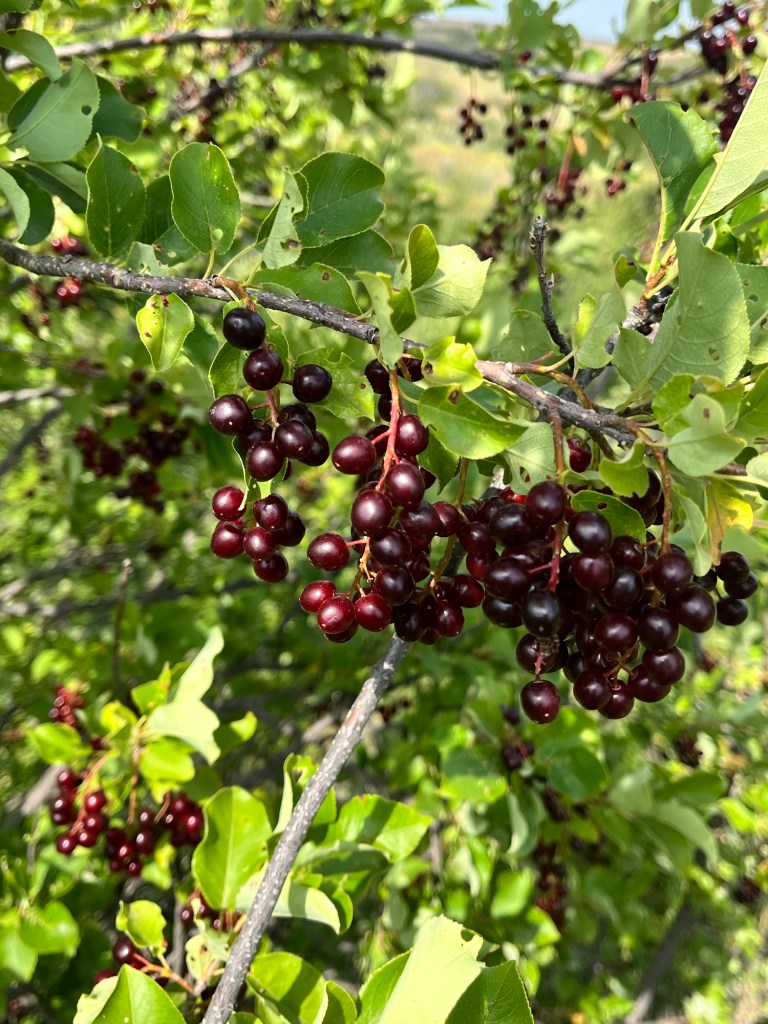
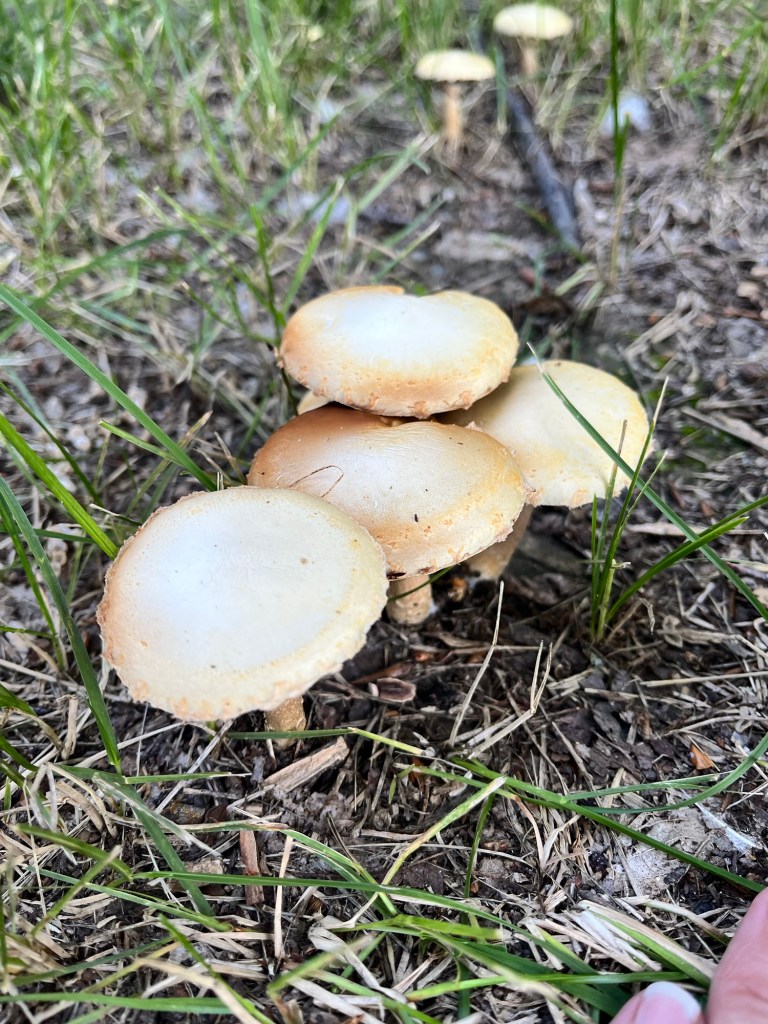
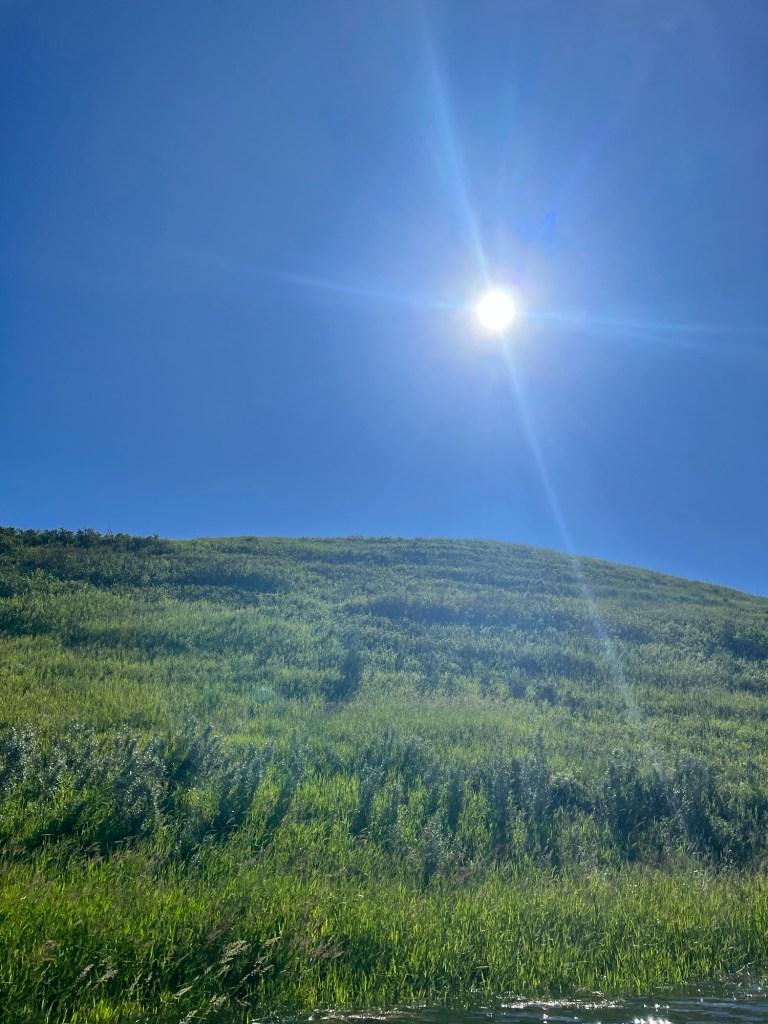
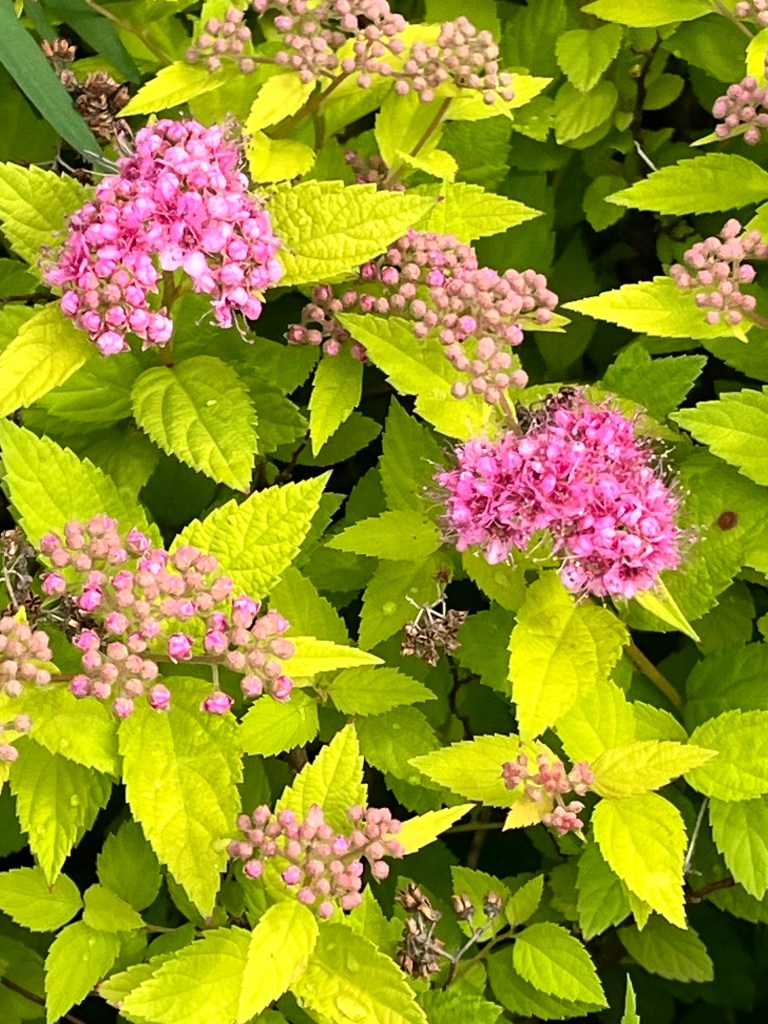
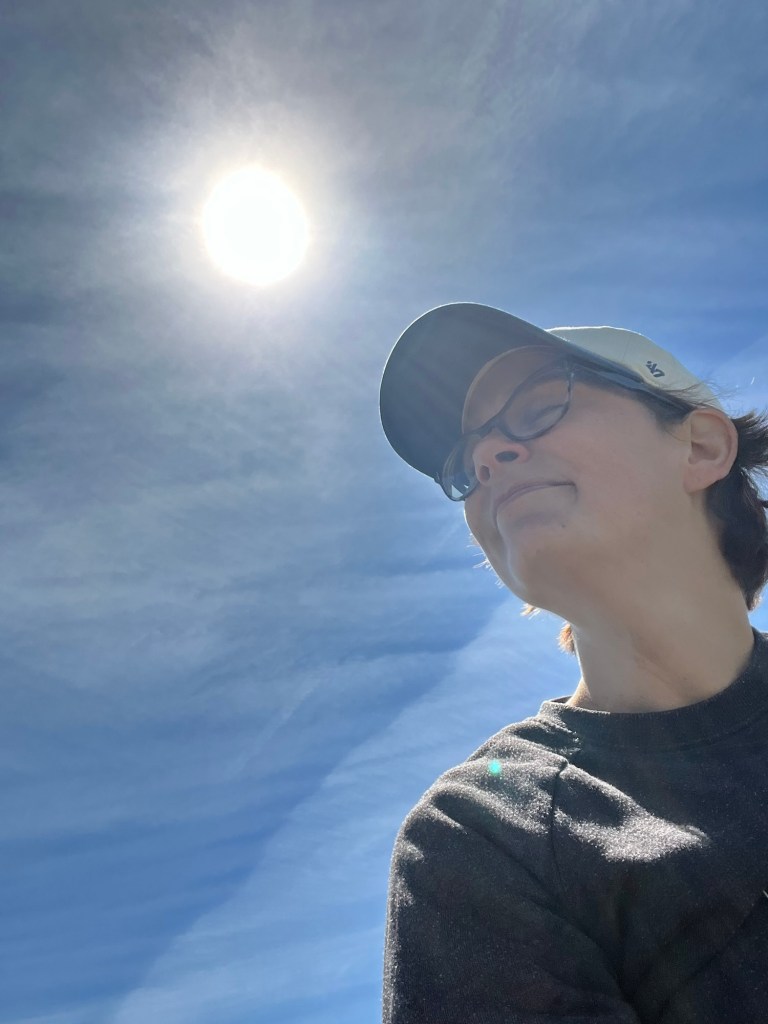
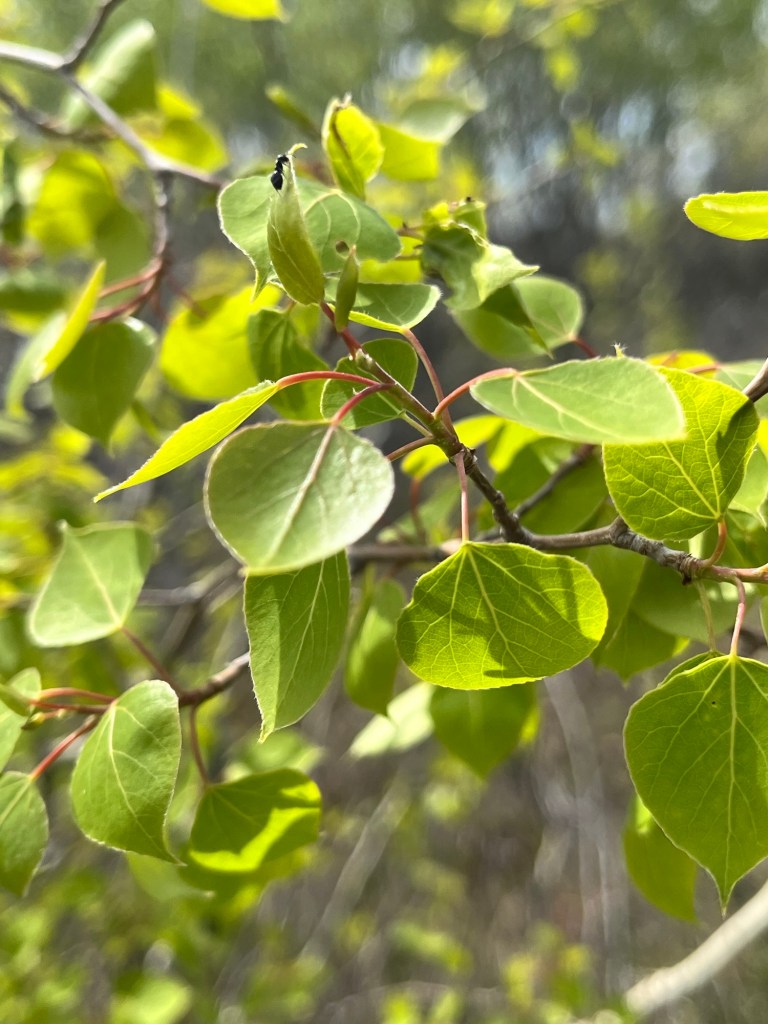
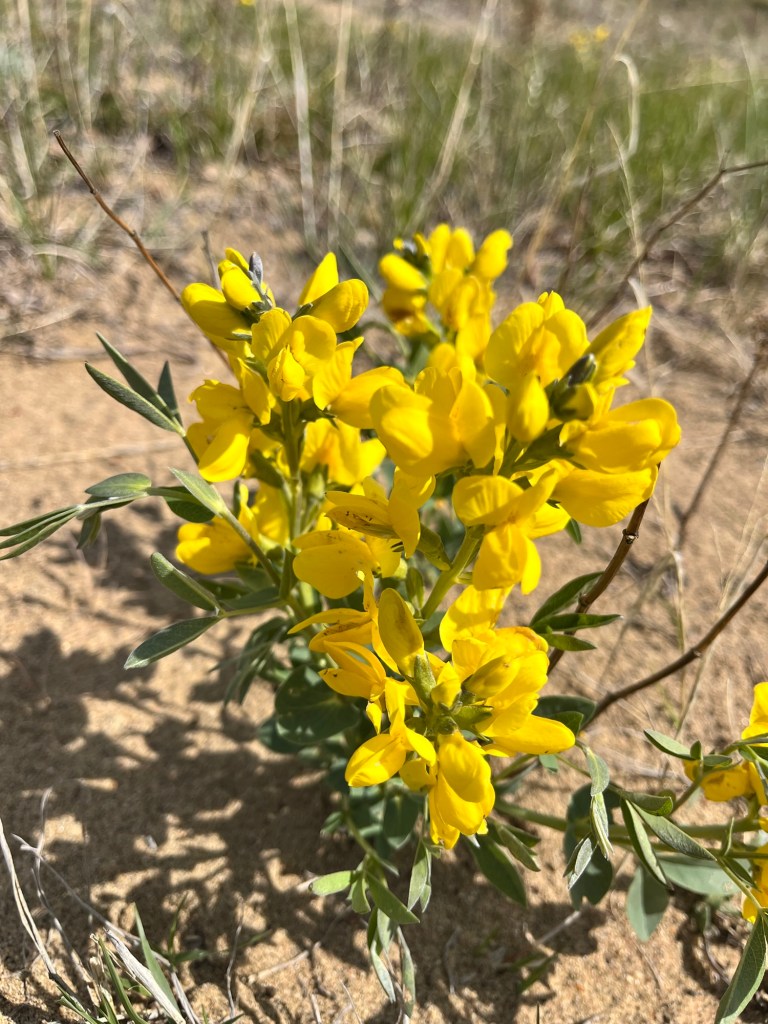
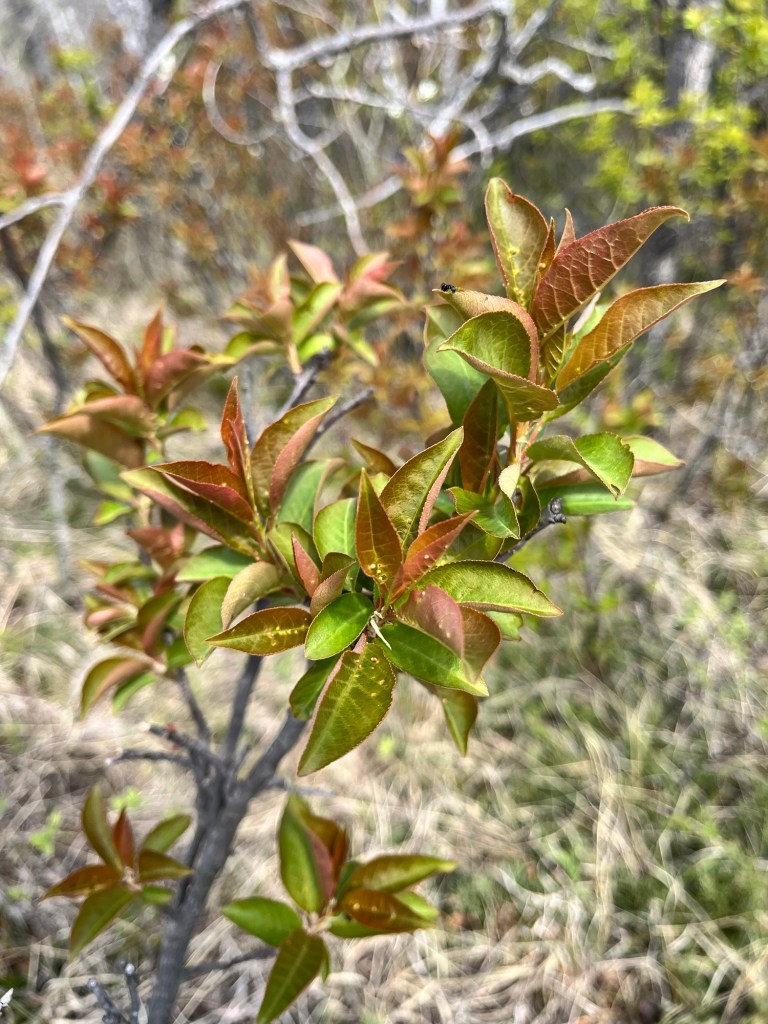
Imagine it is a firefly.
You don’t have to be the light for everyone.
Just notice that light exists.
And when you are able, imagine adding your own tiny light to it.
One firefly.
Then another.
Then another.
Not enough to erase the darkness.
Just enough to help us find one another in it.
This Little Light of Mine 🎶
I don’t need to call my pain a blessing.
I don’t need to pretend I wouldn’t gladly give it back.
🪞 But when I hold it up as a mirror, I can sometimes see who it has helped me become.
🪟 And when I hold it up as a window, I can sometimes see who it has helped me connect with.
And on the darkest days, when I can’t see either very clearly, I can look around and remember:
There are other fireflies out there.
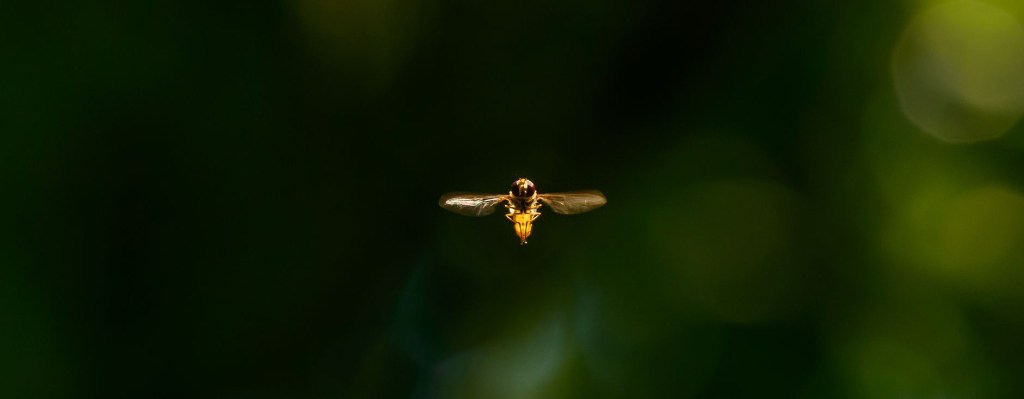
And together, we are making enough light to keep going.

