A wrong note doesn’t ruin the music. A painful day doesn’t ruin a life.
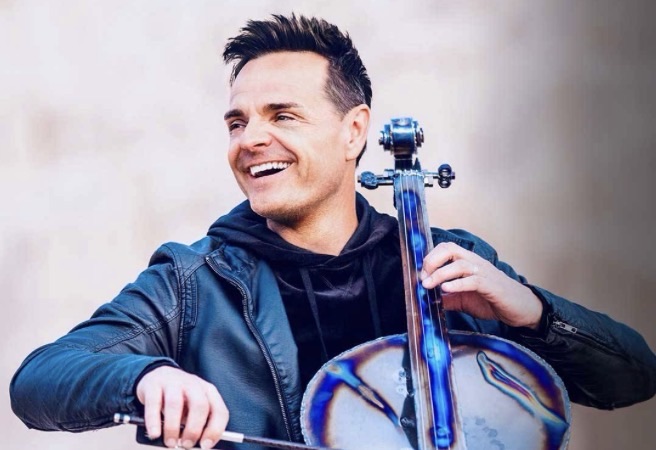
Steven Sharp Nelson from The Piano Guys was a guest on my usual podcast. He talked about a time, when he was young, that he was asked to play at a grand, important event. And he played quite poorly.
When he asked his dad how he had done, his father didn’t criticize him. He said he felt every mistake Steve made. Every bit of despair was written across his face, and his dad was pulled into it with him.
I know that feeling.
On a high-pain day, sometimes the people around me are pulled into it too. They see my face, hear my voice catch, watch me move carefully, and somehow begin carrying a little piece of what I’m carrying. I sense what it’s costing them and feel guilt begin to weigh me down.
Other people don’t know what to do with my pain. So they carry on as though it doesn’t exist. As though it and I along with it, are invisible.
Neither reaction is necessarily wrong. But both can leave their mark.
One makes me feel like my pain is consuming everyone around me. The other can make me feel like I’m invisible.
Steve said that now, when he plays a wrong note, he smiles.
Not because the mistake doesn’t matter. Not because he’s pretending everything is fine. But because he knows what he wants to do with that moment.
I don’t think I need to smile through every painful moment of my life either. I’m not interested in pretending chronic pain isn’t real. Some days hurt.
On those days I get an “error 404 💻: human not found 🚫” message every time I try to move.
But maybe there are moments when I can smile anyway.
Not at the pain.
At what I’m accomplishing and creating in spite of it.
Steve said something else about creativity.
He talked about how music and art have helped people through depression and burnout. But creativity isn’t reserved for musicians, painters, writers, or people who happen to be good at something other people can admire.
We are all creative.
And creativity, he said, works differently when we’re doing it simply for the joy of creating. Not to sell it. Not to post it. Not to have someone judge it.
Just to make something. To play. To imagine. To wander somewhere new.
Steve suggests that when we find ourselves making up storylines and placing blame on others, that we need to add more creativity to our life.
Creativity will make its way out of us one way or another. Either by creating what brings joy or creating storylines where we are the victim. Our brains are excellent screenwriters.
Have you ever been in the act of a menial job that requires no thinking? Cleaning the bathroom? Dishes? Driving on a highway? Do you start to picture these stories playing out in your mind?
This is your brain trying to be creative. Give it a joyful outlet to do so or it will create drama in your life.
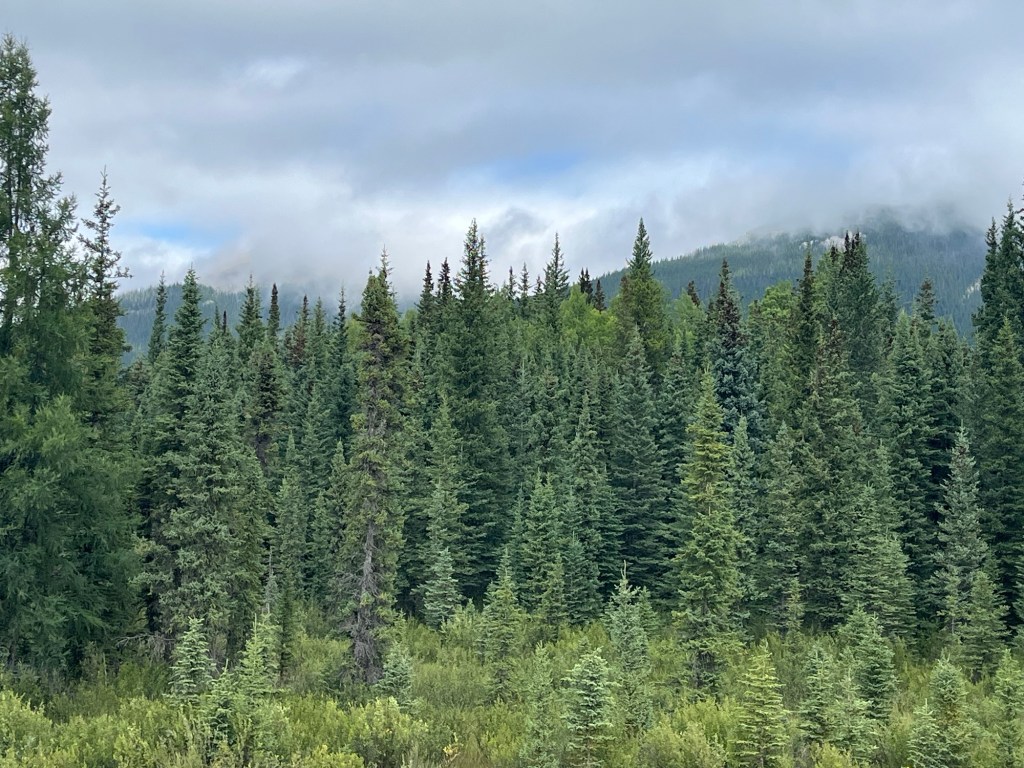
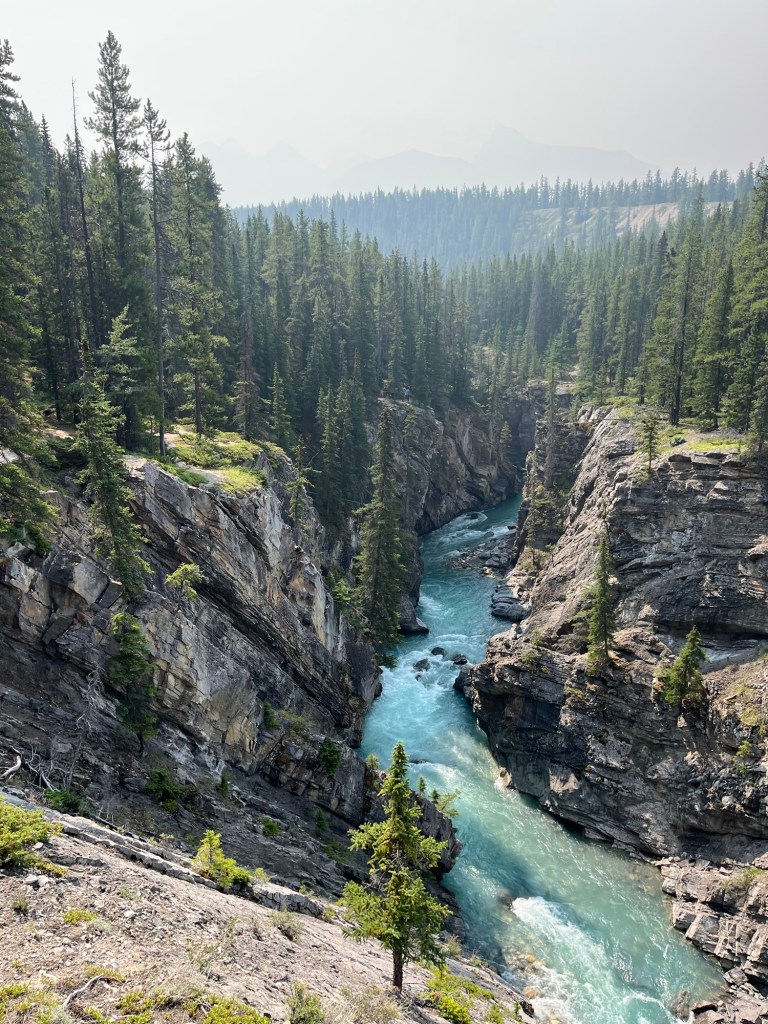
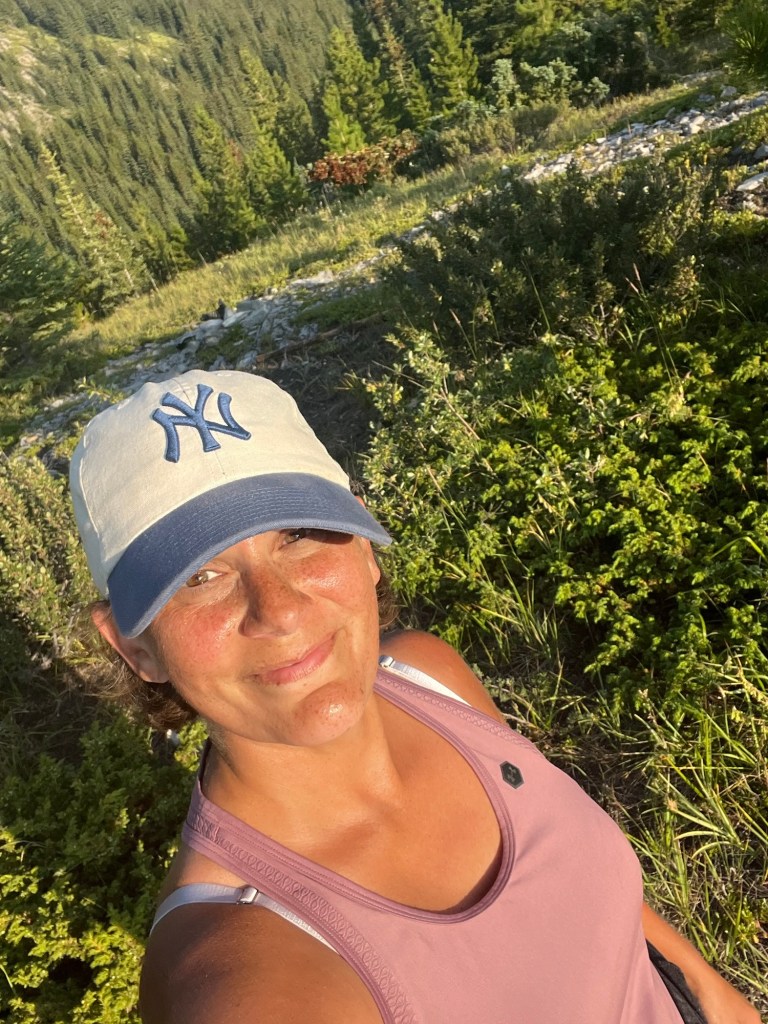
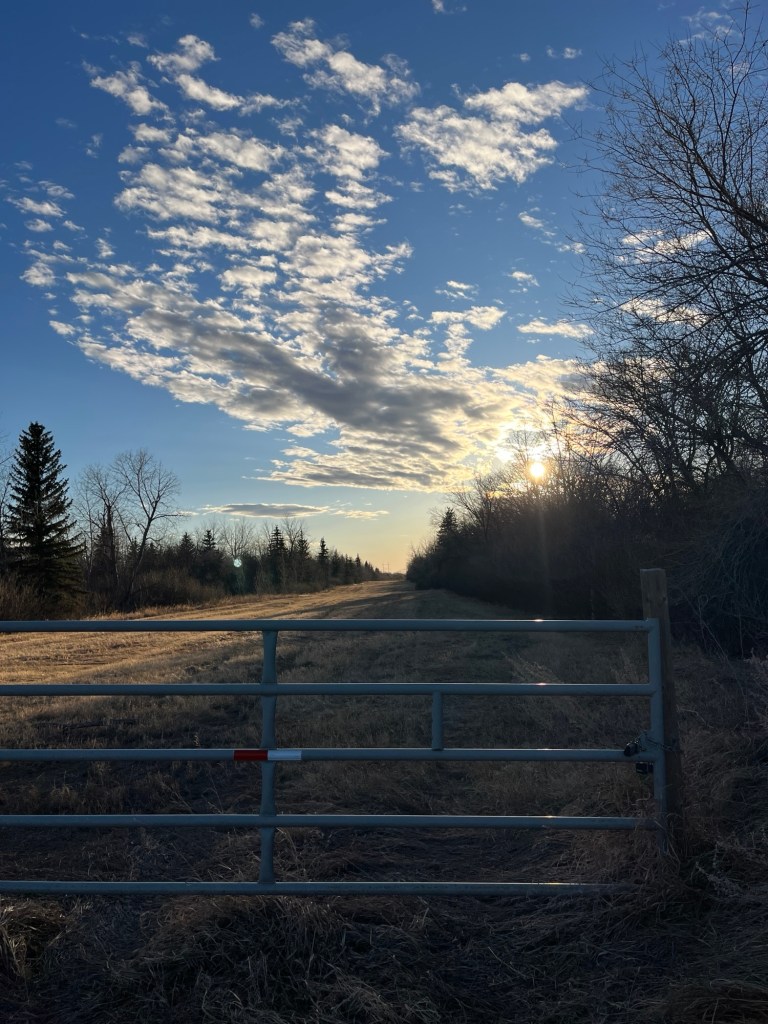
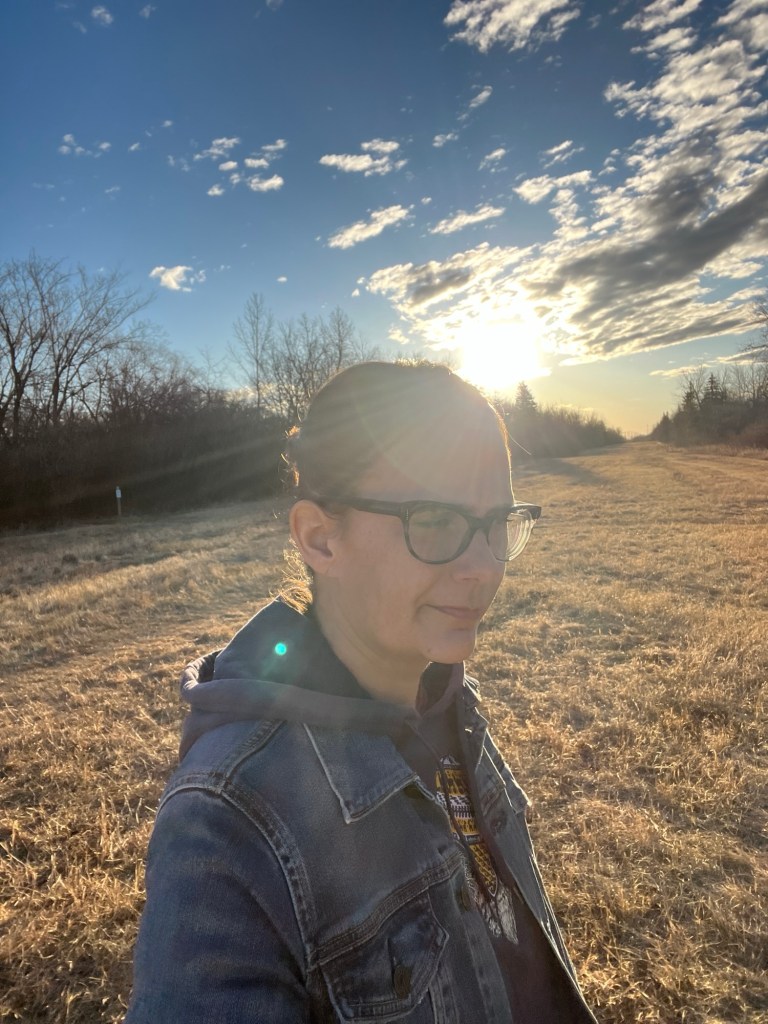
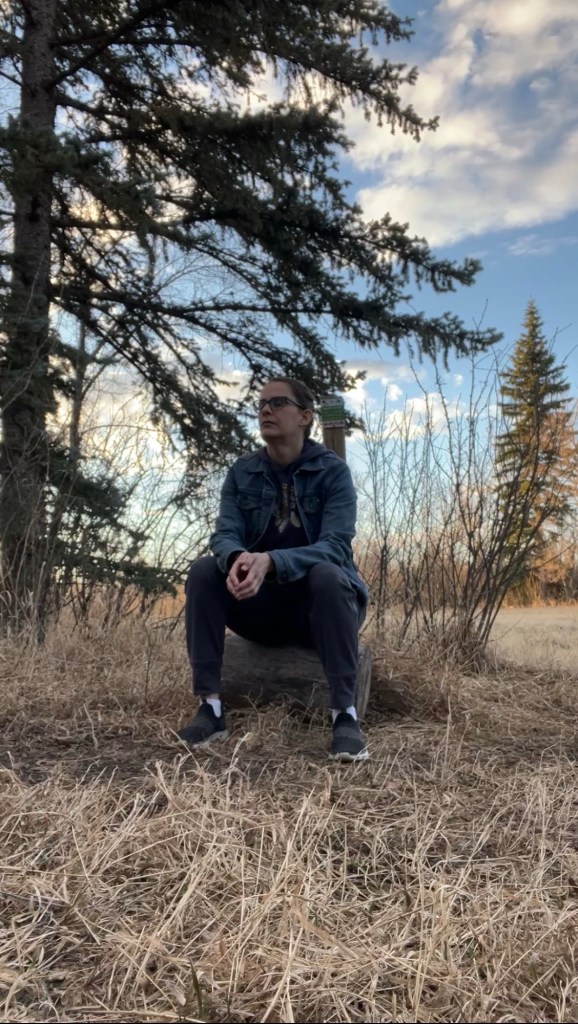
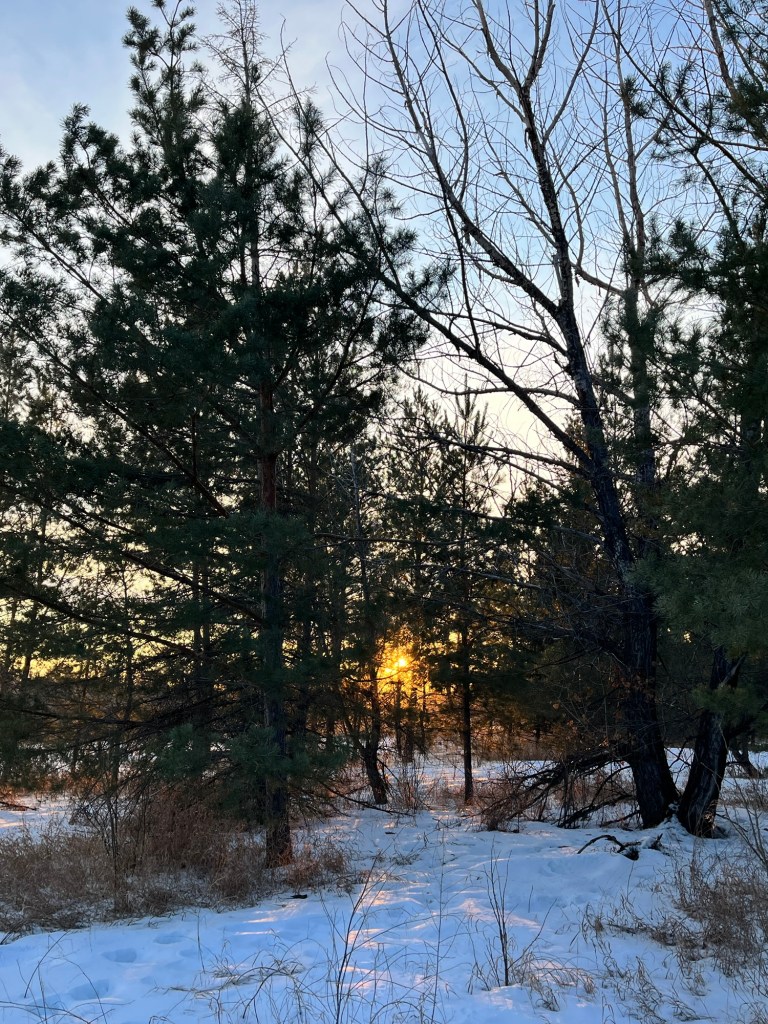
I think this is one of the reasons forest therapy has become so important to me.
When I’m walking in the forest, I’m creating. I’m noticing. I’m visualizing. I’m meditating. I’m softening.
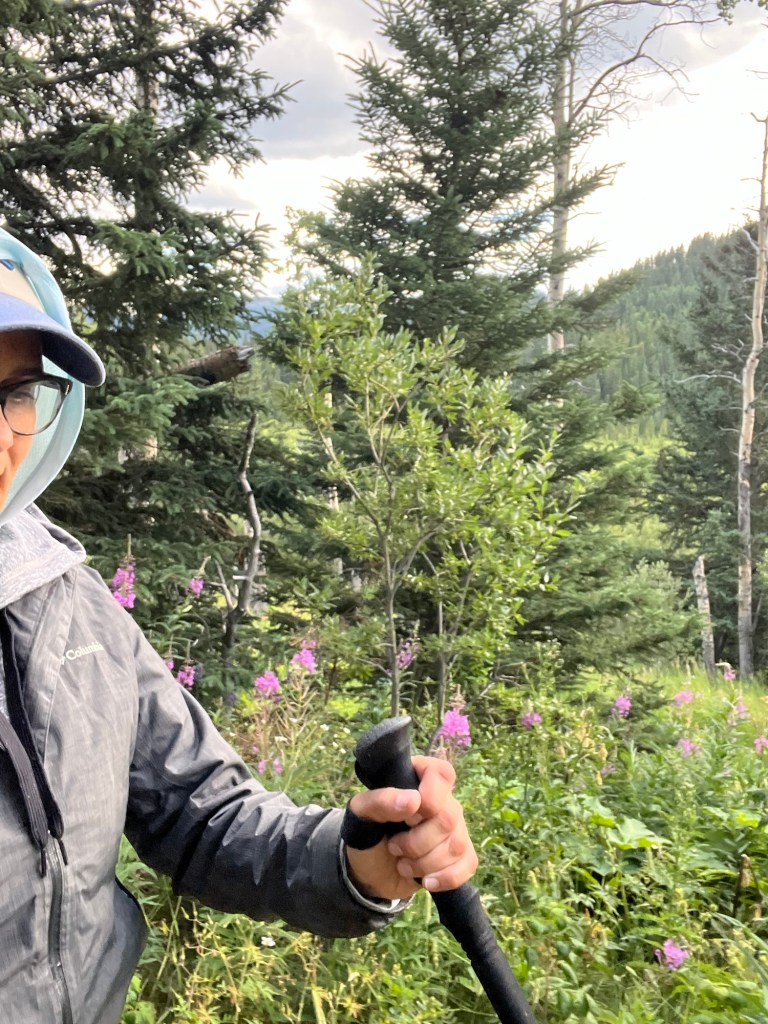
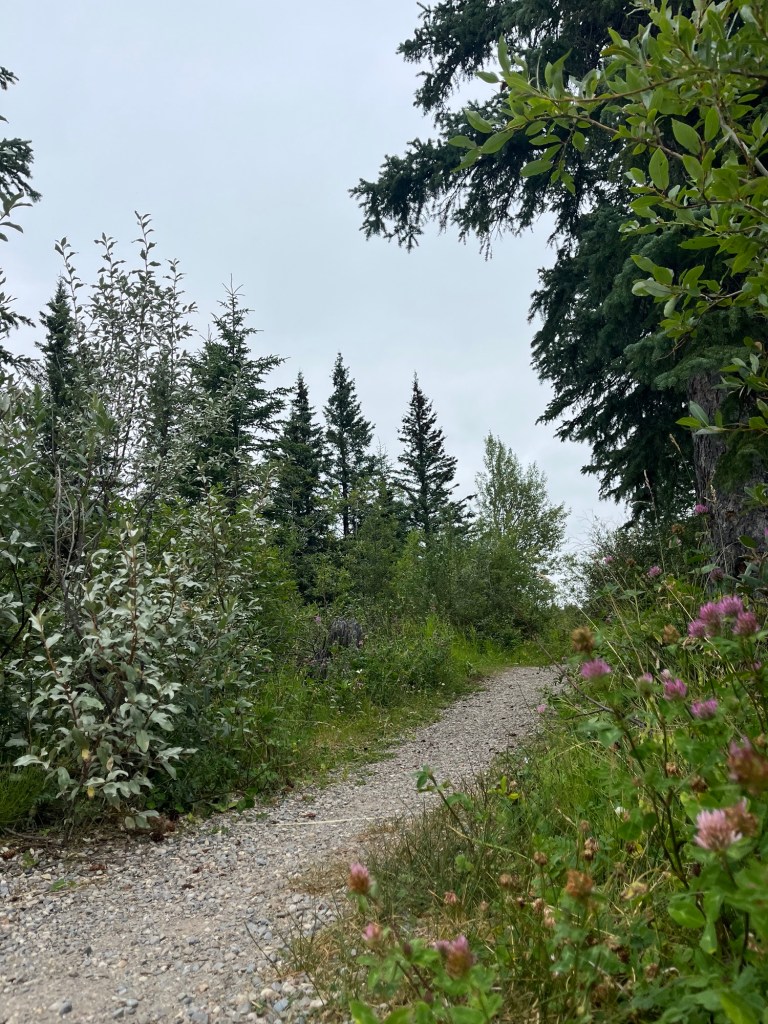
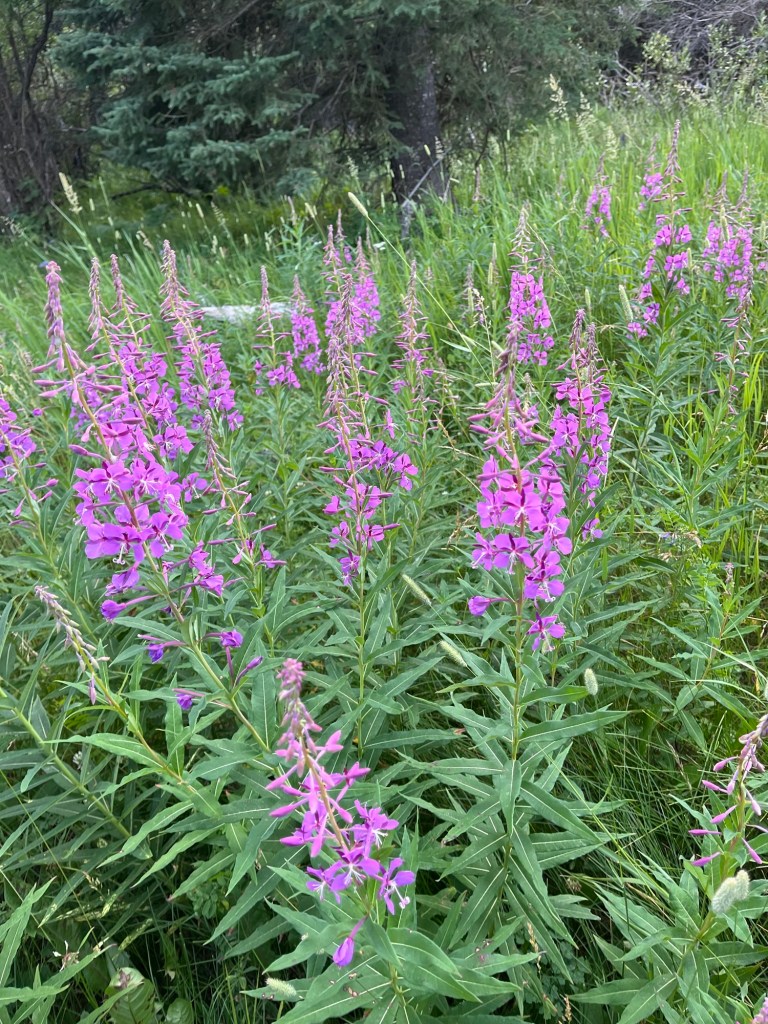
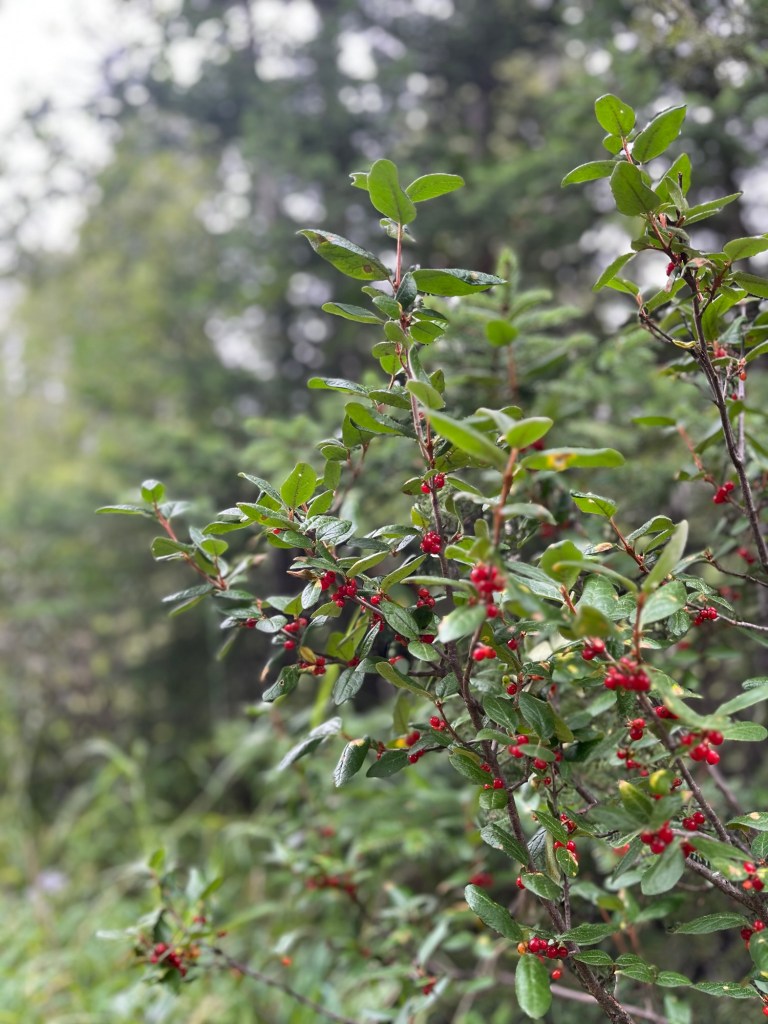
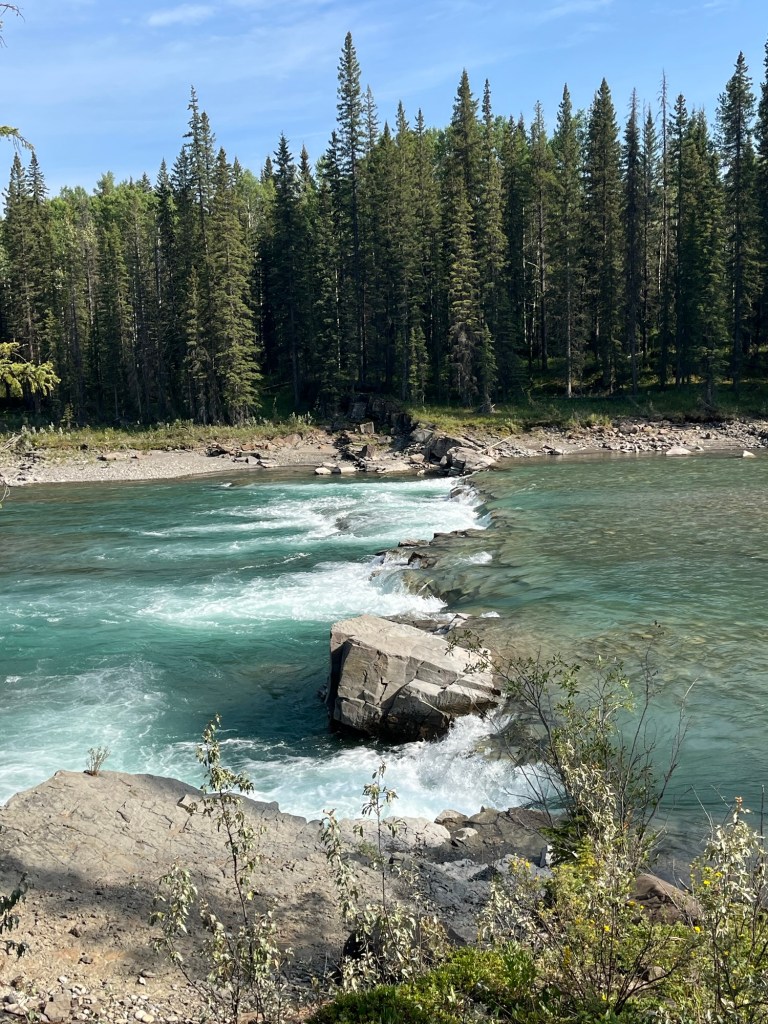
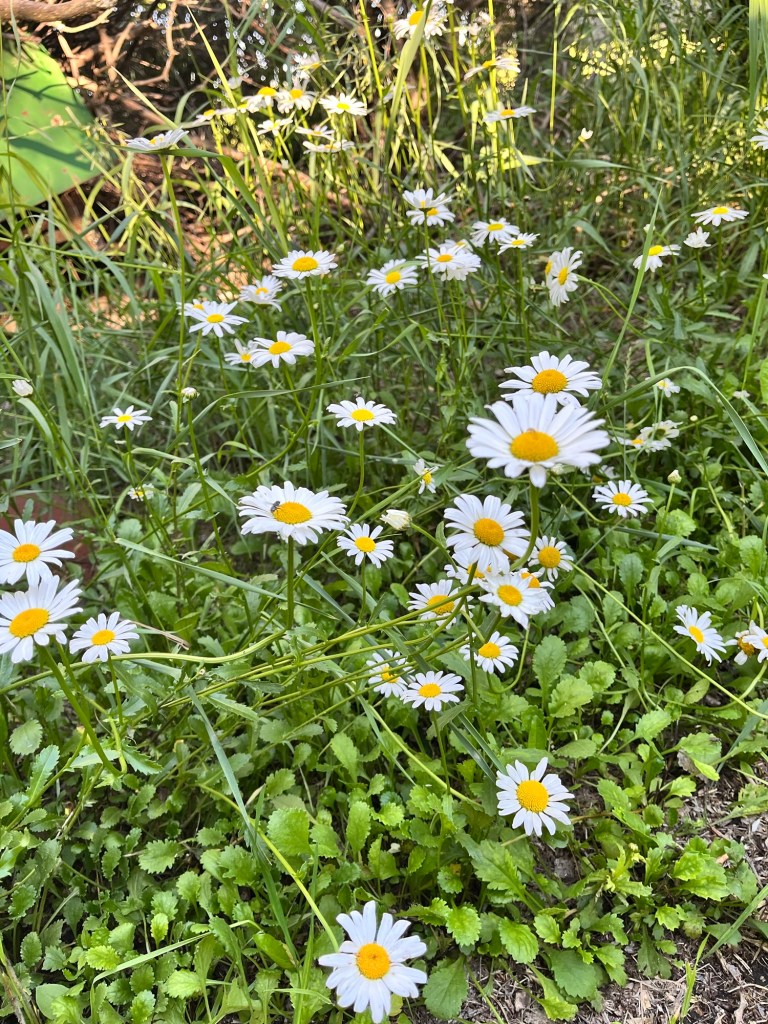
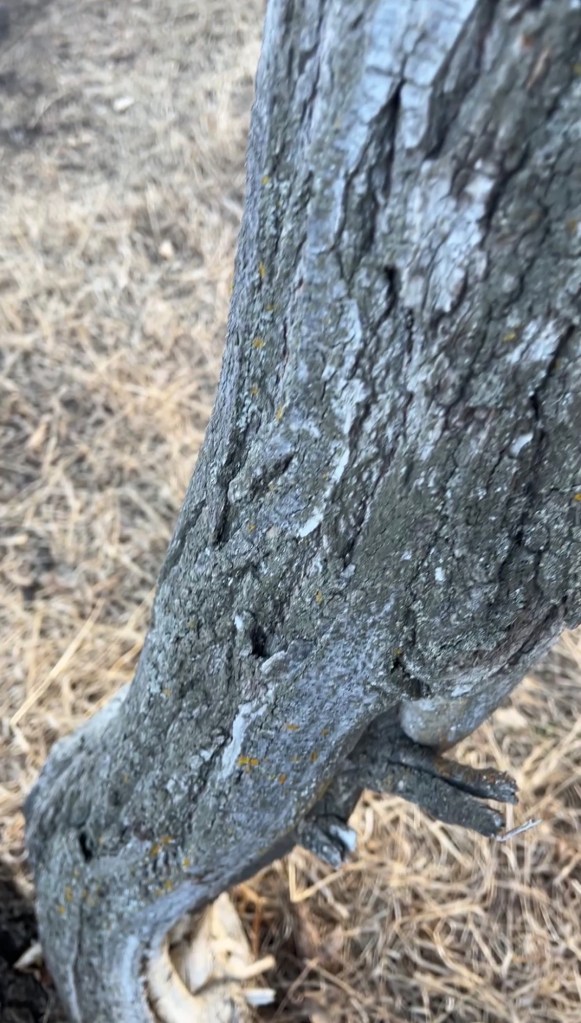
I photograph a flower because the colour catches my eye. I make up a story about a crooked tree. I visualize warmth when the wind cuts through me. I listen to the creek and let my attention follow it instead of following the argument happening inside my head.
I’m making little moments of beauty and wonder out of whatever happens to be in front of me.
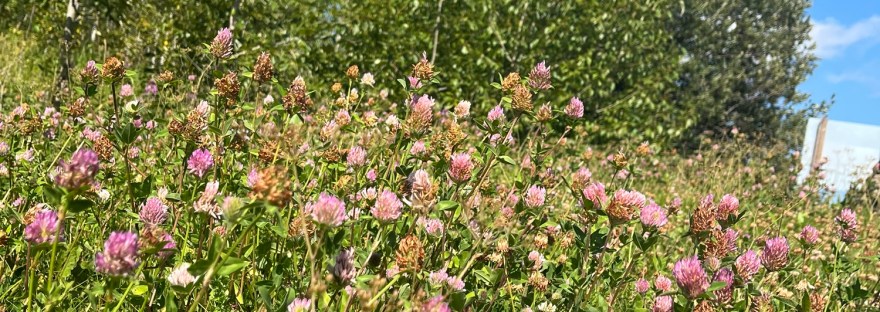
A patch of purple flowers.
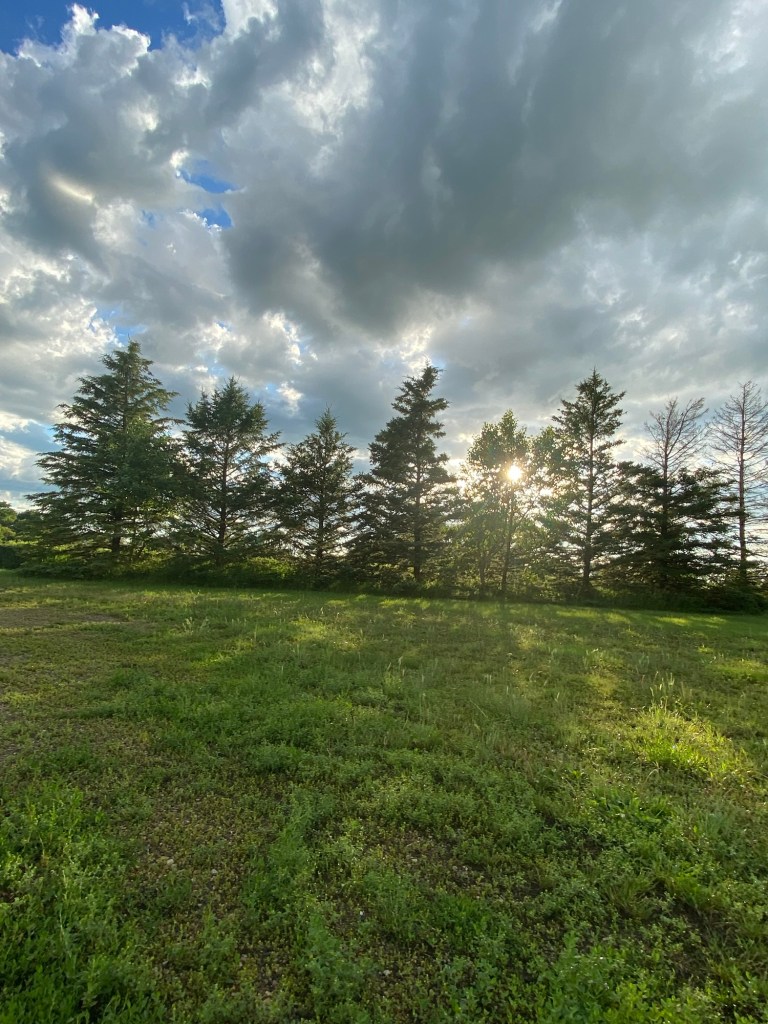
The shape of a tree.
The sound of wind moving through the branches.
A silly thought that makes me laugh.
A place my mind can go when my body is screaming for my attention.
I collect these moments.
I tuck them away like little treasures in my pockets.
A purple flower. A funny moment. A beautiful view. A ridiculous thought. A quiet breath.
Murmuration
The flowing movement of birds flying together across the sky in ever changing patterns. A sight that can feel almost dreamlike, drawing the mind into the present moment as hundreds of wings move with a rhythm that seems guided by something beyond words.
I put them in my pockets. 🐿️ 🌲
Because I know there will be days when I need them. When winter comes (or when pain gets loud 📢) I will have somewhere to go.
Maybe that’s one of the things I’m learning about living with chronic pain. I don’t have to pretend the pain isn’t there. But I also don’t have to give it the entire stage.
I can create something alongside it. I can notice something beautiful. I can wander. I can imagine.
And sometimes, when the wrong note happens, I can even smile.
Not because everything is okay.
But because there is still something inside me creating joy.
And that might be one of the most healing things I can carry home with me in my pockets.
It feels like we’re all moving through life with our shoulders somewhere around our ears. Chronic illness, fear of aging, financial stress, uncertainty, bad news on an endless loop. Some people are simply trying to get through Tuesday with enough energy to make supper 🙋♀️ .
It doesn’t take much to tip us over.🐄
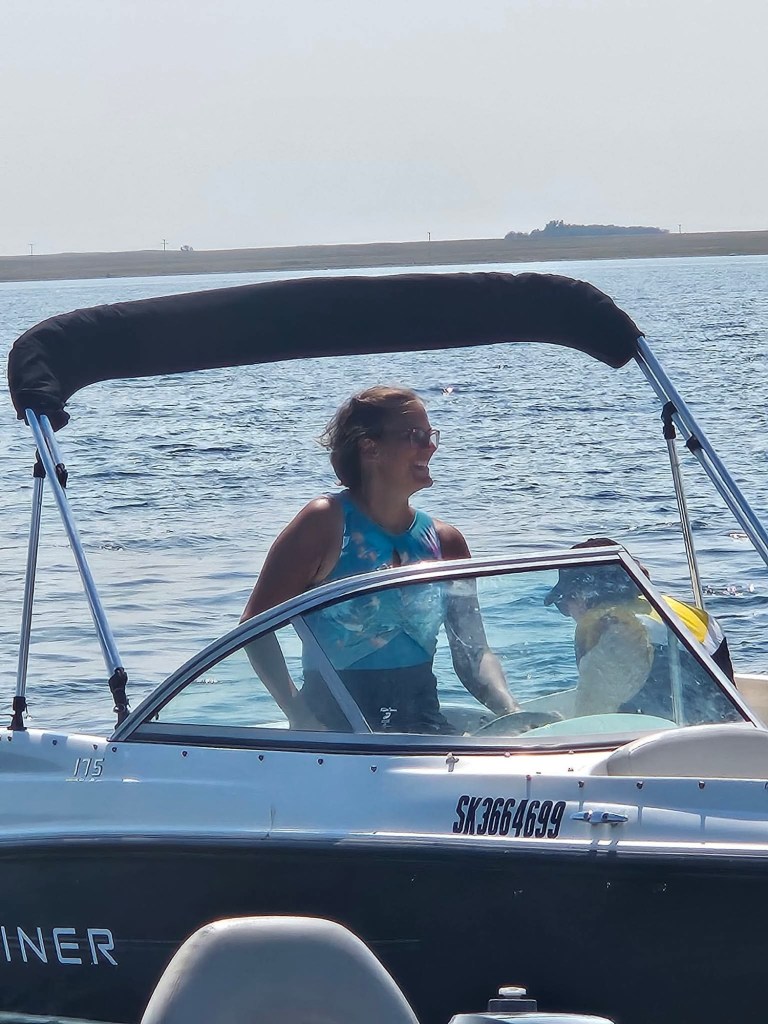
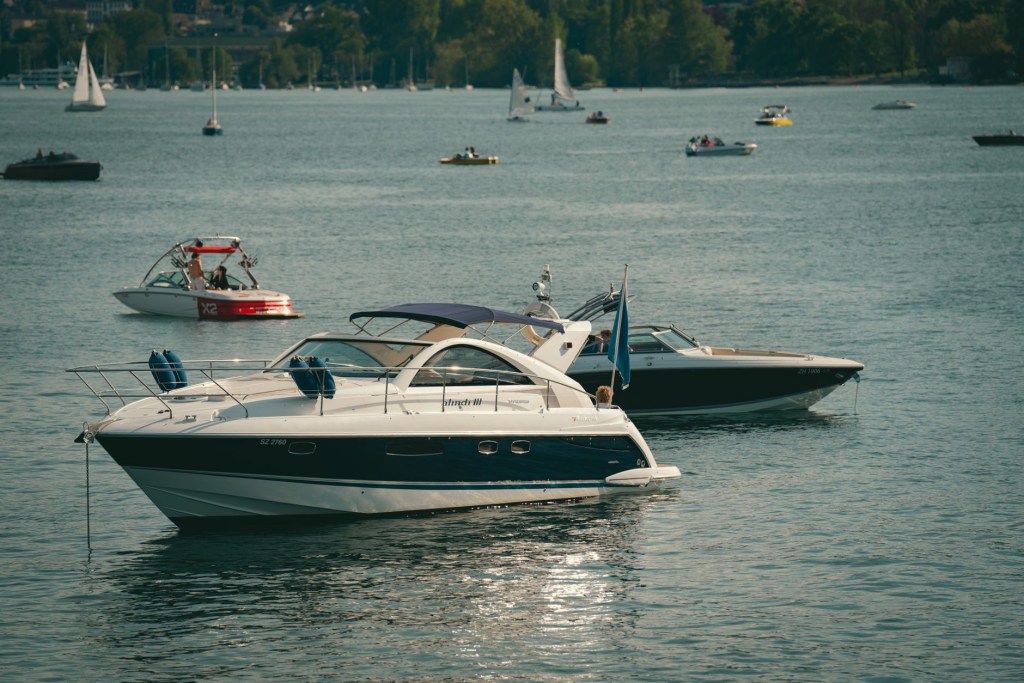
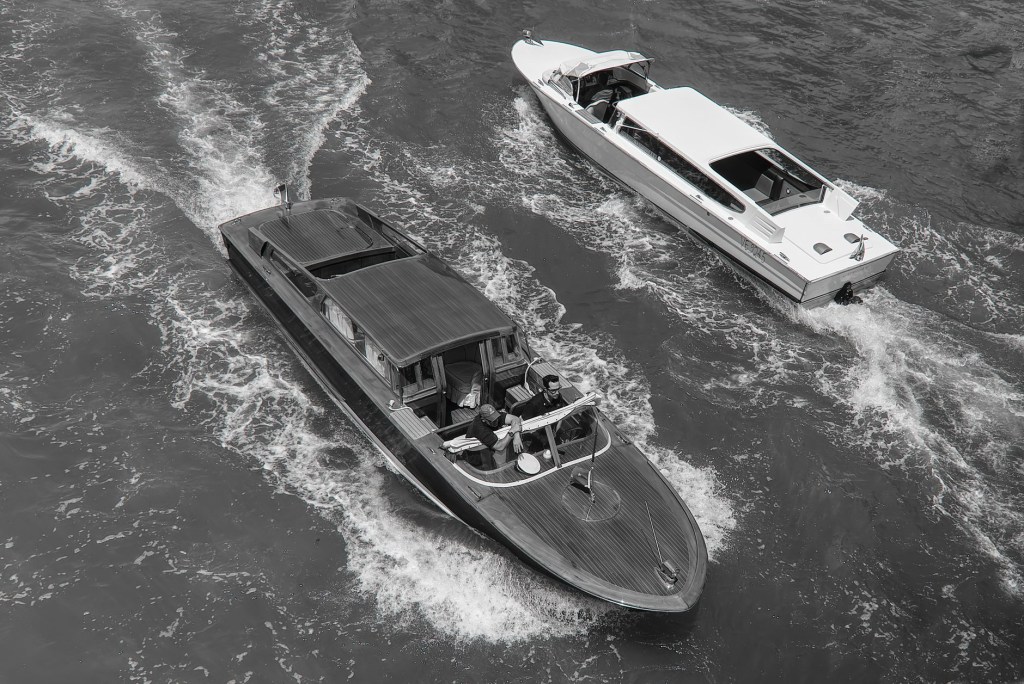
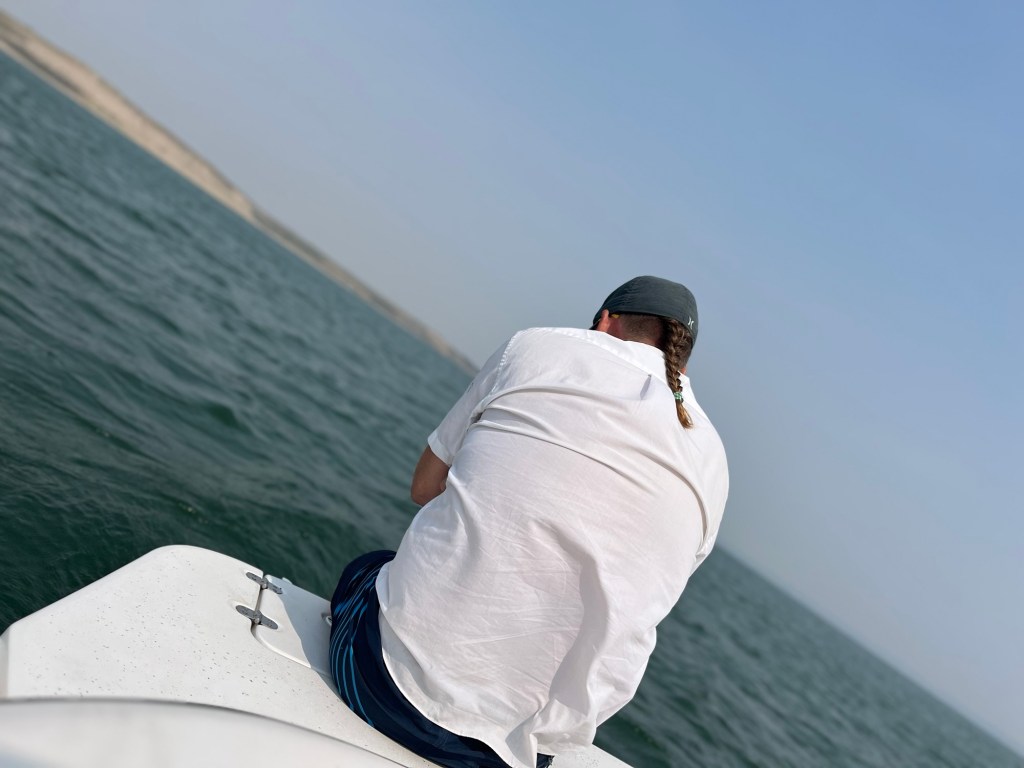
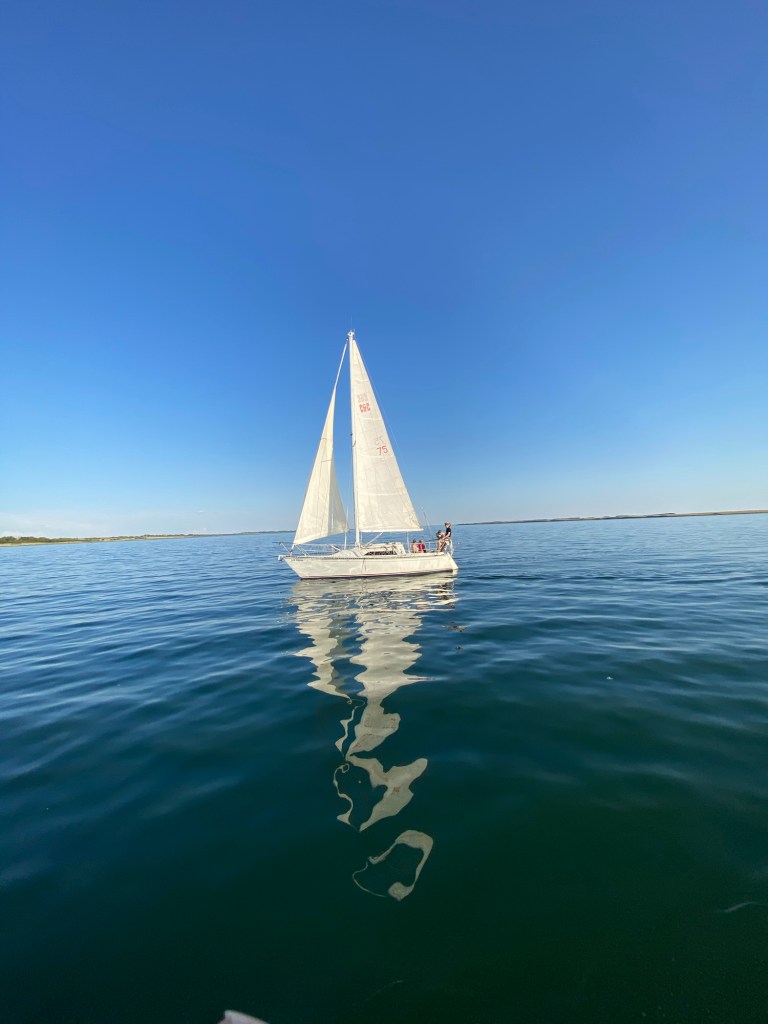
A few days ago, mine came in the form of a boat launch.
Anyone who’s spent time around a busy boat launch knows it’s a fascinating social experiment.
An overabundance of strong opinions and egos exists.
There are no rules. Written or unwritten.
Just enough ambiguity transpires, that everyone believes they’re right.
I’ve been launching boats for about fifteen years. I know the rhythm. I stay out of people’s way, wait until my truck is actually in the water before moving, and do my best to keep things safe and efficient.
Apparently one gentleman decided I’d “cut the line.”
Boat launches really do produce fascinating specimens of humanity.
I’ve learned that confidence can be surprisingly unsettling to some people. Especially when it arrives in the form of a woman who knows how to load the boat on the trailer without making a production of it.
It’s funny how a little perceived competition can bring out our inner third-grader.
The equipment may have six-figure price tags, but occasionally the conflict resolution skills still come from recess days gone by.
When I calmly explained why I was waiting where I was. And how the process normally works. He didn’t want an explanation.
He began clapping sarcastically.
The world doesn’t just wear us down through tragedy. Sometimes it does it one sarcastic clap at a time.
A man is rowing through thick fog when he notices another boat heading directly toward him.
The other boat is bigger. He should have the right of way.
He shouts. No response.
He waves. Nothing.
The other boat keeps coming.
His frustration turns to anger.
“Move!”
Just before the collision, he swerves.
As the fog clears, he realizes…
The boat is empty. No one was steering.
Instantly, his anger disappears.
Who was he angry with?
No one.
Since first hearing that story, I’ve asked myself this question.
Is the boat empty?
Not literally.
But is this personal?
Or am I assigning intention where there may be none?
Maybe they’re exhausted. Grieving. Terrified.
Maybe they simply don’t know any better.
Or maybe they’re carrying hurts I can’t see.
None of those possibilities excuse poor behaviour.
But they completely change where I direct my emotional energy.
Sometimes, seeing clearly dissolves the anger.
Pronoia
The opposite of paranoia. it is the belief that people or the world are secretly working in your favour. That events, people and circumstaces are somehow conspiring to help you.
That’s different from stuffing feelings down or pretending they don’t exist.
You can’t bypass emotions.
You can’t slap a positive quote over a nervous system that’s sounding the alarm.
But sometimes the alarm quiets on its own because you suddenly realize…
There isn’t actually an enemy here.
Just another imperfect human.
When the boat is empty, compassion often becomes easier than combat.
How will this feel next week?Next month? Next year?
It’s amazing how many mountains quietly shrink into molehills when viewed from a little distance.
Then she takes it even further.
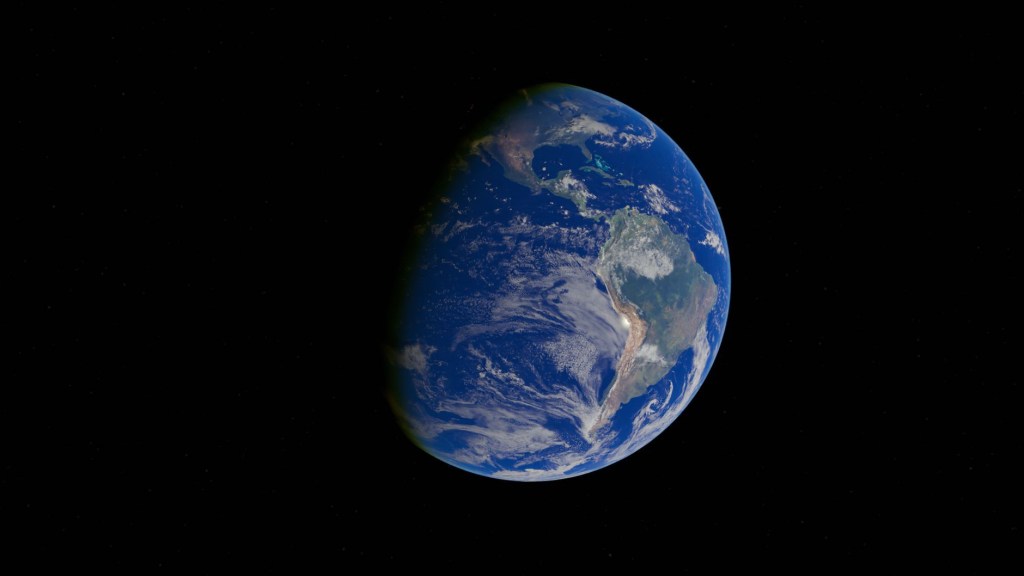
She talks about astronauts experiencing the Overview Effect. Seeing Earth from space and returning with an entirely different understanding of what matters.
Imagine grandmother’s wisdom. Now multiply it by the view from orbit.
Our arguments. Our bruised egos. Our need to be right.
They suddenly become very small compared with this astonishing little blue planet we’re all sharing.
That doesn’t make our feelings unimportant.
It simply gives them context.
Another surprisingly effective tool?
Humour. Humour interrupts the story we’re telling ourselves.
We’ve all done it.
We become convinced we’ve been wronged in the most spectacular fashion imaginable.
Our spouse is over there admiring a duck while we have mentally drafted the closing argument for a trial that nobody else even knows is happening.
Sometimes all it takes is one ridiculous observation from them to break the spell.
I wish I could say I found “the funny” at the boat launch.
I wasn’t there yet.
Maybe next time.
One tool that has helped me far more consistently is asking:
Am I living this moment according to my values?
Not theirs. Mine.
I can’t control sarcasm.
I can’t control mockery.
I can’t control who decides to clap sarcastically at a stranger.
But I can decide whether I respond with kindness.
Integrity. Respect. Compassion.
Those are mine to keep.
The more our daily lives align with our values, the steadier we become.
Peace stops being something we chase and starts becoming somewhere we live.
The idea of felt safety is something we’ll explore more in the next post.
Felt safety isn’t the absence of fear.
It isn’t the absence of challenge.
It’s your nervous system recognizing that you have enough capacity to face what’s in front of you.
That you are enough.
That you can survive this moment.
Forest therapy has become one of the places where I practice exactly that.
The forest rarely requires me to react in the moment.
It stretches time. It expands perspective.
It reminds me that not everything deserves my nervous system’s full emergency response.
When someone steals my peace…
I take it to the woods.
There, I remember that I’m part of something much older than a rude exchange at a boat launch.
Much bigger than today’s frustration.
And much more beautiful than the story my anxious brain was writing five minutes earlier.
Eventually I remember that peace is a terrible thing to hand over to someone you’ve never met.
A Forest Therapy Invitation
If you’re new here and want to learn more about forest therapy and how it works, check out this page. The Gist
The next time something rattles you, resist the urge to replay it over and over.
Instead, head outside.
Find one tree that catches your attention.
Stand with it for five slow breaths.
Now ask yourself:
Is the boat empty?
Will this matter next year?
What would this look like from space?
What response best reflects my values?
How can I become the tenderness this moment needs?
Don’t force an answer.
Just notice what changes.
Sometimes the forest doesn’t solve the problem.
It simply reminds us that we are far bigger than it.
Forest therapy doesn’t help me escape the world. It helps me return to it without becoming like it.
Margaret Cullen ends her book Quiet Strength with words I borrow:
May each of us find a way to bring balance and tenderness to this floating world, moment by moment, drop by drop.
I can’t think of a better response to a world that is hard on beautiful things.
Let’s become one of the beautiful things that refuses to grow hard.
The world may be hard on beautiful things. That doesn’t mean beautiful things have to become hard.
There’s a moment. It’s often quiet, sometimes overwhelming. When emotion first arrives in the body.
It might feel like a tightening in the chest. A wave of heat. A heaviness behind the eyes. A sudden drop in the stomach.
Something I’m learning? When this happens, nothing has gone wrong. My body is simply giving me information.
Experiencing big emotions is not a failure of regulation, character, or strength. It is part of being human.
Especially for those living with chronic pain, where the body is already speaking loudly, emotions often arrive amplified and harder to ignore, harder to name, harder to hold.
But after that first signal comes something powerful.
Choice.
Not whether you feel the emotion. But how you respond to it.
As Daniel Chidiac teaches, Not every emotion needs a reaction—but every emotion deserves acknowledgment.
⸻
The Story We Tell After the Feeling
On the Better Than Happy podcast, Jody Moore offers a perspective that can feel both freeing and confronting.
Anger is optional.
Disappointment is optional.
Embarrassment is optional.
Humiliation is optional.
Not because we can simply turn emotions off. But because these emotions are often shaped by the meaning we assign to our experiences. Have you experienced any of the following?
You have been dismissed by a medical professional, again.
You didn’t reach the goal.
Someone saw you struggle.
Something didn’t go as planned.
Those are just events. Although they feel huge in the moment.
Disappointment enters when the mind adds the story.
“This means something is wrong with me.”
Embarrassment grows when the thoughts spiral into shame.
“They must be judging me.”
“I look foolish.”
“I am foolish.”
And here’s the important nuance.
These emotions are optional. But not wrong.
You’re allowed to feel them. You’re also allowed to question them.
Nothing ambitious. Just a smidgen at a time. Slow and steady. The way I’ve learned my body needs things to be. Experience has taught me that enthusiasm and capacity are not the same thing.
But then life showed up.
The everyday mess. The dishes. The door in my room that was in desperate need of a good wipe down. The quiet realization that I couldn’t do both.
I had to choose. My body, which had just clocked in was now requesting a lunch break.
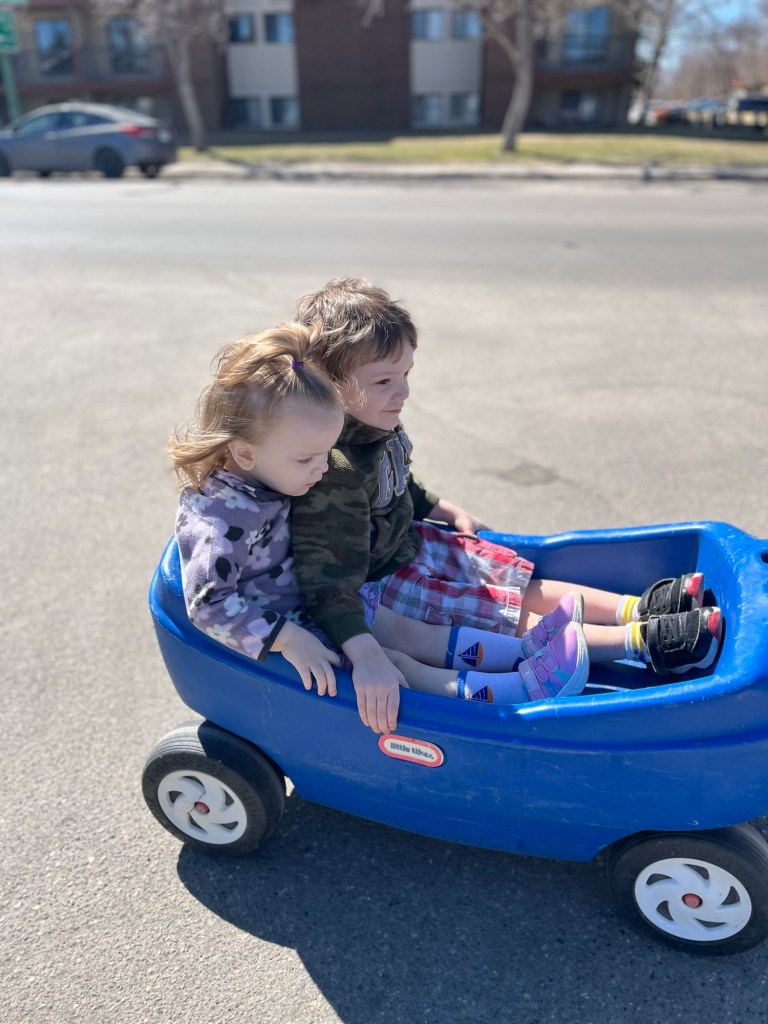
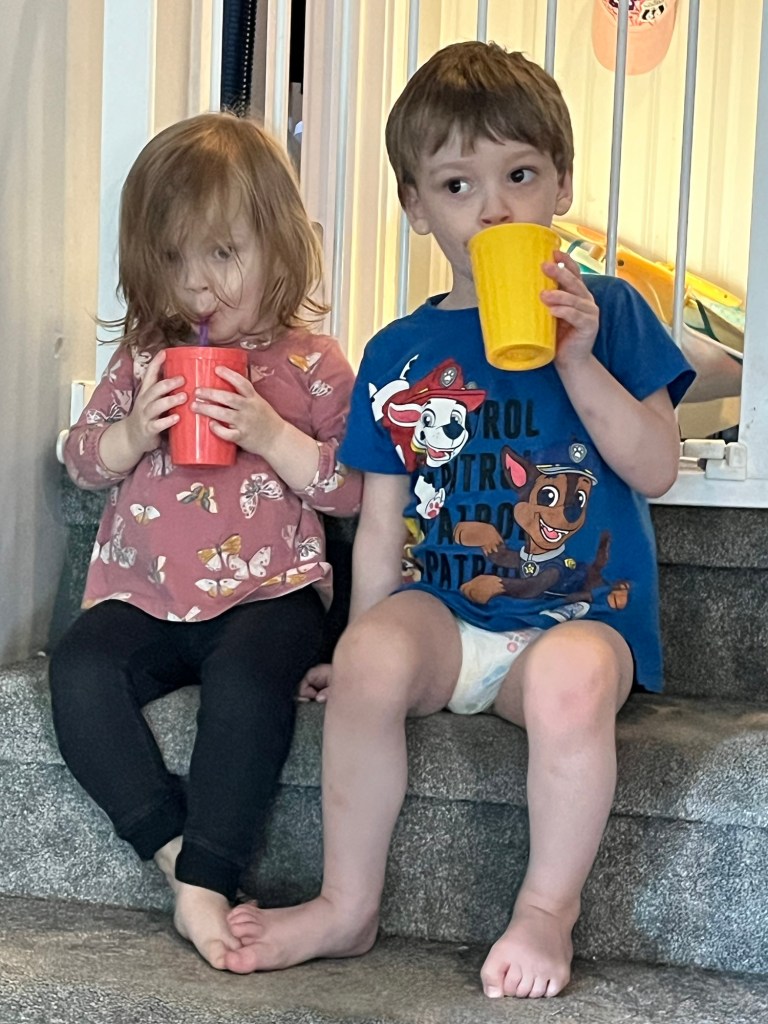
And then the grandkids came to “help.” Which, as you can imagine, added more chaos than progress. At this point the mess was winning. And multiplying.
The vacuum stopped working. My arms started to burn.
And just like that, the thoughts came rushing in.
I’ll never catch up.
My house will always feel like this.
Why can’t I just keep up like everyone else?
Because, obviously, one unfinished chore means a lifetime of failure. 😣
I could see it happening, the spiral. I wasn’t unaware.
But stopping it? That took effort. A surprising amount of effort.
Excuse me while I parent my dramatic inner narrator.
Because even as part of me recognized what was happening, another part was pushing me harder.
Just keep going.
Finish what you started.
If you don’t do it now, it will never get done.
False. What was actually true was much simpler and much harder to accept in the moment.
I was tired. I was in pain. I needed to stop.
My body wasn’t failing me. It was asking me to listen.
And the real choice in that moment wasn’t about dishes or doors.
But this.
Do I keep pushing to meet an expectation I set for myself… or do I take care of myself?
Eventually, I chose to stop.
Not because everything was done. But because I was.
And that shift didn’t magically clean my house. But it did something more important. It brought me back to myself and my priorities.
Because your nervous system is already working overtime. Because your body has taught you that signals matter and often signal threat. ( If you want to learn how forest therapy supports the nervous system, check this out -> Mending Your Nervous System With Forest Therapy)
Pain doesn’t just exist in isolation. It interacts with emotion, memory, and meaning.
A flare-up can quickly become:
“I’ll never get better.”
“My body is failing me.”
“I can’t live the life I want.”
This is where emotional dysregulation can take hold, much like how Brené Brown describes it:
Being overwhelmed by feelings that are hard to name and contain, driving behaviors and thinking that don’t align with who we want to be.
And suddenly, we’re not just in pain.
We’re in a story about what that pain means.
Your body speaks in sensation. Your mind speaks in meaning. Learn to tell the difference.
Brené Brown shares a powerful story about recovering from injury and trying to engage muscles that simply wouldn’t respond. Her therapist kept reminding her to “find your ground.”
But she couldn’t feel it. She couldn’t even find her lats.
She was using her body while being disconnected from it.
That disembodiment, that moving without understanding, existing without connection, is deeply familiar for those with chronic pain.
You expect your body to respond one way. It betrays your expectations. Every time.
And over time, many people stop listening to their bodies with curiosity and start bracing against them with resistance.
Until one simple but profound instruction emerges.
Find your ground.
Not just physically. Energetically. Emotionally. Spiritually.
If you’re trying to find your way back to yourself, back into your body, the answer isn’t usually one big solution.
It’s small, grounding practices.
Journalling. Meditation. Art. Spiritual connection. Time in nature.
Each one opens a door.
Forest therapy is where those doors meet, creating a space that supports not just awareness, but true reconnection.
⸻
The Tree as Teacher
In The Secret Therapy of Trees, Marco Mencagli and Marco Nieri describe the trunk of a tree as something remarkably similar to the human core.
It is a channel of connection. A stabilizing structure. A vital center.
If damaged, the whole system struggles.
Like the human torso, home to breath, circulation, and strength, the tree’s trunk is both anchor and conduit.
And yet, trees do something we often forget to do. They remain rooted while experiencing everything.
Wind. Storm. Drought. Seasonal loss.
They do not avoid conditions. They adapt within them.
⸻
What Actually Matters (Hint: It’s Not the Dishes)
Another truth worth holding onto.
You cannot overestimate the unimportance of practically everything.
So much of what consumes our emotional energy, what people think, whether we looked polished, whether everything went perfectly, is, in the grand arc of a life, remarkably small.
Ever notice how the word rich instantly makes people picture a yacht, a corner office, or at least a pantry where I have everything I need from chocolate to chia seeds?
Meanwhile, some of us are over here feeling wealthy because we found a position that doesn’t make our back yell at us.
Welcome to redefining abundance.
When you live with chronic issues, the cultural picture of “the good life” can feel like a club you don’t get invited to. My body has very strong opinions. And she will not yield. And yet, many people walking this road discover a strange, stubborn truth.
Richness is not a circumstance.
It’s a way of seeing.
Better Than Happy host Jody Moore distinguishes between two kinds of discomfort. One is fueled by resistance and the belief that life should be different. The other is accompanied by gratitude and a desire to create meaning from what is here.
In the latter, action becomes possible. In the former, people often remain stuck.
For those with chronic pain, discomfort is not optional. The choice lies in how we relate to it.
Gratitude does not deny suffering. It widens the field of attention so that suffering is not the only occupant.
There is the ache that says,
“Why me? This ruined everything.”
And there is the ache that whispers,
“Given that this is here, what life can I still grow?”
The first freezes us in place.
The second opens a path.
A rich life might include money. It might include health. It might include work you love or a family that grows together. Or it might be something far less Instagrammable and far more sustaining. Presence, meaning, connection, small mercies, deep seeing.
Gratitude has a way of turning what is here into enough, and from that soil, more becomes possible.
Not because your nerves suddenly behave.
But because your mind has room again.
As Meister Eckhart wrote,
If the only prayer you ever say in your entire life is thank you, it will be enough.
Gratitude is not pretending pain is lovely.
It is noticing pain is not the only thing present.
Nature’s Secret Calculus
In the woods, a tree with a twist in its trunk is not considered a failure.
It is considered interesting. Strong. Adapted.
No straight lines required.
Chronic pain can feel like the bend you never asked for. But bends create habitats. They slow us down enough to notice moss, breath, companionship, the sacred ordinariness of being alive.
What if the detour is also the destination?
Chronicles of My Journey
Some days my life feels like a series of unfortunate events. Many of those events are inconsequential to the general population. But to my loose joints they are devastating.
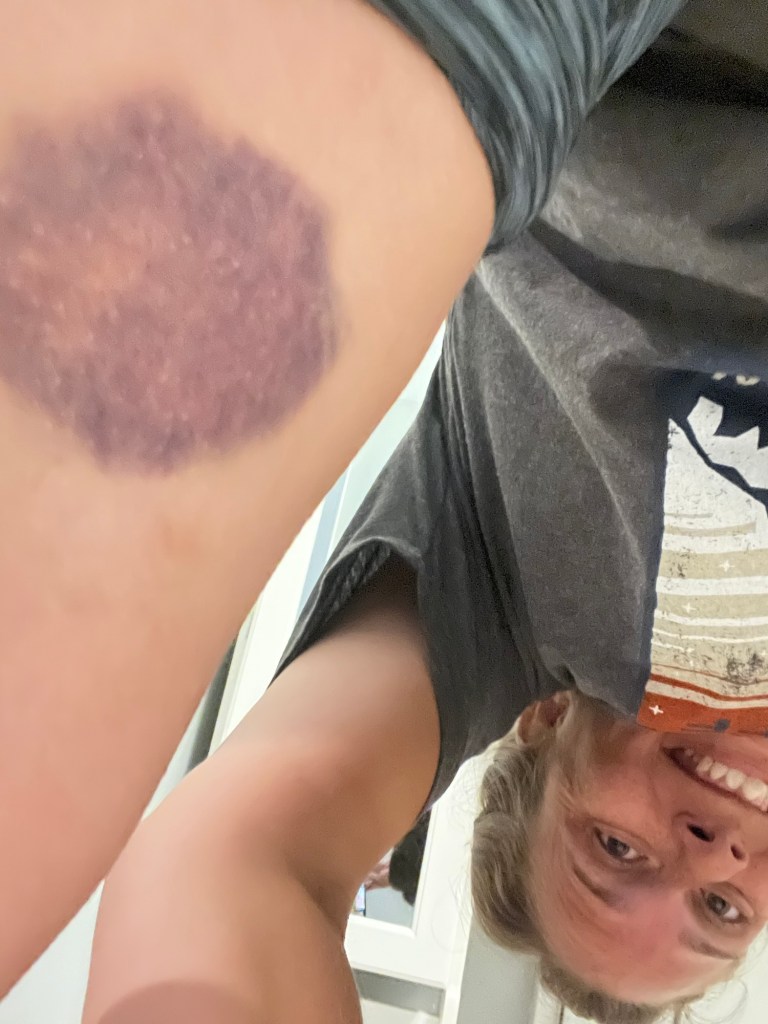
Last August I was enjoying a beach day with friends. Enjoying isn’t a strong enough word. These are the days I live for.
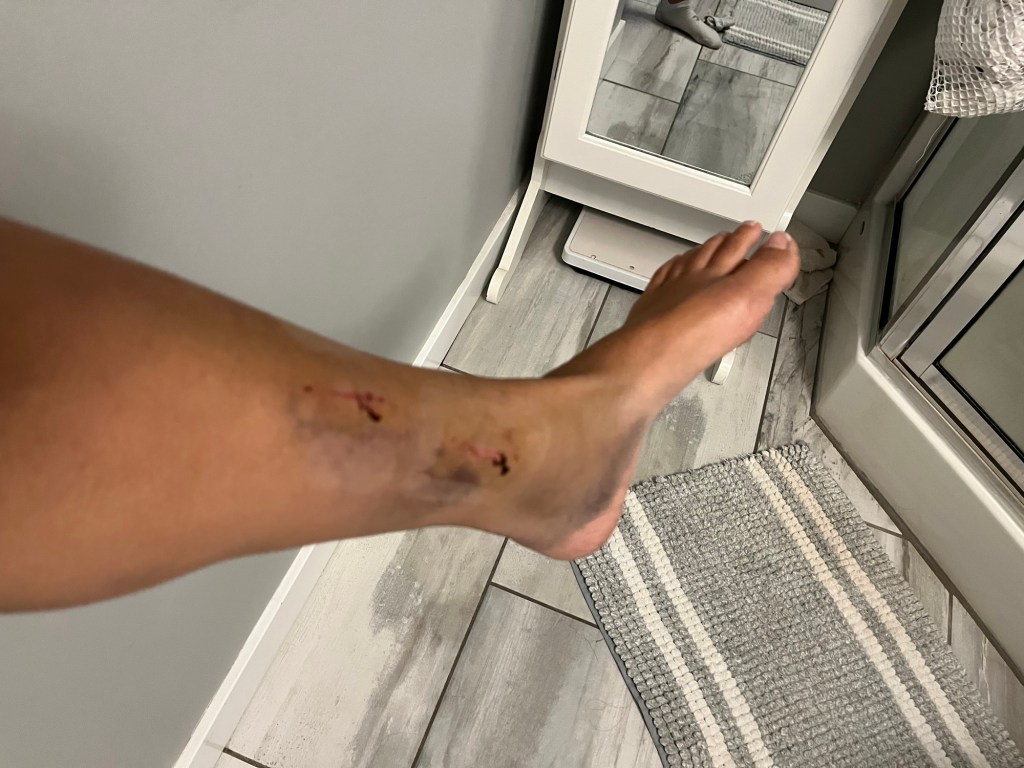
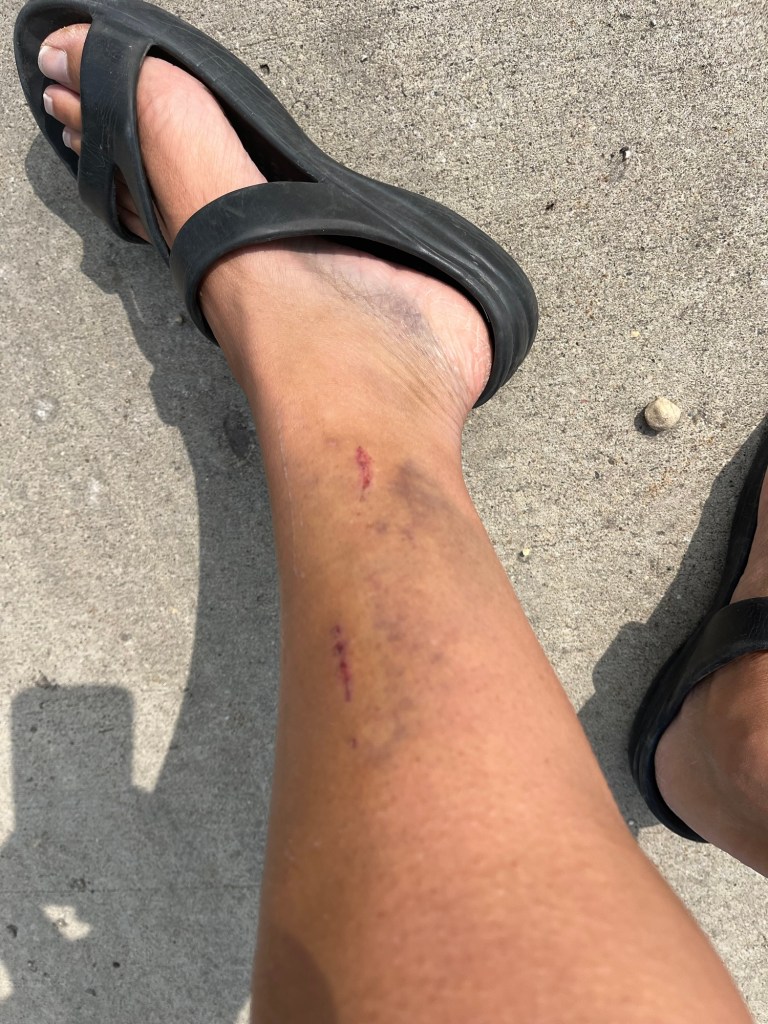
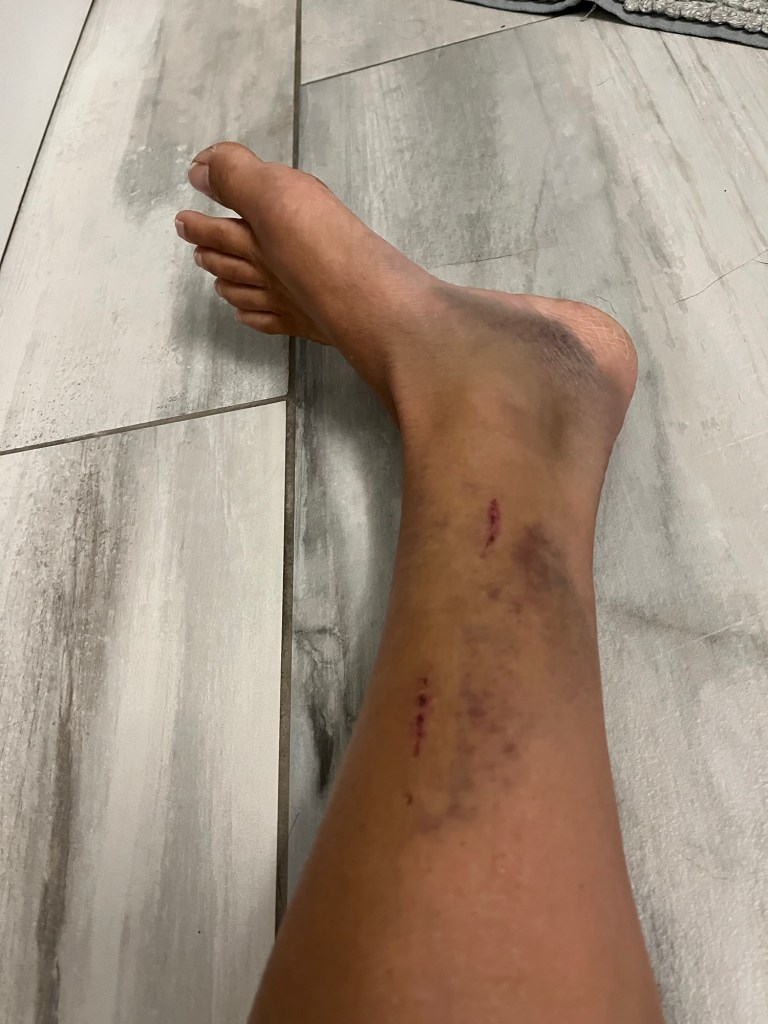
In my rush to support my mom getting off the boat, I slipped. My leg hit twice. On the back of the boat. Then scraped down the ladder.
The pain sent me into waves of nausea. Darkness of passing out kept threatening. I refused to surrender because that seemed embarrassing in the moment.
I was rushed off the beach as my leg swelled into two big lumps. Once I got it raised, it started to stabilize and my senses returned. In the end we decided to wrap it and I got to stay at the beach. But my summer was over.
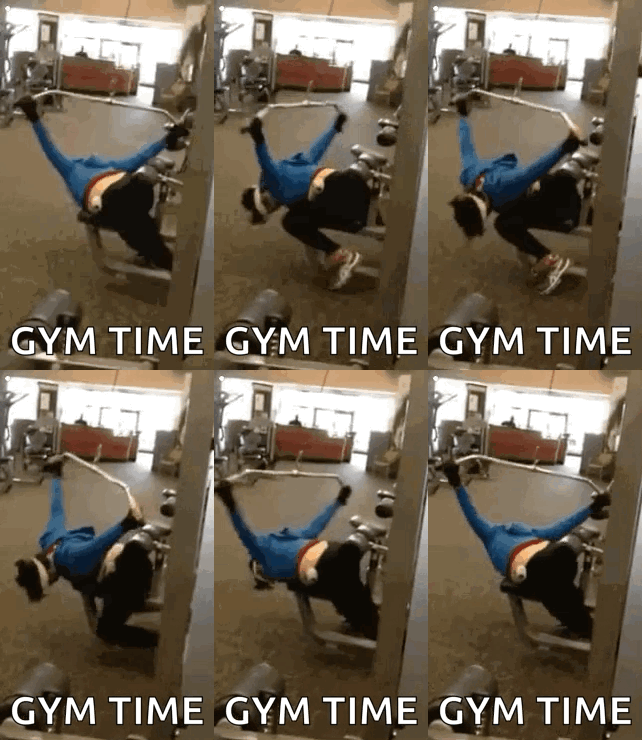
More devastating was what it did to my gym workouts. I try to get to the gym a few days a week to keep my muscles strong enough to hold me together.
I was finally to a place where I could hold most major joints in for a week or more. This incident set me back months.
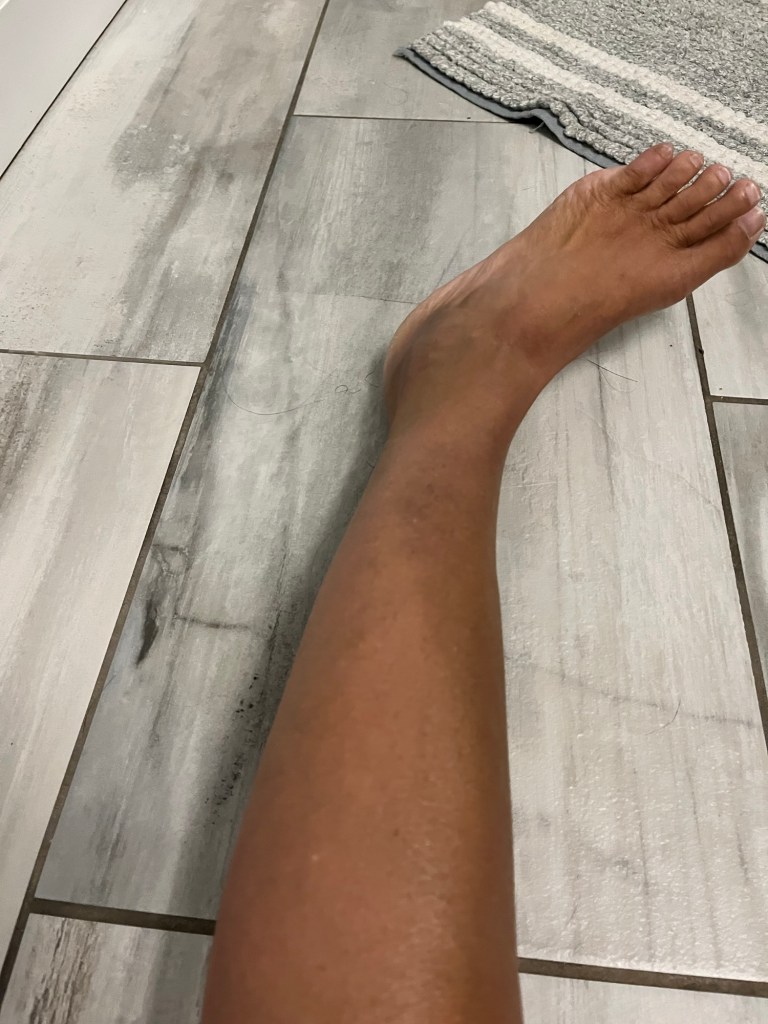
The bruise went through the ankle bone and wrapped almost completely around my shin. My tan is hiding most of the damage.
I am pleased to say I am finally back to a place where I can run almost the distance and pace I had before the damage to my leg. But it took all of those 6 months. The rest of my body has yet to catch up.
These setbacks are frequent and challenging. But I am learning there is peace and hope available on all days. No matter what is happening or not happening. And the sunshine will return.
Finding Wealth in the Woods: A Forest Therapy Practice
Go somewhere with trees or sky.
Let your pace match what your body can honestly do today.
Arrive. Feel your feet. Or your walker. Or the place you are sitting. Let the earth hold some of your weight.
Notice three forms of wealth already present. Warmth on your face. Air entering lungs. A sound that is gentle.
Place a hand on your heart or thigh and ask, “Givenmylimits, what is still possible for me?” Don’t demand a big answer. Let something small come. A phone call. A rest. A moment of beauty.
Say, quietly, thank you.
That’s it. Tiny riches count. And this practice opens doors for more riches to enter your presence.
Navigating the Path Ahead: A Thoughtful Analogy
Imagine inheriting land you didn’t choose. Some of it is rocky. Some days it floods. You can spend years arguing with the map… or you can learn what grows there.
Blueberries love poor soil.
Certain pines only open after fire.
Some of the most resilient beauty requires harsh beginnings.
As Rainer Maria Rilke advised:
Let everything happen to you: beauty and terror. Just keep going. No feeling is final.
Where Forest Therapy Carries Us
At the outset, when life no longer looks like it did, when identity is disrupted, the forest helps us find where we fit now. Not who we were. Not who others are. Who we are today.
In the middle, when the physical and mental anguish feels loud, nature gives our nervous system something steady to lean on. Wind continues. Chickadees continue. Light continues. We borrow their rhythm.
And at the end, or at least with distance, we often see that pain brought unexpected inheritances. Tenderness, clarity, reprioritized love, a fierce ability to notice what matters.
A different kind of fortune.
You may never get the yacht.
But you might receive awe. Intimacy. Meaning.
Moments of real rest inside the storm.
That is wealth no market can crash.
And forest therapy walks with you through the whole thing 🌲
The wound is the place where the Light enters you.