The Influence of Non-Judgmental Awareness: Mending the Nervous System

There is always in February some one day, at least, when one smells the distant, but surely coming, summer.

-Gertrude Jekyll

If you’ve ever tried to “think positive” while your body is screaming, you already know who wins.

Pain wins. Exhaustion wins. A nervous system on red alert wins. Any pep talk given to said nervous system is bringing a Post-it note to a tornado.

And then we blame ourselves! Because obviously the problem is a personal moral failure, not a human being a human.

In forest therapy, we take a different approach. We don’t try to out-think the body. We learn to listen to it without judgment. In doing so, the body finally gets what it has been asking for all along. Safety.
Biology’s Rebellion: The Dangers of Overriding Nature

Many people living with chronic pain think they should be able to cope better.

They should be stronger.

They should push through.

They should be more grateful it’s not worse.

But here’s a humdinger of a thought. When your body is sending powerful distress signals, your conscious mind has very little leverage.

The attempt to escape from pain is what creates more pain.

Gabor Maté

Neill Williams, on the Success Genius Podcast, explains it beautifully. When you are hungry, exhausted, or in pain, your biology overrides your attempts to think or feel differently.

The vagus nerve, your internal communication highway, links brain, heart, lungs, digestion, and the stress response. If that system is dysregulated, focus, creativity, decision-making, and connection all suffer.

Your body is a boundary of your soul. Treat it with care.

Jean Shinoda Bolen

As I’ve said before. This isn’t a motivation problem. It’s a nervous system problem.

And until the body feels safer, it will keep turning up the heat.

Rushing: The Trap That Keeps Us in Survival Mode

There is more to life than increasing its speed.

Ghandi

I dare say, we hurry through the day, override our limits, stay stimulated late into the night, fall into bed, wake up feeling four days past our bedtime, and repeat.

Then we wonder why our system is constantly braced for danger. We keep hitting refresh on the same nervous system and expecting a software update.

From a survival perspective, it makes perfect sense. Nothing in that cycle signals “You can stand down now.”

So the body continues to send messages. And they are rarely gentle. Whispers don’t usually create change. Pain often does.

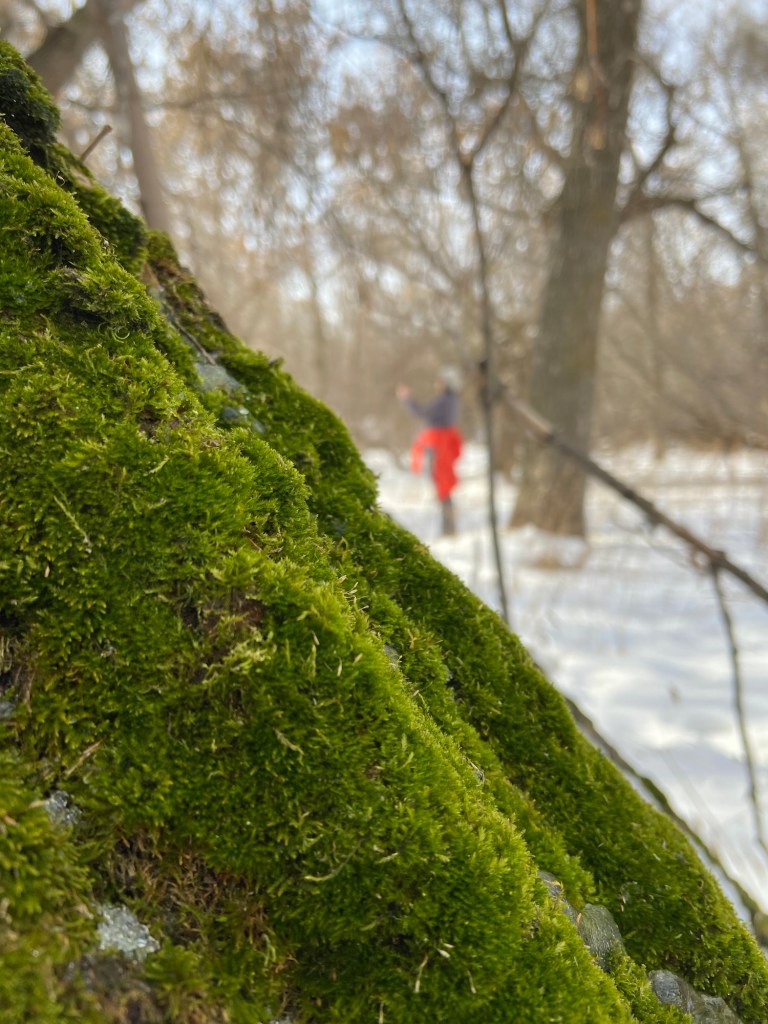
To pay attention, this is our endless and proper work.
Mary Oliver

“I Would, But I Simply Can’t.”

I often hear how wonderful forest therapy sounds.

I wish I could. Maybe someday. When life calms down.

But healing asks for time. Attention. Slowing down. Repetition.

Until then, forest therapy remains a lovely idea instead of lived remedy.

Word to the wise. Your body will keep requesting the appointment. It has an unlimited follow-up policy and will keep calling until someone answers.

If you don’t schedule a break, your body will take one for you, and it probably won’t be at a convenient time.

-Unknown
The Remarkable Power of Non-Judgmental Awareness

Here is where the shift happens.

When we practice noticing sensations without evaluating them, we step out of the inner fight.

Instead of:

  • This is bad.
  • Why am I like this?
  • I should be better.

(There are no gold stars for hating life correctly)

We try:

  • Warmth
  • Tightness.
  • Pulsing.
  • Cool air on my cheek.

No argument. No story.

Judgment activates defense. Awareness invites regulation.

The nervous system reads neutrality as safety.

The organism knows.
Eugene Gendlin

Nature: The Ultimate Stage for Inspiration

The forest is a masterclass in non-urgency.

Nothing is asking you to be different.

Everything belongs. You. Belong.

Research into nature exposure consistently shows reductions in cortisol, blood pressure, muscle tension, and rumination.

But experientially, I’ve seen something even more important. People soften. Attention and breathing widens.

The body begins to renegotiate its alarm state.

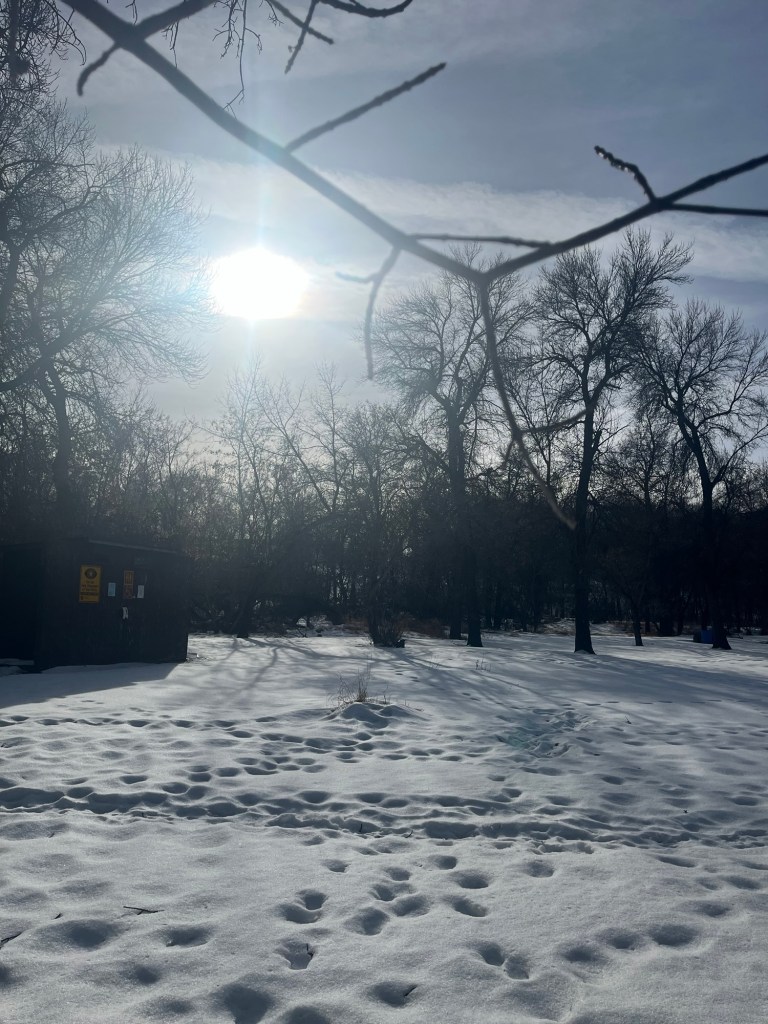
Nature provides gentle sensory anchors. Light, texture, birdsong, air movement. These allow awareness without overwhelm. For someone with chronic pain, this is crucial. We are not adding more intensity; we are expanding capacity.

Astravore: (n) A soul that keeps feeding on hope even after disappointment- light-hungry, resilient, unbreakable. -ViviJan

You are larger than what is happening to you.
Michael Singer

Silencing the Alarm: A Lesson in Balance

Imagine a car alarm that has been blaring for years.

You wouldn’t yell affirmations at it and tell it to be quiet.

You would look for the threat it thinks it perceives.

Non-judgmental awareness in nature is how we open the hood.
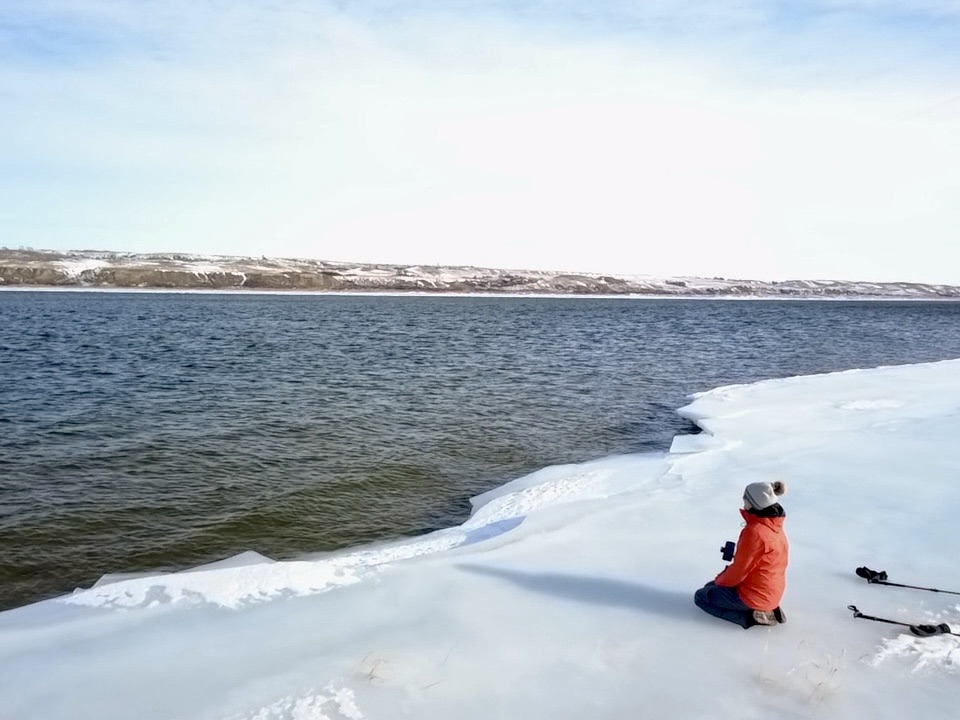
Each calm moment says, “No one is breaking in right now.”

Over time, the alarm system recalibrates.

My Story

I’ve experienced moments in my forest therapy practice when I wanted to do it all perfectly. To follow all the “right steps.”

When I go in with this focus I notice the pain is still there. The frustration is still there. I start thinking about all the years of pain I have ahead of me. Of financial strain. And the weight it adds to every relationship.

Then I remember to just breathe. Focus on today. Right. Now.

I start to feel the breeze on my face and hear it making its way through the trees around me. I sense the solid earth beneath me.

The pain does not vanish. But it’s not the only voice anymore. It has just been hogging the microphone in my head. 🎤 🤫

There is support available here whenever I need it. In the birds and the trees and the solid ground. This may sound odd. But this shift in thinking moves the pain inside a larger field of safety.
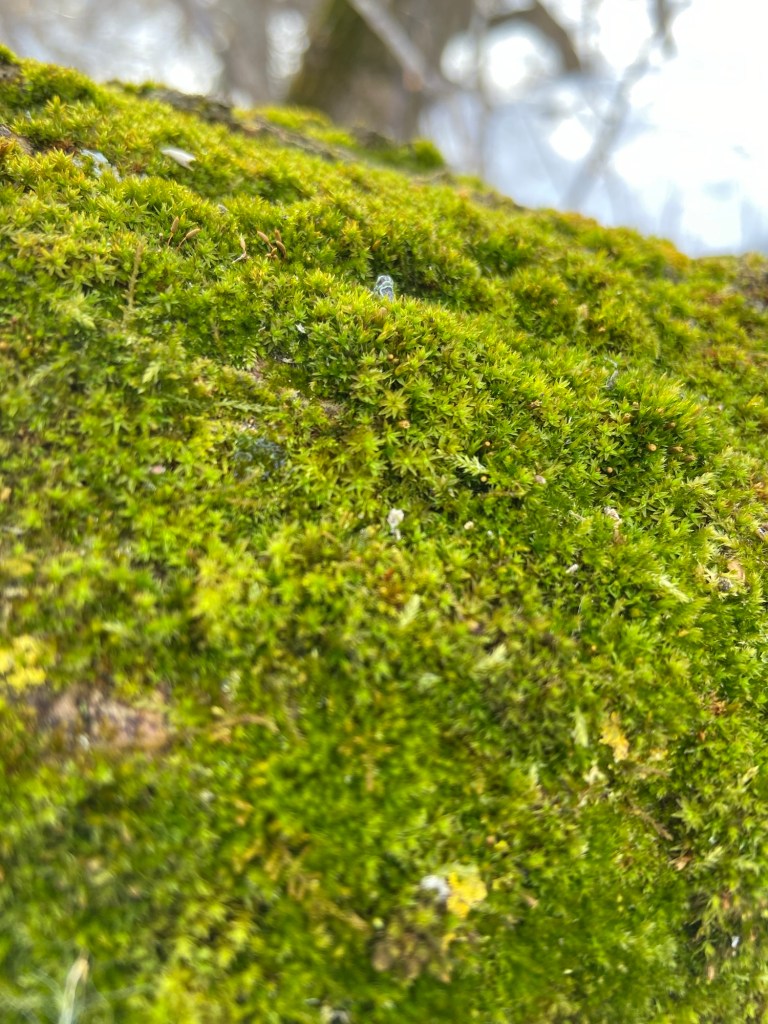
This is regulation. I just keep coming back to it.

The best way out is always through.

– Robert Frost

A Gentle Invitation to Explore
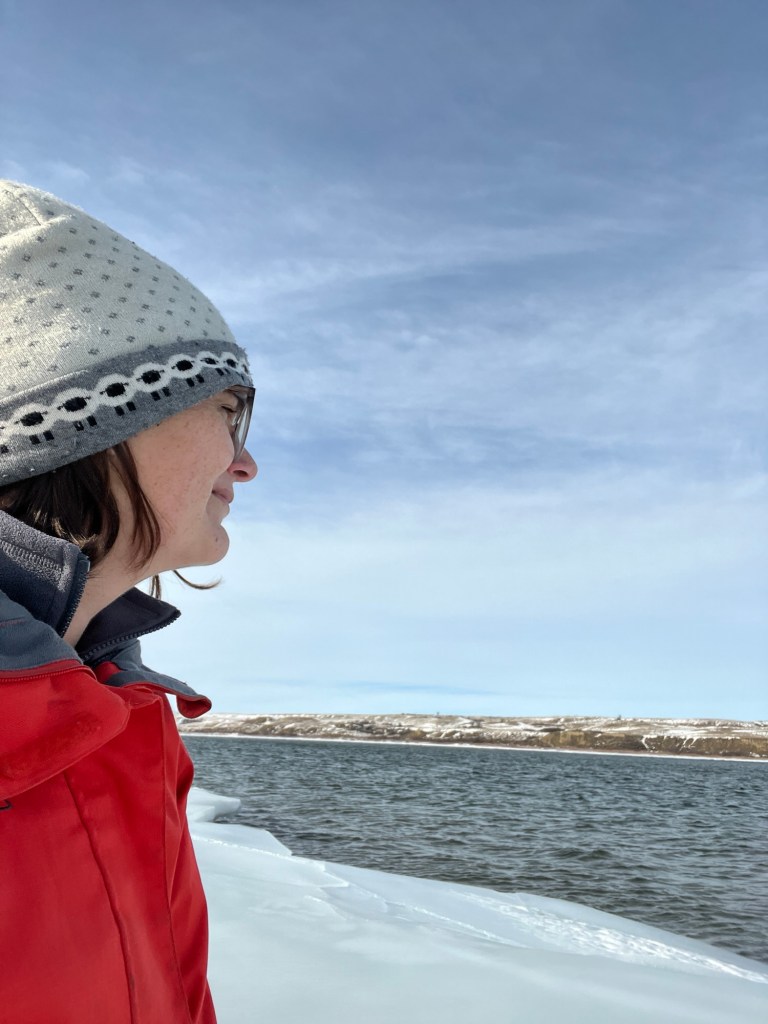
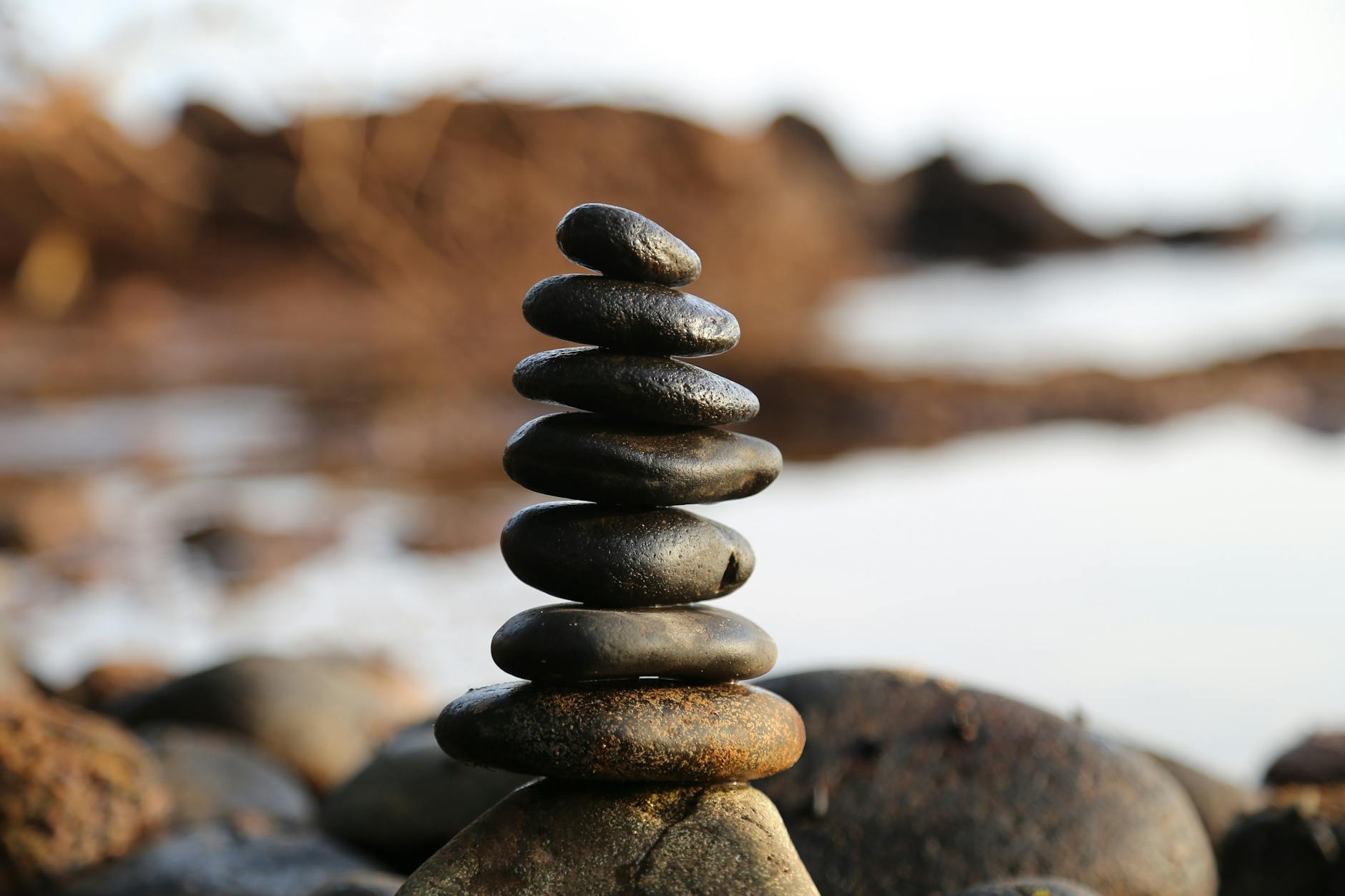
  1. Find something in nature that feels steady. A tree, a rock, the shoreline.
  2. Let your eyes rest there.
  3. Now widen your awareness to include three additional sensations that are neutral or pleasant.
  4. Move back and forth between the discomfort and the wider field

    You are teaching your nervous system that pain can exist without emergency.

    Do this regularly and the vagal pathways that support calm begin to strengthen.

    Don’t just do something, sit there.

    Sylvia Boorstein

    The Real Result: Persistence in Life

    When regulation improves, people often notice clearer thinking, better sleep, and easier connection. Not because they forced positivity, but because their biology finally cooperated.

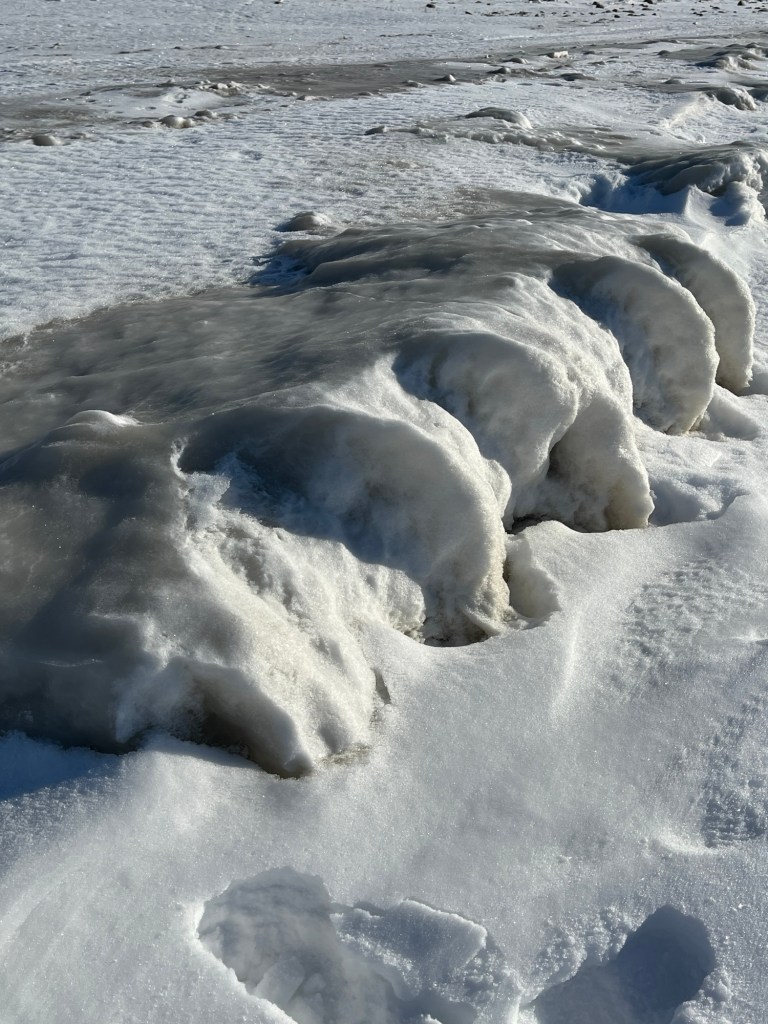
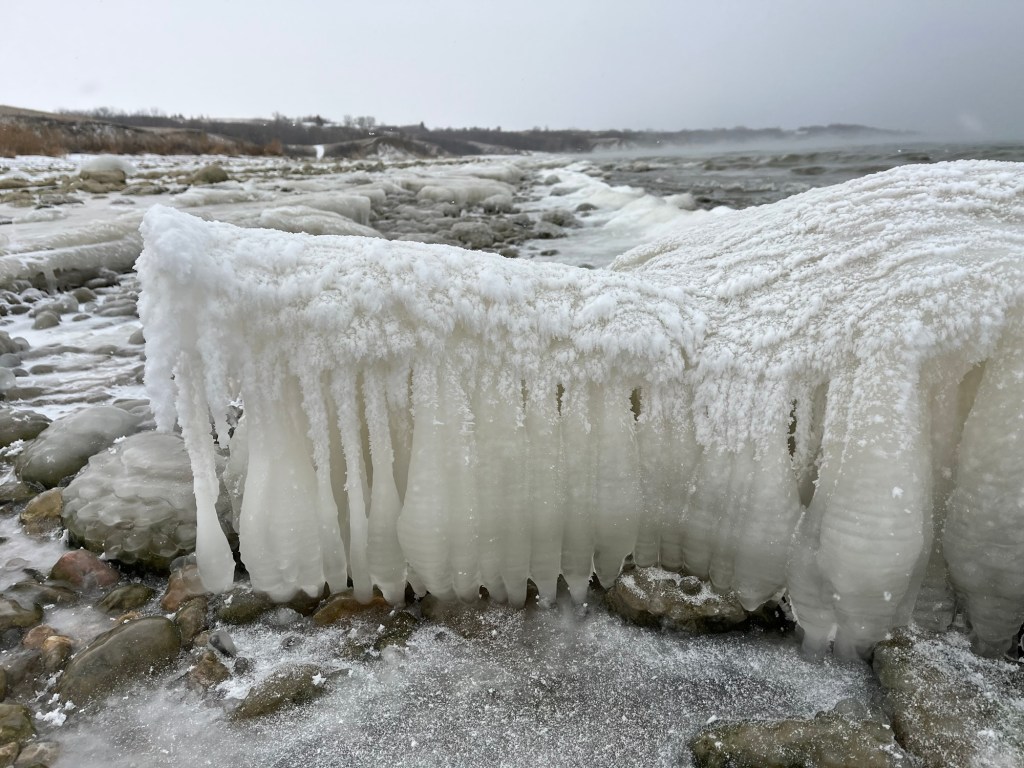
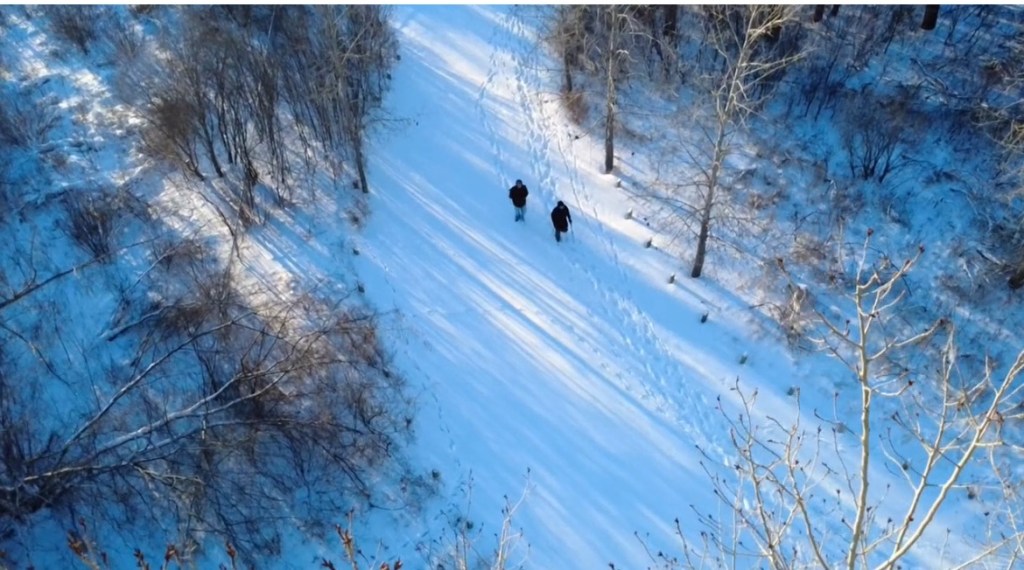
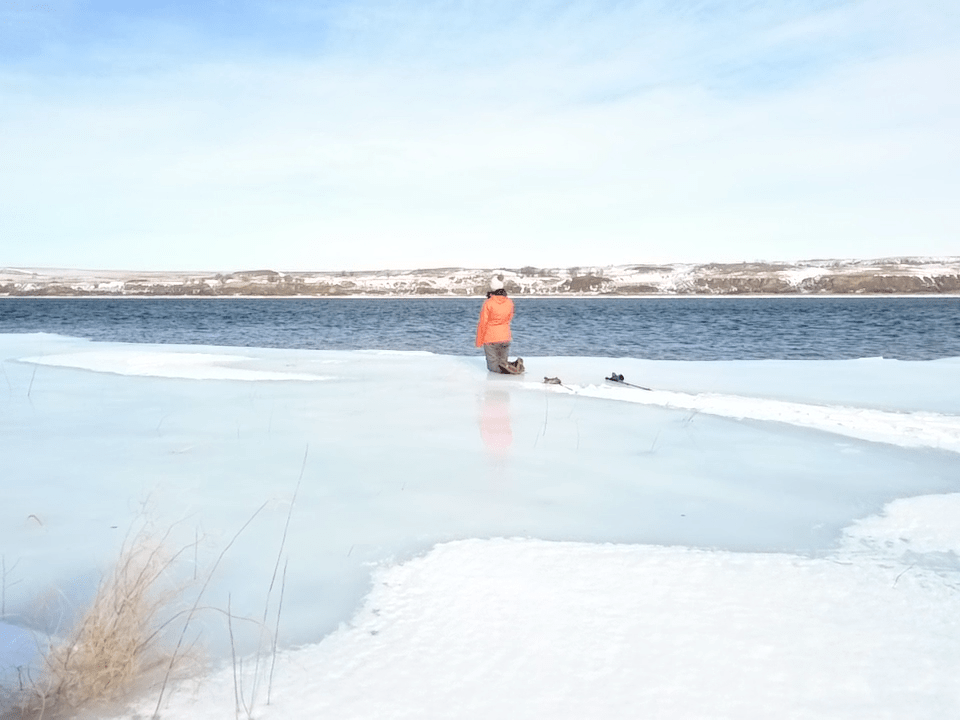
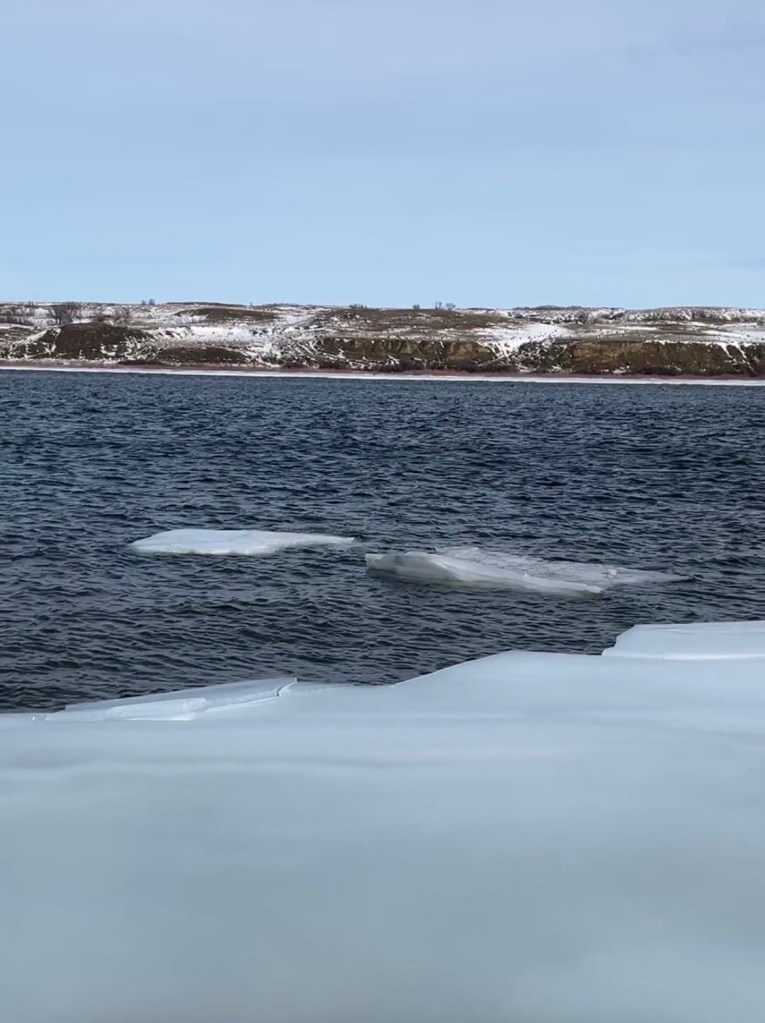
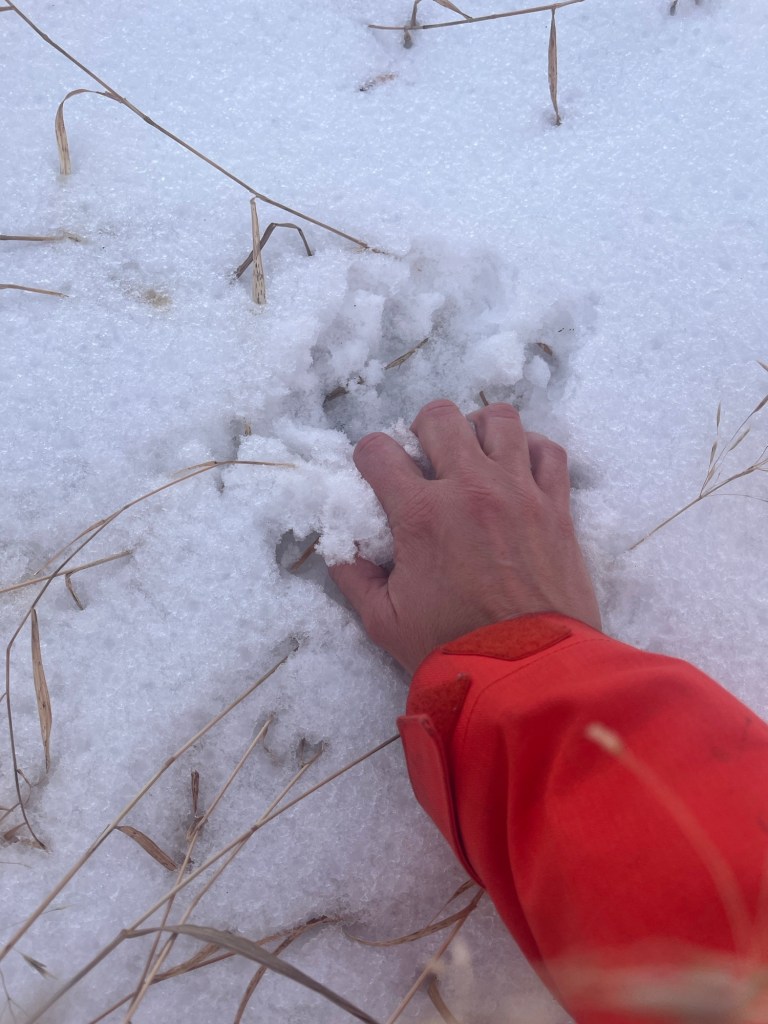
    You are no longer fighting upstream. You are being carried. Like these little bitty icebergs I watch on the river. Floating by. 👇
    The Closing “Peace”

    If we keep living in a way that ensures the alarm stays active, nothing changes.

    But when we make space, even small, consistent space for non-judgmental sensory awareness in the forest, the body hears something new.

    I’m safe. I can soften. I don’t have to shout today.

    And maybe, that is where my healing lingers. I just have to take time away, to meet it there.

    The body always leads us home… if we can simply learn to trust sensation and stay with it long enough for it to reveal appropriate action.
    -Pat Ogden

    Take care, my friends. I leave you with these February thoughts that gave me a little chuckle:

    My February workout plan is mostly just shivering until my muscles get tired.

    Love is in the air this February, but so is the flu, so please stay back.
    🌲 The Science Behind Forest Therapy’s Immune Benefits

    The human body is not designed to be constantly alert. It is designed to return, again and again, to states of rest.

    Esther Sternberg

    Have you ever noticed that your shoulders drop the moment you step under trees?

    That your breath deepens without effort?

    That your body seems to say, “Ahhh. That’s better.”

    When I was starting out, I knew I’d find something wonderful in forest therapy. But I didn’t expect it to be the answer I desperately needed for my chronic condition.

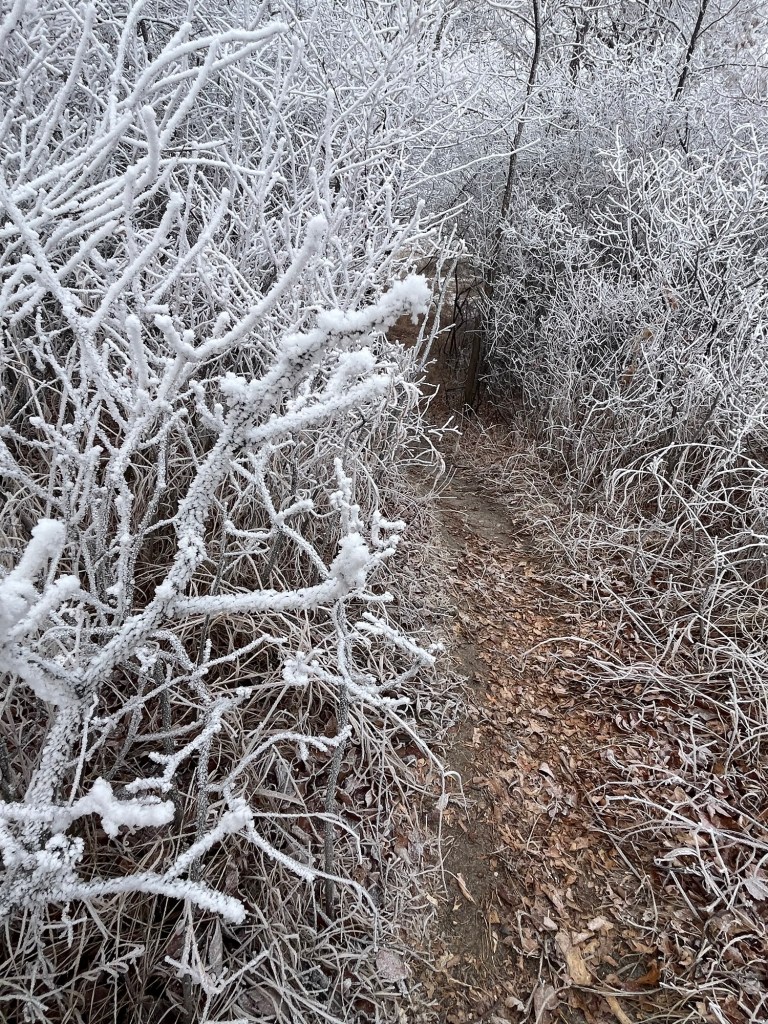
    Rimesong- English (n) (rhyme song)- the gentle sound the world makes on frozen mornings. Branches cracking softly, frost shifting, ice whispering under light winds.

    -@everglowwords

    That’s not imagination. Or placebo.

    That’s physiology.

    Long before supplements, ice baths, or wearable tech, the human immune system evolved in relationship with forests. And modern science is finally catching up to what our bodies have always known, nature doesn’t just soothe the mind. It actively regulates inflammation and supports immune function. Read about that research here.

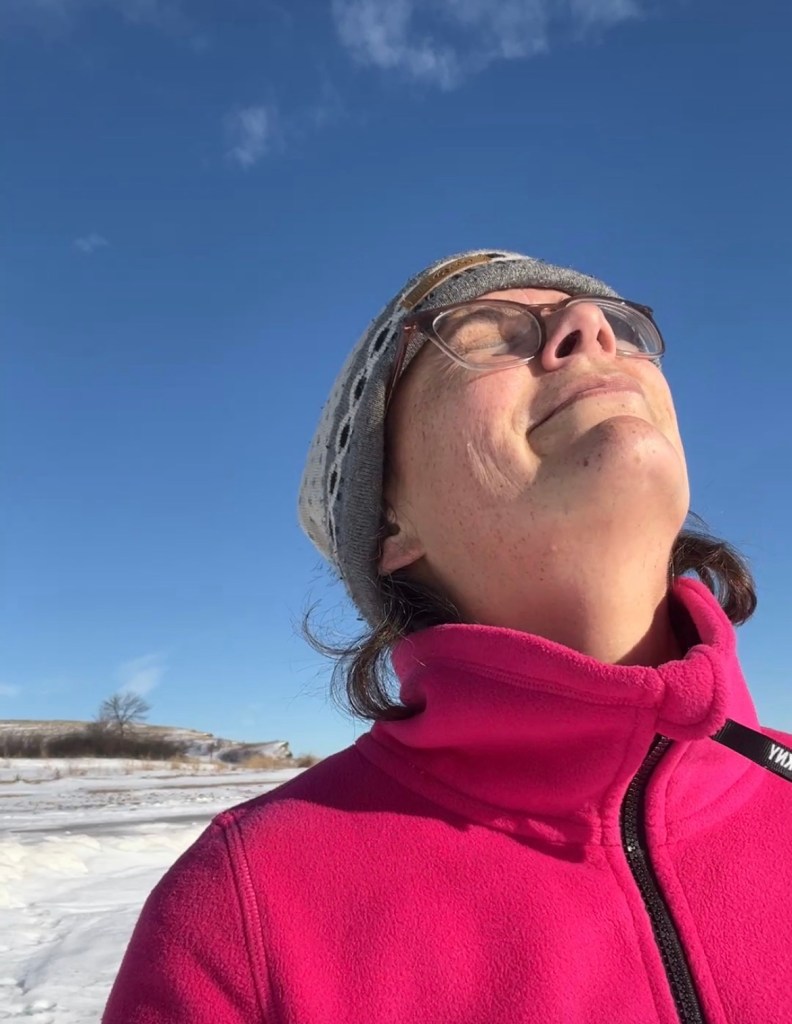
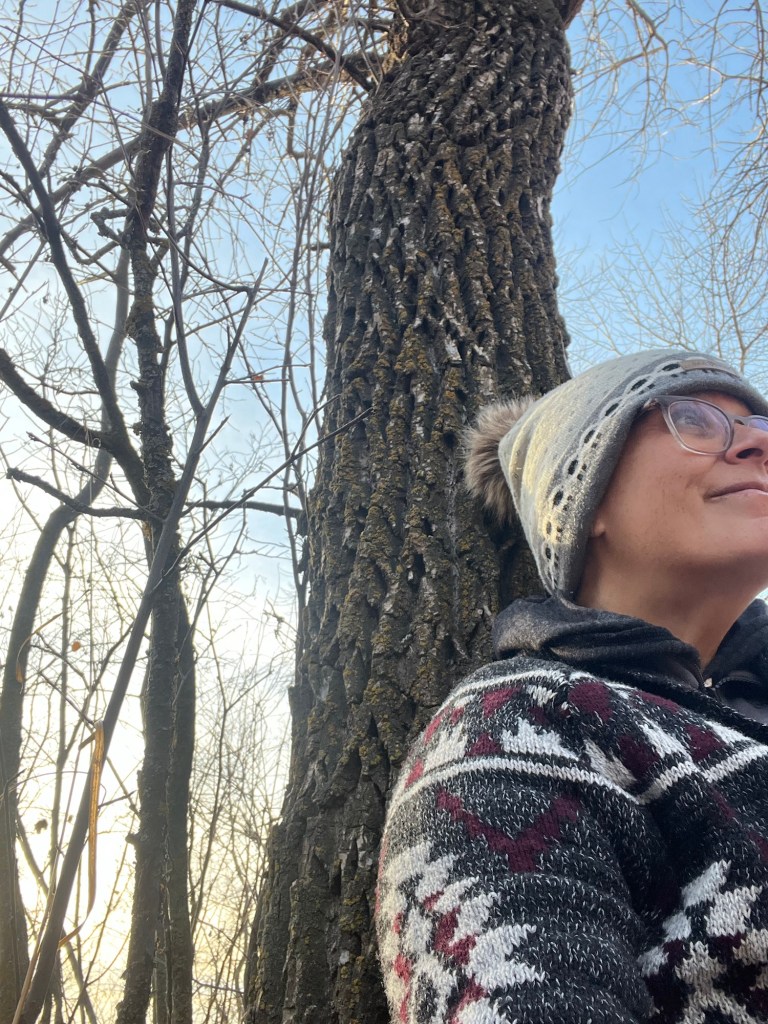
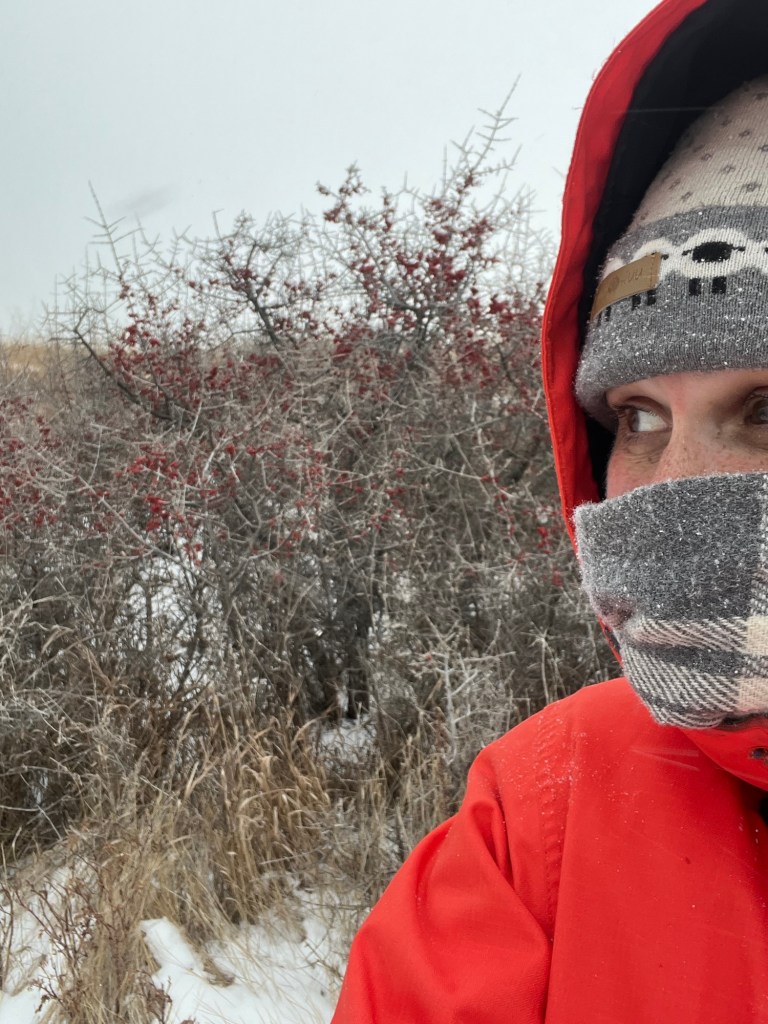
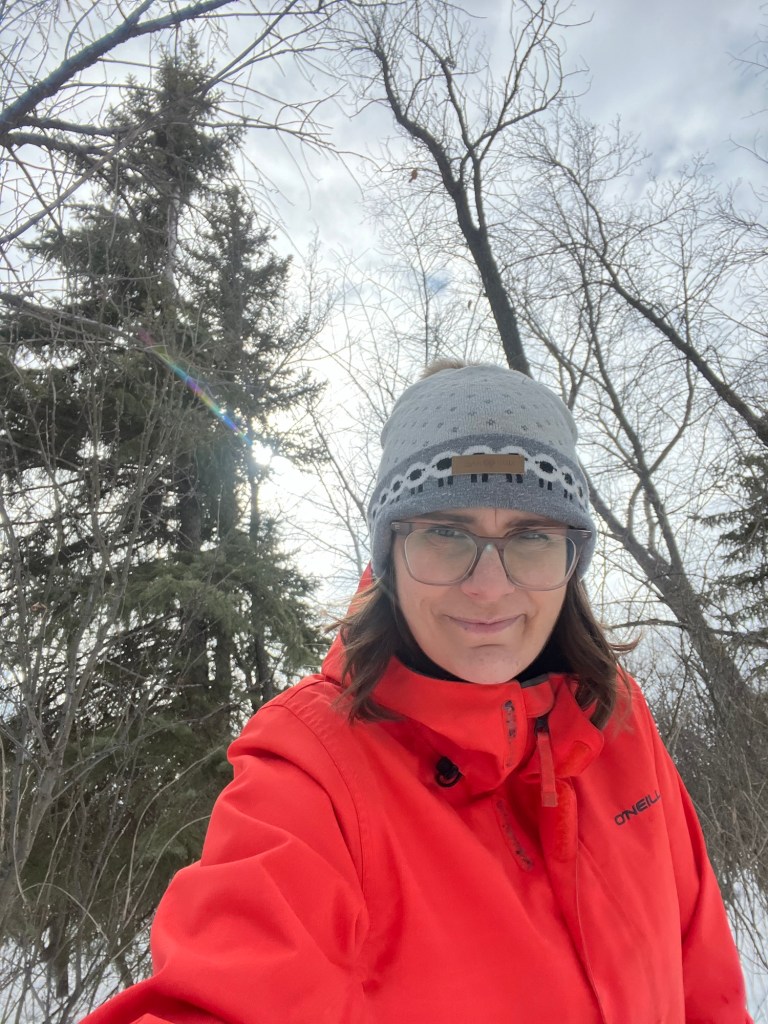
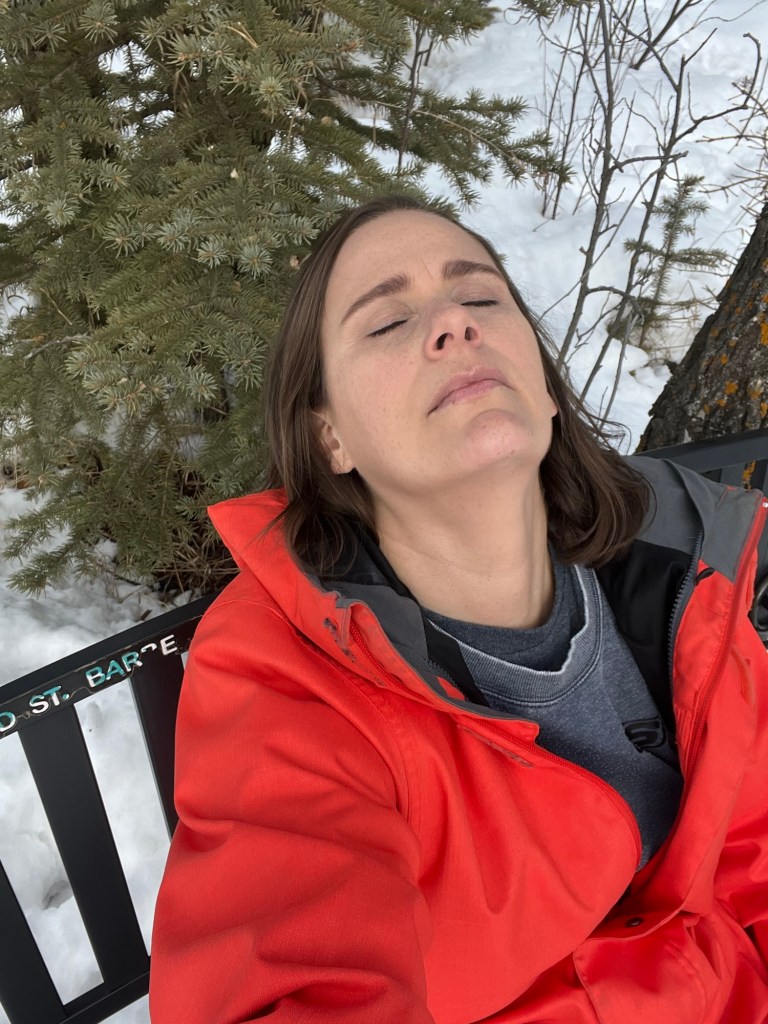
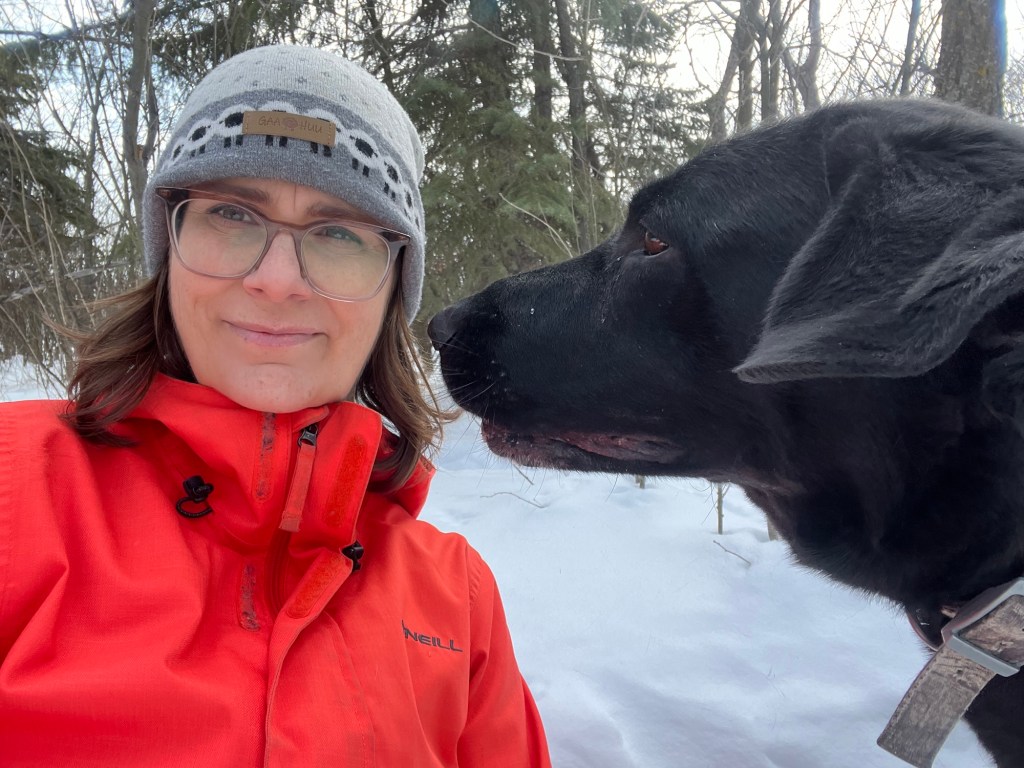
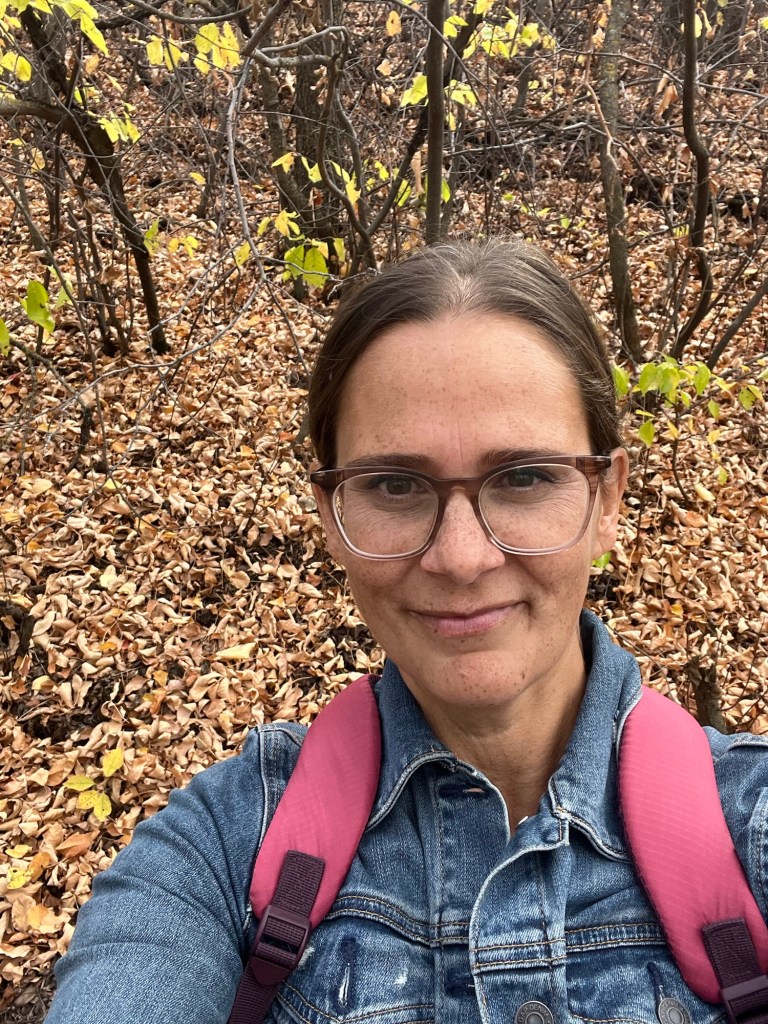
    My face before a forest therapy walk.☝🏼

    As a forest therapy guide, I experience this recalibration often. We arrive tense, inflamed, fatigued. And leave softer, warmer, steadier. Regulated.

    Let’s talk about why.

    (I don’t always share the research but it does exist. Follow the links through the post to learn more if you are interested.)

    🔥 How Nature Cools the Flames of Inflammation

    Inflammation isn’t the enemy. It’s a protective response.

    But when stress, illness, or modern life keeps inflammation switched on for too long, the body pays the price. Joint pain, fatigue, brain fog, autoimmune flares, lowered immunity.

    You can’t see it. But this is a picture of brain fog,
    joint pain, fatigue and flares.
    Grandbabies such as this little booger are wonderful!
    But they are also 🦠 germ factories 🦠

    Nature helps flip that switch back toward balance.

    🍃 Forest Breaths: Nature’s Prescription

    Trees release volatile organic compounds called phytoncides. The aromatic oils that protect the trees from disease and insects. When humans breathe them in, something remarkable happens:

    • Natural Killer (NK) cell activity increases. Read more here.
    • Stress hormones like cortisol decrease
    • Pro-inflammatory cytokines are reduced

    NK cells are a critical part of your immune system. They identify and destroy virus-infected and abnormal cells. Research by Dr. Qing Li shows these immune benefits can last up to 7 days after a forest visit! Read about that research here.

    Nature isn’t passive.

    It’s interacting with you.

    🌬️ Tune Your Nervous System for Optimal Immunity

    Here’s the part most people miss.

    Inflammation is deeply tied to the nervous system.

    When your body is stuck in fight-or-flight, immune responses become exaggerated and inefficient. Forest environments consistently activate the parasympathetic nervous system. Research on that here. The “rest, digest, and repair” state.

    Studies show that time in forests is associated with:

    • Lower C-reactive protein (CRP) Read about that here.
    • Improved heart rate variability
    • Increased salivary immunoglobulin A (sIgA), a key immune defense

    In simple terms:

    Your body repairs better when it feels safe.

    Forests and other natural environments create that safety signal.

    🌲 Embracing the Woods: Nature’s Anti-Inflammatory Escape

    This is not exercise.

    This is not a hike.

    This is an invitation to regulation.

    In wildness is the preservation of the world.

    -Henry David Thoreau

    🌿 The Practice (45–75 minutes)

    1. Arrival — Let the Body Catch Up (5 minutes)

    Stand still. Place one hand on your chest, one on your belly.

    Breathe slowly through your nose.

    Say quietly, “I don’t need to fix anything right now.”

    2. Slow Sensory Walking (15 minutes)

    Walk at half your normal speed.

    Let your eyes soften.

    Notice textures, temperature, sound.

    This sensory input tells your nervous system it’s safe to stand down.

    3. Tree Contact (10 minutes)

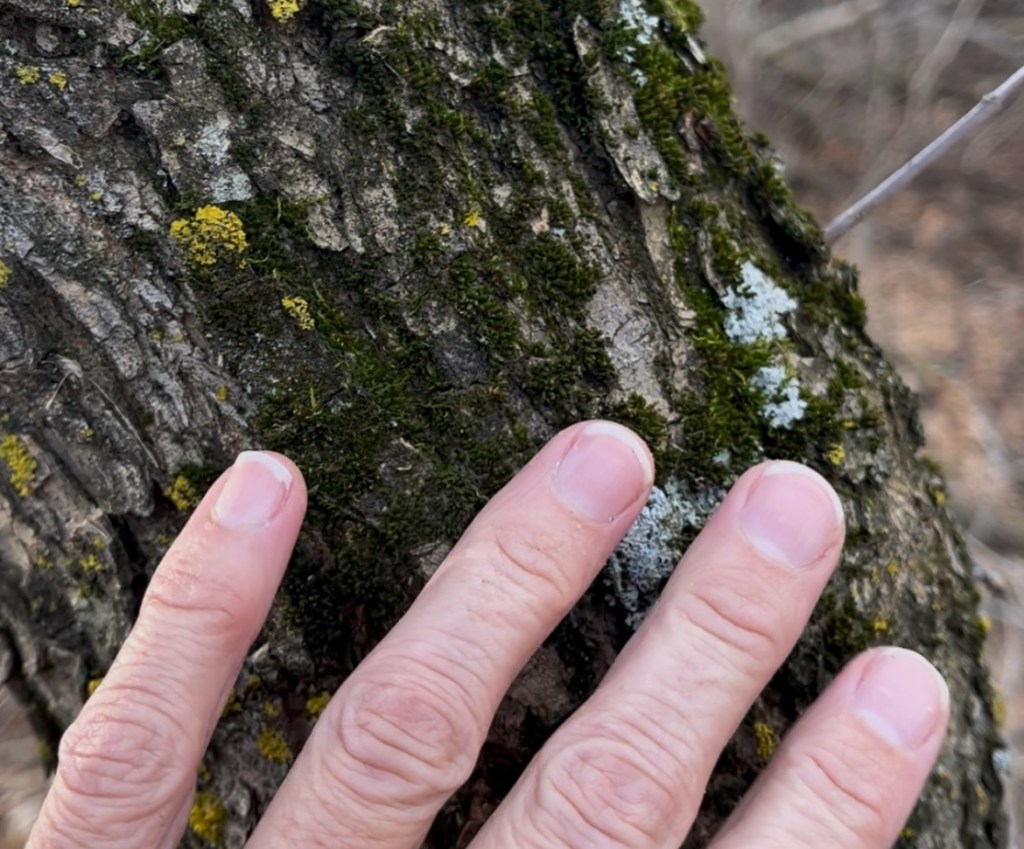
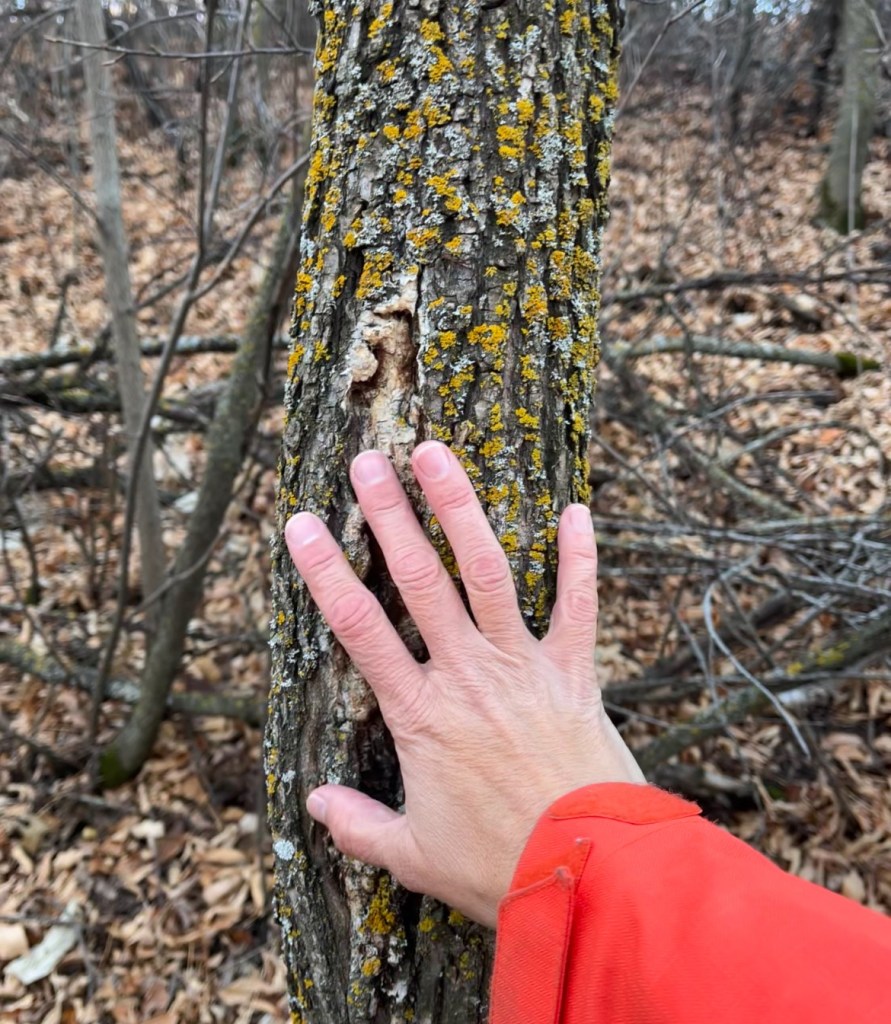
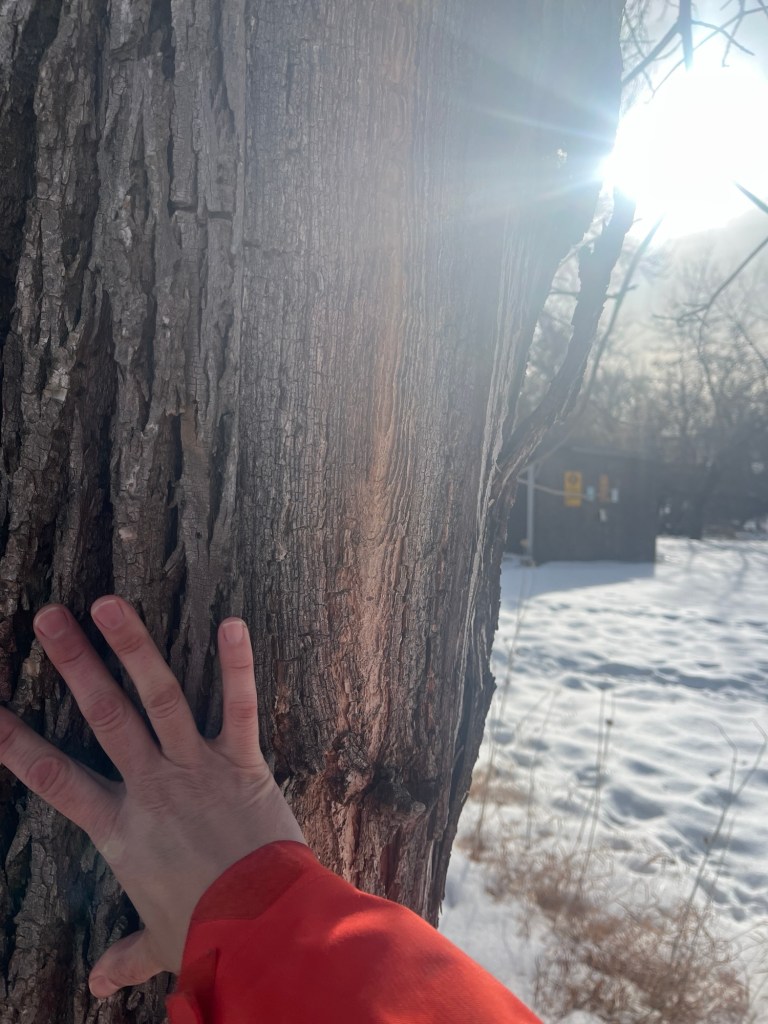
    Rest your back or hands against a tree.

    Notice its steadiness.

    Imagine excess heat or tension draining from your body into the ground.

    4. Immune Breath (10 minutes)

    Inhale forest air slowly.

    Exhale longer than you inhale.

    This extended exhale directly reduces inflammatory stress signals.

    5. Closing Reflection (5 minutes)

    Ask yourself: What feels different in my body right now?

    No analysis. Just noticing.

    💬 Words That Echo the Science

    The immune system is exquisitely sensitive to our environment.

    -Dr Candace Pert, neuroscientist

    And from scripture:

    The leaves of the tree were for the healing of the nations. -Revelation 22:2

    How many are your works, LORD! In wisdom you made them all; the earth is full of your creatures. -Psalm 104: 24-25

    A reminder that nature’s design supports life, health, and resilience.

    Healing in nature has always been part of the human story. Both scientific and sacred.

    💗 A Story of Healing

    There was a season when my body felt constantly inflamed. Sore joints, heavy fatigue, a nervous system that never seemed to settle.

    I was doing all the ‘right’ things. But what helped most wasn’t something I added. It was somewhere I went.

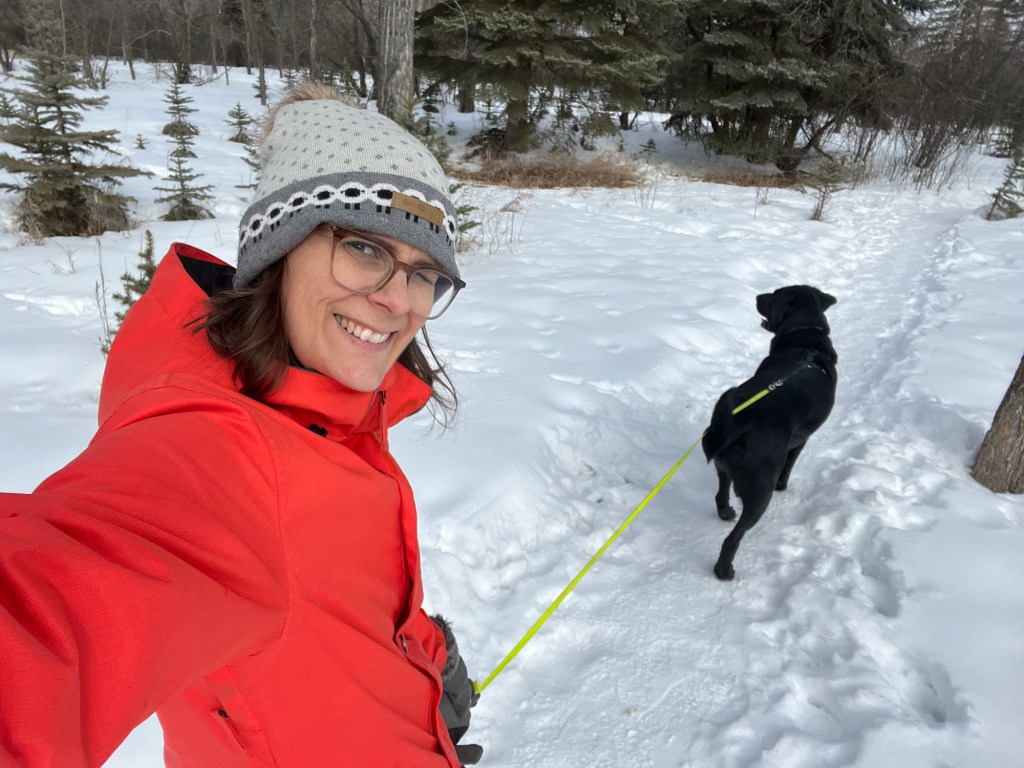
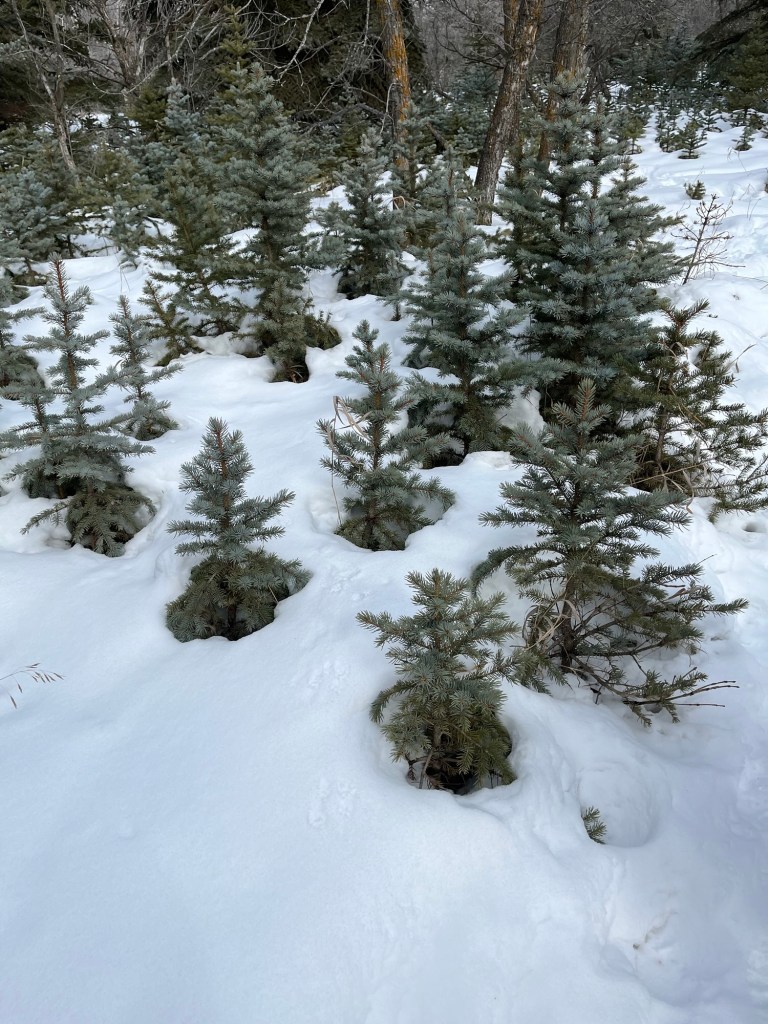
    A slow walk among trees to capture pictures of my first forest therapy walk. Standing still in winter air. Letting my body remember how to downshift.

    The forest didn’t cure me but it gave my immune system room to breathe.

    When I was starting out, I knew I’d find something wonderful in forest therapy. But I didn’t expect it to be the answer I desperately needed for my chronic condition.

    ❄️ Grounding Your Soul: Embracing Earthing in a Saskatchewan Winter

    Frozen ground doesn’t mean disconnection.

    🌲 Outdoor Winter Grounding

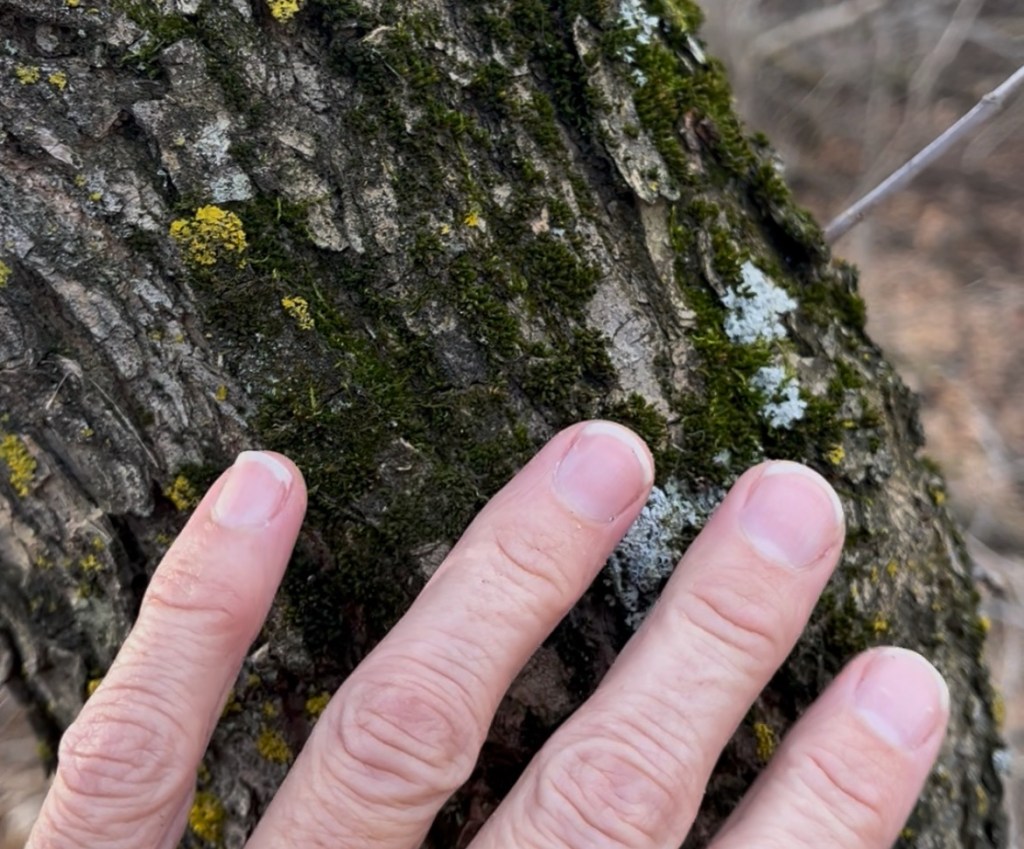
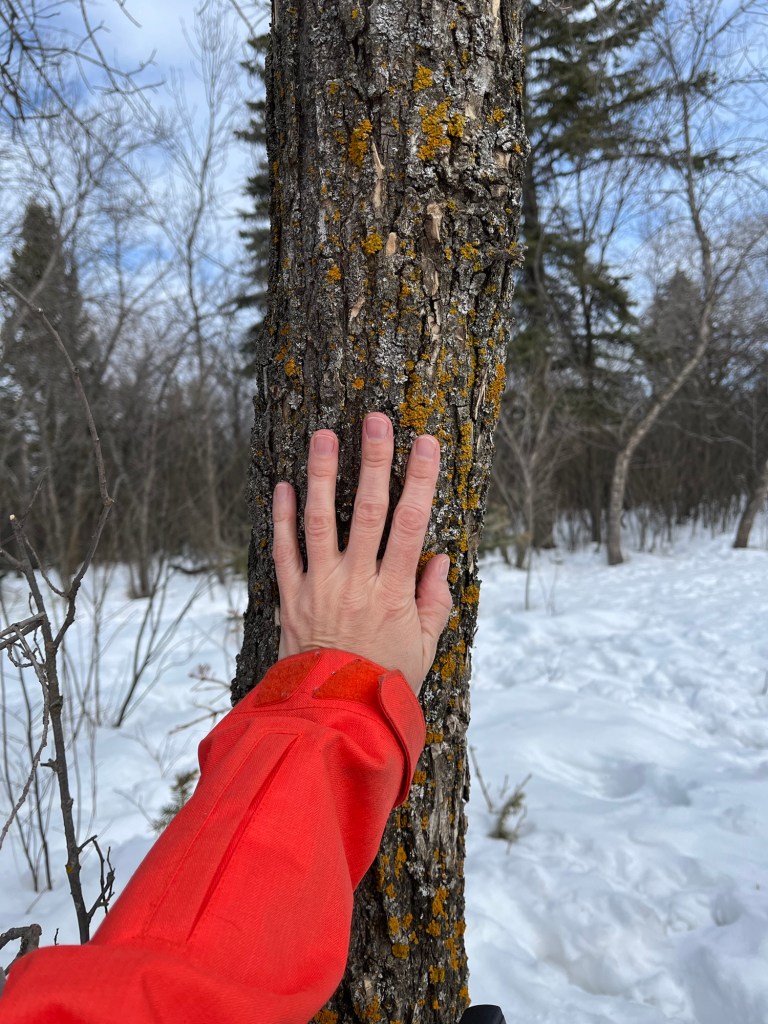
    • Hands on trees or snow. Bark and damp earth still conduct energy. Research here.
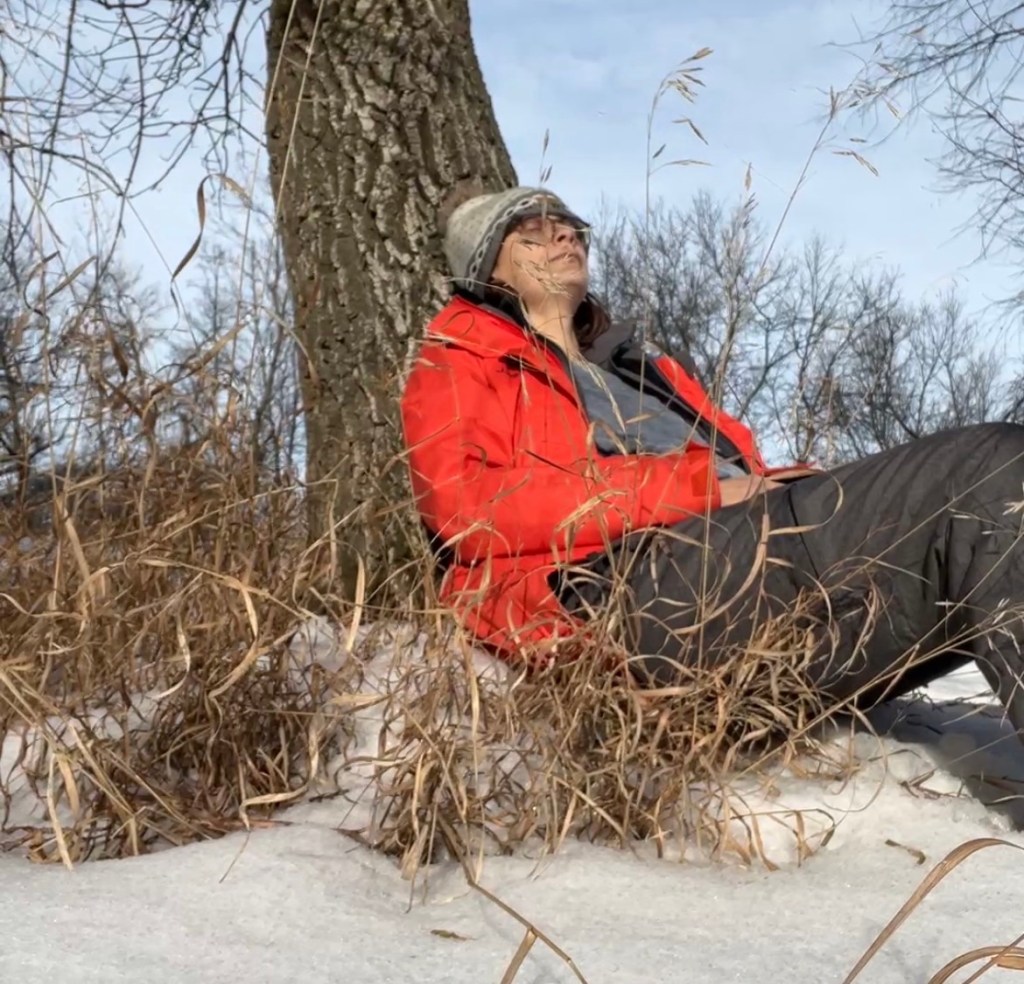
    • Lean your back against a tree (a favorite forest therapy posture)
    • Grounding Footwear or Socks. Leather-soled or grounding-compatible footwear can help conduct Earth energy while keeping feet warm. More on that here.
    • If you are lucky enough to have authentic mukluks with a leather sole they are a perfect alternative. (Word to the wise- 🦉 walk to your outdoor earthing spot in your regular boots with a non-slip sole, sit and then put on your super slidey footwear)

    🏡 Indoor & Cold-Weather Options

    • Grounding mats under feet while reading or stretching. Learn more here.
    • Warm baths with sea salt and natural stones. More here.
    • Sitting near open windows to breathe cold, fresh air (powerfully regulating)

    Grounding is less about bare feet and more about intentional contact with the natural world.

    The earth has music for those who listen.

    -George Santayana

    🌿 Final Thoughts: Nature’s Wisdom Unveiled

    Nature doesn’t override your immune system.

    It reminds it how to work.

    In a world that keeps us inflamed, overstimulated, and disconnected, the forest offers something radical.

    Regulation. Relationship. Repair. Without asking anything from you!

    Your body remembers this language.

    Sometimes it just needs to hear it again.

    Revamping Pain: From Suffering to Serenity

    Acceptance doesn’t mean resignation; it means understanding that something is what it is and that there’s got to be a way through it.

    Michael J Fox

    We all experience pain. For some, it’s a passing ache. For others, it becomes a constant companion — a reminder that life is not always as we hoped it would be. When pain becomes chronic, it’s easy to slip into resistance: wishing it away, fighting it, or resenting what it’s taken. But there’s another path — one that doesn’t demand perfection or control. It’s the path of acceptance, and nature is a powerful guide.

    The Lens of Pain: Understanding Trauma’s Impact

    Do not underestimate the power of gentleness, because gentleness is strength wrapped in peace…

    LR Knost

    In her podcast, Better Than Happy, Jody Moore talks about how we’ve all experienced trauma — some of us with a capital “T” and others with a lowercase “t.” The difference isn’t always about what happened, but how our minds and bodies interpret and hold it.

    The same can be true for chronic pain. You get to decide whether your pain feels like Trauma — a life-altering event that defines you — or trauma — something you carry and work with, but not something that owns you. That choice matters deeply, because how we name our pain shapes how we heal from it.

    Pain is inevitable. Suffering is optional.

    Haruki Murakami

    When Nature Whispers Acceptance

    The forest is not a place to escape from life, but a place to remember how to live.

    Forest Witcraft

    In forest therapy, we slow down. We listen. We notice. The rustle of leaves, the way sunlight filters through branches, the steady rhythm of our breath — these moments invite us to be with what is, rather than against it.

    Acceptance doesn’t mean giving up. It means softening our resistance. It means saying, “This is what my body feels right now, and I can still experience peace.” In the forest, we learn from the trees — rooted, resilient, unhurried. We begin to see that pain and peace can coexist.

    Oleilu

    Finnish. To relax and simply be. without any agenda. The quiet act of existing in the moment.

    Don’t Let Pain Become Your Puppet Master

    Pain already takes enough from us. When we let it dictate our thoughts, our plans, or our sense of self, our world begins to shrink. We start saying no to life before life even asks the question.

    But you have a choice. You can decide not to give pain more power. You can choose expansion — moments of joy, awe, and connection — even in the midst of discomfort. The forest has a way of reminding us that there is always more life available than the pain wants us to believe.

    Every time you choose hope, you widen the space inside you where light can live.

    -Unknown

    Feel Awesome by Taking Action

    Scholar Melissa Wei-Tsing Inouye once said,

    It is helpful to feel awesome when preparing for war.

    For many of us living with chronic pain, that war happens quietly inside our own bodies. So ask yourself: what helps you feel awesome?

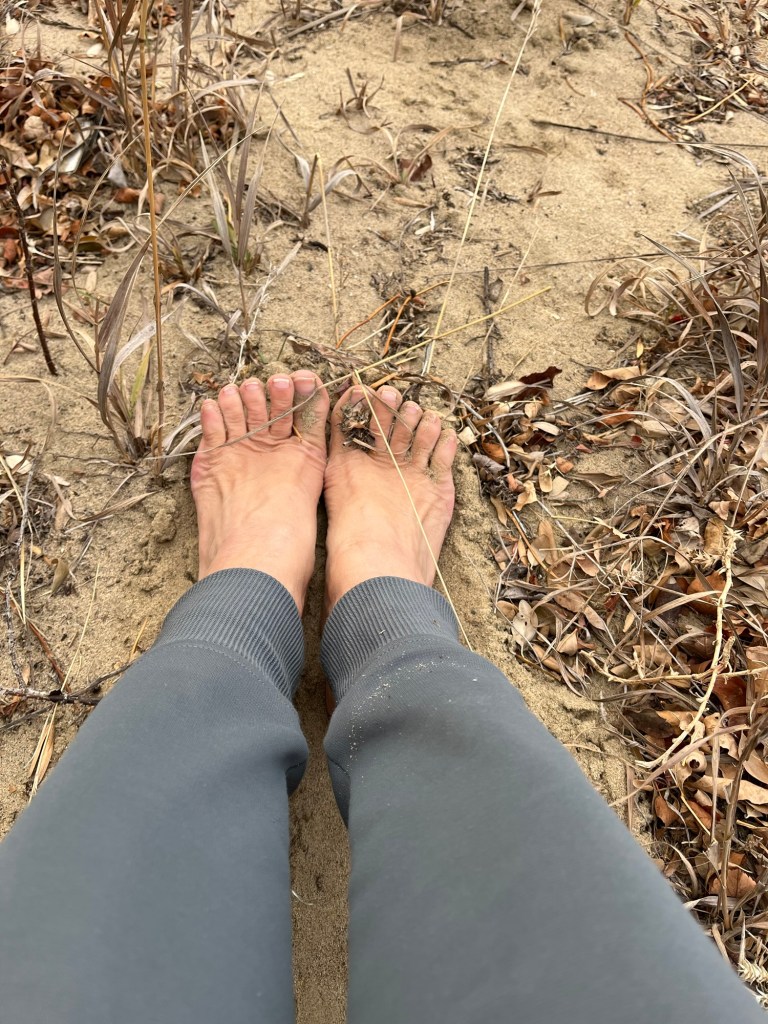
    Maybe it’s standing barefoot in the grass.

    Breathing in the scent of pine after rain.

    Watching a chickadee tilt its head in curiosity.

    These moments don’t erase pain — they remind you that you are more than it.

    Nature’s Remedy: Healing in the Woods

    Acceptance is not a single choice; it’s a practice. And nature gives us endless opportunities to begin again — with every breath, every sunrise, every step beneath the trees.

    When you allow the forest to hold your pain alongside your hope, something shifts. You stop fighting your body and start listening to it. Healing begins in that stillness.

    So go. Step outside. Let the forest teach you how to make peace with what hurts — and how to feel a little more awesome along the way.

    Broken crayons still colour.

    -Unknown