
Navigating Emotional Struggles Gracefully: Staying Grounded in the Woods

This line 👇🏼 from a song deserves to stand alone.

The world is hard on beautiful things.

-“Beautiful Things” by Megan Moroney

When I hear this line, I think about the people I know who have been hurt by the world. It takes not only our emotions for a nosedive.

But also our peace.

Our patience.

Our nervous systems.

Our hope.

Our ability to assume the best instead of the worst.

You can’t stop the waves, but you can learn to surf.
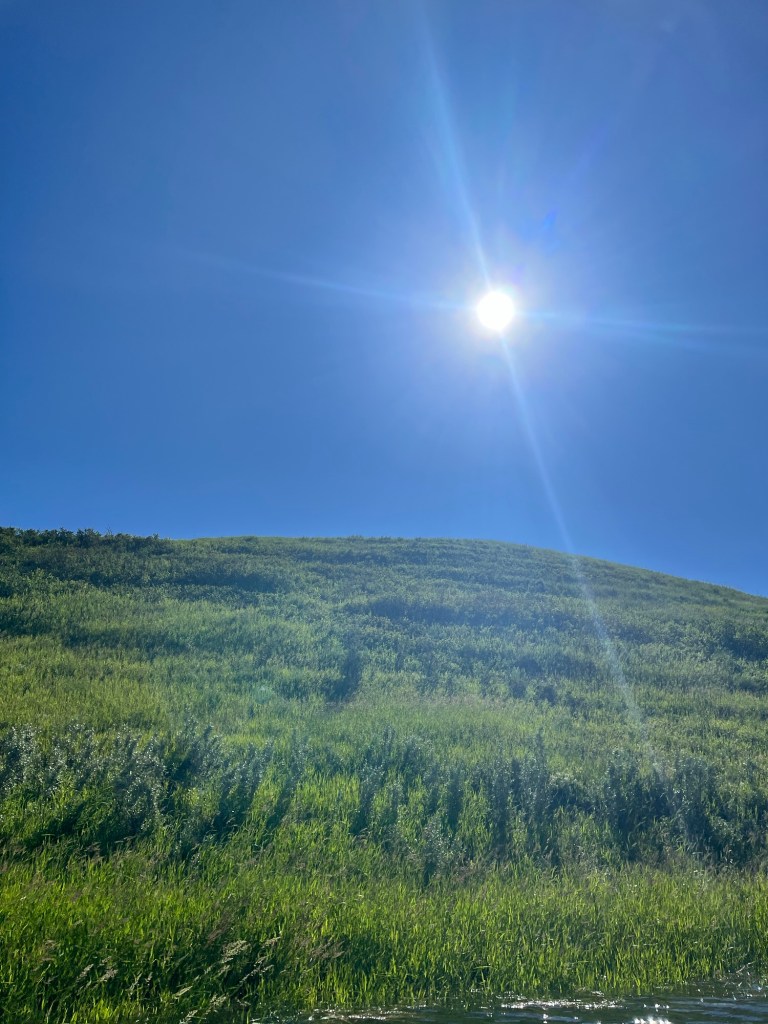
Jon Kabat-Zinn

It feels like we’re all moving through life with our shoulders somewhere around our ears. Chronic illness, fear of aging, financial stress, uncertainty, bad news on an endless loop. Some people are simply trying to get through Tuesday with enough energy to make supper 🙋‍♀️ .

It doesn’t take much to tip us over.🐄

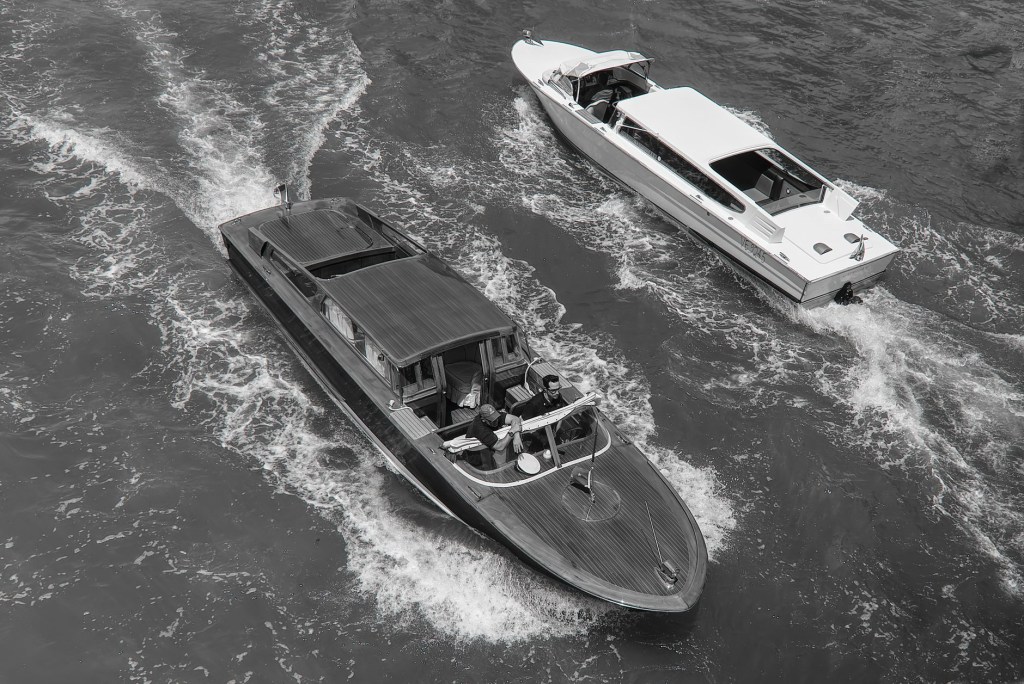
A few days ago, mine came in the form of a boat launch.

Anyone who’s spent time around a busy boat launch knows it’s a fascinating social experiment.

An overabundance of strong opinions and egos exists.

There are no rules. Written or unwritten.

Just enough ambiguity transpires, that everyone believes they’re right.

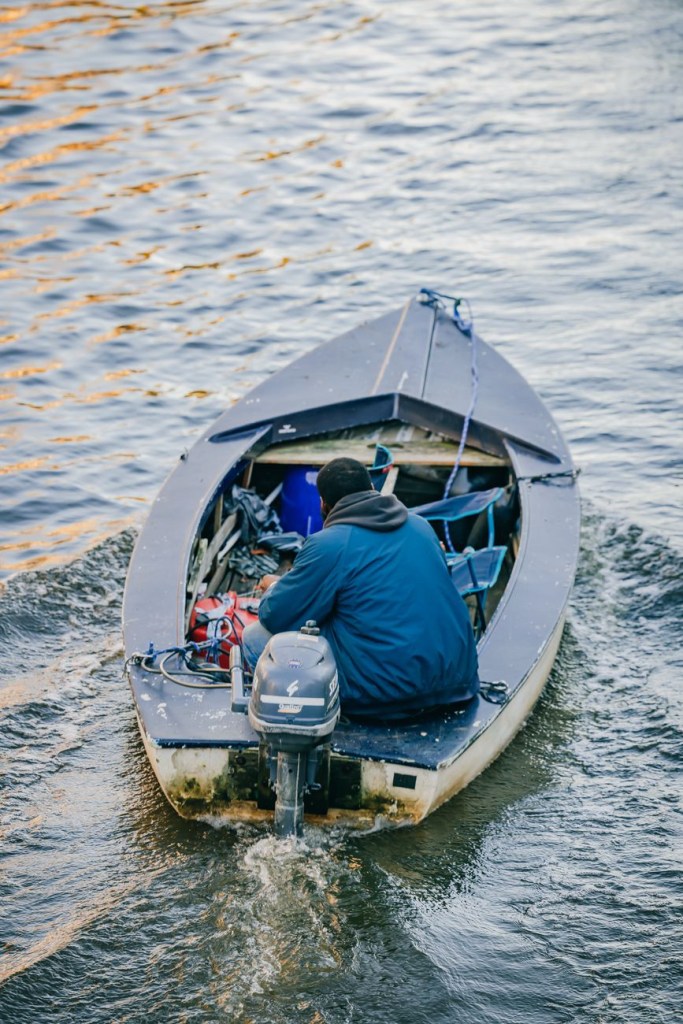
I’ve been launching boats for about fifteen years. I know the rhythm. I stay out of people’s way, wait until my truck is actually in the water before moving, and do my best to keep things safe and efficient.

Apparently one gentleman decided I’d “cut the line.”

Boat launches really do produce fascinating specimens of humanity.
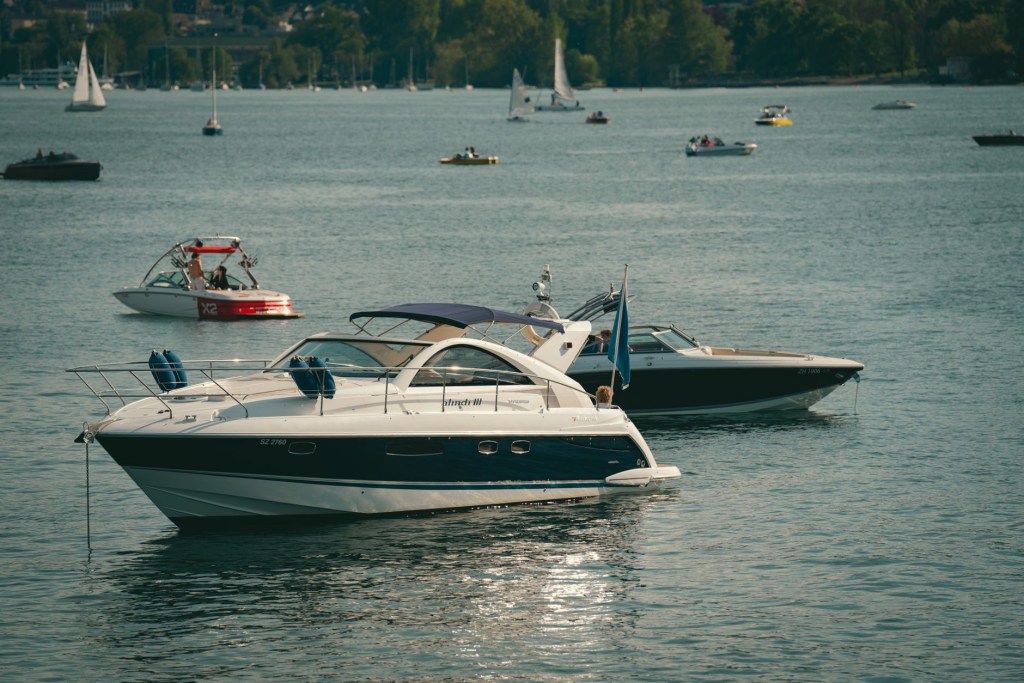
I’ve learned that confidence can be surprisingly unsettling to some people. Especially when it arrives in the form of a woman who knows how to load the boat on the trailer without making a production of it.

It’s funny how a little perceived competition can bring out our inner third-grader.

The equipment may have six-figure price tags, but occasionally the conflict resolution skills still come from recess days gone by.

When I calmly explained why I was waiting where I was. And how the process normally works. He didn’t want an explanation.

He began clapping sarcastically.

The world doesn’t just wear us down through tragedy. Sometimes it does it one sarcastic clap at a time.

Claire played by Molly Gordon in “The Bear

As he mocked me it became clear he just wanted an audience.

He got one when a couple of other boaters joined in the jeering.
I wish I could tell you I laughed it off.

Instead, my nervous system hit the panic button.

My cortisol rose faster than I can launch my boat. (I’m a pro at both.)

My heart raced. My hands shook.

My cortisol packed a lunch and settled in for two to three business days.

Several days later, I could still feel my body replaying the scene.

I think what bothers me most, at this point, is somewhere out there is a misguided soul telling the story of the woman who “cut the line” at the dock.

How people treat you is their karma, how you react is yours.

Wayne Dyer

Maybe you’ve had moments like that.

Perhaps someone says something. Misunderstands you. Treats you unfairly.

And your body reacts long after the event is over.

For those of us living with chronic illness or chronic stress, these moments don’t simply sting.

They cost us.
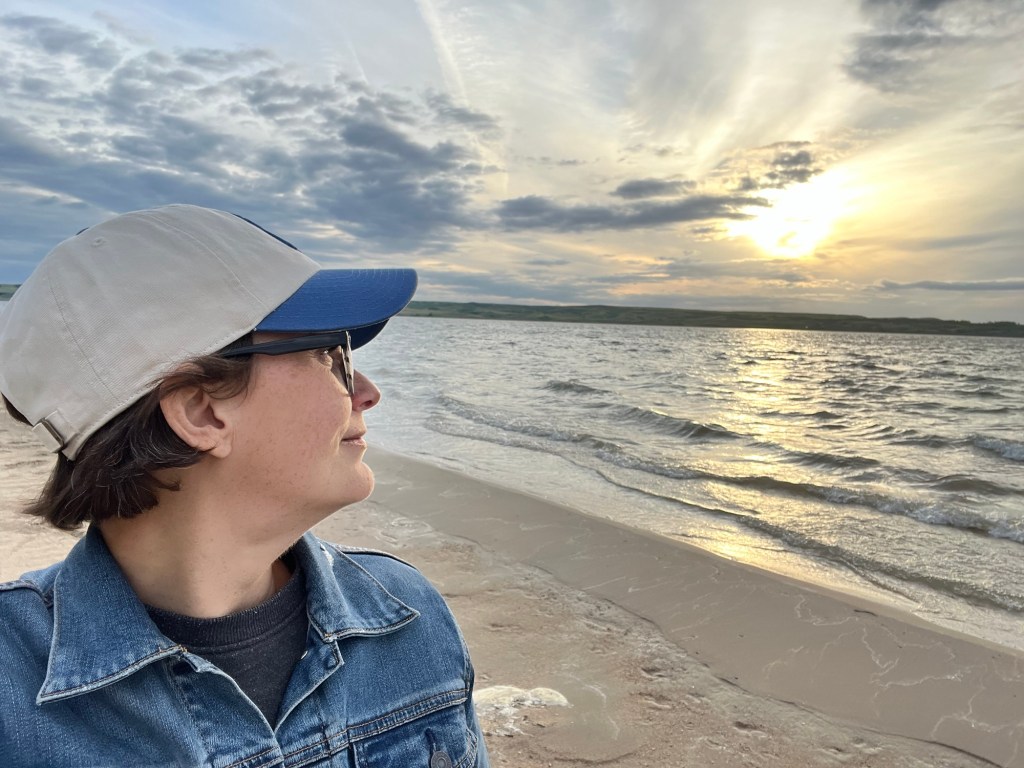
That’s why a line from a recent episode of the Untangle podcast kept coming back to me.

In Quiet Strength and Equanimity: Finding Calm in a Chaotic World,” Margaret Cullen explores how we stay peaceful in a world that often seems determined to take our peace away.

One story she shares has stayed with me.

A man is rowing through thick fog when he notices another boat heading directly toward him.

The other boat is bigger. He should have the right of way.

He shouts. No response.

He waves. Nothing.

The other boat keeps coming.

His frustration turns to anger.

Move!”

Just before the collision, he swerves.

As the fog clears, he realizes…

The boat is empty. No one was steering.

Instantly, his anger disappears.

Who was he angry with?

No one.

Since first hearing that story, I’ve asked myself this question.

Is the boat empty?

Not literally.

But is this personal?

Or am I assigning intention where there may be none?

Maybe they’re exhausted. Grieving. Terrified.

Maybe they simply don’t know any better.

Or maybe they’re carrying hurts I can’t see.

None of those possibilities excuse poor behaviour.

But they completely change where I direct my emotional energy.

Sometimes, seeing clearly dissolves the anger.

Pronoia

The opposite of paranoia. it is the belief that people or the world are secretly working in your favour. That events, people and circumstaces are somehow conspiring to help you.
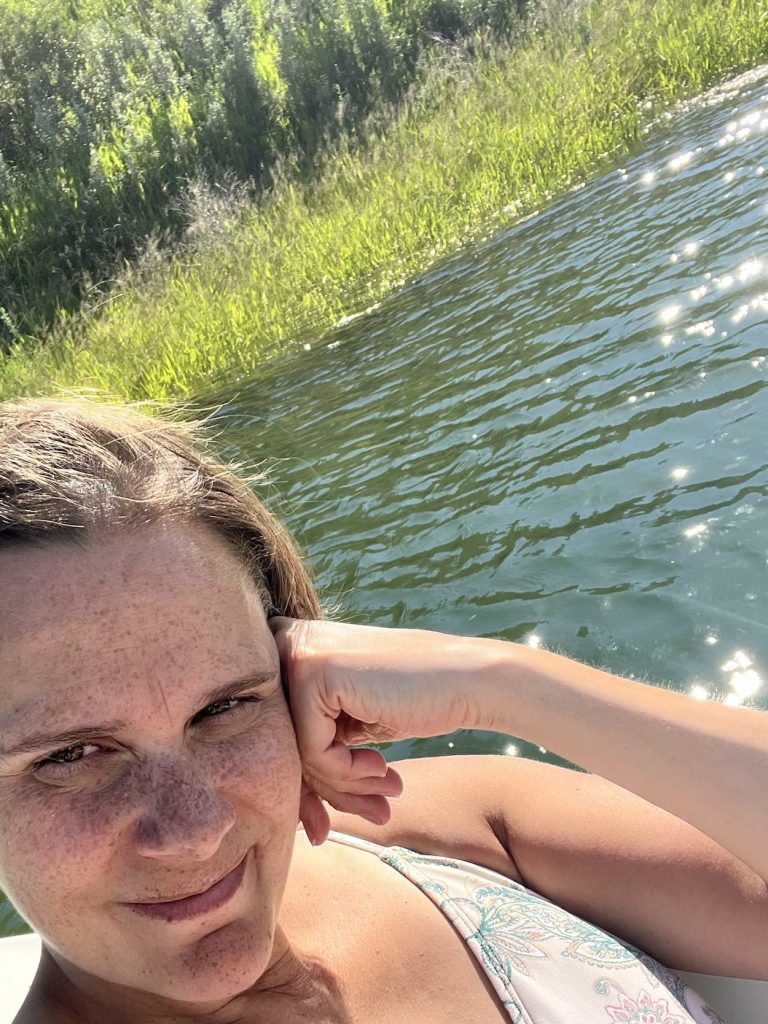
That’s different from stuffing feelings down or pretending they don’t exist.

You can’t bypass emotions.

You can’t slap a positive quote over a nervous system that’s sounding the alarm.

But sometimes the alarm quiets on its own because you suddenly realize…

There isn’t actually an enemy here.

Just another imperfect human.

When the boat is empty, compassion often becomes easier than combat.

Margaret Cullen also offers another perspective I love.

Ask yourself:

How will this feel next week? Next month? Next year?

It’s amazing how many mountains quietly shrink into molehills when viewed from a little distance.

Then she takes it even further.

She talks about astronauts experiencing the Overview Effect. Seeing Earth from space and returning with an entirely different understanding of what matters.

Imagine grandmother’s wisdom. Now multiply it by the view from orbit.

Our arguments. Our bruised egos. Our need to be right.

They suddenly become very small compared with this astonishing little blue planet we’re all sharing.

That doesn’t make our feelings unimportant.

It simply gives them context.

Another surprisingly effective tool?

Humour. Humour interrupts the story we’re telling ourselves.

We’ve all done it.

We become convinced we’ve been wronged in the most spectacular fashion imaginable.

Our spouse is over there admiring a duck while we have mentally drafted the closing argument for a trial that nobody else even knows is happening.

Sometimes all it takes is one ridiculous observation from them to break the spell.
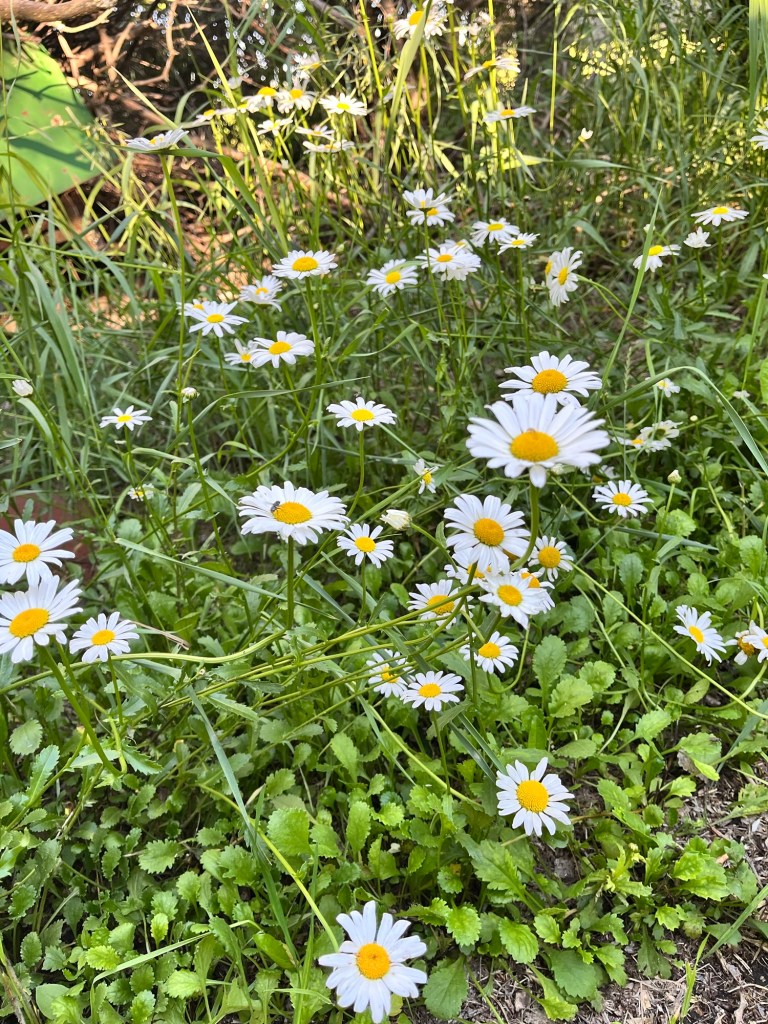
I wish I could say I found “the funny” at the boat launch.

I wasn’t there yet.

Maybe next time.

One tool that has helped me far more consistently is asking:

Am I living this moment according to my values?

Not theirs. Mine.

I can’t control sarcasm.

I can’t control mockery.

I can’t control who decides to clap sarcastically at a stranger.

But I can decide whether I respond with kindness.
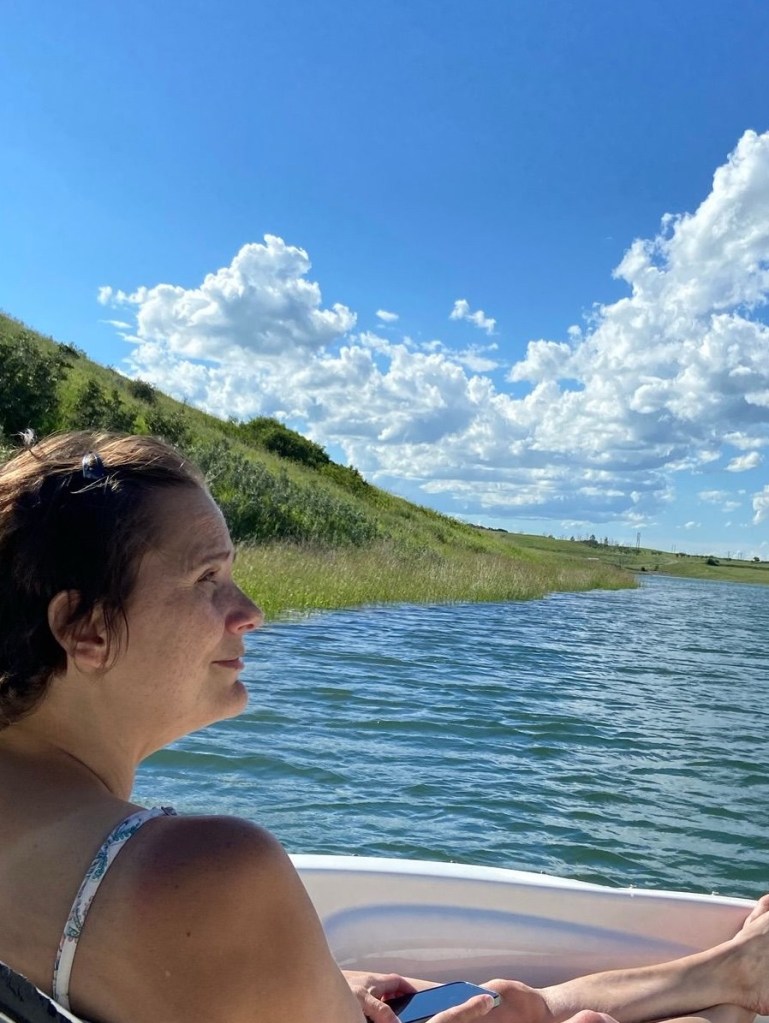
Integrity. Respect. Compassion.

Those are mine to keep.

The more our daily lives align with our values, the steadier we become.

Peace stops being something we chase and starts becoming somewhere we live.

The idea of felt safety is something we’ll explore more in the next post.

Felt safety isn’t the absence of fear.

It isn’t the absence of challenge.

It’s your nervous system recognizing that you have enough capacity to face what’s in front of you.

That you are enough.

That you can survive this moment.

Forest therapy has become one of the places where I practice exactly that.

The forest rarely requires me to react in the moment.

It stretches time. It expands perspective.
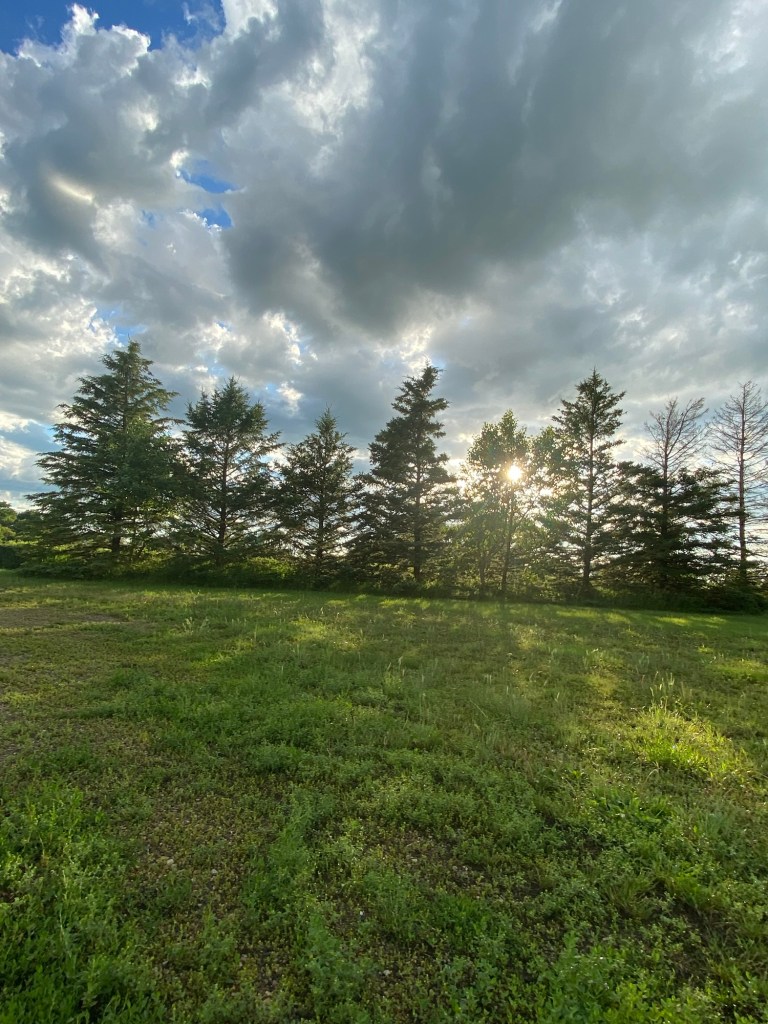
It reminds me that not everything deserves my nervous system’s full emergency response.

When someone steals my peace…

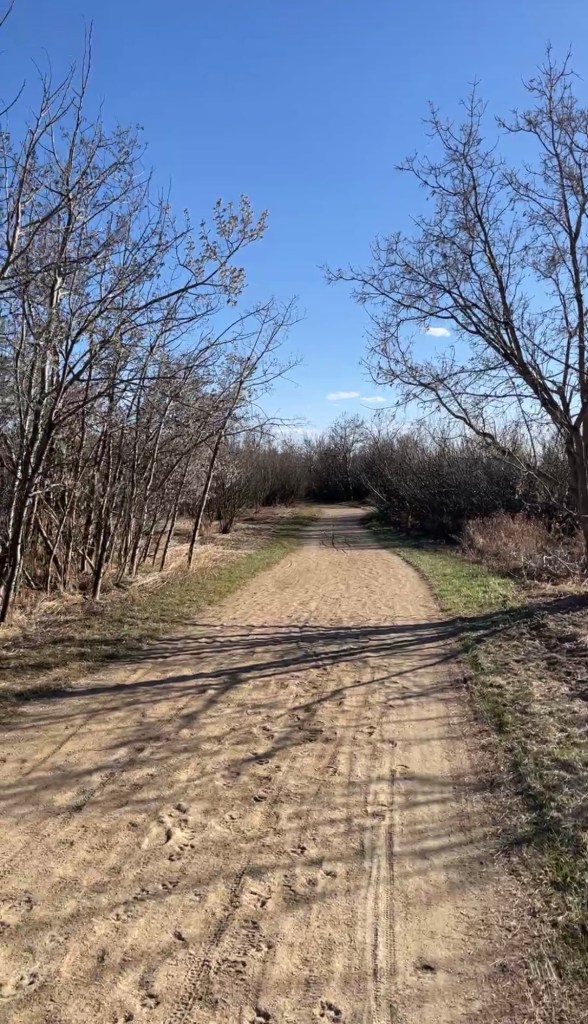
I take it to the woods.

There, I remember that I’m part of something much older than a rude exchange at a boat launch.

Much bigger than today’s frustration.

And much more beautiful than the story my anxious brain was writing five minutes earlier.

Eventually I remember that peace is a terrible thing to hand over to someone you’ve never met.
A Forest Therapy Invitation

If you’re new here and want to learn more about forest therapy and how it works, check out this page. The Gist

The next time something rattles you, resist the urge to replay it over and over.

Instead, head outside.

Find one tree that catches your attention.

Stand with it for five slow breaths.

Now ask yourself:

  • Is the boat empty?
  • Will this matter next year?
  • What would this look like from space?
  • What response best reflects my values?
  • How can I become the tenderness this moment needs?

Don’t force an answer.

Just notice what changes.
Sometimes the forest doesn’t solve the problem.

It simply reminds us that we are far bigger than it.

Forest therapy doesn’t help me escape the world. It helps me return to it without becoming like it.

Margaret Cullen ends her book Quiet Strength with words I borrow:

May each of us find a way to bring balance and tenderness to this floating world, moment by moment, drop by drop.

I can’t think of a better response to a world that is hard on beautiful things.

Let’s become one of the beautiful things that refuses to grow hard.
The world may be hard on beautiful things. That doesn’t mean beautiful things have to become hard.

Instead…

Let’s become the tenderness.

In a gentle way you can shake the world.
Mahatma Gandhi

🌲 Activating Your Vagus Nerve With Forest Therapy 🌲

If you’ve ever noticed your body relax the moment you step into a quiet natural space, you’ve already experienced the vagus nerve at work.

That shift, subtle but undeniable, is your nervous system moving out of protection mode and into restoration. It’s not ‘all in your head.’ It’s physiology.

SISNA: one who blooms in chaos; breaker of norms, lover of moonlight and quiet rebellions.

This shift is something we can intentionally support through forest therapy.

What Is the Vagus Nerve?

Have you ever noticed your body doing that thing where it’s technically relaxed but also ready to fight a bear or answer emails (same energy.)

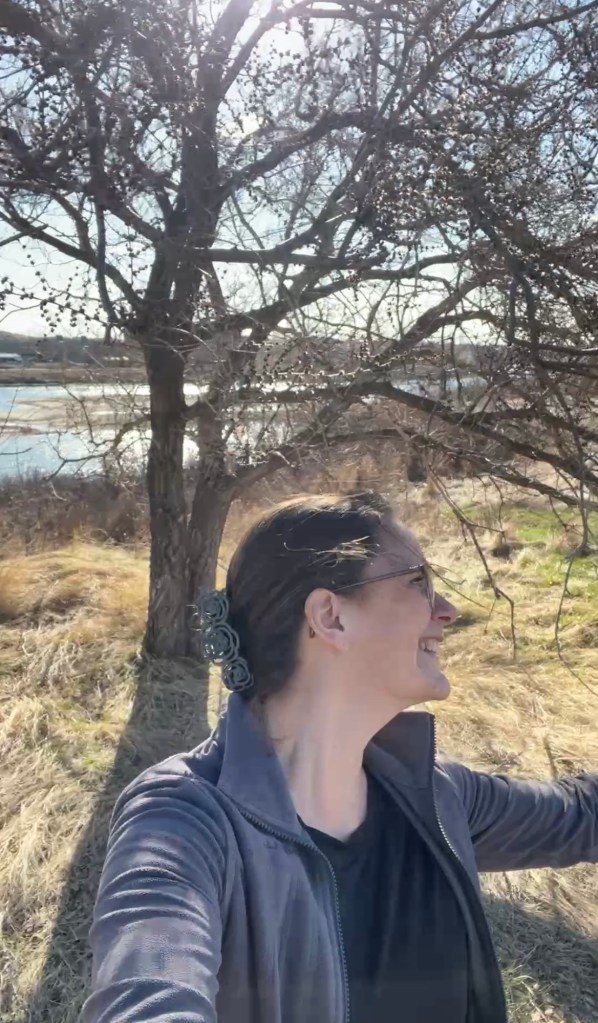
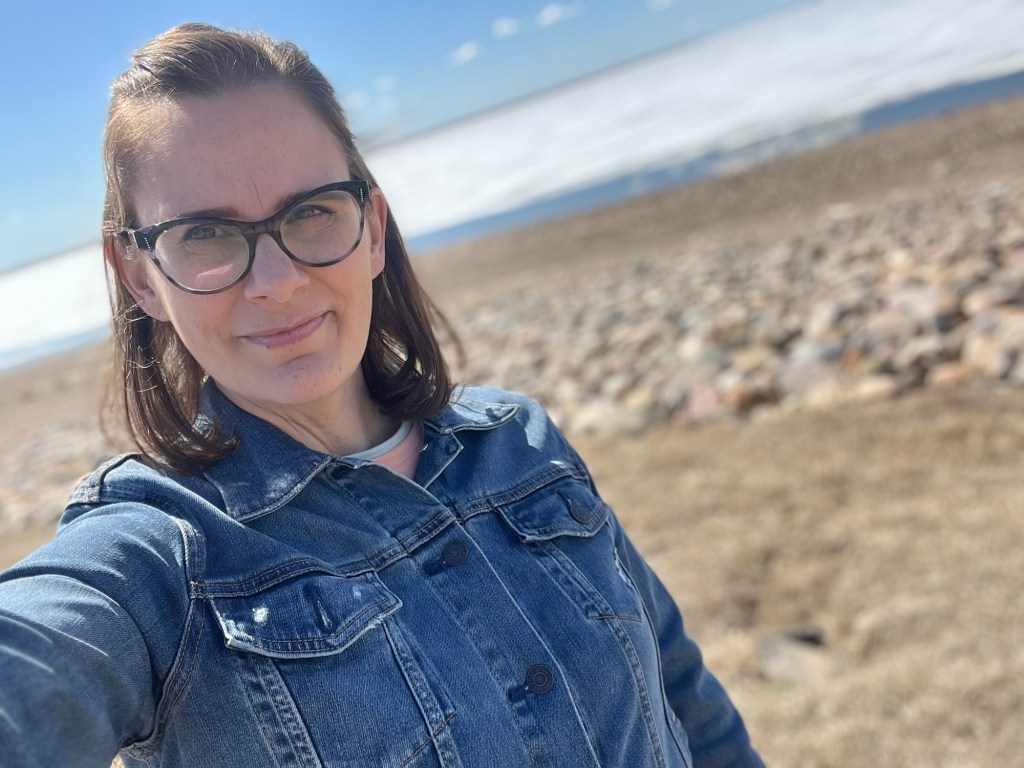
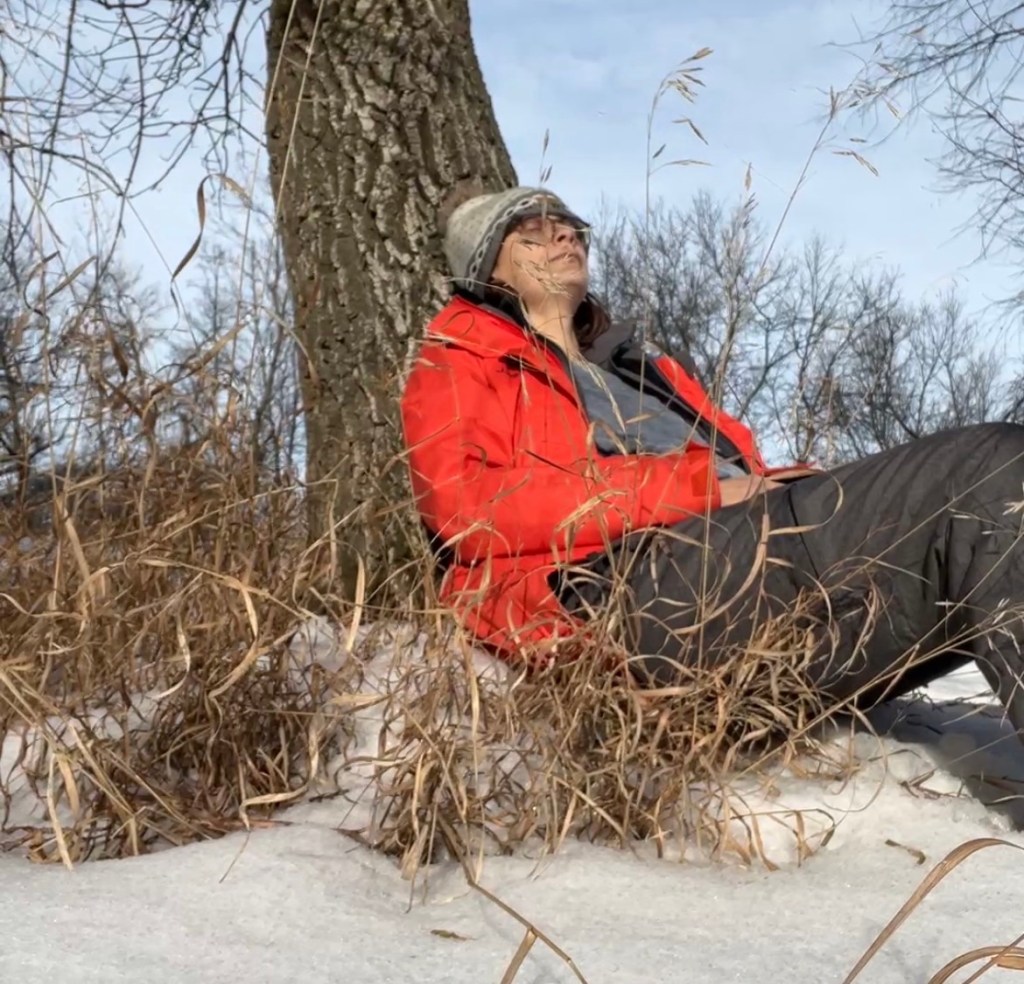
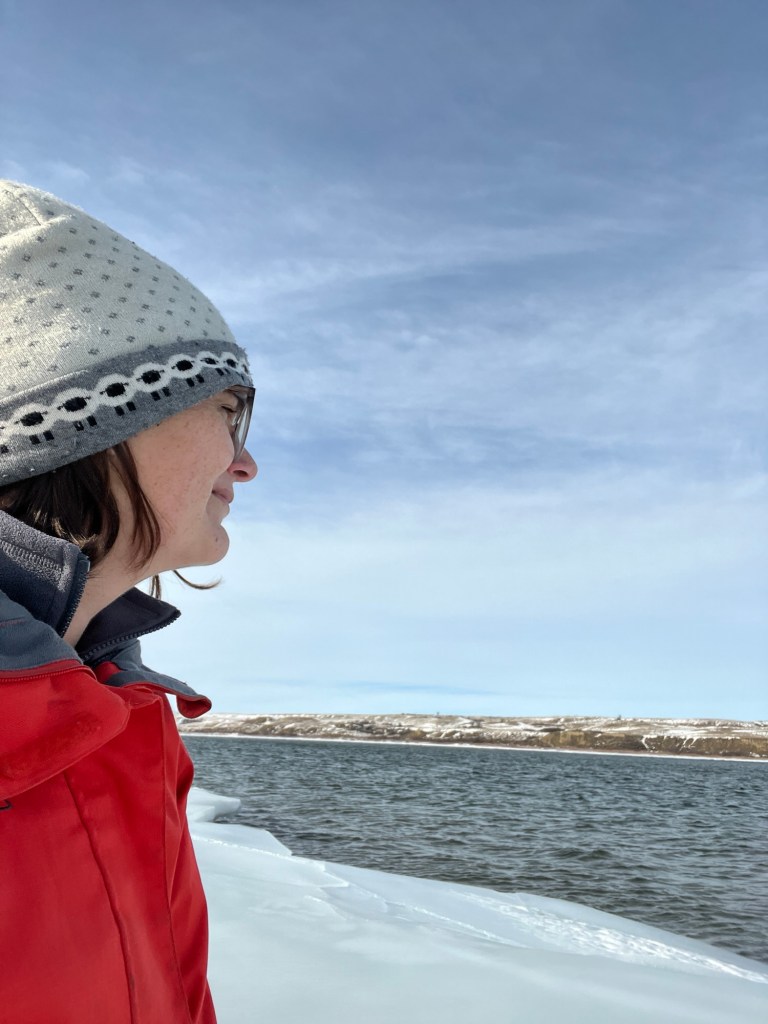
I lived here for years. Me 👇🏼.

I needed to understand the following information to move out of it.

The vagus nerve is the longest cranial nerve in your body, running from your brainstem down through your face, throat, heart, lungs, and into your digestive system. Its name comes from the Latin word vagus, meaning “wandering.” A fitting description for a nerve that touches so many systems.

But its true importance lies in what it does.

The vagus nerve is the main highway of your parasympathetic nervous system. The branch responsible for rest, repair, digestion, and healing. 

If your nervous system had a group chat, the vagus nerve would be the one constantly saying, ‘Hey guys… maybe we’re okay?’ 🤷‍♀️ 

When your vagus nerve is activated, your body shifts out of survival mode and into a state of safety.

Heart rate slows. Muscles release. Inflammation decreases. Digestion improves. And perhaps most importantly, your brain receives a message. It is safe enough to stand down. 

But living with chronic pain and receiving that signal clearly, is comparable to listening to my grandkids’ secrets. 49% air, 50% spit and 1% information. (Toddler secrets are the best 💕)

I only hear about 1% of what they are saying. Similarly, only 1% of that parasympathetic signal was getting through my system.

So the question is, how does one fully activate that vagus nerve to allow the free flow of that signal? The equivalent of interrupting the air and blocking the spit? 😷 So the message can be clearly sent and secured.

Regulation is not forced. It is invited.

An Overactive Detector

Growing up, we had one smoke detector in our old farm house. It was conveniently located in one of the entrances to the kitchen. Beside the stairway leading to the upper level. Where all the hot air travelled. 

You can probably guess what happened every time we burned toast. Or overcooked anything. Or opened the oven after something spilled in there. 

That overly sensitive smoke deterctor was great in theory. But in practice it did more harm than good. 

Before checking if there was an actual emergency, family members would rush to grab the tea towel and shoo the smoke away. 

Focusing on the alarm. More than what the alarm was trying to say. 

Chronic pain is not just about injured tissues or structural problems. It is deeply intertwined with the nervous system. Especially when that system has been stuck in a prolonged state of vigilance. Forever running for the tea towel. 🏃‍♀️ 

When the vagus nerve is underactive (or when sympathetic “fight or flight” dominates), the body remains on high alert. Over time, this can:

  • Heighten pain sensitivity
  • Amplify inflammation
  • Disrupt sleep and recovery
  • Keep muscles in a semi-contracted, guarded state

Pain, in this context, becomes less about damage and more about protection.

Your nervous system is trying (often overzealously) to keep you safe.

The goal is not to force the pain away, but to gently teach the body that it is safe enough to soften its defenses.

A regulated body tells a different story than a protected one.

-Brittany McBride

And this is where the forest becomes more than scenery.

Why Nature Activates the Vagus Nerve

Your nervous system did not evolve in traffic, under fluorescent lighting, or in the constant hum of notifications. 

{Does anyone else feel like they constantly have 17 tabs open? One of them was really important but you can’t find it anywhere?}

Your nervous system evolved in relationship with the natural world.

When you step into a forest and begin to truly engage your senses, several things happen:

  • Your eyes relax as they take in natural, fractal patterns
  • Your ears shift from sharp alertness to soft, ambient listening
  • Your breath deepens in response to clean, oxygen rich air
  • Your body attunes to slower, more rhythmic stimuli

This sensory immersion signals to the vagus nerve that the environment is safe.

Not logically safe. But felt safe.

Your body is not working against you—it’s working overtime for you.

Brittany McBride

The forest offers consistent, non-threatening input. No pop ups. No deadlines.

No one asking if you’ve ‘just tried stretching.’ 🤦‍♀️ Saints preserve us! Bless them for trying. 

Suggested cheeky replies:

“You have such a unique way of understanding things.”

“I’m surprised you feel comfortable enough to say that out loud.”

And then come back to presence. Presence is the language of the vagus nerve.

A Forest Therapy Practice:

Sensory Immersion for Vagal Activation

This is a simple, gentle practice you can do in any natural setting. A forest, park, or even your backyard.

The Invitation: “Let the Forest Meet Your Senses”

  1. Arrive Slowly– Stand or sit comfortably. Notice your feet on the ground. No need to change anything, just arrive.
  2. Sight (Soft Eyes)– Let your gaze widen. Instead of focusing on one object, allow your eyes to take in the whole scene. Notice colors, light, and movement without labeling them. Let your eyes receive, rather than search.
  3. Sound (Layered Listening)– Close your eyes if it feels safe. Notice the closest sound… then the farthest… then everything in between. Birds, wind, distant traffic, your own breath. You are not trying to identify, just to hear.
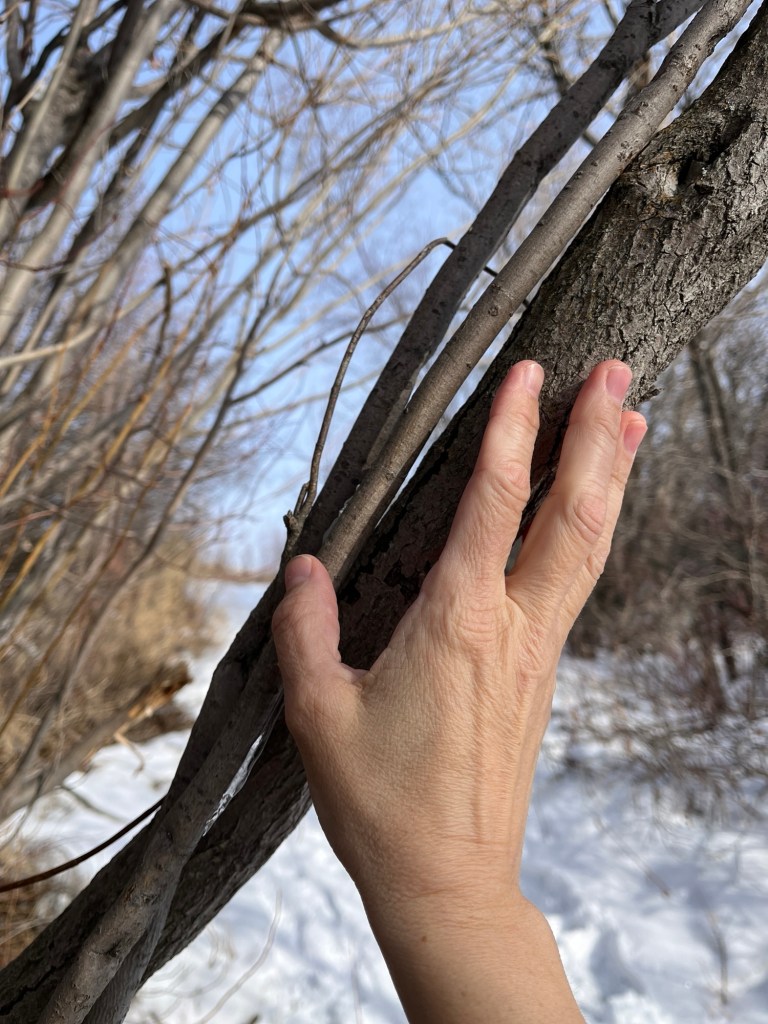
  4. Touch (Contact Points)– Bring awareness to where your body meets the world. Feet on earth. Air on skin. Clothing against your body. If you feel drawn, touch something natural. A leaf, bark, stone. Let the contact be mutual. You are touching, and being touched.
  5. Smell (Subtle Scent)– Inhale gently through your nose. Notice any scent, earthy, fresh, faint, or even absent. There is no need to “find” anything. Simply notice what is.
  6. Breath (Unforced)– Finally, bring awareness to your breath. Let it be exactly as it is. Often, by now, it has already softened.

Stay here for 5–15 minutes. No goal. No outcome to achieve. Just sensory conversation.

Stillness is not empty—it is full of signals your body understands.

-based on teachings of Eckhart Tolle

The Genius Behind This Approach

This practice engages multiple sensory pathways simultaneously in a non-threatening environment. This combination is particularly powerful for vagal activation because it:

  • Interrupts repetitive thought loops
  • Anchors attention in the present moment
  • Provides steady, predictable sensory input
  • Encourages a shift from “doing” to “receiving”

Over time, these experiences build what is called vagal tone. Your nervous system’s ability to return to a state of calm after stress.

And with improved vagal tone, the body becomes less reactive… and more resilient.

The Paradox of Stillness

There are people who don’t experience stillness as calming.

For them, slowing down can actually make things feel worse. The moment the body stops, tension rises. Pain becomes louder. The nervous system, so used to staying a step ahead, interprets stillness as vulnerability rather than safety.

I’ve walked with someone like this before, someone whose body trusted movement far more than pause.

So we didn’t begin with stillness. 

We began with gentle movement. Walking slowly, letting the rhythm of steps create a sense of predictability. Just enough awareness to stay connected, but not so much that it tipped into overwhelm.

Over time, the environment began to do what it does best. Quietly influencing the pace. The quality of light, the steadiness of the trees, the soothing sounds of water. Just inviting. Nothing rushed.

Eventually, there was a natural moment to pause.

Not imposed. Not held too long. Just a brief stop in a place that felt neutral enough.

What stood out wasn’t what happened, but what didn’t.

The expected spike in tension didn’t arrive right away.

And in that small gap between what the body anticipated and what it actually experienced, there was space for something new.

Not relief, exactly.

But possibility. Hope. 

Later, what they recognized wasn’t just the moment itself, but the pattern behind it. The way their body had learned to brace in advance, not just in response. (The run for the tea towel!)

That awareness didn’t erase the pain.   

But it introduced a different relationship to it.

This kind of experience doesn’t feel like much until you realize your body stopped arguing with itself. And when you’re used to those arguments lasting 2-3 business days, the silence is sweetly deafening. 

And when the nervous system experiences even a brief interruption to its usual pattern, it begins to update its expectations.

And that’s where change begins. Not in dramatic shifts, but in quiet moments where the body realizes:

this isn’t unfolding the way I thought it would.

It’s better.

Thoughts to Take with You

The vagus nerve does not respond to force.

It responds to safety.

And safety is not something you can think your way into—it is something you feel your way into.

The forest, in its quiet wisdom, offers exactly that. No effort required. (Which, depending on your personality, may be the hardest part.)

In every walk with nature, one receives far more than he seeks.

John Muir

Not because the forest fixes you.

But because it reminds your body of something it has always known.

How to come back to itself.

The Influence of Non-Judgmental Awareness: Mending the Nervous System

There is always in February some one day, at least, when one smells the distant, but surely coming, summer.

-Gertrude Jekyll

If you’ve ever tried to “think positive” while your body is screaming, you already know who wins.

Pain wins. Exhaustion wins. A nervous system on red alert wins. Any pep talk given to said nervous system is bringing a Post-it note to a tornado.

And then we blame ourselves! Because obviously the problem is a personal moral failure, not a human being a human.

In forest therapy, we take a different approach. We don’t try to out-think the body. We learn to listen to it without judgment. In doing so, the body finally gets what it has been asking for all along. Safety.

Biology’s Rebellion: The Dangers of Overriding Nature

Many people living with chronic pain think they should be able to cope better.

They should be stronger.

They should push through.

They should be more grateful it’s not worse.

But here’s a humdinger of a thought. When your body is sending powerful distress signals, your conscious mind has very little leverage.

The attempt to escape from pain is what creates more pain.

Gabor Maté

Neill Williams, on the Success Genius Podcast, explains it beautifully. When you are hungry, exhausted, or in pain, your biology overrides your attempts to think or feel differently.

The vagus nerve, your internal communication highway, links brain, heart, lungs, digestion, and the stress response. If that system is dysregulated, focus, creativity, decision-making, and connection all suffer.

Your body is a boundary of your soul. Treat it with care.

Jean Shinoda Bolen

As I’ve said before. This isn’t a motivation problem. It’s a nervous system problem.

And until the body feels safer, it will keep turning up the heat.

Rushing: The Trap That Keeps Us in Survival Mode

There is more to life than increasing its speed.

Ghandi

I dare say, we hurry through the day, override our limits, stay stimulated late into the night, fall into bed, wake up feeling four days past our bedtime, and repeat.

Then we wonder why our system is constantly braced for danger. We keep hitting refresh on the same nervous system and expecting a software update.

From a survival perspective, it makes perfect sense. Nothing in that cycle signals “You can stand down now.”

So the body continues to send messages. And they are rarely gentle. Whispers don’t usually create change. Pain often does.

To pay attention, this is our endless and proper work.

Mary Oliver

“I Would, But I Simply Can’t.”

I often hear how wonderful forest therapy sounds.

I wish I could. Maybe someday. When life calms down.

But healing asks for time. Attention. Slowing down. Repetition.

Until then, forest therapy remains a lovely idea instead of lived remedy.

Word to the wise. Your body will keep requesting the appointment. It has an unlimited follow-up policy and will keep calling until someone answers.

If you don’t schedule a break, your body will take one for you, and it probably won’t be at a convenient time.

-Unknown

The Remarkable Power of Non-Judgmental Awareness

Here is where the shift happens.

When we practice noticing sensations without evaluating them, we step out of the inner fight.

Instead of:

  • This is bad.
  • Why am I like this?
  • I should be better.

(There are no gold stars for hating life correctly)

We try:

  • Warmth
  • Tightness.
  • Pulsing.
  • Cool air on my cheek.

No argument. No story.

Judgment activates defense. Awareness invites regulation.

The nervous system reads neutrality as safety.

The organism knows.

Eugene Gendlin

Nature: The Ultimate Stage for Inspiration

The forest is a masterclass in non-urgency.

Nothing is asking you to be different.

Everything belongs. You. Belong.

Research into nature exposure consistently shows reductions in cortisol, blood pressure, muscle tension, and rumination.

But experientially, I’ve seen something even more important. People soften. Attention and breathing widens.

The body begins to renegotiate its alarm state.

Nature provides gentle sensory anchors. Light, texture, birdsong, air movement. These allow awareness without overwhelm. For someone with chronic pain, this is crucial. We are not adding more intensity; we are expanding capacity.

Astravore: (n) A soul that keeps feeding on hope even after disappointment- light-hungry, resilient, unbreakable. -ViviJan

You are larger than what is happening to you.

Michael Singer

Silencing the Alarm: A Lesson in Balance

Imagine a car alarm that has been blaring for years.

You wouldn’t yell affirmations at it and tell it to be quiet.

You would look for the threat it thinks it perceives.

Non-judgmental awareness in nature is how we open the hood.

Each calm moment says, “No one is breaking in right now.”

Over time, the alarm system recalibrates.

My Story

I’ve experienced moments in my forest therapy practice when I wanted to do it all perfectly. To follow all the “right steps.”

When I go in with this focus I notice the pain is still there. The frustration is still there. I start thinking about all the years of pain I have ahead of me. Of financial strain. And the weight it adds to every relationship.

Then I remember to just breathe. Focus on today. Right. Now.

I start to feel the breeze on my face and hear it making its way through the trees around me. I sense the solid earth beneath me.

The pain does not vanish. But it’s not the only voice anymore. It has just been hogging the microphone in my head. 🎤 🤫

There is support available here whenever I need it. In the birds and the trees and the solid ground. This may sound odd. But this shift in thinking moves the pain inside a larger field of safety.

This is regulation. I just keep coming back to it.

The best way out is always through.

– Robert Frost

A Gentle Invitation to Explore

  1. Find something in nature that feels steady. A tree, a rock, the shoreline.
  2. Let your eyes rest there.
  3. Now widen your awareness to include three additional sensations that are neutral or pleasant.
  4. Move back and forth between the discomfort and the wider field

    You are teaching your nervous system that pain can exist without emergency.

    Do this regularly and the vagal pathways that support calm begin to strengthen.

    Don’t just do something, sit there.

    Sylvia Boorstein

    The Real Result: Persistence in Life

    When regulation improves, people often notice clearer thinking, better sleep, and easier connection. Not because they forced positivity, but because their biology finally cooperated.

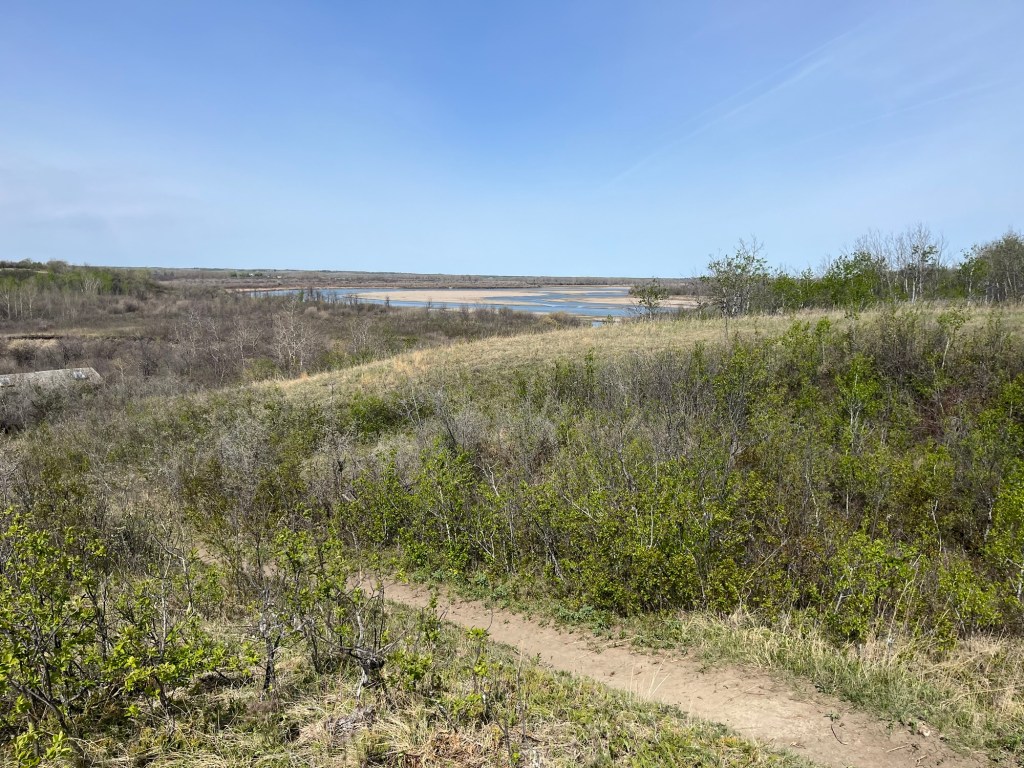
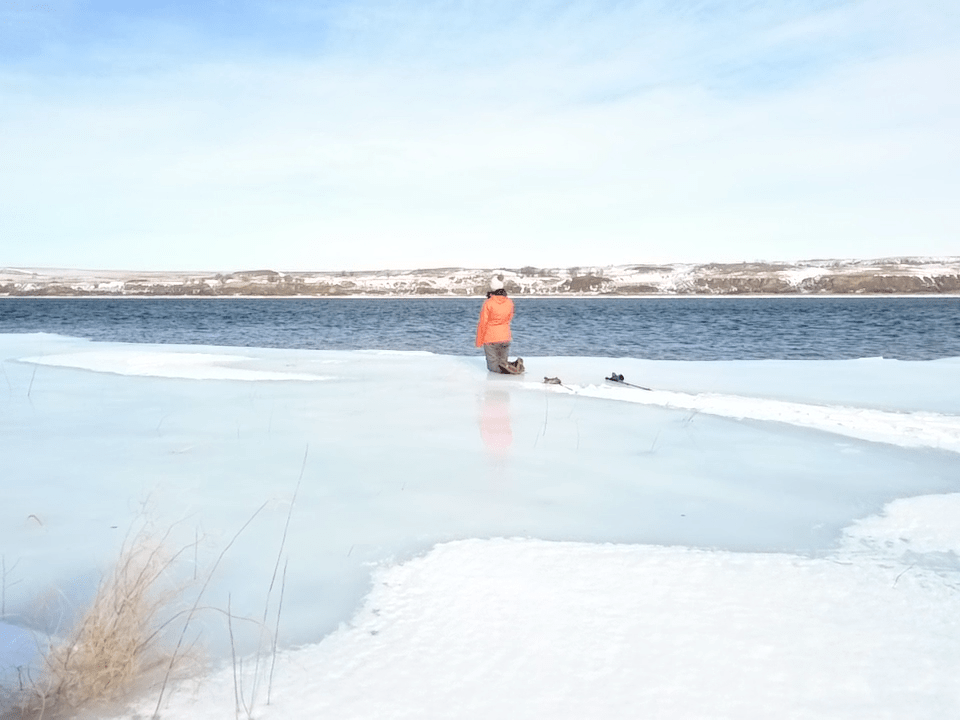
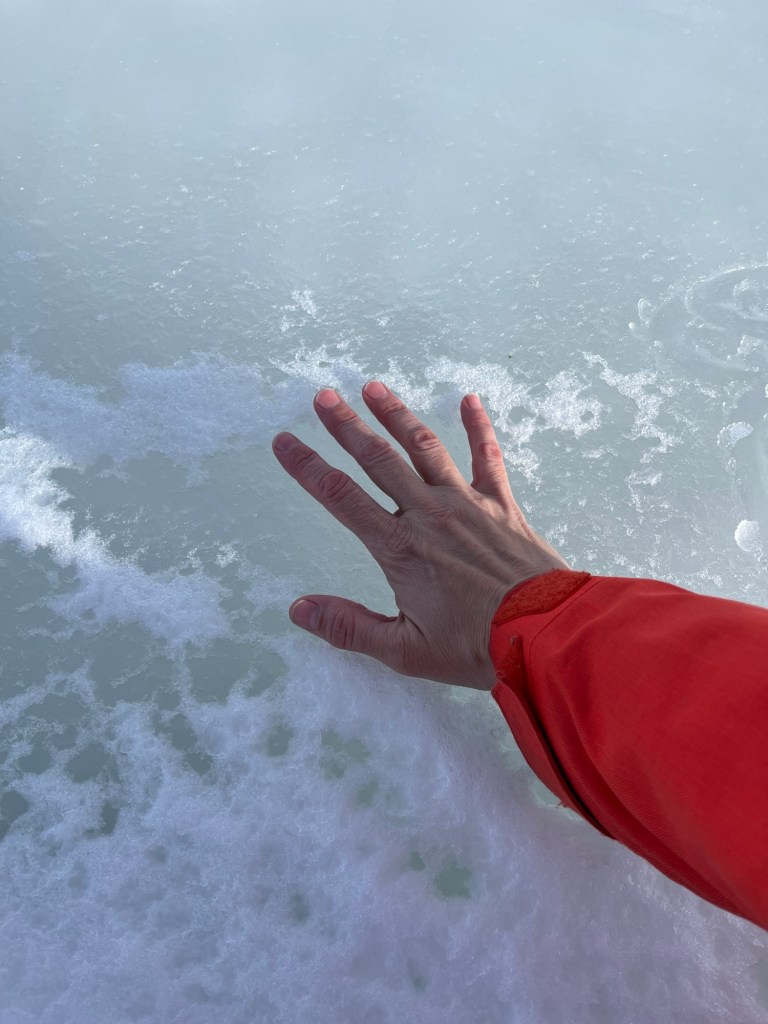
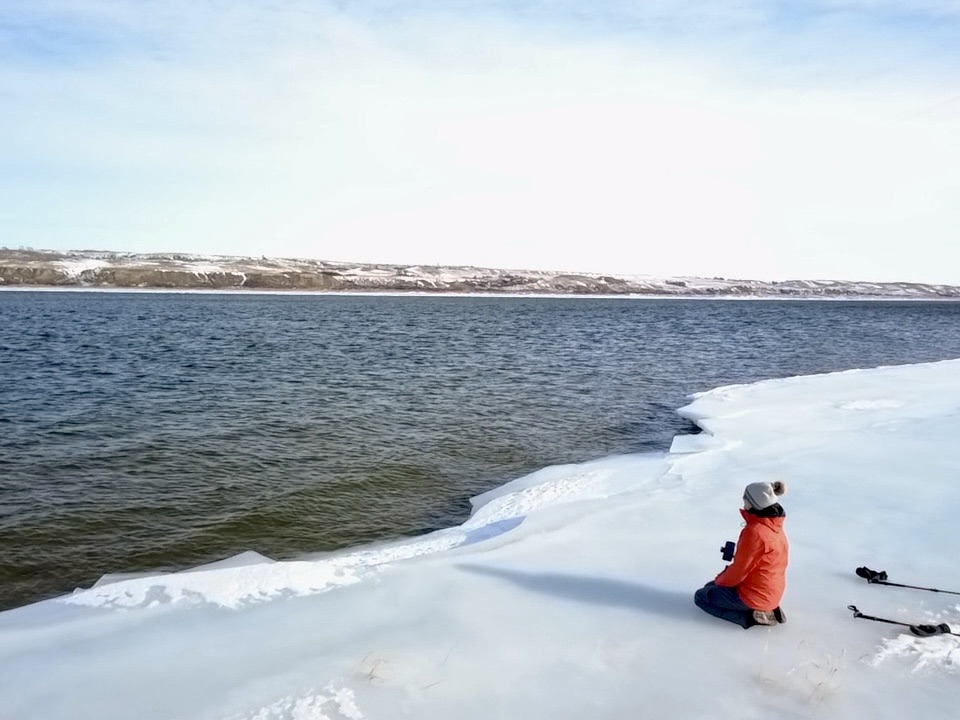
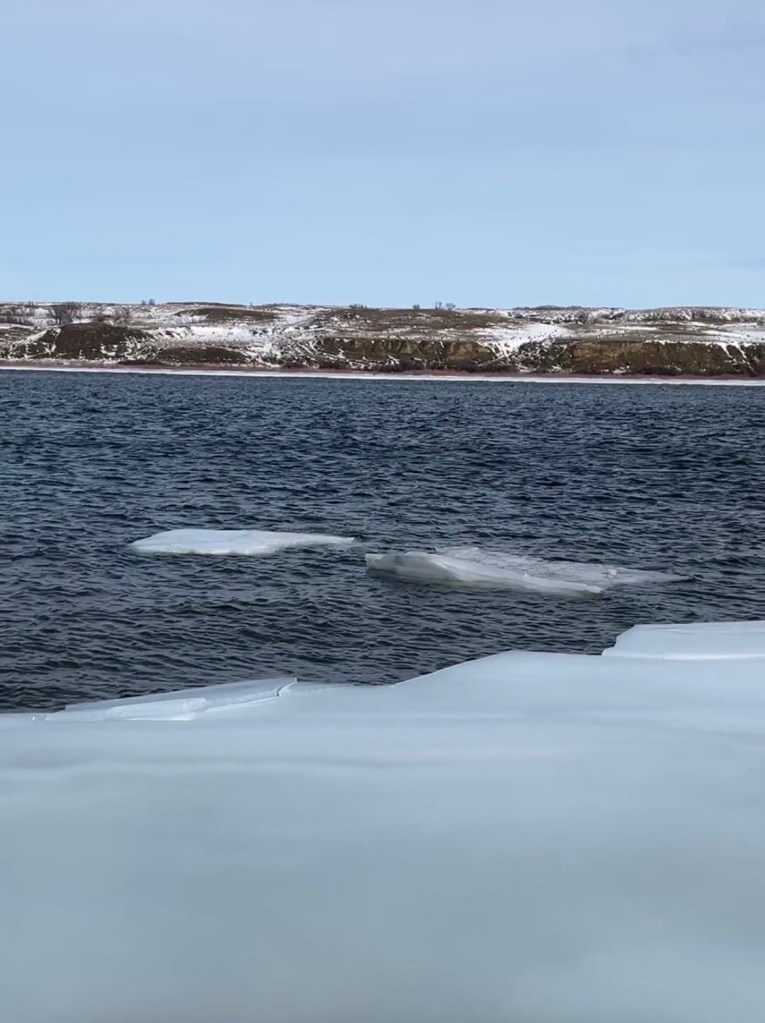
    You are no longer fighting upstream. You are being carried. Like these little bitty icebergs I watch on the river. Floating by. 👇

    The Closing “Peace”

    If we keep living in a way that ensures the alarm stays active, nothing changes.

    But when we make space, even small, consistent space for non-judgmental sensory awareness in the forest, the body hears something new.

    I’m safe. I can soften. I don’t have to shout today.

    And maybe, that is where my healing lingers. I just have to take time away, to meet it there.

    The body always leads us home… if we can simply learn to trust sensation and stay with it long enough for it to reveal appropriate action.

    -Pat Ogden

    Take care, my friends. I leave you with these February thoughts that gave me a little chuckle:

    My February workout plan is mostly just shivering until my muscles get tired.

    Love is in the air this February, but so is the flu, so please stay back.