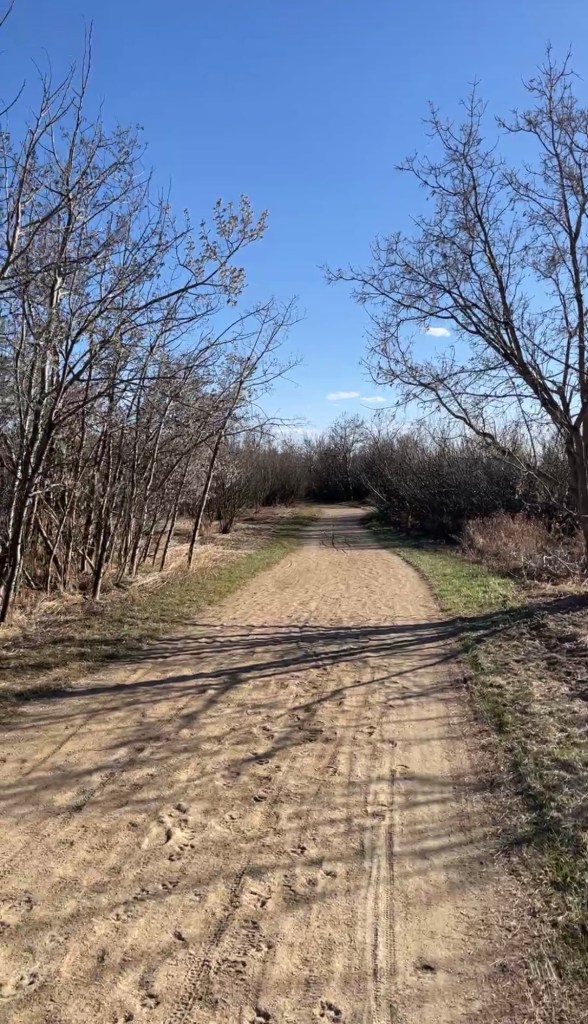
🌲 Activating Your Vagus Nerve With Forest Therapy 🌲

If you’ve ever noticed your body relax the moment you step into a quiet natural space, you’ve already experienced the vagus nerve at work.

That shift, subtle but undeniable, is your nervous system moving out of protection mode and into restoration. It’s not ‘all in your head.’ It’s physiology.

SISNA: one who blooms in chaos; breaker of norms, lover of moonlight and quiet rebellions.

This shift is something we can intentionally support through forest therapy.

What Is the Vagus Nerve?

Have you ever noticed your body doing that thing where it’s technically relaxed but also ready to fight a bear or answer emails (same energy.)

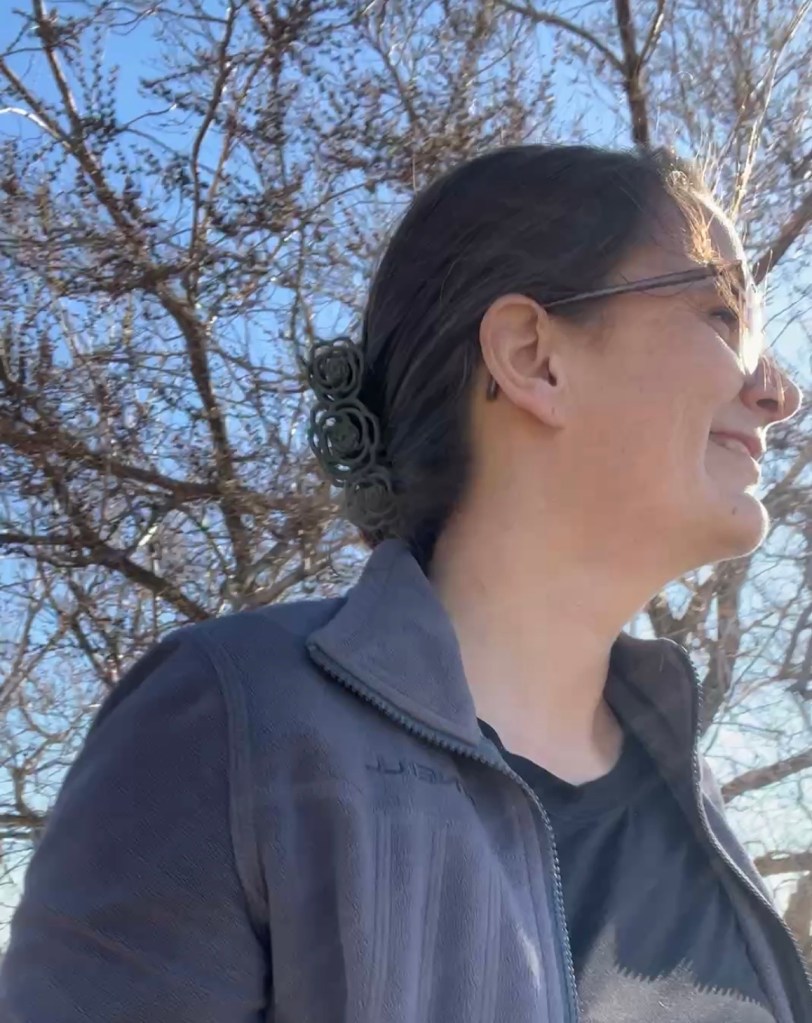
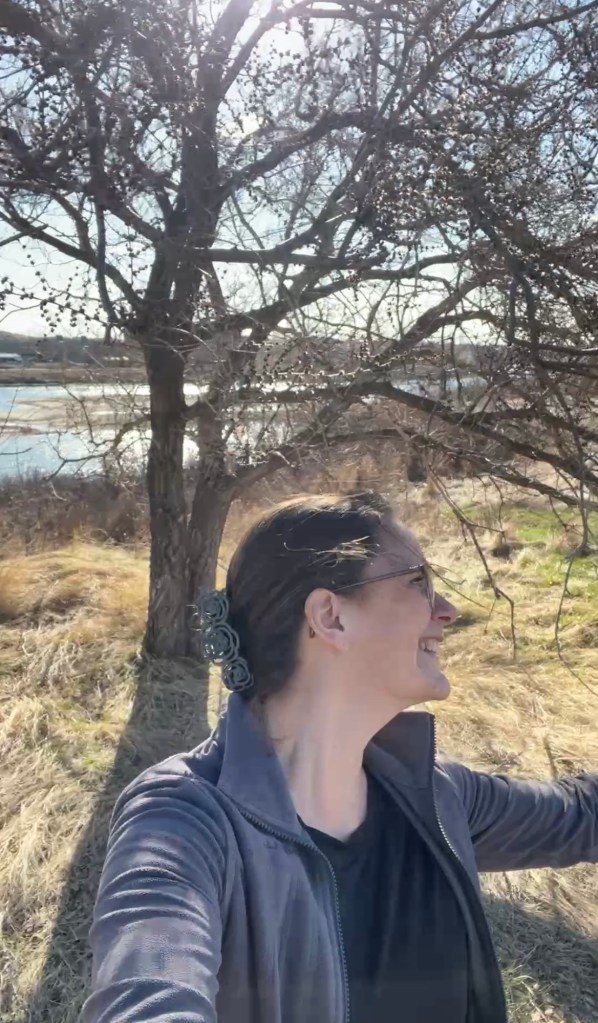
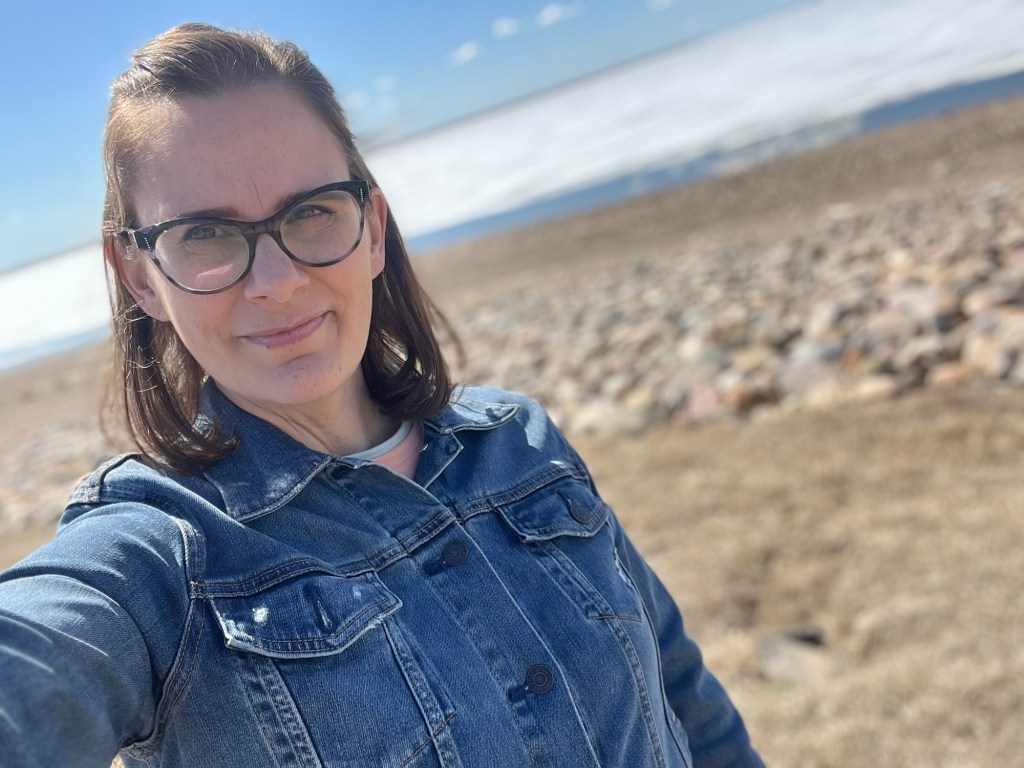
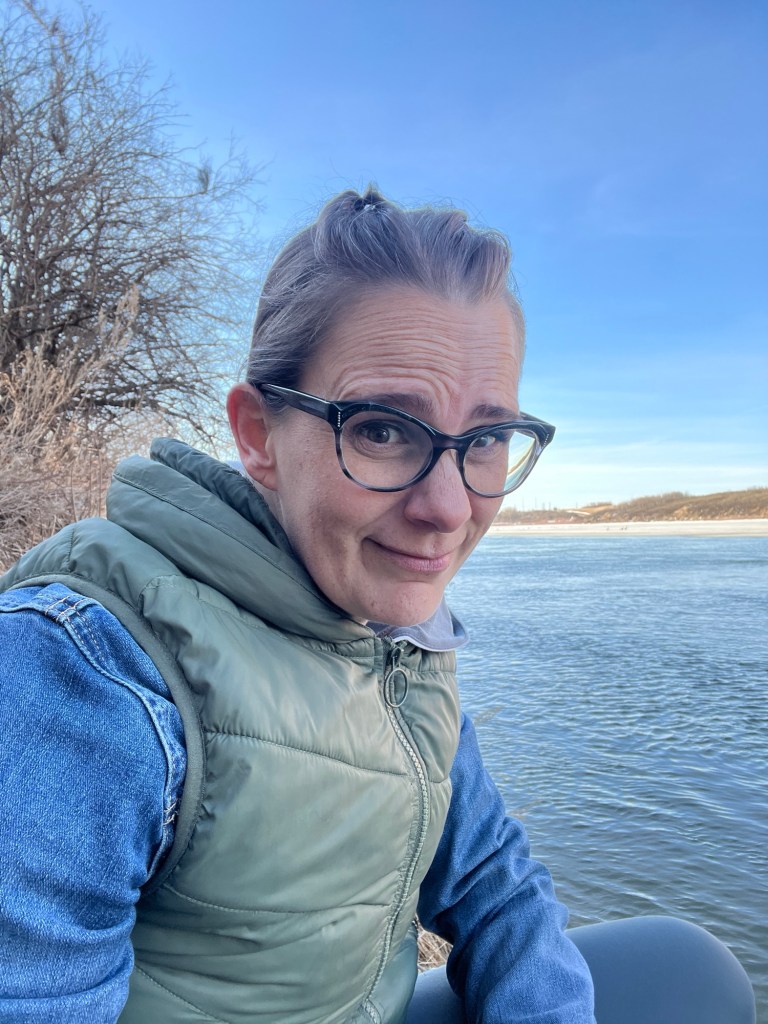
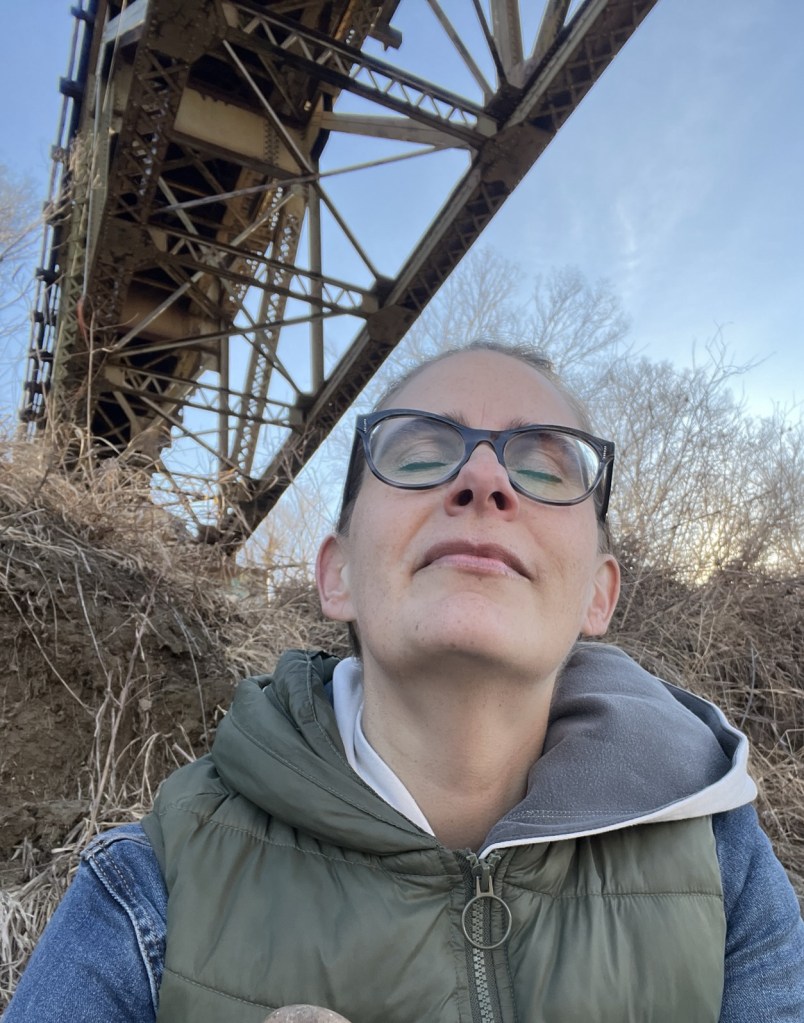
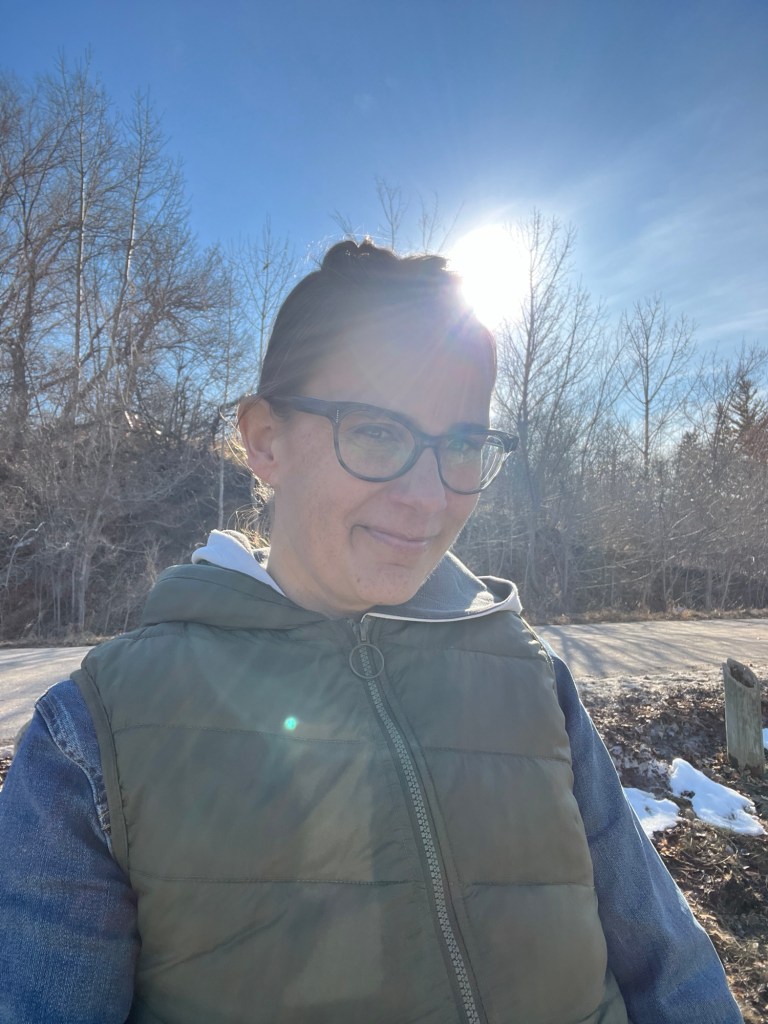
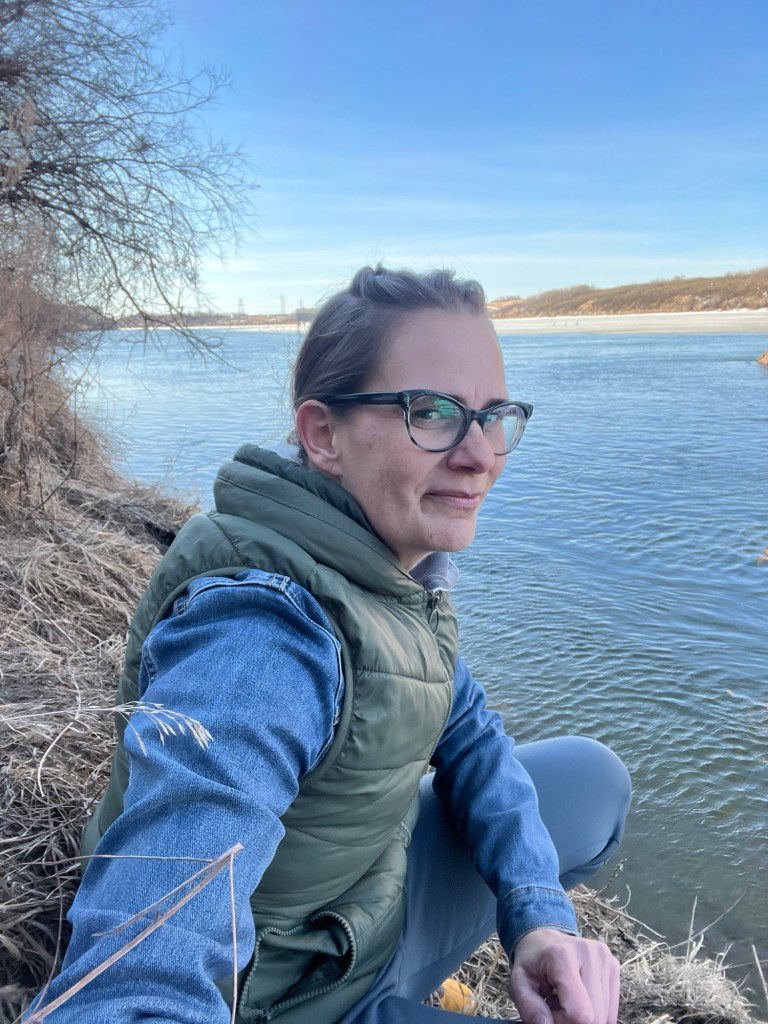
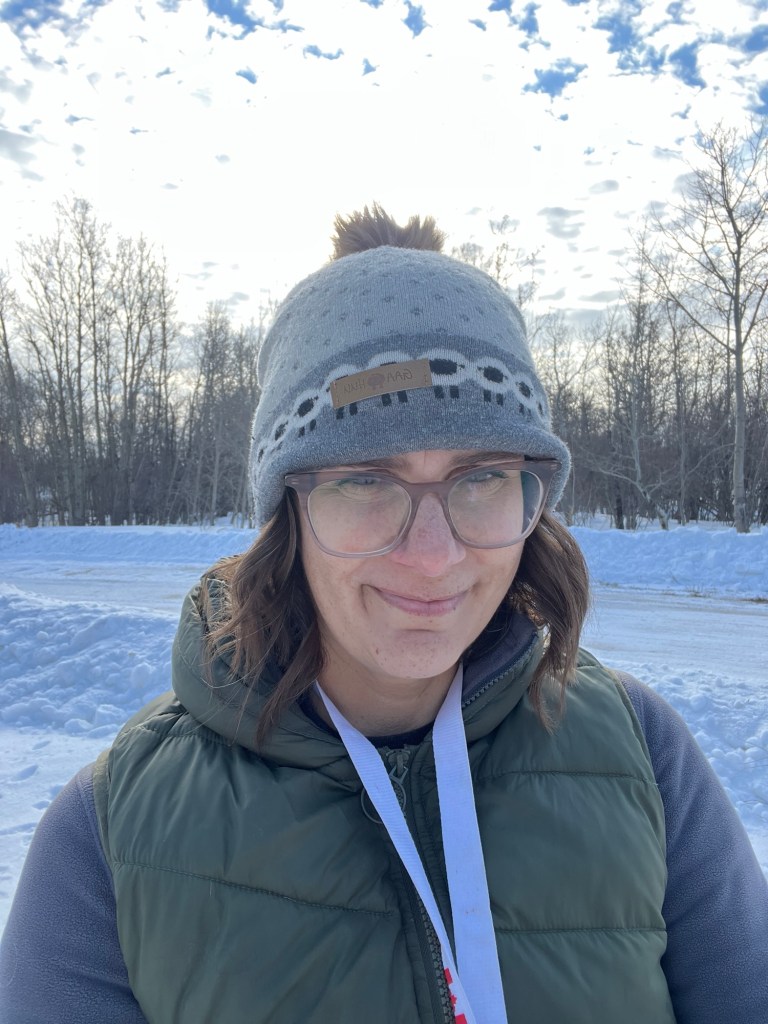
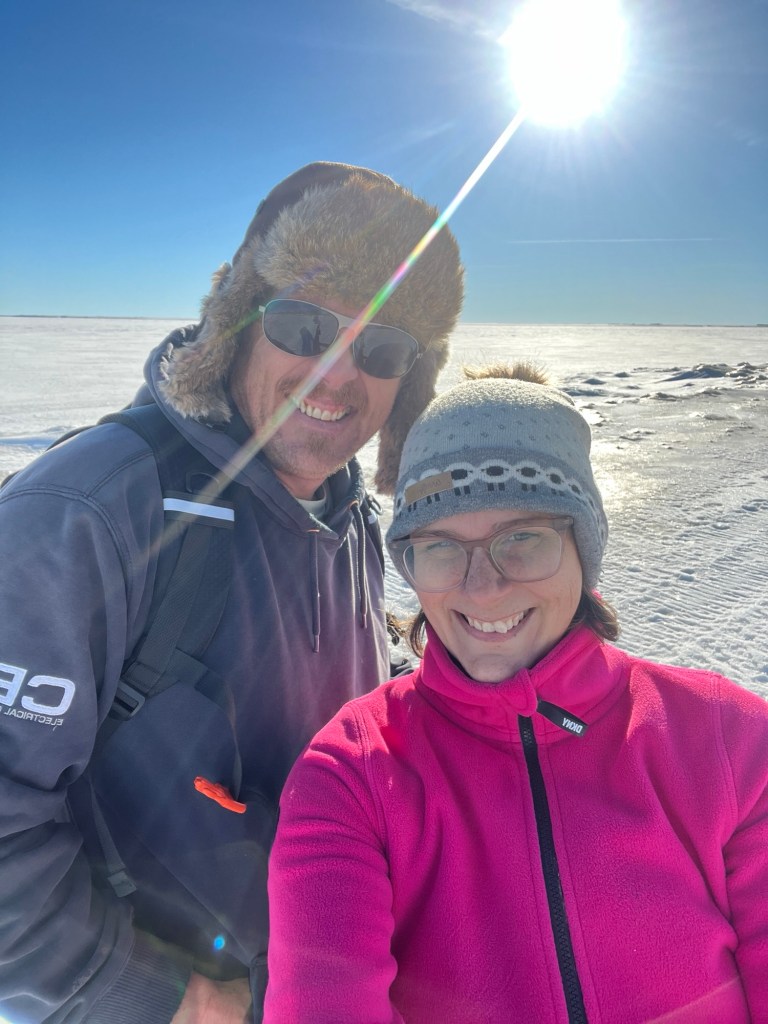
I lived here for years. Me 👇🏼.

I needed to understand the following information to move out of it.

The vagus nerve is the longest cranial nerve in your body, running from your brainstem down through your face, throat, heart, lungs, and into your digestive system. Its name comes from the Latin word vagus, meaning “wandering.” A fitting description for a nerve that touches so many systems.

But its true importance lies in what it does.

The vagus nerve is the main highway of your parasympathetic nervous system. The branch responsible for rest, repair, digestion, and healing. 

If your nervous system had a group chat, the vagus nerve would be the one constantly saying, ‘Hey guys… maybe we’re okay?’ 🤷‍♀️ 

When your vagus nerve is activated, your body shifts out of survival mode and into a state of safety.

Heart rate slows. Muscles release. Inflammation decreases. Digestion improves. And perhaps most importantly, your brain receives a message. It is safe enough to stand down. 

But living with chronic pain and receiving that signal clearly, is comparable to listening to my grandkids’ secrets. 49% air, 50% spit and 1% information. (Toddler secrets are the best 💕)

I only hear about 1% of what they are saying. Similarly, only 1% of that parasympathetic signal was getting through my system.

So the question is, how does one fully activate that vagus nerve to allow the free flow of that signal? The equivalent of interrupting the air and blocking the spit? 😷 So the message can be clearly sent and secured.

Regulation is not forced. It is invited.

An Overactive Detector

Growing up, we had one smoke detector in our old farm house. It was conveniently located in one of the entrances to the kitchen. Beside the stairway leading to the upper level. Where all the hot air travelled. 

You can probably guess what happened every time we burned toast. Or overcooked anything. Or opened the oven after something spilled in there. 

That overly sensitive smoke deterctor was great in theory. But in practice it did more harm than good. 

Before checking if there was an actual emergency, family members would rush to grab the tea towel and shoo the smoke away. 

Focusing on the alarm. More than what the alarm was trying to say. 

Chronic pain is not just about injured tissues or structural problems. It is deeply intertwined with the nervous system. Especially when that system has been stuck in a prolonged state of vigilance. Forever running for the tea towel. 🏃‍♀️ 

When the vagus nerve is underactive (or when sympathetic “fight or flight” dominates), the body remains on high alert. Over time, this can:

  • Heighten pain sensitivity
  • Amplify inflammation
  • Disrupt sleep and recovery
  • Keep muscles in a semi-contracted, guarded state

Pain, in this context, becomes less about damage and more about protection.

Your nervous system is trying (often overzealously) to keep you safe.

The goal is not to force the pain away, but to gently teach the body that it is safe enough to soften its defenses.

A regulated body tells a different story than a protected one.

-Brittany McBride

And this is where the forest becomes more than scenery.

Why Nature Activates the Vagus Nerve

Your nervous system did not evolve in traffic, under fluorescent lighting, or in the constant hum of notifications. 

{Does anyone else feel like they constantly have 17 tabs open? One of them was really important but you can’t find it anywhere?}

Your nervous system evolved in relationship with the natural world.

When you step into a forest and begin to truly engage your senses, several things happen:

  • Your eyes relax as they take in natural, fractal patterns
  • Your ears shift from sharp alertness to soft, ambient listening
  • Your breath deepens in response to clean, oxygen rich air
  • Your body attunes to slower, more rhythmic stimuli

This sensory immersion signals to the vagus nerve that the environment is safe.

Not logically safe. But felt safe.

Your body is not working against you—it’s working overtime for you.

Brittany McBride

The forest offers consistent, non-threatening input. No pop ups. No deadlines.

No one asking if you’ve ‘just tried stretching.’ 🤦‍♀️ Saints preserve us! Bless them for trying. 

Suggested cheeky replies:

“You have such a unique way of understanding things.”

“I’m surprised you feel comfortable enough to say that out loud.”

And then come back to presence. Presence is the language of the vagus nerve.

A Forest Therapy Practice:

Sensory Immersion for Vagal Activation

This is a simple, gentle practice you can do in any natural setting. A forest, park, or even your backyard.

The Invitation: “Let the Forest Meet Your Senses”

  1. Arrive Slowly– Stand or sit comfortably. Notice your feet on the ground. No need to change anything, just arrive.
  2. Sight (Soft Eyes)– Let your gaze widen. Instead of focusing on one object, allow your eyes to take in the whole scene. Notice colors, light, and movement without labeling them. Let your eyes receive, rather than search.
  3. Sound (Layered Listening)– Close your eyes if it feels safe. Notice the closest sound… then the farthest… then everything in between. Birds, wind, distant traffic, your own breath. You are not trying to identify, just to hear.
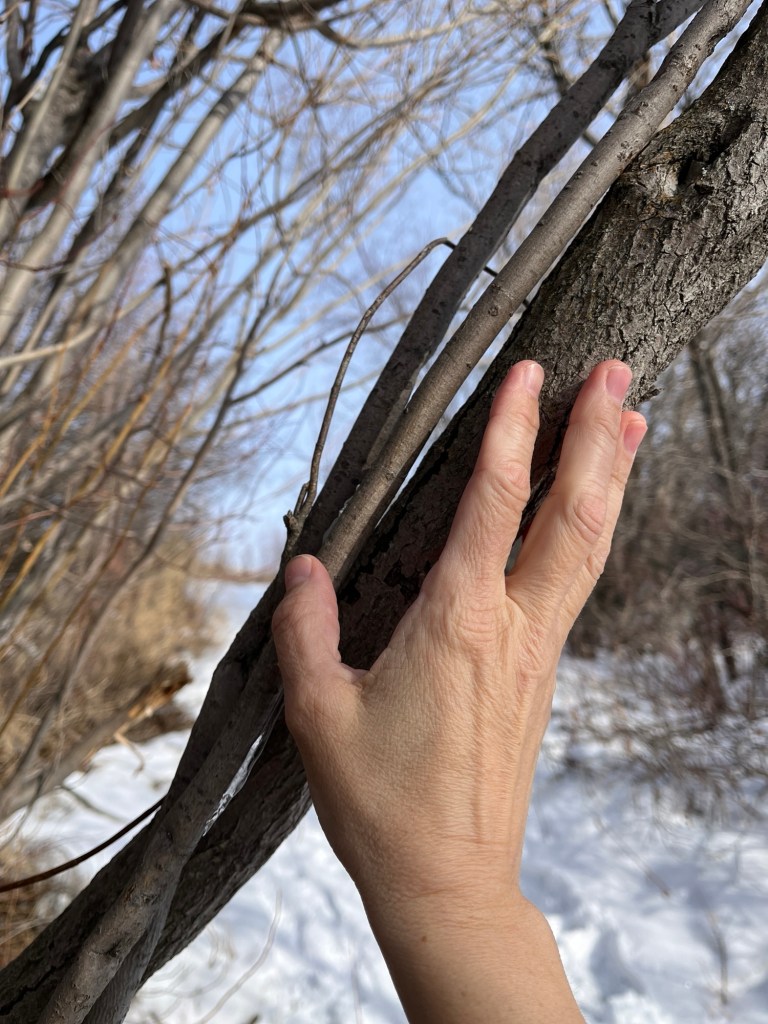
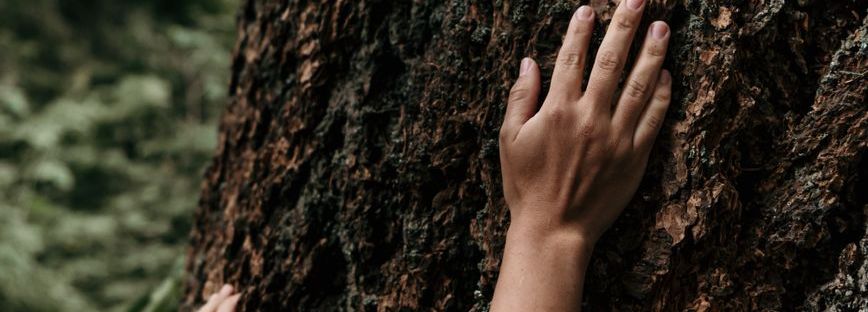
  4. Touch (Contact Points)– Bring awareness to where your body meets the world. Feet on earth. Air on skin. Clothing against your body. If you feel drawn, touch something natural. A leaf, bark, stone. Let the contact be mutual. You are touching, and being touched.
  5. Smell (Subtle Scent)– Inhale gently through your nose. Notice any scent, earthy, fresh, faint, or even absent. There is no need to “find” anything. Simply notice what is.
  6. Breath (Unforced)– Finally, bring awareness to your breath. Let it be exactly as it is. Often, by now, it has already softened.

Stay here for 5–15 minutes. No goal. No outcome to achieve. Just sensory conversation.

Stillness is not empty—it is full of signals your body understands.

-based on teachings of Eckhart Tolle

The Genius Behind This Approach

This practice engages multiple sensory pathways simultaneously in a non-threatening environment. This combination is particularly powerful for vagal activation because it:

  • Interrupts repetitive thought loops
  • Anchors attention in the present moment
  • Provides steady, predictable sensory input
  • Encourages a shift from “doing” to “receiving”

Over time, these experiences build what is called vagal tone. Your nervous system’s ability to return to a state of calm after stress.

And with improved vagal tone, the body becomes less reactive… and more resilient.

The Paradox of Stillness

There are people who don’t experience stillness as calming.

For them, slowing down can actually make things feel worse. The moment the body stops, tension rises. Pain becomes louder. The nervous system, so used to staying a step ahead, interprets stillness as vulnerability rather than safety.

I’ve walked with someone like this before, someone whose body trusted movement far more than pause.

So we didn’t begin with stillness. 

We began with gentle movement. Walking slowly, letting the rhythm of steps create a sense of predictability. Just enough awareness to stay connected, but not so much that it tipped into overwhelm.

Over time, the environment began to do what it does best. Quietly influencing the pace. The quality of light, the steadiness of the trees, the soothing sounds of water. Just inviting. Nothing rushed.

Eventually, there was a natural moment to pause.

Not imposed. Not held too long. Just a brief stop in a place that felt neutral enough.

What stood out wasn’t what happened, but what didn’t.

The expected spike in tension didn’t arrive right away.

And in that small gap between what the body anticipated and what it actually experienced, there was space for something new.

Not relief, exactly.

But possibility. Hope. 

Later, what they recognized wasn’t just the moment itself, but the pattern behind it. The way their body had learned to brace in advance, not just in response. (The run for the tea towel!)

That awareness didn’t erase the pain.   

But it introduced a different relationship to it.

This kind of experience doesn’t feel like much until you realize your body stopped arguing with itself. And when you’re used to those arguments lasting 2-3 business days, the silence is sweetly deafening. 

And when the nervous system experiences even a brief interruption to its usual pattern, it begins to update its expectations.

And that’s where change begins. Not in dramatic shifts, but in quiet moments where the body realizes:

this isn’t unfolding the way I thought it would.

It’s better.

Thoughts to Take with You

The vagus nerve does not respond to force.

It responds to safety.

And safety is not something you can think your way into—it is something you feel your way into.

The forest, in its quiet wisdom, offers exactly that. No effort required. (Which, depending on your personality, may be the hardest part.)

In every walk with nature, one receives far more than he seeks.

John Muir

Not because the forest fixes you.

But because it reminds your body of something it has always known.

How to come back to itself.

Gentle Consistency: Secrets to a Hopeful Mindset with Chronic Conditions

There’s a quiet truth many of us miss.

Your ability to hold vision, hope, and belief is not just a mindset. It’s a nervous system state.

When your body is overwhelmed, depleted, or in pain, the part of your brain responsible for vision and forward-thinking struggles to stay online. You can journal, visualize, and set goals all you want but if your body feels unsafe, your mind will keep pulling you back.

And if you live with chronic illness, chronic pain, or burnout, this is not new information.

You’ve probably had moments where:

• You want to feel hopeful, but can’t access it

• You know what mindset would help, but it feels out of reach

• You try to think positively, but your body feels tense, guarded, or braced

That’s not failure. As if our bodies are just waiting for us to say the right affirmation in the right font.

That’s actually physiology.

The Body Test: A Different Way to Measure Alignment

Here’s something simple but surprisingly powerful to try:

When you imagine the life you want. The healing, the work, the relationships, the version of yourself you’re moving toward,

Does your body soften… or does it brace?

That response is important information. That brace could be your body essentially replying: ‘Respectfully, no.’

Sometimes what we think we should want was actually handed to us by fear, pressure, or comparison. And chasing those things can give us the energy of pursuit but not the peace of arrival.

There’s a quieter, truer kind of vision.

One that comes from a regulated, grounded body.

And your body knows the difference.

Why Mindset Feels So Hard with Chronic Conditions

Most of us were taught that results come first, and mindset follows.

“When I get healthier, then I’ll feel good.”

“When I have more energy, then I’ll be more positive.”

But if you’ve ever made progress on a health journey, you know the truth.

You had to start treating your body with care before it changed. You had to practice compassion before you believed it.

Mindset doesn’t come after results. It creates the conditions for them.

And when you’re living with chronic symptoms, this becomes even more important. Because your external results often change slowly. And beyond your control. 

Little by little, one travels far.

_JRR Tolkien

So what carries you forward?

Not intensity. Not bursts of motivation.

But steadiness. 

The Power of Gentle Consistency

There’s a beautiful, often overlooked truth.

In the agriculture of the soul, flash floods are no substitute for regular irrigation.

Neal A Maxwell

Big, dramatic efforts such as new routines, strict plans, sudden bursts of energy don’t sustain us. Sadly, healing is rarely impressed by one heroic Tuesday.

Especially not when our bodies are already working hard just to function.

What changes us is the steady trickle. Small, repeatable moments of regulation.

Tiny habits that teach the body. We are safe, we are supported, we can keep going.

Because in the end,

You don’t rise to the level of your goals. You fall to the level of your habits.

James Clear

And when those habits are gentle, grounding, and consistent they reshape not just what you do, but how you feel.

How we spend our days is, of course, how we spend our lives.

Annie Dillard

When the Past Blocks the Future

Another quiet truth.

Sometimes it’s not the future we’re afraid of but the past we’re still carrying.

Pain behind us can block the joy ahead. Does this feel true for you?

So what do we do about it?

We move forward anyway. In our best possible way. 

And we build a mindset that asks a different question:

“Why not hope?”

Hope in healing. Hope in your best life. Hope in good things ahead. 

Where Forest Therapy Comes In

This is where forest therapy becomes more than a walk outside.

It becomes a bridge between body and mindset.

Because nature doesn’t demand that you think differently.

It helps your body feel differently first.

And when your body shifts, your mind can follow.

A Simple Forest Therapy Practice for Mindset

Try this the next time you’re outside. A forest trail, a quiet park, or even your backyard.

1. Arrive (Nervous System Check)

Pause. Notice your body. Are you tense? Rushed? Numb?

No judgment, just be aware of those sensations.

2. Ground

Stand or sit still.

Feel your feet on the earth. No, you do not have to become a barefoot woodland mystic to participate. 

Let your gaze soften. Take a slow breath in and a longer breath out.

Stay here for a few minutes until your body settles, even slightly.

3. Bring in a Vision (Gently)

Now, invite a small image of something you want. Not the biggest goal, just the next step.

A feeling. A way of being. A gentle hope.

4. Ask the Body

What happens inside you as you hold that image? Do your shoulders drop? Does your breath deepen? Or do you feel tight, braced, resistant?

Don’t force anything. Just listen.

5. Adjust Toward Ease

If your body braces, soften the vision.

Make it smaller, kinder, more yours.

Stay until your body feels even a little more at ease.

I took a walk in the woods and came out taller than the trees.

Henry David Thoreau

This Is Where Mindset Begins

Not in forcing better thoughts.

Not in chasing someone else’s version of success.

But in creating a body that feels safe enough to hope again.

In choosing small, steady practices over dramatic change.

In building habits that nourish instead of deplete.

In letting your body have a vote in the life you’re creating.

Because when your body believes it’s possible your mind doesn’t have to work so hard to convince it.

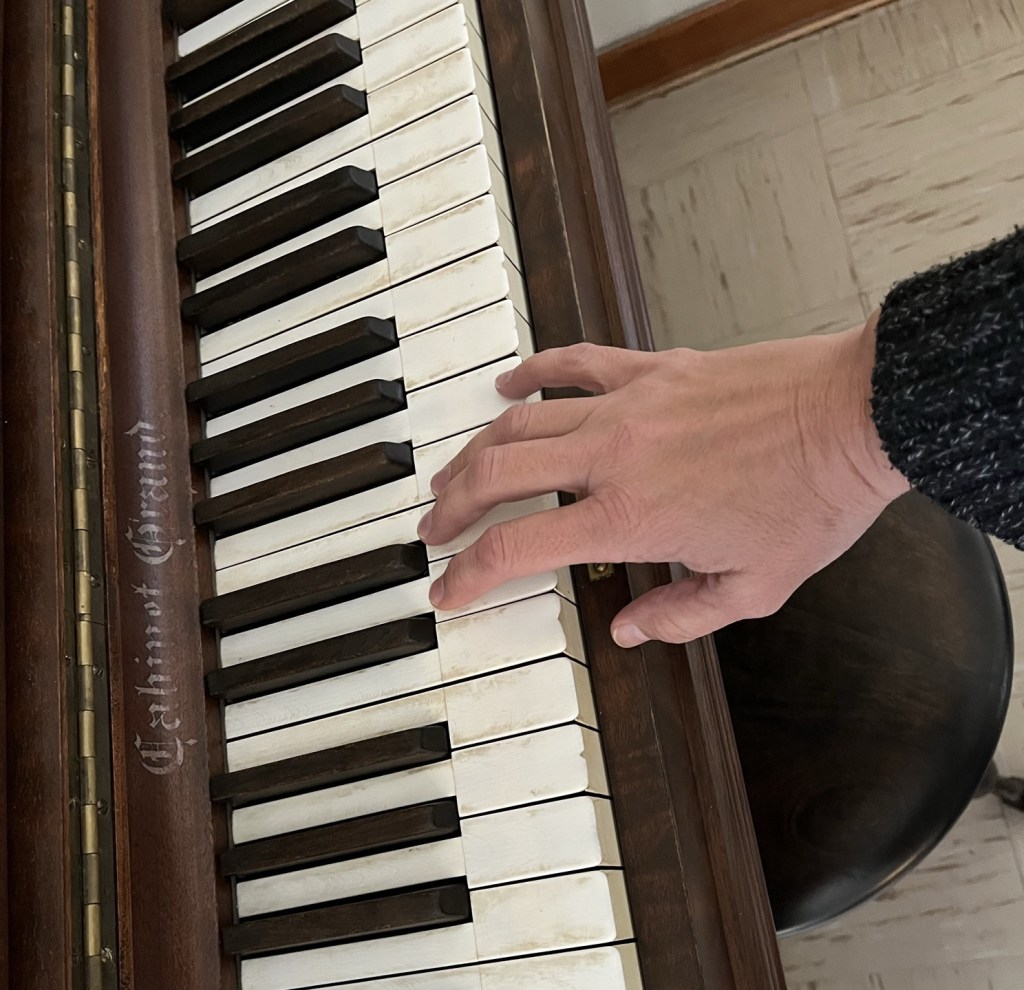
I taught piano lessons for years. I enjoyed working with kids. I enjoyed the lesson prep. I even enjoyed some of the music!

But in 2020 my body said, ‘no more.’ It could no longer do outward smiles and inward screams.

It said no to early mornings. And busy days. And constant focus. And sitting or standing. It said ‘stop!’

Eventually I chose to set aside my business. Then close it. I often consider, after having a couple of good days in a row, about teaching again.

Sometimes I start to think of how much I miss it and think perhaps I could just take a few students. I get excited thinking about it.

When I slow down my thinking enough to see how my body feels about this idea. It braces. It feels drained.

I see myself leaning forward over and over to show the place in the music I am referring to. The repetitive motion getting more and more painful.

I picture my fingers that can’t play more than a few minutes. And only simple songs. No reaching. No pressure. And how frustrating that can be when trying to demonstrate.

I think of the days I didn’t get any sleep and had to go to work anyway. And drag myself through the day. How can one person be so bad at both sleeping AND staying awake?

I have good days. That is true. But only because I’m not forcing my body and mind to work day in and day out in ways that do not support its healing.

I need time for exercise. And rest. And listening to my body. As hard as it is to listen to it at times. It really does know best. 

The body says what words cannot.

Martha Graham

A Gentle Invitation

This week, don’t try to overhaul your mindset.

Instead, try this:

• Spend 10 minutes outside

• Let your body settle before asking it to believe anything

• Bring in one small hope

• And ask, quietly:

“Does this feel like peace… or pressure?”

Then adjust from there. Because maybe the question isn’t

“How do I think differently?”

Maybe it’s:

“How do I feel safe enough to hope?”

What makes your body feel safe enough to hope? I’d love to hear in the comments. 

Hope is the thing with feathers that perches in the soul.

Emily Dickinson

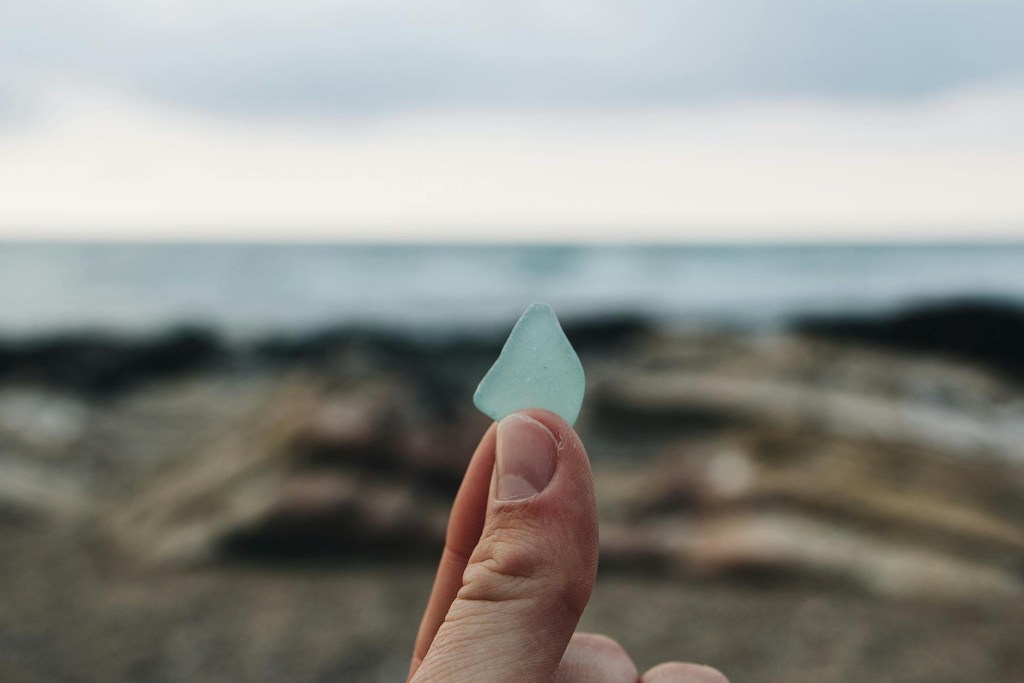
You are Sea Glass

i hope you know you aren't broken glass
you are sea glass
shaped by the tides
softened by the waves
that once felt like they'd shatter you
what you've been through
hasn't made you less
it has made you rare and luminous

even the toughest waters can create
something beautiful
and that's what you are...
a reminder that survival can turn into art

-Shelby Leigh

The beauty of you is how you wear who you are.

-Timothy Egart

How to Grow Rich When Chronic Pain is Your Reality

Ever notice how the word rich instantly makes people picture a yacht, a corner office, or at least a pantry where I have everything I need from chocolate to chia seeds?

Meanwhile, some of us are over here feeling wealthy because we found a position that doesn’t make our back yell at us.

Welcome to redefining abundance.

When you live with chronic issues, the cultural picture of “the good life” can feel like a club you don’t get invited to. My body has very strong opinions. And she will not yield. And yet, many people walking this road discover a strange, stubborn truth.

Richness is not a circumstance.

It’s a way of seeing.

Better Than Happy host Jody Moore distinguishes between two kinds of discomfort. One is fueled by resistance and the belief that life should be different. The other is accompanied by gratitude and a desire to create meaning from what is here.

In the latter, action becomes possible. In the former, people often remain stuck.

For those with chronic pain, discomfort is not optional. The choice lies in how we relate to it.
Turn your wounds into wisdom.

Oprah Winfrey

Gratitude does not deny suffering. It widens the field of attention so that suffering is not the only occupant.

There is the ache that says,

Why me? This ruined everything.

And there is the ache that whispers,

Given that this is here, what life can I still grow?”

The first freezes us in place.

The second opens a path.

A rich life might include money. It might include health. It might include work you love or a family that grows together. Or it might be something far less Instagrammable and far more sustaining. Presence, meaning, connection, small mercies, deep seeing.

Gratitude has a way of turning what is here into enough, and from that soil, more becomes possible.

Not because your nerves suddenly behave.

But because your mind has room again.

As Meister Eckhart wrote,

If the only prayer you ever say in your entire life is thank you, it will be enough.

Gratitude is not pretending pain is lovely.

It is noticing pain is not the only thing present.

Nature’s Secret Calculus

In the woods, a tree with a twist in its trunk is not considered a failure.

It is considered interesting. Strong. Adapted.

No straight lines required.

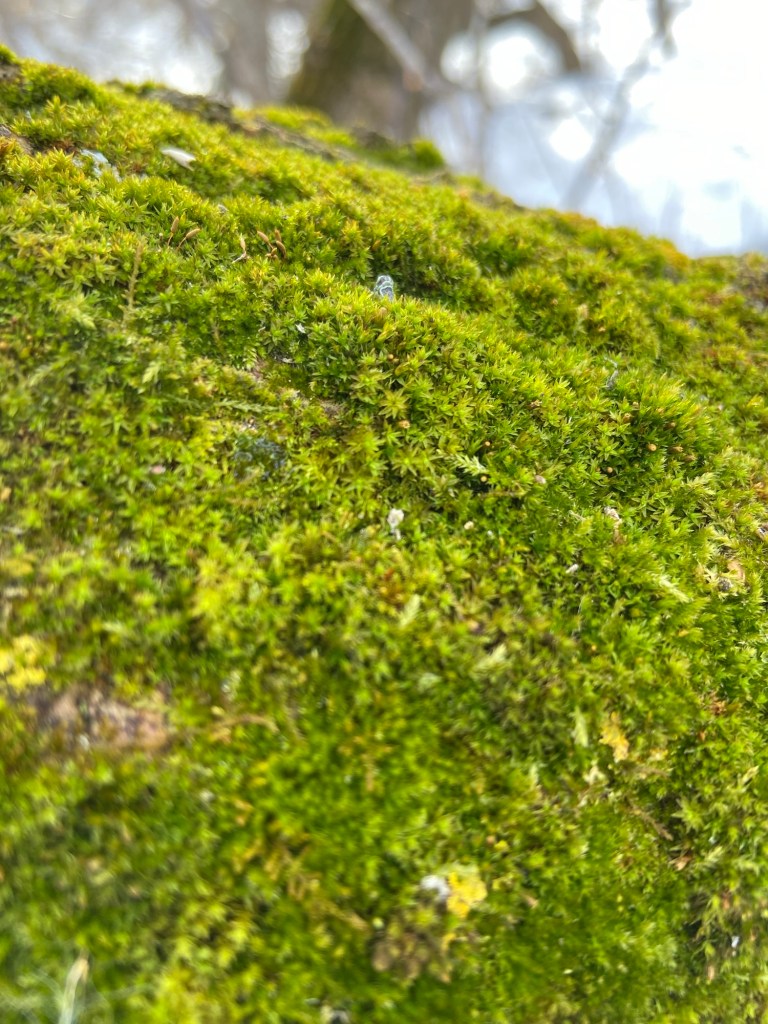
Chronic pain can feel like the bend you never asked for. But bends create habitats. They slow us down enough to notice moss, breath, companionship, the sacred ordinariness of being alive.

What if the detour is also the destination?

Chronicles of My Journey

Some days my life feels like a series of unfortunate events. Many of those events are inconsequential to the general population. But to my loose joints they are devastating.

Last August I was enjoying a beach day with friends. Enjoying isn’t a strong enough word. These are the days I live for.

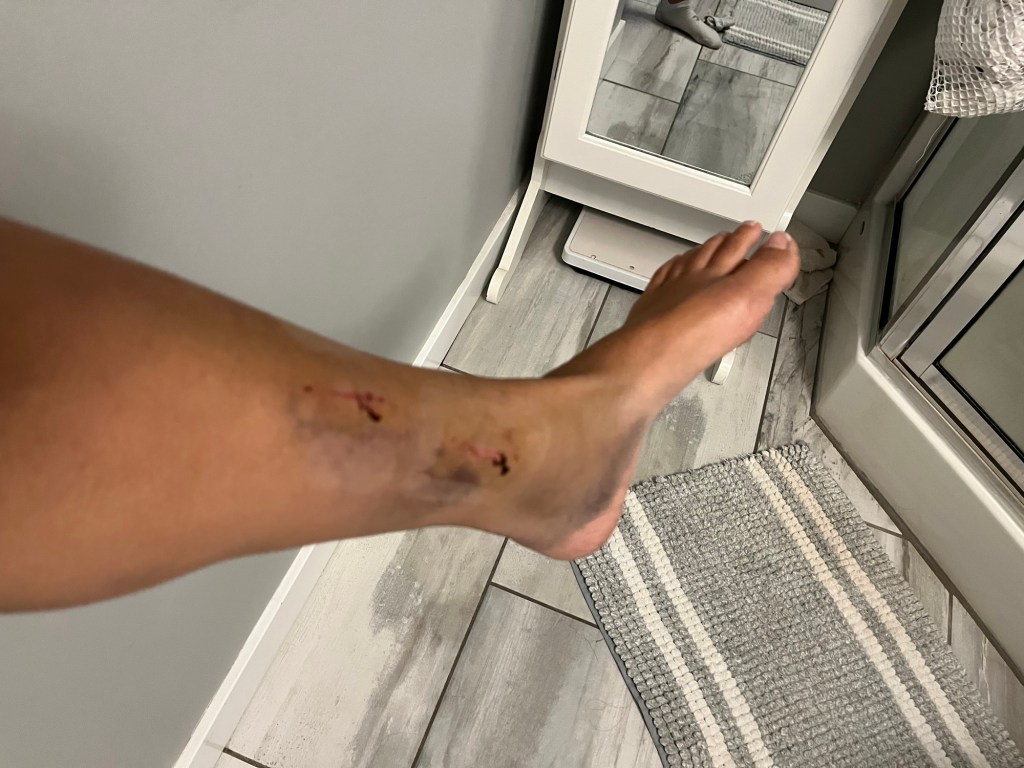
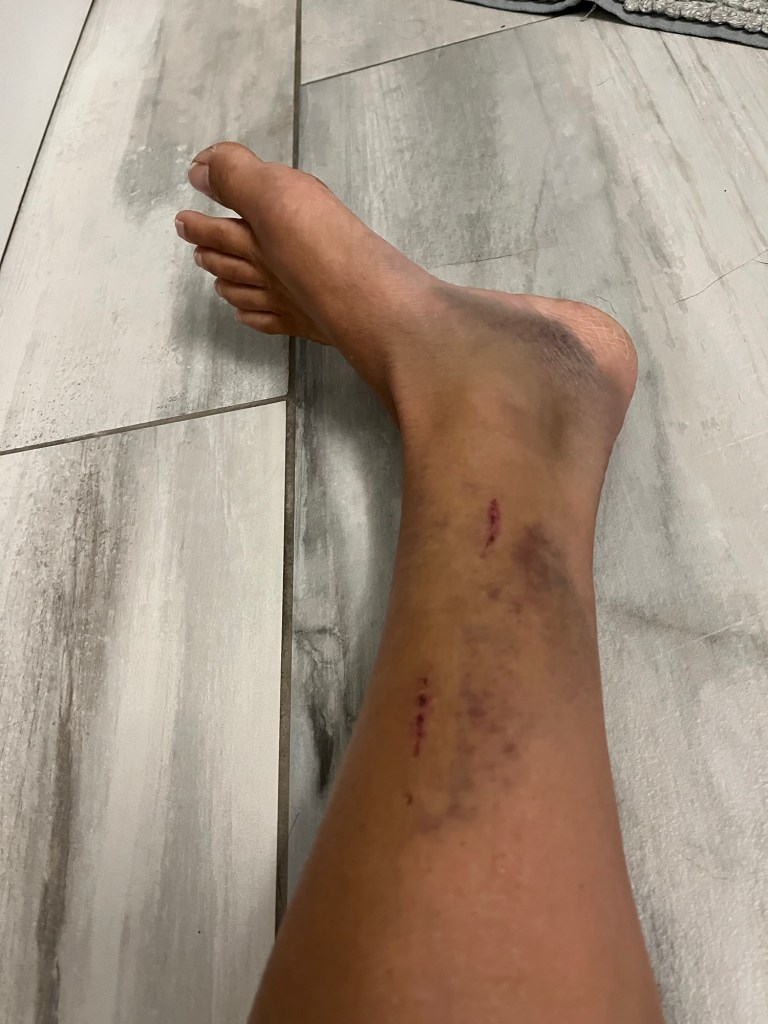
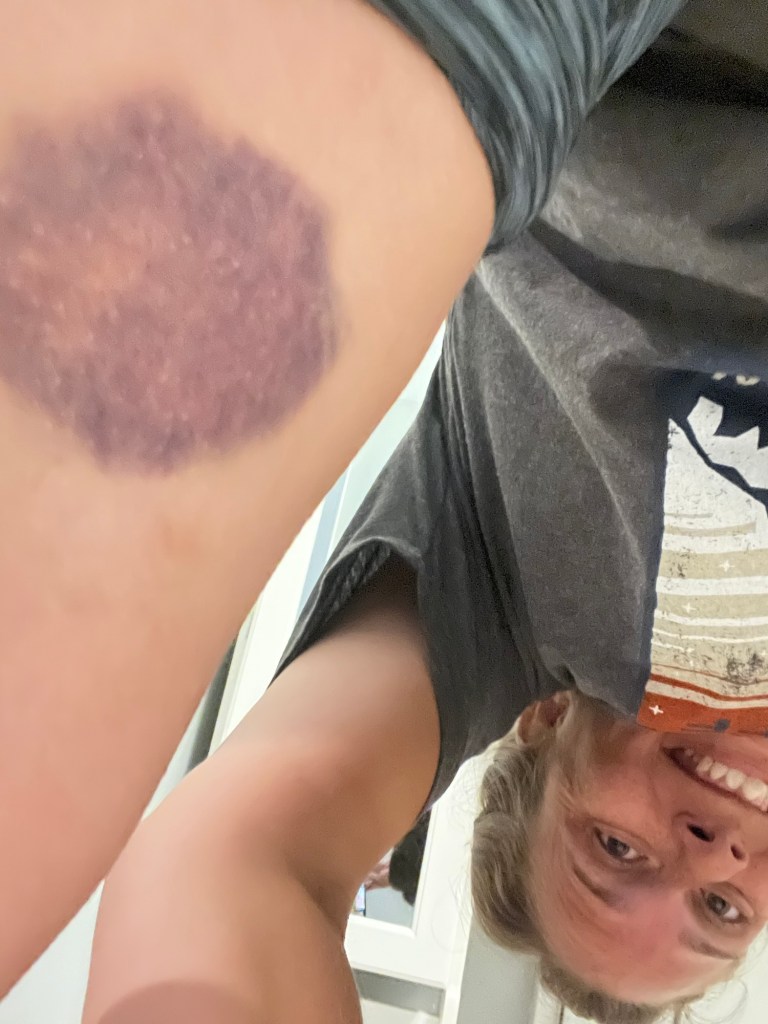
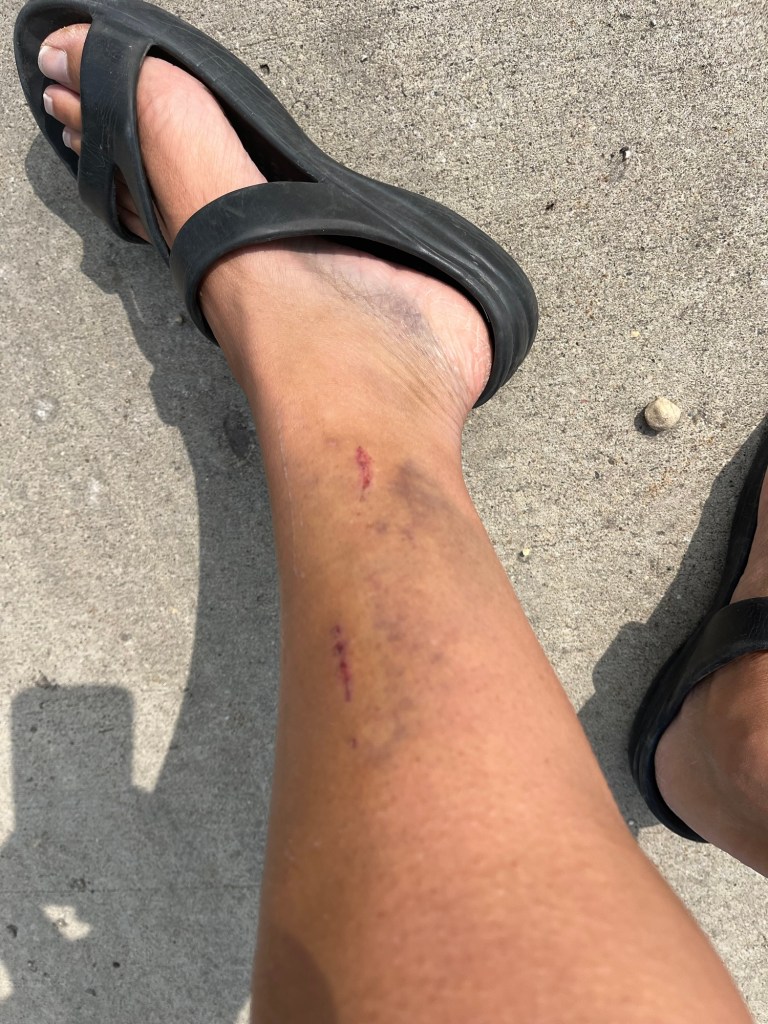
In my rush to support my mom getting off the boat, I slipped. My leg hit twice. On the back of the boat. Then scraped down the ladder.

The pain sent me into waves of nausea. Darkness of passing out kept threatening. I refused to surrender because that seemed embarrassing in the moment.

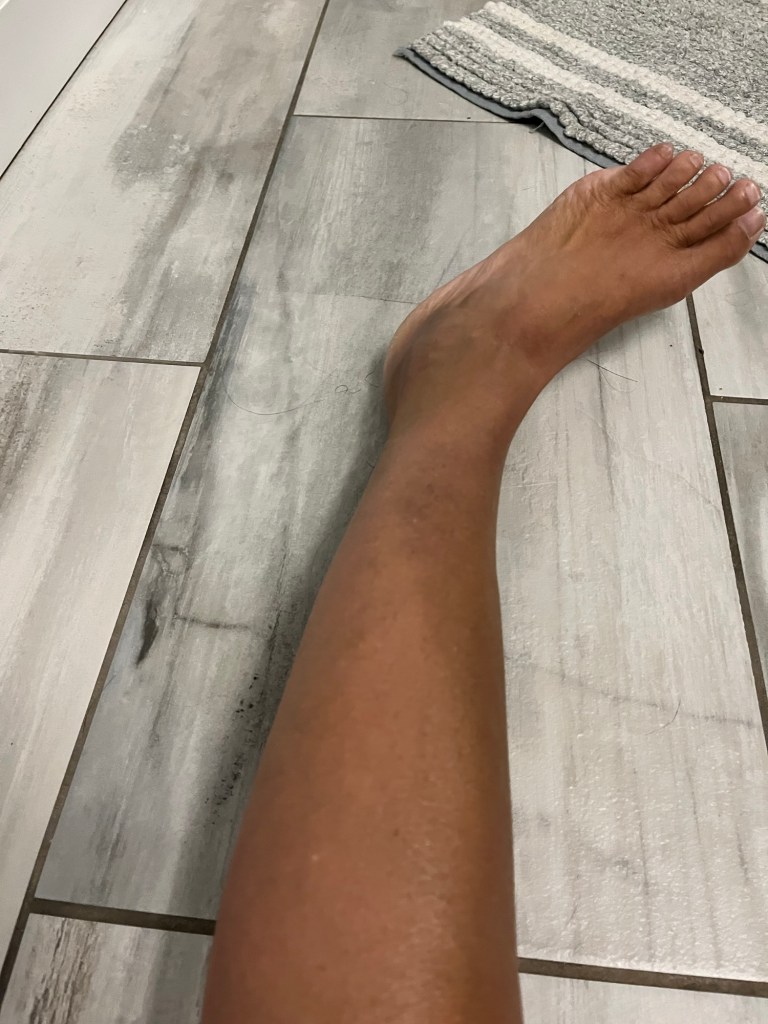
I was rushed off the beach as my leg swelled into two big lumps. Once I got it raised, it started to stabilize and my senses returned. In the end we decided to wrap it and I got to stay at the beach. But my summer was over.

More devastating was what it did to my gym workouts. I try to get to the gym a few days a week to keep my muscles strong enough to hold me together.

I was finally to a place where I could hold most major joints in for a week or more. This incident set me back months.

I am pleased to say I am finally back to a place where I can run almost the distance and pace I had before the damage to my leg. But it took all of those 6 months. The rest of my body has yet to catch up.

These setbacks are frequent and challenging. But I am learning there is peace and hope available on all days. No matter what is happening or not happening. And the sunshine will return.

Finding Wealth in the Woods: A Forest Therapy Practice

  • Go somewhere with trees or sky.
  • Let your pace match what your body can honestly do today.
  • Arrive. Feel your feet. Or your walker. Or the place you are sitting. Let the earth hold some of your weight.
  • Notice three forms of wealth already present. Warmth on your face. Air entering lungs. A sound that is gentle.
  • Place a hand on your heart or thigh and ask, “Given my limits, what is still possible for me?” Don’t demand a big answer. Let something small come. A phone call. A rest. A moment of beauty.
  • Say, quietly, thank you.

That’s it. Tiny riches count. And this practice opens doors for more riches to enter your presence.

Navigating the Path Ahead: A Thoughtful Analogy

Imagine inheriting land you didn’t choose. Some of it is rocky. Some days it floods. You can spend years arguing with the map… or you can learn what grows there.

Blueberries love poor soil.

Certain pines only open after fire.

Some of the most resilient beauty requires harsh beginnings.

As Rainer Maria Rilke advised:

Let everything happen to you: beauty and terror. Just keep going. No feeling is final.

Where Forest Therapy Carries Us

At the outset, when life no longer looks like it did, when identity is disrupted, the forest helps us find where we fit now. Not who we were. Not who others are. Who we are today.

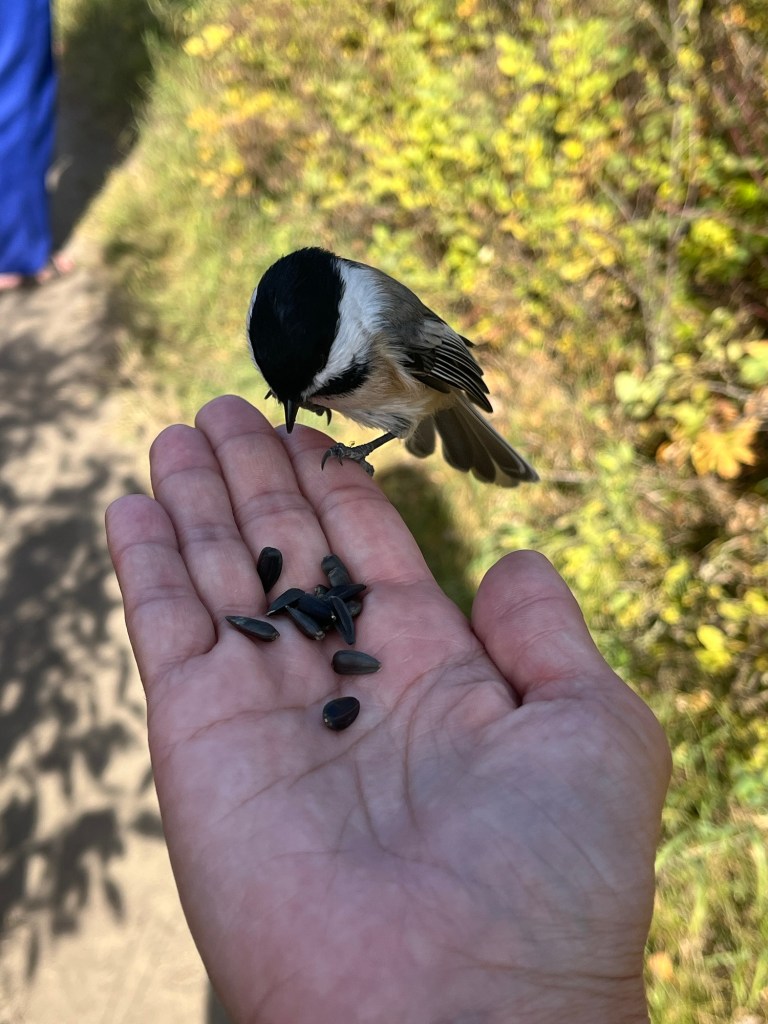
In the middle, when the physical and mental anguish feels loud, nature gives our nervous system something steady to lean on. Wind continues. Chickadees continue. Light continues. We borrow their rhythm.

And at the end, or at least with distance, we often see that pain brought unexpected inheritances. Tenderness, clarity, reprioritized love, a fierce ability to notice what matters.

A different kind of fortune.

You may never get the yacht.

But you might receive awe. Intimacy. Meaning.

Moments of real rest inside the storm.

That is wealth no market can crash.

And forest therapy walks with you through the whole thing 🌲

The wound is the place where the Light enters you.

-Rumi